Who invented the telephone? Alexander Graham Bell. Who invented the computer? Charles Babbage. Who invented the automobile? Karl Benz. Who invented the airplane? The Wright Brothers. We all were taught in school about the great inventors and scientists who created history by creating something extraordinary, but as history has appreciated some of the remarkable people it has not been so kind to the women inventors and there were times when the credit of something remarkable was passed on to a man, stealing away not only the credit but also a chance to be recognized and be remembered always. Let us take a look at such incredible women who’s inventions were credited to their male counterparts.
Rosalind Franklin- In 1958, James D. Watson and Francis H.C Crick received a Nobel prize for their groundbreaking discovery o the double Helix, which changed our point of view of the human DNA, but little do we know that it was Rosalind Franklin who actually discovered the double Helix but died 4 years prior of cancer with no recognition whatsoever.
Lise Meitner- In 1944, Otto Hann won a prize in Chemistry from the Royal Swedish Academy for his discovery of nuclear fission. This discovery would later contribute to the making of the atomic bombs. The woman that he worked in this dangerous research was Lise Meitner, who never received credit for her work.
Hedy Lamarr- Hedy Lamarr was an American-Australian actress and a fashion icon, but she was also the brilliant mind who took part in the invention of the radio guidance system- the system that enables the WiFi and Bluetooth that we use every day. What’s tragic is that while she was presenting her invention to the Navy with her partner, George Antheil, the Navy just pretended to not be interested in it and then stole it later on. Unfortunately, she received her due to recognition in her 80s.
Margaret Knight- In 1868, a woman who was working at a paper bag factory, invented the machine that sealed and folded the paper bag on its own, saving millions of dollars in the workplace. It may sound nothing but back in 1868, it was a revolutionary idea. But there was a machinist who asked to see her machine and he went and tried to patent it in his name behind her back. Fortunately, she fought him and because there were several eyewitnesses, she managed to win the case and received her credit.
COVID-19 has infected millions of people. The economy is in the worst shape it has been in over a decade. Forest fires, job losses, murder hornet, locusts, 2020 has been difficult, strange and a traumatic year. And as the cherry on top, many of us have to stay at our homes or practice social distancing. If you’ve been witnessing or suffering through any of these events, you may be looking for answers on how to get through them.
With 2020 being such an abnormal year, there is a good chance it is taking a toll on your physical, financial and mental health. Here, what could be practiced to stay informed and survive 2020-
Address Your Health- During 2020, you’re probably not going going outside often and spending time with your family and friend is more rare than ever. It is natural for these conditions to take a toll on your mental health. To help with all this, find ways to cope with how you are feeling. It is always important to talk to people you love through voice or video calls or texts, do your best to workout at home, and take your time out of the day to do things you love. And also, stay away from social media if all the negative news becomes too much for you.
Organize Your Finances- If you have lost, or at risk of losing your job, it is good idea to minimize your spending. You can do this by breaking up your spending into essential and non-essential purchases. This will help you figure out your survival number, which is the lowest amount of money you need to survive. Look at other types of spending you can cut out, like your gym membership as your gym may not be open during the pandemic.
Learning a New Skill- There is a good chance that you have a lot of time in your hands now and what better way to use it than utilizing it in learning something new? You can take an online coding course or even learn to knit. Learning something new and staying productive is hugely helpful to your mental health. You can also create a side hustle from it, allowing you to earn money, and if can not earn money from it, you can learn a new skill that saves you money like growing your own food or being able to fix appliances.
Pay Attention- Even though what’s going o in the world can be extremely negative, it is important to stay informed. Use multiple, reliable news sources to educate yourself about what is going on. It can help relive some anxiety when you are more informed. That being said, don’t get overwhelmed by the news. Looking at COVID-19 stats or civil unrest all day can become exhausting, limit yourself to checking news just once in a day, and leave it to that.
Reach Out- Remember that this year has been hard on all of us, and everyone is struggling in some way or another. Don’t be afraid to reach out if you are having a hard time, and remember to check-in on your loved ones to see how they are coping with this crazy year. We are all in this together, stand up for what is right. Support local businesses and donate to charity or your favorite causes if you can. Once, this is all over we’ll finally come back to normal. And hopefully, the new normal will be a better world than ever.
“Science” and “God”, the two words which are often seen as separate entities. These words seem conflicting to most of us and are often a topic of debate. Science seems to question the existence of God and believers of God often question why we are unable to explain the entire universe completely by science to date, a question on the success of science. We can often come across debates on televisions, radio, magazines, etc where people try to prove one as superior over the other. But, are they really two different things? Are they conflicting terms? Or are they same?
A deeper thought over it can clear our confusion. If we deep dig, we find that indeed both are the same. We really don’t need to choose between them. Science and God, are superior powers. The differences arise when we start associating God with some particular religion and Science with the only education. In reality, science is the process of thinking God’s thought after him. “An equation is really nothing unless it expresses a thought of God”, according to Ramanujan. They both actually merge at the spiritual level.
When we talk of science, it is the theories, the fundamental laws that very well explains the nature around us. It offers an explanation of all the natural phenomena in a very beautiful way and at a very basic level. It helped us understand how to converse in the language of nature, i.e in mathematics. It gives human power. The more we as humans understand science, the more powerful we become. Visit the days when humans started to understand science to get to know about the secrets of nature, the things they imagined then are now a reality. The gadgets they considered as their dreams are now in our hands. The technology we imagine today will also become a reality pretty soon. Science gave a power to humans to achieve the impossible.
God, on the other hand, is another superiority. There has been no proper evidence of someone seeing a God. We have not seen God, but we all believe in a “power” that is superior to all of us and many refer to this superior power as “God”. God gives humans the strength and power by making us understand the language of love and humanity. Spirituality is the heart of a human being and through God, we reach here. God helps us understand our potential and make us believe in our strengths. It changes our perception and makes the world a very beautiful and peaceful place for us. The world is incomplete without God.
We can thus conclude, that both Science and God are a source of immense power to human beings and both are tied together. Both speak the same language. The more faith we develop in God, the more we get close to science, the more we understand science, our belief in the existence of God becomes stronger. Louis Pasteur rightly said that “a bit of science can distance us from God, but more of it nears one to him”, and that is for sure. Diving deep into them will give us immense power and peace.
False flag theorists see darker forces behind whatever sinister world events are taking place. They believe events such as gun massacres and terror attacks are staged to make it appear as if some other group designed and carried out the event – in effect planting a false flag at the scene. The “false flag” concept can be virtually applied to just about any world event – the 9/11 attacks, so some believe, weren’t carried out by al-Qaeda but the Bush administration as an excuse for war in the Middle East.
Bilderberg Group
The Bilderberg group is an annual meeting of ‘elite intellectuals’ from across the world to discuss — well, no-one really knows. No minutes are published of the meetings, which take place behind closed doors amid tight security. The group has been accused of everything from plotting the rise and fall of world leaders to trying to form a New World Order, made up of the top figures in banks, corporations and countries.
The Mandela Effect
It is a phenomenon where a group of people collectively misremember a fact or an event. The term was coined by the paranormal enthusiast Fiona Broome. She along with many other people, remember Nelson Mandela dying in prison in the 1980s rather than from illness in 2013. Some of them even claim they remember his funeral being broadcasted on TV, like do you remember the Monopoly Man wearing a monocle? You’re not the only one. However, if you look at him carefully, you’ll realize he’s not wearing a monocle. He never has. While the famous Snow White quote you’ve probably heard others say and repeated yourself is “Mirror, mirror on the wall,” it turns out the correct line is “Magic mirror on the wall” Some people also remember the second part of that quote being “Who is the fairest of them all?” but apparently it’s “Who is the fairest one of all?
Britney Spears Was an Instrument of the Bush Administration
What if Britney Spears’s public meltdown, a series of bizarre events and public outburst— the head shaving incident which ultimately resulted in her receiving a conservatorship and losing custody of her children to ex-hubby Kevin Federline— wasn’t the result of her own personal issues? There are theories that say Britney was being paid by the Bush administration to grab headlines away from the corrupt and incompetent White House.
BONUS
The Illuminati is real, lizard people are also real, and the Earth is hollow with a colony of people living inside the middle, just kidding (maybe). But there are way crazier, way more coherent truths out there waiting to be seen.
So for all you conspiracy theory lovers, here are some shows and documentaries you would want to watch-
Simple rules to send a respectful email that won’t get you on your professor’s bad side.
Rule 1 – Answer swiftly
Anyone who sends you an email they’ll want quick responses. The golden rule for email is to reply within 24 hours, and preferably within the same day itself. If your response email is complicated, just send an email confirming receipt and letting them know that you will get back to them. This will ease the senders mind!
Rule 2 – Use a meaningful subject line
When filling the subject line, make sure that you mention what the email is for or in regards to. You don’t want it to seem like a randomly generated subject and end up in your professor’s spam folder. It also makes it easier to search for old emails when the subject line is relevant and specific to the content of the email.
Rule 3 – Read your email before you send it
Prior to sending your email, be sure that you proofread your message. You shouldn’t write your email as though you are texting your friend. Make sure it’s got full sentences, proper grammar, and real spelling. Look out for potential misunderstandings, the tone, and inappropriate comments.
Rule 4 – Abbreviations & emoticons
Be careful using email abbreviations such as BTW (by the way) and LOL (laugh out loud) in formal emails. Even today, some people still don’t know what they mean, so it’s better to drop them.
Rule 5 – Be concise
Be succinct and keep your message short and to the point. Your professor is going to have probably hundreds of email messages to wade through each day. Just get to the point and politely, respectfully, ask your request. If it has to be long, consider including a synopsis at the top of the email. Make sure you are as clear as possible about what it is you need to ask of your professor without writing a novel.
Rule 6 – Do not write in CAPITALS
IF YOU WRITE IN CAPITALS IT SEEMS AS IF YOU ARE SHOUTING!! Therefore, try not to send email text in capitals.
Rule 7 – Use a professional email address
This marks the message as legitimate and not spam. You should always have an email address that conveys your name so that the professor an idea of who’s sending the message. Never use email addresses, perhaps remnants of your grade-school days, that are not appropriate for use in a formal setting, such as “supergirlrocks@…” or “pizzalover@…”.
Rule 8 – Use professional salutations
Don’t use laid-back, colloquial expressions like, ‘Hi’ or ‘Yo’. Address your professor directly; don’t just launch straight into a request. Examples: ‘Respected Dr. Kapoor’, ‘Dear, Ms. Gupta’, ‘Dr. Sharma, I hope this email finds you well…’.
Rule 9 – Be polite
Don’t make demands, don’t accuse, remember to write please and thank you. Close your email with something polite like ‘Thanks’, ‘Thanks for your time’, ‘See you in class Wednesday’, ‘regards’, etc. Then re-type your first name
It is extremely important that we look after our planet but often as teenagers it can be hard to donate money to support the cause or spend time volunteering, so here are a few things you can do instead.
1. Say no to the straw!
According to Indian pollution control board15,342 tonnes of plastic waste is produced in India every year. A big chunk of it is single use plastic straws, which can’t be recycled! These tiny straws can do a lot of harm to the ocean- it can kill all sorts of wildlife including sea turtles. So why not stop using plastic straws altogether? Some love using straws, but that doesn’t mean there isn’t anything you can do. Instead, switch to glass straws, paper straws or metal straws, here are some affordable options:
Whenever you’re out for grocery shopping, carry a reusable tote with you. Personally, I love a good tote bag, especially the ones you can fold up and tuck away in your shoulder bag.
Every time you go out to the coffee shop and order your cappuccino to go you’re wasting a cup. To avoid this you might want to buy yourself a nice reusable cup. Not only do they reduce waste, but cups with lids are also a better alternative if you drink tea or coffee while you’re on the go.
There is nothing better than a cute reusable water bottle in my opinion. There are so many to choose from and reduce the waste created by using plastic water bottles.
Avoid using things that are packaged or wrapped in single use plastic. Try to use paper or paper bags instead. And if you can’t do that, look for recyclable packaging.
Using a car is one of the worst things for the environment. If the distance to be covered can be covered on foot then why not walk to where you want to be? It’s an easy way to exercise and you’re helping our planet too by reducing greenhouse gasses. If you can’t walk there, why not take the public transport? It’s cheaper and saves the planet.
I discovered “The Bold Type” after a draining day at school. I had just screwed up an exam and I was in desperate need for an escape. Now, a couple years and four seasons later, “The Bold Type” is still a source of constant comfort.
Whether it is professional or personal, there are plenty of life lessons that I picked up while watching the show.
DON’T BE AFRAID TO STAND UP FOR WHAT YOU BELIEVE IN– Kat is one of the most outspoken characters on the web, she like the title is the embodiment of bold. Kat does not shy away from confrontation and believes in taking a firm stand. She is comfortable expressing herself, her opinions and her beliefs no matter what. Her strong stands even cost Kat her dream job , nevertheless she did not shy away from doing the right thing and curved a new path for herself to continue doing what she loves to do even when the conditions aren’t favourable enough.
FAILURE HAPPENS. THINGS DON’T WORK OUT SOMETIMES. MOVE ON– As someone who wants to prefect everything they do, this hits home. Failure is a part of life. Just because you failed at one thing doesn’t mean you’re bad at everything or that you can’t try again.
HAVING A SUPPORT GROUP IS IMPORTANT – Jane, Kat and Sutton support each other through thick and thin- Every bump in the road, every achievement, every rock bottom, every celebration. Get yourself a friends group that is there for you without any strings attached. Everything is a gazillion times better when you have a support group. Take it from me, 2020 would have been hell if it wasn’t for my girl gang.
IT’S OKAY TO NOT BE SURE ABOUT YOUR CAREER CHOICES– In the course of 4 seasons, Sutton went from a personal assistant to a fashion assistant to an aspiring designer to a stylist. She admits that she is undecided about her career choices but is willing to experiment what she desires to see what suits her best.
YOU HAVE TO START FROM SQUARE 1– Since the first episode of season 1, the girls knew where they wanted to be, personally and professionally, and they were on the way to achieve it. However in the latter seasons we discover that the they all started from the bottom: Sutton was a temp, Jane started as an intern and Kat worked for someone who was clueless about how to make hits on any social media platform. It was a great reminder that everyone has to start at the bottom.
BE INSPIRED BY STRONG WOMEN– Connecting with such strong female-empowering character leads in The Bold Type is so important for any viewer because it gives an insight into loving what you do, being more understanding, and realising that you don’t have to go through the tough times in life alone. Early on in the show, Kat starts explore her sexuality and discovers what it means to find yourself before giving it all to someone else. Jane is driven by what her heart tells her and she goes through numerous personal ups and downs and still finds a way to keep going. Having strong women around them as helped them overcome the obstacles they faced and to come to terms with what is going on in their lives.
Being bold can be terrifying but it’s great to have shows like ‘The Bold Type’ inspire us and help us put into perspective how we can be bolder and live our life on our terms.
When it comes to upcycling household goods and items, it can involve creative and innovative thinking. Instead of letting item you no longer use pile up, gather dust, occupy unnecessary space or throwing them out in the garbage, which is definitely not recommend, give them new life.
To get your DIY routine warmed up, I’m sharing some ways to upcycle household items that are present in every home which aren’t in use anymore. Use these green hacks and shift your home to a more sustainable and waste free home.
Hacks to Upcycle Household Items:
Before you toss your over used rubber gloves, that have seen better days, in the bin, cut the fingers off and then cut them further into small rings and use them as elastic rubber bands to keep miscellaneous items in place.
Only a single sock left? Take the solo sock and turn it into a reusable and washable face mask by cutting the top section off, and then cut two slits in the heel portion for your ears.
Turn your broken belt or any belt that you no longer style into a rustic shelf in a few easy steps. First, remove the buckle part, then cut your belt in half. Form a loop out of each half of the belt and then nail them into the wall. Then gently slide a piece of sleek board or an old piece of wood between the loops.
Upcycle your household and beauty products like candles in glass containers, glass bottles, old jewellery boxes, containers that you no longer use. First, properly cleaning them out, then use them as decorative storage- story your pins, makeup brushes, pens, use these to store spices in the kitchen or use them to store flowers in the bathroom.
Do you have too many mason jars laying around? Create your own homemade scented candles- fill the jar with oil, lemon, and add a wick. Or just YouTube the procedure.
A run in your favourite tights and you can’t wear them anymore? Get yourself nice beachy waves, watch this viral no-heat curls hack using a pair of tights.
Want to go grocery shopping in your shoes but fear them contacting any corona surface? Use on old shower cap to cover the sole. Throw them out before entering back.
Want to read more such hacks? Check my favourites ones out:
Apple cider vinegar, also known as ACV is produced during fermentation of apple cider. The sugar present in the apple is fermented by yeast/bacteria which first turns it into alcohol. Further the alcohol is fermented to turn into acetic acid. Apple cider vinegar contains 4-5% of acetic acid, to which many health benefits can be attributed to. Not all apple cider vinegar is created the same, the key is to look for organic, unfiltered, raw apple cider vinegar with “mother” which indicates that it contains probiotics.
What are the health benefits of apple cider vinegar?
It is almost magical what apple cider vinegar can do for your health. Let’s start with a list of benefits first and then get into details.
It can improve digestion
It lowers blood sugar levels
It improves insulin sensitivity
It reduces belly fat
It helps lowers cholesterol
It helps sooth sore throat
It lowers blood pressure and improves heart health
It prevents and decreases the risk of getting cancer and slows down the growth of cancer cells
It helps people to lose weight and increases satiety
Apple cider vinegar is also packed with nutrition. Let’s take a look at its nutritional composition to see what makes apple cider vinegar so special. Apple cider vinegar contains:
Magnesium
amino acids
antioxidants
iron
manganese
phosphorus
only three (3) calories per tablespoon
1. Improves Digestion– Drinking apple cider vinegar everyday can help regulate the amount of acid present in your stomach, which will lead to easier digestion. Like any other fermented food, unfiltered apple cider vinegar contains healthy bacteria that helps to keep your digestive system functioning properly.
2. Lowers blood sugar levels and helps fight Diabetes– Apple cider vinegar has the ability to improve insulin sensitivity and it also helps lower the blood sugar levels. According to a research published by American Diabetes Association, taking two tablespoons of apple cider vinegar before going to bed can reduce fasting blood sugars.
3. Detoxifies the Liver– Apple cider vinegar increasing energy levels and improves its natural blood filtration processes by flushing the liver.
4. Helps You Lose Weight– Apple cider vinegar also helps with weight loss as it increases satiety, feeling of being full, which can help prevent cravings.
5. Inhibits the growth of Cancer Cells. Many studies show that apple cider vinegar has some anti-cancer benefits to it as it is an alkalizing food that restores the acid balance of the body which is important because cancer cells thrive in an acidic environment.
6.) Strengthens the bones – Apple cider vinegar aids in the process of absorption of calcium, which is essential to building strong bones.
8.) Lowers Cholesterol– Studies show that apple cider vinegar reduces the bad cholesterol- LDL and in turn increases the good cholesterol- HDL due to the natural antioxidants present in it.
How to incorporate apple cider vinegar into your diet?
The best way to incorporateapple cider vinegar into your diet is to use it for salad dressings or dilute it in water and drink it as a beverage. 1–2 tablespoons (15–30 ml) mixed in a large glass of water and consumed daily.
According to Wiktionary, Dr. Google is a term when the Internet is used to seek out medical advice. Most of the time when we are feeling under the weather, how often do we land up going through the Internet, trying to Google our symptoms rather than going to an actual doctor?
More often this self-diagnosis through the Internet turns out to be scarier than it should be. For instance, your search for a simple headache you’ve been having, and Dr. Google will point you towards several scary diagnoses like a tumor, aneurysm, or a brain bleed. Simple fatigue can be self-diagnosed as underlying cancer. Self-diagnosing your symptoms using Google can sometimes mask a potentially dangerous disease. So, apart from the inaccurate diagnosis given by several medical websites on the internet, what is worse is the risk of mistreating a potentially dangerous disease.
There is an actual term “Cyberchondria” which refers to a person’s anxiety about their health that is created or exacerbated by using the internet to search for medical information. You just look for any symptom online and it is definitely linked with some form of tumor or cancer, and then psychology comes in play and it can make you feel sicker than you are, which feeds your anxiety.
One thing that we should realize is that Internet is a free space where anyone can post anything, there is no credibility of most of the content being posted so even if you think that it’s just a simple rash and you can get medication through Dr. Google think twice because a real doctor goes through rigorous years of study and only then they are qualified enough to examine you.
The bottom line is that you can not replace a professional medical help with Google search, by doing so you are just putting yourself at risk.
Trigger Warning: Mention of Rape and Sexual Assault
New Media has also changed the style of journalism, such as the rise of online journalism, where facts, information, and reports are produced and distributed through the internet. News in the New Media era is enabled to spread more widely and rapidly. News content is now enriched by lots of digital elements such as images, embed videos, comment box. These elements make the information presented becomes more attractive. One of the salient characters of online journalism is its dependency on speed in delivering information. When we talk about the emerging trends in media, we cannot afford to overlook the role of online media in changing the scenario in the context of women’s issues. The content that the online media produces reflects the pattern of value the society. The prevailing attitude of society gets revealed through the way subjects dealing with women are treated by the media (Arpita Sharma, 2012).
Media has the choice of acting as both, a protagonist and as a perpetrator-it can either reinforce the gender-based discrimination by portraying sensational and stereotypical images of women or it can provide balanced reportage that empowers women and not degrades them while exposing acts of gender-based violence. Rape cases and sexual assault cases are not a recent trend in the society but sensitive reportage and wide coverage by media while also bringing these issues forefront are relatively very new.
Gender-based violence or GBV is violence that is directed against a person because of their gender. Both women and men experience GBV but the majority of victims are women and girls. GBV and violence against women are terms that are synonymous as it is widely acknowledged that most gender-based violence is inflicted on women and girls, by men. The issue of GBV reaches every corner of the world. The numbers of women and girls affected by this problem are shocking. According to the World Health Organization’s data from 2013, one in every three women has been beaten, compelled into sex or are abused. One in five women is sexually abused as a child, according to a 2014 report.
In coverage of GVB, several stereotypes are often perpetuated by the new media. These include that rape is similar to sex, that the assailant is motivated by female lust, that the assailant is perverted, crazy or a monster, that the woman provokes rape or assault, and that only women are only victims. Scholars have found that these stereotypes and myths are pervasive in media coverage of rape and assault cases. Not only the language and the framing of the headlines but also the visuals used in the articles regarding GVB play an important role in the general perception of these issues.
In Gender-Sensitive Indicators for Media (UNESCO, 2012), under Category B- Gender Portrayal In Media Content, B1.5- Strategic Objective 5 states the indicators for the coverage of gender-based violence. Three of them are-
Use of non-judgmental language, distinguishing between consensual sexual activity and criminal acts, and taking care not to blame the victim/survivor for the crime
2. Use of the term ‘survivor’ rather than ‘victim’ unless the violence-affected person uses the latter term or has not survived
3. Use of background information and statistics to present gender-based violence as a societal problem rather than as an individual, personal tragedy
Terms such as ‘victim’ or ‘survivor’ are often used to describe individuals who undergo these experiences. The term ‘victim’ reiterates feelings of helplessness and lack of female agency, while the term survivor connotes a sense of strength and resilience. However, the affected person should have a say in what to refer them as. The ‘victim’ terminology limits individual self-agency and identity. It is important to note that experiences of violence do not define the individual, but rather are a piece of a larger self-identity. Such labels focus on experiences of violence and presuppose an individual’s inability to change or undergo any personal development to transform their identity into a peaceful, empowered personality.
Images of sexual violence in the media often depicts women as covering their face, being silenced by looming hands, teary faces, large shadows near the woman, are some of the visual examples. These images not only fuel the stereotypes of women as helpless and weak, but also these images are also extremely triggering for the survivors of sexual assault and rape.
When media reports women who have been assaulted or raped as nothing but victims, society can disengage and fail to take the issue as a broader societal issue and fail to take responsibility for any individual or group action to change it. It is crucial then for journalists to report on GBV in an informed way and to have a good theoretical understanding of the roots of these gender based violence’s and what needs to change in society. Otherwise, they can do harm by perpetuating patriarchal stereotypes and falsehoods.
The coronavirus disease- COVID-19 is a highly transmittable and pathogenic viral infection caused by severe acute respiratory syndrome coronavirus 2 or SARS-CoV-2, which emerged in Wuhan, China and spread around the world. Analysis revealed that SARS-CoV-2 is phylogenetically related to severe acute respiratory syndrome-like bat viruses, therefore bats could be the possible primary reservoir. The intermediate source of origin and transfer to humans is not known, however, the rapid human to human transfer has been confirmed widely. There is no clinically approved antiviral drug or vaccine available to be used against COVID-19. However, few broad-spectrum antiviral drugs have been evaluated against COVID-19 in clinical trials, resulted in clinical recovery.
ORIGIN:
The first human infections were reported at the end of December 2019 in Wuhan, Hubei province in China when a cluster of 41 pneumonia cases was identified. Deeper analysis showed that it was a novel coronavirus. A third – 66% of the cases – had direct exposure to the Huanan Seafood market. Fish, shellfish, wildlife, snakes, birds and several different types of meat and carcasses were sold at this market. The market was closed immediately, and it has not reopened since. (source: ScienceDirect.com, https://www.sciencedirect.com/science/article/pii/S0140673620301835?via%3Dihub)
The strongest speculation of the origin has been that the virus is somehow linked to the market given two thirds of the first batch of people infected had had ties with it. But even this hasn’t been proved yet. Nevertheless, Bats, in particular, have been studied closely because they are considered to be the natural host of coronaviruses.
this is not my image, credit to the artist
EFFECT of covid-19 on the environment:
The objective of this article is to analyse the positive and the negative environmental impact of this abhorrent pandemic, Covid-19.
The Positives-
Improved Air Quality:
The coronavirus has temporarily slashed air pollution levels around the world (source: European Space Agency). Readings from ESA’s Sentinel-5P satellite also show that over the past six weeks, the levels of nitrogen dioxide (NO2) over cities and industrial clusters in Asia and Europe were markedly lower than in the same period last year. Nitrogen dioxide is produced from car engines, power plants and other industrial processes and is thought to exacerbate respiratory illnesses such as asthma. While not a greenhouse gas itself, the pollutant originates from the same activities and industrial sectors that are responsible for a large share of the world’s carbon emissions and that drive global heating. Take transport, for example, which makes up 23% of global carbon emissions. Driving and aviation are key contributors to emissions from transport, contributing 72% and 11% of the transport sector’s greenhouse gas emissions respectively. (Source: http://www.ipcc.ch)
If we consider the case of Delhi, on 6th April, for the third week Delhi continued to breathe clean. The weekend before this saw the best air quality in the national capital region (NCR) in 2020, with an average AQI of 46. The weekend before that, it was at 159. There was a remarked improvement in air quality in the NCR, as the harmful PM10 and PM2.5 levels were down by 35-40% in Delhi (source: The Economic Times).
The visible positive impacts whether through improved air quality or reduced greenhouse gas emissions – are but temporary. This is because they come on the back of an economic slowdown and human distress. During the pandemic, these emissions will stay lowered. But what will happen when the safety measures are eventually lifted? The people will be back to regular.
A benefit of no travel and a lockdown is we will spend some time rethinking how we use energy.
The Negatives-
Increase In Use Of Single-Use Plastics:
With as many as 12,82,931 cases recorded in 211 countries ( as of 8 April 2020, 05:30 GMT, Source: WHO), the United Nations’ World Health Organization has recently declared the fast-spreading COVID-19 outbreak as a pandemic. It is natural then that citizens around the globe are hastening to take every possible measure to safeguard their health against the virus. The most widespread of these precautions is the extensive use of surgical face masks.
These masks are mainly made of non-woven fabric such as polypropylene, polystyrene, polycarbonate, polyethylene or polyester. While they keep out bacteria effectively, the masks are plastic-based, liquid-resistant products that have a long afterlife after they are discarded, ending up in landfill or oceans.
Given that surgical masks are supposed to be worn for no longer than one day, their disposal- along with that of empty hand sanitizer bottles and soiled tissue papers- is leading to a massive trail of clinical waste in the environment.
Take the case of Wuhan, for example. The Chinese city which has been at the epicentre of the pandemic and which is home to over 11 million people, is reported to have generated 200 tons of clinical trash on a single day (24 February 2020), four times the amount the city’s only dedicated facility can incinerate per day. (source: scmp.com)
Mountain Of Waste:
With consumers stuck at home, there’s been a surge in the amount of household garbage as people increasingly shop online and order meals to be delivered, which come with a lot of packaging. (source: time.com)
Meanwhile, China is drowning under medical waste produced by hospitals including face masks and single-use tissues. If the waste is not handled properly, the garbage collectors are likely to catch and spread the infection
More Hand Wash, More Use Of Water:
Today, the only defence against the pandemic is that we wash our hands frequently — 20 seconds each time. The fact is, clean water remains the most important preventive health measure in the world.
A proper hand wash involves lathering soap and scrubbing hands on both sides for at least 20 seconds, according to WHO guidelines. A 30 to 40 second hand wash would use up around four litres of water if the tap is on, or two litres with the tap closed, while scrubbing with soap. Around 20 to 40 litres of water is used up every day, with the assumption that every person cleans her hands at least 10 times a day, instead of a usual average of five times a day.
A family of five members would thus need 100 to 200 litres of water per day only to wash hands. This would result in the generation of around 200 litres of wastewater per day, a 20 to 25 per cent increase in water demand and generation of wastewater from human settlements. (source: downtoearth.org.in)
It is also important to note that a large numbers of people in India and vast parts of the still emerging world do not have access to water, forget its portability.
Climate Issues Take a Backseat:
Before the coronavirus, momentum seemed to be building behind governments and businesses taking steps to address climate change. As 2020 began, wildfires were destroying vast swaths of Australia; and the climate activist Greta Thunberg had become a household name. But the spread of the coronavirus has thrown an even more urgent crisis at governments and business: how to save the lives of millions of people, prevent health care systems from collapsing, and shore up economies that must now enter something comparable to an induced coma.
CONCLUSION:
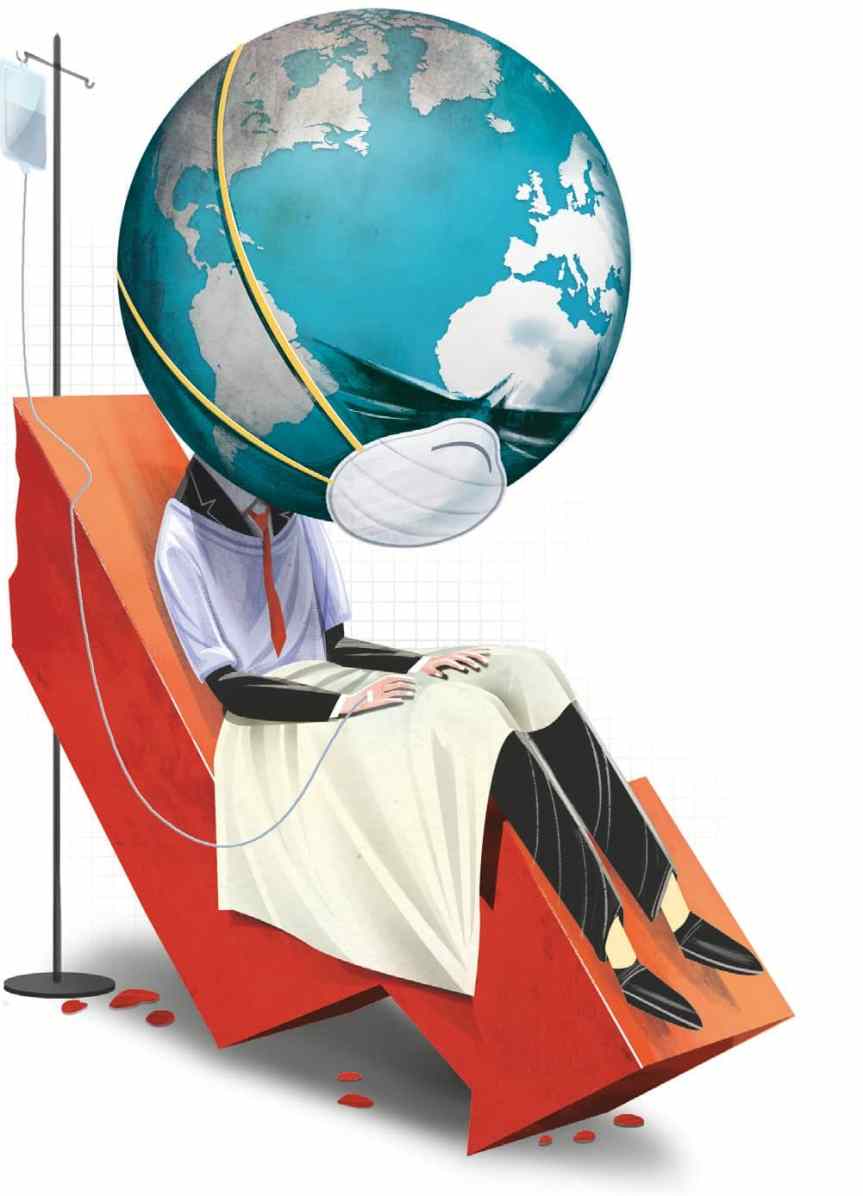
In conclusion, the coronavirus crisis has been having short term positive environmental effects but long term negative effects on the environment. Production has decreased, there’s less pressure on energy resources, less fuel burnt in transportation, fewer carbon emissions, and less air pollution. However, all of this is temporary and in the long term, the environmental impacts of the coronavirus such as water shortage, increase in plastic production and waste and issues relating to correct waste disposable, to name a few, will pose as a greater problem.
Introverts or extrovert, social interaction is a need for everyone. No one is liking the fact that physical distancing isn’t taking place on their terms.
Self Isolation, physical distancing and ‘Real Friends’
To give you a breakup: Some of my friends aren’t taking self-isolation very well. Some don’t seem to be minding it at all. And then there are those who, on the surface, seem to be taking it well, but in reality are carrying the heavy load of being ‘the strong friend’.
In April, a tweet by the handle @/tiamowry got viral, it read “During this pandemic, you’ll really see who your friends are. Who’s really checking up on you? Making sure you’re okay? Remember that when all this is over?”. It was deleted after the backlash, but the sheer number of likes, retweets and all the ‘yes omg, you’re right’ comments it received made it clear that a lot of us follow the same mentality that the tweet reflected. The mentality, in plain words, is being self-absorbed. Sure, all of us want to receive love and feel loved. We want constant reassurance from our friends and family that care about us.
However, to go ahead and suggest that a friend who is not constantly checking up on you isn’t a ‘real’ friend is parochial. This mentality implies that the pandemic is only affecting you and your mental health. It fails to acknowledge that it is also affecting everyone else, which includes your ‘real’ friends.
The last thing you should do is measure the strength of your friendships based on how often a friend is checking up on you as if they don’t have other things that could be worrying them or occupying their time during a pandemic.
Personally, I’ve been checking in on my friends, talking to them as much as I can. Doing as much listening as sharing. In no way am I doing this expecting everyone else to do the same for me. While saying this, it is also important that I mention the context- I’m in an extremely privileged position than most in this whole situation. For one, I have a roof over my head, three hot meals and not any financial burden to keep me worried about. I am someone who can be described as an ‘overly productive’ person during the pandemic. While on most day I like to be buried in work, but there are also days when everything starts to take a toll on me, on those days, sometimes I’m busy pretending to be strong for people even though I can hardly seem do anything for my own mental health. The other times I prioritise myself, something I learned the hard way.
Who SHOULD YOU CHECK UP ON?
There is no fixed answer to this question. It could be people with emotional/mental disorders, your current friends, old friends, new friends, family or even distant relatives. It is okay to do this as long as it doesn’t cost you your own peace of mind. You can not help anyone if you yourself are struggling. If you are over extending yourself it is okay to not check in with people you regularly check in with. You can keep yourself first without dissolving in guilt.
UNLEARNING
Like I mentioned before, I personally don’t take offence to whether or not a friend drops me a text or randomly video calls me. The pandemic isn’t just about me nor is it just about them. It is something that we are all collectively experiencing combined with our own personal struggles.
Take a quick moment to practice a more open and accommodating mindset.
It’s again the time to apply for colleges while you’re just out of school. This stage in life always involves uncertainty and stress, and in addition COVID-19 has made it even more challenging for students. Here are some things I wish I knew before I got out of school-
It’s okay to not have everything figured out just yet
I’m sure you have heard all types of questions about your future- ranging from which college would you like to get into to what do you want to major in, from what type of career do you want after college to what’s your plan-B. If you know the answer to such questions then, congratulations you’re the lucky one. But It’s okay if you don’t know the answers to these right now. Most people don’t have their entire life figured out at age of 17/18. You’ll get there eventually. Try exploring one question at a time instead of stressing about all of these at once. Small steps, remember?
Don’t be afraid to get out of your comfort zone
This is probably one of the biggest things I had to learn after getting out of school. It’s so important that you learn to step out of your comfort zone while you’re in school. School offers you a very sheltered environment, but college doesn’t. You’ll have to make ways to achieve things you want and even go and extra mile for them. Inculcating this habit will benefit you in the long run. You surely don’t want to miss out on opportunities in college simply because you were afraid to take a risk.
You and your friends might grow apart
I was fortunate enough to experience my school friendships grow even stronger after leaving school. But this wan’t the case with most of the friend groups in my school batch. It is something that happens when you all jet off to different cities, when you meet new people who you connect with better or when you see that people who you were close to in school aren’t making as much effort to communicate as you are, which happens a lot. It’s highly unlikely for your entire friend group to end up in the same university or college after graduation or for them to make the same efforts they were making when you all were meeting each day. Either way, don’t be discouraged if you realise you’re not as close as you were in school.
ask for help
Don’t be afraid to ask for help. Whether it’s your pride or your fear holding you back, try and get over it. You don’t have to force yourself to struggle when you can ask the ones you trust for help. Whether it’s related to academics or your personal struggle adjusting to a new environment, reach out for help. Looking back you will wish you had asked for help when you had the chance to. This will make your life a lot more easier.
PRIORITIzE your health, physical and mental
Learn to prioritize your health and pay attention to what your body needs from you. Pulling all nighters day after day after day will destroy you and your focus. And No, you can’t survive the whole day at college on a diet of lays and coke forever. Don’t skip your meals. Your health is very important.
You don’t have to be the same person you were in high school
College is the perfect time to reinvent yourself. It’s the perfect time to unlearn concepts and opinions that you no longer agree with. It’s the perfect time to to better yourself educating yourself with issues that are revenant around you. University offers you an environment suitable to reinvent yourself, it offers you the space to give educated opinions and to find like minded people who you willingly want to interact with online school where you had to interact with your classmates only. If you were the brainiac that always had a secret passion for art, then join your college’s art club. If in school you were into sports but always appreciated and enjoyed debating, then join the debate club while participate in the sports activities of your choice. You don’t have to stay the same and that’s the beauty of it.
All of us want to be there for our friends when they need us. We want to help them and provide the support in the best way we know. Nonetheless, when a friend tells us about their current struggle with their mental health, it can be challenging to decide what to do or what to say. It is valid to be worried about not making the situation worse or upsetting them by saying the wrong thing at the wrong time. Here are 3 things that will help you support your friend in a way that’s healthy for the both of you.
Seamless pattern of a crowd of many different people profile heads. Vector background.
1. Listen to them
We are constantly hearing people talk which may lead us to think that listening is easy. However, the goal is to listen and not just hear, to be a good listener, you must be able to put all your thoughts and judgements to one side. Try not to interrupt them while they are taking or rush them into talking. It’s most ideal to have the conversation with them when you do not have something to do soon since this can add to the pressure which could make you want to rush the conversation and make them feel unheard or worse, abandoned. You should also try to stay calm, process the information as and when you receive it.
2. Ask them what they would like from you
Sometimes people just want to be seen, be heard, or just want to get something off their chest. Other times they simply want advice or maybe reassurance. Asking them what they would like from you will help you to support them in the better way and it will ensure they do not leave feeling unsatisfied or unheard. Try to be as honest, patient and kind as possible when responding to your them. In dealing with such situations, you can be most helpful by asking yourself these three questions: ‘What’s best for my friend?’. ‘What would I want the most from my friend if I was in this situation?’ and ‘How would I want to be treated had I been in the same situation?’
3. Check up on them
If you feel mentally stable enough and are able to, keep asking your friend how they are and how they feel, take the time out to candidly listen to what they have to say, keep repeating this cycle. Mental health problems don’t vanish after one conversation. These problems can also be incredibly isolating. Regualrly checking up on your friend is one step closer to making them feel a little less alone, visible and will also serve as a reminder that you care about them.
It is okay if you can’t always be there for the people you love and care about. We all have our own challenges and struggles. If you do not feel up to it, you should signpost them to others who they can talk to like some other close friend, a trusted family member or a mental health organisation that can professionally help.
For many of us, quarantine has disrupted our daily routines which have in turn affected our sleep patterns. Sleep is essential for the well being of our mental health, so if like me, you’re too struggling to sleep during this challenging time, I’ve picked out three things that have personally helped me to relax and fall asleep.
Avoid checking the news before sleeping
I’ve noticed that if I watch or read the news before I go to sleep, it leaves me with anxiety, feelings of uncertainty, and even stress which then keeps me awake thinking about what’s to come next. Getting your news updates in the morning is so much easier for me as it gives me the whole day to process what’s happening in the world around me instead of trying to process all the heavy information at night.
Create a routine for yourself
For a person who has not believed in maintaining strict routines, I discovered that creating a routine for yourself can help you by providing a structure and offer feelings of normality, which for me now has taken away a lot of the stress. In the time that is so uncertain and unstable, having a routine can make you feel in control and calm about your surroundings. Try and stick to the same sleep schedule at night so that you can follow your daily routine without any trouble.
have a relaxing bath before sleeping
Taking time out of your schedule to have a relaxing bath or shower can help you fall asleep faster and also improves the overall quality of sleep. The cooling down of your body helps build a strong urge to sleep which can send you into a deeper sleep. This is something that has undoubtedly helped with my sleep struggles over the past month.
acknowledge and accept the change
At this time it is very difficult to not feel anxious about what the future holds and what’s to come. It’s human to feel worried about yourself and the ones you love and care about and it is also normal for there to be a change in the sleeping and eating patterns to feel more comfortable. But if you feel like you’re losing control of things around you, take a deep breath in and remember that this will not last forever.
Mainstream media to new media- how has the shift affected political reporting
Politics is undoubtedly a game for supremacy solely played in the name of the people for evoking national interest. Fred Fedler was right then he said “journalism is built on reporting government”. The idea of ‘the watchdog’ means that the journalist, as an independent observer without any vested interest in any side of the controversy, can inform the public about what is going on, particularly if the government is corrupt or even incompetent. However, the political journalists do not play this role flawlessly.
There is a paucity of good political reporting in India- reporting with an insight, reporting that captures in action the trouper of the political field, reporting that exposes the petty politics and the never ending hypocrisies of political parties and the conspiracies of those in power.
The grave situation that the Indian democracy is in, is that it is they who guide and shape the destiny of some 135 crore people. Lacking ideas, bereft of intelligence and character, they exploit religion and caste to stay in power.
Most political commentators and reporters on traditional medias like mainstream news channels and newspapers have glorified politicians and never truthfully presented their failures as much as their achievements. Programmes of political parties are rarely critically evaluated by reporters of most traditional media and their flaws are never commented upon so that the people are carried away by their rhetoric or patriotic postures. The Inadequate political coverage, not judged by the quantity of the news brought in or reported but by the quality of it, brings down the credibility of the traditional media.
The mediatization of the political news necessitates that media content is governed by media logic rather than political logic, and can be indicated by media interventionism where the journalists are in control of news making. (Esser, 2008, Strömbäck and Dimitrova, 2011, Zeh and Hopmann, 2013).
The way we use social media today impacts what we read and how we read or listen to news. Consider politics for that matter- Political parties bank on news channels, such as ZEE News or NDTV to get their updates on how the election campaign is going. Unbeknownst to many, both of these news outlets are on opposite sides of the political spectrum. If you tune into Zee News, you will get a completely different view of any candidate than you would on NDTV and viseversa. This type of controlling what people read and hear causes a lot of misinterpretation. This is where political reporting in new media comes into, where you not just read what the journalist has to say but also what others think about it and more importantly why they think the way they do. Unlike the traditional media, you don’t hear one side of the story, on new media platforms you can view multitude versions of the same story. With the advent of political reporting via social media and news portals, journalists who act like the watchdogs are now backed up, not only by their organisation, but also by their viewers, readers and followers who make an informed choice.
At the same time, the new media has initiated trends time and again. exposed how the traditional political reporters undercut the ideal aims of a free democratic press. The watchdog role is now played by the new media which had previously only been performed by trained political journalists who even under the worst of circumstances focused on uncovering the facts surrounding serious political wrongdoings.
Democracy in layman terms is the government of the people, by the people and for the people. Media is being considered as the fourth pillar of democratic society after executive, legislature, and judiciary. One of the crowning glories of the democratic system is the freedom of expression and the space that is provided to views from different sections of the society. The last few years witnessed an enhanced interface between the media and the common man, thanks to social media
The role of Social Networking Sites in Indian politics has risen tremendously in recent years. Different Indian political parties have their websites and some of them also use other social mediums to interact with people. With every party having its website and leaders being active on different media it makes the citizens feel that they are within their reach. It feels like the leaders are a touch away. Mr. Shashi Tharoor of Congress Party was one of the first politicians to start tweeting and has a separate fan base for his tweets now. Through social media, politicians now constantly display their message through endless campaigns, see direct responses to their actions via Facebook or Twitter, and connect with the public. One of the most recent example is Bharatiya Janata Party’s ‘Main Bhi Chowkidar’ campaign with Prime Minister Narendra Modi and other BJP leaders, where an auto-generated response was sent to all those who tweeted to the PM, giving the illusion that they were contributing to something large.
It is important to note that political engagement through social media is not limited to adults, but young potential voters increasingly use social media for online political participation. Especially younger people are using social networking platforms such as Twitter to develop an individualised form of activism that they connect to most. Unlike Mainstream media where narratives are indirectly controlled, influenced and favoured by the business houses and political parties that are funding the channel, Social media is comparatively a less regulated space.
Ravish Kumar on his Prime Time show on NDTV urged everyone to stop watching television back in March 2019. Why would someone who earns his living through mainstream television media tell you to do that? This shows how grave the situation was and still is. Public issues have disappeared from the channels, when Indian states were reeling under floods, the channels were still flooded by anti- Pakistan narratives, tukde-tukde gang narratives and the never-ending glorification of the honourable PM. Is TRP more important than highlighting important issues? Is selling news more important than upholding the fourth pillar? If we see the current media scenario then the answer to the latter question seems too easy.
Wouldn’t you agree if I said that the watchdog, or in other words the press and the media have a significant influence on society? Then is it fair to have corporate houses and political parties with vested interests invest in the media?
India News is owned by Karthikeya Sharma, son of a Congress leader. News 24 is controlled by Rajeev Shukla, a Congress leader and his wife Anuradha Prasad who is the sister of BJP leader, Ravi Shankar Prasad. Times Group is owned by Bennet & Coleman. The Italian, Robertio Mindo who has a share in the group is a close relative of Sonia Gandhi. CNN- News 18 is owned by Mukesh Ambani. Republic TV is owned by ARG Outlier Media Pvt Ltd and one of its biggest investors is Rajeev Chandrasekhar, a BJP leader- These are just a few examples out of the many news channels.
Editors are pulled up for putting their opinion, journalists are asked to toe the line, and media houses align themselves with different political ideologies and the interests of the owners and sponsors. Is it really possible to have a free and a fair media with this direct hold?
‘Freedom of the press is not just important to democracy, it is democracy.’
Walter Cronkite
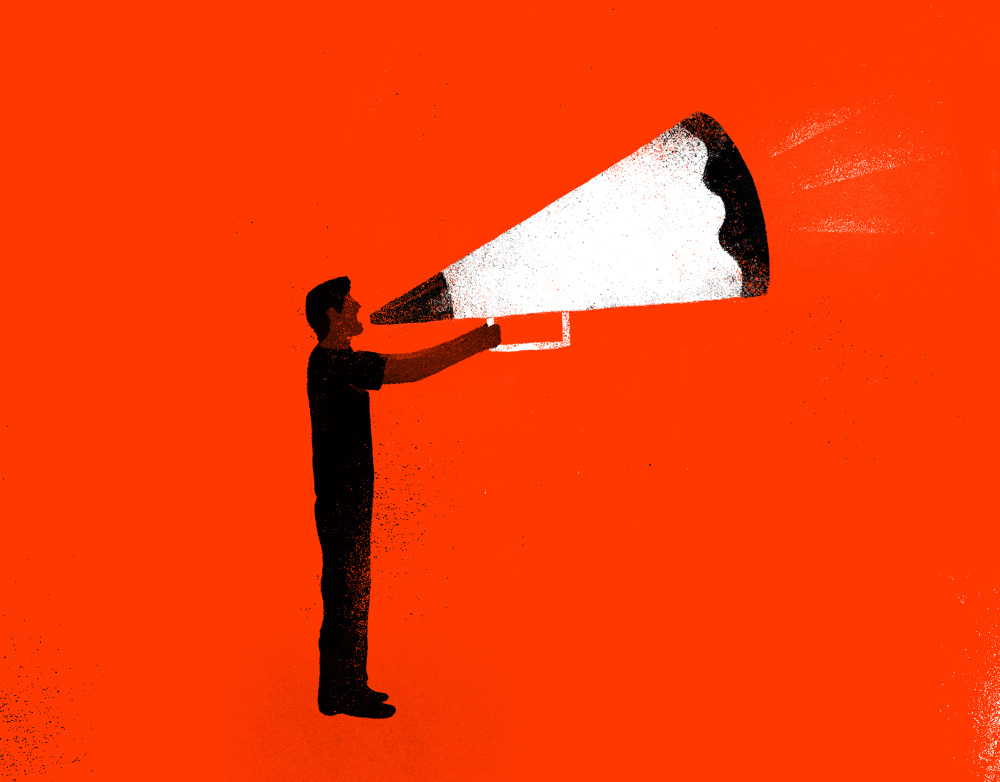
India is the world’s largest democracy, and the media mustn’t be controlled by any political party, big corporate houses or any other sector. The Press and the media is the voice of the voiceless and should promote the rights of not just the majority but also the minority; it is the duty of the press of any country to ensure that the government is functioning properly and no section of the society is left behind.












 Track2Training
You must be logged in to post a comment.