Advantages & Disadvantages of Yoga

What Are the Advantages and Disadvantages of Yoga? | Reference.com

Advantages of yoga
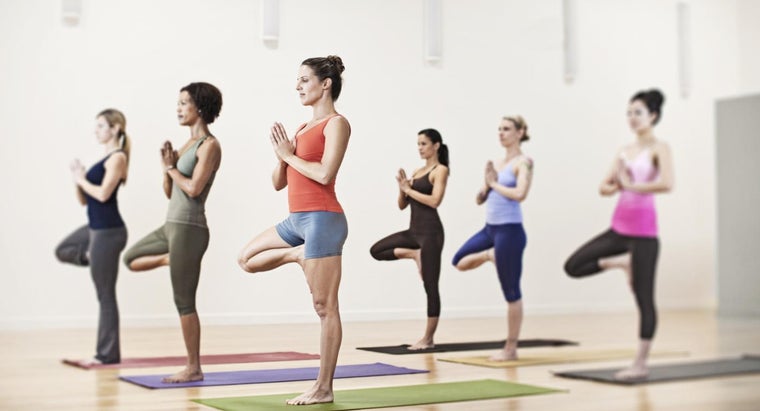
Yoga has many advantages over other methods of maintaining health, such as gymnastics, athletics, aerobics, games, and various other forms of exercise. It does not need any costly equipment and materials, or playgrounds, swimming pool, gyms, etc. Yoga can be practiced throughout the year. It can also be practiced inside the house or in the open, singly or in groups. The only requirement is a thick carpet spread on the floor and covered with a clean sheet of cloth.

Yoga should only be practiced on empty stomach. You can do it at any time during the day. It will benefit you irrespective of whether you are young or old, lean or heavily built, highly educated or unlettered, rich or poor, from higher or lower middle class, busy, over busy, or retired or worker in the factory or in the field. Yoga has something very valuable, and useful to offer to everyone. It is often described as the best form of health insurance for all from the age of 7 to 77 or more. Two main advantages of Yoga are prevention of disorders and ailments and maintenance of health and fitness in daily life. Other advantage include flexible muscles, supple joints, relaxed and tension–free mind and efficiently working vital organs such as the heart, lungs, endocrine glands, liver, pancreas and good balance between various functions, such as neuromuscular coordination, etc.

Can all the yoga techniques be practiced in all age groups?
Although yoga can be practiced in all age groups, some techniques are more suited and desirable for specific age groups. For example, some asanas that involve forward and backward bending are good for children aged 5 to 10 years. At about 10 years of age, the asanas that have an upside down position and deep breathing can be started. Shuddhikriyas should not be practiced everyday. They need to be performed as and when required for removal of impurities from the body. However, Kapalabhati Nauli can be done every day. They are generally most suited for people in age group of 20 to 60 years. Relaxation is necessary for all, irrespective of age. People in all age groups can therefore practice meditation regularly. It is desirable that older people avoid asanas that involve excessive stretching, such as the plough pose or halasana. Strenuous poses such as the scorpion or vrischikasana head–stand or shirshasana should also be avoided older people. When yoga is practiced for therapeutic purpose to overcome or cure ailments, other restrictions are necessary. This is why yoga should not be practiced unless you have learned the correct technique from an expert.

Disadvantages of Yoga
If you only have 20 minutes a day to spend on your body and your foremost goal is to burn lots of calories, yoga will disappoint you. Although yoga is a sound adjunct to any weight–loss program and has even been shown to promote gradual weight loss, it is not primarily a fat–burning enterprise.

Another potential pitfall is finding a qualified teacher. Before enrolling in a class, ask what type of training the instructor had. Currently, there is no national certification program for yoga instructors. Voluntary certification is available from various groups, but some organizations award teaching certificates to people who have completed only a weekend course. The Yoga Alliance – a voluntary national coalition of yoga organizations and individual yoga teachers – is seeking to establish voluntary national standards for yoga teachers, but not all yoga instructors agree with those standards or support the alliance’s philosophy. To reap the intangible benefits of yoga, it helps to be humble and to realize that yoga is meant to be practiced, not perfected. It’s a noncompetitive activity. According to Georg Feuerstein, Ph.D., founder–director of the U.S. based Yoga Research and Education Center, at the heart of yoga is “The assumption that you have not yet tapped into your full potential as a human being.”

Even for the most open–minded beginner, yoga is not easy to learn. Although you don’t need to be flexible or in shape to do yoga, the practice is physically, emotionally and mentally challenging.

Deteorating Mental Health due to the pandemic-induced lockdown

The outbreak of Covid-19 pandemic worldwide has affected every aspect of people’s life be it health(for those who are infected by the Corona virus) and employment and education for those who are under the lockdown restrictions. But apart from these, one that is least talked about is the detereoration of mental health of some people.

With social distancing being the new norm governing the people, those who are extrovert and loved to socialise with the people are forced to live in their houses away from their freinds and family members. When these people find no one to talk they are driven under depression and anxiety.

The prime reason as of why people are facing depression and anxiety in the pandemic outbreak is due to the financial crisis they are going through. For the elites, lockdown has provided them with leisure time to pursue a new hobby , spend time with family, cooking delicacies .But on the contrary, for the poor and middle class which contributes more than 50 percent of the Indian population, the pandemic led lockdown is a period of distress and hopelessness. These people face lack of resources to survive in this period which has rendered them unemployed.

The lockdown has excerbated the mental state of people who were already in depression in the pre- Corona time.Lockdown has provided them enough time at their disposal to think more and worry more .It is probable that these people see their future bleak in the post Covid world maybe because they are not able to perform well in their career. This is predominantly the problem of students and youth.

HOW TO TACKLE DEPRESSION AND ANXIETY IN THIS PERIOD?

Minimise time spent online if you are suffering from depression. Everyday updates about the rising number of corona cases and the distress of red zones will make you hopeless thinking the condition will never improve. If you are away from your family and loved ones, do not use social media very frequently. This too has a reason. The posts by your friends and family members enjoying the lockdown period will aggravate your anxiety and you will feel as if left out. Instead, it is advisable to pursue your hobby, take up an online course which interests you, talk to your family and friends over phone or video calls etc. Do anything which makes you feel happy. This will surely help.

Students on the other hand should not see a bleak future for themselves rather they should hone their skills which will ultimately help them in their career. They should talk to their parents. Noone can understand a child better than his parents.

One of the most effective ways to tackle this is to call a therapist and ask for help. There is nothing wrong in that. Everyone has to go through ups and downs and the person you are talking to is trained to provide help in these circumstances. Talking to a therapist can be of great help if you are suffering from depression, anxiety or in the worst case having suicidal thoughts too.

Final word

Anxiety and depression are seen as a taboo in Indian society. Noone likes to talk about it. But everyone has gone through this in some or other time in their life. We need to understand that depression is just an illness- a mental illness! People do get ill and they get well too. There are tonnes of examples of people who were in depression at some stage of their life and came out of it and have done wonders. That is possible provided that the person gets utmost care and support. In certain cases, of course medical help is needed.

Why Is Water Important?

16 Reasons Why Water Is Important to Human Health

What’s the big deal?

It’s common to hear that water is essential for your health. But why?

This substance makes up a majority of your body weight and is involved in many important functions, including:

  • flushing out waste from your body
  • regulating body temperature
  • helping your brain function

You get most of your water from drinking beverages, but food also contributes a small amount to your daily water intake.

Read on to learn more ways water can help improve your well-being.

1. It helps create saliva

Water is a main component of saliva. Saliva also includes small amounts of electrolytes, mucus, and enzymes. It’s essential for breaking down solid food and keeping your mouth healthy.

Your body generally produces enough saliva with regular fluid intake. However, your saliva production may decrease as a result of age or certain medications or therapies.

If your mouth is drier than usual and increasing your water intake isn’t helping, see your doctor.

2. It regulates your body temperature

Staying hydrated is crucial to maintaining your body temperature. Your body loses water through sweat during physical activity and in hot environments.

Your sweat keeps your body cool, but your body temperature will rise if you don’t replenish the water you lose. That’s because your body loses electrolytes and plasma when it’s dehydrated.

If you’re sweating more than usual, make sure you drink plenty of water to avoid dehydration.

3. It protects your tissues, spinal cord, and joints

Water consumption helps lubricate and cushion your joints, spinal cord, and tissues. This will help you enjoy physical activity and lessen discomfort caused by conditions like arthritis.

4. It helps excrete waste through perspiration, urination, and defecation

Your body uses water to sweat, urinate, and have bowel movements.

Sweat regulates body temperature when you’re exercising or in warm temperatures. You need water to replenish the lost fluid from sweat.

You also need enough water in your system to have healthy stool and avoid constipation.

Your kidneys are also important for filtering out waste through urination. Adequate water intake helps your kidneys work more efficiently and helps to prevent kidney stones.

5. It helps maximize physical performance

Drinking plenty of water during physical activity is essential. Athletes may perspire up to 6 to 10 percentTrusted Source of body weight during physical activity.

Hydration also affects your strength, power, and endurance.

You may be more susceptible to the effects of dehydration if you’re participating in endurance training or high-intensity sports such as basketball.

Negative effects of exercise in the heat without enough water can include serious medical conditions, like decreased blood pressure and hyperthermia. Extreme dehydration can cause seizures and even death.

6. It helps prevent constipation

Eating fiber isn’t the only way to prevent constipation. It’s also important to maintain your water intake so your bowel movements contain enough water.

If you don’t consume enough water, magnesium, and fiber, you may be more likely to experience constipation.

If you’re already constipated, you may find that drinking carbonated waterTrusted Source as well as plain water can help ease your symptoms.

7. It aids in digestion

Contrary to what some believe, experts confirm drinking water before, during, and after a meal will help your body break down the food you eat more easily. This will help you digest food more effectively and get the most out of your meals.

Research showsTrusted Source the body adapts to changes in the consistency of food and stomach contents, whether more solid or more liquid.

8. It helps with nutrient absorption

In addition to helping with food breakdown, water also helps dissolve vitamins, minerals, and other nutrients from your food. It then delivers these vitamin components to the rest of your body for use.

9. It helps you lose weight

Studies have linked body fat and weight loss with drinking water in both overweight girlsTrusted Source and women. Drinking more water while dieting and exercising may just help you lose extra pounds.

10. It improves blood oxygen circulation

Water carries helpful nutrients and oxygen to your entire body. Reaching your daily water intake will improve your circulation and have a positive impact on your overall health.

11. It helps fight off illness

Drinking enough water can help prevent certain medical conditionsTrusted Source. These include:

Water also helps you absorb important vitamins, minerals, and nutrients from your food, which will increase your chances of staying healthy.

12. It helps boost energy

Drinking water may activate your metabolism. A boost in metabolism has been associated with a positive impact on energy level.

One study found that drinking 500 milliliters of water boosted the metabolic rate by 30 percent in both men and women. These effects appeared to last over an hour.

13. It aids in cognitive function

Proper hydration is key to staying in tip-top cognitive shape. ResearchTrusted Source indicates that not drinking enough water can negatively impact your focus, alertness, and short-term memory.

14. It helps improve mood

Not getting enough water can also affect your mood. Dehydration may result in fatigue and confusion as well as anxiety.

15. It helps keep skin bright

Adequate water intake will help keep your skin hydrated and may promote collagen production. However, water intake alone isn’t enough to reduce the effects of aging. This process is also connected to your genes and overall sun protection.

16. It prevents overall dehydration

Dehydration is the result of your body not having enough water. And because water is imperative to so many bodily functions, dehydration can be very dangerous.

Severe dehydration can result in a number of severe complications, including:

  • swelling in your brain
  • kidney failure
  • seizures

Make sure you drink enough water to make up for what’s lost through sweat, urination, and bowel movements to avoid dehydration.

How much should you drink?

Being attentive to the amount of water you drink each day is important for optimal health. Most people drink when they’re thirsty, which helps regulate daily water intake.

According to the National Academies of Sciences, Engineering, and Medicine, general water intake (from all beverages and foods) that meet most people’s needs are:

  • about 15.5 cups of water (125 ounces) each day for men
  • about 11.5 cups (91 ounces) daily for women

People get about 20 percent of their daily water intake from food. The rest is dependent on drinking water and water-based beverages. So, ideally men would consume about 100 ounces (3.0 liters) of water from beverages, and women, about 73 ounces (2.12 liters) from beverages.

You’ll have to increase your water intake if you’re exercising or living in a hotter region to avoid dehydration.

Other ways to assess hydration include your thirst and the color of your urine. Feeling thirsty indicates your body is not receiving adequate hydration. Urine that is dark or colored indicates dehydration. Pale or non-colored urine typically indicates proper hydration.

The bottom line

Water is important to nearly every part of your body. Not only will hitting your daily recommended intake help you maintain your current state of being, it may even improve your overall health.

Here are some ideas for how you can be sure you drink enough:

  • Carry a water bottle with you wherever you go. This way you can drink whenever the need strikes.
  • Keep track of your intake. Aim to take in optimum amounts every day, a minimum of half your body weight in ounces.
  • Pace yourself to approach half of your recommended consumption by midday. You can always finish about an hour before you plan to sleep.

Sleeping Beauty…..

So you must be wondering why does this guy wrote about beauty are we gonna know about the effects of sleep on someones looks yeah if you are thinking that you are right and also we are gong to learn something about the most peaceful time we experience in a twenty four hour we spent in a day in these recess of immortal time and battles. Well to be blunt honest I think the capability to sleep is the best thing we can experience by having this human form and some other pleasures added I admit which we are not going to discuss in this article about tranquility of sleep and about not excitement XD. But whatever we are doing in a day the best days are experienced only if one had his fill of a good night sleep. On an average we all know let’s hope we do that a human needs to have six to eight hours of sleep on an average in any given day not more than that and definitely not less than that as such with a sound eight hours of sleep anybody will feel good both mentally and physically as proven by personal experience and definitely by science through sleep specialists and psychologists and many more medical practitioner who are specialists in many fields of human physiology and anatomy. Our body takes a massive toll without a good nights sleep as you will feel restless and dull as by having a zeal less day and you will have some traces of nausea, migraines and in worst cases this process of hostility in your body may lead insomnia and other endocrine and digestive disorders which definitely are something which everyone would be happy to avoid so yes sleep has ample amount of importance on our health well beind and as we know “health is wealth” so we better keep ourselves wealthy at all times. So now lets talk about the beauty part as in a manner your body boosts blood flow to the skin while you snooze, which means you wake to a healthy glow. Skimp on sleep and your complexion can look drab, ashen, or lifeless. Sleep deprivation causes a decrease in blood flow to the skin surrounding your face due to which you start having dark circles below you eyes, a visible increase in acne, darkening of skin areas and hair fall as well.

Now let’s talk about how can we sleep better as such the main reasons of sleep deprivation are depression, workload, obesity, excessive drinking of alcohol(especially hard ones like beer, scotch,tequila, vodka), smoking, excessive exposure to blue lights on your different electronic appliances and irregular eating habits and lack of hygiene these are the factors responsible for causing sleep deprivation which leads of acute insomnia. Therefore to live a better life we should get rid of these habits as such reduce the usage of alcohol, totally avoid smoking as it is fatal, maintain good body hygiene as such bathe at least twice a day if you wanna do more it’s better, definitely have at least an hour of workout in your whole day let it be gymming or any kind of sports activities, yoga or even a plane jogging will do, then avoid using cell phones laptops and use them for a maximum of two to three hours a day and if your work is related to these exposures then make sure you buy special protective glasses available in the market or nowadays there are special blue light filters in smart phones which also you can use, a healthy diet and try making yourself stress free by keeping yourself busy in your day to day works and with that avoid eating anything a bit over oily or spicy or meat in general should be eaten only at lunch and if you are eating it at night make sure you have some starch with it as potatoes or rice will do the best in a manner prefer eating vegetables which are good for your bowels and a bowl of rice with some bread and some sauce or curry or liquid is also good with that always remember to eat at least one hour prior to your sleep or if it is quick then make sure you have sufficient amount of water close to you. Then finally try making a favorable condition for sleeping as a human body sleeps like a baby as in reference in the most comfortable manner at a temp of around twenty degree Celsius to eighteen degrees or twenty one will also be perfect, next thing is the amount of lighting it should be low to nothing also is an option and if that’s a problem try using an eye mask whenever you sleep, try avoiding any bright or dark colors in your bedroom both in the walls or in the bed sheets or in any kind of object as represented in your bedroom as studied by researchers colors like light blue, yellow, pink, teal, lilac, light green, white are the best colors to have in your bedrooms, then the outfit which you are having while sleeping should be breathable and made up of comfortable materials like cotton or better sleep naked or with as less clothes as possible if you have that much amount of privacy, and again if you have troubles sleeping try listening to different kind of soothing piano tunes or even sound of nature as such rainfall, waterfall and sea or even the sound of rain forests before or during your sleep with a certain timer on it which should end after an hour or so as you will fall asleep by the help of that but your ears will have a bit of rest they deserve and it really does helps in sleeping and lastly try sleeping with another person near you as a presence of another person gives us a sense of security and especially the presence of someone we love makes a sense of tranquility even when we are sleeping. If you can’t do all of it as I know that not everyday is a perfect day so at least try doing some of it and trust me there no such thing in this world in comparison to a good sleep sleep and there is no better wealth than health which can only be maintained by you and only you not by any doctor and nobody. So finally Good Night And Sweet dreams……….Zzzzzzzzzzzzzzzzz

Heads- I Stay, Tails- I go

Advice for making taxing decisions about friendships, and not by tossing a coin on google.

Most of us, at some point in our lives, have been in friendship limbo- a weird patch of uncertainty where we don’t know whether to stay in or leave a friendship. There are several catalysts that can lead us to limbo land, and the tricky part is that the only way to get out of it is to make an ultimate decision. Like Marilla Cuthbert choosing whether to keep Anne or not, you may feel torn about the outcomes of two completely contrasting options. Unlike Marilla’s initial quick judgement, I definitely recommend taking just enough time decide what you want to do. 

If you’re unsure about your text move, don’t stress about it. Take the time you need. Are friendship breakups terrible? yes, but so are unhealthy and toxic friendships. Whether your friendship limbo is a result of the ever changing dynamics, circumstances or conflicts, it is worth gaining some perspective on the friendship and checking in with yourself by asking questions like these: 

  1. Does this friendship bring joy to me? 
  2. Does this person make my life better by being in it? 
  3. Is this person treating me with love and respect?

For now, with these three questions in mind, let’s get going.

Should I stay if the circumstances are bad?

Sometimes, the choice to end or continue a friendship only comes down to the current circumstances. Maybe your friend is moving to a different city. Maybe you’re both in the same city but are attending different schools or colleges. Either way, most friendships begin only because the circumstances were favourable. You were both in the same class, shared the same interests, watched the same movie & shows or maybe you were neighbours since childhood. But, circumstances change, it’s life as we know it.

To help you bring clarity to the situation, you can start by referring to the questions above. If this is friendship makes you feel valued and loved, you have your answer. However, there are more things to think about as well, like how much energy and time you’re willing to spend on maintaining a long-distance friendship. Long-distance friendships are no doubt tough, but can also be insanely rewarding. 

Make an effort to call and text them at least once a week. Be understanding during the weeks where you don’t talk to each other. From time zone differences to hectic schedules, remind yourself that you won’t be able to be in contact with each other every day. This can at times seem like a lot, if you’re not cool with putting this much effort into maintaining your friendship, then that is completely alright. Similarly, if the friend hasn’t been particularly a positive person in your life, think about the new circumstances as a sign to let go of the friendship. 

We’re growing apart, but should I stay?

When you realize that things just aren’t the same. There, again, can be several catalysts behind this realization: the negative comments that they passed and later laughed them off but you can’t stop thinking about, an unsatisfying meetup or stumbling upon something they said before that now deeply hurts you. The important part here is that you can’t get this new information out of your head, you can’t undercut the blatant incompatibility and are now left to decide which move to make next. Do you give the friendship a shot and try to save it, or do you let it slip away? How do you know that this isn’t just a phase? 

Growing apart is distressing, perplexing and often destabilizing, which can often cause resentment and anger. However, feelings like these are negative, we want to avoid holding onto them and instead, advocate open and honest conversations with the friend. If, after referring to the above questions, you conclude that your friendship with your friend is worth recovering and working upon, here are some things to keep in mind:

  • Growth is usually a good thing, people changing usually means they’re growing into the person they want, like or are supposed to be.
  • This could just be a phase. Often in long friendships, there are periods you don’t talk for days and days, even weeks, because your personalities were, point-blank, totally incompatible and contrasting. But only temporarily. 
  • Before you make the decision to cut off a close friend, consider openly communicating with them. Call them and say, “Hey, I feel like we’re not on the same page right now. This friendship matters a lot to me and I want to maintain it, even if that means it’s going to be different.”

When I think about changing relationships, I think about this quote that I found on tumblr- “People change and forget to tell each other.” Just like you’re not trying to hurt anyone when you change, no one else is intentionally trying to hurt you when they change. We have to let the people we love and care about do what’s best for them, and sometimes, that means letting them do their own thing while we do ours!

Remedies for Emotional Exhaustion

▷ Emotional health and wellbeing - Everything you need to know | Adia

Detection is important and once you know what is wrong with you, you can seek ways to treat and help yourself. First and foremost, it is important to accept that you are not in your best condition to work and go on with your life. Physical ailments are easier to detect but that’s not the case with mental ailments like emotional exhaustion. Emotional exhaustion is the state of complete hopelessness and emotional detachment. It is not something that can be overlooked and needs to be treated for an individual to continue to be efficient in whatever he does. 

Read: 9 Signs of Emotional Exhaustion

A person can get emotionally exhausted due to an array of reasons, some of which are relationship troubles, demise of a loved one, job related and financial problems. In the current pandemic situation, everyone – from front-line healthcare workers to people who are working from home – must have felt a wave of exhaustion due to the uncertainty and new working conditions at some point. Some people must have rebounded without any efforts and the good news for those who didn’t is, the condition can be reversed with some efforts.

Here is a list of things that you can do for mental and emotional replenishment

  1. Exercise and eat healthy

A healthy being can overcome anything. Exercising not only distracts you but the physical stress leads to release of happy hormones that elevate your mood. The pandemic might not allow you to hit the gym but you can still workout at home.

Read: 5 Ways to Stay Fit During Quarantine

Indigestion is a sign of emotional exhaustion and even if you feel like eating a lot or eating nothing at all, try and stick to a healthy, nutritious diet as it will not only energise you and make your gut happy but also help with your sleeping schedule and workout routine. Staying hydrated is also a must for a healthy body.

  1. Indulge in calming activities

Meditation and Yoga are a few activities that lead to peace of mind. They are also effective in helping with the blood pressure and heart rate which are associated with stress. There are a lot of breathing exercises in Yoga Asanas that can help the erratic breathing associated with panic attacks and just hyperventilation, 

A diary can become an outlet for everything that you are feeling and going through and you won’t have to worry about what it would think about you. 

  1. Distract yourself

Everything and everyone comes after your own well being. Take a break and do what makes you happy. If you think, nothing makes you happy, think again! Do something different, learn something new. Hang out with your friends and talk to them about their life. Knowing that other people have it rough too and what they do to fix their situation can not only make you feel that you are not the only one but also give you ideas. Maybe, what you need is a solo trip. Try out everything that can help openly.

  1. Actively seek help

Talk to someone – be it a therapist or a close friend. Sometimes you just want to feel validated and empathised with. The person may not advise you anything but having someone to talk to about and someone who would listen to your pain and agony will definitely help you feel better.

International Yoga Day

Since 2015, on this day- the 21st of June all of us come together to celebrate ‘The International Yoga Day’. I feel it is a very good initiative started by our Prime Minister who managed to convince the entire globe to come together on this day and dedicate some time of their day to yoga.As many people say and even you must have heard, Yoga is not just about exercise and asanas and losing weight, it is actually the unification of the mind with the body and soul. It is the coming together of all your senses to unite and synchronise.

This morning, my college had organised an online yoga session for us students. Because of the lockdown I hardly am used to waking up on time anymore. My morning starts when its almost noon and then like an owl I am up almost the entire night. Today as i woke up for the session early, the world outside seemed a bit different. Inspite of the eclipse, it was bright and sunny, I could hear the birds, I went outside in my garden, walked on the fresh dewy grass and questioned why it did’t occur to me before? Why didn’t I wake up early every single day and enjoy my day like this? While I was going to college, I barely had time to enjoy my day like this. My time went away in watching series, just lying on my bed, eating and sleeping because during college, this was my definition of relaxing and calming down. Today I realized that that is not what I want. That is not my true self. I don’t enjoy sitting in front of a screen the entire day. I am a nature’s baby, this is what I like doing and I was surprised that just one day of seeing the early morning sun could make me feel like this.

Once the session was over and I was lying in Shavasana, I thanked my body for having putting up with me all these days. I have pledged that now on, from this day onwards I’ll take care of my body and not take it for granted. I will ensure that my laziness doesn’t take over my mind and that I’m able to make good decisions for my health.Yoga, has made me realize that if I take care of myself I will feel happier and more energetic. Our brain tricks us into procrastinating and just not doing anything but that is not how we truly are.Our subconscious mind always wants us to be the best version of ourselves so why not try being that.why do we let our brain take over. On this International Yoga Day, let us all pledge that we will look after ourselves and love ourselves.

Om shanti.

Bickering Bollywood.

So we all know that Indian film industry aka Bollywood is the second highest movie producing industry in the whole world after Hollywood per annum. Well to be honest yeah i agree that Bollywood is a gold mine of vibrant,diverse and really amazing movies. But the question remains at the point as why such an old, powerful movie industry with actors like Shahrukh Khan and Amitabh Bachchan who come in the list of top ten richest actors in the world, and with directors like Satyajit Ray are never producing movies which at least can be the bread and butter of the whole world. French and the German movie industry even the movie industry of Chile and the Korea is producing movies which garners massive popularity worldwide. In french we have Belle de Jour(1967) and ‘blue is the warmest color (2013), German’s having ‘The Marriage of Maria Braun(1978)’ and ‘Freier fall (2013)’, chile’s A fantstic woman (2017), the ripple maker Parasite(2019) and many more from many other countries as well. And then the question prevails why not Bollywood?

Movies like Satyajit Ray’s Pather Panchali (1955) and Mira Nair’s Salam Bombay (1988) in a manner defined Indian movie industry’s potential. But current scenario Bollywood is all about nepotism and love stories nowadays. As if we see that famous movie Slumdog Millionaire(2008) which bagged eight Oscars is not what india is?But the entire movie industry of the world is running after one thing that if India is represented it either poverty or god forbid it’s about curry, thanks to everywhere you see starting from movies like critically acclaimed Lion(2016) or Love Sonoa(2018) everything is about how indians are suffering,human trafficking, lack of sanitation and blah blah blah!!! If we talk about that’s what we see i the world. But people need to realize something that India the world’s second most populous country,sixth largest economy and seventh largest country is not all about trash and poverty. This scenario as explained above is what shows the failure of bollywood. but not everythings bad as we can’t say that Bollywood has gone down totally in these recent years as we made so many good movies too like Raazi(2018), Neerja(2016), Uri(2019), Barfi(2012) , Lust stories(2018) , Mary Kom(2014), three idiots(2009), Bajirao Mastani (2015), Jodha Akbar(2008), Dangal(2016), Devdas(2002), My name is Khan(2010), Swades(2004), English Vinglish(2012), Tumbaad(2018), lagaan(2001), Tare zameen par(2007), PK(2014) and many more which show case the value of the Indian movie industry and it’s potentials.

Now if we talk about problem which is wrecking us all starts with the lack of originality and the rejection of new talent in Indian film industry and how can we forget the grandad of all fiasco the one and only Nepotism. Nepotism is whats actually responsible for killing the Indian film industry in a really gruesome manner as due to this the new talents in indian film industry is getting choked as we speak. Another big problem is the lack of experimentation and really comical and absurd action movies as I’m literally starving for a good science fiction movie or a bone chilling horror fiction at least. But all we get is boring love stories with a lot of songs which are not even sung by the actors but they are just LIP SYNCING to it. No diversity at all as white washing of the whole cast is the forte of bollywood. Not even a single dusky or black actor or actress in a lead role you will find here(leaving the very few exceptions). That’s what i meant when i wrote bickering bollywood as if bollywood won’t up it’s ante there will soon be what we call a hot white mess left in the indian subcontinent for people to watch. Toodles!

Three Ways To Prevent Virtual Communication Fatigue While Successfully Working From Home

During the coronavirus-led lockdown, the concept of ‘workplace burnout’ has taken an all-new meaning, with employees having to deal with virtual communication fatigue. 

While working from home has been a sought-after perk for some employees, we have entered a new reality of frequent online meetings and an inability to disconnect from the job, which has created a new stressor, known as communication fatigue. With the coronavirus pandemic, companies across the globe opted for the work from home model to ensure the safety of their employees, and to follow the social distancing guidelines. 

As time went by, several organisations realised the benefits that work-from-home provides both for businesses as well as their employees. Many large organisations such as Facebook are considering permanent work from home policy for their employees. Twitter has already implemented work-from-home measures during the lockdown and declared it a success. 

In this context, the concept of ‘workplace burnout’ has taken an all-new meaning, with employees having to deal with virtual communication fatigue. Today, with the array of communication and conferencing platforms available, employees are continuously connected virtually with their colleagues, seniors, clients and more. 

This communication overload is resulting in employees feeling drained at the end of the day with virtual communication fatigue being one of the most talked-about topics today. With this perspective in mind, below are four ways to identify and prevent virtual communication fatigue: 

  1. Virtual time off 

As the work-from-home trend continues, many people within the workforce are noticing the blurred lines between work and home since they both are part of the same space today. It can be tempting for employees to schedule back-to-back meetings to get through the day quicker, but doing so can cause signs of fatigue to appear earlier than expected. While most of us take the support of caffeine to look and sound fresh, it can only do so much when up against consistent virtual meetings. To combat virtual communication fatigue that comes with a busy virtual meeting schedule, the cure is as simple as scheduling breaks during the day. Taking breaks at regular intervals will help you to recharge before the next call appointment and allow for extra planning so the next interaction goes as effortlessly as the last one. And your break doesn’t have to involve sitting at your home workstation. An effective break should include moving around to get your blood flowing and introduce a change of scenery. Talk to your family members, quickly whip up a salad or just take a power nap. 

  • Set a deadline and create an itinerary for every video call 

We’ve all been there before: one co-worker begins the meeting by asking how everyone is doing, what’s their current favourite thing to do and before you know it, half an hour is gone by without any discussion of the true topic at hand. As much as everyone loves to hear all about each other’s lockdown life; too much talk can cause meetings to go longer than planned. To prevent this, create an itinerary ahead of time. By scheduling minutes and other talking points, your meetings will run effortlessly while also limiting everyone’s virtual time to prevent communication fatigue. 

  • Block your front camera view 

One of the biggest contributors to video call fatigue is keeping the self-view feature open during meetings – no matter how wonderful your look turned out. As humans, we’re not used to staring at ourselves constantly. Regardless of how you feel about your quarantine look, self-view induces a feeling of anxiety; worried about how we look, sound, or what’s going on with the lighting and background. To prevent any sort of communication fatigue from view yourself, simply turn off the camera feature whenever you’re not presenting or not expected to talk. If you’re worried about how you’ll look on camera, open up your camera app before a meeting to make any last-minute adjustments, test the lighting, or make a quick location change. If closing the self-view isn’t possible on the platform you’re using, you can block it off by taping a piece of paper.

Burden of healthcare on poor

When it comes to health care, every individual dreads it. Health care costs are taking a large chunk out of the savings of an individual. These costs make the lives of poor people more vulnerable. Though India is becoming a destination for foreigners to avail affordable health care, many Indians find health care services unaffordable. The treatment costs are rising at a much faster rate than inflation for both rural and urban areas. Also inefficiency of government hospitals and pharmacies have led people to turn towards private players resulting in increased health care costs.

The private expenditure on health care is around 4% in India, which makes it one of the highest ranking countries when it comes to private expenditure on health care. However, major costs of healthcare are born by individuals rather than insurance companies or employees. 

A research paper in BMJ, a medical weekly, reported that 55 million Indians-more than the population of South Korea- were pushed into poverty because of out of the pocket health expenses between 1994 to 2014. Out of those 55 million, 69% (38 million) were impoverished due to expenses on medicine alone. This study also reported that 80% Indians incurred out of the pocket expenses in 2011-12 which was 60% in 1993-94. The contribution of medicines was more than 67% of these out of the pocket expenses in 2011-12.

Government has rolled out various schemes to ensure that poor people don’t have to bear the costs of medicine. However, as per study by India’s largest national survey on social consumption conducted between July 2017 and June 2018, reported that 90% of India’s poor population do not have any health insurance. Despite of many health insurance schemes like Rashtriya Swasthya Bima Yojana (RSBY, National Health Insurance Scheme), which was precursor of PMJAY, the central government health schemes for government employees, the Employee State Insurance Scheme for formal sector employees, the poor did not have any kind of health insurance.

The health insurance coverage in India is poor because the private health insurance industry has not yet developed in India and the number of people who are willing to pay for health insurance are very low. Also the insurance premiums are high which makes health insurance unaffordable by many poor people. In rural India, people have limited access to healthcare services like doctors and hospitals, thus they do not prefer to buy health insurance.

This condition led the government to roll out an effective scheme and the result was Ayushman Bharat- National Health Protection Scheme(AB-NHPS) in 2018. The scheme is targeted at following categories:

  • Poor
  • Deprived rural families
  • Identified Occupational category of urban workers’ families

Benefits of this scheme

  • This scheme defined benefit cover of Rs 5 lakhs per family per year for secondary and tertiary care hospitalisation.
  • There is no cap on family size and age under this scheme.
  • This scheme will be cashless and paperless in public and enlisted private hospitals.

With Covid-19, poor are facing a lot of issues and all they need is support majorly in financal ways.

5 Ways to Stay Fit During Quarantine

Now that you are spending less or no time outside your homes, it’s more important than ever to prioritize your physical health. Staying active can boost your mood and even reduce stress. How can you stay on top of fitness game without going to your local gym, doing weights and following your fitness instructors? Online challenges and videos, home fitness apps, creative at home swaps and the use of the safe outdoors, if available, can help.

Here are some ways to stay active while also staying home: 

Switch up your running/walking routines

Whether you’re a runner, jogger or a walker, try and keep your routine fun by setting a schedule and small goals. If you’re a walker, map out a different route of your house for each week of exercise or just stay in one place. If you’re a runner and have access to a terrace or a garden, select a goal such as run a 4 KM and set up a training schedule to achieve your goals, and with time you can increase up a notch and challenge yourself.

Check out this 1 Mile walk at home- https://www.youtube.com/watch?v=njeZ29umqVE

Try a bodyweight workout

You don’t have to grab weights to achieve a good workout. You can still feel the burn if you do a low impact cardio, bodyweight strength or a high intensity interval training circuit. 

Check out this 30-minute body weight workout from Greatist- https://greatist.com/fitness/no-gym-bodyweight-workout-infographic#1

Try a fitness challenge on YouTube

Want to build core strength? Tone your abs? Tone your arms? Find a fitness challenge on YouTube that targets the zone you want to work on. You’ll be surprised by how much stronger you can become in a week or more.

Check out these videos out

7 day workout challenge by Carly Rowena: https://www.youtube.com/watch?v=6ixZnsKTErE
6 minute arm workout by The Uma Show: https://www.youtube.com/watch?v=qpLA1tPwjXA

20 Min Total Core Workout (Equipment Free Ab Workout): https://www.youtube.com/watch?v=-b2lNLq3EaA

Try a Fitness Website

Active.com offers 30-day fitness challenges including push-up challenges, ab challenges and more.

Greatist offers many detailed work out blogs- from workout plans for beginners to expert routines. For a start, check these out- 

https://greatist.com/health/back-workouts-at-home

https://greatist.com/health/calisthenics

https://greatist.com/fitness/chest-workout-at-home

Follow along with a studio

Many studios offer video easy to follow tutorials, try Zumba tutorials for high energy workouts or go with cardio dance workouts. You can also try free tutorials with simple, at-home equipment swaps like bags of flour or books instead of weights. Although these workouts will be different than the gym sessions that you’re used to, it’s an interesting way to break a sweat and re-connect with your own body.

Check out Keaira LaShae’s  dance workouts-

10 Minute Cardio Dance Abs Workout: https://www.youtube.com/watch?v=XTH5saFBDqA

Cardio Fitness Party Workout: https://www.youtube.com/watch?v=fhUP6FQj3t4

Check out the link to read more on at-home equipment swaps-

8 Household Items That Double as Workout Equipment for Your Makeshift Home Gym: https://www.realsimple.com/health/fitness-exercise/fitness-equipment-alternatives-home

TRYST WITH YOUR BRAIN

Strategies to help you stop spiralling this quarantine season

The COVID-19 pandemic can stressful and incredibly frightening for some people. It may involve fear and anxiety about the disease which can be overwhelming and cause strong emotions in both children and adults. This is why it is crucial to take care of your mental health now more than ever. 

The following four solutions can be enacted in different ways, depending on your surroundings. 

METHOD ONE: Writing

Writing about the problems you are facing is a good start to getting through them. Start maintaining a journal or if you’re more electronically inclined even a new note on your phone would do. When you’re faced with a problem, write how it makes you feel, its ideal outcome, even if that counts as the worst-case scenario, and then write the possible solutions.

Don’t worry about maintaining grammar. When sentences start pouring out of you, your brain works to solve whatever’s going on. Later you might want to read it over and see if any possible solutions jump out at you; or don’t, if this act of writing was enough to make you feel better about the situation. 

PLAN OF ACTION:

When you’re alone: You might find it helpful to write a letter about everything you are feeling about the situation addressed to the person who caused it. If the problem is caused by a situation or circumstance rather than a person, address it to your feelings, the Universe, some higher power you believe in or even to yourself. The11 simple act of writing can lend you an immense amount of clarity and/or relief.

With your family around: Since everyone’s at home and on their phones, all the time, pulling yours out and pretending to send a text won’t draw any extra attention. Breathe and vent in your notes. Nobody will be the wiser.

METHOD TWO: Making Art 

Maybe after you start writing you immediately start self-editing and judging your own feelings. You might even be worried that if you put your feelings down on paper, someone could find and read them, and you will have to suffer the consequences. Instead, how about you grab magazines, crayons, paints, brushes, a sketchbook, or whatever medium you want to go for, and start making something tangible? Art offers a safer means of expression for people concerned with invasions of privacy by parents or relatives.

 PLAN OF ACTION:

When you’re alone: Go for it! Get every craft supply you own out of that cupboard and make a giant mess. You could start a long-term project that you can get back to whenever you’re not feeling great. You don’t have to be Van Gogh to benefit from this. The mere act of scribbling all over a piece of newspaper and going letting loose will make you feel a little better.

When you feel unsure of yourself, temporarily refocus your attention on making something that helps you resurface, like picking up a pen and scrawling aimless loops on a piece of paper. Your version doesn’t have to revolve around drawing or painting: Try paper-maché or do origami. 

With your family around: Acknowledging where you are and what you’re doing can quickly recenter you if you start to panic or dissociate. Draw the street you live in; the person at the table next to you; the contents of your fridge. Focusing largely on the details of what’s physically real can take you away from intangible feelings and can bring you back into yourself. If your family is artsy too, try craft tutorials or paint some old jeans- anything that distracting enough and gets your creative juices moving.

METHOD THREE: Talk It Out

Sometimes spiralling makes you want to shut every thought you’ve ever had away in a safe, never to be seen or heard from again. Sometimes when you’re already doubting your judgment, sharing your thoughts with someone, even a trusted friend, can feel icky. But if you’re capable of surpassing those feelings, even temporarily, sharing your thoughts and experiences with someone you trust— whether that’s your someone in your girl gang, parent, sibling or a twitter pal—can result in having fresh set of themes to help you work on what’s bothering you.

If your problems involve experiencing violence at home or you’ve been abused or assaulted, the legally mandated 

lockdown can present unprecedented challenges that are unfamiliar territory. If you are experiencing abuse, reaching out to the ones you trust is crucial. 

PLAN OF ACTION:

When you’re alone: Just start talking out loud. Try and suspend your feelings- with just enough practice, you can become your companion this way. This act of speaking your problems instead of bottling them can give you some cognitive distance from the issues bothering you. When you spill what’s on your mind in a space where no one around is there to hear you, it can lead to major realizations. 

With your family around: The only thing harder than opening up is figuring out who you can trust. If I have a family member whom I love dearly but who makes sure to tell me everyone else’s gossip, maybe they aren’t quite the right confidante when you’re already feeling unstable. The kind of confidante you’re looking for here is someone who will sit and listen, then ask the right questions-what have you tried so far? what do you need? how can I help?

If you aren’t up for face-to-face contact with a family member nor a call to your trusted friend, but you still want to talk to someone about facing any mental health issue due to the ongoing lockdown, call one of the many helplines designed to support people experiencing unpleasant feelings. The government has launched a crisis hotline which can be reached at 08046110007

METHOD FOUR: Exercise

If you need a temporary distraction to process your thoughts and feelings but an art project and poetry just isn’t doing it for you, try going for a long walk on your terrace, flailing around your bedroom wildly to ‘Starboy’, giving Pilates a shot or even practicing headstands until your hair permanently stands on end? 

Physical activity will reduce stress and fatigue and eventually help you to feel more alert. It doesn’t matter what kind of exercise you do- it’s all about moving your body in ways that feel great and work for you. It doesn’t have to be a giant commitment. Just set small goals.

PLAN OF ACTION:

When you’re alone: This is a good time to experiment and find out what kind of physical activity works best for you. You could follow stress-reducing yoga videos, a zillion of which can be found on YouTube, If you’re feeling something which is more high-energy, the internet is filled with amazing dance tutorials available as well. Working out with your confidante over video call can also be an effective alternative, you’ll both get to blow off some steam and clear your heads, which is a great place to be in if you want to ask for advice or even spill your guts.

With your family around: Pick an activity that the family likes, yoga or hula hooping- the family favourites or any other and get going! High-energy activities like planks, push-ups, squats can be difficult, but rewarding, and doing it with another person makes it into a fun challenge

Union health ministry toll-free helpline for mental health issues: 08046110007 

Go For Western Economy With These Pioneering

but it is too much for my strength — I sink under the weight of the splendour of these visions!

I am alone, and feel the charm of existence in this spot, which was created for the bliss of souls like mine. I am so happy, my dear friend, so absorbed in the exquisite sense of mere tranquil existence, that I neglect my talents.

Continue reading “Go For Western Economy With These Pioneering”