Hospice Telephone support

Hospice care is the care designed to give to people who are suffering from a terminal illness and are in the last phase of it. The aim of this support center is not to provide cure for the illness, rather to supply emotional and psychological support that the patients may need during the difficult phase to prevent the feelings of isolation and loneliness. A team of skilled professionals is made available to provide counselling to the people. This team includes occupational therapists, nurses and therapy assistants.

The setting up of a helpline number is a confidential and safe space for people to lay down their grievances and seek support for it.

The main objectives of this helpline are to improve the quality of lives of the grieving and their family members as well as providing support to the professionals responsible for the care.

This stands for a social responsibility and adds public value. Palliative care and hospice team identify and try to treat distress causing symptoms that may increase medical complications in future. It is also required that they remain in contact of the family members of the patients and design appropriate and realistic goals.

In this sector, human resource plays crucial role i.e., the care givers. It will depend on how efficient these people are and how the overall service proves beneficial. It is important to set up an office, or any infrastructural site which can house a large number of employees. These employees should be made equipped with appropriate and fast communication systems. Moreover, the public should be made aware of the fact that there is a service which may benefit them.

This can be initiated through a connection or a collaboration with any hospital or health care centers. It will also help in cases where any professional expertise may be required.

The base work mainly comprises of data of the patients in need of such care, their information, registration forms and consent forms. Getting patients registered with this facility can be mediated by a practitioner indulged in similar kind of service.

Moreover, the nurses or the care-givers should be trained well to deal with such situations. Providing counselling can be difficult over telephone since lack of physical clues may make it hard for both the parties involved to understand the situation. A report of the patient’s situation should also be provided to the care giver member of the family.

The hospice telephone helpline can be a benefit and turn out to be profitable if there is a proper dialogue maintained between the authorities or the managers, the task force, the patients and their families. By starting this initiative, wishes of the terminally ill people can be granted. They can get to spend their remaining time with their families and using this facility will also help the family care givers to better understand the grievances of the patient and help them through it.

In the end, the core motive behind this support facility is to take up social responsibility and make an effort to add a little more to people’s lives.

OLD AGE HOME (a horror story for parents)……..

An old age home describes its story by its name……there are not enough “words” in a bottle of ink to pen the words to write about the old age homes, Old age homes which are designed to give shelter and provide a place to live, for those old ones’ whom no one has to care about but today people are making it as their tradition where the people leave their parents in an old age home, where the two generations never stay under one roof and from them, one has to bow down for leaving that family and those are always older aged parents. Where more and more people are thinking about and many are opting to put their aged parents in old age homes. Where the presence of old age parents at home becomes too much of a trouble and there is no room for them as they need constant need of care. Where it becomes impossible to bring friends at home because their parents can be a source of embarrassment for children, it is becoming a shameful thing to introduce their parents to their friends. So, for avoiding these kinds of embarrassment and shameful things the old aged parents are being hit by this drastic detachment from their children at the age when they need a lot of care, when they start losing their memories. They might have grown old by outside but from inside they become those little kids who could never grow up again. ”People say old age is the recoiling of childhood” and it is true that old aged people need attention correspondingly as a young child. Parents, who brought up their children in spite of having different difficult problems, but the children… Children can definitely learn many good things from their parents by living with them. It is said that “The death of an old man is like a library set ablaze” these words express the important role given to old aged people. Old age is humanity’s greatest invention, and on an even deeper level, it invented us. Those old aged people are responsible for what we are today; those old aged people are the responsibility of their children. The children have to keep in mind that life is a circle and one day roles will be switched, today they – old aged people, need their children but a day will come when those children need their children when they grow old. So it is better eradicating this growing tradition once and for all, as “It’s never too late – never too late to start over, never too late to be happy……..”

Recruitment

“Acquiring the right talent is the most important key to growth. Hiring was – and still is – the most important thing we do.”

By Marc Bennioff

Recruitment is the most important aspect of Human Resource Management. Recruitment is the process of searching for potential applicants or employee and stimulating them to apply for the job in an organisation. Recruitment is the discovery of potential applicants for actual or anticipated vacancies. Recruitment is the first stage of the process of selection and is completed with placement. Recruitment is a positive and a simple process. Recruitment helps in creating a pool of suitable candidates, out of which few are selected for the future selection process. The main objective of recruitment is to invite more and more candidates to apply for the vacant post. The recruitment process is one of the most critical aspect of running a successful business as the performance of every organisation depends on the quality of work there employees do. Managers can save a large amount of time and energy by placing the right person in the right job. As we know, recruitment is the first step for selection of right employee so the organisation publishes vacancies through newspaper advertisement, online job portal, consultancy services, etc so that more and more potential candidates can apply for the job in that particular organisation. Recruitment is a managerial and a continuous process it is not a single act or event. It helps to ensure continuous improvement of the organisational structure. Recruitment act as a linking activity as it brings employer and employee together. As all the organisation has to engage in recruiting activity according to their needs, size, nature, etc so this shows that recruitment is a pervasive function. Recruitment is a complex job as it is affected by too many factors. It is a two-way process and it takes into account employer and employee or recruiter and recruitee both. So, recruitment has many importance for an organisation they are –

  • Determines Requirements – Recruitment is very important for each and every organisation. It helps in determining the present and future requirements of employees in an organisation. It also helps in identifying and attracting the potential candidates.
  • Increases Pool of Candidates – Recruitment helps in creating a talent pool of applicants and helps in selection of best candidate for the organisation. It helps in increasing the pool of job candidates at the minimum post cost.
  • Increases Rate of Selection – Recruitment helps in increasing the success rate of the selection process. But, processing applicants’s resume or application can be very expensive as it requires staff, time, materials and physical facilities. It is also very costly as there are a pool of candidates which includes both qualified and unqualified or suitable and unsuitable. The money spent on evaluating unsuitable candidates is wasted.
  • Meets Organisation’s Obligation – Recruitment helps in meeting organisation’s legal and social obligation both.
  • Increases and Evaluates Effectiveness – Recruitment increases organisational and individual effectiveness. It also helps in reducing turnover of employees.

Recruitment faces some problems and challenges too they are –

  • Image of Organisation – There are some candidates who are not willing to or interested in applying in a particular organisation due to some reason like poor image of the organisation.
  • Lack of Qualified Candidates – The next problem is lack of qualified candidates. The shortage of talent is a big challenge in today’s scenario.
  • Costly – Recruitment of candidates from outside or through external sources requires money. So, if an organisation has limited budget so they may not carry out the expenses of recruitment for a longer period.
  • Lack of Efficiency – It is also one of the challenges faced by the recruiter during recruitment process. As we know a large number of candidates apply for the job which includes both suitable and unsuitable candidates and in this way the recruiter waste their valuable time by working on unnecessary and ineffective things.

Last But Not the Least

Recruitment is one of the main and most important aspect of Human Resource Management as it place the right candidate to the right job.

what is more valuable ?

A debate which is going don’t know from how many years…on topic “what is more valuable marks or knowledge?”

marks are just like a pass by which you can enter in the job but you can remain permanent there just by your knowledge/skills….wherever you may go you will not carry your mark sheets or report cards there.. but you will carry your mind….

you will carry your problem solving skills …

you will carry your analysis power….

you will carry your experience……

MARKS AREN’T THE PROOF THAT A PERSON IS USELESS

A movie “3 idiots” which has proved that if you even become a topper by cramming and you think that you have achieved something big then my friend you are wrong…..completely wrong..a parrot can also repeat the words by cramming them but that doesn’t mean he is skilled!!!!! he has knowledge about that language in which he is speaking!!!!!

If you have good marks and you have achieved it, by learning that subject than ,it is called an achievement not then when you have 91 marks out of 100 and you don’t know about that subject……a night before study for exam can’t give you knowledge it can only provide you passing marks and you know what ??? even now many students thinking about it…….IT REQUIRES A CHANGE..

ANOTHER ASPECT …..

Many college students want CERTIFICATES they just participate in any event just for the sake of so called CERTIFICATES….they just don’t care about learning from events all they want just a 8.5 x 11 inches size certificate..

And why not may be they have seen that a bundle of certificates help them in getting placed in companies that’s why they first look towards certificates and then for skills..

In current scenario we see that every student is running behind job everybody wants a job which provide handsome salary..and why not?

we usually see if we have proof of our gained knowledge then we may have chance to get placed otherwise……

I must say if students are running towards marks and certificates then here is not only their fault… the whole society , the companies are forcing them to do so…THE FAULT IS NOT ONLY OF STUDENTS… IN THIS THOSE PEOPLE MATTERS WHO HAVE MADE THESE TERMS& CONDITIONS ….THIS SYSTEM HAS TO BE CHANGE FOR A BETTER CHANGE….

I again say that marks are just a key to get entered in the job field it doesn’t provide guarantee that you will remain permanent there…but in this whole scenario the knowledge… the skills.. that you have gain, provides you guarantee that not only in job rather wherever you go you will not have to beg….you will succeed… you will succeed…

SO FROM NOW JUST FOCUS ON GAINING EXPERIENCE ,KNOWLEDGE ,NEW SKILLS NOT ON COLLECTING SOME PIECE OF PAPERS…….

ABUSE OF DOMINANCE

The Competition Act, 2002 follows the philosophy of modern competition laws and aim at fostering competition and at protecting Indian markets against anti-competitive agreements, abuse of dominant position by enterprises and regulates combinations with a view to ensure that there is no adverse effect on competition in India.

What is Dominance?

The Competition Act, 2002 defines dominant position in terms of a position of strength enjoyed by an enterprise, in the relevant market in India, which enables to:

  • Operate independently of the competitive forces prevailing in the relevant market; or
  • affect its competitors or consumers or the relevant market in its favour.

It is the ability of the enterprise to behave/act independently of the market forces that determines its dominant position. In a recent case, Fast Track Call Pvt. Ltd. & Menu Travel Solutions Pvt. Ltd. v. ANI Technologies Pvt. Ltd., CCI elaborated the concept of dominant position and started dominant position as a economic strength enjoyed by the enterprise in the relevant market, which enables it to operate independently of competitive forces prevailing in the relevant market or affect its competition or consumer or the relevant market in its favour.

Relevant Market (Section-2(r))

Dominance has significance for competition only when the relevant market has been defined. The relevant market means “the market that may be determined by the commission with reference to the relevant product market or with reference to both the markets”. The act lays down several factors of which any one or all shall be taken into account by the commission while defining the relevant market.

In its order Maharashtra State Power Generation Ltd. v. Coal India Ltd. & Ors., the CCI noted that defining a global market as the relevant market was contrary to the express provisions of the Act. Since the Act indicated that a ‘dominant position’ is a position of strength enjoyed by an enterprise in the relevant market in India.

Factors to determine Dominant Position (Section-19(4))

Dominance has been traditionally defined in terms of market share of the enterprise or group of enterprise concerned. However, a number of other factors play a role in determining the influence of an enterprise or a group of enterprise in the market. these includes:

  • Market Share
  • The size and resources of the enterprise
  • Size and importance of the competitors
  • Economic power of the enterprise
  • Vertical integration
  • Dependence of consumers on the enterprise
  • Market structure and size of the market
  • Extent of entry and exit barriers in the market; countervailing buying power
  • Source of dominant position viz. whether obtained due to statute etc.
  • Social costs and obligations and contribution of enterprise enjoying dominant position to economic development.

The commission is also authorised to take into account any other factor which it may consider relevant for determination of dominance.

Abuse of Dominance

Dominance is not considered bad per se but its abuse is. Abuse is stated to occur when an enterprise or a group of enterprises uses its dominant position in the relevant market in an exclusionary or/and an exploitative manner. The Act gives an exhaustive list of practices that shall constitute abuse of dominant position and, therefore, are prohibited. Such practices shall constitute abuse only when adopted by an enterprise enjoying dominant position in the relevant market in India.
Abuse of dominance is judged in terms of the specified types of acts committed by a dominant enterprise. Such acts are prohibited under the law. Any abuse of the type specified in clauses (a) to (e) of sub section (2) of Section 4 by a dominant firm shall stand prohibited.

Section 4 (2) of the Act specifies the following practices by a dominant enterprises or group of enterprises as abuses:

  1. directly or indirectly imposing unfair or discriminatory condition in purchase or sale of goods or service;
  2. directly or indirectly imposing unfair or discriminatory price in purchase or sale (including predatory price) of goods or service;
  3. limiting or restricting production of goods or provision of services or market;
  4. limiting or restricting technical or scientific development relating to goods or services to the prejudice of consumers;
  5. denying market access in any manner;
  6. making conclusion of contracts subject to acceptance by other parties of supplementary obligations which, by their nature or according to commercial usage, have no connection with the subject of such contracts;
  7. using its dominant position in one relevant market to enter into, or protect, other relevant market.

Tattooing tradition among BAIGAS

The Baigas tribes are counted among Particularly Vulnerable Tribal Groups. They primarily belong from Chhattisgarh, Jharkhand, Bihar, Odisha, West Bengal, Madhya Pradesh, and Uttar Pradesh. Customarily, the Baiga people lived a semi-nomadic life and followed slash and burn cultivation. Nowadays, they are principally reliant on forest produce for their living. The tribe practice shifting cultivation. They also believe to never plow the earth because it would be akin to scratching the breast of their mother earth. “Mother Earth would have become weakened if they ask their mother to produce food from the same patch of earth time and time again”. They also saw themselves as people of the forest, who could only live on the produce of the forest. It was below the dignity for them to become a laborer.

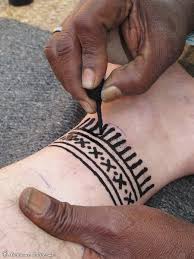
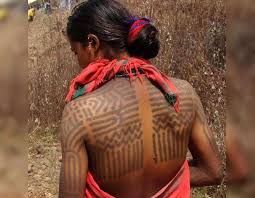
Baiga is one of the tribes for whom tattooing is an essential part of their existence. This tribe inhabits the dense hilly forests in the eastern part of the Satpuras, in Shahdol, Bilaspur, Rajandgaon, Mandla and Balaghat districts. The Baigas are of Dravidian stock and are one of eight prime tribes of Madhya Pradesh. It is believed that this tribe is an offshoot of the Bhuiya tribe of Chhota Nagpur. A distinguishing feature of the Baiga tribe is that their women are famous for crafting tattoos of countless varieties on practically all portions of their bodies. The women who work as tattooing artistes belong to Qjha. They are tremendously experienced about the diverse kinds of tattoos fancied by several tribes. Their mother customarily passes on this wisdom to them. Tattooing among the family begins with the approach of winter and resumes until summer.

Conspiracy Theories & Chill

Let’s get illuminaughty

False Flag Theorists

False flag theorists see darker forces behind whatever sinister world events are taking place. They believe events such as gun massacres and terror attacks are staged to make it appear as if some other group designed and carried out the event – in effect planting a false flag at the scene. The “false flag” concept can be virtually applied to just about any world event – the 9/11 attacks, so some believe, weren’t carried out by al-Qaeda but the Bush administration as an excuse for war in the Middle East.

Bilderberg Group

The Bilderberg group is an annual meeting of ‘elite intellectuals’ from across the world to discuss — well, no-one really knows. No minutes are published of the meetings, which take place behind closed doors amid tight security. The group has been accused of everything from plotting the rise and fall of world leaders to trying to form a New World Order, made up of the top figures in banks, corporations and countries.

The Mandela Effect

It is a phenomenon where a group of people collectively misremember a fact or an event. The term was coined by the paranormal enthusiast Fiona Broome. She along with many other people, remember Nelson Mandela dying in prison in the 1980s rather than from illness in 2013. Some of them even claim they remember his funeral being broadcasted on TV, like do you remember the Monopoly Man wearing a monocle? You’re not the only one. However, if you look at him carefully, you’ll realize he’s not wearing a monocle. He never has. While the famous Snow White quote you’ve probably heard others say and repeated yourself is “Mirror, mirror on the wall,” it turns out the correct line is “Magic mirror on the wall” Some people also remember the second part of that quote being “Who is the fairest of them all?” but apparently it’s “Who is the fairest one of all?

Britney Spears Was an Instrument of the Bush Administration

What if Britney Spears’s public meltdown, a series of bizarre events and public outburst— the head shaving incident which ultimately resulted in her receiving a conservatorship and losing custody of her children to ex-hubby Kevin Federline— wasn’t the result of her own personal issues? There are theories that say Britney was being paid by the Bush administration to grab headlines away from the corrupt and incompetent White House. 

BONUS

 The Illuminati is real, lizard people are also real, and the Earth is hollow with a colony of people living inside the middle, just kidding (maybe). But there are way crazier, way more coherent truths out there waiting to be seen.

So for all you conspiracy theory lovers, here are some shows and documentaries you would want to watch-  

  • WORMWOOD
  • THE TRAFFICERS
  • UNDERWORLD, INC.
  • DIRTY MONEY.

Impact of COVID-19 on the Supply chain of the Manufacturing sector

A roadmap for manufacturing: These five steps can power an ...

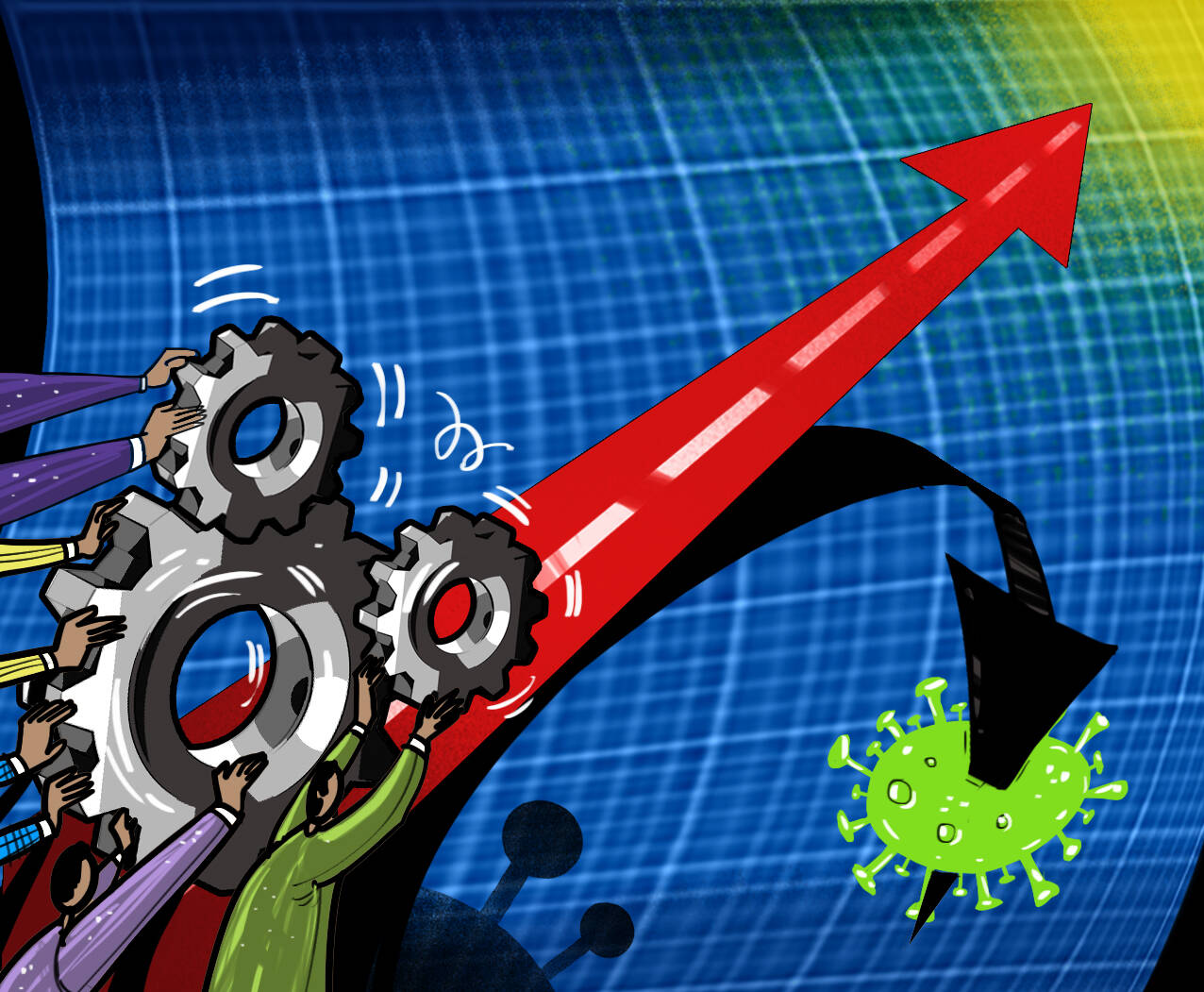
The Coronavirus disease (COVID-19) was declared a pandemic by the World Health Organisation (WHO) on March 11, 2020. Apart from the substantial deaths and chaos, Pandemics can have severe implications on the economic and social landscapes of the world. The manufacturing sectors of various countries have taken a huge hit as they are labour intensive, and the current pandemic situation has called for nation-wide lockdowns and several restrictions all over the world. This has caused stagnancy in operations conducted in numerous manufacturing plants.

Today, the world is more connected than ever due to incredible technologies and globalisation. Hence, disruption in just one of the manufacturing hubs is more than enough to cause anomalies throughout the enormous supply chains spread across countries. For example, Greenland has 11 confirmed cases of COVID-19 and all of them have recovered. However, it relies on imports and supply of raw materials which are spread across Europe. 

 To understand the impact on the supply chain of the manufacturing sectors, lets first identify the key drivers of manufacturing. The primary factor is demand in the economy. Only if there is substantial demand for a commodity, it will be manufactured. After manufacturing, the commodity is required to be delivered to the customer/consumer. It is in this stage that the pandemic has had an adverse effect. Due to lockdowns and restrictions the logistics are in vain. Hence, the manufactured goods are not reaching the customers.

The Indian manufacturers have significant dependency on China for the supply of raw materials. The current situation has made supply difficult due to complications in logistics. Operations in manufacturing plants are incredibly difficult to carry out due to social distancing norms and lockdown restrictions that are essential to follow. This has minimized the use of human resources which is vital for carrying out operations. The demand for essential goods has skyrocketed in contrast to non-essential goods which has taken a hit due to inaccessibility. Considering this scenario, industries which manufacture essential goods have been able to continue with connections to e-commerce sites like Amazon and Flipkart. However, the automobile industry has been stagnant due to overwhelming inefficiency in the supply chain caused by the pandemic.

This pandemic has provided India an opportunity to be independent with regards to supply and imports. Realizing the Indian potential for raw materials would have a ripple effect in the future economy and reduce dependency tension. To stimulate the manufacturing sector and operations, logistics must be made more efficient. This could be done by eliminating/reducing the entities of supply chains. This would ensure minimal human involvement which is essential in the current situation. E-commerce websites could implement grouping of delivery to ensure efficiency. The government could take precautionary measures and incentivise demand for non-essential goods. This could stimulate the manufacturing industries of non-essential goods which have been stagnant.

5 Main Aims of Government for Economy Development

1. Full Employment:

Most governments try to achieve full employment. This means that people who are willing and able to work can find employment. Of course, not everyone wants to work or is able to work. These people are not in the labour force. They are said to be economically inactive and are dependent on those in the labour force.

They include children, the retired, those engaged in full time education, home makers and those who are too sick or disabled to work. Those who are in work or are unemployed but actively seeking work, form the labour force and are said to be economically active.

The unemployment rate is calculated as a percentage of the labour force, i.e.:

Unemployed / Labour force X 100

So if 5 million people are unemployed out of a labour force of 40 million, the unemployment rate is:

5m / 40m X 100 = 12.5%

Most economists think that full employment is not actually 0% unemployed. They usually put the figure at approximately 3%. This is because they think that even in a strong economy with demand for labour equalling the supply of labour, there will always be some workers changing jobs and being unemployed for short periods.

2. Price Stability:

Governments aim for price stability because it ensures greater economic certainty and prevents the country’s products from losing international competitiveness. If firms, households and workers have an idea. About future level of prices, they can plan with greater confidence. It also means that they will not act in a way that will cause prices to rise in the future.

Firms will not raise their prices because they expect their costs to be higher, households will not bring forward purchases for fear that items will be more expensive in the future and workers will not press for wage increases just to maintain their real disposable income.

In seeking to achieve price stability, most governments are not aiming for a zero percentage change in price. A common target is a stable inflation rate of 2%. They do not aim for unchanged prices, for two main reasons. One is that measures of inflation tend to overstate rises in prices.

A price index , for instance, might indicate that the general price level has risen by 1% but in practice, prices might not have changed and might have even fallen slightly. Some of the prices paid by people are lower than those appearing in the official price level indices, as people buy some products at reduced prices in sales and also make second hand purchases.

Price rises can also hide the improvements in products. A car may cost $100 more this year than last year, but it may incorporate a number of new features such as satellite navigation. So the question arises, is the car actually more expensive or is it a different car?

A second reason is that a slight rise in prices can provide some benefits. It can encourage producers to increase their output, as they may think that higher prices will lead to higher profits. It can also enable firms to cut their wage costs by not raising wages in line with inflation. The alternative to such a move might be a cut in employment.

3. Economic Growth:

When an economy experiences economic growth, there is an increase in its output in the short run. This is sometimes referred to as actual economic growth. In the long run, for an economy to sustain its growth, the productive potential of the economy has to be increased. Such an increase can be achieved as a result of a rise in the quantity and/or quality of factors of production.

The difference between actual and potential economic growth can be shown on a production possibility curve. On Fig, the movement from point A to point B represents actual economic growth – more capital and consumer goods are made. The shift outwards of the production possibility curve from YY to ZZ represents potential economic growth – the economy is capable of producing more.

Actual and Potential Economics Growth

In analyzing economic growth and other macroeconomic issues, economists also make use of aggregate demand and aggregate supply diagrams. Aggregate demand (AD) is the total demand for an economy’s products and consists of consumption (C), investment (I), government expenditure (G) and exports minus imports (X-M).

Aggregate supply is the total output of producers in an economy. Aggregate supply is perfectly elastic if the economy has a significant number of unemployed resources, as then more can be produced without a contingent rise in costs of production and prices.

The curve becomes more inelastic as the economy approaches full employment since then the firms will be competing for resources and this will push up their costs and, as a result, the price level. At full employment of resources, aggregate supply becomes perfectly inelastic, since at this point further increase in output is not possible.

Fig. 2 shows actual economic growth. The rise in AD has resulted in a rise in the country’s output (see unit 40 on real GDP) and a small rise in the price level.

Actual Economic Growth

Fig. 3 shows potential economic growth. The maximum amount, that the economy can produce, has increased.

Potential Economic Growth

In this case, the rise in the quantity and/or quality of resources has no impact on output. If, however, an increase in productive potential occurs when an economy is operating close to full employment, it can cause a rise in the country’s output and a fall in the price level as shown in Fig. 4.

Potential Economic Growth Causing a Rise in National Output

Governments want to achieve economic growth because producing more goods and services can raise people’s living standards. Economic growth can indeed transform people’s lives and enable them to live longer because of better nutrition, housing and health care.

The determinant of a country’s possible economic growth rate is its level of output, in relation to its current maximum possible output and its growth in productive capacity.

If, for instance, an economy is growing at 2% below its maximum possible output and its productive capacity is expected to increase by 3% this year, it’s possible economic growth rate is 5%. Most governments would like their economies to be working at full capacity and their actual economic growth rate to coincide with their potential economic growth rate.

4. Redistribution of Income:

A government may seek to redistribute income from the rich to the poor. The more money someone has, the less they tend to appreciate each unit. A rich person with an income of $10,000 a week is unlikely to miss $100 but that sum would make a huge difference to someone currently struggling on $20 a week.

Governments redistribute income by taxing and spending. The rich are taxed more than the poor. Some of the money raised is spent directly on the poor by means of benefits such as housing benefit and unemployment benefit. Other forms of government expenditure, such as that on education and health, particularly benefit the poor

Without the government providing these services free of cost or at subsidized prices, the poor may not find them accessible. Governments are unlikely to aim for a perfectly equal distribution of income. This is because taxing the rich too heavily and providing too generous benefits may act as a disincentive to effort and enterprise.

5. Balance of Payments Stability:

Over the long run, most governments want the value of their exports to equal the value of their imports. If expenditure on imports exceeds revenue from exports for a long period of time, the country will be living beyond its means and will get into debt. If export revenue is greater than import expenditure, the inhabitants of the country will not be enjoying as many products as possible.

Governments also seek to avoid sudden changes in other parts of the balance of payments. This is because they can prove to be disruptive for the economy. For instance, there may be a sudden and unexpected movement of money out of the country’s financial institutions into financial institutions of other countries. Such a movement can have an adverse effect not only on the banks of a country but also on the country’s exchange rate and eventually on the price of the country’s imports.

Mobile App ‘eBloodServices’

These days when all of us are dealing with pandemic COVID-19, it has been a very hard time for all of us and we all are contributing our parts to come out of this difficult situation. All of us are doing great as fighters. With the coming of problems, we all are thinking innovative and creative to come up with solution to it. One such step was to launch mobile app ‘eBloodServices’.Union Health Minister Dr Harsh Vardhan on launched the eBlood Services Mobile Application, in partnership with the New Delhi based Indian Red Cross Society (IRCS), on 25 June 2020 for easy access to blood to fight with the critical time of coronavirus pandemic.

Health-Minister-Dr-Harsh-Vardhan-launches-eBlood-Services-1

This application is developed by the E-Raktkosh team of Centre for Development of Advanced Computing under the Digital India scheme launched by Prime Minister Narendra Modi in 2015. The application will bring transparency and facilitate single-window access to blood services of the Indian Red Cross Society, officials said. This initiative would help the people to get the blood on time just by registering on the application. Also, people can demand up to four units of blood. Blood-related services are required by many people in the country as they face certain medical conditions in their families. With the help of eBlood Services App, four units of blood can be requisitioned at a time. Blood Bank will wait for as long as 12 hours for the person to collect it. The app will make it easy for those in need to request for blood units at IRCS NHQ.

Speaking on the occasion, the Minister said, “People who need blood can get registered on this app and know from where they will get blood.” Vardhan said, “In the last few months, I received several complaints from people facing difficulties in accessing safe blood. Many people require blood-related services regularly because of certain medical conditions in their families. Through this app, four units of blood can be requisitioned at a time and the blood bank will wait for 12 hours for the person to collect it.” At a time when the country is going through a pandemic, the mobile app will provide succour to all those who are in dire need of blood,” the health minister said. Users with this app can know the live status of blood availability at the national headquarters of the Indian Red Cross Society (IRCS) blood bank in Delhi. He appealed to people to come forward to donate blood as their contribution is required more than ever now.

images

All 89 IRCS blood banks and 1,100 branches across the country have collected more than 1,00,000 units of blood through in-house donations and from around 2,000 donation camps organized during the lockdown. Also, more than 38,000 blood donors registered with NHQ Blood Bank have been contacted and motivated to donate blood. The NHQ Blood Bank conducted 55 blood donation camps collecting 2,896 units of blood. Blood has been issued to 7,113 patients which include 2,923 thalassaemic patients as well as to the government hospitals like Lady Hardinge (624 units) and AIIMS, Delhi (378 Units).The IRCS has served more than 3,00,00,000 cooked meals and provided ration to more than 11,00,000 families.


OBJECTIVES OF MARKETING MANAGEMENT

Objectives of Marketing Management

Management is the process of getting things done through other people. Following are the five key objectives of marketing management:-

Generate customer base

The responsibility of the marketing manager is to attract new customers and retain old customers for the business enterprise. Thus, to create product awareness among people many promotional activities viz. advertisement, distribution of samples, display of goods, etc. are carried out, which in turn increase sell of goods and services and generate profit for the firm.

Customer Satisfaction

The basic priority of the modern marketing is the satisfaction of the customer (or consumer). Thus, the marketing manager scientifically studies the needs and demands of the customers before offering them any goods or services.  Here, satisfying customers does not simply mean matching products with customers’ needs. It also requires regular supply of goods and services of reasonable quality at fair prices.

Market Share

The purpose of business activity is to increase its market share i.e. the ratio of its sales to the total sales in the economy. For this, companies may adopt all means of sales promotion viz. discounts, sales promotion, gifts, gift coupons, etc. to create awareness of its product in the market.

Profit Maximization

Without earning profit, no firm can survive in the market. Thus, profits are also needed for the growth and diversification of the firm. Hence, for maximization of profit, the marketing manager tries to satisfy the needs and wants of customer and maintains the regular supply of goods and services at fair prices.

Earn goodwill for the business

To build up the public image of the firm, the marketing management provides good quality products to the customers at reasonable rates and thus creates its positive image among the customers. The role of marketing manager is to sustain and raise the goodwill of the business through sales promotion, publicity, advertisement, high quality and reasonable prices of products, convenient distribution outlets, etc. If a firm enjoys goodwill in the market, it would increase the morale of its’ sales-force, which in turn increases profit.

Increases living standard among people

The marketing management attempts to increase the quality of life of the people by providing them better goods and services at reasonable rates. It facilitates production and distribution of a wide variety of goods and services for use by the customer.

ABC ANALYSIS

Every single item we order does not have equal value. Some parts cost more. Some are used more frequently. Some are both. ABC inventory analysis helps categorize those items so we can understand which ones should receive our full attention.

As the name suggests, this inventory categorization technique groups your inventory in three buckets: A, B, & C.

  • A’ items are the most important to an organization. This material should receive your full focus due to its high usage rate or a high price (or both).
  • B’ items have a lower dollar volume and are thus less important than ‘As’.
  • Finally, ‘C’ items are the low rung on the ladder. Out of the three groups, you’ll have the highest number of ‘C’ items, but they will account for the lowest portion for your inventory value.

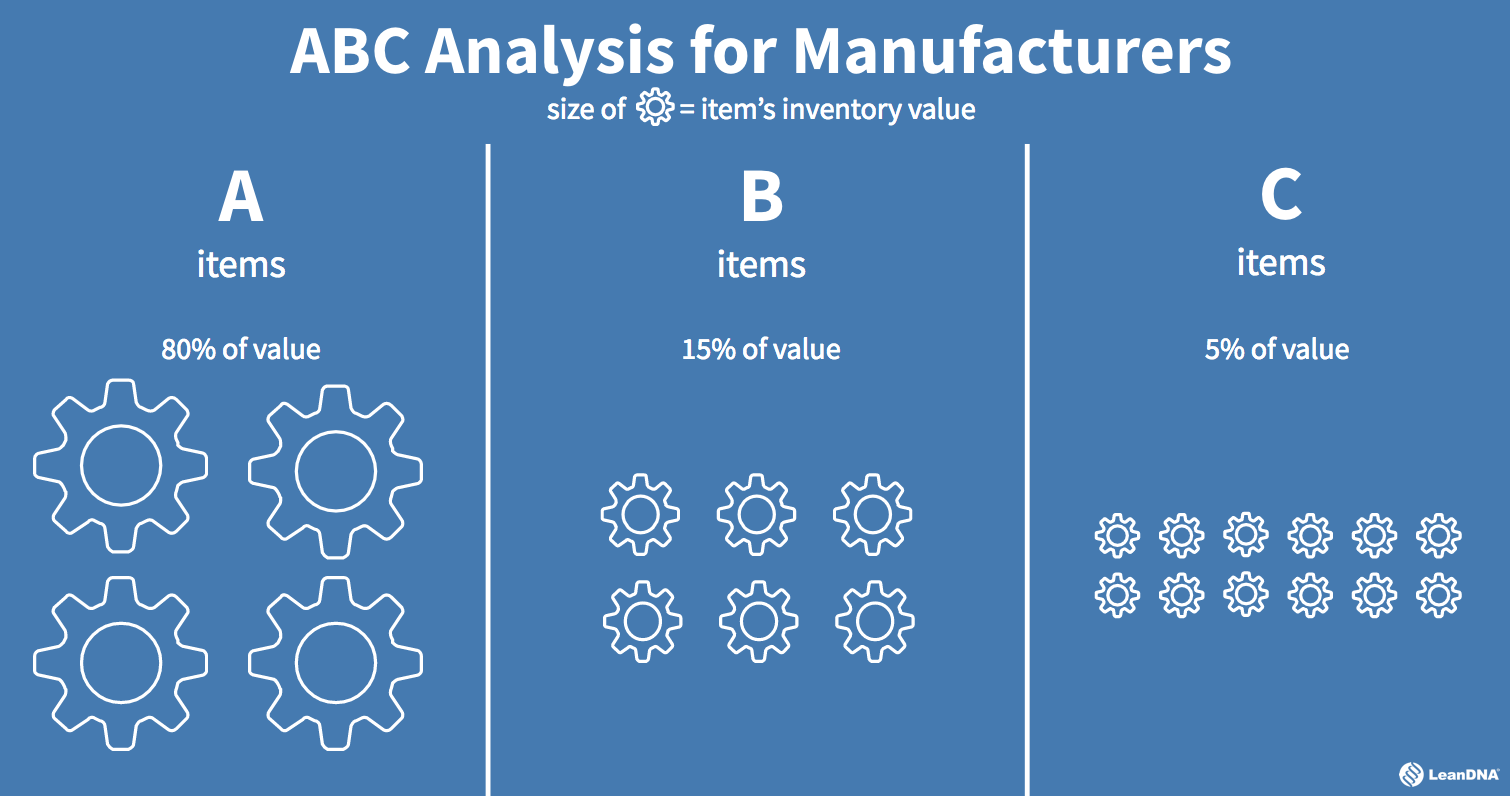
The pareto principle states that 80% of your inventory costs comes from just 20% of your inventory. This is known as the 80/20 rule and it helps shape the results of your ABC Analysis. LeanDNA recommends the following breakdown as the optimal way to determine the three categories:

  • ‘A’ items – 80% of the annual inventory value of your items (likely made up of just 20% of your items)
  • ‘B’ items – 15% of the annual inventory value of your items (likely made up of 30% of your items)
  • ‘C’ items – 5% of the annual inventory value of your items (likely made up of 50% of your items)

ABC analysis has a lot of similarities to RRS analysis – “Runner, Repeater, Stranger analysis,” that is. Runners are your ‘A’ items, Repeaters are your ‘B’ items, and Strangers are your ‘C’ items.

In order to determine which parts fall into which categories, use the following steps:

  1. Determine inventory value by multiplying the price of an item by the consumption volume of that item in a year period. Simply put, item cost * annual consumption = inventory value.
  2. Repeat step 1 for all items to calculate total inventory value.
  3. Sort your parts from highest inventory value to lowest.
  4. Calculate each item’s percentage of total inventory value. That item’s inventory value / sum of all inventory values = item % of total inventory value.
  5. Group the parts that account for the highest 80% of your total inventory and allocate them as ‘A’ items. Group the parts that account for the next 15% and allocate them as ‘B’ items. Group all remaining items as ‘C’.

OBJECTIVES OF SALES MANAGEMENT

Let us delve deeper into the 4 main objectives of sales management

1) Achieving Sales volume

Achieving sales volume is the first objective of Sales. The word “volume” is critical because whenever a product sales start, the market is supposed to be a virgin market. Thus there needs to be optimum penetration so that the product reaches all corners of the region targeted. Ultimately, penetration levels can be decided on the basis of sales volume achieved.

2) Contribution to profit

Sales brings turnover for the company and this turnover results in profits. Naturally, sales has a major contribution to profit and it is categorized as a profit function in several organizations. But there is one more aspect to the contribution of profit by sales.

The objective of sales management is to sell the product at the optimum price. Some companies might target a premium pricing for a product to make it premium in the market. But if the sales team drops the price, then the objectives are not being met and the profit is dropping. This has to be kept in check by seniors as price drops directly affect the margin of the product.

3) Continuous growth

A company cannot remain stagnant. There are salaries to be paid, costs have been incurred and there are shareholders to be answered. So a company cannot survive without continuous growth. If there is no innovation at the product level or at the company level, then the company has to be blamed. But if the products are good, and still the penetration is not happening, then it is the fault of sales manager and sales executives.

It is the job of marketing to take feedback and bring new products in the market. But if the sales team does not provide the appropriate feedback of “Why the product is not selling”, then growth becomes impossible. This is why, more penetration and more growth is in the hand of sales people.

4) Sales Management and financial results

Financial Results are another objective of sales management and are closely related and therefore sales management has financial implications as well.

Sales – Cost of Sales = Gross Profit

Gross Margin – Expenses = Net profit.

Thus the variation in Sales will directly affect the Net profit of a company. Hence maintaining and managing sales is important to keep the product / service / organization financially viable.

The Objectives of sales are therefore decided on the basis of where the organization stands and where it wants to reach. It is a collaborated effort from the top management along with the marketing managers and sales managers to provide with a targeted estimate.

IISERs

Indian Institute of Science Education and Research (IISER) are public research institutes of India. These are the premier institutes of India. The institutes were established by the Government of India through the Ministry of Human Resource Development (MHRD) to provide quality college education in basic sciences coupled with a taste research at the undergraduate level itself. The institutes were formally established by the Parliament of India through the National Institutes of Technology, Science Education and Research (Amendment) Act, 2010 (an amendment to the National Institutes of Technology Act, 2007). Seven IISERs have been established across the country, namely IISER Kolkata in West Bengal, IISER Pune in Maharashtra, IISER Mohali in Punjab, IISER Bhopal in Madhya Pradesh, IISER Thiruvananthapuram in Kerala, IISER Tirupati in Andhra Pradesh, and IISER Berhampur in Odisha. The basic idea behind establishment of IISERs was to promote research-oriented training and to promote basic sciences. Indian Institute of Science, Bangalore and National Institute of Science Education and Research, Bhubaneswar has already been established to promote natural sciences but were not enough for a large country like India with enormous number of students having the potential to go ahead with research. All IISERs were declared as Institutes of National Importance by the Parliament of India in 2012, to promote them as leading institutions in the country in the field of basic sciences along with its sister institutes mentioned above.

T--IISER-Bhopal-India--igemdaymeet

The main degree provided by IISERs are BS-MS in any natural science stream. Since the institutes are new in India and so is the degree provided by them, many people in India, even the educated ones are not aware of what does this degree means and often mix it with BSc and Msc. The degree has already been offered in foreign countries like US, Germany, etc but was introduced in India after establishment of IISERs. BS-MS (Bachelor of Science – Master of Science) is a five year dual degree program. The program focuses to train students to pursue a career in academia, R&D institutes and science based industries. They are introduced with the idea of how to carry with the research and build up a career. The motivation is the reason why IISERs are equipped with world-class lab facilities and highly exceptional researches are carried out in these labs.

research-degrees-header

Besides the BS-MS in natural sciences, as the institute is growing and establishing new departments, some of the IISERs are offering only BS (4 years )as well, not only in natural science stream but in engineering sciences and economics as well. IISER Bhopal is the one offering BS in Engineering Sciences (Computer Science, Electrical Engineering, Chemical Engineerning) and BS in economics. IISERs are said to be on the same level for research as IITs are for engineering. Now, recently, IITs have also started offering BS-MS degrees. IISERs provide a great opportunity for young, innovative and bright minds to excel in science and research. IISERs have collaborated with many foreign universities, research institutes and industries and is rapidly gaining recognition due to the work done by its student members and faculty members. The institute is expected to excel exponentially and become a very great opportunity to students.

Tour To Jharkhand

The Jharkhand state has a rich cultural heritage and endowed with bio-diversity and moderate climate. If you are willing to visit a new place then Jharkhand could be one of them. We all are aware; tourism is an important industry for any country or state for revenue generation. Jharkhand is one of the states of India which have taken new initiatives and innovative measures such as rural tourism, adventure tourism, heritage tourism, etc.

So, today let’s see some of the best places to visit in Jharkhand.

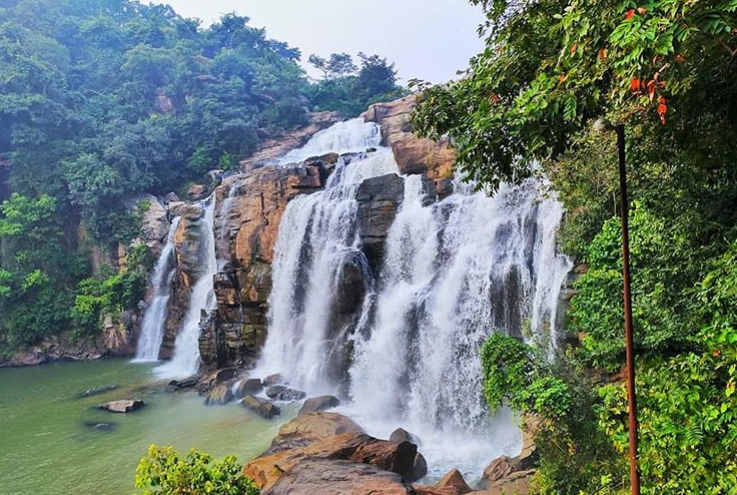
Johna Waterfall: It is located in the hilly and forested areas 40 km away from the main city Ranchi. Water falling from the height of 40m makes the place thrilling.

Johna Fall


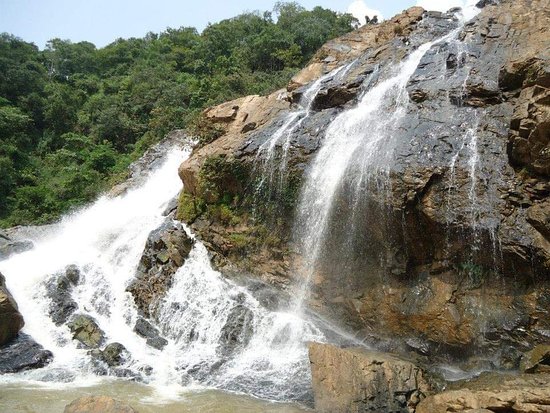
Hirni Waterfall: It is situated at a distance of 70 km from the Birsa Munda Airport. Here the scenery is breathtaking, waterfalls from the height of 120 m.

Hirni Fall


Hundru Waterfall: The waterfall is situated 45 km away from the main city, where the river Suvarnrekha falls from a height of 320 ft. Shootings of many films are done at this place, most of the time you will meet celebrities shooting.

Hundru Fall


Panchdhara Waterfall: Captivating landscape, having five waterfalls in a row. If you are in Ranchi and you have not visited the place then it’s a big mistake.


Pangura Waterfall: It is situated in a dense forest of Pangura village. Here the river forms two waterfalls. Water falling from 250 feet height is enchanting.


Sun temple: It is situated near Tamara valley. 50 km away from the main city Ranchi. Covered in a highly dense forest full of hilly ranges in Pradhan Nagar. The whole temple is made of white marble and is historical from the time of Lord Ram.


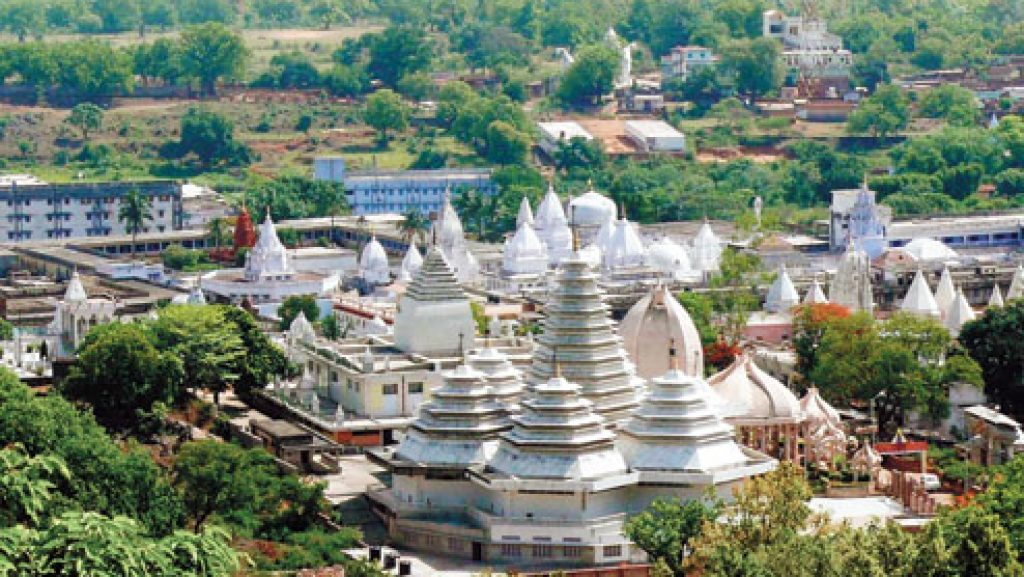
Parasnath: Parasnath 1365-meter-high is the highest mountain in Jharkhand. This place is mostly famous among Jain and is called “Sammed Shikhar”.

Email Etiquettes For Students

Simple rules to send a respectful email that won’t get you on your professor’s bad side. 

Rule 1 – Answer swiftly

 Anyone who sends you an email they’ll want quick responses. The golden rule for email is to reply within 24 hours, and preferably within the same day itself. If your response email is complicated, just send an email confirming receipt and letting them know that you will get back to them. This will ease the senders mind! 

Rule 2 – Use a meaningful subject line

 When filling the subject line, make sure that you mention what the email is for or in regards to. You don’t want it to seem like a randomly generated subject and end up in your professor’s spam folder. It also makes it easier to search for old emails when the subject line is relevant and specific to the content of the email. 

Rule 3 – Read your email before you send it 

Prior to sending your email, be sure that you proofread your message. You shouldn’t write your email as though you are texting your friend. Make sure it’s got full sentences, proper grammar, and real spelling. Look out for potential misunderstandings, the tone, and inappropriate comments. 

Rule 4 – Abbreviations & emoticons 

Be careful using email abbreviations such as BTW (by the way) and LOL (laugh out loud) in formal emails. Even today, some people still don’t know what they mean, so it’s better to drop them. 

Rule 5 – Be concise

 Be succinct and keep your message short and to the point. Your professor is going to have probably hundreds of email messages to wade through each day. Just get to the point and politely, respectfully, ask your request.  If it has to be long, consider including a synopsis at the top of the email. Make sure you are as clear as possible about what it is you need to ask of your professor without writing a novel. 

Rule 6 – Do not write in CAPITALS 

IF YOU WRITE IN CAPITALS IT SEEMS AS IF YOU ARE SHOUTING!! Therefore, try not to send email text in capitals. 

Rule 7 – Use a professional email address

 This marks the message as legitimate and not spam. You should always have an email address that conveys your name so that the professor an idea of who’s sending the message. Never use email addresses, perhaps remnants of your grade-school days, that are not appropriate for use in a formal setting, such as “supergirlrocks@…” or “pizzalover@…”.

Rule 8 – Use professional salutations 

Don’t use laid-back, colloquial expressions like, ‘Hi’ or ‘Yo’. Address your professor directly; don’t just launch straight into a request. Examples: ‘Respected Dr. Kapoor’, ‘Dear, Ms. Gupta’, ‘Dr. Sharma, I hope this email finds you well…’. 

Rule 9 – Be polite

Don’t make demands, don’t accuse, remember to write please and thank you. Close your email with something polite like ‘Thanks’, ‘Thanks for your time’, ‘See you in class Wednesday’, ‘regards’, etc. Then re-type your first name 

                     Our Common Goal: Let Nature Heal with Flow

                                                                                                  -SHUBHANKAR

Environment is healing, its healing fast. But has it really healed or is it just a myth revolving around? Well, in my opinion the deterioration of environment has happened so much over the past few decades that this healing isn’t enough. And as we all think we are healing, the fact is another new problem has emerged out. The problem of Medical waste concerns, the disposal of masks, etc. is the real big problem now. With the rising number of coronavirus cases in the world, the rise in the number of medical waste has raised a major problem in the whole world. People weren’t at all aware of what was going to hit the world in the start of the new decade, the pandemic which changed the whole world, and is still changing. With the rise in the masks and other medical waste and with people not aware about what to do with this waste, they dump it with the other wastes and then there’s whole lot of problems prevailing.

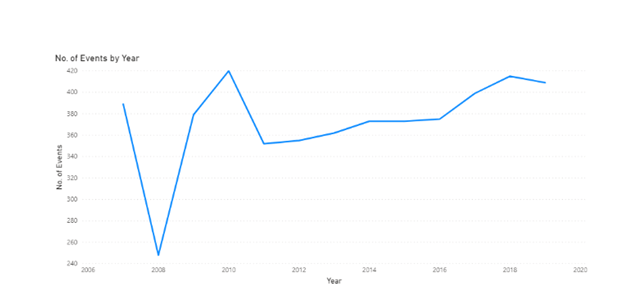
Now, let’s talk about the real situation prevailing in the world. People have taken nature and environment for granted. I meet people often wasting water and when I ask them why are you wasting water, around 98% of the people say that by them wasting water will not impact anybody. Well, they are in some ways right. It will not impact anybody, but themselves only in the near future and their future generations. Well, with the inhuman activities going on in the world, people don’t even think of their own generation, let alone the future one’s. Through this article, I want to make people aware of what could happen to them only, if they don’t respect and care for the nature and environment they are living in. See, the fact is that the nature is now what we say in sporting terms ‘on a roll’ and that too for many years now but the people weren’t able to see it or we can say ignored the fact. Be it the fire in Amazon Forest and the Australian Bush fires or floods and earthquakes whose frequency increased in the past few years. The below graph would actually help you understand the fact that how these natural disasters which aren’t natural for me, because I feel they are human disasters have increased over the years:

Look at the above graph, see how the disasters have risen from 2007 to 2020, this shows the plight people have faced from nature but it’s their own fault. But the people kept on ignoring it and now when the world is being hit by a pandemic, people are saying its nature healing. Well irony and irony, nothing else can be said. The pandemic is another major attack by mother nature on humans who have continued to destroy environment on and on. My question to the readers of this article is why don’t people know the importance of nature. Because of greed for money, we are destroying nature where we want to live. Don’t people understand playing with nature could result in devastation. According to a survey, in the year 2050, most of the coastal areas around the world would be submerged. Do we want this situation to ever arise? No, we don’t. So, why not protect nature rather than just destroying it.

Now, my opinion is that people should be told to not do things which they have become habitual of. This will be very difficult, but the governments need to implement these changes. The 1st thing is letting people know that wastage of water could result in devastation at a large scale. Building illegal or maybe legal swimming pools should be banned. Because people die because they don’t receive one single drop of water, families of many people die because they don’t receive one drop of water and here people are wasting water as if water will be available to them for their whole life. Mind you when nature strikes back and time changes, nobody knows it and nobody has ever known it. The next step is the less use of air conditioners in homes, offices and when its not necessary. People must be aware of the fact that air conditioners produce greenhouse gases which in turn is damaging the ozone layer resulting in devastation on earth. 

I’ve seen people turning on their air conditioners even when they aren’t in their rooms and that is the worst one can do. Not only its contributing to the increase in greenhouse gases but also the wastage of electricity is done. I can’t understand why people want to use air conditioners. Didn’t our ancestors live without air conditioners? Okay I understand that time was different in the fact that earth’s temperature wasn’t that high, but why has the earth’s temperature increased? Its because of the rise in greenhouse gases. So, use of air conditioners is because we used air conditioners over and above how much we should’ve used. In the end I want to say that, yes, we’ve deteriorated the nature very much but still we have a little hope left. I would urge people to aware other people of how we can save nature, and also with the current situation learn how medical waste can be dumped and not let this pandemic emerge another problem of disposal of medical waste.

Education and Values

Indian culture has always placed great emphasis on values and morals in education. From a young age, we are taught how to give respect and to speak honestly. Most of our schools have moral education sessions or classes where values are taught through stories or folk tales, especially to younger children. We have fables that always end with morals and tales passed on from one generation to the next which talk about such values that one must never forget. These have gone a long way in shaping the ethos and spirit of our culture and character. Alongside formal education in school, imbibing values have also been considered important in the past.

However, with the advancements of science and technology and greater emphasis being put on what is written down in the textbooks and equations, we see a natural decline in the importance given to value education. Parents are around their children less since they have to work long days at the office and kids often grow up in front of the TV without much human interaction. They usually are given what they ask for and situations of conflict are not common. At school, they are asked to excel in the subjects and make scoring high their ultimate goal. Such an enormous weightage is given to marks that students will go to any lengths to gain approval by scoring well, even if it means breaking the rules. With the rise of the notions of western secularism and morality itself coming to be considered a construct, moral science as it was once called is often deemed unnecessary. This, however, is terribly unhelpful and detrimental to our progress as a human race precisely because man has become more intelligent but also willing to use his intelligence to hurt others. We need to ask whether it isn’t a direct result of devaluing morals that we have an alarming increase in the number of social atrocities, murders, rapes, even discriminations we thought we would not need to fight anymore. Why is it that even with greater progress than any other time in history being made in all fields that we still find ourselves fighting for equality and we keep designing weapons potent enough to destroy the planet?

Knowledge is useful and essential. But imparting only technical and scientific knowledge leads to that very knowledge being used to destroy others. In an age when we have become increasingly intolerant of others who might disagree with us even if it is a trivial matter, a culture that prioritizes one’s own self over all others, knowledge is often weaponized. It itself becomes political and is used as a method of exclusion. As C.S. Lewis succinctly put it, “Education without values, as useful as it is, seems rather to make man a more clever devil.” Has value education always been able to solve all our cultural problems? Of course not. But it did inculcate certain morals and work ethics at a young age that consciously or otherwise underlined our motivations and actions. Teaching it in school as a subject has never been the only solution. But ensuring that the student is always guided to think better, to be empathetic, and to exercise compassion goes a long way, even if it is conveyed as a prep talk at the end of a mathematics class and if they see it in action. Only education that takes values with it alongside can make our society better in all aspects and lead to students wanting to effect a change for the better in the lives of their communities.


Euthanasia: Is it promoting Right to Death

Euthanasia has been one major debatable topic overtime. It has many issues to be considered like moral and ethical values of doctors, human rights issues, various legal procedures and various other issues.Every person in this universe will die some or the other day but the way he dies may differ.The expectations everyone has before they die is to live a happy and fruitful life. Some deaths of them can just be natural death which is usually due to age, as there is a principle that the older you become the weaker you get. Some deaths may arise out of acts like killing oneself and ending their lives forcefully  due to various reasons which is termed as “suicide”. But when a person kills another or ends the life of the deceased on the request of the deceased this is called by the name “euthanasia” or mercy killing in local language. Euthanasia is usually conducted by medical professionals for giving the output of the so called “happy death” or also called death to be relieved from the pain and suffering. Ironically death was always meant to be sad but this transforms it into good death. There are five different types of euthanasia. There are arguments that if a person has the right to life, he should be guaranteed the right to die also, and a person is said to have the right to choose and this should be applicable to what he wants to do with his own life. This also raises an issue related to human rights whether it is favouring it or not. Right to life does not only mean to live but it has a wider concept to live with dignity so there comes a question whether the right to die exists and if it does,  then why shouldn’t one die with dignity without suffering and pain. There are broadly two categories in which euthanasia can be classified, the first one is how the death is caused i.e., passive (death is caused by removing the life supporting system he/she is depending on) or active (death is caused by injecting something

lethal or dangerous) and the second one the acceptance for death or request (consent) for it whether it is voluntary, involuntary and non voluntary. Euthanasia can also be called a privileged murder, but however it is not exception to a murder in some places, it means that this is legal in some places and not in some. Hence it depends on the place it takes place. India has legalised passive euthanasia in the Aruna Shanbaug case, ironically she was’nt given the permission for passive euthanasia however this case laid down the rules and specification where passive euthanasia could be conducted. Personally, I feel that passive euthanasia should not be confused with any other types of euthanasia and should be merely considered as a means to relieve a person from an is an incurable disease and the person exists only because of the life saving equipment and its removal can cause death, and only this should be legalised and not the other types. Euthanasia should be legal in India and other countries with strict rules and regulation, and with proper committees taking care of its implementations, ther has to be adequate safeguards and follow up actions regarding the laws as only then its loopholes are revealed and then correction can be done, there has to be harsher punishments and penalties if invoked. India is one of the nations which has the strongest laws and regulations, we frame them with so much care including each intrinsic detail, but we tend to have a very weak follow up action on our laws, hence it is misused. I would like to bring the topic of doctors and if they are going against the Hippocratic Oath, yes, they are going against it but this is done for the well being of the patient. Many may think that can doctors misuse this whole legislation, we should understand one thing here i.e. we are believing the judge and letting him give a death sentence to the criminals and in the same way we should trust the doctor and put hope in them that whatever they do is for the welfare of the patient, hence when it comes to the decision of granting death we should assume that they would do the best for the patient. Stronger the legislation, lesser the problems regarding it. At a conclusion there are always two sides to anything, in the same way some may think that euthanasia is morally justified as it is to free someone from the suffering and unbearable pain, on the other side some tell that the sanctity of life cannot be justified if death is not natural and one does not go through the hard times, therefore this is a non-ending debate.

Gandhi preach us more!

Have you at any point longed for world with harmony and thriving for all mankind- a world where we love and care for each other notwithstanding the differences in our way of life, religion and lifestyle?

I frequently feel vulnerable when I see the world in disturbance, an after effect of contrast between our goals. Mahatma Gandhi was the man who inspired the world with Ahimsa, his faith in peace, and non- animosity. His life was a message – a message of harmony overpower, of discovering approaches to accommodate our disparities and of living in amicability with difference and love notwithstanding for our adversary. His message was as clear to his enemies as it was to his followers. He believed we can resolve best our issues if we set out to have a constructive discussion with our enemy. “Be the change you wish to see in the world ” was the statement he gave. We frequently like to complain about the system that we need to follow. But before changing the system it’s significant that we see inside ourselves and try to fix our faults. Self- realization is one of the ways to achieve success. Pour out love and respect for every individual you come across, and don’t form biases based on their background. Each simple act matters. We are responsible for our future, whatever actions we do in present determine our future. Be a life long learner, learn as if you were to live forever.

Gandhi and our nation have suffered a lot under British, but instead of taking up arms against them, he chose the path of non-violence. See how we enjoy our freedom now. He taught us revenge is never a solution, it doesn’t lead to peace or happiness. One needs to learn to forgive.It is important to be true to yourself, no matter whatever the consequences are. Stand up for what you feel is right, even if it displeases a lot of people.

Gandhi’s musings can play a tremendous role in taking the human culture forward, towards the ideal objective. His lessons and analyses are more legitimate today than any time in recent memory, particularly when we are attempting to discover answers for overall greed, corruption, violence, and runaway which are putting a heavy burden on
the world. We as a nation continue to fail him. But like for every other thing, here is also hope. We can bring harmony to our world by spreading love and peace. Although the task is daunting, Gandhi has shown us how a fragile man can achieve incredible magnitude with a staunch belief to practice peace and harmony.
Will you take the pledge to become the change you want to see in the world?

Stop animal cruelty

The use of animals to entertain human beings is wrong from the welfare point of view because: … it involves the animal in performances that are foreign to their natural behavior. It may involve cruelty during the show (e.g. bullfighting, rodeos) it may involve cruelty in training the animal.

cruelty in circuses

The wild animals commonly abused in circuses are extremely stressed by circus conditions. The loud noise of the music, the cheers of the crowd and the dizzying lights all disorientate and cause stress to wild animals. Over prolonged periods this can result in abnormal behaviors and health problems related to anxiety.

Animals do not want to perform painful, confusing and demeaning tricks, but animals in circuses have no choice. Trainers use abusive tools, including whips and electric prods, to force them to perform.

Not only are elephants, horses, hippopotamuses, birds, dogs, camels and other animals often beaten by trainers, but they also suffer from loneliness, boredom and frustration from being locked in cramped cages or chained for months on end as they travel from city to city. Instead of being loaded and unloaded like furniture into trucks and warehouses, these animals should be in their natural habitats – exploring, seeking mates and raising families.

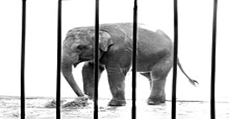
In a research found that, an elephant age has been minimize due to lock under the cages.

A couple of cases of cruelty towards animals have come to light in the past few weeks which have enraged many and made one ponder as to whether the laws in existence are sufficient enough to protect animals. The most recent of all incidents of cruelty that have taken place this year, are that of killing of a pregnant elephant from kerela, a pregnant cow from Himachal Pradesh and a jackal from Tamil Nadu. I state these incidents together as these have the same method used to seriously injure/kill them. In all three cases, the poor animals were fed explosives covered with some kind of edibles.

 In 2019 an incident came to light where in Uttar Pradesh a tigress was brutally beaten with sticks, under a protected zone of the Pilibhit Tiger Reserve. Another inhumane incident saw the light of the day in September 2019 when a video of a nilgai (antelope) being pushed into a pit in Bihar and buried alive got viral. It is unimaginable to think that New Delhi has its very own ‘Serial dog killer’ who allegedly beat, stabbed and killed three dogs and a puppy.

Cruelty in zoos

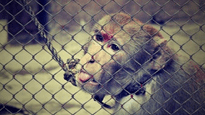
 The process of segregating animals from a group according to desired or undesired characteristics; the process often ends with the segregated animal being killed. Several reasons are given for culling in zoos, including a lack of space, the genes of the culled animals are over-represented in the zoo population, the (young) animal might be attacked or killed, or the culled animals have contracted a disease.

Because animals in zoos are killed for many reasons, such as old age or disease, just as pet animals are often euthanized because of health problems, it is beyond the scope of this list to identify every case where an animal is killed in a zoo.

There is more to treating animals in an appropriate way than keeping them healthy: It’s possible (and used to be common) for zoos to keep animals in perfect physical shape, but in conditions that cause the animals to display serious behavioral problems.

These are the reasons, Many of the animals lost their ages under the cages of zoos , and we think they are entertaining us, we go in a zoos and purchase tickets not for the entrainment but we purchase those  tickets for giving more enhancement of cruelty on animals not even in zoos but also on circuses.

Law against this cruelty

The Supreme Court in 2014, in a case titled – Animal Welfare Board of India v. Nagraja&Ors., recognized the Right to Life as enshrined under Article 21 of the COI, to extend to animals as well.NGOs and animal rights activists condemn these brazen killings and inhumane acts however there is now an immediate need to make stricter laws.

Stop animal cruelty

Now, the time we should understand that animals are not entertainers for us ,they also have a rights to live out of cages without any interference of humans ,humans also don’t like interference of anybody so why they interfere in the animals life

These all things written above shows the cruelty of human beings on animals.so, it’s the time stop animal cruelty not even in India but all over the world .

Animals just need your love and care don’t harm them for your business and entertainment ,stop doing these things stop animal cruelty

8 habits on how one can be more productive

We all know some or the other person who is a do-er, always getting things done. They know how to do their tasks effectively and on time. The one who manages to finish 2 hours task in just 30 minutes. You could even describe them as robots because no one can work the way they do.

Ever realized what makes them so different? How come they are so productive? Well, one can’t be that in one night, it will require building certain habits.

Habits of Highly productive people

  • Always do the most important task first: No matter how difficult an important task is, always make sure to do it first. This will help in reducing your procrastination level and help you in time-management. It’s easy to spend the whole day ticking off the small tasks from your to-do lists, but it won’t help. As you might cross the deadline of the tasks that were supposed to be done urgently.
  • Be away from distractions: It is not necessary to pick every phone call. Your friends can wait but your work can’t. Make sure to cut off from social media when you are working. Turn off all the notifications if you think it can disturb you.
  • Know your work habits: Are you more capable of doing things alone? Are you more efficient in working during the night instead of the day? How much break you need in a day? Analyze it, figure things out, and do the tasks accordingly.
  • Get bored: You must have never thought in dreams that being bored can also come out as a productive habit. Being comfortable with boredom is necessary. Get more comfortable doing nothing or sit idle. This period can be helpful in thinking- can be an idea, situation, or anything. Be at ease during this time.
  • Use 80/20 rule: 80% of the results will come from 20% of the efforts. This rule is been followed by most entrepreneurs and businessmen. Highly productive people identify 20% of the most important task that they have to do in a day in increasing efficiency. Then, they look for ways to cut down the rest 80% of the task or schedule it for later, to find more time for things that make a bigger impact.
  • Break tasks into smaller pieces: Break your large to-dos into smaller ones. Set more small goals for every task. This becomes more specific, will give you the best results, and reduce your stress.
  • Work before you get inspired: There are a lot of people who come across saying they need the motivation to do the work. Highly productive people instead focus on getting the work started, no matter they are inspired or not. Taking action is what leads to motivation. Start working and the motivation will follow.
  • Don’t be a multi-tasker: When you multitask, you aren’t doing multiple tasks at once, instead, you’re switching your focus between things. Every time you switch the task, you have to refocus on others. Although multitasking is ok sometimes, try to avoid it most of the time.


Pradhan mantra Garib Kalyan Yojana

The Pradhan Mantri Garib Kalyan Yojana (PMGKY) was launched in the year 2016 by PM Narendra Modi along with the other provisions of Taxation Laws (Second Amendment) Act, 2016. It came into effect from 17th December 2016 under the Ministry of Finance. 

The Union Finance Minister has announced Rs1.70 lakh crore relief package under the newly framed Pradhan Mantri Garib Kalyan Yojana for the poor to help them fight the battle against CoronaVirus (COVID-19).

  • As part of the lockdown to stem the spread of the deadly virus, the government has stopped public transport, airlines and construction work, bringing to a halt most economic activities and leaving millions of workers in the informal economy without a livelihood.
  • The central government’s package comes a week after Kerala first announced a Rs 20,000-crore support for its people. Many states including Uttar Pradesh, Uttarakhand, Punjab, Telangana and Rajasthan followed suit.

Benefits of PM Garib Kalyan Package

To reduce the loss caused by the outbreak of Covid-19 in India, the Finance Minister launched the PM Garib Kalyan Package on March 26th 2020 for the BPL families. 

Some of the benefits provided by the PM Garib Kalyan Package are as follows:

  • An Insurance Cover of Rs. 50 Lakh
  • Free Pulses for the next 3 months under PM Garib Kalyan Ann Yojana
  • Benefit to farmers
  • Free LPG cylinders to the BPL families
  • To help the low wage earners in organised sectors

The latest announcement on PMGKY was made on 29th June 2020. Earlier on 26th March 2020, the government took an initiative towards the loss caused by the outbreak. The lockdown in the nation due to Coronavirus expected to cost the Indian Economy a cost of around 9 lakh crores.

Announcements made by the Finance Minister, Nirmala Sitharaman on 26th March 2020 are mentioned below:

  • To provide an insurance cover of Rs 50 lakhs per health worker affected by COVID-19. 
  • To provide free resources of 5 kg wheat or rice and 1 kg of preferred pulses for 80 crore poor people for the next three months under the PM Garib Kalyan Ann Yojana.
  • 20 crore Women Jan Dhan account holders will be provided Rs 500 per month for next three months. 
  • There will be an increase in MNREGA wage to Rs 202 per day to benefit 13.62 crore families.

The Central Government has given orders to State Governments to use the Building and Construction Workers Welfare Fund to provide relief to Construction Workers.

PM Modi in his speech on 30th June 2020 mentioned the extension of the PM Garib Kalyan Yojana till the end of November 2020. He also mentioned that in the last 3 months, Rs. 31,000 crore deposited in bank accounts of 20 crore poor families.

  • Over 80 crore poor people are to be provided free food grains till November 2020 – 5kg of wheat/rice and 1 Kg of pulses per family.
  • The extension of PMGKY  is going to cost Rs.90,000 crore.
  • Due to the outbreak of Covid-19 in India, the Finance Minister, on 26th March 2020, had announced a ₹1.7 lakh crore Gareeb Kalyan package to mitigate the loss faced by the poor due to the coronavirus lockdown.
  • Earlier, the scheme was valid from December 16, 2016, to March 31, 2017, and later was extended till June 2020.
  • The PMGKY provided an opportunity to declare the unaccounted wealth and black money in a confidential manner and avoid prosecution after paying a fine of 50% on the undisclosed income. An additional 25% of the undisclosed income is invested in the scheme which can be refunded after four years, without any interest.

Globally, many countries had announced stimulus packages involving 10-12% fiscal expansions. In comparison, this package is only about 0.75% of India’s GDP, which is marginal.

The Government should now turn its focus towards businesses that are running out of cash and may soon default on even salaries and statutory commitments if relief is not given.

Is Covid -19 Air Borne?

New evidence finds that the virus that causes Covid -19 can be spread through microscopic respiratory droplets up to several meters in enclosed indoor spaces. The risk of infection is higher indoors. Outdoors, the aerosols evaporate and disperse much more quickly. The current guidance from the WHO does not address the fact that the novel coronavirus can be transmitted through minuscule aerosols. It only states that SARS-CoV-2, the virus that causes COVID-19, is primarily spread from person to person through large respiratory droplets, which are expelled into the air when a person coughs or sneezes. While that remains true, subsequent evidence has suggested that SARS-CoV-2 also spreads readily through much smaller particles that can hang in the air for hours and be inhaled.

How Covid -19 Spreads Through Aerosols?
Research has found that people with the virus can expel pieces of it when they exhale, talk, or cough. Those tiny viral pieces, called micro droplets, can be so small that they are able to float in the air and potentially travel a distance of multiple meters. Some micro droplets can travel across an entire room. People can then inhale those minuscule viral particles, then contract COVID-19 and get sick. Originally, it was thought that the major way that the virus was transmitted was from person to person by large particle droplets, which basically only travel about 6 feet or so and fall to the ground very quickly. Newer research strongly suggests that airborne transmission plays a bigger role than previously thought. “Small particle aerosols may actually be as important to even more important than these large particle droplets in terms of transmitting the virus.”
The risk is greatest in indoor environments — think crowded bars and restaurants — where there’s limited exchange of air and these small particle aerosols can stay aloft in the air for a significant period of time.

How To Protect Yourself From Airborne Transmission ?
Hand washing, physical distancing, and donning a face mask are key safety measures to protect yourself from COVID-19. Face masks are critical in reducing the risk of spreading or being exposed to the virus via aerosols.
“Since aerosolized droplets (containing viral particles) may remain in poorly ventilated rooms for minutes to several hours, the importance of wearing a mask while indoors should strongly be considered.” Mask wearing has become common, even required in some states, over the past few weeks, but people need to consider wearing them anytime they are indoors with people outside their household. The face coverings protect not only yourself, but those around you, too, in the event you’re asymptomatic and contagious.

We must take the necessary precautions to protect ourselves and our families as through airborne transmission constitute a major mode of transmission.

People Experiencing Homelessness

This article examines how people experiencing homelessness view their interactions with service providers. Drawing on a database of more than 500 transcribed interviews with people experiencing homelessness we find that descriptions of interactions with staff and providers were predominantly expressed in sharply negative terms, with experiences of objectification and infantilization being commonplace. In response to these experiences, nearly all were angry, and many simply opted out of the social service system in order to maintain a sense of dignity and self-respect. We argue that these responses should not simply be analysed as an individual psychological or cognitive response, but rather as a result of the power relations and social inequities in the provider-client relationship. This suggests that the perpetuation of homelessness is not internal to the homeless individual as many claim, but rather may be embedded in the service industry itself, which subjects both clients and providers to bureaucratic forms of authority and experiences of disrespect. These negative descriptions are juxtaposed with positive comments, which offer potential solutions from homeless individuals themselves. We conclude that qualitative research, in contrast to a reliance on statistics and best practice assessments, is an important tool in developing socially just policies and programs serving those in need.

Understanding mental health issues faced by young homeless persons is instrumental to the development of successful targeted interventions. No systematic review of recent published literature on psychopathology in this group has been completed.We conducted a systematic review of published research examining the prevalence of psychiatric problems among young homeless people. We examined the temporal relationship between homelessness and psychopathology. We collated 46 articles according to the PRISMA Statement.All studies that used a full psychiatric assessment consistently reported a prevalence of any psychiatric disorder from 48% to 98%. Although there was a lack of longitudinal studies of the temporal relationship between psychiatric disorders and homelessness, findings suggested a reciprocal link. Supporting young people at risk for homelessness could reduce homelessness incidence and improve mental health.

Negative perceptions of homelessness contribute to deficit models of practice, false notions of homogeneity, and marginalization. Wellbeing is a state of satisfaction with material, social, and human aspects of life and can be measured both objectively and subjectively. The study explored the meaning and experience of wellbeing in the everyday lives of 20 homeless participants through fieldwork and interviews. This study revealed that health contributed little to their overall perception of wellbeing. Keeping safe, being positive and feeling good, connecting with others, and the ability to participate in “normal” life were the key contributors of subjective wellbeing. The authors demonstrate that social exclusion experienced in homelessness has a negative effect on subjective wellbeing. Services that provide opportunities to experience social inclusion and develop community and cultural connections will improve the wellbeing of homeless persons.

People who are homeless are at risk of COVID-19.

Homeless services are often provided in congregate settings, which could facilitate the spread of infection. Because many people who are homeless are older adults or have underlying medical conditions, they may also be at higher risk for severe disease.

Health departments and healthcare facilities should be aware that people who are homeless are a particularly vulnerable group. If possible, identifying non-congregate settings where those at highest risk can stay may help protect them from COVID-19.

How people experiencing homelessness can protect themselves

Many of the recommendations to prevent COVID-19 may be difficult for a person experiencing homelessness to do. Although it may not be possible to avoid certain crowded locations (such as shelters), people who are homeless should:

  • Try to avoid other crowded public settings.
  • If using public transportation, follow the CDC guidance on how to protect yourself when using transportation, try to travel during less busy times, and clean your hands as soon as possible after their trip.
  • If possible, use take-away options for food.
  • Maintain a distance of 6 feet (about two arms’ length) from other people.
  • Wash their hands with soap and water for at least 20 seconds as often as possible, and cover their coughs and sneezes.

Donations of food and clothing to homeless service providers

Homeless service providers can accept donations of food and clothing during community spread of COVID-19, but general infection control precautions should be taken. Request that donors not donate if they are sick.

  • Set up donation drop-off points to encourage social distancing between shelter workers and those donating.
  • Launder donated clothing, sheets, towels, or other fabrics on high heat settings, and disinfect items that are nonporous, such as items made of plastic.
  • Food donations should be shelf-stable, and shelter staff should take usual food-related infection prevention precautions.

Why We Need the Arts

Art has been central to human expression since time immemorial. We have come a long way from the cave paintings of our earliest ancestors to stop motion animation. But connecting all modes of artistic expression is the representation of the human, his thoughts, feelings, and aspirations. The power of art has only become stronger with time and remains as spectacular as ever. Even when we have progressed far ahead in science and technology, art has never been and never will be something that is non-essential. While everything else is poised towards our pursuit of knowledge, the arts itself is a way of knowing and representing the seeker himself.

In this time of the COVID-19 pandemic, with almost the entire global having to shut-down and face an unprecedented crisis, humanity is desperate for hope. This pandemic has not only led to a health crisis but a global economic and political crisis as well. While we battle against the odds as best as we can with all the knowledge and expertise that we have accumulated over the years, we have also come to see the importance of things that make us hopeful and optimistic.

couple love sitting evening
Photo by cottonbro on Pexels.com

The arts have proved their value yet again in this situation by offering us the respite we need from the daily inflow of depressing news and uncertainty of the future. In the months of lockdown, music and cinema have been constant companions to many. With the cinema closed and live music becoming temporarily non-existent, it is a blessing that we can still access the arts through technology. Art often allows us to distract ourselves for a little while and thus maintain a balance, not getting fully sucked into any kind of despair. From stand-up comedians to big-screen movies, from mural art to simple tunes, the arts have helped us get through many a day and have reminded us who we are. It lets us remember better days and also leaves space for hope. It allows us to imagine and expands our perspectives on life. Art has been proven to concretely influence our physical health and well-being. Art also provides a platform from which we can interact with other cultures and other styles of expression. It is also a tool for political awareness and self-assertion as well as the creation of identities. It adds meaning, curates safe spaces, and tells our story.

While we praise the arts often in public, one has to wonder whether we had placed it as being lesser useful than the sciences. In many households in India, children are actively told to pursue science or professional courses which will land them a steady income and security in life. This is because an industrially-driven culture that focuses only on profit places a lesser value on endeavors that might not seem to have any specific tangible profit. This has led to artists struggling to make a living and many being forced to leave their passions to pursue other ‘safer’ options to survive. Artists are regularly underpaid and underappreciated. This has also led to many small-town and emerging artists struggling to make a living during this lockdown. This pandemic ought to make us see this practice that has been so ingrained in our society and move us to re-instate the arts as equal, if not more valuable, than all other pursuits. This needs to be a systemic change and has to be prioritized, keeping in mind how much art has enriched our lives. We need to understand how it is intrinsic to our humanity and that at the end of the day, we need more than just medicine for the body but also healing for the soul, a way to process our emotions, and a reminder of our shared humanity.

Why HRD(Human Resource Development) is important in achieving organisational goals?

Definition

M M Khan explains that “Human resource development concept is the across of increasing knowledge, capabilities and positive work attitudes of all people working at all levels in a business undertaking.”

Employees feel the need of knowledge, skills attitudes and values to perform the task efficiently. We call these competencies. Higher degree of competencies is required for higher degree and quality of job performance. Hence to achieve the goals in the changing situation, it is necessary to develop competencies continuously in an organisation.

In the present competitive situation to survive, grow and excel, the competent and motivated employees are essential. To maintain the growth level over a period of time, competencies of employees need to be sharpened or developed as organisation operates in the changing environment.

The organisations are interested to develop their business though products or services. They want to bring effectiveness in the organisation through cost reduction, delay reduction, better customer satisfaction, service promptness and better quality. Hence for these, the organisation needs to develop its human resource competencies to perform better.

Concept of HRD

Human resource development in the organisation context is a process by which the employees of an organisation are helped, in a continuous and planned way to:

  1. Acquire or sharpen capabilities required to perform various functions associated with their present or expected future roles;
  2. Develop their general capabilities as individuals and discover and exploit their own inner potentials for their own and/or organisational development purposes; and
  3. Develop an organisational culture in which supervisor-subordinate relationships, teamwork and collaboration among sub-units are strong and contribute to the professional well being, motivation and pride of employees.

This definition of HRD is limited to the organisational context. In the context of a state or nation it would differ.

HRD is a process, not merely a set of mechanisms and techniques. The mechanisms and techniques such as performance appraisal, counselling, training, and organization development interventions are used to initiate, facilitate, and promote this process in a continuous way. Because the process has no limit, the mechanisms may need to be examined periodically to see whether they are promoting or hindering the process. Organisations can facilitate this process of development by planning for it, by allocating organisational resources for the purpose, and by exemplifying an HRD philosophy that values human beings and promotes their development.

The objectives of HRD are:

i. To prepare the employee to meet the present and changing future job requirements.

ii. To prevent employee obsolescence.

iii. To develop creative abilities and talents.

iv. To prepare employees for higher level jobs.

v. To impart new entrants with basic HRD skills and knowledge.

vi. To develop the potentialities of people for the next level job.

vii. To aid total quality management.

viii. To promote individual and collective morale, a sense of responsibility, co-operative attitudes and good relationships.

ix. To broaden the minds of senior managers by providing them with opportunities for an interchange of experiences within and outside.

x. To ensure smooth and efficient working of the organisation.

xi. To provide comprehensive framework for HRD.

xii. To enhance organisational capabilities.

Human resources development is important because it is an investment in one’s employees that will ultimately result in a stronger and more effective workforce. When an organization develops their employees, they are strengthening their assets and making these employees even more valuable.

Benefits of HRD

Human resource development now a days is considered as the key to higher productivity, better relations and greater profitability for any organisation. Appropriate HRD provides unlimited benefits to the concerned organisation. Some of the important benefits are being given here:

  • HRD (Human Resource Development) makes people more competent. HRD develops new skill, knowledge and attitude of the people in the concern organisations.
  • With appropriate HRD programme, people become more committed to their jobs. People are assessed on the basis of their performance by having a acceptable performance appraisal system.
  • An environment of trust and respect can be created with the help of human resource development.
  • Acceptability toward change can be created with the help of HRD. Employees found themselves better equipped with problem-solving capabilities.
  • It improves the all round growth of the employees. HRD also improves team spirit in the organisation. They become more open in their behaviour. Thus, new values can be generated.
  • It also helps to create the efficiency culture In the organisation. It leads to greater organisational effectiveness. Resources are properly utilised and goals are achieved in a better way.

Plagiarism

Plagiarism is considered a form of intellectual theft and fraud. It involves using someone else’s words or ideas and passing them off as your own by not providing credit, either deliberately or accidentally. However, it can also involve reusing your own work from a previous course, and passing it off as new work.

Plagiarism can include:

  • Copying and pasting from a source without enclosing the text in quotation marks and providing a citation.
  • Summarizing or rewording someone else’s ideas without providing a citation.
  • Reusing an assignment you submitted for a previous course.This is called self-plagiarism.
  • Submitting an assignment completed by someone else.
  • Collaborating on an assignment with a classmate or friend on an assignment meant to be completed individually.
  • Writing a paper that strings together quote after quote or paraphrases, even if cited correctly. Your work must include your own original expression of ideas. To add originality to your assignment, include your own critical analysis, interpretation, and examples.
  • Incorrect paraphrasing. When a paraphrase too closely resembles the original it is considered patchwriting. 

Plagiarism can be:

  • Accidental -Accidental plagiarism happens when you are not sure when to cite, paraphrase or quote. This tutorial is meant to help you understand when you need to cite! 
  • Blatant – This type of plagiarism happens when you purposefully use another person’s words and try to pass them off as your own.
  • Self – Self plagiarism occurs when you reuse a paper you wrote in a previous semester for a different course. You must submit original, new work for each course! 

So, there are several basic factors to consider when evaluating a case of possible plagiarism:

  1. Amount or quantity (full paper, a section of a paper, a page, a paragraph, a sentence, phrases)
  2. Use of quotation marks for all copied text.
  3. Appropriate placement of credit notices.
  4. Improper paraphrasing.

Follow these four steps to ensure your paper is free from plagiarism:

  1. Keep track of the sources you consult in your research.
  2. Paraphrase or quote from your sources (and add your own ideas).
  3. Credit the original author in an in-text citation and reference list.
  4. Use a plagiarism checker before you submit.

Examples of plagiarism

  • A writer decides that he wants to create an Internet website to generate ad revenue. Instead of writing his own articles, he visits twenty other websites that have articles on the topic in which he is interested. He copies each of the articles, changes the titles and the authors’ names to his name and posts the articles on his own website.
  • An academic is expected to publish papers but he doesn’t have time to research because of family obligations. He looks through old professional journals in another country and he copies a 10-year-old article from someone else in the field. He submits the article as his own and hopes that no one finds the article from which he copied.
  • A student is expected to write a book report about a book that his teacher has assigned. The student doesn’t want to read the book and is bored with the subject. He visits websites that provide reviews and book reports and he copies from each of the different book reports to create one report of his own.

Bluetooth Technology

Hey Readers. Every now and then, people talk about the use of automation in diverse processes of business, technology, developments and day-to-day activities. As our world has grown increasingly connected, we’ve adopted a number of technologies to help us stay in contact with our friends, acquaintances and family.

Bluetooth_FM_Color

As it is a dynamic world, many technologies have come and stayed, but many have disappeared very soon. Today, we will consider the one that has stayed from a ling time: “Bluetooth Technology”. It is a wireless connectivity standard using radio signals and has become one of the most commonly used protocols. This wireless technology connects mice and keyboards to our computers. It also connects our phones to speaker, mics, headphones and various other technical devices to make our life easy and convenient.

How does Bluetooth work?

The Bluetooth RF transceiver (or physical layer) operates in the unlicensed ISM band centered at 2.4 gigahertz (the same range of frequencies used by microwaves and Wi-Fi). The core system employs a frequency-hopping transceiver to combat interference and fading.

Bluetooth devices are managed using an RF topology known as a “star topology.” A group of devices synchronized in this fashion forms a piconet, which may contain one master and up to seven active slaves, with additional slaves that are not actively participating in the network. (A given device may also be part of one or more piconets, either as a master or as a slave.) In a piconet, the physical radio channel is shared by a group of devices that are synchronized to a common clock and frequency-hopping pattern, with the master device providing the synchronization references. (Source: https://www.scientificamerican.com/article/experts-how-does-bluetooth-work/)

An integral part of the industrial IoT expansion, Bluetooth® technology helps manufacturers achieve new levels of productivity and safety. The improved location accuracy and robustness of the technology help drive down implementation and maintenance costs, enhance operational efficiency, and support commercial and industrial solutions that strive to increase workplace safety and security in environments like chemical plants. (Source: https://www.bluetooth.com/blog/bluetooth-emerging-market-forecasts-predict-continued-growth-through-2024/)

Bluetooth is a PAN technology. It offers fast and reliable transmission for both voice and data communication. It also suports both packet-switching and circuit-switching. Mainly one device is a master (phone or lapy for instance) and other devices are connected to it. Two or more piconets are interconnected to form a scatter net.

What you don't know about Bluetooth 5 technology - Samma3a Tech

Advantages:

  • Wireless
  • No setup needed
  • No need of internet connectivity
  • Low power consumption
  • Industry Wide support

Disadvantages:

  • Short range
  • Cant interfere with wireless LAN
  • A bit expensive to put

Bluetooth has a bright future as it is being used with AI and other latest technology as a fusion to create disruption in the industry.

  • Bluetooth asset tracking tags are helping more commercial and industrial environments track and manage critical assets to improve the operational efficiency, leading to 4.2x growth in annual shipment of Bluetooth asset tracking tags by 2024
  • Bluetooth technology plays a key role in workplace safety and security and that 60% of those surveyed are currently testing or deploying workplace management solutions
  • 4x range improvement helps drive reliable connections in harsh environments and can support predictive maintenance across a variety of complex industrial and commercial spaces.

ANCIENT INDIAN HERITAGE

India has a long history behind it, though as an independent nation it is still a rich. India is rich in almost every aspect of human activity. This richness is not of the recent past but dates back to thousands of years. We, living today, are heirs to a rich, healthy heritage which is the envy and admiration of the rest of the world. Our culture is one of the best and oldest. The nations which are highly developed and which hold an important place today in the comity of nations, were little known at a time when the glory of India was widespread. Many things have contributed to the proud heritage that has been handed over to us by our forefathers.

Evidence of our heritage and culture can be got from the excavations made in Harappa and Mohenjodaro. The Indus Valley Civilisation is one of the oldest and offers proof of a great culture that existed in the distant past. The Vedas and the Upanishads, the oldest of literatures are rich in pearls of wisdom. Spiritual and moral ‘tenets’ and guidance are got in plenty from these. They transcend boundaries of nations or creeds or religions, but apply to the whole world. Among the greatest epics of the world are the Ramayana and the Mahabaratha. The Bhagavat Gita is a Universal Document of Wisdom and Truth, holding a rich store of knowledge in various aspects of life. One who is an avid reader and follower of the Gita will get its truth instilled into one’s nature and such a one will be looked upon with love, respect and admiration by others, such is the value of the classic.undefined

Kings and Emperors in ancient days were patrons of art and literature. They have had counsellors who gave them valuable guidance and advice not only religious matters but also on the economic, social and political aspects of life. There were also men of genius who entertained the kings and the people with their poetic skill and imagination. There is no subject left untouched or unadorned by our ancients. Great men like kalidasa and kautilya will live as long as human beings inhabit this world. “Shakunthalam” and “Meghadoot” of Kalidasa and “The Arthasastra” of Kautilya are immortal. The latter is a treatise on political philosophy of the highest order.

Art, architecture, painting and sculpture, weaving, music and dance…. there is no field left undistinguished by our ancients. Artists of every description were patronised by great Emperors and Kings some of whom were themselves eminent in the arts and music.Temples are repositories of architectural beauty and monumental proof of the artistic skills of people of the past. Many examples of beautiful temples can be found. The Brihadeeswara Temple at Thanjavur in Tamil Nadu is a standing testimony to the technological protection that was the hallmark of such structures. It offers proof for the technical proficiency of the builders who did not have any of the advantages that modern technology offers to builders.

Arts and architecture of the ancients were developed later by others and even foreign rulers of India admired them and made them blend with other cultures. Bharatanatyam, Kathakali, Kathak and Manipuri among dances, the Kushan, Gandhara and Guptha forms among art forms, were revelations to the innumerable foreign travelers who visited India at various times in the past. Painting was not far behind these, as is evident from the Ajantha paintings. A modern marvel of art and architecture that had its roots in the past and which is a fine legacy left to us in Mamallapuram or better known as Mahabalipuram near Chennai.

Considering all these facts, it may be said that our heritage is one of the valuable treasures handed over to us by our forefathers. Western education, adoption of Western modes of dress and ways of life, faith in rationality, disbelief in religious tenets and truths tend to undermine the value of our heritage. It is the bounden duty of everyone, every Indian worth his salt, to preserve the ancient heritage handed over to us, so that we would be in a position to pass on this wealth of wisdom to posterity. We have to see to it that divisive tendencies do not destroy the cultural heritage that has come down to us through the centuries. India and culture should ever be an inseparable combination that should act as a model and a beacon light to the rest of the world.

Don’t Bully the Bully

End bullying before it ends another life.

The news of tragic demise of Sushant Singh Rajput has shaken up the entire film industry to the core and people are filled with understandable grief and outrage, but unfortunately, the whole situation has turned ugly as the people who’re rightfully filled with anger have become so blinded by it that they think that there are no consequences to abusing on the internet and they think that their actions are justified. They want to take out their frustration, so where do they go? Of course, the Internet. On social media, the initial outpouring of grief and conversations about mental health rapidly gave way to conspiracy theories, allegations of dark plots, and soon enough, some “villains” had been zeroed in upon – recognisable faces on which to pin blame, and then mercilessly, relentlessly abuse.

So far, it’s Sushant’s close associates and the “star kids”, in the recent turn of events, have been bearing the brunt of all the outpouring rage. Of late, people have been invading Ankita Lokhande’s fiancé Vicky Jain’s Instagram handle with hate comments for him. While some asked Vicky to leave Ankita, some accused him of ruining Sushant and Ankita’s relationship. Vicky has even now limited the comments to his Instagram posts to avoid the negativity. Actress Sonam Kapoor Ahuja too has been receiving several hate messages where people have slammed her and wished death for her future children.

It’s high time that we realize that cyber bullying is a crime. It’s in a way ironical that Sushant Singh Rajput lost his life due to bullying, lookism and nepotism, but now we are doing the same thing. Bullying the bully won’t cut it. Tragic as it is, Rajput’s suicide only highlights the stress faced by those in Bollywood. But issues such as nepotism, insider-outsider biases, sexism, discrimination are also part of other industry. By blaming and shaming Karan Johar or other so- called “nepotists” like Bhatt, Ranveer Singh, Varun Dhawan among others, many on so social media seemed to lose the real focus of the discourse which should be on improving mental health awareness, preparedness and infrastructure to help people cope with stress in all environments.

Toxicity cannot be reduced with further toxicity and cyberbullying is not the best practice when the end-goal is improving mental health.

Sending death threats and calling people ugly is definitely not the way to pay tribute to his legacy. If you want to pay a tribute to SSR, then the best thing is to be kind and never fear from struggle. We should remember him for his acting and his talent. Sushant Singh Rajput was struggling with mental health. The worst way to disgrace his memory is to subject others to bullying and mental harassment. Nepotism in Bollywood is real and rampant. The industry is largely run by a few clans, promoting their kin at the cost of talented outsiders, who are robbed audience, which is robbed of quality content. All these problems need to be acknowledged and discussed. None of these problems can be solved by heaping abuses on individual actors and subjecting them to vile trolling. This incident has also caused a much-needed debate regarding India’s mental health awareness and preparedness.

Everyone you meet is fighting a battle that you know nothing about. Be kind. Always.

#BlackLivesMatter Vs. #AllLivesMatter

Saying that black lives matter doesn’t mean that other lives do not.

The tragic death of George Floyd at the hands of Minneapolis police has sparked intense debate over the question of racism in USA and triggered the Black Lives Matter movement. The protests have also sparked wide-ranging conversations about the responsibility industries and organizations — including the media — have to address institutional racism. To be clear, for much of its seven-year existence, the Black Lives Matter movement has been seen by many Americans as a divisive, even radical force. It’s very name enraged it’s foes, who countered with the slogans “Blue Lives Matter” and “White Lives Matter.” The tragedy, however, dramatically sparked a wave of protests sparked and enabled the Black Lives Matter movement to go has gone mainstream. The struggle is no longer confined to the national borders of the United States. However, soon enough, #AllLivesMatter became a slogan that has come to be associated with criticism of the Black Lives Matter movement. However, saying #AllLivesMatter completely missed the point of the Black Lives Matter.

Imagine that you’re sitting down to dinner with your family, and while everyone else gets a serving of the meal, you don’t get any. So you say “I should get my fair share.” And as a direct response to this, your dad corrects you, saying, “everyone should get their fair share.” Now, that’s a wonderful sentiment – indeed, everyone should, and that was kind of your point in the first place: that you should be a part of everyone, and you should get your fair share also. However, dad’s smart-ass comment just dismissed you and didn’t solve the problem that you still haven’t gotten any! The problem is that the statement “I should get my fair share” had an implicit “too” at the end: “I should get my fair share, too, just like everyone else.” But your dad’s response treated your statement as though you meant “only I should get my fair share”, which clearly was not your intention. As a result, his statement that “everyone should get their fair share,” while true, only served to ignore the problem you were trying to point out. That’s the situation of the “black lives matter” movement. Culture, laws, the arts, religion, and everyone else repeatedly suggest that all lives should matter. Clearly, that message already abounds in our society.

Just like asking dad for your fair share, the phrase “black lives matter” also has an implicit “too” at the end: it’s saying that black lives should also matter. But responding to this by saying “all lives matter” is willfully going back to ignoring the problem. It’s a way of dismissing the statement by falsely suggesting that it means “only black lives matter,” when that is obviously not the case. And so saying “all lives matter” as a direct response to “black lives matter” is essentially saying that we should just go back to ignoring the problem. The phrase “Black lives matter” carries an implicit “too” at the end; it’s saying that black lives should also matter. Saying “all lives matter” is dismissing the very problems that the phrase is trying to draw attention to.
Needless to say, dialogue matters and the George Floyd uprising has brought us hope for change. Now we must turn protest to policy.

screenshot_20200711-115801_chrome
All lives can’t matter until Black Lives Matter.

What you need from your Customers: Loyalty

3 Ways to Build Customer Loyalty at Your Restaurant

Customer loyalty is an important part of any type of business. Loyal customers are more likely to come back and purchase more of your company’s goods or services and thus increase the profits of the company in the long-term. Customers who are given the chance to participate in loyalty programs are also known to be more likely to recommend goods and services to friends and family as they begin to feel loyal towards the company. However, gaining and maintaining customer loyalty can be a challenge especially depending on the type of business and the strategic goals that the company wants to achieve in the future.

One way that a company can attempt to gain the loyalty of their customers is through loyalty programs. The term loyalty program refers to the use of a special gift or incentive being used after a repeated action by the customer. An example of this would be if a cake shop decided to give their customers a free cake for every nine cakes that they had already purchased. This incentive encourages customers to spend their money at the store because there is a special reward for giving the company their business. Aside from this, there are two main reasons why companies should consider using this method of customer service to improve their customer loyalty. One of these reasons includes the fact that loyalty programs have a positive effect on the relationship quality between the customer and the business and that these types of programs make the customer feel entitled towards their reward from the company because of the business that the customer gives them.

A loyalty program “gives the customer a sense of superior status relative to the other, “ordinary” customers” (Steinhoff & Palmatier, 2014). This, in turn, makes the customer feel more valued and is more likely to bring them back to your business instead of someone else’s business the next time they want to purchase a good or service. The other reason is that there is the principle of reciprocity once the customer receives that reward from the company. They will feel like they need to reciprocate or give back to the company for the reward that they received. This is a principle that is taken from studies done on human behaviour and the factors that motivate human beings. This principle can be used to benefit companies through the loyalty programs, because as stated above, once the customer receives their rewards they will feel as though they have an obligation to pay the company back by giving their loyalty to that business. This can increase profits for the company as loyal customers will continually purchase their goods and services.

Overall, companies can greatly increase their long-term profits and sales if they implement customer service practices such as loyalty programs since loyal customers have been proven to repeatedly revisit the company and repurchase goods and services that are offered. Loyal customers are also more likely to recommend the business and thus companies are receiving positive benefits yet again. All of this is because customers not only begin to feel more special to the company because of the rewards they receive but because they also feel a need to reciprocate for those rewards as well. If a company is willing to invest in creating a loyalty program for their customers then they will directly see the positive effects that it could have on their business and customer relationships.

References

Ma, B., Li, X. and Zhang, L. (2018), “The effects of loyalty programs in services – a double-edged sword?”, Journal of Services Marketing, Vol. 32 No. 3, pp. 300-310. https://doi-org.library.sheridanc.on.ca/10.1108/JSM-06-2016-0227

Steinhoff, L., Palmatier, R.W. Understanding loyalty program effectiveness: managing target and bystander effects. J. of the Acad. Mark. Sci. 44, 88–107 (2016). https://doi-org.library.sheridanc.on.ca/10.1007/s11747-014-0405-6

ABORTION LAWS IN INDIA

Abortion is defined as the deliberate termination of a human pregnancy, most often performed during the first 28 weeks of pregnancy in the English dictionary. India has gone on a long journey to stay true to this definition. India on its policy and laws on abortion have always been towards to shield and preserve women’s rights. Its laws have reflected the international principles of the women committees that the country is a part of. The abortion laws have invariably been revised now and again understanding the transitional and fluid ways of the changing times. The MTP Act has been in place in India for almost four decades. From the MTP Act of 1971, MTP Amendments of 2002, MTP Rules 2003, MTP Amendments of 2014, and MTP Amendments of 2020 show a clear step towards making women’s rights to safe abortion care and services. In the recent amendment of the Medical Termination of Pregnancy Act, the cabinet ministers of the union government have decided to amend the abortion laws to suit the changing times and have modified the 1971 Medical Termination of Pregnancy Act to increase the time for the termination of pregnancy from 12 to 24 weeks. This amendment also has altered the usage of the term “only married women and her husband “to “any women and their partners“.

MTP Act in India was passed in 1971  that was amended in 2020 allows women to seek an abortion under certain conditions. The conditions being (a) if there is an injury to the mother’s physical health or mental health should she continuing the pregnancy, (b) or if there is a risk of mental or physical abnormalities to the fetus which would leave the fetus with abnormalities  (c) if the pregnancy is the result of rape in which termination of pregnancy is allowed as the mental trauma to the women is considered as a grave injury to her mental health(d) if the resultant pregnancy is due to the failure of a contraceptive used by the couple to limit the number of children they have.  The MTP Act also mentions the place where an abortion should be done. Abortion must be done in a hospital sanctioned by the government or a place, for the time being, is approved by the government to do the act. The MTP must also be done by a registered medical professional. When the length of pregnancy exceeds more than 12 weeks, the abortion must be done with the consultation and approval of two registered medical professionals. The act also provides legal security to the medical professional performing the procedure. Anyone who violates the of the article is punishable by law. A person who is not a medical professional is found to be performing or has performed termination of pregnancy is punishable with rigorous imprisonment of a term of 2 years which may be extended to 7 years as it violates Act 19 of the Pre- Conception, and Pre – Diagnostic Techniques Act,1994. If the procedure of termination of pregnancy is done at a place that is not legally approved by the government then the person owing the place is punishable by rigorous imprisonment for 2 years as it is a clear infringement of the provisions of act 19 of the  Pre- Conception, and Pre – Diagnostic Techniques Act,1994.  The place which is legally sanctioned should display its certificate in a manner that is easily seen by the persons visiting the place. If the place has failed to do this action, It is fined with an amount of one thousand rupees as it is in breach of rule 5(7) of the Pre- Conception, and Pre – Diagnostic Techniques Act,1994.

The women undergoing an abortion should fill a Consent form. The Consent form is a requirement to show that abortion was voluntary and informed abortion 18 hours before the process of abortion to the patient. The place where the procedure is done has to fill out the RMP Opinion form, Monthly  Reporting Form, and the Admission Register of case records. The RMP Opinion Form is for the registered medical practitioner to state their credentials, certification, and their good faith towards the procedure done to the patient. The Monthly Reporting Form and the Admission Register of case records are for the hospital/place to track the number of abortion cases in the hospital/place over a month. Thus it is seen that there are many rules and regulations to follow when a woman wants to undergo an abortion. The new abortion laws in India are more progressive and pioneering a new path for the public healthcare system in India. All these laws regarding abortion in India are based to protect women who have been raped or sexually violated and as a measure of population control.

A Life Less Ordinary

Many of us wonder what the Army does in peacetime when there is no war on. Some people believe that they live a life of luxury, drink a lot and generally waste their time in playing golf or card games or hunting. This is far from the truth. As you know our army is deployed all along the Himalayan borders with China, and along the LoC in J&K. Most of these borders are inhospitable, uncongenial in climate, lacking in normal facilities. Even drinking water is not available in some areas. 

The army formations not deployed on the borders have been busy combating insurgencies in J&K and the Northeast. It is evident that only a small portion of the army gets a chance to stay in a peacetime cantonment, that too for short periods.

This chapter deals with army activities in fields and peace areas, to enable the reader to fully visualize the lifestyle of our solider and officers and their daily activities in peace and field stations.

Life in a Peacetime Location

A military station is called a Cantonment. Here a number of units are billeted in peacetime. A cantonment is a separate township under a cantonment board which is like a town committee or municipal board. It has some elected civilian members and others nominated by the station HQ. The cantonment board runs all the civic services like a municipal board. Most cantonments have normal bazaars and civil population like any small town or locality. The rules and regulations in a cantonment are however strictly enforced. Therefore, you generally find good roads and greater cleanliness in a cantonment as compared to other civil localities. A number of units are located in a cantonment depending upon the availability of accommodation. These units are generally grouped under a brigade or a sub-area (Static HQ). The station HQ is responsible for general administration, allotment of houses and barracks along with allied facilities.A unit, i.e. a battalion or a regiment, stays together in what is known as unit lines. These lines generally have a group of living barracks for troops, playground, armoury for weapons and unit office buildings. The JCOs’ and NCOs’ clubs and Jawans’ langars (community dining rooms) are also located here along with the unit canteen, recreation room, unit clothing stores, transport park and light vehicle repair sections etc. Barbers, washermen and safaiwalas (sweepers), carpenters, blacksmiths etc. posted to a unit also stay here. The family lines of a unit are located nearby where jawans can stay with their families for limited periods. The officers’ messes and living quarters are located slightly away from the unit lines. Married officers live in small bungalows allotted to them in the cantonment area. Bachelors are allotted single rooms near the officers’ messes.

There is no restriction in going in and out of a cantonment area for civilians but they cannot enter a unit line without prior permission from the authorities.

A Normal Working Day

In a peacetime cantonment the normal day of a jawan starts before sunrise. Once the Reveille bugle is sounded, jawans ‘fall in’ (assemble in rank and file) in sports kit. By now every jawan has shaved and washed and is ready for physical training (PT). His platoon commander –a JCO, normally inspects him to make sure that he is properly shaved and well turned out. He inspects his dress to ensure that it is clean and well ironed. Now the jawans are moved ‘on the double’ (running) or marched off briskly to the unit parade or PT ground. In this assembly the whole unit is together. Here the JCOs and then the officers join the parade. The PT, which is the first parade, involves vigorous exercise and running. After the PT, every one disperses for breakfast and assembles for various other training, parades or tasks after an hour’s break. Weapons training, firing, driving training and education classes, as applicable, are carried out till about 12’o clock. At this hour jawans are marched off to clean their weapons and return the weapons and equipment. After this, jawans proceed to the langars for lunch. Officers and JCOs now go to attend the office or administrative work as required.


INDIAN CULTURE

India is a diverse country, a fact that is visibly prominent in its people, culture and climate. From the eternal snows of the Himalayas to the cultivated peninsula of far South, from the deserts of the West to the humid deltas of the East, from the dry heat and cold of the Central Plateau to the cool forest foothills, Indian lifestyles clearly glorify the geography. The food, clothing and habits of an Indian differ in accordance to the place of origin.

The Indian culture varies like its vast geography. People speak in different languages, dress differently, follow different religions, eat different food but are of the same temperament. So whether it is a joyous occasion or a moment of grief, people participate whole-heartedly, feeling the happiness or pain. A festival or a celebration is never constrained to a family or a home. The whole community or neighbourhood is involved in bringing liveliness to an occasion. Likewise, an Indian wedding is a celebration of union, not only of the bride and groom, but also of two families, maybe cultures or religion too! Similarly, in times of sorrow, neighbours and friends play an important part in easing out the grief.

The global image of India is that of an upcoming and progressive nation. True, India has leaped many boundaries in all sectors- commerce, technology and development etc in the recent past, yet she has not neglected her other creative genius. Wondering what it is? Well, it the alternative science that has been continuously practiced in India since times immemorial. Ayurveda, is a distinct form of medicine made purely of herbs and natural weeds, that can cure any ailment of the world. Ayurveda has also been mentioned in the Ancient Indian epics like Ramayana. Even today, when the western concept of medicine has reached its zenith, there are people looking for alternative methods of treatment for its multifarious qualities.

With increasing complexities in one’s lives these days, people are perpetually looking for a medium through which they get some peace of mind. This is where another science, that of meditation and spirituality comes into the scene. Meditation and Yoga are synonymous with India and Indian spirituality. Meditation is one of the most important components of Yoga, which is a mind-body therapy involving a series of exercises. The word ‘meditation’ covers many disparate practices from visualizing situations, focusing on objects or images, thinking through a complex idea, or even getting lost in a provocative book, all qualifying as meditation in the broad sense. However in Yoga, meditation generally refers to the more formal practice of focusing the mind and observing oneself in the moment. Many people from India and abroad are resorting to yoga and meditation to de-stress and rejuvenate their mind.

Another widely followed phenomena in India is the Doctrine of Karma that preaches that every person should behave justly as every act or deed comes back in full circle in one of the births of an individual.

A very important aspect of India in the recent past is the emergence of the New Age woman. Women in India are predominantly homemakers, though this perspective is changing. In many places, especially metros and other cities, women are the bread earners of the house or are at par with their male counterparts. The increase in the cost of living/economy has also contributed to the rise in this aspect.

The beauty of the Indian people lies in their spirit of tolerance, give-and-take and a composition of cultures that can be compared to a garden of flowers of various colours and shades of which, while maintaining their own entity, lend harmony and beauty to the garden – India!

Little Things To Help The Planet

It is extremely important that we look after our planet but often as teenagers it can be hard to donate money to support the cause or spend time volunteering, so here are a few things you can do instead.

1. Say no to the straw!

According to Indian pollution control board15,342 tonnes of plastic waste is produced in India every year. A big chunk of it is single use plastic straws, which can’t be recycled! These tiny straws can do a lot of harm to the ocean- it can kill all sorts of wildlife including sea turtles. So why not stop using plastic straws altogether? Some love using straws, but that doesn’t mean there isn’t anything you can do. Instead, switch to glass straws, paper straws or metal straws, here are some affordable options:

1. Reusable Stainless Steel Metal Straws Set (2 Bend & 2 Straight Straws, 1 Cleaning Brush) from Amazon

2. Reusable Stainless Steel Metal Straws (Copper Colour) – Pack of 4 (Straight & Bent) with Brush and Jute Pouch Cutlery from Amazon

3. Premium Biodegradable Paper straws from Amazon

4. Bent Glass Straws, Pack of 6 from Amazon

2. Invest in a tote

Whenever you’re out for grocery shopping, carry a reusable tote with you. Personally, I love a good tote bag, especially the ones you can fold up and tuck away in your shoulder bag. 

Here are some affordable options:

  1. Foldable Shopping Bags for Grocery from Amazon

2. Ikea Compact Size Foldable Reusable Bag from Amazon

3. Reusable mugs!

Every time you go out to the coffee shop and order your cappuccino to go you’re wasting a cup. To avoid this you might want to buy yourself a nice reusable cup. Not only do they reduce waste, but cups with lids are also a better alternative if you drink tea or coffee while you’re on the go. 

Here are some affordable options:

  1. Glass mug with a with Steel Steiner from Amazon

2. Biodegradable Bamboo Fibre Eco Travel Mug from Amazon

3. Silicone Travel Collapsible Coffee Cup By The June Shop

4. Bottle it up 

There is nothing better than a cute reusable water bottle in my opinion. There are so many to choose from and reduce the waste created by using plastic water bottles. 

Here are some affordable options:

1. Stainless Steel Water Bottle from Amazon

2. Glass Transparent Bottles, Set of 2 from Amazon,

3. Copper Water Bottle from Amazon

5. Wrap your gift up in paper

Avoid using things that are packaged  or wrapped in single use plastic. Try to use paper or paper bags instead. And if you can’t do that, look for recyclable packaging. 

Here are some affordable options:

  1. Paper wrappers from Amazon

2. Brown Paper Bags from Amazon

6. Walk more 

Using a car is one of the worst things for the environment. If the distance to be covered can be covered on foot then why not walk to where you want to be? It’s an easy way to exercise and you’re helping our planet too by reducing greenhouse gasses. If you can’t walk there, why not take the public transport? It’s cheaper and saves the planet. 

WHO I AM AND WHY I AM HERE

A person is what he/she believes to be, mind is too powerful, it can make hell out of heaven and heaven out of hell. Meaning to say is that mind plays a vital role in everyone’s life.It manages all the function and bring new thoughts. When a person get the thoughts, the basic idea is to note it down in a page with a pen and implement in the individual’s life. I am just a person who learns each and every time, has a keen interest to discover new things and innovative ideas. A long journey has been done from a person , what I was and what I am today. There is a huge difference. To be a law student, one should maintain the rhythm , flow of study, calm mind and day to day researches. One should develop the different skills and overall development always matters. We always take from the society, but there is always a time, when we need to give society, a path to follow, or a change.

Life always gives a chance to achieve something, to turn bad into good, negative into positive, its just we need to catch the time and move with it. So, I am here to experience the platform and to be a part of this organisation with helping in the development of the organisation. Self- motivation and motivating others for a good life is very much essential, and through this at a large, it is possible that the massage could reach to more and more people, and the policies of this organisation adds up to it. It is an honor to be a part of it.

BY GOVIND SAGAR

How does ‘parental divorce’ affects the mental health of their children?

What do you mean by a divorce?

Divorce, well a divorce happens after a husband and wife agrees to seperate their ways through legally. A divorce happens when the husband and wife decides that they do not longer want to live together anymore. Divorce takes place when both the partners fight over everything since several years and realise that they are not happy with each other. Divorce also takes place when there is a lot of physical abuse and mental torture. At times, it is a mutual agreement of divorce where the husband and wife mutually agrees to seperate their ways. But at certain times, this is not the case. A divorce can also happen when either one of the partner is cheating or having an extra marrital affair and wishes to end their marriage, then the other partner willingly or unwillingly has to accept the divorce without any other choice.Divorce grants permission to get free from the marriages and also access to marry whomsoever they want to.

At present, divorces are very common. Most of the marriages do not work due to some or the other issues. Some divorces are bitter, some divorces are on mutual basis, some divorces ruins the families. Every one has their different reasons for divorces.

Divorces is not just between two persons i.e a wife and a husband. The people associated with them are also affected be it their childrens if any, elders of the family, wife’s family, etc. It is hard for everyone.

How divorce affects the mental health of kids?

The most affected by the divorces are the kids. If the divorce is mutual and the kids are happy about it too, then there isn’t any issue about it. But, what if the divorce isn’t mutual? What if the marriage ended on bad terms? What if the kids weren’t ready about it? What if the kids never expected that one day their parents would get divorced? What if they were always kept in a happy family zone? What if they never knew that their parents were never happy with each other?

The kids when in their teenagers or are at the age when they have the ability to understand things are affected mentally because of their parents divorce. The marriage that ends on bad terms affects the mental health of not only the husband and his wife but also their kids.The whole family suffers due to the divorce between two people. It breaks the reality of their ‘complete happy family’ which they will never get again. Their mind is full of thoughts and confusion at the stage when they get to know that their parents would soon be seperated and they have to choose one of them.

They have to choose and stay with one person. If the kids are below 18 years of age, the legal custody of them is decided by the parents as per their convenience. And if above 18, then they are free to live as per their wishes.

The most difficult task for the kids is to choose between their parents, they never thought that such situation would ever arise in front of them. They face a dilemma whether to choose their dad or mom.

Its really hard to choose one. Still, they have to. Their mind keeps on thinking that they have to stay with one person from now onwards; either mom or either dad. One person would leave the house and they would never get to spend time again with their mom and dad together. This is the one scenario where only one parent has the sole custody of the kids. Another scenario can be where both the partners decide to take up the joint custody of their kids. And the third scenario could be where the grandparents or somebody other than the parents take the custody of the kids.

The kids get affected by all these. Not only kids below 18 years of age but also adult children i.e above 18 years of age; who experience the seperation of their parents. They get devastated, broken and hurt. They get depressed due to this. The divorce of their parents damages them from internally which they never heal resulting into trust issues.

Some hide their pain and sadness from their parents and act normal that they are ‘okay’ with them being divorced. But, the truth is that they are not okay. The pain, it stays with them for a longer time. They do not get over it. They find it difficult to accept the fact that their family would never be the same. They get lost and get detached from their parents.

They feel lost and take wrong steps and start indulging in wrong things. They feel there is no one to understand them now. They feel that they would never get a complete family now. The pain is there. The pain of not having a complete family ever.

Some kids start failing in their exams, some get silent, some get depressed, some become rude. Many kids or adult children start dating in search of love and gets ended up with wrong persons. Many indulges in smokings, drugs or alcohols. They feel this is the best solution to overcome this. But no. Nothing fills that pain or void in their hearts.

They always see other’s happy families and get sad because they can’t have ever one like them. They feel that their mom dad would never love them the same the way they did earlier. Their happy family gets broken.

Believe it or not, kids do get affected and start harming themselves. And the sad part is that they never heal from this. It remains with them till forever.

Before anyone else, they get hurt by their families. They think it is their fault that something like this happened with them.

The divorce of the parents directly or indirectly do affects the relationships of their children with others. They develop trust issues, fear of getting hurt by anyone, fear of getting close to anyone because eventually they would leave them. They start hiding their pain as they think no one can understand the pain they are dealing with. They feel lonely. Sometimes, even sucidial thoughts do come in their mind. They need love and support but they never find it. They fear of getting attached to anyone.

It is a lifelong grief or sadness that doesn’t goes out of their minds or hearts completely. The divorce changes them mentally so much that they change into a completely different person that they weren’t.

Parental ‘divorce’ can never be ‘over’ for the child. It stays forever. Lucky are those who have a complete family. Parental divorce ruins everything for the children.

The Skill of Listening Well

From our childhood, we are taught to conduct ourselves in a manner that is pleasing to the society in which we live. We are told to respect others, be helpful, maintain decorum and be kind. One of the skills that is most needed for such thoughtful engagement is the skill of listening. And this does not mean just listening as routine but listening well, actively. In a world which has seen a sonic explosion in the past couple of decades, and with opinions and voices on everything from what to eat to what to stand for, we find ourselves surrounded by a plethora of voices. This often makes us unable to distinguish between the necessary and the unnecessary voices, and can even make us complacent when we shouldn’t be, in the long run. The skill of listening is probably one of the most important skills that we need to have in this time, for the benefit of the community that surrounds us and for ourselves.

We are continuously processing the sounds that we are hearing all the time when we are awake. We assign meaning to them as well. We listen in classrooms, during discussions, on the metro, and in innumerable other settings. Our academic and career performances can be greatly influenced by how good we are at listening to what is being said and how efficient we are at gleaning the important points from it. It is an essential quality especially when we engage with social issues or mental health issues, or when we are trying to help someone with a problem they are facing. We need to also keep in mind that listening should not be equated with hearing since hearing can happen passively as well, even when you do not put in any effort.

Listening well is a skill developed over time. Here are some pointers to being a better listener:

  1. Exercise self-control: This is one of the most crucial aspects of listening well. Exercising self-control might look like not interrupting when a person is speaking, waiting till the end to ask questions, putting away presumptions and prejudices, and waiting till you have all the information before you make a judgment. Listen to understand and not just to respond.
  2. Be fully attentive: Let the person speaking know that they are your focus and that you are listening fully. Keep distractions like your phone, away. Your posture also matters; nod, use facial expressions and be encouraging.
  3. Respond well: Ask if you have understood them well by paraphrasing, ask thoughtful and intelligent questions, and clarify doubts.
  4. Be honest: Treat the speaker with dignity and give honest feedback. Point out things they might have to reconsider and give good reasons for your responses.

Conversations that include such attentiveness and engagement will be more meaningful and impactful. It will also lead to better understanding, better relationships, and more informed perspectives. Being an active listener will also make you more empathetic and sensitive to the experiences of others, and even lets you pick up on the things that they are not saying. It increases the quality of the exchange and lessens the chances of being misunderstood. Listening well can be the single antidote to many of the problems that we face in personal verbal communications right now.

Is it too late to recognize our true heroes?

While the entire nation is under the dark cloud of the coronavirus pandemic; hotels, restaurants, travel, malls, theaters, movie shootings, and even religious places are closed; healthcare professionals at all levels have been working tirelessly and worked with a redoubled commitment to stem the spread of the virus. Leaving family and loved ones behind, for the fear of infecting them, the brave warriors are waging a tiresome war. Health workers are leaving no stones unturned in leading the battle against an invisible enemy, despite difficulties, their commitment towards humanity never wavers.

Everyone during the pandemic is hailing doctors and other health care workers as heroes, people are clapping in their balconies, the air force did a petal shower to thank the HCWs but why it took a pandemic for us to realize that Doctors and not the movie stars or cricketers or any other group we hail as heroes are our true heroes. This pandemic is the time when every other religious place is it of any religion is shut down and the only one to save us from a deadly virus if we get infected are the doctors. We are waiting anxiously for a vaccine and are putting our hopes in the scientists to find one. All our hopes are now on doctors and scientists so that we can get out of this pandemic hearty and healthy.

Photo by Miguel Á. Padriñán from Pexels

India’s total healthcare spending (out-of-pocket and public), at 3.6% of GDP, as per OECD, which by the way is way less than many other developing countries and we spend even less amount on research and development. The total per capita government spending on healthcare has nearly doubled from ₹1,008 per person in the 2015 financial year to ₹1,944 in the financial year 2020 but is still low. The Covid-19 pandemic crisis is a reminder of the importance of investing in the healthcare sector in any country. It really is time that we start sorting out our priorities and more than that we as individuals need to recognize our true heroes. But all this rant is worthless because today we as a nation as taking pride in saying that doctors and health care workers are our true heroes and I am sure as hell that as soon as this pandemic is over the routine misbehavior with the doctors, calling them out for earning good, blame-game will start again as usual and our heroes would again be actors making senseless movies and cricketers winning matches.

Cometh the Hour: Black Lives Matter is what has to Trend Far

                                                                                                  -SHUBHANKAR

Black lives matter, black lives matter and on and on these chants go, but why only now? Why not 40-50 years back or even 2-3 years back. Why people and society only wake up when some innocent person loses his/her life? Is it death of a person when we realise that he/she should be provided with justice? Why don’t we understand the suffering one faces when they lose their close one. Have we become so inhuman that we can’t even see one’s suffering, let alone feeling their suffering or pain. All lives matter, we know that. But oppression faced by the black people is which is alarming, not only for the past few years, but few decades for now.

The main reason the black lives matter movement has gained global impact is because of the death of George Floyd by a policeman in the United States of America. This gained widespread protests not only in the US but worldwide. The sporting community also joined hands and supported the moment as over the years many top footballers and cricketers have faced racism and still do. People should understand that nobody is born with a choice of choosing their skin colour, so why discriminate people on the basis of their skin colour. Why is it that people favour white skinned people in jobs, or in schools or elsewhere. Is it written in any religious scripture that people’s intelligence is determined by their skin colour. No, it isn’t but people’s stigmatised mind won’t change until real action is taken against them. Why don’t people understand that someone’s heart or nature should be good rather than their appearance or skin colour. But these talks are baseless because this movement of black lives matter didn’t start because of these talks, but because of the killing of an innocent man just because his skin colour was black. The below graph shows the percentage of black CEO’s in the Fortune 500:

The graph clearly shows the story, just 1% black CEO’s in the entire Fortune 500 companies. I don’t intend to ever say that give jobs or education based on any category, be it racism or on the basis of caste. I only say give jobs on the basis of skills, on the basis of knowledge. But don’t oppress a person who has the skills and knowledge just because he is black or from a lower caste.

Now, I will talk about the Indian society in particular and the racism prevailing in the country over the past very many decades. The Indian society is very stigmatised on the fact that white people are the one’s who are very good in all aspects and blacks need to be oppressed. But why this stigmatisation? Why do people don’t understand that skin colour isn’t everything. Every time we see in Indian newspapers, in the column of matrimonial we find people wanting grooms/brides with skin colour fair. But why? Don’t people understand how this can have a impact on the mind of people facing racism. This is the very fact that people nowadays are committing suicide because of problems like racism, etc.

And the problem doesn’t end here. Top celebrities in India endorse brands which encourage racism in a way by saying that by applying those products skin colour can be changed to a better skin colour. This is the worst impact as these celebrities have a huge fanbase. But my question is why? Is money so much more important than humanity that these so called celebrities endorse these brands. I mean a celebrity is a person who by his/her actions build a better society, not a society with racism.

In the end I want to state that people understand only when some innocent person dies but why people don’t understand losing someone is something which is worse than anything in this world. And losing someone over pitty things like racism, over skin colour killing someone, this is the worst thing one can do. Hope the world after this movement changes their thinking, and hope the world becomes a peaceful place to live again. SAY NO TO RACISM

Things to Know About Korea

KOREAN CULTURE has survived for 5,000 years, despite the best efforts by hostile neighbors to stomp it out. If you know and respect Korean culture you will get much more out of your time in Korea.

1. Kimchi is culture

Kimchi is sliced cabbage, fermented with red chili sauce and anchovy paste. It is pungent, spicy, and sour. Koreans love it and eat it with every meal — usually on the side -– though they also use it as an ingredient in countless other dishes.

Kimchi is symbolic of Korean culture: it’s strong, distinctive, and defiant. Some foreigners can’t stomach it, but if you can, you will earn the locals’ heartfelt respect. It’s definitely one of the top food experiences you need to have in South Korea.

2. Shoes off

When entering a Korean home, you must remove your shoes. To do any less is a sign of great disrespect.

Koreans have a special relationship with their floor, on which they sit and often sleep. A dirty floor is intolerable in a Korean home, and they view Westerners as backward savages for remaining shod in our living rooms.

3. Soju

Korea is a drinking culture, and their national booze is soju, a clear, vodka-like drink.

Soju is drunk out of shot glasses, and like all liquor in Korea, it’s always served with food. Koreans drink in boisterous groups, regularly clinking glasses, while shouting geonbae! (cheers) and one shot-uh!

At night, you will see men coming out of norae bang (karaoke rooms) and staggering through the streets, laughing, singing and arguing. Just be sure to avoid the puddles of reddish-vomit often left behind, which are also known as kimchi flowers.

Koreans have strict drinking etiquette: never pour your own drink, and when pouring for someone older than you, put one hand to your heart or your pouring arm as a sign of respect.

4. Rice

Like the Japanese, the Koreans eat rice with almost every meal. It’s so ingrained in their culture that one of their most common greetings is Bap meogeosseoyo?, or ‘Have you eaten rice?’

Unlike the Japanese, Koreans usually eat their rice with a spoon, and they never raise the rice bowl off of the table towards their mouths.

Also, chopsticks must never be left sticking out of the rice bowl, as this resembles the way rice is offered to the dead.

5. Do not smile

Koreans are a warm and generous people, but you would never know it from the sourpusses they paste on in public.

Sometimes, the chaotic streets of the peninsula resemble a sea of scowls, with everyone literally putting their most stern faces forward. This is NOT true of the children however, who will invariably grin and laugh while shouting “Hello! Hello!”

6. Beware of elbows

Korea is a crowded country. It’s a cluster of stony mountains with only a few valleys and plains on which to build.

The result is a lot of people in small spaces, and folks will not think twice about pushing and jostling in order to get onto a bus, into an elevator, or to those perfect onions at the market.

Don’t even bother with “excuse me,” and beware of the older women, known as ajumma. They’re deadly.

7. Protests

South Koreans fought hard to achieve the democratic society they now enjoy, and are among the top in the world when it comes to exercising their right to protest.

Dissent is alive and well. Koreans protest with frequency and they protest with fervor –- on all sides of the political spectrum.

Protesters employ a variety of methods, from the violent (angry students regularly attack riot police with huge metal rods), to the absurd (cutting off fingers, throwing animal dung, covering themselves in bees).

8. Hiking

As Korea is mountainous, it should come as no surprise that hiking is the national pastime.

Even the most crowded of cities have mountains that offer a relative haven from the kinetic madness of the streets below.

Koreans are at their best on the mountain. They smile and greet you and will often insist on sharing their food and drink. Make sure to stop at a mountain hut restaurant for pajeon (fritter) and dong dong ju (rice wine).

9. Bow-wow

Yes, some Koreans do eat dog meat, despite some sporadic attempts by the government to shut down the boshingtang (dog meat soup) restaurants, in order to improve the country’s “international image.”

Dog meat is mainly consumed during the summer and by men, who claim that it does wonders for stamina.

10. Nationalism

Koreans are an extremely proud people, and sometimes this pride transforms into white-hot nationalism.

You see this nationalism displayed at sporting events, where thousands of Korean fans cheer their national teams on in unison, banging on drums and waving massive flags.

This nationalism especially comes to a boil whenever Japan is mentioned, as Japan has invaded them several times, and occupied Korea as a colony for almost the first half of the 20th century, decimating the country’s resources and conscripting thousands of their women as sex slaves.

MULTIDISCIPLINARY APPROACH TO EDUCATION IN UNDER GRADUATE STUDIES

Multidisciplinary approach to education is studying a topic/concept from the viewpoint of more than one discipline and solving issues using various disciplinary approaches. Real world situations are much more complex and require knowledge of several different subjects to clearly understand them. Multidisciplinary approach to education will also encourage the students to apply their existing and newly acquired knowledge in a more practical and hands-on way. It also encourages the students to inculcate in them the habit of researching, which gives way to a much more creative mind.  Many colleges and universities offer multidisciplinary studies programme for students who want to design a major that suits their particular educational and career needs. There are many multidisciplinary studies degree programs and several job options suited to graduates. 

John Dewey popularized the concept /philosophy of pragmatism, this has lead teachers being worried about teaching the “whole child”. From time-to-time even the best of best teachers might feel a student is responding minimally to their teaching efforts or the pupil has a problem. When a child has learning problems counsellors are not often consulted, in turn the teachers starts to feel the pupil is retarded or her/his competence as a teacher has been challenged. The only answer to this problem is multidisciplinary education whose foundation is based on the core proposition that students can create their own understanding and knowledge of the world by integrating new experiences with alternate ideas through theoretical exploration and practical exposure. It enables students to break away from their usual learning path and to break out of the silos of knowledge, absorption and creation. To encourage a new and a better way of learning, educational institutions must provide the necessary facilities and platforms for students to learn subjects beyond their normal study classes. Class projects/assignments could involve students and teachers from different disciplines. Teachers and experts from various walks of life should regularly involve in interacting sessions with the students to inculcate the freedom of enquiry and broaden their mind-sets. College campuses need to transformed into tinkering labs of ideas from various domains. Such an environment will encourage the students to work in teams and respect each other’s point of views or opinion. Promoting multidisciplinary approach to education will also help educators and faculty a wide canvas to design innovative and stimulating assignments and projects. For instance a class project could involve students building a mobile-app to monitor and remote control soil-moisture levels. Such multidisciplinary projects would help students from different faculties to work in mutually supportive teams. Students are likely to engage themselves more in the work if they are free to combine subjects of their choice. Learning can acquire greater meaning and the experience is likely to remain embedded with the students for a lifetime. Students learn to consolidate knowledge after synthesising ideas from different perspectives. This develops their critical thinking, problem solving and research capabilities and pushes them to think beyond boundaries. For example if a particular industry experiences downturn or disruption, engineer with a degree in multidisciplinary study will be better equipped to switch to sunrise industries. This approach to education will also nudge students towards undertaking entrepreneurial ventures. This multidisciplinary knowledge will strength the cognitive capabilities of students. It helps them cross mental boarders, respect other people’s point of view and communicate their ideas to people of their domain. Multidisciplinary education is very important as it develops critical thinking skills that students use to look across disciplinary boundaries to consider other viewpoints and also begin to compare and contrast concepts across subject areas. Choosing which subject to study and why to study that will be very challenging and requires students to think carefully about how to identify their choice of subject and prioritise it. Adaptability is one of the most important features of multidisciplinary education because different subjects may need to be viewed through different lenses which mean an individual needs to be able to switch to the appropriate lens at the appropriate time for whichever subjects they are looking at.

Colleges and universities must help students build their own multidisciplinary approach to learning and developing these important skills will enable students to study in a way that suits their own style of learning, motivations for study and personal interests. Having a portfolio of different subjects within the students degree profile can therefore be marketed to employers in a very positive light and help the students stand out against other applicants. The overarching goals of undergraduate education are to engender in students the capacity to think deeply, analyse the situation and problem solving, with multidisciplinary education students will find it easy in putting their creative ideas forward.

The Power of being mindfulness


Recently , mindfulness has evolved as a way of treating children and adolescents with conditions ranging from ADHD to anxiety, depression , stress etc. And the benefits are proving to be enormous. It can be used at home and in school and the role mindfulness can play is significant .
Mindfulness can be defined simply as “paying attention in a particular way: on purpose, in the present moment and non-judgmentally.” To explain that in a more elaborate manner , mindfulness is a meditation practice that starts with paying attention to breathing in order to focus on the here and now—not what might have been or what you’re worried could be. The ultimate goal is to keep you a little bit away from disturbing thoughts and emotions to be able to observe them without immediately responding to them.
undefined

Benefits of using Mindfulness….
They were less emotionally reactive and more able to handle daily challenges and choose their behavior. Stress reduction and self-acceptance are two of the major elements of mindfulness and are particularly important during the drama and turmoil-filled teen years. “Regulating the emotions, learning how to calm one’s mind— are the invaluable skills.”
The children of this generation are almost restless and it is difficult for teachers to hold their attention for a reasonable amount of time. They get distracted easily and are unmanageable and out of control. But with mindfulness , the students behavior get regulated and they focus more on learning activities in the classroom.Being socially responsible , we feel that there is a need for some positive changes in the society and the Education system . In this current scenario ,Mindfulness is meaningful to almost everybody.
Learning to control their focus : The children learn how to calm themselves and get to a place where their mind is settled and that is of course a great tool to have. The children who seemed to worry about everything and have trouble focusing on the moment. The mindfulness brings them back into the present moment so they can learn.
The kids feel that they can actually calm themselves even just through breathing. The ultimate goal is self-awareness and self-regulation. They are learning self-awareness and then making choices based on that self-awareness.
Creating calmness in the classroom : Both the terms Yoga and Meditation are closely associated with mindfulness. It creates a calmness in those classes. Students learn how to self-regulate their behaviors and are avoiding conflict, avoiding situations that might get them into trouble.Kids who have the most difficulty with self-control are the ones who most benefit from a mindfulness-based program.
Helping kids manage stress : Mindfulness is enormously helpful to children and adolescents for dealing with the everyday difficulties of today’s highly stressful school age kids-life.A mindfulness-based social and emotional learning curriculum help kids gain tools for stress management at an early age that would transfer into teenage years and adulthood. The hope is to help kids manage their own stress as they turn into grownups.
The concept of mindfulness can be extended to Parenting as well.
Mindful Parenting
The Mindfulness techniques can be used to take stress and anxiety out of raising kids by giving a better perspective and some strategies to implement. If there is not enough downtime , the situation can become worse.The guided mediation , body scan, and breathing exercises can help them slowing things down, stepping back and observing their own reactions to effectively restructure the family’s morning routine.Slowing life down in general seems to be a common theme . When parents become stressed ,that stress becomes contagious and children come to know about their parents temperament. Parents often forget what their children need in their busy lifestyle. To take a breath and listen to what their children are trying to tell them with their behavior.Mindful mornings may be less efficient, but they’re more pleasurable.
Parents are able to make peace with their imperfections and begin to regulate their emotional state, so that they can be calmer and more present for their kids and cultivate some self-compassion.It can be proven that taking a deep breath and staying calm when your children are pushing you to the edge actually causes positive changes in the brain.
Making home a safe environment
Your calm response helps kids calm down and make them trust that their parents are in control . And, this is a safe environment. And they feel more secure . So that’s another benefit of parents practicing it on their own.
Mindfulness involves paying close attention to whatever you are doing in the present moment—breathing, eating, feeling your feet on the ground and smelling the air if you’re outside taking a walk. It can be achieved through meditation and it can be achieved by paying close attention to daily activities .Meditation is the best way to get there.The whole point of mindfulness is not to do away with particular thoughts, including negative ones, but to develop a different, non-judgmental relationship to them—to understand that they are feelings but they are not you.
It means that they then have choices about how they want to engage with or react to that thought and that’s very powerful clinically because they actually feel that they have control. It really has incredible benefits in terms of their happiness, their ability to get a better night’s sleep etc.And that is the ultimate goal of mindfulness. It provides you with a psychological and emotional buffer where previously there was none.Mindfulness teaches you how to respond wisely instead of reacting blindly. That is a super power.
The final words….
Mindfulness seems to be closely associated with Emotional intelligence, Yoga ,Breathing exercises and Meditation .The combinatoric therapy is supposed to work well for children with behavioral issues .Of course, Parents too can benefit from it by regular practice. The ultimate goal is self-awareness and self-regulation. Mindfulness teaches you how to respond wisely instead of reacting blindly. That is a super power.

If you would like to read and explore the topic further , please check the following link :

https://www.verywellmind.com/mindfulness-meditation-88369

Technology in education

The term educational technology refers to the use of technology in educational settings, whether it be elementary and secondary schools, colleges and universities, corporate training sites, or independent study at home.

Educational technology has both general and specialized meanings. To the lay public and to a majority of educators, the term refers to the instructional use of computers, television, and other kinds of electronic hardware and software. Specialists in educational technology, in particular college and university faculty who conduct research and teach courses on educational technology, prefer the term instructional technology because it draws attention to the instructional use of educational technology. This term represents both a process and the particular devices that teachers employ in their classrooms. According to the Association for Educational Communications and Technology, one of the principal professional associations representing educational technologists, “Instructional Technology is a complex, integrated process involving people, procedures, ideas, devices, and organization for analyzing problems, and devising, implementing evaluating, and managing solutions to these problems, in situations in which learning is purposive and controlled.”(p. 4). Educational technologists often employ the term instructional media to represent all of the devices that teachers and learners use to support learning. However, for many educators the terms educational technology, instructional media, and instructional technology are used interchangeably, and they are used so here. In addition, the principal focus will be upon the most modern computational and communication devices used in schools today.

History of Educational Technology

The history of educational technology is marked by the increasing complexity and sophistication of devices, exaggerated claims of effectiveness by technology advocates, sporadic implementation by classroom teachers, and little evidence that the technology employed has made a difference in student learning. Although technology proponents have from time to time claimed that technology will replace teachers, this has not occurred. The typical view among educators is that technology can be used effectively to supplement instruction by providing instructional variety, by helping to make abstract concepts concrete, and by stimulating interest among students.

The terms visual education and visual instruction were used originally because many of the media available to teachers, such as three-dimensional objects, photographs, and silent films, depended upon sight. Later, when sound was added to film and audio recordings became popular, the terms audiovisual education, audiovisual instruction, and audiovisual devices were used to represent the variety of media employed to supplement instruction. These were the principal terms used to describe educational technology until about 1970.

The first administrative organizations in schools to manage instructional media were school museums. The first school museum was established in St. Louis, Missouri, in 1905. Its purpose was to collect and loan portable museum exhibits, films, photographs, charts, stereographic slides, and other materials to teachers for use in their classrooms. District-wide media centers, common in school systems today, are descendants of school museums.

By the first decade of the twentieth century, silent films were being produced for instructional use. In 1910 George Kleine published the Catalogue of Educational Motion Pictures, which listed more than 1,000 titles of films that could be rented by schools. In 1913 Thomas A. Edison asserted, “Books will soon be obsolete in schools …. Our school system will be completely changed in the next ten years” (Saettler 1968, p. 98). In 1917 the Chicago public schools established a visual education department to take responsibility for the ordering and management of films, and by 1931, thirty-one state departments of education had created administrative units to take charge of films and related media. Despite these efforts, films never reached the level of influence in schools that Edison had predicted. From evidence of film use, it appears that teachers used films only sparingly. Some of the reasons cited for infrequent use were teachers’ lack of skill in using equipment and film; the cost of films, equipment, and upkeep; inaccessibility of equipment when it was needed; and the time involved in finding the right film for each class.

Technology is a powerful tool that can support and transform education in many ways, from making it easier for teachers to create instructional materials to enabling new ways for people to learn and work together. With the worldwide reach of the Internet and the ubiquity of smart devices that can connect to it, a new age of anytime anywhere education is dawning. It will be up to instructional designers and educational technologies to make the most of the opportunities provided by technology to change education so that effective and efficient education is available to everyone everywhere.

INDIAN CUISINES

Although it is common for Indian restaurants to present dishes as part of a uniform, nationalized cuisine, in actuality, the food of India is as regionally specific and diverse as its population. These cuisines are heavily influenced by India’s history, conquerors, trade partners, and the religious and cultural practices of its populace. A little background on the commonalities and differences between India’s regional cuisines can turn your next Indian meal into an exhilarating, and deeply gratifying, adventure.

Common Culinary Threads in Indian Cuisine

Although Indian cuisine is highly regionally specific, there are certain common threads that unite the different culinary practices. Indian cuisine throughout the nation is highly dependent on curries, which are gravy-like sauce or stew-like dishes with meat, vegetables, or cheese, although the particular spice mixtures, degree of liquidity, and ingredients are determined by regional preference. Indian cuisine in general is also very dependent on rice, although Southern Indian regions use rice more heavily than other areas. All regional cuisines are reliant on “pulses” or legumes. Indian cuisine uses perhaps a greater variety of pulses than any other world cuisine: red lentils (masoor), Bengal gram (chana), pigeon peas or yellow gram (toor), black gram (urad), and green gram (mung) are used whole, split, or ground into flour in a diverse number of Indian dishes. Dal, or split or whole legumes, add creaminess to dishes that don’t use dairy, and protein to vegetarian diets.

Perhaps the most defining characteristic of Indian cuisine is its diverse use of spices. Indian spice mixes often use upwards of five different spices, sometimes combining 10 or more. Chili pepper, black mustard seed, cumin, tumeric, fenugreek, ginger, garlic, cardamom, cloves, coriander, cinnamon, nutmeg, saffron, rose petal essence, and asafoetida powder ( a spice that has an overly strong scent when raw but imparts a delightful flavor akin to sautéed onions and garlic when cooked) are all used frequently in various combinations. Garam masala is a popular spice mix, cardamom, cinnamon, and clove, with the additional spices varying according to region and personal recipe. Mint, coriander, and fenugreek leaves offer their pungent, herby flavors to dishes throughout India.

Outside Influences: Conquest and Trade

The cultural impact of trade is evident in the India’s cuisine, with specific regions and dishes bearing the mark of foreign influence. India’s spices were highly coveted by Arab and European traders; in exchange, India received many goods that greatly influenced its culinary tradition. Portuguese traders brought New World imports like tomatoes, potatoes, and chilies, which have become deeply integrated into Indian dishes. Arab traders brought coffee and asafoetida powder.

India’s periods of conquest have also greatly shaped the development of its cuisines. Mughal conquerors, who occupied India between the early 1500s and late 1600s, infused India’s culinary tradition with Persian flavors and practices. The effect is notable in the use of cream and butter in sauces, the presence of meat and nuts in dishes, and specifically in dishes like biryanis, samosas, and pulaos, which draw heavily on Persian cuisine.

Although British control of India introduced soup and tea to the country, it had little impact on its cuisine. The colonial absorption of Indian cuisine into British culture, however, has deeply affected the translation of Indian food abroad. Chicken Tikka Masala, a popular dish on many Indian menus, is in fact an Anglo-Indian creation and is commonly known as “Britain’s true national dish.” Even Western concepts of Indian “curry”-the term is applied to a multitude of gravy and stew-like dishes-are derived from British interpretation of Indian cuisine. Curry powder is also a British creation: a blend of Indian spices that were originally paired together by colonial cooks.

India: Diverse Population, Diverse Gastronomy

India’s population is highly diverse, with cultural identities heavily influenced by religious and regional particularities. Ayurvedic teachings, emphasizing equilibrium between mind, body, and spirit, have exerted an influence over Indian cuisine in general, dictating ingredient pairings and cooking practices. While this philosophy is a common influence throughout Indian cuisine, the ways in which Ayurvedic food rules are applied differ according to religion and regional culture. Approximately one-third of India’s population is vegetarian, dictated by their Hindu, Jain, or Buddhist faiths. Consequently, a significant portion of India’s dishes throughout the country are without meat. Additionally, religious beliefs affect other dietary restrictions that shape India’s cuisine: Hindu followers abstain from beef, because cattle are sacred in this faith, while Muslims believe pork to be unclean and never eat it. Depending on the dominant religious beliefs of a region, the cuisine in a particular area may omit certain ingredients to comply with religious law.

Northern Indian Cuisine:

Perhaps the most prevalent culinary style found outside of India, Northern Indian cuisine reflects a strong Mughal influence. It is characterized by a high use of dairy: milk, paneer (an Indian mild cheese), ghee (clarified butter), and yogurt are all used regularly in Northern dishes. Samosas, fried pastries stuffed with potatoes and occasionally meat, are a distinctive Northern snack. Clay ovens known as tandoors are popular in the North, giving dishes like Tandoori Chicken and Naan bread their distinctive charcoal flavor. A significant number of Northern dishes make regular appearances on Indian menus. Dal or Paneer Makhani are popular vegetarian dishes, consisting of dal or paneer cooked in a creamy sauce of tomatoes, onions, mango powder, and garam masala. Saag Paneer and Palak Paneer are two similar dishes made with spinach, cream, and paneer, differing slightly in consistency and spices. Korma, another menu staple from Northern India, is a creamy curry of coconut milk or yogurt, cumin, coriander, and small amounts of cashews or almonds. It can be served with different meats, usually chicken or lamb, but sometimes beef, as well as with paneer for a vegetarian dish.

Western Indian Cuisine:

Western Indian cuisine is distinguished by the geographic and historical particulars of its three main regions: Maharashtra, Gujarat, and Goa. Maharashtra’s coastal location is responsible for its fish and coconut milk-dominant cuisine. Gujarati cuisine is mostly vegetarian and has an underlying sweetness to many of its dishes due to Chinese influence. Since the dry climate of this region produces smaller vegetables, this region is well known for its chutneys, which are popular Indian condiments that use cooked, fresh, or pickled vegetables and fruits with sweet, sour, or spicy flavors. Goa acted as a major trade port and colony for Portugal, resulting in a distinctive and unique blend of Indian and Portuguese culinary elements. Goan cuisine uses pork and beef with greater frequency than other regional cuisines in India. Vinegar is also a characteristic ingredient of Goan cuisine, another result of Portuguese influence. The prevalence of coconut milk, coconut paste, and fish in Goan cuisine results from its coastal location. Vindaloo is a traditional Goan dish that is an Indian restaurant mainstay, its name deriving from Vinho de Alho, a Portuguese marinade consisting primarily of garlic, wine, vinegar, and chilies.

Eastern Indian Cuisine:

Eastern Indian cuisine is primarily known for its desserts. These desserts are not only favored by other regions in India, but are frequently found at Indian restaurants, their light sweetness making an excellent finale to a meal. Rasgulla is a popular sweet treat consisting of semolina and cheese curd (chenna) balls that are boiled in a light sugar syrup. Eastern dishes favor mustard seeds, poppy seeds, and mustard oil, giving dishes a light pungency. Rice and fish also feature prominently in Eastern cuisine. Overall, Eastern dishes are more lightly spiced than those from other regions.

Southern Indian Cuisine:

Southern Indian cuisine is not typically found on many Indian restaurant menus and differs greatly from other regions. Its “curries” contrast differently in their textures and can typically be categorized according to the drier consistency, or those favoring a more soupy or stew-like presentation. Poriyals, dry curries consisting of a variety of vegetables and spices, accompany rice dishes. Sambars, rasams, and kootus, three common stew-like dishes, each differ in their primary ingredients and degrees of liquidity. Sambars are essentially tamarind flavored pea and vegetable stews that are more watery than curries from other regions, but are thicker than rasams. Rasams are more similar to soups in their consistency, and are composed primarily of tomato, tamarind, and a myriad of spices. Kootus are more similar to curries found in other regions, but, rather than being creamy like the dairy-based curries of the North, kootus get their consistency from boiled lentils.

Aside from curry-style dishes, Southern Indian cuisine is known for its tasty fried or griddle-cooked snacks. Dosas consist of a large crepe-like rice pancake that is usually filled with vegetables, chutneys, or masala curries. Utthapams are similar to dosas, but are thicker with the “filling” sprinkled on top like a pizza. Idlis and vadas are fried delicacies similar to savory doughnuts that are served as accompaniments to sambars and rasams. Apart from restaurants that specifically serve Southern Indian cuisine, the only South Indian food that is frequently found in Indian restaurants are pappadams, a fried crispy rice cracker usually spiced with black peppercorns.

Unexpected Lessons I Learnt from The Bold Type

I discovered “The Bold Type” after a draining day at school. I had just screwed up an exam and I was in desperate need for an escape. Now, a couple years and four seasons later, “The Bold Type” is still a source of constant comfort. 

Whether it is professional or personal, there are plenty of life lessons that I picked up while watching the show. 

  1. DON’T BE AFRAID TO STAND UP FOR WHAT YOU BELIEVE IN– Kat is one of the most outspoken characters on the web, she like the title is the embodiment of bold. Kat does not shy away from confrontation and believes in taking a firm stand. She is comfortable expressing herself, her opinions and her beliefs no matter what. Her strong stands even cost Kat her dream job , nevertheless she did not shy away from doing the right thing and curved a new path for herself to continue doing what she loves to do even when the conditions aren’t favourable enough.
  2. FAILURE HAPPENS. THINGS DON’T WORK OUT SOMETIMES. MOVE ON– As someone who wants to prefect everything they do, this hits home. Failure is a part of life. Just because you failed at one thing doesn’t mean you’re bad at everything or that you can’t try again. 
  3. HAVING A SUPPORT GROUP IS IMPORTANT – Jane, Kat and Sutton support each other through thick and thin- Every bump in the road, every achievement, every rock bottom, every celebration. Get yourself a friends group that is there for you without any strings attached. Everything is a gazillion times better when you have a support group. Take it from me, 2020 would have been hell if it wasn’t for my girl gang.
  4. IT’S OKAY TO NOT BE SURE ABOUT YOUR CAREER CHOICES– In the course of 4 seasons, Sutton went from a personal assistant to a fashion assistant to an aspiring designer to a stylist. She admits that she is undecided about her career choices but is willing to experiment what she desires to see what suits her best. 
  5. YOU HAVE TO START FROM SQUARE 1– Since the first episode of season 1, the girls knew where they wanted to be, personally and professionally, and they were on the way to achieve it. However in the latter seasons we discover that the they all started from the bottom: Sutton was a temp, Jane started as an intern and Kat worked for someone who was clueless about how to make hits on any social media platform. It was a great reminder that everyone has to start at the bottom.
  6. BE INSPIRED BY STRONG WOMEN– Connecting with such strong female-empowering character leads in The Bold Type is so important for any viewer because it gives an insight into loving what you do, being more understanding, and realising that you don’t have to go through the tough times in life alone. Early on in the show, Kat starts explore her sexuality and discovers what it means to find yourself before giving it all to someone else. Jane is driven by what her heart tells her and she goes through numerous personal ups and downs and still finds a way to keep going. Having strong women around them as helped them overcome the obstacles they faced and to come to terms with what is going on in their lives. 

Being bold can be terrifying but it’s great to have shows like ‘The Bold Type’ inspire us and help us put into perspective how we can be bolder and live our life on our terms.

Why Therapy Can Be Therapeutic

There is always hope, even when you’re brain tells you there isn‘t.. (John Green)

I mentioned talking about your emotions and sharing your problems in few essays. Talking is majorly underrated. It can help us look at things differently. Even though there is a low chance that the other person will be able to solve the problem you are facing, but they will surely give you enough strength and courage to face that problem head on.

As I say that, I also realize that not everyone has a person who will give them their time and listen to them. Now, that’s where therapy enters our scene. Sometimes, our problems are so complicated that we can’t feel comfortable about talking to someone whom we trust. It’s not because we don’t trust them enough. It’s because we fear their judgement. No matter what, humans have a natural tendency to judge. Sometimes you may not feel like communicating with your known ones about your problems. Or sometimes, you might just yourself be unaware of what the problem is in the first place. Or… You might just not be able to trust anyone.

In the above mentioned cases, one must without giving it a second thought, approach a mental health professional. They not only protect our story because confidentialily is crucial but also help you open up about it. I must stress here that counselling is not merely giving information or advice. It helps you look into your subconscious and thoroughly guide you through the process of finding your peace of mind. You have to invest time yes. But the time you invest when you go for therapy ultimately helps you grow into a better and happier version of yourself.

Therapy basically provides you with a safe space, where you are first made comfortable. A therapist ethically cannot judge you. They help you realize the true goal of your life. They bring out those problems into light which are deeply hidden in your unconscious and are the fire cause of your distress.

All psychotherapists help you in modifying your habits and lessen the emotional burden that you have been carrying for so long. To top all of that people suffering from any sort of trauma or mental disorder should never blindly follow any random person’s advice. If a person feels like their problem is deeper than they thought, by approaching a professional, you are able to get diagnosed and get the right treatment.

Therapy is used for treating all sorts of disorders ranging from eating disorders to stress related disorders to multiple personality disorder to depression and many more. Therapies can go on for years at a stretch. But it is always worth it. Specially disorder that threaten not only your lives but also those around you are always treatable. All you have to do is have faith in yourself and be willing to work on your mental health. These days because the current situation, therapies have even launched themselves online. This is a time where people who were already distressed and troubled are going through the worst of their days, where they just feel worthless.

But they should remember that they are worth it. Their mental health is worth it. They themselves are the only ones who can truly help themselves. Stay hopeful. Times are distressing. Times are difficult but their is always hope if they are willing to work on themselves. You are a star and you are definitely worth it!

Indian traditional food😋

The india is the famous for various types of festivals various cultures, dresses. nature, historical places etc. and the most famous of different types of foods. The Indian food is the rest of the world not just only in test but also some cooking methods. Throughout in India be it North India, south India spices are used generously in food. In the kashmir, is mostly dishes are prepared by the main course of rice founded abundantly in the beautiful. Delicious item cooked is the saag. That is prepared with a green by leafy vegetables known as the HAk,

East Indian Food –

East Indian Recipes

The bengali and Assamese style of cooking are noticeable. The staple food of the Bengalis food is yummy combination of rice and fish. Usually the Bengali love eating varieties of fishes. A special way of way of preparing the delicacy known as Hilsa, is by the pumpkin leaf and then cooking it. Another unusual ingredient that is commonly used int the bengali cooking of the Bamboo shoot. Vrous sweets prepared in the region by using including the Roshgollas, Sandesh, Cham-Cham other than more type of foods.

In the state like Maharashtra, the food is a usually mix of both north as well as the south cooking style here some people use both of rice and wheat with same intrest. along coastline of Mumbai is a wide variety of a fishes are available. Some of the delicious preparation include like the Bombay prawn and Pomfret.

GOA Food –

All You Need to Know About Goan Cuisine

In the Goa is further down towards south, one can notice Portuguese influence in the cooking style as well as in the dishes are some of the major dishes of this region are the sweet and sour Vindaloo, duck Baffad, sorpotel and egg molie etc.

SOUTH INDIAN FOOD –

Delicious South Indian Food In The City | WhatsHot Bangalore

The south Indian state make great use of spices, like some fishes and coconuts, as most of them have a coastal kitchen.In food of Tamil Nadu use of tamarind is frequency made in order to important sourness to the dishes.

KERALA –

Kerala Cuisine: 21 Dishes To Try On Your Next Trip In 2020

In Kerala their are have some delicious food of the dishes are appams, Malabar fried Prawans, Idlis, Dosas, Fish and rice puttu. Another famous item of the region is the sweetened coconut milk. Yet another dish puttu, which is the rice power steam like in a pudding a bamboo shoot.

GUJARAT FOOD –

Traditional Gujarati Food & Cuisine

The Gujarat Thali is main contain dish of in here food. And the main dishes are include variety of dal, Kadhi, two to three vegetable preparation, salad savories, Puriyan and rice, chutney, sweet, pickles and papad buttermilk and etc. Gujarat Thali makes a balanced diet for everyone.

MAHARASHTRA FOOD

Dependable And Delicious Maharashtrian Food In Mumbai - Homegrown

The maharashtra most world famous of pav-bhaji is to delicious as well another one is Poha, Maharashtra has a lot of offers to food lovers. Cuisine can be broadly classified into two styles of kokan and Varadi. The Kokan being from the coastal region has from Goan, Saraswat, Gaud and Malvani region. Vardi cuisine, on other hand belong to some Vidarbha region. Some spiece like Goda Masala, Kokum, Tamarind and coconut are essential ingredient in the kitchen. and their are spice level differ in different part of the state.

KASHMIR FOOD –

Harisa festival : Now you can experience Kashmiri cuisine through ...

The Kashmir is most world famous nature is too beautiful the Kashmir is called as the “Jannat” and here’s dish was too delicious. The Kashmir food is varied and vibrant. Here are the names of Kashmiri food dishes that is introduce to you the Zaika-e-Kashmir. So do try the popular food of Kashmir on vacation of most which is the foods are Roghan Rosh, Modur Pulao, Dum Olav, Yakhni lamb curry, Goshtaba, Kavha, Shab Deg,Aab Ghosh, Momos, Butter tea.

HEALTH

The word health refers to a state of complete emotional and physical well- being .health care exists to help people maintain this optimal state and health .

A resource for everyday life ,not the objective of living.health is a positive concept emphasizing social and personal resources ,as well as physical capabilities.

TYPES

There are two types of health . Mental health. Physical health.

Mental health it is harder to define mental health than physical health because many psychoLogical diagnoses depend on an individuals perception of there experience .with improvements in testing, however, doctors are now able to identify some physical signs of some types of mental illness in CT scans and genetic scans .

Good mental health is not only categorized by the absence of depression or any other disorder .it also depends on a person ability to:

Enjoy life feel safe and secure.etc

Physical health a person who has good physical health is likely to have bodily functions and processes working at there peak.this is not only due not only to an absence of disease. Regular exercise,balanced nutrition ,and adequate rest all contribute to good health .people receive medical treatment to maintain the balance ,when neccessary .

Looking after physical health and well-being also involved reducing the risk of an injury or health issues ,such as:

minimizing hazards in the workplace

avoiding the use of tabbacco and alchohol.

health is a state of complete mental and physical and social wellbeing and not merely the absence of disease and infinity. Health is a quality of life,involving social ,emotional ,mental spiritual and biological fitness on the part of the individual ,which results from adaptation to the environment.

Employee Welfare

“An organisation that truly values its human capital as an asset makes an excessive investment on the employees’ welfare than an extravagant expenditure on the publicity warfare.” – Anuj Somany

The above quote is really excellent as an organisation should always consider his employees or labours as an asset and not as a tool. As this is the way through which we can make them understand that they are really important to an organisation. Employee Welfare is a term which includes various services, benefits and facilities that are offered to employees by the employer in order to improve their performance and comfort them. Employee Welfare is also known as Labour Welfare. It covers state of well-being, happiness, satisfaction, conversation and development of human resource. Employee Welfare implies providing minimum desirable standard like health, clothing, housing, education, insurance and recreation. These all facilities helps the worker and his family to live a good work life and social life. Welfare activities helps in increasing the morale of the employees. It also helps in motivation of the employees high so as to retain the employee for a longer period. It is not necessary that the welfare measures should be in monetary terms it can be be in any kind or forms. Labour welfare includes those facilities and services which are in addition to wages and salaries. Employee Welfare is a dynamic concept which varies from country to country and from region to region. It is a flexible and ever-changing concept. Generally, welfare measures are complementary or in addition to regular wages and salaries. Employee Welfare is an essential part of social welfare. The main motive of this is to improve the standard of living of the employees and thereby make a worker a good employee and a happy citizen. These welfare measures help in improving efficiency of the employee. Efficiency gives reward to both employee and organisation. One in the form of increased production to the organisation and other in the shape of higher wages due to higher productivity to employee. Welfare measures help in minimising hazardous effect on the life of the workers and their family members. It helps in preventing social evils like drinking, kidnapping, gambling, etc. and this further helps in improving the personal, social and cultural condition. So some of the importance of Employee Welfare activities are –

  • Employee Retention – Welfare activities helps in creating a positive environment for its employees, which helps in retention of employees and a higher job satisfaction among them. Thus, welfare activities helps in reducing labour turnover.
  • Improve Standard of Living – Welfare facilities like housing, education, loan, etc help the employee to improve their standard of living and live there life with comfort.
  • Improve Productivity and Efficiency – It is often said that”Happy Employees are Productive Employees” and it is correct. If we make our employees happy in some or the other way and if we satisfy their needs they will definitely help us to achieve our goals with more dedication and hard work. So, welfare facilities is also a method to increase our productivity and efficiency.
  • Better Focus on Job – Often employees are distracted and disturbed due to their personal problem like non-availability of proper accomodation, education facility for their children, etc and due to these problems they are not able to focus on their work and thus it reduces the productivity and efficiency of the work and the organisation. So, in order to resolve these problems the employer should provide the facilities to their employees and this will help them to focus on their job.
  • Preserve Mental and Physical Health – The organisation should provide some sports facilities, gyms and games which will help the employee to work more actively as it will reduce their stress, tension and problems and it will also help in keeping their body and mind sound.

Last But Not the Least

Employee Welfare activities shows the overall satisfaction level that is perceived by an employee from his work. It helps in improving morale and loyalty of employees.

The obsession for Internet games

Internet games are good for fun but they can highly be addictive

I was talking to a mother of two children, Rina and she said – she always keeps monitoring how much time her children spent on videogames. Many times, she has to urge them to stop playing. The lockdown period has also increased the hours they spent playing online games.

This is not new. There are countless parents like Rina, who keep checking their children and impelling them to plug up. It is a huge challenge for them. Many reports say the upsurge in Internet gaming disorder (IGD) among children in the lockdown period. It states the endless usage of on-line and off-line video games by youngsters. With the emergence of high-tech devices like computers, tablets, and smartphones, playing online or offline games has developed into a widespread pastime, exclusively amongst adolescents. Folks frequently play video games for leisure, distraction, enthusiasm, challenge seeking, depression, and runoff from actuality to be per their unfulfilled desires or impulses.

Even though a selection of reviews has confirmed profitable outcomes of playing video games on the emotional state of players. It helps in getting mental ability stronger, increases problem-solving attitude but it also has numerous harmful effects on both physical and mental strength. It has been put forward that extreme video gaming could be dangerous. It is connected with insomnia, lack of concentration, poor academic performance, anxiety, depressive symptoms, deterioration of interpersonal relationships, family conflicts, youth violence or crimes, lower self-esteem, and no self-satisfaction.

The possibility of gaming addiction was expressively greater among boys, those with poor educational accomplishment, and those who favored multiplayer online games. Gaming obsession was pointedly connected with the average time spent gaming per week, frequency of spending money on gaming, the period of spending money on gaming, perceived family disharmony, and having more close friends. These outcomes propose that successful learning and precautionary curriculums or approaches are required.

How to boost your immunity in this pandemic?

In this pandemic everyone wants to boost their immunity. But the question is, how to boost up immunity?

Covid‐19 attacks people with low immune systems and people especially people of under and over ages. The immune system is built on beneficial live bacteria that lives in the gut which protect the human body from various diseases. When the immune system response is low, weak, or damaged, it becomes an open invitation for infections such as coronavirus or other diseases like diabetes, heart disease, or cancer. Plant‐based foods increase and help the intestinal beneficial bacteria, and the overall gut micro biome health which makes up to 85% of the body’s immune system. On the other hand, excess of animal foods deplete the body from good bacteria, promote inflammation, and are the underlying cause of diabetes, chronic obstructive pulmonary disease cardiovascular diseases, hepatitis B, cancer, and chronic kidney diseases.

Patients of coronavirus must have plenty of water, as that will keep their mucous membranes moist which can further lower the chances of cold and flu. If they do not sense thirst that much, then they can prepare soup for them or have coconut water, milk, green tea, and even some homemade fruit juice will be helpful. There is currently no evidence of COVID‐19 virus survival in sewage or drinking water.

The food you eat plays a key aspect in determining your overall health and immunity. Eat low carb diets, as this will help control high blood sugar and pressure.  A low carb diet will help slow down diabetes and focus on a protein-rich diet to keep you in good shape. And regularly consume vegetables and fruits rich in Beta carotene, Ascorbic acid & other essential vitamins. Certain foods like mushrooms, tomato, bell pepper and green vegetables like broccoli, spinach are also good options to build resilience in the body against infections.

Vitamin C is an important aspect of improving immunity, for the kids, adults, or even elderly people. Fruits like oranges, papaya, kiwi, and guava are rich in vitamin C and should be included in diet. Moreover, some vegetables like eggplant, bell peppers, beetroots, spinach, and cauliflower are known to be quite rich in vitamin C and are good for immunity. Green vegetables like broccoli, mushrooms, and even kale are a few immunity boosters that one can include in the diet. They improve the immune system of older people quite rapidly. Berries can also be included in the diet along with foods rich in omega‐3 fatty acids—beans, flax seeds, and even some nuts. Elderly people should consume Spirulina and Curcumin, as they are extremely rich in vitamin C and minerals. These super foods help in building and strengthening immunity at great level.

Water‐soluble vitamins have significant benefits in treatment of sepsis and septic shock, a life‐threatening condition, which is caused by inflammation produced by pathogenic organisms. Other ways vitamin C aids the body are as a pro‐oxidant for immune cells, antioxidant for lung epithelial cells, and immunosuppressive effects (Erol, 2020). Foods that contain vitamin C are oranges, kiwi, kale, and broccoli (Hill, 2018).

Vitamin E is vital for maintaining the overall health of elderly people, including their immunity. Vitamin E is a powerful antioxidant that can protect you from various infections, bacteria, and viruses. Soaked almonds, peanut butter, sunflower seeds, and even hazelnuts should be consumed to get the daily dose of vitamin E. Vitamin E functions primarily as an un‐specific, chain‐breaking antioxidant that bans the spread of lipid peroxidation. This vitamin is often a radical peroxyl scavenger that protects the polyunsaturated fats in plasma membranes and lipoproteins (Liang et al., 2003). F2‐isoprostan quantification is the most effective indices of free‐radical production and oxidative lipid destruction in vivo (Lin et al., 2002). The F2‐isoprostans are enhanced, and their emission may be reduced by taking supplements with vitamin E. Vitamin E performs a significant part in preserving immune responses.

Some other aspects, you can stay healthy, and boost your immunity by these things:

Don’t avoid sleep: take at least 8 hours of sleep in a day.

Stay hydrated and try to drink water of  every one hour gap, at least 12 glass of water in this summer season and 8 glasses water in winter season.

Never skip exercises, make routine of exercises in your life it will make you more attractive and boost your immunity very easily-

You can do yoga, aerobics, stretching, morning walk and many more things,

Be relaxed and distress, and do mediation it will help you to focus on your work

And lastly, take vitamin c every day and avoid sugar as much as you can

While the battle against the Covid-19 pandemic is fought by our health care workers, we can do our bit by limiting our exposure to the virus by staying indoors, social distancing, eating healthy, hydrating .

IS PROCRASTINATION POISONOUS TO HUMANS?

Did you ever involve yourself in something very trivial , when you had an important assignment submission or work? Did you ever regret not doing the job right?. If yes , then that’s what we call procrastination. Procrastination is the act of delaying or postponing something that needs to be accomplished within a given period […]

IS PROCRASTINATION POISONOUS TO HUMANS?

Is Cow Vigilantism weakening the rule of law in India?

Image courtesy : https://www.newsclick.in/sacred-cows-disposable-humans

Using physical force in the name of “cow protection” without any legal authority by a self-appointed group of people is what we call cow vigilantism . In our country ‘India’ we have often seen innocent people getting attacked and killed by the so called “cow protectors”, but did we ever do anything against it?. All this increased in folds from the year 2014 when the BJP government gained power. The extremist groups have mostly targeted the Muslims and the Dalits. The highest number of cases were recorded in the state of Uttar Pradesh.The minorities of this country were mostly targeted. There is a complete collapse of the constitutional values and ethics in this country. 

At least 44 people – including 36 Muslims were killed in a span of three years. Several  politicians have openly justified these attacks. Meenakshi Ganguly, South Asia director at Human Rights Watch had also once said that although calls for protecting cows started as a way to attract Hindu votes, it  transformed into a free pass for mobs to violently attack and kill the minorities. Indian government should stop protecting the culprits.  Hindus consider cows to be  their sacred animal and a lot of states in India have banned cow slaughtering. In recent years, we can clearly notice that BJP-ruled states have enforced stricter laws for protecting cows which have harmed the minorities of our nation. In the year 2019, National commission for cow protection came into existence. These policies have not only encouraged the violent attacks on innocent people but have also disrupted the cattle trade in our country. These violent mobs have often targeted the Muslims, Dalits ( before known as the “untouchables”) and Adivasi communities. Did you as a fellow Indian ever realise, what am I doing to stop the wrong doings in my own country? Why are we not affected by any of these incidences ? Why have we become so neutral to the sufferings of our fellow countrymen? 

Some incidences :

  • On May 30th 2015, a 60 year old man was beaten to death by a violent mob group. Apparently the man ran a meat shop and he was beaten to death with sticks and iron rods in Rajasthan.
  • A Muslim man Mohammad Ikhlaq was beaten to death by a mob of villagers who attacked his home with stones and bricks, his son was also seriously injured. The villagers suspected that he stole and slaughtered a cow calf. This incident took place on 28th of September 2015 in the state of Uttar Pradesh. 
  • A cow vigilante group opened fire at 40 migrant workers, out of which one succumbed to his injuries, in Bhanukeri village in the state of Haryana.
  • In Lakshmanpur village which is the state of Uttar Pradesh, a 70 year old man Kailash Nath Shukla who was taking his cattles for treatment in another village, was attacked by a mob, who stopped him on his way and threw him in a gutter.

The Indian government must stop and punish the violence taking place in the name of “cow protection” in our country. Although the Supreme court has introduced various measures to stop lynching in the name of cow protection,there is lack of seriousness amoung common public. Indian is party to various treaties related to human rights, so the Indian government is obligated to provide equal protection under law and prohibit any violence on innocent people in the name of caste, religion,gender and race. We must stand up for our fellow brothers and sisters who are victims of this violence, we must remember that we are not demanding for something impossible, we are demanding for a right we deserve and a right promised to us,that is equality.

References:- 

India: Vigilante ‘Cow Protection’ groups attack minorities,

https://www.hrw.org/news/2019/02/18/india-vigilante-cow-protection-groups-attack-minorities

BOARD RESULTS AMIDST PANDEMIC DAYS !!!

Class 10th and 12th are the days of board exams. The board exams are important for all the students as well as their parents and family. The entire family eagerly waits for the board results of their child.

Students-PTI-2-2-580x395

Every year, Board Exams are held in India in March and April and results are usually declared around May and June. But this time, the situation is a bit different. Due to COVID-19 pandemic, the exams could not be conducted, there was an unexpected shutdown of schools and exams were postponed hoping it can be conducted a few months later. But, the spread of virus could not be controlled in these days and the number of infected population kept on increasing. An initial prediction gave an estimate that the corona cases can get under control by July and hence board exams can be held in July, but unfortunately that prediction didn’t work out. The administration tried out different options so that the remaining exams could be held and students can get the marks and grades that they actually deserve. It was decided that by maintaing proper sanitisation as well social distancing rules at schools, and by following proper guidelines such as wearing masks,etc, exams will be conducted in July. Unfortunately, all these proposals could not be put into action due to the continuous increase in number of cases. It was now wise to see and care for the health of students rather than for the exams. So, it was decided not to take risk on the life of youngsters. It was announced that all the exams are to be cancelled and results are to be declared by 15th of July. The assessment will be based on the exams given by the student till then.

results

Besides the challenge faced by the students, it was a tough time for teachers as well to do the evaluation while staying at home. The answer sheets of students were made to reach teachers at their home itself and they  could complete the copy-checking at their place. All updation of marks of individual students was done online and compilation was done and results of students were prepared. Results of class 10th and 12th for different boards are already declared and is  to be declared for CBSE in a few days. Since exams were not conducted in the way it used to be. Thus, this time it is expected that there will be a very easy grading. Due to this, it is expected that the a large number of board students will clear the exam. The pass percentage is expected to be high this year. Since relaxed marking is expected this time, hence most of the students are expected to be satisfied with the results. However, there are chances that a few students might find their score not satisfactory as they could have performed better if exams were held. For this, the administration has come up with the solution of re-examination for those students who are not satisfied with their result and want improvement.

The situation has been hard for all of us. Everyone tried their best to keep the situation as normal as possible. The idea of holding the examination was also supported until it was understood that this idea could make the situation worse, due to which, then the idea was dropped. After the examination, admission to class 11 has to be done. And for students of class 12th, admissions to colleges needs to be done. Hence, there was a need to wrap up with the school exams and go ahead with the competitive exams and admission process. Taking the decisions were difficult for everyone but there is a hope that the decisions taken will bring out the best results for the majority.

How e-commerce marketers can turn the current situation to their advantage

The COVID-19 pandemic has, without a doubt, altered the way we go about our lives. Companies too are trying to figure out ways to be in sync with the ‘new normal’. E-commerce brands can view the current scenario as an opportunity, provided they are able to focus on few and important marketing mantras, that will help them survive through the crisis and thrive in the future. Here are some simple marketing mantras that can be followed.

Know your ability – Strategy

An alternate word for business strategy is Focus. Focus is about knowing oneself, in this case it’s about knowing the ability of your business or brand that makes it attractive to consumers while also being profitable. Defining the areas of focus for a business is not easy. There are opportunities in many areas, and it requires a deep understanding of consumer needs and an honest assessment of the brand’s ability to meet those needs to arrive at the areas of focus. It also means knowing what the business cannot do and the areas where it cannot win. In the current situation, it becomes even more imperative for brands or businesses to understand the area where they should play in and rationalize their portfolios accordingly. That will help in ensuring focus of the organisation towards the most important priorities that the business can deliver.

What do you offer? – Brand Building

Building a strong brand is of critical importance to any business, and it’s no different in the current situation. Many companies tend to only invest in performance driven marketing and short-term measures like discounts and high levels of activity where an immediate impact is perceived. While these are needed, it’s vital to continue building on the brand proposition to ensure the long-term health of the brand. A brand proposition is simply the benefits, functional and emotional, that a brand provides consumers. Identifying these benefits based on observations and insights from consumers and communicating them in an interesting way is critical to form strong and meaningful connections with consumers. Brands that will continue to focus on this in the current situation will also come out of it stronger.

Stretch while being rooted – Innovation

The common saying that modern problems require modern solutions is true. Consumers are constantly on the lookout for new products and services that are enhanced and cater better to their requirements. The pandemic has presented an opportunity as consumers’ requirements are evolving, and brands can dedicate their resources to come up with creative solutions that serve these requirements, while still being rooted to the brand proposition mentioned above. For example, an e-commerce firm in the furniture space can launch home-office solutions, a consulting firm can offer remote-expert consultations online etc.

While these steps might seem to pose a challenge of choosing a medium to reach consumers, it is, in fact, quite simple. Gone are the days when television was the only way to let the consumers know about your product/service. With technology and digitisation, brands are now taking to social media where consumers spend most of their time. E-commerce shopping has significantly increased since the onset of the pandemic and adapting these mantras will give further boost to the boom.

From Period Poverty to Period Dignity

A period should end a sentence, not a girl’s education.

Sadly, in a country where 70% of reproductive diseases are caused by pitiable menstrual hygiene conditions, we’re still missing out on addressing the ‘period poverty’. Period poverty refers to the lack of access to sanitary products due to financial constraints. Lack of access to clean water, lack of toilets with doors, and difficulties disposing of used products are just some of the challenges that women face when trying to manage their periods in a private, safe and dignified manner. The inadequate access to menstrual products and education around hygiene had been a serious barrier in working towards menstrual equity. Period stigma is both a cause and consequence of gender inequality, cultural shame, internalized taboo and dogmatic religious practices that have made initiating a discourse on menstruation a catch-22. The most direct cause-cum-consequence of it is menstruation blood being strictly distinguished from other bodily fluids and being culturally portrayed as dirty, unclean and impure.

Another example of consequence of period stigma can be seen in the famous Ambubachi Mela which celebrates the menstrual time of Goddess Kamakhya where rice holds a huge significance denoted by dhan. However, it’s accompanied by the absurd myth is that when a menstruating woman touches the rice container in her household, then she and her family faces the wrath of Goddess Lakshmi. It is believed that the influx of dhan or wealth gets negatively affected in that particular household. Us, women, live a life of irony don’t we? While Ambubachi signifies fertility and celebrates the child bearing capabilities of women, the ground reality of menstruating women portray a different tale altogether.

It’s unfortunate that even though we’re living in today’s 21st century and everyone knows about it, no one is allowed to talk about it publicly. Films are being made on this, numerous campaigns are going on but the fact is that people still hesitate to utter this word in front of others looms large.

To add further to this paradoxical situation, sanitation facilities are unaffordable by most. Approximately 70 million people in India live in extreme poverty on less than $1.90 dollars per day. Hence for low-income households, the cost of sanitary pads is often unattainable. An average of more than 40% of students in India resort to missing school while menstruating as a consequence of social stigma, isolation, embarrassment and inaccessibility of products. The instances of avoiding school are also ramification for the lack of proper sanitation facilities across the country.
Government has intervened to tackle this issue several times, but to no avail. In fact, in 2017, the Indian government had labelled menstrual products as luxury goods, but fortunately enough, in July of 2018, the Indian government removed the tax, to make the sanitary products more accessible to everyone. Other than this there’s the Janaushadhi Suvidha scheme which aims to provide women with oxo-biodegradable sanitary napkins at a meagre cost of Rs. 2.50/pad across 3,600 Janaushadhi Kendras in the country.

The pandemic has made the situation even more challenging than it already was. It’s well known that the coronavirus outbreak is having a devastating impact on family finances all over the world, but now we see that girls and women are also facing widespread shortages and price hikes on period products, with the result that many are being forced to make do with whatever they can find to manage their period. This can pose a real threat to their health and may increase the risk of infection. Thus, is about time we realise that menstruation is just a biological process and the secrecy surrounding it must go. It is important to normalise and de-stigmatise menstruation, and destroy taboos around this natural process.

screenshot_20200710-184433_chrome
Period. End of Sentence.

Sustainability: The Only Way Out

We can’t just consume our way to a more sustainable world…

When the Father of the Nation, Mahatma Gandhi decided to return back to his motherland from South Africa where he had gone as a lawyer for the Indian community, he called Kasturba and told her, ‘Let’s distribute these gifts among the impecunious and needy people.’ Kasturba, befuddled, replied, ‘But these gifts have been given to you by the very same people. To this Mahatma Gandhi answered, ‘They gave it to me out of love , but I don’t need it.’ This man spent his whole life the basis of needs, that too reduced.

This is also what he had preached in context of sustainability, ‘Earth provides enough to satisfy every man’s needs, but not every man’s greed’. This is proved by a research conducted in the 80s which indicates that if the world’s population is multiplied by 4, there still would be enough for everyone provided that our life is confined to our needs and not greed. Keeping this in mind, it’s vital to understand that the distribution of development in our country isn’t horse to horse. The current model of development has created more problems and solved less. The irrational methods of production, consumption and distribution has created a huge gap between the haves and have-nots. If the benefits of development doesn’t reach to all the people then how can we call it development? So it’s logical and rather exigent to question ourselves whether the type of development we pursue creates, reinforces and perpetuates this crises. If the answer is yes, then it’s the eleventh hour for us to altercate our policies and consciously design a thorough plan development that by every means is sustainable.

We can recall an advertisement where a school going youngin expresses his wish of becoming a cycle mechanic to his father reasoning it with the fact that if we are ever so careless with the precious resources we possess, it wouldn’t even last until he’s grown up. The father in the same advertisement shows sensitivity and awareness towards his son’s words and turns off the car stuck in the traffic . But what if he hadn’t, what if WE don’t, don’t what would lie in our future? Perhaps something like this ‘The street is carpeted in the same dusty powder that is in my hair and clothes. Homes trajectory the street like broken teeth, falling down impetuously as if they were bombed. Yet the most sumptuous thing to happen here in the past twenty years is the ever hotter summers and wind that howls across the landscape unhindered by trees. Graffiti still shows red and blue through the dust, tags from people who fled north with the dying rains, all childish rebellions long blotted out. How all this trauma aged us. Adolescents could be ninety in those teenage bones. One wouldn’t come here if it weren’t for the resources we now need, stuff that could be lying relinquished behind these sunbaked walls. I would shout to shock this place with the exuberance of life, but then I would have to breath this foul air in more deeply and I don’t know how much this old hospital mask will filter.”

The child symbolizes the future generation and the father represents the present generation. As parents we all are concerned about our children’s future. After all we want it to be safe, secure and prosperous. But do we really? The answer is a big no. You need not ask me ‘why’. Let us ask ourselves what are we leaving for our children – toxic air, water and soil. This translates to the fact that whatever they will inhale , drink and eat is TOXIC. This again leaves us with a question – Are we responsible parents or citizens? No matter how harsh this dreadful imagination may sound, it has the potential to transform into reality if we aren’t cautious enough. We are setting up the future generation for a dark future. Can we reverse the trend, repair the damage and change it for the better? The answer is yes. The solution is Sustainable Development which is development that meets the needs of the present without compromising the ability of future generations to meet their own needs.

But this leaves a lot of room for interpretation. Whose “needs of the present” is this referring to? The needs of a family of four in a United States suburb are quite different than those of a similar sized family in sub-Saharan Africa. And regarding the needs of future generations, a world in 2100 is drastically different than our current world . Figuring out how to meet our needs while simultaneously considering the uncharted territory of such a large future population is a massive undertaking. Most importantly this definition doesn’t tell us what sustainability actually looks like in practice. How can we motivate people to move toward more sustainable lifestyles if they can’t envision what they’re moving toward?
Further complicating the topic of sustainability are the myriad aliases it operates under — sustainable development, resilience, sustainable entrepreneurship, Triple Bottom Line, corporate social responsibility, etc.
That’s why, perhaps it’s more efficacious to break the issue into smaller, more manageable knobs than to speak of sustainability in grand pronouncements .To that end, here are four suggestions to help advance the “global sustainability” narrative.

1. Break sustainability down by sector

When throwing around phrases such as “building a sustainable future,” it’s critical to identify the sector you’re talking about. The sustainability of the transportation sector obviously presents a different range of challenges and opportunities than, say, the sustainability of global agriculture. And if one becomes more sustainable while the other becomes less sustainable, are we truly moving toward a more sustainable future overall? Even within sectors there are challenges. If your goal is to create a more sustainable energy system, does that mean reducing carbon emissions — thus including nuclear energy — or are you referring to “clean” sources of renewable energy such as solar and wind? Once again, details matter greatly.

2. Speak in specifics

Ask a hundred people if they’re interested in living in a “more sustainable world” and I bet the vast majority would respond, “Yes.” The trouble is, they’d probably all have a different idea in their heads of what that meant. We need to start talking about a sustainable future in specifics. Sustainability over what time frame? Where? For whom? Which brings me to my next point…

3. Clearly identify who benefits

We need to clarify who benefits from sustainability efforts. For example, does sustainable apparel benefit someone making dollars a day? If so, explain how. Does sustainable energy help the millions living without access to electricity? Are we talking about sustainability for humans, animals, plants and/or other natural systems? If humans are living “more sustainable lifestyles” while the extinction rate for plants and animals continues its upward trajectory, can we call that a success?

4. Paint a picture

What does sustainability look like in practice? How does it actually work? What’s different from the world we live in today? And, perhaps most importantly, what are the trade-offs? Walking and biking might be the most sustainable forms of transportation, but they’re probably not the most time efficient if you need to drive 10 miles across town for work or an appointment. No matter how different we want the future to be, we can’t simply ignore the way people actually live today. We cannot simply wish for a world we want.

It’s also imperative to comprehend that sustainable development does not mean a return to a preindustrial or pre-technological era. It calls for perpetuated economic growth and for business and industry to play a pivotal role in achieving sustainable livelihoods for all people–alleviating poverty and improving living standards while maintaining the integrity of the global environment. But the process has been hindered by a conceptual obstacle: the belief that economic progress and environmental protection are mutually antagonistic goals. This thinking originated with the industrial revolution and achieved its fullest realization in the decades of unprecedented growth following World War II, when innovation produced such high-tech items as computer chips and satellites, new and quicker modes of transport, agricultural green revolution, etc. However, this only served to reinforce a belief in the virtues of unbridled industrial development, even at the expense of the environment. Balance is essential between development and environment changes in global climate patterns, deforestation, species loss, air and water pollution, ozone depletion and toxic waste disposal, all indicate the urgent need for sustainable practices. The crisis is global. So everyone rich or poor , developed or underdeveloped have to make painful choices in the name of mutual security in order to meet the goals of sustainable development.

Sustainable development is the need of the present time not only for the survival of mankind but also for it’s future protection. Unlike the other great revolutions in human history like the Green Revolution and the Industrial Revolution; the ‘sustainable revolution’ will have to take place rapidly, consciously and on many different levels and in many different spheres, simultaneously.

Screenshot_20200713-162109_Chrome
Sustainability