These are those few animals who have defeated the tides of time by staying alive through chains of thick and thins millions and millions of years without accepting any evolutionary change in their basic body structure and habitat and every thing and features concerned with them.
Horseshoe crab
These are marine and brackish water arthropods of the family Limulidae, suborder Xiphosurida, and order Xiphosura. Their popular name is a misnomer, as they are not true crabs, which are crustaceans.Horseshoe crabs live primarily in and around shallow coastal waters on soft sandy or muddy bottoms. They tend to spawn in the intertidal zone at spring high tides. They are commonly eaten in Asia, and used as fishing bait, in fertilizer and in science (especially Limulus amebocyte lysate). In recent years, population declines have occurred as a consequence of coastal habitat destruction and overharvesting. The entire body of the horseshoe crab is protected by a hard carapace. It has two compound lateral eyes, each composed of about 1,000 ommatidia, plus a pair of median eyes that are able to detect both visible light and ultraviolet light, a single endoparietal eye, and a pair of rudimentary lateral eyes on the top. The latter become functional just before the embryo hatches. Also, a pair of ventral eyes is located near the mouth, as well as a cluster of photoreceptors on the telson.
Coelacanth
The coelacanths constitute a now-rare order of fish that includes two extant species in the genus Latimeria: the West Indian Ocean coelacanth (Latimeria chalumnae) primarily found near the Comoro Islands off the east coast of Africa and the Indonesian coelacanth (Latimeria menadoensis). They follow the oldest-known living lineage of Sarcopterygii (lobe-finned fish and tetrapods), which means they are more closely related to lungfish and tetrapods than to ray-finned fish. They are found along the coastline of Indonesia and in the Indian Ocean. The West Indian Ocean coelacanth is a critically endangered species.
Coelacanths belong to the subclass Actinistia, a group of lobed-finned fish related to lungfish and certain extinct Devonian fish such as osteolepiforms, porolepiforms, rhizodonts, and Panderichthys. Coelacanths were thought to have become extinct in the Late Cretaceous, around 66 million years ago, but were rediscovered in 1938 off the coast of South Africa.The coelacanth was long considered a “living fossil” because scientists thought it was the sole remaining member of a taxon otherwise known only from fossils, with no close relations alive, and that it evolved into roughly its current form approximately 400 million years ago.However, several recent studies have shown that coelacanth body shapes are much more diverse than previously thought.
Nautilus
The nautilus is a pelagic marine mollusc of the cephalopod family Nautilidae, the sole extant family of the superfamily Nautilaceae and of its smaller but near equal suborder, Nautilina.It comprises six living species in two genera, the type of which is the genus Nautilus. Though it more specifically refers to species Nautilus pompilius, the name chambered nautilus is also used for any of the Nautilidae. All are protected under Nautilidae, both extant and extinct, are characterized by involute or more or less convolute shells that are generally smooth, with compressed or depressed whorl sections, straight to sinuous sutures, and a tubular, generally central siphuncle. Having survived relatively unchanged for hundreds of millions of years, nautiluses represent the only living members of the subclass nautiloidea, and are often considered “living fossils”.
The word nautilus is derived from the Greek ναυτίλος nautílos and originally referred to the paper nautiluses of the genus Argonauta, which are actually octopuses. The word nautílos literally means “sailor”, as paper nautiluses were thought to use two of their arms as sails.
In 1999, Indian politics was going through a period of instability. Atal Bihari Vajpayee was the Prime Minister at that time, but he had to leave the chair within 13 months. Two months after Atal Bihari Vajpayee became Prime Minister, Vladimir Putin knocked into power in Russia. Since 1999, India has seen three Prime Ministers but Putin is still the President of Russia and this sequence can continue till 2036. The people of Russia have supported the necessary constitutional amendment for Putin to remain in power till 2036 in the referendum. According to Russia’s Central Election Commission, the ballot count is almost complete and 78 per cent of the people have supported the constitutional amendment so far. On the other hand, the opposition has accused the government of disturbing the voting. Let us know that Putin’s current six-year term is ending in 2024. Russia’s constitution prescribes a two-term term for the presidency, so after 2024, Putin would have to be out of power. Putin has been the President of Russia from 1999 to 2008 and from 2012 till now. He was also the Prime Minister of Russia in 1999 and till 2008-12. If 67-year-old Putin remains in power in Russia until 2036, then his age will be 83 years.
The date of the referendum on constitution amendment was fixed earlier on 22 April but due to the Corona epidemic, it had to be postponed. Apart from allowing Putin to serve two terms of the president, the referendum also includes about 200 other amendments. This includes issues like guarantee pension and bans on gay marriage. This amendment will also increase Putin’s dominance over Ukraine. In January, when the entire cabinet of Putin, including Russian Prime Minister Dmitry Medvedev, resigned, there was speculation that Putin was going to make a big perversion. It is now clear that this was done to ease the process of the constitution amendment process.
Putin first became president in 1999 for the first time. He held this post after Boris Yeltsin resigned. Before joining politics, he used to work in the Soviet Union’s intelligence agency KGB. The constitution of Russia allows the president only for two consecutive terms. Hence Putin became Prime Minister after his initial two terms. When Putin crossed this deadline in 2008, he swapped positions with Medvedev very easily. However, he remained in control of the government even during this. Putin has been in power in Russia since 1999. After Stalin, the record for the longest tenure in the name of Putin is recorded. Leader of the Opposition Alexei Navalny said in an interview that all the changes are simply giving the same message that Putin is not going to give up power in any case. After this new step, some editorial articles are also saying how stupid those people were who were talking of Putin’s farewell in 2024!
So we all know about horse shoe crabs those infamous hideous looking gentle and harmless organism sometimes termed as the living fossil because of their presence on our planet since millions and millions of years. So blood harvest happens on the blood of a horse shoe crab which has a striking baby blue colored blood due to presence of copper rich haemocyanin agents(like we have iron rich haemoglobin).The marvelous thing about horseshoe crab blood, though, isn’t the color. It’s a chemical found only in the amoebocytes of its blood cells that can detect mere traces of bacterial presence and trap them in inescapable clots. To take advantage of this biological idiosyncrasy, pharmaceutical companies burst the cells that contain the chemical, called coagulogen. Then, they can use the coagulogen to detect contamination in any solution that might come into contact with blood. If there are dangerous bacterial endotoxins in the liquid—even at a concentration of one part per trillion—the horseshoe crab blood extract will go to work, turning the solution into what scientist Fred Bang, who co-discovered the substance, called a “gel.”
“This gel immobilized the bacteria but did not kill them,” Bang wrote in the 1956 paper announcing the substance. “The gel or clot was stable and tough and remained so for several weeks at room temperature.”If there is no bacterial contamination, then the coagulation does not occur, and the solution can be considered free of bacteria. It’s a simple, nearly instantaneous test that goes by the name of the LAL, or Limulus amebocyte lysate, test (after the species name of the crab, Limulus polyphemus).The LAL testreplaced the rather horrifying prospect of possibly contaminated substances being tested on “large colonies of rabbits.” Pharma companies didn’t like the rabbit process, either, because it was slow and expensive.
The only problem is that the companies need a large supply of the blood of live crabs. Horseshoe crabs live on the seafloor, near the shore. When they want to mate, they swim into very shallow water, and horseshoe crab collectors wade along, snatching the crabs out of their habitat. The biomedical collectors are not the first to make use of the crabs’ bodies. As far back as colonial times, “cancerine fertilizer” was used to enrich fields. In the 20th century, though, this became an organized industry around the Delaware Bay. The crabs were steamed and then ground into meal for the fields. Others were fed to hogs. Millions of crabs were harvested.
After the biomedical horseshoe crab collectors get them back to a lab, they pierce the tissue around the animals’ hearts and drain up to 30 percent of the animals’ blood. The LAL is extracted from the blood, and can go for $15,000 per quart. Only five companies bleed the crabs: Associates of Cape Cod, Lonza, Wako Chemicals, Charles River Endosafe, and Limuli Labs .The horseshoe crabs are returned to the ocean a great distance from where they were initially picked up to avoid rebleeding animals. The whole process takes between 24 and 72 hours.The industry says that not that many of the animals die. Between 10 and 30 percent of the bled animals, according to varying estimates, actually die. We can imagine that it’s like us giving blood. The crabs get some apple juice and animal crackers and are fine soon thereafter.But some people have noticed problems. In the regions where horseshoe crabs are harvested in large numbers for biomedical purposes
Horseshoe crabs are an ancient animal, more than half a billion years old. They have their own ways of doing things, a fact we’ve been exploiting for decades.Our own species evolved a thousand times more recently, coming into our current anatomical form a couple hundred thousand years ago. Let’s hope we don’t wipe horseshoe crabs out after we finish cloning their ancient chemical wisdom.
Leaders help themselves and others to do the right things. They set direction, build an inspiring vision, and create something new. Leadership is about mapping out where you need to go to “win” as a team or an organization; and it is dynamic, exciting, and inspiring.
Yet, while leaders set the direction, they must also use management skills to guide their people to the right destination, in a smooth and efficient way.
The following are important factors of leadership:—
1.UNWAVERING COURAGE It is based upon knowledge of self, and of one’s occupation. No follower wishes to be dominated by a leader who lacks self- confidence and courage. No intelligent follower will be dominated by such a leader very long.
2.SELF-CONTROL. The man who cannot control himself, can never control others. Self-control sets a mighty example for one’s followers, which the more intelligent will emulate.
3.A KEEN SENSE OF JUSTICE. Without a sense of fairness and justice, no leader can command and retain the respect of his followers.
4.DEFINITENESS OF DECISION. The man who wavers in his decisions, shows that he is not sure of himself. He cannot lead others successfully.
5.DEFINITENESS OF PLANS. The successful leader must plan his work, and work his plan. A leader who moves by guesswork, without practical, definite plans, is comparable to a ship without a rudder. Sooner or later he will land on the rocks.
6.THE HABIT OF DOING MORE THAN PAID FOR. One of the penalties of leadership is the necessity of willingness, upon the part of the leader, to do more than he requires of his followers.
7.A PLEASING PERSONALITY. No slovenly, careless person can become a successful leader. Leadership calls for respect. Followers will not respect a leader who does not grade high on all of the factors of a Pleasing Personality.
8.SYMPATHY AND UNDERSTANDING. The successful leader must be in sympathy with his followers. Moreover, he must understand them and their problems.
9.WILLINGNESS TO ASSUME FULL RESPONSIBILITY. The successful leader must be willing to assume responsibility for the mistakes and the shortcomings of his followers. If he tries to shift this responsibility, he will not remain the leader. If one of his followers makes a mistake, and shows him incompetent, the leader must consider that it is he who failed.
10.COOPERATION. The successful leader must understand, and apply the principle of cooperative effort and be able to induce his followers to do the same. Leadership calls for POWER, and power calls for COOPERATION.
Inspired by the Hon’ble Prime Minister’s impetus on Jal Sanchay, the Jal Shakti Abhiyan (JSA) is a time-bound, mission-mode water conservation campaign. The JSA aims at making water conservation a Jan Andolan through asset creation and extensive communication.
If 2014-19 was the phase to drive and upscale sanitation in the country, then 2019-24 will drop the spotlight on water. Reason: the rising water emergency that’s making India listen to alarm bells and consequentially a strong political commitment coming into place.
As promised by the Bharatiya Janata Party in its election manifesto, a unified Ministry of Jal Shakti was launched in May 2019 as an immediate response to the escalating water crisis in the country.
It also saw the reorganisation of existing ministries and departments like the Ministry of Water Resources, River Development and Ganga Rejuvenation as well as the Ministry of Drinking Water and Sanitation coming under the umbrella of this new ministry.
Within a month of announcing the Ministry of Jal Shakti, the government launched Jal Shakti Abhiyan (JSA), an intensive water conservation campaign built on citizen participation to accelerate water conservation across the country.
In the short run, the campaign will focus on integrated demand and supply-side management of water at the local level, including creation of local infrastructure for source sustainability using rainwater harvesting, groundwater recharge and management of household wastewater for reuse.
For the long run, the government launched the Jal Jeevan Mission (JJM) with an aim to ensure piped water supply to all rural households by 2024.
While the government has put up broader plans to solve the ongoing water crisis, there is a critical need to spell out JSA’s outcomes and targets in a tangible and achievable manner. Rainwater harvesting is a critical intervention and should be undertaken intensively in the identified 256 water-stressed districts where groundwater availability has reached critical and over exploited levels.
However, in the absence of targets, the focus on objectives can be limited as one cannot ascertain the extent of work to be done, priority areas to be covered, and how to actually measure performance.
Under this campaign, targeted activities shall be undertaken under 5 areas of intervention namely:
(i) Water conservation and rainwater harvesting
(ii) Renovation of traditional water bodies/tanks
(iii) Reuse, borewell recharge structures
(iv) Watershed development, and
(v) Intensive afforestation.
Govt. to start Jal Shakti Abhiyan for 255 water-stressed districts from July 1. The Centre is set to initiate the Jal Shakti Abhiyan to ramp up rainwater harvesting and conservation efforts in 255 water-stressed districts from July 1, in line with the government’s promise to focus on water.
Physical fitness or wellness gets a lot of consideration, and all things considered. A sound body can forestall conditions, for example, coronary illness and diabetes, and assist you with keeping up freedom as you age.
Mental fitness or wellness is similarly as significant as physical wellness, and shouldn’t be disregarded. Counting mental skill practices into your day by day schedule can assist you with receiving the rewards of a more honed mind and a more beneficial body for a considerable length of time to come.
Mental wellness implies keeping your cerebrum and passionate wellbeing fit as a fiddle. It doesn’t mean preparing for “cerebrum Olympics” or acing an IQ test. It alludes to a progression of activities that help you:
slow down
decompress
support a hailing memory
It’s nothing unexpected that the more you help your body, the more you help your mind. Physical action expands the progression of oxygen to your mind. It likewise builds the measure of endorphins, the “vibe great” synthetic concoctions, in your cerebrum. Therefore, it’s not astonishing that individuals who are fit as a fiddle likewise will in general appreciate a more elevated level of mental dexterity.
Taking part in a vivacious physical exercise can assist you with doing combating sadness and increase an increasingly inspirational point of view. It’s additionally an extraordinary method to beat pressure, which can hurt you intellectually and truly.
Mental exercise is similarly as gainful. As per an investigation in the Proceedings of the National Academy of Sciences, certain memory preparing activities can build “liquid insight,” the capacity to reason and take care of new issues.
While practice is useful for the cerebrum and the body, so is reflection. Reflection, related to different strategies, is an elective method to treat gloom. Quieting the psyche permits you to issue illuminate in a progressively loosened up way.
Advantages of mental wellness
At the point when you hit the sack in the wake of a monotonous day, your body starts to unwind. Be that as it may, the brain doesn’t generally follow.
Perception can help. You can frequently accomplish a feeling of serenity through symbolism, the way toward imagining a peaceful scene or area. This training can lessen pressure in both your body and your psyche by testing neurons in the less-prevailing region of your mind.
The less-predominant side of your mind is simply the region that controls emotions certainty and confidence. At the point when you consider some different option from your every day stresses, you increment action in the neural structures of that region of your mind.
At last, representation can help your passionate prosperity and quiet you down intellectually.
Become intellectually fit
Keeping your psyche intellectually fit isn’t as troublesome as preparing for a long distance race, however it’s a decent similarity. You can add mental activities to the numerous exercises you as of now perform, for example,
perusing
wandering off in fantasy land
discovering humor throughout everyday life
You may attempt the accompanying ways to deal with increment your psychological wellness.
Quit performing various tasks
You may imagine that performing multiple tasks empowers you to complete more things on the double, yet it really makes a bigger number of issues than it unravels. Concentrating on each assignment in turn will improve your focus and help you to be progressively gainful.
Insistence, or conversing with yourself in a positive way, includes fortifying neural pathways to bring your self-assurance, prosperity, and fulfillment to a more significant level.
Be sure with yourself Positive certification is one road to expanded mental capability.
To begin, make a rundown of your great characteristics. Advise yourself that you don’t need to be great. Set objectives for what you need to improve and begin little to abstain from turning out to be overpowered.
Take a stab at something else
New encounters can likewise show you the way to mental wellness. You can fit new methodologies into your every day life in an assortment of ways:
Attempt new nourishments.
Attempt better approaches to achieve routine assignments.
Travel to new places.
Take another approach to work or the market.
As indicated by the Alzheimer’s Association, research shows that keeping your cerebrum dynamic expands its essentialness. Doing new things in new manners seems to help hold synapses and associations. It might even create new synapses. Generally, breaking out of your routine can help keep your mind remain solid.
The takeaway
Mental wellness is critical to keeping up your mind and your body sound, particularly as you age. There are numerous kinds of mental smoothness activities, and you don’t have to go to the rec center to do them. They incorporate dynamic ones, for example, learning another tune or playing a game, just as soothing ones, for example, unwinding and perception works out. Timetable a psychological wellness break into your schedule directly close to your exercise plan. Your psyche and your wellbeing are justified, despite all the trouble.
Everyone has difference in opinions which leads to disagreement and argument with partner, family member and over close to them. At times, we all do things that cause unhappiness to people who care for us. Our actions and words might hurt our loved ones, and we do regret it. However if it becomes a constant and consistent phenomenon, then chances are you are in an abusive relationship. It is difficult for the victims to get out of an abusive relationships. In most of the cases the victim might start thinking it is their fault and they deserve it, but the fact is no more deserves it. Do not blame yourself for someone else’s behaviour. Most of us characterise abusive relationships only with domestic abuse, however this might not always be the case. Here are the types of abusive relationships.
Physical Abuse Physical abuse is intentional and unwanted contact to you or something close to your body. It might not always leave a bruise, but it is still unhealthy. It includes : • Scratching, punching, pushing, pulling, biting, or kicking • Throwing objects at you, like phone, book, plates • Using weapons like gun, knife • Forcing you for sexual acts • Grabbing your face, clothes or you violently • Pulling your hair
Emotional or Verbal Abuse Emotional abuse are non physical behaviour, such as threats, humiliation, insults, constant monitoring, excessive texting, stalking. It includes: • Calling you names and putting you down • Yelling or screaming at you • Intentionally embarrassing you when in public • Not letting you speak to family and friends • Dictating you what to do and wear • Accusing you of cheating or flirting • Stalking you and threating you to spill out your secrets • Threating you of self harm or harming you or things related to you • Using gaslighting techniques to manipulate you
Sexual Abuse Sexual abuse is forcing someone to do something sexual that they do not want to and consent to. It is important to understand that “not saying no” is not a “yes”. Unless there is a loud and clear yes, it is a no. In such circumstances, physically resisting can cause even more violence. It is a myth that if the individual did not physically resist, it is not a abuse. In reality it is not the case, the person might be intoxicated or felt pressurised. Sexual abuse includes: • Unwanted kissing or touching • Unwanted rough and violent sexual activity • Rape or attempt to rape • Using sexual insults • Not letting someone to use contraception • Sexual contact when the person is drunk, unconscious or intoxicated • Pressuring someone to perform sexual acts
Financial Abuse Financial abuse can be quite subtle. It might include resisting you to buying something or require you to share your bank account details. It may not look like a big of a problem in first place, but no one you are dating has the right to tell you how to spend your own money and restrict you from getting things you desire. Financial abuse includes: • Looking closely what you buy and how much you spend • Not letting you to see the joint bank account records • Forbidding you to work or limiting work hour • Harassing you, your co-worker or employer so as to get you fired • Refusing to give you money for food, clothing, rent and medication • Maxing your credit card for their need • Using your financial aid for their own benefit • Using their money to hold power over you • Giving you gifts and paying your gift and expecting you to return the favour somehow
Digital Abuse Digital abuse means using digital platforms such as texting or social networks to bully, harass, stalk or intimidate your partner. It is becoming extremely common in recent times. Digital abuse includes: • Pressurises you to send sexually explicit video or sexts. • Send you unwanted sexually explicit content and demands you to send the same in return • Makes decisions with whom you can or cannot be friends on social networking sites • Steals or forces you to give your passwords • Using technology, such as GPS to monitor you • Looks through your phone frequently • Messaging you constantly and lashing out on you when you reply late • Sending you negative messages or threats on social networking sites
Stalking Stalking means you are constantly watched, followed or harassed to the point you feel afraid and unsafe. A stalker can be some you know like an ex partner or any stranger. Stalking includes: • Showing up at your house or work place unannounced or uninvited • Sending you unwanted gifts, messages and letters • Using social media sites to track on you • Constantly calling you • Spreading rumours about you • Use other people as resource to investigate about you • Damage your property, such as your car, or other property
Experiencing even one or two of these warnings are a major red flag and probably abuse is present in your relationship. Each type of abuse is serious and no one deserves abuse in any form.
Prime Minister Narendra Modi has inaugurated a scheme for girls called Beti Bachao Beti Padhao. It is to save the girl child and educate the girl child all over India. The program was started on the 22nd of January, 2015 at Panipat. This scheme was initiated first especially in Haryana because this state has a very low female sex ratio (775/1000) all over the country. It has been effectively applied in a hundred districts across the country. It is to improve the status of girls in the country.
Aim of Beti Bachao Beti Padhao Scheme
The aim of Beti Bachao Beti Padhao scheme is to stop the drop in girl child sex ratio. Therefore, it will encourage women’s empowerment in order to improve women status in the country. It is a tri-ministerial initiative of the following ministries:
Women and Child Development Health and Family Welfare Human Resource Development Reasons for Beti Bachao Beti Padhao Initiative Two main reasons for Beti Bachao Beti Padhao initiative are:
Low child-sex ratio called for the launch of the scheme
The Child Sex Ratio (CSR) census data for 0-6 years was 933 girls per 1,000 boys in 2001, which declined to 918 girls for every 1,000 boys in 2011. UNICEF in 2012 Reported that India ranked 41st among 195 countries. A 2011 Population Census revealed that the population ratio of India in 2011 was 943 females per 1000 of males. The Sex Ratio 2011, however, indications an upward trend from the census 2001 data.
Crime against Women on the rise
Aborting of female foeticide by post ultrasonic testing. Thus this type of discrimination against girl infants resulted in a huge drop in the female population. Also, crimes and sex abuse, so on, have been on a constant high.
Back in the year 2014, Prime Minister Mr. Narendra Modi spoke on the event of International Day of the Girl Child. He highlighted on the abolition of female foeticide and asked suggestions from the Indian citizens on MyGov.in portal.
Primary Objective of Beti Bachao Beti Padhao ‘Beti Bachao Beti Padhao’ is a collaborative initiative of the government of India. Ministry of Women and Child Development, Ministry of Human Resource Development and Ministry of Health and Family Welfare started this scheme. It covers all Indian states and union territories.
The scheme has three primary objectives
Prevent female infanticide. Develop new schemes and work collaboratively to ensure that every girl child is secured and protected. Ensure every girl child gets a quality education. Difficulties in Implementing Beti Bachao Beti Padhao Beti Bachao Beti Padhao scheme having difficulty to gain momentum. This is due to the following facts.
Social abuses and orthodox rituals like female foeticide, Sati, child marriage and domestic abuse obstruct the due execution of this scheme. The government machinery and the police are, however, to get the magnitude of women atrocities seriously. This also weakens the effective implementation of the Beti Bachao Beti Padhao scheme. The mindset of people remains conservative besides the numerous campaigns spreading awareness among people. The scheme needs civic body support to achieve the objectives of the scheme. The Dowry system is the main obstacles in the successful implementation and impact of Beti Bachao Beti Padhao scheme Impact of Beti Bachao Beti Padhao Scheme It is important to look for the benefit that ‘Beti Bachao, Beti Padhao’, is India’s most high profile campaign. It is to empower the girl child in the country. Some major impacts are-
Balancing sex ratios Bringing girl child rights into focus Achieving girl-child access to education Conclusion The Beti Bachao Beti Padhao scheme is an initiative by the Government of India to address the issues revolving around girl children in India. This initiative under the scheme have started giving fruit as the level of awareness among the people is increasing.
Therefore, people now have a serious impact to work for girl child upliftment in society. The success of this scheme will add tremendously to the economic growth of the country. This is due to the fact that India cannot afford to have a large part of its population remain neglected.
An Introduction to Financial Literacy We go to schools, colleges, universities to complete our educated and start earning our livelihood. We take up jobs, practise professions or start our own businesses so that we can earn money to make our living. But which of these institutions make us capable of managing our own hard-earned money? Probably a very few of them.
Our ability to effectively manage our money by drawing systematic budgets, paying off our debts, making buying and selling decisions and ultimately becoming financially self-sustainable is known as financial literacy.
Financial literacy is knowing the basic financial management principles and applying them in our day-to-day life.
Financial Literacy – What does it Involve? From simple practices like keeping a track of our expenses and understanding the need to spend money if we like a product to striking a balance between the value of time saved and money lost, paying our taxes and filing of tax returns, finalizing the property deals, etc – everything becomes a part of financial literacy.
As human beings, we are not expected to know the nitty-gritty of financial management. But managing our own money in a way that it does not affect us and our family in a negative way is important. We certainly do not want to end up having a day with no money at hand and hunger in our stomach.
Why is Financial Literacy so Important?
Financial literacy can enable an individual to build up a budgetary guide to distinguish what he buys, what he spends, and what he owes. This subject additionally influences entrepreneurs, who incredibly add to financial development and strength of our economy.
Financial literacy helps people in becoming independent and self-sufficient. It empowers you with basic knowledge of investment options, financial markets, capital budgeting
: Understanding your money mitigates the danger of facing a fraud-like situation. A few strategies are anything but difficult to accept, particularly when they’re originating from somebody who is by all accounts learned and planned. Basic knowledge of financial literacy will help people with foreseeing the risks and argue/justify with anyone learned and well-informed.
What should you read on / get informed about in Financial Literacy?
Budgeting and techniques of budgeting Direct and indirect taxation system Direct tax slabs Income and expense tracking Loans and debt – EMI management Interest rate systems: fixed versus floating Business and organisational transaction studies Elementary Book-keeping and Accountancy Cash in-flow and out-flow Statements Investment & personal finance management Asset management: Business negotiation skills and techniques Make or buy decision-making Financial markets Capital structure – owner’s funds and borrowed funds Fundamentals of Risk Management Microeconomics and Macroeconomics fundamentals While there are various media to learn about financial literacy, we recommend that you join a short-term, weekend programme which helps you get financially literate.
When the world is changing for better, in which people wake up to the call of technology (alarms), it can be taken as a given that certainly technology has affected everyone. It’s obvious, therefore, that the youngsters would get involved in modern technologies. After all, the curious lot forms the youth of today, desiring to get their hands on the newest available gizmos on the market. If statistics are perceived, it can be clearly noted that most of the apps that come out onto the tech market are all created to capture the attention of the younger generation. It can also be found that the primary focus of the tech-market is on children and young adults.
Now comes a section where you have to decide whether or not to encourage the students to use the digital devices that are home to modern technology. Here are reasons why we should encourage the students in school to use digital gadgets:
One may argue that for students to learn information, digital gadgets are not really required. But one has to realize that technology is the future of this planet. Anticipating things, one will agree that the today’s children need the knowledge to use digital devices to help them learn, to survive in the demanding environment, which the future has for them.
New teaching methods were always looked into. The better the methods of teaching are becoming, the better the learners will learn. The inclusion of digital gadgets will make the learning process smoother. The basic point, after all, about why technology was incorporated to the world was to make life easy. In classrooms, teachers can incorporate technology like those mentioned in “How to integrate technology into education?”
* Dependable: When the children use digital devices, there is more than one way to learn things that cannot be comprehended. Students are able to become self-dependent, finding solutions to their problems. This would involve only careful tracking, whereby the use of illegal sites by the students would be kept on a list. If this is accomplished, students are free to learn not only the topics they need to learn for examinations, but with connectivity to the technology at their fingertips, they can gain knowledge on other topics and topics that interest them.
* Effective: there’s really no easier way to make kids learn something when they’re interested in learning. Digital gadgets are something each child wishes to own and use. When this interest is channelled into driving expertise, learning becomes enjoyable, simple, and most importantly successful.
These are just a few reasons why children need to be allowed to use digital gadgets in their schools. In the world everything comes with pros and cons. It’s the favourable path that will help us to get to the right target. Similarly, digital gadgets can be a problem in young people’s hands, but that is only when there is no proper monitoring. When the right aspects are to be done, we can see that if the interactive devices are used for positive forms of learning, children will learn quicker, faster and more efficiently.
When class sizes are increased, everybody learns of the outrage in an attempt to prevent having to raise the budget substantially to bring a new teacher to a public school system. You’re probably aware that schools with smaller classes are more attractive than schools with big ones; but what exactly is so impressive about small classes? How do you want your child to get this? Smaller classes have several advantages you should consider carefully.
Small class sizes cause the teacher to pay more one-on-one attention. Let’s face it: teachers are overburdened. We are not paid approximately enough for the uncertainty we contend with on a regular basis, so they sometimes end up taking home jobs with them during the form of marking papers or preparing lessons. Instructors have the opportunity to know about each student as an individual thanks to lesser class sizes, continue to work with them to build their strengths and eliminate their weaknesses.
Instead of your student being just another face in a huge crowd, they will have a greater chance of developing deep and lasting interactions with the other students around them. That also has educational benefit: if your student has a schoolwork question, he will have a greater chance of knowing who to call for a quick chat.
Teachers are often said to be teaching to the lower middle of the class. Someone below that point will have to battle for themselves, sometimes left behind in the crowd, and everyone above that spends most of the class time day-dreaming while waiting for everyone else to finish studying a concept that they figured out ten minutes into the lesson. No matter which end of the spectrum your student falls on, the instructor is more likely to be able to customize the lesson so that it remains at their level in a small class.
When there are thirty-five students in the classroom, it does not matter how skilled the teacher is. There will be disruptions. Even the small task of encouraging students to work together on an assignment can lead to confusion as thirty-five voices fill the air and that’s assuming the classroom doesn’t come complete with one or two trouble-shooters. Worse, major, personality differences are more likely to occur in a classroom, and to occur in extremes. Discipline is starting to take up more of the time of class than real teaching. Discipline is expected much less frequently in a lesser student classroom.
The more the number of students in a classroom grows, the more time admin duties need to be used up each day. It becomes a massive undertaking to hand out papers. That’s all apart from the process of assessment, when teachers are less likely to provide individual feedback in a rush to get through a big stack of papers and more likely to give just that grade and a quick statement or two. They are still fairly quiet. Even when all are extremely excellently-behaved in the classroom, thirty-plus bodies in a classroom are noisy. There’s a constant clatter of papers in their seats, sniffing noses, students shifting. For a student with problems of attention, those small disruptions can be the difference between a lesson that is fully understood and one that they do not understand at all.
Fifty years after the very first pride march, prominent organizers and activists talk about how it spread across the globe and made history. Last month marks the 50th anniversary of the first Pride march, which was held in New York City on June 28, 1970. The event – formally known as the Christopher Street Liberation Day March. June is Pride Month, when the world’s largest LGBTQ+ communities come together and celebrate the freedom to be themselves. Pride gatherings are rooted in the arduous history of minority groups who have struggled for decades to overcome prejudice and be accepted for who they are.
Pride events are directed towards anyone who feels like their sexual identity falls outside the mainstream -although many straight people join in, too. LGBT is an abbrevation meaning lesbian, gay, bisexual and transgender. The term sometimes is extended to LGBTQ, or even LGBTQIA, to include queer, intersex and asexual groups. Queer is an umbrella term for sexual and gender minorities who are not heterosexual or are not cisgender; intersex refers to those whose sex is not clearly defined because of genetic, hormonal or biological differences; and asexual describes those who don’t feel sexual attraction. These words may also include gender fluid people, or those whose gender identity changes over time or depending on the situation.
In the early hours of June 28, 1969, police blitzed the Stonewall Inn, a gay bar in New York’s Greenwich Village, and began dragging customers outside. Tensions increased rapidly as patrons resisted arrest and a growing crowd of bystanders threw bottles and coins at the officers. New York’s gay community, fed up after years of harassment by authorities, broke out in neighborhood rampage that went on for three days. The uprising became a catalyst for an arising gay rights movement as organizations such as the Gay Liberation Front and the Gay Activists Alliance were formed, modeled after the civil rights movement and the women’s rights movement. Members held protests, met with political leaders and interrupted public meetings to hold those leaders accountable. A year after the Stonewall rampage, the nation’s very first Gay Pride marches were held, that is how the pride march was started. In 2016 the area around the Stonewall Inn, still a sought-after nightspot today, was designated a national monument.
The word pride in the term ‘PRIDE MARCH’ is attributed to Brenda Howard, a bisexual New York activist nicknamed the “Mother of Pride,” who organized the first Pride parade to celebrate the one-year anniversary of the Stonewall uprising.
In 1978, artist and designer Gilbert Baker was commissioned by San Francisco city supervisor Harvey Milk – one of the first openly gay elected officials in the US – to prepare a flag for the city’s upcoming Pride celebrations. Baker, an eminent gay rights activist, gave a nod to the stripes of the American flag but drew inventiveness from the rainbow to reflect the many groups within the gay community. A subset of flags represent other sexualities on the spectrum, such as bisexual, pansexual and asexual.
At around 3 in the afternoon usually when I have my tea I switched in the TV to catch up on the news and unfortunately, the headline that I saw is one which I’ll never forget. I was devastated (still am), shook and almost in tears. Images of a 3-year-old boy sitting on the motionless body of his grandfather in J&K’s Sopore emerged from an encounter site. The 60-year-old grandfather was a civilian who was killed in the cross-firing on Wednesday morning in Kashmir when an encounter broke out between militants and security forces. The cops as they reached, rescued the boy and took him to a shelter. The boy wailed uncontrollably over his grandfather’s body. A police person carried the baby on his lap and took him away from the encounter site.
The police say Khan was killed in a crossfire when Kashmiri insurgents attacked their forces in the Sopore district of India-administered Kashmir. One Indian paramilitary trooper was also killed in the gunbattle, say the police.
Khan’s daughter says her father had gone to the bank to cash a cheque and on the way he was dragged out of his car and then shot in cold blood.
The CRPF personnel who took the child were relentlessly trying to calm him down but failed. They offered him biscuits, food, consoled him but to no avail. How could the child stop crying? He had seen his grandfather being shot right in front him. Imagine, just imagine the horror, the shock and the trauma that child has been going through.
While you and I look back at our childhood as a sweet dream and wish that we could go back to it, do you think this young boy will have the same memories? Will he remember his childhood days playing in his grandfather’s lap or will he remember sitting on his dead body, crying out for help?
Immediately after the incident this news was all over the media. All news channels were covering it but for them it was just another piece of content. There were panel discussions, debates, comments coming in, people tweeting- everything you can imagine. Virtually, the whole of India came out to offer their condolences to the family but should we not question the people who are responsible for this? Should we not question those politicians who just sit in their air conditioned cabins passing orders which only leaf to bloodshed? Today, I as an Indian demand an answer from the Indian government that why is it so that people in the valley have to suffer so much? Why is it so that children in the valley only see death? Why is there no peace? Why isn’t the government not taking any action?
Hacking is an attempt to access valuable information from a computer system without any permission or approval from the owner of the system or organization. In simple terms, it looks like a mischievous act but it actually needs a lot of intelligence and expertise to break into the computer system or network. It is a process of identifying the weakness or vulnerabilities in the system and exploiting it for their personal gain. For instance, like cracking (discovering) the system password, penetrating into the networks, and interrupt the network services to steal the online bank account or card details transferred through the Internet. The people who perform hacking are called as computer criminals or cybercriminals.
Classification of Hackers
Generally, hackers can be classified into 3 types. The first category, Black hat hackers try to find loopholes and weaknesses in the system and hack to take control over it for their personal benefits. They can destroy ( by introducing bugs or viruses), steal ( transfer money from bank accounts), or sell valuable information about the system. This is illegal or malicious hacking. The next category, White hat hackers are hackers who identify the system vulnerabilities, fix them, and keep the data secure and more hackproof. We shall discuss these ethical hackers in greater detail, a little later. The final category, Grey hat hackers include those curious people who hack for fun. They may both fix and exploit the vulnerabilities, but usually not for financial gain. Even if not malicious, their work can still be illegal, if done without the target system owner’s consent.
Ethical Hacking ….? Ethical Hacking is about improving the security of computer systems and/or computer networks. This process is fully planned, approved, and legal. Importance of Ethical Hacking Information is one of the most valuable assets of any industry or organization. Keeping information secure is vital to protect an organization’s image(trust) and save an organization a lot of money. Hacking can lead to loss of business for organizations that deal in finance such as banks and payment systems like PayPal. Ethical hacking gives them a competitive edge over cybercriminals who would otherwise lead to the financial loss of business. Ethical Hackers They are certified cybersecurity experts ( CEH – Certified Ethical Hacking Professional). They are usually employed by the target system’s owner and are typically paid for their job. Their work is not illegal because it is done with the system owner’s consent. They use the same methods and tools used by Black hat hackers. They attack the system to look for the potential loopholes in the system and make efforts to perfectly fix those security holes. They may also perform Penetration Testing and vulnerability checks to test the system’s defense network. Ethical hackers usually get written permission from the owner of the computer system and/or computer network before starting the procedure. They safeguard the privacy of the organization being hacked. They give a detailed report clearly specifying all the weaknesses spotted out in the computer system to the management. If needed, they communicate to the hardware and software vendors too.
Skills needed to become an Ethical Hacker Programming skills (HTML & scripting basics) are essential to becoming an effective hacker. Network skills and SQL skills are also essential. Full-fledged Knowledge of using the Internet , Operating systems ( Windows, Mac, Linux, etc) is needed. Tools used Hacking tools are programs that simplify the process of finding out and exploiting weaknesses in computer systems. Netsparker, Acunetix, Intruder, SaferVPN, Burp Suite, GFI LanGuard, HP WebInspect, Medusa, Nessus, etc to name a few.
Conclusion Ethical hacking comes with a price and is well suited for bigger firms. The below few tips might be useful for startups. A two-way firewall setup may be used. The operating system must be updated with security patches regularly. Browser security settings must be increased. The software must be downloaded from trustworthy sites.
Social Anxiety Disorder, also known as social phobia, is a type of anxiety disorder that causes extreme fear in social settings. People with Social Anxiety Disorder have trouble talking to people, meeting new people and attending social gatherings. They fear being judged or scrutinized by others. They may understand that their fears are irrational or unreasonable, but feel powerless to overcome them. Social anxiety is different from shyness. Shyness is usually short-term and doesn’t disrupt one’s life. Social anxiety is persistent and debilitating. It can affect one’s ability to: • work • attend school • develop close relationships with people outside of their family
SYMPTOMS OF SOCIAL ANXIETY DISORDER Social interaction may cause the following physical symptoms: • blushing • nausea • excessive sweating • trembling or shaking • difficulty speaking • dizziness or lightheadedness • rapid heart rate Psychological symptoms may include:
• worrying intensely about social situations • worrying for days or weeks before an event • avoiding social situations or trying to blend into the background if you must attend • worrying about embarrassing yourself in a social situation • worrying that other people will notice you are stressed or nervous • missing school or work because of anxiety It is normal to sometimes feel anxious. However, when you have social phobia, you have a constant fear of being judged by others or humiliated in front of them. You may avoid all social situations, including: • asking a question • job interviews • shopping • using public restrooms • talking on the phone • eating in public Symptoms of social anxiety may not occur in all situations. You can have limited or selective anxiety. For example, symptoms may only occur when you’re eating in front of people or talking to strangers. Symptoms can occur in all social settings if you have an extreme case.
What Causes Social Anxiety Disorder? The exact cause of social phobia is unknown. However, current research supports the idea that it is caused by a combination of environmental factors and genetics. Negative experiences also may contribute to this disorder, including: • bullying • family conflict • sexual abuse Physical abnormalities such as a serotonin imbalance may contribute to this condition. Serotonin is a chemical in the brain that helps regulate mood. An overactive amygdala (a structure in the brain that controls fear response and feelings or thoughts of anxiety) may also cause these disorders. Anxiety disorders can run in families. However, researchers aren’t sure if they’re actually linked to genetic factors. For example, a child might develop an anxiety disorder by learning the behavior of one of their parents who has an anxiety disorder. Children can also develop anxiety disorders as a result of being raised in controlling or overprotective environments.
Diagnosing Social Anxiety Disorder
There is no medical test to check for social anxiety disorder. Your healthcare provider will diagnose social phobia from a description of your symptoms. They can also diagnose social phobia after examining certain behavioral patterns. During your appointment, your healthcare provider will ask you to explain your symptoms. They will also ask you to talk about situations that cause your symptoms. The criteria for social anxiety disorder includes: • a constant fear of social situations due to fear of humiliation or embarrassment • feeling anxious or panicky before a social interaction • a realization that your fears are unreasonable • anxiety that disrupts daily living
India’s Covid-19 vaccine candidate Covaxin: How does Covaxin compare to other vaccine candidates around the world? Where does it figure in the global race for a Covid-19 vaccine?
India’s top drug regulator, the Central Drugs Standard Control Organisation, has allowed Bharat Biotech India (BBIL) to conduct human clinical trials for ‘Covaxin’, making it the first indigenous Covid-19 vaccine candidate to receive this approval, the firm said. These trials are scheduled to start across India in July.
What is ‘Covaxin’ and how was it developed?
Covaxin is a vaccine candidate to developed by BBIL against the novel coronavirus (Covid-19) in collaboration with the Indian Council of Medical Research’s National Institute of Virology (NIV).
As part of this collaboration, NIV isolated a strain of the virus from an asymptomatic Covid-19 patient and transferred it to BBIL early in May. The firm then used it to work on developing an “inactivated” vaccine–a vaccine that uses a the dead virus–at its high containment facility in Hyderabad.(Read Coronavirus Global Updates)
The Drug Controller General of India, who heads CDSCO, has given Bharat Biotech approvals to begin testing its vaccines on humans through phase I and II clinical trials. This brings India a step closer to finalising a domestically developed Covid-19 vaccine for its population–a positive sign at a time when the country’s cases continue to surge, especially in the national capital.
The first phase, usually conducted on a small group of individuals, tries to find what dosage of the vaccine is safe for use, whether it is effective in building their immunity to the virus and whether there are any side effects. The second phase is conducted on a larger group comprising hundreds of persons fitting the description of those for whom the vaccine is intended using characteristics like age and sex. This phase tests how effective the vaccine is on the population group being studied.
How many more stages of testing would the vaccine have to go through before approval?
Vaccines, like most new drugs, are meant to follow a clinical testing process spanning four stages, starting with pre-clinical tests and ending with phase III studies conducted on thousands of patients. After approval from the regulator, the firm has to continue monitoring the use of its vaccine on patients and submit post-marketing surveillance details, which checks for any long-term unintended adverse effects of the product.
Bharat Biotech plans to begin its phase I and II trials in July, but is unsure of the overall timeline for testing and approving its vaccine.
“At the moment we are not sure how the vaccine is going to perform in the humans, as clinical trials are about to commence. Based on the success results of phase I and phase II, we will progress to the larger clinical trials. Thereafter, the licensure timelines will be set out upon receiving regulatory approvals,” said BBIL.
What other Indian companies are working on a Covid-19 vaccine candidate? What stage are they at?
Other Indian firms engaged in the development of Covid-19 vaccines include Zydus Cadila, Serum Institute of India and, since earlier this month, Panacea Biotec.
While Panacea is still in the pre-clinical stage, it is not clear whether Zydus and Serum have completed their preclinical studies and have also applied to CDSCO for approval to conduct human trials yet.
How does Covaxin compare to other vaccine candidates around the world? Where does it figure in the global race for a Covid-19 vaccine?
Covaxin has reached a more advanced stage of testing than two other vaccine candidates that Bharat Biotech is developing through global collaborations — the first is in collaboration with Thomas Jefferson University, while the second is with the University of Wisconsin-Madison and vaccine maker FluGen. Both these candidates are currently in the pre-clinical stage, according to the World Health Organisation’s draft landscape of Covid-19 candidate vaccines.
However, it is still far behind in the global race for a Covid-19 vaccine. AstraZeneca, whose vaccine candidate “ChAdOx1-S” with the University of Oxford is already at phase III trials, is the frontrunner. Serum Institute has an agreement to manufacture this vaccine.
Moderna, which is also close to beginning phase III trials for its LNP-encapsulated mRNA vaccine candidate with the National Institute of Allergy and Infectious Diseases, is close behind.
Apart from Covaxin, which is not listed among the vaccines being tried globally, at least six other candidates are in Phase I/II trials and another five are in Phase I trials globally.
Globally, Zydus Cadila’s DNA plasmid and measles vector vaccines as well as Serum’s codon deoptimised live attenuated vaccine, which it is developing with Codagenix, are still in the pre-clinical stage, according to WHO.
Since the World Health Organization declared the COVID-19 outbreak a global pandemic, many of us, even those who have not been infected by the virus, will choose to quarantine in our homes for the upcoming weeks. Capsized travel plans, indefinite isolation, panic over scarce re-sources and information overload could be a recipe for unchecked anxiety and feelings of isolation. Here are a few pointers that could help you survive spiraling negative thoughts about this uncertain time.
1.) Reframe “I am stuck inside” to “I can finally focus on my home and myself”
As dismal as the world may feel right now, think of the mandated work-from-home policy as an opportunity to refocus your attention from the external to the internal. Doing one productive thing per day can lead to a more positive attitude. Set your sights on long-avoided tasks, reorganize, or create something you’ve always wanted to. Approaching this time with a mindset of feeling trapped or stuck will only stress you out more. This is your chance to slow down and focus on yourself.
2.) Stay close to your normal routine
Try and maintain some semblance of structure from the pre-quarantine days. For those individuals with children, sticking to a routine might be easier; however as you work from home, it could be tempting to fall into a more lethargic lifestyle, which could lead to negative thinking. Wake up and go to bed around the same time, eat meals, shower, adapt your exercise regimen, and get out of your PJ’s. Do laundry on Sundays as usual. Not only will sticking to your normal routine keep you active and less likely to spiral, it will be easier to readjust to the outside world when it’s time to get back to work.
3.) Avoid obsessing over endless Coronavirus coverage
Freeing up your day from work or social obligations gives you plenty of time to obsess, and if you have a tendency to consult Google for every itch and sneeze, you may be over-researching the pandemic as well. Choosing only certain credible websites (who.int or cdc.gov is a good start) for a limited amount of time each day (perhaps two chunks of 30 minutes each) will be in your best interest during this time.
4.) Start a new quarantine ritual
With this newfound time, why not do something special during these quarantined days? For ex-ample, perhaps you can start a daily journal to jot down thoughts and feelings to reflect on later. Or take a walk every day at 4 pm, connect with your sister over FaceTime every morning, or start a watercolor painting which you can add to everyday. Having something special during this time will help you look forward to each new day.
5.) Use telehealth as an option to talk to a professional if your anxiety becomes unmanageable
Many licensed psychologists are offering telehealth options over HIPAA-compliant video chat platforms. Remember to reach out for help if your anxiety is reaching proportions that is unmanageable without professional help.
Letting go of illusions of control and finding peace in the fact that you are doing your part to “flatten the curve” will certainly build mental strength to combat the stressful situation the whole globe is experiencing.
Maintaining one’s mental wellbeing during a pandemic is as important as containing the viruses. Here are a few tips to make sure you stay clear in your head
Youngsters facing relationship issues and losing patience with their partners. Employees worried about when (if at all) their next paycheck will come in. Students with hazy academic futures. People living alone who just want someone to talk to. These are some of the phone calls that Amatullah Lokhandwala fields every day. A clinical psychologist, she volunteers with Wellbeing Volunteers United (WVU), an initiative started by Prakriti Poddar, Managing Trustee of the Poddar Foundation. With over 500 volunteers from all walks of life, WVU is a free distress line created during the ongoing Covid-19 pandemic, offering support in English and multiple regional languages. Its helpline number is 1800-121-0980.
“This is a time for action”, says Amatullah, when asked why she volunteered. “During and after a pandemic, one should not lose sight of mental health. We are in unprecedented times, and it is natural to need help in coping with our situation.”
Survival tips
Don’t lose sight of a routine: Stick to healthy eating and sleeping habits.
Dr. Alka Subramanyam, Associate Professor of the Department of Psychiatry at TNMC and BYL Nair Ch. Hospital in Mumbai, recommends that families plan their schedules together, so that everyone knows what the other is doing, and individual preferences can be accommodated. Seemingly harmless changes to a schedule can cause discomfort to others — for instance, if the family decides to eat a meal an hour later than the older adults are used to, it could impinge upon the latter’s medication routine or have physiological consequences like reflux.
Be mindful of each other: Living through a lockdown is a new experience for everyone.
For youngsters used to going out, staying in can feel like a stifling loss of independence; for those whose work has come to a halt, it can feel like a loss of purpose; even for those older adults who have been home-bound, staying indoors isn’t an issue — but if they live with family, having people around all the time can be quite an adjustment. Be mindful of this and find ways to listen to or accommodate each other’s concerns.
Being in confined, shared spaces is also bound to cause friction between family members. Anshuma Kshetrapal, a psychotherapist and drama and movement therapist, says, “We are responsible for setting our own personal boundaries.” She suggests picking the right time and having a conversation about it with loved ones — it could be something as simple as asking those around you to knock before entering your room. To make the conversation go smoother, using the “I” language might help (for example, “This is something I would like, and I am checking if it is okay with you; it’s not about causing offense or discomfort to you.”)
Minimise “corona time”: If you wish, spend 30-60 minutes in the morning or evening absorbing news and updates about the pandemic. “The rest of the time, dedicate to self and to relationships,” says Dr. Subramanyam.
For those who live away from their elderly parents or relatives, she advises against causing panic, and instead promotes “cautious concern”. Though one might have good intentions, repeatedly calling one’s parents to issue instructions could not only increase stress but also ruffle feathers; after all, those at the receiving end might bristle at the idea of their life suddenly being managed by their children, when they have run it themselves all this while.
Social connectedness: Make phone and video calls on a daily basis to others. Staying in touch has never been easier.
Express yourself: The arts are a representation of the conscious and unconscious thoughts and feelings that we carry around. Giving these an outlet, especially at this time, is important. “Anyone is capable of creating art, irrespective of their range of expression,” says Anshuma. She encourages people to spend less time consuming content and more time in creating it. She also advocates spending more time on movement, even if it is just to perform mundane tasks. She warns against taking too much of a “capitalist outlook” towards these activities — it doesn’t matter how “good” you are at the arts, or how many calories you burned in a day.
Seek help when you need it: If you begin to feel stress, anxiety or depression and need someone to talk to, do not hesitate to seek help. A list of contacts is provided at the end of this article.
What’s next?
This pandemic will eventually pass, and life will move on. The return to normality can be an overwhelming experience, and we need to pace ourselves. Anshuma emphasises on “graduality” being key. If you haven’t immediately achieved all you set out to, “Be gentle — Don’t punish or criticise yourself,” she advises.
The same can be said of organisations too. Prakriti Poddar points out that for many people, the home ecosystem has slowly become the new normal. So returning to work at an office could require a major adjustment. Their thoughts and worries may still be tied to the goings-on at home. It is important for employers to recognise this and demonstrate empathy by giving their employees time to adapt.
Prakriti urges mental health practitioners to use this as an opportunity to collaborate with each other. “We need to work together,” she reaffirms. Doing so will not only widen their reach and enable more Indians to get help, but will also introduce standardisations in the way teleservices for mental health are delivered.
Tension has been building between India and China since the violent clash in the Galwan Valley in Ladakh. In this violent clash, 20 soldiers of the Indian Army were killed. Meanwhile, India has deployed Mountain Corp’s Integrated Battle Group (IBG) along the Line of Control. IBG soldiers are adept at fighting in high mountainous areas.
These soldiers are especially adept at combating in the mountainous areas. These commandos are the 17th Mountain Carp Seals, specially designed to deal with China. According to sources, at least three Battle Group (IBG) of Mountain Carp are deployed on the front from India. Apart from this, there are a large number of ITBP personnel who have been trained in combat in the mountainous areas.
What is IBG or Integrated Battle Group?
Within 12 hours of the Army’s Integrated Battle Group (IBG) order, it sneaks into the enemy’s shack and strikes down. This is included in its special efficiency. This squad is prepared for every moment to deal with any situation like defence, attack or combat. It is not just a squad of specially trained commandos, but a complete unit equipped with all the sophisticated weapons of infantry, tanks, artillery, air defence, communication and warfare. It has every possible ability to thwart every adversary’ move. That is why it is called Integrated Battle Group.
To invade immediately as and when required is their greatest feature. That is, these soldiers do not require any extra time for preparation or strategy, it is only late to get orders. Its combatants are specially trained to take into account- enemy threats, geographical challenges and targets such as 3T- Threat, Terrain and Task in every area adjacent to the border. As soon as the order is received, they are ready to enter the enemy’s territory at any moment. These fighters are capable of more active and rapid action than the current striking corps. According to sources, the soldiers of this Battle Group can also be airdropped at any place if needed. The commandos have also been trained for this and these commandos have also practised several times on the Chinese border. Sources say that the preparations of the Indian Army have received frequent backups of the Indian Air Force.
The Air Force is fully prepared to airdrop the commandos along with surveillance on the LAC. Let us know that China’s fighter aircraft and helicopters are hovering on the Line of Actual Control (LAC). These activities in China persist in the 10 km area of LAC. In such a situation, India has also now prepared to respond to the People’s Liberation Army (PLA) in its own dialect. According to military sources, the army has deployed the ‘Akash’ advance air defence missile system in East Ladakh to keep track of China’s fighter aircraft and helicopters on the LAC. With this, the Indian Army can easily keep an eye on the antics of China. In such a situation, if a Chinese aircraft crosses the LAC, then it will be exterminated immediately by the air defence missile system.
Sources say that on the Line of Actual Control, China has recruited large-scale climbers and martial arts fighters in its army. The Dragon has sent five such divisions to LAC.
However, according to reports in the Chinese media, these are for deployment in Tibet. But according to sources, these have been sent to LAC and deployed before June 15. After this, India has deployed Mountain Corp’s IBG (Integrated Battle Group) on the Line of Control. Not to forget that on the night of June 15, there was a bloody clash in the Galwan valley between the armies of both the countries.
Ansoff’s Matrix is a marketing planning model that helps a business determine its product and market growth strategy.
Ansoff’s product/market growth matrix suggests that a business’ attempts to grow depend on whether it markets new or existing products in new or existing markets. The output from the Ansoff product/market matrix is a series of suggested growth strategies which set the direction for the business strategy. These are described below:
Market penetration
Market penetration is the name given to a growth strategy where the business focuses on selling existing products into existing markets.
Market penetration seeks to achieve four main objectives:
Maintain or increase the market share of current products – this can be achieved by a combination of competitive pricing strategies, advertising, sales promotion and perhaps more resources dedicated to personal selling
Secure dominance of growth markets
Restructure a mature market by driving out competitors; this would require a much more aggressive promotional campaign, supported by a pricing strategy designed to make the market unattractive for competitors
Increase usage by existing customers – for example by introducing loyalty schemes
A market penetration marketing strategy is very much about “business as usual”. The business is focusing on markets and products it knows well. It is likely to have good information on competitors and on customer needs. It is unlikely, therefore, that this strategy will require much investment in new market research.
Market development
Market development is the name given to a growth strategy where the business seeks to sell its existing products into new markets.
There are many possible ways of approaching this strategy, including:
New geographical markets; for example exporting the product to a new country
New product dimensions or packaging: for example
New distribution channels (e.g. moving from selling via retail to selling using e-commerce and mail order)
Different pricing policies to attract different customers or create new market segments
Market development is a more risky strategy than market penetration because of the targeting of new markets.
Product development
Product development is the name given to a growth strategy where a business aims to introduce new products into existing markets. This strategy may require the development of new competencies and requires the business to develop modified products which can appeal to existing markets.
A strategy of product development is particularly suitable for a business where the product needs to be differentiated in order to remain competitive. A successful product development strategy places the marketing emphasis on:
Research & development and innovation
Detailed insights into customer needs (and how they change)
Being first to market
Diversification
Diversification is the name given to the growth strategy where a business markets new products in new markets.
This is an inherently more risk strategy because the business is moving into markets in which it has little or no experience.
For a business to adopt a diversification strategy, therefore, it must have a clear idea about what it expects to gain from the strategy and an honest assessment of the risks. However, for the right balance between risk and reward, a marketing strategy of diversification can be highly rewarding.
Lets look at some of the biggest species who walked on our planet millions and millions of years ago.
Megalodon sharks
You may have heard reports that there are massive sharks prowling the oceans, three times as long as a great white and 30 times as heavy. Relax: they’re long since extinct.They were called Megalodon, and no one is quite sure how big they were. Like all sharks, its skeleton was made of cartilage rather than bone, and so did not fossilize well. As a result, we only have teeth and a few bits and pieces of vertebrae to go on. Recent estimates put it at 16-20 meters (52-65ft) long. That is significantly bigger than the largest fish alive today, whale sharks, which only reach 12.6 metres (41ft).
Titanoboa cerrejonensis
Around 60 million years ago, shortly after the demise of the dinosaurs, a snake evolved that was twice as long as the biggest modern snakes.Titanoboa cerrejonensis was 14.6m (48ft) long, and weighed in at more than a tonne. It was described in 2009, after fossilised vertebrae and skulls were found in a coal mine in Colombia.Believed to be a distant relative of the anaconda and boa constrictor, T. cerrejonensis crushed its prey to death. Its victims may have included crocodiles.Snakes rely on external heat to survive as they cannot regulate their own body temperature. T. cerrejonensis may only have reached its great size because Earth was warmer when it evolved.
Megatherium
What would an elephant-sized hamster crossed with a bear look like? Pretty odd, and perhaps a bit like Megatherium.This genus included the largest of the giant ground sloths, which lived mostly in South America from 5 million to 11,000 years ago.While not quite as big as dinosaurs or woolly mammoths, these impressive beasts were still among the biggest land animals. They were up to 6m (20ft) long.They were part of a group that includes modern tree sloths, armadillos and anteaters.Megatherium had had extremely robust skeletons. They were apparently built for strength and stability, but not speed.They also had long arms and large claws. Most scientists believe they used these to reach up into trees and grab leaves and bark that were out of reach for smaller animals.
Jaekelopterus rhenaniae
Jaekelopterus rhenaniae is an arachnophobe’s ultimate nightmare. At 2.5m long, this giant ‘sea scorpion’ has a claim to the title of largest arthropod ever to have lived.Its common name is misleading. They weren’t true scorpions, and probably scuttled about in lakes and rivers rather than the ocean. J. rhenaniae lived about 390 million years ago and spent its time chopping up fish.It was described in 2008, after a spiked claw measuring 46cm was found in a quarry in Prüm, Germany. This was all that remained of the animal. However, the ratio between claw and body size is pretty constant in sea scorpions, so researchers were able to estimate that J. rhenaniae was 233-259cm long.
Sarcosuchus imperator
It’s not just insects that have downsized over the years. Palaeontologists on a dinosaur hunt in Niger in 1997 were amazed to encounter fossilised crocodile jaw bones as long as a human.They had stumbled upon the most complete specimen to date of Sarcosuchus imperator, a prehistoric giant that hunted in the broad rivers of tropical northern Africa 110 million years ago.Also known as ‘SuperCroc’, it grew as long as 12m and weighed about 8 tons. That’s twice as long and four times as heavy as the largest of today’s crocodiles. It probably ate small dinosaurs as well as fish.It had a narrow jaw 1.8m long, containing more than 100 teeth, plus vertically tilting eye sockets and a large bony protrusion on the tip of its snout. It would have resembled the critically endangered gharials of modern India and Nepal.Despite its nickname, S. imperator wasn’t a direct ancestor of the 23 species of modern crocodilians. It belonged to an extinct reptilian family called the pholidosaurs.
Fear of poverty is a state of mind, nothing else! But it is sufficient to destroy one’s chances of achievement in any undertaking, a truth which became painfully evident during the depression.
This fear paralyzes the faculty of reason, destroys the faculty of imagination, kills off self-reliance, undermines enthusiasm, discourages initiative, leads to uncertainty of purpose, encourages procrastination, wipes out enthusiasm and makes self-control an impossibility. It takes the charm from one’s personality, destroys the possibility of accurate thinking, diverts concentration of effort, it masters persistence, turns the will-power into nothingness, destroys ambition, beclouds the memory and invites failure in every conceivable form; it kills love and assassinates the finer emotions of the heart, discourages friendship and invites disaster in a hundred forms, leads to sleeplessness, misery and unhappiness— and all this despite the obvious truth that we live in a world of over-abundance of everything the heart could desire, with nothing standing between us and our desires, excepting lack of a definite purpose.
SYMPTOMS OF THE FEAR OF POVERTY
INDIFFERENCE. Commonly expressed through lack of ambition; willingness to tolerate poverty; acceptance of whatever compensation life may offer without protest; mental and physical laziness; lack of initiative, imagination, enthusiasm and self-control
INDECISION. The habit of permitting others to do one’s thinking. Staying “on the fence.”
DOUBT. Generally expressed through alibis and excuses designed to cover up, explain away, or apologize for one’s failures, sometimes expressed in the form of envy of those who are successful, or by criticizing them.
WORRY. Usually expressed by finding fault with others, a tendency to spend beyond one’s income, neglect of personal appearance, scowling and frowning; intemperance in the use of alcoholic drink, sometimes through the use of narcotics; nervousness, lack of poise, self-consciousness and lack of self-reliance.
OVER-CAUTION. The habit of looking for the negative side of every circumstance, thinking and talking of possible failure instead of concentrating upon the means of succeeding. Knowing all the roads to disaster, but never searching for the plans to avoid failure. Waiting for “the right time” to begin putting ideas and plans into action, until the waiting becomes a permanent habit. Remembering those who have failed, and forgetting those who have succeeded. Seeing the hole in the doughnut, but overlooking the doughnut. Pessimism, leading to indigestion, poor elimination, auto-intoxication, bad breath and bad disposition.
PROCRASTINATION. The habit of putting off until tomorrow that which should have been done last year. Spending enough time in creating alibis and excuses to have done the job. This symptom is closely related to over-caution, doubt and worry. Refusal to accept responsibility when it can be avoided. Willingness to compromise rather than put up a stiff fight. Compromising with difficulties instead of harnessing and using them as stepping stones to advancement.
Bargaining with Life for a penny, instead of demanding prosperity, opulence, riches, contentment and happiness.
NSAP stands for National Social Assistance Programme. NSAP was launched on 15th August, 1995.
The National Social Assistance Programme (NSAP) represents a significant step towards the fulfillment of the Directive Principles in Article 41 and 42 of the Constitution recognizing the concurrent responsibility of the Central and the State Governments in the matter. In particular, Article 41 of the Constitution of India directs the State to provide public assistance to its citizens in case of unemployment, old age, sickness and disablement and in other cases of undeserved want within the limit of its economic capacity and development.
Objective of NSAP
National Social Assistance Programme is a social security and welfare programme to provide support to aged persons, widows, disabled persons and bereaved families on death of primary bread winner, belonging to below poverty line households.
Eligibility and scale of assistance
For getting benefits under NSAP the applicant must belong to a Below Poverty Line (BPL) family according to the criteria prescribed by the Govt. of India. The other eligibility criteria and the scale of central assistance under the sub – schemes of NSAP are as follows. Besides the central assistance, states / UT contribute an equal amount as their share:
Indira Gandhi National Old Age Pension Scheme (IGNOAPS) : The eligible age for IGNOAPS is 60 years. The pension is Rs.200 p.m. for persons between 60 years and 79 years. For persons who are 80 years and above the pension is Rs.500/ – per month.
Indira Gandhi National Widow Pension Scheme (IGNWPS) : The eligible age is 40 years and the pension is Rs.300 per month. After attaining the age of 80 years, the beneficiary will get Rs.500/ – per month.
Indira Gandhi National Disability Pension Scheme (IGNDPS) : The eligible age for the pension er is 18 years and above and the disability level has to be 80%. The amount is Rs.300 per month and after attaining the age of 80 years, the beneficiary will get Rs 500/ – per month . Dwarfs will also be a n eligible category for this pension.
National Family Benefit Scheme(NFBS) : Rs. 20000/ – will be given as a lumpsum assistance to the bereaved household in the event of death of the bread – winner. It is clarified that any event of death (natural or otherwise) would make the family eligible for assistance. A woman in the family, who is a home maker, is also considered as a ‘bread – winner’ for this purpose. The family benefit will be paid to such surviving member of the household of the deceased poor , who after local inquiry, is found to be the head of the household. For the purpose of the scheme, the term “household’ would include spouse, minor children, unmarried daughters and dependent parents. In case of death of an unmarried adult, the term household would include minor brothers/ sisters and dependent parents. The death of such a bread – winner should have occurred whilst he/ she is more than 18 years of age and less than 60 years of age. The assistance would be given to every case of death of breadwinner in a family.
Annapurna Scheme : 10 kgs of food grains (wheat or rice) is given per month per beneficiary. The scheme aims at providing food security to meet the requirements of those eligible old aged persons who have remained uncovered under the IGNOAPS
Hello Readers, in this world where our world revolves a magical box that can find us dates, call us taxis, get us goods in minimum time, show us virtual places, and even control our apps utilization, there are still some gems which are not popular like Twitter, WhatsApp or Ola.
The Google Play store contains more than 2.9 million apps. Some are masterpieces and others vary. This article is about those lesser known but great apps.
SleepBot:
It may be possible that you are not getting enough quality sleep. This sleep cycle tracker and smart alarm by the team at SleepBot utilizes motion and sound tracking software to provide an in-depth analysis of your sleep cycle—average sleep time, sleep debt, long term trends, etc.—and compiles detailed reports to help you get the rest you need. Or, if you’re actually being possessed by demons while you sleep, as you suspect, this app will confirm it.
Tunity:
This App allows your phone to act as a temporary TV tuner for any TV. So, let’s say you’re at the bar watching the game, and everyone is being loud and obnoxious while all you want to hear is the commentary. Open Tunity, point it at the TV, and Tunity will use a scanned image to locate the program and then stream the audio directly to your phone. You can be social and antisocial at the exact same time.
Ablo:
Ablo allows one to connect with other social butterflies from around the world. Sign up and you’ll be connected with a new friend from somewhere else in the world. Ablo’s automatic translations whips away any language barriers, translating text and video calls live. It’s free to download, there are no restrictions on the number of chats you can have, and there are even in-app challenges.
Robinhood:
Robinhood is an app that is made for people who are beginners when it comes to stock trading. It allows users to invest in publicly traded companies and exchange-traded funds without paying a trading fee. It’s sleek, modern, easy to understand, and 100 percent free. It links directly and securely to your bank account, keeps track of your portfolio, and also sends push notifications to let you know how your portfolio is performing.
Peak:
Peak is an app designed to train several areas of the brain, including memory, focus, problem solving, agility and language. It includes 21 games and creates personalized brain workouts and goals for users. Peak provides analytical feedback and graphs for tracking performance, and gets very high reviews from users. Peak is available on iOS, and is free to use. Unlimited access and more in-depth tools are available in the pro version for $4.99 per month.
This is all for today guys. Probably later on, I will continue writing a sequel for this series as the with the increasing number of smartphones, the “apps” are also getting smarter, innovative and bringing a novel sense of belief.
Feminism signifies when a woman or lady needs to be a tough individual with equivalent opportunity, rights and opportunity like man however not its abuse at all. By what means can an entertainer name herself to be a women’s activist when they anticipate lady as a product and article on cinema. These are the motion pictures where these purported women’s activists show the commodification of ladies definitely. In the event that this is women’s liberation, at that point Sunny Leone must be the boss of the considerable number of women’s activists. Expectation she won’t come out with a women’s activist video like this asserting herself to be a genuine women’s activist. Counterfeit women’s liberation without a doubt!!! It has nothing to do with the genuine liberation of ladies which is under-circumventing the world.
In eighteenth century it was accepted that ladies were unequipped for discerning reasoning; Wollstonecraft set forward the point that ladies also had the capacity to think soundly and merited legitimate instruction. Ladies’ instruction was likewise significant in light of the fact that they were liable for the training of the youthful. There are numerous incredible instances of ladies who battled for inspiring the status of ladies and still we find numerous women’s activist working far and wide for raising the status of ladies.
These supposed phony women’s activists are confusing ‘woman’s rights’ for their own personal stake. Women’s liberation implies liberation of ladies; the correct that lady ought to have, opportunity to procure instruction, to pick her profession rather she ought not be constrained into marriage against her own desire or she ought not requested to function as a slave in her own home or in her parents in law’s place. It doesn’t mean disloyalty or infidelity. That is to say, I as a ‘lady’ am not better or mediocre than any male partner. Jennifer Baumgardner and Amy Richards have characterized that, “as a general rule Feminism needs you to be what your identity is—however with a political awareness. Furthermore, the other way around: you need to be women’s activist since you need to be actually what your identity is.”
Women’s liberation does exclude self-corruption or the abuse of ladies by others. Improper article isn’t a section and idea of women’s liberation. The decision of both man and lady ought to be useful for the government assistance of society and not deceiving to any misguided course. It doesn’t mean corruption of virtues. It implies freedom and opportunity yet not abusing of it for any evil wish. It implies I as a ‘lady’ have equivalent rights with men yet I won’t exploit it. It implies my family ought to be pleased with me any place I go whatever I do.
Presently a-days numerous alleged women’s activists are confusing ‘women’s liberation’ for business and financial increases. Don’t they realize that numerous ladies since hundreds of years around the globe have battled for their uniqueness and not for business ubiquity? In the past ladies were bound to the four dividers of the houses and were denied to any training and profession. Further they were constrained into marriage against their own desire however now this situation has changed and the credit goes to numerous resilient ladies in each field, even to those men who have bolstered the reason for ladies liberation around the globe. Still in numerous pieces of the world, ladies are attempting to get by, to speak loudly against bad form and oppression dispensed on them. Let the woman’s rights not be maligned by this sort of error inadmissible by any evident women’s activist.
Due to the sudden economic crisis resulting from the COVID-19 pandemic, organizations are seeking out ways to cut costs. Out of which, employee layoff has also become one option. But before doing this, companies should consider how it will affect them in the long run. Instead, companies should find creative alternatives to layoffs to keep the business afloat.
Here are some alternatives that businesses can consider:
Ask employees for ideas: Ask for suggestions from staff about how to cut costs and improve the productivity of the organization. Getting employees involved can ease insecurity and promote solidarity, even if what you save doesn’t meet your shortfall expectations. By this, employees will also feel valued as their suggestions will be heard.
Hiring freeze: Some companies deploy mass lay-offs but are still placing job postings at the same time. This way, they are getting rid of valuable human capital to save money while bringing new employees at low salaries. It should be avoided, as retaining employees cost less than to replace them. Consider a hiring freeze as an alternative to layoffs.
Slight salary cuts: Explain everyone across the board that salary cut is the need of the hour. The reduction should be such, that it won’t completely shatter employees’ finances, but also give the business a bit of a financial break.
Work from home programs: Keeping employees at the workspace costs money. People consume water, electricity, office supplies, and other facilities. Sending workers home can cut costs to a large extent without dumping them.
Cut part-time staff and contractors: If crises are bigger, it’s legally easier and cheaper to end the employment of contractors and part-time workers. One can always rehire if necessary. Instead of using costly temps, consider rehiring retired employees that already know your business, to fill gaps.
Reduce employee benefits: Cut employee benefit plans and policies like medical or dental, 401(k) plans, insurance plans, leaves, and other fringe benefit policies.
Offer extra days of unpaid leave: On this most of the employees will agree, as it would be like a vacation time although unpaid.
Institute shorter workweeks: Reduce the number of working hours of the employees and proportionally decrease pay. This can be considered as a seasonal arrangement for slow periods. Shorter workweeks can cut costs by a significant margin.
Focus on Efficiency: Find out ways on how things can be done faster, less expensively, and more productively? Where can cash be saved? How to encourage staff to become more efficient in their jobs?
Are layoffs necessary sometimes? Yes, but they should be a last resort instead of a front-line option. It’s better to lay off some of the employees than to lose the business. But one should make sure, it is not the go-to solution when the business starts to slip into the red.
People struggle to find happiness in life. Most of the people are not happy with their lives. People usually search for happiness in the outside world and thus causing major unhappiness. If you want to feel real happiness, look deep within. Happiness which comes from within is the happiness that sustains. One needs to look deep within themselves to search for reasons to be happy. Happiness begins within. If you think positively about yourself, others and the world around you, you will be in a much happier state. Your words and actions will follow your thoughts.
Reasons leading to unhappiness
• Lack of self-confidence in yourself: Happiness comes with self confidence. Unless an individual is confident of their own self, they cannot be in a happy place. People usually lack the ability to believe in themselves and what they can do. Unless an individual has the courage and confidence to quit the job or relationship that they are not satisfied with, they can never be happy in true sense. Though it is not true for everyone, but majority of the people’s happiness is hindered by their inability to say “I can do it”.
• Focusing on negativity: We have a natural tendency to lean more towards negativity. We focus more on the worst possible outcomes of a situation, than thinking about the best. We tend to be over critical about ourselves. We tend to focus more on your negative traits, rather than focusing on the positivity within us. All this negative thinking weakens our self esteem, thus leading to long term unhappiness.
• Inability to cut off toxic people: Toxicity of an individual can show in their actions or words. If the action and words of someone hurt you physically or psychologically and thus hindering you from attaining your happiness, at the same time make you think negatively of yourself, then chances are you are dealing with individuals who are toxic for you. Cutting off such people from life is of utmost importance, or else your happiness would never be achieved.
Approach towards happiness
Though there is no rules or guide to be happy, but certain tips and approaches can help you be more happier in life .
• Self Acceptance: The key to happiness is acceptance. We usually crib about the things or traits that we do not possess, rather than accepting it. Though we might not be in our best versions, but we do have to accept our current state. Unless we accept ourselves, we cannot be happy in the truest sense. Unless we acknowledge what we do not have, we cannot work towards achieving it and will never be happy.
• Practice Gratitude: Happiness is usually related to how meaningful we think our life is. It is extremely important to generate genuine meaning and appreciation each day. We usually take people, things and opportunities for granted. Appreciation of good things in life is a way to achieving happiness. Take out a few minutes each day and pen down the things you are blessed to have. Practicing gratitude gives you a happiness from within and helps you to be sane.
• Pamper yourself: Cater to your needs the way you cater to others. Taking out time for a nice massage, hot bath or beauty session at a local salon every ones in a while is important. Pampering yourself every now and then is important for being happy.
• Calm your mind: Though it is quite difficult to calm your mind in this hectic schedule, but it is very important. Meditation is a good way to calm the mind and connect to your inner self and discover it’s desires. Taking out time to practice meditation regularly is highly recommended.
• Show love: One of the most positive emotion is love. Doing small acts of kindness without expecting anything in return, making someone smile, forgiving are some acts that foster positivity. By creating positive atmosphere around you, you create happy momentum for yourself too.
• Surrounding yourself with uplifting people: Surrounding yourself with a good social support network always helps. Being around people who see and inspire the best in you does help your well-being. Optimistic, like minded and supportive social circle are key for a happy and contented life.
Pandemic has led to “CHANGE”. Change in how people used to live their normal lives, communicate, attend function, travel places, meet people as well as their behaviour towards anything significant. Considering the business perspective, it has changed the way brands used to advertise and strategize. It has somewhere led to an inclusive environment where brands are not focussing on “them” or “us” but are going with the specific keyword “we”. They want to depict the fact that we are in this together and the sense of accomplishment can also be done without being competitive, at least from outside.
The coronavirus has reached India some time back and the cases are increasing at a much higher rate. The novel coronavirus has inadvertently lent a premise to various brands to advertise their goods and services. Many brands are using this as an opportunity to establish their effectiveness and value over their counterparts with respect to the outbreak. Initially, when the virus was on the rise, Indians started looking for health care measures for preventing themselves from the virus and there was a surge in the sales of hand wash, face masks and sanitizers.
The best example for this is the “Lifebuoy Ad” where they didn’t use the concept of comparative advertisement where one brand is shown inferior to others. Instead, they chose the other strategy of inclusiveness to create awareness among the masses. In the advertisement, they asked people to use any liquid or any soap that they fight convenient and hence gained popularity by not attacking any rival brand.
In India, people are going for year-old traditional food, dishes and drinks to boost their immune systems. The use of “kaada”, a warm drink made up of various healthy ingredients to cure cold and cough has become a household entity and people are using it on a daily basis.
Businesses have to keep a level of competitiveness to increase their presence but sometimes it is also possible to keep aside the differences and come out together to fight a battle. Coronavirus has changed and is still changing the way we as a human think, believe, expect and follow up. Reimagining the core benefits and core values to the customers that combines usefulness and interactivity is needed. This can help in strengthening of a brand’s innate immunity through this crisis.
Brands need to change their focus that was traditionally aimed at increasing their ‘Share of Voice’ to increase ‘Share of Empathy.’ They will need to create few micro experiential campaigns on social media and other platforms where people will feel more inclusive towards the brands as well as human race as a whole. With social solidarity and a sense of community growing, consumers will naturally look to brands that embrace such values and stand for a higher purpose. Together, everyone is fighting their own battles and it is not the right time to focus on profit, though that will always be the first priority for any businesses but it is time to couple it with empathy and strategize accordingly.
Every brand should keep in mind that: “We are in this together”
Fake or Counterfeit news has existed since the beginning of the print machine however in the period of web and online life, it has discovered an enormous application. Control of calculations of online life and web indexes—to contact huge crowds and delude news shoppers is a worldwide pattern now. Counterfeit video cuts, reports with transformed media logos, bots, paid analysts for great online notoriety (troll ranch) have gotten extremely normal. Governments are utilizing the danger of phony news to brace down on free discourse.
All inclusive, Snopes and in India Social Media Hoax Slayer, AltNews are a few gatherings which uncover counterfeit news. Editorial manager of Postcard News (India) was captured for spreading lies planned for making common disunity. Russia has been blamed for controlling the 2016 US races through bots and phony news; it is an all around archived instance of between national online control. Russian obstruction in races in the US and West Europe has been the greatest substance control worry as of late. Facebook in the light of mounting analysis in the wake of Cambridge Analytica information embarrassment has declared that it will battle counterfeit news and political falsehood, with new controls proposed to guarantee legitimacy and straightforwardness among sponsors and distributers.
Opportunity House’s Freedom on the Net 2017 report
Online control and disinformation strategies assumed a significant job in decisions in at any rate 18 nations over the previous year, including the US.
The Chinese and Russian systems spearheaded the utilization of clandestine techniques to twist online conversations and smother contradict over 10 years back, yet the training has since gone worldwide.
Paid Government Commentators: Venezuela, the Philippines, and Turkey were among 30 nations where governments were found to utilize multitudes of “feeling shapers” to spread government sees, drive specific plans, and counter government pundits via web-based networking media.
Both state and non-state entertainers are progressively making computerized accounts via web-based networking media to control online conversations.
In Mexico, an expected 75,000 computerized accounts referred to conversationally as Peñabots have been utilized to overpower political restriction on Twitter.
Bots overwhelm activists with loathe discourse on the web. Counterfeit news is overpowering and obscuring the genuine truth.
The Scale of the Problem in India
Falsehood and disinformation spread in media is turning into a genuine social test. It is prompting the toxic climate on the web and causing mobs and lynchings out and about.
In the age of the web (WhatsApp, Facebook, Twitter,) it is a major issue as gossipy tidbits, transformed pictures, misleading content sources, persuaded stories, unsubstantiated data, planted stories for different interests spread effectively among 35 crore web clients in India.
There have been numerous examples of online gossipy tidbits prompting killings of guiltless individuals. Now and again, clergymen have erased tweets in the wake of understanding the phony news which they shared before.
In India, WhatsApp is the stage generally helpless against counterfeit news. A great many Indians (a huge rate is uneducated) utilizing versatile web honestly sending ‘hello’ messages each day are viewed as generally helpless against counterfeit news.
In the ongoing Karnataka Assembly races (2018) counterfeit news about opponent gatherings and applicants overflowed the media.
It may not be an incident that India has the most noteworthy number of selfie passings (individual biting the dust while attempting to take a selfie) on the planet (76 passings out of 127 revealed all around between March 2014 and September 2016). Use and maltreatment of portable and web stay a worry.
Laws and Regulation to Curb Fake News in India
There is no particular law against counterfeit news in India. Free distribution of news streams from Article 19 of the Constitution ensuring the right to speak freely of discourse.
Press Council of India, an administrative body, can caution, reprimand or rebuke the paper, the news office, the manager or the columnist or dislike the lead of the editorial manager or the writer on the off chance that it finds that a paper or a news office has disregarded editorial morals.
News Broadcasters Association (NBA) speaks to the private TV news and current undertakings supporters. The self-administrative body tests protests against electronic media.
Indian Broadcast Foundation (IBF) likewise investigates the protests against substance circulated by channels.
Broadcasting Content Complaint Council (BCCC) concedes protests against TV telecasters for offensive TV substance and phony news.
Indian Penal Code (IPC) has certain segments which could check counterfeit news: Sections 153 (wantonly giving incitement with goal to cause revolt) and 295 (harming or debasing spot of love with expectation to affront the religion of any class) can be conjured to prepare for counterfeit news.
Segment 66 in The Information Technology Act, 2000: If any individual, untrustworthily or falsely, does any demonstration alluded to in area 43 (harm to PC, PC framework), he will be culpable with detainment for a term which may reach out to three years or with fine which may stretch out to five lakh rupees or with both.
Common or Criminal Case for Defamation is another hotel against counterfeit news for people and gatherings hurt by the phony news. IPC Section 499 (slander) and 500 (whoever maligns another will be rebuffed with straightforward detainment for a term which may reach out to two years, or with fine, or with both) accommodate a criticism suit
Swachh Bharat Abhiyan is one of the most significant and popular missions to have taken place in India. Swachh Bharat Abhiyan translates to Clean India Mission. This drive was formulated to cover all the cities and towns of India to make them clean. This campaign was administered by the Indian government and was introduced by the Prime Minister, Narendra Modi. It was launched on 2nd October in order to honor Mahatma Gandhi’s vision of a Clean India. The cleanliness campaign of Swachh Bharat Abhiyan was run on a national level and encompassed all the towns, rural and urban. It served as a great initiative in making people aware of the importance of cleanliness.
Objectives of Swachh Bharat Mission Swachh Bharat Abhiyan set a lot of objectives to achieve so that India could become cleaner and better. In addition, it not only appealed the sweepers and workers but all the citizens of the country. This helped in making the message reach wider. It aims to build sanitary facilities for all households. One of the most common problems in rural areas is that of open defecation. Swachh Bharat Abhiyan aims to eliminate that.
Moreover, the Indian government intends to offer all the citizens with hand pumps, proper drainage system, bathing facility and more. This will promote cleanliness amongst citizens.
Similarly, they also wanted to make people aware of health and education through awareness programs. After that, a major objective was to teach citizens to dispose of waste mindfully.
Why India Needs Swachh Bharat Abhiyan? India is in dire need of a cleanliness drive like Swachh Bharat Abhiyan to eradicate dirtiness. It is important for the overall development of citizens in terms of health and well-being. As the majority of the population of India lives in rural areas, it is a big problem.
Generally, in these areas, people do not have proper toilet facilities. They go out in the fields or roads to excrete. This practice creates a lot of hygiene problems for citizens. Therefore, this Clean India mission can be of great help in enhancing the living conditions of these people.
In other words, Swachh Bharat Abhiyan will help in proper waste management as well. When we will dispose of waste properly and recycle waste, it will develop the country. As its main focus is one rural area, the quality of life of the rural citizens will be enhanced through it.
Most importantly, it enhances the public health through its objectives. India is one of the dirtiest countries in the world, and this mission can change the scenario. Therefore, India needs a cleanliness drive like Swachh Bharat Abhiyan to achieve this.
In short, Swachh Bharat Abhiyan is a great start to make India cleaner and greener. If all the citizens could come together and participate in this drive, India will soon flourish. Moreover, when the hygienic conditions of India will improve, all of us will benefit equally. India will have more tourists visiting it every year and will create a happy and clean environment for the citizens.
Dopamine emits large amounts of drug intake, which puts a person in ecstasy. People like to experience this happy state and wish to come here again and again, which is one of the main causes of intoxication. In the beginning, most people take drugs seriously but it soon becomes an addiction. Drug addiction is the worst addiction. It is hard to leave and any person can get negative results after getting rid of this addiction.
Types of drugs
Drugs are broadly classified into three types. These are depression, stimulants and hallucinations. Here’s a look at each of them on the human brain and body:
Depressants: Depressants include cannabis, opiates, benzodiazepines and alcohol. They are known to slow down the speed of messages from the brain and thus reduce the ability to handle any situation. When low amounts are taken, depression can make one person feel comfortable. However, when taken in large amounts, it can lead to nausea, vomiting and unconsciousness. Stimulants: The stimulants, on the other hand, move messages from the brain and move on. They have the power to instantly boost a person’s level of confidence. In the negative side, they can cause high blood pressure, increase heart rate and can cause restlessness, movement and insomnia. Continuous use of such medicines leads to panic attack, anxiety and paranoia. The stimulants include nicotine, caffeine, cocaine and amphetamine. Hallucinogens: Hallucinogens include LSF, PCP, cannabis, mescaline and psilocybin. These medicines cause hallucinations and distort the reality of a person. When taken continuously, these medicines can cause high blood pressure, nausea, paranoia and numbness. Symptoms of Drug Addiction
A person who is addicted to drugs is likely to show the following symptoms and symptoms:
Change in appetite Increasing unexpected weight or losing weight Change in sleep pattern Hate Speech Change to friends circle Suddenly got angry bloodshot eyes Lack of interest in work Less performance in work / school Secret behavior Slacken Repeated mood changes lack of motivation Abominable behavior Drug addiction hampers professional life
Any person has an adverse drug effect on the brain. People lose their self control. They become so addicted to drugs that all those who think about them are eating them. This is the only thing that gives them an interest. They are unable to concentrate on work and lose interest in it. Even if they try to work, they feel lethargy and take it back.
Drugs have an impact on their cognitive skills, analytical skills and decision-making power. It adversely affects their professional life. Drug addictions also show irrational behaviors. They become invasive, develop impaired decisions and become impulsive. Such behavior is unacceptable in the office setting. It puts them in bad light and prevents the possibility of professional development.
Drug Addiction Personal Relationships
A drug addicts love the company of drug users and tries to spend most of their time with them. She is no longer interested in her family and friends. He often makes distance from them. She becomes irritable and aggressive. This often leads to arguments and quarrels, which spoil their equation with their family life as well as their friends. The drug addict does not only ruin his life but also the people around him.
Conclusion
Drugs can strengthen a person’s ability to think and act. They can lead to issues of many health hazards, behavioral problems and relationships. The safest bet is to stay away from drugs. People who are addicted to drugs have little chance of quitting this addiction. They ruin their lives and give great happiness to their loved ones too.
The new common question that pops up in everyone’s mind is- How do we move past our anxieties and insecurities so we can grow our personally on social media?
1. Unfollow your celebrities
This can be hard, and it can even take a long time, especially if, like me, you follow hundreds of celebrities alone. It can be hard to break from the habit of constantly checking what your favourite celeb is doing or wearing but for the sake of your mental health you need to make this move.
You can easily find any ground breaking news of your favourite in the on sites like BuzzFeed or Cosmopolitan.
2. Followreal and actual people
Instead of page 3 celebrities, follow more people who are like you, real people. If you are a writer, follow more writers. If you are a local blogger owner, follow other local bloggers. If you are an illustrator, follow more illustrators. If you just appreciate any form of art, be it singing, dancing, spoken poetry, follow more such artists. You’ll come to realise that everyone has flaws, no one is really perfect. On the upside, you’ll be lifting other talented people up, and they will be lifting you up. All will grow together.
3. Do your own photoshoot
Take your phone and a tripod if you have one, and just walk around your house. Wander around and see what catches your eye, maybe it’s a well-lit corner in your house that you never noticed before or a tiny window with a sky view. Snap a picture or ten, then move onto the next thing.
Look for the beauty in yourself and the world around you. Be raw, you don’t always have to filter your photos, you are beautiful as you are. Be as much or as less artistic you want to be while taking pictures. The more photos you take, the better you’ll get at it, don’t give up.
4. Try scheduling your posts
For me, scheduling Instagram posts saves me from a lot of fear. It’s less scary when you aren’t actively thinking about posting something.
With Facebook’s Creator Studio, you can easily schedule your Instagram posts. For this all you need is a Facebook page and an Instagram page that are connected to each other, that’s it, it is that easy!
No more third-party scheduling apps that don’t even automatically post the images. Now, you can plan everything out in advance, schedule it for whenever you want, sit back and (try to) relax.
In parallel to their entertainment factor, video games have tremendous promising aspects and there has been significant progress when games are
Designed to tackle a particular problem or teach some skill. Video games have grown and developed, and so has our society. Graphics got prettier, stories got richer and more involved. We have slowly got to recognize the true potential for learning and enriching ourselves in virtual worlds. We have also seen the appearance of “Gamification” in many industry sectors with the growth of the video game market; education is at the forefront of this.
Why it is that such a massive industry cannot be used to make the world better? Video games are the bread and butter of recreation for kids. It’s a pastime that incentivizes teamwork, communication skills and also a depth of information depending on the content. We’ve begun to realize that just as people enjoy books and movies and physical media, people also enjoy gambling. And they can use it for more than just discovering fantasy worlds and destroying castles. The core Language skills are a typical example of the educational value video games provide.
This research project of the ESL classroom by the Kanda University of International Studies produced by Jared R. Baierschmidt has a wealth of knowledge on the topic of gaming-learning. Baierschmidt generated and implemented a unique English as a Second Language course with a focus on gaming. He writes that In terms of the activities themselves, approximately 39 percent of respondents found the multiplayer cooperative activity to be most useful for their studies. The stated reasons included the fact that during the activity, the educators were able to use a variety of language skills and the activity encouraged them to actively communicate with their partner.
This means that collaborative, competitive games through meaning, play, and human relationships can help students learn English as a second language. Baierschmidt also writes that according to polls, around 90 % of respondents plan to continue using digital games for language learning even after the [ESL] course has been completed. While researching how gaming helps people learn a second language is still so fresh, this work is a big step in the right direction when it comes to understanding the effect and intersection between playing. It turns out that breaking down activities into challenges and awarding accomplishments (just as video games do) is a smart idea.
Cosmetics, tools to create their own games, and a lot of competition and motivation from the staff and facility all act as opportunities for successful work. By motivating students to see failure as an opportunity to improve, they excel rather than as a sign of something lacking in the student. It’s this idea of failure is just a loss, not a catastrophe, which helps children to succeed and really enjoy learning and developing, just as a character in a video game is progressing on their path. There seems to be a dominant view that education isn’t congruent with fun, and when placed in the same realm as learning, happiness should take a back seat. But why?
Education should be able to educate, direct and nurture young people as effectively as possible, even if it means changing the system. Even on the side-lines, video games can still provide excellent educational opportunities. We need to teach kids how to learn in order to drive education forward. And learning by play is a great way to get children interested in awareness, their future, and scholastic subjects.
Female foeticide is the practice of figuring out the foetus’ gender and heading for abortion if it is a girl. Though unacceptable, it continues to be practiced by many people. Besides this, some cultures practice female infanticide-the custom of killing the baby girl after she is born. This fact is highlighted by the research results of the 2001 census which show that for every 1000 men there are only 933 women in this country. In addition, data from the Census (2011) showed a significant reduction in the Child Sex Ratio (CSR), estimated as the number of girls per 1000 boys between 0 and 6 years of age, for an all-time low of 918 in 2011 compared to 976 in 1961.
This downward trend in the sex ratio means that we are not only depriving girls of human rights, we are also robbing them of their right to live. Over the latter months of last year, all the children born in a region in northern India were boys, a survey found, and stoking fears of rampant female feticide. Oppressive mentality and technology are to blame, experts say.
Uttarakhand is a Northern Indian Himalayan state. The erratic weather and hard terrain mean a tough life for the inhabitants of the area, numbering more than 10 million. Women in the state have predominantly been the economic backbone of their communities, earning money, running houses, collecting firewood and transporting water for thousands of metres every day. Historically, they have taken part in many social movements, including the popular tree-hugging or “chipko” movement in the 1970s, when women in the Chamoli district tied to trees to prevent large-scale deforestation.
In later years, women have been involved, among others, in a social movement against building the Tehri dam and hydroelectric power plant. Women in Uttarakhand, however, as in most parts of India, struggle from the low status they are granted in Indian society and culture.
India’s last census, carried out in 2011, showed that the child sex ratio of Uttarakhand (the number of girls per 1,000 boys) fell from 908 in 2001 to 890 ten years later. Recent figures were all the more disturbing. A government survey carried out recently in 132 villages in the state’s Uttarkashi district disclosed that none of the 216 children born over three months in those villages were girls. The problem is not confined solely to Uttarakhand, but it encompasses state borders. A son is regarded the upholder of the family name in Indian culture, which he passes on to his son, and so on.
The preponderance of this mindset in India means that women are seen as the submissive gender and must comply with the rules that society has set for them. Economic advancement and better physical infrastructure have not been able to change the mind-sets of people.
Data from the 2011 census show that relatively wealthy states such as Punjab, Haryana, Gujarat and Maharashtra have a very poor child sex ratio, while some of the less developed regions such as Chhattisgarh and the northeastern states have a much stronger child sex ratio. India ranks fourth in the world, after Liechtenstein, China and Armenia, in terms of slanted birth sex ratios, according to data. There are 112 boys in the world’s second most populous nation, for every 100 girls.
In an official 2013 report, India’s health department found out that sound discrimination, neglect of the girl child resulting in higher mortality at younger age, female infanticide, and female foeticide were the primary reasons for the skewed sex ratio. The government passed legislation banning the use of ultrasound testing to ascertain the sex of a foetus and sex-selective abortions. Sociologists warn that skewed sex ratios can, over a period of time, lead to a deterioration of women’s rights in these cultures, and make them more vulnerable to sexual harassment.
Operations research is a quantitative approach that solves problems, using a number of mathematical techniques. It is helpful to use operations research when you’re trying to make decisions but the conditions are uncertain, and when differing objectives are in conflict with each other.
Advantages of Operations Research
These mathematical techniques used in operations research help managers do their jobs more effectively:
Maintaining Better Control
Managers use techniques of operations research to maintain better control over their subordinates. This is possible because operations research provides a basis in which to establish standards of performance and ways to measure productivity. Reporting deviations from standards enables managers to identify problem areas and to take corrective action.
Better Decision Making
The mathematical models of operations research allow people to analyze a greater number of alternatives and constraints than would usually be possible, if they were to use only an intuitive approach. Using operations research, it is easier to analyze multiple alternatives, which results in greater confidence in the optimal choice.
Better Coordination of Departments
Operations research analysis blends together the objectives of different departments. For example, operations research coordinates the aims of the marketing department with the schedules of the production department.
Increased Business Productivity
The mathematical formulas used in operations research can increase productivity, as they offer a greater number of optimal choices of inventory mix, plant machine utilization, factory size, manpower planning and implementing new technologies.
Operations Research Model
Operations research has evolved into a standard framework that’s used for identifying and solving problems. The steps are as follows:
Orientation
Defining the problem
Collecting data
Formulating constraints and objectives
Solution
Validating the model and output analysis
Implementation and monitoring
Example of Operations Research Analysis
A good example of how to use operations research analysis is to consider the plight of farmer Jones. He must decide how many acres of corn and wheat to plant this year. One acre of corn will yield 10 bushels, and will require four hours of labor per week, and it will sell at $3 per bushel. Wheat will sell at $4 a bushel, will need 10 hours of labor a week and will yield 25 bushels per acre.
Farmer Jones has seven acres of land and can only work 40 hours per week. The government states that he must produce at least 30 bushels of corn in the coming year.
How many acres of corn and wheat does Farmer Jones plant to maximize his revenue? The linear programming technique of operations research gives the optimal answer – he should plant three acres of corn and 2.8 acres of wheat.
Operations Research Limitation: Problem must be Quantifiable
Operations research only functions when all factors in a problem can be quantified. Other relevant inputs to a problem might not be expressible in numbers.
Difficulties in Implementation
Implementing optimal solutions that result from operations research does not take human reactions and behavior into consideration.
Management is constantly under pressure to make economical decisions that result in more efficient operations and greater profits. The techniques of operations research help managers allocate resources more effectively and enables them to better optimize the performance of their businesses.
As you all know, the French Revolution was a long period of social and political upheaval in France and its various colonies which began in 1789 and ended in 1799 with the rise of Napoleon Bonaparte. A combination of social, economic, intellectual and political reasons led to this revolution. Let us look at the causes of the revolution one by one.
BANKRUPTCY The very first reason for the outbreak of the revolution was the bankruptcy of the treasury. Under the French king Louis XVI, France had helped thirteen American colonies in gaining freedom from their common enemy- Britain. The French government had spent a lot of money on the war and had incurred a debt of over 2 billion livres. The treasury was being used up for paying back the loans which the government had taken and to maintain Louis XVI’s flamboyant and extravagant court at the palace of Versailles. Thus, to meet its regular expenses like maintaining the army, the court, the universities, running of government establishments etc, the government had to increase the taxes. Now, we first need to understand that the French society was divided into three estates or classes- the Clergy, the nobility and the peasantry. The first two estates enjoyed a lot of privileges which included exemption from paying taxes. Hence, now the entire tax burden was on the shoulders of the poor peasantry who did not even have the resources to afford a decent living. Thus, this new burden of paying increased taxes enraged them.
STRUGGLE TO SURVIVE The second reason which led to resentment amongst the French was the struggle they had to go through for survival. The population had increased from 23 million to about 28 million between 1715 and 1789. This led to an increase in the demand for bread but unfortunately, the production of grain did not grow in tandem with the rise in demand. Thus, the price of the bread rose rapidly. Now since the wages of the workers were fixed, they could not afford buying bread at increased prices which led to widespread hunger and malnutrition amongst the people and the economic gap between the rich and the poor also increased.
GROWING MIDDLE CLASS The third reason was the growth of a middle class. Throughout the 17th and the 18th century, there was a growth in the production of textiles and subsequent rise in overseas trade. Consequently, by the 18th century, a new middle class emerged which was engaged in this trade. The members of this class believed that no group in the society should be privileged by birth. Rather, a person’s social position must depend on his merit. Philosophers like John Locke and Rousseau put forward the idea of a society based on freedom and equality. Their ideas slowly became popular amongst the common people who would widely discuss their philosophies in salons and coffee houses.
ADMINISTRATIVE ISSUES The last reason was the inefficiency and corruption in the administration, which did not pay attention to the peasantry. Added to this was the injustice the third estate (which was essentially the peasantry) was facing because of its social position. Hence, all these reasons forced the people of France to attack the wealthy aristocratic class including the monarch.
I recently acquainted myself with a new term called ‘Smiling Depression’. This term is unusually used for people who appear happy on the outside but are in actual fact not happy. Because of social media, this condition has become more prevalent in social media users.
We all know of Maslow’s hierarchy of our basic needs- self actualisation is one of the needs we have as an individual and we are constantly making efforts to craft this image that is better than the current one. We try so much that this becomes almost obsessive. As humans, we are set up with the basic instincts of self-improvement and we always somehow seem to know how to identify someone who we feel is ahead of us. This creates the an endless loop of ‘smiling depression’.
Social media is an easy and dreamy out to reality. To create the image of a person who simply wakes up fresh and rejuvenated face, has time for make-up and heads out stylish without even trying to be, but how many of us can testify it as thateasy? Very few if any. We all need to realise that regardless of the amount of time we spend creating these social identities online, we are only simple humans. Others are just better at creating and embracing these images and facades on social media.
So next time you are scrolling through your Instagram or Facebook feed, realise these points before you slip into ‘smiling depression’:
You need a time-out from social media, maybe even for the rest of the day. People are not who they are online, their image on social media is highly curated and does not always represent reality.
Confront the negative thoughts and ask yourself ‘Where are they coming from?’. Remind yourself we all wear a mask online, no one is as happy as they appear to be on social media. Everyone has problems, even celebrities.
If social media is your boredom killer where you scroll endlessly the whole day, logout and grab a book or download gaming app or do something that you like and you’re good at. Be more productive in real life and less online.
PM Oli’s attack on India backfires, chorus for his exit becomes louder at party meet
Nepal PM KP Sharma Oli is under increasing pressure to quit over his government’s alleged failures to deal with important domestic issues.
Nepals Prime minister KP Sharma Oli has been trying to blame India for the demands of resignation rising within his own party
Nepal’s Prime minister KP Sharma Oli has been trying to blame India for the demands of resignation rising within his own party. (AFP file photo)
Prime Minister KP Sharma Oli, who had last week blamed India for his mounting troubles, on Tuesday faced a sharp attack from top leaders of the ruling Nepal Communist Party who demanded that the prime minister step down immediately, according to news agency ANI.
PM Oli had last week accused New Delhi of orchestrating efforts to topple him in an effort to put the rival faction led by co-chairman Pushpa Kamal Dahal on a back foot. PM Oli, speaking at an event on Sunday, had claimed that his rivals were trying to pull the rug from under his feet because he had brought out a new political map that had upset Nepal’s giant neighbour. But this attempt appeared to have backfired.
At the party’s 44-member standing committee meeting on Tuesday, local media reports quoted communist party leaders such as Pushpa Kamal Dahal, Madhav Nepal, Jhala Nath Khanal and Bamdev Gautam stepping up their pitch to seek his removal. They have argued that the Oli-led government had failed to deliver on basic governance issues and was blaming India to divert attention, according to a report in the website of newspaper The Himalayan Times.
“As things progressed, party co-chair Pushpa Kamal Dahal asked PM Oli to quit owing to the government’s gross, all-round incompetence, according to a source close to Dahal. Many NCP (NCP) leaders came down heavily on PM Oli for failing to deliver as well as for applying diversion tactics to fend off criticisms,” the Himalayan Times report on its website said.
Local media reports said PM Oli’s rival faction is “hell bent” to force him to either quit the Prime Ministerial post or the position of party co-chair. eKantipur, another news website suggested that PM Oli tried to brush aside calls for his resignation, repeating his allegation about New Delhi’s role.
Pushpa Kamal Dahal, better known by his nom de guerre ‘Prachanda’, slammed Oli.
“The Prime Minister’s remarks that India was conspiring to remove him was neither politically correct, nor diplomatically appropriate,” Prachanda said, according to news agency PTI. “Such a statement by the Prime Minister may damage our relations with the neighbour,” he warned.
PM Oli had last month unveiled Nepal’s new map that made fresh territorial claims on India’s Lipulekh, Kalapani and Limpiyadhura region. Analysts in Kathmandu and New Delhi had interpreted his government’s hard push to the map to be an effort to whip up ultra-nationalistic sentiments against India. PM Oli’s rivals within and without the party played along with him to accord parliamentary approval to the new map but revived the campaign for his ouster soon after.
India has rejected Nepal’s claim as “untenable” and described it as an “artificial enlargement” of the territorial claims. It has also maintained that New Delhi values its friendly relations with Nepal and its people.
Three days ago, Communist party president Pushpa Kamal Dahal Prachanda had demanded Oli’s resignation while questioning his attempt to pass on the blame to New Delhi. On Monday, Nepal foreign minister Pradeep Kumar Gyawali had said that the government hoped that the territorial dispute between India and Nepal would be resolved through diplomatic efforts and that it should not impact other dynamics of the bilateral ties, as reported by PTI.
What exactly do human beings get from reading books? Is it just a matter of pleasure, or are there benefits beyond enjoyment? The scientific answer is a resounding “yes. “ Reading books benefits both our physical and mental health, and those benefits can last a lifetime. They begin in early childhood and continue through the span of life.
• READING STRENGTHENS OUR BRAIN Researchers have confirmed that reading involves a complex network of circuits and signals in the brain. As your reading ability matures, those networks also get stronger and more sophisticated.
• INCREASES ABILITY TO EMPHASISE People who read literary fiction — stories that explore the inner lives of characters — show a heightened ability to understand the feelings and beliefs of others. Researchers call this ability the “theory of mind,” a set of skills essential for building, navigating, and maintaining social relationships.
• BUILDS VOCABULARY Students who read books regularly, beginning at a young age, gradually develop large vocabularies. And vocabulary size can influence many areas of your life, from scores on standardized tests to college admissions and job opportunities.
• REDUCES STRESS Studies have found that 30 minutes of reading lowered blood pressure, heart rate, and feelings of psychological distress just as effectively as yoga and humor did.
• HELPS ALLEVIATE DEPRESSION SYMPTOMS People with depression often feel isolated and estranged from everyone else. And that’s a feeling books can sometimes lessen. Reading fiction can allow you to temporarily escape your own world and become swept up in the imagined experiences of the characters. And nonfiction self-help books can teach you strategies that may help you manage symptoms.
It’s especially important for children to read as much as possible because the effects of reading are cumulative. However, it’s never too late to begin taking advantage of the many physical and psychological benefits waiting for you in the pages of a good book.
How many hours do we work spending in a day? This thought came to my mind some days back when I clearly had nothing to do. I was contemplating on how to make my day productive and I realized that this quarantine period has provided me with a lot of time to give myself enough rest, probably something no one gets to experience on a daily basis anymore.
I mostly used to feel proud of working more hours, because it somehow became synonymous with more productivity for me. But I later realized how wrong I was. I was bragging about something which was clearly nothing to brag about. There is nothing great about overworking yourself.
Overworking yourself to the limit of exhaustion doesn’t benefit anyone. It just leads to a burnout and even decreases efficiency. We all have become such busybodies that we can’t even appreciate our own self, let alone others. This may eventually lead to a stage of complete burnout and may also bring along physical, mental and emotional exhaustion. Too much involvement in everything can be harmful. We should learn to give ourselves a break too. The amount of pressure we put on ourselves can be unbearable.
The major consequences of overworking oneself incudes
Fatigue: There is sheer tiredness all the time. Even after a well-rested sleep, this doesn’t seem to go away.
Multitasking: Having thousands of tasks to accomplish on our to-do-list can be daunting. Accepting a large number of tasks and then juggling among them just reduces efficiency.
Health consequences: Putting in too many hours can cause some serious health concerns, both physical and mental. You will constantly find yourself keeping unwell or if the work is physically more demanding, back pain and other muscular pain can be frequently experienced. Too much work may bring too much stress and emotional and mental health may suffer.
There are certain situations or elements that are beyond our control but we do have the choice to decide on how to act on them. In order to take care of ourselves, we have to come to a realization that some things can be done while others can’t. There is no need to feel guilty about this. We all have our limitations and breaking points, if our work is always taking us over the edge of these limitations, this may be the time to stop and reflect.
Never let work come in between personal relationships. This can damage both. It is always good to be ambitious and put continuous efforts, but emotional support from family members and friends can contribute a great deal in our journey. Also, try to set realistic goals for oneself. Be a bit accepting of your own shortcomings and learn to be compassionate towards yourself. Don’t shy away from taking little breaks from time to time. A pause from the monotonous stressful life can really put things into perspective.
The very mention of milk powder brings back memories of relishing a spoonful straight from the tinned boxes. Or those railway journeys, when as kids we would eagerly wait for tea-time because along with the beverages came those little sachets of milk powder.
Many people are not fond of raw milk, but the fluffy milk powder is a temptation hard to resist. Sweet and creamy, it continues to be a favoured option to satisfy sudden sugar carvings. But more than that, it is the quickest and easiest option for your much needed milk fix. There’s no need to worry about boiling the milk before consuming or refrigerating it to prevent spoilage. Just add a large spoonful of milk powder in a glass of warm water, stir well and it’s ready.
In today’s times, it has become an important part of household needs, from being used as a whitener for tea and coffee to being used as an ingredient while cooking. It is easy to store, offers value for money and is packed with essential nutrients.
What is Milk Powder?
Raw milk roughly comprises 87.3 per cent water, 3.9 per cent milk fats and 8.8 per cent non-fat milk solids (protein, milk sugar, minerals, etc.). To obtain milk powder, raw milk is evaporated till it leaves behind milk solids minus the moisture content. In short, milk powder is evaporated milk, which is further condensed and processed. During the evaporation process, milk is also pasteurized under controlled temperatures to ward off any bacterial growth.
Similar to raw milk, powdered milk is loaded with nutrients; it is a good source of essential minerals and vitamins such as magnesium, calcium, zinc, potassium as well as vitamins A, D, E and K. During the evaporation process, it is ensured that these beneficial nutrients are not lost. Milk powder also meets your daily dose of other important nutritional elements such as amino acids and antioxidants which are responsible for a number of functions such as cellular growth, stimulating the body’s immune system, aiding in blood clotting, calcium absorption and so on.
Can I Substitute Regular Milk with the Powdered Version?
Powdered milk serves as a viable and feasible alternative to regular pasteurized milk; however there are a few things one needs to keep in mind before switching to the powdered version.
– Powdered versions have almost similar nutritional profile as regular milk except the fact that the latter scores slightly better on flavour, aroma and some of the essential nutrients like phosphorous, selenium and B-complex vitamins. In case you are planning to opt for powdered milk, make sure that it is enriched and fortified with essential minerals and nutrients.
– A Delhi based nutritionist and weight management expert, Dr. Gargi Sharma points out at one of the disadvantages associated with powder milk consumption. According to her, “Many times, people are unable to strike a balance between the right proportion of milk powder and water. This could lead to nutritional deficiency and also compromises the nutritional efficacy of milk consumption in form of powder. As a nutritionist I won’t recommend milk powder for long-term consumption. It can’t be treated as a stand-alone meal replacement,” concluded Dr. Gargi.
– However, Dr. Ritika Samaddar of Max Healthcare Saket, New Delhi, stresses on the fact that “The back of the pack clearly states how much of powder needs to be added with what amount of water to achieve your desired nutritional output. If one diligently follows the directions given at the back of the pack, milk powder consumption is as good as regular milk.” She also cautions consumers, “In India, most milk powders contain added sugar which automatically increases the calorific value and is also not desirable for people with diabetes. In such a case, make sure that you opt for a brand that doesn’t mention ‘added sugar’”.
All in all, powdered milk offers a convenient alternative to regular milk. However, as the experts have noted above, it is imperative that you chose the right product and consume it as per the nutritional directions mentioned on the pack – this is extremely crucial, especially when it is being fed to children.
Powdered milk or dried milk is a manufactured dairy product made by evaporating milk to dryness. One purpose of drying milk is to preserve it; milk powder has a far longer shelf life than liquid milk and does not need to be refrigerated, due to its low moisture content. Another purpose is to reduce its bulk for economy of transportation. Powdered milk and dairy products include such items as dry whole milk, nonfat (skimmed) dry milk, dry buttermilk, dry whey products and dry dairy blends. Many exported dairy products conform to standards laid out in Codex Alimentarius. Many forms of milk powder are traded on exchanges.
Powdered milk is used for food and health (nutrition), and also in biotechnology (saturating agent)
History and manufacture
Modified dry whole milk, fortified with vitamin D. This is the original container from 1947, provided by the Ministry of Food in London, England
While Marco Polo wrote of Mongolian Tatar troops in the time of Kublai Khan who carried sun-dried skimmed milk as “a kind of paste”, the first modern production process for dried milk was invented by the Russian doctor Osip Krichevsky in 1802. The first commercial production of dried milk was organized by the Russian chemist M. Dirchoff in 1832. In 1855, T.S. Grimwade took a patent on a dried milk procedure, though a William Newton had patented a vacuum drying process as early as 1837.
In modern times, powdered milk is usually made by spray drying[6] nonfat skimmed milk, whole milk, buttermilk or whey. Pasteurized milk is first concentrated in an evaporator to approximately 50 percent milk solids. The resulting concentrated milk is then sprayed into a heated chamber where the water almost instantly evaporates, leaving fine particles of powdered milk solids.
Alternatively, the milk can be dried by drum drying. Milk is applied as a thin film to the surface of a heated drum, and the dried milk solids are then scraped off. However, powdered milk made this way tends to have a cooked flavour, due to caramelization caused by greater heat exposure.
Another process is freeze drying, which preserves many nutrients in milk, compared to drum drying.
The drying method and the heat treatment of the milk as it is processed alters the properties of the milk powder, such as its solubility in cold water, its flavour, and its bulk density.
Food and health uses
Incolac powdered milk
Powdered milk is frequently used in the manufacture of infant formula, confectionery such as chocolate and caramel candy, and in recipes for baked goods where adding liquid milk would render the product too thin. Powdered milk is also widely used in various sweets such as the famous Indian milk balls known as gulab jamun and a popular Indian sweet delicacy (sprinkled with desiccated coconut) known as chum chum (made with skim milk powder). Many no-cook recipes that use nut butters use powdered milk to prevent the nut butter from turning liquid by absorbing the oil.[7]
Powdered milk is also a common item in UN food aid supplies, fallout shelters, warehouses, and wherever fresh milk is not a viable option. It is widely used in many developing countries because of reduced transport and storage costs (reduced bulk and weight, no refrigerated vehicles). Like other dry foods, it is considered nonperishable, and is favored by survivalists, hikers, and others requiring nonperishable, easy-to-prepare food.
The weight of nonfat dry milk (NFDM) to use is about 10% of the water weight.[8][note 1] Alternatively, when measuring by volume rather than weight, one cup of fluid milk from powdered milk requires one cup of water and one-third cup of powdered milk.
Nutritional value
Milk powders contain all 21 standard amino acids, the building blocks of proteins, and are high in soluble vitamins and minerals.[9] According to USAID,[10] the typical average amounts of major nutrients in the unreconstituted nonfat dry milk are (by weight) 36% protein, 52% carbohydrates (predominantly lactose), calcium 1.3%, potassium 1.8%. Whole milk powder, on the other hand, contains on average 25-27% protein, 36-38% carbohydrates, 26-40% fat, and 5-7% ash (minerals). In Canada, powdered milk must contain added vitamin D in an amount such that a reasonable daily intake of the milk will provide between 300 and 400 International Units (IU) of vitamin D.[11] However, inappropriate storage conditions, such as high relative humidity and high ambient temperature, can significantly degrade the nutritive value of milk powder.[12]
Commercial milk powders are reported to contain oxysterols (oxidized cholesterol)[13] in higher amounts than in fresh milk (up to 30 μg/g, versus trace amounts in fresh milk).[14] Oxysterols are derivatives of cholesterol that are produced either by free radicals or by enzymes. Some free radicals-derived oxysterols have been suspected of being initiators of atherosclerotic plaques.[15] For comparison, powdered eggs contain even more oxysterols, up to 200 μg/g.[14]
Export market
National household dried machine skimmed milk. This was U.S.-produced dry milk for food export in June 1944.
European production of milk powder is estimated around 800,000 tons of which the main volume is exported in bulk packing or consumer packs.
In August 2013, China temporarily suspended all milk powder imports from New Zealand, after a scare where botulism-causing bacteria was falsely detected in several batches of New Zealand-produced whey protein concentrate. As a result of the product recall, the New Zealand dollar slipped significantly[quantify] based on expected losses in sales from this single commodity.[16]
Tear gas, known as a lachrymal agent (from the Latin lacrima, meaning “tear”), sometimes known as mace, is a chemical weapon that causes severe eye and respiratory pain, skin irritation, bleeding, and blindness. In the eye, it stimulates the nerves of the lacrimal gland to produce tears. Tear “gas” generally consists of aerosolized solid or liquid compounds (Bromo Acetone or Xylyl Bromide), not gas. Tear gas works by irritating mucous membranes in the eyes, nose, mouth and lungs. It causes crying, sneezing, coughing, difficulty breathing, pain in the eyes, and temporary blindness. With CS gas, symptoms of irritation typically appear after 20 to 60 seconds of exposure and commonly resolve within 30 minutes of leaving (or being removed from) the area. In case of a survey it was found that severe symptoms requiring medical evaluation were found in 6.8% of people. The most severe injuries were to the eyes (54%), respiratory system (32%) and skin (18%). The most severe injuries occurred in law enforcement training, intentionally incapacitating people, and law enforcement (whether of individuals or crowd control).
As with all non-lethal or less-lethal weapons, there is some risk of serious permanent injury or death when tear gas is used. This includes risks from being hit by tear gas cartridges that may cause severe bruising, loss of eyesight, or skull fracture, resulting in immediate death. A case of serious vascular injury from tear gas shells has also been reported from Iran, with high rates of associated nerve injury (44%) and amputation (17%), as well as instances of head injuries in young people.While the medical consequences of the gases themselves are typically limited to minor skin inflammation, delayed complications are also possible. People with pre existing respiratory conditions such as asthma are particularly at risk. They are likely to need medical attention and may sometimes require hospitalization or even ventilation support.Skin exposure to CS may cause chemical burnsor induce allergic contact dermatitis. When people are hit at close range or are severely exposed, eye injuries involving scarring of the cornea can lead to a permanent loss in visual acuity. Frequent or high levels of exposure carry increased risks of respiratory illness.
There is no specific antidote to common tear gases. Getting clear of gas and into fresh air is the first line of action. Removing contaminated clothing and avoiding shared use of contaminated towels could help reduce skin reactions. Immediate removal of contact lenses has also been recommended, as they can retain particles. Once a person has been exposed, there are a variety of methods to remove as much chemical as possible and relieve symptoms. The standard first aid for burning solutions in the eye is irrigation (spraying or flushing out) with water. There are reports that water may increase pain from CS gas, but the balance of limited evidence currently suggests water or saline are the best options. Some evidence suggests that Diphoterine, a hypertonic amphoteric salt solution, a first aid product for chemical splashes, may help with ocular burns or chemicals in the eye.Bathing and washing the body vigorously with soap and water can remove particles that adhere to the skin. Clothes, shoes and accessories that come into contact with vapors must be washed well since all untreated particles can remain active for up to a week.Some advocate using fans or hair dryers to evaporate the spray, but this has not been shown to be better than washing out the eyes and it may spread contamination.Anticholinergics can work like some antihistamines as they reduce lacrymation and decrease salivation, acting as an antisialagogue, and for overall nose discomfort as they are used to treat allergic reactions in the nose (e.g., itching, runny nose, and sneezing).Oral analgesics may help relieve eye pain.Vinegar, petroleum jelly, milk and lemon juice solutions have also been used by activists. It is unclear how effective these remedies are. In particular, vinegar itself can burn the eyes and prolonged inhalation can also irritate the airways. Though vegetable oil and vinegar have also been reported as helping relieve burning caused by pepper spray, usage of baking soda or toothpaste, stating that they trap the particles emanating from the gas near the airways that are more feasible to inhale. A small trial of baby shampoo for washing out the eyes did not show any benefit. So it’s better to visit a medical professional rather than to try home remedies if you are exposed to tear gas.
The “tide is turning” against Huawei Technologies as a number of countries exclude the Chinese company from their 5G infrastructure, U.S. Secretary of State Mike Pompeo says, framing it as a win for security.The U.S. foreign policy chief on Thursday cited “a transatlantic awakening to the truth of what’s happening” on China issues including “Huawei, an arm of the Chinese Communist Party’s surveillance state.”This isn’t the United States confronting China, Pompeo said, “This is the world confronting China,” during a speech at the German Marshall Fund’s Brussels Forum, livestreamed by the State Department.A day prior, Pompeo said in a statement that the momentum in favor of a “secure 5G” is building. “The more countries, companies, and citizens ask whom they should trust with their most sensitive data, the more obvious the answer becomes: not the Chinese Communist Party’s surveillance state. Singapore’s telecommunications companies said they chose Huawei’s rivals, Sweden’s Ericsson and Finland’s Nokia, to build their fifth-generation infrastructure.
Pompeo’s statement also listed Sweden, Denmark, the Czech Republic, Poland, Estonia, Romania, Latvia and Greece as examples of countries allowing only “trusted vendors” in their 5G infrastructure.Only a month ago, Scandinavian news agency TT quoted Sweden’s digital development minister, Anders Ygeman, as saying he sees no problem with using Huawei. The Chinese company reportedly is used in the country’s first public 5G network, rolled out by carrier Tele2 in May. Former British Prime Minister Tony Blair said that his country will ultimately have to side with the U.S.regarding the Huawei issue.”We do need to make a call, and I think it’s got to be pro-U.S. in the end,” he said in a livestreamed interview . It’s a problem for us because, Huawei has an infrastructure that we need that is already quite embedded, and the truth is it’s a lot cheaper than the alternatives that are being developed up to now,” Blair said. But “America feels very strongly about this, and they feel strongly for good enough reasons, so I think it’s very hard for us,” the former U.K. leader said. “It’s very hard for us not to be with the U.S. on anything that touches U.S. security. The U.S led by Pompeo, has campaigned over the past few years to deter others from using Chinese telecom equipment, citing national security risks posed by companies like Huawei. Washington in some cases has threatened to end intelligence sharing with countries that use Huawei gear. Some European leaders including Germany’s Angela Merkel have been hesitant. Current British Prime Minister Boris Johnson previously allowed a role for Huawei in the U.K.’s 5G networks, but was pressured by his own party to reexamine that decision. Opposing voices to Huawei’s presence there have grown stronger since the coronavirus pandemic, which many blame on Beijing’s botched initial response.The U.S.-China feud over 5G also puts Japan in the crossfire, as Tokyo juggles an ever-stronger economic relationship with Beijing and its strategic reliance on Washington. On Thursday, top Japanese carrier Nippon Telegraph & Telephone announced a tie-up with electronics company NEC to launch a “made-in-Japan” alliance in 5G technology. While the U.S.-China relations may become extremely difficult, there is an opportunity to make globally competitive products and systems from Japan,” NTT CEO Jun Sawada told reporters. “We will create a system by partnering with reliable countries and players. It is consistent with the trend of economic security. “Pompeo’s statement Wednesday on secure 5G praised “clean telcos” including NTT, South Korea’s SK Telecom and KT, India’s Reliance Jio and Australia’s Telstra for not using Huawei technology in their 5G networks.
For over fifty years, Herzing University has committed to helping people overcome challenges in their pursuit of a better life. Founded by my parents Henry and Suzanne Herzing in 1965 as a family-held institution, Herzing has always been dedicated to providing a supportive educational environment that enables students to reach their personal and professional potential.
Today, as the president of Herzing University, now a nonprofit private institution, I strive to continue that legacy.
So many of our students come to us believing that earning a degree is impossible. At the same time, they know that it’s a necessity. Either they need to reenter the workforce, move beyond their hourly job, or advance in their current field. Career-focused education can make that possible, and we at Herzing have over 50 years of experience in helping people achieve their goals. It’s a commitment that goes beyond the classroom to support individual students’ needs, styles and passions.
I am writing this message today as my commitment to you that Herzing University will help you discover that there are ways to pursue your college education, seek financial assistance and graduate with a degree. You can see what our students say about us, which is often, “Herzing feels like family.”
Please continue to follow our blog, engage through social media, and most importantly, take the next step and reach out to us. I am confident that we can help you turn what might have seemed impossible into new possibilities.
Renée Herzing has been President of Herzing University since March 1, 2009. After attaining a bachelor’s degree from Brown University, she taught abroad in Scotland and Germany for nine years before completing her M.B.A. online. She has worked in various positions at Herzing at the campus level, including Registrar, Director of Admissions, and President of the Online Campus. Outside of work, she enjoys travel, music, and most of all, spending time with her husband and two children.
Cyberbullying is the use of technology to harass, threaten, embarrass, or target another person. Online threats and mean, aggressive, or rude texts, tweets, posts, or messages all count. So does posting personal information, pictures, or videos designed to hurt or embarrass someone else.
Cyberbullying also includes photos, messages, or pages that don’t get taken down, even after the person has been asked to do so. In other words, it’s anything that gets posted online and is meant to hurt, harass, or upset someone else.
Intimidation or mean comments that focus on things like a person’s gender, religion, sexual orientation, race, or physical differences count as discrimination, which is against the law in many states. That means the police could get involved, and bullies may face serious penalties.
Online bullying can be particularly damaging and upsetting because it’s usually anonymous or hard to trace. It’s also hard to control, and the person being victimized has no idea how many people (or hundreds of people) have seen the messages or posts. People can be tormented nonstop whenever they check their device or computer.
Sometimes, people are afraid or not sure if they’re being bullied or not. So they don’t do anything about it. If you’re being bullied, harassed, or teased in a hurtful way — or know someone who is — you don’t have to suffer in silence. In fact, you absolutely should report any upsetting texts, messages, posts, or emails.
Tell someone. Most experts agree: The first thing to do is tell an adult you trust. This is often easier said than done. People who are cyberbullied may feel embarrassed or reluctant to report a bully. Some may hesitate because they’re not 100% sure who is doing the bullying. But bullying can get worse, so speak up until you find someone to help. Sometimes the police can track down an anonymous online bully, so it’s often worthwhile to report it.
Report bullying. Social media sites take it seriously when people post cruel or mean stuff or set up fake accounts. If users report abuse, the site administrator may block the bully from using the site in the future. If someone sends you mean texts or emails, report it to phone service or email providers (such as Comcast, Google, and Verizon).
Block the bully. Most devices have settings that let you electronically block the bully or bullies from sending notes. If you don’t know how to do this, ask a friend or adult who does.
Be safe online. Password protect your smartphone and your online sites, and change your passwords often. Be sure to share your passwords only with your parent or guardian. It’s also wise to think twice before sharing personal information or photos/videos that you don’t want the world to see. Once you’ve posted a photo or message, it can be difficult or impossible to delete. So remind yourself to be cautious when posting photos or responding to someone’s upsetting message.
Time esteem is generally significant throughout everyday life. Everybody needs to regard and comprehend the time esteem since time can give the response of shrewd just as great. A few people comprehend the significance and significance of life.
Figure out how to appreciate each moment of your life. Be cheerful at this point. Try not to hang tight for something outside of yourself to make you fulfilled later on. Consider how valuable is the time you need to spend, regardless of whether it’s grinding away or with your family. Consistently ought to be appreciated and enjoyed.
Time is estimated constantly, days, years, etc. Time causes us to make a decent propensity for sorting out and organizing our every day exercises. Nobody can get away from the progression of time. We as a whole exposed to maturing and mortality.
Time assumes a critical job in our lives. In the event that we better comprehend the time esteem, at that point it can pick up understanding and create abilities after some time. Time can likewise mend things whether outside injuries or sentiments.
Time is a definitive thing that we can’t gauge. Exercises, when performed on schedule, will be productive, and the outcomes will be incredible. Time can likewise mean the point so as to which an individual is alluding.
Significance of Time
The best saying on time will be “Time and tide sit tight for none.” It is better says by somebody. Everybody ought to comprehend the worth and significance of the time.
Time is Invaluable
Time is more significant looked at than cash. Time is valuable halfway for the explanation that we are for the most part just assigned a specific measure of time in our lives, thus we have to ensure that we use it carefully. Nothing can stop the progression of time. Time once past can’t be brought back using any and all means.
Reliability
All individuals need to stroll in any method of existence with timeliness. It is crucial for a superior life. On the off chance that we are timely at each development of life, at that point nobody can say anything incorrectly for us.
The understudies ought to go to class at once. In the event that they will be on schedule, at that point zero chance to get discipline and consistently will be noteworthy for instructors.
Time Management
Time the board is foremost comprehends the estimation of the time. Those individuals accomplish his work on schedule and comprehend the estimation of time, and afterward they never get the humiliation from their life.
For time the executives, we are just getting 24 hours every day, and nobody else can live this time in the spot. The time has come constrained, so everybody needs to assume responsibility for his day, at that point they will improve their capacity to center. Try not to squander any development of life, since that opportunity never arrives again throughout everyday life. In the event that you never lose your force, at that point you will begin taking care of the remaining task at hand productively and wrapping it up rapidly.
Features Into a Timely Manner
Everybody needs to understand the estimation of time and spend it rashly. Such individuals burn through their time and keep pointless reasoning can in reverse to them and lost their future. Everybody needs to do concentrate on their significant undertaking each day.
Everybody ought to understand that a significant number of things to come inconveniences can maintain a strategic distance from by making brief move instantly. The well known saying, “a fasten in time spares nine” likewise features the significance of sifting through an issue at an early age.
Kindness
Being on schedule, and monitoring what time it is, guarantees that we won’t turn up late for our arrangements. I am crucial in the event that we need to treat others with amiability and regard. Their time is significant, much the same as our own is, and we ought not make them squander it.
Future Unseen
In spite of the fact that what’s to come is concealed, man can buckle down today to expand the likelihood of a superior tomorrow. Individuals should utilize their time appropriately. We should attempt our best to dodge the propensity for slothfulness and start to carry out our responsibilities on schedule. It will without a doubt light up our future.
The facts confirm that no one can precisely conjecture what’s to come. Numerous things are outside the ability to control of individuals. The economy and the monetary circumstance of nations are quick evolving.
Estimation of The Time During Emergencies Situation
The climate condition consistently stays dubious. There remains the danger of normal disasters. To handle the circumstance of cataclysmic events, the administration and different associations are concocting “Calamity Management and Recovery Plans.” During the hours of crisis, debacle recuperation groups are relied upon to act quick without squandering a solitary moment.
Minister for Food Processing Industries Harsimrat Kaur Badal has launched the PM Formalization of Micro Food Processing Enterprises (PM FME) scheme as a part of “Atmanirbhar Bharat Abhiyan”, in the presence of Minister of State for Food Processing Industries Rameswar Teli. The minister said that the scheme would generate total investment of Rs 35,000 crore and generate 9 lakh skilled and semi-skilled employment and benefit 8 lakh units through access to information, training, better exposure and formalisation. The guidelines of the scheme were released on the occasion. Highlighting the role of local food processing units, the minister said that food products manufactured by the rural entrepreneurs in the villages have a long tradition of supplying Indian food products to the local population. The importance of these local units and their role has been amply emphasised by the Prime Minister in his address to the nation on May 12, 2020. “In times of crisis, this local has fulfilled our demand, this local has saved us. Local is not just the need, it is our responsibility also. Time has taught us that we must make the local as a mantra of our life. The global brands you feel today were sometimes also very local like this. But when people started using them, started promoting them, branding them, proud of them, they became global from local products. Therefore, from today every Indian has to become vocal for their local, not only to buy local products, but also to promote them proudly. I am confident that our country can do this.”
Details of the PM FME scheme With a view to providing financial, technical and business support for upgradation of existing micro food processing enterprises, MoFPI has launched an all India “Centrally Sponsored PM Formalisation of Micro Food Processing Enterprises (PM FME) scheme” to be implemented over a period of five years from 2020-21 to 2024-25 with an outlay of Rs 10,000 crore. The expenditure under the scheme would to be shared in 60:40 ratio between Central and state governments, in 90:10 ratio with North Eastern and Himalayan states, 60:40 ratio with UTs with legislature and 100% by Centre for other UTs. The scheme adopts One District One Product (ODODP) approach to reap benefit of scale in terms of procurement of inputs, availing common services and marketing of products. The states would identify food product for a district keeping in view the existing clusters and availability of raw material. The ODOP product could be a perishable produce based product or cereal based products or a food product widely produced in a district and their allied sectors. Illustrative list of such products includes mango, potato, litchi, tomato, tapioca, kinnu, bhujia, petha, papad, pickle, millet based products, fisheries, poultry, meat as well as animal feed among others. Preference would be given to those producing ODOP products. However, units producing other products would also be supported. Support for common infrastructure and branding & marketing would be for ODOP products. The scheme also places focus on waste to wealth products, minor forest products and aspirational districts. Existing Individual micro food processing units desirous of upgradation of their unit can avail credit-linked capital subsidy @35% of the eligible project cost with a maximum ceiling of Rs 10 lakh per unit. Seed capital @ Rs 40,000 per SHG member would be provided for working capital and purchase of small tools. FPOs/ SHGs/ producer cooperatives would be provided credit linked grant of 35% for capital investment along the value chain. Support would be provided through credit linked grant @ 35% for development of common infrastructure including common processing facility, lab, warehouse, cold storage, packaging and incubation centre through FPOs/SHGs/cooperatives or state owned agencies or private enterprise to use by micro units in the cluster. Support for marketing & branding would be provided to develop brands for micro units and groups with 50% grant at state or regional level which could benefit large number of micro units in clusters. The scheme places special focus on capacity building and research. NIFTEM and IIFPT, two academic and research institutions under MoFPI along with State Level Technical Institutions selected by the states would be provided support for training of units, product development, appropriate packaging and machinery for micro units. All the processes of the scheme would take place on an MIS including applications by entrepreneurs, their processing, approval of various projects by the states and MoFPI, release of grant and other funds and monitoring of the project. Individual entrepreneurs and other stakeholders desirous of availing assistance under the scheme may contact the State Nodal Agencies of their respective states/ UTs regarding the roll out of scheme and contact points at the district level. Extension of Operation Greens from TOP (Tomato-Onion-Potato) crops to all Perishable Fruits & Vegetables (TOP to Total) Operation Greens Scheme, being implemented by MoFPI has been extended from tomato, onion and potato (TOP) crops to other notified horticulture crops for providing subsidy for their transportation and storage from surplus production area to major consumption centres. The objective of intervention is to protect the growers of fruits and vegetables from making distress sale due to lockdown and reduce the post -harvest losses. Eligible CropsFruits- Mango, Banana, Guava, Kiwi, Lichi, Papaya, Citrus, Pineapple, Pomegranate, Jackfruit; Vegetables: – French beans, Bitter Gourd, Brinjal, Capsicum, Carrot, Cauliflower, Chillies (Green), Okra, Onion, Potato and Tomato. Any other fruit/vegetable can be added in future on the basis of recommendation by Ministry of Agriculture or State GovernmentDuration of Scheme: – for the period of six months from the date of notification i.e., 11/06/2020. Eligible entities: – Food Processors, FPO/FPC, Co-operative Societies, Individual farmers, Licensed Commission Agent, Exporters, State Marketing/Co-operative Federation, Retailers etc. engaged in processing/ marketing of fruits and vegetables. Pattern of Assistance: – Ministry will provide subsidy @ 50 % of the cost of the following two components, subject to the cost norms:Transportation of eligible crops from surplus production cluster to consumption centre; and/or Hiring of appropriate storage facilities for eligible crops (for maximum period of 3 months);Submission of claim for subsidy – Eligible entities, who comply with the aforesaid essential criteria may undertake the transportation and/or storage of notified crops from notified surplus production cluster, without any prior approval from MoFPI and thereafter submit their claim on online portal https://www.sampada-mofpi.gov.in/Login.aspx. The applicant should register on the portal before carrying out transportation/storage of fruits and vegetables. Free on-line Skilling programme for the SC/ST Food Processors Badal informed that MoFPI is planning to start free online skilling classes for SC and ST entrepreneurs, in collaboration with NIFTEM and FICSI, for providing e-learning. MoFPI has identified 41 courses and job roles like on baking, making jam, pickles, etc for which access to digital content would be made available. Once certified, these entrepreneurs would have better employment potential, or they can start their own venture. She further informed that the participant handbooks and the facilitator’s guide created by the ministry, through NIFTEM, will be converted into e-learning format with suitable digital content and online assessment service. These will be made available in English, Hindi and other regional languages by FICSI on web and on android based app on mobiles.
National Food for Work Programme. The National Food for Work Programme (External website that opens in a new window) was launched in 14th November, 2004 in 150 most backward districts of the country, identified by the Planning Commission in consultation with the Ministry of Rural Development and the State governments.
Objectives of NFFWP:
The objective of the programme was to provide additional resources apart from the resources available under the Sampoorna Grameen Rozgar Yojana (SGRY) to 150 most backward districts of the country so that generation of supplementary wage employment and providing food security through creation of need based economic, social and community assets in these districts are further intensified.
The scheme was 100 percent centrally sponsored. The programme has since been subsumed in NREGA which has come in force in 200 identified districts of the country including 150 NFFWP districts. The Act provides 100 days of work guarantee to every rural household whose members volunteer to do unskilled manual work.
Some Guidelines for NFFWP:
Target group:
The NFFWP is aimed at “all rural poor who are in need of wage employment and desire to do manual and unskilled work”.
Funding:
The NFFWP Is centrally funded. Food grains are provided free of cost to the states. States are supposed to cover transportation costs, handling charges and taxes.
Permissible works:
These include water conservation; drought proofing (including afforestation and tree plantation) and land development, flood control/protection (including drainage in water logged areas); rural connectivity in terms of all-weather roads. Other similar works can also be undertaken.
Perspective Plan:
A five year “perspective plan” is to be prepared for each district, With Blocks and Panchayat wise details of works to be undertaken. I lie Ministry of Rural Development will approve the Perspective Plan (with or without modification) which has to be prepared in consultation with the PRls, local MPs and MLAs.
Employment Register:
Each executing agency is to maintain an “employment register” which contains details of number of person employment (by caste and gender). This register is supposed to be open to public scrutiny and copies are to be made available by charging a “small fee if necessary”.
Monitoring Committee:
For each work there will be a monitoring committee comprising of 5-9 nominated members including at least one SC/ST candidate and a women’s representative. The selection of the committee members is to be done through the Grama Sabha. A work cannot start until the monitoring committee has been formed. The monitoring committee is also supposed to send its report along with the completion certificate.
Schedule of Inspection:
10% of panchayats to be inspected by district level officers and 2% of panchayats by state level officers.
Reports:
Monthly, quarterly and annual reports have to be prepared and submitted to the state government by each district. The planning commission has identified the 150 most backward districts on the basis of agricultural productivity per worker, agricultural wage rate and SC/ST population. These districts have been identified in 27 states.
IMFFWP is an important instrument for ensuring employment generation so that each family is assured of a safe viable livelihood. In a country like India with complex socio-economic, political structure, implementation of such a huge ambitious project is not tin easy task. NFFWP has already started with much enthusiasm, particularly in West Bengal and Andhra Pradesh.
In contrast to the trickledown theory of economic development, the approach of NFFWP Is based on the Keynesian model of employment where the state lakes pro-active steps generating employment opportunities by way of tackling demand deficiency. The NFFWP is a pro-poor re-distributive scheme which is a notable achievement in itself.
Most of the backward districts which would benefit from the scheme are tribal belts. The scheme provides 100 days of employment III minimum wages for at least one able-bodied person from each household in the country.
Child abuse or Kid misuse influences one out of four kids. A casualty of kid misuse gets scarred forever, despite the fact that sheltered places and bolster lines are accessible. There are numerous kids who are casualties of a few kinds of youngster misuse. Kids become scared and don’t have the foggiest idea what to do. Ordinarily on the off chance that they at last develop the boldness to illuminate somebody regarding the maltreatment, for example, a school advocate or cherished one, they are not accepted or paid attention to. Consistently a great many youngsters are mishandled, making kid misuse similarly as regular as it is stunning. The vast majority can’t envision how a grown-up could hurt a youngster. Sadly, these kinds of destructive acts are going on every day to the very youngsters who should be adored and sustained by the grown-ups around them. This is a dismal truth of human culture that has no limits.
The most fierce outcome of manhandling a youngster is that the kid himself doesn’t have the foggiest idea how to depict what has befallen him, and this disarray brings about the state of viciousness and disappointment. At the point when these casualties enter the period of youthfulness and acknowledge what has befallen them before, they feel regretful and dishonorable. A large number of the self destruction endeavors attempted by adolescents are discovered to be casualties of this wrongdoing in their youth.
Specialists utilize the term youngster maltreatment as a sweeping term for four unique sorts of misuse: physical maltreatment, sexual maltreatment, psychological mistreatment, and disregard. Beyond what one of these maltreatment can be perpetrated on a youngster at once. The predominance of kid misuse is alarming, and its effect on the social and passionate advancement of a youngster can be similarly as frightening. Exploration shows that mishandled kids and youths are bound to experience the ill effects of enthusiastic issues, build up a withdrawn character, and endeavor self destruction. Youngster misuse brings about social and passionate issues that deny the person of a solid life. (Pastry specialist).
Physical maltreatment is the point at which an individual makes physical mischief a kid by beating, shaking, gnawing, kicking, consuming, or in any case causing the kid physical torment in some other manner. Albeit ordinarily the parent or gatekeepers didn’t plan to hurt their youngster, physical maltreatment can likewise be brought about by physical discipline or over-discipline that isn’t reasonable for the kid’s age. Physical maltreatment is the purposeful utilization of power on any piece of a youngster’s body that causes genuine wounds. It may be a solitary episode, or a progression of comparative occurrences. On the off chance that a youngster is truly manhandled, the individual in question will be handily terrified, have unexplained or rehashed wounds, for example, welts, wounds, or consumes, have wounds that are looking like an article, for example, a belt clasp or an electric rope. The kid may likewise be reluctant to return home or cause mischief to self or others.
The modern world has a way of doing things, that is, modern man has his own particular view on how things should look. That view is completely different from the perspectives upheld by those who came before us, so to say. Like the ancient Greeks were obsessed with performing heroic deeds, or medieval European Christians with martyrdom and upholding saintly principles, we can argue that modern man has an obsession with success. Or more precisely, one aspect of that new worldview is to compare people between each other through the notion of success.
In a way, the beginning of the 21st century is preoccupied with the concept of success more than ever before, both individual and collective. That fact can is seen in many aspects of our daily lives, people are not just oppressed with celebrities and successful people they want to live that lifestyle or achieve some sort of greatness. Looking at the current state of things one is encouraged to analyze the situation further and to find the reason behind these phenomena, or at least to offer a new perspective on worldwide trend.
What Makes a Person Successful?
There are many ways a person can be successful. Most people will think of celebrities, politicians, artists, entrepreneurs, etc. They will think of someone who is known the world over because of the thing they do, the thing they are good at. That’s all fine, but there are successful people who do not like to be celebrities and there are, most definitely, celebrities who cannot count as successful people.
What then makes a successful person? Is it how they do things? Is it what they get in return? Is it in the number of things they can amass in their life? Most of those things can count as some part of our overall image of such a person. But, how can we define it? What is it actually?
What I like is simple answers, they are usually correct and the most practical at the same time. Even though not all answers can be simple, this one is. When you look up the word success in any dictionary you will find that it is considered an accomplishment of an aim or a purpose.
Surely people were able to accomplish an aim or a pulpous in their lifetimes, even several, before the 21st century. Why is it that this noun has such relevance for the classification of people in this age?
History of Success
If we take a look at history, as I mentioned before, we can see that every age has a different occupation. When we talk about the ancient Egyptians, we do not talk about single individuals who made this country so great we talk about the collective in general. But also, we do not know the names of the people who actually accomplished the construction of the pyramid we remember the person who ordered it and did nothing to build it.
Sometimes when I think about all the great artists whose names I do not know, that built humanity in the name of kings, it seems as if it was forbidden for individuals to be famous if they were not born into some sort of noble family.
That drastically changed with the return of democracy to Europe and the liberation from the old-world view that separated people into casts, genders, and races. The new perspective born from revolutions gave every man the right to control their destiny and therefore the right to become successful, to achieve one’s dreams and ideals. Celebrating success can be seen as a collective celebration of the boundless human potential to do incredible things. Is it always so shiny? Or is there a dark side to the story?
Can Success Harm us?
We all know that being successful has its price and the people on the top can often be alone, because of the many sacrifices they had to make to get there. There are also countless examples of people who have achieved success professionally but their health and social lives fail because they cannot handle the strain that comes with maintaining that image of perfection that is expected of them.
Then there is also the psychological pressure any person can experience when they become obsessed with succeeding in the things they do. This emotion can cause such discomfort for people that they can freeze in key moments when they should be at the top of their game. Not to mention the depression some people experience when they come in contact with the images of people that exist on social media. There is a lot in being successful that we put under the carpet, or we just consider it as part of the game, something that we should bear. It does not have to be that way.
Sharing Success
People are made to be in a group and therefore everything they do they should do for each other; however, this fact of human existence has also been a breeding ground for nationalism and other group-oriented ideologies that made the 20th century so dark. The striving to be successful, the best, the most dominant will make people perform incredible and inspiring things but it will also make them give legitimacy to the worst monstrosities. How do we draw the line between the good and bad aspect of wanting individual and collective success?
Maybe we should stop looking at success as part of domination and make it part of what makes us authentic as human beings. What do I mean? If we start celebrating everyday people when they express themselves or make something that is fulfilling for them and makes other people grow we will support others to develop this aspect of their humanity and not concentrate on domination and subordination. We should support the celebration of collective endeavors that strive to enhance the human race as a whole and not adore individual examples as if they were the meaning of life.
The secret to success is not in money and fame, but in reaching that feeling of fulfillment when you know you have accomplished something that truly matters to you and other people around you. Dreaming big and then having it, it’s not impossible.
Women play an important role in the development and progress of society. Without them, a developed and prosperous society can not be imagined. Brig Young said to be famous that if you are educating a man, then you are educating only one person, but if you are educating a woman, then you are educating the entire generation. ‘. It is extremely important for the development of society that girls should not be given any kind of education as they will have to give a new direction to the society in the coming times with the boys. If a person is considered to be true, then according to him, if a person is educated then he will be able to develop himself, but if a woman gets proper education, then she has the power to change the entire society with her.
Without women, human life can not be imagined. It will be said in the form of insanity that their talent can only be neglected on the argument that they are less powerful and less religious than men. About half of the women’s population represents India, if their capacity is not taken care of, then it has a clear meaning that half of the country’s population will not be uneducated and if women are not educated then that nation Will not be able to progress. We must understand that if a woman becomes illiterate, even if a woman becomes illiterate, then the society and the country will be handled well to the well-read women.
Women make family, family builds home, home becomes society, and society creates a nation. Its direct meaning is that women’s contribution is everywhere, it is useless to imagine society by ignoring the capacities of women. Without education and women’s empowerment, there can be no development of family, society and country. The woman knows how and how to deal with her problems. If necessary, just give your dream freedom.
Previously, the situation of women compared to slaves was worse if a woman gave birth to a girl, she was either killed or beaten by members of the house. It was considered a sin to give birth to a girl. They expected that only boys would have to give birth. But with the changing times, things changed. Now people are more aware than ever and women have started coming forward for help. There is still a lot to be done in this direction.
Today, if the situation of women is compared to hundreds of years ago, it seems that women are fulfilling their dreams at a much faster pace than before. But in actual perception, the development of women does not appear in all directions, especially in rural areas. Even after standing on their feet, women still have to go a long way in breaking the fairs of society. Even today, it is impossible for women to avoid discrimination for women. It seems that it can take a lot of time to fill this gap between a man and a woman
It has been seen on many occasions that women are treated with low status and they refuse to give too much responsibility in their offices. Many women accept this peace with themselves and accept their fate and do their livelihood with what is happening to them. But this is not the case with everyone. There are many examples of women in the society which are the motivation for young girls, there are girls from whom their family was not ready to go with them, but they changed the ideology of their own society.
The only reason for female backwardness in rural areas is not due to proper education management. In the village, man also believes that the only goal of his life is to make a combination of two times the bread. It is useless to expect men to empower men in such an environment. Women need it to recognize their potential and try to play their role in the development of the country and society with their families. Government should also make more and more schemes for women’s development. This change is possible only when all communities stand together and work positively.
If we compare the situation of women with the status of mythological society, then it clearly shows that there has been some improvement in the situation. Women have started working, contributing to household expenses In many areas, women have carried men ahead, girls of every day are making such a record, which is not only proud of the entire country or the whole country. Is doing, but the whole country
The Government of India is not far behind in the upliftment of women. In the last few years, several schemes have been initiated by the government, which is helping women break social holes and encourages them to move ahead as well. The government has stopped legal restrictions on the old times as well. The main people include child marriage, feticide, dowry practice, child labor, domestic violence etc. After making all these legal, the legal status of women in society has improved greatly. The woman works for the good of others by binding herself in different relationships throughout her life.
We have seen women in different forms like sisters, mother, wife, daughter etc., who is ready to increase respect for the family at all times. Even in urban areas, the situation is not so bad, but the situation of women in rural areas is worrisome. Due to the lack of proper education system, the situation of women has become pathetic: A woman gives birth to a child and plays his entire responsibility towards that child throughout life. In return, she does not ask anything and completely fulfills her role without tolerance with logic.
With the expansion of digital communication tools and technologies, news organizations have discovered a multitude of new information management opportunities, as well as the challenge of interconnecting data security and privacy with innovation.
Journalism came into existence as a reportage of current events, particularly in printed form, that is, newspapers. Driven by the significant expansion of technology and electronic information exchange over the past decade, however, its scope has widened and its definition has evolved into an all-encompassing information domain. The current stage on this evolutionary ladder — print, radio, and television is digital media, the world’s most widely used and influential news consumption medium.
As of now, as many as 80 per cent of Indians are consuming news on the Internet, primarily through social media and instant messaging services. The wide-ranging use of platforms such as Facebook, Twitter, Instagram, LinkedIn and YouTube has allowed news outlets to give readers constant updates on recent issues, bypassing time and accessibility barriers. In fact, significant advancements in chat-bots have also enabled WhatsApp and Messenger to deliver catalogued news, stock market updates and other important information specifically tailored to the specific consumer.
Artificial Intelligence (AI) played a key role in addressing the technology’s emerging potential to automate the shipping of news on digital media. As evidence to this, China’s state news agency Xinhua recently unveiled a virtual news anchor running on AI that can deliver news on its website and social media platforms 24 hours a day. Equipped to understand from live stream videos, the AI anchor can simulate person’s speech, gestures and facial expressions, and read texts as instinctively as a professional news anchor. Using News-bots and Stock-bots to provide users with economic alerts and updates, and relevant corporate and market news has helped to increase subscriptions as a revenue model, marking a shift from conventions.
Customizability is also handy for content-creators. For example, The Washington Post’s Bandito, a custom-built content-testing tool in real-time, allows experimentation on how narratives are presented on its website. It allows news organization editors to create multiple story experiences, with different headlines, blurbs, and thumbnail pictures. Once the stories are live, the best-performing version is automatically detected, displaying it to end users more routinely, whilst making appropriate enhancements to the rest.
The proliferation of live video networks like Facebook, Periscope, Instagram and the like has also demonstrated to be a boon for news coverage, opening up a variety of high-traffic avenues for providing customer information. On the other hand, innovative graphic representation, such as that used by The Weather Channel to recognize the impact of the storm surge on the Carolina coast caused by Hurricane Florence, has also helped to make audiences aware by giving them a near-realistic perspective on the situation.
The period of accelerated digital transformation has made data one of today’s most important resources, leading to a renewed emphasis on the collection, processing and use of information to curate relevant content that is unique to each and every user. As a result, the ability to strike a careful balance between openness, privacy, and security, while making use of the immense potential of data and technology, supported by smart innovation, is what will set a news organization apart in this brilliant new era of opportunities.
Everyone considers Covid-19 to derail the plans of possible future college students in this spring of jaw-clenching uncertainty. However, one major question is: How many people will be affected?
Multitudes of them, suggests the results of a new survey. One in six senior citizens in high school who anticipated full time attendance at a four-year college before the novel coronavirus outbreak now believe they will choose a different path this fall. Three out of five students are interested in the ability to attend their first-choice college although they still intend to enrol in a bachelor’s degree programme. These revelations come from a survey conducted by the Art & Science Group, a higher-education consulting company, of 487 prospective college students. The outcomes provide an early look at how the epidemic affects college expectations for teenagers and how their plans for the near future could change.
These results are very solid, said the Art & Science Group’s principal. And they might inadequately-represent the future impact of what Covid-19 would once and for all be said and done this fall. Sure, you have seen the recent footage of college students setting out on spring-break beaches, ignoring recommendations for social distance practice. You’ve heard the argument that adolescents and 20-somethings aren’t worried enough about the global pandemic.
But aspiring undergraduate students worry a lot about how their college options could be influenced by coronavirus, the survey indicates. Almost all respondents (90 percent) said they consume information about the ongoing pandemic at least once a day, with 10 percent of the survey takers doing so hourly. Most high school seniors are radically changing their immediate plans despite school delays and lockdowns, the survey showed. Of the 17% of participants who did not think they would end up enrolling full time at a four-year college, a majority expected either to take a gap year (35%) or to participate part time in a bachelor’s program (35%). Seven percent said they would attend a college in the city and 6 percent said they would work a full time job.
Only 20 per cent of students were convinced they would attend their college of first choice. Survey participants who said they weren’t optimistic of choosing the college at the top of their list (63 per cent) identified different concerns. The most prevalent was cost: Twenty-one percent of those students said that because of the coronavirus their first-choice school may no longer be cost effective to my family. And 12 percent said either they or a member of their family had health concerns which required them to change their plan.
The Art & Science Group found that many other coronavirus-related fluctuations had prompted students to reassess their college choices: “I was unable to stay overnight at my first-choice school” (15 percent).Visits to the campus play an important role in the college choices of many students. Those meetings are an important measurement for enrolment managers of who is likely to enrol. Yet the spread of coronavirus forced schools everywhere to cancel innumerable on-campus programs scheduled for March and April (58 percent of students surveyed said they had encountered these cancellations, or expected them to experience them). That means that a lot of players must do without valuable information in the process.
The Art & Science Group also asked students how Covid-19 could have affected their thinking on the qualities that they pursue in a college. Thirty-five per cent of students said that “closer to home” colleges are now a more practical alternative than their college of first choice. Some said they were contemplating a less costly organization (32%), with a more familiar social network (22%), more rural (12%), smaller (15%), or “localized in a safer region” (10%).
Parents have to guide their kids to find out the true passion to lead a fulfilling life. In this regard, they have to be super supportive in helping the teenager to find it out. This helps them to move in the right direction towards higher studies and or careers. Here are a few ways that parents can support them in recognizing or developing his own passion: Start With the Right Perspective Firstly, the teens should believe that a fulfilling work exists and it can be found out by identifying one’s passion. Initially, Parents can initiate the process by giving teens time and space to think about the childhood activities he likes to do. Hobbies or objects he’s chosen for his room may spark ideas. The teenager can talk to the persons in their family who know him very well and make a list of the ingredients that truly mattered the most in his peak moments in his life. This will help them to rekindle his childhood passions and mine his talents. It’s important for your teen to figure his passion out on his own. To become his own true, authentic self. Talk about meaningful & fulfilling work At this stage, the parents can have a conversation about how following a passion can create a meaningful, rewarding life. Your teen should know that he can do something that he loves and gets paid for it – an absolute win-win! By showing your teenager how you engage in those passions and how rewarding they are to you, he’ll learn that doing things that are meaningful is a worthwhile, fulfilling endeavor. Work out what you hate doing College is a great place to explore new subjects and potential interests – and they may change over time. And in fact, the students who enter college with an undeclared major gets the freedom to explore freely and follow interests as they arise. The parents can let the teen rate each interest-say, from 1 to 10. Some may suggest careers — a useful list for the student to a specific course in the college or vocational school. Ask him to list the jobs or tasks that you absolutely loathe. Once you have eliminated these options, his true passion may become more clear. Therefore, it can be cross-checked and a significant level of clarity will be got.
Combine the mediocre skills together into talents
Even if they don’t possess exceptional skills at any one thing, most people have lots of expertise that they are “okay” at. If you fuse your mediocre skills together, you’ll find your passion. For instance, an average artist, with a decent sense of humor, could be an awesome cartoonist. The most successful people, the ones that are most passionate about their work, are almost never defined by a single skill. They are a combination of skills, often not even exceptional skills, but they’ve made their fusion exceptional.
Encourage your teen to try out lots of different activities If any of your nearest and dearest have hobbies that interest you, ask to spend some time helping out, or give them a try. Check out online courses, clubs, internships, activity centers, and part-time jobs to find out what might spark an interest. And then…participate! The more exposure your teenager has to different activities, the better understanding he’ll have. It’s all a great learning experience. This exploration is a great way to find activities that might really drive her. Discuss unique talents and abilities with your teen. Explore your artistic side. You may have a wonderful artistic side without even knowing it. To explore your artistic side, you can try painting, writing, acting, singing, or designing clothes, just to name a few things. Play an instrument. Maybe you loved playing the piano or keyboard when you were a kid and stopped. Give it another try. • Write. Try your hand at penning a poem, short story, or even a fiction or non-fiction novel. • Act. If you just have fun staging a play with a few friends or try to join a media-related course. • Sing. If you’ve always had a passion for singing but never had time to share on your social media networking websites or channels. Then, it is the right time to get their feedback and to take up further training to excel in that. The same applies to draw, painting, etc using online tools available. Pick up a new hobby: Whether you want to pick up a new language or a new sport or craft, any new hobby you pursue can turn into a real passion for you. Here are some hobbies you can consider: • Learn a new language. You can pick up a language just for fun. Convert this to a passion by working as a translator or getting so absorbed in the foreign language that you read and watch movies only in that language or even move to a foreign country because of it. • Cooking. If you already love cooking, start watching more cooking shows, reading food blogs, and sharing your recipes with your friends and see if you can make your love for tasty cuisine into a full-time passion. • Birdwatching or pet grooming: Maybe you’ve always loved pets — now is your time to turn your hobby into a full – time passion. Or maybe you just want to spend more time connecting with your own pet by writing blogs, uploading videos, etc. That’s great too! Do as Much Research as Possible Know as much about your passion as possible. Notice what you love. Notice what makes you feel like a kid. Notice what you long to have more time for. Make time for these things, to whatever extent you can and watch. Your life starts to change. It’s really magical. This can really transform your life. Conclusion : The child’s passion may develop early in his life or later. But the role of the parents is the same. They need to be supportive and have to bear in mind that ultimately the child, on his own, should find his passion for his career and fulfilling life.
If prosperity, enthusiasm and courage are prevailing in life, on the other side there is always a setback. There comes a time when our inner strength begins to shatter, or at times somebody else starts smashing it. Struggles and turmoils are a very vast part of our existence. This is the moment when we have to act with courage. There is always someone in our lives who often breaks our courage, makes us feel pathetic, after which we start losing our strength, even if we don’t want to.
We can infer this in two ways. First, we do nothing and sit down seizing the corner which implies that we have kneeled down and we have lost our courage. The other way is – acknowledging it as a challenge and believe that we are and we deserve better than this.
With the right attitude, think about tackling the situation. You can choose whether you want to give yourself courage or deplete it.
When any unfavourable moment arrives, we feel that there is an overcast by the dark clouds- trouble is on the way. The truth is, there is no soul which does not undergo; every person feels sorrow and happiness no matter how strong or how mindful. But the difference lies in the way of grasping it. Some of us lose courage and some face it valiantly.
Typically, we come across individuals-
-who solely utter pessimistic things to us in one whack! Like – ‘you will not do this, you will not be able to do this.’ ‘This isn’t for you.’ ‘Stop wasting time.’ Their intentions are quite clear. They have only one task – to break your morale, to thwart you, make you dodge your determination.
What should be done in such a situation?
There are two ways to circumvent, first, keep a distance from such people or confront them- it might seem absurd but whenever somebody tries to besiege you with cynical things, you simply start ‘smiling’ within yourself. That way you are strengthening yourself!
It is just because you know that you have identified such an individual – and that realization should make you laugh! You won’t lose your confidence that way. Now, carry such circumstances positively, no one will dare break your solidity.
-who aren’t concerned about you at all, or don’t have anything to do with you or your life, but they just like talking about you or make fun because they just enjoy doing it!
They have no personal enmity with you, they only ‘enjoy’ speaking low of you and like doing tittle-tattle.
Sadly, you can do nothing but ignore them. Because for them, you’re merely a source of entertainment!
If you ever run into them and get a chance to mock yourself, do it! Laugh with them and make them laugh! Take it sportingly. Chances are, it won’t happen again. Think of how many stand-up comedians make fun of themselves and make us laugh. Have we ever made fun of them? Not at all, but we end up being an admirer.
And then exceptionally, there are few people who are courteous and rational. Acknowledge them. Although they will show your shortcoming, their intention is not to scramble your courage but to make your path easier by manifesting your stumbling block. You don’t have to avoid such people, rather you have to learn.
It’s all about recognizing the difference between the perceptions of others and perspectives of own.
Free speech by simple definition means the freedom to express one’s opinion, views, thoughts about a particular topic, discussion or a concept per se. It has given the speaker a sense of ownership to articulate their ideas without any fear of retaliation, censorship, or legal sanction.
Today, freedom of speech, or the freedom of expression, is recognized in international and regional human rights law. International, regional and national standards also recognize that freedom of speech, as the freedom of expression, includes any medium, whether it be orally, in written, in print, through the Internet or through art forms. This means that the protection of freedom of speech as a right includes not only the content, but also the means of expression.
Taking into consideration the last few years, the internet has grown from just being a non-existing market to becoming a part of our lives in such a way that it has changed how people used to communicate, shop, socialize, advertise, learn, do business and has become a great medium to spread knowledge. It has become one of the largest database which is flexible, accessible and ensures easy availability of information. Not only that, it has given people a platform to express about anything freely but has also given a chance to spread hate as there is no restrictions on that.
Legal systems sometimes recognize certain limits on or to the freedom of speech, particularly when freedom of speech conflicts with other rights and freedoms, such as in the cases of libel, slander, pornography, obscenity, fighting words, and intellectual property. Justifications for limitations to freedom of speech often reference the “harm principle” or the “offence principle”. Limitations to freedom of speech may occur through legal sanction or social disapprobation, or both.
Social media on the other hand has also given some people a platform to spread hate, violence, misinformation as they can easily wear a mask and behave like someone else. These people then make use of fake IDs and target everyone to spread fake news. There have been various steps taken by big social media giants to stop the hate speech but still is it happening. Freedom of speech has a new dimension which is not very bright and must be tackled with strict regulations so that perpetuates are punished for harassing people online with bad and vulgar comments.
Formally, Hate speech is commonly defined as the one that attacks a person or a group on the basis of attributes such as race, religion, ethnic origin, national origin, sex, disability, sexual orientation, or gender identity. Sometimes people also argue that inflammatory public speech increases before outbreaks of mass violence, which could suggest that hate speech is a precursor or even a prerequisite for violence.
Words, vulgar comments, name-calling, misinformation, hateful phrases, casual racist comments, sexual and other inappropriate jokes – they all have an impact, and this impact leaves some people with mental scars.
Now-a-days some companies are also taking various steps to curb the spread of fake news on social media platform. Recently, Starbucks has decided to pause paid advertising across various social media platforms as it explores the best ways to help stop the spread of hate speech. More than 160 companies have decided to stop buying ads on Facebook.
It is also high time that the thin line between freedom of speech and hate speech is understood and must be taken care of before it gets overlapped into one.
The Year 2020 has brought a lot of ups and downs in everybody’s life. The COVID-19 pandemic has been a significant source of worry and stress for months now, with no end in sight, evoking a plethora of emotions. On top of this, there have been massive protests, both peaceful and violent, as people strive to find justice in the wake of George Floyd’s death. Living through stressful times can have harmful effects on our body and mind. On a global scale, this pandemic is affecting our social lives, our mental health, our sleep patterns, and more. You may be feeling afraid for yourself, your loved ones, your job, or your housing.
• SLEEP DEPRIVATION Sleep deprivation can affect our immune system and metabolism making us more vulnerable to infection. Stress and Anxiety can make getting a healthy amount of sleep each night more difficult. Getting proper amount of sleep is essential for the body to function well.
• LONELINESS Loneliness describes the negative feelings that can occur when a person’s needs for social connection aren’t met. Isolation can trigger negative emotions followed by anxiety and stress. During these stressful times of the crisis phase where self isolation is the only solution to curb the spread of the virus, many suffer from loneliness . It is very important to keep one self engaged. Reports have shown a high increase in the rate of suicide in India.
How To Manage Stress?
Be active It’s easy to skip exercise when you’re stressed, but exercise is good for your physical health. It helps combat the negative effects of stress on your body and is good for your mental health.
Be an optimist When you’re worried or feel your stress level rising, try to surround yourself with positive thoughts and experiences. Listen to music, watch a funny video, or call a friend who makes you laugh. Meet negativity with a positive reaction. A positive attitude will keep you from slipping back into feeling overwhelmed.
Outlook Stress affects us all, no matter what you have going on in your life. But not all stress is bad. It’s important to your natural fight-or-flight mechanism that allows you to act quickly in times of duress. Managing stress is important in juggling the many day-to-day activities of life without letting it have a negative impact on your health. There are many things you can do to prevent stress and manage unavoidable stress.
Pollution or contamination levels in Delhi-NCR – which had descended by around 79% during the underlying period of the lockdown, for the most part attributable to no mechanical action, diminished on-street traffic and an interruption on development exercises – is on a rise again as the city continuously opens up, an investigation by Center for Science and Environment (CSE) has found.
Of the six uber urban communities where PM 2.5 levels were concentrated during this period, Delhi saw the steepest ascent of four to multiple times, when contrasted with two to multiple times in different urban communities, the investigation appears.
CSE contemplated the PM 2.5 degrees of six urban communities — Delhi, Mumbai, Kolkata, Chennai, Hyderabad and Bengaluru — during both the underlying and last periods of the across the nation lockdown to check the spread of Covid-19.
As per the discoveries, while the PM 2.5 levels in different urban areas dropped by 45-88% in the underlying lockdown stage and saw a contamination spike of 2-6 times on opening up, Delhi saw both the steepest drop and most keen spike.
“In Delhi-NCR, one of the main considerations that prompted the drop in contamination was a 97% decrease in generally speaking rush hour gridlock and 91% decrease in trucks and business vehicles entering the capital during April, when contrasted with the pre-lockdown long periods of December-January,” the examination found.
It stated, when contrasted with 84,399 substantial vehicles entering Delhi in January this year, just 7,942 utilized in the city during April, when the lockdown was in full impact.
PM 2.5 (ultrafine particles that can enter the lungs and circulation system) is the most conspicuous poison in Delhi-NCR just as in other significant urban areas the nation over.
Between March 25 and May 18, when the across the nation lockdown was executed with no significant relaxations, the contamination levels in the national capital decreased definitely and stayed in the “palatable” classification for more often than not. After May 18, be that as it may, as lockdown rules were facilitated, the contamination chart began climbing once more. From May 18 to June 5, the air quality list of Delhi has stayed in the ‘moderate’ class. On Friday, the AQI levels was recorded as 111 in the moderate classification, according to the Central Pollution Control Board (CPCB).
The contamination levels were likewise held under wraps as a result of the expanded Western Disturbances that crossed Delhi during and after the lockdown time frame. Despite the fact that not every single Western Disturbance brought downpour, the sped up helped overwhelm contaminations.
Sunita Narain, executive general, CSE, said the examination unmistakably shows that the country required a mediation at such a monstrous scope — where development the nation over was totally limited, and every single mechanical action quit working — to clean our air and lungs. “It lets us know plainly what the key wellsprings of air contamination are — discharges from vehicles and industry,” she said.
The examination expresses that Delhi has an around 12.1 million enrolled vehicles, of which 4.6 million are private vehicles. Of these, lone a part employed during the lockdown time frame. Likewise, visits to work environments decreased by 60%, while retail and diversion exercises diminished by 84%. Furthermore, exercises in local locations expanded by 29%. Cycling and strolling expanded from 14% to 43%.
“The test lies in the way that on opening up, we are probably going to return to the old propensities. Today we are re-opening with no arrangement to keep the air clean. We have to set a plan including brief usage of BS-VI for cleaner fuel, growth of open vehicle, make foundation and advance boosted cycling and strolling and presentation of cleaner battery-controlled para-travel modes,” said Anumita Roychowdhury, official chief, exploration and promotion and head of air contamination and clean transportation program at CSE.
The sports industry has lost billions of dollars due to this global pandemic. Although some sports are beginning to start-up this doesn’t mean that the sports industry is going to be the same as is it was pre-COVID. Let me elaborate on what I just stated, the Premier League (which is the most competitive football league in England) has resumed their season but they aren’t allowed to have any fans in the stadium. This is a horrible concept for the fans because they want to watch their beloved club play in real life.
You might think that because the fans aren’t allowed to go to the stadium to watch the games in real life, the sports industry is going to become bankrupt soon, but you couldn’t be further away from the truth. In reality, the tickets are only a small fraction of the money that the Premier League receives, most of the money they earn comes from the sponsorships/ commercials and broadcasting.
Mark Tatum is the Deputy Commissioner and Chief operating officer of the NBA and this was his thought on the future of the NBA “…This pandemic may change the protocols we have to live by, but not our focus on expanding basketball around the world.” This quote shows that the sports industry is welcoming this pandemic instead of running from it by figuring out an alternative way to continue entertaining us during these difficult and dark times, where depression rates are higher than ever.
The NBA is taking initiative by becoming one of the first major sports organization to resume their season despite having the huge hurdle of COVID-19 in the way. They will be resuming their season in early July and it will be held at Disney World, Orlando to prevent COVID-19 from getting to the NBA players.
This will prevent the virus from spreading because normally the NBA teams travel a lot from city to city due to their busy schedule but since all the teams will be at Disney World there won’t be any traveling so that minimizes the risk of getting infected.
The only thing that will affect the sports industry is not being allowed to have fans in the stadium apart from that everything is pretty much going to stay the same. The athletes in whatever genre you enjoy watching are going to continue to perform and entertain you. The sports drought has been awful but the sports industry is finally coming back!
Your risk of catching the virus isn’t higher than anyone else’s. But you could have worse complications if you do get sick. That’s especially true if your diabetes isn’t well-controlled.
Early studies have shown that about 25% of people who went to the hospital with severe COVID-19 infections had diabetes. Those with diabetes were more likely to have serious complications and to die from the virus. One reason is that high blood sugar weakens the immune system and makes it less able to fight off infections.
Your risk of severe coronavirus infection is even higher if you also have another condition, like heart or lung disease.
If you do get COVID-19, the infection could put you at greater risk for diabetes complications like diabetic ketoacidosis (DKA). DKA happens when high levels of acids called ketones build up in your blood. It can be very serious.
Some people who catch the new coronavirus have a dangerous body-wide response to it, called sepsis. To treat sepsis, doctors need to manage your body’s fluid and electrolyte levels. DKA causes you to lose electrolytes, which can make sepsis harder to control.
Tips to Avoid Infection
The best way to avoid getting sick is to stay home as much as you can. Under the Americans With Disabilities Act, people with diabetes have the right to “reasonable accommodations at work.” That includes the right to work from home or take sick leave when you need it.
If you have to go out, keep at least 6 feet away from other people, and wear a cloth face mask. Wash your hands or use hand sanitizer often while you’re out and when you get home.
Also wash your hands before you give yourself a finger stick or insulin shot. Clean each site first with soap and water or rubbing alcohol.
To protect you, everyone in your house should wash their hands often, especially before they cook for the family. Don’t share any utensils or other personal items. And if anyone in your house is sick, they should stay in their own room, as far as possible from you. They should wear a cloth face mask when you have to be in the same room.
Your COVID-19 Diabetes Plan
Social distancing and shelter-in-place rules may make it harder to get the supplies you need. Stock up on enough goods to last you for a couple of weeks, in case you get quarantined.
Make sure you have:
Enough food, especially healthy carbs like whole-wheat crackers, vegetable or noodle soups, and unsweetened applesauce
Simple carbs like honey, sugar-sweetened soda, fruit juice, or hard candies in case your blood sugar dips
The maximum number of refills you can get of your insulin and other medications
Phone numbers for your doctors and health insurance company
Medicare and some private insurance companies now cover the cost of telehealth visits. So if you have questions for your doctor, you can ask by video chat or phone instead of going into the office.
If you start feeling sick, stay home. Check your blood sugar more often than usual. COVID-19 can reduce your appetite and cause you to eat less, which could affect your levels. You also need more fluids than usual when you’re sick. Keep water close by, and drink it often.
Some over-the-counter medicines that relieve virus symptoms like fever or cough can affect your blood sugar levels. High doses of aspirin or ibuprofen can lower blood sugar levels. Acetaminophen can cause falsely high readings on a continuous glucose monitor. Many liquid cough and cold medicines are high in sugar, which can raise your blood sugar levels. Before you take them, check with your doctor or diabetes team. Tell your doctor if you’ve taken them and your blood sugars are out of control.
Call your doctor if you get coronavirus-like symptoms such as a dry cough, fever, or shortness of breath. Have your most recent blood sugar and ketone readings available to share with your doctor.
Get medical help right away if you have:
Moderate or large ketones
DKA symptoms like tiredness, weakness, body aches, vomiting, or belly pain









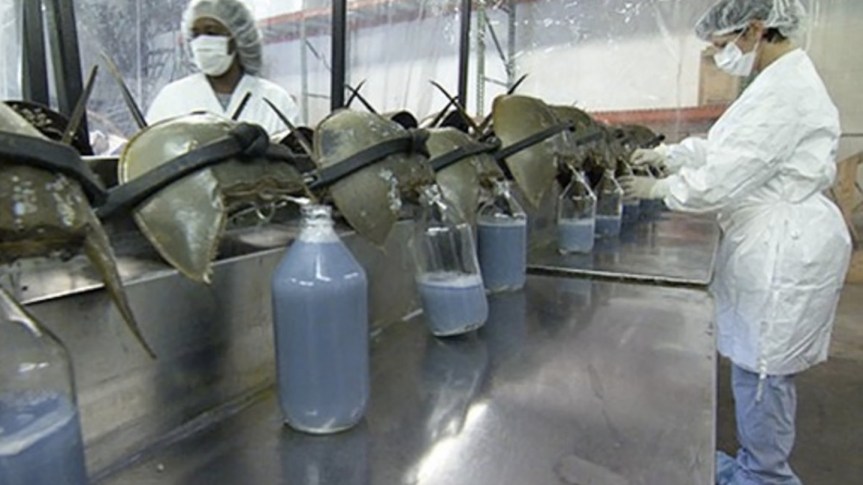








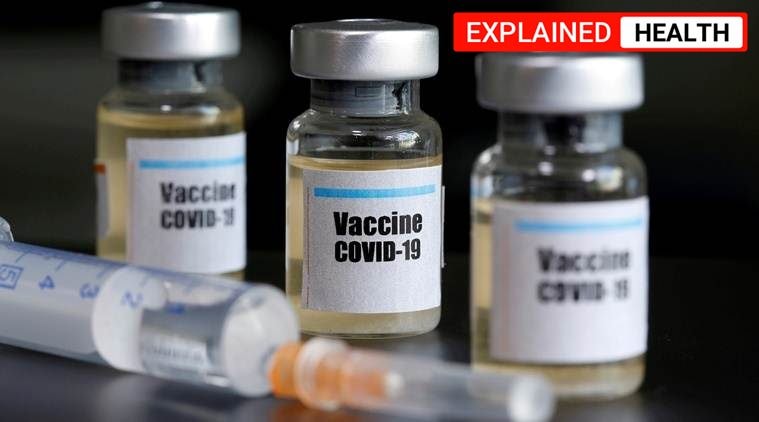
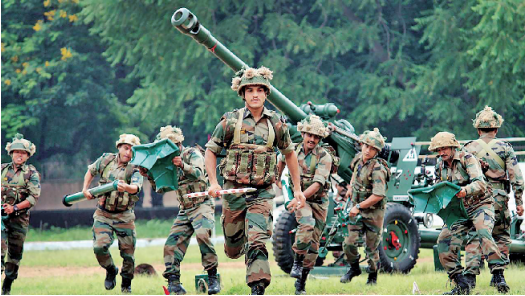
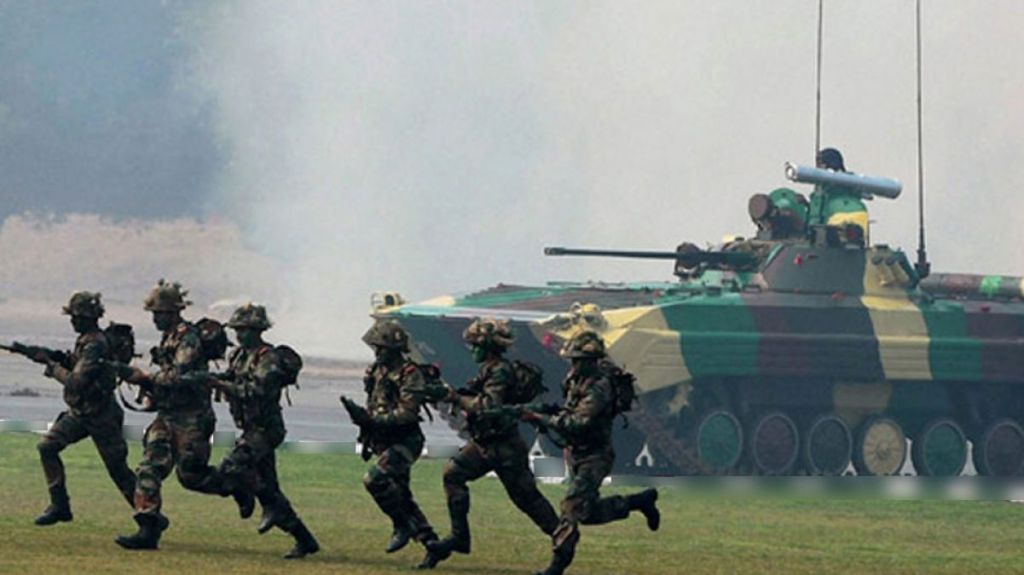


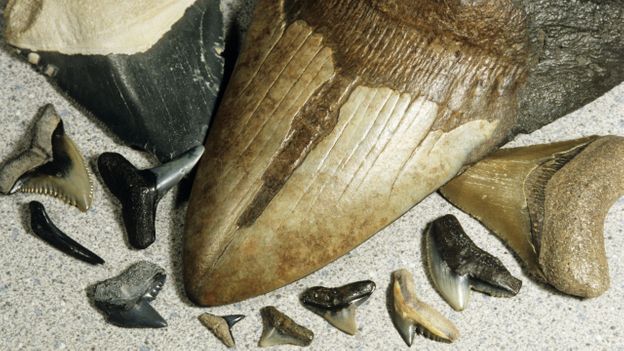















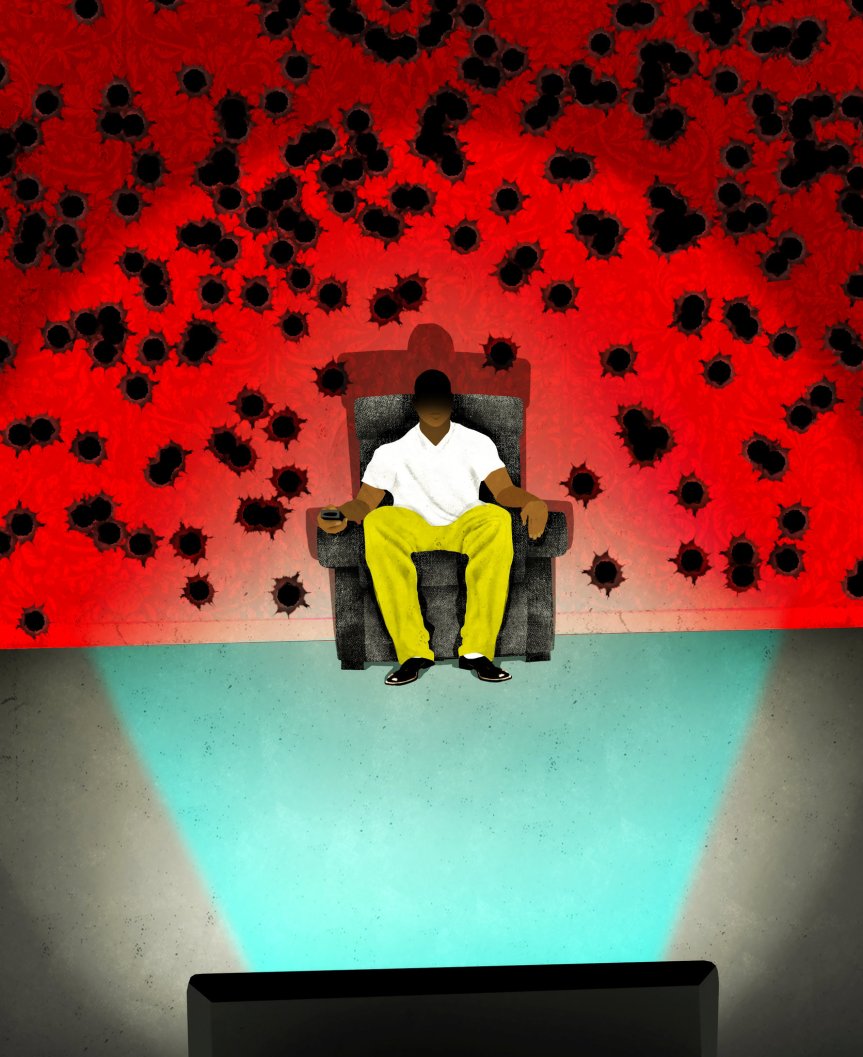
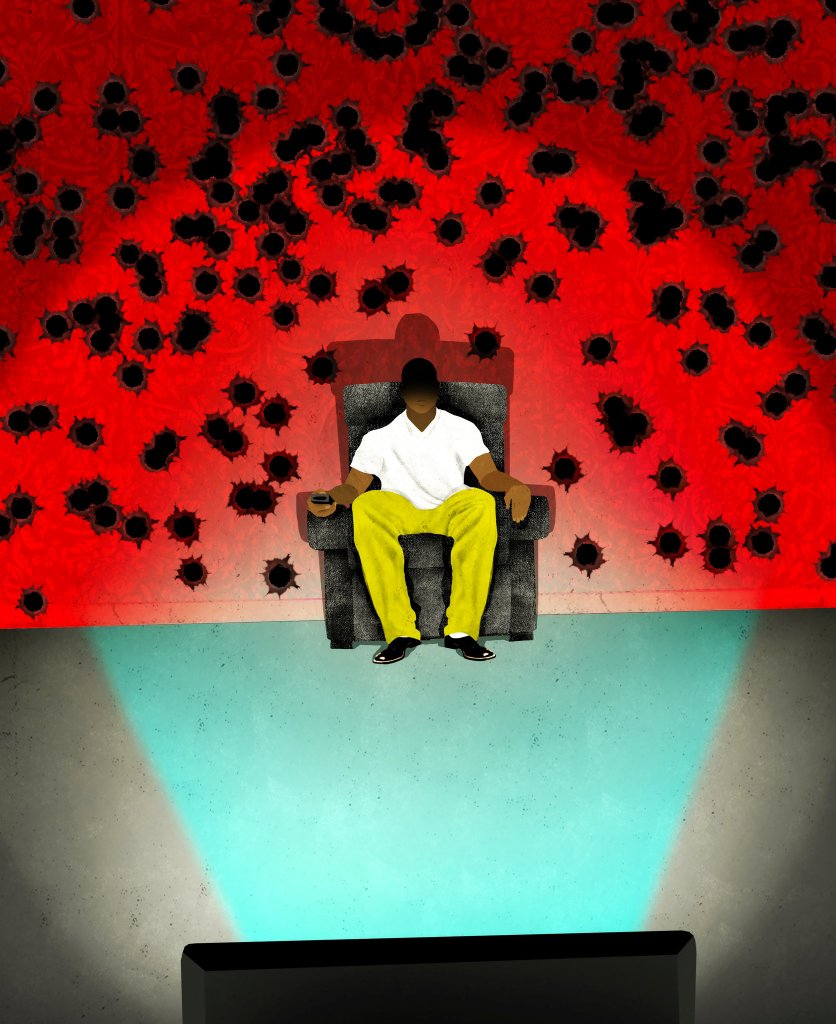

















/cdn.vox-cdn.com/uploads/chorus_asset/file/19787611/shutterstock_1410002591.jpg)




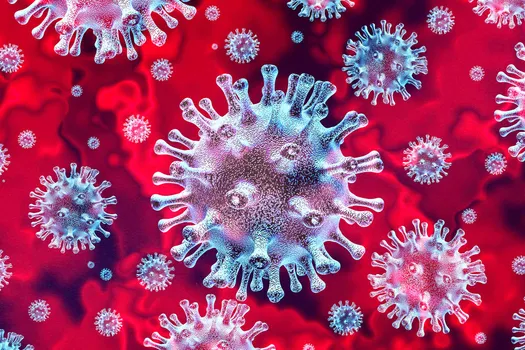


You must be logged in to post a comment.