INCLUSIVE GROWTH AND ISSUES ARISING FROM IT

Inclusive growth means economic growth that creates job opportunities and contributes to poverty alleviation. This means that the poor have access to basic education and health services. This involves ensuring equal opportunities for all, as well as empowering everyone through education and skills development. For rapid and sustainable poverty reduction, everyone must be able to both contribute to and benefit from economic progress. Rapid growth is necessary for poverty alleviation, but it must be widespread across all sectors and include a large portion of the country’s workforce to be sustainable in the long term.

FEATURES OF INCLUSIVE GROWTH

About Overcoming the constraints of excluded and marginalized people. Participation of all segments of society, Reduce the disparity in per capita income between: Different sectors of the economy, Different segments of society Rural and urban areas different genres

No – discrimination Poverty reduction potential is higher Ensure people have access to basic infrastructure and basic services/capabilities such as health and basic education. This approach should include not only the quantity but also the quality of these basic services. Includes poor and lagging socio-economic groups and lagging regions, as well as partners in this growth.

ELEMENTS OF INCLUSIVE GROWTH

The elements of inclusive growth are Skills development. Harnessing the demographic dividend will depend on the employability of the working-age population, their health, education, vocational training and skills. Skills development plays an important role here. India faces a dual challenge in skills development: Firstly, there is a shortage of skilled labor Second, there is no employment of conventionally trained young people.

UNICEF 2019 reports statistics that at least 47% of young Indians do not have the education and skills necessary to get a job by 2030. Financial inclusion Financial inclusion is the process of ensuring access to financial services at a reasonable cost to vulnerable groups. Financial inclusion is necessary for inclusive growth because it leads to a culture of thrift, creating a virtuous circle of economic development. Technological Advancement The world is moving towards the era of industrial revolution 4.0. These technological advances have the potential to reduce or increase inequality depending on how they are used. Several initiatives have been taken by the government, e.g. Digital India Mission, so that a digitally literate population can leverage technology for endless possibilities. Technology can also help address other challenges, for example: Agriculture – Modern technology can make the agricultural value chain from farmer to consumer more efficient and competitive. Production – Technology can solve financial problems, provide raw materials, land and link with the user market. GST is only possible with the help of solid technology. Education – Advanced digital technologies can create new forms of adaptive and peer-to-peer learning, increase access to faculty and mentors, and deliver actionable data in real time. Health technologies can transform the delivery of public health services – expanding care through telemedicine services Governance – Technology can reduce delays, corruption and inefficiencies in public service delivery Economic growth India is one of the fastest growing major economies in the world. However, the Indian economy is currently facing a slowdown due to both cyclical and structural challenges. However, the goal of becoming a $5 trillion economy by 2024-25 could enable India to reduce inequality, increase social spending and provide jobs for all. Social development This means empowering all marginalized sections of the population such as SC/ST/OBC/Minorities, Women and Transgenders. Empowerment can be accomplished by improving the institutions of the social structure, i.e. hospitals, especially primary care in rural areas, schools, universities, etc. Investing in social structures will not only promote growth , but also create a healthy and capable generation. for future work management.

INDIA’S NEED FOR INCLUSIVE GROWTH

Many thinkers and government officials have emphasized the importance of inclusive growth for long-term prosperity and fair income distribution. Comprehensive growth is a difficult task in India. In a democratic country like India, the vast majority of people live in rural areas, and integration into society is a major concern. The Government of India faces the daunting task of spreading progress across all sections of society and across the country. The best way to achieve inclusive growth is to empower people. Government officials argue that progress requires a multifaceted approach to education and skills development. Public-private partnerships can help solve the problem of lack of skills. Since independence, India’s economic and social growth has improved significantly, enabling India to prosper in the 21st century.

The factors listed below allow India to focus on inclusive growth.

Poverty

Unemployment

Agricultural backwardness

Regional disparities

Issues relating to social development

GOVERNMENT MEASURES FOR INCLUSIVE GROWTH

  1. Pradhan Mantri Jan Dhan Yojana
  2. MUDRA (Micro Units Development and Refinance Agency)Bank
  3. SETU(Self Employment and Talent Utilization)
  4. Skill India
  5. Mahatma Gandhi National Rural Employment Guarantee Act (MGNREGA)
  6. Kisan Card
  7. Pradhan Mantri Krishi Sinchayee Yojana (PMKSY)
  8. National Agriculture Market (NAM)
  9. Pradhan Mantri Jeevan Jyoti Beema Yojana
  10. Pradhan Mantri Jeevan Suraksha Yojana
  11. Atal Pension Yojana(Social Security Schemes)
  12. Digital India programme

All these measures and policies will help in achieving inclusive growth and hence will help in developing country.

ROLE OF CIVIL SERVICES IN A DEMOCRACY

In a democracy, the civil services play an significant role in the administration, policy formulation and implementation, and in taking the country forward towards progress and development. Democracy is an egalitarian principle in which the people elect the people who govern over them. There are three pillars of modern democracy: Legislature Executive Judiciary.

The civil services form a part of the executive. While the ministers, who are part of the executive, are temporary and are reelected or replaced by the people by their will (through elections), the civil servants are the permanent part of the executive. The civil servants are accountable to the political executive, the ministers. The civil service is therefore a part of the government. Civil service officers are permanent employees of various government services. Basically, they are professional administrators. They are sometimes called bureaucracy or public service.

IMPORTANCE OF CIVIL SERVICES

The Importance of Civil Services

The Civil Service is present all over India and is therefore highly binding. It plays an important role in developing effective policies and regulations. It offers non- partisan advice to the country’s political leaders, even amid political turmoil. This service ensures effective coordination between different governing bodies, as well as between different departments, agencies, etc. It provides service delivery and leadership at different levels of governance.

FUNCTIONS

On the basis of government: There can be no government without an administrative apparatus. Law and policy enforcement: Public services are responsible for implementing laws and implementing policies set forth by the government. Policy formulation: The civil service is also primarily responsible for policy formulation. Civil service officers advise ministers on the matter and also provide them with facts and ideas.

In the context of political instability, public service brings stability and long-term. Although governments and ministers may come and go, civil service is a permanent fixture that gives the administrative organization a sense of stability and continuity. Tools for social change and economic development: Successful policy implementation will lead to positive changes in the lives of ordinary people. Only when the promised goods and services reach the intended recipients can the government call any program a success. The task of updating programs and policies rests with public service agents. Welfare services: Services that provide various social assistance regimes such as social security, benefits for the disadvantaged and vulnerable sections of society, pensions for the elderly, and hunger eradication. poverty reduction, etc. Development function: The service performs various development functions such as promoting modern technology in agriculture, promoting industry, commerce, banking function, bridging the digital divide, etc. Administrative Arbitration: Public services also provide quasi-judicial services by resolving disputes between the state and citizens, in the form of courts, etc.

CONSTITUTIONAL PROVISIONS RELATING TO CIVIL SERVICES

According to Articles 53 and 154, executive power of the Union and the Cantons rests with the President or the Governor directly or through his subordinate officers. These officers constitute the permanent civilian body and are governed by Part XIV of the Constitution (Services of the Union and the States (Articles 308-323)). Government of India Rules: The manner in which officers are required to assist the President or Governor in the performance of their executive functions is governed by the Rules. this. Article 311 – Dismissal, dismissal or dismissal of persons performing civil functions subordinate to the Union or a State. Section 312 – All India Services.

CONCLUSION

The civil servants are accountable to the Ministers of the agencies they serve. Ministers are accountable to the people through Parliament or state legislatures, and public servants are accountable to ministers. Ideally, they should serve the elected government of the day, as government policies are a function of public services. However, an impartial official is also responsible for the Constitution of India to which he has taken an oath allegiance.

Issues relating to development and management of Social Sector/Services relating to Health, Education, Human Resources.

For inclusive growth and employment, spending on social services as a share of GDP and investment in social infrastructure are of prime importance. The social sector pursues economic and social goals and is involved in providing social services to disadvantaged groups and communities, whether in urban or rural areas. Recent Economic Research focuses on social services including education, sport, arts and culture; public health and medical, family welfare; water supply and drainage and environmental sanitation; hotel; Urban Development; SC, ST and OBC welfare, labor and labor benefits; social security and welfare, nutrition, disaster relief, etc.

As education and health are two major areas of concern in the context of social sector development and human development achievements, this article explores their situation in India.

ISSUES REGARDING DEVELOPMENT AND MANAGEMENT OF SOCIAL SECTORS

In this regard, issues related to the development and management of social sectors/services are as follows:

1) Fundamental changes in the design of policies/programs needed to approach all segments of society.

2) Expand outreach equitably through people participation, outreach, use of technology, and direct transfer of benefits.

3) Access to education at all levels in rural and urban areas with necessary reforms of the education system to encourage career development.

4) Intensify efforts to impart skills needed to face the 4th industrial revolution, which is a fusion of the physical, digital and biological worlds.

5) An increase in total formal employment in the economy.

6) Challenges of providing both access to health care and access to quality health care nationally.

7) Construction rate of pucca structure housing in rural and urban areas.

EDUCATION

The liberalization of India’s economy has had a major impact on the country’s Gross Domestic Product (GDP) growth, with its economic growth accelerating f. The literacy rate has increased from 77.7% in 2020, while primary education universalization has largely been achieved and the dropout rate has decreased. However, despite significant progress, strong exclusions and disparities exist. Combining accessible affordability and quality assurance with good governance and adequate funding is always a concern.

HEALTH

Significant progress has also been made on the medical side, some diseases have been eradicated or are on the verge of eradication. There have been significant declines in the Index of Fertility (ISF) and the Infant Mortality Rate (IMR), and life expectancy has fallen from 36.7 years in 1951 to 69.66 In 2019. These achievements are impressive, but at the same time, our failures are more prominent. As such, this volume brings together the contributions of leading Indian scholars on a wide range of social issues, including the link between growth, poverty, and the social sector; efficiency of social sector spending in India; disparities in health status; Protecting IPRs in Health Innovations; pollution and health; universal primary education; problems encountered at higher education levels; and child labor issues.

ROLE OF CONSTITUTION IN ENSURING ECONOMIC AND SOCIAL JUSTICE

The right to health is not directly included as a fundamental right in the Constitution of India. The maker of the Constitution placed this obligation on the State to ensure economic and social justice. The fourth part of the Indian constitution is the Directive Principles of State Policy which has imposed obligations on the states. If we just look at these terms, we see that some of them are directly or indirectly related to public health. The Indian constitution does not stipulate the right to health care as a fundamental right. The Constitution orders the State to take measures to improve the health care conditions of the people. Thus, the preamble of the Constitution of India, among other things, aims to ensure social and economic justice for all its citizens. It provides a framework for achieving the goals set out in the introduction. The preamble is amplified and developed in the Guiding Principles of State Policy.

Article 38 of the Indian Constitution places on the state the responsibility that states must ensure social order to promote the welfare of the people, but without public health we cannot achieve this. this. This means that without public health, everyone’s happiness is impossible. Article 39(e) concerned workers to protect their health. Article 41 imposes on the State the obligation to provide public assistance mainly to the sick and disabled. Article 42 provides for the protection of the health of children and mothers through the maternity regime. In India, the guiding principle of state policy under Article 47 states that the primary duty of the state is to improve public health, ensure justice, the human condition at work, and prolong time sickness, old age, disability and maternity benefits are also being considered. In addition, state duties include the prohibition of intoxication and drugs harmful to health. Section 48A ensures that the state strives to protect and enforce a pollution-free environment for good health.

COMPARISION OF THE INDIAN CONSTITUTIONAL SCHEME WITH THAT OF OTHER COUNTRIES

The Constitution is a national rulebook that codifies the rule of law. It establishes the various institutions of government, namely the administrative, legislative and judicial frameworks and their main functions. It also establishes relationships between the government and those known as citizenship. The architects of the Indian Constitution passed all the major constitutions of the world that existed at the time before making their own drafts. The Indian Constitution is often referred to as a “bag of borrowings” because it is voluntarily drawn from another country. The Constitution is a national rulebook that codifies the rule of law.

INDIAN CONSTITUTION AS A BAG OF BORROWINGS

The Constitution of India provides for a parliamentary government, which has a federal structure with certain unified characteristics. The composition is written in part, by convention, and by judicial interpretation. Derived from various sources. Mainly from the Government of India Act 1935.

From Ireland: Directive Principles of state Policy, Representative of ability in Rajya sabha, Electoral System of the President of India, How to Nominate Members of Rajya sabha.

From the United States: Fundamental Rights;

From England: Parliamentary form of government.

From Germany: Emergency provision;

From South Africa: Amendment procedures for a majority of two-thirds in parliament, and elections for Rajya Sabha members.

Therefore, the Constitution of India is one of the longest known constitutions in the world due to the above characteristics.

COMARISIONS WITH OTHER COUNTRIES

INDIA AND FRANCE

SIMILARITY

Written Constitutions: India and France, however, have a written constitution; France has changed its constitution quite often due to instability. Currently, it is the 5th constitution in the history of France.

Government Type: Both countries elect leaders for their respective terms.

Amendment Process: The French Constitution can be amended with a 60% majority similar to the Indian amendment process. Republic: Both countries are Republics with elected Heads of State.

Ideas: India borrowed the ideas of freedom, equality and brotherhood from the Preamble of the French Constitution. Emergency provisions: Both countries have the right to emergency provisions.

DIFFERENCES

Political model: France adopts a semi-presidential system with the president having more power than the prime minister while India adopts a parliamentary form of government with more powers vested in the prime minister. Term of Head of Government: Prime Minister of India has a term of 5 years while the President of France has a term of 7 years. Philosophical Aspects: There are no provisions relating to due process or fair trial in the French Constitution. France has adopted complete separation of state and religion, while India has more distance in principle but not total separation. France operates under a unitary model, not federalism like in India. Judicial structure: The judiciary plays no role in conducting elections in India while in France the judiciary plays an important role. The French courts are divided into two divisions namely judicial courts and administrative courts, but in India there is no such structure.

INDIA AND CANADA

SIMILARITIES

Unitary / Federal: Both have a federal structure. Like India, Canada has residual powers at the center.

Appointment of Governors: The central government appoints governors for the states and provinces. Composition of the Executive Board: Members are elected the first past the post system. Both have governments that are jointly accountable to the lower house.

Judicial structure: The appointment and advisory jurisdiction of the Supreme Court is the same as in India.

Legislative structure: Laws promulgated by Parliament apply to the whole country.

DIFFERENCES

Written/Unwritten Constitution: Canada is guided by both written and unwritten laws, while India is guided by its written Constitution. Political Setup: Canada has a monarchy while India has a president as head of state. Executive Configuration: The Governor-General is appointed by the monarch on the advice of the prime minister, while in India the president is indirectly elected. Nationality: There is a dual citizenship provision in Canada while India does not grant dual citizenship. Judicial structure: The country has several legal systems while India does not.

INDIA AND GERMANY

SIMILARITIES

Republic: Both countries are Republics with elected Heads of State. Political Structure: Both have a parliamentary form of government in which the prime minister/prime minister is the head of government and the president has mainly ceremonial and supervisory functions. India borrowed on emergency provisions from Germany. Both have federal systems. Both are characterized by fundamental rights.

DIFFERENCES

Germany has a rigid Constitution while India has a flexible and rigid Constitution. Nationality: Dual citizenship is allowed under certain circumstances

INDIA AND JAPAN

SIMILARITIES

Both have written constitutions. Legislative structure: Both have Parliament as the supreme legislative body. Both have two houses in Parliament, with the lower house having more power than the upper house. As in India, the no-confidence movement led to the dissolution of the Lok Sabha.

Philosophical Aspects: Constitutional supremacy and judicial review. Both countries have a statutory procedure. Executive Configuration: Similar to India, the Prime Minister in Japan can belong to either House. The Council of Ministers is accountable to the House of Commons, as in India. Judicial configuration: The appointment, dismissal and fixed retirement age of judges in Japan is similar to that in India.

DIFFERENCES

Japan has a rigid Constitution while India has a flexible and rigid Constitution. The Japanese constitution provides for a unified state. Executive structure: ministers are appointed by the prime minister, but in the case of India, it is appointed by the president on the advice of the prime minister. In Japan, their parliament elects the Prime Minister from the majority party, while in India this is not the case. Political Structure: Japan is a constitutional monarchy while India is a republic. In Japan, all international treaties must be ratified by the Diet, which is not the case in India. Judicial structure: judges are appointed by the Diet, but in India Parliament has no role.

INDIA AND AUSTRALIA

SIMILARITIES

Both have written Constitution. India and Australia have federal parliamentary states with states and territories. Legislative Configuration: There is a provision to read a second time and forward it to a committee that can propose similar recommendations for India. India borrowed the concurrent list from Australia. The two countries have scheduled a joint session to resolve the deadlock between the two houses. Judicial structure: The Supreme Court is the court of last resort in Australia for all cases, as well as in India. Both countries have independent judiciary and emphasize separation of powers. The procedure for appointing and removing judges in Australia is the same as in India.

DIFFERENCES

Unlike India, emergency laws are different in each Australian state. There is a dual citizenship provision in Australia, which was added on 4 April 2002. Political structure: In Australia, the head of government in the Queen’s Commonwealth is represented. by a Governor-General. Legislative structure: The Australian Constitution can only be amended with voter approval through a national referendum in which all adult electors must vote. The Senate is elected by list system while in India it is elected by a single transferable vote. House legislators are elected for 3 years in Australia while in India they are elected for 5 years.

INDIA AND THE USA

SIMILARITIES

The two countries have a written Constitution. Both countries have the concept of fundamental rights. Both countries have a preamble as an introduction. Both countries have vice president offices. Legislative setting: Both countries have state representation in the legislature. Both countries have planned for the removal of the president, that is, the impeachment process. Philosophical Aspects: The concept of judicial review in India is borrowed from the United States. The procedural concept established by law in India was borrowed from the United States. There is a separation of powers between the different organs of government. There is a federal system in the United States similar to India. The United States has constitutional supremacy similar to that of India.

DIFFERENCES

USA has a rigid constitution while India has a rigid and flexible constitution. Political Setup: USA has a presidential form of government while India has a parliamentary form of government. Composition of the executive: In the United States the president is elected directly by the people while in India the president is elected indirectly. Amendment : The US Constitution has only been amended 27 times in 200 years. The remaining power belongs to the States while in India it belongs to the Union. Judicial structure: In India, judges reach retirement age while in the US judges can hold office until they are in good health. Each state has its own Constitution and its own Supreme Court, India’s case absent. USA offers dual citizenship which is not available in case of India.

INDIA AND UK

SIMILARITIES

Type of Government: Both have a parliamentary form of government. India adopted the rule of law from Britain. Executive Configuration: Both countries have a Cabinet System presence. Both countries have two heads of government present. Both countries have multi-party representation in Parliament. Possibility of Amendment: British law can be passed, amended and repealed by a simple majority as in India. Judicial configuration: The Removal of judges is the same as in India.

DIFFERENCES

The United Kingdom has an unwritten constitution, only a fraction of which is mentioned in a written document while India has a written constitution. The UK has a flexible constitution and it is a unified state. Political Structure: The United Kingdom is a constitutional monarchy while India is a republic. Offers dual citizenship in the UK. In the UK, the prime minister must be elected to the lower house, while in India he can be in either house of parliament. Legislative setup : In the UK there is a convention that once a president is always president, so a former president has no political party whereas in India the president is always a member of the party . Parliament has supremacy in the UK while the Indian Constitution has supremacy.

INDIA AND RUSSIA

SIMILARITIES

Executive structure: In both countries, the Prime Minister is appointed by the President. Legislative configuration: The lower house is more powerful, like in India. Both have provisions for fundamental rights.

DIFFERENCES

Political model: Russia has a semi-presidential system of government while India has a parliamentary form of government. Executive Configuration: Russia The Prime Minister performs the duties of the President in the event of resignation or resignation, while the same responsibility rests with the Vice President in the case of India. In Russia, the president cannot serve more than two consecutive terms, but in India there is no such limit. President is more powerful in Russia while prime minister enjoys more power in case of India. The term of the President of Russia is 6 years while the President of India is 5 years. Legislative setup: members of the House of Representatives in Russia are selected according to the proportional representation system while in India they are selected according to a back-and-forth system. Judicial structure: There is no single integrated justice system in Russia as in India.

CONCLUSION

Although many of India’s constitutional features have been adopted by other countries, it is an attempt to ensure that the government is efficient, fair, and accountable. It makes sure that the government follows the law. It establishes a system of checks and balances to ensure that when laws are enacted or amended, the government follows the appropriate legislative process.

REGIONALISM

Regionalism can be explained as an ‘insider-outsider’ thought process where the loyalties are tied to the region of origin. Regional movements fall under the category of “identity movements,” and they often call for special rights or self-government. People get united in their desire to establish their regional identity strongly and see it as the answer to the state’s unfavourable policies against them in the face of prolonged hardship or neglect (actual or imagined).

AIM OF REGIONALISM

Those who believe in regionalism and its ideology are interested in increasing the political power and influence of the inhabitants of a particular region. Their demands include, but are not limited to, sovereignty, separatism, separatism, and independence. Regionalists favour a coalition of deficit nations rather than a unified nation-state with a strong central government. At that time, they tended to embrace an alternative form of federalism.

For those who believe in regionalism, strengthening the governing body and political power in the region benefits the local people as it improves the regional economy through better resource allocation, regional development, and better implementation of regional policies, Claims to bring. Of course, this comes at the expense of weakening the central government and reducing its role in governance.

REGIONALISM IN INDIA

Although there is an essential sense of pan-Indian identity, various foreign sociologists / scholars focus on caste, tribes, languages, and adherence to the community. The counterargument is that India’s regionalism has led to the deepening of multi-party politics and federalism. Regionalism is not necessarily “anti-state” or even “anti-people”, but it has both functional and dysfunctional aspects to consider. It can be traced back to the colonial divide and rule policy sowed in India. Over the last 100 years, there have been many regional movements in India, and demand falls into the following broad categories:

Demand for Withdrawal-Extreme Form-Extremist / Fundamentalist Group-A New Country Separate from India Separatist Demand-We need to form a new state that can better serve the linguistic / ethnic minorities of the region.

Full State System – Over the years, some Union Territories of India have been granted full state system. Autonomy – Demands more power over political interference from the central government.

CAUSES OF REGIONALISM IN INDIA

  • Language.
  • Religion.
  • Regional Culture.
  • Economic Backwardness.
  • Rise of Political Parties with a regionalist agenda

It is difficult to contain regionalism in a large and diverse country like India. However, to mitigate some of the worst effects, we can do the following:

1. Elimination of regional imbalances

2. Economic development in underdeveloped regions

3. Rebuilding society to promote unity

4. Cultural awareness

We have seen how regionalism is good or bad for a country or a group of countries. Article 19 of the Constitution of India gives all citizens the fundamental right to move freely and settle in peace anywhere in the country. And as an Indian citizen, everyone should respect this basic human right and avoid conflicts . The need for hours is to develop all parts of India by delegating power to local governments and allowing people to participate in decision making. State-level governments need to explore alternative energy sources, sources of local employment, governance, planning, and the use of technology in agricultural development. The 12th Five-Year Goal for “Faster, Sustainable and Comprehensive Growth”, the Key to Balanced Regional Growth. In the future, by further integrating the different regions of each country, we will be able to respect and emphasise their needs. 

EMPATHY, TOLERANCE AND COMPASSION TOWARDS WEAKER SECTION

Compassion is understanding or empathy for the suffering of others. Tolerance is respect, acceptance, and appreciation for those whose opinions, practices, race religion, nationality, etc. are different from one’s own. These qualities are very important for an individual living in a society.

India is a multicultural society with high numbers of vulnerable, Disadvantaged, and weaker sections. So efficient delivery of services and addressing their concerns are very important. India with its diverse cultures which traditionally evolved with the modern 21st century makes it unique in its existence. Tolerance and compassion have always played a major role throughout the transition of time for the unity of the nation in diversity. 

Weaker sections like SCs/STs and rural/urban poor are unaware of public policies, subsidies, and public utilities. Weaker sections are marginalized, deprived of justice, and illiterate. They have very low bargaining power and ability to assert their demands so helping them, being compassionate towards them, and supporting them can help them a lot.

The quality of being a compassionate persons is:

  • To understand the needs and the expectations of people.
  • Understanding the needs of marginalized and vulnerable sections of people living in a society.
  • To Undertake a faster approach and measures to address the issues of society.
  • To have an Unbiased approach to the distribution of government facilities.
  • To Make oneself accessible to all citizens and seeking for their feedback to improve better.
  • Respecting affirmative action toward the disadvantaged and implementing them with a positive attitude.

The quality of being a tolerant person is:

  • Freedom from Bigotry, respecting each other choices.
  • It helps in developing qualities like respect towards others, knowledge, openness, and communication between diverse sections of society.
  • Upholding natural rights which are Human rights, Democracy, Multiculturalism, Pluralism etc.
  • Protecting the constitutional principles of Fundamental Rights which forms the basic structure of the constitution.
  • Preventing tendency of intimidation, coercion, oppression, etc.

Poor and marginalized sections of the society that have faced negligence and left empty-handed for such a long duration of time have become afflicted that there is no one to listen to them and solve their issues. They have been dealt with harshness many times, and this behavior has inculcated in them a sense of inferiority and less importance they have stated attributing to themselves.

In a nation empowered and educated section perform better job and pay taxes to run a nation’s economy. This revenue are spent to alleviate poverty by enabling weaker section to become part of mainstream economy. This needs compassion to spend revenue on them and tolerance to provide them all chances for becoming self-sustaining. Hence, we must have tolerance and compassion toward them, as they are not exposed to newer technology, awareness of their own rights, nation’s outlook, programmes for themselves and nation’s expectation from them.

In egalitarian society, tolerance and compassion are two important qualities to be practiced by
every individual and Hence tolerance and compassion towards the weaker sections are
one of the basic qualities any individual should poses.

Equitable distribution of resources and welfare-oriented development should be among the primary goals of democratic government. To develop a country, not just the government but every individual in a society should have qualities like compassion, tolerance, and empathy towards the weaker section of the society.

Land Reforms in India

A Necessity for an Emerging Economy
Many people are not aware that a reform of land tenure is one of the steps in the economic policy of many countries to facilitate industrialization and promote agricultural growth. The problem with this is that it can lead to increased conflict between production and ownership rights. Yet, India’s Prime Minister Narendra Modi has made reforming the country’s outdated laws by going back to medieval-era customs a top priority for his government.

In May, he set up a five-member panel to recommend changes to the Hindu Succession Act, which is based on customary law and governs inheritance in India’s Hindu majority. The panel was created following the Bombay High Court’s decision that women could inherit ancestral property under the act. India has also rolled out land reform bills to facilitate transparency in transactions of agricultural land.
Under the tradition of a joint family system, or joint Hindu family system, one may wonder how land ownership and succession in India is regulated. This system has prevailed for centuries without outside interference or control. Joint families consists of males typically brothers and their wives who have to share property.
The main purpose of this system was to safeguard women’s rights to the property, in a country where the widow has been traditionally stigmatized and often impoverished by the death of her man.Land Reforms usually refers to redistribution of Land from rich to poor. Land reforms include Regulation of Ownership, Operation, Leasing, sale and Inheritance of Land. In an agrarian economy like India with massive inequalities of wealth and income, great scarcity and an unequal distribution of land, coupled with a large mass of people living below the poverty line, there are strong economic and political arguments for land reforms.

Land reform is the major step of government to assist people living under adverse conditions. It is basically redistribution of land from those who have excess of land to those who do not possess with the objective of increasing the income and bargaining power of the rural poor. The purpose of land reform is to help weaker section of society and do justice in land distribution.

The Indian Government was committed to land reforms and to ensure distributive justice as was promised during the freedom struggle. Consequently, laws were passed by all the State Governments during the Fifties with the avowed aim of abolishing landlordism, distributing land through imposition of ceilings, protection of tenants and consolidation of land- holdings.

Government land policies are implemented to make more rational use of the scarce land resources by affecting conditions of holdings, imposing ceilings and grounds on holdings so that cultivation can be done in the most economical manner.

Objectives of Land Reforms

From the beginning, land distribution has been a part of India’s state policy.
The abolition of the Zamindari system was perhaps the most revolutionary land policy of independent India (feudal landholding practices).

ZAMINDARI SYSTEM

Lord Cornwallis introduced the Permanent Settlement in 1793. Under this system, a class of landlords called Zamindars was created whose responsibility it was to pay a fixed rent to the government for the lands they owned. They gave out parcels of land to farmers who became their tenants. Their title to the land was hereditary. What was intended as a system beneficial for all parties concerned soon turned out to be exploitative? The State was only concerned with maximising revenue with minimum effort. The Zamindar too wanted maximum rent from his tenants irrespective of the land’s true potential. He could increase his own wealth by extracting most out of his farmer tenants since his due to the State was fixed. In addition, several layers of intermediaries were created between the Zamindar and the tenants adding to the burden. The landless farmers and labourers suffered greatly in poverty. Also, this led to the creation of a group of rich Indians whose loyalty lay largely with the British. As you can see the Permanent Settlement gave rise to the Zamindari system of tenancy in Bengal and soon was adopted in other regions.

RYOTWARI SYSTEM

Under this system, the proprietor of land gave the rent and taxes directly to the government in the absence of any middlemen. This started in Madras and was later adopted in Bombay as well.

MAHALWARI SYSTEM

This system was introduced by William Bentinck’s government under which landlords were responsible for the payment of revenue to the State. These landlords or Zamindars had a whole village or a group of villages under their control. The Mahalwari system prevailed in UP, the North Western Province, Punjab and parts of Central India.


India’s land reform policy had two specific goals:
The first is to remove any impediments to increasing agricultural production that arise from the agrarian structure that has been passed down from generation to generation.
The second goal, which is closely related to the first, is to “eliminate all elements of exploitation and social injustice from the agrarian system.
To provide security to the soil tiller, and to ensure equality of status and opportunity to all sections of the rural population.

Objectives of land reforms:

  • Redistribution of land across society so that land is not held in the hands of a few people.
  • Land ceiling to disburse surplus land amongst small and marginal farmers.
  • Removal of rural poverty.
  • Abolition of intermediaries.
  • Tenancy reforms.
  • Increasing agricultural productivity.
  • Consolidation of land holdings and prevention of land fragmentation.
  • Developing cooperative farming.
  • To ensure social equality through economic parity.
  • Tribal protection by ensuring their traditional land is not taken over by outsiders.
  • Land reforms were also for non-agricultural purposes like development and manufacturing.

Salient features of Indian Society, Diversity of India

Indian society is very unique and diverse. We have a lot of cultures, communities, religions, languages, etc

India is a plural society, characterized by its unity and diversity. A grand combination different cultures, religions and languages of the people belonging to different castes and communities has upheld its unity. This combination of different culture and ethnicities is what that has made India unique from other countries. Different events such as the foreign invasions, immigration from other parts of the world, and the existence of diverse languages, cultures and religions have made India’s culture open- minded , on the one hand, and a unique continuing and living culture, with its specificity and historicity, on the other. Not only we have diversity in racial compositions, religious and linguistic distinction but also in patterns of living, life styles, land tenure systems, occupational pursuits, inheritance and succession law, and practices and rites related to birth, marriage death etc. 

Post-Independent India is a nation united against several odds and obstacles. India is a secular state. It has one Constitution providing guarantees for people belonging to diverse regions, religions, cultures and languages. It covers people belonging to all socioeconomic strata. The Article 15 of the Indian Constitution talks about Prohibition of discrimination on grounds of religion, race, caste, sex or place of birth. Our Indian Constitution itself safeguards and protects the rights of every individual irrespective of their religion, race, caste sex or place of birth. It gives everyone opportunity and treats everyone equally.

DIFFERENT FEATURES OF INDIAN SOCIETY

MULTI RELIGIOUS SOCIETY

India consists of people from many different religions. Hinduism, Islam, Christianity, Buddhism, Jainism, Sikhism are some major religion in India, However there are other different religions as well. Hinduism is the most dominant religion in India.

As per the census 2021, there are approx. 110 crore people follow Hinduism in India. The Hindus are most numerous in 29 States/UTs except in Manipur, Arunachal Pradesh, Mizoram, Lakshadweep, Nagaland, Meghalaya, Jammu & Kashmir, and Punjab.

Approx.  20 crores of people are Muslims In India. The Muslims professing Islam are in majority in Lakshadweep and Jammu & Kashmir.

In 2021 approx. 3.20 Crores people are Christians in India. Christianity has emerged as the major religion in three North-eastern states, namely, Nagaland, Mizoram, and Meghalaya. 

In 2021 approx. 2.4 Crores people follow Sikhism in India.

In 2021 approx. 10 million or 1 Crore people are followers of Buddhism in India and In 2022 approx. 5 million or 50 Lakh people follow Jainism in India.

MULTI RACIAL SOCIETY

Race is a group of people with a set of distinctive physical features such as skin colour, type of nose, form of hair, etc. India is a country of people with different racial groups. The latest racial classification of the Indian people based on researches in this field has been given by B.S. Guha (1952). He has identified six racial types (1) the Negrito, (2) the Proto Australoid, (3) the Mongoloid, (4) the Mediterranean, (5) the Western Brachycephals, and (6) the Nordic.

MULTI LINGUAL SOCIETY

According to the latest analysis of a census more than 19,500 languages or dialects are spoken as mother tongue in India.

There are 121 languages which are spoken by 10,000 or more people in India, which has a population of 121 crore. Only 22 languages are listed in Schedule VIII of the Indian Constitution. The 96.71 per cent population in the country have one of the 22 scheduled languages as their mother tongue and the remaining 3.29 per cent is accounted for other languages. Not all these languages are, however, equally widespread. Many of them are tribal speeches and these are spoken by less than one percent of the total population so here we can clearly see see that in India there is a great deal of linguistic diversity as there are so many people of different languages and dialects.

MULTI CASTE SYSTEM

The term caste is generally used in two senses: sometimes in the sense of Varna and sometimes in the sense of Jati. In India, caste system is very much prevalent. The Varna system is basically a four fold system in the Hindu society based on their functional criteria, the four divisions are Brahmins, which is on the top of this system followed by kshatriya, Vaishyas and then shudra with their functions as learning or teaching, defense, trade and manual labour. We find castes among the Muslim, Christian, Sikh as well as other communities. One must have heard of the hierarchy of Shaikh, Saiyed, Mughal, Pathan among the Muslim. Similarly, caste consciousness among the Christian in India is not unknown. Since a vast majority of Christians in India are converted from Hindu fold, the converts have carried the caste system into Christianity. Among the Sikh again we have so many castes including Jat Sikh and Majahabi Sikh (lower castes).

In addition to the above described major forms of diversity, we have diversity of many other sorts like settlement patterns – tribal, rural, urban; marriage and kinship patterns along religious and regional lines; cultural patterns reflecting regional variations, and so on.

Some other of the salient features applicable to Indian Society are:

  1. Unity In Diversity
  2. Patriarchal Society
  3. Tribes
  4. Family
  5. Kinship System
  6. Balance between spiritualism and materialism
  7. Co-existence of traditionalism and modernity

India is a very diverse country and because of its unique feature it always attracts people from all parts of the world.

.

Desserts Of India

India is one of the countries rich in its culture, variety of food, and diversity in all its perspectives. There is a different culture, and lifestyle in each 100 km of state. Be it spice or sweet India has got everything !!

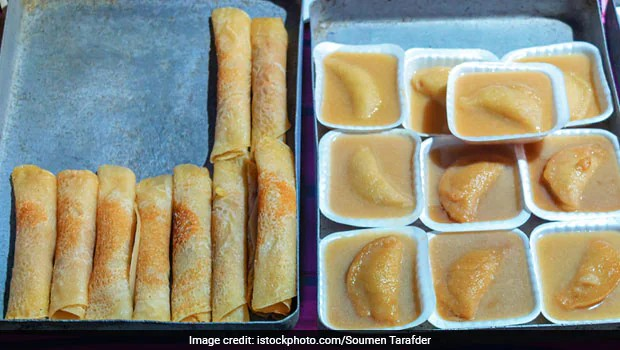
Gulab Jamun, arguably India’s most well-liked dessert, is deliciously sweet, sticky, and impossible to resist! These fried and syrup-soaked soft, spongy balls are created with a dough comprising flour, milk powder, or condensed milk. Their name, which translates to “rose berry” in Hindi, comes from the fact that they are frequently flavored with cardamon and rose. Unni appam, a treat from Kerala in southern India, is a sweet treat comparable to gulab jamun. It is prepared with rice flour, coconut, banana, and jaggery (raw sugar).

Like Italy has gelato, India has got an Indian version of ice cream which is kulfi. it is significantly creamier and thicker than typical ice cream because it isn’t whipped before freezing. Simply boiling the milk will thicken and diminish its volume. Cardamon is the typical flavoring for kulfi. Mango, pistachio, saffron, vanilla, and rose are among the more tastes. With the inclusion of thin noodles and dried fruits, it is occasionally served as falooda kulfi.

The most popular version of this traditional Indian dessert is gajar ka halwa (carrot halwa). It originated in the imperial Mughal kitchens and is especially well-liked in the north of India during the winter. Grated carrots are the major component. It is prepared with milk, sugar, and a substantial amount of ghee.Similar to how gajar ka halwa is created and adored in the north of India, Rava Kesari (also known as Kesari halwa) is made in the south. Ghee is used to roast the Rava (semolina), which is then boiled with sugar and water. Additionally, saffron is added to give it color. And this is the most significant dessert and can be seen in prepared in next house. 

Jalebi is the most loved dessert in India .In essence, it consists of deep-fried loops of dough prepared with refined flour and sweetened with saffron. Jalebi isn’t only an Indian delicacy. Its origins can be found in the Middle East, and it is thought that Persian conquerors brought it to India. But there’s no denying that India has enthusiastically embraced the jalebi. It is available at local cuisine stands all around the country, deliciously breathtaking.

This ubiquitous celebratory treat in the shape of a ball is a staple at any special event in India and has a wide variety of variations. Yes,you would have guessed it right!! Its laddoo.However, each location has a unique specialization. It is frequently prepared with semolina, crushed coconut, or gram/chickpea flour. Other components include milk, sugar, ghee, and dried fruits. Since more than three centuries, worshipers at the Tirupati temple in Andhra Pradesh have received the most renowned laddoo in all of India. With an estimate of 3 million pieces sold each day, production is a huge endeavor!

Visiting Karnataka? Never miss out on Mysore Pak. This buttery, fluffy confection, frequently given during festivals, is thought to have been created in the royal Mysore Palace kitchen. It is produced with a lot of clarified butter, sugar syrup (pak), and chickpea flour (ghee). There is also a less popular hard, brittle kind of it. Definitely opt for the soft one!

According to popular mythology, Nobin Chandra Das, a confectioner from Kolkata, invented the rasgulla in 1868 after extensive testing Although it was originally served at the Jagannath temple in Puri, the Odisha government claims to have proof that the rasgulla (known as rasagola there) existed in the state before 1500. In July, Odisha has a celebration called Rasagola Dibasa to honor the confection.Cottage cheese, semolina, and sugar syrup are used to make the white, spongy rasgulla balls. In West Bengal and Odisha, where the dessert is revered, its provenance has been the subject of a heated discussion in recent years.

Furthermore, the list doesn’t stop here. There is a huge variety of different cuisines with desserts ahead from different states. 

Bengal and Food: A Better Love Story Than Twilight

West Bengal and food are a match made in heaven. Delicacies that form the image of this land can be found in the smallest of dhabas and on the menus of the most prestigious restaurants. Food is the wave that flows throughout the state; the song that unites every Bengali; the light that brightens up the City of Joy; and the love that never ends.

But what’s so special about the food of West Bengal? What is it that separates this state from the rest of the world? Is it the spice or the sweet? Is it the simplicity or the richness of the dishes?

Let’s take a look at some unique dishes:

Jhaal Muri – The quintessential

Jhaal Muri is the ultimate snack in a Bengali household. Its versatility is unmatchable as it can be eaten at any time of the day and can be combined with so many different food products. From the local trains to the Ganga ghats, from the streets to the shopping malls, from the snowy hills of Darjeeling to the beaches of Digha, the Jhaal Muri is present everywhere and, in a way, represents what a Bengali is-Jhaal (spicy) – fierce, competitive, revolutionary; on the other hand, friendly, simple, and humble, signified by ‘muri’.

Hilsa—A Bengali’s Beloved

Bengalis’ love for Hilsa dates back many centuries. Irrespective of any sort of boundary and border, every Bengali’s heart holds the same amount of unadulterated love for the national fish of Bangladesh and the state fish of West Bengal. Hilsa and the monsoons have better chemistry than Leonardo DiCaprio and Kate Winslet in “Titanic.” Through time, it has become a comprehensive part of Bengali culture, tradition, and lifestyle.

On Poila Boishakh (Bengali New Year), it is customary to relish a meal of Ilish (Hilsa) Maach with your loved ones. Despite it being very costly, sales never drop as it reaches its peak during the rainy season. Ilish bhaaja (fried Hilsa) along with Khichuri (fermented rice with vegetables) can fill the stomach as well as the heart of a Bengali on any given day.

Love for Hilsha has been reciprocated through art, literature, songs, movies, and eminent personalities of Bengal like Swami Vivekananda, Satyajit Ray, and Sunil Gangopadhyay, who have been vocal about it through their works. There are many multiferous varieties of Hilsa dishes like the Ilish Jhuro, Tetul Ilish, and newer innovations in the modern era like Anarosh Ilish, Ilish risotto, and baked illish. Recently, Bengal has conducted entire festivals dedicated to Hilsa, organised by hotels and the West Bengal State Tourism Department, such as the Ilish Utsav 2019, the 6th Sundarban Hilsa Festival 2019 and the Gongabokhe Ilish Utsab.

Pithe – The Sweet Beauty

The winter is witness to food items that balance out what the summer has to offer. Sweet vs. Spice. Pithe is a palm-sized winter-special sweet treat. It is a combination of fresh palm, date jaggery, scented rice flour, milk, and coconut. Mostly made indoors, a household isn’t Bengali if it doesn’t prepare pithe during the winter. It’s almost a tradition at this point as even guests are offered loads of pithe on their visit to a Bengali household. On the occasion of Poush Sankranti, the elder women of the house make pithe, which is enjoyed along with Rabindra Sangeet, poetry, and folklore.

Mishti Dhoi – A Sweet Tooth’s Paradise

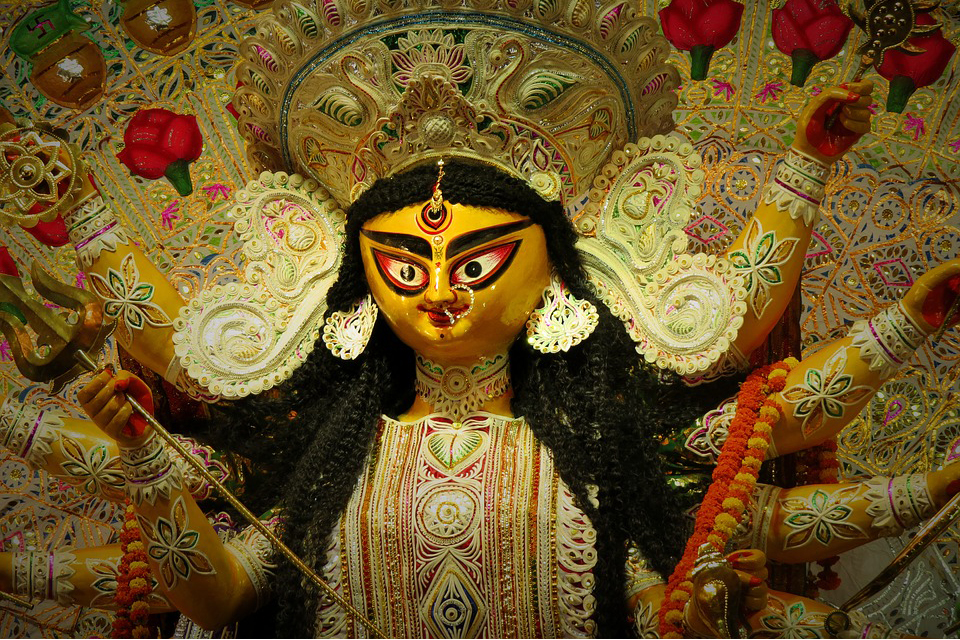
It is impossible to talk about Bengal and not bring in Mishti Doi. It can be considered as the staple dessert of Bengal. The original brilliance of Mishti Doi can be found in the bhars (earthen pots) of the pandals during the Durga Puja. It is a wonderful dessert and is also very simple to make. Mishti Dhoi’s brilliance resonates all around the world. Bulgaria was the first European nation to introduce curd in Europe. The age-old, traditional techniques to make Mishti Doi never faded away, and hence, its originality was never compromised.

CHALLENGES OF CORRUPTION

Corruption is a global phenomenon and it’s everywhere. Corruption has increased progressively and is now spreading more and more in our society. Corruption around the world is believed to be endemic and is universal and is a important contributor to slow economic growth, to restrain investment, to inhibit the provision of public services and to increase inequality to such an extent that international organisations like the World Bank have identified corruption as ‘The single greatest obstacle to economic and social development’. Theorists believe that ”corruption is most prevalent during the most intense phase of modernization of a country and tends to decline with institutionalisation of advanced democracy”. Basically, Corruption is offence on the part of an authority or powerful party through means that are not legitimate, immoral, or not compatible with ethical standards.

In a broader sense, Corruption is not just the bad behaviour of government officials stealing off money for their own benefit. It also includes cases where the systems do not work efficiently , and ordinary people are left in a dilemma, needing to give a bribe to get a work done. The economy of the state also plays an important role in increasing corruption. Inequality of wealth distribution, exploitation by employers, and low wages and salaries provide ideal breeding ground for corruption. Corruption also violates human rights, challenges the rule of law, distorts the development process, and dis-empowers the Indian state. Corruption is a hindrance in the process of fulfilling civil, political, economic, social and cultural rights.

FORMS OF CORRUPTION

  • Embezzlement: The theft of resources by people itself who are put to administer it. It happens When unfaithful employees steal from their employers. This is a serious offence where a public officials is misappropriating public resources, when a state official steals from the public institution in which he or she is employed and from resources he is supposed to administer on behalf of the public.
  • Nepotism: Nepotism is typical favouritism, in which an officer prefers his proper kinfolk and family members. Many unrestricted presidents have tried to secure their power position by nominating family members to key political, economic and military/security positions in the state apparatus.
  • Favouritism: Favouritism is a tool of power abuse implying “privatisation” and a highly improper distribution of state resources, no matter how these resources have been accumulated in the first place. Favouritism is the natural human tendency to favour friends, family. Favouritism is closely related to corruption so far as it implies a corrupted distribution of resources. It can be said that this is the other side of the coin where corruption is the accumulation of resources.
  • Fraud: Fraud is a financial crime that involves some kind of deception or deceit. Fraud involves a manipulation or distortion of information, facts and expertise, by public officials positioned between politicians and inhabitants, who seek to draw a private profit. Fraud is when a public official, who is responsible for carrying out the orders or tasks assigned by his superiors , manipulates the flow of information to his private profit.
  • Bribery: This form of corruption is the payment that is given or taken in a corrupt relationship. A bribe is a fixed sum, a certain percentage of a contract, or any other favour in money of kind, usually paid to a state official who can make contracts on behalf of the state or otherwise distribute benefits to companies or individuals, businessmen and clients.

Characteristics of Corruption

  1. It is a gap between group and their individual interest.
  2. It is between two or more parties since one can hardly be corrupt with one’s own self.
  3. Consenting adults that have a common understanding.
  4. It is Beneficial in future.
  5. The Existence of power that could be grabbed, entrusted or otherwise available.
  6. The misuse of the power that often drives a wedge between intended and stated positions, for benefits that is unintended.

Corruption in India is a consequence of the nexus between bureaucracy, politics and criminals. It has been observed that in cities and villages throughout India, there is “mafia raj” consisting of municipal and government officials, elected politicians, judicial officers, real estate developers and law enforcement officials, who acquire, develop and sell land in illegal ways. Many state-funded construction activities in India, such as constructing roads, flyovers, are dominated by the construction mafia, which are groupings of corrupt public works officials, materials suppliers, politicians and construction contractors.

It is now well recognized that the State is mainly responsible for both formulating and enforcing policies relating to good governance and human rights. Good governance is a key factor. The good governance agenda includes protection and promotion of human rights and rule of law. Both these functions will not be fully accomplished if corruption is widespread in government. Major challenge is that Corruption is a strong violator of human rights, particularly the economic and social rights of individuals as well as those of the State. It not only weakens development and growth, it also hinders efforts aimed at poverty eradication, socio-economic transformation and creation of an egalitarian society in accordance with the Directive Principles of the State Policy.

ISSUES RELATING TO POVERTY AND HUNGER

India is a country which suffers a lot due to hunger and poverty. Hunger is very closely related to poverty as poverty is one of the main reasons for hunger. 

Indian economist and philosopher Amartya Sen said that lack of ability to pay for food is obviously caused by poverty.

POVERTY

Poverty is a condition caused due to lack of basic needs of life such as water, health care, food, unemployment etc. It is described as the low income level of people which leads them to poor standard of living. Poverty means that the income level from employment is so low that even the basic human needs are not fulfilled. The impact of poverty on children is substantial. Children who grow up in poverty typically suffer from severe and frequent health problems; infants born into poverty have an increased chance of low birth weight, which can lead to physical and mental disabilities. Poverty is a difficult cycle to break and often passes from one generation to the next. Typical consequences of poverty include alcohol and substance abuse, limited access to education, poor housing and living conditions, and increased levels of disease. 

Hunger and food insecurity are the most serious forms of extreme poverty. To eradicate these issues from society is the prime concern of international organizations.

HUNGER

Hunger is a global problem and a lot of countries are facing this problem. Hunger is a condition where both the adults as well as children do not have access to food and there is a constant decrease in food intake, nutrients, no proper diet is there and some days are even gone without food which eventually leads to their death.

Climate change is also one of the reasons for world hunger. The amount of rain determines the production of crops. Droughts also affects agricultural production and extreme rain also causes flooding that leads to destruction of crops . Use of outdated products, not using better quality seeds also leads to shortage of food and those who are capable and have money buys food even at higher prices, the ones who have to suffer are poor people. They do not have money to buy food and hence they remain hungry. Hunger has a lot of serious problems such as insufficient economic systems, climate changes, misinformation but the most serious problem of all is poverty. Many poor nations such as Kenya, Uganda etc. are in desperate need of food. The growing population is one of the major causes of rising hunger and poverty. In Indian scenario Hunger and malnutrition are closely related. The main outcome of poverty is hunger. India is a home to the largest undernourished population in the world, 14℅ of our population is undernourished, 20℅ of children under 5 are underweight, 34.7℅ of children are stunned, 51.4℅ of women in the in the reproductive age i.e. 15-49 are anemic.

DIFFERENT ISSUES RELATING TO HUNGER AND POVERTY

Overpopulation is a major issue of rising poverty. There are not enough resources to satisfy your need. Demand is more and resources are limited and this leads to no proper distribution of resources and a large amount of people are left with no food. India is a country with a large population, and hence everyone’s demand is not full and people remain hungry.

Poor health service– the health sector of India is not as efficient as compared to other developed Nations, which leads to less access to good health and sanitization and hence causes ill health and maintains poverty.

Malnutrition- It is a phenomena that occurs in a human body when it receives little or no nutrition as a result of it people easily get sick and it causes death. it is responsible for the death of people, especially young children.

Insufficient education and lack of training- due to Rising poverty children are not able to get basic education and again since they are not educated, they don’t get employed and this vicious cycle of poverty is continued. Lack of money is reason for them not attending proper School and they have to indulge in labour to provide for a minimal living also causes rise for child labour. Parents send their children to work at a very young age.

Inequality– different gender, ethnic, group and social classes face inequality due to poverty. Low rate of economic development, If a country is poor then its development is also very slow.

Rise in crime – Often due to poverty and hunger, people indulge in criminal activities. To fill their empty stomach many young children opt for wrong ways and indulge in theft and loot and its disturbance in the society.

Way Forward

To eradicate poverty and hunger from the society, there is a need for the government to implement schemes and methods. The government should spend more in health, nutrition, and education. The government should invest more in agriculture and provide the farmers with better quality seeds and advanced machineries and modern techniques for more agricultural production, Also it is necessary to decrease rural poverty. Subsidies address only short-term issues. There is a need to develop technologies, with the help of which farmers can practice all-weather agriculture. Government should focus on increasing employment opportunities creating jobs in modern sectors and promote labor-intensive industries. Reduction in corruption will lead to an overall development of the economy. A country with low poverty level will only develop in a better manner.

Sources: civilservicesindia.com

AGNIPATH SCHEME

On 14 June 2022, the central government launched the Agnipath scheme which is a recruitment of soldiers below the rank of commissioned officers into the three services of the armed forces. With this scheme, the central government hopes to fulfill the dream of an individual to join the armed forces and serve the nation. Various other reasons for the government to start this scheme were to reduce salaries and defence pension bill, to increase employment opportunities and higher skilled work force and to provide a youthful profile to the armed forces. One of the important reasons was also to have a large number of military trained and disciplined people in the society. The soldiers recruited through this scheme will be known as ‘AGNIVEERS’.

Under this scheme 45,000 to 50,000 youth aged between 17.5 to 21 years will be recruited annually for 4 years in the Navy, Air force & Armed forces. Enrollment will be based on an ‘All India All Class’ basis. The enrolment of the Agniveers to all the three services will be through a centralized online system, with special rallies and campus interviews at recognized technical institutes such as the National skills Qualifications framework, Industrial Training Institutes. In each batch, 25% of Engineers will be chosen for the permanent cadre in the armed services. The remaining 75% of Agniveers will receive an amount of Rs. 11.71 lakh as Seva Nidhi Package.

The salary per month of the Agniveers is Rs. 30,000 in 1st year, Rs. 33,00 in 2nd year, Rs. 36,500 in 3rd year and Rs. 40,000 in 4th year but the Agniveers contribution to Seva Nidhi will be 30% which means 30% will be deducted from the initial salary which means in hand they will receive 21,000 in first year, 23,100 in second year, 25,580 in third year and 28,000 in fourth year.

The Agniveers will also receive a non-contributory insurance cover of Rs. 48 lakh during the period.

Every demolished AGNIVEER will have a 10% reservation in CAPFs, Assam Rifle recruitment. They are also provided with the Upper age relaxation beyond the prescribed age limit for AGNIVEERS in CAPF & Assam Rifles. Other benefits include:

  • Priority in bank loan schemes in case they want to be entrepreneurs.
  • Many other states including Uttar Pradesh and Madhya Pradesh have stated that agniveers will be given priority in the recruitment of state police officers.
  • Some major companies and sectors like IT, Engineering Security, etc. have also announced that they will prefer hiring skilled, trained, and disciplined Agniveers.
  • It also stated that all those wishing to study further class 12 equivalent certificate and Bridging Course of choice for further studies.

The Upper age limit for recruitment has also increased only for 2022 under the Agnipath scheme to 23 years from 21 years for the first year of the scheme for enrolment of soldiers into the Army, Navy and Air Force.

AIM OF THE SCHEME

  • One of the important aims of the scheme is to make the army a future-ready fighting force with the youth of the nation capable of meeting multiple challenges.
  • To strengthen the national security
  • To provide the youth of the nation to serve the country.
  • To cut down salary and pension bills.
  • To harness the youth potential and make them future ready soldiers.
  • They will be provided with certificates and bridge courses that will help in creating future entrepreneurs.

CRITICISM OF THE SCHEMES

After the announcement of this scheme, there were several protests held throughout the country in several states. Students from throughout the country held riots, burned trains, and caused severe damage to the public as well as private properties. This scheme is criticized on a number of basis such as:

  • The service period that is 4 years is very less and it will provide employment for just 4 years. T
  • he real skills cannot be acquired in such a short period and what about those who want to serve the nation for longer terms.
  • only 25% of the candidates will be taken permanently and the rest 75% will again be unemployed.
  • No pension will be given to these candidates that will be appointed during this scheme.
  • The candidates that will be selected will only be selected for non-commissioned ranks like Naik, Sepoy, and Lance Naik.
  • The recruitment is only for candidates of 17.5 – 23 years of age.
  • After 4 years is over, there will be no job security.
  • Unlike other governments’ jobs no extra basic benefits will be provided to the candidates.
  • The salary will also be deducted for the Seva Nidhi contribution.

With the provided advantages and disadvantages of this AGNIPATH scheme it is way forward for a reform in the Defence policy. This schemes aims to increase employment opportunities with skills and training, to give a better opportunity to the youth who choose to serve the nation and it hopes to have a positive impact on the human resouces management of armed forces and for the country’s development.

Sources: https://byjus.com/free-ias-prep/agnipath-defence-policy-reforms/

EFFECTS OF GLOBALIZATION ON INDIAN SOCIETY

Globalization has many meaning depending on the circumstance and on the individual who is talking about. There is one of the term of Globalization is a process of the “reconfiguration of geography, so that social space is not entirely mapped in terms of territorial distance, territorial places and territorial borders.” The simple term of globalization refers to the integration of economies of the world through uninhibited trade and financial flows, as also through mutual exchange of technology and knowledge. Ideally, it also contains free inter country movement of labor.

Indian society drastically changes after urbanization and globalization. The economic policies has direct influence in forming the basic framework of the Indian economy. The government shaped administrative policies which aim to promote business opportunities in every country, generate employment and attract global investment. In which the Indian economy witnessed an impact on its culture and introduction to other societies and their norms brought various changes to the culture of this country as well. The developed countries have been trying to pursue developing countries to liberalize the trade and allow more flexibility in business policies to provide equal opportunities to multinational firms in their domestic market. The International Monetary Fund (IMF) and World Bank helped them in this endeavor. Liberalization began to hold its foot on barren lands of developing countries like India by means of reduction in excise duties on electronic goods in a fixed time Frame.

Globalization has several aspects and can be political, cultural, social, and economic, out of Financial integration is the most common aspect. India is one of the fastest-growing economies in the world and has been predicted to reach the top three in the next decade. India’s massive economic growth is largely due to globalization which was a transformation that didn’t occur until the 1990s. Since then, the country’s gross domestic product (GDP) has grown at an exponential rate.

Indian government did the same and liberalized the trade and investment due to the pressure from the World Trade Organization. Import duties were cut down phase-wise to allow MNC’s operate in India on an equal basis. As a result globalization has brought to India new technologies, new products and also the economic opportunities.

Despite bureaucracy, lack of infrastructure and an ambiguous policy framework that adversely impact MNCs operating in India, MNCs are looking at India in a big way, and are making huge investments to set up R&D centres in the country. India has made a lead over other growing economies for IT, business processing, and R&D investments. There have been both positive and negative impacts of globalisation on social and cultural values in India.

Economic Impact:

1. Greater Number of Jobs: The advent of foreign companies led to the growth in the economy which led to creating job opportunities. However, these jobs are concentrated in the various services sectors and led to rapid growth of the service sector creating problems for individuals with low levels of education. The last decade came to be known for its jobless growth as job creation was not proportionate to the level of economic growth.

2. More choice to consumers: Globalisation has led to having more choices in the consumer products market. There is a range of choices in selecting goods unlike the times where there were just a couple of manufacturers.

3. Higher Disposable Incomes: People in cities working in high paying jobs have greater income to spend on lifestyle goods. There’s been an increase in the demand for products like meat, egg, pulses, organic food as a result. It has also led to protein inflation.

Protein food inflation contributes a large part to the food inflation in India. It is evident from the rising prices of pulses and animal proteins in the form of eggs, milk and meat. With an improvement standard of living and rising income level, the food habits of people changed. People tend toward taking more protein intensive foods. This shift in dietary pattern, along with rising population results in an overwhelming demand for protein rich food, which the supply side could not meet. Thus resulting in a demand supply mismatch thereby, causing inflation.

In India, the Green Revolution and other technological advancements have primarily focused on enhancing cereals productivity and pulses and oilseeds have traditionally been neglected.

Shrinking Agricultural Sector: Agriculture now contributes only about 15% to GDP. The international norms imposed by WTO and other multilateral organizations have reduced government support for agriculture. Greater integration of global commodities markets leads to constant fluctuation in prices.

• This has increased the vulnerability of Indian farmers. Farmers are also increasingly dependent on seeds and fertilisers sold by the MNCs.

Globalization does not have any positive impact on agriculture. On the contrary, it has few detrimental effects as the government is always willing to import food grains, sugar etc. Whenever there is a price increase of these commodities.

• Government never thinks to pay more to farmers so that they produce more food grains but resorts to imports. On the other hand, subsidies are declining so the cost of production is increasing. Even farms producing fertilizers have to suffer due to imports. There are also threats like introduction of GM crops, herbicide resistant crops etc.

Increasing Health-Care costs: Greater interconnections of the world have also led to the increasing susceptibility to diseases. Whether it is the bird-flu virus or Ebola, the diseases have taken a global turn, spreading far and wide. This results in greater investment in the healthcare system to fight such diseases.

Child Labor: Despite prohibition of child labors by the Indian constitution, over 60 to a 115 million children in India work. While most rural child workers are agricultural laborer’s, urban children work in manufacturing, processing, servicing and repairs. Globalization most directly exploits an estimated 300,000 Indian children who work in India’s hand-knotted carpet industry, which exports over $300 million worth of goods a year. The many effects of globalization of Indian society and has immense multiple aspects on Indian trade, finance, and cultural system. Globalization is associated with rapid changes and significant human societies. The movement of people from rural to urban areas has accelerated, and the growth of cities in the developing world especially is linked to substandard living for many.

Sources: https://www.clearias.com/effects-globalization-indian-society/

Fear of Future

Fear of future is a negative word let’s call ourselves Forward Thinkers . Yes, forward thinkers are the ones who are always worried about what will happen in future.

If you are in school , you must be wondering what will I study in college, which career will make me more money , what if I don’t clear entrance, etc. If you are in college and you didn’t get into your dream college you are already dreading about your life by thinking of all the self sabotaging thoughts.

Well these thinkings if asked to an experienced person who has already lived his life will say that – ” Having worries and sleepless nights over future worries is a good sign that you are in a right path ” . It means you know that the life that you crave for will not come merely from attending college. You know that wasting time and money with friends who won’t contribute you in anyway is serious damage to your future. You are very much aware and that itself stands you out of the crowd.

A person who worries is more prone to take steps rather than the one who doesn’t. You are already more mature than your peers. You are already embracing the struggle in you and fighting to remove the worry. So keep that fire of worry in you alive and take that action today because the life that you crave for won’t come in a day it will come after many years of sleepless and ruthless nights.

Tradition is not an obstacle to progress.

Tradition basically means undocumented beliefs and customs that have been passed on from generation to generation,  which we all adhere to in our daily lives either knowingly or unknowingly. It is upto the decision of an individual where to follow traditional values and take them as a lesson or not. Since tradition is unwritten, it gets modified with time to suit the need of the time, but it is a chapter that provides lessons of right and wrong. Adhering to these values doesn’t make us orthodox, it rather makes us more aware of the past, and thus help make right decision. Along with binding  us to our forefathers, it makes our character distinct. In fact tradition are a testimony to our culture and society. While we have modern lifestyle today, one should remember, traditions values are not meant to be erased.

Such is the significance of tradition in our lives, that it can never become an obstacle in progress. It teaches us ways to utilize our time more effectively.The tragedy lies in the fact that usually elders tend to look down upon the younger generation if they don’t adhere to the religious and cultural traits of their parents. This decision should left up to the individual. Moreover, traditional Indian habits like touching the feet of our elders to show respect or visiting the temple with the family on an auspicious occasion are signs of a refined sense of culture, not of backwardness. Tradition cannot be an obstacle.

MBA Entrance Exams in India

Every year around 2,30,000 people appear for CAT(Common Admission Test) in India and given the limited number of seats, only 5100 are able to get a seat in IIMs. This article is for all the MBA aspirants who wish to secure a seat in a top-notch MBA college but are not aware of their options. Apart from IIMs, there are many other Tier-1 and Tier-2 colleges in India which provide good education. So, to ease your confusion, below is the list of entrances and colleges in which you can apply to-

CAT
The Common Admission Test(CAT) is held on the last Sunday of November every year. The registration for it generally starts from the first week of August. The minimum eligibility criteria to fill the form is a Bachelor’s Degree with 50% percent marks or an equivalent CGPA. Candidates in the final year of their graduation can also apply.

CAT Expected Test Pattern
-Mode of examination- Online
– Duration of the Exam- 120 minutes (2 hours)
– Number of Sections- 3
– Name of the Sections-
1. Verbal Ability and Reading Comprehension
2. Data Interpretation and Logical Reasoning
3. Quantitative Aptitude
– Time allocated per section- 40 minutes for each section
– Number of questions- 66
– Total marks- 198
– Marking Scheme- +3 marks for every correct question
-1 for every wrong answer in MCQs
No-negative marking for Non- MCQs

The second round after the entrance exam would be a Group Discussion or a Written Ability Test along with Personal Interview. This round is only for the candidates who clear the cut-offs.

Colleges accepting CAT scores
– All the IIMs
– FMS Delhi, IIT Bombay, IIT Kharagpur, IIT Roorkee, IIT Madras
– MDI Gurgaon
– JBIMS Mumbai
– SPJIMR Mumbai
– IMT Ghaziabad
– Goa Institute of Management, Great Lakes Chennai, KJ Somaiya Mumbai, TAPMI Manipal, XIMB, Bhubaneshwar

IIFT
Indian Institute of Foreign Trade is one of the best B-Schools in India. MBA in International Business is their flagship program and they have their campuses at Delhi, Kolkata and Kakinada.
The minimum eligibility criteria to fill the form is a Bachelor’s Degree with 50% percent marks or an equivalent CGPA. Candidates in the final year of their graduation can also apply.

IIFT expected Test Pattern
-Mode of examination- Online
– Duration of the Exam- 120 minutes (2 hours)
– Number of Sections- 4
– Name of the Sections-
1. Quantitative Aptitude
2. Verbal Ability and Reading Comprehension
3. Data Interpretation and Logical Reasoning
4. General Knowledge
– Time allocated per section- No sectional time limit
– Number of questions- 110
– Total marks- 300
– Marking Scheme
+3 marks for every correct question in Section 1,2 and 3
+1.5 marks for every correct question in Section 4
-1/3rd of marks allocated for a question

The second round after the entrance exam would be a Group Discussion or a Written Ability Test along with Personal Interview. This round is only for the candidates who clear the cut-offs.

NMAT by GMAC
NMAT or NMAT by GMAC is a national level entrance test conducted for MBA admissions at NMIMS University and other reputed B-Schools in India as well as abroad. The minimum eligibility criteria to fill the form is a Bachelor’s Degree with 50% percent marks or an equivalent CGPA. Candidates in the final year of their graduation can also apply.

NMAT expected Test Pattern
-Mode of examination- Online( from exam center or remote proctored exam from home)
– Frequency of Exam- Once a year(74 days exam window)
– Duration of the Exam- 120 minutes (2 hours)
– Number of Sections- 3
– Name of the Sections-
1. Language Skills
2. Quantitative Skills
3. Logical Reasoning
– Time allocated per section-
1. Language Skills- 28 minutes for 36 questions
2. Quantitative Skills- 52 minutes for 36 questions
3. Logical Reasoning- 40 minutes for 36 questions
– Number of questions- 108
– Total marks- 324
– Marking Scheme
+3 marks for every correct question in Section 1,2 and 3
No negative marking

Colleges accepting NMAT scores
– NMIMS Mumbai
-NMIMS Bangalore, Hyderabad, Indore
– KJ Somaiya, Mumbai
– Goa Institute of Management

The second round after the entrance exam would be a Group Discussion or a Written Ability Test along with Personal Interview. This round is only for the candidates who clear the cut-offs.

SNAP
Symbiosis National Aptitude Test (SNAP) is a national-level MBA entrance exam conducted by Symbiosis International University (SIU) for admission to management programs offered by its affiliated institutes and several other private B-schools.
The minimum eligibility criteria to fill the form is a Bachelor’s Degree with 50% percent marks or an equivalent CGPA. Candidates in the final year of their graduation can also apply.

SNAP expected Test Pattern
-Mode of examination- Online
– Duration of the Exam- 60 minutes (1 hour)
– Number of Sections- 3
– Name of the Sections-
1. General English
2. Quantitative, Data Interpretation & Data Sufficiency
3. Analytical & Logical Reasoning
– Number of questions- 60
– Total marks- 60
– Marking Scheme
Each wrong answer will attract 25% negative marks

Colleges accepting SNAP scores
– SIBM Pune
– SCHMRD Pune
– SIIB Pune
– SIBM, Bangalore
– SIOM, Nashik
– SIDTM, Pune
– SIMS, Pune
– SIBM Hyderabad, Nagpur

The second round after the entrance exam would be a Group Discussion or a Written Ability Test along with Personal Interview. This round is only for the candidates who clear the cut-offs.

Other management entrance exams which offer good colleges in India are XAT, CMAT, ATMA, TISSNET, etc.


Government Budgeting

Description of the budget

The word ‘budget’ is derived from the French word, Bougette, which means a leather wallet or purse.Therefore, the term modern budget refers to a document that contains estimates of revenue and expenditure of a country, usually for one year.

Types of Budget

Budgets can be categorized based on the following principles:

  1. Combined time.
  2. Number of budget’s tabled in the legislature.
  3. The overall finance budget’s position is presented in the budget.
  4. An approved policy on the takeover of revenue and expenditure in the budget.
Division of receipts and expenses in the budget.

Based on these principles budget’s can be:(Annual budget’s or long-term budget’s.

  1. One or more budget’s.
  2. Excess budget’s, deficits or estimates.
  3. Budget or revenue budget.
  4. Departmental budget or operating budget.

A brief description of the different types is as follows
1. ANNUAL or long-term budget’s

Generally, Government budget’s are for one year that is, for one year. In India, England and many other commonwealth countries the financial year, starts on April 1 and ends on March 31, but in the U.S.A., Australia, Sweden and Italy the dates are 1st July and 30th June. Some countries adopt a planned economic policy and meet the requirements for long-term planning, using a long-term budget, that is, preparing a budget for three years or more. Such a budget is a long-term plan rather than a long-term budget because what is offered is a financial plan over the years to fund the program.These countries spread the use of program costs over many years. The legislature approves the plan and estimates its costs, but that does not equal the actual voting of all-time shares. Every year, the national budget will include expenditure on a plan for that year, to be approved by the legislature.

2. One or more budget’s

When the estimates of all Government functions are allocated to a single budget, it is known as a single budget. The advantage of a single budget is that it reflects the financpractisetion of the Government as a whole.But if there are separate budget-related budget’s passed by the legislature, it is called a mass budget. In India, we have two budget’s — one for the railway line and one for the rest of the departments. The practice of having a separate train budget began in 1921. In England, there is one budget.

3. Extra income, deficit or limited budget

A budget is a surplus if the estimated income exceeds the estimated cost/expense But if the expected revenue falls below the expected cost, it becomes a budget deficit. According to economists, a deficit budget is a sign of global development. A limited budget is when the expected revenue is equal to the expected cost/expense. Budgets are often in short supply.

4. Income or budget of income

A budget is one in which the estimates of various items of income and expenditure include amounts to be acquired or used in one year,.In revenue and expenditure budget’s, accumulated in one financial year,, are planned for that financial year, regardless of whether the revenue is available or expenses incurred in that financial year,. In India, Britain and the U.S.A., counts are calculated, in France and other continents, counting income.

5. Departmental or operational budget

The current practice is to have a departmental budget, that is, the revenue and expenses of one department are organized under it. It does not provide any information about the work or activity that has been budgeted for. The operating budget is another where the total cost of a particular project is compiled under the head of a specific program.It is organized into activities, programs, activities and projects, for example, in the case of collaboration (employment), it will be divided into programs such as higher education, Secondary and Higher Education. Each program will be divided into activities, for example, teacher training is a task. The project is the final unit of division of labor.It symbolizes work as a major project, such as the construction of a school building. The A.R.C. proposed the adoption of a budget for all the departments and agencies of the Central and provincial governments that have managed development programs.

REFERENCE

Essay on Budget: Top 4 Essays | Government | Public Administration

Stand-up Comedians

Laugh has always been a therapy that people rely on when they do not feel their own self or are having a tough day. Although there are a number of shows and movies that could give a hearty laugh but a new culture or profession has been gaining fans in India today and that is Stand-up Comedy. A number of individuals have become popular especially among the young generation. Their popularity has hit the sky with the fact that many of them are approached for brand works. This new coming of a community of the comedians there are certain faces that have become everyday names in the Indian households like Zakir Khan, Tanmay Bhatt, Munawar Faruqi, Sumukhi Suresh, Aishwarya Mohanraj, Urooj Ashfaq, Kenny Sebastian, Abish Mathew, Samay Raina, Kunal Kamra, Anubhav Singh Bassi, Harsh Gujral, Adar Malik, Kanan Gill, Prashasti Singh, Sumera Sheikh, Rohan Joshi and many others.

Though it has been mainly seen as the instrument for some good laughter and for relieving the stress but with emergence of new platforms everyday many stand up comedian have turned into YouTubers furthering their interest in the field.  With over a million subscribers on the YouTube, they have been able to get a fan base beyond their live shows. People with an internet connection have been able to get access to their craft and become not just their fan but someone they adore. Stand-up comedy in India has been giving rise to a new culture where the ever increasing popularity of these comedians inspires young generation to follow their footsteps. Not only they have made a name for themselves as Stand up comedians but some have even been able to get themselves into the acting industry, for instance, Kanan Gill has starred in Sonakshi Sinha’s NOOR, Adar Malik has done a YouTube Series and some advertisement commercial, Sumukhi Suresh has her own web series on Amazon titled Pushpavalli (two seasons).

The popularity although seems easy does not really come at a low cost, the struggle behind the fame remains hidden. With a number of male stand-up comedians making a mark in the hearts of the people it has become difficult for the female stand- up comedians to get what they deserve. Their gender has played a role for making them less successful while putting in the equal hard work. Although not a lot of people agree with the view that women are less funny or lack sense of humour but still we come across typical, misogynistic, sexist individuals who does not want or accept comedy as a profession for females for the reason it being surely an easy task as being just about their beauty and not jokes. As the pandemic hit the world and there was a wave of depression and misery and sadness, it was comedy that came to the rescue of the world. It was the laughs that people wanted to bring them out of their sorrows and stand- up comedians happily took on the responsibility on their shoulders, to make the world a happy place in the tiring times of the pandemic. Although there was break even for them for their losses but they bounced back and saved the world.

The Scrupulously Portrayed Erudition of Online Gambling

Prologue=

Gambling is the act of betting money on various platforms with the intention of earning more than the bet. This act is basically judging the chances of winning of a particular team or happening of an event so as to bet on that probability and make money out of it. A lot of people bet for the easy money that gambling brings in for them, while other might do it just for fun, and still others are just addicted to it after a certain period. Online gambling is the on the web, technological and virtual gambling that is fast gaining fans in the contemporary world.

Annals=

The way people betted was not always online, it was face to face in the old times where people betted with real cash to a bookie. With the improvement in the know-how of the internet, the upgrading of the gambling to the virtual space was an obvious result. It is agreed that it was in 1990s that civilians became aware of the detail that internet could be used for betting and not too late in 1996-1997 many online spaces and portals with the intention of promoting virtual betting came in existence, and since then, the fan following of this has been on a rise.

Legality=

Online gambling is a subject under the governance of the state law in India. It is not therefore illegal but there is no such act or provision relating only to it. Therefore, it is many-a-times dealt with Information Technology Act, of 2000. Various states have their own laws regarding gambling-

  • Nagaland- The Nagaland Prohibition of Gambling, Prohibition and Regulation of Online Games of Skills Act, 2015
  • Sikkim- Sikkim Online Gambling Regulation Act, 2008
  • Kerala- Kerala Gaming Act, 1960
  • West Bengal- West Bengal Gambling and Prize Distribution Act, 1957
  • Rajasthan- Rajasthan Public Gambling Ordinance, 1949

Winding Up=

In the day and age where it is becoming difficult to earn a living with rising unemployment and continuous price rise, gambling can prove to be a major source of income. Although there are reservations among some sections of the society regarding the act of betting but with expertise and experience in any field it is not knotty to earn a living through online gambling. The illegality leads to hideous betting thereby depriving government of its taxes. Legality is thus, a necessity.

Shri Jawaharlal Nehru : The First Prime Minister Of India

Pt. Jawaharlal Nehru was born in Allahabad on November 14, 1889. He received his early education at home under private tutors. At the age of fifteen, he went to England and after two years at Harrow, joined Cambridge University where he took his tripos in Natural Sciences. He was later called to the Bar from Inner Temple. He returned to India in 1912 and plunged straight into politics. Even as a student, he had been interested in the struggle of all nations who suffered under foreign domination. He took keen interest in the Sinn Fein Movement in Ireland. In India, he was inevitably drawn into the struggle for independence.

In 1912, he attended the Bankipore Congress as a delegate, and became Secretary of the Home Rule League, Allahabad in 1919. In 1916 he had his first meeting with Mahatma Gandhi and felt immensely inspired by him. He organised the first Kisan March in Pratapgarh District of Uttar Pradesh in 1920. He was twice imprisoned in connection with the Non-Cooperation Movement of 1920-22.

Pt. Nehru became the General Secretary of the All India Congress Committee in September 1923. He toured Italy, Switzerland, England, Belgium, Germany and Russia in 1926. In Belgium, he attended the Congress of Oppressed Nationalities in Brussels as an official delegate of the Indian National Congress. He also attended the tenth anniversary celebrations of the October Socialist Revolution in Moscow in 1927. Earlier, in 1926, at the Madras Congress, Nehru had been instrumental in committing the Congress to the goal of Independence. While leading a procession against the Simon commission, he was lathi-charged in Lucknow in 1928. On August 29, 1928 he attended the All-Party Congress and was one of the signatories to the Nehru Report on Indian Constitutional Reform, named after his father Shri Motilal Nehru. The same year, he also founded the ‘Independence for India League’, which advocated complete severance of the British connection with India, and became its General Secretary.

In 1929, Pt. Nehru was elected President of the Lahore Session of the Indian National Congress, where complete independence for the country was adopted as the goal. He was imprisoned several times during 1930-35 in connection with the Salt Satyagraha and other movements launched by the Congress. He completed his ‘Autobiography’ in Almora Jail on February 14, 1935. After release, he flew to Switzerland to see his ailing wife and visited London in February-March, 1936. He also visited Spain in July 1938, when the country was in the throws of Civil War. Just before the court-break of the Second World War, he visited China too.

On October 31, 1940 Pt. Nehru was arrested for offering individual Satyagraha to protest against India’s forced participation in war. He was released along with the other leaders in December 1941. On August 7, 1942 Pt. Nehru moved the historic ‘Quit India’ resolution at the A.I.C.C. session in Bombay. On August 8,1942 he was arrested along with other leaders and taken to Ahmednagar Fort. This was his longest and also his last detention. In all, he suffered imprisonment nine times. After his release in January 1945, he organized legal defence for those officers and men of the INA charged with treason. In March 1946, Pt. Nehru toured South East Asia. He was elected President of the Congress for the fourth time on July 6, 1946 and again for three more terms from 1951 to 1954.

History And Early Life

Nehru was born on Nov. 14, 1889, at Allahabad, India. His name Jawaharlal mea»s “red jewel,” a name he once said he found “odious.” His father, Motilal Nehru, was a wealthy lawyer from the state of Kashmir. Both he and Nehru’s mother, Swarup Bani Nehru, were Brahmans, the highest caste in India. Jawaharlal had two younger sisters: Swarup, born in 1900, and Krishna, born in 1907. They grew up in a palatial home called Anand Bhawan, meaning Abode of Happiness.

India was a part of the British Empire, and many of Motilal’s friends were English. Until Nehru was 15, he was educated at home by British tutors. He also studied the Hindi and Sanskrit languages with a Brahman teacher who, according to Nehru, managed to impart “extraordinarily little.” The only one of his tutors who impressed the boy was a French-Irish philosopher named Ferdinand T. Brooks. Brooks imbued Jawaharlal with an enthusiasm for reading and for science.

He introduced the youth to theosophy, a mystical system of thought that claims to explain the universe on the basis of direct revelations. The doctrine fascinated Nehru, and at the age of 13 he joined the theosophical society. But his interest in theosophy soon waned.

Student in England. In 1905, Nehru’s father took him to England to enroll at Harrow, a leading English public school. Nehru’s housemaster, the Bev. Edgar Stogdon, remembered him later as “a very nice boy, quiet and very refined. He was not demonstrative but one felt there was great strength of character. I should doubt if he told many boys what his opinions were. . . .”

Jawaharlal entered Trinity College at Cambridge University in 1907. There he studied chemistry, geology, and botany. He displayed little intellectual interest or ambition. He attended meetings of a debating society, but seldom found courage to speak himself. Nonetheless, the society’s political discussions stirred his interest in the growing Indian nationalist movement. He also became sensitive to discrimination against Indians. After completing his studies at Cambridge University, Nehru studied law in London, where he passed his bar examination in 1912.

REFERENCES : 8sa.net, pmindia.gov.in

Realism

Realism has been the most important approach of international relations over the years. It has been the dominant way of explaining international behaviour. Realism emphasizes relations among nations, as they have been and as they are. It is not concerned with the ideal world. It is the international interpretation of human behaviour. Individuals are essentially selfish, and they seek power to serve their interests and to prevail over others. As Morgenthau wrote in the 20th century, power is the control of men over the minds and actions of other men. And, there is constant strife leading to conflicts and clashes between individuals having divergent interests and seeking to acquire power. Thus, there is an ever-present struggle for power in the society. The same is the tone of nations that are guided by the same considerations as individuals.

Political Realism

Realism, or political realism, as an approach of international relations has evolved over the centuries. Prominent among its earlier advocates were Indian scholar Kautilya, Chinese strategist Sun Tzu, and Greek scholar Thucydides. Much later, Italian scholar Nicolo Machiavelli and English philosopher Thomas Hobbes also contributed to the evolution of realism. Their ideas may be called classical realism, though Morgenthau is now considered the principal classical realist. However, according to the view expressed by Robert Jackson and George Sorensen (1999) and many others, Morgenthau’s theory may be described as neo-classical realism. But, Morgenthau was the most systematic advocate of realism. However, British Professor E.H. Carr, who wrote The Twenty Years’ Crisis (1919-39) had prepared the ground on which Morgenthau developed his theory of realism.

Carr criticized democracies like the UK and France for their failure in defeating the designs of dictators. He blamed the democratic countries for failing to recognize the power realities in the world. Carr divided the scholars of international relations into two groups. These were ‘utopians’, or ‘idealists’, and the ‘realists’. He described the utopians as optimists- children of enlightenment and liberalism. The liberals held the view that reason and morality could structure international behaviour of the states towards peace. Wilson and (his) League of Nations were cited as main examples of utopians. Carr, who himself was a a realist, described realists as pessimists, or children of darkness, who emphasize power and national interest. Commenting on Carr’s views on power, Michael G Roskin and Nicholas O Berry wrote, ‘This does not necessarily mean perpetual war, for if statesmen are clever and willing to build and apply power, both economic and military, they can make the aggressors back down…’

Political realism is a significant theory in the field of international relations that seeks to explain state behavior under a set of specific and rigid assumptions. At its core, political realism is guided by three S’s: statismsurvival, and self-help.

Statism asserts that states are the only entity on the international stage that matter and that they are unitary (acting alone) and rational (acting in its best interests) actors. Survival identifies the state’s primary goal is to survive in an international system characterized by anarchy. The final S, self-help, conveys the assumption that states cannot trust others in their pursuit of survival and must secure their security.

Political realism is further delineated into sub-theoretical frameworks, including:

  • Classical realism
  • Liberal realism
  • Neorealism
  • Neoclassical realism

While each sub-framework has its own nuance within the broader political realist theory, all forms of political realism fundamentally believe world politics is a field of conflict among states pursuing power.

Structural Realism

Structural realism, also referred to as neorealism in the academic community, is a major branch of political realism derived from classical realism. While the latter incorporates analysis of human behavior within state decision-making, structural realism focuses predominantly on the anarchic structure of the international system. In other words, structural realists see global conflict as inevitable because there is no supranational body that could prevent or mediate conflict between individual states. Therefore, structural realists assume that states must always be preparing for conflict because war could break out at any time.

Structural realists believe that understanding the international system is guided by the three S’s of political realism. However, they do incorporate analysis of inter-relationships between distinct state entities, particularly regarding power relationships. A key concept in structural realism is polarity, the balance of power within the international system. Today, international theorists often describe the world as unipolar, with the United States acting as the sole superpower endowed with the ability to dominate international relations via their economic, political, and military supremacy.

REFERENCES : International Relations By V.N. Khanna

Planning In India In A Globalizing World

As history has shown, India’s approach to development always remains contextual. This is evident when the nationalist leaders opted for a Soviet type centralized planning as perhaps an effective means for development. The idea was widely acclaimed regardless of the ideological differences among those who presided over India’s destiny following decolonization. The Planning Commission which was constituted in 1950 was hailed as an instrument to bring about quick development in India. India’s trajectory of development however proved otherwise : instead of being instrumental in contributing to a uniform development in the country, the Planning Commission failed to accomplish the goal; it was felt that centralized planning did not appear to be effective in attaining the goal that the nationalist leadership sought to attain.

The impact of the Planning Commission on India’s development cannot be easily ignored since it had been in place for more than six decades following the withdrawal of colonisation in India in 1947 while the NITI Aayog is too new to have any sway on the trajectory of growth in the country.

What is striking is the fact that while the Planning Commission was considered to be a piece of ideological baggage borrowed from the former Soviet Union, the NITI Aayog represents an effort toward articulating India’s neoliberal endeavour for sustainable economic growth. Ideologically drawn, both the planned development of the erstwhile era and its opposite, as conceptualized by the NITI Aayog, remain important pillars of India’s growth trajectory since independence. Centralized planning may have become futile though it undoubtedly had its role in the state directed development era.

Planning And Economic Development

With the formation of the Planning Commission in 1950, India was ushered in the state-led development era in which the state became a critical economic actor. Despite its historical antecedents, the idea of the state directed planned economic development gained significant salience in independent India, especially with Jawaharlal Nehru, India’s first prime minister, at the helm of affairs. Given his staunch opposition to the Gandhian model of democratic decentralization, Nehru always preferred the state-driven economy as perhaps the only driving force for India’s rapid socioeconomic regeneration in the aftermath of colonial rule.

There are two fundamental questions that need to be addressed: first, has the idea of the state-driven economic development lost its relevance just because of its failure to accomplish the stated goals or due to its vacuous claim in contrast with the rising importance of a market-driven counter ideology providing an alternative to the erstwhile strategy of the state-directed economic development? There is a connected second question: whether the market – driven strategy shall be useful for peripheral societies, including India, where the proportion of the people living below the poverty line is staggeringly alarming.

The Objective Of Economic Development

The following were the original objectives of economic planning in India:

  • Economic Development: This is the main objective of planning in India. Economic Development of India is measured by the increase in the Gross Domestic Product (GDP) of India and Per Capita Income
  • Increased Levels of Employment: An important aim of economic planning in India is to better utilise the available human resources of the country by increasing the employment levels.
  • Self Sufficiency: India aims to be self-sufficient in major commodities and also increase exports through economic planning. The Indian economy had reached the take-off stage of development during the third five-year plan in 1961-66.
  • Economic Stability: Economic planning in India also aims at stable market conditions in addition to the economic growth of India. This means keeping inflation low while also making sure that deflation in prices does not happen. If the wholesale price index rises very high or very low, structural defects in the economy are created and economic planning aims to avoid this.
  • Social Welfare and Provision of Efficient Social Services: The objectives of all the five year plans as well as plans suggested by the NITI Aayog aim to increase labour welfare, social welfare for all sections of the society. Development of social services in India, such as education, healthcare and emergency services have been part of planning in India.
  • Regional Development: Economic planning in India aims to reduce regional disparities in development. For example, some states like Punjab, Haryana, Gujarat, Maharashtra and Tamil Nadu are relatively well developed economically while states like Uttar Pradesh, Bihar, Orissa, Assam and Nagaland are economically backward. Others like Karnataka and Andhra Pradesh have uneven development with world class economic centres in cities and a relatively less developed hinterland. Planning in India aims to study these disparities and suggest strategies to reduce them.
  • Comprehensive and Sustainable Development: Development of all economic sectors such as agriculture, industry, and services is one of the major objectives of economic planning.
  • Reduction in Economic Inequality: Measures to reduce inequality through progressive taxation, employment generation and reservation of jobs has been a central objective of Indian economic planning since independence.
  • Social Justice: This objective of planning is related to all the other objectives and has been a central focus of planning in India. It aims to reduce the population of people living below the poverty line and provide them access to employment and social services.
  • Increased Standard of Living: Increasing the standard of living by increasing the per capita income and equal distribution of income is one of the main aims of India’s economic planning.

REFERENCES : Public Administration By Bidyut Chakrabarty and Prakash Chan Kandpal

Administrative Reforms In India

Public Administration is a continuous process and, in the sense, it is always an undergoing reform. So, in public administration, ‘reform is a journey rather than a destination’. Reforms are an obvious response to the new challenges confronting state institutions managing public affairs. At the root of such an exercise lies the effort at enhancing administrative capability in the changed scenario. The problem of administrative reform has received continuing attention in India, both at the centre and in the states.

Since Independence, there have been a large number of changes in the structure, work methods, and procedures of the administrative organisations. Although these changes have been gradual, at times not too perceptible, they do indicate the efforts made by the government to affect procedural and policy innovation in the administrative system and to keep pace with the changed situations, growing needs, and exigencies of the government. With this background, the present chapter makes an attempt to understand the concept of administrative reform, to analyze the initiatives of reforms after Independence, and understand the changing patterns of administrative reforms in India in the post – liberalization era.

Theoretical Underpinning Of Administrative Reforms

Public administration as an academic discipline was born with a bias toward change and reform. The term ‘reform’ literally means forming again. The Oxford English Dictionary defines ‘reform’ as ‘to convert into another and better form, to amend or improve by some change of form, arrangement or composition; to free from previous faults or imperfection.’ Following this definition, ‘administrative reform’ is to convert public administration into a better, improved form.

As An Academic Discipline

The Public Management and Administration field, in essence, is broad, necessitating a
specific study of theoretical frameworks. A review of conceptual literature and
contemporary case studies material on structural transformation and policy reform was
conducted to enlighten the research question and the statement of research. The existing
knowledge was highlighted in terms of its relevancy to this research, thus enabling the
incorporation of valid citation on previous experiences with civil service reform.
Conceptual definitions by proponents usually do not provide generic approaches on
administrative reform process, hence, the need for a focussed review of literature.

The objective is to consult the theoretical material relevant to public service reform.
For any research, it is important to establish a relationship between theoretical and
research perspectives (Procter, 2002) and identify gaps in the literature (Johnson, J.
1991). Varying views of different schools of thought cited must be contrasted so that
what has happened over time helps to show how others handled similar problems in the
past (Gerstenfeld, 2004). Philosophical or metaphysical nature of the phenomena being
investigated, whether observable or unobservable, has to be proved early before the
scientific knowledge of the object that is theory informed and the paradigms position
used in the research is established, appropriately in the concept definition section.
Research in the Public Administration field must not overlook or underlook the societal
imperatives – dynamics, which are underpinning public service reform. Political, social
and economic imperatives of a given society determine the type of public administration adopted for a particular developmental state. Each societal imperative would obviously contribute differently to the internal environment. This pattern is not common in every country as developed and developing societies likewise experience their unique situation where peace and stability enhance the conditions for reform.

Public Policy

Public policy is a frequently used term in our daily lives. We often read in newspapers about a public health policy, education policy, environmental policy, agricultural policy, industrial policy, and so on. Public policies are primarily framed by the government to satisfy public needs and demands. They are the means by which ends of a collective community are served. Without a policy, government and administration are rudderless. Successful policies make for successful government and administration, and hence there is a saying that when a policy fails, the government fails.

Theoretical Dimensions : The Context

Public policy is a relatively new subfield in political science. Its development as an area of study emerged out of the recognition that traditional analyses of government decisions were incomplete descriptions of political activities. As the relationships between society and its various public institutions became more complex and more interdependent, the need developed for more institutions became more complex and more interdependent, the need developed for more comprehensive assessments of what governments do – how and why they pursue some policy alternatives over others.

The focus on the public policy process has developed with the emergence of modern society and industrialization. During the nineteenth century, representative governments began to evolve in some parts of the world. With increased political participation by larger portions of the public, government decisions assumed greater importance and legitimacy.

What Is A Public Policy?

The term “public policy” refers to a set of actions the government takes to address issues within society. For example, public policy addresses problems over the long-term, such as issues with healthcare or gun control, and as such, it can take years to develop. Public policy addresses issues that affect a wider swath of society, rather than those pertaining to smaller groups. To explore this concept, consider the following public policy definition.

For example, public policy might tackle the problem of student loans by creating a student loan forgiveness program that affects several students at once, rather than paying off the loan of one student. Something important to remember about public policy is that it does not just refer to the government’s actions, but also to the behaviours and actions that result from those actions.

Significance Of Public Policy

It is evident that the public policy is the significant factor in the democratic government and it
emphasizes on the public and its problems, in fact it is a discipline which is branded as
public. The concept of public policy assumes that there is an area of life which is totally
individual but said in public. Likewise, public policies have a significant purposes to work in
the society where the democracy is prevails.

The important role of the public policy is to make the society to lead a better life and to maintain the delivery of the goods and services are significant, it is regarded as the mechanism for developing economic-social system, a
procedure for determining the future and so on.

REFERENCES : Public Administration by Bidyut Chakrabarty and Prakash Chand Kandpal

TOP FIVE CITIES IN INDIA

There are some most important cities in India,

* Mumbai.

* Delhi.

* Banglore.

* Kolkata.

* Chennai.

MUMBAI:-

Mumbai formerly called Bombay is a densely populated city on India’s west coast. A financial center, it’s India’s largest city. On the Mumbai Harbour waterfront stands the iconic Gateway of India stone arch, built by the British Raj in 1924.India’s share market is also in mumbai.Mumbai is also called as city of dreams.Mumbai is the seventh cheapest city in the world Mumbai is a huge and populous city, the level of crime is high. Travelers can easily become victims so they need to avoid traveling alone on public transport or in taxis, especially at night. There have been reports of British tourists becoming the victims of a scam by taxi drivers.

DELHI:-

New Delhi is the capital of India and an administrative district of the National Capital Territory of Delhi. New Delhi is the seat of all three branches of the government of India, hosting the Rashtrapati Bhavan, Parliament House, and the Supreme Court of India.New delhi is a union territory.It is situated alongside River Yamuna and bordered by Haryana state on three sides and by Uttar Pradesh state to the east.Delhi is relatively safe in terms of petty crime, though pickpocketing can be a problem in crowded areas so keep your valuables safe. Roads are notoriously congested.New Delhi is best known as the location of India’s national government. New Delhi has great historical significance as it was home to powerful people, such as the Pāṇḍavas and the Mughals. The city has many historical monuments and tourist attractions as well as lively marketplaces and great food, such as chaat.The world wonder taj mahal also present in a New delhi.

BANGLORE:-

Bengaluru also called Bangalore is the capital of India’s southern Karnataka state. The center of India’s high-tech industry, the city is also known for its parks and nightlife. By Cubbon Park, Vidhana Soudha is a Neo-Dravidian legislative building.It has a population of more than 8 million and a metropolitan population of around 11 million, making it the third most populous city and fifth most populous urban agglomeration in India.The current estimation of economy of Bangalore and its metropolitan area is US$ 110 billion making it India’s fourth richest metropolitan area.

KOLKATA:-

Kolkata formerly Calcutta is the capital of India’s West Bengal state. Founded as an East India Company trading post, it was India’s capital under the British Raj from 1773–1911. It is known for its grand colonial architecture, art galleries and cultural festivals. It’s also home to Mother House, headquarters of the Missionaries of Charity, founded by Mother Teresa, whose tomb is on site.Kolkata has gained the top spot in the list of the country’s safest cities for the year 2020.Kolkata is also known as the Black City.

CHENNAI:-

Chennai, on the Bay of Bengal in eastern India, is the capital of the state of Tamil Nadu. It is also called Madras.The Chennai Metropolitan Area is one of the largest municipal economies of India. More than one-third of India’s automobile industry being based in the city. Home to the Tamil film industry, Chennai is also known as a major film production centre. It is one of the 100 Indian cities to be developed as a smart city under the Smart Cities Mission.The world second largest beach is in Chennai and The zoological park.There is many place to visit in Chennai.

Poverty in India

Poverty is the state of not having enough material possessions or income for a person basic needs. Poverty may include social, economic, and political elements. Absolute poverty is the complete lack of the means necessary to meet basic personal needs, such as food, clothing, and shelter. Poverty is linked with negative conditions such as substandard housing, homelessness, inadequate nutrition and food insecurity, inadequate child care, lack of access to health care, unsafe neighborhoods, and under resourced schools which adversely impact our nation’s children.

There are several definitions of poverty, and scholars disagree as to which definition is appropriate for India. Inside India, both income-based poverty definition and consumption-based poverty statistics are in use. Outside India, the World Bank and institutions of the United Nations use a broader definition to compare poverty among nations, including India, based on purchasing power parity (PPP), as well as a nominal relative basis. Each state in India has its poverty threshold to determine how many people are below its poverty line and to reflect regional economic conditions. These differences in definitions yield a complex and conflicting picture about poverty in India, both internally and when compared to other developing countries of the world. 

More than 800 million people in India are considered poor. Most of them live in the countryside and keep afloat with odd jobs. The lack of employment which provides a livable wage in rural areas is driving many Indians into rapidly growing metropolitan areas such as Bombay, Delhi, Bangalore or Calcutta. There, most of them expect a life of poverty and despair in the mega-slums, made up of millions of corrugated ironworks, without sufficient drinking water supply, without garbage disposal and in many cases without electricity. Poor hygiene conditions cause diseases such as cholera, typhus and dysentery, which affects children more. 

Poverty in India impacts children, families and individuals in a variety of different ways through:

  • High infant mortality
  • Malnutrition
  • Child labour
  • Lack of education
  • Child marriage
  • HIV / AIDS

Since the 1950s, the Indian government and non-governmental organisations have initiated several programs to alleviate poverty, including subsidising food and other necessities, increased access to loans, improving agricultural techniques and price supports, promoting education and family planning. These measures have helped eliminate famines, cut absolute poverty levels by more than half, and reduce illiteracy and malnutrition.

Around 75 million more people in India fell into poverty last year because of the pandemic-induced economic recession, compared with what it would have been without the outbreak, an analysis by Pew Research Center showed on Thursday. That number in India accounts for nearly 60% of the global increase in poverty in 2020, the analysis showed. It defined the poor as people who live on $2 or less daily.

India has achieved annual growth exceeding 7 per cent over the last 15 years and continues to pull millions of people out of poverty, according to the World Bank. The country has halved its poverty rate over the past three decades and has seen strong improvements in most human development outcomes, a report by the international financial institution has found. Growth is expected to continue and, the elimination of extreme poverty in the next decade is within reach, said the bank, which warned that the country’s development trajectory faces considerable challenges. 

Summary of Union Budget 2021-22


The Union Minister for Finance & Corporate Affairs, Smt Nirmala Sitharaman presented the Union Budget 2021-22 in Parliament today, which is the first budget of this new decade and also a digital one in the backdrop of unprecedented COVID-19 crisis.

This year’s Budget lays focus on the seven pillars for reviving the economy – Health and Wellbeing, Physical and Financial Capital and Infrastructure, Inclusive Development for Aspirational India, Reinvigorating Human Capital, Innovation and R&D, and Minimum Government Maximum Governance. Several regulations around the securities market are proposed to be merged as a single code. Several direct taxes and indirect taxes amendments were also proposed.


Our FM starts the budget2021 announcement by mentioning the challenges during the pandemic and the vision of the Pradhan Mantri Garib Kalyan Yojana.
FM says that India has two vaccines made available and two more will be made accessible soon.
FM reiterated that the government is fully prepared to support the economy’s reset.
FM says the Budget2021 is based on 6 pillars.
Starting with healthcare & wellbeing:
Spending’s been increased
New scheme with an outlay of Rs.64K crore to be spread over 6 yrs
The above is in addition to the National Health Mission.


Support to rural & urban health centres
FM announces the Jal Jeevan Mission with an outlay of 2.87 lakh crores aiming to provide full-fledged water supply to all urban local bodies with household tap connections.
The FM proposed Rs1.41 lakh crores over a period of 5 Years for the Urban Swacch Bharath 2.0.


An amount of Rs.1.47 lakh crores, over a 5-year-period, from 2021 has been assigned for initiatives such as wastewater treatment, reduction in plastic waster, reduction in pollution and the like.
The Scrapping Policy has been announced in the Budget2021. The voluntary vehicle scrapping policy aims to remove inefficient vehicles so as to reduce vehicular pollution and oil import bills.
FM proposes an amount of Rs.35000 crore to manufacture and make accessible the COVID19 vaccine.


To strengthen nutritional content, delivery, outreach, and outcome, Government will merge the Supplementary Nutrition Programme and the PoshanAbhiyan and launch the Mission Poshan 2.0. Government will adopt an intensified strategy to improve nutritional outcomes across 112 Aspirational Districts.


Universal Coverage of Water Supply and Swachch Bharat Mission:

The Finance Minister announced that the JalJeevan Mission (Urban), will be launched for universal water supply in all 4,378 Urban Local Bodies with 2.86 crore household tap connections, as well as liquid waste management in 500 AMRUT cities. It will be implemented over 5 years, with an outlay of Rs. 2,87,000 crore. Moreover, the Urban Swachh Bharat Mission will be implemented with a total financial allocation of Rs 1,41,678 crore over a period of 5 years from 2021-2026. Also to tackle the burgeoning problem of air pollution, government proposed to provide an amount of Rs. 2,217 crore for 42 urban centres with a million-plus population in this budget. A voluntary vehicle scrapping policy to phase out old and unfit vehicles was also announced. Fitness tests have been proposed in automated fitness centres after 20 years in case of personal vehicles, and after 15 years in case of commercial vehicles.


Physical and Financial Capital and Infrastructure:

AatmaNirbhar Bharat-Production Linked Incentive Scheme

Finance Minister said that for a USD 5 trillion economy, our manufacturing sector has to grow in double digits on a sustained basis. Our manufacturing companies need to become an integral part of global supply chains, possess core competence and cutting-edge technology. To achieve all of the above, PLI schemes to create manufacturing global champions for an AatmaNirbhar Bharat have been announced for 13 sectors. For this, the government has committed nearly Rs.1.97 lakh crore in the next 5 years starting FY 2021-22. This initiative will help bring scale and size in key sectors, create and nurture global champions and provide jobs to our youth.


Textiles:

Similarly, to enable the textile industry to become globally competitive, attract large investments and boost employment generation, a scheme of Mega Investment Textiles Parks (MITRA) will be launched in addition to the PLI scheme. This will create world class infrastructure with plug and play facilities to enable create global champions in exports. 7 Textile Parks will be established over 3 years.

Thus, the budget was widely acclaimed and appreciated.

Dubal Collaboration Plans To Build ‘Food Secure Future’ Centers Around India


Food secure future is a significant issue for the United Arab Emirates (UAE) yet in addition for India. Worldwide Food Policy Research Institute (IFPRI), truth be told, cautions that evolving environment, developing worldwide populace, rising food costs and natural stressors will uncertainly affect food security in the coming many years. Notwithstanding, industry specialists and strategy creators accept that the UAE and India can up their synergistic endeavors to handle food security issues towards accomplishing food independence.


This is because the United Arab Emirates is India’s third largest trading partner with the bilateral trade of US$ 59.1 billion in 2019-20. Furthermore, it is a well-known fact that India wants to work very closely with the UAE as a reliable partner in food security. India’s food corridor is slated to attract investments to the tune of US$ 7 billion. Dubai can be a gateway for Indian companies in agriculture and food processing sector to take their products and services globally. This is the opinion of Dr Aman Puri council general of India.

According to him the UA should not be looked at as just a market of 10 million consumers rather it is is beneficial to the entire middle East and North African region. It is considered food secure due to its ability to import food from international markets.


The food technology valley aims at promoting innovation in agriculture to achieve food security from sustainable sources. Dubai is already adopting the new age farming technologies, vertical farming, smart farming, aeroponics, hydroponics, LOT and other new technologies have resulted in a 53% increase in output in agriculture.

The capital intensive nature of the Emirates aptly suits India which needs funding infusions for infrastructure creation. All the sovereign wealth funds have an investor bill capacity of around US$ 1.2 trillion which is growing at a rate of 18 % per annum.


India is on the threshold of a landmark change in the nature of food processing it is now moving towards value-added process and ready to eat foods. Thus, there has never been a better time for the Indian companies to tap the opportunities that the UAE and Dubai throw up. With the peceeding opportunities, both UAE and India face a common challengeas well, in the creation of value chain perspective, that is, end-to-end, farm-to-fork. So, moving forward, the two countries can deepen their collaboration and help each other in achieving this goal.

-Ananya Kaushal

Covid Cases on the rise in post-Diwali week


NEW DELHI: The end of the Diwali week marked a steady increase in new Covid-19 infections. India recorded 80,614 new cases of the coronavirus this week. With 10,789 new cases in the last 24 hours.

While cases in the southern states, namely Kerela and Tamil Nadu continue to gradually drop, a number of states observed a significant spike in cases. Jammu & Kashmir recorded a 34% increase in new cases in the past week.


Other states where the count increased in the current week are Karnataka, with a 17% increase, Maharashtra, Punjab, Delhi, Uttar Pradesh, Bengal, Rajasthan. Experts claim the increase in cases is a result of increased contact among people in the festive period. A major credit for the over-all spike can also be credited to increase in population in the markets. As most people connect the festival with an incentive to shop.

-Ananya Kaushal

Disaster and disaster management

Catastrophe (Disasters) are classified into three types: naturals, man‐made, and hybrid disasters. A natural disaster is a major adverse event resulting from natural processes of the Earth; examples include firestorms, dust storms, floods, hurricanes, tornadoes, volcanic eruptions, earthquakes, tsunamis, storms, and other geologic processes. A normal calamity can cause misfortune of life or harm property, and ordinarily clears out a few financial harm in its wake, the seriousness of which depends on the influenced population’s versatility and on the framework accessible.

A landslide is depicted as an outward and descending slant development of an wealth of slope-forming materials counting shake, soil, manufactured materials, or a combination of these. An seismic tremor is the result of a sudden discharge of vitality within the Earth’s hull that makes seismic waves. At the Earth’s surface, seismic tremors show themselves by vibration, shaking, and in some cases relocation of the ground. Volcanoes can cause far reaching pulverization and resulting catastrophe in a few ways. One danger is the volcanic emission itself, with the constrain of the blast and falling rocks able to cause hurt. Dust storm may be a spread of tidy in dry regions. A manmade disaster is more cascading than a natural disaster an example of natural disaster is Bhopal Gas Tragedy.

Bhopal Gas Tragedy, India : Imagine waking up in the middle of the night in agonizing pain with your eyes and lungs burning. You wonder if you’re going to make it. Many don’t. That was the experience countless residents of Bhopal, India had on December 2, 1984 when the Union Carbide India Limited pesticide plant sprang a gas leak. Over 500,000 people were exposed to methyl isocyanine gas and other chemicals. Thousands of people died within the first hours of the leak, but estimates between 5,000 to upwards of 16,000 deaths resulted from the leak overall.

Deepwater Skyline Oil Spill, Inlet of Mexico It’s difficult to disregard the most noticeably awful and biggest oil spill in human history since it as it were happened less than three a long time prior. It begun on April 20, 2010 when an blast on BP’s Deepwater Skyline oilrig murdered 11 specialists, harmed 17 others, and cleared out the well spouting oil. Initially, BP claimed the spill was fair 1,000 barrels per day, concealing the reality that the well was spilling anyplace from 40,000 to 162,000 barrels a day.

Worldwide Warming, Third Planet from the Sun: Global warming is one of the foremost neglected and continuous man-made fiascos — one that will have the most noteworthy long-term affect on humankind. Over the top sums of nursery gasses, especially CO2, presented into the air have expanded normal worldwide temperatures determining a number of desperate results. Impacts from rising ocean levels, desertification, and harm from strongly super storms like Typhoon Katrina have already created a few of the primary bunches of climate-change outcasts and a few appraise that number to rise to 150 million by 2050.

Hybrid disaster is the third type of disaster. A crossover catastrophe may be a artificial one, when powers of nature are unleashed as a result of specialized disappointment or disrupt. There are disasters that result from both human mistake and normal strengths. These are crossover catastrophes. An case of a crossover disaster is the broad clearing of wildernesses causing soil disintegration, and hence overwhelming rain causing avalanches.

Disaster management is how we deal with the human, material, economic or environmental impacts of said disaster, it is the process of how we “prepare for, respond to and learn from the effects of major failures”

Disaster management has three stages which include disaster prevention, disaster preparedness, and disaster response/relief UNISDR sees Calamity Anticipation as the concept of locks in in exercises which proposed to anticipate or dodge potential unfavorable impacts through activity taken in development, exercises planned to supply security from the event of catastrophes. WCPT so also highlight that whereas not all catastrophes can be avoided, great hazard administration, clearing plans, natural arranging and plan benchmarks can decrease chance of misfortune of life and harm relief. The HYOGO System was one such Worldwide Arrange for common Calamity Hazard Decrease, which was received in 2005 as a 10 year Worldwide Arrange, marked by understanding with 168 Governments which advertised directing standards, needs for activity and viable implies for accomplishing fiasco versatility for defenseless communities.

“The information and capacities created by governments, proficient reaction and recuperation organizations, communities and people to successfully expect, react to, and recoup from, the impacts of likely, inescapable or current danger occasions or conditions” “The provision of emergency services and public assistance during or immediately after a disaster in order to save lives, reduce health impacts, ensure public safety and meet the basic subsistence needs of the people affected”

The lingering effects of unexpected emergencies and disasters are different for everyone. Knowing what to do after an emergency can help reduce stress and aid in a quicker recovery. Recovery is a process the process to repair and restore your life after an emergency or disaster is not easy and takes time, flexibility and patience. Examples of recovery include: removing waste and debris, contacting your insurance company, replacing lost or destroyed documentation, finding a new home, getting mental health support etc.

What are Carbon Markets ?


Carbon Markets: Carbon markets facilitate the trading of emission reductions. Such a market allows countries, or industries, to earn carbon credits for the emission reductions they make in excess of their targets. These carbon credits can be traded to the highest bidder in exchange of money. The buyers of carbon credits can show the emission reductions as their own and use them to meet their reduction targets. Carbon markets are considered a very important and effective instrument to reduce overall emissions.


A carbon market existed under Kyoto Protocol but is no longer there because the Protocol itself expired last year. A new market under Paris Agreement is yet to become functional. Developing countries like India, China or Brazil have large amounts of carbon credits left over because of the lack of demand as many countries abandoned their emission reduction targets. The developing countries wanted their unused carbon credits to be transitioned to the new market, something that the developed nations had been opposing on the grounds that the quality of these credits — the question whether these credits represent actual emission reductions — was a suspect. A deadlock over this had been holding up the finalisation of the rules and procedures of the Paris Agreement.


The Glasgow Pact has offered some reprieve to the developing nations. It has allowed these carbon credits to be used in meeting countries’ first NDC targets. These cannot be used for meeting targets in subsequent NDCs. That means, if a developed country wants to buy these credits to meet its own emission reduction targets, it can do so till 2025. Most countries have presented climate targets for 2025 in their first NDCs.

The resolution of the deadlock over carbon markets represents one of the major successes of COP26.

Achievements of the Glasgow Summit 2021


What was achieved?

Mitigation: The Glasgow agreement has emphasised that stronger action in the current decade was most critical to achieving the 1.5-degree target. Accordingly, it has:

1. Asked countries to strengthen their 2030 climate action plans, or NDCs (nationally-determined contributions), by next year.

2. Established a work programme to urgently scale-up mitigation ambition and implementation.

3. Decided to convene an annual meeting of ministers to raise ambition of 2030 climate actions.

4. Called for an annual synthesis report on what countries were doing.

5. Requested the UN Secretary General to convene a meeting of world leaders in 2023 to scale-up ambition of climate action.

6. Asked countries to make efforts to reduce usage of coal as a source of fuel, and abolish “inefficient” subsidies on fossil fuels
Has called for a phase-down of coal, and phase-out of fossil fuels. This is the first time that coal has been explicitly mentioned in any COP decision. It also led to big fracas at the end, with a group of countries led by India and China forcing an amendment to the word “phase-out” in relation to coal changed to “phase-down”. The initial language on this provision was much more direct. It called on all parties to accelerate phase-out of coal and fossil fuel subsidies. It was watered down in subsequent drafts to read phase-out of “unabated” coal power and “inefficient” fossil fuel subsidies. But even this was not liking to the developing countries who then got it changed to “phase down unabated coal power and phase out inefficient fossil fuel subsidies while providing targeted support to the poorest and the most vulnerable in line with national circumstances…”. Despite the dilution, the inclusion of language on reduction of coal power is being seen as a significant movement forward.


Adaptation: Most of the countries, especially the smaller and poorer ones, and the small island states, consider adaptation to be the most important component of climate action. These countries, due to their lower capacities, are already facing the worst impacts of climate change, and require immediate money, technology and capacity building for their adaptation activities.

As such, the Glasgow Climate Pact has:

Asked the developed countries to at least double the money being provided for adaptation by 2025 from the 2019 levels. In 2019, about $15 billion was made available for adaptation that was less than 20 per cent of the total climate finance flows. Developing countries have been demanding that at least half of all climate finance should be directed towards adaptation efforts.


Created a two-year work programme to define a global goal on adaptation. The Paris Agreement has a global goal on mitigation — reduce greenhouse gas emissions deep enough to keep the temperature rise within 2 degree Celsius of pre-industrial times. A similar global goal on adaptation has been missing, primarily because of the difficulty in defining such a target. Unlike mitigation efforts that bring global benefits, the benefits from adaptation are local or regional. There are no uniform global criteria against which adaptation targets can be set and measured. However, this has been a long-pending demand of developing countries and the Paris Agreement also asks for defining such a goal.


Finance: Every climate action has financial implications. It is now estimated that trillions of dollars are required every year to fund all the actions necessary to achieve the climate targets. But, money has been in short supply. Developed countries are under an obligation, due to their historical responsibility in emitting greenhouse gases, to provide finance and technology to the developing nations to help them deal with climate change. In 2009, developed countries had promised to mobilise at least $100 billion every year from 2020. This promise was reaffirmed during the Paris Agreement, which also asked the developed countries to scale up this amount from 2025. The 2020 deadline has long passed but the $100 billion promise has not been fulfilled. The developed nations have now said that they will arrange this amount by 2023.

What does the Glasgow Agreement say?

Following are the major observations of the Glasgow Summit :

1. A deal aimed at staving off dangerous climate change has been struck at the COP26 summit in Glasgow.

2. Expressed “deep regrets” over the failure of the developed countries to deliver on their $100 billion promise. It has asked them to arrange this money urgently and in every year till 2025.

3. Initiated discussions on setting the new target for climate finance, beyond $100 billion for the post-2025 period.

4. Asked the developed countries to provide transparent information about the money they plan to provide.

5. Loss and Damage: The frequency of climate disasters has been rising rapidly, and many of these cause largescale devastation. The worst affected are the poor and small countries, and the island states. There is no institutional mechanism to compensate these nations for the losses, or provide them help in the form of relief and rehabilitation. The loss and damage provision in the Paris Agreement seeks to address that.


Introduced eight years ago in Warsaw, the provision hasn’t received much attention at the COPs, mainly because it was seen as an effort requiring huge sums of money. However, the affected countries have been demanding some meaningful action on this front. Thanks to a push from many nations, substantive discussions on loss and damage could take place in Glasgow. One of the earlier drafts included a provision for setting up of a facility to coordinate loss and damage activities. However, the final agreement, which has acknowledged the problem and dealt with the subject at substantial length, has only established a “dialogue” to discuss arrangements for funding of such activities. This is being seen as a major let-down.

What are Carbon Markets ?

Glasgow Summit 2021


Carbon Markets: Carbon markets facilitate the trading of emission reductions. Such a market allows countries, or industries, to earn carbon credits for the emission reductions they make in excess of their targets. These carbon credits can be traded to the highest bidder in exchange of money. The buyers of carbon credits can show the emission reductions as their own and use them to meet their reduction targets. Carbon markets are considered a very important and effective instrument to reduce overall emissions.


A carbon market existed under Kyoto Protocol but is no longer there because the Protocol itself expired last year. A new market under Paris Agreement is yet to become functional. Developing countries like India, China or Brazil have large amounts of carbon credits left over because of the lack of demand as many countries abandoned their emission reduction targets. The developing countries wanted their unused carbon credits to be transitioned to the new market, something that the developed nations had been opposing on the grounds that the quality of these credits — the question whether these credits represent actual emission reductions — was a suspect. A deadlock over this had been holding up the finalisation of the rules and procedures of the Paris Agreement.


The Glasgow Pact has offered some reprieve to the developing nations. It has allowed these carbon credits to be used in meeting countries’ first NDC targets. These cannot be used for meeting targets in subsequent NDCs. That means, if a developed country wants to buy these credits to meet its own emission reduction targets, it can do so till 2025. Most countries have presented climate targets for 2025 in their first NDCs.

The resolution of the deadlock over carbon markets represents one of the major successes of COP26.

Five terms that came up at the climate change conference in Glasgow 2021


The main task for COP26 was to finalise the rules and procedures for implementation of the Paris Agreement. Most of these rules had been finalised by 2018, but a few provisions, like the one relating to creation of new carbon markets, had remained unresolved.

After two weeks of negotiations with governments debating over provisions on phasing out coal, cutting greenhouse gas emissions and providing money to the poor world, the annual climate change summit came to an end on Saturday night with the adoption of a weaker-than-expected agreement called the Glasgow Climate Pact.


The Glasgow meeting was the 26th session of the Conference of Parties to the UN Framework Convention on Climate Change, or COP26. The main task for COP26 was to finalise the rules and procedures for implementation of the Paris Agreement. Most of these rules had been finalised by 2018, but a few provisions, like the one relating to creation of new carbon markets, had remained unresolved. However, due to clear evidence of worsening of the climate crisis in the six years since the Paris Agreement was finalised, host country United Kingdom was keen to ensure that Glasgow, instead of becoming merely a “procedural” COP, was a turning point in enhancing climate actions. The effort was to push for an agreement that could put the world on a 1.5 degree Celsius pathway, instead of the 2 degree Celsius trajectory which is the main objective of the Paris Agreement.

Srinagar designated a creative city by UNESCO

On November 8, 2021, UNESCO designated Srinagar a creative city. Srinagar became the sixth city after Mumbai, Chennai, Hyderabad, Varanasi, and Jaipur to achieve such distinction. With this, the capital city of Jammu and Kashmir has entered the club of 295 creative cities network across the world.

The UNESCO Creative Cities Network is a project launched by UNESCO in 2004 to “promote cooperation among cities which recognized creativity as a strategic factor in their urban development”. According to UNESCO, the cities designated as creative cities work together towards a common objective of “placing creativity and cultural industries at the heart of their development plans at the local level and cooperating actively at the international level”.

On Monday, UNESCO designated 49 cities as part of the creative cities network. With this, the total number of creative cities in the world has reached 295 across 90 countries. The Srinagar city had applied in 2018 also but the application was rejected then.

UNESCO designates the creative cities in seven fields — Craft, Folk Art, Media Arts, Film Design, Gastronomy, Literature, and Music. The Srinagar city has been designated the creative city in Crafts and Folk Arts — the only second city in India in this category after Jaipur. While Mumbai has been honored in the film category, Chennai and Varanasi have been made part of UCCN for their music. Hyderabad is a UCCN city in the gastronomy category.

Delhi: JNU VC made appointments ‘without authority’.

HC restrains chairpersons from taking major decisions.


The division bench of Justice Rajiv Shakdher and Justice Talwant Singh said that the power to appoint chairpersons is expressly conferred upon the executive council and not the vice-chancellor. Rejecting the varsity’s argument that the VC had exercised the powers under Statue 4(5) of the Statute of the university, the court said that the VC can exercise such powers only when immediate action is required “on account of emergent situation”, which then is reported to the concerned authority for obtaining its approval.

Observing that Sood had objected to the agenda for the 296th meeting of the executive council and informed the latter that the appointments made by the VC are flawed, the court said therefore prima facie the authorities were put to notice that the course on which they were proceeding was perhaps not the correct one.


“Despite this, respondent no.2 (VC), it appears, went on to appoint the Chairpersons of the concerned Centres/Special Centres,” reads the order.

The division bench also noted a submission made by Sood’s counsel Abhik Chimni that after a single bench of the high court refused to stay the nine appointments made by the VC, he went ahead with the appointment of another person as chairperson of Centre of Spanish, Portuguese, Italian and Latin American Studies/School of Language, Literature & Cultural Studies on October 08, again exercising the emergency powers vested in him.

Observing that the vice-chancellor of Jawaharlal Nehru University (JNU) is not vested with the power to appoint chairpersons of centres, the Delhi High Court has restrained the nine chairpersons appointed by Prof M Jagadesh Kumar from taking any major decisions, including those relating to the convening of selection committees or carrying out selections concerning the centres or special centres.

The division bench of Justice Rajiv Shakdher and Justice Talwant Singh said that the power to appoint chairpersons is expressly conferred upon the executive council and not the VC.


“Therefore, prima facie, respondent no.2 could not have exercised the power to appoint Chairpersons of Centres/Special Centres,” said the court, adding that the appointments made by the VC prima facie are without authority.

The court was hearing a matter relating to the appointment of professors as chairpersons of the centres or special centres by the VC. Professor Atul Sood has approached the court with a petition challenging the approval granted by the executive council to the nine appointments made by the VC. It has been argued before the court that the appointments cannot emanate from the VC.

Written by: Ananya Kaushal

Video Editing as a Career in India

What is Video Editing?

The whole process of making art aesthetically appealing lies in the technique of editing visualsVideo editing covers the whole process of re-arrangement and modification of the video.

What is the job of a Video Editor ?

A video & film editor’s job is to take videotapes to produce a single refined piece of video. Today, video editors are considered to be the backbone of any post-production process. The key responsibility of a video editor is to edit any visual media form, like soundtracks, film, and videos for the cable and broadcast visual media industries. Gone are the days of Linear Editing (Tape to tape), today new technology is used to edit the media.

Non-linear editing or Digital Video Editing is the buzzword in today’s digital world. Digital video editing makes use of computer technology to facilitate the whole editing process onscreen. With the Indian cinema and entertainment industry crossing all geographical boundaries, a video editing career has surely emerged as a lucrative option to many Indian youngsters.

Film editing courses will help you understand the nuances of cutting and editing videos. This is done through hands-on, practical training.

Video Editing Eligibility Criteria

There is no formal educational qualification required to enter into this profession. All one needs is training in the computer systems and programs used in digital video/film editing and interest in editing visual media.

For doing specialized courses from reputed institutes like Film and Television Institute of India, Pune, candidates must possess the qualification prescribed by the respective institutes/ colleges. In general, Digital video editors often have a bachelor’s or a master’s degree in animation or media arts.

Video Editing Personal Skills

Being Imaginative and techno-savvy are essential for this profession. You simply cannot become a good video editor if you do not have a flair for the creative. You also need to have a sharp eye for detail, an analytical mind, and the ability to work in a team.

A video editing career requires being abreast with the latest technological developments happening in his/her profession as newer technologies are being introduced quite regularly.

Video Editing Job Prospects 

Besides media houses, large film studios, electronic news channel groups, one can also find wide-ranging opportunities in various production houses scattered all across the country.

The increased popularity of online video clips has also resulted in a large number of job opportunities for competent video editors.

Video Editing Salary 

Initially, one can earn a salary between Rs. 5,000 to Rs. 10,000 per month. With some years of experience and expertise gained in video editing, a video editor‘s career is on the smooth track with a high pay package and other benefits.

A creative and experienced video editor working for a large studio can earn a salary of anywhere between Rs. 25, 000 to Rs. 75,000 per month. One can also have the liberty to work as a freelance in a firm where he could be paid on an hourly basis.

INDIA ACHIEVES A MILESTONE – News Update

The Indian Prime Minister, Mr.Narendra Modi has recently announced that the country remains a steadfast partner in global efforts to combat the Covid pandemic. The government’s results have resulted in a positive impact against the battle with the deadly Corona Virus. India made a 100 Crore Vaccine jabs milestone on 22nd October, 2021. Thousands of health care workers and people from the government sector joined hands to achieve this mark. There had been no such mass vaccination drive in the country prior to the pandemic. Indians were not made to wait endlessly for these jabs due to vaccine makers such as The Bharat Biotech and Serum Institute. Within a short duration of time amidst the Covid – 19 waves, these manufacturers came to the rescue and supplied indigenous doses.

After several episodes of complete and partial lockdowns in the nation, the authorities began permitting to open up different sectors, trains, educational institutes and shopping malls, with the mandatory restriction of complete vaccination of an individual. The date 16th of July, will be engraved in the history of India’s achievements, as this is the day when the very first vaccines were administered to the frontliners. The civilians were initially hesitant with administration of the jabs because of several inhibitions and rumours. Gradually, the public started pre-booking their slots in order to get vaccinated. In about only 9 months, India is basking in glory with the milestone that has been achieved.

The country not just secured itself from the virus, but also worked for humanitarian causes by supplying these vaccines to other nations such as Bangladesh, Myanmar, Nepal, Oman, South Africa, Afghanistan and many more. There were times when the government did receive backlash for supplying vaccines and this move was also being called as a risky diplomacy. Inspite of hardships, the country did supply approximately 361 lakh doses of the Covid-19 vaccine to other nations.

With the completion of this landmark, a gesture of gratitude towards the frontline warriors was displayed by lighting up of 100 monuments in India, ins colour of the Indian tri-colour. This initiative was lead by the Archaeological Survey Of India. Therefore, to offer a vote of thanks to all the doctors, nurses, sanitation staff, police officers, monuments including the Konark Temple, Agra Fort, Red Fort, Shanivar Wada, Khajurao, Fatehpur Sikri, Qutb Minar, Kumbalgarh, Nalanda, St. Francis Church, Dholavira, etc were illuminated. This expression of gratefulness towards the relentless efforts of the essential workers took place on the night of 21st October, 2021.

The National COVID-19 vaccination drive of India is the world’s largest vaccination drive and has been unprecedented in both scale and reach. India alertly imposed restrictions on the movement of people and quickly arranged for hospital like setups to provide timely health care. A series of sessions were conducted by the Prime Minister to advice the citizens regarding the ongoing crisis. India scored high on communications with health care workers during a public health emergency, trade and travel restrictions, laboratory systems, immunization, and socioeconomic resilience.

India – The National Insignia

India measures 3214 km from north to south and 2933 from east to west with a total land area of 3,287,263 sq. km. It has a land frontier of 15.200 km and a coastline of 7516.5 km. Andaman and Nicobar Islands in the Bay of Bengal and lakshadweep in the Arabian sea are parts of India. the Country shares its political borders with Pakistan & Afghanistan on the west and Bangladesh and Burma on the east. the Northern boundary is made up of the Sinkiang province of China, Tibet, Nepal and Bhutan. India is separated from Sri Lanka by a narrow channel of sea formed by the Palk Strait and the Gulf of Mannar.

National Emblem

The state emblem of India is an adaptation from the Sarnath lion, at the capital of Ashoka the Emperor, as preserved in the Sarnath Museum. The Government of India adopted the emblem on 26th January 1950, the day when India became a republic. In the State emblem adopted by the government, only three lions are visible, the fourth been hidden from the view. The wheel appears in the relief in the center of the abacus with a bull on the right and a horse on the left and the outlines of the other wheel on the extreme right and left.the bell shaped lotus has been omitted. the words “Satyameva Jayate” from the Mundaka Upanishads meaning “Truth alone triumphs” inscribed below,the abacus of the emblem in Devanagari script is also referred to as the National Motto.

National Emblem of India

The National Flag

The National Flag is a horizontal tri-colour of deep saffron (Kesari) (Representing Courage and Sacrifice) at the top, White (peace and truth) in the middle and Dark green (Faith and Chivalry) at the bottom at equal proportion. The ratio of the width of the flag to its length is 2:3. In the center of white band is a wheel, in navy blue. Its design is that of the wheel (Chakra) which appears on the abacus of the Sarnath Lion Capital of Asoka. Its Diameter approximates the width of the white band, it has 24 spokes. The Design of the national flag was adopted by the constituent assembly of India on 22nd July, 1947. Its use and display are regulated by a code.

National Anthem

Jana Gana Mana is the national anthem of India. It was originally composed as Bharoto Bhagyo Bidhata in Bengali by polymath Rabindranath Tagore. The first stanza of the song Bharoto Bhagyo Bidhata was adopted by the Constituent Assembly of India as the National Anthem on 24 January 1950. A formal rendition of the national anthem takes approximately 52 seconds. It was first publicly sung on 27 December 1911 at the Calcutta (now Kolkata) Session of the Indian National Congress. The National Anthem of India is played or sung on various occasions. Instructions have been issued from time to time about the correct versions of the Anthem, the occasions on which these are to be played or sung, and about the need for paying respect to the anthem by observance of proper decorum on such occasions. The substance of these instructions has been embodied in the information sheet issued by the government of India for general information and guidance. The approximate duration of the Full Version of National Anthem of India is 52 seconds and 20 seconds for shorter version.

National Anthem of India

National Song

The song Vande Mataram composed by Bankim Chandra Chatterjee has an equal status with Jana Gana Mana. The first political occasion when it was sung was the 1896 session of the INC.

National Song of India

National Calendar

At the time of Independence , the govt, of the India followed the Gregorian calendar based on the christian era. The National Government adopted the recommendation of the Calendar Reform Committee that the Saka era be adopted as the basis of the National Calendar. The Saka year has the normal 365 days and begins with Chaitra as its first month. The days of the Saka Calendar have a permanent correspondence with the dates of the Gregorian Calender, Chaitra 1 falling on March 22 in a normal year and on March 21 in a leap year. The national Calender commenced on Chaitra 1 Saka, 1879 corresponding to to March 22, 1957 AD.

National Flower

Lotus (Nelumbo Nucifera Gaertn) is the national Flower of India. It is sacred flower and occupies a unique position in the art and mythology of ancient India and has been an auspicious symbol of Indian Culture since time immemorial. India is rich in Flora. Currently available data places India in the 10th position in the world and 4th in Asia in plant diversity. From about 70% geographical area surveyed so far, 47,000 species of plant have been described by the Botanical Survey of India(BSI).

Lotus – National Flower of India

National Animal

The Combination of grace, strength, agility and enormous power has earned Tiger, (Panthera tigris), its pride of place as the national animal of India. Out of eight species known, The Royal Bengal Tiger, is rare.

Royal Bengal Tiger

National River

the Ganga or Ganges is the longest river of India flowing over 2510 kms of mountains Valleys and plains. It originates in the snowfields of the Gangotri Glacier in the Himalaya as the Bhagirathi River. It is later joined by Alakananda, Yamuna, Son, Gomti, Kosi and Ghagra. The Ganga river basin is one of the most fertile and densely populated areas of the world and covers an entire area of 1.000.000 sq.km The Ganga is revered by Hindu as the most sacred river on earth.

River Ganga

National Tree

Indian fig tree, (Ficus bengalensis) whose branches root themselves like new trees over a large areas. The roots then gives rise to more trunks and branches. Because of this characteristics and its longevity, this tree is considered immortal and is a n integral part of the myths and legends of India. Even today, the banyan tree is the focal point of village life and thevillage counil meets under the shade of this tree.

Banyan Tree

National Fruit

Magnifera indica, The mango tree is one of the most important and widely cultivated fruit trees pf the tropical world. its juicy fruit is the rich source of Vitamin A, C & D. In India there are over 100 varieties of mangoes, in different sizes, shapes and colours. Mangoes have been cultivated in India from time immemorial.

Mango

National Bird

The Indian Peacock, (Pavo cristatus), the national bird of India, is a colorful bird, with beautiful velvet feathers and slender neck. The male of the species more colorful than the female, with a glistening blue breast and neck and spectacular bronze-green tail of around 200 elongated feathers. The female is brownish and slightly smaller than the male and lacks the tail, The dance of the male fanning out the tail and preening its feathers is a gorgeous sight.

Peacock

National Sport

Hockey is India’s national game. India won the first Olympic history gold in 1928, in Amsterdam, beating the Netherlands 3-0 India’s hockey team is the most successful team ever in the Olympics, having won eight gold medals in 1928, 1932, 1936, 1948, 1952, 1956, 1964 and 1980. India also has the best overall performance in Olympic history with 83 victories out of the 134 matches played.

Hockey

Indian Standard Time (IST)

India has only one standard time, India is 5.5 hours ahead of GMT/UTC, 4.5 hours behind Australian eastern Standard time and 10.5 hours of American Eastern Standard time.

National Monument

India gate, one of the largest war memorials, situated in the heart of New Delhi, is the national monument of India. It was erected in memory of 90,000 soldiers who lost their lives fighting in the world war 1 and Afghan war for the British army. It was designed by Sir Edwin Lutyebs. Earlier it was called All India War Memorial.

India Gate

National Aquatic animal

River Dolphin (Platanista gangetica) is an endangered species in India. River Dolphin is critically endangered species in India. It has been put in Schedule 1 of the Wildlife protection Act, 1972. Poaching., degradation of its habitat, siltation, pollution and reduced flow of river water are said to be the reasons for its depletion.

River Dolphins

National Currency

The symbol is a combination of both Devanagari letter ”Ra” and Roan letter “R” with a stripe cutting at the middle to represent the tricolor. it also means equality.

National Heritage Animal

In order to enhance the population of this mammalian species the Ministry of the Environment has declared Asiatic Elephants as the National heritage Animal.

Elephants
India

Why has October been so rainy ?

Explained : Although the monsoon season ends in September, a delayed withdrawal and other factors have been causing severe rainfall in several states.

Western disturbances, which begin to have significant interference in local weather over the extreme northern parts of India, commonly cause either rain or snowfall. Since late last week, Ladakh, the higher reaches of Kashmir and Uttarakhand have reported the season’s first snowfall.

Last week, two low-pressure systems were active simultaneously, one each over the Arabian Sea and the Bay of Bengal regions. Collectively, these triggered severe weather events over Kerala, Tamil Nadu, Andhra Pradesh, Telangana, Delhi, Madhya Pradesh, Uttarakhand, Odisha and West Bengal.

Delayed monsoon withdrawal

The four-month southwest monsoon season normally withdraws completely by early October. During the withdrawal phase, it causes thunderstorms and localised heavy rainfall.

This year, however, the withdrawal began only on October 6 against a normal of September 17. So far, the monsoon has withdrawn completely from the Western, Northern, Central and Eastern India regions. But it remains active over the southern peninsula. Thus, Kerala, Tamil Nadu, Telangana, Karnataka and Andhra Pradesh have had significant rainfall during the last 10 days.

Until Monday, the monsoon had not withdrawn from Manipur, Mizoram, Tripura, parts of West Bengal and Odisha and entire southern peninsular India.

“As there has been a delay in the southwest monsoon withdrawal, good rainfall has continued over Odisha, the Northeast and south India,” said Mrutyunjay Mohaptra, director general, India Meteorological Department (IMD).


Normally, by mid-October, the monsoon winds reverse their direction of flow from the southwest to the northeast.

“Even though the easterlies are beginning to replace the westerlies, the former is yet strengthen and fully establish. The easterly winds indicate the arrival of the northeast monsoon,” said D Sivanand Pai, head, Climate Research and Services, IMD, Pune.

This year, conditions for the onset of the northeast monsoon are expected to develop around October 25.

Extreme rains

For most days last week, at least two low-pressure systems remained active along the east and west coasts and over central India, bringing rains over large parts of the country.

Delhi received 87.9mm (over a 24-hour period) between Sunday and Monday, making it the fourth wettest October day for the national capital since 1901. The month of October has also been the fourth wettest so far. It has received 94.6 mm rains this month so far, which is next only to the 238.2 mm it received in 1954, the 236.2 mm in 1956, and 186.9 mm in the entire Octobers of 1910.

Likewise, Balasore in Odisha recorded 210mm in a day and it was only the second such occasion in a decade for this month.

While Tamil Nadu normally receives good rainfall between October and December, mainly during the northeast monsoon, Coimbatore (110mm) witnessed its wettest October day in a decade even before the onset of the northeast monsoon.

The Western Ghats, northeast and central India are known as high-rainfall receiving regions. However, in recent years, it has been noted that intense spells during a short time span are increasingly becoming frequent.

“Due to climate change, there is definitely a rising frequency in the extreme weather events round the year. But these specific occurrences of heavy to very heavy rains that we are seeing right now can be attributed to the formation of low-pressure systems,” said Mohaptra.

“Whenever there is a low-pressure system, depending on its strength, it results in heavy to very heavy rainfall activity. In addition, when a low-pressure system interacts with western disturbance, further intense rainfall occurs,” he said.

Extreme rainfall in Kerala

A low-pressure system that formed in the east-central Arabian Sea moved and sustained over Kerala between October 15 and17.

Simultaneously, another low-pressure system prevailed over the north Andhra Pradesh coast and southern Odisha. The interaction between them strengthened the southwest winds which brought extreme rainfall over central and southern Kerala during the last weekend.

At some places in Idukki, Ernakulam, Kollam and Kottayam districts, the 24-hour rainfall was over 200 mm. As many of these districts are hilly and covered with dense forests, the water run-off triggered landslides and mudslides.

Rainy days ahead

The low-pressure system that affected Kerala has weakened now. But a similar system is still active over central India, because of which northern India is likely to received good rainfall this week.

Heavy rainfall events are predicted over Western Uttar Pradesh, Uttarakhand and Himachal Pradesh for Tuesday, with a ‘red’ alert having been issued by IMD for these regions.


Another low pressure — located over Northern Odisha and Gangetic West Bengal — is active and its interaction with the moist easterly winds from the Bay of Bengal is expected to bring heavy rain over West Bengal, Odisha, Sikkim, and Bihar until Wednesday. The maximum impact in terms of extremely heavy rain (more than 204 mm in 24 hours) is likely over some places in West Bengal and Sikkim on Tuesday.

Written by : Ananya Kaushal

Impact of Covid-19 on the Corporate Sector in India


The impact of coronavirus pandemic on India has been largely disruptive in terms of economic activity as well as a loss of human lives. Almost all the sectors have been adversely affected as domestic demand and exports sharply plummeted with some notable exceptions where high growth was observed. An attempt is made to analyze the impact and possible solutions for some key sectors.


Food & Agriculture

Since agriculture is the backbone of the country and a part of the government announced essential category, the impact is likely to be low on both primary agricultural production and usage of agro-inputs. Several state governments have already allowed free movement of fruits, vegetables, milk etc. Online food grocery platforms are heavily impacted due to unclear restrictions on movements and stoppage of logistics vehicles. RBI and Finance Minister announced measures will help the industry and the employees in the short term. Insulating the rural food production areas in the coming weeks will hold a great answer to the macro impact of COVID-19 on Indian food sector as well as larger economy.


Aviation & Tourism

The contribution of the Aviation Sector and Tourism to our GDP stands at about 2.4% and 9.2% respectively. The Tourism sector served approximately 43 million people in FY 18-19. Aviation and Tourism were the first industries that were hit significantly by the pandemic. The common consensus seems to be that COVID will hit these industries harder than 9/11 and the Financial Crisis of 2008. These two industries have been dealing with severe cash flow issues since the start of the pandemic and are staring at a potential 38 million lay-offs, which translates to 70 per cent of the total workforce. The impact is going to fall on both, White and Blue collar jobs. According to IATO estimates, these industries may incur losses of about 85 billion Rupees due to travel restrictions. The Pandemic has also brought about a wave of innovation in the fields of contactless boarding and travel technologies.


Telecom

There has been a significant amount of changes in the telecom sector of India even before the Covid-19 due to brief price wars between the service providers. Most essential services and sectors have continued to run during the pandemic thanks to the implementation of the ‘work from home’ due to restrictions. With over 1 billion connections as of 2019, the telecom sector contributes about 6.5 per cent of GDP and employs almost 4 million people. Increased broadband usage had a direct impact and resulted in pressure on the network. Demand has been increased by about 10%. However, the Telco’s are bracing for a sharp drop in adding new subscribers. As a policy recommendation, the government can aid the sector by relaxing the regulatory compliances and provide moratorium for spectrum dues, which can be used for network expansions by the companies.


Pharmaceuticals

The pharmaceutical industry has been on the rise since the start of the Covid-19 pandemic, especially in India, the largest producer of generic drugs globally. With a market size of $55 billion during the beginning of 2020, it has been surging in India, exporting Hydroxychloroquine to the world, esp. to the US, UK, Canada, and the Middle-East.

There has been a recent rise in the prices of raw materials imported from China due to the pandemic. Generic drugs are the most impacted due to heavy reliance on imports, disrupted supply-chain, and labour unavailability in the industry, caused by social distancing. Simultaneously, the pharmaceutical industry is struggling because of the government-imposed bans on the export of critical drugs, equipment, and PPE kits to ensure sufficient quantities for the country. The increasing demand for these drugs, coupled with hindered accessibility is making things harder. Easing the financial stress on the pharmaceutical companies, tax-relaxations, and addressing the labour force shortage could be the differentiating factors in such a desperate time.


Oil and Gas

The Indian Oil & Gas industry is quite significant in the global context – it is the third-largest energy consumer only behind USA and Chine and contributes to 5.2% of the global oil demand. The complete lockdown across the country slowed down the demand of transport fuels (accounting for 2/3rd demand in oil & gas sector) as auto & industrial manufacturing declined and goods & passenger movement (both bulk & personal) fell. Though the crude prices dipped in this period, the government increased the excise and special excise duty to make up for the revenue loss, additionally, road cess was raised too. As a policy recommendation, the government may think of passing on the benefits of decreased crude prices to end consumers at retail outlets to stimulate demand.


Beyond Covid: The new normal

In view of the scale of disruption caused by the pandemic, it is evident that the current downturn is fundamentally different from recessions. The sudden shrinkage in demand & increased unemployment is going to alter the business landscape. Adopting new principles like ‘shift towards localization, cash conservation, supply chain resilience and innovation’ will help businesses in treading a new path in this uncertain environment.

Coronavirus (COVID-19), a virus that grew stealthily has become one of the deadliest viruses that are killing people worldwide. This virus took birth in Wuhan city of China and since then have traveled to more than 160 countries. The World Health Organization (WHO) has declared Coronavirus as a pandemic. It has become a mass scare and is leading to the deaths of thousands of people in numerous countries including China, Italy, Iran, Spain, the US, and many more. In India, this pandemic started on 30 January 2020 by affecting an individual who had a travel history from Wuhan, China.


The world economy is seeing its greatest fall ever. Coronavirus has largely impacted the growth of almost every country and is responsible for the slump in GDP worldwide. Like other countries, India is also impacted by this virus but not largely. Almost every industry sector has seen a fall in their sales and revenue. India’s GDP growth has fallen to 4.7% in the third quarter of 2020.


Inflation and Affected Industry:

China is one of the largest exporters of many raw materials to India. Shutting down of factories has damaged the supply chain resulting in a drastic surge in the prices of raw materials. Some of the other products that have seen a rise in their prices are gold, masks, sanitizers, smartphones, medicines, consumer durables, etc. The aviation sector and automobile companies are the hardest hit among the rest. With no airplane landings or take-offs globally and restricted travel has brought the aviation and travel industry to a halt.


Slump in Share market:
Share markets that include Sensex and Nifty are on nose dive since the occurrence of this pandemic (COVID-19). Sensex has declined close to 8000 points in a month. As of 12 March 2020, share market investors have lost approximately Rs. 33 lakh crore rupees in a month. This could be the beginning of a recession that the Indian market will never want to witness. Investors are advised to stay safe and invested in this virus-infected stock market. Few industries that can benefit from novel coronavirus during the time of the market crash are pharmaceuticals, healthcare, and Fast Moving Consumer Goods (FMCG).


Cash flow Issue:
Due to this outbreak, almost 80% of Indian companies have witnessed cash flow difficulty and over 50% of companies are facing operations issues. As per the Federation of Indian Chambers of Commerce and Industry (FICCI), 53% of companies are impacted by COVID-19. Slow economic activity is resulting in cash flow problems eventually impacting repayments, interest, taxes, etc.


Coronavirus (COVID-19), a virus that grew stealthily has become one of the deadliest viruses that are killing people worldwide. This virus took birth in Wuhan city of China and since then have traveled to more than 160 countries. The World Health Organization (WHO) has declared Coronavirus as a pandemic. It has become a mass scare and is leading to the deaths of thousands of people in numerous countries including China, Italy, Iran, Spain, the US, and many more. In India, this pandemic started on 30 January 2020 by affecting an individual who had a travel history from Wuhan, China.


The world economy is seeing its greatest fall ever. Coronavirus has largely impacted the growth of almost every country and is responsible for the slump in GDP worldwide. Like other countries, India is also impacted by this virus but not largely. Almost every industry sector has seen a fall in their sales and revenue. India’s GDP growth has fallen to 4.7% in the third quarter of 2020.


Efforts from CII and Govt. of India:
Confederation of Indian Industry (CII) has suggested the RBI reduce repo rate up to 50 basis points and also asked for a reduction of 50 basis points on the cash reserve ratio. The government is planning to set up an amount to support MSMEs to overcome the crisis during this phase of shut down, cash flow difficulty, and working capital issues.

Written by: Ananya Kaushal

Asima Chatterjee- First Indian Woman to Earn a Doctorate in Science

India has always put a feather on the cap when it comes to its contribution to the field of science and development. Throughout history, it is evident that along with men, Indian women too have been prominent contributors to science. One such great personality in the field of science was Ms. Asima Chatterjee

Prof. Asima Chatterjee was born in 1917 in Calcutta, British India. In spite of the regressive ideologies people possessed for women back then, Chatterjee’s family was extremely supportive of her education and encouraged her to be an academic. Her father was very interested in botany and Chatterjee shared in his interest. She graduated with honors in chemistry from the Scottish Church College of the University of Calcutta in 1936.

Asima Chatterjee received a master’s degree (1938) and a doctorate (1944) in organic chemistry from the University of Calcutta’s Raja bazar Science College campus, making her the first Indian woman to earn a doctoral degree in the field of science. She was acknowledged as the Doyenne of Chemistry. She specialized in synthetic organic chemistry and plant products as part of her doctoral research. Her research was directed by Professor Prafulla Kumar Bose, one of the pioneers in natural product chemistry in India. she was also inspired by the doyens of Indian science, like Acharya Prafulla Chandra Ray, Professor Prafulla Chandra Mitra, and Professor Janendra Nath Mukherjee, who influenced her career as a natural product scientist. In addition, she had research experience from the University of Wisconsin, Madison, and Caltech with László Zechmeister. Chatterjee’s research focused on natural products chemistry and led to the development of anti-convulsive, anti-malarial, and chemotherapy drugs. She made significant contributions in the field of medicinal chemistry with special reference to alkaloids, coumarins and terpenoids, analytical chemistry, and mechanistic organic chemistry over a period of 40 years. Her work led to the development of an epilepsy drug called Ayush-56 and several anti-malarial drugs.

She published around 400 papers in national and international journals and more than a score of review articles in reputed serial volumes. In addition to many citations in her work, much of it has been included in several textbooks.

She has won several prestigious awards such as the S S Bhatnagar award, the C V Raman award, and the P C Ray award; and is the recipient of the Padma Bhushan, the third-highest civilian award, in recognition of her contributions to the field of science. In addition to these accolades, she was also the first woman to be elected as the General President of the Indian Science Congress, a premier institution that oversees research in science. She was also nominated by the President of India as a Member of the Rajya Sabha from February 1982 to May 1990.

On the request of the late Professor Satyendra Nath Bose, FRS, she wrote Sarai Madhyamic Rasayan, a book in Bengali on chemistry for secondary school students, published by Bangiya Bijnan Parishad, an Institute for the Popularisation of Science founded by SN Bose himself.

In an era where people saw women as mere “property” that belonged to her husband, she rose to earn a name for herself. Due to her impeccable contribution to the field of science, she is truly an inspiration to many young girls. Being one of a kind, her achievements will be lauded for many more years to come.

Vivad se Vishwas scheme 2020

Photo by Nataliya Vaitkevich on Pexels.com

The tax system is the government’s largest source of income. Tax revenue is used for various projects for the development of the nation by the government. Taxation in India is well structured and consists of different levels.

The Indian tax system is well structured and has a three-tier federal structure. The tax structure consists of the central government, state governments, and local municipal bodies.

India’s central government imposes several taxes such as customs duties, central excise duties, income taxes, and service taxes. The state government collects several types of taxes, including farm income taxes, state excise taxes, professional tax, land revenue tax, and stamp duty. On services such as water and drainage supply, local governments are allowed to collect octroi and property tax.

An income tax is a tax imposed on individuals or entities on the basis of their income or profits. Generally, income tax is computed by multiplying the tax rate by the taxable income. There may be variations in tax rates according to the taxpayer’s characteristics and the income being received. 

Income tax in India is governed by Entry 82 of the Union List of the Seventh Schedule to the Constitution of India, empowering the central government to tax non-agricultural income; agricultural income is defined in Section 10(1) of the Income-tax Act, 1961. The Income Tax Department is the central government’s largest revenue generator; total tax revenue increased from ₹1,392.26 billion (US$20 billion) in 1997–98 to ₹5,889.09 billion (US$83 billion) in 2007–08. In 2018–19, direct tax collections reported by the CBDT were about 11.17 lakh crore (₹1.117 trillion).

Income tax dispute resolution in India is multi-layered and time-consuming, which negatively affects doing business in India. Tax appeals in India are handled by the Supreme Court of India, which has an extensive jurisdiction. The system, however, can be abused. In the present dispute resolution procedure, tax appeals filed by the income tax department are the most common.

The Indian Government, to clear the backlog of appeals, has launched a direct tax litigation settlement scheme named the ‘Direct Tax Vivad Se Viswas Scheme’ (VSV scheme) on March 17, 2020. The ‘VSV scheme’ provides taxpayers with an option to put a full stop to the entire litigation process and achieve finality merely by paying the tax component of the dispute. The Indian Government shall waive penalty and interest, and is offering a 50 percent discount to settle revenue appeals and appeals where the taxpayer has a favourable precedent by a higher court. An important aspect is that the ‘VSV scheme’ is not an amnesty scheme and explicitly clarifies that availing this option shall have no precedence value qua the principal issues. Thus, taxpayers can decide to settle their appeals based on an objective comparison of future litigation costs with the cost of availing the settlement option.“The last date of payment under ‘Vivad se Vishwas Direct Tax 2020 (without additional amount) was extended to 30th September 2021 and with the additional amount the due date is 31st October 2021.”

With respect to the matters covered in the declaration, the taxpayer is immune from interest, penalties, and prosecution for any offence under the Income-tax Act.

Tobacco Smoking in India

Photo by Aphiwat chuangchoem on Pexels.com

Smoking is already a major health problem in India, one that will worsen if we do not take action. Nearly ten lakh deaths are attributed to smoking alone in India each year. About one-third of Indian men now smoke; as many women as men do. The risks for both are the same. The majority of tobacco-related deaths occur in middle age and not just in old age.

In India, it is common to chew tobacco products such as gutka. Over half of all oral cancer deaths result from chewing, and women are particularly hard hit. Younger people are chewing more, and precancerous conditions such as mouth lesions are on the rise.

Chewing is common among both men and women all over the world. The percentage of people chewing tobacco products in India is 31% for men and 19% for women, but the number is much higher in Bihar at 69% and 22% for men and women, respectively. Pregnant women who smoke lead to low-birth-weight babies, stillbirths, and birth defects.

According to the Global Adult Tobacco Survey India 2010, chewing is more prevalent among the poorest. The poorest 30 percent of people chew tobacco products. The middle income is 25 percent, and the highest income is 15 percent. Oral cancer is more likely to kill women who chew tobacco. In the 30-69 age group, three percent of women and one percent of men are at the relative risk of dying from chewing. Oral cancer has a higher relative risk of death among women, but men have a higher background death rate, so the absolute risks are more equal.

Kishanganj has 1,00,000 men ages 15-69, of whom 50,000 will die from smoking. Seventy percent of people will die between the ages of 15 and 69, while thirty percent will die in old age. In 2015, there were 59% more men who smoked in Bihar than in previous years. 612 lakh men who smoke cigarettes lose 10 years of life whereas 687 lakh men who smoke bidis lose 6 years of life. The use of tobacco is not only a public health threat, but also an economic burden on our country’s health care systems, forcing them to spend a lot of money treating diseases that are largely preventable. In addition to the cost of treating serious diseases like cancer or stroke, tobacco use also affects individual families.

28,000 Kishanganj residents are forced into poverty by tobacco use each year. Almost Rs. 11 crores are spent each year on tobacco in the district. Tobacco control laws are implemented in part by the police. A staggering 350 police officers will be killed by tobacco at ages 15-69 out of 1000 who smoke. Stopping smoking is one of the most important things smokers can do to extend their lives and improve their health. Nonetheless, India has very low quit rates of 5%. Nearly all the risks can be avoided by quitting by 40 and preferably earlier. The amount of carbon dioxide in the air decreases and oxygen levels increase after quitting within 12 hours. The risk of heart attacks drops and lung functions improve within three months. With 1 year, the risk of sudden heart attack is cut in half, and with 5 years, the risk of cancers of the mouth, throat, esophagus, and bladder is halved. According to Section 4 of the Cigarettes and other Tobacco Products Act (COTPA), smoking in public places is prohibited wherever the general public has access, whether by right or otherwise, but does not include open spaces. Additionally, smoking is prohibited in open areas that are visited by the public such as auditoriums, stadiums, stations, and bus stops. The fine for smoking in public places can range from Rs 200 to Rs 500.

Social Status of Teachers in India

Photo by Pixabay on Pexels.com

Globally, teaching is considered one of the most respected professions. Since ancient times, teachers have held the highest social status in India. Recently, however, the situation and social status of Teachers in India this problem has worsened. There are only two professions in rural India that attract the most people: teaching and police/army. The reason for the first one is because of massive vacancy, and another one is because of receiving respect in society. Teachers are highly respected by the general public. However, the social standing of teachers in India is declining day by day. A new challenge awaits them every day.

  1. A lack of exposure to the Internet and technology

Is it possible to imagine a life without the Internet today? Indian government schools, however, lack adequate internet facilities and teachers aren’t adequately prepared to utilize them. Sitting in our AC rooms, we can blame the teachers for their inefficiency, but we need to see things from their perspective. Their current teaching method, consisting of a blackboard, pen, and paper, is the conventional method. In the absence of proper training in the latest tech, these teachers can’t become qualified to use the Internet for teaching.

  • Lack of access to basic resources

There are very few resources available to Indian teachers so that they can do their jobs. Despite the fact that books, copies, and other stationery are not provided, they are expected to teach effectively. Regardless of that scarcity, they must still prove their worth by delivering exceptional results. There is no justification for this at all.

  • Infrastructure in a bad state

Perhaps you are wondering how infrastructure has anything to do with teaching, but it does. Software engineers cannot work without computers, and doctors cannot work without stethoscopes; similarly, teachers cannot teach without classrooms. In India, you’ll be surprised to learn that there are many schools where classes of different types are held simultaneously. Imagine a 4th grader studying alongside an 8th grader, one after the other, not to mention together? That scenario alone is chaotic and difficult to comprehend. In that environment, teachers are under pressure both to manage the classes and to achieve good results from their students. The situation facing female teachers is so horrendous that it can’t even be addressed. The act seems inhuman. The toilets don’t exist, and even if they are (for name’s sake), they are in very poor condition.

  • Growing disbelief in government-run education

There is widespread disbelief in the nation’s public schools and in their teachers. They are treated as substandard (which they are). However, students and teachers suffer the most. It is their right to get a quality education, but they do not get it. Teachers no longer get the appreciation and respect they used to get in previous decades.

  • Appointments and selections that are not uniform

In India, the process of selecting teachers is not uniform. There are Ad Hoc teachers, temporary teachers, teachers under contract, regular teachers, and many more. With such disparity in the selection of teachers, how can anyone imagine a uniform and robust education system? Just knowing the selection process and the teaching process according to that can be so confusing.

  • Inequitable Payment Structure

Linked to the first issue mentioned above, this one is also somewhat related. It is not surprising that there are huge differences in salaries at the time of appointing a teacher. The government fixes an amount for contract teachers, which is less than what regular teachers make. A different rule applies to Ad-hoc teachers.

PERSONALITY DEVELOPMENT

Photo by Pixabay on Pexels.com

A personality is a collection of traits, behaviours and attitudes that define a person. The word personality comes from the Latin word persona which refers to a theatrical mask worn by performers for different roles. Every individual has a unique skill set. Everyone’s potential is multi-faceted, and investing in personality development enables one to harness one’s inner strengths. Focusing on individual personality development adds to your capabilities and helps your dreams and aspirations turn into a reality. To be a more charismatic person, you have to develop your inner self as well as your outer self. The importance of personality development is undisputed in personal and professional life. Personality also influences what we think, our beliefs, values and expectations. 

Following are the factors which help in shaping one’s personality:

  1. Heredity – Heredity refers to factors that are determined once an individual is born. An individual’s physique, attractiveness, body type, complexion, body weight depends on his/her parents’ biological makeup.
  2. Environment – The environment to which an individual is subjected to during his growing years plays an important role in determining his/her personality. The varied cultures in which we are brought up and our family backgrounds have a crucial role in shaping our personalities.
  3. Situation – An individual’s personality also changes with current circumstances and situations. An individual would behave in a different way when he has enough savings with him and his behaviour would automatically change when he is bankrupt.
  4. Positive outlook

“When life hands you lemons, make lemonade” Is a saying that has been around for centuries. It means that we should focus on the good part in any given situation and come up with something positive. This is called the act of being sanguine. Having an optimistic outlook goes a long way in developing your personality.  In terms of career, decisions, relationships, and much more, positivity stands out as a notable characteristic of a good personality from the fact that it makes it easier to cope with changes like ups and downs in life. Some attributes of being a positive thinker are-

  • Optimism– By maintaining an optimistic outlook, you can handle difficult situations more effectively. Optimism manifests itself as a willingness to make an effort and take a chance, rather than assuming that your efforts will be unsuccessful or that your circumstances will never improve.
  • Acceptance- It is not always possible to control the outcomes of circumstances. For those situations, acceptance can help you learn from your mistakes. Acceptance can also help you maintain perspective, rather than exaggerating the situation. It helps you move on for better rather than keep sulking over a failure.
  • Resilience– Having resilience means you have the ability to bounce back when faced with adversity without relying on unhealthy coping mechanisms. It is the ability to handle major setbacks while maintaining daily routines.
  • Gratitude– it is the quality of being thankful and readiness to show appreciation for and to return kindness. To be grateful implies a state of self-contentment and acceptance of life as it flows. This helps to feel satisfied with whatever you already have.
  • Be a conversationalist-

A conversationalist is a person who is good at or fond of engaging in conversation. As ironic as it is, being a good conversationalist does not only mean being a good speaker but also a good listener. Be it in one’s personal life or professional life, the ability to engage in a good conversation is always impressive. When you participate in a sincere conversation it feels like you are genuinely interested in the person or the topic and leaves a great impression. It makes the other party feel you are not only imposing your own opinions on them but are also willing to listen to their part. Discussing your ideas and thoughts openly is a great way to hold the conversation. Having a humorous side always helps.

  • Dress well-

It is rightly said that “a man is known by his dress and address”.  An individual’s dressing sense speaks volumes of his character and personality. A person’s dressing sense reflects their character, body language, character, and style. Dressing well can help you to build self–confidence and it perceives to others that how confident you feel about yourself. Your attires should change according to the occasion. For an interview, it is better to wear classy formals. For an outing one can wear casuals. It can make one look more outgoing and approachable. Thus, dressing well plays an important role in personality development.

  • Be yourself-

You need to know all about your own personality before trying to develop it. One of the simplest ways to improve your personality is to maintain honesty. Each one of us is different, we have our own sets of skills and flaws and trying to be somebody else gets you nowhere and just simply backfires. Honesty is the best policy at all times. Therefore, being honest to our self and to our surroundings is imperative to live a blissful lifestyle. 

4 Must Read Historical Fiction Novels

Photo by Ivo Rainha on Pexels.com

Historical fiction is a literary genre in which the story is set in the past. Authentic historical novels portray the details of the time period as accurately as possible, including social norms, manners, customs, and traditions.  Common characteristics of this writing genre are the inclusion of historical events or historical people, invented scenes and dialogue, as well as true and plausible details. There are seven crucial elements in this genre: character, dialogue, setting, theme, plot, conflict, and world building. The characters could be based off of real or imaginary individuals.

If you want a break from the present and are looking for a book to transform you to a different era, here are a few great historical fiction novels that you shouldn’t miss!

  1. The Stationary Shop of Tehran-

If you’re a fan of historical romantic novels, this book is perfect for you. It follows the lives of two youngsters, Roya and Bahman, and their nascent love blossoming in a Persian stationary shop. This book by  Marjan Kamali is an eclectic mix of initial infatuation, first eye lock, the first touch, first love, betrayal, reunion and closure.

  • Hindu Refugee Camp Lahore-

This book by Sachin Garg is set in the difficult times just after India Pakistan partition in 1947. This is a story of Havildar Ghulam Ali Limb-Fitter, who was stuck in a Hindu refugee camp in Lahore. His wife waits for him in Lucknow, India. India wouldn’t accept him because he had served in the Pakistani army. This book is a heart-aching story of him trying to find a place in his motherland, India. This book comprises of several letters written by him to his wife Zahira, ministers, bureaucrats and other officials, begging them to help him return to his life in India. If you want to read about the real-life hardships faced by innocent people, as an aftermath of the partition, this book is truly a must read.

  • The Kite Runner-

The Kite Runner is the first novel by Afghan-American author Khaled Hosseini. Published in 2003, it tells the story of Amir, a young boy from the Wazir Akbar Khan district of Kabul.  It is a beautifully crafted novel set in Afghanistan, a country that is on the verge of being ruined. It is an unforgettable, heart-breaking story of the unlikely friendship between a wealthy boy and the son of his father’s servant. It is a one-of-a-kind classic.

  • Train To Pakistan

This novel by Khushwant Singh is another historical fiction novel based on the repercussions of India Pakistan partition in 1947. This book is narrated from the perspective of Mano Majra, an idyllic fictional border resorted to love and harmony even at the face of all odds till external forces come and disrupted all the harmony. This village has Muslim and Sikh population that suddenly becomes a part of the border between Indian and Pakistan. Published in 1956, this book captures the essential human trauma and suffering in the face of such a terror and crisis. Train to Pakistan is an ideal novel for those who wishes to learn more about India’s past and is looking for more than the socio-political scenario behind the partition.

4 Motivational Books Everyone Should Read! 

Photo by Pixabay on Pexels.com

A book can provide inspiration in many different ways. The characters in fiction can inspire us to grow in the same way. A steady stream of non-fiction guides readers on everything from how to write poetry to how not to manage a career. However, inspirational books go a little further, especially for those of us in need of some extra hygge – the Danish word that refers to a feeling of contentment and cosiness. In essence, Hygge is just another way of saying: let’s read a book by the fire that will calm and relax our spirits. Various genres, tastes, and viewpoints are represented in these inspirational books. All of them strive to improve your life despite their differences. Check out the books that will help you become a better person.

  1. Awaken the Giant Within: How to Take Immediate Control of Your Mental, Emotional, Physical and Financial

Written by Anthony Robbins in 1991, this novel teaches people how to master their emotions, their bodies, their relationships, their finances, and their lives. Known as a leader in peak performance science, he has a deep understanding of the psychology of change. With help from this book, you will discover your true purpose, learn how to take control of your life, and become master self-mastery in a step-by-step program.

  • Rich Dad Poor Dad

This 1997 book called Rich Dad Poor Dad was written by Robert Kiyosaki and Sharon Lechter. It emphasizes the importance of financial literacy, financial independence, and building wealth through real estate investing, starting and owning a business, as well as increasing financial intelligence.

  • The Power of Habit: Why We Do What We Do in Life and Business

The Power of Habit: Why We Do What We Do in Life and Business is a book by Charles Duhigg. He was a reporter for the New York Times. Originally published in February 2012 by Random House, the book is now available on Amazon. An in-depth look at habits, their creation, and reformation is explored in this book. Charles Duhigg takes us to the cutting edge of scientific discoveries that explain why habits exist and how they can be changed. Duhigg brings to life a whole new understanding of human nature and its capacity for transformation through his insightful intelligence and ability to distill vast amounts of information into engaging narratives.

  • How to win friends and influence people. How to stop worrying and start living

Published in 1936, this is a self-help book by Dale Carnegie. Using this book, you can improve how you appear to the world. Changing your own behavior can alter how you are seen and treated by the world. You can change the energy you emit so that what comes back to you, changes as well. This book is an important guide to communication and business skills. It teaches you about marketing yourself and attracting more clients which is why many world-renowned figures have praised this book. By reading this book, you will be able to overcome mental woes and achieve goals. Having a positive attitude allows you to appear to others as a friendlier, more personable person, and in terms of your business, enables you to generate new clients. It helps you accomplish your goals by using your potential fully and by becoming an effective speaker in front of a large audience. If you deal with issues like self-confidence, this book is a must-read!

Migrant Crisis In Covid 19 Pandemic

Photo by Yogendra Singh on Pexels.com

In the context of immigration, the COVID-19 economic crisis could be long, deep, and pervasive. Across the globe, economic activities have been slowed by travel bans, lockdowns, and social strife. There are additional challenges for the host countries in many sectors such as health and agriculture that depend on the availability of migrant workers. In addition to the risk of contagion, migrants may lose their employment, wages, and health insurance coverage.

Despite all forms of transportation being suspended and interstate borders being sealed, migrant workers across India made their way back home during the Covid-19 lockdown announced in March. During the lockdown, migrant workers’ greatest suffering resulted from their inability to manage their finances. The critical role of wages is evident in the lives of migrants and their families during this period – without wages, they could not meet basic needs such as food, water, shelter, or healthcare, or send remittances to their rural households who depend on immigration income. It is important to note that wages played an important socioeconomic role during the crisis, determining the ability of workers and their households to survive. Over 139 million Indians are migrant workers, which constitutes nearly half of the nation’s 470 million workforce. Despite the extreme desperation facing the vast mobile workforce during the shutdown, the issue of migrant workers’ access to protected wages has remained unaddressed. A strict nationwide lockdown was rather viewed as an outcome of poor planning by governments, which failed to account for the large numbers of undocumented, rural-urban migrants.

Migrant workers’ plight was attributed solely to their mobility between states, without taking into account the nature of their employment in urban labor markets, including low wages and insecure jobs. India’s wage-dependent workforce is vexed by an ongoing debate about the state’s protection of living wages. Despite substantial evidence to the contrary, some have argued that raising wages will lead to the closure of businesses and the loss of jobs. Even government reports, such as the Economic Survey (2019), by the State Bank of India (2019), and by the Reserve Bank of India (2018), highlight the fact that stagnation in real wages has hurt the consumption capacity of the poor, causing the economy to slow down. However, the neo-liberal economic policy that encouraged economic growth by slashing the labor protection framework, especially that protecting workers’ wages, weakened labor regulations and grievance redress mechanisms, leaving them unable to handle the widespread wage violations experienced by workers.

Due to the economic crisis due to the Covid-19 pandemic, experts suggest that measures to create disposable income, including raising wages, are a top priority in order to create economic revival. The post-lockdown period in India, however, has been marked by the dilution of the labor protection regime through the labor reform process, in order to facilitate economic revival rather than ensuring wage security for its migrant workers. Due to their alienation from the state machinery where they work, migrant workers cannot demand wages from their employers, and due to their lack of integration into trade unions at their destinations, in addition to their fragmentation by caste and region, they lack any collective bargaining platforms. It is critical that economic revival is imagined alternatively, and executed through a strong institutional framework, in order to prevent that economic expansion post-pandemic deepens the exploitation of and inequality faced by the country’s poorest wage, dependent populations.

Under such a framework, the state plays a crucial role in keeping wages protected by setting minimum wages at the level of living wages, allowing workers and their households to eat adequately to live a dignified life.

India’s Job Trend Today

Photo by Andrea Piacquadio on Pexels.com

India’s job market has undergone a radical transformation. In the past, the only stable professions considered ‘highest paying’ were doctors, engineers, and public service. Despite these choices still being relevant and respected today, there are a lot more options available and have revolutionized the job market in India. Many students are uncertain about their career choices, and to be honest, money is a great motivator and can help them make a decision. One can decide their career path with more confidence if they are aware of the top most profitable jobs in India.

  1. Lawyers

Many people see lawyers as high-flying professionals fighting for justice while at the same time living a high-flying lifestyle. While most of these depictions may be overdramatic, there is no denying the fact that lawyers today are some of the highest-paid professionals in not just India but also the world. Lawyers advise and represent clients – both private and public – and fall into categories such as tax lawyers, criminal lawyers, securities attorneys, etc.

Independent lawyers may charge per case or appearance in court whereas those working in corporate companies may receive a monthly salary with additional bonuses as applicable. Depending on experience and success rate, the salary can go up to Rs. 12 lakhs to even Rs. 25 lakhs per annum, making this one of the highest paying jobs in India.

  • Investment Banker

The primary role of investment bankers is to require care of their client’s financial assets. they’re also brokers and advisors and help their clients invest their money during a potentially lucrative market at the proper time to maximise returns. additionally, to the present, investment bankers also help with mergers and acquisitions, conduct research, and act as financial advisors to corporate organizations also.

With one among the very best average salaries within the market, investment banking is one among the foremost lucrative professions within the country today. Entrants can expect a salary starting from Rs. 4 lakhs to Rs. 12 lakhs once a year and with experience, this number can go up to Rs. 40 lakhs once a year.

  • Data Science

In the past few months, data science has gained significant popularity. A data scientist is a person who uses social science and technology to glean trends from data as well as manage it. this is often basically done to research data and find solutions to varied business problems. Data scientists also help in creating customized statistical models also as algorithms supported end-user behaviors. As a base salary, certified data scientists earn between Rs. 4 lakhs and Rs. 12 lakhs per annum, regardless of their experience level. this is one of India’s highest-paying IT jobs because salary can range from Rs. 60 lakhs to Rs. 70 lakhs per annum depending on experience.

  • Digital Marketing

Due to the rise of social media and other forms of marketing, digital marketing is here to stay and is changing how people communicate today. It simply refers to any type of marketing effort that uses the internet and other means of digital communication such as email, social media, text, and web-based advertising.

Many people from different backgrounds are becoming marketing professionals due to the diversity and creative freedom offered by this field. Many roles are available in the digital marketing field, such as content writers, SEO analysts, social media managers, brand marketing managers, etc.

How To Set Up Your Own Business

Photo by fauxels on Pexels.com

The start-up of a business seems to be a challenging undertaking. Even so, it can reap great rewards for both the company and the economy at large. The process of setting up a business in India can be a bit confusing if you elect to do so. There are a few considerations you should keep in mind. Keeping this in mind, here are some basic steps necessary for registering a business in India:

  1. Spend no more than you need to on your start-up

It is possible to work from home on a laptop computer. When working from home, keep in mind that your household insurance may no longer be valid. You’ll need to check with your current broker as you may need to upgrade your insurance. Make sure that your business has its own bank account. You shouldn’t combine your personal and business accounts. It’s confusing, extra work, and of no use when you’re trying to take care of your business or have a fulfilling life in general. A business account doesn’t need to be expensive; it can just be a regular current account with your current bank or with another provider.

  • Availability of Company Names

A proposed name must be available before company registration can occur. The MCA 21 website allows applicants to check the availability of their desired company names online. The selected company name appears on the website once it has been approved.

  • Set Up a Plan

If you fail to plan, you plan to fail.

To stay afloat even if you are just starting out as a freelancer, you need to know your monthly costs and how much profit (or other income) you need to generate. Calculate what your monthly income needs to be. Identify the growth in revenue you can realistically expect over the next 12 months, and be clear on how you will acquire new clients. Although it’s hard to guess, thinking about it will provide you with earnings goals and points to consider as you run your business. You can easily download a free business plan template from either the Prince’s Trust website or the Start Up Loan websites.

  • Networking

In the age of digitization and the fact that people are always online searching for goods and services they need, businesses without a strong digital presence are missing a great opportunity. Therefore, you will need to be committed to building an online presence for your business because it is imperative in this digital age. Digital marketing strategies will help you get noticed by a lot of people, and a good SEO company can guide you down the right path since SEO is a way to make a strong online presence. Your chances of getting a job increase if you are ‘out there’ touting for work. Meeting people online is possible without having to leave the office.

  • A Lot Of Sales, A Lot Of Sales

Make sure you don’t ignore the marketing and sales sides of your business. Become an expert at it. Study it and practice it. Initially, it is likely to be nerve-racking, but persevere! Question everything you do in your business, asking yourself, ‘How is this going to make me money?’ If it won’t make you any money, then don’t waste your time doing it.

Gandhi Jayanti – History and significance

“An eye for an eye makes the whole world blind” – Mahatma Gandhi

Mohandas Karamchand Gandhi or Mahatma Gandhi was born on October 2, 1869, in Porbandar, Gujarat. This year will mark Gandhi’s 152nd birth anniversary.

He was an anti-colonial nationalist and political ethicist, he used nonviolent resistance to lead India’s successful independence campaign from British rule and helped inspire movements that have fought for freedom and civil rights all over the world. He was also a successful Indian lawyer, trained at Inner Temple, London. He passed the law exam at the age of 22, in June 1891.

He then moved to South Africa, where he lived for 21 years. The first nonviolent campaign for civil rights took place in South Africa where Gandhi engaged in nonviolent resistance and raised his family. He returned to India in 1915, at the age of 45 and took over the leadership of the Indian National Congress in 1921. In addition to his national campaigning for eradicating poverty, expanding women’s rights, promoting religious and ethnic harmony, and ending untouchability, Gandhi also pushed for Swaraj or self-rule. During the 1920s, Gandhi also began wearing a loincloth and a shawl (in the winter) made of yarn hand spun on a traditional spinning wheel known as a “Charkha” to symbolize the poor of rural India. Furthermore, as a mean of self-purification and political protest, he also began to live modestly in a self-sufficient community, eat simple vegetarian fare, and fast for long periods.

Gandhi often ignited a spirit of anti-colonial nationalism to the common Indians, making them challenge the severe British-imposed norms. One such incident marked in history was the Dandi Salt March in 1930. The Dandi Salt March also known as the Salt Satyagraha was an act of nonviolent civil disobedience in colonial India led by Mahatma Gandhi. It was a twenty-four day march lasting from 12 March 1930 to 5 April 1930, covering a distance of 400 km (250 mi) and symbolized a direct action campaign of tax resistance and nonviolent protest against the British salt monopoly.

Mohandas Gandhi was called “Mahatma” meaning “great-souled” by the common people, who viewed him as India’s national and spiritual leader. This honorific was first applied to him in 1914 in South Africa, is now used throughout the world. His legacy continues to this day which is why he is still regarded as the “Father of the nation”

Gandhi’s vision for an ideal Indian is based on four pillars – Truth (satya), non-violence (ahimsa), welfare of all (sarvodaya) and peaceful protest (satyagraha). These principles together are the backbone of “Dharma” which means ‘to hold together’.

Satya means truth or oneness in your thoughts, speech and actions. Gandhi believed that “there is no religion higher than truth”. This is evidently witnessed in Gandhi’s classic autobiography “The Story of My Experiments with Truth”. Written between his childhood and 1921, this is a magnificent piece of literature touching on his life. It was written in weekly instalments and published in his journal Navjivan from 1925 to 1929.

Ahimsa or non-violence means the personal practice of not causing harm to one’s self and others under every condition.  It should be practiced not only in actions but also in thoughts and speech. Ahimsa also forms the basis of Jainism and Hinduism as a religion.

The third principle is sarvodaya or welfare for all. The basic fundamental teaching of the Vedic science is also based on sarvodaya. It talks about “bahujan hitay-bahujan sukhay” – “the good of the masses, the benefit of the masses”.

Satyagraha is protest based on satya (path of truthfulness) and non-violence and includes peaceful demonstrations, prolonged fasts etc. i.e., a non-violence-based civil resistance. It is based on the law of persistence. 

Gandhi’s teachings and principles are still preached among the civilians today. His vision for India is celebrated on his birth anniversary. This day, 2nd October is declared as a national holiday across India. On this day, people celebrate with prayer services, commemorative ceremonies and cultural events that are held in colleges, local government institutions and socio-political institutions. The statues of Mahatma Gandhi are decorated with garlands and flowers. His favourite song Raghupati Raghava is also sung at some of the meetings.

Many other countries celebrate his birth anniversary as well. In a resolution adopted on June 15, 2007, the UN General Assembly designated October 2 as International Day of Non-Violence. Resolution reiterates “the universal significance of non-violence” and pledges to “to cultivate a culture of peace, tolerance, understanding, and non-violence”.

Digital Marketing Strategies

Photo by Pixabay on Pexels.com

Digital marketing is the component of marketing that utilizes internet and online based digital technologies such as desktop computers, mobile phones and other digital media and platforms to promote products and services. Since it was developed in the 1990s and 2000s, technology for marketing has changed. Digital marketing campaigns became widespread as people increasingly used digital devices rather than in-person shopping. As digital platforms become widely integrated into marketing plans and everyday life. Employing combinations of search engine optimization (SEO), search engine marketing (SEM), content marketing, influencer marketing, content automation, campaign marketing, data-driven marketing, e-commerce marketing, social media marketing, social media optimization, e-mail direct marketing, display advertising, e-books, and optical disks and games have become commonplace.

One or more online channels and techniques (omnichannel) can be used in digital marketing strategies to increase brand awareness. The following methods/tools may be used to build brand awareness:

  1. Search engine optimization (SEO)

Business websites and brand-related content may be made more visible with search engine optimization techniques for common industry-related queries. With the growing influence of search results and search features such as featured snippets, knowledge panels, and local SEO on customer behavior, SEO has become increasingly important to increasing brand awareness. Search engines work by crawling the web using bots called spiders. By following links from one page to another, these web crawlers find new content to add to the search index. Using a search engine, relevant results are extracted from the index and ranked according to an algorithm. As complicated as that sounds, it is. Nonetheless, you need a basic understanding of how search engines find, index, and rank content if you want to rank higher in search engines.

  • Search engine marketing (SEM)

Paid search, also known as SEM, involves the placement of ads in prominent, visible positions on search results pages and websites. A positive impact of search ads on brand awareness, recognition, and conversions has been demonstrated. The advertiser bids on keywords that users of services such as Google and Bing might enter when looking for certain products or services, which allows their ads to appear alongside search results when users enter those keywords. Approximately 33% of searchers who click on paid ads do so because they are directly related to their search query.

  • Social media marketing

The social media revolution has changed our society and the way we interact with one another. Marketing on social media platforms aims to increase brand awareness for 70% of marketers. Social media marketing teams use Facebook, Instagram, Twitter, and YouTube as their primary platforms.

  • Content marketing

56% of marketers believe personalized content, such as blogs, articles, social media updates, videos, and landing pages, are helpful in boosting brand recognition and engagement. Mentionlytics claims that blogging, social networking, and interactive content strategies can improve brand awareness and loyalty by 88% when combined. This can be done via various approaches like-

  • Infographics -These are generally long, vertical graphics that include statistics, charts, graphs, and other information.
  • Podcasts- As this format for content production is growing, some brands have become interested in the value that podcasting can bring to their business. Podcasting allows brands to communicate to a captive audience. With lifestyle on-the-go, the power to have the podcasting on demand allows companies and brands tell their story anywhere at any time, which helps to establish authority in your industry and create advocates brand along the way.

Covid-19 Pandemic And Students

Photo by cottonbro on Pexels.com

This school year, there were Coronavirus outbreaks at several schools. however, the rate of transmission was generally the same or lower in communities that had measures in place to minimize disease spread. Today, however, many school districts are being pressed to remove practices such as masking or testing. Although cases of COVID-19 with the delta variant doubled nationwide, this is despite a surge in outbreaks. Testing in schools will become even more important with the delta variant. In an ideal world, all students would be tested daily with free tests. If someone was infected, that test would detect it instantly and with 100 percent accuracy. But there are no such tests. Plus, schools don’t have unlimited funds or the ability to create perfect protocols. Instead, districts will have to weigh the pros and cons of different Coronavirus tests. There will have to be a balance between how often they test and who they test. Below is a look at the type of tests that schools use, along with their benefits and challenges.

Pooling tests

A new test was introduced at a school in America. Each week, thousands of students (with parental consent) swabbed their noses at home. A plastic baggie was used to store the swab, which they then brought to school. A nearby lab received swabs, which were mixed into 16 groups and shipped there. In the lab, technicians combined the samples from these swabs and performed PCR tests.

A PCR reaction is a polymerase chain reaction (PUL-im-er-ace). Genetic material can be detected in samples by these tests. A coronavirus is being looked for here. These tests are the gold standard for diagnostic tests. A PCR test will almost never reveal the presence of the Coronavirus in an uninfected individual. That would be what’s known as a false positive. But PCR tests can miss real infections. Ten to twenty percent of the time, it misses them. Nevertheless, it’s the most accurate test currently available. Tests that are less accurate are less expensive than tests that use PCR. Additionally, it takes longer to run. A cost-saving measure is combining individual samples into pools. The pooled test doesn’t need to be repeated if it’s negative. This can save a lot of money.

To make pooled testing work, students must buy-in. The peak participation rate in these schools averaged about 60 percent. Whenever a student tested positive, school nurses would scramble to contact the child. The kids were told to isolate themselves and identify everyone they had recently interacted with. Those contacts would then be notified about the possible exposure by the nurses. Contact tracing is a method of identifying contacts.

It does, however, have some drawbacks. PCR-testing labs are not readily available in all schools. In addition, the results take a few days to appear. Then we have to trace the contacts, which is even more time-consuming. As a result, the virus can spread easily among infected students. In the case of the delta variant, this may prove particularly troubling. As soon as they become infected, they are much more likely to spread it.

Online Courses for Students

Photo by Startup Stock Photos on Pexels.com

Being stuck in a pandemic, students have been confined to the four walls of their home. Everyone, from preschoolers to college students pursuing degrees, has been forced to learn online. In such a time of despair, it is only wise to make the most of it.

In today’s times, we are privileged to have an access to the internet, and using it wisely can provide a wealth of information. Amongst the plethora of resources, there are a few platforms that offer great courses, curated for the youth of today, with aim to up their skills in their respective fields. These courses will help you to learn new things from the comfort of your home.

Here are a few such platforms and courses that you can do to update your skills.

  1. Swayam.Gov.In-

SWAYAM is a Sanskrit acronym that stands for “Study Webs of Active-Learning for Young Aspiring Minds” is an Indian Massive open online course platform.  It offers over 2,748 courses taught by close to 1,300 instructors from over 203 Indian universities. They are officially launched by the Ministry of Education, Government of India.  It was launched on 9th July 2017 by Honourable President of India. The aim of Swayam is to give a coordinated stage and free entry to web courses, covering all advanced education, High School and skill sector courses. All the courses offered by SWAYAM are recognized by the government of India. certificates are awarded to students only after successful completion of the course which is valid pan India even while applying for jobs.

  • Oxford Home Study-

Oxford home study is UK’s leading Home Study Centre offering highly affordable home study courses. They deliver fully accredited courses in a variety of different fields; from art & design and management, through to interior design and work health & safety. Every course is created by a team of noted academics and experienced industry experts. This maintains the highest possible quality standards and provide the ultimate online learning experience for every student. These courses aren’t free; however, a student can take a loan or apply for scholarships. The certificates offered by these courses are valid and well recognised.

  • Udemy Courses-

Courses available on Udemy help you make the most of your time, from working at home to learn trending technical skills and self-improvement from wherever you are. They provide a wide range of courses, covering a variety of subject from writing, finance, commerce, e-commerce, lifestyle, fashion, designing and many more. Some of them are paid but many of them are free as well. Additionally, they provide a certificate too, however, only on paid courses.

  • Google Digital Garage-

The Digital Garage is a non-profit nationwide programme from Google delivering free digital skills training via an online learning platform. You can learn soft skills like personality development, building confidence or even practice our interview skills. The majority of courses are free, and are approved by industry experts, top entrepreneurs and some of the world’s leading employers. This ensures the student that they are learning from authentic sources. The speciality of these courses is that they are flexible i.e., can be learnt on own’s own pace, and extremely personalised. The most popular courses on this platform are Data and Tech, Digital marketing, online business. These are paid/free certificated courses. There are numerous reputed institutes providing courses on this platform; Monash University, university of Auckland, to name a few.

India’s Most Beautiful Botanical Garden You Must Visit

Photo by Ryutaro Tsukata on Pexels.com

A botanical garden is an educational and research facility that grows plants such as ferns, conifers, and flowering plants. The purpose of these gardens is not to provide flowers for entertainment, which is what parks and pleasure gardens provide. But more often than not, plantations are designed for the purpose of generating shade and services for public parks, as well. A botanic garden that specializes in trees is sometimes referred to as an arboretum. Sometimes, you can find them in zoos. A unique laser show is featured in Nashik’s botanical garden, the only one in Southeast Asia of its kind. The botanical gardens in India are typically maintained by research institutes, universities, or other organizations. 

We’ve put together a list of some mesmerizing botanical gardens that offer something for everyone

  1. Government Botanical Gardens, Ooty

Government Botanical Garden was first constructed in 1848 near Coimbatore (Ooty), Tamil Nadu, India, by architect William Graham McIvor. The garden has a terraced layout and is located 2,200 m above sea level in the Nilgiri hills. The garden is maintained by the Tamil Nadu Horticulture Department. There are around 1,000 species of plants, shrubs, ferns laid out in an Italian style, trees, herbs, several lawns with flowering plants, ponds with lilies, and bonsai plants in the Gardens, including exotic and native species. Located in the Garden’s middle is a fossilized tree trunk that is estimated to be 20 million years old. The Gardens also consist of a variety of medicinal plants.

  • The Acharya Jagadish Chandra Bose Indian Botanic Garden, Kolkata

A wonderful garden that stretches across 150 hectares was constructed in 1787. It is situated in Shibpur, Howrah near Kolkata. This garden has the unique privilege of having famous botanists, scientists, and taxonomists as its superintendents. On June 25, 2009, the Garden was named the Acharya Jagadish Chandra Bose Indian Botanic Garden in honor of Jagadish Chandra Bose, the Bengali polymath, and natural scientist. It is under the Botanical Survey of India (BSI) of the Ministry of Environment and Forests, Government of India. There are more than 2,500 species of trees and shrubs in the open areas of the garden. Plants of the screw pine genus are also often found here, as well as orchids, bamboo, and palms. Jackals, Indian mongooses, and Indian foxes are among the animals that live in the Botanic Garden. One of the main attractions at the park is the 250-year-old Banyan tree, which occupies about 4 acres of the park.

  • Lalbagh Botanical Gardens, Bangalore

Located in Bengaluru, Lalbagh Botanical Garden is an ancient botanical garden. Originally laid out in the 1760s, the garden was designed by Hyder Ali. Plants of both ornamental and economic value are introduced and propagated in this garden. One of the most appealing features of the garden is the glasshouse.  In addition to providing a social function as a park and recreation area, the glasshouse was also a place where flower shows were held. There are two flower shows celebrated during Republic Day week (26 January) and Independence Day week (15 August). Lalbagh has good bird watching opportunities, both on the ground and in the lake. Additionally, a “Garden centre” is available here for citizens to purchase ornamental plants.

  • Lloyd’s Botanical Garden, Darjeeling

It is located at an altitude of about 2,100 meters in the middle of the Himalayas and is a garden of 24 acres that was established in 1878. It is one of India’s most picturesque botanical gardens. Over 1,800 exotic botanical species are located in the garden, including a living fossil tree and the Ginkgo biloba, plants that date back thousands of years.

PALACE OF ILLUSIONS

“Palace of illusions” is a 2008 novel by award-winning novelist and poet Chitra Banerjee Divakaruni. It is a retelling of the Hindu epic Mahabharata based on Draupadi’s (Paanchali’s) perspective, namely, that of a woman living in a patriarchal society. The book touches on themes like feminism, patriarchy, and marginalization. It tells the story of Draupadi’s courage, determination, and power. 

The Mahabharta Epic has been immortalizing Indian legends for centuries, and every Indian household is familiar with it. Despite the passage of time, it still remains relevant today. Throughout this mythological tale, there are countless characters, scenes, and segments from all different epochs.

This book particularly focuses on the rendition of Draupadi’s story. Draupadi was the daughter of King Drupada, king of Panchalas kingdom. Being a princess of the Panchalas kingdom, she was also addressed as Panchaali. She had a twin brother named Dhristadhyumna, and a sister turned brother named Shikhandi. As king Drupad never wanted a girl child, Draupadi was aware of her father’s disdain for her. Growing up, she craved attention from her father and his approbation. While being stuck in a chaotic world of constant oppression, she found peace and solace in her dear friend, Lord Krishna, the King of Dwarka. He wasn’t just a mere friend, but also a confidante, a well wisher, and a savior in times of need. 

Draupadi is described as a young rebel. She grew up questioning and battling patriarchal expectations. Her effrontery didn’t meet with any fortuitous results as she had to bow down to the higher values instilled in her. She lived in an era where values like protecting the family’s honor or choosing the kingdom’s greater good were lauded at the expense of vitiating a woman’s dignity. Draupadi was truly stuck in a “man’s world”.

The book begins with Draupadi’s childhood and goes back and forth providing flashbacks as the plot evolves, getting the reader acquainted with the characters. When Draupadi attains the age to be married off, King Drupad holds a Swayamwar for his daughter. Draupadi is perpetually subjected to capitulate her own heart’s desire for the betterment of those around her. The concatenation of compromises starts with the Swayamvar, where she had to choose Arjuna over Karna, whom she admired. Later, her mother in law, Kunti, asks Draupadi to marry all five of her sons. This culpable decision made by Kunti was under the pretext of keeping all her sons together for eternity; but it was at the expense of Draupadi’s well being. The book doesn’t change the narrative or the course of Mahabharta. It further underlines the myriad sacrifices that Draupadi had to make in order to live up to the axiomatic definition of an ideal wife as well as a good daughter in law. Draupadi is constantly struggling to find love and freedom. Although she was coerced to be quite submissive at first, she later created an austere image of herself and gained respect in everyone’s eyes, especially her husbands’.

Contrary to the original story of Mahabharta, ‘Palace of Illusions’ establishes that Draupadi secretly loved and admired Karna. The author proficiently interlaces the original stories from Mahabharata, while adding her own subtle twists to events.

Overall, this book portrays the beautiful journey of Draupadi evolving from being a young, rebellious girl to a glorious queen of all times.

Baba Amte: A Social Reformist

Baaba Amte, or Murlidhar Devidas Amte, was born on December 26, 1914, in Hinganghat, Wardha district, Maharashtra, British India. In addition to being a lawyer, he was a social activist who dedicated his life to helping India’s poorest and least powerful people, especially those who suffered from leprosy. Numerous international awards have been conferred on him, including the 1988 UN Human Rights Prize, a share of the 1990 Templeton Prize, and the 1999 Gandhi Peace Prize. Amte was born into an affluent Brahman family and grew up in a privileged environment. His legal practice began in 1936, following his graduation from law school. While Mahatma Gandhi’s Quit India campaign was being launched against the British occupation of India, he acted as a defense lawyer to those imprisoned. Gandhi’s nonviolent fight for justice inspired Amte to give up his legal career in the 1940s and join Gandhi’s ashram in Sevagram, Maharashtra, India, where he worked among the downtrodden.

Following an encounter with a man suffering from advanced leprosy, Amte’s attention turned to that disease. At the Calcutta School of Tropical Medicine, he took a course on leprosy, worked at a leprosy clinic, and studied the disease. Amte established Anandwan, an ashram dedicated to the treatment, rehabilitation, and empowerment of leprosy patients, in 1949. Over time, the centre offered programs in health care, agriculture, small-scale industry, and conservation, as well as serving people with disabilities.

Amte was also involved in numerous causes, such as environmentalism and religious tolerance, in addition to his work with lepers. He opposed the construction of hydroelectric plants in particular dams on the Narmada River, both for environmental reasons and because of the effects on those displaced by the dams. As part of his commitment to this cause, Amte left Anandwan in 1990, but he returned to the ashram toward the end of his life. He left philanthropic work to his sons, Prakash and Vikas Amte, who became physicians.

Sadhna Tai, Baba’s wife, deserves special mention. Her family of Sanskrit scholars raised her in the orthodox Hindu tradition, and after her marriage to Amte she let go all caste prejudices and worked alongside him, despite difficult circumstances. Their unrelenting efforts led to the foundation of Maharogi Sewa Samiti (MSS), an organization dedicated to curing and rehabilitating leprosy-affected people. Registration for this company dates back to 1951.

As Baba Amte infamously said, “I don’t want to be a great leader; I want to be a man who goes around with an oil can and if he sees a breakdown offers his assistance. A man who does that is greater than any holy man in saffron-colored robes. The mechanic with the oilcan: that is my ideal in life.” Over the course of his 94 years, Baba Amte was awarded the Padma Shri, Ramon Magsaysay Award, Padma Vibhushan, United Nations Prize for Human Rights, Rashtriya Bhushan, Gandhi Peace Prize, and many others.

Sheetal Amte-Karajgi, a beneficiary of Baba Amte’s ‘new India’ vision, describes her grandfather as a man who fights injustice with a stick, believing Anandwan to be a shining example of this idea.

The 9th of February, 2008, marked the passing of Baba Amte.

His contributions to blurring the psychological divide between the marginalized and the privileged have continued even after he died, via the activities of Anandwan, even as a Gandhian by ideology.