The Story of Anne Frank

Today, June 12, is Anne Frank’s birthday. Everyone must have heard her name in some way or the other. Either in her book, or in speeches or in the news. On this day, let’s remember this beautiful and kind soul who despite facing so much trouble, still believed in humanity.

Anne Frank was a German-Dutch diarist of Jewish heritage. One of the most discussed victim of the Holocaust, she gained fame posthumously with the publication of her diary titled,”The Diary of A Young Girl” in 1947.

In this diary, she documents her life in hiding during the German occupation of Netherlands during World War II. It is one of the most famous books in the world and has been transformed into plays and short films in various languages.

Anne Frank was born in Frankfurt, Germany in 1929. However at the age of four, they had to move to Amsterdam, Netherlands when the Nazi took control over Germany. Anne was  German national, but her entire family’s citizenship was revoked, thus rendering them stateless. They later had to go into hiding due to the Nazi occupation of Netherlands. This was the plight of not just them, but all the Jews who were under German rule or whose territories were occupied by the Nazis.

By 1942, the persecutions of Jews was more rapid and rising further. Hence, Anne and her family went into hiding in some concealed rooms behind the office where Anne’s gather, Otto worked. Anne recieved a diary as her birthday gift in 1942. She kept records of her life in hiding and daily incidents that occurred. She kept the diary very private, not disclosing any of the thoughts and emotions that she penned down in it. She kept writing in the diary until 1944, when the family was captured by the Gestapo.

Anne and her sister, Margot were sent to a different concentration camp where they died(probably due to typhus). The only member of the family who survived was Otto Frank, who went back to his workplace to discover that the secretary had safeguarded Anne’s diary. Due to his efforts, this novel exists in the present and the world could witness the story of a young and talented girl.

Anne’s diary begins on her thirteenth birthday, and ends at about her fifteenth. At the start of the diary, Anne described typical experiences any girl would talk about. Her friendship with other girls, her crushes on boys and her academic performance in school.

Anne matures considerably throughout the course of her diary. Her entries started moving from detailed accounts of incidents into profound thoughts of humanity and life, in general. Anne feels lonely due her confinement and deprivation and also speaks about her relationship between family members.

In her diary, she longs to be seen as an individual, rather than a member of any society or religious group. We get to see the world’s developments during the war from a 15 year old girl’s perspective. Her last entry was on August 1, 1944. On August 4, her family was captured by the Germans.

This book shows us the horrors of the Holocaust and the condition in which Jews has to live due to fear of being killed. The Jews were killed due to their very existence and for no fault of their own. This shows us the views of a young, innocent girl who had so much to look forward to in life and it all just disappeared due to a war started by people.

This memoir will always remind us of the brutalities faced by people during the war and the impact of violence on younger generations.
 

Business That Boomed Despite Covid-19

1. Covid-19 E-Commerce Sales Spike Benefits Pouches & Other E-Commerce Packaging

While consumers have been gravitating to e-commerce from traditional brick-and-mortar retail for years, the pandemic has sped up that transition even further:

  • Government shutdowns of nonessential retailers in March eliminated brick-and-mortar as an option for consumers to buy many products.
  • Many consumers concerned about the coronavirus began reducing in-person trips to grocery stores and other retailers deemed essential and allowed to operate throughout the pandemic.

As a result, online retailers like Amazon and Instacart reported massive sales increases, and essential retailers also saw a sharp rise in online sales and use of services like curbside pickup. Entering the holiday season, online sales still continue to surge even after most retailers have reopened.

Though related opportunities are numerous, flexible packaging is one area where growth through 2024 will in part be propelled by e-commerce trends that the pandemic is accelerating. More amenable to shipping than other types of packaging due to their light weight and strength, for instance, pouches are expected to especially benefit from increased reliance on e-commerce for food, beverages, pharmaceuticals, and consumer goods.

2. Online Food Delivery Reaches Broad New Audience Following Restaurant Closures

One of the industries hardest hit by the economic shutdowns of March and the social distancing requirements of the May reopenings, the restaurant industry is attempting to offset revenues lost from dine-in capacity restrictions and consumer unease about eating out during a pandemic by getting online.

Online food delivery platforms like DoorDash, GrubHub, and UberEats have been around for a while, but staunch consumer preferences for eating out, particularly in the major US market, had been a key restrainer of growth. Covid-19 has changed all that, driving rapid expansion in the user base for these platforms as well as the number of restaurants hosted by them that is expected to outlast the pandemic.

Unexpected Consumer Markets Surge Due to Shutdowns

Stuck at home in quarantine, consumer purchasing behavior took a turn toward indulgence, comfort, and novelty during the pandemic.

3. Frozen Food Packaging Suppliers Get Boost as Consumers Splurge & Stock Freezers

Panic buying and increased indulgence purchases have driven remarkable growth for frozen food and ice cream brands during the pandemic compared to historical levels, boosting demand for the different types of packaging used for these products.

Freedonia analyst Carolyn Zulandt says, “Unlike a number of other industries, frozen foods — and the packaging for these foods — are seeing a boost in sales during the pandemic, primarily due to shifts in consumer buying habits. Consumers are preparing more meals at home and stockpiling food items with longer shelf lives, all of which benefits sales in the freezer aisle.”

Among the packaging products expected to benefit from increases in frozen food sales are the cups commonly used for the traditional ice-cream pint, as well as the ready-to-heat trays and (increasingly) bowls used for single-serve frozen meals.

4. With Shift to Remote Work & Learning, Pet Ownership Skyrockets

Covid-19 led to a boom year for the pet industry by triggering a surge in pet adoption, as widely reported in the press and confirmed by Packaged Facts pet owner surveys. A significant component of this surge has consisted of pet lovers adding to their menageries, says David Sprinkle of MarketResearch.com’s Packaged Facts, such that new pet acquisition has extended beyond dogs and cats to other types of pets, especially reptiles and small mammals.

Sprinkle explains: “The pet adoption wave ties not only to the stay-at-home pandemic period, but more specifically to having kids underfoot at home, given school closures and the disruption of recreational and entertainment activities. Given that pet ownership is a discretionary expense, and typically a considerable one, multiple-pet households tend to be relatively higher-income, further fueling the pet product and service premiumization trend that has reshaped the pet industry and made it an apple of investors’ eyes.”

5. E-Bike Sales Boom as Consumers Seek Fun, Safe Alternatives to Public Transport

When lockdowns struck in March, bike retailers were bracing for a major slump. Instead, the opposite happened. Demand for bikes and particularly e-bikes soared worldwide as consumers sought fun, safe alternatives to public transport during the pandemic, and supply chains struggled to keep up.

Freedonia analyst Gleb Mytko says Europe’s importance to the global e-bike market will continue to grow post pandemic: “The region offers manufacturers countless opportunities because it includes some of the world’s most developed e-bike markets (Germany, Netherlands) as well as markets with immense growth potential, like France. Today, both regional and foreign e-bikes are making strategic investments in Europe, expanding their sales and distribution networks, and rolling out the next generation of e-bikes.”

Media mere puppet for politicians and giant corporations.
Media, the fourth pillar of democracy act like a puppet in front of politicians lately. With many toolkits, cases highlight. Excessive paid news reporting during Election. Exhibits how media is governed by political parties. Today massive advertisement by the political parties shows the nexus between media and political parties. Showcase their close economic connections. Media also alleged for running agenda and propaganda for their allied politician during elections. Which hampered the credibility of the media. Many journalists appear to favor their alleged political parties openly in their text, report, and debate. Even the questions asked in interviews are biased one sustaining only one side or party. Its been observed during elections, this funding increase manifold. To dominate media investment partnership, toolkit, gifts, privileges are some tactics that political parties used without coming into suspicion. Such malpractice is performed by political parties to bribe the Media. To use it as a weapon during election campaigns. witnessed in the way media seems divided in their message. They showcase only the positive side of their party, their positive work shaping the idea and ideology of the common people. Media runs agenda and propaganda to deviate audience from the basic problem of the society and shift towards the direction their funders want. media propagates only those messages there supportive parties want. Maximum paid news reports are linked with political parties. Many politician leaders names are highlighted and summoned by the election campaign. But lack of proof and unwillingness lead to no fruitful result. And no severe action was taken place. Now media listen and write only what there investor wants. The incomplete, partial and biased information shared by the news channel became a hindrance for the sovereignty of the country. Severe actions and identification of the political parties became the necessity of time. the large number of manipulation on the part of the media shows that it has lost the credibility and trust that people have in them prior. Passive audience are consuming the biased or manufactured message that can hamper the autonomy and sovereignty of the country. Nowadays, Beside politicians many private institutions and cooperate giants seem to invest their large chunks in the media .For example, Mukesh Ambani, his family and friends owned INX Media recently. That show media became a puppet now.

Building Collapse

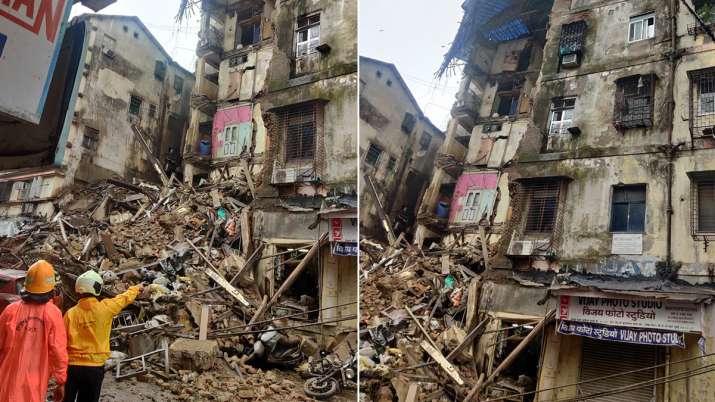
Building Collapses has become common in India especially during rainy season June – September, torrential down pours are blamed usually for the destruction. A four-storey building fell on the neighbouring two-storey building which caused death of 11 person in western Mumbai. According to the civic officials, the building has structural faults and it was further damaged by Tauktae cyclone after which there were alterations made to it. The building also affected the residential buildings nearby causing people to evacuate them.

There are many incidents like this occurring in India not only caused because of rain but due to the old condition of the structure, illegal construction, buildings built using cheap quality materials ,constructing on inappropriate places etc., that results in collapses for which the damages and losses are faced by the residents living in.

There was another incident that occurred a month before this collapse, were dozens of people died when a building collapsed in the Mahad area in the south of Mumbai. The damage that occurs after a building collapse costs more to the victim and the in-charge. If appropriate measures and proper care are taken while constructing a building major damages like these could be avoided and it wouldn’t have costed people’s life. It is very important to consider safety of residents while a building is built rather than focusing on the profit.

Home is considered as the safest zone, it gives secured feeling to people but when collapses like these occur it is threatening their ultimate safety. If people are unsafe in their home where else can they be safe.

Rainwater Harvesting

It is said that World War III will not be fought for territories and geographic dominance, but it will be fought solely on the basis of water. This may sound unbelievable to citizens of developed nations. However, in a nation like India, there are already daily battles being waged by projects, individuals for access to this precious research.
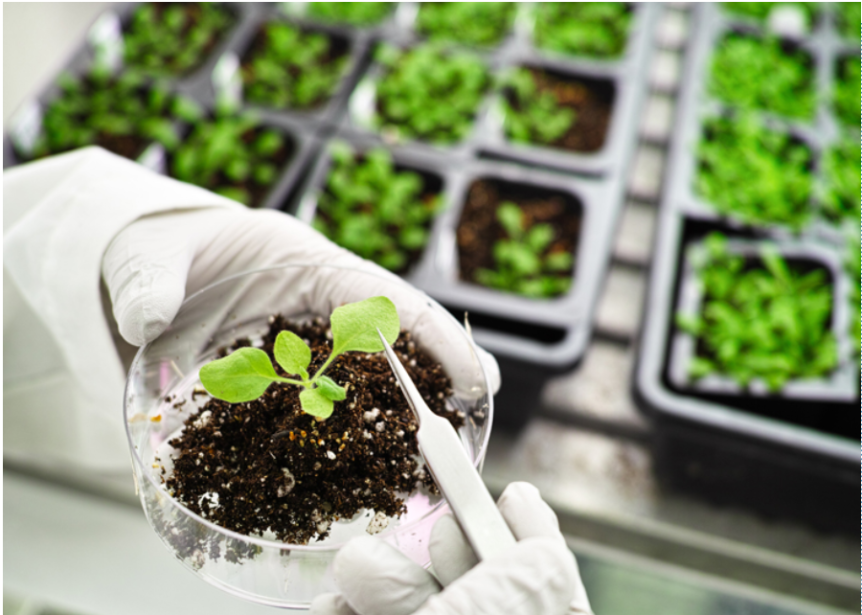
India which almost completely depends on the annual monsoon season for water, currently faces the most severe water water crisis in its known history. A recent report by NITI Aaykg predicts that as many as 21 cities in the country will see total depletion of their groundwater resources by as early as 2020. Even today, our cities run like dry clockwork during summers. Neverthless there is not awareness raised about the simple solution of rainwater harvesting in India. Can we really afford to neglect this straightforward solution?

Let’s discuss what exactly is rainwater harvesting. It is the collection of rainwater rather than allowing it to run off. Rainwater is collected and stored in reservoirs or boreholes that allow percolation and increase of  the underground water table. However, this rainwater can also be purified and then used in domestic households and agricultural practices.

In Chennai, rainwater harvesting has been made compulsory and fresh design structures have been incorporated into the Tamil Nadu Combined Developemnt and Building Rules, 2019.

In rural Maharashtra,  Shirpur-once a drought stricken area-has literally turned green due to adoption of rainwater harvesting.

Major cities like Delhi, Mumbai, Bangalore and Hyderabad do have laws regarding rainwater harvesting. For example, in Bangalore, law states that every structure built on 30×40 Sq feet and above and old buildings built on 40 x 60 Sq feet and above should install rainwater harvesting systems.  In case any building fails to do so, a penalty will be faced every month.

However, it is not good enough for these rules to exist just on paper. If the concerned authorities fail to check regularly to ensure their on ground implementation, rules for harvesting won’t hold value.

State governments can popularize rainwater harvesting by launching awareness drives, not just in urban areas but in rural areas as well. This can be done by incentivising housing societies that do comply, such as offering a rebate on property tax for installing the system.

But in situations like these, joint efforts need to take place. We all are citizens of this country, hence its our duty to ensure that we preserve our environment and the planet. Even if it is not given in the law, people can consciously work towards installation of rainwater harvesting systems in their building or even in their locality if they get the right kind of support.

In rural areas, rooftop water harvesting is the most easy solution. It is seen as a basic, inexpensive method for requiring minimum expertise for implementation. This is ideal for supplementing existing water sources which may become brackish or polluted.

We need to act soon, before our water resources get completely dried up. Water is slowly becoming a rare resource in many areas of the country, and this cannot happen-or India will eventually lose it’s own water wars.


Toxic masculinity: A glance

In present-day society, people often address toxic masculinity to express excessive masculine traits that many cultures have widely believed or glorified. This evil concept of masculinity also places significant importance on ‘manliness’ based on- power, lack of emotion, self-sufficiency, dominance, and sexual virility. According to mythical toxic masculine values, a male who does not display enough of these traits may fall short of being a ‘real man.’ Overemphasis on these features may lead to harmful shortcomings in someone trying to live up to these expectations. One example of this includes telling another person who reveals emotions to man up. This example depicts how some people view sentiment or vulnerability as ‘unmanly.’ Another example is the saying, “boys will be boys.” This expression refers to reckless, hostile behavior in young males; rather than teaching them about efficiency and owning up to their blunders. These views can cause infliction and adorn the concept of masculinity, leading to an even more toxic approach toward these acts. The origins of what many people view as masculinity emerged thousands of years ago. When early homo sapiens used might, for example, to exert dominance or take administration. The most prosperous male homo sapiens were those who could struggle and hunt. In those times, the most popular traits would likely have included hostility, ruthlessness, and physical strength. These practices continued for centuries. Throughout history, powerful male rulers have gained power by conquering others.
This model survived unaltered until the 1980s and 1990s when these ancestral male behaviors became conflicting with the views of modern society. However, because present society has led to such a shift in perspective toward these male operations, and because it no longer proclaims these obsolete views of manliness, several groups still fall sufferer to these ‘conventional norms.’ It is when masculinity can become ‘toxic.’ It is this demand for certain men to be in a particular way as commanded by an ideology. If a male supposes they are not matching these artificial traits or not aligning with these narrow views, they may feel they are falling short. It may result in a demand to lash out these traits to re-establish their ‘nobility.’ Some people consider that toxic masculinity is critical because it restricts a person’s adulthood. When a boy or adult male sees the world through a narrow lens, they may believe that they will only win acceptance by living up to these traits. Some theories register that toxic masculinity plays a role in physical health; it may limit some men from seeking out help for possible health issues and other potential problems. For some males, asking for help may lead to feelings of inadequacy, weakness, and perceptions of being ‘less of a man.’ Eliminating or changing toxic masculinity will not happen overnight. On a personal level, it may be easy enough to educate ourselves about their attitudes towards masculinity and hold space for others to help change their definitions. Inviting a friend to share their emotions or feelings about the topic, and openly discussing them without judgment or criticism can be a good way to move forward. Moving past toxic masculinity begins with redefining what it means to be a man. Each person should aspire to find a healthy definition of their individuality and work towards achieving it. Holding space for others to openly discuss their feelings about the issue may help people re-shape their definitions as well.
Rover starts to look for antiquated microbial life on Mars !

The Perseverance meander-er trundling the outside of Mars started its most basic mission stage — searching for old microbial life. This period of the mission started on June 1, the Joint Propulsion Laboratory said in an articulation as the meander-er left the “Octavia E. Head servant” landing site. During the initial not many long stretches of the science activities stage, the meander-er will drive up to a low-lying beautiful ignore in the Jazero pit, from where it will study probably the most established topographical highlights utilizing its auto-route and examining frameworks. “The objective is to discover four spots to gather tests,” JPL said. Over the course of the following a while, Perseverance will investigate a four sq km fix of the cavity floor, from where it will gather soil tests to be gotten back to Earth in future missions. “We are putting the wanderer’s charging stage just as the arrival site in our rear view mirror and taking off,” said Jennifer Trosper, Perseverance project supervisor.

With the coming of top notch telescopes in the nineteenth century, stargazers started exploring the geographic highlights of the planet. The especially creative Giovanni Schiaparelli deciphered Mars vistas as mainlands confused by trenches. While he might not have envisioned water-filled waterways ascribed to clever plans, others unquestionably decorated his dreams. A plenty of brilliant Martian sci-fi followed. The legend of water waterways on Mars was supported by American space expert Percival Lowell’s perceptions and distributions of the mid twentieth century. The fancies of Earth-based perception combined with air choppiness would ceaselessly develop the channel fantasy until the effective Mars flyby of Mariner 4 of every 1965. It caught grainy pictures showing what seemed, by all accounts, to be a cratered planet as dead as Earth’s moon. Then, at that point, in 1971, Mariner 9 effectively entered Mars’ circle and sent tempting pictures of gullies conceivably cut by water, this time supported by “short proximity” cutting edge photography.

The SUV-sized wanderer is the most progressive lab on wheels to have arrived on Mars somewhat recently. The science objective of the mission remembers reading the Jezero locale for requests to comprehend the geography and past livability of the climate nearby and to look for indications of antiquated infinitesimal life. During the science stage, the wanderer will likewise step through estimations and examination advancements to help future human and mechanical investigations. JPL has planned the course that the meander-er will take to arrive at its new objective, alongside discretionary side roads and marked spaces of interest and expected hindrances. Scaled down automated labs on Mars lander can’t coordinate with the ability, accuracy and itemized examination of natural eyes and instruments in Earth-based labs. While the Perseverance meander-er will have cutting edge, locally available lab instruments, it will store tests to be gotten back to Earth on a future automated mission. Indeed, even before we take that Mars test gold mine back to Earth, we as of now have bits of Mars to concentrate in Earth labs. Throughout geologic time, Mars sway trash has been impacted into space toward Earth’s circle. Of the assessed 60,000 shooting stars that have been found on Earth, more than 100 of these have been controlled by isotopic mark to have begun on Mars.

The examination zeroed in on carbonate that had framed in basalt from the early stage hull of Mars. The carbonate evidently conformed to 4 billion years prior, when Mars had surface water, higher barometric pressing factor and higher temperatures. They tracked down some little cylinder like constructions, in the size scope of Earth nano-bacteria at just 200 manometers of maximum. They found poly cyclic fragrant hydrocarbons that could be related with life. They discovered strings of magnetite related with a portion of the cylinder like designs. This is like some advanced microbes. Every one of these bits of proof taken alone isn’t persuading, yet taken together, the chance, as detailed by McKay and his co-creators, could be conceivable. Over 20 years after the fact, the discussion proceeds.

Sports

Sports are an integral part of ones life . It is rightly said that ” All work and no play makes Jack a dull boy “. These cannot be excluded from our lives . But during the Covid 19 pandemic we are not able to play outdoor games .  We all are scared to go outside our homes . So what we do is that during our free time we play online games like PUBG , Free fire , FIFA , Call Of Duty  etc . So that is what we can do before every thing becomes normal .

Sunil Chhetri

Sunil Chhetri , the captain of the Indian Football team never ever fails to deliver and scores goals when his team is in need the most . The Indian footballer did it again by scoring two goals against Bangladesh which enabled India to win that match . He also recently broke the World record of Messi and became the second highest International goal scorer in the game . This guy is taking Indian football to next limits . Hope he play more number of matches before his retirement . 

Devon Conway “The Big Player “

Devon Philip Conway the new kiwi player has been outrageous through out the matches that he has played . The kiwi scored a double ton in his first test match and a 87 score in his first T-20 . This player can be The Next Big Thing in the World Test Championship against India . If he can face big players like James  Anderson , Mark Wood and Stuart Broad than  he must be a class player and can definitely score runs against the big Indian names . So India be prepared for him . 

India vs New Zealand

The World test Championship is about to get started in just 9 days . And our wait is to get over very soon . Lets see who will will this time . The good news for India is that the New Zealand Captain has been ruled out from England Test Championship . But they still have Devon Conway the batsman with an astonishing debut . Lets see if Virat Kohli can win at least one ICC Championship in his entire career or not . Pant will be the key player for the Indian side . 

Uniform Minimum Corporate Tax Rate

Worlds richest nations group G7 (Group of 7) have agreed that MNCs operating anywhere across the globe will be obliged to pay a minimum tax rate of at least 15%. This would be a change in global tax system that has existed so far. This would close loopholes using which MNCs could shift the profits and tax revenues to low taxing jurisdiction.

MNCs always prefer countries that charges the lowest of lowest tax to set their firm and it has always been that governments attract foreign investments to their country by lowering the tax rate they have to pay. According to U.K based Tax Justice Network, India suffers annual loss of $10.3bn from global tax abuse.

Global Minimum Tax Rate

It is the tax rate that will apply for profit made overseas, the local government of country in which the business is operating in can fix whatever corporate tax rate they want but the minimum tax rate will be met by the company by paying extra tax in their home country. Minimum Tax rate will be fixed for every MNCs, so that shifting of profits and tax revenues to low tax countries and escaping higher tax payments in home country will be blocked.

The minimum tax rate proposal was agreed but the rate of tax have not been fixed yet. The pandemic has hit the world worse and countries are trying to revive their hard hit Economy. The world economy is estimated to have shrunk by 3.5% in 2020 which has made most of the countries to use wealth from coffers to Support the economy. The G7 has also agreed on allocating equitable tax rights, with market countries awarding taxing rights on at least 20% of profit exceeding a 10% margin for the largest and the most profitable entities.

Pandemic Affecting our Mental Health: Coping up with Stress

“Mental health…is not a destination, but a process. It’s about how you drive, not where you’re going.” – Noam Shpancer, PhD


The coronavirus pandemic has affected all of us in one way or the other. This pandemic is not just about a viral infection or a disease phenomenon but has caused people to suffer from serious mental health issues like anxiety, stress, stigma, and xenophobia. This widespread COVID-19 resulted in the enforcement of regional lockdowns, social distancing, closure of educational institutions, workplaces, entertainment venues, etc. all this led to one thing which is isolation. Isolation in turn causes anxiety and stress.

Unfortunately, how this pandemic affects one’s mental health has not been studied at length. At the moment, all the focus is on understanding the epidemiology, clinical features, and ways of transmission.

Stress does not only cause anxiety, sadness, or a feeling of frustration but, is known to cause a lot more like fear, anger, and even numbness. Stress can lead to a change in appetite patterns, lack of and interest, difficulty in concentrating and making decisions, difficulty in sleeping, nightmares, and physical reactions such as headaches, body pains, stomach problems, and even skin rashes.

The use of substances like tobacco, alcohol, and others is also observed.

People who are in quarantine or self-isolation suffer more from such issues of mental health. A review published in The Lancet said that separation from loved ones, loss of freedom, boredom, and uncertainty can cause a deterioration in an individual’s mental health status.


Stigmatization

Pandemic is known to bring about stigmatization which affects individuals, authority figures, and health care professionals, etc. People who are released from quarantine, doctors, nurses, hospital staff, and people of Asian descent especially Chinese can experience stigmatization and xenophobia. They could be made to feel differently about themselves when they returned fully recovered and experience a different welcome by society or even by their family members. There have been cases when people come home fully recovered and the members of the family exercise social distancing from them because of the nature of transmission of this viral infection.

Such people may develop sadness, anger, or frustration because of the constant isolation and the fear that other people hold against them that they may contract the infection from them even though they have been determined not to be contagious. This situation results in a lot of stress and panic.


Ways to cope up with Stress

1. Take a break from watching, reading, or listening to news stories

Constantly listening to the increase or decrease in the number of cases, can be upsetting. You can disconnect him/herself from phone, tv, and newspapers in order to avoid stress. You can watch movies and read books.

2. Give attention to your body

Exercise and meditate regularly. Give your bodies adequate amounts of sleep and water.

Avoid excessive consumption of alcohol and tobacco.

3. Engage yourselves in different activities

Try to make time for activities that you enjoy like reading, singing, dancing. Such activities take your mind of the current situation and help you gain back your energy and interest.

4. Connect with people

Talk to people you trust about your worries and concern. Share your feelings.


 Conclusion 

The COVID-19 outbreak has created fear in society. We must ensure help people around us and be civil, courteous, and rational towards those who have recovered and the front-line workers. We should try to communicate with people and should offer our full support that we all are in this together.


References

https://www.psychiatrictimes.com/view/psychiatrists-beware-impact-coronavirus-pandemics-mental-health

https://www.cdc.gov/coronavirus/2019-ncov/daily-life-coping/managing-stress-anxiety.html

Sundar Pichai and Google

 “Wear your failures as a badge of honor”

This famous quote is by Sundar Pichai, the current CEO of Google.  On his birthday, let’s take a look back at how he changed the face of Google.

Sundar was born in Chennai, Tamil Nadu. He completed his degree in metallurgical engineering from IIT Kharagpur and was seen as a distinguished alumni. He went ahead to do his MS in material sciences from Stanford University. He also hold an MBA degree from Wharton University.

Fast forward to 2004. when Sundar Pichai joined Google. He started working on Google’s search toolbar, where he led the product management. He soon got involved with various Google search products including Firefox, Desktop Search, Gadgets. Fun fact, the day Pichai joined Google, Gmail was also introduced to the world.

Whenever you want to browse something or want answers to literally any topic under the sun, most of us think this,’Let’s Google it’. Well, you can thank Pichai for this as well.

In 2008, Pichai was motivated to push the idea of Google having its own web browser and that’s how Chrome was born. He led the launch of Chrome and it went on to become the best web browser in the world, surpassing both Internet Explorer and Firefox. At the time of Chrome’s announcement Google made a 40 page comic explaining how Chrome worked.  He was the pioneer of the Chrome Age.

Under Pichai’s direction, Chrome became more than just a browser. ChromeOS was launched for Chromebooks and Chromecast was introduced as a way to connect phones to TV’s. As per Fortune, Pichai pushed the company to enter the browser wars.

He is the man at the helm. In 2010, Pichai announced the open-sourcing of the new video codec VP8 by Google and introduced the new video format. WebM. In 2011, he was considered to be the head of product development at Twitter. However, he decided to stay with Google.

He introduced the concept of Android for everyone. After taking over the management of Android from the group’s founder, Andy Rubin in 2013, one of the major efforts he spearheaded was Android One. It was the company’s push to make low cost smartphones for the next 5 billion people coming online. Previously, the Android division worked separately under Rubin but Pichai brought it under Google again.

He was appointed CEO in 2015 for Google, as per reports in 2019, Alphabet’s revenue was up by 80%. Alphabet’s share prices have also soared up to 126% in 2020 since 2015 according to Yahoo finance. In 2019. Sundar Pichai’s CEO  approval rating was 94% according to a top CEO index report.

In 2020, Sundar Pichai announced Google for India Digitization Fund with an effort to boost technological future of India and it’s digital economy. Google has planned to invest 75,000 crores into India over the next 5-7 years.

He has played a powerful role in the company, and for people all around the world. He is a shining example of how Indians equipped with right education and skills can accomplish anything in the world. We wish him a very happy birthday.

MARRIAGE

MARRIAGE:


INTRODUCTION:

It is considered a cultural universal, but the definition of marriage varies between cultures and religions, and over time. Typically, it is an institution in which interpersonal relationships, usually sexual, are acknowledged or sanctioned. In some cultures, marriage is recommended or considered to be compulsory before pursuing any sexual activity. A marriage ceremony is called a wedding.

Individuals may marry for several reasons, including legal, social, libidinal, emotional, financial, spiritual, and religious purposes. Whom they marry may be influenced by gender, socially determined rules of incest, prescriptive marriage rules, parental choice and individual desire.

Marriage has historically restricted the rights of women, who are sometimes considered the property of the husband. Around the world, primarily in developed democracies, there has been a general trend towards ensuring equal rights for women within marriage (including abolishing coverture, liberalizing divorce laws, and reforming reproductive and sexual rights) and legally recognizing the marriages of interfaith, interracial, and same-sex couples.

Some poetic features of marriage:

This kind of ritual is basically called registering their love to the public and exchanging their hearts under the government protocols.

Crossing their life span like a conjoined twins with lots of love, care and understanding.

Leads to a boundless satisfaction and happiness of togetherness.


“A successful marriage requires falling in love many times, always with the same person.”


OBJECTIVES OF MARRIAGE:

  • Directly at the start, we have expressed that connection marriage and family are inseparably joined with one another. In our conversation on connection we have truth be told examined about marriage and family. In practically all social orders marriage is a standardized social relationship of critical importance.


  • It is by and large connected with various other significant social connections. There are various kinds of conjugal associations. These have suggestions for populace organization, property relations, legacy, and so on Further, there are different guidelines and restrictions related with marriage and sexual relations.


  • The most well-known conviction even today is that the dad ought to offer his girl while she is still nagnika (in a real sense stripped), the age prior to accomplishing adolescence. Unquestionably, such a conviction has come about into kid marriage, and pre-adolescence marriage was considered devout, and it turned into a piece of Brahmanical social ethos. Virginity of a young lady turned into the focal worry of the two sides. Pre-adolescence marriage subsequently got elitist recognition and social honor. Another contributory factor, as seen by K.M. Kapadia, is the hypothesis of samskara.


  • The entire existence of both man and lady is loaded with samskara, starting from pregnancy till death. A decent number of these customs allude to cleansing and a young lady before achievement of adolescence is viewed as devout and deserving of marriage.


  • The social ideal of monogamy additionally added to early marriage. Hypergamy was no less a factor preferring kid marriage. The lower positions have not been truly worried about thought of pre-period, yet they have imitated the ideal of kid marriage from the upper stations considering it as a Sanskritic act and pointer of social distinction. Raja Ram Mohan Roy, Ishwar Chandra Vidyasagar and Malabari all saw newborn child relationships terrible as well as believed that it prompted the horror of widowhood.

INDIAN POLITICS

INDIAN POLITICS:


Governmental issues, basically talking, alludes to the exercises encompassing a nation’s administration. With regards to an enormous popularity-based nation like India, governmental issues turn out to be truly muddled. This Indian governmental issues paper will illuminate the legislative issues of India.

Background of Indian Politics:

Governmental issues in India, similar to some other vote based nation, includes the decision party and the resistance. In India, the arrangement of ideological groups has occurred based on a belief system. Besides, the Indian ideological groups have a place with the left and the privileged political range.

Radical legislative issues depend on the upsides of secularism, progressivism, and resistance. Interestingly, conservative legislative issues favor the benefits of being supportive of the government, methodical, moderate, and customary.

There are no meanings of left-right legislative issues anyplace in the Indian constitution. Moreover, these terms were given by analysts, creators, and writers. Additionally, it has been seen in India that a few lawmakers can change their ideological group and belief system.

In fact, for a steady popular government, it is vital that both political belief systems, the privilege and left, work next to each other. Accordingly, a few times, the nation might be under traditionalist impact while liberal goals may rule at some other point. The two significant ideological groups in India, BJP, and Congress, obviously exhibit the two distinctive political ranges of both ways separately.

Problem with Indian Politics:

For a vote-based system to work appropriately there should be a legitimate division between the political philosophies. Be that as it may, in India, the boundary between these belief systems will in general get foggy, consequently bringing about the superimposition of one philosophy over the other. This is surely not a sign of a developed majority rule government.

The political arrangement of India endures because of the conflict of various political belief systems. Besides, such conflicts can end up being very terrible. Generally essential, such conflicts are negative to the improvement of the country overall.

Different issues influence Indian governmental issues like contempt, foul play, debasement, insatiability, and bias. Because of every one of these issues, Indian legislative issues are known as a filthy game. Such issues can likewise drive numerous scholarly and prominent people to avoid Indian governmental issues.

Some of the time the Indian lawmakers may pick an ideological group, not on account of the philosophical position, but instead because of the triumphant likelihood in the races. This is a truly miserable truth of Indian governmental issues. Also, it shows that such government officials care more about their very own advantages instead of the interests of ordinary citizens.

Conclusion of Indian Politics:

Indian politics is a colourful drama and, according to some, its the great circus of the country. Despite such negative connotations, no one can doubt the enormously important role that politics has played in India. Most noteworthy, it is a crucial aspect of Indian democracy.


Government also books 30 crore doses of vaccine under trial.


The Centre has placed fresh orders for 44 crore vaccine doses of Covishield and Covaxin which will be available from August-December. It has also placed an order for 30 crore doses of a vaccine from Hyderabad-based Biological E for its in-development protein subunit vaccine.


“All together 74 crore doses have been secured for use from August onwards,” Dr. V.K. Paul, Chairman, National Empowered Group on Vaccination, said at a press conference on Tuesday.

ALSO READ
Prime Minister Narendra Modi addresses the nation, in New Delhi, Monday, June 7, 2021.
Government will revert to centralised procurement of vaccines, says Modi


Until July, 53 crore vaccine doses — including 23.5 crore already administered — were expected from the two manufacturers Serum Institute of India and Bharat Biotech.

If all the estimates were to come to fruition, it would mean 127 crore doses could be available, enough to ensure India’s estimated population of about 94 crore gets one dose of a vaccine.

However, a lot of it depends on the speed at which vaccines are disbursed. After a lacklustre May that saw vaccine stocks and immunisation plummet, the number of daily doses have started to rise after May 29, touching over 30 lakh on several days. To be able to administer at least a single dose to all adults by December, over 9 crore people need to be inoculated per month.

ALSO READ
In this April 8, 2021 photo, Prime Minister Narendra Modi receives the second dose of the Covaxin Covid-19 coronavirus vaccine, at AIIMS hospital in New Delhi.
Fact check | History shows India did not lack access to vaccines as claimed by PM Modi


The government has earmarked ₹35,000 crore towards vaccine procurement. Until May 28, it had ordered 28.5 crore doses for ₹4,488 crore according to data from the Health Ministry.

New vaccine
Biological E said it had got permission from India’s Drug Controller on April 24 to begin phase-3 trials in India.

The Phase III clinical study to be conducted in 15 sites across India would evaluate the extent and nature of immunity and safety of Biological E’s SARS-CoV-2 COVID-19 vaccine in about 1,268 healthy subjects in the age range of 18 to 80 years. It is intended to be part of a larger global Phase III study, the company said in a statement.

Biological E has successfully concluded the Phase I/II trials of the vaccine candidate, which began in India in November last year. Data from the Phase I/II trial suggested that the Covid-19 vaccine was “safe, well-tolerated, and immunogenic,” according to a company statement.

The vaccine candidate has an antigen developed by the Texas Children’s Hospital Center for Vaccine Development and in-licensed from BCM Ventures, Baylor College of Medicine’s integrated commercialisation team, and Dynavax Technologies’ advanced adjuvant, CpG 1018TM.

A contemporary discrepancy among Alligators and Crocodiles & The Ten Foot long Crocodile has been discovered!

Whether alligators have evolved from crocodiles? Is it true or not?

The distinctions are little, and not something you could without much of a stretch spot in nature. In any case, the finding may give experiences into the manners by which the two reptiles move. The examination was distributed a week ago in the diary Royal Society Open Science. The most clear approach to observe the two reptiles is to gaze intently at their evil noses. Gators have U-molded countenances that are wide and short, while crocodiles have slim practically V-formed gags. Furthermore, in case you’re adequately courageous, look at their chompers. At the point when a crocodile shuts its mouth, you will in general see just its upper teeth. Crocodiles then again streak an excited smile with their top and base teeth joining. 

A considerable lot of the contrasts between the two are placed on their heads and mouths. Presently, scientists from Japan have distinguished what they accept to be another element that separates the reptiles: Alligators will in general have more limited humerus bones in their forelimbs and more limited femurs in their rear appendages than crocodiles, the group detailed a week ago. 

This could help to clarify contrasts in their environment and velocity, including the unusual certainty that, while little crocodiles have been seen to bound and jog, gators have not. Julia Molnar said the appendage contrasts can influence things like speed and influence in the creatures.

The figure represents the skeletal structure of the crocodile.

The figure represents the skeletal structure of the alligator.

Despite the fact that they look astoundingly comparative, gators and crocodiles veered developmentally during the Late Cretaceous time. The two reptiles additionally endure the mass eradication occasion that cleared out the dinosaurs, and from that point forward have remained moderately unaltered. That incorporates the distinctions found in their appendage extents. Crocodiles would in general have longer humerus bones and femur bones than gators. That recommends that the muscles connected to those bones broadened farther on crocodiles than on gators. The newfound contrast isn’t close to as evident as the distinctions found in the reptiles’ noses.

Philip Hall, the University of Florida specialist examining if the island’s crocodiles had a place with two distinct species, kicked the bucket before he could complete his work. Presently, scientists have wrapped up the work that Hall started and their new investigation shows that he was right.But the huge island north of Australia is isolated by a mountain range, making unmistakable territories in the north and south. The analysts considered how extraordinary the crocodiles may be in these conditions.  Philip Hall truly gave the fascinating benchmark work on these crocodiles, particularly for natural information. “Our work adds to this with extra morphological knowledge into how particular these two types of crocodiles.They broke down 51 skulls having a place with the New Guinea Crocodile to search for contrasts between ones that lived in the north of the island versus the south. They contemplated examples from seven diverse exhibition hall assortments. A large number of the skulls were 90 years of age. What’s more, the crocodiles they had a place with could arrive at ten feet long.

Rich stay rich, poor stay poor: why?

We always hear the phrase, “Why bother when the rich get richer and the poor get poorer?”

The ignorance of the Indian population is the reason why the poverty line in India stays consistent. We can be proud of all the other things being consistent, the economy, the production level, the trade and commerce etc. but along with that the poverty line also is something which we need to take care of.

A normal household in the country is not aware of how much tax they pay for every article of thing they buy, be it direct or indirect. The only thing they worry about is the price level but they never bother to think about the how and why. We all need to accept that before GST came into effect we didn’t know about how our tax was being used up.

GST caused a huge stir because that was when people started to really notice the tax structure. Of course, like any other democratic country, there were support and to the equal amount, opposition. But one thing is clear, when we hear the name of our Hon’ble PM the first thing that comes to our mind is GST and Demonetization.

There is no need to mention the effect of the continuous lockdown on the daily workers. We should  remember that this was also the time when the online shopping sky-rocketed. So the usual things that was bought in the market in person was bought through the internet giants, such as Amazon and Flipkart.

We know that majority of our country’s population is either middle class or lower middle class. Let us for example take that 50% of this household have access to the internet and know how to shop online. What about the remaining 50%? They had to depend upon the door to door delivery of groceries by the government, the occasional unlock to stock up the essentials and the distribution of produce in the ration shops.

There is a study that reveals that only 27% of what we pay for the groceries and vegetables reach the actual farmers. So where does the rest go? That is where our term of “Rich gets Richer” comes into play. The tertiary sectors like the delivery services, the transport services, the wholesale buyers and many, many more get the money as commission. Now, who are these tertiary services? They are already the giants who have many customers and many alliances with many farmers.

When you think of the farmers, they have only limited option to sell their produce but the middlemen have many outlets to sell the produce. So the farmers are forced to sell to the price quoted by the tertiary companies. And when they protest, the government takes bazillion years to even hear the pleas.

Just imagine if the farmers go on strike and don’t give you food. We would be done for. Every human being and every profession needs the respect that they deserve. So, next time whenever you come across an old man or woman selling a meagre produce, even if you don’t need them, give them the word comfort, trust me, they would be more than willing to talk to you about their plight. And if you are willing to buy from them, don’t bargain. They are still working truthfully at their age, when we are sitting at home. Think wisely.

Anonymous warns Elon Musk

Tesla CEO Elon Musk was threatened by the Hacktivist group ‘Anonymous’ for declaring in Twitter that ‘Tesla cars’ could no longer be purchased using Bitcoin because of climate change concerns. In the month of February Tesla unveiled that they bought the world’s biggest Digital Currency Bitcoin $1.5bn, in march they announced Tesla cars could be purchased using cryptocurrency but later they went back on their announcement sighting the environmental causes and this created a wave among the bitcoin investors.

The Warning:

In the video, Anonymous blamed Elon Musk for affecting the life of crypto investors and damaging the dreams of normal people who dreamt of a better life through cryptocurrency. It also stated that the company received most of its income through government subsides, Green carbon tax credit from the government of the countries it operates in. The video also mentioned the complaints of Tesla employees for extreme working environment, working of young children in lithium mines in South African to produce lithium.

“You may think you are the smartest person in the room, but now you have met your match. We are Anonymous! We are Legion! Expect Us.”- warned Anonymous.  

About Anonymous:

Anonymous is a decentralized international hacktivist group originated in the year 2003 well known for their cyber attacks against government entities and corporations. Anonymous members wear Guy Fawkes mask in a style depicted in the graphic novel and film “V for Vendetta”. They may also prefer to not use the mask and may not cover their faces as disguise. The global group is believed to include anyone willing to join; its members are referred to as ‘anons’. They would also use voice changers or text-to-speech programs while sending the video messages for anons to mask their voice.

The members commonly use the tagline “We are Anonymous. We are Legion. We do not forgive. We do not forget. Expect Us.”

Income inequality in India

Shared Moral Blindness - Ted's Thoughts

How has the unpriviliged community in India fared within the last few decades? Has their scenario changed?

There square measure actually several changes that one might observe within the last twenty years. Access to food grains from the general public distribution system at a supported rate has improved; several villages are electrified; a lot of youngsters are attending primary colleges in villages and concrete slums; bathrooms are made in many villages; several currently use mobile phones.

But has there been any important modification within the financial gain of little and marginal farmers among Adivasis and Dalits?

This is in all probability a a lot of complicated question to answer. after we started our journey as development practitioners twenty years past, we have a tendency to had to conduct a village study.

The average financial gain of Adivasi households in an exceedingly village of Bihar’s Lohardaga district (now Jharkhand) was around Rs 15,000 in 1996. This matched with the findings of comparable such studies in different areas of the Central Indian Plateau (CIP) conducted by our peers throughout a similar time.

Similar studies by development practitioners show that across the CIP, the common financial gain of little associated marginal households in an Adivasi space was Rs 55,000-60,000 in 2020 — a rise of just about fourfold from 1996.

The financial gain of those individuals failed to modification abundant within the last twenty years, if we have a tendency to take under consideration the rate. The Net present value (NPV) of Rs 15,000 in 1996 was around Rs 67,000 within the year 2019.

Rising inequality

The scenario changing at the national level?

India’s per capita gross domestic product (GDP) multiplied 5 times between 2000 and 2019; to $2014 in 2019 from $443 in 2000.

This doesn’t mean that financial gain of the complete population has multiplied. The highest one per cent in India attained twenty one per cent of total country’s financial gain in 2019. This was eleven per cent in 1990.

The top ten per cent attained fifty six per cent of the country’s total financial gain in 2019; rock bottom ten per cent attained solely 3.5 per cent.

Wealth distribution tells an analogous story. The richest ten per cent Indians closely-held 80.7 per cent of wealth in 2019.

The Gini (inequality in financial gain distribution) constant points to associate increasing difference in Republic of India. The constant in 2014 was 34.4 per cent (100 per cent indicates full difference and zero per cent full equality).

The constant multiplied to 35.7 per cent in 2011 and to 47.9 per cent in 2018. India is just second to Russia within the world in terms of difference.

Agricultural work is one of the most common way to sustenance in villages. A complete of 26.3 crores households are concerned in farming activities in India, per the most recent census knowledge for 2011.

Of this, only 11.9 crore folks are land-owning farmers; 14.4 large integer are landless staff and peasants. A minimum of 86.2 per cent of all farmers in India own simply 47.3 per cent of the crop area, per the agriculture census knowledge 2015-16.

During 2010-11 and 2015-16, the proportion of tiny and marginal farmers grew to 86.2 per cent from 84.9 per cent, whereas the overall range of operational holdings grew to 146 million from 138 million.

There are 126 million tiny and marginal farmers, that points to fragmentation of lands which a lot of medium farmers have become tiny and marginal farmers. These farmers along in hand concerning 74.4 million hectares of land — or a mean holding size of simply 0.6 hectares every.

Between 2010-11 and 2015-16, the amount of tiny and marginal farmers rose by concerning nine million, per agriculture census 2015-16.

Per capita land holding of rock bottom sixty seven per cent marginal farmers reduced to 0.38 hectares from 0.4 hectares within the last 20 years. The world isn’t enough for farmers to grow food for even six months.

Nearly 17 per cent smallholders have a mean land holding of 0.4 angular distance — a discount of 1.42 angular distance in 2000. The typical holding of scheduled tribe marginal farmers is 0.48 ha; for scheduled Caste, it’s solely 0.37 ha.

The country has another 3.76 crore households of landless laborer within the same time.

Pandemic made it worse

French economic expert Thomas Piketty, in his book Capital in the 21st Century, came up with a straightforward plan to elucidate difference in terms of wealth distribution takes place in associate degree economy.

He believes, once the come back on investments (r) is over the speed of economic process (g) of the country, a lot of wealth gets accumulated within the hands of a couple of (who own the suggests that of production) as compared to the busy category.

Piketty showed that the typical rate of come back on investment was 5 per cent throughout history. He finished that any rate below five per cent can cause a lot of difference as a lot of wealth are going to be generated for a couple of investors as compared to people who don’t own any suggests that of production.

Whether Piketty’s findings, largely supported Europe and also the u. s., are applicable for countries like India where economic history and pathways are totally different, is debatable.

However, a thirty five per cent increase within the web value of the billionaires in India throughout the novel coronavirus malady (COVID-19) pandemic, once India’s growth was negative ten per cent, could force US to assume if Piketty was right.

The approach ahead

India’s economic process has caught up considerably. This can be the time once states ought to invest: cash must move into the hands of the marginalized.

States earn cash through taxation. Increasing tax on the rich folks is that the obvious resolution. Piketty additionally projected the same live to cut back difference. The next rate of tax for billionaires are often the simplest way to get a lot of revenue for the state.

In any case, withdrawal of Central Public Sector Undertakings associate and public sector banks can’t be a permanent resolution in an economy where difference is rising sharply.

There is a desire to trace what’s happening within the economic condition pockets of India. A periodic study could facilitate policy manufacturers to believe the problem a lot of seriously and are available up with higher ideas to cut back inequalities.

Environmental change to demolish Indian storm!

“A worldwide temperature alteration sets stage for perilous downpours !”

The Indian storm is probably going to get significantly more perilous and wetter as an unnatural weather change adjusts the framework, new examination says. India has seen an adjustment of rainstorm design throughout the years as environment interruptions negatively affect the framework in the subcontinent. The exploration distributed in the diary Science Advances expressed that researchers dissected changes in the previous million years to reason that rainstorms are set for the more terrible. “We track down that the projected rainstorm reaction to continuous ice soften and rising carbon dioxide levels is completely steady with elements of the past 0.9 million years,” the exploration paper said. The group of analysts investigated mud tests recuperated from the Bay of Bengal to arrive at the resolution. The group bored 200 m long center examples during a two-month research visit on a changed over oil-penetrating boat, the JOIDES Resolution. The examples gave a top to bottom investigation of storm precipitation. Researchers investigated the fossils of tiny fish implanted in the example that had kicked the bucket more than many years as rainstorm downpours put more freshwater into the narrows, diminishing the saltiness at the surface.

Examining the examples, specialists tracked down that the high precipitation and low saltiness came following a time of high carbon dioxide focus in the air and falling ice volumes. “We can check in the course of recent years that the increase in carbon dioxide in the environment has been trailed by generous expansions in precipitation in the South Asian rainstorm framework. The expectations of the environment models are magnificently predictable with what we find in the previous million years,” Clemens was cited as saying by New York Times. The Indian rainstorm, which is one of the superb reasons for floods in a few pieces of the nations as streams get immersed from extreme precipitation, could arise as a significant concern for individuals as the danger of perilous season develops.

 The storm is additionally key in farming that is subject to occasional downpours for irrigation.Meanwhile, the Indian Meteorological Department said that the Southwest Monsoon has covered the upper east district, almost four days after its typical date. The Southwest Monsoon made a beginning over Kerala, which denotes the start of the four-month precipitation season, on June 3 following a deferral of two days. The framework has effectively covered Kerala, Karnataka and Tamil Nadu and parts of Andhra Pradesh and Telangana since its appearance only days prior. In any case, the climate body has anticipated that the storm is required to be typical this season just as in June, a month basic for planting.

The route ahead is to regard the weakness of the locale. It can’t be anyone’s conflict that the Himalayan district should not see improvement. The inquiry to consider is the way it ought to be created: By building streets and hydro-power projects, or through nearby economies dependent on the travel industry, which don’t neutralize nature. It is likewise a reality that the changing storm example will expect us to enhance the utilization of each drop and not permit downpours to become crushing floods. Really at that time will the Himalayan misfortune not be rehashed. 

Indians realize that the storm is the genuine account priest of India. Plainly the chance is to ensure that each drop of this downpour is collected and utilized in the drawn out dry season. Yet, this downpour will show up in more fierce occasions – which additionally implies that the designing to catch it the nation over should be better. We should get ready for seepage with the goal that when a downpour comes it tends to be channelized and enhanced. Holding and channelizing precipitation should turn into the country’s central goal. It is our best way to know what’s to come. This implies that each water body, each channel and each catchment of downpour must be shielded. These are the sanctuaries of present day India. Worked to adore downpour.

Why vaccination is Important ?

India is dealing with the second wave of COVID-19 which have destroyed many families. It is expecting that upcoming third wave will spread more disaster and ruin several families if we can’t control it on time. COVID-19 was an unexpected virus which was first discovered in Wuhan,China. In India, The first case of COVID-19 was found in January 2020 since the time our country is fighting it with strength and unity. It is a global pandemic through which every country in the world has suffered. The developed countries were not even able to control this virus. India has a 2nd highest population in the country and being a developing country and working hard to reach at the position of developed countries. It was very hard for us to maintain the balance between the economy and health.

Since 2020, Every country was working towards finding a vaccine which can help them overcome from the deadly virus. India has also developed two vaccines which is Covishield and Covaxin which passed all the stages of testing. First, It was available for those who were above the age of 60 years . After some months, Government allowed every person who is above 45 years to get the vaccine and fight strongly against the virus. Since, 1st May 2021 Government has allowed people above 18 years to get their vaccination done. It is a very tough job to vaccinate everyone in a country where the amount of population is massive. Many rumours have started since the time vaccine has been developed which created a new challenge in front of government to convince everyone for getting their vaccination done.Rumours can be spreaded very easily and have a huge impact on people who are not educated enough to know the difference between fake and real news. When the journalist asked some people , Several people have different reasons for not taking the vaccine. Influencing other’s mind in India is very easy. Multiple techniques have been practicing around spreading all the false information regarding the impacts of vaccine.

Everybody needs to understand that Vaccine was developed to help us fighting the battle with COVID-19 easily. It is a vaccine which provides your body a shield and develop stronger immunity in fighting the COVID-19. It is a life saviour medicine which can never harm you, It has gone through several stages of testing after approval by several authorities then any vaccine is approved for use. Now, It become our responsibility to spread awareness about the importance of vaccine and help them in every possible way. Being an Indian citizen, It is important to not spread any news before verifying it on any of our social media accounts. Health is very important and Vaccine is giving us a chance by providing a shield in protecting us and our loved from the virus. Take care of your family and friends.

NCC – Elective course

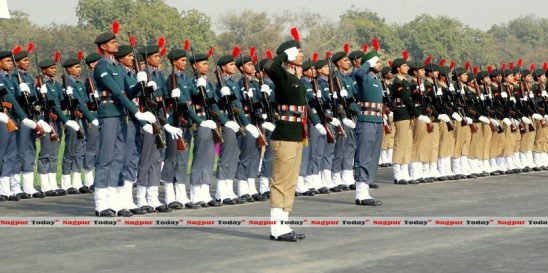
National Cadet Corps (NCC) the world’s largest voluntary uniformed youth organization formally established on 15th July 1948, under XXXI Parliamentary Act. It Consists of 3 wings- Army wing, Air Wing (raised in April 1950), Naval Wing (raised in July 1952) which represents the all the three Defense Service. So far NCC has been considered as a club activity or extracurricular activity. Now the Government has taken the decision to NCC as General Elective Credit Course (GECC), this decision was taken as per the New Education Policy 2020, where students can choose their subject of interest not confined to the ones offered by the institution alone.

NCC will be GECC under Choice Based Credit System (CBCS) in at least 91 Universities and not as extracurricular activity. This happened as a result of letter passed by the UGC (University Grants Commission) to all the Universities on April15.

The ‘B’ and ‘C’ Certificate exam syllabus has been designed as per CBCS of NEP 2020 which provides a total of 24 credit points for 6 semesters. The students will be receiving 4 credits in semester one and two, 10 credits for third and fourth semester and rest of 10 credits for fifth and sixth semester. The current strength of NCC cadet is about 14.2 lakhs who receive basic military training under the organization.

By making NCC as an elective course it would reach out to more youth in the nation and help them get more opportunity to explore many activities.

How the admissions will be designated- Will it decide the precise career of the students or stamp it out!

The significant stretch of vulnerability might have been abbreviated definitely if just government strategy counselors had been more aware of the alerts of the second Covid flood conveyed in November 2020. All things being equal, among February and April, valuable time was squandered clearly trusting that the subsequent wave would mysteriously vanish. Not long before the subsequent wave hit, we were obviously in a condition of forswearing, accepting that the fight against Covid-19 was at that point won, and henceforth we would just have to postpone the tests, generally held in March, by a couple of days or weeks.

In the event that antibody creation, obtainment and dispersion had been arranged shrewdly and fairly, we might have thought about completely immunized understudies showing up for in-person tests, inside reasonable timetables, a chance caught correctly by this tweet.Acknowledging the probability of a subsequent wave might have goaded the public authority and loads up to connect insight-fully with the assessment issue prior, when the wave was at its underlying stage. We would, around there, have been more ready with suitable choices after conversations between all partners. Be that as it may, presently, numerous appropriate choices identified with this wiping out, including how Indian schools ought to choose which understudies to concede, will be discussed swiftly, even as colleges and universities sit tight for the “obvious target measures” to be uncovered soon by the various sheets.

The primary issue is that checking plans for school tests fluctuate from one board to another, however even inside a similar board, from one school to another, and from one area to another. There are schools, regardless of the board they are associated to, which mark too rigidly at the school level, accepting that will spur understudies to improve in the all-pivotal board tests. In any case, there are additional schools which mark generously to give understudies a certainty support in front of board tests. At that point, there are schools in far off locales where the nature of stamping is totally at odds with their city partners. In ordinary conditions, the board tests level a portion of these distinctions. It will be difficult to address the impact of these variables in any plan that the sheets utilize to create “surveyed grades”.

It is a given that the presentation of understudies will have been archived by various schools to various degrees. A few schools may now attempt to conceal by manufacturing marks where no or helpless records are kept up. It is notable that in numerous sheets, inward appraisal marks for undertakings and practicals are distributed generously to upgrade school results. In the current situation, where schools need to present the all out marks, and not a little extent, it will be exceptionally enticing to give out excellent grades liberally for the school’s outcomes to look great. How much these practices will sully inside marks is impossible to say. Worries of this sort have effectively been voiced regarding evaluated scores for Class X. 

The test that must be beaten now is the way to make a bunch of evaluated marks with which an understudy will move on from school, and which will be utilized for admission to universities. Numerous plans are getting looked at. The thought is to utilize a mix of the imprints given in inner appraisals during the year, the signs of the last, most important tests for Class XI, and surprisingly the imprints got in Class X board tests. Numerous issues can be expected immediately, independent of which plan is at last received. With online classes being the essential method of guidance during the previous year, the split among princely and helpless schools has gotten glaring. Instructors and understudies in under-resourced schools frequently don’t have appropriate admittance to advanced stages. Interestingly, prosperous schools and understudies have no such restrictions. The entirety of this will be reflected in the inward class evaluations and pre-board tests. More unfortunate schools were constantly burdened from numerous points of view, contrasted with well-to-do ones, yet this is a one-two punch which will influence any plan.

Colleges and organizations conceding understudies utilizing Class XII imprints will currently need to make merit records dependent on these assessed scores. Shockingly, even in typical occasions, the relationship among scores and scholastic capacity has consistently been addressed; in the flow circumstance, this is considerably more sketchy for every one of the reasons referenced previously. The chance of colleges leading their own selection tests – as some Vice-Chancellors appear to be certain of doing – or giving half weight-age to the recently proposed Central University Common Entrance Test appears to be distant even as a long way ahead as October 2021. Such certainty overlooks the high likelihood of another Covid wave, advancement of new Corona virus freaks, and the low immunization rate; this will, overall, guarantee that no gathering and in-person assessment can be held in the following not many months. From that point onward, it will be past the point where it is possible to begin another scholastic meeting. The public authority should likewise take out the uneasiness related with if placement tests will be held at the soonest. At last, on the off chance that we are in fact compelled to utilize just these evaluated grades for admissions to colleges and foundations, it will be a great idea to send extra measurements at whatever point conceivable. Ordinary channels could be the assessment of mission statements, letters of suggestions, short online tasks, and even meetings. Now and again, the numbers might be overwhelming yet this might be a brilliant chance to begin accomplishing something other than what’s expected, something which nucleates a more real method of assessing understudies. The constraints that become known in doing this will likewise exhibit to strategy producers how frantic is the need to redo our instructive framework, put in more assets and recruit more instructors.

Digital divide in vaccination

The second wave of Covid-19 has unleashed carnage in many states of India. As of the end of May 2021, India registered nearly 25.2 million cases and 2,83,248 deaths. Infections first grew in urban areas and then spread to rural areas. This pattern was mapped in both, the first as well as the second wave.

India’s rural areas cover 66.5 percent of the country’s population. However, nearly 60 percent of hospitals, 80 percent of doctors, and 75 percent of medical facilities are situated in urban areas. This shows the lack of medical infrastructure in the rural areas. The cause for concern is the fact that surge in registered cases and infections did not see a parallel rise of vaccination in these rural regions. This will result in rapid spread of this virus, and lesser number of inoculations to prevent the spread.

Many factors have contributed towards this divide between rural and urban areas when it comes to vaccination. One of the most important one being digital divide. Here are some statistics to show the wide disparity between the 2 regions in issues pertaining to digital knowledge.

When India has 450 million smartphone users as of 2019, only 25percent of it’s rural citizens had a device. Only 4 percent of Indians in rural areas has access to computers. Internet connections were not prevalent in all regions, in fact, only 34 percent of Indians have one.

Hence, it is understandable to assume that many people in rural areas do now know or cannot access the digital portal systems like Co-WIN and Aarogya Setu, which helps citizens of this country book vaccination slots and complete the entire procedure online. The inoculation drive is being pushed backwards.

This platform favors internet-savvy urban population with access to the advanced technology, further excluding less aware rural people with lack of digital know-how, out of the safety net. Such a digital divide has forced digitally illiterate people to either visit registration centers or book vaccinations on the app with the help of some facilitator or be left out of the vaccination process.

The requirements of this app are a phone or a laptop to open the particular website which is not available with all. Even if they do have a digital device, many people do not have data packages to browse and book the slots. Hence there are many obstacles for rural people in the inoculation procedure.

Further, the portal requires uploading the identification proof. For certain people-street vendors; dwellers of urban slums, and remotely inaccessible areas; people engaged in begging and the like-identification proof is hard to come by even during normal times, where they struggle to avail benefits from the social protection schemes introduced by the government.  Also, a few months back, the portal only published all the information in English language without taking into account the people who did not know this language,.

Also, for the informal work force, where every day’s wage is important for providing food and resources to their family on a daily basis, taking a day off is very difficult. The entire procedure of vaccination for people having all the resources may be considered pretty simple. But for the poor households, this is not possible. They cannot afford to forgo a day’s wage in such times, and perhaps even more if they are responsible for the vaccination of all the family members.

The Supreme Court states that India’s vaccine policy was against the rights of the poor and marginalized. They considered the policy as extremely disproportionate and not in terms with societal realities. Such problems should be addressed so that no more lives are lost at the cost of digital disparity.


Corruption:Big issue

Corruption can be found everywhere: corporate, government, courts, media, and civil society, as well as in all sectors, from health and education, infrastructure, and sports.

Corruption can affect all of the politicians, government officials, civil servants, business people, and members of the general public.
Political corruption, all of the bad in India. It is the main cause of concern is that corruption is weakening the political body and damaging the special importance of the society’s management team. Currently, the policy is only intended to be used for the criminals, and the criminals should be in the policy.

The punishment for corruption:

The prevention of Corruption Act, the Public Servants Act of 1988, or the Impact of the civil Servants Act be punishable by imprisonment of a minimum of six months and a maximum fine of five years of age and over.

Causes of Corruption in India
• * None Of The Instructions And Timely Punishment
* The lack of unity in the community
* Insufficient knowledge of the fundamental rights of the
* Lack of transparency in the activities and operations of the
• Lack of accommodations
* The lack of adequate education, and the justice system
* Unhealthy Relationships, in order to Encourage competition, India
* A lack of effective management and implementation of the
* The Lack Of Financial Stability, And India
* Lack of effective leadership

The treatment of corruption in the country

please call for Political parties under the RTI
To Create A Right To Take Part In The Indian Politics
Improving the information technology and E-government
A Transparent tax system with a clean and clear execution
Reforms in the police department, and the full force of the Justice system
The list of corrupt businessmen
More Than Insight Into The Number Of Government Jobs
To keep inflation at a low level
Speed up your decision-making, and to increase the number of courts

US delineated on UFOs – Residence of aliens is disclosed !

A Pentagon representative declined to remark on reports about the insight report. She said the Pentagon’s UAP group is “viably working with the Office of the Director of National Intelligence on the report, and DNI will give the disclosures to Congress.” But White House Press Secretary, Jen Psak added, “I will say that we bring reports of invasions into our airspace by any airplane, recognized or unidentified, truly and examine every one.” Two Agencies have analyzed reports of planes or different articles in the sky flying at befuddling speeds.

Whatever those are, they’re in reality out there. US insight is after them, yet its forthcoming report will not convey any full truth about UFOs. The tempting possibility of top government intel at long last saying something, following quite a while of paranoid fears, TV shows, motion pictures and winking jokes by presidents will rather yield a more ordinary truth that is not liable to change numerous personalities on any side of the issue. Agents have discovered no proof the sightings are connected to outsiders, yet can’t deny a connection all things considered. Two authorities advised on the report because Congress in the not so distant future say the US government can’t give an authoritative clarification of elevated marvels spotted by military pilots.

The report moreover doesn’t impede that what pilots have seen may be new advancements made by various countries. One of the specialists said there is no sign the unexplained wonders are from secret US programs. The authorities were not approved to talk about the data openly and talked in a state of obscurity. The report was 1st dispensed by ‘The New York Times’. The report analyzes different unexplained sightings from ongoing years that sometimes have been caught on record of pilots shouting about objects flying before them.

Congress in December required the Director of National Intelligence to sum up and report on the US government’s information on unidentified airborne wonders, or UAPs, better referred to general society as unidentified flying articles or UFOs. The effort has consolidated a Defense Department UAP group set up a year prior. The normal public arrival of an unclassified variant of the report this month will add up to a status report, not the last word, as per one authority.

The US government treats unidentified airborne wonders appropriately given the potential public safety hazard of a foe flying novel innovation over an army installation or another delicate site. This likewise is seen by the US military as a security and well being issue, given that as a rule the pilots who announced seeing unexplained aeronautical marvels were directing battle preparing flights. The report’s absence of firm ends will probably disillusion individuals expecting the report, given numerous Americans’ long-standing interest with UFOs and the possibility of outsiders having arrived at humanity. 

Fines In India

Recently the Delhi collected Rs 11 crore fine for violation of of traffic rules . Sometimes these challans are justified but sometimes these are imposed wrongly on people . I would like to narrate my experience on fines . I along with my friend was going on a bicycle for some personal reasons as the lockdown has finally came to an end in Uttar Pradesh . So we were wearing masks and also my friend who was driving the bicycle was wearing a helmet . I accept my mistake that I who was sitting on the back was not wearing any helmet . So we both were caught by a policeman and a hefty fine of Rs 2000 was imposed on both of us . It was ok because it was my mistake and an e-challan was delivered at his home . What happened next was when we were finally leaving ,at another red light one more police officer stopped us and put a fine on us once again and the same thing happened the third and the the last time . So in short in one day three freaking fines were imposed on both of us . Is this a joke or something ? I tried to explain the officers that I had already paid the fine on the previous red light but damn did not cared about the burden borne by my friend in the form of three fines each of Rs 2000 . So I am not complaining about the fines but my sole motive of writing about the story is that their should be a body governing such functions of the police officers or they would take illegitimate benefit of the power that they have .

Racism-An exceptional agony

It is exceptional and good to see people coming forward and talking about race and color. But it is equivalently important to learn about their history as it is fighting for their rights. The unfortunate incident that happened to George Floyd was a turning point in history. A man named George Floyd was murdered by a policeman, begging for his life. The policeman strangled him to death just because his skin color was too dark. The USA was a country of slaves. It is no lie that black people were packed in ships and bought there to do slavery. This fact holds a significant place as many of us are deprived of the fact that how black people were treated in late history. I know it is frustrating to know that at some point people were exploited to death just because of their skin color. Consequently, many people started to realise that this was sinful and unjust. That’s when leaders like Abraham Lincoln came forward and talked about fundamental human rights. For a long-drawn time, they fought laboriously, protesting and covered with bloodshed just for their rights. Finally, slavery was abolished; it was ruled out for good. However, once it was abolished black people remained to be the lowest rung of the society. Why? once slavery was abolished people found out a less tedious task to exploit black people- segregation. There was a mental imbalance in the mind of people. They failed to comprehend that people who were a second ago your toilers are, in a flash, equal to you. All this imbalance led to segregation. Black people were given separate drinking wells, separate movie theaters, schools, and whatnot. Every public resource was segregated as people were so disgusted by the fact that black people could now walk and run almost white people. Again the history repeated itself; black people fought for their rights; shed blood and tears to abolish segregation. At last, segregation was abolished. Yet, the hatred amongst the hearts of the people did not cease. Out of anger, black people were dragged out of their houses and were hanged. Yes, literally; it is so complex to believe this. The hatred led to another civil rights movement. The famous incident where Rosa Parks, refused to give her seat to a white man and spoke for her right was a part of this movement. At last, at least a fraction of them apprehended the pain of black people. Racism is very much alive, but the good thing is that a large majority of people now talk about black people’s rights. Moreover, it is good that we celebrate their culture but is very relevant to study their deep-rooted history; their unforgotten agony. We owe them so much, and we perhaps will fail to repay it, yet we can try our best. This article does not mean to spread enmity; the primary goal was to enlighten you upon their grievous history and what they have undergone. If you are out there willing to support and uplift them, here are some black authors who would mesmerize you with their writings- Deesha Philyaw, Yaa Gyasi, Jasmine Mans.

A Year Into the Pandemic

Remember 2020? When the whole world was threatened by a terrible virus outbreak and nation-wide lockdown had to be imposed in many countries. When the healthcare infrastructure was crumbling under the load of increasing critical patients and the only way out of this was to stay at home, wear a mask and practice social distancing?

Well, these aren’t distant memories, because 2021 has brought another wave of Covid-19, this time much more severe and deadly. The symptoms have drastically changed owing to a mutated strain, and detection of the virus has become a lot more harder. The statistics and numbers look so vague to us, until this virus reaches our doorstep and infects someone we know.

Schools and colleges have been shut down, and studying has taken a new form through virtual platforms. Some are getting the chance to spend time with their family. Some are witnessing losses in business. Some are looking for a way out of poverty, since the pandemic destroyed their only source of livelihood. Some are suffering from this deadly virus and some are losing their dear and loved ones. This pandemic taught something new to every person and brought out different emotions from everyone.

Did we ever imagine that something as microscopic as a virus could lead to so many losses in the world? That a ‘normal viral infection’ could bring humanity down to its knees, and make us realize that this is a fight for survival. That we aren’t alone on this planet, we just inhabit this planet like many others.

This lockdown allowed nature to flourish. Animals reclaimed what was theirs and the sky could finally shed its true light, free from all the smoke and chemicals. Humans were silent and earth was blooming with colors again. Birds were surprised, yet happy, for how a bustling city had been turned into a silent place.

We have been thinking that this pandemic is a new enemy that mankind has to fight against, but the real enemy, right from the start has just been us. The wars that we have started, the violence that has been ravaging across different parts of the world and is now prevalent in almost every city.

We trust the government, the people-in-charge to help make things better. To help get things back to normal. Well, I want normal too. I want that normal where people live in peace and harmony, and help the world grow. I want that normal where we co-exist with nature and give back to the planet. I want that normal where soldiers and don’t die at the border every day.


How can can the world go back to ‘normal’ and still possess pain and cruelty?


It’s disturbing that bloodshed and barbarism has become so common. We know everything happening around the world, but now choose to view these incidents politically. Accusingly. Blindly.

It’s been a year into this pandemic, but it’s been decades since we managed to bring about any changes. With such little progress and so many mistakes, it feels like time flew away and now it’s too late for us to catch it.


CSR ACTIVITIES AND THE COMPANIES TOPPING IT!

Mahindra Mahindra:

CSR Initiatives by Mahindra Mahindra:

  1. M&M sponsors Project Nanhi Kali – It is their Flagship program. Commenced in 1996 by Mr Anand Mahindra, Project Nanhi Kali has supported the education over 11 lakh underprivileged girls. They provide material support (like school bags, notebooks, uniforms, etc.) and academic support (like workbooks)
  2. Project Hariyali – Through his project, they planted more than 7.9 million trees. This also includes the four million trees in the Araku Valley.
  3. Swachh Bharat Swachh Vidyalaya – Constructed 4340 toilets across 104 districts.
  4. Mahindra Pride School – Provided livelihood and vocational training to more than 10000 youth in Pune, Patna, Chandigarh, Chennai and Srinagar.

2 Tata Power

CSR Initiatives by Tata Power

  1. Act of Manseer – The Flagship Programme started in 1975. It is a thoughtful initiative for the conservation of endangered species. They have set up the breeding centre in Lonavala (Maharashtra) which is a part of its restoration and development project for the lakes. The program has successfully produced in various water bodies.
  2. To uplift women and encourage their empowerment and equality, they have established ‘Dhaaga’ – A women enterprise established for garment stitching and handicraft making.
  3. They have also launched ‘Abha’ which is an ‘Earn While You Learn’ opportunity for women.
  4. They also invest in vocational skill development of youth from economically and socially disadvantaged communities.
  5. Tata Power is one of the top CSR companies in India and a top contributor from the Tata Group. They reached out to about 230 schools for the covering education of over 1 lakh students through various initiatives.

3 Tata Steel

CSR Initiatives by Tata Steel:

  1. Tata Steel CSR compliance supports the preservation of culture and ethnicity of indigenous communities.
  2. Various programs for sanitation and eradicating poverty and malnutrition are conducted across 10 districts of Odisha, Chattisgarh and Jharkhand. They cover about 500 villages.
  3. Maternal and Newborn Survival Initiative (MANSI) – MANSI, a public-private initiative that aims to reduce child and infant mortality. It is being implemented in about 167 villages of Jharkhand.
  4. Making safe drinking water accessible in Jharkhand, parts of West Bengal and Odisha is also a part of their CSR plan.
  5. They also contribute to women empowerment and education of women and special children.

Tata Chemicals

CSR Initiatives by Tata Chemicals:

  1. Being a significant player in the chemical industry, Tata Chemicals makes sure it is doing everything in its power to preserve the ecosystem through its CSR.
  2. Their climate change policy maps their carbon footprint and is working on creating an abatement strategy for sustainable manufacturing.
  3. Save the Whale Shark Campaign – Began in in 2004, the campaign aims to spread awareness about the whale shark. It is the largest fish in the world and was endangered and depleting because of the fishermen slaughtering them in Gujarat coast for export.
  4. Tata Chemicals Society for Rural Development provides funds to disaster relief funds set up by the Central Government.
  5. Tata Chemical’s initiative TCSRD also manages activities like natural resource management, water management projects and land reclamation.

5 Tata Motor

CSR Initiatives by Tata Motors:

  1. Vidyadhanam addresses all concerns related to education. Scholarships, financial aid, support classes, life skills and co-curricular activities.
  2. Learn, Earn and Progress (LEAP) – Through LEAP, a year-long mechanic motor vehicle training (theoretical and On-Job-Training)
  3. Aarogya – This focuses on combating malnutrition under the age of 5 and providing water in tribal and drought-prone areas.
  4. Kaushalya – An Employability Enhancement and Skill Development program that trains school dropouts and unemployed youth in three segments and provides them with stabilized employment.
  5. Vasundhara – Tata Motors organizes sapling plantations and awareness campaigns through Vasundhara

Ocean Acidification: A Threat to Marine life

“No aquarium, no tank in a marine land, however spacious it may be, can begin to duplicate the conditions of the sea. And no dolphin who inhabits one of those aquariums or one of those aquariums or one those marine lands can be considered as normal”- Jacques Yves Cousteau

The ocean is known to absorb about 30 percent of the carbon dioxide present in the atmosphere. The carbon dioxide released in the atmosphere comes from various sources naturally for example respiration plants and animals, weathering of carbonate rocks, etc. However, various human activities are also there which are responsible for increased carbon dioxide emission in the atmosphere such as burning fossil fuel and forests and deforestation.

Now when the levels of atmospheric CO2 increase, the amounts of CO2 absorbed by the ocean also increases. It has been observed that since the advent of the industrial revolution, due to human activities the concentration of CO2 has been increased in the oceans and seas. 

What is ocean Acidification exactly?

According to the National Oceanic and Atmospheric Administration, ocean acidification refers to a reduction in the pH of the ocean over an extended period, caused primarily by the uptake of carbon dioxide from the atmosphere.

After the industrial revolution, studies show that the pH of the ocean water has fallen by 0.1 pH units which equivalent to approximately a 30 percent increase in acidity.

This increased amount of carbon dioxide which is absorbed by the sea and ocean results in the occurrence of series of a chemical reactions. This chemical reaction releases a high amount of hydrogen ion concentration. When the concentration of hydrogen ion (H+) increases, the acidity of seawater increases, and carbonate ions (HCO3­­­-) decreases. 

How does ocean acidification affect marine life? 

Carbonate ions are crucial building blocks of seashells and coral skeleton. When the carbonate ions in seawater decrease, the ability to build and maintain these shells and corals also decreases and calcifying becomes difficult for shell-builder organisms like oysters, sea urchins, deep-sea corals and calcareous planktons as the shells starts to dissolve due to the acidity. 

The non-calcifying organisms are also affected. Certain fishes are not able to detect their predators in more acidic water. This disturbs the prey-predator population which in turn disturbs the ecology.

The pteropods commonly known as ‘sea butterflies’ are tiny sea snails about the size of a pea. Like every other organism, these pteropods are also an important part of the food chain and are eaten by wide-ranging organisms from krill to whales. When the shells of these pteropods start to dissolve due to acidity, this imposes a threat to other marine life too as they are dependent on these pteropods for nutrition.

A report by the Intergovernmental Panel on Climate Change finds that 99 percent of the world’s warm-water coral reefs could disappear if global average temperatures rise 2°C or more above pre-industrial levels.

Various species of diatoms lose their content of biogenic silica as a result of ocean acidification.

How to limit ocean acidification?

The increased amounts of carbon dioxide in the atmosphere are changing the chemistry of the ocean, making it more and more acidic and harming shellfish and other marine life.

The only way to reduce ocean acidification is to act on climate change. The need of the hour is to implement solutions to reduce the use and burning of fossil fuels. The marine ecosystems can only be saved if activities like fossil fuel burning, forest fires, and deforestation are controlled. 


References

https://www.noaa.gov/education/resource-collections/ocean-coasts/ocean-acidification

https://www.frontiersin.org/articles/10.3389/fmars.2019.00322/full

Use of Biotechnology in Agriculture

Biotechnology is the application based on various scientific techniques which are used to alter and improve species of plants, animals, and microorganisms and enhance their commercial value.

When the applications biotechnology is used in the field of agriculture its is called Agricultural Biotechnology. Originally agricultural biotechnology came into the picture when the importance of selection and breeding of organisms was known to people. An example of traditional agricultural biotechnology is the development of disease-resistant varieties of wheat made by cross-breeding different types of wheat varieties until the desired disease-resistant wheat variety was found.


Genetic engineering and GMOs

When the field of molecular biology advanced in the 1970s, scientists found that different genetic materials found in different organisms like DNA and RNA can be altered. So, it was observed that when scientists altered the chemistry of genetic material (DNA/RNA) and transferred it into a host organism, the desired product was obtained or the phenotype of the organism changed. This technique is called genetic engineering. Today this technology has a place where scientists can obtain different genes from different organisms like plants, animals, bacteria, viruses, or fungi and transfer those genes to another organism.

The primary use of biotechnology in agriculture is to increase food production through genetically engineered crop-based agriculture. But the question is food production can be increased with help of agrochemicals (fertilizers and pesticides) then why employ genetic engineering?

For farmers in the developing world agrochemicals are often too expensive and also the existing varieties are not able to produce high yield through conventional breeding. Therefore, genetic engineering is the way by which maximum yield can be produced.

Now, what are GMOs? Well, GMOs are simply the product of genetic engineering. Plants, bacteria, fungi, and animals whose genes have been altered to make them more useful are called Genetically Modified Organisms (GMO).

What are the advantages of GMOs in agriculture?

1. Enhanced tolerance

Crops are made more tolerant to abiotic stresses such as drought, cold, heat, acidity, salinity, etc.

2. Reduced reliance on agrochemicals

Plants are made in such a way that the reliance on chemical pesticides is reduced. This can be done by creating pest-resistant crops. One of the examples of pest-resistant plants is Bt cotton. 

3. Reduced post-harvest loss

The gas hormone called ethylene is involved in the regulation of fruit ripening. This ripening can be slowed down by blocking or reducing ethylene production. This gives the fruits a longer-shelf life and the chances of spoilage are reduced.

4. Nutrient quality

The nutritional value of food is enhanced using GMOs. These are produced by introducing genes involved in the metabolism of vitamins, minerals, and amino acids. One of the very renowned examples will be of the ‘Golden rice’ which is enriched in pro-vitamin.

 There are many other examples of application plant genetic engineering which are:

  • Disease resistant plants

  • Resistance to fungal and bacterial infections

  • Improved seed protein quality

  • Molecular farming

  • Edible vaccines 

  • Development of blue roses

  • Development of tear-less onions, caffeine-free coffee, and low nicotine tobacco.


Biosafety

GM crops are rapidly becoming a part of agriculture throughout the world because of their contribution to increasing crop productivity and global food, feed, and fibre security. However, there are some issues related to the public acceptance of transgenic crops.

The safety of GM crops cannot be fully ensured for human and animal consumption as GM food may cause allergenicity and toxicity. 

The effect which GM crops can have on the environment and biodiversity is a question. Moreover, GM crops can affect non-target and beneficial insects or microbes.

There can be cases in which the transgene may escape through pollen to related plant species and may cause the development of superweed.

The GM crops may lead to a change in the evolutionary pattern.


Nevertheless, proper assessment of the risks associated with transgenics for plants is important before they are released. Foods made from GMOs must be shown safe or safer than their traditional counterparts before they are released for public use. In general, what scientist believe is that genetic engineering is the ‘technology that can efficiently solve various human problems, especially related to hunger and disease,


Reference

https://www.ctahr.hawaii.edu/oc/freepubs/pdf/bio-3.pdf


Global Warming

Global warming refers to the heating up of the Earth climate due to the activities of the human beings . Some of such devastating activities are emission of carbon dioxide , fossil fuels , and other green house gases into the environment .

The long term effects of global warming are as follows :

Melting of ice = It is not something new . It is a topic which is very familiar to all of us . Melting of ice has been consistent since past few years .

This activity is not coming to an end in the past few years . In this year only the largest glacier of the world in Antarctica has come off .

Abrupt Changes In Temperature = Now a days floods , cyclones , Tsunamis are something which seem to be a bit common . There is nothing new in them .

This year only two cyclones came in India which caused immense destruction is some parts of the country . Whatever we give to the nature , the nature will revert the same back to us .

Plants and Animals = Now a days regularly some or the other species of animals are getting extinct . A few days early only the white rhino became extinct . The last such beast ended .

The life of such animals as well as plants is getting tremendously affected by the change in the the temperature caused by primarily the activities of the human beings .


So finally these were the effects of global warming caused by the activities of all  of us .We still have to undo the bad deeds done by all of us in the past before nature takes more revenge in a further terrifying way from us . 

The ‘Delta variant’

The Covid19 variant B.1.617.2, was first detected in India. It is known as the ‘Delta variant’ which transmits faster and is more infectious than the Alpha variant (B.1.617.1 strain) which was first spotted in Kent- UK. The WHO (World Health Organization) categorized it as a Variant of Concern (VOC).

According to the WHO, the strain is found in 62 countries. It is becoming the dominant variant in several countries. The second wave in India, which caused the devastation is because of this variant.

Why B.1.617.2 is a VOC?

  • This variant has 12 mutations in its spike protein compared to the initial strain that broke out in Wuhan.
  • More ACE2 enzymes appears to be assisting the entry of coronaviruses around the mutations L452R and T478K that characterized the variant.
  • The vaccines are only 33% effective against symptomatic disease from B.1.617.2 variant 3 weeks after the 1st dose but were 50% effective against B.1.1.7.

Delta variant’s resistance to the vaccine is high. The effectiveness of vaccine for this variant after the second dose is higher, but it is low for delta while comparing to the Alpha. Most of the cases reporting are people who aren’t vaccinated, 2 doses of the vaccine could possibly prevent from getting infected. In case of infection despite having vaccinated, it would reduce the level of infection caused by the virus.


IS INDIA STILL UP IN THE RACE OF VACCINATIONS?

The race of vaccinations is what has been keeping every country right now in their toes. The race has many heroes such as US with its Johnson and Johnson, Moderna and Astrazeneca and many other countries too. India though, is an unsung hero when it comes to this race. There have been recent developments in the vaccine status in our country. As the roll out of the 18+ category has been initiated the country is moving in an immense speed to get its citizens vaccinated. The two readily available vaccines right now in the Indian market are the Covishield and Covaxin. There is also the recent availability of the Sputnik V vaccine which is not an Indian vaccination but a Russian native vaccination.

Questions have arised as to which of the two are better but there is no legitimate proof as to which is better. Both have shown almost the same efficacy and affects on the human population. Covaxin is an inactivated vaccine which actually contains the dead coronavirus. When the vaccination is injected inside an individuals body, an immune response is triggered which initiates the body to fight against the virus but while the body does so the individual does not show any major symptoms. The efficacy of the vaccine is about 81% which was found in the phase 3 trials. Covishield, the vaccine produced by SII with coordination with Astrazeneca, this vaccine is based on the working of a viral vector which is planted into the body. Its made from a weakened version of an Adenovirus found in Chimpanzees. The efficacy rate of this vaccine is about 70% and is given in a much larger gap than that of Covaxin. Sputnik V is also based on a similar mechanism as Covishield, the adenovirus mechanism. This vaccination shows an efficacy rate of 92% though.

Are Indian vaccines safe? They are extremely safe and have a very good immunogenic response among all the age groups which have been administered with it. There have been immense research and more production day by day in indian facilities for new vaccinations. The only problem lying with the population of India is the ever lasting mentality that these vaccinations are not safe. Due to the large population size and ratio in India vaccinations are going to take sometime to reach the ends of the country and due to many misconceptions people tend to fall for myths about the vaccinations. India has fallen behind in only this one area due to the negligence of its people when the vaccines were first administered and released due to which there was a huge delay in the roll out of the vaccines.

It is our responsibility as citizens to create more awareness among people who still believe to have a taboo against vaccines and individuals spreading fake news. Only we can help ourselves and our country to move ahead and beat the virus!!

CHILD LABOUR

Childhood is the best and happiest time of everyone’s life, when they learn the fundamentals of life from their parents, loved ones, and environment.

Child labour is any service performed by children during their childhood in any sector. This is due to a lack of resources for survival, the parents’ irresponsibility, or the owner’s lack of resources to boost their earnings on low-risk investments. Childhood is the birthright of everyone, which he should live under the love and care of his parents, but this illegal act of child labour forces a child to live life like a grown-up.

Child labour interferes with the proper growth and development of children in all aspects, mentally, physically, socially and intellectually. Child labour keeps a child away from all the benefits of childhood, the happiest and memorable period of all life is spent working. This interferes with the ability to attend regular school which makes them socially dangerous and harmful citizens of the country. Child labour has become one of the biggest social issues in India that need to be resolved frequently.

Child labour is very common in many developing countries due to the high level of poverty and the existence of schooling opportunities for children. The main causes of child labour worldwide are poverty, parents, society, low wages, unemployment, poor living standards and understanding, social injustice, lack of schools, backwardness, ineffective laws which are directly affecting the development of the country.

Child labour is contaminating the lives of many precious children every day. It is a high level of illegal act for which one should be punished but this is happening side by side due to ineffective rules and regulations.

Children are the power of any nation, Protecting children from child labour is the responsibility of every citizen living in the country.

Children create a prosperous future for any developing country, therefore, they are the major responsibility of all adult citizens and should not be used in negative ways.

They should get a fair chance to grow and develop within the happy atmosphere of family and school.

Safe Girls

It’s always better to view a situation in its totality. Many times when we look at a situation, we tend to view only a part of it because we are already biased in our approach. Safety of girls and women in India is a grave issue. To tackle the problem, a multi-thronged tactics is required. Skewed sex-ratio, ‘commodification’ of the female body through media and other popular means, patriarchal mind-set, lax justice system etc are some of the reasons why there is apparently an increase in incidents of assault on girls and women.

First and foremost, exemplary punishment would be the best method of sending the correct message throughout the society. Potential criminals will be deterred once they see that justice is done and it is done within a time framework.

Secondly, skewed sex ratio is bound to bring crimes into picture. India needs to be educated that girls should be allowed to live. Killing girls in the womb must be stopped. Again, exemplary punishment to the offenders will go a long way in improving the situation.

Advertisements, films, television serials need to portray women as human beings and not just as sex-agents. Women and girls, like all other human beings, exist for many things apart from satisfying and fulfilling needs of the body.  Presently, female element is being used for ‘peppering’ the show, the advertisement or the film. It settles the female with the concept of ‘masala’ in our minds. These along with patriarchal brining up give a kind of licence to the criminal’s mind to venture into the territory of violence

ARE E-BOOKS STILL TRENDING ?

Do you prefer reading an e-book or a physical version? It might be a surprise, but for most people, old school print on paper still wins.

Publishers of books in all formats made almost $26 billion in revenue last year in the U.S., with print making up $22.6 billion and e-books taking $2.04 billion, according to the Association of American Publishers’ annual report 2019. Those figures include trade and educational books, as well as fiction.

While digital media has disrupted other industries such as news publishing and the music business, people still love to own physical books, according to Meryl Halls, managing director of the Booksellers’ Association in the U.K.

“I think the e-book bubble has burst somewhat, sales are flattening off, I think the physical object is very appealing. Publishers are producing incredibly gorgeous books, so the cover designs are often gorgeous, they’re beautiful objects,” she told CNBC.

People love to display what they’ve read, she added. “The book lover loves to have a record of what they’ve read, and it’s about signaling to the rest of the world. It’s about decorating your home, it’s about collecting, I guess, because people are completists aren’t they, they want to have that to indicate about themselves.”

Genres that do well in print include nature, cookery and children’s books, while people prefer to read crime, romantic novels and thrillers via e-reader, according to Nielsen Book International.

It’s more than a decade since Amazon launched the Kindle, and for Halls, there is also a hunger for information and a desire to escape the screen. “It’s partly the political landscape, people are looking for escape, but they are also looking for information. So, they are coming to print for a whole, quite a complex mess of reasons and I think … it’s harder to have an emotional relationship with what you’re reading if it’s on an e-reader.”

Sri Lanka’s one of the worst ecological disasters in History

Burnt-out Container Vessel is sinking in Sri Lanka, which has already endangered the marine life and affected the life of people who depend on the sea in Colombo. X-Press Pearl Singaporean Super Eco 2700-class Container ship on 20th may 2021 caught on fire in the cost of Colombo, Sri Lanka. There were 25 crew members on board and they were evacuated safely.

The vessel, which is 186-meter, carried 1486 containers which includes 25tonnes of nitric acid, other chemicals and plastic raw material. The mv left Hazira port in India on 15th may and was travelling to Singapore via Colombo, where the disaster occurred.

The vessel was on blaze for straight 13 days, it was put off after two weeks of struggle by Sri Lankan Navy, experts from Dutch salvage Company and the Indian Coast Guard. The burnt-out ship is sinking off in the coast with the danger of Oil spill that may occur, the vessel carries 350tonnes of oil in its fuel tank. Marine Environmental Protection Authority (MEPA) said, they are assessing environmental damage and collecting evidence.

Damage Done:

  • The wreckage is greatly affecting the aqua habitat causing several marine creatures to die, fishes and turtles were found dead on the shore.
  • Plastic pellets from the ship deposited along the country’s beaches and these LDPE( Low-density polyethylene) pellets have also washed off to the nearby island.
  • Health experts and Environment Authority have warned that, the emission of nitrogen dioxide could possibly cause mild acid rain in Sri Lanka.
  • Sri Lankan authorities banned Coastal Fishing because of the pollution, and about 5600 boats are unable to sail. This will affect 4600 families.
  • The Cargo loss of X-Press Pearl could range between $30 million -$50 million in addition to the loss of vessel.


The Disaster brought severe harm, the water region is highly polluted. Marine Environmental Protection Authority (MEPA), termed the incident to be one of the Sri Lanka’s worst ecological disasters in history.


Necessity Of Copious Technologies For Covid Testing – 2nd Wave

During this pandemic period, people in various states are getting affected a lot. Especially some people staying out of the country who are away from their natives are getting financially affected. Most individuals were fired off from their jobs, no food for many of the street animals and so on. This led to mental pressure in people, which in-turn had also contrived their daily lifestyle. 

Is it possible to make covid test for the whole masses of people in the country?

In-spite of being possible, it is a challenge for the higher officials, to take over this issue and solve it in a short period of time. Besides this, people are also in motion from state to state, district to district and even from country to country. Because of this, the work of the corporation, healthcare industries, mainly the doctors and cops is rapidly increasing. If one group of family has tested for covid, the work is over for that time alone. But some individuals might enter the family from various states or districts or even countries. This would lead to testing again and again, where the scarcity arises. Testing stays the foundation of clinical reaction to any illness and to any pandemic specifically. Numerous new tests are currently accessible on the lookout however tragically, we actually don’t completely think about some basic issues around test accessibility and test qualities.

Initiatives taken & to be taken by the esteemed Government  

State governments and well-being authorities ought to foster systems for various kinds of tests. Enormous numbers of SARS-CoV-2 contamination are gentle or asymptomatic in nature and may stay undetected by the observation framework, particularly with the changes in the infection. Subsequently, populace based sero-studies are considered as an important apparatus in assessing the extent of the populace recently contaminated with SARS-CoV2-Various state governments have done sero reviews, that can assist the public authority with choosing their testing strategies.At an administration level sero-studies are basic to comprehend and screen the pattern in the commonness of the Covid-19 infection; at an individual level we should get ourselves checked for the disease at the soonest so ideal treatment can occur.

Parcel of work has been finished by the public authority to make mindfulness and guarantee that the test stays reasonable for the populace on the loose. With the quantity of cases expanding regularly, it’s an ideal opportunity to reconsider how we might speed up without settling on the exactness of the outcome. There is news that with the expanding tension in the labs, it is requiring 2-3 days for them to report a test outcome. It is currently an ideal opportunity for us to assess other testing procedures, such as going for Covid Antigen test dependent on Enhanced Chemiluminescence Technology which has similar exactness to RT-PCR yet can give results at a much quicker speed.

There is part of discussion going on the adequacy and exactness of indicative tests . As you would see it, which one is ideal here in India and why?

It’s accepted that what we need is mass trying by an innovation which has excellent affectability and explicitness, with a higher throughput-so the clinicians and the patients can get their outcomes at the most punctual. The clinicians can follow up on it soon without agonizing over the exactness of the results.We are for the most part mindful of the difficulties that a considerable lot of the nations confronted concerning the precision of the Rapid test. There is no uncertainty that between the two, RT-PCR is a superior alternative yet very much like “Equity postponed is equity denied,” I would say that deferred result anyway exact, would not be of any worth to the patients if not written about time. This is the place where VITROS SARS-CoV-2 Antigen Test turns out to be helpful. Dissimilar to RT-PCR which requires part of stuff, VITROS SARS-CoV-2 Antigen is a simple test which should be possible on a computerized stage with a similar exactness to that of RT-PCR .

China’s Three Child Policy

After so many years of the formulation of the one child policy in China it has now moved to another policy which is the three children policy .

There are certain reasons behind this new policy after so many years and also many lives of the millions of people have been affected by this policy .

Following are a set of key reasons :


Lower Birth Rate = In China only 12 million new born babies are born this year . It is certainly the lowest number of births in China from a long time .

This is not only the first time when the number of births in China is very low .  After the one child policy which was first implemented in 1960’s the graph of births has gone down gradually .

They must learn from India in which so many children are born every second and which is about to overtake China’s population in the upcoming years .


Higher Proportion of Old age Population = Old aged people are a burden for the country . The people above the age of 60 years constitute to nearly 60 percentage of the entire China’s population .

As they do not earn any income and do not perform any economic activity they are simply an increasing burden for the economy as a whole . There in no addition in the national income or GDP from such group .


Failure of the Two Child Policy = The government has realized it earlier thereby it set up a two child policy a few years ago . But all its efforts were in vain as it did not showed an fruitful results in favor of the economy .

These were all the reasons that forced the Government of China to formulate a new policy based on which it formed the three child policy .

Education system of India


Our country India has always been renowned for gaining education since the Vedic period. Education is one of the most vital resources which shapes the child’s future. The contradictions and debates upon the education system have been going for ages. These discussions have helped to expose the loopholes present in our education. Let us talk about those loopholes and their solutions.
1) We all know about the shuffling process that certain schools tend to follow. The purpose behind this was to enhance the social skills of the child. However, this creates instability for both students and teachers. We never get to experience an understanding bond between a teacher and a student. After studying from a particular teacher, a student gets familiar with the teaching manner; he/she can grasp the concept instantly. Yet, when this bond comes to an end, it affects the studies of the student. In addition, the student finds it challenging to make new companions to whom they can turn to comfort. The solution is quite clear; his process of shuffling needs to conclude.

2) Most of the students have trouble finding an opportunity where they can showcase their creativity. The reason behind it is that there is less room for practical knowledge. The students learn and give examinations based on their textbooks. We need to increase the space for creativity by inventing new events and competitions.

3) In addition, the schools tend to focus more on studies than moral values. As a result, the student fails to respect the dignity of others. We should make them learn how to respect and stop pointing out other’s flaws. An ideal student should be able to lift other’s morale and persuade them to flaunt their flaws. An excellent way to this is by organizing interactive life skills sessions.

4) Furthermore, we all have felt weariness while sitting in the class due to lack of interest. It is a very general problem; faced by all the students. The reason behind this lack of curiosity. We need to wonder about teaching techniques to generate interest amongst the students. This will make the classroom sessions more interactive and fun.

5) Another problem that arises is a lack of inauthentic learning. The students fail to understand the obstacles of life. They are not taught about income tax or salary. The bookish knowledge perhaps fails to help them overcome the real problems in life. The teaching methods should be shaped in such a way that moral values and practical knowledge are considered more significant. For this, we need to adapt to modern teaching methods and analyze the best way students grasp their concepts.

6) The major downside of the current system of education is that it is not simply affordable. Nowadays, more than 37% of people are living below the poverty level. Hence, they cannot afford education even at the primary level

Moreover, India is a developing country; the present scenario of the Indian education system stands a chance to be renewed. The sole step to be taken is to boost ourselves. The answer lies in the question.- How to improve the quality of education? The answer is “Education”. The vital way to improve education is education.

AN YEAR OF LOCKDOWN

It has been 200 thousand years since humans have evolved.

Since the beginning humans have always considered the Earth as their home and strangely enough, like they own it. But sometimes he  forgets to remember that there are millions and millions of other organisms, from small insects to the classic examples of blue whale that exists with us at the same time which is really necessary to maintain the balance of the nature. It has been a year since this pandemic has locked us in our homes. The growing civilization and urbanization of cities has stranded animals and birds especially the stray animals that live in the city and depend on humans for food.

When the situation was normal the hotels and other food outlets used to throw away the rubbish which was a six course meal for the stray dogs and other animals. But now since the government has ordered only for the takeaways to be opened, stray animals depend on the houses especially in the residential areas to stay alive. There are some non-profit organisations that work tirelessly to feed these strays, but even then due to the high number of covid cases the abundance of volunteers has dramatically reduced and it has been tougher than ever to feed this strays.

The case is not only with stray animals but a similar plight can be seen among the children who have been orphaned because either one or both of the parents have succumbed to the virus. Some children are lucky enough to have relatives to take care of them but some children get caught in the middle of property drama. The relatives depend on the dead parents properties and only help their children if they see a proper cut for themselves in it. Situation gets worse with the slum families, where the relatives are ready to take care, but they can’t afford for the same. This is heart wrenching, because the covid cases seems to increase multi fold in the slum areas due to lack of awareness.

 The situation of stray animals and orphaned children has moved many people to do something in favour of them so there won’t be any casualties other than the mass numbers of deaths and active cases in the country.

There are some ways in which we can help the stray animals. The first and foremost would be to get vaccinated in order to stay safe for everybody around us and then collect whatever we can and support NGOs that still work hard day and night to feed the strays. Regarding the children that are orphaned, Government can set up children’s home temporarily which can take care of them until their relatives or some sort of foster family is ready to take care of them. India is the second most populous country in the world, well on its way to cross the most populous country in the world, China. It is tough enough to provide sanitation to the covid patients and problems like this only is like adding fuel to the fire.

We should remember that this shouldn’t have been a problem if there had been proper planning from the beginning and if there had been considerable support from the public alike.

Photo by Allan Mas on Pexels.com

CRYPTOCURRENCY (BITCOINS)

CRYPTOCURRENCY [BITCOINS]:


HELLO! Readers here is a new essay about cryptocurrency:


Still now many are unaware of CRYPTOCURRENCY , crypto-currency, or in a short way, crypto referred to as a digital currency in which transactions are verified and records maintained by a decentralized, which means (controlled by several local offices or authorities rather than one single one) system using cryptography, which means (the art of writing or solving codes)  rather than by a centralized authority.

Many cryptocurrencies are decentralized network based on blockchain techonology-a distributed ledger enforced by a despirate network of a computers. This decentralized structure allows them to exist outside the control of government and central authorities.

WHY CRYPTOCURRENCY?

Cryptocurrencies hold the promise of making it easier to transfer funds directly between two parties, without the need for a trusted third party like a bank or credit card company.

POINTS TO KNOW ABOUT CRYPTOCURRENCY:

  1.  The word “cryptocurrency” is derived from the encryption techniqunes which are used to secure the network.
  2. still of now no one knows who created Bitcoin.
  3. Bitcoin has been valued at less than a penny.
  4. There are over 5,000 different currencied.
  5. CHINA is the biggest cryptocurrency miner.
  6. They are taxable.
  7. Cryptocurrency can’t be physically banned.
  8. The total amount of bitcoins is limited like gold or oil.


ADVANTAGE OF CRYPTOCURRENCY:

  1. Modern cryptocurrency systems come with a user “wallet” or account address which is accessible only by a public key and pirate key. The private key is only know to the owner of the wallet.
  2. Funds transfer between two parties will be easy without the need of third party like credit/debit cards or banks.
  3. Payments are safe and secured and offer an unprecedented level of anonymity.
  4. It is a cheaper alternative compared to other online transactions.
  5. Funds transfer are completed with minimal processing fees.

DISADVANTAGE OF CRYPTOCURRENCY:

  1. There is concern that cryptocurrencies like Bitcoin are not rooted in any material goods. Some research, however, has identified that the cost of producing a Bitcoin, which requires an increasingly large amount of energy, is directly related to its market price.
  2. Payments are not irreversible.
  3. The almost hidden nature of cryptocurrency transactions makes them easy to be the focus of illegal activities such as money laundering, tax-evasion and possibly even terror-financing.
  4. Cryptocurrencies are not accepted everywhere and have limited value elsewhere.

CRYPTOCURRENCY IN DAILY LIFE:

  1. Authentication/Digital Signatures.
  2. Time Stamping.
  3. Electronic Money.
  4. Secure Network Communications.
  5. Disk Encryption.

   BITCOIN:


Bitcoin is a DIGITAL CURRENCY that was created in January 2009. It follows the ideas set out in a whitepaper by the mysterious and pseudonymous Satoshi Nakamoto. The identity of the person or persons who created the technology is still a mystery. Bitcoin offers the promise of lower transaction fees than traditional online payment mechanisms and, unlike government-issued currencies, it is operated by a decentralized authority.

CONCLUSION:

In addition to battling the current economic system, cryptocurrencies have some internal challenges to overcome. Attempting to convert the entire world financial system to the BitCoin model, for example, could cause such a massive growth in blockchain size that the distributed ledger model would become impractical. On the whole, we came to know  some infromative contents about cryptocurrency and its pros and cons.Hope you people make use of it affordably.


Maggi maker Nestlé’s internal document says majority of its food products ‘unhealthy’: report

ISTNestlé’s internal documents seen by FT say out of the company’s overall food and drinks portfolio, 70% of products failed to meet the ‘recognised definition of health’

Photo Credit:&nbspTwitterMaggi maker Nestlé’s internal document says majority of its food products ‘unhealthy’: reportKey Highlights70% of products out of company’s overall food and drink portfolio failed to meet health standardsAn internal presentation circulated among top executives in early 2021 said that only 37% of Nestle’s products achieved recognised definition of healthAfter FT report, Nestle said it’s working on a “company-wide project” to update its nutrition and health strategy
Nestlé’s, which makes Maggi noodles, KitKats and Nescafe, in an internal document admitted that more than 70% of its food and drinks portfolio do not meet the “recognised definition of health”. The world’s biggest food company also admitted that some of its food products will ‘never be healthy’ no matter “how much we renovate”.

According to UK business daily Financial Times, a presentation circulated among top executives in early 2021 said that only 37% of Nestle’s products, excluding pet food and specialised medical nutrition, achieved a rating of 3.5 or higher under Australia’s health star rating system. The company considered 3.5-star rating as the “recognised definition of health”. The system rates foods on a scale of 5 stars and is used by international groups as the benchmark.


According to the presentation seen by FT, out of the company’s overall food and drinks portfolio, 70% of products failed to make the cut, along with 90% of beverages excluding pure coffee.

Water and dairy products, however, fared better with 82% of waters and 60% of dairy above the threshold

RELATED NEWS:
Marico forays into the noodles category
No relation between health expenditure & Central Vista: Puri
World Food Day: Some bizarre fusions of your fav dishes
The data does not take into account baby formula, pet food, coffee, and the health science division which the company makes for people with specific medical conditions. This meant that the data did take into account about half of Nestle’s Eu 84.35 billion total revenues.
After the damaging FT report, the Swiss company in a statement said it was working on a “company-wide project” to update its nutrition and health strategy and was looking at its entire portfolio to make sure its products helped meet people’s nutritional needs.

Meanwhile, in a statement on Tuesday, a Nestlé India spokesperson said: “Nestlé India believes that nutrition is a fundamental need and the food industry has a vital role to play in enabling healthier lives. Driven by our purpose, we are constantly striving to increase the nutrient profile of our products, as well as innovate with new and nutritious offerings.”


Is Privacy not Private anymore?

The IT Rules 2021 (Intermediary Guidelines and Digital Media Ethics Code), on 25th Feb have announced that, the social media intermediaries providing messaging function and which has more than 50 lakh registered users should oblige to the condition of ensuring chat traceability to find the originator of the information on their platforms. WhatsApp on 25th May sued the Indian Government as the new rules asks for the users information to be tracked and Stored, which is the opposite of their end -to- end encryption service. For the message to be traced, encryption has to be broken which is the fundamental feature that makes users to trust the service and exchange information.

A release by Ministry of Electronics and IT said, “the traceability measure will be used by the law enforcement as the last resort” and only on specific situation such as to prevent, identify offence that affects sovereignty and integrity of India or child sex abuse material, punishable with imprisonment.

   Privacy at Stake:

WhatsApp is a messaging service that provides end -to- end encryption service to the users which allows only the sender and the receiver to know the content. There are about 400 million users of this messaging service in India whose privacy would be at stake if the rule is enacted. Encryption feature enables privacy protection, breaking it would be violation of privacy.

This rule will affect the right to show one’s opinion without hesitation, the work of journalists, social activists, voice of people against unethical acts etc., Sharing of personal and important information will become a question mark.

WhatsApp’s contention that “requiring messaging apps to ‘trace’ chats is the equivalent of asking us to keep finger print of every single message sent…and fundamentally determines right to privacy”

The existing law itself can already have access to encrypted data under Section69(3) of the IT Act. It can still seek unencrypted data, meta data and digital traits from intermediaries like WhatsApp. By this rule the law will be able to find the offender but at what cost, thousands of people’s freedom and privacy is on the line

class 12 cbse board exams

Like Mahabharata, the story of the board exam for the students of CBSE class 12 had been going on for what seems like a whole Yug. Then finally, one fine day, on 1st June, it was announced by our Hon’ble Prime Minister that the exams are cancelled in the interest of the students. Whether the students heaved a sigh of relief, it was really the parents who swiped the sweat off their foreheads, because let’s face it, everyone is worried about their health amidst this pandemic.

Last year, too, though the exams had started in most part of the country, that was the time the first wave started getting worse, so, the exams were postponed. Half the students had completed their exams, some had one or two exams left, and some hadn’t even started. That is the pattern of CBSE. So it was really a headache on how to conduct the exams. Then since the situation got worse, the exams were cancelled. The marks were declared with the aggregate of the pre-board exams conducted. This year though, it is not an option, because, the students from the beginning had not attended face-to-face class. So, it is now in the hands of the teachers and authorities to brainstorm a way to grade the students that meets everyone’s satisfaction.

The last years grading system was that the students had attended some of the exams. The aggregate of those subjects was taken and the mark was given to the remaining subjects. For the students who hadn’t written a single subject the marks from their pre-boards were taken and according to that they were graded for their board exams.

But this year that would not be the case because from the beginning the students had been attending the online classes so the assessments were all conducted online and let’s be honest, it would have been easy for students. So now if the authorities plan on marking the students according to the internal marks everybody is in a win-win situation. There is also another method that the board is considering. That is grading the students according to their 10th marks.

Since the board has yet to submit their report to Supreme Court, the marking pattern of the papers is not yet finalized. Either way, the one worry of whether the exams are going to be conducted or not has been served but since keeping in mind that the 12th marks are the base for that students career, the decision regarding its marking scheme is crucial and if the board and the Government does not satisfy most of the parents and students, there might be a major negotiation between the two parties and by the time the final decision is taking the students should have been through another Kalyug in Mahabharat.

The option to write the exam after the situation gets conducive for the students willing to write the exam, is just doubtful. We have to keep in mind that this situation is tough for everyone and the government is doing whatever it can but since we have to believe “to each his own”, it is tough to meet everybody’s set expectations and especially since the population of the students and their families constitute a fair share of the population. The Government really needs to think and take a decision that would not only satisfy the current needs of the students but also their dreams they want to follow after their higher secondary.

VACCINE PHOBIA

When we were born, we were vaccinated for many diseases. Have you wondered why babies are vaccinated and how it works? Babies are very fragile and have a very weak or immature immune system and are thus at the risk of becoming sick. A vaccine is a substance that stimulates the production of antibodies and provides immunity to one or more diseases. A vaccine contains an agent that resembles the disease-causing microbe which is either weakened or killed and is being injected to the living beings. When the living body identifies a similar or related microbes in future it destroys the microorganism. The vaccines have been proven to be useful in shielding us from various hazardous health issues. Every year they prevent more than 3 million childhood deaths worldwide from diphtheria, tetanus, pertussis and measles, to name a few. Though vaccines have caused some level of worry due to its side effects there was also some and trust attached along with it.

In the current situation in India, the nation is fighting bravely together against the second wave of coronavirus. After much of struggle, many vaccines are invented such as Covishield, Covaxin, Sputnik V etc. These are considered as a torch in abstract darkness. However it didn’t last long because of the fear of its side effects, the unpleasant happenings, events and news. People are like cat on the wall unable to choose between extremes-one is to stay without guard and increase the risk of exposure to coronavirus and the other, to vaccinate themselves and tremble due to the fear of its side effects which might even be fatal. Of course! Every human body has its own defects and is never identical to the other. The suitability of vaccine also depends on the body conditions. Many people fear that they might fall sick after taking the vaccine. Mostly in remote areas with less awareness and more fear have expressed that they are healthy and strongly believe that they would not get sick even if they are affected by coronavirus and are confident about the immune system.

Even we ourselves must have heard people in our neighbouring areas dying immediately after taking either one shot or both shots of vaccine. Some of us must have also heard people getting really sick after the first shot of vaccine. This creates a lot of chaos because people started losing confidence in the vaccine because they believe that getting infected or getting vaccinated, both can be baleful. I’ve heard many people talking about the vaccine that it is not suitable for all age groups and administering it to the old people triggers new health problems which weren’t visible before. I have also heard many saying that the vaccine is also not suitable for the children as it causes serious health issues when they become adults. But apart from whatever we hear or see, the vaccines are lifesavers and consists of a lot of positives and benefits though it may have some drawbacks too. The vaccines have gone through a lot of processes and tests before being given to the public. The vaccine might not be a perfect solution but still let us hope it paves way for a better and healthier future.

Relevant links: https://www.psycom.net/covid19-vaccine-hesitancy-mental-health https://womensenews.org/2021/04/the-covid-19-vaccine-to-fear-or-not-to-fear/

Unemployment

India is still not out of the woods as far as unemployment is concerned after a year when the lockdown was imposed to contain the spread of deadly COVID-19 on March 25 last year as pandemic-induced job loss has not tapered off consistently.

The government had imposed a lockdown to curb the spread of the pandemic but this impacted economic and commercial activities and resulted in job loss and later on the exodus of migrant workers which rocked the entire nation.

According to the Centre for Monitoring Indian Economy (CMIE) data, the unemployment rate was recorded at 6.9 per cent in February 2021 which is slightly better than 7.8 per cent in the same month last year and 8.8 per cent in March 2020, during which lockdown was imposed.

The data showed that the unemployment rate had peaked to 23.5 per cent in April and remained at 21.7 per cent in May. It started tapering off from June onward when it was recorded at 10.2 per cent in the month and further improved to 7.4 per cent in July.

However, the unemployment rate again rose slightly to 8.3 in August and improved to 6.7 per cent in September last year, as per CMIE data.

In October, unemployment again rose slightly to 7 per cent and then eased to 6.5 per cent in November last year as per the data.

Marine Plastic Pollution

Plastic is a synthetic organic polymer made from petroleum, and has wide uses in packaging, building, construction and household materials. If you look around, you will easily be able to spot a plastic item, be it sports equipment or electrical devices.  Yes, plastic is used everywhere and is very important because of its lightweight structure and malleable properties.  But here is the flipside to it.

Nearly 300 million tons of plastic is produced every year, with half of it being used to make single-use items such as shopping bags, toothbrush and straws. Even a bag of chips is made of plastic and is discarded as soon as the chips are consumed. Now get this. About 8 million tons of plastic end up in our oceans every year. Water plastic makes up 80% of all marine debris.

Plastic can be present in surface waters as well as deep sea sediments. If you thought deep sea trenches could escape plastic, you are in for a surprise. A plastic bag, one that you give away in a grocery store, was found in the Mariana Trench at depths of 10,975 meters (36,000 feet).

Plastic poses a threat to marine life. Hundreds of marine species ingest the plastic debris which can cause lacerations and injuries. Entanglement and suffocation of fishes and other organisms are a major cause of death.  Plastic, when incinerated leads to emissions of carbon dioxide, which increases the temperature of the atmosphere. This leads to global warming, a threat prevalent in all parts of the world, especially the Polar Regions, which are witnessing rapid melting of glaciers and increase in the water level in oceans.  Plastic waste threatens food quality and health, and also affects coastal tourism.

In these times, governments of several different countries are taking steps to tackle this threat of marine plastic pollution. Equipped with research, technology and innovation, one can slowly but surely reduce the overall plastic consumption.

One interesting project which occurred recently was introduced by the World Bank. They invited youth all across India to take a deep dive into the problems of mismanaged plastic waste and come up with innovative ideas to counter the tide. Well, the response was overwhelming. Every team came up with brilliant ideas that were very realistic and could be implemented on a larger scale. Read ahead to find out about a few of the interesting projects.

Ecopod- a solution proposed by Team Iota, which won first place, talked about the use of plastic for packaging of personal toiletries and how much plastic waste it amounted to. The team presented a single use, plastic free shampoo, conditioner and body wash solution via disposable pellets.  Ensuring a 37.5 percent reduction in bottled personal shampoos and toiletries and an 80% reduction in CO2 emissions, bottled toiletries might well be water under the bridge if Ecopods were to take off.

Second place winners-team INACTUS, developed a project about building sustainable toilets with plastic bottles stuffed with waste. Both these projects also focused on providing employment to women in rural areas, hence employing the women workforce towards a global cause.

This is a global problem, which can only be solved if all the countries come together, and address these issues. When companies, industries work towards minimum plastic usage as an achievable goal and people voice their opinions on this pressing issue. When people understand the importance of the oceans and reducing plastic consumption, only then will we be able to see a measurable outcome.


The Forgotten Identity


The books have always taught us that we youngsters are the future generation of India. According to research, this fact is not entirely true. We youngsters do not represent the entire generation in India. There is another commodity, living far away from the reach of the powerful media. They are the rich generation of India’s Adivasi (tribal) communities. Adivasis make up eight percent of India’s population. They stand as an unknown identity of our nation altho their rich culture has always contributed to the diversity of India.

The tribes in India form a significant part of the total population. As the new technologies emerged and India took a step forward to development, these tribes started drowning in the crisis. The law ignores that they are the citizens of our country; there are numerous contradictions about reservation, yet there is no answer that will improve their condition. The tribals are facing several serious problems. The major among these are poor economic conditions. Most of the tribals lead a life of poverty and hardships. As they lead a

nomadic life, their children don’t get formal education. Most of the tribal people do not have adequate money to start their ventures. The banks are not prepared to lend them because they keep moving around from place to place. The other major problem faced by our tribals is that they do not live at proper places where they have access to water, sanitation, transportation, and other facilities necessary for their growth. Apart from the financial loss during this lockdown, brutal acts against humanity have come into notice. A 13-year-old girl from tribal-dominated Sundargarh district in Odisha, on a fine day, decided to go and visit a nearby fair in the Biramitrapur area on 25th marc. A sudden lockdown got announced, and the fair got canceled, and the little girl left stranded in the area wanting to go home but no reasonable means to do so. After some while, she was spotted by patrolling police. She was brought to the police station by the cops. She got raped by the very inspector in charge of the police station Anand Chandra Majhi. Since that day, she was repeatedly summoned to the police station and raped again and again. The girl got pregnant, and the cops with her stepfather conducted an abortion at a local community clinic. A protection officer filed a complaint against the officers, the doctor, and the stepfather. The inquiry is still pending; as usual, it was difficult to find this detailed report of this barbaric crime which was supposed to be the national headline. Also, a disturbing video of a tribal girl brutally thrashed, by her family members, allegedly for eloping with a man from her village was found on social media. In the viral video, a man is holding both the hands of the girl, while two other men thrash her repeatedly. MS Bhabhor, Superintendent of Police, Chhota Udepur district told that the victim was a 16-year-old woman, a resident of Rangpur village in the district. Local news reports confirmed that the incident was from Chhota Udepur district in Gujarat and that the girl belongs to a tribal family. The reports further said that the teenager was beaten in public by her family members for allegedly eloping with a man from the village.

If you are wondering why you should contribute towards their development, Here is why-The first and the most important reason is that dignity of all communities should be respected and no community should be living in such harsh conditions like these tribes. Secondly, the tribal communities have consistently contributed to the diverse culture of the country. They are experts in wildlife and nature conservation, know various sustainable agriculture and living practices ethnomedicine, and have a rich culture of stories, literature, art, and dance forms. So why not protect our culture?

Also, they help to protect our environment. fight climate change and build resilience to natural disasters. These people have continued to experience extreme acts of inhumanity mentioned above. The contradictions continue to evolve for ages, yet no significant improvement has come into notice. Gandhiji coined a term for them – Harijans yet we treat them like they are the lowest rung of the society. Remember when you bestow respect for the tribal communities you offer honor towards your nation.

Will China’s ‘Three child policy’ be a Warning sign for India?

China released it’s 7th  National Population Census on 11th May, 2021 which showed the data of decreased birth rate in the country. China’s ageing population is increasing and birth rate is declining, concerned Chinese government in order to boost the level of fertility announced 6 years after the ‘two child policy’ to allow the married couple to have three children(‘three child policy’- 2021).

The census record shows the data of 264 million in the age group of 60 and above- 5.44% increase since-2010, 894 million in the age group of 15-59 – 6.79% decrease since-2010. The working group of china [age 15-59] was 925 million in 2011 was down to 894 million in this census.

 Main Reason for decline in the birth rate:

  • China’s One child policy 1979 – one child per family to control the population explosion. It reduced the youth rate and led to more old people.
  • The low impact of ‘Two child policy’ 2016 – financial problem was one of the main reason stated by people for not having many kids.
  • Change in the mind set of the people- an online poll conducted on 31/5/21 stated that out of 31,000 respondents 28,000 would not consider having 3 children and 1,600 said they would, SCMP report.

 Why India should consider China’s situation as a warning?

India is one of the youngest country in the world with 62%+ population in the working age group. It is facing population explosion for a long time, excessive birth control measures here could  lead the country to china’s current situation where the country would become old before becoming rich. In India, the places Sikkim and Lakshadweep are already facing the challenge of ageing population, reduced workforce. Ageing population and low birth rate will lead a country to not have enough youth to take care of the old, aged people would suffer and the country will also face more problems.


India currently needs to sustain population stabilization. The fertility rate is below replacement level in some state, Sikkim, Andhra Pradesh, Delhi, Kerala and Karnataka. Replacement level is level of fertility required to have the same population level from generation to generation.


Vaccination: Why the hesitation?

Covishield and Covaxin are the two major words that is parading the tongues of Indian at the moment.

With the vaccination drives going on around the country, many people are energetic to be vaccinated to fight this “Mahamari”. Nearly 24 crore people have been vaccinated in India and still there is a long way to go. Some sort of hesitation can be seen among people about taking the vaccination and are blindfolded due to some sort of prejudice.

There is a case scenario where they see these vaccination camps as a sort of public socialization and are meeting their friends and family in the vaccination camps. Who could blame them? They have been locked up in their houses since March 2020 and its been more than a year since they can go out. And with the doses being of shortage and people moving from one camp to another only increases the chances of being contracted with the virus. Now, can we blame the officials for not controlling the public’s movements in the public places? The answer is yes and no.

There are some corrupt officials about whom there need not be further discussion but there ARE some officials who work hard, putting their families and themselves at risk, creating awareness, fining the rule breakers and finding creative and harmless ways to punish the lockdown violators and needless to say, get trending in social media. Believe it or not, social media is really helpful in this way.

Recently, there were a group of women police constables who danced to latest hits with their own twist in the lyrics about safety against the virus. Now, coming back to the vaccination drives, why are people hesitant? There may be several reasons. One might be not aware of the positive effects of the vaccination. There is no end to the gossip circle that goes around in our country and sometimes it can be so ridiculous that the topic would have strayed far away from the original topic of discussion. So, this might the second reason, because we have to accept that all bodies are different, some people react negatively to the vaccination and this one in a thousand story stops our people from getting vaccinated.

They think they might get affected too BECAUSE of the vaccine and not vice versa. Another category of people might think that they are safe enough and stay at home all the time, adhering to all the government polices and that the virus cannot affect them. They sometimes forget that the government also insists on getting vaccinated. But these reasons have slowed down recently as more and more people have started getting vaccinated but keeping in mind the population of our country, we still have a long way to go until each and every one of us get vaccinated.

We need to remember that a vaccination is only one way of fighting this virus and we cannot sit back and let our guard down after getting vaccinated. We still need to wear masks, maintain social distancing and stay at home. As our Hon’ble Prime Minister says, we need to stick together (not literally!!) and fight this virus.

Poverty and the Pandemic

The Covid-19 pandemic, which led to a wave of infections in March 2020, brought the whole country to a standstill. Nation-wide lockdown was imposed, and movement of public was restricted. Many of us were fortunate enough to be in the comfort of our own homes, away from harm and any form of risk.  But for many unfortunate people of our country, this pandemic just made things a lot harder than they already were.

According to recent studies, the poverty rate of the country, during the first wave in 2020, almost doubled. Crores of people lost their jobs and livelihoods. The pandemic disrupted almost all the industries in the last year, leading to huge job losses across both, the formal and informal sector of the economy. For a nation that managed to reduce the poverty rate from 2011 to 2019, 2020 came as huge blow, and disrupted the progress that the country had achieved.

The number of individuals, that had incomes below the minimum wave threshold income (less than 375Rs), increased by 230 million during the pandemic. Incomes decreased all throughout the country, but the economically weaker section took a larger blow, with the poorest 20% losing their entire income.

During the lockdown, 61% of men remained employed, and 7% lost employment. This ratio was lower for women, where, only 19% remained employed and 47% suffered a permanent job loss during lockdown. Most of the women, who were unemployed, did not return to their work field even after restrictions were lifted.

The reports show that younger workers were much more impacted, they experienced higher losses and of a more permanent nature. Households have coped by reducing food intake, borrowing and selling assets and properties.  People had to dig into their meager savings for survival. People have stopped the basics like lentil as food inflation has spiked.


Cut to 2021. Rural Indians which compose the informal workforce have lived with irregular jobs for over one year now.  What exactly does one mean by ‘informal work force’?  The informal sector consists of low-skilled laborers who are desperate enough to work for miserly wages in order to meet their daily requirements. Due to this constant need of jobs, the employers can control the pay and the work hours which, in some cases, are inhumane and brutal. These informal workers have no safety net to fall back on and hence are in a very dangerous situation.

As per June 1, 2021, India’s economy contracted 7.3 percent, its worst recession since independence.  The government has faced growing criticism for focusing on loans to hard-hit businesses rather than direct cash handouts to vulnerable households. The focus, currently, should be to make sure that every citizen of this country is above the poverty line.

Social safety net transfers should be more prevalent, so that during an emergency, the family or individual has funds to fall back on. For employment of women, microfinance loans should be given, but it should be paired with extensive training and knowledge as to how it can help them learn new skills, and in turn help them start earning.

If we don’t make any changes, the second wave of pandemic will paralyze the economically weaker sections, who have just recovered from the first wave of the virus. These are all citizens of this country, and yet, they are being treated differently. Every job is important, and deserves respect and acknowledgement.  How can we progress as a nation, if 28% of our population is below the poverty line?


References :
Deccan Herald 29/5/21

DAWN 01/06/21

WOMEN EMPOWERMENT

WOMAN EMPOWERMENT:

HELLO! Reader this is the first essay about “WOMAN EMPOWERMENT”.


Women Empowerment is made up of two words women and empowermentEmpowerment means giving power or authority to someone. So, Women’s Empowerment means power in the hands of women. It signifies that women should be given equal opportunity in every field, irrespective of any discrimination.

 The notion of women’s empowerment entails three key elements: power, autonomy, and subjectivity.

First, three alternative sources of power increase women’s ability to make strategic choices in their lives: “power with,” “power to,” and “power within.”  In my opinion as a girl in the progress of becoming a woman always lie upon two platforms. Firstly, There were many educated and qualified woman who was not addressed or identified by any sectors just for the cause that they are women and enormously assumed as mentally and physically. such barriers should be vanished by leading those flair ladies should vanguard the Nation.

My other concern of woman empowerment or simply elucidated as “GIRL POWER” which was mistaken by many feminists in order to consider themself to be presiding or governing faculty and not letting the opposite gender raise their voice, which is offensive and egocentric literally. Even this statement can’t be accepted by many woman rightist.


Feeling entitled to make your own decisions creates a sense of empowerment. It includes the action of raising the status of women through education, awareness, literacy, and courage to defend ourselves.

                        ” WOMAN’S EMPOWERMENT AND ACHIEVING GENDER EQUALITY IS ESSENTIAL FOR OUR SOCIETY TO ENSURE SUSTAINABLE DEVELOPMENT.” 

I quoted the above sentence in order to highlight my opinion on WOMAN EMPOWERMENT. A strong woman should graciously accept both appreciation and criticism, knowing that a plant needs both sunlight and rainfall to grow. She should focus on both genders and especially the woman who was kept as a puppet by some of the evil-minded beings.

If there is sustainable development then there will be a good ascending of women’s rule which strives for rights and justice. At last but not least I also appreciate some really hard-working women. For example; In recent years, Blogging has become a powerful tool for the educational empowerment of women.

According to a study done by the University of California, LA, medical patients who read and write about their disease are often much happier mood than those who do not. From my point of view, every woman attains prosperity in her life. “we would not appreciate the sun if we did not know the rain.”

In conclusion, women represent half the world’s population, and gender inequality exists in every nation on the planet. Until women are given the same opportunities that men are, entire societies will be destined to perform below their true potentials. The greatest need of the hour is a change of social attitude to women.

Plastic- Inseparable part of our lives

Imagine thousands of plastic bags floating around you forever

Inventions and discoveries lay a tremendous impact on the human race and development. Yet, few human creations can metamorphose into a curse. Nearly a hundred years ago, humanity created the most durable and cheap material -plastic. In a flash, plastic reached the deepest trenches, in the air we breathe and even in our stomachs. Barely 10% of the plastic we produce gets recycled whereas, the rest of the plastic contributes to climate change. Today these estimations may seem ordinary numbers, yet incautious measures can lead to the extinction of our race. Unbelievably we produce 3,000,000 plastic bottles in just 60 seconds; how horrifying is that? Our irrational use of plastic has affected the abundance of the entire ecosystem. The fishes are floating at the brink of extinction. We are the ones to condemn; hence it is our responsibility to wonder about potential solutions. Binish Desai-the recycle man has that solution. Amidst the Covid pandemic, the masks and PPE kits have made their way to the oceans. Binish Desai came up with an extraordinary idea to make eco-bricks out of them, recently introducing ‘Brick 2.0’. Furthermore, hundreds of women have started using menstruation cups to limit the plastic waste created by sanitary pads. Therefore, together we can beat plastic pollution. The story of our ecosystem is a tale older than ours. The majesty and abundance of the creatures out there are beyond our foresight. Each creation is unique and a mystery for us. Yet, our reckless management of plastic and other resources has affected the entire ecosystem. Our environment would collapse before we get a chance to know everything about it. Hence, together we need to think of solutions. We know that energy can neither be created nor destroyed; only be transformed. Similarly, nothing is a waste in nature; scrap produced today can be transformed into something productive tomorrow. Together we can build a sustainable future if we start recycling now. A very efficient way to cease plastic pollution is brand audits and cleaning drives. They help to collect plastic and hold the brand guilty of who created the plastic waste in the first place. The most generous aid we can give to the ecosystem is minimizing plastic usage from our surroundings. We can switch to a bamboo toothbrush and go for a waterless car wash. In addition, social media gives us a platform to contribute even in this pandemic. Social media let us share and debate upon solutions in an efficient way. Furthermore, we need to consider that we are genius at planning; however, we fail to execute our solutions. Discussing the solutions will only help us when we work upon them. Hence, always try to buy products of brands that believe in sustainability. Together let us unwrap the layer of plastic we laid on our mother Earth. Remember tsunami of throwaway plastic is awaiting us tomorrow if we stop recycling. “Only when the last tree has died, the last river has flourished, we will realize that we cannot eat the money”. Your contribution matters!

What’s going on in India’s Smallest UT “Lakshadweep”?

                                                  Problem in Lakshadweep     

Currently #Save Lakshadweep is trending all over the internet in various social media platforms in India, Chief ministers of Kerala and Tamil Nadu, many Celebrities and a lot of people have also pledged their support for the caption. Let’s see what led to the raise of this campaign,

Lakshadweep, India’s smallest Union Territory, an archipelago of 36 islands which has a population of about 64,000-70,000 people living on 10 islands. The union territory consists majority of a Muslim population and the main language spoken here is Malayalam.

In the month of December 2020, former BJP Minister Praful Khoda Patel was appointed as the administrator of the Union Territory after the death of Dinesh Sharma (previous administrator).

The newly appointed administrator slew the draft:

=>Lakshadweep Development Authority Regulation (LDAR) -2021

=> Lakshadweep Animal Preservation Regulation -2021

=>Prevention of Anti-social Activities Regulation (PASA)-2021

=>Lakshadweep Panchayat Regulation-2021

Mr. Patel said, he intended to develop Lakshadweep like Maldives a renowned tourist destination. Then why the draft has caused a storm among people? What does the proposal says let’s take a look,

Lakshadweep Development Authority Regulation (LDAR) -2021:

This regulation provides the administrator the power to declare any land area on the island to be a planning area for the purpose of development, it will also allow the administrator under the Right to Fair Compensation Act and Transparency in land Acquisition Rehabilitation and Resettlement Act 2013 to acquire any land required for public purpose.

 Lakshadweep Animal Preservation Regulation -2021:

About 96.5% of the islanders are Muslim population .This law, bans the slaughter of cow, bull and bullocks, not only that it also prohibits buying, selling, transportation or storage of beef or beef products  in any form. Maximum jail term of 10 years and fine up to 5 lakhs will be allotted for the violation of the law.

Prevention of Anti-social Activities Regulation (PASA)-2021:

PASA well known as Goonda Act is proposed, Lakshadweep is a place with lowest crime rate, according to National Crime Records only 121 cases were registered in the year 2017. This act allows to detain a person without any public disclosure for a period of 1 year.

Lakshadweep Panchayat Regulation-2021:

This draft states certain rules for standing for election in gram panchayats, according to this regulation any person with more than 2 children cannot be nominated for getting elected in gram panchayat. This will be applicable for future candidates and not for the one’s already elected.

These are the drafts which have provoked the people of the island to raise for protecting their rights and freedom. Until December 2020, Lakshadweep was a place unaffected by the pandemic, after Mr. Patel relaxed the covid19 restrictions to promote tourism,  currently the place has seen about 7000 covid-19 cases.


Reference: The HINDU – 30/5/21 & 31/ 5/ 21; THE PRINT.in