As urbanization continues to surge, cities worldwide face significant challenges related to water management. Traditional infrastructure often struggles to cope with heavy rainfall, leading to flooding, water pollution, and depletion of groundwater resources. The concept of the “sponge city” offers an innovative solution, aiming to enhance urban resilience by mimicking natural water cycles. This article explores the principles of sponge cities, their benefits, and effective strategies for their implementation.
What is a Sponge City?
A sponge city is an urban area designed to absorb, store, and purify rainwater, allowing it to be reused or to recharge groundwater. This approach contrasts with conventional urban design, which typically focuses on rapid drainage of stormwater through sewers and channels. By integrating green infrastructure and sustainable water management practices, sponge cities aim to mitigate flooding, improve water quality, and ensure a sustainable water supply.
Key Principles of Sponge Cities
Infiltration
Green Spaces and Permeable Surfaces: Utilizing parks, green roofs, and permeable pavements to allow rainwater to infiltrate the ground, reducing surface runoff and promoting groundwater recharge.
Bioretention Systems: Implementing rain gardens and bioswales to capture and filter stormwater.
Storage
Retention Ponds and Wetlands: Creating ponds and artificial wetlands to store excess rainwater, which can later be used for irrigation or released gradually to prevent flooding.
Underground Tanks and Cisterns: Installing tanks beneath buildings and streets to capture and store rainwater for non-potable uses like flushing toilets and watering plants.
Purification
Natural Treatment Systems: Utilizing plants and soil in wetlands and green spaces to naturally filter pollutants from stormwater.
Constructed Wetlands: Designing engineered wetlands that mimic natural processes to treat and purify water.
Reuse
Rainwater Harvesting: Collecting and storing rainwater from rooftops and other surfaces for domestic and industrial use.
Greywater Recycling: Treating and reusing water from sinks, showers, and laundry for landscaping and irrigation.
Benefits of Sponge Cities
Flood Mitigation By enhancing the capacity of urban areas to absorb and store rainwater, sponge cities significantly reduce the risk of flooding during heavy rainfall events.
Water Quality Improvement Natural filtration systems remove pollutants from stormwater, leading to cleaner rivers, lakes, and coastal waters.
Groundwater Recharge Increased infiltration helps replenish groundwater reserves, which is crucial for maintaining water supplies during dry periods.
Climate Resilience Sponge cities are better equipped to cope with the impacts of climate change, such as more frequent and intense rainfall and prolonged droughts.
Enhanced Urban Greenery Integrating green spaces into urban design not only supports water management but also enhances biodiversity, reduces urban heat islands, and improves residents’ quality of life.
Implementation Strategies
Policy and Planning
Integrated Water Management Plans: Developing comprehensive plans that incorporate sponge city principles into urban development projects.
Regulations and Incentives: Enforcing regulations that mandate the inclusion of green infrastructure in new developments and providing incentives for retrofitting existing buildings.
Community Involvement
Public Awareness Campaigns: Educating residents about the benefits of sponge cities and encouraging practices like rainwater harvesting.
Participatory Planning: Involving local communities in the design and implementation of green infrastructure projects.
Technical Solutions
Green Roofs and Walls: Installing vegetation on rooftops and building facades to absorb rainwater and provide insulation.
Permeable Pavements: Using materials that allow water to pass through, reducing runoff and promoting infiltration.
Monitoring and Maintenance
Regular Inspections: Ensuring that green infrastructure components are functioning correctly and efficiently.
Adaptive Management: Adjusting strategies based on performance data and evolving climate conditions.
Conclusion
Sponge cities represent a forward-thinking approach to urban water management, offering sustainable solutions to the challenges posed by rapid urbanization and climate change. By incorporating principles of infiltration, storage, purification, and reuse, cities can transform themselves into resilient, water-sensitive environments. The successful implementation of sponge city strategies requires a collaborative effort involving policymakers, urban planners, engineers, and the community. As more cities adopt this innovative model, the vision of sustainable and livable urban spaces can become a reality.
References
Cosgrove, W. J., & Loucks, D. P. (2015). Water management: Current and future challenges and research directions. Water Resources Research, 51(6), 4823-4839.
Guan, X., Wang, J., & Xiao, F. (2021). Sponge city strategy and application of pavement materials in sponge city. Journal of Cleaner Production, 303, 127022.
Haasnoot, M., Middelkoop, H., Van Beek, E., & Van Deursen, W. P. A. (2011). A method to develop sustainable water management strategies for an uncertain future. Sustainable Development, 19(6), 369-381.
Pahl-Wostl, C. (2008). Requirements for adaptive water management. In Adaptive and integrated water management: Coping with complexity and uncertainty (pp. 1-22). Berlin, Heidelberg: Springer Berlin Heidelberg.
Rogers, P. P., & Fiering, M. B. (1986). Use of systems analysis in water management. Water resources research, 22(9S), 146S-158S.
In the modern era of urbanization and environmental awareness, site suitability analysis plays a pivotal role in guiding sustainable development. It is a comprehensive process that evaluates the suitability of a particular location for specific uses, balancing socio-economic benefits with environmental sustainability. By identifying the optimal locations for development, site suitability analysis minimizes environmental impacts and maximizes resource efficiency, ensuring projects align with local regulations and community needs.
Understanding the Process
Site suitability analysis involves a multidisciplinary approach that integrates geographic, environmental, economic, and social data. It typically includes several steps:
Define Objectives:
Establish the purpose of the analysis, such as residential zoning, industrial development, or conservation efforts. Clear objectives guide data collection and evaluation criteria.
Data Collection:
Gather relevant information about the site, including topography, soil quality, hydrology, climate, land use patterns, infrastructure, and socio-economic data.
Assessment Criteria:
Develop a framework of criteria based on objectives. For instance, residential development may prioritize proximity to schools and healthcare facilities, while agricultural suitability might focus on soil quality and water availability.
Developing a framework of criteria for site suitability analysis begins by clearly defining the objectives for each type of development or use. The criteria selected should directly support these objectives, ensuring that the analysis accurately reflects the needs and priorities of the project.
For residential development, the framework might include criteria such as:
Proximity to essential services: Evaluate the distance to schools, healthcare facilities, shopping centers, and public transportation. Closer proximity enhances the quality of life for residents and can increase property values.
Safety: Consider crime rates and public safety measures in potential areas to ensure resident security.
Environmental quality: Include measures of air and noise pollution to ensure a healthy living environment.
Infrastructure: Assess the availability and quality of essential utilities like water, electricity, and internet service.
For agricultural development, the criteria would be quite different, focusing on aspects such as:
Soil quality: Analyze soil composition, pH levels, and fertility to determine the suitability for various types of crops.
Water availability: Assess local water resources to ensure sufficient irrigation capabilities, considering both surface and groundwater sources.
Climate: Evaluate local climate conditions, including average temperatures and precipitation patterns, which directly affect agricultural productivity.
Accessibility: Include the ease of access to markets and processing facilities to reduce transportation costs and spoilage of agricultural products.
In both cases, these criteria are quantified and, where necessary, weighted to reflect their importance relative to the overall goals of the project. This structured approach ensures that the site suitability analysis is both comprehensive and aligned with the strategic objectives, leading to more informed and effective decision-making.
Data Analysis:
Utilize Geographic Information System (GIS) tools and statistical models to analyze spatial data against criteria. This step often involves weighting factors to reflect their relative importance.
During the data analysis phase of site suitability analysis, Geographic Information System (GIS) tools and statistical models are employed to evaluate spatial data against established criteria. This sophisticated analysis involves layering various data sets—such as environmental characteristics, infrastructural details, and socio-economic information—within a GIS framework to assess each location’s compatibility with the desired outcomes.
A critical component of this phase is the application of weighting factors to different criteria based on their relative importance. These weights are determined by the objectives of the project and the priorities of the stakeholders, ensuring that more crucial factors have a greater influence on the final analysis. For example, in a project prioritizing environmental conservation, factors like biodiversity and water quality might be assigned higher weights compared to access to road networks.
GIS tools enable the visualization of complex datasets as interactive maps, making it easier to identify patterns and relationships that are not readily apparent in raw data. Statistical models further assist in quantifying these relationships, providing a robust basis for scoring and ranking the suitability of different areas. This rigorous analysis helps ensure that decisions are data-driven and align with strategic planning objectives, enhancing the efficiency and sustainability of development projects.
Mapping and Scoring:
In the mapping and scoring phase of site suitability analysis, the collected and analyzed data are transformed into visual representations—maps that highlight the suitability of different areas for specific uses. These maps are created using Geographic Information System (GIS) technology, which allows for the layering of various datasets including environmental attributes, infrastructural factors, and socio-economic indicators. Each area is scored based on its alignment with the predetermined criteria; these scores are then color-coded or symbolized to indicate varying levels of suitability. The resulting maps serve as practical tools for decision-makers, enabling them to visually identify and compare the most suitable locations for development, conservation, or other purposes. This process not only simplifies complex data into an understandable format but also ensures that decisions are grounded in a comprehensive and systematic evaluation, leading to more informed, efficient, and sustainable outcomes.
Decision-Making:
Interpret the results to inform planning decisions. This may involve consultation with stakeholders to ensure decisions reflect broader community goals.
In the decision-making phase of site suitability analysis, the results obtained from mapping and scoring are interpreted to guide planning and development decisions. This step involves a detailed examination of the visualized data to identify the most optimal locations for specific projects or uses based on their suitability scores. Planners and decision-makers may consider various factors, such as economic viability, environmental impact, and social acceptability.
Consultation with stakeholders is crucial at this stage. Engaging local communities, business owners, government officials, and other relevant parties ensures that the decisions made reflect the broader goals and needs of the community. This collaborative approach helps to balance different interests and priorities, which is essential for the successful implementation of sustainable development projects.
By integrating stakeholder feedback and aligning it with the analytical data from the site suitability analysis, decision-makers can develop plans that are not only technically sound but also socially and environmentally responsible. This holistic approach fosters greater community support and enhances the effectiveness of the development initiatives, leading to more sustainable and inclusive outcomes.
Applications and Benefits
Site suitability analysis offers benefits across various sectors. In urban planning, it identifies optimal locations for new infrastructure, helping to reduce traffic congestion and improve quality of life. For agricultural expansion, the process ensures that only areas with the highest crop yield potential are utilized, preserving less suitable lands. Conservation projects also benefit by pinpointing critical habitats that need protection.
Furthermore, this analysis supports disaster resilience planning by identifying safe zones for development, away from flood-prone or seismic areas.
Challenges and Considerations
Despite its benefits, site suitability analysis faces challenges such as data availability and accuracy. Remote areas may lack comprehensive data, and changing environmental conditions could quickly render findings obsolete. Moreover, socio-political dynamics and economic interests may affect decision-making, requiring a balance between development objectives and community needs.
Conclusion
Site suitability analysis is an indispensable tool for sustainable development. It provides a data-driven foundation for making informed, forward-looking decisions that can help balance growth with environmental conservation. By incorporating this analysis into planning processes, decision-makers can shape resilient, inclusive, and environmentally responsible communities for the future.
References
Banai-Kashani, R. (1989). A new method for site suitability analysis: The analytic hierarchy process. Environmental management, 13, 685-693.
Baseer, M. A., Rehman, S., Meyer, J. P., & Alam, M. M. (2017). GIS-based site suitability analysis for wind farm development in Saudi Arabia. Energy, 141, 1166-1176.
Charabi, Y., & Gastli, A. (2011). PV site suitability analysis using GIS-based spatial fuzzy multi-criteria evaluation. Renewable Energy, 36(9), 2554-2561.
Dehalwar, K., & Sharma, S. N. (2023). Fundamentals of Research Writing and Uses of Research Methodologies. Edupedia Publications Pvt Ltd.
Dehalwar, K. Mastering Qualitative Data Analysis and Report Writing: A Guide for Researchers.
Misra, S. K., & Sharma, S. (2015). Site suitability analysis for urban development: a review. Int J Recent Innov Trends Comput Commun, 3(6), 3647-3651.
Patel, R. S., Taneja, S., Singh, J., & Sharma, S. N. (2024). Modelling of Surface Runoff using SWMM and GIS for Efficient Storm Water Management. CURRENT SCIENCE, 126(4), 463.
Pramanik, M. K. (2016). Site suitability analysis for agricultural land use of Darjeeling district using AHP and GIS techniques. Modeling Earth Systems and Environment, 2, 1-22.
Sharma, S. N., & Abhishek, K. (2015). Planning Issue in Roorkee Town. Planning.
Stormwater management is a critical aspect of urban planning and infrastructure development, as it aims to mitigate the adverse impacts of excessive runoff and improve water quality. This review synthesizes the key findings from recent research on stormwater management practices and their effectiveness.Urbanization has significantly altered the natural hydrological cycle, leading to increased runoff volumes and reduced groundwater recharge12. This has resulted in more frequent flooding, erosion, and water pollution in many cities. To address these challenges, stormwater management has evolved from a focus on quantity control to a more holistic approach that also considers water quality and environmental sustainability23.Modern stormwater management techniques, often referred to as “sustainable (urban) drainage systems” (SUDS), “low impact development” (LID), or “best management practices” (BMPs), aim to reduce runoff volumes, enhance groundwater recharge, minimize flood and erosion risks, and improve water quality23. These approaches can be categorized as non-structural (e.g., street cleaning, spill control) or structural (e.g., porous pavements, swales, detention ponds)3.Research has shown that structural SUDS can effectively reduce peak flows and total runoff volumes, as well as remove various pollutants such as suspended solids, heavy metals, and nutrients45. The performance of these practices is influenced by factors such as climate, soil characteristics, and design parameters. For example, cold climates can pose challenges for the operation and maintenance of certain SUDS, necessitating adaptations4.In addition to their hydrological and water quality benefits, SUDS can also provide ecosystem services, enhance urban aesthetics, and contribute to climate change adaptation23. However, the implementation of SUDS may face various constraints, including limited space, high costs, and institutional barriers1.Future research should focus on optimizing SUDS design, evaluating long-term performance, and addressing the challenges of implementing these practices in diverse urban contexts. Interdisciplinary collaboration and stakeholder engagement will be crucial for advancing stormwater management strategies that are both effective and sustainable.
An integrated approach that manages the entire urban water cycle, including groundwater, surface runoff, drinking water, and wastewater.
Focuses on storage, treatment, and beneficial use of runoff, as well as water-efficient landscaping and enhancing biodiversity.
The choice of stormwater management techniques depends on factors such as climate, soil characteristics, land use, and development constraints3.
The environmental impacts of poor stormwater management include:
Sediment: Sediment enters stormwater when rainwater flows across bare soil, reducing water clarity, impeding aquatic plant growth, and destroying aquatic habitats1.
Nutrients: Excess nutrients from sources like pet waste and fertilizer in stormwater runoff can lead to algae overgrowths, toxic algal blooms, reduced water oxygen levels, and harm to aquatic organisms1.
Bacteria and pathogens: Human and animal waste contribute bacteria and pathogens to stormwater, causing illnesses, closing swimming areas, and impairing streams for recreational use1.
Trash and debris: Stormwater runoff picks up trash and pollutants from streets and parking lots, impacting waterways, wildlife, and aesthetics1.
Oils, chemicals, and other pollutants: Improperly stored or disposed chemicals can end up in storm drains, altering water chemistry, diminishing water quality, and posing risks to aquatic organisms1.
Downstream impacts: Poor stormwater management can lead to downstream environmental issues such as altered water temperature regimes, degraded water quality, shifts in trophic status, fish passage barriers, and destruction of riparian cover and wetlands2.
These environmental impacts highlight the importance of effective stormwater management practices to protect water quality, aquatic ecosystems, and public health.
References
1 Hao, W., Sohn, D.-W., & Wan, D. (2023). Development and Research Regarding Stormwater Runoff Management: Bibliometric Analysis from 2001 to 2021. Buildings, 13(4), 901. https://doi.org/10.3390/buildings13040901 2 Pimentel da Silva, L., & Souza, F.T.d. (2020). Stormwater Management: An Overview. In: Leal Filho, W., Marisa Azul, A., Brandli, L., Gökçin Özuyar, P., Wall, T. (eds) Sustainable Cities and Communities. Encyclopedia of the UN Sustainable Development Goals. Springer, Cham. https://doi.org/10.1007/978-3-319-95717-3_16 3 Jotte, L., Raspati, G., & Azrague, K. (2017). Review of stormwater management practices. Klima 2050 Report No 7. SINTEF Building and Infrastructure. 4 Vermont Agency of Transportation. (2012). Stormwater Practices Research Project Final Report. https://dec.vermont.gov/sites/dec/files/wsm/stormwater/docs/Resources/sw_VTransStormwaterResearch.pdf 5 Eck, B. J., Winston, R. J., Burchell, M. R., & Hunt, W. F. (2012). Water quality of drainage from permeable friction course. Journal of Environmental Engineering, 138(2), 174-181.
Patel, R. S., Taneja, S., Singh, J., & Sharma, S. N. (2024). Modelling of Surface Runoff using SWMM and GIS for Efficient Storm Water Management. CURRENT SCIENCE, 126(4), 463.
Earth Day is an annual event on April 22 to demonstrate support for environmental protection. First held on April 22, 1970, it now includes a wide range of events coordinated globally by EARTHDAY.ORG including 1 billion people in more than 193 countries. The official theme for 2024 is “Planet vs. Plastics.” 2025 will be the 55th anniversary of Earth Day.
Earth Day, observed annually on April 22, is a pivotal event dedicated to endorsing environmental protection. Launched in 1970, this day marks an era of increasing environmental awareness and advocacy. As we approach the 55th anniversary of this crucial occasion in 2025, it’s essential to look back at its origins, achievements, and the ongoing efforts to safeguard our planet.
The Inception of Earth Day
The first Earth Day was held on April 22, 1970, catalyzed by U.S. Senator Gaylord Nelson as a nationwide teach-in on environmental issues. It mobilized 20 million Americans from various social backgrounds to advocate for a healthy, sustainable environment. This overwhelming response highlighted the importance of the environment in national discourse and led to the creation of the United States Environmental Protection Agency (EPA). Additionally, it spurred the passage of critical environmental laws, such as the Clean Air Act, Clean Water Act, and the Endangered Species Act.
Global Expansion and Impact
Over the decades, Earth Day grew from a national event in the United States to a global movement. Coordinated by EARTHDAY.ORG, the initiative now encompasses 1 billion people across more than 193 countries, making it one of the largest secular observances in the world. Each year, activities range from tree planting and community clean-ups to educational forums and policy advocacy, all aimed at fostering a sustainable future.
Earth Day 2024: “Planet vs. Plastics”
The theme for Earth Day 2024, “Planet vs. Plastics,” underscores a critical environmental challenge. Plastics, particularly single-use plastics, have become a ubiquitous and formidable pollutant, clogging our waterways, harming marine life, and contributing to health problems in humans and animals. The focus on plastics aims to ignite change in consumption patterns, promote alternatives to plastic products, and encourage policies that reduce plastic waste.
Toward the 55th Anniversary
As we approach the 55th anniversary of Earth Day in 2025, it is a moment to reflect on past achievements and renew our commitment to environmental stewardship. The challenges we face today—climate change, biodiversity loss, pollution—are daunting, but the spirit of Earth Day encourages collaborative action and innovative solutions.
How to Participate
Participating in Earth Day can take many forms, whether it’s joining a local clean-up, educating oneself and others about sustainable practices, or supporting environmental policies. Everyone’s involvement counts. As individuals, we can make impactful changes in our daily lives, such as reducing plastic use, recycling more efficiently, and supporting sustainable businesses.
Conclusion
Earth Day serves as a yearly reminder of the power and responsibility we hold to maintain and enhance the health of our planet. It is a day for action and advocacy, a chance to unite globally around the protection of the environment, our shared home. As Earth Day continues to evolve and inspire, the call to protect our planet becomes more urgent. Let’s heed this call and ensure that every day is Earth Day.
References
Bowman, K. (1996). Attitudes toward the environment twenty-five years after Earth Day (pp. 179-189). Washington, DC: National Academy Press.
Christofferson, B. (2009). The man from clear lake: Earth day founder senator Gaylord Nelson. University of Wisconsin Pres.
Dehalwar, K., & Singh, J. (2015). A Critical Evaluation of the main Causes of Water Management Problems in Indian Urban Areas. International Research Journal of Environment Sciences. 4, 8.
Dehalwar, K. (2015). Basics of Environment Sustainability and Environmental Impact Assessment. In Basics of Environment Sustainability and Environmental Impact Assessment (pp. 1–208). Edupedia Publications Pvt Ltd. https://doi.org/10.5281/zenodo.8321058
Dunaway, F. (2008). Gas masks, pogo, and the ecological Indian: Earth Day and the visual politics of American environmentalism. American Quarterly, 60(1), 67-99.
Freeman III, A. M. (2002). Environmental policy since Earth day I: what have we gained?. Journal of Economic Perspectives, 16(1), 125-146.
Sharma, S. N., Dehalwar, K., Kumar, G., & Vyas, S. (2023). Redefining Peri-urban Urban Areas. Thematics Journal of Geography, 12(3), 7-13.
Sharma, S. N., Kumar, A., & Dehalwar, K. (2024). The Precursors of Transit-oriented Development. Economic and Political Weekly, 59(14), 16-20.
Community development is a multifaceted process aimed at enhancing the well-being, cohesion, and empowerment of communities. It encompasses various initiatives and strategies designed to foster social, economic, and environmental progress within a particular locality. However, despite its noble objectives, community development often faces significant challenges, particularly in the context of development-induced displacement, resettlement, and rehabilitation.
Development projects, such as infrastructure construction, urban renewal, or natural resource extraction, can lead to the displacement of communities. This phenomenon, known as development-induced displacement, has profound anthropo-social implications. Displaced communities often experience disruptions in their social fabric, loss of livelihoods, and disconnection from cultural and historical roots. Furthermore, displacement can exacerbate existing inequalities and marginalization, particularly among vulnerable populations such as indigenous peoples or ethnic minorities.
Anthropo-Social Considerations
Anthropo-social considerations in development-induced displacement delve into the human and social dimensions of displacement. It involves recognizing the unique identities, cultures, and social structures of affected communities. Failure to acknowledge these anthropo-social factors can result in inadequate planning and implementation of resettlement and rehabilitation initiatives, leading to further marginalization and injustice.
Resettlement and Rehabilitation
Resettlement and rehabilitation are critical components of mitigating the adverse impacts of development-induced displacement. Resettlement involves the physical relocation of displaced communities to new areas, while rehabilitation focuses on restoring and enhancing their livelihoods, social cohesion, and well-being. However, effective resettlement and rehabilitation require more than just providing housing and infrastructure; they necessitate comprehensive strategies that address the socio-economic, cultural, and psychological needs of affected communities.
Challenges in Community Development
Several challenges hinder effective community development in the context of development-induced displacement:
Lack of Participation and Consultation: Displacement often occurs without meaningful consultation or participation of affected communities in decision-making processes. This lack of engagement undermines community ownership and can lead to mistrust and resistance towards development initiatives.
Inadequate Compensation and Assistance: Many displaced communities receive insufficient compensation for lost assets and livelihoods, and the assistance provided during resettlement is often inadequate to meet their needs. This can exacerbate poverty and deepen social inequalities.
Cultural Disruption and Identity Loss: Displacement disrupts the cultural traditions, practices, and identities of affected communities, leading to a sense of loss and disorientation. Preserving cultural heritage and fostering cultural continuity are essential for the well-being and resilience of displaced communities.
Psychological Impacts: Displacement can have profound psychological impacts, including stress, anxiety, depression, and trauma. Addressing the psychosocial needs of displaced individuals and communities is crucial for their mental health and resilience.
Sustainability and Long-Term Development: Ensuring the long-term sustainability of resettlement and rehabilitation efforts is essential for the enduring well-being of displaced communities. This requires investment in education, healthcare, infrastructure, and economic opportunities to foster self-reliance and resilience.
Conclusion
Community development in the context of development-induced displacement is a complex and challenging endeavor that requires a holistic understanding of anthropo-social dynamics. Effectively addressing the needs and aspirations of displaced communities necessitates participatory approaches, respect for cultural diversity, and comprehensive strategies that encompass socio-economic, cultural, and psychological dimensions. By prioritizing the well-being and empowerment of affected communities, we can strive towards more inclusive and sustainable development that leaves no one behind.
References
Aboda, C., Mugagga, F., Byakagaba, P., & Nabanoga, G. (2019). Development induced Displacement; A review of risks faced by communities in developing countries.
Bronen, R. (2013). Climate-induced displacement of Alaska Native communities. Washington DC: Brookings Institution (US).
Draper, J., & McKinnon, C. (2018). The ethics of climate‐induced community displacement and resettlement. Wiley Interdisciplinary Reviews: Climate Change, 9(3), e519.
Robinson, W. C. (2003). Risks and rights: The causes, consequences, and challenges of development-induced displacement (Vol. 18). Washington DC: The Brookings Institution.
Sharma, S. N. (2014). Participatory Planning in Plan Preparation. BookCountry.
Vanclay, F. (2017). Project-induced displacement and resettlement: from impoverishment risks to an opportunity for development?. Impact Assessment and Project Appraisal, 35(1), 3-21.
Stormwater, often overlooked in the grand scheme of environmental concerns, plays a crucial role in maintaining the health of our ecosystems and communities. As urbanization continues to expand and climate change exacerbates weather patterns, effective stormwater management becomes increasingly imperative. In this article, we delve into the significance of stormwater management, its challenges, and innovative solutions shaping its future.
The Significance of Stormwater Management: Stormwater refers to precipitation that flows over land surfaces, collecting pollutants, debris, and sediment along its path before entering water bodies. Uncontrolled stormwater runoff poses various threats to the environment and public health, including erosion, flooding, water pollution, and habitat destruction.
Moreover, urban development alters natural landscapes, replacing permeable surfaces with impervious ones like roads, roofs, and sidewalks. This shift disrupts the natural infiltration of rainwater into the ground, exacerbating runoff and intensifying the risk of flooding and water pollution.
Challenges in Stormwater Management: One of the primary challenges in stormwater management is the sheer volume and intensity of storm events, which often overwhelm traditional drainage systems. Aging infrastructure, inadequate maintenance, and insufficient funding further compound these challenges, leaving many communities vulnerable to the impacts of stormwater runoff.
Additionally, the diverse array of pollutants carried by stormwater, including heavy metals, nutrients, pathogens, and sediment, poses a significant threat to water quality and ecosystem health. These pollutants originate from various sources such as industrial activities, agriculture, transportation, and urban runoff, making effective mitigation strategies complex and multifaceted.
Innovative Solutions: Addressing the complexities of stormwater management requires a holistic approach that integrates engineering solutions, policy interventions, public education, and community engagement.
Green infrastructure, which utilizes natural processes to manage stormwater, has emerged as a promising solution. Techniques such as green roofs, permeable pavements, rain gardens, and constructed wetlands help to capture, absorb, and treat stormwater at its source, reducing runoff and mitigating pollution.
Furthermore, advancements in technology, such as sensor networks, predictive modeling, and real-time monitoring systems, enable more accurate forecasting of storm events and adaptive management of drainage systems. These tools empower decision-makers to optimize infrastructure investments and enhance resilience to climate change impacts.
Policy initiatives and regulatory frameworks also play a crucial role in promoting sustainable stormwater management practices. Measures such as stormwater utility fees, development regulations, and pollution control standards incentivize the adoption of best management practices and foster collaboration among stakeholders.
Moreover, public education campaigns raise awareness about the importance of responsible stormwater management and encourage individuals to adopt water conservation practices, reduce pollution, and participate in community-based initiatives.
Conclusion: Stormwater management is a complex and multifaceted challenge that requires collaborative efforts from government agencies, private sectors, communities, and individuals. By implementing innovative solutions, investing in green infrastructure, and enacting effective policies, we can mitigate the impacts of stormwater runoff, protect water resources, and build more resilient and sustainable communities for future generations.
References
Barbosa, A. E., Fernandes, J. N., & David, L. M. (2012). Key issues for sustainable urban stormwater management. Water research, 46(20), 6787-6798.
Berland, A., Shiflett, S. A., Shuster, W. D., Garmestani, A. S., Goddard, H. C., Herrmann, D. L., & Hopton, M. E. (2017). The role of trees in urban stormwater management. Landscape and urban planning, 162, 167-177.
Dehalwar, K., & Singh, J. (2015). A Critical Evaluation of the main Causes of Water Management Problems in Indian Urban Areas. International Research Journal of Environment Sciences. 4, 8.
Dehalwar, K., & Singh, J. (2016). Challenges and strategies for the improvement of water management in Bhopal. European Scientific Journal, 12(2).
Dehawar, K. The Harsh Reality of Slum Life in Bhopal: A Closer Look at Poor Living Conditions.
Patel, R. S., Taneja, S., Singh, J., & Sharma, S. N. (2024). Modelling of Surface Runoff using SWMM and GIS for Efficient Storm Water Management. CURRENT SCIENCE, 126(4), 463.
Sharma, S. N. (2019). Review of most used urban growth models. International Journal of Advanced Research in Engineering and Technology (IJARET), 10(3), 397-405.
Sharma, S. N. (2014). Participatory Planning in Plan Preparation. BookCountry.
Bhopal, the capital city of Madhya Pradesh, is a thriving metropolis with a rich cultural heritage. While the city has seen significant growth and development, ensuring total sanitation remains a crucial challenge. Adopting best practices for sanitation is essential for the well-being of its residents and the overall development of the city. This article explores some key strategies and initiatives that can be implemented to achieve total sanitation in Bhopal.
Community Engagement and Awareness:
Develop comprehensive awareness campaigns to educate residents about the importance of sanitation and its impact on public health.
Encourage community participation in cleanliness drives and waste management initiatives.
Establish partnerships with local NGOs, schools, and community leaders to amplify the reach of sanitation awareness programs.
Proper Waste Management:
Implement a robust waste management system that includes waste segregation at source, efficient collection, transportation, and disposal.
Promote the use of composting and recycling to reduce the burden on landfills.
Enforce strict penalties for illegal dumping and encourage responsible waste disposal practices.
Public Toilet Facilities:
Increase the number of public toilets in key areas to provide accessible and clean facilities for residents and visitors.
Regular maintenance and cleanliness checks should be conducted to ensure the hygiene of public toilets.
Implement community-led initiatives for the maintenance and upkeep of public toilet facilities.
Promote Sustainable Practices:
Encourage the use of eco-friendly products and packaging to reduce environmental impact.
Initiate tree plantation drives to enhance green cover and improve air quality.
Implement water conservation measures to ensure sustainable use of water resources.
Smart Technology Integration:
Utilize technology for monitoring and managing sanitation services, such as smart waste bins that send alerts when they are full.
Implement a city-wide sanitation app to report issues, request services, and provide feedback on sanitation conditions.
Use data analytics to identify areas with high sanitation needs and optimize resource allocation.
Collaboration with Stakeholders:
Collaborate with local businesses, industries, and educational institutions to create a unified approach to sanitation.
Engage with government agencies, civic bodies, and private sector organizations to pool resources for large-scale sanitation projects.
Foster partnerships with international organizations and experts to gain insights into global best practices.
Regular Monitoring and Evaluation:
Establish a monitoring system to track the progress of sanitation initiatives regularly.
Conduct periodic assessments of sanitation infrastructure, services, and public satisfaction.
Use feedback from residents and stakeholders to make continuous improvements to sanitation programs.
Legislation and Enforcement:
Develop and enforce strict sanitation regulations to ensure compliance with cleanliness standards.
Impose fines for violations and non-compliance to create a deterrent for irresponsible sanitation practices.
Regularly update and adapt legislation to address emerging sanitation challenges.
Conclusion:
Achieving total sanitation in Bhopal requires a concerted effort from the government, businesses, communities, and individuals. By implementing these best practices, Bhopal can work towards creating a clean, healthy, and sustainable environment for its residents, setting an example for other cities to follow. Total sanitation is not just a goal; it’s a collective responsibility that, when achieved, contributes significantly to the overall well-being and progress of the city.
References
Agarwal, S., & Sharma, S. N. Universal Design to Ensure Equitable Society. International Journal of Engineering and Technical Research (IJETR), 1.
Dehalwar, K., & Singh, J. (2015). A Critical Evaluation of the main Causes of Water Management Problems in Indian Urban Areas. International Research Journal of Environment Sciences. 4, 8.
Dehalwar, K., & Sharma, S. N. (2023). Fate of Slums of Bhopal-A Tale of Struggle and Resilience. Think India Journal, 26(4), 12-18.
Pardeshi, G. (2009). Women in total sanitation campaign: a case study from Yavatmal district, Maharashtra, India. Journal of human ecology, 25(2), 79-85.
Galvin, M. (2015). Talking shit: is Community‐Led Total Sanitation a radical and revolutionary approach to sanitation?. Wiley Interdisciplinary Reviews: Water, 2(1), 9-20.
Pardeshi, G., Shirke, A., & Jagtap, M. (2008). SWOT analysis of total sanitation campaign in Yavatmal district of Maharashtra. Indian journal of community medicine: official publication of Indian Association of Preventive & Social Medicine, 33(4), 255.
Sharma, S. N. (2014). Fate of Rural Sanitation Scheme. International Journal of Research (IJR), 1(2).
Sharma, S. N., & Biswas, A. (2016). Best practices for ensuring total sanitation. International Journal for Social Studies, ISSN, 2455-3220.
World Health Organization. (2020). Achieving quality health services for all, through better water, sanitation and hygiene: lessons from three African countries.
Writing a case study research involves thorough analysis and documentation of a specific subject, often focusing on a real-life situation or scenario. Here’s a step-by-step guide on how to write a case study research:
Select a case that is relevant and interesting to your target audience.
Ensure that your case study has a clear problem or issue to address.
Selecting an appropriate subject is the first crucial step in crafting a case study research. Opt for a case that holds relevance and interest for your target audience. Ensure that the chosen case encompasses a clear problem or issue that merits investigation and analysis.
Define the Purpose:
Clearly state the purpose of your case study. What do you aim to achieve with this research? Is it to analyze a problem, propose a solution, or explore a particular phenomenon?
Conduct Background Research:
Gather information about the subject, industry, and context.
Identify any relevant theories or concepts that will help frame your analysis.
Identify the Key Issues:
Pinpoint the main problems or challenges faced by the subject.
Understand the factors contributing to the issues.
Formulate Research Questions:
Develop specific research questions that guide your investigation.
These questions should be focused on the key issues identified.
Choose a Case Study Type:
Decide on the type of case study you want to conduct. Common types include exploratory, explanatory, descriptive, or intrinsic.
Collect Data:
Use various methods to gather data, such as interviews, surveys, observations, and document analysis.
Ensure your data collection is thorough and unbiased.
Organize and Analyze Data:
Organize your data and categorize it according to themes or patterns.
Use appropriate analytical tools and techniques to interpret the information.
Develop a Case Study Outline:
Create a clear structure for your case study, including an introduction, background, presentation of key issues, analysis, solutions, and conclusion.
Write the Introduction:
Provide a brief overview of the case and its significance.
Clearly state the purpose and objectives of the case study.
Present the Background:
Provide context by offering relevant background information.
Discuss any theories or concepts that are pertinent to the case.
Describe the Case:
Present the details of the case, including the individuals or entities involved, the timeline, and the setting.
Analyze the Issues:
Explore the key issues in-depth, using your research questions as a guide.
Apply relevant theories or frameworks to analyze the data.
Propose Solutions:
Recommend practical solutions or strategies to address the identified issues.
Justify your recommendations with evidence from your analysis.
Write the Conclusion:
Summarize the key findings and solutions.
Reflect on the implications of your research and suggest areas for further investigation.
Include Citations:
Properly cite all sources used in your case study to give credit and provide a basis for further reading.
Review and Revise:
Proofread your case study for clarity, coherence, and consistency.
Seek feedback from peers or mentors and make revisions accordingly.
Remember, each case study is unique, and the above steps provide a general guideline. Adapt them to fit the specific requirements and nuances of your case study research.
References
Brown, P. A. (2008). A review of the literature on case study research. Canadian Journal for New Scholars in Education/Revue canadienne des jeunes chercheures et chercheurs en education, 1(1).
Cousin, G. (2005). Case study research. Journal of geography in higher education, 29(3), 421-427.
Dehalwar, K., & Sharma, S. N. (2023). Fundamentals of Research Writing and Uses of Research Methodologies.
Hays, P. A. (2003). Case study research. In Foundations for research (pp. 233-250). Routledge.
The concept of a National Transit Pass System (NTPS) called ‘One Nation-One Pass’ refers to a unified, nationwide system for public transportation passes in a country. This system aims to streamline and simplify the process of using public transit by providing a single pass or card that can be used across different modes of transportation such as buses, trains, subways, trams, and more, regardless of the city or region within the country.
The ‘One Nation-One Pass’ initiative intends to make travel more convenient for commuters, tourists, and regular transit users by eliminating the need to purchase separate tickets or passes for different transportation networks. It promotes seamless mobility and ease of access, potentially encouraging more people to use public transit due to its simplicity and accessibility.
Implementing such a system involves collaboration between various transit authorities, government agencies, and technology providers to develop a unified infrastructure that can manage and integrate the different transit networks into a cohesive, interoperable system. This may include the use of smart cards, mobile apps, or other digital platforms that can store fare information, track usage, and enable payments across multiple transit services.
The benefits of ‘One Nation-One Pass’ include reducing administrative complexities, improving commuter experience, potentially lowering travel costs, and encouraging more sustainable modes of transportation. However, the implementation may involve challenges related to technological integration, data management, and coordination among different stakeholders.
The success of an NTPS like ‘One Nation-One Pass’ largely depends on effective planning, investment in infrastructure, collaboration between relevant authorities, and the adoption of user-friendly technologies to ensure a seamless and efficient transit experience for all users across the nation.
Union Minister for Environment, Forest and Climate Change and Labour and Employment Shri Bhupender Yadav today launched the National Transit Pass System (NTPS) pan-India to facilitate the seamless transit of timber, bamboo, and other forest produce across the country. Currently, the transit permits are issued for transport of timber and forest produce based on state specific transit rules. The NTPS is envisioned as a “One Nation-One Pass” regime, which will enable seamless transit across the country. This initiative will streamline the issuance of timber transit permits by providing a unified, online mode for tree growers and farmers involved in agroforestry across the country, contributing to the ease of doing business.
In order to create awareness and showcase the applicability and ease of using NTPS, special Pan Indian vehicles carrying forest produce were flagged-off by Minister of Environment, Forest and Climate Change, Shri Bhupender Yadav today. Two vehicles carrying timber and other forest produce from Gujarat and Jammu & Kashmir were flagged-off which are bound for West Bengal and Tamil Nadu. The QR coded transit permits generated under NTPS will allow check gates across various states to verify the validity of the permits and allow seamless transit.
On the occasion of the flag-off event, Shri Bhupender Yadav expressed that this marks a historic achievement with the nationwide implementation of the NTPS. He said NTPS will help strengthen the journey towards greater transparency which is Prime Minister Shri Narendra Modiji’s guarantee for India’s development. Shri Yadav said this initiative is poised to facilitate the seamless transportation of timber and various forest products across the country. He said its impact extends beyond merely encouraging agroforestry and tree farming; it also promises to incentivize the entire value chain.
Additionally, the Union Minister highlighted several other recent initiatives by the Ministry, such as the Indian Forest and Wood Certification Scheme and the Trees Outside Forest Initiative. These endeavours collectively aim to boost agroforestry practices in the nation.
Shri Ashwini Kumar Choubey, the Minister of State for Environment, Forest, and Climate Change, emphasized that the NTPS is a game-changer for agroforestry and trees outside the forest. Launched to streamline the transit of timber and other forest products, it is expected to enhance the ease of doing business in this sector. Secretary, Ministry of Environment, Forest and Climate Change, Smt. Leena Nadan and Director General of Forests and Special Secretary, Shri. Chandra Prakash Goyal were present during the flag-off event.
Prior to the introduction of NTPS, obtaining transit permits from different states along the route was a time-consuming process, causing hurdles in transporting timber and forest products across the states. Each state has its own transit regulations which meant that in order to transport timber or forest produce across states, one was required to get a separate transit pass issued in each state. NTPS offers seamless transit permits, managing records for both inter-state and intra-state transportation of timber, bamboo and other forest produce obtained from various sources like private lands, government owned forest and private depots.
NTPS is designed for user convenience, featuring desktop and mobile applications for easy registration and permit applications. Transit permits will be issued for tree species which are regulated, while the users can self-generate No Objection Certificates for exempted species. Presently, 25 States and Union Territories have embraced the unified permit system, streamlining interstate business operations for producers, farmers, and transporters. This move is expected to provide a significant impetus to the agroforestry sector. The NTPS can be accessed at https://ntps.nic.in .
***
References
Lodhi, A. S., Sharma, S. N., Dehalwar, K., & Jaiswal, A. (2023). Framework for Road Safety Improvement Measures for Madhya Pradesh. Vision Zero: Systems, Approaches and Implementation, New Delhi. Blumsburry. https://doi.org/10.5281/zenodo.10396811
Khosa, M. M. (1995). Transport and popular struggles in South Africa. Antipode, 27(2), 167-188.
Ugboaja, P. C. (2010). The economic sustainability of Nigeria’s National Transport Policy. Journal of Academic Research in Economics (JARE), (3), 348-365.
The Commission for Air Quality Management in NCR and Adjoining Areas (CAQM), since its inception in 2021, through a series of firm steps, has initiated various policy measures and field actions towards abatement of air pollution in Delhi-NCR.
Continual and concerted efforts of all the stakeholders round the year also in 2023 have further helped to improve the general air quality parameters in Delhi as compared to the past few years (barring the periods of very low anthropogenic, industrial and commercial activities during the Covid affected year 2020, owing to complete lockdowns and other restrictions), pursuant to various preventive and mitigative field actions through numerous statutory directions and orders of the Commission, covering all major sectors contributing to the overall air quality.
Comparative air quality related parameters for the years starting 2018 onwards follow as tabulated under:
Month-wise Daily Avg. AQI for Delhi
Month
2018
2019
2020
2021
2022
2023
January
328
328
286
324
279
311
February
243
242
241
288
225
237
March
203
184
128
223
217
170
April
222
211
110
202
255
179
May
217
221
144
144
212
171
June
202
189
123
147
190
130
July
104
134
84
110
87
84
August
111
86
64
107
93
116
September
112
98
116
78
104
108
October
269
234
266
173
210
219
November
335
312
328
377
320
373
December
360
337
332
336
319
348
Barring 2020, the year 2023 witnessed 4 months (March, April, June and July) with best ever daily average AQI and 3 months (January, February and May) with second best daily average AQI during the entire period from 2018 to 2023.
Daily Avg. AQI for Delhi during the entire year
Year
2018
2019
2020
2021
2022
2023
Daily Avg. AQI
225
215
185
209
209
204
The average daily AQI for Delhi during the entire year 2023 has been the best so far since 2018 and even before that, barring 2020, which saw an exceptional AQI owing to continued spells of lockdown and low anthropogenic activities round the year.
Comparative PM10 and PM2.5 Concentrations
As per IMD data, comparative daily average Particulate Matter emission concentration (PM2.5 and PM10) values in Delhi read as under:
Year
Daily avg. PM10 (µgm/m3)
Daily avg. PM2.5 (µgm/m3)
2018
242
114
2019
217
108
2020*
180
94
2021
210
104
2022
211
98
2023
205
100
* Covid Year
The Year 2023 has thus witnessed the lowest ever recorded daily average values for PM10 and the second best PM2.5 concentrations, barring the Covid affected 2020 with lowest anthropogenic activities.
Comparative AQI Category status for Delhi
AQI Category
No. of Days
2018
2019
2020
2021
2022
2023
2018
2019
2020
2021
2022
2023
Good(0-50)
0
2
5
1
3
1
159
182
227
197
163
206
Satisfactory(51-100)
53
59
95
72
65
60
Moderate(101-200)
106
121
127
124
95
145
Poor(201-300)
114
103
75
80
130
77
186
159
124
144
196
144
Very Poor(201-300)
72
56
49
64
66
67
Severe401-450)
20
19
13
20
6
13
20
24
15
24
6
15
Severe +>450
0
5
2
4
0
2
As per the CPCB criteria for the air quality category based on gradation of the daily average AQI, the year 2023 witnessed the best ever “Good to Moderate” AQI days , registering a mark of more than 200 days (barring Covid affected 2020).
The number of days with Severe – Severe + AQI were 15 during 2023, which is also the second-best figure for the period between 2018 – 2023.
Comparative Delhi AQI around Diwali Festival
Year
Pre-Diwali Day
Diwali Day
Post-Diwali Day
2018
338
281
390
2019
287
337
368
2020
339
414
435
2021
314
382
462
2022
259
312
302
2023
220
218
358
The above tabulation indicates best ever AQI in Delhi around the Diwali festival in 2023.
The year 2023 also witnessed much lower levels of episodic events like farm burnings during paddy harvesting season, bursting of crackers during religious festivals and marriages/celebrations etc. However, the benefit attributable to the same in Delhi’s AQI, was nullified owing to much adverse climatic, meteorological, low temperature and calm wind conditions in the region, impeding effective dispersion of the pollutants and resulting in a spike in the daily average AQI during the winter months in particular. Despite these factors, the overall daily average AQI during the year has been the best so far.
With persistent field level efforts and targeted policy initiatives for quantified results in the short/ medium/ long term, it is expected that air quality scenario over Delhi will see further gradual but marked improvement, year on year.
References
Amann, M., Purohit, P., Bhanarkar, A. D., Bertok, I., Borken-Kleefeld, J., Cofala, J., … & Vardhan, B. H. (2017). Managing future air quality in megacities: A case study for Delhi. Atmospheric environment, 161, 99-111.
Dehalwar, K. Understanding the Dynamics of Peri-Urban Areas: Navigating the Interface Between Urban and Rural Realms.
Goyal, P. (2003). Present scenario of air quality in Delhi: a case study of CNG implementation. Atmospheric Environment, 37(38), 5423-5431.
Kumar, A., & Goyal, P. (2011). Forecasting of daily air quality index in Delhi. Science of the Total Environment, 409(24), 5517-5523.
Mohan, M., & Kandya, A. (2007). An analysis of the annual and seasonal trends of air quality index of Delhi. Environmental monitoring and assessment, 131, 267-277.
Sharma, S. N. (2013). Sustainable development strategies and approaches. International Journal of Engineering and Technical Research (IJETR), 2.
Sharma, S. N., & Biswas, A. (2016). Best practices for ensuring total sanitation. International Journal for Social Studies, ISSN, 2455-3220.
Sinha, J., & Kumar, N. (2019). Mortality and air pollution effects of air quality interventions in Delhi and Beijing. Frontiers in environmental science, 7, 15.
Tiwari, A., Gupta, R., & Chandra, R. (2021). Delhi air quality prediction using LSTM deep learning models with a focus on COVID-19 lockdown. arXiv preprint arXiv:2102.10551.
Under, “National Action for Mechanised Sanitation Ecosystem (NAMASTE)”, scheme, profiling/identification of Sewer/Septic Tanks Workers (SSWs) has commenced. Profiling/identification of SSWs is required to provide the benefits inter-alia, of health insurance under AB-PMJAY and for providing training and PPE Kits to SSWs and their family.
One of the key strategies under “National Action for Mechanised Sanitation Ecosystem (NAMASTE)” scheme is to establish strong convergence amongst key stakeholders, including NSKFDC, Ministry of Housing and Urban Affairs (MoHUA), to leverage their strengths and their specific roles to achieve the intended outcomes.
The earlier scheme “Self-Employment Scheme for Rehabilitation of Manual Scavengers (SRMS)” has been subsumed in the NAMASTE scheme applicable from the year 2023-24 and therefore, the financial allocations for NAMASTE are available for activities ,which were available under SRMS, such as to provide capital subsidy, training, organising Workshops on Hazardous Cleaning of Sewers and Septic Tanks etc.
Under Swachh Bharat Mission – Urban (SBM-U) 2.0 launched on 1st October, 2021, a new component Used Water Management (UWM) is included with one of the objectives of eradication of hazardous entry into sewers and septic tanks, and sustaining elimination of manual scavenging for waste water management for Urban Local Bodies (ULBs) with population of less than 1 lakh.Under UWM component, Central Financial Assistance is provided to all the State Governments/ Union Territory Administrations for taking up following:-
setting up of Sewage Treatment Plants(STPs)/STP-cum-Fecal Sludge Treatment Plants FSTP; for used water treatment.
laying Interception and Diversion (I&D) structures including provision of pumping stations and pumping main/gravity main upto STP:
iii. procuring adequate numbers of septic tank desludging equipments;
deploying Digital (IT enabled) tools for real time monitoring of efficiency parameters during the operational phase of STPs and allied equipments.
In addition, NSKFDC is implementing various loan and non-loan based schemes. Under Loan based schemes, NSKFDC provides financial assistance to the Safai Karamcharis, Scavengers and their dependents for any viable income generating schemes including sanitation related activities and for education in India and abroad.
Undoubtedly one of the most pressing environmental issues in India is air pollution. According to the 2021 World Air Quality Report, India is home to 63 of the 100 most polluted cities, with New Delhi named the capital with the worst air quality in the world. The study also found that PM2.5 concentrations – tiny particles in the air that are 2.5 micrometres or smaller in length – in 48% of the country’s cities are more than 10 times higher than the 2021 WHO air quality guideline level.
Vehicular emissions, industrial waste, smoke from cooking, the construction sector, crop burning, and power generation are among the biggest sources of air pollution in India. The country’s dependence on coal, oil, and gas due to rampant electrification makes it the world’s third-largest polluter, contributing over 2.65 billion metric tonnes of carbon to the atmosphere every year.
The months-long lockdown imposed by the government in March 2020 to curb the spread of Covid-19 led to a halt in human activities. This unsurprisingly, significantly improved air quality across the country. When comparing the Air Quality Index (AQI) data for 2019 and 2020, the daily average AQI in March-April 2019 was 656, the number drastically dropped by more than half to 306 in the same months of 2020.
2. Water Pollution
Among the most pressing environmental issues in India is also water pollution. The Asian country has experienced unprecedented urban expansion and economic growth in recent years. This, however, comes with huge environmental costs. Besides its air, the country’s waterways have become extremely polluted, with around 70% of surface water estimated to be unfit for consumption. Illegal dumping of raw sewage, silt, and garbage into rivers and lakes severely contaminated India’s waters. The near-total absence of pipe planning and an inadequate waste management system are only exacerbating the situation. Every day, a staggering 40 million litres of wastewater enter rivers and other water bodies. Of these, only a tiny fraction is adequately treated due to a lack of adequate infrastructure.
In middle-income countries like India, water pollution can account for the loss of up to half of GDP growth, a World Bank report suggests. Water pollution costs the Indian government between USD$6.7 and $7.7 billion a year and is associated with a 9% drop in agricultural revenues as well as a 16% decrease in downstream agricultural yields.
Besides affecting humans, with nearly suffering from waterborne diseases like typhoid, cholera, and hepatitis and nearly 400,000 fatalities each year, water pollution also damages crops, as infectious bacteria and diseases in the water used for irrigation prevent them from growing. Inevitably, freshwater biodiversity is also severely damaged. The country’s rivers and lakes often become open sewers for residential and industrial waste. Especially the latter – which comprises a wide range of toxic substances like pesticides and herbicides, oil products, and heavy metals – can kill aquatic organisms by altering their environment and making it extremely difficult for them to survive.
3. Food and Water Shortages
According to the Intergovernmental Panel on Climate Change (IPCC), India is the country expected to pay the highest price for the impacts of the climate crisis. Aside from extreme weather events such as flash floods and widespread wildfires, the country often experiences long heatwaves and droughts that dry up its water sources and compromise crops.
Since March 2022 – which was the hottest and driest month recorded in 120 years – the North West regions have been dealing with a prolonged wave of scorching and record-breaking heat. For several consecutive days, residents were hit by temperatures surpassing 40 degrees Celsius, while in some areas, surface land temperatures reached up to 60C. There is no doubt among experts that this unprecedented heatwave is a direct manifestation of climate change.
The heatwave has also contributed to an economic slowdown due to a loss of productivity, as thousands of Indians are unable to work in the extreme heat. The agriculture sector – which employs over 60% of the population – is often hit hard by these erratic droughts, impacting food stability and sustenance. Currently, farmers are struggling to rescue what remains of the country’s wheat crops, piling on existing fears of a global shortage sparked by the war in Ukraine.
Already among the world’s most water-stressed countries, the heatwave is causing further water shortages across the nations. Even though water tankers are keeping communities hydrated, the supply is not enough to cover the needs of all residents. But heat is not the only factor contributing to water scarcity. In an interview with the Times of India, lead researcher at Pune-based Watershed Organisation Trust Eshwer Kale described the national water policy as very ‘irrigation-centric’. Indeed, over 85% of India’s freshwater is used in agriculture. This has led to a crisis in several states, including Punjab, Haryana, and western Uttar Pradesh. The indiscriminate use of water for irrigation, coupled with the absence of conservation efforts and the huge policy gap in managing water resources has left over 10% of the country’s water bodies in rural areas redundant. A 2019 report predicts that 21 major cities – including New Delhi and India’s IT hub of Bengaluru – will run out of groundwater by 2030, affecting nearly 40% of the population.
4. Waste Management
Among the most pressing environmental issues in India is also waste. As the second-largest population in the world of nearly 1.4 billion people, it comes as no surprise that 277 million tonnes of municipal solid waste (MSW) are produced there every year. Experts estimate that by 2030, MSW is likely to reach 387.8 million tonnes and will more than double the current value by 2050. India’s rapid urbanisation makes waste management extremely challenging. Currently, about 5% of the total collected waste is recycled, 18% is composted, and the remaining is dumped at landfill sites.
The plastic crisis in India is one of the worst on the planet. According to the Central Pollution Control Board (CPCB), India currently produces more than 25,000 tonnes of plastic waste every day on average, which accounts for almost 6% of the total solid waste generated in the country. India stands second among the top 20 countries having a high proportion of riverine plastic emissions nationally as well as globally. Indus, Brahmaputra, and Ganges rivers are known as the ‘highways of plastic flows’ as they carry and drain most of the plastic debris in the country. Together with the 10 other topmost polluted rivers, they leak nearly 90% of plastics into the sea globally.
5. Biodiversity Loss
Last but not least on the list of environmental issues in India is biodiversity loss. The country has four major biodiversity hotspots, regions with significant levels of animal and plant species that are threatened by human habitation: the Himalayas, the Western Ghats, the Sundaland (including the Nicobar Islands), and the Indo-Burma region. India has already lost almost 90% of the area under the four hotspots, according to a 2021 report issued by the Centre for Science and Environment (CSE), with the latter region being by far the worst affected.
Moreover, 1,212 animal species in India are currently monitored by the International Union for Conservation of Nature (IUCN) Red List, with over 12% being classified as ‘endangered’. Within these hotspots, 25 species have become extinct in recent years.
Due to water contamination, 16% of India’s freshwater fish, molluscs, dragonflies, damselflies, and aquatic plants are threatened with extinction and, according to the WWF and the Zoological Society of London (ZSL), freshwater biodiversity in the country has experienced an 84% decline. However, given these activities’ dramatic consequences on biodiversity, committing to end and reverse deforestation should be a priority for India.
DEFINITION OF ENVIRONMENT: The environment can be defined as a sum total of all the living and non-living elements and their effects which influence human life. While all living or biotic elements are animals, plants, forests, fisheries, and birds, etc. The non-living or abiotic elements include water, land, sunlight, rocks, and air, etc. The environment offers resources for production which includes both renewable and non-renewable resources. The environment includes the sun, soil, water, and air, which are essential for human life. It sustains life by providing genetic and biodiversity. The environment enhances the quality of life.
DEFINITION OF POLLUTION: Pollution introduces us to the world of hazardous products. These hazardous materials are called Pollutants. Pollutants, such as volcanic ash, may be normal. Human activity such as garbage or runoff created by factories may also generate them. The quality of air, water and land are impaired by contaminants.
ENVIRONMENTAL POLLUTION: Environmental pollution occurs when in due course of time, the environment is unable to absorb and neutralize toxic byproducts of human activities. Environmental Pollution is not a new phenomenon, yet it remains one of the greatest threats to the health and well-being of humanity and one of the major environmental causes of death and morbidity. In environmental pollution, pollutants originate from a source, are transported by air or water, and are dumped into the soil by human beings.
The long-term impacts of pollution are still being felt despite global attention to the issue. Day by day, our atmosphere is becoming more and more polluted due to anthropogenic activities. It is usually due to the pollutants released into the air, water, soil, etc., through many human activities. Types of Environmental Pollution Based on the part of the environment that is polluted, Pollution is of the following types: 1. Air Pollution 2. Water Pollution 3. Soil Pollution 4. Noise Pollution 5. Radioactive Pollution
AIR POLLUTION: Air Pollution occurs due to undesirable changes in the physical, chemical, or biological characteristics of air that exert harmful effects on all living beings. Harmful effects caused by air pollution depend on the Concentration of pollutants, Duration of exposure to the pollutants and Type of the organism it affects. Effects of Air Pollution: An increased risk of heart disease, wheezing, coughing, and respiratory problems and skin, nose, and throat irritation can be caused by high levels of air pollution. Air Pollution affects human health in different ways, Air pollution may also cause heart attacks, asthma, and other respiratory complications. Like humans, animals can also suffer from a variety of health problems because of air pollution, including birth defects, reproductive failure and diseases. Besides the impact on humans and livestock, air pollution causes a variety of environmental effects. Acid rain includes high levels of nitric and sulfuric acids that are formed by the burning of fossil fuels by the oxides and sulfur oxides released into the air. Acid rain kills trees and acidifies soils and bodies of water, making survival difficult for fishes and other marine organisms.
WATER POLLUTION: Water Pollution is defined as any undesirable change in physical, chemical, or biological properties of water that may affect living beings adversely. Due to human activities, ponds, rivers, oceans, and estuaries are getting polluted in several parts of the world. Effects of Water Pollution: The consequences of water pollution depend on where contaminants are dumped. Water pollution is a significant danger to humans, animals and marine life. Water sources near urbanized areas tend to be highly contaminated by the legal and illegal dumping of waste and chemicals by industrial facilities, health centres and individuals. The death of marine animals, which can destroy the whole food chain, is by far the greatest consequence of water contamination. In drinking water supplies, fertilizer contamination can cause toxic algae blooms that destroy fish and other aquatic animals. Direct exposure to this poisonous algae causes significant human health issues, including neurological symptoms, breathing problems and stomach and liver diseases. When disinfectants used to treat drinking water enter water contaminated with toxic algae and respond to the production of dioxins, a consequential problem is developed.
SOIL POLLUTION: Soil Pollution is the build-up of persistent toxic compounds, chemicals, salts, radioactive materials, or disease-causing agents in the soil, which have adverse effects on plant growth and animal health. Effects of Soil Pollution: For humans, plants, microorganisms and marine life, land and soil contamination have significant implications. Different skin problems, respiratory problems and even various types of cancers may result from polluted land and soil. These poisonous substances come into direct contact with the human body by eating fruits and vegetables grown in polluted soils, direct contact with the skin and breathing in air polluted by particles and dust.
NOISE POLLUTION: The unpleasant, discomfort-causing sound from any source is called noise. The sustained presence of harmful, unwanted, or annoying noise in the environment is called noise pollution. Any object that produces noise is a potential source of noise pollution. Examples are television and radio (when played at a loud volume), air coolers, automobiles, blaring loudspeakers, and air conditioners. Effects of Noise Pollution: Noise has a jarring effect on us. One should not underestimate the impact of noise pollution on people. Some of the harmful effects of noise pollution are Irritation and loss of concentration, Sleep disturbance and stress (which can lead to high blood pressure) and Ear damage and loss of hearing.
RADIO POLLUTION: It is the release of radioactive waves into the environment which are harmful for the environment. This is considered one of the most dangerous pollution because of its permanent effects. It can cause cancer, infertility due to exposure, congenital disabilities, and blindness. It can permanently change the soil, air, and water. It can even cause mutation in species which can propagate for ages.
The secret affinity for cocoa which you publicly call Chocolate lover.
Cocoa, the must-do element in our deserts is slowly becoming one of the crops in our country. You can see this in Karnataka, Tamil Nadu, and Kerala. We can see cocoas cultivated as an intercrop for coconut because the coco tree sheds leaves that are converted naturally to organic manure and it helps in better yielding. The area under cocoa cultivation is under the supervision of many chocolate-producing companies, as contract farming areas. The cocoa is a small evergreen tree. The cocoa takes three years to yield. Then we can see it gives yields every three months in a year. After the process of fertilization, we can see the exocarp (outer layer) turning to green color. One week later, the exocarp ripens to a final yellow color indicating that it is ready for the harvesting process. Then, the plantation caretakers break the exocarp of cocoa which is a thick shell, and then remove the cocoa beans. You can see the cocoa beans covered fully with a white pulp so they make sure the beans are sundries as the white pulp drips out in the process. Later, they wash the cocoa beans thoroughly and then sundry beans for five days. Then, we can see the cocoa beans turning from pinkish to golden brown color. The caretakers store the cocoa beans away from sunlight. Then, every two months the respective company that signed the contract visits the plantation and collects the cocoa beans, and pays them accordingly to the market value. Currently, the market value of cocoa beans is rupees 170/per kg. The collectors later process the cocoa beans in the companies and the cocoa beans are granulated into powder-sized fine cocoa powder. Which we use for multiple purposes such as baking, cooking, and even pastry making.
Image Credits- Google
The plantation workers, collectors’ processors, and many other people involved in the process work hard and bring to us the cocoa powder and chocolate flavor that we all love. Cocoa is nutritious and is very easy to add to our diets. It helps maintain blood sugar and improves heart and brain health. It is rich in antioxidants and also promotes a healthy vision. It also has its demerits such as sleeplessness, increased urination, irritability, dehydration, nervousness, and has high-calorie count.
Cocoa also provides the raw material for the multi-billion global chocolate so the major chocolate-producing companies in India such as Amul, Hershey’s, and Cadbury encourage the coconut or areca nut plantation owners to grow the cocoa trees by giving free cocoa tr.ess and also providing the manure needed to the plants. The government also encourages providing subsidies to the farmers because it provides a livelihood for smallholder farmers. At last, cocoa powder, as well all know, is a must-have in any kitchen as it is very much loved by individuals of all age groups and is also a raw ingredient in many easy dishes such as chocolate custard, cake.
Image credits – google Image credits- Google Image credits – Google Image credits- Google
Shillong the capital of Meghalaya is undoubtedly one of the most beautiful hill stations in India. Known as the ‘Scotland of the East, if one wants to see the natural charm of the North East then there are numerable places to visit in Shillong, the breathtaking greenery, swaying pine trees, cascading waterfalls, azure lakes, botanical gardens, and museums displaying the enriched culture of the Khasis, all make Shillong a perfect holiday destination. Although you can visit the place all through the year, the best time is considered between October to march.
5 Amazing reasons to consider Shillong you’re next holiday destination
1. Visit the mesmerizing waterfalls & lakes
umiam lake was initially established as a dam or a reservoir. It is quite popular among tourists and is a perfectly picturesque location to enjoy the stunning views. To the adventure activities that one can do here such as boating, kayaking, etc.
Meghalaya is the home to several beautiful cascading waterfalls. The Elephant waterfalls and the Bishop and Beadon waterfalls at Shillong are one of the most beautiful ones. On the outskirts of the city, is a gushing waterfall that looks like an eagle with its wings spread to Eagle Falls. You can even visit the nearby waterfalls such as The Seven Sister Falls, Dainthlein Falls, and Krang Suri.
Ward’s lake, locally known as pollock lake or Nan Polok, is an artificial lake in Shillong, Meghalaya, India.
2. Appetizing cafes and cuisines to warm you’re heart and enjoy the incredible Khasi folk tales and cultures
• Shillong has an array of appetizing cuisines starting from lip-smacking street food to mouth-watering Khasi dishes. Shillong also has some best and most wonderful cafes where you can have your coffee. Khasis was the worshipper of nature and almost anything related to nature has an interesting folk tale behind it. Both vegetarian and non-vegetarian restaurants here offer delicious food.
• Don Bosco Centre for Indigenous cultures provides a very comprehensive overview of the many tribes indigenous to North-East India.
• The police Bazar is the most colorful place in Shillong. It has modern shops as well as an array of traditional shops selling exquisite handicrafts from Meghalaya. You can also dress up in traditional Khasi costumes and click some pictures.
3. The Intriguing Living Root Bridges
• Once you are in the Shillong and are heading to places like Cherrapunjee or Mawlynnong, the scenic beauty of the roads is unmatched. Deep in the tropical forests of Meghalaya shrouded in rain and cloud, lies these root bridges. These are the roots of ancient rubber trees or Ficus Elastica that have been trained by the Khasi tribesmen to grow in a tangled mess, and then they were intertwined to form single and double-decker root bridges. Mawlynnong is considered to be Asia’s cleanest village.
4. Visit the laitlum canyons and The. Shillong peak
• The laitlum canyons are a delight to the eyes, at great heights, it is an edge of the hill surrounded by greenery all around. Our eyes will witness stretches of green all around and laters of rocky hills.
• Shillong peak is the highest point in Shillong at a height of 6449ft. you will get a panoramic view of the city from Shillong peak.
5.The ultimate experience of caving & visit the sacred groves
Meghalaya has the longest system of caves in the Jaintia Hills. The Mawsmai caves near Cherrapunjee consisting of amazing stalactites and stalagmites are quite a famous tourist spot. Arwah caves for a surreal experience.
The Mawphlang Sacred Forest lies around 25km from Shillong. This grove is nature’s museum with rare and amazing plants, orchids, flowering trees, and butterflies.
To reach Shillong the nearest airport and railway station is in Guwahati. Then you can hire a cab as it takes around 2-3 hours to reach there. Enjoy the mesmerizing art work created by mother nature itself.
The Vidarbha region of Maharashtra primarily consists of four major cities. Nagpur being the largest has a huge rural population which is deprived of stable sources of income and is riddled with social problems including alcoholism. The primary contributor to the alcoholism problem is the male population. Inadvertently, the women of the household have to take up the responsibility of earning the bread. In regions lacking educational infrastructure, women have to not only overcome sexism, misogyny and toxic masculinity to earn, but they also have to battle the unavailability of jobs and the unwillingness of employers to employ women just to keep the food on the table. Out of the 48 lakh unemployed people in Maharashtra, the Vidarbha region contributes 6 lakh of them. Although an older report, according to the 2013-14 Report on District Level Estimates for the state of Maharashtra, Nagpur reported 27% unemployment in urban areas and a staggering 55.3% in rural areas. As mentioned earlier, this was a relatively old statistic. However, going through the Covid-19 pandemic hasn’t done any good in the rural employment sector.
Taking the dire unemployment situation into consideration as well as considering the rising issue of alcoholism amongst the general male population in the region, it has also given rise to domestic violence, marital rape and sexual assault under influence. The Covid-19 pandemic and the Lockdown made this situation a lot worse as unemployment was peaking and the availability of alcoholic beverages was very low. Upon gathering statistics from an NGO called Aroha working for the development of rural women, it was found that domestic violence cases simply multiplied by 2.3 times during the first lockdown (March – July 2020). This is an extremely dire situation and it is continually worsening with the increase in economic disparity and water shortages reaching an all-time high. This is the time when the need to empower women to gain financial stability and independence is the most. The NGO Aroha has taken this as their mission and has been working towards training women in making handicraft items and selling them on an international market through powerful marketing and product development via their brand Rangers.
Rangers is a traditional eco-friendly, high-quality handicrafts store based in Nagpur which sells purses, handbags, lamp shades etc which are made by women from rural areas and all the profit is evenly divided between all women involved, contributing to their financial independence.
Aroha starts by enrolling women who are in dire need of financial assistance. They start by providing them with training in handcrafting, Warli art, stitching, embroidery and block printing. Then, once the women graduate with enough skills, they’re hired by Rangaresha which provides them with employment, stable income as well as incentives for them to work. Aroha is financially supported by Larsen & Toubro Ltd. Since 2004, Aroha steadfastly remained focused on the promotion of livelihoods, capacity-building initiatives and extending training support as well as surfacing as a resource agency for all of the above for the benefit of other allied agencies. With time self-help group formation activities were also undertaken. In the past 17 years, Aroha has helped 1739 women overcome poverty and has made them
capable of standing up for themselves and fighting back against years of oppression. Although the actual statistical data about profits and actual gross income from handicrafts remains unknown and the organisation didn’t provide that information, it is undeniable that the organisation and their vision had been successful in their initiative and continue to empower women to date.
This report is an excerpt of an interview project that i completed for one of my practical classes. I had to interview people working in NGO working for marital rapes analyze the interview.In this project i’ve interviewed Dr. Chitra Awasthi, the founder of RIT foundation that in collaboration with many NGOs to promote gender equality in India.
NATURE OF REPORT
In order to gain insight on the prevalence of marital rape in India and to promote gender and social equality in the country, the students of Mass communication and journalism were instructed to interview an NFPO (RIT Foundation) within the field of awareness through Media
There were no stipulations about the medium used or the questions to be asked. Students were permitted to select their own respondent owing to their comfort as well as good knowledge of the field. The report is directed to citizens of the country and people across nations. The report aims to start a conversation on this topic, to give women under martial rape the courage to raise their voice and to pressurize the law-makers to criminalize such acts.
MARITAL RAPE
The act of sexual intercourse with one’s spouse without the consent of the partner is known as marital rape. Whether the perpetrator is a stranger or a spouse, it is one of the most horrific acts a man can conduct against a woman. Though marital rape is the most common and repugnant form of masochism in Indian society, it is hidden behind the iron curtain of marriage. 83% of married women i.e. nearly one in every 3 women have been subjected to physical, sexual and emotional violence from their spouse. Almost 31% of married women between the ages 15 and 49 have suffered from sexual abuse cite their current husband as the perpetrator.
Any undesired sexual actions by a spouse or ex-spouse conducted without consent and/or against a person’s will, achieved by force, threat of force, intimidation, or when a person is unable to consent, are classified as marital rape. Intercourse, anal or oral sex, forced sexual conduct with other people, and other sexual practices that the victim finds degrading, humiliating, painful, or unwelcome are examples of these sexual actions.
Rape is a crime that occurs when a woman refuses to provide her consent. It’s crucial to remember that lack of consent doesn’t always have to take the form of the word ‘no.’ It’s reasonable to assume given the circumstances. If a woman consents to sexual intercourse within a marriage because of the threat of harm to her children or herself, the woman loses her right to stay in the house or get maintenance, it is not valid consent. It is still rape.
THE CURRENT SITUATION AND STATISTICS
140 of the world’s 195 countries have already made marital rape a criminal offence. The United States, the United Kingdom, Germany, France, Australia, and Russia are among the countries on the list.
However, 55 countries, including India, China, and Singapore, are countries where it is still OK to rape your wife.
The concept of marital rape has not been recognized until today. We’ve been lobbying for a law to make it a crime, but first we need to gather statistics on rape in marriage.
And according to the latest National Health and Family Survey (NFHS-4) for 2015-16, 5.4% women have experienced marital rape, under this category. But while the data on marital rape in India exists, marital rape as a crime “does not exist”.
And yet 5.4% of married Indian women say they have experienced marital rape. 4.4% of them say they have experienced marital rape in just the last 12 months before this survey. The figure recorded by NFHS-3 for 2005-6 was 9.5%.
But while the data on marital rape in India exists, marital rape as a crime “does not exist”.
The data also includes entries for “forced her to perform any sexual actions that she did not want to” and “forced her to perform any sexual acts that she did not want to with threats or in any other way.” Overall, 2.5% and 3.6% of married Indian women answered affirmatively to these categories as well. That brings the number of married women who have been subjected to what would be called rape or sexual violence if the perpetrator had not been their husband to 11.5 percent.
Despite the historical misconception that rape by one’s partner is a minor occurrence that causes little damage, research shows that marital rape has serious and long-term implications for women. Injuries to private organs, lacerations, discomfort, bruising, torn muscles, tiredness, and vomiting are some of the physical repercussions of marital rape. In addition to broken bones, black eyes, bloody noses, and knife wounds, women who have been assaulted and raped by their husbands may experience other physical consequences such as broken bones, black eyes, bloody noses, and knife wounds as a result of the sexual violence. Miscarriages, stillbirths, bladder infections, infertility, and the risk of contracting sexually transmitted diseases like HIV are all gynecological repercussions of marital rape.
Women who have been raped by their partners are likely to experience significant psychological repercussions. Anxiety, shock, acute dread, despair, suicidal ideation, and post-traumatic stress disorder are some of the short-term symptoms of marital rape. Disordered eating, sleep issues, depression, difficulties forming trusting relationships, and increased negative thoughts about themselves are all common long-term impacts. The psychological consequences are likely to linger for a long time. For years after the abuse, some marital rape survivors describe flashbacks, sexual dysfunction, and emotional pain.
OTHER COUNTRIES’ LEGAL STATUS
In the United States, experts estimate that 10% to 14% of married women are raped throughout their marriage. Researchers discovered that marital rape accounted for almost 25% of all rapes when they looked at the frequency of different types of rape. Given the popularity of marital rape, social scientists, practitioners, the criminal justice system, and society as a whole have paid little attention to the issue. In fact, it wasn’t until the 1970s that society began to recognize the possibility of rape in marriage. Until recently, the usual rule was that a husband could not be convicted of raping his wife because he has an implicit right to sexual intercourse with his wife under the marital contract.
Resistance restrictions are still in place in the majority of American states. There are no exemptions for husbands from rape prosecution in seventeen states and the District of Columbia. There are still certain exemptions for husbands from rape prosecution in thirty-three states. In several of these thirty-three states, a husband is excused from prosecution when his wife is most vulnerable (e.g., she is mentally or physically disabled, unconscious, asleep, etc.) and legally unable to consent. The majority of States have certain spousal exemptions, indicating that rape in marriage is still considered a lesser offence than other types of rape.
When we look at the laws of various countries, we can find that most of them punish rape both within and outside of marriage.
In Australia, for example, if a person has achieved the age of 16, he or she can petition to a judge or magistrate for an order permitting them to marry.
By 1991, however, the marital rape exception had been repealed in every state in Australia.
In New Zealand, a person under the age of 20 but over the age of 16 can only marry with the approval of their parents. For women, the age of sexual consent is similarly 16 years. The New Zealand Crimes Act of 1961 makes no provision for marital rape. In 1985, the marital rape exemption was repealed. In the United Kingdom, a marriage between two people under the age of 16 is void. In 1991, the marital rape exemption was completely repealed.
A marriage between two people under the age of 16 is void in the United Kingdom. In 1991, the marital rape exemption was completely repealed. In Egypt, the age of majority is 21 years old for all legal reasons except marriage. The legal age for consent is 18, and intercourse with a female under the age of 18 is considered rape under the penal code.
Various states in the United States have different laws. In the United States, the marital rape exception has been repealed in 50 states. In Indonesia, the age of majority, as well as the age at which girls and boys can marry, is 16 for girls and 19 for boys. A girl’s legal age for giving valid consent to a sexual act is also established at 16 years. Any marriage that occurs before the age of majority is null and invalid.
LEGAL POSITION IN INDIA
In India, marital rape is legal but not de facto. While in other nations, the legislative has either criminalized marital rape or the judiciary has actively participated in recognizing it as a crime, the judiciary in India appears to be working at cross-purposes. The Supreme Court ruled in Bodhisattwa Gautam v. Subhra Chakraborty that rape is a crime against basic human rights and a breach of the victim’s most prized fundamental right, the right to life, which is contained in Article 21 of the Constitution. However, it contradicts this declaration by failing to recognize marital rape. Though there have been some advancements in Indian domestic violence legislation, they have mostly been limited to physical rather than sexual abuse.
This established the notion that a woman does not have the right to refuse sex with her spouse once they are married. This gives husbands sexual access to their spouses, which is in clear violation of human rights principles and gives husbands permission to rape their women. The rape legislation only applies to two types of married women: those under the age of 15 and those who are separated from their spouses. While rape of a girl under the age of 12 may result in a sentence of ten years or more in jail, rape of a girl under the age of 15 results in a lower punishment if the rapist is married to the victim. When Section 376-A of the Indian Penal Code, 1860, was added in 1983, it made some headway toward criminalizing domestic abuse against the wife.
The Law Commission’s proposed definition of sexual assault, which is wide, complete, and acceptable, could be used in place of the existing term of rape in Section 375 IPC, according to the report. The Task Force, like the Law Commission, stopped short of suggesting that marital rape be included in the new definition. Currently, India’s legal framework is severely inadequate in terms of safeguarding women’s bodily integrity and sexual autonomy.
ABOUT THE FOUNDATION
The RIT Foundation is a non-profit organizationcreated in 2009 by Dr. Chitra Awasthi, an educationist, writer, and philanthropist. The RIT Foundation is collaborating with a number of non-governmental organizations in India to promote social and gender equality.
In 2015, they filed a petition – RIT Foundation v. Union of India writ petition c no. 284 of 2015 seeking to criminalize marital rape. It will be coming up before the Delhi High Court for final hearing early next year.
“The first step to breaking the silence is having the tool to validate,” Chitra Awasthi says. The last refuge of male dominance is the control of women’s sexuality and bodies. It will take time to smash it. However, as a society, we must begin a dialogue and put pressure on lawmakers to act.”
Respondent’s Background
Dr. Chitra Awasthi is the president and founder of RIT Foundation. She has been working as an educationist with children and young adults for the past 36 years now. She is well-known in academics for her psychological insights and comprehensive understanding of holistic living solutions. With a postgraduate degree, a university topper, in sociology from Kanpur University, she has authored a wide range of books on sociology and allied subjects. Her major interest, however, has always been in religion and spiritualism. She has translated, edited, and produced secret treasures from English, Sanskrit, and Hindi, and she is an eager student of spiritual literature in the Indian tradition. Rit International is her first foray into the corporate world. She does, however, wish to help share the same knowledge to children who are less privileged, so that they can benefit from high-quality education and knowledge.
The word “Agriculture” has no rigid definition. It has been explained by many people very comprehensively. Agriculture has been defined as the science and art of cultivating the soil, and this definition emphasizes the primary nature of plant production in agriculture.Moreover, it is so frequent that the same person performs both the primary functions of growing plants and the secondary one of feeding the plants to livestock that these two industries are grouped together as agriculture. Therefore, it may be said that agriculture includes not only the production of crops by the cultivation of the soil, but also the rearing of livestock. Thus, milk, meat and wool are as much agricultural products as are wheat, rice and cotton. In the words of George O’Brien, therefore, the word agriculture includes, “every industry which aims at producing vegetables or animals by the cultivation of the soil.”So, agriculture is the business of raising products from the land. The products raised may either be plants and their products or animals and their products. The former are the direct products while the latter are the indirect products of the land. Agricultural products are complex and diverse, in nature, and as such, agriculture may be regarded as complex industry.Modern agriculture is such broader in scope than merely the art and science of cultivating the land. It is the whole business of supplying food and fiber for a growing population at home and abroad. Again in agriculture we include all forms of soil production, from forestry to glass-house culture, from fishery to artificial insemination, and from breeding to horticulture.
Primitive men must have begun as food gatherers, eating whatever fruits, leaves and roots they could obtain. Nature must have been bountiful in those days when human numbers were so small and wild plants grew everywhere. As time passed and human numbers grew, fishing and hunting became increasingly important in supplementing what was lacking in the field, and an endless search for food ensued.It was soon realized that some form of food production was necessary if men were to live long and secure. Animals were tamed, first to provide meat, milk and skin; later for use as draught animals. Seeds were sown in ploughed fields, carefully tended and harvested when the time came.Men were then able to live in settled communities. Because they were no longer continually moving they had time to develop the various arts, crafts and skills that formed the basis of modern industries and also evolved religious and political ideas. Without a settled agriculture, a measurable degree of civilization is not possible.
Cricket has shifted completely in the last 10 years. T20 cricket gives the game such a high economic drive that every other format lives in the shadow of it. With that said, people have constantly raised their voices and have made efforts to keep test cricket alive. We’ve seen some great test matches in the last 3 years. One of the biggest problems the game faces right now is scheduling. There’s so much cricket being played all over the world. The majority of it is franchise cricket. Franchise cricket brings the majority of the money to the game and every player wants to be a part of it because of how economically convenient it is. Now, these tournaments take a big window out of the calendar. That leaves very little time for international bilateral series.
South Africa cancelled the one-day international tour to Australia to make sure that all top South African Players are available for CSA’s newly announced T20 franchise league. It seems clear which way the game is heading. Although, we cannot solely blame CSA for choosing franchise cricket over international cricket. If they didn’t make that decision, they could’ve almost been on the verge of being broke. They require investment to kick off their new league and that could’ve only been possible if the investors were sure that the international South African players will be available for the league from the start. Opting out from the Australia series means South Africa might not qualify for the world cup directly and will have to go to the qualifiers first. That’d indeed be something to keep an eye on.
One great issue is the imbalance in international cricket. There are only 3 cricket boards that can sustain their cricket on their own. India, Australia and England. Everyone else is dependent on each other. For example- if India tours West Indies for a test series, West Indies will make so much money that they won’t have to play cricket for the whole year because of how bad their economic situation is. Boards other than the strong 3 find it difficult to ask their players to play for their country rather than their franchises because they cannot offer the kind of money these Franchises do.
Credits- wikipedia
Cricket has reached a tipping point now. With more games being played than ever before. Players retire from a particular format because they cannot see a way to play all formats and sustain. Franchise cricket taking a huge chunk of time out of the calendar. All these things have made a lot of administrators reach to a conclusion. They’ve planned to reduce the number of bilateral series. Especially ODIs. The future for ODI looks rather bleak. Test cricket is not going anywhere and the same goes for the Revolutionary T20 form. ODI format finds itself in a tough position because it seems irrelevant in today’s age. The quality of cricket is not the same anymore. It feels like an extended version of T20 cricket. The most prominent ODIs that we’ll see in the future will be the World Cup. Cricket has truly changed.
Disaster is a very common phenomenon to the human society. It has been experienced by them since time immemorial. Though its form may be varied, it has been a challenge for society across castes, creeds, communities and countries. The latest development which has been discovered in the World Disaster Reports recently is that the disasters have increased in frequency and intensity.People are becoming more and more vulnerable to disasters of all types, including earthquake, flood, cyclones, landslides, droughts, accidents, plane crash, forests fire, etc. With the technological advancements and progress, the force of disasters is also changing. When they occur they surpass all preparedness and eagerness of society and pose bigger challenge to them. This is quite true in case of both developed and developing countries. The floods in UK, France, and heat wave in Europe, particularly in France in 2003, claimed more than 35000 lives. In the year 2006, America had to face bigger disaster in the form of tornadoes and other cyclones. They caused great loss of lives and property. All these are sufficient to prove that technological mechanisms are inadequate.There is a direct correlation between higher human development and higher preparedness. The countries which have lesser human development are more vulnerable to risks of disasters and damage. Of all the disasters, floods are the most common followed by wind storms, droughts and earthquakes. But the drought is the deadliest disaster which accounts for 48 per cent of all deaths from natural disasters. The highest numbers of people die from disasters in Asia. India, China and Bangladesh are the worst affected countries by flood. Besides the natural disasters, transport accidents and technological disasters are also faced by the developing countries.
The UNDA with Government of India has jointly prepared an action plan for cities and towns vulnerable to earthquakes. The need in the vulnerable zones is that the existing buildings be technically assessed and evaluated and individual owners and group housing authorities should be informed about the weaknesses in their construction. Presently, in India, it is estimated that around 10 lakhs buildings which are constructed every year, an equal number of them get damaged as a result of disasters. It is required that a monitoring mechanism should be set up in disaster prone areas and it must act in proper coordination with the concerned to ensure fulfillment of building codes. Disaster is a state subject in India; it is, therefore, the responsibility of the state to provide every kind of support and assistance to the victim. The Central Government has a facilitating role. It, with proper coordination with various ministries, extends all required support and helps to the states, namely defence services, air dropping, rescuing, searching, transport of relief goods, availability of rail and ferry services, health personnel and medical support, etc. In the State, the Relief Commissioner or Disaster Management Secretary is the specific authority responsible for handling and management of the disaster.
Rehabilitation is an integral part of disaster management. When disasters occur administrative measures are terribly inadequate and perhaps this is the most difficult period for a victim. The role of administration does not end with end of disasters. In fact its effort and commitment get more complex. It requires proper coordination among various agencies. In this context it is very important to note that disasters are non-routine events that require non-routine response. Government cannot rely on normal procedures to implement appropriate responses- the rescue teams require learning special skills, technologies and attitudes in dealing with disasters.
SUCCESSFUL EMERGENCY MANAGEMENT RELIES UPON EXPERIENCE AND EXPERTISE.
Earth is splendid terrestrial haven. It is imperative to know physical geography through its display of environmental diversity. In scientific studies, it is established that Geography is a word that originated from two Greek roots. Geo-denotes to “Earth,” and graphy stands for “picture or writing.” Geography is the study of earth as the home of present day human being (Sagmit, 1998).The main objective of geography is the assessment, and explanation of Earth, its variability from place to place, the way places and features transform over time, and the processes responsible for these variations and changes. Geography is termed as the spatial science because it incorporates recognizing, analysing, and explaining the variations, similarities, or differences in phenomena situated on the surface of Earth. Geography is unique among the sciences by virtue of its characterization and central purpose. It describes the values and attitudes towards environment and sharpen intellectual and practice skill.
Earth’s structure is divided into three zones that include crust, Mantle and core. Crust is the solid outer layer of the Earth, and its depth is usually never more than 1 per cent of the Earth’s radius, or averaging 40–50 km, but this varies significantly around the sphere. These are two different types: oceanic and continental. Mantle is the region within the Earth’s interior that range from 25 to 70 km below the surface, to a depth of ~2,900 km. It is composed mainly of silicate rocks, rich in iron and magnesium. At the base of the mantle, temperatures may reach up to 5,000°C. These high temperatures may help to generate convection currents which drive plate tectonics. Core is the very centre of the Earth and is composed of iron and nickel. It consists of an outer core (semi-molten) and inner core (solid). The temperature at the very centre of the Earth (~6,300 km below surface) may reach 5,500°C.
Geography is inherently encompassing discipline. It brings together facts from other sciences such as physical biological and social. Physical geography is related to the physical science. Physical geography includes the processes and attributes that constitute Earth which incorporate human activities where they interface with the atmosphere. Different branches of Physical geography are climatology, Meteorology, Geomorphology and pedageography (Sagmit, 1998).Scientific studies have revealed that physical geographers are more interested in comprehending all aspects of Earth and can be considered generalists because they are qualified to scrutinize a natural environment in its entirety, and how it functions as a unit. In physical geography, researchers study about lithosphere, atmosphere, hydrosphere, and biosphere. Due to interaction of these elements, numerous changes occur on earth surface. Most physical geographers concentrate on advanced study in one or two specialties. For instance, meteorologists and climatologists believe how the interaction of atmospheric components influences weather and climate. Meteorologists focus their studies learning the atmospheric processes that affect daily weather, and they use current data to predict weather conditions. Climatologists are interested in the averages and extremes of long-term weather data, regional classification of climates, monitoring and understanding climatic change and climatic hazard, and the long term impact of atmospheric conditions on human actions and the surroundings.
The factors involved in landform development are as varied as the environments on Earth, and include gravity, running water, stresses in the Earth’s crust, flowing ice in glaciers, volcanic activity, and the erosion or deposition of Earth’s surface materials. Biogeographers scrutinize natural and human-modified environments and the ecological processes that influence their characteristics and distributions, including vegetation change over time. They also research and explain the ranges and patterns of vegetation and animal species, seeking to find out the environmental factors that limit or facilitate their distributions. Several soil scientists are geographers, who are concerned in mapping and analysing soil types, determining the aptness of soils for certain uses, such as agriculture, and working to conserve soil as a natural resource. Geographers are broadly concerned to study water bodies and their processes, movements, impact, quality, and other features. They may serve as hydrologists, oceanographers, or glaciologists. Many geographers involved with water studies also function as water resource managers, who work to ensure that lakes, watersheds, springs, and groundwater sources are suitable to meet human or environmental needs, provide an adequate water supply, and are as free of pollution as possible. Hydrology is merging science. It helps to understand the processes in which water plays an important role in nature through oceans, rivers and glaciers in sustaining life forms of earth surface.
IN OUR CHANGING WORLD NOTHING CHANGES MORE THAN GEOGRAPHY
The environment plays a significant role to support life on earth. But there are some issues that are causing damages to life and the ecosystem of the earth. It is related to the not only environment but with everyone that lives on the planet. Besides, its main source is pollution, global warming, greenhouse gas, and many others. The everyday activities of human are constantly degrading the quality of the environment which ultimately results in the loss of survival condition from the earth.There are hundreds of issue that causing damage to the environment. But in this, we are going to discuss the main causes of environmental issues because they are very dangerous to life and the ecosystem.
Pollution – It is one of the main causes of an environmental issue because it poisons the air, water, soil, and noise. As we know that in the past few decades the numbers of industries have rapidly increased. Moreover, these industries discharge their untreated waste into the water bodies, on soil, and in air. Most of these wastes contain harmful and poisonous materials that spread very easily because of the movement of water bodies and wind. Greenhouse Gases – These are the gases which are responsible for the increase in the temperature of the earth surface. This gases directly relates to air pollution because of the pollution produced by the vehicle and factories which contains a toxic chemical that harms the life and environment of earth. Climate Changes – Due to environmental issue the climate is changing rapidly and things like smog, acid rains are getting common. Also, the number of natural calamities is also increasing and almost every year there is flood, famine, drought, landslides, earthquakes, and many more calamities are increasing.
Development recognises that social, economic and environmental issues are interconnected, and that decisions must incorporate each of these aspects if there are to be good decisions in the longer term.For sustainable development, accurate environment forecasts and warnings with effective information on pollution which are essential for planning and for ensuring safe and environmentally sound socio-economic activities should be made known.
Environmental conservation is an activity that paves the way for the protection of the environment and natural resources at the individual, organizational and governmental levels. Various basic environmental problems are weighing on people’s lives. From overpopulation to hydrological problems, including ozone depletion, global warming, deforestation, desertification, and pollution, all these problems seriously threaten the existence of mankind. Unless environmental conservation becomes an effective mass movement, it is futile to expect positive growth, especially in an age of digital media that has the potential to bring about a revolution. revolution to save our destroying planet.
It has become important for the conservation of the environment in modern times. The following guidelines explain the essential need to protect the environment from further degradation:
To reduce pollution of air, water and soil,
Facilitating the conservation of natural resources for our future generations
To ensure the protection of biodiversity
To realize sustainable development To restore ecological balance
To save our planet from the harmful effects of global warming
ENVIRONMENTAL POLLUTION AND DEGRADATION
Environmental degradation is the decomposition or degradation of the environment due to the consumption of assets, such as air, water and soil; the destruction of the environment and the extinction of animals. It is characterized by any alteration or exacerbation of a natural territory that is considered cruel or undesirable. Ecosystem effects or degradation produced by the amalgamation of a substantial and effectively expanding human population, expanding monetary development or wealth per capita, and applying technologies that cause depletion and pollution.
It occurs when the earth’s natural resources are depleted, and the environment is compromised in the form of extinction of species, pollution in the air, water and soil, and rapid growth in population.
Environmental degradation is one of the biggest threats currently under consideration in the world. The United Nations International Strategy for Disaster Mitigation describes environmental degradation as the shrinking of the earth’s limits to meet social and environmental needs and destinations. Environmental degradation can occur in many ways. The moment the environment is destroyed or depleted of commons, the environment is considered broken and damaged. There are a number of different techniques used to prevent this, including environmental resource protection and general conservation efforts. There are number of types of environmental degradation- Land and soil degradation, Water degradation, air pollution, noise pollution etc.
ENVIRONMENT IMPACT ASSESMENT
Environmental Impact Assessment (EIA) is a process of assessing the possible environmental impacts of a proposed project or development, taking into account the socio-economic, cultural and environmental impacts of the project. and human health are associated with both benefits and negatives. UNEP defines an Environmental Impact Assessment (EIA) as a tool used to determine the environmental, social and economic impacts of a project before making a decision. It aims to predict environmental impacts at an early stage of project planning and design, seek to reduce negative impacts, shape projects to the local environment, present projects reporting and options for decision makers. Environmental impact assessment in India is legally supported by the Environmental Protection Act 1986, which contains different provisions on EIA methods and procedures.
The Environment Impact Assessment includes the steps mentioned below.
The EIA process is cyclical with interactions between different phases. Review: The project plan is reviewed based on the size of the investment, location and type of development, and whether the project requires statutory approval. Scope: Potential project impacts, impact areas, mitigation possibilities, and monitoring needs. Baseline data collection: Baseline data is the environmental condition of the study area. Impact prediction: Positive and negative impacts, reversible and irreversible, temporary and permanent impacts must be anticipated, assuming the rating agency has a good understanding of the project. Mitigation Measures and EIA Report: The EIA report should include actions and steps to prevent, minimize or ignore impacts or compensation for possible damage or loss to with the environment. Public Hearing: Once the EIA report is completed, community and habitat groups near the project site may be notified and consulted. Decision making: the impact assessment authority and experts consult with the project manager and consultant to make the final decision, keeping in mind the EIA and EMP (plan Environmental Management). Monitoring and implementation of the environmental management plan: The different phases of the project implementation are monitored. Evaluation of alternatives, identification of mitigation measures and EIA report: For each project, possible alternatives should be identified and environmental attributes compared . Alternatives must include both project location and process technology. After the alternatives have been considered, a mitigation plan must be developed for the selected alternative and supplemented by an environmental management plan (EMP) to guide the proponent towards improvement. environment friendly. Risk assessment: Inventory analysis and probabilistic and risk metrics are also part of the EIA procedure.
Sustainable Development has been the buzzword for a while now. People are constantly asking what it looks like and how to implement it. There have been many differing opinions on what sustainable development actually is, however some key principles remain:
The concept of sustainable development is about making sure that you live in a world where people are able to stay self-sufficient and thrive indefinitely.
Sustainable development does not need to take the form of major changes, but rather building upon what we already have.
A major component of any successful Sustainable Development project is social-justice based thinking.
The Principles of a Sustainable Development Project:
A sustainable development project is one that will allow you to reach the following principles: -Managing resources efficiently. -Responsible consumption. -Treating others with respect and dignity. These four principles are what make up an overall healthy and productive society. The management of resources, responsible consumption, and treating others with respect and dignity can be applied to almost anything we do; whether it is being environmentally conscious, being respectful of your parents, or being a good soccer player. The real issue here is that these principles go hand in hand. If we constantly abuse a resource and consume in a way that hurts the environment, we are not being respectful of the Earth. If we are being very selfish in our consumption, then we are not being respectful of our fellow human beings. Lastly, if we do not treat people with respect and dignity, then they will not be treated with respect and dignity by their neighbors.
These four principles allow us to have a healthy society. This can be seen clearly in the following quote by E. F. Schumacher: “The great first commandment is to love the Earth and that means loving it enough to take care of it for the sake of future generations”.
The way we approach development affects everyone. The decisions that we make also impacts the society, and has very real consequences for people’s lives. Poor planning of communities, for example, reduces the quality of life for the people who live in them.
Sustainable development provides an approach to making better decisions on the issues that affect all of our lives. By incorporating health plans into the planning of new communities, for instance, we can ensure that residents have easy access to healthcare and other facilities.
Sustainable development should provide a solution in terms of meeting basic human needs, integrating environmental development and protection, achieving equality, ensuring social self-determination and cultural diversity, and maintaining ecological integrity. Although the concept of sustainable development has undergone certain changes during the past, its fundamental principles and goals have contributed to a more conscious behaviour adapted to the limitations of the environment. This is the reason of adopting the concept in different areas of human activities. Numerous international organizations have been involved in implementation of the concept, while it has found positive implementation locally, but it did not produce significant results on a global scale. This fact proves environmental problems which, 30 years after the introduction of the concept, are still ongoing. Contemporary understanding of the concept of sustainable development is considered through the United Nations Millennium Development Goals focused on a complex global situation, such as population growth, hunger and poverty, wars and political instability, and further degradation of the environment. There is a huge gap between developed and underdeveloped country and many of the countries are not even close to sustainable development. Fundamental constraints of the implementation of the concept of sustainable development are the degree of socio-economic development that many countries have not yet achieved, associated with a lack of financial resources and technology, but also the diversity of political and economic goals on a global scale.
Education is an essential thing in our daily life. According to the growth of society, education must be provided to every citizen. The new world is mysterious, all things that exist had to be known to every people education ensures that. So whatever we want to be we should know about that.
Findings of great peoples, Technological know-how, awareness of the environment, History, etc are the main components of education. An educated person must show good character they were intelligent and efficient. They can build up our economy in a good manner
Nowadays students are struggling with exam results. They were worried about the marks they got. Parents also wanted marks from children. However, studying with understanding makes a perfect education. There are a few tips for good studies.
1. Awareness Of The Chapters
The student must have a correct idea of the chapters including the basic needs. It will increase our energy to study new things.
2. Making The Day For Studies
Mornings are a good time for making good decisions they may whisper through our ears for an entire day. Put a goal for the day in the mornings and we will begin to work toward that.
3. Visualization
When we were teaching or studying, try to imagine the concepts as well it will lead to an incredible memory of the topics.
4. Setting Our Mind
Setting our minds before studies is the best way to attain knowledge. When we think that we are free from anything, nothing can disturb us from our goals. Set our minds to study and make differences
5. Concluding Sentences
When we are willing to study a paragraph, make the important keywords from that. It will help you to study shortly and easily .
Sociology is a science of society that studies human behaviour in groups. Anthropology is a science of man and studies human behaviour in social surroundings. Thus it is clear that the subject matter of sociology and social anthropology is common to a great extent. Anthropologists and sociologists share an interest in issues of race, ethnicity, social class, gender, and power relations in modern nations.
2. Psychology
For the psychologists the focus of study is upon all aspects of human behaviour: and its personal, social and cultural dimensions which will never be complete without having the knowledge of social anthropology. Therefore, for understanding the social processes and meanings in the world around us one has to study social anthropology. Both Psychology and Anthropology deals with the manifold relations between individuals on the one hand and groups, communities, societies and cultures on the other hand.
3. History
History may be important to social anthropologists in the sense, that is, not only as an account of past events leading up to and explaining the present, but also as the body of contemporary ideas which people have about these events, people’s ideas about the past are an intrinsic part of the contemporary situation which is the anthropologists immediate concern and often they have important implications for existing social relationships.
4. Folklore
Folklore has an important place in every primitive culture. It is through the medium of folklores that the culture of a primitive society is transmitted from one generation to the next generation. Folklores contain the philosophy of the primitive people. How the world was evolved is a theme of many folklores of existing tribes. In most of the folklores, a reference to the mutual relation of the people and their gods is given.
Anthropology And Biological Sciences
1. Zoology
In terms of the relationship to other animals and the overall places of the human species in the process of evolutions. Anthropology has a sort of specialization or sharpening of certain aspects of general biology, more specifically, zoology.
2. Botany
No matter what the time period or geographical area, plants played an important role in human culture. Plant remains enable us to assess human impact on the environment. As direct, site-specific evidence of agricultural and culinary activities, they enrich our understanding of how people lived.
3. Genetics
Genetic anthropology is the branch of scientific study which deals with combining genetic data with available physical evidence and past history. Genetic anthropology is an important branch of anthropology. The relevance of genetics in anthropology has slowly been reinforcing the importance of nature (biology) in culture, and also emphasises on the phenomena of variation. To study evolution, understanding genetics and variation in the anthropological context is highly vital.
4. Medical Sciences
Quite a few things are common in anthropology and medicine. In the proper study of mankind, anthropology aims at discovering man as a human being, so it should be the case with a physician. Anthropology can assist more clearly and satisfactorily in identifying the health needs, and in clarifying factors influencing acceptability and utilisation of health services, and can also assist in showing how these health needs can be most appropriately solved.
In 2015, the largest marine heat wave in the U.S. hit the Pacific Coast. Whales moved closer to shore to find prey, but they came across something dangerous—they were getting entangled in crab fishing gear.
Crab fishermen and women wouldn’t usually be out at that time of year. But the change in climate was also causing an algal bloom, toxic to crabs. So the fisheries delayed their timing by several months—the same time migrating whales were on the coast.
“It was this double-whammy,” said Briana Abrahms, an assistant professor in the Department of Biology and Center for Ecosystems Sentinels at the University of Washington.
This was one of the topics Abrahms was studying when she realized there hadn’t been much published research on how climate change is exacerbating human-wildlife conflicts. Looking at scientific literature and government reports, she came across only a few dozen. And many of those were either buried in obscure journals or just anecdotal mentions.
In a paper published in Science, she delved deeper into this area and wrote a call to action for managers and researchers to focus on this issue.Abrahms was working on another project at the same time as her whale research that was on completely different species in a completely different area, but seemed to have some similarities when it came to climate and conflict.
In Botswana, a government report cited some of the highest numbers of human-wild conflicts on record, mostly large carnivores preying on livestock. That happened to be during an extreme drought in 2018. “It struck me how different these systems were, but the story was the same,” she said. “I felt like it was really important to tell this story and draw attention since these climate changes and conflicts are likely to increase in the future.”
As part of her paper, Abrahms applauded a new, proactive risk assessment developed by the state of California to help managers figure out when and where to close fisheries under different climate and ocean conditions. “If you understand what the underlying driver is, in this case climate is a factor in these dynamics, you can better prepare to make management decisions and reduce conflict—or avoid it in the first place,” she said.
Abrahms also pushes for more research in these areas, especially where there are geographic and taxonomic gaps. “We definitely need more research and also need to be synthesizing research across everything already out there to understand how much we should be more worried about long-term changes,” she said.
The phrase ‘healthy lifestyle’ is an abbreviated definition of what it looks like to live a vibrant, active life with a healthy body and healthy mind. Creating a healthy lifestyle doesn’t have to mean drastic changes. Making gradual small changes to your daily routine can have a big impact.
What Is a Healthy Lifestyle? You know the obvious behaviors that describe someone who is healthy and takes care of themselves. A healthy person doesn’t smoke, tries to maintain a healthy weight, eats healthy foods with plenty of fruits, vegetables and fiber and, of course, exercises on a regular basis.
Then there are other elements to add to the list. A healthy person also knows how to manage stress, gets good quality sleep each night, doesn’t drink too much, doesn’t sit too much—basically, does everything in moderation all the time. When you look at everything that could possibly go into a healthy lifestyle, you can see just how hard all of those things are in our current world.
The good news is, you don’t have to change everything at the same time. In fact, the trick to healthy living is making small changes—taking more steps each day,1 adding fruit to your cereal, having an extra glass of water, or saying no to that second helping of buttery mashed potatoes. One thing you can do right now to make your lifestyle healthier is to move more.
Benefits of Physical Activity You know you need to exercise, but there are many excuses not to do it. You’re too busy, don’t know where to start, you’re not motivated or you’re afraid you’ll injure yourself. Maybe you think exercise has to be really hard or it isn’t good enough.
Whatever definition you have about what exercise is or isn’t, the bottom line is that exercise is movement. Whether it’s walking around the block or running a marathon, that movement is exercise and every time you move more than you normally do, it counts.
Healthy Weight Loss or Maintenance Even if you opt for small changes, the benefits are still pretty amazing. For example, increasing your activity level can help you to reach and maintain a healthy weight. If you are currently overweight, small steps toward that goal can have an impact.
According to a Climate Central map, hundreds of cities on India’s eastern coast will be under water by 2050. CEEW says more than 80% of India’s population is vulnerable to “extreme climate risks”
According to a map created by Climate Central, hundreds of cities on the eastern coast of India will be under water by the year 2050. Over 27 states and union territories in India and more than 80% of the country’s population are vulnerable to “extreme climate risks”, says a report by the Council on Energy, Environment and Water.
These statistics show that the lives of many communities are put in danger due to climate change, and that a significant number of them lose their livelihood to it as well. Ritayan Mukherjee, a photojournalist, shares that while covering the pastoral nomads in the Himalayas, he came across the Changpa community who take their yak and sheep to grazing grounds that are 10,000-11,000 feet above the sea level. “The livelihood of these people is directly dependent on nature, because they move with their herd from one place to another,” says he.
Mukherjee shares that because of global warming, rising temperatures and the winter months getting shorter, the pastoralists have to take their herds to even higher grazing grounds. A report that Mukherjee worked on for the People’s Archive of Rural India said that the yak population in Leh fell about 57% between 1991-2010, according to the Department of Animal Husbandry and Dairying. A lot of these pastoralists don’t just depend on yak for their economic incomes, but they also use the yak-wool to build traditional tents, called Rebos. However, Mukherjee shares that these residential tents have disappeared over the past few years for reasons that can be attributed to climate change.
According to a Climate Central map, hundreds of cities on India’s eastern coast will be under water by 2050. CEEW says more than 80% of India’s population is vulnerable to “extreme climate risks”.
How many headlines and news articles did you come across in the last month that told you the condition of the climate is deteriorating? That a big chunk of our lives will be lost battling global warming in the next few decades? It’s no secret that climate change is impacting lives every single day, but let’s take a look at how it has been affecting us and what we can do to change its course.
Environmental pollution is increasing with each passing year and inflicting grave and irreparable injury to the world. Environmental pollution is of different types namely air, water, soil, noise and light-weight. These cause damage to the living system. How pollution interacts with public health, environmental medicine and the environment has undergone dramatic change.
Recent oil spills in the Yellowstone River, Alaska tundra and Enbridge (Wisconsin) demonstrate how pollution can directly and indirectly impact man’s health environmental pollution was not a medical/public health issue nor was it discussed in clinical settings. Since the 1950s, environmental medicine has been discussed more frequently through a greater awareness in public health and preventive medicine; although today, there is now a focus on occupational medicine.
Environmental and occupational medicine are however more commonly viewed as an integrated subject, with emphasis given to industrial issues. Certainly, pollution problems have been recognized in the distant past but were more easily mitigated by nature due to the limited complexity of the pollutant, its degradability (e.g. biodegradable organics) and lower industrialization. Health-related effects from environmental pollution have been well known, but were not fully realized until highly notable events like the Donora (Pennsylvania) smog occurrence in 1948 resulting in later public health programs including in their training a discussion of environmental medicine.
There has been an increased awareness of how pollution is observed regarding its health impact and attitudes toward public health and environmental medicine. Damage from oil spills will not only influence public health but overall disease rates for years to come. As environmental pollution increases so will the importance of environmental medicine in managing its consequences.
Food secure future is a significant issue for the United Arab Emirates (UAE) yet in addition for India. Worldwide Food Policy Research Institute (IFPRI), truth be told, cautions that evolving environment, developing worldwide populace, rising food costs and natural stressors will uncertainly affect food security in the coming many years. Notwithstanding, industry specialists and strategy creators accept that the UAE and India can up their synergistic endeavors to handle food security issues towards accomplishing food independence.
This is because the United Arab Emirates is India’s third largest trading partner with the bilateral trade of US$ 59.1 billion in 2019-20. Furthermore, it is a well-known fact that India wants to work very closely with the UAE as a reliable partner in food security. India’s food corridor is slated to attract investments to the tune of US$ 7 billion. Dubai can be a gateway for Indian companies in agriculture and food processing sector to take their products and services globally. This is the opinion of Dr Aman Puri council general of India.
According to him the UA should not be looked at as just a market of 10 million consumers rather it is is beneficial to the entire middle East and North African region. It is considered food secure due to its ability to import food from international markets.
The food technology valley aims at promoting innovation in agriculture to achieve food security from sustainable sources. Dubai is already adopting the new age farming technologies, vertical farming, smart farming, aeroponics, hydroponics, LOT and other new technologies have resulted in a 53% increase in output in agriculture.
The capital intensive nature of the Emirates aptly suits India which needs funding infusions for infrastructure creation. All the sovereign wealth funds have an investor bill capacity of around US$ 1.2 trillion which is growing at a rate of 18 % per annum.
India is on the threshold of a landmark change in the nature of food processing it is now moving towards value-added process and ready to eat foods. Thus, there has never been a better time for the Indian companies to tap the opportunities that the UAE and Dubai throw up. With the peceeding opportunities, both UAE and India face a common challengeas well, in the creation of value chain perspective, that is, end-to-end, farm-to-fork. So, moving forward, the two countries can deepen their collaboration and help each other in achieving this goal.
Environmental issues harmful to human beings, animals and plants.They are environmental issues like pollution, deforestation, climate change, Ozone depletion, waste management.
MAJOR TYPES OF ENVIRONMENTAL ISSUES:-
* Climate change
* Deforestation
* Ozone depletion
* Biodiversity Loss
* Acid rain
* Human overpopulation
* Global warming
CLIMATE CHANGE:-
Climate change is the long-term alteration of temperature and typical weather patterns in a place. It is both natural or artificial.But most of the it is because of humans.By burning of fossil fuels and natural gases like oil,coal which causes the release of green house gases leads to the alternation of climate.
DEFORESTATION:-
Deforestation is defined as removal of large amount of trees from forest and destroying agricultural lands for human deforestation is one of the major problem causes soil erosion,no rain, disturb water cycle and natural habitats.
OZONE DEPLETION:-
ozone depletion, gradual thinning of Earth’s ozone layer in the upper atmosphere caused by the release of chemical compounds containing gaseous chlorine or bromine from industry and other human activities.ozone depletion cause increase in uv radiation leads to skin cancer,eye cataracts,immune defeciency.It also affect plants growth and reduce agricultural productivity.In survey of 2020 17 percentage of ozone is destroyed.
BIODIVERSITY LOSS:-
Biodiversity loss includes the extinction of species worldwide, as well as the local reduction of species in a certain habitat, resulting in a loss of biological biodiversity loss is caused by habitat loss, invasive species,ove exploitation, climate change and global warming.some example for biodiversity loss is extinction of plants and animals.Redicing rate of amphibians are some examples.
ACID RAIN:-
Acid rain, or acid deposition, is a broad term that includes any form of precipitation with acidic components, such as sulfuric or nitric acid that fall to the ground from the atmosphere in wet or dry forms.Acid rain is caused due to the chemical reaction with sulphur dioxide and nitrogen oxides introduced in air.It pollutes air and soil.It have impact on soil, freshwater cause killing aquatic life forms.It cause corrosion of steel structures.
HUMAN OVERPOPULATION:-
Human overpopulation means that human population becoming very large.It is mainly in developing countries like India,china . Human overpopulation is because of birth rate is higher than that of death rate.Human overpopulation leads toenvironmental issues, silently aggravating the forces behind global warming, environmental pollution, habitat loss, the sixth mass extinction, intensive farming practices and the consumption of finite natural resources.
GLOBAL WARMING:-
The excess heat in the atmosphere which causes the rise in temperature is called global warming.Global warming is mainly caused by climate change, industries and the green house gases.It is serious threat to life on earth in the forms of widespread flooding and extreme weather.Reduce water supply, Decrease agricultural yields , rise in temperature and drought.It is harmful to all living organisms in the earth.
“Earth is like a pressure cooker it controls itself only to limit If it exceeds everything is destroyed”.
Carbon Markets: Carbon markets facilitate the trading of emission reductions. Such a market allows countries, or industries, to earn carbon credits for the emission reductions they make in excess of their targets. These carbon credits can be traded to the highest bidder in exchange of money. The buyers of carbon credits can show the emission reductions as their own and use them to meet their reduction targets. Carbon markets are considered a very important and effective instrument to reduce overall emissions.
A carbon market existed under Kyoto Protocol but is no longer there because the Protocol itself expired last year. A new market under Paris Agreement is yet to become functional. Developing countries like India, China or Brazil have large amounts of carbon credits left over because of the lack of demand as many countries abandoned their emission reduction targets. The developing countries wanted their unused carbon credits to be transitioned to the new market, something that the developed nations had been opposing on the grounds that the quality of these credits — the question whether these credits represent actual emission reductions — was a suspect. A deadlock over this had been holding up the finalisation of the rules and procedures of the Paris Agreement.
The Glasgow Pact has offered some reprieve to the developing nations. It has allowed these carbon credits to be used in meeting countries’ first NDC targets. These cannot be used for meeting targets in subsequent NDCs. That means, if a developed country wants to buy these credits to meet its own emission reduction targets, it can do so till 2025. Most countries have presented climate targets for 2025 in their first NDCs.
The resolution of the deadlock over carbon markets represents one of the major successes of COP26.
Mitigation: The Glasgow agreement has emphasised that stronger action in the current decade was most critical to achieving the 1.5-degree target. Accordingly, it has:
1. Asked countries to strengthen their 2030 climate action plans, or NDCs (nationally-determined contributions), by next year.
2. Established a work programme to urgently scale-up mitigation ambition and implementation.
3. Decided to convene an annual meeting of ministers to raise ambition of 2030 climate actions.
4. Called for an annual synthesis report on what countries were doing.
5. Requested the UN Secretary General to convene a meeting of world leaders in 2023 to scale-up ambition of climate action.
6. Asked countries to make efforts to reduce usage of coal as a source of fuel, and abolish “inefficient” subsidies on fossil fuels Has called for a phase-down of coal, and phase-out of fossil fuels. This is the first time that coal has been explicitly mentioned in any COP decision. It also led to big fracas at the end, with a group of countries led by India and China forcing an amendment to the word “phase-out” in relation to coal changed to “phase-down”. The initial language on this provision was much more direct. It called on all parties to accelerate phase-out of coal and fossil fuel subsidies. It was watered down in subsequent drafts to read phase-out of “unabated” coal power and “inefficient” fossil fuel subsidies. But even this was not liking to the developing countries who then got it changed to “phase down unabated coal power and phase out inefficient fossil fuel subsidies while providing targeted support to the poorest and the most vulnerable in line with national circumstances…”. Despite the dilution, the inclusion of language on reduction of coal power is being seen as a significant movement forward.
Adaptation: Most of the countries, especially the smaller and poorer ones, and the small island states, consider adaptation to be the most important component of climate action. These countries, due to their lower capacities, are already facing the worst impacts of climate change, and require immediate money, technology and capacity building for their adaptation activities.
As such, the Glasgow Climate Pact has:
Asked the developed countries to at least double the money being provided for adaptation by 2025 from the 2019 levels. In 2019, about $15 billion was made available for adaptation that was less than 20 per cent of the total climate finance flows. Developing countries have been demanding that at least half of all climate finance should be directed towards adaptation efforts.
Created a two-year work programme to define a global goal on adaptation. The Paris Agreement has a global goal on mitigation — reduce greenhouse gas emissions deep enough to keep the temperature rise within 2 degree Celsius of pre-industrial times. A similar global goal on adaptation has been missing, primarily because of the difficulty in defining such a target. Unlike mitigation efforts that bring global benefits, the benefits from adaptation are local or regional. There are no uniform global criteria against which adaptation targets can be set and measured. However, this has been a long-pending demand of developing countries and the Paris Agreement also asks for defining such a goal.
Finance: Every climate action has financial implications. It is now estimated that trillions of dollars are required every year to fund all the actions necessary to achieve the climate targets. But, money has been in short supply. Developed countries are under an obligation, due to their historical responsibility in emitting greenhouse gases, to provide finance and technology to the developing nations to help them deal with climate change. In 2009, developed countries had promised to mobilise at least $100 billion every year from 2020. This promise was reaffirmed during the Paris Agreement, which also asked the developed countries to scale up this amount from 2025. The 2020 deadline has long passed but the $100 billion promise has not been fulfilled. The developed nations have now said that they will arrange this amount by 2023.
Following are the major observations of the Glasgow Summit :
1. A deal aimed at staving off dangerous climate change has been struck at the COP26 summit in Glasgow.
2. Expressed “deep regrets” over the failure of the developed countries to deliver on their $100 billion promise. It has asked them to arrange this money urgently and in every year till 2025.
3. Initiated discussions on setting the new target for climate finance, beyond $100 billion for the post-2025 period.
4. Asked the developed countries to provide transparent information about the money they plan to provide.
5. Loss and Damage: The frequency of climate disasters has been rising rapidly, and many of these cause largescale devastation. The worst affected are the poor and small countries, and the island states. There is no institutional mechanism to compensate these nations for the losses, or provide them help in the form of relief and rehabilitation. The loss and damage provision in the Paris Agreement seeks to address that.
Introduced eight years ago in Warsaw, the provision hasn’t received much attention at the COPs, mainly because it was seen as an effort requiring huge sums of money. However, the affected countries have been demanding some meaningful action on this front. Thanks to a push from many nations, substantive discussions on loss and damage could take place in Glasgow. One of the earlier drafts included a provision for setting up of a facility to coordinate loss and damage activities. However, the final agreement, which has acknowledged the problem and dealt with the subject at substantial length, has only established a “dialogue” to discuss arrangements for funding of such activities. This is being seen as a major let-down.
Carbon Markets: Carbon markets facilitate the trading of emission reductions. Such a market allows countries, or industries, to earn carbon credits for the emission reductions they make in excess of their targets. These carbon credits can be traded to the highest bidder in exchange of money. The buyers of carbon credits can show the emission reductions as their own and use them to meet their reduction targets. Carbon markets are considered a very important and effective instrument to reduce overall emissions.
A carbon market existed under Kyoto Protocol but is no longer there because the Protocol itself expired last year. A new market under Paris Agreement is yet to become functional. Developing countries like India, China or Brazil have large amounts of carbon credits left over because of the lack of demand as many countries abandoned their emission reduction targets. The developing countries wanted their unused carbon credits to be transitioned to the new market, something that the developed nations had been opposing on the grounds that the quality of these credits — the question whether these credits represent actual emission reductions — was a suspect. A deadlock over this had been holding up the finalisation of the rules and procedures of the Paris Agreement.
The Glasgow Pact has offered some reprieve to the developing nations. It has allowed these carbon credits to be used in meeting countries’ first NDC targets. These cannot be used for meeting targets in subsequent NDCs. That means, if a developed country wants to buy these credits to meet its own emission reduction targets, it can do so till 2025. Most countries have presented climate targets for 2025 in their first NDCs.
The resolution of the deadlock over carbon markets represents one of the major successes of COP26.
The main task for COP26 was to finalise the rules and procedures for implementation of the Paris Agreement. Most of these rules had been finalised by 2018, but a few provisions, like the one relating to creation of new carbon markets, had remained unresolved.
After two weeks of negotiations with governments debating over provisions on phasing out coal, cutting greenhouse gas emissions and providing money to the poor world, the annual climate change summit came to an end on Saturday night with the adoption of a weaker-than-expected agreement called the Glasgow Climate Pact.
The Glasgow meeting was the 26th session of the Conference of Parties to the UN Framework Convention on Climate Change, or COP26. The main task for COP26 was to finalise the rules and procedures for implementation of the Paris Agreement. Most of these rules had been finalised by 2018, but a few provisions, like the one relating to creation of new carbon markets, had remained unresolved. However, due to clear evidence of worsening of the climate crisis in the six years since the Paris Agreement was finalised, host country United Kingdom was keen to ensure that Glasgow, instead of becoming merely a “procedural” COP, was a turning point in enhancing climate actions. The effort was to push for an agreement that could put the world on a 1.5 degree Celsius pathway, instead of the 2 degree Celsius trajectory which is the main objective of the Paris Agreement.
Pollution is the introduction of contaminants into the natural environment that causes harm to plants, animals and human beings. Pollution can take the form of chemical substances or energy, such as noise, heat, or light. Pollutants, the components of pollution, can be either foreign substances/energies or naturally occurring contaminants. Pollution is the largest environmental cause of disease and premature death. Pollution causes more than 9 million premature deaths (16% of all deaths worldwide). Major forms of pollution include air pollution, light pollution, noise pollution, plastic pollution, soil contamination, radioactive contamination, thermal pollution, and water pollution. The following are a few types of pollution:
Air Pollution:
Air pollution is the presence of undesirable substances in the air that are harmful to human health and the environment. It is the contamination of the air by any chemical, physical or biological agent that modifies the natural characteristics of the atmosphere. Vehicle emissions, fuel oils and natural gas to heat homes, by-products of manufacturing and power generation, particularly coal-fueled power plants, and fumes from chemical products are the primary sources of human-made air pollution. Pollutants include particulate matter, carbon monoxide, ozone, nitrogen dioxide and sulfur dioxide.
Air pollution has various health effects. Short-term exposure to air pollutants is closely related to COPD (Chronic Obstructive Pulmonary Disease), cough, shortness of breath, wheezing, asthma, respiratory disease, and high rates of hospitalization (a measurement of morbidity).The long-term effects associated with air pollution are chronic asthma, pulmonary insufficiency, cardiovascular diseases, and cardiovascular mortality.
Water Pollution:
Water pollution occurs when harmful substances—often chemicals or microorganisms—contaminate a stream, river, lake, ocean, aquifer, or other body of water, degrading water quality and rendering it toxic to humans or the environment. Water pollution reduces the ability of the body of water to provide the ecosystem services that it would otherwise provide. Water pollution traditionally is attributed to four sources: sewage, industry, agriculture, and urban runoff. The main water pollutants include bacteria, viruses, parasites, fertilisers, pesticides, pharmaceutical products, nitrates, phosphates, plastics, faecal waste and even radioactive substances.
Water pollutants may cause disease or act as poisons. Bacteria and parasites in poorly treated sewage may enter drinking water supplies and cause digestive problems such as cholera and diarrhoea. Hazardous chemicals, pesticides, and herbicides from industries, farms, homes and golf courses can cause acute toxicity and immediate death, or chronic toxicity that can lead to neurological problems or cancers.
Light Pollution:
Light pollution refers to the excessive and unwanted use of poorly implemented artificial light by urban and other heavily-populated areas. This light is from artificial sources, mainly electricity from houses, offices, streetlamps, billboards or car headlights. It disrupts the natural patterns of wildlife, contributes to the increase in carbon dioxide (CO2) in the atmosphere, disrupts human sleep and the activities of nocturnal animals, and obscures the stars in the night sky.
There are three other kinds of light pollution: glare, clutter, and light trespass. Glare is excessive brightness that can cause visual discomfort (when driving). Clutter is bright, confusing, and excessive groups of light sources (Times Square in New York City). Light trespass is when light extends into an area where it is not wanted or needed (like a streetlight illuminating a nearby bedroom window).
Noise Pollution:
Noise pollution, also known as environmental noise, refers to the unwanted or excessive sound that can impact human health, wildlife, and environmental quality. The World Health Organization (WHO) defines noise above 65 decibels (dB) as noise pollution. To be precise, noise becomes harmful when it exceeds 75 decibels (dB) and is painful above 120 dB.
The sources of noise include loud music, transportation, lawn care maintenance, construction, electrical generators, wind turbines, explosions, and people. Poor urban planning may give rise to noise disintegration or pollution, side-by-side industrial and residential buildings can result in noise pollution in the residential areas. This type of pollution can contribute to cardiovascular effects in humans and an increased incidence of coronary artery disease. In animals, noise can increase the risk of death by altering predator or prey detection and avoidance, interfering with reproduction and navigation, and contributing to permanent hearing loss.
Soil Pollution:
Soil pollution or soil contamination refers to the toxic chemicals (pollutants or contaminants) in the soil in high concentrations that poses a risk to human health and the ecosystem. Soil pollution consists of pollutants and contaminants. The major pollutants are biological agents and human activities. Soil pollution is mainly caused by deforestation, soil erosion, mining activities, industrialization, construction activities, sewage treatment, and overcrowded landfills.
Soil pollution affects plants, animals and humans alike. While anyone is susceptible to soil pollution, soil pollution effects may vary based on age, general health status and other factors, such as the type of pollutant or contaminant inhaled or ingested. Soil pollution may cause a variety of health problems, starting with headaches, nausea, fatigue, skin rash, eye irritation and potentially resulting in more serious conditions like neuromuscular blockage, kidney and liver damage and various forms of cancer.
Earth is the only planet in the solar system with life. It is home to numerous species. It is home to numerous species. but today, our planet is afflicted with environmental issues that are life threatening. Now water, air, and soil is polluted. Because of the increasing population and the irresponsible human behaviour, the environment conditions are becoming worse and perhaps uninhabitable. Some of the major environment problems faced by the world looming large are listed below.
Global Warming & Climate Change
“Global warming” refers to the rise in global temperatures due mainly to the increasing concentrations of greenhouse gases in the atmosphere.
“Climate change” refers to the increasing changes in the measures of climate over a long period of time – including precipitation, temperature, and wind patterns.
Earth’s climate has changed throughout history. Just in the last 650,000 years there have been seven cycles of glacial advance and retreat, with the abrupt end of the last ice age about 11,700 years ago marking the beginning of the modern climate era — and of human civilization. Most of these climate changes are attributed to very small variations in Earth’s orbit that change the amount of solar energy our planet receives.
The current warming trend is of particular significance because it is unequivocally the result of human activity since the mid-20th century and proceeding at a rate that is unprecedented over millennia. It is undeniable that human activities have warmed the atmosphere, ocean, and land and that widespread and rapid changes in the atmosphere, ocean, cryosphere, and biosphere have occurred.
The planet’s average surface temperature has risen about 2.12 degrees Fahrenheit (1.18 degrees Celsius) since the late 19th century, a change driven largely by increased carbon dioxide emissions into the atmosphere and other human activities.4 Most of the warming occurred in the past 40 years, with the seven most recent years being the warmest. The years 2016 and 2020 are tied for the warmest year on record.
The ocean has absorbed much of this increased heat, with the top 100 meters (about 328 feet) of ocean showing warming of more than 0.6 degrees Fahrenheit (0.33 degrees Celsius) since 1969.6 Earth stores 90% of the extra energy in the ocean.
The Greenland and Antarctic ice sheets have decreased in mass. Data from NASA’s Gravity Recovery and Climate Experiment show Greenland lost an average of 279 billion tons of ice per year between 1993 and 2019, while Antarctica lost about 148 billion tons of ice per year.
Glaciers are retreating almost everywhere around the world — including in the Alps, Himalayas, Andes, Rockies, Alaska, and Africa.
Satellite observations reveal that the amount of spring snow cover in the Northern Hemisphere has decreased over the past five decades and the snow is melting earlier.
Global sea level rose about 8 inches (20 centimeters) in the last century. The rate in the last two decades, however, is nearly double that of the last century and accelerating slightly every year.
Deforestation
The clearing or thinning of forests by humans is known as Deforestation.
Forests cover 31% of the land area on our planet. They help people thrive and survive by, for example, purifying water and air and providing people with jobs; some 13.2 million people across the world have a job in the forest sector and another 41 million have a job that is related to the sector. Many animals also rely on forests. Eighty percent of the world’s land-based species, such as elephants and rhinos, live in forests.
Forests also play a critical role in mitigating climate change because they act as a carbon sink soaking up carbon dioxide that would otherwise be free in the atmosphere and contribute to ongoing changes in climate patterns.
But forests around the world are under threat, jeopardizing these benefits. The threats manifest themselves in the form of deforestation and forest degradation.
The main cause of deforestation is agriculture (poorly planned infrastructure is emerging as a big threat too) and the main cause of forest degradation is illegal logging. In 2019, the tropics lost close to 30 soccer fields’ worth of trees every single minute.
Illegal deforestation found in the indigenous Uru-Eu-Wau-Wau territory. This area of deforestation was discovered on December 15th 2019 during the first surveillance made by the Uru-eu-wau-wau after the drone course funded by WWF’s Amazon Emergency Appeal.
Drones are to be used to monitor deforestation, invasion and land grabbing. The Uru-Eu-Wau-Wau people received drone piloting training in a partnership between Kanindé Ethno-Environmental Defense Association and WWF. From the funds raised from WWF’s Amazon Emergency Appeal WWF donated 14 drones and trained 55 people to operate them during a training course in December 2019 held in Rondônia.
The Indigenous Uru-Eu-Wau-Wau territory in Rondônia measures 1,867,117 hectares and is home to the springs of the 17 largest rivers, it is known as “the state water tank”. This Indigenous Land is the most important of Rondônia because of its biodiversity and the economic value of the water available. There are also caves with rock scriptures, endangered animals, flora and fauna that have never been studied. In the history of the Indigenous Land there have been successive invasions by loggers, rubber tappers, farmers, and land grabbers but it suffers in particular from land grabbing and illegal livestock. The invasions intensified from the 1980s and persist to this day. A new wave of invasions has intensified threats to the people of the Uru-eu-wau-wau Indigenous Land since the 2018 election campaign.
Energy Crisis
Our energy sources such as petroleum, biofuel, coal, etc. are ,mostly non-renewable resources. The energy crisis due to the excess usage of these energy sources, are not depleting the sources fast, but are also adding the green the greenhouse gases which in turn are adding to the green house gases which in turn are adding to the global warming condition. So, most countries are looking for alternative energy sources such as wind energy, solar energy, nuclear energy etc, which will be helpful in the future.
Ozone Layer Depletion
Ozone layer depletion is the gradual thinning of the earth’s ozone layer in the upper atmosphere caused due to the release of chemical compounds containing gaseous bromine or chlorine from industries or other human activities.
This happens when the chlorine and bromine atoms in the atmosphere come in contact with ozone and destroy the ozone molecules. One chlorine can destroy 100,000 molecules of ozone. It is destroyed more quickly than it is created.
Some compounds release chlorine and bromine on exposure to high ultraviolet light, which then contributes to the ozone layer depletion. Such compounds are known as Ozone Depleting Substances (ODS).
The ozone-depleting substances that contain chlorine include chlorofluorocarbon, carbon tetra-chloride, hydro-chlorofluorocarbons, and methyl chloroform. Whereas, the ozone-depleting substances that contain bromine are halons, methyl bromide, and hydro bromofluorocarbons.
Chlorofluorocarbons are the most abundant ozone-depleting substance. It is only when the chlorine atom reacts with some other molecule, it does not react with ozone.
Montreal Protocol was proposed in 1987 to stop the use, production and import of ozone-depleting substances and minimise their concentration in the atmosphere to protect the ozone layer of the earth.
If the emission of these gases and other harmful gases are not checked, the ozone layer will disappear very soon. This may expose the living beings to harmful radiations which cause life-threatening diseases like skin cancer.
Forming a Ozone-hole
Pollution
Pollution is the introduction of contaminants into the natural environment that cause adverse change. Pollution can take the form of chemical substances or energy, such as noise, heat, or light. All these pollution are very harmful and can seriously affect the living being. Air pollution is related to the emission of harmful gases in the earth’s atmosphere causing health problems. Water Pollution on the other hand, is related to the dumping of waste materials in the water which causes harm to the aquatic as well as terrestrial life. Soil pollution is also related to dumping of waste material, fertilizer run-offs, pesticides and in the sol which degrades the soil. Now comes noise pollution, radio waves from mobile towers and mobile phones, smell pollution, which is related to the high frequency sound ways and pungent smell which are harmful for the ears, brains, nose and lungs.
Waste
Waste are unwanted or unusable materials. Waste is any substance which is discarded after primary use, or is worthless, defective and of no use.
A by-product by contrast is a joint product of relatively minor economic value. A waste product may become a by-product, joint product or resource through an invention that raises a waste product’s value above zero.
Examples include municipal solid waste (household trash/refuse), hazardous waste, wastewater (such as sewage, which contains bodily wastes (feces and urine) and surface runoff), radioactive waste, and others.
Inappropriately managed waste can attract rodents and insects, which can harbor gastrointestinal parasites, yellow fever, worms, the plague and other conditions for humans, and exposure to hazardous wastes, particularly when they are burned, can cause various other diseases including cancers.
Toxic waste materials can contaminate surface water, groundwater, soil, and air which causes more problems for humans, other species, and ecosystems.
Waste treatment and disposal produces significant green house gas (GHG) emissions, notably methane, which are contributing significantly to global warming.
As global warming and carbon-dioxide emission increase, soil begins to become a larger carbon sink and will become increasingly volatile for our plant life.
Education and awareness in the area of waste and waste management is increasingly important from a global perspective of resource management. The Talloires Declaration is a declaration for sustainability concerned about the unprecedented scale and speed of environmental pollution and degradation, and the depletion of natural resources.
Local, regional, and global air pollution; accumulation and distribution of toxic wastes; destruction and depletion of forests, soil, and water; depletion of the ozone layer and emission of “green house” gases threaten the survival of humans and thousands of other living species, the integrity of the earth and its biodiversity, the security of nations, and the heritage of future generations.
Recycling
Oil Spills
An oil spill is the release of a liquid petroleum hydrocarbon into the environment, especially the marine ecosystem, due to human activity, and is a form of pollution. Oil spills may be due to releases of crude oil from tankers, offshore platforms, drilling rigs and wells, as well as spills of refined petroleum products (such as gasoline, diesel) and their by-products, heavier fuels used by large ships such as bunker fuel, or the spill of any oily refuse or waste oil. It has become a major cause for the extinction of many marine species. The biggest oil spill in the world history was a result of Gulf War and it took place in the Persian Gulf where more than 420 million gallons of oil was spilled by the Iraqi forces just to stop the American soldiers from landing.
Depletion of Resources
Resource depletion is the consumption of a resource faster than it can be replenished.
Natural resources are commonly divided between renewable resources and non-renewable resources . Use of either of these forms of resources beyond their rate of replacement is considered to be resource depletion.
The value of a resource is a direct result of its availability in nature and the cost of extracting the resource, the more a resource is depleted the more the value of the resource increases.
There are several types of resource depletion, the most known being – Aquifer depletion, deforestation, mining for fossil fuels and minerals, pollution or contamination of resources, slash-and-burn agricultural practices, soil erosion, and over consumption, excessive or unnecessary use of resources.
The 1760 industrial revolution saw large-scale mineral and oil exploration and the practice has been gradually growing, leading to more and more natural oil and mineral depletion. And together with the advancements in technology, development, and research in the contemporary era; exploitation of minerals has become easier and humans are digging deeper to access different ore. The increased exploitation of different minerals has led to some of them entering into a production decline.
For example, minerals such as Gasoline, Copper, and Zinc production are estimated to decline in the next 20 years. Plus, oil mining continues to rise due to the upsurge in the number of engines that use petroleum thereby magnifying its depletion. The peak oil theory supports this fact by putting forward that it will come a time when the globe will experience uncertainties on alternative means of fuels owing to the over-harvesting of petroleum.
Overpopulation
The total global population is more than seven billion people. Still, there is a consistent increase in the overall earth populace and this has been a critical factor in accelerating the depletion of natural resources. An increase in the populace expands the need for resources and conditions necessary to sustain it. In addition, It contributes to increased ecological contamination. Research further indicates that developing countries are using more and more resources to industrialize and support their ever-increasing population. Hence, the depletion of natural resources will continue as long as the world population increases.
Nuclear Issues
Nations long to have nuclear weapons. But the fact is, nuclear weapons have become one of the most dangerous environmental issues today. The amount of nuclear weapons we have can destroy the entire earth in a few seconds. There are many disadvantages of nuclear of nuclear power. Water is used to cool the reactors which then mixes up with he other water bodies and by this, it ads to the problem of global warming. The waste which is produced is so dangerous that even a a small amount of nuclear waste can harm, a big area and effect the living beings. The misuse of nuclear power has become a threat to the survival of life on earth.
Nuclear Power Plants
Go Green to Save Earth
In order to save the planet, the only way is to go green. We need to save energy to reduce the energy crisis and to save nature. Switch off all electrical appliances when not in use. Try to avoid non-renewable energy resources and concentrate on renewable energy like solar energy. Save water. preserve rainwater and stop water pollution. Use recycled things. Stop using plastic bags and bottles. Use Eco-friendly things. Control over-population. save trees avoid using paper bags. Plant tress.
A historic environmental movement took place in the Chamoli district of Uttarakhand in India. It was started by Amrita Devi and lead by environmentalist Sunderlal Bahuguna. People involved in developmental projects ordered their workers to chop off the woods situated in Chamoli. The forest resources contributed greatly to the livelihood of the villagers. Their predominant occupation included, food gathering, forestry, farming, pastoral work, etc. Hence, these locals heavily relied upon the forest. The developmental officials intended to industrialize the area for improvement in transport and communication. But, the locals disagreed upon their plans. In the month of April 1973, contractors and workers visited the site to begin with felling of the woods. But, the locals gathered in masses and hugged the tress in protest. Women in large numbers too came forward to lead a non-violent struggle. Therefore, the movement came to be known as ‘The Chipko Movement’ (English Translation – ‘Hug The Tree Movement’) This unique movement gathered a lot of praise as the workers had to retreat due to the mass protest. The villagers thus gained success in eliminating deforestation.
A very similar protest occurred in the Aarey Forest in Mumbai city of India, which is an urban green space spread across 800 acres of land. This green landscape is popularly known as the ‘Green Lungs of Mumbai’. It is one of the only areas with a natural forest cover in Mumbai. A multi-crore metro rail project was launched in the city to ferry 13.9 lac passengers daily. Bharatiya Janata Party ( an Indian political party) announced a controversial decision to construct a car shed for Mumbai Metro line-3 at Aarey Forest. For this project, 2141 trees were cut down. Shivsena (political party) opposed the move of the BMC Tree Authority to allow felling of the trees, while other parties such as NCB and BJP were in favour. Mumbaikars were highly agitated with the decision taken. Protests regarding the same, legally gained pace when environmental activist, Zoru Bathena signed a petition at the Bombay High Court against the Tree Authority for giving clearance to the proposal.
The MD OF MMRCL claimed that the plus points of the developmental project will outweigh the felling of trees. Upon receiving all such actions and statements, not just politicians and environmentalists but also the Bollywood actors came on ground to protest against the decision. The ‘SAVE AAREY’ campaign gained popularity with social media hashtags, posters, slogans and blogs. People from NGO’s, celebs, youtubers, influencers and the civil public gathered in the Aarey Milk Colony, Goregaon to lead agitations. As a part of duty, men and women in uniform had to detain, charge and arrest people for indulging in an unlawful assembly, under Section 144 which was imposed during that time period.
All of this gained favorable outcomes when, the Maharashtra Chief Minister, Mr. Uddhav Thackeray announced the declaration of 800 acres of land in the Aarey as forest premises, which will remain unharmed pertaining to any developmental work in the future as well. The cases filed against the protesters were also taken back by the court. CM Thakeray also announced that the Metro car shed for Phase III be shifted to a land in Kanjurmarg (suburbs of Mumbai), owned by the State Government. The land will be used free of cost as a property of the State. In this manner, the green patch of Aarey was treasured by a cohesive movement. Hence, we can conclude by stating that, this Save Aarey Movement 2020 was much similar to the Chipko Movement 1973.
“The Earth provides enough to satisfy every man’s need but not every man’s greed”
– Mahatma Gandhi
Sustainable use of natural resources and prevention of environmental degradation is essential. Mass consciousness in this regard is leading to environmental actions and movements. Thus, human evolution and environmental protection must go hand in hand.
Look around yourself. Listen to the rustling of leaves, feel the bracing winds on your face, experience the trickling water slip through your fingers, hear the rumbling of clouds and the plashing patter of steady rain. Now imagine yourself in a place devoid of all this. Pretty hard to imagine, isn’t it? It may be difficult now to envision a world sans nature, but it is a dreadful reality looming over us. Probably a few years down the line, green spaces, clear water and fresh air would be the new El Dorado.
For over a century now, humans have been constantly capitalising on nature, an indispensable asset to extract monetary benefits. People treat nature simply as a warehouse of resources to serve human needs. ‘There is enough in nature for everybody’s need, but not enough for everybody’s greed’ is an apt statement made by Mahatma Gandhi that throws light on the avaricious temperament of mankind.
Humans are unappeasable creatures that can go on exploiting the environment without a second thought. They never think about the consequences of their actions and time and again they’ve paid the price for this.
In the United States when wheat cultivation had expanded dramatically in the early twentieth century, zealous farmers had recklessly uprooted all vegetation. This was followed by terrifying dust storms. Black blizzards rolled in, very often 7,000 feet high, rising like monstrous waves of muddy water. People were blinded and choked as the skies darkened, and the dust swept in.
They came year after year, throughout the 1930s.
In part, they came because the early 1930s were years of persistent drought. The temperatures soared owing to the falling rains. However, ordinary dust storms became black blizzards because the entire landscape had been stripped of all grass that held it together.
The American dream of a land of plenty had turned into a nightmare.
This is only one such incident that highlights the consequences of environmental degradation.
Now, a new problem has come to the fore — climate change.
We are facing a potentially staggering expansion of dangerous heat over the coming decades. Climate change poses a fundamental threat to flora and fauna. Due to global warming, sea levels are rising and oceans are becoming warmer. Longer, more intense droughts threaten crops and freshwater supplies. It might be possible that our grandchildren or great-grandchildren wouldn’t be fortunate enough to witness the beauty of the Andaman and Nicobar Islands as it would be submerged underwater.
Global warming is the direct outcome of high levels of pollution. Today, pollution is the most significant issue that concerns the health of our environment. Industrialisation and modernisation encouraged the widespread use of fossil fuels. Hundreds of factory chimneys spew black smoke into the skies and large quantities of refuse and waste products pollute the air and water.
We’re producing and consuming more than ever before, and generating more greenhouse gases as a result, as well as air pollutants in the form of chemicals and particulate matter. These activities have interfered with the Earth’s natural greenhouse effect. Too many of these gases result in the Earth’s atmosphere trapping additional heat.
A dangerous constituent of these gases is Chlorofluorocarbon, also known as Freon. It is a greenhouse gas that contributes to global warming. CFC’s lower the average concentration of ozone in the stratosphere. Discarded spray cans, leaking refrigerators and the burning of plastic products release the CFC’s into the atmosphere. Depending on the type, CFC’s stay in the atmosphere from 22 to 111 years.
Due to the depletion of the ozone layer, the earth is exposed to the harmful UV rays of the sun. Exposure to UV radiation is the main factor that causes skin cells to become cancer cells and is also responsible for sunburns and blindness.
Protecting the environment is the need of the hour. If we don’t take preventive actions now, we will have to face terrible consequences in the future. The air might become too toxic to breathe, the water too contaminated to drink, and the rainfall too acidic to harvest. Children might never enjoy the sun without getting sunburnt.
It’s time that we show some appreciation for all that nature has given us. The Bishnoi people were not a bunch of lunatics who sacrificed their lives to save trees and the villagers of Reni were not some crazy tree huggers. These people understood the value of nature and fought to preserve it.
We can all do our bit to conserve the environment, starting by switching off the electric appliances, not in use and not littering our surroundings. I can assure you that our great-grandchildren will certainly respect our efforts.
Plastic the most dangerous and harmful enemy of our environment. It is killing mother nature and our health too. We take plastic bags from shop and don’t realise that we are actually taking home a devil who will cause harm to not only nature but to us too.
A normal plastic takes about 1000 years to decompose. Just think about it that a single piece of plastic take such long years to decompose, the level of plastic which we are using today will take how many years to decompose. It is choking our water organisms life. It is also choking are animals who eat food from the garbage like the cow, dogs, cats etc.
The youth are taking responsibility reduce the use of the plastic and organising campaigns and webinars to create awareness among people to not use plastic or use decomposable plastic. The big companies are taking responsibilities to to recycle plastic and many new forms has also set up for this purpose.
Even the government have started realising the need to protect our environment and nature. International organisations like UN has also so so called for an international cooperation in this matter.
There are many innovative way in which the plastic are being reused like in making bricks, floor, dolls, chair, etc. Forest sustainable future we have to look into this matter with utmost seriousness. This earth belongs to everyone and we have no right to miss you or destroy any element on this earth.
Sustainable development is the need of the present time not only for the survival of mankind but also for its future protection. Unlike the other great revolutions in human history the Green Revolution and the Industrial Revolution the ‘sustainable revolution’ will have to take place rapidly, consciously and on many different levels and in many different spheres, simultaneously.
On the technical level, for example, it will involve the sustainable technologies based upon the use of non-renewable, fossil fuels for technologies that take advantage of renewable energies like the sun, wind and biomass, the adoption of conservation and recycling practices on a wider scale, and the transfer of f cleaner and more energy efficient technologies to countries in the developing world.
On the political and economic levels, it will involve, among other things, the overhauling of development and trade practices which tend to destroy the environment, and the improvement of indigenous peoples, a fairer distribution of wealth and resources within and between nations, the charging of true cost for products which exploit or pollute the environment, and the encouragement of sustainable practices through fiscal and legal controls and incentives.
On the social plane, it will involve a renewed thrust towards universal primary education and health care, with particular emphasis on the education and social liberation of women. On the environmental level, we are talking about massive afforestation projects, renewed research into and assistance for organic farming practices and biopest control, and the vigorous protection of biodiversity. On the informational level, the need is for data that will allow the development of accurate social and environmental accountancy systems.
The aim of ecologically sustainable development is to maximise human well-being or quality of life without jeopardising the life support system. The measures for sustainable development may be different in developed and developing countries according to their level of technological and economic development.
But developing countries, like India, can focus attention on the following measures:
1. ensure clean and hygienic living and working conditions for the people
2. sponsor research on environmental issues pertaining to the region.
3.ensure safety against known and proven industrial hazards
4. find economical methods for salvaging hazardous industrial wastes.
5.find out substitutes for proven hazardous materials based on local resources and needs instead of blindly depending on advanced nations to find solutions.
The prime need for sustainable development is the conservation of natural resources. For conservation, the development policy should follow the following norms:
(i) Make all attempts not to impair the natural regenerative capacity of renewable resources and simultaneously avoid excessive pollution hampering the biospherical capacity of waste assimilation and life support system.
(ii) All technological changes and planning strategy processes, as far as physically possible, must attempt switch from non-renewable to renewable resource uses.
(iii) Formulate a phase-out policy for the use of non-renewable resources in general.
Thus, for a worldwide sustainable growth, there is need for efficient and effective management of available resources. In this field, the production of “environment-friendly products” (EFP) is a positive step. With the industrialisation and technological development, markets are flooded with products of daily consumption. They could however be a source of danger to health and damage to our environment.
There is thus need to distinguish the more environmentally harmful consumer products from those which are less harmful, or have a more benign impact on the environment right from the stage of manufacture through packaging, distribution, use, disposal and reusability or recycling.
Throughout the world, emphasis is now being put on the production of EFP. In India, plans are afoot to market EFPs with combined efforts of Bureau of Indian Standards, Ministry of Environment and Forests and Central Pollution Control Board. Since 1990, a scheme of labelling ECOMARK has also been started. In its first phase, the items included in this are soaps, plastics, papers, cosmetics, colours, lubricating oil, pesticides, drugs and various edible items.
The objectives of the scheme are:
(i) to provide an incentive for manufactures and to reduce adverse environmental impact of their products,
(ii) to reward genuine initiatives by companies to reduce adverse environmental impact of their products,
(iii) to assist consumers to become responsible in their daily lives by providing them information to take account of environmental factors in their purchase decisions,
(iv) to encourage citizens to purchase products which have less harmful environmental impact, and
(v) to improve the quality of the environment and to encourage the sustainable management of resources.
Not only in consumer goods production but in the field of energy production also, environment-friendly techniques of power generation can be used. For example, in power production from coal, PFBC (Pressurised Fluidised Bed Combined Cycle) technique is useful in which coal is burnt efficiently and cleanly in combined cycle plants.
To cope with increased demand of the basic requirement of life and the limited supply of the natural resources, along with consideration of environmental degradation and ecological balance, we need to emphasise on optimal management of land, water, minerals and other natural resources. There is also need to utilize the native wisdom of those people, who live close to nature and earth, for eco-restoration along with development.
In order to apply the principle of sustainable management in reality, a highly complex way of looking at the problem is required, involving various disciplines. Sustainability is first and foremost a mental question. Without a grasp of the need or the will to change awareness, we will not succeed in realising the principle of sustainability in agriculture.
It is upon the decision-makers in politics to create the right framework and the pre-conditions for a sustainable development in agriculture. Global involvement, on the other hand, must not be left out of account. Sustainability reflects our understanding of necessity and responsibility on the question for whom, for what and how production can be guided into the future in a way that is efficient, environmentally sound and sparing on resources.
Global change is an ecological phenomenon, whereas globalisation is concerned with economic change. A recent analysis of sustainable agriculture in the context of trade liberalisation and globalisation raises equally significant concern for a more informed decision-making process at local, regional and international levels.
The emerging issues related to the impact of globalisation on sustainable agriculture are as follows:
1. There are explicit problems with the conventional theoretical economic conditions for agricultural sustainability, especially when applied at the global level.
2. The processes of trade liberalisation and globalisation will not be uniform given the ecological and institutional diversity of the nations of the world.
3. There will be disparities in globalised impacts between rich and poor countries for agriculture, industries, sustainability and environment as well as income and poverty.
4. There is need for serious analysis of problems and policy initiatives, since the risk of disruption to agricultural systems and environmental deterioration, social disruption and dislocation in the poorer countries of the world is clearly very high.
5. The type of production technology research, facilitated by private research, will not address the significant public good and externality issues facing developing countries.
The pursuit of sustainability demands choices about the distribution of costs and benefits in space and time. There is also need to take advantage of the ‘traditional ecological knowledge’ (TEK), which encompasses all issues related to ecology and natural resource management, both at local and regional levels. Along with political dimensions of environment-society relations, the TEK can be used for both eco-restoration and sustainable development.
The problem of population is the main cause of ecological environment damage. As the population grows up and economic develops, the increasing demand of resources is becoming more and more severe. Because of deforestation, unreasonably overgrazing dykes to reclaim land from a lake, marsh reclamation, excessive usage of land and water resources, which leads to the destruction of biological environment or even disappearance, the normal survival of the species is affected a lot. There is a large number of species which have not yet been detected by human beings. They have quietly become extinct, thus leading to destruction of biodiversity.
Land is the material basis of human survival. In the demand of the food sources of the survival of human beings, crops cultivated land accounts for 88%, 10% of grasslands and pastoral areas and 2% counted for marine. With the development and utilization of ocean, energy applied by sea food for human beings will increase. At present, the cultivated land of the world is about 1.37 x 10⁹ hm2, which shows per capital is about 0.26 hm2. But due to the increase of the non-agricultural land land desertification, soil erosion, soil pollution and so on, it prompts the contradiction between population increase and reduce land resources becoming more and more sharp. What’s more, the pressure of increase in population on land is becoming bigger and bigger. According to the United Nations food and agriculture organization, nowadays, about 500 million people around the world are in a state of super land bearing capacity.
So the fresh water is going to run out. To discover and to make use of new sources are necessary within two aspects. One is to find fresh water resource which hasn ‘t been found or used. The other way is to thoroughly look for fresh water from where other than the fresh water resource it self. This is mainly asked to turn which is not fresh water purification into fresh water. Since sea water accounts a lot of the total water resources of the earth. The key means to turn them into the water we can drink is to purify and desalinate. Although it is not because that there is no water desalination plant in the world, why we still worry about water resources drying up? That is mainly due to the desalination technology which is not very mature and completed. Not to mention, the cost is very high as well. Ordinary people can not afford such high price. That explains why this technique is not popularized worldwide, but most concentrated in the developed countries. That is to say, if we want to fade in seawater batches, the most important is to rely on science technology to improve the efficiency of desalination, reduce the desalination cost and let ordinary people be able to use the desalinate water under a proper price.
Organisms of this ecosystem may generally be divided into three categories:
1. Producers, 2. Consumers, 3. Decomposers.
Producers mostly belong, to the category of plants that make their food by the inorganic substances by themselves in the presence of light.Consumers particularly include animals including human being, that depend for their food on other organism including plants, and the decomposers come in the category of bacteria and fungus etc. that decompose the organic substances present in dead plants and animals.
The system is useful to man. A perfect ecological balance cannot be expected in the wake of growing industrialisation as owing to this, pollution of environment becomes inevitable.The environment has “carrying capacity”, or the amount of pollution or damage an environment can sustain without further degradation.
A lake that is 5 times larger than another one can carry roughly 5 times the pollution load. If the loads of pollution are not minimised or environment upgraded to an extent that it will be able to carry them, the environmental degradation will inevitably worsen.
By the misuse, abuse and uncontrolled use of resources both natural and otherwise have upset the equilibrium between human activity and nature.
Over-exploitation of natural resources in the name of industrialization is posing a great danger to the ecosystem. This danger may be understood in following two ways:
1. Physical Environment. 2. Human Environment.
Physical Environment consists of all constituents of natural origin like physiography-, climate, vegetation, soil, water bodies, wild animals and minerals.
Human Environment consists of all elements having a human touch in their origin. Such elements include all manifestations of human activities.
Of course natural resources cannot be confined to the physical manifestation of nature, it also includes the entire environmental scenario-the carrying capacity of nature, the extent up to which the nature can accommodate.
Can we predict the ecological effects of pollution and climate change?
Governments and citizens around the world are increasingly aware of the consequences of atmospheric pollution and climate change. In large-scale experiments, plants and animals are exposed to carefully controlled atmospheres and different ecological conditions. Scientists use this information to understand how they respond to pollution levels, and make predictions about future climate change.
Can we fish the ocean without depleting its riches?
It is possible, but does depend on where we are in the world. In the Antarctic, the marine ecosystem is currently managed as a whole under an international agreement to conserve living resources. This makes it easier to understand marine communities and their interactions, as well as help monitor threatened species more closely.
Can we conserve a habitat and its biodiversity?
Yes. Ecology provides the essential basis for nature conservation. Maintaining a mosaic of habitats ensures the survival of a rich variety of species. For instance, heathland is a valued landscape that is fast disappearing throughout much of Western Europe, but studies have helped identify how to preserve its ecological characteristic.
Permaculture is a method of design in agriculture that emphasises whole-systems thinking and the use of or stimulation of natural patterns.
Bill Mollison, a senior lecturer in Environmental Psychology at the University of Tasmania, and David Holmgren, a graduate student in the Department of Environmental Design at the Tasmanian College of Advanced Education, coined the term.
These principles are being applied in a growing variety of industries.
HISTORY:
Permaculture as we know it now was created in the 1970s t happened approximately a decade after the world became aware of the risks of pesticides like DDT and the damage they represented to humanity and the environment.
Because it was created for the development of long – term (in other words, permanent) systems, the phrase was coined from a combination of the words “permanent” and “agricultural.”
It was one of the first agricultural systems to recognise that local actions might have drastic implications.
Holmgren is credited for popularising permaculture but it’s worth mentioning that various books on topics like agroforestry and forest farming have been around since the 1930s or earlier.
3 ETHICS:
Permaculture has 3 core tenants:
• Care for the earth. To put it another way, assist all living systems in continuing to exist and multiply. But a healthy world is required for existence, it is important to understand the principles of nature and how it functions.
• Care for the people. Allow people to have access to the resources they require to live. Members of the community who are in need of assistance are supported by the community (e.g. after someone dies, help build homes).
• Fair share. We should take only what we require and reinvest any excess. Any surplus can be used to assist satisfy the other two basic tenets. This involves reintroducing waste products into the system so that they can be reused.
PRINCIPLES:
All sustainable community design initiatives should use Permaculture concepts.
They are the most important rules for putting it into practise. They may aid in improving and protecting the land, ecosystem, and people, as well as maximising efficiency and productivity.
These principles promote innovation while maximising outcomes. Every location, every circumstance, and every family is unique. As a result, each project’s plans, procedures, plants, animals, and building materials may differ. Even yet, the same principles apply to any location and endeavour, big or little.
1. Observe and Interact
2. Catch and Store Energy
3. Obtain a Yield
4. Apply Self-regulation and Accept Feedback
5. Use and Value Renewable Resources and Services
6. Produce No Waste
7. Design From Patterns to Details
8. Integrate Rather Than Segregate
9. Use Small and Slow Solutions
10. Use and Value Diversity
11. Use Edges and Value The Marginal
12. Creatively Use and Respond to Change
BENEFITS OF PERMACULTURE:
Reduced water usage
Wastewater and rainfall are used in permaculture. This is useful for homes, but for farms with larger areas, it becomes a more cost effective and efficient means of watering the produce.
Reduced waste
Nothing is thrown away. Garden waste, leaves, table scraps, and other waste products are composted or fed to animals as food. Some people go beyond and utilise compost toilets to fully live a zero-waste lifestyle. Permaculture is only sustainable if it makes use of leftovers.
Economically feasible
It is cost effective since pesticides are not required, and most systems require minimal upkeep. All you have to do is water the plants and mulch them once in a while.
Less pollution
Permaculture is a more natural manner of growing food, tractors and other powered agricultural equipment are rarely used.
Improved values
You’ll automatically acquire more ethical and good principles like consuming little, just using what you need, minimising pollution, and helping others if you practise.
More self-sufficiency
A farmer or gardener who practises permaculture may grow a broader range of crops on their property. It allows you to be self-sufficient by allowing you to grow whatever you desire or need to eat.
Applicable to existing systems
Agricultural systems and lands that already exist can be converted to principles. Permaculture may be practised on a big or small scale wherever that you can normally grow food.
COMMON METHODS OF PERMACULTURE:
1) Agroforestry
Agroforestry is a technique that incorporates trees, shrubs, animals, and crops. The term is derived from a blend of agriculture and forestry. These two apparently disparate professions collaborate to produce systems that are more resilient, healthy, lucrative, and productive. Forestry farming, which is a permaculture technique also falls under the category of agroforestry. However, the main concept is to construct your food forest using a seven-layered method. A canopy layer, a low tree layer, a shrub layer, a herbaceous layer, a rhizosphere, a ground cover layer, and a vertical layer are all included. Silvopastoral and silvoarable are two other agroforestry systems.
2) Hügelkultur
Hügelkultur is a German word that means “hill culture.” It’s a method of burying huge volumes of wood in order to increase the soil’s ability to retain water. This rotting wood behaves like an absorbent, soaking up water from the ground. Plant materials which behave as a compost are usually placed on top of the mound and decomposed into the soil. A Hügelkultur mound generally lasts 5 to 6 years until the wood rots completely and the procedure must be repeated.
3) Harvesting Rainwater and Grey water
Instead of letting rainwater wash from the property, you may collect it and store it for later use. Roofs gather the majority of rainwater. Eaves troughs, which collect and transport water away from buildings, are likely already installed on your farm’s homes, barns, and other structures. To collect rainwater, just connect a big tank to your downspout and catch the water rather than having it seep into the ground and go to waste. Storm water harvesting is another way to collect water. It is distinct from rainwater harvesting in that it collects runoff from creeks, drains, and other waterways rather than from rooftops. Grey water is a last source of reusable water on the farm. This is water that is used in the house or on the farm for things like bathing and doing laundry. Because grey water includes detergents, it cannot be used for drinking, but it may be utilised for irrigation purposes and other reasons.
4) Cell Grazing
Grazing is commonly seen as a negative activity that, if not carried out appropriately, has the potential to harm the ecosystem in various ways. Allowing animals to overgraze a region can have severe repercussions, and this is true. Cell grazing is the favoured approach in permaculture. This entails moving herds of animals between fields, pastures, or woodlands on a regular basis. The disruptions created by grazing animals, when done correctly, can actually improve the ecosystem and allow plants to recover more quickly. It also keeps an eye on how animals interact with the land. Plants require appropriate time to rest between each grazing and therefore it’s critical that a region receives a rest time after being grazed.
5) Sheet Mulching
Mulching is simply any protective layer placed on top of the soil to retain water and prevent weed development and is used by many farmers and gardeners. A variety of materials such as wood chips, cardboard, plastic, stones, and are frequently employed. Sheet mulching is an organic no-dig technique that aims to imitate natural soil building in forests, namely how leaves cover the ground. Sheet mulching is most often done with alternating layers of “green” and “brown” materials. Fallen leaves, shredded paper and cardboard, pine needles, wood chips, and straw are examples of brown materials. Manure, grass clippings, worm casings, vegetable scraps, hay, coffee grounds, and compost are examples of green materials. It’s possible to utilise 5 to 10 layers of materials. Sheet mulching adds nutrients and minerals to the soil, inhibits weed development, regulates weather and protects against frost, reduces erosion and evaporation, and absorbs rainwater.
6) Natural Building
Natural building is a more environmentally friendly alternative to purchasing materials from your local hardware shop or lumber yard. You should try to employ as much recycled materials as possible in a system. There are a lot of renewable resources on the land that you may employ in your next construction project. Most people ignore clay, pebbles, wood, reeds, straw, and sand, which are all easily available materials. Tires, which are less natural, can also be utilised for building. This is a fantastic method to recycle old tyres that would otherwise be thrown away or burned. Similarly, instead of purchasing new windows, discarded glass windows are frequently repurposed.
7) No-Till or Minimum-Till Farming
The goal of no-till farming is to leave the soil untouched. The soil is left undisturbed rather than being broken up before planting. This helps to keep water in the soil, keeps carbon from leaving the soil, increases soil quality, and lowers the quantity of weed seeds that are brought closer to the surface to germinate. The soil is disturbed by conventional agriculture methods. This allows carbon dioxide to enter the atmosphere while also over oxygenating the soil. Loosening the soil in this way can cause erosion and nutrient runoff, as well as obliterate important fungal networks. Tilling can be reduced or even removed altogether for some systems with the right approaches.
8) Intercropping and Companion Planting
Intercropping is the planting of more than one two plant species in the same region that mutually benefit one another. Companion planting, for example, involves growing strong-scented plants and herbs such as basil, oregano alongside primary. Many of these companion plants with powerful smells are repulsive to pests. Not only that, but some of them really help the plants they’re partnered with to grow and taste better. Others help to loosen the soil or provide additional advantages. While many plants get along well when grown together, there are some who don’t because they demand the same nutrients or for other reasons.
9) Market Gardening
Market gardening is an intriguing shift away from conventional style of agriculture, which is carried out on huge swaths of land far out in the nation, to smaller plots of land, even in metropolitan areas sometimes. Market gardeners, as the name implies, sell their vegetables at farmer’s markets, however some may also supply restaurants and grocery shops directly.
Cash crops are aggressively produced on a small scale in market gardening (usually less than an acre of land.) While cultivating on as little as a quarter acre of land, a market gardener may earn up to $100,000 each year.
The fungus Blastomyces causes blastomycosis and the fungus can be found in nature, especially in damp soil and decomposing organic materials like wood and leaves. It is found mostly in the midwestern, south-central, and southern regions of the United States, notably in locations near the Ohio and Mississippi River basins, the Great Lakes, and the Saint Lawrence River. The fungus can also be found in Canada, and there have been a few instances of blastomycosis documented in Africa and India.
People can get blastomycosis by inhaling tiny fungus spores in the air, which frequently occurs after engaging in activities that disrupt the soil. Although the majority of individuals who inhale the spores do not become ill, some will have symptoms such as fever and cough. The infection can be serious in certain people, such as those with weaker immune systems, especially if it spreads from the lungs to other organs.
SYMPTOMS
Blastomycosis is characterised by a high fever.
About half of those infected with the fungus Blastomyces will have symptoms. Blastomycosis symptoms are frequently comparable to those of other lung infections, and include the following:
• Fever
• Cough
• Night sweats
• Muscle aches or joint pain
• Weight loss
• Chest pain
• Fatigue (extreme tiredness)
Blastomycosis symptoms generally develop 3 weeks to 3 months after a person inhales the fungus spores.
Severe blastomycosis
Blastomycosis can spread from the lungs to other parts of the body, including the skin, bones and joints, and the central nervous system, in some people, especially those with weakened immune systems (the brain and spinal cord).
WHO IS AT RISK
Anyone who has been in an area where Blastomyces is present in the environment can acquire blastomycosis. People who engage in outdoor activities in these locations that expose them to forested areas (such as forestry labour, hunting, and camping) may be more susceptible. People with compromised immune systems are more prone than those who are otherwise healthy to acquire severe blastomycosis.
PREVENTION
There is no vaccination to prevent blastomycosis, and it may not be feasible to avoid being exposed to the fungus that causes the disease in regions where it is prevalent. People with weaker immune systems should avoid activities in these areas that require disturbing the soil.
LIFE CYCLE
Blastomyces is a mould that generates fungal spores that thrives in the environment. The spores are too tiny to see with naked eyes. People and animals who inhale the spores are at danger of contracting blastomycosis. The body temperature permits the spores to convert into yeast when they enter the lungs. The yeast can remain in the lungs or spread to other areas of the body via the circulation, including the skin, bones and joints, organs, and the central nervous system.
DIAGONOSIS
Blastomycosis is diagnosed using your medical and travel history, symptoms, physical examinations, and laboratory testing. A doctor will most likely test for blastomycosis by sending a sample of blood or urine to a laboratory.
Imaging studies, such as chest X-Rays or CT scans of your lungs may be performed by your healthcare practitioner. They may also take a sample of fluid from your lungs or perform a tissue biopsy, which involves taking a tiny sample of damaged tissue from your body and examining it under a microscope. Laboratories may also examine it may grow in bodily fluids or tissues (this is called a culture).
TREATMENT
The majority of patients with blastomycosis will require antifungal therapy. Itraconazole is an antifungal drug that is commonly used to treat blastomycosis in mild to moderate cases. For severe blastomycosis in the lungs or infections that have spread to other areas of the body, amphotericin B is generally used. Treatment might last anywhere from six months to a year, depending on the severity of the illness and the person’s immunological condition.
In today’s time of climate change and environmental degradation, it is of utmost importance to rein in the damage done to the environment before it crosses a point of no return. The major portion of environmental damage caused can only be worked towards reducing if the various governments, organizations and corporations work towards solving the various issues and the sources causing these issues. But that doesn’t mean that normal people cannot do anything. We each can, in our own way, change certain habits and follow a certain way of lifestyle which can be more efficient and reduce environmental strain. One person, or a small group of people’s efforts will not do anything. However, if all of us on the Earth try and make an effort to our best abilities, then our small steps will give rise to a large positive impact on the environment.
By regulating the way we manage certain things in our life and by following certain practices, right from within our home itself, each one of us can contribute to reducing environmental damage and making the Earth a better place.
A few ways you can make a difference in the health of the environment and planet:
Practice the 3Rs: The 3Rs stand for Reduce, Reuse and Recycle. Reduce means to limit and decrease the use of something. Reuse is using a used item again. Recycling is to make a new object from an old one.
3Rs
Both plastic as well as glass bottles can either be reused or recycled. However, not all types of plastic can be recycled, only certain types of plastic can. This recyclable plastic is taken to factories and used in the automobile industry to make plastic parts for cars. Glass bottles get taken to factories and recycled by crushing and then melting them to eventually form new bottles and the like. Both glass and plastic bottles can be reused. They can be reused normally or be used to grow small plants in.
Reuse of bottles
Paper can also be recycled to make new paper and cardboard. Recently, notebooks made from recycled paper have shown a rise in popularity.
Old clothes can either be sent to charity organizations, where they are given to the needy or sent to textile mills where they get recycled.
Vegetable waste like fruit peelings, tea leaves and even paper to a certain extent can be used to make compost. This compost is very nutrient rich and can be used for keeping plants grown at home healthy.
Carrier bags should be reused. It is better to use cloth bags, as they are not only eco-friendly, but also can be reused multiple times and repaired and washable if they get spoiled.
Electrical and energy consuming appliances should be switched of when not in use. Water taps should be checked to ensure that no water gets wasted due to dripping.
Apart from all this, it is necessary to spread awareness too. Educate and encourage your family, neighbors, friends and acquaintances. Students can form ‘Green Clubs’.
At first glance, these may seem insignificant, but with everyone doing it, it will make a difference.
It is an often overlooked and uncommonly known fact that infrastructure like buildings also contribute to the environment strain. Both the construction of buildings as well as their maintenance require the consumption of a lot of electricity, water, energy, as well as raw materials and the like. They also contribute to emissions released into the environment. According to data from the year 2018, buildings and their related activities had a contribution of around 28 % of the world’s total CO2 emissions. Apart from the environmental aspect, there is the human aspect as well. Often construction workers develop respiratory diseases due to the inhalation of toxic fumes as well as particles let out by the materials used in construction. This situation can be improved by designing sustainable, green buildings.
The Concept of Green Buildings
Green buildings are sustainable infrastructure. They are planned in such a way that right from their design, to other steps such as construction and operation in order to minimize consumption of various resources like energy, water, materials, etc. and make them more efficient. It maintains and improves the quality of the environment in the surrounding area. The important factors to be considered during the planning of a green building are:
To maintain a natural habitat in the surrounding areas. Often green buildings have greenery grown in them too
To not build in any area which might be even slightly environmentally sensitive
To reduce the consumption of natural resources
To reduce the amount of water used during building construction
To try and reduce the water footprint of the building
To reduce energy consumption
To use renewable energy
To increase the energy efficiency of the building
To use sustainable and non-toxic materials in the construction phase
To implement and promote recycling technologies in the buildings
To design the building in such a way, that it remains durable for as long as possible
To create buildings which are adaptable and resilient to various climatic changes and conditions
Evaluation of Green Buildings
With an increase in interest and infrastructure in green buildings, there arose a need to have some sort of regulatory body to oversee the making of standards for the evaluation of green buildings. Both worldwide as well as domestically, regulatory bodies were created to evaluate activities related to green buildings and confer certificates. The granting of these certificates depends on the specific criteria declared by each respective authority.
In India, the Green Rating for Integrated Habitat Assessment (GRIHA) is the regulatory authority overseeing green buildings. It is a joint set-up by The Energy and Resources Institute (TERI) and the Government of India’s Ministry of New and Renewable Energy (MNRE). GRIHA has multiple types of rating standards for different conditions and building types and infrastructure. They can be viewed here: https://www.grihaindia.org/
Examples of Green Infrastructure
In India:
Suzlon One Earth, Pune
Rajiv Gandhi International Airport, Hyderabad
CII- Sohrabji Godrej Green Business Centre, Hyderabad
Internationally:
Olympic House (IOC Headquarters), Lausanne, Switzerland
One Central Park, Sydney, Australia
Amherst College Science Centre, Amherst, Massachusetts
Unfortunately, people have not always been good custodians of the planet. We must all take proactive efforts toward cleaner living practices in order to conserve the environment and preserve the earth for our children and future generations.
We are the first generation to recognize that we are killing the world, and we may be the last to act. One of the most powerful things you can do is speak up, especially to the appropriate people.
Reuse and recycle are two words that come to mind when thinking about the environment. Recycle Bin Made of PlasticThe largest environmental advantage comes from reducing the amount of “things” you consume. It’s ideal to avoid waste in the first place, so consider your purchases more carefully.Reusing objects saves both natural resources and energy that would otherwise be used to create new ones, as well as money.
Consumption reduction can have a significant environmental impact. The three “R’s”—reduce, reuse, and recycle—get a lot of press, but the earth might benefit from a greater emphasis on the most crucial and overlooked “R”: trash.You say “no” when you refuse, which isn’t always easy. None of the freebies at events, the inexpensive things on clearance, the hot new children’s toys, or the latest devices that claim to improve your life are necessary. And they nearly invariably end up in the trash or in the back of a closet, forgotten.
Instead of ordinary light bulbs, use energy-saving light bulbs. They last longer, saving you money (any little bit helps when it comes to a college budget, right?).Encourage you to turn off lights, televisions, and other appliances while not in use.When it’s not in use, turn down the heat or air conditioning. This is especially true in the transitional period between seasons. In the early fall, consider opening your windows or layering your clothing.
Water is squandered on a far larger scale than we can see. While brushing your teeth, turn off the faucet. Wait until you’re ready to hop in the shower and wash your hair before turning it on. When washing dishes, try to use as little water as possible. It is beneficial to both the environment and your wallet to change old behaviors.
Automobiles are hazardous to the environment. Taking public transportation, walking, or riding a bike to class are all healthier options that assist the environment, save money, and provide exercise!If you do need to drive, compare your schedules and residency locations to those in your classes. You may share the expense of gas and set up alternating driving schedules.
Conclusion
The most important method to help save nature and its species is to encourage others to realize its importance and beauty.
How technology can play a role with respect to the environment:
The development of various types of technology in today’s time has given rise to more convenience and efficiency. Technology can be used to properly understand and address important challenges like climate change, degradation of the environment, scarcity of food, management of waste, along with other important global issues and challenges. Data can be consolidated and stored in various information systems online in the form of comprehensive portals. These portals can then be accessed by academicians, scientists, students, environmentalists, and anyone else as they need it. These expansive databases can cover a variety of areas such as wildlife conservation databases, marine flora databases, forest cover databases and the like.
A few technology systems which can be used for the betterment of the environment are:
Remote Sensing
Google Earth
Geographical Information System (GIS)
The World Wide Web
The database ENVIS: Environmental Information System
Remote Sensing
Remote Sensing refers to obtaining information of a place from a distance. In this process, the physical characteristics of an area are detected and further monitored through the measurement of its reflected and emitted radiation. This is carried out with the help of remote sensors on satellites. A few applications of remote sensing are:
Finding out temperature changes in the ocean and air
Tracking changes in forested land
Making weather predictions
Google Earth
Google Earth is a map which gives three-dimensional views of the earth with the assistance of satellite imaging and other types of aerially conducted photography. Presently, Google Earth covers around 98% of the earth’s surface. Google earth doesn’t just cover land but also water. Through the use of Google Earth, it is possible to view below the surface of marine bodies and view the ocean floor by the method of bathymetry (study of the underwater depth of an ocean or lake floor).
GeographicalInformation System(GIS)
The Geographical Information System is a spatial system which creates, manages, analyzes, organizes and maps different types of geographic data. Using the GIS software, it is possible to visually analyze a large volume of data. Through the usage of GIS, it is possible to bring together and integrate information from varying sources of information and have efficient data distribution and management. It can be used efficiently for Environmental Impact Assessment.
The World WideWeb(WWW)
The WWW is a collection of many electronic documents of varying types. It provides various types of resources about the environment, from journal reports and articles to animations and is available to a wide variety of people, right from students, to scientists to government officials. It provides, free, convenient, accessible, evolving and the latest information.
Database: ENVIS
ENVIS is a database known as the Environmental Information System. It was created by the Indian Ministry of Environment & Forests in 1983. Its goal is to collect environmental information, along with its subsequent organization, storage, recovery and distribution. The role of ENVIS is to provide people like policy makers, researchers and the like with environmental information.
The term ‘Sustainable Development’ was created in 1987 by the World Commission on Environment and Development (WCED). The creation Sustainable Development is a concept in which human society lives in such a way it meets its own present needs without compromising the ability of future generations to come to meet their own needs. Sustainable development is achieved when there is a healthy balance between environment sustainability, social sustainability and economic sustainability. Environment sustainability focuses on continued environmental quality. Social sustainability focuses on human rights, equality, cultural identity, cultural diversity, and rights and equality of people belonging to different races and religions. Economic sustainability focuses on the maintenance of human, natural and social capital which is needed for proper standards of living and income. A balance between all three, ensuring that no other factor is imbalanced or ignored, is what brings about true sustainable development. According to the concept of sustainable development, the regeneration or creation of a resource must be greater than its degeneration or usage. Sustainable development ensures that biodiversity is maintained and preserved.
A few examples of methods and activities which can contribute to sustainable development are:
Crop rotation
Using wind energy
Using solar energy
Creating green spaces
Components of Sustainable Development:
As mentioned previously, sustainable development has three components: Environmental sustainability, Social sustainability and Economical sustainability. A few ways they can be achieved are:
Environmental Sustainability:
Practice the 3Rs- Reduce, Reuse and Recycle
Reduction of emissions released into the environment
Reduction or elimination of substances toxic to the environment
Social Sustainability:
Ensuring health and safety of local populace
Helping out disadvantaged or sidelined communities to progress
Improving the basic quality of life everyone should have
Ensuring that there is no negative effect or impact on small communities, tribal groups and the like
Economical Sustainability:
Creating new markets
Creating new sale growth opportunities
Improving efficiency
Reducing the quantity of raw materials required
Implementing cost reduction techniques of various kinds
Goals for Sustainable Development:
In 2015, the United Nations adopted the 2030 Agenda for Sustainable Development. This agenda consists of seventeen sustainable development goals to be met by the year 2030. They are:
No poverty– Extreme poverty for everyone will be eradicated
Zero hunger– End hunger, end malnutrition and make food available to everyone
Good health and well-being– Ensuring healthy lives and well-being of people across all age groups
Quality education– Ensure that all children have access to free and quality primary and secondary education
Gender equality– Empower women and girls and ensure they have fair and equal rights
Clean water and sanitization– Ensuring clean and accessible drinking water to everyone
Affordable and clean energy– Ensure universal access to affordable, modern energy and increase amount of renewable energy in use
Decent work and economic growth– Creating job opportunities and decent jobs, along with achieving higher levels of economic productivity
Industry, innovation and infrastructure– Developing reliable and sustainable infrastructure for all
Reduced inequalities– Empower and promote inclusion of everyone
Sustainable cities and communities– Ensure access of everyone to decent and affordable transport along with improving living conditions of the poor
Responsible production and consumption– Implement sustainable management of resources and promoting the 3Rs
Climate action– Ensure that climate change measures are brought to the forefront
Life below water– Ensure the conservation of marine life and resources and ensure their sustainability
Life on land– Ensure restoration and conservation of biodiversity, ecosystems and degraded land
Peace and justice– Reduce all sorts of violence, end all sorts of violence and injustice towards children and ensure equal access to justice for everyone
Partnerships for the goal– Strengthen support and co-operation among all countries at the international, national or regional level
Humans throw-away tonnes of plastic every day without even thinking that the same plastic is returning to them and can affect their biological systems. The plastic we throw away every day affects the entire ecosystem. Recently, a plastic dump was found stuck in the Arctic ice. When the plastic we throw away ends up in the water, tiny organisms ingest them and it enters their biological system as another eats on them and the cycle continues.
This is what biologists call bio-magnification. When organisms were exposed to plastic, it was seen that the plastic affected their biological system. For instance, when a team of scientists at the University of Plymouth exposed marine mussels to microplastics, they saw these microplastic damaged their DNA, ruptured their digestive tracts and deformed their gills. The same applies to other organisms as well. The plastic we throw aways turns into microplastic and nano plastics, which are so tiny and destroy biological systems. These nano plastics and microplastics are so tiny that they are indistinguishable from crustaceans, birds and other organisms.
Not only water, lots of microplastics and nanoplastics also end up in the soil which later gets incorporated by the bacteria, fungi and detritus living in the soil, therefore, screwing up the food web of the soil. The microbes in the soil have a special role in decomposition and affecting them would result in a disturbance in the process of decomposition. There are numerous studies done on how these microplastics and nanoplastics are degrading the ecosystem.
An interesting fact is that humans are the only species who are using plastic in day to day lives if we adopt some better choices or alternatives, we can save the whole ecosystem.
The conventional and widely used energy sources of today comprise of various types of fossil fuels. The quantity of fossil fuels available is limited in number. Various harmful chemicals like Carbon monoxide (CO), Nitrogen oxides (NOx), Sulfur dioxide (SO2) and various other hydrocarbons are emitted by their usage. This makes them harmful to the environment and human health in the long run. The usage of such conventional energy sources has been a primary cause of global warming around the world.
This can be combated with the use of renewable energy sources. Renewable energy sources are energy sources obtained from natural sources which are not limited in availability and replenish themselves quickly and regularly. This renewable energy is also known as green energy.
The different types of renewable energy are: Solar energy, Wind energy, Hydro energy, Geothermal energy and Marine energy.
Solar Energy
Solar energy is energy obtained from radiant heat and light obtained from the sun. This is done by the help of techniques such as photovoltaic systems, solar heating, artificial photosynthesis, concentrated solar power plants and the like. Obtained solar energy can then be converted to either thermal energy or electrical energy. It can also be used for the environment-friendly production of hydrogen.
Advantages of using solar energy are:
It is a renewable and green source of energy
Sunlight is not limited, therefore, there is no risk of running out of the source
Disadvantages of using solar energy are:
The process is weather dependent as it relies of the availability of sunlight. Thus, it also cannot be done at night
Solar energy systems take up a lot of space and are expensive
Wind Energy
Wind energy is energy which is obtained from mechanical action of the wind. This action is carried out with the help of wind turbines. Through the action of wind turbines, the kinetic energy of the wind gets converted into mechanical energy. This mechanical energy then gets converted into electricity.
Advantages of using wind energy are:
The whole process does not release any products harmful to either the environment or human health
It is a sustainable energy source
Disadvantages of using wind energy are:
Wind turbines can only be built in remote areas where large, unobstructed areas of land are available
The wind turbines may pose a risk to birdlife
Hydro Energy
Hydro energy is also known as hydroelectric energy. It is obtained from the construction of hydroelectric power plants in dams over flowing bodies of water like rivers. Similar to the functioning of wind turbines, hydraulic turbines transform the kinetic energy of flowing water into mechanical energy which is further used to create electricity.
Advantages of using hydro energy are:
Creation of hydro power plants helps in the creation of water reservoirs
It is not limited by time or the sun, i.e., it can be produced continuously
Disadvantages of using hydro energy are:
Creation of dams disrupts the water ecosystems
Hydro energy power plants can only be constructed over flowing water bodies and therefore are constrained by location
Geothermal Energy
Geothermal energy is obtained from the heat generated from rocks in the Earth’s crust. This energy is harnessed by digging into the crust and using the heat to drive the movement of turbines which generate energy.
Advantages of using geothermal energy are:
It does not require any fuel
It does not require much maintenance
Disadvantages of using geothermal energy are:
It may cause earthquakes
The process of digging may cause the release of greenhouse gases from beneath the surface
Efforts should be made to research and explore renewable energies more for the creation of a healthier planet and lifestyle.
Biofuel is a renewable fuel, which can be used as an alternative to fossil fuels. They are produced from biomass- plant or algae material or animal waste. These sources of biofuel are also known as feedstock. A few examples of feedstock used to produce biofuels are: Vegetable/ Edible Oils (like Canola oil, Safflower oil), Non-Edible Oils (like Almond oil, Salmon oil), Animal fat (Lard, Tallow) and other sources such as Algae, Fungi and Bacteria.
There are four categories in which Biofuels are classified. They are: First Generation, Second Generation, Third Generation and Fourth Generation.
First Generation Biofuels: They are made from starch, sugar or animal fats using conventional methods such as fermentation, distillation and transesterification. Hence, they are also called conventional biofuels.
Second Generation Biofuels: They are made from woody biomasses as well as agricultural residues and wastes like corn stalk and bagasse.
Third Generation Biofuels: They are made from oil extracted from algae.
Fourth Generation Biofuels: They are made from electro fuels and solar fuels. Electro fuels are obtained by storing electricity produced from renewable sources in the chemical bonds of liquid or gaseous fuels. Solar fuels are obtained from common materials (example: Carbon dioxide) by the action of solar energy.
There are four common types of Biofuel. They are Bioethanol, Biodiesel, Biogas and Biobutanol
Bioethanol
It is a type of biofuel used as an alternative automobile fuel source. It is produced from feedstocks like sugarcane, algae, corn or various other biomass. The feedstocks are treated with enzymes and undergo the process of fermentation. Bioethanol, along with carbon dioxide, is a by-product released during the whole process. It is majorly used as an alternative fuel to gasoline in internal combustion vehicles.
Advantages of Bioethanol:
Ethanol undergoes complete combustion and hence bioethanol burns more clearly in air than petroleum fuels
It is a renewable energy resource
Any fuel spills are more easily biodegradable
Disadvantages of Bioethanol:
Typical automobile engines may need to be modified to use biofuel
The production process is slightly expensive
Some amount of carbon dioxide gets released along with bioethanol in the production process
Biodiesel
Biodiesel is obtained from natural sources such as triglyceride containing vegetable oils and animal fats. It is produced by transesterification. It is used in vehicles, aircrafts, railways, as a heating oil and for cleaning oil spills. The structure of biodiesel is similar to that of petroleum diesel fuel. Apart from that, in engines, it operates similarly to petroleum diesel fuel. Thus, it can be used easily in engines requiring little modifications to the engines.
Advantages of Biodiesel:
It helps to lubricate the engine which in turn decreases engine wear
It does not have sulfur content hence it doesn’t contribute to acid rain
Disadvantages of Biodiesel:
Biodiesel can release nitrogen oxide which can lead to the formation of smog
Its cost varies according to feedstock used and market conditions
Biogas
Biogas is a renewable energy source; a natural fuel. It is produced from raw materials such as agricultural waste, manure, municipal waste, plant material, sewage, green waste or food waste. It is produced by the aerobic digestion of organic matter. Biogas comprises of primarily methane (CH4), carbon dioxide (CO2) and may have small amounts of hydrogen sulfide (H2S), moisture and siloxanes.
Advantages of Biogas:
The slurry produced after the production of biogas can be used as manure
There is less emission of greenhouse gases
It is a renewable energy source as it is produced from waste which gets generated everyday in enormous quantities
It is a healthier alternative to the use of firewood for cooking in rural areas
Disadvantages of Biogas:
The production process is temperature dependent, as the bacteria need a temperature of around 37°C for digestion. As a result, in areas with a cold climate, there is an extra requirement of heat supply
Biogas contains methane, a highly flammable material. If proper care is not taken while handling, it may come into contact with oxygen and violently produce carbon dioxide
Despite purification, biogas still contains impurities which may lead to metal corrosion
It is unable to be used on a large scale as there is no efficient production system
Biobutanol
Biobutanol is an alcoholic biofuel gaining traction. It is produced by the fermentation of sugar in biomass through the action of microbes. Clostridium acetobutylicum is a commonly used microorganism species. The sugars then get broken down into various alcohols, including butanol. Since it is obtained from biomass it is called Biobutanol. Its major use is as a fuel in internal combustion engines. It also shows potential as an industrial solvent.
Advantages of Biobutanol:
Biobutanol has a low vapor pressure, which means that it has a low volatility and a lower risk of evaporation
It has fewer emissions than other petroleum fuels. Compared to gasoline, it reduces carbon emissions by 85%
Disadvantages of Biobutanol:
The yield obtained and the speed of production are partially dependent on the microorganism used
The separation of butanol from the fermentation broth is slightly costly
In the age of global warming, it is necessary for governments and scientists to carry out more research into different biofuels and ways to harness them efficiently. This will not only reduce global warming to an extent, but also helps conserve fossil fuel and build towards a healthy and green future for our planet.
Today the World is becoming a superficial place. Our time appoints the absurd, making social networks as a real-world by a considerable part of the younger generations.
It is a virtual reality, more precise than high-definition video games, more addictive and harmful to the mind and the body.
This fake reality indeed kills the neurons converting people into zombies led by a leader of unknown appearance.
Ignorance acts as the lock, and manipulation working as the key entering every mind. Then, it hacks and promotes war even over the most absurd topic that any influencer shares in a post.
The social network profile becomes an epicentre of empty universes, universes that conflict with the real-life, where, as in the war, leads to the destruction of entire generations.
Using actualized tools, but the same indoctrination mechanisms used in the world wars. Again, the end justifies it, annulling individuals’ conscience and making them members of the social mass.
Even though each social profile is seemingly unique, there is no perspective on what life is in its essence. The network is a game that only favours some private interests.
We know the truth: countries born from interests, wars arise, passions move. Interests motivate greed. Greed sooner or later destroys life. Life, which, without a doubt, is the only thing we have.
Blood wars are no longer an option in our time across the rich countries. New wars are too expensive and risky.
Wars are now abstract. Wars involve factual powers whose shadow is unknown and whose attacks are directed to control the terrestrial and the extraterrestrial.
The end of empires has never come. In our time, empires are mainly commercial, managing everything that allowed us to be free.
Now empires dictate what to be and how to be.
Indeed, commercial or blood, all war implies the destruction of every trace that makes us human.
Every war, directly and indirectly, destroys our soul and breaks the only thing we take when we leave.
War destroys what we have lived and what we will no longer discover for ceasing to be ourselves.
There are not strong leaders to help us. Corruption and secrets are always leaked by someone who is behind the scenes.
We are the unique leaders of our time; we are the bosses of our destiny.
We must not perish. Responding to Hamlet, the worthiest thing for the soul is to fight for our fortune, live our lives, and rebel against this wild sea of misery.
The only thing that saves us from interest, the only thing that separates us from greed, the only thing that allows us to see reality is education.
However, all education is written by the victors and not by the vanquished. Our salvation involves investigating, delving into every little remorse and lack of meaning of our multiple thoughts.
The only thing that educates us is ourselves.
What do I mean when I say “Education for Life?” I can present the problem and the solution. The problem is that people in traditional forms of education usually approach it from the standpoint of just preparing a person for a job. But one’s job isn’t the definition of one’s life—it’s only that which enables you to have enough money to meet your needs. Our lives encompass a much broader arena than one’s capacity to earn money. Any educational system that teaches only job skills or offers only intellectual information is neglecting the essential needs of human beings. The solution is a form of education that trains us in that which is most relevant to us—how to find lasting happiness in life.
We deeply need proper training in “how-to-live” skills such as how to find the right mate, how to raise our children, how to be a good employee, how to get along with our neighbors, and how to concentrate our minds so that we can draw success into all our endeavors. There are many such skills that are essential to prepare a child for adulthood, and in traditional education many of them are completely ignored. Education for Life is a system that prepares the child to face the challenges of living as a human being, and helps him to achieve balance and harmony in all he does. What we’re really talking about is preparing everyone, not just children, for true maturity. This is a much bigger concept than just coming of age. As defined it in the book, Education for Life, maturity is the ability to relate appropriately to other realities than one’s own. You’ll find that even people of advanced years are often childish and immature with regard to this definition, yet this ability to relate to others’ realities is what education should accomplish.
Manage child aggression: To develop a sound value system, tell them stories. For very small children, stories should be pleasant, free of fighting and violence, about animals and nature, sharing and caring. When they are five or six, it is okay to introduce stories with good people and ‘bad’ people.
child, who wanted to be perceived as the strongest of all, would speak loudly, look angry and hit everyone to prove his strength. When his grandfather came to visit, he behaved in the same way with him. However, his grandpa was never agitated and just smiled at his actions. The child was bewildered as he was only used to getting yelled at for what he did. The more he was yelled at, the stronger he would become, is what he thought!
Grandpa shares the Buddha story
The grandfather asked him if he would like to hear a story and the boy agreed. “Once upon a time, there was an enlightened master called Buddha. He travelled across the country teaching people how to be peaceful. Once while he was going through a forest, a tribesman called Angulimala came to him. He was a frightening man. He wore a garland of fingers of people whom he had sacrificed so he would be the strongest and feared the most. He wanted to have Buddha’s finger as the hundredth and complete his sacrificing ritual. Buddha smiled at him and said, “I am happy to be of use to you”. There was no trace of fear in him. Nobody had ever smiled at Angulimala. No one had ever spoken to him so kindly. The very presence of Buddha did something to him. Angulimala felt very weak for the first time in his life. He felt like a feather in front of a mountain. He realised that real strength is in having unshakable calmness, peace, and in compassion. He fell at Buddha’s feet. He was changed completely.” The child listened to every word from his grandpa with rapt attention.
Look out for the media children are exposed to
When you feel helpless or weak, the need to assert your strength comes out as violence. Where do children get the idea of violence? They see their parents, neighbours, friends, so many programmes on TV or videos on the mobile phone — all this exposure leaves impressions and has a strong impact on the minds of children, more than we know. They are sensitive even to suppressed violence. If you are angry inside but still act as if everything is okay, children will know it.
Handling aggression
Children get angry or show aggression for seemingly very silly reasons. But the real reason is something else, a sense of insecurity that has crept in somehow. That is why in olden days, parents would never show anger in front of a child. They would not even argue or use harsh words. Public display of anger was considered a weakness. Today, anger and aggression comes up at the drop of a hat. Any minor difference of opinion is enough to prompt the arrows to fly. We don’t know how to draw a line between expressing a difference of opinion and displaying aggression. If your child is aggressive, look into your own lifestyle. What are you doing? Are you yelling at your housekeeper or at your pet? Are you yelling at your own spouse? Or any one for that matter in front of the child? Are you sad? What is your reaction? And it does not matter that out of the 365 days, you have acted in aggression may be only a couple of times. Those few days are equally important for the child. This is why we need to meditate and practice pranayama or deep breathing techniques. Heyum Dukham Anagatam — stopping the misery before it comes — that is the benefit of yoga, because in life prevention is better than cure.
Engaging children in meaningful activities
The other important thing is to engage them in meaningful activities, and sports that allow them to channel their energy constructively. Just playing video games or watching TV with no physical activity only increases restlessness and makes them prone to aggression. You will notice that the day your child has more screen time, the more difficult he or she becomes to handle. Encourage them to go out and play, engage with real people, run and fill their lungs with some fresh air. In the olden days, movies were classified as suitable for watching only under parental guidance. Parents would control what a child can see. Today, it is a common occurrence that the elders are all engrossed in watching soaps on TV and are oblivious to the child who is also watching and taking in all the exaggerated emotions that are projected. It is very important to be sensitive about what their tender senses are exposed to. They should not be bombarded with heavy impressions.
What kind of stories are we telling our children?
To develop a sound value system, tell them stories. For very small children, perhaps around three or four, stories should be pleasant, free of fighting and violence, about animals and nature, sharing and caring. When they are five or six it is okay to introduce stories with good people and ‘bad’ people. Every culture has its stories of heroes who protected the innocent and fought villains who were up to no good. Through these stories they understand that the purpose of strength is to protect and not to hurt. They learn that the hero, the stronger one, is calm and collected.
While it is important to reprimand anger, it is equally important to recognise when they are gentle and appreciate them. When I was a child and would sometimes get angry, my grandmother would ask me to go to a certain corner of the house and leave my anger there. She would say that the angel in that corner would take the anger from me and go far, far away. I would believe her, go stand there and in a minute, come back smiling! Schools today don’t teach children how to deal with negative emotions. This is an important aspect of moulding the character of the child. Teachers should be strict about encouraging the right attitude in children. They should recognise the strength of a child who is able to walk away from a fight and not just react and hit back. They should reward and give attention to calmness in a child. Many times, an aggressive attitude in a child comes out from simply wanting attention. So, you can teach them by ignoring their sulking or shouting, and praising them and giving extra attention when they are well-mannered. And parents should give teachers the space to discipline the child if necessary. It is okay if your child has been naughty and the teacher has disciplined him or her. Parents must encourage reverence towards the teacher. If they say, “Who is he or she to tell my child what to do!” the child will not listen or respect the teacher anymore. When this happens, learning stops.
Food is important
The food that we give to our children also has a role to play. Too many sweets, fried food (like chips) and oily food increase restlessness in a child. Also, their food must be freshly cooked as far as possible and not packaged items kept in cold storage. Encourage them to enjoy fruits as much as chips; perhaps one chip-one fruit can be the deal! Where possible, it is advisable to avoid food products made from genetically modified grains and vegetables. The food has a direct impact on the mind and when consumed over a period of time, has a definite impact on the nature or attitude of the child.
Above all this, as parents, it is important to spend quality time doing ‘nothing’ with your child. Just sitting with them without looking at our mobile phones, giving complete attention to what they have to say, just being with them 100 per cent gives a great sense of security to the child. An insecure child is more likely to succumb to aggression than one who feels secure and attended to.
Teach children that the one who smiles come-what-may is stronger.
Show them when to stand up for what is right, and when to walk away from a fight.
As much as you can, protect their innocence.
As much as you can, give them pride in non-violence.
Plastic bags are the main cause of plastic pollution. The pollution which is destroying our environment. To reduce pollution plastic bags must be banned. Humans try to decompose them but it does not decompose instead it leads to air, water as well as soil pollution. It is said that plastic bags are the leading causes of increasing pollution. For this reason plastic bags are banned in various countries. In spite of knowing the consequences, plastic bags are still used widely in most parts of the world making it harmful for the environment.
Plastic bags are readily available in the market and are used widely.These are popular at the grocery stores, markets, etc because they are handy and are comfortable to carry the grocery items like rice, wheat flour, pulses. Apart from grocery items it is used to carry veggies, fruits etc.
It is available in various sizes; these are quite economical and also easy to carry or use. But the cost for using these bags -is overlooked. These bags are costing us our beautiful environment. The plastic bags that we use in our everyday life are very much harmful to the environment. The actual problem is much more severe than it appears to us.
Plastic bags are destroying the soil making our agricultural lands infertile. It also causes several other serious problems. To ensure a cleaner and greener environment many countries have banned the use of plastic bags. Among those countries, India is one of them.
Our country has banned the use of plastic bags in many states. However, the implementation of this rule hasn’t been proper.
These are still available in the market. The retailers provide goods in these bags, and the shoppers gladly take their stuff in these easy to carry bags. And another reason for this does not have a proper option to replace them.
It is time for each one of us to understand the severity of the issue and stop the use of plastic bags.
Plastic Bags – A Boon or A Bane /A Curse?
Plastic bags are lightweight and can be carried anywhere without much effort.
This may sound like a blessing to us, but in reality it is much more harmful than its uses. They get carried away by the wind and water because of its light weight. They end up landing on the seas and water and pollute them. They get stuck in fences and pollute the environment while getting carried away with the wind.
The material used to make plastic bags is polypropylene. This material makes them durable thus making them last for a longer time. This polypropylene is prepared from natural gas and petroleum. They are non biodegradable in nature. Green-house gases like Methane Carbon, Monoxide, and Carbon Dioxide are released during the production of various plastics products including plastic bags. This is a significant cause of global warming in the world today.
There is a misconception that recycling is an alternative to the misuse of plastic bags but recycling of plastic products cannot be a good choice because only 5% of the plastic bags can be recycled and the remaining 95% find their way in soil, water and landscape causing pollution. Only 35-40 percent of plastic bags are being recycled and the remaining 60% is not even known where it is gone.
As 60% of the plastic bags are not being traced, the producers are forced to produce more products to meet the needs of people. Everyone considers plastic bags as the most convenient bags to carry loads but it has the most harmful effects on human health. Synthetic substances present in the polythene bags can disturb the typical working of hormones in the body.Most plastic pieces in the seas, like plastic bags, have a few contaminations, for example, PCBs (polychlorinated biphenyl) together with PAHs (Polycyclic fragrant hydrocarbons), which disturbs the normal function of our hormones.
When the marine creatures eat these synthetic substances, they travel through the food web then later into the people who consume sea animals, especially the fish.
How can we minimize their use? In many countries across the world plastic bags have been restricted in several nations all over the world.
In many states the Government of India has already restricted the utilization of plastic bags.
Strict measures must be taken to ensure that the use of these bags is stopped. There must be curbs on the production of plastic bags altogether. Retailers for selling as well as those who are carrying and using plastic bags must be fined. Good quality plastic available in the market must be made chargeable. This is a good strategy to minimise the use of plastic bags. To provide a proper alternative of polythene bags is another good strategy. The alternative must be cost efficient and have to be similar in use.
Conclusion We had often overlooked and underestimated the harmful consequences caused due to plastic bags because we don’t notice the long term effect of these small, easy to carry bags used in our daily life.
People keep on using these bags owing to their convenience. They completely ignore the real fact about these bags that they are harmful for the environment and are a threat to life on earth.
Plastic bags are a main reason of environmental pollutants. Plastic as a substance is non-biodegradable and as a consequence plastic bags continue to be in the environment for hundreds of years polluting it immensely. It has come to be very essential to prohibit plastic baggage before they destroy our planet completely. Many nations around the world have both positioned a ban at the plastic bag or levi tax on it. But, the problem hasn’t been solved completely due to the fact the implementation of those measures hasn’t been as a success.
Issues due to plastic baggage Right here are a number of the troubles as a result of plastic bags:
Non-biodegradable Plastic baggage are non-biodegradable. For that reason, eliminating the plastics is the most important project. T
Deterioration of environment They may be destroying nature because of their dangerous impact. Plastic baggage have grow to be the primary reason of land pollution nowadays. The plastic bags getting into the water bodies are a first-rate cause of water pollutants. Therefore we are able to finish that those are deteriorating our surroundings in every feasible way.
Harmful for animals and marine creatures Animals and marine creatures unknowingly consume plastic debris together with their meals. Research suggests that waste plastic baggage were a major purpose for untimely animal deaths.
Cause of infection in people The production of plastic luggage releases toxic chemical substances. These are the main motive of great contamination. The polluted surroundings is a main reason for diverse diseases which are spreading effortlessly in human beings.
Clogged sewage Waste plastic baggage are the primary motive for trapping the drains and sewers, especially at some stage in rains. This could result in a flood-like scenario and disrupt the regular lifestyles of human beings.
Motives to ban plastic luggage There are numerous reasons why the government of numerous nations has come up with strict measures to limit the use of plastic baggage. Some of those include:
Waste plastic baggage are polluting the land and water immensely. Plastic luggage have end up a threat to the lifestyles of animals dwelling on this planet as well as in water. Chemical substances launched by using waste plastic bags input the soil and make it infertile. Plastic baggage are having a poor impact on human health. Plastic luggage result in the drainage hassle. Public assist for plastic bag ban Despite the fact that the indian authorities has imposed a ban on the use of plastic baggage in many states. However people are still sporting those bags. Shopkeepers forestall providing plastic bags for few days simplest in the starting.
It’s time while we all should contribute our bit to make this ban a fulfillment. As a consequence we the knowledgeable lot of society need to take it as our responsibility to prevent the use of plastic baggage. On this manner, we are able to assist the authorities in this campaign.
Some contributions that may be made through people are as follows:
Maintain a tab That allows you to achieve success on this assignment, we need to hold reminding ourselves approximately the harmful results of the plastic luggage on our nature and preserve a tab on their use. Regularly, we becomes recurring to doing without those bags.
Are seeking for alternatives There are numerous green alternatives to plastic luggage like reusable jute or fabric bag.
Reuse We ought to reuse the plastic baggage we have already got at home as commonly as we can before throwing them away.
Spread cognizance Even as the government is spreading consciousness approximately the harmful effects of plastic luggage, we can also unfold consciousness via word of mouth.
Conclusion Although plastic is becoming a huge danger for absolutely everyone, nonetheless this problem has regularly been neglected and underestimated. This is because humans do not look at the long term effect of these small, easy to hold baggage they use in their everyday lifestyles. Except all of these human beings keep using baggage due to their convenience. But now all people has to absolutely stop the usage of the plastic bag to save our surroundings and earth.
Pollution is the introduction of harmful materials into the environment .Pollution may muddy landscapes, poison soils and waterways, or kill plants and animals. Humans are also regularly harmed by pollution. Long-term exposure to air pollution, for example, can lead to chronic respiratory disease, lung cancer and other diseases Pollution may muddy landscapes, poison soils and waterways, or kill plants and animals. Humans are also regularly harmed by pollution. Long-term exposure to air pollution, for example, can lead to chronic respiratory disease, lung cancer and other diseases.
Environmental pollution has existed for centuries. But evidence suggests that since With the coming of the Industrial Revolution, humans were able to advance further into the 21st century. Technology developed rapidly, science became advanced, and the manufacturing age came into view. With all of these came one more effect, industrial pollution. Earlier, industries were small factories that produced smoke as the primary pollution.
POLLUTANTS
Environmental pollutants are chemicals that have ended up in the environment as a result of human activities and that are hazardous to health. They can be classified into primary and secondary pollutants. Primary air pollutants that are formed and emitted directly from particular sources. Examples are particulates, carbon monoxide, nitrogen oxide, and sulfur oxide. Secondary air pollutant that are formed in the lower atmosphere by chemical reactions. The two examples are ozone and secondary organic aerosol (haze).Secondary pollutants are harder to control because they have different ways of synthesizing and the formation are not well understood. They form naturally in the environment and cause problems like photochemical smog.
TYPES OF POLLUTION
There are different types of pollution, which are either caused by natural events (like forest fires) or by man-made activities (like cars, factories, nuclear wastes, etc.) These are further classified into the following types of pollution: Air Pollution, Water Pollution, Soil Pollution ,Noise Pollution. Besides these 4 types of pollution, other types exist such as light pollution, thermal pollution and radioactive pollution. The latter is much rarer than other types, but it is the deadliest.
Air Pollution
Air pollution refers to any physical, chemical or biological change in the air. It is the contamination of air by harmful gases, dust and smoke which affects plants, animals and humans drastically. There is a certain percentage of gases present in the atmosphere. An increase or decrease in the composition of these gases is harmful to survival. This imbalance in the gaseous composition has resulted in an increase in earth’s temperature, which is known as global warming. In most cases, air pollutants cannot be seen or smelled. However, that does not mean that they do not exist in high enough amounts to be a health hazard! Additionally, a number of gases are linked to the so-called “greenhouse effect”, which means that those gases retain more heat and thus contribute to the overall global warming. The most common example of a greenhouse gas is carbon dioxide, which is emitted from many industrial processes. Another example is methane, which is also an explosive gas
Light pollution
Light pollution is artificial brightening of the night sky caused by man-made lightening sources, which has a disruptive effect on natural cycles and inhibits the observation of stars and planets. It is also known as photo pollution or luminous pollution and basically is the misdirected or obtrusive of natural light by excessive artificial light. More than 80% of humanity lives under skies saturated with artificial light.Light pollution is excessive, misdirected, or obtrusive artificial (usually outdoor) light. Too much light pollution has consequences, it washes out starlight in the night sky, interferes with astronomical research, disrupts ecosystems, has adverse health effects and wastes energy.
Noise pollution
Noise pollution is unwanted or excessive sound that can have deleterious effects on human health, wildlife, and environmental quality. Noise pollution is commonly generated inside many industrial facilities and some other workplaces, but it also comes from highway, railway, and airplane traffic and from outdoor construction activities. Noise is more than a mere nuisance. At certain levels and durations of exposure, it can cause physical damage to the eardrum and the sensitive hair cells of the inner ear and result in temporary or permanent hearing loss, known as noise-induced hearing loss. Hearing loss does not usually occur at SPLs below 80 dBA (eight-hour exposure levels are best kept below 85 dBA), but most people repeatedly exposed to more than 105 dBA will have permanent hearing loss to some extent.
Water Pollution
Water pollution happens when toxic substances enter water bodies such as lakes, rivers, oceans and so on, getting dissolved in them, lying suspended in the water or depositing on the bed. This degrades the quality of water. Not only does this spell disaster for aquatic ecosystems, the pollutants also seep through and reach the groundwater, which might end up in our households as contaminated water we use in our daily activities, including drinking. Water pollution can be caused in a number of ways, one of the most polluting being city sewage and industrial waste discharge. Indirect sources of water pollution include contaminants that enter the water supply from soils or groundwater systems and from the atmosphere via rain. Soils and groundwater contain the residue of human agricultural practices and also improperly disposed of industrial wastes.
Pollution is the system in which unwanted toxic contaminants contaminate our environment like air, water, soil, and so forth. It’s far growing unexpected changes within the atmosphere, that is immediately on circuitously leaving detrimental results at the lives of humans, animals, and plants. It creates an imbalance inside the natural machine. Many stuff that are making our lives easy are harmful to the environment. For example, cars leave gases that pollute the air. Industries and family garbage pollute each water and air.
Every residing being in the world depends on air and water. While those matters get polluted, all the lives on earth come at a chance. It’s far visible that urban areas get more polluted than in rural areas. Though rural areas also get polluted through harmful insecticides utilized in farming lands. Due to pollution, many new illnesses appear day by day, which might be extremely risky for the fitness of residing beings. It has now end up a critical hassle globally. Global warming is now the purpose of headaches for all humans international. It’s miles the pollutants this is indirectly affecting the trade inside the climate. This worldwide trouble wishes immediate action. Otherwise, it will likely be difficult to lead a wholesome way of life.
Forms of pollution
There are numerous types of pollution round us. Here, we can speak greater at the forms of pollution.
Air pollution: it’s far every so often visible like we can see polluted air left by using the cars on the street due to its unique colour. In maximum instances, it isn’t always visible. Polluted air especially influences the eyes and lungs of people as well as animals. It may even kill a residing creature within a few minutes. We recognize about many incidents in which dangerous gas leakage has killed humans. Even herbal failures could make the air toxic. Like volcanic eruptions produce harmful gases that affect human health and other natural assets as properly. Vehicles and factories produce dangerous gases that, in reaction to sunlight, creates thick fog. Air pollution additionally contributes to acid rain. It is able to ruin water existence, forests, etc.
Water pollution: identical like water, one sort of water pollutants is seen like muddy water, water with garbage, and so on. On the identical time, a few visibly smooth water can contain chemicals which are dangerous to our health. Drinking polluted water can motive serious health troubles. A number of human beings die global by means of ingesting infected water. It could additionally circuitously have an effect on humans and animals. Like if we consume a fish from a polluted river or sea, we additionally take in the ability pollution. Natural fuel and oil can also make a contribution to the pollution of water. Liquid wastes from factories additionally pollute the water. Strong wastes disturb the drainage gadget. Sewages, agricultural waste, acid rain are important causes of water pollution.
Soil pollution: stable wastes from factories and families pollute the land. Harmful chemical compounds blend inside the soil thru the insecticides used in agriculture. Pollutants from landfills blend inside the ground and pollute it. While we eat flowers that have grown within the polluted land, we not directly eat contaminants harmful to our health.
Noise pollution: whilst the sound turns into illiberal and reason of disturbance, it’s miles noise pollutants. The sounds of cars, mike, loud song, or equipment motive noise pollution. It causes critical fitness problems like migraine, depression, hypertension, aggressive behavior, and so forth. To humans. It additionally immediately impacts the fitness of animals. It every so often becomes the reason for his or her loss of life.
Conclusion
Many people and animals are dropping their lives or experiencing intense fitness troubles due to the extended level of pollutants. This vital problem wishes instantaneous attention. Most of the causes of pollutants are human activities. So, we have to control such sports that contribute to pollutants. It can at the least decrease the severity of its results.



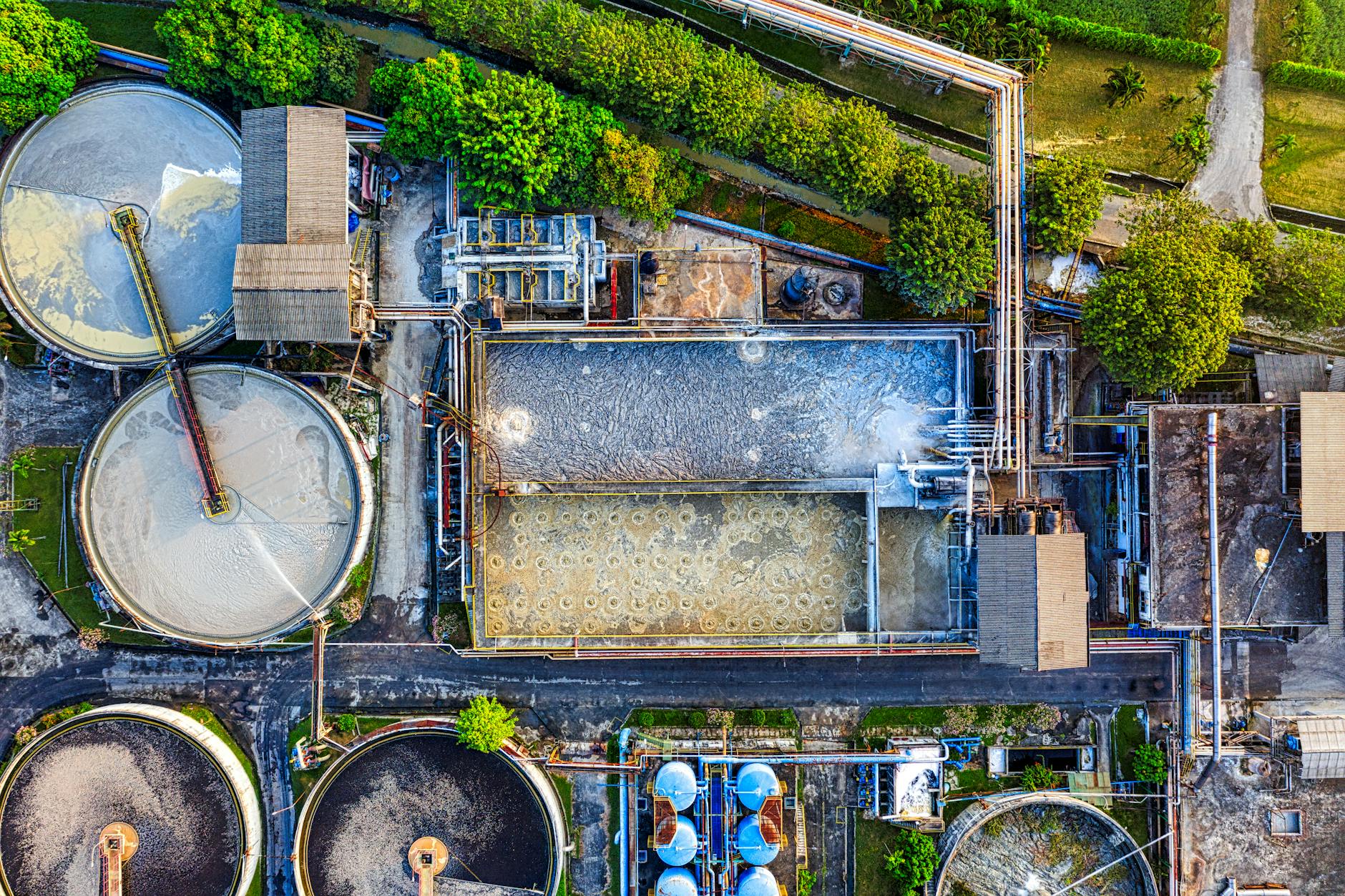





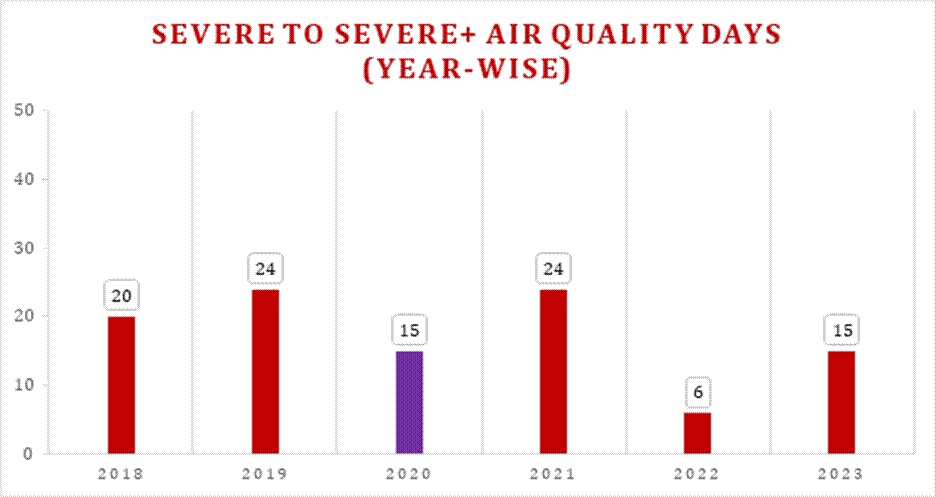









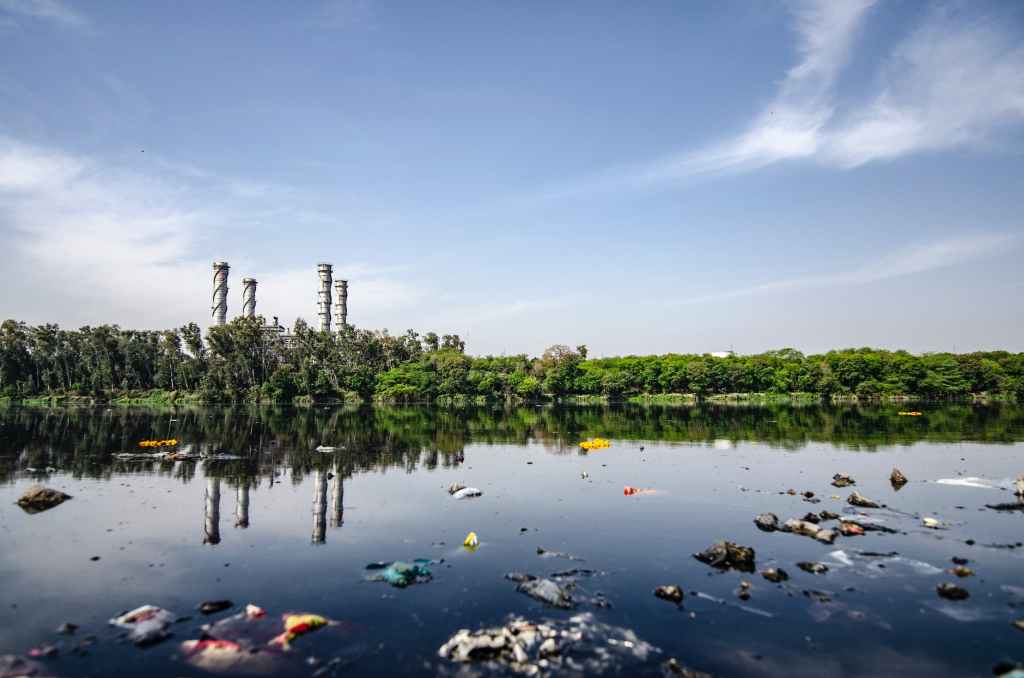
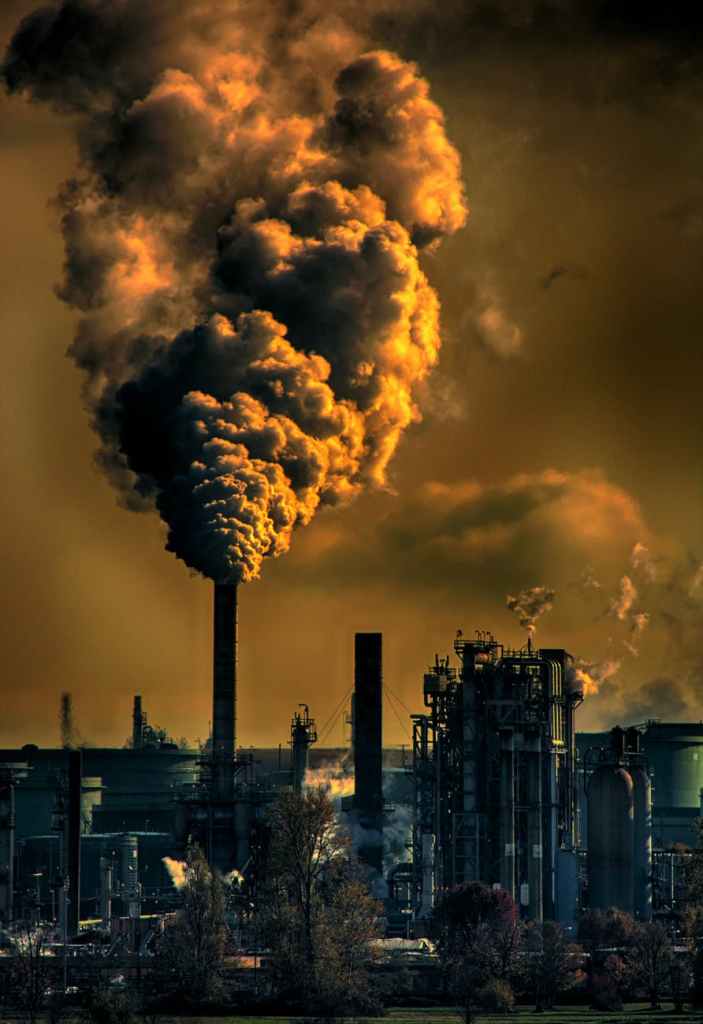


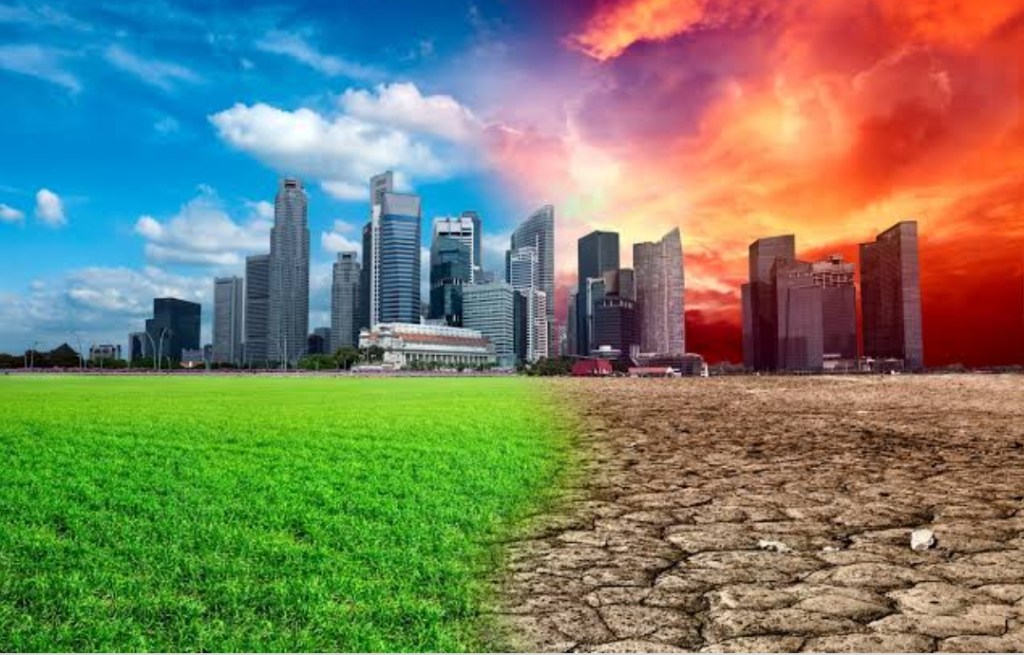
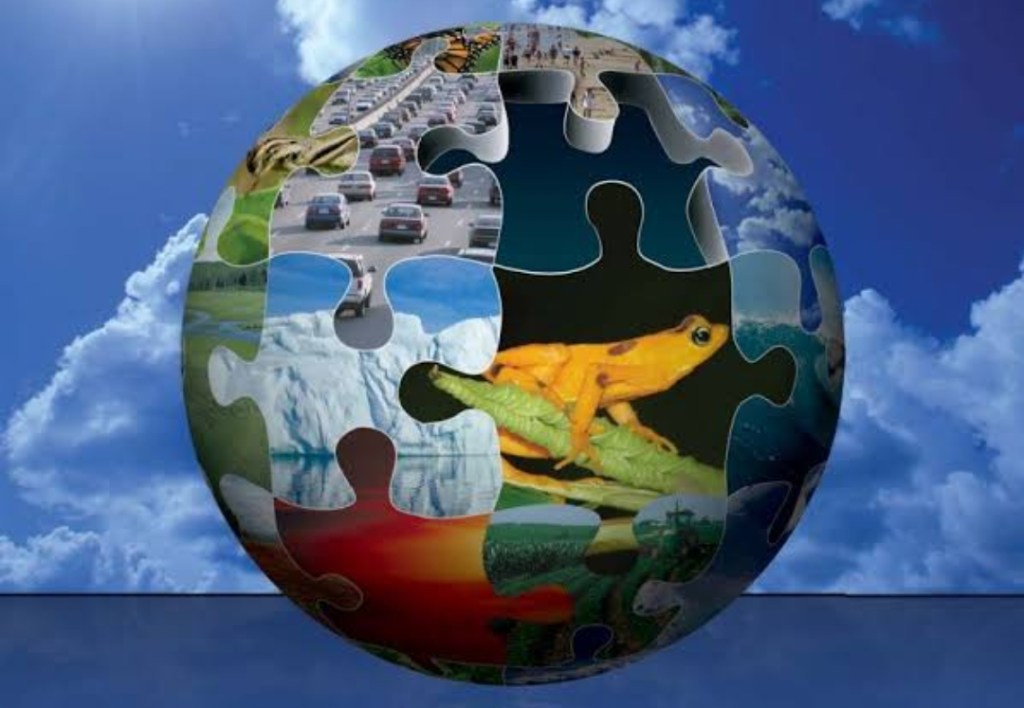
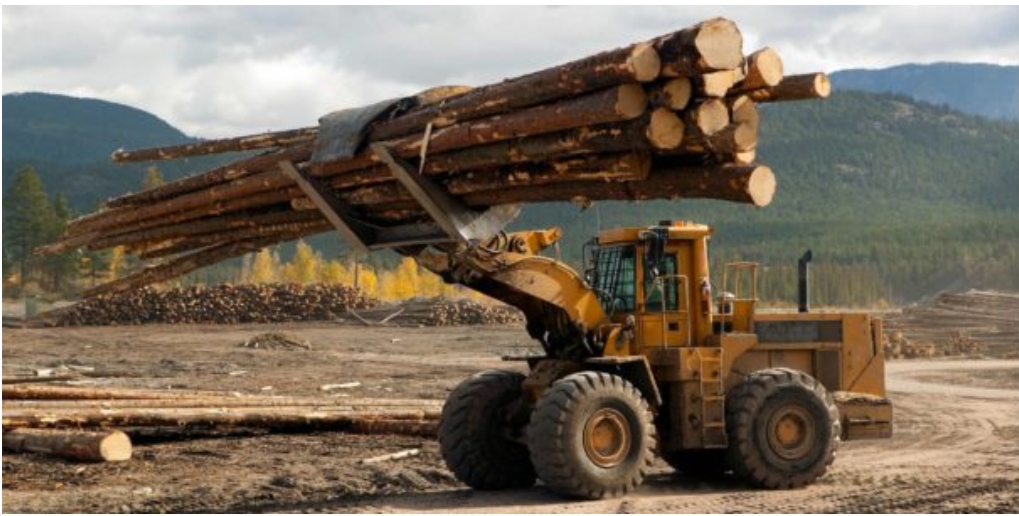

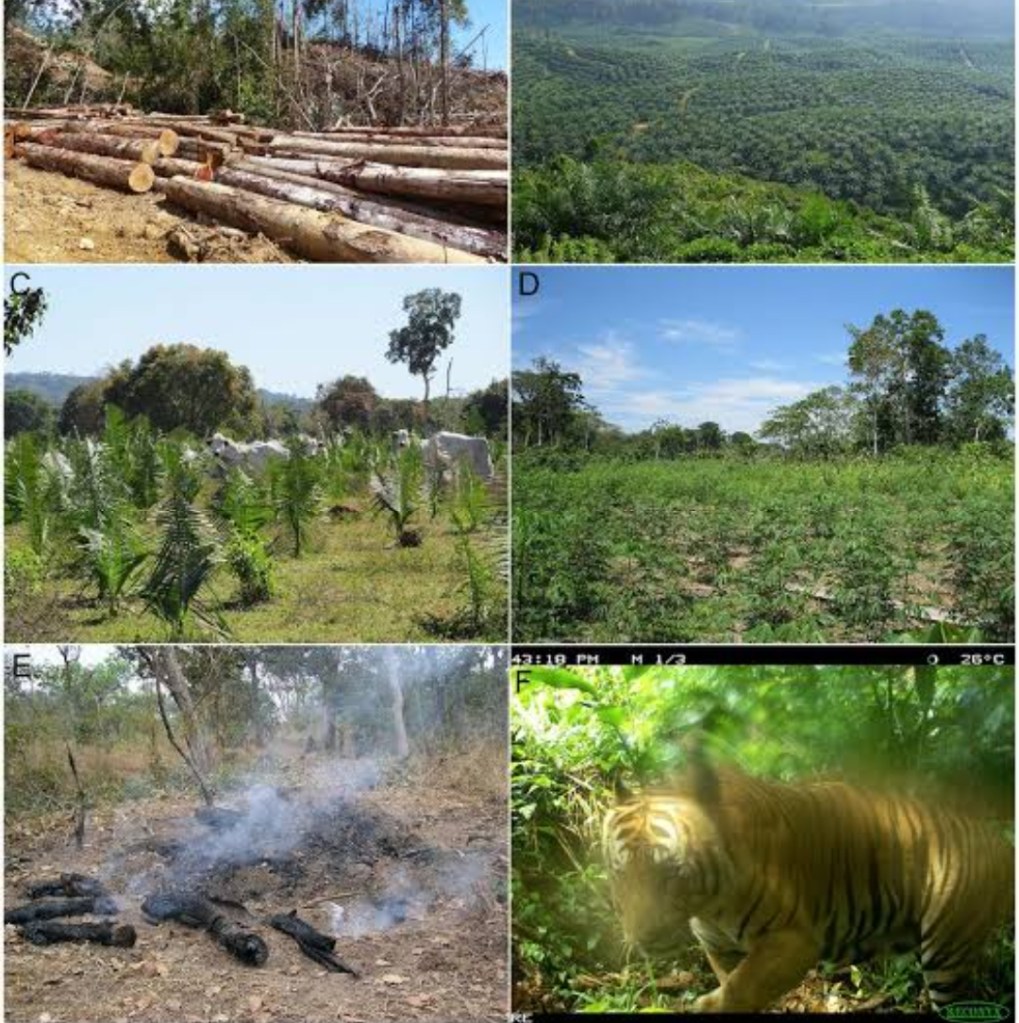
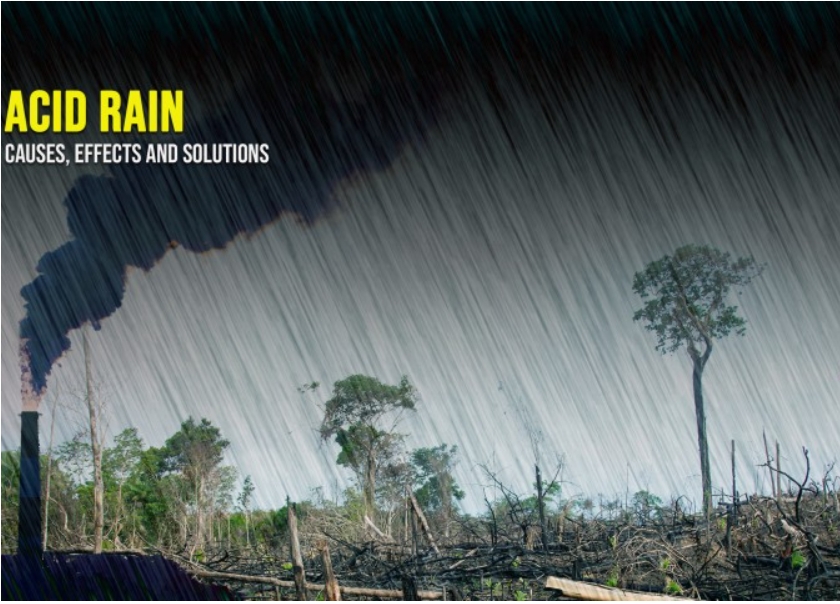
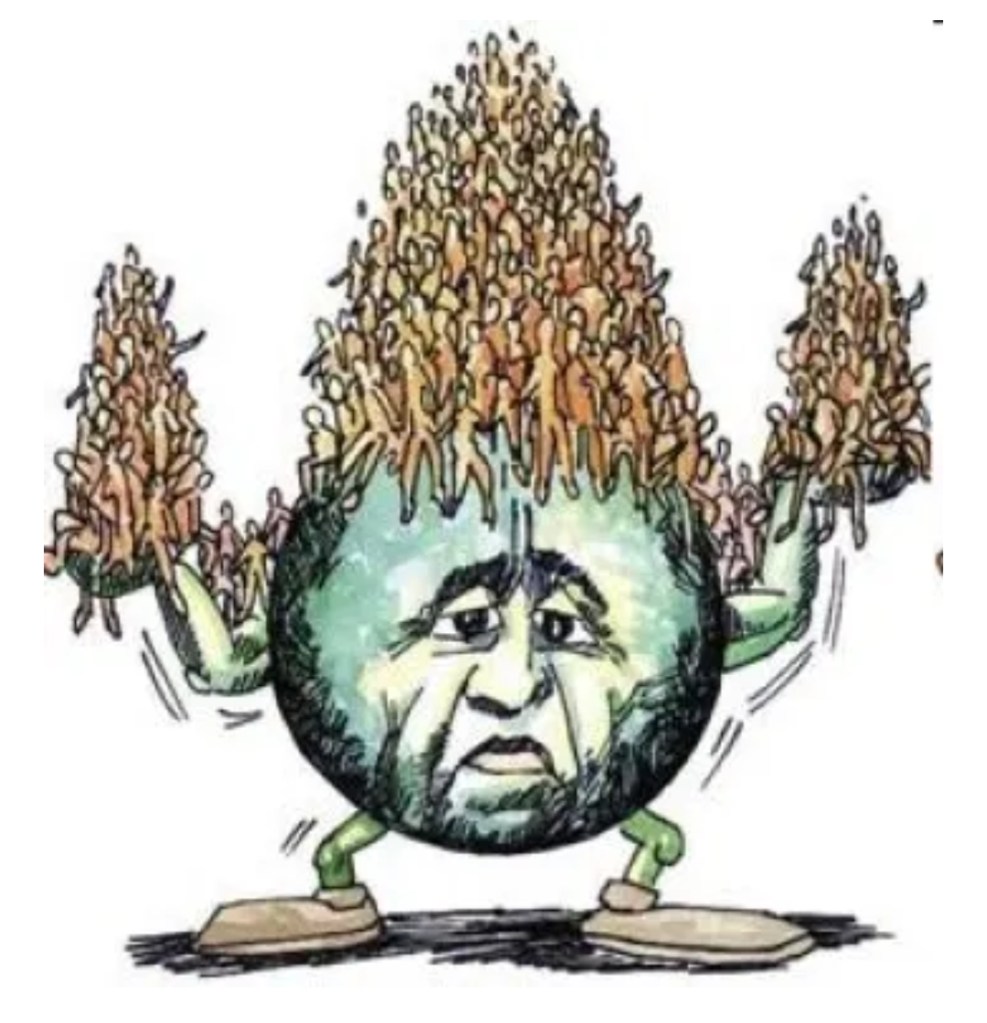

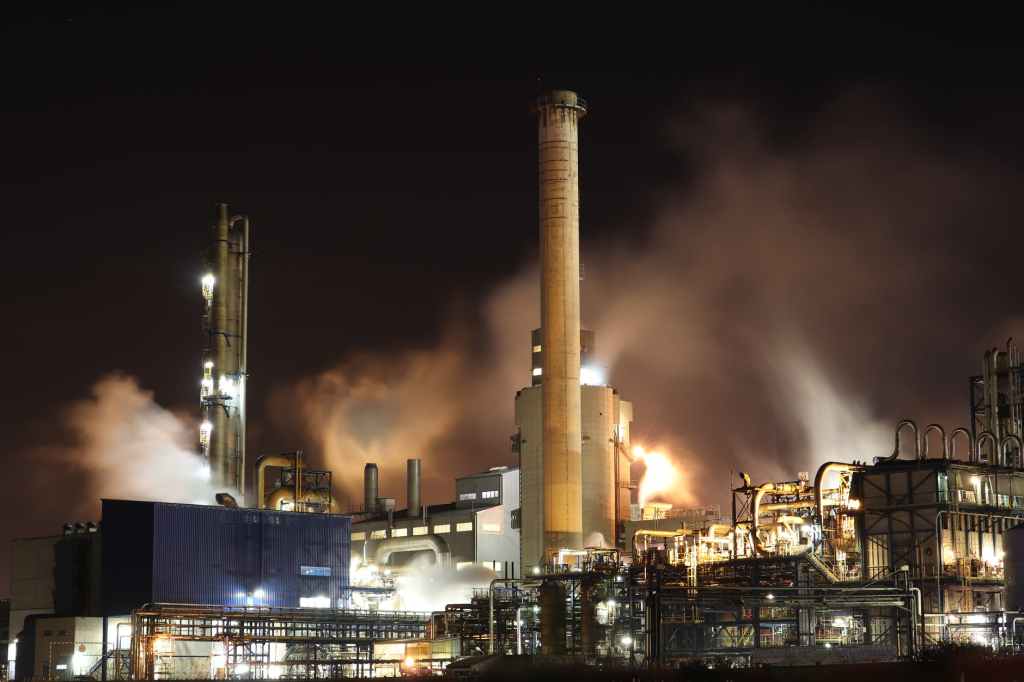





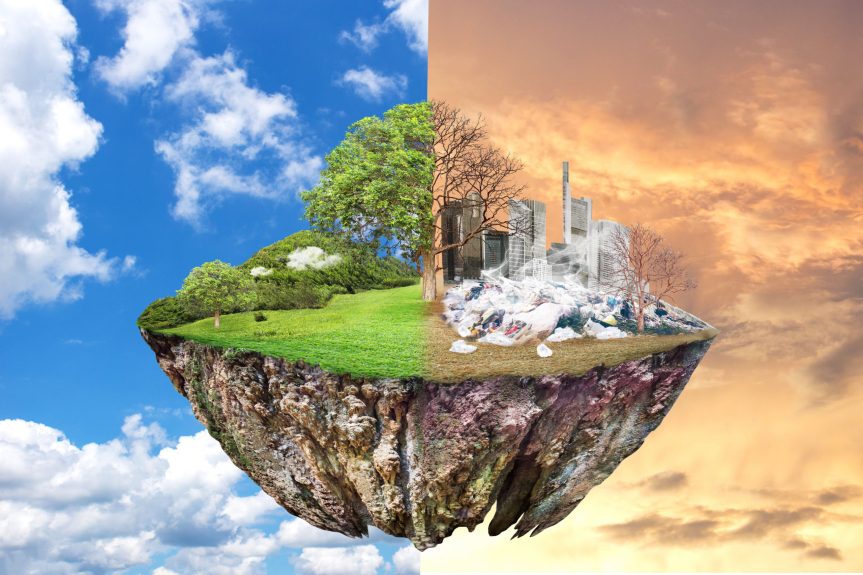
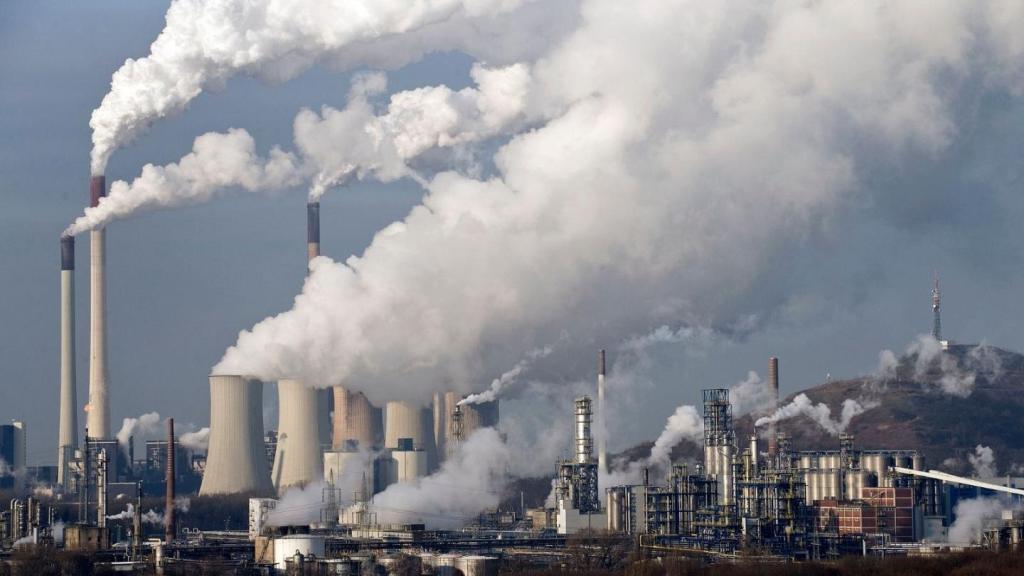
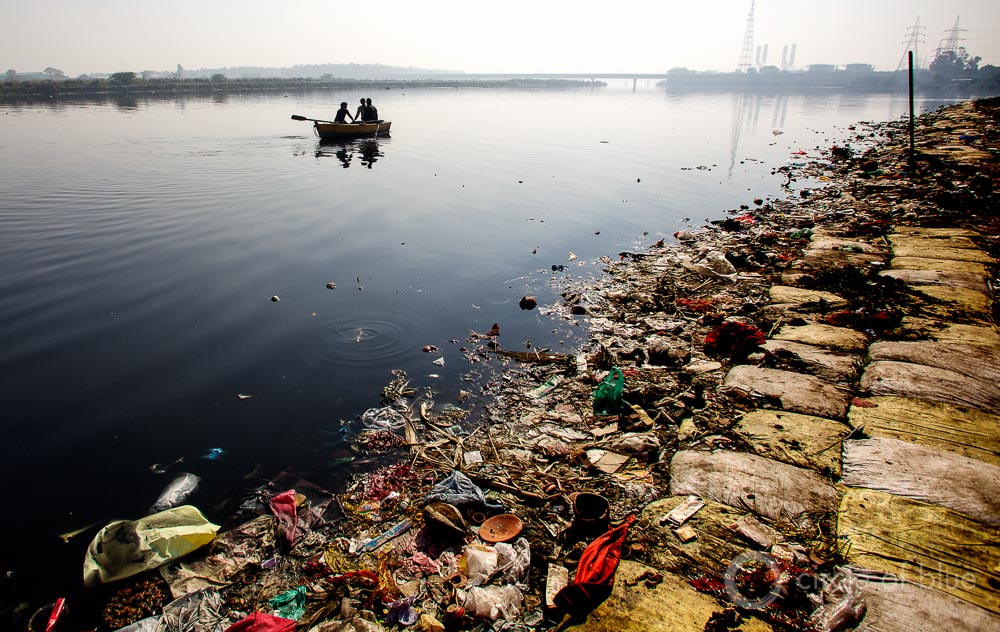

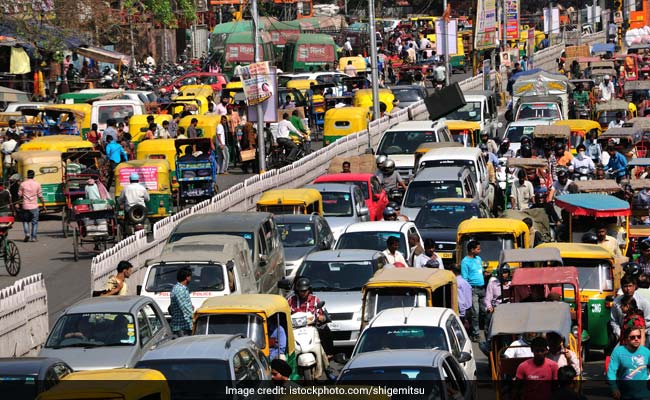
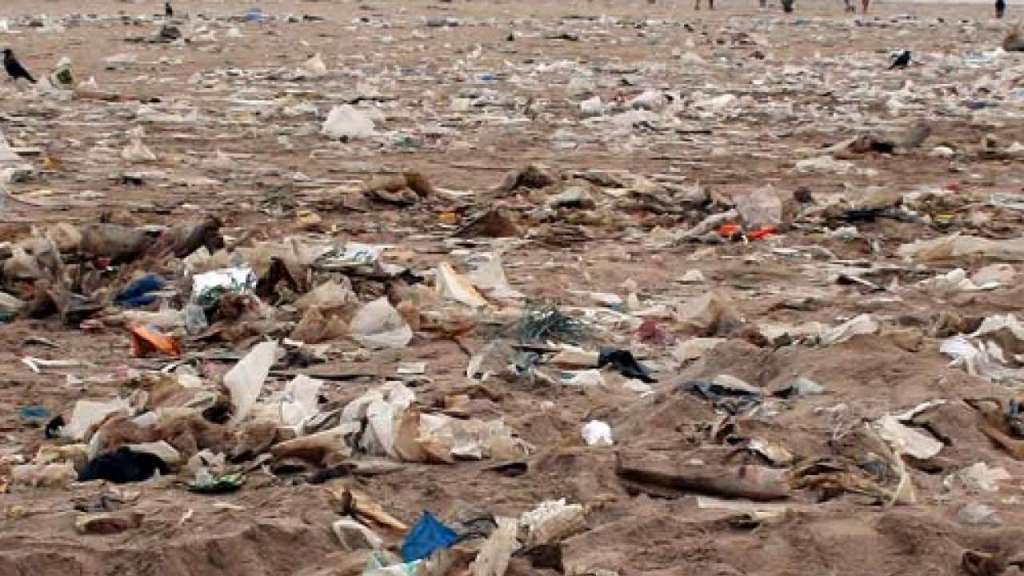

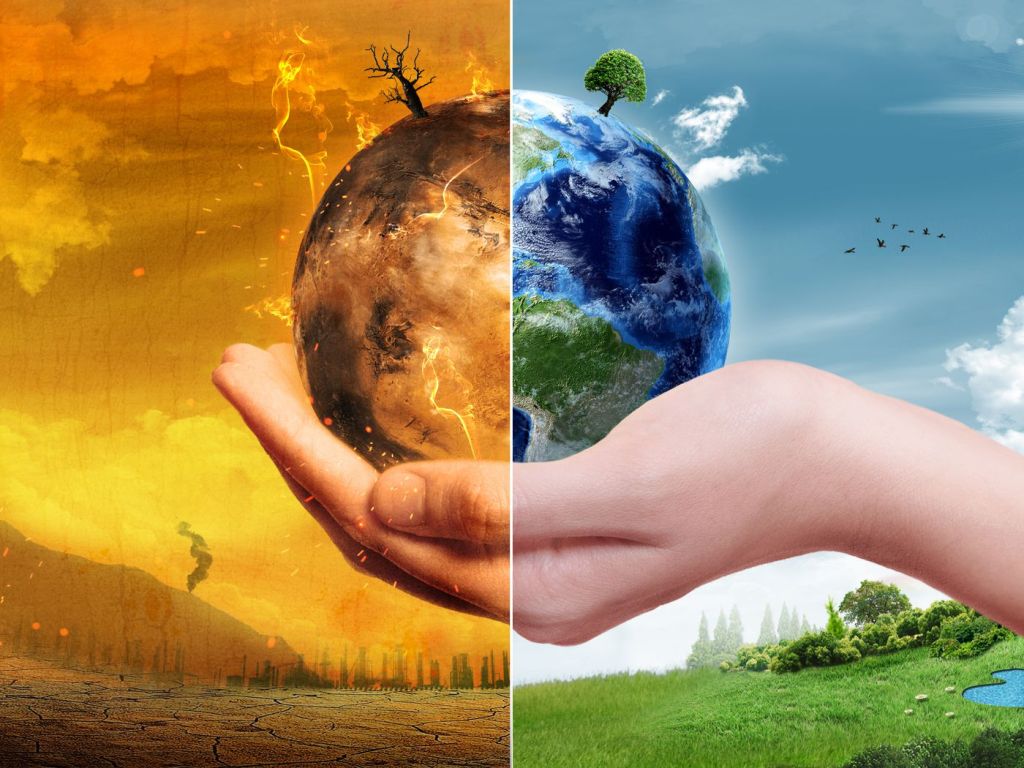

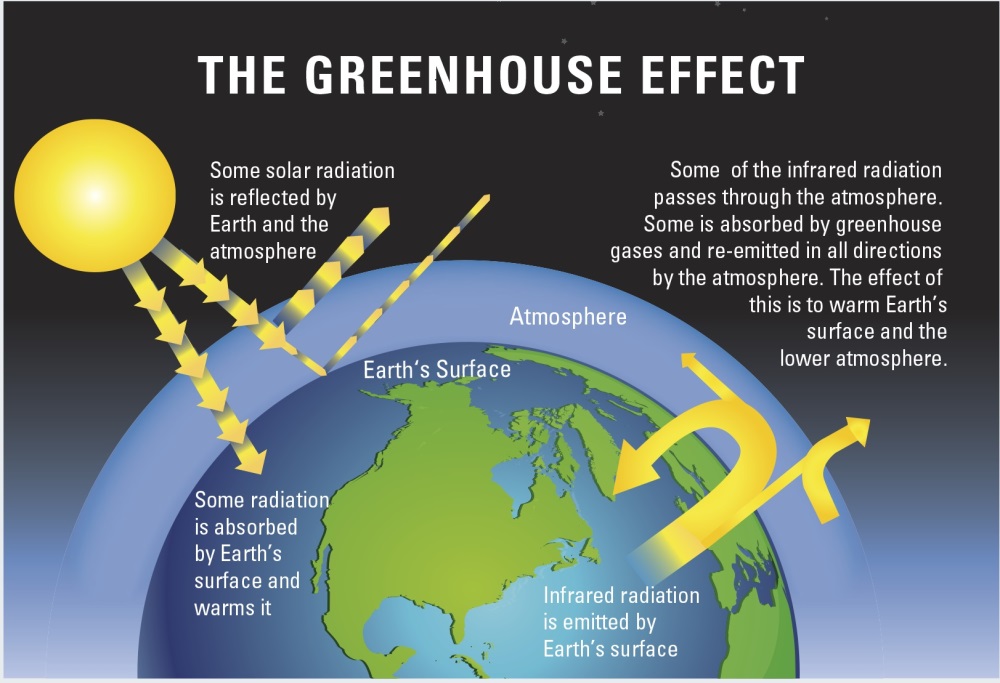
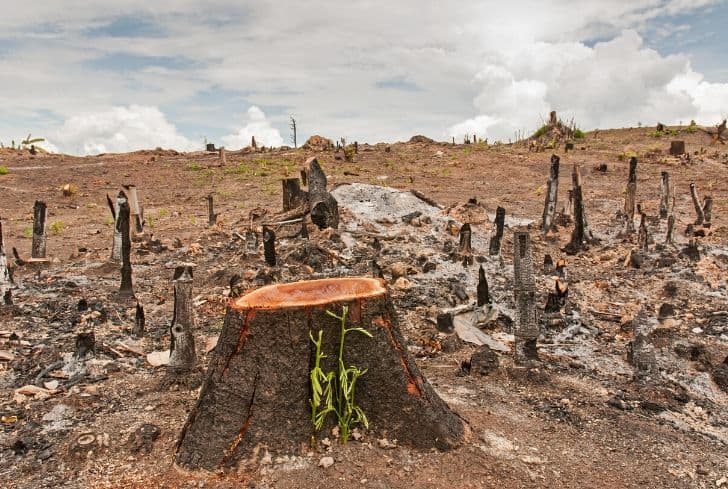
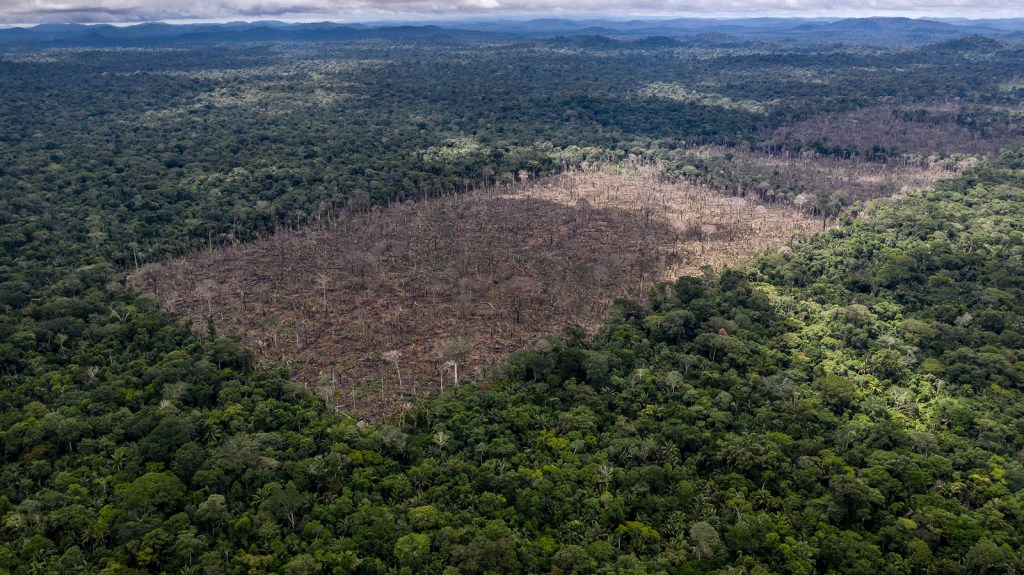
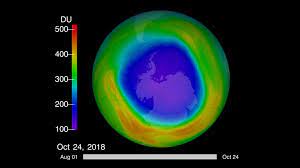

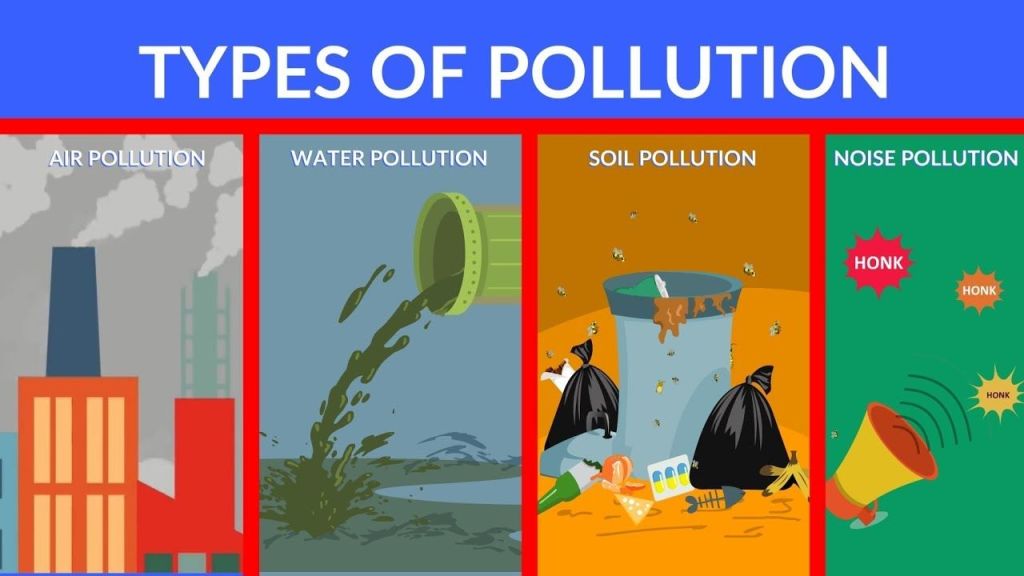

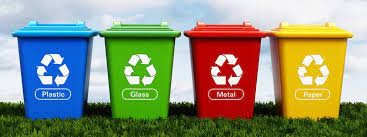


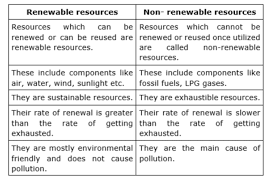



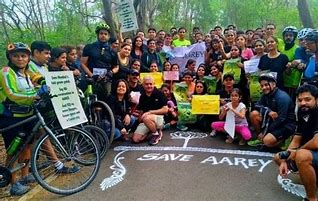
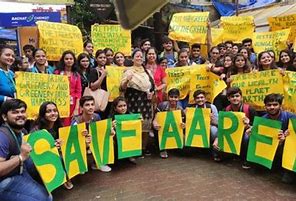



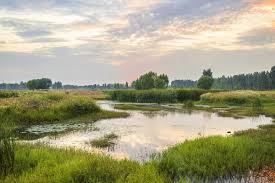





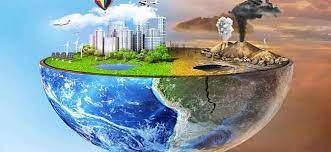



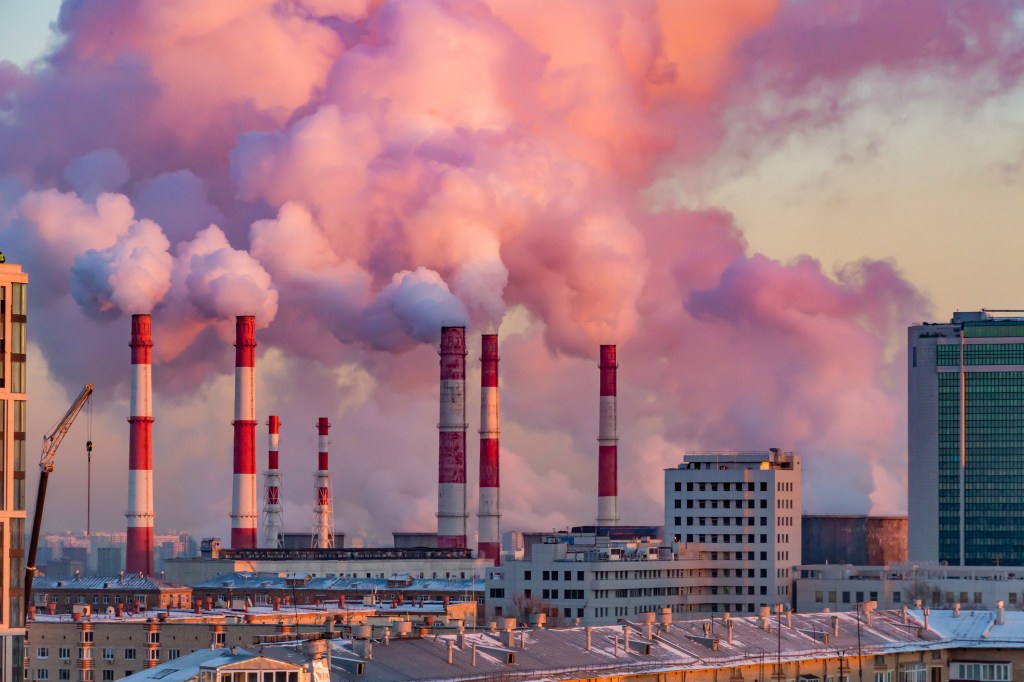
 Track2Training
You must be logged in to post a comment.