Expectancy Theory of Motivation, proposed by Victor Vroom in 1964, is one of the most influential cognitive theories explaining why individuals choose certain behaviors in organizational and everyday contexts. Unlike traditional models that view motivation as an internal drive or a reaction to external stimuli, Vroom’s theory emphasizes the rational decision-making process individuals use to determine whether a particular action is worth the effort. According to this theory, motivation results from a combination of three key components: Expectancy, Instrumentality, and Valence.
1. Expectancy (Effort → Performance) Expectancy refers to an individual’s belief that their effort will lead to the desired level of performance. It reflects questions such as: “If I work hard, can I achieve the required performance?” Expectancy is influenced by factors including self-efficacy, past experiences, availability of resources, clarity of instructions, and perceived difficulty of the task. When employees believe they can successfully perform a task, their motivation to attempt it increases. Conversely, if they feel unprepared or unsupported, expectancy—and thus motivation—declines.
2. Instrumentality (Performance → Outcome) Instrumentality is the belief that performing well will lead to specific outcomes or rewards. It addresses the question: “If I perform well, will I get the reward I expect?” This component is shaped by trust in the system, transparency of performance evaluation, and fairness in reward distribution. If employees perceive the organizational reward system as arbitrary or biased, instrumentality will weaken, even if they believe they can perform the task well.
3. Valence (Value of the Outcome) Valence refers to the value an individual places on the anticipated reward. It asks: “Do I want the reward being offered?” Valence is subjective and varies from person to person. Some employees may value monetary incentives, others may prefer recognition, flexible schedules, or opportunities for career growth. High motivation occurs when the reward is perceived as desirable and personally meaningful.
Vroom argues that motivation is a multiplicative function of expectancy, instrumentality, and valence: Motivation = Expectancy × Instrumentality × Valence This means if any one component is zero, motivation will also be zero. For example, even if a reward is highly valued (high valence), an employee will not be motivated if they believe their effort will not improve performance (low expectancy) or if the reward is unlikely to be given even with good performance (low instrumentality).
Expectancy Theory has significant implications for managers and leaders. It highlights the importance of creating supportive environments where employees feel capable of performing tasks, ensuring transparent and reliable reward systems, and tailoring rewards to individual preferences. Leaders must provide regular feedback, adequate training, and clear role expectations to strengthen expectancy. They must also maintain fairness and consistency in performance evaluation to reinforce instrumentality.
Additionally, organizations should avoid one-size-fits-all reward strategies and instead adopt flexible systems that address diverse employee needs, thereby enhancing valence.
In conclusion, Vroom’s Expectancy Theory provides a comprehensive framework for understanding how individuals make choices based on expected outcomes. By aligning employee capabilities, organizational systems, and meaningful rewards, this theory helps explain and enhance motivation in modern workplaces.
Flow Theory, proposed by psychologist Mihaly Csikszentmihalyi, is one of the most influential frameworks for understanding optimal human experience and motivation. Flow refers to a mental state of complete absorption, deep focus, and enjoyment in an activity. When individuals enter this state, they feel fully engaged, lose track of time, and perform at their highest potential. Csikszentmihalyi called this experience “the psychology of optimal experience.”
Flow Theory has been studied in fields as diverse as education, creativity, sports, workplace performance, gaming, arts, and even spiritual practices. It explains why certain activities feel deeply satisfying and how individuals can design conditions to stay motivated for longer periods.
1. What Is Flow?
Flow is a psychological state where a person becomes so engaged in an activity that everything else fades away. The sense of self-consciousness disappears, and the person feels completely immersed. People often describe flow as:
“Being in the zone”
“Total absorption”
“Peak performance”
“Effortless concentration”
Flow is internally rewarding, meaning the activity itself becomes motivating—regardless of external rewards or pressures.
2. Characteristics of Flow State
Csikszentmihalyi identified nine key characteristics that commonly appear during flow:
a. Clear Goals
The individual knows exactly what needs to be done, which keeps attention focused.
b. Immediate Feedback
Responses or outcomes of actions are instantly visible, helping the person adjust behavior effortlessly.
c. Balance Between Challenge and Skill
Flow occurs when a task is challenging enough to require full attention but not so difficult that it causes anxiety. This balance is central to the theory.
d. Deep Concentration
Attention becomes laser-focused on the task, excluding distractions.
e. Loss of Self-Consciousness
Worries about oneself fade away; there is no space for self-criticism or doubt.
f. Altered Sense of Time
Time may seem to pass quickly or sometimes slow down.
g. Personal Control
Individuals feel they are in control of their actions and environment.
h. Intrinsic Reward
The activity feels satisfying in itself, motivating the person to continue.
i. Effortlessness and Ease
Despite being a challenging activity, the engagement feels natural and fluid.
3. Conditions Required for Flow
a. Clear Goals and Rules
Activities such as sports, games, music, and coding naturally provide clear objectives, making flow easier to achieve.
b. A Good Match Between Skills and Challenge
When tasks are too easy, people feel bored. When tasks are too hard, people feel anxious. Flow emerges when tasks demand full skill but remain achievable.
c. Concentration and Limited Distractions
Flow requires uninterrupted time and mental space.
d. Skill Mastery
The more skilled a person is, the more easily they can enter flow in that domain.
4. Flow in Different Contexts
a. Education
Students experience flow when learning activities are interactive, appropriately challenging, and meaningful. Flow enhances comprehension, retention, and creativity.
b. Work and Productivity
Professionals often enter flow during coding, design, writing, analysis, problem-solving, or project work. Organizations use task design, autonomy, and feedback to enhance flow at work.
c. Sports and Physical Activity
Athletes frequently report flow during peak performance. Coaches design training sessions to help athletes match challenge with skill.
d. Creative Arts
Artists, musicians, writers, and performers often enter flow during deep creative engagement, leading to innovation and emotional expression.
e. Technology and Gaming
Video games are intentionally designed to induce flow through increasing difficulty levels, instant feedback, and immersive challenges.
5. Flow and Motivation
Flow is a form of intrinsic motivation. When people enjoy an activity enough to do it for its own sake, they are more likely to:
Persist longer
Perform better
Display creativity
Experience satisfaction and well-being
Flow transforms motivation from external pressure to internal desire.
6. Benefits of Flow
Increased creativity
Higher performance and productivity
Enhanced learning
Reduced stress and anxiety
Greater life satisfaction
Improved emotional regulation
Stronger engagement and resilience
People who frequently experience flow tend to report overall happier and more fulfilling lives.
7. Limitations and Critiques
Flow may be harder to achieve in low-autonomy jobs.
It requires skill; beginners may struggle to enter flow.
Excessive flow in one area may lead to neglect of responsibilities in other areas.
Not all activities naturally support flow.
Conclusion
Flow Theory provides a powerful understanding of how people achieve peak performance and deep enjoyment. Csikszentmihalyi’s insight that motivation arises naturally when skills match challenges has transformed how educators, employers, athletes, and artists structure tasks. By designing environments with clear goals, immediate feedback, and balanced challenges, individuals can experience the rich, engaging state of flow—turning work into passion and daily activities into opportunities for fulfillment.
Hyperbolic Discounting Theory is a behavioral model that explains how individuals evaluate rewards over time and why they often choose smaller, immediate rewards over larger, delayed ones. Unlike the classical economic assumption of exponential discounting—where people consistently devalue future rewards at a constant rate—hyperbolic discounting shows that people discount future rewards much more steeply when the delay is short, and more gradually when the delay is long. This creates a “present bias,” where the immediate moment exerts disproportionate influence on decision-making. This theory has deep implications for human motivation, behavior change, self-regulation, and goal-directed action.
1. Present Bias as a Motivational Mechanism
At the center of hyperbolic discounting is present bias, the tendency to give stronger weight to rewards that can be enjoyed now. This shapes motivation by making tasks with immediate benefits easier to pursue, while those requiring long-term effort feel less appealing.
People are strongly motivated to:
Experience pleasure now
Reduce discomfort now
Avoid effort now
This explains procrastination, impulsive decision-making, and difficulty in sticking to long-term goals like savings, health routines, and career development. When faced with the choice between a small immediate reward (relaxing today) and a larger future reward (completing an important project), present bias often leads to selecting the immediate gratification.
2. Time-Inconsistent Preferences and Motivation
Hyperbolic discounting leads to time-inconsistent preferences, meaning that people change their minds as the moment of choice gets closer.
For example:
A person may plan to start exercising next week (valuing future health).
When next week arrives, they choose rest instead (valuing immediate comfort).
This inconsistency weakens motivation because the individual continually renegotiates with themselves, leading to cycles of avoidance and regret. The intention to act exists, but motivation collapses at the point of action because immediate costs feel heavier than future benefits.
3. Motivation, Self-Control, and Internal Conflict
Humans often face internal conflicts between:
The “future self” who wants long-term well-being, and
The “present self” who wants immediate pleasure or relief.
Hyperbolic discounting explains why motivation is not simply about rational goal-setting—it also involves overcoming biological and psychological impulses. This theory suggests that self-control strategies become essential for sustained motivation:
Commitment devices (e.g., locking savings in a fixed deposit)
Deadlines and accountability
Breaking large goals into short-term tasks
Immediate rewards for small steps
These strategies work because they reshape reward timing or reduce the influence of present bias.
4. Organizational Implications of Hyperbolic Discounting
Workplace motivation is strongly influenced by how rewards are structured in time:
Employees are more motivated when feedback and rewards are frequent and immediate.
Long-term incentives like pensions or distant promotions have weaker motivational impact unless paired with short-term recognition.
Training programs, performance evaluations, and career development must incorporate short-term milestones to maintain engagement.
Organizations that ignore hyperbolic discounting risk designing systems that fail to motivate because the benefits feel too distant.
5. Behavioral Change and Long-Term Motivation
Hyperbolic discounting helps explain why behavior change is difficult:
Saving money consistently
Adopting healthy habits
Building skills
Maintaining discipline in studies or work
Long-term rewards (financial stability, health, expertise) are heavily discounted, making short-term discomfort appear more significant. Successful motivation strategies therefore aim to close the gap between action and reward, such as:
Immediate tracking of progress
Small, frequent incentives
Visual cues of long-term benefits
Social reinforcement and accountability groups
6. Broader Psychological Implications
This theory shows that motivation is deeply shaped by cognitive biases, not just logical cost–benefit calculations. It provides insight into patterns such as:
Procrastination
Addiction
Impulse spending
Difficulty in sticking to routines
Inconsistent work habits
Hyperbolic discounting reframes these issues not as moral weaknesses but as predictable psychological tendencies.
Conclusion
Hyperbolic Discounting Theory provides a powerful lens for understanding motivation by showing how time affects decision-making. People are inherently biased toward immediate outcomes, which leads to time-inconsistent choices and challenges in maintaining long-term motivation. By recognizing this tendency and designing environments, habits, and reward structures that counteract present bias, individuals and organizations can significantly enhance sustained motivation and goal achievement.
Herzberg’s Two-Factor Theory, also known as the Motivation–Hygiene Theory, is one of the most influential frameworks in organizational behavior and human motivation. Developed by psychologist Frederick Herzberg in the late 1950s, the theory emerged from extensive interviews of employees about the events that led to job satisfaction and dissatisfaction. Herzberg found that the factors causing satisfaction were very different from those causing dissatisfaction, leading to the central idea of his model: job satisfaction and job dissatisfaction are not opposite ends of a single continuum but are influenced by two distinct sets of factors. These two sets are motivators and hygiene factors.
1. Hygiene Factors: Prevent Dissatisfaction but Do Not Motivate
Hygiene factors (also called maintenance factors) are elements of the work environment that, when absent or inadequate, lead to dissatisfaction. However, their presence does not create motivation or job satisfaction; they only prevent negative feelings.
Key hygiene factors include:
Salary and financial compensation
Working conditions
Company policies and administration
Job security
Supervision quality
Interpersonal relations with colleagues and managers
Work–life balance considerations
Herzberg observed that when employees complained about their jobs, the complaints typically concerned these hygiene factors. For example, poor supervision, unclear company policies, or an uncomfortable workspace created dissatisfaction. But even when these factors were excellent—when employees received good pay, had pleasant workspaces, and experienced fair policies—these conditions did not create genuine motivation or long-term satisfaction. They only neutralized potential dissatisfaction.
This distinction is crucial, because many organizations mistakenly believe that improving salaries or perks alone is enough to motivate employees. According to Herzberg, such improvements merely remove dissatisfaction but do not inspire higher performance or commitment.
2. Motivator Factors: Create Satisfaction and Drive Performance
Motivators are intrinsic to the nature of the work and lead to genuine job satisfaction, enhanced motivation, and improved performance. These factors relate to the psychological growth of the individual and the meaningfulness of the work itself.
Motivator factors include:
Achievement
Recognition
Responsibility
Opportunities for advancement
Work that is meaningful or challenging
Personal growth and learning
Herzberg found that when employees spoke positively about their work experiences, they referred to these motivators. For example, completing a challenging task, receiving recognition from a supervisor, or taking on increased responsibility produced authentic satisfaction.
Motivators thus stimulate intrinsic motivation—motivation that emerges from within the individual rather than from external rewards. They drive long-term engagement and foster a deep sense of commitment and pride in one’s work.
3. Dual-Structure: Why Two Factors Matter
The core insight of Herzberg’s theory is that satisfaction and dissatisfaction do not lie on a single scale. Instead:
Eliminating dissatisfaction does not create satisfaction.
Increasing satisfaction does not automatically eliminate dissatisfaction.
This implies that organizations must address both sets of factors independently:
First, ensure hygiene factors are adequate to prevent demotivation.
Second, cultivate motivator factors to generate high performance and engagement.
This dual-structure model encourages managers to adopt a more holistic and strategic approach to motivation, rather than relying solely on pay increases or improved conditions.
4. Implications for Job Design and Management
Herzberg’s theory has far-reaching implications for designing jobs, managing employees, and improving organizational performance.
a. Job Enrichment Herzberg emphasized “job enrichment”—expanding the depth of job responsibilities to increase meaningfulness. Examples include giving employees more control, adding challenging tasks, or providing opportunities for skill development.
b. Empowerment and Autonomy Employees are more motivated when they feel trusted and empowered. Allowing decision-making authority and encouraging initiative enhances responsibility, a key motivator.
c. Recognition Systems While money is a hygiene factor, recognition is a motivator. Non-monetary recognition—praise, awards, appreciation—can significantly boost motivation.
d. Career Development and Growth Training programs, promotions, and learning opportunities are essential motivators that reinforce long-term employee engagement.
5. Strengths and Limitations
Strengths:
Distinguishes between factors that prevent dissatisfaction and those that create motivation.
Offers practical strategies for job enrichment and employee empowerment.
Highlights the importance of intrinsic motivation.
Limitations:
Individual differences may influence what people find motivating.
Some factors, such as salary or recognition, may function as both hygiene and motivator depending on context.
The original study was based on a specific occupational group, raising concerns about generalizability.
Conclusion
Herzberg’s Two-Factor Theory provides a powerful framework for understanding workplace motivation. By distinguishing between hygiene factors and motivators, it highlights that true motivation comes from intrinsic elements of the job—achievement, responsibility, recognition, and growth. For organizations seeking to build motivated, high-performing teams, the theory underscores the need to go beyond eliminating dissatisfaction and instead focus on designing meaningful, enriching work experiences that inspire employees from within.
Self-Determination Theory (SDT), developed by psychologists Edward Deci and Richard Ryan, is one of the most widely applied and empirically supported theories of human motivation. Unlike traditional theories that focus on external rewards or needs, SDT emphasizes intrinsic motivation—the natural human desire to explore, learn, and grow. The theory suggests that people are inherently motivated to pursue actions that are interesting, meaningful, or aligned with their personal values. However, this natural motivation flourishes only under certain psychological conditions.
At its core, SDT proposes that optimal motivation arises when three fundamental psychological needs are satisfied: autonomy, competence, and relatedness. These three needs are considered universal and essential for personal growth, well-being, and consistent goal-directed behavior.
1. Autonomy: The Need for Personal Control
Autonomy refers to the need to feel in control of one’s own behavior and choices. When individuals perceive that they are acting out of free will, motivation becomes internalized and self-driven. Autonomy does not mean independence; rather, it means having the psychological freedom to make choices aligned with one’s values and interests.
In workplaces, autonomy is fostered when employees have flexibility in how they perform tasks, opportunities to voice opinions, and the ability to take ownership of decisions. In educational settings, allowing students to choose projects or learning paths enhances intrinsic motivation. Conversely, controlling environments—where people are pressured, micromanaged, or coerced—undermine autonomy and weaken motivation.
2. Competence: The Need to Feel Effective and Capable
Competence refers to the desire to feel skilled and capable of achieving desired outcomes. People are most motivated when they believe their actions will lead to mastery or improvement. This explains why clear feedback, structured challenges, and achievable goals are essential for maintaining motivation.
When individuals feel incompetent or unsupported—such as when tasks are too difficult or feedback is unclear—their intrinsic motivation drops. In contrast, environments that provide encouragement, skill-building opportunities, and progressively challenging tasks enhance competence and drive sustained engagement.
3. Relatedness: The Need for Meaningful Connections
Relatedness is the basic human need to feel connected to others, to care for and be cared for, and to feel a sense of belonging. Social relationships deeply influence motivation because they shape emotional security, trust, and commitment.
Supportive interactions in workplaces, families, and educational settings strengthen intrinsic motivation by fulfilling this need. On the other hand, environments marked by isolation, neglect, or hostility undermine relatedness and reduce motivation.
4. Types of Motivation in SDT
SDT distinguishes between different forms of motivation along a continuum from non-self-determined to fully self-determined:
Amotivation: Lack of intention or interest in acting.
Extrinsic Motivation: Acting due to external rewards or pressures (e.g., salary, grades).
Introjected Regulation: Action driven by guilt, obligation, or fear.
Identified Regulation: Recognizing and accepting the value of an activity.
Integrated Regulation: Aligning actions with personal values and identity.
Intrinsic Motivation: Performing tasks out of genuine interest and enjoyment.
SDT highlights that the quality of motivation matters more than the quantity. Intrinsic and well-internalized forms of extrinsic motivation produce better performance, creativity, and emotional well-being.
5. Role of Social Environments
According to SDT, motivation does not exist in isolation; it is heavily shaped by social environments. Supportive environments that respect autonomy, encourage skill-building, and foster positive social connections enhance self-determined motivation. Controlling environments, by contrast, trigger defensive behavior, reduce engagement, and may increase burnout.
In organizations, teachers, managers, and leaders play a crucial role in shaping these environments. For example:
Empowering employees with decision-making authority supports autonomy.
Providing training and constructive feedback supports competence.
Building team cohesion supports relatedness.
6. Applications of SDT
SDT has wide-ranging applications across multiple fields:
Education: Improves student engagement, creativity, and academic performance.
Workplace Management: Enhances job satisfaction, teamwork, and productivity.
Health and Fitness: Supports long-term adherence to healthy behaviors.
Sports and Coaching: Helps athletes maintain focus, resilience, and intrinsic enjoyment.
Therapy and Counseling: Supports personal growth and self-awareness.
7. Conclusion
Self-Determination Theory provides a deep and realistic explanation of human motivation by emphasizing intrinsic desires and psychological needs. When autonomy, competence, and relatedness are nurtured, individuals naturally become more motivated, persistent, and satisfied. SDT thus offers a powerful framework for designing environments—whether at school, work, or home—that promote well-being, meaningful engagement, and sustainable performance.
Goal-Setting Theory, developed principally by Edwin Locke and further expanded by Gary Latham, is one of the most influential and practical theories of motivation in organizational psychology. It is based on the premise that conscious goals and intentions are primary determinants of behavior. In other words, when people set clear and meaningful goals, they are more motivated to take actions that lead to achievement.
The theory arose from extensive empirical research conducted from the 1960s onward, showing that specific, challenging goals consistently lead to higher performance than vague or easy goals. Goal-setting directs attention, energizes effort, prolongs persistence, and encourages individuals to develop effective strategies to accomplish tasks.
1. Core Principles of Goal-Setting Theory
a. Clarity
Goals must be clear, precise, and measurable. Vague goals such as “do your best” are less motivating because they do not give individuals concrete direction. Clear goals reduce ambiguity and help people understand exactly what is expected. For example:
“Improve customer satisfaction scores by 10% in the next quarter” is much clearer than “improve customer service.”
b. Challenge
Challenging goals generate greater motivation than easy ones. When goals stretch a person’s ability without becoming unrealistic, they stimulate effort, focus, and persistence. This concept is rooted in the human tendency to respond positively to meaningful challenges.
c. Commitment
Individuals perform better when they are committed to their goals. Commitment is strengthened when:
People participate in setting their goals
Goals are publicly declared
Goals align with personal values or incentives
Individuals believe the goal is achievable
High commitment increases the willingness to invest sustained effort.
d. Feedback
Feedback helps individuals track progress, adjust strategies, and stay motivated. Without feedback, people cannot evaluate whether their efforts are sufficient. Feedback can be:
Regular, constructive feedback ensures alignment between effort and performance outcomes.
e. Task Complexity
If a goal is too complex or overwhelming, it can reduce motivation. For complex tasks, the theory suggests:
Breaking goals into smaller, manageable sub-goals
Allowing sufficient time to learn and strategize
Providing resources, training, or guidance
Managing complexity ensures that challenge does not turn into discouragement.
2. How Goals Influence Motivation and Performance
a. Direction
Goals help individuals focus their attention on activities that directly contribute to goal achievement while filtering out distractions.
b. Effort
Challenging goals increase the effort individuals are willing to exert. People naturally mobilize more energy when stakes and standards are higher.
c. Persistence
Clear and challenging goals encourage individuals to remain committed over time, even in the face of obstacles.
d. Strategy Development
Goals push people to think creatively and develop action plans. They encourage the use of new skills, better time management, and innovative problem-solving.
3. Moderators of Goal Effectiveness
Goal-setting does not operate in isolation. Several variables influence how effective goals are:
a. Ability
Even the clearest goals cannot motivate performance if the person lacks the necessary skills. Training and development reinforce goal achievement.
b. Resources and Support
Tools, equipment, time, and managerial support enhance the ability to reach goals.
c. Personality
High self-efficacy individuals respond more positively to challenging goals. Conversely, low-confidence individuals may feel threatened by difficult goals.
d. Incentives
Rewards—monetary or non-monetary—reinforce commitment and persistence.
4. Applications of Goal-Setting Theory
Goal-setting is widely used in:
Workplace performance management
Education and student progression tracking
Sports coaching and athlete development
Personal productivity and habit formation
Project planning and team coordination
Behavioral change (fitness, finance, health)
Organizations use Key Performance Indicators (KPIs), OKRs (Objectives and Key Results), and SMART goals—all based on Goal-Setting Theory.
5. Limitations of the Theory
While powerful, the theory has limitations:
Overly difficult goals may cause stress or unethical behavior.
Focusing only on measurable goals can neglect important qualitative aspects.
Individuals may become discouraged if goal-setting is top-down rather than participatory.
Narrow goals may reduce creativity if they restrict broader thinking.
Despite these limitations, it remains one of the most validated motivation theories in psychological and organizational research.
Conclusion
Goal-Setting Theory provides a robust framework for enhancing motivation and performance. By focusing on clarity, challenge, commitment, feedback, and task complexity, it explains how goals guide behavior and inspire higher achievement. Whether in professional settings, education, or personal development, the theory’s principles help create structured pathways to success and sustained motivation.
Expectancy Theory, proposed by Victor Vroom, states that motivation depends on three beliefs:
Expectancy: “If I put in effort, I can perform well.”
Instrumentality: “If I perform well, I will receive a reward.”
Valence: “The reward is meaningful to me.”
Motivation is highest when all three are strong. This theory highlights that individuals are rational decision-makers who evaluate the effort–performance–reward relationship. A disconnect in any link—unclear goals, unreliable reward systems, or rewards that don’t matter to employees—reduces motivation. Organizations can apply this theory by offering relevant rewards, providing adequate resources, and ensuring transparent evaluation systems. When employees trust the process, their willingness to exert effort increases significantly.
Drive Reduction Theory, developed by Clark Hull in the 1940s and expanded by Kenneth Spence, is a foundational concept in the psychology of motivation. It explains human and animal behavior through biological drives, suggesting that most actions are motivated by a desire to reduce internal tension or discomfort caused by unmet physiological needs. Once these needs are fulfilled, the drive is reduced, restoring balance in the body. This state of balance is known as homeostasis.
The theory is one of the earliest systematic attempts to explain motivation scientifically, and although later theories expanded or critiqued Hull’s approach, Drive Reduction Theory remains essential for understanding basic motivational processes.
1. Core Idea of Drive Reduction Theory
Hull proposed that motivation begins with a biological need—a deficiency or imbalance in the body such as hunger, thirst, or fatigue. This need creates a psychological state of tension called a drive. The drive energizes and directs behavior toward actions that can reduce the tension.
In short:
Need → Drive → Behavior → Drive Reduction → Homeostasis
Example: When you feel hungry (need), you experience an uncomfortable tension (drive). You seek food (behavior), eat, and the hunger subsides (drive reduction), restoring bodily balance (homeostasis).
The reduction of the drive is reinforcing; it encourages individuals to repeat behaviors that successfully satisfy their needs.
2. Types of Drives
Hull identified two main categories of drives:
a. Primary (Biological) Drives
These are innate and essential for survival, including:
Hunger
Thirst
Sleep
Temperature regulation
Pain avoidance
Sex
Elimination of waste
Primary drives are universal across humans and animals.
b. Secondary (Learned) Drives
These are not biological but develop through association with primary drives. Examples include:
Money (used to buy food or shelter)
Social approval
Academic achievement
Power
Anxiety reduction
Secondary drives help explain complex human behaviors that go beyond biological survival.
3. Reinforcement and Learning
A central element of Drive Reduction Theory is the role of reinforcement. According to Hull, a behavior is strengthened if it leads to drive reduction. This aligns closely with behaviorist principles.
For example:
If studying hard leads to praise (reducing the need for approval), the behavior is reinforced.
If working overtime leads to higher pay (reducing financial stress), the behavior is likely to continue.
Over time, behaviors become habit strength, meaning individuals repeat the same actions automatically when similar drives appear.
4. Relation to Homeostasis
Homeostasis is the body’s natural mechanism to maintain internal balance. Drive Reduction Theory assumes that:
Motivation arises from physiological imbalances
Behavior aims to restore equilibrium
When a need disrupts homeostasis, the organism is motivated to act. This makes Drive Reduction Theory one of the first models to connect physiology and psychology systematically.
5. Strengths of Drive Reduction Theory
a. Strong Biological Basis
It accurately explains many survival-related behaviors like eating, drinking, resting, and avoiding harm.
b. Foundation for Later Theories
It influenced:
Incentive theory
Operant conditioning
Arousal theory
Contemporary models of homeostasis and stress
c. Predictability of Basic Behavior
It explains why people act quickly to remove discomfort or satisfy urgent bodily needs.
6. Limitations of the Theory
Despite its foundational value, Drive Reduction Theory has several limitations:
a. Cannot Explain All Motivated Behaviors
Many human actions have nothing to do with drive reduction. For example:
Playing sports
Exploring new places
Seeking thrills
Creating art
Learning for enjoyment
These behaviors often increase arousal rather than reduce it.
b. Overemphasis on Biology
The theory largely ignores psychological, social, and cognitive factors that influence motivation.
c. Doesn’t Explain Curiosity or Intrinsic Motivation
Humans and animals sometimes seek stimulation even without deprivation. For example, children explore the environment out of curiosity—not to reduce a biological drive.
d. Not All Reinforcers Reduce Drives
Money, praise, or social status often motivate behavior but do not directly reduce biological needs.
7. Contemporary Relevance
Although Drive Reduction Theory is no longer seen as a complete explanation of motivation, it remains highly relevant in:
Understanding physiological and survival-related behaviors
Behavioral psychology and habit formation
Explaining addiction, where the drive becomes psychological
Medical and health contexts where bodily needs strongly guide behavior
It also provides a historical basis for modern motivation theories that integrate biological, psychological, and social factors.
Conclusion
Drive Reduction Theory offers a biologically grounded explanation of motivation, focusing on how internal needs create drives that guide behavior toward restoring bodily balance. While it cannot explain all aspects of human motivation—especially complex, social, or intrinsic behaviors—it provides a valuable framework for understanding basic survival-driven actions. By highlighting the role of needs, drives, and reinforcement, Hull’s theory laid the groundwork for future research in motivation, learning, and behavioral science.
Cognitive Evaluation Theory (CET) is a sub-theory within the broader framework of Self-Determination Theory (SDT), developed by Edward Deci and Richard Ryan. CET focuses specifically on the ways external rewards, feedback, and social contexts influence intrinsic motivation—the inherent desire to engage in an activity for its own enjoyment or satisfaction. The theory argues that intrinsic motivation thrives when individuals feel autonomous and competent, but can be weakened when these psychological needs are undermined.
Cognitive Evaluation Theory is highly influential in fields such as education, workplace management, sports, and behavioral psychology because it explains why some reward structures enhance motivation while others diminish it.
1. Core Assumptions of Cognitive Evaluation Theory
CET is built on two main psychological needs:
a. Need for Autonomy
This refers to the desire to feel that one’s actions are freely chosen and self-directed. When individuals experience a sense of control over their behavior, intrinsic motivation increases.
b. Need for Competence
This refers to the desire to feel effective, skilled, and capable of performing tasks successfully. Positive feedback and achievable challenges enhance this feeling.
According to CET, anything that enhances autonomy and competence strengthens intrinsic motivation; anything that diminishes these feelings weakens it.
2. Effects of External Events on Intrinsic Motivation
The theory emphasizes that external events—such as rewards, deadlines, threats, and evaluations—have different motivational impacts depending on how they are perceived.
a. Controlling vs. Informational Events
External events can have two psychological meanings:
Controlling
When a reward or instruction is perceived as pressuring the individual to behave in a certain way, it undermines autonomy.
Controlling events decrease intrinsic motivation.
Examples: strict deadlines, conditional rewards (“You’ll get this only if…”), surveillance, coercion.
Informational
When a reward or feedback conveys meaningful information about competence or improvement, it boosts intrinsic motivation.
It enhances feelings of mastery and autonomy.
Examples: constructive feedback, recognition of achievement, skill-building comments.
Whether an external event is controlling or informational depends on perception, not just intent.
3. External Rewards and Their Impact
CET is especially known for explaining how different kinds of rewards influence motivation.
a. Tangible Rewards
Examples: money, prizes, grades, bonuses.
Tend to undermine intrinsic motivation, especially when given for simply participating or completing tasks.
Why? Because they shift the perceived locus of control from internal (“I do it because I like it”) to external (“I do it for the reward”).
Can enhance intrinsic motivation if they are informational and focus on competence.
But if used manipulatively or excessively, they may feel controlling and harm autonomy.
c. Unexpected Rewards
Have less negative impact because the individual didn’t perform the task for the reward.
d. Task-Noncontingent Rewards
Rewards given unrelated to task performance (e.g., holiday gifts).
Usually do not affect intrinsic motivation.
4. Effects of Pressure, Evaluations, and Deadlines
a. Pressure
Threats, surveillance, and strict oversight reduce feelings of autonomy and thus reduce intrinsic motivation.
b. Evaluations
Being evaluated can feel controlling and anxiety-inducing. This shifts attention away from enjoyment and toward performance, reducing intrinsic motivation unless the evaluation is supportive and developmental.
c. Deadlines
Strict deadlines can pressure individuals, decreasing autonomy. Flexible deadlines, on the other hand, often maintain or enhance intrinsic motivation by supporting autonomy.
5. Implications of CET in Different Settings
a. Education
CET suggests that:
Students learn more deeply when tasks are interesting and autonomy-supported.
Too many grades, rewards, or rigid rules can reduce intrinsic interest.
Teachers who offer choices, meaningful feedback, and encouragement boost motivation.
b. Workplace Management
Employees are more motivated when they have autonomy, recognition, and opportunities for mastery.
Excessive monitoring, quotas, or contingent bonuses may decrease intrinsic engagement.
Job design should emphasize autonomy, skill use, and meaningful tasks.
c. Sports and Coaching
Athletes thrive when coaches encourage rather than control.
Children develop strong intrinsic motivation when parents provide choices, support exploration, and avoid controlling language.
6. Strengths of Cognitive Evaluation Theory
Explains why internal motivation decreases when tasks are over-externalized.
Highlights the importance of supportive social environments.
Supported by substantial empirical research.
Influential in designing modern motivation systems (education reforms, HR policies).
7. Limitations of the Theory
Effects of rewards vary across individuals and cultures.
Some tasks are difficult to motivate intrinsically (e.g., repetitive or unpleasant tasks).
External rewards may be necessary in some contexts, even if they reduce intrinsic motivation.
Conclusion
Cognitive Evaluation Theory provides deep insights into how external rewards and social environments shape intrinsic motivation. By emphasizing the importance of autonomy and competence, CET helps educators, managers, coaches, and leaders design conditions that foster authentic engagement rather than dependence on external incentives. It stands as one of the most influential theories explaining why people enjoy what they do—and how to keep that enjoyment alive.
ERG Theory is a motivation theory that explains human needs in a simpler and more flexible way than Maslow’s hierarchy.
Alderfer’s ERG Theory
Clayton Alderfer developed the ERG Theory, which groups human needs into three categories:
1. Existence Needs (E)
These are basic survival needs such as:
Food, water, shelter
Salary, job security
Safe working conditions
They are similar to Maslow’s physiological and safety needs.
2. Relatedness Needs (R)
These involve relationships and social connections:
Friendship
Family bonds
Good interpersonal relations at work
Feeling accepted and valued
This matches Maslow’s social/love needs.
3. Growth Needs (G)
These are related to personal development:
Learning new skills
Creativity
Achievement
Opportunities to grow and advance
Similar to Maslow’s esteem and self-actualization needs.
Key Features of ERG Theory
✔ More Flexible Than Maslow
Unlike Maslow, Alderfer said people do not need to satisfy needs in a strict order.
✔ Multiple Needs Can Motivate at the Same Time
For example, a person may seek relationships (R) and growth (G) simultaneously.
✔ Frustration–Regression Principle
If a higher-level need (like Growth) is blocked, people may shift back to a lower-level need (like Relatedness or Existence). Example: If an employee cannot get promotion opportunities, they may focus more on salary or job security.
Need theories of motivation focus on the internal factors that energize, direct, and sustain human behavior. They assume that individuals are driven by unfulfilled needs, and once these needs are satisfied, motivation decreases until a new need emerges. Several major theorists have contributed to the development of need-based perspectives, including Abraham Maslow, Clayton Alderfer, and David McClelland. Together, their theories offer deep insights into why people behave the way they do in workplaces and broader social environments.
1. Maslow’s Hierarchy of Needs
Maslow’s model is among the most famous and widely applied need theories. He proposed that human needs are arranged in a five-level hierarchy, progressing from basic survival to higher psychological development:
Physiological Needs: Food, water, shelter—fundamental for survival.
Safety Needs: Security, stability, protection from harm.
Social Needs: Love, belonging, friendships, relationships.
Self-Actualization Needs: Personal growth, fulfillment, realizing one’s potential.
Maslow argued that lower-level needs must be at least partially satisfied before higher-level needs become strong motivators. For example, an employee struggling with job security (safety need) will not be motivated by opportunities for creativity (self-actualization). Although hierarchical progression may not always be strict in real-life situations, the model remains an essential foundation for understanding human motivation.
2. Alderfer’s ERG Theory
Clayton Alderfer refined Maslow’s hierarchy into a more flexible three-need model known as ERG Theory:
Existence Needs: Physical well-being and safety (similar to Maslow’s physiological and safety needs).
Relatedness Needs: Interpersonal relationships, belongingness, social support.
Growth Needs: Personal development, creativity, achievement.
A key innovation in ERG theory is the frustration–regression principle. If individuals fail to satisfy higher-level growth needs, they may revert to focusing on lower-level needs. For example, when growth opportunities are blocked, employees may seek more social contact or better working conditions. This makes ERG theory more dynamic and realistic compared to Maslow’s strict hierarchy.
3. McClelland’s Theory of Learned Needs
David McClelland proposed that three dominant needs drive human behavior, and these needs are shaped through life experiences:
Need for Achievement (nAch): Desire to excel, solve problems, and accomplish challenging goals.
Need for Affiliation (nAff): Desire for close relationships, acceptance, and social harmony.
Need for Power (nPow): Desire to influence, control, or lead others.
According to McClelland, individuals develop varying strengths of these needs, which influence their workplace behavior. For instance, high-achievement individuals prefer tasks with moderate difficulty, seek feedback, and avoid risks. Those with high affiliation needs thrive in cooperative settings, while individuals driven by power often excel in leadership roles.
Conclusion
Need theories of motivation emphasize that behavior is driven by internal psychological forces. Whether in classrooms, workplaces, or everyday life, unmet needs push individuals toward specific actions. Maslow highlights a hierarchy, Alderfer focuses on flexibility and movement between needs, and McClelland emphasizes learned motivational patterns. Together, these theories help leaders, educators, and policymakers create environments that foster motivation by recognizing and fulfilling human needs.
Arousal Theory suggests that people are motivated to maintain an optimal level of internal arousal—neither too low nor too high. Too little arousal leads to boredom and disengagement; too much arousal creates stress and anxiety. Motivation arises from the desire to return to the ideal zone where performance and focus peak. This explains why some individuals seek thrill, challenge, or novelty (high-arousal seekers), while others prefer calm, stable environments (low-arousal seekers). The theory also aligns with the Yerkes–Dodson Law, which states that moderate arousal produces the best performance. In workplaces and classrooms, designing tasks that are stimulating but not overwhelming helps individuals stay engaged and motivated.
Motivation Activation Theory, often associated with the broader family of arousal-based and activation theories in psychology, explains how internal arousal levels influence motivation, behavior, and performance. Sometimes called the Activation Theory of Motivation, it states that behavior is energized, directed, and sustained by the level of physiological and psychological activation (arousal) within an individual. People naturally seek an optimal level of arousal—neither too low nor too high—to function effectively. This search for an optimal activation level becomes a core driver of motivational behavior.
The theory builds upon earlier ideas from Hull’s drive theory, Yerkes–Dodson Law, and sensory stimulation research, but it broadens the concept by emphasizing activation systems in the brain, emotional readiness, and adaptive engagement with the environment.
1. Core Principles of Motivation Activation Theory
a. Activation as a Motivational Force
According to the theory, individuals act to regulate activation levels. Activation includes:
Physiological arousal (heart rate, alertness)
Emotional readiness
Cognitive alertness
Energy levels
When activation is too low, people feel bored, tired, or disengaged. This low point motivates them to seek stimulation—such as social activity, challenges, or physical movement. When activation is too high, people experience stress, anxiety, or cognitive overload, motivating them to withdraw, simplify tasks, or seek calm.
Thus, behavior is fundamentally driven by the need to maintain an optimal activation range.
b. Optimal Activation Zone
The theory argues that individuals are most motivated and productive in their optimal zone of activation. This zone balances challenge, attention, and internal readiness.
For example:
Too little stimulation: a student may procrastinate, feel unmotivated, or lose focus.
Optimal stimulation: they engage actively, understand deeply, and enjoy learning.
Excessive stimulation: they feel anxious before exams, struggle to concentrate, or burn out.
Motivation arises from trying to reach and maintain this optimal level.
c. Individual Differences
People differ significantly in their preferred activation levels. Personality psychology reflects this through:
Introverts, who prefer lower activation and avoid overstimulation
Extroverts, who seek higher activation and enjoy stimulating environments
These preferences influence career choices, work styles, and social behavior.
2. Components of the Activation System
Motivation Activation Theory often considers two key activation pathways:
a. Ascending Reticular Activating System (ARAS)
Located in the brainstem, ARAS regulates wakefulness, alertness, and attention. Higher activation leads to increased alertness; lower activation leads to drowsiness.
b. Behavioral Activation System (BAS)
Linked to approach behaviors, BAS motivates individuals to seek rewards, pursue goals, and engage in exploration.
When ARAS and BAS are stimulated, people naturally feel driven, curious, and productive.
3. How Activation Influences Motivation and Performance
Activation affects motivation in several ways:
a. Energizing Action
Moderate activation mobilizes physical and mental energy. Athletes, for example, perform best when they are alert but not overwhelmed.
b. Directing Attention
Activation determines what individuals focus on. Optimal activation allows sustained attention; very low or very high activation disrupts it.
c. Influencing Effort and Persistence
The right activation level helps individuals persist in tasks. Overactivation leads to avoidance; underactivation leads to disinterest.
d. Regulating Goal Pursuit
Activation influences how individuals approach challenges.
High activation fuels goal seeking.
Low activation limits ambition.
4. Motivation Activation in Workplace and Learning Contexts
a. Workplace Application
Managers can enhance employee motivation by adjusting activation factors:
Providing challenges to reduce boredom
Supporting stress management to prevent overactivation
Creating stimulating yet balanced work environments
Offering task variety and autonomy
Activation also explains why creative employees need flexibility, and analytical workers need calm environments.
b. Education
Teachers can influence student activation by:
Using interactive teaching to boost engagement
Breaking tasks into manageable parts to prevent overload
Offering choices to support autonomy and intrinsic motivation
Learning is strongest when activation is balanced—not too easy, not too stressful.
5. Strengths of the Theory
Explains motivation as dynamic, not fixed
Connects physiological arousal with psychological readiness
Applies across fields: education, sports, workplaces, therapy
Accounts for individual differences in stimulation preferences
Helps explain procrastination, burnout, and peak performance
6. Limitations
Difficult to measure activation precisely
Does not fully explain complex intrinsic motives (values, beliefs)
Overemphasizes arousal compared to cognitive factors
Cannot fully explain long-term goals that persist despite low activation
Conclusion
Motivation Activation Theory provides a powerful explanation of how internal arousal systems shape behavior and motivation. By showing that people act to maintain an optimal level of activation, the theory helps explain patterns of engagement, stress, performance, and personal preference. Whether in daily decision-making, learning, or workplace behavior, activation becomes a central force that drives people to seek stimulation or rest—and ultimately shapes how motivated they feel.
Equity Theory explains that motivation at work is shaped by an individual’s perception of fairness. People constantly compare their inputs (effort, skills, time) and outcomes (salary, recognition, opportunities) with those of others. When they sense fairness, motivation strengthens. But when they perceive inequity—whether feeling under-rewarded or over-rewarded—tension arises, prompting them to restore balance. This may occur through reducing effort, seeking changes in rewards, or even leaving the organization. The core idea is simple yet powerful: fair treatment fuels engagement, while perceived unfairness undermines performance and satisfaction. Organizations that ensure transparency, consistency, and clear communication are more successful in maintaining motivated, committed teams.
Cumulative Prospect Theory (CPT), developed by Daniel Kahneman and Amos Tversky (1992), is an advanced version of the original Prospect Theory (1979). While Prospect Theory explained decision-making under risk by showing that people evaluate potential gains and losses relative to a reference point, CPT refined the model to handle more complex, cumulative probability distributions. Although CPT is primarily a behavioral economic theory, it has powerful implications for motivation, especially in contexts where individuals must make decisions under uncertainty—such as career choices, workplace risk-taking, financial decisions, or effort–reward trade-offs.
At its core, Cumulative Prospect Theory explains how people perceive outcomes and probabilities in a non-linear, psychologically biased manner, and these perceptions shape their motivation to act.
1. Motivation Through Reference Points
CPT assumes that individuals evaluate outcomes relative to a reference point, not in absolute terms. For motivation, this means:
People feel motivated when they believe actions will help them move above their reference point (e.g., earning more than they currently do, performing better than peers).
They feel demotivated when outcomes appear to keep them below or only barely above their reference point.
In organizations, employees often compare rewards, recognition, and workload relative to colleagues, past experiences, or expectations. This reference-dependent perception drives effort and engagement.
2. Loss Aversion as a Motivational Force
One of the strongest elements of CPT is loss aversion, the idea that losses hurt more than equivalent gains feel good. This has major motivational implications:
People are often more motivated to avoid a loss than to achieve a gain.
Deadlines, penalties, and potential negative outcomes can create powerful motivational pressure.
Employees may work harder to avoid losing a bonus than to earn a new one.
Thus, loss framing—when used ethically—can strongly influence behavior.
3. Probability Weighting and Motivation
CPT introduces non-linear probability weighting, meaning people overestimate small probabilities and underestimate large ones. Motivation is affected in the following ways:
Overweighting small chances motivates people to engage in high-risk, high-reward actions (e.g., working hard for a promotion that statistically few receive, participating in competitions).
Underweighting high probabilities may reduce motivation when success seems too certain and thus less exciting.
Conversely, people may give up if failure is seen as likely, even if real odds are manageable.
This helps explain why uncertain rewards can sometimes motivate more strongly than guaranteed ones.
4. Diminishing Sensitivity and Effort Choices
CPT also states that psychological sensitivity to gains and losses decreases as their magnitude grows.
For motivation, this means:
Small rewards can be highly motivating for early effort stages but lose effect over time.
Employees may require increasingly larger rewards to feel the same motivational boost.
Conversely, even small losses can feel disproportionately harmful when occurring after steady progress.
This helps organizations design reward systems that avoid stagnation.
5. Decision Framing and Motivational Behavior
CPT demonstrates that framing a situation as a “gain” or a “loss” significantly changes motivation.
For example:
“You will gain ₹5,000 if you exceed your target” vs.
“You will lose ₹5,000 from your performance bonus if you fail to meet the target.”
The second framing typically increases motivation due to loss aversion, even though outcomes are economically identical.
6. Implications for Organizational and Personal Motivation
CPT helps leaders, educators, policymakers, and individuals understand how people actually behave—not how they should behave under rational models.
Key implications include:
Motivation is psychological, not mathematical. People react more to perceived gains/losses than to objective values.
Risk-taking behavior is shaped by emotional responses, not pure logic.
Goal-setting works best when reference points are clear.
Uncertainty can either motivate or demotivate, depending on framing.
Organizations that understand CPT can design incentive systems, communication strategies, and decision environments that align with natural human tendencies.
Conclusion
Cumulative Prospect Theory provides a rich, psychology-based explanation of how people evaluate potential outcomes under risk, and this evaluation directly influences motivation. By highlighting loss aversion, reference dependence, probability weighting, and diminishing sensitivity, CPT offers a realistic framework for understanding why people take risks, avoid losses, chase uncertain rewards, or resist change. In modern workplaces and personal decision-making, applying CPT principles can lead to more effective motivational strategies and better behavioral predictions.
Reinforcement Theory, rooted in the work of B.F. Skinner and central to behaviorism, explains motivation as a function of consequences. According to the theory, behavior is shaped and maintained by what happens immediately after it occurs. Individuals are more likely to repeat behaviors that lead to positive outcomes and avoid behaviors that lead to negative outcomes. This simple but powerful principle has become foundational in psychology, education, management, and organizational behavior.
The theory rejects internal states like needs or attitudes as primary drivers of behavior. Instead, it focuses on observable actions and how the environment reinforces or discourages those actions. By systematically controlling reinforcements, one can shape behavior in predictable ways.
1. Types of Reinforcement
Reinforcement Theory identifies two major categories: positive reinforcement, negative reinforcement, punishment, and extinction. Each influences future behavior differently.
a. Positive Reinforcement
Positive reinforcement strengthens behavior by providing a desirable consequence immediately after the action. Examples include:
Praise or recognition
Bonuses or salary increments
Rewards, certificates, or promotions
Extra privileges or flexible schedules
When an employee completes a project and receives appreciation, they are more likely to repeat similar efforts. In education, students who receive encouragement after good performance often become more engaged.
Positive reinforcement is the most widely used and most effective method for building desired behaviors.
b. Negative Reinforcement
Negative reinforcement also strengthens behavior but works by removing an unpleasant condition. Examples include:
Reducing supervision when performance improves
Removing penalties once compliance is achieved
Eliminating tedious tasks after consistent good behavior
Negative reinforcement is often misunderstood as punishment, but it is different. It encourages behavior by eliminating discomfort.
c. Punishment
Punishment weakens or eliminates undesirable behavior by applying negative consequences. Examples:
Demotion or salary cut
Reprimands or warnings
Suspension
Withdrawal of privileges
Punishment may produce immediate compliance, but it often leads to resentment, avoidance, reduced morale, and defensive behavior if not used carefully. Because it focuses on stopping behavior rather than teaching desirable alternatives, it is less effective than reinforcement-based methods.
d. Extinction
Extinction involves removing the reinforcement that previously maintained a behavior. Over time, the behavior weakens and disappears. Examples:
Ignoring attention-seeking behavior
Withholding praise for non-performance
Eliminating rewards for poor-quality work
Extinction can be effective but may temporarily increase unwanted behavior before reducing it (known as an “extinction burst”).
2. Schedules of Reinforcement
Reinforcement is not just about what is delivered but also how often and when. Skinner identified several reinforcement schedules:
Continuous reinforcement: behavior is rewarded every time it occurs (useful for learning new behaviors).
Fixed interval schedules: rewards are given after predetermined time intervals.
Fixed ratio schedules: reinforcement after a fixed number of responses.
Variable interval/ratio schedules: reinforcement after unpredictable intervals or response counts (extremely powerful for maintaining behavior).
Organizations often unknowingly use these schedules, e.g., monthly salaries, yearly appraisals, or unpredictable praise from supervisors.
3. Applications of Reinforcement Theory
a. In Workplace Management
Managers use reinforcement to shape employee performance:
Incentive schemes encourage productivity
Recognition programs reinforce positive work culture
Clear, immediate, and fair reinforcements produce the strongest motivation.
b. In Education
Teachers apply reinforcement to shape classroom behavior:
Praise, stickers, or extra activities reinforce learning
Removal of restrictions encourages discipline
Ignoring minor misbehavior reduces attention-seeking
c. In Everyday Life
Parents, coaches, and individuals use reinforcement to build habits, develop skills, and reduce undesirable behavior.
4. Strengths of Reinforcement Theory
Highly practical and easy to apply
Supported by decades of experimental research
Provides clear guidelines for shaping behavior
Effective for training, habit formation, and performance management
5. Limitations of the Theory
Focuses on external behavior, ignoring internal motivation
Overuse of external rewards may reduce intrinsic interest
Punishment can produce negative emotional consequences
Not all behavior is driven solely by reinforcement; cognition and values also play a role
Conclusion
Reinforcement Theory offers a powerful explanation of motivation by emphasizing the role of consequences in shaping behavior. By strategically applying positive reinforcement, minimizing reliance on punishment, and understanding reinforcement schedules, individuals and organizations can cultivate desired behaviors, enhance performance, and create supportive environments. Although it has limitations, the theory remains one of the most effective practical tools for influencing human behavior across diverse settings.
Incentive Theory focuses on the pull of external rewards. It argues that behavior is driven by incentives—tangible or intangible—that make certain actions more appealing. These can include money, grades, praise, promotions, recognition, or privileges. Unlike internal desire or biological need theories, Incentive Theory emphasizes how the environment shapes choices. People are motivated when they clearly see the reward linked to performance. The better the incentive matches personal values, the stronger the motivation.
Effective reward systems highlight desired behaviors, reinforce positive actions, and create a predictable structure where individuals know what they will gain from their efforts. Meaningful incentives transform effort into achievement.
Setting goals is the first step towards turning the invisible into the visible, as Tony Robbins famously said. Yet, along the journey towards achieving those goals, one often encounters numerous hurdles and obstacles that can hinder progress. Understanding these potential roadblocks is crucial for navigating them effectively. Here, we delve into some common factors that could interfere with your goals and how to overcome them.
Lack of Clarity: Unclear goals can be a significant hindrance. If you’re unsure about what you want to achieve or why you want to achieve it, you’re more likely to be derailed by distractions or lose motivation along the way. Take the time to define your goals clearly, making them specific, measurable, achievable, relevant, and time-bound (SMART).
Fear of Failure: Fear can paralyze even the most well-intentioned individuals. The fear of failure often stems from a concern about what others might think, a lack of self-belief, or a fear of stepping out of one’s comfort zone. Recognize that failure is a natural part of the learning process and a stepping stone towards success. Embrace it, learn from it, and keep moving forward.
Procrastination: Putting off tasks until later is a common habit that can impede progress towards your goals. Procrastination often arises from a combination of perfectionism, lack of motivation, or feeling overwhelmed. Combat procrastination by breaking your goals down into smaller, more manageable tasks, creating a schedule or to-do list, and eliminating distractions.
Negative Self-Talk: The voice in your head can either be your greatest cheerleader or your harshest critic. Negative self-talk can erode confidence, diminish motivation, and lead to self-sabotage. Practice self-awareness and challenge negative thoughts by replacing them with positive affirmations and focusing on your strengths and past successes.
Lack of Resources: Whether it’s time, money, skills, or support, a shortage of resources can pose a significant obstacle to achieving your goals. Identify the resources you need and explore creative ways to acquire or leverage them. This might involve seeking out mentors or collaborators, investing in self-education, or finding alternative solutions.
External Distractions: In today’s hyper-connected world, distractions abound. From social media notifications to unexpected interruptions, external distractions can derail your focus and productivity. Set boundaries, establish a conducive work environment, and practice mindfulness to stay present and focused on your goals.
Unforeseen Circumstances: Life is unpredictable, and unexpected events can throw a wrench into even the best-laid plans. Whether it’s a sudden illness, a family emergency, or a global crisis, unforeseen circumstances can force you to reassess your priorities and adjust your goals accordingly. Cultivate resilience and adaptability to navigate these challenges with grace.
Lack of Accountability: Without being held accountable, it’s easy to lose sight of your goals or slack off when faced with obstacles. Find an accountability partner, coach, or mentor who can provide support, encouragement, and accountability along your journey. Regular check-ins and progress tracking can help keep you accountable and motivated.
Perceived Limitations: Sometimes, the only thing standing in the way of your goals is your own limiting beliefs. Whether it’s a belief that you’re not good enough, smart enough, or deserving enough, these self-imposed limitations can hold you back from realizing your full potential. Challenge these beliefs, expand your comfort zone, and adopt a growth mindset that embraces challenges and sees failures as opportunities for growth.
Lack of Persistence: Rome wasn’t built in a day, and neither are most goals achieved overnight. Persistence is key to overcoming obstacles and staying the course, even when the going gets tough. Cultivate resilience, stay committed to your goals, and remember that every setback is just a temporary detour on the road to success.
In conclusion, while the path to achieving your goals may be fraught with obstacles, it’s important to remember that each challenge presents an opportunity for growth and learning. By recognizing these potential barriers and implementing strategies to overcome them, you can stay focused, motivated, and ultimately, achieve success in pursuit of your goals.
References
Burton, D., & Weiss, C. (2008). The fundamental goal concept: the path to process and performance success.
Dehalwar, K., & Singh, J. (2016). Challenges and strategies for the improvement of water management in Bhopal. European Scientific Journal, 12(2).
Godshalk, V. M., & Sosik, J. J. (2003). Aiming for career success: The role of learning goal orientation in mentoring relationships. Journal of vocational behavior, 63(3), 417-437.
Hall, D. T., & Foster, L. W. (1977). A psychological success cycle and goal setting: Goals, performance, and attitudes. Academy of Management Journal, 20(2), 282-290.
Johnson, D. W., Johnson, R. T., & Stanne, M. B. (1989). Impact of goal and resource interdependence on problem-solving success. The Journal of Social Psychology, 129(5), 621-629.
Locke, E. A. (1967). Relationship of success and expectation to affect on goal-seeking tasks. Journal of personality and social psychology, 7(2p1), 125.
VandeWalle, D. (2001). Goal orientation:: Why wanting to look successful doesn’t always lead to success. Organizational Dynamics, 30(2), 162-171.
This proverb is quite optimistic in nature. It reflects positivity in life. By this quote, we can infer the idea that, if anything unfortunate happens in life, one must not lose hope or feel depressed. Rather, one shall understand that life is a moving cycle of joys and sorrows. Just as happiness, elation and good times even sadness, hindrances and challenges are a part and parcel of human life.
One shall learn to cherish every moment of life. There exists a Chinese Symbol – YIN YANG. It describes the opposite forces of life and and how both are necessary in their own ways. If life is covered with dark clouds, it will also a have a hidden ray of sunshine. If cold-dark times appear and good times begin to fade away, spring will also enter and things will blossom back. If hardships occur, we must not lose hope but must wait for spring, which will bring back the warmth and happiness.
CHINESE SYMBOL – YIN YANG
Such is the story of Chantelle Whitney Brown Young aka Winnie Harlow, who was diagnosed with Vetiligo at the age of four. She started experiencing depigmentation of her skin, characterized by black and white patches all over her body. Throughout her young age she experienced a lot of body shaming and bullying. She overcame her nervousness and started working as a professional model at the age of 16. She appeared as a contestant on America’s Next Top Model and rose to glory. She says, “I always say, focus on your own opinion about yourself, rather than the opinions of others.” Winnie did not let her hardships cause an obstacle in her dreams. She has bagged several campaigns till date and has redefined beauty.
Winnie Harlow – Model
Walt Disney, a pioneer of the animation industry, an entrepreneur and producer was the fourth of five children of Elias Disney, a farmer and carpenter by profession. Sir Walt Disney was raised in a family which had a hand to mouth condition. Yet, he rose through adversities and co-founded one of the best motion picture productions in the world, along with amusement parks such as Disneyland and Disney World. He followed a can-do attitude throughout and himself brought spring to his life.
Walt Disney
British writer, screenplay director and philanthropist J.K Rowling is the author of the seven series of Harry Potter which is close to the heart of several Potterheads. Between the age 23-28 Rowling was diagnosed with Clinical depression. Her first Harry Potter pitch was rejected 12 times by different publishing houses. This was her bad phase. After several times of convincing, Bloomsbury accepted to publish her novel. Today, Harry Potter is the best-selling book serie in the world with about 500 million copies sold.
J K ROWLING
In the same manner, putting light on the current scenario, with the onset of the global Covid-19 pandemic, people had almost lost hopes on human existence in the following years. There remained a period of utter darkness and gloom. Nations were shut down according to the Lockdown norms. But gradually, doctors began to find out ways to treat patients. Currently there’s a scenario where there is ample availability of medicines and vaccines to treat the virus.
Frontline Staff
Therefore, there is no reason to get disheartened if things do not go according to one’s wish. There will surely come a time when lively spring will appear and things will turn out accordingly. And indeed-God helps those who help themselves. We should be the first ones to take ourselves out of any unfortunate event. Thus, one should ask oneself in times of adversities, “If winter is here can spring be far behind?”
I have seen many motivational movies both in Bollywood and Hollywood. But Bollywood movies are very special as they contain emotional content and beautiful songs. There are many people who think Bollywood only produce entertaining movies which I don’t think is a fact. Cinema is the reflection of society and vice-versa. However, a society has its own deep rooted beliefs and perceptions which trickle down through the ages and become a reference point for generations to come. In such a scenario, is it possible for a piece of art to come and impact your perceptions in a way that you see something in a whole new light?
I have collected a list of Bollywood movies that I have watched and I suggest you to watch if you’re free this weekend..Here is the list!
Swades (2004)
We all want to secure good marks in college, get a high-paying job, if possible settle abroad and live our lives comfortably ever after. However, how many of us can leave this settled life behind and devote it to the upliftment and betterment of the lives of our rural brethren. Swades is a story of self-less devotion to the country and bringing development at the grass-root level. A must-watch for all who want to contribute to their motherland in their own little way.
Taare Zameen Par (2007)
Have we ever wondered why a glass appears half empty to some of us while it looks half full to others? It’s just a matter of perception, we say. Taare Zameen Par breaks the stigma attached with the differently-abled children and leads us to give them a fair chance. Such movies leave a lasting impact on our psyche and help us immensely in bettering our judgement towards life. And in case, you forgot the message of the movie, repeat it with us, every child is special.
Luck By Chance (2009)
Luck by Chance brings the struggles and cynicism of the film industry to the fore like never before. Most of us are dreamy eyed about the glamour world and think of it as ‘the life’ to have. Here’s where Zoya Akhtar’s LBC comes in and takes you to a walk through the backstage of Bollywood. It introduces you to the personalities you never imagined existed and tells you the level of stakes involved in the business, through the eyes of an aspiring actor Vikram (Farhan Akhtar). Consider this your Bible if you see your future in the showbiz.
Rocket Singh (2009)
Admit it! We have all given up on some life-changing idea at least once in our lives because we lacked the courage to make the actual plunge. No wonder we move on with a familiar remorse in our hearts. Rocket Singh teaches us an amazing lesson about self-worth which stresses on the fact that an organisation is only as good as its employees and that taking risks in life is not as bad as it seems initially.
Lakshya (2004)
Being aimless in life and careless about career is a phase everyone goes through. Having a quarter-life crisis is not so bad either. However, the magic lies in waking up at the right time. Forget everyone else, the real deal is to surprise yourself with your own capabilities and to do something that you yourself never expected to do. After all, this is what Lakshya taught us. To leave one life and live the other!
Rang De Basanti (2006)
Anyone who watches this movie will feel a connect, especially the youth. Aren’t our adrenaline levels always pumping and haven’t we all discussed the flaws of the system over a cup of steaming chai ? But what have we actually done to fix it? Nothing. Rang De Basanti tries to create an environment of increased activism on matters of public interest and throws open a debate: do we want to take matters into our hands or keep crying foul about the inefficiencies of the society?
Paan Singh Tomar (2010)
While biopics of legendary people always inspire viewers, it takes a movie like Paan Singh Tomar to shake them up to the conditions and tragedies of these stalwarts post their prime. PST is the story of a real-life athlete Paan Singh Tomar, a gold medalist who went onto becoming a dacoit, after the world around him refused to acknowledge him for his accomplishments and kept pushing him down. The USP of the movie lies in the stirring tragedy of PST’s life which drives him to seek revenge from the system, for his lost career and life. This one is history in motion.
A Wednesday (2008)
In these times of increased violence and hatred towards each other, aren’t we all living an uncertain life which might just end today, at this very moment? But we, the common people, sit quietly like always while our safety becomes a game of ping-pong between terrorists and our government. This film stresses on the importance of a wake-up call to our government to act towards the safety of its citizens. A Wednesday is a stirring message to all common men like me and you to not play vulnerable all the time and come together and ask our system to be accountable to us.
Dil Chahta Hai (2001)
There are times when you want the clock to stop. There are times when you don’t want to leave a place. There are times when everything just feels right about the company that you have. Such is the gravity of friendship in youth. You don’t want to grow old. But unfortunately, time waits for no one and one has to move on in life and live one’s own story. Dil Chahta Hai is a coming-of-age story which remains an essential part of everyone’s life, simply because it holds true no matter how many times we watch it.
Udaan (2010)
Easily the most relatable, easily the most convincing. That’s why Udaan works and changes your deep rooted perceptions towards a very tender phase of a child’s life, teenage. The movie tracks the journey of Rohan, who returns to his home after 8 years of boarding school, only to be welcomed by a disciplinarian father and a half brother. The beauty of Udaan lies in the way Rohan fights and aims for his dreams rather than being tied down by his father. The movie sends a strong message which says we can become whatever we want in life, all we need to do is give our dreams a little flight.
Positive thinking refers to a belief or mental attitude which makes us think that good things will happen eventually and our efforts will pay off sooner or later. It is the opposite of negative thinking which makes our mind full of stress and fear. Thus, an essay on positive thinking will show us how it reinforces thoughts like optimism and hope and works wonders.
Benefits of Positive Thinking
Let it be clear that positive thinking does not mean you do not notice the bad things in life. It means you try to find a solution in a productive way instead of whining about it. There are many benefits of positive thinking.
The first one is better health. Negative thinking gives rise to anxiety, stress, frustration and more. However, positive thinking helps you avoid all this and focus on staying healthy and doing better in life.
Further, it is essential for us to fight depression which positive thinking helps with. Similarly, it will also help us to relieve stress. Positive thinking overwhelms stress and it will allow you to get rid of stress.
As a result, positive thinking helps you live longer. It is because you will be free from diseases that form due to stress, anxiety and more. Moreover, it is also the key to success. Meaning to say, success becomes easier when you don’t bash yourself up.
Similarly, it also gives us more confidence. It boosts our self-esteem and helps in becoming more confident and self-assured. Therefore, we must certainly adopt positive thinking to make the most of our lives.
How to Build a Positive Thinking
There are many ways through which we can build positive thinking. To begin with, we must inculcate the habit of reading motivational and inspiring stories of people who are successful.
All this will help in motivating and inspiring you and showing you the right path. Moreover, it is important to never let negative thoughts thrive in your mind and work towards putting end to this habit.
You can do so by replacing your negative thoughts with constructive and positive reviews. Start to pay attention to your ideas and don’t pay heed to negative thoughts. Further, it is helpful to use affirmations.
These positive statements will truly sink into your subconscious mind and guide you to take better action. It will also help in visualising your dreams and getting the right means to achieve them fast.
Finally, always stay guard and gatekeep your mind to make important changes in life. In other words, do not be afraid to take actions. Keep yourself busy and do different things to avoid becoming cynical and remaining positive.
Conclusion of the Essay on Positive Thinking
To conclude, we must change our attitude and believe that we will succeed one day. Moreover, we also need to implement positive thinking techniques which will help us learn from our failures and stay focused. As positive thinking plays an essential role in our lives, we must make sure to adopt in our lives.
Positive thinking helps you stand back up again when you are knocked down by bad luck or negativity.
Values are the positive teachings provided to help us and tread the right path in life. Every parent wants his child to imbibe these. These can even be referred to as good qualities. A person who imbibes good values grows on to become a responsible individual and he is capable of demarcating right and wrong. Also, he is able to make wiser decisions in life.
Importance of Values
For an individual, values are most important. An individual with good values is loved by everyone around as he is compassionate about others and also he behaves ethically.
Values Help in Decision Making
A person is able to judge what is right and what is wrong based on the values he imbibes. In life at various steps, it makes the decision-making process easier. A person with good values is always likely to make better decisions than others.
Values Can Give Direction to Our Life
In life, Values give us clear goals. They always tell us how we should behave and act in different situations and give the right direction to our life. In life, a person with good values can take better charge.
Values Can Build Character
If a person wants a strong character, then he has to possesses good values such as honesty, loyalty, reliability, efficiency, consistency, compassion, determination, and courage. Values always help in building our character.
Values Can Help in Building a Society
If u want a better society then people need to bear good values. Values play an important role in society. They only need to do their hard work, with compassion, honesty, and other values. Such people will help in the growth of society and make it a much better place to live.
Characteristics of Values
Values are always based on various things. While the basic values remain the same across cultures and are intact since centuries some values may vary. Values may be specific to a society or age. In the past, it was considered that women with good moral values must stay at home and not voice their opinion on anything but however, this has changed over time. Our culture and society determine the values to a large extent. We imbibe values during our childhood years and they remain with us throughout our life.
Family always plays the most important role in rendering values to us. Decisions in life are largely based on the values we possess. Values are permanent and seldom change. A person is always known by the values he possesses. The values of a person always reflect on his attitude and overall personality.
The Decline of Values in the Modern Times
While values are of great importance and we are all aware of the same unfortunately people these days are so engrossed in making money and building a good lifestyle that they often overlook the importance of values. At the age when children must be taught good values, they are taught to fight and survive in this competitive world. Their academics and performance in other activities are given importance over their values.
Parents, as well as teachers, teach them how to take on each other and win by any means instead of inculcating good sportsman spirit in them and teaching them values such as integrity, compassion, and patience. Children always look up to their elders as their role models and it is unfortunate that elders these days have a lack of values. Therefore the children learn the same.
Conclusion
In order to help him grow into a responsible and wise human being, it is important for people to realize that values must be given topmost priority in a child’s life because children are the future of the society. There can be nothing better in a society where a majority of people have good values and they follow the ethical norms.
“VALUES ARE LIKE FINGERPRINTS. NOBODY’S ARE THE SAME, BUT YOU LEAVE THEM ALL OVER EVERYTHING YOU DO.”
Many bad decisions can be remedied, however, the more people the decision impacts, the more difficult it will be to remedy the situation. When making a decision, determine how your choice will impact your life and as well as the lives of others, and respond accordingly.Problem Solving is the capacity and the ability to evaluateinformation and to accurately predict future outcomes. The ability to seek out logical solutions to complex problems. The ability to calmly and systematically solve problems without making things worse.
Every problem can be solved, you just have to learn how to solve it. There is a process to problem solving, but you also need skills, knowledge and information in order to be a good problem solver. Problem solving skills are the most important skills to have. They are the most widely used skills in every human’s life. The majority of our lives are spent solving problems. Most problems are easy to solve and take very little time, while other problems could take hours, days, weeks, months and even years to solve. But if you don’t start, you will never finish, and the problem will never go away. So if you don’t learn how to solve problems, then you will always have problems. Never underestimate the importance of learning. The benefits from learning are endless.
Important to solve a problem and make decision Don’t Afraid
The ability to solve problems and make decisions gives a person confidence. If you’re always struggling with what you should do and how and when you should do it, you’re languishing in a state of uncertainty.
Although it is important to solve a problem, it is far more important to avoid potential problems altogether, if at all possible. When you can make decisions to avert a situation right away, you can save yourself from going down a path of no return. That goal is achieved by having the ability to make concise decisions and avoid problems altogether. Developing that skill will save you tons of problems in your life.
Why is it important to solve a problem and make a decision?
If you’re faced with a problem and it’s impeding you and you feel uncomfortable because of it, then solving it means reducing the things that makes it a problem, which then makes the environment comfortable again.
If you like being uncomfortable, or the threshold of comfort hasn’t been crossed, you don’t really have to solve it, I suppose, and it’s “not that big” of a problem, but it can become one if left unattended and it gets worse.
Making a decision is a process of your brain where you try to incorporate all of the information you’ve acquired over the years and try to implement the best scenario option. So, technically, you’re not making decisions, you’re just following along the path best theorized based on your information. You just did science. Science is very important in solving problems because we’re able to recognize something as a problem using science.
Let’s begin with a quick experiment. You’ll soon find that we, as educators and researchers, have a fondness for experiments. We encourage you to try these simple exercises whenever they appear. You’ll learn more quickly the general principles we’re trying to convey. More important, you’ll learn about yourself and how you make decisions. Armed with that knowledge, you can better choose whether to replace your habitual approach to decision-making.
Imagine you have in front of you two coins. Both are biased: coin #1 has a 55 percent probability of turning up heads; coin #2, a 45 percent probability of yielding heads. The coin you select will be flipped only once. If the head appears, you get $10,000 tax-free. If the tail turns up, you get nothing.
Coin #1: 55% chance of heads Coin #2: 45% chance of heads
Playing the odds, you choose coin #1. It’s flipped… and lands tails up. You get no money. Curious to see what would have happened with the second coin, you flip it. It lands heads up.
“Always remember that those with very important paths to fulfill will always be forced by life into the fear of the very things that their true paths consist of, in order to prevent the destiny from ever happening. Or perhaps, in order to strengthen the courage of the heart, because courage is to look into a direction, make a choice and to actually do that which you are afraid of, and what is destiny if it is not fulfilled by a heart full of courage and brawn.
The four categories of decision making:
1] Making routine choices and judgments. When you go shopping in a supermarket or a department store, you typically pick from the products before you. Those items, perhaps a jug of milk or a jar of jam, are what they are. You have no ability to improve them. Control is low. Moreover, you make the choice that suits you best—it doesn’t matter what anyone else is buying. Performance is absolute. The same goes for most personal investment decisions. You may be able to decide which company’s shares to buy, but you can’t improve their performance after you buy them. You want high returns but aren’t trying to do better than others. The goal is to do well, not to finish first in a competition.
2] Influencing outcomes. Many decisions involve more than selecting among options we cannot improve or making judgments about things we cannot influence. In so much of life, we use our energy and talents to make things happen. Imagine that the task at hand is to determine how long we will need to complete a project. That’s a judgment we can control; indeed, it’s up to us to get the project done. Here, positive thinking matters. By believing we can do well, perhaps even holding a level of confidence that is by some definitions a bit excessive, we can often improve performance. Optimism isn’t useful in picking stocks whose performance we cannot change, but in the second field, where we have the ability to influence outcomes, it can be very important.
3] Placing competitive bets. The third category introduces a competitive dimension. Success is no longer a matter of absolute performance but depends on how well you do relative to others. The best decisions must anticipate the moves of rivals. That’s the essence of strategic thinking, which Princeton professor Avinash Dixit and Yale professor Barry Nalebuff define as “the art of outdoing an adversary, knowing that the adversary is trying to do the same to you.” Investments in stocks are typically first-field decisions, but if you’re taking part in a contest where the investor with the highest return takes the prize, you’re in the third field. Now you need to make decisions with an eye to what your rivals will do, anticipating their likely moves so that you can have the best chance of winning.
4] Making strategic decisions. In this fourth category of decision making, we can actively influence outcomes and success means doing better than rivals. Here we find the essence of strategic management. Business executives aren’t like shoppers picking a product or investors choosing a stock, simply making a choice that leads to one outcome or another. By the way they lead and communicate, and through their ability to inspire and encourage, executives can influence outcomes. That’s the definition of “management.” Moreover, they are in charge of organizations that compete vigorously with others; doing better than rivals is vital. That’s where strategy comes in.
Us humans have a common enemy , that is fear . A human is born with just 2 fears – the fear of heights and fear of loud noises , and all the other fears are developed over the years . A normal amount of fear is good , it acts as a driving force and pushes you to do your best , but an abnormal amount of fear can be harmful as it prevents you from moving forward . There are ways to overcome these fears , here’s how :
IDENTIFY YOUR FEARS – The most important part of overcoming fear is actually identifying them . Knowing what exactly is causing so much fear helps you in becoming more aware about it . Once you know the root cause of your fears , it will be easy confronting it . Write down about in and sit with it for a while . Once have identified and being familiarised with your fear , you will be one step closer to overcoming and mastering your fear.
USE YOUR POWER OF IMAGINATION – When in a state of fear , we use our imagination to visualise the worst possible outcomes which inevitably leads to us being pushed deep into the labyrinth of negative thoughts . Instead of visualising the worst that can happen , try visualising the best possible outcome . This can help you resort to a state of calmness and prevent panicking .
FEAR CAN BE YOUR MOTIVATOR – Fear is actually your biggest motivator as it does not let you be in a state of complacency . Its the excess fear that is harmful . Your fear can actually lead you to the exact path you are supposed to be in. Stop viewing fear as a threat , view it as your guide that helps you in your life journey . Changing your mindset can really be beneficial .
NO MORE WHAT IFs – We humans have a tendency of complicating our lives by thinking about alternative outcomes. We have this ‘what if?’ question in our head , what if i lose ? what if this turns out to be horrible ? what if i fail? what if i hadn’t taken that step ? . Stop doing that , it’s not helping as what’s done is done , and we can never predict the future . So refrain from asking the what ifs as it gives fear more space in your head . Just let it be , let it go , just take action.
TALK TO SOMEONE – Talking about your fears with a friend , your parents or anyone in general can mitigate it and help you relax a bit . Ask for help if you need and discuss about your fears. It is very helpful as it helps you rationalise your fears and prevent it from spiralling out .
Master your fear , don’t let it have control over you .
I am sure there were times you tried so hard to get something but you never got it. You felt like a failure. You saw people around you growing higher and higher, so you felt inferior. Everyone in their life goes through this phase. Let me stop you right there. I am not here to remind you about all those feelings. I am here to tell you that you are amazing.
You may think it is so easy to talk positively. But when someone is actually going through hard times, it is hard to implement positivity in their life.
Let me tell you, mindset is what matters in the end. I am going to list out things that you can instantly do in order to bring positivity.
Before that, I would like to include something about myself. Positive thinking is a very difficult concept for me. Even though I know how important it is and how it helps us get so much better when we are down. So I tend to feel inferior to others. I tend to feel that I am not good enough. I am still having a hard time. But I always try to do something (anything) to make myself happier and to keep myself busy. No matter what it is (except binge-watching series XD).
Whenever you feel inferior,
First of all, YOU ARE NOT INFERIOR. It is just a feeling, not a fact. So stop thinking like that.
People gave me the advice to communicate with others. That’s actually a good idea if you are a people person. Since I am not, I always did everything by myself. I isolated myself during hard times to come back stronger.
Try doing something that you really really love, no matter how SMALL it is! You got to do it if it makes you HAPPY.
Ask yourself this question. Why do I feel inferior? If you get an answer, that’s your answer! For example. If you don’t have a job but others do, which in turn makes you feel like a failure. Just keep trying. Seriously keep trying. It can take weeks, months, or even years. But keep trying with passion. Keep trying to get something that you really want to do. Keep working on that. One day you will get it, that would be the happiest time of your life. All of a sudden your inferiority complex will vanish, you will feel stronger. You will be proud of yourself. Doesn’t matter if you get less salary than others, at least you got something that you have been waiting for for a long time. Something that you love. That’s what matters. Keep it simple.
Most times it’s not you who actually feel bad about yourself, it is your surroundings. The questions like, what would my relatives think if I don’t get a job by this year?What would my parents say? What would people around me think about me? Will they think I am useless? Well, even if they do. YOU DON’T HAVE TO CARE ABOUT IT. Only YOU know what you are going through. Only YOU know how much u tried and what you really want.
So never ever give up on yourself. It is okay to let bad feelings out at times. But you don’t have to feel like that all the time. You deserve happiness. Keep yourself happy. Keep trying, keep learning.
There is nothing wrong with putting your happiness first. It’sSELF LOVE
Self love, the two very beautiful words that opens up a way to fascinating life, not for others but of course for yourself.
Many people take self love as becoming selfish. Let me take the honour of correcting them. Dear, self love dosen’t mean that one is becoming selfish. From the childhood we have been taught that our action should not hurt others, you can’t be happy if you hurt others, you should keep everyone happy. But what about us? Should we give the responsibility of our happiness to others? Is there any guarantee that other people will definately keep us happy or is there any guarantee that our one action will keep everyone happy? The answer to this is a big no. We can’t keep everyone happy and satisfied. Here not thinking about anyone dosen’t meant that you hurt someone intentionally and justify your action with self love. That’s of course wrong.
Thinking about ourself first, thinking for our happiness first dosen’t make us selfish. It is the most powerful thing that you can do in your whole life. Self love dosen’t give only happiness , it gives us motivation. Strength of facing difficult situations in life, builds up decision making capability because if you have learnt to love yourself then you can easily decide what is good for you and which decision of yours will make you more happy. It is the root of all. If you think that you can keep others happy, can love others unconditionally without loving yourself first then, so sorry dude, you are wrong. You can give someone something only when you own that thing and that’s why you can love someone unconditionally only when you love yourself unconditionally. Everything around you begins with yourself first. Each and every person deserve to be loved, not only by others but by own first. Start appreciating yourself for what you have done, start motivating yourself for what you want to achieve, celebrate your achievements. Trust me you will start feeling better, you will start to live better.
How to keep yourself happy
Start to know yourself. Start working on things that makes you happy. true self love is giving yourself unconditional respect, love and appreciation. It’s reminding yourself that you are worthy, valuable and deserve all the happiness. You can follow the following brilliant tips to start loving yourself first :-
Clear your mind : Make yourself clear about what you actually want and try to ignore all if and but. Here ignoring if and but dosen’t mean inviting problems by doing unjustified act. Doing anything with a baggage of doubt or by force can never give you a complete satisfaction and of course if you are not satisfied with what you are doing then you can’t be happy.
Follow your passion and hobbies : Start taking out few hours from a day for your passion or the thing what you like to do, thing that makes you feel better. every person have a some kind of hobbies but they tend to ignore those things in the pressure of their job or their hectic schedule. Try to invest a bit of your precious time in your hobbies as well. It will give you mental peace and will also enhance your working capacity.
Stop comparing yourself : All the problem starts with comparison. When you compare yourself with another creature, you feel demotivate. You feel like there is a person who is far better than you and for this you start blaming yourself also that why are you not like him/her. Why can’t you think it this way that each person in respect of other is different? Why can’t you think that you also possess some good qualities? Start thinking this way. You will improve. No person in the whole world is just perfect. Each and every person have some kind of good thing or bad as well. So, just accept yourself and try to improve only, not change or like anyone else. Be the improved version of yourself only.
Surround yourself with people with you feel good : This is important. Toxic people can destroy our each step towards our happiness. They are the biggest hurdle between us and our happiness. Directly they don’t target but their action does. Pick few people from your squad who are innovative, with whom you feel happy and comfortable. Their company will enhance your inner peace.
Accept what you cannot love : Every person have some bad sides, we have talked about this above as well. It’s easy to love what you love about yourself but not for what you don’t. Try to understand this very carefully. You don’t need to force either yourself or your mind to love what you don’t. Accept your flaws and just focus on improvement. Self love dosen’t mean that you are supposed to love everything about yourself. That will definately make you selfish. Just accept that yes, I am bad at this and I’ll improve rather than blaming, ‘oh god! Iam bad at this, now what next, blah! blah! blah!
So dear, take a deep breath, start thinking and start working for yourself as well. Only you can make you happy.
“Love yourself first and everything else falls into line.
You really need to love yourself to get anything done in this world.”
22 years old Praful Billore was working as a salesperson for Amway and was earning 25000 rupees a month. He later decided that he wants to do MBA from IIM Ahmedabad. Unfortunately he could not crack the CAT examination, in 2017. He almost gave up the idea of doing a MBA. With his family pressurizing him to take admission in any of the college, Praful had something else in his mind.
He started working at McDonald’s and was earning 300 rupees/day. After 3 months he decided that he wants to start something of his own and decided to open his own tea shop. He took a loan of 8000 rupees from his father and started his own stall. He named his tea stall ‘MBA Chai wala’ ( MBA Tea seller). He used to sell a cup of tea and toast at rupees 30.
With time his business was blooming and he was selling 10000-11000 cups of tea everyday. With time Praful attracted crowd not only towards his business but also to himself. He was doing Ted Talks and interviews on YouTube.
He says that there were times when his own families and friends mocked at what he was doing. But, he always believed and worked hard towards his dream.
Today Praful Billore is one of the best entrepreneurs the world has seen. Today he is earning more than 14800000 rupees per month which is more than a MBA graduate. His simple tea stall now has become a famous food chain with many franchises.
Where there is a will there is a way in one of the most widely used proverbs to date. This proverb means a lot when we think about it. Its important meaning is that if you set your mind to do something, you can easily do it. In other words, it shows us the importance of the power of the will and how it can bring about change in one’s life. The power of will is the desire to achieve something. If you have the will to do something, then nothing can stop you from doing it. This proverb is applicable in almost every aspect of life. Similarly, it is very important in a variety of ways.
The Importance of the Proverbs – Where There Is a Will, There Is a Way This proverb is very important in helping people to push their boundaries and achieve their goals more easily. It makes them more determined and focused on achieving their goal. Moreover, this proverb emphasizes the value of hard work and energy.
In other words, people who are willing to take risks, no matter how much they cost, will achieve their goals. If you dream and dream about something and do nothing to achieve it, you may fail and be incompetent. On the other hand, if you work hard to achieve your goals, you can find a way.
So, where there is a book there is a way we teach that we are more focused and work harder. Moreover, it shows us how people who follow this proverb have reached the heights of their lives.
Real-life examples History proves that humans who had great power would accomplish much good. It stands as proof that no matter how difficult things may have been, these people have not stopped finding their way.
First, we take the example of the father of the nation, Mahatma Gandhi. This famous figure is a good example of this proverb. Gandhiji was determined to free India from the shackles of British rule, and he did. What made this possible? His will is always strong and diligent. He was very weak physically but his power of will was not there. He chose the path of nonviolence and was able to contribute to the liberation of India. Like him there were many freedom fighters ftom whom you can take inspiration and are a true examplw of this proverb.
Next, we see the same will for iron in Martin Luther King. This man was responsible for bringing civil rights to the black American people. His will and determination to eradicate prejudice have paid off. It taught us that even in prison, he never gave up. He continually fought to achieve his dream.
In short, where there is a will there is a way to teach us a lot about hard work and resilience. If we all follow this saying in our lives and make it our motto, nothing can stop it. It will make us better people and more successful in life.
Before we continue we must first of all find out what the two really are and then we will be able to identify the difference between them.
So then, what is blogging? Blogging was actually created by Justin Hall. It all started in 1994 when many witness the birth of the first blog. According to creative blog, It was called Links.net – a place where creator Justin Hall could share his musings and his favorite links with the world . It was a page where he could express himself, share his ideas and content on the web (Creative blog).
As years went by and technology progressed in 1997 , many people started using their own personal websites as a place to spotlight their ideas, the term “ weblog” was coined and shortened to “ blog” in 1999( Creative blog) .
People needed a place to share ideas, thoughts, express their feelings, and experiences. They found that having a place where you could share ideas and express yourself was an ideal way to share intimate information with people who are very close to you, friends and family.
According to creative blog, when people first started blogging they did not have to share it on Facebook or join a content network or outwardly promote it. It was actually private and people shared it with people they knew and they knew where to find them.
Before, blogging grew to what we know it today, early blogger’s hosted contents on sites like Xanga. It was founded in 1998, and live journal in 1999. Both were simple to use, but were mostly only able to swap out colors schemes and minor layout pieces, but very effective at allowing users to publish quickly and easily( Creative blog).
Many people became very interested in this new thing that they started looking beyond their intimate circle for more information to read. They started exploring, looking for the best blog and content on the web. Blogging actually gained it roots when Charlotte Observer set up its blog and used it to share information in mainstream news something that had not been done before. They used it and kept people informed. The Bonnie Blog set records for page views on the observer’s site. They also set the stage along with Drudge reports breaking of the Clinton –Lewinsky scandal, for a major shift in the way blogging platform were used (Creative Blog).
Soon people started showing interest in blogging and online news. They needed to find new ways on how to manage the content and share these ideas with the public. According to creative blog, I n 2003 Google launch AdSense, this allowed bloggers to earn income for their work. Soon many people were blogging. This gave them the opportunity to earn an income for the work that they do. Now it has become a profession for some people whereby they learn how to blog and make money. As we have seen what was once consider to be expression of people’s feelings , passion, ideas , thoughts and what was going on around the world, like current events has evolve to a whole new phenomenon. Blog is abbreviated of “Weblog,” it is used to describe websites that maintain an ongoing chronicle of information. A blog is like a personal diary type commentary and links to articles on other websites. It ranges from personal to political and can focus on concerns of the people. It is a place where most people feel very free to write and share their concerns.
Add context to a story by linking and commenting on other material found online. Basically when journalist blogs , they express their view about the issues surrounding whatever they are reporting on and even does it better because there are no restrictions like when they are actually doing journalistic work. To be a journalist one needs an academic training or formal training from a reputable school of journalism. To be a blogger one needs a website and need to know how to express him or herself by writing.
Simply, blogging is viewed by many as unreliable because it’s someone’s opinion and the other one is viewed as reliable because one has to verify the source of the information before it can be broadcast the world. However, I think it is a perception issue of what the public view as reliable or unreliable and I say this because when we look at the evolvement of blogging over the years we can infer that blogging has become a huge deal that even major companies are using blogs to promote their businesses on their websites and different forums. It has become one of the reliable sources that most people rely on to read and make decisions about whether they want to do business with the firm, purchase from them or inquire about what they do and what it entails. As mentioned before, even journalist and others have taken to blogs in order to share information with others.
The busy and hectic lifestyle demand complete concentration and devotion towards the works, the human beings are prone to feel unproductive and unmotivated. At times, the individual feels that they ae not making enough efforts or their efforts are not bearing the desired results, they compare their progress with other and get disappointed. As a result, they lost their motivation to work and doubt their ability to achieve the goals. We need to have self-confidence and should always make attempts to stay motivated.
Indeed, it is not possible to stay motivated or enthusiastic all the time, especially when there is nothing desirable or enthusiastic happening in your life. For instance, this pandemic and nationwide lockdown has compelled the individuals to stay at home and work from their residence. This has affected the mental health of the individuals as they have lost the motivation or inspiration to work from their home. The specific place and the environment that is created in the work space is different from working from the comfort of their home.
This article includes certain basic ways and tips that might help you to stay motivated and adopt a vigorous and productive lifestyle that make you want to work.
ACHIEVE YOUR GOALS: It is very important to set goals, your goals can be personal, financial, professional, academic, etc. The individuals who set goals have an objective to do certain work and have aim to achieve. Setting up goals motivates you to work for fulfilling your goals. Often, the individuals set up goals that are difficult to achieve, it is good to challenge yourself, but we should begin with completing small tasks so that it motivates us and encourage us to take up big things in life. It is advisable to divide you task into small parts and then set up your goals accordingly, start with completion of the short-term goals to achieve long-term success. Write down your goals and schedule your day in such a manner that you’re able to give enough time to achieve every goal and also perform other day-to-day activities.
It is difficult and demotivating when we are unable to achieve our goals, we end up giving up and doesn’t try anymore. There are few tricks that can motivate you to keep working to achieve the goals. Vision your life when you achieve your goals, imagine what would your life look like once to achieve your goals and achieved what you desire. This shall encourage you to work harder to achieve the goals. Always prepare well for the task you have to complete, even for the smallest thing.
AVERTISING YOURSELF: Advertise yourself and your work among your family and friends. The way you dress up, speak, walk, address, everything makes a great impact on your actions and achievements. However, it is not always necessary to dress up formally to work, dress simply and make up your mind in such a manner that you feel to work. The choice of your cloth accommodates your mood at a particular point of time. The way you speak and the ideas that your mind come up in your mind while a conversation also defines your personality. Talking with your friends or other people around you and able to respond to them wisely also provides motivation to an individual. Advertise the things that you learned whether through your educational institutions or the self-learned things, also talk about your talents and hobbies. It helps others to know you more and decide what kind of person are you.
BRAINSTROM YOURSELF: There are very effective ways to brainstorm yourself all at your own without any assistance from any person or group. That means you can conduct brainstorming sessions for yourself at any time of the day and as many times as you want.
Through brainstorming you work by yourself and for yourself, there are few tips to use advanced brainstorming techniques:
Use creative thinking to start off your approach from a different angle.
Spark off new ideas by getting stimuli from brainstorming and not people.
Challenge your current way to thinking to expand your approach.
Ask questions to yourself and try to answer themselves of your own. In case you’re able to answer, try to figure out the reason.
Don’t bound yourself with only one single idea or thought.
COMMUNICATE WITH YOURSELF AND TRY TO CONTROL YOUR EMOTIONS: No-one knows you better than you yourself do. Thus, always spend some time alone without any gadgets, communicating with yourself and doing your favorite activity or hobby. The individual should possess complete knowledge about oneself and know your weaknesses to work upon them. The first step of self-communication starts with the inner self, know yourself to know the world around you. No-one is perfect, however, self-introspection and lead to near perfection. In case you don’t have anyone around to talk to you about how you feel, try talking to yourself. You can also write down your thoughts both positive as well as negative, this helps to analyses how positive or negative ideas are staying in your mind. Later, you have to train your mind to avoid all the negative ideas or thoughts around yourself. Learn to control your emotions, getting sad at small thinks can cause overthinking and brings negative thoughts to your mind. Try to speak up the things that trouble you in spite of keep thinking about them continuously. This might be difficult but prove to be worth it when you started feeling more joyful and happy as you no more allow any negativity to bother you.
GET RID OF THE BAD HABITS: Change your habits for a better and healthy lifestyle. The human gets attracted to the things that are easy to do without knowing about there after effect. Thus, it is very important to differentiate between the good and bad habits to evaluate their effect upon our lives and control the bad activities. Here are some tips to break the bad habits and bring a long-lasting change in individual life:
Be clear about the habit that you feel is bad and causes ill-effect and prepare your mind to overcome that activity.
Set yourself a goal. For instance, if you plan to reduce your screen time, set a time limit and adhere to that strictly.
Try to adopt more good habits and divert your mind from the bad habits,
It gives immense satisfaction and pleasure to adopt a healthy lifestyle with good habits and a positive schedule, therefore, start from today and motivate yourself to be a better version of yourself.
Get set go!! What do you make of that? If you think its competition, you are absolutely right! In Today’s fast moving life,this phrase makes sense most of the time in every field. Yes, competition,the act of trying tobwin or gain something by defeating others, is the policy we bear in mind in completing any task how much ever minute it may be.
One of the main advantages of competition is, it provides purpose and firmness to the mind. It gives us an impetus to pursue our goal, despite the difficulties that comes along the way. Here, ego also plays a major part as losing means one is inferior to the other. This might help in increasing confidence level. If its a challenge, why not gain the pleasure by surmounting it?
Even for a trifle task, one thinks that he must be the first one to finish it, thereby forcing each one to give their level best into it, yielding a better result altogether. This trait can be observed in children too. They try to compete in any task given to them and feel very good about themselves once they finish it. This simple instance shows the infuence of competition.
Now-a-days, children are very witty, which increases the level of competition.With numerous opportunities and resources come greater competition. This can be observed in various competitive exams. The cut off marks are such that, by a point difference people lose.This induces more stress in people which might be positive or negative, depending on each individual and circumtances.
Competition provides the opportunity to select the best among the bests. It is the best way to analyze ourselves and keep a track of where we stand among our peers. It also gives us chance to improve ourselves and achieve better when the next opportunity knocks our doors.
The monthly or annual exams students face is a trailor to the future competitions we might encounter. Many children as well as adults bear the opinion that exams are unnecessary and irrelevant. On the contrary, without a definite reason, it is highly unlikely that people learn what is to be learnt.
The importance of competition is such that we must always engage in improving ourselves to be on par with the bustling world. Only when we compare and compete with people, our areas of strength and weakness is revealed to us. This is help in finding direction to move forward in life.
Coming to the disadvantages, it depends on one’s mentality and view point. If one is pessimistic, the idea of competition might be discouraging to him. Whereas, if he is optimistic and ready to take on challenges, it might actually help in pushing oneself to improvise on all levels. The reality stands that competition is everywhere. One can either moan about or make the best out of it.
In conclusion, one musy always try to have healty competition in mind. Especially in this competitive world, competition is a must and the one conpeting with full determination will be the winner of the competition called life.
In a massively cricket frenzy country like ours; we’ve never been accustomed to any stint of shortages of talented young cricketers.
In such an ardent cricket admiring nation, making a name for himself is no easy business – moreover leaving a mark is a stunt pulled off by mavericks.
Throughout the years, we’ve had many a players, but the ones who left a mark in our hearts were indeed just a handful.
Yuvraj Singh is a name people of all walks of life will always cherish. The man who rose to occasion when the nation needed him the most, he is nothing short of a cricketing genius; single handedly exploiting the opposition every time, after coming out to the crease down the order with his bat and while fielding at gully.
His hard work, determination and resilience is what made him standout in the struggles, both between the 22 yards and beyond it. He’s the sheer example of the strength of the human character, which has left people across the globe baffled and in awe time and again.
Being an Indian, cricket has always held a grave importance in my household like in most families. The earliest memories of watching cricket with the family was of the ‘07 T20 world cup.
I guess I can indubitably vouch what would have pounced to your mind. The 6 sixes! Like the millions of people across the world, I was mind blown.
For a kid like me who couldn’t even clear a six at the time in our gullies, this was baffling. I became a fan the very moment and I’m still proud to say that I’m a Yuvi fan for life!
Even though his career was disrupted by the gravest ailment known to mankind, our warrior triumphed gloriously and ever stronger, as quoted by someone: ‘a setback is the setup of a greater comeback.’
The post cancer chapter was largely set aside by him for helping people who treaded down similar paths as his, the grave cancerous path. He launched the ‘youwecan’ foundation to bring about a change and to aid the needy and the ones desperate for help.
For he knew what it was to lose everything at the peak of one’s ife and that the road which lead to gaining it all back is the greatest walk of all; irrespective of the fact whether the ones who once clapped and boasted his bravado weren’t there anymore to lend out a hand or two.
His autobiography ‘The test of my Life’ is bound to leave one gripping on to the book till the end. The book circles around the time when he went from being a world cup winning player to battling cancer and back.
His name is one which pounces one’s mind to the saying “When the going gets tough, only the tough gets going.”
Being one of the very few players in the world to bag all the prestigious trophies he has played; the performance of the champ which helped our nation hitch the world cup will never be forgotten. He’s nothing short of a warrior! A lion! Words fall short to express the man.
His life sends a strong message, that we owe it to ourselves to go get what our soul most yearns for. So it does only due justice to say that ‘when life throws you bouncers, get on the back foot and face it like Yuvi’.
This brave heart might not be the best player in the world but he’ll always be my favourite by leaps and bounds. His life is a lesson to one and many.
He’s a match winner by profession and now a heart winner by his actions.
Why have i written this blog?why are you reading this blog?Why do you eat?Why do you love?
The answer to all of these actions is MOTIVATION!Motivation is the process that initiates, guides, and maintains goal-oriented behaviors. It is what causes you to act, whether it is reading this article, getting a glass of water to reduce thirst or reading a book to gain knowledge.So this blog will critically analyse the concept of motivation and help all of you to understand the reasons behind your actions.So lets get started!
Motivation describes the wants or needs that direct behavior toward a goal. It is an urge to behave or act in a way that will satisfy certain conditions, such as wishes, desires, or goals. Older theories of motivation stated that rational thought and reason were the guiding factors in human motivation; however, psychologists now believe that motivation may be rooted in basic impulses to optimize well-being, minimize physical pain, and maximize pleasure.
Motivation involves the biological, emotional, social, and cognitive forces that activate behavior. In everyday usage, the term “motivation” is frequently used to describe why a person does something. It is the driving force behind human actions.
So lets analyse the mechanism of motivation
Drives and motives
Motivations are commonly separated into drives and motives.
Drives are primarily biological, like thirst, hunger, sleepiness, and the need to reproduce—all of which lead us to seek out and take part in certain activities. Drives are believed to originate within a person and may not require external stimuli to encourage behavior.
Motives, on the other hand, are primarily driven by social and psychological mechanisms, such as work, family, and relationships. They include factors like praise and approval.
INtrinsic and extrinsic motivation
Motivation can be intrinsic (arising from internal factors) or extrinsic (arising from external factors).
Intrinsic:arise from within the individual, such as doing a complicated crossword puzzle purely for the personal gratification of solving a problem.
Extrinsic:arise from outside of the individual and often involve rewards such as trophies, money, social recognition, or praise.
In reality, our motivations are often a mix of both intrinsic and extrinsic factors, and the nature of the mix can change over time.Sometimes, intrinsic motivation can diminish when extrinsic motivation is given—a process known as the overjustification effect. This can lead to extinguishing the intrinsic motivation and creating a dependence on extrinsic rewards for continued performance.
Motivation v/s emotion
While motivation and emotion can be intricately linked, they are two fundamentally different things. Motivation describes the wants or needs that direct behavior toward a goal; in contrast, an emotion is a subjective state of being that we often describe as a feeling. Emotion and motivation are linked in several ways: both influence behavior and can lead us to take action, and emotion itself can act as a motivator.
The need to understand motivation
So at the end of this article,lets see what is the use of understanding the concept of motivation.Understanding motivation can:
Help improve the efficiency of people as they work toward goals
Help people take action
Encourage people to engage in health-oriented behaviors
Help people avoid unhealthy or maladaptive behaviors such as risk-taking and addiction
When a person is described with the word ‘intelligent’, what usually comes to our mind is high IQ, ‘he must do well in his subjects’ or ‘he must be good at math. What if I told you that having just a high IQ isn’t enough to become successful? Most people think that people who are good at studies or those who get good grades will do well in life but not every topper has an exceptional career – shining stars of a workplace could be average scoring students. The concept of emotional intelligence or emotional quotient (EQ) is relatively new but very effective for one’s career if he or she is able to master it.
Daniel Goleman popularized the term ‘emotional intelligence’ by authoring a book with the same name in 1996, defined it as ‘the ability to perceive emotions, to access and generate emotions so as to assist thought, to understand emotions and emotional knowledge, and to reflectively regulate emotions so as to promote emotional and intellectual growth.’ The five components of emotional intelligence that an individual should familiarise himself with are self-awareness, self-regulation, motivation, empathy and social skills.
The ability to identify your emotions towards a particular person or a situation is called self-awareness and it forms the basis for the other higher level components. If one can accurately assess what he is feeling, it can be said that he knows himself from inside-out. Such an individual would also know his strengths and weaknesses and his emotional sensitivity towards different topics. Just knowing what you are feeling can help you control your expressions and actions to some extent. For an instance, if you don’t get a promotion you have been waiting for, as an emotionally unaware individual, you could be angry and make an impulsive decision of quitting the job. However, you could have a more positive outlook and try to improve yourself and work on what you are lacking. The latter would certainly be more beneficial for you.
Motivation is the drive that keeps one going and makes efforts to achieve his goals. To remain self-motivated, one must have a burning urge to reach the level of excellence and it should not be driven by mere external rewards like pay rise or promotion but own satisfaction. The goals that one is working towards should not intersect with organisational goals to avoid conflict of interest and inefficiency in turn. To cease every opportunity that one comes across and overcome any obstacle or setback with an optimistic approach are also qualities of self-motivated individuals.
Empathising with someone is the awareness of someone else’s feelings. To understand people and what makes them do what they do, recognizing their emotions is one of the most important and basic things and it even helps a person in regulating his behaviour towards the people that he is trying to understand. It is not easy and it cannot surely be accurate but it is something worth trying. A person can only fulfill the needs of customers and exceed the expectations of people if he is empathetic enough to recognise them.
Social skills, like the name suggests, are the ways in which a person interacts with the people that are surrounding him in both his work and personal life. The kind of relationships that he has with people is only a result of his social skills. Social skills make a person influential and good at communicating his ideas such that an individual can both lead and work as a member of a team effectively. The person is not only able to initiate and drive change if he wants to but also resolve conflict or disagreement that arises due to the change.



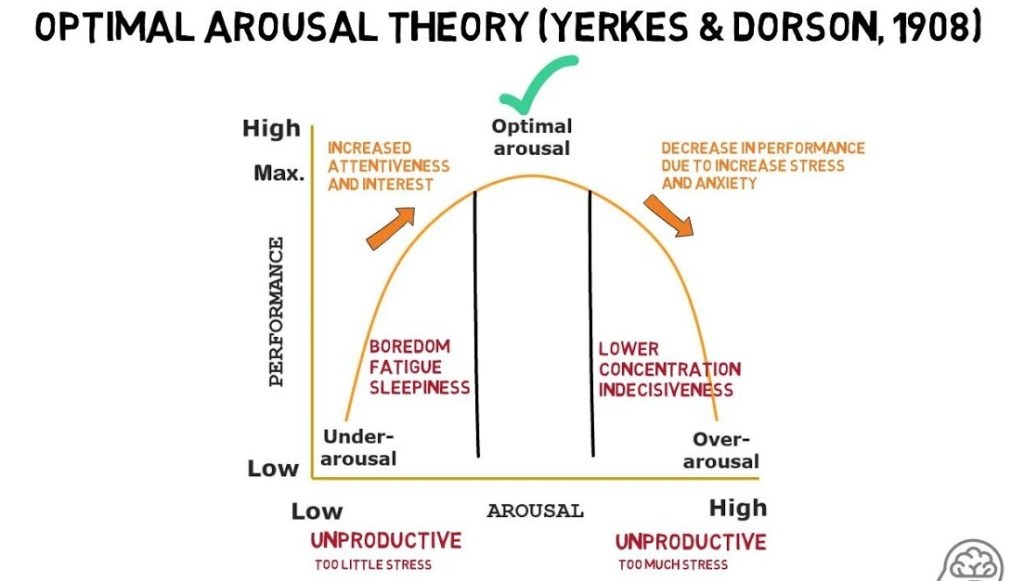

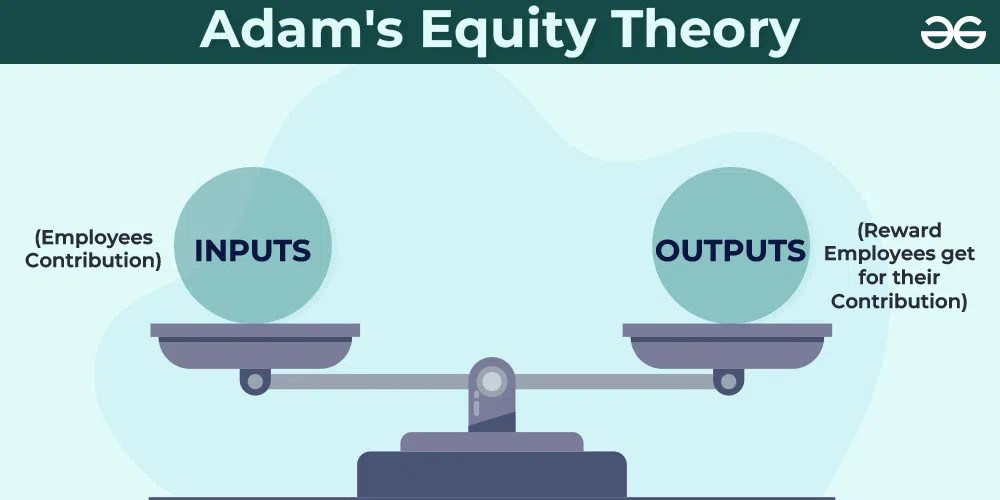





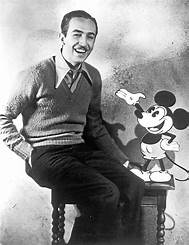













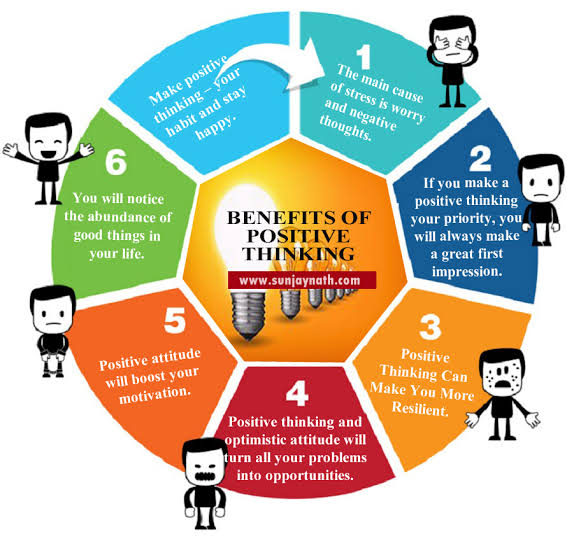
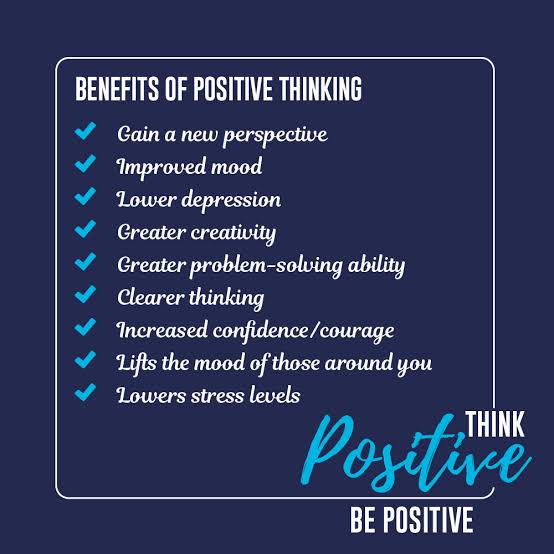



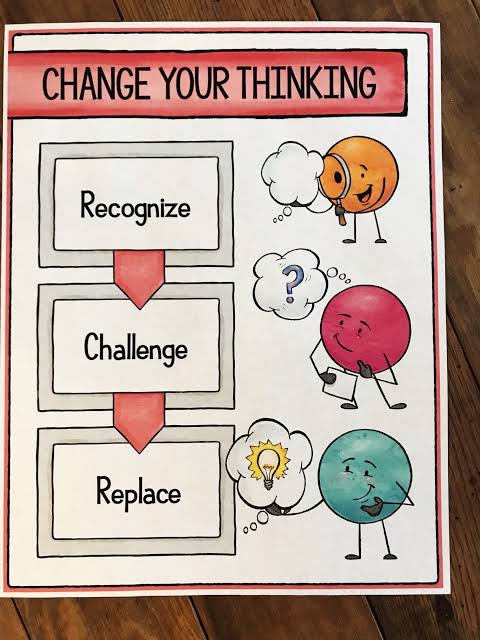















 There is nothing wrong with putting your happiness first. It’s SELF LOVE






 Track2Training
You must be logged in to post a comment.