Eduindex News is a news aggregator app developed by Google. It presents a continuous flow of articles organized from thousands of publishers and magazines.
As an Indian, I am proud of my country. India is a country of pluralism and diversity, whether religions are concerned or languages, cultural issues, food habits, etc. Such diversity cannot be found in any other country, as I have visited many countries and heard from many foreigners. Our judiciary is neutral, and judges have been doing their best. Here, I wish to mention the activities of an honourable judge of Tamil Nadu whom I know closely, as I have visited Tamil Nadu many times. He is the Honourable Judge of the State Human Rights Commission (SHRC) of Tamil Nadu, V. Kannadasan, who was selected and joined in December 2022. It is pertinent to mention that the SHRC of Tamil Nadu is for the protection and promotion of human rights. V Kannadasan, a native of Mayiladuthurai, has more than 25 years of professional experience. He is a scholarly person in the legal field, particularly in civil, criminal, and human rights cases, and also an expert in prison and prisoner rights issues. He served as a special public prosecutor for the human rights court in Chennai from 2006 to 2011. Among his many praiseworthy activities, I wish to mention a few covering the period from December 2022 to mid-October 2024. Case 1: The Honourable Judge passed an order during his tenure while allowing a complaint moved by a woman, R. Vasuki, a resident of Besant Nagar, Tamil Nadu. Although the incident occurred on July 11 2013, the order was passed during his tenure. On July 11, 2013, sub-inspectors S. Rajasekharan and S. Ismayil, with the constables Padmanabhan and L. Umashankar attached to an anti-land grabbing cell, Kancheepuram, trespassed in her house. For these illegal activities, after the hearing, Honourable Judge Kannadasan directed the Tamil Nadu government to pay an amount of Rs 1.5 lakh as compensation to the victim of police access. Further, he directed the State Government to recover the money from the salaries of police personnel who were the culprits. Case 2: This is the case of death because of drowning in a quarry. Divya, with her son Ariyan, went to an abundant quarry full of water for bathing. During the time of bathing, both died in drowning. The husband, M. Sankar, filed a complaint on June 13, 2020. After a thorough review, Honourable Judge Kannadasan directed the State Government to pay Rs. 5 lakh. Also, it is not noteworthy that the District Collector was directed to close the quarry. Case 3: This case is related to the accident of a woman who was initially victimized by police inaction. Devi, a young woman going by two-wheelers, suffered severely as one pickup van dashed her two-wheelers from the back side on March 7, 2019. Subsequently, her left hand was amputated. But she did not get any justice from the police; Thiruvarur taluk police tried to hush up the case. After running from pillar to post, she filed a complaint to the State Human Rights Commission. The Honourable Judge of the SHRC passed a judgment and ordered the Tamil Nadu government to pay her an amount of Rs 3 lakh as compensation. Also, the honourable judge reprimanded the police for their inaction and recommended the government for appropriate departmental action. Case 4: This case is from Tirunelveli, and the incident occurred recently. It happened in a NEET coaching centre run by a person from Kerala, where more than 250 students had undergone coaching. The owner was inhuman in his behaviour. For instance, one day during the class hour, one boy slept, and he was beaten with a stick by the owner of this Centre. Secondly, students should usually keep their chappals outside the class in order. One girl student kept her chappals improperly. So, the owner took the chappals and threw them over the students amidst all their classmates. All these inhuman activities were brought to Judge Kannadasan’s notice, and he took this case on his own and wanted to take action against the owner. But the owner fled to Kerala. Anyway, a police complaint has been filed. Case 5: This is a case of custodial death in Madurai Central prison in 2007. One person, Pulipandi, was brutally killed in Madurai Central Prison, and later on, his father alleged that the prison authorities brutally assaulted his son. Judge Kannadasan, after a thorough hearing and review, recommended to the Tamil Nadu Government to pay a compensation of Rs. 3 lakh to the legal heirs. He concluded that it was a violation of human rights. In addition to compensation, he held Assistant Jailor Syed Shahul Hammeed and two Grade I Warders, Natarajan and Jayasrelan, responsible and legal action was recommended against them. I have presented his few verdicts out of many so that readers can understand his dynamism. I have observed that he is a fair-minded judge. I wish him more laurels in his life. Prof Shankar Chatterjee, Hyderabad
Jumping ₹3.28 lakh crore, TCS, HUL, and RIL are at the top of the list of companies.
According to a PTI report, eight of the 10 most valuable corporations in India had a combined increase in market worth of ₹3.28 lakh billion last week. The top three performers were Hindustan Unilever (HUL), Reliance Industries (RIL), and Tata Consultancy Services (TCS). RIL continued to be the most valuable corporation overall, with TCS, HDFC Bank, Bharti Airtel, and ICICI Bank completing the top five. In the ranks that followed were the State Bank of India (SBI), Infosys, Life Insurance Corporation of India (LIC), HUL, and ITC. op Gainers.
Top Gainers
RIL, TCS, HDFC Bank, Bharti Airtel, ICICI Bank, Infosys, HUL, and ITC were the top gainers. These companies saw their market valuations increase by a total of ₹3,28,116.58 crore, as per PTI.
The biggest individual gainer was TCS, which saw its market valuation soar by ₹80,828.08 crore to ₹14,08,485.29 crore.
HUL was next, adding ₹58,258.11 crore, and taking its market capitalization to ₹6,05,407.43 crore.
RIL was third last week, increasing by ₹54,024.35 crore to ₹19,88,741.47 crore.
HDFC Bank’s market valuation rose by ₹32,241.67 crore to ₹11,96,325.52 crore.
Bharti Airtel climbed ₹32,080.61 crore to ₹8,10,416.01 crore.
ITC’s valuation surged by ₹16,167.71crore to ₹5,48,204.12 crore.
ICICI Bank increased by ₹1,745.46 crore to ₹7,88,975.17 crore.
The Laggards
LIC and SBI were the only two laggards in the top 10 list of corporations.
The market value of LIC decreased to ₹6,28,451.77 crore, a decrease of ₹12,080.75 crore. Of ₹7,40,653.54 crore, SBI’s mcap fell by ₹178.5 crore. The BSE benchmark increased by 2,732.05 points, or 3.69 percent, last week in the market. On Friday, June 7, the 30-share BSE Sensex increased by 1,720.8 points, or 2.29 percent, to record an intraday high of 76,795.31. At the close, the benchmark was up 1,618.85 points, or 2.16 percent, to a record high of 76,693.36.
The two limited-overs world champions meet to renew their century-old cricket rivalry at the T20 World Cup 2024.
Following Tuesday’s washout of their match at the same site, England and Scotland shared a point apiece. In an attempt to be the first team to win the trophy again, Jos Buttler’s team didn’t appear to be at their best, letting the Scots reach 90-0 in just 10 overs.
Australia is in second place in Group B with two points after defeating Oman in their opening match, while England is in fourth place with one point. Scotland leads the group with three points from two games, followed by Namibia in third place with two points from two games and Oman at the bottom following two losses.
England’s Super Eight qualification could be in risk if they lose against Australia, the ODI world champions, on Saturday, but batsman Jonny Bairstow is not concerned about the possibilities.
Bairstow said to reporters on Friday, “It doesn’t derail us either way.” “We understand that winning more games than losing is a necessary component of playing tournament cricket.
“Winning gives you a point in the group, but ultimately, you need to win the remaining two games [against Oman and Nambia].
“Beating Australia will be good for momentum and confidence,” he continued.
Australia is “pumped” for the England match. After a difficult start, Australia defeated Oman by 39 runs thanks to an all-around performance by Marcus Stoinis with the bat and ball.
Although their team was a little anxious throughout the match, captain Mitchell Marsh said they were pleased with the victory and eager for their matchup with old rivals England on Saturday.
For the match in Barbados, Marsh predicts that there will be a larger number of England supporters than Australians, joking that the mood will be similar to that of Headingly in Leeds.
In an age where mobility and transportation are pivotal to societal progress, the role of a Road Safety Expert has never been more critical. These professionals are dedicated to minimizing traffic accidents and enhancing the safety of all road users, including drivers, pedestrians, cyclists, and motorcyclists. This article explores the multifaceted job of a Road Safety Expert, highlighting their responsibilities, required skills, and the impact they make on our daily lives.
One of the primary tasks of a Road Safety Expert is collecting and analyzing data related to road accidents and traffic flow. This data includes accident reports, traffic volume statistics, and observational studies. By scrutinizing this information, experts identify patterns and underlying causes of road incidents, which is crucial for developing effective safety strategies.
2. Designing Safety Programs
Based on their data analysis, Road Safety Experts design and implement comprehensive road safety programs. These programs can range from public awareness campaigns to engineering solutions like improved road signage, better lighting, and safer pedestrian crossings. The goal is to reduce accident rates and enhance overall road safety.
3. Policy Development and Advocacy
Road Safety Experts often work closely with government bodies and policymakers to develop and advocate for regulations that enhance road safety. They provide expert opinions on traffic laws, vehicle standards, and road design guidelines, ensuring that these regulations are grounded in empirical evidence and best practices.
4. Conducting Safety Audits
A significant aspect of their job involves conducting road safety audits. These audits are thorough examinations of existing road conditions and traffic systems. The experts identify potential hazards and recommend modifications to improve safety. This might involve redesigning dangerous intersections, implementing traffic calming measures, or improving road maintenance.
5. Training and Education
Educating the public and professionals about road safety is another critical role. Road Safety Experts develop training programs for drivers, school children, and even road maintenance workers. They might also conduct workshops and seminars to raise awareness about the importance of road safety and safe driving practices.
Essential Skills and Qualifications
1. Technical Knowledge
A strong foundation in civil engineering, traffic engineering, or transportation planning is essential. Knowledge of road design principles, traffic flow theories, and accident analysis techniques forms the bedrock of their expertise.
2. Analytical Skills
The ability to analyze complex data sets and derive meaningful insights is crucial. Road Safety Experts must be proficient in using statistical software and geographic information systems (GIS) to interpret data and visualize safety trends.
3. Communication Skills
Effective communication is vital for advocating safety measures and educating the public. Road Safety Experts must be able to convey technical information in a clear and persuasive manner to various stakeholders, including government officials, engineers, and the general public.
4. Attention to Detail
Given the potential consequences of their work, a meticulous approach is necessary. Road Safety Experts must thoroughly evaluate road conditions and traffic patterns, identifying even the smallest risk factors that could lead to accidents.
Impact on Society
The work of Road Safety Experts has a profound impact on society. By reducing the frequency and severity of road accidents, they help save lives and prevent injuries. Their efforts contribute to smoother traffic flow, less congestion, and a more efficient transportation system. Moreover, enhancing road safety fosters a sense of security among all road users, encouraging more people to use non-motorized forms of transport, such as cycling and walking, which also benefits public health and the environment.
Conclusion
The role of a Road Safety Expert is indispensable in creating a safer and more sustainable transportation system. Their expertise in data analysis, safety program design, policy development, and education significantly contributes to reducing road accidents and saving lives. As urbanization continues and traffic volumes increase, the demand for skilled Road Safety Experts will undoubtedly grow, underscoring the importance of their role in ensuring that our journeys are not only efficient but also safe.
References
Agarwal, S., & Sharma, S. N. (2014). Universal Design to Ensure Equitable Society. International Journal of Engineering and Technical Research (IJETR), 1.
Huvarinen, Y., Svatkova, E., Oleshchenko, E., & Pushchina, S. (2017). Road safety audit. Transportation Research Procedia, 20, 236-241.
Korchagin, V., Pogodaev, A., Kliavin, V., & Sitnikov, V. (2017). Scientific basis of the expert system of road safety. Transportation Research Procedia, 20, 321-325.
Proctor, S., Belcher, M., & Cook, P. (2001). Practical road safety auditing. Thomas Telford.
Sayed, T. A. (1995). A highway safety expert system: A new approach to safety programs (Doctoral dissertation, University of British Columbia).
Sharma, S. N. Enhancing Safety Analysis with Surrogate Methods: A Focus on Uncontrolled Traffic Intersections.
Sharma, S. N., & Adeoye, M. A. (2024). New Perspectives on Transformative Leadership in Education. EduPedia Publications Pvt Ltd.
Sharma, S. N., & Singh, D. (2023). Understanding mid-block traffic analysis: A crucial tool for road safety. Think India Journal, 26(3), 5-9.
Singh, D., Das, P., & Ghosh, I. (2024). Bridging conventional and proactive approaches for road safety analytic modeling and future perspectives. Innovative Infrastructure Solutions, 9(5), 1-21.
Toroyan, T. (2009). Global status report on road safety. Injury prevention, 15(4), 286-286.
Artificial Intelligence (AI) is revolutionizing various sectors, and public transport is no exception. With the ability to process vast amounts of data and make real-time decisions, AI is enhancing the efficiency, safety, and convenience of public transportation systems worldwide. Here are some of the key applications of AI in public transport:
1. Predictive Maintenance
AI-driven predictive maintenance systems use data from sensors placed on vehicles and infrastructure to predict when a part is likely to fail. This proactive approach allows for maintenance to be performed before breakdowns occur, reducing downtime and improving reliability. By analyzing patterns and trends, AI can forecast potential issues, ensuring that vehicles are always in optimal condition.
2. Traffic Management
AI algorithms are being used to manage traffic flow in real-time. By analyzing data from traffic cameras, sensors, and GPS devices, AI can adjust traffic light timings, reroute buses, and provide real-time updates to commuters. This helps to reduce congestion, minimize delays, and enhance the overall efficiency of the public transport network.
3. Autonomous Vehicles
Self-driving buses and trains are one of the most exciting applications of AI in public transport. Autonomous vehicles can operate with precision, adhere to schedules, and reduce human error. Pilot programs for autonomous buses are already underway in several cities, promising a future where public transport is not only more efficient but also safer and more reliable.
4. Smart Ticketing and Payment Systems
AI-powered ticketing systems are simplifying the payment process for passengers. Using machine learning algorithms, these systems can provide dynamic pricing based on demand, offer personalized travel recommendations, and streamline fare collection. Contactless payment options and mobile ticketing apps enhance the convenience for users, reducing the need for physical tickets and cash transactions.
5. Route Optimization
AI can analyze vast amounts of data to determine the most efficient routes for public transport vehicles. This includes considering factors such as traffic conditions, passenger demand, and historical data. By optimizing routes, AI helps in reducing travel time, lowering fuel consumption, and improving the overall service quality for passengers.
6. Passenger Information Systems
AI enhances passenger information systems by providing real-time updates on schedules, delays, and disruptions. Chatbots and virtual assistants powered by AI can answer passenger queries, provide travel recommendations, and assist with trip planning. These systems improve the passenger experience by ensuring that they have access to accurate and timely information.
7. Safety and Security
AI is playing a crucial role in improving safety and security in public transport. Surveillance systems equipped with AI can detect unusual behavior, monitor crowd density, and identify potential threats. Facial recognition technology can be used to enhance security measures, ensuring that public transport systems remain safe for all users.
8. Energy Efficiency
AI can optimize the energy consumption of public transport vehicles. By analyzing data on fuel usage, driving patterns, and environmental conditions, AI systems can suggest ways to reduce energy consumption and emissions. This not only lowers operational costs but also contributes to a more sustainable and environmentally friendly public transport system.
9. Accessibility
AI applications are making public transport more accessible to individuals with disabilities. AI-powered apps can provide real-time information on accessible routes, help with navigation, and even assist with boarding and alighting from vehicles. This ensures that public transport is inclusive and caters to the needs of all passengers.
Conclusion
The integration of AI into public transport systems is transforming the way we travel. From improving operational efficiency and safety to enhancing the passenger experience, AI is paving the way for smarter, more reliable, and more sustainable public transport. As AI technology continues to advance, we can expect even more innovative applications that will further revolutionize the public transport industry.
References
Costa, V., Fontes, T., Costa, P. M., & Dias, T. G. (2015). Prediction of journey destination in urban public transport. In Progress in Artificial Intelligence: 17th Portuguese Conference on Artificial Intelligence, EPIA 2015, Coimbra, Portugal, September 8-11, 2015. Proceedings 17 (pp. 169-180). Springer International Publishing.
Jevinger, Å., Zhao, C., Persson, J. A., & Davidsson, P. (2024). Artificial intelligence for improving public transport: a mapping study. Public Transport, 16(1), 99-158.
Kouziokas, G. N. (2017). The application of artificial intelligence in public administration for forecasting high crime risk transportation areas in urban environment. Transportation research procedia, 24, 467-473.
Lodhia, A. S., Jaiswalb, A., & Sharmac, S. N. (2023). An Investigation into the Recent Developments in Intelligent Transport System. In Proceedings of the Eastern Asia Society for Transportation Studies (Vol. 14).
Okrepilov, V. V., Kovalenko, B. B., Getmanova, G. V., & Turovskaj, M. S. (2022). Modern trends in artificial intelligence in the transport system. Transportation Research Procedia, 61, 229-233.
Sharma, S. N., Dehalwar, K., & Singh, J. (2023). Cellular Automata Model for Smart Urban Growth Management.
Ushakov, D., Dudukalov, E., Shmatko, L., & Shatila, K. (2022). Artificial Intelligence as a factor of public transportations system development. Transportation Research Procedia, 63, 2401-2408.
📢 Exciting Opportunity for Scholars and Researchers!
We are thrilled to announce the ICSSR Sponsored 10 Days Research Methodology Workshop, scheduled for 13-22 July 2024. This comprehensive workshop is designed to enhance your skills in research methodology, academic writing, and publication. * No Registration Fee * 10 Days free Accommodation and Food during the course * Free Study materials * Compulsory to bring your own laptop * Limited Seats Available
🔗 Register Now: Registration Form https://lnkd.in/duA4szjt Key Highlights: Engage with expert researchers and academics. Hands-on sessions on qualitative, quantitative, and mixed research methods. Insights into effective writing and publication strategies. Don’t miss this chance to advance your research capabilities and network with peers from various disciplines. 📄 For more details, download our brochure: Workshop Brochure https://lnkd.in/dymRVYPb 📍 Location: Maulana Azad National Institute of Technology (MANIT), Bhopal 📅 Dates: 13-22 July 2024 Spread the word and bring your research journey to the next level! Let’s make a significant impact together. Looking forward to seeing you there! hashtag#ResearchMethodology hashtag#AcademicWriting hashtag#ScholarlyPublication hashtag#ICSSR hashtag#Workshop hashtag#Education hashtag#Networking hashtag#MANITBhopal For more details, visit us at https://lnkd.in/gmiRQPiX
Community-based organizations (CBOs) play a pivotal role in social development and education, functioning at the grassroots level to implement change and provide vital services. These organizations are deeply embedded within their communities, making them uniquely positioned to understand and address local needs. This article explores the importance of CBOs in fostering social development and enhancing educational opportunities, highlighting specific examples and studies that underscore their impact.
Community-based organizations are nonprofit groups that work at a local level to improve life for residents. The defining feature of CBOs is that they are not just in the community, but of the community; they are managed and led by local stakeholders and focus on meeting the specific needs of the community they serve. These organizations cover a broad spectrum of areas including health, education, child care, elderly care, and economic development.
Role in Social Development
CBOs are crucial in promoting social development because they advocate for and implement programs that directly benefit underrepresented or marginalized groups. Their initiatives often include healthcare, employment, housing, and legal services. A study by the United Nations Development Programme highlights the role of CBOs in enhancing social cohesion and community resilience by fostering inclusive community practices and policies.
For instance, the Harlem Children’s Zone in New York City is a well-known example of a CBO that has significantly impacted social development through comprehensive programs ranging from parenting workshops to charter schools, all aimed at breaking the cycle of generational poverty in Harlem.
Impact on Education
In the realm of education, CBOs undertake a variety of roles from providing supplementary education services to advocating for systemic change in public schools. Their local nature allows them to deliver tailored educational programs that meet the specific needs of the community.
A notable example is the Pratham Education Foundation in India, which has been instrumental in improving literacy and numeracy skills among millions of children through its innovative teaching methods and community collaboration initiatives. Research published in the International Journal of Educational Development shows that Pratham’s programs not only enhance student learning outcomes but also empower communities to hold schools accountable.
Challenges Faced by CBOs
Despite their success, CBOs face numerous challenges. Funding instability is a major issue, as many organizations rely heavily on external grants and donations which are not always guaranteed. Moreover, political changes can affect their operation and effectiveness, especially if local or national policies shift away from supporting grassroots initiatives.
Strategies for Enhancing the Effectiveness of CBOs
To maximize their impact, CBOs can adopt several strategies. Building strong partnerships with local governments and other stakeholders can lead to more sustainable funding and greater policy influence. Additionally, incorporating technology and data-driven approaches can enhance their program delivery and evaluation processes.
Conclusion
Community-based organizations are integral to social development and education. They provide essential services that promote community well-being and empower local residents. The effectiveness of CBOs in transforming communities underscores the importance of supporting these organizations through stable funding, partnerships, and policies that recognize and bolster their critical role in society.
References
Arcand, J. L., & Fafchamps, M. (2012). Matching in community-based organizations. Journal of Development Economics, 98(2), 203-219.
Dehalwar, K. Bridging the Gap: Community-Based and Workshop-Based Approaches to Address Rural and Urban Planning Issues.
Dehalwar, K. Empowering Women and Strengthening Communities: The Role of Community-Based Organizations (CBOs).
United Nations Development Programme. (2021). “The Role of Community-Based Organizations in Social Development.” UNDP Report.
Harlem Children’s Zone. (2022). “Our Programs.” [Harlem Children’s Zone Website].
International Journal of Educational Development. (2019). “Assessing the Impact of Community-Based Learning in India: A Case Study of the Pratham Education Foundation.”
Norris, K. C., Brusuelas, R., Jones, L., Miranda, J., Duru, O. K., & Mangione, C. M. (2007). Partnering with community-based organizations. Ethnicity & Disease, 17, 27-32.
Sharma, S. N. (2013). Participatory Planning in Practice. Lulu. com.
Sharma, S. N. (2005). Evaluation of the JnNURM Programme of Government of India for Urban Renewal. Think India Journal, 8(2), 1-7.
Wilson, M. G., Lavis, J. N., & Guta, A. (2012). Community-based organizations in the health sector: a scoping review. Health research policy and systems, 10, 1-9.
By Dr. Kavita Dehalwar & Shashikant Nishant Sharma
Bhopal, the capital city of Madhya Pradesh, India, has undergone significant transformations in its public transport system over the years. The city’s bus transit systems, in particular, have become a critical component of urban mobility, aiming to provide efficient, affordable, and sustainable transport solutions to its residents. This article provides a detailed exploration of the bus transit systems in Bhopal, examining their structure, effectiveness, and the level of user satisfaction, with reference to recent academic research.
Overview of Bhopal’s Bus Transit System
Bhopal’s bus transit system is spearheaded by the Bhopal City Link Limited (BCLL), which operates under the brand name ‘MyBus’. Launched in 2006, ‘MyBus’ operates a fleet of buses intended to serve all major routes across the city. The system was designed to reduce congestion, improve air quality, and provide a reliable alternative to private vehicle use.
In addition to regular buses, Bhopal has also introduced Bus Rapid Transit System (BRTS), known locally as the Bhopal BRTS, which began operations in 2013. This system features dedicated corridors for buses, aiming to ensure faster travel times by avoiding the usual traffic congestion on roads.
Infrastructure and Technology
The Bhopal bus transit system features modern infrastructure that includes well-designed bus stops equipped with real-time information systems. The BRTS corridors are specially engineered with elevated and at-grade sections that separate buses from general traffic, thereby increasing efficiency and punctuality.
Technological enhancements have been integrated into the system, such as GPS tracking of buses and automated ticketing systems. These technologies facilitate ease of use and improve passenger experiences by providing accurate information on bus timings and routes.
Assessment of Satisfaction Levels
A critical assessment by Jaiswal, A., Rokade, S., Vijay, N.C. (2024) in their study titled “Assessment of Satisfaction Level for Bus Transit Systems in Bhopal” found varied satisfaction levels among users of the city’s bus transit system. Published in the Springer series Lecture Notes in Civil Engineering, their research evaluates several parameters that influence user satisfaction, including comfort, safety, frequency of buses, and accessibility of bus stops (Jaiswal et al., 2024).
Their findings indicate that while there are areas of strength, such as the availability of buses during peak hours, there are also significant areas for improvement, especially in terms of bus maintenance and service consistency. The study highlights the need for regular monitoring and upgrades to keep up with the growing demand and to ensure sustainable operations.
Challenges and Opportunities
Despite the advancements and the positive impact on urban mobility, Bhopal’s bus transit system faces several challenges. These include operational inefficiencies, financial sustainability issues, and the need for continuous improvement in customer service. Moreover, the increasing population of the city calls for an expansion of the bus network to cover newer areas and to handle greater passenger loads.
The opportunities for improvement align closely with the challenges. There is potential for expansion of the BRTS network, which could significantly improve the overall efficiency of public transport in Bhopal. Additionally, incorporating more eco-friendly buses, such as electric or hybrid models, could address environmental concerns and enhance the sustainability of the transit system.
Conclusion
Bhopal’s bus transit system plays an essential role in shaping the city’s transport landscape. With ongoing assessments and feedback mechanisms, such as the study conducted by Jaiswal et al. (2024), the system can continue to evolve and adapt to the needs of its users. The future of urban mobility in Bhopal appears promising, with continued investments in infrastructure, technology, and service quality poised to enhance the efficacy and popularity of its bus transit networks.
References
Chaurasia, D. (2014). Bus rapid transit system (BRTS): A sustainable way of city transport (Case Study of Bhopal BRTS). International Journal of Engineering and Advanced Technology (IJEAT) ISSN, 2249, 8958.
Dehawar, K. The Harsh Reality of Slum Life in Bhopal: A Closer Look at Poor Living Conditions.
Gurjar, J., Agarwal, P. K., & Jain, P. K. (2020). A comprehensive methodology for comparative performance evaluation of public transport systems in urban areas. Transportation Research Procedia, 48, 3508-3531.
Jaiswal, A., Rokade, S., Vijay, N.C. (2024). Assessment of Satisfaction Level for Bus Transit Systems in Bhopal. In: Singh, D., Maji, A., Karmarkar, O., Gupta, M., Velaga, N.R., Debbarma, S. (eds) Transportation Research. TPMDC 2022. Lecture Notes in Civil Engineering, vol 434. Springer, Singapore. https://doi.org/10.1007/978-981-99-6090-3_35.
Jaiswal, A., Jain, G., & Goswami, S. Assessment of Satisfaction Level for Existing Public Transport Systems using Machine Learning: A Case of Bhopal (India).
LODHI, A. S., & SHARMA, S. N. Framework for Road Safety Improvement Measures for Madhya Pradesh.
Saxena, A., Gupta, V., & Shrivastava, B. (2021). An assessment of public transport accessibility levels for slums in Bhopal. City, 1000, 9.
Sharma, S. N., Kumar, A., & Dehalwar, K. (2024). The Precursors of Transit-oriented Development. Economic and Political Weekly, 59(14), 16-20.
Singh, A. P., Singh, V., Sharma, A. K., & Sharma, A. Review of Public Transit Services in the State Capital Bhopal.
Road signs and symbols are the silent communicators of our highways and byways, speaking a universal language understood by drivers around the world. From the simple yet essential stop sign to the intricate markings guiding us through complex intersections, these visual cues play a crucial role in ensuring safety and order on our roads. Let’s delve into the world of road signs and symbols to better understand their significance and the messages they convey.
At their core, road signs and symbols serve as a means of communication between road users and traffic authorities. They provide vital information, warnings, and regulatory instructions to drivers, pedestrians, and cyclists, helping them navigate the road network safely and efficiently. Without these visual aids, the chaos and confusion on our roads would be palpable, leading to increased accidents and congestion.
Types of Road Signs
Road signs can be categorized into several types based on their purpose and function:
Regulatory Signs: These signs enforce traffic laws and regulations. Examples include stop signs, speed limit signs, and no-entry signs.
Warning Signs: Warning signs alert drivers to potential hazards or changes in road conditions ahead. They include signs for sharp curves, slippery roads, pedestrian crossings, and animal crossings.
Guide Signs: Guide signs provide information about directions, destinations, distances, and services available along the route. They include signs for exits, highway interchanges, rest areas, and tourist attractions.
Informational Signs: Informational signs convey non-regulatory information, such as parking regulations, historical markers, and points of interest.
Construction and Maintenance Signs: These signs inform drivers of ongoing roadwork, detours, and temporary changes to traffic patterns.
Understanding Road Symbols
In addition to signs with written messages, road users encounter various symbols that convey important information at a glance. Some common road symbols include:
Arrow Markings: Arrows indicate the direction of travel, lane usage, and traffic flow. They are essential for guiding drivers through intersections, ramps, and lane merges.
Pedestrian Symbols: Pedestrian symbols depict crosswalks, pedestrian zones, and pedestrian crossing points, reminding drivers to yield to pedestrians and exercise caution.
Bicycle Symbols: Bicycle symbols mark dedicated bike lanes, shared roadways, and bike crossings, promoting safe interaction between cyclists and motorists.
Lane Markings: Lane markings, such as solid lines, dashed lines, and chevrons, delineate lanes, indicate permissible maneuvers, and regulate traffic flow on multi-lane roads.
Railroad Crossing Symbols: These symbols warn drivers of upcoming railroad crossings, prompting them to stop, look, and listen for approaching trains.
The Importance of Road Sign Recognition
Recognizing and understanding road signs and symbols is a fundamental aspect of safe driving. By obeying these visual cues, drivers can anticipate road conditions, adjust their speed and behavior accordingly, and avoid potential accidents. Additionally, familiarity with road signs is essential for passing driving exams and obtaining driver’s licenses in many jurisdictions.
Conclusion
Road signs and symbols are the unsung heroes of our transportation infrastructure, guiding us through the complexities of the modern road network. From directing traffic to promoting safety and efficiency, these visual aids play a vital role in shaping our driving experiences. By understanding the language of the road, drivers can navigate with confidence, knowing that each sign and symbol is a beacon of information guiding them toward their destination safely.
References
Agarwal, S., & Sharma, S. N. (2014). Universal Design to Ensure Equitable Society. International Journal of Engineering and Technical Research (IJETR), 1.
Dehalwar, K. Institute of Town Planners India is Dedicated to Planning Education and Development in India.
Dewar, R., & Pronin, M. (2023). Designing road sign symbols. Transportation research part F: traffic psychology and behaviour, 94, 466-491.
Greenhalgh, J., & Mirmehdi, M. (2012). Real-time detection and recognition of road traffic signs. IEEE transactions on intelligent transportation systems, 13(4), 1498-1506.
Krampen, M. (1965). Signs and symbols in graphic communication. Design Quarterly, (62), 1-31.
Merriman, P., & Jones, R. (2009). ‘Symbols of Justice’: the Welsh Language Society’s campaign for bilingual road signs in Wales, 1967–1980. Journal of Historical Geography, 35(2), 350-375.
Sharma, S. N. Leveraging GIS for Enhanced Planning Education.
Zwahlen, H. T., & Schnell, T. (1999). Legibility of traffic sign text and symbols. Transportation research record, 1692(1), 142-151.
Spatial planning plays a critical role in shaping the physical environment of communities, influencing how people interact with their surroundings and access resources and opportunities. However, the planning process is often influenced by various social factors, including gender. Gender refers to the social, cultural, and economic attributes and roles associated with being male or female, which can significantly influence how individuals experience and navigate spaces. Understanding the implications of gender on spatial planning is essential for creating inclusive and equitable environments that meet the diverse needs of all community members.
One of the primary ways gender influences spatial planning is through the creation of gendered spaces. Gendered spaces are areas that are designed, perceived, and used differently by men and women due to societal norms, cultural practices, and individual preferences. For example, public transportation systems, parks, and recreational facilities may be designed with specific gender biases, impacting accessibility and usability for different genders. Women, for instance, may perceive certain spaces as unsafe due to inadequate lighting or lack of surveillance, limiting their mobility and access to public amenities.
Furthermore, the division of labor based on gender roles can influence spatial patterns. For instance, women often bear the primary responsibility for caregiving and household chores, which can affect their travel patterns and access to essential services such as healthcare and education. Spatial planning must consider these gendered dynamics to ensure that infrastructure and services are distributed equitably and efficiently, addressing the needs of all members of the community.
Safety and Security
Gender also plays a significant role in perceptions of safety and security within the built environment. Women, in particular, may experience harassment, violence, or fear of crime in public spaces, which can restrict their freedom of movement and limit their participation in social and economic activities. Spatial planning strategies such as urban design, lighting, and surveillance measures can help mitigate these risks and create safer environments for all genders.
Inclusive Design and Accessibility
An inclusive approach to spatial planning involves designing environments that accommodate the needs of diverse populations, including different genders, ages, abilities, and socioeconomic backgrounds. Gender-sensitive design considers how spaces are used and experienced by men, women, and non-binary individuals, ensuring that infrastructure, facilities, and services are accessible and welcoming to all.
For example, public restrooms are often designed with binary gender distinctions, which can be exclusionary for transgender and gender-nonconforming individuals. Gender-inclusive design promotes the creation of gender-neutral facilities that accommodate diverse identities and preferences, fostering inclusivity and reducing stigma and discrimination.
Participation and Decision-Making
Gender dynamics also influence participation and decision-making processes in spatial planning. Women and other marginalized groups are often underrepresented in planning processes, resulting in policies and interventions that may not adequately address their needs and priorities. Engaging diverse stakeholders, including women, in decision-making processes can lead to more inclusive and responsive spatial planning outcomes.
Furthermore, empowering women as planners, policymakers, and community leaders can help challenge existing gender norms and biases within the planning profession, promoting greater gender equity in urban and regional development initiatives.
Conclusion
Gender is a fundamental aspect of spatial planning, shaping how individuals experience and interact with the built environment. Recognizing and addressing the implications of gender in spatial planning is essential for creating inclusive, safe, and equitable communities where all individuals can thrive. By adopting a gender-sensitive approach to planning and design, policymakers, planners, and stakeholders can work towards building cities and regions that reflect the diverse needs and aspirations of their populations.
References
Damyanovic, D. (2016). Gender mainstreaming as a strategy for sustainable urban planning. In Fair Shared Cities (pp. 177-192). Routledge.
Dehalwar, K., & Singh, J. (2015). Current State of Water Management System: Case Review of Bhopal, Madhya Pradesh. International Journal of Civil, Structural, Environmental and Infrastructure Engineering Research and Development (IJCSEIERD), 5(6), 35-40.
Dehalwar, K. Understanding the Dynamics of Peri-Urban Areas: Navigating the Interface Between Urban and Rural Realms.
Garcia-Ramon, M. D., Ortiz, A., & Prats, M. (2004). Urban planning, gender and the use of public space in a peripherial neighbourhood of Barcelona. Cities, 21(3), 215-223.
Malaza, N., Todes, A., & Williamson, A. (2009). Gender in planning and urban development.
McDowell, L. (1983). Towards an understanding of the gender division of urban space. Environment and planning D: Society and Space, 1(1), 59-72.
Rakodi, C. (1991). Cities and people: Towards a gender‐aware urban planning process?. Public Administration and Development, 11(6), 541-559.
Sánchez de Madariaga, I., & Neuman, M. (2016). Mainstreaming gender in the city. Town Planning Review, 87(5), 493-504.
Sharma, S. N. (2014). Participatory Planning in Plan Preparation. BookCountry.
Spain, D. (2014). Gender and urban space. Annual Review of Sociology, 40, 581-598.
Gender dynamics have become a central focus in development planning, reflecting a broader recognition of the significant influence gender plays in shaping societal structures, opportunities, and outcomes. The intertwined concepts of gender and development, gender and sex, gender sensitivity, and their impact on development planning are critical to fostering inclusive and sustainable growth.
Gender and development refer to the relationship between gender equality and sustainable development. It acknowledges the diverse roles, responsibilities, and experiences of individuals based on their gender identity within socio-economic contexts. Development initiatives that fail to address gender disparities often perpetuate inequalities, hindering progress.
Gender and Sex: Deconstructing the Binary
While often used interchangeably, gender and sex represent distinct concepts. Sex typically refers to biological attributes such as anatomy and physiology, categorized as male, female, or intersex. In contrast, gender encompasses the roles, behaviors, expectations, and identities that society constructs around individuals based on their perceived sex. Understanding the fluidity and complexity of gender is crucial for addressing discrimination and promoting inclusivity.
Gender Sensitivity: A Lens for Inclusivity
Gender sensitivity involves recognizing, understanding, and responding to the diverse needs, experiences, and perspectives of individuals based on their gender identity. It necessitates challenging stereotypes, biases, and power imbalances embedded within societal structures. By adopting a gender-sensitive approach, development planners can design interventions that empower marginalized groups, promote equitable access to resources, and foster social cohesion.
Gender and Development Planning: Integrating Perspectives
Development planning involves the formulation, implementation, and evaluation of policies, programs, and projects aimed at achieving sustainable development goals. Gender mainstreaming, the integration of gender perspectives into all stages of planning processes, is essential for addressing gender inequalities effectively. This requires conducting gender analysis to identify differential impacts, engaging stakeholders from diverse backgrounds, and ensuring equitable participation and representation.
Examining Gender-Related Issues in Planning
Gender-related issues manifest across various dimensions of development planning:
Economic Empowerment: Women often face barriers to accessing economic opportunities, including limited access to education, financial services, and property rights. Development planning should prioritize initiatives that promote women’s entrepreneurship, vocational training, and employment in non-traditional sectors.
Education and Health: Gender disparities persist in education and healthcare, with women and girls facing obstacles such as early marriage, lack of reproductive health services, and cultural norms prioritizing male education. Development planners must prioritize investments in girls’ education, reproductive healthcare, and gender-responsive health programs to ensure equitable access to essential services.
Political Participation: Women are underrepresented in political decision-making processes, limiting their ability to influence policy outcomes and advocate for their rights. Development planning should promote gender-balanced representation in leadership positions, implement quotas or affirmative action measures, and provide training on gender-sensitive governance practices.
Social Norms and Cultural Practices: Harmful gender norms and cultural practices perpetuate inequalities and discrimination, particularly affecting marginalized groups such as LGBTQ+ individuals and indigenous communities. Development planners should engage communities in dialogue, awareness-raising, and capacity-building activities to challenge discriminatory beliefs and promote gender equality.
Violence and Security: Gender-based violence remains a pervasive issue globally, undermining individuals’ safety, dignity, and well-being. Development planning should prioritize strategies for preventing and responding to violence, including legal reforms, support services for survivors, and community-based initiatives that challenge harmful attitudes and behaviors.
In conclusion, integrating gender perspectives into development planning is essential for promoting inclusive, equitable, and sustainable development outcomes. By addressing gender disparities and promoting gender equality, development planners can contribute to building a more just and prosperous society for all.
References
Chant, S. (1991). Gender, migration and urban development in Costa Rica: The case of Guanacaste. Geoforum, 22(3), 237-253.
Ghannam, F. (2013). Live and die like a man: Gender dynamics in urban Egypt. Stanford University Press.
Harris, M. T., Laks, J., Stahl, N., Bagley, S. M., Saia, K., & Wechsberg, W. M. (2022). Gender dynamics in substance use and treatment: a women’s focused approach. Medical Clinics, 106(1), 219-234.
Lind, A. (1997). Gender, development and urban social change: Women’s community action in global cities. World Development, 25(8), 1205-1223.
Thomas-Hunt, M. C., & Phillips, K. W. (2004). When what you know is not enough: Expertise and gender dynamics in task groups. Personality and Social Psychology Bulletin, 30(12), 1585-1598.
Sharma, S. N. The Complex Reality of Delhi’s Slums: A Closer Look at Urban Informality.
Sharma, S.N., Kumar, A., & Dehalwar, K. (2024). The Precursors of Transit-oriented Development. Economic and Political Weekly, 59(14), 16–20. https://doi.org/10.5281/zenodo.10939448
Community development is a multifaceted process aimed at enhancing the well-being, cohesion, and empowerment of communities. It encompasses various initiatives and strategies designed to foster social, economic, and environmental progress within a particular locality. However, despite its noble objectives, community development often faces significant challenges, particularly in the context of development-induced displacement, resettlement, and rehabilitation.
Development projects, such as infrastructure construction, urban renewal, or natural resource extraction, can lead to the displacement of communities. This phenomenon, known as development-induced displacement, has profound anthropo-social implications. Displaced communities often experience disruptions in their social fabric, loss of livelihoods, and disconnection from cultural and historical roots. Furthermore, displacement can exacerbate existing inequalities and marginalization, particularly among vulnerable populations such as indigenous peoples or ethnic minorities.
Anthropo-Social Considerations
Anthropo-social considerations in development-induced displacement delve into the human and social dimensions of displacement. It involves recognizing the unique identities, cultures, and social structures of affected communities. Failure to acknowledge these anthropo-social factors can result in inadequate planning and implementation of resettlement and rehabilitation initiatives, leading to further marginalization and injustice.
Resettlement and Rehabilitation
Resettlement and rehabilitation are critical components of mitigating the adverse impacts of development-induced displacement. Resettlement involves the physical relocation of displaced communities to new areas, while rehabilitation focuses on restoring and enhancing their livelihoods, social cohesion, and well-being. However, effective resettlement and rehabilitation require more than just providing housing and infrastructure; they necessitate comprehensive strategies that address the socio-economic, cultural, and psychological needs of affected communities.
Challenges in Community Development
Several challenges hinder effective community development in the context of development-induced displacement:
Lack of Participation and Consultation: Displacement often occurs without meaningful consultation or participation of affected communities in decision-making processes. This lack of engagement undermines community ownership and can lead to mistrust and resistance towards development initiatives.
Inadequate Compensation and Assistance: Many displaced communities receive insufficient compensation for lost assets and livelihoods, and the assistance provided during resettlement is often inadequate to meet their needs. This can exacerbate poverty and deepen social inequalities.
Cultural Disruption and Identity Loss: Displacement disrupts the cultural traditions, practices, and identities of affected communities, leading to a sense of loss and disorientation. Preserving cultural heritage and fostering cultural continuity are essential for the well-being and resilience of displaced communities.
Psychological Impacts: Displacement can have profound psychological impacts, including stress, anxiety, depression, and trauma. Addressing the psychosocial needs of displaced individuals and communities is crucial for their mental health and resilience.
Sustainability and Long-Term Development: Ensuring the long-term sustainability of resettlement and rehabilitation efforts is essential for the enduring well-being of displaced communities. This requires investment in education, healthcare, infrastructure, and economic opportunities to foster self-reliance and resilience.
Conclusion
Community development in the context of development-induced displacement is a complex and challenging endeavor that requires a holistic understanding of anthropo-social dynamics. Effectively addressing the needs and aspirations of displaced communities necessitates participatory approaches, respect for cultural diversity, and comprehensive strategies that encompass socio-economic, cultural, and psychological dimensions. By prioritizing the well-being and empowerment of affected communities, we can strive towards more inclusive and sustainable development that leaves no one behind.
References
Aboda, C., Mugagga, F., Byakagaba, P., & Nabanoga, G. (2019). Development induced Displacement; A review of risks faced by communities in developing countries.
Bronen, R. (2013). Climate-induced displacement of Alaska Native communities. Washington DC: Brookings Institution (US).
Draper, J., & McKinnon, C. (2018). The ethics of climate‐induced community displacement and resettlement. Wiley Interdisciplinary Reviews: Climate Change, 9(3), e519.
Robinson, W. C. (2003). Risks and rights: The causes, consequences, and challenges of development-induced displacement (Vol. 18). Washington DC: The Brookings Institution.
Sharma, S. N. (2014). Participatory Planning in Plan Preparation. BookCountry.
Vanclay, F. (2017). Project-induced displacement and resettlement: from impoverishment risks to an opportunity for development?. Impact Assessment and Project Appraisal, 35(1), 3-21.
Travel Time and Delay Studies are crucial techniques in transport planning, providing valuable insights into the efficiency, reliability, and performance of transportation systems. These studies aim to quantify the time required for individuals or goods to travel between different locations, identify delays, and understand the factors contributing to congestion. Here is a detailed overview of this technique:
Assess the performance of transportation networks, including roadways, public transit, and other modes of transport.
Identify areas of congestion, bottlenecks, and critical points where delays are most likely to occur.
Capacity Analysis:
Determine the capacity of roads and intersections by analyzing the relationship between traffic volume and travel time.
Identify potential over-capacity or under-capacity issues and propose solutions.
Traffic Flow Dynamics:
Understand the dynamics of traffic flow, including peak hours, directional patterns, and variations in travel speeds.
Analyze the impact of signal timings, road geometry, and other infrastructure elements on traffic behavior.
Identification of Bottlenecks:
Locate specific points in the transportation network where congestion regularly occurs.
Evaluate the causes of bottlenecks, such as intersections, merging lanes, or insufficient road capacity.
Mode Comparison:
Compare travel times and delays across different transportation modes (e.g., private cars, public transit, walking, cycling) to identify mode preferences.
Assess the effectiveness of multimodal transportation strategies.
Methodology of Travel Time and Delay Studies:
Data Collection:
Use various data sources, including manual traffic counts, automated traffic surveillance systems, and GPS tracking.
Collect data on travel times, speeds, and delays at different points within the transportation network.
Sampling Techniques:
Employ random or systematic sampling to ensure representative data collection.
Consider peak and off-peak periods to capture variations in travel time and delay patterns.
GPS and Mobile Apps:
Utilize GPS data from vehicles and mobile applications to track real-time travel routes and speeds.
Analyze the data to understand travel time variability and identify areas with recurrent delays.
Incident Analysis:
Investigate the impact of incidents such as accidents, road closures, or construction on travel times and delays.
Quantify the duration and severity of disruptions caused by incidents.
Congestion Metrics:
Calculate congestion indices, such as the Travel Time Index (TTI) or the Planning Time Index (PTI), to quantify delays and provide a measure of reliability.
Use these metrics to compare congestion levels over time and across different locations.
GIS and Spatial Analysis:
Map travel times and delays spatially using Geographic Information System (GIS) tools.
Identify spatial patterns, hotspots, and areas with consistent travel time challenges.
Regression Analysis:
Employ regression models to identify relationships between travel times, delays, and various contributing factors such as traffic volume, road geometry, and signal timings.
Applications of Travel Time and Delay Studies:
Transportation Planning and Policy:
Inform the development of transportation policies and infrastructure projects based on identified bottlenecks and congestion points.
Assess the impact of proposed changes on travel times and delays.
Traffic Management Strategies:
Optimize signal timings, lane configurations, and other traffic management strategies to reduce delays.
Implement dynamic traffic management systems that respond to real-time conditions.
Infrastructure Investment Decisions:
Guide decisions on infrastructure investments by prioritizing projects that address key congestion points.
Justify the need for capacity expansions or alternative transportation modes.
Public Communication:
Provide real-time travel information to the public, helping users make informed decisions and potentially influencing travel behavior.
Communicate planned road closures or construction activities to minimize disruptions.
In summary, Travel Time and Delay Studies play a crucial role in understanding the performance of transportation systems, guiding infrastructure investments, and implementing effective traffic management strategies. The data collected through these studies contribute to evidence-based decision-making in transport planning, ultimately improving the efficiency and reliability of transportation networks.
References
Carrion, C., & Levinson, D. (2012). Value of travel time reliability: A review of current evidence. Transportation research part A: policy and practice, 46(4), 720-741.
Dehalwar, K., & Sharma, S. N. (2023). Fundamentals of Research Writing and Uses of Research Methodologies.
Kotagiri, Y., & Pulugurtha, S. S. (2016). Modeling bus travel delay and travel time for improved arrival prediction. In International Conference on Transportation and Development 2016 (pp. 562-573).
LODHI, A. S., & SHARMA, S. N. Framework for Road Safety Improvement Measures for Madhya Pradesh.
Oppenlander, J. C. (1976). Sample size determination for travel time and delay studies. Traffic Engineering, 46(9).
Zang, Z., Xu, X., Qu, K., Chen, R., & Chen, A. (2022). Travel time reliability in transportation networks: A review of methodological developments. Transportation Research Part C: Emerging Technologies, 143, 103866.
Transport planning involves a multidisciplinary approach to analyzing, designing, and managing transportation systems. Various research techniques are employed to gather data, model scenarios, and make informed decisions in the field of transport planning. Here are some commonly used research techniques:
Origin-Destination Surveys: Collect data on the travel patterns and destinations of individuals within a region.
Household Surveys: Gather information on transportation preferences, commuting patterns, and socio-economic factors.
Mode Choice Surveys: Understand the factors influencing individuals’ choices of transportation modes.
Traffic Counts and Volume Studies:
Manual and Automated Traffic Counts: Collect data on the volume and types of vehicles at specific locations.
Turning Movement Counts: Analyze the movements of vehicles at intersections to understand traffic flow patterns.
Geographic Information System (GIS) Analysis:
Spatial Analysis: Use GIS to analyze spatial relationships, plan routes, and identify areas with transportation challenges.
Network Analysis: Model transportation networks, evaluate connectivity, and assess the impact of changes.
Simulation and Modeling:
Traffic Simulation Models: Simulate traffic flow to analyze the impact of changes in infrastructure or traffic management strategies.
Transport Demand Models: Predict future transportation demand based on population growth, economic factors, and land use.
Travel Time and Delay Studies:
GPS Data Analysis: Utilize GPS data to analyze travel times, congestion, and identify bottlenecks.
Delay Studies: Assess delays in transportation systems and identify factors contributing to congestion.
Cost-Benefit Analysis (CBA):
Evaluate the economic feasibility of transportation projects by comparing costs and benefits over time.
Consider factors such as time savings, reduced congestion, and environmental impact.
Stakeholder Consultation and Public Participation:
Engage with the community, businesses, and other stakeholders to gather input on transportation needs and preferences.
Public Meetings and Workshops: Facilitate discussions to gather feedback on proposed transportation projects.
Environmental Impact Assessment (EIA):
Evaluate the environmental consequences of transportation projects, considering factors like air quality, noise, and habitat disruption.
Accessibility Analysis:
Assess how easily individuals can reach various destinations, considering factors like transportation modes, distance, and connectivity.
Smart Mobility Data:
Use data from intelligent transportation systems, such as real-time traffic information and smart city technologies, to enhance planning and decision-making.
These techniques are often used in combination to provide a comprehensive understanding of transportation systems and to formulate effective planning strategies. The integration of technology and data analytics continues to play a growing role in modern transport planning.
References
Dehalwar, K., & Sharma, S. N. (2023). Fundamentals of Research Writing and Uses of Research Methodologies.
LODHI, A. S., & SHARMA, S. N. Framework for Road Safety Improvement Measures for Madhya Pradesh.
Lodhi, A. S., & Jaiswal, A. (2022, December). Passengers Perception and Satisfaction Level Towards Public Transport: A Review. In International Conference on Transportation Planning and Implementation Methodologies for Developing Countries (pp. 403-410). Singapore: Springer Nature Singapore.
Sharma, S. N. Leveraging GIS for Enhanced Planning Education.
Sharma, S. N. Understanding the Distinction: Quantitative vs. Qualitative Research.
In a significant move towards boosting tourism in the country, the Ministry of Tourism has announced the development of 57 destinations under the Swadesh Darshan 2.0 scheme. This initiative is part of the Ministry’s broader efforts to promote sustainable and responsible tourism, focusing on the development of various thematic circuits across India.
The Ministry of Tourism plays a crucial role in formulating national policies and programs for the coordinated development and promotion of tourism in the country. The scope of its responsibilities includes policy matters, planning, coordination with other ministries and state/union territory administrations, infrastructure development, research, international cooperation, and marketing and promotion activities.
Swadesh Darshan Scheme – Overview
The Swadesh Darshan Scheme, initially launched to develop theme-based tourist circuits, has now evolved into Swadesh Darshan 2.0 with a renewed focus on sustainable tourism development. Under this scheme, states and union territories prepare a State Perspective Plan, and the Ministry of Tourism selects destinations for development based on these plans. The latest announcement sees the notification of 57 destinations for development under Swadesh Darshan 2.0.
Table 1: Circuit-wise Projects Sanctioned under Swadesh Darshan Scheme
Sr. No.
Name of the Theme
Number of Projects
Amount Sanctioned (Rs. in Crore)
1
Buddhist Circuit
05
319.01
2
Coastal Circuit
10
631.39
3
Desert Circuit
01
50.01
…
…
…
…
15
Wayside
01
15.07
Total
76
5294.11
PRASHAD Scheme – Pilgrimage Rejuvenation and Spiritual Heritage Augmentation Drive
In addition to Swadesh Darshan, the Ministry of Tourism also launched the National Mission on Pilgrimage Rejuvenation and Spiritual Heritage Augmentation Drive (PRASHAD) Scheme. This scheme aims at the integrated development of identified pilgrimage destinations, with a focus on creating pilgrimage/spiritual tourism infrastructure.
Table 2: State-wise Projects Sanctioned under PRASHAD Scheme
S. No.
State/ UT
Number of Projects
Sanctioned Amount (Rs. in Crore)
1
Andhra Pradesh
3
124.89
2
Arunachal Pradesh
1
37.88
3
Assam
1
29.80
…
…
…
…
25
Uttar Pradesh
6
130.28
26
Uttarakhand
3
145.28
27
West Bengal
1
30.03
Total
46
1631.93
The comprehensive approach of the Ministry towards tourism development is reflected in its efforts to promote destinations both domestically and internationally. Through the “Incredible India” brand, the Ministry engages in media campaigns, travel fairs, and exhibitions to showcase the diverse attractions that India offers to tourists.
In conclusion, the notification of 57 destinations under Swadesh Darshan 2.0 is a positive step towards enhancing India’s tourism potential. The concerted efforts of the Ministry of Tourism in promoting sustainable and responsible tourism will not only boost the economy but also showcase the incredible cultural and natural wealth of the country to the world. As these projects unfold, they are expected to create a ripple effect, leading to increased footfall and a more robust tourism industry in India.
References
Agrawal, A., Awasthi, S., & Vishnoi, S. (2022). Transformation From Model Village to Model Tourist Village: The Missing Link. Journal of Rural Development, 171-184.
Dehalwar, K., & Sharma, S. N. (2024). Exploring the Distinctions between Quantitative and Qualitative Research Methods. Think India Journal, 27(1), 7-15.
Pandya, R. Growth and Preferences of Tourism Industry in India: A Distinctive Study in the Framework of Gujarat.
Roy, N., & Gretzel, U. (2020). Themed route marketing in India. Anatolia, 31(2), 304-315.
Sengupta, C. Government Intervention and the Future of Tourism in India: Analysis of the Swadesh Darshan Scheme. Perspectives, Patterns and Practices, 2.
Sharma, S. N. (2017). Challenges and Opportunities for Tourist Destination Mussoorie. Think India Journal, 20(4), 95-102.
Tripathi, M. K., & Ali, M. (2021). Government Initiatives for Development of Rural Tourism in India: A Study. International journal of economic perspectives, 15(1), 650-653.
Bhopal, the capital city of Madhya Pradesh, is a thriving metropolis with a rich cultural heritage. While the city has seen significant growth and development, ensuring total sanitation remains a crucial challenge. Adopting best practices for sanitation is essential for the well-being of its residents and the overall development of the city. This article explores some key strategies and initiatives that can be implemented to achieve total sanitation in Bhopal.
Community Engagement and Awareness:
Develop comprehensive awareness campaigns to educate residents about the importance of sanitation and its impact on public health.
Encourage community participation in cleanliness drives and waste management initiatives.
Establish partnerships with local NGOs, schools, and community leaders to amplify the reach of sanitation awareness programs.
Proper Waste Management:
Implement a robust waste management system that includes waste segregation at source, efficient collection, transportation, and disposal.
Promote the use of composting and recycling to reduce the burden on landfills.
Enforce strict penalties for illegal dumping and encourage responsible waste disposal practices.
Public Toilet Facilities:
Increase the number of public toilets in key areas to provide accessible and clean facilities for residents and visitors.
Regular maintenance and cleanliness checks should be conducted to ensure the hygiene of public toilets.
Implement community-led initiatives for the maintenance and upkeep of public toilet facilities.
Promote Sustainable Practices:
Encourage the use of eco-friendly products and packaging to reduce environmental impact.
Initiate tree plantation drives to enhance green cover and improve air quality.
Implement water conservation measures to ensure sustainable use of water resources.
Smart Technology Integration:
Utilize technology for monitoring and managing sanitation services, such as smart waste bins that send alerts when they are full.
Implement a city-wide sanitation app to report issues, request services, and provide feedback on sanitation conditions.
Use data analytics to identify areas with high sanitation needs and optimize resource allocation.
Collaboration with Stakeholders:
Collaborate with local businesses, industries, and educational institutions to create a unified approach to sanitation.
Engage with government agencies, civic bodies, and private sector organizations to pool resources for large-scale sanitation projects.
Foster partnerships with international organizations and experts to gain insights into global best practices.
Regular Monitoring and Evaluation:
Establish a monitoring system to track the progress of sanitation initiatives regularly.
Conduct periodic assessments of sanitation infrastructure, services, and public satisfaction.
Use feedback from residents and stakeholders to make continuous improvements to sanitation programs.
Legislation and Enforcement:
Develop and enforce strict sanitation regulations to ensure compliance with cleanliness standards.
Impose fines for violations and non-compliance to create a deterrent for irresponsible sanitation practices.
Regularly update and adapt legislation to address emerging sanitation challenges.
Conclusion:
Achieving total sanitation in Bhopal requires a concerted effort from the government, businesses, communities, and individuals. By implementing these best practices, Bhopal can work towards creating a clean, healthy, and sustainable environment for its residents, setting an example for other cities to follow. Total sanitation is not just a goal; it’s a collective responsibility that, when achieved, contributes significantly to the overall well-being and progress of the city.
References
Agarwal, S., & Sharma, S. N. Universal Design to Ensure Equitable Society. International Journal of Engineering and Technical Research (IJETR), 1.
Dehalwar, K., & Singh, J. (2015). A Critical Evaluation of the main Causes of Water Management Problems in Indian Urban Areas. International Research Journal of Environment Sciences. 4, 8.
Dehalwar, K., & Sharma, S. N. (2023). Fate of Slums of Bhopal-A Tale of Struggle and Resilience. Think India Journal, 26(4), 12-18.
Pardeshi, G. (2009). Women in total sanitation campaign: a case study from Yavatmal district, Maharashtra, India. Journal of human ecology, 25(2), 79-85.
Galvin, M. (2015). Talking shit: is Community‐Led Total Sanitation a radical and revolutionary approach to sanitation?. Wiley Interdisciplinary Reviews: Water, 2(1), 9-20.
Pardeshi, G., Shirke, A., & Jagtap, M. (2008). SWOT analysis of total sanitation campaign in Yavatmal district of Maharashtra. Indian journal of community medicine: official publication of Indian Association of Preventive & Social Medicine, 33(4), 255.
Sharma, S. N. (2014). Fate of Rural Sanitation Scheme. International Journal of Research (IJR), 1(2).
Sharma, S. N., & Biswas, A. (2016). Best practices for ensuring total sanitation. International Journal for Social Studies, ISSN, 2455-3220.
World Health Organization. (2020). Achieving quality health services for all, through better water, sanitation and hygiene: lessons from three African countries.
Swarna Jayanti Shahari Rozgar Yojana (SJSRY) is a government scheme in India aimed at promoting employment opportunities and improving the quality of life for urban poor individuals. It was launched on 1st December 1997, on the occasion of the 25th anniversary of India’s independence, and is part of the broader National Urban Livelihoods Mission (NULM).
Key Objectives of Swarna Jayanti Shahari Rozgar Yojana:
Employment Generation: The primary goal of SJSRY is to generate sustainable employment opportunities for the urban poor, with a specific focus on skill development and self-employment ventures.
Skill Development: The scheme emphasizes the importance of skill enhancement and training for individuals from marginalized urban communities. By imparting relevant skills, the program aims to enhance employability and income-generating capabilities.
Self-Employment: SJSRY promotes self-employment among the urban poor by providing financial assistance and support for starting small businesses or enterprises. This aspect of the program is crucial for fostering entrepreneurship and economic independence.
Urban Poverty Alleviation: The scheme is designed to address the challenges of urban poverty by creating a conducive environment for income generation, thereby contributing to the overall improvement of living standards in urban areas.
Components of Swarna Jayanti Shahari Rozgar Yojana:
The SJSRY is broadly divided into two sub-components:
Urban Self-Employment Program (USEP): This component focuses on providing financial assistance and skill training to individuals interested in starting their own ventures. The financial aid is intended to cover a portion of the project cost.
Urban Wage Employment Program (UWEP): UWEP is aimed at providing wage employment opportunities for the urban poor. This involves the creation of temporary employment through various community-based projects.
Implementation and Monitoring:
The implementation of the Swarna Jayanti Shahari Rozgar Yojana involves collaboration between the central government, state governments, and urban local bodies. The program is monitored by the Ministry of Housing and Urban Affairs, Government of India, to ensure effective implementation and adherence to the program’s objectives.
It’s important to note that policies and schemes may undergo changes and updates over time. For the most current and detailed information on the Swarna Jayanti Shahari Rozgar Yojana, it is advisable to refer to official government sources or recent publications related to urban development in India.
References
Rajkonwar, A. B. (2005). Swama Jayanti Shahari Rozgar Yojana: A study on effectiveness in Dibrugarh. SEDME (Small Enterprises Development, Management & Extension Journal), 32(4), 23-42.
Sharma, S. N. (2020). A Review of Swarna Jayanti Shahari Rozgar Yojana. Think India Journal, 23(1), 26-32.
Shobha, K. (2007). Performance of women beneficiaries of the Prime Minister’s Rozgar Yojana in Coimbatore City (Doctoral dissertation, Avinashilingam University for Women (India)).
This article explores the profound impact of the Mahatma Gandhi National Rural Employment Guarantee Scheme (MGNREGS) on the social status of rural workers in India. Launched in 2005, MGNREGS has emerged as a pivotal force in addressing unemployment and empowering marginalized communities. Through economic independence, inclusive opportunities, and a focus on gender equality, MGNREGS has catalyzed a positive shift in the social dynamics of rural areas. This abstract provides a concise overview of how MGNREGS has not only provided employment but has also played a transformative role in fostering skill development, women’s empowerment, and community cohesion. The scheme’s multi-faceted approach has contributed to breaking the cycle of poverty, challenging traditional norms, and creating pathways for sustainable development in rural India.
Introduction:
The Mahatma Gandhi National Rural Employment Guarantee Scheme (MGNREGS), launched in 2005, has been a landmark initiative in India aimed at providing employment opportunities to rural households, thereby enhancing their economic and social well-being. Beyond its immediate economic impact, the scheme has played a pivotal role in transforming the social status of workers, particularly those from marginalized and disadvantaged communities. This article delves into the ways in which MGNREGS has contributed to changing the social status of workers in the rural areas of India.
Empowerment through Economic Independence:MGNREGS guarantees 100 days of wage employment per year to every rural household, with a focus on unskilled manual labor. This provision not only addresses the issue of unemployment but also empowers workers economically. By providing a steady source of income, the scheme contributes to breaking the cycle of poverty and dependency, allowing workers to achieve a certain level of financial independence.
Inclusion of Marginalized Communities:One of the significant impacts of MGNREGS is the inclusion of marginalized communities, including Scheduled Castes (SCs) and Scheduled Tribes (STs), in the workforce. These communities, historically excluded from mainstream opportunities, have found a platform for social and economic mobility through the scheme. As a result, their social status has seen a positive shift, as they actively participate in the economic development of their communities.
Gender Equality and Women Empowerment:MGNREGS has been instrumental in promoting gender equality and women’s empowerment in rural areas. The scheme encourages the participation of women in the workforce by providing equal wages for equal work. This not only enhances the economic status of women but also challenges traditional gender norms. As women actively engage in the workforce, they gain greater visibility and recognition in their communities, contributing to a gradual shift in social attitudes towards women’s roles and capabilities.
Skill Development and Capacity Building:Beyond providing employment, MGNREGS focuses on skill development and capacity building of workers. Through the acquisition of new skills, workers can diversify their abilities and contribute to various sectors, potentially opening up avenues for entrepreneurship. The acquisition of skills not only improves their employability but also boosts their self-esteem and social standing within the community.
Community Development and Social Cohesion:MGNREGS emphasizes community-driven development projects, fostering a sense of collective responsibility and social cohesion among workers. As communities come together to work on common projects such as water conservation, road construction, and afforestation, a shared sense of achievement develops. This collaborative spirit contributes to the overall social development of the community, breaking down social barriers and fostering a sense of unity among diverse groups.
Conclusion:
The Mahatma Gandhi National Rural Employment Guarantee Scheme has gone beyond its primary objective of providing employment; it has become a catalyst for changing the social status of workers in rural India. By addressing issues of economic dependency, promoting inclusivity, empowering women, facilitating skill development, and fostering community development, MGNREGS has contributed significantly to transforming the lives of millions. As India continues to strive for inclusive and sustainable development, the role of schemes like MGNREGS becomes increasingly crucial in shaping a more equitable and empowered society.
References
Bhowmik, I., & Bose, P. (2014). Efficiency and Impact of MGNREGS in Tripura. Bhowmik I & P Bose, Efficiency and Impact of MGNREGS in Tripura, in Social Change and Development, 12(1).
Ghosh, S. (2017). Did MGNREGS improve financial inclusion?. Economic and Political Weekly, 106-114.
Pankaj, A. (2017). Shift in MGNREGS from UPA to NDA. Economic and Political Weekly, 59-68.
Sharma, S. N. (2016). Introduction to Sociology. New Perspectives in Sociology and Allied Fields, 1.
Sharma, S. N. (2014). Fate of Rural Sanitation Scheme. International Journal of Research (IJR), 1(2).
Sharma, S. N., Chatterjee, S., & Dehalwar, K. (2023). Mahatma Gandhi National Rural Employment Guarantee Scheme: Challenges and Opportunities. Think India Journal, 26(1), 7-15.
Turangi, S. (2022). Social Protection through MGNREGS: A Study of Rayalaseema Region in Andhra Pradesh. Journal of Rural Development, 102-119.
Vanitha, S. M., & Murthy, P. S. (2011). An economic analysis of MGNREG programme in Mysore district of Karnataka. Agricultural Economics Research Review, 24(conf), 415-422.
ScienceOpen is an open-access research networking platform that aims to foster collaboration and visibility in the scientific community. Please note that the features and benefits of platforms like ScienceOpen may evolve over time, so it’s a good idea to check the latest information on their website or other reliable sources. Here are some potential benefits associated with ScienceOpen:
Open Access Content: ScienceOpen provides access to a wide range of open-access scholarly content, including articles, conference proceedings, and other academic materials. Open access promotes the free dissemination of knowledge and facilitates collaboration among researchers.
Interdisciplinary Research: The platform is designed to break down disciplinary silos by covering a broad spectrum of research areas. This can encourage interdisciplinary collaboration, allowing researchers from different fields to discover and engage with each other’s work.
Discoverability and Visibility: Researchers can enhance the visibility of their work by sharing and promoting their publications on ScienceOpen. The platform provides tools for researchers to create profiles, showcase their publications, and connect with other researchers, potentially increasing the impact of their research.
Post-Publication Peer Review: ScienceOpen supports post-publication peer review, enabling researchers to contribute comments, reviews, and discussions on published articles. This transparent and collaborative review process can provide additional insights and perspectives on the research.
Research Networking: The platform facilitates networking among researchers by allowing them to connect with peers, follow their work, and stay updated on the latest research in their fields of interest. Building a professional network is crucial for collaboration and staying informed about advancements in specific areas.
Altmetrics and Impact Tracking: ScienceOpen provides metrics to help researchers track the impact of their work. This includes traditional citation metrics as well as alternative metrics (altmetrics) that consider the broader influence of research through social media, online discussions, and other channels.
Integration with ORCID: ScienceOpen integrates with ORCID, a persistent digital identifier for researchers. This integration helps ensure proper attribution of research contributions and enhances the credibility and accuracy of researchers’ profiles.
Custom Collections and Projects: Researchers and institutions can create custom collections or projects on ScienceOpen to curate and organize research content. This feature allows for the creation of thematic collections, making it easier for users to discover relevant research within specific topics.
For Publishers
ScienceOpen offers content hosting, context building and marketing services for publishers. See our tailored offerings
It’s important to verify the current features and benefits of ScienceOpen by visiting their official website or contacting them directly, as the platform may have introduced new functionalities or undergone changes since my last update.
References
Aspesi, C., & Brand, A. (2020). In pursuit of open science, open access is not enough. Science, 368(6491), 574-577.
Burgelman, J. C., Pascu, C., Szkuta, K., Von Schomberg, R., Karalopoulos, A., Repanas, K., & Schouppe, M. (2019). Open science, open data, and open scholarship: European policies to make science fit for the twenty-first century. Frontiers in big data, 2, 43.
González, A. G. (2005). Open science: open source licenses in scientific research. NCJL & Tech., 7, 321.
Sharma, S. N. (2023). Understanding Citations: A Crucial Element of Academic Writing.
Stodden, V. C. (2011). Trust your science? Open your data and code.
The concept of a National Transit Pass System (NTPS) called ‘One Nation-One Pass’ refers to a unified, nationwide system for public transportation passes in a country. This system aims to streamline and simplify the process of using public transit by providing a single pass or card that can be used across different modes of transportation such as buses, trains, subways, trams, and more, regardless of the city or region within the country.
The ‘One Nation-One Pass’ initiative intends to make travel more convenient for commuters, tourists, and regular transit users by eliminating the need to purchase separate tickets or passes for different transportation networks. It promotes seamless mobility and ease of access, potentially encouraging more people to use public transit due to its simplicity and accessibility.
Implementing such a system involves collaboration between various transit authorities, government agencies, and technology providers to develop a unified infrastructure that can manage and integrate the different transit networks into a cohesive, interoperable system. This may include the use of smart cards, mobile apps, or other digital platforms that can store fare information, track usage, and enable payments across multiple transit services.
The benefits of ‘One Nation-One Pass’ include reducing administrative complexities, improving commuter experience, potentially lowering travel costs, and encouraging more sustainable modes of transportation. However, the implementation may involve challenges related to technological integration, data management, and coordination among different stakeholders.
The success of an NTPS like ‘One Nation-One Pass’ largely depends on effective planning, investment in infrastructure, collaboration between relevant authorities, and the adoption of user-friendly technologies to ensure a seamless and efficient transit experience for all users across the nation.
Union Minister for Environment, Forest and Climate Change and Labour and Employment Shri Bhupender Yadav today launched the National Transit Pass System (NTPS) pan-India to facilitate the seamless transit of timber, bamboo, and other forest produce across the country. Currently, the transit permits are issued for transport of timber and forest produce based on state specific transit rules. The NTPS is envisioned as a “One Nation-One Pass” regime, which will enable seamless transit across the country. This initiative will streamline the issuance of timber transit permits by providing a unified, online mode for tree growers and farmers involved in agroforestry across the country, contributing to the ease of doing business.
In order to create awareness and showcase the applicability and ease of using NTPS, special Pan Indian vehicles carrying forest produce were flagged-off by Minister of Environment, Forest and Climate Change, Shri Bhupender Yadav today. Two vehicles carrying timber and other forest produce from Gujarat and Jammu & Kashmir were flagged-off which are bound for West Bengal and Tamil Nadu. The QR coded transit permits generated under NTPS will allow check gates across various states to verify the validity of the permits and allow seamless transit.
On the occasion of the flag-off event, Shri Bhupender Yadav expressed that this marks a historic achievement with the nationwide implementation of the NTPS. He said NTPS will help strengthen the journey towards greater transparency which is Prime Minister Shri Narendra Modiji’s guarantee for India’s development. Shri Yadav said this initiative is poised to facilitate the seamless transportation of timber and various forest products across the country. He said its impact extends beyond merely encouraging agroforestry and tree farming; it also promises to incentivize the entire value chain.
Additionally, the Union Minister highlighted several other recent initiatives by the Ministry, such as the Indian Forest and Wood Certification Scheme and the Trees Outside Forest Initiative. These endeavours collectively aim to boost agroforestry practices in the nation.
Shri Ashwini Kumar Choubey, the Minister of State for Environment, Forest, and Climate Change, emphasized that the NTPS is a game-changer for agroforestry and trees outside the forest. Launched to streamline the transit of timber and other forest products, it is expected to enhance the ease of doing business in this sector. Secretary, Ministry of Environment, Forest and Climate Change, Smt. Leena Nadan and Director General of Forests and Special Secretary, Shri. Chandra Prakash Goyal were present during the flag-off event.
Prior to the introduction of NTPS, obtaining transit permits from different states along the route was a time-consuming process, causing hurdles in transporting timber and forest products across the states. Each state has its own transit regulations which meant that in order to transport timber or forest produce across states, one was required to get a separate transit pass issued in each state. NTPS offers seamless transit permits, managing records for both inter-state and intra-state transportation of timber, bamboo and other forest produce obtained from various sources like private lands, government owned forest and private depots.
NTPS is designed for user convenience, featuring desktop and mobile applications for easy registration and permit applications. Transit permits will be issued for tree species which are regulated, while the users can self-generate No Objection Certificates for exempted species. Presently, 25 States and Union Territories have embraced the unified permit system, streamlining interstate business operations for producers, farmers, and transporters. This move is expected to provide a significant impetus to the agroforestry sector. The NTPS can be accessed at https://ntps.nic.in .
***
References
Lodhi, A. S., Sharma, S. N., Dehalwar, K., & Jaiswal, A. (2023). Framework for Road Safety Improvement Measures for Madhya Pradesh. Vision Zero: Systems, Approaches and Implementation, New Delhi. Blumsburry. https://doi.org/10.5281/zenodo.10396811
Khosa, M. M. (1995). Transport and popular struggles in South Africa. Antipode, 27(2), 167-188.
Ugboaja, P. C. (2010). The economic sustainability of Nigeria’s National Transport Policy. Journal of Academic Research in Economics (JARE), (3), 348-365.
To counter reduced visibility on the National Highways due to onset of the winter season NHAI Chairman, Shri Santosh Kumar Yadav has directed NHAI field offices to undertake various mitigation measures. With reduced visibility due to foggy conditions posing significant risk to the safety of the National Highways users, these measures will help to avoid potential accidents that endanger the safety of highway users.
To enhance road safety during foggy conditions, mitigation measures have been classified under two heads of Engineering measures and Safety Awareness measures. The ‘Engineering measures’ include reinstalling missing/damaged road signs, rectifying faded or inadequate pavement markings, enhance visibility of safety devices by providing reflective markers, median markers, etc., providing transverse bar markings in habitations and accident-prone locations, ensuring functional blinkers at median openings at under construction zones and hazardous locations, replacement of damaged hazard markers signs at diverging & merging locations.
Similarly, ‘Safety Awareness’ measures underline incorporating steps to alert highway users of the reduced visibility conditions. These measures include use of Variable Message Signs (VMS) or electronic signages to display ‘Foggy Weather Alerts’ and speed limit messages. Use of Public Address System warning commuters about driving speed limit of 30 km/hr in foggy areas. Use of electronic billboards, radio, and social media for public service announcements on Toll Plazas, Wayside Amenities during foggy conditions and installation of reflective tapes on full width of vehicles on the highways.
The guidelines also encourage NHAI officials to create awareness among highway users to use blinkers and follow traffic rules. In addition, safety awareness pamphlets will also be distributed to commuters crossing toll plaza with a contact number to share information about foggy conditions and assist in case of accidents.
In addition, NHAI field offices have been directed to undertake Nighttime Highway inspection on weekly basis by team consisting of NHAI officials, Independent Engineers, Concessionaire/Contractor to assess visibility on highway and identify locations for installing additional provisions as required. Also, Highway Patrol vehicles will be stationed near dense foggy stretches. The highway operation and maintenance team will carry red/green blinking baton for guiding traffic in case of accident and establish seamless collaboration with local law enforcement, ambulance services, and municipal authorities. NHAI team will also conduct joint drills and exercises to ensure efficient coordination during fog-related emergencies.
NHAI is committed to take all necessary steps to mitigate risk of travelling on National Highways during winter season and ensure a safe and seamless travel experience for the National Highway users.
Reduced visibility due to foggy conditions poses significant risks on the road. Here are several safety measures to consider:
Reduced Speed: Slow down to a safe and manageable speed. Use your vehicle’s fog lights (if equipped) or low-beam headlights to improve visibility without creating glare or reflection off the fog.
Increased Following Distance: Maintain a longer following distance between vehicles. Fog can distort perception, making it harder to judge distances accurately.
Use of Hazard Lights: In extreme cases of low visibility, consider using hazard lights to make your vehicle more visible to others. However, in some areas, using hazard lights while driving is illegal, so be sure to check local laws.
Avoid Sudden Movements: Signal well in advance of any intended maneuver, giving other drivers more time to react.
Stay Focused: Concentrate on the road and avoid distractions. Turn off the radio or any other distractions that could divert your attention.
Utilize Road Markings: Follow the road markings and use them as a guide to stay in your lane.
Listen for Traffic: Roll down your window slightly to listen for traffic you might not be able to see.
Plan Ahead: If possible, delay your trip until the fog lifts or use alternative routes with less traffic.
Keep Windows Clear: Use your defroster and wipers to keep windows clear. Consider using your car’s heating system to prevent windows from fogging up on the inside.
Stay Updated: Listen to local weather forecasts or use weather apps to stay informed about changing conditions and advisories.
Remember, it’s crucial to adapt your driving to the conditions you’re facing. In extremely dense fog where visibility is severely compromised, pulling off the road in a safe location and turning off your lights can prevent others from following your taillights and potentially causing an accident. Always prioritize safety in foggy conditions.
***
References
Agarwal, S., & Sharma, S. N. Universal Design to Ensure Equitable Society. International Journal of Engineering and Technical Research (IJETR), 1.
Ali, F., Khan, Z. H., Khattak, K. S., & Gulliver, T. A. (2023). The effect of visibility on road traffic during foggy weather conditions. IET Intelligent Transport Systems.
Liu, Z., He, Y., Wang, C., & Song, R. (2020). Analysis of the influence of foggy weather environment on the detection effect of machine vision obstacles. Sensors, 20(2), 349.
Lodhi, A. S., Sharma, S. N., Dehalwar, K., & Jaiswal, A. (2023). Framework for Road Safety Improvement Measures for Madhya Pradesh. Vision Zero: Systems, Approaches and Implementation, New Delhi. Blumsburry. https://doi.org/10.5281/zenodo.10396811
Peng, Y., Abdel-Aty, M., Lee, J., & Zou, Y. (2018). Analysis of the impact of fog-related reduced visibility on traffic parameters. Journal of transportation engineering, Part A: Systems, 144(2), 04017077.
Sharma, S. N. (2005). Evaluation of the JnNURM Programme of Government of India for Urban Renewal. Think India Journal, 8(2), 1-7.
Shepard, F. D. (1996). Reduced visibility due to fog on the highway (Vol. 228). Transportation Research Board.
The Commission for Air Quality Management in NCR and Adjoining Areas (CAQM), since its inception in 2021, through a series of firm steps, has initiated various policy measures and field actions towards abatement of air pollution in Delhi-NCR.
Continual and concerted efforts of all the stakeholders round the year also in 2023 have further helped to improve the general air quality parameters in Delhi as compared to the past few years (barring the periods of very low anthropogenic, industrial and commercial activities during the Covid affected year 2020, owing to complete lockdowns and other restrictions), pursuant to various preventive and mitigative field actions through numerous statutory directions and orders of the Commission, covering all major sectors contributing to the overall air quality.
Comparative air quality related parameters for the years starting 2018 onwards follow as tabulated under:
Month-wise Daily Avg. AQI for Delhi
Month
2018
2019
2020
2021
2022
2023
January
328
328
286
324
279
311
February
243
242
241
288
225
237
March
203
184
128
223
217
170
April
222
211
110
202
255
179
May
217
221
144
144
212
171
June
202
189
123
147
190
130
July
104
134
84
110
87
84
August
111
86
64
107
93
116
September
112
98
116
78
104
108
October
269
234
266
173
210
219
November
335
312
328
377
320
373
December
360
337
332
336
319
348
Barring 2020, the year 2023 witnessed 4 months (March, April, June and July) with best ever daily average AQI and 3 months (January, February and May) with second best daily average AQI during the entire period from 2018 to 2023.
Daily Avg. AQI for Delhi during the entire year
Year
2018
2019
2020
2021
2022
2023
Daily Avg. AQI
225
215
185
209
209
204
The average daily AQI for Delhi during the entire year 2023 has been the best so far since 2018 and even before that, barring 2020, which saw an exceptional AQI owing to continued spells of lockdown and low anthropogenic activities round the year.
Comparative PM10 and PM2.5 Concentrations
As per IMD data, comparative daily average Particulate Matter emission concentration (PM2.5 and PM10) values in Delhi read as under:
Year
Daily avg. PM10 (µgm/m3)
Daily avg. PM2.5 (µgm/m3)
2018
242
114
2019
217
108
2020*
180
94
2021
210
104
2022
211
98
2023
205
100
* Covid Year
The Year 2023 has thus witnessed the lowest ever recorded daily average values for PM10 and the second best PM2.5 concentrations, barring the Covid affected 2020 with lowest anthropogenic activities.
Comparative AQI Category status for Delhi
AQI Category
No. of Days
2018
2019
2020
2021
2022
2023
2018
2019
2020
2021
2022
2023
Good(0-50)
0
2
5
1
3
1
159
182
227
197
163
206
Satisfactory(51-100)
53
59
95
72
65
60
Moderate(101-200)
106
121
127
124
95
145
Poor(201-300)
114
103
75
80
130
77
186
159
124
144
196
144
Very Poor(201-300)
72
56
49
64
66
67
Severe401-450)
20
19
13
20
6
13
20
24
15
24
6
15
Severe +>450
0
5
2
4
0
2
As per the CPCB criteria for the air quality category based on gradation of the daily average AQI, the year 2023 witnessed the best ever “Good to Moderate” AQI days , registering a mark of more than 200 days (barring Covid affected 2020).
The number of days with Severe – Severe + AQI were 15 during 2023, which is also the second-best figure for the period between 2018 – 2023.
Comparative Delhi AQI around Diwali Festival
Year
Pre-Diwali Day
Diwali Day
Post-Diwali Day
2018
338
281
390
2019
287
337
368
2020
339
414
435
2021
314
382
462
2022
259
312
302
2023
220
218
358
The above tabulation indicates best ever AQI in Delhi around the Diwali festival in 2023.
The year 2023 also witnessed much lower levels of episodic events like farm burnings during paddy harvesting season, bursting of crackers during religious festivals and marriages/celebrations etc. However, the benefit attributable to the same in Delhi’s AQI, was nullified owing to much adverse climatic, meteorological, low temperature and calm wind conditions in the region, impeding effective dispersion of the pollutants and resulting in a spike in the daily average AQI during the winter months in particular. Despite these factors, the overall daily average AQI during the year has been the best so far.
With persistent field level efforts and targeted policy initiatives for quantified results in the short/ medium/ long term, it is expected that air quality scenario over Delhi will see further gradual but marked improvement, year on year.
References
Amann, M., Purohit, P., Bhanarkar, A. D., Bertok, I., Borken-Kleefeld, J., Cofala, J., … & Vardhan, B. H. (2017). Managing future air quality in megacities: A case study for Delhi. Atmospheric environment, 161, 99-111.
Dehalwar, K. Understanding the Dynamics of Peri-Urban Areas: Navigating the Interface Between Urban and Rural Realms.
Goyal, P. (2003). Present scenario of air quality in Delhi: a case study of CNG implementation. Atmospheric Environment, 37(38), 5423-5431.
Kumar, A., & Goyal, P. (2011). Forecasting of daily air quality index in Delhi. Science of the Total Environment, 409(24), 5517-5523.
Mohan, M., & Kandya, A. (2007). An analysis of the annual and seasonal trends of air quality index of Delhi. Environmental monitoring and assessment, 131, 267-277.
Sharma, S. N. (2013). Sustainable development strategies and approaches. International Journal of Engineering and Technical Research (IJETR), 2.
Sharma, S. N., & Biswas, A. (2016). Best practices for ensuring total sanitation. International Journal for Social Studies, ISSN, 2455-3220.
Sinha, J., & Kumar, N. (2019). Mortality and air pollution effects of air quality interventions in Delhi and Beijing. Frontiers in environmental science, 7, 15.
Tiwari, A., Gupta, R., & Chandra, R. (2021). Delhi air quality prediction using LSTM deep learning models with a focus on COVID-19 lockdown. arXiv preprint arXiv:2102.10551.
Under, “National Action for Mechanised Sanitation Ecosystem (NAMASTE)”, scheme, profiling/identification of Sewer/Septic Tanks Workers (SSWs) has commenced. Profiling/identification of SSWs is required to provide the benefits inter-alia, of health insurance under AB-PMJAY and for providing training and PPE Kits to SSWs and their family.
One of the key strategies under “National Action for Mechanised Sanitation Ecosystem (NAMASTE)” scheme is to establish strong convergence amongst key stakeholders, including NSKFDC, Ministry of Housing and Urban Affairs (MoHUA), to leverage their strengths and their specific roles to achieve the intended outcomes.
The earlier scheme “Self-Employment Scheme for Rehabilitation of Manual Scavengers (SRMS)” has been subsumed in the NAMASTE scheme applicable from the year 2023-24 and therefore, the financial allocations for NAMASTE are available for activities ,which were available under SRMS, such as to provide capital subsidy, training, organising Workshops on Hazardous Cleaning of Sewers and Septic Tanks etc.
Under Swachh Bharat Mission – Urban (SBM-U) 2.0 launched on 1st October, 2021, a new component Used Water Management (UWM) is included with one of the objectives of eradication of hazardous entry into sewers and septic tanks, and sustaining elimination of manual scavenging for waste water management for Urban Local Bodies (ULBs) with population of less than 1 lakh.Under UWM component, Central Financial Assistance is provided to all the State Governments/ Union Territory Administrations for taking up following:-
setting up of Sewage Treatment Plants(STPs)/STP-cum-Fecal Sludge Treatment Plants FSTP; for used water treatment.
laying Interception and Diversion (I&D) structures including provision of pumping stations and pumping main/gravity main upto STP:
iii. procuring adequate numbers of septic tank desludging equipments;
deploying Digital (IT enabled) tools for real time monitoring of efficiency parameters during the operational phase of STPs and allied equipments.
In addition, NSKFDC is implementing various loan and non-loan based schemes. Under Loan based schemes, NSKFDC provides financial assistance to the Safai Karamcharis, Scavengers and their dependents for any viable income generating schemes including sanitation related activities and for education in India and abroad.
The focus of the Department of Social Justice and Empowerment (DoSJE) is the welfare of the poorest households of the socially, educationally and economically marginalized sections of the society including Scheduled Castes (SCs), Other Backward Classes, Senior Citizens, Victims of Alcoholism and Substance Abuse, Transgender Persons, Beggars, De-notified and Nomadic Tribes (DNTs), Economically Backward Classes (EBCs) and Economically Weaker Section (EWS). This Department is implementing several Schemes for their welfare across India including Puducherry and Karnataka. The details of the major schemes along with the last two years’ fund allocations are given as Annexure.
This information was given by the Minister of State for Social Justice and Empowerment Shri A. Narayanaswamy in a written reply to a question in Rajya Sabha today.
*****
MG/MS/VL
Annexure
Referred in part (a) of Rajya Sabha Unstarred Q. No. 2050 regarding Social welfare schemes for deprived classes for answer on 20.12.2023
Rs in Crore
2021-22
2022-23
S.No.
Programme/Schemes
Allocated Fund
Expenditure
Allocated Fund
Expenditure
1
Post Matric Scholarship for SCs
4196.59
1978.56
5660
4392.5
2
Scholarships for Higher Education for Young Achievers Scheme(SHREYAS)
The Umbrella Scheme of Atal Vayo Abhyuday Yojana(AVYAY), being run by the Department of Social Justice and Empowerment, includes components to provide financial security, healthcare, nutrition, shelter, welfare etc. for senior citizens. Under one of such components, namely, the Integrated Programme for Senior Citizens(IPSrC), Grant-in-Aid is given to Implementing Agencies for running and maintenance of Senior Citizens Homes where basic amenities like shelter, food, medical care, entertainment opportunities etc. are provided free of cost to indigent senior citizens. Under RashtriyaVayoshri Yojana(RVY), assisted living devices are distributed free of cost, in camp mode, to senior citizens belonging to the families living below the poverty line or having Rs. 15000/- as monthly income and suffering from age related disabilities. The Elderline: National Helpline for Senior Citizens(NHSC) (Toll-free No. 14567) provides free information, guidance, emotional support and field intervention in cases of abuse and rescues in order to improve the quality of life of senior citizens. The component namely Senior-care Ageing Growth Engine(SAGE) aims to encourage youth to think about the problems of the elderly and come out with innovative ideas for the elderly care and promoting them into start-ups by providing equity support.
Under Indira Gandhi National Old Age Pension Scheme(IGNOAPS) of the National Social Assistance Programme(NSAP), a fully funded Centrally Sponsored Scheme of the Department of Rural Development, Government of India, monthly pension at the rate of Rs.200/- per month per beneficiary to elderly persons in the age group of 60-79 years belonging to Below Poverty Line(BPL) households, is being paid. The rate of pension is increased to Rs.500/- per month per beneficiary on reaching the age of 80 years. The States/Union Territories are encouraged to provide top up amounts of at least an equivalent amount to the assistance provided by the Central Government so that the beneficiaries could get a decent level of assistance. At present, the States/Union Territories are adding Top up amounts ranging from Rs.50/- to Rs.3000/- per month per beneficiary under the IGNOAPS of NSAP. The assistance under NSAP pension schemes is sanctioned up to the scheme-wise, State/Union Territory-wise cap of beneficiaries under the scheme. At present, the number of beneficiaries under the IGNOAPS in the country is around 2.21 crore and the Scheme has achieved almost 100% saturation in all States/Union Territories. The States/Union Territories have the option to provide pension from their own sources in case there are more eligible beneficiaries over and above the State/Union Territory cap under the NSAP pension schemes.
The Ministry of Health and Family Welfare launched the National Programme for Health Care of the Elderly(NPHCE) in 2010-11 with a view to provide dedicated healthcare services to senior citizens at various level of State Health Care delivery system i.e., at Primary, Secondary and Tertiary health care, including outreach services. The Programme has two components, namely National Health Mission(NHM) i.e., Primary and Secondary care service delivery through District Hospitals(DH), Community Health Centres(CHC), Primary Health Centres(PHC), Sub-Centre/Health & Wellness Centres, and Tertiary Component i.e., these services are being provided though Regional Geriatric Centres(RGCs) located at 19 Medical colleges in 18 states of India and two National Centres of Aging(NCAs) one in AIIMS, Ansari Nagar, New Delhi and another in Madras Medical College, Chennai. It also includes Research on health issues pertaining to senior citizens. Further, Government launched Ayushman Bharat-Pradhan Mantri Jan Arogya Yojana
(PMJAY) to cover 10 crore poor and vulnerable families (approx. 50 crore beneficiaries) providing coverage of up to Rs.5 lakh per family per year for secondary and tertiary hospitalization. With the launch of the Ayushman Bharat-PMJAY, the RashtriyaSwasthya Bima Yojana(RSBY) and the Senior Citizen Health Insurance Scheme(SCHIS) have been subsumed in it. All enrolled beneficiary families of RSBY and SCHIS are entitled for benefits under the Ayushman Bharat-PMJAY.
To promote Digital Skills amongst all the learners across the country, Ministry of Education through its autonomous bodies such as All India Council for Technical Education (AICTE) has entered into Memorandum of Understanding (MoU) with leading technology companies to drive skilling and future readiness for the students. The partnerships cover wide areas such as project-based assignments, courses in Animation, Visual Effects, Gaming and Comics (AVGC), online teaching materials, familiarization with digital tools and platforms that will be pursued on a best-efforts basis across colleges to cover students of the higher education institutions in India including but not limited to Engineering colleges, Degree colleges and Polytechnics for expanding digital skills.
The Directorate General of Training (DGT) under Ministry of Skill Development & Entrepreneurship (MSDE) is implementing the Craftsmen Training Scheme (CTS) in Industrial Training Institutes (ITIs) across the country. Under this scheme, Essential Digital Skills are taught under the subject of Employability Skills that are mandatory for trainees under all trades. DGT has signed MoU with IT Tech companies like IBM, CISCO, Future Skill Rights Network (erstwhile Quest Alliance), Amazon Web Services (AWS) and Microsoft under which technical and professional skills with respect to new age technologies which includes courses on topics like Artificial Intelligence (AI), Big Data Analytics (BDA), Blockchain, Cloud Computing, Cyber security, Internet of Things (IoT), Web, Mobile Development and Marketing, Machine Learning, etc. is being provided to trainees through Bharatskills, a Central Repository for skills, to make the trainees industry ready.
National Institute for Entrepreneurship and Small Business Development (NIESBUD), an Autonomous Institute under the administrative control of Ministry of Skill Development and Entrepreneurship (MSDE) as of now has signed an Memorandum of Understanding (MoU) with Meta on 4th September, 2023 to support the Indian entrepreneurial ecosystem. The aim of the MoU is to provide aspiring and current small business owners with the necessary tools, knowledge, and resources to thrive in today’s dynamic market environment. The partnership will help in training budding and existing entrepreneurs in digital marketing skills by Meta platforms like Facebook, WhatsApp and Instagram in seven regional languages.
Indian Institute of Entrepreneurship (IIE), Guwahati, an Autonomous Institute under the administrative control of Ministry of Skill Development and Entrepreneurship (MSDE) has partnered with reputed institutions and colleges to take digital skill to rural youth and is assisting in building talent pool capacities and seamlessly connecting students, youth and micro-entrepreneurs across North Eastern Region of India.
Under the partnership of Ministry of Education with leading technology companies and NIESBUD with Meta, there are no financial obligations. Under the partnership of NIESBUD with Meta, the Meta platforms like Facebook, WhatsApp, and Instagram have provided inputs for participants on Digital Marketing in seven regional languages.
Gearing up for the success of the first tranche of auction of Critical and Strategic Minerals, launched on 29th November, 2023, the Ministry of Mines conducted a roadshow here on 19th December, 2023, in the presence of Union Minister of Parliamentary Affairs, Coal and Mines, Shri Pralhad Joshi, Minister of state for Mines, Coal & Railways, Shri Raosaheb Patil Danve and Secretary, Ministry of Mines Shri V.L. Kantha Rao, senior officers of the Ministry, Industry Associations and PSUs. Over 45 companies, consultants and exploration agencies participated in the event. Minister Shri Pralhad Joshi also launched the National Geoscience Data Repository Portal (NGDR) during the event.
A total of 20 critical & strategic mineral blocks will be auctioned in the 1st tranche, out of which 16 mineral blocks are put up for grant of Composite Licence and four mineral blocks for grant of Mining Lease. The minerals include Graphite, Glauconite, Lithium, REE, Molybdenum, Nickel, Potash etc. The blocks are spread across the States of Tamil Nadu, Odisha, Uttar Pradesh, Bihar, Jharkhand, Chhattisgarh, Gujarat and UT – Jammu & Kashmir.
Addressing the function, Minister Shri Pralhad Joshi appraised the efforts and initiatives undertaken by Ministry of Mines for increasing domestic production of minerals, meeting the goals of self-sufficiency as envisioned by the Prime Minister Shri Narendra Modi. He emphasized how the Indian mining sector in general, and critical minerals in particular are significant in the present global context, underscoring priorities such as strengthening domestic production, fostering self-sufficiency, diminishing import reliance, advocating sustainable resource management, attracting investments in the mining sector and advancing key industries crucial for India’s industrial and technological progress. The Government is committed to bring more critical mineral blocks to auction in a phased manner, the Minister added.
The Minister of State for Mines, Coal and Railways, Shri Raosaheb Patil Danve expressed optimism about the potential success of the initial phase of the critical minerals auction, seeing it as a positive stride toward establishing a dependable supply chain for these minerals, aligning with the vision of Atma Nirbhar Bharat and contributing to heightened economic growth. The Minister of State of Mines reiterated the government’s efforts to bring these blocks into auction and how the success of this auction process relies on the active participation from the industry. He called upon all the participants to demonstrate the highest standards of transparency, fairness and ethical practices throughout the auction process.
Shri V.L. Kantha Rao, Secretary, Ministry of Mines gave insights about the steps taken by Ministry of Mines to increase the exploration activity carried out in the country and about the efforts to streamline the policy framework for multifaceted growth of the mineral sector. Secretary, Mines also responded to the queries of the participants and ensured all assistance from the Ministry for easy participation in the e-auction process. Shri Rao also encouraged the participants to give their suggestions for the e-auction process being conducted by Central Government.
The roadshow was held with the objective to guide the potential bidders regarding the auction process. Additional Secretary – Ministry of Mines, Mr. Sanjay Lohiya welcomed the dignitaries and initiated the discussion on the importance of the auction of critical & strategic minerals.
Dr Veena Kumari Dermal, Joint Secretary, Ministry of Mines began with the presentation and appraised the audience regarding the prevalent mineral policies and the reform of MMDR Act and rules thereunder for enabling the Central Government for auction of critical & strategic mineral blocks. Further, the Joint Secretary briefed the audience about the 20 blocks launched in the first tranche of auction and presented the estimated timeline of the e-auction process. This was followed by presentations of SBI Capital Markets Limited – Transaction Advisor, MECL – Technical Advisor, and MSTC – Auction Platform provider, giving information to the potential bidders regarding the e-auction and details of the critical mineral blocks put to auction.
SBI Capital Markets Limited presented the details of the auction process to the stakeholders including the eligibility conditions, general guidelines to the auction process, and bidding parameters. MECL highlighted the importance of Critical and Strategic Minerals in modern technologies and shared the details of 20 critical mineral blocks being put to auction. MSTC walked participants through the registration process along with the technicalities of the auction portal. Subsequently, the queries received from the audience were addressed by the presenters.
Director (NMET), Ministry of Mines highlighted the efforts of Ministry in facilitating the engagement of Notified Private Exploration Agencies (NPEAs) to expedite mineral exploration in the country. He further informed about the scheme on funding of Notified Private Exploration Agency (NPEA) through National Mineral Exploration Trust (NMET). The Ministry has notified 16 such private agencies. Also informed about the proposed amendment in Mineral (Auction) Rules 2015 and comments were sought on the same.
Further, presentation on the details of Exploration Licence, a recently included provision in the MMDR Act and the rules thereunder. Exploration Licence is a provision for grant of a mineral concession for undertaking full range of exploration starting from reconnaissance to prospecting operations. The move is to engage the private players and junior mining companies in the exploration of deep-seated minerals, in line with international practice. The draft amendments made in the MMDR Act were presented to the participants and suggestions/comments were sought from the stakeholders.
Pre-bid conference with prospective bidder is scheduled on 22nd December 2023, last date of sale of Tender Document is 16th January 2024 and last date of bid submission is 22nd January 2024. Thereafter, e-auction will commence for selection of preferred bidder. Details of the mines, auction terms, timelines etc. can be accessed on MSTC auction platform at www.mstcecommerce.com/auctionhome/mlcl/index.jsp.
The National Geoscience Data Repository(NGDR) has been created, as a part of the National Mineral Exploration Policy, 2016, hosting all baseline and exploration-related geoscientific data in a single GIS platform, to expedite, enhance and facilitate the exploration coverage of the country. The NGDR initiative, spearheaded by Geological Survey of India (GSI) and Bhaskarachaya Institute of Space Applications and Geoinformatics (BISAG-N) represents a significant leap forward in democratizing critical geoscience data, empowering stakeholders across industries and academia with unprecedented access to invaluable resources.
Currently, 35 map services like geological, geochemical and geophysical, data layers have been incorporated with the NGDR portal. These data sets can be viewed accessed and downloaded. This interplay of different geo-layers and further interpretation helps in targeting potential mineral zones. The NGDR portal can be accessed through https://geodataindia.gov.in. The user, after registration in the portal can view, download and interpret the data.
The creation of NGDR was conceptualized by the Ministry of Mines (MoM) as part of the National Mineral Exploration Policy (NMEP) 2016. The Geological Survey of India (GSI) was given the responsibility to establish NGDR. The NGDR will make available all geological, geochemical, geophysical and mineral exploration data in public domain on a digital geospatial platform. This will include baseline geoscience data and all mineral exploration information generated by various central and state government agencies and mineral concession holders . The greater goal of this initiative is to increase the investment attractiveness of the mining sector in India.
Key Features of the National Geoscience Data Portal (NGDR):
Centralized Access: Provides a centralized repository of diverse geoscience datasets, including geological maps, mineral resources, seismic data, and environmental information.
User-Friendly Interface: An intuitive interface designed to cater to a wide range of users, enabling seamless navigation and exploration of data.
MERT template: The Mineral Exploration Reporting Template facilitates all the geoscientific stakeholders to submit their data in the NGDR portal in a standard reporting template.
Analytical Tools: Equipped with state-of-the-art analytical tools to interpret and extract valuable insights from complex geospatial data.
Open Access: Encourages transparency and knowledge sharing by offering open access to a wealth of geoscience information.
The development of this portal will help various geoscience agencies such as GSI, MECL, State Departments of Mining and Geology, private agencies, and other stakeholders agencies of the country. As the geoscience data through this portal will be available globally for viewing, downloading and interpretation, it will facilitate global mining companies to invest in India and bring new technologies in mineral exploration.
Globally, all the mineral-rich countries have a robust geoscience data portal having various layers of geoscientific information i.e. geological, geophysical, geochemical, etc. to support their mineral exploration programmes. With this state-of-the-art, user-friendly, interoperable platform, India is now in the league of other mineral-rich countries where the accessibility of geoscientific data plays a vital role in fostering their mineral exploration programmes.
As per the annual field season program, field survey and preparation of reports normally takes 18 months, out of which 12 months are required for completion of field survey and the next 6 months for writing/ finalization of the report before it is circulated. However, for some of the projects, this time duration may be more than 18 months depending upon the nature and quantum of work.
GSI has taken a number of steps to finalize the resource bearing reports at the earliest which are summarized below-
Sufficient budget grants especially in the mineral exploration head allotted to all regions/missions of GSI for execution of field projects.
To achieve the drilling target, empanelled outsourced drilling agencies are deployed for certain exploration projects in addition to in-house drilling capacity. Drilling activities are initiated on priority from the beginning of Field Season.
To expedite sample analysis, outsourcing is carried out through reputed laboratories as per requirement in addition to in-house capacity.
For timely execution of projects, field vehicles are outsourced in addition to in-house capacity.
The laboratories are being modernized with various state-of-the-art instruments for precise and quick analysis. Various modern software are also being used for quick and precise analysis of field data.
The concerned State Governments are intimated to render all possible support for execution of field projects and field officers of GSI are instructed to coordinate with local administration to resolve any local issues. Necessary formalities for getting permission for exploration from various authorities are taken before initiation of the project.
Constant monitoring of the projects at various levels is carried out to ensure proper and timely completion of the project.
The following technology initiatives have been adopted for expediting field surveys and reports on potential mineral resource deposits by GSI:
Generation of baseline geoscience data- GSI is generating almost all types of baseline geoscience data e.g. geological, geochemical, and geophysical pan India which are crucial for effective planning of mineral exploration. GSI has targeted to complete National Geochemical and Geophysical mapping of the accessible part of the country on priority by involving in-house resources as well as through outsourcing using the National Mineral Exploration Trust (NMET) fund.
Aerial Survey: GSI is executing the project “National Aero-Geophysical Mapping Programme (NAGMP)” to acquire aero-geophysical data over the Obvious Geological Potential areas (7.78 lakh sq km) through outsourcing using NMET fund.
Remote Sensing aided Survey: GSI is carrying out delineation of alteration/ mineralization zone using spectral mapping algorithms. Recently, GSI has completed acquisition of AVIRIS NG data in collaboration with NASA and ISRO in certain potential areas in the country. GSI has initiated surface mineral mapping using ASTER multispectral remote sensing data to generate alteration zone /mineral mapping.
Regional Mineral Targeting (RMT): GSI has introduced RMT program to gain insight into the process of finding mineral deposits on a regional scale by synthesis & collation of surface and subsurface data followed by fieldwork.
Project ‘Uncover’ India: Given the rapid depletion of surface/near-surface deposits, there is a paradigm shift in thrust to probe deep-seated deposits under “Project Uncover (India)” in two transacts, in collaboration with Geoscience Australia (GA).
Necessary steps have been taken to increase the depth of exploratory drilling in G3 & G2 stage exploration projects from FS 2020-21 for non-bulk minerals depending on the potential of mineralized zones. For fast drilling, GSI is mostly utilizing hydrostatics rigs in mineral exploration projects.
National Geoscience Data Repository (NGDR): GSI is setting up the National Geoscience Data Repository (NGDR) through outsourcing using NMET fund for the benefit of all stakeholders wherein all geoscientific data will be made available on one platform.
Modernization Programme: GSI has been modernizing its laboratories by procuring high-end machinery and equipment to improve its capabilities in generating vital geoscience data and their processing and interpretation.
Central Government, State and UT Government have taken several initiatives for implementation of National Education Policy 2020 (NEP 2020) details of which are as under:-
In School Education, a number of initiatives have been taken such as PM SHRI (PM Schools for Rising India) for upgradation of schools (A total of 6448 schools were selected and Rs. 630.11 crore has been released to 6207 PM SHRI schools in 27 States/UTs along with KVS/NVS as first installment); National Initiative for Proficiency in Reading with Understanding and Numeracy (NIPUN Bharat);Vidya-Pravesh–School Preparation Module; PM e-VIDYA for digital/online/on-air education; DIKSHA (Digital Infrastructure for Knowledge Sharing) as One Nation One Digital Platform; National Curriculum Framework for Foundational Stage (NCF FS); Jadui Pitara for children between the age group of 3 to 8 years; National Curriculum Framework for School Education; NISHTHA (National Initiative for School Heads’ and Teachers’ Holistic Advancement) 1.0, 2.0 and 3.0 an Integrated Teacher Training Programme for different stages of school education; National Digital Education Architecture (NDEAR) for creating a unifying national digital infrastructure with 1500+ Micro courses, 5 billion+ Learning sessions, 12 billion+ QR codes, 20K+ ecosystem participants, 15K+ Micro improvements ongoing across various linked building blocks; “New India Literacy Programme or ULLAS” targeting all non-literates age 15 years and above, etc.
Samagra Shiksha Scheme has been fully aligned with the recommendation of NEP 2020, with a total financial outlay of Rs. 2,94,283.04 crore which includes a Central share of Rs. 1,85,398.32 crore. PM Poshan Shakti Nirman Yojna has also been aligned with the recommendation of NEP 2020.
National Assessment Centre, PARAKH (Performance Assessment, Review and Analysis of Knowledge for Holistic Development) has been set up to fulfil the objectives of setting norms, standards, guidelines and implement activities related to student assessment.
New policy on weight of School bags with focus on reducing the weight of school bags has been circulated to States/UTs.
4-year Integrated Teacher Education Program has been introduced. Recognition has been granted to 42 institutions including IITs, NITs, RIEs, IGNOU and Government Colleges for the Academic Session 2023-24.
National Mission for Mentoring (NMM) has also been introduced to create a large pool of outstanding professionals who are willing to provide mentoring to school teachers. NMM is being piloted in 30 Central schools. Also, a school volunteer management program namely Vidyanjali has been started to strengthen Government and Government aided schools through community and private sector involvement across the country. So far 671512 Govt. and Govt aided schools have onboarded and 443539 volunteers have registered on the Vidyanjali Portal.
In Higher Education, various initiatives / reforms have been carried out for implementation of NEP 2020. For learner centric education, National Credit Framework (NCrF), National Higher Education Qualification Framework, Academic Bank of Credit (ABC), multiple entry/exit etc. have been introduced. So far 1667 Universities/INIs/HEIs are on boarded on ABC portal & 2.75 Crore students are registered. To ensure access to high quality education with equity and inclusion, courses are being offered in Indian Languages; entrance exams such as JEE, NEET, CUET are conducted in 13 Indian languages; 100 books for UG students on various subjects launched in 12 Indian Languages; and 20 Technical books of first year have been translated in Indian Languages.
To promote digital learning by leveraging technology, at present 95 Higher Educational Institutions (HEIs) are offering 1149 ODL programmes and 66 HEIs are offering 371 online programmes. More than 19 lakh students are availing these facilities. To promote multi-disciplinary education and provide flexibility, around 295 Universities have adopted SWAYAM regulation permitting learners to avail upto 40% credit Courses from SWAYAM platform. Over 9 lakhs students earn SWAYAM certificate through a proctored exam every year. These certificates can be utilised for credit transfer by the university in which student is enrolled. Technology enabled Enterprise Resource Planning (ERP) based Solutions for Governance of HEIs starting from admission to grant of Degree – Smarter Automation Engine for Universities (SAMARTH) is being extensively used by around 2700 Universities & HEIs covering 32 States / UTs. 7 State Higher Education Departments are also on boarded.
In order to enable HEIs to work with industry experts in developing courses and curriculum to meet the industry and societal needs, initiatives have been taken such as Guidelines on Professor of Practice; MoUs with Cisco/IBM/Meta/Adobe/Microsoft/Sales force etc. to create industry-aligned courses; offering Apprenticeship / Internship embedded Degree Programme by HEIs; Single Unified online portal for internship with total registration of around 10560 HEIs and 73383 industries so far. For promotion of research and innovation, around 7568 Institutions’ Innovation Councils and around 104 Idea Development, Evaluation and Application Labs (IDEA) have been set up.
To promote internationalization, regulation on setting up and operation of campuses of foreign Higher Education Institutions in India have been issued. Also, MOUs have been signed for setting up of campus of IIT Madras in Zanzibar- Tanzania and IIT Delhi in Abu Dhabi. Classes have commenced at IIT Madras campus in Zanzibar-Tanzania.
Guidelines for Training/Orientation of Faculty on Indian Knowledge System (IKS), Empanelment of Artists/Artisans–in–Residence in Higher Educational Institutions, Introduction of courses based on Indian heritage and culture, Incorporating Indian Knowledge in Higher Education Curricula and Translation of books into Indian languages have been issued. More than 8000 HEIs have started adopting IKS into their curriculum.
National Credit Framework jointly developed by University Grants Commission (UGC), All India Council for Technical Education (AICTE), National Council for Vocational Education & Training (NCVET), National Institute of Open Schooling( NIOS), Central Board of Secondary Education (CBSE), National Council of Education, Research & Training (NCERT), Directorate General of Training (DGT), Ministry of Education (MoE) and Ministry of Skill Development and Entrepreneurship (MSDE) is a comprehensive credit framework encompassing elementary, school, higher and vocational education and training incorporating creditization of various dimensions of learning i.e. academics, vocational skills and Experiential learning including relevant experience and proficiency/professional levels acquired. It encompasses qualifications frameworks as prescribed in National Higher Education Qualifications Framework (NHEQF), National Skills Qualifications Framework (NSQF) and National Curriculum Framework (NCF), thereby providing broad-based multi-disciplinary / inter-disciplinary, holistic education with flexible curricula, creative combination of subjects, multiple pathways, establishing equivalence, facilitate national and international mobility.
The Ministry of Cooperation has made various efforts for the betterment, empowerment and income generation for women in the cooperative sector. The major initiative taken by the Ministry in this regard are as under:
1. Reservation for Women on the Board of Multi State Cooperative Societies
The Multi-State Cooperative Societies (Act) 2002 has been amended to mandate requirement of women Directors in the Board of Multi-State Cooperative Societies. This will ensure representation of women in the Board of more than 1,550 Multi-State Cooperatives across the country.
2. Reservation to Members in Primary Agriculture Cooperative Credit Societies (PACS) through adoption of Model Bye-laws
Model Bye Laws for the PACS has been prepared by the Ministry of Cooperation and adopted by the States/UTs across the country. It mandates requirement of women Directors in the Board of PACS. This will ensure representation of women and their decision making in more than 1 Lakh PACS.
3. Nandini Sahakar Scheme
Nandini Sahakar Scheme of National Cooperative Development Corporation (NCDC) under Ministry of Cooperation is a financial assistance scheme for project formulation, hand- holding and capacity development of women cooperatives. NCDC has disbursed 5,714.88 Crore to Women Cooperatives benefitting more than 1.56 Crore women members.
The Ministry of Cooperation also organizes various training programs for skill development of the women in the cooperative sector through its National Level Institutes like National Council for Cooperative Training (NCCT), Vaikunth Mehta National Institute of Co-operative Management (VAMNICOM), and Laxmanrao Inamdar National Academy for Cooperative Research and Development (LINAC). The details of these training programs are given in Annexure-A.
In addition to the above, Ministry of Cooperation has taken 54 major Initiatives which will further benefit and empower all members of the cooperative sector including women. The details of such initiatives taken and progress made so far is given in Annexure-B.
Annexure-A
Ministry of Cooperation
The Ministry of Cooperation organizes various training programs for skill development of the women through its National Level Institutes. The details of these programs are as under:
National Council for Cooperative Training (NCCT):
NCCT and its Training units organized skill development programmes covering the sectors like Dairy, Handlooms, Micro Credit, Rural Entrepreneurships, Bee-Keeping, Industrial Cooperatives etc. where the women participants also attended.
The Last three-year training participants are as follows:
S. No.
Year
Total No. of Participation for Training
Total No. of Women Participants
Percentage of Women participants
1.
2020-21
40,288
8,875
22.02
2.
2021-22
62,774
15,309
24.38
3.
2022-23
2,01,507
77,584
38.50
Vaikunth Mehta National Institute of Co-operative Management (VAMNICOM):
(1) VAMNICOM, as a National Institute has been conducting various training programmes for women’s empowerment / skill development in Cooperative Sector and SHGs including SC/ST women participants for example: –
(a) Strengthening of Cluster Level Federation (CLF) of women SHG
(b) Management Development Programme for Women Directors in Credit Cooperatives
(c) Financial & Digital Literacy for Women Members of Self-Help Group (SHG)
(d) Book keeping and Auditing Training for Women Members of SHG
(e) Business Development Strategies for Women’s SHGS
(2) During the year 2022-23 the Institute has conducted 24 training programmes exclusively for women with 1056 participants.
(3) During the year 2023-24 (up to Nov, 2023) the Institute has conducted 29 training programmes exclusively for women with 1,010 participants.
Laxmanrao Inamdar National Academy for Cooperative Research and Development (LINAC):
Laxmanrao Inamdar National Academy for Cooperative Research and Development (LINAC) endeavors to develop its programs and interventions with a strong client-orientation and inter-disciplinary perspective to strengthen institutional capabilities and human resources in cooperatives.
Number of training programmes conducted during 2022-23 and 2023-24 for women participants on “Role of Women Directors in Governance & Business Development in Coops/SHGs”:
S. No.
Year
No of training Programmes
No of women Participants
01
2022-23
18
951
02
2023-24(Till 14.12.2023)
18
957
Annexure-B
Ministry of Cooperation
Ministry of Cooperation, since its inception on 6th July, 2021, has undertaken several initiatives to realize the vision of “Sahakar-se-Samriddhi” and to strengthen & deepen the cooperative movement from Primary to Apex level Cooperatives in the country. List of initiatives taken and progress made so far are as follows:
Making Primary Cooperatives economically vibrant and transparent
Model Bye-Laws for PACS making them multipurpose, multidimensional and transparent entities: Government, in consultation with all the stakeholders, including States/ UTs, National Level Federations, State Cooperative Banks (StCBs), District Central Cooperative Banks (DCCBs), etc., has prepared and circulated Model Byelaws for PACS to all the States/ UTs, which enable PACS to undertake more than 25 business activities, improve governance, transparency and accountability in their operations. Provisions have also been made to make the membership of PACS more inclusive and broad-based, giving adequate representation to women and Scheduled Castes/Schedules Tribes. Model Byelaws have been adopted by 31 States/ UTs so far.
Strengthening of PACS through Computerization: In order to strengthen PACS, project for Computerization of 63,000 functional PACS with a total financial outlay of ₹2,516 Crore has been approved by the Government of India, which entails bringing all functional PACS in the Country onto a common ERP based national software, linking them with NABARD through StCBs and DCCBs. A total of 62,318 PACS from 28 States/ UTs have been sanctioned under the project. Software is ready and trials have already started in 5,673 PACS in 26 States/ UTs so far.
New Multipurpose PACS/ Dairy/ Fishery Cooperatives in uncovered Panchayats: A proposal has been approved by the Government to set up new multi-purpose PACS or primary dairy/ fisheries cooperatives covering every Panchayat/ village in the next five years, with support of NABARD, NDDB, NFDB, NCDC and other National level Federations. As reported by the States/ UTs, the process for registering 9,961 new PACS/ Dairy/ Fishery cooperative societies in 23 States/ UTs is in various stages.
World’s Largest Decentralized Grain Storage Plan in Cooperative sector: Government has approved a plan to create warehouses, custom hiring centres, primary processing units and other agri-infra for grain storage at PACS level, by converging various schemes of Government such as AIF, AMI, SMAM, PMFME, etc. This will reduce wastage of food grains and transportation costs, enable farmers to realize better prices for their produce and meet various agricultural needs at the PACS level itself. 22 States/ UTs and National level Cooperative Federations such as National Cooperative Consumers Federation (NCCF) and National Agricultural Cooperative Marketing Federation of India Ltd. (NAFED), have identified 1,711 PACS for creation of storage capacity under the Pilot Project. At present, construction is going in 13 PACS of 13 States/ UTs under the Pilot Project.
PACS as Common Service Centers (CSCs) for better access to e-services: MoU has been signed between Ministry of Cooperation, MeitY, NABARD and CSC e-Governance Services India Limited for providing more than 300 e-services such as banking, insurance, Aadhar enrolment/ updation, health services, PAN card and IRCTC/ Bus/ Air ticket, etc. through PACS. So far, 24,470 PACS have started providing CSC services to the rural citizens which will also result in increase in income of those PACS at the same time.
Formation of new Farmer Producer Organizations (FPOs) by PACS: Government has allowed 1,100 additional FPOs to be formed by PACS with the support of NCDC, in those blocks where FPOs have not yet been formed or the blocks are not covered by any other implementing agency. This will be helpful in providing the farmers with necessary market linkage and get fair and remunerative prices for their produce.
PACS given priority for Retail Petrol/ Diesel outlets: Government has allowed PACS to be included in the Combined Category 2 (CC2) for allotment of retail petrol/ diesel outlets. As per information received from Oil Marketing Companies (OMCs), a total of 228 PACS have applied online for retail petrol/ diesel outlets.
PACS given permission to convert bulk consumer petrol pumps into retail outlets: Based on the discussions with the Ministry of Petroleum and Natural Gas, guidelines have been issued to convert the existing bulk consumer licensee PACS into retail outlets for increasing the profit of PACS and generate employment opportunities in rural areas. 109 PACS from 5 States having wholesale consumer pumps have given consent for conversion into Retail Outlets, out of which 43 PACS have received Letter of Intent (LOI) from the OMCs.
PACS eligible for LPG Distributorship for diversifying its activities: Government has now allowed PACS to apply for LPG Distributorships. This will give PACS an option to increase their economic activities and create new employment opportunities in rural areas. Two locations have already been advertised in the State of Jharkhand.
PACS as PM Bharatiya Jan Aushadhi Kendra for improving access to generic medicines at rural level: Government is promoting PACS to operate Pradhan Mantri Bhartiya Janaushadhi Kendras which will provide additional income source to them and provide easy access of generic medicines to rural citizens. So far, 4,289 PACS/ cooperative societies have applied online for PM Janaushadhi Kendras, out of which 2,293 PACS have been given initial approval also.
PACS as Pradhan Mantri Kisan Samriddhi Kendras (PMKSK): Government is promoting PACS to operate PMKSK for ensuring easy accessibility of fertilizer & related services to farmers in the country. As per the information shared by States/ UTs, 28,648 PACS are functioning as PMKSK so far.
Convergence of PM-KUSUM at PACS level: Farmers associated with PACS can adopt solar agricultural water pumps and install photovoltaic modules in their farms.
PACS to carry out O&M of rural piped water supply schemes (PWS): In order to utilize the reach of PACS in rural areas, on the initiative of the Ministry of Cooperation, Ministry of Jal Shakti has made PACS as eligible agencies to carry out the Operations & Maintenance (O&M) of PWS in rural areas. As per information received from States/ UTs, 1,381 PACS have been identified by 12 States/ UTs to provide O&M services at Panchayat/ Village level.
Micro-ATMs to Bank Mitra Cooperative Societies for providing doorsteps financial services: Dairy and Fisheries cooperative societies can be made Bank Mitras of DCCBs and StCBs to ensure their ease of doing business, transparency and financial inclusion, Micro-ATMs are also being given to these Bank Mitra Co-operative Societies with support from NABARD to provide ‘Door Step Financial Services’. As a pilot project, 1,723 Micro-ATMs have been distributed to Bank Mitra cooperative societies in Panchmahal and Banaskantha Districts of Gujarat.
Rupay Kisan Credit Card to Members of Milk Cooperatives: In order to expand the reach of DCCBs/ StCBs and to provide necessary liquidity to the members of Dairy Cooperative societies, Rupay Kisan Credit Cards (KCCs) are being distributed to the members of cooperatives for providing credit at comparatively lower interest rates and enable other financial transactions. As a pilot project, 73,503 Rupay KCC have been distributed in Panchmahal and Banaskantha Districts of Gujarat.
Formation of Fish Farmer Producer Organization (FFPO): In order to provide market linkage and providing processing facilities to the fishermen, NCDC has registered 69 FFPOs in the initial phase. Department of Fisheries, Government of India has further allocated conversion of 1000 existing fisheries cooperative societies into FFPOs to NCDC, with an approved outlay of Rs 225.50 crore.
Strengthening the Urban and Rural Cooperative Banks
UCBs have been allowed to open new branches to expand their business: UCBs can now open new branches up to 10% (maximum 5 branches) of the existing number of branches in the previous financial year without prior approval of RBI.
UCBs have been allowed by RBI to offer doorstep services to their customers: Door step banking facility can now be provided by the UCBs. Account holders associated with these banks can now avail various banking facilities at home such as cash withdrawal, cash deposit, KYC, demand draft and life certificate for pensioners, etc.
Cooperative banks have been allowed to make one-time settlement of outstanding loans, like Commercial Banks: Co-operative banks, through board-approved policies, can now provide process for technical write-off as well as settlement with borrowers.
Time limit increased to achieve Priority Sector Lending (PSL) targets given to UCBs: RBI has extended the timeline for UCBs to achieve Priority Sector Lending (PSL) targets by two years i.e., up to March 31, 2026.
A Nodal Officer designated in RBI for regular interaction with UCBs: In order to meet the long pending demand of the cooperative sector for closer coordination and focused interaction, RBI has notified a nodal officer as well.
Individual housing loan limit more than doubled by RBI for Rural and Urban Co-operative Banks:
Housing loan limit of Urban cooperative banks have now been doubled from Rs 30 lakh to Rs 60 lakh.
Housing loan limit of Rural cooperative banks has been increased to two and a half times to Rs 75 lakh.
Rural Co-operative Banks will now be able to lend to commercial real estate/ residential housing sector, thereby diversifying their business: This will not only help Rural co-operative banks to diversify their business, but benefit Housing co-operative societies also.
License fee reduced for Cooperative Banks: License fee for onboarding Cooperative Banks to ‘Aadhaar Enabled Payment System’ (AePS) has been reduced by linking it to the number of transactions. Cooperative financial institutions will also be able to get the facility free of cost for the first three months of the pre-production phase. With this, farmers will now be able to get the facility of banking at their home with their fingerprints.
Non-scheduled UCBs, StCBs and DCCBs notified as Member Lending Institutions (MLIs) in CGTMSE Scheme to increase the share of cooperatives in lending: The co-operative banks will now be able to take advantage of risk coverage up to 85 percent on the loans given. Also, cooperative sector enterprises will also be able to get collateral free loans from co-operative banks now.
Notification of Scheduling norms for including Urban Co-operative Banks: UCBs that meet the ‘Financially Sound and Well Managed’ (FSWM) criteria and have maintained the minimum deposits required for classification as Tier 3 for the last two years are now eligible to be included in Schedule II of the Reserve Bank of India Act 1934 and get ‘Scheduled’ status.
Monetary ceiling doubled by RBI for Gold Loan: RBI has doubled monetary ceiling from Rs. 2 lakh to Rs.4 lakh, for those UCBs that meet the PSL targets.
Umbrella Organization for Urban Cooperative Banks: RBI has accorded approval to the National Federation of Urban Co-operative Banks and Credit Societies Ltd. (NAFCUB) for the formation of an Umbrella Organization (UO) for the UCB sector, which will provide necessary IT infrastructure and operation support to around 1,500 UCBs.
Relief to Cooperative Societies in the Income Tax Act
Surcharge reduced from 12 % to 7% for co-operative societies having income between Rs. 1 to 10 Cr.: This will reduce the burden of Income Tax on Cooperative Societies and more capital will be available with them to work for the benefit of their members.
MAT reduced for cooperatives from 18.5% to 15%: With this provision, now there is parity between Cooperative Societies and Companies in this regard.
Relief in cash transactions under section 269ST of the Income Tax Act: In order to remove difficulties in cash transactions by cooperatives under Section 269ST of IT Act, Government has issued a clarification that cash transaction of less than Rs. 2 lakhs done by a cooperative society with its distributor in a day will be considered separately, and will not be charged with income tax penalty.
Tax cut for new manufacturing Cooperative societies: Government has decided that a flat lower tax rate of 15% will be charged, compared to an earlier rate of up to 30% plus surcharge, for new cooperatives commencing manufacturing activities by March 31, 2024. This will encourage the formation of new cooperative societies in the manufacturing sector.
Increase in limit of Cash Deposits and Cash Loans by PACS and PCARDBs: Government has enhanced the limit for Cash Deposits and Cash Loans by PACS and Primary Cooperative Agriculture and Rural Development Banks (PCARDBs) from Rs 20,000 to Rs 2 lakh per member. This provision will facilitate their activities, increase their business and benefit members of their societies.
Increase in the limit of Tax Deducted at Source (TDS) in Cash Withdrawal: Government has increased the cash withdrawal limit of cooperative societies without deduction of tax at source from Rs.1 crore to Rs.3 crore per year. This provision will save Tax Deducted at Source (TDS) for cooperative societies, which will enhance liquidity of the cooperative society.
Revival of Cooperative Sugar Mills
Relief from Income Tax to Sugar Cooperative Mills: Government has issued a clarification that Sugar cooperative mills would not be subjected to additional income tax for paying higher sugarcane prices to farmers up to Fair and Remunerative or State Advised Price, from April, 2016 onwards.
Resolution of decades old pending issues related to Income Tax of Sugar Cooperative Mills: Government has made a provision in its Union Budget 2023-24, wherein Sugar cooperatives have been allowed to claim as expenditure their payments to sugarcane farmers for the period prior to assessment year 2016–17, giving a relief of more than Rs.10,000 crores.
Rs. 10,000 crore loan scheme launched for strengthening of Sugar Cooperative Mills: Government has launched a scheme through NCDC for setting up ethanol plants or cogeneration plants or for working capital or for all three purposes. Loan amount of Rs. 3,010 cr. has been sanctioned by NCDC to 24 Cooperative Sugar Mills so far.
Preference to Cooperative Sugar Mills in purchase of ethanol: Cooperative Sugar Mills have now been put at par with private companies for ethanol procurement by Government of India under the Ethanol Blending Programme (EBP).
Reduction in GST on molasses from 28% to 5%: Government has decided to reduce the GST on molasses from 28% to 5% which will enable cooperative sugar mills to earn more profits for its members by selling molasses to distilleries with higher margins.
Three new Multi-State Societies at the National Level
New National Multi-State Cooperative Seed Society for certified seeds: Government has established a new apex multi-state cooperative seed society under the MSCS Act, 2002, namely Bharatiya Beej Sahakari Samiti Limited (BBSSL) as an umbrella organization for quality seed cultivation, production and distribution under a single brand. BBSSL has received 8,200 PACS/ cooperative societies applications from 27 States/ UTs for membership so far.
New National Multi-State Cooperative Organic Society for organic farming: Government has established a new apex multi-state cooperative organic society under the MSCS Act, 2002, namely National Cooperative Organics Limited (NCOL) as an umbrella organization to produce, distribute and market certified and authentic organic products. NCOL has received 2,475 PACS/ cooperative societies applications from 24 States/ UTs for membership so far. 6 organic products have already been launched by NCOL so far.
New National Multi-State Cooperative Export Society for promoting exports: Government has established a new apex multi-state cooperative export society under the MSCS Act, 2002, namely National Cooperative Export Limited (NCEL) as an umbrella organization to give thrust to exports from cooperative sector. NCEL has received 2,625 PACS/ cooperative societies applications from 22 States/ UTs for membership so far. Till date, NCEL has got permission to export 14.92 LMT rice to 16 countries and 50,000 MT sugar to 2 countries.
Capacity Building in Cooperatives
Establishment of the Cooperative University: Steps are being taken by Ministry of Cooperation for setting up of a National Cooperative University for Cooperative education, training, consultancy, research and development and a sustainable and quality supply of trained manpower.
Promotion of training and awareness through National Council for Cooperative Training (NCCT): By increasing its reach, NCCT has conducted 3,287 training programs and provided training to 2,01,507 participants in FY 2022-23.
Use of Information Technology for ‘Ease of Doing Business’
Computerization of the Central Registrar’s Office: Central Registrar’s office has been computerized to create a digital ecosystem for Multi-State Cooperative Societies, which will assist in processing applications and service requests in a time bound manner.
Scheme for computerization of office of RCSs in States and Union Territories: To increase ‘Ease of doing business’ for Cooperative Societies and create a digital ecosystem for transparent paperless regulation in all States/Union Territories, a Centrally Sponsored Project for computerization of RCS Offices has been approved by the Government. Grants will be provided for purchase of hardware, development of software, etc. to the States/ UTs.
Computerization of Agriculture and Rural Development Banks (ARDBs): To strengthen the Long-term Cooperative Credit structure, the project of computerization of 1,851 units of Agriculture and Rural Development Banks (ARDBs) has been approved by the Government. NABARD is the implementing agency for the project and will develop a national level software for ARDBs. Hardware, support for Digitization of legacy data, training to the employees, etc. will be provided under the project.
Other Initiatives
New National Cooperative Database for authentic and updated data repository: A database of cooperatives in the country has been prepared with the support of State Governments to facilitate stakeholders in policy making and implementation of programmes/ schemes related to cooperatives across the country. So far, data of around 7.86 lakh cooperatives has been captured in the database.
Formulation of New National Cooperative Policy: A National level committee comprising 49 experts and stakeholders drawn from all over the Country has been constituted to formulate the New National Cooperative Policy for enabling a vibrant ecosystem to realize the vision of ‘Sahakar-se-Samriddhi’.
Multi-State Co-operative Societies (Amendment) Act, 2023: Amendment has been brought in the MSCS Act, 2002 to strengthen governance, enhance transparency, increase accountability, reform electoral process and incorporate provisions of 97th Constitutional Amendment in the Multi State Cooperative Societies.
Inclusion of Cooperatives as ‘buyers’ on GeM portal: Government has permitted the cooperatives to register as ‘buyer’ on GeM, enabling them to procure goods and services from nearly over 67 lakh vendors to facilitate economical purchases and greater transparency. So far, 559 cooperative societies have been onboarded on GeM as buyers.
Expansion of National Cooperative Development Corporation (NCDC) to increase its range and depth: NCDC has launched new schemes in various sectors such as ‘Swayamshakti Sahkar’ for SHGs; ‘Deerghavadhi Krishak Sahkar’ for long term agricultural credit and ‘Dairy Sahkar’ for dairy. Total financial assistance of Rs. 41,024 Crores has been disbursed by NCDC in FY 2022-23, which is almost 20% higher than the disbursement of Rs.34,221 crore in 2021-22. Government of India has permitted NCDC to issue bonds worth ₹2000 crore with government guarantee, subject to the adherence of specified terms and conditions. Further, NCDC is setting up sub-offices in 6 North Eastern States – Arunachal Pradesh, Meghalaya, Mizoram, Manipur, Nagaland and Tripura with the objective of taking various national schemes to the cooperative societies at their doorstep.
Financial assistance by NCDC for Deep Sea Trawlers: NCDC is providing financial assistance for projects related to deep sea trawlers in coordination with the Department of Fisheries, Government of India. NCDC has already sanctioned financial assistance of Rs 20.30 crore for purchase of 14 deep sea trawlers for the Fisheries Cooperative Societies of Maharashtra.
Refund to Investors of Sahara Group of Societies: A portal has been launched for making payments to the genuine depositors of the cooperative societies of Sahara Group in a transparent manner. Disbursement have already started after proper identification and submission of proof of their deposits and claims.
Hon’ble Prime Minister launched the PM Gati Shakti National Master Plan (NMP) on 13th October2021 for providing multimodal connectivity infrastructure to various economic zones. PM Gati Shakti National Master Plan provides a comprehensive database of the trunk & utility infrastructure, ongoing & future projects of various Infra structure and Economic Ministries/Departments of Central Government and States/UTs. This data is integrated with the GIS-enabled PM Gati Shakti platform, there by facilitating the integrated planning, designing, and monitoring of the Next Generation infrastructure projects on a single portal.
Economic Zones like textile clusters, pharmaceutical clusters, defence corridors, electronic parks, industrial corridors, fishing clusters, agri zones etc. are being mapped for integrated infrastructure planning andmake Indian businesses more cost-competitive. This will boost economic growth, attract foreign investments while de-risking investments by visualizing the connectivity, and enhance the country’s global competitiveness in export markets.
While the development of integrated infrastructure development is addressed through the PM Gati Shakti NMP, efficiency in services (like processes, digital systems, and regulatory frame work) and human resources is addressed by the National Logistics Policy, 2022 through its Comprehensive Logistics Action Plan (CLAP). NMP and National Logistics Policy together provide a framework for creating a data-driven decision support mechanism for an efficient logistics ecosystem aimed at reducing logistics costs and enhancing logistics efficiency in the country.
PM Gati Shakti is a Whole-of-Government approach adopted to facilitate integrated planning of multimodal infrastructure through collaboration among the concerned Ministries. So far, the Logistics Division of DPIIT has conducted 62 Network Planning Group (NPG) meetings to assess the comprehensive area-based socio-economic development of infrastructure projects.
The feedback from various Ministries has been received; inter-alia Ministry of Road Transport and Highways is using PM Gati Shakti for ground surveys, land records, and highway alignments resulting insaving time and costs in the planning of projects; Ministry of Petroleumand Natural Gas utilizes NMP’s electronic Detail Route Survey (eDRS) to generate reports in a shorter span of time; Ministry of Railways has finalised Final Location Survey (FLS) in FY2021-22 at a much faster rate as compared toFY2020-21,to cite a few examples.
Further, the PM Gati Shakti institutional mechanism has been adopted by States/UTs and NPG meetings are also being organized at State/UT level to assess last and first-mile connectivity gaps and ensure seamless movement of people, goods &services.
Peri-urban areas, situated at the fringe of urban centers, represent a unique and dynamic space that embodies the confluence of urban and rural characteristics. These transitional zones are increasingly becoming focal points for researchers, policymakers, and planners due to their distinct challenges and opportunities. This article explores the multifaceted nature of peri-urban areas, shedding light on their defining features, issues, and the implications for sustainable development.
Image Credit: Idczak, P., & Mrozik, K. (2018)
Peri-urban areas, the dynamic spaces straddling the urban and rural realms, have been subjects of extensive research, each contributing valuable insights into their unique challenges and opportunities. The works of Dehalwar et al. (“Fate of Slums of Bhopal-A Tale of Struggle and Resilience”) and Kumar et al. (“Planning and Development of Housing in Urban Fringe Area: Case of Bhopal (M.P.)”) shed light on the struggles and resilience of communities in peri-urban Bhopal, illustrating the complex interplay of social, economic, and environmental factors.
Kombe’s study (“Land use dynamics in peri-urban areas and their implications on the urban growth and form: the case of Dar es Salaam, Tanzania”) delves into land use dynamics, emphasizing their impact on urban growth and form. This work highlights the need for comprehensive planning to address the challenges posed by rapid urbanization on the fringes of cities.
Mortoja et al.’s systematic review (“What is the most suitable methodological approach to demarcate peri-urban areas?”) critically assesses various methodological approaches to demarcate peri-urban areas. Understanding the most suitable demarcation methods is crucial for effective planning and development interventions.
Rauws and de Roo (“Exploring transitions in the peri-urban area”) offer insights into the transitions occurring in peri-urban areas, emphasizing the importance of understanding and managing these changes to ensure sustainable development.
Sharma’s extensive body of work, including “Urban forms in planning and design,” “Sustainable development strategies and approaches,” and “Review of most used urban growth models,” provides a comprehensive understanding of urban development, sustainability, and growth models. Additionally, Sharma et al.’s article in Thematics Journal of Geography (“Redefining Peri-urban Urban Areas”) contributes to the ongoing discourse on peri-urban areas, offering new perspectives and frameworks for understanding and planning these transitional zones.
Lastly, Wandl and Magoni (“Sustainable planning of peri-urban areas: Introduction to the special issue”) underscore the importance of sustainable planning in peri-urban areas. Their work provides a foundational perspective for policymakers and planners aiming to strike a balance between urbanization and environmental conservation in these crucial zones.
Collectively, these studies contribute to a holistic understanding of peri-urban areas, addressing their complexities, challenges, and sustainable development strategies. The interdisciplinary nature of the research reflects the diverse factors at play in these transitional spaces, ultimately guiding policymakers and researchers toward informed and effective interventions.
Defining Peri-Urban Areas:
Peri-urban areas, often referred to as the urban-rural interface, are regions that lie on the outskirts of expanding urban centers. These zones are characterized by a complex interplay of urban and rural elements, encompassing a mix of agricultural, residential, industrial, and recreational land uses. The boundaries between the urban and rural become blurred in peri-urban areas, creating a mosaic of land uses and socio-economic activities.
Features and Challenges:
Land Use Diversity: Peri-urban areas exhibit diverse land uses, ranging from traditional agriculture and rural settlements to industrial zones and suburban developments. This diversity poses challenges in land management, as conflicting interests may arise between agricultural preservation and urban expansion.
Infrastructure and Services: The rapid urbanization of peri-urban areas often outpaces the development of necessary infrastructure and services. Issues such as inadequate transportation, water supply, and sanitation facilities can impede the quality of life for residents.
Environmental Concerns: Balancing the preservation of natural resources with urban growth is a critical concern in peri-urban regions. Deforestation, pollution, and the depletion of water resources are challenges that require sustainable planning and management strategies.
Social Dynamics: Peri-urban areas experience social transformations as migration and urbanization influence local communities. This can lead to issues related to cultural identity, social cohesion, and access to education and healthcare.
Opportunities for Sustainable Development:
Integrated Planning: Adopting integrated planning approaches that consider both urban and rural aspects is essential for sustainable peri-urban development. This involves collaboration between urban and rural planners to create cohesive land use strategies.
Agricultural Innovation: Supporting sustainable agriculture practices in peri-urban areas can enhance food security while preserving rural livelihoods. This may involve promoting agroecology, local markets, and alternative farming methods.
Green Infrastructure: Designing peri-urban areas with green spaces, parks, and sustainable infrastructure not only improves the quality of life but also contributes to environmental conservation.
Community Engagement: Involving local communities in decision-making processes is crucial for addressing the unique challenges of peri-urban areas. Community engagement ensures that development initiatives align with the needs and aspirations of residents.
Conclusion:
Peri-urban areas stand at the crossroads of urbanization and rural life, presenting both challenges and opportunities. Effectively managing these transitional zones requires a holistic and integrated approach that considers the diverse needs of residents, the environment, and the economy. By acknowledging the complexity of peri-urban dynamics, planners and policymakers can work towards fostering sustainable development that respects the unique identity of these areas.
References
Dehalwar, Kavita, and Shashikant Nishant Sharma. “Fate of Slums of Bhopal-A Tale of Struggle and Resilience.” Think India Journal 26.4 (2023): 12-18.
Idczak, P., & Mrozik, K. (2018). Periurbanisation – evidence from Polish metropolitan areas. Economic and Environmental Studies, 18(45), 173–192. https://doi.org/10.25167/ees.2018.45.11
Kombe, Wilbard Jackson. “Land use dynamics in peri-urban areas and their implications on the urban growth and form: the case of Dar es Salaam, Tanzania.” Habitat International 29.1 (2005): 113-135.
Kumar, G., Vyas, S., Sharma, S. N., & Dehalwar, K. (2023). Planning and Development of Housing in Urban Fringe Area: Case of Bhopal (M.P.). GIS Business, 18(1), 1–14.
Mortoja, Md Golam, Tan Yigitcanlar, and Severine Mayere. “What is the most suitable methodological approach to demarcate peri-urban areas? A systematic review of the literature.” Land Use Policy 95 (2020): 104601.
Rauws, W. S., and Gert de Roo. “Exploring transitions in the peri-urban area.” Planning Theory & Practice 12.2 (2011): 269-284.
Sharma, Shashikant Nishant. “Urban forms in planning and design.” International Journal of Research 1.1 (2014): 7-16.
Sharma, Shashikant Nishant. “Sustainable development strategies and approaches.” International Journal of Engineering and Technical Research (IJETR) 2 (2013).
Sharma, Shashikant Nishant. “Review of most used urban growth models.” International Journal of Advanced Research in Engineering and Technology (IJARET) 10.3 (2019): 397-405.
Sharma, Shashikant Nishant, Shankar Chatterjee, and Kavita Dehalwar. “Mahatma Gandhi National Rural Employment Guarantee Scheme: Challenges and Opportunities.” Think India Journal 26.1 (2023): 7-15.
Sharma, Shashikant Nishant, ed. New perspectives in sociology and allied fields. EduPedia Publications (P) Ltd, 2016.
Sharma, Shashikant Nishant, Dehalwar, K., Kumar, G., & Vyas, S. (2023). Redefining Peri-urban Urban Areas. Thematics Journal of Geography, 12(3), 8–13.
Wandl, Alexander, and Marcello Magoni. “Sustainable planning of peri-urban areas: Introduction to the special issue.” Planning Practice & Research 32.1 (2017): 1-3.
In the digital age, the internet has revolutionized the way we access information and acquire knowledge. Online platforms have emerged as valuable educational resources, offering diverse content to learners worldwide. Among these platforms, Track2Training stands out as an exceptional educational portal that provides a wide range of essays on different topics. This essay explores the significance of Track2Training as an invaluable tool for students and individuals seeking high-quality essays to enhance their understanding and foster intellectual growth.
Content Diversity: One of the key strengths of Track2Training is the extensive diversity of topics covered in its essay database. Whether it’s literature, history, science, technology, social sciences, or even contemporary issues, Track2Training offers a vast repository of essays on various subjects. This comprehensive coverage ensures that users can find relevant content across different academic disciplines and areas of interest. With Track2Training, individuals can access essays that span from classical literature to cutting-edge scientific research, fostering a holistic and well-rounded learning experience. The Essay Topics that you can find a good resource to access for more articles.
High-Quality Content: The essays available on Track2Training are curated with a focus on quality, accuracy, and reliability. The platform maintains strict standards to ensure that the content provided is well-researched, authoritative, and up-to-date. Essays on Track2Training are often written by subject matter experts, scholars, and educators, ensuring that users can rely on the accuracy and credibility of the information presented. This commitment to quality enables students to access reliable and well-crafted essays, serving as valuable resources for academic assignments, research papers, or personal enrichment.
Easy Accessibility and User-Friendly Interface: Track2Training is designed to provide a user-friendly experience, making it accessible to users of all ages and technological proficiency levels. The platform features a simple and intuitive interface, allowing users to navigate through the essay database effortlessly. The search functionality enables users to locate essays on specific topics or narrow down their search based on keywords, facilitating quick and efficient access to desired content. This user-friendly design ensures that learners, regardless of their technological expertise, can easily find the essays they need to support their learning and research endeavors.
Learning Beyond the Classroom: Track2Training serves as a powerful tool for supplementing traditional classroom education. It offers an opportunity for individuals to deepen their understanding of various subjects beyond what is covered in textbooks or classroom lectures. By exploring essays on Track2Training, students can gain additional insights, diverse perspectives, and in-depth analyses of topics, broadening their intellectual horizons and enhancing their critical thinking abilities. Moreover, the platform caters to lifelong learners and individuals seeking personal enrichment, enabling them to engage with thought-provoking essays and expand their knowledge in a self-paced manner.
Community Engagement: Track2Training is more than just an essay repository; it fosters an active learning community. The platform allows users to engage with the content through comments, discussions, and interactions with other learners and experts. This community-driven approach promotes collaborative learning, encourages the exchange of ideas, and enables users to gain multiple perspectives on various topics. The opportunity to engage in meaningful discussions with like-minded individuals further enhances the educational experience and nurtures a sense of intellectual community.
Conclusion: In the digital era, Track2Training stands out as an exceptional educational portal, providing a vast collection of high-quality essays on a wide range of topics. Its comprehensive coverage, commitment to quality, user-friendly interface, and community engagement make it an invaluable resource for students, researchers, and lifelong learners. By leveraging the power of Track2Training, individuals can enhance their understanding, foster critical thinking, and embark on a journey of continuous intellectual growth.
The COVID-19 pandemic has changed the way we work and live. We are now transitioning from traditional office hours to a new work-from-home culture. As companies grapple with the challenges of social distancing, they’re increasingly focusing on telecommuting and remote working. This is the new normal in the workplace, and it’s bringing with it many benefits.
For one, remote working eliminates the need for costly office space and commuting for employees. This can help companies save a significant amount of money, especially in big cities with high rent costs. It also allows employees to work from any location, giving them the flexibility to work from home, a vacation spot, or even a coffee shop.
Remote working also allows employees to better manage their own work-life balance. This can decrease levels of stress and fatigue, thereby increasing job performance and productivity. Even though it may be hard for some people to focus without the structure of an office environment, many more individuals find that the flexibility of remote working is beneficial to them.
Companies are also finding that allowing employees to work from home can have positive effects on office morale. With fewer distractions and more focused work, teams are able to collaborate more quickly and easily. This can lead to higher employee satisfaction and improved customer service.
The transition to work from home is an opportunity to re-evaluate the way we work and live. With the right tools and strategies, companies and employees can take advantage of the many benefits remote working offers. As we continue to navigate the COVID-19 pandemic, this will likely be the new normal in the workplace.
Positive Impacts
Increased Family Time: One of the most significant benefits of WFH is the increased amount of time that families can spend together. With the elimination of commutes, families can enjoy a more relaxed schedule and spend more quality time with each other.
Improved Work-Life Balance: WFH allows individuals to balance their work and personal life more effectively. They can take care of household chores and attend to personal errands during the day, reducing stress and increasing overall satisfaction with their work-life balance.
More Flexibility: WFH provides individuals with the flexibility to work from anywhere, at any time. This allows for a more relaxed and flexible schedule, leading to a reduced sense of stress and increased happiness.
Negative Impacts
Increased Stress: While WFH has its benefits, it can also lead to increased stress. The boundaries between work and personal life can become blurred, leading to longer work hours and increased pressure to be available at all times.
Decreased Quality of Family Time: While WFH allows for increased family time, it can also lead to decreased quality of that time. With work constantly in the background, it can be difficult for individuals to fully disconnect and enjoy quality time with their families.
Isolation and Loneliness: WFH can lead to feelings of isolation and loneliness, especially for those who are used to working in a social environment. The lack of face-to-face interactions with colleagues and clients can be detrimental to mental health and overall well-being.
Conclusion
WFH has had a significant impact on family relationships, with both positive and negative consequences. While it has allowed for increased family time and improved work-life balance, it has also resulted in increased stress, decreased quality of family time, and feelings of isolation and loneliness. It is important for individuals to find a balance between work and personal life, setting clear boundaries and prioritizing their mental health and well-being. Overall, the impact of WFH on family relationships is complex and varied, and it is up to each individual to make the best of the situation and find a balance that works for them and their family.
Rishi Sunak born on May 12, 1980, is a British politician who has served as Prime minister designated the United Kingdom and Leader of the conservative party since 24 October 2022. He previously served as Chancellor of the Exchequer from 2020 to 2022 and chief secretary to the treasure from 2019 to 2020. He has been a member of Parliament and MP for Richmond York since 2015.
Rishi Sunak was born in Southampton to parents of Punjabi-Indian descent who migrated to Britain from East Africa in the 1960s. He was educated at Winchester College read philosophy politics and economics PP at Lincoln College Oxford and gained an MBA from Stanford University in California. As a Fulbright scholar while studying at Stanford, he met his future wife shitamorti, the daughter of Inar Narayana Morty the Indian Billionaire businessman who founded Infosys. Sunak and Morty are the 2022 richest people in Britain with a combined fortune of 730 metres as of 2022. After graduating Sunak worked for Goldman Sachs and later as a partner at the huge fund firms the Children’s investment fund management and Saleem Partner. Sonic was elected to the House of Commons for Richmond in North Yorkshire. Its the 2015 general election succeeding William Hague sonic supported Brexit in the 2016 reference on EU membership he was appointed to Thresha Mays’s second government as the parliamentary government in the 2018 reshuffle he voted three times in favor of Mays’s Brexit withdrawal agreement after May resigned, Sonak supported Boris Johnson campaign to become a conservative leader. After Johnson was elected and appointed prime minister he appointed Sunak as Chief secretary to the treasury Sonak replaced Saja David as Chancellor of ex check after his resignation in February 2020 Cabinetry shuffle as Chancellor sunak was prominent in the government’s financial response to the Covid 19 pandemic and it’s economic impact including the coronavirus job retention and reaches to help out schemes. He resigned as Chancellor on July 2022 followed by Johnson’s resignation amid a government crisis. Sunak stood in the Conservative party leadership election to replace Johnson and last the members vote for Liz Dress following Truss’s resignation amid another government crisis. Sunak was elected unopposed as a leader of the conservative party and is set to become the next British prime minister.
He is the eldest of three siblings. His father was born and raised in the colony and protectorate of Kenya present-day Kenya while his mother was born in Tanganyika which later became part of Tanzania. His grandfather was born in Punjab province British India and migrated from East Africa with their families to the UK in the 1960s. His paternal grandfather Ramdas Sunak was from Gujranwala in presence Pakistan and moved to Nairobi in 1936 to work as a clerk where he was joined by his wife Suhagwani sunk from Delhi
Sunak’s maternal grandfather rub reason berry MBE worked in Tanganyika as a tax officer and had arranged a marriage with 16-year-old Tanganyika born srksha with whom he had three children the family moved to the UK in 1966 funded by Srksha sold her wedding jewelry Sunk attended school in Romsey Hampshire and Winchester college a boy’s independent boarding school where he was head boy.
The president of India Sri Ramnath Kovind inaugurated a virtual conference of governors on the role of national education policy NEP 2020 and transforming higher education in New Delhi. Today Prime Minister Narendra Modi addressed the inaugural session of the conference which was attended by union education minister sir Ramesh April Shank for Education Sri Sanjay Dutta governors lieutenant governor administrations of states and also some sat chief ministers and education ministers addressing the conference.
The president of India said that the national education policy NEP will take the country, especially the youth forward by the needs and aspirations of the 21st century congratulated the prime minister for his visionary leadership and inspiring role in shaping this historical document he also appreciated Dr. Kastura Runyan and ministers as well as the officials of education ministry for giving shape to NEP. Through an elaborate process that took into consideration more than two lack suggestions received 2.5 lakhs gram panchayats more than 12.5 thousand local bodies and about 675 districts if changes are effectively brought about India will emerge as an education superpower he added elaborating on the NEP. The president said that governors being chancellors of states Universities have a crucial role to play in the implementation of NEP there are some 400 states Universities with about 40k colleges affiliated with them hence it was imperative to establish coordination and dialogues with these universities which could be done by governors who are also the chancellors the president said that Education is the most effective way for social justice and hence the NEP calls for an investment of about 6 percentage of GDP jointly by the center and the states. He said the NEP emphasized strengthening public educational institutions for a vibrant democratic society and at the same time inculcating respect among students for fundamental rights duties constitutional values and patriotism speaking on the occasion the prime minister said the education policy and education system are important means of fulfilling the aspirations of the country. The prime minister said that though the responsibility of education lies with the central state and local level governments their interference in the policy should be minimal. He said the relevance and effectiveness of the education policy will increase when more and more teachers, parents, and students get associated with it. He added that NEP 2020 was drafted after receiving feedback from millions of people across the country and from those related to the Education sector which is why there is a sense of ownership and an all round acceptance among people about this policy. The prime minister further said that NEP is not only directed at reforming the education system but also at giving a new direction to the social and economic fabric of 21st-century India. he said the policy aims at making India self-reliant or atma nirbhar by making our youth further ready in a rapidly changing world and equipping them with the knowledge and skills as per the requirements of the future. He added that NEP focuses on learning rather than studying and goes beyond the curriculum to emphasize his critical thinking he said there is more emphasis given on passion practically and performance than a process he said that the policy aims at making India a knowledge economy in the 21st century. He said that it also allows for offshore campuses of top international Universities in India which will address the issue of brain drain in his welcome remarks union education Minister Sri Rameshh’s portrayal of Shank touched upon the journey evolution and consultation process of the NEP. The minister said this policy is the result of a wide-ranging consultation process covering Laksa villages block districts’ academicians vice chancellor principal teachers and scientists he stressed the new direction and support to research that will be given through the national research foundation. He said the NEP will make our education system both flexible and stable he said the focus and the police are on reform transform and performance and hope the road to a swatch status act atma nirbhar and Ek Bharat Shrestha Bharat will go through this NEP policy the minister of State for Education Sri Sanjay dutra appreciated the entering insights from the governor’s conference and thanked all the participants of the conference discussion sessions with governors lieutenant governor and education minister of the states and union Territories were held during the conference the prospect of transformational reforms in higher education under the new NEP 2020 and the road ahead was elaborately discussed upon in the session the governors and lieutenant governors briefed the president and other participants about various issues with regards to their states and union Territories.
The New Education Policy is a comprehensive and all-encompassing policy that seeks to revamp the Indian education system in its entirety. One of the most significant changes proposed by the NEP is the switch from the 10+2 education structure to a new 5+3+3+4 education system.
Under the new system, students will spend five years in elementary school, three years in middle school, three years in high school, and four years in college. This will allow for a more well-rounded and holistic education, as students will be exposed to a broader range of subjects and disciplines.
In addition, the New Education Policy 2022 also proposes introducing multiple exit options so that students can choose to leave the education system after completing elementary school, middle school, or high school if they so desire.
The NEP 2022 is an ambitious and far-reaching policy that seeks to transform the Indian education system into one that is on par with the best in the world.
This national education policy focuses on students’ individual needs. It aims to create a more flexible and adaptive education system that can meet the needs of students and the economy.
Vocational Education is part of the new education policy. It includes teaching the mother tongue and provincial languages up to the 5th year of schooling. Training in vocational skills will be included from the 6th class onwards.
This report is an excerpt of an interview project that i completed for one of my practical classes. I had to interview people working in NGO working for marital rapes analyze the interview.In this project i’ve interviewed Dr. Chitra Awasthi, the founder of RIT foundation that in collaboration with many NGOs to promote gender equality in India.
NATURE OF REPORT
In order to gain insight on the prevalence of marital rape in India and to promote gender and social equality in the country, the students of Mass communication and journalism were instructed to interview an NFPO (RIT Foundation) within the field of awareness through Media
There were no stipulations about the medium used or the questions to be asked. Students were permitted to select their own respondent owing to their comfort as well as good knowledge of the field. The report is directed to citizens of the country and people across nations. The report aims to start a conversation on this topic, to give women under martial rape the courage to raise their voice and to pressurize the law-makers to criminalize such acts.
MARITAL RAPE
The act of sexual intercourse with one’s spouse without the consent of the partner is known as marital rape. Whether the perpetrator is a stranger or a spouse, it is one of the most horrific acts a man can conduct against a woman. Though marital rape is the most common and repugnant form of masochism in Indian society, it is hidden behind the iron curtain of marriage. 83% of married women i.e. nearly one in every 3 women have been subjected to physical, sexual and emotional violence from their spouse. Almost 31% of married women between the ages 15 and 49 have suffered from sexual abuse cite their current husband as the perpetrator.
Any undesired sexual actions by a spouse or ex-spouse conducted without consent and/or against a person’s will, achieved by force, threat of force, intimidation, or when a person is unable to consent, are classified as marital rape. Intercourse, anal or oral sex, forced sexual conduct with other people, and other sexual practices that the victim finds degrading, humiliating, painful, or unwelcome are examples of these sexual actions.
Rape is a crime that occurs when a woman refuses to provide her consent. It’s crucial to remember that lack of consent doesn’t always have to take the form of the word ‘no.’ It’s reasonable to assume given the circumstances. If a woman consents to sexual intercourse within a marriage because of the threat of harm to her children or herself, the woman loses her right to stay in the house or get maintenance, it is not valid consent. It is still rape.
THE CURRENT SITUATION AND STATISTICS
140 of the world’s 195 countries have already made marital rape a criminal offence. The United States, the United Kingdom, Germany, France, Australia, and Russia are among the countries on the list.
However, 55 countries, including India, China, and Singapore, are countries where it is still OK to rape your wife.
The concept of marital rape has not been recognized until today. We’ve been lobbying for a law to make it a crime, but first we need to gather statistics on rape in marriage.
And according to the latest National Health and Family Survey (NFHS-4) for 2015-16, 5.4% women have experienced marital rape, under this category. But while the data on marital rape in India exists, marital rape as a crime “does not exist”.
And yet 5.4% of married Indian women say they have experienced marital rape. 4.4% of them say they have experienced marital rape in just the last 12 months before this survey. The figure recorded by NFHS-3 for 2005-6 was 9.5%.
But while the data on marital rape in India exists, marital rape as a crime “does not exist”.
The data also includes entries for “forced her to perform any sexual actions that she did not want to” and “forced her to perform any sexual acts that she did not want to with threats or in any other way.” Overall, 2.5% and 3.6% of married Indian women answered affirmatively to these categories as well. That brings the number of married women who have been subjected to what would be called rape or sexual violence if the perpetrator had not been their husband to 11.5 percent.
Despite the historical misconception that rape by one’s partner is a minor occurrence that causes little damage, research shows that marital rape has serious and long-term implications for women. Injuries to private organs, lacerations, discomfort, bruising, torn muscles, tiredness, and vomiting are some of the physical repercussions of marital rape. In addition to broken bones, black eyes, bloody noses, and knife wounds, women who have been assaulted and raped by their husbands may experience other physical consequences such as broken bones, black eyes, bloody noses, and knife wounds as a result of the sexual violence. Miscarriages, stillbirths, bladder infections, infertility, and the risk of contracting sexually transmitted diseases like HIV are all gynecological repercussions of marital rape.
Women who have been raped by their partners are likely to experience significant psychological repercussions. Anxiety, shock, acute dread, despair, suicidal ideation, and post-traumatic stress disorder are some of the short-term symptoms of marital rape. Disordered eating, sleep issues, depression, difficulties forming trusting relationships, and increased negative thoughts about themselves are all common long-term impacts. The psychological consequences are likely to linger for a long time. For years after the abuse, some marital rape survivors describe flashbacks, sexual dysfunction, and emotional pain.
OTHER COUNTRIES’ LEGAL STATUS
In the United States, experts estimate that 10% to 14% of married women are raped throughout their marriage. Researchers discovered that marital rape accounted for almost 25% of all rapes when they looked at the frequency of different types of rape. Given the popularity of marital rape, social scientists, practitioners, the criminal justice system, and society as a whole have paid little attention to the issue. In fact, it wasn’t until the 1970s that society began to recognize the possibility of rape in marriage. Until recently, the usual rule was that a husband could not be convicted of raping his wife because he has an implicit right to sexual intercourse with his wife under the marital contract.
Resistance restrictions are still in place in the majority of American states. There are no exemptions for husbands from rape prosecution in seventeen states and the District of Columbia. There are still certain exemptions for husbands from rape prosecution in thirty-three states. In several of these thirty-three states, a husband is excused from prosecution when his wife is most vulnerable (e.g., she is mentally or physically disabled, unconscious, asleep, etc.) and legally unable to consent. The majority of States have certain spousal exemptions, indicating that rape in marriage is still considered a lesser offence than other types of rape.
When we look at the laws of various countries, we can find that most of them punish rape both within and outside of marriage.
In Australia, for example, if a person has achieved the age of 16, he or she can petition to a judge or magistrate for an order permitting them to marry.
By 1991, however, the marital rape exception had been repealed in every state in Australia.
In New Zealand, a person under the age of 20 but over the age of 16 can only marry with the approval of their parents. For women, the age of sexual consent is similarly 16 years. The New Zealand Crimes Act of 1961 makes no provision for marital rape. In 1985, the marital rape exemption was repealed. In the United Kingdom, a marriage between two people under the age of 16 is void. In 1991, the marital rape exemption was completely repealed.
A marriage between two people under the age of 16 is void in the United Kingdom. In 1991, the marital rape exemption was completely repealed. In Egypt, the age of majority is 21 years old for all legal reasons except marriage. The legal age for consent is 18, and intercourse with a female under the age of 18 is considered rape under the penal code.
Various states in the United States have different laws. In the United States, the marital rape exception has been repealed in 50 states. In Indonesia, the age of majority, as well as the age at which girls and boys can marry, is 16 for girls and 19 for boys. A girl’s legal age for giving valid consent to a sexual act is also established at 16 years. Any marriage that occurs before the age of majority is null and invalid.
LEGAL POSITION IN INDIA
In India, marital rape is legal but not de facto. While in other nations, the legislative has either criminalized marital rape or the judiciary has actively participated in recognizing it as a crime, the judiciary in India appears to be working at cross-purposes. The Supreme Court ruled in Bodhisattwa Gautam v. Subhra Chakraborty that rape is a crime against basic human rights and a breach of the victim’s most prized fundamental right, the right to life, which is contained in Article 21 of the Constitution. However, it contradicts this declaration by failing to recognize marital rape. Though there have been some advancements in Indian domestic violence legislation, they have mostly been limited to physical rather than sexual abuse.
This established the notion that a woman does not have the right to refuse sex with her spouse once they are married. This gives husbands sexual access to their spouses, which is in clear violation of human rights principles and gives husbands permission to rape their women. The rape legislation only applies to two types of married women: those under the age of 15 and those who are separated from their spouses. While rape of a girl under the age of 12 may result in a sentence of ten years or more in jail, rape of a girl under the age of 15 results in a lower punishment if the rapist is married to the victim. When Section 376-A of the Indian Penal Code, 1860, was added in 1983, it made some headway toward criminalizing domestic abuse against the wife.
The Law Commission’s proposed definition of sexual assault, which is wide, complete, and acceptable, could be used in place of the existing term of rape in Section 375 IPC, according to the report. The Task Force, like the Law Commission, stopped short of suggesting that marital rape be included in the new definition. Currently, India’s legal framework is severely inadequate in terms of safeguarding women’s bodily integrity and sexual autonomy.
ABOUT THE FOUNDATION
The RIT Foundation is a non-profit organizationcreated in 2009 by Dr. Chitra Awasthi, an educationist, writer, and philanthropist. The RIT Foundation is collaborating with a number of non-governmental organizations in India to promote social and gender equality.
In 2015, they filed a petition – RIT Foundation v. Union of India writ petition c no. 284 of 2015 seeking to criminalize marital rape. It will be coming up before the Delhi High Court for final hearing early next year.
“The first step to breaking the silence is having the tool to validate,” Chitra Awasthi says. The last refuge of male dominance is the control of women’s sexuality and bodies. It will take time to smash it. However, as a society, we must begin a dialogue and put pressure on lawmakers to act.”
Respondent’s Background
Dr. Chitra Awasthi is the president and founder of RIT Foundation. She has been working as an educationist with children and young adults for the past 36 years now. She is well-known in academics for her psychological insights and comprehensive understanding of holistic living solutions. With a postgraduate degree, a university topper, in sociology from Kanpur University, she has authored a wide range of books on sociology and allied subjects. Her major interest, however, has always been in religion and spiritualism. She has translated, edited, and produced secret treasures from English, Sanskrit, and Hindi, and she is an eager student of spiritual literature in the Indian tradition. Rit International is her first foray into the corporate world. She does, however, wish to help share the same knowledge to children who are less privileged, so that they can benefit from high-quality education and knowledge.
Brain drain refers to the situation when highly qualified and trained people leave his/her own country to permanently settle down in some other country. It is also referred to as human capital flight. Brain drain is a global phenomenon that refers to flow of human resource in bulk from one country to another. With the beginning of globalisation, ideas, opinions, skills in the form of labour started being exchanged between nations. The term emerged in 1960’s when the skilled workforce started emigrating from the poor or developing countries to the first world countries (or developed countries) in search of better job opportunities. This is primarily due to the fact that developing countries like India have failed utterly in providing the right kind of opportunities to its youth.
This, in turn, is leading to a great loss of national wealth. In the past few decades, a lot of Indian professionals too migrated to other countries. The human capital in terms of skills, ideas, labour and intelligence is being transferred to countries abroad from India since ages. This has become a characteristic more of the intelligentsia of the nation-the doctors, engineers, scientists, MBA’s, CA’s, lawyers and other professionals. Today, Indian constitutes majority of large organisations like NASA (the National Aeronautics and Space Administration), California Laboratory etc. Additionally, studies show that Indians are one of the most hard working, dedicated and sincere workers. That is why various countries and companies readily take our nationals.Countries like USA, UK, Germany, France, Russia, Italy, Japan etc., have developed greatly in their technology, science, electronics, computers, astronomy etc. Thus, these countries provide greater opportunities-quality as well as quantity-wise. The facilities, packages, scholarships etc., provided by these nations are far better than what India can provide them. While this is the case of young students/ professionals, the academically well qualified people prefer going abroad for a higher research because they don’t get the best chances, resources and facilities for research in India. The cut-offs for admissions have became close to 100% in the best Indian Institutes. While the institutes are in the race of getting the best students, the ambitious youth fail to occupy seat in any of the prestigious Indian Universities. This leads them to explore the scope of higher education abroad.
Most of these students prefer staying back in the host country due to better work opportunities and heavy pay packages. A part from good earnings, those in the US and Europe are aware of the public services, social security system and retirement benefits. So, after getting global exposure and getting introduced to the high quality life and facilities, the students become reluctant to go back to the home country.
There are many Indians at top posts in global firms and companies like Sabeer Bhatia, founder of Hotmail email, Satya Nadella, now Chief Executive Officer of Microsoft, Indra Nooyi, Chairperson and Chief Executive Officer of PepsiCo. As many as 12% scientists and 38% doctors in the US are Indians, and in NASA, 36% or almost 4 out of 10 scientists are Indians. Awakening to this fact, Indian Government is putting the best foot forward to curb brain drain. In lieu with consistent economic growth, India will see robust hiring and there is an expected double-digit salary increase across all sectors-IT, manufacturing, finance, insurance and real estate.
Both, government and private firms are aiming towards a better and friendlier atmosphere to create better conditions for their employees. Discrimination and bias at work places are checked by making laws and strictly implementing them. Incentives are given to stop youngsters from going abroad in search of work.
After witnessing a huge brain drain of doctors, the government was persuaded to take actions. Now, the medical students going abroad for higher studies will have to signa bond with the government, promising to return to India after completing their studies Policies to nurture higher education, better public service delivery and better sharing of data with the public (RTI) needs to be promoted to encourage a reverse brain drain. Moreover the government of the day needs to ensure good employment facilities for students by encouraging domestic and international investments in manufacturing research and development. ‘Our IT professionals and IIM graduates are the best in the world. Countries welcome them open arms. We can use the best potential of the country to accelerate our own progress in socio-economic fields. We need to give deserving jobs to students, who return to India after completing their education.
Water is the most important and valuable natural resource on Earth. It sustains all life and life itself originated in water. Before the discovery of traces of water on Mars, Earth was the only planet in the solar system to contain water. About 71% of Earth’s surface is covered with water, but only 3% of the available water is freshwater, About two-thirds of the freshwater lies frozen in the form of glaciers and ice caps. The rest of the small portion is available in the form of groundwater and surface water.
Water is used in the agriculture for irrigation of crops. In industries, water is used as a coolant, solvent and in manufacturing processes. Hydroelectricity is electricity generated with the help of water. Water is also used for navigation and transport of goods.
India covers 2.45% of the world area and possesses 4% of world’s water resources. Precipitation contributes about 4000 cu km of water to the country. India has a large number of surface water resources, in the form of rivers, lakes, ponds, tanks and other small bodies. The three main rivers of North India are Indus, Ganga and Brahmaputra, which carry 60% of the total surface water in India. The flow of India’s rivers constitutes 6% of discharge of all the rivers of the world.
Being an agriculture-centric country, India has developed a number of irrigation schemes. Irrigation projects of Bhakra-Nangal, Hirakud, Damodar Valley. Nagarjuna Sagar and Indira Gandhi Canal have featured prominently in Five Year Plan.
The land area between Punjab and Brahmaputra Valley has abundant groundwater resources. The technology for identification of more aquifers can be developed further, as has been done in Punjab, Haryana, Western Uttar Pradesh, Rajasthan, Gujarat and Tamil Nadu. India also has more than 600 km long coastline. Lagoons exist in the states of Kerala, Odisha and West Bengal, where the coastline is indented. This water, known as brackish water, is used for the cultivation of paddy, coconut etc., and for fishing. na
Unmindful use of groundwater has led to the lowering of the water table. Excessive quantity of water used in irrigation increases soil salinity, affecting the crops.
Disputes also have arisen where water bodies are shared between two states and distribution of water is in question. For example, in the absence of Cauvery Agreement, Karnataka developed some irrigation schemes, which affected Tamil Nadu’s rice delta.
“Water, water, everywhere, not a drop to drink.”
The Rime of the Ancient Mariner -By ST Coleridg
Hydroelectricity can solve a part of India’s energy crisis, triggered by hike in oil prices. It is generated by the use of gravitational force of falling or flowing water. is the most widely used form of renewable energy, with production in 150 countries India has one of the greatest hydroelectric power potentials in the world. Bhakra Beas Management Board (BBMB) has installed a hydel power grid in North India. Hydroelectricity is cost-effective. Once a hydroelectric complex is constructed, no waste is produced and carbon-dioxide emission is also less as compared to fossil fuel powered plants.
Water of the rivers and other natural sources is getting polluted due to industrial chemicals, pesticides, oil slicks and household wastes. Around 75% of surface water in India is polluted. Rajasthan and Maharashtra have high fluoride content in water, while arsenic has been found in water of West Bengal and Bihar. There are 14 river basins found to be most affected by dumping of sewage. For example, leather factories in Kanpur pump around 5.8 litre of waste water into Ganga everyday. Yamuna is also known as ‘Open Drain’.
The Central Pollution Control Board (CPCB) along with the State Boards monitor water quality at 507 stations. Some of the legislations passed by government include water (Prevention and Control of Pollution) Act, 1974, Water Cess Act, 1977, Environment Protection Act, 1986 and National Water Policy, 2002. Ganga Manthan dialogue was initiated recently, to discuss measures to check pollution of Ganga water. Placing portable toilets and small scale water treatment plants along the river can go a long way in halting pollution.
Other than these, efforts of NGOs and citizens have also counted in the cleaning of lakes such as Puttenahalli lake, Dal lake, Agara lake, Rankala lake etc.
Maintenance of water quality and water conservation are the needs of the hour. Villages can collaborate to form watersheds, so that wells and other water reservoirs can be recharged with water. Ralegan Siddhi is a village in Maharashtra which successfully implemented this approach. Rainwater harvesting has been made mandatory in Tamil Nadu.
India’s water resources are in ample amount, but what is available freely, shouldn’t be Wasted. Let us be more responsible and emulate successful models like that of Ralegan Siddhi in every part of India.
The Indian Armed Forces are the military forces of the Republic of India. It consists of four professional uniformed services: the Indian Army, Indian Navy, Indian Air Force and Indian Coast Guard. Additionally, the Indian Armed Forces are supported by several paramilitary organisations (Assam Rifles and Special Frontier Force) and various inter-service institutions such as the Strategic Forces Command.
The President of India is the Supreme Commander of the Indian Armed Forces. The Indian Armed Forces are under the management of the Ministry of Defence (MoD), which is led by the Union Cabinet Minister of Defence. With strength of over 1.5 million active personnel, it is world’s 2nd largest military force and the largest standing volunteer army in the world.
India has quite a volatile neighbourhood. To our north we have China- a very big military power- with whom we keep on having altercations, not to mention the war of 1962. We still have many border issues with them and their troops keep on infiltrating our land. Then there is Pakistan, a country born out of India but still trying to take one or more parts of it under control. We have had a number of wars with them. In the recent years, terrorism has become a grave concern for India. Owing to all these wars in the past, the recent infiltrations, terrorist attacks, border altercations and stand-offs it is easy to imagine why India needs a strong military strategy to combat these problems and survive as a nation.
Speaking of stats, India is now one of the world’s biggest spenders on defence and the world’s largest importer of military equipment and munitions. Adjusted for purchasing power parity, India was the world’s ninth-biggest spender on defence in 2012, according to the World Bank. It spends a full 2.5% of its GDP on the military, a tad higher than the world total of 2.4%, though lower than America’s 3.8% of GDP. Yet, unlike the US, most European nations or even China, India does not have a thriving domestic defence industry of its own. The tendency to import weapons, military aircraft, ships and other hardware from abroad is worrying. However, India has a land frontier of 15,200 km, a coastline of 7,516.6 km and an exclusive economic zone of 2.2 million sq km, as well as island territories, vital offshore installations and airspace to defend. The Indian forces, therefore, have to be kept prepared and well equipped to repel any external threat.
One can easily understand that Indian military depends heavily on foreign products. India, hence, needs to revamp how its defence sector operates. Though the country basks in the glory of Kargil and thumps its chest over an occasional successful missile test, defence development and production remains a joke in India. The list of failures and shocking delays in the country’s defence sector is long. The cloak of secrecy under which research and development in defence operates causes even greater concern about inefficiencies, waste, questionable priorities, and failed or delayed projects the public is not yet aware of.
Finance Minister Arun Jaitley’s maiden budget does address issues relating to the defence sector. A key Budget announcement was that 49 per cent foreign direct investment will be allowed in the defence manufacturing sector, up from 26 per cent. This will induce more foreign companies to invest in India’s defence manufacturing. It is also good news for domestic private sector players such as Mahindra & Mahindra Defense, Tata Power SED, or the Kalyani Group’s defence arm which manufactures
field guns and similar equipment. That, in turn, is healthy for India’s defence procurement, which is dominated by either public sector undertakings or by foreign contractors. This, combined with the upgrade plan for soldiers and the modernisation of the army, means well for Indian manufacturers who stand to benefit.
A policy of integrating border policy in some ways with defence needs is also evident in the enhanced allocation of 990 crore, a substantial sum, for the socio-economic development of villages along the border. This may mean economic improvement of those communities residing there. The 150 crore earmarked for marine police stations, jetties and purchase of patrol boats holds out a similar indication. While modern warfare is mostly about improved technology, it is also important to ensure that the morale of the troops remains high. The decision to erect a war memorial and set up a defence museum will definitely raise the morale of the armed forces. It will certainly be a welcome addition to the Amar Jawan Jyoti at New Delhi’s India Gate. Again, the one rank one pension scheme, accepted earlier by the government, has been given a Budgetary allocation of 1000 crore.
In the recent years, India has leaped miles forward in the field of tiding up its security. We have a range of state-of-the-art products like missiles and tanks that has put us at par with the strongest military powers of the world. India is one of the few countries to have developed an anti-missile system. India is only the sixth country in the world to develop an undersea nuclear deterrent, INS Arihant ballistic missile, Agni-5, which can carry a nuclear warhead in the east as far as all of China and in the west all over Europe. There is no dearth of money in defence, what remains to be seen is how the private sector and the army spends it. The best way would be to increase our capabilities using the opportunity and the increasing interest from foreign collaborators. The most difficult part of this balance would be ensuring a successful interlocking set of relationships between the military, private sector, universities, and the political leadership at least over the fledgling period.
Not long ago, Delhiites used to curse the public transport system of the national capital. Errant, reckless and rash bus drivers, showing no sign of courtesy even to the ladies as well as the elderly, made commuting from one place to the other a painfully daunting task.
Delhi Metro has changed the way people travel within Delhi. With the arrival of Metro, travelling from one place to another has become joyfully exciting, fast, noiseless, dust free and absolutely dependable. For most people living in Delhi, Metro is their great pride, as it has made their life comfortable by making travelling stress free. It has brought relief from traffic snarls.
Delhi Metro is thus a world-class metro. It is one of the few metro systems in the world having an operational profit from the very first day. It is India’s second urban-mass rapid transportation system after Kolkata Metro. Delhi Metro or Delhi Metro Rail Corporation (DMRC) to be precise, is a metro system serving Delhi and the suburbs such as Gurgaon, Noida and Ghaziabad region in the National Capital Region of India. Delhi Metro is the world’s thirteenth largest metro system in terms of length. It is a dream come true for the workers and people employed and a blessing for its commuters.
After the 1980s, Delhi saw a major population explosion and about fivefold rise in the number of vehicles. As a result, the other public transport system i.e.. bus service was unable to bear the load. Commuters took to private vehicles which increased the traffic congestion as well as pollution. So in 1984, the Delhi Development Authority (DDA) and the Urban Arts Commission came up with a proposal of developing multi-modal transportation system which would curb all the problems and would connect the city in a better way.
After the technical study and finalising the finance issue the physical construction of Delhi Metro was started on 1st October, 1998. The first line of Delhi Metro was inaugurated by the then Prime Minister Atal Bihari Vajpayee on 24th December, 2002. It became the second rapid system in India after the Kolkata Metro which was operational since 1984. The first phase of the Metro was completed on the estimated budget and almost-three years ahead of schedule, an achievement described by Business Week Magazine as ‘nothing short of a miracle’.
Delhi Metro Rail Corporation Limited (DMRC) is a state-owned company with equal participation from the Government of India and Government of National Capital Territory of Delhi. The huge investment involved in the construction comes from both of these sectors as well as from the loans from companies. These companies are banks like Japan Bank for International Cooperation or Indian companies like Reliance Infra. In 2007, the Delhi Metro claimed to be one of the only five metro systems in the world that operates at a profit without governmental aids. This was achieved by keeping the maintenance cost limited and by getting additional revenues from advertisements and property development, apart from the ticket sales.
With the increasing association with Delhi as an image of the city’s everyday life, it became popular filming location for films like ‘Love Aaj Kal’, ‘Delhi 6’, ‘Paa’ ete and for some other advertisements too. The metro also generates revenue with such a lease. Delhi Metro has air-conditioned coaches. To ensure safety, it is equipped with the most modern control and communication system. It has all the conveniences and world class amenities like ATMs, food outlets, cafes, mobile recharge stores etc., in most of the stations.
Students of many art colleges have designed decorative paintings at Metro Stations, while pillars on some elevated sections have been decorated with the creations of schoolchildren. Some of the newer metro stations conduct rainwater harvesting as an environment protection measure. In order to reduce its dependence on non-renewable sources of energy, DMRC is looking forward to harness solar energy. Infact DMRC has been certified by the United Nations as the first metro system in the world to reduce greenhouse gas emissions thereby reducing pollution levels in the city.
Delhi Metro has a huge ridership on the daily basis and even record breaking number of commuters on the festival days. Commuters find it most convenient as it saves their money, save them from ever-lasting time consuming traffic, pollution, rains. heat among other things. The brighter side does not end here. DMRC conducts awareness programmes for the labour engaged in the construction work on issues like HIV/AIDS etc. It also provides medical facilities and educational services to its labourers and to their children. Overlooking some minute drawbacks like overcrowding, congestion during construction, Delhi Metro is a huge success in the capital city. It has, in more than one way, helped in the beautification of the city. Looking at such a positive success, government is planning to come up with more such metros in other cities like Mumbai and Lucknow. It is also attracting foreign investors who wish to be a part of one such profitable plan.
What is citizenship journalism? It is more or less a medium through which rural people can communicate and share the ongoing problems in their state. One such example is cgnet Swara. Cgnet Swara started in 2004 as a website which acted as a middleman between the people and the news. Using the site is simple. All you need to do is call a number and tell them your problem and they’ll report it. A lot of times these stories have broken up like wildfire.
Ndtv once reported a piece of news that was reported by cgnet Swara first. The wonderful thing about this is illiterate people can also tell the news from the ground in a very convenient way. This is revolutionary. Keeping in mind that most of the people only speak their tribal language, it becomes hard for them to understand English or Hindi. But the problem with citizen journalism is that its structure is not very professional. Most of the time the calls might not result in anything because they are just opinions.
This is one of the reasons journalists are sceptical about this. Sometimes the mainstream media has used information from cgnet Swara and didn’t credit them. This makes the relationship worse. One of the officials from cgnet Swara said “Their relationship has become more antagonistic … It is very unfortunate, that local media see us as a competitor—which we cannot be and never intended to be. Every platform has its problems and strengths. We understand the structural problems of mainstream media and we want to fill in the gaps.” The initial goal of citizen journalism was to bridge the gap between the alienated theories that mainstream media provides us as entertainment. This is why the big conglomerates don’t like the idea of citizen journalism. Although it’s unprofessional, it represents the voices of the people in the rawest way possible. Since the narrative in India is controlled by a handful of people, they’ll always try to not let citizenship journalism grow. Going forward, one of the major challenges for citizen journalism is building a structure and improving fact-checking.
Tourism is the world’s largest and fastest growing industry. It is an invisible export, which carns valuable foreign exchange without any significant or tangible loss of internal resources. It is a source of revenue and employment. There are countries in the world whose main source of revenue is tourism.
India is one of the popular tourist destinations in Asia. India has fascinated people from all over the world with her secularism and her culture. Hence, India is a country with a great potential for tourism. Bounded by the Himalayan ranges in the north and surrounded, on three sides by sea (Arabian sea, Bay of Bengal and Indian Ocean), India offers a wide array of places to see and things to do. The enchanting backwaters, hill stations and landscapes make India a beautiful country. There are historical monuments, beaches, places of religious interests, hill resorts, etc. that attract tourists. Every region is identified with its handicraft, fairs, folk dances, music and its people. Tourism is the second largest foreign exchange earner in India. The tourism industry employs a large number of people, both skilled and unskilled. It promotes national integration and international brotherhood.
Tourism is highly labour intensive industry of a unique type. It provides different services needed as well as expected by the incoming tourists. At the world level, it is one of the largest in terms of money spent by tourists in the countries they visit. This amount is said to exceed the GNP of many countries with the sole exception of the USA. According to the latest estimates of the world travel and tourism council, this industry is expected to generate about 6 percent of India’s total employment.
The services rendered to foreign tourists visiting India are the invisible products of tourism industry. These products, i.e. hospitality services of all sorts for tourists turn into invisible exports because these are included in this category without leaving Indian soil. More the foreign exchange earnings, greater is the gain. In the same manner more the number of visitors from foreign countries, more is our foreign exchange earning. The host country has only to provide all possible facilities to the guest visitors to keep them entertained and in a holidaying mood for the longest possible period in hotels. Longer is their stay, more money they will spend and their earning is passed on to us. As the same time, the creative items like art pieces fabrics in indigenous designs including heavy goods like carpets and a lot more, do not fail to carry an appeal for the sightseers. Their sale in India itself is an additional advantage. By exporting the same product through an agent, our profit gets reduced. Next to readymade garments, gems and jewelry, tourism is our largest export item in terms of its earnings. In 2005 The Indian Tourism Development Corporation (ITDC) started a campaign called Incredible India’ to encourage tourism in India For a better growth, the department divided different places in different sections like ‘spiritual tourism,’ ‘spa tourism, ecotourism’ and ‘adventure tourism.
As Indian healthcare sector develops, a new term has been coined called Medical Tourism’, which is the process of people from all corners of the world visiting India to seek medical and relaxation treatments. According to research reports on Indian Healthcare sector, the medical tourism market is valued to be worth over $310 million with foreign patients coming by 100,000 every year. Medical tourists choose India as their favorable destination because of the key opportunities in Indian healthcare sector in the form of efficient infrastructures and technology. The health insurance market and National medical systems here are well developed, which is convenient for visitors from the West and the Middle East. They also find the hospital expenses very affordable.
Things have now started looking bright for the Indian tourism industry. However, the Indian tourism industry has been hit by pollution. The effluents emitted by the Mathura Refinery have led to the de-colorization of the Taj Mahal in Agra. The condition of many of our monuments is deteriorating due to the negligence of the concerned authorities. On the other hand, beaches have become the dumping grounds of garbage and waste left by tourists. The natural environment and heritage sites remain a source of attraction as long as these are not damaged beyond control from their degradation or pollution. Massive tourist traffic, unless regulated creates these mal-effects. Tourist carrying capacity of a resort needs to be matched to minimise the inconveniences of local people during the period of tourist rush. Youths of the host area are also to be saved from cultural alienation by blindly imitating the lifestyle of foreigners during days of reckless massive tourism. A planning for adopting a sequence of steps like a survey of the existing position of services, facilities needed by tourists and measures for development of a healthy and sustainable tourism, has become a dire need. At national level, an apex body has to take stock of the status and trends of tourism in comparison with neighbouring countries. It will help appraise the future needs, the nature of various incentives for alluring tourists and the gaps to be removed for better provision as well as management of the infrastructure.
Two mighty streams flow through India- the spiritual and the technological, indeed! Many developed countries today feel threatened with the Indian Brains taking up leading positions in their country. India is fast becoming the boiling pot of all the IT and software professionals. For a country that lagged behind in the industrial revolution, this rapid catching up with the technology is nothing short of a miracle. It is a country that is being increasingly identified with the high quality IT products, services and processes as well as wealth of skilled manpower that ranks among the best in the world.
The country is forecasted to become the ‘software superpower’ of the world by 2020. It has thus acquired a foremost position in the map of the IT world. India’s progress in this sector is quick and influential, providing the economy a boost.
Tata Institute of Fundamental Research, Mumbai, manufactured the first computer in India, in 1966 and since then there has been no looking back. India has emerged as a great reckoning force and a dynamic nation at the dawn of this century.
The year 1985 is said to be the year which is the generator of the software and IT revolution in India. India declared its IT policy under the leadership of late Rajiv Gandhi who saw computer as a powerful instrument of modernising the country. The IT policy of 1985 stressed on the fact that electronics and software would be the answer to the problem of unemployment in near future. Indeed computers are spreading in the country at a rocketlike speed. Today, software revolution is at its peak in India. Computers are common in every home, with small children playing games, to generating businesses. Computer consciousness and awareness is fast-developing amongst the youth of today. At present, the United States is considered the leader in IT software, with giants like Microsoft, Apple, Hewlett Packard etc. Today even India is among the top rankers is software industry with over 150 of the fortune 500 companies existing in India.
The world’s top software firms such as Microsoft, Motorola, Intel, IBM etc already have set-up centres for research and development because of globally recognised quality standards of India. For instance, Guillermo Wille, head of GE’s India Research Centre noted that GE’s Indian scientists and engineers are working in leading edge fields such as nanotechnology, hydrogen energy, photonics etc. Moreover, while complimenting Indian talent, Oracle co-president Charles Phillip said:
“The kind of intellectual figure you people have is phenomenal……
The success is ‘phenomenal’ and has been achieved because of various reasons. Strong steps by the government have been taken to improve infrastructure led by revamped policies to attract global foreign direct investments. There is a huge base of English-speaking graduates that supports the extensive ITES-BPO industry. Additionally, there is a ready supply of professionals with relevant IT skills from both formal and informal sector.
Infact, to further boost the literacy in this sector, Indian Government has launched low-cost-tablet called ‘Aakash’ which will link about 25000 colleges and 400 universities to an e-learning programme.
Bengaluru is popularly known as India’s Silicon Valley. It is the hub of IT companies specialising in R & D, electronics and software production. Leading Indian software companies like Infosys, Wipro Technologies, Tata Consultancy Services, HCL hold the world ranking in terms of revenues.
Infosys is the third-largest Indian IT service company by 2014 revenues. Wipro’s founder, Azim Premji was claimed to be the richest man according to Forbes 2011 list of billionaires. Sabeer Bhatia, founder of hotmail e-mail services, recent Satya Nadella, Microsoft’s new CEO (succeeding Steve Ballmer in February 2014) are the examples of India’s excellent might in this sector.
A 21 years old Indian engineering graduate won a reward of ? 8 Lakh for discovering a bug which enabled the users of facebook to remove pictures from other accounts without the approval of the owner. Truly, India’s software whiz kids have won world-wide acclaim in rectifying the millennium computer bug. They are less prone to committing mistakes than their Western counter parts, especially in writing long and complicated software programmes,
And they take advantage of the 24-hour clock, while European and American multinationals sleep, Indian experts fix their software glitches overnight. Every third of Bill Gates’ employees is of Indian origin and upto 50000 Indian technicians make their way to US Silicon Valley each year.Indian politicians are eager to back the IT revolution. They are making the concessions so that the infrastructure and the sector as a whole can flourish. With such incentives India’s IT sector is getting stronger with each passing day. With a 1.2 Billion people, India has the world’s largest pool of technical talent and is the top global technology services outsourcing destination.
Moreover, the increasing demand of Indian software engineers is a sure signal that even the world accepts India as a software super-power to reckon with in the present era.
I sat with my friend clive to know more about his culture. He told me how he was brought up to be a Christian and what were his values. He used to go to church every morning. Then we discussed if he has ever faced discrimination due to his religion. He didn’t feel that he has experienced discrimination. I also asked my Muslim friends if they’ve had any such experiences. They also felt the same way.
All of the people that I interviewed are from a well-to-do backgrounds. This makes me come to my next observation. Are people discriminated against because of their religion or because they belong from a not so well to do background? If you see in our society, Muslim or Christian people who have money don’t have to go through the religious stigma that other people go through. For example, a poor Muslim might have to go through a lot of discrimination as compared to a well-to-do Muslim. In today’s world if you are rich then you’re a powerful man.
Credits- gettyimages
I also had the opportunity of meeting a Muslim boy who was not very well-to-do. He told me that in his school, people were always given an opportunity before him. He was the last boy to be considered for every activity and he feels it’s because of his religion. I am not trying to make a stupid assumption but I feel this has some truth to it. In today’s world, if you belong to the higher class of society, you are likely to not go through any hardships due to your religion. Although, that is not completely true because there have been a lot of events where people were either kicked out or denied to take property at a certain place.
This activity led me to discover a lot of insights into the religious stigma that exists around me. I’d encourage everyone to go and ask people from vulnerable backgrounds about their lives. It serves two purposes. They get to share their sorrows and you become more informed about the situation of the matter.
Micro learning is a form of short-term learning. Micro learning means learning small bits of information at a time that is simple to process. Over the last few years, everyone’s attention span is on a constant decline. In times like these, micro learning is a very efficient way of training people. It has its own pros and cons. It is very time efficient. It’s budget-friendly. It also keeps the learner hooked. But one of the biggest issues with this is that you can’t make people learn complex problems or concepts through this concept. Micro learning is a concept of an oversimplification to reduce the time and effort required to train. It may not be very useful when you aim to teach people complex concepts. In today’s world, we are surrounded by micro learning. Let’s take the internet, for example, a lot of people refer to different creators and sources for their consumption of information. They provide them with a total overview of a particular matter. This overview is rather oversimplified.
People seek political, local and lifestyle news in a simplified way. Short-duration content like reels and shorts or a ted talk are living examples of micro learning. Micro learning is a very good way to teach people small skills that are a means to a different end. For example, teaching someone how to operate a device or how to follow protocols. But it may not be very useful for teaching complex skills like writing, speaking and photography. Micro learning is the new way that people have preferred to learn about things that are relevant to them. If you can give them exactly what they need then it’s also not a very bad career choice. You must have come across many YouTube creators that simplify complex news and provide it to their viewers. That is a form of microlearning. It is a very popular and very effective way of grasping people’s attention.
Virat Kohli has found life to be tough over the last 3 years or so. His form has dipped massively. He’s clearly not the same batter right now as we know him to be. There is nothing wrong with his technique in particular. There are some areas for improvement but that is a natural progression for any batsmen. He recently gave up captaincy of all formats. He also gave up his franchise Royal Challengers Bangalore’s captaincy. There has been a lot going on around him. I’ll try to breakdown his game plan in each format of the game.
Virat’s problem in T20 cricket has been his low striking ability against spin. We’ve often seen him struggling against spin in the middle overs failing to find boundaries and sometimes even struggling to rotate strike which has been his biggest strength for a long time. He tries to compensate for his limitations with spin bowling by being extra aggressive against pace. He has a strike rate of 145 inside the powerplay. Although, it dropped down to 90 in the middle overs during IPL 2021. This year’s IPL was Virat’s most forgettable season of all time. He averaged an abysmal 22.5 per innings with a strike rate of 115. This is very unlike Kohli. He just looked overcooked and completely out of his fluent touch this season.
He hasn’t played a lot of ODI cricket in the last few years and I believe this is the format that will help him get back into form. India plays England today at the oval. There are reports that he might not play today due to a groin strain. But, I hope that he plays today because he should use every opportunity that he has to get back to form. In ODI cricket, there is no added pressure to increase the run rate and the ball also doesn’t do much in the middle overs. Thus, this format is his best chance to get back to form. He can rotate the strike in the middle overs and extend his innings till the death overs to attack as he has done so many times.
Virat Kohli is a true ambassador of test cricket. He is the most successful test captain of India in so many ways. He made India successful in overseas conditions. India developed their best pace attacks in ages during his reign. His test form recently has been a disappointment. I believe, his main problem in test cricket has been a lack of scoring areas. If you look at some of the centuries that have been scored by Indians in test cricket have been attacking innings. They had to take the attacking option at some point in the game. While Virat has shown immense discipline and exemplary technique in the last few years. He played an exceptional innings of 79 runs against South Africa in the last test of the series. His problem has been a lack of scoring phases in his innings. He has to find more scoring options in test cricket. Because with the kind of quality test sides have in their bowling, you can’t just play the waiting game. You have to attack at some point.
Virat Kohli is already a legend. He has achieved everything that he can possibly dream of. Although, for him to get back to form now. He has to play one-day internationals. We all hope to see the best batsmen we’ve possibly ever witnessed get back to form.
Fear of future is a negative word let’s call ourselves Forward Thinkers . Yes, forward thinkers are the ones who are always worried about what will happen in future.
If you are in school , you must be wondering what will I study in college, which career will make me more money , what if I don’t clear entrance, etc. If you are in college and you didn’t get into your dream college you are already dreading about your life by thinking of all the self sabotaging thoughts.
Well these thinkings if asked to an experienced person who has already lived his life will say that – ” Having worries and sleepless nights over future worries is a good sign that you are in a right path ” . It means you know that the life that you crave for will not come merely from attending college. You know that wasting time and money with friends who won’t contribute you in anyway is serious damage to your future. You are very much aware and that itself stands you out of the crowd.
A person who worries is more prone to take steps rather than the one who doesn’t. You are already more mature than your peers. You are already embracing the struggle in you and fighting to remove the worry. So keep that fire of worry in you alive and take that action today because the life that you crave for won’t come in a day it will come after many years of sleepless and ruthless nights.
A flex-fuel vehicle is a modified version of vehicle that could run both on gasoline and doped petrol with different levels of ethanol blends,which can include upto 100% ethanol. When FFV is integrated with strong hybrid electric technology, it is called Flex Fuel Strong Hybrid Electric Vehicles (FFV-SHEV). FFV-SHEV are the hybrid vehicles having capability to run solely on either electric or petrol modes. The central government has released an expert committee report on the roadmap for ethanol blending in India by 2025. The roadmap proposes a gradual rollout of ethanol-blended fuel to achieve E10 fuel supply by 2022 and phased rollout of E20 fuel supply by 2025. Currently, 9.45% of ethanol is blended with petrol in India. A 10% blending of petrol does not require major changes to engines but a 20% blend could require some changes and may even drive up the prices of vehicles.
Ethanol is a renewable biofuel as made from biomass. It is a clear ,colorless alcohol made from a variety of biomass materials called feedstocks such as sugarcane. It is naturally produced by the fermentation of sugar by yeast or via petrochemical process such as ethylene hydration. In India, it is primarily produced from sugarcane-based raw materials or certain types of heavy molasses, surplus rice available with the Food Corporation of India and maize.
Benefits of FFV : • Reduces pressure on oil import bill : It is expected to reduce the demands for petroleum products. India presently imports more than 80% of its petroleum requirement from gulf countries like Saudi Arabia, UAE etc. which is one of the biggest outflow of money from the country. This policy is likely to reduce the petroleum imports and the country can save upto ₹ 30,000 crores per year . • Benefiting Farmers : It will create alternative sources of income for farmers and will encourage them to produce water-saving crop like maize to produce ethanol. If the crops are damaged by any means, it can also be used in producing ethanol. • Boost to Atma Nirbhar Bharat : It is in line with Prime Minister’s vision ofAtma Nirbhar Bharat and government’s policy on promoting ethanol as a transport fuel. It will reduce our dependency on foreign countries over energy sources I.e., costly petroleum for automobiles and will be large step towards creating Atma Nirbhar Bharat. • Reducing Greenhouse Gas & Tackling Climate Change: By using biofuel ( ethanol), the greenhouse gas emissions like carbon monoxide, nitrogen oxide , etc. on the daily basis will reduce drastically thus reducing the pollution and providing better air quality.
Possible challenges during implementation of the program :
• High cost of the flex fuel engine. • Lower fuel efficiency as compared to fossil fuels like petroleum, coal and natural gas. • Running cost will be higher due to lower fuel efficiency. • Till now, most of the Indians are not ready to accept flex fuel vehicles due to higher cost and low efficiency reasons. • Ethanol act as solvent and could wipe out the protective oil film of the engine thus leading to wear and tear and further causing more expenses. • A greater percentage of blending could also mean more land being diverted for water-intensive crops such as sugar cane, which the government currently subsidises. • The increased allocation of land also puts into question the actual reduction in emissions that blending ethanol with petrol brings about. • Because flex fuel isn’t as economical as gasoline, gas stations are less likely to carry it. Only a small percentage of gas stations nationwide supply ethanol.
The debates surrounding the pros and cons of flex fuel vehicles aren’t going away anytime soon. However, there does seem to be a move toward using ethanol as an environmentally friendly and economical fuel source.More ethanol refining plants are opening up and it’s possible for more people to switch to FFV. Technology is always changing, so there’s no way to predict whether flex-fuel vehicles would emerge over the next few years.
The government unveiled its new Agnipath scheme for recruiting soldiers below the rank of commissioned officers into the three services of the armed forces on 14th June, 2022.Under the new scheme, around 45,000 to 50,000 soldiers will be recruited annually and most will leave the service in just four years. Of the total annual recruits, only 25 per cent will be allowed to continue for another 15 years under permanent commission.
Format of the Scheme :
Aspirants between the ages of 17.5 years and 21 years will be eligible to apply. The scheme is only applicable to personnel below officer ranks. Recruitment will be done twice a year through rallies.The recruitment will be done on “all India, all class” recruitment to the services (from any caste, region, class or religious background). Currently, recruitment is based on ‘regiment system’ based on region and caste bases. There will be a training period of 6 months and deployment for three and a half years. Recruits will get starting salary of Rs 30,000, along with additional benefits which will go up to Rs 40,000 by the end of the four-year service.During this period, 30 per cent of their salary will be set aside under a Seva Nidhi programme, and the government will contribute an equal amount every month, and it will also accrue interest. At the end of the four-year period, each soldier will get Rs 11.71 lakh as a lump sum amount, which will be tax-free. For 25% of soldiers, who are re-selected, the initial four-year period will not be considered for retirement benefits.
Benefits :
• Make the armed forces much leaner and younger: For India’s over 13-lakh strong armed forces, the current average age profile is 32 years. It is envisaged it will come down by about 4-5 years by implementation of this scheme • Reduce the defence pension bill: The government has either allocated or paid more than Rs. 3.3 lakh crore in defence pension since 2020.As per Army calculations, the savings for the government in this ‘Tour of Duty model’ of recruitment from just one sepoy would be around 11.5 cr (the army initially proposed a 3-year service model). • Create “future-ready” soldiers: A youthful armed forces will allow them to be easily trained for new technologies. • Increased employment opportunities and higher skilled workforce: Apart from job opportunities in the army, recruits because of the skills and experience acquired during the four-year service such soldiers will get employment in various fields.The central government will likely give preference to Agniveers in regular employment after their four years stint.
Concerns regarding the scheme:
• Present benefits and security of jobs will be lost: Recruits will not get permanent jobs or promised pension and health benefits even after retirement. • Doubt about training: 6 months of short training may not be enough to trust them with the same kind of tasks that current troops can be trusted with. • Erosion of loyalty: “All India, all class” recruitment to the services may lead to the erosion of the loyalty that a soldier has for his regiment.
The Agnipath Scheme will be the only route for recruitment into the military. Personnel recruited under this system are to be called Agniveers , which will be a new military rank. The introduction of the scheme has been criticised for lack of consultation and public debate. The Communist Party of India stated that it strongly disapproved the ‘Agnipath’ scheme that does disservice to India’s national interests. Professional armed forces cannot be raised by recruiting ‘soldiers on contract’ for a period of four years. This scheme, to save pension money, severely compromises the quality and efficiency of our professional armed forces. Samajwadi Party president Akhilesh Yadav called the scheme, “negligent” and potentially “fatal” for the country’s future. Rashtriya Loktantrik Party (RLP) chief said that the people returning after four years of service would cause gang wars in the country. The scheme is scheduled to be implemented from September 2022.This scheme will bypass many things including long tenures, pension and other benefits which were there in old system. Opposition parties in India have criticized and expressed concerns about the consequences of the new scheme. They have asked the scheme to be put on hold and that the scheme be discussed in the Parliament.On 16 June 2022, violent protests erupted in several states in India where the army aspirants angry with the new scheme called for its rollback and damaged public property. By 17 June, 12 trains were set on fire, and the movement of 300 trains were affected. 214 trains were cancelled, 11 trains were diverted and 90 were terminated short of their destination. On 18 June, protesters in Bihar called a strike against the scheme. They clashed with the police and set fire on several vehicles since morning in Bihar. Train services were stopped in Bihar till 8 PM, on 18 June. They will be stopped again from 4AM onwards on 19 June. More than 350 trains were cancelled across India as the violence continued in several states. In Kerala a large protest march was held in Thiruvananthapuram and Kozhikode, against the scheme. The protesters said their strikes would continue till the Centre rolls back its decision and ensured justice.
A bad bank is a financial entity set up to buy non performing assets (NPAs), or bad loans, from banks. It is not involved in lending and taking deposits, but helps commercial banks clean up their balance sheets and resolve bad loans.It buys bad debtors of a bank at a mutually agreed value and attempts to recover the debts or associated securities by itself.
The aim of setting up a bad bank is to help ease the burden on banks by taking bad loans off their balance sheets and get them to lend again to customers without constraints. After the purchase of a bad loan from a bank, the bad bank may later try to restructure and sell the NPA to investors who might be interested in purchasing it. A bad bank makes a profit in its operations if it manages to sell the loan at a price higher than what it paid to acquire the loan from a commercial bank. A supposed advantage in setting up a bad bank is that it can help consolidate all bad loans of banks under a single exclusive entity. The one time transfer of assets out of the balance sheets will relieve banks of their assets out of bank’s balance sheets will relieve banks of their stressed assets and allow them to focus on their core business of lending. Banks with clean balance sheets can mobilize fresh capital from the market and improve their credit growth, which is crucial for spurring investments. Bad banks would also give an impetus to India’s economic growth , which has been affected by heightened risk aversion arising from the unbridled growth in NPAs . And the bad bank will unlock trapped capital, which will be a net positive for the economy in the long term. The idea of a bad bank has been tried out in countries such as the U.S.,Germany, Japan and others in the past. Some experts believe that by taking bad loans off banks, a bad bank can free capital of over ₹ 5 lakh crore that is locked in by banks as provisions against these bad loans. This will give banks the freedom to use the freed customers.
It is argued that creating a bad bank is just shifting the problem from one place to another.Without fundamental reforms to solve the NPA problem, the bad bank is likely to become a warehouse for bad loans without any recovery taking place. An important concern is regarding mobilizing capital for the bad bank. In an economy hit by the pandemic, it is hard to find buyers for distressed assets and the Government is also in a tight fiscal position. There is no clear procedure to determine at what price and which loans should be transferred to the bad banks.
Former RBI Governor Raghuram Rajan was cautious about the idea of a bad bank in which banks held a majority stake. In his book ‘I Do What I Do,’ the celebrated economist and banker had pointed out that if a bad bank was in the public sector, the reluctance to act would merely be shifted to the bad bank.
The Bay of Bengal Initiative for Multi-Sectoral Technical and Economic Cooperation (BIMSTEC) is a multilateral regional organisation established with the aim of accelerating shared growth and cooperation between littoral and adjacent countries in the Bay of Bengal region. It is interregional organisation connecting South Asia and Southeast Asia. It has 7 member countries in total – Five are from South Asia, namely India, Bangladesh, Nepal, Bhutan, Srilanka and 2 are from Southeast Asia , namely Myanmar and Thailand.
It was founded on 6th June 1997 as BIST-EC (Bangladesh, India, Sri-Lanka and Thailand Economic Cooperation) with the adoption of Bangkok declaration. It became BIMST-EC (Bangladesh, India, Myanmar, Sri Lanka and Thailand Economic Cooperation) with the entry of Myanmar on 22nd December 1997. Nepal entered as Observer country in December, 1998. And later on , it was named in its current form when Nepal and Bhutan became members in 2004. BIMSTEC headquarters is located in Dhaka , Bangladesh. Its principle is to maintain sovereign equality, territorial integrity, political independence, no interference in internal affairs , peaceful coexistence and mutual beliefs. It is an addition not substitute to any existing bilateral , multilateral or regional ties.
It is a sector driven organization. Each member-countries serve as a lead for a sector : trade,investment and development (Bangladesh ); Environment and climate change (Bhutan); Security,including counter terrorism,tourism,transport and communication (India); agriculture and food Security (Myanmar); people-to-people contacts (Nepal); science,technology and innovation (SriLanka) ; and connectivity (Thailand).
In terms of connectivity, Bimstec has three major projects that could transform the movement of goods and vehicles through the countries in the grouping. 1. Kaladan Multimodal Project – It seeks to link India and Myanmar. The project envisages connecting Kolkata to Sittwe port in Myanmar, and then Mizoram by river and road. India and Myanmar had signed a framework agreement in 2008 for the implementation of this project. It’s yet to be finished. 2. Asian Trilateral Highway – It will connect India and Thailand through Myanmar. The highway will run from Moreh in Manipur to Mae Sot in Thailand via Myanmar. It is expected to be completed by 2023. 3. Bangladesh-Bhutan-India-Nepal (BBIN) Motor Vehicles Agreement – the agreement was signed on 15th June 2015 for seamless movement of goods and vehicles.The BBIN project suffered a setback in 2017 when Bhutan temporarily opted out of it after being unable to get parliamentary approval for the
There are some issues hampering the progressive development of BIMSTEC : 1. Lack of cordial bilateral relations between its member states. Eg., India-Nepal, India-Sri Lanka, and Bangladesh-Myanmar ties are not good, due to political, economic, and social reasons. 2. Uncertainties over SAARC impact the development of BIMSTEC. Eg., BIMSTEC members Nepal and Sri Lanka want a revival of the SAARC summit. 3. Thegrowing influence of China in South Asia. Eg., popular Bangladeshi scholar supported admitting China as a partner in BIMSTEC. However, India will not welcome this idea. 4. Apathy towards holding regular annual summits. Eg., while most of the regional organisation (SCO, ASEAN, G20) were able to meet at a high political level even during the Pandemic, BIMSTEC leaders failed to meet.
the 5th BIMSTEC summit was hosted by Srilanka in hybrid mode on 30th March,2022. Our Prime Minister Narendra Modi announced a contribution of $1 million towards BIMSTEC’s operational costs and another $3 million to revive the organization’s center for weather and forecast at Noida, India. He stressed the need to give priority to regional security.
In the 25 years of its existence BIMSTEC hasn’t achieved much. That could be changing now with India’s heightened interest in the grouping, as a vehicle for the achievement of its strategic interests.
Can you imagine this, what will happen, if you don’t know the things happening around you? And what’s going on in your region? It can be anything like a weather report, government policies, crimes etc. You will be isolated and outdated. There comes journalism for your aid. Journalism helps us to know what’s happening around us, it gives us information about everything going on in earth and even in the outer space. Without it, our life don’t operate properly. On considering journalism, there are enormous things to be covered. But now our concern is on fashion and lifestyle journalism.
Fashion journalism concentrate on the current trends and styles. It comprise of writing related to fashion trends and photojournalism which plays major role in this field. There are lot of people who love to dress up or to act accordingly to the current trends, fashion journalism is for them. It helps us to know the designs or styles which is on trend today, keep us updated day to day and educate people about the fashion shows, events and new trends.
Let’s look at the job of fashion journalists and what they are doing in this field. Fashion journalists write and edit articles related to fashion. They conduct interviews with the celebrities and fashion icons as celebrities rule the world of fashion, nowadays all the people want to look like a celebrity, so they try to impersonate celebrities by knowing the secret of their fashion from these interviews. Other than this, fashion journalists cover the fashion shows and events and research about the upcoming trends. They have to work along with photographers, designers and fashion specialists. Like any other journalists, fashion journalists should have good communication skills to conduct interviews and should have the pre acquired knowledge of fashion and trends.
Magazines are the main outcome of fashion journalism. There are enormous fashion magazine like Vogue, Elle, Cosmopolitan, Femina. Most of them got it’s digital portal as it is needed for today’s world. Apart from these magazines, YouTube became the next fashion promoting platform, it have these particular Youtubers who propagate the current trends and fashion in their videos.
Fashion is the part of life but not the life itself. Fashion and lifestyle journalism is similar but lifestyle journalism covers lot more than fashion. Lifestyle journalism concentrate on travel, fashion, food, well-being, health, fitness etc. The target of lifestyle journalism is consumers, so they give contents according to the needs of customers and also directed to audience of it’s own. Lifestyle journalism consists of the bloggers who write blogs about certain products or on topics which are in trend now.
Fashion and lifestyle journalism comes under soft journalism. The term soft journalism means the type of journalism which don’t affect the society directly and it is not the subject of human interest. Fashion and lifestyle is soft journalism because it don’t affect the public in general as not everyone is interested in fashion and it won’t disturb them in anyway like a crime news or a government policy which have greater effect in their life. It may not be the mainstream, but fashion and lifestyle journalism have it’s own audience who made it evolved this greatly.
The disturbing thoughts swim in the conscience as one could clearly hear the sound of social implosion in Ram Madhvani’s compelling thriller, lined with commentary on media ethics
In the week of big public apology, comes a film where a common man seeks repentance from a powerful minister for not being able to do his duty. A gutsy idea that fills you with nervous energy, the film is an official remake of a Korean flick but, closer home, it reminds you of the angry common man of ‘A Wednesday’.
In the Neeraj Pandey film, the desperate everyman threatened to bomb Mumbai, here the despairing migrant crosses the line. The film makes you wonder what has changed in the last decade. Perhaps, the trust of the marginalised has been breached. Perhaps, it was reflected during the mass exodus from big cities to villages during the pandemic. It is not that the last man standing in the row was getting attention earlier but he was not being fed hope by a section of rapacious media. His trust was not being played with 24×7.
What seems like a ‘usual’ terror attack/ hostage situation to him that he intends to milk, quickly turns personal as his estranged wife (Mrunal Thakur) is reporting from ground zero. Even as the threat lurks into the newsroom, the remnant of journalism left in his system is smoked out by a hard-nosed producer Ankita Malaskar (Amruta Subhash). For her, truth and news are two different things.
In the ensuing moral battle, it becomes increasingly clear who is the bigger villain of the piece. But, at the same time, the narrative also becomes increasingly predictable. As the taut thriller starts getting flaccid, you start picking up faults in the plot. When a film takes a high moral ground, the margin to slip also reduces. When a film that seeks to expose the artifice of prime-time news starts looking staged, it pains.
The set design and cinematography are top-notch but the functioning of the newsroom, the motivations of the ‘villain’, and the actions of the officer of the anti-terror unit (Vikas Kumar) leave you unsated. After taking you to the edge of the seat, the climax is a tad disappointing. A few more drafts, a little more sharpness would have helped. No such issue with Amruta who excels in a minutely observed character that exemplifies the state of a section of electronic news media.
Karthik has been astutely cast in the role of the hollow television anchor fattened by opportunism, teleprompter, and TRPs. Like in ‘Love Aaj Kal’, he plays the ‘straying’ part well but when it comes to the transformation, he fumbles. Thankfully, that portion is short here.
NEW DELHI: The end of the Diwali week marked a steady increase in new Covid-19 infections. India recorded 80,614 new cases of the coronavirus this week. With 10,789 new cases in the last 24 hours.
While cases in the southern states, namely Kerela and Tamil Nadu continue to gradually drop, a number of states observed a significant spike in cases. Jammu & Kashmir recorded a 34% increase in new cases in the past week.
Other states where the count increased in the current week are Karnataka, with a 17% increase, Maharashtra, Punjab, Delhi, Uttar Pradesh, Bengal, Rajasthan. Experts claim the increase in cases is a result of increased contact among people in the festive period. A major credit for the over-all spike can also be credited to increase in population in the markets. As most people connect the festival with an incentive to shop.
In India, poverty is presently estimated by fixing a poverty line based on a differentiated calorie-norm. This means that the level of poverty depends upon the capacity of a person to purchase food and a person who can buy specific amount of food to cross the poverty line margin for nutrients and calorie intake is above the poverty line. Whereas, the person who cannot buy enough food to meet the required nutrition value of calories and carbohydrates is below the poverty line. This level is not the correct parameter to check the level of poverty.
A task force of the Planning Commission in 1979 defined the poverty line as that per capita expenditure at which the average per capita per day calorie intake was 2400 calories in rural areas and 2100 calories in urban areas. Average per capita expenditures incurred by that population group in each State which consumed these quantities of calories, as per the 1973-74 survey of NSSO, were used as the poverty lines.
The debate on the extent of poverty in India has been a matter of global interest in the recent years. The primary reason for the global interest in the debate is that the levels of poverty in India and China have come to exert significant influence over the trends in world poverty itself.
Within India too, there has been growing contestation around poverty estimates, particularly in the period of economic reforms. First, there are persistent disagreements among economists on whether the rate of poverty decline after economic reforms was slower than in the preceding period. Secondly, the shift to targeted, rather than universal, welfare schemes has witnessed the use of poverty estimates to decide on the number of households eligible to access these schemes. The report of the Expert Group on the estimation of poverty, chaired by Suresh Tendulkar, is the latest input to the “Great Indian Poverty Debate.”
It is to be noted here that many subsidies and programs are launched by the government but these additional increments do not reach the actual people that are in need of them. Instead it is sent back to the businessman and thus a lot of profit is earned on these subsidized goods. Thus, to lower the level of poverty in India, schemes have to be launched in order to directly benefit the people in need.
The Hindu states that, “A final issue with the report, of much long-term consequence, relates to the wisdom of abandoning the calorie norm. It is indeed true that the levels of calorie intakes are not well correlated with nutritional outcomes. However, abandoning the calorie norm altogether and taking solace from the fortuitous fact that calorie intakes appear adequate at the new poverty lines is an arbitrary proposition. It is unclear whether there is any basis, theoretical or empirical, for this relationship to hold true across time.”
the Tendulkar Committee has pitched for a policy position that is stranded between the harsh realities of poverty in India and the fiscal conservativeness of a neo-liberal framework. The real challenge lies in preserving the positives from the report, and strongly persisting with the demand for a universal social security system.
The Indian Prime Minister, Mr.Narendra Modi has recently announced that the country remains a steadfast partner in global efforts to combat the Covid pandemic. The government’s results have resulted in a positive impact against the battle with the deadly Corona Virus. India made a 100 Crore Vaccine jabs milestone on 22nd October, 2021. Thousands of health care workers and people from the government sector joined hands to achieve this mark. There had been no such mass vaccination drive in the country prior to the pandemic. Indians were not made to wait endlessly for these jabs due to vaccine makers such as The Bharat Biotech and Serum Institute. Within a short duration of time amidst the Covid – 19 waves, these manufacturers came to the rescue and supplied indigenous doses.
After several episodes of complete and partial lockdowns in the nation, the authorities began permitting to open up different sectors, trains, educational institutes and shopping malls, with the mandatory restriction of complete vaccination of an individual. The date 16th of July, will be engraved in the history of India’s achievements, as this is the day when the very first vaccines were administered to the frontliners. The civilians were initially hesitant with administration of the jabs because of several inhibitions and rumours. Gradually, the public started pre-booking their slots in order to get vaccinated. In about only 9 months, India is basking in glory with the milestone that has been achieved.
The country not just secured itself from the virus, but also worked for humanitarian causes by supplying these vaccines to other nations such as Bangladesh, Myanmar, Nepal, Oman, South Africa, Afghanistan and many more. There were times when the government did receive backlash for supplying vaccines and this move was also being called as a risky diplomacy. Inspite of hardships, the country did supply approximately 361 lakh doses of the Covid-19 vaccine to other nations.
With the completion of this landmark, a gesture of gratitude towards the frontline warriors was displayed by lighting up of 100 monuments in India, ins colour of the Indian tri-colour. This initiative was lead by the Archaeological Survey Of India. Therefore, to offer a vote of thanks to all the doctors, nurses, sanitation staff, police officers, monuments including the Konark Temple, Agra Fort, Red Fort, Shanivar Wada, Khajurao, Fatehpur Sikri, Qutb Minar, Kumbalgarh, Nalanda, St. Francis Church, Dholavira, etc were illuminated. This expression of gratefulness towards the relentless efforts of the essential workers took place on the night of 21st October, 2021.
The National COVID-19 vaccination drive of India is the world’s largest vaccination drive and has been unprecedented in both scale and reach. India alertly imposed restrictions on the movement of people and quickly arranged for hospital like setups to provide timely health care. A series of sessions were conducted by the Prime Minister to advice the citizens regarding the ongoing crisis. India scored high on communications with health care workers during a public health emergency, trade and travel restrictions, laboratory systems, immunization, and socioeconomic resilience.
Today, as soon as the sun comes up the only hot topic that people could pick from the news sections that could give some respite to the evil, gossip loving person inside them is the update about humans living in the b-town. Right from the first cup of tea of the day, people want their dose of rumors, some true other false about the celebrities working in the movie industry of India specifically and others in general, to the last meal of the day, all these gossip sharing beings care about is the latest scandal that happened even a second ago. Indians have been so passionate about the tiniest of the details about every big or small event taking place in the lives of the actors specially working in the Hindi film industry that they sometimes even take offence when an actor is not that public about their personal lives. They become so indulged the lives of the bollywood stars that they hardly have any track of their own lives.
With the new paparazzi culture developing ever so fast in India, the curiosity of next move of these stars have risen to another level. With paparazzi capturing them in the local city just as they move, it has become easier for people to track them and go all gala over them. Each passing day the craze for the knowledge about the movie actors increase. Every new project of their favorite celebrity works like an energy drink for their gossip loving minds. A slightest of fire of affair of two celebrities is enough to burn the house of reality to ashes and believe the rumor. The information about whose dating whom, whose getting married to whom, who is having kids with whom, who is getting most approval on their auditions, whose been rejected most often, who is into drugs and who follows which god or religion, serves as the chilly-flakes on their freshly ordered pizza only to burn their tongues later.
This toxic behavior of following every detail in their beloved celebrity life which eventually turns into obsession is harmful for both the celebrity and the people obsessed with them. These followers become so involved into the lives of these big town stars that they are affected to the extreme levels when they learn the reality about one or other of these actors which is definitely different from what they had expected it to be. They literally worship these actors to the extent that they even become ready to give up their lives just so to have a selfie with them. With the deaths of some famous and really admired stars this year the deaths of their fans in their remembrance has lead to the shocking and unexpected toxicity that this following to the nook culture has developed. People need to back out from this over involvement, fascination, passion for the celebrity they follow so as to give them and themselves the space for breathing into the healthy culture of loving and admiring someone but not getting so engrossed that they turn into some maniac follower who knows no boundaries.
Cabbage, the unassuming vegetable that assumes a supporting part in many dishes, is in reality loaded with rich history and spellbinding realities. First of all, it is one of the most established known vegetables. Millennia prior it was venerated by individuals of Antiquated Rome and Greece, who utilized it for its restorative properties. In the wellbeing domain, cabbage likewise has a standing similar to a delectable entire food that is loaded with a stunning measure of nutrients and supplements.
On the off chance that you thought cabbage was only a coleslaw fixing, reconsider. The following are seven intriguing realities about cabbage that you may not know. Additionally, make certain to look into The 100 Best Food sources on Earth.
1.Cabbage has been around for more than 4,000 years.
Despite the fact that cabbage shows up in numerous tasty present day plans (cabbage “steaks”, anybody?) it really has roots going back millennia. As indicated by an article from The College of Arizona’s School of Farming and Life Sciences, green cabbage is one of the most established known vegetables and is accepted to have begun in Southern Europe, Britain, and Denmark 4,000 years prior. Supposedly, in 600 B.C. wild cabbage was brought to Europe by Celtic wanderers. Here it was adored by old Greeks and Romans who praised the cruciferous vegetable for its recuperating therapeutic properties.
2.All assortments of cabbage are high in Nutrient C.
Uplifting news—it doesn’t make any difference which sort of cabbage you like to go after as they are totally loaded with nutrient C. As indicated by research, simply a half cup of cabbage has roughly 45% of the every day suggested nutrient C. Nutrient C is particularly known for its recuperating characteristics, which incorporate forestalling specific malignancies and decreasing the danger of cardiovascular infection.
3.One cup of cabbage has roughly 20 calories.
Cabbage is huge in taste and flavor, however exceptionally low in calories. For instance, a cup of cleaved cabbage has only 22 calories, making this simple to-eat vegetable an ideal counterpart for calorie-cognizant people. Due to cabbage’s low-carbohydrate content, it is an extraordinary fixing to use instead of carb-weighty items, like pastas, breads, and rice. For example, cheeseburger buns can be traded out for salted cabbage leaves and destroyed cabbage can substitute noodles in dishes, for example, spaghetti bolognese and Cushion Thai.
4.Red cabbage is more grounded than the green assortment.
Despite the fact that a wide range of cabbage are loaded with nutrients and supplements, the red assortment might bring home the gold in the wellbeing division. For instance, red cabbage is brimming with anthocyanins, which is a flavonoid that helps give red cabbage its pigmented shading. Anthocyanins have mitigating, hostile to viral, and against malignant growth properties that assist with forestalling illness.
5.Red cabbage might be a pH marker.
Red cabbage, the crunchy vegetable that is frequently found in plates of mixed greens and stored onto fish tacos, might have the option to add one more occupation to its resume—pH pointer. As per logical examination, red cabbage’s anthocyanins change shading dependent on how acidic something it comes into contact with is. For example, when red cabbage juice is blended in with something acidic (has a pH level lower than 7) it will become red, and when it is blended in with something soluble (has a pH level more noteworthy than 7) it will change into a somewhat blue green tone. Celebrated wellbeing specialist, Dr. Greger, additionally speaks more with regards to this in his book, “How Not to Pass on” and on his site, Nourishment Realities.
6.A renowned baseball player used to wear a cabbage leaf under his baseball hat.
Famous baseball player, Darling Ruth, was known for his amazing games details, yet in addition for his extraordinary propensity—the Angel used to wear a chilled cabbage leaf under his baseball hat during ball games. Prior to each game, he would rip off a couple of cabbage leaves, spread them over ice, and afterward, whenever they were cooled, stick them onto his head. He tracked down that these leaves kept him cool during those warm mid year months spent taking care of business in a fleece uniform. Hello on the off chance that it worked for the Angel, perhaps it will deal with the metro in summer!
Exceptionally prepared vegetable oils produced using corn, soy, sunflower, canola, and different plants are not difficult to track down in home kitchens and supermarkets nowadays, however they’ve been around in human eating regimens for just a brief time frame, generally talking. It wasn’t until the mid 1900s that the innovation needed to deal with these oils was imagined, bringing about an item actually found on staple racks: Crisco. Presented in 1911, it was a cooking fat got from cottonseed oil that took after grease, yet was produced by Procter and Bet through a synthetic interaction. In the wake of offering Crisco for sale to the public, the Ohio-put together organization went with respect to a promoting barrage selling the thought that its oil was more sound than the soaked creature fats ordinarily utilized for cooking at that point. It worked: In merely five years, the organization was selling a huge number of pounds of Crisco. Other refined vegetable oils followed throughout the span of the twentieth century—nowadays they’re regularly alluded to as “seed oils” as a catchall term.
As of late, notwithstanding, seed oils have become something of a healthful bogeyman. While most standard nourishment specialists don’t think of them as especially undesirable, many specialists and nutritionists guarantee that the particular unsaturated fats found in handled vegetable oils lead to irritation and ongoing ailments. Last year, Joe Rogan conversed with specialist and flesh eater diet evangelist Paul Saladino about this for over three hours. On another webcast in 2020, board-guaranteed family doctor Cate Shanahan alluded to the most widely recognized seed oils available today as the “contemptuous eight,” to be stayed away from no matter what. So what gives? Would it be advisable for us to renounce all seed oil?
Basic analysis
All cooking oils are blends of unsaturated fats, however it’s the by and large more significant levels of polyunsaturated fats found in seed oils that make them bothersome according to certain dietitians and wellbeing experts.
All things considered, in any case, individuals contain however much 30% of polyunsaturated fat in their muscle versus fat. The reason, Shanahan notes, is because of seed oils. Higher-than-ordinary degrees of polyunsaturated fats can prompt decreased energy and real irritation, which thusly can add to heftiness, diabetes, and coronary illness.
Moreover, the profoundly prepared nature of seed oils—there are various advances and synthetic substances engaged with their creation—makes them super wealthy in omega-6 unsaturated fats, a vital supporter of aggravation. As indicated by Chris Kresser, co-overseer of the California Place for Useful Medication, the human body works best when its proportion of omega-6 unsaturated fats and omega-3 unsaturated fats (the ones you see on any jug of supermarket fish-oil supplement) is adjusted.
Many Americans’ weight control plans, nonetheless, have tossed this equilibrium way messed up: We by and large get immeasurably an excessive amount of omega-6 than we do omega-3 on account of our food decisions and how we’re preparing our dinners. “[S]eed oils are maybe the main supporter of the imbalanced omega-6-to-omega-3 proportion,” Kresser states, “and accordingly assume a huge part in constant fiery illnesses.”
To put it plainly, one fundamental contention against devouring seed oils is that the unsaturated fats they contain advance irritation, the follow-on impacts of which are ongoing infections that we’d all prefer to keep away from. There are concentrates out there that substantiate this end, a few of which get down on omega-6 unsaturated fats explicitly for the jobs they play in expanded danger for weight and long haul sickness. The Sydney Diet Heart Study from the 1960s additionally shows that members who supplanted soaked fats with polyunsaturated fats high in linoleic corrosive—one more unsaturated fat likewise found in many seed oils—”had a higher danger of death from coronary illness,” as Detail revealed quite a long while back.
In any case, there’s no compelling reason to get impeded in the logical weeds. The main focal point from the discussion around seed oils is to remember that they’re regularly found in many prepared food varieties, including some clearly undesirable things like treats, pieces of candy, and Twinkies—yet additionally some more subtle offenders like pre-made hummus and salad dressing. So when dealing with what you eat, make removing prepared food varieties your establishment, assemble an eating routine wealthy in an assortment of entire food varieties and different sorts of fats, and, in case you’re concerned, go after less-refined choices like olive or nut oil.






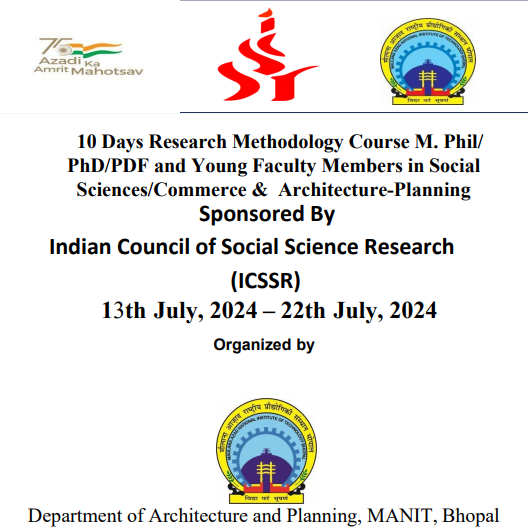


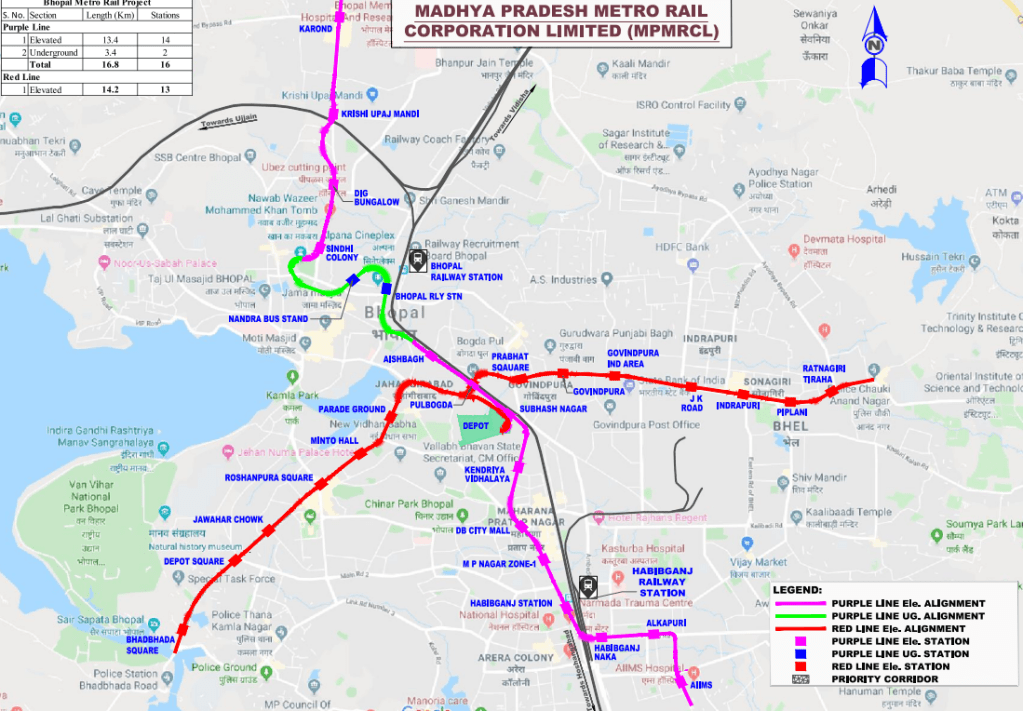











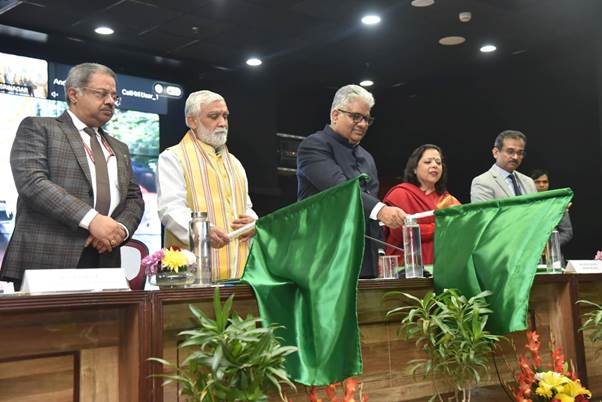


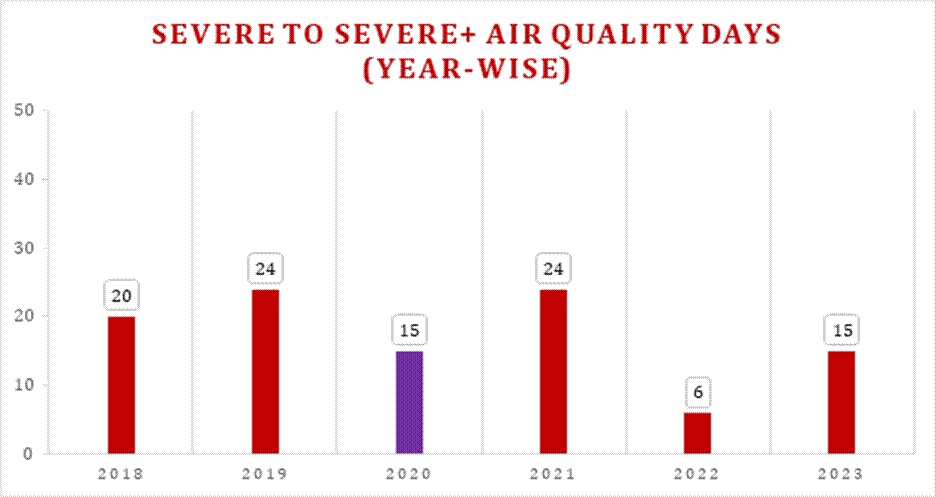
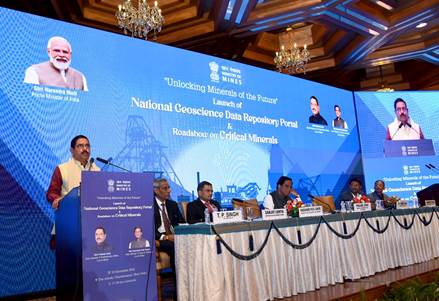






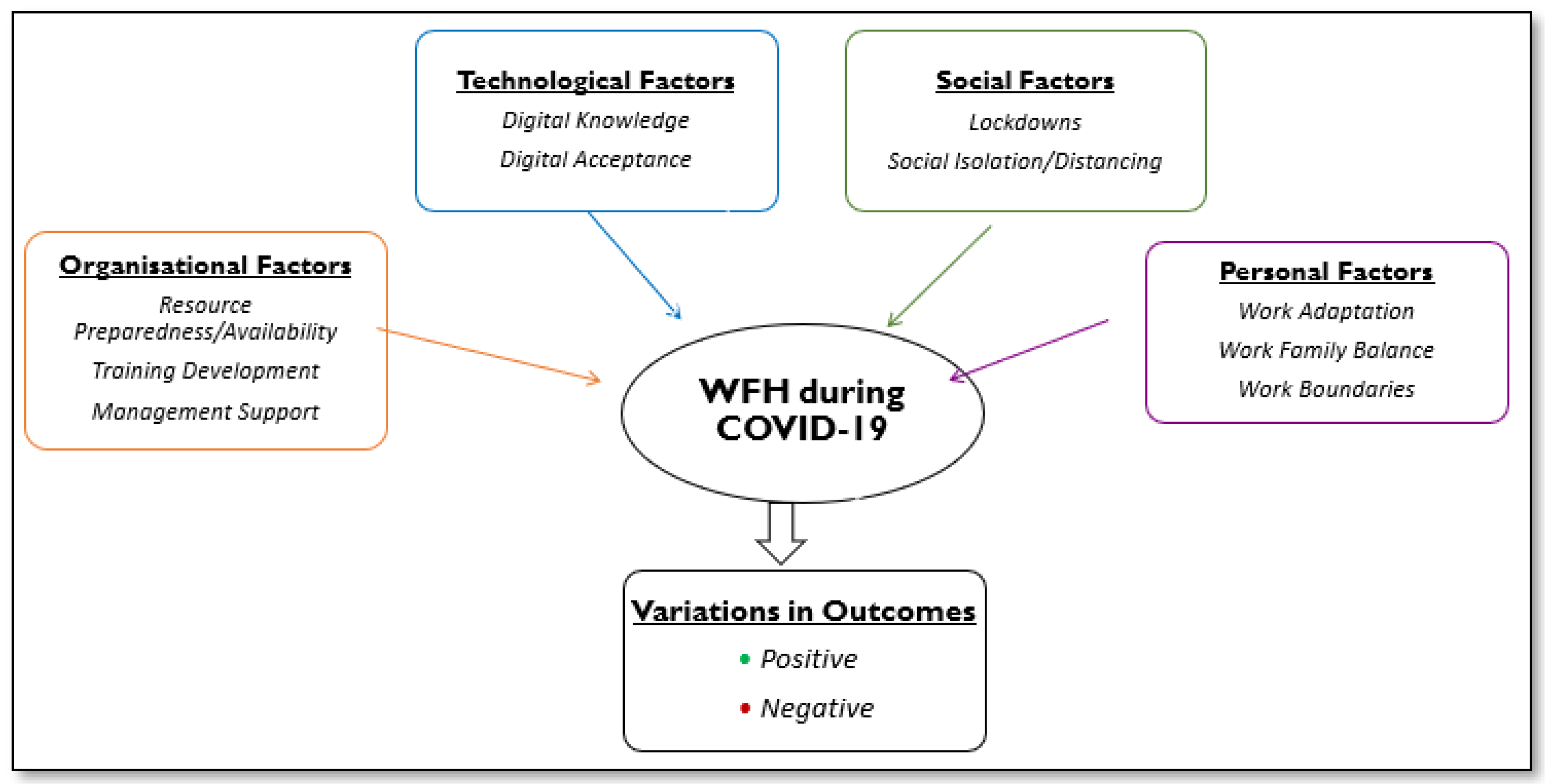



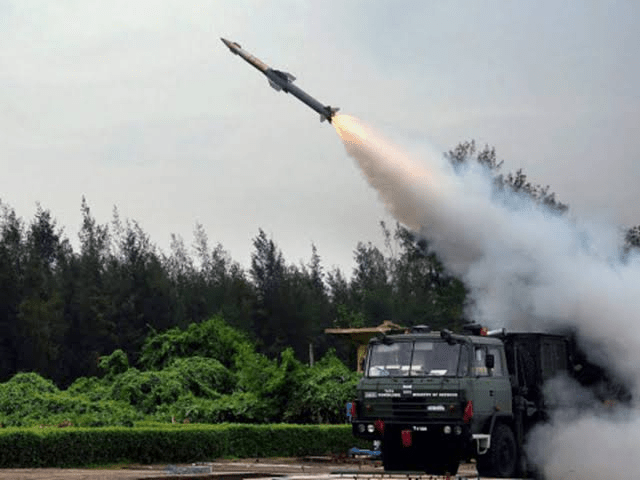



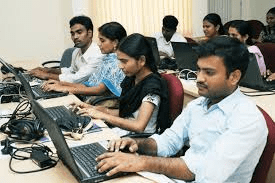

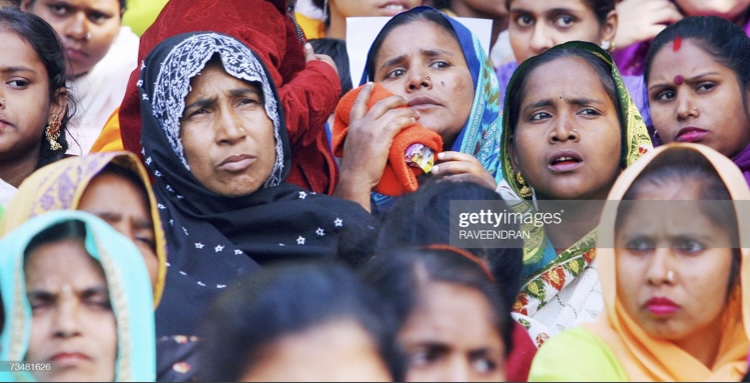















 Track2Training
You must be logged in to post a comment.