Who decides Independence?

I was happy until I realized,

one inch of my body if shown will seduce many other guys in the world.

I asked World:Why?

World answerd: If you are given freedom you will be spoiled.

I asked again why not for boys?

The world said: He is more responsible and knows how to manage.

I thought I was happy but wasn’t, which made me to chose Independence.

Do you think above lines relate to the situation you are facing ? Now a days these superstitions think that if a girl child is born than it is not good to the family.

Government has introduced “Beti Bachao, Beti Padhao Yojana” in order to create awareness and improve the efficiency of welfare service intended for girls in India.

Objectives of the campaign:

  • To protect girl child.
  • To provide education to the girl child and enable participation.
  • To help in removing gender based discrimination.

Eligibility for the scheme:

  • A family with the girl child below 10 years of age.
  • There should be a Sukanya Samriddhi Account (SSA) in any bank, opened in the name of the girl child.
  • The girl child should be an Indian citizen. NRI’s are not eligible for the scheme.

Campaigns versus Mindset(perspectives) of the people.

Campaigns are done to educate amd create awareness among the people. But there are few people who still thinks that it is better that girls should sit in their home. If they are are given independence there will be high chances of rapes.

Mary Kom, The Boxer, who made India proud in International level.

We all know various women’s who work in different fields like sports, educational sector, corporate ,film industries etc if these women’s were not given the opportunity to grow will they be in our top news everyday?

Therefore, it is not only the government who takes the initiatives but the people who need to change their perspective regarding the independence of the women. It is not that only women’s should be given an opportunity. The main basis of this article is to convey regarding the gender biasness. It is high time to cooperate with everybody rather than comparing.

So who decides Independence? It’s you who take a firm decision and move forward. Independence is just a term it is the mindset of the people which needs to be changed.

#We are humans. Stop discriminating.

Padho Pardesh Scheme- A Scheme of Interest Subsidy On education loan

It was announced in June, 2006. It provides the scholarships for
meritorious students from minority communities will be formulated and implemented. The scheme of Interest Subsidy on educational loans for overseas studies will promote educational advancement of student from minority communities.

CONDITIONS FOR INTEREST SUBSIDY


i) The Scheme is applicable for higher studies abroad. The interest Subsidy shall be linked with the existing Educational Loan Scheme of Indian Banks’ Association (IBA) and restricted to students enrolled for course at Masters, M.Phil and Ph.D levels.
ii) The interest subsidy under the scheme shall be available to the eligible students only once, either for Masters, M.Phil. or Ph.D. levels. Interest subsidy shall not be available to those students who either discontinued the course mid- stream, due to any reason, or those who are expelled from the institutions on disciplinary or academic grounds.
iii) If it is found that a student has violated any condition of the scheme, the subsidy will be discontinued forthwith.

iv) If a student is found to have obtained the subsidy by false
statement/documents/certificates, the subsidy will be withdrawn/cancelled forthwith and amount of the subsidy paid already, shall be recovered with penal interest, apart from taking criminal action as per law.
v) The students obtaining benefits under this Scheme shall not be given the interest subsidy if he gives up Indian citizenship during the tenure of the period.

Eligibility

The student should have secured admission in the approved courses at Masters, M.Phil or Ph.D levels abroad for the courses. He/ She should have availed loan from a scheduled bank under the Education Loan Scheme of the Indian Banks Association (IBA) for the purpose. Students should apply for the benefits under the scheme during 1st year itself of the course. Fresh applications received during 2nd year or subsequent years will not
be accepted in any case.

INCOME CEILING
i) Total income from all sources of the employed candidate or his/ her
parents/guardians in case of unemployed candidate shall not exceed Rs. 6.00 lakh per annum.
ii) Income certificate issued by the competent authority in the State/ Union Territory should be submitted in support of income shown by a candidate.

SELECTION OF CANDIDATES
i) 35% seats will be earmarked for girl students. In case of non-availability of girl students, seats can be transferred to boys students.
ii) The decision of the Selection Committee in regard to awarding the interest subsidy will be final and no appeal could be filed against it.

RATE OF INTEREST SUBSIDY
(i) Under the scheme, interest payable by the students availing of the education loans of the IBA for the period of moratorium (i.e. course period, plus one year or six months after getting job, whichever is earlier) as prescribed under the Education
Loan Scheme of the IBA, shall be borne by the Government of India.
(ii) After the period of moratorium is over, the interest on the outstanding loan amount shall be paid by the student, in accordance with the existing Educational Loan Scheme as may be amended from time to time.
(iii) The Candidate will bear the Principal installments and interest beyond moratorium period.

How to apply:

First, you need to avail the study loan from your chosen lender, and then apply for the Padho Pardesh scheme.

Submit all the relevant documents to your lender stating that you’re eligible for the interest subsidy scheme.

The lending organisation shall submit your personal information as well as education loan details on the scheme’s portal.

GIRL EDUCATION: GIRLS ON TOP!

Educating the girl child alludes to each part of training that targets building up the aptitude and information on girls and women. This incorporates the general instruction at universities, schools, proficient training, specialized and professional instructions, wellbeing training, and so forth. The instruction of the women envelops both non-artistic and scholarly training. The instruction of the girl child has the capacity of bringing human science financial changes. Majority rule nations including India have a constitution that ensures equivalent rights to the two women and men. Essential instruction is a key right. At the point when a girl is ensured through her privileges, the general public is guaranteed of its maintainability. Acknowledging how significant instruction is, both government and non-government have taken different tasks to fortify girl child training.

Significance of Educating thegirl child in India

The significance of instructing the girl child in the general public and coming up next are some of them

Monetary turn of events and thriving: Educating the girl child will help in enabling them to approach and contribute towards the success and advancement of the nation

Monetary strengthening: Helpless condition can’t be changed for the men if the women are in reverse and rely upon men. Monetary freedom and strengthening will come when we instruct the girl child.

Improved life: Educating of the girl child helps in the improvement of a decent life. The personality of the girl won’t be lost. She can tell and find out about her own options. She won’t be trodden down about her privileges. There will be a general enhancement for her life.

Improved wellbeing: Educated girls bring an attention to the significant of cleanliness and wellbeing. Through training, they can have a sound existence style. The women that are taught can carter for their youngsters better.

Respect and respect: Educated women are presently viewed with nobility and respect. They become a wellspring of motivation for many young girl who make them their good examples.

Decision to pick a calling of her decision: instructed girls can end up being fruitful in their various callings. Whenever the girl child have the chance to be taught, it gives her the better opportunity to turn into an effective cook, specialist, specialist or the decision of calling she needs.

End: Girl youngster training isn’t one to underestimate and this has made numerous NGO’s in India to get fascinating to instruct the girl child. The general public has observer changes in the status of women. There is currently more prominent accentuation on the training of the girl child and how they are instructed. It is the goal of most guardians to satisfy with no sexual orientation equality.

SELF LOVE

World is running fast. It won’t stop to anyone and nobody will look after you unless or until you must take care of yourself. Loving yourself is the important and needed thing one has to do in order to bring your mind and heart to peace. Days may be going crucial and you may also have lot of pain in the coming days, instead of shouting and crying, one has to tackle himself/herself to stand a chance in life. For these things SELF LOVE pays a way.

BE YOURSELF, ACCEPT YOURSELF

At the time, when you know that who are you and when you accept your character as such, many problems will be solved. Because no one will ever try to tease you after when you accept yourself. We cannot change everyone but we can change ourselves. Hence don’t compare with others, don’t think others as superior. Always say to your mind that you are going to make yourself great one day!

VALUE YOURSELF FIRST, FORGIVE YOUR MISTAKES ALSO

Many will always in depression mode. And when you ask that person, they will tell that they had done mistakes in their past. So major reason for depression in always the error we made in the past. So always engage yourself and value yourself first. When you take the decision of suicide, just think that many had nothing but they achieved greater heights because one and only they loved themselves. If you had done mistakes in the past, just don’t about that. do not think that again and again and don’t take that issue seriously, relax, take a breath and say to yourself,”I FORGIVE MYSELF AND I AM FEELING BETTER NOW!”

TRUST YOURSELF

Many people will say that,” I cannot that thing and i am unable to do that”. If you have that thought, just throw that thought in the dustbin. Just getup and rise and do that thing. There is no thing to stop you. If you find anything like that, don’t think it as a destiny and quit, just think it as a obstacle. Coz if you think everything as a obstacle, you won’t stop in your way. Just go do that thing and always grow bigger and bigger.

LOVE AND EMPOWER YOURSELF

And at last, don’t forget to spend time with yourself. The more you love yourself, the higher you will grow. Always say to yourself that,”I WILL EQUIP MYSELF AND I’LL PUT MY EFFORT AND WILL RAISE FOR SURE”. There is no thing greater than a SELF CONFIDENCE. You can only raise your self confidence by loving yourself. So don’t leave yourself unattended. LOVE YOURSELF AND BE HAPPY ALWAYS.

CONCLUSION

“ENJOY WITH YOUR FRIENDS, BUT FIRST LEARN TO MAKE YOURSELF HAPPY AND CONTEMPT ”

9 Signs of Emotional Exhaustion

Emotional Exhaustion: Symptoms, Causes, Treatments, and More

Have you ever felt like nothing is ever going to get better? Emotional and mental exhaustion happens when the stressors from professional life or personal life or both manage to wear you out and drain you until nothing feels right. 

We are all familiar with the state of physical exhaustion, when our body gets so tired that it cannot bear any more physical activity unless it gets re-energised. Physical exhaustion can be easily recognized and reversed by resting and eating energising food. The same is not the case with mental exhaustion as most people don’t realise it is happening and continue with their lives without doing anything about it. Their efficiency reduces gradually until they can’t keep going on anymore.

Here 9 warning signs to check if you are mentally and emotionally exhausted:

  1. Irritability

You get worked up from really small things like spilled coffee or a person’s comment even if it doesn’t pertain to you. Frustration can be accompanied by sweating, hyperventilating, racing heart, anger and confusion.

  1. Lack of motivation

You don’t feel like doing anything. Even when you do something like studying or just doing the work that is assigned to you, you are forcing yourself to do it and you would not do it if you could help it. You are not even motivated to do things that used to make you happy.

  1. Anxiety

Everything, be it leaving your house or asking for help, makes you fearful and nervous. In severe cases, one might even experience panic attacks in seemingly harmless situations in which the fear takes over completely and you feel like you are having a heart attack.

  1. Sleeping troubles

Your sleeping schedule is utterly ruined. Every night, it is difficult for you to fall asleep and when you do, it is so light that you wake up from even slight disturbance. You become sleep deprived eventually and physical exhaustion follows.

  1. Impatience

When you are impatient, you are unable to wait for something or someone and you openly show your discomfort caused by a delay. Depending on the temper, you can either get angry or simply upset. Impatience can make you take impulsive and irrational decisions that can hurt your well being.

  1. Indigestion

Mental discomfort can also lead to tummy troubles. Loss of appetite is very commonly associated with stress. You are never hungry and you don’t even feel like eating your favorite foods. Brain controls all the bodily functions and so mental exhaustion can lead to digestion system dysfunction, the symptoms of the same are bloating, inflammation and cramps.

  1. Sudden breakdowns

You unexpectedly burst into tears for no apparent reason. Crying is just an outlet of the emotions that have built up inside you and you haven’t paid any attention to them or you didn’t realise they were there in the first place. These emotions can be of loneliness, insecurity, dejection and what-not, depending on the person.

  1. Disconnection from reality

You start doubting everything and everyone because it all seems fake to you. It’s like you are not even connected to your own body and you are a complete outsider. Nothing makes you emotionally connect with your surroundings and you keep going on with your days without any feeling of connection.

  1. Emptiness

The feeling of having no purpose in life and it makes you want to give up everything. You are void of emotions and nothing seems to affect you, be it success or failure. You feel bored and you feel like you are all alone. Life seems meaningless.

Importance of practical knowledge

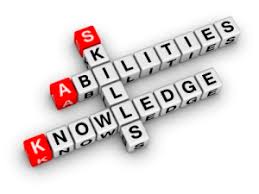
Knowledge can be defined as familiarity with something, which can include some facts, information about a particular topic or subject, descriptions of experiment or study, or skills acquired through experience or education. Knowledge can be of two types:

Theoretical knowledge
Practical knowledge
Theoretical knowledge may be attributed to the theoretical clarity of a particular topic or subject, wherein person has quite an understanding about the things going around, and the principle of their working, but cannot control the things. For example, if a person studies about a car and its engine parts in a classroom from books and presentation slides, he would, of course, have knowledge about what are the parts of the car, and what is the principle of working, but he would lack practical knowledge about it. In the absence of this practical knowledge, the usefulness of that car for him is zero. He cannot drive that car without proper practical knowledge, he cannot repair it in the case of some fault, and he doesn’t know anything about its machinery. Theoretical knowledge may be something that would help an individual to gain a good grip over practical knowledge. Knowledge is incredibly important to any career and life in general.

The world is progressing day by day, and we are getting more and more modernized every day which demands a lot of changes from some previous conventional techniques that were followed. Rapid changes in working life, society and information technology have increased the demands for experts in every field. Today the need for expert professionals is raising day by day who are expected to have good knowledge, excellent social and communication skills and who are able to utilize their skills in a positive way in life.

Theoretical Knowledge
Theoretical knowledge is as important as the practical one. Without having the proper theoretical knowledge, practical knowledge may sometimes prove to be dangerous. As they say, that a little knowledge is a dangerous thing. Theoretical knowledge and learning are necessary parts of expert knowledge. Formal learning occurs normally in a prescribed learning framework and in an organized learning event in the presence of a tutor, who himself must possess clarity of facts. For this reason, theoretical knowledge is usually gained by theoretical studies. Theory generally teaches us ‘why’. It helps you understand why one technique works while the other fails. Theoretical knowledge generally serves to focus on giving complete knowledge that builds the context and helps you set a strategy for dealing with the practical application. Theoretical knowledge can often lead to a deeper understanding of a concept through seeing it in context of a greater whole and understanding the why behind it, but still practical gives out the much wider review of the facts.

Theoretical Knowledge vs Practical Knowledge
As discussed earlier, when it comes to knowledge there are different kinds of knowledge and different ways of acquiring each kind. On one side is theory and on the other side is the practical application of theory. We cannot sideline one form or the other. Both types of knowledge are important and both make you better at whatever you do. Whether it is theoretical or practical knowledge, both are important. Both works hand in hand with each other and even if we decide to compromise on one form, there is a great amount of risk involved when related to your career. Those who really want to advance the furthest in life have to acquire knowledge at both ends of the spectrum and acquire it in a variety of ways. Neglecting one can also prove to be a great loss.

Practical Knowledge
Practical or informal knowledge manifests itself as skills or ‘‘knowing-how’’. Practical knowledge is very important to understand how things actually work. As it occurs and develops in those concrete situations where it is learnt, it is contextual and social in nature and helps you acquire the specific techniques that become the tools of your trade. Practical knowledge leads to a much deeper understanding of a concept through the act of doing and personal experience. Practical knowledge is found to be of much use in our actual day-to-day work. There are a lot of things you can only learn through doing and experiencing; no matter how hard you try to learn that through theoretical means. For example, if you try to learn how to drive a car by theoretical means, you will probably spend your whole life to learn and still won’t be able to drive without proper practical training, hence practical is the must. Where theory is often taught in the idea of a vacuum, the practical is learned through the reality of life.

Both of the above are important. You won’t survive in any career unless you can bring results and to do that you need practical knowledge. There’s no avoiding to any one of these. At the same time learning how to solve a specific problem only teaches you how to solve that same problem again. Practice can only take you so far. Theory helps you apply what you learned solving one problem to different problems. And practical is the application of theoretical basics in real. The basic difference between theoretical knowledge and practical knowledge is that theory teaches you through the experience of others, on the other hand in practice you tend to learn with your own experience with the particular task. Advantages of practical training are:

Acquisition of Knowledge: Practical training or Internship allows participants to acquire the practical knowledge and abilities offered by the professional world which they wish to form part of, and at the same time to improve their curriculum vitae. Though you may have theoretical knowledge about the subjects and topics, still it is not enough. You cannot achieve career heights with just theoretical knowledge. It is very important to possess practical knowledge along with some theoretic concepts. Without practical knowledge, things are really incomplete. It is like having a bicycle without tyres.
Entering the World of Employment with a Bang: Having a sound practical knowledge gives you an opportunity to show the organization your professional potential with a view to a future job offer. If you have some excellent professional skills, you would not have any problem entering a professional life. Also, it would become really easy for a student to face the transition from a learner to professional when he has a good knowledge of all the facts related to his topics. You tend to impress you seniors and stand a chance to be among the best employees of your organization if you have good practical knowledge. Remember the first impression is last, and if you are successful in giving out the first impression successfully at your job, you tend to gain the trust of your seniors and also some useful tips from them.
Makes Resume More Presentable: Students have the opportunity of applying the reality of work to the theoretical knowledge acquired in the classroom, thus adding a new professional experience to their curriculum vitae. Hence having a good practical knowledge or some internship can become a highlight of your resume. During your interview, you can clearly make a good impact talking about your practical experience and the fact that you already handled a practical situation can be useful for you in getting a job. Today competition is very high and it is not enough to secure a job based on your academics. Time has changed and organizations are looking in for talented individuals who can effectively handle work without wasting time and money on training.
Work feels Good: Students entering professional life are found to fell really bored with the official work if they are new to such behaviour. Having a prior knowledge not only makes your work easy, but you also tend to enjoy, what you do. Things come in a really organized way in your life if you have prior experience of some practical work. Practical knowledge is something that a lot of student’s lack, because of this reason they are not able to understand well their jobs and tend to make mistakes and this behaviour may lead to a feeling of getting bored from your job. Having practical knowledge tends to make things interesting for you.
Conclusion
It is very important for every individual to possess sufficient knowledge to lead his life smartly and successfully. It does not matter if you are a student, professional or a businessman. Knowledge is something very important in the life of an individual. Gaining theoretical knowledge is important but without practical knowledge, it is of no use. Practical knowledge empowers an individual to achieve something that he has been studying about. It is worth noting that not only in professional life; you need to have in good practical approach for your life in general. Hence it becomes really important for proper growth and utilization of your knowledge that you have a practical edge too, otherwise, there is no point having theoretical knowledge also, when you can’t apply it in practice.

Ways to keep motivated during the covid -19 pandemic:

We are in the midst of unseen, even unimaginable times. Suddenly the standard way of doing things has changed. For us human beings, any significant change surfaces fears, anxiety and discomfort like nothing else. People are afraid of whether they will still have their jobs and incomes in a couple of months. The tendency is to fall into survival mode naturally. The focus of the entire world at the moment is on the lower band in Maslow’s hierarchy of needs.

Any stressful situation can be leveraged as an opportunity to elevate your leadership to the next level. Instead of just getting by and existing, use this opportunity to thrive. How can you do that?

As the game has changed, the way to play the game must change too. What you are used to doing in the past will not work anymore in these times.

A common concern I am hearing from executives is how do I keep the team motivated and engaged during these times. The usual water cooler chats are not happening anymore. Most people are used to only discussing work during the scheduled virtual meetings. The connection that people felt seems to be intangible and less real now. I noticed different people dealing with work from home scenarios differently. A particular director who is usually very high strung seemed uniquely relaxed while working from home, while another typically cheerful VP seemed extremely stressed and wound up.

Here are a few ideas to keep the team engaged during these times:

Accept, accept, accept: It cannot be business as usual. Even if you are resilient enough to keep going at past levels of productivity, you must recognise that that kind of pressure can break a few people. One of my clients complained that his manager is single and is using this time to push others and work extra hard. However, my client has little kids at home, and both he and his wife are finding it very difficult even to get basics done. Empathy must be practiced by the bucketload right now.
Keep yourself in the maximum mental health. If you are not feeling great, how do you expect to inspire others? Try a few things with yourself. You can then share those tips with your team. The stress-energy that used to get automatically expended may now exist in your body as these uncomfortable emotions. Letting go is extremely important in whichever way you choose to release, such as exercising, meditating, reading, or other hobbies, talking to people, or even sleeping it out. Start by empathising with yourself. Extend kindness to yourself first.
Each person is handling this situation differently. Ask open-ended questions to understand where each team member is at. What are their particular strengths and challenges in the current environment?
Organise virtual happy hours or coffee chats. Some teams are getting everyone together and talking about topics other than work, being vulnerable, and sharing more personal tidbits.
Reach out for short unscheduled water cooler chats virtually. Pick up the phone and reach out to a co-worker to connect with them—just like running into them in the break room.
Some companies have assigned a virtual room where people can come to hang out if they feel lonely or have some free time.
Exercising together could be a good stress buster and bonding activity
Feel free to share your real self. With many people working from home, they have kids and families around that become part of the calls, whether we want it or not. Instead of being embarrassed about it, own up to the situation. For example, if your child barges into the room, feel free to take a few minutes to get them settled and then come back to the call. Trust people to understand.
Some leaders are restless and feeling that they are not doing enough to help solve this at the team, organisation or at a global level. I had this experience personally. I had to remind myself that every little thing helps. The most crucial thing is to stay focussed and do what you do best.
It’s important to recognise that these aren’t normal times, and your productivity is likely not at its peak right now. And that’s okay.

  1. Set some daily goals

Setting daily goals can help you to make your day as productive as possible, but be realistic with the goals you set. Don’t make them too big or you could end up feeling disappointed with yourself.

Write your tasks down in a list, and then break those tasks down into three or four smaller tasks. Reward yourself when you complete a task.

Little things like, once you complete a task, get up from your desk and go for a walk outside.

It will not only motivate you to complete tasks but will also provide you with a boost of endorphins that physical exercise provides.

  1. Plan your day to include work and relaxation time
    Working from home can make it hard to shake the temptation to work non-stop, or becoming easily distracted by television or other things around the home… and then feeling like you aren’t completing your tasks you set for yourself.

By planning when you will work and when you will relax can help you to manage a healthy work-life balance at home.

For many, the conventional 9-to-5 schedule with a lunch break in the middle of the day and a mid-morning or mid-afternoon break helps to stay focused.

After 5 pm, put down the work, go for a walk, make some dinner, and relax for the rest of the night and deep dive into that Netflix series that you’ve been itching to watch.

For some, that may not work as you have children at home who need assistance with online learning. So why not arrange with your manager to work in shifts? i.e. get up early; but don’t forget to maintain your routine, and work for several hours. Then take a break to undertake other tasks and then log back, when the time is right to complete the rest of the day.

The most important thing is that you can dedicate a chunk of your day to work and then keep your work out of your relaxation time.

  1. Try the Pomodoro technique — social distance style
    The Pomodoro1 technique consists of working for a period of time and then taking a break. It could be every 25-minutes you take a five minute break, or every 90-minutes you take a 10-minute break, etc, just work with what works for you.

For many, taking regular breaks to chat with your colleagues in the office, is a natural part of the work day, (and you are subconsciously following the Pomodoro technique) and so working from home can be hard when you’re sitting alone at a desk.

Thanks to the many video conferencing platforms—like Zoom, Teams or Facetime—you can still work with friends virtually!

Schedule times throughout the day for a quick chat or video conference with your colleagues, or if you are working on something as a team, why not arrange a 25-minute brain-storming session, and then go on a five minute (virtual) group walk around your neighbourhoods?

You’ll be motivated to stay focused with everyone while the timer is running, and you’ll get a chance to catch up with friends on your breaks.

  1. Schedule virtual get-togethers with friends
    Social distancing can be the hardest part of this pandemic, especially people who enjoy the social aspect of getting together. But that doesn’t have to stop and you don’t have to say good-bye to your social life.

Why not schedule virtual get-togethers with your friends? Ideas like Friday night drinks, Netflix parties, virtual trivia nights or even group dinner parties, where you all decide on a theme and then compare how you’ve interpreted the theme.

Not only will it ensure that you keep in contact with your family and friends, but you can have fun, and it gives you something to look forward to.

  1. Prioritize your mental health
    Taking care of your stress levels and anxieties at this time is vitally important. If you are feeling you’re not motivated, have a look and see what your blocks are.

To maintain on top of your mental health, make sure you incorporate a bit of exercise into each day, even just a walk around your block, or neighbourhood.

Take time to eat balanced meals and try not to work through lunch – step away from your desk and take a lunch break.

Maintain good sleep patterns, and don’t stay up until two in the morning. Do you normally go to bed at 10pm? Well, continue that, and ensure that you get at least eight hours of sleep a night.

Allow yourself time to enjoy TV and social media but set limits on how much news you are consuming. One suggestion is to set times when watch, read or listen to the news, i.e. 30-minutes in the morning as you’re getting ready and then again whilst you are cooking tea.

  1. Be okay with not being highly productive right now
    You may find that some days you are highly motivated and get through more tasks than you had planned, but other days you have no focus at all. It’s okay, nothing is normal right now, and we all need to listen to ourselves.

Go through your list, and prioritise what ‘has’ to be done, and what can be moved to the next day. Don’t forget to talk to your supervisor or manager, or even your friends if it isn’t work related.

We all place expectation upon ourselves, but at the present moment, it’s okay to expect less from yourself right now.

By talking through how you are feeling, and setting yourself smaller goals, with some additional fresh-air breaks, you will find that your motivation will increase.

Staying motivated can be tricky, but you can help make it a bit easier for yourself by setting realistic tasks and taking time to care for yourself.

Though this pandemic can feel like it will be endless, it will eventually pass. Staying motivated can help refocus our attention away from these stressful changes and towards a more hopeful future.


Chaos!

If you look around yourself, don’t you ever feel that everybody is stuck in their own chaos? It is like, everybody has a huge heap of problems which they are busy solving all the time. Yet somehow we are being preached to have everything “sorted out”. What career to choose or which place to settle or what kind of company you want to work with or how clear you should be to make others understand how you feel? Oh, that took a leap! Saying about being “clear” of how you feel, is itself is a myth. Sharing or listening is a whole different thing. But don’t you ever feel that you yourself are unable to understand what is going on in your head? There is this turmoil in your head which doesn’t have an explanation. You don’t know why you feel that particular way, yet you feel it. And this, when it comes to sharing you are incapable of expressing it. Sometimes just for the sake of sharing your make up things in order to justify that commotion in your head, which is wrong!!!!

Sometimes this feeling can last a while. Recently I had been there. I knew nothing about why I was feeling the way I was feeling. It lasted half a month. And it was so strange to explain why I was feeling that way. Whenever I used to explain it, it felt like a constant nagging. It was like, during these hard times you have food, shelter, clothing, electricity what else do you need to be happy? Does it really work that way?

I simply want to let you all know sometimes it is okay to be in chaos. It is okay for your mind to be in turmoil, to be in such a phase where nothing seems to make you happy. You don’t need to be “sorted ” always, be it your mind or life. Give things time. Let your mind recover at its own pace. Eventually, you will return to being back as you were but stronger.

And that day, you will know how important it is to give yourself a break, your mind a break from being okay all the time.

Bullying

World has changed a lot. Many developments have been made and world has achieved a tremendous change. But various things didn’t change and one of those main things which are affecting the children even now is Bullying. Due to this many have become severely affected and some even have done suicide.

LIFE OF THE VICTIM

Daily morning, that boy will go to that school in morning as usual, but from that starting of the bus travel itself , the boy will be humiliated by that bully. And hence the day of that victim starts with a negative impact and hence his day will be awful. Due to this many have been affected both mentally and psyco-logically. It is not only for that boy, mostly across the globe various persons have been criticized and over 10 percent of those are deciding to take the decision of suicide.

HOW DOES A DAY PASS FOR THE VICTIM

It is as hard as tasting a dish which you don’t like. If we cant able to finish even a single dish we don’t love, imagine about the life of that person. He will definitely don’t like his life. He will be so much friendly, but has got no companions in his school. IF HE EVEN GOT ONE SINGLE FRIEND, HE WILL DEFINITELY FORGET EVERYTHING AND LIFE HIS LIFE A NICE ONE.

But unfortunately, he will not get because of his appearance and structure. Please if you cant help others, its okay but don’t make others fall.

TEACHERS PART IN THIS

Normally teachers and staff members mostly don’t know about these kind of practices. Because the one who is making all these things will have a different face in the classroom. He will make a good appearance in front of the teacher and hence the teacher will not also suspect him. The persons doing this will also not do this in front of the official members and staff, hence the teacher role in this is not there. And if the staff came to know about this, surely actions will be taken.

ACTION TAKEN TO STOP BULLYING

Various colleges and institutions have made several ways to stop this kind of acts. Many methods including Fine for ragging, suspension of the persons making this, giving dismiss orders who make these kind of practices again and again.

CONCLUSION

“DO RAISE OTHERS, IF YOU PULL DOWN SOMEONE, YOU WILL ALSO BE PULLED!!!”

Future of Education System in India

The country’s educational System has undergone numerous improvements since independence, and started to advance. The Government is putting in place new policies and rules to enhance the quality of education. A comprehensive education forms the future of the infant, which helps create a healthier quality of life. Although there has been a great deal of positive change in the system, taking into consideration the number of children trying to move abroad to study it still needs to go a long way. According to the 2016 Open Door statistics, the percentage of Indian students moving to higher studies abroad has increased by 25%.

Online education in India | Future of e-Learning in India

Indian students who look up to study at leading universities abroad work tirelessly to seek admittance to their dream universities despite the immigration laws. The transition that needs to take place in order to create a holistic education system in the country is to dwell not only on the academic growth but also on the children’s all-round development. The core system of teaching is about ‘what to learn’ rather than ‘how to learn.’ This is important to experiment with the teaching process, and to integrate more engaging methods into the present program. A few institutional improvements will also be made to strengthen the education system:

The first move is to adopt an educational model based primarily on the learners. A holistic approach that aims at learning by engaging, skill-based approaches will prove to be helpful. The educational system can also include experiential learning activities and methods such as blended learning to provide a better learning experience for the children. Another very important view that needs to change among Indians is that no topic is an alternative topic. Every subject, which include sports and arts, is a mainstream career opportunity and parents should encourage their children to choose a non-conventional career if they decide to.

The teachers being recruited must be able to sign up; they would have passed certain assessments and have to go through proper training sessions. A trained staff and an untrained instructor will often make a clear difference in the process. It is critical that teachers held accountable for shaping the future of the child have to be competent and well prepared. Expanding the infrastructure is another important area for the Indian Education Sector to develop. A school’s infrastructure should be student friendly and accommodating. The classrooms have to be configured with interactive boards, and they should be easily customizable.

The testing regime should be well-founded in order to provide practical world training for the children and not just deliver theoretical knowledge. Children must be conscious of the pragmatism of life in today’s day and age; this is something that no book can convey. The training program must therefore be designed to prepare them for the outside world. Management plays a key role in all sectors including the education sector. For smooth running any educational institution must be well structured and well handled. If the Department of Management and Administration operates without any hurdles, the Institute can function effectively. India’s educational institutes need to expand the curriculum, as career opportunities are literally boundless. Extra-curricular activities should be included in the course, and students should be encouraged to participate in many of these. The students’ possibilities of growth and overall progress should not be limited; they should be inspired to try new material. Such activities will develop the child’s self-confidence, and a positive mind-set towards the future. We must also introduce the psychometric analysis in order to find the premature trend of potential successful careers for children in the future. Ideally, that test should be included from standard eight onwards. This will give the children, teachers, and parents a clear path for the future and serve the country in accordance with their competence & design and not by default.

One thing about the established education system that is praiseworthy though is building a strong foundation for the children. If this is interlinked with the necessary changes, in the coming years India’s Education System can become one of the best systems globally.

Flaws in the Indian Education System

The Indian schooling system includes many noticeable deficiencies and shortcomings. Ratcheting up into this rabbit hole only accentuates and exemplifies the more sophisticated nooks and crannies in this sector. The most crucial component of the Indian education system is its teachers, who have the power to make or break, including the future of a student and his or her outlook on other subjects. The dilemma here is how often the teachers are to be blamed for the many shortcomings in the country’s educational scenario. As such an indispensable part of the system the teachers have little to do with the system’s weaknesses. They are obligated, after all, by a set of syllabus guidelines and rules, and by the ministry of education. They just can do very little about it. Nevertheless, they are completely open to the way they teach a subject and involve the pupils.

Petition · Smirti Irani: Flaws in 'The Indian Education System ...

If the teaching methodology and pedagogy is inefficient and uninteresting, the students lose interest in a subject. So, the instructors have a big part to play in that regard. In several cases educators are not educated enough to be able to teach at a school or college, especially in rural India. Also, most teachers use the chalk and talk, or traditional teaching methods. One of the biggest challenges facing India’s education sector is the lack of use and application of technology in classrooms. Some would contend that computers and other technical advancements in schools and educational institutions might prove to be a huge distraction; on the contrary, if used with proper rules and regulations, technology will create a whole new environment for Indian students. Not only will they be able to actually apply information but they will also be able to navigate a physically inaccessible universe.

It is absolutely essential to have practical skills and to apply what they learn within the strictures of a classroom, it’s yet another factor that is overlooked in the education system. For assessments, most students are still unable to process and understand the concept of what is being taught in class and resort to rote memorization. They cannot retain what they’re learning and apply it to everyday life. They lack the ability to critically analyse a situation or issue, and often find it hard to form their own opinions. We are not encouraged to challenge anything, and are pushed into a static structure to conform.

For comparison, there is also a serious dearth in courses such as essential life skills, behavioural health, financial awareness, and sexual education. It is absolutely essential to discuss these topics even at the most basic levels, especially in countries like India where there are so many norms, stigmas and stereotypes connected to these topics. Such problems are swept under the carpet and then as they get older students are unable to comprehend these concepts. In classrooms, even subjects such as gender sensitisation were not addressed, making the children extremely ignorant. This normalizes problems in their daily lives such as misogyny, bigotry, hate speech and even racism.

Another big deficit in the Indian education system is how it puts unhealthy emphasis on marks and grades. Both schools and administrators believe the students are flourishing under pressure. They crack under pressure in most cases however. The burden of having to live up to unnecessarily high expectations is having a toll on the students ‘ mental health. Even as their mental health deteriorates, their parents refuse to recognize it and brush it away as an anxiety for adolescents. This has in many cases contributed to increasingly dramatic actions being taken by students, especially adolescents. The rapidly increasing number of suicides among the students is a result of high school pressure. Even in schools, counselling is only presented as a formality and when it comes to school counsellors there is also a severe lack of transparency and secrecy. When parents see a drop in the grades of their child, they are quick to place them in private tuitions and institutes of mentoring rather than getting to the root of the problem. The truth, however, is that unhealthy competition is seriously damaging to the mind of the child, because there is simply no growth or advancement. This crushes whatever ambitions they may have, dreams or aspirations. These problems are particularly valid and relevant in rural areas where resources are seriously lacking.

Stuff like encouraging unfair rivalry among students, placing undue pressure on them and completely ignoring their mental wellbeing fully demonstrate that the Indian education system has a long way to go in terms of reaching students. Furthermore, the funds dedicated to the education sector must be raised, and the RTE must be enforced gradually.

For the Love Of Lingo !


Haruki Murakami, the renowned Japanese author quoted “Learning another language is like becoming another person”. The journey of learning a second language is indeed a beautiful one. For a language carries within itself the ethos of an age old civilization, its traditions and the glorious tales of its evolution. It is rightly said, ‘To learn a new language is to posses a second soul ’.
Sounds fascinating right? From the groovy Spanish number “Despacito” to watching Korean TV series or going gaga over the K-pop band BTS , we’re are all in awe of these rich languages. Sometimes that fascination of ours leads to learning. Yes, you guessed it right; we embark on the journey to learn that language. And if you haven’t considered learning a new language until now ,then let me introduce you to the benefits learning the lingo!!
· Travel: Are you a wander who loves to explore new places and cultures? Travelling across lands is one to the most enriching experience if done right. By right I mean immersing oneself into the local culture of the place, far away from the luxury hotels. Interacting heart to heart with the locals. That’s where knowing the language comes into play. Who knows what hidden gems, tales you might discover besides making memories of a lifetime. Hey you!! Do add a language holiday to your bucket list for a cherishing experience.
· Friends, Family and Culture : With new language comes new friends and the world feels like a family. Exchange of ideas, coming together of speakers of different languages inculcates a sense of mutual respect, empathy and admiration towards other traditions. Imagine going to Brazil and cheering your favorite football team or appreciating the all time classic French movies in their original form. From deciphering the Arabic scripts on the Islamic tombs or the new found confidence within you on being able to read those complicated street signs in Chinese script. It’s no less of euphoria than the “Eureka moment “, right?
· Food for the Brain: Here comes the good news! Did you know learning a new language not only boosts your brain power but also enhances your memory? Studies prove that multilingual people have an edge at multitasking and decision-making skills compared to their monolingual counterparts. Also, learning the lingo keeps Alzheimer’s at bay.
· Career Boost and CV skills: Having a second language on your CV is like cherry on the cake. It gives you an upper hand over others, opening new career avenues. As a student, it increases your chances of selection for Student exchange Programs and being a part of global immersion. On the professional front, one can apply to Embassies, language translator and various other promising profiles.
· Diving into the world of literature : Learning a new language helps one discover the real gems of literature whose essence is lost in translation. Be it the original works of Persian poet Rumi, Les Misérables by Victor Hugo, the heart wrenching tales of Nazi Germany expressed originally in Dutch by Anne Frank in her Diary. They all offer insights into the realities of world ,broaden our perspectives and help us embrace the world with kindness. Romance languages (French, Spanish, Portuguese, Italian and Romanian) have similar roots and knowing either of one makes it quite easy to learn another. Having prior knowledge of Portuguese myself, I found Spanish quite easy to comprehend.
Still wondering when, how and where to start from?
Let me help you with this. The answer is pretty simple.
· When: If not now then when? There’s no better time to learn a language than now. It all starts with a simple step.
Just set aside an hour from your busy schedule everyday and start learning the language you’ve always dreamt of being fluent in.
· How: Here’s an interesting answer. Pick that one language you are passionate about. It could be as simple as impressing your love with French ( most romantic language in the world ) or maybe German cause you want to move there for higher studies . I’m sure you have plenty of reasons to pick your Lingo! ( For me , It was reading the Alchemist by Paulo Coelho in Portuguese )
· Where: Start from the basics, build a strong foundation. There are plenty of online resources available such as Coursera , Duolingo , Memrise along with various podcasts and resources available on the internet . There’s an entire ocean to choose from, you just have to pick your pearls.
Remember, Change is hard at first, Messy in the middle and gorgeous at the end.” This journey of learning the lingo might be frustrating. There are gonna be times you’d feel frustrated and wanting to giving up. Be consistent because Rome wasn’t built in a day. Eventually, you’ll fall in love with the journey and the language itself.
P.S. Carpe Diem Folks!! (Live the moment, Live the lingo)
Happy learning !

Understanding the browsing in Incognito mode


On a shared computer in colleges, and offices, there is a need to protect the user’s online activity from other users of a shared device. Hence, the private browsing feature called Incognito mode was introduced. It addresses the former issue completely. Also, it protects them partially from the visited websites and not at all from the ad networks or Internet service providers.
Browsing in private mode: Apple’s Safari browser was one of the first major web browsers to include this feature earlier in 2005 as “Private Browsing”. Later, Google Chrome, Internet Explorer, Mozilla Firefox, Opera, Microsoft Edge supported this feature. On a shared computer, if you don’t want the Chrome browser to remember your online activity, you can browse the web privately in Incognito mode. This feature can be activated in the Chrome browser of the Computer system, Android phones, Apple iPhones, and iPads.
“Go Incognito” can be added as an extension in Chrome. In Safari, the address bar is shown in black ( to indicate the incognito window).
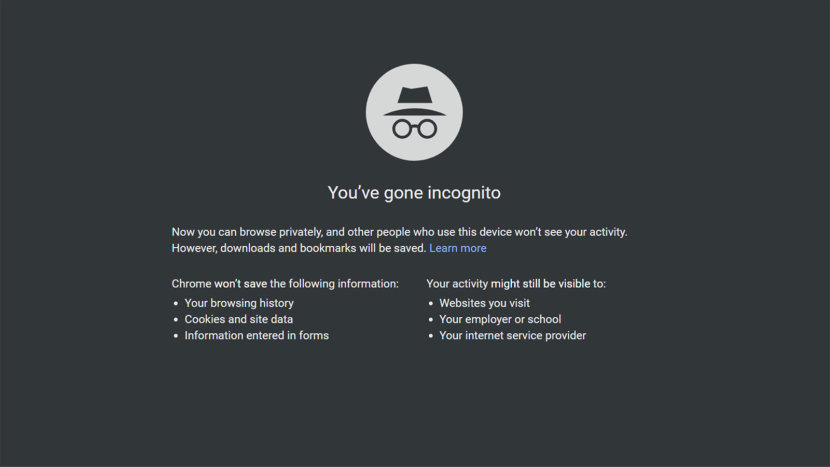
Starting from Mac Operating systems, Windows and Linux OS also support them. Incognito mode can run in a separate window from your normal Chrome windows. Further details are clearly shown in the below picture.
undefined

What browsing details are not stored?
When operating in such a mode, the browser creates a temporary session that is separated from the browser’s main session and user data. Free screen recorder windows 10.
Chrome will not save your

  • browsing history,
  • cookies and
  • site data, or
  • information entered in the online forms.
    Private Browsing mode (PBM) is not always private, really ….
    There are some limitations to that. The files that you download and bookmarks you create will be saved. It still saves your search query, geolocation details, etc and you are not free from malware or viruses.
    Your online activity isn’t hidden from the websites you visit, your employer or school, or your Internet service provider (ISP). For security or legal purposes, and from the employer’s perspective, it is not hidden from them. ISPs may compile browsing statistics across many users that the ISP can use or sell.

In private (incognito) mode, your browser works a bit differently. Your search history ( web addresses – URLs) won’t be stored locally. This is great for hiding your browsing history from anyone else who’s using the same device, such as when you’re looking at products in an online shopping portal, reviews of latest movies, health information search, etc.
Health information search
Your health is your business. You might not even want to let family members know that you suspect something is an issue. Incognito mode can help you learn without having to explain before you understand.
Unbiased searching
Your search history can always influence what you see in the search results. If you want completely unbiased searching, based on an empty search history (and no cookies), incognito mode can let you do so without using the existing history for regular work.
Work in multiple accounts or profiles
If you want multiple windows open in multiple accounts (FaceBook login), sometimes profiles can get confused. With incognito mode (especially if you also use a guest window), you can keep each profile separate. And let’s say a friend wants to borrow your computer to quickly check his Facebook page; he could do that in incognito mode and log in to his own Facebook account without first having to log out of yours.
Screen recording
If you want to record a screencast, you probably don’t want all your own browsing info cluttering your recording. Incognito mode is a great way to do a clean recording.
As a new visitor to the e-commerce site
Sometimes what online stores present to you (along with the prices) are influenced by what you’ve bought before. If you want to see it all without history influencing, both incognito mode.
Helps you save money
Another surprising benefit is that users could save more money under PBM. Many web sites collect the user’s interests by storing one’s browsing session information. For example, through a user’s search history, an airline may rise up the price next time he/she searches it to persuade him/her to make the purchase now.
Preventing website tracking
Websites use trackers to collect information about browsing. They use it to show advertisements according to the user’s browsing preferences and behavior.
Tracking Prevention can be set from the Settings menu (Basic, Balanced or Strict options). Always use “Strict” tracking prevention when browsing InPrivate to “on.”
While using personal systems (iPad or Android phones etc) , it also helps to remove the local trace of viewing of adult content and hiding those kinds of stuff from the other family members, siblings, children, etc.
Conclusion :
Incognito Mode allows the user to go undercover when they are browsing the internet. Any searches or websites visited in Incognito Mode won’t show up in the Internet search history later.

Morita Therapy

Developed by Japanese psychiatrist Shoma Morita in the early part of the twentieth century, Morita Therapy was conditioned by the psychological propositions of Zen Buddhism. His technique at first came into existence as a treatment for a type of anxiety neurosis called ‘shinkeishitsu’. After a while the postulates of his approach have been accommodated to outpatient settings and expanded to address not only emotional well-being but to enhance the function in many aspects of day to day life. Morita Therapy, is for common mental health problems, in sharp variation to established western psycho-therapeutic approaches in teaching that undesired symptoms are natural traits of human emotion rather than something to control or get rid of.

Morita put forward that human motivating force was influenced by two oppugnant drives; a desire to live fully (self-actualize), and a desire to maintain security and contentment. He took note of these two drives being in contrast. Morita observed that the more people strive to avoid or stifle feelings of insecurity the more it disrupts their ability to function. Moreover, their attention becomes increasingly fixated on wrong efforts to escape unwanted feelings, resulting in the contradictory effect of enhancing the frequency and intensity of the very experiences they are trying to desist from.

The grail of Morita Therapy is arugamama (acceptance of life as it is). On numerous occasions, humans experience discontentment with life as it is in comparison to life as they can imagine it should be. We fall short of our own expectations, or feel exasperated with people who are not as patient, kind, or helpful as we believe they could be. The natural outcome is that we try hard to make life more like our ideal life. This might appear as a perfectly rational formula for improvement. There are however, some serious faults to this approach. One problem is that as soon as we attain a closer approximation to our ideas of perfection our mind is able to imagine how life could even be better. When we attain that, the mind sets a new aim. The result is that we live in a kind of persistent dissatisfaction with the present moment, comforted by the belief that once we fix what is wrong we will be content. However when that “future” arrives it is just one more disquieting present moment. In this way we live as if the present moment is a hindrance to where we would rather be living. Another problem is that our mind is capable of envisioning and wishing for things that have nothing to do with how life is.

It is a common presumption that the problem at the core of emotional distress is the presence of certain thoughts and feelings. Morita observed that even very unpleasant or unreasonable thoughts and feelings are quite common. He suggested that people naturally go through distressing feelings like anxiety, depression, and inadequacy. He suggested that unpleasant feelings or irrational thoughts were not the trademark of abnormal psychology. Rather it was people’s attempt to suppress or avoid such experiences which lead to problematic behavior. It is an individual’s response and relationship to thoughts and feelings that is at the interior of the problem, not the thoughts and feelings.

The techniques used by Morita therapists differ. In the traditional inpatient approach there is a period of solitary bed rest before the patient is exposed to counseling, instruction and occupational therapy. Increasingly, Morita principles are put in application in outpatient settings.

Naikan is a Japanese term which means “inside looking” or “introspection”. It is a structured method of self-reflection that helps us to look at ourselves, our relationships, and our actions from a new frame of mind. Reflecting on our lives through the lens of Naikan often reshapes long held but inaccurate beliefs about our lives. In turn this point of view will often give rise to feelings of gratitude, indebtedness, and responsibility.

Naikan is easy to learn. It is founded on three basic questions:

  • WHAT HAVE I RECEIVED?
  • WHAT HAVE I GIVEN?
  • WHAT TROUBLES AND DIFFICULTIES HAVE I CAUSED?

Used creatively these questions can shed light on the unseen aspects of our relationship to all things; on the fundamental nature of how we view our life. Ultimately Naikan is a devotion to the truth. Not the self-serving construction of what we think about ourselves, but a search for the actual events of our lives as they might be encountered by those around us. This truth, though every once in a while daunting, is also liberating. 

MENTAL AND PSYCHOLOGICAL WELL BEING

The phrase “psychological well-being” is used to describe an individual’s emotional health and overall functioning. Many have found that the absence of distress doesn’t necessarily indicate a person has high psychological well-being.It is all about feeling happy and doing well. People with high mental well-being report feeling capable, well-energized, and contempt with life.

IT ALWAYS MATTERS THE MOST IN LIFE:

People with higher psychological well-being are more likely to live healthier and longer lives. They are also more likely to enjoy a better quality of life. Better mental well-being also is associated with fewer social problems and high level of happiness in heart.

For instance,people with high psychological well-being are less likely to engage in criminal activity or abuse drugs and alcohol. In addition, positive mental well-being tends to predict higher earnings .

If you’re looking to improve your psychological well-being, there are several things you can do to feel and function better. Here’s an overview of things you an do to improve your overall sense of well-being.

IT MAKES THE PURPOSE OF LIVING

Living a life with meaning and purpose is key to improving your mental well-being.You have to live your life in at peace and Your purpose doesn’t necessarily have to involve changing the world but you must be a person who always need to help at least a single person.

THINGS WILL ALWAYS BE NICE IF YOU THINK POSITIVE

Thinking positively also improves your mental well-being. In turn, as your psychological well-being improves, it becomes easier to think positively and feel good overall. Fortunately, you can begin creating that positive cycle with a few simple strategies. Here are some steps that makes you optimistic:

*) Stay nice always.

*) Be satisfied with what you got.

*) Take part in social activities.

*) Involve yourself in sports and co curricular activities.

MAKE YOUR MIND FOR A BETTER FUTURE

Take a few minutes and write down all the good things that could happen to you in the future. Imagine how you could be spending your time and who you would be spending it with if you were living your best life.

You also may want to devise a plan on how you can make that happen. Make small, measurable goals that will help you achieve that better future. Then, put a plan into place. When you’re working toward a better future—even if the steps are really small—it gives you a sense of purpose and something to look forward to.

MEMORIZE POSITIVE EVENTS OF YOUR LIFE

Spend time thinking about some of the best memories of your life. Whether it’s a family vacation you went on 10 years ago or an award you won at work two years ago, recalling the happiest times in your life can bring more good to your mindset.

Recognizing the good things that have happened to you over time—the people you have built memories with or the good times that you have experienced—is an important part of improving your well-being. They serve as reminders of the fullness life has to offer, especially when circumstances may be pulling you down.

HAVE KINDNESS FOR EVERYTHING

Doing nice things for other people reminds you that you have the power to make a difference in the world. Giving to others also helps you think more positively and feel happier. Helping a neighbor in need, volunteering for a community activity, or raising money for a charity are just a few simple ways to improve your psychological well-being.

Also, look for ways to be kind to others in your everyday life. Doing so benefits you in a number of ways. In fact, if a individual gives kindness releases endorphins that makes good hormones , as well as creates new neural connections. Consequently, kindness can become a self-reinforcing habit that takes less and less effort to perform. There’s also some evidence linking kindness and healing. So, look for ways to be kind to others and your body and mind will thank you.

CONCLUSION

“IN ORDER TO IMPROVE THE WELL BEING OF YOURSELF, STAY POSITIVE ALWAYS!!!”

Bullying

Bullying is a repetitive aggressive behaviour that can be physical or verbal, it can either be online or in person. It is an unwanted aggressive behaviour and stems out from real or perceived power imbalance. Bullying is the intentional harm or discomfort one gives to others.

Bullying is deliberate and ongoing misuse of power in relationships. It involves an individual or group of individuals who misuse their power or perceived power over a person who usually can’t stop the happening.

In order for a behaviour to be called bullying, it should have the following characteristics,
• An imbalance of power
• Repetition
Bullying include activities such as spreading rumours, making threats, attacking someone physically or verbally, excluding someone from group and so on.

Bullying can be physical, verbal or relationship bullying.
• Physical bullying: It involves hitting, kicking and pushing. It may also include stealing, hiding things , humiliating and harassing.
• Verbal bullying: It involves name calling, teasing , taunting, insulting. Thus includes verbal abuse.
• Relationship bullying: It includes spreading rumours or lies, excluding someone from group or refusing to talk to them.
Reports suggest that boys are more likely to get involved in physical bullying , whereas girls are reportedly more involved in verbal bullying. But either type of bullying should not be tolerated.

Cyber Bullying

With the development in digital platform, bullying is no longer limited to public place. One can get bullied even sitting at home via the digital platform. Unlike traditional bullying, cyber bullying does not require face to face contact. It doesn’t require physical power or strength in numbers.
• Cyber bullying come in all shape and form: Almost everyone at internet can be a cyber bully and can be its victim even without revealing their true identity.
• Cyber bullying has no time constraint: A cyber bully can torment you 24 hours a day. It can occur anywhere and just with a single click hundreds of people can see the humiliation.
• Method of cyber bullying can vary: The method people use to cyber bully others can vary with the platform they use. It can be via text, email, stealing someone’s online identity and so on.

Cyber bullying is common both with boys and girls. Since it is so easy to perpetrate, one can easy turn from a victim of cyber bullying to a cyber bully.

Effects of Bullying and Cyber bullying

A victim of bullying or cyber bullying usually experience same effect. These includes:
• Experiencing a turmoil of emotions: A victim usually experiences feeling of anger, isolation, fear, hopelessness, helplessness. If severe the victim might also experience suicidal tendencies.
• Poor mental health: A victim is at a greater risk of developing depression, low self esteem, anxiety and other mental health conditions.
• Reducing social contacts: A victim usually reduces their social contacts. In case of bullying they might leave school, college, workplace , in order to avoid being bullied. In cyber bullying, they may withdraw themselves from social platforms altogether.

Ways to deal with Bully

There is no definite solution or full proof way to deal with bullies. However since bullying and cyber bullying impacts the mental health of a person it is extremely important to deal with bullies . Suffering in silence is never the solution.

• It is not your fault: Do not blame yourself, it is not your fault. No matter what the bully says but you do not deserve this . The bully is the problem, not the victim. Do not change yourself .
• Change your perspective: The bully is usually the one who is insecure with themselves. They want to control your feelings, so you too feel miserable about yourself just like they do . Do not let them break your confidence.
• Don’t dwelling into it: One should try to stay as away from bullies as possible. Do not read hate comments or messages. Instead focus on the good and positive things in life.
• Learn to manage stress: Bullying does induce stress, making it very important for the victim to manage stress. Yoga, meditation, exercise not only helps in dealing with stress but also promotes physical wellbeing.
• Engage in hobbies and fun activities: The more time one spends on hobbies and other activities they get pleasure from , away the person stays from bullying. Hobbies make a person better version of themselves and makes them secure individuals.

If you are a victim of bullying, just remember it is not your fault. You do not deserve it. You are not the problem , your bullies are.

‘PROXY WAR’ Yemen crisis: What is happening in Yemen?

A vicious civil war storming in Yemen has claimed more than 16,000 lives and left 13million people on the threshold of famine.

Credit: Getty Image

The conflict has been given a name to “proxy war” among competing powers in the Middle East as a Saudi-led coalition battles rebels backed by Iran.

How many people have been killed in the crisis?
The UN had confirmed the deaths of at least 7,500 civilians with most caused by Saudi-led coalition airstrikes.

However, monitoring groups believe the death toll is far higher. In October last year, the US-based Armed Conflict Location and Event Data Project (ACLED) said it had registered more than 100,000 deaths, including 12,0000 civilians killed in direct attacks.

More than 23,000 fatalities were reported in 2019.

According to the Yemen Data Project, more than 17,500 civilians have been killed and injured since 2015 -with a quarter of all civilians killed in air raids said to be women and children.

Some 100,000 people are now thought to be dead because of the conflict, from direct involvement and knock-on effects such as mass starvation and inadequate sanitation.

This week, Yemen has recorded 208 coronavirus-related deaths pandemic.

The country’s national committee against the virus confirmed the total number of infections stands at 844, while the number of recoveries is around 80.

International health officials have said Yemen’s population could be extremely vulnerable to an outbreak.

It would be hard to scan the outbreak in the country as Yemen’s health infrastructure has been destroyed by years of civil war.

Aside from the threat of COVID-19, Yemen is also suffering an outbreak of the mosquito-transmitted Chikungunya virus.

There are also more than 100,000 known cholera cases across the nation.
Famine in Yemen
Yemen, the Gulf’s poorest nation, has been torn apart by the conflict.
Supplies of basic goods and humanitarian aid have been halted by forces battling control of the strategic port in Hodeidah.
Violence has forced farmers to abandon their crops, and hospitals have been overwhelmed by sick, wounded and malnourished children.
Hadramout province has seen some of the worst pockets of malnutrition and disease in the war-torn country.

Many displaced people, returnees, refugees and asylum seekers are now reliant on regular humanitarian aid to survive, according to the UN.

Credit: TOI

Charity UNICEF says approximately 80% of Yemen’s population, or 24 million people, rely on aid, and 10 million are facing famine.
According to the charity Save the Children, 12.3 million children – 0r 93% -need humanitarian assistance and protection.
The charity says 1 in 5 of children have lost their homes, while 70% don’t have access to clean water and sanitation
A further 7.4 million children are in need of child protection assistance, while 2 million children are out of school.
The United Nations (UN) has put out an appeal for donations amidst growing fears regarding the situation in Yemen.

It comes as COVID-19 spreads rapidly throughout the country’s population, which has already been devastated by years of war.

A number of charities are running campaigns to raise money for the people affected by the war.
The civil war is considered one of the largest humanitarian crisis’ in the world right now, with millions affected.
International organisations such as The Red Cross, Save the Children, UNICEF and Oxfam are collecting donations to help Yemeni citizens and families.

HUMAN-ANIMAL CHIMERAS

According to Greek mythology, a chimera is known to be a hybrid creature represented by a lion with a goat’s head protruding from its back and a tail terminating with a snake’s head.

Science has been successful in preserving the mythological roots of a chimera but this research has also been quite transgressive in its approach.

A chimera is a single organism which has been made of cells from different individuals, meaning it contains two different sets of DNAs. For example, tissue chimera may result from organ transplant or tissue transplant such as that of bone marrow. Not only restricted to being a lab experiment, it is known to occur naturally as well. This may happen when the mother and the fetus swap cell during pregnancy via placenta (micro chimerism) or when in a case of fraternal twins, if the two embryos somehow fuse together to form a single fetus having genetically distinct cells (tetragametic chimerism).

The total number of chimeras in the world isn’t known but there have only been 100 cases recorded so far making it a very rare condition.

Most often, chimeras have been a result of lab experiments performed by humans for genetic research. With advancements in science and technology and an increasing need for performing organ transplantation, scientists have developed a technique called xenotransplantation which can be understood as the implantation of live cells, tissues or organs from a non-human animal source into human body. Hiromitsu Nakauchi, a Japanese stem-cell scientist has been the first person to receive government support after the ban on this practice was uplifted recently. The team headed by him aims to produce animals with organs made of human cells that can be used to facilitate organ transplantation. This research has been active in other countries as well such the United States but has not been brought to terms because of the prohibition on its funding since 2015 imposed by the National Institutes of Health.

The first interspecies chimera sheep-human chimera was created by scientists in which human stem cells were introduced into sheep embryos resembling 99% sheep but also showing a tiny bit similarity to humans.

Bioethicists have argued against this idea because there may be a possibility that human cells may go beyond the development of the targeted organ and may reach other organs of the animal such as the brain and interfere in its cognition.

The main strategy of the scientists working on this research is to perform only targeted organ generation, so the cells do not sway away from their original path and penetrate other organs. The necessary concerns need to be taken into consideration regarding this research. Nakauchi plans to address the issue and plans to maintain a dialogue with the public so as to eradicate all of their concerns.

SOLAR INTELLIGENCE

SUNBOT or the popularly known smart flower owing its name to its flower like appearance is an innovative product being set up in many universities of the United States such as North Colorado University but has yet to popularize itself in India.

Claiming to be the world’s first intelligent energy plant, it offers much more than the conventional static solar panels. It is a photovoltaic flower system with its solar panels arranged as the petals of a flower that automatically unfold during daytime to capture maximum solar energy. The solar cells bearing petals of the solar flower just like those of a sunflower due to its dual axis and trackers follows the movements of the Sun allowing 40% more production than the traditional ones. Working on better technology and low maintenance requirements, it works as an overall self-sufficient device that outcompetes other solar based devices. One of the most important advantage is its portability and high ease of set up. It can be put up in a few hours unlike the bulky installation of solar panels. The effectiveness of this device can not only be seen in its energy capturing efficiency but also as a self-cleaning device. The petals when closed uses already installed brushes that clean the petals. Its designing gives it a superior edge with added benefits such as smart cooling and smart system. When detected bad weather conditions, the petals close themselves to minimize the damage.

It does pose as a better option in terms of design and efficiency but its high cost plays the biggest factor in making people question its worth and necessity. Cost may be the prime factor it is not that popular. Before adding the incentives and the tax credits, it may range from $25,000 to $30,000 while the conventional devices of nearly the same size may vary between $14-15,000. Eventually, it comes down to the person’s requirements and preferences. If a person prefers effectiveness, the smartflower has an edge but the low cost and higher affordability of the conventional rooftop solar panels may be more appealing for the customers.

All in all, it is a new technology which has a lot of scope and if used efficiently, it can prove to be very beneficial.

5 FREE Ways to Develop Your Skills!

The internet is a vast place and is an excellent provider of opportunities and knowledge. If you have an internet connection and plenty of time on your hands (which I suppose a lot of people do because of the lock down), now is the time to maximize your benefit from the internet.

There are a loads and loads of online sources and websites which contain loads of valuable information and that too, for free! I have listed a few of them below :

  1. DUOLINGO

Learning languages is very essential because it gives you a competitive advantage over the others in the job market. Learning new languages is also like exercising your brain and it increases your learning and grasping abilities.

Duolingo is a completely free app which lets an user learn various languages. The number of languages being offered are numerous and some of the available options are – Spanish, French, German, Italian, Japanese, English, Arabic, Greek and so many more. It starts giving lessons from the very basics which is highly advantageous for new learners. The app gives you points for every exercise completed which is another motivating factor. It also lets an user add friends and compete with them. Friends and learning together? No better combination on Earth.

2. KHAN ACADEMY

How fun would it be if you could just sit at home and learn as if you were in school. Well now, you can do that exact same thing with Khan Academy.

Khan Academy posts videos for all classes starting from Class 1 – College level. There are several subjects available like Mathematics, Physics, Chemistry, History, Economics, Computing and so many more. There is also an option where you can prepare for competitive exams like IIT-JEE, GMAT, and so on.

You first watch a video about a topic of your choice and it is then followed by exercise questions which helps you to really understand the topics.

Their videos are available on both their website and on YouTube.

3. INTERNSHALA

Internships are integral stepping blocks in one’s career. They give you a taste of what working in a particular environment is like along with loads of experience and contacts. It gives you a chance to observe your superiors, hone your skills and then ultimately decide whether it is a career that you want to go into.

With Internshala, you don’t have to ask your rich businessman relative for an internship in their company. You can now simply log into Internshala’s website, create a profile and apply to an internship of your choice. There are several internships that you can choose from. The stipend which is offered by a few internships is just the cherry on the top.

4. COURSERA

In compliment to your education in college, it is always useful to have a set of extra skills. You need not look elsewhere to learn them. All the possible skills you could ever want to learn can be found in Coursera.

There are free courses being offered by the top universities and companies of the world. You can learn skills in a diverse range of subjects like – Arts and Humanities, Business, Computer Science, Data Science, Life Science, Math and Logic, Personal Development, Physical Science and Engineering, Social Sciences and Language Learning.

While the entire course itself is free, you will have to pay a nominal fee to receive certification.

5. YOUTUBE

Now, who hasn’t heard of YouTube. You should know that not only does it have entertaining videos which can keep you up at night, but it also has a lot of educative content. It is an excellent platform to increase your knowledge in regards to any topic.

There are several tutors of course, but there are courses being uploaded by top Universities of the world like MIT, Princeton University and so on.

There are also channels like The Infographics Show, Ted-Ed, Science Channel and many more which have a lot of interesting information in their videos.

***

These are just a few ways through which you can learn online. There is information and knowledge EVERYWHERE. You just need to look a little harder. Time is precious and there is no time like the present. Utilize this time to gain knowledge because you know what they all say, “Knowledge is Power.”

A School Education

Ashoka Changemaker Schools | Ashoka | Everyone a Changemaker

school is an educational institution designed to provide learning spaces and learning environments for the teaching of students (or “pupils”) under the direction of teachers. Most countries have systems of formal education, which is commonly compulsory. In these systems, students progress through a series of schools. The names for these schools vary by country (discussed in the Regional section below) but generally include primary school for young children and secondary school for teenagers who have completed primary education. An institution where higher education is taught, is commonly called a university college or university, but these higher education institutions are usually not compulsory.

In addition to these core schools, students in a given country may also attend schools before and after primary (Elementary in the US) and secondary (Middle school in the US) education. Kindergarten or preschool provide some schooling to very young children (typically ages 3–5). Universityvocational schoolcollege or seminary may be available after secondary school. A school may be dedicated to one particular field, such as a school of economics or a school of dance. Alternative schools may provide nontraditional curriculum and methods.

Non-government schools, called also known as private schools may be required when the government does not supply adequate, or specific educational needs. Other private schools can also be religious, such as Christian schoolsmadrasahawzas (Shi’a schools), yeshivas (Jewish schools), and others; or schools that have a higher standard of education or seek to foster other personal achievements. Schools for adults include institutions of corporate trainingmilitary education and training and business schools.

In home schooling and online schools, teaching and learning take place outside a traditional school building. Schools are commonly organized in several different organizational models, including departmental, small learning communities, academies, integrated, and schools-within-a-school.

History and development

The concept of grouping students together in a centralized location for learning has existed since Classical antiquity. Formal schools have existed at least since ancient Greece (see Academy), ancient Rome (see Education in Ancient Rome) ancient India (see Gurukul), and ancient China (see History of education in China). The Byzantine Empire had an established schooling system beginning at the primary level. According to Traditions and Encounters, the founding of the primary education system began in 425 AD and “… military personnel usually had at least a primary education …”. The sometimes efficient and often large government of the Empire meant that educated citizens were a must. Although Byzantium lost much of the grandeur of Roman culture and extravagance in the process of surviving, the Empire emphasized efficiency in its war manuals. The Byzantine education system continued until the empire’s collapse in 1453 AD.

In Western Europe a considerable number of cathedral schools were founded during the Early Middle Ages in order to teach future clergy and administrators, with the oldest still existing, and continuously operated, cathedral schools being The King’s School, Canterbury (established 597 CE), King’s School, Rochester (established 604 CE), St Peter’s School, York (established 627 CE) and Thetford Grammar School (established 631 CE). Beginning in the 5th century CE monastic schools were also established throughout Western Europe, teaching both religious and secular subjects.

Starting a school

The Toronto District School Board is an example of a school board that allows parents to design and propose new schools.

When designing a school, factors that need to be decided include:

  • Goals: What is the purpose of education, and what is the school’s role?
  • Governance: Who will make which decisions?
  • Parent involvement: In which ways are parents welcome at the school?
  • Student body: Will it be, for example, a neighbourhood school or a specialty school?
  • Student conduct: What behaviour is acceptable, and what happens when behaviour is inappropriate?
  • Curriculum: What will be the curriculum model, and who will decide on curricula?

Education facilities in low-income countries

In low-income countries, only 32% of primary, 43% of lower secondary and 52% of upper secondary schools have access to electricity. This affects access to the internet, which is just 37% in upper secondary schools in low-income countries, as compared to 59% in those in middle-income countries and 93% in those in high-income countries.

Access to basic water, sanitation and hygiene is also far from universal. Among upper secondary schools, only 53% in low-income countries and 84% in middle-income countries have access to basic drinking water. Access to water and sanitation is universal in high-income countries.

Security

To curtail violence, some schools have added CCTV surveillance cameras. This is especially common in schools with gang activity or violence.

The safety of staff and students is increasingly becoming an issue for school communities, an issue most schools are addressing through improved security. Some have also taken measures such as installing metal detectors or video surveillance. Others have even taken measures such as having the children swipe identification cards as they board the school bus. For some schools, these plans have included the use of door numbering to aid public safety response.

Other security concerns faced by schools include bomb threats, gangs, and vandalism.

Online schools and classes

Some schools offer remote access to their classes over the Internet. Online schools also can provide support to traditional schools, as in the case of the School Net Namibia. Some online classes also provide experience in a class, so that when people take them, they have already been introduced to the subject and know what to expect, and even more classes provide High School/College credit allowing people to take the classes at their own pace. Many online classes cost money to take but some are offered free.

Internet-based distance learning programs are offered widely through many universities. Instructors teach through online activities and assignments. Online classes are taught the same as physically being in class with the same curriculum. The instructor offers the syllabus with their fixed requirements like any other class. Students can virtually turn their assignments in to their instructors according to deadlines. This being through via email or in the course webpage. This allowing students to work at their own pace, yet meeting the correct deadline. Students taking an online class have more flexibility in their schedules to take their classes at a time that works best for them. Conflicts with taking an online class may include not being face to face with the instructor when learning or being in an environment with other students. Online classes can also make understanding the content difficult, especially when not able to get in quick contact with the instructor. Online students do have the advantage of using other online sources with assignments or exams for that specific class. Online classes also have the advantage of students not needing to leave their house for a morning class or worrying about their attendance for that class. Students can work at their own pace to learn and achieve within that curriculum.

The convenience of learning at home has been a major attractive point for enrolling online. Students can attend class anywhere a computer can go – at home, a library or while traveling internationally. Online school classes are designed to fit your needs, while allowing you to continue working and tending to your other obligations. Online school education is divided into three subcategories: Online Elementary School, Online Middle School, Online High school.

Stress

As a profession, teaching has levels of work-related stress (WRS) that are among the highest of any profession in some countries, such as the United Kingdom and the United States. The degree of this problem is becoming increasingly recognized and support systems are being put into place.

Stress sometimes affects students more severely than teachers, up to the point where the students are prescribed stress medication. This stress is claimed to be related to standardized testing, and the pressure on students to score above average.

According to a 2008 mental health study by the Associated Press and mtvU. eight in 10 college students said they had sometimes or frequently experienced stress in their daily lives. This was an increase of 20% from a survey five years previously. 34 percent had felt depressed at some point in the past three months, 13 percent had been diagnosed with a mental health condition such as an anxiety disorder or depression, and 9 percent had seriously considered suicide.

Discipline towards students

Schools and their teachers have always been under pressure – for instance, pressure to cover the curriculum, to perform well in comparison to other schools, and to avoid the stigma of being “soft” or “spoiling” toward students. Forms of discipline, such as control over when students may speak, and normalized behaviour, such as raising a hand to speak, are imposed in the name of greater efficiency. Practitioners of critical pedagogy maintain that such disciplinary measures have no positive effect on student learning. Indeed, some argue that disciplinary practices detract from learning, saying that they undermine students’ individual dignity and sense of self-worth – the latter occupying a more primary role in students’ hierarchy of needs.

Can India’s economy over take China in coming years?

With the Covid-19 pandemic infecting millions of people around the world, China is facing a global backlash, especially from the United States. It has created a cold-war situation between the two, where India is siding the US. Despite the strong anti-China sentiment, the Indian government can no way stop the Chinese market.

Indian Market cannot afford to keep China out of its markets as Chinese products are fairly cheap and have helped low-income groups to improve their standard of living. The country’s products are not just cheap but also durable and well-aligned to other country’s needs. This formula has helped Chinese production experts take over even Euro-American markets. Although, China is known to be the birthplace for Coronavirus, which is uniting its enemies- India, the US, Japan, and Australia. But, there are very low chances that they can stop its goods and services all over the world, including their own countries, in the post-COVID world.

Focusing on India, it still hasn’t prepared its labor force to challenge the Chinese skilled labor force. Also, the question arises, is India capable enough to produce goods and commodities as inexpensive as China?

China has its rural industry which is that independent that it can produce goods for all sorts of cultures and commercial markets. There is no rural industry in India. While announcing plans for post- corona economy, Narendra Modi talked about establishing cottage industries. But there are no skilled laborers in rural India to produce goods for the global market’s tastes. How will this happen then?

Not to forget, Chinese growth has been driven by some of the world’s largest investment rates. This has made possible high –speed rail lines, infrastructure revolution of new cities, ports, airports, and manufacturing muscle for the country. Now, China has become the world’s factory for more than 20 years. Its ability to quickly and efficiently move what it produces domestically and around the world has played a major role in its growth miracle.

Today, India lags behind China in three dimensions: investment, infrastructure, and manufacturing. India has barely scratched the surface on all these. China invests about 50% of its GDP, while India does only 30%. Manufacturing is about is just 20% in India, while in China it’s about 30%.

India lags behind China a lot in the development. It looks like a poor country in major parts, where China has one of the best infrastructures around the world.

But, if India starts taking things seriously it can be a real opportunity. It is a known fact that by increasing investment, improving infrastructure, and growing economic output, it can be a true path to growth if the nation is patient enough to follow.

The ‘Make in India’ initiative is so promising as it does not rely on the Indian government. Launched to surpass China in direct foreign investment, ‘Make in India’ calls for global firms to increase their financial commitment to India. The innovative firms as diverse as Lenovo, Samsung and Boeing have publically supported this initiative, proving that the private sector is ready to step in.

Only thing is that private firms won’t act until it is more confident about politics and this scheme. Taking this into consideration, the government first has to give confidence to them for further progress to be made.

There is a lot of potential that India has. The raw material that the nation is so rich for any production. The challenge now is to use it effectively by all means.

All to say, to challenge China, it means unlearning many things and re-learning new things for India to take over this nation in terms of economy.

With the Covid-19 pandemic infecting millions of people around the world, China is facing a global backlash, especially from the United States. It has created a cold-war situation between the two, where India is siding the US. Despite the strong anti-China sentiment, the Indian government can no way stop the Chinese market.

Indian Market cannot afford to keep China out of its markets as Chinese products are fairly cheap and have helped low-income groups to improve their standard of living. The country’s products are not just cheap but also durable and well-aligned to other country’s needs. This formula has helped Chinese production experts take over even Euro-American markets. Although, China is known to be the birthplace for Coronavirus, which is uniting its enemies- India, the US, Japan, and Australia. But, there are very low chances that they can stop its goods and services all over the world, including their own countries, in the post-COVID world.

Focusing on India, it still hasn’t prepared its labor force to challenge the Chinese skilled labor force. Also, the question arises, is India capable enough to produce goods and commodities as inexpensive as China?

China has its rural industry which is that independent that it can produce goods for all sorts of cultures and commercial markets. There is no rural industry in India. While announcing plans for post- corona economy, Narendra Modi talked about establishing cottage industries. But there are no skilled laborers in rural India to produce goods for the global market’s tastes. How will this happen then?

Not to forget, Chinese growth has been driven by some of the world’s largest investment rates. This has made possible high –speed rail lines, infrastructure revolution of new cities, ports, airports, and manufacturing muscle for the country. Now, China has become the world’s factory for more than 20 years. Its ability to quickly and efficiently move what it produces domestically and around the world has played a major role in its growth miracle.

Today, India lags behind China in three dimensions: investment, infrastructure, and manufacturing. India has barely scratched the surface on all these. China invests about 50% of its GDP, while India does only 30%. Manufacturing is about is just 20% in India, while in China it’s about 30%.

India lags behind China a lot in the development. It looks like a poor country in major parts, where China has one of the best infrastructures around the world.

But, if India starts taking things seriously it can be a real opportunity. It is a known fact that by increasing investment, improving infrastructure, and growing economic output, it can be a true path to growth if the nation is patient enough to follow.

The ‘Make in India’ initiative is so promising as it does not rely on the Indian government. Launched to surpass China in direct foreign investment, ‘Make in India’ calls for global firms to increase their financial commitment to India. The innovative firms as diverse as Lenovo, Samsung and Boeing have publically supported this initiative, proving that the private sector is ready to step in.

Only thing is that private firms won’t act until it is more confident about politics and this scheme. Taking this into consideration, the government first has to give confidence to them for further progress to be made.

There is a lot of potential that India has. The raw material that the nation is so rich for any production. The challenge now is to use it effectively by all means.

All to say, to challenge China, it means unlearning many things and re-learning new things for India to take over this nation in terms of economy.

Big Data and IoT Explained

How Big Data Influences Your IoT Solution

Technology has been advancing and lives are getting improved everyday now. Businesses are doing everything to exceed the expectations of their customers and IoT is the next promising step towards the same. Internet of Things, IoT in short, is a platform that collects and analyses data from our regular use appliances with the aid of the internet and gives out information to both the manufacturer and user. This information could be about the servicing that is required or a part that has become dysfunctional and needs to be replaced. The huge amount of data that is generated by these sensor equipped machines is called the Big Data (no surprise there, hopefully).

Big Data has always been present but in earlier times, it was simple and could be easily recorded on Excel spreadsheets and analysed as such. The type of data wasn’t as complex back then and it could be easily filled into the cells of spreadsheets. Now, however, the format of data that is being transmitted is not very fixed and it could be in forms like audio, video and pictures. This data cannot be collected and analysed by traditional programs. New softwares (Cloud) are getting developed that can help separate the valuable information and recognise the trends or patterns if there are any. Examples of the same can be seen in apps like Netflix and Amazon Prime when they give you recommendations on the basis of your previous watch.

The big data is characterised by 4 Vs: volume, velocity, variety and veracity. The volume of data could be trillions of gigabytes and has to be stored at multiple locations. The velocity of transmission and collection of data currently, is unprecedented. ‘Variety’ refers to the format of data that can be both structured and unstructured but equally important. Veracity or the accuracy of the set of data that has been generated by a source and needs to be verified in case of redundancy or just to check if the data is suitable for analysis by a particular software. The role of data analyst becomes important with this discussion and it will be the most sought after profession eventually.

IoT and Big Data are very similar but yet very distinct at the same time. IoT seeks to analyse the data when it is transmitted and the data then contributes to the Big Data. A company can use both the technologies at the same time. For example, a sensor in a car could emit a signal that the car is in need of servicing and the owner might get a notification reminder for the same. The data of the times all the cars of the same company required servicing can be stored and used for predictive analysis for newly manufactured cars. 

The integration of the two technologies can help the both consumer and seller in the long run. The businesses will make more profits as they will become more efficient in catering to the needs of their customer and the overall costs will get reduced as well. The customer might be hesitant at first, for the idea of their appliances tracking their usage behavior seems like invasion of privacy, but it will save their time and money in maintenance and replacement.

It’s a Marriage..!

There are a lot of people in this world who are definitely sure about the fact that they are going to walk the aisle once for sure in their life can be more too lol. But is this decision that important is there a need to marry! So if you ask me it is equally important as well as not so important and it’s totally dependent upon your personality, your mindset and your aspirations and your desires.

So let’s start with why is marriage an important part in anybody’s life. This thing is for certain that before you get married make sure that you have experienced everything there is to experience in this whole wide world which doesn’t happen most of the time. But Ladies and Gentlemen no worries you can always roam with your mio amore but make sure that you are ready to settle down to start something calm, stagnant and homely as marriage without these three sounds like a Banana. Find someone you love and then you can actually live a life worth living. As marriage is something which gives us a sense of sensibility and a pride to prejudice sorry Jane Austen this world ain’t made for your book. Jokes apart lets proceed to the fact that why is marriage so important and why it isn’t. So if you really find your soulmate or that person who maybe your soulmate is as usual definition goes and i quote as someone who accepts you for what you are and not for your bank balance or your job or your looks then no harm comes from getting married. But we can’t forget the gospel that not everybody is supposed to get soulmates, is the place where people actually do mistakes. According to me if you are not so attached with that whole scenario of walking the aisle then it’s best not to get married as when you put a piece of really expensive stone on your so called soul full relationship it may last and it may not and nowadays it’s the latter rather than the former. Never ever compromise your happiness, your personality and your mental stability and integrity for one idiotic or lost being , well I mean there are eight billion humans on planet earth for god sake you will find another one for sure but if you can help the idiotic ones please do help them. So live for yourself and love your family and if you get a chance do fall in love as that feeling to surrender yourself to a single person with body, mind and soul is something heavenly and it’s the creation god indeed.

then comes the mother of demons ‘Arrange marriages in India. If you think about it arrange marriage is one of the most flawed concepts which we possess as im gonna get married but my parents will decide the one for me. Well in a manner Indian parents act as it’s some kind of moral obligation they have towards their children but in reality it’s a really messed up thing Parents opening up accounts in matrimony sites is one of the most violating thing one can ever imagine. To all the parents out there if you are so into deciding your boy’s or girl’s partner take control of their dating sites Tinder and Grinder will accept you with open arms And most importantly know this that we don’t choose who we fall in love with and putting a name on it is your decision as such yours and yours only for now and for ever……….. Love is a weird thing as it makes ones life enough to seek Hadraniel and to ask him for refuge as he also stands defeated in the acts of love!

NEED OF HUMANITY-MANKIND-HUMANKIND!

Humanity is a nature of a person that is being skilled by the nature to one and by which one is recognized from different creatures. Being human doesn’t imply that an individual has mankind. The nature of mankind in an individual observe what he accomplish for individuals who give taking note of back consequently to the kindness they had advertised. Extra-standard humankind in a person has been depicted delightfully by Mother Teresa as She had made a sublime case of Humanity over the world and especially in India. Mankind implies thinking about and helping other people at whatever point and at every possible opportunity.

Humankind implies helping other people now and again when they need that help the most, mankind implies overlooking your narrow minded interests on occasion when others need your assistance. Mankind implies stretching out unlimited love to every single living being on Earth.

An ideal case of humankind can be shown by the account of a ruler. A ruler with a benevolent heart once observed a pigeon and an Eagle battling. He had the capacity of speaking with the flying creatures and creatures. The pigeon requested that the lord spare him from the hawk. The ruler told the bird that he is prepared to follow through on any cost in kind for sparing the pigeon. The bird requests that the lord give him the equivalent measure of tissue to the heaviness of the substance of the pigeon. Consenting to the Eagle’s condition, the lord begins slashing off his own substance equivalent to the tissue of the pigeon. Subsequent to giving a smidgen of his tissue, he despite everything finds the pigeon heavier. At long last he gives up the entire of himself to the Eagle to eat. That is the second when both the Eagle and the pigeon transform into blessed messengers who showed up on the earth to test the degree of the lord’s mankind. The ruler is currently compensated with the most valuable prizes and paradise after life for his deed of humankind.

This story can be comprehended as a misrepresented proclamation with the goal that people comprehend the significance of humankind in their everyday lives. It is imperative to comprehend one significant truth “a person’s life is fruitful not by the quantity of degrees the individual achieves yet by the level of helpful exercises that individual is into on an everyday premise”.

Serving poor people and the debilitated is one of the best philanthropic assistance an individual can give in the course of their life with no standing, belief, shading and religions. It is fundamental to comprehend the way that we are very fortunate to have all that we want anytime of the time we need. Serving the penniless implies that you yourself feel that you have all that could possibly be needed assets to your removal.

Individuals who consistently den that they don’t have adequate offices accessible regardless of having everything can never offer philanthropic types of assistance in such a case that one has the outlook of not acting naturally adequate, by what means can the person in question help another person. One is constantly associated with their great deeds and it is basic to comprehend that there is no preferable deed over offering types of assistance for compassionate causes. On the off chance that eating and having a ton of fun is just what we are destined to do then we should remember a certain something, even creatures can do such movement, if God has made us people there must be some explanation for it

International Yoga Day


As you look forward toward your goal. Here, it is International yoga day on 21st of June with peace of mind you can rejoice it with your family and loved ones. This year’s theme is ‘Yoga at home and Yoga with family.

The word yoga is derived from the Sanskrit word ‘Yuj’ meaning to evoke or to unite. As per Yogic scriptures the practice of Yoga leads to the union of individual consciousness with that of the Universal Consciousness, indicating a perfect harmony between the mind and body, Man & Nature.

How to prepare for yoga day

1. Bring on the practice
Do some yogic asanas you want to do. Bring forward young ones tell them about yoga. Take time to understand your body and practice mindfully.

Here are some yogic posture you can do

Mountain Pose (Tadasana)

Raised Arms Pose (Urdhva Hastansana)

Standing Forward Bend (Uttanasana) 

2. Do meditation
Do mindful meditation introspecte yourself learn your strength and weakness. Have gratitude and thanks for where we are today.

3. Have fun
We should enjoy in our own way. Appreciate your family members and have fun. It would bring together during the time of pandemic. It would add value to your life.

Benefits of yoga

1. Improves flexibility
It would increase flexibility. At first it would look difficult but all your aches and pains start to disappear. Impossible poses would look possible .

2. Reduce stress
Yoga is known for its ability to ease stress and promote relaxation. When used alone or along with other methods of alleviating stress, such as meditation, yoga can be a powerful way to keep stress in check.

3. Increase strength
Strong muscles do more than look good. They also protect us from conditions like arthritis and back pain, and help prevent falls in elderly people. And when you build strength through yoga, you balance it with flexibility. If you just went to the gym and lifted weights, you might build strength at the expense of flexibility.

4. Increases your blood flow

Yoga gets your blood flowing. More specifically, the relaxation exercises you learn in yoga can help your circulation, especially in your hands and feet. Yoga also gets more oxygen to your cells, which function better as a result. Twisting poses are thought to wring out venous blood from internal organs and allow oxygenated blood to flow in once the twist is released. 

Yoga makes you feel better and makes you mindful by meditating. It makes you healthier with your body and spirit.

The Revolt of 1857

As a student of history, i feel this a question which most of us have had at some point and it needs to be addressed now. Whether or not can we call the revolt of 1857 the first war of independence? Now, there are two viewpoints to this. I will introduce both the ideas to you all and then you can do your research to come to a well informed conclusion.

NOT A WAR OF INDEPENDENCE

VD Savarkar was among the first to call it a war of independence. Many of his contemporaries as well as later scholars have disagreed with him. It is argued that it was neither the first nor a war and nor was it a struggle for independence.

It was not the first such uprising because it was preceded by numerous tribal and peasant revolts at local level. The Santhal revolt preceded the Sepoy mutiny by two years. Pazzhasi Raja, a chieftain in the Malabar region of what is now Kerala, struggled against the British from 1793 till his death in 1805. These are, but two examples of armed rebellion against the East India Company’s rule.

It is also misleading to call it a war. In reality, history records the events as a series of localised battles, with little or no coordination among the mutineers spread across cantonments. Moreover, the revolt was restricted to the Bengal Army. The Bombay and Madras Armies remained largely unaffected.

The most inappropriate aspect however, is the argument that the mutiny was for independence. In fact, the Indian chiefs who joined in the mutiny primarily did so over personal grievances. Nana Sahib, who led the rebellion in Kanpur, was aggrieved because the British were cutting off his pension. Rani Lakshmibai, of Jhansi was mainly concerned that her adopted son be recognised as the ruler of Jhansi (under British suzerainty). Similarly, Begum Hazrat Mahal of Lucknow lent support to the mutineers in order protect the interests of her young son Birjis Qadir. Kunwar Singh, who led the revolt at Arrah, was motivated by his desire to protect his Zamindari rights.

In fact, this diversity of interests ensured that there was no unity of purpose among the leaders of the mutiny. This was a major reason for the failure of the revolt. While the Indian protagonists had widely varying interests, the East India Company fought with the sole objective of self preservation in a land where they were hopelessly outnumbered.

It would be more appropriate to remember the mutiny as one among many events that shaped the events of the next century.

WAR OF INDEPENDENCE

The Nationalist historians have a different story to tell. According to them the fact that Hindus and Muslims came together to fight against British oppression proves that it was the first war of independence. The Revolt was not successful but well it was the first every armed struggle of such a huge impact by the Indians against the British. Even though it did not necessarily lead to freedom from the British, it made the Indians realize that they could overpower the British and establish their independent rule.

The mutiny took place in 1857 and exactly 90 years later, in 1947 India did gain independence and we must not forget that after 1857, Indians never stopped their struggle for freedom and continued to fight against the British oppression. Thus we must not in any way undermine the events of 1857.

The amount of damage inflicted upon the British by the sepoys was enough to scare them off. This was the first time when the British realised that their Raj was not going to last forever and a very strong message was put across by the Indians.

The mutiny was magnificent display of Indian unity, power and might.

Thus, with this we can answer the question raised. I would request you all to read more and analyse the mutiny in greater detail and come up with your own unique answer.

Digital Marketing using AI

Hey Readers. Every now and then, people talk about the use of automation in diverse processes of business, technology, developments and day-to-day activities. With elevation of disruptive patterns in technology, the term “Artificial Intelligence” is the new gold.

Artificial Intelligence is the power of computing systems to mimic human behaviour and is the intelligence depicted by machines. It is also called machine intelligence due to its nature. The future of smart devices and related equipment’s is forced by the basics and usage of artificial intelligence.  AI makes it possible for various machines to learn from experience, adjust to new inputs and perform human-like tasks.

Thanks to advances and detailed algorithms, AI systems are increasingly gaining attention and becoming more and more mature.  Systems are becoming more efficient at a much faster rate than ever before. With adaptations and advancement, the application field of AI has been expanding, helping to make big strides in research and development areas around the world.

Previously, marketers were hesitant to add artificial intelligence to their marketing strategies and found it a challenging task. But with time and looking at the fact that AI will elevate the business growth and with many successful brands have adopted it and use it, other marketers are also planning and making use of AI to design marketing strategies.

For example, e-commerce websites are using consumer data and AI to show only relevant products to shoppers, based on previous searches, scrolls, purchases and views. This can increase the likelihood that a shopper makes an initial purchase or becomes a repeat customer, with the personalized experience being highly sought after.

AI in Digital Marketing

  • Email campaigns: Usually, analytics tools like A/B testing takes a lot of time, sometimes even weeks and hence AI help to reduce this gap. AI is used in email-campaigns to predict and analyse consumer behaviour according to their past behaviours, purchases and other details after which mails are send accordingly. This is more of a personalized way and is most effective.
  • AI Digital Advertising: Social Media platforms such as Facebook, Twitter, YouTube and many more analyse users’ information, including gender, age, interests, demographics, and other aspects to show them the most relevant advertisements, improving the performance of digital ads.
  • Marketing campaigns: Using advances AI features, Marketers design banners, newsletters and other marketing campaigns to cater the demands of customers. The data is collected from various online sources using the concept of big data and artificial intelligence and then campaigns are designed accordingly.
  • Experiential Marketing using AR/VR: When AI is combined with Augmented Reality (AR) and Virtual Reality (VR) technologies, it creates magic. It gives an opportunity to customers to interact and learn about a brand, allowing them to form a connection. The amalgamation of AI with AR/VR not only refreshes the user’s consumption experience but also builds a strong brand identity that can help create a greater sense of loyalty from a brand’s customer base.

Digital marketing can become more effective when it is combined with the usage of Artificial Intelligence. It definitely helps to fuel the business growth of an organization right from its inception to analysing most effective campaigns.


Orlando Nursing Students Provide Health Care for Homeless

I believe that it’s so important to give back to the community and gain real-world clinical experience during your time in nursing school. That’s why I’m so excited about our recent partnership with the Coalition for the Homeless of Central Florida to provide a free health clinic available to more than 500 residents across the Coalition’s facilities.
This is a win-win for residents and our students.
This commitment assures Coalition residents can get the care they need without having to worry about the cost. It’s also a fantastic way for students to practice their assessment skills and improve their therapeutic communication. Our services include pediatric care, basic first aid, health education, consultation and if needed, referrals to emergency care services.
Our students and faculty will serve two days per week at the Men’s Service Center and an additional day per week at The Center for Women and Families (CWF). I’m excited to say we will be doubling our time at the CWF at the beginning of the New Year, and we’ll even have a dedicated RN that will begin working at the Coalition full time.
The best part of all is knowing that we’re helping people in our community get through tough times.
Two of our students told me that they enjoyed when people come in just to talk. They want to share what is going well for them – if they’re making progress in school or toward securing a job or a home. “It’s so nice to be able to make a difference,” they said. 
Pat Edwards, MN, EdD, RN, has served as the Dean of Nursing at Herzing University’s Orlando Campus for almost a decade. Her area of clinical specialty is in obstetrics and newborn care. Her favorite hobbies include seeing her students succeed and spending time with her 4.5 pound Yorkie, Miss Savannah.

IMPORTANCE OF E- COMMERCE IN MODERN TIMES

E-commerce stores, online payments services and affiliate marketing websites have one thing in common: they all use e-business practices to generate revenue and attract customers. Even though the terms “e-business” and “e-commerce” are often used interchangeably, they’re not one and the same.

E-business refers to any business conducted online using the internet and related digital technologies. E-commerce involves buying and selling products or services on the internet.

Importance of E-Commerce in business

Think of “e-business” as an umbrella term that encompasses e-commerce, e-sales, e-banking, e-learning and online communication. It was first used by IBM in 1996. Today, it plays a key role in the way companies do business, shaping the global economy.

Reduced Business Costs

One of the primary benefits of e-business is its ability to cut costs. This technology eliminates the need to have a physical presence, such as a brick-and-mortar store or an office. Companies no longer have to rent a space and pay for utilities unless they want to.

For example, if you provide PR and marketing services, it’s not necessary to rent an office. You can run your business remotely and reach customers worldwide. Sure, you can expand your operations, rent a space and hire staff but that’s optional. You could just as well hire a remote team and do everything online. The choice is up to you.

Additionally, e-business strategies like social media and online advertising involve lower costs than traditional marketing which allows startups and small companies to reach their target audience and compete against big industry names without spending a fortune. Furthermore, technologies such as AI and machine learning can help reduce your operational costs and increase your productivity.

More Efficient Marketing

Over 93 percent of online experiences begin with a search engine. Today, most customers look for information about products and services on the internet. By implementing the best e-business practices, you can reach a wider audience and increase customer engagement.

Modern technologies, such as programmatic marketing, use smart data for more precise targeting which allows you to define your ideal buyer persona and display relevant ads accurately. You’ll no longer spend your marketing budget on banners and digital ads that customers will either block or ignore altogether.

Centralized Data

The latest e-business functions enable companies to store massive amounts of data and keep it secure. Cloud hosting, for example, allows you to take customer data, videos, contracts, employee records and other information away from the office to a virtual storage location which means you’ll no longer have to rely on USB drives or paper documents. Plus, you can access these files on the go, regardless of your location.

Improved Inventory Control

In today’s digital era, organizations can automate the inventory of goods, process orders and accept payments without handwork. Modern e-business practices allow e-commerce stores, logistics centers and other product-based companies to gather information faster and have better control over their goods.

Automated inventory management tools can free up your time and eliminate human error resulting in lower operational costs and improved efficiency. You can focus on the core aspects of your business without having to worry about the small things.

Superior Customer Experience

Customer Relationship Management (CRM) software allows for more efficient communication with your prospects and clients. With these e-business solutions, companies can maximize upselling and cross-selling, get better insights into their audience and improve customer experience.

If a customer contacts your team, they will be able to retrieve key data related to past purchases and buying preferences within minutes. Furthermore, CRM software automates everyday tasks, such as data entry, sales tracking and reporting.

Higher Revenue

The latest e-business strategies can translate into higher revenue for your business. They can not only reduce costs but also enhance communication within your organization. Data-driven marketing, CRM software, content management tools and other technologies contribute to your business growth.

By integrating these solutions into your daily activities, you’ll get more done in less time. All of your employees, suppliers, customers and processes will be interconnected. Your departments can share valuable information in real time so they can achieve the desired result, whether it’s closing a sale or increasing marketing reach which can lead to higher productivity and performance, increased customer satisfaction and efficient transactions.

So, E-Commerce has become an integral part of today’s business.

SCIENCE – A BLESSING OR CURSE?

Everything in the universe has its uses and abuses. The same applies to science. Science has revolutionized human existence. Much of the progress that mankind has made in different fields right from the stone age to the modern age is due to the progress made in the field of science. Science has benefitted mankind. Not only material progress but also the mental outlook of man has greatly been influenced by it. We have become scientifically more advanced. This is because the world has undergone a tremendous change due to the rapid strides made by science and technology. The growth of fast moving transport and communication has transformed the world into a global village. Today, we have meteorological satellites in outer space sending data and pictures of the milky way galaxy. Science made the Mission To Mars successful. Man, with the help of science can reach the space, explore and provide a detailed study of the universe.
Science has two faces – good and bad. It depends on us which face we choose to see.

MERITS
New scientific knowledge may lead to new applications.
For example, the discovery of the structure of DNA was a fundamental breakthrough in biology. It formed the underpinnings of research that would ultimately lead to a wide variety of practical applications, including DNA fingerprinting, genetically engineered crops, and tests for genetic diseases.
MAN VS. DISEASES
Science is the only hope of man against diseases. Without the inventions of science and ceaseless efforts of the scientists, many diseases, such as malaria, cancer etc where considered incurable diseases.
AGRICULTURE
Science has benefitted agriculture too. The food production levels and quality have improved. Science has contributed to the increase of the production of crops.
DEMERITS
CYBER CRIME
Cyber crime is a global phenomenon and victimization of women is on the rise. In India, cyber crimes remain less reported because of the fear of getting molested. The authorities concerned should be held responsible for not paying much heed . Laws need to be enacted to combat cyber crimes.
DEPENDENCY
With the advent of the internet ,where everything is available online at our finger tip, we have become highly dependent on the internet. We have no time to spare and
adore the Mother Nature.
IMPACT ON CHILDREN
Children who spend more time watching television spend less time spending with their parents and other family members. They remain glued to the television screen for hours together.
Man is today sitting on a huge stockpile of explosive material which can destroy his very existence on earth in the twinkling of an eye even as a result of slight error or misunderstanding on his part. Unless man destroys weapons of mass destruction, he cannot have real happiness on this earth. So, preparation for war negates all efforts of man towards progress. Progress may seem to be impressive and even tremendous but at present it is not free from corresponding dangers which are disastrous and fatal in nature.
If we use the resources, science has bestowed us with, in a positive manner, we can turn it into a boon. Else, misuse of the resources can be a threat to mankind.

Ayushman Pradhan Mantri Jan Arogya Scheme- The health insurance scheme

This scheme also known as Ayushman Bharat Yojna. It aims to help economically vulnerable Indians who are in need of healthcare facilities. PM Narendra Modi rolled out this scheme on 23rd September, 2018 to cover about 50 crore citizens in india and already has several success stories to its credit. As of September 2019, it was reported that 18,059 hospitals have been empanelled, over 4,406,461 lakh beneficiaries have been admitted and over 10 crore e-cards have been issued. The PM Jan Arogya Yojana beneficiaries get an e-card that can be used to avail services at an empanelled hospital, public or private, anywhere in the country. With it, you can walk into a hospital and obtain cashless treatment.

Eligibility Criteria for rural and urban people

For rural:

24% of rural families access healthcare facilities by borrowing money. PMJAY’s aim is to help this sector avoid debt traps and avail services by providing yearly assistance of up to Rs. 5 lakh per family. The scheme will come to the aid of economically disadvantaged families as per data in the Socio-Economic Caste Census 2011. Here too, households enrolled under the Rashtriya Swasthya Bima Yojana (RSBY) will come under the ambit of the PM Jan Arogya Yojana.

In the rural areas, the PMJAY health cover is available to:

1) Those living in scheduled caste and scheduled tribe households

2) Families with no male member aged 16 to 59 years

3) Beggars and those surviving on alms

4) Families with no individuals aged between 16 and 59 years

5) Families having at least one physically challenged member and no able-bodied adult member

6) Landless households who make a living by working as casual manual labourers

7) Primitive tribal communities

For Urban:

PMJAY will benefit urban workers’ families in the occupational category present as per the Socio-Economic Caste Census 2011. Further, any family enrolled under the Rashtriya Swasthaya Bima Yojana will benefit from the PM Jan Arogya Yojana as well.

In the urban areas, those who can avail of the government-sponsored scheme consist mainly of:

1. Washerman / chowkidars

2. Rag pickers

3. Mechanics, electricians, repair workers

4. Domestic help

5. Sanitation workers, gardeners, sweepers

6. Home-based artisans or handicraft workers, tailors

7. Cobblers, hawkers and others providing services by working on streets or pavements

8. Plumbers, masons, construction workers, porters, welders, painters and security guards

9. Transport workers like drivers, conductors, helpers, cart or rickshaw pullers

People not entitled for the Health Cover under Pradhan Mantri Jan Arogya Yojana:

  • 1. Those who own a two, three or four-wheeler or a motorised fishing boat
  • 2. Those who own mechanised farming equipment
  • 3. Those who have Kisan cards with a credit limit of Rs.50000
  • 4. Those employed by the government
  • 5. Those who work in government-managed non-agricultural enterprises
  • 6. Those earning a monthly income above Rs.10000
  • 7. Those owning refrigerators and landlines
  • 8. Those with decent, solidly built houses
  • 9. Those owning 5 acres or more of agricultural land

How to apply:

  • Visit https://www.pmjay.gov.in/ and click on ‘Am I Eligible’
  • Enter your mobile number and the CAPTCHA code and click on ‘Generate OTP’
  • Then select your state and search by name/ HHD number/ ration card number/ mobile number
  • Based on the search results you can verify if your family is covered under PMJAY

Alternatively, to know if you are eligible for PMJAY you can approach any Empanelled Health Care Provider (EHCP) or dial the Ayushman Bharat Yojana call centre number: 14555 or 1800-111-565

HOW TO REMOVE EXAMINATION STRESS

Any college student can tell you that final exams are stress-inducing. But as you look around a college campus during college exams, you’re likely to see the effects of that stress in action. Even students who previously seemed to be carefree are showing signs of anxiety and sleep deprivation.

Keep your body and mind balanced and ready to tackle those exams with these 5 healthy ways to reduce stress during final exams.

TEMPORARILY SHUT ALL SOCIAL MEDIA PLATFORMS

In an age of social media, it can be extremely difficult to focus on one thing for any length of time. But one major problem with social media is that it’s a significant time drain. You don’t need a scientific study to prove that you lose track of time when scrolling through your newsfeed. You probably experience this daily. Social media is one of the major distractions that tempt us all.

But what you may not realize is that this particular distraction may be adding to your stress level instead of detracting from it.  When you think about how likely you are to compare your life with others on social media, it makes perfect sense. But when you’re already feeling anxious, it’s a good idea to remove a potentially stress-inducing distraction.

MANAGE THE TIME EFFECTIVELY

If you’re like most people, your stress levels are closely tied to your perception of time. When your to-do list seems impossible in a given timetable, your stress levels are likely to skyrocket. After all, you seem to be facing impossible odds.

This is where time management comes in. With effective time management skills, you can make the most of whatever time you do have.

Before it’s even time to start studying, create a study timetable. If possible, plan up to a month in advance. This will take all guesswork away.

BETTER SLEEP

Whenever you feel like you’re being pulled in different directions, sleep is usually the first thing to go. Sleep has a very strong relationship with stress, but let’s just say “it’s complicated.” STRESS can lead to insomnia, and lack of sleep increases stress..

The answer is simple in theory, but it can be difficult in practice: Get more sleep to reduce stress.

To ensure your body is primed for sleep, avoid drinking alcohol because Alcohol may help you get to sleep, but you won’t feel as rested in the morning.

Avoid caffeine in the afternoon or evening hours and stay away from “study drugs.” You may think these stimulants give you more time to study, but when you sacrifice sleep, you’ll probably heighten stress.

ALWAYS EXERCISE IN ORDER TO RELAX

You may not have an hour to hit the gym every day, but if you can take a 10-minute walk, you can get some major stress-relieving benefits.

According to the Anxiety and Depression Association of America, a 10-minute walk may relieve as much stress as 45-minutes of rigorous exercise.

A walk may also help you clear your mind and refocus so that you can get a fresh look at the topic at hand.

TALK WITH FRIENDS

If you’re feeling the stress that comes along with final exams, there’s one thing for certain: You are not alone. When you’re feeling like stress is getting the best of you, stop and talk to someone. The odds are good that the chat will help improve your focus. But even if it doesn’t, your mental health is more important than a grade.

Some stress may be unavoidable during finals, but with some healthy methods it can be tackled.

                                    “ALWAYS STAY CALM AND HAPPY”

Introduction to social education in India:

Democracy is meaningless in a country where people are illiterate. In India social education corresponds to adult education, which is the greatest national shame. But in the progressive countries it is more than adult educa­tion. In those countries, even the educated receives social education. For full­est development of an individual social education is essential. Education is a lifelong process.

At the end of formal education, social Education can make an individual a true, dutiful and responsible citizen. For citizenship train­ing social education is thus a must. A citizen must not be a misfit in the State and in the society at large. He must be a productive and useful citizen. Social Education can deeply help in this regard.

In Allahabad in Jan 1949 Maulana Abul Kalam Azad emphasised that adult education should not be limit­ed to making people merely literate. It should also include education so as to prepare every citizen to play his part in a democratic social order. Since then adult education is known as “social education” in the country.

Maulana Abul Kalam Azad (1949) defines Social Education in the following way:

By Social Education we mean education for the complete man. It gives him literacy, so that the knowledge of the world may become accessible to him. It will teach him how to harmonize himself with his environment and make the best use of physical condition in which he subsists. It is intended to teach him improved crafts and modes of production so that he can achieve economic betterment. It also aims at teaching him the rudiments of hygiene both for the indi­vidual and community, so that our domestic life may be healthy and pros­perous. Lastly, this education should give him training in citizenship.

The Central Ministry of Education defined social education in 1963 in the following ways:

  1. Social Education is adult education. It means functional literacy.
  2. Social Education is education for desirable social change.
  3. Social education is education for the betterment of the individual’s social, economic and political and moral life.
  4. Social Education is education which enables a community to assume direction of its own development.
  5. Social Education is education for better work, better rest, better use of leisure and recreation.

UNESCO named Social Education as fundamental education and de­fined it as …….The only means to elevate mankind emotionally intellectu­ally, morally and materially.

Indian Education Commission (1964-66) has given three essential ingre­dients of social education:

(1) It must be work based and aimed at creating attitudes and interests and imparting skills and information for efficient doing of a work.

(2) It must create interest in the illiterate to participate actively in vi­tal national problems and in the social and political life of the country.

(3) It must impart skills in 3 Rs. so that he can continue his education independently.

OBJECTIVES OF SOCIAL EDUCATION

From Individualistic Point of view:
(1) It is needed for those who do not get formal education. It is spread of literacy among grown-up illiterates.

(2) Vocational improvement by providing training according to the need of the locality.

(3) Providing Health Education on fundamental principles and rules of hygiene.

(4) Making conscious about the healthy forms of recreational enjoyment suited to the needs of the community.

(5) Promoting self-development.

(6) Developing social skills, social efficiency and social fitness.

(7) It is training for the improvement of the adult’s economic status.

(8) Inculcation of a sense of rights and duties of citizenship.

From Sociological Point of View:
(1) For promoting social cohesion and national solidarity.

(2) National efficiency and National development. It is needed to aug­ment national productivity.

(3) Development of cultural heritage and values of a Nation.

Education is given in social context and not in the vacuum. Education is irrevocably linked with the class structure of a society, social mobility, ba­sic values and social norms. Education aims at both individual as well as so­cial development. The education given by any society to its children can be expected to be in keeping with the views and ways of life of that particular society.

In India Social Education chiefly means literacy campaign among the illiterate youths and adults. There is a separate Adult Education Directo­rate attached to the Ministry of Education, Government of India, which has given highest priority on this greatest social problem.

In the 6th Five Year Plan rupees 2 hundred crores was allotted for adult education. It is 10% of the total educational outlay. It is no doubt a bold step forward but it was not implemented in right earnest. The Central Government has undertaken a Central programme for Adult Education.

How to remove the examination stress.

Exam stress affects most students in varying ways. It is important to manage this stress and find little ways of helping to eliminate the risk of burnout.

For some students, exams can be a breeze; revision is second nature to them and they could ace an exam with their eyes closed. But for others, sweaty palms and heart palpitations are just a part of the territory, and it seems that nothing is more impossible than sitting down and revising. Here are some handy tips that can help to dissipate stress and make sure you can get through exam season.

  1. Take regular breaks and schedule in fun things to look forward to
    Even the most intense exam timetables will allow a little time for a study break. This can include 20-minute breaks during your revision day, and longer activities that you can look forward to. Go out for dinner with friends, go to the cinema, attend a gig, anything that you like doing in your spare time that will take your mind off exams. Spending a little time away from the books will leave you feeling more refreshed and relaxed the next time you revise.
  2. Exercise and get outdoors
    Easily one of the most frustrating things about exam season is that it seems to occur just as the weather brightens up. Use this to your advantage and go out for a walk, or a run, or head to the gym or swimming pool. As well as keeping you healthy, exercise is known to boost your mood and can help to make you more productive while revising
  1. Don’t (always) listen to others
    As the old saying goes: “comparison is the thief of joy”. While it is helpful to discuss topics with fellow students and often to revise together, try not to compare other peoples’ revision to your own. Chances are you’re doing just fine, and listening to other people talk about what they’ve learnt will only stress you out and may make you feel like you aren’t progressing as well as them. Plus, if they themselves are stressed this can rub off on to you and other people’s stress is not what you need right now.
  2. Speak to someone
    If the stress gets to a point where it is overwhelming, and is affecting your day-to-day life, try and speak to someone about it. Your university or school should have a service where you can speak to people about your concerns, and will be able to offer more advice on how to manage it. If that seems like too big a step, open up to a family member or a friend about the pressure you feel. You’ll be amazed to know that you aren’t alone in feeling like this.

9 Quick ways to eliminate examination stress.
1) Watch a film, a TV show or listen to a podcast or comedian that makes you laugh.
Drink some herbal tea or a hot chocolate. It’s a well known fact that hot drinks are known to soothe the soul (avoid too much caffeine though!).
2) A shower or a bath can help to relieve stress.
3) Cook or bake something. Just the thought of having something delicious to eat can bring you joy. As a bonus side note, try and cook something healthy too. You can’t feed your mind well, if you don’t feed your body well.
4) Get some sleep. The virtues of a good night’s sleep during exam season should not be underestimated.
5) Keep things in perspective. Yes, exams are important. But you are so much more than your exam results.
6) Avoid other stressed people. You know the ones I mean. The ones with cue cards outside of the exam hall, frantically trying to remember key dates and equations. They will do nothing for your stress levels.
7) Avoid the exam “post-mortem”. You don’t need to know how other people fared in the exam. You’ve done your best, you can’t go back and change your answers so the second you step out of the exam hall, focus on your next exam.
8) Be flexible. While having a revision time table is one of the best tools in your arsenal for exam success, don’t be too hard on yourself if you don’t stick to it. If you accidentally oversleep, don’t write the day off.
9) Write
down everything you feel like you need to do and try and tick one thing off. Just the act of feeling like you are in control of your revision can help.

Depression

Depression is one of the most common mental disorder. It is classified as a type of mood disorder. It can be characterized as the feeling of sadness, angry or loss which affects the day to day activities of a person.

Sadness and anger are basic human emotions. Every individual does experience these emotions from time to time. But if a person experiences these emotions on a day to day basis, there are high chances that the person might suffer from depression and consulting a mental health expert is highly recommended.

Depression is a serious mental health condition. According to the World Health Organisation (WHO) it is the main cause of disability worldwide. Depression can occur at any stage of a person’s life, be it childhood, adolescent or adulthood.

Depression involves persistent feeling of sadness and loss of interest from daily activities. Major life events such as death of loved ones, bereavement, loss of job are few events that can cause depression. It is not a passing phase, but a persistent one . It is a serious medical condition and can worst if not treated properly.

Symptoms of Depression

The symptoms of depression are as follows :
• Persistent low mood
• Loss of interest even from activities once enjoyed
• Sudden change in weight
• Reduced sexual desire
• Change in appetite
• Unstable sleeping patterns
• Slow movement or speech
• Agitation and restlessness
• Feeling of worthlessness
• Fatigue or low energy level
• Difficulty in thinking, concentrating and making decisions
• Recurrent thoughts of death and suicidal tendencies

However, the symptoms of depression can vary depending on the age group and gender the persons belong. Usually woman are more likely to develop depressive disorder in comparison to their male counterparts. The symptoms must stay for a minimum of 2 weeks for a person to be diagnosed with depression. It can however stay for several weeks, months and years.

Causes of Depression

Though the medical community can not designated any specific cause of depression, however it can be an interplay of several causes which combined triggers the symptoms.
• Family History : An individual is at high risk of developing depression if they have a family history of the same. Genetics are a predominant factor of any mood disorder.
• Childhood trauma : A person who has had a traumatic childhood, such as experienced physical, emotional or sexual abuse during childhood are at higher risk of developing depressive disorders.
• Substance abuse : A person who has had a history of substance abuse be it drug or alcohol abuse has higher probability of developing depression.
• Brain structure : The vulnerability of depression increases if the frontal lobe of the brain is less active. Scientists however are unsure if this happens before or after the onset of depression symptoms.
• Medical condition : An individual’s mental condition also has an impact. Individual suffering from chronic illness, insomnia or chronic pain usually has higher chances of developing symptoms of depression.

Types of Depression

Depression can be categorised into several types depending on the severity of symptoms the individual experiences. Broadly there are two types of depression, major depressive disorder and persistent depressive disorder.
• Major depressive disorder: It is the more severe form of depression, characterized by persistent feeling of sadness, hopelessness and worthlessness. It is necessary to show minimum of 5 symptoms for at least 2 week period to be diagnosed of clinical depression.
• Persistent depressive disorder: It is the milder form of depression but a chronic one. PPD is usually called dysthymia. To be diagnosed of PPD it is necessary for the symptoms to last for at least 2 years.

Depression is not an ongoing phase , it a serious mental health disorder. Seeking help is nothing wrong rather it is a must.

Government Schools and Private Schools: Which is better

The biggest distinction between Government School and Private School stems from their financing and management. Government schools are managed and sponsored by local, state or national government, as the names indicate, whereas private schools are supported wholly or partially by student tuition and operated by a private organization. Private Schools are largely independent from state intervention. Other significant differences between government schools and private schools can be observed, based on these two key differences.

Govt opens study centres for dropouts

Government Schools:

Government schools are primary or secondary schools that are required or offered at no charge to all children, financed and monitored by local , state or national government. Since they are funded by the government, they are financed in full or in part by taxes. Since the government controls government schools, the syllabus is decided at either state or national level; all government schools follow the same lesson plan. The Government also controls recruitment and research. Admission to state school is determined by the student’s address. The schools are required to include the students belonging to their respective geographical area.

Although the equipment and other facilities differ by school, government schools typically have less amenities than private schools. Government schools have much more students than private students; due to lack of facilities the number of students in a class can also be significantly high. However, it is important to note that extremely competent teachers are always hired by government schools; teachers must fulfil all state-mandated requirements and be skilled at their subject to work in a government school.

Private Schools:

The Government does not finance or operate a private school. They are regulated by a private body and sponsored in part or in full by the school fees of the student. In private schools the fees are generally much higher. Around the same time, as compared with government colleges, private schools typically have better infrastructure resources and the latest technology.

Private schools are following the same curriculum as the Government has decided. The delivery method is decided by the school board though. The school officials also decide on fees and entrance fees. The school has the authority to decide whether or not a student meets the admission standards. The school also decides on staff selection criteria. In this scenario, a private school teacher will not be eligible as a state school teacher. A classroom’s class size is smaller than a government school’s. That is primarily because infrastructure and services are available.

Conclusion:

Better schools are important for a country’s brighter future as they cultivate next-generation torch bearers. A country’s future lies in the schools and universities. In India we have schools owned by both private and government. Private schools are best prepared in terms of security, technology, and infrastructure. They are expensive but also offer quality. To get more admissions, they maintain the quality and good teaching staff. Government schools are run for those unable to pay grandiose fees. There, teachers are of high quality but they are unable to impart knowledge in the best possible way. These schools are not facing any competition from their peers so they don’t care about quality issues. And while many cannot go to private institutes, these educational institutions are very important, learning something is better than doing nothing else. Governments require purpose and commitment to enhance the environment of their schools. That will ensure benefits in the long term.

Private schools are undoubtedly better than government schools as they would provide decent infrastructure, better teacher-to – student ratio, have a tidy & hygienic facility, better ecosystem for students with personality development options and extracurricular. Government schools may not be able to offer all of these features but for those who are unable to afford private schools, getting their children to government schools is better than not having any education.

Women Empowerment in Today’s Age

Education is important to empowering women. Through it, women have better direct exposure and employment opportunities, leading to higher income levels and less isolation at household or exclusion from economic matters. Women can live their aspirations with an education, by continuing to pursue their own goals and values.

Mindset needs to change for women's empowerment - The Sunday ...

Studies have found that if each girl completed 12 years of schooling, child marriage would drop by 64 percent and health risks from early pregnancy would drop by 59 percent and 49 percent respectively, such as early births and infant deaths.

Economic Growth by Empowering Women:

Helping to educate women and girls also boosts the economic growth of countries, decreases the possibility of violence and extremism, and has been called the Brookings Institution’s Best Investment against Climate Change. According to the Malala Fund, there are more than 130 million girls outside of school worldwide. These girls will often marry and have kids at a young age without an education, work in unregulated or minimal paying positions and rely on their spouses or family members for economic support. Without an education, there are limited futures for their futures and for their families. Encouraging women to engage fully in economic life in all sectors is vital to building stronger economies, achieving globally recognized growth and sustainability targets and improving the quality of life for women, men, families and communities. The private sector is a key partner in pushing for gender equality and empowering women.

Any prosperous country will consider crucial concerns for sustainable growth, such as gender equality and women’s economic empowerment. Higher female earnings, as evidenced by surveys, significantly contribute to children’s education and family health, impacting a nation’s productivity growth. Statistically speaking, the contribution of women to wage work jumped from 42 per cent to 46 per cent from 1997 to 2007. Obviously, achieving economic empowerment for women is the key to solving issues such as gender inequality and poverty, and also to foster inclusive economic growth. Women are considered to make a major contribution to economics in the form of industry, entrepreneurial work or (sadly!) unpaid labour.

While women living in some parts of the developed world have the function of decision-makers and influencers, gender inequality in other parts of the world persists a crippling social problem, and these subordinate women are also alarmingly impacted by poverty, sexism and other types of vulnerable oppression. As every developing country will agree, sustainable economic development is impossible without empowerment of women and gender equality initiatives are the driving force of social change and economic growth. Working women make a huge contribution to education, health and well-being, and hence achieving gender equality is essential for holistic developments.

Women Empowerment’s role in Sustainable Development:

As issues of women’s economic empowerment and gender equality are gathering traction on the global scene, nations around the globe are taking unbelievable steps to reduce gender gap and encourage economic equality. Some of the ways we can follow to achieve women’s economic empowerment for sustainable development are discussed below in order to play your part in the movement.

Women as Decision Makers:

While many women are now important contributors to some states’ economies, gender equality continues to be a myth in much of the world. Women have been actively engaged in the technology sector, food processing, and sustainable use of natural resources, domestic health, entrepreneurial work, and energy and climate change. But, to get a better-paid career, most women still lack access to good work prospects and money. As the attention turns to inclusive economic structures, it can go a long way in achieving women’s empowerment to provide women with leadership opportunities and make them a part of decision making.

Job Opportunities:

Despite becoming significant contributors to social and financial development, women lack equal opportunities for employment. Equal rights programs can make significant investments in promoting decent jobs and public policies, and in promoting growth and development.

Conclusion:

Women empowerment programs invest extensively in women’s health and empowerment, empowering women to break free from their conventional positions and remove perceptions of gender. There are many ways to achieve financial equality for women and the above guidelines are only to name a few. It is time to break down barriers and considering possible programs to advocate for equal opportunities for women and promote financial inclusiveness in order to keep up with the changing economic trends and meet sustainable development goals.

Ikigai: A Japanese concept of finding reason to live.

Ikigai. You’ve presumably seen the word. Or, perhaps you’ve seen the four-circle diagram. Pointless to say, it’s topic of the conversation these days. For Japanese workers in metropolises, a usual work day begins with a state called sushi-zume, an expression which draws an analogy between straphanger squeezed into a crowded train car to tightly, and a packed grains of rice in sushi. But, what is ikigai really? Like most of things, there’s a lot of disinformation floating around on the internet.

The locution ikigai is composed of: iki and kai. At the present time, kai is normally written in hiragana (Japanese phonetic syllabery). Iki refers to ‘life‘; kai is a suffix meaning roughly ‘the realization of what one expects and hopes for.’ There are more words that use kai: yarigai or hatarakigai which means the value of doing and the value of working. Ikigai can be thought of as an all-inclusive concept that integrates such values in life. Ikigai is also seen as:

  • reason for being
  • the cause for which you wake up in the morning
  • The candid translation is the ‘happiness of being busy’

The actual meaning of ikigai in Japan is- the motivation to jump out of bed each morning. Japanese people believe that the summation of small joys in everyday life results in more fulfilling life as a whole. Japan has some of the longest-living centenarian citizens in the world – according to the country’s Ministry of Health, Labor and Welfare. The secret to longevity of these citizens, is ikigai. Along with a nutritious diet, a little bit of exercise everyday and ikigai, the secret recipe to longevity is prepared.

Ikigai is about feeling your work makes a difference in other people’s lives. How people find significance in their work is a topic of much interest to management experts. One research by Wharton management professor Adam Grant explained that what motivates employees is “doing work that affects the well-being of others” and to “see or meet the people influenced by their work.” In one experiment, cold callers at the University of Michigan who spent time with a receiver of the scholarship they were trying to collect money for brought in 171% more money when compared with those who were merely working the phone. The deed of meeting a student beneficiary provided meaning to the fundraisers and boosted their performance.This applies to life in general. Instead of trying to tackle world hunger, you can start small by helping someone around you, like a local volunteering group.

Retrial can bring a huge sense of loss and emptiness for those who find their ikigai in work. This can be principally true for athletes, who have relatively shorter careers. The interviews with many sports person shows the malleable nature of ikigai and how it can be applied. When retrial comes, it is helpful to have a clear understanding of why you do what you do beyond collecting a payslip.By being mindful of this concept, it might just help you live a more fulfilling life.

CSR Activities of Brands

Corporate Social Responsibility is a type of emerging concept where companies and business incorporates certain sustainable development practices that help in overall social, environmental and economic development. These three major developments are a part of triple bottom line that help to make the world a better place to live by consciously using resources such that the future generation won’t be left without them.

CSR Activities of Amul

Anand Milk Federation Union Limited, commonly known as Amul, is one of the best company when it comes to milk production has always been thinking about the environment and social development as their mission is to empower farmers of India. The company has various CSR activities, some of them are:

  • Amul Scholar: Scholarship is given to bright students who are identified and selected from the villages for further education such as pursuing Diploma, Graduation, Post-Graduation and Doctorate.
  • Blood Donation: Amul has carried out multiple blood donation camps since 1987 and is in association with Indian Red Cross Society to contribute for “Humanity for peace”.
  • Rural Sanitation Campaigns: Amul is working on a mission to imbibe a culture where sanitization and hygiene become a part of farmer’s and other people’s lifestyle and have targeted of providing 100% toilet facilities in all villages where Amul has a milk society.

CSR Activities of Nestlé

Nestle has been committed to positively impact the lives of Individuals and Families, Communities and the Planet as a socially responsible company across the world. Their focus is on 3 pillars for creating shared value that include nutrition, water and rural development. Some of the activities include:

  • Nestlé Healthy Kids (NHK) program: Nestlé promotes nutrition education and physical activities among school children in rural areas through this program and the Knowledge Sharing (KNHK) program.
  • They have also set up purified drinking water tanks and sanitation facilities for girls in village schools to support the continued education of children.
  • Amra Korbo Joy: They have partnered with local NGOs to train farmers to enhance the livelihood of street vendors and organizing a series of nutrition training programs for women on nutrition and traditional birth attendance.

CSR Activities of Tata

Tata group has been pioneer in providing diverse products and services and changing the lives of millions of users. They firmly believe that giving back to society is integral to the business philosophy of the group. They are engaged with more than 800 non-profit organizations. The key focus areas include:

  • Community Initiatives: Include skill development, education, health programs and sustainable development.
  • Environment Initiatives: It is coupled with biodiversity, energy efficiency and water conservation programs.
  • Group CSR Projects: Tata Engage and Tata Strive
  • Disaster Response: Have helped and donated at various relief funds to financially help the people affected from disasters in India and abroad.

CSR Activities of Reliance:

Reliance Group (Reliance) seeks to impact people’s lives through its Corporate Social Responsibility (CSR) initiatives. Most of these initiatives are conducted under the aegis of the Reliance Foundation, an umbrella organisation for the Company’s social sector initiatives. Some of them include:

  • Rural Transformation: Reliance works towards bridging the developmental gap between rural ‘Bharat’ and urban ‘India’ by improving livelihoods and addressing poverty, hunger and malnutrition.  The programme aims at improving farm and non-farm livelihoods through the promotion of sustainable agricultural practices, setting up rain-water harvesting structures and institution building.
  • Sports for Development (SD): Reliance focuses on using sports as a medium to encourage learning and inculcate leadership amongst the youth. Under this initiative, talented young students are groomed further to build their skills in sports for their development to bring about positive change in the field of sports and related activities.
  • Arts, Culture and Heritage (A&C) – The initiative towards protecting Indian Arts, Culture and Heritage is aimed at supporting and promoting artists and craftsmen, preserving traditional art and handicraft and documenting India’s rich heritage for the benefit of future generations. Various promotional and developmental projects and programmes have been conducted.


These are few examples of famous brands and their CSR Activities. CSR given an opportunity for firms to make good business sense to operate sustainably.

Coronavirus: How fashion and lifestyle influencers are rethinking their content strategy

Amidst the lockdown to curb coronavirus, fashion and lifestyle influencers are trying to creatively reform their content strategies to stay relevant.

The lockdown has had a range of implications, and all of us are trying to make through in the best way possible. It has altered how we go about our work and personal lives. Following suit, fashion and lifestyle influencers can be seen creatively reforming their content strategies.

These are people who give us a piece of the enviable, designer lives set behind perfect lighting and breathtaking locations. But, fashion and lifestyle content meets a slight amount of inconvenience when there is a nationwide lockdown.

Fashion and lifestyle influencers are now social distancing at home, dressing up for no one but themselves, spending their time not in exotic locations, but on their couches. This has pushed many of them to restructure their content during work from home. 

Fresh, alternate mediums for videography

Fashion influencers are deprived of professional photographers. Hence, fashion content is currently experiencing the epitome of creativity as far as content creation goes. One can see many of them brushing up their skills, trying to master video techniques. They can be seen making the most of their smartphones. Many influencers are now exploring non-conventional resources like Skype, Facetime, etc. This not only helps you to create Instagram-worthy content by themselves, but it also helps to create relatable content. How? Such content displayed in the format of everyday applications uses images in the content, which thus helps them to reach out to a bigger audience.

New genres of content

As technology and skill affect the glamour and finesse of fashion and lifestyle content, the lockdown has also reformed their content typology. Many influencer accounts can be seen creating relatable content at home. Since you cannot travel to exotic locations, or for that matter even the local cafe, during the lockdown, it might be a good idea to engage with your audience beyond your professional conduct. They are opening up online, bringing forward their informal side while they share their talents, hobbies, recipes etc.

Influencers are also extending their online presence to TikTok, which is now a growing trend. These are just a few of the ways to help your followers know the real you, which will again help you garner their trust and engage better with them.

Use your platform responsibly

It is refreshing to see how many lifestyle influencers are creating sensitive and responsible content that is helping people get through this time. As an influencer, you have a following, and the power of influencing them. Hence, there are a number of ways you can respond to this pandemic. Go all out by sharing the latest news and local resources that could help those affected harshly by the lockdown, or try to share the troubles and stress of your audience with a bit of humour.

A few examples can be light-hearted humour about having to stay at home, informative content to stay safe, etc. Many popular lifestyle bloggers can be seen occasionally opening up about stay-at-home struggles that all of us are facing while we try to stay safe.

Branded content with a twist

With the tsunami of sponsored, branded content, social media was flooded with similar-looking content, especially in the fashion content industry. But now each influencer is coming up with raw and creative ways to respond to branded content – live sessions, new video formats, and innovative photoshoots.

With the lockdown affecting the whole of the industry, many brands are now open to innovative, raw, and personal ways of content creation. Even the Vogue magazine had a work from home edition! Use your creative cells and create meaningful and fun branded content with whatever you have at hand.

Once the lockdown relaxes, maybe the raw and honest elements from influencer content will also go away. But, they are currently going deeper than they usually would, to engage with their followers. This might bring a shift towards betterment in influencer marketing trends, making it more curated and engaging.

Tips to avoid procrastination


Procrastination is known as avoiding the task that needs to be accomplished by a deadline. It blocks you from getting up making the right decisions and living the dream life you’ve thought of.In addition, feelings of regret and guilt resulting from missed opportunities tend to stay with people much longer.

How to stop procrastination
You can learn as much as you want about self-discipline, motivation, planning and time management, but unless you make what you learn part of your daily routine, your habits, your thinking patterns and your mental models, it will be only useless information stored in your memory without ever helping you.


Why do people procrastinate?

Willpower is often perceived to be the leading cause of procrastination, but it is mainly our intrinsic motivation that helps us to overcome the habit of putting things off on daily basis.

1. Decision paralysis

The number of opportunities that today’s world offers is staggering. Modern society idolizes individual liberty in the belief that the freer people are, the happier they will be. So then why aren’t people today significantly happier than in the past? Because with more freedom to make our own decisions and to perform our actions, we have become easily confused about what is a priority

2. Ignoring The Value of Time

We were all born and unfortunately at some point will all die too. The time we spend on Earth is both limited and finite. In light of these facts, time is the most valuable commodity you have. It’s not money; unlike time, you can borrow money, save, or earn more. You can’t do that with time. Every single second you waste is gone forever.


3. Lack of self-discipline

You can imagine self-discipline or self-control as a moment when you give yourself orders, but you are having a hard time following them. It is not the primary cause of procrastination, but an important compound. To be disciplined, you need to have the correct type of motivation and learn to maintain and work on positive habits.

Tips to avoid procrastination

1.Personal vision
The personal vision is one of the core tools, it helps you understand your skills and priorities, and by creating one, you will never feel lost in what is it that you want to do with your life. The personal vision as well helps you to focus your effort on the right activities and set priorities to avoid continually switching between actions. Understand what motivates you, and you will be able to maintain your discipline and make the most out of each day.

2. Plan your day
When you wake up you should make your to-do list. It will make you productive and will increase your focus. It is there to do urgent work every day prioritizing the work on your schedule. With its help you will be able to manage time.

3. Habit list
Learning new habits is one of the basic elements of personal development. If we make a habit of doing something, its implementation requires less mental energy to do it. Learning new habits is, therefore, very important.


Decision Making 101: Opportunity Cost

How we make choices | TED Talks

Wherever we are and whatever we are doing currently, is the result of the decisions we have made in the past. You have chosen to read this article and not scroll past it or do something else like watching TV or taking a nap. You have consciously made a choice from an array of options that were in front of you. Opportunity cost is the loss of benefits that could be derived from the next best alternative once a choice has been made. By reading this article, you have forgone the pleasure that could have been derived from watching TV or energy that you’d have got from taking a nap.

Opportunity cost is a term in economics but it can be applied to almost every aspect of life and not just the things that can be measured in monetary terms. When an investor chooses to invest his money in a particular stock, the opportunity cost is the return on investment that he could have enjoyed if invested in a different stock. If that investor had an excess amount of funds, he could have invested in both the stocks but that sets things like money, time and even opportunities apart – they are limited. This elucidates the importance of making well thought out decisions.

People who are doing 9 to 5, 5-days a week jobs face difficulty in realising their opportunity costs because they have a fixed schedule and only do what they are told to. They barely make any decisions on their own and just do what their boss tells them to on a regular basis so when they finally see an opportunity to relax on weekend, they don’t look for alternatives and just go with the flow. In case of freelancers or businessmen, however, these people are much more conscious of what they lose when they decide to spend their limited resources in a particular activity. A tailor can easily sacrifice the amount of business he is sacrificing when he decides to go on a week long vacation.

Opportunity cost is everywhere and in everything we do. When a person with a job decides to party on saturday night and sleep in because it’s sunday, he gives up on the time that he could have spent with his family. When you decide to get an MBA from a named university and pay a hefty tuition fee for the same, you sacrifice not just the money but the time, 2 years in this case, that could have been spent in doing a job or learning a different skill. You still chose to go for an MBA and the reason could be because you can get a much better job that pays better than the one without an MBA. Basically, It is all about weighing your alternatives correctly and carefully.

Decision making process isn’t complicated but two of the most crucial steps are identification of alternatives, followed by thorough examination of each alternative. All the benefits that are derived from all the alternatives need to be compared and the one that seems the most satisfactory should be chosen. One can also weigh his options on the basis of what he would regret sacrificing the most.

EDUCATION: NOT A MEANS TO AN END

by: Abhishikta Sengupta

In the words of the pioneering cultural anthropologist Margaret Mead, “Children must be taught how to think, not what to think.” The distorted notion of education existing simply as a means to meet each succeeding requirement for the attainment of an ultimate goal, for instance a grade or an occupation, is one that needs to be dispelled. This motivation by way of external regulation cripples any scope for the development of indispensable practical tools, such as that of decision making and critical reasoning.

We have largely been conditioned to associate a certain rigid form of education as a recipe for success, which goes on to perpetuate damaging beliefs, such as the culture of rote learning. It is imperative to recognise that such philosophies were formulated during a time when the world had not evolved sufficiently to value unique abilities and require differential skill sets to be present amongst its students, and thus its working age population, in order to reach its full potential. The stimulus that evoked the conditioned response of failing to challenge the ideologies presented to us is no longer a factor, thus provoking the necessity of shattering them and developing meaningful passions of our own, rather than those that were conventionally acceptable.

There exists no distinction between a human student and an artificial intelligence system if the prevailing educational structure seeks only to feed and program its learners with incomplete, censored and even irrelevant information or data that is mandated by age-old tradition, and requires them to absorb it and then consequently act on it. Rather, it should be aiming at cultivating personal and genuine interests and individually suited approaches as opposed to encouraging only standardly “rewarding” or résumé building activities.

It is of vital importance to ensure a comprehensive overview of subjects such as history and politics so as to prevent the formulation of baseless and ignorant stances as a result of exposure to a biased or one-dimensional outlook. This in turn inspires the emergence of well-informed opinions, values and morals in students that define their future actions. This along with effective teaching of fundamentals, open-ended questioning, idea exploration, allowing of diverse perspectives and opportunities for creative expression and practical experience makes for the creation of emotionally intelligent, innovative and competent students with superior logical and analytical skills, adept at displaying empathy and tact as well as approaching and assessing a situation in a multitude of ways, and discovering constructive solutions for the same.

An education system that focuses on teaching its students what to think in a bid to produce compliant and deferential citizens sacrifices on the potential of originality, diversity and natural instinct. The career landscape has reached a juncture wherein the customarily acceptable professions are no longer the only ones considered worthwhile, and it is crucial that students are made aware of that, so as to ensure that they work to hone, develop and enhance their other skills. There is no greater tragedy than indoctrinating students into a system that it hardwired to fit them into boxes by teaching all of them to think just the same.

Solo Parenting- Challenges and Accomplishments!

Parenting is not easy and single parenting is tougher as it entails added accountabilities. A single parent has to face continuous newer challenges every day.
A proper schedule if made will make the task much easier.


Here are some common challenges faced by single parents and the ways to overcome them. Read on.

Giving birth and raising a child is always a challenge. People all over the world are buoyed down when faced with the responsibility of parenthood. But when you have your partner by your side you feel a lot confident as you are assured of the presence of emotional support. Single parenthood is a huge challenge in itself as you have to deal with the situation where you have lost your loved one and at the same time, you need to take up the responsibilities of rearing the child and life as a whole. The challenges get multiplied by themselves.

The first challenge is to deal with the family all by yourself, where you need to fulfil the responsibility of both. You need to make all the decisions all by yourself, you need to ensure that all the requirements of your family are met, you need to deal with the overload of tasks that too efficiently, meet your career responsibilities and above all, deal with your emotional overload, not to overlook the emotional requirements of your baby.

For a single parent, these challenges appear in a series, in combination or even alone. Whatever the situation, there is no denying the fact that single parenting is full of challenges. You need to seek out options where you find a solution to deal with these challenges as they can easily lead you to anxiety and depression.

Single Parenting Challenges:

Have a quick look at the common challenges briefly explained.

Scheduling- As mentioned earlier, a single parent is flustered with heaps of responsibilities. They are thus required to juggle them all through a hectic schedule. Keeping afloat with the schedule is in itself a huge challenge.

Balancing– A single parent has to balance work and home all the more. The workplace is a whole new world of professional responsibilities. Then you need to take care of the child, provide them with all that they need, including your time and at the same time teach them to evolve as a disciplinarian by being a friend to them is an added challenge.

Financial– Financial problem is perhaps one of the biggest challenges faced by a single parent. You cannot be a stay at home mom or dad as you need to think of the expenses. Thereby you cannot spend all your time for rearing the child even if you believe that staying with the child throughout his growing up years is important. The challenge magnifies if you are not very well off. It is a tough job to plan your entire expenses and yet have savings through a single paycheck.

Finding childcare support – Since you need to go to work you need to make adequate arrangement for a childminder. The person needs to be reliable as well as competent. It is indeed a challenge to find such a person especially when you do not have a proper support system from your extended family.  

Being there for your child- Apart from juggling with the regular household chores, you must be there when your child needs you. It is a challenge to adjust your schedule and be completely involved with your child’s school activities. Your parenting skills, patience and understanding will constantly be put to test and it is a big challenge to instil discipline in your kids while you have to spend most of your hours outdoors.

Further, you need to ensure that the child does not feel isolated or ignored as it can spell doom for their all-round development. But as the child grows up, your difficulties will fade away with the decrease of certain responsibilities which you can share with the child and as his maturity level develops, he will also act emotional support that a single parent so desperately craves for.

Around the world and especially in deeply patriarchal countries such as India, single — divorced, widowed, unmarried or single by choice — parents, especially women, are judged harshly and stigmatised for their personal, marital and parenting choices.
According to a recently released United Nations report The Progress of the World’s Women 2019-2020: Families in a Changing World, which analyses diverse family structures and their impact on women, ending a marital relationship typically entails far more adverse economic consequences for women than for men. “All too often, women lose access to marital assets, resources, and even child custody” and face societal censure if not ostracism, write the authors of the report.
Despite this spurt in the number of OPHs in India, prompted by numerous factors including meltdown of joint families, increase in the number of nuclear households, social emancipation of women, economic liberalisation, relaxation of divorce laws, among others, social attitudes have been slow to change. Most people are hostile towards single parents, especially women. From financial anxiety to juggling work with child care duties, single moms are under constant pressure to meet societal and their own children’s expectations. Moreover, in deeply misogynistic and gender-insensitive Indian society, it’s not unusual for divorced/widowed single mothers to be propositioned and harassed by men, who believe they are fair game for sexual predators.
“Being a single parent, especially a single mom is a hard slog in India. Though education and financial independence have empowered many women to break free from abusive and unhappy marriages, Indian society doesn’t readily accept single mothers who don’t have strong parental support. Although these attitudes are changing — at least in metropolitan India — where single-parent households are multiplying, single mothers are often judged harshly and labelled headstrong, obstinate and blamed for failed marriages. Being a single mother is emotionally draining and stressful,” says Sushma Ramachandran, a Chennai-based psychotherapist.

A new 21st century phenomenon is single parenting by choice. Increasingly, successful women and men who side-stepped formal marriage, are becoming single parents through adoption or surrogacy. In 2015, the Union government’s Central Adoption Resource Authority (CARA) relaxed its rules to permit unmarried women/men to adopt children. In July 2017, the guidelines were further liberalised to permit single women over 40 years of age to adopt legally with their waiting period shortened by six months — the average waiting period for prospective adoptive parents (PAPs) is two years. However, the rules forbid single males from adopting girl children.

According to CARA data, over the past four years, there’s been a 50 percent increase in the number of single PAPs, especially women tendering adoption applications. In 2015-16, 412 single women registered for adoption with CARA. By end 2017, this number almost doubled to 817. Seventy-five single women adopted children in 2015-16, 93 in 2016-17, 106 in 2017-18 and 121 in 2018-19.

Don’t judge, enable single parents!

Being a single parent is twice the work, twice the stress, and twice the tears, but also twice the hugs, twice the love and twice the pride.

Helping Community and Technical College Students DEGREE UP

October 22, 2015 by Dr. Michael Bankey Time and distance limitations shouldn’t prevent students with an associate degree from continuing their education. Working toward a bachelor’s degree should be a simple, straightforward process, but sometimes difficulties with transferring credits and commuting to a new school get in the way.
That’s why we started DEGREE UP. We’re working with community colleges, starting in Wisconsin and Ohio, to provide thousands of students a flexible path to achieve a bachelor’s degree from Herzing University. DEGREE UP allows students to maximize transfer credits from a partnering community college, and they can even remain on the campus where they earn their associate degree.
We have started partnerships with Mid-State Technical College, Gateway Technical College and Madison College in Wisconsin and Terra State College and Northwestern State College in northwestern Ohio. This is only the beginning. Herzing wants to bring accessible, student-centered education to as many students as possible.

Why DEGREE UP?

After applying for DEGREE UP, students can earn a bachelor’s degree from Herzing University using a blend of on-campus and online credits. Students may even earn credit toward a master’s degree. What’s more, students taking Herzing classes on a community college campus remain at that tuition rate.
In other words, graduates with an associate degree can continue their education while still enjoying small class sizes, a local campus and an environment in which they’re comfortable. The result is a bachelor’s degree in as little as four years.
DEGREE UP is designed to provide as much flexibility as possible for students, allowing them to succeed without uprooting their lives. DEGREE UP is a natural part of the evolution of higher education, giving students more efficient and accessible ways to get the education they deserve

Sino-Indian Relations

The violent clash between the Indian and the Chinese army is all over the news. While 20 of our jawans were martyred and over a 100 injured, reports claim that the damage inflicted upon the dragons was even more. Well, whatever the news reports say the fact of the matter is that a lot of bloodshed was caused, many families were disrupted and a few precious lives were lost.

I find it very sad and hurtful that the Indian media goes on to romanticize and glamorize such armed struggles. Yes it is true that these brave men laid down their lives for the nation but these journalists do not realize that every time they go onto say that ‘we are going to avenge the death of our men’ they do not understand that all that they are doing is instigating the public. Now there is a lot of political pressure that goes into any war or an armed fight and a major factor behind this pressure is the public. When crores and crores of Indians are filled with vengeance towards China the government in a lot of ways is forced to give a stronger retaliation than the actual attack. I am not trying to say that we should just ignore the soldiers’ martyrdom and what China has been doing to us but it is very easy for us to say that we want a war and we want to give a befitting reply little realizing that the ‘we’ in these statements is the defense after all. You and I are not going to Ladakh for that reply, are we? It is the soldiers who’ll have to lay down their lives to avenge the death of their brothers which is only going to cause more bloodshed. More families will be broken and more children orphaned, do we ever give this thought?

When the prime minister has the audacity to say that we are going to fight back does he ever think about our soldiers? Sitting in his air conditioned cabin it is very easy for him to say this. Why doesn’t he come out and apologize for this? Why isn’t he being questioned? Why doesn’t he ever say that he will personally have a word with the Chinese premier and ask for an answer? You know why he doesn’t do all this, because he doesn’t have the courage which the army does. He doesn’t have the love for India which these martyrs do. A lot of us think that this just a game of politics. Some of us write about it, some of us debate about this while many of us participate in it with all glory.

To everyone reading this reading this, just close your eyes for a second and imagine the person you love the most coming back wrapped in the tricolour. You will understand what families of armymen go through every single day and then probably you will have the brain to question the government and not ask for a war.

Importance of Digital Marketing in today’s World

When small businesses get started, their focus is often on how to get their first group of customers through the door. They may rely on traditional forms of advertising, such as print ads and coupon mailers or even big signs on the side of the road. They may trust that since they know they offer a good product or service, it’s only a matter of time until customers will find their way to them.

While this strategy may bring in a trickle of business, there is a better and easier way. Small businesses should consider the huge marketplace of prospects online. No small business, no matter how new, should overlook this vast marketplace.

Benefits of Online Marketing

The group of potential customers that are found online is a much larger group of people than you are likely to be able to attract locally. Using digital marketing, you can reach an enormous audience in a way that is both cost-effective and measurable.

Other benefits of online marketing include:

  • The ability to interact with your prospects and learn exactly what they are looking for
  • The ability to reach a global marketplace
  • You can save money and reach more customers for less money than traditional marketing methods
  • You can track responses to your marketing efforts immediately

ONLINE CUSTOMERS

If you have been avoiding digital marketing, is it because you think you are simply not ready? Do you think you just need some time to get established and then you will figure out the digital marketing angle?

The problem with this approach is that your customers and potential customers are already online. Right now. Today. There’s a good chance they might already be looking for a business like yours, but if they can’t find you easily, they are probably going to choose someone else.

This is how people do business today. When someone has an interest in your business, whether it is in your niche in general or if they are curious about your brand, the first thing they are going to do is research online and see what they can find out about you.

They expect to find you there with a website .They may be looking for reviews so they can learn what other people are saying about your company and whether it is a good place to do business.

If a potential customer can’t find you online, they may conclude that your business doesn’t appear to be legitimate. There is a very good chance that a lot of these prospects may decide not to take your business seriously and they will quickly head somewhere else.

Once they have made that decision, they probably won’t be back.

ONLINE COMPETORS

For your business to be successful, you need to pay attention to what your competitors are doing and learn from it.Think of your competitors not just as someone that you are planning to beat, but as people who have something to teach you.

When you look at what your competitors are doing, you will get some idea of what is working and what isn’t working. Most likely, whatever type of business you are in, your competitors have established a web presence. What kind of content are they using? Are they blogging, or are they using a lot of graphics and videos?

How do they communicate their brand and what makes them unique? How well do they engage with the audience? Do you think you can do better? You can’t if you don’t participate in competing in the digital world.

If your prospects begin to search for a business similar to yours and are able to find your competitors’ website but not yours, your business is not even in the running. Your prospects can’t choose you if they don’t know about you. In this scenario, your competitors have just raced ahead of you regardless of whether they have an effective website or a clear message.

Be Accessible

It’s clear that in today’s digital world, the first place the average consumer looks for what they want is online. Whatever product or service they are looking for, they will most likely start their search with Google. If you have no online presence at all, you won’t be found, and you can’t compete.

If you have an online presence but your competitors are easier to find and are found first, you still might not be found at all. Besides creating a website, learning search engine optimization is a strategy that can help you move ahead of your competitors just by being the first name that a prospect finds keywords that can lead them to your business.

Simple questions that your prospects may want quick answers to should be easily discoverable online, such as where you are located, what your hours are and what you specialize in. By looking at your website and your competitors’ websites side by side, your prospects should be able to compare hours, prices, special offers and more.

This is why it’s imperative for you to know what your competitors are up to. Your prospects are already checking both you and your competitors out. They are already comparing you against each other. What are they finding out?

Let Customers Come to You

Think of digital marketing as a way to make yourself accessible to the people you are trying to reach in order to offer your products and services. The scope of your business can reach well beyond your walls. You are able to attract a much larger audience than you possibly could by just catering to local prospects.

By creating a web presence, your business is open for business even when it’s closed. You can create an atmosphere in which your customers can come to you anytime day or night.

At their convenience, customers and prospects can send you emails with questions, make purchases and browse your inventory.Potential customers who have no way to physically come to you can still do business with you, whether they are limited by disability, transportation or simply living too far away.

Get to Know Your Target Audience

Digital marketing allows you to engage with your prospects. You can gradually get to know them and what they are hoping to find.On social media or on a blog you can start a conversation. Run a survey or try to get to know them. Pay attention to their comments or their responses to surveys.

By interacting with people digitally, you can start to get to know what they are looking for. Where is their pain? What is keeping them up at night? What solutions can you offer to them? Instead of trying to guess, digital marketing allows you tools and methods for finding out who your customers really are.

In this way, you start to build a relationship with your customers. You become much more than a business. You become a trusted partner. People are much more likely to buy from businesses that they have already bought from.

Few forms of advertising are as cost-effective as digital marketing. Small businesses frequently try to get as much as possible done on a small budget. Many forms of digital marketing allow you to communicate your brand and reach a wide target audience even when your budget is very tight.

Compared to advertising on TV, radio or through direct mail, digital marketing costs considerably less and reaches a much wider audience at the same time. Using digital marketing to promote your small business will help you to have a much better chance of business success.

MATTER OF ADAPTABILITY

Adaptability as an expertise alludes to the capacity of an individual to change his activities, course or way to deal with getting things done so as to suit another circumstance.

We continually change our ways of life on the grounds that our reality is evolving consistently. When there is lack of a product in the market, we change our interest to substitute merchandise. That is a case of adaptability.

Adaptability isn’t just about changing something or acclimating to a circumstance. It incorporates having the option to impact changes in a game-plan with perfection and idealness, with no significant mishaps.

For whatever length of time that there are numerous wild factors in our condition, for example, laws and financial elements, it is important to secure this expertise.

Impotantance of Adaptability skill

It is very simple to make light of the embodiment of flexibility. In any case, it is one of the key abilities or variables that keep numerous global organizations running. It is likewise the motivation behind why some expert authorities never get obsolete – Their administrations are in high demandalways.

Assuming your administrator just introduced another assembling machine, how rapidly will you become acclimated to its activity? Imagine a scenario in which you just got another unrivaled who is very exacting and practically difficult to please. OK have the option to adapt to him for long?

For an agent, business visionary, or director, the capacity to adjustan association’s inside frameworks effectively to fit in with other outside natural factors, for example, crude materials and monetary factors is a vital expertise. It is a powerful method to sustainthe business and decreases the danger of enduring authoritative emergency.

For workers, it is basic that you create flexibility aptitudes. New instructive projects and courses are presented once in a while, new standards and guidelines spring up inside associations and enterprises and so forth. It is in this manner important to alter easily and rapidly to such changes with next to no challenges.

Step by step instructions to enhance the skill of adaptability

Adaptability is a characteristic aptitude. It tends to be created and aced too. Here are a few hints to help improve this ability.

Watch and screen changes in your condition: You won’t see the requirement for a change until you notice changes in your condition. Adaptability must not be simple just yet ideal too. Continuously put forth a cognizant attempt to screen patterns, values, perspectives and so on. Contrast present perceptions and past ones and discover what has changed. For example: Low client consistency standard in spite of an expanded marketing projection means that there are disappointed old clients who should be taken care of.

Be eager to learn: Observation alone isn’t sufficient. On the off chance that the consequence of your perceptions proposes you have to gain some new useful knowledge, don’t stop for a second to do as such. While you can get familiar with certain things on your own when outfitted with fitting instructive assets, others may requiretutorials from experts. Try not to decay to utilize the administrations of an expert guide if important.

Avoid procrastination: Don’t simply be happy to learn. Go in the fundamental direction. Recollect that adaptations are increasingly successful when the move is made before. For example: Your rivals began differentiating after the business confronted a decrease and an inescapable breakdown. In any case, you began another exchange after the old business had crumpled completely. By at that point, while you are currently a fledgling with a little client base, they would have a manufactured a more extensive system of clients and providers in the new businesses.

Recognize the way that changes will undoubtedly happen: Though it is hard to let goa standard, you should realize it is individuals who matter, not you. In the event that clients or workers no longer need that item or aptitude of yours, acknowledge it and attempt fresher endeavors.

CPA( A COMPLETE ACCOUNTING BODY)

Brief History of CPA

To define the standards of the accounting industry, 31 accountants formed an association called the ‘American Association of Public Accountants (AAPA) in 1887. This association was renamed as AICPA in 1957, and it also conducts the CPA exam. In 2001 industry witnessed a major scandal called the ‘Enron Corporation scandal.’ In this, the company’s leaders duped regulations by showcasing fake holdings and poor accounting practices. Thus, in 2002, the Sarbanes-Oxley Act was passed, and through this act, accountants are now liable to follow stringent restrictions for their consulting assignments. After this, the accounting industry saw a major shift in its overall practices, and hence the demand for certified accounting professionals rose.

What is CPA (Certified Public Accountant)?

Certified Public Accountant or CPA is a certification offered by the American Institute of Certified Public Accountants (AICPA), for competency in the field of Accountancy. One may a CPA is an accountant with higher level of education and experience in the field. The AICPA defines a CPA as “a trusted financial advisor who helps individuals, businesses, and other organizations plan and reach their financial goals. Whatever those goals-saving for a new home, opening a new office, or planning a multi-billion dollar merger-CPAs can help.”

CPA certification is a professional recognition most beneficial for CACSMBA, Financial Advisors, Cost Accounting professionals, etc. Finance and accounting professionals can pursue CPA course to earn certification for career ascent, from the AICPA by fulfilling three criteria – Education, CPA Exam and Experience.

The requirement of CPAs is very high in various fields like public accounting, business and industry, government, not-for-profit, and education. The profiles include financial analysis, financial accounting and reporting, management accounting and treasury/cash management. To learn more about the opportunities available in each of these areas.

CPA Eligibility

  • To pursue CPA certification programme, the candidate must have a Graduation degree or equivalent.
  • To earn the CPA license, the candidate must complete 150 hours of the CPA course semester.
  • Many states require candidates to have 1-2 years of experience under a CPA.

It must be noted that CPA eligibility criteria is different for the US citizens and candidates from rest of the world.The consent agreement, international testing fees, and additional identification requirements of international candidates is different from that of the US candidates.

CPA Exam

The exam is a 16-hour, four-part assessment designed to test skills and knowledge required of a CPA. The computer based test is conducted at designated test centers in various countries and is same for candidates from all the countries. Medium of the test is English. The questions paper consists of MCQs, simulation and written ability. Passing marks in 75 on 0-99 scale.

The candidate has to complete the four-part assessment in 18 months to be eligible for CPA license.

CPA Jobs and Recruiters

The job role of a CPA is financial management which includes assessing and analyzing financial status of the client, reviewing financial documents, preparing reports related to capital, tax and audits, offer advice on book keeping and inform the client about changes in government regulation. The main tasks one performs as a CPA are listed below:

  • Prepare and assess financial records and statements.
  • Maintain records of all financial activities along with the records of assets, liabilities and tax.
  • Prepare financial reports for clients.
  • Ensure compliance with government regulations.

CPA career options:

CPA course is an ultimate qualification that gives you an unlimited possibilities to show case your skills in the field of accounting. After completing your CPA course you can begin our career in the following fields like accounting & auditing firms, investment banks, research firms, hedge funds, commercial banks, mutual funds, merger and acquisitions etc.

  • Insurance firms
  • Credit agencies
  • Central banks
  • Assets management firms etc.

CPA licensed professionals are hired by individuals, corporate houses, industry, government, private and non-profit organizations.

CPA Salary

The average salary for a CPA in India according to payscale.com is Rs 7.6 lakh per annum. Salary will not be constraint if you have sufficient skills and talent. The salary varies based on the skillest and diligence, experience gained by the individual in the work force.

 Are CPA professionals demanded in India?

Yes, since MNCs and Big4s are rising in India, the demand for CPA certified professionals is progressing.  CPA certification holders are giving preference over CAs because they have in-depth knowledge of subjects like US GAAP, IFRS & US Compliance & Taxation. In contrast, CA only has proficiency in Indian GAAP.

The top recruiters hiring CPA professionals are:

Below is a list of recruiters hiring CPA professionals:

Top Recruiters Hiring CPA Professionals
DeloitteAccentureAmerican ExpressPhilips
PWCCap GeminiBarclaysTata Power
KPMGGenpactJP MorganSintex
EYWNSMetLifeCaterpillar

  The eligibility criteria for attending the CPA exam?

To become eligible for the CPA exam, an Indian student should have any of the below qualifications ­

  • Member of the Institute of Chartered Accountants of India
  • Member of the Institute of Cost and Works Accountants in India
  • Member of the Company Secretaries in India
  • Master of Commerce or MBAs

The minimum education qualification for taking the US CPA exam is –

  • CPA exam – 120 credits
  • CPA license – 120 credits

In India, 1 graduation year is equal to 20 credits; hence, 3 years B.Com and 2 years of MBA course equal 90 + 60 credits.

Conclusion: hope this information shed as a part of the CPA course details has enlightened you a bit.

Bad habits in most of the young generation

Adolescence can be a tricky stage. It is during this a time you can either make your future or ruin it. Sad truth of today’s society is teenagers and our youth have made themselves independent and free from extremely important parental support. These ill habits can be as simple as over eating to smoking not only cigarettes but other drugs as well. Here are some of the very dangerous habits much of our youth has and tips on how to solve them.

*) Watching TV

The more time you spend on your sofa watching shows, the less time there is for physical activity and other important matters. Use the same time for some physical activity, burn calories and stay fit and in shape. Spend enough time in sleeping which will help better your mood as well as sharpen your mind. Watch TV 2 hours a day while exercise 30 minutes. Moreover, only turn on the TV if you have something in mind. Don’t bring food while watching because it will only make you lazy and also try exercising during the commercials.

 *) Spending too much

Financial stress can lead to high blood pressure, insomnia, headaches and much more. We understand that’s it is tough to control your expenses but you should also understand that being in debt is the last thing you need. Consult experts and work towards financial independence. Ask the bank to block your credit cards. This may seem like a harsh and sudden change, but this is the only way you’ll prevent yourself from spending over your limit. Prioritize your expenses; pay the bills first and only buy stuff you need.

*) Eating outside

Double cheeseburgers with soda and fries does sound lavishing, but it eventually leads to heart diseases and high cholesterol levels. Fast food is convenient, inexpensive and above all, very tasty. One motivating fact to make your own food is you’ll save a lot of money if you decide to stay in and cook for yourself. Cutting back abruptly is hard so try doing it one step at a time. If you eat out 7 days a week then reduce it to 5 and the 3 and so on. Switch to eating sandwiches from a local shop and slowly start cooking for yourself at home.

*) Breskfast skipping

Skipping this meal can have serious consequences on your body. Only eating a small thing such as bread or cereal allows your brain to know that it’s time to start working. Your body will gain the much needed fuel to kick start the day and you’ll feel much more energetic. Start with eating foods you like. If you’re running out of time, make a quick sandwich with chocolate spread and eat on the subway. Make a smoothie or get some yogurt.

*) Drinking of alcohol

Alcohol can be poisonous, if regularly drunk. It can cause liver damage and various types of cancers. When you quit or slowly cut back, you will certainly feel that your digestive system has gotten better. Your blood pressure will fall and your mind will seem sharper. Slowly cut back by sticking to a healthy diet plan. Drink sips only during meals and not with the intention to get drunk.

*) Smoking

You may hear this a lot but it’s a fact you need to understand. There are certain heart and lung diseases only cigarettes can cause. They increased risk of heart attacks, strokes and high blood pressure. Quitting smoking results in the exact opposite; you blood pressure lowers, risk of cancer decreases and you get a better sense of both taste and smell. Get support and ask your doctor for anti-drug medicines. Use nicotine patches or gum.

At the end of the day, what matters is if you really want to adopt the habits of successful people. Try to understand what their harmful side effects are and ask yourself truly if you want them to happen to you.

self-love

There has recently been a discourse among the youngsters about the need for loving ourselves, accepting ourselves and being ourselves. We go on Instagram and find uploaded photos of people captioned with love my self, self-acceptance, self-love and other self-approving quotes. Now the real question is where doe self-love stems from?

How do we go on to say or to preach this self-love?

Self-love means respecting one self and is inevitably linked to self-acceptance. It doesn’t mean to hold yourself in high regards as compared to others, rather it means to consider yourself in the same regards as those around you. If you love yourself, you need to learn to accept yourself with all your faults. It doesn’t mean you have to be perfect for it to happen. Change is better, growing up is required, you just need to believe that your best and worst are your own.

One may go on to chant a few words or write some hashtags claiming that they love themselves, but the real question is how? How do we go on to love our self in a positive manner which not only builds a positive image of ourselves but also does not build arrogance so that we may appear conceited or high-headed? 

You can learn to love yourself by investing your time and efforts on personal growth and development rather than belittling yourself. Positive criticism can do wonders but it is different than being too hard on yourself.

As a human, you are bound to have faults, but the confidence that you have the ability to conquer the obstacles if you focus towards your growth is the first step to loving ourselves. You need to care about your body, mind as well as your spirit.

Your body needs a balanced diet and nourishment. Give it the rest that it needs.

Your mind should be filled with positive thoughts. Stimulate it by learning new and interesting things.

Your spirit needs to be fed too, otherwise there will be a mis-balance. Meditation can be a great tool.

Since we have always been told to love and be kind to others, loving oneself and putting oneself before others can be perceived as a selfish task to do. But that’s where everything went wrong. We were never told or taught to learn ourselves. Our main motto of life has always been to work hard, gain success, earn money and live a decent life. But something major was neglected in that process. We never understood how it felt to enjoy the journey because it never mattered. But after attaining the society’s set list of success, we often find ourselves feeling empty because for us that was our only goal. And now we don’t know what to do after that. We were always so focused on the goal that we forgot to be happy.

Our happiness is not only limited to ourselves but also with those around us. When we love ourselves, we also gain the power to spread love to others. The moment we begin this journey of loving ourselves, we will experience positive changes and maybe learn to see the world in a much different way. Not everything in life has to be dark and deep to have great meaning. Warmth and comfort come even from the slightest of gestures, even form the kindest of smiles and the tightest of hugs.

When you will internalize or channelize your efforts towards something positive, things will improve. Relationships will improve. It may seem a very vague thing to say but it can be concrete if you are willing to put your efforts into it.

In order to be loving, you need to prioritize your needs and pay attention to them. Don’t be dismissive of them.

Learn to be independent in loving yourself. Believe that the first love in your life is love towards your own self. It is always good to have people to provide you with support, comfort and strength in your difficult times but your self-worth can not and should not be measured by someone else’s criteria.

Recognize what is good for you and set boundaries accordingly. Getting out of your comfort zone is a step towards growth but not enough where people can walk all over you without an ounce of guilt or regret. You don’t want to be a pushover.

One more thing that is essential is not using the victim card. Many people feel helpless towards their conditions and choose to play the victim in situations even where they could do something to improve it. You need to own up to your actions.

Another thing that comes with self-love is often appreciating even the little steps because the progress matters.

We always end up aiming to reach higher but let’s focus on going farther. Maybe that will help us better.

Stop seeking happiness from exterior or materialistic things. They will never be enough.

Find things that make you happy. Don’t try to isolate yourself sub-consciously. Hang out with people who turn out to be of great moral support, whose company you dearly enjoy. Read, travel, listen music, dance, draw, talk or do whatever you feel like.

Realize that you can’t always be filled with positive thoughts. There are going to be times when you are going to be lazy, selfish and jealous, own up to your actions and move forward. You can act on these feelings if it is in a form of safe outlet without harming anyone else. The worst idea is pretending that you don’t have nay feelings. Ignorance won’t help in this case. Being apathetic and indifferent doesn’t add value to anyone or anything.

Learn to love your company. Don’t fill your mind with out worldly things to ignore what goes on in your mind. If you find yourself sitting in silence with no one else beside you, learn to not let it bother you.

And if you still find yourselves slipping into a dark space, never fail to seek professional help if it is possible for you. Everyone can’t afford to seek help of professionals or even a safe space for emotional outlet, this is where NGOs can hold various campaigns to actively spread awareness about this growing need.

Accepting that you don’t love yourself currently as much as you would like to is the beginning and making efforts to run down the journey of self-love is progress. This is an ever-going process, a fruitful journey in itself. You will end up finding things about yourself that you never even knew existed.

All the poems and quotes may sound superficial and seem false if you can’t apply them in real life. Trust that you are the source of many wonderful things. Everything requires constant efforts, so put efforts into yourself as well.

Why Mental Health is not something to be ignored?

Sushant Singh Rajput’s death due to suicide speaks volumes on why mental health is important. According to reports, it is believed that he was suffering from depression for the last six months and was consulting a psychiatrist. Many celebrities have come forward and talked on how society needs to take mental health as seriously as physical health, without waiting for a moment of crisis.

Researches have said that every 4 minutes, one person commits suicide in India. With the lockdown, situations have become even worse. There is an increase in stress among individuals. Reason being that people are thrown out of their jobs due to financial crunch and they have no money left, no social life, or by overthinking. Not only this, but people are also wondering how to come out of it, there may be post-traumatic stress disorders as well. Staying alone is yet another issue as there is nobody to monitor.

Experts underline that people need to watch out for symptoms for the behavioral pattern that is not normal in themselves or others. Symptoms could be – disrupted sleep pattern, sudden emotional outbursts, change in behavior such as being withdrawn, no urge to ear or overeating, consciously not maintaining hygiene, seeking solace in excessive smoking, drinking, etc.

Though we seem to have progressed as a society, we still lack the openness when it comes to mental health. This block in mind needs a change. Gone are the days when we did not have awareness about mental illness. Just like we can go to the doctor when we are physically sick, we can also go to a psychiatrist/psychologist.

There is also a lot of stigmas attached to mental health that needs to be eradicated. Society has this mindset that strong people cannot get depressed. But depression is like COVID, anyone can get affected by it. It does not come with a clause.

Mental health services in India have been highly inadequate even before the pandemic. With just 4,000 psychiatrists to serve over a billion people, the situation seems difficult to handle. But somehow it needs to be met.

The device that we throw away for our sake of mental health, we need to pick that up, call your loved ones. Sharing our thoughts and feelings always lightens up the mood. There is someone out there to hear you, always, you need to vent it out.

There are small steps that you can take to improve your mental health every day. Things like exercising, eating a balanced diet, opening up others in your life, remembering something you are grateful for, taking a break when you need to, and getting good sleep, can help boost your emotional health.

Being healthy mentally can boost your productivity and effectiveness in work, school, college. It also plays a crucial role in building your relationships and allowing you to adapt to changes.

All to say, when mental health is ultimately recognized as essential to physical health and not an extraneous element of it, then we will have access to real, complete medicine.

Media – The Fourth Pillar of Democracy

An established democracy requires a free press. While talking about the story of India’s democracy, one cannot forget the role, media has played over the years. It is an integral and inseparable part of a democratic society. Therefore, media is considered as the fourth pillar of democracy. In a diverse country like India, democracy is exercised by all the citizens irrespective of their caste, gender, religion and race. The Constitution guarantees all the citizens the right to freedom of speech and expression. Citizens enjoy the right to freedom of opinion, this right includes freedom of opinion without interference, and impart information and ideas through any media regardless of frontiers.

ROLE OF MEDIA
Media acts as a mirror highlighting the plight of the minorities and raising it’s voice against prejudice and discrimination.
Media as a watchdog
Citizens enjoy the power of questioning the Government’s decisions. This power lies in the hands of the media. It acts as a bridge between the Government and its citizens.
Media during Emergency
Over the years, media has created a pressure seeking speedy justice and bringing the offenders to book like in the Nirbhaya Case. Media has unveiled the face of several scams like the Bofors Scam, the recent Panama Papers among others.

Before the advent of electronic media, print media played an important role in disseminating information to people. Over the years, a wide variety of media like the press, performing arts, television, radio and films have been used for communication. With the advancements made in the field of technology, the internet and social media has grown at a fast pace accelerating information and news dissemination.

Why media is regarded as the fourth pillar of democracy?
The prime purpose of the media is to provide comprehensive and objective information on all aspects of the country’s social, economic and political life. Media as the fourth pillar of democracy ensures that all the people are aware of the happenings in and around the globe. It keeps an eye on the three official branches of democracy (i.e executive, legislature and judiciary) and maintains transparency in the working of all the above three systems. Media is one of the most powerful entity on earth. It makes us aware of various social, political and economical activities happening around us. It is like a mirror which shows us every nitty-gritty of the outside world.
Over the years, media has become more active. It is media which reminds the government of its unfulfilled promises. It has helped in educating the masses in rural areas through television, radio and internet and exposes the loopholes in the system. It is the most powerful tool to fight against socio-political evils and injustice in our society, while bringing empowerment to the masses and facilitating development.

Media Amid The Crisis Phase
Media has played a praise-worthy role in disseminating information about the pandemic to every nook and cranny of the world. The journalists have put their lives at stake, reporting from the ground level. The media has proved its efficiency amid the crisis phase.

Strategies of Effective Interviewing

  • The proper kind of preparation for the interview.
  • Value of such procedures as having an outline of points to be covered and taking notes.
  • Use (and misuse) of questions and questioning techniques.
  • The kind and amount of control that the interviewer should exercise over the discussion.
  • Analysis and evaluation of information obtained.
Common interview questions and answers

Planning & Preparation

In presenting information, a speaker allocates blocks of time to various items on his agenda. If no time limit is established, the presentation can continue indefinitely. Even worse, the truly important information may never be told. This process takes place by dint of the normal human trait of retaining the most significant bits of information for the end. Psychiatrists recognize this and are particularly attentive in the last ten minutes of the therapy session. Borrowing from this insight, the interviewer, although not able to set an hourly cycle as does the psychiatrist, should try discreetly to indicate a time scale. This allows the interviewee to plan and to include relevant information which otherwise might be withheld. If the interview is terminated too abruptly, the probability of losing valuable information is very high.

Guiding the conversation

Support given by nodding is most effective. Other nonverbal means of rendering assistance are equally significant. The use of semiverbal expressions of a meaningless nature—for instance, “Umm…”—can prove most useful. Because such utterances provide no direct interpretation, they are received as the interviewee wants to receive them. He then emphasizes or magnifies the point as he sees fit.

A succinct summary of information from time to time not only allows for clarity in the communication process but also gives the informant a mirror of just what has occurred. Alterations can be made easily by the interviewee once he hears what he has said. In the final stage, a precise statement of what was agreed on or of the general conclusions reached often allows for a reduction of confusion.

When details or figures have been discussed, the summary can often be in the form of a written memorandum. If the interviewer wants to be sure of what the interviewee communicated or to check on whether the interviewee really understood the data discussed, he can ask him to write the memorandum.

Developing Information

In a research project that concentrated on questioning techniques, I analyzed the recordings of about 100 interviews held for the purpose of selecting job applicants, appraising executive performance, or counseling employees in their careers. One of the conclusions from this study is this: successful interviewers (as evaluated by information obtained) utilize at the outset of the interview a pattern of broad, general questions. Apparently this allows the respondent to answer with information which he feels is important, as well as providing him the opportunity to expand into areas that he deems to be of vital concern. Once this information is released, the interviewer can sharpen the focus with specific questions eliciting short answers. For example, the “yes or no” kind of question should be reserved for the final exploration of a subject, while queries such as “How do you feel about working with Joe Smith’s group?” might well obtain results most useful at the beginning of a particular subject.

Fear of silence

During these periods of silence, the interviewer may profitably spend his time pondering the question: “What is he really trying to tell me?” Often the content of the interview makes an incomplete story when analyzed later on. Not only may the words fall far short of the desired goal, but also they may convey misunderstandings. Allowances for the ever-present failures in semantics must constantly be made, and further interrogation conducted, in order that a clear approximation of the true meaning be obtained.

Art of listening

The often posed maxim to the effect that we hear what we wish to hear does not appear at first glance to be a profound statement. Yet it summarizes the mechanics that lie behind poor listening techniques. Individual biases and attitudes as well as role perceptions and stereotyping all contribute to the phenomenon of selective perception. Thus, in order to obtain the best possible information, it is necessary that one be aware of his own particular filters that tend to impede if not prevent clear and relatively undistorted reception of information.

One result is that he makes assumptions about the respondent and his information that are compatible not so much with the interviewee as with what the interviewer has already concluded about the interviewee. Suffice it to say that it is altogether more rewarding to spend this extra time in formulating hypotheses, which later can be confirmed or denied as more information is revealed, or in constructing a frame of reference for the on-going interview, which allows acquired information to be categorized easily as it is given.

Analyzing data

The information that is gathered should be approached and analyzed from two points of reference: the objective and the subjective.

Objective View.

The objective category can be broken down into content and form:

1. Content—This term refers, of course, to the factual presentation—what is actually being said and whether or not it is reliable. The overview of the interview or the pattern of the total situation must be firmly grasped and then noted. In addition, it would seem that the following items are valuable in evaluating information—

  • A response that is overwhelmingly conventional is likely to be suspect, owing to the great possibility of its being less than valid. For instance, in an employment interview, the response, “My boss didn’t like me,” is suspect as a cliché. Similarly, the response, “I quit that job because the pay was too low,” could be merely a platitude to satisfy the interviewer.
  • If the respondent is impervious to interruption during the interview, then a measure of doubt is cast as to the kind of information the interviewee is relating. Such behavior generally indicates a need to cover all points in a predetermined pattern with such compulsion that, if the interviewee were interrupted, he would never be able to reassemble all the parts. Weaknesses in the “pseudo armor” should be investigated.
  • A constant shifting of the subject or an extremely short attention span often denotes a degree of suspicion.
  • Should gaps or illogical sequences be prevalent, care should be exercised to augment or to complete the lapses. The voids should be completed by direct interrogation, preferably later in the interview, to check continuity and to arouse a minimum of suspicion by the informant. Later validation by telephone may help with these questions.
  • Conflicting times or facts as well as gaps or illogical sequences may indicate areas for careful attention or further penetration.
  • Useful visual barometers of an unduly high anxiety level are such things as—

a. color of face

b. erratic body movements

c. varying eye contact

d. dryness of the mouth

e. pitch of the voice

f. excessive perspiration

2. Form—By form I mean the “how, when, and why” of the information. Words take on different meanings when differentiated along these lines. Form can be subdivided into verbal (what is heard) and into nonverbal (what is observed) content. Nonverbal expressions are perhaps the purest kind of information transmitted, since they are the most difficult to mask or disguise. By developing an awareness of and a sensitivity to such signals as when a certain fact was mentioned, what prompted the mention, how it was presented, and so forth, the skilled interviewer takes a most useful if not an essential step. Indeed, this awareness might well be extended to include the nonverbal transmissions of the interviewer himself.

Subjective View.

In evaluating information from a subjective point of view, the interviewer is attempting primarily to assess feelings and attitudes. It is often argued that these intangibles have no obvious place in an interview that takes place in a business environment. Yet, even though it is impossible to determine exactly how feelings and attitudes do influence the information transmitted, it is nonetheless crucially necessary that one be fully aware of the fact that these intangibles are powerful, active agents in creating opinions.

Concluding the meeting

The final 10% of the interview is perhaps the most important, since the greatest amount of information per unit of time is generally exchanged during this time interval. In a series of taped interviews involving appliance sales and sales in which travel arrangements were a factor, it was found that the sales person often did not hear vital information offered toward the end of the interview or after the sale. This overlooked information brought about frequent misinterpretations, which, in turn, accounted for many later cancellations and unsettled complaints. All of this could have been avoided if a moderate amount of attention had been exercised so as to prevent a premature termination of the interview.

Part of the conclusion usually consists of a plan of action—something to be done or achieved by either or both parties. A clear, concise summary of this plan, as mentioned earlier, is a most useful technique for achieving good results. The summary is helpful to both parties because it enables them to realize exactly what has been accomplished as well as to focus on a final concordance.

Math & Music…..

So people we all know what kind of goon mathematics was for us in our high school or was it just me who was not so vivid admirer of mathematics well I don’t know but mathematics as a subject has always been that boogey man under the beds who is always ready to haunt us for the rest of the twenty four hours in a day. So in a manner I always had a huge respect for mathematicians as I was somehow angry upon that subject so whenever I used to see a person being good at that subject I used to have knack to ask them how can they like a subject so salty and mean. So one fine day I asked one of my cousins from Harvard mathematics (sounds like serious affair right? well it was) that how do you do that and in a manner and you should know this that I’m doing my university degree with a major in physics without mathematics so there is no shame in that. So I asked her about that so she in her really deep and serious voice told me to find a rhythm and I asked,”what kind” she said, “music dumbo”. Well then I realized that it actually helps maybe not for all people but in most cases it does as such if you are an admirer of reggae or pop or acoustics it will help to catch a rhythm while you are solving a problem .

It helps because as our brain functions for solving a problem it’s always ready to acquire the probable solutions which are or can be the answer to the problem. Music as an entity has life in the melody which reverberates and flows through the lyrics of the songs so in a manner a mathematical comes to us as a puzzle with a guide that guide being the formulae and the puzzle being the problem whose solving is the calculation part which is in turn dependent on our practice and sometimes the gifts we have. So now the question is what problems and what music so it’s all from my experience which I’m gonna share with you so don’t apply it if you think it may not be so applicable for you but what’s the harm done in trying right? Now let’s start as such if there are problems of calculus,logic, accounting like compound interests, matrix and determinants it will not be so wise to use musics as that puzzle comes with a very rudimentary guide which is generally to start and then you are on your own focus and concentration but if it’s arithmetic, mensuration,trigonometry and algebra the songs and the music is quite helpful as in these cases a predefined formulae will help you get to the solution of a problem. Now let’s talk about musics I guess it’s best to avoid pop or reggae and even your favorite music or your jam because generally when that plays we are focused upon music more than we are to the problems so best choice will be acoustics and piano covers maybe any maintained electronic DJ music also helps but if pop is your thing then go ahead. If you are still wondering why music helps it’s because of the singular most important reason that our brain should always think that we can do it and it’s easy so when you are solving a problem and it’s not happening and you are sweating your eyes out getting irritated about it’s possible solution the music helps to give a sense of calmness and peace so that you can give your brain a casual hint to focus upon problems and to get through it with patience and peace of mind. So yes nobody said math is difficult it definitely isn’t but it sure is damn is tricky so the trick to trick a trickster is to try giving it the impression that you have no worries to handle it, that it being the mathematical problems(trickster) and that key of no worries is music…….hakuna matata folks…..

Some NGOs who spread and help to educate poor children in India

India has four NGOs for every 1,000 people in the urban areas, and 2.3 NGOs for every 1,000 people in rural areas. Some amazing education NGOs which are driving the change in the education sector.

1. Teach for India (TFI)

Shaheen Mistri’s, the founder of TFI, believes that only a people’s movement can ensure children’s quality education. Since 2009, TFI identifies and recruits bright candidates as fellows every year. Fellows commit to teaching low-income schools for two years. They enable the holistic development of students, and also make an impact on the school and community through their initiatives. At the end of two years, fellows are equipped with leadership skills and a deep understanding of the educational system. Today, alumni of the fellowship occupy positions of influence where they have the power to initiate macro level changes.

With a presence in 7 cities where 1,100 fellows are shaping the lives of 38,000 students, TFI is ensuring children receive education and at the same time building dynamic young leaders. Here is how you can help drive the revolution in education.

2. Pratham

It was established in 1995 to provide education to children in the slums of Mumbai. Today, it has grown in scope and reach with a focus on high quality, low cost, and replicable interventions which addresses the lapses in the education system. With a mission of ‘Every child in school and learning well,’ the organization has addressed several issues such as learning levels, dropout rates, child rights, and teacher training. Their programs focus on education, vocational training, technology, vulnerable children, and research and advocacy. Notably, it’s research and assessment unit publishes the Annual Status of Education Report (ASER), which is the only annual source of data on children’s learning outcome in the country today. 

3. The Akshaya Patra Foundation (TAPF)

Established in 2000 and headquartered in Bengaluru, the organization addresses malnutrition and supports the right to education of disadvantaged children. Working on a public-private partnership model, it provides fresh and nutritious meals to children in government and government-aided schools as an implementing agency of the government’s midday meal schemes. With a vision that no child shall be deprived of education because of hunger, it aims to feed 5 million children by 2025. TAPF focuses on technology to help scale their operations, with its state-of-the-art kitchens receiving worldwide acclaim. Today, TAPF is the world’s largest not for profit run Midday meal programme, serving 1.76 million children in 12 states. On February 11, 2019, it commemorated the serving of 3 billion meals! You can ensure that the Akshaya Patra is, indeed, never exhausted.

4. Akanksha Foundation

The Akanksha Foundation is a non-profit organisation with a mission to build the largest network of innovative schools that empowers children to maximise their potential and that influences systemic reform.

For over 28 years, Akanksha has educated children from low-income communities across Mumbai and Pune – first, through our after-school centers, and since 2007, through the Akanksha Schools.

Today, Akanksha is one of the largest urban networks of public-private partnership schools of its kind in India.

IMPORTANCE OF EDUCATION

Getting educated is imperative in today’s society, world economies, commerce, and business are excelling at rapid paces with new emerging technologies. The pace that information is shared is astounding and those who cannot adapt will be left behind. The centerpiece to staying relevant in this fast-paced environment is educating yourself on current trends and advances.

Many think that a formal education from an institution that leaves you with a degree is the key, but to the contrary, it isn’t. Having a degree is essential to being marketable but that is the tip of the iceberg.

Many millennials with multiple degrees are having difficult times acquiring jobs thinking that a degree or in some cases an advanced degree will secure their future. You have to continue to add tools to your toolbelt to keep yourself in the game. Skills such as knowledge in technology, online marketing, networking, finance, and social media are a ground base of skills that you need to be adept in.

You can no longer be a one-trick pony in this world, the landscape is too competitive. The sharing of information is at an all-time high and through technology, you can gain these skills from places like Youtube, weekend or week-long Bootcamps, and Meetup groups.

A breakdown of the bare minimum things that everyone should know in today’s culture.

  • Technology. Having a general understanding of coding goes a long way, learn HTML, CSS, and Javascript. These are the foundational elements that make the web work in today’s Internet Age.
  • Online Marketing. Learn about SEO, SEM, and Online Advertising. Having an understanding of these areas will greatly enhance what you bring to the table when it comes to knowing how to drive traffic in the online world.
  • Networking. With the advances that came along with technology also brought along the unwillingness of people wanting to rub elbows. You need to know how to interact with others in social atmospheres.
  • Finance. Knowing the driving factors of commerce is huge and finance is the cornerstone of it. Learn about Global Markets, different types of investing, Mutual Funds, ETF’s, Active vs Passive investing.
  • Social Media. Social Media isn’t all about seeing the current status of your friend’s lives, there is an explosion in the online influencer world, learning how to tap into this market is vital.

In the broadest sense, education is what gives people access to learning and when one learns something, they have the opportunity to acquire knowledge that can be processed, reflected upon, and recalled in a variety of circumstances and interpersonal relationships both personally and professionally.

In terms of scholastic education, when young children have a solid and positive foundation that instills the joy of learning through exploration and discovery, they start to form positive habits of becoming lifelong learners. By the time they approach middle school, they are prepared to take on more sophisticated challenges when approaching a range of subject matter that can help them define their path of study along with rediscovering themselves within the world as they go through physical, emotional, and mental changes.

Without having primary, secondary, and at the very least, undergraduate level education or vocational training, individuals will find themselves virtually “iced-out” of true possibility of financial stability as they enter into adulthood.

What the global community needs to understand is that education has to be at the forefront of our minds—starting within our homes, within school districts, society, and reaching up to the governing level. The day that we stop learning is the day that we stop living.

Mental Wellbeing

Mental wellbeing describes one’s mental state , how a person feels and how well can an individual cope with the day to day hustle. It is more of a lifestyle decision . It is a dynamic concept, and does changes from moment to moment.
Mental wellbeing and mental health are not the same, but both exert influence on the other. Poor mental wellbeing can lead to mental health disorders such as depression, anxiety, and so on. At the same time, a person with poor mental health will eventually have low mental wellbeing. Basically, though both are not the same, but they are strongly interrelated.

Good Mental Wellbeing

Merely the absence of negative thoughts and feelings can not be labelled as having good mental health. Feeling of anger, sadness, are normal for an individual to experience, what matters is how an individual deals with those emotions. A person with good mental wellbeing ,
• Feels confident with themselves
• Has good interpersonal relationships
• Has a sense of purpose in life
• Has good adaptability
• Works efficiently and productively
• Has good coping skills when faced with stressful situation

Things affecting Mental Wellbeing

Human beings are different. The same stimulus might not trigger the same response from everyone. What affect someone’s mental wellbeing, might not impact someone else in the same way. Mostly it is the individual’s personality that dictates what will affect their mental wellbeing.
However their are certain situation which trigger everyone, through not in the same intensity. These situation are some major life changes on which an individual have little to no control.

Some common life events which may affect someone’s mental wellbeing are:
• Loss or bereavement
• Financial crisis
• Loneliness
• Work related problems
• Relationship issues

Other than these factors, there are also factors that increases one’s vulnerability to have poor mental wellbeing. These are:
• Childhood abuse
• Poor socio economic condition
• Discrimination
• Long term physical health condition
• Significant traumatic experience in adulthood

Tips to Improve Mental Wellbeing

Mental wellbeing is usually not given its due credit and is mostly taken for granted. All it takes is a few tips that can help improve our mental wellbeing. These are:


• Getting enough sleep and rest : Our sleep cycle has a direct impact on our mental wellbeing. A person who gets a proper 8 hours of sleep has a better mental health than anyone those who doesn’t.
• Engaging in activities one enjoys : Taking out time for those activities which a person enjoys doing is of utmost importance. Though in our fast phase life it is difficult, but balancing is the key.
• Proper diet : One’s dietary habits not only impacts their physical health but also mental health. Proper diet and exercise boasts our energy level and improves our overall wellbeing.
• Interpersonal relationships : The relationship one has with others has a direct impact on our wellbeing. An individual with strong connection with others is usually more contented and satisfied in life.
• Stress management skills : An individual’s ability to cope with stressful situation adds up to one’s mental wellbeing. Effective stress management is a life skill. Yoga, meditation, exercise can boast one’s stress management skills.
• Being confidence : A confident individual who is comfortable with their own skin show higher degree of mental wellbeing. The feeling of prolong insecure can be the reason of poor mental health.


Mental wellbeing is of utmost importance

Education in India- An Introduction

Education in India is the prime constituent of Human Resource Development which in turn shapes the socio – economic fabric of our country. No doubt the earlier visionaries have laid such great stress on developing the intellectual capital of our country.

The government’s utmost priority to eradicate illiteracy can be gauged from the fact that it has incorporated education as a constitutional and fundamental right for children between the age group of 6 to 14 which is compulsory and to be imparted free of cost.

The government through its various programmes and campaigns has accorded education the status of a nationalistic crusade in its endeavour to completely eradicate illiteracy from the country.

Education in India – Demographics

The literacy rate as per census 2011 was 74.04% of the populace which is way below the world average of 83.4% in 2008. Census statistics reveal that the rapid growth in literacy transpired after 1991, which was triggered due to the ushering of the computer era. However the literacy rate is favourably skewed towards the male populace and also localised to the urban areas, which over the years has diminished rapidly.

The current statutory budget allocation on the education sector has been 3.8% of the GDP but the ground level implementation and response has been phenomenal due to the introduction of the mid day meal, adult education, distance learning and audio visual learning programmes undertaken by the government and NGO’s which have been very effective in promoting literacy.

Education in India – Quantification.

After China and U.S., India has the largest higher education system in the world in terms of enrolments. As per MHRD Annual Report 2011-2012, the number of students enrolled in Indian universities and colleges in the year 2012 was 1.6 crore. India also has the largest higher education system in the world in terms of the number of institutes.

The number of universities in India in FY 2012 was 659 and colleges were 33023. The Human Resources Development Ministry has projected 30% of students to pursue higher education by 2020 which will entail a further addition of 800 universities and 35000 colleges to the current tally. Of the total national student population 15% pursue the technology/engineering degree programmes while 85% pursue the bachelor’s degree programmes.

The Indian education sector is expected to grow at a compound annual rate of 16% in the forthcoming five years. Analysts anticipate the current market size of the Indian education sector to grow to Rs 6,02,140 crore in FY – 2015 from Rs 3,41,180 crore in FY – 2012. A large student pool, leading to generation of substantial revenues has enthused market players to substantially invest in the sector. Foreign direct investment to this sector in FY 2012 stood at Rs 18.73 crore.

Education in India – Future

A knowledge society has immense potential to graduate up the value chain in the era of increased globalisation. This aspiration of the Indian middle class to further their lifestyles has unleashed its propensity to substantially invest in harnessing the growth of intellectual capital. No doubt that the world looks at India as “The Talent Powerhouse”.

Education in India today is a fervent zeal of every citizen and prosperity is its fruit. Education system in India is not that much regularized in terms of examination, the type and system of examination gets on changing as the current need in the society. Generally there are three types of examination, first is the general examination conducted by various board across the country for the secondary and higher secondary levels. Second are the entrance exams which are conducted for securing admission in particular college and university .Third are the competitive exams for obtaining the job at specific segment in the country.These types of examination are more of focusing on allotting a job opportunity to the students. Student can take up these exams only after the completion of any graduation degree or in the final year of completion. These exams are of the objective type only covering the various aspects of current market needs and wants. Competitive exam tries to pull out the best talent possible for a particular job profile. Curriculum of competitive exam generally includes reasoning ability, mathematics, data interpretation and general knowledge. It is the exam which s not confined to particular sector or faculty it test the overall ability and knowledge of the student.