Education is the process of facilitating learning, or the acquisition of knowledge, skills, values, beliefs, and habits. Educational methods include teaching, training, storytelling, discussion and directed research
Bandwidth Investing in fiber optic netwillconsiderably increase your information measure potential. Copper wire infrastructure and TDM technology arrestricted in nature. as a result ofit had been originally designed for transmission voice calls solely, the demand for information measure wasn’t high. as an example, T-1 willsolely carry one.5 Mbps of outturn. and since of however electrical signal works, many sorts of connections over cable arrestricted by distance. Ethernet over Copper service (EoC) is usually not obtainable if the circuit is longer than fifteen,000 feet. For organizations considering shifting their voice communications to Voice-over-IP (VoIP), having your information measure delivered over fiber isan imperativeplus.
) Upload and transfer speed
Is the speed increase of fiber optic net noticeable compared to cable? completely. Many Atlantech on-line customers mistreatment fiber to attach to our network will transmit information at one gigabit per second. that isrepeatedlyquicker than the federal government’s definition of broadband service, that is twenty five Mbps uploads and three Mbps for downloads as of Gregorian calendar month 2019. Tech journal NorthWest writes that downloads that take twenty two minutes over most copper wire net connections will take as very little as eight seconds over fiber. With this technological advancement, the thought of “waiting for issues to load” is close to be a thing of the past.
3) Reliablity
There arseveral factors which will cause outages oncea company is dependent on copper cable-based net. Temperature fluctuations, severe climatic conditions, and wetnesswill all cause a loss of property. recent or worn copper cable will even gifta hearth hazard, thanks tothe very fact it carries an electrical current. Additional dependablenessconsiderationsrelated to cable embody risks of interference from electronic or radio signals. in addition, copper wires ar accessed within the building by utility personnel and typicallythey’llbuild mistakes and manipulatethe incorrect wires.
Overclocking is that the action of accelerating a component’s clock rate, running it at a better speed than it absolutely was designed to run. this can be typically applies to the hardware or GPU, however different parts may be overclocked. Increasing a component’s clock rate causes it to perform additional operations per second, however it additionally produces further heat. Overclocking will facilitate squeeze additional performance out of your parts, however they’ll usually would like further cooling and care.
What Is Overclocking?
Your computer’s hardware comes from the mill set to run at a definite most speed. If you run your hardware at that speed with correct cooling, it ought to perform fine while not providing you with any issues. However, you’re usually not restricted to it hardware speed. you’ll increase the CPU’s speed by setting a better clock rate or multiplier factor within the computer’s BIOS, forcing it to perform additional operations per second. This can speed up your hardware and thus speed up your pc if your pc is proscribed by its hardware, however the hardware can turn out further heat. it should become physically broken if you don’t offer further cooling, or it should be unstable and cause your pc to blue-screen or restart.
Can You Overclock? You may not even be able to overclock your hardware. several motherboards and Intel CPUs ship with barred multipliers, preventing you from tinkering with their values and overclocking your hardware. Intel sells additional CPUs with unsecured multipliers, targeted at enthusiasts that wish to overclock and squeeze equally of performance out of the hardware. (Look for CPUs with “K” in their model variety.
Human body, the physical substance of the human organism, composed of living cells and extracellular materials and organized into tissues, organs, and systems.
Human anatomy and physiology are treated in many different articles. For detailed discussions of specific tissues, organs, and systems, see human blood; cardiovascular system; digestive system, human; endocrine system, human; renal system; skin; human muscle system; nervous system; reproductive system, human; respiration, human; sensory reception, human; skeletal system, human. For a description of how the body develops, from conception through old age, see aging; growth; prenatal development; human development.
For detailed coverage of the body’s biochemical constituents, see protein; carbohydrate; lipid; nucleic acid; vitamin; and hormone. For information on the structure and function of the cells that constitute the body, see cell.
Many entries describe the body’s major structures. For example, see abdominal cavity; adrenal gland; aorta; bone; brain; ear; eye; heart; kidney; large intestine; lung; nose; ovary; pancreas; pituitary gland; small intestine; spinal cord; spleen; stomach; testis; thymus; thyroid gland; tooth; uterus; vertebral column.
Humans are, of course, animals—more particularly, members of the order Primates in the subphylum Vertebrata of the phylum Chordata. Like all chordates, the human animal has a bilaterally symmetrical body that is characterized at some point during its development by a dorsal supporting rod (the notochord), gill slits in the region of the pharynx, and a hollow dorsal nerve cord. Of these features, the first two are present only during the embryonic stage in the human; the notochord is replaced by the vertebral column, and the pharyngeal gill slits are lost completely. The dorsal nerve cord is the spinal cord in humans; it remains throughout life.
Characteristic of the vertebrate form, the human body has an internal skeleton that includes a backbone of vertebrae. Typical of mammalian structure, the human body shows such characteristics as hair, mammary glands, and highly developed sense organs.
Beyond these similarities, however, lie some profound differences. Among the mammals, only humans have a predominantly two-legged (bipedal) posture, a fact that has greatly modified the general mammalian body plan. (Even the kangaroo, which hops on two legs when moving rapidly, walks on four legs and uses its tail as a “third leg” when standing.) Moreover, the human brain, particularly the neocortex, is far and away the most highly developed in the animal kingdom. As intelligent as are many other mammals—such as chimpanzees and dolphins—none have achieved the intellectual status of the human species.
Chemical composition of the body
Chemically, the human body consists mainly of water and of organic compounds—i.e., lipids, proteins, carbohydrates, and nucleic acids. Water is found in the extracellular fluids of the body (the blood plasma, the lymph, and the interstitial fluid) and within the cells themselves. It serves as a solvent without which the chemistry of life could not take place. The human body is about 60 percent water by weight.
Lipids—chiefly fats, phospholipids, and steroids—are major structural components of the human body. Fats provide an energy reserve for the body, and fat pads also serve as insulation and shock absorbers. Phospholipids and the steroid compound cholesterol are major components of the membrane that surrounds each cell.
Proteins also serve as a major structural component of the body. Like lipids, proteins are an important constituent of the cell membrane. In addition, such extracellular materials as hair and nails are composed of protein. So also is collagen, the fibrous, elastic material that makes up much of the body’s skin, bones, tendons, and ligaments. Proteins also perform numerous functional roles in the body. Particularly important are cellular proteins called enzymes, which catalyze the chemical reactions necessary for life.
Carbohydrates are present in the human body largely as fuels, either as simple sugars circulating through the bloodstream or as glycogen, a storage compound found in the liver and the muscles. Small amounts of carbohydrates also occur in cell membranes, but, in contrast to plants and many invertebrate animals, humans have little structural carbohydrate in their bodies.
Nucleic acids make up the genetic materials of the body. Deoxyribonucleic acid (DNA) carries the body’s hereditary master code, the instructions according to which each cell operates. It is DNA, passed from parents to offspring, that dictates the inherited characteristics of each individual human. Ribonucleic acid (RNA), of which there are several types, helps carry out the instructions encoded in the DNA.
Along with water and organic compounds, the body’s constituents include various inorganic minerals. Chief among these are calcium, phosphorus, sodium, magnesium, and iron. Calcium and phosphorus, combined as calcium-phosphate crystals, form a large part of the body’s bones. Calcium is also present as ions in the blood and interstitial fluid, as is sodium. Ions of phosphorus, potassium, and magnesium, on the other hand, are abundant within the intercellular fluid. All of these ions play vital roles in the body’s metabolic processes. Iron is present mainly as part of hemoglobin, the oxygen-carrying pigment of the red blood cells. Other mineral constituents of the body, found in minute but necessary concentrations, include cobalt, copper, iodine, manganese, and zinc.
Organization of the body
The cell is the basic living unit of the human body—indeed, of all organisms. The human body consists of trillions of cells, each capable of growth, metabolism, response to stimuli, and, with some exceptions, reproduction. Although there are some 200 different types of cells in the body, these can be grouped into four basic classes. These four basic cell types, together with their extracellular materials, form the fundamental tissues of the human body: (1) epithelial tissues, which cover the body’s surface and line the internal organs, body cavities, and passageways; (2) muscle tissues, which are capable of contraction and form the body’s musculature; (3) nerve tissues, which conduct electrical impulses and make up the nervous system; and (4) connective tissues, which are composed of widely spaced cells and large amounts of intercellular matrix and which bind together various body structures. (Bone and blood are considered specialized connective tissues, in which the intercellular matrix is, respectively, hard and liquid.)
The next level of organization in the body is that of the organ. An organ is a group of tissues that constitutes a distinct structural and functional unit. Thus, the heart is an organ composed of all four tissues, whose function is to pump blood throughout the body. Of course, the heart does not function in isolation; it is part of a system composed of blood and blood vessels as well. The highest level of body organization, then, is that of the organ system.
The body includes nine major organ systems, each composed of various organs and tissues that work together as a functional unit. The chief constituents and prime functions of each system are summarized below. (1) The integumentary system, composed of the skin and associated structures, protects the body from invasion by harmful microorganisms and chemicals; it also prevents water loss from the body. (2) The musculoskeletal system (also referred to separately as the muscle system and the skeletal system), composed of the skeletal muscles and bones (with about 206 of the latter in adults), moves the body and protectively houses its internal organs. (3) The respiratory system, composed of the breathing passages, lungs, and muscles of respiration, obtains from the air the oxygen necessary for cellular metabolism; it also returns to the air the carbon dioxide that forms as a waste product of such metabolism. (4) The circulatory system, composed of the heart, blood, and blood vessels, circulates a transport fluid throughout the body, providing the cells with a steady supply of oxygen and nutrients and carrying away waste products such as carbon dioxide and toxic nitrogen compounds. (5) The digestive system, composed of the mouth, esophagus, stomach, and intestines, breaks down food into usable substances (nutrients), which are then absorbed from the blood or lymph; this system also eliminates the unusable or excess portion of the food as fecal matter. (6) The excretory system, composed of the kidneys, ureters, urinary bladder, and urethra, removes toxic nitrogen compounds and other wastes from the blood. (7) The nervous system, composed of the sensory organs, brain, spinal cord, and nerves, transmits, integrates, and analyzes sensory information and carries impulses to effect the appropriate muscular or glandular responses. (8) The endocrine system, composed of the hormone-secreting glands and tissues, provides a chemical communications network for coordinating various body processes. (9) The reproductive system, composed of the male or female sex organs, enables reproduction and thereby ensures the continuation of the species.
Basic form and development
In general structure, the human body follows a plan that can be described as a cylinder enclosing two tubes and a rod. This body plan is most clearly evident in the embryo; by birth, the plan is apparent only in the trunk region—i.e., in the thorax and abdomen.
The body wall forms the cylinder. The two tubes are the ventrally located alimentary canal (i.e., the digestive tract) and the dorsally located neural tube (i.e., the spinal cord). Between the tubes lies the rod—the notochord in the embryo, which becomes the vertebral column prior to birth. (The terms dorsal and ventral refer respectively to the back and the front, or belly, of an animal.)
Within the embryo, the essential body parts are:
(1) the outer enclosing epidermal membrane (in the embryo called ectoderm).
(2) the dorsal neural tube.
(3) the supporting notochord.
(4) the ventral alimentary tube, which becomes the lining of the stomach and intestine (in the embryo called endoderm).
(5) the intermediate mass (in the embryo called mesoderm).
(6) a rather fluid tissue that fills the interspaces, derived from the mesoderm and in the embryo called mesenchyme. Everything in the body derives from one of these six embryonic parts.
The mesoderm constitutes a considerable pad of tissue on each side of the embryo, extending all the way from the back to the front sides of the body wall. It is hollow, for a cleftlike space appears in it on each side. These are the right and left body cavities. In the dorsal part of the body they are temporary; in the ventral part they become permanent, forming the two pleural cavities, which house the lungs; the peritoneal cavity, which contains the abdominal organs; and the pericardial cavity, which encloses the heart. The dorsal part of the mesoderm becomes separated from the ventral mesoderm and divides itself into serial parts like a row of blocks, 31 on each side. These mesodermal segments grow in all directions toward the epidermal membrane. They form bones, muscles, and the deeper, leathery part of the skin. Dorsally they form bony arches protecting the spinal cord, and ventrally the ribs protecting the alimentary canal and heart. Thus they form the body wall and the limbs—much the weightier part of the body. They give the segmental character to the body wall in neck and trunk, and, following their lead, the spinal cord becomes correspondingly segmented. The ventral mesoderm is not so extensive; it remains near the alimentary tube and becomes the continuous muscle layer of the stomach and intestine. It also forms the lining of the body cavities, the smooth, shining, slippery pleura and peritoneum. The mesenchyme forms blood and lymph vessels, the heart, and the loose cells of connective tissues.
The neural tube itself is formed from the ectoderm at a very early stage. Anteriorly (i.e., toward the head) it extends above the open end of the cylinder and is enlarged to form the brain. It is not in immediate contact with the epidermis, for the dorsal mesoderm grows up around it and around the roots of the cranial nerves as a covering, separating the brain from the epidermis. Posteriorly the neural tube terminates in the adult opposite the first lumbar vertebra.
If the cylindrical body wall is followed headward, it is found to terminate ventrally as the tongue, dorsally in the skull around the brain, ears, and eyes. There is a considerable interval between eyes and tongue. This is occupied partly by a deep depression of the epidermis between them, which dips in to join the alimentary tube (lining of the mouth). Posteriorly the ventral body wall joins the dorsal at the tailbone (coccyx), thus terminating the body cavities.
Headward, the alimentary tube extends up in front of the notochord and projects above the upper part of the body wall (tongue) and in front of and below the brain to join the epidermal depression. From the epidermal depression are formed the teeth and most of the mouth lining; from the upper end of the alimentary canal are formed the pharynx, larynx, trachea, and lungs. The alimentary canal at its tail end splits longitudinally into two tubes—an anterior and a posterior. The anterior tube becomes the bladder, urethra, and, in the female, the lining of the vagina, where it joins a depression of the ectoderm. The posterior (dorsal) tube becomes the rectum and ends just in front of the coccyx by joining another ectodermal depression (the anus).
Machines are man-made so humans and machines work differently. Machines were created to make human life easier. A single gadget engine consists of different components. Some people believe that AI works better than the human brain when it has AI vs human brain. As time goes on people keep running the machines. People had to work together because communication through electronics was not possible. We are happy to accurately evaluate and solve our problems with people.
Man vs machine Machines are the creation of mankind Humans were created from flesh and blood, and they have life. Individuals have feelings and emotions, expressing different emotions at different times. Machines operate from their own man-made mechanical brain. People understand things and respond appropriately and therefore have no understanding of machines.
People are older and self-centered people. They create and invent new things but machines cannot do this kind of work because they use AI. Machines work and are man-made. People are blessed with ingenuity and emotion, but machines have AI. Humans have different abilities such as language, pattern recognition and artistic thinking.
Impact of technology on human health Machinery and technology replace many workloads and this is often the biggest reason for lack of jobs and hence the backlog of kits. As people are replaced by machines, some jobs are also done. Industrial change also led to unemployment and, as a result, the loss of middle-class talent in various fields.
Other effects of the machine on humans are efficiency, war and destruction.
Environmental pollution has increased due to increasing vehicle consumption. The impact of technology on our environment is complex and we are dealing with severe global climate change such as warming that can lead to many diseases in humans. Machines are facing the extinction of many bird, plant and animal species due to global climate change.
Do you know your blood type? If you haven’t been in any medical situations where blood type is important, you might not.
We know that there are 8 main blood groups that make up most of the world’s population.
But it turns out that scientists still don’t know why we evolved different blood types. And that may remain a mystery for a long time. But from now, science can at least tell you about your own blood.
Knowing your Blood type
In develops parts of the world, it’s not crucial to know your blood type off the top of your head. Doctors will typically run tests before any major procedure and if there’s any doubt in a medical emergency, you’ll most likely receive O negative blood, because that’s the universal donor blood that’s save to give to any A, B, AB or O recipient.
Blood type experiments
For thousands of years nobody really understood blood. A Greek doctor Claudius Galenus from 200 CE believed that it was created food and liver, and this school of thought lived on for nearly 1500 years.
It wasn’t until in the 17th century A british doctor named William Harvey, discovered that blood actually circulated through the body. This spawned A new age of experimentation with blood.
In 1665, an English physician successfully kept one dog alive by transfusing it with a blood of another dog. Just two years later, doctors began experimenting with Xenotransfusions. That is transfusing humans with animal blood, such a sheep. And those human patients died.
It wasn’t until 1900 that we finally realised people and animals actually have different types of blood that determine whose blood can mix with whose. That’s where different letters came into play.
If you’re type A, your immune system will perceive type B blood as an intruder and trigger auto immune response that can cause
kidney failure,
extensive blood clotting, and
even shock.
The reverse is true of type B blood. The immune system will attack type A.
AB blood however, accept both A and B blood without triggering the auto immune response. These things get little bit complicated when introduced there negative and positive part of your blood type. Positive can’t accept negative, but the opposite is extremely dangerous.
Other than 8 Blood types
To further complicate things scientists have discovered dozens of more blood type, such as the Duffy blood group, which can determine your susceptibility to malaria. Or the Hh blood type, which 1 in 10,000 people in India have. But the vast majority of the humans fall into this A, B, O system.
As per why humans evolved this complicated system of blood types and compatibility, we really don’t know. The original mutations are thought to date back nearly 20 million years. But whatever the biology is behind blood typing, it’s a real practical thing that matters.
It’s just not a bad idea to know your blood type. If you’re traveling somewhere that’s rural, or doesn’t have access to advance medicine, it’s good for you and your travelling companion to know your types, just in case of an accident along the way. In big emergency closer to home, blood banks often put in calls for donors of a specific type. And remember if you’re type O Negative, you’re an extremely useful universal donor. So, knowing your type can give you a peace of mind.
Harvard medical school published a study which looked at over 40,000 men, aged 20-90 who were either runners, walkers, swimmers, and physically in active people. With an average length of 13 years of observation and in that time
2% of swimmers passed away
8% of runners passed away
9% of walkers passed away
11% of physically inactive people passed away
This study showed that swimmers are much healthier later on in life than the rest of the population and for women swimming just 30 mins a day can decrease coronary heart disease by 30 to 40 percent.
It also helps to increase HDL aka good Colestrol. Some studies have also shown that aerobic excercise can keep the cells in the lining of your arteries more flexible and healthier. Hence there is no question that swimming is an awesome form of fitness.
Body during swimming
What do you actually feel when you go into the water? Here are some main elements of the human body that gets impacted during swimming.
1. Blood
According to the America Heart Association, swimming is considered as Aerobic activity. Aerobic excercise enlarges the heart and it increases the blood flow through the entire boby. Because swimming is an excercise, the blood has to pump all the molecules into the body.
2. Heart
Since so much of blood has to be pumped into the body, that ties into how it impacts your heart because we know that after 2 mins your body goes into aerobic respiratory because your heart has to pump all the oxygenated blood through the body. So as you swim, your heart is circulating the blood which help your body to perform and achieve the required goals.
3. Skin
You must have seen that the skin color changes of swimmers. For example, some swimmers face turns red when the swim, that happens because your blood vessels are dilating and the brings the heat to the surface into the skin then some people turn red, as a result your skin is showing the effort that you’re putting in the water.
4.Muscles
There’s a reason why swimmers are considered to have best body and physiques in the world compared to any athlete, because swimming engages every single muscles in the water when it comes to your core stability, your upper body, your biceps, your hamstrings, your calves, everything is engaged when you swim.
When you’re swimming, you are micro tearing your muscles while swinging it. And the muscles requires 24-48 hrs to recover those muscles. That’s when sometimes you might feel sore.
5. Lungs
Swimming can actually help increase your lungs volume because in swimming different than other sports, you can’t actually breath whenever you want. It’s not like running when you have full access to oxygen.
In swimming you’re engaging your muscles and you’re not allowed to breathe necessarily at the time when your body might want it. So because you have to get used to this, you actually increase your Vo to max (maximum amount of oxygen body is able to use). So basically you are making your lungs more efficient at functioning.
6. Brain
The Brain loves swimming, because of all the extra blood flow moving through these endorphins that makes you more awake, alert and focus.
But this could happen in any type of sport but swimming is something really special because you’re sort of in your own world where the medium is 800 times more dense than air, which makes you feel free and relaxed.
Hence, from physical health to mental health, swimming is an incredible benefit human body and after reading this you must be thinking of trying swimming.
He was an American psychologist born in 1902 , who took the humanistic approach to psychotherapy. According to Rogers every individual has tendency to actualize himself. According to him mentally healthy individuals have congruence between self and their experience.
According to him every person has the tendency to actualize themselves and a mentally healthy individual have congruence between their experience and their self concept. Neurotic individual deny their sensory and emotional experience. There are two concepts related to this;
REAL SELF
Real self is what we truly are. It is important for good psychological health. Self image directly affects how a person feels, thinks and acts in this world. Real self is our inner personality who is aware about their strength and weakness. It may not be perfect but it is our real part.
IDEAL SELF
It is what desire to be. It represents our ambitious and goals. By ideal self , Rogers meant some goals which are beyond our capabilities. This causes gap between real and ideal self.
If ideal self and real self are alike our self concept is accurate. High congruence between real self and ideal self leads to greater sense of self worth and a healthy productive life and if there is incongruence between them it leads to maladjustment.
If you are a BA student and confused about what to do after graduation, don’t worry we have sorted out some career paths that you can choose after getting a bachelor’s degree in BA programme.
As we all know BA is one of the most popular undergraduate course among students specially humanities students. This three year course allows you to study a combination of subjects ranging from English, Hindi, Economics to History, political science and philosophy. Due to variety of subjects it opens up many job opportunities. Following are the most popular career paths after doing BA:
Post Graduation in courses like B.Ed. or M.A. (in a specific subject).
After M.A in Education, candidates are eligible for PGT jobs, elementary and secondary teaching jobs in private and government schools. After qualifying NET/SET in education, candidates are also eligible for university level teaching jobs in private and government institutions while obtaining a degree of B.Ed. only provides an opportunity to be a teacher in a government or private school.
2. MBA (Masters in Business Administration) is another sought after course after a degree in BA programme where upon completion, candidates are offered jobs in private/ government financial institutes. In an MBA program, you’ll learn about solving business problems, which would allow you to become a competent manager. You need to give the Common Admission Test (CAT) to apply for MBA degrees in numerous colleges and universities. Your CAT Score determines which colleges you can enter. Students of every stream are eligible for this course. This job pays handsome amount of money. Average salary of a MBA graduate is 5-10 LPA.
3. Civil Services Examination, Bank PO Exams, NDA Exams – After completing graduation, students are eligible to apply for civil service examinations and Bank PO exams. They can apply in Union public service communication for posts like IPS, IAS, IFS, Indian defense service. Jobs in public sector banking system is another good option. As these jobs provide job security.
4. Computer Courses– A B.A. graduate can pursue many certifications like web designing, animations, coral draw etc. to get a job/profession in the media industry in fields like web and graphics designing. This field is becoming broader with the rise of social media platform and inclusion of AI. It is almost certain that this field will provide a large number of jobs in near future.
5. Law – Students who have studied English, Hindi, Political Science as subjects can pursue law as a career. The program imparts extensive knowledge on topics like Jurisprudence, Environment Laws, Arbitration, Law of Insurance, Consumer Protection Act. Upon completing the course, one can either pursue LLB, start practice after registering oneself with the respective councils or can work in government or private sectors.
6. Master of Fine Arts is another sought after course for ones who are inclined towards artistic endeavors. Some of the prominent specialization offered under master’s level design programmes are: Industrial design, design computing, architectural design, fashion and textile design, shoe designing, leather designing, graphic designing, house design etc. After completion of the course, one can practice as a designer in the field of specialization in the private/government sector.
Starfish (or sea stars) are beautiful marine animals found in a variety of colors, shapes, and sizes. All starfish resemble stars, and though the most common have only five arms, some of these animals can grow up to 40 arms. The amazing sea creatures—part of a group of animals known as echinoderms—travel using their tube feet. They can regenerate lost limbs and swallow large prey using their unusual stomachs.
Sea Stars Are Not Fish
Although sea stars live underwater and are commonly called “starfish,” they are not true fish. They do not have gills, scales, or fins like fish do.
Sea stars also move quite differently from fish. While fish propel themselves with their tails, sea stars have tiny tube feet to help them move along.
Because they are not classified as fish, scientists prefer to call starfish “sea stars.”
Sea Stars Are Echinoderms
Sea stars belong to the phylum Echinodermata. That means they are related to sand dollars, sea urchins, sea cucumbers, and sea lilies. Overall, this phylum contains approximately 7,000 species.
Many echinoderms exhibit radial symmetry, meaning their body parts are arranged around a central axis. Many sea stars have five-point radial symmetry because their body has five sections. This means that they do not have an obvious left and right half, only a top side and a bottom side. Echinoderms also usually have spines, which are less pronounced in sea stars than they are in other organisms such as sea urchins.
There Are Thousands of Sea Star Species
There are about 2,000 species of sea stars.2 Some live in the intertidal zone, while others live in the deep water of the ocean. While many species live in tropical areas, sea stars can also be found in cold areas—even the polar regions.
Not All Sea Stars Have Five Arms
While many people are most familiar with the five-armed species of sea stars, not all sea stars have just five arms. Some species have many more, such as the sun star, which can have up to 40 arms.
Sea Stars Can Regenerate Arms
Amazingly, sea stars can regenerate lost arms, which is useful if a sea star is injured by a predator. It can lose an arm, escape, and grow a new arm later.
Sea stars house most of their vital organs in their arms. This means that some species can even regenerate an entirely new sea star from just one arm and a portion of the star’s central disc. This won’t happen too quickly, though; it takes about a year for an arm to grow back.
Sea Stars Are Protected by Armor
Depending on the species, a sea star’s skin may feel leathery or slightly prickly. Sea stars have a tough covering on their upper side, which is made up of plates of calcium carbonate with tiny spines on their surface.
A sea star’s spines are used for protection from predators, which include birds, fish, and sea otters. One very spiny sea star is the aptly named crown-of-thorns starfish.
Sea Stars Do Not Have Blood
Instead of blood, sea stars have a circulatory system made up primarily of seawater.
Seawater is pumped into the animal’s water vascular system through its sieve plate. This is a sort of trap door called a madreporite, often visible as a light-colored spot on the top of the starfish.
From the madreporite, seawater moves into the sea star’s tube feet, causing the arm to extend. Muscles within the tube feet are used to retract the limb.
Sea Stars Eat With Their Stomachs Inside-Out
Sea stars prey on bivalves like mussels and clams as well as small fish, snails, and barnacles. If you’ve ever tried to pry the shell of a clam or mussel open, you know how difficult it is. However, sea stars have a unique way of eating these creatures.
A sea star’s mouth is on its underside. When it catches its food, the sea star will wrap its arms around the animal’s shell and pull it open just slightly. Then it does something amazing: the sea star pushes its stomach through its mouth and into the bivalve’s shell. It then digests the animal and slides its stomach back into its own body.
This unique feeding mechanism allows the sea star to eat larger prey than it would otherwise be able to fit into its tiny mouth.
Sea Stars Have Eyes
Many people are surprised to learn that starfish have eyes. It’s true. The eyes are there—just not in the place you would expect.
Sea stars have an eye spot at the end of each arm. This means that a five-armed sea star has five eyes, while the 40-armed sun star has 40 eyes.
Each sea star eye is very simple and looks like a red spot. It doesn’t see much detail but it can sense light and dark, which is just enough for the environments the animals live in.
All True Starfish Are in the Class Asteroidea
Starfish belong to the animal class Asteroidea. These echinoderms all have several arms arranged around a central disk.
Asteroidea is the classification for “true stars.” These animals are in a separate class from brittle stars and basket stars, which have a more defined separation between their arms and their central disk.
India is the biggest producer, consumer and exporter of spices in the world. India exports about 180 different spices to 150 countries of the world. A wide variety of spices are grown in different parts of the country many of which are native to these places. Others are imported and cultivated locally. Spices have been used in Indian kitchens for centuries, they are one of the most important thing in our daily diet. Spices are added to food to give it flavor, aroma, and to preserve it, also spices are said to be really good for health. Several spices are blended together to give food the known Indian taste. Not only in kitchens but spices play a vital role in pharmaceutical products, medicines, cosmetics, etc. Spices are known to help in curing many deseases like arthritis cancer, diabetes.
Spices add a twist to our foods. Without spices food looks, smells and tastes dull and lifeless, a pinch of common spices is what we all need. Be it cardamom in our tea, turmeric in lentils or curry leaves in curry, all the spices offer something different and are an essential part of our lives. They are known to be effective in gastric problems, blood disorders, infectious diseases. There are 7 spices which are a must to have in indian households. These spices are used for their aroma and spices and for their potential health benefits.
Turmeric has been used since ancient times as a healer, coloring agent and most importantly to give a yellow shade to our food and all the health benefits it provides us with consuming just a small amount daily. It is like a sack of nutrients. It has many benefits including, it’s antioxidant and antispetic properties. It has been a prominent ingredient in cosmetic industry as well. Face creams, face washes, etc with the goodness of turmeric are found in abudance. It is grown as a rhizom and can be used as fresh or dried. Cucurmin is the main component of turmeric. It is also helpful in stopping blood for minor cuts. Also known as golden spice or indian saffron. It helps relieve pain, aids digestion and supports immune system. A glass of milk with turmeric can be very effective at night for better sleep and digestion. It is known to provide warmth to the body, clean blood and cure skin realted problems.
Cumin consists of oil that provide a particular aroma to the seeds. It is the basic and one of the first ingredient used while cooking. Smal boat shaped seeds is an ancient spice used as whole or powder and is infused with the hot oil or lightly roasted to bring out the flavor. It has an earthy aroma, and is beneficial for heart related diseases due to its antioxidant properties and has various vitamins and minerals in it. Cumin seeds improve taste and craving. Cumin oil posesses antifungal and antimicrobial properties. It is helpful in toothache and jaundice as well and is widely used in pharmaceutical industries.
India accounts for the major production of fenugreek and is derived from various states out of which Rajasthan alone gives 80% of the indian output. The majority is cultivated and consumed in India itself. It is used as a herb dried or fresh in cooking, it possesses bitter taste which is reduced by roasting the seeds. Fenugreek plant is about 2-3 feet tall, it’s green leaves and pods that contain small, golden-brown seeds. For many years it has been used in Chinese medicines to treak skin problems many other diseases. And for similar reasons it has long utilized in households and can be found in shampoos and soaps as well. For it’s nutritious value and sweet nutty taste it has been a must to have spice in Indian kitchens. Fenugreek may be helpful in aiding diabetes and is also taken as supplement.
Coriander is one of the most used herb to flavor dishes, the seeds known as Coriander and the leaves as cilantro. Commonly known as dhaniya in india, It is also known as chinese parsley. Used in soups, currie masalas in India, middle, eastern and asian meals. While leaves and dried or ground seeds are used, coriander is useful in lowerin blood sugar, boosting immune system, lower heart related deseases. Both seeds and leaves of coriander are very different in taste. Whole seeds are added to vegetables, pickes, lentils and baked goods. Their aroma is released by warming. While leaves are used to garnish dishes. Coriander seeds are toasted and ground before eating as their texture can be hard to chew. A bright shining green plant. Surprisingly it has several skin benefits. It slowly absorbs the sugar in stomach and stimulates insulin and is found effective in lowering blood sugar levels in diabetic patients.
Clove is grown in Asia and America, its oil, stem, dried flower buds and leaves are used in making medicines. Clove is very effective in dental problems and can cure toothache when applied directly to it. Also used as a flavoring in foods and beverages, toothpaste, perfume, soaps and cigarettes. It resembles a nail in shape. It’s use in culinary is mainly for flavoring as it blends both with sweet and savory dishes. Clove oil has antispetic and antibiotic properties and is used especially in dentistry. Clove is often found in indian cuisine for it aroma and flavor and is a part of garam masala, which is a mixture od different spices.
Cinnamon is a spice extracted from bark, leaves, flowers, fruits, and roots of the cinnamon tree and has been a part of traditional medicine for thousands for years. It has many health benefits and is also used for flavoring and fragrance. It is effective in blood sugar levels, lower cholesterol, stomach issues and obesity. It has antioxidant, antibiotic and anti inflammatory properties and has traces of nutrients in it. In india it is used in making chutneys, meat or rice dishes. Sometimes while cinnamon sticks are also used.
After Saffron and vanilla, cardamom is the most expensive spice in the world. This versatile pod is used in teas, spices and many sweets are garnished using cardamom. In indian cuisine whole pods of cardamom are used in making curry, milk deserts and many other dishes. It is widely used in making chai as it for its aroma and flavor. It benefits in gastric problems, cardiovascular issues, controlling cancer and cholesterol and is rich in nutrients. It is also included in garam masala as an essential ingredient. These small green and black pods have a wide range of uses added to their list.
People have very different opinions on what bilingualism really is. For some it means speaking two languages fluently and with little to no effort rather strongly consider a person bilingual, if it has perfect pronounciation in both languages and makes very few grammatical errors while talking.
Illustration of language concept
The truth is that, even with a bad accent and making some mistake, being able to speak in two or more languages rather than one has practical benefits in an increasingly globalised world.
Multilingualism
Multilingualism has been shown to have many psychological and social advantages that can go something simply as
watching movies with no subtitles
to having less problems in traveling and
even getting a job or business opportunities specially in tourist areas.
Types of Bilingualism
It is considered to be two types of Bilingualism
1. Compound Bilingualism
Compound Bilingualism, also called addictive Bilingualism happens for example when a child is raised by bilingual parents and both languages are used in home, the child grows when both languages are used simultaneously in the same environment.
With this type of Bilingualism, the person does not see the two languages as separate it is common to hear such people speaking different languages in the same sentence or using a word of a different language from the one they’re talking to better express themselves.
2. Coordinate Bilingualism
This is the second type of Bilingualism also know as Subtractive Bilingualism. In this type, the person perceive two languages as separate because he learns them separately and in different environments in context.
I am an example of coordinate Bilingualism, most of the time i talk Hindi when I’m in my college environment or to people who talks only that language, I use the language specifically for those context but to my family members i usually talk in Bengali which is my native language, the language related to my home environment. I see these two language as separate since I learned and used them in completely different environments.
Officially Monolingual Countries
Only a few countries in the world including the U.S, England, and Australia are officially Monolingual but even in these countries only a considerable percent of people who speaking and understand more than one language.
Advantage
Researchers suggest that bilingualism can slow the advance of age-related mental issues such as Dementia and Alzheimer’s by up to 4 years.
Also in bilingual adult, brain tissue called grey matter is denser compared with Monolingual adults.
Although speaking more than one language does not necessarily make you more intelligent person, it helps stimulates and increase brain connections. Learning a new language is like an excercise to the brain that will improve your Cognitive skills and even if you grew up in a Monolingual environment, it is never too late to start learning a different language.
POVERTY IS THE WORST FORM OF VIOLENCE – MAHATAMA GANDHI.
Poverty can be defined as the condition where an individuals basic necessities are not fulfilled like; shelter, clothing, education. Today world is heading towards globalization, but still poverty remains a prime issue in many countries. Poverty has become a complex problem. It leads to other problems. A poor person is not able to get education which causes increase in illiteracy. An illiterate person is not qualified for jobs roles which leads to unemployment and in many cases humans exploitation and child labour. An unemployed person is not able get proper nutrition diet leading to power health and no energy for work. Most of the underprivileged class lives in slum areas. They lack in proper sanitation and drinking water, eventually leading to an early death. We can say that poverty is the root cause of other problems in society. There are various causes of poverty and one of the chief cause is population explosion. Rising population is putting load over the resources and budgeting of the country. In some countries past civil war had made poverty widespread. Natural disaster has also contributed to countries poverty. Today the rich are getting richer and poor are getting more poor. Government has come up with many plans to eradicate poverty but we can get better by joint efforts of government and people.
The vehicle among the vehicle! This vehicle is so big that another vehicle will keep inside that comfortably. The interior of this vehicle is nothing like the 5-star hotels. What are not there? While entering this vehicle your eyes will sign. This is known as the world’s first Land Superyort.
This vehicle is made by one of German Motor Company. It looks like a bus but its interior is luxurious. The company focused on the customer’s luxury and comfort while designing this magnanimous bus. The manufacturing company will keep a vast comfortable bed inside this bus. Trendy and modern kitchen equipment, microwave, machine for washing kitchen dishes, and a 60-gallon refrigerator are the things that will available inside this splendor bus.
Generally, what important items we use in our home, all are accessible in this bus. Only safety of customers is not the main objective in this bus, it is also designed based on environmental safety by the manufacturing company. So this design is purely based on solar energy and avoids toxic environmental products.
You will see the solar panels and attached a 1000 liter water tank at the roof of this bus. On the inside, you will find all Bose company music systems. Wooden floor blueprints are fixed on the bus floor that a customer can never be bored. Due to those features, the interior of this bus is very attractive. You can not imagine that a Ferrari car will comfortably enter and moved inside this bus due to its large space. This bus has also a mini garage. Inside the drawing-room, you can watch a 55 inches TV, sitting on tables and sofas. This Superyort has painted beautiful walls. You can see outside from this bus but can not see the inside.
This Superyort price is about $20 lac which is 14 Core 86 lac in Indian rupee.
Lack of clarity in choosing future may haunt you at night. If not addressed properly it may cost you your career. Just having B.com degree is not enough in extremely competitive corporate. You must add more skills.
Some of you may choose to work right after graduation while some may decide to purse masters. So I have sorted some most popular courses and jobs that you can do after B.com hons. Hopefully this article will help you in clarification.
Courses
Masters of commerce (M.com):It is the most popular course after doing b.com hons. This course is most suitable for students who want to pursue career in academics or as a market researcher, economist, lecturer etc. Duration of this course is 2 years.
Masters of business administration (MBA): Another very popular course. You get to learn about various aspects of business based on specialization you choose. In addition to your graduation you are required to have valid score in relevant exams like CAT, CMAT to pursue this course. Duration of this course is also 2 years.
Chartered financial analyst (CFA): It is offered by CFA institute of America and is considered of highest standard. You can take up jobs like a financial analyst, statistician, market research etc. Duration of this course is 2.5 years.
Business accounting and taxation (BAT): This course is well planned to give you practical understanding of accounting, taxation, reporting and other relevant skills. These skills are mandate for accounting firms, KPO, and other hardcore finance and accounting jobs. Duration of this course is only 8-12 weeks.
Certified management accountant (CMA): It demonstrates your professional expertise in the field of financial planning, analysis, decision report etc. You need to clear two exams in order to become eligible for this course. You are also required to have 2 year work experience. Duration of this course is 6 months.
Jobs
Financial risk manager: FRM is a globally recognized certification for finance and banking professionals. It provides many lucrative jobs in the field of risk management, wealth management etc. Average salary of this job is Rs. 10-18 LPA.
Business analyst: One more career option is to apply for job as a business analyst in MNCs and corporates. These companies always look for graduates. You will also gain experience and skills. Average salary is Rs. 3.5 to 5.5 LPA.
Digital marketer: Due to rise in digital marketing platform, MNCs are looking for candidates with commerce background and certification in digital marketing. Average salary is Rs. 4.5 to 10 LPA.
Public sector banking: You can apply in banks like IBPS, SBI RBI etc and earn handsome of money with additional perks. Average salary of this job profile is Rs. 5 -12 LPA.
Accountant: An accountant handles tax related tasks and examines financial statements. You need subject specific degree to become eligible for this job. Average salary is INR 3.5- 18 LPA.
Types of Materials For Dresses– There is an assortment of textiles fabrics which are available in the market nowadays. If you are having an issue with the laundries, or get caught in other dilemmas. Then might be you apparently don’t know the characteristics of different types of fabrics and it’s properties.
The content of fiber and how the material is produced makes a tremendous variation in spot removal and it also defines how a garment should be washed. For genuine fine results, it is suitable to have a twitching knowledge of different types of fabric materials of dresses. The Dictionary of textile will help you interpret apparel caring labels. Each one of us carries clothes made up of different fabrics.
Different Types of Fabrics – Types of Materials For Dresses
If you are having an issue with the laundries, or get caught in other dilemmas. Then might be you apparently don’t know the characteristics of different types of fabrics and it’s properties. The content of fiber and how the material is produced makes a tremendous variation in spot removal and it also defines how a garment should be washed.
For genuine fine results, it is suitable to have a twitching knowledge of different types of dress materials. The Dictionary of textile will help you interpret apparel caring labels. Each one of us carries clothes made up of different fabrics material types.
Here are the most popular fabrics used for clothing attire are:
1. Cotton Fabric
Cotton is a natural fabric, most soothing and skin friendly, light thin and soft. Hence, cotton is available in all colors. It really breathes well but does not dry quickly. It is one of the most popular and used fabrics in the world. It is most used type of fabric for kurtis. Mostly used in kurti, saree, suit set, jump suits, pants.
2. Silk Fabric
Silk is well known for its luxurious, smooth, soft touch and glistening looks. It is the most durable and strongest natural fabric. Mostly used in Sarees, wedding gowns, evening gowns, and scarves.
3. Linen Fabric
Linen is very strong and durable material. It is smooth and very cool to touch. It needs regular ironing as it absorbs water very fast. Linen fabric has been practiced for table coverings, bed coverings, and apparel for eras.
4. Wool Fabric
Wool is soft to touch, durable and long-lasting which keeps the body warm in winters. It is wrinkle free and resistant to dust, fade and tear. Mostly used in sweaters woolen socks, woolen gloves, and other warm clothes.
5. Leather Material
The leather is also used to keep a body warm in winter. It is both strong and stylish It gives a very classy look. Frequently used in jackets, shoes, belts and other fashion accessories.
6. Georgette Fabric
Georgette is a lightweight, dull appearance and creped surface fabric. It is opaque and slightly heavier than chiffon. It is available in grams in weight like 20 grams, 40 grams, 60 grams depends upon the purpose of use. Georgette is much in demand in the fashion industry. Most of the designer clothes are made from Georgette.
7. Chiffon Fabric
Chiffon is very insubstantial fabric originally manufactured from silk. Though it is smoother than Georgette. It can be easily dyed to any color and used for evening wear, gowns, sarees.
8. Nylon Fabric
Nylon is a synthetic fabric made up of polymers. It is a strong fabric with stretchable and high elasticity properties. It is very long lasting and unaffected by wear and tear. This fabric is extremely immune to attack from such typical repellent as rusts, fungi, and insects.
9. Polyester Fabric
Polyester is also a synthetic fabric made up of the polymer. It is strong, soft and wrinkles free textile and hence used in clothing. This textile is an artificially made fiber. It’s much rebounding and can resist a good chance of wear and tear outfit.
10. Velvet Fabric
Velvet is very soft and smooth material, very luxurious and shiny, it comes in different qualities and textures, ranging from low to very high prices. Coarse to the very thin fiber material. Chiefly used in blouses, shawls, lenghas and Indian wedding dress in winters.
11. Denim Fabric
Denim is sturdy rugged cotton twill, colored with indigo dye to create blue jeans mostly. It has a vivid texture, cozy to feel, and very long durability. Denim is the most widely available fabric for jeans.
12. Rayon Fabric
Rayon is created from cellulose fiber. It’s is famous for its smooth texture and look which closely resembles the feel and appearance of silk and wool. It is highly absorbent and does not insulate the body heat due to this property it is very useful for summer and humid conditions.
13. Viscose Fabric
Viscose is also manufactured from cellulose. It feels soft and smooth as similar to Rayon on the skin. This fabric is mostly used in gowns lining, shirts and jackets.
14. Satin Fabric
Satin FabricSatin is originally made from silk. Satin is famous for its evening gowns, skirts, corsets, inner lining, wedding dresses, loungewear, hats, and ties. In particular, this is the softer and brighter the further clean and easier to keep clean.
15. Crepe Fabric
Crepe is twisted weave fabric does not wrinkle or crease easily. It is rich in texture and style and is fairly easy to work with. It varies in weight and capacity. It is a feather soft material which has excellent draping qualities. Crepe is soft, very comfy to wear and easy to care.
TBR is basically to be read. So many books, so little time!
Don’t feel pressurized.
Try to mix-up genres.
Read what you want.
Don’t over plan.
Re-reading is fine too.
Goodreads has a challenge where you can set a reading goal for the year. It’s meant to be fun and not daunting. You can even change you goal if you want! Sometimes this goal can help you plan your reads.
When planning a monthly TBR, I decide that there will be at least one book in my selection that I am guaranteed to like. Whether its by a favourite author, or it’s a recommendation from a friend, pick something you know you’ll like.
Sticking to the tbr list is a task. Moodreaders like me can pick books as per their mood. There is no need for tbr lists. However, while planning tbr list for the month. Try to include varieties of genres. Sticking to a genre might be tiring.
Re-reading! Yes, there are lots of books in the world and yes, you want to try and read as many as you can. I feel the same! I made it a rule to re-read books I like once in a while. After all it’s not a race to keep running on new books. We can get some times to re-read.
Time management I know it sounds professional now. When I say time management I mean look at the month’s schedule and plan accordingly. If you have a hectic month, minimize your book in numbers and pick the themes carefully.
READING SLUMP
Major enemy for tbrs are book slumps. When I complete a heavy or slow read I fall into a slump. That affects my tbr for the month. It is okay to take time to to out of the slump and it is again okay if you couldn’t catch up with the tbr planned.
BUDDY READING
Read-a-longs are great fun that can be done anywhere; a local book group, a buddy read with a friend, or on social media. If there is a read-a-long happening, usually there is also a discussion which can also be fun to do.
I get this question a lot, does audiobooks count as reading? Yes! Audiobooks can be in your tbr and that definitely adds up as reading.
MY TBR FOR SEPTEMBER
I had “I came upon a Lighthouse by Shantanu Naidu” the next couple of books are;
Death served cold by Sourabh Mukherjee.
The Liberation of Sita by Volga.
Ghoster by Jason Arnopp.
The Fire Keeper’s daughter by Angeline Boulley.
The Grace Year by Kim Liggett.
Well. I’m a moodreader, I’m not sure whether I would follow this list. If I read atleast 1 from this list, I’m a winner. Do follow me on Instagram @aadhireads
Remember reading is not meant to stress you out. So keep in mind that whether or not you reach that goal you set for yourself, there’s no award to win, no prize. You can crush your Goodreads goals and surpass them by 100%, there’s no innate value to reading.
A group of words established by usage as having a meaning not deducible from those of the individual words.
1. It is raining Cats and Dogs meaning it is raining heavily.
Example: I can’t make it on time for the meeting as it’s raining cats and dogs.
Do Pigs Fly? No. It’s important right? So is the meaning.
2. When Pigs Fly – That is impossible or never happens.
The phrase is often used for humorous effect, to scoff at over-ambition. There are numerous variations on the theme; when an individual with a reputation for failure finally succeeds, onlookers may sarcastically claim to see a flying pig.
3. Once in a blue moon – very rarely.
A blue moon is the term commonly used for a second full moon that occasionally appears in a single month of our solar-based calendars. In such a case, one of the four full moons in that season was labeled “blue.”
4. Break a leg – Good Luck!
This is an expression used mostly in the world of theatre to mean ‘Good Luck’ Actors and musicians are never wished ‘good luck’; before they walk on to the stage, they are usually told ‘break a leg’. This form of wishing people is beginning to be used in other contexts as well.
Example: I know you can do it. Break a leg!
5. Hit the books – to study with serious efforts.
Informal way if saying – to begin to study in a serious and determined way: I have to hit the books this weekend — I have two exams next week.
6. Digging your own grave – Doing something that will cause problems.
If you say that someone is digging their own grave, you are warning them that they are doing something foolish or dangerous that will cause their own failure. When someone takes unnecessary risks, like digging his own grave knowing he will get caught will be called as Daredevil.
Example: He dug his own grave knowing the consequences. You know, he is like that – a daredevil always.
7. Pull someone’s leg – kidding or joking.
If you accuse someone of pulling your leg, you mean that you believe they are teasing you. Usually you can tell if someone’s pulling your leg. Often the thing they are saying is difficult to believe or unrealistic. They might also be smiling when they say it. If you think someone is pulling your leg, say “haha pull the other one!”
8. Breaking new ground – Trying something new.
To do something innovative that is regarded as an advance or of positive benefit.Trying something new helps us break the routine. If we maintain a habit of trying new things, we progress and learn to be more open—open to change, new experiences, and to new possibilities.
9. Digging around – you try to find information about someone or something.
Example: They said, after digging around, that the document was fake.
10. Take it with a pinch of salt – Don’t take it seriously.
So the truth is almost certainly that “with a grain (or pinch) of salt” originated sometime in the Middle Ages and always simply referred to making dull food more exciting (or a tall tale easier to swallow) by sprinkling a bit of salt on it. Later on, used to take things lightly.
In a world where entertainment is right in our hands,you may ask yourself, what is the point of reading? In today’s fast pace world, reading is becoming a dying habit because there are fast alternatives to consume on social media. Let’s look at some top 10 reasons on why reading is important and why you should read.
Just like how our body needs food to sustain itself and function optimally, our brain needs to continue learn new things to function at peak performance. The best part is you can read friction and non-friction to get this benefit.
Studies have shown that that reading has the power to change your brain structure which makes you more empathetic and improves cognitive processes. By reading more, you become smarter since you’re consuming a lot of information and you keep your brain in top shape.
There’s a quote from Game of Thrones that sums up this point nicely.
My brother has his sword, King Robert has his Warhammer, I have my mind… and a mind needs books as a sword needs a whetstone if it is to keep it’s edge
Tyrion Lannister
2. You become better at conversations.
Books help expand your vocabulary which you can then use to express yourself better. You speech will then be more refined and intelligent. Also since reading widen your knowledge, you are empowered to participant in an interesting conversation.
With the knowledge you gained from reading you can add a unique perspective or sustain your argument. In this case, reading non-friction can be better because you can learn about topics that show up more often in a regular conversation like technology.
But there are also instances where reading friction can be better like when there’s a new popular movie out based on a book and you read the original source material.
3. You can get mentored by a successful people for a very cheap price.
Think about how much successful person’s knowledge is worth. People are willing to pay millions to have lunch with Warren Buffett. If you’re a normal person, you don’t have that kind of money. But with books you get mentored by a successful person for less than ₹3,000.
A book is literally the exact words, ideas, advice, mindsets and even the experience of the author that puts into a collection of papers. It’s almost like if the person in right there next to you speaking to you.
75% of self made millionaires reported that they read at least 2 books a month. The knowledge you can get from reading is irreplaceable.
4. Reading improves focus and concentration.
In our fast pace world today, our attention span are really short. Reading a book can help fix this because when you read your attention is only focused on the story and you can be fully immersed. You might even achieve a flow state where you are 100% focused and forget about the world around you.
Try reading for 10-20 mins before work on your morning commute and you might find yourself more focused and productive at the office.
5. Reading opens your mind.
As a reader, you will interact with different stories from different people with different ideas and beliefs. This helps open your mind and be more accepting of others as well as improve your ability to judge other people’s character.
6. Reading helps relax you.
When you’re reading something good, your mind is more relaxed and the subject you are reading about might even bring inner peace.
If you’re reading friction, while you may not be fed the image and sound like when you are watching a movie, you can experience the images and sound with your own imagination.
The feeling you get from finishing a book can be better than the feeling of finishing a Netflix episode.
7. Reading helps improve your memory.
Whether you are following your favorite character through their journey or remembering tips on how to make more money, you will be using the memory area of your brain and keep it active. When you really need to remember something important, it will be easier.
Every new memory you make creates synapses or brain pathways and strengthens existing ones so memorizing will get easier.
8. Reading helps you make decisions better.
When you are armed with all sorts of knowledge, make decision can be easier because you see all possible options. You can make educated guesses on how each choice will play out and pick the one you like best.
9. Reading can help you sleep better.
It can be hard to sleep when there’s a lot of things going on in your mind. Reading for a short period of time can help push away what is bothering you internally.
Also, we often use electronics late at night which don’t exactly helps us sleep better because bright light signal our brain it’s time to wake up. Reading a book can help instead but make sure you put it down once it’s time to sleep.
10. You become who you are ment to be.
By reading, you can change your personality or beliefs. Books open up completely new worlds for us to grow and develop as a person.
From communion with the dead to pumpkins and pranks, Halloween is a patchwork holiday, stitched together with cultural religions and occult tradition that spans centuries.
Before Halloween
It all began with the Celts; a people whose culture had spread across Europe more than 2,000 years ago. October 31st was the day they celebrated the end of the harvest season in a festival called Soin, that night also marked as Celtic New Year and was considered a time between years; a magical time when the ghost of the dead walked the earth as called as time when the veil between death and life was supposed to be at its thinnest.
At that time the villagers would gathered and lit huge bonfires to drive the dead back to the spirit world and keep them away from the living. But as the Catholic Church’s influence grew in Europe, it frowned on the pagan rituals like sawing.
The name Halloween
In the 7th century the Vatican began to merge it with a Church sanctioned holiday. So November 1st was designed All Saints day to honor martyrs and the deceased faithful. Both of these holidays had to do with the afterlife and about survival after death, it was a calculated move, on the part of the church, to bring more people into the fold.
All Saints day was known as then Hallowmas; hallow meaning holy or saintly, so the translation is roughly mass of the saints. The night before October 31st was All Hallows eve while gradually morphed into “Halloween“.
How the holiday spread
The holiday came to America with the wave of Irish immigrants during the Potato Famine of the 1840s. The brought several of their holiday customs with them including
Bobbing for apples and,
Playing tricks on neighbors like, removing gates from the front of the houses
Irish immigrants
Trick-o-treat
The young pranksters wore masks so they wouldn’t be recognised but over the years the traditional of harmless tricks grew into outright vandalism such as in 1930s, pranks during Halloween became really holiday, as there was such a hooliganism and vandalism.
Trick-o-treat was originally a extortion deal, give candies or get your house trashed. Storekeeper and neighbors began giving treats or bribes to stop the tricks and children were encouraged to travel door-to-door for treat as an alternative to trouble making. By the late 30s trick-o-treat became a holiday greeting.
Without salt, food is tasteless. In everyday diet, it is necessary to intake a balanced quantity of salt for good health. Let’s know about one of the world’s costly salt.
This salt is like general salt that we will use in our daily life. But its price will increase after 30 days. Why does this happen? This type of question strikes your brain. Though it is like common salt it is made with bamboo sticks.
Its price is $100 per 8.5-ounce jar. For 100 long years, Koreans are using this bamboo salt. They are prepared this salt with their traditional style.
It is prepared by heated this salt in bamboo pipes. During this process, the elementary particles mixed up with this salt and dangerous particles are destroyed. Making this salt is very difficult because after keeping this salt in bamboo pipes, they will heat it 9 times. Later, it will turn to purple color. After completion of this process, the salt acquires some medicated nature that makes this salt costly.
This purple salt is 10times costly than the Himalayan pink salt. All those making processes are handmade, and it is true. No technology will be used to make this salt. This bamboo salt takes 45 days to 50days to prepare. The bamboo pipes are made from 3 years old bamboo roots where Koreans kept the salts.
This process will take 12 to 14 hours. These bamboo pipes heated up to 800-degree Celcius in this making process, after the bamboo pipes are brunt and the rest is pure salt. After this challenging process, the world’s costly salt will produce.
“Water is life” Not only the human being but also for the entire ecosystem water is precious. We all depend on water for many purposes. Water is transparent but it takes the shape of anything when we put it, it’s a pure thing.71 percent of the land is covered by the water on the earth. In which 97 percent of the water is covered by the ocean and only 3 percent of water is in use for drinking and many purposes. It is important to save the water for us and for our future because we totally depend on the water for various purposes. Here we are providing the essay on the save water for informing the importance of water to the students and children for saving the water.
Introduction
The source of the water is in the form of lakes, rivers, ponds, wells, etc. On the earth’s surface, there is 71 percent of the land is covered by the water and the other 29 percent by the land. In that 71 percent of water, only 3 percent of water is usable which is used by us for many purposes. So it’s not enough water for such large populated countries. As the population is increasing day by day the consumption of the water is also increased. Nowadays public using the water not in a careful manner. They are careless about it.
For example, a kid washing the hands but opened the tap but forgets to close it. So here water is wasting. In some areas like Rajasthan where the temperature of the weather is too hot, the sources of the drinking water are very less. They have to search for the water for miles and miles. So each and every drop of the water is the savior for someone.
Even Farmers want water for cultivating the land. If the lord of the rain is not happy and some places like Rajasthan, Vidarbha in Maharashtra which having the less source of water than it would be difficult for the farmers to cultivate the land. So their life will be ruined because of their income totally depends on the farming which can lead to the farmer to select the option of the suicide.
Different uses of the Water.
1.Water in Agriculture
It is the important role of the water in agriculture. The crop season requires irrigation which is used for agriculture to the proper growth of plants. If there are proper sources of water for farming then farmers are also happy which makes the crops or farms wealthy.
2.Water used for balancing the ecosystem
Not only for human beings is but also important for the entire ecosystem in different ways. Because of the presence of the water in the atmosphere which can absorb the Sun’s rays or heat. The rivers and valleys and other water sources are filled with rainwater.
3.Water for industries
In many industries like the steel industry, chemicals, fertilizers, electricity, textiles, petrochemicals and paper, food, Mining, etc. water is used in huge quantities for cooling purposes, generation of power, cleaning purposes, fire protection and last but not in list air cooling.
4.Water for power
The large volume of water for the purpose of cooling and disposal of fly ash is required for the Thermal power. In the generation of thermal power, water is used.
5.Water for fish, wildlife and recreation
Water is life for fish, wildlife and other recreation facilities. The activities like swimming, boating, fishing are important outdoor recreational activities that are impossible without water.
6.Water for household uses
Water is used for many household purposes like washing, cooking, cleaning, bathing, drinking, toilet, showering, laundry, etc. Most of the water is used for the household use
How to save water
1.It is an individual responsibility to save the water and reduce the consumption of the water except the drinking and cooking purposes. We can reduce the consumption of water by proper using of water for the toilet, showering, etc.
2.We can save water per day by slightly saving water from the watering garden, flushing toilet, cleaning purposes, etc.
3.For purposes like toilet flushing, laundry, watering garden, showering, etc. we should use rainwater.
4.Avoid taking a shower for bathing, use the water in the bucket by us in this way we can save 150 to 200 liters of water every day.
5.Rainwater harvesting is one of the best options to save water.
6.We can save 4500 liters of the water per month if we use the washing machine to wash clothes when clothes have to machines capacity.
7.Turn off all the taps after the using water, close it tightly it saves more than 200 liters of water.
8.In the festival of Holi use the dry colors instead of using water and promote playing Holi by using less water.
9.Be aware of the news of people who struggle a lot for searching daily for a drop of water to save us from water wastage.
10.Promote Water conservation programs to spread awareness among the people.
11.Use water in cooler only when required, do not waste it.
12.Do not waste water by sprinkling on house or streets, its just wastage of water.
13.The rainy season promotes tree plantation so because of that plants get water easily through rainwater.
14.Avoid watering plants in the afternoon time especially 11 am to 4 am as the sun rays evaporated so instead of watering plants in the noon water plants early in the mornings or evenings.
Conclusion
Water is life for human beings as well as for our ecosystem also. Saving water is important for us and for our future generation also. We are dependent on water for many purposes. Water is the boon for us which granted by God so we should use the water properly. In some areas where the shortage of water is, they know the value of it. Water is precious for us, ”SAVE WATER SAVE LIFE”.
All work and no play make Jack a dull boy. Ames should form an integral part of our life for its proper development. Sound mind resides in sound body. Physical fitness is a must. For health and physical fitness games and sports are essential. All young men and women in schools, colleges, universities and training institutions should play games.
Even business executives and others engaged in serious and very responsible activities should play some game in their spare time. It is necessary for their good health, physical fitness and mental alertness.
A proper balance should be maintained between work and games. Work would become burden it there are no games and sports. A fair amount of physical exercises, games and sports should form an essential part of our daily life and routine. Study is food for mind, and gaffes are food for body; neither should we be starved or overfed. We can maintain good health by playing games regularly. They keep us active, alert, disciplined, vibrant and bold. Ames develops team spirit, sportsmanship and equanimity. A player takes success and failure in its stride. They teach us the spirit of adventure, patience, tolerance and cooperation.
It is rightly said that the battle of Waterloo was won on the playing fields of Eton. The hero of the battle was a student of this famous school where he learnt and imbibed all the qualities required to win a battle as a player and sportsman.
India, with half the population of the world, has not been doing well on this front on the national and international levels. It is very sad that no proper attention is being given to games and sports in schools and colleges. There are no proper facilities for these activities. Year after year, Indian teams have shown dismal performance in the international sports events. Unfortunately, in India games are held as a source of mere entertainment. They are not taken seriously, nothing has been done to promote them to the desired standards, it’s really humiliating that our teams should return empty- handed without even a few gold or silver medals. Games and sports can play a crucial role in building our image in the world.
Of late, some worthwhile measures have been taken tar promote games and sports on regional and national levels. The sports Authority of India have begun the Motional Sports Talent Contest for spotting and nurturing sports talent in the country. It is a right step in the right direction. The gifted boys and girls should be caught young for this purpose. Creation of sports awareness among young boys and girls on school level, in their formative years, will go a long way to realize the objective of a “Sound mind in a sound body “
Riot only government agencies but also corporate bodies and business houses should come forward to promote games and sports in a big, and on permanent basis. They should adopt schools and promising boys and girls. There should be more such schools and institutions where sports are given due importance along with liberal education. There should be sufficient budget and fund allocations for the purpose. The promising students should be provided with adequate training and playing facilities. They should be given chances of international exposure and competition at the very school stage.
There are scores of games and sports to choose from according to one’s taste, aptitude and physical fitness. Football, volleyball, basketball, badminton, lawn tennis, table tennis, athletics, weight- lifting, cricket, rowing, yachting, mountaineering are some of the well-known physical disciplines. More and more people, parents, private and public agencies should be involved in the promotion of games and sports. The promising and talented students should be provided with all the modern facilities to develop their skills in various games. They – should be given scholarships, and kept in residential schools with adequate coaching and field-facilities. There are hundreds of students who can really excel in various games and sports by dedicating themselves to the cause, if there is a secure future for them in years to come. The question of security in future is a great source of worry to the players. What about security and income in old age? Such problems should be addressed and solved immediately.
Ames and sports should be above party-politics and undesirable interference. It is high time that we as a nation and democratic country re-orient our attitude and reframe our priorities about games. Proper planning and its effective execution is the need of the hour. Proper development of games and sports can solve so many of our problems related to student unrest and indiscipline. The good habits formed in the playground stand in good stead throughout the life. Ames and sports teach the players obedience, fair-play, team-spirit, co-operation, courage, and tolerance, balance of mind and judgment quickness in decision-taking, punctuality and sense of oneness as Indians.
Our teams go abroad to participate in international sports events. They are our ambassadors and help in promoting the national interests. They can enhance the national image and respect by winning laurels and medals. They can also promote better understanding, cooperation and cultural ties between India and other countries. Exchange of players, sports-persons, coaches and teams can be a good source of international peace, mutual help and development.
Let us rise to the occasion as a nation and take more serious view of games and sports so as to inspire our young men and women with confidence, team-spirit, national pride and strict sense of discipline. Health is wealth and games are a must for our national health and well being. Only healthy, happy and courageous people can provide the desired leadership to the nation. The student of today is the citizens and leaders of tomorrow. Let them be molded into a tough, hard-working, disciplined and dedicated force through proper training and practice of games and sports. Let them have sound minds in their sound bodies. Only then we can hope to rise and become a powerful nation.
We are watching different kinds of videos on Youtube, Facebook, and Instagram. Someone can also share their videos on this platform. While we are using social media, we love to share our videos and photos, also share our articles. Though the podcast is one of the parts of social media where we can share our thoughts and information about any topic with people, it is in the form of audio. It has also subscribers and followers. If your podcast is good enough then the followers will increase accordingly.
What is Podcast?
It is a type of radio show, but it is running on the internet. It is also called an Internet Radio Show or Netcast. Instantly, you can listen to any podcast as your wish. In the podcast, we will found an audio series based on any topic.
Most of the podcasts will be telecast once a week. Nowadays many apps and websites are available for listening to podcasts like google podcasts, apple podcasts, Spotify, audible, stitcher are popular platforms. Even though podcasts are different types, any single person or a couple of people can run podcasts. You can comments on any topic, answering people’s questions, news podcast and many different types of the podcast on this platforms.
After recording the audio, you can upload it. You can entertain yourself by listening to podcasts while working or enhance your knowledge. The podcast is a free service. Any person can easily share their podcast on the internet. In today’s market, many people create different podcasts like technology, education, business, economy, news, sports, and many more.
1.Air pollution is one of the UK’s (and the world’s) biggest killers
Breathing in air pollution can increase the risk of heart disease and stroke. It worsens asthma symptoms and can even cause lung cancer.
To address this, as a first step we are calling on the government to phase-out of diesel vehicles by 2025.
Worldwide, the human costs of indoor and outdoor air pollution are terrible – millions of premature deaths each year are linked to air pollution.
2.Children are most vulnerable to air pollution – but we are all affected
The impacts of toxic air are worse for the most vulnerable people. Air pollution damages children’s lung development. It also makes existing respiratory and cardiovascular conditions worse, particularly in older people. The poorest people in our society tend to suffer more as they tend to live near main roads where air pollution is worst.
All road users are affected by air pollution. However, pedestrians and cyclists are often exposed to less air pollution than people in vehicles, especially if using backstreets.
3.A child born today might not breathe clean air until they are 8
Long-term childhood exposure to air pollution can lead to permanently reduced lung function. Dirty air has been shown to affect the development of foetuses as well.
Most areas of the UK are breaking EU limits on air pollution. Yet the government’s current plans won’t reduce pollution to legal levels until at least 2020 – and in London, 2025.
4.Air pollution causes up to 36,000 early deaths a year in the UK
Outdoor air pollution is responsible for the equivalent of up to 36,000 premature deaths a year in the UK, says the government’s Committee on the Medical Effects of Air Pollutants (COMEAP ).
Fine particle air pollution is responsible for 29,000 early deaths a year. The effect of the toxic gas nitrogen dioxide (NO2) brings the figure up to 36,000 a year.
5. Air pollution was bad then…
In the 1970s the UK was known as the Dirty Man of Europe.
Pollution from the UK’s coal-fired power stations caused acid rain. Forests across Europe withered. EU action thankfully put an end to this.
As a result, sulphur dioxide emissions dropped by 94% by 2011 . This prevented an estimated 46,000 premature deaths between 1990 and 2001.
6. And air quality is still bad now
Invisible pollution claims more than 9,000 early deaths each year in London.
London’s air is some of the dirtiest in Europe. In 2016 the government was ordered by the High Court to come up with a plan to clean up air across the UK in the shortest possible time.
7. Five days into 2017 annual air pollution limits in London were breached
Just 5 days into the new year Brixton Road in London breached air pollution limits for the whole of 2017.
EU air pollution rules say monitoring stations must not record particularly high levels of nitrogen dioxide more than 18 times a year at any given location. But Brixton Road, in London, exceeded this limit for the 19th time on 5 January 2017.
A number of other London locations, including Putney High Street and Brompton Road in Knightsbridge, followed shortly.
8. Sitting inside a car can be more dangerous for your health
Being shut inside a car may not protect you from pollution. In fact, you can be exposed to almost 8 times as much as a cyclist .
When driving in heavy traffic, use the recycled-air setting on your fan so your car doesn’t suck in harmful fumes.
9. Two thirds of all UK car journeys are under 5 miles
By leaving your car at home, you are helping reduce air pollution for everyone. You can make it safer for yourself by avoiding busy main roads when walking.
But if you can’t avoid a main road, walk as far away from the kerb as you can – even a few metres can make a difference to your level of pollution exposure.
10. About 11 million cars were designed to cheat air pollution tests
It has long been known that diesel cars pollute far more in the real world than in laboratory tests. A 2016 study by the Department for Transport confirmed this, finding that all diesel cars tested produced more pollution on the road than in the laboratory – some emitted up to 12 times the EU maximum.
Worse still, in 2015 car manufacturer Volkswagen was caught using software programmes to cheat emissions tests.
Volkswagen eventually admitted to fitting this software to millions of its diesel vehicles. Basically they were programmed to spew out less filth in the lab than on the road.
The ramifications of this shocking deception continue to rumble on, with record fines imposed on Volkswagen in the US and legal action mooted in Europe.
11. There’s been a 26-fold increase in electric cars in the UK in the past 4 years
Tax incentives for low- and zero-emission cars are an essential part of the solution to air pollution. But so is massive investment in clean public transport and better integrated walking and cycling routes, to help people get out of their cars altogether.
Fact: In the past 4 years, the number of registered electric cars in the UK has increased by around 2,600%.
New registrations of electric cars rose from 3,500 in 2013 to almost 95,000 by the end of March 2017. Data from the Society of Motor Manufacturers and Traders show that around 500 electric cars were registered per month during the first half of 2014. By the end of 2016, more than 35,000 plug-in cars had been registered over the course of the year – the highest number ever – and an average of over 3,000 per month.
There are plans in the Netherlands and Norway to halt the sale of diesel and petrol cars entirely from 2025. Friends of the Earth is calling for similarly radical action in the UK.
12. There are around 12 million diesel cars on UK roads
Diesel vehicles now represent more than 40% of new car sales in the UK , up from around 13% little more than a decade ago. There are approximately 12 million diesel cars on the road in the UK at the moment.
This is largely the result of government incentives based on the carbon savings and greater fuel efficiency of diesel compared to petrol. Diesel cars produce high levels of deadly NOx, more than their petrol equivalents.
13. Air pollution costs the UK £20 billion a year
The health problems resulting fromexposure to air pollution have a high cost to people who suffer from illness, to our health services and to businesses. In the UK these costs add up to more than £20 billion every year.
Not only does air pollution cost our health service and result in worse productivity due to ill-health, but measures to cut air pollution are beneficial to business. Strong action on air pollution can drive green innovation, and if traffic levels are cut so should congestion. Less congestion and air pollution would make our cities and towns more attractive places to live and work and visit.
14. The global cost of air pollution is staggering
The global cost of air pollution is US$225 billion annually, according to the World Bank.
A study by the World Bank and the Institute for Health Metrics and Evaluation (IHME) highlights the eye-watering economic and social impacts of dirty air. It makes clear what’s fairly obvious: polluted places are less productive, see fewer tourists, and put off potential workers.
In asurvey of the world’s liveable cities – London came 38th due to traffic and air pollution.
15. Air pollution makes climate change worse
As well as fine particle air pollution directly affecting the climate , many of the causes of air pollution – such as traffic emissions – are also contributors to climate change.
There are strong benefits from tackling these issues together.
16. The smallest particles are the most dangerous
The most dangerous tiny particles of air pollution are smaller than the width of a human hair. This means they are largely invisible. And they can penetrate deep into our lungs.
Particle air pollution worsens heart and lung disease.
17. That orange haze is nitrogen dioxide… and it’s toxic
Nitrogen dioxide – also known as NO2 – gets worse the closer you go to road traffic.
It is a toxic gas which is often colourless. This means you often won’t be able to see it, although sometimes an orange haze can be seen hanging over a city from a distance.
NO2 inflames the lining of the lung and reduces immunity to lung infections such as bronchitis.
18. Diesel exhaust causes cancer
The World Health Organisation (WHO) has declared outdoor air pollution, including particulate matter (PM) and also diesel exhaust, carcinogenic to humans, in the strongest class (Group 1). That’s the same class as tobacco.
19. Time of day matters
The best time to run or jog is generally first thing in the morning, before the day’s traffic affects air quality.
If you can, try to exercise in green leafy spaces like parks. It will make a big difference – joggers inhale more pollution than those walking the same distance.
20. Plants can filter pollution
Our homes are vulnerable to noxious gases which can build up over time.
Readily-available houseplants can help filter some harmful compounds out. Helpful plants include: peace lilies, English ivy, cornstalk dracaena and broadleaf lady palm.
Procrastination is the action of unnecessarily and voluntarily delaying or postponing something despite knowing that there will be negative consequences for doing so. The word has origin from the Latin procrastinatus, which itself evolved from the prefix pro-, meaning “forward,” and crastinus, meaning “of tomorrow.”
In simple words, procrastination is the delaying or postponing something. For example, if someone has a week to finish an assignment, but they keep postponing it until right before the deadline, despite the fact that they intended to work on it earlier, that person is procrastinating.
WHAT CAUSES PROCRASTINATION ?
People usually procrastinate as they are afraid of failing at the task they need to complete. This fear of failure can promote procrastination. They pursue perfectionism the fear of doing less than perfect. Also there is another reason, they might feel disorganized.
In a study of procrastination, Joseph R. Ferrari, PhD, the leading researcher, reveals how the behavior is more like a form of self-sabotage. Demotivating psychological factors, such as fear of failure or anxiety, outweigh self-control to get something done.
Sometimes we procrastinate as we get pressurized. Fear of criticism, low self-esteem, task aversion, trouble focusing, discussion fatigue, lack of energy and resisting challenges. Procrastination prevents you from reaching your full potential.
SOLUTION
Perfectionists tend to develop an “all or nothing” approach. It’s either great or terrible, I’m either smart or stupid approach should be avoided. Making mistakes is far better than not doing something altogether. You might not get a 10/10, but by making an attempt, you still move past the point of doing nothing at all. Go for “enough” or what is “necessary” instead of the big, embellished vision.
Get organized by making a to-do list, establish a routine. Thing might might huge, in that case break and conquer. Break the tasks into small tasks and then conquer it. Reward yourself after completing a task with simple things. Take control of the environment and situation.
Distraction also promotes procrastination, minimize the distractions. Schedule, set aside time for tasks. Switch off the mobile phones, or stay away from distracting media apps. Multitasking after procrastination often tires us. Avoid multitasking. Breaks are important to avoid burn outs, take quick breaks in between tasks. Usage of visual reminders can help us keep our vision clear.
When you consistently decide to push your important work until later, and instead focus on low-value, “fast and easy” tasks like email, you end up with days adding up to weeks and months that are busy but not productive.
APPS TO FIGHT PROCRASTINATION
Toggl track is an app that allows us to track how much time we spend working on each task. When we press start the timer runs. After you’re done with the task, or you need a break, press stop and the work period is recorded. If you’ve labeled and color-coded your projects, you can see exactly where your time went this week.
Brainfm plays music to help you focus when you are working or studying. Using the app is as simple as opening it up and tapping on the “listening mode” that you want, and the music starts playing. You have options for Focus, Sleep, Recharge, and Meditation.
Offtime great way to deal with those is too set up a system that blocks all interruptions on your phone — Offtime does this brilliantly. You can enable/disable texts and calls.
The advocacy of women’s rights on the ground of the equality of the sexes, is the definition for Feminism. A feminist is someone who believes that no matter what gender or sex a human is they deserve to be treated equally. It is the social, economic, political equality of sexes.
GOAL OF FEMINISM
Few people misunderstand, that feminists hate men. No! We hate the inequality. The goal of feminism is to challenge the systemic inequalities women face on a daily basis. The goal is not spread hatred towards any gender rather to get equality for all genders.
Feminism changed women’s lives and created new worlds of possibilities for education, empowerment, working women, feminist art, and feminist theory. The goal is simple, let women have the freedom and equality and control over their lives.
How many of us have seen a man taking decisions for a women? In how many countries, women are judged based on their clothing? How many countries believe rape is a women’s fault? The list goes on and on. We need feminism to bring awareness. Women have the capacity to take decision for themselves. They have the right to education.
The other day I read a news, that said, a girl’s education has been put to an end as she was constantly followed by a guy who says he loves her. Now, how can this happen? The concept of catcalling, rape, harassment has become common in our society rather than things that should be normalized.
WHY WE NEED FEMINISM?
Feminists are not angry lesbians who hate men. Feminists do not believe women are better than men, or that women deserve special privileges. They do not believe women are victims.
There are some people who believe that feminism is a thing of the past — that we don’t need it anymore because the patriarchal system no longer exists. We still need feminism because when people get married it is assumed the woman will take the man’s last name. Because when women are assaulted, they are often the ones who feel ashamed.
We still need feminism because we teach women how to prevent rape, instead of teaching people to not view women as objects. Because women are told that walking alone at night makes them “an easy target.”
Feminists are fighting to end the sexual harassment in workplace, sexualexploitation, and everything that makes women unsafe. As well as the adequate punishment of those who perpetrate the abuse. No one should feel unsafe at their place of employment.
‘NOT ALL MEN’ ‘BOYS WILL BE BOYS’‘MEN SUFFER TOO’
Not all men? Yes but women feel unsafe. We are raised with advises saying BOYS will be BOYS. “We spend too much time teaching girls to worry about what boys think of them. But the reverse is not the case.” We shrink them. Every human being is never and ever superior or has authority over the other.
Men have problems too. Yes! They were raised with ample of advices and tips on how to be manly? A guy can’t cry, wear whatever he wants, expected to be the sole bread earner of the family, there are so many things we as a society expect from men. I believe it’s time to stop and look out for them. Now that doesn’t mean they can’t can’t for themselves. Few are lucky enough to talk, whereas others cannot.
“Masculinity is a hard, small cage, and we put boys inside this cage.”
– Chimamanda Ngozi Adichie
To know more about what feminism is? Why is it named feminism? Read this wonderful book which is around 45 pages.
Thank you for reading. Kindly share your thoughts. I’m someone who is trying to unlearn toxic lessons I learnt. If you are unlearning too, do check out the book.
Microorganisms that survive on another living thing (human or animal) or inanimate item without producing disease are referred to as normal flora. The human body, like most other ecosystems on the planet, provides a vital habitat for millions of microorganisms such as bacteria, fungus, protozoa, and viruses.
From shortly after birth until death, every human being’s skin and mucous membranes are home to a varied microbial flora. The human body, which has around 1013 cells, is home to about 1014 microorganisms on a regular basis. The typical microbial flora is made up of this bacterial population. The typical microbial flora is very stable, with certain genera occupying different bodily areas at different times in a person’s life. Microorganisms from the typical flora may help, damage, or exist as commensals with the host. Despite the fact that most members of the natural microbial flora found on human skin, nails, eyes, oropharynx, genitalia, and gastrointestinal system are innocuous in healthy people, these organisms commonly cause disease in sick people. Most researchers do not consider viruses and parasites to be part of the normal microbial flora since they are not commensals and do not help the host.
The Human Microbiome Project takes on the task of sequencing the human microbiota’s genome, with an emphasis on the microbes that live in the skin, mouth, nose, digestive system, and vaginal area. When it released its early results in 2012, it marked a watershed moment in the project’s history.
SIGNIFICANCE
The host’s anatomy, physiology, susceptibility to infections, and morbidity are all influenced by the normal flora.
Until germ-free animals became accessible, it was not generally known that the normal flora has a significant impact on the host’s well-being. The investigator got germ-free animals by caesarean delivery and kept them in special isolators, allowing him to raise them in an environment devoid of detectable viruses, bacteria, and other organisms. Two intriguing discoveries regarding animals grown in germ-free environments were made. First, the animals which were free of germs survived nearly twice as long as their traditionally kept counterparts, and second, the principal reasons of mortality in the two groups were different. Infection commonly killed traditional animals, whereas intestinal atonia killed germ-free animals regularly.
Despite the fact that the bacterial flora may be unfavourable, research on antibiotic-treated animals show that the flora protects people against infections. Streptomycin was used to decrease the normal flora, and subsequently animals were infected with streptomycin-resistant Salmonella. Normally, around 106 organisms are required to develop a gastrointestinal infection, however infectious illness was caused by less than 10 organisms in streptomycin-treated mice with altered flora. After birth, humans’ typical flora normally develops in an orderly sequence, or succession, leading to stable populations of bacteria that make up the normal adult flora. The nature of the local environment, which is influenced by pH, temperature, redox potential, and oxygen, water, and nutrient levels, is the most important element influencing the makeup of the typical flora in a body area. The local setting is similar to a concerto in which one main instrument generally takes centre stage.
So, what does the regular flora have to do with anything? The flora appears to impact human anatomy, physiology, longevity, and, ultimately, cause of death, according to animal and human research. Although the causal link between flora and mortality and illness in humans is well established, the human microflora’s participation in these processes requires additional investigation.
FLORA PRESENT ON SKIN
The nature of the microenvironment influences the makeup of the dermal microflora, which differs from site to site. Each of the three areas of skin has its own bacterial flora: (1) axilla, perineum, and toe webs; (2) hand, face, and trunk; and (3) upper arms and legs. Partially occluded skin sites (axilla, perineum, and toe webs) contain more germs than non-occluded skin sites (legs, arms, and trunk). Gram-negative bacteria populate the axilla, perineum, and toe webs more commonly than dry skin regions.
The quantity of germs on a person’s skin remains essentially constant; bacterial survival and colonisation depend on a combination of factors, including skin exposure to a specific environment and innate and species-specific bactericidal action. Bacterial adhesion to epithelial surfaces also requires a high degree of specificity. Staphylococci, which make up the majority of the nasal flora, have a clear advantage over Viridans streptococci when it comes to colonising the nasal mucosa. Viridans streptococci, on the other hand, are rarely found in significant quantities on the skin or in the nose, but they dominate the oral flora.
The density of bacteria on the skin is inconsistent in the microbiology literature; one explanation for this is the diversity of techniques used to collect skin germs. For a particular skin area, the scrub technique produces the highest and most accurate counts. The majority of microorganisms dwell in the Stratum corneum surface layers and the higher portions of hair follicles. Some microbes, on the other hand, live in the deeper parts of the hair follicles and are immune to standard disinfection methods.
FLORA PRESENT IN NAIL
A typical nail’s microbiology is quite similar to that of the skin. Depending on what the nail comes into touch with, dust particles and other foreign things may become trapped behind it. These dust particles may contain fungus and bacilli in addition to existing skin flora. The most common fungus found beneath the nails are Aspergillus, Penicillium, Cladosporium, and Mucor.
FLORA IN ORAL AND UPPER RESPIRATORY TRACT
Dental caries and periodontal disease, which afflict roughly 80% of the people in the Western world, are caused by the oral flora. Many brain, face, and respiratory problems are caused by anaerobes in the oral flora, which are commonly characterised by abscess development.
Anaerobes, Staphylococci, Neisseriae, Diphtheroids, and other bacteria are found in the pharynx and trachea, as well as those found in the normal oral cavity. The pharynx may also include pathogenic organisms such as Haemophilus, mycoplasmas, and pneumococci. Anaerobic microbes are also commonly reported. Pathogens (Neisseria meningitides, C. diphtheriae, Bordetella pertussis, and others) frequently colonise the upper respiratory tract, and it may be regarded the primary point of assault for such organisms.
FLORA OF THE GASTROINTESTINAL TRACT
Bacteria find the stomach to be a hostile habitat. It comprises of germs that have been ingested with food as well as those that have been expelled from the mouth. Helicobacter species that may colonise the stomach are linked to gastritis type B and peptic ulcer disease. In most people, aspirates of duodenal or jejunal fluid contain around 103 organisms per millilitre. The majority of the bacteria cultivated (streptococci, lactobacilli, Bacteroides) are considered transients. The lack of organisms in the upper GI system may be explained in part by rapid peristalsis and the existence of bile. Bacterial populations begin to rise farther up the jejunum and into the ileum, reaching 106 to 108 organisms/ml at the ileocecal junction, with Streptococci, Lactobacilli, Bacteroides, and bifidobacteria predominating.
Although infections are inhibited by the natural flora, several of its members can cause disease in humans. Intra-abdominal abscesses and peritonitis are caused by anaerobes in the digestive system. Appendicitis, cancer, infarction, surgery, or gunshot wounds all cause bowel perforation, which nearly invariably seed the peritoneal space and surrounding organs with the normal flora. Anaerobes can also wreak havoc on the gastrointestinal tract.
The animal microbiota has more information than the human microbiome. According to animal studies, unique filamentous bacteria adhere to ileal epithelial cells and alter host membranes with few or no negative consequences. Microbes have been found on gastrointestinal surfaces and in the Lieberkuhn crypts in dense layers. Other research suggests that the gut flora might influence immune response.
FLORA IN THE UROGENITAL AREA
Flora which is prevalent in the vaginal area is determined by the host’s age, pH, and hormone levels. During the first month of life, Lactobacillus spp. is predominant in female newborns (vaginal pH, about 5). Glycogen release appears to stop around the age of one month and continues till puberty. Diphtheroids, S. epidermidis, Streptococci, and E. coli prevail at a higher pH during this time (approximately pH 7). Glycogen secretion restarts at puberty, the pH decreases, and women develop an adult flora dominated by Lactobacillus acidophilus, Corynebacteria, Peptostreptococci, Staphylococci, Streptococci, and Bacteroides. The pH increases again after menopause and the flora recovers to that of prepubescent females due to less secretion of glycogen. Yeasts (Torulopsis and Candida) are present in the vaginal area on a regular basis (10 to 30% of women); they can grow and can induce vaginitis.
FLORA IN CONJUNCTIVAL AREA
Flora of the Conjunctiva is limited. Around 17 to 49% of culture specimens are found to be negligible. Lysozyme, which is produced in tears, may have a role in bacterial control by disrupting with the development of their cell walls. Corynebacteria, Neisseriae, and Moraxellae are cultivated when positive samples indicate bacteria. Staphylococci and streptococci are also prevalent, and Haemophilus parainfluenzae has been found in 25 percent of the total of Conjunctival samples, according to latest findings.
INFECTIONS IN THE HOST CAUSED BY NORMAL FLORA
The normal human flora has been briefly described; however, the infectious processes of a species and the clinical syndromes in which they have been implicated have not yet been explored. A breach in mucosal surface frequently leads to the host becoming infected by various members of the natural flora. Infections with species of the regular human flora include caries, periodontal disease, abscesses, foul-smelling discharges, and endocarditis. Furthermore, host impairment or host defences might cause the normal flora to fail to inhibit transitory infections or for members of the normal flora to infiltrate the host. Both the cases may result into the death of the host.
The Kite Runner is a remarkable and compelling novel that has become a cherished, yet another classic. It is a sweeping narrative of family, love, and friendship set against the terrible background of Afghanistan’s history during the previous three decades.
The Kite Runner is a riveting and dramatic narrative of treachery and redemption that left the readers both excited and touched. It depicts the narrative of Amir and Hassan, two best friends who are also specialists in the art of kite flying and are as close as brothers. The two young boys reside in Kabul, the capital of Afghanistan and this year they’ll try harder than ever before to win the local kite-fighting championship, a traditional Afghan pastime—which is Amir’s last hope of regaining his father’s affection. But, like the kites fighting in the skies, conflict descends on Afghanistan, turning the nation into a deadly region.
In this work, the kite was utilised as a metaphor. Amir wants to please his father by winning the game, while Hassan demonstrates his naive allegiance by being a kite runner, in the early stages of the storey. Khaled Hosseini’s words are quite solemn, like as Hassan’s dialogue “For you, a thousand times over” when Amir replied “Hassan, come back with the kite.” It expresses Hassan’s earnest commitment to their friendship. Baba is a hero to his son, treating his servant’s son as if he were his own. Amir attempts to amaze him for the most part and becomes exhausted, but Hassan makes it look easy As a result, he despises Hassan for that reason alone. “There is just one sin, only one,” Baba said of lying. That is thievery. Theft is the root of all other sins. When you kill a guy, you take away a life… you take away his wife’s right to a husband, and you take away his children’s right to a father. When you tell a falsehood, you are robbing someone of their right to know the truth. Cheating robs you of your right to justice… there is no more heinous conduct than stealing.” In the second part of the storey, he develops into an irony.
People are frequently compelled to make enormous sacrifices in battle, and the young Amir himself commits a treachery, directed at his best mate Hassan, that will plague him for the rest of his life. When Amir and his father are forced to escape Afghanistan for America, The Kite Runner has become the narrative of Amir’s search for atonement, as he seeks to atone for the wrongs he did as a child in Kabul.
The tale is fast-paced and never dull, and it brings us to a weird, intriguing, yet oddly familiar world, the world of Afghan life. Not only is the storey itself brilliantly constructed, but the book also explores the very art of storytelling. Hosseini’s writing strikes a great balance between being clear and yet powerful, and not only is the story itself brilliantly constructed, but the book also explores the very art of storytelling. Amir becomes a writer himself, and he reflects on his experiences in the tale as if his lifetime were a work of fiction.
The kite runner’s finest feature is its feeling of fate and justice, of virtue triumphing over bad in the end, despite all obstacles. Without giving anything away about the plot, Amir returns to Afghanistan and undertakes a new series of sacrifices in order to put things right. The message underlying the finale might be taken differently by various readers, but it gives a glimmer of hope for the characters’ futures, as well as possibly for war-torn Afghanistan.
Khaled Hosseini writes with a heart that recalls, and remembers well, his motherland. Though most of us think of Afghanistan as war-torn and exhausted, obsessive and confining, even terrifying, Hosseini recalls what it was like before all of that. He provides the Afghan community a face, which has the potential to be quite strong.
He doesn’t offer us a narrator that is pleasant, admirable, or even excusable, but he does give us a narrator who is real, fragile, and suffers as a result of his flaws. There is no atonement for certain sins, just pardon.
To put it in plain words, Nazi Germany killed millions of Jews.
WHAT HAPPENS IN CAMPS?
Jews were put to work, they were treated worse than slaves. In the novel Night, we get to know that the jews were evacuated from their houses. The families were separated, their house were snatched from them. Imagine waking up and having to leave our house not knowing where we are headed to.
Nazi Camps. Between 1933 and 1945, Nazi Germany and its allies established more than 44,000 camps. The workers were given huge load of work. The food provided were not enough, they had to fight like mad to get a piece of bread. There was no feeling, no father-son relationship as they have to survive. The families were no more families by heart, to survive they were even willing to beat each other up.
Interned persons may be held in prisons or in facilities known as internment camps, also known as concentration camps.
AUSHWITZ
The most deadliest camp among the concentration camps. Auschwitz concentration camp was a complex of over 40 concentration and extermination camps operated by Nazi Germany in occupied Poland during World War II and the Holocaust.
The prisoners were departed to the camp were gassed. They worked to death and died in medical experiments. People from all over Europe were crammed into cattle wagons without windows, toilets, seats or food, and transported to Auschwitz. There they were sorted into those who could work and those who were to be immediately killed.
The vast majority were murdered in the complex of gas chambers at Auschwitz II-Birkenau camp.
Zyklon-B gas was used to murder people. Guards pushed the people inside the chamber. There won’t be enough space for the people, they were squeezed inside and they were suffocated to death by the gas. They were also burnt as a whole. The description was so raw, even when the people bang the door, the guards won’t let them out and when they do there would be bodies falling out.
WHAT HAPPENS TO PEOPLE WHO ARE INJURED?
The people who are injured or ill were alloted Barracks. Birkenau concentration camps have Barracks, were primitive wooden structures with large wooden shelves for bunkbeds. There were 36 bunks per barrack; 5 to 6 prisoners were packed on a shelf to fit over 500 prisoners per barracks. Inmates wore the same ragged clothes for work and sleep.
The barracks had no insulation from the cold or heat, the wooden roofs often leaked, and the straw sometimes supplied as bedding was soon filthy and wet. The only toilet facility was a single bucket, and diarrhea, lice, and disease were common. Even when it’s cold, the prisoners have to bath in cold water. They have to walk all the way in cold to the bathhouse and get back to the Barracks. If the illness have no progression, they would be sent to death camps.
Life in the camp was hard, the survivors’ interview are available on YouTube. There was two such videos that runs in my mind. Here’s the link to German Nazi meets Holocaust survivor.
The Holocaust, also known as the Shoah, was the genocide of European Jews during World War II. Between 1941 and 1945, Nazi Germany and its collaborators systematically murdered some six million Jews across German-occupied Europe, around two-thirds of Europe’s Jewish population.
Holocaust is a word of Greek origin meaning “sacrifice by fire.” By the late 19th century, holocaust most commonly came to mean “a complete or wholesale destruction.”
WHEN DID HOLOCAUST BEGIN?
Prior to the beginning of second world war, the persecution of Jews started. It got intensifed as the Nazi invaded Poland. It was a traumatic event for Jewish people. The idea of holocaust was caused by many factors, including millions of individuals.
WHAT IS ANTISEMITISM?
Antisemitism, the fear or hatred of Jews had existed in Europe for centuries. It did not matter whether a person practiced the Jewish faith because the Nazis believed Jews belonged to a separate race and had distinct “Jewish blood.” This belief was false: there is no biological difference between Jews and non-Jews.
WHY GERMANS TOLERATED HOLOCAUST?
Many Germans were tolerating the treatment as they believed the Nazi party was restoring Germany’s status as an international power after its humiliating defeat in World War 1. The Nazis also promised to restore Germany economically after years of inflation.
The holocaust couldn’t have happened without the support of millions of people.
WHY JEWS WERE ATTACKED?
The specific hatred of Jews, had existed in Europe for centuries. The early Christian church had portrayed Jews as unwilling to accept the word of God. After World War I, the new Nazi Party and it’s leader, Adolf Hitler, blamed Jews for Germany’s defeat.
WHAT HAPPENS TO THE JEWS?
Germany first used concentration camps as places of terror and unlawful incarceration of political opponents. There were concentration camps and the Jews were segregated to work there, other weakling were pushed to death.
Transportation to and between camps was often carried out in closed freight cars with little air or water, long delays and prisoners packed tightly. The Jews were separated from their family. The camp was not kind to them. They were slowly dying there.
Death camp became the center of Nazi Holocaust. Aushwitz was originally a Polish army barracks in southern Poland. Nazi Germany invaded and occupied Poland. Later, it was used to gas Jews to death. This became the site of the huge gas chambers where hundreds of thousands were murdered.
BOOK BASED ON HOLOCAUST
NIGHT BY ELIE WIESEL
The cruelty Jews faced were portrayed clearly as the author is one of the survivor. If one wants to know about Holocaust, this book is a must read for them.
Let me discuss the details of what Jews faced there in part two. Hope you get the gist of the concept of Holocaust. Survivor’s words, “I survived two concentration camps”
In just over four-and-a-half years, Nazi Germany systematically murdered at least 1.1 million people at Auschwitz. Almost one million were Jews. Let’s know more about what exactly happens in the concentration and death camps.
The brain is one of the largest and most complex organs in the human body. It is made up of more than 100 billion nerves that communicate in trillions of connections called synapses.
The brain is made up of many specialized areas that work together: • The cortex is the outermost layer of brain cells. Thinking and voluntary movements begin in the cortex. • The brain stem is between the spinal cord and the rest of the brain. Basic functions like breathing and sleep are controlled here. • The basal ganglia are a cluster of structures in the center of the brain. The basal ganglia coordinate messages between multiple other brain areas. • The cerebellum is at the base and the back of the brain. The cerebellum is responsible for coordination and balance.
The brain is also divided into several lobes: • The frontal lobes are responsible for problem solving and judgment and motor function. • The parietal lobes manage sensation, handwriting, and body position. • The temporal lobes are involved with memory and hearing. • The occipital lobes contain the brain’s visual processing system.
The brain is surrounded by a layer of tissue called the meninges. The skull (cranium) helps protect the brain from injury
Brain Conditions
* Headache: There are many types of headaches; some can be serious but most are not and are generally treated with analgesics/painkillers. * Stroke (brain infarction): Blood flow and oxygen are suddenly interrupted to an area of brain tissue, which then dies. A blood clot, or bleeding in the brain, are the cause of most strokes. * Brain aneurysm: An artery in the brain develops a weak area that swells, balloon-like. A brain aneurysm rupture can causes a stroke. * Subdural hematoma: Bleeding within or under the dura, the lining inside of the skull. A subdural hematoma may exert pressure on the brain, causing neurological problems. * Epidural hematoma: Bleeding between the tough tissue (dura) lining the inside of the skull and the skull itself, usually shortly after a head injury. Initial mild symptoms can progress rapidly to unconsciousness and death, if untreated. * Intracerebral hemorrhage: Any bleeding inside the brain.
* Concussion: A brain injury that causes a temporary disturbance in brain function. Traumatic head injuries cause most concussions. * Cerebral edema: Swelling of the brain tissue in response to injury or electrolyte imbalances. * Brain tumor: Any abnormal tissue growth inside the brain. Whether malignant (cancer) or benign, brain tumors usually cause problems by the pressure they exert on the normal brain. * Glioblastoma: An aggressive, malignant brain tumor (cancer). Brain glioblastomas progress rapidly and are very difficult to cure. * Hydrocephalus: An abnormally increased amount of cerebrospinal (brain) fluid inside the skull. Usually this is because the fluid is not circulating properly. * Normal pressure hydrocephalus: A form of hydrocephalus that often causes problems walking, along with dementia and urinary incontinence. Pressures inside the brain remain normal, despite the increased fluid.
* Encephalitis: Inflammation of the brain tissue, usually from infection with a virus. Fever, headache, and confusion are common symptoms. * Traumatic brain injury: Permanent brain damage from a traumatic head injury. Obvious mental impairment, or more subtle personality and mood changes can occur. * Parkinson’s disease: Nerves in a central area of the brain degenerate slowly, causing problems with movement and coordination. A tremor of the hands is a common early sign. * Huntington’s disease: An inherited nerve disorder that affects the brain. Dementia and difficulty controlling movements (chorea) are its symptoms. * Epilepsy: The tendency to have seizures. Head injuries and strokes may cause epilepsy, but usually no cause is identified. * Dementia: A decline in cognitive function resulting from death or malfunction of nerve cells in the brain. Conditions in which nerves in the brain degenerate, as well as alcohol abuse and strokes, can cause dementia.
* Alzheimer’s disease: For unclear reasons, nerves in certain brain areas degenerate, causing progressive dementia. Alzheimer’s disease is the most common form of dementia. * Brain abscess: A pocket of infection in the brain, usually by bacteria. Antibiotics and surgical drainage of the area are often necessary.
Brain Tests
• Computed tomography (CT scan): A scanner takes multiple X-rays, which a computer converts into detailed images of the brain and skull. • Magnetic resonance imaging (MRI scan): Using radio waves in a magnetic field, an MRI scanner creates highly detailed images of the brain and other parts of the head. • Angiography (brain angiogram): A special substance doctors call “a contrast agent” is injected into the veins, and travels into the brain. X-ray videos of the brain are taken, which can show problems in the brain’s arteries. • Magnetic resonance angiography (MRA): A special MRI scan of the brain’s arteries. An MRA scan may show a blood clot or another cause for stroke. •Lumbar puncture (spinal tap): A needle is inserted into the space around the spinal nerves, and fluid is removed for analysis. Lumbar puncture is often done if meningitis is suspected.
• Electroencephalogram (EEG): Brain activity is monitored through electrodes placed on the skin on the head. EEG can help diagnose seizures, or other brain problems. • Neurocognitive testing: Tests of problem-solving ability, short-term memory, and other complex brain functions. Usually, neurocognitive testing is done through questionnaires. • Brain biopsy: In rare situations, a very small piece of the brain is needed to make the diagnosis of a brain condition. Brain biopsies are generally done only when the information is needed to provide proper treatment
Brain Treatments
* Thrombolytics: Clot-busting medicines injected into the veins can improve or cure some strokes if given within a few hours after symptoms start. * Antiplatelet agents: Medicines like aspirin and clopidogrel (Plavix) help prevent blood clots. This can reduce the chance of a stroke. * Cholinesterase inhibitors: These medicines can improve brain function slightly in mild or moderate Alzheimer’s disease. They do not slow or prevent Alzheimer’s disease. * Antibiotics: When a brain infection is caused by bacteria, antibiotics can kill the organisms and make a cure more likely. * Levodopa: A medicine that increases brain levels of dopamine, which is helpful in controlling symptoms of Parkinson’s disease. * Brain surgery: An operation on the brain can cure some brain tumors. Brain surgery may be performed any time increased pressure in the brain threatens brain tissue.
* Ventriculostomy: A drain is placed into the natural spaces inside the brain (ventricles). Ventriculostomy is usually performed to relieve high brain pressures. * Craniotomy: A surgeon drills a hole into the side of the skull to relieve high pressures. * Lumbar drain: A drain is placed into the fluid around the spinal cord. This can relieve pressure on the brain and spinal cord. * Radiation therapy: If cancer affects the brain, radiation can reduce symptoms and slow the cancer’s growth.
The neckties, also known as decorative noose are a narrow piece of fabric designed to be worn around the neck and tied at the throat. They can be made from many materials but commonly constructed from silk or cotton.
Varieties
Today there are many different kinds of neckties:-
Ascot tie
The zipper tie
Clip on tie
The tie dye tie
So when did wrapping a piece of fabric around your neck become a formal style necessity. The length of World War to blame can partially be placed on the French Military. While humans have been tying fabric around their neck since they could sew.
History
The neckties is been known as it didn’t start crowding collars until the 17th century. King Louis XIII of France had hired Croatian mercenaries to fight for him during the 30-year war and the king was impressed by the length of cloth the Croatian used to keep their jackets together.
Croatian
Louis liked it so much that he required his entire royal court to wear them a tradition that his son will continue in his court. The trend soon spread across the French aristocracy and it wasn’t long before all of the Europe had converted to the curve at.
Tying a Necktie
There are four main ways to tie a neckties;
The Four-in-hand knot
The Pratt knot aka The Shelby knot
Half-windsor knot
The Windsor knot
According to researchers from Cambridge Cavendish Laboratory, there are 85 ways to tie a tie. Thomas Fink and Yong Mao actually use Mathematical modeling to figure this out and publish a book on their finding.
Towards the end of tie fashion
The necktie is losing its grip around the throat of male fashion. Tech companies such as Google, Amazon, and eBay actually encourage their employees to dress casually with some going as far as banning traditional office wear entirely and other companies are following suits.
Its fast become a power move to dress drown to the office in the 21st century as a statement of fellow workers, you can wear what ever you want.
Californian companies have led the charge in disrupting many common business practices, by rejecting aspects of corporate life that once seemed to given such as
Traditional working hours
Corporate hierarchies
Paying employees a living wage
Now politicians and even royalty are leaving tie in their dresses so it many not be long before neckties joins the history books of pointless male neck fashion.
The Blue Umbrella has received widespread acclaim from readers and reviewers alike, and is considered one of Ruskin Bond’s best works. The narrative is brief and straightforward, yet it eloquently hits on a fundamental quality of humanity: compassion. Binya Ruskin instils a spirit of kindness in youngsters via his work. It’s a fantastic book that everyone should read. The author’s writing style is admirable since it is basic yet effective, and his imagination is warm and inviting. This collection of lines captures the enthusiasm of people living in mountainous places, a location dear to the author’s heart as his birthplace.
Binya is a poor little girl who lives in a tiny mountainous village in Garhwal with her mother and older brother, Bijju. She comes upon some city folks enjoying a picnic in the valley one day while herding her two cows back home. She is captivated by their well-groomed appearance and wealth. She aspires to be like them, and amid their numerous possessions, a blue frilly umbrella strikes her eye. She has a strong desire for it. The city folks, on the other hand, are drawn to her naive beauty and the necklace around her neck. The pendant is made of a leopard’s claw, which is generally regarded as a mascot in the hills. Binya exchanges her necklace for a blue umbrella.
The blue umbrella is so lovely that it quickly becomes a topic of talk among the villagers, and the youngsters admire her umbrella so much that they want to touch or hold it at all times. Binya is in seventh heaven and only shuts it once in a while since she thinks it looks so lovely while it’s open.
Ram Bharosa owns a tiny shop without a refrigerator where he sells food, groceries, and soft beverages. He is so enamoured with the umbrella that he decides to acquire it under all circumstances. As a result, he makes Binya an offer to buy the umbrella. She, on the other hand, declines the offer. He is turned off by the refusal. He quickly recruits a youngster from a nearby hamlet to work in his business. Binya is out in the forest gathering porcupine quills when the boy, who is devoted to him, snatches the umbrella from her.
Bijju, ironically, catches the youngster. When the child discloses Ram Bharosa’s involvement in the theft, the locals shun him and refuse to visit his business. As a result, Ram Bharosa suffers a setback, and his livelihood is jeopardised. Binya is saddened by Ram Bharosa’s predicament and feels guilty for his suffering. She then gives Ram Bharosa her umbrella. In exchange, Ram gives her a pendant with a bear’s claw embedded in it, which is thought to be fortunate than a leopard’s.
When it comes to little children, various individuals with varied perspectives account for a sense of belonging when it comes to what is good and what is wrong.
In this narrative, it is a lovely trip of the umbrella, rather a risk worthy umbrella, from one hand to another, encapsulating a confusing attitude to how to cope with its beauty from the perspective of a youngster.
On the list, it is a highly recommended book. Adults may use it to educate themselves that power by empathy, rather than power via arrogance, is the only road to succeed. The author has flamboyantly inflated the setting and people, according to a mild critical viewpoint. Apart from that, everything is very gentle and enticing. The enthusiasm for the umbrella is a metaphor for our desire for small pleasures in life.
This book review was provided by a professional online writing service — WriteMyPaperHub. If you need to write your own book review and the deadline is scarily close, you can either compromise on quality and risk getting a bad grade, or delegate this task to a reliable writer online. Experts in writing book reports and other academic papers help thousands of students worldwide every day. They know the rules for these assignments and have read most of the syllabus for now, so they don’t need to spend extra time on it. Pay an expert writer to help you with this task, and focus on other assignments.
The Quadrilateral Dialogue was established in 2007 when four countries—the United States, India, Japan, and Australia—joined forces. However, it did not take off at first due to a variety of factors, and it was resurrected in 2017 after almost a decade due to factors such as growing country convergence, the expanding importance of the Indo-Pacific area, and rising threat sentiments toward China, amongst many others.
The origins of QUAD may be traced back to the Malabar Exercise. Malabar began as a modest Passage Exercise named PASSEX between the Indian and US Navies in 1992, but was halted after India’s nuclear testing in Pokhran in 1998. It was later restarted in 2002. Since its inception in 2002, QUAD has become an annual event. With the addition of Japan in 2015, it has become a trilateral practice.
The Quad’s goal remains intact: to promote the economic and security objectives of those nations with genuine and essential interests, to devise a new approach for keeping the Indo-key Pacific’s maritime lanes free of foreign influence. It has become necessary in view of the increased need for information exchange in the maritime sector. With the growing presence of the Chinese Navy in the Indian Ocean, awareness is a key subject for the Navy. After 2008, China increased its presence in the Region under the pretext of anti-piracy operations, even deploying submarines for the objective. In 2017, China formally established its first overseas facility near Djibouti, in the Horn of Africa.
What are the underlying challenges?
The environment in which QUAD has been resurrected, as well as subsequent engagements like as Malabar Exercise 2020, are regarded as governed by a counter-China narrative. There are several features that may not constitute sites of convergence, despite how they appear.
China’s influence: China has significant economic links with Quad partners, particularly Australia, which is what it may use to compel or sway nations to its side. This might prove to be an issue for India.
Maritime orientation: Quad is a marine rather than a land-based organisation because of its strong concentration on the Indo-Pacific. This raises some important concerns about the basis of collaboration with Asia-Pacific and Eurasian countries.
Differing perspectives. There are conflicting viewpoints on certain situations, such as the Myanmar crisis as seen through the eyes of the United States and India. India has remained silent in the face of Japan’s expressed worry that China is attempting to alter the status quo in the East and South China Seas.
Advantages in Space- When QUAD representatives join forces in space, they have significant benefits and are able to fight China. This includes (a) lowering the extremely high expenses of building a dock in order to promote the development of interplanetary vehicles (IPVs). (b) One member state has benefits that will compliment each other and will lead to a successful Mars exploration and the construction of support facilities that will be necessary for effective asteroid belt mining. (c) All member countries bring a high degree of convergence in space applications, for example, the United States has the advanced technological base required for advanced avionics, which will form the backbone for both the construction of a space dock and the construction of IPVs; India has a highly educated and inexpensive working population, which will lower the cost of space; and Australia has the natural resources required for exploration.
The Quad met in Tokyo on October 6, 2020, for the second time since the organisation revived in November 2017. It was the second such gathering, following the inaugural virtual meeting in June, and the first high-level Quad meeting since the 2019 foreign ministers’ meeting in New York on the margins of the UN General Assembly meeting. Furthermore, given mounting worries about Beijing’s hostile conduct and growing suspicions about China’s management of the COVID-19 outbreak in Wuhan, the meeting’s timing and circumstances added to its relevance.
China’s ‘incremental encroachment strategy’ in the South China Sea (SCS) is a source of worry not only for the countries currently affected by the loss of influence over the Exclusive Economic Zone (EEZ), but also for the rest of the world, as China may be able to exercise a monopoly over SCS Sea Lines of Communication (SLOC). Affected nations lack the necessary power to stand up to China, and so will be forced to accept a one-sided agreement such as the China-driven “Code of Conduct” (COC).
As a result, Chinese adventurism must be restrained by other major maritime countries in the global interest. The fact that China could establish a military facility in the SCS despite the existence of the US Navy shows that worldwide criticism and more effort are required to prevent the SCS from becoming “China’s lake.”
Quad may not have the fangs it needs right now, but there is no other option than to establish a prospective structure like this involving likeminded maritime countries with shared strategic objectives in the Indo-Pacific. Various perspectives on the Quad’s role, viability, and prospects have been expressed on several occasions. Because Quad is a security conversation platform rather than a military alliance, aspirations from it must be suitably limited for the time being.
In the Indo-Pacific, each Quad member sees a distinct threat. While three of the Quad’s warships (Australia, the United States, and Japan) operate under the NATO military alliance structure, India is not a member of any military alliance, while being a reliable ally of two of them. Without India, the trilateral conversation between the three NATO partners has been since 2002. Because India is the only Quad member with an unresolved land boundary with China, it will take a different strategy to dealing with China.
The Quad has emphasised the importance of ASEAN in the Indo-Pacific; nevertheless, their membership in it is a contentious topic owing to Chinese influence. In reaction to China’s claim to the nine-dash line in the SCS, there are divisions within the ASEAN grouping. Some of the ASEAN nations that have been harmed had previously raised a faint voice opposing Chinese aggressiveness, expecting international powers to rein in China’s antics.
Quad’s shared goal of putting its vision of a free and open Indo-Pacific on a “rules-based” legal framework to ensure freedom of passage in the global SLOC requires some reflection and strengthening. The United Nations Convention on the Law of the Sea (UNCLOS III) has been ratified by Australia, India, and Japan, but the United States has yet to do so. This ratification will be required in order to maintain a high moral ground when implementing the agreement.
China is relatively certain that the US and any other country would not employ military action against it, given the current world geopolitical situation. Beijing is also beefing up its naval capabilities. Quad aims to upgrade beyond its Malabar workouts in this situation.
In the Indo-Pacific, Quad members must maintain freedom of navigation exercises and military posture as China continues to do so. Chinese expansion must continue to be condemned by the international community. Quad may not be powerful enough to stop Chinese adventurism in its current form, but it has the potential to become one of the most effective instruments if the afflicted nations and the international community band together to address their mutual concerns.
The navies of Australia, India, Japan, and the United States conducted their largest naval drills this month, sending warships, submarines, and aircraft to the Indian Ocean, signalling the four countries’ seriousness in countering China’s military and political influence in the Indo-Pacific region, according to analysts. Officials in Beijing were silent, but Chinese state media denounced the Malabar naval manoeuvres, calling them a threat to regional stability, according to the Global Times newspaper.
Conclusion
The Quad is developing as one of the major multilateral which is committed to increased security collaboration in the post–COVID-19 international order, given the rising pace and scope of the group’s work. Furthermore, having an active Quad dispels the long-held belief that the Indo-Pacific is mainly inert. With the stakes higher than ever, each of the Quad’s four members must play a larger role in balancing the Indo-threats Pacific’s and power moves. Every step made by the Quad will make it more difficult for Beijing to realise its great-power goals. As a result, China will be unnerved by the Quad’s emergence as a united front championing a free and open Indo-Pacific. Furthermore, if China continues to push the security boundaries and put the Quad members to the test, the organisation will morph into the anti-China squad Beijing fears.
The 19th and 20th centuries were marked by great scientific and technological developments. These developments encompassed many different fields like transportation, communication, manufacturing, education, trade, health care and others.
The life of people has become quite comfortable with these scientific innovations as various types of machines have begun to perform complex tasks for them.
There was a time when man used to walk long distances to reach other places for trade and other pursuits. The invention of wheel enabled him to make hand-driven and animal driven carts to transport various types of goods to different destinations.
With the invention of petrol and the engines that could be used it as fuel came different types of vehicles. Cars, trucks, buses, bikes and other road transport means started being made. This was perhaps the greatest scientific development. People could go to long distances and in large number.
They started going to other countries. Not only the trade flourished but also there was cultural development because of interaction of people of different heritages, beliefs, traditions-each influencing the other in some way. Man conquered the oceans with the making of ships, vessels, boats. Going to other continents became easier. Also with the help of large ships the countries could transport large quantities of products to other places for purposes of trade. The fishing trawlers enabled people to get sea-food in large quantities, adding to their food security.
The biggest achievement in the field of transportation came in the shape of aeroplanes. The Wright brothers made the first aeroplane and flew on it for a few seconds, but most importantly, they gave the idea of the air transport. The idea was subsequently developed by aeronautical engineers into the making of aeroplanes. Today, air travel is perhaps the most important means of travel for its speed and comfort.
A person can have breakfast in India, lunch in London and dinner in some American or African country-thanks to the speedy air-travel. With the development of trade and increase in population, there was a need to build a transport system that could carry a large number of people and heavy amounts of cargo to different places on a regular basis. The answer came in the form of railways which solved both these problems. Crores of people travel to various destinations in trains across the globe. India’s railway transport system is the biggest in Asia.
The latest technological development in this area is the metro railways. The Delhi Metro Rail Corporation has made a network of metro services in the capital providing sophisticated, comfortable and quick mode of mass public transport system. Similar services are being started in many other major cities in India.
The invention of computers has been another major development in the history of mankind. Broadly speaking, computers are the machines that convert data into information. But with regular upgradation of computer technology, these machines have started to perform the most complex functions.
They are the storehouses of information, disseminators of data, processors of fed information and display systems of the latest positions relating to the area being searched. Invariably all the fields concerned with service industry-including banking, insurance, booking, education, diagnostics, developing, designing, etc. are working with the help of computers-which not only provide accuracy and speed but also variety and attractiveness.
Whereas the new technologies in diagnosis of various diseases have enabled us to detect deformities at exact places in the body and at an early stage of such happening, the treatment has also become easy and sure though expensive. There was a time when lakhs of people died due to epidemics of plague, smallpox, cholera, etc. But, due to research and new treatment technologies involving prevention through immunisation, these diseases are not allowed to assume epidemic and devastating proportions.
Some of diseases like plague, polio, smallpox, etc. have been eradicated. There are medicines for most dangerous of diseases and conditions. Serious ailments like heart trouble, diabetes, cancer, high blood pressure, liver damage, etc. are kept under control with the use of medication regularly. Medical check-ups have been very convenient and accurate with the help of new machines.
In the field of communication technology, the innovation of mobile phones has revolutionised the society. People can make a call from anywhere to anywhere exchanging valuable information. This has facilitated trade, strengthened relationships and brought connectivity in the society.
The cellphones can also be used to send messages, listen to music, set alarms, store telephone numbers, addresses, etc. Mass media thrives on technology. The TV programmes which run twenty-four hours a day, three-hundred-sixty-five days a year, bring latest news from all over the world. With serials, films, live telecasts and game shows, the TV has become the biggest source of information and entertainment for us. Its value to students through educational programmes and to people in general for increasing their awareness level is highly significant.
There are certain disadvantages of scientific developments. Scientists have made weapons of mass destruction and other warheads which are used in wars. Humanity has already suffered vast damage and destruction in two Japanese cities Hiroshima and Nagasaki when America dropped atom bombs on them in the Second World War-in which thousands of people were killed, several thousands were wounded, property worth several crores of rupees was destroyed.
With the making of such dangerous weapons, today’s wars have become highly dangerous. If there is a third World War only God knows what will happen to the world. The terrorists are using dangerous weapons like mines, explosives, machine guns and rocket launchers to terrorise civil society.
Another fall out of scientific development is the pollution of air and water which has reached alarming levels. The factories, industries and vehicles are giving out tonnes of smoke and effluents which are vitiating the air and water which are our main sources of consumption.
Scientific and technological inventions are for the benefit of mankind. It is for us to use them to bring progress and happiness in society. What we require is judicial use of resources at our proposal, banish war and confrontation and adopt methods of sustainable development. We need to enforce strict discipline to stop unscrupulous and illegal use of technologies.
Stringent laws need to be made against cyber crimes. We also have to ensure that scientific development does not become environmentally destructive. Sustainable practices need to be adopted to protect habitats and natural ecosystems. At international level, the world body-the UNO and other leading nations should assume the responsibility of ensuring that science and technology are not misused.
Advertisements
Science and technology has a profound impact on all of humanity’s activities.
Science and technology inventions and discoveries, including the theory of the origin of the universe, the theory of evolution, and the discovery of genes, have given humanity many hints relating to human existence from civilized and cultural points of view. Science and technology have had an immeasurable influence on the formation of our understanding of the world, our view of society, and our outlook on nature.
The wide variety of technologies and science discoveries produced by humanity has led to the building and development of the civilizations of each age, stimulated economic growth, raised people’s standards of living, encouraged cultural development, and had a tremendous impact on religion, thought, and many other human activities. The impact of science and technology on modern society is broad and wide-ranging, influencing such areas as politics, diplomacy, defense, the economy, medicine, transportation, agriculture, social capital improvement, and many more. The fruits of science and technology fill every corner of our lives.
The hundred years of the twentieth century have been called the “century of science and technology,” the “century of war,” and the “century of human prosperity,” among other expressions. Science and technology have thus far brought humanity immeasurable benefits. In the twenty-first century, dubbed the “century of knowledge” and the time of a “knowledge-based society,” it is hoped that the diverse potentials of science and technology, built upon the foundation of the hard-won science and technology of the twentieth century, will be used to solve the serious issues faced by humanity, such as global environmental problems. Moreover, it is also important to hold the firm belief that science and technology must be faithfully passed on to future generations as an irreplaceable asset of humanity, driven by the trust and support of the public.
In the present, squarely addressing the relationship between science and technology and society is an essential challenge to the sound development of science and technology, one which it is important to continue addressing in the future based on historical and civilized perspectives, while also maintaining a deep awareness of the needs of the times.
Noble cause, similar to the ideas of volunteerism and generosity, gives genuine social holding and adds to the production of comprehensive and stronger social orders. Noble cause can ease the most noticeably terrible impacts of helpful emergencies, supplement public administrations in medical services, training, lodging and kid insurance. It helps the progression of culture, science, sports, and the assurance of social and normal legacy. It additionally advances the privileges of the underestimated and oppressed and spreads the message of mankind in struggle circumstances.
In the 2030 Agenda on Sustainable Development embraced in September 2015, the United Nations perceives that annihilating neediness in the entirety of its structures and measurements, including outrageous destitution, is the best worldwide test and an essential prerequisite for feasible turn of events. The Agenda additionally requires a feeling of reinforced worldwide fortitude, zeroed in specifically on the necessities of the least fortunate and generally powerless. It additionally recognizes the job of the assorted private area, going from miniature ventures to cooperatives to multinationals, and that of common society associations and magnanimous associations in the execution of the new Agenda.
The 17 Sustainable Development Goals (SDGs) set out in the agenda can be assembled into six basic regions: individuals, planet, thriving, harmony, and association. They can possibly change our lives and our planet by giving the system expected to charitable organizations to empower all individuals to add to the improvement of our reality.
The International Day of Charity was set up with the target of sharpening and assembling individuals, NGOs, and partners from one side of the planet to the other to help other people through volunteer and magnanimous exercises.
The date of 5 September was picked to celebrate the commemoration of the dying of Mother Teresa of Calcutta, who got the Nobel Peace Prize in 1979 “for work attempted in the battle to beat neediness and trouble, which additionally establish a danger to harmony.”
Mother Teresa, the famous religious woman and evangelist, was conceived Agnes Gonxha Bojaxhiu in 1910. In 1928 she went to India, where she committed herself to aiding the penniless. In 1948 she turned into an Indian resident and established the request for Missionaries of Charity in Kolkota (Calcutta) in 1950, which became noted for its work among poor people and the perishing around there.
For more than 45 years she helped poor people, debilitated, stranded and passing on, while directing the Missionaries of Charity’s development, first in Quite a while and afterward in different nations, including hospices and homes for the most unfortunate and destitute. Mother Teresa’s work has been perceived and acclaimed all through the world and she has gotten various honors and qualifications, including the Nobel Peace Prize. Mother Teresa passed on September fifth 1997, at 87 years old.
In acknowledgment of the job of good cause in easing helpful emergencies and human enduring inside and among countries, just as of the endeavours of magnanimous associations and people, including crafted by Mother Teresa, the General Assembly of the United Nations assigned the fifth of September, the commemoration of the passing of Mother Teresa, as the International Day of Charity.
During school, vivid temporary positions in your field of study are fundamental for effective results after graduation. Homeroom conditions might include you with conversation, banter, peer collaboration, and shared learning encounters, yet look for promising circumstances for you to apply and foster the scholastic ideas you’re learning in an expert setting too.
Getting the hang of, developing, and in particular, planning forever and a vocation, is what’s really going on with school. Here are a couple of reasons why school entry level positions are so fundamental to help with your vocation status, like a temporary job at The Box Tiger Music!
Profession Development
For the most part, an entry level position is an undertaking explicit trade of administration for experience between an understudy and a business. Inside entry level positions, study hall ideas unexpectedly become genuine secrets to success as you interface and learn in an expert setting. Entry level position encounters are formal, developmental, and central to your profession.
Fostering your insight into working environment coordinated effort, business behaviour, and solid correspondence strategies are among the imperative “delicate abilities” that must be learned at work. Along these lines, temporary jobs in your space of study will construct your list of references and show you instrumental, profession creating characteristics.
Character Growth
In addition to the fact that internships help foster your polished skill, however they likewise empower character development. Numerous businesses even worth individual characteristics over proficient information with regards to work.
Attributes like respectability, responsibility, and self-inspiration are a few characteristics that are learned through an entry level position. In an article by Chris Myers, a contributing author for Forbes, he relates his own insight as an assistant just as the manners in which it formed his person. Throughout his experience, he discovered a guide who assisted him with figuring out how to be modest and crucial to his managers. These exercises stayed with him even as he developed and turned into an entrepreneur with his own understudies. At the point when you leave school, bosses will need school graduates with something other than information; they’ll need the people who have the singular characteristics expected to take care of business well.
Honing one’s capability is a significant advantage of a temporary position, however assembling character in the work environment is a similarly extraordinary benefit. Temporary positions are the
ideal spot to learn, test your abilities, and develop by and by, so you can venture out and apply what you know to this present reality.
A Door to Opportunity
Temporary jobs are primary in planning understudies for the labour force and giving freedoms after graduation. Most businesses look for profession prepared school graduates who have been furnished with related involvements and abilities in a given field.
As indicated by a new review by the National Association of Colleges and Employers, the beginning yearly compensation for school graduates who finished a paid temporary position and were utilized in a private, revenue driven organization was $53,521, while the people who didn’t finish a temporary position began with a normal of $38,572.
The examination additionally tracked down that 72.2% percent of school graduates with entry level position experience got a proposition for employment rather than just 36.5% for the people who didn’t finish one.
Genuine Application
At Grace College in Winona Lake, IN, understudies total 12 “field” credits as a feature of their “Applied Learning” prerequisite. These credits are procured through temporary jobs, work shadowing, research associations, understudy showing programs, and a lot more vocation creating positions—all of which advantage understudies as they extend their expert portfolios.
Here are what a few Grace understudies have said about the entry level position encounters they’ve been a piece of and how those work openings approved what they’ve realized in the study hall.
Psychological well-being is a significant concern worldwide and India isn’t a long way behind in sharing this. In the event that we assess improvements in the field of emotional wellness, the speed seems, by all accounts, to be slow. Dr. Brock Chisholm, the principal Director-General of the World Health Organization (WHO), in 1954, had perceptively proclaimed that “without psychological well-being there can be no obvious actual wellbeing.” More than 60 years after the fact, the situation has not changed generously. About 14% of the worldwide weight of infection is credited to neuropsychiatric problems. The weight of mental issues is probably going to have been thought little of in view of insufficient enthusiasm for the between play between psychological maladjustment and other wellbeing problems. There stay significant issues of need setting dependent on the weight of medical issues and of addressing disparities according to determinants and answers for medical issues.
Progress in emotional wellness administration conveyance has been delayed in generally low-and centre pay nations. Boundaries incorporate the current general wellbeing needs and its impact on subsidizing; difficulties to conveyance of emotional wellness care in essential consideration settings; the low quantities of those prepared in psychological well-being care; and the absence of psychological well-being viewpoint in general wellbeing initiative. There have been various calls for conjuring political will, for upgrading support and for arousing local area cooperation; all with meagre improvement in results.
Along these lines, it turns out to be currently fortunate to investigate the worldview of psychological well-being mindfulness as a method for fighting shame, upgrading counteraction, guaranteeing early acknowledgment, and furthermore animating straightforward and down to earth mediations inside the local area. Today there are open doors as far as developing affirmation of mental problems as key focuses of worldwide wellbeing activity, just as of utilizing new innovations especially web, enormous information and phones in intensifying straightforward field intercessions discovered effective in essential consideration and different echelons.
MENTAL/PSYCHOLOGICAL HEALTH AWARENESS
Psychological wellness mindfulness crusades have yielded positive results. A portion of the procedures embraced to target mindfulness and address shame around psychological instability incorporate interest by relatives, sharpening to treatment and social consideration. Absence of information about the psychological sicknesses represents a test to the emotional well-being care conveyance framework. Examination plays featured the part of local area based frameworks in low-pay nations and has additionally yielded positive outcomes in making mindfulness, in this manner affecting support.
Mindfulness and wellbeing education are two of a kind. Shame and separation are unfortunate results of obliviousness and deception. There are a couple of studies which have estimated emotional well-being education in the Indian setting. One investigation observed emotional wellness proficiency among youths to be extremely low, for example sadness was distinguished by 29.04%
and schizophrenia/psychosis was perceived simply by 1.31%. Shame was noted to be available in help-chasing.
These discoveries support the need to expand attention to psychological well-being. Psychological wellness education is a connected idea which is progressively seen as a significant proportion of the mindfulness and information on emotional well-being messes. Wellbeing proficiency has been portrayed as “capacity to get to, comprehend, and utilize the data to advance and keep up with great wellbeing.” Mental wellbeing education includes acknowledgment, causes, self improvement, assistance of expert intercession, and exploring the data parkway. Mentalities which thwart acknowledgment and proper assistance looking for can be checked by data which is as of now promptly accessible in the public space. There are a lot of instances of mindfulness decidedly affecting emotional wellness results like the Norwegian lobby to lessen the span of untreated psychosis.
THE INDIAN SCENARIO
The WHO has characterized maintainable advancement objectives and explained the effect of psychological instabilities and self-destruction on them. The self destruction rate in India in 2015 at 15.7/100,000 is higher than the local normal of 12.9 and the worldwide normal of 10.6. Self-destruction is the main source of death among those matured 15–29 in India. There stays a huge unaddressed need inside the populace.
The treatment hole, as estimated by the total contrast between the commonness of psychological instabilities and the treated extent, has been observed to be 76%–85% in less-created nations. One of the significant reasons credited to a wide treatment hole is the issue of insufficient assets. In India, deficiency exists in framework just as in HR. Regardless of enhancements in different wellbeing markers, India contributes lopsidedly to the worldwide weight of infection. Our wellbeing pointers contrast negatively and other center pay nations and India’s local neighbors. A huge extent of the populace winds up ruined on account of high cash based medical care consumptions and endures the unfavorable side-effects of the low quality of care. Undertaking moving to no expert local area wellbeing laborers has been suggested as a powerful methodology for conveyance of solid medicines in low-asset settings. Given the critical lack in quantities of specialists, clinicians, mental medical attendants, and social laborers; piggy-sponsorship on essential consideration frameworks and utilizing inventive competitive edges are future approaches.
Neeraj Chopra, Mirabai Chanu, Ravi Dahiya, PV Sindhu, Lovlina Borgohain, Bajrang Punia made India proud.
India completed 48th on the decoration count in Tokyo, its most elevated positioning in more than forty years (if one somehow managed to pass by the all out number of awards, India would have really completed 33rd. Be that as it may, positioning is done essentially dependent on gold awards won). The past best in this period was the 51st position finish at Beijing in 2008, when India won three awards, including Abhinav Bindra’s gold.
India has completed fundamentally higher in the time in which it used to win gold in hockey, yet that time isn’t actually tantamount both due to the many nations that have appeared from that point forward and the extension in the quantity of sports and henceforth decorations. In Moscow, for example, India completed at 23rd position however with simply a single decoration, the hockey gold. A rehash of that at Tokyo would have set India at joint 63rd, a proportion of how unique the two times are.
In London 2012, India had completed 57th notwithstanding winning a larger number of awards than in Beijing on the grounds that the decoration table positions nations by gold, silver and bronze in a specific order and India didn’t win a gold in London. In Rio in 2016, the award count collided with only two thus did the positioning to 67th. From that point, it’s currently gone up almost 20 spots.
SEVEN SAMURAI
1 gold, 2 silver, 4 bronze – India delivered it’s most extravagant ever award pull and the best exhibition ever at the 2020 Tokyo Olympics, which finished on Sunday. Here are the people of steel and thunder who made India glad and gave the country something to cheer about in these dull occasions of a lethal pandemic.
GOLD
NEERAJ CHOPRA | Athlete
There were greater names with better records in Tokyo. In any case, while most surrendered to the pressing factor of the large stage, the 23-year-old kid from Haryana’s Panipat area savored and delighted at the time. Following his brilliant toss, millions became enthusiastic on hearing the public hymn at the Olympics interestingly since Beijing 2008. A fitting peak to the narrative of Neeraj Chopra, who risked upon the game while attempting to get in shape and who defeated a grip of wounds to give Indian games its most prominent second on the world’s greatest donning stage
SILVER
SAIKHOM MIRABAI CHANU |Weightlifter
Much was normal from Mirabai Chanu at Rio 2016. She slumped, neglecting to make a solitary quick lift. The strain to convey was smashing at Tokyo 2020. In any case, trained by Vijay Sharma, the obliging 26-year-old from Manipur easily handled the significant burdens to secure a silver happily in the 49kg class. Reclamation had never been seriously fulfilling and better for the one who got logs to accumulate winter fuel for her family as a youngster
RAVI KUMAR DAHIYA |Wrestler
He was positioned world no. 4. In any case, in the approach the Olympics, the spotlight was barely ever on the 23-year-old Olympic debutant from Sonipat. Incognizant, Kumar created a presentation of dazzling dauntlessness and perseverance while following 2-9 against adversary Nurislam Sanayev in the semis. Frantic to escape his iron grasp, the Kazakh bit him severely in his lower arm yet Dahiya wouldn’t give up till the tide was changed. Dahiya contended energetically yet lost in the last to turn into India’s second silver decoration winning grappler after Sushil Kumar. Not really settled competitor, he could well enhance his award tone in 2024
Bronze
Men’s group Hockey
None of them was conceived when India last won an Olympic decoration in hockey. Be that as it may, nothing, not so much as a possibly spirit draining 7-1 misfortune to Australia, could stop skipper Manpreet Singh’s young men from their tryst with the platform. The loss prodded them to convey one standout execution after another, subsequent in a bronze season finisher. The match against Germany was for the ages. You can continue to watch India’s 5-4 victory for the remainder of your lives. However, this group holds the guarantee of a lot more successes to come
PV sindu badminton
the beginning phases in Tokyo, she looked underneath her best. Be that as it may, similar to a finely-tuned accuracy instrument, Pusarla Venkata Sindhu hit the ideal notes as the competition crested.
Dr Radhakrishnan was knighted in 1931, and was granted the Bharat Ratna – the most noteworthy nonmilitary personnel grant in India in 1954. He was made a privileged individual from the British Royal Order of Merit in 1963.
In India, September 5 is commended as Teachers’ Day as an accolade for the commitment made by educators to society. Dr Sarvepalli Radhakrishnan — India’s previous President, researcher, savant and Bharat Ratna awardee — was brought into the world on this day in 1888. Brought into the world in a helpless Brahmin family in Andhra Pradesh’s Tiruttani, Dr Radhakrishnan was a brilliant understudy and he finished his examinations through grants.
The story behind Teachers’ Day is that when Dr Radhakrishan took the workplace of the second President of India in 1962, his understudies moved toward him to look for authorization to observe September 5 as an uncommon day. Dr Radhakrishnan rather made a solicitation to notice September 5 as Teachers’ Day, to perceive the commitment of educators to society.
Dr. S Radhakrishnan Achievements
An extraordinary researcher, and rationalist, Radhakrishnan was the primary Vice President and second President of autonomous India. Radhakrishnan graduated with a Master’s certificate in Philosophy and created the book ‘The Philosophy of Rabindranath Tagore’ in 1917 and put Indian way of thinking on the world guide. He then, at that point held the post of Vice-Chancellor of Andhra University from 1931 to 1936, trailed by Vice-Chancellor of Banaras Hindu University (BHU) in 1939, succeeding Madan Mohan Malviya.
Many caps wore by Dr Radhakrishnan:
During his lifetime, Dr Radhakrishnan was a praiseworthy understudy, a commended educator, famous creator and held various posts. He proceeded to instruct at Chennai’s Presidency College and Calcutta University. As a
teacher at the Presidency College in Madras and the University of Calcutta, he was well known among understudies.
He was knighted in 1931 and was granted the Bharat Ratna — the most elevated regular citizen grant in India in 1954. He was made a privileged individual from the British Royal Order of Merit in 1963.
Pandit Jawaharlal Nehru, who was probably his dearest companion, had numerous extraordinary comments about Dr Radhakrishnan. “He has served his country in numerous limits. However, most importantly, he is an extraordinary educator from whom we all have learnt much and will keep on learning. It is India’s particular advantage to have an extraordinary savant, an incredible educationist and an extraordinary humanist as its President. That in itself shows the sort of men we honor and regard,” said Nehru.
Fresh pineapple is the only known source of an enzyme called bromelain, which might play a role in a range of different health benefits.
Many examinations have proposed that expanding utilization of plant food varieties like pineapples diminishes the danger of heftiness, by and large mortality, diabetes, and coronary illness.
It likewise advances a solid colouring and hair, expanded energy, and a general lower weight.
Coming up next are potential advantages of eating pineapple :
Asthma counteraction
The dangers of creating asthma are lower in individuals who burn-through a high measure of specific supplements.
One of these supplements is beta-carotene. It is found in orange, yellow and dim green plant food varieties, like pineapple, mangoes, papaya, apricots, broccoli, melon, pumpkin, and carrots.
Some more modest studies Trusted Source have proposed bromelain can likewise add to reducing asthma side effects.
Assimilation / Digestion
Pineapples, in view of their fiber and water content, help to forestall stoppage and advance consistency and a sound gastrointestinal system.
Pineapples are likewise rich in bromelain, a compound that helps the body digest proteins. Bromelain additionally decreases provocative insusceptible cells, called cytokines, that harm the intestinal system lining.
The unappetizing stems are the most focused wellspring of bromelain, which can be removed and is promptly accessible in supplement structure.
Contains disease fighting antioxidants
Not only are pineapples rich in nutrients, they are also loaded with healthy antioxidants. Antioxidants are molecules that help your body combat oxidative stress.
Oxidative stress is a state in which there are too many free radicals in the body. These free radicals interact with the body’s cells and cause damage that is linked to chronic inflammation, a weakened immune system and many harmful diseases
Pineapples are especially rich in antioxidants known as flavonoids and phenolic acids
What’s more, many of the antioxidants in pineapple are bound. This allows the antioxidants to survive harsher conditions in the body and produce longer lasting effects.
May Help Reduce the Risk of Cancer
Malignancy is a persistent infection portrayed by uncontrolled cell development. Its movement is usually connected to oxidative pressure and constant aggravation.
A few examinations have shown that pineapple and its mixtures might decrease the danger of malignancies. This is on the grounds that they might limit oxidative pressure and decrease aggravation.
One of these mixtures is the gathering of stomach related compounds called bromelain. Test-tube studies have shown that bromelain may likewise assist with battling disease
For example, two test-tube studies showed that bromelain smothered the development of bosom disease cells and invigorated cell passing
Other test-tube studies show that bromelain smothers disease in the skin, bile pipe, gastric framework and colon, among different regions
Test-tube and animal studies have found that bromelain may stimulate the immune system to produce molecules that make white blood cells more effective at suppressing cancer cell growth and eliminating cancer cells.
DISADVANTAGES OF PINEAPPLE
SKIN IRRITATION
Bromelain is utilized as a meat tenderizer, so eating a lot of bromelain-rich pineapple might make your lips sore or enlarged. This response is typically gentle and brief, yet certain individuals are additional touchy to pineapple and may experience the ill effects of more extreme incidental effects, like enlarged tongue, rashes, hives or breathing issues, If you experience these manifestations, try not to eat pineapple, as you might be hypersensitive to it. Also, bromelain is a gentle blood slenderer and eating heaps of pineapple might cause draining issues in certain individuals.
Has High Sugar Content
Typically, when making pineapple juice there is no requirement for one to add any sugar since pineapple itself is now sweet. Pineapple having a high sugar content level and subsequently are not to be taken in overabundance as it can cause gum disease and pits. It ought to likewise be stayed away from by the individuals who are overweight or diabetic.
May demolish existing kidney issues
Notwithstanding bromelain, pineapple likewise contains oxalic corrosive and a lot of potassium. Oxalic corrosive is equipped for creating salts alongside different kinds of mineral mixtures like calcium, which is likewise found in our bodies.
Consequently, those with kidney disappointment or kidney stones can’t and ought not follow the pineapple diet. Doing as such would deteriorate their condition and create an aggregation of potassium in the body.
Water (chemical formula H2O) is an inorganic, transparent, tasteless, odorless, and nearly colorless chemical substance, which is the main constituent of Earth’s hydrosphere and the fluids of all known living organisms (in which it acts as a solvent[1]). It is vital for all known forms of life, even though it provides no calories or organic nutrients. Its chemical formula H2O, indicates that each of its molecules contains one oxygen and two hydrogen atoms, connected by covalent bonds. The hydrogen atoms are attached to the oxygen atom at an angle of 104.45°.[2] “Water” is the name of the liquid state of H2O at standard conditions for temperature and pressure.
A globule of liquid water, and the concave depression and rebound in water caused by something dropping through the water surface
A block of solid water (ice)
Clouds in Earth’s atmosphere condense from gaseous water vapor.
A number of natural states of water exist. It forms precipitation in the form of rain and aerosols in the form of fog. Clouds consist of suspended droplets of water and ice, its solid state. When finely divided, crystalline ice may precipitate in the form of snow. The gaseous state of water is steam or water vapor.
Water covers approximately 70.9% of the Earth’s surface, mostly in seas and oceans.Small portions of water occur as groundwater (1.7%), in the glaciers and the ice caps of Antarctica and Greenland (1.7%), and in the air as vapor, clouds (consisting of ice and liquid water suspended in air), and precipitation (0.001%).Water moves continually through the water cycle of evaporation, transpiration (evapotranspiration), condensation, precipitation, and runoff, usually reaching the sea.
Water plays an important role in the world economy. Approximately 70% of the freshwater used by humans goes to agriculture.[6] Fishing in salt and fresh water bodies is a major source of food for many parts of the world. Much of the long-distance trade of commodities (such as oil, natural gas, and manufactured products) is transported by boats through seas, rivers, lakes, and canals. Large quantities of water, ice, and steam are used for cooling and heating, in industry and homes. Water is an excellent solvent for a wide variety of substances both mineral and organic; as such it is widely used in industrial processes, and in cooking and washing. Water, ice and snow are also central to many sports and other forms of entertainment, such as swimming, pleasure boating, boat racing, surfing, sport fishing, diving, ice skating and skiing.
Chemical and physical properties
Water (H2O) is a polar inorganic compound that is at room temperature a tasteless and odorless liquid, nearly colorless with a hint of blue. This simplest hydrogen chalcogenide is by far the most studied chemical compound and is described as the “universal solvent” for its ability to dissolve many substances.[8][9] This allows it to be the “solvent of life”:[10] indeed, water as found in nature almost always includes various dissolved substances, and special steps are required to obtain chemically pure water. Water is the only common substance to exist as a solid, liquid, and gas in normal terrestrial conditions
States
Along with oxidane, water is one of the two official names for the chemical compound H 2O;it is also the liquid phase of H 2O.The other two common states of matter of water are the solid phase, ice, and the gaseous phase, water vapor or steam. The addition or removal of heat can cause phase transitions: freezing (water to ice), melting (ice to water), vaporization (water to vapor), condensation (vapor to water), sublimation (ice to vapor) and deposition (vapor to ice)
Density
Water differs from most liquids in that it becomes less dense as it freezes.In 1 atm pressure, it reaches its maximum density of 1,000 kg/m3 (62.43 lb/cu ft) at 3.98 °C (39.16 °F).The density of ice is 917 kg/m3 (57.25 lb/cu ft), an expansion of 9%.This expansion can exert enormous pressure, bursting pipes and cracking rocks (see Frost weathering).
In a lake or ocean, water at 4 °C (39.2 °F) sinks to the bottom, and ice forms on the surface, floating on the liquid water. This ice insulates the water below, preventing it from freezing solid. Without this protection, most aquatic organisms would perish during the winter.
Phase transitions
At a pressure of one atmosphere (atm), ice melts or water freezes at 0 °C (32 °F) and water boils or vapor condenses at 100 °C (212 °F). However, even below the boiling point, water can change to vapor at its surface by evaporation (vaporization throughout the liquid is known as boiling). Sublimation and deposition also occur on surfaces.For example, frost is deposited on cold surfaces while snowflakes form by deposition on an aerosol particle or ice nucleus.In the process of freeze-drying, a food is frozen and then stored at low pressure so the ice on its surface sublimates.
The melting and boiling points depend on pressure. A good approximation for the rate of change of the melting temperature with pressure is given by the Clausius–Clapeyron relation:
where {\displaystyle v_{\text{L}}}{\displaystyle v_{\text{L}}} and {\displaystyle v_{\text{S}}}{\displaystyle v_{\text{S}}} are the molar volumes of the liquid and solid phases, and {\displaystyle L_{\text{f}}}{\displaystyle L_{\text{f}}} is the molar latent heat of melting. In most substances, the volume increases when melting occurs, so the melting temperature increases with pressure. However, because ice is less dense than water, the melting temperature decreases.In glaciers, pressure melting can occur under sufficiently thick volumes of ice, resulting in subglacial lakes.
The Clausius-Clapeyron relation also applies to the boiling point, but with the liquid/gas transition the vapor phase has a much lower density than the liquid phase, so the boiling point increases with pressure. Water can remain in a liquid state at high temperatures in the deep ocean or underground. For example, temperatures exceed 205 °C (401 °F) in Old Faithful, a geyser in Yellowstone National Park.In hydrothermal vents, the temperature can exceed 400 °C (752 °F).
At sea level, the boiling point of water is 100 °C (212 °F). As atmospheric pressure decreases with altitude, the boiling point decreases by 1 °C every 274 meters. High-altitude cooking takes longer than sea-level cooking. For example, at 1,524 metres (5,000 ft), cooking time must be increased by a fourth to achieve the desired result. (Conversely, a pressure cooker can be used to decrease cooking times by raising the boiling temperature.) In a vacuum, water will boil at room temperature.
Triple and critical points
On a pressure/temperature phase diagram (see figure), there are curves separating solid from vapor, vapor from liquid, and liquid from solid. These meet at a single point called the triple point, where all three phases can coexist. The triple point is at a temperature of 273.16 K (0.01 °C) and a pressure of 611.657 pascals (0.00604 atm); it is the lowest pressure at which liquid water can exist. Until 2019, the triple point was used to define the Kelvin temperature scale.
The water/vapor phase curve terminates at 647.096 K (373.946 °C; 705.103 °F) and 22.064 megapascals (3,200.1 psi; 217.75 atm).This is known as the critical point. At higher temperatures and pressures the liquid and vapor phases form a continuous phase called a supercritical fluid. It can be gradually compressed or expanded between gas-like and liquid-like densities, its properties (which are quite different from those of ambient water) are sensitive to density. For example, for suitable pressures and temperatures it can mix freely with nonpolar compounds, including most organic compounds. This makes it useful in a variety of applications including high-temperature electrochemistry and as an ecologically benign solvent or catalyst in chemical reactions involving organic compounds. In Earth’s mantle, it acts as a solvent during mineral formation, dissolution and deposition.
Phases of ice and water
The normal form of ice on the surface of Earth is Ice Ih, a phase that forms crystals with hexagonal symmetry. Another with cubic crystalline symmetry, Ice Ic, can occur in the upper atmosphere.As the pressure increases, ice forms other crystal structures. As of 2019, 17 have been experimentally confirmed and several more are predicted theoretically.The 18th form of ice, ice XVIII, a face-centred-cubic, superionic ice phase, was discovered when a droplet of water was subject to a shock wave that raised the water’s pressure to millions of atmospheres and its temperature to thousands of degrees, resulting in a structure of rigid oxygen toms in which hydrogen atoms flowed freely.When sandwiched between layers of graphene, ice forms a square lattice.
The details of the chemical nature of liquid water are not well understood; some theories suggest that its unusual behaviour is due to the existence of 2 liquid states.
Taste and odor
Pure water is usually described as tasteless and odorless, although humans have specific sensors that can feel the presence of water in their mouths,and frogs are known to be able to smell it.However, water from ordinary sources (including bottled mineral water) usually has many dissolved substances, that may give it varying tastes and odors. Humans and other animals have developed senses that enable them to evaluate the potability of water by avoiding water that is too salty or putrid.
Color and appearance
Pure water is visibly blue due to absorption of light in the region ca. 600 nm – 800 nm. The color can be easily observed in a glass of tap-water placed against a pure white background, in daylight. The principal absorption bands responsible for the color are overtones of the O–H stretching vibrations. The apparent intensity of the color increases with the depth of the water column, following Beer’s law. This also applies, for example, with a swimming pool when the light source is sunlight reflected from the pool’s white tiles.
In nature, the color may also be modified from blue to green due to the presence of suspended solids or algae.
In industry, near-infrared spectroscopy is used with aqueous solutions as the greater intensity of the lower overtones of water means that glass cuvettes with short path-length may be employed. To observe the fundamental stretching absorption spectrum of water or of an aqueous solution in the region around 3500 cm−1 (2.85 μm) a path length of about 25 μm is needed. Also, the cuvette must be both transparent around 3500 cm−1 and insoluble in water; calcium fluoride is one material that is in common use for the cuvette windows with aqueous solutions.
The Raman-active fundamental vibrations may be observed with, for example, a 1 cm sample cell.
Aquatic plants, algae, and other photosynthetic organisms can live in water up to hundreds of meters deep, because sunlight can reach them. Practically no sunlight reaches the parts of the oceans below 1,000 meters (3,300 ft) of depth.
The refractive index of liquid water (1.333 at 20 °C (68 °F)) is much higher than that of air (1.0), similar to those of alkanes and ethanol, but lower than those of glycerol (1.473), benzene (1.501), carbon disulfide (1.627), and common types of glass (1.4 to 1.6). The refraction index of ice (1.31) is lower than that of liquid water.
Polar molecule
In a water molecule, the hydrogen atoms form a 104.5° angle with the oxygen atom. The hydrogen atoms are close to two corners of a tetrahedron centered on the oxygen. At the other two corners are lone pairs of valence electrons that do not participate in the bonding. In a perfect tetrahedron, the atoms would form a 109.5° angle, but the repulsion between the lone pairs is greater than the repulsion between the hydrogen atoms.The O–H bond length is about 0.096 nm.
Other substances have a tetrahedral molecular structure, for example, methane (CH and hydrogen sulfide (H2S). However, oxygen is more electronegative (holds on to its electrons more tightly) than most other elements, so the oxygen atom retains a negative charge while the hydrogen atoms are positively charged. Along with the bent structure, this gives the molecule an electrical dipole moment and it is classified as a polar molecule.
Water is a good polar solvent, that dissolves many salts and hydrophilic organic molecules such as sugars and simple alcohols such as ethanol. Water also dissolves many gases, such as oxygen and carbon dioxide—the latter giving the fizz of carbonated beverages, sparkling wines and beers. In addition, many substances in living organisms, such as proteins, DNA and polysaccharides, are dissolved in water. The interactions between water and the subunits of these biomacromolecules shape protein folding, DNA base pairing, and other phenomena crucial to life (hydrophobic effect).
Many organic substances (such as fats and oils and alkanes) are hydrophobic, that is, insoluble in water. Many inorganic substances are insoluble too, including most metal oxides, sulfides, and silicates.
Hydrogen bonding
Because of its polarity, a molecule of water in the liquid or solid state can form up to four hydrogen bonds with neighboring molecules. Hydrogen bonds are about ten times as strong as the Van der Waals force that attracts molecules to each other in most liquids. This is the reason why the melting and boiling points of water are much higher than those of other analogous compounds like hydrogen sulfide. They also explain its exceptionally high specific heat capacity (about 4.2 J/g/K), heat of fusion (about 333 J/g), heat of vaporization (2257 J/g), and thermal conductivity (between 0.561 and 0.679 W/m/K). These properties make water more effective at moderating Earth’s climate, by storing heat and transporting it between the oceans and the atmosphere. The hydrogen bonds of water are around 23 kJ/mol (compared to a covalent O-H bond at 492 kJ/mol). Of this, it is estimated that 90% is attributable to electrostatics, while the remaining 10% is partially covalent.
These bonds are the cause of water’s high surface tension and capillary forces. The capillary action refers to the tendency of water to move up a narrow tube against the force of gravity. This property is relied upon by all vascular plants, such as trees.
Self-ionisation
Water is a weak solution of hydronium hydroxide – there is an equilibrium 2H 2O ⇔ H 3O+ + OH− , in combination with solvation of the resulting hydronium ions.
Electrical conductivity and electrolysis
Pure water has a low electrical conductivity, which increases with the dissolution of a small amount of ionic material such as common salt.
Liquid water can be split into the elements hydrogen and oxygen by passing an electric current through it—a process called electrolysis. The decomposition requires more energy input than the heat released by the inverse process (285.8 kJ/mol, or 15.9 MJ/kg)
Mechanical properties
Liquid water can be assumed to be incompressible for most purposes: its compressibility ranges from 4.4 to 5.1×10⁻¹⁰ Pa−1 in ordinary conditions.Even in oceans at 4 km depth, where the pressure is 400 atm, water suffers only a 1.8% decrease in volume.
The viscosity of water is about 10−3 Pa·s or 0.01 poise at 20 °C (68 °F), and the speed of sound in liquid water ranges between 1,400 and 1,540 meters per second (4,600 and 5,100 ft/s) depending on temperature. Sound travels long distances in water with little attenuation, especially at low frequencies (roughly 0.03 dB/km for 1 kHz), a property that is exploited by cetaceans and humans for communication and environment sensing (sonar).
Reactivity
Metallic elements which are more electropositive than hydrogen, particularly the alkali metals and alkaline earth metals such as lithium, sodium, calcium, potassium and cesium displace hydrogen from water, forming hydroxides and releasing hydrogen. At high temperatures, carbon reacts with steam to form carbon monoxide and hydrogen.
Books come in different colors and size. Few readers love thick books whereas few prefer think books. The most frequent answer when asked why someone refuses to read is there seems to be no time in their schedule.
On hectic days, 100 paged books are our saviors. An overriding theme, authentic characters and an engrossing plot with tension and resolution. So you have the satisfaction of a story that immerses you in another world, moves you in some way and stays with you afterwards.
WE SHOULD ALL BE FEMINIST BY CHIMAMANDA NGOZI ADICHIE
Number of pages: 64
“We spend too much time teaching girls to worry about what boys think of them. But the reverse is not the case.”
This book is basically an essay, it is about feminism. What is feminism? I often heard people saying, why feminism? If the goal is equality between gender. This short book will explain everything clearly.
“Masculinity is a hard, small cage, and we put boys inside this cage.”
One rainy Tokyo night, a waitress’s uneventful twentieth birthday takes a strange and fateful turn when she’s asked to deliver dinner to the restaurant’s reclusive owner. The book leaves us thinking, undoubtedly a story one can read again and again.
The Houseplant is a short story about George, a houseplant. Brenda is its human, who got George and kept him on her reading room window. She had book club women coming to meet her, she would tell the meet-cute story of meeting George for the first time, over and over. George has a different version to the meet-cute story of Brenda. He didn’t like the environment and the human at first, slowly he realized the kindness, love and care showed by his human.
The story is from George’s POV, which is adorable. I just feel in love with George from the very beginning. Author has done a fabulous job and managed to make me feel connected, I can’t believe I was immersed and didn’t know its going to end, I realized that I wanted to heard more from George. I too saw everything from the houseplants perspective. A fun, enjoyable read for sure.
The story revolves around Binya, a small girl from Garhwal hills. The villagers have tiger-clawed pendants to wear off the evil eyes. Binya has one too, she meets a tourist and she gets a beautiful blue umbrella in exchange for the pendant she wears. Ram Bharosa, the shopkeeper is envious of the umbrella tries to get hold of it.
“The umbrella was like a flower, a great blue flower that had sprung up on the dry brown hillside.”
The story is less than 100 pages and is available on Amazon for less than Rs.100. I would highly recommend it as this one makes us think and ends on a happy note.
These are a set of must read books that are less than 100 pages. Let me know in the comments if this helps. I have more such recommendations coming up, stay tuned.
BookTube is a book-specific subset of the YouTube community. BookTube is the unofficial name given to a collection of YouTube channels that discuss all things bookish. Each day, thousands of online creators, or BookTubers, share videos about books they love (and hate), literacy, fandom and being generally crazy for reading.
While watching videos about reading can seem counterproductive, BookTubers encourage people to stop watching YouTube and start reading as many books as possible in as many genres that exist. There are unique contents like reading a particular colored books for a month, reading 25 hours straight, Asian authors etc…
WHEN DID BOOKTUBING START?
Though it lacks an exact origin, the BookTube community began around 2010 and has thrived exponentially in recent years. Christine Riccio (PolandbananasBOOKS) is often known as a pioneer of BookTube and became one of the first BookTubers to gain a large following.
WHY SHOULD YOU WATCH BOOKTUBE?
The same reason why we watch YouTube. There are lots of unboxing videos that are so satisfying. It is entertaining, encouraging, inspiring, makes us productive. Booktubers encourages us to read more, explore more genres. We get more recommendations, I believe that’s an amazing reason to watch booktube.
LIST OF BOOKTUBERS TO FOLLOW
Helly started her channel in the year 2015, since then she makes incredible student life, productive, freelancing and bookish videos. One of the things that introduced me to the bookish world would be the Helly channel.
The Melodramatic Bookworm is a wonderful channel. Since 2018, Sonali, an Indian booktuber is doing a crazy good job by recommending books.
BookJunction – Sneha Banerjee’s videos are exciting to watch. She covers book recommendations, self-improvement, stationery items, arts and much more in her videos.
I’m a fan of LibroReview and her bookshelf is desirable. Anchal runs the channel by spreading positivity, self-improvement, book reviews, recommendations and she is great at non-fiction recommendations.
WiseWithGrace shares inspiring videos. The channel is about lifestyle, books, and productivity. Her enthusiastic recommendations will make us add the book to our tbr lists.
Yes. Just like youtube channels, a bookish channel with a certain expected number of views will be monetized. Not all book tubers channels are monetized, it takes lots of time and effort. Supporting a channel by sharing, liking and engaging through comments can help them. It also encourages them to make more such videos.
Until your channel is eligible for monetization, you can’t make any money from ad revenue. The good news is, you can still make money from affiliate marketing. They get paid through ads.
The percentage of people who skip ads heavily impacts YouTubers’ revenue as YouTube does not count skipped ads as a view, advertisers don’t pay for skipped ads, and therefore creators do not get paid for viewers who skip ads. If a YouTuber has an audience made of people who always skip ads, they won’t earn as much.
you can make a living on Youtube, on condition that you pay more attention to develop your channel, to get more and more fans and more and more video views, so that you are more likely to earn more money from Youtube for your life. If you are planning to start a booktube channel, All the best.
Thank you!
Credits: Picture source Google. The pictures belong to respective channel heads.
Body Dysmorphic disorder is a mental disorder marked by an obsessive of perceived defects or flaws in once appearance. A flaw that to others is considered minor or not observable.
People suffering from BDD
Can feel emotion such as shame and disgust concerning a part or parts of their body part and fixate on this.
The obsession is so intense that the person repeatedly checks and compares the perceived flaw seeks reassurance sometimes for several hours each day.
The person can also adopt unusual routines to avoid social contact that exposes the perceived flaw.
This pervasive thoughts about their appearance and body image interfere with their daily life via
Educational
Occupational dysfunction and
Isolation
No matter how many times people assure them that there is no flaw, they cannot accept that the issue doesn’t exist.
The most common features about which people obsess includes:-
Nose
Wrinkles
Acne
Complexion
Blemishes
Hair
Skin
Vein appearance
Muscles size
Tone
Breast size
Buttocks
Genitalia
BDD is estimated to affect up to 2.4% of the population. The condition usually starts during adolescence affecting both men and women. BDD does not go away on its own if Untreated it may get worse with time leading to
severe depression
Anxiety
Substance abuse
Suicidal thoughts and behavior
Causes
The exact cause is unknown, but like every other disorder BDD may result from a combination of causes such as:-
Brain differences
Environmental factors; special if they involve negative social evaluations about the body or Self-image
Childhood trauma
Genetics; studies suggest that BDD is likely to run in family.
Certain factors that may increase the risk of developing the condition may include:-
A family history
Negative body image
Perfectionism
Negative life experiences such as bullying or teasing
Introversion
Media influence.
Symptoms
Extreme preoccupation with a perceived flaw in your physical appearance that appear minor to others for at least one hour a day. Attempting to hide perceived flaw with –
styling, makeup or clothes – to seeking plastic or cosmetic surgery,
avoiding social situations,
constantly comparing appearance with others,
always seeking assurance about appearance from others,
low self-esteem, compulsive behaviour such as skin picking and frequent clothes changing.
Extreme preoccupation with an appearance that interferes with social life work, school, or other functionality.
Diagnosis
A medical evaluation will be carried out other medical conditions after which further evaluation is carried out by a mental health professional.
Diagnosis is based on:-
A psychological evaluation; which aims at assessing risk factors and thoughts feeling as well as behavior can be associated with a negative self-image.
Personal, medical, family and social health history.
Treatment
Treatment option may include therapy and medication includes:-
Cognitive behavioral therapy; that helps you learn how to cope and behave to improve your mental health
Medications; such as SSRIs may help is control obsession and control repetitive behaviours
Psychiatric hospital may be suggested if the symptom is severe such as when you’re in immediate danger of harming yourself.
The extraordinary novel “Room” by Emma Donoghue is constructed on two extreme constraints: the narrator’s constrained point of view, a 5-year-old child named Jack, and the limits of Jack’s physical environment, an 11-by-11-foot room where he lives with his mother. We begin the book with our feet firmly planted in these constraints. We only know what Jack knows, thus the tension is palpable, as is our perplexity as to why these individuals are at this location. Jack appears to be content in a routine that he finds reassuring, in a location where he can see his mother at any time of the day. For him, she has devised an organised, energetic routine that includes exercises, music, and readings. The room’s primary items are given letters — Rug, Bed, Wall — which is an excellent decision because they are named beings to Jack. In an environment where his mother is his only other company, Bed is as much a buddy as anything else. In this manner, Jack is a super-charged form of a typical youngster, giving infinite pleasure and purpose to everything he does.
Donoghue gracefully directs these constraints. Jack’s voice is one of the novel’s true accomplishments: she has created a kid narrator in him who is one of the most fascinating in recent memory, his voice so ubiquitous that I could hear him chattering away throughout the day when I wasn’t reading it. Jack is lovable simply because he is lovable, as Donoghue reworks language to reflect the delicacy of a child’s learning without making him coy or excessively adorable. Donoghue gives us a glimpse into Jack’s world through dialogue and well placed hints of eavesdropping, without relying on heavy-handed or clumsy narrative. The reader understands together with Jack, and we frequently learn more than he can comprehend, yet the gap between his knowledge and ours is a zone of emotional resilience, as it is in most children’s stories.
Her creativity rises even further when she animates the novel’s physical environment through her protagonists’ rituals: they run around a handmade track; they watch Television, though not much since “it rots our brains”; they tie eggshells together with a needle to form a snake. Toys and books are regarded as valuable as gold. A lollipop is a discovery, and the tale shows early on that Room is truly a jail, with an antagonist having the key, and Ma being held captive.
The meticulous, methodically built structure of the characters’ days takes on a new tone once it is apparent that Ma does not want to be there. Ma becomes a heroic character because she can engage and fascinate a vibrant, intelligent kid despite enduring the sadness of their position.
Jack doesn’t have to change because this is his normal. The space works as a large womb, a real extension of a mother’s body in many respects, a small region of absolute intimacy and care. It’s a child’s paradise for a while, but it’d be his horror if he grew up there.
Overall, Donoghue goes the extra mile with “Room,” bringing her narrative to a dramatic conclusion that seems just right. This is a remarkable work that may be seen through a variety of perspectives: psychological, social, and political. It offers a fresh, comprehensive perspective on the world we live in while presenting an absolutely unique approach to talk about love. Never before has a modern literary classic portrayed a child’s innocence, inventiveness, and perseverance as well as this novel does.
Ma, the main character, has made numerous significant decisions regarding Jack’s upbringing. He’s been raised to think that the sound-proofed shack where he and Ma live, the ‘Room,’ is the sole reality. For example, he believes Ma is the only woman in the world and that he is the only ‘Jack’. This tough choice by Ma enables Jack to have a relatively normal upbringing. Jack is a cheerful, curious youngster like any other because of this decision – he is kept unaware of the tragedy wherein he lives for his own safety. The story then does take a turn and the author handles issues like as schooling, upbringing, and dealing with PTSD symptoms with remarkable humility, leaving the reader with a profound sense of respect and compassion for the protagonists.
We could talk about Room for hours if we wanted to, that’s how essential it is. Room will linger with you long after you put it back on your bookshelves, emotionally compelling, troubled, and with a ray of hope.
The immune system is a system that operates 24 hours a day, seven days a week to keep assaults at bay and diseases at bay. The whole system is made up of organs, tissues, and a variety of cell types that work together to defend the body. Immune cells must be able to tell the difference between native and non-native cells and proteins. Microbial cells have antigens that serve as identifiers. Antigens can induce an immune response in the human body. Each species has its own set of characteristics. Vaccines function by inducing an antibody memory response in the body without producing illness. As a result, you build immunity without becoming sick. It must include at least one antigen from the target species to trigger a response.
INTRODUCTION TO VACCINE TECHNOLOGY
A vaccination, often known as an immunisation, is a biological substance that protects people from disease-causing microorganisms. They make advantage of our immune system’s built-in ability to fight infection.
They’re produced from the same pathogens that cause the disease. They have, however, been destroyed or reduced to the point that they are no longer a source of it. Certain medicines just contain a part of the microorganism.
This is why they work so well as medications. They don’t treat or cure diseases like conventional medications; instead, they prevent them. They deceive the immune system that it has been invaded by a real intruder. When real germs enter our bodies, the same thing happens, but you don’t become ill. If you ever come into touch with a pathogen, your immune system will remember it and eradicate it before it can damage you.
TYPES
Vaccines are made using a number of techniques. Various vaccine types need different techniques to development. Antigens can be used in a variety of ways, including:
These can be delivered by a needle injected into the human skin, or ingested orally or through the nasal route.
LIVE (CHICKEN POX AND MMR)
Attenuated vaccines can be made in a variety of ways. All methods involving the transmission of a virus to a non-human host result in a virus that can be recognised by the immune system but cannot replicate in humans. When given to a human, the resulting will not be able to proliferate sufficiently to cause disease, but it will protect the individual from infection in the future. Its protection outlasts that of a dead or inactivated vaccination in most cases.
INACTIVATED (POLIO VIRUS)
A pathogen is inactivated using heat or chemicals to create this sort of vaccination. Because destroyed viruses are unable to replicate, they cannot revert to a more virulent form capable of causing disease. They are, however, less effective than live vaccines and are more likely to require renewals in order to acquire long-term protection.
RECOMBINANT (HPV)
They have been genetically modified in a lab. This method may be used to duplicate a certain gene. The HPV vaccine may be tailored to protect against strains that cause cervical cancer.
SUBUNIT (INFLUENZA AND ACELLULAR PERTUSSIS) AND CONJUGATE VACCINES (HAVING ONLY PIECES OF THE PATHOGEN)
Subunit vaccines use only a fraction of a target pathogen to elicit a response. This can be accomplished by isolating and administering a specific pathogen protein as a stand-alone antigen.
Conjugate vaccines, like recombinant vaccines, are made up of two different components. The “piece” of microbe being supplied would not typically elicit a substantial reaction on its own, but the carrier protein would. The bacterium is not the sole cause of the disease, but when combined with a carrier protein, it can render a person resistant to subsequent infections.
TOXOIDS (DIPHTHERIA AND TETANUS)
Some diseases are caused by a toxin produced by bacterium rather than by the bacterium themselves. Toxoids are inactivated toxoids that are used in vaccinations. Toxoids are classed as killed vaccines, although they are sometimes given their own category to emphasise the fact that they include an inactivated toxin.
DEVELOPMENT AND PRODUCTION
Vaccine development is a lengthy process that involves both public and private parties and takes almost a decade. Millions of individuals receive them each year, and the most of them have been in use for decades. Before being included in a country’s vaccination programme, they must undergo extensive testing to ensure their safety. Each vaccine in development must first go through screenings and evaluations to determine which antigen should be utilised to elicit a reaction. This step is completed without the use of humans. Animals are used to assess the safety and disease-prevention potential of experimental vaccinations.
STAGE 1
It takes around 2-4 years to produce and necessitates some fundamental research. Antigens, whether natural or synthetic, are identified by scientists and may help in disease prevention or therapy. Antigens might be virus-like particles, attenuated viruses or bacteria, weakened bacterial toxins, or other pathogen-derived substances.
STAGE 2
Using tissue or cell-culture techniques and animal testing, studies assess the candidate vaccine’s safety or ability to elicit an immune response. Animal topics include fish, monkeys, and mice. These studies give an idea of what to expect in terms of cellular responses in people. This period often lasts 1-2 years.
PHASE I TRIALS
The vaccine is administered to a small number of volunteers to determine its safety, confirm that it induces a reaction, and determine the optimum dosage. This round of testing is carried out on young, healthy adult participants. The goals are to determine the type and number of reactions generated by the candidate vaccine, as well as to assess the candidate vaccine’s safety.
PHASE II TRIALS
The vaccine is then given to several hundred participants to assess its safety and ability to elicit a response. Participants in this phase share the same traits as the vaccine’s intended recipients. Several studies are often undertaken during this phase to test various age groups and vaccination formulations. In most studies, a non-vaccinated group is included as a comparison group to check if the changes in the vaccinated group were due to chance or medicine.
PHASE III TRIALS
The goal is to assess vaccine safety in a large group of patients. Certain rare side effects may not have showed themselves in the low numbers of people tested in the first phase. Thousands of volunteers are given the vaccination compared to a similar number of individuals who did not receive the injection but received a comparator product to assess the vaccine’s efficacy against the illness. It is meant to protect against and to examine its safety in a much bigger group of people. To guarantee that the performance findings are applicable to a wide variety of persons, the bulk of phase three trials are conducted across various countries and different sites within a country.
PHASE IV TRIALS
Firms may conduct optional studies following the launch of a vaccine. The producer may do additional testing to determine the vaccine’s safety, efficacy, and other potential applications.
REVERSE VACCINOLOGY
Reverse vaccinology is the use of genetic information combined with technology to make vaccines without the use of microorganisms. It assists in the study of an organism’s genome for the purpose of identifying novel antigens and epitopes that may be utilised as prospective candidates. This method has been around for at least a decade. By unravelling the entire genomic sequence, it is possible to determine what molecules make up the genomic sequence. Without needing to grow the pathogen for a longer amount of time, candidate antigens can be discovered.
Reverse vaccinology has been used to create vaccines for meningococcal and staphylococcal diseases all over the world. Infections are caused by Staphylococcus bacteria, which can be found on the skin or in the nose of even healthy persons. The bacteria Neisseria meningitidis causes a serious infection of the thin covering of the brain and spinal cord.
PRODUCTION QUALITY CONTROL AND COMMERCIALIZATION
Vaccines are biological compounds that are frequently hybridised and complex to understand. They are made through a succession of manufacturing and formulation steps, with the finished product often containing a large number of component items. As a result, unlike a tiny molecule medicine, the finished product is impossible to classify. This needs a highly controlled production system as well as a personnel capable of performing such processes on a continual basis. Control testing takes over two years and occupies more than half of the time in the subsequent manufacturing process.
STEP 1- PRODUCTION
Following clinical trials, when a vaccine reaches the pre-approval stage, it is evaluated by the applicable regulatory authority for quality, safety requirements.
STEP -2 MAKING
Businesses will create development plans for a vaccine on their own. Once a vaccine is approved, production begins to pace up. The antigen has been rendered inactive. All of the components are mixed to make the final product. The entire process, from testing to manufacturing, can take a lengthy time to complete.
STEP- 3 PACKAGING
It is then bottled in glass vials and packed for safe cold storage and transportation once it is produced in bulk. It must be able to resist severe temperatures as well as the dangers associated with international shipping. As a result, glass is the most often used material for vials since it is robust and can keep its integrity under severe extrinsic factors.
STEP- 4 STORAGE
When it is excessively hot or cold, it loses its effectiveness and may even become inert. Vaccinations can be destroyed or rendered dangerous to use if kept at the improper temperature. Most vaccinations must be kept chilled between 2 and 8 degrees Celsius, necessitating the use of specialist medical freezers.
STEP-5 SHIPPING
They are transported out using particular equipment so as to maintain its integrity. Lorries deliver them from the airport to the warehouse cool room after supplies arrive in the market. New innovations have resulted in the development of portable devices that can keep vaccines cold for several days without the need of power.
QUALITY CONTROL
Once they are given out, authorities continuously check for – and assess the severity of – any potential side effects and responses from the recipients. Safety is a top priority, with frequent reviews and post-approval clinical trials reporting on its effectiveness and safety.
CAREER SCOPE
There are several prospects in vaccine research and development, clinical trials, vaccine manufacturing, and public distribution. These jobs are available at universities, companies, government laboratories and agencies, hospitals, and on the front lines of vaccine distribution all around the world. When different components of a project are handled by different groups at the same time in industry, greater teamwork is usually required, whereas a scientist in an academic lab may be a lone worker overseeing all parts of a project.
The balance between creative science and all of the business administration that comes with securing money, maintaining a budget, and overseeing other scientists or assistants is the most challenging aspect.
Research allows scientists to work on a project that has the potential to have a direct influence on public health, whether it’s on a lab bench, a production line, or to support a clinical trial.
feudalism, also called feudal system or feudality. derived from the Latin words feudum and feodalitas, both of which were used during the Middle Ages and later to refer to a form of property holding. The terms feudalism and feudal system were generally applied to the early and central Middle Ages the period from the 5th century, when central political authority in the Western empire disappeared, to the 12th century, when kingdoms began to emerge as effective centralized units of government. For a relatively brief period, from the mid-8th to the early 9″ century, the Carolingian rulers, especially Pippin and Charlemagne had remarkable success in creating and maintaining a relatively unified empire. In the absence of forceful kings and emperors, local lords expanded the territory subject to them and intensified their control over the people living there. A broader definition of feudalism, as described by Marc Bloch includes not only the obligations of the warrior nobility but the obligations of all three estates of the realm: the nobility, the clergy, and the peasantry, all of whom were bound by a system of manorialism; this is sometimes referred to as a “feudal society”. the concept of feudalism is often used by analogy, most often in discussions of feudal Japan under the shoguns, and sometimes in discussions of the Zagwe dynasty in medieval Ethiopia. Some have taken the feudalism analogy further, seeing feudalism (or traces of it) in places as diverse as China during the Spring and Autumn period ancient Egypt, the Parthian Empire, the Indian subcontinent and the Antebellum and Jim Crow American South. Feudalism, in its various forms, usually emerged as a result of the decentralization of an empire: especially in the Carolingian Empire in 8th century AD, which lacked the bureaucratic infrastructure necessary to support cavalry without allocating land to these mounted troops. Mounted soldiers began to secure a system of hereditary rule over their allocated land and their power over the territory came to encompass the social, political, judicial, and economic spheres. These acquired powers significantly diminished unitary power in these empires. However, once the infrastructure to maintain unitary power was re-established-as with the European monarchies feudalism began to yield to this new power structure and eventually disappeared. scholars in the 17th century, the medieval “feudal system” was characterized by the absence of public authority and the exercise by local lords of administrative and judicial functions formerly performed by centralized governments; general disorder and endemic conflict and the prevalence of bonds between lords and free dependents which were forged by the lords’ bestowal of property called”fiefs” and by their reception of homage from the vassals. The terms feudalism and feudal system enabled historians to deal summarily with a long span of European history whose complexities were and remain confusing The Roman Empire and the various emperors’ accomplishments provided a key to understanding Roman history, and the re emergence of states and strong rulers in the 12th century again furnished manageable focal points for historical narrative, particularly since medieval states and governmental practices can be presented as antecedents of modern nations and institutions. Those who formulated the
Book lovers one of the problem is the price. Free books are legit free, we need not pay a single penny. Where to download free books from? Is it legal to read free books? Let’s discuss.
IS IT LEGAL?
Yes! There are few websites which are legal. However, copying books without the author’s consent and downloading from illegal websites can be a crime. Yes, it is illegal to download (“make copies”) of material that is protected by copyright.
The author’s don’t get any payment for the free copy we are reading. Authors make money from libraries rarely websites. It is not the primary or the largest source of income by any means, but they do receive revenue from the borrowing cycle their books go through in libraries.
LEGAL WEBSITES
Z library.
Project Gutenberg.
Feedbooks.
Smashwords.
Bookboon.
Pdf drive.
Kindle.
Nook.
Z LIBRARY is an online project intended to create “one web page for every book ever published”. It has been funded in part by grants from the California State Library and the Kahle/Austin Foundation. It has articles and books in various formats. Z Library if used as a guest has limitation of downloading books as per our IP address.
Almost most of the popular books and most recent releases can be found in Z library. When I got to know about this website, I was thrilled to find so many books. I wanted to make sure it’s legal.
PROJECT GUTENBERG Everything from Project Gutenberg is gratis, libre, and completely without cost to readers. It buys the rights for books which are not in public domain but most of the books are indeed in public domain. They don’t have copyright infringement policies stuck to them.
Kindle app or the device will help us get free books. If we have access to kindle unlimited we can buy books that are stated as free in kindle unlimited for Rs.0.
Reading free books from websites through kindle device is possible. You have to convert the file into MOBI by using Caliber the by using the charger wire connected to laptop. We can send those converted free books to our device.
Feedbooks is a digital library and cloud publishing service for both public domain. The main focus of the web site is providing ebook with particularly high-quality typesetting in multiple formats. They are also accessible via kindle.
Although Smashwords provides authors, publishers and agents tools to publish and distribute ebooks, Smashwords itself is not a publisher, and therefore does not and cannot assume the legal rights, responsibilities or liabilities of a publisher.
Bookboon is an online publishing company of eBooks. It is focused on publishing student literature for engineering, IT and business students as well as short and practical business books.
PDF drive in itself is a service that lets you download files from the web via its servers, which are mainly a proxy.
However, free ebooks cannot beat the feel of owning a physical copy. Free ebooks are available in various platforms. I’m impressed with Z library. Do check it out and be sure about the legal usage of ebooks.
Corruption is ubiquitous and unlimited. It has became all pervading, a world phenomenon. It has increased by leaps and bounds worldwide, in direct relation and proportion to our moral degradation, destruction of character, devaluation of human values and lust for power and money.
It is said that when character is lost everything is lost. There is no character and so we have lost all. The political leaders, the heads of governments and others at helm of the affairs of many nations are corrupt and corruption is contagious. It spreads rapidly and percolates to all the lower levels. It is there in Japan, Italy, Pakistan, Mexico, China, Iran, Iraq, America, and England, etc. There is no country immune from it. There might be a difference of degrees, but as far as its quality, gravity and pervasiveness are concerned, there is hardly any difference.
Corruption in India is rampant and well established in all spheres of our life — public life, politics, administration, business, judicial system, education, research and security. There is hardly any exception. There are scandals and scams in plenty, right from the Bofors scandal to the recent Taj heritage corridor scandal. In foreign countries, when corruption charges are proved there is suitable punishment, but in India there is no system, no tradition to bring the corrupt to trial and then to make him pay for his crime. There is crime but no punishment. It is a salient feature of Indian corruption.
In a write-up, Mr. K. Subrahmanyan has wittily remarked, “Long before our economic globalisation began, India was globalised in respect of political corruption and politician- organised crime nexus. Therefore, smugglers, narcotics’ barons, vice syndicates and protection rackets have become patrons of political parties. The former provides large resources to politicians and the latter ensures no legal enforcement against organised crime.” For example, take the Securities scam. Harshad Mehta manipulated things in such a way as to enable himself to siphon crores of rupees fraudulently from banks, under the very noses of the managers, high officials and other members of the staff of the Reserve Bank of India. Was it because of alleged system failure or because there was collusion between him and the officials concerned? The connivance of one or two cabinet ministers has also been there.
Fingers were also raised at M. J. Fherwani, the then Chairman of the National Housing Bank, who died under mysterious circumstances soon after. Consequently, a Joint Parliamentary Committee (JPC) was constituted under the chairmanship of Mr. R.N. Mirdha to probe the scandal. The JPC finally submitted its report to the Parliament but nothing happened to the people found involved in the scam. When there was a hue and cry from the Opposition, a couple of ministers were asked to submit their resignations and that was all. As has already been pointed out, we have no system, no tradition, either to punish the guilty or to bring an investigation to its logical conclusion. Moreover, public memory is very short.
There is a parallel economy in operation in India and black money is ever on the increase because of political patronage and collusion. There is a widespread evasion of taxes, to the tune of crores of rupees every year, owing to corruption in politics, administration and enforcement agencies. In return, the political gurus get huge funds to fight elections and bribes for personal accumulations. This helps them to keep themselves in positions of power and influence. The funding from organised black marketers, drug traffickers, underworld dons, mafias and smugglers is actually on a much larger scale than is apparent. This has crippled our economy and turned our planning haywire.
Corruption has become a way of life. There is no effective check on this growing menace because there is lack 6f political will. In spite of anti-corruption departments and squads, it has permeated the rank and the file of the administration. No work can be got done unless the palms of the concerned officials are greased. Lubricant in the form of gratification is a must to make the administrative machinery move smoothly in your favour. First satisfy the officials and then get satisfying results in return.
Often, investigations by CBI and vigilance departments into corruption charges against the bureaucrats have proved futile. Such is the power of manipulation, money and nepotism. Kickbacks, gratifications, bribes, and commissions are the order of the day. Students pay capitation fees to get admission in professional courses, job-seekers purchase positions in the administration, contractors grease the palms of the engineers so as to enable themselves to use sand in place of cement in contractual constructions, businessmen use the appropriate ‘lubricant’ to keep their illegal operations moving smoothly. And then these people, in turn, want to regain their money manifold and quickly by resorting to fraudulent, easy and corrupt means. Thus, there is a vicious circle engulfing all and sundry.
Honest, sincere and god-fearing officials are looked down upon. They are considered simpletons, while the bribe-takers are the heroes. The corrupt officials are doing very well for themselves and their higher-ups patronize and protect them because of their fair share in the bribes. These people, in collaboration, co-operation and collusion with others, are enriching themselves. They have fat bank balances, houses in prime locations, and all the modern amenities. They are really rolling in wealth and comprise the most successful segment of the society. There are a few honest ones but they are not courageous enough to condemn and criticism their dishonest and bribe-happy colleagues. They are silent spectators to their corrupt counterparts, being favoured with important posts and assignments. The honest officers are a demoralized lot. Consequently, the fence-sitters are being pushed on to the bandwagon of the corrupt lot.
Corruption cannot be checked and minimised unless political leaders themselves are honest and have a strong will and desire to stem the rot. The leaders should encourage honest officials and help them to unite against corrupt and dishonest ones. Corruption should be dealt with an iron hand and further rules and regulations enacted to punish the corrupt government servants and administrators. Nepotism, favoritism, and red- tapism, etc., should be eliminated because they form the very foundations of corruption. Improvement in salaries, creation of more employment opportunities can also go a long way in tackling the menace successfully.
Honesty is conspicuous these days by its absence. According to a newspaper report, even the judiciary does not seem to be free from the evil. The former Chief Justice of the Supreme Court, E.S. Venkatramaiya speaking in an interview said, “The judiciary in India has deteriorated in its standard because such judges are appointed as are willing to be influenced by lavish parties and whiskey bottles.” He added, In every high court, there are at least four to five judges who are practically out every evening, wining and dining either at a lawyer’s house or a foreign embassy.” Corruption is now so well-organized and entrenched in the system that it requires a will of steel and the courage of a lion to fight it.
Now, effective and strong strategies, backed by strong political will, should be devised to checkmate it. There should be deterrent Punishment for those indulging in corruption. Both giving and taking of bribes should be a cognizable offence. Much depends upon our political leaders, bureaucrats and the enlightened public consciousness. Unless these three units make sincere efforts and show their commitment to the democratic nation and society, nothing much will be achieved to check and eliminate corruption.
A quote says that” one cannot fight Corruption by fighting it” and this is entirely correct. Corruption means the act which stems from Lust or greed for money and going to any and every length needed to get illegal tasks done. Corruption is active in each and every part and country of the world. Corruption cannot be stopped or executed in any way. It can only be finished if it is inside a man’s heart to stop it. There are many methods of Corruption, and the most common one is bribery.
Bribery means the tactic that is used for using favours or gifts for personal gain. There are different types of favours included in this. The other is embezzlement which means withholding assets which can be further used for theft. Usually, there are one or more persons involved who are entrusted with these assets, and it can also be called a financial fraud. The third one is ‘the Graft’ which means illegal use of a politician’s power for personal gain. This one is the most commonly used by Drug lords or Narcotic Barons.
Extortion means to claim any assets, land or property illegally. Favouritism or Nepotism is also in full-fledged flow these days when only the favourite persons or direct relatives of those in power ascend into their potential. There are not many ways of stopping Corruption, but they do exist.
The government can give a better salary to their employees who are equivalent to the amount of work that they put in. Decreasing the workload and increasing workers can also be an excellent way to cease this influential and illegal practice. Strict Laws are needed for stopping this and the best way to compete; this is the way of putting guilty criminals to their End. The government can work to keep the inflation levels low in the country so they can work accordingly. Corruption cannot be fought against, and it can only be stopped.
“Health is wealth” and Health is better than wealth” are well-known and oft repeated sayings. These underline a vital fact of life. Without good health nothing is of much use. If any sensible person is asked what he would prefer, health or wealth. He would immediately answer ‘health’. Without good health and physical fitness life would become a burden and a tasteless thing.
Those who are sick, ill or weak in health are found dejected, nervous, hopeless and without any zest for life and its activities. He who has health and a fit body has hope, inspiration and so everything in fife.
Health goes far, even farther than wealth and any other thing in life. It is a sure key to success. Without physical fitness and good health nothing good or substantial can be achieved. Only the healthy citizens, and men and women make a healthy and happy nation. Only healthy people can work hopefully, steadily, constantly and at people can work hopefully, steadily, constantly and at their best, to achieve better and better results. Again, it is only a healthy man or woman who can desire and strive for perfection. Weak men can never make good citizens, leaders, businessmen, soldiers or a brave people.
Healthy minds reside in healthy bodies. Men and women indifferent to their health cannot either be intelligent or make good artists, poets, public servants and useful members of the society. Most of the great and successful men and women owe their success to their outdoor physical activities, playing habits and exercise in their youth. Their athletic habits, cultivated in their youth, always stood them in good stead later in life. Consequently, they always possessed sound health and mind, leading them to the crowning glory. Their mental vigor, exuberance of thoughts, vivacity and enthusiasm for work came from their robust health, and physical fitness, which they obtained through regular exercise, game and sports, long walks, swimming, horse-riding, yogic postures and such other activities. The way to health, happiness and success lies through physical work, exercise and animal robustness.
Therefore, look to your health, if you have it; praise your luck and stars. If you do not have it, then ponder we over your life-style and try to develop athletic habits. Go to your garden, grasp a spade and engage yourself in digging or wood-cutting. Run a mile early in the morning, play some game like football, volley ball or badminton, and you will soon regain your health and energy. And these in their turn will fill your life with a new hope and meaningfulness. Every man and woman should undertake some physical work or exercise regularly. It is the sound body that brings sound mind with it. It was in the playgrounds of Eton school that the battle of Waterloo was actually won and Napoleon defeated. The toughness acquired in the school playground was turned to good account in the battlefield. It is such physical activities as wrestling, boating, cricketing, sporting, and playing games and exercise which promote national health and strength. The player or a sports-prison who would win races honorably must have an honorable and successful career.
To do one’s work cheerfully and well. Every man and woman should possess a good constitution, and this can be got only by daily exercise in the open air. Physical education should be an integral part of education and training in our schools, colleges and universities. Physical fitness is a must for everybody. It is in the very young age that athletic habits and. love for physical work and exercise should be developed. The best time to have physical exercise is early in the morning and late in the evening. It is heartening to note that yogic exercises, postures etc., have been introduced in our schools and colleges. Through yogic exercises we can develop both our minds and bodies. These exercises are very scientific and time- tested and goes a long way in facing and eliminating stresses, tensions and worries of modern materialistic life.
Advertisements
Yoga, the oldest science of life, teaches us how to work, rest, relax and breathe to maintain good health and mental capacities. Yogic asana and postures help us lubricate the body-machine, keep the muscles and joints running smoothly, tone all the internal organs and increase blood circulation without causing any fatigue. Our body is like a perfect and subtle machine that needs proper maintenance, care and running. Anyone can practice Yoga and maintain his health and peace of mind. People who do not take regular exercise or do Yogic postures easily fall sick. Many of our modern diseases like obesity, diabetes, blood-pressure, mental tension, rheumatism, piles etc., have their roots in our lethargy, comfortable living, ease and convenience of life. They can be very easily checked and eliminated by taking daily physical exercise. Lethargy and inactivity, coupled with easy living, make our body an easy victim of diseases.
From the very young age the boys and girls should be properly trained in physical fitness and exercises. They should be helped to cultivate and develop athletic habits. It may be repeated once again that physical fitness is imperative and should not be neglected. It is high time that we pay more attention and use greater resources to develop and promote national physical standards. We should create a harmonious atmosphere where the body is given no less importance than the mind, because without physical powers there cannot be any mental power. Physical exercise, taken regularly, works like a wonderful tonic both for mind and body. But there should be moderation and there should not be too much of it. Neglect of exercise is as bad and injurious as the overdose of it.
The World Health Organisation commemorates the World Health Day celebration every year on April 7, to create awareness among people about health and cleanliness.
A healthy body holds major components that aid the functioning of the body. The first essential component is the state of physical health. Physical health refers to the state of being physically healthy devoid of any illness or diseases. When one maintains good physical fitness, they tend to have an extended lifespan. The best way to maintain physical well-being is through a balanced diet. Intake of essential nutrients in appropriate quantities helps one manage their physical health.
The next essential component is everyday exercise. To help the body maintain it’s physical fitness, one must never forget to exercise, even if it’s for ten minimum minutes. It is not advisable to consume junk food all the time. Do not drink alcohol or smoke as it is a hazard to one’s health. Lastly, try to take adequate sleep ( 7-8 hours) regularly over the use of the phone. It is best advised to not use the phone two hours before sleep.
The next health component is mental health or mental well-being. Mental health refers to a state of emotional and psychological well-being of the individual. A person’s mental well-being impacts their emotions and behavior in handling situations. The best-recommended way to maintain mental health is by staying positive and meditating.
Subsequently, cognitive and social health add equal importance to a person’s overall well-being state. A person maintains their social well-being through effective communication with other people. A person who attends social gatherings and possesses a friendly nature is stated to be socially healthy. Similarly, one’s cognitive health refers to the regular performance of mental processes leading to an effective state of health. To achieve that, one must consume healthy food and play brain boosters such as puzzles, riddles, chess, etc. This helps one to sharpen their brains.
A healthy body is a sign of a healthy mind, while unhealthy body weakness one’s ability to succeed and excel in life. However, there is this stigma about mental health. To be healthy also include mental health, but people do not consider mental disorders as an issue. Psychological well-being is as equally important as physical well-being. When people criticize mental illness, it instantly creates an adverse impact.
Parents often concentrate only on their children’s physical needs. They dress up wounds and injuries and feed their kids with nutritious food. However, they often fail to notice the crumbling mental health of their child. This is because they do not think mental health is essential. Even among elders, one fails to see their psychological well-being. It is due to a lack of awareness among people.
Therefore, one must be able to identify the signs regarding mental illness. A laughing person is not always a happy person. Never brush off mental illness as a taboo, instead pay attention and save people’s life.
As Mahatma Gandhi quoted, ‘ Health is the real wealth, not gold and silver.’ Thus, a healthy person is a happy person.
Debit cards offer the convenience of a credit card but work differently. Debit cards draw money directly from your checking account when you make the purchase. They do this by placing a hold on the amount of the purchase. Then the merchant sends in the transaction to their bank, and it is transferred to the merchant’s account. It can take a few days for this to happen, and the hold may drop off before the transaction goes through.
You will have a personal identification number (PIN) to use with your debit card at stores or ATMs. However, you can also use your debit card without a PIN at most merchants. You will sign the receipt like you would with a credit card. Below are some other facts regarding debit cards.
You won’t pay interest on your purchases.Your credit history will be unaffected by debit card spending.Paying with debit will take the money from your account pretty much immediately.
What Is a Credit Card?
A credit card is a card that allows you to borrow money against a line of credit, otherwise known as the card’s credit limit.3 You use the card to make basic transactions, which are reflected on your bill; the bank pays the merchant, and later, when you receive your bill, you pay the bank.
You will be charged interest on your purchases. To avoid paying interest, don’t carry a balance over from month to month. Credit cards have high interest rates, and your credit card balance and payment history can affect your credit score.
Advantages of credit card:
Convenience: Credit cards eliminate the need for carrying cash all the time. You can use the card for payment in most places.
Future loans: If you plan to opt for any loan in the future but have a low credit score, the card will help you improve it.
Rewards: Using a credit card enables you to receive many rewards in the form of points, cash back, and other facilities.
Spending flexibility: Unlike debit cards, a credit card’s spending limit does not depend on your bank balance. This flexibility is helpful when you need to make significant purchases and do not have enough money in your account.
Disadvantages of credit card:
Transaction charge: When you use the card in a shop or restaurant, the credit card company charges the establishment a transaction fee. The business includes this charge in your bill; so, eventually, you end up paying it.
Maintenance charge and other fees: Some credit card companies charge you a flat annual maintenance fee. They also charge a minimum spending fee if you do not spend a fixed minimum amount in a year. Additionally, you need to pay a 3.5% cash advance fee when using the card to withdraw cash from ATMs. Moreover, they charge interest on the withdrawn amount per day until you pay the credit card bill.
Minimum payment amount: Credit card bills come with a ‘minimum amount due’ option. But, if you pay only the minimum amount, the company will charge you interest on the remaining balance next month. Suppose your credit card bill amount is ₹10,000 and the minimum amount due is ₹500 (5% of the total due). If you pay only the minimum amount, the company will charge you a 3% interest on the remaining ₹9,500. So, you would have to pay an additional amount of ₹285 in the following month. If you keep paying only the minimum due amount every month, it will take you 34 years to pay off the bill! The total amount will be ₹23,254 (₹10,000 + interest).
When it comes to making a choice out of laptop and desktop computer, you need to consider several important factors and make a decision according to your needs. Here we have listed the advantages and disadvantages of the laptop over the desktop computer that will allow you to make an informed decision.
Advantages of Laptop Over Desktop Computer:
1. Portability:
Laptops are highly portable on the virtue of their compact size. They can be easily taken from one place to another in a carrying case or backpack. This is what makes them a highly convenient device that you can carry even while traveling. You don’t need to worry about delays in submitting your work reports or sending an important file from your system as you can very much do it using laptops while on the go.
On the other hand, desktop computers come in large size and they are assembled from multiple components. Though it is possible to take desktop computers from one place to another, the overall process is quite burdensome. They are specially designed to be used in one location rather than constantly moving them from one place to another.
2. The convenience of assembly:
The laptop is extremely user-friendly as it needs only a few minutes to start running. You can simply take it out of your bag and press the power key to start the system. Within only a few minutes, your system is good to go. On the other hand, desktop computers require a bit of time to install and begin use. They also require a larger space to set up as compared to laptops. The laptop allows you to do your work while keeping them on the lap, while desktop computers require a formal table or specific furniture to complete the setup.
3. Power usage:
A laptop consumes less power as compared to a desktop computer on the virtue of its smaller components that require minimal power to keep running. Laptop computers also feature battery which means there is no work loss because of fluctuations in power or accidentally shutting down of the system. In the case of desktop computers, power fluctuations can cause a risk of losing your current work files if they are not saved properly.
4. Dimensions & Weight:
The laptop contains similar components that desktop components have but they weigh only around 2-3 kgs thereby making it easy for you to carry it even in one hand. While desktop computers are known for their bulky appearance and you can’t even carry them in both hands. Laptops are slimmer than desktop computers and you can keep them even in a highly congested place.
5. Information at your fingertips:
Another key benefit of the laptop over desktop computers is that they give you access to unlimited information at your fingertips. If you are traveling or away from your home or office then you will require a laptop to get hold of all your vital information from a place of your choice. No matter where you are, you can switch on your system and get access to your data or even try the internet using laptops.
Advantages of Desktop Computer over Laptop:
1. Cost:
Desktop computers offer you a wide variety of options when choosing different components that make a device highly powerful. On the other hand, laptops come with few limitations while choosing the components and sometimes you need to compromise with an average device. In order to achieve the ideal configuration of your desktop, you don’t need to pay a very high price. In the case of the laptop, you need to create a big hole in your pocket to avail a highly powerful system that is equipped with massive storage space, outstanding graphics, and higher speed.
2. Processor:
Desktop computers have the luxury of installing powerful processors than laptop computers. In fact, any of the recently launched processors you will find in the market, are more compatible with a desktop computer than laptops. You can easily run high graphics games on desktop computers, while laptops may face a few performance issues when running powerful games.
3. Screen size:
Desktop computers are available in a wide range of sizes and you even have the flexibility to enjoy the high-user experience that you can avail yourself with your home theatre or TVs. You also have an option to connect your CPU to a projector or larger screen to enjoy a better viewing experience. This is not the optimal case with laptops as they are manufactured considering the portability aspect in mind and you rarely get a screen size of more than 19 inches in laptops. Although, you can connect your laptop to external monitors or projectors if you are willing to do so.
4. Keyboard:
Desktop computers feature full-size keyboards that also include a number pad and you don’t have any limitations while accessing specific keys offering unique functionality. On the other hand, laptops with larger sizes also struggle to offer you an all-inclusive keyboard and you have limitations on accessing the functionality directly through shortcut keys.
5. Convenience in upgrading:
Most of the key components of desktop computers can be removed easily and they are very convenient to upgrade. Desktop cases also come in a large size that facilitates easy upgrading. In the case of laptops, you will find hard drive and memory are the only components that can be upgraded easily. The rest of the components in the laptop are either non-removable or built-in that makes upgrading almost impossible. If you need to upgrade any specific component of your laptop other than hard drive and memory, then you need to purchase a laptop with the latest configuration.
6. Easy maintenance:
Repairing your desktop computer is quite easy as most of the replacement parts are easily available in local computer shops. In the case of laptops, opening your device for repair is quite a cumbersome task. Besides this, some of the replacement parts of laptops can be purchased only from the manufacturer or any other online platform that demands a significant amount of money and time from your side. As each of the laptop models has its unique design and structure, they are quite hard to upgrade and incur a high cost for maintenance purposes.
7. Video cards:
Desktop computers can easily run video cards that demand efficiency in heat dissipation and require higher power. Most desktop computers are capable of managing extreme power supply which means you can easily run multiple video cards on your device at the same time. In the case of laptops, you face a lot of limitations when it comes to graphics capabilities. The heat reduction efficiency is also quite less on laptops when compared with desktop computers.
8. Health issues:
The elongated use of laptops on a user’s lap can cause health issues as the device becomes warm after prolonged use. The integrated display of the laptop also persuades users to search for the perfect view which may cause spinal or neck injuries in the long term.
While using desktop computers, you need to achieve a perfect sitting position on a chair which means you will be facing fewer body issues. When you are using desktop computers, a distance of more than 2ft is automatically maintained between your eyes and screen.
While in the case of laptops, this distance is less than 2ft which means you have a higher risk of damaging your eyesight with laptops as compared to desktop computers.
Information technology has deeply penetrated many areas of our lives. Almost any modern person can hardly imagine himself without such devices as a smartphone, a computer, a laptop, etc. And if only recently, a stationary computer was the limit of dreams, now this area has expanded enormously. The era of portable devices, such as laptops, has come and it’s absolutely not surprising. If you look at the statistics, then the notebook market is developing much faster than the computer and technology, and the filling of modern models, and the demand for them, the market is being improved very quickly.
However, life in modern cities simply boils down to the key, and most people become more active they are striving to receive new relevant information. Be aware of the latest developments in public and political life, have a source of new impressions, the opportunity to communicate with friends, and maintain business ties in a chronic lack of time. Therefore, laptops are the best innovative tool to accomplish all their requirements.
Every technology product of today’s time is excelling in some of the key parameters while showing limitations in other parameters. The same is the case with laptops that come with strengths as well as weaknesses. So before start shopping for any of your favorite laptop model available in the market, it is necessary to make yourself well versed with its unique features and limitations. Here we have made a list of the advantages and disadvantages of laptops that will allow you to make a better comparison.
Advantages of Laptops:
1. Mobility:
The first and main advantage of a laptop, in comparison with a stationary computer, is its mobility. The lightweight, compact size, the built-in battery in the laptop allowing it to easily move from one place to another. Many models can be worn at all times, used in a park, cafe, or carted in a car. Thanks to this mobility, you can quickly access the necessary data wherever you are.
2. Finished product:
The laptop is easy to use without any additional devices. It has everything such as its own keyboard, built-in mouse (touchpad), built-in speakers, built-in microphone, many laptops have a built-in camera, and even there are options with 2 built-in cameras on both sides of the laptop cover.
3. Internet access:
Internet access is the second advantage for the rise in demand for the laptop because it provides the ability to access the Internet through wireless technology Wi-Fi. However, this possibility can be on a stationary computer, but you can only connect to the network at home. The laptop can be taken with you to any cafe, restaurant, park, or another public place, where there is Wi-Fi coverage, and connect to the Internet. Moreover, some laptops allow you to install SIM cards for access to the mobile Internet 3G or 4G.
4. Offline operation:
The laptop is also convenient to use for all kinds of presentations. In this case, you do not depend on the technical equipment of the venue. Even the connection to the mains is not necessary since the laptop can work offline from its battery (with proper use). True, batteries have their lifespan, they are not eternal.
Disadvantages of Laptops:
1. Sensitivity:
Laptops are easier to damage as compare to ordinary computers. For example, it is not uncommon for a laptop to drop, fall with rain, sit on it, etc. All this leads to a breakdown of the device. And the repair of portable computers is much more expensive than an ordinary computer.
2. Unpredictable battery:
Often, the battery pack built into the laptop breaks down because it is not eternal, and it needs to be operated according to strict rules. In addition, many users have a habit of operating a laptop in exactly the same way as a stationary PC by enacting with power while using that is the foremost reason for damaging the battery.
3. Reinstalling the native operating system:
A very important point is that laptops really do not like reinstalling the operating system. The native system that comes with the laptop works with it in the best possible way. However, it is necessary to switch to another operating system, problems with function keys, with device drivers of the laptop, etc., can begin.
Nowadays, more and more people are dedicating time to studying English as a second language. Many countries include English in their school syllabus and children are starting to learn English at a younger and younger age. But what is the true value of learning English?
Whether you are looking for a new job or planning to travel the world, studying English can help you progress in life both personally and professionally. You can compete in the global job market, increase your career skills and start to meet people around the world.
However, do you know why learning English is so important? Here are ten good reasons to take an English language course.
Why did English become important?
It’s easy to see just how important English is around the world. Many international businesses conduct meetings in English, universities teach courses in English and, around the world, tourists and travellers use English as a common language.
But how did English become so important? Well, it all goes back to the British Empire, which at its peak covered 25% of the earth’s surface. During colonial times, British rulers often obliged the people in those countries to speak English rather than their native language. Although the origins of English as a global language has a complicated past, the language has left an important mark on media, trade and business. If you’re still not sure about whether to learn the language, then check out the reasons below.
Reasons to Learn English:
1. English is a global language:
English is the most commonly spoken language in the world. One out of five people can speak or at least understand English!
2. Studying English can help you get a job:
English is the language of science, aviation, computers, diplomacy, and tourism. Knowing English increases your chances of getting a good job in a multinational company within your home country or of finding work abroad.
3. Learning English can help you meet new people:
English is the official language of 53 countries and is used as a lingua franca (a mutually known language) by people from all around the world. This means that whether you’re working in Beijing, or travelling in Brazil, studying English can help you have a conversation with people from all over the world.
4. Many scientific papers are written in English:
In the last century, the number of scientific papers written in English has started to outweigh the number of papers written in the native language of the researcher. In the Netherlands, for example, the ratio is a surprising 40 to 1. For this reason, having a knowledge of English is incredibly important to those working in the scientific field.
5. English is the language of the media industry:
Because of the prominence of Hollywood in global media, an enormous amount of films, TV shows and popular songs are written in English. If you speak English, you won’t need to rely on translations and subtitles anymore to enjoy your favourite books, songs, films and TV shows.
6. English is the language of the Internet:
English is a particularly important language online with more than half the content on the internet written in English. As well as this, some of the world’s largest tech companies are based in English speaking countries.
7. Travelling is a lot easier with a good knowledge of English:
Imagine you’re a Spanish person on holiday in Thailand, while your hotel receptionist might not be able to answer your question in Spanish, it’s likely they will be able to answer your question in English.
8. English is one of the most important languages for business:
Whether you’re a business owner, student or employee, English is incredibly important in the business world. English is considered to be one of the most important business languages due to being the de facto language of the United States and the official language of the UK, Canada, India and South Africa.
9. With English, you can study all over the world:
Since English is spoken in so many different countries there are thousands of schools and universities around the world that offer programmes in English. If you speak good academic English, there’re lots of opportunities for you to find an appropriate school and course to suit your needs. Find out about going to university in an English speaking country.
10. English gives you access to multiple cultures:
Good knowledge of English will allow you to access films, music and literature from hundreds of countries around the globe. Not to mention the fact that numerous books from across the world are translated into English. Few experiences will make you grow as a person more than learning the values, habits and way of life in a culture that is different from yours.
11.English is the Language of International Communication:
HomeBook Now Search NowELC Brighton students4 reasons why learning English is so importantOur coursesEnglish courses in BrightonEnglish courses in ChesterEnglish courses in EastbourneWhy is Learning English is so Important?English is the language of science, of aviation, computers, diplomacy, and tourism. Knowing English increases your chances of getting a good job in a multinational company within your home country or for finding work abroad. It’s also the language of international communication, the media and the internet, so learning English is important for socialising and entertainment as well as work!ELC Students visit LewesLet’s look at the top 4 reasons why studying English is so important:1. English is the Language of International Communication English may not be the most spoken language in the world, but it is the official language of 53 countries and spoken by around 400 million people across the globe. Being able to speak English is not just about being able to communicate with native English speakers, it is the most common second language in the world. If you want to speak to someone from another country then the chances are that you will both be speaking English to do this.
The British Council projects that by 2020 two billion people in the world will be studying English. Learning English is important as it enables you to communicate easily with your fellow global citizens. When you study English at ELC schools, you will be making friends with people from lots of different countries, using English as your common language!
12. English is the Language of Business:
HomeBook Now Search NowELC Brighton students4 reasons why learning English is so importantOur coursesEnglish courses in BrightonEnglish courses in ChesterEnglish courses in EastbourneWhy is Learning English is so Important?English is the language of science, of aviation, computers, diplomacy, and tourism. Knowing English increases your chances of getting a good job in a multinational company within your home country or for finding work abroad. It’s also the language of international communication, the media and the internet, so learning English is important for socialising and entertainment as well as work!ELC Students visit LewesLet’s look at the top 4 reasons why studying English is so important:1. English is the Language of International Communication English may not be the most spoken language in the world, but it is the official language of 53 countries and spoken by around 400 million people across the globe. Being able to speak English is not just about being able to communicate with native English speakers, it is the most common second language in the world. If you want to speak to someone from another country then the chances are that you will both be speaking English to do this.The British Council projects that by 2020 two billion people in the world will be studying English. Learning English is important as it enables you to communicate easily with your fellow global citizens. When you study English at ELC schools, you will be making friends with people from lots of different countries, using English as your common language!2. English is the Language of BusinessEnglish is the dominant business language and it has become almost a necessity for people to speak English if they are to enter a global workforce. Research from all over the world shows that cross-border business communication is most often conducted in English and many international companies expect employees to be fluent in English.
The importance of learning English in the international marketplace cannot be understated – learning English really can change your life.
13. Speaking English gives you Access to a World of Entertainment:
Many of the world’s top films, books and music are published and produced in English. Therefore, by learning English you will have access to a great wealth of entertainment and will be able to have a greater cultural understanding.
If you speak English, you won’t need to rely on translations and subtitles anymore to enjoy your favourite books, songs, films and TV shows. Watching movies and television programmes in the English language is also a great and fun way to learn it!
At ELC we encourage students to participate in the social programme to practice English outside a class environment. Activities include watching popular English films, sports, art galleries, museums, trips and excursions to local and historical areas. The programme is designed to encourage students to use and learn English in British culture.
14.Learning English gives you Access to more of the Internet:
According to a report by Education First, English is the language of the internet. An estimated 565 million people use the internet every day, and an estimated 52 percent of the world’s most visited websites are displayed in the English language.
Learning English is important as it gives you access to over half the content on the internet. Knowing how to read English will allow you access to billions of pages of information which may not be otherwise available!
Sports and games are not mere physical activities alone. They play a more significant role in making people confident, adaptable, alert, and happy but in most of our schools, the games period is for relaxation.
It is for breaking the humdrum of academic lessons. A sport as a career choice is still not a lucrative option for many in our country.
We perform poorly in international sports events like the Olympics despite having a demographic advantage. It is not that we are not capable enough. We lack awareness, and our players don’t get the required encouragement and support.
1.Physical benefits:
Sports and games make you more fit. They make your muscles stronger and keep the bones, heart, and lungs in good condition. When you play sports regularly, you use up the fatty molecules. It implies that you have less chance of blood clotting and heart attack. Physical games are the natural healer for the obesity menace. At least now, we should make sports a mandatory part of the curriculum in schools and colleges. Once people enjoy playing, they may not go for exercise routines to decrease weight. Children who learn to play sports become active adults.
2. Sports make you a moral human being:
Sports teach many life skills required for good conduct in society. When you play sports, you imbibe qualities such as honesty, teamwork, leadership, and strategic planning. These skills will be helpful in every walk of life. Children in sports learn to follow the rules and respect teammates and opponents. As adults, they will not readily resort to dubious and corrupt practices.
3. Sports help in enhancing your EQ:
Players are not afraid of losing a game. Sportspeople can accept rejections and defeats better. Similarly, they do not get carried away by their victories. They understand that success and failure are both part of the game. Life becomes a lot easier when a similar thought process is applied to all aspects.
4. Sports can boost academics:
Playing games increase concentration power. The more you practice, the higher the potential of your brain. You become good at decision making. You are ready to take up challenging subjects. Therefore, sportspeople can study faster and are good at solving logical and analytical problems. Moreover, sports teach you the value of time. Students who play sports do not waste their precious time in gossiping and fault-finding.
5. Sports help in healthy socializing:
One of the main problems in the present hyper-connected world is loneliness. Our social media presence seems dubious, and people have fake friendliness. While playing, people have a delightful time together and develop a healthy social life too.
6. Sports – an excellent stress-buster:
For students, sports are a source of recreation. They help in breaking the monotony of academic studies. Serious sports require intense training. Thus, sportspeople have a proper way to channelize their energy. By actively participating in games, one can balance his mood well and is likely to experience less stress in life.
7. Sports inculcates adventure spirit:
People who play in national teams, often travel abroad for their games. They get to experience different cultures and have a broader mind. They become more exploring in nature. These qualities can make you a global citizen. With more people in sports, our communities are more open to experiments. From a business point of view, it makes the country more attractive to foreign investors.
Builds a sense of teamwork:
Some sports need individual participation, while some require teamwork. Thus sports enlists teamwork in a person. Which is essential in every fieldwork. A company can only run by working together and not individually. So it is important for a person to know how to work together in a team. Only then you can achieve the desired goal.
National Development:
The main contribution of sports to nation building is by fostering feelings of unity and national pride. Students learn to be mutually loving and peaceful citizens. Team-building and cooperation are values built up by sporting activities in school. Sports help develop character and increase confidence levels in youth.
Sports also help build a good health status of the citizens of a country. Good health contributes to the high standards of living. Sports encouragethe growth of sports-related industries, which brings employment opportunities and booststhe economy.
These are all some top facts about the utility of sports in the school curriculum,which even the best schools in Lebanon swear by. In the era of budget cuts in schools, decision-makers must realize the importance of sports for all kinds of benefits.
Social and Personality Development:
Sports not only contribute to physical health but also enhance social and personality development. They helpin enhancing leadership skills and in improving capacity for goal setting and character building. A student, who is active in sports, will naturally have greater self-esteem, improved social interaction, and a more positive outlook on life.
Sports activities make children acquire ethics, values, responsibility, discipline, and a sense of confidence and mutual trust. The sportsmanship spirit helps a person deal more gracefully with the ups and downs of life. He/she will lead his/her life with good morals and a positive attitude and is thus less likely to be a victim of social evils. As per some studies, students, who compete in sports get better grades, have more confidence and graduate at higher rates. The majority of them avoid evils,such as drugs, unplanned pregnancies, obesity, suicide, and depression.
Importance for Health:
By indulging in sports, you can get the best exercises, which help maintain youroverall fitness. Regular sporting activities can prevent chronic diseases and help develop healthy heart, strong bones, and enhanced lung function. Sports help control diabetes, manage weight, enhance blood circulation, and manage levels of stress. Through sports, there is a good balance of physical and mental growth, which helps tone muscles and makes bones strong.
Sports inculcates in students the importance of a healthy lifestyle. Sports help in preventing obesity and in encouraging healthy eating habits. Young people involved in sports typically consume more fruits and vegetables, have less chance to be obese, and are more likely to become physically active adults.
Regular sports and physical activity help prevent communicable and non-communicable diseases. Hence, sports are cost-effective methods to help improve the health of the general public in developed and developing countries.
The Indian government and Indians have consistently been into reserve funds. In contrast to the westerners, India has high family esteems. The blood relations and relatives are consistently there to help each other additionally monetarily.
The bread worker of the family puts something aside for the eventual fate of the child(ren). In India, it is never similar to labouring for 40 hours per week, being paid according to the hours and chilling toward the end of the week and being down and out by Monday morning. India’s practice of venture is a drawn-out game that considers ages ahead.
The Indian government understood this before long freedom and subsequently made a great deal of plans that come as retirement plans. The banks that go under the Reserve bank of India likewise concoct approaches and plans to work with their clients into long haul arranging that implies least danger and a good speculation.
Indians have been assorted as far as their way of life. However, the one thing that ties each Indian is the affection for gold and silver. Furthermore, once more, customarily talking, gold is the image of Laxmi, the goddess of abundance. Gold is skilled to the lady and lucky man during the marriage. Gold is likewise worn as a piece of DRE gems. Monetarily talking, holding a resource can be utilized in good and bad for ages ahead.
Another exceptionally famous monetary instrument that Indians put resources into is the FD or the proper store. Be that as it may, with the new headway of computerized money, will a normal Indian embrace crypto? Allow us to see the distinctions and similitudes.
FIXED DEPOSITS VERSUS CRYPTOCURRENCY
Duty exception: When you put resources into FD, there are various areas under which you can put your cash in. For this venture that you pronounce, the public authority is informed of your system and you may get some thought under tax cut. Then again, the Indian government isn’t a too crypto master, and thus, there is no assessment exclusion on the benefits you make from putting resources into crypto.
Government-upheld: For making a FD account with your bank, the means are very simple. A stacked financial balance is a great idea to go to make a FD account. While then again, crypto speculation expects you to make a record with an exchanging stage, that, in a typical case, isn’t empowered by any administration.
Fixed return: according to the approach picked by you, your bank and your residency of FD, you will undoubtedly get a decent return. This generally doesn’t change. Regardless of whether it does, it doesn’t change too regularly. Likewise, the adjustment of the level of return isn’t an excessive amount to give a shock to the financial backer. Then again, crypto rides an exciting ride. One second the profits are multiplied and the following second you lose half of the cash you contributed. The recurrence of progress and the extent of progress is humongous.
Value-based expense: FDs are long haul plans and the passage and leave focuses are by and large ceaseless till development. Individuals for the most part don’t leave their FD plan before it develops. No exchange occurs and subsequently there is no exchange cost. Unexpectedly, since the crypto market is unstable, individuals settle on fast choices. They enter, stay for quite a while, exit and afterward return when the costs hit profound low. The quantity of passage and leave focuses is an excessive number of and this brings about a ton of conditional expenses.
No requirement for any exchanging or trade stage: For beginning a FD account, you simply need a ledger. What’s more, having a financial balance has been supported by the PM Jan Dhan Yojna. For putting resources into crypto, the client needs to have a confirmed record with an exchanging stage, connect the ledger and afterward begin to contribute.
Unpredictability: FDs are a speculation that individuals don’t contact. Individuals either start a FD for their retirement or they let it mature. The venture of crypto isn’t immaculate. The sum determined for the interest in the crypto is each effectively moved and flowed for putting resources into other cryptos or to encash into the neighbourhood cash.
Long haul Plan: FDs are long haul plans. So is the crypto venture. However, just favourable to crypto financial backers get this and are enduring. Henceforth, despite the fact that both FD and cryptos are long haul venture vehicles, many utilize the last for momentary addition.
Uncommon: FDs are not uncommon. Would you like to open a record? Fantastic! Go on. Would you like to mine bitcoin after 2140? Apologies, you can’t. Crypto accompanies a limited inventory and thus are uncommon. FDs are run on conventional cash and we would i be able to have quite a few customary cash notes as we need.
No mining: These backings the above point. There is no mining or additional work to change your conventional cash over to be put resources into FD. For cryptos, you need to mine new tokens to keep up with their dissemination or somebody mines and sells them so others can put resources into them.
Least danger: FDs are the most secure, least danger implying monetary arranging technique. When you store cash, you can fail to remember it till it develops. Cryptos involve the financial backers’ time and consideration. You lose your center, you may lose a ton!
Expansion rate and pace of revenue: As the swelling rate is higher, customary instruments like FDs and RDS don’t give incredible help. Despite the fact that crypto gets your heart beat quicker, an individual with great exploration on crypto can enter the market, stay for the time, bring in astounding cash and exit astutely. He/she doesn’t hang tight for the 5-year residency to get over.
Indians love to put cash in any case, love to contribute as long as possible and need their cash to develop. While certain individuals are daring people, some are more conventional. Venture techniques resemble food decisions. It depends from one person to another. One that works for you probably won’t work for your companion. Subsequently, it is consistently fitting to comprehend one’s necessities and needs and choose what best accommodates their objective.
Rainwater harvesting (RWH) is the collection and storage of rain, rather than allowing it to run off. Rainwater is collected from a roof-like surface and redirected to a tank, cistern, deep pit (well, shaft, or borehole), aquifer, or a reservoir with percolation, so that it seeps down and restores the ground water. Dew and fog can also be collected with nets or other tools. Rainwater harvesting differs from stormwater harvesting as the runoff is collected from roofs, rather than creeks, drains, roads, or any other land surfaces. Its uses include watering gardens, livestock, irrigation, domestic use with proper treatment, and domestic heating. The harvested water can also be committed to longer-term storage or groundwater recharge.
Rainwater harvesting is one of the simplest and oldest methods of self-supply of water for households, and residential and household-scale projects, usually financed by the user. However, larger systems for schools, hospitals, and other facilities can run up costs only able to be financed by owners, organizations, and governmental units.
Advantages
Rainwater harvesting provides the independent water supply during regional water restrictions, and in developed countries, it is often used to supplement the main supply. It provides water when a drought occurs, can help mitigate flooding of low-lying areas, and reduces demand on wells which may enable groundwater levels to be sustained. It also helps in the availability of potable water, as rainwater is substantially free of salinity and other salts. Applications of rainwater harvesting in urban water system provides a substantial benefit for both water supply and wastewater subsystems by reducing the need for clean water in water distribution systems, less generated stormwater in sewer systems,and a reduction in stormwater runoff polluting freshwater bodies.
A rainwater harvesting system that could be easily installed and maintained by local people
A large body of work has focused on the development of life cycle assessment and its costing methodologies to assess the level of environmental impacts and money that can be saved by implementing rainwater harvesting systems.
Independent water supply
Rainwater harvesting provides an independent water supply during water restrictions. In areas where clean water is costly, or difficult to come by, rainwater harvesting is a critical source of clean water. In developed countries, rainwater is often harvested to be used as a supplemental source of water rather than the main source, but the harvesting of rainwater can also decrease a household’s water costs or overall usage levels. Rainwater is safe to drink if the consumers do additional treatments before drinking. Boiling water helps to kill germs. Adding another supplement to the system such as a first flush diverter is also a common procedure to avoid contaminants of the water.
Supplemental in drought
When drought occurs, rainwater harvested in past months can be used. If rain is scarce but also unpredictable, the use of a rainwater harvesting system can be critical to capturing the rain when it does fall. Many countries with arid environments, use rainwater harvesting as a cheap and reliable source of clean water. To enhance irrigation in arid environments, ridges of soil are constructed to trap and prevent rainwater from running downhills. Even in periods of low rainfall, enough water is collected for crops to grow. Water can be collected from roofs and tanks can be constructed to hold large quantities of rainwater.
In addition, rainwater harvesting decreases the demand for water from wells, enabling groundwater levels to be further sustained rather than depleted.
Life-cycle assessment
Life-cycle assessment is a methodology used to evaluate the environmental impacts of a system from cradle-to-grave of its lifetime. Devkota et al,developed such a methodology for rainwater harvesting, and found that the building design (e.g., dimensions) and function (e.g., educational, residential, etc.) play critical roles in the environmental performance of the system.
To address the functional parameters of rainwater harvesting systems, a new metric was developed – the demand to supply ratio (D/S) – identifying the ideal building design (supply) and function (demand) in regard to the environmental performance of rainwater harvesting for toilet flushing. With the idea that supply of rainwater not only saves the potable water but also saves the stormwater entering the combined sewer network (thereby requiring treatment), the savings in environmental emissions were higher if the buildings are connected to a combined sewer network compared to separate one.
Cost-effectiveness
Although standard RWH systems can provide a water source to developing regions facing poverty, the average cost for an RWH setup can be costly depending on the type of technology used. Governmental aid and NGOs can assist communities facing poverty by providing the materials and education necessary to develop and maintain RWH setups.
Some studies show that rainwater harvesting is a widely applicable solution for water scarcity and other multiple usages, owing to its cost-effectiveness and eco-friendliness. Constructing new substantial, centralized water supply systems, such as dams, is prone to damage local ecosystems, generates external social costs, and has limited usages, especially in developing countries or impoverished communities. On the other hand, installing rainwater harvesting systems is verified by a number of studies to provide local communities a sustainable water source, accompanied by other various benefits, including protection from flood and control of water runoff, even in poor regions. Rainwater harvesting systems that do not require major construction or periodic maintenance by a professional from outside the community are more friendly to the environment and more likely to benefit the local people for a longer period of time.Thus, rainwater harvesting systems that could be installed and maintained by local people have bigger chances to be accepted and used by more people.
The usage of in-situ technologies can reduce investment costs in rainwater harvesting. In-situ technologies for rainwater harvesting could be a feasible option for rural areas since less material is required to construct them. They can provide a reliable water source that can be utilized to expand agricultural outputs. Above-ground tanks can collect water for domestic use; however, such units can be unaffordable to people in poverty.
Limitations
Rainwater harvesting is a widely used method of storing rainwater in the countries presenting with drought characteristics. Several pieces of research have derived and developed different criteria and techniques to select suitable sites for harvesting rainwater. Some research was identified and selected suitable sites for the potential erection of dams, as well as derived a model builder in ArcMap 10.4.1. The model combined several parameters, such as slope, runoff potential, land cover/use, stream order, soil quality, and hydrology to determine the suitability of the site for harvesting rainwater.
Harvested water from RWH systems can be minimal during below-average precipitation in arid urban regions such as the Mideast. RWH is useful for developing areas as it collects water for irrigation and domestic purposes. However, the gathered water should be adequately filtered to ensure safe drinking.
Quality of water harvesting
Rainwater may need to be analyzed properly, and used in a way appropriate to its safety. In the Gansu province, for example, solar water disinfection is used by boiling harvested rainwater in parabolic solar cookers before being used for drinking.These so-called “appropriate technology” methods provide low-cost disinfection options for treatment of stored rainwater for drinking.
While rainwater itself is a clean source of water, often better than groundwater or water from rivers or lakes,the process of collection and storage often leaves the water polluted and non-potable. Rainwater harvested from roofs can contain human, animal and bird feces, mosses and lichens, windblown dust, particulates from urban pollution, pesticides, and inorganic ions from the sea (Ca, Mg, Na, K, Cl, SO4), and dissolved gases (CO2, NOx, SOx). High levels of pesticide have been found in rainwater in Europe with the highest concentrations occurring in the first rain immediately after a dry spell; the concentration of these and other contaminants are reduced significantly by diverting the initial flow of run-off water to waste. Improved water quality can also be obtained by using a floating draw-off mechanism (rather than from the base of the tank) and by using a series of tanks, withdraw from the last in series. Prefiltration is a common practice used in the industry to keep the system healthy and ensure that the water entering the tank is free of large sediments.
A very interesting concept of rainwater harvesting and cleaning it with solar energy for rural household drinking purposes has been developed by Nimbkar Agricultural Research Institute.
Conceptually, a water supply system should match the quality of water with the end-user. However, in most of the developed world, high-quality potable water is used for all end uses. This approach wastes money and energy and imposes unnecessary impacts on the environment. Supplying rainwater that has gone through preliminary filtration measures for non-potable water uses, such as toilet flushing, irrigation, and laundry, maybe a significant part of a sustainable water management strategy.
Reliance Industries Ltd administrator Mukesh Ambani on Friday revealed his arrangement to do a ‘Jio’ in energy change by delivering green hydrogen for under $1 per Kg, or generally Rs 73 at Friday’s dollar conversion scale, for quicker reception of the cleanest versatility arrangement accessible to the world now.
“Green hydrogen is zero-carbon energy. It is awesome and cleanest wellspring of energy, which can assume a crucial part on the planet’s decarbonisation designs,” India’s most extravagant man revealed to International Climate Summit 2021, adding Reliance will seek after the objective of first lessen the expense to underneath $2 per kg and eventually to under $1 in 10 years.
Ambani’s vision for green hydrogen has a natural ring to it. It can possibly disturb the portability and energy change showcases the manner in which Reliance did when it entered the telecom market with Jio, which diminished taxes and got buyers snared to information benefits a vital element for moving towards web of-everything Green hydrogen as of now costs somewhere in the range of $3 and $6.55 per kg.
Ambani likewise said Reliance will set up 100 gigawatts (GW) of inexhaustible force limit by 2030, which is essential for a $10 billion environmentally friendly power energy bet he had declared to investors on June 25
The organization will utilize the force created from this ability to deliver hydrogen by electrolysing water. With plentiful daylight, India can create more than 1,000 GW of sun-based force
This energy utilizes only 0.5% of the nation’s landmass, he said, adding India has as of now accomplished 100 GW of sustainable power limit and the objective of 175 CW by December 2022 is currently well inside sight
Dependence’s emphasis on hydrogen is a critical element for accomplishing Ambani’s net-zero objectives “Last year, I had reported our aspiring obligation to make Reliance a net-carbon zero organization by 2035. This year, I introduced our technique and guide for the new energy business, which will be the following huge worth creation motor for Reliance and India,” he said.
“We have begun fostering the Dhirubhai Ambani Green Energy Giga Complex more than 5,000 sections of land in Jamnagar. It will be among the biggest coordinated environmentally friendly power fabricating offices on the planet. This perplexing will have four giga processing plants which cover the whole range of sustainable power,” he said.
Hydrogen is the kind of the period, on account of the public authority’s National Hydrogen Mission. This is important for the public authority’s methodology for decreasing the economy’s carbon impression as New Delhi fights off strain to declare a net zero objective Power and environmentally friendly power serve Raj Kumar Singh disclosed to TOI India can possibly become one of the biggest, if not the biggest maker of green hydrogen”
Head administrator Narendra Modi has defined the objective to reach 450 GW of environmentally friendly power limit by 2030 Out of this, Reliance will set up and empower somewhere around 100 GW of sunlight-based energy by 2030, he expressed. Ambani said, will make a Pan India organization of kilowatt and megawatt scale sunlight-based energy makers who can deliver green hydrogen for nearby utilization.
Throughout the following 3 years we will put rupees 75000 crores in these drives. Dependence will accordingly make a proposition a completely coordinated end2end renewables energy biological system to India and Indians he said.
The four giga manufacturing plants incorporate a coordinated sun based photovoltaic module plant, a high-level energy stockpiling battery plant, n electrolyser processing plant for the creation of green hydrogen and an energy component industrial facility e for changing over hydrogen into rationale and fixed force.
Indus civilization, also called Indus valley civilization or Harappan civilization is the earliest known urban culture of the Indian subcontinent. Among the world’s three earliest civilizations the Indus civilization was the most extensive. The civilization was first identified in 1921 at Harappa in the Punjab region and then in 1922 at Mohenjo daro near the Indus River in the Sindh oth sites are in present day Pakistan, in Punjab and Sindh provinces, respectively. The ruins of Mohenjo-daro were designated a UNESCO World Heritage site in 1980. The Indus civilization is known to have consisted of two large cities, Harappa and Mohenjo-daro, and more than 100 towns and villages, often of relatively small size. The population was estimated to be 23,500-35,000 in Harappa and 35,000-41,250 in Mohenjo daro. The civilization subsisted primarily by farming, supplemented by an appreciable but often elusive commerce. Domesticated animals included dogs and cats, humped and shorthorn cattle, domestic fowl, and possibly pigs, camels, and buffalo. Trade was extensive and apparently well-regulated, providing imported raw materials for use at internal production centres, distributing finished goods throughout the region, and arguably culminating in the establishment of Harappan colonies in both Mesopotamia and Badakhshan. The remarkable uniformity of weights and measures throughout the Indus lands were seen. Further, the widespread occurrence of inscriptions in the Harappan script almost certainly indicates the use of a single lingua franca. Stone sculpture is extremely rare, and much of it is quite crude. The figures are apparently all intended as images for worship. Such figures include seated men, recumbent composite animals a standing nude male and a dancing figure. The popular art of the Harappans was in the form of terra-cotta figurines. The majority are of standing females, often heavily laden with jewelry, but standing males some with beard and horns are also evident. Copper and bronze were the principal metals used for making tools and implements. Bronze is less common than copper, and it is notably rarer in the lowerlevels. Other special crafts include the manufacture of faience for making beads, amulets, sealings, and small vessels and the working of stone for bead manufacture and for seals. Beads were made from a variety of substances, but the carnelians Shell and ivory were also worked and were used for beads, inlays, combs, bracelets, and the like.. There are more than 500 signs, many appearing to be compounds of two or more other signs, but it is not yet clear whether these signs are ideographic, logographic, or other. The Harappans also employed regular systems of weights and measures. The decline probably occurred in several stages, perhaps over a century or more: the period between about 2000 and 1750 BCE is a reasonable estimation. The collapse of the urban system does not necessarily imply a complete breakdown in the lifestyle of the population in all parts of the Indus region, but it seems to have involved the end of whatever system of social and political control had preceded it. The end of Mohenjo-daro is known, however, and was dramatic and sudden



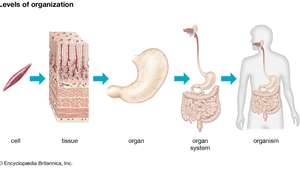

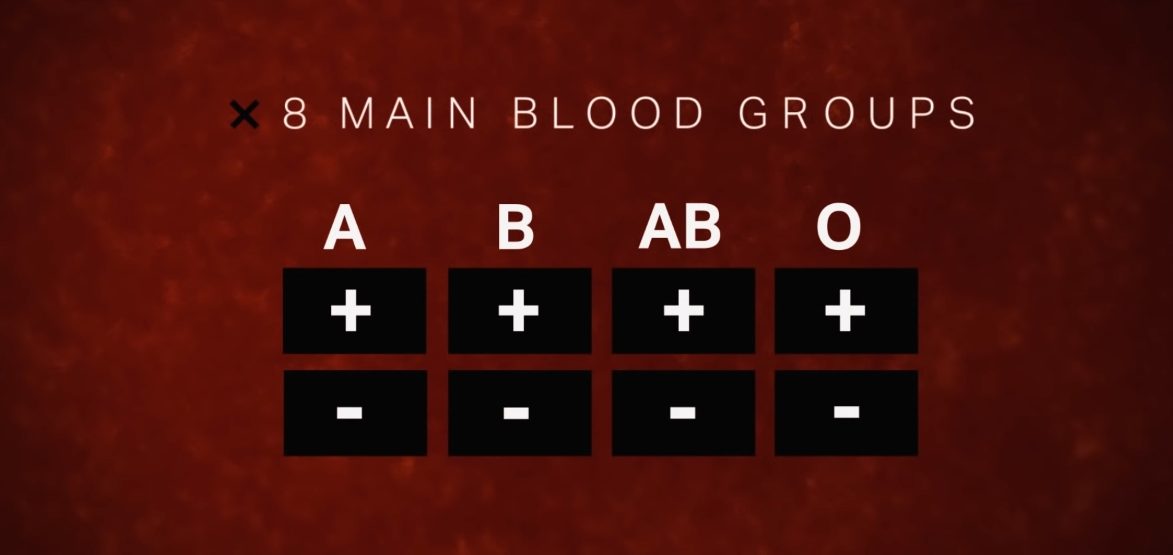
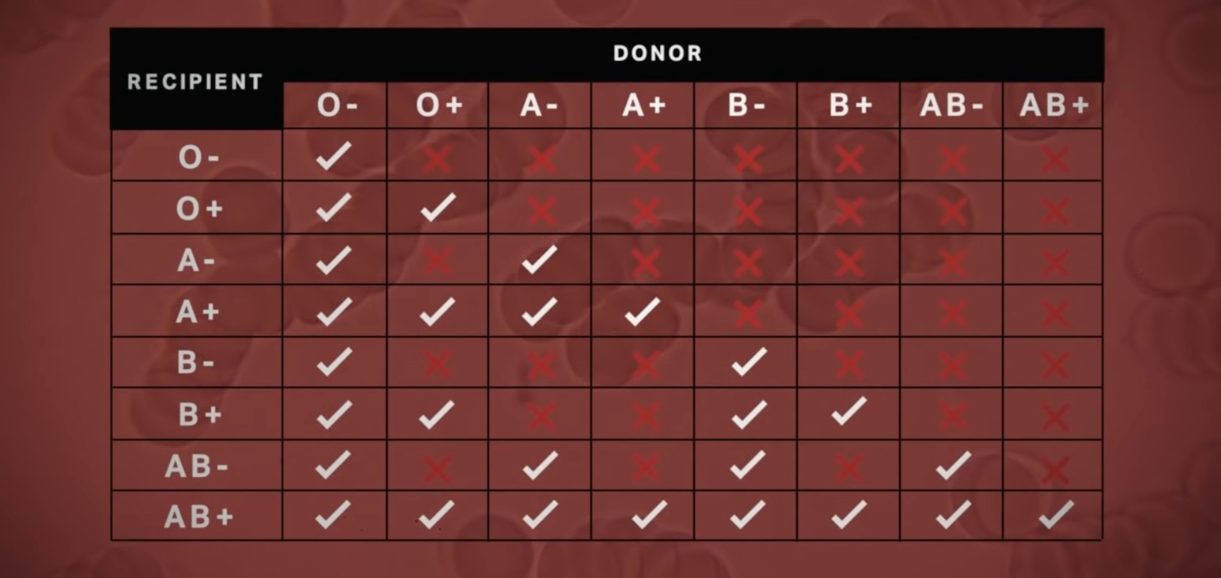
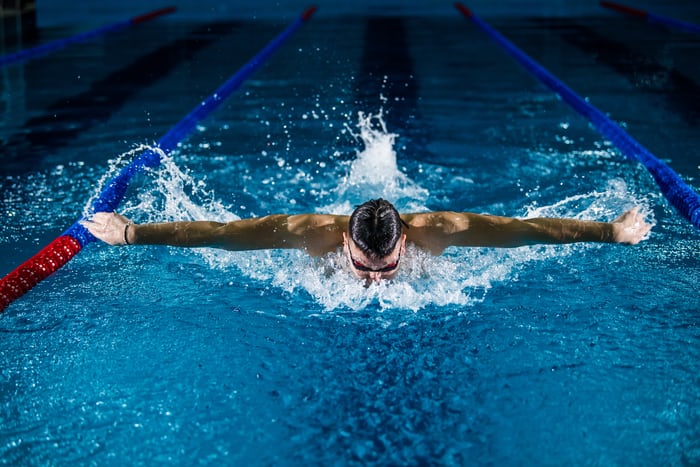

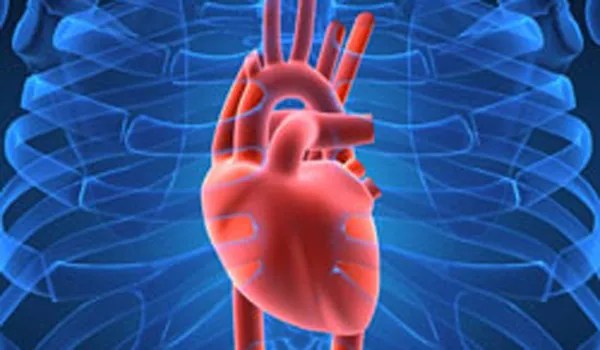

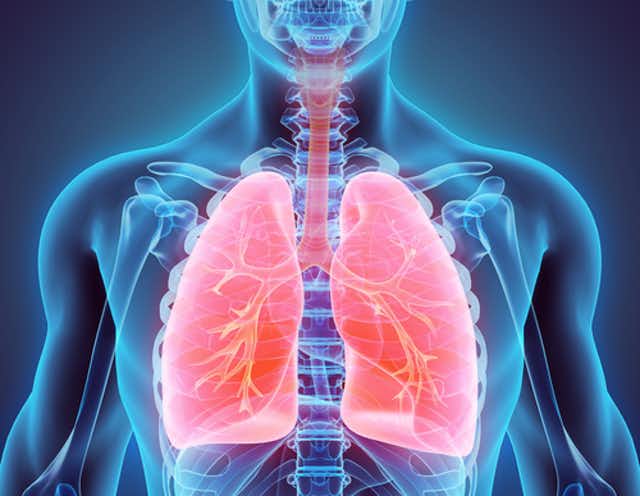



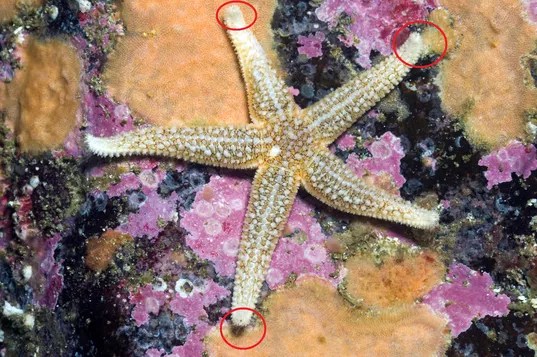




















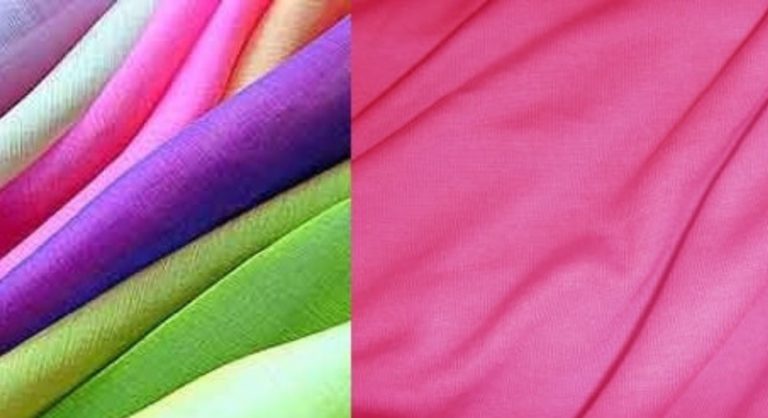




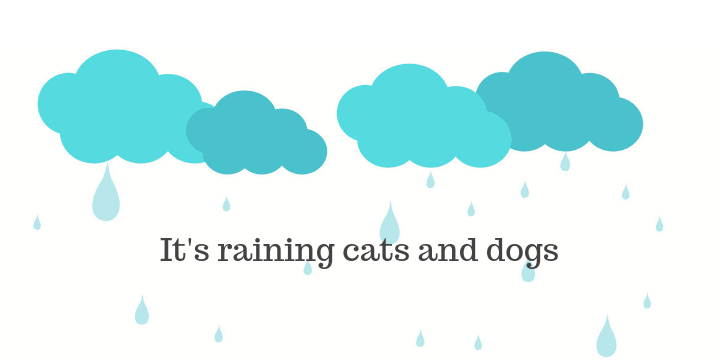
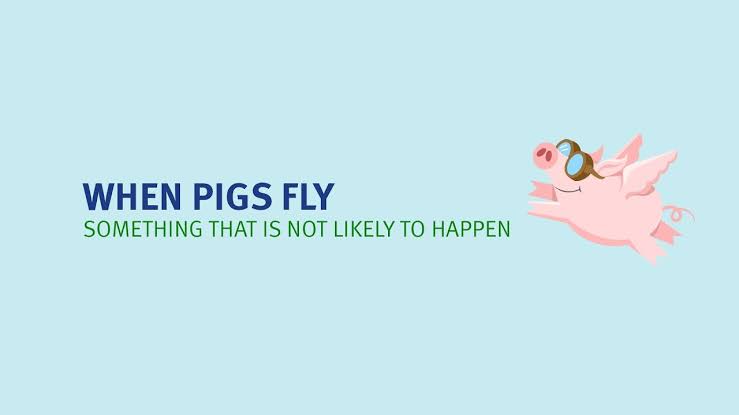

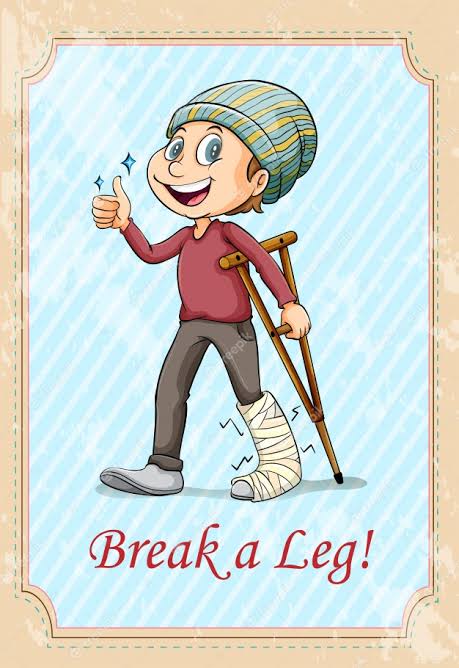












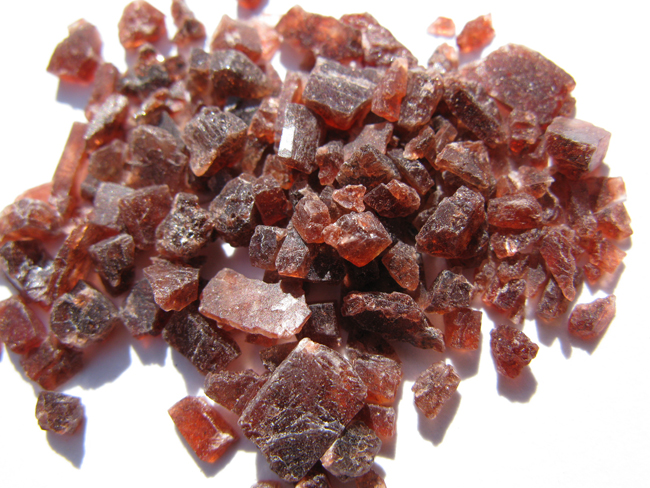





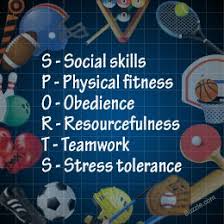
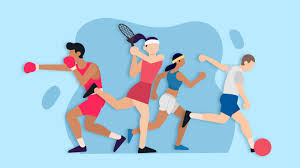
























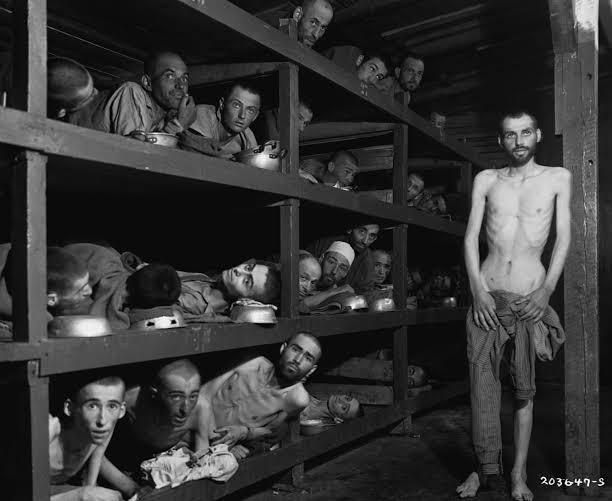



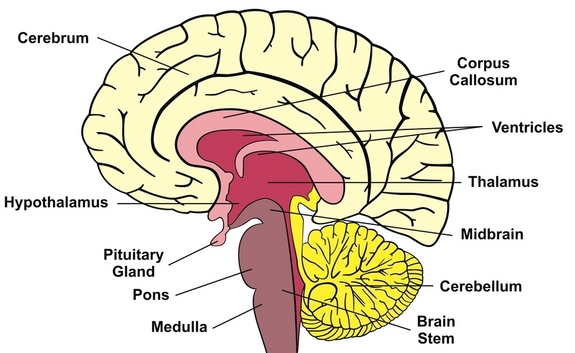
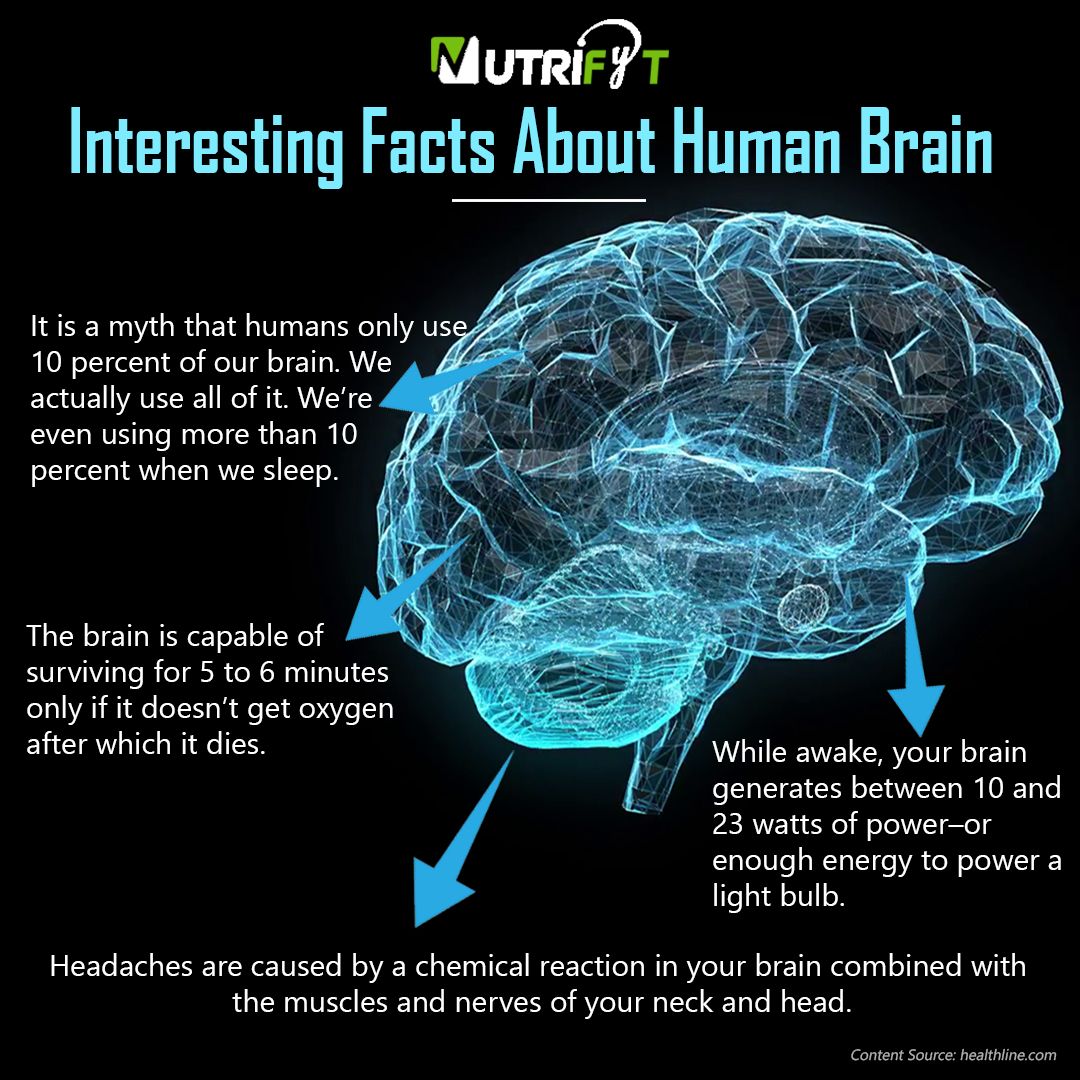





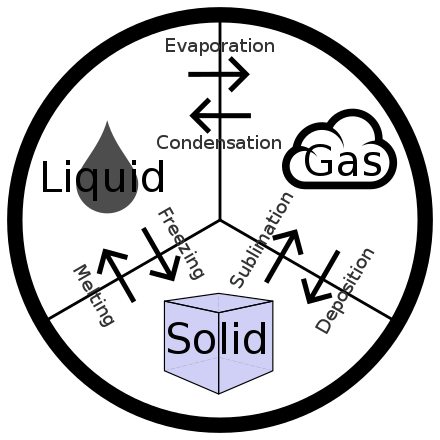
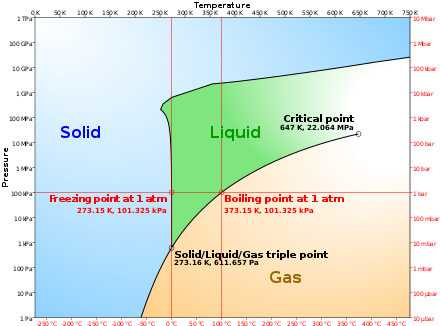
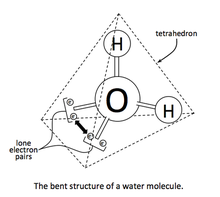

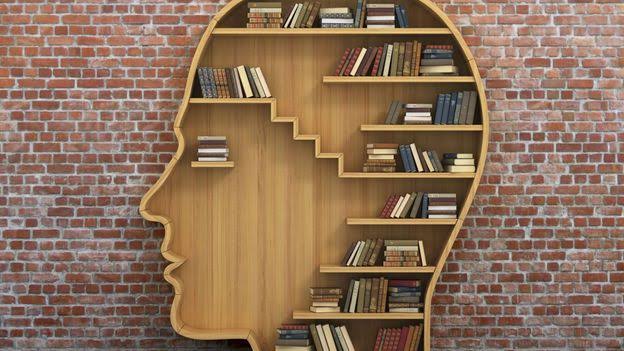













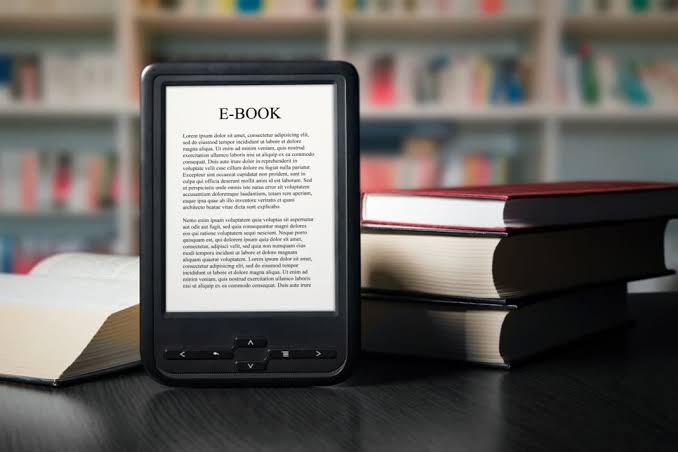
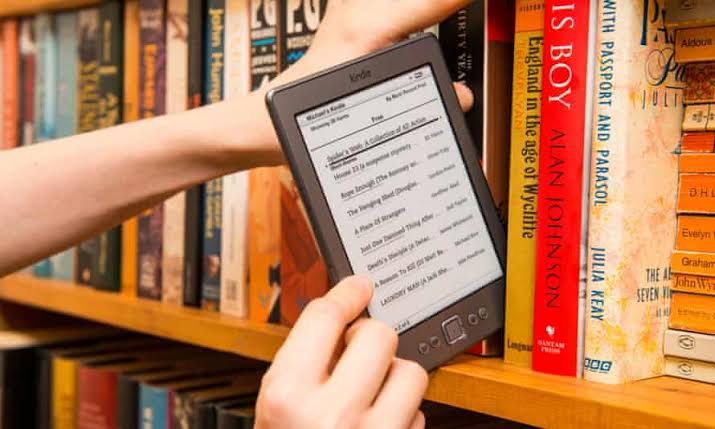










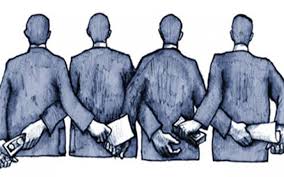
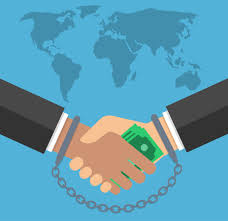








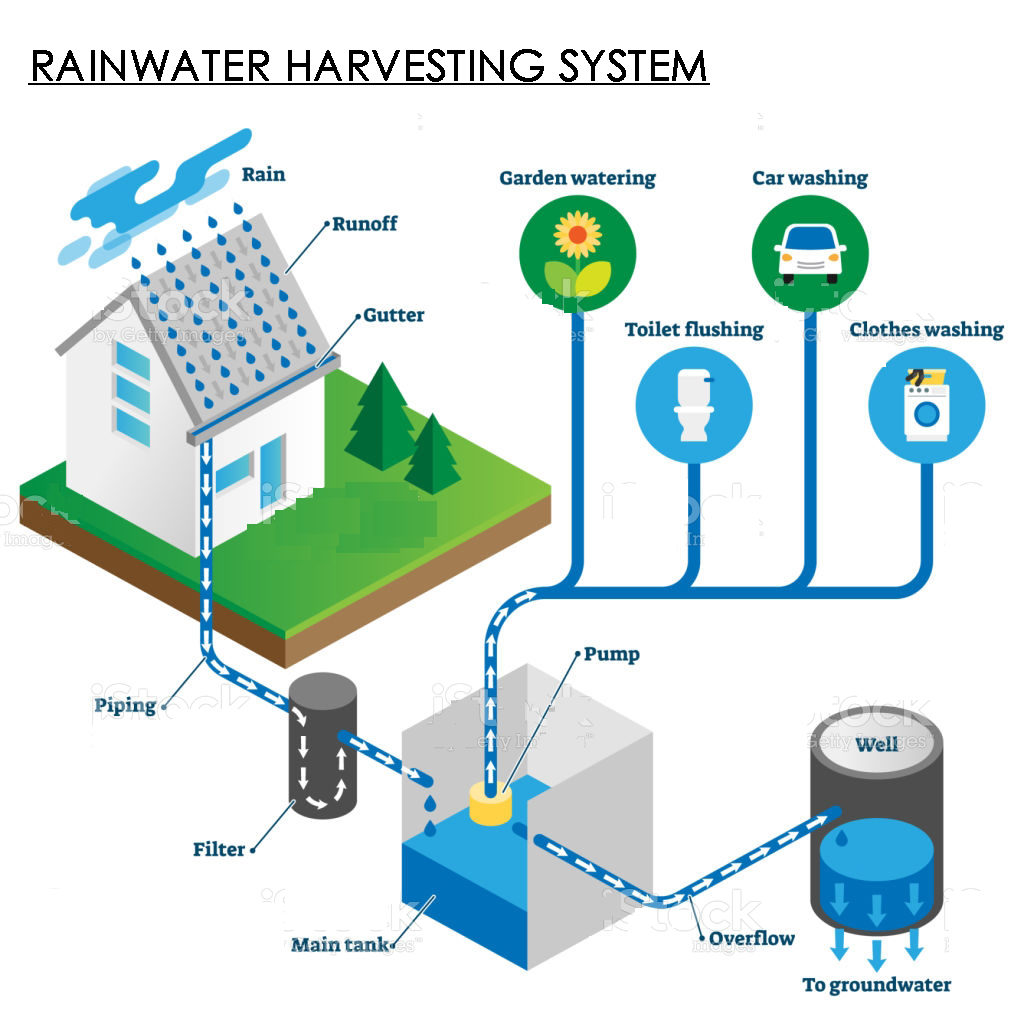


 Track2Training
You must be logged in to post a comment.