Right to education a right that is just on the paper. The pandemic situation makes access to education more challenging. The expensive fees of institutes, colleges, and tuition teachers along with the cost of digital gadgets. Make it a dream for the unprivileged child. Along with expensive gadgets, the additional cost of the internet is a matter of concern. This all thing make together cost of education very expensive. That is not affordable for all. The Pandemic hit makes our environment full of grief. Many lost their loved ones as well as earning hands. The question is in that situation how an innocent child pays for the education expenses. the answer is simple. The unprivileged child eventually drops out of school. People have to deal with financial pressure and subsequent anxiety. The pandemic has financially impacted the Indian middle and upper-middle class. Also many lost their jobs during the covid19 hit. The savings are diverted towards the needs. The reduction in earnings with the additional monthly cost of electricity, rent, and other bills make education cost impracticable.
Even during this time that certain private colleges are charging mercilessly an expensive amount of fees. This has put enormous pressure on families that sometimes have only one earning member per family. OR those who lost only earning members of the family. They have continued with their regular scheme of fees without issuing even the slightest bit of deduction. Even the government is not supporting the pitty family; Even though government gives the judgment that Colleges should not charge more than the students’ tuition fees because they practically have online-only classes. Many students think it is not justified to charge students for the facilities they are no costs such as the library, sports grounds, canteen, etc. Some colleges have given ridiculous explanations about electricity bills, infrastructural cost and maintenance fees. But on the ground private institution didn’t care about this judgment and continue to charge whole fees from the students. The colleges even ruthlessly pressuring the students and the parents to pay the semester fees on time, which would result in serious consequences if not paid. Private colleges are still looking at their profit margin even during a pandemic. The second wave hit more badly than the first wave. half of the population is covid positive. and admitted to the hospital looking for the medicine, oxygen cylinder, and ICU wards. The grief situation as well as the financial expense in the medical treatment. Given the scarcity of beds, private hospitals are charging a huge amount to the patients’ families. They have no option but to comply. The medical expenses are an additional burden that they have to bear. The bills keep adding and resulted in borrowing .and then never adding a circle of depth began. In such a sad situation how can a student pay his fees?
The students not only have to give compulsory examinations but they also have to pay with the financial expenses. Owing to this expense, students in the middle and lower strata of society are thinking to drop out the college. They are taking up whatever odd jobs they can get with little pay to support their family. Many of them had plans to pursue degrees post-graduation, but they have no option but to give up given the circumstances. In certain families with more than two children, it is becoming an increasing burden for the earning member to keep up with the rising expenses.
Lack of income source, lack of money, and diversion of savings towards basic needs as well as medical expenditures are some of the reasons stated by students facing such a crisis. Even authorities are not assisting the common people. Government is silent on this issue. That’s the reason many students give theatre life as being hopeless by committing suicide. Students want the college to either waive off the fees or provide them with some aid or assistance. The absolute lack of understanding for students has been reflected by these colleges. The mental fatigue and pain caused by this constant pressure are harmful to the well-being of students and parents as well. It is unfair on the part of private colleges to seek their profits during the pandemic situation. Instead of charging such a high amount, they should either waive it off for students going through a financial crisis or charge them just the tuition fee. The students are already facing mental pressure and anxiety. There is a lack of accessibility to online education existing already. Some have had to purchase laptops, good mobile sets, and costly data packs to attend classes. To assume that everyone’s financial condition will remain unaffected because they belong to a privileged background is wrong and fallacious. Some colleges are giving excuses that they have to pay to there teachers. Therefore they have to ask for money. But it is not convincing enough for the students who have time and again asked for a breakup of the fee structure. The students are helpless at this point. Even after approaching multiple authorities, they have not received a helpful solution. We can help these needy students through our small contribution. We common people should assist those who are in need.
Youth is the future of the country. if this statement is true. Then why our country is not able to eradicate the sin of child labor? we encounter the term child labor every time. and take it very casually. That’s the reason it still prevails within our society. we can find children doing work in
Every city, lane, and corner of society. We have been taught since our childhood that child labor is wrong. the future is in the hand of the young fellow who is making their livelihoods in factories, big industries, and local vendors and shops working endlessly.
Why this young fellow has to deprived of their education? why their childhood is stolen from them? why do they bear to do the work from such a young age? While other children are enjoying their childhood.Why some unprivileged kids have to work with heavy machinery and weapons under a huge risk to their health, just to earn a two-figure income to afford a single meal. children have to resort to working and earning, instead of learning. who is responsible for their worst situation? The ones who should be earning are the young and unemployed youth, who are sitting at home without any scope for jobs. who will take responsibility for them? The need of the hour is to provide these children education They are the future of India, and they deserve an education.
Child labor means exploitation of children through any work that deprives them of their childhood, interferes with their ability to attend regular school, and is mentally, physically, socially, or morally harmful. The practice of child labor is a crime ad people employing it people are the biggest criminals of Indian society. Another reason why child labor is wrong is that by making a child work, we are decreasing the quality of our education system and spoiling the innocent life of that child.
These children are suffering in the dark world of mental and physical pressure. by allowing these children to work in our houses and societies, as by employing them we are spoiling their future and career.
child labor is the evil part of society and needs to be eliminated.
By taking the labor of children we are spoiling the life of an innocent child for their cheap labor and our selfish motives. If we want to maintain the quality of the education system, we have to educate children, especially those from rural areas who are deprived of education, basic amenities, and other advancement opportunities.
For the progress of society and our economy, this evil practice needs to be removed. so that our economy will be balanced so flawlessly that there will be no cases of poverty and child labor in the upcoming years. We should not forget that child labor arises from poverty, so we need to eradicate their poverty level through the power of education leading them towards their career goals.
The lack of knowledge and skill leads to child labor. Therefore the need for time is to increase the accessibility of education to everyone. we need to start moe initiatives like mid-day meal. to increase the reach of students to education.
Covid19 expanded the digital divide. And shows the disparities within the society between the rural and urban, rich and poor. Lockdown compelled the shift to the virtual model. some of the students managed to receive an education without any obstacles. but many unprivileged students have been deprived of it. resulted in drop out of college and institutes due to the financial crisis of lockdown. Before the pandemic differences prevail in access to education but corona widened the gap. Rural areas have severe internet connectivity problems but Half of India’s population is living in rural parts of the country.
India is the second-largest populated country in the world. But it is a developing country. to maintain education for all during the lockdown when the schools are shut is quite challenging. the digital divide between the government and private institutes can be witnessed. Virtual learning wasn’t much challenging for private school students. Unlike the students of the government schools, who didn’t have access to the digital equipment. the Unprivileged children can’t afford access to quality internet and gadgets. Thus being deprived of education. The right to education is meaningless in the covid scenario. The government needs to bridge the digital divide to ensure students’ education. Some students are ahead of others. As many students drop out of school due to financial problems.
Access to the internet on their mobile phones is a matter of concern as well. The need of the time is to provide digital infrastructure and tools access to unprivileged ones to access online classes. The digital divide has led to incidences of student suicides. many students committed suicide after drop out. Even in urban areas, disparities prevail. those living in slumps and downtrodden areas can’t afford education.
The government needs to focus on technology and extending the vision of digital India.
Those who have access to education face many hurdles such as in assembling notes, in paying attention due to bad network coverage. Getting time to do self-study is also difficult. preparation of online tests is another problem. seeking notes from some of the online sources is also difficult because some websites charge for the subscription which is not possible for everyone. students have to sit in front of the computer screen for many hours and Practical knowledge is not possible during the pandemic because it is hard for the students to perform practical virtually. even for teachers, it is difficult to prepare presentations for the students.
pandemic hit increases our dependence on technology. The focus had always been on practical knowledge and skills. we are being actively tested for our knowledge without any proper structure of assessment. Most importantly, not all teachers are not good at technical stuff to manage classes or material distribution.
. COVID-19 also raised prominent questions about the need, significance, and value of virtual learning platforms. The majority of the students have been affected negatively and therefore the government should come up with such education policies that would benefit all the students. Common people also need to volunteer to lead a hand to needy people.
“Now what?”This question every student encounter in life after completing school. A career plan is the most significant and difficult question of life. Our whole life depends on this small question. Sometimes we choose our path and sometimes our society decides for us.
The question “What do I want to do in life?” is hard to answer.
It is tough for a school student to find their path at such a young age, because of the complicated model of ‘streams’. Studying science means you are limited to the medical and the engineering line. Studying commerce means being captured in chartered accountancy, banking, and finance and learning humanities imply that I must choose to become a lawyer or journalist.
The problem is the high competition within society The tragic fact is that we can never come back from this model of education, studies, and streams. we don’t have the right to choose subjects that are a combination of different streams. The reason streams are a challenge for us is that they directly affect our careers. Choosing a career is choosing life. As a career is related to financial independence. The question became more significant. every parent expects from there child to pursue a career that has the reputation, high earning prospect, and quite popular in society. Boys, in particular, are supposed to choose a career that can support their families financially one day. Today passion and happiness don’t matter when it comes to a career. The thing that matters for society is the reputation of the career. For society, boys should not go for teaching jobs, fashion designing and cooking are something that society doesn’t consider ideal jobs. some jobs are called ‘feminine jobs’ not meant for boys. Like cooking is related to females. Some jobs get undermined like fashion designing is compared to tailoring.
Students’ choices are also impacted badly by the stereotypes and repercussions. and they have to choose paths unwillingly as per society’s concern. Even though we are heading towards an impartial society, such differences prevail in our society. The ‘pay scale’ affects the choice of career. Women are still paid less and the gender pay gap continues to widen.
Lack of awareness of new opportunities is a major challenge that school students face. We are not aware of the options beyond the ‘visible careers’. Visible careers are those careers that we see in everyday life, such as doctors, teachers, engineers, journalists, politicians, and businessmen. We lack knowledge about other options we have. There is a world beyond these visible careers: such as being a therapist, an urban planner, a singer, a beautician, a blogger.
so many jobs are available now because of the internet. such jobs can provide a great opportunity to the newcomer. Like social media marketing, a YouTuber, a blogger, a digital marketer. But the problem is students don’t have access to and knowledge of this career.
Your career should be based on your strengths. The best choice of career comes from one’s passions and hobbies. Your career should inspire you and be the reason for your existence. It is you who can decide your career, not others. and being yourself and the following passion makes you happier.
Covid Pandemic left many Indians unemployed. While unemployment has always been a cause of attention for India. But mandatory experience and training made it more worse and challenging. the lack of practical skills holds us back. The recent unemployment numbers among educated youth show the drawback of India’s faulty education system and the lack of the right learning opportunities for young professionals.
The government of India wanted to create a workforce of skilled professionals but the coronavirus pandemic made the situation drastic and critical. There was a time when a degree could help a person getting a desired job. But with more competition., a degree is not sufficient itself. The biggest issue is practical knowledge with theoretical knowledge. Classroom learning is more focused on theory. When students step into the professional world, they find themselves not capable enough to handle the work because of the drawbacks of our education system. Our country has educated unemployed people. Shows the inadequacies in our education system.
companies want educated fellows with practical skills. That our education system is unable to give. Because it is limited to academics. Youth lack new-age skills that companies need from their employees. With limited online and offline courses for industry-specific training such as engineering, IT, etc., Most young professionals lack confidence while dealing with problems at their workplace. Moreover, since schools, colleges and universities are following the traditional system of education. it acts as a hurdle when professionals come to face real-life circumstances.
Students need to develop new skills. So that student can learn something above education and makes students ready to be professionals. India has the potential to be a preferred destination for global sourcing. Skill development can bring this to reality by instilling more confidence in young professionals. As their skill increases their employability will increase, and ultimately lead to the nation’s financial growth.
The government needs to assist India’s workforce informally trained. With immediate competition, we need to adopt better strategies too. we need to improve standards of education and adopt newer methods. The higher the standards of training and skill development, the better our workforce can be. The country National Skill Development Corporation (NSDC) can also contribute to solving the problem by creating more awareness and come up with suitable programs that can help professionals.
Transformation can only come with the government. The education system, industries, and students collectively understand and recognized the significance of skill improvement.
As per the Ministry of Electronics & Information Technology (MEITy), social media platforms like Facebook, WhatsApp, Twitter, and Instagram have to follow the new Guidelines of government failing which can lead to a ban. guidelines were issued in February 2021, and social media platforms had around 3 months to acquire these guidelines. The companies are yet to respond to the Intermediary Guidelines. The decision taken due to the fake headlines do nothing but spread fear among people.
According to the constitution, India is a democracy at least on pen and paper. However, certain powerful people in the Central Government, to strengthen power, are now trying to silence free speech on social media. Free speech is a right granted to all human beings globally. The Universal Declaration of Human Rights (UDHR) recognizes it as a fundamental right. India happens to be one having this right. This means, Indian citizens should have access to this right, and it’s the government’s responsibility to see that this right is being protected.
Yet, these powerful individuals within the Central Government, have time and again gone to unbelievable measures to control this right.
. The disappointed young people of today turn to social media to express their objections about everything they found mistaken or unsuitable. Be it a person of any class, culture, community, and religion. everyone turns to the internet. And the only way to check these critics would be by introducing “Agreement Officers”.That is exactly what the government has done through its intermediary guidelines to check who’s saying what on the internet.
If this guideline came into being. There exists no mechanism for the common mass to raise their voices. The only time when the masses get to raise their voice is during the elections. But then again, it’s the media that controls the elections these days. Unfortunately, reporting is done in such a way that we’re persuaded in support of a particular political party. This plan, if achieved, will badly affect the very foundation of our democracy.
Criticism makes democracy strong. But these guidelines go against it.
Maybe government believes that criticism isn’t important anymore and hence has concluded that the internet should be controlled. It’s dishonest of this country to say that other countries are trying to crush free speech.
The government needs to come into a discussion with the social media companies and the common people. But the government didn’t give a single thought to it. It is nothing but censorship in disguise.
Denial of granting protection to a couple who are in a live-in relationship only because it is socially and morally unacceptable. is it justified on the part of Punjab and Haryana High Court? The boy and the girl had been in a living relationship that goes against the girl’s parents will.
The couple asked for protection from the court for their life and liberty after being frightened by their families. Unfortunately, they were denied protection. the denial of their right under Article 21, in this case, is inappropriate. The judgment by the court seizes their identity as per Article 21 as well as the right to “life or liberty”.Article 21 declares that every individual has the right to their life or personal liberty. Therefore to secure their right the couple moved before the Punjab and Haryana High Court for the protection under Article 21, which is dismissed by the court on the ground of social and moral unacceptability. while rejecting the petition, the high court interpreted that the term “person” means those who are recognized by law as being capable of having legal rights and being bound by legal duties, not a couple. After getting married, a man and woman are considered capable of having legal rights and duties known as rights in the institution of marriage. But only when the marriage has been done as per their respective marriage laws in force in India.
The denial of the right to life and liberty is completely inappropriate in the law. Since no law in India criminalizes pre-marriage, it would be more like legislation by the judiciary to hold pre-marriage illegal based on social morals. There is no force of law in an opinion that has been embraced by the conservative majoritarian masses of India who find it illegitimate. The decision rendered by the Punjab and Haryana High court erred in ascertaining the aforesaid point. In place of assistance, the couple became the subject of discrimination held by the conservative majoritarian masses.
Asbestos is a natural mineral constituted of soft and flexible fibers that are resistant to heat, electricity, and corrosion. These characteristics make the mineral valuable, but also make its exposure highly toxic. Asbestos removal is indispensable because it causes severe health problems such as cancer. Also some fatal issues, including asbestosis, mesothelioma. The most critical part of it is that some don’t reveal immediately but remain in your system for a longer period, sometimes years later. If high levels of asbestos exist in the house then its inhaling can lead to severe health problems such as mesothelioma, a form of lung cancer that can cause respiratory problems, ranging from a simple cough, allergies, and pneumonia. If you breathe asbestos fibers, this can get trapped in your lungs and can damage your lungs very severely if not removed properly. It may not even be possible to breathe because it will make you cough. The dust is terrible too because it can enter your lungs and get trapped in them. Some cases have shown that asbestos particles can go up to the lungs.
Even if someone does not get lung cancer due to their exposure to it, they will still experience many other health hazards. Direct contact with asbestos materials can easily penetrate your skin or you could suffer from skin irritation. Asbestos is not easily noticeable, but it may be everywhere. A toxin that’s slowly wreaking havoc on your health. accompanying health problems, it can decrease your property value also. Chances are you could lose a potential buyer if asbestos is not properly removed from your house. Asbestos Poses Environmental Dangers as its materials are not easily separable and fibers are microscopic. its removal requires special equipment. With the smallest cracks or gaps in your walls or floors, you can easily be exposed to high quantities of asbestos. That makes quick treatment of asbestos even more indispensable.
In today’s digital era, competitiveness rise seriously. To be effective as an employee we need practical assistance and training. The practical experience and training not only help us to be productive but helps in magnifying our skills. Every time we learn a new skill it added to our personality development. Now companies are looking for a well-groomed personality. Internships are good means to enhance our knowledge, skills and to learn something effectively and practically. For the right utilization of the spare time, Internships are good means. Also, it is added to our resume and curriculum vitae. which increases the possibilities of selection during the placement. Internship and training are of different varieties. Some are in the workplace and some are work from home. Both means are useful in their way. Through the workplace internship, you can get practical experience and more chances of interaction with new people. Possibly you will find a great mentor in that way for your career guidance. And through work from home, you can save your time and devote it to learning something else. Every year, Government invests a big chunk in the training of the students. Because training increases the productivity of human capital. That will help in the long run students. For professional courses such as business and management. It is advisable to have prior experience. So that you became proficient enough to answer the practical solution of the problems. When you involve in training and internship you learn how to manage the work at the basic level. That will enhance your problem-solving and analytical skills.
Even our finance minister Nirmala Sitaram begin her work being a salesgirl. Ambani the leading and renounced groups come into existence after continuous years of hard work. Most intellectuals and psychologists recommend students to go for the internship because it will increase their knowledge, confidence to face the problem during work. Just as the college experience helps in dealing with the office environment. Similarly, internships help the student to identify the problems that they can deal with during work, with the identification of problem. students can look for the possible solution at the bottom level. Such experience helps students in the long run. So students should look for the internship. A career such as marketing, business, management is something that can be handled only when you exercise them on daily basis. So internship helps you in getting practical knowledge. In addition to it, things like content writing can be learned only by practice. For the practice, you can opt the internship. That will invest your time properly that you can waste here and there in other activities. Especially during summer vacations, you can utilize your time through involving in any internship.
Research shows that those students who indulge in internships are more productive and good at problem-solving than those who are much in academics. Academic knowledge is vital to understand the problem But if you want solutions, you should go for the practical experience that only training and internship can give you. In fact placement cells in the colleges also look for students who have practical experience. During the internship, you will learn some vital skills as well like confidence and body language. Internships and training also make your financial security. Some internship provides stipend also for the work. Also, expertise in work during the internship can lead you to get a permanent job. As some agencies provide regular or permanent jobs to their best employers during the work. Many students receive jobs while doing the internship. Especially look at the intens for hire. Therefore internship and training have a significant place in a student’s life. Even Doctors and Engineers have to go through technical training before beginning their work.
Mental Illness during Pandemic. Covid19 pandemic hit the masses most severely mentally. The trauma from looking for the medicine, hospital beds to dealing with the mass of dead bodies, from being left jobless to mass migration and suffering. These all circumstances severely impacted our mental state. A tremendous number of people have lost their dear ones. And some are fighting for their life. While their loved ones and family are busy in the constant search of medicines and oxygen cylinders. Those who are safe are also suffering from mental illness by looking at their environment. Full of grief, devastation. This time is very hard. And financial crisis makes this problem. So many families especially of the lower class. Left without money and aid. Those who earn daily and labor are struggling a lot. These financial bottlenecks resulted in mental illness. Especially those students who are handling the digital divide. Faces stress and mental illness. All students couldn’t afford online education due to a lack of digital gadgets. That acts as a hindrance to the growth and education of unprivileged students. The cost of academic education and institution creates a financial burden for the students and the family. some can deal with it. But those who couldn’t eventually end up dropping out there college and institute. That leads to mental stress among the students. Recently, the cases of suicide by students increase manifold. That shows how mentally covid have impacted the students. Therefore cases of suicides are reported manifold. Students who are privilege enough. Also facing mental trauma. Online education also created an additional problem, technical glitches, electricity problems, access to devices, are major problems related to online education. That cause mental stress, headache as well as eyesight problems. This problem can be overcome through everyone’s participation. All need to contribute. By providing financial aid to the needy. And by including in the conversation as much as possible with our friends and family in this hard time. Chatting with each other acts as a medicine to cure the ailment of mental stress.
The covid pandemic not only impacted adults but students also. At one place the children lost their childhood and on the other hand, students are concerned about their career, future that seem bleak to them due to covid devastating impact on the economy.
one of the most significant reasons is finance and the need for funds. Students are concerned because the global pandemic has created havoc in the employment sector. This resulted in many job losses in the informal sector. As the country is closed so those earning money daily and business have to suffer. The question of school, college, and tuition fees is another issue. This, in turn, has been magnified in the lives of the students and the youth of the country. The financial crisis within the family has bothered almost the majority of the population, especially the students.
The very first concern is the digital divide. Accessibility of digital gadgets especially among the lower economic classes. Eventually, which means withdrawing from school to some students. Being already distorted by financial emergencies, the necessity of digital devices acts as a hindrance in the way of student learning. leading to many students dropping out from formal courses and institutes. increasingly pitted against the highly competitive labor market with most being trapped in the vicious cycle of underpaid labor or disguised unemployment.
The government too is not in a position to solve this problem of digital devices because of treatment and aid expenses.
this economic crisis has an unfortunate effect on the mind of the students. The financial dependence on the family, often severe, mostly reduces them as isolated victims. It also hinders the access to academic opportunities of the student. . Many family members getting affected and the huge expense occurs on treatment, amidst the acute scarcity of oxygen cylinders and other medical pieces of equipment.
The students are facing the problem of academic costs at the same time when a lump sum amount is required for admission failing which the seat might get canceled.
Further, the debt trap will lead to a greater burden in the future for repayment with interest, leading to more psychological suffering. The hostility between maintaining academic costs as well as fending for health expenditure has had severe effects on the young minds, putting their future and aspirations at stake. In this situation, a and well-planned approach is needed to address the issue of financial crisis which can be aided by the government.
The Year 2021, this year seems like giant waves of oceans going down and down. Our country gets badly downtrodden due to the social, political, and economic issues that continue to prevail, due to an invisible enemy in the form of the deadly virus.
This virus shows no mercy to anyone doesn’t matter which class, culture, and religion person belongs to; it spares no one. As the cases went up, so did the false WhatsApp forwards, chaos, panic-buying, and fear among people. The increased cases and dilemma is frightful people. As people taking hurt over their mental health, too.
From the news of unknown viruses to fearing even a slight increase in body temperature, to look for medicines and oxygen cylinders, people have experienced it all. In the beginning. To ‘deal with a spontaneous and devastating situation the Indian government announced an out-and-out 40-day lockdown. Everything came to a standstill—except divisive journalism and discrimination.
While most people don’t have the privilege and luxury to stay home, quarantine isn’t a blessing for many. it lead rise in mental illness since the coronavirus outbreak. The level of stress and anxiety has heightened.
The apprehension about job security, draining of savings, or unavailability of basic things for survival, ambiguity. People who were already suffering from mental illnesses looked upon engaging themselves in outdoor activities and meeting their dear ones as the only coping mechanism. Now they have no option but to dive into the same misery they were battling. along with that crimes such as theft, murder, extortion, molestation, etc., are increasing at an unpredicted rate
COVID-19 is just not another death-dealing health hazard. It has more profound implications that society would have to bear post lockdown too.
The radio, newspaper, and TV. All are mediums of communication. They all were invented to enlighten human beings. Every creation has its purpose So they have. It’s true that for daily information we depend on this medium but does this products assisting us. Or it’s just deception. The reality is they are a tool in hands of cooperation to earn profit. And increase their business. Providing information is just a business. we get only that much information that cooperates giants want. As half of the media is dominated by politicians and giant cooperates. That influences their credibility. Hard to believe but this is a bitter truth. this invention acts like a tool in those hand who have money. consumerism is created intentionally through media in the form of advertisement. Advertisement creates a desire in human beings. This desire resulted in more consumption thus adding profit to the big giants. That shows how people are betrayed. Today content is created in such a way that doesn’t make a person intellectual. But merely a passive consumer. In this gamble and deception, along with corporate giants, politicians are also involved. They use the mediums to propagate their message. Thus people consider the propagated message as truth. Start believing it and thus there ideology and perspective got to change. These tactics can be a hindrance to the democracy and sovereignty of the country. The enlightenment that media promise somehow vanishes because of the huge enrollment of money. People themself need to enlighten. By becoming the active audience by actively analyzing, understanding every message. We can be saved from this mass deception through the mass medium. Just we need to be vigilant in our approach whenever we encounter a media product. we need to understand the hidden motive behind that content. We need to know who is the creator of the content. And what purpose the content fulfills for the creator. Thus content by media or medium of communication needs to be observed. To better understand them. To save ourselves from enlightenment as mass deception.
Recently our Union minister Prakash Javadekar said in the Lok Sabha, “No child was deprived of online education during the pandemic as the government had taken several steps in that direction.” Such a statement is nothing but a mere lie when we encounter reality.
A majority of Indian school students do not have the means or privilege for online education. Some face network and technical glitches. Some face electricity problem. The non-availability of gadgets is another problem. Accessible and compulsory education has always been a challenge in India. Right to education is something that is written merely on paper not exist in the real world. The pandemic broadened the pre-existing gap making online education a commodity of sheer privilege. During the lockdown, thousands of students have suffered due to the digital divide. Taking the example of the Indian state with the highest literacy rate, Kerala witnessed numerous cases where students took away their lives due to a lack of accessibility to digital tools. sometimes Internet accessibility act as a hindrance.
the obvious failure of the system and concerned authorities witnessed from the devastating act of suicide by the students. Not just that; for powering devices, access to electricity is crucial for digital education. Some states such as Bihar and Uttar Pradesh have a severe problem with electricity.
In the rural area, the houses received electricity for less than 12 hours a day. most of India’s population lives in villages where only 15% of rural households have access to internet services. Whereas in urban areas, it’s 42%. Moreover, India witnessed a spike in unemployment during the lockdown affecting the livelihood of millions.
Especially compulsion of electronic gadgets for online education became a severe problem as in rural areas subsistence is very difficult. Not every rural person could afford expensive gadgets. In most households with a meager income, eating three meals a day was not guaranteed, purchasing costly internet plans or devices cost them a fortune. From mortgaging assets to cutting off on essential household expenses, families have done it all to make online education a possibility when the government schemes failed to reach the neediest.
Although several NGOs, social groups, and individuals rose to link this digital gap by sponsoring smartphones and laptops, the negligence by the authorities can’t be overlooked. An ordinary Indian citizen expects its government is to at least acknowledge the problem. After all, how will one solve the problem if one does not acknowledge it!
we are living in a feudal society, but still, nepotism permeates everyone. however, the film industry is trapped in nepotism. Nepotism can be defined as an act of using power or position in an unethical manner to get the dear ones in the same field. It not only exists in business but also in the Bollywood industry. this topic has been raised many times in the Bollywood industry and unfortunately having a negative impact rather than a positive impact on the lives of celebrities. Before the incident of Sushant Singh Rajput, this topic was not discussed seriously. But after his death, Bollywood was trapped in nepotism and many celebrities were interrogated. many celebrities talked about nepotism openly. Some talked positively and some in a negative manner. Kangana Ranaut came into the industry in 2006 with the movie Gangster. She was the one to raise this topic negatively as she labelled filmmaker Karan Johar as the flag bearer of nepotism in the show Koffee with Karan. Due to this, she gained prominence. She also called Tapsee Panu and Swara Bhaser outsider. After Sushant Singh Rajput death many actors were trolled and questioned on nepotism . Because of this, many celebrities also lost fan following. We often say that some star kids are excellent actors and done their work very well. But we said some not all because some star kids don’t take their work seriously and due to the lack of seriousness films get flopped. Nothing is wrong with exercising power based on one’s family background/star kids, but at least chance should be given to the newcomers or outsiders and even to those who don’t have any connections or godfather in Bollywood. So, they can make their names and show their talent to the public.
Today in this consumerist world, the actual meaning and definition of happiness got changed. Earlier the happiness lies within the relations between the people. But growing industrialization and materialistic nature. Change the meaning of happiness for common people. today’s happiness is not the smile of the people. But the luxury became the source of joy and happiness. Social media and the internet managed to make human beings individualistic. Relation and ties among the masses are just a matter of messages. The real happiness now lies in materials and luxuries. Humans want more and more. The never-ending demand and grief of the human have wiped the concept of the real happiness. It changed its meaning. It alters its values. The early tradition, rituals, and get together don’t matter anymore. Today rituals are just a matter of fun. People don’t believe in meeting with each other. Humans today happy in the isolation. With all the materialistic objects and comfort. But if material and luxury are not happiness. Then what is happiness? It is something that we get after seeing someone happy. It is something we get after helping someone else. By looking after anyone else than yourself. It means keeping aside the greed and doing generous work. It means sidelining your sorrow, ego for someone else happiness. The sad fact is that today humans do not look after happiness. Now the happiness doesn’t matter to humans. Human is lost somewhere in the consumerist world. And so human happiness also lost. The need of the time is to look for the real happiness. To realize that real happiness comes when you do something for someone else. Materialistic things can give you comfort and luxurious life. But it can’t give you that warmth that happiness that feeling that a real human being can give you. Human being need to understand his/her role as a human And need to look after other people to there dearest one. So that along with happiness ,humanity can be saved.
In these industrial times, all the companies want to bait their customers, in fact for a much longer time than just one visit or purchase. This leads to continuous, relentless competition in the markets for the purpose of bagging more and more loyal customers. This is where the use of a Sales Funnel enters the talk. But is it possible to keep your customers devoted to your product without a well-designed, blockage-free funnel? The answer is ‘no’. A sales funnel signifies the path which is taken by a customer from being just an explorer of your product to being a loyal customer for a long time. Through this article, we will go into depths of a customer’s psychology and get some insights on how to design a “buyer centric-funnel”.
The requirement of an effective method for better sales of a company’s product cannot be dismissed, keeping in view of the increase in a feud for loyal customers in the market. Also, with the coming up of e-commerce sites, grabbing a customer’s attention will be the predominant field to work upon, for the sellers.
Awareness- This is the key point that should be kept in mind while designing the funnel. Awareness does most of the work when it comes to putting the customer in a phase of scrutiny. To start with, we need to put forward a problem in front of the customer and provide a promising solution for the latter to build up the curiosity. At this stage, we wouldn’t mention our product to the customer.
Consideration- Here, we need our customer to get so intimate with the product that he/she starts knowing about it like the back of his/her hand. We need to give out demos, free trials, triggers and customer stories to the customer to build up their trust in our firm because, to sell to a customer, you have to barge into the thought process of a customer.
Purchase- Now you have to sell the product to your buyer and assure your product stands out from the products of all your competitors.
Get into your buyer’s head- That’s where the whole concept of ‘Understanding the buyer’s psychology’ comes in. We need to ask ourselves questions like “What inspires them to buy our product?”, “How can our product be a solution to their problems?”, “How can we redesign our product to fit their needs?” and work on the answers to these questions.
Slogans- Through close study, we come to a conclusion that firms with good slogans are doing better off in the market. The slogans and advertisements of these firms draw customers by getting stuck inside their brains.
Quality Maintenance- The quality of your product and extended benefits to loyal customers also gives your firm a new standing among the competitors. We also need to carefully appraise the field where our product fails to deliver and redesign it with wit.
Flipping the Sales Funnel refers to the process of retaining the loyal customers of the firm to gain new customers. Some firms in the market tend to forget its old customers in search of a bigger reach and new customers which lead to the degradation of the firm’s reputation in the market.
To gain ground, we need to build new customers on top of the old ones which can be done by referrals of the consumers to one another. Referral and reputation go and hand in hand. In fact, referrals are the leading intermediary stage for building a good reputation for the firm. According to a survey, 92% of people trust referrals from people they know.
We also need to adapt to the new rules of the market and focus more on redesigning products according to the wants of our targets for our technique to be successful. Rewarding the everlasting customers will be a plus point to this.
The design of a proper sales funnel is the most crucial part for the firm and should be done with patience and sheer determination through proper study and fact consideration, for the firm to leave its mark in this market race.
“The best sales questions have your expertise wrapped into them.”
President Joe Biden has baited office in a country looking prominently different than it did on his forefather’s inauguration Day.Covid19 has killed more than 4,00,000 Americans, with a big part of socio-economic toll impute to federal Mismanagement, The US has also renounced its role as leader of the free world, squabbled with democratic allies while keeping authority populist’s everywhere, snicker at its post-truth misadventures. This month’s attack on the capital represented the domestic broadcast has poisoned the polity. In the short, the new administration has its work cut out invent correctives at multiple levels. It is a mighty challenge. But democracy is hypothetical on elections making a difference.
The promise of a new dawn is both powerful and credible. The diversity, temperance, and experience of the incoming cabinet strongly suggest that they have a good measure of the problems at hand, and the ambition to attempt solutions one clear aspirational target is 100 million doses of covid19 vaccines n the first 100 days. Then, Janet L Yellen, who will be the new treasury secretary and America’s top economic diplomat, has verbalized as priorities both addressing the economic damage of the pandemic at home and repairing relationships with various allies abroad to take on china’s (illegal, unfair and abusive practices) collectively. After the vain of institutions and Clutter or flailing seen in the Trump years, it will indeed take solid international cooperation to revitalize the global rules-based order. The incoming secretary of state Antony Blinking has shown a welcome so be saying,(We’ll engage the world, not as it was, but as it is)Pragmatically speaking, rebukes on human rights issues for India may be part and parcel of Washington’ liberal festival alongside the many Indian and American in the Biden Team.
Amongst covid-19 pandemic, 2021 budget has potential to increase women labor force participation up to 2 percent this year.
Nirmala Sitaraman, Minister of finance, the government of
India shared that budget 2021 has the potential to increase the employment of
women. COVID-19 pandemic had disproportionately impacted women
forcing them to drop out of the workforce. The women labor force participation according to the center comes down from 25 percent to 21 percent, due to job loss by women. Inurban India only 12 out of every 100 still employed are women, a shocking
statistic, down from the already low 18. No doubt the covid 19 pandemics have resulted in many challenges such as pay disparities and expensive child care is an economic downturn that hit women workers measurably harder than men. Whenever the economy shrinks people lose jobs, then look for another job but women aren’t sitting it out so much as being pushed out by disproportionate job loss,
lack of child care, pay disparities, and lack of public policy to support working women. women with children are much more likely to report that working from home has hurt their productivity and affected their careers .there are three drivers of increased women labor force participation 1.Jobs that exist in locations where the woman has family support.2) Contemporary and new skilling (like digital marketing, for instance) that allows for marketability3) A government mandate that enables small businesses to be rewarded for hiring more women. The allowance of women to work in all shifts is a move towards reducing the gender divide brought in by COVID-19. This will help industries such as IT and BPO in Special Economic Zone’s, manufacturing companies in sectors such as Textiles, Pharma- as well as large organizations with a national presence. The textile industry, one of India’s ancient industries that employ the largest numbers of women has received a big stimulus with the announcement of seven Textile Parks. The third aspect which would allow small businesses to be rewarded for hiring women has not seen any pull in any of the budgets presented in the few last years. Large organizations in metropolitan cities have already bought the business case for both genders that led to women’s employment being enhanced. It is the 2 and 3 level metropolitan citiesand towns that need the influence of involvement. And this is where there is alarge population of women – educated, career-seeking, and yet unable to earn
reasonable money due to the non-availability of jobs matching their aspirations. As per data, young women in the age group of 20-24 across urban locales, are more interested in being employed than similar-aged women in rural India. As such, this is a very important talent pool, waiting to be engaged. The BPO and micro-enterprises in these locations will require a stimulus to engage women more proactively. Had the budget addressed this, by providing a bit small, yet encouraging a sum of money to employers of women, India would have seen a jump in women’s job creation to almost double-digit increases, which will have a multiplier effect on the economy.
Identifiable living individual and includes names, email Ids, ID card numbers, physical and IP addresses. Data is the large collection of information that is stored in a computer or on a network. Data is collected and handled by entities called data fiduciaries. The processing of this data has become an important source of profits for big corporations. Companies, governments, and political parties find it valuable because they can use it to find the most convincing ways to advertise online. The physical attributes of data where data is stored, where it is sent, where it is turned into something useful are called data flows.
WhatsApp’s decision to delay the update of its privacy policy, following a backlash from its users, is an implicit acknowledgement of the increasing role played by perceptions about privacy in the continued well-being of a popular service. Problems for the Facebook-owned app started earlier this January when it announced an update to its terms of service and privacy policy, according to which users would no longer be able to opt out of sharing data with Facebook.
February 8 was kept as the deadline for the new terms to be accepted. This triggered a mass withdrawal from WhatsApp, the likes of which it has never encountered, not even in the aftermath of the Cambridge Analytical scandal, which did bring a lot of bad press to its parent, or when the messaging app’s co-founders called it quits a few years ago. The WhatsApp policy update has clearly spooked many users, who, concerned about their privacy getting compromised, have shifted to alternative platforms such as Signal and Telegram. WhatsApp has asked for data which contains your account information such as Phone number, the name attached to the account, the profile photo you currently have for WhatsApp, the device you are using, the time when you have been online, all your contacts, all group names of which you are a part of, the device type, the IP address, device build number, device manufacturer, details of the web/desktop version and the platform which is used for WhatsApp Web, your Status.
It also has the exact time when you set the current profile photo and the current status message. The list includes all contacts with whom you would have chatted on WhatsApp, and only the mobile phone numbers are mentioned. It also has your settings for the app, including the privacy settings for Last Seen, Profile Photo, About Privacy
and Status Privacy. It also includes a list of the all numbers you have blocked and whether you have Read Receipt on or off. The issue has once again raised questions about what constitutes legitimate uses of data and how businesses, governments and political parties can and cannot use data .A White Paper produced by a government-appointed committee, headed by retired judge B.N. Srikrishna , which is formulating a national data protection law for India and its people to safeguard there interest.
Media, the fourth pillar of democracy act like a puppet in front of politicians lately. With many toolkits, cases highlight. Excessive paid news reporting during Election. Exhibits how media is governed by political parties. Today massive advertisement by the political parties shows the nexus between media and political parties. Showcase their close economic connections. Media also alleged for running agenda and propaganda for their allied politician during elections. Which hampered the credibility of the media. Many journalists appear to favor their alleged political parties openly in their text, report, and debate. Even the questions asked in interviews are biased one sustaining only one side or party. Its been observed during elections, this funding increase manifold. To dominate media investment partnership, toolkit, gifts, privileges are some tactics that political parties used without coming into suspicion. Such malpractice is performed by political parties to bribe the Media. To use it as a weapon during election campaigns. witnessed in the way media seems divided in their message. They showcase only the positive side of their party, their positive work shaping the idea and ideology of the common people. Media runs agenda and propaganda to deviate audience from the basic problem of the society and shift towards the direction their funders want. media propagates only those messages there supportive parties want. Maximum paid news reports are linked with political parties. Many politician leaders names are highlighted and summoned by the election campaign. But lack of proof and unwillingness lead to no fruitful result. And no severe action was taken place. Now media listen and write only what there investor wants. The incomplete, partial and biased information shared by the news channel became a hindrance for the sovereignty of the country. Severe actions and identification of the political parties became the necessity of time. the large number of manipulation on the part of the media shows that it has lost the credibility and trust that people have in them prior. Passive audience are consuming the biased or manufactured message that can hamper the autonomy and sovereignty of the country. Nowadays, Beside politicians many private institutions and cooperate giants seem to invest their large chunks in the media .For example, Mukesh Ambani, his family and friends owned INX Media recently. That show media became a puppet now.
The doctrine of basic structure is not defined in the constitution of India. The term has evolved as a result of various judicial decisions by the years. The Basic Structure Doctrine of Constitution of India states that the parliament can neither destroy nor alter the basic structure of the Indian constitution. The doctrine is applicable only to the constitutional amendments.
The basic features of the Constitution are:
Supremacy of the constitution.
Republican and democratic form of government.
Secular character of the constitution.
Federal character of the constitution.
Separation of power.
Unity and Sovereignty of India.
Individual freedom.
Within their respective jurisdictions, the Parliament and the state legislatures are entitled to make suitable laws for the sake of people. The Bills regarding amendment of Constitution can only be passed by the Parliament itself. But the power is absolute and limited to some aspect. The Supreme Court of India holds the power to declare any law which it considers inconsistent with the Constitution invalid. In other words if any bill is passed by the Parliament which does not follows the ideals of the Constitution will be held invalid and void by the Supreme court. This doctrine has been laid by the Supreme Court to ensure and preserve the will of the Constitution and the ideology behind it. Hence, the Parliament cannot destroy or alter the basic structure of the Constitution.
Evolution of the Basic Structure Doctrine:
The term Basic structure Doctrine has evolved through various decisions of the Supreme Court on the powers of parliament and judiciary. There was a dilemma between Article 13 and Article 368, the question raised was which of the Article had an overriding effect on the other.
In this case, the First amendment was challenged on the ground that it is in violation to the Part-III of the constitution. Therefore, it was suggested that it should be considered invalid and void. The Supreme Court held that the Article 368 of the Constitution states, ‘the Parliament has the power to amend any part of the constitution including fundamental rights.’
In Sajjan Singh Vs State of Rajasthan[2] case in 1965 the Court gave the same ruling.
In this case in 1967, the Supreme Court held that the Parliament is not empowered to amend Part III of the constitution as the fundamental rights are immutable. The Supreme Court overruled its earlier decision. According to the Supreme Court ruling, Article 368 lays down the procedure to amend the constitution, that does not give absolute powers to the parliament and to amend any part of the constitution.
The 24th Constitution Amendment Act
In 1971, the Parliament passed the 24th Constitution amendment act. The act gave absolute power to the parliament, in order to make any changes in the constitution and also the fundamental rights. It also made it obligatory for the President to give his assent on all the Constitution Amendment bills sent to him. This move was executed evidently in the favor of Smt. Indira Gandhi and her government.
In this case, the Supreme Court upheld the validity of the 24th Constitution Amendment Act and reviewed its decision in the Golaknath case. The Supreme Court held that the Parliament has power to amend any provision of the constitution but the basic structure of the constitution is to be maintained as it is. But the Apex Court has not provided any clear definition for the term basic structure. It held that the “basic structure of the Constitution could not be abrogated even by a constitutional amendment”.
Attempts to bury the Basic Structure Doctrine: Many politicians, experts and ministers were against the basic structure defined by the earlier cases. This led to challenges against the verdict of the court. In 1975, the Supreme Court reaffirmed the concept of Basic Structure Doctrine. This happened when the victory of Prime Minister Indira Gandhi in the elections was upheld by the Allahabad High Court on the grounds of electoral malpractice. Justice Krishna Iyer granted a stay allowing Indira Gandhi to work as the Prime Minister on the condition that she would not draw salary and speak or vote until the case was decided. But, while the court was hearing the case, the parliament passed the Thirty- ninth amendment o the constitution. This amendment removed the authority of the Supreme Court to handle cases with regard to elections of President, Prime Minister and the speaker of Lok Sabha. Instead a body will be constituted for resolving such disputes. The aim of the bill was evidently to benefit Smt. Indira Gandhi. Some amendments were also made to the Representation of Peoples Acts of 1951 and 1974 and placed in the Ninth Schedule along with
the Election Laws Amendment Act, 1975. The mala fide intention of the government to save the face of Indira Gandhi in case the Court passed a verdict against them was proved by the hurry in which the Thirty-ninth amendment was passed. The bill was introduced on 7th of August, passed by the Lok Sabha the same day, and Rajya Sabha the next day, the President passed it giving his assent 2 days later and it was gazetted on 10th August. The counsel for the opposing party challenging Indira Gandhi argued that the amendment violated the basic structure of Constitution and hence should be held unconstitutional. It affected the power of judicial review and the basic features including conducting of free and fair elections. They also argued that the Parliament is not empowered to decide if the election were valid or not stating the incompetency to use its constituent power to hold an election that was declared void by the High court. The court upheld the amended laws, striking down the law which restricted the power of judiciary to adjudicate the situation. The judges grudgingly accepted the Parliaments power to pass overriding laws.
Within three days of the decision of the election case, C.J. Ray convened to review the Keshavanandan Bharti case verdict with regard to a number of land ceiling petitions. The opposing party’s counsel argued that it was an unnecessary move. The bench dissolved soon after it and people doubted the government’s indirect involvement in the issue. The National emergency was declared in 1975. Soon after the Congress party constituted a committee with Sardar Swaran Singh its chairman to review the question of amending the Constitution. Through the 42nd amendment several changes were incorporated which also included that any amendments by the Parliament in the past or in future in the constitution cannot be questioned by the court.
In this case the owners of Minerva mills challenged the 42nd amendment in the Supreme Court. Mr. N.A. Palkhivala from the side of petitioners decided not to challenge the government’s action instead he framed the challenge to Parliament’s power to amend the Constitution. He argued that the section 55 of the amendment provided unlimited power to the Parliament. He added that Article 31 C violated the Preamble and the basic structure doctrine, hence should be declared unconstitutional. It also took away the power of judicial review.
The majority judgment (4:1) held the amendment to Article 31C unconstitutional.’ It destroyed the harmony and balance between fundamental rights and directive principles which is an essential or basic feature of the Constitution.’ In another case relating to a similar dispute involving agricultural property the apex court, held that all constitutional amendments made after the date of the Kesavananda Bharati are subject to judicial review as the same procedure as prior to the 42nd amendment.
Since the beginning of this pandemic, several companies are facing loss. Some of the companies and small scale industries have even terminated their productions. Even the largest of the Global economies are hit severely by this pandemic.
To solve this economic crises companies have been performing lay-outs. People who are no more required are getting laid out and losing their jobs. But what is interesting to see in this time is how this virus has affected the gender neutrality not only in India but globally.
Both the men and the women continue to lose their jobs in this national lockdown. But it seems that this pandemic has more adversely affected the jobs of women than men. Women account for about 39% of the global employment and 54% of the overall job losses. Globally the rate of women losing their jobs is 1.8 times more than that of the men. In India, there were 7 times more women who lost their jobs than men. But what is more striking is unlikeliness of women to return to the jobs is 11 times higher compared to men.
The lifting of lockdown restrictions was associated with a return to work but the recovery was more muted for women. Prior to the pandemic, about 70% of working age men were employed. By August – September 2020, 88% of them remained employed or returned to work. By contrast, of 10% of working age women who were employed before the pandemic, only 53% remained employed or returned to work by August – September 2020.
While there was a high job loss seen in the organized sector, the job loss wasn’t seen in the unorganized sector. Highly educated women were more vulnerable to lose their jobs. Education had its negative impact on the employment of women. ‘It is possible that relatively more educated women are able to withdraw from the workforce in face of uncertain conditions such as the lockdown, while this option might not be available to less educated women’, A research paper ‘Down and Out? The Gendered Impact of the Covid-19 Pandemic on India’s Labour Market’ presented in its observation. It also suggested that women did not have typical ‘fallback’ options in the terms of employment.
Some of the reasons are as follows:
Married women were less likely to return to work than married men.
Women from large households followed the same unlikeliness.
The social norms were again revoked due to the pandemic which resulted in this inequality.
The unappreciated household burden plays a vital role in the same.
A study showed that the difference created in the gender might take more than 135 years to recover. Women need to stand up for themselves. Husbands need to share the household burden of their wives. There can be simple steps which we can take to improve the condition of women in our country because as our Former Prime Minister, Jawaharlal Nehru said, ‘The growth of the nation can be determined by seeing the condition of its women’.
A century of Mongol invasions has paved the way for Delhi to be a colossal military camp. The Mongol raids of Balban’s era were the work of independent groupings based in and around Afghanistan. They were brought under Qaidu and Dua towards the end of the century that resulted in a significant boost in Mongol striking power. In 1299-1300, Dua’s son invaded India and moved directly to Delhi. Alauddin Kahlji’s reign witnessed an increase in the military establishment. Different sources attribute different value to the strength of the Sultanate militia. They are tabulated as follows:
Sl.no
Sources/ Personalities
Attributed strength
1
Iranian Sources- Beginning of 14th century
3,00,000
2
Iranian Sources- 20 years later
4,75,000
3
Umari
9,00,000
4
Al-Safadi
6,00,000
5
Mufaddal
7,00,000
6
Barani
4,70,000
Keeping a formidable standing army was not very easy. The requirements of soldiers needed to be met. For instance, Juzzani reported that Balban raided Hindu territories just to amass booty for the maintenance of a large army.
Siri Fort
Alauddin Khalji was known for his economic intervention even though it was aimed at supporting his army. Firstly, the entire doab region was designated as the ‘State land’. Secondly, the revenue derived from the State land was exclusively devoted to the maintenance of the troops. Thirdly, the revenue was also collected in form of the produce of the peasants and it led to an increased capacity of the State granaries. This has led to deflation that resulted in lower prices of goods in the Capital. His economic measures abolished intermediaries between the government and the cultivators and this resulted in an increase of state revenue that would’ve been lost to the intermediaries, middlemen and agents.
The very first reference to Siri was made by Amir Khusraw who mentions Siri as a site that existed between Delhi-i-Kuhna (Old Delhi) and Khilokri.
The Mongol commander Dua dies in Delhi on his return march nonetheless, his lieutenant Taraghai subjected the outskirts of the city to a two-month-long investment. The exposed position of Delhi came to the limelight after this event and Alauddin moved his residence to Siri, towards the North-East and he built a new fortress there.
Ziauddin Barani suggests that albeit his investments and large-scale construction activities in Old Delhi, Alauddin Khalji didn’t like living there. Fed up with the resistance of the entrenched elites and chose to live outside the city.
Siri was critical in preserving Alauddin Kahlji’s authority. Firstly, the shifting of residence to Siri gave Alauddin Khalji a chance to escape from the entrenched political elites of the old city. Secondly, Siri was the best location for deploying a huge standing army that could counter the threat of Mongol invasions. Thirdly, the Sultan could monitor politics in the old Delhi from a safer distance.
The water requirements in the new cantonment city were met by the re-excavation of Iltumish’s Hauz-i-Shamsi by removing large amounts of sand and silt from the tank. Also, the alluvial soil in Siri made it easier to dig wells compared to the rocky terrain of old Delhi.
After the demise of Alauddin Khalji, Mubarak Shah Khalji consolidated his position after his potential competitors were erased after an intra-dispensational conflict. Mubarak Shah developed Siri as his capital and he gave Siri an urban splendour. Firstly, he commissioned a new congregational mosque in Siri. Secondly, he refurbished the fortifications of Siri and thirdly, Siri came to be known as the ‘residence of the Caliph’, owing to the grandiose title of ‘Khaifa’ assumed by Mubarak Shah. Mubarak Shah Khalji was murdered in Siri by Khusraw Khan Bawari and Ghiyasuddin Tughlaq succeeded him to the throne of the Sultanate. Tughlaq kept his capital at Siri to emphasise continuity with the Khalji regime and to gain support from the erstwhile political elites and military commanders. Later, he shifted his capital to Tughlaqabad. Further, Muhammad Bin Tughlaq enclosed Siri along with Qutb Delhi (Old Delhi) and Tughlaqabad within a fortification wall and named it Jahanpanah.
All might be pretty familiar with the political usage of the terms ‘left’ and the ‘right’ with hundreds of political parties being established in these lines. However, the concept of the left-right divide is pretty complex and controversial. The complexity is explained in terms of two graphs in this article. Moreover, the main differences between the two are also enumerated.
After the legendary landmark of the French Revolution, the first meeting of the Estates-General took place in 1789. In the meeting, the entrenched elites occupied the position right to that of the presiding officer whereas the common people occupied the position to the left of the same. This relative position of a set of people with opposing ideologies with respect to the presiding officer then came to mark the left-right divide.
The leftists were proponents of change. They attempted to produce a change in society. Also, they wanted the change to happen at a very fast pace and so, they were proponents of radical change. In addition to that, they were hardcore proponents of total change. Whereas some leftists support violent change with the use of controlled violence for social change, others were supporters of democratic change. The leftists believed in the social-contract theory that argued that society and State are anthropogenic products or human-made products and are answerable to them. They despised the divine origins of society and the State. Also, they believed that the power to rule wasn’t given by God and the power to rule flows from the below- from the working people.
On the other hand, the Rightists were a heterogeneous group that differed in terms of ideologies. Broadly, they can be divided into three groups. Firstly, the Status Quoists or conservatives believed that the present or the existing social order must continue. They believed that the social hierarchy is a natural product and any change to the existing order will destroy the naturally ordained equilibrium. They aspire for social stability and argue that any tinkering with the existing social hierarchy would result in social instability. Secondly, the Revivalists believed in reviving the grandeur of the past. They tend to glorify the past and they argue that social change will come from the revival of the ancient past. They believe that the pathetic present is the result of the abandoned past. They give examples of social construction and dynamism and technological advancements from mythologies. Nonetheless, they support democratic and non-violent changes. Thirdly, the Recationists or the Fascists were violent, frenetic and intolerant revivalists who justified violence as a medium of social change. Here, social change refers to reviving the lost cultural glory.
The linear spectrum
The horseshoe spectrum of political ideologies suggest that the ultra-left and the ultra-right ideologies are not like two opposing ends of a linear spectrum, but closely resemble one another, similar to the ends of a horseshoe. Here, the Communism and Fascism represent ultra-left and ultra-right ideologies while the socialism and conservatism represent the left and the right respectively. Liberalism represent central or mixed ideology. Here, it’s worth noting that welfare liberalism is a leftist ideology whereas libertarianism is a rightist ideology.
The following facts make this division complicated:
Some group of Rightists are proponents of change
Some groups of leftists and certain Rightists believe in change through democracy whereas others of the same ranks believe in change through violence.
The Leftists are the proponents of liberty, equality and fraternity but supports economic intervention and fiscal regulations. On the other hand, the Rightists argue for hierarchy and social order but are proponents of free and unregulated markets.
The third point makes this division far more complicated. While liberty, equality, fraternity along with the free market economy are the cardinal principles of liberalism, it should be concluded that both the leftists and the rightists support liberal ideas. This makes liberalism more or less a neutral and central concept located in the middle of both the leftists and the rightists.
The Indian Prime Minister is considered to be one of the most powerful Prime Ministers in the world. The Indian system of governance spirals upon the Westminster style of British governance, conferring a wide range of sprawling prerogatives to the Prime Minister. As far as India is concerned, the Prime Minister remains as the avowed symbol of the principle of democratic representation. The Cabinet system of government draws its institutional validity from the Prime Minister’s constitutional primacy. Irrespective of the nature of the government, the cabinet depends on the Prime Minister for its collective dynamism. The centrality of the role of the Prime Minister is pre-eminent on the dominant role that the constitution confers on the Prime Minister. Articles 74 and 75 of the Constitution of India makes the Prime Minister a very powerful head of the Government. Being the leader of the majority party in the Lok Sabha, the Prime Minister is also the leader of the Lok Sabha. The Prime Minister has the prerogative to choose her Cabinet colleagues and she can literally hire and fire them at will. She chairs the cabinet meeting and heads all major sub-committees of the Cabinet. She can advise the President to dissolve the Lok Sabha. Also, she’s the venerated head of the Cabinet secretariat and as the Minister for Personnel, she can control the Indian Administration Service. Also, she’s the head of the Administrative Appointments Committee of the Cabinet and has the last say in appointing the Governors. Also, she’s a grand federal overseer owing to the natural centripetal bias of the constitution. Also, the NITI Aayog is overtly inclined to her office. The Special Protection Act of 1985 virtually elevates the Indian Prime Minister to the status of a semi-God whose physical safety takes precedence over everything else.
With such a plethora of powers confined to a single person, it’s not surprising to see the Indian State becoming a centralized, centripetal and unitary one during the national emergency of 1975. Prime Ministers such as Nehru, Indira Gandhi and Rajiv Gandhi successfully asserted their position as an ‘elected monarch’. During the Prime Ministership of Indira Gandhi, it was said that ‘India is Indira and Indira is India’. Even the preamble of the constitution was amended in her tenure. It was mockingly said that ‘the only man in the cabinet of Indira Gandhi was herself’. The Cabinet system of government was reduced to a prime ministerial form of government where the office of the Prime Minister was nothing less than the edifice of an ‘elected monarch’. However, these events appear pretty normal considering the scope of powers vested in the Prime Minister.
The era of coalitions remains a cardinal peripeteia of Indian Politics. Gone are the days when the Cabinet was used synonymously with the Prime Minister. With the advent of coalition politics, governments became weak and unstable and so as the Prime Minister. The structure of a weak Prime Minister dilutes the rigour of the Parliamentary control over the executive. This era witnessed a systematic erosion in the authority of the Prime Minister.
The United Front government was led by the then Prime Minister H D Deve Gowda. During his prime ministership, he just casually surrendered his prerogative of choosing his own Cabinet as the United Front bosses nominated the Cabinet members. Gowda was replaced by I K Gujral and like Gowda, he was stripped from his constitutional prerogative of choosing his ministers. His inactiveness and weakness are evident in the following lines:
“The Prime Minister-designate I K Gujral was sleeping in the Andhra Pradesh Bhavan whereas the United Front bosses were haggling over the ministerial portfolios in the next room”
Mr Sharad Yadav, a minister as well as the President of the ruling Janata Dal opposed his own Prime Minister who wanted to introduce the women’s reservation bill. He commented:
“He’s only a Prime Minister, not God”.
In 1998, Mrs Jayalalitha named the cabinet members from Tamil Nadu. Mrs Jayalalitha was at loggerheads with the Prime Minister as she demanded the dismissal of Mr Ramamurthy from the Petroleum portfolio supported by an argument that he was in the cabinet as part of the ‘Jayalalitha quota’ and it’s her right to reshuffle the composition of her quota anytime. After the 1999 ‘Vajpayee vote’, the Prime Minister had no other choice but to give quotas to all the twenty-six parties that constituted the National Democratic Alliance in various ministerial portfolios. There was an NDA coordinating committee constituting of leaders from all the twenty-six parties that formed the alliance and it was chaired by the then Prime Minister Vajpayee but was convened by George Fernandez. It is worth noting that:
“A Prime Minister in a coalition government has even less of an elbow room”
Mr Suresh Prabhu was the minister for Power in the Vajpayee government and was asked to step down by the Shiv Sena Boss (and not the Prime Minister) and his successor was also announced by the Shiv Sena. The Prime Minister had no control over this melee and the changes in the cabinet were done to the satisfaction of the Shiv Sena boss. It was obvious that:
“The Shiv Sena quota in the cabinet was for the Shiv Sena bosses to fill and juggle with the Prime Minister being a mute spectator”
The appointment of LK Advani as the Deputy Prime Minister in 2002 was at the expense of a crumbling Prime Ministerial prerogative. The erosion of the Prime Ministerial authority can be well-understood by the following lines about this appointment:
“It was nothing more than a de facto situation being converted to a de jure reality”
In toto, the Indian Prime Minister, once venerated as an ‘elected monarch’ is reduced to the status of Lord Morley’s primus inter pares during the coalition era. The present Prime Minister, Mr Modi is also one of the strongest Prime Ministers India or even the whole world had ever seen. With enormous powers conferred to the office of the Prime Minister by the Constitution, the concept becomes ambivalent on witnessing weak and incapacitated Prime Ministers of the coalition governments. Hence, a coalition government, ipso facto, creates a weak and wobbly chair for the Prime Minister. Also, the coalition governments may even make a strong Prime Minister behave in a weak manner. It is to be noted that the Prime Ministerial supremacy is closely linked with parliamentary accountability and the erosion of the former will naturally result in the erosion of the latter. The very perception, objective and concept of the Westminster model get diluted in a coalition arrangement.
The Prime Ministers of India
References:
M.R. Madhavan (2017), ‘Parliament’, in D. Kapur, P.B. Mehta and M Vaishnav (eds.) Rethinking Public Institutions in India, New Delhi: Oxford University Press, pp. 67-103.
A. Thiruvengadam, (2017), The Constitution of India, A Contextual Analysis, Oxford: Bloomsbury [Ch.2 Parliament and the Executive, pp.39-70]
Sharma SN, editor. New perspectives in sociology and allied fields. EduPedia Publications (P) Ltd; 2016 Jun 3.
S.K. Chaube (2009), The Making and Working of the Indian Constitution, Delhi: National Book Trust [Ch. VIII: The Union Government I: The Executive, pp.100-131].
J. Manor (1994), ‘The Prime Minister and the President’, in B. Dua and J. Manor (eds.) Nehru to the Nineties: The Changing Office of the Prime Minister in India, Vancouver: University of British Columbia Press, pp. 20-47.
H. Khare (2003), ‘Prime Minister and the Parliament: Redefining Accountability in the Age of Coalition Government’, in A. Mehra and G. Kueck (eds.) The Indian Parliament: A Comparative Perspective, New Delhi: Konark, pp. 350-368.
“A President who chooses to play politics can make himself a formidable power because the only restraint which the parliament can exercise upon him is impeachment which requires a 3/4th majority and a President who has played his political game with skill can never fail to obtain such sufficient support in the Parliament to thwart (this)”
The Indian Republic is an advocate of the Westminster style of governance. This style of governance, adapted from the British version, elevates the Prime Minister to the status of a de facto elected monarch with the President, being a de jure executive, acts as a ‘rubber stamp’ of the Cabinet. However, due to certain unique trends in Indian Politics, this Westminster system can elevate the de jure authority into a de facto ruler with sprawling powers.
The Indian Constitution confers three discretionary powers to the President of India. Firstly, she can ask the Council of Ministers headed by the Prime Minister to reconsider a piece of advice rendered to her. However, she is bound to sign the bill if it is resubmitted with or without considering her suggestions. Nonetheless, the Constitution of India doesn’t specify any time limit for the President to give assent to a bill, hence, she has the prerogative to withhold assent to the same. This is known as the pocket veto. Secondly, the President of India acts as a referee in the formation of the government. It is in her discretion to decide whether she should call the leader of the largest coalition or the leader of the largest party to form the government. Thirdly, it is in her jurisdiction to decide whether to grant or deny the dissolution request of the Prime Minister.
The presidential activism had witnessed a substantive rise during the era of hung parliaments and coalition governments. While KR Narayan assumed the role of the primum civis in 1997, he announced that he intends to be a ‘working President’. He began to assert himself from the very next year when the Janata government led by IK Gujral asked him to impose Art. 356 (President’s rule) in the state of Uttar Pradesh. He sent the proposal back with a request to reconsider the same. Furthermore, he publicly announced that he ‘was not a rubber stamp’.
In India, the President of the Republic of India traditionally addresses the nation on 14th August. By convention, she sends her text to the government for vetting. In 1998, KR Narayan chose not to make such an address and substituted it with an interview as it cannot be vetted in advance by the government. During the interview, he publicly proclaimed his discomfort with the Hindu nationalist ideology of the ruling party. The next day, at a meeting in the Central Hall of the Parliament to mark the end of India’s 50 years of Independent existence, he gave an address that was not vetted by the government. He criticized the people holding the public office (indirectly referring to the then government) who saw it as ‘an opportunity to strike gold’. Also, in 1999, KR Narayan asked the Prime Minister to establish through a vote in the Lok Sabha that he still had majority support.
In March 2000, President Clinton visited India. Narayan not only departed from the text prepared by the Ministry of External Affairs but after a series of positive references to the US, he remarked that:
“Globalization was fast reducing the world into a global village but one that did not need a headman”.
The speech stirred up a storm of anxiety in India’s External Affairs Ministry and the proclamation provoked rebukes from newspapers that had supported his earlier outspokenness.
James Manor identifies three reasons behind the extra-constitutional assertiveness of KR Narayan. Firstly, he believed that the legitimacy of the government is in some doubt and it was his responsibility to raise moral concerns. Secondly, he comes from a disadvantaged community and he might’ve thought that he had a special responsibility to support the disadvantaged. Thirdly, he believed that he had been elected by a wider constituency- even though he was indirectly elected. He believed that a large number of MP’s and state legislators in his support constituted a larger political base than the BJP in power possessed.
In toto, Presidential assertiveness is a reality in Indian Politics. With the weakening Prime Ministerial authority supplemented by a hung parliament where no majority would be easily obtainable, an ambitious President may play politics and can use his discretion to assist someone in becoming the Prime Minister on the understanding that the latter would permit the head of the State to wield greater influence in the matters of the government than the constitution intends. Such a President may even seize effective control over the government and its day-to-day affairs, surpassing the Council of Ministers. As mentioned in the beginning quotation, the only way to exercise restraint on the President of India is to impeach him and a President who knows to play politics can easily muster support in the Parliament, necessary to thwart the resolution. Also, it’s nearly impossible to obtain a 3/4th majority in a hung parliament led by a coalition government. Political uncertainty and instability at the national level, therefore, can produce assertive and strong Presidents, compromising the hitherto unrivalled authority of Prime Ministers, reducing the latter into the status of primus inter pares.
References:
S.K. Chaube (2009), The Making and Working of the Indian Constitution, Delhi: National Book Trust [Ch. VIII: The Union Government I: The Executive, pp.100-131].
J. Manor, (2017), ‘The Presidency’, in D. Kapur, P.B. Mehta and M Vaishnav (eds.) Rethinking Public Institutions in India, New Delhi: Oxford University Press, pp. 33-66.
J. Manor (1994), ‘The Prime Minister and the President’, in B. Dua and J. Manor (eds.) Nehru to the Nineties: The Changing Office of the Prime Minister in India, Vancouver: University of British Columbia Press, pp. 20-47.
H. Khare (2003), ‘Prime Minister and the Parliament: Redefining Accountability in the Age of Coalition Government’, in A. Mehra and G. Kueck (eds.) The Indian Parliament: A Comparative Perspective, New Delhi: Konark, pp. 350-368.
Panchayati Raj system is, mostly or maybe a refined and accommodated version of the self-rule that existed years ago. The very first evidence of the same comes from the Rigveda dating around 1,700 BC that confirms the existence of sabhas or self-governing village bodies. In 1870, the Mayo Resolution aimed at decentralization of power owing to the Company’s burden to deal with the activities at the lowest rungs and the increasing demands of a division of power from the subjects. The Rippon Resolution of 1882 aimed at enhancing administrative efficiency and political literacy. After the revolt of 1857, due to intense financial pressure and takeover of the Indian administration by the British Crown, the road and public works of other kind were devolved to local bodies or city councils. In 1907, a royal commission on decentralization was initiated on strengthening the local bodies. However, the Montague-Chelmsford reforms followed by the Government of India act of 1935 placed the subject of local bodies under the jurisdiction to be exercised by the provinces and then, different provinces had their own measures in preserving or destroying the same.
In the interim period, Mahatma Gandhi envisioned a highly decentralized polity with extensive political and economic autonomy to the villages. He used the term ‘Gram Swaraj’, envisaging a string of self-sufficient village republics. According to him, the village republics were the only way to meet the basic needs of the people. He envisioned a hierarchy-less and anti-pyramidal structure where life becomes an oceanic circle with the individual at the centre who’s ready to perish for the village. In addition to that, Mahatma Gandhi urged for production activities based on the available local resources.
Gandhian views were considered outside the realm of practical politics and were discarded while framing the constitution. As a concession to the advocates of the village Republics, the Panchayati Raj system was incorporated in part IV of the Constitution of India that dealt with the Directive Principles of State Policy. The state governments were, hence encouraged (and not mandated) to organize Panchayats within the proposed federal structure. The critics of the Village Republics argued that the weakening of the centre would result in unleashing of centrifugal forces that could threaten the very foundation of the new nation that formed after an unprecedented partition and ongoing attempts to integrate the princely states into the Union of India. One such critic was Dr B R Ambedkar who insisted that village republics were the cause of India’s ruin and empowering them would perpetuate the dominance by the upper class. He discarded villages as a ‘sink of localism, den of ignorance and narrow-mindedness’. The Inclusion of Panchayati Raj into the Directive Principles, therefore, can be seen as a compromising attempt among Ambedkarites and Gandhians.
The first phase of the post-independence era witnessed the implementation of various community development programmes (1952) that was reviewed by the Balwant Rai Metha Committee of the Planning Commission of India. The prime reason behind instituting a committee to review the performance of the Community Development Programmes was the lagging in performance of the same owing to its bureaucratic organization. The report remarked:
Community development can only be real when the community understands its problems, realizes its responsibilities, exercises necessary powers through its chosen representatives and maintains constant and intelligent vigilance on local administration.
The committee report further argues that the programmes thus initiated would be effective only if there’s an agency at the village level representing the entire community, assume certain responsibilities and offer leadership for implementing developmental programmes. The study team led by Balwant Rai Metha also recommended the three-tier structure of the Panchayati Raj system.
In 1957, Panchayati Raj was inaugurated by Nehru in a district in Rajasthan that declined after five years. The Rajasthan experiment mirrored the fact that the Panchayats were riddled with group rivalry and factionalism and ensured that the entrenched elite groups remain in power. Also, attention was diverted to the most urgent problems from droughts and food crisis to the Indi-China war. From 1962, the Panchayats declined further. The failure of Community Development Programmes joined hands with a sharp cut in financial supply for meeting the needs of food security and war. The period from 1964 to 1980 also witnessed neglect to the Panchayats. Elections were postponed and the local leaders linked themselves with the state parties for providing vote banks. The Panchayats were left with little responsibility for planning and few powers to raise resources. On the other hand, the Government used its bureaucratic machinery to carry out various Centrally Sponsored Schemes (Small Farmers Development Agency, Drought Prone Area Programme and Tribal Development Programmes are some examples of Centrally Sponsored Schemes) and poverty alleviation programmes. The poverty alleviation programmes that gained considerable momentum during the fifth five year plan period were implemented at the local level by the state and the district administration.
The second phase of the post-independent era started with the end of one-party dominance at the centre. The Janata party rule of 1977 witnessed political coalitions represented by regional parties. The five-year plan of 1978-83 aimed at progressive decentralization supplemented by the creation of full-time planning machinery at block and district levels. In 1978, Ashok Metha Committee was instituted for further recommendations for decentralization. The committee proposed a system with districts as the unit of administration and planning. They modified the three-tier system by removing the intermediate tier. Also, they urged for the functioning of political parties at the district level. The then governments of West Bengal, Karnataka and Andhra Pradesh responded politically to the decentralization attempts made at the centre. They started organizing panchayat samitis and started resuming the elections that were put off. Also, they devolved some powers to the Panchayats. The over-enthusiasm exhibited by West Bengal and Andhra Pradesh were politically motivated owing to the constant threat from the centre. The congress governments of both the states feared dismissal by the Janata government at the centre. On the other hand, Karnataka attempted to make the district level the third tier of the federal system but this idea was short-lived as the party which proposed the same lost the subsequent elections. The 1977 coalition, ipso facto stopped at demands for decentralization at the district level and was reluctant to decentralize further.
In 1982, the Planning Commission released a Working Group Report on District Planning followed by the institution of the GVK Rao committee. The committee recommended that the Panchayati Raj institutions shall be re-activated and supported supplemented by a Block development office that was to be central to rural development. In 1986, the L M Shingvi committee was instituted that recommended the constitutional recognition of the Panchayati Raj Institutions.
The third phase of the post-independent era witnessed the beginning of coalition politics. In 1989, the 64th Amendment Bill to the Constitution of India was drafted. The bill accepted the proposed three-tier structure and attempted to confer constitutional recognition to the Panchayati Raj Institutions. However, the proposed amendment was defeated in the Rajya Sabha that saw the bill as the centre’s attempt to directly intervene at the local level, bypassing the states, through the Centrally Sponsored Schemes. They perceived it as an encroachment on the rights of the State to legislate on the matters of the Panchayats.
Finally, the 73rd and 74th amendment of 1993 awarded constitutional status to the Panchayati Raj institution. The Act made it mandatory for each state to constitute local bodies according to the three-tier structure. The 11th and the 12th schedule of the Constitution of India enumerated the subjects of responsibilities to be devolved to the Panchayati Raj institutions as legislated by the states. Furthermore, in 1996, the Panchayati Extension to Scheduled Areas Act of 1996 was passed to institute Panchayati Raj Institutions in the areas covered in the 5th schedule.
Liberalism and Marxism are two cardinal and polar concepts in Political Science. Both have their own views of Politics. Both these ideologies perceive politics in a different manner. Whereas liberalism evolved after the breakdown of feudalism and nurtured by the Renaissance era, it gives primacy to the ‘individual’. Liberalism views individuals as the macrocosm of political activities. Classical liberalists believe in the concept of ‘abstract individualism’ where individuals are thought to be autonomous, atomic, asocial, self-reliant and self-sufficient beings.
On the other hand, developed through the writings of Marx and Engels, Marxism view class as the basic unit of the socio-political community. Marxism prioritizes class/community over individuals and is critical to the liberal concept of abstract individualism./ Marxists are of a view that the prevailing political ideology, the institution of State and individual notions, emotion and intellection are controlled and nourished by the economic base formed by the nature and mode of production. They believe that individuals live under a ‘false conscience’ where the means of production influence human behaviour, thoughts and actions, thus refuting the claim of autonomous individuality. They believe that there exists no autonomous individual and the substructure or the economic base force them to make choices. This idea further developed into the concept of ideological hegemony by Gramsci and the concept of ‘soft power’ by Joseph Nye.
Whereas liberals view politics as an instrument of reconciliation and conflict settlement, Marxists use politics to politicize conflicts. According to liberals, self-interested individuals constitute the society and are prone to conflict of opinion and choices. On the other hand, Marxists view conflicts as the beginning of social change. According to them, conflicts mirror the fact that the oppressed, suppressed and the depressed became free from the ‘false consciousness’ by gaining ‘class consciousness’ of themselves being exploited by the elites. They become aware of their exploitation and reverts to revolution. The revolution alters the economic base and consequently, changes the superstructure.
Moreover, Liberals view the institution of State as an anthropogenic product or created by human beings similar to roads, buildings and billboards. They believe that a balanced and free society will never develop as the individuals are self-interested and a sovereign state is required to protect them and their rights. John Locke once remarked that ‘where there’s no law, there’s no freedom’. Hobbes, Locke and Rousseau further developed this concept of State and devised a social contract theory explaining the origin and function of the State constituted by the people. Thomas Paine calls State a ‘necessary evil’. While classical liberals or hardcore libertarians argue for a non-interventionist state confined to maintaining law and order and defence saying that the government that governs the least is the best, the welfare liberals are in favour of affirmative actions and welfare State empowered to and obliged to ensure social good by protecting individual rights. Hobbes is of the view that the State is required to prevent a state of war between self-interested, crooked and violent individuals. Locke argues for a State that protects three basic rights of its citizens: life, liberty and property. Rousseau is of the view that a sovereign State is necessary to bring social harmony.
On the other hand, the Marxists have a dual opinion on the role of a capitalist State. It is well-reflected in the legendary Miliband-Poulantza’s debate. Marxist view the capitalist State as the oppressor of the proletariat. While Miliband proposed an instrumentalist view of the capital State arguing that the State functions to serve the capitalist class owing to the social origins of the members of the government and their personal and familial ties with the capitalist bourgeoisie. Poulantzas proposes a structural model of the Capitalist State where it is argued that the State is an objectively capitalistic entity that will serve the interests of the capitalists irrespective of the personal ties or familial relations with the bourgeoisie. It’s further argued that the institution of State strives to protect capitalism. In addition to that, Poulantzas are of the view that if the members of the Government coincide with the bourgeoisie, it’s nothing but sheer coincidence.
The fifth stage in dialectical materialism as proposed by Marx is called ‘communism’. Whereas he gives two stages of communism- the first phase or lower communism and the second phase or higher communism. The lower communism is characterised by workers governing themselves through democratically elected communes. Marx considers this as a temporary stage that will be replaced by higher communism. Lower communism is associated with socialism by Lenin and the communes took the form of the Communist party. Although the Communist party was supposed to be a temporary one in the original view of Marx and even Lenin, it became a permanent, totalitarian and repressive police state under Stalin. However, Marx claimed that the communes are temporary bodies and will cease to exist when higher communism is achieved. According to Marx, the State will ‘wither away’ and he envisages a classless, stateless, moneyless and ideology less society. Hence, Marx views the State as an ‘unnecessary evil’.
While liberals argue for a capitalist economy with private ownership in line with the famous aphorism, ‘laissez-faire is the only fair’, Marxists envisages a socialist economy with collective ownership of the means of production. Also, the higher communism urges for a money-less society.
Sl.no
Marxism
Liberalism
1
Class as the lowest unit of political community
Individual as the lowest and the cardinal unit of political community
2
Individuals are constrained and conditioned by the economic base
Abstract individualism
3
The politicization of conflict leading to a revolution that alters the economic base
Reconciliation of conflicts through discussions, deliberations, debates, arguments and compromise
4
State as a capitalist entity
State as a product of social contract
5
State as an unnecessary evil that will wither away when higher communism is achieved
“Oh, Allah! Possessor of Kingdom, You give the Kingdom to whom you will and take the kingdom from whom you will”
                                                                                                                                                                  - Isami
The diverse natural wealth in Delhi has attracted a diverse body of settlers and rich archaeological excavations in the areas such as Indrapat and confirmed the continued existence of settlements in the area for centuries. The excavations in Delhi revealed remnants of an unusual rubble fortification, dating to Tomaras and Chauhans of the pre-Sultanate period. The pre-Sultanate records of the 12th and 13th centuries discuss Delhi as a city located in the south-western ridge of the Aravallis. The Tomara capital of Lalkot and Qila Rai Pithora of the Chauhans emerged as the Delhi-i-Kuhna of the 13th century.
This article emphasises major shifts in the transformation of the cityscape of Delhi in the thirteenth and fourteenth centuries. The reasons attributed to the same are many beginning with the thick forest lands and large resources that acted as a natural defence. Juzzani described these forests as natural agents ‘separating the path of the invading army’. The 1883-84 Gazzetter of Delhi described the importance of the bhangar and the khadar lands known for sustaining agriculture and produce for the city residents. The settlement along the Indrapat region might’ve especially profited from its association with the Mahabharata epic. Moreover, the settling of Khwaja Nizamuddin Auliya in Ghiyaspur contributed to the development of the city. Political turmoil, factional warfare and the quest for independence of the new Sultans from the entrenched elites and orthodox power-groups of the earlier Sultans gave rise to frequent shifting of residence/capitals. Consequently, the cyclical rise and fall of dynasties. Overpopulation also contributed to the same. As Narayani Gupta famously remarked, the city of Delhi has many gates to come in and not even a single gate to move out. Moreover, the large-scale construction activities, as dictated by Sunil Kumar, was a necessity dictated by the ways in which society and politics were structured at that time. The threat of invasion from the Mongols also contributed to the development of suburbs and cantonment towns adjacent to or in the city of Delhi. One of the cardinal aspects for the evolution of the cityscape was the scarcity of water, owing to which the settlements were shifting towards the East nearer to the river Yamuna. The cityscape got new ease of life with developing trade, commerce and technology. Also, changing population composition with new groups coming to power and subsequent change in culture and traditions also contributed to the same.
Map showing the medieval cities of Delhi
Delhi-i-Kuhna was a prosperous city with a currency called Dhilliwala that had a wide circulation. It was a strategically located area with forests offering natural security. Prithviraj Chauhan was defeated in 1192 at Terrain and Qutubuddin Aibak occupied Qila Rai Pithora and developed Delhi-i-Kuhna with Jami Masjid, Qutb Minar and a new fort. Adjacent to the fort were madrasas and there were markets for cloth merchants outside its gates.
To gain independence from the entrenched elite groups, Rukunuddin Firoz shifted his capital to Khilokri. The Shamsi commanders executed him and placed Razzia Sultana on the throne followed by three more Shamsi puppets. Shamsi manipulation ended with Balban and his son, Kaiqubad shifted to Khilokri. Juzzani described the city as sher-i-nau or the new city. After Kaiqubad, Jalaluddin Khalji assumed the throne and chose to live in Khilokri. Also, Sheikh Nizamuddin Auliya built his hospice at Ghiyaspur which became a suburb of Khilokri with its northward extension.
Delhi-i-Kuhna witnessed a large-scale construction activity at the time of Alauddin Khalji. Barani mentions that he didn’t like to stay in Qutb Delhi, exasperated by the resistance of the entrenched elites, he chose to reside in the garrison town, Siri. Siri was critical in preserving his authority and served as a cantonment to deploy a standing army to counter Mongol invasions under Qaidu. Mubarak Shah Khalji succeeded Alauddin Kahlji and developed Siri further. Siri was then known as the ‘residence of the Caliph’ as Mubarak Shah assumed the grandiose title of ‘Khalifa’. Furthermore, Khusraw Khan Bawari and his successor, Ghiyasuddin Tughlaq continued to reside in Siri. The increasing population in Delhi and Siri made Ghiyasuddin Tughlaq build Tughlaqabad. The advantage of this site was in the stone quarries present that translate as a valuable building material. Muhammad Bin Tughlaq constructed the fort of Adilabad and Qutb Delhi with Siri and Tughlaqabad were enclosed by a fortification and the region was named as Jahanpanah. A reservoir for ensuring hassle-free water supply was also built. Owing to the population explosion in Delhi, Tughlaq moved to Daulatabad in Deccan. Firuz Shah Tughlaq built Ferozabad upon the banks of the river Yamuna to shift his capital to an economically prudent location that would reduce the cost of water supply.
“The waters of Euphrates and Nile would’ve been insufficient to meet the needs of the increasing population of Qutb Delhi”.
To respond to this evergreen problem of water supply, Iltumish laid out a large tank known as Hauz-i-Shamsi or Hauz-i-Sultani that eventually dried up. Firuz Shah Tughlaq revived this tank while he built Ferozabad. In Siri, the alluvial soil made it easier to dig wells. To supplement well-water, Alauddin Khalji built Hauz-i-Alai or Hauz-i-Khas, a square tank about two miles to the North of Qutb Delhi. Muhammad Bin Tughlaq further built the Satpula dam to the Southern wall of Jahanpanah. The problem of water supply also had shifted settlements to the North, nearer to the river Yamuna.
By the 1220s and 1230s, Muslim urban civilization from Khurasan,Transoxiana, Sistan, Afghanistan, etc. sought refuge in Delhi. However, by the 1240s and 1250s, the major share of them was replaced by Mongols and their auxiliaries. The changing population composition had also resulted in the diffusion of cultures and the creation of a composite culture.
Coming to the economy, Alauddin Khalji attempted to remove the intermediaries and to establish a direct relationship with the producers. Peter Jackson suggests that these attempts were to create a cantonment city that depended on the taxes and supplies from the producers. The period of the 13th and the 14th centuries witnessed the growth in size and population of the towns. Also, there was a significant expansion in craft production and commerce. Ibn Battuta described Delhi as the largest city of the Islamic East. The arrival of the spinning wheel from Iran in the 13th century and the use of the carder’s bow and weaver’s treadles pointed to the larger use of clothes by the ordinary people. Sericulture and manufacture of silk clothes were boosted and carpet weaving on vertical loom and paper manufacture developed. By the 14th century, sweet sellers of Delhi could pack their preparations in papers. Architecture gained considerable momentum with the use of cementing lime, vaulted roofing with the use of the true arch and dome. Also, immigration and enslavement made the growth of urban crafts possible. The growth of commerce at this time can be explained with the larger coinage.
The residence of some Delhi Sultans are as follows:
Ali, Athar. (1985). “Capital of the Sultans: Delhi through the 13th and 14th Centuries”, in R.E. Frykenberg, ed., Delhi Through the Age: Essays in Urban History, Culture and Society, Delhi: Oxford University Press, pp. 34-44
Habib, Irfan. (1978). ‘Economic History of the Delhi Sultanate — an Essay in Interpretation’, Indian Historical Review vol. 4, pp. 287-303.
Kumar, Sunil. (2011). “Courts, Capitals and Kingship: Delhi and its Sultans in the Thirteenth and Fourteenth Centuries CE” in Albrecht Fuess and Jan Peter Hartung. (eds.).Court Cultures in the Muslim World: Seventh to Nineteenth Centuries, London: Routledge, pp. 123-148
Kumar, Sunil. (2019) ”The Tyranny of Meta-Narratives; Re-reading a History of Sultanate Delhi”, in Kumkum Roy and NainaDayal.(Ed.).Questioning Paradigms, Constructing Histories: A Festschrift for Romila Thapar, Aleph Book Company, pp 222-235.
Jackson, Peter. (1986). ‘Delhi: The Problem of a Vast Military Encampment’, in R.E. Frykenberg (ed.). Delhi Through the Ages: Essays in Urban History, Culture, and Society, New Delhi: Oxford University Press, 1986), pp.18-33.
Haidar, Najaf. (2014). ‘Persian Histories and a Lost City of Delhi’, Studies in People’s History, vol. 1, pp. 163–171
Welch, Anthony and Howard Crane. (1983). “The Tughluqs: Master Builders of the Delhi Sultanate“: Muqarnas, vol. 1 pp. 123-166.
“Oh, King! You’ve built such a wall around Sher-i-nau
That stone can reach the moon from the pinnacle (of its towers)”
– Amir Khusraw
Delhi is known for its proverbial seven cities albeit it lacks precision. The ruins of the city of Khilokri, however, have not survived the wrath of time. However, the city has significantly helped in the socio-cultural development of the Sultanate capital of Delhi. The city came to the limelight when it was favoured for residence by Sultan Kaiqubad.
The early settlements in Khilokri are, however, not insignificant. Qutubuddin Bhaktiyar Kaki was staying in Multan with his preceptor, Bahauddin Zakariya when the city was besieged by the Mongols. Consequently, he set off for Delhi and settled at Khilokri. Two leading theologians of Iltumish’s court visited him frequently but were troubled by the distance. With Iltumish’s help, they brought Kaki to Qutb Delhi (The present-day Old Delhi or Shahjahanabad) and got a house for him next to the Izzuddin’s mosque. Firishta writes that Kaki had settled in Khilokri due to ‘proximity to water’ and was unwilling to move to Old Delhi but he eventually gave in and settled there.
Ruknuddin Firoz succeeded Iltumish as the Sultan of Delhi. A conspiracy against his rule was held in Khilokri by several officials of the old sect/dispensation. Khilokri was no longer a Sufi city and had shed all the vestiges of Kaki. Now, the city was a cantonment-like town. To suppress the rebellion, the Sultan marched with a multitude of armed men to Khilokri only to be executed. Razzia Sultana, the first and the only woman claimant of the Delhi Sultanate festooned the throne. However, she was sacked for showing signs of rebellion against the entrenched Iltumish’s military commanders or Shamsi sect and three more Shamsi puppets were placed in quick succession.
When the emissaries of the Mongol conqueror of Iran and Iraq arrived at Delhi to meet Sultan Nasiruddin Mahmud, the entire route from Old Delhi to Khilokri was embellished with an array of soldiers and civilian militia. Juzzani twice mentioned the city as the ‘sher-i-nau’ or the ‘new city’. The riparian plains of Khilokri was indeed an excellent location far from the hustle-bustle of the overpopulated Qutb Delhi.
The fresh founding of the city comes from the accounts of Ziyauddin Barani in his magnum opus, Tarikh-i-Firuz Shahi. He credits Sultan Kaiqubad as the founding father of Khilokri. He describes him as a ‘handsome young man of excellent qualities with a heart filled with the desire to enjoy the pleasures of life’. On the banks of river Yamuna, Kaiqubad laid foundations of a large palace and a splendid garden. He moved there and started living with his auxiliaries. The nobilities started building palaces in the quarters they occupied and the heads of each profession moved from Delhi–i-Kuhna or the Old Delhi to Khilokri, making it populous and flourishing. Eventually, singers, jesters and performers started migrating to the city. In the due course of time, wine houses became full and recreational places came up in the city. Sources suggest that the price of wine increased ten-fold. Everybody was busy seeking the sensual pleasure of the materialistic world supplemented by an enormous demand for wine and perfume.
However, there’s no evidence suggesting that Qutb Delhi ceased to be the capital of the Sultanate. The imperial mint continued to be located in Qutb Delhi and the coins mentioning the name of Sultan Kaiqubad were found from Qutb Delhi.
Nau Roz is celebrated to mark the beginning of the Iranian Solar year. A long poem by Amir Khusraw describes the celebration of the same in Khilokri.
Eventually, Kaiqubad was murdered and the intra-dispensational conflict placed Jalaluddin Khalji on the throne of Delhi Sultanate. Barani mentions that fearing the hostilities of the city residents to the new ruler, Jalaluddin Khalji chose to reside in Khilokri. The nobles of Qutb Delhi travelled to Khilokri to offer allegiance to the newly enthroned emperor. The reign of Jalaluddin Khalji witnessed a new round of construction activities in Khilokri. Firstly, he ordered the completion of the palace commissioned by Kaiqubad. Secondly, he commissioned a splendid garden in front of the palace by the banks of the river Yamuna. Thirdly, a fort was built inlaid with stone walls and watchtowers each of which were placed under the control of a noble. In consequence of the imperial favour conferred to Khilokri, markets began to be built on all sides of the city. Another layer of houses was built by the nobles and officers of the new Khalji dispensation. Merchants started to migrate to Khilokri and started building markets. The population of Khilokri was increasing to an extent that a new mosque was built especially for the Friday congregational prayers. It is further evident that the term ‘sehr-i-nau’ for Khilokri reclined the Qutb Delhi to the status of Delhi-i-Kuhna or Old Delhi.
Furthermore, Sheikh Nizammudin Auliya built his hospice in Ghiyaspur guided by a ‘divine voice’. After the founding of Khilokri by Sultan Kaiqubad, the population of Ghiyaspur started rising substantially. The distance from Ghiyaspur to Khilokri was close to half a kuroh or 1.458 kilometres. Sources suggest that Sheikh Nizammudin Auliya would walk from Ghiyaspur to Khilokri for the Friday prayers. It is also found that Sheikh Nizammudin Auliya got a house in front of the Friday Mosque at Khilokri. Finally, Ghiyaspur became a suburb of Khilokri on its northward extension.
References
Ali, Athar. (1985). “Capital of the Sultans: Delhi through the 13th and 14th Centuries”, in R.E. Frykenberg, ed., Delhi Through the Age: Essays in Urban History, Culture and Society, Delhi: Oxford University Press, pp. 34-44
Kumar, Sunil. (2011). “Courts, Capitals and Kingship: Delhi and its Sultans in the Thirteenth and Fourteenth Centuries CE” in Albrecht Fuess and Jan Peter Hartung. (eds.).Court Cultures in the Muslim World: Seventh to Nineteenth Centuries, London: Routledge, pp. 123-148
Kumar, Sunil. (2019) ”The Tyranny of Meta-Narratives; Re-reading a History of Sultanate Delhi”, in Kumkum Roy and NainaDayal.(Ed.).Questioning Paradigms, Constructing Histories: A Festschrift for Romila Thapar, Aleph Book Company, pp 222-235.
Haidar, Najaf. (2014). ‘Persian Histories and a Lost City of Delhi’, Studies in People’s History, vol. 1, pp. 163–171
Indraprastha is believed to be the very first evidence of power politics in Delhi. Sir Syed Ahmed Khan, in his magnum opusAsar-al-Sanadid, believed that Yudhishtira founded the city on the banks of River Yamuna in 1450 BCE. [ref; End of ‘Adi Parva’, Mahabharata (400BCE-400CE)]. The Mahabharata describes Indraprastha as a city as beautiful as heaven blessed by the presence of a fort surrounded by an ocean-like moat. Festooned by massive walls, the city’s architectural splendor is raised with huge double-hung gates with imposing towers, festooned with spears and javelins. Magnificent white buildings find their place at the sides of the well-planned streets and the city is further embellished by pavilions, pleasure hillocks, ponds, lakes and tanks and beautiful gardens with peacocks and cuckoos. According to the Mahabharata, the city was built after the episode of Khandavadahana, the burning of Khandava forest. This episode finds its place at the end of Adi Parva. The forest was burnt with the help of Agni, the God of fire; Arjuna and Lord Krishna. And this episode is venerated as the first evidence of mass deforestation- clearing forest land for settlement with deadly conflagrations engulfing the entire forest and systematic destruction of all animals, birds and fish. Lord Indra attempted to end the massacre. And finally, six creatures survived the fire: Ashvasena (The son of the serpent king Takshaka), Maya (A demon, the architect of Indraprastha) and four Sharngaka birds. Sabha Parva of the Mahabharata continues with the subsequent melee where Maya wants to thank Arjuna for helping him escape the fire. Maya was a talented architect and Krishna suggested him to build a magnificent assembly hall in Indraprastha, A golden pillared hall and a lotus pond inside the royal hall filled with lotus, turtle, fish and aquatic fowl.
B.B. Lal conducted a trial excavation in Purana Qila, the contested site of Indraprastha to identify the age of the site and whether it could be related with the Mahabharata or not. The oldest piece of the artefact unearthed was a Painted Grey Ware dating around 1,000 BCE. The 1969-70 excavations revealed Northern Black Polished Ware dating 4th/3rd century BCE. However, no structural remains of the Mahabharata, in sync with the description of Indraprastha, were unearthed.
One can find a series of literary evidence pertaining to the existence of this Mythical city. Firstly, the celebrated Ain-i-Akbari by Abul Fazl suggests that Delhi was first known by the name, ‘Indrapat’. He further suggests that Humayun restored the citadel of Indrapat and renamed it as ‘Din Panah’. Secondly, Shams Siraj Afif in Tarikh-i-Firuz-Shahi suggests that Indraprastha was a Head Quarters of a Pargana. Thirdly, a 14th Century inscription recovered from Naraina village in West Delhi speaks of the village being situated at the West of Indraprastha. Fourthly, Nigambodh, a site situated at the Yamuna banks is identified as the site where Yudhishtira poured the oblations into the sacrificial fire after performing the Asvamedha. Fifthly, Nili Chattri Temple in Delhi is identified to have been commissioned by Yudhishtira. Sixthly, Indraprastha is mentioned in Buddhist Jataka tales as belonging to Yudhishtira Gotra, the Gotra or clan of Yudhishtira. Seventhly, Small scale excavations by B.B. Lal in Tilpat, one of the five villages demanded by the Pandavas, reported the discovery of PGW and NBPW levels confirming the antiquity of the site. And finally, Alexander Cunningham identified Indraprastha with ‘Indrapat’ mentioned in Ptolemy’s Geography.
Two assertions (1847-1950’s) regarding the origin of Delhi turned the myth of Indraprastha into History. The very first assertion was made by experts, historians and archaeologists and by non-experts, authors and tour-guides. Both of these groups suggested that Delhi’s origin was based on Indraprastha. The second assertion was that the 16th-century fort of Purana Qila was constructed over the ancient but invisible Indraprastha. The claims by a plethora of biographies of Humayun’s contemporaries that Humayun knowingly built his fort over the ruins of Indraprastha gained considerable momentum in the late 18th and early 19th centuries. The earliest evidence of the same comes from the celebrated Ain-i-Akbari, the magnum opus of Abul Fazl. Their points were backed by Indologists such as William Jones. 18th Century presentation made by William Jones in the Asiatic Society of Bengal insinuated that Iran has a powerful Hindu monarchy who migrated to India and they established the ancient cities of Ayodhyaand Indraprastha. It’s worth noting that he just mentioned the cities but he skips the identification of their location.
Asar-us-Sanadid (The Legacy of Heroes, 1854) by Syed Ahmed Khan confirms the existence of Indraprastha within the frontiers of present-day Delhi. He suggests that Yudhishtira established Indraprastha in 1450 BCE but he preferred to rule from Hastinapura. He further adds that the capital of Kurus was shifted from Hastinapur to Indraprastha on 1212 BCE by Dushtavana owing to the rising water level in the Ganges. He further identifies Lalkot, built by Anangpala Tomara to be the site of Indraprastha. Syed Ahmed Khan claims that his findings are based on the shreds of evidence mustered from the Mahabharata, Shahjahannama, Ain-i-Akbari, the Old Testament, inter alia. He further claims to have recovered a brick from Pandu Age from Hastinapura and remarked that similar blocks were identified from different sites in and around Delhi. The most unbelievable and out of the blue fact is that he dated the recovered block as belonging to 2,607 BCE but the technology available at that time was not in sync with such precise dating. However, in the following days, it was identified that 2,607 BCE falls in the time-frame attributed to the Harappan civilization and not the epic period. The claims of Syed Ahmed Khan, therefore, can be considered as an attempt to impress the European audience with his scholarship and knowledge about the Indian texts. Also, he must have aspired to find a position in the archaeological society and wanted to come to the public eye. However, the claims of Syed Ahmed Khan was the first step in bringing the rhetoric of Indraprastha into a quasi-historical, quasi-scientific realm. Syed Ahmed Khan lent further clearance to the division of Indian History into Hindu and Buddhist age for the Ancient past, the age of Muslim intervention for the Medieval past and the arrival of British as the beginning of modernity.
In toto, the urban cock-a-doodle-doo of Indraprastha being ancient Delhi is being introduced to the historical arena by a series of textual repetitions. Mention in bureaucratic spaces like history books, archaeological reports and museums conferred a specific gravitas to the existence of Indraprastha. Being backed by a series of literary and inscriptional evidence and being brought up by celebrated historians, authors, tour guides, bloggers and even the common folk, Indraprastha maintains its status as Ancient Delhi even without proper archaeological backing. Series of repetitions facilitated the translocation of this myth and chain of affective longings into the arena of history and archival truths. As it is said, a lie often repeated, becomes a truth. The myth of Indraprastha is the most plausible example of this illusion of truth.
It’s not very difficult to conclude that the understanding of power is central to understanding politics. The following paragraphs shall aim to enumerate various approaches to power and relate them with a hypothetical political example i.e. a child complaining to his father because he got fewer chocolates in number than his brother.
Coming back to the two children, say, X and Y, where X is younger than Y. Now, suppose the father legitimized the situation by claiming that X got more chocolate pieces because he is younger than Y. Since the decision is not in the favour of Y, Y starts to express his displeasure over the same and consequently the father settles Y by the use of force. Implementation of the decision hence made through the coercive form of power exercised by the father explains the first approach to power, i.e. decision-making. This approach overlaps with the concept of Dahl where he defines power as the ability of A (father) to make Y do a task T (abiding by his decision) that he/she otherwise won’t do.
This approach is known as the one-dimensional or pluralist approach to the understanding of power. It’s worth noting that this approach measures power as an exercise provided the exercise of power is visible, transparent and easily noticeable by the recipients of power. Here, the force exercised by the father is easily noticeable. This approach helps in understanding the visible exercise of power and the transparent use of coercion in the current political ecosystem.
Now, consider a modified version of the same situation. The father just proclaimed that X got more chocolates just because he gave them to him and it’s unquestionable. Here, the father fails to give a plausible backing or a reason for his decision. This is explained by Carl Schmitt as the divine power of the decisive where the decision/law is legitimized by the lawmaker. I.e. it’s the decision-maker that matters and not the decision. Here, the event where X got fewer chocolates than Y is deemed to be legal and justifiable only because it was the decision of the father. This is known as decisionism.
Now, let’s attribute a specific gender to both X and Y. Consider X and Y as identical twins where X is a boy and Y is a girl. Now, assume that the father gave more chocolate pieces to X only because he’s a boy. And, for the time being, assume that Y accepted his decision and no conflict was triggered. This is what Bachrach and Baratz claim to be the two-dimensional form of power, i.e. power as non-decision making. Here, we cannot notice the exercise of power with ease as it requires precise observation.
The above example could be easily comprehended by explaining the father’s action to be his contribution to ensuring the future existence of patriarchy. As it’s said, the subjugation of women is central to the existence of patriarchy. The exerciser(s) of power (the father) attempts to keep potential issues (gender equality) out of the political arena. Such potential issues are excluded from the current political scenario as they conflict with the current, dominant, perpetuating norms (patriarchy) and most importantly, these are in favour of the powerful (the father, men in general).
Considering a larger political environment, this approach helps us to identify the issues that are intentionally kept out of the purview of the public or the opposition. For instance, consider a speech on ‘merits of capitalism’ proposed to be delivered in the erstwhile USSR. The Government will never give consent to the same as it’s against the socialist interests of the Government. It aspires to keep this issue away from the purview of decision-making to avoid any future conflict with their interests. This is also known as the neo-elitist approach to power.
Again consider the two children, X and Y, where X is younger than Y. Now, suppose they are born in a family that has been inculcating the social value of brotherhood since their birth. Now, consider that the father gave them a full chocolate piece and they’re supposed to divide them amongst themselves. In this case, Y divided the chocolate pieces in such a manner that X gets more pieces than Y. This is what Lukes claimed to be the three-dimensional approach to power, i.e. ideological power or radical approach to power. On analysing this situation, we cannot see a visible exercise of power and it’s noteworthy that even the recipients of power aren’t aware of the fact that some form of power is exercised over them.
In such cases, the exerciser of power attempts to shape the preferences and mould the thoughts of the recipients of power, ensuring acceptance of certain decisions in the existing order. This can be explained by a simple example- a rustic woman, born in a conservative household will consider the concepts of female literacy, love marriage and wearing the dress of their choice as illegal and unsanctioned. They may not realize the exercise of social power over them that impedes even their basic fundamental rights. On growing up, they will be accustomed to the aspirations of the society that are reinforced on them. As it’s said, one is not born as a woman. It’s the society that attributes womanly characters and thought-process to them.
Similarly, consider the two children X and Y asking their father chocolate of brand Z. In this case, large scale advertising and glorification of brand Z has created an impression in their mind and successfully shaped their preferences. Therefore, the concept of radical power overlaps with the concept of soft power and ideological hegemony.
On considering a larger political arena, this helps us in understanding the widespread concept of “McDonaldization” and the cultural impacts of Globalization. It’s also the main element in understanding the concept of Joseph Nye’s ‘soft power’ concerning the US Hegemony.
Finally, we can derive three more approaches to power from the above three approaches. They’re:
Power as control over resources: The father is considered to be ‘powerful’ because he has money and can buy chocolates (resources) for the children, X and Y.
During the cold-war era, the USA and USSR were considered to be ‘superpowers’ as they owned vast resources (oil, minerals, water, money, maritime routes, satellites, technology, etc) that were necessary for human survival. Moreover, they owned nuclear warheads and weapons of mass destruction.
Power as control over actors: The father is powerful as his decisions are binding on both the children. i.e. he has control over their children.
Power as control over outcomes/events: In the case of X being a boy and Y a girl, the father gives fewer chocolates to Y as he aspires for the continuity of patriarchy. The desirable outcomes are always defined in terms of the more powerful actor.
Throughout this article, every concept mentioned was explained using a seemingly apolitical situation- the division of chocolate between two children. This alone implies the inseparability of politics from human lives and how even a microscopic issue can be conferred with infinite political dimensions.
Being a city with a soul, the grandeur of unshakable cultural ethos of Delhi had been reverberating in the air across centuries from the inception of Indraprastha to the present. Even though she was lacerated by incessant plunders, devastating wars, shifting capitals and changing rulers, the cultural vibe of Delhi remained fit as a fiddle, radiating the grandeur of a thousand suns rising in all its splendor. Delhi is, therefore, a city with unparalleled cultural eminence, unsurpassable glory and more importantly, an indomitable spirit.
Owing to the colossal historical backdrop of Delhi, this article attempts to spotlight the indomitable cultural grandeur of the city confined to a brief timeframe of fifty years from 1675 to 1725. However, one may note that this particular time frame is purely abstract and open-ended. None of the limits coincides with any major historical event nor the reigning period of any emperor and hence necessitates the need of referring to some period before or after the pre-designated timeframe.
The designated timeframe witnesses the rule of Aurangazeb, Bahadur Shah I, Jalandhar Shah, Farrukhsiyar, Akbar II and Muhammad Shah. Nonetheless, the timeframe fails to incorporate the entire reign of Aurangazeb and Muhammad Shah and therefore, this article tends to briefly mention those periods even though it’s beyond the scope of the predetermined timeframe.
On a brief analysis of Aurangazeb’s reign, one may conclude that his regnal period witnessed mass cultural genocide prima facie. Firstly, he banned music from the court for the want of time for festivity amidst his surging devotion for duty. Secondly, being a hardcore proponent of shari’a, he believed that the content of poetry was immobilized by Sufi mysticism and considered them hawkers of duplicity. Finally, he believed that paintings were un-Islamic and banned it and withdrew all forms of royal patronage offered to artists. One may note that Islamic law forbids the depiction of living creatures in art as it believes that the power of creation safely vests with God.
However, on careful analysis of the period, Delhi emerged as an exquisite centre for thriving Indo-Mughal culture braving the ravages of Aurangazeb’s antics. Even though Aurangazeb banned music from the court, ceremonial music (naubat) continued to exist. Literateurs and artists now looked upon the members of the harem and the leading nobles for patronage. To illustrate, Prince Azam extended his patronage to a plethora of poets and artists.
Soon after Aurangazeb withdrew royal patronage for art, music and poetry, many artists left Delhi in search of patronage and imperial attention. Nonetheless, one may note that many of them were hesitant to leave the premises of the city which had honed their skills and supported their livelihood. One of the many poets who were unwilling to leave Delhi was Bedil, a close associate of Aqil Khan ‘Razi’, the venerated Governor of Delhi. He spent thirty-six years of his life in the city and was deeply influenced by Sufi mystic poetry. Moreover, he trained a school of poets in Delhi and he was deeply revered to an extent that an annual urs to his grave began after his death in 1720 where the poets were expected to read out their recent compositions.
Jahanara with her handsome allowance fixed by Aurangazeb continued extending patronage to a school of poets, musicians and artists. Even after her death, her legacy was inherited by Zeb-un-Nisa and Aqil Khan ‘Razi’ and they emerged as cultural patrons of Delhi, supporting the baluster slackened by Aurangazeb.
However, Aurangazeb imprisoned Zeb-un-Nisa for supporting rebellious Akbar nonetheless she was granted great sort of freedom and a handsome allowance in confinement and at the later phase of her life, she set up an academy that aimed at incubating and honing the skills of artists.
In addition to that, the celebrated Chishti order was revived by Sheikh Kalimullah and Jahanara contributed to the growth and revival of the same towards the later stages of her life. Delhi now came to be known as the ‘metropolis of liberalism’ and towards the end of the seventeenth century, two rival centres emerged for the development and propagation of cultural values- Aurangabad that stood for Orthodoxy, theology and Islamic studies and Delhi that resonated with Liberalism and Sufism.
One may note that Delhi was deprived of the imperatorial presence for about thirty-three years from 1679 when Aurangazeb left for Aurangabad. Bahadur Shah I was in power till 1712 but he never entered Delhi in his capacity as the Emperor. However, this never meant a depreciating political legacy of the city. Firstly, Asad Khan, the ex-Wazir of Aurangazeb was elevated to the position of the Governor of Delhi and this appointment of the most senior officer as the Governor of Delhi exemplifies the political legacy of the city. Secondly, Bahadur Shah ordered that none shall leave Delhi or none shall visit Delhi without his permission. Thirdly, the Red Fort continued to be a formidable macrocosm of legitimate power which can be comprehended by the fact that the newly appointed Governor of Lahore sought permission to visit the Red Fort before assuming his office.
Even though Delhi was deprived of the imperial presence, it thrived as an important centre for trade, commerce, manufacture and culture. Vestiges of Shah Jahan’s artistic inclination failed to meet a sudden death. Patronage continued to be extended to artists, poets and scholars, both Hindus and Muslims by Dara Shikoh and by the mid-seventeenth century, Delhi emerged as a significant cultural centre. Delhi reclaimed its political importance with the advent of Jalandhar Shah in 1712. However, from 1712 to 1759 Delhi guarded the gates of a rapidly diminishing empire. With declining monarchial prestige and dislodged nobility supplemented by food insecurity, inflation, epidemics and famines with necessary provisions being confined to imperial coffers, Delhi witnessed an era of surging turmoil and insecurity. Merciless executions, imprisonment and dispossession of nobles who had supported a rival prince laid the foundations of catastrophic factional warfare in Delhi.
Declining monarchical prestige was amplified by the act of Jalandhar Shah as he elevated Lal Kunwar coming from a family of musicians to the status of a queen and such elevations were considered undesirable for nobility. The emperor spent his time with her and even got drunk in public. The emperor seemed to be reduced to the position of a King in the game of Chess being manipulated by the entire clan of musicians. This paved the way towards social instability where the emperor lost the support of the nobles, landlords and theologians. Farrkukhsiyar also failed to restore the lost prestige of Mughal nobility and he was widely despised for his association with a low-born homosexual.
However, amid such adverse insecurities and catastrophic conflagrations, Delhi remained to be a city with an indomitable spirit. Firstly, even though the Emperor was reduced to the status of a restricted monarch figurehead, the subjects considered him as the guardian of social order and justice. Even the Sayyid Brothers couldn’t attempt a direct consolidation of political power and had to support Farrukhsiyar to the throne. Secondly, albeit the political power of the Mughals were rapidly diminishing with the snowballing Maratha power and semi-independent principalities like Awadh, Bengal and Hyderabad, the Mughal Emperor was seen as a nominal head and a legitimate authority to an extent to which the Marathas and even the British had to approach them at a later stage for political legitimacy.
Despite the social instability of the period under consideration, the emergence of a small elite class with both means and desire to offer patronage ensured the evergreen perpetuity of cultural activities. Delhi remained to be the favourite halt of nobles and money-lenders who had invested in building markets, lending money for interest or trade aspiring for a supplementary income and this made Delhi one of the mammoth financial centres in India. In consequence of the same, many businessmen, manufacturers, scholars, religious leaders and elites settled in Delhi and offered patronage to cultural activities and thus, Delhi remained to be culturally bouncy even though it faced adverse calamities. Delhi was, is and will be a city with an indomitable spirit and unsurpassable glory.
One of the biggest loot in the history of India that handicapped Delhi was the invasion of Nadir Shah in 1739. On one hand, the inexpensive Peacock Throne and the Kohinoor were looted and on the other, the repercussions of this loot incarnated as anarchy and insecurity among both the rich and the poor alike for a period of twenty years from 1740-1760. However, this event was also easily overcome within no time as the looted wealth was mostly hoarded ones, not in circulation and by and large it just accounted for a very small part of gold and silver in circulation. Supplemented by a favourable foreign trade, the indomitable spirit of the city overcame the backlash of the loot with ease and cultural life was restored.
The period under consideration is undoubtedly venerated for flourishing music and literature. Whereas Persian was used by the upper class, Urdu continued to be the language of the masses. The Urdu poetry incorporated Persian and Hindi styles and represented an integrated culture.
Even though she was wounded by adverse calamities in the period under consideration, Delhi remained to be culturally vibrant, alive and breathing. In the fifty years from 1675 to 1725, she was left without an Emperor for thirty-three years and after the advent of Jalandhar Shah, she witnessed social instability supplemented by inflation, epidemics, famine and factional warfare. She was much better off in the absence of the monarch as the later monarchs were downgraded to the status of a restricted monarch figurehead backed by a myriad of misfortunes.
Delhi surpassed all her misfortunes with her indomitable spirit. Banning of cultural activities, absence of the emperor, incapable rulers, social unrest, epidemics and famines, inflation, diminishing moral values, factional warfare and plunder miserably failed to amend the cultural landscape of the city. Although Delhi was overshadowed in size, economy and cultural activities by Lahore and Agra as far as the predetermined timeframe is concerned, Delhi was an unparalleled metropolis in the eyes of its people and it remains to be so and it will remain so for the times to come.
Mental health is a much talked about topic these days. Earlier people barely talked of it let alone address it as a genuine problem. But this is changing. People are becoming more and more vocal about their mental health issues and sharing their stories over the internet with the hope that it might help someone.
What is mental health?
Mental health is a total of our emotional, psychological and social well-being. It affects how we think, feel and act.
How we handle stress, relate to others and make choices also depends on our mental health. But with growing restlessness and fast-moving life, we have neglected our mental health. Neglecting our mental health gives rise to many mental problems. It reflects in your mood, behaviour and thinking.
Not just restlessness and life but there are other factors also that contribute to mental health problems. Including:
Biological factors like genes and or brain chemistry
Life experiences like trauma and stress
Family history of mental health problems.
A person with good mental health will be able to realise their full potential, cope with stresses in life, work productively and make meaningful contribution to the community as whole.
Early signs of mental health problems
Some you might know may be suffering from mental health issues without you being completely unaware about it. Notice the following symptoms and reach out to them if you think they need help.
Eating or sleeping too much or too little
Having low or no energy
Pulling away from people and social activities
Feeling helpless or hopeless
Yelling or fighting
Severe mood swings
Having unexplained aches and pains
There are other symptoms as well but these are the most common ones. It is very crucial to identify these signs and help the one in need or get professional help before the situation gets worse. People who are suffering from mental health problems may also try to harm themselves. Before the situation gets to this, it is advisable to seek help from a professional.
Mental health awareness
The pandemic had a big toll on everyone’s mental health. Apart from the people who died because of the coronavirus, there were hundreds of people who died because of mental health issues. It was also reported that the number of suicides increased during the lockdown.
But our society has since very long considered mental health a myth and has continuously ignored the problem. And the main reason behind this ignorance is the lack of awareness.
More than half of the people still consider depression as being just sad or crying. They are unaware of the fact that a person may look happy on the outside but may be suffering alone on the inside. They still don’t know that depression and anxiety are so much more than just being sad.
This is where awareness comes in. People and celebrities have openly started talking about their struggles with mental health. This has encouraged many people to come forward and talk about their stories. Many helplines have also been set up for people who need to talk to someone or a professional.
You can talk to someone you trust or a loved one. But if you feel like the situation is much worse which can’t be solved by talking out, seek professional help.
It’s not always the person suffering from a mental health problem who has to reach out to help. If you know someone who might be suffering you can also reach out first. Check up on your loved ones once in a while because it might make a lot of difference.
In the end, awareness is important but it is useless if not brought into action and implemented properly.
It was everyone’s dream to go to space once. The dream started when we aspired to become astronauts but this dream changed as we grew up. Earlier it was only possible for astronauts to go to space. But Elon Musk had other plans. Currently, the world’s richest man, Elon Musk is preparing to send 3 people in space. Yes, you read it right. 3 people who are not astronauts will soon go on a journey to outer space and live the dream we all had.
Axiom Space announced on January 26 that it has selected a crew for the first-ever private mission to the International Space station. It is a crew of four people. One is a NASA veteran and three private paying customers.
The proposed mission is set to launch a SpaceX Crew Dragon. But this mission will not happen before January 2022. The crew will stay at the International Space Station for a time period of eight days. The objective of this mission is to conduct extensive research and undertake “philanthropic projects”.
The crew members are:
Michael Lopez-Alegria, a former NASA astronaut. He will be the flight’s commander
Larry Connor will be the flight’s pilot.
Mark Pathy will serve as a mission specialist.
Eytan Stibbe will also serve as a mission specialist.
Michael Lopez has logged a total of 260 days in outer space in his previous missions and is also the vice president at Axiom. Lopez-Alegria will be the first former NASA astronaut to return to orbit and visit the ISS. He will also be 63 when he launches.
At the age of 71 years, Connor will become the second oldest person to fly to space. He is the head of the Connor Group, a luxury apartment investment firm with over $3 billion in assets.
Pathy, 50, will be the 11th Canadian to fly to space after nine Canadian Space Agency astronauts and the co-founder of Cirque du Soleil, who became Canada’s first so-called “space tourist” in 2009.
Patthy is the CEO and Chairman of Marvik, a privately owned investment and financing company.
Stibbe, who was born in Haifa, will be the second Israeli to launch into space, following his friend Ilan Ramon, who tragically died on the space shuttle Columbia in 2003. Stibbe founded the Vital Capital Fund, which is focused on business and financing ventures primarily in Africa. He is also one of the founders and is a board member of the Center for African Studies at Ben-Gurion University.
Although Axiom did not disclose the price the three commercial astronauts paid to be on the Ax-1 mission. But according to internal sources, an estimate of cost-per-person is priced around $55 million.
The mission now needs the approval from NASA. Axiom also proposed the potential of flying two per year. Axiom and NASA are currently working through a Basic Ordering Agreement that will enable private astronaut missions to the ISS.
The Axiom space station modules will initially be attached to the Harmony node of the ISS. After the ISS is retired, the modules will be separated. It will then become the first free-flying commercial space station in low Earth orbit.
Financial literacy is knowing how to handle your money and use it productively in more than one way. Often we spend our money carelessly and regret it later. Utilising your money in a way that proves useful in the present or sometime in future is why financial literacy is important. This is just a brief description of it. In a real sense, it is a very vast subject.
Financial literacy involves things like budgeting, saving, investing and loans and interest. This skill is developed when one gets involved in financial transactions.
What is financial literacy?
It is the ability to understand and effectively use financial skills. Financial skills include:
Budgeting
Saving
Investing
Credit management
Financial management
You might deal with these in your day to life. But to acquire these skills one needs to understand the basic financial concepts. These financial concepts include the time value of money, compound interest, annualised returns and opportunity cost.
Why is financial literacy important?
The answer is very simple. You are financially literate, you can manage your money more effectively. It increases your confidence to manage your money and allocates it towards your goals.
Distributing your income in a way that your expenses get paid without disturbing your budget. Note how much income is coming in and distribute it accordingly. And make sure to keep a track of your expenses and make changes in your spending plan now and then.
If you are financially literate, you know that while seeking a loan you look at for the one with the lowest rate of interest. Comparing different loan plans is very important. You also are well aware that paying credit card bills on time is for your good. Because after a certain time you get charged with interest. This will only increase your expenses. time
Emergency funds are very essential in today’s uncertain time. Start saving little by little separately for emergencies. If you are already a financial literate you know that saving money equivalent to your three or six-month income is a must. Use it when you are in dire need of money.
Everyone has to stop working after a certain age. Maybe because of health issues or because of retirement. Thus, you need to have a retirement plan. You should be well aware of which accounts will help you secure a good life after retirement.
How to improve financial literacy skills?
Manage your bills properly. Use the auto-debit option for recurring bills. Don’t postpone paying bills for late as it may affect the entire budget.
Maintain a good credit score. If you have a good credit score you can secure low-interest rates on loans and credit cards.
Manage your debts properly. Stop spending lavishly and start saving and increase repayments. This will reduce your liability and pay off loans with high interests first.
Start saving and investing more. Investments are a good way to increase your saving. Invest where the rate of return is high. Also, don’t spend needlessly and save that money for something better and use it effectively.
Lack of financial literacy will lead to budget mismatch, higher expenses, accumulation of debt, poor credit score and financial frauds.
Acquiring financial skills will help you make major financial decisions. It ensures that you have a stable present as well as a future. It is a necessity.
Establishing a startup is not a one day task. It requires a lot of hard work, patience and most importantly, it requires an excellent team to work with you to achieve your goals. And building a winning team that rides your startup to victory is not an easy task. The people you choose have the ability to make or break your business. You need to take a few essential steps at your initial stage to begin your work.
Identify Positions
If you are not doing a sole proprietorship, you and your co-founder need to know the positives and negatives of each other. You can’t be perfect in every skill, so you both must do a self-evaluation and know what are your strengths and weaknesses. When you know about it then you both can categorize your work according to your skills.
When things between you and your co-founder are settled, you should start identifying positions to complete your team. Marketing and sales, accounting and finance, research and development are just a handful of examples of positions that you may need in your team.
Selecting your team members
The process of hiring of team members should be done very accurately for the firm.
Try to find T- shaped people for the organization. These people are experienced in one specific area but can handle other tasks too. They are quick learners and ready to take new challenges. They will benefit you more as compared to the employees experienced in a specific area. This will also help in recruiting a few numbers of employees in the beginning.
Hire people who understand the importance of customer service.
You can appoint advisors to guide on important matters.
If your capital is limited, then you can go scouting in different colleges. Choose interns from there. Explain your plan to them and convince them to join you.
When you select your candidates, you must see that they fit in your startup culture, possess the right set of tools for your startup and should be passionate about what they do.
After selecting your candidates, there should be hiring and training. After this, they should be assigned their roles and responsibility.
Always keep in mind whether you are choosing your 1st or your 100th candidate, you should know about the needs of your company and only then appoint someone who perfectly fits in that role.
Important things to keep in mind while building your startup:-
Be focused on your plan.
Make products keeping in mind what customers will be attracted to.
Customer satisfaction must be a priority list.
You need to create a unique brand proposition of your product.
You must have good leadership quality.
Always communicate with your team members.
You must have a proper check on the cash flow of your company.
Never ignore or underestimate your competition.
Ability to listen and understand your teammates.
You should always be willing to learn and adapt to the changes happening around you.
In conclusion, this African proverb sums up beautifully:
If you want to go fast, go alone; if you want to go far, go together.
Building your startup is a ride of ups and downs. You need to be calm and positive in the initial period. Thus, if you want to make your startup into the leading company, you need to start by building a winning team that will take you far.
Social media is a part of our daily routine. We spend hours looking at our phones, chatting and exploring things. We scroll endlessly until we go off to sleep at night. Our lives have somewhat started revolving around Instagram, Facebook, Twitter and Snapchat. We are curious to know what is happening around the world, the latest trends and keep yourself updated about the latest memes. On average a person spends 1 hour 40 minutes per day browsing through social media.
Although the world has come closer because of social media it has also increased restlessness in human beings. We start feeling anxious if we don’t check our social media handles every half hour at most.
Talking about the content of social media. There is a variety of content available to people. From funny to informative, social media has everything. But the lifestyle portrayed on social media can make people feel insecure about themselves. And this results in anxiety and depression. Because we desire to achieve that lifestyle instantly. We beat ourselves up and feel hopeless if we are not able to do that.
Therefore, it is very important to take a break from social media once in a while. It is very essential to break the online walls we have created for ourselves and connect with reality.
How to do a proper Social Media Detox?
Deactivate your Instagram, Facebook and Twitter accounts. It will help you from not checking your social media accounts again and again.
Uninstall your social media apps. If the apps are not on your phone you will not feel the urge to use them.
Replace social media with some other activity. The time you spend on social media, use it to do something else. Like rediscovering a long lost hobby or honing your skills.
Talk to your family and friends. The people you have been avoiding for a long time, it’s time to meet them and enjoy the moment like you did before social media took over you.
Practice meditation and mindfulness. Meditation gives you a moment to reflect on yourself and clears your mind up. Mindfulness will increase your attention span and you will not get distracted easily.
Benefits of social media detox:
There are many reasons how social media detox benefits our day to day life. Some of the benefits of social media detox are:
It breaks the comparison cycle. We usually compare ourselves to what we see online. A social media detox will help us break that comparison cycle and focus on ourselves completely.
It is not essential to post everything from your life on social media. It is because social media is a dangerous place and many cybercrimes happen through the stuff we post online. It is essential to maintain your privacy, and thus, you should refrain from posting for some time.
We have become so anxious that we feel like we are running a race all the time. And this race is between who has a better life as portrayed on social media. This has made us very competitive. A social media detox will help overcome this feeling of continuous competitiveness.
It will also improve our mood. We will have more time for ourselves and we can focus on other thighs that make us happy in real life.
According to scientists, a social media detox should last up to 3 months at least. But the dopamine levels can take longer to return to the normal level if someone is excessively addicted to social media.
We have forgotten what it’s like to sit with our family and friends and live in the moment. We are so engrossed in our online lives that we forget how important human essence is. Maybe it’s time we switch off our phones and make real-life connections instead of online connections alone.
We’ve always been told that health is wealth. Even then we forget to take care of bodies the way it deserves. We delay doctor’s appointments and eat whatever pleases not only our taste buds but also our eyes. We ignore the harmful effects it can have on our body. This ignorance does not pay off well as we grow old.
When we reach a certain age, doctors advice everyone to undergo some health check-ups according to different age groups at regular intervals.
They help in the early detection and treatment of diseases if any. Some of these tests are given below for your convenience and awareness. They may depend on the age group you fall in.
Weigh yourself:
Knowing your body weight is very important. You should not be more than the required body weight nor less. You might hate getting on the scale but it is a must. You don’t need to visit a doctor for this and it can be done at home.
Blood Test:
A blood test will reveal several things about your body. You may fear a needle but a blood test will only benefit you. It is not very expensive and very quick. It will help you keep a track of your haemoglobin levels, RBCs, WBCs and will also tell you if you have any blood-related issues.
Cholesterol profile:
Now you will need to go through the painful process of withdrawing blood but keeping a cholesterol check is very important. According to physicians, screening once for the age group of 9-11 years, once between the age of 17-21 years and every 4-6 years after that. If you have a family history of cholesterol or suffer from obesity, cholesterol tests become even more essential.
Pap and Pelvic Exam for women:
Pap smears, pelvic exam and breast examination are very important for women after the age of 21 years. They might cause discomfort but help in detecting cancer cells and diseases that may result in infertility. Pap tests should begin at the age of 21 years and should be done every 3 years till the age of 65 years. Women who have normal results of the pap test can get the test done every five years after the age of 30. Women who are sexually active and are under 24 years and below should also get gonorrhoea, chlamydia and HIV screening. Women at average risk of breast cancer should get a clinical test every 1-3 years if they fall under the age group of 25-39 years. If they are 40 and above they should get it done every year.
Eye test:
You might not have expected this test on the list and think that you only need to get an eye test when your vision becomes blurry. But no, eye test not only involves tests for eyesight but other eye-related problems as well. So it is recommended that before turning 40 you visit an eye doctor and get a detailed eye test once. If you have vision problems, you should go more often.
Blood Sugar Test:
Usually, this test is recommended for people who are in their 30s. This test is done after 12 hours of fasting and helps in detecting diabetes. If your test results are <90, your sugar levels are normal. If the results say 100-110, it is pre-diabetes. But if the test is more than 110, the person is suffering from diabetes. If your reading is normal you can get the test done once in a year.
ECG test:
This test is recommended for people who are 35 years and above. It is done to check if there are any heart diseases. It is advisable to get it done annually if the results are normal.
Immunizations:
Make sure to visit your doctor and see if you need any immunizations. This can be done annually. Ask your doctor to update you regularly about the same.
All the above-mentioned tests are to give you a general idea about the tests that are essential to keep your health in check. This article is research-based and for more accurate information you should always visit a doctor.
All of us are pretty familiar with the term Ayurveda. It is a part of an Indian household and is used almost every day. Not only is it an essential part of our household, but is also an important part of our culture. But have we ever sat back and wondered how and when did Ayurveda origin?
The term Ayurveda is derived from two Sanskrit words, ayur meaning life and veda meaning science of knowledge. Thus, the word Ayurveda as a whole means the science of life.
Its origin dates back to some 5000 years ago. It is an old art of treating various diseases and conditions that originated in India. It is not only the art of healing but it also teaches us that our health is in balance with the environment, body, spirit and mind. The entire concept of Ayurveda is drawn and based on these 4 factors.
Ayurveda was first put to practice by Dhanvantari, a physician to the gods in Hindu mythology. It is said that he received the art of Ayurveda from Lord Brahma himself. The first mentions of the Ayurveda are in the Vedas (manuscripts of Hindus), especially in Artharveda. The Vedas are filled with a thousand magical ancient practices of treatment. It also mentions the ways to expel the demons out of one’s body which were traditionally thought to be the reason behind diseases. The primary conditions mentioned are cough, fever, diarrhea, seizures, tumours, skin diseases and dropsy.
Ayurveda is a very wide subject and not only revolves around medication and treatments. It also includes subjects like astrology, government, politics, art and human behaviour. The recent knowledge of the Ayurveda can be studied through “the great triad” of texts called the Brhattrayi. It consists of three books: Charak Samhita, Sushurta Samhita and Ashtanga Hridaya. They describe the basic principles and theories through which the modern Ayurveda has evolved. Ayurveda has a deep impact on your body and can give you long term relief. It not only focuses on the symptoms of a disease but focuses on the root of the problems. Thus, an Ayurvedic treatment may show slow progress and maybe long but it shows good results and keeps you healthy for a long time. One of the key reasons why Ayurvedic treatment is considered healthy and safe is because all the medicines and herbs used are organic. They come from the same 5 elements our body is said to be composed of. That is, earth, fire, air, water and space.
There are several other benefits of Ayurveda.
Benefits of Ayurveda:
Aids in weight loss
Acts as a stress buster
Balances hormones
Reduces inflammation
Removes toxins from the body
Reduces risks of diseases
Makes skin healthy
Cures insomnia
Reduces bloating
Some of the important Ayurvedic herbs are Ashwagandha, Brahmi, Turmeric, Cumin and Cardamom. There are hundreds of other herbs that are used in Ayurvedic medicines. Ayurveda is now begin recognised all around the world. Even WHO has recognised it as a traditional system of medicines. India has also signed an agreement with the WHO for promoting this traditional art. This agreement also includes the practices of Unani and Yoga.
Earlier, Ayurveda lost its importance after the country was taken over by the British because they promoted the use of modern medications. This bruised this art form cruelly.
But now it has slowly begun to be recognised again. Modern medical practitioners have also begun to realise the value of this art form. They are now trying to find a link that will connect Ayurveda to modern science. It is not long that Ayurveda will also see further developments and help in treating people just like ancient times.
India has a very rich and diverse cultural heritage. If you study India’s history, you will see the lavish lifestyle of the people back in the days. But it is not limited to recent few centuries only. This richness goes way back to the times of gods and goddesses. All this is recorded in the books of literature of the Indian heritage.
India also has a wide range of books and scriptures one can read if they are into Indian mythological genre or simply mythological genre.
It is a country famous for its wars and folklores and hundreds of things that make Indian history quite an interesting subject. Most of us have grown up listening to these stories by our grandparents.
Some of the authors have revamped these stories in their creative imagination. Some characters are taken from the most famous stories of Indian history and represent a different aspect of those stories. These have been widely appreciated and loved. Here’s a list of top 5 Indian Mythological fictions one must read at least once:
The Pandavas series by Roshan Chokshi:
An amazing book for the youngsters that tells the story of a young 12-year-old girl named Aru Shah. Her family runs the Museum of Ancient Indian Art and Culture in America. Things turn around for Aru when her friends force her to rub an ancient lamp which releases a sleeping demon. Next thing you see is Aru on an unexpected adventure to set thighs straight by finding the reincarnations of the Pandavas and her journey through the kingdom of death. The series has not yet been completed. But is humorous and full of adventure. The author subtlety and cleverly connects the ancient world to the modern world.
The Palace of Illusions by Chitra Banerjee Divakaruni:
You might have heard the epic of Mahabharata many times. But have you heard it from the perspective of the one major cause behind the war, Draupadi? The Palace of Illusions tells this epic from the perspective of Draupadi, her feelings, how she struggled to find a loving home all her life and how she felt when she might have felt when she was gambled away in a game of chess by her five husbands. The book sums the story in 360 pages and tells her side of the story.
Shiva Trilogy by Amish Tripathi:
One of the most beloved books of people, the Shiva trilogy is a must on this list. Amish Tripathi is known for his storytelling and lucid writing. He intertwines the story of Lord Shiva with a fictional background. He beautifully narrates how a common man because of deeds and karma become a God for people. The first part is The Immortals of Meluha, the second The Secret of Nagas and the third is The Oath of Vayuputras. This is a must-read for all the Shiva as well as mythological lovers.
The Ramchandra series by Amis Tripathi:
Another brilliantly written series by the author Amish Tripathi is his second expression into the world of mythic-fiction. Like his previous work, The Shiva Trilogy, The Ramchandra series is also a bestseller. This time Amish explores the epic of Ramayana, each book from the perspective of the three main characters the epic revolved around. The series consists of two books Scion of Ikshavaku and Sita: Warrior of Mithila. This series is much better than the Shiva Trilogy in terms of storytelling and plot. The first part, i.e., Scion of Ikshavaku is from the perspective of Lord Ram, the second part, Sita: Warrior of Mithila is from the perspective of Sita, Lord Ram’s wife. Now the third book of the series is awaited which will be from the perspective of Ravana.
Asura: Tale of the Vanquished by Anand Neelakantan:
Anand Neelakantan is famous for his books on the two most famous epics of Indian history, Mahabharata and Ramayana. The story follows the original storyline of the original Ramayana but what is different about this book is that it tells you the story from the perspective of Ravana. It gives you the story of the other side, the side which is never told while telling the Ramayana. It is a fresh approach towards the epic of Ramayana and is a page-turner.
There are several other books which are worth giving a read. The list could go on and on. These Indian authors have brought a different perspective of the stories we have heard like a hundred times before.
These books are worth your time. After all who wouldn’t love to divide into the royal, fantasy land even if you only get to experience it through a book and your imagination.
January is the Thyroid Awareness Month of the year. But do we know what thyroid is and how it affects our body?
According to research by the American Thyroid Association, 1 in 10 people suffer from a thyroid disorder. As many as 20 million Americans suffer from a thyroid disorder. More than half of the cases are undiagnosed.
What causes a thyroid is still unknown but if left undiagnosed, can cause various problems. Like an increased risk of osteoporosis, cardiovascular disease and infertility.
The thyroid plays a major role in our body. It regulates metabolism, body temperature and other physical functions. The thyroid produces hormones to keep our body functioning at a certain rate.
What is the thyroid?
It is a small butterfly-shaped gland found in the lower neck. The gland produces the hormones T3 and T4. It is located above the collarbone and in front of the windpipe. The role of these hormones is to help regulate metabolism, manage body temperature and control heart rate.
If these hormones are overproduced or underproduced, they can cause serious health issues.
The two most common diseases related to the thyroid are:
Hyperthyroidism
Hypothyroidism
What is hyperthyroidism?
When the T4 (thyroxine) hormone is overproduced in the body, it causes hyperthyroidism. It is also known as an overactive thyroid. This disease causes an increase in metabolism which leads to weight loss and an irregular heartbeat. It affects about 1% of the population. It is five times more common in women than in men. It usually affects people under the age of 50 years and results in enlargement of the thyroid gland.
It also causes insomnia, increased appetite, excessive perspiration and diarrhea.
Even though it is associated with more energy, it can sometimes lead to a body break down and make one feel more tired.
Other symptoms of hyperthyroidism are:
Anxiety
Oversensitive to heat
Increased sweating
Palpitations
Dry, thin skin
Hair loss
Trembling
What is hypothyroidism?
It is more common than hyperthyroidism. It happens when the body cannot produce enough of the thyroid hormone. It results in a slow down of the body functions. It is also known as under-active thyroid. It affects heart rate, body temperature, and metabolism.
It mostly affects people over the age of 60 years and increases with age. In older people, it can cause memory impairment, weight loss and loss of appetite. These happen because of old age as well, therefore, hypothyroidism is relatively difficult to diagnose in older people and remains under-diagnosed.
The possible causes of hypothyroidism are autoimmune disease, certain medicines or surgical removal of a part of the thyroid gland.
Symptoms of hypothyroidism include:
Fatigue
Sensitive to cold/heat
Weight gain and inability to lose weight
Depression
Anxiety
Constipation
Numbness in limbs
Other diseases that can happen because of improper functioning of the thyroid gland are Hashimoto’s disease and thyroid cancer.
Thyroid cancer is of four types:
Papillary thyroid cancer is the most commonly differentiated thyroid cancer. It may spread to the lymph nodes of the neck even though it grows slowly.
Follicular thyroid cancer is the second most common thyroid cancer. It grows near areas where there is a high iodine deficiency in the body. It is easiest to cure.
Medullary thyroid cancer is rare and mostly hereditary. It has higher chances of spreading to the lymph nodes of the neck than other types.
Anaplastic thyroid cancer is the most aggressive form of thyroid cancer and is the rarest of all. It grows rapidly and spreads easily, therefore it is the most dangerous one.
How to diagnose thyroid disorders?
They can either be self-diagnosed at home first and later consulting the doctor is the best way to be sure.
For self-diagnoses, one can perform the following:
Stand in front of the mirror or take a hand mirror above the collarbones where the area below you Adam’s Apple is visible.
Tilt your head back and take a sip of water.
Swallow the water and watch your neck for signs of bulging.
Repeat a few times to make sure you don’t see obvious signs of bulging.
If you see a huge bulge, nodule or an enlarged gland, contact a physician.
The only way to confirm you have a thyroid disease and which one is it, it by going through a blood test.
Treatment:
The treatment usually includes medication to regulate hormone production. Doctors usually treat it with medications, iodine or hormones. In some cases, one may also need to undergo therapy or surgery.
Thyroid awareness month is recognised to increase awareness about the disorders related to thyroid and their possible symptoms. The symptoms of a thyroid disorder are common in other disorders as well. Therefore it can become difficult to diagnose it and remain ignored. Thyroid disorders are not curable or preventable but are treatable. Consulting your doctor and getting regular health checkups can improve the quality of living to a great extent.
We’ve all felt comfortable in one surrounding and uncomfortable in some. The surrounding you feel comfortable is your comfort zone. You can be yourself, talk freely and express your heart out when in your comfort zone. But we can’t always stay there. Some situations require us to step out of it and deal with the real world, the one that would not be so comfortable.
Of course, everyone enjoys being their comfort zone but that might hinder our growth somewhere in life.
The fear we feel when we encounter such a situation limits us from grabbing some wonderful opportunities. We fear being mocked or rejected and as a result, we stop taking action.
Now, this may seem like a one-time thing but if this continues to happen for a long period of time, it may turn into an anxiety disorder. As cosy as your comfort zone may seem, it is not deniable that it keeps you from life experiences, professional opportunities and personal growth.
It is very essential to explore the unfamiliar. Be it professionally or personally. Getting out of your comfort zone can be difficult but it is not impossible.
Some of the steps you can follow to get out of your comfort zone are:
Identify your fears:
First, you need to evaluate what makes you the most afraid? When was the last time you felt afraid or uncomfortable? How did your body react to your fear? Once you know what makes you uncomfortable and what effect it has on your body, it will be easy for you to identify what makes you uncomfortable. It allows you to open up in a situation that makes you uncomfortable.
Reminding yourself that you are fearless:
Everybody needs a little push sometimes to move ahead. And sometimes you are the only one who can give yourself that push. Every time you face a situation where you feel uncomfortable all you need is a reminder that you are fearless and can achieve anything you set your mind to. You can overcome all the uncomfortable situations and seize all the opportunities that come your way. Next time you do something out of your comfort zone whisper to yourself “I am fearless”.
Recall your accomplishments:
You must have been in an awkward situation in the past and somehow nailed it perfectly. Recall that moment and every other such moment where you thought you couldn’t do it but did it anyway. These accomplishments may be small but they make a huge difference. Remember them and never give up.
Find a valid reason:
If you are stepping out of your comfort zone there must be some solid reason for it. Find that reason and always keep that in mind. You may or may not succeed but you’ll learn something for sure.
Don’t chose the safe option:
Imagine you are standing on a diverging road, you know one road by heart and are completely unfamiliar about the other. Don’t choose the first road because that is your comfort zone. To your surprise the second road may be unfamiliar but may be prettier than the first road. Even if it’s not, you’ll experience something new. So, always choose the option which does not seem safe or comfortable to you.
Set small challenges:
You are your biggest competitor. Setting small challenges and outdoing yourself is a great way to get out of your comfort zone. After successfully completing these challenges, you will feel accomplished and more confident. This will help you to not give up just yet.
These were some of the simple and most common ways to get out of your comfort zone. Personally, I’ve been afraid of stepping out of my comfort zone but these steps have helped me a lot. And speaking from experience stepping out of your comfort zone is totally worth it.
Sex has always been a topic talked about behind the curtains. It is considered a taboo in India even today. People are even afraid to say the word “sex” out loud let alone discuss it. And it is not something to be very proud of because it has resulted in a lack of sex education in people. This illiteracy has caused several problems to arise in the country.
Here in India, people associate sex education with just the act of sexual intercourse but it so much more than that. Sex education as a whole is a vast subject. It is a program which aims to build a strong foundation of one’s sexual well being, including sexuality and contraceptives. It also includes gender identity, consent and awareness about sexual abuse.
From a very young age, children are deprived and kept away from any such means that might expose them to the slightest of intimacy. But isn’t this something everyone is bound to learn about someday in life? People in India are of the view that if children are exposed to sex education, it might corrupt them. Unlike hunger and thirst, sex might not be a necessity but it surely is important for the preservation and continuation of the human race.
This narrow mindedness related to sex has given rise to numerous problems in the country. Like rapes, stalking, eve-teasing and gender discrimination from a very young age. Because adolescents are deprived of the education that is necessary for them, they resort to half and false information available on the internet. This results in an unhealthy sexual life and may also lead to the spread of STDs.
There is very little knowledge that people have about safe sex, the use of contraceptives and the consequences unprotected relations can have.
Not only rapes and eve-teasing has increased in the country because of the lack of sexual education, but other problems come with it. Girls are not taught about female hygiene which results in UTIs and other deadly diseases. Cases of sexual abuse are constantly on a rise in the country. People are educated to satisfy their sexual needs only after marriage and this has led them to find other wrong and illegal ways to satisfy them. Be it women, children, animals or men they are sexually abused.
In schools, girls are embarrassed about their gender and pointed out for provoking the other gender. They are also made to feel ashamed about periods. Pornography is another medium which teenagers resort to for gathering information. It often vilifies sexist remarks against women. It can contain acts and disturbing visuals to such an extent that people try to replicate it in real life. This harms the other gender and themselves. STDs are also spreading on a large scale because of the lack of awareness about the negative consequences of unprotected intercourse.
All these problems would not have existed if sex education was provided from a young age. And when I talk about sex education from a very young age I don’t mean sexual intercourse. What I am referring to here are things like good touch, bad touch and respecting gender differences. Begin with small things that make a big difference. Keeping them away from false and half information is the only situation to these problems. Start teaching them from the right age and break the stereotypes before it causes some even more adverse situations.
We all have heard the term “mindfulness” a lot of times. But many of us despite being aware of the term don’t know what mindfulness actually is. Some confuse it with meditation. But to your surprise, these two terms are pretty different. So, what exactly is mindfulness? Mindfulness is a way of living which is achievable with a lot of practice. It is a process of connecting to your surroundings and being completely aware of them. Mindfulness is a practice which enables you to focus on being intensely aware of what you’re seeing and what you’re feeling, without interpretation and judgment. In a sense, it lets you completely focus on “the now”. It is the acceptance of your thoughts and yourself.
This might seem like a trivial thing and think to ourselves, “I’m completely aware of my surroundings. Maybe I was born mindful.” But no. The human mind tends to get distracted even by the smallest of things. We worry about the future so much that we forget to live in the present. Obsessive thoughts take us over and we leave our present and hop on to an imaginary time machine to travel back and forth in life.
But one can’t go on travelling back and forth in time and feeling anxious. Here, mindfulness comes in as our saviour.
Now the question is how is mindfulness achieved and how to practice it? I’ve got you covered on this. Mindfulness needs no equipment like candles, oils or mantras. Find a comfortable and peaceful place and meditate. Not your usual meditation where you may get distracted. But sit with a judgment-free mind, focus on your breathing and let the energy flow within you naturally.
While sitting down, notice how your legs and arms move. Let your body loose, unclench your teeth, relax your muscles and let your gaze fall onto the ground. While practising mindfulness, your mind may try to wander off in some distant land. Don’t panic and let it go for some but make sure to come back and focus on your breath. Notice how the air comes into your body and how it leaves. This wandering off may happen a few times but keep guiding your mind back to your breath. Remember this is a judgment-free zone. Give yourself a break and forget about all the worries and anxieties of the day for some time. Slowly, your body will start to feel light. Sit there for at least 10-15 minutes. When you think you are done lift your gaze and go on with your day but with more attentiveness.
There are several other ways by which mindfulness can be achieved. The simplest one being, trying to stay attentive throughout the day. Noticing your actions, surroundings and movement of your body. Types of mindfulness practices include:
You can practice it while seating, walking, driving or even lying down.
Short breaks on our daily routines.
Combining it with physical activities like yoga.
Mindful meditation may look easy but it takes a lot of practice to be mindful in real sense. Keep practising and you will see the results soo. If you find it difficult to fit it into your schedule, you can download an app or can fix a particular time of the day.
Something practised by thousands of people must come with a lot of benefits. And, it does. Mindfulness has several benefits which are visible in a short period of time.
Practising it for 8 weeks has been said to be transformative in many forms.
It helps reduce stress, anxiety, pain, depression, insomnia and high blood pressure.
It is also good for our hearts and improves the immune system.
It also increases your attention span, improves sleep and controls diabetes (can only be controlled to a certain level and not cured).
It has also shown a positive impact on relationships and eating disorders.
Makes your mind judgment-free and makes us kinder and warmer.
You don’t need to practice it every day, it said that practising it for even 4 times a week can prove to be useful. Mindfulness is not just a practice but it is a way of living. It is not toxic, harmful or obscure. And I don’t say it based on faith. It has scientifically and by experienced demonstrators proven that mindfulness does bring a change in the way you live. In this chaotic and uncertain world, it helps you deal with your problems innovatively. Another plus point? It requires no change in yourself, it brings out the best in us as human beings. Mindfulness is a great way to collide two different worlds, i.e., our mind and the world into one.
Organic food is the food produced by methods that cycle resources, promote ecological balance and conserve biodiversity. It is either entirely free of synthetic fertilizers or processed food made from organically produced raw materials.
Organic food is slowly becoming a part of the daily diet of hundreds of people around the world. This surge in the use of organic food became somewhere in the early 2000s because of the uncontrolled use of synthetic fertilizers. Synthetic fertilizers started affecting the health of people negatively. Thus, people started shifting to organic food.
Initially, buying organic food was limited to fruits and vegetables. But today, people prefer almost all food products organic. Like tea, pulses, spices and even oilseeds.
With the introduction of organic foods in the market, people started realising the connection between diet, health and environment. If we consider the environmental perspective, the overuse of pesticides, fertilizers and overproduction have only had negative effects on the environment. It has affected biodiversity, drinking supplies and groundwater.
India is well known for its organic heritage. Therefore, in India, the organic food market is rapidly growing every year. It has shown an upward trend of 20-22 per cent annually and some data show that about 1.5 million hectares of land area under organic farming.
Organic food market continuously shows growth and is not expected to decline anytime soon.
BENEFITS OF ORGANIC FOOD:
Organic foods come with a number of benefits which is why people are shifting to it. Organic food is chemical-free and grown with the help of manure or compost. The consumers of organic products have reported that organic food tastes much better than conventional food.
Many animals are often fed with growth hormones and antibiotics which passes on to animal food products and further to human consumers of these products. Organic farming prohibits this practice. Animals feed outside in natural surroundings which makes the antibiotic-containing food ineffective in human beings. Not only organic food but organic farming itself has many advantages. It has acted as a saviour of biodiversity. When humans were continuously exploiting the land to produce more products and the land and soil quality was degrading day by day, organic farming was the only last resort. It promotes the growth of natural varieties and prevents loss of species. It helps preserve the environment which leads to the protection of the wildlife as well.
Organic farming despite having many benefits has one disadvantage which makes it inaccessible to many. The cost at which organic products are sold tends to be pretty high. Along with high costs, the output is very low because it takes a lot of time and effort to grow or make them.
Globally, the United States holds 40 per-cent of the global market revenue and dominates the organic food market. Europe stands on the second position and accounts for 33 per-cent of the total global revenue share globally. In the Asia Pacific, Australia, New Zealand, Hong Kong, Japan and Korea are major markets for organic foods.
All around the world, organic food is gaining popularity rapidly. It is mainly because people are becoming more health-conscious because of increasing health issues like heart attacks, obesity and strokes. In a few years, organic products will easily take over conventional food products. And the reasons are very simple and clear. Organic food is GMO-free, nutrient-rich, environment-friendly, negligible pesticides and fertilizers and no growth hormones. The organic sector is continuously changing, thanks to the new certifications, policies and products which make them safe for the consumers. But one should be well aware of which product to buy because many companies sell conventional products with the label of organic products. Consumers should stay informed thoroughly and buy only from certified and authentic suppliers.
Reading is a great way to keep your mind active. It gives you thousands of reasons to sit back and think about numerous things. It also helps you escape reality and travel to a different world.
Reading fills you with little pieces of knowledge that stay with you for a long time. You never know when something might come handy. You come across new words and they start slipping in your vocabulary. It makes you well-articulated and well-spoken. You read something and it gets stored in your brain. Thus it also helps to improve your memory.
There are countless benefits of reading and there are thousands of books to read. But some books are “evergreen”. They are written by some of the greatest literary minds of all times and are known as “classics”. You can pick them any day and they give you the same fresh feeling as it gave you the first time.
A list of 10 books that you must read at least once in a lifetime:
To Kill a Mockingbird, by Harper Lee:
This book was published in 1960 and appears in almost all the lists of the best books. It explores human behaviour and the collective conscience of the Deep South in the early 20th century. It also revolves around the themes of prejudice, hatred, hypocrisy, love and innocence. And is delicately woven with humour. Anyone who has read it counts it as one of their favourites.
Harry Potter Series, by J.K. Rowling:
Those who have read the Harry Potter books or have even watched the movie are still waiting for their Hogwarts letter, including me. J.K. Rowling takes you on an amazing journey filled with magic and mystery. She introduces you to the world you will never want to leave. You grow up with Harry in this 7 books series.
The Lord of the Rings, by J.R.R. Tolkein:
Another series that takes you into the world of hobbits, dragons, monsters and gods. This book allows you to escape from reality and go on unimaginable adventures. The book revolves around the themes of fantasy, evil and innocence. This series comprises three books in total.
Pride and Prejudice, by Jane Austen:
Jane Austen is said to be one of the most famous writers in English Literature and Pride and Prejudice is one of her best works. It is a story of the courtship of two opposite characters in a world where manners and courtesy are of utmost importance. The book leaves you with the message that “love knows no barriers and finds its way”.
The Diary of a Young Girl, by Anne Frank:
Almost everyone is aware of the story of Anne Frank during the German Holocaust. The Diary of a Young Girl is a raw account of her life as she hides from the Nazis. She teaches the readers a valuable lesson that we should keep believing that people are good at heart and situations to change. She wishes to change her life too. The book is spin-chilling and tear-jerking as it reveals how the Jews suffered at the hands of the Nazis.
The Book Thief, by Markus Zusak:
The book is set in Germany during 1939 when the Nazis were ruling Germany and the Jews were being brutally killed. It revolves around a girl named Liesel and how she rescues books from the wrath of Nazi rule. The story also features an unusual friendship that is formed in the most unusual situation. Like The Diary of a Young Girl, this book also gives you a view of the cruel Nazi rule.
The Hobbit, by J.R.R. Tolkien:
Another fantasy fiction by J.R.R. Tolkien, The Hobbit was originally written as a short storybook for children. Later it was made into a long series of movies. It features the story of Bilbo Baggins and his journey to the Middle East to challenge a dragon. The book gives a strong message of bravery and takes you into a fantasy world just like the Lord of the Rings.
Little Women, by Louisa May Alcott:
The story of four sisters, set in 19th century New England. Each sister has their own significant personality trait. The book gives you an account of their struggles and their flaws and how they turn into strong young women. The book is a pure joy to read.
Jane Eyre, by Charlotte Bronte:
Jane Eyre is the first prose fiction to focus on its protagonist’s moral and spiritual development. Jane Eyre is one of the strongest fictional heroines of all time. It is a story of a girl who fights social criticism in a society with a strong sense of Christian morality at its core. It depicts a strong, unbroken woman despite her troubled childhood.
The Kite Runner, by Khaled Hosseini:
The story revolves around Amir and his journey to find his one true friend. He has to abandon him due to ethic and religious differences that existed in Kabul, Afghanistan. It also highlights the theme of guilt and redemption. It is a story of true friendship and atonement. The book has been awarded as the New York bestseller for two times in a row.
These were some of the books which one should definitely read once in their life. These books never lose their essence and will surely blow your mind with their brilliant storylines.
Snake is a family tree of Reptails all reptails will move slowly and it can survive in both water and land but snake hos no leg now but 150 Million years ago the snakes which had a legs and it used leg to survive .
The above image is decayed snake bone research says around 150M years before all the snakes lived with leg by due to earth evolution it lost its legs and survived in the land without leg and it try to move in zig-zag manner to move one place to another . Snakes are reptiles with no legs. They move by using their muscles to push their scales against the ground or other objects.
HOW SNAKE LOST
How it lost? , we didn’t get clear idea because bone of the snake is rare. We didn’t get snakes bone between 150M -100Million years so we didn’t get clear idea about how it lost its leg it is mistry.
Researchers found two type of snake that has leg and they lived in different locations one is under water another is on the ground and due to earths evaluation the answer for this question is mistry. We doesn’t have exact answer for it.
TRY TO GIVE LEGS TO SNAKE BY ARTIFICIAL
By the research for growing leg and hand the gene called “SONIC HEDGEHOG” is shortly called as SSH it plays a role to grow legs and hand not only snake for all living organism including human also. And HOXD13 enzymes is used to grow fingers for all living organism .
The snake has it both SSH and HOXD13 but it can’t promote (enhancer) is less so it is growing but not visible it is tiny and not growing large and lost it now a days living snake .
HOXD13 and SSH
The scientist try to give enhancer and retrive the snakes leg the research is going on . They try to introduce in rats egg and now research is doing on.
They found that python have small leg while laying eggs, but it doesn’t have enhancer to develop the legs and finger to the snakes.
ALSO LOST EAR
Though it lost legs and it can’t stand so it is always on touch body with ground so it can here every vibration on earth so need of ear is not nessasary for it so it lost its earing power and finaly lost its ear.
Though it does not have ear to hear it feel the vibration on earth and survives.
FACT’S ABOUT SNAKE
Snakes are carnivores (meat eaters).
Snakes don’t have eyelids.
Snakes can’t bite food so have to swallow it whole
Snakes are found on every continent of the world except Antarctica.
Launched on September 5, 1977, sixteen days after Voyager 2 which lifted off on August 20, Voyager 1 is now the furthest manufactured object from Earth,From a distance of 140 AU away (as on September 22, 2017), Voyager 1 is still in regular contact with the Deep Space Network, and receiving control inputs and return data.
It is still going away from solar system and capture what are all it seeing in it’s path and it going in target to reach Intersteller place and deep place
TRAVEL TO JUPITER
It traveled from Earth and reach the next next planet of Earth called as “Jupiter” there it started to capture a lot of pictures, including Jupiter’s moons and we can seen the small ring of jupiter. Below image 👇taken by Voyager 1 of an erupting volcano on Jupiter’s moon came as a major surprise. Voyager also discovered that material ejected from volcanoes .since sulphur, oxygen, and sodium was detected by Voyager 1 right at the outer limits of Jupiter’s magnetosphere
On moving gradually the very next to Jupiter is Satern it has large ring around planet , the planet’s upper atmosphere contains only about 7% helium. its helium abundance was expected to be about 11%, or the value for both the Sun and Jupiter.
Investigators are surmising that the heavier helium is sinking downward through the less-dense hydrogen in the planets’ atmosphere creating heat, which might explain why Saturn radiates more heat than it receives from the Sun.
It only found Titan which is called as the Satern’s moon and it go away from solar system by crossed Uranus, Neptune and pluto .
SECRET CARRYING VOYAGER
In VOYAGER 1 they fixed a “Golden CD” and have a camera in VOYAGER which is used to take picture and store in that CD and also they have attached human normal activity like 55 languages shown in above image👆 , 115+ images in earth, beautiful place in earth, 95 songs ext.. Are stored in that Golden CD and put it to fly also capture as video rought to earth from flying place.
These are sent along with VOYAGER to any other species in universe like Aliens to know about our self and to come to earth,. If they found it they may come but till we didn’t get such image like from VOYAGER 1 .
END OF VOYAGER 1
When Voyager 1’s power supply gets too low, the probe’s handlers will switch back to the attitude-control thrusters, NASA officials said. (Voyager 1 is powered by a radioisotope thermoelectric generator, or RTG.
Voyager 1 is expected to keep its current touch with science instruments on through 2021. Voyager 2 is expected to keep its current touch with science instruments on through 2020. … Even if science data won’t likely be collected after 2025, engineering data could continue to be returned for several more years.
CONCLUSION
Here, when crossing the solar system it take whole solar system as single photo. There to see we are live in single dot, 👇
Menstruation marks the onset of adolescence in girls. A girl’s body undergoes several changes during this phase. Menarche or the first menstruation usually begins between the age of 11-15 years. It also embarks the beginning of maturity of the female reproductive organs. It is the phenomenon in which the lining of the uterus, resulting in bleeding from the vagina. Menstruation is a beautiful natural process in a woman’s life. Yet, many taboos still revolve around it. These are because of inaccurate, inadequate or incomplete knowledge about menstruation. It is always surrounded by secrecy and myths in many societies. Will we ever get over these taboos? Let us take a glance at the situation in India.
MYTHS RELATED TO MENSTRUATION
In India, taboos related to menstruation still prevail at a large scale. Even in 2020, girls aren’t allowed to talk about periods. They cannot mention it not only in front of males but in front of anyone. Most of the students get introduced to the phenomena of menstruation in class 8. The silence in the class and the disgust on the faces of students tells us a lot about the situation in our country.
Menstruation is still considered as dirty and impure. Cultural norms, parental influence, personal- preference and socio-economic pressures affect menstrual hygiene practices.
This social stigma is especially prominent in rural areas. Women are not permitted to engage in household works and not allowed to enter the kitchen. They are not allowed to pray and enter temples when on periods. In Hindu belief, it is always believed that a woman must be “purified” before returning to her daily chores. Some believe, consuming curd, tamarind and pickles will disturb the menstrual flow. Some even view it as a disease and isolate those undergoing it. Some girls even to believe that exercising during periods may result in excess bleeding. There seems to be no logic and scientific reasoning behind the same. In reality, doctors say that exercising may relieve bloating and cramps. It also releases serotonin, making one feel happy. These taboos have led girls to associate their bodies with a curse and impure.
IMPACT OF MENSTRUATION MYTHS ON A WOMAN’S LIFE
The prevalence of these taboos have affected women’s emotional and mental state. Not only this but it also affects their lifestyle and health. Over 23% of girls drop out of school when they begin menstruating, in India. The main reason behind this is lack of clean toilets in school and access to sanitary products. 71% are unaware of periods until they get it themselves. Parents rarely prepare their daughters for something is set to happen. This unpreparedness leads to anxiety and fear. According to a study, only 35% of women use sanitary pads in India. The rest are dependent on old rags, ash, mud, soil and leaves. From an early stage in life, girls learn to tolerate mental and physical pain. This makes it difficult for them to reach out to others for help during periods. These unhealthy menstruation practices have a direct impact on reproductive health. Further deteriorating their health in the long run.
POSSIBLE STRATEGIES TO COMBAT THESE MYTHS
First and foremost, educating the girls from the very beginning is very important. These taboos still exist mainly because of lack of education. Awareness needs to be raised not only among girls but each human being. Sanitary products are sold at prices that are not affordable to everyone. Low-cost sanitary pads can be made and sold locally, especially in rural and slum areas. The National Rural Health Mission aims to provide low-cost sanitary pads to 1.5 crore adolescent girls. This scheme is yet in its pilot phase and needs more implementation. Men also need to be made aware of menstruation. They need to be sensitive about these issues and help to combat the disbeliefs. It is important for them to understand it and support all the women in their lives. Health workers and Anganwadi workers should be sensitised and involved in spreading awareness. Arunachalam Muruganantham, the real Padman of India is one such person who challenged the stereotypes. He not only gave women the opportunity to become entrepreneurs but also helped change the social outlook. Women and girls need to understand that they have the power to procreate because of this virtue.
No girl or women should feel ashamed of bleeding every month. In the 21st century, where women are reaching new heights, they should not be pulled down because of this natural phenomenon. Today we talk about women empowerment but make women feel insecure about their bodies. Social media is accessible to almost everyone. This platform can help in raising awareness and showing support. It’s high time we stop judging and discriminating and start engaging in meaningful conversations about periods. Next time you hear the word “period”, don’t feel uncomfortable and talk about it openly. Starting to bring a change now will only help the generations to come.
Writing a research paper is the most essential part of our research process. research publication will explain to the world about our research work, our contributions, and impact of the work. It also helps other researchers to understand the benefits and research gaps from the research area. In this article, we are going to find out the 8 important steps in writing a research paper.“The first draft is just you telling yourself the story.” 1. Title Selecting a perfect title to our work is the first important step which also defines what our paper is all about. The title should be more informative and included all our major keywords in it. 2. Abstract Statistics say, more than 90% of researchers read the abstract next to the title. It is a very important step defines writing a research paper. abstract is a summary of our research work it usually was written 100-150 words, this should be very crisp and clear about the research, what the whole paper is going to talk about. 3. Introduction The introduction sets the first stage of our analysis and also predicts the tone and direction of our research paper. It helps readers to understand the paper even they don’t have any prior domain knowledge. 4. Methodology The methodology describes our research paper’s goals and the procedures that what we carried out in the research work. a proper research methodology helps journal reviewer and readers to understand the entire concept of our research. 5. Conclusion The fifth most important step to writing a research paper is the conclusion. it is a final summary of the results that we managed to achieve through our research. this also should explain why and how we arrived to this particular conclusion. 6. Review of Related Studies Review of Related Studies places our research to define existing data and information about the previous research papers. It is very important to clearly explain our existing research experiment carried out in the same area that we used as a reference or base. 7. Recommendations In the recommendation, carefully explain what needs to be done next and enumerate the possible steps that are needed to be taken. a proper recommendation will help readers and other researchers to carry out their own research. 8. Bibliography The last and eighth important step in writing a research paper is a bibliography. In this, we have to list the source materials we used or consulted in making our research paper. Whenever you start to write a new research paper make sure these 8 important steps in order to help the readers to be more comfortable and easy understanding.
How to Select a Right Journal to Publish your Research Paper?
1. Use Journal Finder
Most of the leading publishers provide a free tool called ‘Journal Finder’, which helps to identify the right suitable journal for research area with relevant keyword to publish the manuscript. some of the journal finding tools are given below.
Before going to submit your manuscript verify the types of articles accepted by the journal(Review, Case study, or Theorem). Ensuring the journal’s publication policy will reduce more time by selecting the right journal.
3. Get expert recommendations
Getting a view about the journal from senior scholars or professors is a good idea to select the journal. If they already published their article in that journal then they would have enough knowledge about the journal procedures.
4. Analysis Journal Metrics
Analysis journal’s Impact Factor(IF) is one measure of its reputation, but not always the most important. You should consider the prestige of the authors that publish in the journal and whether your research is of a similar level.
The different journal has a different timeline of the review process, always verify the frequency of the publication (Monthly, Quarterly, or Twice a yearly) before submitting your manuscript.
6. Published Articles in the Literature
Analyse the published articles in your field that are similar in scope and impact on the field, and see where they were published. It is an easy way of selecting the journal by checking your literature review paper’s publication.
Always select two or three choices of a suitable journal from your research area. if your paper is rejected from your first-choice journal, you can quickly submit to your second-choice journal.
Important tips before choosing a journal
Read or download Guide for Authors.
Verify the journal topics match your area of research.
Check if the journal is invitation-only as some journals will only accept articles after inviting the author.
Submit your paper to only one journal at the time.
Read the aims and scope of the journal.
If you need to publish open access know that most Elsevier journals have open access options explained on the journal homepage.
Check the journal performance for the review and publication timelines.
Over the past few years, the concept of veganism has become largely popular. Many famous personalities have also started switching into veganism. According to Wikipedia, “Veganism is the practice of abstaining from the use of animal products, particularly in diet, and an associated philosophy that rejects the commodity status of animals.” There is a specific pattern of eating involved in it which includes only plant-based food items. Vegan people replace dairy products with plant based milks like soy, scrambled eggs with scrambled tofu, honey with maple syrup and similar other options. They also refrain from using other animal products like clothing from animal products and leather. It is a lifestyle which attempts to decrease animal exploitation as much as possible.
The term “vegan” was first coined by Donald Watson in 1944 when he founded the Vegan Society with a small group of vegetarians, who broke away from the Leicester Vegetarian Society in England. It is said that the term “vegan” was constructed by combining the first and last letters of “vegetarian.” At first it was used to mean “non-dairy vegetarian” and by May 1945 vegans started abstaining from “eggs, honey; and animals’ milk, butter and cheese”. They chose to not consume dairy or any other product of animal origin along with abstaining from meat like vegetarians. In 1951, the Society changed its definition to “the doctrine that man should live without exploiting animals”. It is currently defined as “a way of living that attempts to exclude all forms of animal exploitation and cruelty, be it from food, clothing, or any other purpose.” Interest in Veganism started from the latter part of 2010s as more and more vegan stores opened increasing vegan options. These have started to be increasingly available in supermarkets and restaurants across the world.
Vegans generally choose to avoid animal products for reasons like Ethics, Health and Environment.
People who support the ethics of the practice are called Ethical Vegans who strongly agree to the belief that all creatures have the right to life and freedom. So, they oppose killing a conscious being to simply consume its flesh, drink its milk, or wear its skin — especially when alternatives are available. They also oppose the psychological and physical stress that animals may endure as a result of modern farming practices. For instance, the small pens and cages in which many livestock animals are forced to live between birth and slaughter, the farming industry’s practices of the grinding of live male chicks by the egg industry or the force-feeding of ducks and geese for the foie gras market. Ethical vegans also protest against animal cruelty and raise awareness about ending all forms of cruelty towards animals.
Some also choose veganism due to its health benefits. Plant-based diets may reduce the risk of heart disease, type 2 diabetes, cancer, and premature death. Lowering the intake of animal products may likewise reduce the risk of Alzheimer’s disease or dying from cancer or heart disease. One can also avoid the side effects linked to the antibiotics and hormones which are used in modern animal agriculture. Studies show that there is a relation between vegan diets and lower body weight and body mass index (BMI).
Vegan diets are high in dietary fiber, magnesium, folic acid, vitamin C, vitamin E, iron, and phytochemicals; and low in dietary energy, saturated fat, cholesterol, long-chain omega-3 fatty acids, vitamin D, calcium, zinc, and vitamin B12. There is also the possibility of nutrition deficiency because elimination of all animal products may lead to nutritional deficiencies. Some of these can only be prevented through the choice of fortified foods or the regular intake of dietary supplements. Vitamin B12 supplementation is considered to be very important in some cases.
Some people avoid animal products and shift to veganism for the environmental impacts. It is widely known that animal agriculture is a very water intensive process. The UN report of 2010 suggests that animal products need more resources and produce a higher percentage of greenhouse gas emissions than plant-based options.
With the rise of the pandemic and the extended lockdown, educational institutions have been prompted to shift towards online teaching. While initially digital classrooms seem to be a great alternative, whether it can successfully replace traditional classroom teaching is a question yet to be answered. Online teaching has also posed a threat to students belonging to the economically backward sections of the society. In a country like India, a great percentage of students do not have the access to such means or find it difficult to avail those options.
According to survey findings there is a noticeable change in behavior and habits following the forced lockdown among the school goers. The sleep cycle and sleeping pattern of nearly 50 per cent children have been disturbed. It also indicates that 13 per cent of children have no regular pattern of sleeping. As a result, 67 per cent of parents think that their child’s screen time has gone up by at least 50 per cent during the lockdown. Increased screen time is known to severely affect concentration levels and leading to insomnia and other sleep disorders. The fear of pandemic has affected children in the worst way, nearly 40 per cent of the children who were surveyed, have been known to have mental health and unaddressed anxiety issues.
Schools and Colleges have set timetable in such a way so that there are breaks in between classes but because of network connectivity issues, students have started logging in earlier, which have lessened the break times. A teacher said in an interview, “In the first month, things were fine but with time students are losing interest and a kind of boredom is setting in even for the bright kids. For students in senior classes or those who will appear for board exams there is pressure from teachers and parents which is taxing.” After attending classes online, many students are also sitting for online tuition or extracurricular activity classes.
Teachers of many schools have reported that students have become “more subdued” in class and their energy levels have decreased than before. According to psychiatrists and teachers, months of being inside and attending classes from within the screen has made students “fatigued” and “demotivated.” Even students who are academically strong have not been responding in class like before, teachers said. They have observed that the “naughty and mischievous” ones who would always be up to some mischief in classrooms have become “quiet and subdued” during online classes.
Psychiatrist Jai Ranjan Ram said to a newspaper, “Teachers are trying but online classes are not the same as what school was for children. No wonder they are feeling demotivated and fatigued. They have to attend continuous classes on the screen, at times not on laptops but on phones. All this while there is monotony of the same environment. It’s difficult to maintain a sense of well-being. In an online class the nuances of non-verbal communication are completely lost.”
Sneha Priya S, Co-Founder & CEO of SP Robotic Works, has said, “Covid has proven to be the turnstile for education in India. The current situation has unearthed the immense potential of platforms with experiential and interactive learning which engage children in practical tasks and logical reasoning.”
In a physical classroom, students and teachers would even discuss things not related to academics and eagerly share their experiences. While there are downsides, there are also some positive aspects to it. Educational institutions have been closed for months at a stretch. With online classes there is the possibility to catch up with studies. Many students feel that at least in an online mode there is some form of interaction which helps them in these trying times. Online classes have made possible for students and teachers to get back to their routines within safe conditions. They also provide students with something to look forward to everyday. But amidst the current social conditions, students long to go back to their campuses. As we adjust to the ‘new normal’ many young people who are at the beginning of their career are also uncertain of what challenges they might face in the future.
Exoplanets are planets that orbit a star other than our sun. The prefix “Exo” comes from the Greek and means outside; these worlds are far, far outside our own solar system. For long they have existed only in fiction and theory. It was thought it is impossible to detect planets light-years away since the relatively tiny worlds would appear billions of times fainter than their parent stars. But with the advent of newer technology and some scientist who were ready to take risks the searches for exoplanets began in the 90s and thereafter the pace of discoveries has been excessively fast. In 1992 astronomers reported the first planet-size masses around a dead star, the pulsar PSR1257+12, which sits 2,000 light-years away. Three years later came news of the first known exoplanet, a Jupiter-like gas giant orbiting its star closer than Mercury circles our sun. That world was detected around the sunlike star 51 Pegasi, a mere 50 light-years from Earth. As of 2020, more than 4000 exoplanets have been discovered and the number of known exoplanets has doubled every 27months. Looking for exoplanets directly into a planet seems implausible because of the luminosity of the parent star. The star is so bright makes it impossible to look for the planet directly. It is like observing an ant on a glowing bulb. A Jupiter-like planet would make a dip of 1%, i.e. blocks 1% of the light coming from its parent star. Also, the distance between the planet and the star also affects the fraction of light getting obstructed by the planet. In the visible range, it is impossible to observe any planet. Also, the planet must be located near the Earth and should be far away from its star in order to distinguish light from the planet and glare of its star. Thus it has many limitations, capable of holding back many discoveries. Almost 10-30 planets have been discovered using Direct imaging out of 4000 discovered. There are two ways to observe exoplanets, direct, and indirect further there are two ways to indirectly observe exoplanets namely, Doppler and Transit. The Doppler method is a good method for discovering exoplanets. It uses the Doppler effect to analyze the motion and properties of the star and planet. Both the planet and the star are orbiting a common center of mass. This means that the star and the planet gravitationally attract one another, causing them to orbit around a point of mass central to both bodies. It is so because planets don’t revolve around its star rather the center of mass of the binary (planet-star). The transit method, another popular technique, looks for periodic dips in a star’s brightness as an orbiting planet passes in front of—or transits—its star, as seen from Earth. By measuring the amount and frequency of a star’s dimming, astronomers can estimate the orbits and masses of its planets. Additionally, researchers can calculate a planet’s surface temperature from the world’s orbital period and its star’s temperature. Another efficient method is that of Gravitational microlensing, it occurs when one star passes directly in front of a background star, as seen from Earth. The gravitational field of the foreground star acts like a lens, magnifying the light of the background star. If the “lens” star has an orbiting planet, the extra mass amplifies the magnification in a telltale way. AI has become a wonderful partner in finding exoplanets, miraculously confirming 50 exoplanets by sifting through the old data sets that too in the first attempt. With the advent of technology, things have certainly become easier and efficient. The search for exoplanets also helps satisfy the quest for Earth-like planet that could sustain life thus relieving earth from the burden and improving living standards.
India is a country which has a host of spectacular sites, ranging from glorious historical monuments to diverse natural heritage sites. UNESCO World Heritage Convention has recognised many sites across the world for their cultural heritage. India has the 6th largest number of world heritage sites with 38 such sites. Here are some sites among those, which one shouldn’t miss while exploring the country.
The Taj Mahal is a funerary mosque, built by Emperor Shah Jahan in memory of his third wife Begum Mumtaz Mahal. Set against the Mughal Gardens, it is a pristine architectural monument made of white marble. It was built in 16 years by thousands of artisans under the Chief Architect Ustad Ahmad Lahauri and is considered as a masterpiece.
Khajurao, Madhya Pradesh
The Khajurao is a group of monuments located in Madhya Pradesh and is attributed to the Chandela dynasty. It is known for its unique artistic architecture which has survived since the 10th century. Out of the 85 temples built originally, only 22 temples are there at present.
The PInk City, Jaipur
Jaipur is a fort city in Rajasthan, built according to grid plans of Vedic architecture. The urban planning of the city shows influence of ancient Hindu, modern Mughal and western cultures. Originally built as a commercial capital, the city is an intersection of commercial, artisanal and traditional center.
Elephanta Caves, Maharashtra
The Elephanta Caves is a group of sculpted caves on Elephanta island, located in Mumbai harbour. It is dated to 5th century and it consists of 5 Hindu caves and 2 Buddhist caves. The architecture is characterised by rock cut stone sculptures.
Sundarbans, West Bengal
The Sundarbans are the largest mangrove forests in the world and is both a national park and a tiger reserve. It is situated in the Sundarbans Ganges river delta and is formed by the deposition of sediments from 3 rivers – the Ganges, Brahmaputra and Meghna. It consists of dense mangrove forests which is the home to the Bengal tiger, the salt water crocodile and various birds.
Fatehpur Sikri
Also known as the City of Victory, the Fatehpur Sikri was built by the Emperor Akbar. It includes a set of mosques, monuments and temples built in Mughal architectural style. It was built as a city which had several monuments, buildings, palaces, public spaces and courts. The site has monuments like – the Jama Masjid, the Buland Darwaza, the Panch Mahal, and the Tomb of Salim Chishti which are popular tourist attractions.
Monuments at Hampi, Karnataka
These are a group of monuments in the Hampi town in Karnataka. Located on the banks of the river Tungabhadra, it consists of Dravidian temples and palaces. It has been admired by travelers of the 14th and 16th century and is still a very important cultural and religious center for Hindus and Jains.
Sun Temple, Konark, Odisha
The Konark Sun temple is a renowned temple, located on the coast of the Bay of Bengal and built in the form of the chariot of Surya, the sun god. It is constructed with sandstone and decorated with beautiful stone carvings. It was constructed under the rule of King Narasimhadeva I of the Eastern Ganga Dynasty.
Rs. 2000 notes were introduced by the Government of India after the announcement of the demonetization of 500 and 1000 rupees notes in November, 2016. Currently, it is the highest denomination currency note of the country. According to the annual report of the RBI, the Rs 2000 denomination note was not printed at all during 2019-2020.
These notes were introduced after the government announced demonetisation of old Rs 500 and Rs 1,000 notes 4 years back. At that time, those two denominations had accounted for 86% of the then total currency in circulation.
The number of Rs 2,000 denomination notes had peaked at 3.36 billion units in 2017-18. This number had dropped to 3.29 billion in the years 2018-19. It has again fallen to 2.73 billion in 2019-20. The currency note presses of the Reserve Bank of India (RBI) did not print even one Rs 2,000 note in the last year. This happened because the presses did not receive any order for printing those. This seems to indicate a conscious decision for starting the trend of decreasing the number of notes which are circulated. The 2000 notes under circulation was 50% in 2016-17 and it has come down to almost 22% in 2019-20. These figures are based on RBI’s Annual Report for 2019-20, which was released on August 25 2020.
It is also known that RBI has also disposed a disproportionate share of Rs 2,000 notes in the soiled category. This has raised many questions on the government’s plan about the 2000 denomination note. In January, 2019 the was an indication that the Rs. 2000 notes were not being printed any further because there was adequate supply.
A total of 176.8 million pieces, which is quite a high number, of Rs 2,000 notes under the category of soiled notes were disposed of in 2019-20 by the RBI. While in 2018-19, just 1 million Rs 2,000 notes were disposed of and in 2016-17 or 2017-18, no Rs 2,000 notes were disposed of. Both the 2000 and 500 denomination notes were introduced after demonetisation. In 2019-20, the share of Rs 2000 notes which were disposed of was 6.5% while that of Rs.500 notes was 0.6%. Out of the 22 billion currency notes printed in 2019-20, more than 50% of those were of the Rs 500 denomination. Due to these changes in currency composition, the Rs 500 notes has reached a very high share in the total currency under circulation.
The Minister of State for Finance Anurag Singh Thakur had told the Lok Sabha on March 16, 2020 that, “Printing of bank notes of particular denomination is decided by the government in consultation with RBI to maintain the desired denomination mix for facilitating transactional demand of public. No indent was placed with the presses for printing of Rs 2,000 denomination notes for 2019-20. However, there is no decision to discontinue the printing of Rs 2,000 bank notes.”
A government official said that, “The Rs 2,000 notes were introduced in 2016 to quickly fill the gap created by demonetisation of Rs 500 and Rs 1,000 notes. It was the need of the hour. Gradually, with increased supply of smaller notes, including new notes of Rs 100 and Rs 200, and with growing popularity of digital transactions, the urgency to issue new Rs 2,000 notes is no longer there. But this does not mean that there is any move to discontinue Rs 2,000 notes. Increasingly, commercial banks are also using more and more smaller notes because their customers often find difficulties in getting change for Rs 2,000 notes.”
Jacob Blake, a 29-year-old Black man was shot in the back by the Wisconsin police in the city of Kenosha. The incident happened on Sunday, while he was walking towards his car and was shot several times in the back. His three young sons witnessed the shooting from the car and were screaming after seeing their father being shot. Video footage of the shooting was shared on social media, which was taken from across the street, it shows the father-of-three leaning into the car. An officer is seen grabbing his shirt after which seven shots were heard. It is unclear what had happened before the video recording begun. He survived the shooting and had a surgery. His father had told the newspapers that his son is paralyzed but the doctors do not know whether its permanent.
At night, groups of protesters defying a dusk-to-dawn curfew gathered outside the courthouse. They confronted law enforcement officers in riot gear outside the county courthouse which was blocks away from where Jacob Blake was shot. They were shouting and tossing water bottles after which they were responded with tear gas and pepper balls.
Despite the curfew, demonstrations erupted on Sunday night, which lead the authorities to close public buildings. Governor Tony Evers have ordered National Guard troops to be deployed in the city to maintain order. He has condemned the incident and “the excessive use of force” and called for a special legislative session next week in order to reconsider police reforms. Protestors marched on the streets from Monday night into Tuesday morning. Many commercial and government buildings and vehicles were set ablaze. The disturbances and protests had slowed down by early morning. According to a protestor, the police used tear gas, rubber bullets and smoke bombs to disperse the crowd. Protestors were marching peacefully but a small group suddenly got violent and started setting fires and breaking glass. The instigators who were seen were reported to be white. After the demonstrations ended, the police and demonstrators had worked together to clean the debris.
The incident occurred three months after the death of George Floyd on May 25. The Black man was pinned to the street under the knee of a white police officer in Minneapolis. The incident sparked protests, against police brutality and racism within the U.S. criminal justice system, across the country and abroad.
Black Lives Matter activists have demanded the arrest of the officers involved in it. Attorney Crump, who also has also represented Floyd’s family, said in a statement, “Blake had been trying to de-escalate a domestic incident when the officers first shot him with a stun gun. As he was walking away to check on his children, police fired their weapons several times into his back at point-blank range.”
Sunday’s shooting had been termed a “domestic incident’ which the police responded to. According to a police statement, they had immediately taken him to the hospital. Authorities have given no further explanation of the details of the incident or what had led to the shooting. The officers who were involved in the shooting have been placed on administrative leave. The Wisconsin Department of Justice said on Monday that the investigation is underway.
Indian History has been the theme for many books. Whether its fiction or non-fiction, there are plenty of books which deserve to be on the list of must-read books written on the topic of history. These books give one a detailed understanding of India’s history.
Be it comprehensive historical books or fictional accounts of a historical incident, there are many options for you to choose from. If you are a person who loves both reading and history then the following 5 books are just the right choice for you.
The Argumentative Indian by Amartya Sen
Amartya Sen is an Indian Economist and writer who had won the Nobel Prize in 1998. This book is a collection of essays and it will help one understand the Indian polity. It focusses on the importance of public debate, argument and intellectual diversity in the Indian civilization of the past. Sen writes about his view on how and what will lead to the success of democracy in India.
India After Gandhi by Ramachandra Guha
Ramachandra Guha is an Indian writer and researcher whose areas of interest include society, politics and history. India After Gandhi is a book describing the journey of modern India, from post-independence from the British in 1947 until the 1990s. The book will provide one with a thorough understanding of India’s social and economic spheres. It covers the country’s political history over the later part of the 20th century.
The Last Mughal by William Dalrymple
William Dalrymple is a Scottish historian, writer, critic, art historian and curator. He has won several awards and prizes for his writings. The book is a comprehensive description of the time period when the Mughal empire started declining in India. It will be a treat for people who love reading history. It is about the last Mughal ruler, Bahadur Shah Zafar II, and it provides an account of 19th century India with the tale of the emergence of the British Raj.
Another famous book by him is White Mughals which is his fifth major book, it tells the story of the love affair between James Achilles Kirkpatrick and Khair-un-Nissa Begum at the backdrop of nineteenth century Hyderabad.
The Discovery of India by Jawaharlal Nehru
Jawaharlal Nehru was India’s first prime minister and he wrote this from 1942 – 1946. This book was written by Nehru when he was imprisoned by the British. It is a tribute to the rich cultural heritage and legacy of the country. It provides an account of all major developments in the subcontinent from the period of Indus Valley Civilization to the last years of the British rule.
The Palace of Illusions by Chitra Banerjee Divakaruni
Chitra Banerjee Divakaruni is an award-winning writer, novelist and poet. The book is about the tale of the epic Mahabharata, written from the perspective of Draupadi (Panchaali). It tells the story of the woman who fights, endures a lot living in a patriarchal world. It is a historical fiction which traces the historical tale and the life of Panchaali.







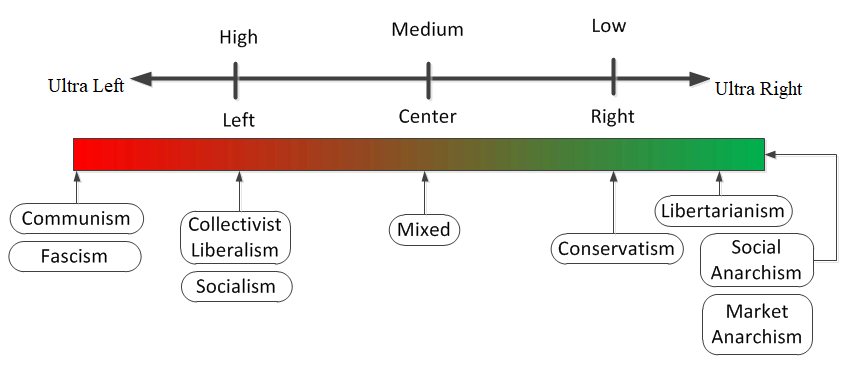


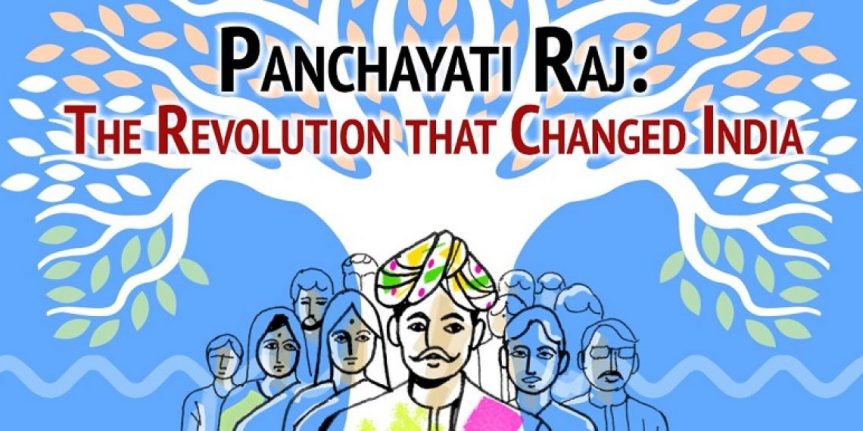

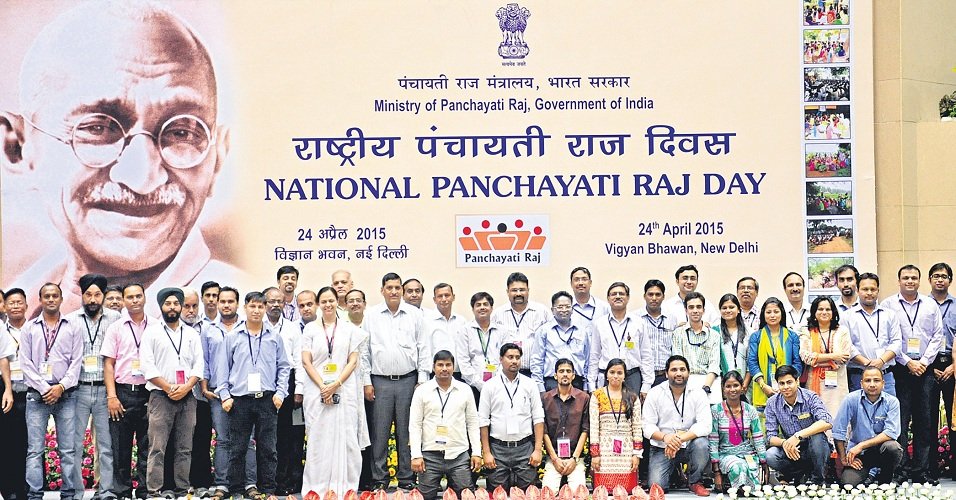
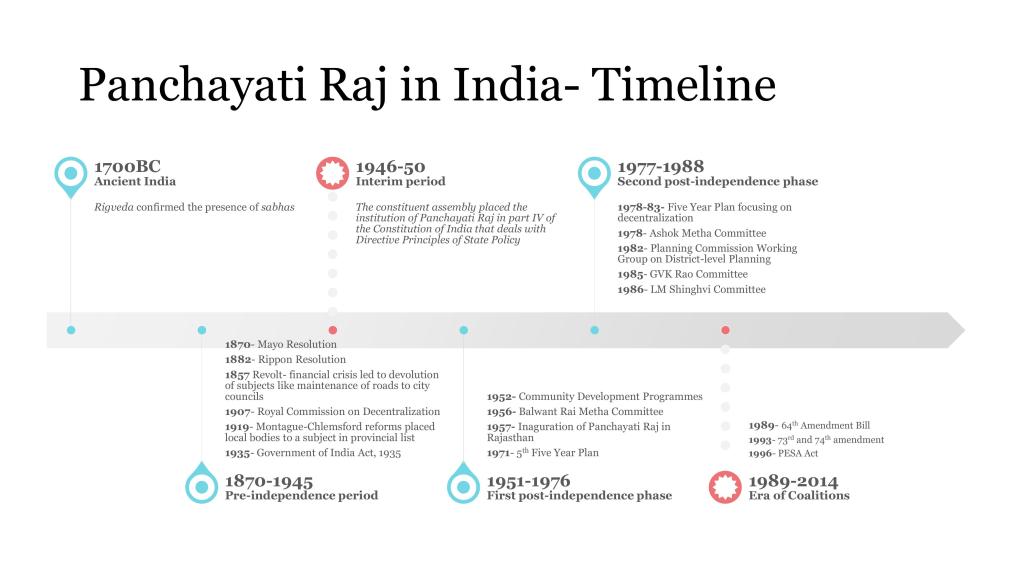

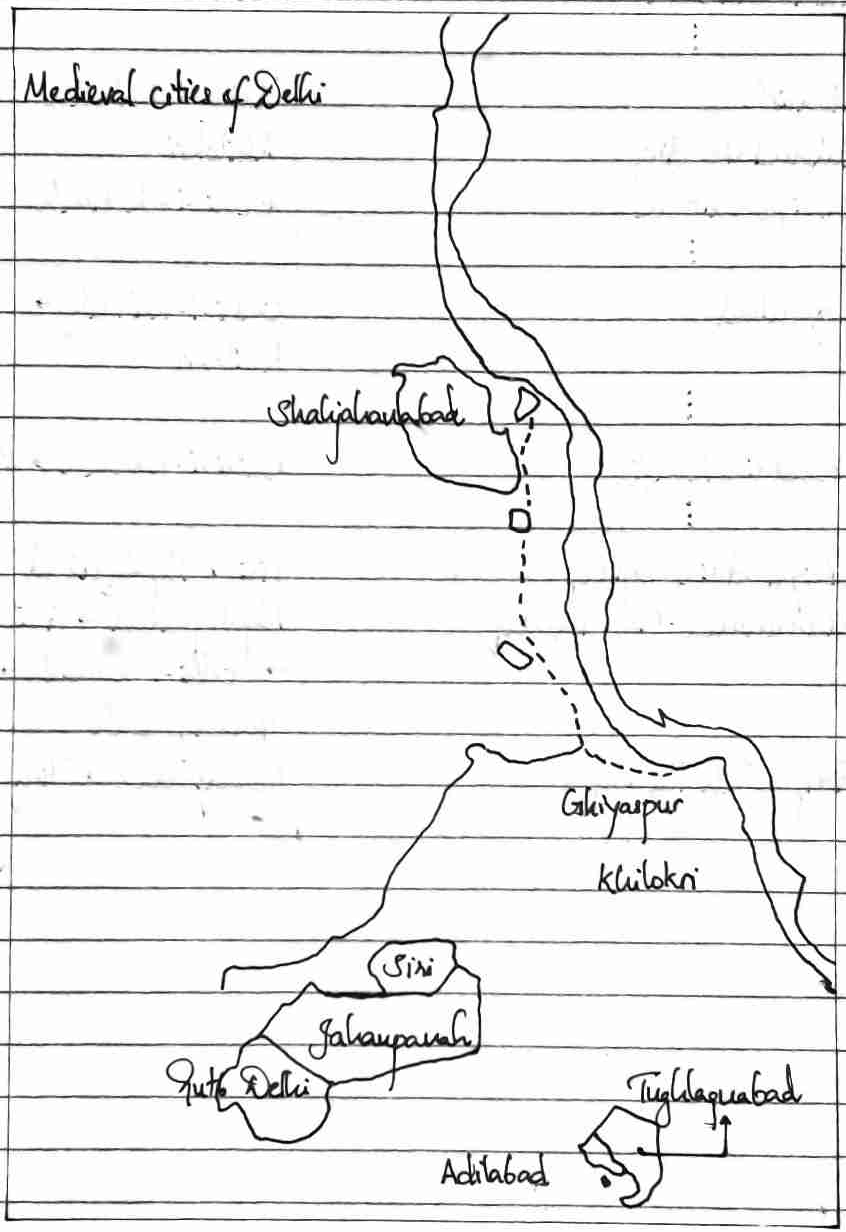

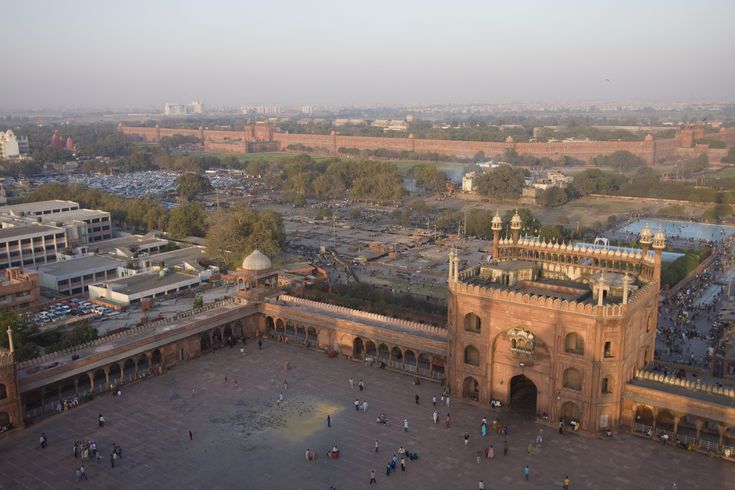



































/cdn.vox-cdn.com/uploads/chorus_image/image/67290882/AFP_1WQ3EA.0.jpg)



 Track2Training
You must be logged in to post a comment.