The Art of Self Acceptance

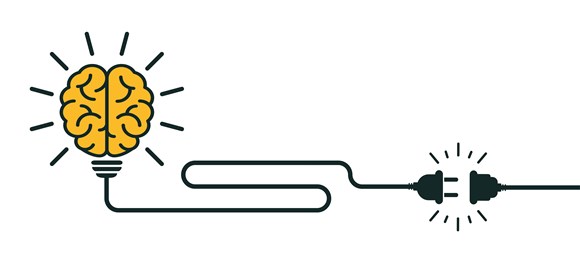
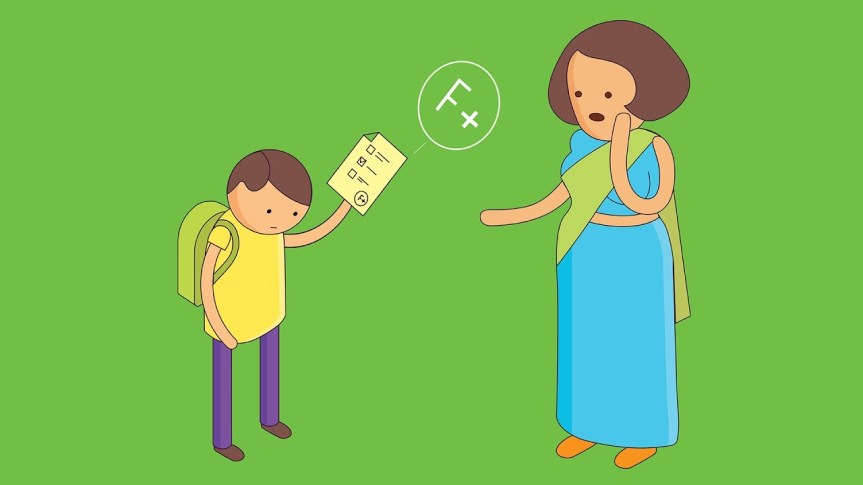
How often do you look at yourself and think that you’re not good enough? That you should have performed better at that test, or maybe should have been slimmer, taller, had a clear skin? In general people blame themselves most of the time for not being good enough. Most of us have become adapt to self-criticism in this high pressured society. And it is not bad at all, to know your weakness and criticize yourself and learn from your mistakes seems like the best way possible to achieve your goals. Self-criticism motivates you but often we become so good at self-criticism and finding our mistakes that we forget to accept our downfalls. Falling prey to excessive criticism often make you depressed, doubt your potential and makes you give up even before trying. Then comes the phase of self-flagellation, where you beat yourself mentally for not being good enough. In easier words it can be called self-blaming, when you blame yourself too much for things that are not even in your control. This might actually affect your performance, making you perform worse than you usually do. You might even lose the will to get up and start, and simply procrastinate.

Depression and self-hatred are serious enemies of life

You need to appreciate the role of self-care, because it’s not only criticism that makes you work. We are so obsessed with success that we fail to acknowledge the scale of challenges and that everyone has some weaknesses. What is easy for your friend might not be that easy for you and vice-versa. The path to your decided goal does not have to be that spotless. You can fall and start all over again anytime. The society might have made you believe that you have to write the entire poem alone but in reality, we all are here to add our own small verses. Daily we routine ourselves to achieve that goal that often you forgot who you are. You are so much more than the degree you completed, maybe the race you won or the test you aced. These materialistic achievements only make up about 20% of the person you genuinely are.

Stop comparing yourself with others

Social media has made you believe that everyone except you in this world is rich and beautiful. And thus you are running after that artificial lifestyle some influencer pretends to have. You are depressed because you weren’t able to pass that exam that someone else did. You want to get that flat stomach, and a sharp jaw line that he has because that might make you look cooler than before and everyone around you will love you more. The more you know about diets, exercise and perfect bodies, the more you become dissatisfied with your body. The more you look at luxurious lives of people on media, the more you become disappointed about what you have been doing all your life. Comparison will take you nowhere because it never ends, there is always a person with something bigger than you. Instead self acceptance is the key to an actual satisfaction. When will it be that we stop justifying, people pleasing, looking outside ourselves for validation about our worth that we know comes from within?

Get rid of that hypothetical mask you are carrying with yourself

Have you ever recorded your voice and felt uncomfortable with the way you sound? Might have, many times but have you ever realized that everyone around you has listened to that voice and they are okay with that. When you look at a random recording of yourself you are unpleased by the way you look, or talk. There’s no way I look/sound like that. But everyone else has looked at you the same way. Everybody is already okay with you and it is you who need to accept yourself. The standards on which you judge yourself are often based on the ones you see on social media or television. But the final product they post/show us is actually a product of photo shop and hundreds of retakes. Reality has no retakes and it is okay to be what you are.

Self-acceptance and Self-compassion

People take responsibility of everything that happens in their life, or will blame their luck for most of the part. Luck is a genuine feature of existence but by blaming yourself or your luck, you also rob yourself the opportunity of fair conciliation. No one is entirely in control of the things that happen around them, sometimes it is okay to fall or maybe crash. You need to reduce expectations to zero for a time. Take each new hour as it comes, and without being banal, what you need most of all, is some rest. Self-compassion is not equal to self pity; you need to give yourself a break even if you feel like you haven’t done something big. Humans were not created to achieve, they were created to live and that is what you have been doing. Don’t be too hard on yourself, life is not a race, it is a puzzle take your time.

The people who love you will still love you for who you are and not for what you have achieved. It is okay to not being able to achieve what you wanted, it is okay to learn from your mistakes but it is not okay to fall prey to the never ending cycle of needs. Success doesn’t necessarily have to be something big, it can be small things. Completing that assignment you have been procrastinating is also a success. There is no set time to achieve it or a scale to decide how much success is enough to be successful.

“Mauryan Economy”

Introduction

The period c.200 bce-300bce was historically significant from several points of views. Craftspersons produces larger quantities and more varied goods than before, trade within the subcontinent and between its region and other lands flourished, and money was increasingly used as a medium of exchange. The sources for the history of these centuries are many and diverse. The Jatakas contain many stories of ordinary people,traders and travellers.

Archaeology continues to offer information on settlements patterns, specialized crafts and trade. In North India,the evidence from late NBPW and post NBPW levels reveals a significant expansion of urban centres.

These centuries are often labelled as ‘ shunga-kushana’. This period is also labelled as dark period. The emergence of urban centres, crafts production , trade and coins of different metals could be seen.

For the study of this period, several texts are available of these the most important ones are the Jatakas tales, purans, bharaneskastra as well as texts like kalida’s ‘malvika’, agninitrane, harshacharita etc. The Graeco-Roman texts written by Arian , Starbo & Pliny are also considered important. Apart from this several kinds of inscription and archaeological sources are also important.

Urban proliferation

One of the most conspicuous development that were registered during this period was the emergence of urban centres in the Deccan and south India. During this period, the second urbanisation registered it’s peak phase. The process of urban formation began in the Ganga valley in seventh-sixth century BC , the most mature and prosperous phase of the second urbanisation in Indian history was during the period from 200 bc to 300 ad. 

In North Western India, several urban centres like pushkalavati, taxila, sagala, purushkpur were the prominent urban centres.

In the Indo-Gangetic divide and the upper Ganga valley the important urban centres that grew further were AHICHCHHATRA,SANGOL,  HASTINAPUR,RAJGIR & others. In the areas of mid-ganga valley. One of the most important urban centres was Mathura. The other important cities of the mid-gangetic plains like shravasti,kaishamti,Varanasi and patliputra not only continued but seemed to have attained their most phase during this period. The important urban centres of the Ganga delta and the northern part of Bengal and Orissa were Mahasthangart,Bangarh,   Chandraketugarh,Taruralipta, shizhupalgarh,Javgada etc. Aloka parashaar has pointed out that the impact of the mauryan rule & the indo-roman trade on the urbanisation in the Deccan have been overemphasized & that insufficient attention has been paid to the internal process of the cultural changes. The two important sites that have been excavated in the Maharashtra are Bhokardan and Adane. The site of Bhokardan has given evidence of two periods of occupation 1. Associated with pre-satvahana phase 2. With the late satvahana phase one of the most important site in the south is Nagarjunkonda. The combined testimony of the sangana texts and the archaeological material point to the emergence of cities in the far south also. R.Chanepak Lakshmi has brought to light the Kaveripattna particular prominence of . An important urban centre of the pandya kingdom was Madhurai.

The area of Deccan & far south has been turned as secondary urbanisation by B.D chattopadhya and other historians. The primary urban centres were the centres located in the Ganga valley and the close interaction with which resulted in the emergence of urban centres in the Deccan and far south.

Agriculture

The significant changes are noticeable in the economic situation of this period the there were indeed elements of continuities. The most important facet of the continuity in material life was ongoing dependence on agriculture as the mainstay of economic life. The spread of sedentary agriculture for the first time to Peninsular India. The place name Dhanyakataka, a famous Buddhist centre in the Eastern Deccan, literally means rice-bowl, is an indication of the general spread of the fully sedentary agrarian society in the Deccan. Of the variety of crops, paddy was of course the most important and the sali continued to be the rice excellence. The Milindapanho shows an awareness of the difference between the sali(for royal dietary practice) and the coarse Kumudbhandiki rice (consumbed by slaves). The production of sugarcane figures in pliny’s account, which also speals highly of the Indian cotton. 

Agriculture became so common placed that stages of agricultural operations right from removing weeds from the field to the final harvesting and winnowing of crops.

Agricultural tools- mostly of iron- like the ploughshare, axes ,adzes,spade and sickle from taxila and sanchi found from archaeological findings.

Taxila has yielded several such instances of the excavations of tanks and Wells in the early centuries of the Christian era.The spread of agriculture and the diversity of crops were also associated with the growing complexities in the agrarian economy.

Trade

The period c.300bce-300ce saw a significant expansion of trade activity, both within the subcontinent and between the subcontinent and the other lands. The petty or ordinary merchants was known as vanik and vaidehaka, the leader of the caravan merchants himself was called the sarthavaha. The Tamil sangam literature knew the salt-dealer as uppu-vanikam, dealing obviously in an essential and bulk commody. 

According to the same source, the merchant in gold was distinguished from the others as ponivanikam, he evidently traded in a luxury and prestige commody. A lohavanija, who dealt in iron/iron tools – once again,an essential commodity- figures as a donor in Mathura inscription. The most eminent among merchants was certainly the settings who enjoyed great prominence in Buddhist and jaina sources.

Conclusion:-

The post-Mauryan economy was based on the growth of agriculture, internal and long distance trade and on crafts and arts.

The most important development of the period was the flourishing trade between India and the Western world.

Improved internal communication system under the Mauryas was responsible for the growth of trade and commerce in the post-Mauryan phase.

Complicated Pregnancies For the Leads

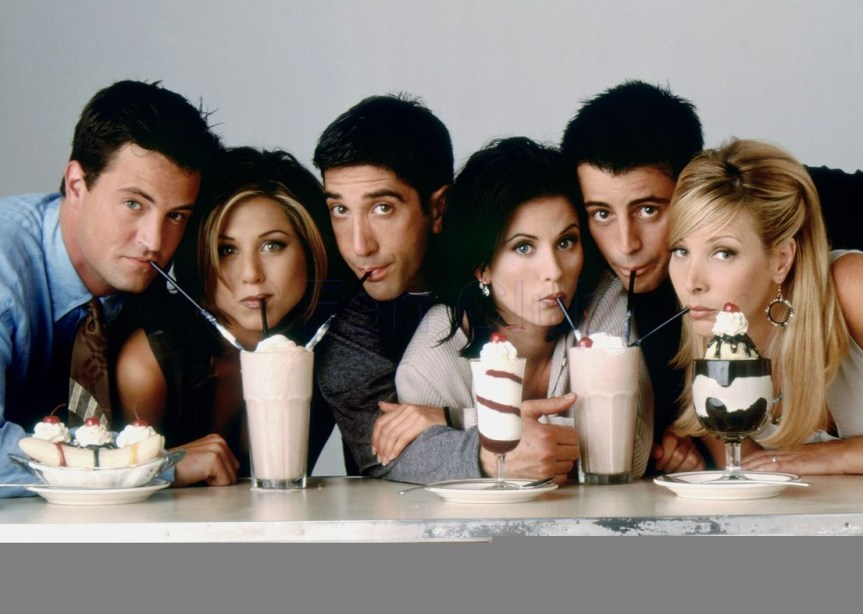
Once in our lifetime we have seen the sitcom F.R.I.E.N.D.S or have heard about it. In this post We are going to look at the complex pregnancies given to the lead female actors, Rachel, Monica and Phoebe.

F.R.I.E.N.D.S is set in the New York city. It has a crazy fan following since it first started to air on the television. Not only in the U.S but in every nation there’s a corner in the heart for ‘So no one told you life was gonna be this way…’. Anytime you open the Netflix among the top 10 shows we’ll always find this show in the list.

With this crazy fan following, the show did not have even one normal pregnancy. All the three lead actress had a complicated pregnancies, not medically but socially.

Monica and Chandler had adopted the twins, Phoebe was a surrogate for his brothers’ triplets and Rachel gave a birth to Emma as a single Mother. All three were aimed towards breaking the typical stereotypes society has around normal pregnancy. Along with the most popular show, it also aimed towards normalizing the pregnancy norms in the then society.

In Today’s time it is normal to adopt a baby or have a surrogate mother or being a single mother. But in 90s it was something not familiar and thus being the most popular sitcom and indeed one of the influential ones, it targeted to bring a change in the society by this simple and yet beautiful step.

With the changing times in the society, there are many places where women are still criticized for not having a normal pregnancy. We as people must normalize and accept their choices making it easier for them to survive in such a society. And those who face such problems always remember, ‘I’ll be there for you…’

“Historiography Tradition In Early Medieval India”

‘Early medieval’ when used as an historical phase and marked off from others historical faces such as ‘Ancient’,’ ‘Medieval’ and ‘Modern’ may not be of very recent usuage in Indian historiography.

According to B.D. Chattopadhyay, N.R. Ray urged almost three decades ago that the practice of using chronological terms in descriptive sense needed to be replaced. Discussions around the appropriateness or otherwise of chronological labels are now expected to relate to the theme of periodization. The problem therefore now involves- given the obvious elements of continuity in Indian history the selection of of variable which would purport to separate one historical phase from another.

According to R.S. Sharma, Several scholars have questioned the use of the term feudalism to characterize the early medival  socio-economic formation in India. But Harbans Mukhia suggested that, unlike capitalism, feudalism us not a universal phenomenon.The diffusion of the feudal system happened in some cases. Ex. Normal feudalism in England was a result of the Norman conquest.

According to D.N.Jha, the myth of millenary stagnation of early Indian society has been ably exploded by D.D.Kosambi and R.S.Sharma who marks definite stages in the development of its social polity till the  beginning of the feaudalism from about the middle of the first millennium.

By accepting the idea of the medieval or more specifically early medieval we subscribe to one way of looking at the course of Indian history.

B.N.Datta was the first Indian Marxist historian to refer clearly to the growth of feudalism in early India.

Systemic studies of the archeological material, likewise have proved the existence of many towns and several phase of urbanisation have been postulated in different parts of the country.

As early as 1950 Kosambi against the mechanical application of Marx’s scheme of periodization to the history of India and assert that Marxism is a tool of analysis and not substitute for thinking.

By accepting the idea of the medieval or more specifically early medieval – as a phase in the transition to medieval we subscribe to one way of looking at the course of Indian history.

For the present discussion,three points need to be noted, First the nature of change which is the critical subject of debate. Second,it involves providing a construct of early medieval. Third,it involves the methodological problem of causation,for if we use a term ‘early medieval’ to suggest a time span as well as historical phase.

To put it in terms persistently used,the route to medievalism, in what currently the dominant school of ancient Indian Historiography,was through Indian feudalism.

One type of statement on the transition by Niharranjan Ray, attempts a multi-dimensional characterization of medievalism. He locates the beginning of the process in the seventh century and says it became more pronounced from the eight century,he envisages three sub-periods within the medieval (i) seventh to twelfth century,(ii) twelfth to the first quarter of the sixteenth century,and (iii) first quarter of the sixteenth to the close of the eighteenth century.

D.D.Kosambi’s idea of the dual processes operating towards the emergence of the Indian feudalism. He characterized it by a two-stage development,namely feudalism from above and feudalism from below.

Segmentary State and the period of social crisis :-

Aidan southhall formulated the segmentary state model for his study of the Alur in highland East Africa in 1956 for the same reason that Burton Stein adapted his formulation for cholas of South India almost two decades later. Older historical views insisted on seeing polities of the time as centralized and to a degree bureaucratized, lurking behind much of the writing of that time was a very modern,unitary state form. At the time that Burton Stein adopted the segmentary formulation. He was insufficiently alert to a major discordant theoretical element which still remain a part of southhall’s formulation. This is the relationship between what he was calling political segmentation and something called segmentary society. The segmentary state refers to a political order which is distinguished from others. In positive terms,the segmentary state is a political order in which:-

  1. There are numerous centres
  2. Political, power and sovereignty are differentiated in such a way as to permit appropriate power to be wielded by making,but full royal.
  3. All of the numerous centres or domains have autonomous administrative capabilities and coercive means.
  4. There is a state in the recognition by lesser political centres,often through ritual forms,of a single ritual centre.

Three types of localities which he designated as ‘central’, ‘intermediate’ and ‘peripheral’ zones of segmentary political system of chola times.Such critics offer no research hypothesis, no Historiographical formulations to be examined seriously and confronted with evidence. First among these strong criticisms of the segmentary state formulation those from S.J.Tambiah and Herman kulke with both of whom Burton Stein have had rewarding and challenging discussion over the years. Like Tambiah who gives major importance to forms of ritual incorporation,kulke has considered my formulation,but in the end rejected it for its lack of fit with the specific polity he was examining that of medieval orissa.

In the early seventies B.D.Chattopadhyaya,on the basis of epigraphic material alone,argued that Prthidaka(Pehoa),Tattānandapura(Ahar),

siyadoni(near jhansi) flourished as urban centres with extensive market networks during the extensive market networks during the early medieval period.

Ancient Indian thinkers themselves held a changing view of their society and its values. This is demonstrated by their speculation regarding the creation of the world and the creation of kingship which had to be set up in order to protect family and property. Although in post- Vedic times Dharma based on the varna division was the ideal to be achieved. According to a words occurring in the sants parva,dharma becomes adharma in response to the needs of tim and place. The Puranas and the Smrtis point out that the perfect thermic consists of four feet and is found only in in the Krta age. The Krta age was an age of perfect happiness to the state of nature depicted by Rousseau. R.C. Hazra Believes that the earliest such description to the third century AD, the second set of descriptions to the eight century. In the Kali age we noticed two types of contractions:- the one between the brahmanas and ksatriyas on the one hand and the vaisyas on the other between the brahmanas and the sudras. The Kali age is marked by insecurity and widespread lawlessness. The reason for the levy of oppressive taxes by the kingship the third and in the beginning of the 4th century AD. The practice of employing slaves in agriculture production practically stopped in Gupta times. The Kali crisis of the late third and fourth centuries appears at a prelude to the feudalization of Indian society.

The point that B.D.Chattopadhyay have tried to make is that the historiography on the transition to what is considered the feudal phase has been ever shifting and essential dependent on the directions of European historiography.

The argument that B.D.Chattopadhya have been trying to develop starting with a statement on historiography can now be rounded off two points,need to be underlined-

First, all the an overview of Indian society of say the period between the sixth-seventh and twelfth-thirteenth centuries would show it to be vartly different from Indian society of the early historical period.

Regional elements begin to take shape through local assimilation as well as through the adoption of Trans regional idioms.

the opinion of K.R.Van Kooji too,when he refers to the division or rather multiple manifestations, of the one goddess as five separate goddesses:-

kamakhya, mohatsaha,tripura, kamesvari and sarada.The present collection of articles lays stress on those aspects of early India feudalism which have continue to generate controversy among scholars.

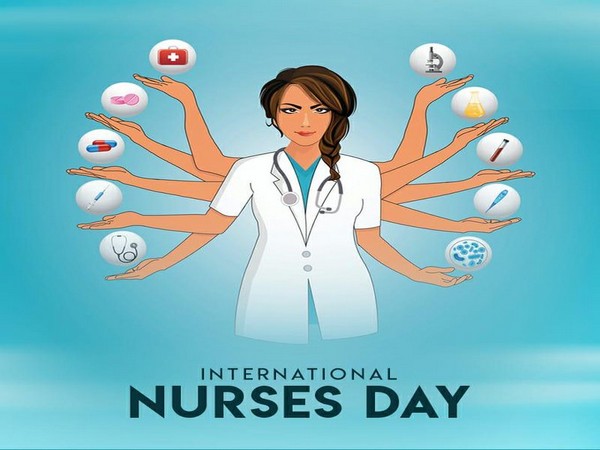
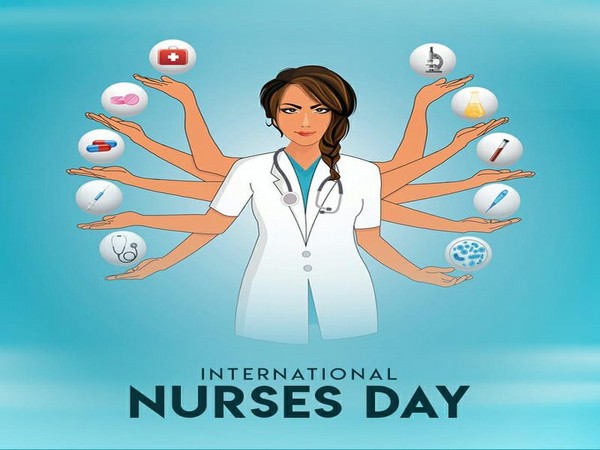
Armed with PPE kits, Sisters protecting their netizens.

An article to pay tribute to all the frontline nurses on this INTERNATIONAL NURSES DAY.

When we have always celebrated the Raksha-Bandhan tying the Rakhi on our brother’s hand, we need to understand that in this pandemic it is not just the brothers who are protecting us but the Sisters who wear their armor as PPE kits and are battling against the virus. Today is the day we pay tribute to them, Yes today is International Nurses Day.

Image Source: ANI News

International Nurses Day is an annual event celebrated on 12th May every year. It marks the birth anniversary of Florence Nightingale, an English nurse, a social reformer, and a statistician who founded the key pillars of modern nursing. It is commemorated every year by the International Council of Nurses (ICN) who also decides the theme of the event. The ICN’s key pillars are Professional practice, Regulation, and Socio-economic welfare. The theme for International Nurses Day 2021 is ‘Nurses: A Voice to Lead- A vision for future healthcare’.

While declaring the theme for IND 2021 on 15 October 2020, ICN President, Annette Kennedy said, ‘This global COVID-19 pandemic has shown the world the important role that nurses play in keeping people healthy across the lifespan, While there has been significant disruption to healthcare, there has also been significant innovation that has improved access to care. In 2021, we will focus on the changes to and innovations in nursing and how this will ultimately shape the future of healthcare.’

According to the WHO, ‘nurses account for more than half of all the world’s health workers, yet there is an urgent shortage of nurses worldwide with 5.9 million (2020) more nurses still needed, especially in low and middle-income countries.’ As reported by INC on 31 December 2020, more than 1.6 million healthcare workers have been infected by the virus while battling against it.

Though being at the forefront since the pandemic started, many people fail to appreciate the services of a nurse which leads to the inhumane behavior towards the nurse. They forget that if doctors are able to save lives, it is because of the equal assistance given by the nurses. Nurses are the hospitality of the hospital. Let us not forget their selfless devotion and dedication to saving lives. Here is a video of frontline workers raising the spirits of patients:

This day comes of great significance in the middle of the pandemic. It is a great opportunity for us to pay a tribute to these heroes and express our gratitude for their noble work. Let’s laud them for their service towards humanity; ‘Respect and Gratitude…!!!’

Let’s conclude this article with the following lines from Muskurayega India:

Phir se sadakon pe sab naachenge (The roads will again be filled with dances)
Patri pe pahiye bhaagenge (The wheels will bustle again on the tracks)
Goonjege khelon ke maidaan (The Playgrounds will feel lively again)
Baatenge sab khushiyan (Everyone will share the happiness)
Gham bhi hum milkar baatenge (and will also share the griefs)
Phir se hogi sapno ki udaan (The dreams will catch a flight again)

Read Again! It isn’t what you think it is…

Image Source: Wallpapers

It was 10 a.m in Mumbai when Anjali rushed towards the fishermen’s bridge, Most fishermen have left the shore by this time making the place quiet and solitary. In haste, she lost track of her brown leather bag clinging to her right hand. Her eyes held more moisture than the sea, she couldn’t stop thinking about Nick.

‘How can he do this to me? How can he kill—’, she screamed to herself at the end of the bridge.

She couldn’t stop blaming herself for what her eyes had transpired a few moments ago. Her legs were not in her control as she kept walking from one end to the other of the bridge.

Her thoughts were interrupted by a voice, ‘Hello, Can you hear me?’ She turned back and saw an old man waving at her. He was having her bag in his hand. At that moment, the bag was aught to Anjali, her thoughts continued and she started running in the direction of the sea.

The old man was confused and tried to approach her. His doddering legs couldn’t match the motion of her. After running a few blocks his legs trembled and he fell on his knees. The crashing sound reached Anjali for her to look back. She had always been a person who liked to help others. She reached out to the old man and acknowledged his name to be Shantilal. He was a local fisherman who had come to the sea with his fishing hook to catch a fish. Anjali assisted him in getting back to his feet.

‘Are you ok kaka?’, she asked.

‘I am fine, beta but how are you? What’s wrong? Why are you crying?’, Shantilal inquired as he saw her moist eyes.

‘No, No, I am fine kaka—’ Her eyes could no longer hold her tears. Weeping she only muttered two names- Nick and Rajesh.

Shantilal sensed the distress and stayed back with her. He tried to calm her down and ask her whereabouts but her weeps only got vulnerable with every question. He feared the worst that might occur if he left her but he also had no idea of how to console her and decided to summon his wife. He stepped a few steps away from the weeping woman and dialled his landline number from his Nokia 3310 to describe the situation to his wife, Meenakshi.

Meenakshi reached the spot in a rickshaw and paid the amount shown on the meter. She saw Shantilal and walked towards him.

‘Kai Zala? (What happened?)’, She asked Shantilal. Shantilal pointed towards Anjali. She recognized her as the daughter-in-law of Sharma’s where she used to work as a maid. She rushed towards her and hugged her to calm her down. Seeing a familiar face Anjali’s emotion had no control but to flow out. After getting Anjali back to her senses, Meenakshi asked, ‘What’s the matter bibiji, why are you crying? Rajesh baba did something? Sharma Aunty said something to you? Tell me please….’

‘Sab khatam ho Gaya maushi— (Everything is over, Aunty)’, Anjali continued after catching her breath ‘Rajesh destroyed it all’ Meenakshi started assuming the extra-marital affair Rajesh might be having which was breaking Anjali.

There was a sound of a ship sailing which got the attention of Anjali who was calm now. After looking at it for some time, Anjali asked Meenakshi to get her bag. Meenakshi asked for the bag from Shantilal who was standing there trying to understand the situation. Shantilal took the bag and handed it over to Meenakshi.

Anjali opened the bag and took out a picture of herself with a man, ‘I loved him so much, I don’t know how will I survive in this world without him.’ Meenakshi and Shantilal were shocked. Meenakshi found herself thinking if her Rajesh Baba has left them all and felt a moment of guilt for assuming him having an affair. Less did they know a larger shock awaited them.

Consoling Anjali for her loss Meenakshi said, ‘I’m so sorry to hear about this. God is examining you. Just have faith everything will be fine.’ Saying this Meenakshi took the photograph from Anjali’s hand and hugged her again. Meenakshi always admired how good Anjali and Rajesh looked together and glanced at the picture only to find out it wasn’t Rajesh in the picture. It was Nick, Anjali’s colleague.

Online vs Offline learning

During this pandemic online learning is becoming more and more popular which provide us an opportunity to dream different skills from home.

Online Education – Online Education is a very flexible learning system that allows students to study solely via the internet on their own computer at home, or whatever they see fit.
Basically, student – teacher face to face meetings are not required, allowing students to study anywhere in the world.

Offline Education – Also referred to as traditional training. Offline Education means a student needs to go in a classroom, and attend a class face to face with a teacher.

Difference between Online & Offline Study

• With offline learning, participants are required to travel to the training location, typically a lecture hall, college or classroom. With online learning, on the other hand, the training can be conduct from practically anywhere in the world.

• Online learning usually has a more flexible timescale carried out between office hours and doesn’t offer as much flexibility to the learner or the trainer.

Although online learning has become the preferred method for the majority of learners, it’s important not to dismiss the benefits of offline training too.

With offline learning, it’s easier to ensure attendees are paying attention to the training. Some learners also find it easier to retain the knowledge and skills they have learnt through offline training than they do with online training.

‘I too had a Love Story’

Book: I too had a Love Story

Author: Ravinder Singh

Publication: Penguin Metro Reads

Genre: Romantic Tragedy

Not everyone in this world has the fate to cherish the fullest form of love. Some are born just to experience the abbreviation of it.

‘I too had a Love Story’, Ravinder Singh.

When we think of Romantic Tragedy the stories that strike our minds are Laila and Majnu, Romeo and Juliet, Heer and Ranjha, etc. We admire their passion for love because they chose death over the separation. This book ‘I too had a Love Story’ is also a Romantic Tragedy but unlike those mentioned previously, it does not deal with the death of both the hero and the heroine instead tells us how difficult it becomes when a person in love is left alone.

The Novel consists of 9 chapters marking the different stages of the relationship between the hero, Ravinder, and the heroine, Khushi. ‘I too had a Love Story’ is an autobiography by Ravinder Singh. This book deals with his love life. But unlike the other love stories, this love story is very special to him. It is because of this book that he found his life partner; who met him after she read this novel and fell in love with him.

The Story starts with the reunion of four friends; Amardeep, Manpreet, Happy, and Ravinder. The reunion builds up the plot of Marriage. The story is then diverted to Ravinders’ when he creates a profile on a Matrimonial Site. On the matrimonial site, he meets the love of his life, Khushi. After talking for a while they find themselves madly in love with each other. This novel also tries to break the stereotype against Long Distance Relationships when Ravin had to move to Connecticut. Unlike the sayings, their relationship did not break because of the distance. They managed their relationship off the distance. This novel allows the reader to witness the courtship period between the engagement and the wedding to its fullest. The Author neatly builds up the plot where all the reader expects and excited is for the wedding to happen. But then the Author strikes his final chord when the heroine of the story, Khushi meets with an accident; It breaks the heart of the reader. The final chapters’ reading is equivalent to walking the fiery path. It hurts but you can’t stop until you finish.

The Author precisely plays with the emotions of a reader; The reader sheds tears along with the hero for his loss. It keeps the reader hooked to the love story from the starting till the end. Many readers have credited this book as the one you can’t put down. It is indeed a beautiful love story written by Ravinder Singh. Indian Express remarks about the author, ‘Singh has beautifully portrayed the various emotions of life and love’

If you are a beginner in this reading world and also enjoy Romance or Tragedy, then this book is totally made for you. You can purchase this book from here. Just go for it…!!!

Teachers

To the one who is assiduous, 
Who makes students studious..
To the one who is diligent,
Who brings up children intelligent..
To the one who is earnest,
Who always gives the best..
To the one who is determined,
Who give rise to pupils with great mind..
To the one whose charm is unmatched,
Who gets everyone enthused..
To the one who mould clays into pots,
Wishing you a life that lasts long!!.

Teachers always play an important role in the future of countries, because they mould young minds into better citizens. A teacher is one who gives impact over the lives of his/her students. Teachers are also called as second parents as they take a vital role in disciplining the children. Children being young and innocent believe and trust their teachers with all their heart and mind. Teaching is the most sacrificial profession and the best part is this is the only field in which one can gain by yielding. They don’t keep anything for themselves instead they give all the knowledge they received. Sometimes a student can be more attached to a teacher than his/her family. A teacher is someone who can read the minds by looking at their face, and some teachers are like saviour for some children. There are teachers who support the families of needy children and there are teachers who take up the expenses of their students who cannot afford their educational fees. To some they are second parents and to some they are the God fathers and God mothers. Teachers have the responsibility of making up a better society. Huge thanks to all those teachers who gave sacrificial doctors, social workers, and people who work for the public amidst this pandemic. It’s a part that belongs to those teachers who gave brighter students with such good mind and heart.

Decroly Method

Decroly method is a program which is based on centers of interest and educative games. This method is named after Oride Decroly a Belgian pioneer in the education of physically disabled children. He was aphysician and then became involved in school for disabled children and in consequence became interested in education. Decroly contributed home like atmosphere in schools which helped the students to achieve better and compatible educational output than able students in regular schools. Decroly method of teaching was based on three processes, (1) observation (2) expression and (3) association of space and time. Unlike Montesorri’s children, Decroly children worked with real things drawn from everyday life. According to Decroly the universal needs of a child are: food, protection against danger, endurance for frustrations of life, work, play, self-evaluation and self-discipline. Environment is an important aspect to Decroly’s teaching method and children should be encouraged to pursue activities based on observation, association and expression.

Online Learning

“Live as if you were to die tomorrow. Learn as if you were to live forever” – Mahatma Gandhi

ONLINE LEARNING
Lockdown is not meant to countdown days. Staying indoors can never stop someone from learning what they need. Learning a skill can help an individual to achieve his/her dreams. There are too many online platforms that can help one to master a skill of their choice. Owning a skill which can help you in taking higher levels in career is better than wasting time and making minds idle. As the proverb goes “an idle mind is a devils workshop”, it’s better to learn something which can build you stronger than what you are now. Online classes are now more interesting and interactive. In this rapid advancement of technology, online learning is a part of many institutions.it also offers the perks of attending classes from one’s dream university in abroad. One can even socialize with even in this social distancing and curfew through online mode. Live face to face interactive sessions are really interesting that it helps an individual to be more attentive in the class than the lecture hours. Taking an online learning program one will be an officially registered student in the institution and have access to the same resources such as an on-campus student like digital library and student union membership etc. As a ship without a captain is like a bird without wings, there are captains and mentors to guide students in online learning. An essential way observing a large amount of information in a relatively short amount of time, lectures are a staple of online and computer based learning, one can attend lecture from any place. As online student one can choose to access any course information and complete the assignments anytime. This allows a student to fit study time in and around his/ her work, family and other commitments. This also helps students who wish to work while continue studying need mot put their careers on hold and get the best of both student and employee worlds.

HOW TO STUDY AMIDST PANDEMIC

“Victory comes from finding
opportunities in problems.”

Do you prefer to study at home? We millennials have an inherent ability to sneakily use social media during classes, whether in the classroom or online. During our lectures, we know how to eat, sleep, and chat, and that tradition will continue online as well.

But, by the end of the day, don’t we get to do anything useful? It may be navigating congested roads in the rain, maintaining positive social relationships, or engaging in practical learning. During this online process, we will miss out on all of that. So, in such a situation, how does one become productive? It all comes down to self-control, in my opinion. Nobody is pressuring us to read, study, or do something productive; there is no pressure, and we have complete control of how we spend our time.

Which is better: online or in a classroom? Since it is much more receptive and engrossing, the solution is a classroom environment. Learning online, on the other hand, has its advantages. With more spare time on our side, we become more productive time managers. Having said that, I am aware that most of us fall victim to the vicious cycle of procrastination, and to combat this, I have begun to use the Pomodoro technique, which appears to be successful. It divides work into 25-minute chunks, with a 5-minute leisure break in between and a 20-minute reward break after 2 hours or so. It assists me in maintaining a healthy work-life balance. Nobody knows how our educational environment can shift in the coming months, so we must make the most of the time we have and learn some useful skills while we’re at it.

Importance of Education


As the saying of B.B.King goes like, “The beautiful thing about learning is that no one can take it away from you” education is the most important wealth one can hold in this universe. Education is the only thing that moulds a person into a human. Proper education is very important to every human being. One can be educated anytime despite of one’s age, gender, colour and creed. Education is the process of achieving knowledge, values, skills and moral habits. It determines the quality of an individual’s life because it helps people become better citizens of the society, it lends one a better job and a good lifestyle and most importantly it helps one to know the difference between good and bad. Education provides the stability for life and it makes you self-dependent. Education is important for each and everyone as it improves knowledge, way of living, social and economic status as well to prove Benjamin Franklin’s quote “An investment in knowledge pays the best interest”. Getting good education is one of the basic rights to every human because education is the only solution for social and personal problems. Education transforms a person completely by changing one’s mind and personality. Education connects you with stories and cultures of one’s everyday life. Education is the first step for people to gain knowledge, critical thinking and empowerment and skills they need to make this world a better place. “Education is the most powerful weapon which you can use to change the world” – Nelson Mandela.

INEQUITY UNMASKED

The Indian education system is based on elitism, with educational accessibility serving as a major dividing line between various socioeconomic groups of a culture. The hierarchical organization of society based on caste or ‘varna’ – the caste system (‘varna vyavastha’) ascribed a rank to the person that marked virtually every aspect of Hindu social life – was one way in which this inequality manifested itself in ancient society. The caste status of a person dictated their privileges (or lack thereof). Many social, religious, and economic advantages were conferred on the upper-caste ‘brahmins,’ including education, while the lower castes were denied entry. The government of the post-colonial Indian state attempted to resolve and abolish such disparities by enacting the Right to Education Act, which required all children under the age of 14 to attend school, as well as the Reservation Policy. In today’s coronavirus-shaped world, inequality is once again exposed: access to the internet and mobile devices, rather than one’s social status, has become the deciding factor.

The repercussions for the general population were immediate and serious when the Indian government declared a full lockdown on the 24th of March 2020 in the hopes of controlling a COVID-19 outbreak. The lockdown, in addition to triggering its own set of issues, revealed the education system’s existing flaws and deteriorating structure. This population did not include families living in poverty who could barely afford regular meals, let alone technological devices, emphasizing the ever-widening divide between the wealthy and the poor.

Online learning has had a positive effect on the education sector; it has sparked a desire for Open and Distance Learning (ODL), as the curriculum promotes self-learning and customization of the syllabus to the students’ needs. However, since the latter is only reaped by a small percentage of the population, the negative consequences greatly outweigh the positive.

Another effect of the curfew on Indian education has been a dramatic rise in the number of students dropping out. For most poor families, the economic fallout from the lockdown resulted in unemployment and a decline in earning power. Children were forced to drop out of school as a result, forcing them into the job market.

The Mid-Day Meal (MDM) programme, which aimed to provide food for students in government schools, was also lost as a result of the lockdown and subsequent school closure.

Ramesh Nishank, the Union Minister of Human Resource Development, announced an increased allocation of funds of Rs. 1700 crores to ensure the provision of MDMs to students even during the lockdown. During the lockout, however, it was discovered that 40% of the qualifying children did not receive MDMs. On the 1st of February 2021, Finance Minister Nirmala Sitharaman introduced the Union Budget 2021, which outlined the allocation of funds to various sectors. The budgetary allocation for the government’s flagship education programme, Samagra Shiksha Abhyaan, has been reduced from Rs. 38,751 crores to Rs. 31,050 crores for the coming fiscal year. If the government fails to place a high priority on public education, the detrimental consequences will last for generations and decades. Unemployment would eventually rise, affecting almost every part of society and the economy.

Thanks to the lockdown, schooling took on a new structure overnight, requiring students and teachers to navigate a novel system of adjusting to an online education forum. Humans are social animals that rely on face-to-face communication for successful communication, and the educational field is no exception. In the absence of this face-to-face learning, ground-level proficiency is broken, especially for students studying fundamental concepts and skills that they will need during their lives at the elementary level. Furthermore, students’ practical effectiveness in the field of STEM, where conceptual comprehension and practical applications are at the center of learning, has decreased.

The curfew has forever changed the face of Indian education. The advantages of the blended learning system are only available to those in the upper echelons of society, making the rest unprotected. The issue of quality education accessibility has always existed in the Indian system; it is only now that it has been exacerbated in the face of the pandemic and revealed for all to see.

School Projects and Paper Wastage

Do you ever wonder what happens to your handwritten project file or your exam sheets after an academic year? Well, they are thrown away. I always feel bad, after all this hard work and research my projects are being thrown away.

The best medium of writing down information is paper. Paper is easily available, it is cheap, and it can be stored anywhere. From a student to a teacher everyone uses paper in their day to day lives. Paper is produced from trees. Throughout the world, about 900 million trees are cut down annually. This equates to about 2.47 million trees cut down every day. It is estimated that 24 trees are required to make 1 ton of standard office paper. 

In schools, paper is generally used for writing notes, exams, and projects. Projects are important for grading the students and they present the creativity and content writing skills of the students. Writing down the points taught in class gives the children a quick revision. The students solve various problems and equations in a notebook. During exams, everybody writes in an answer sheet provided by the school. Not only in schools but paper is used in offices, shops, banks, colleges, etc. 

With so much paper in use it is obvious that many pages get wasted. Students tear many papers from their notebooks, many other students play (make aeroplanes and balls) with a clean and unused sheet/sheets of paper. After correction of a test, the test papers and answer sheets are thrown away without even recycling. The old paperwork in many offices is discarded even if only one side of the paper is printed. 

The school projects and assignments also contribute to paper wastage. Unlike notes, notebooks and question paper sets these cannot be handed over to other students and serve no purpose after the assignment is graded by the teacher. Our projects with our best handwriting and best decorations are just kept in a school cupboard until the mass cleaning of all cupboards in the schools. 

I feel that these projects should be made as a digital documentor as a presentation. This will not only save paper but also improve a student’s skill in Microsoft Word and Powerpoint. Due to this ongoing pandemic most of our school projects were to be made in a presentation format. I learned to use many presentation making tools and also saved paper.

How else can we save paper in schools?
  • Re-Use Single-Sided Paper 
  • Do Away with Towel Dispensers in Wash Rooms
  • Settings on All Printers Should be Double-Sided
  • Use computers whenever possible. 
  • Make two-sided copies
  • Re-use printer paper
  • Ask your school to buy recycled or alternative paper products. 
  •  Write smaller and avoid leaving a lot of white space on the page.
  •  Use an erasable board for note taking
  • Reuse notebooks by writing on the unused pages
  • Email assignments rather than printing them out
  • Promote recycling, and have bins in classrooms, libraries, and any areas with copiers and/or printers for easy use.

Education Systems Around the World

Indian Education System is all about mugging up and children are taught to find a good job with a good salary and do that job forever (till retirement).

World’s best education systems vs Indian education system

There are many good education systems around the world namely, Finland, Denmark, Japan, South Korea. These education systems have their own advantages, disadvantages and specialties. They have understood that students are not machines and they have provided a number of methods to help the students to reach their true potential.

From my point of view, Indian education only focuses on academics and theory. There is no opportunity for any vocational training, sports or hobby development. Due to this, there are many ‘limited’ career options according to the mindset of society – Engineer, Doctor, Lawyer, and any government job. Only some privileged students have an opportunity to follow their dreams.

Indian education focuses more on theory rather than practical. Indian education system doesn’t allow creativity. Whereas in foreign countries; they focus more on practical based learning. And they allow creativity in education. Foreign education curriculum contains everything from arts to sports along with studies. The US has arts, sports, music and theatre in syllabus while Australia focuses more on sports.

Some counties with best education systems
  • Finland – Each resident of Finland does not go to school until the age of 7. There is no standardizing test in Finland. They don’t get homework by the teachers. Children in Finland spend no more than four hours in school a day, this time also includes a lunch break. Teachers in Finland have to get a master degree. Every Finnish student is taught at least two foreign languages. 
  • Japan – Subjects such as mathematics, science, music, and physical education are taught, but morals is a separate subject complete with textbook and allocated time. This subject focuses on how students would react to a given situation. There are never wrong or right answers, they talk about the black, white, and grey areas in life.
  • South Korea  –  Kindergarten is optional in South Korea. However, at age 6 their child must move on to 6 years compulsory elementary education. The main difference between middle and high school in South Korea is the ability of students to choose specializations such as scientific activity, foreign language, art, history etc.
  • Denmark – Education in Denmark is compulsory for children below the age of 15 or 16, even though it is not compulsory to attend public school. Almost all educational institutes in Denmark are free. Not only are students charged no tuition fees, but all Danish citizens are offered monthly financial aid, known as “SU”.
  • Norway – Primary and lower secondary education covers children aged 6 to 15. Upper secondary education normally provides three years of general education or four years of vocational training. Tertiary vocational programmes are also there. Higher education is based on general admission, normally completed secondary education. The main structure is a 3+2+3 model.
  • United Kingdom – Full-time education is compulsory for all children aged 5 to 18. Students can leave school at 16 but must then do one of the following until they are 18:
  1. stay in full-time education, for example at a college.
  2. start an apprenticeship or traineeship.
  3. spend 20 hours or more a week working or volunteering, while in part-time education or training.

Online Education

The meaning of schools has changed after the COVID-19 outbreak. Classes are being conducted in an online medium. This is the ‘new normal’ for the students of India.

How do the students learn?

When I was in 9th standard, we had a chapter in our English textbook about the education system in future. The students there studied through computers and did not go to school. At that time I often thought that I would never have to study and learn via computers and laptops. It has been almost ten months at home and I guess this has taught me that online education is possible but, I do miss going to school.

Online education is often called – distance learning, distance education, virtual learning, online learning, learning web-based training. Online education is electronically supported learning that relies on the Internet for teacher – student interaction and the distribution of class materials.

Some online educational programs are conducted exclusively through assigned lessons and assessments administered online. Others take the form of remote lectures where students join the class via the cameras on their laptops, and the instructor teaches or lectures from his own computer. Other courses are a combination of the two, requiring students to do a fair amount of independent research.

In my school, the classes are taken through Google Meet. The google meet link is shared in the class Whatsapp group. In my friend’s school the classes are conducted through Zoom. Teachers also present their screens in the meeting so that we can understand the concept clearly. After the class, the teachers assign us different assignments which we have to complete and submit in PDF form in a limited time. We also have exams online. First, the teachers share a Google Form for one mark questions; then they share the descriptive/writing part of the paper in Google Classroom. We are given half an hour to solve the one mark questions on Google Form and two and a half hours to solve and write the descriptive part. We have to write this part in our notebook, scan the pages and submit it in Google Classroom in PDF form within a fixed time period. These modern day learning applications are compatible with desktops/laptops as well as any smartphone.

Pros of online education

  1. Study from anywhere. There is no need to go to a particular place to study. We can study indoors as well as outdoors. Even if you are ill, you can attend the classes easily. 
  2. Flexible learning schedule is observed in online education. A lot of time is saved in learning online. You can also do a part time job and learn. 
  3. Students can control study time because of the flexibility in the timetable. They also get extra time for sports and hobbies.
  4. There is no transportation fee to reach the school that lowers the overall cost. (There is no need to buy shoes and socks!) 
  5. The minimum infrastructure required for online learning is a smartphone and internet connection. As the country is witnessing a digital boom, it is expected that the poor people can also afford and access these classes easily.
  6. Improves the student’s technical skills. To join the classes, a student needs to learn to operate computers and various other apps. 
  7. There is no bullying or ragging involved in this method of education. The students are also free from stress and anxiety. Hence, each student is physically and mentally healthy.
  8. Teachers can also share subject related videos to students to make the learning fun and interesting. In a traditional classroom environment, this would require projector and sound system setup.    

Due to the following reasons, many people choose online education over the traditional classroom interactional education.

Are online classes being able to replace traditional classrooms?

With the rise of the pandemic and the extended lockdown, educational institutions have been prompted to shift towards online teaching. While initially digital classrooms seem to be a great alternative, whether it can successfully replace traditional classroom teaching is a question yet to be answered. Online teaching has also posed a threat to students belonging to the economically backward sections of the society. In a country like India, a great percentage of students do not have the access to such means or find it difficult to avail those options.

Photo by August de Richelieu on Pexels.com

According to survey findings there is a noticeable change in behavior and habits following the forced lockdown among the school goers. The sleep cycle and sleeping pattern of nearly 50 per cent children have been disturbed. It also indicates that 13 per cent of children have no regular pattern of sleeping. As a result, 67 per cent of parents think that their child’s screen time has gone up by at least 50 per cent during the lockdown. Increased screen time is known to severely affect concentration levels and leading to insomnia and other sleep disorders. The fear of pandemic has affected children in the worst way, nearly 40 per cent of the children who were surveyed, have been known to have mental health and unaddressed anxiety issues.

Schools and Colleges have set timetable in such a way so that there are breaks in between classes but because of network connectivity issues, students have started logging in earlier, which have lessened the break times. A teacher said in an interview, “In the first month, things were fine but with time students are losing interest and a kind of boredom is setting in even for the bright kids. For students in senior classes or those who will appear for board exams there is pressure from teachers and parents which is taxing.” After attending classes online, many students are also sitting for online tuition or extracurricular activity classes.

Photo by Andrea Piacquadio on Pexels.com

Teachers of many schools have reported that students have become “more subdued” in class and their energy levels have decreased than before. According to psychiatrists and teachers, months of being inside and attending classes from within the screen has made students “fatigued” and “demotivated.” Even students who are academically strong have not been responding in class like before, teachers said. They have observed that the “naughty and mischievous” ones who would always be up to some mischief in classrooms have become “quiet and subdued” during online classes.

Psychiatrist Jai Ranjan Ram said to a newspaper, “Teachers are trying but online classes are not the same as what school was for children. No wonder they are feeling demotivated and fatigued. They have to attend continuous classes on the screen, at times not on laptops but on phones. All this while there is monotony of the same environment. It’s difficult to maintain a sense of well-being. In an online class the nuances of non-verbal communication are completely lost.”

Photo by energepic.com on Pexels.com

Sneha Priya S, Co-Founder & CEO of SP Robotic Works, has said, “Covid has proven to be the turnstile for education in India. The current situation has unearthed the immense potential of platforms with experiential and interactive learning which engage children in practical tasks and logical reasoning.”

In a physical classroom, students and teachers would even discuss things not related to academics and eagerly share their experiences. While there are downsides, there are also some positive aspects to it. Educational institutions have been closed for months at a stretch. With online classes there is the possibility to catch up with studies. Many students feel that at least in an online mode there is some form of interaction which helps them in these trying times. Online classes have made possible for students and teachers to get back to their routines within safe conditions. They also provide students with something to look forward to everyday. But amidst the current social conditions, students long to go back to their campuses. As we adjust to the ‘new normal’ many young people who are at the beginning of their career are also uncertain of what challenges they might face in the future.

ONLINE LEARNING-PROS V/S CONS

The Majestic year 2020 is marked by two major events.One is the Onset of the worst pandemic that the entire world is reeling under and the other as the title suggests is Online learning!

The Use of Online Learning or E Learning has skyrocketed in the recent times as the only mode of education in a social distancing setup.Indeed it is a necessity as education cannot be put to rest halting the progress of millions of students.As a coin has two sides,similarly online form of education has it’s own perks and drawbacks.So lets find out more!

Online schooling is a popular alternative to attending a brick-and-mortar college or university. Though online students don’t get the face-to-face experiences of a typical on-campus student, there are many benefits and advantages to online learning, also known as distance learning or e-learning.

While not every program or school imaginable has an online option, a large number of them do, and many programs are nationally or regionally accredited. Students can learn through online lectures, projects and discussions. Online degree programs are available at every level, from certificates to doctorates.

Owing to the Covid situation,organisations that used to vouch for traditional methods of education are now radically shifting towards online education because there is no other alternative.Earlier online education used to be an alternative, now it is the only choice for those who want to desperately continue their education.

When Online Education is the new reality,it is very essential to keep in mind it’s advantages and disadvantages to take maximum benefits out of it and also minimize stress levels.

Advantages

-Convenient Learning:It can be undertaken anywhere ranging from a tiny corner in the living room to a study table in the bedroom and without a particular dress code(still modest dressing is expected).

-No Infrastructure:No physical infrastructure such as building,classrooms and benches are required for online education.

-Less Travelling: In Online classes there is no need to undertake strenuous travelling routines as students can attend the classes from the comfort of their homes.

-Recordings:Unlike the Traditional Systems,Online Education system provides an option of class recording and hence students can re watch the class recordings to make concepts clear.

-Virtual Reality(VR):Teachers in the online mode can make use of Virtual Reality Techniques to make students understand complex topics in an interesting way.

disadvantages

-Motivation:The laid back nature of the online classes do not provide much motivation to the students.Students do not take online classes to be as serious as classroom and thus do not pay attention.

-Lack of Concrete Assessments:Online mode of education has so far not been promising for people with theoretical subjects as it is difficult to conduct heavy exams here.

-No practicals:People Who study medicine,chemistry and physics an understand how bad this can be!There are certain subjects which cannot be simply taught,practicals and experiments have to be performed to further the understanding.Online education does not support this.

-Stress on health:The negative impacts of online mode of education on the health of the students is indisputable!Several students have complained of migraines,back aches,eye pain and so forth.Students psychologically too have not been able to cope up with the sudden shift and are suffering.

Thus,Online mode of education is a tricky one and should be suitable for certain conditions,Since it is the only alternative now, educationists and policy makers should study the pros and cons to make amends in the present online education structure to suit the demands of students.We have to always remember that Education is fruitful only when it reaches learners effectively!

If you liked the article,do give it a like.

Thankyou!

Stay Knowledgeable!

NEW AGE OF ONLINE LEARNING

Getting educated has never been this easy. Putting the relevance of colleges under the spotlight.

A few decades back, not everyone had the liberty and the opportunity to go to college. The huge numbers of people joining colleges rather than the workforce was not the thing back then. 

The expensive college system paved the way for such a trend, which was also aided by the lack of infrastructure and other opportunities in most sectors which are quite relevant now.

The brick and motor system of people finishing school and then going to college to get a job has been changing slowly but significantly for the past few years. Lesser and lesser people have been seen shutting the eye towards getting a college degree to have a guaranteed successful career across the industries.

The current pandemic status quo is sure to have put a dent to this trend on a larger scale. With the ever fluctuations in the job market and the downward scaling of businesses, employees in most industries are scrambling to make sure that they will have a living by the end of the pandemic. 

Making the fear of the pandemic second to the fear of having a job to hold on to sustain a living. The hardships of having a job did not seen this hard in a while.

The upscaling of technology has certainly impacted the education system the most. With the widespread of internet and other gadgets, it has allowed people to even resort to remote learning; from upskilling to even pursuing degrees these days.

Aiding schools and universities to function on with their course structures to an extend.

It has also paved the path for people building up and pursuing shorter courses, which helps in building up certain skills and foundations in almost all the sectors of business. Contributing to a more conscious and productive workforce yet to have hit the floors.

People now have the liberty to sit from the comfort of their homes and with a few clicks be able to start doing a course to up skill their own person. Making the opportunities to learn a plenty and the easiest it has ever been.

The pandemic and shifts in the education system has promised that the system is never going to be the same again.

With people resorting to digital measures to eliminate their shortcomings of knowledge regarding different spectrums, it has started giving major companies sound grounds to even consider candidates without a proper degree for various job opportunities.

With the ability to receive information and answers regarding almost everything with just a click of a few buttons, has shown that the people are going the extra mile to incorporate additional skills that might help them become more educated to handle the tasks at work and also developing as professionals. Paying homage to the age old saying, “with great powers, comes great responsibilities.”

These all have made the jobs of the recruiters much easier, by letting them have the freedom to have a chance to hire people with the right skillsets, which would let them employ the workers without further training or other actions. Making the pace of the workplace faster than ever.

Science- past and present

There is a persistent strain of thinking in the popular culture that certain human artifacts are too complex or sophisticated to have been created by ancient cultures, so they are more likely to be evidence of visits from advanced extraterrestrial beings. But the problem with this hypothesis is that it denigrates the capabilities of ancient cultures, who did build the pyramids and other impressive structures like Stonehenge with fairly simple technology. We have learned over the years how they did it, so there are no mysteries there. Carl Sagan once said, “Extraordinary claims require extraordinary evidence.” While astronomers are confident there are many habitable Earth-like worlds in the Milky Way, there is no evidence yet of life on any of them, and certainly no evidence of advanced technological civilizations. To believe that we had been visited in this way, the bar of evidence must be set high. Ambiguous evidence or vague historical records that can be interpreted in several ways are not sufficient. It would take unambiguous physical evidence to convince astronomers, evidence that could be independently inspected by many scientists, evidence that could not be explained in any other way. There might be aliens lurking around the universe or keeping an eye on us as claimed, but there are no such shreds of evidence at present to bolster this hypothesis. People in antiquated times used stars as their GPS, calendar, etc. They didn’t have technology like us, so they had to study stars and their motions in order to locate themselves, know the harvesting and sowing time. Structures like pyramids, Stonehenge, are surely great and enchanting structures, the sheer meticulous nature of the structure is a marvel, but they weren’t built in one night. As it is said, “Rome wasn’t built in a day” these structures took lots of engineering minds and lots of trials. These weren’t the first to be built, rather one in a series who stood tall. They needed a lot of improvisations to look the way they are now. Also, the pharaohs for whom the pyramids were built, were merciless who enslaved people to build such marvelous structures, because they believed that these structures would carry them to heaven. But subconsciously they only wanted recognition even after they have been long gone, what better than such a creative idea to build structures that would stand tall against everything till eternity and would become a place of a visit, with their names engraved in it. More research is certainly required for many antique structures but claiming that these were built by aliens without any proof rather on the base that science is not able to prove them being built by humans is certainly puerile. Because believing in such claims hinders the path of curiosity and science. Instead of believing any superficial answer, question everything and don’t believe in claims rather theories. 

NEED FOR SPORTS IN CURRICULUM FROM PRIMARY SCHOOL

Educating the young minds of the significance of exercising is indeed the need of the hour.

Even though the advancements in technologies are a boon than curse, we as a being are pouncing backwards; kids going out and making friends while playing at the school and grounds are not the same anymore.

Finding solace from the nuances of various gadgets from a tender age, often neglecting the risks of adapting to the most unhealthiest living condition possible.

Inclusion of sports among students from a very young age at the school level has turned out to be the need of the moment. 

Neglecting the temple of the person is no way to live. Not only does it make the kids outright risk averse to dangerous diseases and other adversities.

Numerous studies have shown that the lack of sports and other physical activities among young children are making them more prone to adverse health conditions like high blood pressure, metabolic syndromes, lower immunity levels and other severe cardiovascular diseases.

       Times have changed, for far worse than good. Changes are neccessary and inevitable too, however a balance is neccessary.

With the teachers and families substituting the kids play time by asking them to focus on core academics poses a major threat to the lifestyle habits of the promises of the tomorrow. Making them blossom as beings neglectful of the needs of physical activities.

The mere insensibility of the grownups with regards to it, has made the kids adapt to a life void of physical activities at the core. Carving generations of “couchpotatoes.”

The fear of the mentors and elders to help their cubs secure a strong future is often making them skip out from taking part in sports, petrified of their little minds drifting away from doing well at academics. 

However, what they don’t realise is the damage is already done, portraying doing well at academics has made kids consider it as a prerequisite to do well in life. Making them unaware to the fact that building up of life skills and holistic learning is what is perenial for sustainable growth of an individual and the society at large.

With the everlasting modernisation, not going out to go and play makes them fall short to learn a lot of stuff perpetual to learn as budding individuals – to engage and socialise, being a teamplayer, to communicate better and to learn it the hardway that winning and losing are just two sides of a coin.

The morale of the kids who are gifted in other spectrums of life are more intensely troubled than others. The denial of a chance to discover for their own-selves of what their gifts and aspirations are a greater peril to mankind. Life is too short not to endeavour upon the desires of one own, for the benefit of doubt of another.

Times have passed where the elders at home had to go hell-bent to get the kids back home from playing out, but now getting them to do the same is the struggle. 

The blame couldn’t be totally be put on them, the ones troubled by this are also more responsible than the former. The hyper competitive scene exaggerated by the teachers and parents has had a toll on them.

Ironic but can’t be allowed for long. Transcending times require swift actions. With the folks at school leaving the leaves unturned with regards to it; it’s about time the folks at home understood the need for it and put their foot forward for a better tomorrow.

International Friendship Day

“True freinds are never apart, may be in distance but never in heart.”

International Friendship Day is a day in several countries for celebrating friendship. It is celebrated on July 30 every year across the globe. The day is celebrated to mark the importance of friendships and friends in promoting peace in various cultures across the globe, to cherish friendship and value the people in our lives.

Friendship-Day-2020-Wishes-Images-in-English

The idea of World Friendship Day was first proposed by Dr. Ramon Artemio Bracho in 1958 in Paraguay. He coined this term when he was having dinner with his friends in Puerto Pinasco. The dinner hosted by Dr. Ramon Artemio Bracho gave rise to the World Friendship Crusade, which is a foundation that encourages friendships across the world irrespective of race, color, religion, and ethnicity.  In 2011, the Friendship Crusade, on April 27, 2011, the General Assembly of the United Nations declared July 30 as official International Friendship Day. It was initially promoted by the greeting cards’ industry, evidence from social networking sites shows a revival of interest in the holiday that may have grown with the spread of the Internet, particularly in India, Bangladesh, and Malaysia. Mobile phones, digital communication, and social media have contributed to popularize the custom. It is also celebrated by exchanging gifts and planning outings with friends. In India, people celebrate this day by giving colorful friendship bands and flowers to each other.

Those who promote the holiday in South Asia attribute the tradition of dedicating a day in the honor of friends to have originated in the United States in 1935 but it actually dates back to 1919. The exchange of Friendship Day gifts like flowers, cards, and wrist bands is a popular tradition on this occasion.

Friendship Day celebrations occur on different dates in different countries. The first World Friendship Day was proposed for 30 July in 1958, by the World Friendship Crusade. On 27 April 2011, the General Assembly of the United Nations declared 30 July as official International Friendship Day with the idea that friendship between peoples, countries, cultures, and individuals can inspire peace efforts and build bridges between communities. However, several countries celebrate friendship day in before and after the UN-designated date. In India, Friendship Day is celebrated on the first Sunday of every August. In Nepal, Friendship day is celebrated on 30 July each year. In Oberlin, Ohio, Friendship Day is celebrated on 9 April each year.

“Friendship is the base of every relation. It is the golden thread that ties the heart of all the world.” 

According to the United Nations’ website, “Through friendship — by accumulating bonds of camaraderie and developing strong ties of trust — we can contribute to the fundamental shifts that are urgently needed to achieve lasting stability, weave a safety net that will protect us all, and generate passion for a better world where all are united for the greater good.” The UN resolution places emphasis on involving young people, as future leaders, in community activities that include different cultures and promote international understanding and respect for diversity. To mark the International Day of Friendship the UN encourages governments, international organizations, and civil society groups to hold events, activities, and initiatives that contribute to the efforts of the international community towards promoting a dialogue among civilizations, solidarity, mutual understanding, and reconciliation.

download (1)

“Freindship is the only cement that will ever hold the world together.”


Email Etiquettes For Students

Simple rules to send a respectful email that won’t get you on your professor’s bad side. 

Rule 1 – Answer swiftly

 Anyone who sends you an email they’ll want quick responses. The golden rule for email is to reply within 24 hours, and preferably within the same day itself. If your response email is complicated, just send an email confirming receipt and letting them know that you will get back to them. This will ease the senders mind! 

Rule 2 – Use a meaningful subject line

 When filling the subject line, make sure that you mention what the email is for or in regards to. You don’t want it to seem like a randomly generated subject and end up in your professor’s spam folder. It also makes it easier to search for old emails when the subject line is relevant and specific to the content of the email. 

Rule 3 – Read your email before you send it 

Prior to sending your email, be sure that you proofread your message. You shouldn’t write your email as though you are texting your friend. Make sure it’s got full sentences, proper grammar, and real spelling. Look out for potential misunderstandings, the tone, and inappropriate comments. 

Rule 4 – Abbreviations & emoticons 

Be careful using email abbreviations such as BTW (by the way) and LOL (laugh out loud) in formal emails. Even today, some people still don’t know what they mean, so it’s better to drop them. 

Rule 5 – Be concise

 Be succinct and keep your message short and to the point. Your professor is going to have probably hundreds of email messages to wade through each day. Just get to the point and politely, respectfully, ask your request.  If it has to be long, consider including a synopsis at the top of the email. Make sure you are as clear as possible about what it is you need to ask of your professor without writing a novel. 

Rule 6 – Do not write in CAPITALS 

IF YOU WRITE IN CAPITALS IT SEEMS AS IF YOU ARE SHOUTING!! Therefore, try not to send email text in capitals. 

Rule 7 – Use a professional email address

 This marks the message as legitimate and not spam. You should always have an email address that conveys your name so that the professor an idea of who’s sending the message. Never use email addresses, perhaps remnants of your grade-school days, that are not appropriate for use in a formal setting, such as “supergirlrocks@…” or “pizzalover@…”.

Rule 8 – Use professional salutations 

Don’t use laid-back, colloquial expressions like, ‘Hi’ or ‘Yo’. Address your professor directly; don’t just launch straight into a request. Examples: ‘Respected Dr. Kapoor’, ‘Dear, Ms. Gupta’, ‘Dr. Sharma, I hope this email finds you well…’. 

Rule 9 – Be polite

Don’t make demands, don’t accuse, remember to write please and thank you. Close your email with something polite like ‘Thanks’, ‘Thanks for your time’, ‘See you in class Wednesday’, ‘regards’, etc. Then re-type your first name 

Role of Teachers

Teachers play important roles in the students ‘ lives in their classrooms. Teachers are best known for their role in educating the students who are brought into their care. Beyond that, teachers serve a lot of other classroom roles. Teachers set the tone of their classes, creating a comfortable atmosphere, mentoring and encouraging students, becoming role models and listening and watching for signs of trouble. Teachers play an important role in the life of everyone. They not only teach us in classrooms, but we also learn other useful things such as moral principles, social etiquette, how to treat others and be polite to our classmates. Granted that technology has opened the doors to new learning & to have also changed the direction of education. But a decent leader has the ability to change our lives, to set us on fire in the perfect way.

Importance of Teachers in Our Society | Why are teachers so important?

Providing Knowledge

Throughout the classroom, the most important role a teacher performs is to teach the children awareness. Teachers are given a curriculum that meets state guidelines that they must follow. Teachers teach in a range of forms including seminars, small group exercises and hand-on learning.

Creating classroom environment

As for the community, teachers often play an important role in the classroom. Students often mimic actions taken by a teacher. Students are more likely to be successful if the instructor provides a dry, happy atmosphere. Teacher creating an environment may either be positive or negative. If students feel the teacher is angry, students may react negatively to this and learning can be impaired as a result. The teachers in their classrooms are responsible for the social conduct. This conduct is largely a result of the actions of the instructor and of her setting environment.

Ideal Role Models:

Usually, teachers should not think of themselves as role models but they are unwittingly. Students spend a lot of time with their instructor, making the instructor a role model for them. Depending on the teacher, this can be a positive or negative influence.   There are educators not only to teach the kids but also to love and care about them. Teachers are usually highly valued in the community by individuals, and thereby are a role model for students and parents.

Tutoring

Teachers take on a natural role of mentoring, whether it is intentional or not. This can have positive or negative effects on kids, again. Mentoring is a way students are motivated to aspire to be the best they can. This involves inspiring learners to enjoy learning too. Part of the mentoring includes listening to the students. Teachers give students a sense of control in the classroom by taking the time to listen to what the students say. This helps build their trust and helps them to wish success.

Signs of Trouble

Another role which teachers play is a role of guardian. Teachers are taught to look to the students for sign of problems. When the characteristics of the students change or physical signs of abuse are noticed, teachers need to look into the problem. Teachers must follow the procedures of the faculty when all signs of trouble are to be followed.

ADHD: Attention-Deficit/Hyperactivity Disorder

ADHD - Unique Mindcare

An ADHD patient behaves a certain way because they feel like they lack people’s attention, right? Wrong. Actually, People who have ADHD are impulsive and/or unable to pay their full attention to anything. The mental disorder is very common in children and even after therapy and medication, it can still persist in childhood. With increased awareness now, it is easier to detect but earlier, it wasn’t so as so many people discovered their condition in late adulthood, only after getting tested. Detection becomes crucial as it is the first step that an ADHD patient could take towards learning to deal with it as it is not completely curable.

There are three types of ADHD – inattentive, hyperactive and a combination of the two. If a person has the inattentive type of ADHD, they might show symptoms like inability to be attentive during a conversation or lecture and get distracted easily, forgetfulness and losing their things often. These people are also unable to stick to a routine and meet deadlines because they lack organizational skills. If they remain unaware of their state, they might start feeling that they are just inferior to their peer and become depressed. People who have the impulsive type of ADHD get agitated quickly, so much that they become impatient when they have to wait for their turn and they interrupt a conversation often in order to get their point across. 

Imagine having a constant urge to move that you are unable to sit quietly in one place. People who have ADHD are so hyperactive, they often get up from their seat and start to move around in the middle of a lecture. Their energy is evident from the way they can talk nonstop. They also try to multitask or switch from a task to another without completing the first one and switch to something else later. All of these episodes of lack of attentiveness and impulsivity can lead to distress in both personal and professional lives. People surrounding the ADHD patients may try to help them without knowing that they have ADHD, but their advice can make the patient feel even more helpless as an ADHD brain is very different from neurotypical or normal brain. After detection. however, a patient can find their own strengths and ways in which they can deal with their weaknesses.

There are also good sides of ADHD. It brings out some very special personality traits like generosity, fairness, compassion and persistence. Individuals with ADHD tend to be more humorous with exceptional conversational skills. They can also have the ability to hyperfocus which could serve as a great advantage in almost all professional fields. With so many years making trials and errors in just getting on with life, their level of resilience becomes very high. They would also make great entrepreneurs, owing to their spontaneity, risk-taking behaviour and ingenuity. Present a problem to them and they would come up with the most creative, out-of-the-box solutions to them because like Jessica McCabe said, in her Ted Talk, “We not only think outside the box; we’re often not even aware that there is a box.”

Check out Jessica McCabe’s Tedx Talk.

Things I Wish Someone Told Me Before Graduating School

It’s again the time to apply for colleges while you’re just out of school. This stage in life always involves uncertainty and stress, and in addition COVID-19 has made it even more challenging for students. Here are some things I wish I knew before I got out of school-

It’s okay to not have everything figured out just yet

I’m sure you have heard all types of questions about your future- ranging from which college would you like to get into to what do you want to major in, from what type of career do you want after college to what’s your plan-B. If you know the answer to such questions then, congratulations you’re the lucky one. But It’s okay if you don’t know the answers to these right now. Most people don’t have their entire life figured out at age of 17/18. You’ll get there eventually. Try exploring one question at a time instead of stressing about all of these at once. Small steps, remember?

Don’t be afraid to get out of your comfort zone

This is probably one of the biggest things I had to learn after getting out of school. It’s so important that you learn to step out of your comfort zone while you’re in school. School offers you a very sheltered environment, but college doesn’t. You’ll have to make ways to achieve things you want and even go and extra mile for them. Inculcating this habit will benefit you in the long run. You surely don’t want to miss out on opportunities in college simply because you were afraid to take a risk.

You and your friends might grow apart

I was fortunate enough to experience my school friendships grow even stronger after leaving school. But this wan’t the case with most of the friend groups in my school batch. It is something that happens when you all jet off to different cities, when you meet new people who you connect with better or when you see that people who you were close to in school aren’t making as much effort to communicate as you are, which happens a lot. It’s highly unlikely for your entire friend group to end up in the same university or college after graduation or for them to make the same efforts they were making when you all were meeting each day. Either way, don’t be discouraged if you realise you’re not as close as you were in school.

ask for help

Don’t be afraid to ask for help. Whether it’s your pride or your fear holding you back, try and get over it. You don’t have to force yourself to struggle when you can ask the ones you trust for help. Whether it’s related to academics or your personal struggle adjusting to a new environment, reach out for help. Looking back you will wish you had asked for help when you had the chance to. This will make your life a lot more easier.

PRIORITIzE your health, physical and mental

Learn to prioritize your health and pay attention to what your body needs from you. Pulling all nighters day after day after day will destroy you and your focus. And No, you can’t survive the whole day at college on a diet of lays and coke forever. Don’t skip your meals. Your health is very important.

You don’t have to be the same person you were in high school

College is the perfect time to reinvent yourself. It’s the perfect time to unlearn concepts and opinions that you no longer agree with. It’s the perfect time to to better yourself educating yourself with issues that are revenant around you. University offers you an environment suitable to reinvent yourself, it offers you the space to give educated opinions and to find like minded people who you willingly want to interact with online school where you had to interact with your classmates only. If you were the brainiac that always had a secret passion for art, then join your college’s art club. If in school you were into sports but always appreciated and enjoyed debating, then join the debate club while participate in the sports activities of your choice. You don’t have to stay the same and that’s the beauty of it.

Charter Schools

Typically called a “School of Choice,” such schools can be set up by anyone; a neighbourhood group, a parents’ association, or a teachers’ group. They must however pursue the terms of a charter constrained by local, regional, national or oversight groups.

Charter Schools - Still Controversial (and Misunderstood) After ...

Since charter schools continue operating outside of the regulations that must be followed by in-district schools, they have the capability to customize classrooms that meet the needs of their students. Each of the dozens and dozens of charter schools has infinite possibilities and is unique in its design and operation. Some have longer school days, some teach the entire curriculum in various languages and some allow students to wear a uniform. Many people think that charter schools offer opportunities for improving our educational system. Others disagree strongly. For a better picture, let’s take a quick peek at the benefits and disadvantages of Public schools.

Charter Schooling Pros:

Supporters think that charter schools expand learning opportunities and have better access to higher education. Let’s take a look at why.

1. Unique Educational approach:

Charter schools allow diverse educational approaches and styles. Most traditional public schools follow approximately the same teaching methods for the students. On the other hand, charter schools focus more on certain topics such as maths and science. They can use Montessori techniques or other forms of learning alternatives.

2. More Excitement:

Charter schools can help kids learn without harsh discipline. In Charter Schools, experience – based and imaginative learning is often seen because there is a sort of independence.

3. Competitive Environment:

Failure to perform could build laziness in the teaching and other policies.Even if they score badly, because they know they will still be operating, they don’t pay much attention to it. But public schools promote competitions creating accountability.

4. Private school atmosphere:

Though charter schools are funded by the public, they are more independent than public schools in the neighbourhood. This makes it more like private schools, with fees reduced. They will recruit qualified teachers and conduct state-commanded training. For under-performance they can be closed even.

5. Closely tied Communities

Most public schools prefer to be private campuses with lower class sizes, and have families similar to one another. Smaller group sizes have other benefits. They facilitate teachers to know the students at an interpersonal basis and have a greater understanding of their intellectual achievements and challenges which enables them to personalize their education more closely to what the student needs.

Disadvantages of Charter Schools:

Although going to study in a charter school has numerous benefits, there are also some negative aspects to it.

  1. Less outdoor activities:  Smaller charter schools often have fewer sporting and other co – curricular activities options. Extracurricular activities and sports are a tremendous part of the educational experience of children, and the comparatively limited possibilities that a charter school provides can be a major drawback.
  • More Secure: Charter schools aren’t as stable as traditional schools. They continue operating on contract and they can shut down at any time of the year even in the middle of the school year. That can have severe consequences.
  • Bribery: Up to $ 1 billion has been wasted on charter schools that never managed to open or managed to open and then closed because of corruption and incompetence and other reasons.

Conclusion:

Ultimately, how good or poor charter schools are, depends significantly on the school in question. The idea that charter schools are tax funded but administered independently has led to a degree of public debate. As the number of charter schools continues to climb, the debate surrounding these schools is likewise an alternative choice to public education.

Importance of Soft Skills

Unlike practical skills such as maths, reading, science and social studies, soft skills take priority around communication, relationships with others, and self-discipline. These essential skills are generally learned from their families and peers outside the school environment. Often these skill sets are not taught at all. Ever ask a teenager a question, shooting their hands in their pockets, averting their eyes and mumbling some incoherent answer. It makes you irritated, perhaps even sceptical, but that teen may not have learned the soft skills necessary for child development before you rush to judgement.

Typically these collections of behavioural skills are not learned in classrooms, but studying them in childhood will avoid potential problems.

Soft skills: The importance of and the existing situation in VET ...

Have you ever noticed the self-confident class president learnt from his history teacher how to smooth out his path to victory? He learned more than likely from imitating a member of the family or through a mentor. Yet just what exactly are these soft skills?

Inter-Personal Skills

Interpersonal skills may include greeting older people and colleagues and interacting with individuals outside their immediate family, peers and adults.

Good Manners:

Okay, thank you, you’re welcome, yes ma’am, no sir. All interpersonal skills which are usually not addressed in the school curriculum are polite manners. Ever hold someone’s door open? Who showed you how to do it?

Communication:

How to hold a conversation with someone. Clear and precise, with no stammering, no hands over the mouth, or averted eyes and reclined posture to get your point across.

Listening:

Listening is just as critical as talking and for many this soft ability has fallen behind because of our dependence on electronics.

Rapport Building:

Producing mates and mergers. Also, due to our technologies, we rely more on messaging than face to face contact, which is important to establish good relations with others.

Being Empathetic:

To look at things from the shoes of another person. If you are facing a question from another person’s perspective, you are less likely to saunter over this situation without worrying about how the outcome might affect others.

How you can teach soft skills to your children

You showed your kids their ABC’s, how to recognize their address and telephone number, and how to ride a bike and now you have to show them social skills?! Kids learn a lot of interpersonal skills by example before you tear their hair out. Incorporating them into your daily life is easy – in fact you might already do most of them.

Learning Fine Manners:

You don’t need to send your children to the school to learn good manners. Inculcate the learning of fine manners in your kid’s life through the way you go about your life. Always say thank you and please. Hold the door open to people, and use phrases such as ‘excuse me’ and ‘welcome.’ And expect your kids to follow suit.

Communication and building good relations:

Have your children look directly at the person they’re communicating with. Ear buds coming out of ears. Cell phone was tucked away in the pocket. They should concentrate on the individual and listen properly and react properly.

This will help them build good relationships also with people. If they sit in sufficient conversations with adults – with their electronics confiscated – they become aware of the gift and engage in good conversations.

A lesson in the shoes of somebody Else:

Both children will be experiencing a touch of empathy. All too often teens scream ‘get a job’ at a homeless person on the street corner and request other children’s names, without really thinking that there might be a story behind their situation. The girl at the school who stinks can be homeless and without running water. The beggar may be a proud veteran on his luck at the door.

Online Education Vs Traditional Education: Which is Better?

The convenience factor is one of the main attractions of online vs. on-campus education. Simply put, online learning can be done at anytime from anywhere, and is an incredibly efficient option that can easily fit into the busy schedules of the students. Students may “go to class” during their commute, during their break at work, during the weekend, or after their kids go to bed-it is up to them to monitor their class time in a manner that makes sense for them.

Is Online Education Better than Traditional Education? - Kitaboo

In contrast, on-campus education is a less sustainable choice. While many programs, particularly those aimed at adult learners and working professionals, will have class times during the night to facilitate other obligations of the students, students will still have to take the class at designated times, which may interfere with business hours, parenting commitments, and other routines. Additionally, students should take into account in travel time to and from campus-this may present a severe barrier to those who lack reliable transportation, or to those who lives in rural areas without a college campus near the area.

Another advantage of choosing an online college is that when it comes to degree programs, you can have almost infinite choices. When you participate online classes, you can enrol in any school that offers the program you are interested in, regardless of whether that institution is headquartered across the country in a neighbouring state or in any part of the world. That means you can choose an university course that really fits your objectives, preferences and career trajectory. While migrating is an option, for adult learners, who have developed lives, careers, and relationships, this is often not realistic. For older students who wish to attend on-campus classes, because of geography they only have the choice of a few educational institutions and those schools may or may not offer the program they are interested in.

On-campus education is generally structured in a manner that is very recognizable to the students: classes take place in physical classrooms, teachers give lectures and lead discussions, and students have in-person conversations about course material. This is very analogous to the classroom experiences students could have had in high school, so it’s something that unconsciously attracts adult learners to. On-campus class experiences are built around face-to-face interaction and this is something that many learners thrive on – being in a classroom surrounded by your peers, being able to start conversations, form friendships, asking questions, and set up meetings in person with the teaching staff and support staff as required.

For certain students the perception of online learning may at first feel very unfamiliar and even a little awkward, especially if they are not used to conversing through written work. However, by the end of their first term, most students have absolutely adjusted to this new way of learning, and find that their conversations with professors and classmates come to feel entirely natural, and the same conversations, friendships, questions, and meetings still occur. In addition, some students find the online discussion format more stringent than a conventional teaching experience; Since they need to think more carefully about what they’re saying, and they can’t just put their hands up to answer a question.

To determine the feasibility of their various choices, students can contact the school financial assistance offices they are considering to learn more about the average help packages, their eligibility for student loans and tuition rates, and evaluate the final dollar amounts they will owe each term. They should also carry out a complete analysis of the overall attendance costs for the institutions that they consider. It is necessary to decide whether participants are likely to be paid extra, undisclosed fees for items such as access to distance learning, equipment, online libraries or resources (for an online program) or fees for student participation (for on-campus programmes). They all have to be factored into when measuring the tuition expenses, which can easily add up.

Ultimately, although both in-person and online degrees have their positive and negative aspects, both are decent alternatives, and it is up to each individual student to determine which suits their lifestyle, habits and schedule best.

Helping Dyslexic Students to Read

Dyslexia is a variation in the manner in which the brain processes language, from moderate to severe. With the right balance of school and home support, most children with dyslexia can learn how to read fluently.

Objective and systematic instruction that progresses sound-letter knowledge and understanding of how written language works is a very important way to improve children with dyslexia learn to read. At home, parents can use simple techniques to give dyslexic children the greatest available start in reading.

How to Teach a Dyslexic Child to Read

Individuals with dyslexia lose phonemic comprehension – the ability to understand the words that make up the individual sounds. In their learning environment, structured and clear training tends to resolve the issue for most children with dyslexia. Once a child has learned the idea of phonemic awareness, they start focusing on phonics skills – connecting sounds to letters to learn to read words. This is when the students start to develop a working vernacular. Eminent reader Linnea Ehri has found that the alphabetic system provides a mnemonic that helps students secure new memory vocabulary and grammar, both pronunciations and interpretations. Parents can help this development at home through a variety of activities using phonics to sound words out and develop the vocabulary for their child.

It is important to limit sessions to ensure the attention of your child is not worn out, and just focus on a couple of new words per session. Studies have shown that teaching too many words to children during a lesson reduces engagement.

Constructing CVC (Consonant-Vowel-Consonant) Words:

Lay out in two rows a set of alphabet cards-one for consonants and one for vowels. The six letters start with: s, t, p, n, a, i. Also have set of pictures using the specified letters, which are CVC words (consonant‐vowel‐consonant). Some explanations of these are pan, tin, or tap. Tell the kid to pick an picture, and name the object. They could also identify the initial sound, and choose the corresponding letter. Then do the same with the finishing sound.

Lay the two consonant cards with a gap between them, and request kids to identify the missing middle vowel. Then question them if they should use the remaining vowel to make a word with certain consonants. If they make ‘pan,’ for example, they can also make ‘pin.’ To help cement them in memory write down their CVC words. For each discussion add another letter building their CVC word bank.

Adjective Alliteration:

Teach your child to select an entity, a location or a person. Reflect on, and recognize the first sound in the word. Now simply come up with an adjective that has the same beginning sound (describing the word). Put them together and have the boy, for example, draw a picture of a blue balloon or a muddy mountain.

Afterwards those who try to sound out the two words and write down the letters for the sounds they hear. Laud all the right letters, point out the significance of a letter that may be incorrect but that denotes the right sound, and help them to work out what letters or sounds they overlooked.

Locating Mistakes:

Select a book that you’ve read with your child. Reinterpret the text but fill in some errors. Using the wrong vowel, such as ‘cer’ rather than car. Forget to double a letter (‘cal’) or add an extra letter (‘bookk’).

Asking your child to read this text which seems familiar. Tell them that there are some spelling errors and that they should circle every word they can seek that doesn’t look right. Admire all the issues they experience, and ask if they understand what went wrong and how to fix it. If not, then jointly explore the problem.

Importance of Agricultural Education

In many schools around the world, STEM (Science, Technology, Engineering and Mathematics) and entrepreneurship teaching methods have seen a nudge but should agricultural education be given more significance? There is no disputing the importance of basic education as it lays the model for the development of a child, but the agricultural education system can also provide real life skills for students that can help them both in their future professional and personal life.

Impacts of climate change and its negative effects on food health and deterioration of the atmosphere are growing. Extreme changes in weather, such as droughts and water scarcity, affect crop production negatively. The United Nations (UN) has advised global hunger is propelled by climate change. The cases of extreme climatic disasters, including extreme heatwaves, droughts, floods, and storms, have more than doubled since the beginning of the 1990s, with a mean of 213 of these happening in a year during the 1990–2016 period. Such disasters are destroying the agricultural output of major crops including wheat , rice and maize, causing increases in food prices and losses in income that reduce people’s access to food, “the UN says.

Reports indicate that increased numbers of firms and investors are buying farmland worldwide as they become progressively valuable resources. Over time, continuing to grow raising livestock animals and aquaculture can become more challenging as drastic weather changes increase the susceptibility of animals to diseases, the UN Food and Agriculture Organization (FAO) notes in a 2016 report among other things. At the same time, the World watch Institute has quoted FAO as saying that climate change will affect the availability and quality of the land, soil, and water resources. These are later reflected in crop output, which is leading to rising prices.

Although agricultural programs are commonly available at tertiary level, they are, depending on your country of residence, much less popular at elementary and secondary education level. Agricultural colleges are available in different countries like the United States, Australia, South Korea and the United Kingdom. They not only prepare students for agricultural careers, in spite of exposing students to field-related topics. Agricultural or farm schools have so much to teach out-of-class children, such as the importance of being responsible and persevering when caring for crops and animals. It can also help them build an affinity for nature and animals, exposing them to potential careers that they might never have considered otherwise.

It is remarkable that even the International Labour Organization (ILO) notes that the agriculture industry offers untapped employment opportunities; although the World Bank points out that farming is key to economic development. These hands-on teaching methods teach students where their food comes from and how it gets to the table. Children that grow up some of their own develop a greater connection to food, according to research; this can prompt them to lead healthier lives, as such children tend to stick to better diets.

The capability and knowledge to grow our own food (i.e. producing plant and caring for livestock) is essential for survival and yet, is an area of study that gains little significance in schools. Paired by the need to meet the growing population of the planet’s future food requirements, agriculture will play an ever more hugely important role in society. Logically, while not all students will harbour ambitions to undertake agricultural careers, foundation experience in the field can still prove to be a pragmatic area of study for their future.

Magnet Schools

A magnet school is a part of the local public education system, unlike charter schools or private schools. Students are usually camped into their schools at regular public schools based on their home location. Students go to the school nearest to where they live. It may not always be true nevertheless, as borders may seem vague and schools are not zoned at all in some smaller towns. Nonetheless, there are magnet schools outside zoned school boundaries. Whereas private schools are entirely independent from the boundaries of local public schools and charter schools are public schools with parental oversight, Magnetic schools remain a part of the public educational system and continue operating under the same board and management.

What are Magnet Schools – Magnet Schools of America

The special characteristic of a magnet school is that they usually have a particular curricular focus, according to the Magnet Schools of America. Popular subjects include STEM (Science, Technology, Engineering, and Math), the arts, and career pathways. Nonetheless, there are many, lots of potential themes. The crucial fact is that magnet schools are choosing schools-children are enrolled on the basis of their interest in the theme of the school, not based on where they live. Although schools may have a general theme, the students are still studying a full range of subjects. Each subject content is correlated with local, state, or national learning standards (i.e., common core), but each topic is taught within the framework of the school. Magnet schools more often than not necessitate hands-on learning, which is based on independent investigation and performance.

An added distinctive feature of magnet schools is that they usually have an alternative, compelling, instructional modes. There’s a lot of Montessori magnet schools around the country, for example. A Montessori school is based on an educational model which considers children to be incredibly inquisitive and eager to learn.

Montessori schools are planning to build on that process to improve learning environments where children are active members of the process of education. It’s unique learning approaches, like those found at Montessori schools, often found in magnet schools. There are also many magnet schools that aim to improve representation within the public school system. But some magnet schools have taken on a more competitive role in education over the past 20 years, in that they can only admit 10-20 percent of the students applying to their school. Therefore, the initial request of magnet schools is to encourage academic opportunities and achievement beyond what is provided at their normal counterparts in public schools.

Magnet schools often entice gifted students who get good scores on tests and good grades. Almost one-third of all magnet schools use school achievement as selection criteria to determine who is invited to enrol for that year. Whilst magnet schools are more culturally balanced than their traditional counterparts, there may be other imbalances. Magnet schools are less likely to have the same combination of socioeconomic class (SES) as the standard public schools. For example, fewer students from the magnet school are eligible for free or whittled down lunch programs.

The magnet schools have both pros and cons. Some of these pros and cons deal with relevant magnet school experiences and others focus on magnet school conceptual or philosophical concepts. Trying to decide whether a magnet school is right for you dependent on a variety of factors for your child’s education, and on your own goals. The first step in deciding whether they make sense for your family is to comprehend what magnet schools are.

7 Types of People you should surround yourself with

Photos - Group of friends enjoying on their holiday - YouWorkForThem

The people that we are close to – the ones that we confide in about almost everything and care about, play a vital role in our lives. Friends are our chosen family. We may not realise but they shape our personality and have the ability to change our whole outlook on life. We become similar to them as time passes by and they influence us in ways no one else can. They literally grow on us. It is also well-known that bad company can destroy a person so picking our friends wisely becomes even more critical. 

Here’s a list of 7 types of people you should be with regardless of whether you are at school, university or work:

  1. Dreamers

People who are ambitious and passionate and want to reach at some place or accomplish something in life. These people don’t see any limits to what they can achieve and their goals motivate them so much that whatever they do in life, they always have the big picture in the back of their head. Their dreams and goals might seem unreal but to them nothing is impossible.

  1. Doers

Not only do these people have goals and things to accomplish but they have deliberately calculated each step that they need to take in order to reach the high ground. They will do whatever it takes while also keeping a track of their progress. The milestones that they make for themselves, mean a lot to them and when they surely celebrate the small victories.

  1. Realists

The people are practical and grounded to reality. They openly criticize and argue if something or some idea seems to deviate from what is possible. They are very analytical and try to determine the pros and cons of the idea that is presented to them. They keep the people around them grounded as well and keep giving them reality checks.

  1. Hard workers

People who are persistent with their efforts and don’t feel overworked too quickly. When you look at them, you see an energetic and self-driven individual who could even be working restlessly to complete the task at hand. Just watching them makes you introspect and question what you are doing with life and makes you want to be like them.

  1. Listeners

People who are capable of listening to stories and rants and even empathise with the one who tells them. Not everyone is a good listener because most people listen to respond. A good listener listens to understand the other person and they do it with interest and not by forcing themselves to hear the other person out. 

  1. Optimists

Positivity radiates from this type of people and they make the people around them look at the positive side of every situation. They create a feeling of hopefulness even in situations that have the potential to break a person down. Going to an optimistic friend in difficult times will definitely help in raising your spirit.

  1. Problem solvers

Some people are born to solve problems and overcome obstacles that come in their way. Their thinking power is higher and when they hear about the problem, their mind generates ways in which the problem can be solved. Being a problem solver is very advantageous as you always have your way around and nothing can stop you.

Theory of Mind

The basic principles involved in mind theory are beliefs, desires, and intentions that are used to comprehend why somebody is acting in some way or to predict how somebody is acting. In general, Mind Theory requires identifying the knowledge, beliefs, emotions and intentions of another person and using that understanding to navigate social situations. A commonly used task of measuring theory of mind is a task of false-belief, like this:

10 Picture Books for Practicing Theory of Mind Skills

Demonstrate the child a Band-Aid box and ask the child what’s inside the box he / she thinks. He or she will probably answer, “Band-Aids.” Open the box and display him / her that within is a toy pig, while saying that there’s really a pig inside and close the box after this.

Now, as you’re bringing into view a toy figurine boy who’s been hidden up to now, the adults say “Scott’s never seen anything inside this Band-Aid box. Now Scott comes here. So, what does Scott think the box contains? Band-Aids or a pig? Children who have established Mind Theory will understand that because he did not see in the box, Scott holds a different understanding than they.

Children who have formed Mind Theory will understand that because he did not see in the box, Scott continues to hold a different understanding than them.

They’ll respond that Scott thinks Band-Aids is in the box. Those who have yet to develop Mind Theory may respond that Scott thinks pigs are in the box, mistakenly thinking that Scott holds the same belief as they do.

Kids are improving on Mind Theory tasks around the age of 4 and are able to fully understand that somebody can act on the basis of a false belief about an object or event. In my own work with pre-schoolers, anecdotally, 3-year-olds tend to understand that Scott didn’t see inside the box, but still react that Scott thinks a pig is in the box.

For children with developmental disabilities, such as those with autism spectrum disorders (ASD), it may take cognitive ability a little longer to develop, and some higher skills may not be attained at all. Youth (ages 5 to 13) with autism received lower scores on measures to understand the beliefs and emotions of others than those typically developed by young people, but there were no differences in understanding others’ intentions possibly since knowing intentions is a less nuanced ability that evolves faster than knowing feelings and beliefs. Mind Theory also predicted ASD diagnosis, so that those with the lowest level of these abilities had more serious diagnoses (i.e. autism with intellectual disability) than those with more advanced Mind Theory (Asperger’s syndrome) diagnoses. Mind theory evidently plays a role in the emergence of delays in development, with discrepancies between those with delays and normally developing adolescents persisting in middle and even adolescence.

By comprehending Mind Theory, we may not only be able to better diagnose those with complications, but also create more effective interventions to encourage and support cognitive development. It is believed that executive function is related to social social skills, so that those with higher levels of cognitive abilities also have greater social skills, with that relationship being partly related. The connection between perceived competence and executive function may be more nuanced and bidrectional, as indicated in some of the literature, but I think it is most important to establish how EF skills contribute to mental theory and social competence in this way. Understanding how the underlying EF(Executive Functioning) process affects one’s social development will help us build new approaches for children. These initiatives could focus on cognitive and EF components which could help develop social skills, making the intervention less anxious and more accessible.

Multicultural Education

Multicultural Education is known as an educational procedure / strategy which fuses the perspectives, writings, values, convictions, and viewpoints of people from distinct social foundations. The primary function of putting it into practice in classrooms is to allow educators to adjust or join exercises to highlight diversity and social pluralism. We will discuss various disadvantages and advantages of educational method. Multicultural education came into the limelight in the early 1970s, following the action plan for change in the education system by the civil rights struggle. The goal was and continues to be to assist, appreciate cultural diversity amongst teachers and students. Multicultural educated students are often best prepared to work in a variety of classroom or commercial establishments and have a strong social intelligence.   

How multiculturalism helps school education | Op-eds – Gulf News

Race, ethnic background, nationality, language, religion, class, sexual orientation, etc. are the critical elements involved in multicultural education. Students can be constantly reminded of history, cultures, and the importance of various groups by adapting it in schools and colleges. It also promotes the ideals of inclusion, democracy, diversity, critical thinking, and sense of unity, inquiry, outlook values and many more positive traits. This teaching strategy is seen as profitable in advancing educational achievements among students of foreigners (immigrants), and it is along these lines that it is given credit to be a contributor to the school reform movement.

Many genuinely think that Multigrade or cross-cultural education’s goals and objectives are to safeguard the culture of minority groups by encouraging young people to think broadly and get to know new thoughts and critical thinking. All this quite fundamentally helps students deduct, just as it urges them to have an increasingly open worldview. As a result, students are provided with the knowledge, beliefs, and skills required to engage in social improvements, resulting in equity for ethnic groups previously marginalized and excluded.

Just like every other Multicultural Education system, there are a few benefits and drawbacks to it. The pros and cons are as follows:

Disadvantages of Multicultural Education:

Since children from diverse ethnic, linguistic and social backgrounds study together from the same education system in a multicultural classroom, making it difficult for everyone to understand the subject. There’s a possibility teachers may be struggling to find out how well the students understand the content. As not all students come from the same backgrounds this causes a language barrier. People may be non-confrontational, submissive or otherwise indirect from other cultures.

Teachers in inclusive education must be equipped to manage conflicts and misunderstandings with different values , beliefs, cultures, assertions, patterns of behaviour, etc. that tend to arise among students from different cultures.

Advantages of Multicultural Education:

Multicultural Education exemplifies students to different culture and values, and creates good understanding and acceptance of people’s differences. It instils tolerance and personal acceptance. Since it encourages cultural relevance, anti-bias classroom, challenging students to reflect without jumping to stereotypes, shaping social skills and social action resulting in people engaged in civic engagement. The method encourages students to assimilate while maintaining intact their culture and values, making them feel inclusive. It can help children assimilate without compromising their cultural identity by being culturally conscious teachers, without biasing. It facilitates promoting a community of learning, which helps to preserve a sense of pride which trust in the learning.

Girls’ education been neglected in slums

Women and girls in slums mostly don’t get the privilege of education in India. Their families or communities don’t support them in this cause. When the family does not have enough finance to provide education to all of their children, there the preference is given to boys. This way most of the women are not educated and they are not able to provide it to their daughters as well. So, in this vicious cycle education of most of the girls gets neglected. The situation is so deteriorating that many girls even lack basic literacy and numeric skills.

“I want to study and become a teacher. But I don’t know how to read these books, says Lakshmi, a 9 years old girl in slums while sitting with a pile of books of her brothers.

Lakshmi lives in a family of six members – father, mother, and her three brothers. Being the youngest as well as a girl she gets the disadvantage over education. Where all her brothers go to school, she isn’t allowed.

While finance being one of the major issues, there are others too.

“In our community, girls get married at a very young age by 12-14, so what is the point of their education. Eventually, they will have to serve their in-laws. Even if we get pushy about continuing a girl’s education after marriage, she will be stopped,” says Shakuntala, Lakshmi’s mother.

“See our Lakshmi, she is already 9. We have started searching for a suitable groom for her.”

Her father cited other concerns. “ There is a fear of abuse, distance from school to home, known- availability of transports, and lack of toilets. Due to this reason, I don’t send my daughter to school even if I want to. Safety is a big concern for me. Who’s going to take the responsibility if anything happens to her.”

Slum girls brought up with this mindset make them believe they are not worth enough compared to their brothers.

“We want our sister to gain an education. But our parents say she will get married and go to a different family whereas we have to go to school too, later on, get jobs and be a breadwinner for the family,” says Kundan, Lakshmi’s elder brother.

These situations make women vulnerable and dependant on men in life. Men start to think about them as mere objects leading to crimes like domestic violence, killings.

Without education, women have less knowledge and less power to negotiate.

All these things indicate that there is a bleak future for girl children in slums. Thus, to address this emerging issue, girls should be linked to formal/informal schooling in slums and ensured that at least they will attain the primary level of education that enables them to read and write.


Future of Home-schooling

Although many people see education system as the best way to socialize and instruct young children, each year there are growing numbers of parents talking about putting their children in home-school.

Assuredly you will recognize a variety of benefits of doing this, but the fact still remains that something is “lost in translation” between possibilities available to the public and at home. Fortunately, it seems as though robots are picking up the slack in home-schooling ecosystems.

What Is the Future of Homeschooling?

Home Schooling Problem:

To understand how robots change education in home-school settings, you first need to learn the issues surrounding at-home educations. Though supporters of the public school often argue that home-schooled children are left at a loss, the statistics suggest otherwise. Children that are taught in this atmosphere actually attend university at rates equal to or higher than their counterparts.

It is also worth noting that researches have shown behaviour problems for home-schooled children. Yet there are some considerable differences when it comes to their teachers. For example, in many states no accreditation or training is required to teach your kids. In fact, there are even states that do not predict teaching at home about holding a high school diploma. None of this is to suggest that home-schooling parents can’t have a decent education. However, there have been some subjects where all may benefit from artificial intelligence (AI).

The benefits of robots

If you have kids and want to home-school them, you should rest assured that, practically speaking, they’ll be all right. Actually you’re going to be in fine company. The number of home-schooled children is increasing significantly of 2-8 per cent per year. However, when doing this it is necessary for all of us to consider our limitations. Luckily, robots have evolved enough to help conquer those limits. One only has to consider different languages to realize how important home schooling robots can be. Only one in five Americans can speak a foreign language, but in their curriculum, many jurisdictions do have a requirement for foreign languages. Fortunately, artificial intelligence is used by the ROYBI robotic system to educate kids a variety of languages in which parents may not have experience.

It’s also worth noting that the system is constantly evolving to teach other subjects — as AI certainly should. The new educational emphasis is on STEAM (science, technology, engineering, humanities, and math), and in these subject areas, ROYBI is continually introducing new content.

Where are we going from here?

As robotic world continues to develop, many are now questioning whether artificial intelligence will completely replace classroom teachers. Home-school family would also have the option of using robots to fully teach their own children if this were to happen. While the cost may seem prohibitive, consumer robots like ROYBI have enabled AI to be brought into the home.

Luckily, it seems as if AI is moving to a point where it can deal with children on an emotional level. For example, ROYBI can recognize facial expressions and respond to apparent emotions in an acceptable manner. Obviously this is no substitution for actual human interaction, which can never be excluded from public or home-school settings, but because machine learning increasingly encourages robots to behave more objectively, these artificial interactions can become essential aspects of the learning process.

Home-schooling is growing in popularity every single day, and while success rates are impressive, it is important to remember that several teachers’ parents cannot do the job. However, with the improvement of artificial intelligence and robotic technology, there is little wonder that one day everything taught in public schools can be learnt at home. While there is disagreement about whether in-home learning can provide equivalent or higher education, home-schooling robots may one day make that fact unquestionable.

Importance of Learning to Code early in life

The World Economic Forum ‘s Future of Jobs Report has forecasted that 65 per cent of children entering primary school today will eventually wind up working in entirely new types of jobs that do not yet occur. The world is changing at such a rapid pace that today’s high-paid jobs didn’t even exist five years ago-and it’s hard to predict what kind of jobs we ‘re going to do in another five years. The reason for that big shift? It is rise of Software industry.

8 reasons why every child should learn to code - Teach Your Kids Code

The question here is how we prepare our children for the future, there’s only one solution to this situation: Learning to code. Both parents and teachers believe that programming is a well-structured way of introducing children to logical thinking and problem-solving in a country like India, where the education system struggles with a lack of vision, facilities and outdated curriculum. This also trains them for a data-science and computer science driven job market.

Fewer than 10 percent of schools taught mathematics before the Industrial Revolution, each school introduced mathematics after the turning point, because that was the centre of the revolution. For us now, coding skills are what mathematics was to the Industrial Revolution: underestimated at the time, but extremely valuable generations later.

Now we’re in the middle of the computer revolution, and it’s the same concept: schools need to recognize the benefits of coding as a skill. For Chinese parents, teaching children code is just as important as teaching them math and Chinese. Indeed, even before they enter pre-school many Chinese kids are vulnerable to coding. A lot of Indian parents now also teach pre-school coding to children. A huge number of coding and programming centres in New Delhi, Mumbai, Gurgaon, and Chandigarh serve these needs in India.

Almost all of these places use a shared pool of tools and technologies — such as Code Studio, LightBot, Botley, or MIT’s Scratch — created for a foreign market where coding teaching is already a flourishing industry for children. The aim is to cultivate the ability in a child to develop a meticulous sequence of commands in a language which the computer understands.

In the next 5-10 years, it would not matter what school kids are attending school, but how digitally savvy these kids are, especially with the introduction of 5 G technology that would be paradigm shifting and upend conventional teaching methods. Economists estimated the total economic impact of 5 G on new products and services to reach $12 trillion by 2035 as 5G tries to move mobile technology from connecting with people to people and information, to connecting people to everyone. Hi-tech kids today are learning from the same books I used 10 years ago during my school time. Our school system promotes rote learning, and that promotes conformism in children rather than curiosity. There is a repetitious raj of learning which governs our schools.

If we don’t implement coding in schools then our kids will be in a massive disadvantage and the future will be shaky. In 2017, Delhi-based ed-tech start up Eupheus Learning launched Cubetto which was introduced at about 300 primary schools across India. Cubetto’s innovation is the block-based coding language intended for pre-literate-year children. It is a screen-less coding solution that teaches infants the basics of programming.

Most kids learn to tap and press and hold in the digital age of today before they can speak cohesively or walk. Its wireless pacifiers, friends and entertainers are smartphones and tablets. To do so, children do not need to be qualified in reading or writing because stories and pictures are used to illustrate the concepts.

We can’t rely on the government to formulate policy, top-down approaches are lethargic and bureaucratic that takes a lot of time to implement which our kids don’t have. In the 4th Industrial Revolution, parents and educators would have to take a proactive approach or our children will be left behind.

Should Physical Education be made compulsory in Schools?

Physical education (PE) is often seen within the education system as a marginal subject. And many high schools are actively reducing PE time to make path for more “serious” or “important” topics.

Youth Sport Trust studies suggest that for 14- to 16-year-olds, 38 per cent of English secondary schools have cut scheduled PE. One of the main reasons for that is the enhanced pressure to produce results of the examination. Nevertheless, amid these changes, PE remains celebrated for its ability to improve wellness and encourage lifelong physical activity. This is an important issue provided that according to the latest government estimates, over 30 per cent of the year six pupils are listed as “overweight” or “obese.”

Sport should be compulsory in schools, writes Kylie Lang | Daily ...

PE is also celebrated for its commitment to improving psychological wellbeing, helping to foster social and moral growth, and promoting academic and cognitive success. The Physical Education Association emphasizes that high-quality PE fosters pupils’ physical, spiritual, financial, mental, economic, and intellectual development. But the many goals for PE – such as health education, developing skills, as well as focusing on moral and social issues – have created confusion about the topic and have done little in practice to further the educational opportunities. In fact, it was argued that PE offers more entertainment than education. A waste of time and some entertainment, or vital to a child’s education and development – what is it?

Part of the problem appears to be that PE is often seen as a possibility for pupils to be active and have fun. Or in some cases, as a way of relieving stress and serving as a break from traditional learning. These locations are clearly valuable for the overall well-being of pupils and there is a growing basis of evidence to suggest that physical activity has the potential to support learning more broadly. But PE’s role is not solely to support and promote the knowledge of pupils in other subject areas. It should instead be providing meaningful learning experiences within the subject itself.

Each offers a unique system for PE, sport and physical culture to explore a multitude of holistic learning opportunities. The moral or ethical controversies in sport, for example, can provide teachers with a range of educational stimuli for debate, rationale and critical reasoning. The Sports Monograph is a recent project that we have been working on, inviting learners to collaborate and share their views and experiences on sport, and what it means to them. The project included pupils from primary and secondary schools, as well as students from undergraduates and postgraduates who were all supported by their teachers and lecturers.

As part of the initiative, not only were the pupils acknowledged for their written achievements at school award evenings but, unlike in conventional PE, their work left a trail of proof of learning and academic involvement – appreciated and supported by the schools. As a valuable educational endeavour, PE successfully stood shoulder to shoulder with other subjects in the curriculum, with written evidence to support the claim. These pupils now have publications which are used at the University of Central Lancashire to teach undergraduates.

The role that PE can play as part of the broader academic curriculum appears to be completely forgotten, at best understated and, at worst. Activities such as those raised here could help to broaden PE’s educational potential, encourage more pupils to engage with the subject matter and reinforce PE’s place as a unique and valuable pursuit of knowledge. There are possibilities, but PE needs to be ready to grasp them and let the pupils write about their sporting enthusiasms to reflect what they’re being told to learn.

Should Students Study a Foreign Language at School?

The benefits of learning foreign languages are springing up as the world is becoming increasingly international and multilingualism is now perhaps the most valuable real-world ability ever to have emerged, rather than only being a cool parlour trick. If you are thinking about attempting to learn a foreign language instead of wanting the world to tolerate your monolingualism, you are indeed a special breed. Burgeoning into the impressive polyglot that you strive to achieve to be with the right approach and mind-set is 100 per cent feasible.

Reasons to Learn a Foreign Language

Studying foreign language is all about knowing how to interact and really connect with others an incredibly important life lesson that can only be cultivated through interacting with people. When you’re learning a foreign language, you can demonstrate your new supernatural power to understand what someone is saying, remember the right vocabulary and grammar, bring the vocabulary and grammar into the right sense, and respond back — all on the spot and in a reasonable time. You’ve signed in. And that’s what it’s all about. Learning a foreign language is compulsory in many other countries until the final year of schooling. In contrast, Australian students in primary or secondary school may study a language other than English but very few actually continue to study the language once they are able to customize their subject choices in their senior years.

Recently, the central government allocating $11.6 million in Australia to language training in primary years and working to improve the use of Asian languages.

Studying language will not only give your kids the ability to speak, write and read a different language, but will also typically give information about the history and culture of societies where the language is used. This will expand your child’s view of the world and open their eyes to other Australian cultures and communities.

It can provide worldwide travel opportunities: learning a second language can offer a number of opportunities for international study to students. This may imply embarking on a secondary school exchange programme (for example, taking the opportunity to study at a sister school) or completing a semester abroad or a tertiary-year student exchange programme. These programs can be intensely competitive, so speaking another language will not only increase the chances of your child being selected but also means that they are not limited to an English-speaking country or English-speaking courses.

It can boost their chances of tertiary admission: many universities recognize the benefits of language study and are willing to offer ‘bonus points’ to students during school to study a language. This can see your child put in a better position when applying for a tertiary course, especially in disciplines like humanities, communications and business. The Group of Eight (the prestigious research-intensive universities in Australia) also possesses its own language bonus point’s scheme.

It can boost work chances down the track: It is no secret that when it comes time to find a work, learning a foreign language can be advantageous. Employers in service industries such as tourism and hospitality will favorably use a second language extremely on those who understand it. The same can be said for business owners dealing regularly with overseas customers and partners, as well as job roles requiring travel to other countries. Having the capacity to interact in another language will place your child in the job market in demand — especially if they have chosen to study an Asian language like Mandarin.

Many research have been carried on the benefits of learning a second language, with research that links bilingualism to the development of literacy and improved cognitive skills such as memory, perception and multi-task capability. It has also been found that learning a foreign language can help to improve skills development in the first language of an individual  

Should Gadgets be allowed in School?

When the world is changing for better, in which people wake up to the call of technology (alarms), it can be taken as a given that certainly technology has affected everyone. It’s obvious, therefore, that the youngsters would get involved in modern technologies. After all, the curious lot forms the youth of today, desiring to get their hands on the newest available gizmos on the market. If statistics are perceived, it can be clearly noted that most of the apps that come out onto the tech market are all created to capture the attention of the younger generation. It can also be found that the primary focus of the tech-market is on children and young adults.

Debate Topic: Cell phones be allowed in schools

Now comes a section where you have to decide whether or not to encourage the students to use the digital devices that are home to modern technology. Here are reasons why we should encourage the students in school to use digital gadgets:

One may argue that for students to learn information, digital gadgets are not really required. But one has to realize that technology is the future of this planet. Anticipating things, one will agree that the today’s children need the knowledge to use digital devices to help them learn, to survive in the demanding environment, which the future has for them.

New teaching methods were always looked into. The better the methods of teaching are becoming, the better the learners will learn. The inclusion of digital gadgets will make the learning process smoother. The basic point, after all, about why technology was incorporated to the world was to make life easy. In classrooms, teachers can incorporate technology like those mentioned in “How to integrate technology into education?”

* Dependable: When the children use digital devices, there is more than one way to learn things that cannot be comprehended. Students are able to become self-dependent, finding solutions to their problems. This would involve only careful tracking, whereby the use of illegal sites by the students would be kept on a list. If this is accomplished, students are free to learn not only the topics they need to learn for examinations, but with connectivity to the technology at their fingertips, they can gain knowledge on other topics and topics that interest them.

* Effective: there’s really no easier way to make kids learn something when they’re interested in learning. Digital gadgets are something each child wishes to own and use. When this interest is channelled into driving expertise, learning becomes enjoyable, simple, and most importantly successful.

These are just a few reasons why children need to be allowed to use digital gadgets in their schools. In the world everything comes with pros and cons. It’s the favourable path that will help us to get to the right target. Similarly, digital gadgets can be a problem in young people’s hands, but that is only when there is no proper monitoring. When the right aspects are to be done, we can see that if the interactive devices are used for positive forms of learning, children will learn quicker, faster and more efficiently.

Are Smaller Class Sizes Better

When class sizes are increased, everybody learns of the outrage in an attempt to prevent having to raise the budget substantially to bring a new teacher to a public school system. You’re probably aware that schools with smaller classes are more attractive than schools with big ones; but what exactly is so impressive about small classes? How do you want your child to get this? Smaller classes have several advantages you should consider carefully.

Do smaller class sizes really improve student outcomes? - EdBlogs ...

Small class sizes cause the teacher to pay more one-on-one attention. Let’s face it: teachers are overburdened. We are not paid approximately enough for the uncertainty we contend with on a regular basis, so they sometimes end up taking home jobs with them during the form of marking papers or preparing lessons. Instructors have the opportunity to know about each student as an individual thanks to lesser class sizes, continue to work with them to build their strengths and eliminate their weaknesses.

Instead of your student being just another face in a huge crowd, they will have a greater chance of developing deep and lasting interactions with the other students around them. That also has educational benefit: if your student has a schoolwork question, he will have a greater chance of knowing who to call for a quick chat.

Teachers are often said to be teaching to the lower middle of the class. Someone below that point will have to battle for themselves, sometimes left behind in the crowd, and everyone above that spends most of the class time day-dreaming while waiting for everyone else to finish studying a concept that they figured out ten minutes into the lesson. No matter which end of the spectrum your student falls on, the instructor is more likely to be able to customize the lesson so that it remains at their level in a small class.

When there are thirty-five students in the classroom, it does not matter how skilled the teacher is. There will be disruptions. Even the small task of encouraging students to work together on an assignment can lead to confusion as thirty-five voices fill the air and that’s assuming the classroom doesn’t come complete with one or two trouble-shooters. Worse, major, personality differences are more likely to occur in a classroom, and to occur in extremes. Discipline is starting to take up more of the time of class than real teaching. Discipline is expected much less frequently in a lesser student classroom.

The more the number of students in a classroom grows, the more time admin duties need to be used up each day. It becomes a massive undertaking to hand out papers. That’s all apart from the process of assessment, when teachers are less likely to provide individual feedback in a rush to get through a big stack of papers and more likely to give just that grade and a quick statement or two. They are still fairly quiet. Even when all are extremely excellently-behaved in the classroom, thirty-plus bodies in a classroom are noisy. There’s a constant clatter of papers in their seats, sniffing noses, students shifting. For a student with problems of attention, those small disruptions can be the difference between a lesson that is fully understood and one that they do not understand at all.

Can Video Games be beneficial for Education?

In parallel to their entertainment factor, video games have tremendous promising aspects and there has been significant progress when games are

Designed to tackle a particular problem or teach some skill. Video games have grown and developed, and so has our society. Graphics got prettier, stories got richer and more involved. We have slowly got to recognize the true potential for learning and enriching ourselves in virtual worlds. We have also seen the appearance of “Gamification” in many industry sectors with the growth of the video game market; education is at the forefront of this.

9 Benefits of Video Games for Your Child | Parents

Why it is that such a massive industry cannot be used to make the world better? Video games are the bread and butter of recreation for kids. It’s a pastime that incentivizes teamwork, communication skills and also a depth of information depending on the content. We’ve begun to realize that just as people enjoy books and movies and physical media, people also enjoy gambling. And they can use it for more than just discovering fantasy worlds and destroying castles. The core Language skills are a typical example of the educational value video games provide.

This research project of the ESL classroom by the Kanda University of International Studies produced by Jared R. Baierschmidt has a wealth of knowledge on the topic of gaming-learning. Baierschmidt generated and implemented a unique English as a Second Language course with a focus on gaming. He writes that In terms of the activities themselves, approximately 39 percent of respondents found the multiplayer cooperative activity to be most useful for their studies. The stated reasons included the fact that during the activity, the educators were able to use a variety of language skills and the activity encouraged them to actively communicate with their partner.

This means that collaborative, competitive games through meaning, play, and human relationships can help students learn English as a second language. Baierschmidt also writes that according to polls, around 90 % of respondents plan to continue using digital games for language learning even after the [ESL] course has been completed. While researching how gaming helps people learn a second language is still so fresh, this work is a big step in the right direction when it comes to understanding the effect and intersection between playing. It turns out that breaking down activities into challenges and awarding accomplishments (just as video games do) is a smart idea.

Cosmetics, tools to create their own games, and a lot of competition and motivation from the staff and facility all act as opportunities for successful work. By motivating students to see failure as an opportunity to improve, they excel rather than as a sign of something lacking in the student. It’s this idea of failure is just a loss, not a catastrophe, which helps children to succeed and really enjoy learning and developing, just as a character in a video game is progressing on their path. There seems to be a dominant view that education isn’t congruent with fun, and when placed in the same realm as learning, happiness should take a back seat. But why?

Education should be able to educate, direct and nurture young people as effectively as possible, even if it means changing the system. Even on the side-lines, video games can still provide excellent educational opportunities. We need to teach kids how to learn in order to drive education forward. And learning by play is a great way to get children interested in awareness, their future, and scholastic subjects.

How Is Covid-19 Changing Prospective Students’ Plans?

Everyone considers Covid-19 to derail the plans of possible future college students in this spring of jaw-clenching uncertainty. However, one major question is: How many people will be affected?

Multitudes of them, suggests the results of a new survey. One in six senior citizens in high school who anticipated full time attendance at a four-year college before the novel coronavirus outbreak now believe they will choose a different path this fall. Three out of five students are interested in the ability to attend their first-choice college although they still intend to enrol in a bachelor’s degree programme. These revelations come from a survey conducted by the Art & Science Group, a higher-education consulting company, of 487 prospective college students. The outcomes provide an early look at how the epidemic affects college expectations for teenagers and how their plans for the near future could change.

Universities Changing Tuition Fees in Response to Coronavirus ...

These results are very solid, said the Art & Science Group’s principal. And they might inadequately-represent the future impact of what Covid-19 would once and for all be said and done this fall. Sure, you have seen the recent footage of college students setting out on spring-break beaches, ignoring recommendations for social distance practice. You’ve heard the argument that adolescents and 20-somethings aren’t worried enough about the global pandemic.

But aspiring undergraduate students worry a lot about how their college options could be influenced by coronavirus, the survey indicates. Almost all respondents (90 percent) said they consume information about the ongoing pandemic at least once a day, with 10 percent of the survey takers doing so hourly. Most high school seniors are radically changing their immediate plans despite school delays and lockdowns, the survey showed. Of the 17% of participants who did not think they would end up enrolling full time at a four-year college, a majority expected either to take a gap year (35%) or to participate part time in a bachelor’s program (35%). Seven percent said they would attend a college in the city and 6 percent said they would work a full time job.

Only 20 per cent of students were convinced they would attend their college of first choice. Survey participants who said they weren’t optimistic of choosing the college at the top of their list (63 per cent) identified different concerns. The most prevalent was cost: Twenty-one percent of those students said that because of the coronavirus their first-choice school may no longer be cost effective to my family. And 12 percent said either they or a member of their family had health concerns which required them to change their plan.

The Art & Science Group found that many other coronavirus-related fluctuations had prompted students to reassess their college choices: “I was unable to stay overnight at my first-choice school” (15 percent).Visits to the campus play an important role in the college choices of many students. Those meetings are an important measurement for enrolment managers of who is likely to enrol. Yet the spread of coronavirus forced schools everywhere to cancel innumerable on-campus programs scheduled for March and April (58 percent of students surveyed said they had encountered these cancellations, or expected them to experience them). That means that a lot of players must do without valuable information in the process.

The Art & Science Group also asked students how Covid-19 could have affected their thinking on the qualities that they pursue in a college. Thirty-five per cent of students said that “closer to home” colleges are now a more practical alternative than their college of first choice. Some said they were contemplating a less costly organization (32%), with a more familiar social network (22%), more rural (12%), smaller (15%), or “localized in a safer region” (10%).

Should schools switch to eBooks?

Having brought modern technologies to classrooms has had a positive impact on the quality of the delivered education. Universally the students and teachers agree on the benefits of using eBooks in education.

The aim of eBooks is to simplify and improve the overall learning experience. Digital Books make the learning process more interesting and engaging. Students can now regularly participate in the learning process rather than listening to one person talking constantly. The integration of eBooks into teaching in classrooms makes learning a fun and engaging experience. Gone are the days when students were expected to carry a bag full of books to classrooms and back home every day. With eBooks joining the educational domain one machine is sufficient to include the syllabus of the whole year. Students at a very early age will be exposed to these electronic books, right from kindergarten to university level, ensuring that learning never becomes routine.

80% of US schools use e-books or digital textbooks

A successful learning program must ensure that the learning process includes the students actively. The eBooks also launched an educational innovation that lets students learn better and faster. Some of the benefits of introducing eBooks into education are listed below:

1. Study anyplace anytime:

Simple to bring an eBook around. It’s easier to move a mobile device that supports eBooks, instead of carrying a bag full of books. Most of the students already carry a mobile device these days. It might be a smartphone, a tablet, a laptop.  An eBook’s portability allows students to refer whenever they want to their notes and course materials. The students will now have everything within one location instead of bringing several books.

2. Offline eBook Access:

More than 50 per cent of the world’s population has Internet connectivity. Yet we all have networking and network problems often in trouble. To ensure that the internet connection doesn’t hamper the mobile devices learning cycle, provides offline services these days. Students can now install and save any content they want on their device, and then go through it at their comfort later.

3. Interactive Multiple Functions:

Not only are eBooks basic reading materials, they also have all the required resources to help students make notes and illustrate content. EBook readers have many interactive features, such as annotations, pen tools, page zoom, and much more. Due to the ability to find words and topics in an instant, the search tool is the most favoured instrument.

The search tool tries to avoid the time-consuming process of turning pages after pages in order to find a specific topic or sentence. They can also bookmark chapters and pages. The Online Dictionary helps them find word definitions easily. Additionally, the user can also change the font size and style, and adjust the device’s brightness to suit their eyes. An eBook is an all-in-one device that gives students a wholesome learning experience.

They need to just point the image or object to their AR-enabled device, and a computer-generated visual will pop up on their screen. This 3D image helps provide a convincing and immersive learning experience for the students. Those improved visuals would be more interesting for students over flat diagrams. It may also have links to relevant external sites, where more information about the projected image can be found.

Why Students Struggle with Math

Many children have mathematical problems but some students find it much harder than others. These may otherwise be bright children who have a great understanding of logic and reasoning but still fail spectacularly on homework, tests, and quizzes. Over time, repeated mathematical poor performance can cause a student to become disheartened and believe that he or she is “dumb” or not good at the specific topic. Furthermore, as math is cumulative, falling back might mean that a learner forgets much of what is taught. It’s important to have basic math skills, no matter what profession an person chooses to pursue. This is why recognizing problems early on is important. With the right balance of classroom accommodation and learning strategies, each student will reach their full potential in mathematics.

Reason Your Student Struggles with Math | Miami Beach Math Tutor

There are several reasons why a child may have math difficulties at home, ranging from low motivation due to academic stress to a shallow grasp of how to apply and perform numerical computations. But sometimes the root cause of poor performance is something else, like a disparity in learning or a difficulty in motor skills.

Dyscalculia is the most frequently detected condition in which individuals struggle to perform simple arithmetic and have trouble attempting to manipulate numbers in the same way as their peers. Nonetheless, students with dyslexia may also have trouble with reading numbers and having to follow word problems with math at school. When doing paper work, they may rearrange digits, or correctly solve problems, but record their responses in the wrong way.

Children with ADD / ADHD have the capability to rush ahead and skip a step or struggle to focus and be unable to check their work once a problem is over. Students with dysgraphia and dyspraxia, who are having difficult time trying to write by hand, may become so overwhelmed by number formation that they make silly mistakes or get the steps in the wrong order in an equation. Finally, children with visual processing disorders may lack the visual-spatial learning ability necessary to align numbers, read graphs and perform basic geometric operations.

Math is one of the topics that both children and adults have little understanding of. This is because while pre-school maths are about realistic problem solving, patterns being observed, shapes being recognized in your environment and learning to count, secondary and high school math teaching is more abstracted. It often concentrates on rotary learning and solving equations in books – think arithmetic and time tables – that can turn off students and make them believe that math skills are not relevant to their daily lives.

Indeed, many students lament that math is boring. At school, they might not see the point of learning algebra, geometry or calculus. Or they may question why they need to be able to do basic arithmetic’s such as adding, subtracting, multiplying and dividing by hand when they can easily find answers using a calculator or a computer.

The answer to this last point is multi-fold. One, you might not always have a calculator at your disposal; two, even if you do, trying to understand how and why to do it for yourself provides a stronger basis for future learning, and three, doing arithmetic is a mental form of exercise that strengthens your working memory.

Math is much more than arithmetical, though. Much of what goes into solving multi-step word problems is identifying the problem, choosing a suitable approach to solving it (there may be more than one), and following the correct operation order.

Some Valuable Suggestions:

Motivating and inspiring learners by demonstrating them real-world situations involving the use of math outside classrooms. Explain how math works, try and convince learners that it’s not all about arithmetic, and get them excited to give it a go and feel comfortable trying out different methodologies to problem-solving, even if that means they don’t always get the right answer.

The teacher gives visual explanations, demonstrates research on the wall, and uses physical objects that students can reach and push around, where possible. Multi-sensory feedback can improve learning by making it easier for students to interact with a lesson, and can also enhance memory content. It is extremely important to promote understanding of a subject that can be very abstract.

It can be daunting for the students to write down information and process it at the same time. It may also be that copying from the board can cause numbers to be transposed or recorded in a manner that makes no sense for the work any longer. It can help encourage a child to use a computer to take notes, or to pair them with a note-taking buddy.

Arctic Circle and Climate Change

Remember the times when we used to get ” Global Warming” as a topic for writing an essay or in multiple debates? Well, seems like climate change was always real and is now becoming more visible. With the smartphone users rising exponentially due to advancement of Technology, issues like climate change have become the topic of discussion and people are now talking about it openly and become more conscious towards such sensitive issues.

Though some of the prominent world leaders have said that climate change is not an issue to be discussed but news about Arctic Ocean to be warming twice as fast as the global average is something that cannot be neglected. Yesterday, it was observed that the temperatures in the Arctic Circle are likely to have hit an all-time record on Saturday, reaching a scorching 38C (100F) in Verkhoyansk, a Siberian town. The rising and Hot summer weather is not uncommon in the Arctic Circle, but recent months have seen abnormally high temperatures.

arctic

Every year, Earth is experiencing change in weather and rise in temperature but the intensity is quite more when it comes to Arctic Circle. It is an alarming situation as Arctic is warming faster than anywhere on this Earth. In fact, most scientists agree on the fact  that over the past 30 years, the Arctic has warmed at a rate of twice the global average.

Changes observed in Earth’s climate since the early 20th century are primarily driven by human activities, particularly fossil fuel burning, which increases heat-trapping greenhouse gas levels in Earth’s atmosphere, raising Earth’s average surface temperature. These human-produced temperature increases are commonly referred to as global warming. Natural processes can also contribute to climate change, including internal variability (e.g., cyclical ocean patterns like El Niño, La Niña and the Pacific Decadal Oscillation) and external forcings (e.g., volcanic activity, changes in the Sun’s energy output, variations in Earth’s orbit). (NASA Article)

Global warming is a part of climate change. According to a report by BBC, warming in the Arctic is leading to the thawing of once permanently frozen permafrost below ground. This is alarming scientists because as permafrost thaws, carbon dioxide and methane previously locked up below ground is released. These greenhouse gases can cause further warming, and further thawing of the permafrost, in a vicious cycle known as positive feedback. The higher temperatures also cause land ice in the Arctic to melt at a faster rate, leading to greater run-off into the ocean where it contributes to sea-level rise.

Though climate change deniers have argued that there has been a “pause” or a “slowdown” in rising global temperatures, but several recent studies shows that is the not the case. The situation in Arctic clearly indicates that the steps have to be taken on a global stage with strict actions. Countries have come together and have discussed about the same in G-20 and other summits but there is still a long way to go. Measures must be defined and followed by the masses to change some aspects of climate change.


Does Education ever stop?

There is no doubt that education is among the most significant factors that have rocketed mankind to where it is now. Today, detestable things such as slavery, honour killings, and many others have been eliminated and replaced with right to free speech, gender equality, and education for women, infrastructural development, technological breakthroughs, and many more. Looking back at how rituals were performed by our predecessors and many other controversial acts, we realize that we have admittedly come a long way from where we started.

Never, Ever Stop Learning — Wilson Growth Partners

You immediately picture a conventional classroom, a stack of textbooks, and a strict teacher when you hear the word ‘education’. Yet is our education confined to a school’s threshold, or do we take it much further? Education can be understood as the practice that allows us to acquire knowledge, values, and competences. There’s no timeline or age limit for that cycle. There are two fronts where we can continue our education. It is to educate ourselves to improve professionally, and the other is to continue the education to ensure that we are individually continuously evolving.

Education is an endless continual journey. Education doesn’t just take place in the classroom. We must continue trying to educate professional practitioners and the general public. Educational opportunities have a long conventional tune in sociological research on inequalities and many sociologists have concluded that education is a central variable in today’s society when it comes to studying stratification. Over the last generations, modern societies have continued to evolve into knowledge-based economies where the role of education and the organization of academic institutions in all phases of the course has become significant. More than in the past, education today is a lifelong process where individuals acquire informal and non-formal learning skills and competencies throughout life. Most empirical education research is still based on observational studies, and does not analyse education as a process that is highly time-dependent, incremental, and quantifiable.

Education helps in Professional Development:

We’re engrossed in a mad rat race where there’s soaring competition and the only way to stay ahead is to learn and grow continually. Organizations and businesses today understand that employees need to procure knowledge and new skills. A survey showed that over 70 percent of adults believe they are lifelong learners, while almost 90 percent of millennials are open to the possibility of spending money in future training. There are several ways you can educate yourself and have a professional development.

Using Learning Applications:

The app world is starting to open up a whole new way to educate yourself. There’s plenty to discover, from simple language learning apps to apps specifically designed for a specific field.

Educational YouTube Channels:

YouTube is a terrific educational source. You will find channels dedicated to the knowledge-driven content production. You can find content according to your profession. It could be business or finance associated, or even something imaginative like graphic design.

Conclusion:

Does education ever stop or it continues throughout one’s entire life, to point out the obvious, education is a continuum thing, it basically has no end. Education needs to be something that will help you develop, whether professional or personal. In fact, the process shouldn’t be punishing but just the opposite. Learn things you think are interesting, everything you learn will prove beneficial for you. So keep learning, and continue to rise!

Studying Abroad

Usually, the term “studying abroad” refers to a program operated by an academic institution, such as a university, that allows a student to live in a foreign country while studying at a foreign place of learning. The periods of study may be as brief as a single semester, or as large as one year or more. As well as learning from their curriculum, the student often learns by soaking themselves in the local culture and environment which were initially foreign.

Study abroad overseas in Europe or Asia and save money on tuition ...

Education is an essential thing in everybody’s life. Hundreds and thousands of young adults leave their families every year to study in a foreign country like the United States, Canada, United Kingdom and Australia. Lots of folks today are worried about going overseas to study. However, there appears to be a glamour element involved. Studying abroad has the main benefits of using advanced learning methods. The idea of studying abroad may seem like a magnificent opportunity, but there are also many potential downsides: practical, psychological, and financial. On the contrary, there are more advantages of studying abroad than just that.

Let’s look at the pros, first. Living in some other country means choosing to leave all the comforts of home behind, and having to do all by yourself. You could have better opportunities for learning abroad than you do at home. You will be doing activities you’ve probably never done in your home country. These include cooking, cleaning, shopping for food, washing clothes, figuring out transport services and exploring options for living. A lot of students go home proud of having become much more independent individuals. Another benefit of studying abroad is when traveling, you move to new places. Attaining all of this also increases self-esteem and develops character strength. You’ll grow more confident than ever before.

Studying abroad also means having to speak foreign languages even more than you are used to doing. If you are going to study at a place where they speak different languages to your native one, you may experience language problems. You’ll be subjected to the language everywhere you turn – on the sidewalks, in the retail outlets, on campus – you can’t get away from it. Besides writing and reading the language on campus, you will be required to interact with the local people there in English. The big positive here is that you’ll develop your English language skills by leaps and bounds. The best way to learn or improve upon a language is to use it daily.

Studying abroad has its inconveniences too. Don’t take steps toward foreign studies if you don’t have enough economic means. There’s a certain homesickness experienced by almost everyone. You’re probably going to miss your family, friends, food and all the familiar stuff. Besides that, there is a culture shock experienced by students going abroad for the first time. You’ll need to get used to change in attitudes and new ways of living.

The major drawback of studying abroad is the altering culture. By comparison, living in a different community makes you understand that there are different ways to do things. Which is also a contribution to improving cultural awareness for students. You’ll also discover we’re all human with the same emotional reactions at the end of the day.

Conclusion:

To sum up, it all comes with pros and cons. Despite the inconvenience of going overseas to study, the overall result is positive. When studying abroad not many people can survive because of the disadvantages they may experience throughout their stay. However, what one can gain from this experience far outweighs the negative as there is no price for personal growth and fulfilment.

Role of Higher Education in Society

Higher education could offer numerous advantages, including job stability and economic freedom. Education plays an even bigger role in many facets of your life throughout the 21st century. Achieving a higher education will improve your chances and boost overall standard of living.

Higher education - Eduvoice | The Voice of Education Industry

Today, more Americans see a college education’s relevance and role in providing better employment opportunities and a luxurious retirement. Yes, about 84 percent of Americans say a higher education is very important (47 percent) or highly necessary (37 percent) to get ahead in the world. Among those American citizens, 66 percent of those who have not graduated from college say they wish they had, and 62 percent make it sound that going to college would have significantly improved their current standard of living.

Higher Education provides more opportunities:

Being a graduate of high school does not open new gates to many successful careers, as it has done in past centuries. Today, the U.S. has turned from a manufacturing-based economy to a knowledge-based economy, and today’s impact of higher education can be compared to what it provided 40 years ago with a high school education: more opportunities and better professional opportunities.

For many, if not for all, people the surest way to a successful life is to go to college and get an university education. After graduating from college, you may not know exactly what you want to do, but at least you know that you want a professional life that is more satisfying, pays well, and is something you feel safe and secure and contented with. These considerations are why a lot of people participate both with their money and time in college. You are trained in your chosen field by a higher education, but it also teaches you to comprehend complex subjects, think critically and express your ideas appropriately. You also learn many skills like organizational, self-discipline, and how to see a task from beginning to end. A higher education makes you become more qualified and provides you with other skills relevant to the job.

Because you are studying a wide variety of skills, you might end up in an area for which you didn’t originally prepare. It will open up fresh and exciting possibilities that you would not have had you not received a higher education. Today, career options in our economy are dwindling for those who have not continued their after high school education. Many high school grads who don’t go on to university end up working in the service field with low paying jobs offering hardly any opportunities for advancement. Naturally that’s not always the case. There are a lot of high school graduates who have become very successful.

Staying Competitive:

Higher education represents a strategic edge in the job market, also. We all know that finding employment isn’t certain in the difficult times we live in today. The number of unemployed persons is still fairly high, and the amount of new employment openings is not nearly enough to bring the people they are looking for into work. As a job seeker, you compete with a large number of experienced workers who have been out of the workforce for some time and who are also looking for work.

If you do have a higher education, however, it usually equips you for better job security. Generally speaking, employers tend to appreciate those who have finished university relative to those who have just completed high school and are more likely to replace those who have not attained higher education. In addition, some companies even go so far as to pay for your tuition because they consider a trained employee to be of value to their organization. A college degree is an opportunity that doesn’t only give you tremendous rewards. It benefits the hiring company too.

Conclusion:

Remember, higher education doesn’t necessarily imply you a great life and financial stability. But, there are substantial facts and figures, some of which we’ve discussed above, which suggest that when people go beyond high school, they continue to dramatically boost their work likelihood, increase their income potential and protect their lifestyle. It may also create opportunities for your kids too.

Risk of Student Loans

Student loans have an overwhelming advantage: if money is limited, student loans enable you to go to school and get the diploma you need to make your career progress. But risks also arise when a student loan is taken, some apparent, some less apparent. The most real threat is that you won’t finish the degree program you ‘re taking the credit line for, and then you decide to leave school without showing anything except some disconcertingly large debts. An even worse risk, entirely understandable, is that you take the loan, complete the degree program, but then have a degree that is not commercially successful, that doesn’t get you the type of work you want, and that doesn’t increase your remuneration enough to compensate the debt you now have to pay off.

The way of reducing both of these risks is to do your homework before participating in a degree program, ensuring that students attending the program have a good success rate in actually completing it, and also ensuring that students who complete it have better job prospects at the end. According to a recent study the tuition fees in certain universities can alone cost  anywhere around $51,000.Remember that lodging, food , transportation and other housing expenses are not included in those numbers. So your college loans might also have to cover living expenses if being a full-time student prevents you from grabbing the kind of job that would normally allow you to cover them.

Not Paying Your Student Loans? Consider The Risks - Self.

Consequently, if student loan debt may be an issue for you, choosing a school with low tuition costs is best and helps you to live in a neighbourhood where the cost of living is low. Even with taking a student loan comes less apparent risks. There’s an old proverb that says “the debtor is the lender’s slave.” Debt will transform you into a banks slave that loans your student loan. Many students taking out loans for education are inexperienced and have never had any major debts. Taking a student loan changes all that every month, removing a sizeable chunk from your pay check once you have to start paying off the loan.

The average student loan in the United States, across all age groups, is now (in 2014) around $25,000 and that number is increasing. The average student loan for the 2013 graduating American students is over $35,000 (ref). That’s not really a home mortgage, but it’s nevertheless a sizeable debt. The impressive sounding word “non-dischargeable” is another less obvious risk you face in taking out a college loan. Let’s say you’re overwhelmed by debt. One way out of this is to claim personal insolvency, which nullifies the debts. But a non-dischargeable debt is one you will never ever get rid of, not by filing bankruptcy, not by doing anything but to pay it off or to drop dead (literally).

The fine print on student loans commits you to pay back the debts irrespective of the hardships that you face in life. Student loans are financially unsustainable. Users can’t rid themselves of those debts. They’ll follow you all the way through your life till the time you pay them off.

It is worth stepping back and asking why student loans have become such a major issue for students and a concern. Believe it or not, back in the 1960s, students were not unusual to work during the summer and earn enough to cover a large proportion of their school expenses during the year. Much of this shifted with the 1965 Higher Education Act (re-authorized many times since). By permitting students to take out massive loans, they encouraged schools to raise their tuition rates (after all, students could now pay for the increase). This led to a negative spiral in which schools continued to raise their prices and the government continued to raise the amount of money it would lend to the students.

Conclusion:

You want to consider taking out a student loan very meticulously. Please ensure the expected return on schooling, and the degree the loan is supposed to secure is large enough. Not only does it need to cover the debt but it also needs to improve your career and life considerably. You buy an education by taking out a student loan. Make sure that you do get a good deal.

Balancing Academics and Extra Curricular Activities

What does “research” mean about the implications of extracurricular activities on the academic performance of students? The U.S. Department of Education study says students who pursue extra-curricular activities get better grades than students who are not interested in extra-curricular activities. The same research also indicates that any individual could achieve better grades in his studies when he takes place in numerous co-curricular activities, independent of the backgrounds from which they come. Extra-curricular activities come in different forms, such as participation in athletics, music, painting, drama, and other school and college social events.

Importance of balancing sports and academics: Difficult but doable ...

In addition to better exam grades, the activities also have a good impact on the students’ personalities, shaping their behaviour and attitudes towards life. Extra-curricular activities normally take place in groups that allow the students to develop their competitive nature, encouraging them to conduct themselves better in a community. Extra-curricular activities are the only activities that improve the learner’s leadership skills. When he participates in such activities, the student would shine in a career, while retaining his usual interest in his study.

A student seeks a balance between extra-curricular activities and his academic interests, which will positively contribute to his learning development and future plans. Let’s know some of the ways that will help to build a better balance between academics and extra-curricular activities.

Choosing Specific Extra Curricular Activities:

Can a student get better at any type of extracurricular activity? Surely in such activities he or she should develop participatory spirit. But allocating significant amount of time to the activities is important and choosing the best specific activities for participation. When the stress to bring better grades in the studies for various subjects continues to grow, it would not be possible to take up every available activity in the colleges and schools in extra-curricular programmes.

With this, it is crucial that the student chooses one or two activities, and he needs to have a fundamental interest in that specific activity. If the student is interested in engaging in debates and writing essays, choosing each of these interests and creating a plan to enhance these activities would become suitable for him. The student must devote a set time during a specific day to the practice of writing debates and essays at home or in the hostel.

Creating a Time Table to strike a balance:

Some students build their time-table to learn subjects such as physics, chemistry, mathematics, etc. But they neglect that maintaining a regular schedule for the practice of extracurricular activities in both things could create balance. As with regular reading of books for various topics, extracurricular activities require daily practice.

It keeps interest alive in activities such as devoting time to the students and finding ways to excel in these activities. For example, if a student is interested in playing Cricket, daily practice of the sport gives him the opportunity to play better and free from mental stress. The student could set a certain amount of time per day for daily practice and during this, he could refine his bowling, batting, or fielding skills, which are important parts of the game.

Leadership is Key:

Leadership is the first mandatory requirement in every sort of extracurricular activity. If the student displays leadership in these events, it demonstrates that his or her acts in academics and extracurricular stuff have been well balanced. Once again it shows that the student has the right level of investment in both the valuable aspects of his personality and career development overall. Extra-curricular activities give the opportunities to grow skills and the student could meet the desired goal for his career with leadership initiatives.

Research has shown us that extra-curricular activities build interest in the students and motivate them to engage more in academic research. Such exercises are only instrumental in keeping everything integrated for better accomplishment. An asset to the community is a well-balanced student between academics and extra-curricular activities.

Importance of Critical Thinking

Education had for some decades been more focused on pointless mechanical learning and only the ability to repeat and remember knowledge provided in the books. Problem-solving abilities were limited to mathematics and only a few experiments were carried out in the science labs. Today, however, as time is changing learning, more emphasis is given to improving essential skills and thinking that will prepare students for real-world navigation after school.

In past several years, rote memorization and the helps to sustain and repeat information have been the aim of education. Problem-solving was constrained to mathematics, and experimental research occurred in the scientific laboratory. Today, learning is progressing towards building skills that will prepare young people to experience in and beyond the real world.

Critical Thinking in ELT | ETp

Expert in critical thinking: G. Randy Kasten claims that lifelong learners can benefit from the opportunity to think critically. It is one skill that separates innovators and followers. The interpretation of critical thinking is not unanimously understood, but Kasten says It’s just the capacity to recognize why things are the way they are, and the possible repercussions of actions. Today’s students have been under a consistent onslaught of information , especially from sources on the internet, friends, parents, and mainstream press, and it quickly becomes clear that they need to learn how to analyse what they see and hear every day, so that they can recognise false ideas and look further than superficial appearances.

According to Lee Watanabe-Crockett on the Global Digital Citizen Foundation blog, critical thinking isn’t always about thinking clearly or coherently — it’s about thinking independently. He says Critical thinking about something implies trying to formulate your own viewpoints and sketching your own inferences, irrespective of outside influence. It’s about analytical discipline, and seeing the links between concepts. For teachers a methodology recommended by Watanabe-Crockett is plainly to start with a question. The problem has to be one that promotes brainstorming and discussion. The solution would include analysis and problem-solving, all of which are closely related to critical thinking.

Knowing what additional data to discard and what to pursue involves mastering the correct use of information, or fluency in information. That is not enough to acquire knowledge. Students must evaluate it to help decide whether or not it is valid, and then apply the data to the question or issue. Another approach Watanabe-Crockett advocates is the use of peer groups. Colleagues can be a great source of knowledge and students can learn problem-solving strategies while working in conjunction. Role play is a technique that can be used by students to practice analytical thinking. Watanabe-Crockett says, Pair students and make them investigate a historical controversy. Ideally, it will include an encounter between two prominent historical figures, and then direct them to determine which character they will want to play. In this dispute, they should each have opposing viewpoints. Their hardest task will be to each propose a solution. Having to study carefully to consider the point of view of both their adversary and their own helps them understand and justify their decisions.

Getting students to think critically particularly considering them set goals. Dividing the process into three parts can be helpful: planning a task, monitoring and reviewing the task, and doing a post-task assessment and reflection.

The Changing Landscape of Education During COVID-19

illustration by Sara Gironi Carnevale

Learn about the impact on children due to COVID-19 that has forced the schools to adapt with online education.

Imparting online education to children amid the COVID-19 crises has emerged as the go-to solution for schools looking to resume the classes amid the need to continue social distancing till a vaccine for the pandemic is found. Conducting online classes is helping education institutions across the world to beat the coronavirus lockdown and push ahead with the academic calendar. 

However, this trend has raised numerous concerns among the educational experts, at the United Nations Children’s Emergency Funds (UNICEF) and the United Nations Educational, Scientific and Cultural Organisation (UNESCO). While some of them have expressed alarm about the potential dangers of internet exposure for young kids, others say they are scared that this digital shift may alienate the economically disadvantaged students who lack access to the technology needed to attend the digitally conducted classes. 

The internet exposure puts children at high risk of online sexual exploitation and grooming, as predators look to exploit the coronavirus pandemic. Online grooming is a worrying product of the internet and social media age, in which predatory adults builds online relationships with gullible children and trick or pressure them into sexual behaviour. 

Moreover, under the shadow of COVID-19, millions of children’s lives have temporarily shrunk to just their homes and screens of devices. It is high time we should adapt ourselves with the current situation and help our children to navigate this new reality. 

According to a report issued by the UNESCO, ‘Half of the total number of learners, about 826 million students kept out of the classroom by the pandemic, don’t have access to a household computer or a smartphone device. While 43 percent have no internet at home when the online based distance education is being opted by the schools and educational institutions to ensure continuity of academic year for students in different countries of the world.’ 

Challenges of Online Education 

There are many challenges when it comes to imparting the online education: 

Students who reside in small towns and villages struggle to get a good internet connection speed and mostly are unable to attend the online classes. This will especially prove disadvantage during the exam time as half the students will fail for sure because they will not to connect due to bad internet connection. 

Many of the students don’t have the devices, smartphones and laptops or money to keep the internet connection while also paying the school fees. These are the real challenges which hinder the process of the online learning. 

Not just students, some school teachers and educators are also struggling to get a hang of the technology. The school wants them to make PowerPoint Presentations (PPTs), record the video lectures, and take online classes through different apps and online platforms, but they aren’t instructed clearly as to how this should be done. This is more common among adults of 60 years and above who find the online medium to impart education quite challenging due to lack of hands-on experience with the latest technology.

The lack of real-world interaction among the students and teachers is another challenging factor that could have a negative impact on their relationships compared to regular classes. 

A New Reality

 As the security concerns of the video conferencing apps such as Zoom emerged in the early days of lockdown with regards to conducting online lessons, meetings and private appointments, most schools have started searching for alternatives to keep the academic year 2020-21 going and not suffer much with disruption owing to coronavirus pandemic. 

The COVID-19 has spawned up an unprecedented dependence on technology that keep up the operations running across different sectors and its potential long-term impact on the economy and lives of people across the world. Studies are been conducted on the increasing dependency on the gadgets among the children and adults to monitor its impact on mental health. 

Now it is more vital to provide child protection services to ensure they remain open and active throughout the pandemic, by ensuring that the devices they use have the latest software updates and antivirus programs for precautions against cyber attacks and threats. 

Additionally, UNESCO has advised the use of television and radio broadcasts as an alternative to reduce the already existing inequalities among students seeking to continue their education with the online classes.

Favouritism in Schools

The children consider their schools their second home and teachers to be regarded to be part of the next parenting phase. We eloquently believe the phase of schooling tries to teach us many essential things. We come across various subjects and information, fitness, grooming, contact, principles and other characteristics important to live a productive life. In essence, teachers encourage students to face hurdles and tackle any situation in life. Although they teach us all of these values, there is one aspect unknowingly practiced by some schools — prejudice and preferential treatment to some students as teachers have their favourites.

A fortunate few students—those sweet, intelligent, smart, and well-behaved ones—are accustomed to their teachers’ wide smiles and open praises. Yet it’s a half-hearted greeting for some, just barely a glimpse. When asked, teachers will never confess to playing games except to themselves. While plainly obvious to students to see, teachers still conceal favouritism beneath a cloak of justifications such as “I don’t play favourites,” and “I just admire those of positive behaviour, so that others can imitate.”

5 Reasons Why Teachers Shouldn't Play Favourites | The Teachers Digest

Have we not learnt in educational institutions that everyone is equivalent and that everyone should be treated the same way? But the worldview is not sometimes taken up in the classroom. Some teachers pay extra attention and consideration to those students they admire, so they don’t want to acknowledge certain students or cultivate their natural abilities. Most students love to take part in contests, shows, etc., but teachers repetitively select students who are excellent and confident to win, after all, winning is a prestige issue. They fail to provide other so-called ‘ordinary’ students an opportunity to interact, communicate or highlight their secret talents. Every teachers must be aware that each and every student deserves a chance and should be assessed without any favouritism. Students may not win and may fail but they should be motivated by a teacher to try and help them try again until they excel.

You can train and mentor the not-so-brilliant students to take their performance results to the next level. It will take persistence and time but a satisfying path to see a student succeed would be the speed of progress. While passively passing comments and elevating smart students will demoralize other students, which will lower their self-esteem and denying them the incentive to do better.

Favouritism can lead somebody to question their capabilities and relevance. If somebody starts feeling inferior, he or she might begin to doubt his or her self-worth. Often picking the clever ones is never a positive deed and if they just put their sights on the fast learners, then can a instructor pull out the best from other pupils. Teachers should seek to comprehend each student, rather than just favour a few, and help them further. The extreme bias of teachers is one of the main reason why some students cook up some excuse not to go to school or to leave the school.

If teachers are open-minded, acknowledge and respect the views of their students, the students would be better off. It is natural that teachers should be attracted towards certain pupils, but a teacher must be smart enough to understand those feelings and be clever and patient enough not to reveal their interests to any student in some particular way. As long as a teacher has strong communication skills in the classroom giving priority to each student, no harm is done. The educational objective is to bring out the best in each student. Although it is not as straightforward as it appears at first, teachers must listen to the needs of all their students. After all, instructors are seen as the second parent; affection and attention of parents must be equally distributed among their children — regardless of the child’s characteristics.

Teachers are the truly revolutionary catalyst. It will help to mold a productive, effective and efficient person by treating students fairly and constantly to boost their confidence. Educating children is a teacher’s role: make sure you do it right.

9 Signs of Emotional Exhaustion

Emotional Exhaustion: Symptoms, Causes, Treatments, and More

Have you ever felt like nothing is ever going to get better? Emotional and mental exhaustion happens when the stressors from professional life or personal life or both manage to wear you out and drain you until nothing feels right. 

We are all familiar with the state of physical exhaustion, when our body gets so tired that it cannot bear any more physical activity unless it gets re-energised. Physical exhaustion can be easily recognized and reversed by resting and eating energising food. The same is not the case with mental exhaustion as most people don’t realise it is happening and continue with their lives without doing anything about it. Their efficiency reduces gradually until they can’t keep going on anymore.

Here 9 warning signs to check if you are mentally and emotionally exhausted:

  1. Irritability

You get worked up from really small things like spilled coffee or a person’s comment even if it doesn’t pertain to you. Frustration can be accompanied by sweating, hyperventilating, racing heart, anger and confusion.

  1. Lack of motivation

You don’t feel like doing anything. Even when you do something like studying or just doing the work that is assigned to you, you are forcing yourself to do it and you would not do it if you could help it. You are not even motivated to do things that used to make you happy.

  1. Anxiety

Everything, be it leaving your house or asking for help, makes you fearful and nervous. In severe cases, one might even experience panic attacks in seemingly harmless situations in which the fear takes over completely and you feel like you are having a heart attack.

  1. Sleeping troubles

Your sleeping schedule is utterly ruined. Every night, it is difficult for you to fall asleep and when you do, it is so light that you wake up from even slight disturbance. You become sleep deprived eventually and physical exhaustion follows.

  1. Impatience

When you are impatient, you are unable to wait for something or someone and you openly show your discomfort caused by a delay. Depending on the temper, you can either get angry or simply upset. Impatience can make you take impulsive and irrational decisions that can hurt your well being.

  1. Indigestion

Mental discomfort can also lead to tummy troubles. Loss of appetite is very commonly associated with stress. You are never hungry and you don’t even feel like eating your favorite foods. Brain controls all the bodily functions and so mental exhaustion can lead to digestion system dysfunction, the symptoms of the same are bloating, inflammation and cramps.

  1. Sudden breakdowns

You unexpectedly burst into tears for no apparent reason. Crying is just an outlet of the emotions that have built up inside you and you haven’t paid any attention to them or you didn’t realise they were there in the first place. These emotions can be of loneliness, insecurity, dejection and what-not, depending on the person.

  1. Disconnection from reality

You start doubting everything and everyone because it all seems fake to you. It’s like you are not even connected to your own body and you are a complete outsider. Nothing makes you emotionally connect with your surroundings and you keep going on with your days without any feeling of connection.

  1. Emptiness

The feeling of having no purpose in life and it makes you want to give up everything. You are void of emotions and nothing seems to affect you, be it success or failure. You feel bored and you feel like you are all alone. Life seems meaningless.

Future of Education System in India

The country’s educational System has undergone numerous improvements since independence, and started to advance. The Government is putting in place new policies and rules to enhance the quality of education. A comprehensive education forms the future of the infant, which helps create a healthier quality of life. Although there has been a great deal of positive change in the system, taking into consideration the number of children trying to move abroad to study it still needs to go a long way. According to the 2016 Open Door statistics, the percentage of Indian students moving to higher studies abroad has increased by 25%.

Online education in India | Future of e-Learning in India

Indian students who look up to study at leading universities abroad work tirelessly to seek admittance to their dream universities despite the immigration laws. The transition that needs to take place in order to create a holistic education system in the country is to dwell not only on the academic growth but also on the children’s all-round development. The core system of teaching is about ‘what to learn’ rather than ‘how to learn.’ This is important to experiment with the teaching process, and to integrate more engaging methods into the present program. A few institutional improvements will also be made to strengthen the education system:

The first move is to adopt an educational model based primarily on the learners. A holistic approach that aims at learning by engaging, skill-based approaches will prove to be helpful. The educational system can also include experiential learning activities and methods such as blended learning to provide a better learning experience for the children. Another very important view that needs to change among Indians is that no topic is an alternative topic. Every subject, which include sports and arts, is a mainstream career opportunity and parents should encourage their children to choose a non-conventional career if they decide to.
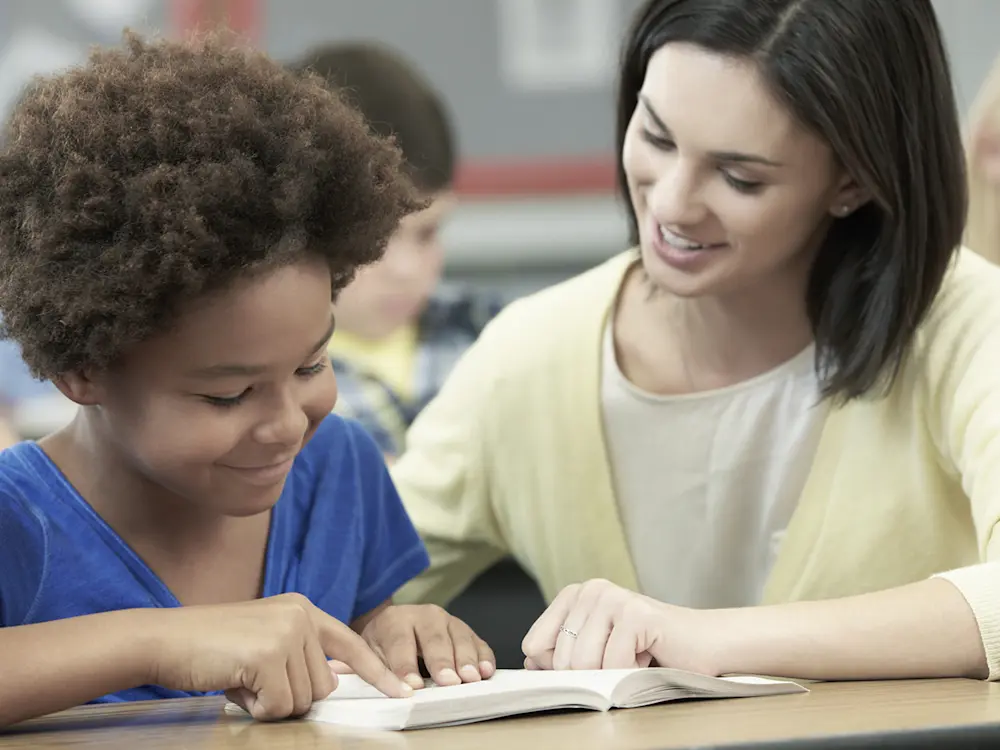
The teachers being recruited must be able to sign up; they would have passed certain assessments and have to go through proper training sessions. A trained staff and an untrained instructor will often make a clear difference in the process. It is critical that teachers held accountable for shaping the future of the child have to be competent and well prepared. Expanding the infrastructure is another important area for the Indian Education Sector to develop. A school’s infrastructure should be student friendly and accommodating. The classrooms have to be configured with interactive boards, and they should be easily customizable.

The testing regime should be well-founded in order to provide practical world training for the children and not just deliver theoretical knowledge. Children must be conscious of the pragmatism of life in today’s day and age; this is something that no book can convey. The training program must therefore be designed to prepare them for the outside world. Management plays a key role in all sectors including the education sector. For smooth running any educational institution must be well structured and well handled. If the Department of Management and Administration operates without any hurdles, the Institute can function effectively. India’s educational institutes need to expand the curriculum, as career opportunities are literally boundless. Extra-curricular activities should be included in the course, and students should be encouraged to participate in many of these. The students’ possibilities of growth and overall progress should not be limited; they should be inspired to try new material. Such activities will develop the child’s self-confidence, and a positive mind-set towards the future. We must also introduce the psychometric analysis in order to find the premature trend of potential successful careers for children in the future. Ideally, that test should be included from standard eight onwards. This will give the children, teachers, and parents a clear path for the future and serve the country in accordance with their competence & design and not by default.
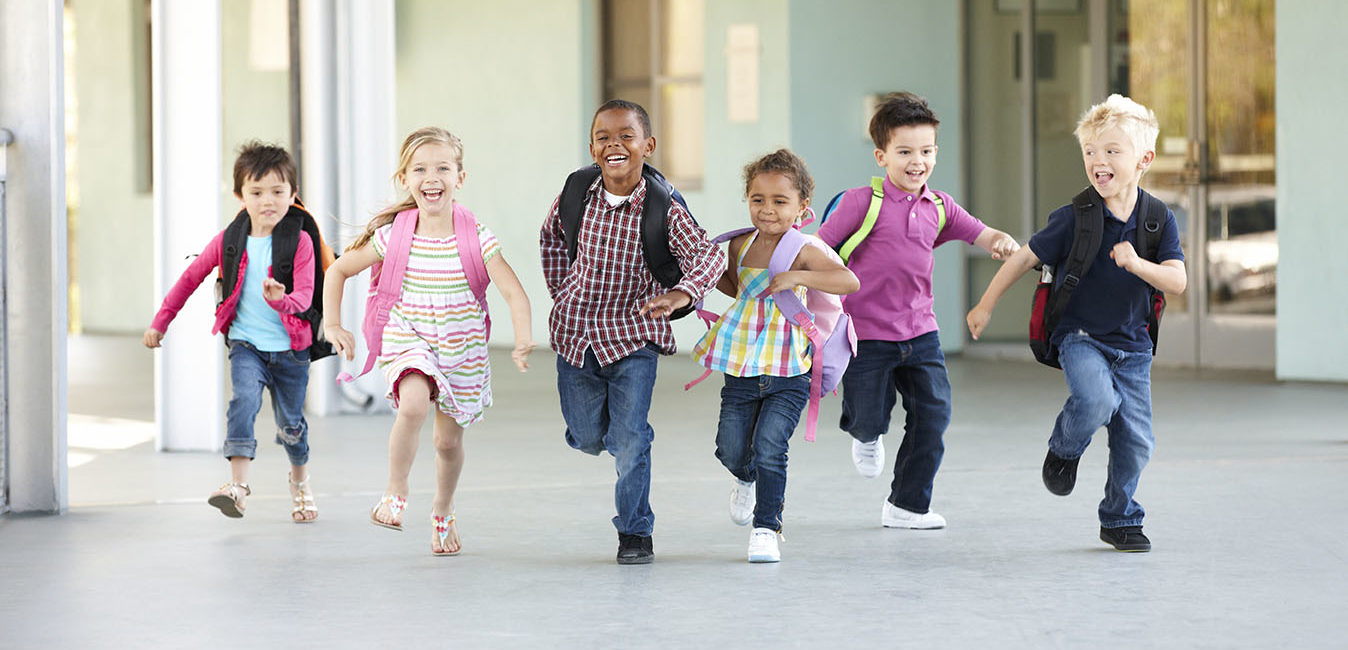
One thing about the established education system that is praiseworthy though is building a strong foundation for the children. If this is interlinked with the necessary changes, in the coming years India’s Education System can become one of the best systems globally.

Flaws in the Indian Education System

The Indian schooling system includes many noticeable deficiencies and shortcomings. Ratcheting up into this rabbit hole only accentuates and exemplifies the more sophisticated nooks and crannies in this sector. The most crucial component of the Indian education system is its teachers, who have the power to make or break, including the future of a student and his or her outlook on other subjects. The dilemma here is how often the teachers are to be blamed for the many shortcomings in the country’s educational scenario. As such an indispensable part of the system the teachers have little to do with the system’s weaknesses. They are obligated, after all, by a set of syllabus guidelines and rules, and by the ministry of education. They just can do very little about it. Nevertheless, they are completely open to the way they teach a subject and involve the pupils.

Petition · Smirti Irani: Flaws in 'The Indian Education System ...

If the teaching methodology and pedagogy is inefficient and uninteresting, the students lose interest in a subject. So, the instructors have a big part to play in that regard. In several cases educators are not educated enough to be able to teach at a school or college, especially in rural India. Also, most teachers use the chalk and talk, or traditional teaching methods. One of the biggest challenges facing India’s education sector is the lack of use and application of technology in classrooms. Some would contend that computers and other technical advancements in schools and educational institutions might prove to be a huge distraction; on the contrary, if used with proper rules and regulations, technology will create a whole new environment for Indian students. Not only will they be able to actually apply information but they will also be able to navigate a physically inaccessible universe.

It is absolutely essential to have practical skills and to apply what they learn within the strictures of a classroom, it’s yet another factor that is overlooked in the education system. For assessments, most students are still unable to process and understand the concept of what is being taught in class and resort to rote memorization. They cannot retain what they’re learning and apply it to everyday life. They lack the ability to critically analyse a situation or issue, and often find it hard to form their own opinions. We are not encouraged to challenge anything, and are pushed into a static structure to conform.

For comparison, there is also a serious dearth in courses such as essential life skills, behavioural health, financial awareness, and sexual education. It is absolutely essential to discuss these topics even at the most basic levels, especially in countries like India where there are so many norms, stigmas and stereotypes connected to these topics. Such problems are swept under the carpet and then as they get older students are unable to comprehend these concepts. In classrooms, even subjects such as gender sensitisation were not addressed, making the children extremely ignorant. This normalizes problems in their daily lives such as misogyny, bigotry, hate speech and even racism.

Another big deficit in the Indian education system is how it puts unhealthy emphasis on marks and grades. Both schools and administrators believe the students are flourishing under pressure. They crack under pressure in most cases however. The burden of having to live up to unnecessarily high expectations is having a toll on the students ‘ mental health. Even as their mental health deteriorates, their parents refuse to recognize it and brush it away as an anxiety for adolescents. This has in many cases contributed to increasingly dramatic actions being taken by students, especially adolescents. The rapidly increasing number of suicides among the students is a result of high school pressure. Even in schools, counselling is only presented as a formality and when it comes to school counsellors there is also a severe lack of transparency and secrecy. When parents see a drop in the grades of their child, they are quick to place them in private tuitions and institutes of mentoring rather than getting to the root of the problem. The truth, however, is that unhealthy competition is seriously damaging to the mind of the child, because there is simply no growth or advancement. This crushes whatever ambitions they may have, dreams or aspirations. These problems are particularly valid and relevant in rural areas where resources are seriously lacking.

Stuff like encouraging unfair rivalry among students, placing undue pressure on them and completely ignoring their mental wellbeing fully demonstrate that the Indian education system has a long way to go in terms of reaching students. Furthermore, the funds dedicated to the education sector must be raised, and the RTE must be enforced gradually.

A School Education

Ashoka Changemaker Schools | Ashoka | Everyone a Changemaker

school is an educational institution designed to provide learning spaces and learning environments for the teaching of students (or “pupils”) under the direction of teachers. Most countries have systems of formal education, which is commonly compulsory. In these systems, students progress through a series of schools. The names for these schools vary by country (discussed in the Regional section below) but generally include primary school for young children and secondary school for teenagers who have completed primary education. An institution where higher education is taught, is commonly called a university college or university, but these higher education institutions are usually not compulsory.

In addition to these core schools, students in a given country may also attend schools before and after primary (Elementary in the US) and secondary (Middle school in the US) education. Kindergarten or preschool provide some schooling to very young children (typically ages 3–5). Universityvocational schoolcollege or seminary may be available after secondary school. A school may be dedicated to one particular field, such as a school of economics or a school of dance. Alternative schools may provide nontraditional curriculum and methods.

Non-government schools, called also known as private schools may be required when the government does not supply adequate, or specific educational needs. Other private schools can also be religious, such as Christian schoolsmadrasahawzas (Shi’a schools), yeshivas (Jewish schools), and others; or schools that have a higher standard of education or seek to foster other personal achievements. Schools for adults include institutions of corporate trainingmilitary education and training and business schools.

In home schooling and online schools, teaching and learning take place outside a traditional school building. Schools are commonly organized in several different organizational models, including departmental, small learning communities, academies, integrated, and schools-within-a-school.

History and development

The concept of grouping students together in a centralized location for learning has existed since Classical antiquity. Formal schools have existed at least since ancient Greece (see Academy), ancient Rome (see Education in Ancient Rome) ancient India (see Gurukul), and ancient China (see History of education in China). The Byzantine Empire had an established schooling system beginning at the primary level. According to Traditions and Encounters, the founding of the primary education system began in 425 AD and “… military personnel usually had at least a primary education …”. The sometimes efficient and often large government of the Empire meant that educated citizens were a must. Although Byzantium lost much of the grandeur of Roman culture and extravagance in the process of surviving, the Empire emphasized efficiency in its war manuals. The Byzantine education system continued until the empire’s collapse in 1453 AD.

In Western Europe a considerable number of cathedral schools were founded during the Early Middle Ages in order to teach future clergy and administrators, with the oldest still existing, and continuously operated, cathedral schools being The King’s School, Canterbury (established 597 CE), King’s School, Rochester (established 604 CE), St Peter’s School, York (established 627 CE) and Thetford Grammar School (established 631 CE). Beginning in the 5th century CE monastic schools were also established throughout Western Europe, teaching both religious and secular subjects.

Starting a school

The Toronto District School Board is an example of a school board that allows parents to design and propose new schools.

When designing a school, factors that need to be decided include:

  • Goals: What is the purpose of education, and what is the school’s role?
  • Governance: Who will make which decisions?
  • Parent involvement: In which ways are parents welcome at the school?
  • Student body: Will it be, for example, a neighbourhood school or a specialty school?
  • Student conduct: What behaviour is acceptable, and what happens when behaviour is inappropriate?
  • Curriculum: What will be the curriculum model, and who will decide on curricula?

Education facilities in low-income countries

In low-income countries, only 32% of primary, 43% of lower secondary and 52% of upper secondary schools have access to electricity. This affects access to the internet, which is just 37% in upper secondary schools in low-income countries, as compared to 59% in those in middle-income countries and 93% in those in high-income countries.

Access to basic water, sanitation and hygiene is also far from universal. Among upper secondary schools, only 53% in low-income countries and 84% in middle-income countries have access to basic drinking water. Access to water and sanitation is universal in high-income countries.

Security

To curtail violence, some schools have added CCTV surveillance cameras. This is especially common in schools with gang activity or violence.

The safety of staff and students is increasingly becoming an issue for school communities, an issue most schools are addressing through improved security. Some have also taken measures such as installing metal detectors or video surveillance. Others have even taken measures such as having the children swipe identification cards as they board the school bus. For some schools, these plans have included the use of door numbering to aid public safety response.

Other security concerns faced by schools include bomb threats, gangs, and vandalism.

Online schools and classes

Some schools offer remote access to their classes over the Internet. Online schools also can provide support to traditional schools, as in the case of the School Net Namibia. Some online classes also provide experience in a class, so that when people take them, they have already been introduced to the subject and know what to expect, and even more classes provide High School/College credit allowing people to take the classes at their own pace. Many online classes cost money to take but some are offered free.

Internet-based distance learning programs are offered widely through many universities. Instructors teach through online activities and assignments. Online classes are taught the same as physically being in class with the same curriculum. The instructor offers the syllabus with their fixed requirements like any other class. Students can virtually turn their assignments in to their instructors according to deadlines. This being through via email or in the course webpage. This allowing students to work at their own pace, yet meeting the correct deadline. Students taking an online class have more flexibility in their schedules to take their classes at a time that works best for them. Conflicts with taking an online class may include not being face to face with the instructor when learning or being in an environment with other students. Online classes can also make understanding the content difficult, especially when not able to get in quick contact with the instructor. Online students do have the advantage of using other online sources with assignments or exams for that specific class. Online classes also have the advantage of students not needing to leave their house for a morning class or worrying about their attendance for that class. Students can work at their own pace to learn and achieve within that curriculum.

The convenience of learning at home has been a major attractive point for enrolling online. Students can attend class anywhere a computer can go – at home, a library or while traveling internationally. Online school classes are designed to fit your needs, while allowing you to continue working and tending to your other obligations. Online school education is divided into three subcategories: Online Elementary School, Online Middle School, Online High school.

Stress

As a profession, teaching has levels of work-related stress (WRS) that are among the highest of any profession in some countries, such as the United Kingdom and the United States. The degree of this problem is becoming increasingly recognized and support systems are being put into place.

Stress sometimes affects students more severely than teachers, up to the point where the students are prescribed stress medication. This stress is claimed to be related to standardized testing, and the pressure on students to score above average.

According to a 2008 mental health study by the Associated Press and mtvU. eight in 10 college students said they had sometimes or frequently experienced stress in their daily lives. This was an increase of 20% from a survey five years previously. 34 percent had felt depressed at some point in the past three months, 13 percent had been diagnosed with a mental health condition such as an anxiety disorder or depression, and 9 percent had seriously considered suicide.

Discipline towards students

Schools and their teachers have always been under pressure – for instance, pressure to cover the curriculum, to perform well in comparison to other schools, and to avoid the stigma of being “soft” or “spoiling” toward students. Forms of discipline, such as control over when students may speak, and normalized behaviour, such as raising a hand to speak, are imposed in the name of greater efficiency. Practitioners of critical pedagogy maintain that such disciplinary measures have no positive effect on student learning. Indeed, some argue that disciplinary practices detract from learning, saying that they undermine students’ individual dignity and sense of self-worth – the latter occupying a more primary role in students’ hierarchy of needs.