The Internet is a boon no doubt about that. But where we can in our digital lives draw the line between convenience and addiction. Young people between the age of 11 to 31 are smart, quicker, more tolerant of diversity than other generations, they care strongly about justice and problems faced by their society, and are involved in some kind of civic activity at school, work or in their communities. This generation is more engaged politically and sees government as a tool for improving the world.
However, this generation is reckless about their privacy. In India, 1 out of 7 people are on social networking sites every second, 75% use the internet to escape their problems or overcome burden. India’s internet user base is the second largest after China globally. By 2020, there will be 730 million internet users in India. Many young people share very personal information and pictures on the internet and social networks.
Considering the age of 11 to 19 years, one of the biggest challenges faced by parents of teens today is the internet. Despite social media playing a positive role for most, the high use of social it can harm youth self-esteem. Where children initially began using the internet to do homework that has become an afterthought and they are much more likely to spend their time alone socializing. Social networking sites, e-mails, and text messages enable teens to have relationships with almost anyone, new technology can make it difficult for parents to know what their teens are doing and who they spend time with. And how can they even know the Internet has become a major factor in building barriers between parents and children. There has been an increased communication gap between the two. Parents should keep these things into consideration and should teach them these following points-
Protecting your personal information and knowing that it’s not anonymous
If they face any cyberbullying, let your teen know to try not to retaliate or respond, speak to a trusted adult right away, aim to block the bully and report the behavior to the social media platforms
Should be taught how to use their time constructively by doing creative activities, involving in youth programs, etc. Set limits on when and how often they use the internet
Parents need to talk to them about online predators and warn them not to invite strangers into their networks
Parents can connect with teens by asking them for help with technology: Let the child be the teacher and show you how to e-mail, text, use social networks, or various other tasks on the internet
Warn them about the dangers of chatting with strangers and establishing online relationships with people they don’t know
Make teens aware of the far-reaching consequences of their postings. Some teens share personal thoughts and feelings just as they would in a private diary or journal. Sharing too much personal information can make them vulnerable to others
The Internet contains an endless supply of knowledge and information that allows you to learn about almost any topic or question you may have. Using a search engine like Google, you can ask virtually any question and find a web page with an answer to that question. There are also millions of videos on sites like YouTube that help explain various topics and even online courses that can be taken to help teach you about many different subjects.
In the past, it would take days and sometimes even months to receive a letter from someone else. Today, with the Internet, you can send an e-mail to anyone in the world and often have it delivered in less than a minute. With the help of GPS technology, the Internet can help map and direct you to almost every place in the world. You can quickly route to your location or find businesses in your area that may sell or provide you with a service you need.
Still, for every pro, there is a con. Just like teens, there are certain disadvantages that adults have to face. Spending too much time on the computer surfing the Internet or playing games can also lead to obesity and an unhealthy lifestyle. Social networking sites can also lead to depression as many people tend to compare their lives with others. The Internet and online games facilitate communication with others. Although you may find new connections around the world, you may also find yourself disconnecting from those in your real life. Social networking sites can also lead to depression as many people tend to compare their lives with others. Shifts focus quickly, which affects your interactions in general, making you more impatient and less focused on your activities. The Internet can hamper workplace productivity.
In the end, one should know that it is a great environment as evolution is a fundamental instinct in man, so do not hesitate to learn and develop, but always be aware of the unknown that conceals technology in its depth.
Central Scheme for Interest Subsidy has been announced by Ministry of HRD for providing interest on Education Loans during moratorium for technical and professional courses for studies in India under the IBA Model Education Loan Scheme for students from Economically Weaker Sections (EWS) with annual gross parental/family income upto Rs. 4.50 lacs per annum from the academic year 2009-10.
Eligibility for Interest Subsidy
The interest subsidy under the scheme shall be available to the eligible students only once either for the first undergraduate degree course or the post graduate degree/diploma in India. Interest subsidy shall however, be admissible for integrated courses (graduate plus postgraduate).
Interest subsidy under this scheme shall not be available for those students once they discontinue the course midstream, or who are expelled from the institutions on disciplinary or academic grounds. However, the interest subsidy will be available only if the discontinuation was due to medical grounds for which necessary documentation to the satisfaction of the Head of educational institution will have to be given.
The scheme shall be implemented through Canara Bank, which is the Nodal Bank for the Ministry of Human Resources Development.
The scheme is applicable from the academic year 2009-10 starting 1st April 2009. The scheme is applicable only in respect of disbursements made by the Banks on or after 1st April, 2009 for the academic year 2009-10, irrespective of date of sanctioning. In case of loans sanctioned prior to 1.4.2009, for the courses beginning prior to academic year 2009-10, the interest subsidy is available to the extent of disbursements made after 1.4.2009.
The disbursement of Interest Subsidy Claims to the Banks shall be on half-yearly or yearly basis which has to be worked out in consultation with the Ministry of HRD.
Moratorium Period
Under the Scheme, the interest payable on the Educational Loan for the moratorium period i.e., Course Period plus one year as will be borne by the Government of India. After the period of moratorium, the interest on the outstanding loan amount shall be paid by the student, in accordance with the provisions of the existing Model Educational Loan Scheme of Banks and as may be amended from time to time.
Income Limit/Proof
The benefits of the Scheme is applicable to students belonging to economically weaker sections, with having parental income upto Rs. 4.5 lacs per year (from all sources). Income proof is required from authorised Public authority of the State Government. The present scheme is intended to cater to the needs of students belonging to economically weaker sections with prescribed upper parental gross income limit of the family from all sources, which is based on economic index and not on social background- The scheme is independent of any other schemes which may cater to EWS.
Application procedures
1. Collect the necessary documents required for education loan subsidy application
2. CSIS : Income certificate and loan agreement.
3. Visit the nearest branch of the bank which provides you the education loan.
4. Ask for an Education Loan Subsidy Application form.
5. Fill in the required details and submit your documents with the application.
6. Track your application regularly by seeking the status update from bank officials.
7. Provide additional documents as if requested by bank authorities.
Corporate governance is the current buzzword in corporate jargon. It has become a subject of discussion in corporate boardroom, academic circles and government around the globe. Unethical business conduct and behavior, laxity on the part of board, failure of external audit, unfettered powers in the hands of the Chairman/CEO, lack of transparency, inadequate disclosures, fraud, lack of proper internal audit are the most common governance problems/flaws noticed in the collapses of all such corporate failures in India, USA, UK and the other parts of the world.
The last few years have also highlighted major scams that have changed the way businesses were seen and have resulted in pendulum of public faith. Due to this, the emphasis on Corporate Governance has increased so much that some firms have an independent department for handling it. Various independent start-ups are also built to manage corporate governance practices. The events such as Satyam scam, Harshad Mehta scam, AgustaWestland chopper scam, Enron, Lehman Brothers, WorldCom, HealthSouth etc. have shifted the market to focus on a regulated market from a free market.
What is Corporate Governance?
Corporate governance in simple words can be defined as the combination of rules, processes or laws by which businesses are operated, regulated or controlled. The term encompasses both, internal as well as external factors that affect the interests of a company’s stakeholders, including shareholders, customers, suppliers, government regulators and management.
Many institutional investors have taken a substantial interest in engaging with respect to corporate governance and have dedicated significant resources to governance issues. Not only this, they are thinking about company outreach, the overall development of voting policies and also the analysis of multiple proposals on the ballots of their portfolio companies. Additionally, overall levels of shareholder activism remain at record highs, imposing significant pressures on targeted companies and their boards.
Benefits of Good Governance:
It provides a framework for accessing effective external finances.
It helps to achieve sustainability and improve company’s performance.
It helps to conceptualize the practicality of CSR Activities that the company is having and gives it a new dimension to showcase it.
Helps in higher firm valuation and share performance.
It helps in reducing risks associated with corporate crisis and scandals.
It helps in effective management of relation among various people and entities such as shareholders, managers, employees, customers, creditors etc.
Fundamental Pillars of CG:
Fundamental Pillars of Corporate Governance include:
Accountability: Ensures that management is accountable to the board, shareholders and other involved.
Transparency: Ensures accurate disclosure of information on all material matter that includes financial situation, events, ownership, performances, mergers and corporate governance.
Independence: It gives freedom to take decisions so that major leaders are not influenced by others. There must be procedures and structures to minimize conflicts of interest.
Fairness: It combines treating all shareholders and related entities with fairness and provide effective redress for violations.
SEBI in India:
The Securities and Exchange Board of India is the regulator of the securities and commodity market in India owned by the Government of India. It was established in 1992 and given Statutory Powers on 12 april 1992 through the SEBI Act, 1992.
The main function is to make sure companies are running fairly and to stop any fraudulent activities of financial/stock market.
Educational inequality is the unequal distribution of academic resources, including but not limited to; school funding, qualified and experienced teachers, books, and technologies to socially excluded communities. These communities tend to be historically disadvantaged and oppressed. More times than not, individuals belonging to these marginalized groups are also denied access to the schools with abundant resources. Inequality leads to major differences in the educational success or efficiency of these individuals and ultimately suppresses social and economic mobility. See Statistic sections for more information.
Measuring educational efficacy varies by country and even provinces/states within the country. Generally, grades, GPA scores, test scores, dropout rates, college entrance statistics, and college completion rates are used to measure educational success. These are measures of an individual’s academic performance ability. When determining what should be measured in terms of the educational success of an individual, many scholars and academics suggest that GPA, test scores, and other measures of performance ability are not the only useful tools in determining efficacy. In addition to academic performance, attainment of learning objectives, acquisition of desired skills and competencies, satisfaction, persistence, and post-college performance should all be measured and accounted for when determining the educational success of individuals. Scholars argue that academic achievement is only the direct result of attaining learning objectives and acquiring desired skills and competencies. To accurately measure educational efficacy, it is imperative to separate academic achievement because it captures only a student’s performance ability and not necessarily their learning or ability to effectively use what they have learned.
Much of educational inequality is attributed to economic disparities that often falls along racial lines and much modern conversation about educational equity conflates the two, showing how they are inseparable from residential location and, more recently, language. Educational inequality between white students and minority students continues to perpetuate social and economic inequality.
Throughout the world, there have been continuous attempts to reform education at all levels. With different causes that are deeply rooted in history, society, and culture, this inequality is difficult to eradicate. Although difficult, education is vital to society’s movement forward. It promotes “citizenship, identity, equality of opportunity and social inclusion, social cohesion as well as economic growth and employment” and for these reasons, equality is widely promoted.
Unequal educational outcomes are attributed to several variables, including family of origin, gender, and social class. Achievement, earnings, health status, and political participation also contribute to educational inequality within the United States and other countries.
India is regarded as a humongous laboratory for sociological experiments by many researchers. This is fundamentally because of the large social stratification, contrasting societies and complicated blends within a society itself, which are enough to provide new insights to social enigmas frequently. The disparities in India are so high that it would be hard to believe that the country that hosts 100 billionaires in Forbes lists, also houses the largest fragment of poor and hungry in the global tally. This is the economic scenario, but it is one of the most influential factors affecting other disparities such as education. On the other hand, such complexities are often interrelated augmenting one other. Educational inequality is the situation or the system in which there exist large disparities in the society on the opportunity and access to education. This is a result of a complicated social structure, which is shaped up by long standing social norms, believe and most importantly, by contrasting economic divisions.
Educational inequality forms up gradually as an ongoing process. Education is affected by social, political and economic status of people. Individuals who are from wealthy section of the society always have the privilege to reach out for better schools and institutions. While those from the deprived section are prone to lower quality, in the process, the system contributes to a deepening chasm. On the other hand, the educationally enlightened group gains more access to political and economic system turning them to be favorable to suit their interest of their own kinds. Such a structure has an adverse effect in the deprived section affecting them from multifarious direction. It is evident from the observation that if educational inequalities can be decimated, a huge change will follow in the social structure. However, to obtain the very change educational disparity, impetus from political and economic sector is inevitable.
India has transformed in a short span to be one of the most progressive nations. Series of economic reforms, industrialization, privatization and other steps by government has wiped out the impasses of Indian society to large extents. This has substantial onus on the unorganized education system of the nation integrating it to be more effective as well as holistic. However, the gap is still serious and it seems there is still much to be done. The gradual change in the economy of the country has influenced education in diverse way. Government has taken extensive initiatives to develop the system to be holistic and equally delivering. The gap is being created by the private players that have turned education to a lucrative business. The equation of investment to create profit has rendered private education a competitive edge. This competition to provide quality in education has taken some of the institutions to heights with global standard. In the same time, this also has an adverse effect creating more spaces dividing privileged and under privileged education. While government budget for education has become increasingly incompetent to compete with private funding, educational inequality has become more conspicuous among the less privileged section of society comprising of lower middle class and the deprived, especially in primary schooling.
As disparities in India are rooted in diverse fronts apart from economic conditionings, the attempts to unify the populace through education are directed to address various issues. The provision of reservation based on caste is a reflection of these very attempts. Such mechanisms are proved helpful to great extents, but some serious drawbacks are implicated time to time. Educational disparities are gradually changing towards the brighter side. Comparing the India before a couple of decades to that of the nation in 21st century, contrasting progress is observed.
Educational development of the country is a joint effort of government, private players and the Non-governmental entities. Earlier it is pointed out that private entities are fueling inequality in education while contributing to the progress. In contrast to this, Non-governmental organizations are playing a pivotal role. In current times, the contribution of this particular sector is substantial in eradicating educational disparities. A number of social enterprises have come up with excellent innovative measures to provide quality education to the deprived section. The greatest advantage in the methodology is that, these organizations tend to provide quality education comparable to private entities but they are devoid of any requirement of huge money as required in private sectors. These organizations target the deprived section of the society and most of the times, sections that are deprived of minimum privilege of schooling. NGOs as well as CSR activities carried out by large corporations are huge stimulus in propagating quality education among deprived sections. However, as inequality is prevalent across the country, these initiatives are not adequately distributed. Most activities of NGO are concentrated around villages and areas closer to cities. To make this approach more effective and to spread them across nook and corner of the nation, more social- initiatives must be developed. In addition, the government should stress on NGOs their allied activities for educational equality.
India has grown to be one of top economies of the world. Rapid urbanization as well as migration of rural folks to urban centers has become a pertinent trend in the nation. In current times, educational disparity is gradually being denuded as a result of various factors in the development mechanism. This is certainly a good tiding, but still there is more to be done.
A good public education system means public spending- but not necessarily public provision. In the independent sector where schools depend on fees, it is often the case that once the family background is controlled, the actual benefits of private schooling disappear. But in systems where access is not limited by selection or wealth, privately- managed schools can contribute to better outcomes. 25% of all K- 12 schools are private schools, accounting to 40% share in student enrollment. There is a tremendous increase in the enrollment of private schools in rural India and declining enrollment of government schools. Utilization of private schools is higher, more so at the primary and secondary level as compared to the government schools. India has more than 3, 39,000 private schools, growing in the last five years and a large number of schools across India tie- up with International Boards. The Private education sector in the top 20 sates account for nearly 55% share of enrollment at the secondary and higher education.
As humans have spread across the world, so have many infectious diseases. Even in this modern era, outbreaks are nearly constant, although not every outbreak has reached the level of a pandemic as the Corona virus did.
Disease and illnesses have been for ages. It was after the growth of agrarian communities that the spread of these diseases increased dramatically.
Widespread trade helped in creating new opportunities for human and animal interactions that increased the spread of such epidemics like Malaria, leprosy, tuberculosis, smallpox, influenza, and others. More civilized the humans have become with trade routes, larger cities, and increased contact with different populations of people, animals, and ecosystems, the more likely pandemics occurred.
Despite the persistence of disease and pandemics throughout history, there was a gradual reduction in the death rate. Healthcare improvements and understanding the factors that incubate pandemics have been powerful tools in reducing their impact.
During the 14th century, the practice of quarantine began in an effort to protect coastal cities from epidemics- plague. The port authorities asked ships arriving from infected ports to sit at anchor for 40 days straight before landing in Venice. The origin of the word quarantine from the Italian word “Quaranta Giorni” which means 40 days.
While the interactions created through trade and urban life play a major role, it is also the virulent nature of particular diseases that lead to the trajectory of a pandemic.
With rise in global interactions and connections as a driving force behind pandemics from small hunting and gathering tribes to the metropolis, humanity’s reliance on one another has also lead opportunities for disease to spread.
Urbanization in the developing world is bringing more and more rural residents into denser neighborhoods, while population increases are deteriorating environment. Passenger air traffic has nearly doubled in the past decade. These macro trends have a profound impact on the spread of infectious diseases.
As Covid-19 reminds us, that infectious diseases haven’t vanished. There are more new infectious diseases now than ever: HIV, Sars, and Covid-19 have increased by nearly fourfold over the past century. Since 1980, the number of outbreaks per year has been tripled
There are several reasons for this – Over the past 50 years, the population has increased to double. So more human beings get infected and in turn to infect others, especially in densely populated cities. We also have more livestock now than we did over the last 10,000 years of domestication up to 1960 combined, and viruses can pass from those animals to us. The ability to get to nearly any spot in the world in 20 hours or less, and pack a virus along with us, allows new diseases to emerge and to grow. For all the advances we’ve made against infectious disease, our very growth has made us more vulnerable, not less, to microbes that evolve 40 million times faster than human beings do.
Learn about the impact on children due to COVID-19 that has forced the schools to adapt with online education.
Imparting online education to children amid the COVID-19 crises has emerged as the go-to solution for schools looking to resume the classes amid the need to continue social distancing till a vaccine for the pandemic is found. Conducting online classes is helping education institutions across the world to beat the coronavirus lockdown and push ahead with the academic calendar.
However, this trend has raised numerous concerns among the educational experts, at the United Nations Children’s Emergency Funds (UNICEF) and the United Nations Educational, Scientific and Cultural Organisation (UNESCO). While some of them have expressed alarm about the potential dangers of internet exposure for young kids, others say they are scared that this digital shift may alienate the economically disadvantaged students who lack access to the technology needed to attend the digitally conducted classes.
The internet exposure puts children at high risk of online sexual exploitation and grooming, as predators look to exploit the coronavirus pandemic. Online grooming is a worrying product of the internet and social media age, in which predatory adults builds online relationships with gullible children and trick or pressure them into sexual behaviour.
Moreover, under the shadow of COVID-19, millions of children’s lives have temporarily shrunk to just their homes and screens of devices. It is high time we should adapt ourselves with the current situation and help our children to navigate this new reality.
According to a report issued by the UNESCO, ‘Half of the total number of learners, about 826 million students kept out of the classroom by the pandemic, don’t have access to a household computer or a smartphone device. While 43 percent have no internet at home when the online based distance education is being opted by the schools and educational institutions to ensure continuity of academic year for students in different countries of the world.’
Challenges of Online Education
There are many challenges when it comes to imparting the online education:
Students who reside in small towns and villages struggle to get a good internet connection speed and mostly are unable to attend the online classes. This will especially prove disadvantage during the exam time as half the students will fail for sure because they will not to connect due to bad internet connection.
Many of the students don’t have the devices, smartphones and laptops or money to keep the internet connection while also paying the school fees. These are the real challenges which hinder the process of the online learning.
Not just students, some school teachers and educators are also struggling to get a hang of the technology. The school wants them to make PowerPoint Presentations (PPTs), record the video lectures, and take online classes through different apps and online platforms, but they aren’t instructed clearly as to how this should be done. This is more common among adults of 60 years and above who find the online medium to impart education quite challenging due to lack of hands-on experience with the latest technology.
The lack of real-world interaction among the students and teachers is another challenging factor that could have a negative impact on their relationships compared to regular classes.
A New Reality
As the security concerns of the video conferencing apps such as Zoom emerged in the early days of lockdown with regards to conducting online lessons, meetings and private appointments, most schools have started searching for alternatives to keep the academic year 2020-21 going and not suffer much with disruption owing to coronavirus pandemic.
The COVID-19 has spawned up an unprecedented dependence on technology that keep up the operations running across different sectors and its potential long-term impact on the economy and lives of people across the world. Studies are been conducted on the increasing dependency on the gadgets among the children and adults to monitor its impact on mental health.
Now it is more vital to provide child protection services to ensure they remain open and active throughout the pandemic, by ensuring that the devices they use have the latest software updates and antivirus programs for precautions against cyber attacks and threats.
Additionally, UNESCO has advised the use of television and radio broadcasts as an alternative to reduce the already existing inequalities among students seeking to continue their education with the online classes.
Since 2015, on this day- the 21st of June all of us come together to celebrate ‘The International Yoga Day’. I feel it is a very good initiative started by our Prime Minister who managed to convince the entire globe to come together on this day and dedicate some time of their day to yoga.As many people say and even you must have heard, Yoga is not just about exercise and asanas and losing weight, it is actually the unification of the mind with the body and soul. It is the coming together of all your senses to unite and synchronise.
This morning, my college had organised an online yoga session for us students. Because of the lockdown I hardly am used to waking up on time anymore. My morning starts when its almost noon and then like an owl I am up almost the entire night. Today as i woke up for the session early, the world outside seemed a bit different. Inspite of the eclipse, it was bright and sunny, I could hear the birds, I went outside in my garden, walked on the fresh dewy grass and questioned why it did’t occur to me before? Why didn’t I wake up early every single day and enjoy my day like this? While I was going to college, I barely had time to enjoy my day like this. My time went away in watching series, just lying on my bed, eating and sleeping because during college, this was my definition of relaxing and calming down. Today I realized that that is not what I want. That is not my true self. I don’t enjoy sitting in front of a screen the entire day. I am a nature’s baby, this is what I like doing and I was surprised that just one day of seeing the early morning sun could make me feel like this.
Once the session was over and I was lying in Shavasana, I thanked my body for having putting up with me all these days. I have pledged that now on, from this day onwards I’ll take care of my body and not take it for granted. I will ensure that my laziness doesn’t take over my mind and that I’m able to make good decisions for my health.Yoga, has made me realize that if I take care of myself I will feel happier and more energetic. Our brain tricks us into procrastinating and just not doing anything but that is not how we truly are.Our subconscious mind always wants us to be the best version of ourselves so why not try being that.why do we let our brain take over. On this International Yoga Day, let us all pledge that we will look after ourselves and love ourselves.
It is seventy two years since India got her Independence. Yet a large population in India is still not considered equal. They are considered religiously and socially ‘polluted’ from birth. The word “Dalit” meaning “oppressed “ or “untouchable ” is the name given to the lower caste members of the society. Dalits are the members of the lowest social strata in the Indian Caste System which includes four primary castes : Brahmins (priests), Kshatriya (warriors and princes), Vaishya (farmers and artisans) and Shudra (tenant farmers and servants). Dalits are not allowed to touch those of higher classes nor ascend the ranks of society. Because of their “uncleanliness” in the eyes of the upper case, they were banned from entering public places, using public toilets, public heath care facilities, touching the belongings of the upper caste and doing many such other activities. They face discrimination and even violence from members of the upper caste or traditional social classes, particularly to get jobs, admission for education and getting marriage partners. Many a times, an “untouchable” cannot enter a Hindu Temple or be taught to read. In rural areas, they were banned from fetching water from the wells because their touch would taint the water for everyone else. They were treated as slaves and forced to bow down to the upper caste. Under Hindu beliefs, jobs that involved death corrupted the workers’ souls, making them unfit to mingle with other people. India’s “untouchables” performed spiritually contaminating world that nobody else wanted to do, such as preparing bodies for funerals, tanning hides, and killing rats or pests. People believed that “untouchables” weren’t pure. Born as “untouchables” was considered as a punishment, the result of misbehavior in previous lives. An untouchable cannot ascend the social hierarchy of the caste system and could not eat or drink in the same room where members of the upper caste resided. The caste system and oppression of “untouchables” still hold a sway in the present day world.
DALIT RIGHTS MOVEMENT
In the nineteenth century, the ruling British party tried to end the prejudice directed against the Dalits. British liberals saw the treatment of Untouchables as singularly cruel, because they didn’t believe in reincarnation. Indian Reformers also took up the cause. During India’s push for Independence, activists such as Mahatma Gandhi called the Dalits “Harijan”, meaning “children of God”, to emphasize their humanity and promote their culture. Following Independence in 1947, Dr. B. R. Ambedkar launched the Dalit Movement in 1956, nearly half a million Dalits – formerly untouchables – joined him and converted to Navayana Buddhism. It rejected Hinduism, challenged the caste system in India and promoted the rights of the Dalit community. The condition of the Dalits improved by them. They were guaranteed constitutional rights. Some Hindu Temples allowed them to serve as priests. Although they still face discrimination, the Dalits are no longer called untouchables.
You’re at home, or in quarantine, and need to keep yourself active and constructive. Here are a few activities that you’ll be glad you did when it all gets back to normal. For many, this lockdown period has given us more time on our hands than we’ve ever had. Time which we never thought we would have.This free time presents us with opportunities to do things which we’ve always wanted to do or like to do more of depending on our individual circumstances. I think it makes sense for us to be productive with this time and do things that are meaningful to us.
1. READ THAT BOOK (SERIES) YOU’VE BEEN PUTTING OFF
First on the list, is very much where you should be starting. I like nothing more than immersing myself in a book, concentrating fully on the book, its characters and its story line without distractions. We have that opportunity now. Books exercise the brain, build our vocabularies, lowers stress and also enhances the imagination. Whether you go for fiction or non-fiction, buy yourself some books and start reading more this week.
2. WATCH A DOCUMENTARY SERIES ON NETFLIX
This activity is a potential trap. Whilst watching a stimulating TV series on Netflix passes time, it can do so in an unproductive manner and you might find yourself binge-watching programmes that won’t really help you in any way, other than fritter away the free time you have. I’d suggest that, alongside your normal TV watching habits, invest time in watching documentaries and learn about your favorite subjects. You may choose to watch a documentary series on Netflix which you have never taken an inquisitiveness in before, which is great.
3. KEEP A BLOG/JOURNAL
Keeping track of your thoughts, activities and learning is always a good idea – and a highly productive one at that. You might look back at this time and process your memories or even process your thoughts for the day or the week that has passed. You can do this privately on your computer, mobile or even better in a notebook. Consider going a step further and set up a personal blog that takes those daily experiences and turns them into weekly or monthly posts for others to read and learn from. Either way, putting pen to paper once a day could be 15 minutes spent well.
4. ENROL ON A FREE COURSE
Enrolling on a course and successfully passing tests and assignments will help build up your knowledge-base as well as your CV.
5. LEARN A NEW SKILL
Building up your qualifications by enrolling in courses can also be accompanied by learning new skills. This could be learning the rules of a game (Chess is a good example from my own list) or how to play an instrument… or anything at all that takes time to get to grips with. Practicing an instrument I think can be good fun, and it’s also an inventive way to keep yourself entertained and constantly learning.
6. SET UP A WORKOUT ROUTINE
How long have we all been looking to begin this activity? If you work out regularly, you will know that the key to a successful and consistent workout regime is routine. And I don’t need to tell you about the benefits of working out and keeping fit. Can you get your hands on some basic gym accessories? You actually don’t even need such equipment if you follow some of the workout videos available on YouTube.
7. MEDITATE
It’s important to be mindful of your surroundings as well as your well-being whilst in quarantine, and meditation might help you get a bit of peace of mind in times of uncertainty. Find a quiet space, light some candles and clear your mind with some therapeutic meditation music.
8. GET ARTISTIC
Art and crafts is a great way to express yourself, learn a new skill, that’ll help you see ordinary things in a whole new way and channel your creativity. You can paint canvasses, doodle in a sketchpad or draw in adult coloring books. Go a step further in this respect and engage yourself in knitting, candle-making and jewellery-making. Check out the various websites that offer starter kits and ideas on arts and crafts activities you can undertake during this period of increased downtime.
9. LEARN A NEW LANGUAGE
How many times have you said that you’d like to learn a new language? I’m sure you have many times over the years. Well, now you have time to do so. With apps like Memrise and Duolingo, you can do so easily and at no cost.
Human beings communicate with one another either using verbal or non-verbal communication. Excellent verbal skills refer to good reading and writing abilities. At a young age, the students have to be encouraged to read at least a book daily. Good writers tend to be avid readers and there is a reason for this. The more a child reads, the more they will be exposed to a new set of words (vocabulary), construct different sentence structures, grammar usage, spelling, and the more words they will learn. This facilitates them to use writing skills for communication. Good writing skills allow you to communicate your message with clarity and to reach a far larger audience with ease than face-to-face or telephone conversations. The ability to write meaningful sentences, lines, paragraphs which a reader can easily understand is termed as Excellent Writing Skills. It is a perfect way to write & express your views on the topic you want to address your audience & listeners. Chatting – Modern communication Rapidly advancing technology ( Chatting through social networking tools, WhatsApp, etc) makes communication more accessible, simpler, and more convenient than ever before. The problem is that the modern writing and communication make students learn habits (at a crucial age) that help them pick the perfect emoticons ( happy, sad faces, etc) or gif for a social situation or short forms or abbreviations (b4 for before, etc), but it won’t help them learn the appropriate forms of “your,” “you’re,” and “yours.”
Improving writing skills : Elementary school is a crucial time in a child’s development, and the pace at which students grasp things and learn is exceptionally fast. Writing is a complex intellectual task that involves many component skills. These skills involve, among other things: o Reading comprehension o Analytical skills o Writing skills – (i). grammar, sentence structure, spelling, etc. , (ii). communicating ideas clearly and concisely, (iii). constructing arguments supported by evidence & (iv). organizing ideas effectively. You are most likely to need writing skills as part of a course of study, whether at college or university. You may, for example, need to write essays, a report, a literature review, a research proposal, or a thesis. These pieces of work are often very long and need careful structuring and writing. Writing goes beyond school purposes: A child must bring together vocabulary, grammar, and mental processing, and then rely on the physical aspect of handwriting or typing out the words. Moreover, writing also facilitates a person to think better. When student learn how to write, he or she becomes more capable of analyzing what they read, interpret, and think. This ultimately increases awareness, improves memory, makes you sharp, and increases your creativity and imagination. Be it any field or any profession, writing skill is required in some part of the journey in life. A well-written CV or resume with no spelling or grammatical mistakes is essential to get a new job. Businesses require candidates who can write and communicate effectively. Even the digital age has not reduced the need for writing. Be it emails, blogs, faxes, or website updates all these require excellent writing skills.
PARENTS CAN HELP THEIR CHILDREN TO HONE THEIR WRITING SKILLS…. Schools can make students read one another’s work and provide feedback to their peers in the form of “reader responses.” Just as in the classroom, teaching your kids writing skills at home is essential because it shows your kids multiple methods and ways to write. Parents can make a huge difference in how their children’s writing skills improve when writing at home and to reinforce the writing tactics learned in school. Use the child’s words to suggest better phrasing and/or help them pinpoint what they are trying to say through their writing. This makes it easier for ideas to be expressed better. Here are a few ways parents can help at home: • Make your child write the instructions for taking care of the family pet, operating an electronic appliance, etc (a computer system, microwave oven, washing machine, etc). • Dictate to your child the items that you need on your shopping list and have them write the items down. • Have them spend five minutes after school either to journal a newspaper article or about their day. • Write an online review of something they like ( the product purchased, movie watched, the place visited, etc). • When doing writing exercises with them, try to make it fun with markers to highlight the important points. • Children need to understand that a perfect sentence doesn’t just come out in the first attempt, it develops through a back and forth process as the writer writes, reviews, and revises his or her text. • Allow the use of spell and grammar checks. It’s not advisable to use technology- readily available apps for that purpose. But spelling and grammar feedback can actually be extremely helpful for a child who is learning how to write or trying to improve. • It doesn’t matter what they are writing about, it’s just a good idea if it becomes a regular activity. Parents might suggest keeping a personal diary with a journal entry a day resulting in a special treat at the end of the week. • Copying or memorizing favorite poems, quotes, etc can help children focus their attention on form, use and meaning and incorporate new structures into productive use. Borrowing sentence structures for your own ideas is how children learn to improve their writing. • You can help kids build background knowledge through reading, field trips, and family outings. Talk about what kids are learning before, during, and after the outing. Just meeting new people and trying new things improves background knowledge, too. Checklists can also help kids to check the overall quality of their work. They can look for the clarity and organization of their ideas, spelling, grammar mistakes, etc. Tips for good writing Make simple, short & precise sentences that are easy to read & understand. Pay attention to grammar & spellings. Brush up on the basic principles of writing skills by writing anything roughly and regularly. Do good research on the topic you need to write. Accept your mistakes as the first attempts are mostly not the best. Try to imitate your favorite writers & authors. Outline, edit, simplify & improve your writing tasks. Develop your skills & abilities by reading more & more. Ask your friend to read what you’ve written and also provide you with feedback. Review your previous work & examine how you’ve grown up your skills till now.
The world of martial arts is truly a thrilling one, isn’t it? Those movies with ninjas, mighty warriors and samurais give me an adrenaline rush. The swordfights are gripping ones. But above all , the Samurais for some inexplicable reason have always fascinated me. No they aren’t mere characters we see on the screen or hear tales of.
They are a jewel in Japan’s glorious history. The real warriors, whose lives had a deeper meaning beyond protection of the royalty. A life built upon the philosophy of Bushido. (Righteousness, courage, benevolence, respect, honesty, honour, and loyalty). Their lives hold the secrets of becoming a real warrior.
Here are major takeaways from the life of a Samurai.
State of staying calm: The Samurais laid emphasis on cultivating a calm mind. A mind, wherein there is no room for anxieties and nor the fear of death. In the words of samurai Miyamoto Mushashi, “Most important battle is to overcome yourself”. A calm mind is the ultimate weapon against all your enemies. When the Samurais can stay calm in the face of death, then why can’t we in midst of a challenging situation? Controlling your mind is the first step towards becoming a modern day Samurai.
Turning obstacles into opportunities: The story of Samurai Minamoto No Tametomo is an inspiring one. Born with a genetic deformity, his arm was 6 inches longer than others. But did that stop him from becoming a Samurai? Absolutely No!! He turned this “perceived” shortcoming into his strength and went on to become one of the finest Samurai archers. So the next time you feel like whining how unfair life is, just shift your focus. Today’s weakness might turn out to be your greatest strength tomorrow. So stop complaining when life hands you lemons, instead focus on the lemonade.
Dedication: The Samurais had an unwavering dedication towards their duty. And mind you, unlike us their dedication wasn’t short lived. They committed their entire lives towards the single purpose of serving Japan. The legendary Samurai tales are a testimony of how these warriors could pierce an arrow through large rocks with sheer devotion. They were so resolute in their purpose that upon facing defeat they chose to commit Seppuku(die with honour rather than fall into the hands of their enemies). Honour and purpose weighed far more for a Samurai than his own life. Do contemplate when was the last time you were so dedicated towards your life, relationships and self growth? If not, then find your calling and chase it like a Samurai.
Growth Mindset: Remember that scene in karate Kid wherein Jackie Chan tells Jaden Smith to pick up his jacket a thousand times over as a part of his martial arts training?
The above picture carries the essence of Kaizen (Japanese philosophy of changefor the better” or “continuous improvement.”)The Samurais were masters of the art of repetition. Learning new techniques and practicing them until they attainted perfection. They trained relentlessly, preparing themselves for battles. Even the master Samurais instead of being consumed by pride, always strived for becoming better than the previous day. And here we are, basking in the false glory of “knowing it all”. Remember, like desires there is no end to learning. So let’s learn, repeat and grow!
Comparison with self: Samurai Tshkara Bokuden quoted “My art is different from yours. It consists not so much in defeating others but not being defeated”. These words resonate deeply in the world today wherein we compare ourselves with colleagues, friends and random people on social media robbing our inner peace. We defeat the very meaning of our own existence in the process of comparison. So like Samurais let’s water the garden of our minds instead of letting the weeds of comparison to grow.
Acceptance towards life: The Samurais were mindful of their lives and actions. Unlike others, they weren’t caught in the quest for worldly success nor did they fear death. They accepted both happiness and sorrow with equal calm. They sought nothing outside themselves. The Samurais knew that there lies a powerful force inside us and it is the same force that drives our surroundings. Samurai Miyamoto Mushashi quotes “Get beyond love and grief. Exist for the good of humanity”.So instead of chasing material pursuits, let’s take a step towards becoming more accepting of our lives and the self.
As we come to an end, you must be wondering do samurais still exist? Honestly speaking, they don’t. The Meiji Emperor abolished the Samurai system. However, their cultural legacy is eternal and the lessons from the lives of Samurai still hold the same relevance as they did in the medieval times. But these Samurais weren’t born Samurais. They trained hard both physically and mentally to earn that honour. I believe, we’re all warriors fighting our own battles and we don’t needs armours or swords for that. Let’s simply imbibe these valuable lessons from the Samurais into our lives.
You ,my friend, don’t just be any warrior. Strive to become a “modern day Samurai”.
YouTube thumbnails let viewers see a quick snapshot of your video as they’re browsing YouTube. Learn how to create an eye-catching YouTube thumbnail that boosts viewership and is good for YouTube SEO. Follow these YouTube Thumbnails best practices.
The YouTube thumbnail is a key factor to make your video stand out and get views!
In this guideline, you’ll learn everything you need to become an expert at making video thumbnails that pop. Ones that will immediately grab a person’s attention and make them eager to watch your video and hear whatever it is you have to say.
So let’s get started.
PART 1: Understanding YouTube Thumbnails
We start off by explaining the backgrounds of thumbnails:
What Is a YouTube Thumbnail?
Simply put…a YouTube thumbnail is a reduced size version of an image. This thumbnail is the first thing a person will see when they are browsing and trying to decide which content will give them the best solution or answer to whatever it is they’re looking for. So, to sum it all up, YouTube thumbnails are small clickable images that a viewer can click on to watch any given video of their choice. Thumbnails are like the cover of a book. Most people will literally judge a book by its cover and that cover is what makes them curious enough to consider and then ultimately purchase a book, or not.
A Little Thumbnail Background
Video thumbnails got their name because originally they were about the size of a person’s…yep, you guessed it—thumbnail. Thumbnails came about because they make it easier to show a variety of images in one space.
They are also a better use of space because a small picture is used to represent a larger video of the same image. And, that thumbnail picture can be clicked on to get to the full-size image. It was also discovered that thumbnails reduce bandwidth and download time, which is extremely important because people don’t like to (and won’t) wait for a video that takes too long to load.
Why Should I Use a Custom Thumbnail?
Thumbnails make it easier for a viewer to control what they want to see because the thumbnail will give them a quick overview of what the video is all about. Therefore, a top-quality custom video thumbnail is what will make your content stand out.
But do you really need a custom thumbnail for your video? Why not just grab any old snapshot and use that? Or, since YouTube provides you with suggested thumbnails by default, why not use one of those? Besides, you already have a killer headline right?
This is why…
90 percent of the best-performing videos on YouTube have custom thumbnails.YouTube Creator Academy
Think about how people browse through YouTube video posts in an effort to find one they want to watch. That process consists of two things—the attention-grabbing headline and the curiosity building thumbnail…right? Then, as you are finished watching that video, another thumbnail will catch your eye and the intrigue will have you clicking on another, and another, and another. Yep! That’s how it’s done—that’s how we all do it.
How many people do you know that actually read the verbiage first? Exactly! So…do you really need a custom video thumbnail?YES… YES, YOU DO!
So what’s the goal?
Of course, YouTube thumbnails are most commonly used to grab viewers’ attention and build curiosity. But video thumbnails are also specifically designed to:
Effectively relay the content of your video.
Be compelling enough to encourage the viewer to click and watch.
Differentiate your brand from others, causing them to stand out above the crowd.
Be easily viewed on any type of device, whether that be a desktop or mobile device.
Choosing Your YouTube Thumbnail Image
Your video thumbnail has the ability to make or break your brand in a split second. Why? Because many people will make an immediate decision about how they feel about your brand based solely on their first impression of your video, which initially is your thumbnail. So make it a good one. In addition, the thumbnail photo you choose is the one chance you have to grab a person’s attention and to make them curious enough to want to watch your video.
PART 2 (Hands-on): How to create thumbnails that stand out and get you more views
Think of your YouTube thumbnail as a headline. It has to be something that is eye-catching and something that builds enough curiosity to make a person eager to click and watch your video to the end. The 6 things you need to consider are:
Image selection: Use a strong, vibrant, clear image that looks good large and small. The image should closely relate to the information you want your video to convey. Check to see if your thumbnail stands out among other thumbnails.
YouTube’s Terms of Service: Take care that your images and texts don’t contain any type of copyright infringements and are age-appropriate for your audience
Image resolution: Use as high a resolution as possible (keep it under 2MB).
Photo composition: Apply the “rule of thirds” to compose interesting and dynamic images.
Text: Make sure none of the verbiages you used could be taken out of context in any way.
SafeSearch: Your thumbnail needs to be SafeSearch compliant
In the following, we explain to you how to handle this.
Tips to Make Your YouTube Thumbnail Stand Out
There are several different things you can do to make your YouTube video thumbnail stand out above all others.
1. Choose the Right Video Thumbnail Size Using the right YouTube video thumbnail size makes all the difference in the world. If you want the best picture quality on both desktop and mobile devices, it is best to use a 1280 x 720-pixel size (16:9 ratio). Save it as a .JPEG, .PNG, .GIF, or as a .BMP.
2. The Background Image Matters Use a background image that will complement the message you are trying to convey without it being so “busy” that it distracts from everything else.
3. Overlay Background Image with Text If you want to enhance your YouTube thumbnail background image overlay your images with branding and descriptive text, making sure you use a font and colors that are easy to read. You should also be sure your verbiage includes the title or select keywords as well.
4. Choose a Custom Font Anything you do that makes your video stand out will help increase its viewership. So using a custom font is just one more thing that will make yourvideo seem special, different than every other video on YouTube. You can find the best thumbnail fonts at the FontShop. You simply select the appropriate font category, scroll through the available fonts, select one then download it.
5. Use the Right Colors If you want your video thumbnail to be effective, the added verbiage has to be easy to read. So make sure you use colors that not only complement your video, but colors that are also easy to read. Once you have your custom font, colors, and verbiage added to your thumbnail, take some time to test it to see how it looks and how well it stands out when posted among other YouTube videos.
6. Select the Right Picture The picture you use needs to be something that will be memorable, grab attention, and something that will make someone want to click your video and watch it through to the end. Other tips for selecting the right picture include using a close-up of the subject (people are generally more drawn to pictures of people and direct eye contact), using extremely expressive faces, bright images, and the proper lighting. Also, don’t forget to split test your images and thumbnails to make sure you are always using the most effective one for any given message.
7. Make Your Brand Recognizable The most successful videos on YouTube use their branding or some other consistent character, icon, etc. throughout all their thumbnails so that when seen, a viewer immediately recognizes that the thumbnail they’re looking at belongs to your brand. This is how you develop a connection with your viewers. People like familiarity and the feeling as if they belong. So doing this will help you build your brand, as well a loyal following. Not to mention increasing your video’s potential for going viral. Just like a trusted friend.
YouTube Thumbnail Design Trends in 2020
Currently, there are several thumbnail design trends that make for successful thumbnail designs. Here are 4 of the most popular.
YouTube Thumbnails with Faces
Many YouTube creators choose to use a thumbnail of a face. This face is usually the face of the person that’s featured in the video or the person that the video is about. Your brain is hardwired to respond to faces. Read more here.
Emoji Thumbnails
Some people choose to use emoticons in their YouTube thumbnails designs. These recognizable cartoon images are understood immediately by anyone who has encountered emojis before, which means users can quickly understand what the video will be about.
YouTube Thumbnail Fonts
To catch YouTube users’ eyes, many people use clear bold, bright fonts in their YouTube thumbnail designs. These fonts feature the title or a description of the video. Typical Fonts that regularly show up in YouTube thumbnail designs include:
While all of the above thumbnail trends are popular choices to make for the cover of your video, there is one factor that leads to thumbnail success — but that is often overlooked: patterns. While many people don’t think to use patterns in their thumbnails, there are many reasons you should consider incorporating patterns when you create the thumbnails for the videos you publish.
Examples of YouTube Thumbnail Design for Brand Channels
To see some real-life examples patterns YouTube brand channels use effectively in their thumbnails, check out the following channels:
What are the reasons patterns improve the click rates of your videos especially with regard to YouTube’s Autoplay Feature?
1. Your brain looks for patterns.
Human brains are wired to look for patterns. In fact, our brain automatically seeks them out as we look around the world. So, use a thumbnail with a visual that a brain will seek out and then be drawn to, encouraging the user to click.
2. YouTube Neural Network Algorithm Looks for Patterns
Your own brain isn’t the only thing that seeks out patterns. YouTube’s own Neural Network algorithm is programmed to look for patterns since it knows that patterns are what human brains want to see. So, if you want your video to be suggested by YouTube more often, you can incorporate it into your thumbnail design.
3. Patterns Help Maintain Brand Consistency
You want to use YouTube to promote your brand, so your thumbnails and content should consistently align with your company’s aesthetic and products. If you use similar patterns in your thumbnails, you can help promote brand consistency and make your videos and identity more recognizable across the web.
4. Patterns are Easy to Create
Since patterns are just the same images repeated over and over, they are easy to create. A thumbnail that simply uses a pattern can be made with minimal time and effort with tools like
An easy way is to create a thumbnail template that you can apply as an overlay layer to a frame of your video.
5. It Helps Serve as an Interactive Billboard
When people embed your YouTube video on their own site or social media pages, your thumbnail can help serve as a billboard for your company. The video, once played, becomes an interactive advertisement, making for helpful brand promotion.
What Should Your Thumbnail Pattern Include?
If you want to create patterns that can serve as your YouTube video thumbnails, here are the key elements to include:
Your channel icon: your channel icon is the image that is immediately recognizable as associated with your brand. Incorporate the is into your thumbnail to promote brand consistency.
Your channel colors: choose colors that you use regularly on your YouTube channel, then incorporate those into your thumbnails. This also promotes brand cohesion.
Text: You can incorporate text into your thumbnails if you want to communicate more about the video’s contents, but it’s not necessary for every design.
The Top Six Thumbnail Mistakes and How to Avoid Them
Sometimes the video thumbnail is the last creative step taken when producing a video. Therefore, people have a tendency to just grab any old video snapshot to use without giving it any further thought. But this is the worst thing you could do. You wouldn’t do that for your headline, so why would you do that for your video’s thumbnail? So—just don’t!Here are the top six thumbnail mistakes people make and how you can avoid them.1. Using Too Much Text One of the most common mistakes people make when designing a custom thumbnail is to put too much text on it. They are understandably trying to capture attention, build intrigue, and get their message across. However, having too much text will only distract from the thumbnail itself and ultimately have the opposite effect you were trying to create in the first place.
If users can’t read the text in one quick, sideways glance, it’s too much. You should never have more than a concise title, and, if absolutely necessary, a concise subtitle in smaller text beneath it.
2. Unflattering Facial Expressions As you know, it’s best to use a person’s face on your thumbnail. However, be mindful of the expression that’s captured when you take the snapshot. Some facial expressions are pleasant and flattering and some are not. You don’t want the expression you’ve captured to look bored, scared, in pain, or to have a fake smile, etc. It’s best to take as many snapshots as possible so you’ll have a wide variety to choose from.
3. Boring Thumbnails Try to avoid using a dull looking snapshot for your thumbnail. Things like charts and graphs that don’t have much color, etc. If possible, use a person’s face and give it a little character so people see something they feel like they can personally connect with.
4. Hard to Detect Play Button Sometimes the location of the play button as it’s seen on the thumbnail appears to be a part of the picture. This means it can be easily mistaken as part of the picture and not seen as the play button. Therefore, make sure you check this so you don’t lose weeks or even months worth of traffic while wondering why no one is watching your video. You can avoid this problem by using the small play button in conjunction with the play bar. This will make it clear that your thumbnail is a video and not just a picture.
5. Too Much Motion Having too much motion or action in your video can cause a thumbnail to be blurry. So try to limit your thumbnails to snapshots that aren’t action shots.
6. Play Button Face Always make sure the person’s face in your thumbnail isn’t covered up by the placement of the play button. You don’t want your viewers to see your subject’s face completely covered with a big arrow. The whole idea of using a human face is for the eye contact, so make sure your picture is taken in a way that the subject’s face can be clearly seen. If you publish and share content on YouTube, it’s important not only to think about the content you create but also your YouTube presence itself. YouTube allows you to create a profile for your company or business, and this profile should be a clear representation of your brand and what you do, including your aesthetics, value, message and more. One important part of your YouTube presence to customize is your thumbnail design. The thumbnails are the small images that serve as the sort of “cover” for each video that you create. Video thumbnails appear on your profile page, as well as in search result pages. The YouTube thumbnail is the first impression a YouTube user gets of your video, and they can help determine whether a user wants to watch your videos — or not.
How to Change a Thumbnail on YouTube
If you want to learn how to change thumbnail on YouTube…here’s how.
Sign-in to YouTube
Click on the channel icon
Go to “Creator Studio”
Click on “Video Manager”
Go to “Edit”
Select a thumbnail or click Custom Thumbnail
Select an image
Click “Open”
Click Save Changes
Yes, it really is that easy!
Helps you rank your YouTube videos higher in Google Search and YouTube
Assists with which title and tags to choose.
Provides a free YouTube keyword ranking service.
Gives you a free YouTube SEO analysis.
Gives you real-time content analysis.
Provides you with professional thumbnail templates that enable you to create professional looking thumbnails in seconds. In fact, these templates include patterns that are known to significantly increase your video views through YouTube Suggestions.
You went to the trouble of making a custom thumbnail, so why wouldn’t you take it one step further and enlist the help of some thumbnail software? This will help you see more significant results and see them much faster than if you were to try and build video views and rankings without it. So, what’s next? Before you go any further, you should take a few minutes to learn the most common thumbnail mistakes and how you can avoid them.
Create a thumbnail with Canva
1. First, you will need a background for your thumbnail. Google Images is a good place to start. You simply put this in the Google Images search: “1280 x 720” because this is the size you’ll want to use as it’s the size that is most suitable for both desktop and mobile viewing.
Under “Search tools you can filter the images by “Usage Rights”. This way you can find images that can be reused, reused for commercial purposes, modified, or reused and modified for commercial purposes. 2. Now choose the background that will best fit your message and copy it by hitting the right click button on your mouse then clicking on “copy image.” If your image editor doesn’t support copy-pasting you can save the image instead of copying it.
Open your image editor and paste the image you just copied. Now you will need to find a custom font to use.
3. You can find custom fonts on any custom font site, such as FontShop or Typekit. Just select the appropriate font category, scroll through the available fonts, select one then download it.
4. Open the custom font zip file you downloaded and install it.
5. Now go back to the image editor.
6. Type the verbiage you want to use over the background image. Now you’re ready to custom design your thumbnail.
7. To design a custom thumbnail, you can add any transparent clipart, pictures, etc. to your background image. Anything that will grab someone’s attention. Just make sure you are adhering to YouTube’s Terms of Service. And don’t add anything that could be misconstrued, is confusing, misleading, or inappropriate in any way.
Have fun with this step. Play around with different types of pictures and clip art until you find ones that pop.
8. Once you are finished customizing your thumbnail, you will need to save it. It’s best to save it as a .PNG if you want the best quality image possible. If your image file is more than 2MB then you will need to save it as a .JPEG or .JPG. However, YouTube limits its thumbnails to 2MB so keep that in mind when you will be using YouTube.
9. Now you can upload your customized thumbnail to the video by clicking on the “Custom thumbnail” option that’s provided below the random image selections you will see on the right-hand side of your video. NOTE: You have to have a verified account with YouTube if you want to use the custom thumbnail option. 10. Done! Wasn’t that easy?
YouTube’s Guidelines for Thumbnail Design
When designing thumbnails for YouTube you should also be aware of YouTube’s guidelines. Here’s a list of things that YouTube considers illegal in thumbnail design:
Images displaying violence primarily intended to be shocking
Copyrighted images
Illegal typefaces: Use default system fonts, free fonts or purchased fonts.
YouTube Thumbnails: The Bottom Line About How to Get More Views with YouTube Thumbnails
Let’s summarize what you’ve learned then we will go over all the steps that need to be taken to create a custom thumbnail, as well as a reminder of the things you need to look for if you want the most effective YouTube thumbnail possible. You learned why thumbnails are important and that 90 percent of the best performing videos on YouTube had custom thumbnails. So there’s no question that you should be using custom thumbnails if you want the best possible chance of success for your video message. Here is a quick summary of the steps for designing a custom thumbnail.
Select a background image.
Open your image editor and paste the background image.
Find a custom font.
Open the custom font zip file and install it.
Go back to the image editor.
Type verbiage you want to use over the background image.
Add transparent clipart, pictures, etc. to your background image.
Save your newly designed custom thumbnail.
Upload the thumbnail to your video.
Done!
You also learned how to pick a quality thumbnail image, seven tips for making your YouTube video thumbnail stand out, and how to change your YouTube thumbnail. We also discussed whether or not you need a YouTube thumbnail creator and gave you several popular ones from which you could choose. Additionally, we discussed the importance of using thumbnail software and how it could positively affect your SEO and rankings, as well as all the benefits that come from using thumbnail software. Lastly, we went over the most common thumbnail mistakes people make and how you can avoid them. If you implement everything you learned here, you should see a measurable difference in your YouTube video viewership and its related traffic. So…now…what is a custom YouTube thumbnail worth to you?
So we all know that Indian film industry aka Bollywood is the second highest movie producing industry in the whole world after Hollywood per annum. Well to be honest yeah i agree that Bollywood is a gold mine of vibrant,diverse and really amazing movies. But the question remains at the point as why such an old, powerful movie industry with actors like Shahrukh Khan and Amitabh Bachchan who come in the list of top ten richest actors in the world, and with directors like Satyajit Ray are never producing movies which at least can be the bread and butter of the whole world. French and the German movie industry even the movie industry of Chile and the Korea is producing movies which garners massive popularity worldwide. In french we have Belle de Jour(1967) and ‘blue is the warmest color (2013), German’s having ‘The Marriage of Maria Braun(1978)’ and ‘Freier fall (2013)’, chile’s A fantstic woman (2017), the ripple maker Parasite(2019) and many more from many other countries as well. And then the question prevails why not Bollywood?
Movies like Satyajit Ray’s Pather Panchali (1955) and Mira Nair’s Salam Bombay (1988) in a manner defined Indian movie industry’s potential. But current scenario Bollywood is all about nepotism and love stories nowadays. As if we see that famous movie Slumdog Millionaire(2008) which bagged eight Oscars is not what india is?But the entire movie industry of the world is running after one thing that if India is represented it either poverty or god forbid it’s about curry, thanks to everywhere you see starting from movies like critically acclaimed Lion(2016) or Love Sonoa(2018) everything is about how indians are suffering,human trafficking, lack of sanitation and blah blah blah!!! If we talk about that’s what we see i the world. But people need to realize something that India the world’s second most populous country,sixth largest economy and seventh largest country is not all about trash and poverty. This scenario as explained above is what shows the failure of bollywood. but not everythings bad as we can’t say that Bollywood has gone down totally in these recent years as we made so many good movies too like Raazi(2018), Neerja(2016), Uri(2019), Barfi(2012) , Lust stories(2018) , Mary Kom(2014), three idiots(2009), Bajirao Mastani (2015), Jodha Akbar(2008), Dangal(2016), Devdas(2002), My name is Khan(2010), Swades(2004), English Vinglish(2012), Tumbaad(2018), lagaan(2001), Tare zameen par(2007), PK(2014) and many more which show case the value of the Indian movie industry and it’s potentials.
Now if we talk about problem which is wrecking us all starts with the lack of originality and the rejection of new talent in Indian film industry and how can we forget the grandad of all fiasco the one and only Nepotism. Nepotism is whats actually responsible for killing the Indian film industry in a really gruesome manner as due to this the new talents in indian film industry is getting choked as we speak. Another big problem is the lack of experimentation and really comical and absurd action movies as I’m literally starving for a good science fiction movie or a bone chilling horrorfiction at least. But all we get is boring love stories with a lot of songs which are not even sung by the actors but they are just LIP SYNCING to it. No diversity at all as white washing of the whole cast is the forte of bollywood. Not even a single dusky or black actor or actress in a lead role you will find here(leaving the very few exceptions). That’s what i meant when i wrote bickering bollywood as if bollywood won’t up it’s ante there will soon be what we call a hot white mess left in the indian subcontinent for people to watch. Toodles!
Child labour has become a major problem in the world as it affects the children both emotionally and physically and it also threatens the children’s future. Child labour, not only in India, but also in other developing countries, is a huge issue. Because of poverty, it is widely common in many developing countries. It is a major social problem because children are a nation’s promise and future. There have been plenty of legislation introduced to prohibit child labour but they are unsuccessful. According to 2017 statics India has a whopping 33 million children working in different forms of child labour, becoming one of the leading countries in Asia.
Strength of Child Labourers in India:
According to the ILO, some 12.9 million Indian children are engaged in work in between ages of 7-17. They are much less likely to go to school or attend only intermittently when children are appointed or doing unpaid work, trapping them in the cycle of poverty. Hundreds of thousands of Indian girls and boys go to work in quarries and warehouses every day, or to sell cigarettes on the highway. Most of these children are between the ages of 12 and 17, who work up to 16 hours a day to help their families accomplish their ends. But child labour in India can begin even earlier with an estimated 10.1 million children aged 5 to 14 involved in work.
As children get older, they also become more involved in employment. In India 20 per cent of all children between the ages of 15 and 17 are active in unsafe industry sectors. It is difficult to calculate the exact extent of child labor in India, since it is still concealed and underreported. In India, there are nearly 18 million children between the ages of 7 and 17 who are considered “unavailable,” neither in employment nor in school. Such missing girls and boys in India may undergo some of the worst forms of child labour.
Forms of Child Labour:
According to an ILO study, the majority of child labor in the world (around 71 per cent) is done in agricultural sector, including cotton fields and paddy fields. Approximately 17 percent are hired as service staff, mainly as farm servants or in restaurants, and another 12 percent of child labour, is spread across jobs in the industry sector including hazardous mining activities.
Many child labourers in India are employed in textile factories for starvation wages, helping with carpet manufacturing, or doing back-breaking work in factories and quarries for brick making. Other child labourers compete for the tobacco industry on the street selling cigarettes, called “Bidis.” Throughout industries such as steel mining, gem polishing, and carpet making, children are also used for cheap labour. A shocking number of girls are victims of Indian sex trafficking, be it by conventional slavery or criminal enterprises. Children’s commercial sexual abuse is one of the worst forms of child labour, and trafficking includes around 1.2 million children in India.
Causes of Child Labour:
Notwithstanding India’s recent economic growth, over one third of all Indians tend to live below the poverty line. The IT sector’s technological advances and improvements have not produced jobs in poverty-stricken regions. People from rural areas with little schooling frequently see little choice but to take their kids off school and put them to work to help feed their families. Because of the dire situation of many families, children are being sold to child traffickers by their fathers and mothers or parents abandoning their children in the countryside while they are looking for work in a big city. These children are most vulnerable and are often abused by traffickers who force the boys and girls to work for very low salaries or absolutely nothing.
Laws present to fight Child Labour:
In 1993, the Indian Government passed a new law against child labour banning hazardous work or practices that could impact girls and boys under the age of 18 to the psychological, spiritual, moral or cultural wellbeing. Child labour, however, persists for a variety of reasons, for example people manipulate loopholes in legislation that allow children to be hired if the job is part of a family business. So having kids selling cigarettes on the street might be considered legal if it’s part of a family business. Additionally, many business leaders, such as mine owners, hold political office and have significant influence. Industries might not want to bar cheap labour from their business operations.
The laws against child labour were reinforced in 2006 and again in 2016 to guarantee that children under the age of 14 were forbidden to work in restaurants and hotels as domestic aid or service staff. Nevertheless, child labour remains permissible in family businesses. Furthermore, the rule does not extend to 15 to 17 year-olds who are only restricted to do “dangerous” work.
Steps to resolve the problem of Child Labour:
In the political system much more needs to be done to prevent exploitative child labour in India: the laws against child labour must be further stiffened and implemented more strictly. Furthermore, fighting poverty and hunger, a root cause of child labour, is important. Acknowledging poverty and inequality is crucial for putting an end to child labour.
It is also vital that access to education breaks the intergenerational cycle of poverty and child labour. Once children achieve higher educational rates, they are more likely to find decent paying jobs at adulthood and can use their income to provide for themselves and their families without depending on child labour.
The children consider their schools their second home and teachers to be regarded to be part of the next parenting phase. We eloquently believe the phase of schooling tries to teach us many essential things. We come across various subjects and information, fitness, grooming, contact, principles and other characteristics important to live a productive life. In essence, teachers encourage students to face hurdles and tackle any situation in life. Although they teach us all of these values, there is one aspect unknowingly practiced by some schools — prejudice and preferential treatment to some students as teachers have their favourites.
A fortunate few students—those sweet, intelligent, smart, and well-behaved ones—are accustomed to their teachers’ wide smiles and open praises. Yet it’s a half-hearted greeting for some, just barely a glimpse. When asked, teachers will never confess to playing games except to themselves. While plainly obvious to students to see, teachers still conceal favouritism beneath a cloak of justifications such as “I don’t play favourites,” and “I just admire those of positive behaviour, so that others can imitate.”
Have we not learnt in educational institutions that everyone is equivalent and that everyone should be treated the same way? But the worldview is not sometimes taken up in the classroom. Some teachers pay extra attention and consideration to those students they admire, so they don’t want to acknowledge certain students or cultivate their natural abilities. Most students love to take part in contests, shows, etc., but teachers repetitively select students who are excellent and confident to win, after all, winning is a prestige issue. They fail to provide other so-called ‘ordinary’ students an opportunity to interact, communicate or highlight their secret talents. Every teachers must be aware that each and every student deserves a chance and should be assessed without any favouritism. Students may not win and may fail but they should be motivated by a teacher to try and help them try again until they excel.
You can train and mentor the not-so-brilliant students to take their performance results to the next level. It will take persistence and time but a satisfying path to see a student succeed would be the speed of progress. While passively passing comments and elevating smart students will demoralize other students, which will lower their self-esteem and denying them the incentive to do better.
Favouritism can lead somebody to question their capabilities and relevance. If somebody starts feeling inferior, he or she might begin to doubt his or her self-worth. Often picking the clever ones is never a positive deed and if they just put their sights on the fast learners, then can a instructor pull out the best from other pupils. Teachers should seek to comprehend each student, rather than just favour a few, and help them further. The extreme bias of teachers is one of the main reason why some students cook up some excuse not to go to school or to leave the school.
If teachers are open-minded, acknowledge and respect the views of their students, the students would be better off. It is natural that teachers should be attracted towards certain pupils, but a teacher must be smart enough to understand those feelings and be clever and patient enough not to reveal their interests to any student in some particular way. As long as a teacher has strong communication skills in the classroom giving priority to each student, no harm is done. The educational objective is to bring out the best in each student. Although it is not as straightforward as it appears at first, teachers must listen to the needs of all their students. After all, instructors are seen as the second parent; affection and attention of parents must be equally distributed among their children — regardless of the child’s characteristics.
Teachers are the truly revolutionary catalyst. It will help to mold a productive, effective and efficient person by treating students fairly and constantly to boost their confidence. Educating children is a teacher’s role: make sure you do it right.
When you have a job you need you want to excel in it and wanted to rise with your skill set.From documenting your work to finding a mentor, asking for suggestions from your boss to making a long-term plan, being successful in your career is possible for anyone.
What I know for sure is that feeling stagnant in your career will never get you excited about it (and will never motivate you to go above and beyond the call of duty). Making progress, however, will reignite that spark that probably landed you the job in the first place, and will motivate you to move forward in a more dynamic and positive way. With that in mind, I offer you five steps you can take to advance your career.
1 Establish goals
Establish goals. It is always better to have a destination before you begin a trip. Lay out your career goals by differentiating between short-term, medium-term, and long-term goals. Your short-term goals should support and lead to your medium term goals, which then do the same for your long-term ones. When writing your goals, remember to be as specific as possible, including time limits and measurable levels of success, like a certain position or annual salary.
Create a career mission to help clearly define where you are, where you’re headed and what it takes to do your job well. Although this might seem like common sense, the actual exercise of writing these things down will keep you from drifting away from your future goals. Refer to this exercise whenever you feel like you might be getting stuck, and use it as motivation to reset, recharge and get back on track toward achieving your goals.
2. Define expectations
If you’re not 100 percent clear on how you’re currently being measured in your role and what you are trying to achieve, I recommend taking time to speak with your manager, team and clients to map out exactly what they expect from you and how they are assessing your work. Once you know what goals you’re expected to meet, you can use them as a guide to create your personal career goals.
3. Be a problem solver
If you become known as a problem solver at work, people will soon start to pick you for important projects. The ability to anticipate and solve problems creatively is rare and will undoubtedly lead to new (and bigger!) opportunities.
4. Build your social capital
Look at your colleagues in positions above you and you’ll probably notice that they are sociable with others in the office, engage in others’ work in a positive way, and even unknowingly have other employees endorsing their work. Follow their lead! Build a mentor relationship with someone you admire, enjoyed working with, or just want to know more about. Being a hermit at work is not going to put your name at the top of the promotion list.
5. Act like a leader
Leaders make an impact and so should you. Professional look and demeanor are a given, but you can also make an impact by becoming an expert. Start by learning as much as you can about your industry and how your company works, and build up your knowledge in your own functional area. There’s merit to becoming a “T-shaped” person – having the ability to collaborate across disciplines and knowledge areas while also developing a depth of skills and expertise in a single field. Demonstrate your knowledge by weighing in on issues and asking questions during meetings to show your superiors that you care.
6. Learn, work, play
Make it a priority to master the art of combining education, career, and leisure throughout your life. Not only is it more enjoyable overall, but the combination makes for a dynamic, well-rounded and relatable person. My best managers have always had a life outside of work, and encouraged me to have one as well. Although it won’t always be a perfect balance, make an effort to actively balance the three now.
At the beginning of your online course it’s easy to feel like you’re ready to take on the world. You read the syllabus. You watched the first video lecture all the way through without checking Facebook once.
But then, out of the blue, you hit a slump.
Suddenly, all the coursework seems overwhelming and you begin to worry that you won’t keep up.
It’s true that succeeding in an online learning environment takes a little more self-discipline than going to traditional classes, but practice makes perfect. Try out these five tips to help you succeed as an online learner:
1. Pretend that you have a normal class schedule
One of the perks of online courses is flexibility, but don’t let the loose scheduling prevent you from dedicating as much time to studying as you should.
Make sure to schedule regular blocks of time throughout the week to contribute to discussions and study new materials. The less you have to frantically cram before a big test or pull an all-nighter to finish a paper, the better.
2. Write out important due dates
Online courses are often frontloaded with lots of information and materials to help provide more structure. Due dates are usually listed on the syllabus from the get-go, but can quickly be forgotten if you’re not paying attention. Using a planner and calendar to map out these important dates in advance will help you stay on top of your game.
3. Get involved
Sometimes it’s hard to remember you’re not the only one in the class when you’re sitting alone in front of a computer. Make a point of getting involved in discussions with your colleagues and form study groups to keep each other motivated. Ask your family and friends to check in and keep you accountable, too!
4. Ask for help
It can be intimidating to admit that you’re struggling with course material, but don’t be afraid to ask for help when you need it. Your professor or student services advisor can help get you connected with the resources you need, like our free academic coaching services .
5. Give yourself the tools to succeed
Working in front of the television with a spotty Internet connection probably isn’t the best way to focus on your studies. Find a setting where you can remain comfortable and focused, whether it’s a coffeehouse with reliable Wi-Fi or a home office. The right setting and technological materials will make it easy to do your work as efficiently as possible.
Group and Institutional Benefits of In-Person Attendance at Conferences
In addition to individual benefits, non-governmental organizations (NGO) can also garner much-needed support by presenting and attending conferences. Online, non-profit charities and NGOs compete against a vast array of other organizations. It can be difficult to gather supporters through the daily background noise of online information. Conferences are an unequivocal means to meet people crucial to furthering organizations. In-person representation makes a greater impression on potential supporters, similar to the effects for individual attendees previously discussed. Increased support from conference attendees leads to increased online chatter, which can have exponential results. More support means more funding and increased real-world impacts made by NGOs.
Conferences also allow for exchanges across universities. Multi-university collaborations can be difficult, but conferences provide the interface for this to transpire. Combining resources and experiences can not only further specific research efforts, but also science in general. Examples of such fruitful collaborations from IMCCs include Parsons et al. (2014), Cigliano et al. (2015b), Hind et al. (2015), and Cigliano et al. (2016). Emails are not always effective for starting collaborations, and researching potential universities for partnerships takes time. Being in the same place as representatives from other universities accelerates the process and leads to real results. New research stations and enterprises have been established by multiple universities pooling resources as a result of meeting at conferences.
For certain conferences, registration fees help to financially support other initiatives of non-profits. Conferences can be a fundraiser for projects and grants that provide direct backing for environmental issues and endeavors. For example, funds collected at IMCCs help support marine conservation communication initiatives and policy projects of the SCB Marine Section, such as the Save the Vaquita campaign. Funds may also support other branches of an organization. For example, some registration fees received at a large international conference may be used to support research projects in underrepresented regions, as is done with some of the fees collected at IMCCs by the SCB Marine Section. These regions may be comprised of developing countries with limited resources but ample biodiversity. The SCB Marine Section Conservation Research Small Grants program, for example, is made possible through registration fees collected at IMCCs.
Overcoming the Limitations of In-Person Attendance at Conferences
Additionally, conferences are now frequently offering or mandating the collection of required or optional carbon offset fees to help ameliorate the negative environmental effects of conference travel. Delegates to IMCC4 paid a compulsory offset fee as part of a policy adopted by the meeting organizers to bring the conference into alignment with the Paris Agreement (http://conbio.org/mini-sites/imcc-2016/about/carbon-offsetting/). Carbon offset fees fund environmental projects, such as native tree planting and wildlife conservation.
Although technology has advanced to levels once thought of as unattainable, these tools should supplement conferences, not replace face-to-face interactions. Fraser et al. (2017) rightly conclude that global virtual conferencing is possible for fields like conservation biology. These have been investigated by IMCC delegates in discussion sessions at OceansOnline, an affiliate conference of IMCC4, with a result of organizers subsequently looking to offer telepresence as an option for the forthcoming 5th International Marine Conservation Congress (Thaler, 2017). Yet, Fraser et al. (2017), while additionally noting the virtual approach’s susceptibility to technical difficulties, are also among the scientists that cannot get past the social limitations virtual conferences impose. Psychology, management, and communications studies have shown that information exchange, collaboration, and networking multiply during face-to-face meetings (Duffy and McEuen, 2010). Effective collaborations require understanding the nuances of collaborators—nuances that cannot be perceived virtually. Physically gathering people with different backgrounds and expertise may be difficult on a regular basis, but large conferences allow for this to happen.
Suggestions that a number of regional meetings could replace global meetings, providing the same face-to-face benefits while reducing travel-associated carbon emissions (Smythe, 2010), may well be appropriate in some cases. However, history has shown that regional conferences provide a different face-to-face knowledge sharing experience to global meetings, capture few non-regional issues, and lack the scope to address global problems like those typical of marine conservation (Craggs and Mahony, 2014). For large-scale environmental efforts to be successful, multidisciplinary endeavors and collaborations across regions are crucial.
Recent thinking associated with delegate carbon footprints is, anyway, beginning to ask whether groups like scientists are becoming a bit over-pious with refusals to travel. Calls, have instead been made for individuals and groups to perform a “net-benefit test” when making travel decisions (Favaro, 2017). In the case of attending an IMCC, this would mean them asking, “Is there a reasonable chance that by attending this conference I will be able to produce, directly or indirectly, a net benefit for conservation?” (Dr. Brett Favaro, personal communication). If their non-attendance is impeding career-advancing opportunities and important knowledge sharing, they may be slowing the development and advance of the marine conservation discipline to the detriment of ocean health. Accepted norms for scientists should allow the most effective pursuit of goals, such as those for marine conservation. IMCC organizers have already implemented the net-benefit approach by reforming their organizing approach to reduce carbon emissions, running in-situ applied workshops to improve conservation practitioners’ skills, integrating outreach activities in the conference host city (e.g., beach cleanups, marine education activities) as part of the official conference program, and through advancing conservation initiatives as part of scientific sessions. Although conference travel can have negative environmental impacts, the environmental benefits achieved by increased conference participation surely outweigh the travel factor.
Moreover, conference organizers can take steps to reduce their environmental impacts by picking a venue that uses sustainable practices (Draper et al., 2011; Parsons, 2015). Other ways in which the impacts of delegate travel can be offset or minimized include (Parsons, 2015):
• Trying to reuse, reduce, and recycle as much as possible—give delegates travel mugs and distribute water stations and recycling bins throughout the venue.
• Ensuring that food and drink are from as sustainable a source as possible (vegan and local options are best, but if not possible, then vegetarian and local options should be used).
• Having the program online (available to download as a.pdf or an online app). Have delegates order hard copies of programs in advance, to minimize printing costs and paper wastage.
• As noted above, having a carbon offset charge for the entire conference included as part of the conference budget (“opt in” carbon offset structures have a low rate of enrollment, i.e., <10%).
• Conference organizers and delegates uniformly applying the net-benefit test described in this section.
Finally, when hosting a conservation/environmental conference, organizers can make the most of having a large congregation of international conservation/environmental experts—recruit volunteers from attendees to participate in beach clean-ups, tree plantings, and similar activities; host advisory meetings and capacity building/training workshops with local grassroots environmental groups; do educational visits to local schools, hospitals, and colleges (Parsons, 2015). The educational and practical, real world benefits provided by a conference delegate might have a major and long lasting benefit to the local host community and their environment.
There is by all accounts significant resentment against China in the nation after Chinese animosity at the LAC in Ladakh in which 20 warriors were murdered. This annoyance is reflected in an overview which shows that a greater part of kinsmen favor blacklist of China-made products following the brutal conflicts among Indian and Chinese soldiers in eastern Ladakh’s Galwan Valley prior this week.
The call to blacklist ‘Made in China’ items comes when the administration is elevating a battle to make the nation confident under the Aatmanirbhar Bharat crucial.
The review, led by LocalCircles, got 32,000 reactions from residents spread across 235 regions.
In excess of 8,000 reactions were gotten for the inquiry “Would you blacklist purchasing Chinese items for one year from now?” and a larger part of them were prepared to quit purchasing Chinese items.
87% of the 8,000 respondents said they were prepared to blacklist all Chinese made merchandise for the following one year.
When inquired as to whether they are happy to blacklist purchasing/utilizing items and administrations of Chinese organizations like Xiaomi, Oppo, Vivo, One Plus, Club Factory, Aliexpress, Shein, Tik Tok, WeChat and so on taking effect right now, 58% of those studied said ‘indeed, won’t accepting from now’, while 39% said ‘truly, won’t accepting from now however need to utilize what I have just bought’.
As such, a gigantic 97% (39+58) said that they will blacklist purchasing significant Chinese brands and rather center around Indian brands.
On the subject of forcing 200% import obligation on all items made in China, the res-ponders were not as conclusive. 42% of the respondents said ‘yes’ a 200% import obligation ought to be forced.
A generous 36% of those studied said that import obligations ought to be forced yet not on crude materials. Around 20% of the res-ponders said no import obligation ought to be forced.
Dr. Ambedkar Scheme of Interest Subsidy on Educational Loan for Overseas Studies for the Students belonging to the OBCs and EBCs.
The Dr. Ambedkar Scheme of Interest Subsidy on Educational Loans for Overseas Studies for Other Backward Classes (OBCs) and Economically Backward Classes (EBCs) is a scheme that is dedicated for the promotion of education and more importantly education overseas among students belonging to OBCs and EBCs to study abroad in the programmes listed under this scheme.This education loan scheme is a Central Sector Scheme which is designed to provide educational loans to students belonging to OBC and EBC category to study abroad for Masters, M.Phil. and PhD level studies.
Eligibility
Students should secure admission in any of the approved courses under this scheme for Masters, M.Phil. or PhD.
The student should avail a loan from a scheduled bank of the Indian Banks Association (IBA) under the Education Loan Scheme.
An OBC caste certificate is necessary to be produced by the student to give it to the bank they are availing the loan from.
Income Ceiling
For OBC candidates, the income ceiling is Rs. 3 lakh per annum.
For EBC candidates, the income ceiling is Rs. 1 lakh per annum.
Income certificate needs to be produced by the student while availing an educational loan which can be viz. ITR, Form 16, Audited Accounts, Income certificate (State Govt authorized), UT administration.
Documents Required for Interest Subsidy on Educational Loan for Overseas Studies for EBC:
Income certificate/ ITR/Form 16/Audited Accounts of employed candidate or his/her parents/guardians below Rs. 300000 (3 lakh)
Admission proof that student is pursuing higher education in abroad e.g. I-20
The scheme is applicable for higher studies abroad. The interest subsidy will be linked with the existing educational loan scheme of Indian Banks Association (IBA) and restricted to students enrolled for course at Masters, M.Phil. and Ph.D. level
Student has to go designated bank the designated banks will lay down the detailed procedure for processing and sanctioning of interest subsidy to eligible students in consultation with NBCFDC
Whom to Contact and Where to Contact:
Student has to contact designated bank where he has applied for education loan and should check eligibility and apply with proper documents
Should contact the District. Collector or District. Manager/Officer of respective SCA’s (state channelizing agencies)
Many students across the globe are becoming graduates every year. But many students are finding it difficult to study the required portion. The parents of those students are also is in not the state to teach those those kids. And hence it becomes a natural things for a parent to make their child to join coaching centres. But it can also be an additional stress in some point of view and in other view it is effective because that the centres also provide good education.
SELF STUDY
It is the simplest way of learning and while learning, one can understand the concept deeply as when studying alone will help a person to study in peace. And the self study also gives you more knowledge as you only will learn the topics and you will be familiar will the topic as it is only read by you. And while studying self you will only decide the timings of your study but in coaching centres they will tell the time and you have to go for it.
COACHING CENTRES
It is a good start to teach the lagging persons. But here if only the lagging students are concerned then it will be nice. But it is mainly concentrating the toppers. If we can change the education system based on co curricular learning then these lagging persons will also be able to tackle the current tough condition . Also i have to say this that the candidates appearing for the competive exams must need to attend these centres in order to score huge marks. So it is purely the student’s view. One can achieve by going through two ways also.
CONCLUSION
“Study always, but there is one more thing,life doesn’t always needs academic learning “
The word communication alone decides the state and level of the individual. It is because the person who has nothing but a good communication skills, wins everyone in the room whereas the person with everything but no communication skills will be losing in that situation. I am not saying that, only communication matters, but it gives an added advantage and that is Confidence in the work and it makes the job more easier. Let us see how it works…
MAKES YOU UNIQUE
There will be one person in the class whose name will be always be in the mind of the every person because he/she will be definitely a amazing communicator and a fabulous speaker in the class. When there is any function in the college or workplace, the one with a creative speaking ability will be given a chance and that person will always speak. It becomes an easy way to be known by everyone and it will give a big friend circle. And that circle will be your stepping stone to your career.
GIVES CONFIDENCE
The main reason that everyone insists the young one to speak is mainly because the communication skill improves only by speaking and by speaking, slowly the confidence level of the person increases steadily. And the benefits of the communication is very huge . It is because the person with that skill will be able to tackle plenty of people in a situation. And it also helps that individual to believe that he is capable of the job and he will always have that ability to tackle any situation.
HELPS TO MANAGE THE SITUATION
In a company or at work place there will always be a situation for you . And if that situation cannot be handled, you will definitely lose that position. And in order to tackle that situation you need to have a better communication skill. So always be a person with a good communication skill. Only if you develop your communication skill, you will be able to develop your skill and you will improve your level in your field.
CONCLUSION
“Speak it whether its right or wrong, and always engage yourself in speaking!!!!”
Today, we are all in our house celebrating International Yoga Day. If you are mentally stressed then doctor will consult you to do yoga and some other changes in your diet.
Here are some yoga poses which makes you feel energetic and relieves from any stresses.
1. Padmasana
Benefits:
Helps in improving posture.
Helps in relaxing your mind and restores your energy.
How to do:
Sit with your legs stretched out.
Bend the right knee and place it on the left thigh. Repeat the same with other leg.
Make sure your feet point upwards. Place your hands on the knees.
Close your eyes and relax.
2. Vrikshasana
Benefits:
Improves balance and strengthens spine.
Helps in Neuro Muscular Coordination.
How to do:
Stand straight, fold your left leg and place your foot on your thigh.
Inhale and raise your arms up and join your hands together.
Hold it for 10 seconds and exhale and lower your arms and legs back to the starting position.
Repeat the same with other side.
3. Bhujangasana
Benefits:
Reduces fatigue and stress.
Helps in regulating Metabolism, thus helps in balancing the weight.
How to do:
Lie flat on your stomach. Keep your hands bend, so that it touches the ground.
Raise your head and straighten your elbows. The arms may or may not be straight.
Hold the position for few seconds.
Slowly release your body to the beginning position.
4. Matsyasana
Benefits:
Helps to breathe properly.
Stretches your neck areas and helps in releasing tension.
How to do:
Lie on your back with feet together and hands underneath your hips.
Inhaling arch your chest up and rest your head on the ground.
Hold the posture for 10 seconds. Slowly move back to the starting position.
Hope this exercise helps in releasing your tension and makes you energetic.
Proper communication can help you to solve a number of issues and resolve problems. This is the reason that one must know how to communicate well. The skills of communication essential to be developed so that you are able to interact with people. And able to share your thoughts and reach out to them. Communication is one of the important tools that aid us to connect with people. Either you are a student or a working professional, good communication is something that will connect you far ahead. Proper communication can help you to solve a number of issues and resolve problems. This is the reason that one must know how to communicate well. The skills of communication essential to be developed so that you are able to interact with people. And able to share your thoughts and reach out to them. All this needs the correct guidance and self-analysis as well.
Meaning of communication
The word communication is basically a process of interaction with the people and their environment. Through such type of interactions, two or more individuals influence the ideas, beliefs, and attitudes of each other.
Such interactions happen through the exchange of information through words, gestures, signs, symbols, and expressions. In organizations, communication is an endless process of giving and receiving information and to build social relationships.
Importance of communication
Communication is not merely essential but the need of the hour. It allows you to get the trust of the people and at the same time carry better opportunities before you. Some important points are as follows –
Help to Build Relationships No matter either you are studying or working, communication can aid you to build a relationship with the people. If you are studying you communicate with classmates and teachers to build a relationship with them. Likewise in offices and organizations too, you make relationships with the staff, your boss and other people around.
Improve the Working Environment There are a number of issues which can be handled through the right and effective communication. Even planning needs communication both written as well as verbal. Hence it is essential to be good in them so as to fill in the communication gap.
Foster strong team Communication helps to build a strong team environment in the office and other places. Any work which requires to be done in a team. It is only possible if the head communicates everything well and in the right direction.
Find the right solutions Through communication, anyone can find solutions to even serious problems. When we talk, we get ideas from people that aid us to solve the issues. This is where communication comes into play. Powerful communication is the strength of any organization and can help it in many ways.
Earns more respect If your communication skills are admirable, people will love and give you respect. If there is any problem, you will be the first person to be contacted. Thus it will increase your importance. Hence you can say that communications skills can make a big change to your reputation in society.
Introduction Effective workplace communication skills are among the skills we assume every worker picked up along the way. The problem is that not all the communication skills and habits we picked up at home, in school or social circles are appropriate in the workplace. Some people would be fired immediately if they communicated in the workplace the way they do at home or among friends.
Understanding how to speak, write and manage your nonverbal messages is critical to your success at work. As you will discover from a few surveys we will review, CEOs of Fortune 500 companies, Human Resource Managers, and other business leaders rate communication skills highest among the skills needed to advance in the workplace.
What is Communication? Communication is simply the sending of a message to another person. The person sending the message first needs to formulate the message in his head. This involves determining the meaning that the sender intends to convey to the other person. To formulate the meaning of the message, the sender usually draws upon his background attitudes, perceptions, emotions, opinions, education, and experience.
The message is then sent to the listener through both verbal talking and non-verbal gestures. The person receiving this message then interprets its meaning. To do this, the listener uses his background, attitudes, perceptions, emotions, opinions, education, and experience.
Effective communication exists between two persons when the person receiving the message interprets it in the same way as the sender intended it. Sounds really simple doesn’t it? Well, it can be.
Communication is essential for achieving managerial and organizational effectiveness. Without communication, employees will not be able to aware of what their co-workers are doing, will not have any idea about what their goal are, and will not be able to assess their performance. In absence of channels of communication, supervisors will not be able to give instruction to their subordinates and management will not receive the information it requires to develop plans and take decision.
Good communication always helps employees become more involve in their work and helps them to develop a better understanding of their jobs. Clear, precise and timely communication of information also prevents the occurrence of organizational problems. Effective communication is essential for achieving organizational goals, but ensuring such communication has been a major problem for most organization.
Although the word “communication” is often used, there has been no consensus among communication experts regarding the definition of communication. In general, communication may be defined as the process by which the information is exchanged between individuals.
There are many components to communication. Consider verbal communication skills, listening skills, written memorandums/email, telephone skills and non-verbal communication. Also, reflect upon all the people we communicate to: subordinates, peers, supervisors, customers, and groups of people. In addition, ponder some of the reasons, why we communicate: to get and give information, to discipline subordinates, to make assignments, and so on.
Why is Effective Communication Important? We already know that communication is a big part of our daily existence. Even when we don’t want to communicate, the very actions we take not to communicate such as being quiet in meetings, avoiding people, declining to respond to emails or give feedback, communicate something about us.
In a survey of 480 companies and organizations conducted by the National Association of Colleges and Employers and published in the Wall Street Journal, effective communication ability ranked first among the desirable personal qualities of future employees.
Benefits or importance of market segmentation can be better explained by below stated points:
1. More Precise Definition of the Market:
Segmentation improves company’s understanding of why consumers do or do not buy certain products. Marketer can have very clear understanding of his consumers. He knows adequately about the market. He can formulate and implement marketing plan more successfully.
2. Maximum Customer Satisfaction:
Marketer can cater needs of customers more effectively. Market segmentation is relevant to the modern marketing practices. It ensures both maximum satisfaction to consumers and maximum sales to the company. Maximum consumer satisfaction is the master key to solve any problem. Marketer can cater needs of customers more effectively. Customers can have products as per their needs; they can get better products or services at lower costs.
3. Effective Marketing Strategy:
Market segmentation provides an opportunity to understand needs and wants of different segments of the market. This can help in formulating marketing mix/programme more meaningfully. Company can gain a maximum market response.
4. Essence of Modern Marketing:
Market segmentation strategy fits with modern marketing philosophy. If the marketer wants to satisfy his valued consumers, market segmentation is the only option. It is an essential condition for the successful modern marketing practice.
5. Improved Profitability:
On the basis of the study on needs of specific group of buyers, the products are manufactured. Company can attract distinct groups of buyers and can increase sales. An increased sale has positive impact on its profitability.
6. Optimum Use of Productive Resources:
Market segmentation leads to effective use of the valuable resources. Resources are allocated and used exactly as per market needs, avoiding mismatching between what marketer offers and what the market needs. So, valuable resources like man, money, material, space, technology, time, etc., can be utilized more effectively.
7. Benefit of Specialization:
It is easy to direct marketing efforts more clearly and specifically. Company designs its marketing programme for different products and for various groups of buyers. Specialization in production and marketing can offer a lot of benefits to the company.
8. High Competitiveness:
As a result of market segmentation, a company can treat its consumers more effectively than competitors. It improves competitive strength of the company. Company can respond strongly to the competitor; can prevent the entry of competitors; or can defeat competitors. Company can create and maintain the loyal consumers for long period of time.
9. Collection of Valuable Information:
Market segmentation process elicits a lot of valuable information for the company. Such information is instrumental for marketing research, product development, and evaluation of marketing activities. It is also useful for measuring effectiveness of sales and distribution facilities.
10. Identifying Market opportunity:
Market segmentation helps establish close relations with specific groups of buyers. Close relations facilitate a continuous interaction between consumers and company. Consumers inform the company regarding changes in their needs, wants, and habits on a continuous basis or whenever asked. Thus, it is easy for a marketer to project the future trends. He can identify opportunities to be available currently or in the near future, and can plan accordingly.
11. Benefits to Society and Nation:
Market segmentation, if taken objectively, can contribute to social welfare and national development. Basically, it is a consumer-oriented philosophy, and it results into a win-win-win approach, that is, company, society, and nation, all three, are benefited.
This can improve overall economic system by manufacturing the right products of the right quantity and quality for the right groups of consumers, made available continuously at the right price and place by the right distribution channel.
12. Benefits to Small Scale Industrial Units:
We know that small-scale industrial units can function on a limited scale of operation. They can have only the limited manufacturing and marketing capacity. Industries working on a small- scale basis can take advantages of market segmentation. By concentrating on special demand of specific group of a limited number of consumers, they can afford products and get profitable market easily. They can compete with the large industrial units, too.
During the coronavirus-led lockdown, the concept of ‘workplace burnout’ has taken an all-new meaning, with employees having to deal with virtual communication fatigue.
While working from home has been a sought-after perk for some employees, we have entered a new reality of frequent online meetings and an inability to disconnect from the job, which has created a new stressor, known as communication fatigue. With the coronavirus pandemic, companies across the globe opted for the work from home model to ensure the safety of their employees, and to follow the social distancing guidelines.
As time went by, several organisations realised the benefits that work-from-home provides both for businesses as well as their employees. Many large organisations such as Facebook are considering permanent work from home policy for their employees. Twitter has already implemented work-from-home measures during the lockdown and declared it a success.
In this context, the concept of ‘workplace burnout’ has taken an all-new meaning, with employees having to deal with virtual communication fatigue. Today, with the array of communication and conferencing platforms available, employees are continuously connected virtually with their colleagues, seniors, clients and more.
This communication overload is resulting in employees feeling drained at the end of the day with virtual communication fatigue being one of the most talked-about topics today. With this perspective in mind, below are four ways to identify and prevent virtual communication fatigue:
Virtual time off
As the work-from-home trend continues, many people within the workforce are noticing the blurred lines between work and home since they both are part of the same space today. It can be tempting for employees to schedule back-to-back meetings to get through the day quicker, but doing so can cause signs of fatigue to appear earlier than expected. While most of us take the support of caffeine to look and sound fresh, it can only do so much when up against consistent virtual meetings. To combat virtual communication fatigue that comes with a busy virtual meeting schedule, the cure is as simple as scheduling breaks during the day. Taking breaks at regular intervals will help you to recharge before the next call appointment and allow for extra planning so the next interaction goes as effortlessly as the last one. And your break doesn’t have to involve sitting at your home workstation. An effective break should include moving around to get your blood flowing and introduce a change of scenery. Talk to your family members, quickly whip up a salad or just take a power nap.
Set a deadline and create an itinerary for every video call
We’ve all been there before: one co-worker begins the meeting by asking how everyone is doing, what’s their current favourite thing to do and before you know it, half an hour is gone by without any discussion of the true topic at hand. As much as everyone loves to hear all about each other’s lockdown life; too much talk can cause meetings to go longer than planned. To prevent this, create an itinerary ahead of time. By scheduling minutes and other talking points, your meetings will run effortlessly while also limiting everyone’s virtual time to prevent communication fatigue.
Block your front camera view
One of the biggest contributors to video call fatigue is keeping the self-view feature open during meetings – no matter how wonderful your look turned out. As humans, we’re not used to staring at ourselves constantly. Regardless of how you feel about your quarantine look, self-view induces a feeling of anxiety; worried about how we look, sound, or what’s going on with the lighting and background. To prevent any sort of communication fatigue from view yourself, simply turn off the camera feature whenever you’re not presenting or not expected to talk. If you’re worried about how you’ll look on camera, open up your camera app before a meeting to make any last-minute adjustments, test the lighting, or make a quick location change. If closing the self-view isn’t possible on the platform you’re using, you can block it off by taping a piece of paper.
Now that the US has reached the top with the highest corona cases, there is a question that arises. Despite being a superpower, does the country even know how to control the COVID-19 spread?
The US has become a new epicenter of coronavirus bypassing the total number of cases in Italy and China. The first case in the United States was reported on January 20, 2020, after three weeks when China reported several cases of unusual pneumonia in Wuhan to the WHO. Being aware of the threat that the coronavirus can pose, many states started taking measures for the pandemic. The US, however, failed to take appropriate actions.
Although Global Health Security Index, which is an assessment of 195 countries on their global health security capabilities, rated 83.5 to the US, the world’s highest and also that the US spends more than any other country on its health system, COVID-19 showed us how a superpower can fail when its government does not assess a threat effectively.
On January 31, 2020, President Donald Trump restricted entry into the United States of foreigners who had been present in China. However, the restriction did not apply to U.S. citizens who had traveled to China. Similar steps were followed for foreigners arriving from Iran, Europe, Italy, and South Korea. The mandatory screening was placed for people coming from these countries.
With the coming days, the measures taken by the Trump administration were very vague. When the cases were on a rise, then only people were asked to stay at home. Similarly, schools were closed in mid-March, roughly two months after the first COVID case in the nation.
Compared to many other countries, the actions taken by the U.S. are to date inadequate. The government has not able to project its authority and adequately ensure the safety of its population. Even citizens are not content with their government’s efforts.
We all now know that in terms of the coronavirus every minute matters. But the steps taken by the US government came very late.
Many believe that Trump failed to assess properly the coronavirus threat and as a result, it became difficult to control the cases. The president himself has been very inconsistent in his announcements which resulted in confusion among Americans.
Only on March 31, did Trump accepted the gravity of the situation when approximately 4,000 Americans lost their lives as a result of COVID-19.
The U.S. needed to test as many people as possible, to trace the positive cases, and isolate them as soon as possible. The reason why the confirmed cases were at a low for approximately two months is not that the U.S. effectively controlled the situation but because enough tests were not conducted to track the infected individuals. This created a false sense of security among citizens which later hampered the country.
With all this, even hospitals found themselves unprepared with people who were ill. There was a lack of medical supplies such as masks, gloves, and medical gowns.
The US, as a superpower, praises itself as “the best, most technologically advanced society in the world, but Trump administration’s handling of the pandemic shows a different story. Meanwhile, many other smaller or weaker states seem to be handling the spread of the virus better. Seeing all this, US does need to buck up.
Have you ever found yourself going through the internet and coming across a video that you actually like? Then you go to its comment section and feel horrified about the amount of hate and rage people spew out in the comment section. I have felt the same over and over again. Sometimes, internet rage feels as universal as road rage.
Internet or let’s be more specific- the social media, is filled with the types of people who go on to express hate or rage without any accountability. These people are referred to as keyboard warriors.
By definition, A Person who, being unable to express his anger through physical violence (owning to their physical weakness, lack of bravery and/or conviction in real life), instead manifests said emotions through the text-based medium of the internet, usually in the form of aggressive writing that the Keyboard Warrior would not (for reasons previously mentioned) be able to give form to in real life.
The term is a combination of the words-keyboard, the weapon that they use and warriors because of the rage and aggression they show towards others.
Now the main question is why are people on the internet so ruthless? It’s an easy answer-no accountability. People behind the screens can say whatever they want without meeting the consequences and nobody knows them or has seen their faces.
People who rely too much on the internet for social interaction can often end up frustrated and release their stress and anger on people whom they don’t even know. These keyboard warriors are not generally bad people. They can turn out to be some of the sweetest and nicest people in real life. If they ever meet people whom they have targeted on the internet in reality, they may often end up feeling guilty for their past behavior. Then what does internet do for people to behave this way? When you find people, who express dissent with you or your opinions, you will naturally feel a little irritated or you may come off as a bit strong while keeping your point. You may generally not resort to rage or aggression because you perhaps know the person with whom you are having a disagreement with or you may be good friends with the person. As you can see the person and read their body language, you can understand them better and their tone of speaking. While on the internet there is an emotional separation from others along with physical. You may generally not find yourself getting irritated to this extent with people around you. On the internet, it becomes hard for you to treat others as humans and you may not be able to associate any feelings with them.
Internet pages often release articles or posts with certain headlines to trigger an enhanced emotional response from people so that they can get a large number of views. People may feel misrepresented in the article or may believe that it goes against their beliefs. It can be hard to accept new data or information when it may go completely against our opinions which may lead to a heated debate in the comments section.
The comment section then basically becomes a hub for hate comments, death threats and heated debates which may not only be poor for the mental health of the person being attacked but also for the attacker. Hostile comments are often found as an act of defiance. People’s perspective of the article may not necessarily align with the actual content written and this in turn, may give rise to hostility.
But obviously this can not be generalized. There are platforms where people can genuinely talk about or praise the content. This also involves having healthy discussions even if it is in the form of criticism. A power that is left with the user is one of choice. We have the choice to view the content as per our wishes. We can always opt out of becoming a part of hostile or negative comments and also, regulate our viewing options.
Economic retribution against China will have limited effect, constructing domestic potentials and leveraging the market is essential. To begin with, boycotting Chinese products is easier said than done. India is dependent on China for a wide range of goods, lining-up from electronics to fertilisers — Made in China often helps Make in India too. In the fallout of Monday night’s confrontation between India and China in the Galwan Valley, there has been a growing tumult for a boycott of Chinese products — in impact, a demand to use trade as a blunt instrument of retaliation against China. The Department of Telecommunications has reportedly conveyed to state-owned BSNL that it must not use Chinese made equipment in its network upgradation plans, even as the government is “actively considering” asking private mobile service providers to lessen their reliance on China-made equipment. Another Chinese engineering company is likely to forfeit a contract with the Indian railways, and there is reportedly talk of cutting down imports of products such as electronics from China. While the demand for boycotting Chinese goods may make for good optics, at this critical juncture, there is need to exert wariness, and for a deemed strategy. The harsh reality is that economic retaliation will have its own set of consequences. As India accounts for a nominal share of China’s export market, it will at best have limited impact on China. And the implications for India of such actions will play out at multiple levels.
Any endeavour to reduce imports from China, operationalized through tariffs or other non-tariff barriers, will put up the prices for Indian consumers. And as India also imports capital goods and intermediate products from China, such restrictions will affect domestic manufacturing competitiveness, and thus further worsen the country’s export competitiveness. Moreover, in the short-run, ensuring uninterrupted alternative supplies may not be a reasonable option. There is also the issue of Chinese investment in the Indian start-up space to contend with. Companies like Alibaba and Tencent have invested in “unicorns” such as Zomato, Paytm, Byju’s, Ola cabs and others. This relationship will be difficult to disentangle. The government will have to carefully think through the consequences of any policy action that it decides to pursue. The policy should flow from a careful cost-benefit analysis, not be driven by knee-jerk reactions.
This is not to deny the need to build up domestic capabilities, across sectors. The long-term objective should be to push through long-pending legislation that aims to address the structural bottlenecks that continue to plague and hinder domestic competitiveness. India’s strategy should be to boost manufacturing competitiveness, and increase its share in world trade. But this is a long-term proposition. The short-run costs of boycotting Chinese products will be heavy and may even be counter-productive.
Information and communication technology has changed expeditiously over the past twenty years with a key development being the springing up of social media.
The tempo of change is accelerating. For instance, the blooming of mobile technology has played a salient role in shaping the impact of social media. Across the world, mobile devices subjugate in terms of total minutes spent online. This puts the mode to connect anywhere, at any time on any device in everyone’s hands.
Social media has a huge influence on individuals and their lives. While a few influences can be positive, social media has been shown to negatively affect things like our moods and stress levels. Addiction is triggered by social media too. With access to it anytime of day on our phones, it’s easy to fall into the unhealthy habit of checking it everywhere – during a meal, in class when a professor is talking, or even in bed when it’s time to sleep! Here are a few areas where social media addiction can have an adverse impact. But before that we need to discuss why people feel the urge to share everything on social media.
Why People Share Information
An enthralling study by the New York Times Consumer Insight Group revealed the motivations that participants cited for sharing information on social media. These include an itch to reveal useful and entertaining content to others; to define themselves; to grow and nourish relationships and to get the word out about brands and causes they like or advocate.
These factors have caused social networks to develop from being a handy means for keeping in touch with friends and family to being used in ways that have a real impact on society. Social media is being utilized in ways that shape politics, business, world culture, education, careers, innovation, and more.
Communication
Prior to texting, calling was the actual way to reach out to someone. While electronic messaging makes communication faster and easier, there can be negative facets to it, too. It can be tricky to decipher the tone people are using when texting or posting on social media.
Emotion
Multiple studies have shown that endless use of social media causes stress, bad moods and negative mental health. Many people wake up in the morning and straight away check their Instagram, Snapchat or Twitter. On platforms like Instagram, some users feel obligated to edit their posts in order to be apt for the terms of “attractiveness.” Users may get down to comparing themselves to others and think, “am I good enough?” “am I pretty enough?”
Health
Social media triggers addiction and affects sleep. Using electronics like cell phones or video games before bedtime can lead to a number of sleep problems. The outcome is students who may fall asleep in class or be unable to focus because they are simply too tired!
Social media is an influential thing. It can assist people across the world connect and inspire people to achieve social change. However, we must also understand the negative implications social media has on our lives. We do not require social media every waking moment, and it is important to realize that you need to foster relations in real-time too, not just via a screen.
Coronavirus pandemic has significantly disrupted various sectors in India including oil and gas, automobiles, aviation, agriculture, retail, etc. We can’t ignore that hardly a sector would remain unaffected by the crisis. The impact may be more or less. Same is with the education sector in India. Let us find out the impact of coronavirus on education in India with some possible solutions.
As we know that due to coronavirus pandemic the state governments across the country temporarily started shutting down schools and colleges. As per the present situation, there is an uncertainty when schools and colleges will reopen. No doubt, this is the crucial time for education sector because entrance tests of several universities and competitive examinations are held during this period. Along with them how can we forget about board examinations, nursery school admissions, etc?
The immediate solution of coronavirus is necessary or if like these days pass then closure of schools and colleges does not even have short term impact in India but can even cause far-reaching economic and societal consequences. Let us tell you that due to the closedown of educational institutes it is estimated to affect around 600 million learners across the world. Remember here we are talking about the school going students.
First, let us see what all educational institutions are doing to fight against COVID-19.
Measures taken by the educational institutes are as follows:
Education sector: Impact and concern during COVID-19
– As discussed above, all major entrance examinations are postponed including engineering, medical, law, agriculture, fashion and designing courses, etc. This situation can be a ringing alarming bell mainly in private sector universities. Maybe some faculties and employees may face salary cuts, bonuses and increments can also be postponed.
– The lockdown has generated uncertainty over the exam cycle. May be universities may face impact in terms of a slowdown in student internships and placements, lower fee collection that can create hurdles in managing the working capital.
– Another major concern is that it can affect the paying capacity of several people in the private sector, which is catering to a sizeable section of the students in the country.
– Student counselling operations are also affected.
– Several institutions may pause faculty hiring plans for existing vacancies which in turn affect quality and excellence.
– Structure of schooling and learning includes teaching and assessment methodologies and due to closure, it will be affected.
– Technology may play an important role in the lockdown period like study from home and work from home. In India, some private schools could adopt online teaching methods. Low-income private and government school may not be able to adopt online teaching methods. And as a result, there will be completely shut down due to no access to e-learning solutions. In addition to the opportunities for learning, students will also miss their meals and may result in economic and social stress.
– Higher education sectors are also disrupted which again pave an impact on the country’s economic future. Various students from India took admissions in abroad like the US, UK, Australia, China etc. And these countries are badly affected due to COVID-19. Maybe there is a possibility that students will not take admissions there in future and if the situation persists, in the long run then there will be a decline in the demand for international higher education also. Isn’t it!
– Another major concern is employment. Students those have completed their graduation may have fear in their minds of withdrawal of job offers from the corporate sector due to the current situation. The Centre for Monitoring Indian Economy’s estimates unemployment shortage from 8.4% in mid-March to 23% in early April. In the urban unemployment rate is 30.9%.
We can’t ignore that technology plays a crucial role in the educational system and the demand for the current situation is this only.
Possible alternatives or solutions for interrupted education during COVID-19
– With the help of power supply, digital skills of teachers and students, internet connectivity it is necessary to explore digital learning, high and low technology solutions, etc.
– Students those are coming from low-income groups or presence of disability, etc. distance learning programs can be included.
– To provide support for digitalisation to teachers and students.
– The necessity to explore digital learning platforms.
– Measures should be taken to mitigate the effects of the pandemic on job offers, internship programs, and research projects.
– EDtech reform at the national level that is an integration of technology in the present Indian education system.
We can’t ignore that at this time of crisis effective educational practice is needed for the capacity-building of young minds. Central Government and State need to take some measures to ensure the overall progress in the country. Time never wait, this tough time will also pass. Till then stay safe, stay at home!
The heart of any business success lies in its marketing techniques. The most perspective of your business depends on successful marketing. Marketing management simplifies the activities and functions which are involved in the distribution of goods and services. According to Philip Kotler, “Marketing management is the analysis, planning, implementation and control of programs designed to bring about desired exchanges with target markets for the purpose of achieving organizational objectives.”
In short word, marketing management is a process by which a product or service is introduced and promoted to potential customers. The process covers advertising, public relations, promotions, and sales. It represents the “road map” to accomplish greater results, such as sales growth, brand recognition, higher market percolation, and much more.
The Importance of Marketing Management in Business
Marketing management has obtained importance to meet thriving competition and the need for developed strategies of distribution to reduce cost and to increase profits. Marketing is very beneficial for the transfer, exchange, and movement of goods. Marketing management today is the most important function in a commercial and business enterprise. The following factors will help you to understand why marketing management is important in this competitive world:
Introduce new products
For a business to succeed, the product or service it provides must be known to potential buyers. If your business is unknown to the potential customers and you don’t have any kind of relation with your customers then marketing techniques can help you to create brand awareness for your service or product.
In simpler terms, Marketing Management is important for any business, because:
Understand the customer needs
Improving the product and/or service to satisfy customer needs
Expand the technique to reach potential customers
Provide the right tools at the right time
Saves company time and money by focusing the resources
Boost your Sale
Adam Smith has remarked that “nothing happens in our country until somebody sells something”. Marketing is the kingpin that sets the economy revolving. The marketing concept is about matching a company’s capabilities with customer wants. Once your product, service or company gets on the place that you expected, it increases your chances that consumers will make a sale. And more important is that marketing strategies also help to reduce the cost of sales and distribution.
Increase Company Reputation
The major marketing activities are buying, selling, financing, transport, warehousing, risk bearing, and build company reputation. The success of a company often rests on a solid reputation. The company’s image is very important! It is the soul of the business. And only marketing strategies can help any company to build a strong reputation by identifying the best opportunities worth pursuing as well as the threats to be avoided.
Source of New Ideas
The concept of marketing is a dynamic concept. Marketing differentiates a company from competition by recognizing the distinctive benefits and the supporting elements. Marketing also nourishes an environment in the marketplace for healthy completion. Marketing as a document of measurement gives scope for understanding this new demand pattern and improves the effectiveness of the Marketing message to customers and partners.
In short word, marketing management works for translating the company vision, mission, and objectives, into effective Marketing initiatives. What do you think about the importance of Marketing Management in business? Do you want to add something more? Let us know your feedback.
Detox or Detoxification is a popular buzzword. It involves the physiological or medicinal removal of toxic substances from a living organism, including the human body. Toxins are involved with the liver, kidneys, digestive system, skin and lungs. It is very important to eliminate these toxins for our body to function well. Civilization understood there is a definitive link between our physical health and psychosocial well being. In order to survive the 21st century, we should be more cautious about our health. Our health should be our first priority. Having a balance between our mental and physical health facilitates growth. We should try to maintain peace and harmony in and around us.
WAYS TO REJUVENATE OUR BODY
• LIMIT ALCOHOL – More than 90% of alcohol is metabolized in our liver. Liver enzymes metabolize alcohol to a cancer- causing chemical which gets converted into a harmless substance inside the liver, which is later eliminated from our body.
• FOCUS ON SLEEP – Our body requires minimum eight hours of sleep a day. Adequate and Quality sleep ensures a good health. Also, helps in removing the toxic wastes that got accumulated throughout the day. • DRINK ADEQUATE AMOUNT OF WATER – It regulates the body temperature, helps in nutrition absorption and detoxifies the toxic wastes produced by the body.
• DIET CONTROL – Eating a balanced diet rich in vitamins and minerals helps to combat diseases. Too much of fat consumption can increase the level of cholesterol adversely affecting the heart.
• EXERCISE DAILY – It’s recommended 150-300 minutes a week of moderate-intensity exercise such as brisk walking or few minutes of running on a daily basis.
A healthy body is a productive body. Technology has the ability to greatly influence our lives. It has made the life a modern man highly complex. Man has become materialistic and is preoccupied in the pursuit of possession of material things. Possession of money has become the objective of every pursuit and the means so not matter. This excessive urge for materialistic gain has made him ignore his own health. He has neither the time nor the inclination to pause and ask himself as to where he is leading himself to. We should pause for a while and think where are we leading ourselves to. It is very important to take care of our health. Everything in the universe can wait. That is why it is said “ Health Is Wealth”.
Herzing University celebrated the beginning of the new school year by teaming up with organizations near some of our campus locations across the country to ensure young students have the materials they need to succeed. Multiple campuses conducted events during which they gave backpacks full of school supplies to students. For example:
Orlando Back to School Bash
At our Orlando campus, students and faculty partnered with Hope Now International to get back in the spirit of the school year at an event in Citrus Bowl Stadium. Nursing students led workshops about the importance of nutrition and exercise, as well as handwashing, to help ensure students stay healthy throughout the semester. Herzing nursing representatives also worked with Orange County Public Schools to provide more than 320 vision screenings.
Despite the heat, more than 24,000 people attended the eighth annual Back to School Bash and more than 10,000 backpacks were distributed to students in need. Check out the event photoshere.
[]
Toledo and Akron Back to School Bonanzas
Students and faculty and Herzing’s Toledo campus passed out 500 backpacks loaded full with school supplies to students in the community. Free haircuts were also available at the event so students could begin the year looking sharp.
Not to be outdone, Herzing’s Akron campus put on a similar event, matching the 500 backpack donation. These events allowed Herzing to help students of all ages, including adult learners pursuing GEDs, start the school year off right.
We all know about technology and how it has changed our perspective toward world by just a click.What do you think is technology is your servant or a master? Technology exist for the purpose making our life simpler but it is other way around. It consumes our lot of time and we end up scrolling our feeds for longer time.Many people misreads people overthink situations and inevitably lead to a communication gap. Well there are some or many good things about it you are more self reliable and more aware about things If you are addicted than it would cause more harm than anything else. According to survey’s people who are addicted to social media have anxiety, depression, fomo self-esteem.Worry not I am not here to draw your attention toward only negative sides. Here are some tips if you think you have experienced these things1.Take a timeout of social media.There is no wifi in forest but I promise you will find better connection.2.Keep app out of sight so they remain out of mindHere are some psychological changes when social media is our masterWe don’t know when to put away the device.We bully others as a way to work through our own issues and lack of wellbeingWe are bulliedWe can’t put down the game controller to come to the dinner tableWe use the screen to anonymously hurt and harassWe constantly look for loopholes in someone’s status update to get ourselves heardWe wait desperately to count every ‘like’ on our latest Instagram photoWe measure our self worth by the accumulation of likes, comments and sharesWe become intimidated by the online gamer who viciously attacks our strategyWe forget to enjoy the moment or smell the rose, too busy checking emails or newsfeedsWe become depressed at witnessing the happy holiday updates of others or the achievements of those in our feedsWe disrespect othersWe disrespect ourselves When technology is our servant however……We find joy in seeing what our friends are sharing and relish in their achievementsWe have our sense of social injustice ignited by the plight of those less fortunateWe are able to use connections and content to help make a differenceWe create where we may not have beforeWe are shy and introvert, yet we find a place to be heardWe make a movie or compose a songWe are comforted by the sense of community and support from an online group or forumWe find empathy from others for a shared experienceWe relish in the stress release as we battle out a computer gameWe develop skills of analysis & spatial functioning and thinking outside the box as we create whole cities with minimum resources and fast approaching enemiesWe view live footage from a part of the world we only dream of visitingWe can work from home Many web series have given us good example by showcasing do’s and don’t of technology for e.g in Black mirror and You. How your information can be backfired to you without your knowledge.
Line of Actual Control is a geopolitical border, a line that splits Indian-controlled territory from Chinese-controlled territory in the Sino-Indian border dispute. This was formed after the 1962 Sino-Indian war and is always in news due to its nature of dispute between the two countries.
The entire Sino-Indian border (including the western LAC, the small undisputed section in the centre, and the McMahon Line in the east) is 4,056 km long and traverses one Indian union territory, Ladakh, and four Indian states: Uttarakhand, Himachal Pradesh, Sikkim, and Arunachal Pradesh. On the Chinese side, the line traverses the Tibet Autonomous Region. (Source: Wikipedia)
Existing Situation
The Galwan River flows from the disputed Aksai Chin region to Ladakh of India. With the tension rising on Galwan valley and every hour there is some or the engagement by the soldiers, the situation is getting worst. Border talks are carried out to prevent clashes and at a larger scale to avoid a situation of war, the latest satellite images and ground reports pose as a threat and situation remain tense. Some talks carried out on Wednesday have failed indicating that Chinese side is looking for disengagement.
On July 15, 2020 there was a major violent clash between the two sides in Galwan Valley that resulted in 20 Indian soldiers being killed in the line of duty. The broader standoff in eastern Ladakh between the two armies was first reported on May 5 after a fist-fight between troops along the Pangong Tso river.
As reported by ET, Chinese troops have intruded up to 3 km in the Galwan area and are dominating the heights that threatens the strategic Darbuk-Shyok-Daulat Beg Oldie (DSDBO) road.
Why did the soldiers not open fire during the clash?
There were many questions raised on social media and other platforms where people wanted to know why did the soldiers not open fire or use guns if the soldiers were carrying them. It is due to the agreements and protocols signed between India and China in 1996 and 2005.
“With a view to preventing dangerous military activities along the line of actual control in the India-China border areas… Neither side shall open fire, cause bio-degradation, use hazardous chemicals, conduct blast operations or hunt with guns or explosives within two kilometres from the line of actual control. This prohibition shall not apply to routine firing activities in small arms firing ranges,” says Article VI(1) of the 1996 agreement. (Source:https://indianexpress.com/article/explained/explained-if-soldiers-on-lac-were-carrying-arms-why-did-they-not-open-fire-6467324/)
In Article 1 of the 2005 agreement, “the two sides will resolve the boundary question through peaceful and friendly consultations. Neither side shall use or threaten to use force against the other by any means”. The 2013 agreement on Border Defence Cooperation also stated that neither side shall use its military capability against the other.
But there are some changes that can be done if the situation gets worse and one of the country use violence or go against the basic agreement rules. Right now, the situation is getting worsen as it is evident from satellite pictures and other confirmed sources that China is bringing hundreds of soldiers and heavy equipment. It is also seen that there are some developments happening at each hour in Galwan Valley by the other side.
Social Media and #BoycottChineseproducts
Twitter and other social media platforms are using hashtags and are going vocal about boycotting Chinese products and companies. People have deleted some of the Chinese apps as well which has triggered China as their major businesses revenue comes from US and India. Even after millions of online users are protesting against Chinese products, the irony is that one of the mobile company operator of China had their launch recently, and the smartphone got sold out within minutes.
Personal Note
The ambiguity between China and India with respect to the LAC has been creating tensions in the valley and it will be better if the leaders will come to a conclusion where both parties will negotiate for a better and peaceful world.
Megaliths are very interesting to learn about. They are very intriguing and for the past many decades, historians have been trying to study them in greater detail to unravel the mysteries of the prehistoric times.
Imagine seeing huge blocks of stone in a particular pattern? Won’t you be excited to know who built them? What if I tell you that these structures were built by men and women who lived thousands and thousands of years before us?
If I ask you touch a stone, do you realise that that very block of stone was once touched, picked up and placed in that particular place by the prehistoric man! Isn’t that exciting! Come, let’s delve deeper into these structures.
Let’s deconstruct the term to understand what it means. ‘Mega’ is a Latin term meaning large and ‘lith’ means stone. So from the name itself you can guess that the term ‘Megalith has something to do with huge blocks of stone. Let us understand this further.
Why were Megaliths constructed?
These were primarily burial sites or were constructed to commemorate something- for memories. There are various types of Megaliths found at such burial sites or commemorative sites. By erecting a huge piece of stone at the particular site it was easier to spot it. Just the way you see a gravestone with epitaphs on it in graveyards, similarly, a megalith acted a marker for the site.
Types of Megaliths
The burial sites contain actual burial remains such as dolmenoid cists (box-shaped stone burial chambers), cairn circles (stone circles with defined peripheries) and capstones (distinctive mushroom-shaped burial chambers found mainly in Kerala). The urn which contained the burial remains was made of terracotta. The commemorative or the memorial sites include Menhirs which are tall erect stones. Thus, these stone structures are the ones which tell us about the Megalithic culture which lasted from the Neolithic Age upto the early historical period which is 2500 BC to 200 AD. In India, archaeologists trace the majority of the megaliths to the Iron Age (1500 BC to 500 BC), though some sites precede the Iron Age, extending up to 2000 BC.
Where can we find these?
Megaliths are spread across the Indian subcontinent, though the bulk of them are found in peninsular India, concentrated in the states of Maharashtra (mainly in Vidarbha), Karnataka, Tamil Nadu, Kerala, Andhra Pradesh and Telangana.
Even today, a living megalithic culture endures among some tribes such as the Gonds of central India and the Khasis of Meghalaya.
There were several waves of migration from 70000 BC to 40000 BC. Consequently, there are four linguistic groups in India: Austro-Asiatic (the oldest), Tibeto-Burman, Dravidian and Indo-Aryan (the most recent). As megalithic societies were preliterate that means their linguistic origins are difficult to trace, the racial or ethnic origins of the megalithic people are difficult to understand.
Extensive research has been conducted on the mortuary practices, belief systems and political economy of megalithic people which has revealed that they can be given credit for the rise of the ‘political economy’ which means a proper structured political system and an economy was put in place by the megalithic people for the very first time. This of course is just an assumption made by historians since we do not have any written evidence to support this.
Megalithic people carried out agricultural activity in both the Rabi and Kharif seasons. A large variety of grains such as rice, wheat, millet, barley lentil, black gram, horse gram, common pea, pigeon pea and Indian jujube have been recovered from habitations.
The very idea of burying the dead along with burial goods indicates strong belief in life after death and possibly rebirth among megalithic people. The respect accorded to the buried individual ensured that the grave and the goods contained within were not harmed or subjected to vandalism and theft. Paddy husk has been found in burial sites, further proof of the megalithic peoples’ commitment towards ensuring their dead a comfortable afterlife. They also believed in some idea of a soul.
The living megalithic culture in India provides strong hints regarding the belief systems of prehistoric megalithic people. “The Gond people believe in life after death, they believe that every human being has two souls: the life spirit and the shadow. The life spirit goes to ‘bada devta’ but the shadow still stays in the village after the erection of stone memorial. Gond people believe that the first and foremost duty of the shadow spirit is to watch over the moral behavior of the people and punish those who go against the tribal law,” says S. Mendaly on the living megalithic culture of the Gonds of Nuaparha in Odisha. Interestingly, the popular Indian belief in the evil eye—buri nazar in Hindi—may be a legacy of the megalithic age.
Understanding the structure of Megaliths
Building of the Megaliths, its shape, the placement of stone and the process of construction also says a lot about the society. The construction of megaliths was a massive endeavour, requiring the active involvement of the community. A very noted historian called Mendaly has made very important observations about the Megalithic society of the Gonds and I’ll be quoting him- “They invite their relatives and friends from other villages and other castes, and erect the memorial stone in a burial complex or ‘matha’. After that a sheep or goat is to be slaughtered in honour of the deceased, and its meat eaten at the feast, but before that they offer this meat to their village deity and their ancestors. They believe that the animals killed in this occasion are supposed to become the property of the deceased in the spirit world and there is the belief that if this ceremony is not organized then they face serious problems throughout the year.”
The range of iron artefacts recovered from the burials indicate that the megalithic people practised a wide range of occupations and included carpenters, cobblers, bamboo craftsmen, lapidaries engaged in gemstone work, blacksmiths, coppersmiths and goldsmiths, proof of complex social organization. Beads made of various semi-precious stones and steatite( If you have studied about the Indus Valley Civilisation, you must have come across this stone. Do check out its pictures on the internet. It’s a beautiful stone) have also been found. Bronze figurines of animals like buffaloes, goats, tigers, elephants and antelopes have been recovered from inside urn burials at the site of Adichanallur in the Tirunelveli district of Tamil Nadu.
To understand where exactly does the Megalithic society stand in terms of India’s historical narrative let us look at what Korisettar has to say- ‘’Megalithism indicates the developments of a second urbanization, a chieftain society or chiefdoms, as reflected in monumental architecture as well as other aspects: surplus being generated, multiple crops including cash crops and horticultural crops, mineral, stones. Essentially, the emergence of Megalithic period marks the beginning of second urbanization in various parts of India beyond what was covered by Indus Valley Civilization.”
The Sangam literature also has something to say about the Megaliths. The poems included in the literature describe the way burials were made thus giving historians some literary clue about the Megalithic society.
one inch of my body if shown will seduce many other guys in the world.
I asked World:Why?
World answerd: If you are given freedom you will be spoiled.
I asked again why not for boys?
The world said: He is more responsible and knows how to manage.
I thought I was happy but wasn’t, which made me to chose Independence.
Do you think above lines relate to the situation you are facing ? Now a days these superstitions think that if a girl child is born than it is not good to the family.
Government has introduced “Beti Bachao, Beti Padhao Yojana” in order to create awareness and improve the efficiency of welfare service intended for girls in India.
Objectives of the campaign:
To protect girl child.
To provide education to the girl child and enable participation.
To help in removing gender based discrimination.
Eligibility for the scheme:
A family with the girl child below 10 years of age.
There should be a Sukanya Samriddhi Account (SSA) in any bank, opened in the name of the girl child.
The girl child should be an Indian citizen. NRI’s are not eligible for the scheme.
Campaigns versus Mindset(perspectives) of the people.
Campaigns are done to educate amd create awareness among the people. But there are few people who still thinks that it is better that girls should sit in their home. If they are are given independence there will be high chances of rapes.
Mary Kom, The Boxer, who made India proud in International level.
We all know various women’s who work in different fields like sports, educational sector, corporate ,film industries etc if these women’s were not given the opportunity to grow will they be in our top news everyday?
Therefore, it is not only the government who takes the initiatives but the people who need to change their perspective regarding the independence of the women. It is not that only women’s should be given an opportunity. The main basis of this article is to convey regarding the gender biasness. It is high time to cooperate with everybody rather than comparing.
So who decides Independence? It’s you who take a firm decision and move forward. Independence is just a term it is the mindset of the people which needs to be changed.
It was announced in June, 2006. It provides the scholarships for meritorious students from minority communities will be formulated and implemented. The scheme of Interest Subsidy on educational loans for overseas studies will promote educational advancement of student from minority communities.
CONDITIONS FOR INTEREST SUBSIDY
i) The Scheme is applicable for higher studies abroad. The interest Subsidy shall be linked with the existing Educational Loan Scheme of Indian Banks’ Association (IBA) and restricted to students enrolled for course at Masters, M.Phil and Ph.D levels. ii) The interest subsidy under the scheme shall be available to the eligible students only once, either for Masters, M.Phil. or Ph.D. levels. Interest subsidy shall not be available to those students who either discontinued the course mid- stream, due to any reason, or those who are expelled from the institutions on disciplinary or academic grounds. iii) If it is found that a student has violated any condition of the scheme, the subsidy will be discontinued forthwith.
iv) If a student is found to have obtained the subsidy by false statement/documents/certificates, the subsidy will be withdrawn/cancelled forthwith and amount of the subsidy paid already, shall be recovered with penal interest, apart from taking criminal action as per law. v) The students obtaining benefits under this Scheme shall not be given the interest subsidy if he gives up Indian citizenship during the tenure of the period.
Eligibility
The student should have secured admission in the approved courses at Masters, M.Phil or Ph.D levels abroad for the courses. He/ She should have availed loan from a scheduled bank under the Education Loan Scheme of the Indian Banks Association (IBA) for the purpose. Students should apply for the benefits under the scheme during 1st year itself of the course. Fresh applications received during 2nd year or subsequent years will not be accepted in any case.
INCOME CEILING i) Total income from all sources of the employed candidate or his/ her parents/guardians in case of unemployed candidate shall not exceed Rs. 6.00 lakh per annum. ii) Income certificate issued by the competent authority in the State/ Union Territory should be submitted in support of income shown by a candidate.
SELECTION OF CANDIDATES i) 35% seats will be earmarked for girl students. In case of non-availability of girl students, seats can be transferred to boys students. ii) The decision of the Selection Committee in regard to awarding the interest subsidy will be final and no appeal could be filed against it.
RATE OF INTEREST SUBSIDY (i) Under the scheme, interest payable by the students availing of the education loans of the IBA for the period of moratorium (i.e. course period, plus one year or six months after getting job, whichever is earlier) as prescribed under the Education Loan Scheme of the IBA, shall be borne by the Government of India. (ii) After the period of moratorium is over, the interest on the outstanding loan amount shall be paid by the student, in accordance with the existing Educational Loan Scheme as may be amended from time to time. (iii) The Candidate will bear the Principal installments and interest beyond moratorium period.
How to apply:
First, you need to avail the study loan from your chosen lender, and then apply for the Padho Pardesh scheme.
Submit all the relevant documents to your lender stating that you’re eligible for the interest subsidy scheme.
The lending organisation shall submit your personal information as well as education loan details on the scheme’s portal.
Educating the girl child alludes to each part of training that targets building up the aptitude and information on girls and women. This incorporates the general instruction at universities, schools, proficient training, specialized and professional instructions, wellbeing training, and so forth. The instruction of the women envelops both non-artistic and scholarly training. The instruction of the girl child has the capacity of bringing human science financial changes. Majority rule nations including India have a constitution that ensures equivalent rights to the two women and men. Essential instruction is a key right. At the point when a girl is ensured through her privileges, the general public is guaranteed of its maintainability. Acknowledging how significant instruction is, both government and non-government have taken different tasks to fortify girl child training.
Significance of Educating thegirl child in India
The significance of instructing the girl child in the general public and coming up next are some of them
Monetary turn of events and thriving: Educating the girl child will help in enabling them to approach and contribute towards the success and advancement of the nation
Monetary strengthening: Helpless condition can’t be changed for the men if the women are in reverse and rely upon men. Monetary freedom and strengthening will come when we instruct the girl child.
Improved life: Educating of the girl child helps in the improvement of a decent life. The personality of the girl won’t be lost. She can tell and find out about her own options. She won’t be trodden down about her privileges. There will be a general enhancement for her life.
Improved wellbeing: Educated girls bring an attention to the significant of cleanliness and wellbeing. Through training, they can have a sound existence style. The women that are taught can carter for their youngsters better.
Respect and respect: Educated women are presently viewed with nobility and respect. They become a wellspring of motivation for many young girl who make them their good examples.
Decision to pick a calling of her decision: instructed girls can end up being fruitful in their various callings. Whenever the girl child have the chance to be taught, it gives her the better opportunity to turn into an effective cook, specialist, specialist or the decision of calling she needs.
End: Girl youngster training isn’t one to underestimate and this has made numerous NGO’s in India to get fascinating to instruct the girl child. The general public has observer changes in the status of women. There is currently more prominent accentuation on the training of the girl child and how they are instructed. It is the goal of most guardians to satisfy with no sexual orientation equality.
World is running fast. It won’t stop to anyone and nobody will look after you unless or until you must take care of yourself. Loving yourself is the important and needed thing one has to do in order to bring your mind and heart to peace. Days may be going crucial and you may also have lot of pain in the coming days, instead of shouting and crying, one has to tackle himself/herself to stand a chance in life. For these things SELF LOVE pays a way.
BE YOURSELF, ACCEPT YOURSELF
At the time, when you know that who are you and when you accept your character as such, many problems will be solved. Because no one will ever try to tease you after when you accept yourself. We cannot change everyone but we can change ourselves. Hence don’t compare with others, don’t think others as superior. Always say to your mind that you are going to make yourself great one day!
VALUE YOURSELF FIRST, FORGIVE YOUR MISTAKES ALSO
Many will always in depression mode. And when you ask that person, they will tell that they had done mistakes in their past. So major reason for depression in always the error we made in the past. So always engage yourself and value yourself first. When you take the decision of suicide, just think that many had nothing but they achieved greater heights because one and only they loved themselves. If you had done mistakes in the past, just don’t about that. do not think that again and again and don’t take that issue seriously, relax, take a breath and say to yourself,”I FORGIVE MYSELF AND I AM FEELING BETTER NOW!”
TRUST YOURSELF
Many people will say that,” I cannot that thing and i am unable to do that”. If you have that thought, just throw that thought in the dustbin. Just getup and rise and do that thing. There is no thing to stop you. If you find anything like that, don’t think it as a destiny and quit, just think it as a obstacle. Coz if you think everything as a obstacle, you won’t stop in your way. Just go do that thing and always grow bigger and bigger.
LOVE AND EMPOWER YOURSELF
And at last, don’t forget to spend time with yourself. The more you love yourself, the higher you will grow. Always say to yourself that,”I WILL EQUIP MYSELF AND I’LL PUT MY EFFORT AND WILL RAISE FOR SURE”. There is no thing greater than a SELF CONFIDENCE. You can only raise your self confidence by loving yourself. So don’t leave yourself unattended. LOVE YOURSELF AND BE HAPPY ALWAYS.
CONCLUSION
“ENJOY WITH YOUR FRIENDS, BUT FIRST LEARN TO MAKE YOURSELF HAPPY AND CONTEMPT ”
Have you ever felt like nothing is ever going to get better? Emotional and mental exhaustion happens when the stressors from professional life or personal life or both manage to wear you out and drain you until nothing feels right.
We are all familiar with the state of physical exhaustion, when our body gets so tired that it cannot bear any more physical activity unless it gets re-energised. Physical exhaustion can be easily recognized and reversed by resting and eating energising food. The same is not the case with mental exhaustion as most people don’t realise it is happening and continue with their lives without doing anything about it. Their efficiency reduces gradually until they can’t keep going on anymore.
Here 9 warning signs to check if you are mentally and emotionally exhausted:
Irritability
You get worked up from really small things like spilled coffee or a person’s comment even if it doesn’t pertain to you. Frustration can be accompanied by sweating, hyperventilating, racing heart, anger and confusion.
Lack of motivation
You don’t feel like doing anything. Even when you do something like studying or just doing the work that is assigned to you, you are forcing yourself to do it and you would not do it if you could help it. You are not even motivated to do things that used to make you happy.
Anxiety
Everything, be it leaving your house or asking for help, makes you fearful and nervous. In severe cases, one might even experience panic attacks in seemingly harmless situations in which the fear takes over completely and you feel like you are having a heart attack.
Sleeping troubles
Your sleeping schedule is utterly ruined. Every night, it is difficult for you to fall asleep and when you do, it is so light that you wake up from even slight disturbance. You become sleep deprived eventually and physical exhaustion follows.
Impatience
When you are impatient, you are unable to wait for something or someone and you openly show your discomfort caused by a delay. Depending on the temper, you can either get angry or simply upset. Impatience can make you take impulsive and irrational decisions that can hurt your well being.
Indigestion
Mental discomfort can also lead to tummy troubles. Loss of appetite is very commonly associated with stress. You are never hungry and you don’t even feel like eating your favorite foods. Brain controls all the bodily functions and so mental exhaustion can lead to digestion system dysfunction, the symptoms of the same are bloating, inflammation and cramps.
Sudden breakdowns
You unexpectedly burst into tears for no apparent reason. Crying is just an outlet of the emotions that have built up inside you and you haven’t paid any attention to them or you didn’t realise they were there in the first place. These emotions can be of loneliness, insecurity, dejection and what-not, depending on the person.
Disconnection from reality
You start doubting everything and everyone because it all seems fake to you. It’s like you are not even connected to your own body and you are a complete outsider. Nothing makes you emotionally connect with your surroundings and you keep going on with your days without any feeling of connection.
Emptiness
The feeling of having no purpose in life and it makes you want to give up everything. You are void of emotions and nothing seems to affect you, be it success or failure. You feel bored and you feel like you are all alone. Life seems meaningless.
Knowledge can be defined as familiarity with something, which can include some facts, information about a particular topic or subject, descriptions of experiment or study, or skills acquired through experience or education. Knowledge can be of two types:
Theoretical knowledge Practical knowledge Theoretical knowledge may be attributed to the theoretical clarity of a particular topic or subject, wherein person has quite an understanding about the things going around, and the principle of their working, but cannot control the things. For example, if a person studies about a car and its engine parts in a classroom from books and presentation slides, he would, of course, have knowledge about what are the parts of the car, and what is the principle of working, but he would lack practical knowledge about it. In the absence of this practical knowledge, the usefulness of that car for him is zero. He cannot drive that car without proper practical knowledge, he cannot repair it in the case of some fault, and he doesn’t know anything about its machinery. Theoretical knowledge may be something that would help an individual to gain a good grip over practical knowledge. Knowledge is incredibly important to any career and life in general.
The world is progressing day by day, and we are getting more and more modernized every day which demands a lot of changes from some previous conventional techniques that were followed. Rapid changes in working life, society and information technology have increased the demands for experts in every field. Today the need for expert professionals is raising day by day who are expected to have good knowledge, excellent social and communication skills and who are able to utilize their skills in a positive way in life.
Theoretical Knowledge Theoretical knowledge is as important as the practical one. Without having the proper theoretical knowledge, practical knowledge may sometimes prove to be dangerous. As they say, that a little knowledge is a dangerous thing. Theoretical knowledge and learning are necessary parts of expert knowledge. Formal learning occurs normally in a prescribed learning framework and in an organized learning event in the presence of a tutor, who himself must possess clarity of facts. For this reason, theoretical knowledge is usually gained by theoretical studies. Theory generally teaches us ‘why’. It helps you understand why one technique works while the other fails. Theoretical knowledge generally serves to focus on giving complete knowledge that builds the context and helps you set a strategy for dealing with the practical application. Theoretical knowledge can often lead to a deeper understanding of a concept through seeing it in context of a greater whole and understanding the why behind it, but still practical gives out the much wider review of the facts.
Theoretical Knowledge vs Practical Knowledge As discussed earlier, when it comes to knowledge there are different kinds of knowledge and different ways of acquiring each kind. On one side is theory and on the other side is the practical application of theory. We cannot sideline one form or the other. Both types of knowledge are important and both make you better at whatever you do. Whether it is theoretical or practical knowledge, both are important. Both works hand in hand with each other and even if we decide to compromise on one form, there is a great amount of risk involved when related to your career. Those who really want to advance the furthest in life have to acquire knowledge at both ends of the spectrum and acquire it in a variety of ways. Neglecting one can also prove to be a great loss.
Practical Knowledge Practical or informal knowledge manifests itself as skills or ‘‘knowing-how’’. Practical knowledge is very important to understand how things actually work. As it occurs and develops in those concrete situations where it is learnt, it is contextual and social in nature and helps you acquire the specific techniques that become the tools of your trade. Practical knowledge leads to a much deeper understanding of a concept through the act of doing and personal experience. Practical knowledge is found to be of much use in our actual day-to-day work. There are a lot of things you can only learn through doing and experiencing; no matter how hard you try to learn that through theoretical means. For example, if you try to learn how to drive a car by theoretical means, you will probably spend your whole life to learn and still won’t be able to drive without proper practical training, hence practical is the must. Where theory is often taught in the idea of a vacuum, the practical is learned through the reality of life.
Both of the above are important. You won’t survive in any career unless you can bring results and to do that you need practical knowledge. There’s no avoiding to any one of these. At the same time learning how to solve a specific problem only teaches you how to solve that same problem again. Practice can only take you so far. Theory helps you apply what you learned solving one problem to different problems. And practical is the application of theoretical basics in real. The basic difference between theoretical knowledge and practical knowledge is that theory teaches you through the experience of others, on the other hand in practice you tend to learn with your own experience with the particular task. Advantages of practical training are:
Acquisition of Knowledge: Practical training or Internship allows participants to acquire the practical knowledge and abilities offered by the professional world which they wish to form part of, and at the same time to improve their curriculum vitae. Though you may have theoretical knowledge about the subjects and topics, still it is not enough. You cannot achieve career heights with just theoretical knowledge. It is very important to possess practical knowledge along with some theoretic concepts. Without practical knowledge, things are really incomplete. It is like having a bicycle without tyres. Entering the World of Employment with a Bang: Having a sound practical knowledge gives you an opportunity to show the organization your professional potential with a view to a future job offer. If you have some excellent professional skills, you would not have any problem entering a professional life. Also, it would become really easy for a student to face the transition from a learner to professional when he has a good knowledge of all the facts related to his topics. You tend to impress you seniors and stand a chance to be among the best employees of your organization if you have good practical knowledge. Remember the first impression is last, and if you are successful in giving out the first impression successfully at your job, you tend to gain the trust of your seniors and also some useful tips from them. Makes Resume More Presentable: Students have the opportunity of applying the reality of work to the theoretical knowledge acquired in the classroom, thus adding a new professional experience to their curriculum vitae. Hence having a good practical knowledge or some internship can become a highlight of your resume. During your interview, you can clearly make a good impact talking about your practical experience and the fact that you already handled a practical situation can be useful for you in getting a job. Today competition is very high and it is not enough to secure a job based on your academics. Time has changed and organizations are looking in for talented individuals who can effectively handle work without wasting time and money on training. Work feels Good: Students entering professional life are found to fell really bored with the official work if they are new to such behaviour. Having a prior knowledge not only makes your work easy, but you also tend to enjoy, what you do. Things come in a really organized way in your life if you have prior experience of some practical work. Practical knowledge is something that a lot of student’s lack, because of this reason they are not able to understand well their jobs and tend to make mistakes and this behaviour may lead to a feeling of getting bored from your job. Having practical knowledge tends to make things interesting for you. Conclusion It is very important for every individual to possess sufficient knowledge to lead his life smartly and successfully. It does not matter if you are a student, professional or a businessman. Knowledge is something very important in the life of an individual. Gaining theoretical knowledge is important but without practical knowledge, it is of no use. Practical knowledge empowers an individual to achieve something that he has been studying about. It is worth noting that not only in professional life; you need to have in good practical approach for your life in general. Hence it becomes really important for proper growth and utilization of your knowledge that you have a practical edge too, otherwise, there is no point having theoretical knowledge also, when you can’t apply it in practice.
We are in the midst of unseen, even unimaginable times. Suddenly the standard way of doing things has changed. For us human beings, any significant change surfaces fears, anxiety and discomfort like nothing else. People are afraid of whether they will still have their jobs and incomes in a couple of months. The tendency is to fall into survival mode naturally. The focus of the entire world at the moment is on the lower band in Maslow’s hierarchy of needs.
Any stressful situation can be leveraged as an opportunity to elevate your leadership to the next level. Instead of just getting by and existing, use this opportunity to thrive. How can you do that?
As the game has changed, the way to play the game must change too. What you are used to doing in the past will not work anymore in these times.
A common concern I am hearing from executives is how do I keep the team motivated and engaged during these times. The usual water cooler chats are not happening anymore. Most people are used to only discussing work during the scheduled virtual meetings. The connection that people felt seems to be intangible and less real now. I noticed different people dealing with work from home scenarios differently. A particular director who is usually very high strung seemed uniquely relaxed while working from home, while another typically cheerful VP seemed extremely stressed and wound up.
Here are a few ideas to keep the team engaged during these times:
Accept, accept, accept: It cannot be business as usual. Even if you are resilient enough to keep going at past levels of productivity, you must recognise that that kind of pressure can break a few people. One of my clients complained that his manager is single and is using this time to push others and work extra hard. However, my client has little kids at home, and both he and his wife are finding it very difficult even to get basics done. Empathy must be practiced by the bucketload right now. Keep yourself in the maximum mental health. If you are not feeling great, how do you expect to inspire others? Try a few things with yourself. You can then share those tips with your team. The stress-energy that used to get automatically expended may now exist in your body as these uncomfortable emotions. Letting go is extremely important in whichever way you choose to release, such as exercising, meditating, reading, or other hobbies, talking to people, or even sleeping it out. Start by empathising with yourself. Extend kindness to yourself first. Each person is handling this situation differently. Ask open-ended questions to understand where each team member is at. What are their particular strengths and challenges in the current environment? Organise virtual happy hours or coffee chats. Some teams are getting everyone together and talking about topics other than work, being vulnerable, and sharing more personal tidbits. Reach out for short unscheduled water cooler chats virtually. Pick up the phone and reach out to a co-worker to connect with them—just like running into them in the break room. Some companies have assigned a virtual room where people can come to hang out if they feel lonely or have some free time. Exercising together could be a good stress buster and bonding activity Feel free to share your real self. With many people working from home, they have kids and families around that become part of the calls, whether we want it or not. Instead of being embarrassed about it, own up to the situation. For example, if your child barges into the room, feel free to take a few minutes to get them settled and then come back to the call. Trust people to understand. Some leaders are restless and feeling that they are not doing enough to help solve this at the team, organisation or at a global level. I had this experience personally. I had to remind myself that every little thing helps. The most crucial thing is to stay focussed and do what you do best. It’s important to recognise that these aren’t normal times, and your productivity is likely not at its peak right now. And that’s okay.
Set some daily goals
Setting daily goals can help you to make your day as productive as possible, but be realistic with the goals you set. Don’t make them too big or you could end up feeling disappointed with yourself.
Write your tasks down in a list, and then break those tasks down into three or four smaller tasks. Reward yourself when you complete a task.
Little things like, once you complete a task, get up from your desk and go for a walk outside.
It will not only motivate you to complete tasks but will also provide you with a boost of endorphins that physical exercise provides.
Plan your day to include work and relaxation time Working from home can make it hard to shake the temptation to work non-stop, or becoming easily distracted by television or other things around the home… and then feeling like you aren’t completing your tasks you set for yourself.
By planning when you will work and when you will relax can help you to manage a healthy work-life balance at home.
For many, the conventional 9-to-5 schedule with a lunch break in the middle of the day and a mid-morning or mid-afternoon break helps to stay focused.
After 5 pm, put down the work, go for a walk, make some dinner, and relax for the rest of the night and deep dive into that Netflix series that you’ve been itching to watch.
For some, that may not work as you have children at home who need assistance with online learning. So why not arrange with your manager to work in shifts? i.e. get up early; but don’t forget to maintain your routine, and work for several hours. Then take a break to undertake other tasks and then log back, when the time is right to complete the rest of the day.
The most important thing is that you can dedicate a chunk of your day to work and then keep your work out of your relaxation time.
Try the Pomodoro technique — social distance style The Pomodoro1 technique consists of working for a period of time and then taking a break. It could be every 25-minutes you take a five minute break, or every 90-minutes you take a 10-minute break, etc, just work with what works for you.
For many, taking regular breaks to chat with your colleagues in the office, is a natural part of the work day, (and you are subconsciously following the Pomodoro technique) and so working from home can be hard when you’re sitting alone at a desk.
Thanks to the many video conferencing platforms—like Zoom, Teams or Facetime—you can still work with friends virtually!
Schedule times throughout the day for a quick chat or video conference with your colleagues, or if you are working on something as a team, why not arrange a 25-minute brain-storming session, and then go on a five minute (virtual) group walk around your neighbourhoods?
You’ll be motivated to stay focused with everyone while the timer is running, and you’ll get a chance to catch up with friends on your breaks.
Schedule virtual get-togethers with friends Social distancing can be the hardest part of this pandemic, especially people who enjoy the social aspect of getting together. But that doesn’t have to stop and you don’t have to say good-bye to your social life.
Why not schedule virtual get-togethers with your friends? Ideas like Friday night drinks, Netflix parties, virtual trivia nights or even group dinner parties, where you all decide on a theme and then compare how you’ve interpreted the theme.
Not only will it ensure that you keep in contact with your family and friends, but you can have fun, and it gives you something to look forward to.
Prioritize your mental health Taking care of your stress levels and anxieties at this time is vitally important. If you are feeling you’re not motivated, have a look and see what your blocks are.
To maintain on top of your mental health, make sure you incorporate a bit of exercise into each day, even just a walk around your block, or neighbourhood.
Take time to eat balanced meals and try not to work through lunch – step away from your desk and take a lunch break.
Maintain good sleep patterns, and don’t stay up until two in the morning. Do you normally go to bed at 10pm? Well, continue that, and ensure that you get at least eight hours of sleep a night.
Allow yourself time to enjoy TV and social media but set limits on how much news you are consuming. One suggestion is to set times when watch, read or listen to the news, i.e. 30-minutes in the morning as you’re getting ready and then again whilst you are cooking tea.
Be okay with not being highly productive right now You may find that some days you are highly motivated and get through more tasks than you had planned, but other days you have no focus at all. It’s okay, nothing is normal right now, and we all need to listen to ourselves.
Go through your list, and prioritise what ‘has’ to be done, and what can be moved to the next day. Don’t forget to talk to your supervisor or manager, or even your friends if it isn’t work related.
We all place expectation upon ourselves, but at the present moment, it’s okay to expect less from yourself right now.
By talking through how you are feeling, and setting yourself smaller goals, with some additional fresh-air breaks, you will find that your motivation will increase.
Staying motivated can be tricky, but you can help make it a bit easier for yourself by setting realistic tasks and taking time to care for yourself.
Though this pandemic can feel like it will be endless, it will eventually pass. Staying motivated can help refocus our attention away from these stressful changes and towards a more hopeful future.
If you look around yourself, don’t you ever feel that everybody is stuck in their own chaos? It is like, everybody has a huge heap of problems which they are busy solving all the time. Yet somehow we are being preached to have everything “sorted out”. What career to choose or which place to settle or what kind of company you want to work with or how clear you should be to make others understand how you feel? Oh, that took a leap! Saying about being “clear” of how you feel, is itself is a myth. Sharing or listening is a whole different thing. But don’t you ever feel that you yourself are unable to understand what is going on in your head? There is this turmoil in your head which doesn’t have an explanation. You don’t know why you feel that particular way, yet you feel it. And this, when it comes to sharing you are incapable of expressing it. Sometimes just for the sake of sharing your make up things in order to justify that commotion in your head, which is wrong!!!!
Sometimes this feeling can last a while. Recently I had been there. I knew nothing about why I was feeling the way I was feeling. It lasted half a month. And it was so strange to explain why I was feeling that way. Whenever I used to explain it, it felt like a constant nagging. It was like, during these hard times you have food, shelter, clothing, electricity what else do you need to be happy? Does it really work that way?
I simply want to let you all know sometimes it is okay to be in chaos. It is okay for your mind to be in turmoil, to be in such a phase where nothing seems to make you happy. You don’t need to be “sorted ” always, be it your mind or life. Give things time. Let your mind recover at its own pace. Eventually, you will return to being back as you were but stronger.
And that day, you will know how important it is to give yourself a break, your mind a break from being okay all the time.
World has changed a lot. Many developments have been made and world has achieved a tremendous change. But various things didn’t change and one of those main things which are affecting the children even now is Bullying. Due to this many have become severely affected and some even have done suicide.
LIFE OF THE VICTIM
Daily morning, that boy will go to that school in morning as usual, but from that starting of the bus travel itself , the boy will be humiliated by that bully. And hence the day of that victim starts with a negative impact and hence his day will be awful. Due to this many have been affected both mentally and psyco-logically. It is not only for that boy, mostly across the globe various persons have been criticized and over 10 percent of those are deciding to take the decision of suicide.
HOW DOES A DAY PASS FOR THE VICTIM
It is as hard as tasting a dish which you don’t like. If we cant able to finish even a single dish we don’t love, imagine about the life of that person. He will definitely don’t like his life. He will be so much friendly, but has got no companions in his school. IF HE EVEN GOT ONE SINGLE FRIEND, HE WILL DEFINITELY FORGET EVERYTHING AND LIFE HIS LIFE A NICE ONE.
But unfortunately, he will not get because of his appearance and structure. Please if you cant help others, its okay but don’t make others fall.
TEACHERS PART IN THIS
Normally teachers and staff members mostly don’t know about these kind of practices. Because the one who is making all these things will have a different face in the classroom. He will make a good appearance in front of the teacher and hence the teacher will not also suspect him. The persons doing this will also not do this in front of the official members and staff, hence the teacher role in this is not there. And if the staff came to know about this, surely actions will be taken.
ACTION TAKEN TO STOP BULLYING
Various colleges and institutions have made several ways to stop this kind of acts. Many methods including Fine for ragging, suspension of the persons making this, giving dismiss orders who make these kind of practices again and again.
CONCLUSION
“DO RAISE OTHERS, IF YOU PULL DOWN SOMEONE, YOU WILL ALSO BE PULLED!!!”
The country’s educational System has undergone numerous improvements since independence, and started to advance. The Government is putting in place new policies and rules to enhance the quality of education. A comprehensive education forms the future of the infant, which helps create a healthier quality of life. Although there has been a great deal of positive change in the system, taking into consideration the number of children trying to move abroad to study it still needs to go a long way. According to the 2016 Open Door statistics, the percentage of Indian students moving to higher studies abroad has increased by 25%.
Indian students who look up to study at leading universities abroad work tirelessly to seek admittance to their dream universities despite the immigration laws. The transition that needs to take place in order to create a holistic education system in the country is to dwell not only on the academic growth but also on the children’s all-round development. The core system of teaching is about ‘what to learn’ rather than ‘how to learn.’ This is important to experiment with the teaching process, and to integrate more engaging methods into the present program. A few institutional improvements will also be made to strengthen the education system:
The first move is to adopt an educational model based primarily on the learners. A holistic approach that aims at learning by engaging, skill-based approaches will prove to be helpful. The educational system can also include experiential learning activities and methods such as blended learning to provide a better learning experience for the children. Another very important view that needs to change among Indians is that no topic is an alternative topic. Every subject, which include sports and arts, is a mainstream career opportunity and parents should encourage their children to choose a non-conventional career if they decide to.
The teachers being recruited must be able to sign up; they would have passed certain assessments and have to go through proper training sessions. A trained staff and an untrained instructor will often make a clear difference in the process. It is critical that teachers held accountable for shaping the future of the child have to be competent and well prepared. Expanding the infrastructure is another important area for the Indian Education Sector to develop. A school’s infrastructure should be student friendly and accommodating. The classrooms have to be configured with interactive boards, and they should be easily customizable.
The testing regime should be well-founded in order to provide practical world training for the children and not just deliver theoretical knowledge. Children must be conscious of the pragmatism of life in today’s day and age; this is something that no book can convey. The training program must therefore be designed to prepare them for the outside world. Management plays a key role in all sectors including the education sector. For smooth running any educational institution must be well structured and well handled. If the Department of Management and Administration operates without any hurdles, the Institute can function effectively. India’s educational institutes need to expand the curriculum, as career opportunities are literally boundless. Extra-curricular activities should be included in the course, and students should be encouraged to participate in many of these. The students’ possibilities of growth and overall progress should not be limited; they should be inspired to try new material. Such activities will develop the child’s self-confidence, and a positive mind-set towards the future. We must also introduce the psychometric analysis in order to find the premature trend of potential successful careers for children in the future. Ideally, that test should be included from standard eight onwards. This will give the children, teachers, and parents a clear path for the future and serve the country in accordance with their competence & design and not by default.
One thing about the established education system that is praiseworthy though is building a strong foundation for the children. If this is interlinked with the necessary changes, in the coming years India’s Education System can become one of the best systems globally.
The Indian schooling system includes many noticeable deficiencies and shortcomings. Ratcheting up into this rabbit hole only accentuates and exemplifies the more sophisticated nooks and crannies in this sector. The most crucial component of the Indian education system is its teachers, who have the power to make or break, including the future of a student and his or her outlook on other subjects. The dilemma here is how often the teachers are to be blamed for the many shortcomings in the country’s educational scenario. As such an indispensable part of the system the teachers have little to do with the system’s weaknesses. They are obligated, after all, by a set of syllabus guidelines and rules, and by the ministry of education. They just can do very little about it. Nevertheless, they are completely open to the way they teach a subject and involve the pupils.
If the teaching methodology and pedagogy is inefficient and uninteresting, the students lose interest in a subject. So, the instructors have a big part to play in that regard. In several cases educators are not educated enough to be able to teach at a school or college, especially in rural India. Also, most teachers use the chalk and talk, or traditional teaching methods. One of the biggest challenges facing India’s education sector is the lack of use and application of technology in classrooms. Some would contend that computers and other technical advancements in schools and educational institutions might prove to be a huge distraction; on the contrary, if used with proper rules and regulations, technology will create a whole new environment for Indian students. Not only will they be able to actually apply information but they will also be able to navigate a physically inaccessible universe.
It is absolutely essential to have practical skills and to apply what they learn within the strictures of a classroom, it’s yet another factor that is overlooked in the education system. For assessments, most students are still unable to process and understand the concept of what is being taught in class and resort to rote memorization. They cannot retain what they’re learning and apply it to everyday life. They lack the ability to critically analyse a situation or issue, and often find it hard to form their own opinions. We are not encouraged to challenge anything, and are pushed into a static structure to conform.
For comparison, there is also a serious dearth in courses such as essential life skills, behavioural health, financial awareness, and sexual education. It is absolutely essential to discuss these topics even at the most basic levels, especially in countries like India where there are so many norms, stigmas and stereotypes connected to these topics. Such problems are swept under the carpet and then as they get older students are unable to comprehend these concepts. In classrooms, even subjects such as gender sensitisation were not addressed, making the children extremely ignorant. This normalizes problems in their daily lives such as misogyny, bigotry, hate speech and even racism.
Another big deficit in the Indian education system is how it puts unhealthy emphasis on marks and grades. Both schools and administrators believe the students are flourishing under pressure. They crack under pressure in most cases however. The burden of having to live up to unnecessarily high expectations is having a toll on the students ‘ mental health. Even as their mental health deteriorates, their parents refuse to recognize it and brush it away as an anxiety for adolescents. This has in many cases contributed to increasingly dramatic actions being taken by students, especially adolescents. The rapidly increasing number of suicides among the students is a result of high school pressure. Even in schools, counselling is only presented as a formality and when it comes to school counsellors there is also a severe lack of transparency and secrecy. When parents see a drop in the grades of their child, they are quick to place them in private tuitions and institutes of mentoring rather than getting to the root of the problem. The truth, however, is that unhealthy competition is seriously damaging to the mind of the child, because there is simply no growth or advancement. This crushes whatever ambitions they may have, dreams or aspirations. These problems are particularly valid and relevant in rural areas where resources are seriously lacking.
Stuff like encouraging unfair rivalry among students, placing undue pressure on them and completely ignoring their mental wellbeing fully demonstrate that the Indian education system has a long way to go in terms of reaching students. Furthermore, the funds dedicated to the education sector must be raised, and the RTE must be enforced gradually.
Haruki Murakami, the renowned Japanese author quoted “Learning another language is like becoming another person”. The journey of learning a second language is indeed a beautiful one. For a language carries within itself the ethos of an age old civilization, its traditions and the glorious tales of its evolution. It is rightly said, ‘To learn a new language is to posses a second soul ’. Sounds fascinating right? From the groovy Spanish number “Despacito” to watching Korean TV series or going gaga over the K-pop band BTS , we’re are all in awe of these rich languages. Sometimes that fascination of ours leads to learning. Yes, you guessed it right; we embark on the journey to learn that language. And if you haven’t considered learning a new language until now ,then let me introduce you to the benefits learning the lingo!! · Travel: Are you a wander who loves to explore new places and cultures? Travelling across lands is one to the most enriching experience if done right. By right I mean immersing oneself into the local culture of the place, far away from the luxury hotels. Interacting heart to heart with the locals. That’s where knowing the language comes into play. Who knows what hidden gems, tales you might discover besides making memories of a lifetime. Hey you!! Do add a language holiday to your bucket list for a cherishing experience. · Friends, Family and Culture : With new language comes new friends and the world feels like a family. Exchange of ideas, coming together of speakers of different languages inculcates a sense of mutual respect, empathy and admiration towards other traditions. Imagine going to Brazil and cheering your favorite football team or appreciating the all time classic French movies in their original form. From deciphering the Arabic scripts on the Islamic tombs or the new found confidence within you on being able to read those complicated street signs in Chinese script. It’s no less of euphoria than the “Eureka moment “, right? · Food for the Brain: Here comes the good news! Did you know learning a new language not only boosts your brain power but also enhances your memory? Studies prove that multilingual people have an edge at multitasking and decision-making skills compared to their monolingual counterparts. Also, learning the lingo keeps Alzheimer’s at bay. · Career Boost and CV skills: Having a second language on your CV is like cherry on the cake. It gives you an upper hand over others, opening new career avenues. As a student, it increases your chances of selection for Student exchange Programs and being a part of global immersion. On the professional front, one can apply to Embassies, language translator and various other promising profiles. · Diving into the world of literature : Learning a new language helps one discover the real gems of literature whose essence is lost in translation. Be it the original works of Persian poet Rumi, Les Misérables by Victor Hugo, the heart wrenching tales of Nazi Germany expressed originally in Dutch by Anne Frank in her Diary. They all offer insights into the realities of world ,broaden our perspectives and help us embrace the world with kindness. Romance languages (French, Spanish, Portuguese, Italian and Romanian) have similar roots and knowing either of one makes it quite easy to learn another. Having prior knowledge of Portuguese myself, I found Spanish quite easy to comprehend. Still wondering when, how and where to start from? Let me help you with this. The answer is pretty simple. · When: If not now then when? There’s no better time to learn a language than now. It all starts with a simple step. Just set aside an hour from your busy schedule everyday and start learning the language you’ve always dreamt of being fluent in. · How: Here’s an interesting answer. Pick that one language you are passionate about. It could be as simple as impressing your love with French ( most romantic language in the world ) or maybe German cause you want to move there for higher studies . I’m sure you have plenty of reasons to pick your Lingo! ( For me , It was reading the Alchemist by Paulo Coelho in Portuguese ) · Where: Start from the basics, build a strong foundation. There are plenty of online resources available such as Coursera , Duolingo , Memrise along with various podcasts and resources available on the internet . There’s an entire ocean to choose from, you just have to pick your pearls. Remember, “Change is hard at first, Messy in the middle and gorgeous at the end.” This journey of learning the lingo might be frustrating. There are gonna be times you’d feel frustrated and wanting to giving up. Be consistent because Rome wasn’t built in a day. Eventually, you’ll fall in love with the journey and the language itself. P.S. Carpe Diem Folks!! (Live the moment, Live the lingo) Happy learning !
On a shared computer in colleges, and offices, there is a need to protect the user’s online activity from other users of a shared device. Hence, the private browsing feature called Incognito mode was introduced. It addresses the former issue completely. Also, it protects them partially from the visited websites and not at all from the ad networks or Internet service providers. Browsing in private mode: Apple’s Safari browser was one of the first major web browsers to include this feature earlier in 2005 as “Private Browsing”. Later, Google Chrome, Internet Explorer, Mozilla Firefox, Opera, Microsoft Edge supported this feature. On a shared computer, if you don’t want the Chrome browser to remember your online activity, you can browse the web privately in Incognito mode. This feature can be activated in the Chrome browser of the Computer system, Android phones, Apple iPhones, and iPads. “Go Incognito” can be added as an extension in Chrome. In Safari, the address bar is shown in black ( to indicate the incognito window). Starting from Mac Operating systems, Windows and Linux OS also support them. Incognito mode can run in a separate window from your normal Chrome windows. Further details are clearly shown in the below picture.
What browsing details are not stored? When operating in such a mode, the browser creates a temporary session that is separated from the browser’s main session and user data. Free screen recorder windows 10. Chrome will not save your
browsing history,
cookies and
site data, or
information entered in the online forms. Private Browsing mode (PBM) is not always private, really …. There are some limitations to that. The files that you download and bookmarks you create will be saved. It still saves your search query, geolocation details, etc and you are not free from malware or viruses. Your online activity isn’t hidden from the websites you visit, your employer or school, or your Internet service provider (ISP). For security or legal purposes, and from the employer’s perspective, it is not hidden from them. ISPs may compile browsing statistics across many users that the ISP can use or sell.
In private (incognito) mode, your browser works a bit differently. Your search history ( web addresses – URLs) won’t be stored locally. This is great for hiding your browsing history from anyone else who’s using the same device, such as when you’re looking at products in an online shopping portal, reviews of latest movies, health information search, etc. Health information search Your health is your business. You might not even want to let family members know that you suspect something is an issue. Incognito mode can help you learn without having to explain before you understand. Unbiased searching Your search history can always influence what you see in the search results. If you want completely unbiased searching, based on an empty search history (and no cookies), incognito mode can let you do so without using the existing history for regular work. Work in multiple accounts or profiles If you want multiple windows open in multiple accounts (FaceBook login), sometimes profiles can get confused. With incognito mode (especially if you also use a guest window), you can keep each profile separate. And let’s say a friend wants to borrow your computer to quickly check his Facebook page; he could do that in incognito mode and log in to his own Facebook account without first having to log out of yours. Screen recording If you want to record a screencast, you probably don’t want all your own browsing info cluttering your recording. Incognito mode is a great way to do a clean recording. As a new visitor to the e-commerce site Sometimes what online stores present to you (along with the prices) are influenced by what you’ve bought before. If you want to see it all without history influencing, both incognito mode. Helps you save money Another surprising benefit is that users could save more money under PBM. Many web sites collect the user’s interests by storing one’s browsing session information. For example, through a user’s search history, an airline may rise up the price next time he/she searches it to persuade him/her to make the purchase now. Preventing website tracking Websites use trackers to collect information about browsing. They use it to show advertisements according to the user’s browsing preferences and behavior. Tracking Prevention can be set from the Settings menu (Basic, Balanced or Strict options). Always use “Strict” tracking prevention when browsing InPrivate to “on.” While using personal systems (iPad or Android phones etc) , it also helps to remove the local trace of viewing of adult content and hiding those kinds of stuff from the other family members, siblings, children, etc. Conclusion : Incognito Mode allows the user to go undercover when they are browsing the internet. Any searches or websites visited in Incognito Mode won’t show up in the Internet search history later.
Developed by Japanese psychiatrist Shoma Morita in the early part of the twentieth century, Morita Therapy was conditioned by the psychological propositions of Zen Buddhism. His technique at first came into existence as a treatment for a type of anxiety neurosis called ‘shinkeishitsu’. After a while the postulates of his approach have been accommodated to outpatient settings and expanded to address not only emotional well-being but to enhance the function in many aspects of day to day life. Morita Therapy, is for common mental health problems, in sharp variation to established western psycho-therapeutic approaches in teaching that undesired symptoms are natural traits of human emotion rather than something to control or get rid of.
Morita put forward that human motivating force was influenced by two oppugnant drives; a desire to live fully (self-actualize), and a desire to maintain security and contentment. He took note of these two drives being in contrast. Morita observed that the more people strive to avoid or stifle feelings of insecurity the more it disrupts their ability to function. Moreover, their attention becomes increasingly fixated on wrong efforts to escape unwanted feelings, resulting in the contradictory effect of enhancing the frequency and intensity of the very experiences they are trying to desist from.
The grail of Morita Therapy is arugamama (acceptance of life as it is). On numerous occasions, humans experience discontentment with life as it is in comparison to life as they can imagine it should be. We fall short of our own expectations, or feel exasperated with people who are not as patient, kind, or helpful as we believe they could be. The natural outcome is that we try hard to make life more like our ideal life. This might appear as a perfectly rational formula for improvement. There are however, some serious faults to this approach. One problem is that as soon as we attain a closer approximation to our ideas of perfection our mind is able to imagine how life could even be better. When we attain that, the mind sets a new aim. The result is that we live in a kind of persistent dissatisfaction with the present moment, comforted by the belief that once we fix what is wrong we will be content. However when that “future” arrives it is just one more disquieting present moment. In this way we live as if the present moment is a hindrance to where we would rather be living. Another problem is that our mind is capable of envisioning and wishing for things that have nothing to do with how life is.
It is a common presumption that the problem at the core of emotional distress is the presence of certain thoughts and feelings. Morita observed that even very unpleasant or unreasonable thoughts and feelings are quite common. He suggested that people naturally go through distressing feelings like anxiety, depression, and inadequacy. He suggested that unpleasant feelings or irrational thoughts were not the trademark of abnormal psychology. Rather it was people’s attempt to suppress or avoid such experiences which lead to problematic behavior. It is an individual’s response and relationship to thoughts and feelings that is at the interior of the problem, not the thoughts and feelings.
The techniques used by Morita therapists differ. In the traditional inpatient approach there is a period of solitary bed rest before the patient is exposed to counseling, instruction and occupational therapy. Increasingly, Morita principles are put in application in outpatient settings.
Naikan is a Japanese term which means “inside looking” or “introspection”. It is a structured method of self-reflection that helps us to look at ourselves, our relationships, and our actions from a new frame of mind. Reflecting on our lives through the lens of Naikan often reshapes long held but inaccurate beliefs about our lives. In turn this point of view will often give rise to feelings of gratitude, indebtedness, and responsibility.
Naikan is easy to learn. It is founded on three basic questions:
WHAT HAVE I RECEIVED?
WHAT HAVE I GIVEN?
WHAT TROUBLES AND DIFFICULTIES HAVE I CAUSED?
Used creatively these questions can shed light on the unseen aspects of our relationship to all things; on the fundamental nature of how we view our life. Ultimately Naikan is a devotion to the truth. Not the self-serving construction of what we think about ourselves, but a search for the actual events of our lives as they might be encountered by those around us. This truth, though every once in a while daunting, is also liberating.
The phrase “psychological well-being” is used to describe an individual’s emotional health and overall functioning. Many have found that the absence of distress doesn’t necessarily indicate a person has high psychological well-being.It is all about feeling happy and doing well. People with high mental well-being report feeling capable, well-energized, and contempt with life.
IT ALWAYS MATTERS THE MOSTIN LIFE:
People with higher psychological well-being are more likely to live healthier and longer lives. They are also more likely to enjoy a better quality of life. Better mental well-being also is associated with fewer social problems and high level of happiness in heart.
For instance,people with high psychological well-being are less likely to engage in criminal activity or abuse drugs and alcohol. In addition, positive mental well-being tends to predict higher earnings .
If you’re looking to improve your psychological well-being, there are several things you can do to feel and function better. Here’s an overview of things you an do to improve your overall sense of well-being.
IT MAKES THE PURPOSE OF LIVING
Living a life with meaning and purpose is key to improving your mental well-being.You have to live your life in at peace and Your purpose doesn’t necessarily have to involve changing the world but you must be a person who always need to help at least a single person.
THINGS WILL ALWAYS BE NICE IF YOU THINK POSITIVE
Thinking positively also improves your mental well-being. In turn, as your psychological well-being improves, it becomes easier to think positively and feel good overall. Fortunately, you can begin creating that positive cycle with a few simple strategies. Here are some steps that makes you optimistic:
*) Stay nice always.
*) Be satisfied with what you got.
*) Take part in social activities.
*) Involve yourself in sports and co curricular activities.
MAKE YOUR MIND FOR A BETTER FUTURE
Take a few minutes and write down all the good things that could happen to you in the future. Imagine how you could be spending your time and who you would be spending it with if you were living your best life.
You also may want to devise a plan on how you can make that happen. Make small, measurable goals that will help you achieve that better future. Then, put a plan into place. When you’re working toward a better future—even if the steps are really small—it gives you a sense of purpose and something to look forward to.
MEMORIZE POSITIVE EVENTSOF YOUR LIFE
Spend time thinking about some of the best memories of your life. Whether it’s a family vacation you went on 10 years ago or an award you won at work two years ago, recalling the happiest times in your life can bring more good to your mindset.
Recognizing the good things that have happened to you over time—the people you have built memories with or the good times that you have experienced—is an important part of improving your well-being. They serve as reminders of the fullness life has to offer, especially when circumstances may be pulling you down.
HAVE KINDNESSFOR EVERYTHING
Doing nice things for other people reminds you that you have the power to make a difference in the world. Giving to others also helps you think more positively and feel happier. Helping a neighbor in need, volunteering for a community activity, or raising money for a charity are just a few simple ways to improve your psychological well-being.
Also, look for ways to be kind to others in your everyday life. Doing so benefits you in a number of ways. In fact, if a individual gives kindness releases endorphins that makes good hormones , as well as creates new neural connections. Consequently, kindness can become a self-reinforcing habit that takes less and less effort to perform. There’s also some evidence linking kindness and healing. So, look for ways to be kind to others and your body and mind will thank you.
CONCLUSION
“IN ORDER TO IMPROVE THE WELL BEING OF YOURSELF, STAY POSITIVE ALWAYS!!!”
Bullying is a repetitive aggressive behaviour that can be physical or verbal, it can either be online or in person. It is an unwanted aggressive behaviour and stems out from real or perceived power imbalance. Bullying is the intentional harm or discomfort one gives to others.
Bullying is deliberate and ongoing misuse of power in relationships. It involves an individual or group of individuals who misuse their power or perceived power over a person who usually can’t stop the happening.
In order for a behaviour to be called bullying, it should have the following characteristics, • An imbalance of power • Repetition Bullying include activities such as spreading rumours, making threats, attacking someone physically or verbally, excluding someone from group and so on.
Bullying can be physical, verbal or relationship bullying. • Physical bullying: It involves hitting, kicking and pushing. It may also include stealing, hiding things , humiliating and harassing. • Verbal bullying: It involves name calling, teasing , taunting, insulting. Thus includes verbal abuse. • Relationship bullying: It includes spreading rumours or lies, excluding someone from group or refusing to talk to them. Reports suggest that boys are more likely to get involved in physical bullying , whereas girls are reportedly more involved in verbal bullying. But either type of bullying should not be tolerated.
Cyber Bullying
With the development in digital platform, bullying is no longer limited to public place. One can get bullied even sitting at home via the digital platform. Unlike traditional bullying, cyber bullying does not require face to face contact. It doesn’t require physical power or strength in numbers. • Cyber bullying come in all shape and form: Almost everyone at internet can be a cyber bully and can be its victim even without revealing their true identity. • Cyber bullying has no time constraint: A cyber bully can torment you 24 hours a day. It can occur anywhere and just with a single click hundreds of people can see the humiliation. • Method of cyber bullying can vary: The method people use to cyber bully others can vary with the platform they use. It can be via text, email, stealing someone’s online identity and so on.
Cyber bullying is common both with boys and girls. Since it is so easy to perpetrate, one can easy turn from a victim of cyber bullying to a cyber bully.
Effects of Bullying and Cyber bullying
A victim of bullying or cyber bullying usually experience same effect. These includes: • Experiencing a turmoil of emotions: A victim usually experiences feeling of anger, isolation, fear, hopelessness, helplessness. If severe the victim might also experience suicidal tendencies. • Poor mental health: A victim is at a greater risk of developing depression, low self esteem, anxiety and other mental health conditions. • Reducing social contacts: A victim usually reduces their social contacts. In case of bullying they might leave school, college, workplace , in order to avoid being bullied. In cyber bullying, they may withdraw themselves from social platforms altogether.
Ways to deal with Bully
There is no definite solution or full proof way to deal with bullies. However since bullying and cyber bullying impacts the mental health of a person it is extremely important to deal with bullies . Suffering in silence is never the solution.
• It is not your fault: Do not blame yourself, it is not your fault. No matter what the bully says but you do not deserve this . The bully is the problem, not the victim. Do not change yourself . • Change your perspective: The bully is usually the one who is insecure with themselves. They want to control your feelings, so you too feel miserable about yourself just like they do . Do not let them break your confidence. • Don’t dwelling into it: One should try to stay as away from bullies as possible. Do not read hate comments or messages. Instead focus on the good and positive things in life. • Learn to manage stress: Bullying does induce stress, making it very important for the victim to manage stress. Yoga, meditation, exercise not only helps in dealing with stress but also promotes physical wellbeing. • Engage in hobbies and fun activities: The more time one spends on hobbies and other activities they get pleasure from , away the person stays from bullying. Hobbies make a person better version of themselves and makes them secure individuals.
If you are a victim of bullying, just remember it is not your fault. You do not deserve it. You are not the problem , your bullies are.
A vicious civil war storming in Yemen has claimed more than 16,000 lives and left 13million people on the threshold of famine.
Credit: Getty Image
The conflict has been given a name to “proxy war” among competing powers in the Middle East as a Saudi-led coalition battles rebels backed by Iran.
How many people have been killed in the crisis? The UN had confirmed the deaths of at least 7,500 civilians with most caused by Saudi-led coalition airstrikes.
However, monitoring groups believe the death toll is far higher. In October last year, the US-based Armed Conflict Location and Event Data Project (ACLED) said it had registered more than 100,000 deaths, including 12,0000 civilians killed in direct attacks.
More than 23,000 fatalities were reported in 2019.
According to the Yemen Data Project, more than 17,500 civilians have been killed and injured since 2015 -with a quarter of all civilians killed in air raids said to be women and children.
Some 100,000 people are now thought to be dead because of the conflict, from direct involvement and knock-on effects such as mass starvation and inadequate sanitation.
This week, Yemen has recorded 208 coronavirus-related deaths pandemic.
The country’s national committee against the virus confirmed the total number of infections stands at 844, while the number of recoveries is around 80.
International health officials have said Yemen’s population could be extremely vulnerable to an outbreak.
It would be hard to scan the outbreak in the country as Yemen’s health infrastructure has been destroyed by years of civil war.
Aside from the threat of COVID-19, Yemen is also suffering an outbreak of the mosquito-transmitted Chikungunya virus.
There are also more than 100,000 known cholera cases across the nation. Famine in Yemen Yemen, the Gulf’s poorest nation, has been torn apart by the conflict. Supplies of basic goods and humanitarian aid have been halted by forces battling control of the strategic port in Hodeidah. Violence has forced farmers to abandon their crops, and hospitals have been overwhelmed by sick, wounded and malnourished children. Hadramout province has seen some of the worst pockets of malnutrition and disease in the war-torn country.
Many displaced people, returnees, refugees and asylum seekers are now reliant on regular humanitarian aid to survive, according to the UN.
Credit: TOI
Charity UNICEF says approximately 80% of Yemen’s population, or 24 million people, rely on aid, and 10 million are facing famine. According to the charity Save the Children, 12.3 million children – 0r 93% -need humanitarian assistance and protection. The charity says 1 in 5 of children have lost their homes, while 70% don’t have access to clean water and sanitation A further 7.4 million children are in need of child protection assistance, while 2 million children are out of school. The United Nations (UN) has put out an appeal for donations amidst growing fears regarding the situation in Yemen.
It comes as COVID-19 spreads rapidly throughout the country’s population, which has already been devastated by years of war.
A number of charities are running campaigns to raise money for the people affected by the war. The civil war is considered one of the largest humanitarian crisis’ in the world right now, with millions affected. International organisations such as The Red Cross, Save the Children, UNICEF and Oxfam are collecting donations to help Yemeni citizens and families.
According to Greek mythology, a chimera is known to be a hybrid creature represented by a lion with a goat’s head protruding from its back and a tail terminating with a snake’s head.
Science has been successful in preserving the mythological roots of a chimera but this research has also been quite transgressive in its approach.
A chimera is a single organism which has been made of cells from different individuals, meaning it contains two different sets of DNAs. For example, tissue chimera may result from organ transplant or tissue transplant such as that of bone marrow. Not only restricted to being a lab experiment, it is known to occur naturally as well. This may happen when the mother and the fetus swap cell during pregnancy via placenta (micro chimerism) or when in a case of fraternal twins, if the two embryos somehow fuse together to form a single fetus having genetically distinct cells (tetragametic chimerism).
The total number of chimeras in the world isn’t known but there have only been 100 cases recorded so far making it a very rare condition.
Most often, chimeras have been a result of lab experiments performed by humans for genetic research. With advancements in science and technology and an increasing need for performing organ transplantation, scientists have developed a technique called xenotransplantation which can be understood as the implantation of live cells, tissues or organs from a non-human animal source into human body. Hiromitsu Nakauchi, a Japanese stem-cell scientist has been the first person to receive government support after the ban on this practice was uplifted recently. The team headed by him aims to produce animals with organs made of human cells that can be used to facilitate organ transplantation. This research has been active in other countries as well such the United States but has not been brought to terms because of the prohibition on its funding since 2015 imposed by the National Institutes of Health.
The first interspecies chimera sheep-human chimera was created by scientists in which human stem cells were introduced into sheep embryos resembling 99% sheep but also showing a tiny bit similarity to humans.
Bioethicists have argued against this idea because there may be a possibility that human cells may go beyond the development of the targeted organ and may reach other organs of the animal such as the brain and interfere in its cognition.
The main strategy of the scientists working on this research is to perform only targeted organ generation, so the cells do not sway away from their original path and penetrate other organs. The necessary concerns need to be taken into consideration regarding this research. Nakauchi plans to address the issue and plans to maintain a dialogue with the public so as to eradicate all of their concerns.
SUNBOT or the popularly known smart flower owing its name to its flower like appearance is an innovative product being set up in many universities of the United States such as North Colorado University but has yet to popularize itself in India.
Claiming to be the world’s first intelligent energy plant, it offers much more than the conventional static solar panels. It is a photovoltaic flower system with its solar panels arranged as the petals of a flower that automatically unfold during daytime to capture maximum solar energy. The solar cells bearing petals of the solar flower just like those of a sunflower due to its dual axis and trackers follows the movements of the Sun allowing 40% more production than the traditional ones. Working on better technology and low maintenance requirements, it works as an overall self-sufficient device that outcompetes other solar based devices. One of the most important advantage is its portability and high ease of set up. It can be put up in a few hours unlike the bulky installation of solar panels. The effectiveness of this device can not only be seen in its energy capturing efficiency but also as a self-cleaning device. The petals when closed uses already installed brushes that clean the petals. Its designing gives it a superior edge with added benefits such as smart cooling and smart system. When detected bad weather conditions, the petals close themselves to minimize the damage.
It does pose as a better option in terms of design and efficiency but its high cost plays the biggest factor in making people question its worth and necessity. Cost may be the prime factor it is not that popular. Before adding the incentives and the tax credits, it may range from $25,000 to $30,000 while the conventional devices of nearly the same size may vary between $14-15,000. Eventually, it comes down to the person’s requirements and preferences. If a person prefers effectiveness, the smartflower has an edge but the low cost and higher affordability of the conventional rooftop solar panels may be more appealing for the customers.
All in all, it is a new technology which has a lot of scope and if used efficiently, it can prove to be very beneficial.
The internet is a vast place and is an excellent provider of opportunities and knowledge. If you have an internet connection and plenty of time on your hands (which I suppose a lot of people do because of the lock down), now is the time to maximize your benefit from the internet.
There are a loads and loads of online sources and websites which contain loads of valuable information and that too, for free! I have listed a few of them below :
Learning languages is very essential because it gives you a competitive advantage over the others in the job market. Learning new languages is also like exercising your brain and it increases your learning and grasping abilities.
Duolingo is a completely free app which lets an user learn various languages. The number of languages being offered are numerous and some of the available options are – Spanish, French, German, Italian, Japanese, English, Arabic, Greek and so many more. It starts giving lessons from the very basics which is highly advantageous for new learners. The app gives you points for every exercise completed which is another motivating factor. It also lets an user add friends and compete with them. Friends and learning together? No better combination on Earth.
How fun would it be if you could just sit at home and learn as if you were in school. Well now, you can do that exact same thing with Khan Academy.
Khan Academy posts videos for all classes starting from Class 1 – College level. There are several subjects available like Mathematics, Physics, Chemistry, History, Economics, Computing and so many more. There is also an option where you can prepare for competitive exams like IIT-JEE, GMAT, and so on.
You first watch a video about a topic of your choice and it is then followed by exercise questions which helps you to really understand the topics.
Their videos are available on both their website and on YouTube.
Internships are integral stepping blocks in one’s career. They give you a taste of what working in a particular environment is like along with loads of experience and contacts. It gives you a chance to observe your superiors, hone your skills and then ultimately decide whether it is a career that you want to go into.
With Internshala, you don’t have to ask your rich businessman relative for an internship in their company. You can now simply log into Internshala’s website, create a profile and apply to an internship of your choice. There are several internships that you can choose from. The stipend which is offered by a few internships is just the cherry on the top.
In compliment to your education in college, it is always useful to have a set of extra skills. You need not look elsewhere to learn them. All the possible skills you could ever want to learn can be found in Coursera.
There are free courses being offered by the top universities and companies of the world. You can learn skills in a diverse range of subjects like – Arts and Humanities, Business, Computer Science, Data Science, Life Science, Math and Logic, Personal Development, Physical Science and Engineering, Social Sciences and Language Learning.
While the entire course itself is free, you will have to pay a nominal fee to receive certification.
Now, who hasn’t heard of YouTube. You should know that not only does it have entertaining videos which can keep you up at night, but it also has a lot of educative content. It is an excellent platform to increase your knowledge in regards to any topic.
There are several tutors of course, but there are courses being uploaded by top Universities of the world like MIT, Princeton University and so on.
These are just a few ways through which you can learn online. There is information and knowledge EVERYWHERE. You just need to look a little harder. Time is precious and there is no time like the present. Utilize this time to gain knowledge because you know what they all say, “Knowledge is Power.”
A school is an educational institution designed to provide learning spaces and learning environments for the teaching of students (or “pupils”) under the direction of teachers. Most countries have systems of formal education, which is commonly compulsory. In these systems, students progress through a series of schools. The names for these schools vary by country (discussed in the Regional section below) but generally include primary school for young children and secondary school for teenagers who have completed primary education. An institution where higher education is taught, is commonly called a university college or university, but these higher education institutions are usually not compulsory.
In addition to these core schools, students in a given country may also attend schools before and after primary (Elementary in the US) and secondary (Middle school in the US) education. Kindergarten or preschool provide some schooling to very young children (typically ages 3–5). University, vocational school, college or seminary may be available after secondary school. A school may be dedicated to one particular field, such as a school of economics or a school of dance. Alternative schools may provide nontraditional curriculum and methods.
Non-government schools, called also known as private schools may be required when the government does not supply adequate, or specific educational needs. Other private schools can also be religious, such as Christian schools, madrasa, hawzas (Shi’a schools), yeshivas (Jewish schools), and others; or schools that have a higher standard of education or seek to foster other personal achievements. Schools for adults include institutions of corporate training, military education and training and business schools.
In home schooling and online schools, teaching and learning take place outside a traditional school building. Schools are commonly organized in several different organizational models, including departmental, small learning communities, academies, integrated, and schools-within-a-school.
History and development
The concept of grouping students together in a centralized location for learning has existed since Classical antiquity. Formal schools have existed at least since ancient Greece (see Academy), ancient Rome (see Education in Ancient Rome) ancient India (see Gurukul), and ancient China (see History of education in China). The Byzantine Empire had an established schooling system beginning at the primary level. According to Traditions and Encounters, the founding of the primary education system began in 425 AD and “… military personnel usually had at least a primary education …”. The sometimes efficient and often large government of the Empire meant that educated citizens were a must. Although Byzantium lost much of the grandeur of Roman culture and extravagance in the process of surviving, the Empire emphasized efficiency in its war manuals. The Byzantine education system continued until the empire’s collapse in 1453 AD.
The Toronto District School Board is an example of a school board that allows parents to design and propose new schools.
When designing a school, factors that need to be decided include:
Goals: What is the purpose of education, and what is the school’s role?
Governance: Who will make which decisions?
Parent involvement: In which ways are parents welcome at the school?
Student body: Will it be, for example, a neighbourhood school or a specialty school?
Student conduct: What behaviour is acceptable, and what happens when behaviour is inappropriate?
Curriculum: What will be the curriculum model, and who will decide on curricula?
Education facilities in low-income countries
In low-income countries, only 32% of primary, 43% of lower secondary and 52% of upper secondary schools have access to electricity. This affects access to the internet, which is just 37% in upper secondary schools in low-income countries, as compared to 59% in those in middle-income countries and 93% in those in high-income countries.
Access to basic water, sanitation and hygiene is also far from universal. Among upper secondary schools, only 53% in low-income countries and 84% in middle-income countries have access to basic drinking water. Access to water and sanitation is universal in high-income countries.
Security
To curtail violence, some schools have added CCTV surveillance cameras. This is especially common in schools with gang activity or violence.
The safety of staff and students is increasingly becoming an issue for school communities, an issue most schools are addressing through improved security. Some have also taken measures such as installing metal detectors or video surveillance. Others have even taken measures such as having the children swipe identification cards as they board the school bus. For some schools, these plans have included the use of door numbering to aid public safety response.
Other security concerns faced by schools include bomb threats, gangs, and vandalism.
Online schools and classes
Some schools offer remote access to their classes over the Internet. Online schools also can provide support to traditional schools, as in the case of the School Net Namibia. Some online classes also provide experience in a class, so that when people take them, they have already been introduced to the subject and know what to expect, and even more classes provide High School/College credit allowing people to take the classes at their own pace. Many online classes cost money to take but some are offered free.
Internet-based distance learning programs are offered widely through many universities. Instructors teach through online activities and assignments. Online classes are taught the same as physically being in class with the same curriculum. The instructor offers the syllabus with their fixed requirements like any other class. Students can virtually turn their assignments in to their instructors according to deadlines. This being through via email or in the course webpage. This allowing students to work at their own pace, yet meeting the correct deadline. Students taking an online class have more flexibility in their schedules to take their classes at a time that works best for them. Conflicts with taking an online class may include not being face to face with the instructor when learning or being in an environment with other students. Online classes can also make understanding the content difficult, especially when not able to get in quick contact with the instructor. Online students do have the advantage of using other online sources with assignments or exams for that specific class. Online classes also have the advantage of students not needing to leave their house for a morning class or worrying about their attendance for that class. Students can work at their own pace to learn and achieve within that curriculum.
The convenience of learning at home has been a major attractive point for enrolling online. Students can attend class anywhere a computer can go – at home, a library or while traveling internationally. Online school classes are designed to fit your needs, while allowing you to continue working and tending to your other obligations. Online school education is divided into three subcategories: Online Elementary School, Online Middle School, Online High school.
Stress
As a profession, teaching has levels of work-related stress (WRS) that are among the highest of any profession in some countries, such as the United Kingdom and the United States. The degree of this problem is becoming increasingly recognized and support systems are being put into place.
Stress sometimes affects students more severely than teachers, up to the point where the students are prescribed stress medication. This stress is claimed to be related to standardized testing, and the pressure on students to score above average.
According to a 2008 mental health study by the Associated Press and mtvU. eight in 10 college students said they had sometimes or frequently experienced stress in their daily lives. This was an increase of 20% from a survey five years previously. 34 percent had felt depressed at some point in the past three months, 13 percent had been diagnosed with a mental health condition such as an anxiety disorder or depression, and 9 percent had seriously considered suicide.
Discipline towards students
Schools and their teachers have always been under pressure – for instance, pressure to cover the curriculum, to perform well in comparison to other schools, and to avoid the stigma of being “soft” or “spoiling” toward students. Forms of discipline, such as control over when students may speak, and normalized behaviour, such as raising a hand to speak, are imposed in the name of greater efficiency. Practitioners of critical pedagogy maintain that such disciplinary measures have no positive effect on student learning. Indeed, some argue that disciplinary practices detract from learning, saying that they undermine students’ individual dignity and sense of self-worth – the latter occupying a more primary role in students’ hierarchy of needs.
With the Covid-19 pandemic infecting millions of people around the world, China is facing a global backlash, especially from the United States. It has created a cold-war situation between the two, where India is siding the US. Despite the strong anti-China sentiment, the Indian government can no way stop the Chinese market.
Indian Market cannot afford to keep China out of its markets as Chinese products are fairly cheap and have helped low-income groups to improve their standard of living. The country’s products are not just cheap but also durable and well-aligned to other country’s needs. This formula has helped Chinese production experts take over even Euro-American markets. Although, China is known to be the birthplace for Coronavirus, which is uniting its enemies- India, the US, Japan, and Australia. But, there are very low chances that they can stop its goods and services all over the world, including their own countries, in the post-COVID world.
Focusing on India, it still hasn’t prepared its labor force to challenge the Chinese skilled labor force. Also, the question arises, is India capable enough to produce goods and commodities as inexpensive as China?
China has its rural industry which is that independent that it can produce goods for all sorts of cultures and commercial markets. There is no rural industry in India. While announcing plans for post- corona economy, Narendra Modi talked about establishing cottage industries. But there are no skilled laborers in rural India to produce goods for the global market’s tastes. How will this happen then?
Not to forget, Chinese growth has been driven by some of the world’s largest investment rates. This has made possible high –speed rail lines, infrastructure revolution of new cities, ports, airports, and manufacturing muscle for the country. Now, China has become the world’s factory for more than 20 years. Its ability to quickly and efficiently move what it produces domestically and around the world has played a major role in its growth miracle.
Today, India lags behind China in three dimensions: investment, infrastructure, and manufacturing. India has barely scratched the surface on all these. China invests about 50% of its GDP, while India does only 30%. Manufacturing is about is just 20% in India, while in China it’s about 30%.
India lags behind China a lot in the development. It looks like a poor country in major parts, where China has one of the best infrastructures around the world.
But, if India starts taking things seriously it can be a real opportunity. It is a known fact that by increasing investment, improving infrastructure, and growing economic output, it can be a true path to growth if the nation is patient enough to follow.
The ‘Make in India’ initiative is so promising as it does not rely on the Indian government. Launched to surpass China in direct foreign investment, ‘Make in India’ calls for global firms to increase their financial commitment to India. The innovative firms as diverse as Lenovo, Samsung and Boeing have publically supported this initiative, proving that the private sector is ready to step in.
Only thing is that private firms won’t act until it is more confident about politics and this scheme. Taking this into consideration, the government first has to give confidence to them for further progress to be made.
There is a lot of potential that India has. The raw material that the nation is so rich for any production. The challenge now is to use it effectively by all means.
All to say, to challenge China, it means unlearning many things and re-learning new things for India to take over this nation in terms of economy.
With the Covid-19 pandemic infecting millions of people around the world, China is facing a global backlash, especially from the United States. It has created a cold-war situation between the two, where India is siding the US. Despite the strong anti-China sentiment, the Indian government can no way stop the Chinese market.
Indian Market cannot afford to keep China out of its markets as Chinese products are fairly cheap and have helped low-income groups to improve their standard of living. The country’s products are not just cheap but also durable and well-aligned to other country’s needs. This formula has helped Chinese production experts take over even Euro-American markets. Although, China is known to be the birthplace for Coronavirus, which is uniting its enemies- India, the US, Japan, and Australia. But, there are very low chances that they can stop its goods and services all over the world, including their own countries, in the post-COVID world.
Focusing on India, it still hasn’t prepared its labor force to challenge the Chinese skilled labor force. Also, the question arises, is India capable enough to produce goods and commodities as inexpensive as China?
China has its rural industry which is that independent that it can produce goods for all sorts of cultures and commercial markets. There is no rural industry in India. While announcing plans for post- corona economy, Narendra Modi talked about establishing cottage industries. But there are no skilled laborers in rural India to produce goods for the global market’s tastes. How will this happen then?
Not to forget, Chinese growth has been driven by some of the world’s largest investment rates. This has made possible high –speed rail lines, infrastructure revolution of new cities, ports, airports, and manufacturing muscle for the country. Now, China has become the world’s factory for more than 20 years. Its ability to quickly and efficiently move what it produces domestically and around the world has played a major role in its growth miracle.
Today, India lags behind China in three dimensions: investment, infrastructure, and manufacturing. India has barely scratched the surface on all these. China invests about 50% of its GDP, while India does only 30%. Manufacturing is about is just 20% in India, while in China it’s about 30%.
India lags behind China a lot in the development. It looks like a poor country in major parts, where China has one of the best infrastructures around the world.
But, if India starts taking things seriously it can be a real opportunity. It is a known fact that by increasing investment, improving infrastructure, and growing economic output, it can be a true path to growth if the nation is patient enough to follow.
The ‘Make in India’ initiative is so promising as it does not rely on the Indian government. Launched to surpass China in direct foreign investment, ‘Make in India’ calls for global firms to increase their financial commitment to India. The innovative firms as diverse as Lenovo, Samsung and Boeing have publically supported this initiative, proving that the private sector is ready to step in.
Only thing is that private firms won’t act until it is more confident about politics and this scheme. Taking this into consideration, the government first has to give confidence to them for further progress to be made.
There is a lot of potential that India has. The raw material that the nation is so rich for any production. The challenge now is to use it effectively by all means.
All to say, to challenge China, it means unlearning many things and re-learning new things for India to take over this nation in terms of economy.
Technology has been advancing and lives are getting improved everyday now. Businesses are doing everything to exceed the expectations of their customers and IoT is the next promising step towards the same. Internet of Things, IoT in short, is a platform that collects and analyses data from our regular use appliances with the aid of the internet and gives out information to both the manufacturer and user. This information could be about the servicing that is required or a part that has become dysfunctional and needs to be replaced. The huge amount of data that is generated by these sensor equipped machines is called the Big Data (no surprise there, hopefully).
Big Data has always been present but in earlier times, it was simple and could be easily recorded on Excel spreadsheets and analysed as such. The type of data wasn’t as complex back then and it could be easily filled into the cells of spreadsheets. Now, however, the format of data that is being transmitted is not very fixed and it could be in forms like audio, video and pictures. This data cannot be collected and analysed by traditional programs. New softwares (Cloud) are getting developed that can help separate the valuable information and recognise the trends or patterns if there are any. Examples of the same can be seen in apps like Netflix and Amazon Prime when they give you recommendations on the basis of your previous watch.
The big data is characterised by 4 Vs: volume, velocity, variety and veracity. The volume of data could be trillions of gigabytes and has to be stored at multiple locations. The velocity of transmission and collection of data currently, is unprecedented. ‘Variety’ refers to the format of data that can be both structured and unstructured but equally important. Veracity or the accuracy of the set of data that has been generated by a source and needs to be verified in case of redundancy or just to check if the data is suitable for analysis by a particular software. The role of data analyst becomes important with this discussion and it will be the most sought after profession eventually.
IoT and Big Data are very similar but yet very distinct at the same time. IoT seeks to analyse the data when it is transmitted and the data then contributes to the Big Data. A company can use both the technologies at the same time. For example, a sensor in a car could emit a signal that the car is in need of servicing and the owner might get a notification reminder for the same. The data of the times all the cars of the same company required servicing can be stored and used for predictive analysis for newly manufactured cars.
The integration of the two technologies can help the both consumer and seller in the long run. The businesses will make more profits as they will become more efficient in catering to the needs of their customer and the overall costs will get reduced as well. The customer might be hesitant at first, for the idea of their appliances tracking their usage behavior seems like invasion of privacy, but it will save their time and money in maintenance and replacement.





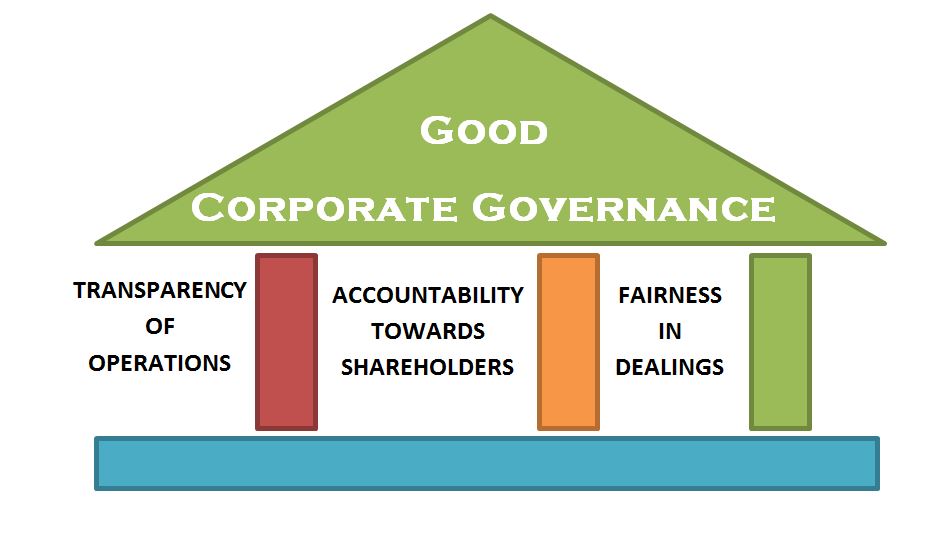



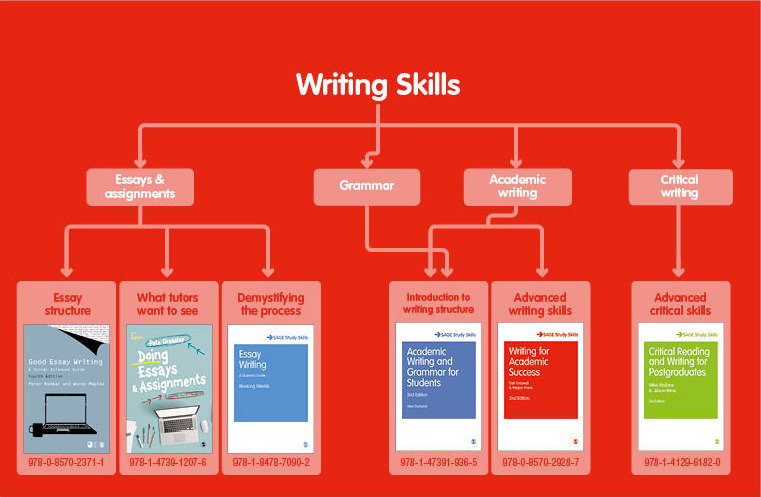















 Technology exist for the purpose making our life simpler but it is other way around. It consumes our lot of time and we end up scrolling our feeds for longer time.Many people misreads people overthink situations and inevitably lead to a communication gap. Well there are some or many good things about it you are more self reliable and more aware about things If you are addicted than it would cause more harm than anything else. According to survey’s people who are addicted to social media have anxiety, depression, fomo self-esteem.Worry not I am not here to draw your attention toward only negative sides. Here are some tips if you think you have experienced these things1.Take a timeout of social media.There is no wifi in forest but I promise you will find better connection.2.Keep app out of sight so they remain out of mindHere are some psychological changes when social media is our masterWe don’t know when to put away the device.We bully others as a way to work through our own issues and lack of wellbeingWe are bulliedWe can’t put down the game controller to come to the dinner tableWe use the screen to anonymously hurt and harassWe constantly look for loopholes in someone’s status update to get ourselves heardWe wait desperately to count every ‘like’ on our latest Instagram photoWe measure our self worth by the accumulation of likes, comments and sharesWe become intimidated by the online gamer who viciously attacks our strategyWe forget to enjoy the moment or smell the rose, too busy checking emails or newsfeedsWe become depressed at witnessing the happy holiday updates of others or the achievements of those in our feedsWe disrespect othersWe disrespect ourselves









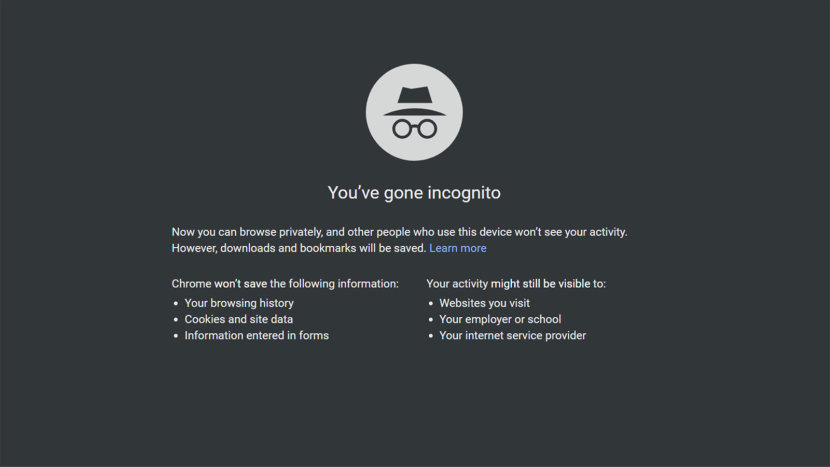




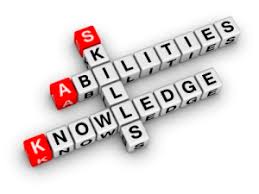
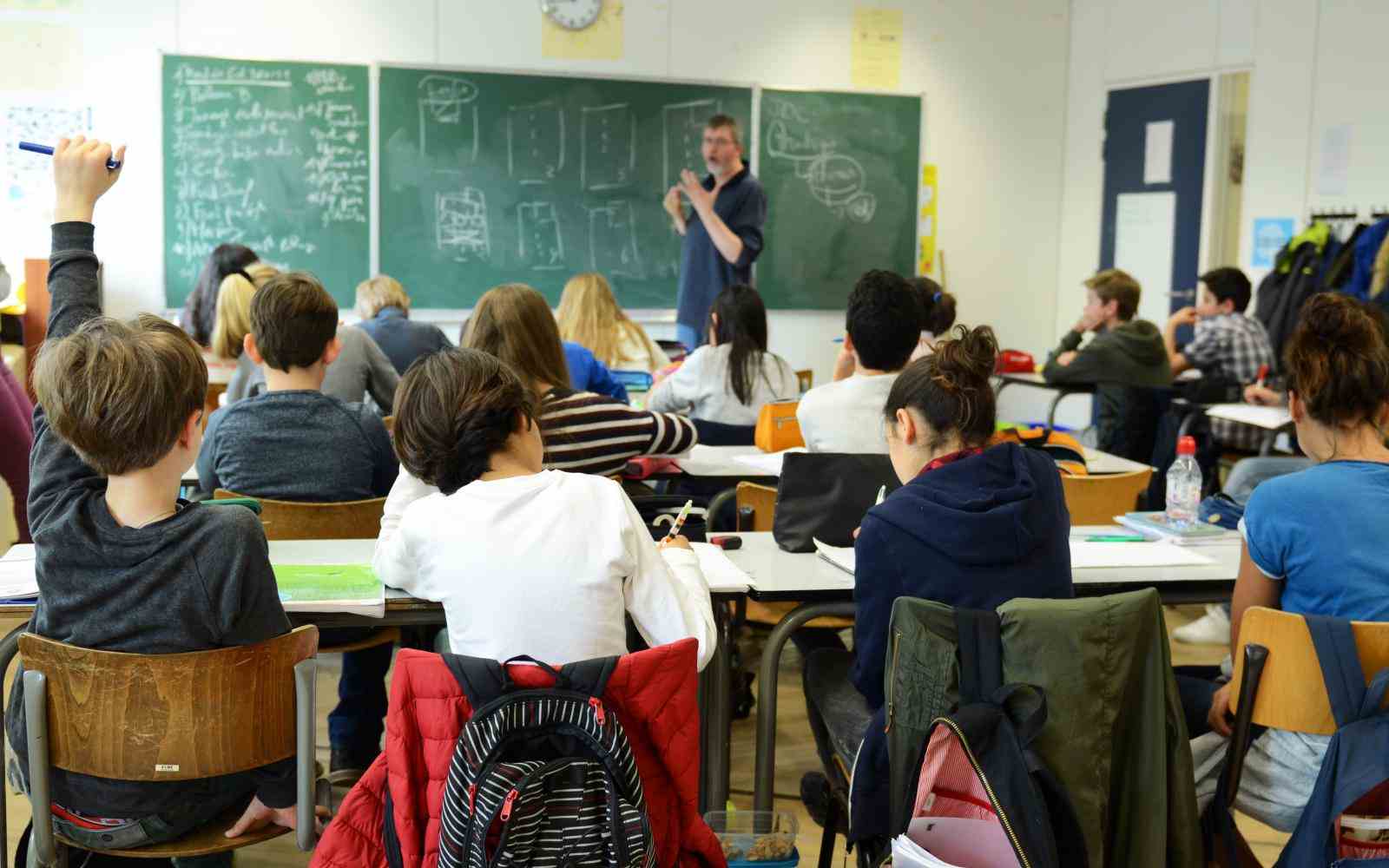

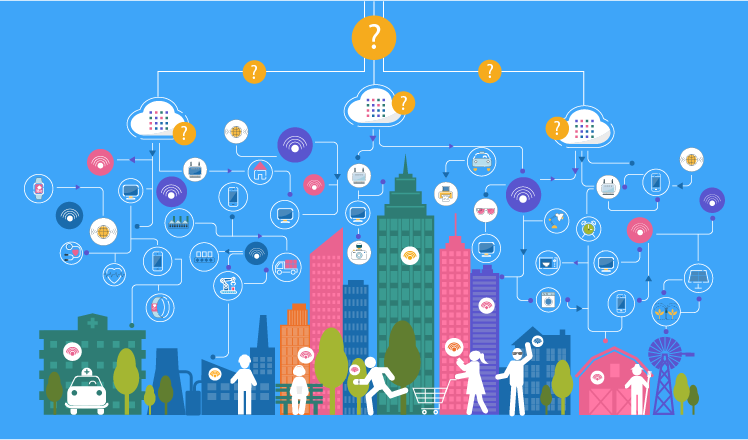
 Track2Training
You must be logged in to post a comment.