To Read Fantasy List

Fantasy is hardly as escape from reality. It’s a way of understanding it.

-Lloyd Alexander
See the source image

According to the dictionary, fantasy refers to the faculty or activity of imagining things, especially things that are impossible or improbable. It is often inspired by ancient mythology, real life myths and folklore, often passed down orally.

Fantasy is one of the core genera of today’s literary canyon and has more than just a few admirers.

Curated below is a list of fantasy fictions (in no particular order) to help to sift through the diverse literary spectrum.

1. The Bridge Kingdom

See the source image

A slow burn fantasy romance with the “enemies-to-lovers” trope, this book tells the tale of a marriage by convenience.

Lara, a fierce princess, trained to be a spy vows to bring down the kingdom of bridge for her people. As she settles in her new home with her new husband, Aren, Lara begins to question everything in her being and the evil that lurks.

With the intense attraction towards Aren, Lara must choose between being a saviour or the impending doom for her people.

An engaging read with a simmering romance.

“Alive isn’t living.”

 Danielle L. Jensen, The Bridge Kingdom

2. Six of Crows

See the source image

American author Leigh Bardugo’s Six of Crows is a fantasy novel that revolves round a band of six thieves.

 Kaz Brekker, a criminal prodigy is offered a chance at a deadly heist that could make him rich beyond his wildest imaginations. Together with a convict, a sharpshooter, a runaway, a spy , a Heart render & a thief, an unusual lot, they set out for the single biggest heist between the world and utter chaos.

“She wouldn’t wish love on anyone. It was the guest you welcomed and then couldn’t be rid of.”

Leigh Bardugo, Six of Crows

Reference: https://thegrishaverse.fandom.com/wiki/Six_of_Crows

3. A Court of Thorns and Roses

See the source image

This story revolves around mortal Feyre Archeron after she is brought into the faerie lands of Prythian for murdering a faerie. Over the course of proceedings, as she lives with the person who abducted her into Prythian, Tamlin, who is also a High Fae, she gets to know things about the Fae kingdom she had never known before.

“I threw myself into that fire, threw myself into it, into him, and let myself burn.”

Sarah J. Maas, A Court of Thorns and Roses

4. The Grace Of Kings

Grace of Kings is an epic fantasy revolving around an outlaw  Kumigaru, who, along with Maya Zyndu, a blue blood, plans to overthrow an oppressive king. The story is richly crafted with an engaging plot and knife sharp twists and turns that are bound to make your hackles rise.

“There’s never going to be an end to suffering if ‘he deserves it’ is all the justification people need for inflicting pain.”

 Ken Liu, The Grace of Kings

5.  Jonathan Strange & Mr Norrell

Image result for  Jonathan Strange & Mr Norrell by Susanna Clarke

Susannah Clarke’s novel paints lucid alternate history of Napoleonic England combing it with Gothic literary fiction. The novel explores the existence of magic in England sand Centres on the relationship between two men: Gilbert Norrell and Jonathan Strange with bouts of witty humour, traipsing into the territory marked beyond cognitive excuses or reason.

“There is nothing in the world so easy to explain as failure – it is, after all, what everybody does all the time.”

Susanna Clarke, Jonathan Strange & Mr Norrell

Common types of Indian houses

There are many types of houses built in India, but check out these commonly built houses in India.

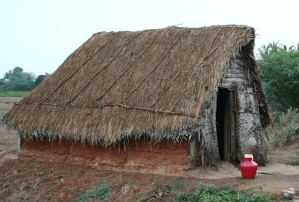
1.Huts

These are small crude shelters. Huts are mostly made of natural plus locally obtainable materials like coconut tree leaves as it makes a cool ceiling. It’s swift plus cheap in the building. Huts are commonly used by poor people, construction workers, on the terrace in some houses. 

Hut
A Hut

2.Bungalow

The bungalow is yet another and popular Indian house design. The advantage is the space in and around the home that gives you enough room for a garden. These commonly come in with three to four rooms, at least two parking lots, and a garden area.

A Bungalow
A Bungalow

3.Apartments/Flats

One of the most common kinds of houses in the apartment, at least in India. The current apartment complexes approach all amenities plus facilities. The lower floors are calling basement suites plus top floors are call penthouses. The little ones are called studio apartments. An apartment at least has two to three rooms, a separate parking lot, a lift, and a common terrace and common spaces.

An Apartment
An Apartment

4.Villas

Earlier, this type of house was meant for upper-class state homes. Currently, separate modern townhouses are moreover called villas. Amenities like your driveway, backyard/lawn, garden plus pool are accessible with these homes and are a source of comfort. This big house in India usually has a pool. Nowadays villas are also coming within a community with large facilities

A Villa
A Villa

5.Small Indian House/Individual house

The typical nuclear Indian family consists of 4 members, and this kind of house is the most common one for them. The house is complete with a small open area in the front and a big gate protecting it. These types of the house mostly have two-three rooms, a small garden area, a small parking lot and a small backyard.

An individual house
An individual house

Health and fitness

Health is an important aspect in anyone’s life. Fitness is a proof for a healthy person. By achieving a healthy body, we can achieve a healthy mind. Small habit changes in our day-day life will change our life completely in a healthier way. Food is the first thing to take into considering when we talk about health. There are lots of aspects to having a healthy life. I will share with you the small steps that you need to take to start your healthy journey.

Proper diet

The first thing that comes to our mind when we think about being healthy is being on a proper diet. It is not just about what we eat, it is also about when we eat. Healthy food aside, having your food at the right time every day will cut off lots of health issues. Many of us skip breakfast and eat straight at lunch time. You haven’t had anything for the past 12 hours so your stomach is literally empty with stomach acid in it. There are many risk factors when high stomach acid is secreted. The main function of this acid is to digest the food that you intake so better give it some food in the morning otherwise it will cause some serious health issues.

Keep specific timings for your breakfast, lunch and dinner. If you take food at proper timings, it will solve many health issues. Breakfasts should be taken around 7 to 9 AM. Lunch should be taken around 12 to 2 PM. Dinner should be taken around 7 to 9 AM. So make sure you stick to the timings and have a healthy diet!

Next comes the healthy food. Make sure you take vegetables thrice a week and fish twice a week (if you are a non vegetarian) and one cheat day to eat your favorite junk food. Intake of all kinds of food is important. Junk food and outside food from time to time would be fine but making it as a part of your diet would cause major health issues.

Sleep schedule

Another important factor that ruins your health is lack of sleep. I know most of us have issues with falling asleep at night time and that becomes a routine. The first step to do is to not make it a routine and not normalizing the sleep schedule. If you can only sleep at 1 then consider it a serious issue and work towards changing it.

Ways to stabilize your sleep schedule

  • Push in all your work within 11 PM and make yourself completely free at night. If you are a work from home dude then plan it accordingly, you require 6 to 8 hours of sleep, that’s all matters.
  • Avoid using mobile phone or laptop after 11 PM. Make sure you have at least 30 mins gap without screen time before sleeping.

Exercise!

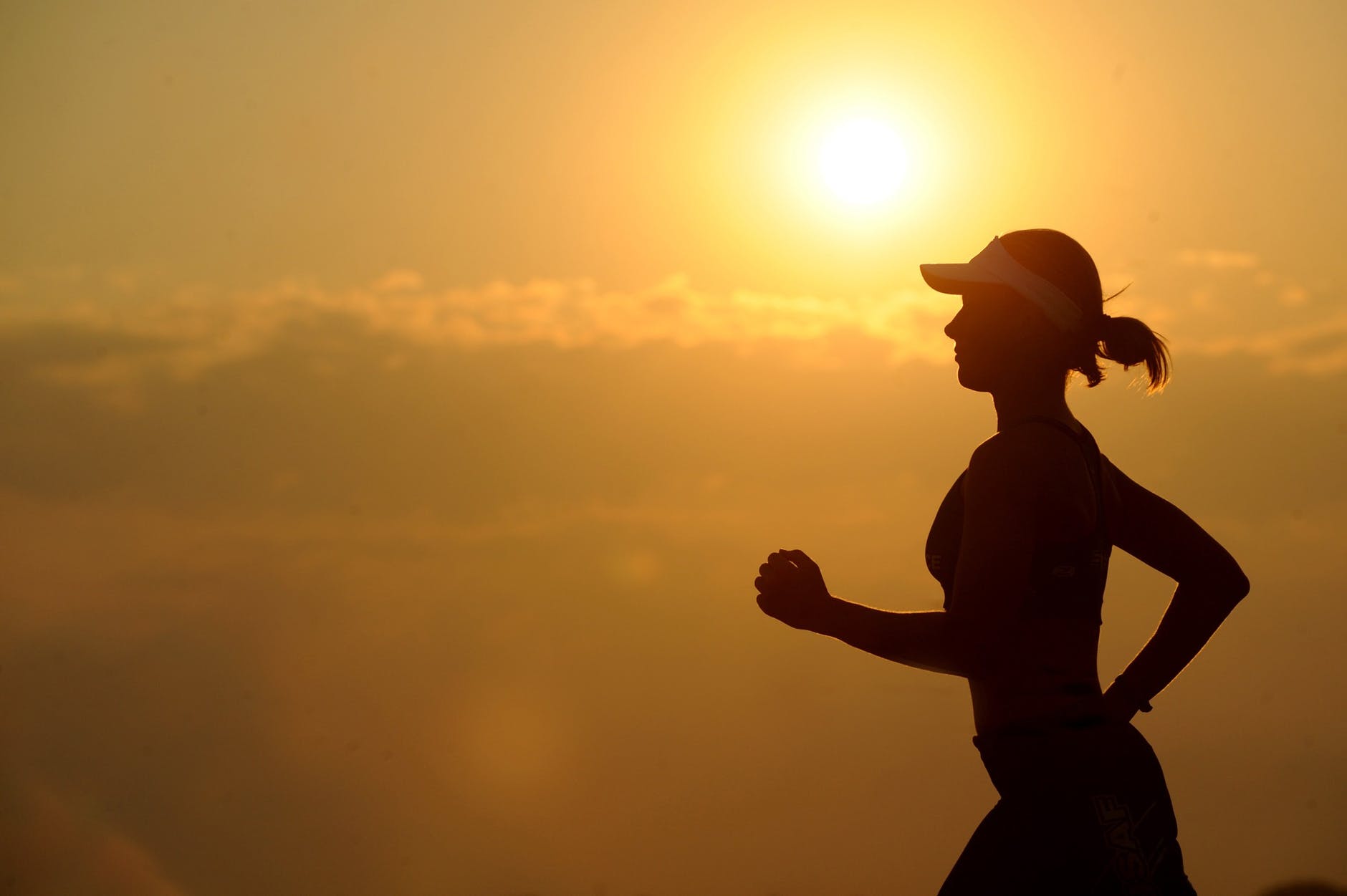
Fitness is achieved by exercising your body regularly. It can be anything that you do. A simple 1 hour walk in the morning will keep you active throughout the day. There are many forms of exercises that you can do. You can workout everyday with simple moves. The ultimate goal is to exercise your muscles and not make them lazy. Some forms of exercise are,

  • home workouts
  • Going to gym
  • Morning/evening walk
  • Cycling
  • Dance workout
  • yoga

Meditation helps you exercise your mind. It calms and clears your mind. If you start doing it you will definitely see the results in your day to day life.

Conclusion

These are some factors that affects our health and if we bring more concentration into all of this, we can be healthy mentally and physically. Make time to focus on your mind and body.

BANKING

BANKING

A bank is a financial institution that accepts money from the public and lending to people by loans with demand. Banking is a system that provides a safe place to save our money and supplies liquidity to the economy by providing loans to help businesses and also for the public to buy consumer products like homes, cars, lands, etc. Bank acts as a mid-way between savers and users of money. There are different types of banks. They are central banks, commercial banks, development banks, Cooperative banks, rural banks, etc. We can say that banking has gone through a metamorphosis. Nowadays there are a lot of ways to deposit and withdraw our money. With the advancement in technology, digital banking has reached its heights. Nowadays we use credit cards, debit cards, UPI transactions, Automated teller machines (ATM) for transactions of money.

WHAT DOES THE BANK DO?

  • It collects money from the public through accounts.
  • It lends the money to entrepreneurs through loans with demanding interest. It also issues loans to the public.
  • The interest rate paid by the bank to the customers is less than the interest rate that the bank charges to the lenders. The difference between them is the gross margin.
  • Banks’ s don’t work in isolation
  • In India, all banks are regulated by the central bank i.e, The Reserve Bank of India (RBI). 

COMMON BANKING PRODUCTS AVAILABLE:

  • DEBIT CARDS: Debit card is the prepaid or pay now card that is linked to the card holder’s account. Debit cards quickly debit or subtract the money from one’s savings account. We can pay our expenses through debit cards. Once you use the debit card, the amount will be transferred to the merchant’s account. A debit card holds the card holder’s name, expiry date of the card, card number, card verification value (CVV). And the customer will be given a unique PIN (personal identification number) to access the card.
  • CREDIT CARD: Credit card is postpaid or pays later card that draws money from the bank. The bank gives the grace period to pay the money he used. If the amount is not paid by the customer within the stipulated time, then the customer is charged with interest.
  • AUTOMATED TELLER MACHINE (ATM): ATMs are used by banks for efficiently dealing the customers. Instead of going to the bank and filling the form to withdraw money, one can easily get their cash by using ATM. Insert the card and PIN then enter the amount you wish to withdraw. You can also transfer cash from your account to another account, view your account information using the ATM.
  • ELECTRONIC FUNDS TRANSFER (ETF): This system helps to transfer the money in a faster way from one account to another. The sender and receiver of funds in this system may be in different cities and may have an account in different banks.
  • TELEBANKING: Telebanking refers to banking on phone services. In this system, the user can access his/her account details in a telephone call by giving his/her PIN to the bank.
  • MOBILE BANKING: A new revolution in e-banking is the emergence of mobile banking. In today’s world, most of us are using mobile phones. So, it becomes easier to transfer funds through mobile. Nowadays, we can pay the electric bills, gas bills, shopping bills, etc by sitting in the home with the help of a mobile phone.

WHAT TO LOOK FOR BEFORE INVESTING IN A BANK?

  • GROSS NPA RATIO: NPA stands for Non-performing assets. The net NPA to loans ratio is to check the overall quality of the bank’s loan book. The higher the NPA, the higher is the risk to invest in this bank.
  • NET NPA TO TOTAL ASSET: Net NPA is calculated by subtracting the provisions made from the gross NPA. The higher the net NPA, the worst the bank is.
  • CASA RATIO: It stands for Current Account and Savings Account. Higher the CASA ratio, the better the bank is.
  • NET INTEREST MARGIN: For banks, both the raw materials and finished product is money. So, the higher the net margin, the better the bank is.
  • CAPITAL ADEQUACY RATIOS: It’s the bank’s capital ratio. The capital is lent to various parties at different risk proportions. The higher the capital adequacy ratio, the better the bank is.

New Education Policy

Photo by Julia M Cameron on Pexels.com

Education is the most powerful weapon we can use to change the world- Nelson Mandela”

The knowledge and skills acquired by a person depends on the education system. A person cannot become a saint by learning about the scriptures and holy books, for this he must practice some basic self-actualization habits to conquer the hurdles and to achieve the desired position. Likewise, an engineer in his degree period is not restricted to the technical books. for this he also comes across the practical field to excel in the career.

The policies of education in the teaching sector are the backbone of it. Education policy is a plan where government is involved in the educational sphere and laws of education system. The most common place where education policy plays its part are- field of schools, include school size, class size, school choice, school privatization, teaching selection, education and certification, teacher pay, teaching method, curricular content, graduation requirement and school infrastructure investment. All the major part of the education revolves around the education policy. The stronger the policy the better will be the future of schooling.

With the onset of pandemic, the education policy has taken a big turn. For which, the whole world had to undergo the revision of education policy. In India, Government has come with National Education policy of 2020 where there are some modifications of rules and guidelines. Here, school curriculum  will be restructured in a new 5+3+3+4 form. Early childhood care and education (ECCE) focuses on investment infrastructure such as children playing equipments. There is also a Foundational literacy and Numeracy plan (FLN) where there is a three month preparatory course to students to access digital contents through energized textbook ETB-Diksha. It also aims to achieve universal foundational literacy and numeracy in primary schools by 2025. The policy also states that higher education system shall aim to be multidisciplinary by 2040. One of the most needed guidelines for teachers (Teachers and teacher education) where the policy proposes the minimum education degree requiring   a 4 year B.Ed undergraduate programme.  Policy also demands to allow promotion based on merit. A big change where this policy is coming up with “Equitable and inclusive education” plan where there is gender equality and promises to female and transgender students by driving state level inclusion activities, developing sufficient infrastructure for safety, and targeted boarding. Talking about the ground system and the building structure of education in country, this policy plans to re-organize smaller schools with very low enrolment into a school complex structure which connects 10-15 such small schools into one administrative which will help reduce school isolation efficiently, use teaching learning resources, and increase governance and accountability, especially in rural/ adivasi parts of India.

Thus, it is quite evident that the countries education system has reversed. There is a big competition in the education field to achieve the best goal. With the right plan and structures this country could attain success. As said,” Education is the best economy policy there is – Tony Blair”

HUMAN HEART

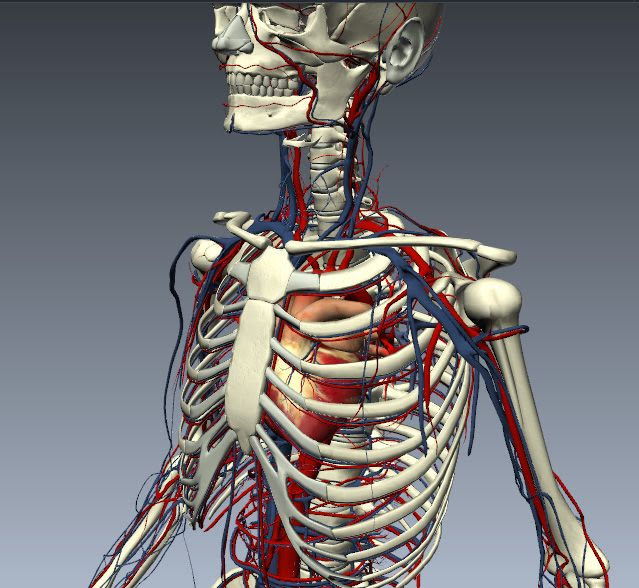
The human heart is an organ that pumps blood throughout the body via the circulatory system, supplying oxygen and nutrients to the tissues and removing carbon dioxide and other wastes.

“The tissues of the body need a constant supply of nutrition in order to be active,” said Dr. Lawrence Phillips, a cardiologist at NYU Langone Medical Center in New York. “If [the heart] is not able to supply blood to the organs and tissues, they’ll die.”

HUMAN HEART ANATOMY

In humans, the heart is roughly the size of a large fist and weighs between about 10 to 12 ounces (280 to 340 grams) in men and 8 to 10 ounces (230 to 280 grams) in women, according to Henry Gray’s “Anatomy of the Human Body.”

The physiology of the heart basically comes down to “structure, electricity and plumbing,” Phillips told Live Science.

The human heart has four chambers: two upper chambers (the atria) and two lower ones (the ventricles), according to the National Institutes of Health. The right atrium and right ventricle together make up the “right heart,” and the left atrium and left ventricle make up the “left heart.” A wall of muscle called the septum separates the two sides of the heart.

A double-walled sac called the pericardium encases the heart, which serves to protect the heart and anchor it inside the chest. Between the outer layer, the parietal pericardium, and the inner layer, the serous pericardium, runs pericardial fluid, which lubricates the heart during contractions and movements of the lungs and diaphragm.

The heart’s outer wall consists of three layers. The outermost wall layer, or epicardium, is the inner wall of the pericardium. The middle layer, or myocardium, contains the muscle that contracts. The inner layer, or endocardium, is the lining that contacts the blood.

The sinoatrial node produces the electrical pulses that drive heart contractions.

HUMAN HEART FUNCTION

The heart circulates blood through two pathways: the pulmonary circuit and the systemic circuit.In the pulmonary circuit, deoxygenated blood leaves the right ventricle of the heart via the pulmonary artery and travels to the lungs, then returns as oxygenated blood to the left atrium of the heart via the pulmonary vein.

In the systemic circuit, oxygenated blood leaves the body via the left ventricle to the aorta, and from there enters the arteries and capillaries where it supplies the body’s tissues with oxygen. Deoxygenated blood returns via veins to the venae cavae, re-entering the heart’s right atrium.

Of course, the heart is also a muscle, so it needs a fresh supply of oxygen and nutrients, too, Phillips said.

“After the blood leaves the heart through the aortic valve, two sets of arteries bring oxygenated blood to feed the heart muscle,” he said. The left main coronary artery, on one side of the aorta, branches into the left anterior descending artery and the left circumflex artery. The right coronary artery branches out on the right side of the aorta.

Blockage of any of these arteries can cause a heart attack, or damage to the muscle of the heart, Phillips said. A heart attack is distinct from cardiac arrest, which is a sudden loss of heart function that usually occurs as a result of electrical disturbances of the heart rhythm. A heart attack can lead to cardiac arrest, but the latter can also be caused by other problems, he said.

“Each cell has the ability to be the ‘band leader’ and [to] have everyone follow,” Phillips said. In people with an irregular heartbeat, or atrial fibrillation, every cell tries to be the band leader, he said, which causes them to beat out of sync with one another.

A healthy heart contraction happens in five stages. In the first stage (early diastole), the heart is relaxed. Then the atrium contracts (atrial systole) to push blood into the ventricle. Next, the ventricles start contracting without changing volume. Then the ventricles continue contracting while empty. Finally, the ventricles stop contracting and relax. Then the cycle repeats.

Valves prevent backflow, keeping the blood flowing in one direction through the heart.

THE HUMAN HEART

FACTS ABOUT THE HUMAN HEART

*A human heart is roughly the size of a large fist.
*The heart weighs between about 10 to 12 ounces (280 to 340 grams) in men and 8 to 10 ounces (230 to 280 grams) in women.
*The heart beats about 100,000 times per day (about 3 billion beats in a lifetime).
An adult heart beats about 60 to 80 times per minute.
*Newborns’ hearts beat faster than adult hearts, about 70 to 190 beats per minute.
*The heart pumps about 6 quarts (5.7 liters) of blood throughout the body.
*The heart is located in the center of the chest, usually pointing slightly left.

EFFECTS OF GLOBAL WARMING

Global warming refers to climate change that causes an increase in the average of Earth’s temperature. Natural events and human influences are believed to be top contributions towards the increase in average temperatures. Global warming is a rise in the surface and atmospheric temperature of the earth that has changed various life forms on the earth.

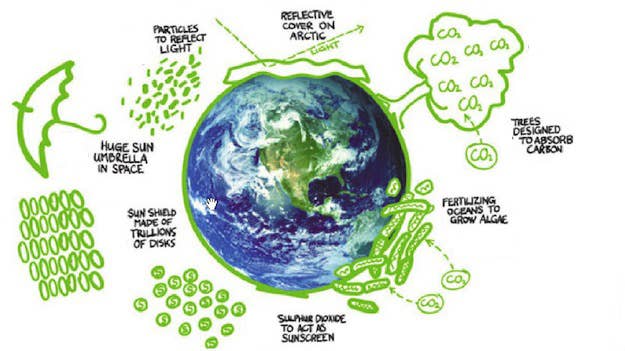
The climate has been continuously changing for centuries. One natural cause of global warming is greenhouse gases. Greenhouse gases are carbon monoxide and sulphur dioxide. It traps the solar rays and prevents them from escaping the surface of the earth. This causes an increase in the temperature of the earth.

The impact that global warming is causing on earth is extremely serious. There are many hazardous effects that will happen in the future if global warming continues. It includes melting of polar ice caps, leading to an increase in sea level drowning coastlines and slowly submerging continents.

Recent studies by National Snow and Ice Datacenter “if the ice melted today the seas would rise about 230 feet”. Another effect is climate change leading to the extinction of various species. More hurricanes, cyclonic storms, heat waves, drought, and extreme rainfalls will occur causing disaster to humankind.

Global Warming has already caused many problems for human and we need to prevent disasters of the future. Our generation needs to take care of the earth with immediate effect to safeguard future generations or they will suffer the consequences of global warming.

Search Engine Factors

Every website needs to be optimized to get a good search engine rank. Google uses some algorithms to rank a website in search engines.

Some google ranking factors are –

  • Backlinks
  • Freshness
  • Topical authority
  • Search intent
  • Content depth
  • Page speed
  • HTTPS
  • Mobile-friendliness
  • User experience

  • Quality Backlinks

These are the links on a website that links back to your website if your topic is related to the one referred on the website or they have linked your website.

Relevance and Authority are the two most important factors that play a major role in ranking your website.

Relevance – Search engines decide the relevancy by the keywords and links used.

Authority – Backlinks that are obtained from high authority domains offer more equity than ones that are not.

  • Freshness

It is a query-dependent ranking factor, meaning it’s important for some queries than others. Fresh content is content that has been recently updated or updated regularly such as a news update. It is updated whenever there is something new around the world and when searched you will get the high-ranking pages that are just updated a few minutes ago.

But some queries don’t require to be updated such as “how to tie a tie”. Here freshness doesn’t matter because the process of tying a tie never changes.

  • Search Intent

Search Intent represents the objective the searcher is trying to accomplish. For example, if a user searches “Best places to visit in Uttarakhand,” google will pop the articles and blogs about the places to visit in Uttarakhand.

The 3C’s of Search Intent

  1. Content-Type – You will see tourism articles, blogs on places to visit
  2. Content Format
  3. Content Angle – Updated articles and tourist accommodations will show up

  • Topical Authority

It is a measure that ranks a website whose content is better and related to the topic of the site. Write original, high-quality content based on keyword research and build topically relevant links to your article.

The concept E-A-T comes from Google’s Search Quality Rater guidelines which stand for Expertise, Authoritativeness, and Trustworthiness. Google uses E-A-T to evaluate the overall quality of a webpage.

  • Content Depth

Writing in-depth SEO content will improve the user’s engagement with the content. If a user searches for something online then you have to solve his problem by providing him everything that he needs to know. Well written detailed content improves the sites ranking because search engine treats it as complete information about a topic in a single page.

  • Page Speed

Page Speed is the amount of time it takes for a webpage to load. This plays an important role in determining ranking your site high on Google searches. The less time it takes to load your webpage, the higher the user engagement as they won’t be waiting for a long time for your content to load. They will eventually switch to another website whose content loads fast.

  • Using the HTTPS Protocol

HTTPS (Hypertext Transfer Protocol Secure) is a secure internet communication protocol that protects the integrity and confidentiality of data between the user’s computer and the site. Switching to HTTPS will make your website more secure and avoid damages from the third party.

  • User Experience

When it comes to User Experience it’s all about- 

  • Quality of content you are putting on your website
  • Responsive design and a good user interface are the key factors 

Conclusion

There are many other ranking factors when it comes to ranking your website such as domain name, algorithm rules, CTR, etc. It’s all about the quality of content you are putting out there that searchers are looking for, providing a great user experience so that searchers want to engage with your website. 

SOCIAL EMPOWERMENT, COMMUNALISM, REGIONALISM & SECULARISM

Social empowerment :

Social empowerment is a broad area of practice drawing upon social work and community development principles.

Social empowerment is understood as the process of developing a sense of autonomy and self-confidence, and acting individually and collectively to change social relationships and the institutions and discourses that exclude poor people and keep them in poverty.

Communalism :

Communalism is defined as a mechanism to energize people for or against by raising an appeal on communal lines. It is revealed in literature that Communalism is related with religious fundamentalism and intransigence. Studies have demonstrated that the communalisation was first began in nineteenth century. The British historian (James) categorized ancient period as Hindu period and medieval period as Muslim period and this ordering was further used by both the British and Indian historians. Social literature documented that in medieval period, Muslim people were underprivileged, they were also oppressed as then people of Hindu community and the ruling class included both the Muslims and Hindus. Abdul Ahmed explained that “Communalism is a social phenomenon characterized by the religion of two communities, often leading to acrimony, tension and even rioting between them”. Communalism is also described by few other eminent theorists. According to Prabha Dixit, “Communalism is a political doctrine which makes use of religious and cultural differences to achieve political ends”. It is a dominant force in Indian scenario. Many factors such as casteism, communalism and religious fundamentalism pose challenge in India that are the major threats to Secular state. They deteriorate the working and strength of democratic secular Federal state and influence against the fundamental beliefs of national life and provide means to new individuality. ‘Casteism’ and ‘Communalism’ are destroying the Indian cultural diversity.

Factors responsible for the growth of communalism in India:

— The stagnant economy of India during the British rule was an important factor for the growth of communalism in India.

–It was an expression of the interests and aspirations of the middle classes in a social set up in which opportunities for them were inadequate.

–The vested interests deliberately encouraged communalism because of its capacity to distort and divert popular struggle, to prevent the masses from understanding the real issues.

–The British rule which produced the divide and rule policy, separate electorate on the basis of religion strengthened the basis of communalism in India.

–British also favoured one community against the other in services and promotions.

–The territorial settlement of different religious groups and many contradictory variations in their mode of life, social standards and belief systems may cause communal tensions.

Regionalism :

In current global trade system, regionalism is spreading at great pace. The huge spread of regionalism is encouraged by the explosion of regional institutions that give rise to substantial academic interest in both their sources and consequences. In bulk of academic literature, Regions are described as groups of countries situated in the same geographic space but it is not clear where one region ends and the next begins. Regionalism has widely spread in Indian politics since the independence of India. It has the major basis of various regional political parties. In Indian scenario, regionalism has increased in close identification with the regions. After independence, it is a great force of conflicts as well as collaboration, which depends on the manner of accommodation. Regionalism is elaborated as situations in which different religious or ethnic groups with idiosyncratic identities exist within the same state borders, often concentrated within a particular region and share strong feelings of shared individuality.Regionalism is basically an intense feeling of a particular region or an area in preference to the nation or any other region. It often involves ethnic groups whose major objective is to get freedom from a national state and the development of their own political influence. In Indian perspective, regionalism denotes to proclamation of different ethnic, linguistic or economic interests by various groups within the nation. The second meaning of the term is regionalism at national level refers to a process in which sub-state actors become increasingly powerful, power devolves from central level to regional governments. These are the regions within country, distinguished in culture, language and other socio-cultural factors.

Causes for regional disparity :

Low rate of economic growth

Land reforms are not done properly and the feudal mentality still persists

Lower level of infrastructural facilities in backward states

Low level of social expenditure by states on education, health and sanitation

Political and administration failures which further given birth to sub-regional movements for separate states.

Secularism :

Secularism is contrasting phenomenon of communalism. It was adopted by Indian Constitution, which signifies respect for all religions and broad-mindedness of all faiths, no State religion and support or favour to any religion by the State. Secularism is a form of government process that enhance democracy and commitment to financial development.Secular India has undergone several tremors in many decades. Many professionals relate these convulsions to the nature of Indian civilization, to which they attribute centrality to religion in both personal and public matters. The Indian concept of secularism is based on respect for all religions by the state and separation of religion from public institutional practices. The obsession with the European experience supervises the historicity of the Indian phenomenon.

The process of secularisation is not alike in all societies. With technical progression, human culture has undergone the process of secularisation. In India, secularism is huge political and constitutional struggle and disagreement. The perception was promoted by Mahatma Gandhi and it has been the central model of secularism after Independence of India. Indian secularism is based on a more functional approach to the belief of equal respect and acceptance of all religions, which has allowed for the defence of religious minority rights principally through temporary special measures, which is similar to the positive action in the United States. But, the Hindu Right has progressively been trying to cast itself as main successors of India’s secular practise, that is, as promoters of new secularism.

Nature of Secularism:

–The separation of religion and state is the foundation of secularism.

–Secularism seeks to ensure and protect freedom of religious belief and practice for all citizens.

–Secularists want freedoms of thought and conscience to apply equally to all – believers and non-believers alike. They do not wish to curtail religious freedoms.

–Secularism ensures that the right of individuals to freedom of religion is always balanced by the right to be free from religion .

–In a secular democracy all citizens are equal before the law and parliament. No religious or political affiliation gives advantages or disadvantages and religious believers are citizens with the same rights and obligations as anyone else.

–Secularism champions universial human rights above religious demands. It upholds equality laws that protect women, LGBT people and minorities from religious discrimination.

DEEP LEARNING SERIES- PART 6

The previous article was about the procedure to develop a deep learning network and introduction to CNN. This article concentrates on the process of convolution which is the process of taking in two images and doing a transformation to produce an output image. This process is common in mathematics and signals analysis also. The CNN’s are mainly used to work with images.

In the CNN partial connection is observed. Hence all the neurons are not connected to those in the next layer. So the number of parameters reduces leading to lesser computations.

Sample connection is seen in CNN.

Convolution in mathematics refers to the process of combining two different functions. With respect to CNN, convolution occurs between the image and the filter or kernel. Convolution itself is one of the processes done on the image.

Here also the operation is mathematical. It is a kind of operation on two vectors. The input image gets converted into a vector based on colour and dimension. The kernel or filter is a predefined vector with fixed values to perform various functions onto the image.

Process of convolution

The kernel or filter is chosen in order of 1*1, 3*3, 5*5, 7*7, and so on. The given filter vector slides over the image and performs dot product over the image vector and produces an output vector with the result of each 3*3 dot product over the 7*7 vector.

A 3*3 kernel slides over the 7*7 input vector to produce a 5*5 output image vector. The reason for the reduction in the dimension is that the kernel has to do dot product operation on the input vector-only with the same dimension. I.e. the kernel slides for every three rows in the seven rows. The kernel must perfectly fit into the input vector. All the cells in the kernel must superimpose onto the vector. No cells must be left open. There are only 5 ways to keep a 3-row filter in a 7-row vector.    

This pictorial representation can help to understand even better. These colors might seem confusing, but follow these steps to analyze them.

  1. View at the first row.
  2. Analyse and number the different colours used in that row
  3. Each colour represents a 3*3 kernel.
  4. In the first row the different colours are red, orange, light green, dark green and blue.
  5. They count up to five.
  6. Hence there are five ways to keep a 3 row filter over a 7 row vector.
  7. Repeat this analysis for all rows
  8. 35 different colours will be used. The math is that in each row there will be 5 combinations. For 7 rows there will be 35 combinations.
  9. The colour does not go beyond the 7 rows signifying that kernel cannot go beyond the dimension of input vector.

These are the 35 different ways to keep a 3*3 filter over a 7*7 image vector. From this diagram, we can analyse each row has five different colours. All the nine cells in the kernel must fit inside the vector. This is the reason for the reduction in the dimension of output vector.

Procedure to implement convolution

  1. Take the input image with given dimensions.
  2. Flatten it into 1-D vector. This is the input vector whose values represent the colour of a pixel in the image.
  3. Decide the dimension, quantity and values for filter. The value in a filter is based on the function needed like blurring, fadening, sharpening etc. the quantity and dimension is determined by the user.
  4. Take the filter and keep it over the input vector from the first cell. Assume a 3*3 filter kept over a 7*7 vector.
  5. Perform the following computations on them.

5a. take the values in the first cell of the filter and the vector.

5b. multiply them.

5c. take the values in the second cell of the filter and the vector.

5d. multiply them.

5e. repeat the procedure till the last cell.

5f. take the sum for all the nine values.

  • Place this value in the output vector.
  • Using the formula mentioned later, find the dimensions of the output vector.

HAPPY LEARNING!!

DEEP LEARNING SERIES- PART 6

The previous article was about the procedure to develop a deep learning network and introduction to CNN. This article concentrates on the process of convolution which is the process of taking in two images and doing a transformation to produce an output image. This process is common in mathematics and signals analysis also. The CNN’s are mainly used to work with images.

In the CNN partial connection is observed. Hence all the neurons are not connected to those in the next layer. So the number of parameters reduces leading to lesser computations.

Sample connection is seen in CNN.

Convolution in mathematics refers to the process of combining two different functions. With respect to CNN, convolution occurs between the image and the filter or kernel. Convolution itself is one of the processes done on the image.

Here also the operation is mathematical. It is a kind of operation on two vectors. The input image gets converted into a vector-based on color and dimension. The kernel or filter is a predefined vector with fixed values to perform various functions onto the image.

Process of convolution

The kernel or filter is chosen in order of 1*1, 3*3, 5*5, 7*7, and so on. The given filter vector slides over the image and performs dot product over the image vector and produces an output vector with the result of each 3*3 dot product over the 7*7 vector.

A 3*3 kernel slides over the 7*7 input vector to produce a 5*5 output image vector. The reason for the reduction in the dimension is that the kernel has to do dot product operation on the input vector-only with the same dimension. I.e. the kernel slides for every three rows in the seven rows. The kernel must perfectly fit into the input vector. All the cells in the kernel must superimpose onto the vector. No cells must be left open. There are only 5 ways to keep a 3-row filter in a 7-row vector.    

This pictorial representation can help to understand even better. These colors might seem confusing, but follow these steps to analyze them.

  1. View at the first row.
  2. Analyse and number the different colours used in that row
  3. Each colour represents a 3*3 kernel.
  4. In the first row the different colours are red, orange, light green, dark green and blue.
  5. They count up to five.
  6. Hence there are five ways to keep a 3 row filter over a 7 row vector.
  7. Repeat this analysis for all rows
  8. 35 different colours will be used. The math is that in each row there will be 5 combinations. For 7 rows there will be 35 combinations.
  9. The colour does not go beyond the 7 rows signifying that kernel cannot go beyond the dimension of input vector.

These are the 35 different ways to keep a 3*3 filter over a 7*7 image vector. From this diagram, we can analyse each row has five different colours. All the nine cells in the kernel must fit inside the vector. This is the reason for the reduction in the dimension of output vector.

Procedure to implement convolution

  1. Take the input image with given dimensions.
  2. Flatten it into 1-D vector. This is the input vector whose values represent the colour of a pixel in the image.
  3. Decide the dimension, quantity and values for filter. The value in a filter is based on the function needed like blurring, fadening, sharpening etc. the quantity and dimension is determined by the user.
  4. Take the filter and keep it over the input vector from the first cell. Assume a 3*3 filter kept over a 7*7 vector.
  5. Perform the following computations on them.

5a. take the values in the first cell of the filter and the vector.

5b. multiply them.

5c. take the values in the second cell of the filter and the vector.

5d. multiply them.

5e. repeat the procedure till the last cell.

5f. take the sum for all the nine values.

  • Place this value in the output vector.
  • Using the formula mentioned later, find the dimensions of the output vector.

HAPPY LEARNING!!

DEEP LEARNING SERIES- PART 5

The previous article was on algorithm and hyper-parameter tuning. This article is about the general steps for building a deep learning model and also the steps to improve its accuracy along with the second type of network known as CNN.

General procedure to build an AI machine

  1. Obtain the data in the form of excel sheets, csv (comma separated variables) or image datasets.
  2. Perform some pre-processing onto the data like normalisation, binarisation etc. (apply principles of statistics)
  3. Split the given data into training data and testing data. Give more preference to training data since more training can give better accuracy. Standard train test split ratio is 75:25.
  4. Define the class for the model. Class includes the initialisation, network architecture, regularisation, activation functions, loss function, learning algorithm and prediction.
  5. Plot the loss function and interpret the results.
  6. Compute the accuracy for both training and testing data and check onto the steps to improve it.

Steps to improve the accuracy

  1. Increase the training and testing data. More data can increase the accuracy since the machine learns better.
  2. Reduce the learning rate. High learning rate often affects the loss plot and accuracy.
  3. Increase the number of iterations (epochs). Training for more epochs can increase the accuracy
  4. Hyper parameter tuning. One of the efficient methods to improve the accuracy.
  5. Pre-processing of data. It becomes hard for the machine to work on data with different ranges. Hence it is recommended to standardise the data within a range of 0 to 1 for easy working.

These are some of the processes used to construct a network. Only basics have been provided on the concepts and it is recommended to learn more about these concepts. 

Implementation of FFN in detecting OSTEOARTHRITIS (OA)

Advancements in the detection of OA have occurred through AI. Technology has developed where machines are created to detect OA using the X-ray images from the patient. Since the input given is in the form of images, optimum performance can be obtained using CNN’s. Since the output is binary, the task is binary classification. A combination of CNN and FFN is used. CNN handles feature extraction i.e. converting the image into a form that is accepted by the FFN without changing the values. FFN is used to classify the image into two classes.

CNN-convolutional neural network

The convolutional neural network mainly works on image data. It is used for feature extraction from the image. This is a partially connected neural network. Image can be interpreted by us but not by machines. Hence they interpret images as a vector whose values represent the color intensity of the image. Every color can be expressed as a vector of 3-D known as RGB- Red Green Blue. The size of the vector is equal to the dimensions of the image.


This type of input is fed into the CNN. There are several processing done to the image before classifying it. The combination of CNN and FNN serves a purpose for image classification.

Problems are seen in using FFN for image

  • We have seen earlier that the gradients are chain rule of gradient at different layers. For image data, large number of layers in order of thousands may require. It can result in millions of parameters. It is very tedious to find the gradient for the millions of these parameters.
  • Using FFN for image data can often overfit the data. This may be due to the large layers and large number of parameters.

The CNN can overcome the problems seen in FFN.

HAPPY LEARNING!!!

BACTERIAL MENINGITIS

BY- DAKSHITA NAITHANI

INTRODUCTION

The inflammation of the meninges is known as meningitis. The Dura mater, arachnoid mater, and pia mater are the three membranes (meninges) that border the vertebral canal and skull, encapsulating the brain and spinal cord. Symptoms such as headaches, fever, and stiff neck are common.

Prior to the discovery of antibiotics, this was a fatal illness. Despite tremendous advancements in healthcare, the disease still has a death rate of over 25%. Many different pathogens can cause the disease, but bacterial meningitis has the largest worldwide impact.

Despite advances in diagnosis, treatment, and immunisation, 8.7 million cases of meningitis were recorded globally in 2015, with fatalities as much as 379,000. In early 2020, the first incidence of meningitis linked to COVID 19 was discovered. Every year on April 24th, World Meningitis Day is commemorated. Meningitis is one of the leading causes of illness and death in children under the age of five worldwide. According to Indian studies, meningitis is one of the main causes of mortality among infants under the age of five. 

TYPES OF MENINGITIS

Viral meningitis: It is the most frequent, but not the most dangerous, form of meningitis, accounting for 85 percent of cases. Enteroviruses are among the most prevalent causing viruses.

Bacterial meningitis: Bacterial meningitis is the second most prevalent kind of meningitis, affecting around 3 per million individuals each year. N. meningitidis, S. pneumoniae, H. influenzae, and S. aureus are the microorganisms that cause this kind of meningitis. Inflammation of the meninges can be caused by the same bacterium that causes TB.

In most countries, N.meningitidis is the primary cause of meningitis and a feared illness. The fatality rate from bacterial meningitis is frequently greater in underdeveloped nations than in industrialised countries.

Fungal meningitis: It’s a rare occurrence that generally leads to persistent meningitis. It is caused by a fungus that infects the body and travels from the blood to the nervous system, as the name implies.

Parasitic meningitis: It is less frequent than viral or bacterial meningitis and is caused mostly by parasites found in soil, excrement, cereals, or chickens. The infection is spread through ingesting the parasite’s eggs rather than normal routes. One of the most severe diseases is amoebic meningitis.

Non-infectious meningitis: It is a complication of an underlying health condition, rather than an infection. Inflammation in the tissues can be caused by a variety of factors, including drug use, head trauma, brain surgery, and cancer-related issues.

HOW DOES IT SPREAD FROM ONE INDIVIDUAL TO ANOTHER?

Meningitis caused by fungi, parasites, or non-infectious organisms is not contagious, while viral and bacterial are extremely contagious. Sneezing, coughing, and sharing utensils, cutlery, and toothbrushes are all ways to spread viral and bacterial meningitis. People who have these viruses or bacteria in their nose or throat but are not ill are generally carriers.

RISK FACTORS FOR MENINGITIS:

Risk factors for meningitis include:

•People who do not complete or skip their recommend childhood or adult immunization schedule

• Most of the viral cases occur in children younger than five years of age. Bacterial cases are common to those under the age of twenty years. Age also plays a big role in determining the risk factor.

 • It is possible to live in a community. Meningococcal meningitis is more common in college students who live in dorms and children who attend boarding schools or child care centres. This is most likely due to the bacterium’s ability to spread fast among big populations through the respiratory pathway.            

• Immune system dysfunction. Meningitis is also made more likely by AIDS, alcoholism, diabetes, immunosuppressive medications, and other immune system disorders. Anyone without a spleen should be immunised to reduce their risk.

SYMPTOMS

Meningitis affects more than two-thirds of children under the age of two, with the majority of cases occurring in the first two years of life. This might be related to low immunity and increased brain vascularity, which puts children at a higher risk. Furthermore, due to the immaturity of the central nervous system (CNS) in babies and children, the symptoms of infection are also hazy. Due to these reasons doctors depend more on the diagnostic tests rather than the symptoms.

-Fever for more than a week

-Neck stiffness

-Headaches

-Nausea and vomiting

-Altered or reduced level of consciousness

-Lethargy

-Rash

-Convulsions

Meningitis rash

A mild rash is one of the late indicators that one of the bacteria that causes meningitis, Neisseria meningitidis, is present in your circulation. The rash will become more visible as the illness progresses and spreads. The palms of the hands and the inside of the mouth, for example, may exhibit indications of a rash more easily than other parts of the body.

TREATMENT AND MANAGEMENT OF DISEASE

The therapy is determined on the underlying aetiology of meningitis. Antibiotics are used to treat bacterial meningitis, which may necessitate urgent hospitalisation. This might aid in the prevention of brain injury. The treatment of fungus meningitis may need the use of antifungal medicines. Viral meningitis may go away on its own, but you’ll need to see a doctor to figure out what’s causing it and how to treat it properly. On the basis of symptoms present parasitic meningitis is treated.

In all instances of bacterial meningitis, prompt treatment and supportive care and antibiotics are essential. Antibiotics are chosen depending on the organism that is thought to be causing the illness. In order to give the optimum antimicrobial coverage, the physician must consider the patient’s medical history.

Steroid Therapy: There isn’t enough data to back up the use of them in bacterial meningitis.

Chemoprophylaxis: Close contacts of a patient with N. meningitidis and H. influenzae type B meningitis should take this medication. People who have shared utensils, and health care providers in close proximity to secretions are all examples of close interactions.

Physical Therapy Management

In most cases, physical rehabilitation begins in the intensive care unit. It’s critical to remember a patient’s chart contraindications to therapy, such as intracranial pressure, cerebral pressure, and other lab results that dictate rehabilitation recommendations, while starting a plan of care. In the acute phase, proper posture and range of exercises should be started as soon as it is safe to do so. Proper pillow and towel placement will maintain the integrity of the skin and avoid contractures. Maintaining trunk and neck mobility is critical for functional mobility.

The earlier a patient begins therapy, the lower the risk of subsequent impairments, allowing for a better treatment.

If left untreated it can lead to significant brain problems and is sometimes deadly. In 10–20 percent of survivors, it can cause brain damage, hearing loss, or learning disabilities, as well as amputations in certain cases.

DIAGNOSTIC TESTS

 It is detected by analysing the cerebrospinal fluid, which includes a white blood cell count, glucose, protein, and, in rare circumstances, a polymerase chain reaction (PCR). A lumbar puncture is used to collect CSF, and the opening pressure can be monitored.

Bacteria in the blood are identified using blood cultures. Bacteria have the ability to move from the bloodstream to the meninges. Both sepsis and meningitis can be caused by a variety of bacteria, including N. meningitidis and S. pneumonia.

A differential complete blood count is an indicator of health general. The amount of red and white blood cells in your blood is counted. Infection is fought by white blood cells. In meningitis, the count is generally high.

Pneumonia, TB, and fungal infections can all be detected using chest X-rays. Meningitis can develop as a result of pneumonia.

A head CT scan may reveal issues such as a brain abscess. From the sinuses to the meninges, bacteria can spread.

A glass test may also be performed by doctors. The doctor performs this test by rolling a glass over the rash formed. It’s most probable meningitis rash if the rash doesn’t disappear with pressure. The odd patches on the skin may be the consequence of another ailment if it fades away.

PREVENTION

Microbes that cause meningitis can easily be dispersed all around through aerosols when a carrier coughs, sneezes or shares utensils or other oral items. A few steps which are present to prevent it are:-

• Please wash your hands. Hand cleaning is important in preventing the transmission of germs. Hands should be washed before and after meals, touching objects or animals in public places. Show children how to wash and rinse their hands completely and properly.

 •Practice good oral hygiene. Do not share edibles and utensils with anybody else.

•Maintain a good immune system by keeping a good diet and staying healthy.

 •One should always cover their mouth while coughing or sneeze.

• If you’re expecting a child, be cautious about what you eat. Reduce your risk of listeriosis by cooking meat to 165 degrees Fahrenheit, which includes hot dogs.  Choose pasteurised milk cheeses that are clearly stated on the package.

Are you a Smartphone Zombie?

Few days back i saw a question on a site asking “I want to put my phone aside and study, but i’m not able to do it? Is there any I can get rid of it?”

Well we can say that we all faced this phase where we get too much addicted to Mobile phone and couldn’t keep it aside and focus on other works. A research recently released the details of a study which told us where in the world was the biggest Smartphone penetration:-

  1. South Korea
  2. Australia
  3. Israel
  4. U.S
  5. Spain
  6. U.K

But this doesn’t mean that people in this countries are using mobile phones all the time. Based on a 2016 study led by Statistica, it does look like people in those countries might fall into the category of smartphone zombies. The study also said that

  • Brazilian spend the most hours on average connected to a smartphone as 4 hr 48 mins per day.
  • Chinese spend the most hours on average 3 hours 3 mins
  • Followed by U.S 2 hours 37 mins
  • Italy 2 hours 34 mins
  • Spain 2 hours 11 mins
  • South Korea 2 hours 10 mins

One thing range true for all countries in the study, and that was the fact time spent on a smartphone for the average person was up quite a lot from 2012 to 2016.

It’s not totally people’s fault that we are addicted to the smartphones. We have this exciting thing in our pocket that flashes, beeps and invites us to use it. NPR in 2018 talked about this manipulative object we carry around with us, that is just so irresistible. The story mentions Russian psychologist Ivan Pavlov, and what we know as Pavlov’s dog. The psychologist one day realised that when his dog heard a bell or a buzzer, he knew it was feeding time, thereby associate with a sound to eating, which led to the dog drooling and looking excited.

Modern psychologist tells us this is what is happening to us when we hear a beep or a ding inside our pocket; we become excitable, like Pavlov’s dog. Our reward is coming, and we get a hit of dopamine and we want more. We check our phone on average every 15 mins and that make the tech use psychological tricks to keep us checking in.

All the time spent checking in may affect our sleep, our relationship, our work, or even all the creative things we might do to have a flourishing existence. Psychologist tend to agree we should be checking in less, and tech producers need to start thinking about creating less powerful digital drugs. But that isn’t easy because as most people now need those beeps and likes, and need to feel that they are not missing out on something.

Experts even states that putting your phone down, you may experience withdrawal symptoms, such as craving, restlessness, irritability or difficulty in concentrating. So from now on you might turn off notifications, have a plan for the day and stick to it, take off the apps you really don’t need as that might lead to a kind of app surfing. In general, not many people are against these technologies, but we should be focusing on what we might call device quality time, educating ourselves and being productive and creative.

Why are the whales the biggest animals ever?

Most people are aware of the whales that can grow up to a massive 98 feet in length but did you know that just a few million years ago they only grew to about 32 feet. There are lots of different species of whales out there in today’s time approximately over 80 and some of the popular whales are the killer whale, the humpback whale, the beluga whale, the grey whale, the sperm whale and the blue whales. They are somewhat different in colour and shape but one common thing is that they’re all pretty impressive in size. For example, the sperm whale is the largest toothed predator on earth and the blue whale is the largest animal ever they are even larger than a dinosaur, woolly mammoth or any other living creature we know of that has ever lived on our planet.


Nearly 50 million years ago, Whales first came into existence and they looked nothing like they do today in fact they didn’t even live underwater. The first whale was Pakicetus, this was a four-footed land mammal and is known as the first whale and it was about the size of a wolf and was a carnivore.


According to the American Museum of Natural History fossils found in Pakistan back in 1983 revealed that these mammals lived on land by shallow waters. Some scientists believe that Pakicetus was a land dweller who is forced to swim in the ocean due to a lack of food on land or warm temperatures as they spent more and more time in the water the animal evolved into a creature that lived in the sea over the years this evolution helped the whales to develop features like fins instead of legs so that they could adapt to living in the water.


Pakicetus displayed whale-like characteristics like a long skull paleontologists also had a unique ear bone something that’s distinctive. They evolved thanks to our environmental changes over time that influenced the animal’s habitat diet and behaviour. The Natural History Museum in London explains that one of the first evolved mammals to come from Pakicetus was a species known as Ambulocetus, who lived near an estuary between 50 to 48 million years ago. Similar to Pakicetus this species of early whale had four feet however its hind legs were shorter and resembled flippers they also formed a special tail for swimming using these to swim faster in the water.


Over a period of about 37 million years, Pakicetus gradually evolved into over 80 different species of whales you heard that right it took 37 million years for this evolution to take place that’s why 27 and a half million years ago one of the first whales was significantly smaller than they are today this particular species of whale was just 18 feet long and had baleen instead of teeth. For some who don’t know baleen then, Baleen is a filtration system that whales have that pushes the water out of their mouths keeping animals like krill which are small shrimp-like crustaceans in their mouths for them to eat the bristles of baleen are comprised of keratin the same keratin that humans have in their fingernails and hair today about a dozen existing whale species have baleen the rest have teeth but these teeth are different than the ones humans have.


Since they’re designed to catch prey rather than chew it whales definitely didn’t start out as the Titans of the sea they are today as their smaller size made them easy prey for predators like hungry sharks it wasn’t until three million years ago if things started to shift in the whales favor this time was known as the Ice Age as temperatures in the water began to drop whales instinctively needed to pack on extra pounds of blubber to keep them warm they are warm-blooded mammals after all thanks to shifting currents and temperature changes in the water the ocean floor grew rich with plankton and with this plankton came hungry krill to sate whales were well fed at this time was an understatement whales everywhere filled their tummies with scrumptious krill and they grew larger and larger the whales that had developed baleen instead of teeth took full advantage of this never-ending feast since they were better equipped to swallow up dense patches of food thanks to their growing size they were able to swim longer distances to look for even more food and reach warmer waters which encouraged even more growth.


Today’s humpback whales can travel over 5000 miles each year that’s one of the largest migrations of any animal on earth whales are consistently the biggest animal on our planet. For example, the blue whale weighs more than a Boeing 757 passengers and its belly buttons are the size of a dinner plate. The blue whale is currently so massive that if you were to take all its blood vessels and form them into a continuous line. Today’s whales are fully evolved from Pakicetus you can still see a glimpse of their ancestors not just with the naked eye of course some whales still have remnants of what used to be a bone for a hind leg in their skeleton it just doesn’t show outside the skin.
While science has proven that whales have evolved from Pakicetus they have another possible relative that still lives on earth with us today. The study conducted at the University of Calgary in 2009 Hippopotamus is believed to be the closest living relative to the whale based on fossil evidence in DNA data there seems to be a strong relationship between whales and Hippopotamus. Many scientists believe that the hippopotamus also descended from Pakicetus. Today’s Hippopotamus like whales spend tons of time in the water and are also mammals.


However, before this study was conducted many scientists argued that hippopotamuses were more closely related to pigs cows sheep and even giraffes. It’s still argued in different circles whether hippopotamus are more closely related to whales or pigs but as more and more studies are conducted many scientists are leaning toward calling hippopotamus and whales cousins no matter which mammals whales are most closely related to there’s no denying that when it comes to size they’re truly one of a kind.


Many scientists believe that whales have hit their capacity for growth once they measure 109 feet that’s because at 110 feet a whale can’t physically close their mouth within 10 seconds before its prey escapes if it took any longer they wouldn’t be able to eat which would lead to their death. A whale of 109 feet can consume enough water to fill up a large living room and that’s every time it opens its mouth to feed.

Should plastic be banned?

Plastic bags are a significant source of plastic pollution. Plastic pollution significantly contributes to the deterioration of our environment.

There should be a plastic ban to decrease in plastic pollution. Plastic bags cause land, water and air pollution. Decomposing of plastic waste is also a significant challenge which leads to an increase in plastic pollution.

Using plastic has been banned in various countries because of the adverse effects. However, plastic products have been used in various parts of the world, thereby causing hazards to the environment.

Plastic bags are easily available in the market and are widely used. Plastic bags are usually available in grocery stores and are used to carry grocery items like rice, fruits, veggies, wheat flour and other grocery items. The plastic bags are available in various sizes; they are much more economical and easy to use.

However, bags harm the environment. The plastic items and bags that we use in our day-to-day life are hazardous for our environment. This is a major problem than it appears. Scientists say that plastic bags are a major cause of water pollution.

Plastic waste is also responsible for making agricultural land infertile and also many other problems. Many countries throughout the world, including India, have banned the use of plastic bags to ensure a greener environment.

History of Plastic Bags
The plastic products that we use today were originally acquainted with the world by Alexander Parkes at London’s Great International Exhibition in the year 1862.

Parkes’ used a natural subsidiary to f cellulose as the material, which was formed when warmed and was kept in shape after cooling it.

Coining the word “Plastic”
The word plastic was coined in the year 1909. The word was first used by Leo H. Baekeland to describe a type of material that constituted Bakelite,” a substance he made from coal tar, which was used to make many things like phone, camera and ashtrays.

Plastics were used as a critical segment in the production of all these things. Plastics turned out to be well known throughout the world only after World War 1 when oil becomes effortlessly accessible.

Plastic Bags – A Boon or A Curse?
‘Need to Encourage People for Plastic Ban’

Plastic bags are very lightweight and can be easily carried anywhere.

This may sound like a boon for people, but however, there is also another side if the use of plastic bags. Since it is lightweight in nature, it is easily carried away by wind and water.

This is the reason that it blows away anywhere like seas and oceans and pollutes it. They also destroy the beauty of landscapes. A material called polypropylene is used to make plastic bags. It makes them much durable to use.

Natural gas and petroleum are used to make polypropylene. Natural gas and petroleum are non-biodegradable in nature.

The production of various plastic products, including plastic bags releases greenhouse gases like methane, carbon dioxide and carbon monoxide, which is the major cause of global warming throughout the world.

People believe that recycling is an alternative to the misuse of plastic waste; however, it is a misconception. An average of only 5% of all the plastic waste can be recycled, and the remaining 95% find its way in soil, water and other landscapes.

According to the latest report, about 35 – 40 % of all the plastic waste is being recycled, and the location of the remaining 60 % is not even known. This makes the plastic producers produce even more number of plastics, and a minor change occurs in the number of recycled products.

Plastic bags considered to be one of the most convenient ways to carry loads of products. However, plastic ban is the solution as it is harmful to human health.

The plastic bag contains a few chemical and synthetic substances in them which can potentially disturb the typical working of the hormones of the human body.

Most of the plastic products that are discharged in the seas and oceans, like plastic bags contain contaminations like PCB’s (polychlorinated biphenyl) and PAHs (Polycyclic fragrant hydrocarbons) which can affect the hormone structure.

When sea animals eat these substances, it travels through the food web and finally reaches to a human while consuming fish.

How can we minimize use of plastic?

Plastic ban has soared high in several countries.  The government of India has also made plastic ban in various states of the country. The use of plastic bags should be stopped throughout the country, and strict measures should be taken to implement this.

  • There must be a ban on the production of plastic bags also.
  • Retailers must be fined to sell plastic bags.
  • People who use and carry plastic bags should be fined.
  • Some amount must charge plastic bags of good quality which are easily available in the market; this will significantly reduce the use of plastic bags.
  • A good option should be available in the market, which can substitute plastic bags.

Plastic ban is a movement in the right direction. Most of the biggest economic countries of the world like China, USA and many European countries have banned the use of plastic bags.

There are many countries which have not implemented plastic bags, and they should do it soon. Some of the concerns arise on which people depend as a source of livelihood.

However, on the other side, the plastic ban is a sole need as these bags are destroying our environment. Innovators will eventually come up with an alternative for plastic ban everywhere. This will, in turn, create products and companies, and finally, people will get employment.

When it comes to production costs, plastic bags and cheaper and much easier to produce as compared to eco-friendly bags, however, the demerit is that the plastic bags undergo wear and tear easily. In fact, people discard them in the garbage bins as soon as they carry their products home.

Eco-friendly bags like that of cotton bags are much durable, and also it can be washed and reused again. Eco-friendly bags are cheaper for the long run because it doesn’t have government intervention to clear them from the street.

They are easily degradable and can be cleared from the face of the world. It is not wise to spend money on something that costs almost three times the amount to get rid of it.

10 Lines on Plastic Ban

  1. The world produces more than 6 billion metric tons of plastic waste annually.
  2. Plastic is dumped in lands and oceans, causing massive pollution and environmental problems.
  3. Plastic is a human-made material and hence cannot be degraded in nature.
  4. Scientists are working on a natural degradation of plastic through certain types of bacteria and enzymes.
  5. On average, a person consumes more than 100 kilograms of plastic each year.
  6. There are more than 12.7 million times of plastic in our oceans as of now.
  7. Irresponsible disposal of plastics will lead to disturbance in the natural ecosystems as well as our food chain.
  8. Banning plastic altogether is not possible because we are heavily dependent on plastic every day.
  9. From our Smartphone’s to computers to medical devices, plastic exist in every sphere of our lives.
  10. Plastic bags should be banned because the alternative for it exists like jute bag, gunny bag or paper bags.

Conclusion

There are many problems which are caused due to plastic waste, and it has often been overlooked and underestimated.

This is because people don’t think about the long term effect that plastic is causing to the environment. People look at the benefits that they are getting from it.

People do not consider plastic ban and keep using plastic bags owing to the convenience they offer and ignore the adverse effects that are caused to the environment.

Education

The meaning of education is to educate. The education is the smallest unit of development of that child in which they have interest. Education developed healthy mind in healthy body. Education is the development of internal power of people.

Meaning of education

Narrow meaning of education :- In this education given inside the four walls of school. Broad meaning of education :- In this whole world comes through which every day children learn new skills or news words. There is no definite place to get education.

Aim of education

Three things are important for education

  1. Why education? :- In this what is aim of education is decided.
  2. How education? :- In this the process of education is to be decided.
  3. What education? :- In this syllabus is to be decided.

Need of education

  1. It gives the path.
  2. It gives the idea to do any work.
  3. Education gives the confidence.
  4. It makes selfsupporting.

Factors that determine the purpose of education

  1. Place and time
  2. Need and problems of society
  3. Political ideology
  4. Social ideology
  5. Cultural ideology

All these factors is responsible for education. Also all of these are interlinked to each other. For example a political ideology wants that child learn only that thing, a cultural ideology wants that child learn only the culture of different places.

Hence for this a child can get all types of education through different different people or place.

APJ Abdul Kalam

Dr. A.P.J. Abdul Kalam Regarded as an ideal Indian and a source of inspiration for the future generations president Dr. A.PJ Abdul Kalam was born on October 15 1931 in an ordinary Tamil family of Rameshwaram in Tamil Nadu. His full name is Avul Pakir Jainulabdin Abdul Kalam His father Jainul aabedin and mother Aashiamma were a simple and religious-minded couple.

They held an honourable place in the society and were regarded as an ideal couple. They lived in a joint family Kalams father was a simple person. He never cared for luxuries and gave more importance to rational thoughts and human values. The senior-most priest of Rameshwaram temple, Pt. Lakshman Shastri was his dear friend.

They used to have long spiritual discussions and Kalam as a boy listened attentively to those discussionsAl though Kalam could not understand everything but his thinking has been largely influenced by it.

During his childhood, Abdul Kalam partook his meals with his mother sitting on the kitchen floor. His mother used to spread a banana leaf before him and serve him a simple meal of garnished rice-tasty sambhar, home made pickles and fresh coconut chutney.

Right from his childhood Dr. Kalam was honest, God fearing laborious and simple traits which he inherited from his parents. Dr. Kalams childhood was deeply influenced by his cousin Shamsuddic who was the sole distributor of newspapers in Rameshwaram During those days there was great demand for Di naming, a Tamil newspaper.

Though Kalam had not yet learnt to read yet he satisfied himself by looking at the pictures, when Shamsuddin used to bring the newspaper.

When 2 World War started in 1939 Kalam was only 8 years old. During those days there was a sudden increase in demand for tamarind seeds in the market. Although Kalam did not know the reason, he started collect ing tamarind seeds and selling them at grocery shops.

This way he earned one anna everyday During that time emergency was announced in India because of the Second World War. As a result, the trains did not stop at Rameshwaram station. In that situation bundles of newspapers were thrown from the moving train be tween Rameshwaram and Dhanushkodi station.

At that time Shamsuddin felt the need of an assistant who could assist him in picking up those bundles. Child Kalam was well prepared to help him and in this way he earned his first salary from his cousin Shamsuddin.

In his childhood, Kalam used to wear a skull cap, which is a symbol of being a Muslim. At that time Kalam was a student of class V in a primary school. Once a new teacher came to his class. Kalam was sitting in the front row with his friend Ramanand Shastri.

The new teacher did not like a Hindu boy sitting next to a Muslim boy So he ordered Kalam to sit at the last bench Child Kalam did not like this. Ramanand Shastri too was very much grieved by this behaviour of the teacher.

When Lakshman Shastri, Ramanand Shastri’s father came to know about it he called the teacher and reprimanded himYou should not sow the seeds of religious discrimination in the hearts of innocent children.”

The teacher apologised for his behaviour and eventually a great change came in his attitude Having completed the primary education, Kalam was admitted to Swartz High School in Ramanathapuram. He had to stay in the school hostel. While at Ramanathapuram he very often missed his parents, his home and especially the South Indian sweetmeat poli prepared by his mother.

In spite of his great love for home, Kalam was fully dedicated to his studies because his parents and teachers had high expectations from him He worked very hard to achieve his aim and nothing could deter him from his firm determination.

Once, during his school days, it so happened that the maths teacher Ramakrishna Aiyar was teaching in another class Unknowingly Kalam entered the class roomSeeing this the teacher immediately caught hold off him by his neck and hit him with a rod before the entire class.

Later, when Kalam secured the highest marks in mathematics, Ramakrishna Aiyar narrated the episode at the time of morning prayer before everyone. He announced, The boy whom I beat with a rod will become a great man one day Mark my words, this student is going to become the pride of his school and teachers.

Since childhood, Kalam developed a deep liking for the mysteries of the sky, and the flight of birds across the seas. He enjoyed the sight Of cranes flying over the sea and long flights of birdsHe decided that one day he too would go for long flights in the sky. Later he was the first person in Rameshwaram to fly in a plane .

When Kalam completed his schooling, he was brimming with enthusiasm and confidence Without a second thought he entered Saint Joseph College, Tiruchirapalli, in 1950. During his college days he worked hard. He was a very disciplined student.

When he was a final year student in the college he developed a great liking for English LiteratureHe read all the available books on English literature by great writers such as Tolstoy, Scott. Also when he was a student of the final year he developed a deep in Clinton towards Physics. He felt great pleasure in reading about the highest knowledge of as tronomy, particularly our solar system To fulfil his dream Kalam decided to study Engineering after his B.Sc. fro Saint Joseph College. For this he needed at least one thousand rupees, but his father did not have that much money.

It was his elder sister Johra who came to his rescue. She mortgaged her gold bangles and necklace and got Kalam admitted to Madras Institute of Technology (MIT). At that time Kalam had a single ambition – to be a pilot.

Modesty is a good quality but Kalam had to face many difficulties at MIT because of it. Be cause of his humble nature, he was quite hesitant to ask questions or reply to them in front of everyone in the class. That is why his fellow students used to make fun of himKalam was depressed about it.

He lost his self-confidence During those days, he used to remember his father’s teachings and inspirational advicesHis father often said: “One who understands others, learns but a person is called wise when he understands himself. Learning without wisdom is nothing but crammed knowledge, it is of no use. Knowing oneself is much important.” This thought brought self-confidence in him and he was recharged with enthusiasm for achieving his aim.

During his studies in MIT, Kalam was inspired by three teachers – Prof Spander, Prof. K.A. B. Panadalaiin and Prof.

Nara Singha Rao to give his thoughts a concrete formKalam was able to construct his work field with the joint assistance of these teachers which laid the foundation of his life

After completing his third year from Madras Institute of Technology he joined as a technical instructor at the Hindustan Aeronautics Ltd. After becoming an aeronautical engineer from Hindustan Aeronautics Ltd. he got two excel lent job opportunities and both of which were enough to fulfil his childhood dreams One was in the Indian Air Force and the other was in the Technical Development and Production Di rectorate Ministry of Defence. Kalam prepared well with full dedication and hard labour. He was very much assured of his selection in the Indian Air Force.

But he was deeply disappointed when he came to know that out of 25 candidates only 8 had been selected and he had stood ninth. It was a great setback. He was disappointed but he soon recovered from this. Another chance yet remained with himHere he achieved success and was appointed as Technical Assistant in the Technical Development and Production Directorate Ministry of DefenceGovt. of India.

In the 196Os Dr. Kalam joined the Vikram Sarabhai Space Centre Thumba (Kerala). There he played a key role in the development of the first indigenous satellite launcher. After that in 1982, he worked as Director of the Defence Research and the Development Organisation of India and was in charge of the Joint Controlled Launcher Development Programme.

After that he worked as a Scientific Advisor to the Defence Minister and later as a Defence Advisor to the Prime Minister. He also played a major role in the 1998 nuclear experiments.

Dr. Kalam was quite cooperative with his colleagues in the work front. He paid attention to their ideasHe never made an attempt to impose his ideas upon them He tried to maintain discipline faith and mutual understanding in his teamHis behaviour was friendly with everyone. Because of these qualitiesKalam was a favourite among his col leagues. In spite of these, he has few friends in his private life. He has been totally dedicated to his work throughout his life and work has been his companion.

While serving the country in various ways Dr. Kalam not only fulfilled the dreams of his parents and teachers but also his own. He put India in an equal position with advanced countries and thereby enhanced its honour and pride After retirement, Dr. Kalam taught at the Annamalai University in Tamil Nadu. He has been conferred with various prestigious awards.

In 1981 he was awarded the Padma Bhushan) in 1990, ‘Padma Vibhushan, and in 1997, he was honoured with the Bharat Ratna, the highest civilian award. Besides this, he was awarded the Dr. Virender Roy Space Award, National Nehru Award and Arya Bhatt Award. 28 universities throughout the country awarded him the title of Doctor of Science

Undoubtedly we can assume Dr. Kalam as a fortunate person after having received so many awards and honours but he did not get any thing out of luck but as a result of sheer hard Work and strong determination.

He had to face obstacles throughout his life at every step There was problem of economic scarcity lack of will he worked as a Scientific Advisor to the Defence Minister and later as a Defence Advisor to the Prime Minister. He also played a major role in the 1998 nuclear experiments. Dr. Kalam was quite cooperative with his colleagues in the work front.

He paid attention to their ideas He never made an attempt to impose his ideas upon them. He tried to maintain discipline faith and mutual understanding in his teamHis behaviour was friendly with everyone. Because of these qualitiesKalam was a favourite among his col leagues. In spite of these, he has few friends in his private life. He has been totally dedicated to his work throughout his life and work has been his companion.

Whether it was the assignment as a scientist or as a teacher, whatever work he was given, he accomplished it sincerely During his tenure as a teacher in Annamalai UniversityDr. Kalam was nominated as the President of India. On 25th July 2002, he was elected the 12th President of India. He took oath as a president under Chief Justice B.N. Kripal.

As President, Dr. Kalam replied strictly to the criticism of those people who were protesting strongly against a scientist being appointed as President, who had the image of a ‘missile man Dr. Kalams heart is as soft as a child’s although he has firm determination and will power in achieving his aim. He forgets himself in the company of children and becomes a part of themHe regards children as a seed in which the future tree is hidden He is of the view that children are the future of India.

He has not only hopes from the young generation, but also has full faith in themHe has the dream of educating each and every child of India and it is his mes sage that we should nurture high dreams and at the same time create confidence in our heart to transform those dreams into reality because this thought only can take our country towards path of progress.

Dr. Kalam believes that by 2020, our country will be able to become a developed country To transform his ideas into a solid form Dr. Kalam has many plans These programmes can turn to a reality but it is not possible only by the inspiration of a few selected Indians, for that every Indian has to work together. He accepts that the role of the younger generation is of utmost importance in the development of a nation Therefore he considers the Indian youth as the most powerful resource and inspires them to work unitedly.

He opines that if you are a good man then you can perform every job in the best manner. For example, if we take the instance of Dr. Kalams personality then he is a capable scientist, an ideal teacher besides being a wonderful colleague and an excellent writer. He has not only a good knowledge of Indian classical music, but he is a perfect violin player tooHe also has interest in gardening.

He feels unlimited peace of mind and pleasure in the company of nature He has a very busywork schedule, but even then he has kept a few regular habits such as morning walk, prayer, yoga, head massage with coconut oil before bath and drinking a glass of milk be fore retiring at night.

He always says that keep every moment busy and meaningful, but at the same time always take out time to feel the fragrance of flowers or to watch the myriad colours of butterties Dr. Kalam has this message for the young generation As a young citizen of India, armed with technology knowledge and love for my nation, I realise, small aim is a crime I will work and sweat for a great vision the vision of transforming India into a developed nation powered by economic strength with value system I am one of the citizens of a billion only the vision will ignite the billion souls.

It has entered into me , the ignited souls compared to any resource, is the most powerful resource on the earth, above the earth and under the earth.

I will keep the lamp of knowledge burning to achieve the vision Developed India. While delivering a lecture at the Indian

Institute of Management Shillong, Kalam collapsed and died from an apparent cardiac arrest on 27 July 2015, aged 83 His death was mourned across the nation with thousands including national level dignitaries attending the funeral ceremony hold in his hometown of Rameshwaram where he buried with full state honours.


Not Everybody Gets The Privilege Of Having A Happy Family

From laughing loud to crying in silence, we all have experienced the importance of family. The family is the one such place you experience genuine love, the place where you can never find partiality in trust and love. Family is always there to support you in all the right decisions you make and restrict you from the incorrect decisions you take. Family encourages you to connect with people physically, emotionally, and mentally. It identifies you as a capable individual of reaching his/her goals without any hesitations.

How lucky are those people who have a complete family, aren’t they? They have many people around them with whom they can spend time, share their feelings, and experience all the ups and downs in life. The absence of that one really important person breaks you into pieces. Never feel suffocated you are in a joint or a complete family. Think you have a lot of support that only a few people get in their life. Family is a bunch of teachers and students, teachers being who direct you throughout your life and students being from whom you learn not to make mistakes.


The most important lesson is family teaches us our values. They teach us how to respect elders, the importance of helping people in need. Basically, the family is filled with all the interesting topics and lessons we want. The importance of a balanced life can be learnt from family. The right way of maintaining a healthy relationship with family members is by spending time with them, playing games with them, going on outings.

A complete family completes your world. Privileged are those who are blessed with a complete family. Some people don’t acknowledge the importance of a complete family. They take family for granted. They feel parents control them. They don’t spend time with them. There are so many families in this world in which one or the other family member isn’t there. The reason for the separation can be anything, but the loss is irreplaceable. People with the loss really feel helpless in such situations when they desperately need them.

Imagine a family who just makes a home, not a house. A place where family members stay happy, has small fights or arguments, come tired from work to have a good relaxation with family members is HOME. A HOUSE is a place filled with lots of fights, no proper conversations and a lot of misunderstandings.

 A HAPPY FAMILY IS WHERE-

  • You keep your family as a first priority. 
  • Not allow a third person break your family.
  • You trust and love each other unconditionally.
  • Understand and support each other.

It is not very easy to break your family until you put all your efforts to save it. It is important to sit and engage in a calm and healthy conversation on where we went wrong, what are the areas for us to work on so that we don’t commit same mistakes again. In a relationship, understanding is extremely important. If one partner fails to understand, the other should be more understanding to handle the situation very well. A family with constant fights and a lot of misunderstandings will never last long. It’s very important to stay united to save relationships.

A family is blessing where people get to stay happy and share all the matters openly without any hesitations. Always feel lucky to be born in a family where parents are supportive, loving and are ready to do anything for your happiness.

How to use the Google Chrome offline?

A web browser like Google Chrome is one of the most crucial components for your mobile, PC’s, Laptops, Tablets, etc. People generally spend most of their time online surfing on the browser while searching, chatting, e-mailing, shopping, banking, reading the news, and watching videos online. It has actually become one of the daily needs of our life because people nowadays are so much indulged online that for every small piece of information they Google it online with the help of web browsers.

If you open any page on Google chrome with a normal speed working internet connection, then it eventually connects you to the latest version of that page. On the other hand, if you are offline or have no internet connection on your source then Chrome will display an error message on your screen with a message that it is unable to connect to the internet. 

Perks on Using Google

While other web browsers like Internet Explorer and Firefox serve an offline mode facility that actually auto-saves the copy of web pages and links that you browsed earlier when you had a working internet on your source and then you can open and read those websites that earlier accessed even if you are offline.

With its several perks, Google Chrome now comes with a facility to use it offline. Its recent version supports offline browsing but the option to easily locate the cached files of any web page or link is stored profoundly inside the settings.

Steps to start offline the Google Chrome

Steps to start offline browsing inside Google Chrome are.

  • Step 1: Open Google Chrome
  • Step 2: type chrome: //flags/
  • (Now you have the access to the experimental features page)
  • Step 3: search for the “Enable Offline Load Stale Button” option
  • Step 4: Click “Enable” against the option
  • Step 5: Restart the browser

Other Google Installers to use

There are some other efficient ways to start offline browsing on your Google Chrome by using Google chrome offline installers like:

  1.  Google Chrome Offline Installer 32-bit,
  2. Google Chrome Offline Installer 64-bit, and
  3. Google Chrome MSI Installers for Windows.

Google chrome offline installer helps the software when its inbuilt updater is unable to upgrade the browser to its latest version on Windows. An individual can download Google chrome offline installer from any online site. There are many sites that allow you to download these installers easily and free just by clicking on Google chrome offline installer free download.

Why to go for Google chrome offline installer 64 bit?

Google chrome offline installer 64 bit is one of the best options.  It comes in two versions:

  1. Single user account, and
  2. All user account.

This installer is one of the fastest and most stable installer than other installers and their versions because this installer has been made for windows on public demand. It supports almost all Windows OS including Windows 10, Windows 8.1, Windows 8, Windows 7. Google Chrome 64-bit cannot be installed on 32-bit Windows versions. 64 bit is considered to be the present and future of computing technology because of its magnificent features.

Almost all software development organizations have stopped the development of 32-bit software versions because it has less demand since the arrival of 64-bit. 64-bit system is accessible in almost all the computers but if your computer is very old then maybe it doesn’t work in it.

Benefits of Chrome over Other Web Browsers

Also, there are many other offline installers and you can download Chrome offline installer easily from any website. Google Chrome has proven itself as the best web browser by competing with the most popular browsers like Microsoft’s Internet Explorer and Mozilla Firefox which were considered to be the big giants in the web browser world. There are actually many people who still rely on these old web browsers instead of Google Chrome.

Advertisements

On the other hand, Opera has not always been a competitor but IE and Firefox were not easy targets to defeat but somehow Google made it possible. There are many remarkable features of Google chrome like its speed and power. Also after including the feature of Google chrome offline installer free download, Chrome deserves the top position amongst all the modern web browsers.

The users of the 32-bit version can download this new 64-bit version of Chrome just by signing up to their Google account and by doing so their data will sync and all data of 32-bit will move to 64-bit of Chrome browser, including everything like bookmarks, extensions, saved passwords, etc. This process also depends upon the items selected to sync.

Google Chrome is one of the best efficient alternative browsers to any other browser. Although there are many other browsers, like Firefox, it is still recommended and prioritized because of its customization, free-source, and unrestricted enhancement ability. Moreover, Google Chrome Store has a huge collection of extensions, apps, and customizable themes to be the best. If your priority is loading speed then Google Chrome is absolutely the best option available for you.

It supports almost all types of multimedia including images, music, and videos. One of its best features is its minimal user interface which includes an address bar and some other control which are useful and also they are placed wisely in the most appropriate location. Its design actually ensures the best space to experience your browsing.  64-bit version makes better use of system memory (RAM) and also heightens the browsing speed and performance. The best features of Google Chrome Offline Installers are its lightening and blazing speed for loading web pages from websites.

Important Features of Chrome

Some other features all are like its fastest browsing ability for all types of websites, Minimal UI, User-friendly interface, Configurable settings, Ultimate secure browser, Automatic and frequent updates, Incognito Mode as an alternative to Private Browsing Mode in Firefox, Ultimate fast speed, Installs in seconds, Independent tabbed browsing, Comparatively more stable, Ultimate security, Privacy protection, Built-in anti-phishing, Anti-malware features, Instant installation, etc.

 If a person is a Windows user or an IT manager or a business entity then the most suitable installer is Chrome MSI which is a Windows Installer.

One can always find a suitable offline installer for their source because Google has almost made all sorts of installers and their versions for the betterment of people.

Advertisements

Top 10 Hiking Gears to Buy

Take your time to peruse various possible ways to get to the top may be through hiking! Some are easier but some can be a severe headache on pleasant weekends!

Are you a Hiking Enthusiast? If yes then, then it’s very good and if NO, then one question from my side “Freedom, how can there be a better way to celebrate it than to feel the fresh air, exercise and enjoy the mesmerizing views.”

Among all you here if anyone is not well acquainted with the term “Hiking” then for them, I can explain the meaning of the term – “Hiking is nothing but a long, strenuous walk usually on the trails in the countryside. This is one the most common leisure activity chosen for weekends.”

But there is one more thing that you must keep in mind and that is – What are the essentials that we must add to our backpack before starting our Hiking trip?

The main motive of going on a hike is to get away from our normal day to day life and spend some time with nature and here Hiking gears and gadgets hold a sophisticated balance.

And most importantly bustling with your gadgets will be one of the last things that you will be doing. Further, there is an inverse relationship between hike enjoyment and the weight of one’s backpack, as you could be flat on your back if you are willing to carry all your gears.

But there are some essential hiking gadgets that you must keep with you before going on a hiking trip which can surely add enjoyment to your Hike. Most importantly the wisest decision is to have the gears at the bottom of the pack and covering up less space than you thought. We have provided you with a list of 10 Hiking gears below, that we should add to our pack before we start for our Hike.

GPS and Satellite Communicator

The GPS and satellite communicator that perfectly fits in the palm but acts as the most useful life-saving tool, you could have in case of emergency. This device helps you by providing emergency assistance at one click by contacting any global emergency response coordinator or GOEs, even if you are not getting your cellphone’s signal. The rescuers will be informed of your exact location due to its internal GPS and built-in messaging will help you to communicate with them till they reach you.

This device also helps to provide peace of mind to families by sending them periodical updates of your exact location. The functions like SOS, location broadcasting makes it a must-have device.

Hiking Dry Sack

Hiking on a summer day with the scorching sun above your head, sounds horrible right? A summer shower may provide you with some relief, but your gadgets won’t appreciate the water. A lightweight waterproof compression sack is the best gear to protect them from rainstorms. Even if there are no signs of rainfall, it is also used by Hikers to organize and add more space to your packs. This is the true protector for your items like wallets, cellphones, car keys etc. A lot of companies are making hiking dry sacks but, SeaToSummit is having the largest range of collections and having the best reputation in the market.

Hiking Headlamp

Even if you are planning for a day Hike, it is always believed that carrying a light is profitable in case you fail to reach your destination before the sunsets. I am quite sure if you have used a hands-free headlamp, it is more likely known that you will never go back using a flashlight. You should always choose a hiking headlamp having super bright light and has adjustable beam settings, allowing you to adjust the brightness according to your need.

Nowadays headlamps are fitted to preserve night vision, preventing members of a group from blinding each other and a strobe function to attract attention in case of emergency making it a must pick during Hiking. Looking for the best headlamp in the market now? Actik Core might be your first choice.

Portable Water Filter

You might be thinking that carrying a water filter seems like overkill, but this tiny effective gadget might prove you wrong. At only 50-60 gm weight, you can quickly and effectively filter water without using the harsh bad-tasting chemical treatment. Suppose your water bottle is empty or has developed a leak and you need clean water, all you must do is fill up any pouch from a water source, screw the filter in, squeeze and drink with the provided straw.

Hiking Medical Kit

Let’s be honest, there is no replacement for a proper medical kit. Something as simple as a sprained ankle or any simple wound can mess up your hiking trip, then there is no point because you shouldn’t be prepared. Try to carry a medical kit having a waterproof bag, elastic bands for strains, duct tape, and a few basic medications. One kit is probably sufficient for your hiking trip, and it is advised for everyone to carry a medical kit positively before starting your journey.

Wool Clothing and Rain Hat

“Cotton kills” is frequently told by seasoned backcountry hikers, but they have a perfect reason for this. When cotton gets wet, it has zero insulation, conducts heat 25 times faster than air, wool on the other hand acts as a water repellant, preventing waterlogging. Even if the water is coming through them, they have air pockets that provide insulation. Also, if we talk about rain hats, once you have used them, you are more likely never to want to use your jacket hoodie or an umbrella. 

You should always choose a rain hat that doesn’t restrict your line of sight, your ears should not be boxed in, and the rain hats must have great brims which help to prevent the face from getting soaked. The Gore-Tex Seattle Sombrero by Outdoor Research is probably the best rain hat in the market that comes in a variety of colors and sizes.

Hiking Poles

These poles provide Indisputable advantages that result in less painful, safer, and even faster hiking. They can easily establish a consistent walking rhythm, provide balance and stability, decrease stress on feet, legs, knees, or lower back and help in maintaining proper posture. Moreover, they are used to test loose rocks, puddle depth, or help in icy terrain. These poles show a long-term benefit by extending one’s Hiking lifetime. Your Hiking poles should be light, strong, foldable, height adjustable, durable and must provide good ergonomics. 

Monocular

Monocular have a distinct advantage over binoculars because they are half of their size and weight. Moreover, they are mainly known for their instant use, by being able to fit in your pocket. Also, monocular are substantially faster and easier to focus on than a pair of binoculars, allowing you a better and quick view to see any bird in the sky or to identify any animal. You should always choose a monocular that provides a bright sharp image, prevents fogging, and is built with a waterproof case. If you are more interested in insects than birds, there are a few monocular that come with a special attachment to convert them into a microscope.

Hiking Boots

Shoes are always considered as an essential item that protects and comforts the human foot. So, as per your requirement, you should always select your footwear. For Hiking, we need . In this case, Hiking Boots are no doubt very important. They are specially made for different types of terrains and provide a grip on uneven surfaces. They are generally lightweight with a special padding on the heel and the ankle. So, hiking boots are the accessory you can Hike without.

Hammock

What can be more relaxing than gently swinging in the breeze, taking naps, and soaking in pleasant views in a hammock? Well, you don’t have to be a magician to pull out a hammock from your bag! Weighing around 600gms and compressible up to 4*5 inches, they are super lightweight hammocks. They take less than a minute to set the hammock and pack down. A few of them also come with a built-in compression sack, proving to be a great addition to your pack. Thinking of a five-minute snack break or an hour nap under a shade? Hammocks are mostly chosen for this purpose because of their comfortable design and easy access.

Why are hiking gears important? Any guesses? Yes, that was a very right guess.

Hiking gears are basically hiking equipment that is taken for outdoor walking trips. We need to know about how remote a place is or what are the potential hazards that can take place in the areas or localities which we are visiting where we are travelling.

This can be understood with an example – a short walk across farmland or a small trek in the Himalayas can decide the amount and weight of goods that might be carried along with us.

THINK DIFFERENT…

Hi all,
Today I am going to share different ways to say or ask
– Good morning.
– How are you?
– I am fine.
– What are you doing?

* Ways to say “GOOD MORNING”
1. Good day to you.
2. Have a great day.
3. Wishing you the best for
the day.
4. Good morning,Wake up
and be awesome.
5. Lovely morning.


*Ways to ask “HOW ARE YOU?”
1. How are you doing
2. How’s everything
3. How have you been
4. How are things going
5. How do you do
6. How is life sailing
7. How are things coming
along
8. Long time no see
9. What’s good in the Hood
10.what is new with you.

* Ways to say “I AM FINE”
1. I’m good.
2. I’m great.
3. Doing really well.
4. Couldn’t be better.
5. Never better.
6. I feel great/wonderful/
fantastic.
7. Over the moon.

*Ways to ask ‘WHAT ARE YOU DOING?’
1. Are you busy(right now)?
2. What’s going on?
3. What are you up to
(right now)?
4. What are you up to lately?.

Hope so, my today’s topic is useful to you. Now, try to use these ways, instead of using regular ways.

Have a lovely day.

Keep smiling ❣️

THE KITE RUNNER

The Kite Runner is the first novel by Afghan-American author Khaled Hosseini. Published in 2003 by Riverhead Books, it tells the story of Amir, a young boy from the Wazir Akbar Khan district of Kabul. The story is set against a backdrop of tumultuous events, from the fall of Afghanistan’s monarchy through the Soviet invasion, the exodus of refugees to Pakistan and the United States, and the rise of the Taliban regime.

PLOT

Amir recalls an event that happened twenty-six years before, when he was still a boy in Afghanistan, and says that that made him who he is. Before the event, he lives in a nice home in Kabul, Afghanistan, with Baba, his father. They have two servants, Ali and his son, Hassan, who are Hazaras, an ethnic minority. Baba’s close friend, Rahim Khan, is also around often. When Afghanistan’s king is overthrown, things begin to change. One day, Amir and Hassan are playing when they run into three boys, Assef, Wali, and Kamal. Assef threatens to beat up Amir for hanging around with a Hazara, but Hassan uses his slingshot to stop Assef.

The story skips to winter, when the kite-fighting tournament occurs. Boys cover their kite strings in glass and battle to see who can sever the string of the opposing kite. When a kite loses, boys chase and retrieve it, called kite running. When Amir wins the tournament, Hassan sets off to run the losing kite. Amir looks for him and finds Hassan trapped at the end of an alley, pinned with his pants down. Wali and Kamal hold him, and Assef rapes him. Amir runs away, and when Hassan appears with the kite, Amir pretends he doesn’t know what happened. Afterward, Amir and Hassan drift apart. Amir, who is racked by guilt, decides either he or Hassan must leave. He stuffs money and a watch under Hassan’s pillow and tells Baba that Hassan stole it. When Baba confronts them, Hassan admits to it, though he didn’t do it. Shortly after, Ali and Hassan move away.

The story jumps to March 1981. Baba and Amir are in the back of a truck as they escape from Kabul, which was invaded by the Soviets and has become a war-zone. After a hellish journey, they make it to Pakistan. Two years later, Baba and Amir live in Fremont, California. While Baba works at a gas station, Amir finishes high school and goes to college. Baba and Amir sell things at a flea market on Sundays, and Baba sees an old friend, General Taheri. Amir notices General Taheri’s daughter, Soraya. When Amir finally speaks to her, General Taheri catches him and tells him there is a proper way to do things. Not long after, Baba is diagnosed with lung cancer. Amir asks Baba if he will get General Taheri’s consent for Amir to marry Soraya. General Taheri accepts the proposal. They hold the wedding quickly because of Baba’s health, and Baba dies a month later. Amir and Soraya try unsuccessfully to have a baby while Amir works on his writing career.

Amir gets a call from Rahim Khan. Rahim Khan is sick and wants Amir to see him in Pakistan. Amir meets him a week later, and Rahim Khan tells Amir about the devastation in Kabul. He says things only got worse after the Soviets were forced out. Now the Taliban rule by violence. He has a favor to ask of Amir, but first he needs to tell him about Hassan. When Baba and Amir left Afghanistan, Rahim Khan watched their house. Out of loneliness and because he was getting older, he decided to find Hassan. He convinced Hassan and Hassan’s wife, Farzana, to come back to Kabul with him. Farzana and Hassan eventually had a little boy, Sohrab. A few years later Rahim Khan went to Pakistan for medical treatment, but he received a call from a neighbor in Kabul. The Taliban went to Baba’s house and shot Hassan and Farzana and sent Sohrab to an orphanage.

Rahim Khan wants Amir to go to Kabul and bring Sohrab back to Pakistan, where a couple lives that will take care of him. He tells Amir that Baba was Hassan’s father, and Amir agrees to do it. In Afghanistan, Amir finds the orphanage where Sohrab is supposed to be, but he is not there. The orphanage director says a Taliban official took Sohrab a month earlier. If Amir wants to find the official, he will be at the soccer stadium during the game the next day. Amir goes to the game, and at half-time, the Taliban put a man and a woman in holes in the ground and the official Amir is looking for stones them to death. Through one of the Taliban guards, Amir sets up a meeting with the official.

When they meet, Amir tells the official he is looking for a boy, Sohrab, and the official tells the guards to bring the boy in. Sohrab is wearing a blue silk outfit and mascara, making him appear more feminine and suggesting that the men sexually abuse him. The official says something Amir recognizes, and suddenly Amir realizes the official is Assef. Assef says he wants to settle some unfinished business. He beats Amir with brass knuckles, breaking Amir’s ribs and splitting his lip. Sohrab threatens Assef with his slingshot, and when Assef lunges at him, Sohrab shoots him in the eye, allowing Amir and Sohrab to escape. As Amir recovers in the hospital, he finds out there never was a couple that could care for Sohrab. Amir asks Sohrab to live with him in the U.S., and Sohrab accepts.

The adoption officials tell Amir that adopting Sohrab will be impossible since he can’t prove Sohrab’s parents are dead, and Amir tells Sohrab he may have to go back to an orphanage. Amir and Soraya figure out a way to get Sohrab to the U.S., but before they can tell Sohrab, Sohrab tries to kill himself. He lives, but he stops speaking entirely. Even after they bring Sohrab to California, Sohrab remains withdrawn. One day, they go to a park with other Afghans. People are flying kites. Amir buys one and gets Sohrab to fly it with him. They spot another kite and battle it. Using one of Hassan’s favorite tricks, they win. Sohrab smiles, and as the losing kite flies loose, Amir sets off to run it for Sohrab.

SOURCES

https://en.wikipedia.org/wiki/The_Kite_Runner

https://www.sparknotes.com/lit/the-kite-runner

Kiran Mazumdar-Shaw

About

Kiran Mazumdar-Shaw is an Indian billionaire entrepreneur. She is the executive chairperson and founder of Biocon Limited and Biocon Biologics Limited, a biotechnology company based in Bangalore, India and the former chairperson of Indian Institute of Management, Bangalore.

A pioneer of the biotechnology industry in India and the head
of the country’s leading biotechnology enterprise, Biocon, Ms.
Kiran Mazumdar-Shaw is a highly respected businesswoman.
Ms. Mazumdar-Shaw, a first generation entrepreneur, has made
her country proud with a globally recognized biopharmaceutical
enterprise that is committed to innovation and affordability in
delivering world-class therapeutics to patients globally.

Biography

A successful technocrat of global standing, Ms Kiran Mazumdar-Shaw heads India’s leading
biopharmaceutical enterprise, Biocon. She is highly respected in the corporate world and has been
named among TIME magazine’s ‘100 Most Influential People in the World.’ She has also featured
in Fierce Biotech’s list of ‘World’s 25 Most Influential People in Biopharma’ and is recognized
among Forbes ‘100 Most Powerful Women’ globally. U.S.-based Chemical Heritage Foundation
recently conferred Ms Mazumdar-Shaw with the ‘2014 Othmer Gold Medal’ and Germany-based
Kiel Institute for the World Economy awarded her its coveted ‘2014 Global Economy Prize’ for
Business. Her most cherished awards are the national awards, PADMA SHRI (1989) and PADMA
BHUSHAN (2005), presented to her by the President of India for her pioneering efforts in
biotechnology.
Under her stewardship, Biocon has evolved from its inception in 1978 as an industrial enzymes
company to a fully integrated innovation-led Biopharmaceutical enterprise committed to reduce
therapy costs of chronic diseases like autoimmune, diabetes and cancer. As an emerging global
biopharmaceutical enterprise, serving customers in over 85 countries through innovative products
and research services, it is enabling access to affordable healthcare for patients, partners and
healthcare systems across the globe. It has successfully developed and taken a range of novel
biologics, biosimilars, differentiated small molecules and affordable recombinant human insulin
and analogs from ‘Lab to Market’. It has a rich pipeline of biosimilars and novel biologics at
various stages of development, including a high potential oral insulin..
Ms Mazumdar-Shaw’s commitment to affordable healthcare extends beyond business. She is
passionately focused on innovation-led healthcare solutions for sustainable and affordable health-
care for the marginalized communities. Her philanthropic initiatives include an innovative micro-
health insurance program based on delivering cashless healthcare through primary healthcare
clinics in rural areas of Karnataka, an education initiative based on math education for school
children in government schools as well as making quality cancer care affordable to a larger patient
population. She has established the 1,400-bed Mazumdar-Shaw Cancer Center (MSCC) in
Bangalore in partnership with renowned heart surgeon Dr Devi Shetty to deliver affordable world-
class cancer care services to patients irrespective of socio-economic status.
More recently she has also established the Mazumdar Shaw Center for Translational Research
(MSCTR), a non-profit research institute dedicated to developing scientific breakthroughs
resulting in more effective treatments for a wide range of human diseases and conditions. Ms
Mazumdar-Shaw is also focusing on ensuring access to affordable healthcare for the marginalized
communities through telemedicine initiatives like eLaaj, preventive screenings for oral and
cervical cancer etc.

About Biocon

Biocon Limited is an Indian biopharmaceutical  company that is based in Bangalore, India  founded by Kiran Mazumdar-Shaw. The company manufactures generic  active pharmaceutical ingredients (APIs) that are sold in over 120 countries across the globe, including the developed markets of the United States and Europe. It also manufactures novel biologics, as well as, biosimilar insulins  and antibodies, which are sold in India as branded formulations. Biocon’s biosimilar products are also sold in both bulk and formulation forms in several emerging markets. In contract research services, Syngene International Limited (Syngene), a publicly listed subsidiary of Biocon.

Know More About BRICS and BRICS 2021

by Yogiraj Sadaphal

“BRICS must provide a united and clear voice in shaping a peaceful, balanced and stable world. We must harness each other’s strengths, in knowledge, skills and resources”.

– Narendra Modi

BRICS is an acronym for the grouping of the world’s leading emerging economies, namely Brazil, Russia, India, China and South Africa.

History.

The word “BRIC” is thought to have been invented in 2001 by Jim O’Neill, then chairman of Goldman Sachs Asset Management, in his book Building Better Global Economic BRICs. But, it was actually coined by Roopa Purushothaman who was a Research Assistant in the original report. South Africa was invited to join BRIC in December 2010, after which the group adopted the acronym BRICS.

First BRIC Summit.

The BRIC grouping’s first formal summit, also held in Yekaterinburg, began on June 16, 2009, with Luiz Inácio Lula da Silva, Dmitry Medvedev, Manmohan Singh, and Hu Jintao, the leaders of Brazil, Russia, India, and China, all in attendance. The summit focused on boosting the global economy and reforming financial institutions, as well as discussing how the four countries could work together more effectively in the future. There was also greater discussion about how developing countries, such as the BRIC members that make up 3/4 of the group, may become more involved in global issues.

Objectives-

1. For more sustainable, equitable, and mutually beneficial development, the BRICS aspire to strengthen, enhance, and intensify collaboration within the grouping and among individual nations.

2. BRICS takes each member’s growth, development, and poverty goals into account to ensure that partnerships are established on each country’s economic strengths while avoiding competition whenever possible.

3. BRICS is establishing itself as a new and promising political-diplomatic body with a wide range of goals that extend far beyond the basic goal of overhauling global financial institutions.

Areas of Cooperation-

1. Political and Security Cooperation-

BRICS offers opportunities for policy advice and best practice exchanges on domestic and regional issues, as well as advancing the restructuring of the global political architecture to make it more balanced, based on the pillar of multilateralism.

2. Economic Cooperation-

There are rapidly growing trade and investment flows between BRICS countries as well as economic cooperation activities across a range of sectors. Economic and trade cooperation, innovation cooperation, customs cooperation, strategic cooperation between the BRICS Business Council, contingent reserve agreement, and the New Development Bank all have agreements in place. These agreements help to achieve the common goals of strengthening economic cooperation and promoting integrated trade and investment markets.


3. People-to-People exchange-

The need to strengthen People-to-People interactions and create closer collaboration in the areas of culture, sport, education, cinema, and youth has been recognized by BRICS members. In the spirit of openness, inclusion, variety, and mutual learning, people-to-people exchanges aim to form new connections, develop relations, and increase mutual understanding between BRICS peoples.

BRICS Submit 2021.

The 13th BRICS Summit is going to be held under India’s Chairship in 2021. It will be the third time that India will be hosting the BRICS Summit after 2012 and 2016.

The theme for India’s Chairship is ‘BRICS @ 15: Intra-BRICS Cooperation for Continuity, Consolidation and Consensus’. The theme reflects our approach to strengthen the founding principles of BRICS cooperation based on continuity, consolidation and consensus.

The discussion in the BRICS Summit 2021 is around three pillars:

1. Political and Security:

The discussion is centered on global and regional security. The following are the priority sectors:

Counter-Terrorism Cooperation & Reform in the Multilateral System.

2. Economic and Financial:

The emphasis is on intra-BRICS cooperation in areas including trade, agriculture, infrastructure, small and medium businesses, energy, and finance and banking. The priority under this pillar are:

•BRICS Economic Partnership Strategy 2020-25 – Implementation of this strategy was discussed.

•BRICS Agriculture Research Platform – The platform’s operations was discussed.

•Cooperation on Disaster Resilience

•Innovation Cooperation

•Digital Health and Traditional Medicine

3. Cultural and People to People:

Cultural and personal exchanges have always been beneficial to intra-group bonding, and the BRICS 13th Summit was focused on this topic.

Marginalization

Marginality is an experience that affects millions of people throughout the world. People who are marginalized have relatively little control over their lives, and the resources available to them. This results in making them handicapped in delving contribution to society. A vicious circle is set up whereby their lack of positive and supportive relationships means that they are prevented from participating in local life, which in turn leads to further isolation. This has a tremendous impact on the development of human beings.

What is Marginalization?

Marginalization is when an individual or group is put into a position of less power or isolation within society because of discrimination. When an individual is marginalized, they are unable to access the same services and resources as other people and it becomes very difficult to have a voice in society.

It deprives a large majority of people across the globe from participating in the development. It is a complex problem, and there are many factors that cause marginalization. This complex and serious problem needs to be addressed at the policy level.

Meaning of Marginalization

In general, the term ‘marginalization’ describes the obvious actions or tendencies of human societies, where people who they perceive to undesirable or without useful function, are excluded, i.e., marginalized. These people, who are marginalized, from a GROUP or COMMUNITY are known as ‘marginalized groups’. This limits their opportunities and means for survival.

The Encyclopedia of Public Health defines marginalized groups as, “To be marginalized is to be placed in the margins, and thus excluded from the privilege and power found at the center”. Latin observes that ‘Marginality’ is so thoroughly demeaning, for economic well-being, for human dignity, as well as for physical security. Marginal groups can always be identified by members of dominant society, and will face irrevocable discrimination.

Characteristics of Marginalized Groups

Usually, a minority group has the following characteristics :

  • It suffers from discrimination and subordination
  • They have physical and/or cultural traits that set them apart, and which are disapproved of, by a dominant group
  • They share a sense of collective identity and common burdens
  • They have shared social rules about who belongs, and who does not
  • They have a tendency to marry within the group

Various Marginalized Groups and their Problems

1. Women

Under different economic conditions, and under the influence of specific historical, cultural, legal and religious factors, marginalization is one of the manifestations of gender inequality. Gender-based violence and domestic violence is high among women in general in India. Girl child and women from the marginalized groups are more vulnerable to violence. The dropout and illiteracy rates among them are high. Early marriage, trafficking, forced prostitution and other forms of exploitation are also reportedly high among them. In situations of caste conflict, women from marginalized groups face sexual violence from men of upper caste i.e., rape and other forms of mental torture and humiliation.

2. People with Disabilities

People with disabilities have had to battle against centuries of biased assumptions, harmful stereotypes, and irrational fears. The stigmatization of disability resulted in the social and economic marginalization of generations with disabilities, and, like many other oppressed minorities, this has left people with disabilities in a severe state of impoverishment for centuries. The proportion of the disabled population in India is about 21.9 million.

3. Scheduled Caste

The caste system is a strictly hierarchical social system based on underlying notions of purity and pollution. Brahmins are on the top of the hierarchy and Shudras or Dalits constitute the bottom of the hierarchy. The marginalization of Dalits influences all spheres of their life, violating basic human rights such as civil, political, social, economic and cultural rights. A major proportion of the lower castes and Dalits are still dependent on others for their livelihood. Dalits do not refer to caste but suggest a group who are in a state of oppression, social disability and who are helpless and poor. Literacy rates among Dalits are very low. They have meagre purchasing power and have poor housing conditions as well as have low access to resources and entitlements.

4. Scheduled Tribes

They constitute a large proportion of agricultural laborers, casual laborers, plantation laborers, industrial laborers etc. This has resulted in poverty among them, low levels of education, poor health and reduced access to healthcare services. They belong to the poorest strata of the society and have severe health problems.

5. Elderly or Aged People

Lack of economic dependence has an impact on their access to food, clothing, and healthcare. Among the basic needs of the elderly, medicine features as the highest unmet need. Healthcare of the elderly is a major concern for society as aging is often accompanied by multiple illnesses and physical ailments.

6. Sexual Minorities

Due to the dominance of heteronomous sexual relations as the only form of normal acceptable relations within the society, individuals who are identified as having same-sex sexual preferences are ridiculed and ostracized by their own family and are left with very limited support structures and networks of community that provide the conditions of care and support. Their needs and concerns are excluded from various health policies and programs.

7. Patients of Communicable Diseases

Those living with HIV/AIDS, mental illness and disability are more venerable among others. These groups face severe forms of discrimination that denies them access to treatment and prevents them from achieving a better health status.

8. Children

Children Mortality and illness among children are caused and compounded by poverty, their sex and caste position in society. All these have consequences on their nutrition intake, access to healthcare, environment, and education. Poverty has a direct impact on the mortality and morbidity among children. In India, a girl child faces discrimination and differential access to nutritious food and gender-based violence is evident from the falling sex ratio and the use of technologies to eliminate the girl child.

GUANO ISLANDS

Guano islands were discovered on a series of islands off the coast of Peru. These islands are rocky and barren and have no vegetation owning to lack of rain in the area.

The word ‘GUANO’ originated from the Andean indigenous language Quechua, which refers to any form of dung used as a fertilizer in agriculture. So what is guano? Dropping of certain fish eating birds are called as guano. Three birds are primarily producers of guano- white breasted cormorants, grey pelicans and white head gannets or piqueros. Millions of this types of birds reside on these islands because of this island isolation from natural predators and large reserves of anchovy fishes. Due to lack of rain their dropping gets baked in the dry atmosphere preventing nitrates in these droppings from evaporating make it a good fertilizer. Over the course of years guano reserves have accumulated into a thick layer of 100-150 feet guano fertilizer.

Guano has valuable agricultural benefits as it’s a natural fertilizer the crop yields improved which made it high prized commodity during 19th century. It was heavily traded by the European and American traders. It helped to build Peru economy. It Haas been estimated that around mid 1800’s Peruvian excavated over 20,000,000 tons of guano making a huge profit. Eventually Peru suffered a loss due depleted guno and introduction of artificial fertilizers.

Since 1909, the Peruvian government has taken measures to conserve guano reserves by establishing the GUANO ADMINISTRATION COMPANY . The methods includes;

. Keeping the islands off limits to reacumulate their guano reserves and not disturbing the natural habitat of these birds.

. Controlling the commercial fishing industry and setting measures to conserve guano birds feeds.

. Establishing preservation parks on the main land where some birds can migrate so that they can be safe from predators.

. Limiting guano exports and preventing disruption of ocean ecosystem.

How to Overcome the fear of public Speaking

Fear of public speaking is a common form of anxiety. It can range from slight nervousness to paralyzing fear and panic. Many people with this fear avoid public speaking situations altogether, or they suffer through them with shaking hands and a quavering voice. But with preparation and persistence, you can overcome your fear.

1. Start Small

If you’re new to the world of public speaking, start small. Find a few friends and family to practice on. Begin by speaking to smaller groups and build up from there. The size of the audience makes no difference. If you know your topic, your pre-speaking fear will quickly evaporate.

2. Prepare Thoroughly

Nothing helps ease the fear of public speaking more than knowing your material. The ability to connect with your audience comes from having the confidence you won’t get lost during your delivery. Rehearse several times before the big talk. Time your presentation and always have back up material in case time is left over.

3. Don’t Just Memorize the Words

Mastering the art of public speaking comes not from memorizing word for word your entire speech. The real pros know their material by remembering key points and prompts on subtopics and examples to cover.

4. Avoid Common Bullets

The majority of business presentations and speeches are boring monologues filled with endless PowerPoint slides and bullet points. Trash the PowerPoint presentation and make your material the focal point of the talk. If you do use PowerPoint, take the approach of using visuals that quickly convey your message.

5. Reduce Stress

The most fearful moment of any presentation is the one minute before your stage entrance. Use the tactic of elite athletes by visualizing a positive outcome and using deep belly breathing to reduce stress and build confidence.

6. Find a Friend to Focus On

Prior to your public speaking on stage introduce yourself to a few members of the audience in the front row. During your talk look these people in the eye to ease your nerves and connect with your audience.

7. Engage the Audience

Creating a monologue presentation puts the entire task of informing and entertaining the audience on you. Make your talk a two-way interaction with questions and participation to reduce boredom and speak with ease. Having the group involved also gives you time to reorganize your thoughts if things are going off track.

Make public speaking part of your marketing plan and boost your business success. Your fear will evaporate over time and you will wonder why you didn’t start sooner.

Conclusion

If you can’t overcome your fear with practice alone, consider seeking professional help. Cognitive behavioral therapy is a skills-based approach that can be a successful treatment for reducing fear of public speaking.

Source

https://www.briantracy.com/blog/public-speaking/27-useful-tips-to-overcome-your-fear-of-public-speaking/

INVENTIONS AND ESPIALS FROM ANCIENT GREECE .

Apart from the very intriguing stories from Greek Mythology , Greece has also been the pioneer of many inventions and discoveries . The Greeks have been crowned with the title of being the fathers of science , zoology , medicine and many more . Here are few of their discoveries and findings :

ALARM CLOCKS – Alarm clock was invented by the Greek engineer , mathematician and Physicist Ctesibius , who lived in Alexandria . But it is also believed that the Greek philosopher Plato had made his version of alarm clock way before Ctesibius did . Plato was very displeased with his students for being late to his classes due to over sleeping , so he came up with a solution – yes , an alarm clock . Though , alarm clocks have definitely evolved and now its in our smart phones ,but this genius invention roots back to the Greeks .

ODOMETER – Odometer is an instrument that measures the distance travelled by a wheeled vehicle. It is believed that Archimedes was the inventor of the odometer , while some people also believe that Heron of Alexandria invented it . The odometer helped The Greeks and Roman revolutionise the building of roads accurately .

GEOMETRY – There were many Greek mathematicians and geometers that contributed to the development of Geometry .Thales of Miletus is regarded as the father of geometry , proposed a number of rules that were based on true reasoning .

OLYMPICS – The first modern olympics that was held in 1896 , was actually inspired by ancient olympic held in Greece . The first olympic games was held in approximately in 776 BC in Olympia. This was held every four years in Olympia during a religious fest to honour Zeus .

Are Parisians the Favourites:

Not since Real Madrid’s famous ‘Galácticos’ squad of the 2000s has a single club boasted so much individual talent.Paris Saint-Germain’s dramatic capture of Lionel Messi — which will undoubtedly go down as one of the most shocking in football history — capped off what had already been an incredible summer of talent accumulation.But can this squad deliver Qatar Sports Investments (QSI), who bought PSG in 2011, the Champions League — the trophy the owners crave the most, but has so far eluded them?

The deadly trio of le parc des prince fans

While all these were talked ,on the otherhand the main reason for Departure of Messi from the Catalan club was of his wages which causes Barca to break the “Financial fairplay”,whereas similar kind of problem also apply for the Parisians,its truly not fair by signing all the individual talents in a Free transfer. As a Football fan everyone knows that PSG aren’t building such a expensive not to win the Ligue 1 trolled as ‘Farmers league’.The motto is to win their first UCL in history.

Kylians Mbappe to madrid?

But money isn’t everything in football, its about fairplay and respect.When it comes to respect we all know what Mbappe said after Lille winning Ligue that “Thay didn’t win the league PSG have lost it,well we all know that PSG owner is spending money like water to win an ordinary league,after all this a truly dedicated and talented team were able to win the League in which PSG are more dominant is an achievement to be appreciated,which Mbappe couldn’t understand.But now Mbappe feels that he doesn’t want to be shadowed by Messi..which Neymar couldn’t be able to achieve.So he revealed his wish to move to losblancos…Such kind of drama is surrounding the Parisians,they are considered as Hot favourites to win the UCL.

If MNM exists, there's a chance?
If MNM exists, there’s a chance?

Messi was presented at the news conference at PSG’s Parc des Princes and his name was chanted amid a round of applause as he took his seat alongside club president Nasser al-Khelaifi.He spoke about his desire to win the Champions League for a fifth time, the end to his career, and his excitement at playing alongside teammates Kylian Mbappe and Neymar.But all these media hikes on PSG will come to an end when history’s one of  the greatest goalscorer joind the Parisians.

World’s Photography Day

19th August of every year is celebrated as World Photography Day. This day is to celebrate creativity and acknowledge the effort that a photographer puts to capture amazing shots that seems so unreal. Today’s generation is taking interest in photography and making it a professional career. Photography is a way of conveying a message that is unseen which is still out there unheard by the world. With advancements in camera technology, it has become one of the primary modes of communication. The saying “a picture is worth a thousand words” remains true even now.

History of World Photography Day

The origins of World Photography Day can be traced back to 1837. In France, Joseph Nicephore Niepce and Louis Daguerre invented the daguerreotype, the first-ever photographic process. In 1861, the first durable color photograph was captured. From then on, the medium of photography kept evolving.

The first digital photograph was created in 1957, two decades before the digital camera was invented. The French Academy of Sciences officially announced the invention of the daguerreotype in 1839 to the public. On 19 August 1839, the French government is believed to have purchased the patent for the device and made it freely available to the world. Later on, the day began to be marked as World Photography Day.

Photography is an art, to become better you need to practice it and know what other artists are doing.

Here are some of the famous photographers –

  • Jimmy Nelson

Jimmy Nelson is a famous photographer from the UK and he has been taking amazing photography since 1987. Since 2010 he has been working on a series ‘Before they Pass Away’ which has made him travel extensively to places like Vietnam, Tibet, Africa, and so on. He visits tribal people and takes photos of them in their natural habitat, which is amazing since the emotions are beautifully captured in his photos.

Tribal by famous photographer Jimmy Nelson

  • Rehahn

Rehahn is a french photographer currently settled in Vietnam. He is quite popular for his photographs of India, Vietnam, and Cuba. He published his first book – Vietnam, Mosaic of Contrasts in 2014 which has more than 150 photographs of Vietnam that focus specifically on the large diverse culture. 

Hidden smile by famous photographer Rehahn

  • Lee Jeffries

Lee Jeffries is from Manchester, UK and he enjoys traveling around the world to capture black and white portraits of homeless people. His passion for homeless portrait photography started when he participated in a marathon in London. He happened to come across a young woman huddled in a sleeping bag and his conception of homeless people changed drastically. 

Homeless by famous photographer Lee Jeffries

  • Joe McNally

Joe McNally is award-winning photography with international recognition. His work is quite popular in more than 70 countries. He is among the rare breed of photographer who has bridged the world between photojournalism and advertising, amassing an impressive commercial and advertising client list including FedEx, Sony, ESPN, Adidas, etc. His photos have been featured in top magazines like National Geographic, Life, and so on.

Music woman by famous photographer Joe McNally

  • Erik Almas

 Erik Almas is a photographer from Norway, currently living in San Fransisco. He was given a camera as present at the age of 12 and since then his exploration with photography has taken him many places. He pursued his education in photography at the Academy of Art University for 4 years.

Walk by famous photographer by Erik Almas

Regular skin care tips

1. Wash your face with normal water

2.Take 1 spoon of gram flour, 1 spoon of nalugu mavu , add a pinch of turmeric

3 .mix it well .. apply it on your face , neck , hand ..after 15 mins wash it with chill water

Industrial complex

The industrial complex is a socioeconomic concept wherein businesses become entwined in social or political systems or institutions, creating or bolstering a profit economy from these systems. … The industrial complex may profit financially from maintaining socially detrimental or inefficient systems.

Inventory

Inventory refers to all the items, goods, merchandise, and materials held by a business for selling in the market to earn a profit. Example: If a newspaper vendor uses a vehicle to deliver newspapers to the customers, only the newspaper will be considered inventory. The vehicle will be treated as an asset

Cultural heritage

Cultural Heritage is an expression of the ways of living developed by a community and passed on from generation to generation, including customs, practices, places, objects, artistic expressions and values.

Cultural values

Cultural values are the core principles and ideals upon which an entire community exists. This is made up of several parts: customs, which are traditions and rituals; values, which are beliefs; and culture, which is all of a group’s guiding values

Business ethics

Business ethics is the study of appropriate business policies and practices regarding potentially controversial subjects including corporate governance, insider trading, bribery, discrimination, corporate social responsibility, and fiduciary responsibilities

E-waste and its negative effect on environment

Electronic waste generally known as e-waste, is any electronic product that has reached the end of its usable life cycle. Many consumer doesn’t know that the Electronic product actually contain toxic substances therefore they must be handled with care when no longer wanted or needed. One should donate its electronic product which is outdated for him to the person who might still find this electronic product usable.

E-waste is harmful for global environment, animals and humans. When improper disposal of e-waste in regular landfills or in places where it is dumped illegally, both heavy metals and flame retardants can seep directly from the e-waste into the soil, causing contamination of underlying groundwater or contamination of crops that may be planted nearby or in the area in the future.

Heavy metals from e-waste, such as mercury, lithium, lead and barium, then leak through the earth even further to reach groundwater. When these heavy metals reach groundwater, they eventually make their way into ponds, streams, rivers and lakes. Through these pathways, acidification and toxification are created in the water, which is unsafe for animals, plants and communities even if they are miles away from a recycling site. Clean drinking water becomes problematic to find.

Electronic waste contains toxic components that are dangerous to human health, such as mercury, lead, barium and lithium. The negative health effects of these toxins on humans include brain, heart, liver, kidney and skeletal system damage. To avoid these toxic effects of e-waste, it is crucial to properly e-cycle, so that items can be recycled, refurbished, resold, or reused. The growing stream of e-waste will only worsen if not educated on the correct measures of disposal.

Values

Values are basic and fundamental beliefs that guide or motivate attitudes or actions. They help us to determine what is important to us.

Organizational climate

Organizational climate is a concept that has academic meaning in the fields of Organizational Behavior and I/O Psychology as well as practical meaning in the business world There is continued scholarly debate about the exact definition of organizational climate for the purposes of scientific study.

Organizational change

Organizational change refers to the actions in which a company or business alters a major component of its organization, such as its culture, the underlying technologies or infrastructure it uses to operate, or its internal processes

Organizational development

Organization development is the study and implementation of practices, systems, and techniques that affect organizational change. The goal of which is to modify an organization’s performance and/or culture. The organizational changes are typically initiated by the group’s stakeholders

SWOT ANALYSIS

SWOT ANALYSIS

   A SWOT analysis is a strategic technique used to determine and define your Strengths, Weaknesses, Opportunities, and Threats. This technique can be applied to either an organization or a person. Performing personal swot analysis will help know more about yourself. The ultimate aim of any SWOT analysis is to identify the key internal and external factors that are important to achieving the objectives. It helps to build on what you do well, to address what you are lacking, to minimize risks, and to take the greatest possible advantage of chances for success. The internal factors are strengths or weaknesses and the external factors are opportunities and threats. SWOT plays as a strategic planning tool in an organization.

S-Strengths: Strengths are the qualities that separate you from others. It helps for the success of an organization or a person and will be assisting in achieving the organization’s mission. For example, some companies may be good at marketing strategies some may be good at their quality control. So, it may be anything that gives benefits to an organization.

W-Weaknesses; Weaknesses are the factors that may prevent successful results within a project. This is the area that we have to improve to remain competitive. Find out what makes your competitors better and what weaknesses you have and improve in that areas.

O-Opportunities: Opportunities are the chances to improve ourselves better. We have to grab the opportunities and make use of them to attain a higher level. Be ready to take opportunities and make full use of them to become stronger.

T-Threats: Threats are the external factors that have the potential to harm an organization. If we can predict the threats, then we can make sure to reduce them or avoid them. We also have to be aware of whether our weaknesses can be converted into our threats.

  I like to explain swot analysis by giving an example. Let’s see the personal swot analysis of Sridhar Vembu, who is the founder and CEO of the Zoho corporations. According to Forbes, he is the 59th richest Indian in the world. Zoho Corporation is an Indian multinational company that produces several web-based tools. Let’s analyze the strengths, weaknesses, opportunities, and threats for Sridhar Vembu.

HIS STRENGTHS

  • He has good communicational skills. 
  • He has good leadership skills with a good visionary.
  • He has a motherland spirit.
  • He is an artistic and confident person. He also has innovative ideas which made him a more successful person.
  • He has not only stopped with his creative ideas. He is a person who has converted his ideas into reality.

HIS WEAKNESSES

  • He has a less commercial vision.
  • He focussed more on upskilling rather than innovation.
  • The rapid growth of his company may distract from upgrading core services and make everything too complex.

HIS OPPORTUNITIES

  • There is a vital need for made-in-India products.
  • The government provides support for companies that concentrate on all facets of society.

HIS THREATS

  • There are diverse product portfolios.
  • Less interest in advertising and marketing may result in customer loss.
  • As his achievements rise, the responsibility also increases. He has to be responsible in case of any disasters in his projects.
  • Competitors with better research-intensive strategies.

Thus know your strengths and opportunities to shine and be aware of your weakness and threats and find a better solution to them.

Anger management.

Think before you speak.

In the heat of the moment, it’s easy to say something you’ll later regret. Take a few moments to collect your thoughts before saying anything — and allow others involved in the situation to do the same.

Be calm.

Once you’re calm, express your anger As soon as you’re thinking clearly, express your frustration in an assertive but non confrontational way. State your concerns and needs clearly and directly, without hurting others.

Exercise physically.

Get some exercises physical activity can help reduce stress that can cause you to become angry. If you feel your anger escalating, go for a brisk walk or run, or spend some time doing other enjoyable physical activities.

Time.

Take a timeout Timeouts aren’t just for kids. Give yourself short breaks during times of the day that tend to be stressful. A few moments of quiet time might help you feel better prepared to handle what’s ahead without getting irritated or angry.

Solution.

Identify possible solutions Instead of focusing on what made you mad, work on resolving the issue at hand. Does your child’s messy room drive you crazy? Close the door. Is your partner late for dinner every night? Schedule meals later in the evening or agree to eat on your own a few times a week. Remind yourself that anger won’t fix anything and might only make it worse Stick with ‘I’ statements To avoid criticizing or placing blame which might only increase tension use “I” statements to describe the problem. Be respectful and specific. For example, say, “I’m upset that you left the table without offering to help with the dishes” instead of “You never do any housework.

Control.

Don’t hold a grudge Forgiveness is a powerful tool. If you allow anger and other negative feelings to crowd out positive feelings, you might find yourself swallowed up by your own bitterness or sense of injustice. But if you can forgive someone who angered you, you might both learn from the situation and strengthen your relationship.

Humor.

Use humor to release tension Lightening up can help diffuse tension. Use humor to help you face what’s making you angry and, possibly, any unrealistic expectations you have for how things should go. Avoid sarcasm, though it can hurt feelings and make things worse.

Relax.

Practice relaxation skills When your temper flares, put relaxation skills to work. Practice deep-breathing exercises, imagine a relaxing scene, or repeat a calming word or phrase, such as “Take it easy.” You might also listen to music, write in a journal or do a few yoga poses whatever it takes to encourage relaxation.

Seek help.

Know when to seek help Learning to control anger is a challenge for everyone at times. Seek help for anger issues if your anger seems out of control, causes you to do things you regret or hurts those around you

SWATCH BHARAT SWASTH BHARAT

SWATCH BHARAT SWASTH BHARAT
Whether the Sun shines or it Rains; Cleaning the India should be our aim.
Pledge for cleanliness to show your keenness to clean India. India will teach us the tolerance and gentleness of mature mind, understanding spirit and a unifying, pacifying love for all human beings.” – Will Durant
India is in dire need of a cleanliness drive like Swachh Bharat Abhiyan to eradicate dirtiness. It is important for the overall development of citizens in terms of health and well-being. This a scheme to help us amd to make India healthy and clean and to make India swatch and swasth.

Swachh Bharat Abhiyan is one of the most significant and popular missions to have taken place in India. Swachh Bharat Abhiyan translates to Clean India Mission. This drive was formulated to cover all the cities and towns of India to make them clean. This campaign was administered by the Indian government and was introduced by the Prime Minister, Narendra Modi. It was launched on 2nd October in order to honor Mahatma Gandhi’s vision of a Clean India. The cleanliness campaign of Swachh Bharat Abhiyan was run on a national level and encompassed all the towns, rural and urban. It served as a great initiative in making people aware of the importance of cleanliness. This helped in making the message reach wider. It aims to build sanitary facilities for all households. One of the most common problems in rural areas is that of open defecation. Swachh Bharat Abhiyan aims to eliminate that. Generally, in these areas, people do not have proper toilet facilities. They go out in the fields or roads to excrete. This practice creates a lot of hygiene problems for citizens. Therefore, this Clean India mission can be of great help in enhancing the living conditions of these people. When we will dispose of waste properly and recycle waste, it will develop the country. As its main focus is one rural area, the quality of life of the rural citizens will be enhanced through it. Similarly, they also wanted to make people aware of health and education through awareness programs. After that, a major objective was to teach citizens to dispose of waste mindfully. Most importantly, it enhances the public health through its objectives. This helped in making the message reach wider. It aims to build sanitary facilities for all households.
Every small step towards sanitation will bring a big change for the nation.
Heaven could be on earth, Cleanness is something which has priceless worth.

The main objective of Swachh Bharat Abhiyan is to aware the citizens of the country of their utmost priority and responsibility towards cleanliness in the nearby surroundings and the spread of filth and infectious parasites. The campaign primarily focuses on eradicating the unhealthy practices of open defecation and provide basic sanitation facilities by constructing toilets, solid-liquid waste disposal systems, supplying clean drinking water, etc.

“Let’s make this our plea; we will make India open defecation free.
Cleanness can provide us inner peace, clean India mission is something that we need.
For cleanness we still have hope, because Swachh Bharat Abhiyan has a big scope.”


Swatch Bharat Abhiyan is a great accomplishment and proved out to a one of a kind project in the history of India. We must carry forward the practices of cleanliness with the same enthusiasm and zeal and help each other by keeping our Mother India clean and beautiful.
There are lots of schemes made for us by our government. These Abhiyan tries to make our beautiful India more beautiful and to make us healthier.
We can make our country beautiful; by participating in Swachh Bharat mission we can achieve something fruitful.
Let’s work on cleanliness from our side, and make India feel pride and clean your houses, roads and street, Cleanliness is our basic need. Make India great again, participate in Swachh Bharat mission to bring new reign.
Due to waste lying in the streets cause dangerous diseases which hampers our health and may cause dangerous diseases. These Abhiyan is a kind initiative to help us and to free us from these dangerous diseases. These are some examples how these Abhiyan help us and gift us a healthy life.
Clean India mission is something which we need for progress of our country.

Contaminated water causes many water-borne infections like diarrhoea, and also serves as a carrier for vectors such as mosquitoes spreading epidemics. Open defecation means no sanitation. It fouls the environment, and spreads diseases. According to WHO-UNICEF report (2010), India has the highest rate of open defecation. Access to safe drinking water and good sanitation are vital for family well-being. It results in control of enteric diseases, and boosts child health. A healthy child has better learning and retaining ability. Girls avoid going to school where there are no proper sanitation measures. Sanitation makes a positive contribution in family literacy. One key goal of sanitation is to safely reduce human exposure to pathogens. Pathogens are excreted by infected individuals and if not properly contained or treated, may present a risk to humans who come in contact with them. These individuals can also be exposed to pathogens through drinking water or eating food contaminated with pathogens found in human excreta. According to a UNICEF study, for every 10 per cent increase in female literacy, a country’s economy can grow by 0.3 per cent. Thus, sanitation contributes to social and economic development of the society.
Improved sanitation also helps the environment. Clean drinking water and good sanitation would not prevent infections without practicing good hygiene. A simple habit of washing hands goes a long way towards preventing diseases. The stored water supply may also serve as a source of infection in the absence of hygiene. Sanitation envisages promotion of health of the community by providing clean environment and breaking the cycle of disease. Sanitation systems aim to protect human health by providing a clean environment that will stop the transmission of disease, especially through the fecal–oral route. For example, diarrhea, a main cause of malnutrition and stunted growth in children, can be reduced through adequate sanitation.

If we follow the sanitation system then we can create a healthy world . If we live healthy then we can be wealthy. Swatch bharat is swasth bharat is a true word. If the world become clean then everyone become healthy.
If we want to make India a developed nation then clean India mission is the necessity.
Let’s take oath; by participating in clean India mission we will make our country proud.
Clean India mission is something which we need for progress of our country.
Working towards sanitation will bring a significant positive change for the nation.

DEEP LEARNING SERIES- PART 4

The previous article dealt with the networks and the backpropagation algorithm. This article is about the mathematical implementation of the algorithm in FFN followed by an important concept called hyper-parameter tuning.

In this FFN we apply the backpropagation to find the partial derivative of the loss function with respect to w1 so as to update w1.

Hence using backpropagation the algorithm determines the update required in the parameters so as to match the predicted output with the true output. The algorithm which performs this is known as Vanilla Gradient Descent.

The way of reading the input is determined using the strategy.

StrategyMeaning
StochasticOne by one
BatchSplitting entire input into batches
Mini-batchSplitting batch into batches

The sigmoid here is one of the types of the activation function. It is defined as the function pertaining to the transformation of input to output in a particular neuron. Differentiating the activation function gives the respective terms in the gradients.

There are two common phenomena seen in training networks. They are

  1. Under fitting
  2. Over fitting

If the model is too simple to learn the data then the model can underfit the data. In that case, complex models and algorithms must be used.

If the model is too complex to learn the data then the model can overfit the data. This can be visualized by seeing the differences in the training and testing loss function curves. The method adopted to change this is known as regularisation. Overfit and underfit can be visualized by plotting the graph of testing and training accuracies over the iterations. Perfect fit represents the overlapping of both curves.

Regularisation is the procedure to prevent the overfitting of data. Indirectly, it helps in increasing the accuracy of the model. It is either done by

  1. Adding noises to input to affect and reduce the output.
  2. To find the optimum iterations by early stopping
  3. By normalising the data (applying normal distribution to input)
  4. By forming subsets of a network and training them using dropout.

So far we have seen a lot of examples for a lot of procedures. There will be confusion arising at this point on what combination of items to use in the network for maximum optimization. There is a process known as hyper-parameter tuning. With the help of this, we can find the combination of items for maximum efficiency. The following items can be selected using this method.

  1. Network architecture
  2. Number of layers
  3. Number of neurons in each layer
  4. Learning algorithm
  5. Vanilla Gradient Descent
  6. Momentum based GD
  7. Nesterov accelerated gradient
  8. AdaGrad
  9. RMSProp
  10. Adam
  11. Initialisation
  12. Zero
  13. He
  14. Xavier
  15. Activation functions
  16. Sigmoid
  17. Tanh
  18. Relu
  19. Leaky relu
  20. Softmax
  21. Strategy
  22. Batch
  23. Mini-batch
  24. Stochastic
  25. Regularisation
  26. L2 norm
  27. Early stopping
  28. Addition of noise
  29. Normalisation
  30. Drop-out

 All these six categories are essential in building a network and improving its accuracy. Hyperparameter tuning can be done in two ways

  1. Based on the knowledge of task
  2. Random combination

The first method involves determining the items based on the knowledge of the task to be performed. For example, if classification is considered then

  • Activation function- softmax in o/p and sigmoid for rest
  • Initialisation- zero or Xavier
  • Strategy- stochastic
  • Algorithm- vanilla GD

The second method involves the random combination of these items and finding the best combination for which the loss function is minimum and accuracy is high.

Hyperparameter tuning would already be done by researchers who finally report the correct combination of items for maximum accuracy.

HAPPY READING!!!

DEEP LEARNING SERIES- PART 4

The previous article dealt with the networks and the backpropagation algorithm. This article is about the mathematical implementation of the algorithm in FFN followed by an important concept called hyper-parameter tuning.

In this FFN we apply the backpropagation to find the partial derivative of the loss function with respect to w1 so as to update w1.

Hence using backpropagation the algorithm determines the update required in the parameters so as to match the predicted output with the true output. The algorithm which performs this is known as Vanilla Gradient Descent.

The way of reading the input is determined using the strategy.

StrategyMeaning
StochasticOne by one
BatchSplitting entire input into batches
Mini-batchSplitting batch into batches

The sigmoid here is one of the types of the activation function. It is defined as the function pertaining to the transformation of input to output in a particular neuron. Differentiating the activation function gives the respective terms in the gradients.

There are two common phenomena seen in training networks. They are

  1. Under fitting
  2. Over fitting

If the model is too simple to learn the data then the model can underfit the data. In that case, complex models and algorithms must be used.

If the model is too complex to learn the data then the model can overfit the data. This can be visualized by seeing the differences in the training and testing loss function curves. The method adopted to change this is known as regularisation. Overfit and underfit can be visualized by plotting the graph of testing and training accuracies over the iterations. Perfect fit represents the overlapping of both curves.

Regularisation is the procedure to prevent the overfitting of data. Indirectly, it helps in increasing the accuracy of the model. It is either done by

  1. Adding noises to input to affect and reduce the output.
  2. To find the optimum iterations by early stopping
  3. By normalising the data (applying normal distribution to input)
  4. By forming subsets of a network and training them using dropout.

So far we have seen a lot of examples for a lot of procedures. There will be confusion arising at this point on what combination of items to use in the network for maximum optimization. There is a process known as hyper-parameter tuning. With the help of this, we can find the combination of items for maximum efficiency. The following items can be selected using this method.

  1. Network architecture
  2. Number of layers
  3. Number of neurons in each layer
  4. Learning algorithm
  5. Vanilla Gradient Descent
  6. Momentum based GD
  7. Nesterov accelerated gradient
  8. AdaGrad
  9. RMSProp
  10. Adam
  11. Initialisation
  12. Zero
  13. He
  14. Xavier
  15. Activation functions
  16. Sigmoid
  17. Tanh
  18. Relu
  19. Leaky relu
  20. Softmax
  21. Strategy
  22. Batch
  23. Mini-batch
  24. Stochastic
  25. Regularisation
  26. L2 norm
  27. Early stopping
  28. Addition of noise
  29. Normalisation
  30. Drop-out

 All these six categories are essential in building a network and improving its accuracy. Hyperparameter tuning can be done in two ways

  1. Based on the knowledge of task
  2. Random combination

The first method involves determining the items based on the knowledge of the task to be performed. For example, if classification is considered then

  • Activation function- softmax in o/p and sigmoid for rest
  • Initialisation- zero or Xavier
  • Strategy- stochastic
  • Algorithm- vanilla GD

The second method involves the random combination of these items and finding the best combination for which the loss function is minimum and accuracy is high.

Hyperparameter tuning would already be done by researchers who finally report the correct combination of items for maximum accuracy.

HAPPY READING!!!

GLOBAL WARMING

Global warming is a dangerous effect on our environment that we are facing these days. Rapid industrialization, increase in the population growth and pollution are causing a rise in global warming. Global warming refers to the increase in the average temperature of the earth’s surface during the last century. One of the reasons why global warming is dangerous is because it disturbs the overall ecology of the planet. This results in floods, famine, cyclones and other issues. There are many causes and results of this warming and is a danger for the existence of life on earth.

The sign of global warming is already visible with many natural phenomena happening around globally, affecting each living species.

The most evident causes of global warming are industrialization, urbanization, deforestation, sophisticated human activities. These human activities have led to an increase in the emission of the greenhouse, including CO₂, nitrous oxide, methane, and others.

CAUSES OF GLOBAL WARMING

Global warming is certainly an alarming situation, which is causing a significant impact on life existence. Extreme global warming is resulting in natural calamities, which is quite evident happening around. One of the reasons behind global warming is the extreme release of greenhouse gases stuck on the earth surface, resulting in the temperature increase.

Similarly, volcanoes are also leading global warming because they spew too much CO₂ in the air. One of the significant causes behind global warming is the increase in the population. This increase in the population also results in air pollution. Automobiles release a lot of CO₂, which remains stuck in the earth.

This increase in the population is also leading to deforestation, which further results in global warming. More and more trees are being cut, increasing the concentration of CO₂.

The greenhouse is the natural process where the sunlight passes through the area, thus warming the earth’s surface. The earth surface releases energy in the form of heat in the atmosphere maintaining the balance with the incoming energy. Global warming depletes the ozone layer leading to the doom’s day.

There is a clear indication that the increase in global warming will lead to the complete extinction of life from the earth surface.

SOLUTION FOR GLOBAL WARMING

Although we are almost late in slowing down the global warming rate, it is crucial to find the right solution. From individuals to governments, everyone has to work upon a solution for global warming. Controlling pollution, population and use of natural resources are some of the factors to consider. Switching over to the electric and hybrid car is the best way to bring down the carbon dioxide.

As a citizen, it is best to switch over to the hybrid car and to use public transport. This will reduce pollution and congestion. Another significant contribution you can do is minimise the use of plastic. Plastic is the primary cause of global warming taking years to recycle.

Deforestation is another thing to consider that will help in controlling global warming. Planting of more trees should be encouraged to make the environment go green.

Industrialization should be under certain norms. The building of industries should be banned in green zones affecting plants and species. Hefty penalties should be levied on such sectors contributing towards global warming.

EFFECTS OF GLOBAL WARMING

The effect of global warming is widely seen in this decade. Glacier retreat and arctic shrinkage are the two common phenomena seen. Glaciers are melting in a fast way. These are pure examples of climate change.

Rise in sea level is another significant effect of global warming. This sea-level rise is leading to floods in low-lying areas. Extreme weather conditions are witnessed in many countries. Unseasonal rainfall, extreme heat and cold, wildfires and others are common every year. The number of these cases is increasing. This will indeed imbalance the ecosystem bringing the result of the extinction of species.

Similarly, marine life is also widely getting affected due to the increase in global warming. This is resulting in the death of marine species and other issues. Moreover, the changes are expected in coral reefs, which are going to face the end in coming years.

These effects will take a steep rise in coming years, bringing the expansion of species to a halt. Moreover, humans too will witness the negative impact of global warming in the end.

DEEP LEARNING SERIES- PART 3

The previous article gave some introduction to the networks used in deep learning. This article provides more information on the different types of neural networks.

In a feed-forward neural network (FFN) all the neurons in one layer are connected to the next layer. The advantage is that all the information processed from the previous neurons is fed to the next layer hence getting clarity in the process. But the number of weights and biases significantly increases when there is a large number of input. This method is best used for text data.

In a convolutional neural network (CNN), some of the neurons are only connected to the next layer i.e. connection is partial. Batch-wise information is fed into the next layer. The advantage is that the number of parameters significantly reduces when compared to FFN. This method is best used for image data since there will be thousands of inputs.

In recurrent neural networks, the output of one neuron is fed back as an input to the neuron in the previous layer. A feed-forward and a feedback connection are established between the neurons. The advantage is that the neuron in the previous layer can perform efficiently and can update based on the output from the next neuron. This concept is similar to reinforcement learning in the brain. The brain learns an action based on punishment or reward given as feedback to the neuron corresponding to that action.

Once the final output is computed by the network, it is then compared with the original value, and their difference is taken in different forms like the difference of squares, etc. this term is known as loss function.

It will be better to explain the role of the learning algorithms here. The learning algorithm is the one that tries to find the relation between the input and output. In the case of neural networks, the output is indirectly related to input since there are some hidden layers in between them. This learning algorithm works in such a way so as to find the optimum w and b values for the loss function is minimum or ideally zero.

The algorithm in neural networks do this using a method called backpropagation. In this method, the algorithm starts tracing from the output. It then computes the values for the parameters corresponding to the neuron in that layer. It then goes back to the previous layer does the computations for the parameters of the neurons in that layer. This procedure is done till it encounters the inputs. In this way, we can find the optimum values for the parameters.

The computations made by the algorithm are based on the type of the algorithm. Most of the algorithms find the derivative of a parameter in one layer with respect to the loss function using backpropagation. This derivative is then subtracted from the original value.

Where lr is the learning rate; provided by the user. The lesser the learning rate, the better will be the results but more the time is taken. The starting value for w and b is determined using the initialization.

MethodMeaning
ZeroW and b are set to zero
Xavierw and b indirectly proportional to root n
He w and b indirectly proportional to root n/2

 Where n; refers to the number of neurons in a layer. These depend on the activation function used.

The derivative of the loss function determines the updating of the parameters.

Value of derivativeConsequence
-veIncreases
0No change
+veDecreases

The derivative of the loss function with respect to the weight or bias in a particular layer can be determined using the chain rule used in calculus.

HAPPY READING!!

DEEP LEARNING SERIES- PART 3

The previous article gave some introduction to the networks used in deep learning. This article provides more information on the different types of neural networks.

In a feed-forward neural network (FFN) all the neurons in one layer are connected to the next layer. The advantage is that all the information processed from the previous neurons is fed to the next layer hence getting clarity in the process. But the number of weights and biases significantly increases when there is a large number of input. This method is best used for text data.

In a convolutional neural network (CNN), some of the neurons are only connected to the next layer i.e. connection is partial. Batch-wise information is fed into the next layer. The advantage is that the number of parameters significantly reduces when compared to FFN. This method is best used for image data since there will be thousands of inputs.

In recurrent neural networks, the output of one neuron is fed back as an input to the neuron in the previous layer. A feed-forward and a feedback connection are established between the neurons. The advantage is that the neuron in the previous layer can perform efficiently and can update based on the output from the next neuron. This concept is similar to reinforcement learning in the brain. The brain learns an action based on punishment or reward given as feedback to the neuron corresponding to that action.

Once the final output is computed by the network, it is then compared with the original value, and their difference is taken in different forms like the difference of squares, etc. this term is known as loss function.

It will be better to explain the role of the learning algorithms here. The learning algorithm is the one that tries to find the relation between the input and output. In the case of neural networks, the output is indirectly related to input since there are some hidden layers in between them. This learning algorithm works in such a way so as to find the optimum w and b values for the loss function is minimum or ideally zero.

The algorithm in neural networks do this using a method called backpropagation. In this method, the algorithm starts tracing from the output. It then computes the values for the parameters corresponding to the neuron in that layer. It then goes back to the previous layer does the computations for the parameters of the neurons in that layer. This procedure is done till it encounters the inputs. In this way, we can find the optimum values for the parameters.

The computations made by the algorithm are based on the type of the algorithm. Most of the algorithms find the derivative of a parameter in one layer with respect to the loss function using backpropagation. This derivative is then subtracted from the original value.

Where lr is the learning rate; provided by the user. The lesser the learning rate, the better will be the results but more the time is taken. The starting value for w and b is determined using the initialization.

MethodMeaning
ZeroW and b are set to zero
Xavierw and b indirectly proportional to root n
He w and b indirectly proportional to root n/2

 Where n; refers to the number of neurons in a layer. These depend on the activation function used.

The derivative of the loss function determines the updating of the parameters.

Value of derivativeConsequence
-veIncreases
0No change
+veDecreases

The derivative of the loss function with respect to the weight or bias in a particular layer can be determined using the chain rule used in calculus.

HAPPY READING!!

Statutory, Regulatory and Various Quasi-judicial Bodies

Statutory bodies

Statutory bodies are established by acts of Parliament or State Legislatures concerned.Statutory bodies are non-constitutional bodies which make rules and regulations and take the decision on behalf of the government.As these bodies are established by the act, it derives its powers, functions, duties from the respective act.Statutory bodies are established to perform specific tasks. These are sector specific and lessen the burden on the government.Government may grant certain level of independence in its functioning, appointment of members. Though government may grant the independence and autonomy to these bodies, government needs to ensure financial prudence in its functioning.These bodies are subject to varying degrees of ministerial control which are identified in the statutory body’s enabling legislation. Ministers are accountable to Parliament for the operation of all government agencies within their ministry and are necessary to table their annual reports in Parliament.The meaning of a ‘statutory body’ may change depending upon the legislation. For example, a local council is not a statutory body for the purposes of the Financial Accountability Act, but it is for the purposes of the Statutory Bodies Financial Arrangements Act.All statutory bodies are established and operate under the provisions of their own enabling legislation, which sets out the purpose and specific powers of the agency.

Examples: National Human Rights Commission, National Green tribunal, Medical Council of India, University Grants Commission etc.

List of important statutory bodies

National Commission for Minorities

National Commission for Backward Classes

National Green Tribunal

National Consumer Disputes Redressal Commission

National Law Commission

National Human Rights Commission

National Commission for Women

Armed Forces Tribunal

Regulatory bodies

The notion of the regulatory agency was initiated in the USA and it has been basically an American establishment. The first agency was Interstate Commerce Commission (ICC), established by Congress in 1887 to control the railroads.A regulatory body also called a regulatory agency is a public authority or a government agency which is accountable for exercising autonomous authority over some area of human activity in a regulatory or supervisory capacity.Regulatory agencies are generally a part of the executive branch of the government or they have statutory authority to execute their functions with oversight from the legislative branch.Their activities are generally scrutinized by the legislature. Regulatory authorities are usually established to implement standards and safety, or to oversee use of public goods and regulate business.Regulatory body, independent governmental body established by legislative act in order to set standards in a specific field of activity, or operations, in the private sector of the economy and then to enforce those standards.Regulatory agencies function outside direct executive supervision. Because the regulations that they adopt have the force of law, part of these agencies’ function is essentially legislative; but because they may also conduct hearings and pass judgments concerning adherence to their regulations, they also exercise a judicial function – often carried out before a quasi-judicial official called an administrative law judge, who is not part of the court system.Regulatory agencies became popular means of promoting fair trade and consumer protectionas problems of commerce and trade became more complex Several risks are involved in the absence of a regulatory system. The main risks of not regulating are:Excessive tariff. In adequate service level and quality Non-compliance of contractual obligations to users, government or other parties Low efficiency in production and in the provision of goods and services. In adequate level of investment in the sector Frequent discontent between the parties involved .

List of important regulatory bodies

Advertising Standards Council of India

Directorate General of Civil Aviation

Forward Markets Commission

Inland Waterways Authority of India

Insurance Regulatory and Development Authority

Competition Commission of India

Biodiversity authority of India

press council of India

Reserve Bank of India

Securities and Exchange Board of India

Telecom Disputes Settlement and Appellate Tribunal

Telecom Regulatory Authority of India

Medical Council of India

Pension fund regulatory and development authority

The Food Safety and Standards Authority of India (FSSAI)

Quasi-military bodies

A Quasi-Judicial Body is an entity such as an arbitrator or a tribunal, generally of a Public Administrative Agency, which has powers and procedures resembling that of a Court of Law or Judge, and which is obliged to objectively determine facts and draw conclusions from them so as to provide the basis of an official action.A Quasi-Judicial Body has also been defined as “an organ of Government other than a Court or Legislature, which affects the rights of private parties either through adjudication or rulemaking”.It is not necessary that a Quasi-Judicial Body has to be a Court of Law, such as National Green Tribunal.For example, the Election Commission of India is also a Quasi-Judicial Body but does not have its core functions as a Court of Law. Finance Commission is also a quasi-judicial body but do not perform functions of court of law.Awards and judgements of quasi-judicial bodies often depend on a predetermined set of rules or punishment depending on the nature and gravity of the offence committed. Such punishment may be legally enforceable under the law of a country, it can be challenged in a court of law which is the final vital authority.

List of important Quasi judicial bodies

National Human Rights Commission

State Information Commission

State Human Rights Commission

Central Information Commission

Competition Commission of India

Appellate Tribunal for Electricity

State Electricity Regulatory Commission

National Consumer Disputes Redressal Commission

State Consumer Disputes Redressal Commission

District Consumer Disputes Redressal Forum

Banking Ombudsman

Insurance OmbudsmanIncome tax Ombudsman

Electricity Ombudsman

Railway Claims Tribunal

Income Tax Appellate Tribunal

Intellectual Property Appellate Tribunal

Key To Success

Success… We all aspire to it, talk about it, envy those who achieve it, we think about it, fight for it. It is really worth it. Success comes with reaching our aims and it brings us incomparable satisfaction and happiness. That gives us a unique opportunity to be happy every day, if we achieve small goals every day and step by step we will be approaching our GREAT dream.

Recollect your studies at college, when you had to combine work and study; when you had a very tense schedule, when your only solution was a custom term paper to get through the semester. But you stood it. By achieving mini goals every term, at last you reached the main aim – successful graduation. And that is why you are a successful person. But one of the qualities of a prosperous person is that he is always striving for perfection and will never rest on his laurels. So, let’s go further and develop ourselves…Close your eyes for a minute and imagine a successful person. Is he rich or poor? Surely, most of us associate success with rich people. So, success and wealth are inseparable from each other? Yes, it’s likely to be so. But wealth is not a target for a successful person. It is just one of the steps to reach a global aim.

What do you think are there any objective reasons, hindering success? It is a fact that there some outer reasons, not depending on you, for example war, flood and so on. And what about objective sound reasons? If you find one, we will debate it with you. But so far I dare say there is none!!!! All the reasons are subjective (inner) and thus – every one can get rid of these reasons, changing something in himself. We create the greatest obstacle in achieving success with our fears, complexes and diffidence. And then, what are the keys to success? Read through the following features and think which of them you have and which you still have to acquire.

1)Clear objective. Without the aim, no achievement is possible. A thoroughly equipped ship with wonderful crew will arrive nowhere if it hasn’t any course of direction.

2) Accurate strategy. Unplanned success is a planned defeat. Accurate and logical strategy helps to realize the grandest projects. A successful person fulfills a small portion of his great plan every day. If you stick to your plan, then you will be able to realize everything you want. And if you want, you have a potential.

3)Positive attitude. Positive thinking, positive attitude to the world work wonders. You live in the world you create for yourself. You want to live in a wonderful world – think about something wonderful! Stop being afraid of failures and you will reach your success.

4) Faith in success. Faith strengthens your potential, and doubts destroy it. If you have some desire, leave all your doubts behind. Just believe in the possibility of its realization and you will have not so many obstacles in your way.

5)Education and training.Being aware of your desires without any action will lead to nothing. Only actions, supported by knowledge will result in great success. Constant training, constant improvement of your professional knowledge, – these are the features that distinguish a successful person. Our world is ever changing, and only on condition of applying your new knowledge you can keep pace with time.

6) Self -improvement. It helps us to change for better, overcome our complexes and fears, get rid of diffidence. Remember, that everything depends only on you; you are master of your fate, your success and happiness. And if you don’t possess all the listed above qualities, then you will be able to develop these features improving yourself. The only thing that does not depend on you is strong desire; it is given to us by Nature.

7) Self -confidence helps us to get top results where there is no premise for it. Fighting with your complexes, the person is approaching the ideal and makes the best of the work.

This article is merely a presentation of philosophy of success. These are only words, though wise and true. But you are able to turn this philosophy into a powerful tool for improving your life from now on. And then the philosophy will revive and you will benefit from it greatly. This simple philosophy will become your strategy, your guiding thread in achieving success. I am sure it will lead you to great success.

Vinod Kambli : What went wrong with him ?

When we talk about biggest wastes of  talent in Indian cricket ,Vinod Kambli is certainly one of the players that comes in our mind . and why not  ? the kind of talent that he posssesesd , he had the ability to hit a 75 ball 100 in test cricket in that era .

Besides his memorable unbeaten  664 run partnership with Sachin Tendulkar in the harris shield trophy match where he scored 349 runs along with Sachin who scored 326 runs , Kambli also took 6 wickets for just 37 runs . perhaps this was the reason that Ramakant Achrekar , the guru of these two players , considered Vinod Kambli more talented than Sachin. But today ,Sachin Tendulkar is called the God of cricket , while Vinod Kambli is counted among the failed the cricketers .

After making his Test debut in `1993 , Kambli matched Don Bradman and Wally Hammond by hammering successive double test centuries , almost overshadowing Sachin Tendulkar for a brief period . having that said , he did absolutely nothing outside the Indian Subcontinent .

At a time , when he enjoyed a lot of  attention , fan following  and adulation , he somehow lost his head . he got himself into a lot of trouble with his off field activities and started making headlines for many wrong reasons including alcohol ,affairs  and brawls .  bad attitude , lack of discipline and lack of work ethic made things worse for him.

Not to mention , his technique had flaws like the high backlift where fast bowlers were able to get through the gate.

To add to his misery , this low coincided with a poor run with the bat where he was bounced out by curtly Ambrose at home , in 1994-95 season. He had played  what turned out to be his last test in 1995 , aged only 23.

What happened thereafter ? He was dropped from the one day side after 1996 World cup on disciplinary grounds and since then he could never cement his place . The same world cup had also seen Kambli publically breaking down after the disgrace exit of the Indian cricket team in the semifinal and not-so-publically , allegedly, creating a showdown in the team as well .

If this wasn’t enough, he made some controversial statements against Sachin Tendulkar in a TV Show named Sach ka Samna where he alleged Sachin for not supporting him in his difficult times 

After he was terminated from the national team for one last time in 2000 due to his poor form and poor record , India saw the emergence of two future greats namely Rahul Dravid and Saurav Gaunguly .

Kambli later blamed his own failures on his captain , teammates , selectors and cricket board.

To conclude , Kambli was a colossal waste of talent . he let success go to his head and was an entitled brat.  I remember a comment he made after his breakthrough  double tons  saying something to the effect of” Sachin took the elevator and I took the stairs but we’re both here now “.

I think his cricketing journey is a perfect example of  how hard work and strong ethics beats talent regardless of what anyone says.Having a lot of talent makes you complacent as it gives you the false illusion and security that you are better than everyone else.

India and its relationship with neighboring countries.

A good neighbor – a found treasure.

Chinese Proverb

India has faced many ups and downs with the relationship with its neighboring countries. Sometimes, those neighboring countries turn out to be a treasure and sometimes, few relations are quite rocky.

China –  From ancient to contemporary times, India and China have always had some history together. In the past, the silk road i.e., the route which went from China to Turkey while passing through Kashmir, served as a trade route. During the British India era, the first cut of own grown tea was sent from India to China. However, the peaceful times between India and China were short lived. Since 1962, the Sino-Indian relation consisted mainly of border disputes. The first war fought between the two countries was in 1962 followed by the Chola Incident in 1967 and finally the military standoff between both in Sumdorong Chu Valley in Tawang. Since then, numerous border disputes have cropped up, but since 2017 till date, India and China are clashing over and at Doklam. The ties between both the countries are strained due to the increasing affection of China towards Pakistan, dispute over eastern Ladak and China’s alleged claim over South China Sea.  Despite the border disputes and the never-ending tension between the two countries, they still conduct joint military exercise called Exercise Hand in Hand. There were total of 8 editions of Exercise Hand in Hand wherein the last edition was held in 2019 in India. The Joint Economic Group and Business Council helped in institutionalizing the economic relations between India and China. However, at a certain point of time, both the countries had cut off themselves with the other country. Following the severance of ties with India, China developed its cost-effective manufacturing skills and simultaneously, India developed its own cost-effective designing skills. One might even say that the strain on their ties might affect India, as China is one of the major exporters for resources for the country.

Pakistan – These two countries share a relationship so old as at once both of them were a part of British India. In the history, the post-independence migration was one of the largest human migrations ever seen. The relation between India and Pakistan have been complex and sour since post-independence.  Post- independence, India and Pakistan did form diplomatic relations and over the time, even started trade routes however, whatsoever relation both the country shared, it was overshadowed by the territorial claims, wars, cross border conflict between the armed forces and the multiple terrorist attacks. India fought wars with Pakistan, yet the issue of Kashmir was never solved. Despite of numerous talks, few agreements and conventions, Kashmir has always be the epicentre of various conflicts. From 2004 to 2008, four rounds between India and Pakistan were held in the Composite Dialogue but that was also halted with the 2008 Mumbai terrorist attack. India has lost many lives due to these terrorist attacks. At a point of time India and Pakistan had bilateral trade and commerce but after the 2019 Pulwama Attack, India increased the custom duties on exports from Pakistan which lead to Pakistan halting the trade with India. The relationship has worsened over the years with the involvement of China in constructing various projects under the China-Pakistan Economic Corridor.

Nepal – Nepal and India share a very special relation as said during the Indo-Nepal Treaty of peace and friendship in 1950. Both the countries via the treaty stated that if in future due to any friction or misunderstanding with any of the neighbouring states, then they should be informed in order to prevent causing any breach in the relations between both of the said governments. The border shared by India and Nepal are open for both the respective citizens and are allowed to freely enter each other’s territory without the need of obtaining any passport or visa. Nepalese are allowed to work in certain government institutions such as the Indian army, but Indian citizens are not allowed to own land nor work in any government institutions in Nepal. The leaders of both the countries have frequently visited the land of the other which lead to the promotion of goodwill, trust and understanding of India and Nepal.  However, the friendly relation between the  two has seen some disharmony post 2015. There has some ethnic groups who are not fond of India as they think that India interferes with the political sovereignty of Nepal. India is wary of Nepal due to its new found diplomatic relations with China.

Bhutan – Bhutan also known as the Himalayan Kingdom of Bhutan shares a very special relationship with India. Bhutan is a protected state and India helps them out in times of need. India has a significant influence over the foreign policy and the defence of Bhutan. India also helps Bhutan by providing them foreign aid. India is Bhutan was one of the few who whole heartedly recognised India’s Independence, which lead to both countries sharing close relations. Both of the countries provide each other with lots of positive resources and establishment. Bhutan sharing border with four states in India along with the Himalayas, acts as a barrier between India and China. Bhutanese market is a flourishing market for Indian commodities and vice versa. Bhutan not only acts as a buffer from China but also is a source of hydropower for India.. India is one of the leading development partner for Bhutan and provided financial aid to them. The Indian Bhutan Trade Transit Agreement 1972 allows duty free transit of Bhutanese products which are to be exported to third party countries. India helps Bhutan by exporting machinery, mechanical appliances, mineral products and electrical equipment’s amongst the others,

Sri Lanka – India and Sri Lanka having been sharing their relationship from more than 2000 years. They have intellectual, cultural, linguistic and religious relations between them. Both the countries recently have grown closer in terms of their relationship as their trade and investment together has grown. India and Sri Lanka share a high-level political relationship due to regular visits. Sri Lanka is a huge trading partner amongst the SAARC counties while India is a huge partner on global standing. Regularly there are cultural exchange programmes between India and Sri Lanka due to the Cultural Cooperation agreement signed between the two.  India and Sri Lanka on the defence footing share a healthy relationship as they conduct joint naval and military exercises. However, the relationship can be affected due to the China becoming close to Sri Lanka as the latter handed over an important port to the former.

Bangladesh –  Recently India and Bhutan celebrated 50 years of their diplomatic relations in 2021. India shares the longest international border with Bangladesh. The relationship with Bangladesh has been a fruitful relationship for both the countries. With the pandemic going on, due to the healthy relationship between India and Bangladesh, India assured to make vaccines available to the latter. Bangladesh released a stamp in Honor of Mahatma Gandhi, showing their respect towards India and India did the same to commemorate Mujib Borsho stamps. India has agreed to give access to duty free exports of Bangladeshi products under the SAFTA. India and Bangladesh support the climate change convention, migrants’ rights protection and sustainable development.

Myanmar – The relationship shared between India and Myanmar is a relationship which has stood the test of time. India not only shares land border with Myanmar but also shares maritime border along Bay of Bengal. Both the countries share a cordial relationship which was put on paper via the Treaty of Friendship in 1951. Time and again the bilateral relationship has been strengthened via number of agreements. India helps Myanmar through infrastructural and non-infrastructural upgradation in the country such as renovating the 160 km long road, upgradation of hospitals, development of railway transportation system and many more. In return, Myanmar acts as a bridge between ASEAN and India. Both the countries share a healthy friendship which was seen during Cyclone Nargis, when India provided aid to the Burmese population.

References –

  1. https://www.civilserviceindia.com/subject/General-Studies/notes/india-and-its-neighbourhood-relations.html
  2. https://mea.gov.in/conflit-cooperation.htm
  3. https://byjus.com/free-ias-prep/india-myanmar-relations/
  4. https://en.wikipedia.org/wiki/China%E2%80%93India_relations#2010s
  5. https://www.drishtiias.com/to-the-points/Paper2/india-nepal-relations
  6. https://www.drishtiias.com/to-the-points/Paper2/indo-bhutan-relations
  7. https://www.drishtiias.com/to-the-points/Paper2/india-sri-lanka-relations
  8. https://byjus.com/free-ias-prep/india-bangladesh-relations/
  9. https://byjus.com/free-ias-prep/india-pakistan-relations/

Why are there different languages?

Researchers can only guess when humans first began forming sounds into words to communicate thoughts (there certainly weren’t any books to record the invention of language). Ancestors of the humans species possessed the mouth and throat parts necessary to pronounce words nearly two million years ago, but they likely didn’t have much to talk about until they started creating complex tools and building fires more than a milliom years later. The first system of words might have described tools and fire-making techniques. “Carl blow on fire, fire grow big,” Carl the Homo erectus – our immediate evolutionary ancestor – may have explained to this campfire pals 500,000 years ago.

No doubt the earliest members of our species – Homo sapiens – added to the conversation when they appeared around 200,000 years ago. But as they started leaving Africa to explore Asia, Europe, and eventually the rest of the world around 600,000 years ago, our human ancestors began to develop more complicated tools – and probably words to describe them – within their own tribes.Their vocabularies grew and splitt off from the languages spoken by more far-flung groups. The farther these pockets of humanity moved from southwestern Africa – the point of origin for both Homo sapiens and language – the more their languages changed. And that’s why we have nearly 7000 languages spoken around the world today.

What are the five most commonly spoken languages in the world?

And how do you say hello in them?

#1 – CHINESE “ní hâo” (nee-how)

#2 – SPANISH “Hola” (OH-lah)

#3 – ENGLISH “Hello” (hell-OH)

#4 – HINDI “Namaste” (nah-MA-stay)

#5 – ARABIC “Salaam” (sah-LOM)

Why did the U.S military deploy Native American code talkers in World War II?

Although it’s crucial in battle, communication is worthless – even dangerous – if it’s intercepted by the enemy. Even messages created by complex ‘encryption machines”, which convert plain words into secret codes, can be hacked given enough time. Native Americans, however, speak complex languages that are virtually unknown outside their tribes . Since the First World War, they have used their unique linguistic abilities in the U.S military’s signal corps as “code talkers,” translating sensitive communications into their language and transmitting them much faster than any machine. Even if enemies learned to decode Cherokee, Comanche, Navajo, Choctaw, or any of the other code-talker languages, they would still need to figure out the secret terms for words that didn’t exist in those languages. The Navajo word for “iron fish,” for instance, was used to describe submarines. A tank became “turtle” in Comanche.

The code talkers’ mission was so top secret they weren’t even allowed to share details with their loved ones. Their existence was finally made public in 1968 ( 23 years after the close of the war ), but it took several decades before they were recognised for their crucial role in winning World War II.

THE FRENCH ARMY DISCOVERED a short of “universal translator” – at least for ancient Egypt’s written language – in 1799. Uncovered near the Egyptian village of Rosetta, this slab of granite was engraved with a royal announcement from 196 B.C. written in both Greek and hieroglyphics, an ancient Egyptian script composed of pictures that represented sounds, Egyptian words, and by 1822 a French genius named Jean – François Champollion had cracked the code. Suddenly, archaeologists could make sense of the symbols scattered across Egypt. Tombs, temples, and monuments became open books.

Why do Eskimos have a hundred different words for snow?

This question has a flaw from the get go. Eskimos – a broad term for people native to frigid subarctic region in the United States, Canada,Greenland, and Russia – don’t speak a single language. They actually speak five of them, none of which has a hundred words for snow. The myth of their ice – obsessed vocabulary comes from the way their languages work. Eskimos create larger words (and full sentences) out of smaller “root” words. Their languages have only a few root terms for snow, but to those small terms they add other words to create long one-word descriptions of the snow’s conditions and uses (“the snow is icy and dangerous, “for instance, or “this wet snow is excellent for making a snowman “). The structure of Eskimo languages makes it seem like they have hundreds of words for everything, not just snow.

Do Vampires exist?

You probably have seen in movies and shows about these supernatural creatures such as Vampires, Werewolves, Witches, Wizards, etc. But did you ever thought from where did we got these idea? Do the supernatural creatures really exist. Let’s learn about vampires first.

Think about the features that a vampire have. What’s the first thing you thought? Shape teeths to suck blood may be? Glowing eyes? What if I tell you some people with these features exist.

There is a Vampire Disorder in which people suffering from this condition frequently have pointed teeth like carnivore animals. This disorders also has a difficult scientific name Hypohydrotic Ectodermal Dysplasia. Therefore, they look similar to the legendary blood feeding creatures from movies.

Symptoms

People with more prominent symptoms of this illness are

  1. Extremely thin and pale
  2. Eyes are outlined with dark circles
  3. Teeths are typically pointed
  4. Hair is absent
  5. Also they don’t like stakes not actually the beef kind

Problems

The biggest problem for such patients is not mistaken for considered as vampire but something else.

  1. They always have to check their temperature.
  2. Have to stay away from the sunlight
  3. Have to strictly avoid hot weather

They don’t have sweat glands and as you know these glands serve as a thermal regulating mechanism of our body. Imagine what could happen if it is broken. And above all this is the most typical syndrome of this disorder.

For example, Actor Michael Berryman, who suffered from this disease made a career playing horror movie characters.

So now you’ve probably figured out vampires exist or not.