Mob Lynching is an open punishment applied by a gather that does not have the authority to do so. Most times, lynching occurs when a group believes that a person has committed a crime, even if it has not been trialed or convicted. lynching’s practice may include public hangings, tar, and feathering, or other forms of extreme punishment or execution performed in public. Lynching differs from uncommon types of punishment because the public performs it outside the legal system. This is often handled by a group of people. Lynching is a mob justice in which ordinary people come together to terrorize or punish someone they think violates a legal, moral, and social standard. Today in our society cases of mob-lynching occur in the name of homecoming, love jihad, cow protection, and self-defense camps, the longstanding issues of communalism against the community are being expressed now as violence. The crowd is making a target of people .also many cases recorder where There is an attempt to provoke communities suffering from such attacks.
The instant “justice” of the crowd also reveals the breaking of people’s confidence in law and order. mass lynching cases are mainly caused by the spread of rumors, suspicions, or religious beliefs. If we understand the events in what order they happened then, we may consider that some were the consequences of caste-based horrors, some were because of religious beliefs, and the rest was because of false news or rumors.
No doubt we should respect religious beliefs, but what if few people kill a person based on suspicion or suspicion? But the main question is that too what extend it is justified to take law in the hands. And to do injustice with someone in the name of the justice. Now need of the time is that government itself investigate the matter and give punishment to those who are culprit.
Corruption refers to a form of criminal activity or dishonesty. It refers to an evil act by an individual or a group. It includes activities like bribery or embezzlement. Most people in positions of authority are susceptible to Corruption. Corruption certainly reflects greedy and selfish behavior. Bribery is the most common method of Corruption which involves improper use of favors and gifts in exchange for personal gain. the favors include money, gifts, company shares, sexual favors, employment, entertainment, and political benefits. Also, the personal gain can be – giving preferential treatment and overlooking crime.
One important way of preventing Corruption is to give a better salary in a government job. Many government employees receive pretty low salaries. so they resort to bribery to meet their expenses. So, government employees should receive higher salaries. , high salaries would reduce their motivation and resolve to engage in bribery. By Increasing the number of workers we can curb Corruption. In many government offices, the workload is very high. This provides an opportunity to slow down the work of government employees. Consequently, these employees then indulge in bribery in return for faster delivery of work. Hence, this opportunity to bribe can be removed by bringing in more employees in government offices.
Strong laws are very important for stopping Corruption. strict punishments need to be meted out to guilty individuals. Furthermore, there should be an efficient and quick implementation of strict laws. Applying cameras in workplaces is an excellent way to prevent corruption. Above all, many individuals would refrain from indulging in Corruption due to fear of being caught. Furthermore, these individuals would have otherwise engaged in Corruption. Furthermore, the politician supports them due to the benefits they receive. Corruption is a great evil in society. This evil should be quickly eliminated from society.
COVID has not only affected us by entering our bodies but the agony of Losing family members, jobs, income, a completely disrupted education system, and constant fear of what next have severely damaged the peace of people. Even doctors, nurses are under the agony of constant threat and tremendous work pressure. Oxygen plants are being constructed and vaccines are being produced, however, what the mind has been going through cannot be cured by steroids or vaccines.
These are some of the thoughts that haunt many of us who are infected or have lost people close to us due to COVID. Whenever we surf the internet through information pieces or even when we watch the news, we see they offer COVID helpline numbers, hospital details, and other valuable information on how to tackle COVID. In the same way, we can have a COVID Mental Health support helpline, wherein people can interact with therapists or more precisely connect to somebody who can listen and feel empathetically.
At this point advice like yoga, meditation, or “keep yourself engaged” does not work. There has to be sharing, there has to be handholding throughout the process of recovery. To heal completely from COVID or COVID implications the mind needs to be healed as well and we all have to pay attention to this
Covid-19 has shaken the entire world. Even though Major Pharma companies have developed vaccines intending to end the pandemic. we are still struggling to find an end to this pandemic. One of the issues that India faces is the delay in immunizing the population again Covid-19. The delay is partly due to overpopulation. And If the vaccines are not effective against the new variant, it needs to be redesigned to combat the new variant, prolonging the pandemic.
Due to covid, our country has to suffer Major economies struggle to cope with the health care burden as millions of infected people need hospitalization for several days, depending on the severity of the disease.
No one knows when lockdown will be enforced again to control the situation. Many are losing their families and not allowed to attend the final rites due to strict quarantine and lockdown measures. Along with these major problems This disease has seriously created mental health issues, and it may take years to recover from such mental health conditions. Governments have to set up a separate budget to manage increasing mental health issues. The freedom to move around has now been crippled by Covid-19, and most people in lockdown are confined in a small space, limiting them to have face-to-face interactions with their dear ones and friends. It has affected people from all walks of life and has led to mental health issues. It is hard to find a common solution to all as mental health issues differ from person to person. Students are the worst affected community as Many schools and colleges have resorted to online teaching, which isn’t as good as a regular session.
The digital screen has now become our portal to communicate with the outside world. Many children have lost their parents in this second wave in India and have become orphans since then. There were several appeals to the Government of India requesting to support the children who have lost their parents/guardians/adopted parents. In such a drastic situation people are feeling alone. The best thing to overcome negative thoughts is by performing regular meditation and yoga, listen to music, news, recall sweet memories, watch favorite movies, plays, and read books. Only by overcoming our negative thoughts we can overcome mental sickeness.
Mucormycosis, also known as black fungus, is a rare but dangerous Infection. Its caused by a group of molds called mucormycetes and often affects the sinuses, lungs, skin and brain. You can inhale the mold spores or come into contact with them in Things like soil, rotting produce or bread, or compost piles.
Symptoms of Mucormycosis
The symptoms of mucormycosis will depend on where in your body the fungus is growing.
They may include:
Fever
Cough
Chest pain
Shortness of breath
Swelling on one side of your face
Headache
Sinus congestion
Black lesions on the bridge of your nose or the inside of your mouth
Belly pain
Nausea and vomiting
Gastrointestinal bleeding
Diarrhea
If your skin is infected, the area can look blistered, red, or swollen. It might turn black or feel warm or painful. The infection can also spread to other parts of your body through your blood. This is called disseminated mucormycosis. When this happens, the fungus can affect organs like your spleen and heart. In severe cases, you may have changes to your mental state or go into a coma. It can even be deadly.
Diagnosis and Treatment of Mucormycosis-
If you suspect mucormycosis, your doctor will give you a physical exam and ask about your medical history. Let them know if you’ve been around spoiled foods or other places in which fungal spores are often found. If it looks like you have a lung or sinus infection, your doctor may take a sample of the fluid from your nose or throat and send it to be tested in a lab. They might also do a tissue biopsy, taking out a small piece of infected tissue for testing. Your doctor may do imaging tests like CT or MRI scans to find out whether the infection has spread to your brain or other organs. If you’re diagnosed with mucormycosis, you should start treatment as soon as possible with prescription antifungal medications. These medicines stop the growth of the fungus, destroy it, and bring the infection under control.
You might take:
Amphotericin B
Isavuconazole
Posaconazole
You get these medications through a vein (intravenous or IV) or as pills that you swallow. Your doctor may start with high doses through an IV until the infection is under control, which can take several weeks. Then, you’ll switch to pills. Let your doctor know if a medication has troublesome side effects like stomach pain, heartburn, or trouble breathing. They may be able to change your treatment plan. In severe cases, your doctor may recommend surgery to remove infected or dead tissue to keep the fungus from spreading. This might include removing parts of your nose or eyes. It can be disfiguring. But it’s crucial to treat this life-threatening infection.
Blindness
Blood clots or blocked vessels
Nerve damage
Mucormycosis can be deadly without treatment. Because the infection is so rare, the exact mortality rate isn’t clear. But researchers estimate that overall, 54% of people with mucormycosis die. The likelihood of death depends on which part of the body is affected. The outlook is better for people who have sinus infections than it is for lung or brain infections.
Mucormycosis Prevention-
There is no way to avoid breathing in spores. But you can do a few Things to lower your chances of mucormycosis. It’s especially important if you have a health condition that raises your risk.
Stay away from areas with a lot of dust or soil, like construction or excavation sites. If you have to be in these areas, wear a face mask like an N95.
Avoid infected water. This can include floodwater or water-damaged buildings, especially after natural disasters like hurricanes or floods
If you have a weakened immune system, avoid activities that involve dust and soil, like gardening or yard work.
If you can’t, protect your skin with shoes, gloves, long pants, and long sleeves. Wash cuts or scrapes with soap and water as soon as you can.
If you get mucormycosis, be sure to take your medications as directed. If side effects cause problems or the infection doesn’t get better, let your doctor know right away.
Being 2nd in terms of the population can seem a curse to our country especially in terms of employment. The competition that youngsters face these days is because of this population. Even those who get a job didn’t get the desired salary. Most employees are not paid in proportion to the work that we put in. What’s more, this is not a new problem or one that has been created by a single government. In our country, low monthly incomes are a norm – across all states, and as a consequence, wage inequality remains high. Wage growth significantly trails economic growth in the country. The sluggish growth of our GDP has led to a rise in inequality and widened the economic divide between rural and urban India.
The sad part is that India’s unemployed are mostly the higher educated and the young. And those who have jobs are not satisfied enough. If you believe that only a few people at the top are getting huge paychecks, think again. Because data suggest that we aren’t creating too many high-paying jobs either. And even though labor productivity has risen in India, growth in remuneration has remained slow. The sad part is statistic, graphs of unemployment are still the same. The new jobs and opportunities are nothing in front of our population. This problem needs to review and can be to some extent need to be solved through bargaining power. Skilling, sometimes, multi-skilling at all levels is the most effective way to fight the wage crisis and the coming job crisis -the crucial designation before talent can be matched with demand. If the skilling exception isn’t corrected, job seekers will end up in the bad job trap. Skills produce productivity, and productivity brings with it higher pay.
The problem is that the business power of workers in India is low and getting more worse. Wage changes are also a result of changes in the way of production. Throughout the last few years, production has become more capital intensive or less dependent on labor in nearly every manufacturing industry in the organized and unorganized sectors. This is true, if to a lesser extent, for agriculture and services as well. While technical know-how and increased use of machinery is a change that needs to be welcomed since it translates to increased productivity, in labor surplus economies like India, the enhanced productivity does not automatically translate to higher wages for employees. Therefore need of the time is to cope up with the desired need of the institutes and became more high tech by learning more digital skills.
Mental Illness during Pandemic. Covid19 pandemic hit the masses most severely mentally. The trauma from looking for the medicine, hospital beds to dealing with the mass of dead bodies, from being left jobless to mass migration and suffering. These all circumstances severely impacted our mental state. A tremendous number of people have lost their dear ones. And some are fighting for their life. While their loved ones and family are busy in the constant search of medicines and oxygen cylinders. Those who are safe are also suffering from mental illness by looking at their environment. Full of grief, devastation. This time is very hard. And financial crisis makes this problem. So many families especially of the lower class. Left without money and aid. Those who earn daily and labor are struggling a lot. These financial bottlenecks resulted in mental illness. Especially those students who are handling the digital divide. Faces stress and mental illness. All students couldn’t afford online education due to a lack of digital gadgets. That acts as a hindrance to the growth and education of unprivileged students. The cost of academic education and institution creates a financial burden for the students and the family. some can deal with it. But those who couldn’t eventually end up dropping out there college and institute. That leads to mental stress among the students. Recently, the cases of suicide by students increase manifold. That shows how mentally covid have impacted the students. Therefore cases of suicides are reported manifold. Students who are privilege enough. Also facing mental trauma. Online education also created an additional problem, technical glitches, electricity problems, access to devices, are major problems related to online education. That cause mental stress, headache as well as eyesight problems. This problem can be overcome through everyone’s participation. All need to contribute. By providing financial aid to the needy. And by including in the conversation as much as possible with our friends and family in this hard time. Chatting with each other acts as a medicine to cure the ailment of mental stress.
As the covid 19 pandemic affected the whole world including India, Narendra Modi the prime minister of India has addressed the nation with the necessity of being Self-reliant. He emphasized that self-reliance was need of the hour. Modi coined the term on 12 May, 2020 in his address to nation with regard to the covid 19 pandemic. His focus was mainly on the absence of domestic production and that there is a need to improve the quality and supply of domestic production. Thus, he started the wave of Atma Nirbhar Abhiyaan (Self Reliant India Movement). In the long term race, this decision is seen as a very beneficial one but for a short term, it can be a slight pain for the country. The difficulties arise as the nation aims to boycott economic relations with China, when India imports $75 billion worth of goods every year from there. The mission has already taken pace with banning 59 apps from Chinese developers. But it doesn’t just stop here; the centre has put 250 more applications under watch. The relations between the nations are sour since the Galwan Valley skirmish on 15 June, 2020 in which 20 brave soldiers sacrificed their lives. Many are of the view that the movement is a repackaged version of the Make in India launched by the Modi government in 2014.
The concept of being a self reliant nation does not mean that India will cut ties from rest of the world, says the Finance minister. ‘It doesn’t mean isolating away from the world but playing a bigger role on the global economy.’ says Ravi Shankar Prasad, the Law and IT minister.
WHAT DOES SELF RELIANT MEAN?
Self reliant India indicates the need to recognize the value of production at domestic level. The concept might seem similar to make in India but it has a vast horizon. It includes the slogan Vocal for Local which refers to be more attracted to local products. India is a developing country but there are many things which India lacks, like it has the second largest market for smartphones but produces a very little amount of the same. The movement aims to make India a bigger and more essential part of the economy. This is a great opportunity, especially after a brutal pandemic which left the people helpless. It will boost the economy and would help the country to reach new heights of development. The move has special importance as America a home to many companies seeks to shift business out of China, India can become home to Industries and MNCs. Many states have also eased the labour laws in order to give companies an exemption from them and attract investments. The prime minister also announced an economic package of Rs. 20 lakh crores focusing on cottage industries, MSMEs labourers, middle class and industries among others. Package of amount Rs. 20 lakh crores amounts to 10% of India’s GDP.
PM’s 5 PILLARS OF ATMA NIRBHAR BHARAT
Modi has introduced 5 pillars to Atma Nirbhar Bharat, they are; Economy, Infrastructure, System, Demography and Demand. He focused on essence of local markets and supply. In the pandemic phase, the import and export of major supplies is not possible and so it is an important time for India to utilize this opportunity for the benefit of Nation. Modi has asked the nation turn this crisis into opportunity, giving an example of domestic production of PPE kits and N-95 masks. He believes that the vision of India of turning crisis into opportunity will be equally effective for our resolution of self-reliant India. He also explained that the decision is not self centered but will improve the dynamic performance of India before the world, “The culture and tradition of India speaks of self-reliance and the soul is Vasudhaiva Kutumbakam. India does not advocate self-centric arrangements when it comes to self-reliance. India’s self-reliance is ingrained in the happiness, cooperation and peace of the world.”
Initiatives regarding Atmanirbhar Bharat:
India’s personal protective equipment (PPE) sector grew from zero before March, to around 1, 50,000 pieces a day by May. It is considered an inspiring example of a self-reliant India. The PPE industry of India became worth ₹7,000 crore (US$980 million) in two months, the second largest after industry in China.
IIT Alumni Council setup the largest fund in the country worth ₹21,000 crore (US$2.9 billion) with the aim of supporting the mission towards self-reliance.
Reliance Jio announced the India’s own ‘Made in India’ 5G networks in July 2020. Mukesh Ambani announced in mid-July “Jio has created a complete 5G solution from scratch that will enable us to launch a world-class 5G service in India, using 100 per cent homegrown technologies and solutions”.
For the first time, it was announced that Apple would manufacturer one of their premium I-Phone models in India itself in July 2020, Chinese media also debunked misinformation related to Apple entirely shifting out of China.
CONCLUSION
Even in the phase of a virus outbreak, India cannot stop building itself. A crisis led to the birth of a new opportunity to India. This will not only help the country but the citizens to grow by reducing unemployment and poverty. It will help the health sector, agriculture sector, infrastructure and many more to grow and reach the world. The road to the same will not be easy but still with full determination the country can achieve its aim to become self reliant. After a total shutdown of the economy, a revival of the same is important and can be achieved by growing even more. The government hopes for the better and have set an aim of gasification of 100 million tons of coal by 2030 with an investment of Rs 20,000 crore. This will help our country to reach a new level in the world economy. This cannot be only fulfilled by the government but requires a great role of the citizens.
In the present condition where the second wave of coronavirus is alarming the whole world, something new has also barged in and is becoming a cause of worry-Mucormycosis. The Black fungus or “mucormycosis” in medical parlance is a new entrant into India, a rare and dangerous infection caused by a fungus by name “mucor” which can found on wet surfaces in general. These fungi are generally not harmful unless one has a weakened immune system. Black fungus is caused by mold found in moist places like soil or compost and are all pervasive in the environment. Black fungus attacks the respiratory tract. It is not contagious and does not spread from person to person. People get infected with mucromycosis , which are of several types, by breathing in fungal spores. Many people who were infected by COVID-19 were being infected by this deadly fungus due to low immune systems.
HOW DANGEROUS IS BLACK FUNGUS?
This disease is globally distributed , however its exact estimate couldn’t be placed due to insufficient data. Mucormycosis can become life threatening when it reaches the brain so doctors have to surgically remove eyes of patients to stop the infection from spreading too far and hence the infection needs to be detected soon and scraped off. The mortality rate considerably high in India due to delays in seeking medical attention and diagnosing the infection, and challenges and difficulties in managing the advanced stage of infection The estimates indicate that about 54% of people die of mucormycosis. Several people are also suffering from blindness as a result of this disease. The infection can also spread to other parts of your body through your blood. This is called disseminated mucormycosis. When this happens, the fungus affects organs like your spleen and heart. In severe cases, you might face several mental issues or also go into a coma. It can even be fatal at times.
WHO ARE ALL AT RISK?
Patients with Diabetes
People on immunosuppressants
People severely affected by COVID-19
People on ventilator support
Those with skin injury due to surgery or burns
Those who underwent organ transplant
HIV or AIDS
Long term steroid users
Premature birth or underweight birth
SYMPTOMS OF MUCORMYCOSIS
Fever
Shortness of breath
Chest pain
Cough
Swelling on one side of the face
Headache
Blurred or double vision
Sinus congestion
Pain in the belly
Nausea and vomiting
Diarrhea
Gastrointestinal bleeding
Blood in your stools
Black lesions on the bridge of the nose or inside the mouth
WHAT ARE THE COMPLICATIONS?
Blindness
Damage to nerves
Blood clots
TREATMENT FOR THE INFECTION
An early identification of the symptoms and timely treatment can help in successfully treating the infection. The use of specific anti-fungal medicines when administered properly can cure the disease. The most commonly used medicines include Amphotericin B which is used for severe fungal infections. However, it is strongly advised that self-medication must be avoided.
PREVENTIVE MEASURES WE CAN TAKE FROM OUR END
Wearing a mask while venturing out especially to garbage dumping, garden, dusty areas etc.
Avoiding over exposure of skin.
The blood glucose must be constantly monitored and controlled.
Maintaining proper personal hygiene.
One must follow the correct amount of steroids to be taken as advised by your physician.
Ensure that clean water is filled in the humidifier for those who use oxygen cylinders.
The COVID-19 pandemic has led to a slump in the world economy. The pandemic has forced the people of the globe to switch their plans. All sports and technological events have been cancelled or have changed to be online. There is an overall economic contraction in the global economy as recession started setting in during the pandemic. However the tourism industry was worst-hit due to overwhelming travel restrictions and as well as a decline in demand from travellers and such measures were put into action to control the spread of the virus. There were four broad categories of restrictions, according to the report.
Of a total of 217 destinations,97 destinations implemented total or partial border closures;65 countries and territories suspended flights totally or partially;39 locations enforced border closures aimed at a specific group of destinations;16 countries and territories, or the remaining 7%, implemented other measures such as requiring visitors to quarantine.
For many countries, tourism is the main source of revenue and have suffered losses in millions. The United States has suffered terribly as it ranks first with a revenue loss of about $30.7 million followed by Spain. It is devastating to know but there is a total loss of about $195 billion worldwide in the first four months of 2020. The whole world came to a standstill and all countries could see their economic growth and revenue dropping but are unable to boost it due to the ongoing pandemic.
The pandemic also affected various modes of travel such as air, land and water transportation along with the hospitality industry. As of April 2,2020 British Airways is reportedly poised to suspend 36,000 staffers. Aviation-supported jobs potentially fall by 46 million to 41.7 million. Direct aviation jobs such as jobs at airlines, manufacturers and air traffic management fall by 4.8 million. Cruise lines had to be cancelled due to the outbreak of the pandemic. Bookings and cancellations grew as extensive media coverage of ill passengers on quarantined ships hurt the industry’s image. In May 2020, Norwegian Cruise Line announced a quarterly loss of $1.88 billion and warned it may go out of business. Most countries around the world have imposed partial or complete closure of borders along with travel bans.
Millions being unemployed, uncertainty over economic recovery, global fears of continuing COVID-19 spread, the hospitality industry was among the first industries to get affected and would be among the last industries to recover.
The government released a new set of guidelines this week to combat COVID-19 transmission, emphasising the importance of masks, distance, hygiene, and well-ventilated spaces. It has been stressed that “ventilation can decrease the risk of transmission” from an infected individual to others.
It was recommended that outdoor air be introduced into workplaces, houses, and wider public spaces, as well as that steps be taken to increase ventilation in these spaces.
It was also recommended that fans, open windows and doors, even partially open windows, be strategically placed to introduce outdoor air and increase indoor air quality. It also said that adding cross ventilation and exhaust fans is helpful in curtailing fans running if the windows and doors are locked, it said.
To generate the optimal air flow for optimum protection from indoor infection, add an exhaust fan or convert a pedestal fan into an exhaust fan by turning it to face outdoors, according to the guidelines.
COVID-19 pandemic and prolonged stay-at-home phenomenon, according to Shalini Chandrashekar, principal designer and co-founder, Taliesyn- Design & Architecture, have revised the value of comfortable dwellings.
Optimizing the use of natural sunlight
By orienting the openings toward the northeast (N-E), an open breezeway can be created within the built volume. Orienting the kitchen in the southeast (S-E) will reward the mundane morning chores with the soothing morning sunshine, and locating the bedroom in the southwest (S-W) can pull in the warmth of the afternoon golden sun, all such conscious considerations can come in handy when designing a well-ventilated home, she advised.
Furthermore, strategically placing the openings while keeping the sun path and wind direction in mind lowers the operational costs of mechanical temperature regulation and indoor lighting, allowing the architecture to take on a more elevated spatial identity, she adds.
Incorporating skylights
In India, people prefer to keep their windows closed to keep insects out and preserve privacy. Openings with screens or jaalis can solve this problem by allowing fresh air in while maintaining protection and privacy.
Windows with buck mesh and sheer curtains inside are positioned disgonally to allow for instant cross-ventilation in the room. Because of the heat strength coming from those directions, large glass walls on the south and west are typically closed.
“It’s best to ensure that the prevailing wind direction of the site/city is taken into account and the fenestrations are placed in accordance with them to maximize the air flow,” Meena Murthy Kakkar, Design Head and Partner, Envisage, says.
Keeping the house dry
For proper ventilation and hygiene, it is important to keep the house dry. To keep the dampness out, create a dedicated wet utility area, which is a semi-covered utility room for washing and drying. Powerful exhausts in the kitchen and toilets, as well as easy-to-open windows, are a must if the position allows it. To keep the kitchen dry, place it in the sunniest part of the house.
Segregating wet and dry areas
If you have a balcony in a shady corner or a house without a balcony, invest in a dryer to prevent a dark and musty odour inside. Separate the dry and wet areas of your bathroom’s bathing enclosures with a partition. This also aids in preventing moisture from entering your quarters. Invest in high-capacity exhaust fans.
Arun K.R., senior architect at Brick&Bolt says, “We usually take care to provide sufficient and proper air circulation by having larger windows. Since morning sunlight is so beneficail, openings to the east help.”
India’s civil aviation sector is in severe difficulty once more, having encountered an air pocket just as it appeared to be ready to take off after a tumultuous year.
Things began to improve, and pre-pandemic levels of business appeared to be on the horizon, but just as the government announced that it would consider allowing airlines to operate at full capacity if passenger numbers exceeded 3.5 lakh per day three times in a month, the number began to decline.
As the second wave of the pandemic raced across the country, notably in key air traffic hubs such as Mumbai, Delhi, and Bengaluru, the passenger count never exceeded 3 lakh in March, and in April, the number began to decline even further, in tandem with escalating COVID-19 cases.
The number of passengers dropped from 2.75 lakh in early April to slightly over 1 lakh by the month’s conclusion. According to ICF’s data analysis, the number of active COVID-19 instances in India increased by 394 percent while traffic decreased by half. Airlines were further harmed because not all flights were cancelled at the same time. Even while traffic was dropping at a considerably quicker rate, the daily flight count fell only 35%, putting further strain on the carriers’ budget.
Who shrunk the most while who held up?
GoAir, which is preparing for an IPO, and AirAsia India, which is controlled by Tata-AirAsia Bhd, were the first to react to the shifting market. From 201 at the beginning of the month, GoAir’s departures dropped by 62% to 77 on April 30. AirAsia’s headcount has dropped from 161 to 55 in the last month.
IndiGo, India’s largest carrier in terms of fleet and domestic market share, shrank by only 28% on April 30, flying 883 flights. According to ICF data, the airlines concluded the month with 31,516 departures, which was more than the entire competition combined, or 52 percent of total domestic departures in the country in April.
Air India, the country’s national carrier, declined the least among major airlines, cutting its operations by only 11%, while Alliance Air, a subsidiary, cut a fourth of its operations by the end of April. Trujet, situated in Hyderabad, has also shrunk by 11%. Trujet and Alliance Air both have a significant presence in RCS-UDAN, and viability gap funding would help to mitigate the effects.
Between the first and last days of April, SpiceJet and Vistara both shrank by 47 percent and 46 percent, respectively.
Where was the impact felt?
While Mumbai-Delhi remained the most popular flight route in April, with 1656 departures, it was also the most impacted, with daily flights dropping from 77 on the first day of the month to only 34 by the end of the month. Flights from Delhi to Bengaluru, Srinagar, Kolkata, and Patna rounded out the top five routes.
As standards for RT-PCR=negative findings were reinstated across states, leisure routes were the hardest hurt. The destinations with the greatest reduction in leisure tourism were Port Blair, Goa, and Srinagar.
With only 50 flights on April 30, Goa saw a 68 percent decline in traffic. On April 1, there were 156 flights to Goa from all throughout the country. A few sectors vanished entirely from the airmap. Flights to Goa from Hubli, Jaipur, Lucknow, Nagpur, Kannur, Amritsar, Pune, and Ahmedabad were all cancelled, with the most significant impact coming from Delhi, where only seven flights were available instead of the usual 40.
Port Blair, which has long maintained a tight inbound visitor policy, reported a 56 percent drop in traffic. Direct flights from Mumbai and Delhi were cancelled, and the most popular route from Chennai saw over half of its flights cancelled.
Tail Note
May has been much more difficult than April. For the first time since August 2020, passenger traffic fell below 1 lakh passengers per day. The number of flights has also gone below 1,000. This represents less than 30% of departures and fewer than 15% of traffic prior to COVID-19. The government of India opened up air traffic with a capacity ceiling of 33%, and a year later, we are back to where we were a year ago!
“With domestic demand decreased to a fourth of pre-pandemic levels, it is difficult for airlines to locate routes that will allow them to satisfy the variable cost of operations,” says Piyush Bansal, Operations Lead and ISTAT Certified Appraiser at ICF. Long-term survival necessitates continued reductions in fixed and semi-fixed costs, which is difficult but not impossible.
With IndiGo’s board of directors approving QIP fundraising and GoAir filing a DRHP, the two airlines have devised a strategy to raise extra capital. While AirAsia India has reduced its service, Vistara is growing! TATA’s assistance for each of these airlines will be determined over time, but it continues to cast doubt on SpiceJet’s ability to exist and recover from the crisis.
In the face of a vaccination shortage, Karnataka will house manufacturing plants for Covaxin and Sputnik V COVID-19 vaccines.
While Bharat Biotech’s Covaxin manufacturing facility in Malur, Kolar district, is under construction, Shilpa Medicare has signed a three-year definitive agreement with Dr. Reddy’s Laboratories (DRL) through its wholly-owned subsidiary Shilpa Biologicals Pvt. Ltd. (SBPL), for the production and supply of the Russia-made Sputnik V vaccine from its integrated biologics R&D-cum-manufacturing centre in Dharwad.
By the end of August, the Kolar vaccine manufacturing facility, according to state Health Minister Dr K Sudhakar, will be able to produce four to five crore doses each month.
Sudhakar claimed he attended a video conference with Bharat Biotech founder Dr Krishna Ella, his daughter Dr Jala Ella, and the rest of the team on May 17 in Bengaluru. Sudhakar said, “Dr Ella has assured me that their facility at Malur in Kolar will be able to produce one crore vaccines by June-end. By July-end it will be two to three crores, and their target by August-end is four crore to five crore vaccine doses.”
Dr. Krishna Ella and the directors of Bharat Biotech have also informed him that vaccination doses will be delivered to Karnataka as soon as possible, according to the minister. Sudhakar stated that he had requested a rollout timeline from them.
Meanwhile, SBPL said in a regulatory filing that it expects to produce 50 million doses of the dual vector Sputnik V in the first 12 months of commercial production.
On May 14, DRL soft-launched the imported COVID-19 vaccine Sputnik V. The vaccination is priced at Rs 948 per dosage, plus a 5% GST (retail price of Rs 995.40).
DRL, according to Shilpa Medicare, will help SBPL transfer technologies. SBPL will be in charge of manufacturing, while DRL will be in charge of distributing and promoting the vaccine doses throughout its marketing regions, according to the agreement.
In the near future, Shilpa Medicare stated, the businesses are looking into manufacturing Sputnik Light, a single-dose version of the Sputnik V vaccine.
Inoculations of the new coronavirus vaccines have been administered to nearly 1.13 crore people in Karnataka thus far. Both the first and second doses are included in this figure. However, due to a scarcity of dosages, the immunisation campaign for adults aged 18 to 44 has been halted.
India is experiencing a second wave of COVID-19 infection, and quick mass vaccination is being viewed as a viable approach to stop the pandemic from spreading further.
On May 17, Dr. Reddy’s said that 8-9 states have contacted the company about purchasing the Sputnik V COVID-19 vaccine. Andhra Pradesh and Telangana are among the states that have reached out to them, according to the company.
The imported doses of Russia’s Sputnik V COVID-19 vaccine were priced at Rs 948 plus 5% GST, or Rs 995.40 per dose, according to Dr Reddy’s. It stated that the price for both government and private channels will remain the same.
The company plans to partner with hospitals in the metro area that can store vaccines at 18 degrees Celsius.
Last week, Dr Reddy’s received 1.5 lakh Sputnik first dose doses, and the company said it received a second consignment of 60,000 second dose doses over the weekend.
“We have a supply commitment of 36 million doses from RDIF in the next two months,” said M V Ramana, CEO of Branded Formulations at Dr Reddy’s.
Dr. Reddy’s is attempting to obtain further doses from RDIF, according to Raman. RDIF has agreed to supply 250 million Sputnik V first and second doses to the company. Russia will have between 15-20% of the initial supplies.
The vaccine prices will come down once local manufacturers start supplying, which is expected in the next two to three months, according to Dr. Reddy’s.
“They have to absorb the technology from RDIF, have to get approvals from the regulators and then scale up manufacturing,” said Sauri Gudlavalleti- Head of Research and Development. “We are working with the regulator to bring appropriate guidance, on whether the other Indian suppliers with whom RDIF signed supply agreement will have to do clinical trials or not,: Gudlavalleti added.
DCGI has given Hetero, which has a partnership with RDIF, permission to conduct Phase-3 trials of the Sputnik V vaccine.
Gudlavalleti stated that the company plans to approach the Indian drug regulator in the coming weeks to request emergency use authorization for the Sputnik Light single-dose vaccine.
Tie-up with Apollo Hospitals
Dr. Reddy’s Laboratories and Apollo Hospitals declared a collaboration on Monday to conduct a trial launch of the Sputnik V COVID-19 vaccine in India.
Dr. Reddy’s will rely on the Apollo Hospitals network around the country for vaccine storage, transportation, administration, and monitoring.
The Sputnik V vaccine would cost between Rs 1,200 and Rs 1,250 per dose, according to Apollo Hospitals.
According to Dr. Reddy’s, the initial rollout will begin on May 17 in Hyderabad and will be expanded to Visakhapatnam and other metro cities on May 18.
In addition to Apollo, Dr. Reddy’s has a partnership with IHH Healthcare’s Contitental Hospitals.
In the face of an unrelenting pandemic that continues to ravage the world, it doesn’t take a fortune teller to predict that urban mobility will change dramatically.
Concerns about hygiene and social distance are at an all-time high, especially in India’s densely populated metropolises. The concept of shared mobility and public transportation has been especially tarnished by the second wave. Uber and Ola, for example, are fighting back, with the former offering 9,000 free online medical consultations to drivers and their families. Uber also announced a decision to vaccinate 1,50,000 of its drivers in the next six months. Even automobile brands like Maruti Suzuki and Tata Motors have extended their warranty and service packages for newly purchased vehicles, ensuring that car ownership does not feel like a burden during lockdowns.
The need for personal transportation is obviously greater than it has ever been. However, economic uncertainty, as it was last year, is providing the same need, especially at the entry level, preventing buyers from securing funds for such a large purchase. Given that social distancing and passenger health will remain associated for the near future, the rise in fuel costs is also acting as a significant deterrent for first-time car buyers, a customer segment that should logically grow in size. So, how do both consumers and automakers break the impasse?
The ideal thing for brands, especially entry-level carmakers like Maruti Suzuki and Hyundai, is to offer customers more innovative financing options. But it isn’t just carmakers who must change their ways. Used vehicle portals, taxi aggregators, and electric two-wheeler startups, among others, all have the potential to offer novel solutions. For car companies, this begins with appealing subscription models that have the same advantages as private car ownership without the associated overall costs.
Leasing
Leasing is not a new phenomenon, even in India, where car ownership is seen as a sign of upward mobility. Since most car buyers find the idea of making a down payment too overwhelming in these financially unstable times, leasing allows them to simply rent to a car for a set period of time. Maruti Suzuki and Hyundai, two of India’s top-selling car brands, offer attractive leasing options, especially for entry-level models like the Grand i10 Nios and Santro. Maruti Suzuki has partnered with Orix Auto Infrastructure Services India for a subscription programme that is gaining traction in the Delhi NCR and Bengaluru areas. There’s no down payment, no registration, insurance, or annual maintenance fees; all you have to pay is a monthly sum that’s equal to or less than your EMI costs.
Used Cars
The used car market remains the most disorganised of the bunch, with proper certification and websites providing legitimate price estimates previously serving as roadblocks. According to Statists, the size of the used car market in India in 2020 was greater than the size of the new car market (as reported by Hindustan Times). The market, which has increased by 50% year over year, is expected to continue even after we ride out the second wave and reopen. Greater clarity and better funding options, on the other hand, may help the segment.
Shared Mobility
With cab aggregators like Uber and Ola taking strong steps to alleviate our collective fear of entering a cab, it’s only natural that they build thoroughly sanitized compartments, separating not only the driver and the rider, but also any other co-passengers who might be sharing the journey. When the medical system isn’t overburdened, the aggregator may also display the driver’s vaccine credentials, as well as the outcomes and dates of regularly administered Covid-19 studies. A simple temperature check won’t suffice.
The rise of Electric Scooter
Electric two-wheeler startups have the ideal opportunity to revolutionize urban freight mobility, with the e-commerce industry projected to expand exponentially. Electric scooters and cycles are well positioned to replace the traditional modes of mobility used to make deliveries in geofenced urban confines, where long distances are not a major concern.
According to P&S Intelligence, the new Bharat VI norms have increased the prices of petrol-powered two-wheelers by 7-15 percent, further incentivizing e-commerce brands to adopt more sustainable modes of transportation. Since low-cost scooters are also low-speed, swappable battery options would be favored over charging batteries.
The growth of the electric two-wheeler market would help more than just e-commerce. According to a PRNewswire survey, demand for e-scooters and motorcycles in Tier I, II, and III cities is growing at the fastest rate in Karnataka and Uttar Pradesh. Ather Energy, a local brand, has already started manufacturing scooters in its new 4,000-square-foot factory in Hosur.
Though India’s public transportation infrastructure varies by city, a survey conducted by The Energy and Research Institute (TERI) India found that 35% of respondents are likely to switch modes of transportation after Covid19. Although this is good news for an ailing automotive industry that is expected to rise in the single digits in the future, it could exacerbate traffic and pollution in most Tier I and II cities. Although we don’t know how widely non-motorized modes of transportation would be adopted, it’s critical that cyclists and walkers be considered for short distances, as they could be much more preferable to public transport.
As a result of the current COVID-19 pandemic, life as we know it has changed in profound ways. There have been over 140 million incidents and over 3 million deaths worldwide to date. To combat this crisis, scientists from all over the world came together in a once-in-a-lifetime effort. As a result of this global research effort, a number of vaccines have been granted Emergency Use Authorization (EUA)/Listing (EUL). In the United States, the introduction of three vaccines by Pfizer-BioNTech, Moderna, and Janssen promises to put an end to what has been a particularly bad year. As of April 14th, 2021, the World Health Organization (WHO) has granted EUL to four vaccines: Pfizer-BioNTech, SK BIO AstraZeneca, Janssen (J&J), and Serum Institute of India, with several more awaiting investigation, including Moderna (approval decision pending end of April). At least one country has approved a total of 14 vaccines.
OUR TIMELY RESPONSE TO THE COVID-19 PANDEMIC WAS INFLUENCED BY ANIMAL RESEARCH
Animal research is more important than ever before, both in fundamental research, such as understanding immune system control, and applied research, where that expertise is applied to the production of cures and other therapeutic strategies. The timescales from bench to bedside are often long in Animal Research, making it difficult to understand the immediate human value of such science. Consider the fact that in the United States, we were able to manufacture three vaccines with an EUA for COVID-19 in less than a year. How was it possible to pull off such a feat? Such rapid progress was possible because of Animal Research into coronaviruses over the last decade, which included Severe Acute Respiratory Syndrome (SARS) and the Middle East Respiratory Syndrome (MERS), as well as decades of prior research into mRNA vaccines, as we wrote at the start of the pandemic.
Vaccines (like all other medications) are generally tested in animals before going through clinical (human) trials to ensure their safety and effectiveness. However, due to the urgency of the COVID-19 hazard, safety and efficacy testing for some of the 110 candidate vaccines and treatments produced (e.g., Moderna’s mRNA-1273 vaccine) was accelerated, and Phase 1 clinical trials began—where the smallest number of human subjects is usually enrolled. That isn’t to suggest that those candidates’ protection and effectiveness weren’t tested in animal models until going into clinical trials. Instead of testing safety and effectiveness prior to clinical trials, animals were tested concurrently with human trials.
With the increasing number of cases day by day, India witnessed a high demand of ventilators, oxygen cylinders, injections, medicines and beds. People are struggling for even a breath due to lack of oxygen supply. The corona virus pandemic has challenged the health care system of India and has seriously disturbed the mental balance of the front-line workers. People who reach out to the hospitals for better care and medical assistance are being sent back at their respective homes in home isolation in order to save those who are critically affected by the disease.
Here are some tips suggested by doctors which could improve the quality of care which you can offer to your family/friends/relatives who have tested positive for covid.
The first and the foremost thing to do under such a scenario is to isolate the patient, followed by sincere monitoring of the patient’s health for which some monitoring equipments are required such as a pulse oximeter to keep a regular check on the patient’s oxygen saturation level, thermometer for monitoring body temperature, gloves, mask , garbage disposal bag and hand sanitizers to avoid infection from the patient, and a separate washroom if possible. Proper ventilation in the isolation room is equally important. Keep the windows open and the fans on. Thermometer and pulse oximeter are the most important monitoring devices. Always wipe them before use to ensure correct readings. In every six hours, the following things should be monitored:
Pulse
Oxygen Saturation
Body temperature
Take two readings of oxygen saturation level. (1) While sitting (2) After exercising for 1 minute (sit and stand for 1 minute). If the oxygen saturation is above 94%, continue to monitor the same, no need of hospitalization. If oxygen saturation is between 92 to 94%, continue monitoring after every four hours (in rest position only). If oxygen saturation level is below 92%, immediately contact your doctor. Fever is also to be monitored after every six hours. If the body temperature is high than normal, the patient can be given 1gm paracetamol in every 6-8 hours depending upon the body temperature.
Ensure sufficient hydration of the patient. Inhaled Steroids like BUDESONIDE can help the patient in such a situation. The prescribed dosage of BUDESONIDE is 800 MCG twice daily through the spacer. These steroids usually come in aerosol packages.
If the oxygen saturation of the patient continues to decline from 92%, the patient should immediately arrange for hospitalization. But if the beds are unavailable and hospitalization is not possible, the patient could be given any ONE of the following medicines- (1) Dexamethasone 6mg/day or equivalent steroid (2) Prednisone 40mg (3) Methylprednisolone 30mg (4) Hydrocortisone 150 mg.
It is highly recommended and scientifically proven to lie down in prone position. This position increases oxygen saturation level in the body. In severe conditions, an oxygen cylinder or nasal canula would also be required to increase declining oxygen levels.
Signs of improvement include oxygen levels higher that 92%, respiratory rate less than 24 breaths per minute and the patient experience no breathlessness.
The following are the drugs which are NOT recommended/useful by doctors:
Azithromycin, hydroxychloroquine, doxycycline, favipravir, ivermectin, remdesivir (can only be used upon doctor’s prescription)
The above tips are derived directly from highly reputed doctors but it is advisable to kindly consult your doctor before following the above tips. Stay home, save lives.
The world ended 2019 with the news that a mystery respiratory virus had been discovered in the animal market of Wuhan, China. What seemed to be a minor piece of news at the time has now evolved into a global pandemic. There is a force among us that is invisible to the human eye but strong enough to wipe out the lives of millions of people in a short period of time. It is, without a doubt, a challenging situation for the entire planet. For our own sake, it necessitates that we take a few simple yet necessary steps. The question is, have we yet realised how important it is to take these precautions?
Although most of us are binge-watching shows and whining about our messed-up schedules from the safety of our houses, even more are bravely braving the elements. We are lucky to have doctors and nurses who selflessly put themselves in tense hospital conditions every day to ensure that we are not exposed to the confines of an isolation ward again. We should be grateful to the cops who are continuously guiding us back to the safety of our homes when their own lives are on the line. Let us not forget about the manual scavengers who continue to clean up our garbage. We should be proud of scientists all over the world who are devoting every ounce of their expertise and experience to developing a vaccine that works. Humans will have less physical interaction, which will not only relieve the intense stress on their minds, but will also speed up the process of ‘flattening the curve.’ At the same time, seeing reports like “infuriated people pelting stones on the local police,” “COVID positive patient reportedly fled the hospital, refusing to be held in isolation,” and “Public is blatantly breaking rules while being in the fourth step of lockdown” is disheartening. All we have to do is stay inside and only go outside if absolutely necessary.
It took a pandemic to make us understand the value of protecting our own and others’ welfare. Nature has hit us in the face by infecting us with this virus, a really clever way of saying, “You can’t survive without me.” But I can’t do it without you.’ Nature is giggling hysterically at us because we disregarded its cries.
Who knew a fictional character could reliably predict the future when Tony Stark said, “I’m sorry, the Earth is closed today.” It is in our hands to determine whether or not the Earth will stay closed in the future.
The word coronavirus and the virus itself has been hovering around each one of us since 2020. Its been more than a year and the human race, which is regarded as the owner of the most intelligent brain has been unsuccessful in finding a permanent solution to the ongoing global pandemic situation. But, do you know what is this tiny, invisible organism which has proven “deadly” to the most advanced and the most evolved body system on the earth? Yes, you are right, it’s a ‘virus’! So, today let us initiate a step forward to understand the mechanism of infection of the Covid-19 virus.
MECHANISM OF MULTIPLICATION OF COVID-19
As soon as the virus comes in contact with a human cell, the receptors present on the surface of the human cell attach to the virus. ( These Receptors have an affinity towards a specific kind of molecule or a virus). The coronavirus binds to these receptors following the introduction of the viral RNA into the normal human cell. The viral RNA thus undergoes reverse transcription (the process of formation of DNA from RNA) which leads to the incorporation of the viral DNA into the host genome( human cell). The infected human cell undergoes its normal processes and along with its own RNA, it also produces a new viral RNA which finally leads to the further multiplication of the virus which in turn are ready to infect other cells .
This is the complex mechanism of the multiplication of the Covid-19 virus. The virus directly attacks your lung cells and makes the respiratory system completely dysfunctional.
Therefore, it is very crucial to block the entry of the virus itself using masks and avoiding touch of infected surfaces. Remember, the number of people getting infected or the number of deaths are not just numbers, they are the families who spend each minute of their lives in tears with burning hearts. Save yourself, save your family.
The Indian education system is based on elitism, with educational accessibility serving as a major dividing line between various socioeconomic groups of a culture. The hierarchical organization of society based on caste or ‘varna’ – the caste system (‘varna vyavastha’) ascribed a rank to the person that marked virtually every aspect of Hindu social life – was one way in which this inequality manifested itself in ancient society. The caste status of a person dictated their privileges (or lack thereof). Many social, religious, and economic advantages were conferred on the upper-caste ‘brahmins,’ including education, while the lower castes were denied entry. The government of the post-colonial Indian state attempted to resolve and abolish such disparities by enacting the Right to Education Act, which required all children under the age of 14 to attend school, as well as the Reservation Policy. In today’s coronavirus-shaped world, inequality is once again exposed: access to the internet and mobile devices, rather than one’s social status, has become the deciding factor.
The repercussions for the general population were immediate and serious when the Indian government declared a full lockdown on the 24th of March 2020 in the hopes of controlling a COVID-19 outbreak. The lockdown, in addition to triggering its own set of issues, revealed the education system’s existing flaws and deteriorating structure. This population did not include families living in poverty who could barely afford regular meals, let alone technological devices, emphasizing the ever-widening divide between the wealthy and the poor.
Online learning has had a positive effect on the education sector; it has sparked a desire for Open and Distance Learning (ODL), as the curriculum promotes self-learning and customization of the syllabus to the students’ needs. However, since the latter is only reaped by a small percentage of the population, the negative consequences greatly outweigh the positive.
Another effect of the curfew on Indian education has been a dramatic rise in the number of students dropping out. For most poor families, the economic fallout from the lockdown resulted in unemployment and a decline in earning power. Children were forced to drop out of school as a result, forcing them into the job market.
The Mid-Day Meal (MDM) programme, which aimed to provide food for students in government schools, was also lost as a result of the lockdown and subsequent school closure.
Ramesh Nishank, the Union Minister of Human Resource Development, announced an increased allocation of funds of Rs. 1700 crores to ensure the provision of MDMs to students even during the lockdown. During the lockout, however, it was discovered that 40% of the qualifying children did not receive MDMs. On the 1st of February 2021, Finance Minister Nirmala Sitharaman introduced the Union Budget 2021, which outlined the allocation of funds to various sectors. The budgetary allocation for the government’s flagship education programme, Samagra Shiksha Abhyaan, has been reduced from Rs. 38,751 crores to Rs. 31,050 crores for the coming fiscal year. If the government fails to place a high priority on public education, the detrimental consequences will last for generations and decades. Unemployment would eventually rise, affecting almost every part of society and the economy.
Thanks to the lockdown, schooling took on a new structure overnight, requiring students and teachers to navigate a novel system of adjusting to an online education forum. Humans are social animals that rely on face-to-face communication for successful communication, and the educational field is no exception. In the absence of this face-to-face learning, ground-level proficiency is broken, especially for students studying fundamental concepts and skills that they will need during their lives at the elementary level. Furthermore, students’ practical effectiveness in the field of STEM, where conceptual comprehension and practical applications are at the center of learning, has decreased.
The curfew has forever changed the face of Indian education. The advantages of the blended learning system are only available to those in the upper echelons of society, making the rest unprotected. The issue of quality education accessibility has always existed in the Indian system; it is only now that it has been exacerbated in the face of the pandemic and revealed for all to see.
After declaring itself Covid-free last year, China is witnessing another wave of corona cases.
And according to the latest reports, the novel coronavirus was found on an ice cream carton coming in from eastern China.
The Daqiaodao Food Co, Ltd in Tianjin, adjacent to Beijing, was sealed and its employees were being tested for the coronavirus. But there was no indication that anyone among the employees had contracted the virus.
The batch contained more than 29,000 cartons and most of it was not yet sold. Only 390 cartons were said to be sold to Tianjin. They are now being tracked and authorities elsewhere were notified of sales to their areas. The government said that they have recalled the cartons from the same batch.
The ingredients included New Zealand milk powder and whey powder from Ukraine, the government said.
On Saturday, the Health Commission of China blamed the travellers and imported goods saying they brought the virus from abroad.
Whereas on Sunday, China reported 109 new confirmed cases of Covid-19, two-thirds of them in a northern province that is close to national capital Beijing, though no deaths have been reported.
Currently, its death toll stands at 4953 and total cases at 88,227.
China was the first country to report a case of coronavirus in Central Wuhan in late 2019. The pandemic is said to have originated from that very place.
Earlier this month, a team of WHO scientists travelled to China to discover the origins of the novel coronavirus.
According to reports, the Chinese government has banned the entry of two scientists. The Chinese government is of the view that the disease came from abroad and has highlighted what it says are discoveries of the coronavirus on imported fish and other food. But this theory has been rejected by various economies around the world.
The WHO team says that the motive behind the investigation is not to blame some but to find the scientific answers. It is about studying an important interface between the human kingdom and the animal kingdom.
The investigation will apparently take months to complete even in the best circumstances. The team must also navigate attempts by China to politicize the inquiry.
The novel coronavirus has killed nearly two million people since the first outbreak first emerged in Wuhan.
Thousands of mutations in the virus have taken place as it has passed from person to person around the world, but new variants recently detected in Britain and South Africa are seemingly more contagious.
Britain has imposed a lockdown for the third time since the first outbreak in the country. Other countries have also reported cases of the new variant and have imposed a strict check on the people entering the country. Adequate measures are being taken all around the world to control the mutant variant.
Vaccines are dummies that work by tricking your immune system into thinking that it’s being attacked by a virus. The immune system then churns out antibodies that are honed to that virus. That way, if someone is exposed to that virus in the future, the body can quickly squash it out before it makes them sick. Triggering such immune response takes two main components: a bit of the virus so the body knows what it’s looking for and some kind of irritant to stir the immune system into action against that viral bit. If someone just put purified protein under your skin, nothing would happen. You have to get the immune system kicked up that’s where irritants come into play. Some basic approaches scientists are throwing at the virus are:
GENE-BASED VACCINES- Gene-based vaccines are the much-hyped underdog in the race to create a coronavirus vaccine. Most of the vaccine candidates that grabbed headlines or sent the stock market soaring are gene-based. Gene-based vaccines instead of directly delivering bits of the virus to the immune system for target practice, give the body tools to make them on its own. The vaccines are made up of pieces of genetic material, either mRNA or DNA, that encode the instructions for making the protein which when enters cells, read the instructions and churn out copies of the protein for the immune system to rally against. These types of vaccines are relatively easy for companies to make once they know the genetic sequence they’re targeting But despite their simplicity and decades of work, gene-based viruses are still largely experimental, at least for people. Moderna and Pfizer have gene based vaccine.
INACTIVATED VIRUS- Scientists take a virus and kill it with heat or radiation thereby rendering it harmless, but still recognizable by the immune system. A handful of Chinese companies are developing coronavirus vaccines using this method. One company, Sinovac, showed that its vaccine could protect monkeys from COVID-19. Human trials are ongoing. Because these types of vaccines have been around for decades, therefore scientists understand them well. Because these vaccines contain the whole (but non-replicating) virus, they’re good irritants for the immune system. Unlike gene-based vaccines, though, inactivated virus vaccines are hard to make. Manufacturers have experience with them, but they have to grow and then zap massive amounts of virus. Therefore it’s a slow process.
ADENOVIRUS VECTOR VACCINES- A whole, live vaccine is one of the best ways to create long-lasting immunity. That’s the strategy used to make vaccines for the measles and the chickenpox. They’re made from live but heavily weakened versions of the viruses. The viruses are so weak that they don’t make you sick, but they still make your body think it’s infected and set off the immune system. But it takes a long time to alter a virus so that it becomes weak and safe enough to be used as a vaccine, therefore to speed things up, vaccine developers aren’t even attempting to do that with the entire coronavirus. Instead, some teams are inserting sections of the coronavirus gene into weakened, live versions of other viruses. These viruses are called adenoviruses, Because this vaccine is based on a weakened, but a living virus, the immune system mounts a strong response against it. Even though live virus vaccines are regularly used, the adenovirus platforms are still experimental. Also, some people might have seen the adenovirus before so the vaccine wouldn’t work for them. University of Oxford is working on Adenovirus vector.
PROTEIN SUBUNIT VACCINES- Protein subunit vaccines directly deliver the specific bit of the virus scientists want people to develop antibodies against (rather than the gene for the protein). For the coronavirus, in most cases, that’s the spike protein. These vaccines contain copies of the spike protein and a bit of something to stimulate the immune system. Scientists are familiar with this approach, and it’s worked well for other diseases. Because these vaccines only use a piece of a virus, they sometimes aren’t able to push the body to generate a strong enough immune response, even with a good irritant built-in. Therefore people often need multiple shots to build up enough immunity to the disease which is a challenge during this pandemic. Because creating enough vaccines to give each person one-shot is already a challenge.
There’s a long history in vaccinology of trying multiple approaches to the same end goal because no one knows which strategy or which vaccine candidate will work best. You can’t speed that the process of testing vaccines. Because tests have to be conducted on a large group of people and researchers have to wait to see if someone actually develops immunity to disease after they’re given a trial vaccine They also have to watch for any safety concerns, either short-term side effects or long term. Speeding up the authorization process of a vaccine is a dangerous task because there are no guinea pigs to experiment on. It is a gamble with too much on stake. Rather we should cross our fingers and hope for the best.
With the rise of the pandemic and the extended lockdown, educational institutions have been prompted to shift towards online teaching. While initially digital classrooms seem to be a great alternative, whether it can successfully replace traditional classroom teaching is a question yet to be answered. Online teaching has also posed a threat to students belonging to the economically backward sections of the society. In a country like India, a great percentage of students do not have the access to such means or find it difficult to avail those options.
According to survey findings there is a noticeable change in behavior and habits following the forced lockdown among the school goers. The sleep cycle and sleeping pattern of nearly 50 per cent children have been disturbed. It also indicates that 13 per cent of children have no regular pattern of sleeping. As a result, 67 per cent of parents think that their child’s screen time has gone up by at least 50 per cent during the lockdown. Increased screen time is known to severely affect concentration levels and leading to insomnia and other sleep disorders. The fear of pandemic has affected children in the worst way, nearly 40 per cent of the children who were surveyed, have been known to have mental health and unaddressed anxiety issues.
Schools and Colleges have set timetable in such a way so that there are breaks in between classes but because of network connectivity issues, students have started logging in earlier, which have lessened the break times. A teacher said in an interview, “In the first month, things were fine but with time students are losing interest and a kind of boredom is setting in even for the bright kids. For students in senior classes or those who will appear for board exams there is pressure from teachers and parents which is taxing.” After attending classes online, many students are also sitting for online tuition or extracurricular activity classes.
Teachers of many schools have reported that students have become “more subdued” in class and their energy levels have decreased than before. According to psychiatrists and teachers, months of being inside and attending classes from within the screen has made students “fatigued” and “demotivated.” Even students who are academically strong have not been responding in class like before, teachers said. They have observed that the “naughty and mischievous” ones who would always be up to some mischief in classrooms have become “quiet and subdued” during online classes.
Psychiatrist Jai Ranjan Ram said to a newspaper, “Teachers are trying but online classes are not the same as what school was for children. No wonder they are feeling demotivated and fatigued. They have to attend continuous classes on the screen, at times not on laptops but on phones. All this while there is monotony of the same environment. It’s difficult to maintain a sense of well-being. In an online class the nuances of non-verbal communication are completely lost.”
Sneha Priya S, Co-Founder & CEO of SP Robotic Works, has said, “Covid has proven to be the turnstile for education in India. The current situation has unearthed the immense potential of platforms with experiential and interactive learning which engage children in practical tasks and logical reasoning.”
In a physical classroom, students and teachers would even discuss things not related to academics and eagerly share their experiences. While there are downsides, there are also some positive aspects to it. Educational institutions have been closed for months at a stretch. With online classes there is the possibility to catch up with studies. Many students feel that at least in an online mode there is some form of interaction which helps them in these trying times. Online classes have made possible for students and teachers to get back to their routines within safe conditions. They also provide students with something to look forward to everyday. But amidst the current social conditions, students long to go back to their campuses. As we adjust to the ‘new normal’ many young people who are at the beginning of their career are also uncertain of what challenges they might face in the future.
The Government of India had announced a lockdown over the last few months due to the Coronavirus pandemic. A lockdown was imposed on the whole country from the month of April. The lockdowns were imposed as a preventive measure for the pandemic. Since rates of infection have still not gone down, these measures are being continued. Recently there has been a change in the guidelines and a new system of “Unlock” is being introduced in the country. Today, a new set of guidelines were announced regarding the unlock. The Ministry of Home Affairs has issued a new guideline about the opening up of more institutions and activities. Metro train services and open air theatres are to be allowed in areas other than Containment Zones. A new set of lockdowns is being extended in the country and the rules will apply to zones where there are active cases and places labelled as containment zones. Other zones will have less strict Unlock rules. These guidelines will be extended in the country till 30 September.
The Centre has said,”The new guidelines, issued today, are based on feedback received from States and UTs, and extensive consultations held with related Central Ministries and Departments.” After issuing the guidelines, the Home ministry also announced opening up of more activities, like the resumption of Metro train services and open air theatres. Closed theatres have not been permitted to be kept open. Until further notice they will be closed. The re-opening of activities rule will only be applicable in areas outside the Containment Zones, said the Ministry. The Centre has allowed the states and Union Territories to permit up to 50 per cent of its teaching and non-teaching staff to be allowed to go to the schools for online teaching and other official and related work. States will also be allowed to permit students of classes 9 to 12 to visit their schools, but only in areas which are not included under the containment zones, said the government order. The Centre, however, has allowed reopening of higher education institutions. But this is only for research scholars and post-graduate students of technical and professional programmes which require necessary laboratory or experimental works in labs or other institutions. The previous Unlock 3 guidelines which were issued on July 29 had allowed the opening up of yoga institutes and gymnasiums. It had also removed restrictions on movement of individuals during night curfew.
School, colleges and other educational institutions will continue to remain closed for students, said the Centre on Saturday as it issued guidelines for the fourth phase of easing down the COVID-19 restrictions – “Unlock 4” – beginning September 1. This will be continuing for a month. The Home Ministry, issuing the guidelines, announced opening up of more activities, such as restarting of Metro train services and open air theatres. According to the Ministry, the re-opening of activities will only be allowed in areas outside the Containment Zones.
The Unlock3 guidelines issued on July 29 had allowed opening of yoga institutes and gymnasiums and removed restrictions on movement of individuals during night curfew. In its latest order, the States have also been asked not to impose any local lockdown restrictions in places outside Containment Zones. According to the government data, India’s COVID-19 numbers rose to 34,63,972 with a single-day spike of 76,472 new infections, while the death count climbed to 62,550 in 24 hours.
University Grants Commission’s (UGC) had passed on a circular on July 6, regarding the conduction of the final term university examinations during the novel covid 19 pandemic. The Supreme Court will pronounce its verdict on the pleas challenging the UGC circular.
UGC had earlier approached universities to view and get the status about the exams. It received responses from about 818 universities (121 deemed universities, 291 private universities, 51 central universities, and 355 state universities). Out of the 818 universities, 603 have either conducted the examination or are planning to conduct it in some time. While 209 others have already conducted examination on either on-line or off-line mode and 394 are planning to conduct examination in on-line or off-line or in a blended hybrid mode towards August or September.
A bench headed by Justice Ashok Bhushan, R Subshash Reddy and MR Shah, had reserved its judgment for the matter on August 18. They will be pronouncing their judgement after a detailed hearing continuing for 2 days.
Last week, four states and Union territories – Maharashtra, Delhi, West Bengal and Odisha – had urged the apex court to give directions to the UGC to not impose examinations on lakhs of final year university students during the present condition. The court had concluded the hearing but deferred a judgement on the issue. Some states said they were not consulted before taking the decision regarding examinations and selecting the UGC guidelines. They have also said that the state governments have the power to take health related decisions in the interest of the people. The UGC Guidelines did not make sure of this and the opinion of the states were not taken into consideration while the guidelines were constructed.
A group of as many as 31 students from different universities across the country had approached the Supreme court and opposed the UGC circular dated 6 July. In that plea, the students have opposed the direction given to all universities in the country to finish taking the final year examinations before 30 September. The students have made a petition and requested for the examinations to be cancelled. They have suggested that the results of students could be calculated on the basis of their internal assessment or mid-term exams and past performance in previous years/semesters. In the petition it was requested that mark sheets of students should be issued before July 31. The petition was filed by students from across 13 states and one union territory. One of the students, among the 31 petitioners, who had tested positive for coronavirus have asked for directions from the UGC about the examinations. He has asked the UGC to adopt the CBSE model and conduct an examination at a later date. This is specially for the students who are not satisfied with their marks and the assessment of the papers. The plea suggested that previously planned examinations should be cancelled, keeping in mind the interests and health of the students in such a situation of the country, when the number of cases were rising every day. All educational educations across India were closed for the past few months due to the pandemic situation and the lockdowns. Most institutions have however started taking classes for intermediate students in the form of online classes/ lectures.
The Supreme Court will give its judgement and provide a verdict for the students, in a batch of petitions submitted for challenging the revised guidelines of the University Grants Commission (UGC) to conduct final year exams by September 30 of this year.
While the outbreak of the Covid 19 pandemic prompted lockdowns in many countries all over the world, the resultant decrease in emissions may have improved the health of our planet. Incidents where endangered animals have been spotted in certain areas were all around social media.
The worldwide disruption caused by this has resulted in great impacts on the environment and the climate. Also, the considerable decline in travel has caused many regions to experience a large drop in air pollution. Carbon emission rates have reduced across countries significantly. There have been many instances where considerable changes in environmental conditions were observed. In China, lockdowns and similar measures have resulted in a 25 percent reduction in carbon emissions and 50 per cent reduction in nitrogen oxides emissions. One scientist estimated that this may have saved at least 77,000 lives over the course of two months. When compared with indexes of last year, pollution levels in New York have decreased almost by 50% this year. Satellite images have shown that Nitrogen dioxide emissions have started to decrease in Northern Italy, Spain and United Kingdom.
As most people had to stay at home due to lockdown and travel restrictions, many animals have been spotted in several cities. Sea turtles were spotted laying eggs on beaches they once avoided. This was found in coasts of the Bay of Bengal due to the lowered levels of pollution and human intervention. In the United States, dangerous vehicle collisions with animals such as deer, elk, moose, bears, mountain lions were very common. These incidents have reduced greatly and the rates fell by 58% during March and April. Endangered animals were visible in urban cities. A group of Nilgai deer were spotted on the roads of Noida near New Delhi. Dolphins which were seen in the Ganges many years ago, were also spotted in the river during the lockdowns. Several migratory birds were spotted across cities.
Gabon, an African country, had decided to ban the human consumption of certain animals like, bats and pangolins. This was done to reduce the spread of zoonotic diseases because the novel coronavirus is thought to have transmitted to humans through these animals.
According to a study published in May 2020, it was found that the rate of daily global carbon emissions during the lockdown in early April fell by 17%. This could possibly lead to an annual carbon emissions decline of up to 7%, which would be the biggest drop in emissions since World War II according to the study. Researchers suggest that these decreases are mainly due to the reduction of transportation usage and industrial activities. It is true that rebounding and returning to our previous routine and lives could diminish these reductions due to the more limited industrial activities. Due to the reduction in flights, air pollution levels have also dropped significantly.
Temporary changes have affected the environmental conditions. However, whether this pandemic will have a lasting impact on the environment is yet to be known. None of us would have wanted to lower emissions in this way, but it has shown us what we can do together in times of need. Covid-19 has shown us the importance of lives, health services, jobs and mental health. It has also shown us the difference that people and communities can make when they work together – this has given us hope that we can show the same zeal while dealing with climate change and saving our planet.
Indians have always been heavy diners, be it at home or any place else. Going easy on the diet is often portrayed offensive in our culture. Our vigorously immense tummies, a testament of our love towards food. I guess it’s never too late to admit that the foods are not the ones to blame, but us, and our wicked choices.
The very idea of eating healthy is contradictory to the popular paradigm. We munch on especially all things that scream ‘fatty’. Subject to popular opinion, people around the globe, ‘eat to live.’ To sustain life. Except for us, we ‘live to eat.’ Food goes with every occasion, would seem indifferent if not.
The very idea about jotting down what food means to us is putting me into a fit. A rush of thoughts flow to the mind but reluctant to appear as I type it in. I believe this symbolises our relationship with food. It’s an emotion, or above and beyond it.
Good food is indeed the key to the heart and will never go unappreciated. As George Bernard Shaw has brilliantly put it, “there’s no sincerer love than the love for food.”
It nurtures, comforts and sustains us. Might be the most subjective item in this world and the next. It’s amazing how a necessity is so necessarily personal, different from other necessities in more ways than none.
Food is definitely a jack of all trades. A vigilante with many names. The very thought about it makes me smile and I’m sure it’d make you too.
I guess we’ve all fancied eating out more than the food made with love at home.
‘Eating in’ is often dreaded for not being exquisite enough, if we dined out for a week, we’d be squandering for a homely meal by the end; for sure.
The major food ordering apps were an instant hit in our markets. It took the better out of our laziness by catering to our tastebuds economically at our doorsteps. Even though delivery options were always available, the costs made us think otherwise.
More or less we believed what made us eat out at every instance possible was the experience of planning ahead and going out to dine at a fine restaurant. But the arrival of the apps proved otherwise, it has only made us eat more of food at home.
The whole lockdown had affected our eating habits altogether, we were munching on some eatables and then woke up having to much on another, eating only what we had. Teaching us that, our food preferences and choices always lies to us.
When the cravings got the best of the whole waiting it out strategy, we took to reinventing all what we had a sweet tooth towards. We went onto making Dalgona coffees to instant bread pan pizzas that would make established eateries a run for their money.
We had the best of times cooking up all that we can in the kitchen, swearing to never turn to restaurant food ever; when you could’ve all the fun prepping and gulping it down too. Rekindling the family spirit, a fire that was on low flame for while, leaving the pot on it going colder by the moment.
The ease of restrictions paved the way to more experiments, from making steaming hot porottas to baking bread. Bringing out the masterchefs hidden deep within us. A wake up call stirred up by necessities. After all, “Necessity is indeed the mother of all inventions.”
The fire we rekindled is something worth holding onto, it brought us closer whilst indulging healthily. Having all the food you can have to yourself won’t matter I guess, if you can’t share it and have it with the ones you care dearest for, and that the very emotional aspect arises out of sharing it with the ones that really care. Above all, it goes easy on the wallet too.
The Buddhist majority countries in South-East Asia, namely Cambodia, Laos, Myanmar, Thailand, and Vietnam, saw rather small-scale outbreaks during this coronavirus pandemic. Despite these countries sharing borders with the origin of the deadly virus, China and India, country with most number of daily cases how have these neighboring countries managed to contain the spread of the coronavirus? The wonder case in this region has to be Vietnam. A country with a population of approximately 97 million people, the authorities claim no deaths from Covid-19. Thailand, with 70 million people, has seen just 58 deaths and no cases of local transmission have been reported in over 40 days. Myanmar claims just six fatalities from 317 cases. Cambodia reported 141 cases and the tiny country Laos only saw 19 cases. Both these countries claimed no deaths and no local transmission since April. Geographically speaking, they have it far better than their other neighbors such as Indonesia with some 68,100 cases and 3,400 deaths, and the Philippines with 50,400 cases and 1,300 deaths, India with some 2.91million cases and 54,849 deaths. It is almost as if the pandemic has spared these Buddhist majority nations. But does it have anything to do with religion though? It would not seem so, because, Vietnam’s communist dictatorship is an atheist. Meanwhile, China, the original epicenter of the virus, also has a majority Buddhist population although it is also a communist state. Vietnam’s handling of the crisis so far is commendable. Centuries of mistrust in its great northern neighbor, China, prepared Vietnam to be extra cautious of all the information China gave about the virus at the beginning of this year. Vietnam even initiated cyber-attacks to get more knowledge about the path of the outbreak. The country closed its borders and used repressive forces to keep the population locked. They monitored and separated any affected patients. That is kind of similar to what China’s communist regime was doing. In terms of having a powerful government that can make the people follow protocols, as well as having a strong medical sector, Thailand also makes the list. The country led by generals in the name of democracy has an incredible healthcare system which makes Thailand a popular medical tourist destination. Besides, the government was swift to create a robust task force for fighting Covid-19. Initially, more contact with the Chinese people must have been a prerequisite for transmission. Yet this didn’t happen in Laos, which is too low to withstand the flattery of China, Myanmar, which is awash with Chinese traders and traffickers, or Cambodia, whose strongman, Hun Sen, is China’s greatest supporter in the region. Such countries are being reshaped by Chinese development thanks to BRI, and all came under pressure not to close borders with China as the pandemic spread. In February, at the height of the Chinese outbreak, Hun Sen traveled to Beijing. Thailand is also quite closely knit to China, it seems, as the country welcomed Chinese tourists even in March. And Myanmar’s China border seriously lacks guard. Then, why did all these visitors from China not cause a bigger outbreak in South-East Asia? Many suspects that they have done so, but these have not been revealed. Tests in Cambodia, Laos, and Myanmar are extremely restricted. But, Frank Smithuis of Medical Action Myanmar, a charity with many clinics around the country, says that his organization would have found out if there had been a large-scale transmission since a COVID-19 epidemic cannot be covered especially in Myanmar, the ” number one gossip country” in the world. Also, researchers in Cambodia, Thailand, and Vietnam do not see signs of large transmission, like people rushing to the hospitals with symptoms. Even the poorest countries have taken steps which may have helped to control coronavirus spread. Researchers in Bangkok said that migrant workers coming back from Thailand to their Myanmar villages had to quarantine in a shack outside their village for 14 days. According to health experts, many factors may have come in helpful, like large numbers of people living in the countryside rather than cities; the region’s relative youth; and a pre-existing tendency to wear masks in public which could have been trivial in pre-COVID times. Many of these countries are third world countries, non-industrialized thus people live in rooms with open windows rather than relying on air conditioning. Also, there could have been a religious element to it too. Since the Buddhist way of greeting is called the wai, where they press their palms together, unlike the handshake or hugs or cheek kisses in other parts of the world, the wai is a way of physical distancing. The question now is whether the Buddhist achievements in South-East Asia will survive second or third waves. Researchers say, perhaps low transmission from China wasn’t quite a miraculous blessing. After all, the giant neighbor soon got on top of its outbreak. Now, China is not the only problem anymore, the whole world is. The outbreak has changed its course and is still changing. Infections from across the world are being introduced across Asia, seeding local transmission, most recently in Hong Kong.
As the country went into lockdown mode by the end of march, there were hopes that the country would beat the virus in a matter of few weeks. Almost 6 months down the line, we’re yet awaiting the silver lining; with the ever limbing economy, crippled.
Indefinitely blurring, the promise of a better tomorrow. Like a picture by an amateur photographer.
It is difficult times we’re living through, our tales would be recited someday, on how the world lived through a pandemic in the first quarter of the twenty first century.
As always, US leading from the front, with the highest toll of covid casualties. A testament that no superpower is indeed that ‘super’ a power. Uncle Sam bowing to a virus with Communist roots.
India on the third spot on the chart, showing little hope on cutting down the numbers whilst reviving from a stringent lockdown.
Following the trend of lockdowns to curb the novel coronavirus by the end of march, slowed down the pandemic by a few months rather than preventing.
Prevention would have been ideal.
As the end of the day, millions hope that the the worst has passed, with reviving the economy being a priority and curbing the pandemic being the top priority.
The lack of health infrastructure ever apparent. ‘Events being the greatest teachers of fools,’ hoping the future game-plan would be proficient in this aspect.
The sudden surge of covid clusters in certain localities, pushes the authorities to impose further lockdowns, affecting such local economies evidently. Throwing the business owners into a frenzy.
I believe it goes without saying that the worse hit by the lockdown was the daily wage earners and the poorer households. About 50,00,000 people have lost their jobs till date.
The loss of jobs would constrain the purchasing power and consumption for good. Further derailing the economy.
Basic economics I learned in grade 11th taught me that, ‘Production’, ‘Consumption’ and ‘Investment’ constitutes the major economic activities in an economy.
With the former two limited, economy revival any time soon seems like a far fetched dream. Investment fell to the lowest in the last two decades during the past year. With the new highly criticised policy reforms promised by the Union with regards to Investments and education; makes one wonder whether covid is really at the heart of all our problems. Strange.
Don’t get me wrong, ‘Recovery does require reforms.’ Provided it addresses all the socioeconomic factors. Equality and freedom requested by popular demand.
The relief package of ₹20,00,000 crores promised by the Central Government fed the hopeless hope. But closer introspection made clear that such a generous financial aid can do nothing to crank up the economy. The relief sought after, delayed for the time being.
The current trends have shown us that the union does redress grievances; Mostly of industrialists and the people of a certain religion.
As the country is heading into the worst recession post independence, with the ones in power tolerating zero accountability and on the verge of striking down ‘the freedom of expression’. A ‘happily ever after’ seems like a far fetched dream than the reality
We humans are the masters of our domain. At times, us, the masters go berserk by certain pursuits. We do go overboard with things, from petty tasks to pursuits complex.
I believe the quote, “Nothing to extremes, everything in moderations”, from the remarkable book ‘The monk who sold his Ferrari’, by writer Robin Sharma is something we all should adhere to. In all aspects of life.
We humans are masters of passing time. It doesn’t matter where we’re, or what we have, we’ll inevitably find ways to destress or to chill.
We’re the lords who have mastered the art of passing time. Everyone’s a Picasso or your own ‘unique being’ for this matter.
But when the phenomenon of ‘fomo’ (fear of missing out) kicks in, beings scramble to ‘fit in’. To find a firm ground to socialise with fellow beings. Gradually paving the way for losing bits and pieces of oneself.
The recent trends of passingtime – Bingewatching has proven the point well.
It has united the world, that was once divided. Surveys have shown that almost all the generations; especially ‘generation z’ and ‘millennials’, have been ‘swept off their feet’ by a plethora of content to stream and chill.
For the ones that were living under a rock, the ones unaware, binge-watching refers watching far too many episodes of a tv series at one go. It’s funny I guess tv series’ are a thing of the past now. Web series’ being the new black.
Netflix was the catalyst for such a mammoth change in the lives of many. By releasing the entire season of a series to watch all at once. Doing away with the process of having to wait out a new episode every week.
This fast paced life has made such anticipation seem surreal or nerve wrecking to be aptly put. Killing the beauty of waiting.
I guess sometimes you do have to give it time. If not, you lose sight of the whatever’s beautiful in this world in the process.
A true testament that change is part of nature’s way. Embrace the change and go with the flow, or get drowned in the process.
The struggle was real earlier. A few years back, privileged were the ones that had umpteen storage facilities and a high speed internet connection. But the transmission of life into digital has made the struggles fade.
The struggle now is settling on what to watch and finish it before any spoilers. With traditional cable tvs’, cinemas and movies taking the hit in the process. Transforming the entertainment world by a few hundred steps stcsdym a time. The changes are abysmal.
The ‘work from home’ culture just fuelling the way for major streaming platforms to sow millions in this times of crisis. With too much time in hand, people going frenzy to fit in something or the other into their lives to pass time.
Like I mentioned earlier, not adhering to moderations has its own antagonising effects. The binge watching culture has made several beings vulnerable to numerous health conditions.
Having a toll on the body and the mind. Two spectrums of well-being, taking severe hits by the 4G and 5G spectrums, causing many a imbalances in the lives of mankind, as a whole.
Experts have commented that the new culture of bingeing has adverse impacts on health, as the excessive indulgence has thrown the dopamine levels of the body off the charts.
Dopamine being a chemical produced naturally in the body, is a neurotransmitter, which regulates many a actions of our bodies.
The health problems involving both physical and mental. Ranging from severe medical conditions like insomnia, chronic boredom, apathy to depression. The physical effects ranging from cardiovascular diseases, thrombosis and other vision related diseases.
The excessive snacking whilst bingeing also affecting the tummy areas too. Transforming generously the packs into a vast ‘single pack’ in the process.
All this rambling might make me sound like a boomer trying to bully the younger generations. But in all honesty, if you don’t care to stop and analyse what’s happening, then whole of life will slip away before you take notice.
Periodic reality checks should be squeezed into the equation of life. For a better and beautiful tomorrow.
For “Tomorrow has no reality, since every day is experienced as today”, excessive indulgence today might fade out all our realities amidst a global pandemic.
The struggle was real. The itch to travel was as strong as it has ever been. From avid travellers to amateurs, taking a lesson of the nature of human life, on a thesis that life gives no certainties.
Also to be reminded that you don’t always get what you want. The average one went during the pandemic was surely to the kitchen and back, mostly till the front yard and rarely to the grocery nearby.
Standing by the gates and wondering what’s in store for us. The uncertainties raising a brow to two.
The joy of travelling is something that’s unparalleled, it brushes away all the worries of the past and halts the thoughts of the future, often making us live in the present. Just thoughtful about the moment and nothing else.
To Embrace the absolute joy of being alive. Teaching us a lesson on how to live. More Wandering, Less Wondering. Carefree & Ecstatic.
Now sadly the tables have turned; More Wondering, Less Wandering.Careful & Miserable.
To be among a crowd unknown, to munch on cuisines alien, trying to speak in their lingual, failing desperately but still having a laugh over it later on, and most importantly capturing all the beauties of this world.
Take that deep breath, we’ll definitely get to do it all over again.
The earliest fondest memories on being on the move for many, would definitely be the field trips we were taken on in elementary school. It was just a day away from the normal schooling routine and probably to a park quite nearby. But the time with the mates will always be cherished. These moments will live on forever, if it’s not for moments like these, what is life all about then.
A true testament that it’s never about the destination but the very moments, that’ll fill our hearts than anything else.
The masters of different trades and industries have always had common ground, when it came down to advocating the need for it. To get a firsthand experience of all the places we’ve seen through the books we read and the places that flashed across the screens, mostly in songs of Bollywood movies.
The wisest of people are the ones that travel, to be a part of history and to marvel the marvellous world and to be humbled by reminded how small we’re in the vastness of the universe.
People who have got a taste of it has never been able to digest a life otherwise. It’s amazing how one such activity of mankind strikes a cord with many.
If all the terrorists of the world got a taste of this fine taste of travelling life, then the only bombing they’d be doing would be ‘photobombing’. (Pun intended)
We say people are different, we stand divided on different grounds, but the thirst to travel unites us.
All these musings about travel, brings to mind a saying I heard vaguely, somewhere, which went like: “if the creator wanted us to stay someplace throughout life, we’d have been grounded with roots running deep into the ground.”
Pharmaceutical companies in India and around the world are putting in great efforts to treat the coronavirus disease which has infected more than 20 million people so far.
Many scientific studies are also being done as part of efforts to find treatments and vaccines for Covid-19, the illness caused by the Sars-CoV-2 virus.
A total of 26 vaccine candidates are being developed, according to the World Health Organisation, as a process normally taking up to 15 years has been squeezed into a matter of months.
Here’s everything you need to know about the global efforts being made to find a vaccine fast for Covid-19:
• In India, an expert committee on vaccine administration will meet on Wednesday to consider “logistics and ethical aspects” of procurement and administration of vaccines against Covid-19, the Uniomn health ministry said today. The committee will be chaired by NITI Aayog’s Dr VK Paul. The coronavirus disease has infected more than 2.2 million people and killed over 44,000 in India.
• According to the Indian Council of Medical Research (ICMR), three Indian vaccines are in different phases of clinical testing at present. Two of these vaccines – Bharat Biotech vaccine and DNA vaccine of Zydus Cadila have completed phase 1 and will begin phase 2 clinical trials, said the ICMR.
• Oxford vaccine, being manufactured by Serum Institute of India (SII) got approval for phase 2 and 3 clinical trials, which are starting within a week at 17 sites, the institute said.
• Karnataka’s deputy chief minister Dr CN Ashwath Narayan said on Tuesday that the state government is very keen to establish an Immunology and Vaccine Research Centre in Bengaluru in collaboration with the Emory Vaccine Centre of Atlanta University.
• Serum Institute of India (SII) had said last week that it has entered into a new partnership with international vaccine alliance Gavi and Bill & Melinda Gates Foundation to accelerate manufacturing and delivery of up to 100 million doses of Covid-19 vaccines for India as well as other low and middle-income countries. SII CEO Adar Poonawalla told a TV channel that the company will start manufacturing the vaccines by end of August.
• Globally, Russia is racing ahead to allow civilian use of a potential coronavirus vaccine before clinical trials are complete. The government plans to give a vaccine developed by Moscow’s Gamaleya Institute conditional registration as early as this week, which would open the door to civilian use. This has led an industry body to call this rush dangerous for the common people. Yet less than 100 people had officially received the inoculation against the epidemic by early August and its widespread use could be dangerous, the Association of Clinical Trials Organizations said in a letter sent to Health Minister Mikhail Murashko on Monday.
• Meanwhile, Moderna has become the first company in the world to begin phase 3 testing of its coronavirus vaccine. The tests are being carried out at its facilities in the United States. The tests started on July 27 and the company plans to enroll 30,000 study subjects.
• Pfizer too started its combined phase 2 and 3 study on July 27 and hopes to enroll 30,000 volunteers by September. The company’s CEO Albert Bourla said they have vaccinated more than 2,000 people by first week of August.
On Tuesday, New Zealand announced that Auckland, its largest city, would be shutting down since 4 new cases has been found in the city. It is the first case of domestic transmission for the nation after remaining covid free for 102 days.
New Zealand’s fight against Covid was recognised across the world. Prime Minister Jacinda Ardern was congratulated for her effective method and governance. A vigorous and decisive response to the pandemic had effectively curbed down the rates of infection. The Pacific island nation of 5 million citizens was considered to be the safest place as it remained Covid free for 100 days at a stretch. It had made a record of zero new cases of community transmission of Covid-19. From a first case on Feb 26 to the last one recorded on May 1st, the whole process of elimination took about 65 days. The nation was placed under lockdown for weeks when the virus first broke out and it had achieved a milestone of 100 days. After the last case was recorded on May 1st, the government had warned from before as countries like Australia and Vietnam which were once free from the virus are now fighting a second battle.
The Director General of Health had said that the 4 new cases are from a single family in South Auckland. It is the first local case in 102 days. The patients had no international travel history and contact tracing has been started.
With the announcement of shutdown, media reports suggested that people have started panic buying. The Prime Minister has made a surprise news conference and announced that Auckland will have Level 3 restriction from Wednesday as a “precautionary approach”. According to it, people should be staying at home, away from work, school or any social gathering. Any gathering of more than 10 people will not be allowed. This restriction would be applicable for 3 days, until Friday. This was done to assess the situation and gain further information about contact tracing. Immediate steps have been taken to find the source of the infection and to prevent further spread. There is an added concern because the source of the virus is not known this time. Travelling to Auckland, on North Island, would be restricted for people other than the ones who live there. The rest of New Zealand would go into Level 2 restriction from Wednesday for 3 days. Social gatherings would be restricted and mass gatherings of over 100 people would not be allowed. Since sources are unknown for the new cases, it is expected that there could be a rise in numbers in the coming few days.
Auckland Mayor Phil Goff has said, “I am urging Aucklanders to come together like we did last time to stamp out community transmission. Please remain calm, please do not panic buy and please follow the lockdown rules.” People have been instructed to use masks and to avoid all kinds of social gathering. Jacinda Ardern has told reporters, “No other country in the world was free of community transmission as long as New Zealand. Together we have beaten the virus before. We can do so again.”
New Zealand elections are scheduled to happen on September 19. The break of new cases was unexpected. Till now, the government has fought against the situation and done quite well as a result Ardern’s Labour Party has got a lot of support before the elections.
Since the beginning of this year, “masks” have been one of the top searches across Google. One common query which everybody has is that whether masks are effective and which is the most effective kind of mask.
Face masks are generally of 3 types: Cloth masks, Surgical masks & N95 Respirators
When people are in public places, along with distancing and hygiene, it is advised that they wear a mask since it is not possible to maintain a 6 feet distance always. Cloth masks prevent the spread of the virus to a considerable extent. These masks are recommended for the public rather than N95 respirators which are needed for frontline health workers. Cloth masks can be easily made at home at a low cost. Take two rectangular pieces of cloth and place them together. Insert elastic or rubber bands in both the sides and stich the cloth on the sides. Remember to change a cloth mask once it gets wet. While wearing and removing them, make sure to not touch the area which covers the mouth and nose. Wash your hands before and after wearing them. Although they provide less protection than surgical or n95 masks, it is known that they reduce the risk of transmission by some degree. Cloth masks can also be used in combination with a face shield for better protection. The Centres for Disease Control & Prevention (CDC) has suggested any covering and advised everyone to wear cloth masks for protection from asymptomatic patients. So these are probably the most advisable for the public till now.
Surgical masks
Photo by Karolina Grabowska
Surgical masks are disposable ones which protect us from sprays, large particle droplets and prevent the transmission of potentially infectious respiratory secretions. Surgical masks vary in design but usually they are rectangular in shape and blue in colour. The masks have a metal strip to adjust over the nose and are tied to the face with elastics at both sides. Although they are useful in protecting from the virus, there is an environmental hazard attached to it because these are disposable single use masks. So they contribute to landfill medical waste.
N95 Respirators
N95 Respirators are found to be the most effective in protecting against the virus since it can prevent the transmission of small particles by 95 percent. This includes virus and bacteria. The masks are usually circular or oval in shape and fit to the face very tightly. They must have the right fit because if they do not fit properly they can’t give full protection. These do not fit properly on people with facial hair and children. In a recent study it has been found that the masks can be re used after heating them in a covered pot or rice cooker for 30 minutes at 65 degree Celsius. The use of N95 is usually not very advisable to the public because of some reasons. First of all its not very comfortable to wear for a longer period of time. Secondly it is required for medical and frontline workers. So its very important that they remain in stock. A recent factor which emerged is that the valves on these respirators can be a risk factor and may not prevent the transmission of droplets entirely.
Apart from masks one needs to follow basic hygiene rules. Washing hands with a soap for atleast 20 seconds in a correct manner is extremely important as suggested by the World Health Organization (WHO). The use of hand rubs and sanitizers with alcohol content is also advisable. Physical distancing of 6 foot is to be maintained. The most effective way to prevent oneself is to avoid any kind of gathering or crowds.
Another day, another Covid-19 outbreak traced back to a bar. In what seems to be a daily occurrence now as more countries and cities re-open their social drinking establishments, bars are increasingly solidifying their reputation as prime coronavirus transmission hot spots.
Bar outbreaks have since happened in France, where one 19 year old with Covid-19 managed to infect 72 of his friends by partying at a bar in the small town of Quiberon. Just in the last few days, 16 people were diagnosed with Covid-19 after hundreds rushed into the pub in Stone in England. Hundreds more who were at the pub had to be tested with many results still pending and the outbreak triggered a rush of closures of other business in the small town. Numerous other countries have reported bar outbreaks, including the United states, Spain and South korea.
In many places, mask mandates are in place to require face coverings in inside public environments such as grocery stores, public transport and other retail environments. The aim is to reduce droplets exhaled by a person being passed on to someone else. Yet bars and restaurants have been excluded from this for rather obvious reasons – you can’t eat or drink through a mask and if you can, your mask is probably not doing very much to prevent transmission of the coronavirus to others. So we mandate masks in places where people typically spend less time in than they do in bars, but they open the bars anyway and just hope for the best.
With the increase in Covid-19 cases, many state governments across the country have started conducting rapid antigen tests to speed up the process of testing.
The Indian Council of Medical Research (ICMR) had previously approved the use of Rapid Antigen Tests (RAT) kits for the detection of Covid 19. The test uses nasal swab samples for detection and can be performed outside laboratory settings. The kit can give quick results in about 30 minutes so it will be possible to conduct a large number of tests. The Rapid Antigen Tests (RAT) will be conducted in both Covid-19 hospitals and containment zones. According to ICMR guidelines the test needs to be conducted under strict medical supervision and the kit temperature needs to be maintained between 2 to 30 degrees Celsius. Also, after the collection of the sample, the test needs to be conducted within an hour for a correct and effective result.
The test can be used on different categories of patients – patients with influenza-like symptoms and suspected of being infected with covid 19; asymptomatic patients who are hospitalized belonging to high-risk groups with other comorbidities; and asymptomatic patients undergoing surgical/non-surgical procedures like dental surgery, dialysis etc.
It has been pointed out that the rapid tests are very specific to the virus but not as sensitive as RT-PCR (Reverse Transcription Polymerase Chain Reaction) tests. ICMR guidelines suggest that patients getting positive results can be considered a true positive while patients getting negative results should be tested following an RT-PCR method for reconfirmation. SD Biosensor, the company which has been allowed by the ICMR to manufacture the test kits suggests that a negative result may be possible due to either a poor-quality specimen or if the concentration level of the antigen in the specimen is lower than the sensitivity of the test. There is also the possibility of differences in sensitivity between individuals of different age groups.
Many states including Madhya Pradesh, West Bengal, Andhra Pradesh and Delhi have started with these tests. TheMadhya Pradesh government has planned to increase the number of tests to 2500 per day with the introduction of the rapid tests in the state capital Bhopal. Once the tests give good results they will be implemented in other districts as well. Previously RT-PCR test method was being used to conduct tests which required a laboratory setting and was more time-consuming. Using the more simplified rapid antigen testing method and as a part of the ‘Kill Corona’ campaign the government has decided to reach out to larger sections of the society. The West Bengal government has also started using rapid antigen test kits. State minister Firhad Hakim has introduced rapid antigen testing in parts of South Kolkata where about 50 people underwent the test. According to him, these kits will help in detecting the infection in a speedy manner. According to Kolkata Municipal Corporation (KMC) officials, the tests will be conducted across 16 boroughs of the civic body. From the results, the positive reports were also sent to the health department. Rapid tests were also conducted across Delhi, but the Arvind Kejriwal government had been pulled up by the Delhi High Court for over-dependence on the tests. This is because the Delhi government had asked all healthcare facilities to conduct RAT testing on individuals having a ‘high risk’. It has been said that the Rapid tests are quicker but not as reliable as the RT-PCR tests. The RAT tests have a possibility of giving false negative reports. If the test results are positive, one can be sure of the result but in case of negative results there is a possibility of the results being false, so one cannot entirely rely on them. All patients getting negative reports need to be examined once more with the RT-PCR method.
While the RAT testing has led to a high number of tests, the issue of false negatives is something to be concerned about. As a result of the mixed reactions on the RAT tests it is yet to be known whether they can be used as a reliable method of testing in future.
“The outbreak of novel coronavirus pneumonia will inevitably have a relatively big impact on the economy and society … For us, this is a crisis and is also a big test.”
With the whole Coronavirus pandemic engulfing the whole world in its clutches, there’s a thing or two humanity had to learn the hard way. Firstly, all strings are attached. If your neighbour’s house is on fire, then it is not the time to judge his doings, his karma, even shielding your own house isn’t advisable. Run for him, save his house put off the fire first. Secondly, invisible thing mess us up better, whether it is your so called almighty or a deadly virus. Third, public are the second priority for any government, obviously, first is their party. Lastly, home isn’t sweet home but a jail if you live locked in it for months. It eats you, it’s door is like mouth and you’ve walked into it yourself, and can’t find an escape route.
We, as people, have started craving human connection. What happened to conversations? We are all stuck in this same catastrophe, feeling like there’s nothing left to say. We focus on the weather, pretend its something new. There’s an elephant in the room that keeps us standing six feet apart. We all miss human touch. We now feel like an empty shell, once fuelled by love, now left to rot. It’s hard to speak these days. Respirators and cloth masks return our warm breath and words against our lips and cheeks. Many of us haven’t seen a smile in weeks. Even if our mouths weren’t covered, I’m not sure I would see a smile in these conditions. These are dark times. There’s a glimpse of light at the end of the tunnel. I’m so afraid we’ll all forget these lessons, as we open back up, and cause greater destruction. It’s really sad that coronavirus is creating a point of shared experience between the chronically ill and disabled and generally healthy people all forced to stay at home. And while it will be handy going forward to explain to people who think me being home on disability must be nice, I can now say “remember coronavirus?” But at the same time, people have died and are dying just so ablest get a taste of what disability living is like.
The pandemic has also taught us a few valuable lessons that can’t be ignored in the future.
• Foundational research may be expensive, but it is necessary.
• No country can deal with a crisis like this on its own.
• A strictly for profit health care system is not prepared to deal with a pandemic in any way, shape or form.
• Instead of equating wealth to success, as we have done until today, we will need to start equating positive contribution to society with success.
We can see some signs of such a motion during the pandemic in the praise that health-care workers receive for their efforts to help the often-unmanageable amount of coronavirus cases. However, we need to further internalize this redefinition of success, as our social connections, life engagements, work and social values all stem from it: There is nothing successful in being individually successful and wealthy at the expense of others. Success lies in creating a positively-connected society, where its members take responsibility and care for each other, contribute to each other’s well-being, and promote to each other the need for centering everyone’s focus on benefiting others instead of benefiting our individual selves.
The world is learning about the need to be more considerate of everyone, as we all depend on each other. However, I think that an extra “push” on our behalf to further implant this understanding will serve to better balance us with the tighter interdependence and interconnectedness that the coronavirus era has revealed to us.
Whatever silver lining we can find in this crisis will, however, always be tainted by travesties we had to endure, because we had the knowledge and tools to do a lot better and save more lives.
A key way to fight a pandemic is with positive chaos, to sew kindness and love into the fabric of society at every opportunity possible.
Scientists from the Royal Observatory of Belgium in Brussels recently shared an observation that after lockdowns were imposed by governments all over the world due to the COVID-19 pandemic, there has been a remarkable decline in human-linked vibrations within the crust of the Earth. And the scientists in Brussels, with the help of other scientists around the world, have published a new study in the journal “SCIENCE“, which shows how the ‘Seismic Noise’ has reduced, allowing them to observe and record previously concealed earthquakes better.
Courtesy- Stephen Hicks @seismo_steve
Measured using seismometers, seismic waves are the vibrations traveling within the Earth that could be set off by earthquakes or volcanoes. The waves could be subject to the disturbance caused due to human activities or naturally. In the study, it is found that the reduced human activity led to an average drop of around 50% human-caused seismic noise, which was recorded between March 2020 to May 2020. The drops in the seismic noise, especially in the urban areas, are unprecedented and are observed to be more than what is considered usual quiet periods like weekends, holidays, or during the night.
The scientists have termed this time of global anthropogenic or human-based seismic noise deduction as ‘Anthropause’. This anthropause can help the scientists get a more accurate measure of the seismic waves and to differentiate between human and natural seismic noise clearly.
Lead author of the study, Dr. Thomas Lecocq from the Royal Observatory of Belgium explains, “With increasing urbanization and growing global populations, more people will be living in geologically hazardous areas. It will, therefore, become more important than ever to differentiate between natural and human-caused noise so that we can ‘listen in’ and better monitor the ground movements beneath our feet.”
The scientists and researchers are hoping to move forward with their study of seismic lockdown and the previously hidden indications of earthquakes and volcanoes would be easier to be recognized and there will be a better understanding of the natural seismic waves.
It is normal and understandable that people are experiencing fear,worry and stress when they are faced with uncertainty in the context of the COVID 19 pandemic.Added to the fear of contracting to the virus significant changes in our daily lives as our movements are restricted in support of efforts to contain and slowdown the spread of the virus faced with new realities of working from home, temporary employment, home schooling of children and lack of physical contact with other family members , friends and colleagues .It is important that we look after our mental as well as our physical health.WHO together with partners is providing guidance and advice during COVID 19 Pandemic for health workers, managers of health facilities, people who are looking after children , older adults, people in isolation and members of the public more generally to help us look after our mental health.
Preliminary evidence suggest that symptoms of anxiety and depression(16-28percentage) and self reported stress(8percent) are psychological reactions to the COVID 19 Pandemic and may be associated with disturbed sleep. A number of individual and structural variables moderate this risk.Studies prove that more vulnerable groups identified are older adults , the homeless, migrant workers and children.
Lack of knowledge among mental health professionals and difficulty in obtaining the cooperation of patients for preventive measures leads to psychotic disorders. As the number of patients affected by this pandemic continues to increase social distancing , using mask and sanitizer were the common measures used to prevent the pandemic and promote the BREAK THE CHAIN program.
Quarantine, isolation and social distancing in the times of a raging pandemic can be psychologically distressing for many people.Giving Confidence and support to them and to their family is an important factor.FIGHT THE DISEASE NOT THE PATIENT should be our motto.
“Work from home” is a phrase that has always been in our lives but it hit unprecedented levels of popularity in 2020. With the start of the spread of the COVID pandemic in March, thousands of employees across India begin working from home and everyone thought it would be a short-term thing and things will go back to normal soon. But it is almost the end of July and “WFH” has become the new normal. IT companies have been directed by the government now to extend work from home until December. The apex court in Switzerland ruled that the employees’ house rent should also be contributed by the company.
There are a lot of start-ups that are planning a permanent WFH set up for their employees. With the pandemic showing no signs of stopping anytime soon, WFH may well be the only hopes of saving our economy. Research conducted revealed that people working from home were working on sofas, dining tables, and beds which are not suitable for long working hours on laptops. The demand for office furniture has been on a rise since the lock-down and after the deliveries were opened there was a jump in sales of office furniture. The employees are thus demanding a work-from-home allowance from their companies.
Responding to the demands, companies are offering allowances to their employees to help them buy things necessary for a WFH setup, such as furniture and Internet connection. The employees are also demanding food allowance, a fixed amount per day so that the employees can order food as working from home adds the responsibility of the home, especially for those who live by themselves and have to prepare their meals which would otherwise be made available at the office cafeteria. The companies are even planning to offer allowances for increased Internet and electricity bills. While OYO, Zomato are few companies planning on permanent work from home, Google has already set aside $1000 (75,000 Rs for India) for each employee as WFH allowance as it has declared working from home until the end of this year. Companies have been sending office furniture and laptops to help out their employees and also ensuring proper Internet connections for them.
Companies believe that a comfortable work environment at home is the primary need and it should be ensured for better work results. Everyone might not have a good Internet connection at home or a comfortable work desk, so it is the responsibility of the company to make sure the employees are provided with every possible equipment they need to get better results. They are thus being provided with a “No-questions-asked” allowance to set up a home office to make the lives of the employees much easier and provide them better work conditions.
The fantasy gaming company, Dream11 has even planned on delivering goodies to their employees to cheer them up while they work from home. Bengaluru based, Razorpay has partnered with Rentlite, to help provide office furniture to their employees on corporate discounts and are encouraging their employees to work digitally. Start-up company Spring Works shipped Office furniture, electronic accessories like keyboard, monitor, to employees who are in Bengaluru, and a one-time Rs. 10,000 per person reimbursement.
All of us should be on survival mode for the near future because we have to make sure we get over this crisis.
– Mohandas Pai
The petrifying and severe impact of COVID-19 has shaken the world to its core. The Covid-19 pandemic has had a major impact on education – both negative and positive. What exactly are the risks and opportunities brought about by Coronavirus?
Unfortunately, most of the countries around the globe have temporarily closed nearly all the educational institutions in an attempt to arrest the spread of the COVID-19 pandemic amongst the people of that particular country. In India too, the government as a part of the nationwide lockdown has closed all educational institutions, as a consequence of which students and learners ranging from school going children to doctoral students, are adversely affected.
These nationwide closures are impacting over 91% of the worlds’ student population as per the data stated by the UNESCO. Several other countries have implemented localized closures adversely affecting a huge no of additional learners. India has nearly 300 million kids enrolled in about 1.4 million schools. In India, almost 70% of the schools are run and managed by government bodies. This data alertly indicates that India and its old age education system are in verge of a major crisis. Scholars, leaders, intellectuals, social workers and policy makers should have to take this matter seriously like any other priorities they are tackling with on a war footing basis. In fact, this is the worst nightmare of the 21st century wherein if taken lightly would tremendously affect the progress of a nation for 3 generations. Education is the backbone of a great nation, and if education is affected the quality of human resource automatically gets affected.
We will also have to look at the impact from two lenses – an urban lens and a rural one. In urban centres, I do not foresee a lot of negative impact. Majority of schools have moved to online classes and are continuing as per their academic calendar. Students at home have access to the internet and in some cases their own individual device as well. The only thing expected from them and their parents is self discipline. Which I understand is a lot to ask for. It may therefore lead to some gaps in learning and may have an impact on the academic scores of students this year. But in the longer run, this is not very serious as I am sure these students will more than make up for it.
Once you look at it from the rural lens, the situation is not so good. While urban students have access to online learning from school and so many apps to keep them entertained, the government school kids have no such sources of learning or engagement. When the lockdown was announced, we spoke to a lot of our government school teachers, who sounded really worried. They feared that if students do not come to school, they may get absorbed in unsocial activities which may harm their lives. The girl students would be heavily involved in household chores leaving them with no time to study. And many students they feared may never return to school.
Nevertheless, Covid-19 has prompted experts to rethink the conventional mode of education. Digital education appears to be a viable solution to fill in the void for classroom education for a period of three to four months while minimizing the chances of any infection to students until classes resume, but isn’t a long-term solution. Universities require high-speed internet and education delivery platforms or learning management systems, besides stable IT infrastructure and faculty members who are comfortable teaching online. Students also need high-speed internet and computers/mobiles to attend these sessions or watch pre-recorded classes. l
On the greener side, the situation has also stimulated immediate activation of certain long-pending changes in imparting education in India. Virtual labs/ tutorial videos have entered the curriculum of higher-degree courses and school education and students can better relate with the possibilities of conceptual learning. There has also been a shift in paradigm to focus more on concepts rather than rote-learning and students have also got time to work on their problem-solving skills by practice. Need is the mother of invention and traditional educators who were wary of advanced online teaching courses are now realizing the potential of online resources. Their scepticism about online resources and tools are also wading off and they are embracing the change in teaching methods without losing essence of classical teaching methods. Students are being encouraged to learn with project-based learning methods and instead of getting embroiled in the rat-race of numbers, students are exploring the benefits of the extension of concept-learning through these projects.
Although the sudden emergence of pandemic and emergency measures to restrict assemblies has thwarted the school-educational system, it can also be a potential catalyst for realizing the need to slowly and steadily revamp our educational structure and curriculum for the benefit of students. The present situation might be a good opportunity to concise the school educational curriculum, focus only on the essential concepts, incorporate self-tutoring learning resources and restructure a evaluative curriculum for students so that even students from rural areas bereft of access to online-resources are not adversely affected. These necessary changes will subside anxiety and usher in optimism (even at psychological level) for students struggling to recuperate with the prevalent conditions forced by the pandemic. A more palatable curriculum is the need of the hour.
To conclude, we all know that the pandemic is here to stay for some time. The situation may force educational institutions to come up with innovative ways in which the current challenges of imparting online education can be addressed. Alternatively, India could finally witness a much needed change in its educational system where practical application of concepts is given a higher priority than theoretical “rote learning”.
A carbon tax is a tax levied on the carbon content of fuels. It is a carbon pricing. Carbon is present in every hydrocarbon fuel such as coal, petroleum and natural gas and is released as carbon dioxide CO2 when they are burnt.
Carbon taxes offers a costeffective means of reducing greenhouse gas emissions. Products produced through dirty processes will became more expensive thereby making it possible for other products produced through cleaner processes to compete on price. By raising the cost of using fossil fuels, a carbon tax would tend to increase the cost of producing goods and services especially things such as electricity or transportation that involve relatively large amounts of CO2 emissions.
Carbon credit is a permit representing the right to emit one tonnes of carbon dioxide or the mass of another green house gas with a carbon dioxide equivalent. One carbon credit is equal to one metric otonne of carbon dioxide.
Carbon market can be divided into two
1)The voluntary market.
2) Regulatory or compliance market. In the compliance market carbon credits are generated by projects that operate under one of the UN framework convention on climate change (UNFCCC) approved mechanism such as the clean development mechanism (CDM). Credits generated under this mechanism are known as certified emissions reductions (CERs)
In voluntary market carbon credits are generated by projects that are accredited to independent International Standards.
This week Canada ‘s Federal Govt took the latest step when it extended its carbon pricing program Nation wide. More than 40 Govts world wide have now adopted some sort of price on carbon. Economists suggests this is a way to curb emissions.
Now the COVID 19 pandemic has so far slashed global carbon emissions by more than 8 %. But this is only temporary
The initial trial data for the COVID-19 vaccine that has been developed in a joint collaboration between Oxford University and AstraZeneca. The data has been widely awaited as the world looks forward to some good news on the front of a vaccine that could shield people from the deadly coronavirus outbreak that has already infected over 14 million people worldwide and killed over 6 lakh.
The potential vaccine is already in large-scale Phase III human trials to assess whether it can protect against COVID-19, but its developers have yet to report Phase I results which would show whether it is safe and whether or not it induces an immune response. The developers of the vaccine said this month they were encouraged by the immune response they had seen in trials so far and were expecting to publish Phase 1 data by the end of July.
How does the Oxford-AstraZeneca vaccine candidate work?
When someone is infected with the Covid-19 virus (SARS-CoV-2), the reason it spreads in the body easily is because of the spikes on its surface. These spikes, known as the ‘spike protein’, allow the virus to penetrate cells and, thereafter, multiply. The vaccine developed by Oxford and AstraZeneca, which belongs to a category called non-replicating viral vector vaccines, tries to build the body’s immunity against this spike protein. The idea is to create antibodies to fight this spiked surface so that the virus does not even have the chance to penetrate the cells. The vaccine uses a different virus — in this case, a weakened version of a common cold virus (adenovirus) that infects chimpanzees — to carry just the code to make the spike protein, like a Trojan horse. The adenovirus, genetically modified so that it cannot replicate in humans, will enter the cell and release the code to make only the spike protein. The body’s immune system is expected to recognize the spike protein as a potentially harmful foreign substance and starts building antibodies against it. Once immunity is built, the antibodies will attack the real virus if it tries to infect the body.
Since the Covid-19 vaccine has been developed by a United Kingdom-funded university, UK will have intellectual property rights. Other countries such as India will need to enter into commercial deals or understanding via foundations such as Coalition for Epidemic Preparedness Innovations (CEPI) and Global Alliance for Vaccines and Immunization (GAVI). AstraZeneca also entered a deal with the Pune-based Serum Institute of India to supply one billion doses for low-and-middle-Income countries, with the first 400 million nicely before the end of 2020. It is not yet clear how many doses India will be able to land at first since the rollout of the vaccine will be subject to considerations that are commercial as well as that of equity. The World Health Organization’s chief scientist has described the Oxford vaccine as the leading candidate in a global race to halt the coronavirus pandemic that has killed more than 600,000 people. More than 100 vaccines are being developed and tested around the world to try to stop the coronavirus pandemic, which has killed more than 600,000 people and ravaged the global economy.
COVID-19 has infected millions of people. The economy is in the worst shape it has been in over a decade. Forest fires, job losses, murder hornet, locusts, 2020 has been difficult, strange and a traumatic year. And as the cherry on top, many of us have to stay at our homes or practice social distancing. If you’ve been witnessing or suffering through any of these events, you may be looking for answers on how to get through them.
With 2020 being such an abnormal year, there is a good chance it is taking a toll on your physical, financial and mental health. Here, what could be practiced to stay informed and survive 2020-
Address Your Health- During 2020, you’re probably not going going outside often and spending time with your family and friend is more rare than ever. It is natural for these conditions to take a toll on your mental health. To help with all this, find ways to cope with how you are feeling. It is always important to talk to people you love through voice or video calls or texts, do your best to workout at home, and take your time out of the day to do things you love. And also, stay away from social media if all the negative news becomes too much for you.
Organize Your Finances- If you have lost, or at risk of losing your job, it is good idea to minimize your spending. You can do this by breaking up your spending into essential and non-essential purchases. This will help you figure out your survival number, which is the lowest amount of money you need to survive. Look at other types of spending you can cut out, like your gym membership as your gym may not be open during the pandemic.
Learning a New Skill- There is a good chance that you have a lot of time in your hands now and what better way to use it than utilizing it in learning something new? You can take an online coding course or even learn to knit. Learning something new and staying productive is hugely helpful to your mental health. You can also create a side hustle from it, allowing you to earn money, and if can not earn money from it, you can learn a new skill that saves you money like growing your own food or being able to fix appliances.
Pay Attention- Even though what’s going o in the world can be extremely negative, it is important to stay informed. Use multiple, reliable news sources to educate yourself about what is going on. It can help relive some anxiety when you are more informed. That being said, don’t get overwhelmed by the news. Looking at COVID-19 stats or civil unrest all day can become exhausting, limit yourself to checking news just once in a day, and leave it to that.
Reach Out- Remember that this year has been hard on all of us, and everyone is struggling in some way or another. Don’t be afraid to reach out if you are having a hard time, and remember to check-in on your loved ones to see how they are coping with this crazy year. We are all in this together, stand up for what is right. Support local businesses and donate to charity or your favorite causes if you can. Once, this is all over we’ll finally come back to normal. And hopefully, the new normal will be a better world than ever.
There is no section in our country that remains unaffected by the difficulties caused by the affliction that is COVID- 19, however it’s safe to assume that, the most gravely affected by the crisis are the underprivileged labourers and workers. Their agony, their pain, their ordeal cannot be expressed in words. Who amongst us cannot understand and feel what they and their families are going through.
More than 92.5% labourers, including daily wage earners, have lost work and are unemployed owing to the lockdown imposed by the country, according to a survey of migrant workers in north and central India. This is despite the labour ministry’s plea to owners and contractors not to retrench workers.
Why are the migrant workers so hard hit during lock down?
The answer is pretty simple, while many people have lost the jobs, it’s the migrant workers that have lost their only livelihood without any fall-back support. They don’t have any fixed income, health insurance ot savings. They get paid in wages, only if they work, most of them being employed in the informal sector. They are also devoid of sufficient monetary resources to sustain themselves and their families (who are dependent on them) during the unemployment period. Further, they are the only groups who have been displaced from their normal place of residence. Nearly six lakhs migrant labourers are stranded in government camps. They are more vulnerable to corona virus infection as they have repeatedly failed to observe social distancing die to their special living conditions and full dependence on public transport.
The aforementioned consequences may have the following impact if they aren’t monitored and checked by the government and the respective agencies. They might have to draw loans in order to sustain themselves with their home or land they own as the collateral. It might push them further into economic insecurity and instability. The education of their children will also be affected, even during the post lockdown period as they might be unable to afford the fees. If left unaddressed, it might put the migrant labour under tremendous mental pressure and strain, leading to a substantial rise in mental health issues in the community. It’ll also widen the gap between the rich and the poor, thus leading to increased economic inequality. There are possibilities of increased exploitation in terms of employment compensation in the post lockdown period, when a lot of people will be looking for work in an economy which was already suffering from unemployment.
How did their future become so grim?
When the Indian government announced a lockdown with just a four hours warning, large numbers of migrant workers all over the country were left stranded, with no idea of where to go and what to do. No arrangements had been made for them, whether to transport them back or to house them in shelters. As a result, there were tragic consequences. Panicked migrant workers going to buses and train stations and getting beaten by Police or being sprayed with bleach. Thousands of migrant workers trying to walk back hundreds of kilometres to their villages, with many dying on the way. I guess the decision makers seemingly forgot about the most vulnerable people while deciding, why? When they could arrange transport for pilgrims and students, why was no thought put in about what would happen to migrant workers? Why is it that only the NRIs were retrieved from affected areas? Is it because they are voiceless and they don’t have a pressure group.
Even if they were forgotten about while planning the lockdown, there was still a means to rectify the mistake. Day after lockdown, a relief package was announced by government for the vulnerable section, which ended up being too little and too late. As soon as the lockdown was announced, this section immediately lost their jobs and because of the sustenance nature of livelihood, they immediately ran out of food and basic necessity. The moment lockdown was announced, all the relief should have been announced simultaneously. The gap between the announcement of lockdown and the announcement of relief package was enough to create panic in these sections and due to uncertainty they started taking the extreme step of walking back on foot to their home. And soon the situation got out of control. Because remember, we are not talking about a handful of people, not even thousands, they are millions in number.
There was still a scope of avoiding the unfateful. All the states had enough resources and means to take care of all these workers but they failed to pacify and communicate to them. The situation came to a point that state government had to announce for hundreds of buses to carry them home in such a condition, loosing the very purpose of lockdown. The risk of people dying of hunger became believe than the outbreak itself.
U.S. President Donald Trump announced on May 19 that U.S. would be halting it’s funding of the World Health Organization and pull out of the agency, accusing it of protecting China as the coronavirus pandemic took off. The move has alarmed health experts, who say the decision will undermine efforts to improve the health of people around the world.
It was a knee-jerk response and an overreaction to a legitimate concern. Yes, the WHO has problems and has been too lenient on China recently. Does that mean every other country should pull the plug and ignore its other achievements, without attempting diplomatic reform? It’s hypocritical for the US to pull out of an international organisation because another country has too much sway within it. How would they react if, say, the UK pulled out of the IMF and World Bank because it has too much American influence? Terrible for the international reputation of the U.S.A. It will further harm the world’s ability to detect and react to this and future pandemics. And there will be future pandemics. If the U.S.A. was/is depending on the WHO for it’s intelligence gathering, the U.S.A. has bigger problems than COVID-19. It will provide Trump’s base with a bone to chew on and provide them the simple answer to a very complex question that they so crave.
Critics have condemned this move and called out the President for playing the ‘blame game’. Trump has shown his incompetence with dealing with the Covid-19. What’s worse he even screwed the ability of a country that has been well known to be the leading force of healthcare. Meanwhile, China, a country who is still stereotyped as filthy people and Sickman, is recovering from the Covid-19. Long gone are those Americans who jeered at China and boasted that their CDC can handle the Covid-19 easily. Who’s to blame? If we look at the facts, Trump is definitely blamed for all this mess. His unwillingness to listen to CDC or even his white house health advisors to take the matter seriously because he doesn’t want a lockdown like China has resulted in the death of more than 142,000 Americans as of the time of my writing.
The growing reports of deaths began make the President realize that his administration was seriously failing in its response to the corona virus. He responded in two ways. He suddenly made it clear to the States that they were responsible for providing all the necessary protective wares and ventilators as well as all testing for the virus and that the failures were there’s not his. Next, he forcefully (and quite unfairly) condemned the work that China and the WHO had undertaken to react to the virus thus showing that he knew better than anybody what was best for everyone and that he was still a brilliant genius. So, fundamentally this is why President Trump decided to halt funding to the WHO. An activity that, it is certain, a majority of its 193 other member countries of the WHO will condemn as many of the larger countries have done already. No-one cuts funding in the middle of this kind of disastrous international epidemic. If one feels disturbed about any other country or organization involved in it one waits until the epidemic is over and then everyone gets together and analyses what worked well and what did not, then sit together to make sure the next time this happens the world is better prepared. Regrettably the USA seems to think that it can handle world matters unilaterally. As this is absolutely impossible for any country the result can only end up with some real disappointments for everyone including the USA, now the country with the largest mortality than any other as a result of poor corona virus policies and management.
Not anyone in the world, not even Trump himself, will benefit from Trump’s suspension of the US’s financing of WHO. Especially at times like these when WHO’s role in coordinating the worldwide response to pandemic is critical. We can be sure that WHO will not be distracted and will carry on its important job albeit maybe in a little less effective way as compared to when they did have the rightly anticipated financing from the US. The only thing this Trump’s move will achieve is that the rest of the world will finally and eventually give up on America to do the right thing and will try to distance themselves away from the US.
We used to watch the news and feel bad for people in China regarding COVID-19, little did we know that in a month it will hit us. Things changed drastically. The way we used to interact with people, work, shop, eat, or travel outside; it all underwent a major transformation. Due to this, we have realized what needs to be valued that we took for granted earlier.
We can no longer exploit nature ruthlessly. Oceans are other water bodies that have cleaned up. There has been a return of wildlife as seen by the residents. The quality of air has improved. The ozone layer which depleting rapidly has started repairing itself. We can easily save our environment just like we during the lockdown. Only we need to be cognizant of this important factor once we completely resume our lives.
Now we have started valuing our loved ones more. Not able to interact like we used to, no meetings, no parties, no concerts; all of it was a part of our mundane lives has become so important in the last few months. We still don’t know when we will be able to socialize like earlier. Hopefully, we don’t take this for granted once we are back at it again.
We realized how fragile the economy is. There immense employees lay-off, salary cuts, migrant laborers were thrown out of factories or other workplaces leaving them without money. This crisis made us realize one should save enough that if anything like this happens again, one can tackle them with little ease.
We realized how important water it, and lack of it can be troublesome. As asked by the Government to wash our hands 20 seconds at a time has revealed the weak water infrastructure. This simple act has wasted a lot of water during this time. Not just this, there were millions of people who still don’t have access to water facilities in the country. They don’t receive clean water to wash their hands in the middle of the pandemic. The bells are loud and clear. Immediate action needs to be taken. Also, people should educate themselves about water conservation and try adopting it.
It has taught us about the importance of preparation- Preparation of everything! Whether it is money, food, healthcare anything.
At last, the virus has taught us how to be patient and the benefits of silence and solitude. We could look into ourselves and explore our consciousness. Otherwise, our busy lives would never have given us this chance. We were so involved in superficial activities and never got time for ourselves. Now that we have this opportunity, use it to the fullest. This will not only uplift each individual but society at large.
In MOSCOW state of clinical trail of vaccine which is produced by Russian institute of Epidemiology and microbiology on 18th June. The university has completed test and it was world first vaccine against by the coronvirus .
The director of the MOSCOW university of Medical Parasitology, Tropical and Vector- Borne Diseases at sechenov, the objective of the stage of the way to the vaccine’s safety for human health, which was the successfully done. “The vaccine is confirmed. Lukashev told to sputnik for the safety of those vaccine that are in market. The vaccine development situation with the possibility of scaling up production.
The pandemic situation acted as only the institution but as a scientific and research technology center is the creation must important and complex produce as a drug. Vaccine is starting preclinical studies and protocol development, and clinical trial are currently underway.
The first trial of first group of 18 volunteers group of 23 volunteers. All volunteers, who were between ages of 18 to 65, has the spend 28 days in isolation, in the prevent them from of contracting to other infections. They are will be monitored for 6 months of their discharge as well.
VACCINE AND TREATMENT FOR COVID -19. Vaccine The world Health Organization is lists of the Russian vaccine in their are three phases in 1 of the clinical trial and any vaccine get approved of large scale production, undergo of three human trials.
The 9 Lakh marks in India and highly contagious virus which is a already claimed more than 23000 thousand of people lives.As the 8 May, two medications Trusted source had received emergency use authorization (EUA) from the food and Drug Administration (FDA). The remdesivir and a drug used to sedate people on a ventilator.
The EUA March for the antimalarial drugs chloro quine and hydrocholoro quine, but later revoked it Trusted Source after studies showed that they are unlikely be effective in treatment for COVID-19. An EUA allows doctor use to the drugs to treatment people with COVID-19 even before the medication have through the formal FDA approval process.
These drugs are still the beings tested trials to see the whether they are effective COVID – 19. This steps is needed to make the sure the medications are safe for this particular use and what proper dosses should be. It could be month before treatment area available that are known against COVID- 19. It could be even longer for the vaccine.
EIDD – 2801 This drug was creat by scientists at a nonprofit biotech owned by the Emory university. Research in mice has shown that it can reduce replication of multiple corona virus. Pharmaceutical company Merck and Ridge back Bioterapeutics LP signed an agreement in may to develop this drug. It already being tested in a clinical trial in the united kingdom. Unlike remdesivir, EIDD-2801 can be taken orally, which would, make it available to a larger number of people.
MERIMEPODIB (VX-497)
This drugs are development by the Viral Clear Pharmaceutical. has been shown by previously to have antiviral and immune- suppressing effects. It was tested against hepatits C but had only modest effects
The company is running a phase II trial of this drug. People with their will be randomized to receiver either by the merimepodib with placebo. The company hope have to result by late summer of this year.
The Coronavirus disease (COVID-19) was declared a pandemic by the World Health Organisation (WHO) on March 11, 2020. Apart from the substantial deaths and chaos, Pandemics can have severe implications on the economic and social landscapes of the world. The manufacturing sectors of various countries have taken a huge hit as they are labour intensive, and the current pandemic situation has called for nation-wide lockdowns and several restrictions all over the world. This has caused stagnancy in operations conducted in numerous manufacturing plants.
Today, the world is more connected than ever due to incredible technologies and globalisation. Hence, disruption in just one of the manufacturing hubs is more than enough to cause anomalies throughout the enormous supply chains spread across countries. For example, Greenland has 11 confirmed cases of COVID-19 and all of them have recovered. However, it relies on imports and supply of raw materials which are spread across Europe.
To understand the impact on the supply chain of the manufacturing sectors, lets first identify the key drivers of manufacturing. The primary factor is demand in the economy. Only if there is substantial demand for a commodity, it will be manufactured. After manufacturing, the commodity is required to be delivered to the customer/consumer. It is in this stage that the pandemic has had an adverse effect. Due to lockdowns and restrictions the logistics are in vain. Hence, the manufactured goods are not reaching the customers.
The Indian manufacturers have significant dependency on China for the supply of raw materials. The current situation has made supply difficult due to complications in logistics. Operations in manufacturing plants are incredibly difficult to carry out due to social distancing norms and lockdown restrictions that are essential to follow. This has minimized the use of human resources which is vital for carrying out operations. The demand for essential goods has skyrocketed in contrast to non-essential goods which has taken a hit due to inaccessibility. Considering this scenario, industries which manufacture essential goods have been able to continue with connections to e-commerce sites like Amazon and Flipkart. However, the automobile industry has been stagnant due to overwhelming inefficiency in the supply chain caused by the pandemic.
This pandemic has provided India an opportunity to be independent with regards to supply and imports. Realizing the Indian potential for raw materials would have a ripple effect in the future economy and reduce dependency tension. To stimulate the manufacturing sector and operations, logistics must be made more efficient. This could be done by eliminating/reducing the entities of supply chains. This would ensure minimal human involvement which is essential in the current situation. E-commerce websites could implement grouping of delivery to ensure efficiency. The government could take precautionary measures and incentivise demand for non-essential goods. This could stimulate the manufacturing industries of non-essential goods which have been stagnant.
It is extremely important that we look after our planet but often as teenagers it can be hard to donate money to support the cause or spend time volunteering, so here are a few things you can do instead.
1. Say no to the straw!
According to Indian pollution control board15,342 tonnes of plastic waste is produced in India every year. A big chunk of it is single use plastic straws, which can’t be recycled! These tiny straws can do a lot of harm to the ocean- it can kill all sorts of wildlife including sea turtles. So why not stop using plastic straws altogether? Some love using straws, but that doesn’t mean there isn’t anything you can do. Instead, switch to glass straws, paper straws or metal straws, here are some affordable options:
Whenever you’re out for grocery shopping, carry a reusable tote with you. Personally, I love a good tote bag, especially the ones you can fold up and tuck away in your shoulder bag.
Every time you go out to the coffee shop and order your cappuccino to go you’re wasting a cup. To avoid this you might want to buy yourself a nice reusable cup. Not only do they reduce waste, but cups with lids are also a better alternative if you drink tea or coffee while you’re on the go.
There is nothing better than a cute reusable water bottle in my opinion. There are so many to choose from and reduce the waste created by using plastic water bottles.
Avoid using things that are packaged or wrapped in single use plastic. Try to use paper or paper bags instead. And if you can’t do that, look for recyclable packaging.
Using a car is one of the worst things for the environment. If the distance to be covered can be covered on foot then why not walk to where you want to be? It’s an easy way to exercise and you’re helping our planet too by reducing greenhouse gasses. If you can’t walk there, why not take the public transport? It’s cheaper and saves the planet.
The on-going COVID-19 pandemic crisis has had severe implications on the economic and social landscapes of the world. It has caused a substantial amount of deaths and has disrupted the workings of the entire world. This has impacted the way we perceive our world and everyday lives. The pandemic has also brought out a whole range of attitudes, prejudices, beliefs, perceptions and stereotypes. The pandemic is extremely infectious and is dangerously quick in spreading. In addition to this, it is a new virus and no vaccine or medical procedure guarantees recovery. This is critical as people are fearful and uncertain about their own safety around corona patients or otherwise. A general perception has been formed and shared amongst several people against people suffering from COVID-19. This has caused several instances of discriminatory behaviour against these patients. There could be many factors in play that might have influenced the perceptions of the masses. Perceptions are instrumental to personal characteristics of the individual as well as the target. The personal characteristics include personality, past experiences, interests, motives and expectations. The target factors include novelty, motion, sounds, size, background, proximity and similarity. The role of perception in the discriminatory behaviour exhibited by the masses can be analysed using these factors as well as common errors in perception.
The perceptual process begins with the environment and leads to perception of a stimulus which eventually results in a behavioural reaction. The uncertainty around infections and their cures causes fear. People do not have the most rational responses under an environment where they are fearful. They associate this fear to “others” in order to reduce the uncertainty. This phenomenon is likely to be responsible for the mass perception developed with regards to corona patients. Consequently, a stigma has been associated with these patients. This causes negative association towards the patients or anyone who is perceived to be a patient. Discriminatory behaviour, stereotyping, differential treatment are all reactions to this stigma. Even people who are not infected with the virus and are merely exhibiting some common symptoms such as coughing are being treated unfairly. There have been many instances where people thought that an individual was infected and instead of aiding, they reacted in an unpleasant manner.
COVID-19 originated in Wuhan, China. This fact caused people to form negative perceptions towards the Chinese. In Italy, the rampant pandemic spread was initiated due to two carrier of the virus who were from China. There were several cases of discrimination against the Chinese people living in many countries across the world. They were shunned at and treated unfairly. However, the main question is if this is due to people inherently being racist or if there is some other explanation. The psychological factors should not be ignored in this circumstance as in a pandemic situation, emotional responses are bound to occur. It is important to realize that the perception formed by the masses needs to be exposed to objective reality. The government of India has tried to do the same by using social media, mass media as well as caller ringtones to disseminate information about discrimination of corona patients. They have clearly said that corona patients are not the enemy, corona is. This shows the importance of mass perception as it can be dangerous if it is formed based on irrational and untrue facts. Stigma can undermine social cohesion and prompt possible social isolation of groups, which might contribute to a situation where the virus is more, not less, likely to spread. This can result in more severe health problems and difficulties controlling a disease outbreak.
Past experiences of the people also play an important role in forming their perception. Viruses are known to be extremely dangerous and have caused significant death. When exposed to this fact, people are much more fearful of the pandemic. This causes chaos and confusion. Under this psychological framework, errors in perception are bound to happen. Assigning group guilt, isolating and blaming groups are some of the behavioural responses made under the influence of this erroneous perception. This has severe implications. Such negative perception associated to patients and potential patients drive people to hide the illness just to avoid discrimination. This reduces testing and increases the potential spread of the virus. It prevents them from seeking appropriate medical assistance and adopting essential healthy behaviours.
The Horn effect is a perceptual error which resembles the current situation quite appropriately. The horn effect is when an individual is completely judged and treated based on his negative aspect. The corona patients are perceived as “negative” or “bad” or “dangerous” based purely on the fact that have been infected by the virus. It is not considered that they are fighting for their lives and they are in the situation that they are in just because they were unlucky. Another perceptual error is stereotyping which is currently rampant.
Chinese and Asian races are being discriminated all over the world. This is purely due to the negative perception formed which identifies Chinese and Asian races as “dangerous” and blames them for the misery caused in the world. This stigma and perception associated with patients and races is extremely serious as it escalates and gets out of hand quickly. It starts with differential treatment and ends with extreme racism and associating group guilt to individuals.
Negative perception has also caused segregation of people. This further facilitates stigmatisation and normalises routine differential behaviours. Stigmatization causes resentment. As the number of patients rise, if the perception does not change there could be dire consequences. Just like HIV and leprosy patients demanded rights and concessions, COVID-19 patients could walk the same path. Protests and riots are potential consequences. This was seen in Indore, where a group of patients protested and attacked a peaceful contingent of doctors who just wanted to provide medical assistance. However, due to constant discrimination, resentment exceeded the level of tolerance and violent demonstrations were made. When the importance of mass perception as well as the consequences are realised, precise steps to avoid the development of negative perception can be taken.
Erroneous perception has not only facilitated stigmatization towards covid-19 patients but also influenced behaviour to anyone and anything perceived to be associated to covid-19. There have been numerous instances where healthcare workers and police officers have been subjected to differential treatment. The famous beer named Corona had been boycotted. A rumour which said that covid-19 spread rampantly due to the 5G towers caused people to try and burn down these towers. Normally these reactions seem extremely irrational and could be cases of blatant ignorance. However, in this case it could be explained by the mass perception of stigma and hatred towards anything associated to the pandemic. There is no doubt that perception plays a significant role in the discriminatory behaviours exhibited by several people against covid-19 patients.
It is important to inculcate the right attitude in people towards the pandemic situation as it will strengthen the fight against coronavirus. In order to accomplish this, the perception towards the same must be modified. Misconceptions, rumours and misinformation are contributing to stigma and discrimination which hamper response efforts. Correcting
misconceptions, at the same time as acknowledging that people’s feelings and subsequent behaviour are very real, even if the underlying assumption is false is vital. Another way to modify perception could be to promote the importance of prevention, lifesaving actions, early screening and treatment. Collective solidarity and global cooperation are needed to prevent further transmission and alleviate the concerns of communities. Share sympathetic narratives, or stories that humanize the experiences and struggles of individuals or groups affected by the new coronavirus. Communicating support and encouragement for those who are on the frontlines of response to this outbreak (health care workers, volunteers, community leaders etc) is necessary. Facts and not fear will stop the spread of novel coronavirus (COVID-19).
Objectivity is facilitated when accurate facts are revealed, and hoaxes and myths are debunked. We need to Share facts and accurate information about the disease. Challenging myth and stereotype is another important step. Choose words carefully and precisely when addressing anything related to the pandemic. Words have enormous power and influential abilities. The way we communicate can affect the attitudes of others. The government leaders need to use the power of speech to influence and steer the perception of the masses in t a direction where it is productive and does not hamper the ongoing fight against the pandemic. The mass media should ensure that accurate information and facts are being disseminated to the masses. People should be enlightened to the fact that solidarity and unity is the way to go forward and not discriminatory behaviour. These steps could be critical as they could influence perception and bring about change in attitudes and behaviours in the society.
“In a time of universal deceit – telling the truth is a revolutionary act”
When it comes to upcycling household goods and items, it can involve creative and innovative thinking. Instead of letting item you no longer use pile up, gather dust, occupy unnecessary space or throwing them out in the garbage, which is definitely not recommend, give them new life.
To get your DIY routine warmed up, I’m sharing some ways to upcycle household items that are present in every home which aren’t in use anymore. Use these green hacks and shift your home to a more sustainable and waste free home.
Hacks to Upcycle Household Items:
Before you toss your over used rubber gloves, that have seen better days, in the bin, cut the fingers off and then cut them further into small rings and use them as elastic rubber bands to keep miscellaneous items in place.
Only a single sock left? Take the solo sock and turn it into a reusable and washable face mask by cutting the top section off, and then cut two slits in the heel portion for your ears.
Turn your broken belt or any belt that you no longer style into a rustic shelf in a few easy steps. First, remove the buckle part, then cut your belt in half. Form a loop out of each half of the belt and then nail them into the wall. Then gently slide a piece of sleek board or an old piece of wood between the loops.
Upcycle your household and beauty products like candles in glass containers, glass bottles, old jewellery boxes, containers that you no longer use. First, properly cleaning them out, then use them as decorative storage- story your pins, makeup brushes, pens, use these to store spices in the kitchen or use them to store flowers in the bathroom.
Do you have too many mason jars laying around? Create your own homemade scented candles- fill the jar with oil, lemon, and add a wick. Or just YouTube the procedure.
A run in your favourite tights and you can’t wear them anymore? Get yourself nice beachy waves, watch this viral no-heat curls hack using a pair of tights.
Want to go grocery shopping in your shoes but fear them contacting any corona surface? Use on old shower cap to cover the sole. Throw them out before entering back.
Want to read more such hacks? Check my favourites ones out:
Remember the pre-COVID times when going out was not counted as a privilege, we could go out and enjoy with the scare of a deadly virus. All the long drives, eating out, the office runs, and whatnot. But what I do not miss is the pollution, long traffic jams, all the noise, and unnecessary honking. The lockdown made us realize that going out unnecessarily could be avoided and we can stay home on weekends as well, that we can work from home too without contributing to the traffic by going to the office. But the only thing which shakes my head is that it took a pandemic for us to realize that we can control pollution and contribute to saving the environment.
Pre-COVID we brought home groceries and placed them in the selves without hesitation, purchased different goods, and used them with ease, but now after bringing in stuff we thoroughly sterilize them as soon as we get them home and only then we use or store them. But now things have changed we clean and sterilize everything as soon as we bring anything home. Isn’t it something which we should have been doing always? Making sure anything that we bring home from outside to be sanitized thoroughly before using? Well, it took a pandemic to make us realize that everything carries germs and should be sanitized properly before use.
Oh and remember how earlier we used to just casually wash our hands and it took a pandemic to teach people how to wash hands properly, that a proper handwash is an 11 step process, and should take at least 20 seconds.
How do I wash my hands properly?
Washing your hands properly takes about as long as singing “Happy Birthday” twice, using the images below.
Steps of washing hand-Courtesy WHO
There is no doubt that Corona times are crazy and COVID-19 has changed our lives in a way that we wouldn’t have ever imagined, there is no doubt that we are more cautious and disciplined now and the only question that we need to ask ourselves is why it took a pandemicto teach us discipline, to teach us proper sanitization, and a simple habit of proper handwash.
The impact of Covid-19 across the world has been completely devastating. The nations across the world have taken steps out of ordinary. From putting ban on travel, closing borders, stopping business to complete national lockdown, the economic growth has downgraded tremendously. Several attempts have been made to “flattening the curve” which involves reducing the number of new COVID-19 cases on day to day basis.
For a country like India with high population density, it becomes necessary for the Government to take up vital steps to protect its citizens as high population attracts the virus to spread easily and rapidly. Therefore, keeping in mind, the limited infrastructure, the Government had to completely lockdown the nation from March 25. The lockdown was supposed to last for only 21 days but has been extended till further instructions. The impact of this has already begun by troubling the Indian economy resulting in slow growth and shrinking consumption.
Impact on supply chains
Even before the spread of Covid-19 across the globe and nationwide lockdown, there seemed to be a ripple effect on the global flow of trade due to disruption in China. Due to this many companies had started working to thin the supply chain from China. Because of Covid-19, the vulnerabilities of costs have been exposed and “just in time” deliveries with emphasis laid on minimization has led to decrease in inventory buffers and has left very small or rather no room for adequate buffers
However in India still there are certain industries which are heavily dependent on Chinese imports. Some of these industries are that of pharmaceuticals where about 70 per cent of pharmaceutical ingredients are imported from China for the requirement of industry. Automobiles which adds up to 10-30 per cent of imported raw materials from China for the base parts. The renewable energy sector especially Solar in the area of solar is heavily dependent on China for Solar panels which is 80 per cent of our renewable sector’s requirement.
Managing the crisis
To combat the current crisis, Directorate General of Foreign Trade (DGFT) imposed restrictions on the export of 13 Active Pharmaceutical Ingredients and 13 formulations made from these ingredients. Major actions were taken to quickly initiate customs clearances of imports from China.
The Apparel Export Promotion Council (AEPC) advised its members not to rely on Chinese products by diverging the source of raw materials as the supply from China has been cut off due to the pandemic. According to AEPC Chairman A. Sakthivel the industry body has approached the government on the matter who in turn has asked the Indian embassies to find the alternate sources of suppliers for India.
Due to crisis many companies want to move at least a part of their supply chains locally which would increase investment in India’s local industries and help to overcome economy in crisis. The Indian Government has decided to promote domestic manufacturing of critical Key Starting Materials (KSMs) and Active Pharmaceutical Ingredients in the country which will promote Bulk Drug Parks with investment of ₹3,000 crore in the next 5 years. This is a wake-up call for India to develop its own local sourcing units and adopt alternative strategies for reducing the dependency on China.
The outbreak of coronavirus disease (COVID-19) was a huge shock to governments, administrative agencies, businesses and ordinary people. In addition to the imminent threat to public health, the pandemic is causing tremendous economic and social stress. Following measures can slow the spread of flu:
Large rallies can be canceled, schools can be dismissed and business hours shortened. Workers may stay at home and continue their jobs using computers and telephones. People with flu can be told to stay home, along with their families. You may need to reorganize your life to provide for your loved ones or get treatment.
Several companies have introduced contingency plans. Employees can function online, or adapt to significant organizational changes. Systems are in place and the enterprise continues. You may have also provided advice to your workers on how to better adapt to work from home or on self-care ideas. However, we are seeing gradually one missing piece of the solution that can undo all the rest that has been achieved.
While there is plenty of information on how we can adapt and care for ourselves, there is much less information on how we can feel and think about changes. The key component in crisis psychology is called “normalization”. Whenever something occurs that’s distressing, unplanned or affects the people we ‘re close to, most individuals will develop an unpleasant, disturbing and potentially overwhelming reaction. When we feel that we are unable to control the outcome and our standard lifestyle is threatened or impeded, then that is particularly challenging.
The ongoing COVID-19 disease outbreak means that treatment for our mental health and wellness is just as important as our physical health. At the center of handling crisis emotional health, we ‘re learning the same stuff from people:
“I feel restless constantly and can’t settle. I think sometimes that I’m not in charge of my brain.”
Normalization describes that this is how the body and brain respond. In terms, it would make sense for people to connect to. It should be providing advice on what people could do to help calm the reaction. It should encourage people to generate action plans that give them a sense of control, as they now have a clear idea of their reaction and action justification. Unless we normalize the emotional reaction, it is very unlikely that we will involve people in activities that will help them take good care of themselves and adapt to what is going on.
As part of the pandemic response, health care providers have a significant role to play in resolving such emotional outcomes. Emergencies in public health can affect the health, safety and well-being of both individuals causing, for example, feelings of inadequacy, confusion, emotional isolation and communities due to economic losses, closures of work and schools, inadequate medical response resources and poor distribution of necessities. These effects can transform into a range of emotional reactions, such as distress or mental illnesses, undesirable lifestyles, such as increased use of substances, and lack of compliance with public health directives like home restraint and vaccination in people contracting the disease and in the general population.
Health problems from natural causes such as life-threatening viral infection would not match the new trauma criteria required for PTSD (post-traumatic stress disorder) diagnosis, but other psychopathologies, such as mood and anxiety disorders, may try to emulate.
Many people are even more vulnerable to the psychosocial impact of pandemics than others. In specific, individuals who catch the virus, those at increased risk for it, including the elderly, people with weakened immune function, as well as people with medical history, mental health, or drug use issues, are at increased risk of adverse psychosocial consequences. Medical professionals are also especially prone to emotional distress in the current pandemic, considering their risk of virus transmission, worries about infecting and caring for their loved ones, scarcity of personal protective equipment (PPE), extended working hours, and participation in the allocation of resources that are emotionally and morally complicated.
Besides the stresses inherent in the disease itself, guidelines on mass home containment, including residence-at-home orders, quarantine, and isolation, are unfamiliar to individuals and raise questions about how they may respond individually and collectively. A recent analysis of psychological impact in samples of quarantined individuals and health care providers could be instructive; it reported various emotional outcomes, including stress, depression, irritability, insomnia, anxiety, uncertainty, rage, annoyance, boredom and quarantine-related stigma, some of which remained after the quarantine was ended.
In the existing pandemic, huge areas of the population’s home confining for indefinite periods, differences between the stay-at-home orders issued by different states and countries, and mixed information from government and public health organizations will most probably amplify distress. COVID-19 will provide behavioral evaluation and tracking of associated stressors such as exposure to infected sites, infected family members, loss of loved ones, and physical distance, secondary adversities such as economic loss, psychosocial consequences such as depression, anxiety, insomnia, increased use of drugs, and domestic violence.
Bearing in mind the worsening economic crisis and various uncertainties surrounding this virus outbreak, suicidal thoughts could arise and require urgent consultation with a mental health professional or referrals for potential psychiatric emergency hospital treatment. Medical professionals may give strategies for handling and dealing with stress, such as organizing and maintaining habits, connecting patients to social and mental health resources, and encourage patients to receive appropriate mental health treatment when required. Because media reports can be emotionally distressing, contact with news related to the pandemic should be regulated and reduced.
Since parents frequently ignore the distress of their children, open discussions should be urged to address the reactions and concerns of the children. Self-care for services, such as mental health care providers, includes being educated about the disease and risks, checking one’s own stress reactions, and seeking additional help with personal and professional commitments and concerns — including, where indicated, professional mental health interventions. Health care facilities would need to tackle the burden on individual providers and overall operations by tracking reactions and results, changing assignments and schedules, adjusting priorities, and developing structures to provide supportive care where appropriate.
Separating from others could be stressful if a healthcare provider thinks you may have been exposed to COVID-19, even if you are not getting sick. After quarantine everyone feels different. Emotional responses to quarantine probably include:
Mixed emotions like post quarantine relief.
Fear and worry about your own health, and your loved ones’ health.
Stress from the perspective of observing yourself or being watched by others about COVID-19 signs and symptoms.
Sorrow, frustration, or disappointment, as friends or loved ones, have irrational fears of contracting the disease from contact with you, even though you were determined not to be infectious.
Guilt over not being capable of performing normal duties of job or parenting throughout quarantine.
Many improvements to the physical or mental wellness.
In view of the fact that most COVID-19 cases will be reported and handled by staff with almost no mental health experience in health care settings, it is important that psychosocial issues identification and treatment be implemented in those situations. Ideally, incorporation of mental health issues into COVID-19 treatment should be discussed at the organizational level by state and local planning; processes for recognizing, referring and managing serious psychosocial consequences; and the capacity to communicate with specialists will be assured. Health sector executives, emergency workers and health care providers should be provided with information and training on psychosocial issues. The sectors in mental health and emergency management will work together to identify, create and analyze evidence-based services regarding mental health crises and referrals in mental health and certain population’s needs. Risk-communication initiatives will predict the dynamics of evolving problems such as guidelines on prevention, accessibility and acceptability of vaccinations, and require pandemic-related evidence-based approaches and tackle a variety of psychosocial concerns. Healthcare professionals should assist in developing messages which respected leaders should deliver.
The Covid-19 pandemic has disturbing consequences for emotional and social functioning of a person and collective health. Beyond delivering medical services, already strained health care professionals have a significant role to play in tracking psychosocial needs and offering psychosocial support to their patients, health care professionals, and the public — activities that should be incorporated into general pandemic health care. We see people affected from all walks of life, with especially big numbers among those working in the medical field or as first people on the scene along with other essential workers. Our hearts are going out to those heroes. Furthermore, residents of nursing homes and even prisoners are also at higher risk due to health factors and proximity to each other.
Crisis incidents can cause a lot of shock – and then emotional distress, which can take time to subside. Once we know our emotional responses and accept them, we are much more likely to take steps that can help.
The coronavirus disease- COVID-19 is a highly transmittable and pathogenic viral infection caused by severe acute respiratory syndrome coronavirus 2 or SARS-CoV-2, which emerged in Wuhan, China and spread around the world. Analysis revealed that SARS-CoV-2 is phylogenetically related to severe acute respiratory syndrome-like bat viruses, therefore bats could be the possible primary reservoir. The intermediate source of origin and transfer to humans is not known, however, the rapid human to human transfer has been confirmed widely. There is no clinically approved antiviral drug or vaccine available to be used against COVID-19. However, few broad-spectrum antiviral drugs have been evaluated against COVID-19 in clinical trials, resulted in clinical recovery.
ORIGIN:
The first human infections were reported at the end of December 2019 in Wuhan, Hubei province in China when a cluster of 41 pneumonia cases was identified. Deeper analysis showed that it was a novel coronavirus. A third – 66% of the cases – had direct exposure to the Huanan Seafood market. Fish, shellfish, wildlife, snakes, birds and several different types of meat and carcasses were sold at this market. The market was closed immediately, and it has not reopened since. (source: ScienceDirect.com, https://www.sciencedirect.com/science/article/pii/S0140673620301835?via%3Dihub)
The strongest speculation of the origin has been that the virus is somehow linked to the market given two thirds of the first batch of people infected had had ties with it. But even this hasn’t been proved yet. Nevertheless, Bats, in particular, have been studied closely because they are considered to be the natural host of coronaviruses.
this is not my image, credit to the artist
EFFECT of covid-19 on the environment:
The objective of this article is to analyse the positive and the negative environmental impact of this abhorrent pandemic, Covid-19.
The Positives-
Improved Air Quality:
The coronavirus has temporarily slashed air pollution levels around the world (source: European Space Agency). Readings from ESA’s Sentinel-5P satellite also show that over the past six weeks, the levels of nitrogen dioxide (NO2) over cities and industrial clusters in Asia and Europe were markedly lower than in the same period last year. Nitrogen dioxide is produced from car engines, power plants and other industrial processes and is thought to exacerbate respiratory illnesses such as asthma. While not a greenhouse gas itself, the pollutant originates from the same activities and industrial sectors that are responsible for a large share of the world’s carbon emissions and that drive global heating. Take transport, for example, which makes up 23% of global carbon emissions. Driving and aviation are key contributors to emissions from transport, contributing 72% and 11% of the transport sector’s greenhouse gas emissions respectively. (Source: http://www.ipcc.ch)
If we consider the case of Delhi, on 6th April, for the third week Delhi continued to breathe clean. The weekend before this saw the best air quality in the national capital region (NCR) in 2020, with an average AQI of 46. The weekend before that, it was at 159. There was a remarked improvement in air quality in the NCR, as the harmful PM10 and PM2.5 levels were down by 35-40% in Delhi (source: The Economic Times).
The visible positive impacts whether through improved air quality or reduced greenhouse gas emissions – are but temporary. This is because they come on the back of an economic slowdown and human distress. During the pandemic, these emissions will stay lowered. But what will happen when the safety measures are eventually lifted? The people will be back to regular.
A benefit of no travel and a lockdown is we will spend some time rethinking how we use energy.
The Negatives-
Increase In Use Of Single-Use Plastics:
With as many as 12,82,931 cases recorded in 211 countries ( as of 8 April 2020, 05:30 GMT, Source: WHO), the United Nations’ World Health Organization has recently declared the fast-spreading COVID-19 outbreak as a pandemic. It is natural then that citizens around the globe are hastening to take every possible measure to safeguard their health against the virus. The most widespread of these precautions is the extensive use of surgical face masks.
These masks are mainly made of non-woven fabric such as polypropylene, polystyrene, polycarbonate, polyethylene or polyester. While they keep out bacteria effectively, the masks are plastic-based, liquid-resistant products that have a long afterlife after they are discarded, ending up in landfill or oceans.
Given that surgical masks are supposed to be worn for no longer than one day, their disposal- along with that of empty hand sanitizer bottles and soiled tissue papers- is leading to a massive trail of clinical waste in the environment.
Take the case of Wuhan, for example. The Chinese city which has been at the epicentre of the pandemic and which is home to over 11 million people, is reported to have generated 200 tons of clinical trash on a single day (24 February 2020), four times the amount the city’s only dedicated facility can incinerate per day. (source: scmp.com)
Mountain Of Waste:
With consumers stuck at home, there’s been a surge in the amount of household garbage as people increasingly shop online and order meals to be delivered, which come with a lot of packaging. (source: time.com)
Meanwhile, China is drowning under medical waste produced by hospitals including face masks and single-use tissues. If the waste is not handled properly, the garbage collectors are likely to catch and spread the infection
More Hand Wash, More Use Of Water:
Today, the only defence against the pandemic is that we wash our hands frequently — 20 seconds each time. The fact is, clean water remains the most important preventive health measure in the world.
A proper hand wash involves lathering soap and scrubbing hands on both sides for at least 20 seconds, according to WHO guidelines. A 30 to 40 second hand wash would use up around four litres of water if the tap is on, or two litres with the tap closed, while scrubbing with soap. Around 20 to 40 litres of water is used up every day, with the assumption that every person cleans her hands at least 10 times a day, instead of a usual average of five times a day.
A family of five members would thus need 100 to 200 litres of water per day only to wash hands. This would result in the generation of around 200 litres of wastewater per day, a 20 to 25 per cent increase in water demand and generation of wastewater from human settlements. (source: downtoearth.org.in)
It is also important to note that a large numbers of people in India and vast parts of the still emerging world do not have access to water, forget its portability.
Climate Issues Take a Backseat:
Before the coronavirus, momentum seemed to be building behind governments and businesses taking steps to address climate change. As 2020 began, wildfires were destroying vast swaths of Australia; and the climate activist Greta Thunberg had become a household name. But the spread of the coronavirus has thrown an even more urgent crisis at governments and business: how to save the lives of millions of people, prevent health care systems from collapsing, and shore up economies that must now enter something comparable to an induced coma.
CONCLUSION:
In conclusion, the coronavirus crisis has been having short term positive environmental effects but long term negative effects on the environment. Production has decreased, there’s less pressure on energy resources, less fuel burnt in transportation, fewer carbon emissions, and less air pollution. However, all of this is temporary and in the long term, the environmental impacts of the coronavirus such as water shortage, increase in plastic production and waste and issues relating to correct waste disposable, to name a few, will pose as a greater problem.
Introverts or extrovert, social interaction is a need for everyone. No one is liking the fact that physical distancing isn’t taking place on their terms.
Self Isolation, physical distancing and ‘Real Friends’
To give you a breakup: Some of my friends aren’t taking self-isolation very well. Some don’t seem to be minding it at all. And then there are those who, on the surface, seem to be taking it well, but in reality are carrying the heavy load of being ‘the strong friend’.
In April, a tweet by the handle @/tiamowry got viral, it read “During this pandemic, you’ll really see who your friends are. Who’s really checking up on you? Making sure you’re okay? Remember that when all this is over?”. It was deleted after the backlash, but the sheer number of likes, retweets and all the ‘yes omg, you’re right’ comments it received made it clear that a lot of us follow the same mentality that the tweet reflected. The mentality, in plain words, is being self-absorbed. Sure, all of us want to receive love and feel loved. We want constant reassurance from our friends and family that care about us.
However, to go ahead and suggest that a friend who is not constantly checking up on you isn’t a ‘real’ friend is parochial. This mentality implies that the pandemic is only affecting you and your mental health. It fails to acknowledge that it is also affecting everyone else, which includes your ‘real’ friends.
The last thing you should do is measure the strength of your friendships based on how often a friend is checking up on you as if they don’t have other things that could be worrying them or occupying their time during a pandemic.
Personally, I’ve been checking in on my friends, talking to them as much as I can. Doing as much listening as sharing. In no way am I doing this expecting everyone else to do the same for me. While saying this, it is also important that I mention the context- I’m in an extremely privileged position than most in this whole situation. For one, I have a roof over my head, three hot meals and not any financial burden to keep me worried about. I am someone who can be described as an ‘overly productive’ person during the pandemic. While on most day I like to be buried in work, but there are also days when everything starts to take a toll on me, on those days, sometimes I’m busy pretending to be strong for people even though I can hardly seem do anything for my own mental health. The other times I prioritise myself, something I learned the hard way.
Who SHOULD YOU CHECK UP ON?
There is no fixed answer to this question. It could be people with emotional/mental disorders, your current friends, old friends, new friends, family or even distant relatives. It is okay to do this as long as it doesn’t cost you your own peace of mind. You can not help anyone if you yourself are struggling. If you are over extending yourself it is okay to not check in with people you regularly check in with. You can keep yourself first without dissolving in guilt.
UNLEARNING
Like I mentioned before, I personally don’t take offence to whether or not a friend drops me a text or randomly video calls me. The pandemic isn’t just about me nor is it just about them. It is something that we are all collectively experiencing combined with our own personal struggles.
Take a quick moment to practice a more open and accommodating mindset.
Is the central government again going to demand funds from RBI? Corona crisis has a profound impact on revenue collection.
Amidst the ongoing Corona crisis in the country, the news is coming that the Central Government can once again demand funds (money) from the Reserve Bank of India (RBI) for its urgent expenses. In fact, the government can also do so because the Corona epidemic has had a profound impact on revenue collection and is facing difficulties in meeting its regular expenses. In such a situation, it can ask the RBI directly to buy government bonds or ask for financial help in the form of a dividend.
According to the news published in the Economic Times, the coronavirus epidemic has had a major impact on the revenue of the government. The government’s budget has increased to 7 per cent of GDP. According to one estimate, this is the highest in two decades. Quoting Sabyasachi Kar, a New Delhi-based professor of public finance and policy (RBI chair), the newspaper has written that taking measures to reduce losses would be the right step. If the government spends, only then demand will arise in the economy. Sabyasachi Kar said that central banks from America to Japan are helping their governments in combating the corona epidemic. This is also seen in emerging markets. This week, the central bank in Indonesia has agreed to buy billions of dollars of bonds directly from the government. However, countries with emerging economies have their own risks. This can affect inflation, currency and central bank autonomy.
In India, RBI cannot buy bonds directly from the government in primary markets. There is a provision in the Fiscal Responsibility and Budget Management Act, but this law is allowed to do so under special conditions. This can be done in an atmosphere of national emergency or too much economic lethargy. Although the RBI has made some purchases of bonds in the secondary market so far, it has not said yet how it will implement the plan to raise Rs 12 lakh crore of borrowings for the government in this financial year.
RBI works for the central government to raise debt from the market. Right now banks are investing in government bonds with the hope that the central bank will buy these bonds later. Right now, banks have a lot of cash and on the other hand, loan demand is limited. Because of this situation, they have invested their money in government bonds. Investors of banks in government bonds reached Rs 41.4 lakh crore on June 19. This is 13 per cent additional, compared to the end of March.
It is worth noting that due to the autonomy of the Reserve Bank and the demand of Rs 3.6 lakh crore from RBI’s Reserve Fund by the Government, there was a fierce battle in the month of October-November of 2018. As a result, on 10 December 2018, the then RBI Governor Urjit Patel had to resign his post. After his resignation, the government appointed Shaktikanta Das as the Governor of the Reserve Bank.
Actually, the pull of 2018 was not just between the government and the RBI. It was the same at the level of fiscal policy and monetary policy in the economy. Fiscal policy and monetary policy have different effects on the economy. The Reserve Bank was established under the Reserve Bank of India Act. The central bank runs its monetary system through this act. Under Section 7 of the same Act, the government issues an order to the RBI if it considers it necessary to discuss any important issue.
A lot of us, without even realising, engage in toxic and unhealthy behaviours online. I’ll shares some tips that I follow for avoiding getting sucked into such behaviours.
RECOGNISING TOXIC BEHAVIOUR ONLINE
People today are always on some form of social media all the time, whether it’s Facebook, Instagram, Snapchat, TikTok, Twitter, the list is never ending. Though using social media has its own benefits, I feel as though a lot of people get trapped in unhealthy behaviour patterns online without even knowing, as it isn’t something we talk about often.
step 1: Unfollow the ones you compare yourself to
It is a drastic step, but I really do believe that this helps you to stop comparing yourself to others online. If you compare yourself to people online and if you’ve been doing for a while, then it will be natural for you to compare yourself to the ones that you deem perfect. The best way to stop doing this, is to unfollow such accounts and fill your feed with accounts that are raw and make you feel good and real about yourself. After you have completed this step, you will begin to feel positive about yourself when you scroll your feed.
step 2: Make yourself Realise that it’s just one photo not their whole life
When you post a picture on any social media platform, do you tend to post when you’re having a bad day, or do you post it when you know you look your best? It’s more likely that you post a picture when you feel good about yourself, when you’re enjoying yourself, when you’re having fun and you then post the highlight of your day. When we look a someone’s picture, we automatically assume that you know everything about their lives, and that everything in their life is as perfect at their post. When you realise that every single person tends to post only the bits of the day that they love or enjoy, the sooner you’ll be able to ditch the unhealthy pattern and it will instantly make you feel good and much happierWhen you realise that every single person tends to post only those bits of their day that they love or enjoy, the sooner you’ll be able to ditch this unhealthy pattern and it will instantly make you feel good and much happier about where you are in life.
step 3: Set aside time to scroll
But I seem to have even 5 free minutes to myself I will pick up my phone and scrolled through my social media feed as if it is my daily newspaper. But this is something that I am working on and that something that you should aim to change too. The more you endlessly scroll through your social media feed, be it any platform, the more you will be out of touch with reality. That is why it is important to set aside some time for scrolling. In a long run this would allow you to focus throughout the day on things that you actually need to do as you know whenThat is why it is important to set aside some time for scrolling. In a long run this would allow you to focus throughout the day on things that you actually need to do as you know when you have allotted time to scroll.
Social Media can be a positive and an empowering place, but when/if it starts to have a negative impact on your mental health then something needs to change. Start making these small CHANGES today – you can do it
The black death or what we call the Bubonic Plague is the most feared epidemic in this whole world till date. The three types of plague are the result of the route of infection: bubonic plague, septicemic plague, and pneumonic plague. Bubonic plague is mainly spread by infected fleas from small animals.It may also result from exposure to the body fluids from a dead plague-infected animal. In the bubonic form of plague, the bacteria enter through the skin through a flea bite and travel via the lymphatic vessels to a lymph node, causing it to swell. Diagnosis is made by finding the bacteria in the blood, sputum, or fluid from lymph nodes.The plague was the cause of the Black Death that swept through Asia, Europe, and Africa in the 14th century and killed an estimated 50 million people.This was about 25% to 60% of the European population. Globally between 2010 and 2015 there were 3248 documented cases, which resulted in 584 deaths. The countries with the greatest number of cases are the Democratic Republic of the Congo, Madagascar, and Peru. For over a decade since 2001, Zambia, India, Malawi, Algeria, China, Peru, and the Democratic Republic of the Congo had the most plague cases with over 1,100 cases in the Democratic Republic of the Congo alone. From 1,000 to 2,000 cases are conservatively reported per year to the WHO. From 2012 to 2017, reflecting political unrest and poor hygienic conditions, Madagascar began to host regular epidemics. Between 1900 and 2015, the United States had 1,036 human plague cases with an average of 9 cases per year. In 2015, 16 people in the Western United States developed plague, including 2 cases in Yosemite National Park. These US cases usually occur in rural northern New Mexico, northern Arizona, southern Colorado, California, southern Oregon, and far western Nevada. In November 2017, the Madagascar Ministry of Health reported an outbreak to WHO (World Health Organization) with more cases and deaths than any recent outbreak in the country. Unusually most of the cases were pneumonic rather than bubonic. In June 2018, a child was confirmed to be the first person in Idaho to be infected by bubonic plague in nearly 30 years. A couple died in May 2019, in Mongolia, while hunting marmots.Another two people in the province of Inner Mongolia, China were treated in November 2019 for the disease. On July 2020, in Bayannur, Inner Mongolia of China it was reported that a case of bubonic plague happened since the last case on May across the border of Inner Mongolia. Then later, the authorities issued a third-level of warning for plague prevention that will last till the end of the year.
First pandemic
The first recorded epidemic affected the Sassanian Empire and their arch-rivals, the Eastern Roman Empire (Byzantine Empire) and was named the Plague of Justinian after emperor Justinian I, who was infected but survived through extensive treatment. The pandemic resulted in the deaths of an estimated 25 million (6th century outbreak) to 50 million people (two centuries of recurrence).The historian Procopius wrote, in Volume II of History of the Wars, of his personal encounter with the plague and the effect it had on the rising empire. In the spring of 542, the plague arrived in Constantinople, working its way from port city to port city and spreading around the Mediterranean Sea, later migrating inland eastward into Asia Minor and west into Greece and Italy. Because the infectious disease spread inland by the transferring of merchandise through Justinian’s efforts in acquiring luxurious goods of the time and exporting supplies, his capital became the leading exporter of the bubonic plague. Procopius, in his work Secret History, declared that Justinian was a demon of an emperor who either created the plague himself or was being punished for his sinfulness.
Second pandemic
In the Late Middle Ages Europe experienced the deadliest disease outbreak in history when the Black Death, the infamous pandemic of bubonic plague, hit in 1347, killing a third of the European human population. Some historians believe that society subsequently became more violent as the mass mortality rate cheapened life and thus increased warfare, crime, popular revolt, waves of flagellants, and persecution. The Black Death originated in Central Asia and spread from Italy and then throughout other European countries. Arab historians Ibn Al-Wardni and Almaqrizi believed the Black Death originated in Mongolia. Chinese records also showed a huge outbreak in Mongolia in the early 1330s.Research published in 2002 suggests that it began in early 1346 in the steppe region, where a plague reservoir stretches from the northwestern shore of the Caspian Sea into southern Russia. The Mongols had cut off the trade route, the Silk Road, between China and Europe which halted the spread of the Black Death from eastern Russia to Western Europe. The epidemic began with an attack that Mongols launched on the Italian merchants’ last trading station in the region, Caffa in the Crimea. In late 1346, plague broke out among the besiegers and from them penetrated into the town. The Mongol forces catapulted plague infected corpses into Caffa as a form of attack one of the first known instances of biological warfare When spring arrived, the Italian merchants fled on their ships, unknowingly carrying the Black Death. Carried by the fleas on rats, the plague initially spread to humans near the Black Sea and then outwards to the rest of Europe as a result of people fleeing from one area to another.
Biological warfare
Some of the earliest instances of biological warfare were said to have been products of the plague, as armies of the 14th century were recorded catapulting diseased corpses over the walls of towns and villages to spread the pestilence. This was done by Jani Beg when he attacked the city of Kaffa in 1343.Later, plague was used during the Second Sino-Japanese War as a bacteriological weapon by the Imperial Japanese Army. These weapons were provided by Shirō Ishii’s units and used in experiments on humans before being used on the field. For example, in 1940, the Imperial Japanese Army Air Service bombed Ningbo with fleas carrying the bubonic plague. During the Khabarovsk War Crime Trials, the accused, such as Major General Kiyoshi Kawashima, testified that, in 1941, 40 members of Unit 731 air-dropped plague-contaminated fleas on Changde. These operations caused epidemic plague outbreaks.



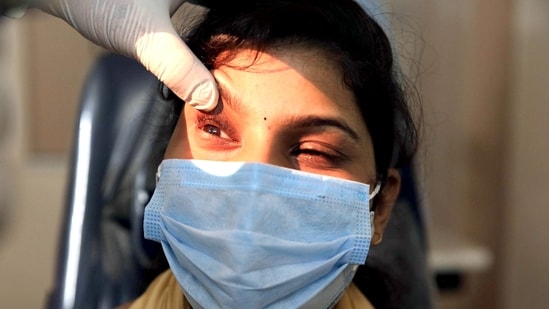
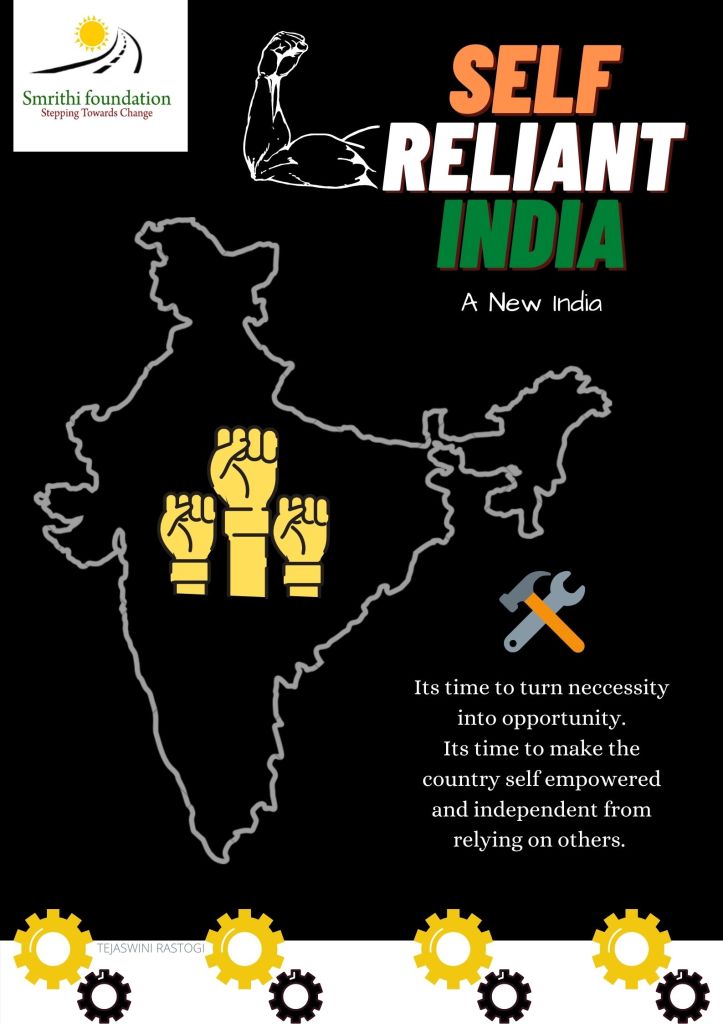




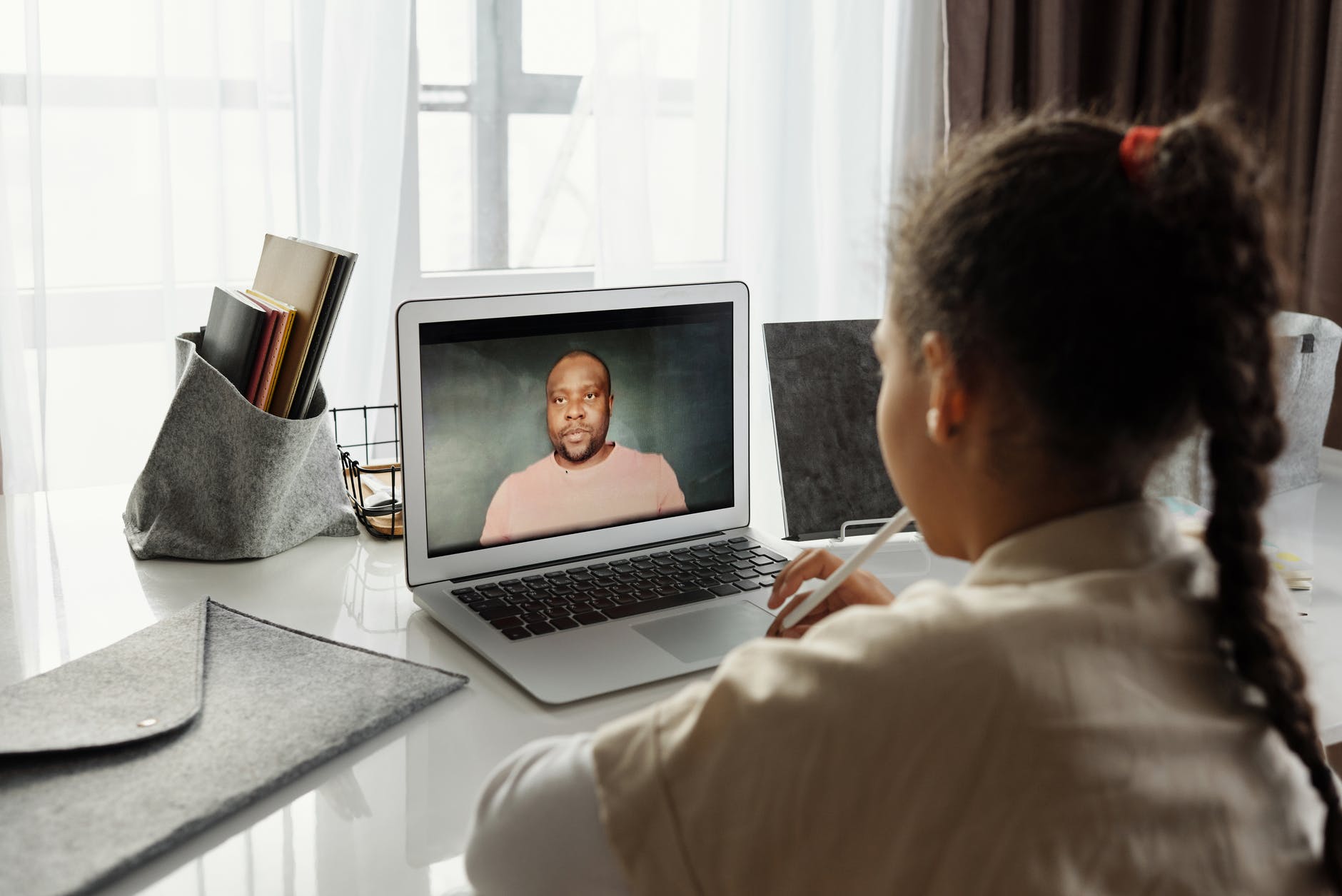



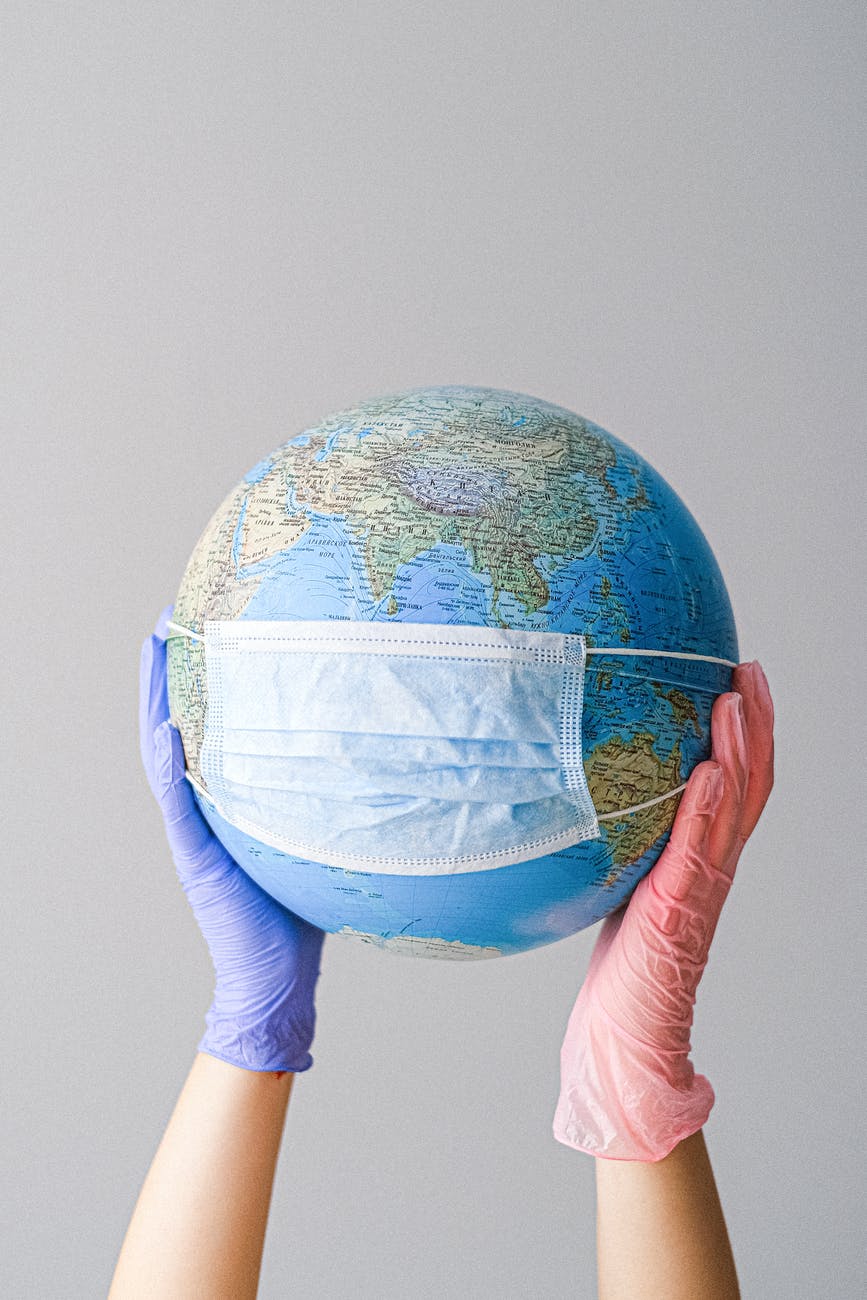


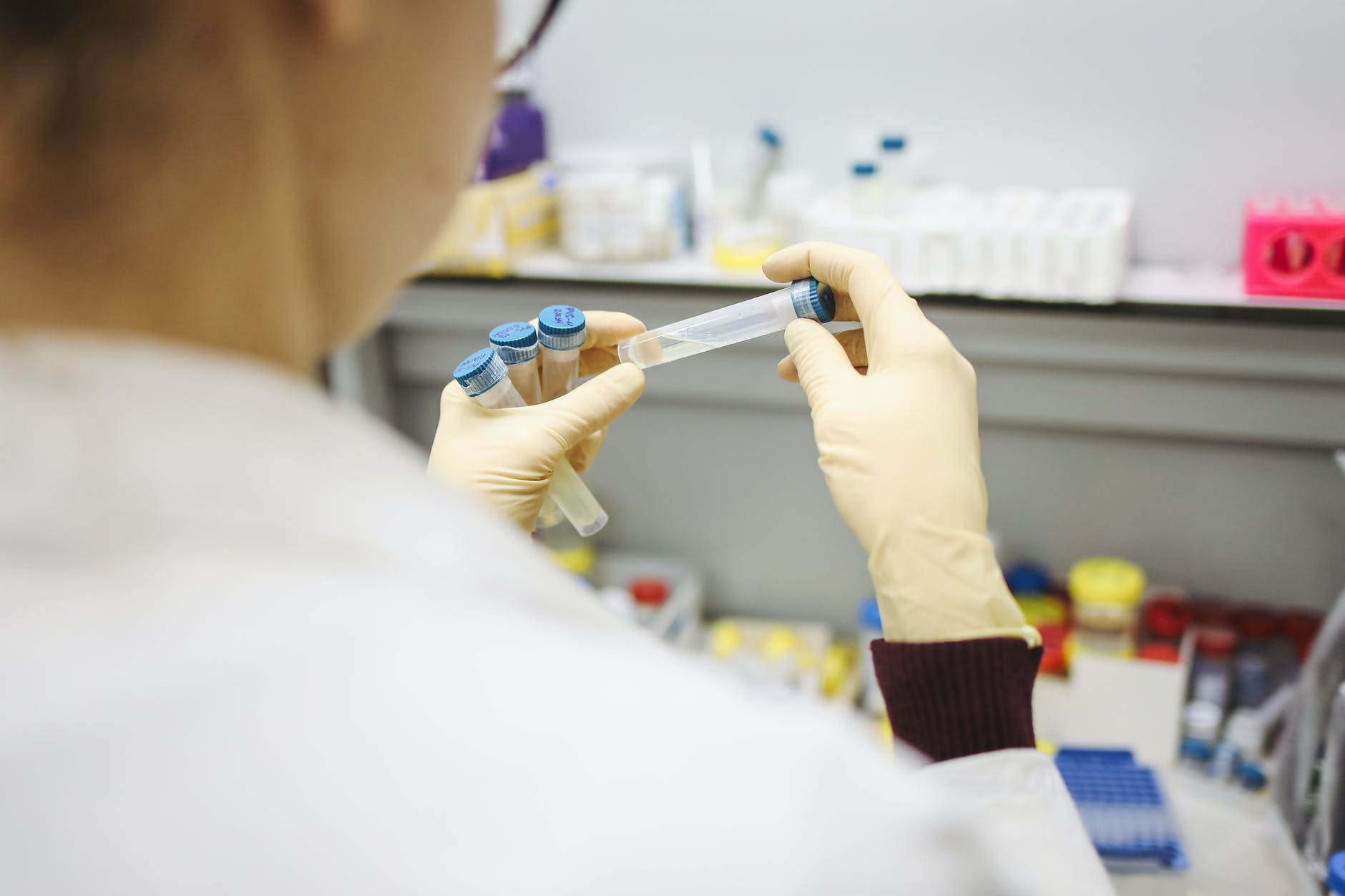


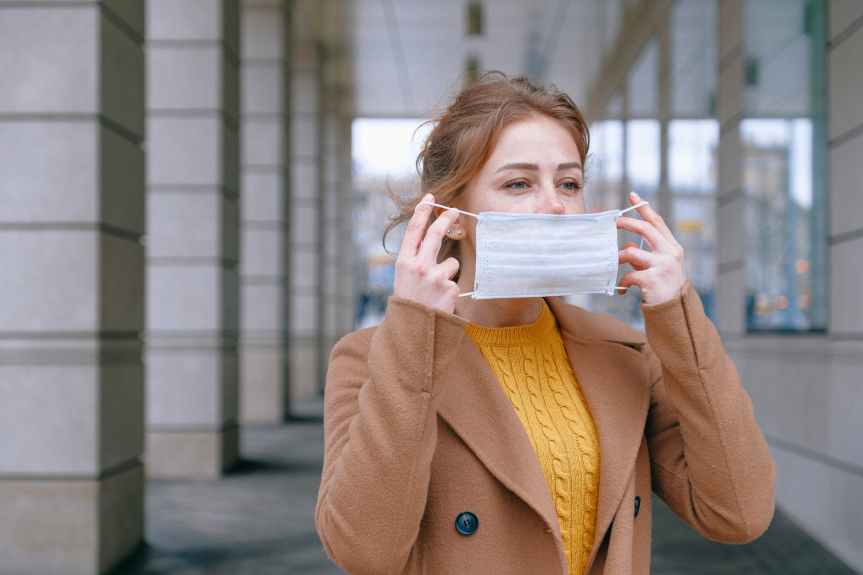


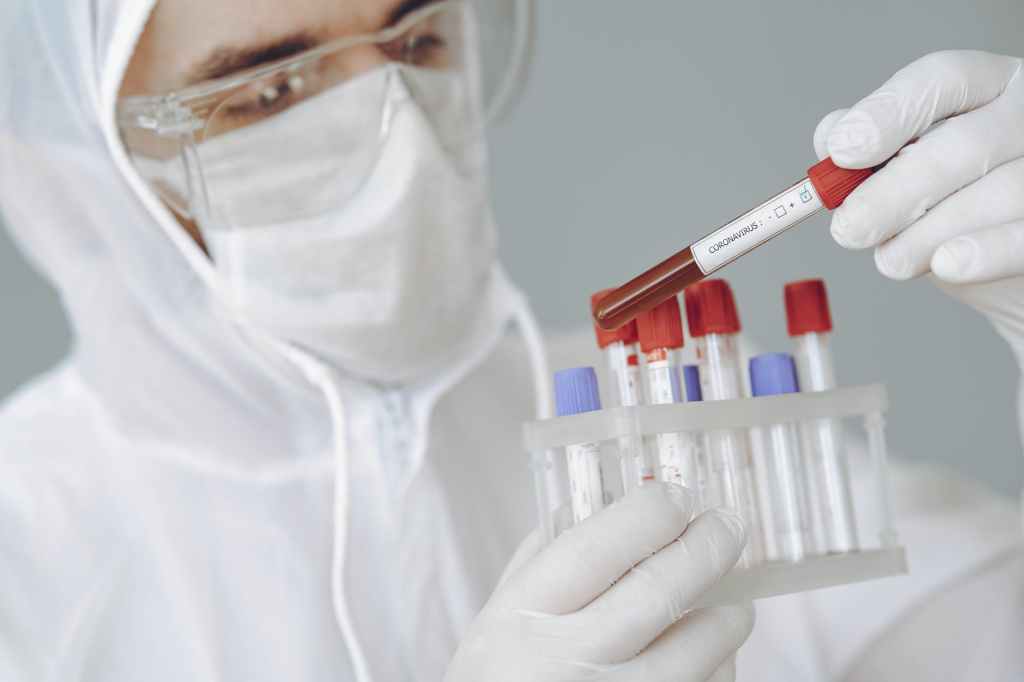
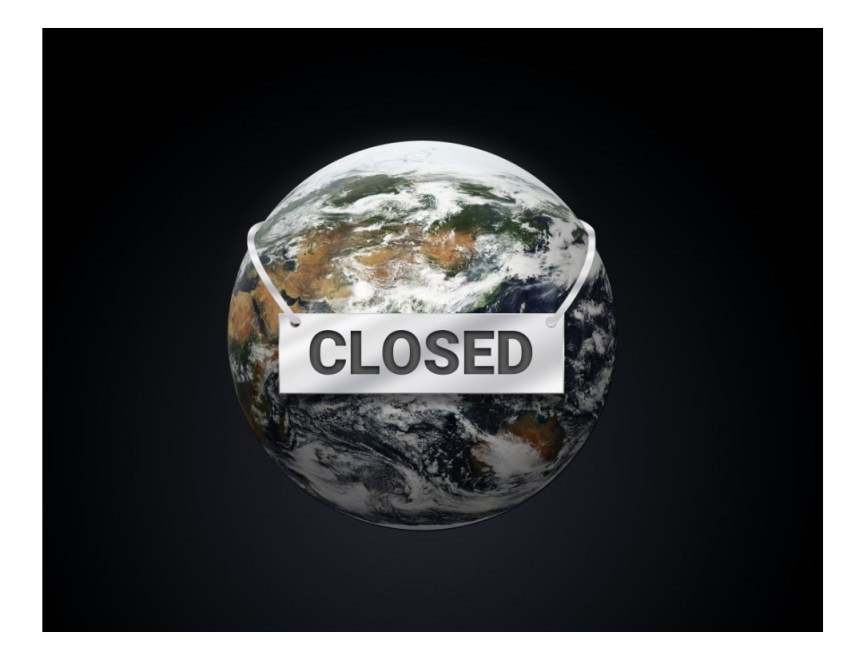



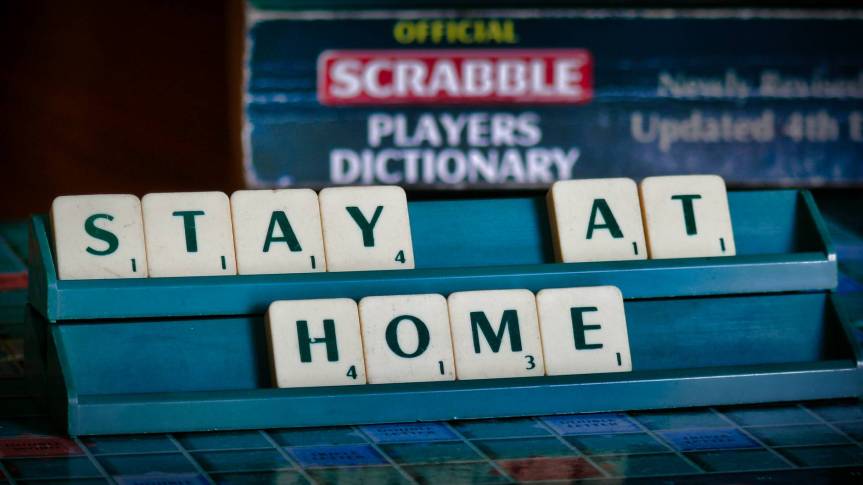


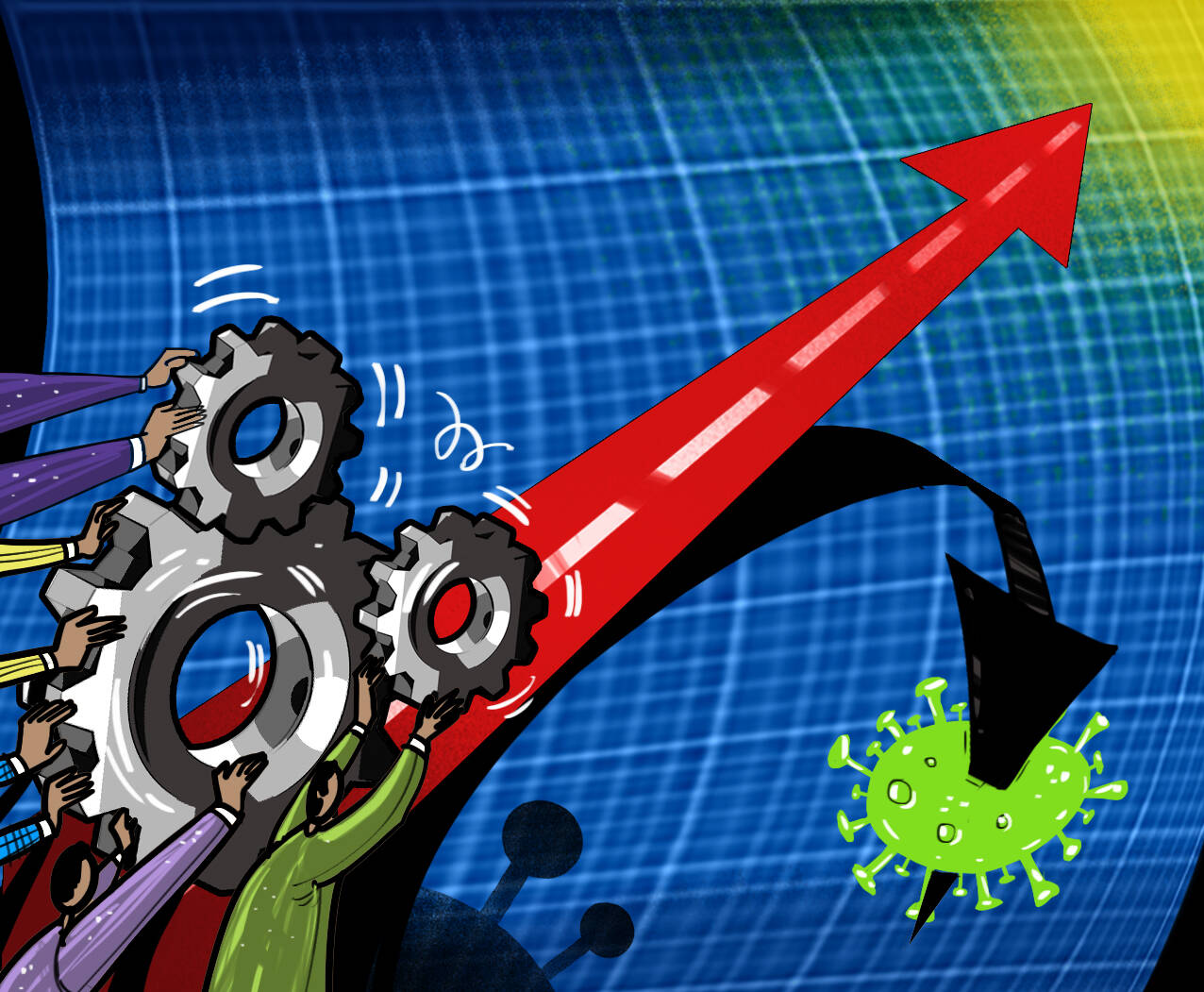


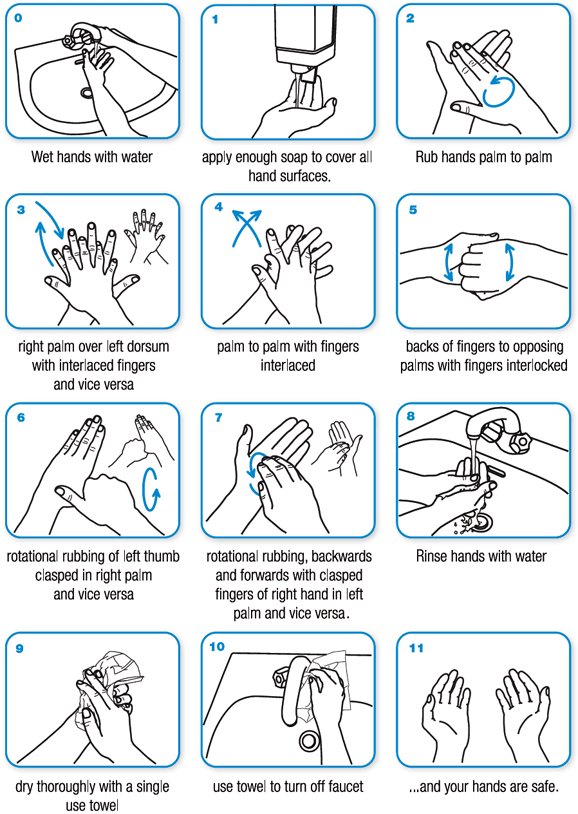
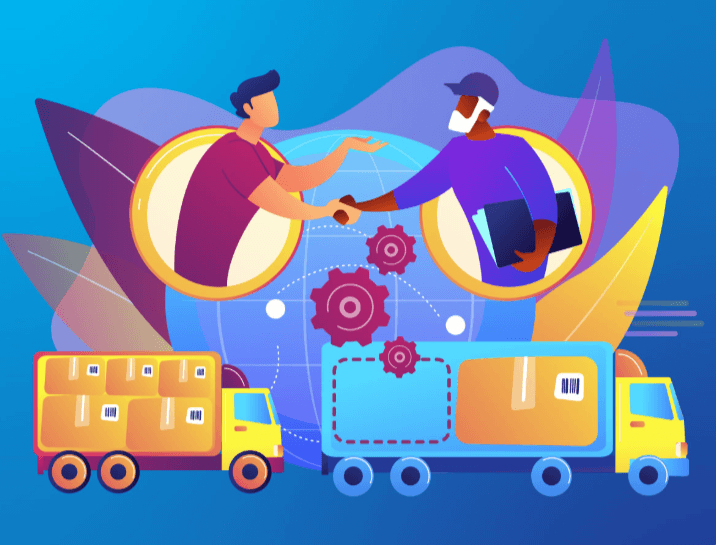


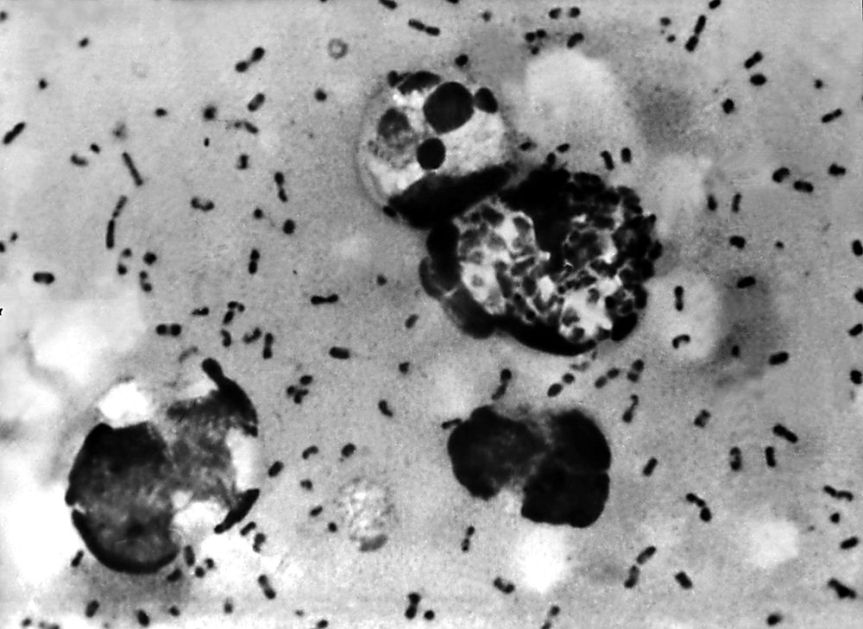

 Track2Training
You must be logged in to post a comment.