Was the Environment Healing During the Pandemic?

While the outbreak of the Covid 19 pandemic prompted lockdowns in many countries all over the world, the resultant decrease in emissions may have improved the health of our planet. Incidents where endangered animals have been spotted in certain areas were all around social media.

Photo by Anna Shvets on Pexels.com

The worldwide disruption caused by this has resulted in great impacts on the environment and the climate. Also, the considerable decline in travel has caused many regions to experience a large drop in air pollution. Carbon emission rates have reduced across countries significantly. There have been many instances where considerable changes in environmental conditions were observed. In China, lockdowns and similar measures have resulted in a 25 percent reduction in carbon emissions and 50 per cent reduction in nitrogen oxides emissions. One scientist estimated that this may have saved at least 77,000 lives over the course of two months. When compared with indexes of last year, pollution levels in New York have decreased almost by 50% this year. Satellite images have shown that Nitrogen dioxide emissions have started to decrease in Northern Italy, Spain and United Kingdom.

As most people had to stay at home due to lockdown and travel restrictions, many animals have been spotted in several cities. Sea turtles were spotted laying eggs on beaches they once avoided. This was found in coasts of the Bay of Bengal due to the lowered levels of pollution and human intervention. In the United States, dangerous vehicle collisions with animals such as deer, elk, moose, bears, mountain lions were very common. These incidents have reduced greatly and the rates fell by 58% during March and April. Endangered animals were visible in urban cities. A group of Nilgai deer were spotted on the roads of Noida near New Delhi. Dolphins which were seen in the Ganges many years ago, were also spotted in the river during the lockdowns. Several migratory birds were spotted across cities.

Gabon, an African country, had decided to ban the human consumption of certain animals like, bats and pangolins. This was done to reduce the spread of zoonotic diseases because the novel coronavirus is thought to have transmitted to humans through these animals.

According to a study published in May 2020, it was found that the rate of daily global carbon emissions during the lockdown in early April fell by 17%. This could possibly lead to an annual carbon emissions decline of up to 7%, which would be the biggest drop in emissions since World War II according to the study. Researchers suggest that these decreases are mainly due to the reduction of transportation usage and industrial activities. It is true that rebounding and returning to our previous routine and lives could diminish these reductions due to the more limited industrial activities. Due to the reduction in flights, air pollution levels have also dropped significantly.

Temporary changes have affected the environmental conditions. However, whether this pandemic will have a lasting impact on the environment is yet to be known. None of us would have wanted to lower emissions in this way, but it has shown us what we can do together in times of need. Covid-19 has shown us the importance of lives, health services, jobs and mental health. It has also shown us the difference that people and communities can make when they work together – this has given us hope that we can show the same zeal while dealing with climate change and saving our planet.

Food : the path to the Heart

Indians have always been heavy diners, be it at home or any place else. Going easy on the diet is often portrayed offensive in our culture. Our vigorously immense tummies, a testament of our love towards food. I guess it’s never too late to admit that the foods are not the ones to blame, but us, and our wicked choices.

The very idea of eating healthy is contradictory to the popular paradigm. We munch on especially all things that scream ‘fatty’. Subject to popular opinion, people around the globe, ‘eat to live.’ To sustain life. Except for us, we ‘live to eat.’ Food goes with every occasion, would seem indifferent if not.

The very idea about jotting down what food means to us is putting me into a fit. A rush of thoughts flow to the mind but reluctant to appear as I type it in. I believe this symbolises our relationship with food. It’s an emotion, or above and beyond it.

Photo by Lum3n on Pexels.com

Good food is indeed the key to the heart and will never go unappreciated. As George Bernard Shaw has brilliantly put it, “there’s no sincerer love than the love for food.”

It nurtures, comforts and sustains us. Might be the most subjective item in this world and the next. It’s amazing how a necessity is so necessarily personal, different from other necessities in more ways than none.

Food is definitely a jack of all trades. A vigilante with many names. The very thought about it makes me smile and I’m sure it’d make you too.

I guess we’ve all fancied eating out more than the food made with love at home.

‘Eating in’ is often dreaded for not being exquisite enough, if we dined out for a week, we’d be squandering for a homely meal by the end; for sure.

The major food ordering apps were an instant hit in our markets. It took the better out of our laziness by catering to our tastebuds economically at our doorsteps. Even though delivery options were always available, the costs made us think otherwise.

More or less we believed what made us eat out at every instance possible was the experience of planning ahead and going out to dine at a fine restaurant. But the arrival of the apps proved otherwise, it has only made us eat more of food at home.

The whole lockdown had affected our eating habits altogether, we were munching on some eatables and then woke up having to much on another, eating only what we had. Teaching us that, our food preferences and choices always lies to us.

When the cravings got the best of the whole waiting it out strategy, we took to reinventing all what we had a sweet tooth towards. We went onto making Dalgona coffees to instant bread pan pizzas that would make established eateries a run for their money.

We had the best of times cooking up all that we can in the kitchen, swearing to never turn to restaurant food ever; when you could’ve all the fun prepping and gulping it down too. Rekindling the family spirit, a fire that was on low flame for while, leaving the pot on it going colder by the moment.

The ease of restrictions paved the way to more experiments, from making steaming hot porottas to baking bread. Bringing out the masterchefs hidden deep within us. A wake up call stirred up by necessities. After all, “Necessity is indeed the mother of all inventions.”

The fire we rekindled is something worth holding onto, it brought us closer whilst indulging healthily. Having all the food you can have to yourself won’t matter I guess, if you can’t share it and have it with the ones you care dearest for, and that the very emotional aspect arises out of sharing it with the ones that really care. Above all, it goes easy on the wallet too.

Climate Change

The phenomenon of rising temperatures of the Earth resulting in change of climate, seasons, rainfall patterns etc. is called Global warming. Global warming and its effects are together referred to as Climate Change. While these changes have been seen before but the rate of change has increased rapidly from the middle of the 20th century. Findings from different recognized scientific organizations support these claims. According to the Intergovernmental Panel on Climate Change (IPCC), “human influence on climate has been the dominant cause of observed warming since the mid-20th century”. The emission of greenhouse gases as a result of human activities have been one of the largest causes for this. Fossil fuels, Chloro-fluro carbons (CFCs), deforestation, rise in different forms of pollution are all behind this.

Photo by Markus Spiske on Pexels.com

Temperature change is also accompanied by loss of snow cover, melting permafrost, frequent natural disasters like cyclones. Land surfaces heat more quickly which have resulted in heat waves, forest fires, increase in desert area. These temperature changes are the highest in the Arctic region. Changes in environmental conditions have led to extinction of several wildlife species in forests, coral reefs etc. Rising carbon dioxide emissions lead to rising sea levels, ocean temperatures and ocean acidification. These changes bring in frequent droughts, extreme weather conditions affecting the equilibrium and natural balance.

Photo by Markus Spiske on Pexels.com

Almost all countries have come together for climate change under the umbrella of the United Nations Framework Convention on Climate Change (UNFCCC). The convention aims to “prevent dangerous anthropogenic interference with the climate system”. It has instructed policy makers that there is much greater risk to human and natural systems if the warming goes above 1.5 °C compared to pre-industrial levels. Under the Paris Agreement, nations have made climate pledges to reduce greenhouse gas (GHG) emissions, but even after following those, global warming would still reach about 2.8 °C by 2100. To prevent this from happening and limit the warming to 1.5 °C, methane emissions need to decrease to near-zero levels and carbon dioxide emissions should reach net-zero by the year 2050.

Governments should act immediately and policies should be constructed to reduce fossil fuel emissions, increase reforestation, forest prevention, use of low carbon energy technologies, food preservation. All societies should work together towards dealing with future global warming problems in a scientific way. Development of more resistant crops, better disaster management should also be considered.

Several international movements have taken place like Fridays For Future where school students take time off from school to aware people and demand climate change action from governments. They demand action from political leaders of the world for the fossil fuel industry to convert to renewable energy and take immediate measures for climate change. This movement was publicised after Greta Thunberg started a protest outside the Swedish parliament with a poster saying “School strike for climate”. She is an environmental activist who has spoken at several internationally recognised platforms. She started her journey as an activist from the time when she had convinced her parents to change their lifestyle for reducing their carbon footprint. She is known for her straight forward manner of speaking at public platforms and criticizing world leaders for their failure to address climate change. She has participated in the United Nations Climate Change Conference (2018) and UN Climate Action Summit (2019). She has also got several awards and made it into the Forbes list of The World’s 100 Most Powerful Women (2019). Though her popularity at such a young age has made her a target of critics, but she continues to work and struggle towards her goal with indomitable spirit.

Street Food Around the World

One of the best ways to know about the history and culture of a place is to try out its cuisine. Not only does it provide one with a delicious treat, it also speaks a lot about the place and its people. Local cuisines range from elaborate meals to roadside snacks. But I feel, to get the real taste of a place you need to try out its street food. While trying out various dishes from the streets you get to explore a place in the best way possible. Here are some amazing food items from all around the world!

Aloo Chat – South Asia

It is a dish which is made with boiled potatoes, cut into cubes and mixed with different spices and chutney. It is popular in Pakistan, parts of Northern and Eastern India and Bangladesh. Aloo chat is a snack or side dish and it varies from region to region in terms of spices and taste.

Crepe – France

Crepe is a popular pancake like pastry which is popular in France and Belgium. They are made with all kinds of fillings and flavours. There are two types of Crepe – ones that are sweet that are made with wheat flour and ones that are savory which are made with buckwheat flour. Sweet crepes are eaten with fruits, custards, whipped cream or chocolate and savory crepes are served with eggs, mushrooms, cheese and ratatouille.

Chuan – China

Chuans are a type of kabab served with spices like black pepper, cumin seeds, sesame and red pepper flakes. These meat kababs are roasted over charcoal or deep fried in oil. It originates from the Uighur and other Muslim communities of China.

Gelato – Italy

Often confused with ice cream, Gelato is an Italian dessert made with milk, sugar, cream, nuts, fruits and toppings. It is much low in fat than traditional American ice cream and has more flavors which makes it a rich and delicious dessert. There are a lot of flavors including vanilla, chocolate, hazelnut, pistachio.

Hot Dog – United States of America

It is a classic American street food and you can find it in food trucks and restaurants across cities like New York and Chicago. A grilled sausage is served in between a steamed hot dog bun along with mustard, ketchup, onion, cheese and chilli. There are a lot of varieties which differ in shapes, taste and sizes.

Mango Sticky Rice – Thailand

Mango Sticky Rice, also called Khaoniao Mamuang is a popular Thai dessert. It is also eaten in Cambodia, Vietnam and other Southeast Asian countries. A specific form of sticky rice is mixed with coconut milk and is served with Mango slices. The coconut milk is added so that the rice absorbs all the flavour and tastes sweet. It is popular during the peak mango season in Thailand during the summer months of April and May.

Naan – Central Asia and Middle East

Naan is a traditional bread which originated in Central Asia and the Indian subcontinent. It is made with flour, water and ghee. Additional ingredients like milk and yoghurt are also added in different varieties. Made in a tandoor oven, it is a flat bread which is served with other items like curries and fillings. It is served hot brushed with butter and ghee.

PETS AND US

Our unconditional support systems.

There’s something about those animals that makes us not resist the urge to stop and play with them a little. Maybe it’s those eyes, dreamy eyes, ‘they say the eyes don’t lie.’ The innocence. Serene smiles. The enthusiasm. Unparalleled.

We get drawn to them like moth to fire. Lures us in and makes us pour our hearts out for them. Makes us slip into a beautiful vibe, pushing all worries and troubles aside. Reminding us there are no things in this world that can elude us, of our cheerfulness, but us.

It’s hard not to budge and ogle at a stranger’s pet. As cliche it may have been portrayed in motion pictures, it’s true.

To vibe with your own tribe. To strike up a conversation with somebody who you wouldn’t have, if not for his little friend.

Coming across a person who’s not a pet person seems paradoxical. With the reason of such a peeve mostly from a traumatic experience in the past. Something that can be worked on effectively to eradicate.

They say Exposure is key, perennial for growth. To elevate the character of a person. Unknowingly or knowingly paving the way to learn a thing or two. Be it whatever the species, a bird, fish or Man’s best friend our beloved little hairy friends.

From dealing with responsibilities like catering to their needs- from feeding them to taking care of them. To learning a thing or two about giving and taking respect, on how to respect the boundaries of other beings. What little time spend with them is never wasted.

For we can learn or a thing or two from them. About compassion and the love for the family. After all home is where the heart is right? Life lessons at our disposal.

To live our lives carefree and free from the shackles of worries and self doubt. To live and let live. Being unconditional to the love you give out to the ones around us. To be full of life and a little mischievous, because you only live once.

Pets are synonymous for unconditional love. Even if you’re having the baddest of days, spending a little time with them elevates the mood to a higher level. It’s funny how they can totally read the situation and act aptly, when most of our two legged buddies fail to do so.

No matter whatever you have or who you are, their love for us never flutters.

A loyal comrade. What more do you need when you can live with your best friend?

People complain how deceitful and tragic the world is. I believe in doing and not complaining. “Being the change you want to see in the world,” the best way to live.

By adopting a pet, I believe it can have umpteen effect on making the people more compassionate and generous, like they say, little acts of kindness makes the world a place.

Adopting a pet could just be a part of one’s life, but for the pet it’ll be his whole world.

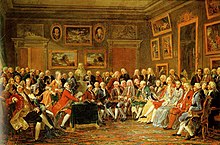
The Enlightenment Age

The Age of Enlightenment, also called the Age of Reason was an intellectual revolution which dominated Europe during the 17th and 18th century. Enlightenment was the emergence and creation of ideas which challenged the existing notions of the world. It questioned the existing set of ideas and conceptions about religion, society and politics. Before this period, Europe was essentially a land dominated by religion. This intellectual movement was carried out by the Enlightenment philosophers like Baron de Montesquieu, Voltaire, David Hume and Adam Ferguson.

According to some, the beginning of the Enlightenment was after the publication of René Descartes‘ philosophy of ‘Cogito, ergo sum’ (“I think, therefore I Am”) in 1637, while others belief the publication of Isaac Newton‘s ‘Principia Mathematica’ (1687) began the Scientific Revolution and the beginning of the Enlightenment.

The philosophers and intellectuals challenged the clergy men who supported the traditional view of society. These new ideas influenced cultural practices like writing, painting, printing, music, sculpture and architecture. There was also significant progress in technology and medical science.

The key ideas of the Enlightenment were Reason, Empiricism, Science, Universalism, Individualism, Secularism, Freedom and similar others. The thinkers stressed on the primacy of reason to establish rationalist ideas based on fact. The key to expanding human knowledge was shifted upon empirical facts and scientific experiments. This concept of scientific reason was considered universal and could be applied to all situations. Philosophers opposed all traditional religious authority and stressed on the importance of knowledge free from all religious biases. They pointed out the creation of a form of knowledge which was not influenced by any religious ideas or superstitions. A secular idea was born and this spread quickly throughout Europe. This led to the belief that all individuals are same and equal despite their religious and philosophical views.

It was the idea of Individualism which was the starting point of all scientific knowledge. Science was the supreme form of knowledge as scientific facts were based on observation and experiments. This led to an increase in objective ideas and decrease in belief of superstitions. The philosophers wrote in a very direct way and took clear positions. They wrote about important changes and transitions going on in the society. A traditional social order was replaced by a modern State. The formation of a political State took place and the powers shifted from the hands of the Church to the State. Society was no longer dependent on the traditional religious institutions. It was believed that the application of reason and scientific knowledge could remove the cruelty and injustice from social institutions. The works of Voltaire instilled a desire for new ideas and belief in progress among the Europeans.

Thinkers like Saint Simon greatly influenced the societal processes. According to him modern society was threatened by anarchy and disorder. To bring back social order a Science of Society would be necessary. He constructed a ‘Social Physiology’ to bring order and stability in the society. He believed that modern society would flourish if science and industry were used for the service of humans. A major social re-organisation would be necessary to bring about order and proceed towards a successful social change which would bring about societal progress. Although his ideas were neglected at first, as Europe became engulfed with disorder and war, these ideas started influencing people. Eventually Saint Simon became a key figure in the liberal political movements of Europe.

Succulents

Succulents are indoor plants which can grow with very little water. They are ornamental plants and are used to decorate spaces for their interesting shapes and colours. If you are in search of house plants which can thrive with little care succulents are for you. Over the last few years succulents have grown very popular. There are hundreds of unique varieties and one doesn’t need gardening skills to care for them, anyone can grow them. They have special water storing tissues which help them to grow even in very dry conditions which is not favorable for most other plants. So, they are ideal for growing in your living room. They are also very easy to find in nurseries and shops.  

In botany, succulent are plants which are thick and fleshy to retain water in arid climates or soil conditions. The word succulent comes from the Latin word sucus, meaning ‘juice’, or ‘sap’. These plants may store water in various structures, such as leaves and stems. The natural habitats of these water preserving plants are in areas where there is high temperatures and low rainfall, like deserts. Having the ability to thrive on limited water sources, such as mist and dew, succulents are equipped to survive in an ecosystem with scarce water sources. In horticulture, the term succulent regularly excludes cacti. However in botanical terminology, cacti fall under succulents.  

Photo by Ylanite Koppens on Pexels.com

Some easy to grow succulent varieties are –  

Burro’s tail – It is a trailing succulent that looks good in a hanging basket or container so it can drape over. The stems can reach up to 3 feet long and have gray-green leaves which looks like the grains of rice. Although it rarely blooms, pink or red flowers might be visible at the end of the stems in summer.  

Christmas Cactus – It has flat segmented stems like crab claws which gives it the nick name crab claw cactus. It also prefers a bit more moisture so you can water it whenever the top inch of soil in the container is dry. Keeping it in bright light near a window, can make it bloom in winter.  

Hens and Chickens – It is a very common type of succulent and is characterised by flower like structures with round edges. They are actually two different plants which look very simmilar. They have star shaped flowers.  

Photo by Ylanite Koppens on Pexels.com

Aloevera – It has long slender leaves with sharp teeth like edges. It’s well known for its sap which is used to treat skin diseases and heal wounds. Aloevera is a easy to grow houseplant and is tough to kill.  

Snake Plant –  They have thick, stiff and pointed leaves which grow straight up to 3 feet long. Having a patterned marking makes it look like a snake and hence the name. It will multiply and grow leading to filling the whole pot. It might require you to divide it in different pots.  

African Milk Tree – It is capable of growing upto nine feet tall in natural habitat, and it isn’t actually a tree. As a houseplant, this succulent reaches up to three feet tall, producing upright, triangular, branched stems bordered with short sharp thorns. The tips of the green stems have small leaves with a reddish tinge. 

Zebra Haworthia – It has striking stripes and spiky foliage which makes it look like a rare and exotic plant, but it’s often available at plant shops and is very easy-going when it comes to taking care of. It will stay small within 5 inches.  

Social Media surveillance

In the past decade, social media has gone from being extra entertaining to a fully integrated part of our lives. Social media is a good way to keep in touch with friends, families, and acquaintances, especially in the contemporary world. But it is not only being used by us but governments as well to keep in touch with its citizens. Governments are increasingly purchasing cutting edge technology to keep an eye on its citizens’ behavior on social media. This form of mass surveillance has made its way to a range of countries, from authoritarian powers to smaller and poorer countries. Coupled with an alarming rise in the number of countries where social media users have been arrested for their legitimate online activities, the growing employment of social media surveillance threatens to squeeze the space for civic activism on digital platforms. For e.g. in 2017, at least 7 people were arrested for posting ‘objectionable’ posts on social media against newly elected Chief Minister of Uttar Pradesh. As quickly as social media has insinuated into politics, the workplace, and elsewhere it continues to evolve at lightning speed making it a conundrum to guess which way it will morph next. Social media is not a utility, where people care about whether it works or not, rather people look for new hot things especially the younger generation.

Social media surveillance refers to the collection and processing of personal data pulled from digital communication platforms, often through automated technology that allows for real-time aggregation, organization, and analysis of large amounts of metadata and content. Governments have long employed people to monitor speech on social media, including by creating fraudulent accounts to connect with real-life users and gain access to networks. With the colossal amount of personal data people willingly release on social media, government agencies can easily collect and analyze populations of people as they please. Authorities in Iran have a legion of volunteers who monitor online speech. Any citizen can report for duty on the Cyber Police (FATA) website. Similarly, the ruling Communist Party in China has recruited thousands of individuals to sift through the internet and report problematic content and accounts to authorities. In India, various political parties have IT cells, although BJP has allegedly the strongest IT-cell. These groups not only monitor social media platforms but also are responsible for hate comments, cleaning some one’s image, or spread fake news. The market for social media surveillance has grown by large, giving intelligence and law enforcement agencies new tools for combing through massive amounts of information. Justifying their efforts in the name of enhancing security, limiting disinformation, and ensuring public order, governments have effectively co-opted social media platforms. While these platforms typically present themselves as social connectors and community builders, state agencies in repressive countries see them as vast storehouses of speech and personal information that can be observed, collected, and analyzed to detect and suppress dissent. Often the explanations leading to the arrests are stated that “the material was provocative and could lead to communal clash”, but it reflects the incompetency of the state to maintain harmony, and increased intolerance.China is a leader in developing, employing, and exporting social media surveillance tools. Its agencies work closely with leading companies to monitor individuals online. A complex web of regulations gives the Chinese state access to user content and metadata, allowing authorities to more easily identify and reprimand users who share sensitive content. Freedom of Net 2019: The Crisis of Social Media, examined 65 nations worldwide to find out, China topped the list of “World’s worst abuser of internet freedom” for 4 years in a row. In contrast, Iceland was “The World’s best protector of internet freedom”. India scored 55 out of 100 and was declared “partly free”. With the Internet restrictions closing in, it is a warning call to wake up to your rights.

What’s most alarming is how populist leaders and far-right groups have grown adept not only at creating viral disinformation but also at harnessing networks that disseminate it. The majority of the disinformation, wrote the authors, are from domestic sources rather than foreign interference.

Strong protections for democratic freedoms are necessary to ensure that the internet does not become a Trojan horse for tyranny and oppression,as technology advances to greater heights, the protection of our citizens must be greater as well.

Image by rawpixel.com

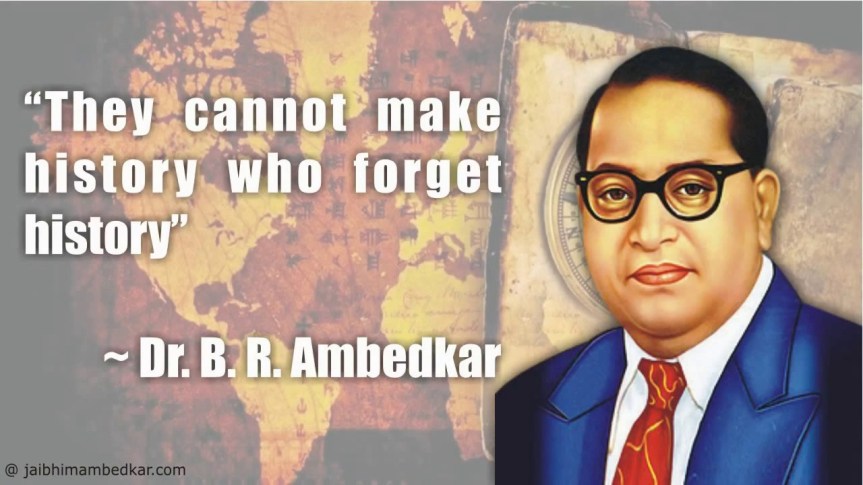
B. R. Ambedkar

Bhimrao Ramji Ambedkar was an Indian economist, politician and social reformer. He was also known as Babasaheb Ambedkar. He campaigned against social discrimination against the lower castes or Dalits of the country. Completing his doctorate from Columbia University and The London School of Economics, he gained reputation as a scholar for his research in economics, law and political science.

In the early phases of his career, he was an economist, professor and lawyer. Towards the later phases, he was actively involved in campaigns for India’s independence. He published journals and advocated for political and social rights for Dalits. He made a significant contribution to the establishment of the state of India. He was the first Minister of Law and Justice of India and the chief architect of the Constitution of India.

He had a Marathi family background and was from the town of Ambadawe in Ratnagiri district of modern-day Maharashtra. Ambedkar was born into a poor Mahar (Dalit caste), who were treated as untouchables and faced a lot of socio-economic discrimination. Although he attended school, Ambedkar and other untouchable children were segregated from the rest of the children and given little attention by teachers. They were not even allowed to sit inside the class. He had to sit on a gunny sack which he took home after school. When they needed to drink water, someone from a higher caste had to pour that water from a height as they were not allowed to touch the water vessel. It was usually the peon who did this for him and on days when the peon was not available, he had to go without water. He had later described this as “No peon, No water” in one of his writings.

During British rule, Ambedkar’s effort for the political representation of the oppressed untouchables of India bore fruit in the 1920s. The colonial state was forced to include two members from among the Dalits in the Round Table Conference in 1930. This eventually led to the framing of the Government of India Act, 1935.

From 1927, Ambedkar launched active movements against untouchability. He began public movements and marches to open up public drinking water resources for all. He led a satyagraha in Mahad to fight for the right of the untouchable community to draw water from the main water tank of the town. He also began a struggle for the right of Dalits to enter Hindu temples. In a conference in1927, Ambedkar publicly condemned the Hindu text Manusmriti (Laws of Manu), for ideologically justifying caste discrimination and “untouchability”. He ceremonially burned copies of the ancient text. On 25th December 1927, he led thousands of followers to burn copies of Manusmrti. Since then 25 December is celebrated as Manusmriti Dahan Din (Manusmriti Burning Day) by Ambedkarites and Dalits.

In 1956, he converted to Buddhism, initiating mass conversions of Dalits which eventually led to the Dalit-Buddhist movement.

A few days after completing his final manuscript ‘The Buddha and His Dhamma’, he died in his sleep on 6 December 1956 at his home in Delhi.

Multiverse

Parallel universe… Science fiction or scientific fact, I don’t know the answer for that, but certainly, the very idea of parallel universes sparks our wildest imaginations. If there is another universe with different outcomes of every decision ever made by us in this universe, might there be a way to access that world? A better life each one hopes for, and with the possibility of multiverses, this hope strengthens, that one day we would be able to transport ourselves there. Movies like “Star Trek”, “Dark”, “Avengers: Infinity wars” “Stranger Things” have bolstered such ideas.There are some shreds of evidence that advocate the existence of multiverses. We all know how we emerged from Big bang, an unknown force caused it to expand and as the expansion settled somewhat light began to emerge, the smaller pieces coalesced into bigger particles like Galaxies, stars, and planets. But the question arises, are we the only universe out there? Since the universe is curved, it looks like we are sitting in a fishbowl the only difference is that our universe is constantly expanding, and therefore we aren’t able to look beyond the bowl, if there is something beyond the bowl.
Some theories that advocate the existence of multiverse are-

  • Infinite universes- We don’t know what the shape of space-time is exactly. One prominent theory is that it is flat and goes on forever, and therefore it is possible that universes can start repeating themselves since particles can only be put together in so many ways. This would present the possibility of many universes being out there.
  • Mathematical universes- Another possible avenue is exploring mathematical universes, which, simply put, explain that the structure of mathematics may change depending on which universe you reside in. A mathematical structure is something that you can describe in a way that’s completely independent of human baggage, thus there could be a universe out there that can exist independently of me that would continue to exist even if there were no humans.
  • Parallel universes- And last but not least as the idea of parallel universes. Going back to the idea that space-time is flat, the number of possible particle configurations in multiple universes would be limited to 10^10^122 distinct possibilities, to be exact. So, with an infinite number of cosmic patches, the particle arrangements within them must repeat — infinitely many times over. This means there are infinitely many “parallel universes”: cosmic patches the same as ours (containing someone exactly like you), as well as patches that differ by just one particle’s position, patches that differ by two particles’ positions, and so on down to patches that are different from ours.
  • Daughter universes- Or perhaps multiple universes can follow the theory of quantum mechanics (how subatomic particles behave), as part of the “daughter universe” theory. If you follow the laws of probability, it suggests that for every outcome that could come from one of your decisions, there would be a range of universes – each of which saw one outcome come to be. Like in Schrodinger’s cat experiment, in one universe, the cat would be alive and in other, it won’t. 
  • Bubble universes- Another theory for multiple universes comes from “eternal inflation.” Based on research from Tufts University cosmologist Alexander Vilenkin, when looking at space-time as a whole, some areas of space stop inflating like the Big Bang inflated our universe. Others, however, will keep getting larger. So if we picture our universe as a bubble, it is sitting in a network of bubble universes of space. What’s interesting about this theory is the other universes could have very different laws of physics than our own, since they are not linked.

These are still hypotheses, and we are a long way before we can conclude anything about the presence of multiverses. But ignoring the possibilities would make us kind and we don’t do that in science. Researchers are working still to prove any of the hypotheses, Antarctica has got a station to look for evidence, as in theory already many noble minds have predicted multiverses.

Image by rawpixel.com

The Casteless Collective

 The Casteless Collective is a Chennai-based Tamil indie band. The band currently consists of nineteen members including Tenma (leader and music producer), singers Muthu, Bala Chandar, Isaivani, Arivu and Chellamuthu, Dharani (Dholak), Sarath (Satti), Gautham (Katta molam), Nandan (Parai and Tavil), Manu Krishnan (drums) and Sahib Singh (guitar).

 Formed in the year 2017, the band was started by Pa. Ranjith and Tamil Indie Musician and Composer, Tenma, founder of Madras Records. The band’s name originated from the phrase ‘Jaathi Illadha Tamizhargal’ translating to Casteless Tamils which was coined by the 19th-century anti-caste activist C. Iyothee Thass. He was a social activist who urged Dalits across Tamil Nadu to register themselves as Tamils without caste in the first census in 1871. The band makes music to protest and rebel against the age-old caste system resulting in caste-based discrimination and violence. Their songs are political and speak against the inequalities of the caste system and the oppression of women and minorities in Tamil Nadu.

The leader and music producer of the band, Tenma was preparing to put together a group of indie musical artists for the Madras Indie Collective in 2017 when he got the idea from Pa. Ranjith, of training Gaana musicians for it. They prepared auditions for over 150 applicants and looked for artists who had a socio-political motivation in their lives as well as musical strengths. A mixture of Gaana, hip-hop, rap and folk musicians were brought together. About 19 singers were selected for the initial ensemble.

It has broken caste boundaries by engaging with the current social and political issues in the state. Instead of making music for entertainment alone the band has tried to eradicate discrimination through its music. Their main intention is “to create political awareness through music and art” because “art which makes us question discomfort is beautiful”. The band is a collective without caste which aims to eradicate caste-based and religious discrimination through music.

Jai Bhim Anthem (2018), Quota (2018), Magizhchi (2018), Vada Chennai (2018), Thalaiva (2019), Dabba Dabba (2019) are popular singles of the band.

The Casteless Collective had their very first concert in January 2018 in Chennai. It was their first performance in front of more than 4000 people. The 19 members including one female artist, all dressed in identical grey suits gave a wonderful performance. Their cries of “Jai Bhim!” were greeted with thunderous applause. They had not expected such a big enthusiastic crowd and it was a very emotional experience for all of them. This was also because most of the artists came from rural backgrounds and they had mostly performed in one or two funeral processions. The instrumentalists who played katte and chatti were really overwhelmed as these instruments were restricted to only funeral events. 

 It was not a concert that had people head-banging or jumping to the beat of drums. Instead, the audience listened to the songs with rapt attention. They broke into applause and shouts of agreement whenever the lyrics hit home. The “Bhim Rap”, a song on BR Ambedkar’s life and work, was met with a very enthusiastic reception. So was the rap song that condemned honour killings in the name of caste pride which was a major social evil in Tamil Nadu. Another popular track is “Madrasin Magizhchi” which speaks about the small joys of living in Madras, despite being poor.

They say that people often ask them about the song lyrics and the stories about their experiences. This has led to the beginning of a conversation around caste. The band believes that social problems cannot be solved unless they are spoken about. Without discussions around caste-based discrimination, one cannot attempt to eradicate this evil of society. Their songs have already fulfilled their aim and created a stir among people. Here’s hoping that the band achieves greater heights and reaches out to everyone out there who has been a victim of caste discrimination and that it becomes successful in eradicating the malpractices of the system.

Beautiful Island Getaways

Island destinations offer beautiful beaches, exotic food and interesting tales of history and culture. Such islands are present all across the world. Iconic beaches, striking landscapes and coral reefs will make one fall in love with these beautiful islands. Most travellers would keep such destinations in their travelling bucket list. Some of these iconic travel destinations are mentioned here – 

Santorini – The iconic island city of Greece, is a very popular travel destination which is a must visit in every traveller’s list. The turquoise waters, aromatic Mediterranean flavours and historical tales will surely make you admire and fall in love with the island. It was devastated by a volcanic eruption in the 16th century BC, which has shaped its rugged landscape. The two principal towns Fira and Oia are situated along cliffs above an underwater crater. The unique red and black sand beaches due to the volcanic setting of the island makes some picturesque sites. Visitors can walk around the lanes of white washed villages and find some great restaurants and shops.  

Photo by Valdemaras D. on Pexels.com

Cyprus – This Mediterranean island is a home to both Greek and Turkish descendants which makes it a rich cultural amalgamation. The honey coloured beaches, ancient ruins will appeal to every traveler. It is known as the jewel of the Meditteranean. History enthusiasts can admire the Hala Sultan mosque while beach lovers will love the vibrant waters of Nissi Beach. While in Cyprus, one can also visit the city of Paphos which is the mythical birthplace of Aphrodite, the ancient Goddess of love and beauty. The traditional food include grilled meat kababs, pork marinated in coriander, fried halloumi cheese, olives, pitta bread, lamb, rabbit stews, root vegetables, chickpeas and artichokes. 

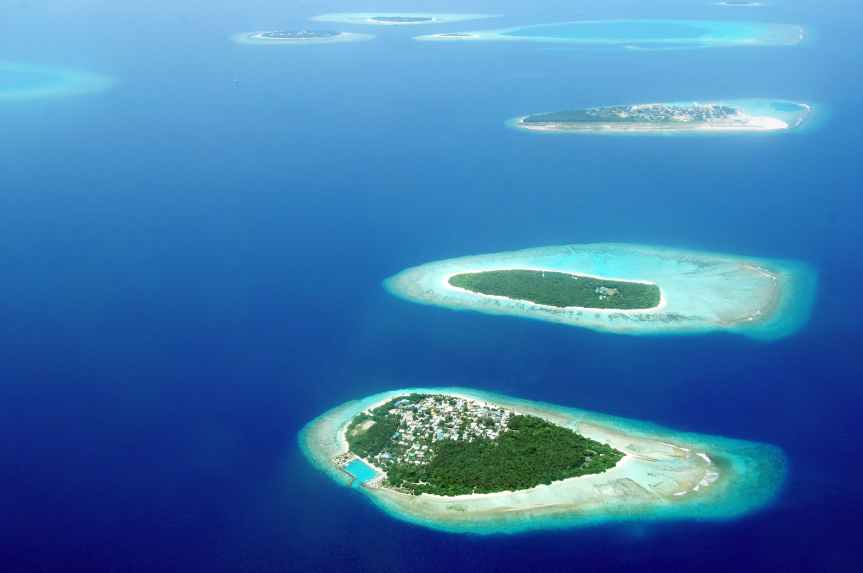
Maldives – Situated in the Indian Ocean, this island is a paradise for all beach lovers. It consists of a chain of about 1,200 small coral islands and sandbanks (some 200 of which are inhabited), grouped in clusters. The archipelago was inhabited as early as the 5th century BC by Buddhist peoples, from Sri Lanka and southern India. It has striking beaches and exceptional diving spots. You can also try activities like snorkeling at Hulhumale beach, or take a pleasant evening stroll at Cocoa Island during the sunset. The Grand Friday Mosque and Male’ Fish Market are also some popular spots. 

Phuket – This dreamy Thai island in the Andaman Sea with its dreamy white beaches with mountainous rain-forests will give you the best views. The towns are full of ornate Buddhist temples like Wat Chalong. The southernmost tip of the island, Promthep Cape, is something which you wouldn’t want to miss. You can also enjoy shopping and dining in Patong. Phuket has a tropical climate and it is usually warm, cool or rainy. It can however get quite hot in April and May. The tourist season is from November to February when it has a cool and dry weather. It is famous for a number of things like exotic beaches, vibrant nightlife, colourful night markets, delicious seafood, white marble Big Buddha and scuba diving.

Hangovers

A hangover is the unpleasant feeling that can develop after drinking too much alcohol. A general rule of thumb is that consumption is directly proportional to the hangover, i.e. more booze you consume, more likely you are to experience hangover you are going to feel the following day. But there is no magic formula to tell how much you can safely drink and not have a hangover. Alcohol seems to be the obvious culprit here, rather its diuretic effects are. Congeners are responsible for more intensive hangovers. Congeners are substances other than desired alcohol, ethanol, produced during fermentation. Congeners include a small amount of undesired substances like methanol, acetone, acetaldehyde, esters, and aldehydes. They are responsible for the taste and odor of distilled alcoholic beverages. Whiskey, tequila has a high amount of congeners whereas colorless drinks like vodka, gin rum have low levels of congeners. Bourbon whiskey has an exceptionally high amount of congeners preset while vodka contains almost none. Alcohol contributes to hangovers through following ways-

  • Diuretic- Alcohol is diuretic and therefore makes you pee often, thus getting dehydrated after a drink is highly likely. Dehydration is the reason behind dizziness, headaches.
  • Electrolyte imbalance- ALcohol causes an imbalance of electrolytes in the body due to excess fluid loss causing headaches, irritability, weakness.
  • Hypoglycemia- Alcohol limits the production of glucose production in the body, causing fatigue, dizziness, and irritability.
  • Difficulty sleeping- Although alcohol induces sleeping but hinders high-quality sleep and thus making you drowsier the following day.

These symptoms differ from person to person. Most hangovers go on their own within 24 hours no matter how unpleasant they may seem. But it doesn’t mean you can’t do nothing to alleviate yourself from the post-party symptoms.

  • Eggs- Eggs are a 5-star brunch for some reason. Full of Vitamin B-12 and amino acids like cysteine and taurine. Cysteine helps flush acetaldehyde from the body, one of the congener. While taurin helps bolster your liver keeping you energized.
  • Potassium- Foods rich in potassium help you get energized since potassium is a vulnerable electrolyte when you are getting a booze. Bananas, avocados, dates are rich source of potassium.
  • Carbs- Need instant energy? What’s good than carbs. They raise blood sugar without roiling up your stomach helping relieve hangover.
  • Cereals- Packed with essential nutrients like VitaminsB, calcium, magnesium that help you perk you up.
  • Water- Since alcohol is diuretic, therefore replenishing the water before bed or in the morning can prevent hangover. Take slow sips or nibble an ice cube.
  • Tea- Ginger or Peppermint along with herbal tea could help your stomach to soothe.
  • Soda- Grab a soda as soda breaks down acetaldehyde and other nausea causing byproducts formed after liver metabolizes ethanol.

Unfortunately no scientific cure is present to cure hangover. But some foods might certainly help you mitigate its effects. Also since every person is unique and therefore cures too. Use your intuition and hear your gut.

Image by rawpixel.com

India announces $500 million infra project, $250 million financial aid for Maldives

With its eye on China, India on Thursday committed to Maldives a five-pronged package including infrastructure worth $500 million, a direct cargo ferry service, creation of an air travel bubble, uninterrupted supply of essential commodities and additional financial aid of $250 million to help the cash-strapped economy.

These were among the key takeaways as External Affairs Minister S Jaishankar held a detailed meeting with Maldives Foreign Minister Abdulla Shahid.

Former President of Maldives Mohamed Nasheed, who is currently Speaker of Majlis (Maldives’ parliament), took a dig at China for their debt-trap diplomacy. “The super low cost development assistance announced by @DrSJaishankar today is exactly what Maldives needs. Genuine help from a friend, to help us build critical infrastructure. Rather than eye-wateringly expensive commercial loans that leaves the nation mired in debt. @PMOIndia,” he tweeted, referring to Chinese loans to the previous Yameen government.

Maldives President Ibrahim Mohamed Solih called it a “landmark moment”, while Prime Minister Narendra Modi said, “Our special friendship is, and will always remain, as deep as the waters of the Indian Ocean.”

Responding to a request from the Maldives government, New Delhi decided to support the implementation of Greater Malé Connectivity Project (GMCP) through a financial package consisting of a grant of $100 million and a new line of credit of $400 million.

This will be the largest civilian infrastructure project in Maldives, connecting Malé (the capital) with three neighbouring islands — Villingili, Gulhifalhu (where a port is being built under Indian line of credit) and Thilafushi (new industrial zone) – by construction of a bridge-and-causeway link spanning 6.7 km.

“Once completed, this landmark project will streamline connectivity between the four islands, thereby boosting economic activity, generating employment and promoting holistic urban development in the Malé region,” a statement by the Ministry of External Affairs said.

On the direct cargo ferry service between India and Maldives, Jaishankar told his Maldivian counterpart that it will commence shortly. The service is expected to enhance sea connectivity and provide predictability in supplies for importers in Maldives and exporters in India. Shahid tweeted, “The cargo ferry service between Cochin-Kulhudhuffushi-Male will also bring immense development to the north of the Maldives.”

The air travel bubble between India and Maldives is expected to facilitate movement of people for employment, tourism and medical emergencies. Maldives is the first neighbouring country with which an air bubble is being operationalised.

“The air bubble symbolizes India’s support to shore up tourism arrivals and revenues in the Maldives. Health protocols in both countries will be strictly followed,” the MEA statement said. The first flight under the air bubble is expected on August 18.

Jaishankar also conveyed the decision to renew quotas for supply of essential commodities to Maldives for 2020-21. The commodities include food items as well as river sand and stone aggregates. “The quotas assure food security, and supply of essential construction items, and thereby provide certainty and price stability for such essential items in the Maldives,” the statement said.

Given the challenges faced by Maldives due to the Covid-19 situation and India’s commitment to assist Maldives in its economic recovery, Jaishankar told Shahid that New Delhi has decided to extend in-principle urgent financial assistance to the Government of Maldives by way of a soft loan arrangement.

Jaishankar tweeted, “Warm and fruitful discussion with FM @abdulla_shahid of . Agreed that the pandemic has brought the two nations even closer. We will be reliable partners in meeting both aspirations and challenges.”

Shahid tweeted, “Connecting for Connectivity! A warm, fruitful, extremely productive meeting with EAM @DrSJaishankar today! The already robust and dynamic #MaldivesIndia-Partnership continues to strengthen, even during the pandemic! Agreement on several key initiatives moving forward.”

The interaction was part of regular high-level exchanges between India and Maldives.

According to MEA, Shahid conveyed gratitude for the financial assistance of $250 million being extended by India. He said this would help revive the Maldivian economy which is grappling with the impact of the pandemic.

Bipartisan resolution introduced in US senate China on aggression against India

A bipartisan resolution was introduced in US Senate Thursday that seeks to condemn China’s use of military aggression to change the Line of Actual Control with India and calls for a diplomatic solution.

Senators John Cornyn (Republican) and Mark Warner (Democrat) moved the resolution that “condemns the People’s Republic of China’s use of military force to change the status quo at the Line of Actual Control, as well as its refusal to de- demarcate that Line in accordance with past bilateral agreements with India.”

And it calls for a “ diplomatic solution that rapidly restores the April 2020 status quo at the Line of Actual Control”.

Without specifically mentioning the Indian ban on Chinese apps, the resolution seeks to “commend India for taking steps to secure its telecommunications infrastructure from Chinese security threats and seeks a commitment to to “deepening defense, intelligence and economic ties” between the United States and India and supports bilateral and multilateral partnerships such as the Quadrilateral Security Dialogue, “to promote a rules-based order in the Indo-Pacific”.

“The June 15 conflict between China and India, resulting in the deaths of approximately 20 Indian soldiers, should set off alarm bells regarding the PRC’s provocative actions in disputed territory,” Warner said in a statement.

He added: “This resolution condemns PRC’s actions to change the Line of Actual Control, especially in the midst of diplomatic negotiations between the two countries; and encourages the two nations to find a diplomatic resolution that restores the April 2020 status quo at the LAC.”

“I commend India’s commitment to standing up to China and maintaining a free and open Indo-Pacific,” said Cornyn. “It is more important than ever that we support our Indian partners as they defend against Chinese aggression.”

History of Chocolate

Photo by Delphine Hourlay on Pexels.com

The first thought that comes to our mind when we hear the word chocolate is a candy or a dessert which tastes sweet. At present, Chocolate is one of the most famous food items in the world. It is consumed worldwide in different forms and is loved by foodies. At first thought we think of it as something to eat and not drink. Chocolate has a very different history and the story behind its popularity is quite an interesting one. The history of Chocolate dates back to about 450 B.C. when it was originally consumed as a bitter drink mixed with spices or corn puree. It originated in Mesoamerica where the Aztecs believed that the cocoa or cacao seeds were the gifts of the God of wisdom. It was used as an aphrodisiac which gave the drinker strength. The sweet pulp of the cacao fruit surrounding the beans was also fermented into an alcoholic beverage at that time. Today local folks of South Mexico are still known to make such drinks.

Photo by Pixabay on Pexels.com

The word chocolate came from the Aztec word “xocoatl” meaning a bitter drink brewed from cacao beans. The cacao tree has a Latin name “Theobroma cacao” meaning Food of the Gods. In pre-modern Latin America, the cacao seeds were considered so valuable that they were used as a currency. It was one of the essential items in rations of the United States soldiers during war. According to a 16th century Aztec document 100 cacao beans could be exchanged for a good turkey hen. 

The cacao tree is native to Mesoamerica where its cultivation, consumption and cultural use began. When pollinated, the seeds of the cacao tree form a sheath, within which 30 to 40 brownish-red almond shaped beans are embedded in a sweet viscous pulp. The beans are bitter, but the pulp is sweet which may have been consumed by humans at first. The cacao pods grow in a wide range of colors, like pale yellow, bright green, purple and crimson. The texture may vary from sculpted to completely smooth. The plantation of the cocoa trees is a tough process. When in the natural environment, the trees can grow up to 60 feet tall but in plantations they grow only up to 20 feet. 

Photo by Karolina Grabowska on Pexels.com

Chocolate was prepared as a sweet by the Europeans when it arrived there. It got popularized among the rich and eventually among the common masses. Christopher Columbus first came across Cacao on his fourth mission to America, when he and his crew seized a canoe full of native goods for trade. He took the beans back to Spain. After it got imported to Europe, it was used as a medicine for treating abdominal diseases because of its bitter taste. After getting sweetened with the addition of sugar or honey, it became a court favorite and chocolate established a foothold in Europe within the next hundred years.  

In 1828, a Dutch chemist found a way to make powdered chocolate and this product became known as the Dutch cocoa. This led to the creation of solid chocolate. The first modern chocolate bar was made by Joseph Fry in 1847 by making a moldable chocolate paste. By 1868, a small company called Cadbury was making chocolate candies in England. A few years later milk chocolate was made by Nestle. In the 20th century the word chocolate includes a variety of sweet treats. While modern-day chocolate might be a delicacy, it is said to have been made from the hardest and least flavorful cocoa beans, and oftentimes it has more sugar and additives than actual cocoa. 

Protected wetlands in Mauritius marred by oil spill boasts mangrove forests, coral species

The oil spill off the coast of Mauritius has imperilled protected wetlands that boast rare mangrove forests and scores of fish and coral species.

The bulk carrier MV Wakashio, which struck a reef on July 25, has spewed more than 1,000 tonnes of fuel near two of Mauritius’ three “Ramsar sites”, named after the international convention to preserve wetlands.

Thankfully, salvage crews on Wednesday finished removing all the fuel that was in the vessel’s tanks, though another 100 tonnes remained on board elsewhere.

Prime Minister Pravind Jugnauth has warned, however, of a high probability that the 300-metre (984-feet) vessel will break up.

a body of water surrounded by trees: Mangroves used to be distributed all over the island but deforestation for hotel construction has left narrow belts in the North and in the West and thicker zones of trees on the Eastern coast. By 2003, the mangrove cover in Mauritius was estimated at around 2000 ha. Image credit: Yo Nature

Blue Bay

Trace amounts of oil have been found at Blue Bay, a 353-hectare (872-acre) Ramsar site featuring 38 species of coral including spherical “brain coral” that is more than a century old.

That oil was “immediately contained” as part of clean-up operations, said Sunil Dowarkasing, a former Greenpeace strategist and environmental expert assisting in the clean-up.

But a larger intrusion could deliver a hefty blow to the site abutting tourist-friendly Blue Bay Beach, he said.

“If Blue Bay Marine Park is polluted then we are going to lose a jewel for Mauritius,” Dowarkasing said.

Blue Bay’s mangroves, seagrass meadows and macro algae provide a habitat “for about 72 fish species and the endangered green turtle, as well as a nursing ground for juvenile marine species”, the Ramsar Convention notes on its website.

Pointe d’Esny

The shallow, brackish waters of the 22-hectare Pointe d’Esny site feature a mangrove forest, mud flats, threatened plants and native butterflies.

The area is more protected than Blue Bay, with a coastal road separating the mangroves from the nearby lagoon.

But mangrove roots are prone to trap oil, Dowarkasing warned, rendering Pointe d’Esny especially vulnerable if there is extensive intrusion.

Mauritius’ third Ramsar site, the Rivulet Terre Rouge Estuary Bird Sanctuary, is located on the opposite side of the country’s main island and is not threatened by the spill.

Covid-19 latest updates: 3 Indian vaccines under trial, Russia to allow civilian use this week

Pharmaceutical companies in India and around the world are putting in great efforts to treat the coronavirus disease which has infected more than 20 million people so far.

Many scientific studies are also being done as part of efforts to find treatments and vaccines for Covid-19, the illness caused by the Sars-CoV-2 virus.

A total of 26 vaccine candidates are being developed, according to the World Health Organisation, as a process normally taking up to 15 years has been squeezed into a matter of months.

Here’s everything you need to know about the global efforts being made to find a vaccine fast for Covid-19:

• In India, an expert committee on vaccine administration will meet on Wednesday to consider “logistics and ethical aspects” of procurement and administration of vaccines against Covid-19, the Uniomn health ministry said today. The committee will be chaired by NITI Aayog’s Dr VK Paul. The coronavirus disease has infected more than 2.2 million people and killed over 44,000 in India.

• According to the Indian Council of Medical Research (ICMR), three Indian vaccines are in different phases of clinical testing at present. Two of these vaccines – Bharat Biotech vaccine and DNA vaccine of Zydus Cadila have completed phase 1 and will begin phase 2 clinical trials, said the ICMR.

• Oxford vaccine, being manufactured by Serum Institute of India (SII) got approval for phase 2 and 3 clinical trials, which are starting within a week at 17 sites, the institute said.

• Karnataka’s deputy chief minister Dr CN Ashwath Narayan said on Tuesday that the state government is very keen to establish an Immunology and Vaccine Research Centre in Bengaluru in collaboration with the Emory Vaccine Centre of Atlanta University.

• Serum Institute of India (SII) had said last week that it has entered into a new partnership with international vaccine alliance Gavi and Bill & Melinda Gates Foundation to accelerate manufacturing and delivery of up to 100 million doses of Covid-19 vaccines for India as well as other low and middle-income countries. SII CEO Adar Poonawalla told a TV channel that the company will start manufacturing the vaccines by end of August.

• Globally, Russia is racing ahead to allow civilian use of a potential coronavirus vaccine before clinical trials are complete. The government plans to give a vaccine developed by Moscow’s Gamaleya Institute conditional registration as early as this week, which would open the door to civilian use. This has led an industry body to call this rush dangerous for the common people. Yet less than 100 people had officially received the inoculation against the epidemic by early August and its widespread use could be dangerous, the Association of Clinical Trials Organizations said in a letter sent to Health Minister Mikhail Murashko on Monday.

• Meanwhile, Moderna has become the first company in the world to begin phase 3 testing of its coronavirus vaccine. The tests are being carried out at its facilities in the United States. The tests started on July 27 and the company plans to enroll 30,000 study subjects.

• Pfizer too started its combined phase 2 and 3 study on July 27 and hopes to enroll 30,000 volunteers by September. The company’s CEO Albert Bourla said they have vaccinated more than 2,000 people by first week of August.

Graphology

Graphology is the study of hand writing to assess the personality traits of a person. It is the evaluation of physical characteristics and patterns of a handwriting to identify personality characteristics. It is also used to identify the writer and their mental state during the time of writing. The word graphology has been derived from the Greek word grapho meaning writing and logos meaning study or discussion. Graphology has been used by European psychologists and counsellors. It says that there is a relationship between personality, conducts, intellectual level, temper and character in handwriting. Hand writing can be analysed according to pressure, size, slant, zones, layout (margins, spaces between letters, words and lines). At present there are also some AI tools and websites which can be used.

 Alfred Binet conducted a study on handwriting and called graphology “the science of the future”. In 1929, Milton Bunker founded The American Grapho Analysis Society. It made two different branches in the world of American graphology – graphoanalysis and holistic graphology.

Photo by Ketut Subiyanto on Pexels.com

Graphologists

The works of some graphologists are mentioned below:

Max Pulver had authored three graphology books (from 1931 to 1949) and several articles. He has worked on pressure, intelligence, and crime. He developed the theory of symbolism of space and founded the Schweizerische Graphologische Gesellschaft (Swiss Graphological Society) in 1950 and was its president until his death.

Camillo Baldi was an Italian philosopher who worked on a variety of subjects. His best known essay on graphology was the first detailed investigation of the discipline.

Robert Saudek was a Czech-born graphologist. He was also a writer of novels, stories, poems and plays. He had considerable influence on the content and standing of graphology worldwide and published numerous articles in many languages like The Listener, the Journal of Social Psychology. He founded the Professional graphology society in the Netherlands and started two academic periodicals: in Dutch and English. Many graphologists worldwide today refer to Saudek’s work without knowing the origin. He published Experimental Graphology in 1929. Saudek examined the speed in handwriting and quantified handwriting by using a microscope, caliper, pressure board, ruler, protractor and slow-motion pictures. He also dealt with graphological phenomena in terms of the experimental psychologists.

Sheila Lowe is a British-born novelist and graphologist. Her first book was published in 1999 and was a bestseller in the Complete Idiot’s Guides series. In 2007, the first edition of Poison Pen, the first of her Claudia Rose forensic mystery series came out, published by Capital Crime Press. She is at present the president of the American Handwriting Analysis Foundation.

Studies

There have been studies in the U.S. on handwriting and sex. According to the research sex could be determined through writing at a significant level. Studies on ethnicity, race, age, nationality, sexual orientation, weight have got mixed results. According to the Hungarian Parliamentary Commissioner for Data Protection and Freedom of Information, handwriting analysis without informed consent is considered to be a privacy violation.

Controversy

Graphology has been a controversial topic for about a century. Some suggest that empirical studies have failed to show its validity to perform personality evaluation. Although it has got support from the scientific community in the mid twentieth century, recent researches have rejected the validity of graphology as a tool for assessing personality and job performance.

Portals to link job-seekers and employers a good idea, also offer reskilling opportunities

While the economy continues to grapple with the economic consequences of Covid-19, the worst affected are the youth, facing mass unemployment and loss of jobs. According to data compiled by CMIE, about 41% of people aged 15-29 were out of work in May; 27 million people aged 20-30 had lost their jobs in April. Even before the pandemic started, India’s economic growth was sluggish, and youth unemployment rates were record high. The job losses due to the pandemic have only exacerbated the situation, and this is going to have severe long-term implications unless there is immediate and effective policy intervention.

The recent launch of Rozgar Bazar portal by Delhi government and the upcoming Unnati portal of the NITI Aayog are welcome steps in this direction. These portals intend to make job opportunities available to the youth, who lost employment due to the lockdown. They allow employers to update job requirements and job-seekers to update qualifications and experience. While this can definitely serve as a great medium to bring job-seekers and employers on one platform, to ensure a better and improved matching of vacancies with the unemployed, it must be complemented with efforts to address skill mismatches in the labour market. As per the government estimates, less than 5% of India’s workforce is formally skilled. Workers in the manufacturing sector particularly have staggering levels of under-education.In 2011-12, in textile and clothing sector alone, around 54.5% people with no formal education, close to 66% with below primary education and 53.7% with primary education held jobs that require higher education levels. On the other hand, close to 82% with secondary education, 76.5% with higher secondary education, 47.8% graduates, and 45.2% postgraduates held jobs requiring lower education levels.

Skilling and education are central for enhancing the employability of the rising workforce, but they would become even more important following the pandemic. Many countries are ramping up their efforts to source and curate jobs through job-matching services in order to restore jobs lost due to lockdown. Workforce Singapore (WSG), a statutory board under the ministry of manpower, Singapore, through its career-matching services, managed to match 10,000 local residents with suitable jobs over the first half of this year, taking its number of placements to be similar to the same period last year, despite the labour market being hit badly due to Covid-19. WSG complemented its job-matching efforts with a range of programmes and resources to support the career development of the job seekers, at no cost. Infosys Ltd, in partnership with pymetrics-the leader in fair talent matching-recently launched the ‘Reskill and Restart’ solution to reskill the American workforce and fulfil employment needs. While these career/talent matching services, like India’s job-matching portals, bring job-seekers and employers on one platform, they also complement it with reskilling, career-coaching, workshops and networking events, supporting workers by familiarising them and upgrading their skills to meet the changing employment needs. This also enables employers to review the available talent pool for the right match effectively.

The world of work, post Covid, will transform, and so would the kind of jobs available for the youth. Recently, while addressing the Digital Skills Conclave on the World Youth Skills Day, the PM emphasised on the need to “Skill, Reskill and Upskill” for surviving in the rapidly changing business environment. Industry 4.0 had begun to transform the world of work even before the outbreak. The pandemic has only accelerated the process. From remote working becoming the new norm to a global reappraisal of the care economy and forced digitalisation and increasing automation, the change would have otherwise taken years. Employers globally are struggling to deploy people with the required skill set, whereas a huge number of displaced workers with limited skills are striving to regain livelihood. We, therefore, need to strengthen our skilling ecosystem today so as to enable workers to regain income and meet their career aspirations by securing quality jobs on the one hand and addressing the needs of employers and firms by providing them with the requisite talent for them to stay competitive on the other. While it is definitely important to provide a platform to the workers who have lost jobs to regain employment, it is equally important to address the persisting and ever-widening skill gaps in the labour market.

Psychological Impact of Covid-19

As a result of the emergence of coronavirus disease 2019 (COVID-19) outbreak caused by severe acute respiratory syndrome coronavirus 2 (SARS-CoV-2) infection in the Chinese city of Wuhan, a situation of socio-economic crisis and profound psychological distress rapidly occurred worldwide.

So this blog will look into various forms of psychological distress bought in by this pandemic due to educate and sensitize the readers about these issues.

Many psychological problems and important consequences in terms of mental health including stress, anxiety, depression, frustration, uncertainty during COVID-19 outbreak emerged progressively.Common psychological reactions related to the mass quarantine which was imposed in order to attenuate the COVID-19 spread are generalized fear and pervasive community anxiety which are typically associated with disease outbreaks, and increased with the escalation of new cases together with inadequate, anxiety-provoking information which was provided by media.The psychological reactions to COVID-19 pandemic may vary from a panic behavior or collective hysteria to pervasive feelings of hopelessness and desperation which are associated with negative outcomes including suicidal behavior.Importantly, other health measures may be compromised by abnormally elevated anxiety.

As the general population became increasingly exposed, anxiety-provoking topics related to this emergence of the health and socio-economic crisis need to be rapidly identified to early detect dysfunctional processes and maladaptive lifestyle changes potentially leading to the onset of psychiatric conditions.

So let us discuss the most important psychological impacts of COVID which are the root cause of other mental disorders :

-uncontrolled fears related to infection

This is commonly one of the most frequent psychological reaction to pandemics. Several existing studies demonstrated that those who have been exposed to the risk of infection may develop pervasive fears about their health, worries to infect others and fear infecting family members.

-Pervasive anxiety

Social isolation related to restrictions and lockdown measures are linked to feelings of uncertainty for the future, fear of new and unknown infective agents resulting in abnormally increased anxiety.Anxiety may be directly related to sensorial deprivation and pervasive loneliness.

-Frustration and boredom

Distress, boredom, social isolation and frustration are directly related to confinement, abnormally reduced social/physical contact with others, and loss of usual habits.

-LONELINESS

The final effect of social isolation is pervasive loneliness and boredom, which have potential dramatic effects on both physical and mental individual well-being. Pervasive loneliness may be significantly associated with increased depression and suicidal behavior.Unfortunately, the isolation is progressively enhanced by anxiety, panic or collective hysteria. Cognitive functions and decision making are firstly impaired by hyperarousal and anxiety and later by disabling feelings of loneliness.

After looking at these gruesome psychological impacts,it is crystal clear so as to how psychologically damaging this pandemic has been!The protective factors against these impacts include social support and psychological support.

Implementing community-based strategies to support resilience and psychologically vulnerable individuals during the COVID-19 crisis is fundamental for any community.The psychological impact of fear and anxiety due to the horrible spread of pandemic needs to be clearly recognized as a public health priority for both authorities and policy makers who should adopt clear behavioral and interventional strategies to reduce the burden of disease and the dramatic mental health consequences of this outbreak.

Former President Pranab Mukherjee Tests Positive For COVID-19

Coronavirus India Updates: In a tweet, Pranab Mukherjee, who was India’s president between 2012 and 2017, urged all those, who have come in contact with him in the last week, to isolate themselves as a precaution and get tested for COVID-19.

New Delhi: 

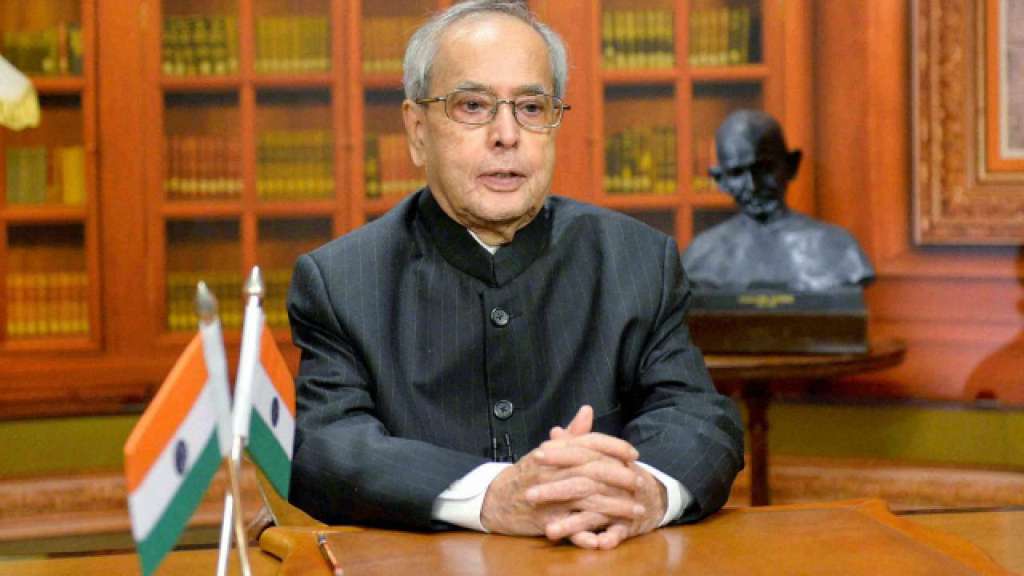
Former President Pranab Mukherjee this afternoon said that he has tested positive for coronavirus. In a tweet, Mr Mukherjee, who was India’s president between 2012 and 2017, urged all those, who have come in contact with him in the last week, to isolate themselves as a precaution and get tested for COVID-19. The outbreak has affected over 22 lakh people in the country.

“On a visit to the hospital for a separate procedure, I have tested positive for COVID19 today. I request the people who came in contact with me in the last week, to please self isolate and get tested for COVID-19. #CitizenMukherjee,” the 84-year-old Congress leader tweeted today.

India’s coronavirus tally crossed 22 lakh cases this morning with over 62,000 new patients recorded in the last 24 hours, the government said today, adding that more than 44 thousand deaths linked to the highly contagious illness have been recorded since the beginning of the pandemic.

Over 15.3 lakh Covid patients in the country have recovered so far, the Union Health Ministry said today. The recovery rate stood at 69.33 per cent this morning. 

This is the fourth consecutive day that India has recorded more than 60,000 fresh infections in a day. More than 2 lakh cases have been recorded since Thursday (August 6) when the country’s coronavirus cases passed 20 lakh, just three weeks after crossing the 10 lakh mark. 

Toxic Relationships

Human beings like to be emotionally and physically close to each other. As said, “Sharing is caring” life seems better shared. Relationships like most of the things require continuous efforts, even the best of them. After all, nobody is perfect, not your close friends, not your significant other and not even your parents and they also do not see you as perfect. We have to learn to accommodate to the circumstances and adapt to their faults, moods as they do for us. Since we aren’t clones rather individuals, therefore, difficulties are faced in maintaining relationships due to disagreements. Some individuals have to face more difficulties while others do not. But since we value relationships we are determined to uphold it whatever it takes. But some relationships turn toxic, which is characterized by toxic partners who emotionally and not infrequently physically be damaging to their partner. A toxic relationship has the potential, if not corrected to be extremely harmful to the well-being of the individuals. As a healthy relationship contributes to self-esteem and emotional energy a toxic one damages self-esteem and drains the energy. But this doesn’t mean that every toxic relationship is hopeless, they just require substantial and convoluted work in order to be converted into something healthy. A healthy relationship involves mutual caring, respect, compassion, a shared desire for each other’s happiness. In a healthy relationship, one doesn’t fear to be who he/she is, a place to be comfortable and secure, a sanctity. On the other hand, a toxic relationship is demanding, craves insecurity, dominance. One risks losing the very essence of oneself by being in such a relationship. It takes two people for a relationship, so both of them should be examined. Initially, the behavior of toxic one is being noticed but the recipient of the behavior should also be studied. It should be questioned why an adult needs to stay in a relationship that could potentially harm them physically and emotionally? Even a good relationship could have times that could be marked as toxic after all no one is perfect. The toxic partner engages in inappropriate controlling and manipulation on an almost daily basis but paradoxically for the world, they would be exemplar. This behavior is observed in the toxic individual because they want supremacy, crave control, power in his/her relationship. Some types of toxic relationships are-

  • The belitter- Such type of toxic partner would always belittle you, even in front of your friends, family, and even after you confronting him/her that such behavior induces pain in you. They would mock all of your decisions, undermining your self-esteem making you weak emotionally. They would also tell you that you’re lucky to have them in your life, you are unworthy of anything good and should adore whatever you’ve got.
  • The splenetic- Such partners are eager to lose temper in order to feel the power. The recipient ultimately gives up arguing and bowing down to the needs of the partner. You would feel like walking on an eggshell if you have one of such partners. Your partner would blame such behavior on you. The constant vigilance and inability to find out the trigger drains the energy in you, wearing you mentally and emotionally.
  • The degrader- Such partners would induce guilt in you. They can make you feel guilty whenever they feel like or whenever you don’t live up to their expectations. But whenever you do something they like they temporarily remove the guilt which is addictive as a guilt-ridden person only wants the guilt to be removed. Unfortunately, such behavior is used by grownups to control their adult children.
  • The overreactor- It is said that pain reduces when shared but it is not so in case of having a partner who is overreactor. Whenever you try to reach your partner to tell them about your insecurities, problems, they would bring their own problem, and you end up consoling them instead of being consoled. Such behavior adversely impacts your mental well-being because you never get consoled.
  • The maverick- “Noone’s gonna control me” is their sole moto. They are spontaneous and never keep their promise. You can’t even be sure whether they are evasive or committed. This makes the recipient anxious which deteriorates their mental and emotional health.

Since no one is perfect therefore now could see such behavior at some point in the relationship, but this doesn’t mean that the toxicity has crept in. Some things need to work put to keep such behaviors at bay.

The Warrior who played Cricket

In a massively cricket frenzy country like ours;  we’ve never been accustomed to any stint of shortages of talented young cricketers.

In such an ardent cricket admiring nation, making a name for himself is no easy business – moreover leaving a mark is a stunt pulled off by mavericks.

Throughout the years, we’ve had many a players, but the ones who left a mark in our hearts were indeed just a handful.

Yuvraj Singh is a name people of all walks of life will always cherish. The man who rose to occasion when the nation needed him the most, he is nothing short of a cricketing genius; single handedly exploiting the opposition every time, after coming out to the crease down the order with his bat and while fielding at gully.

His hard work, determination and resilience is what made him standout in the struggles, both between the 22 yards and beyond it. He’s the sheer example of the strength of the human character, which has left people across the globe baffled and in awe time and again.    

Being an Indian, cricket has always held a grave importance in my household like in most families. The earliest memories of watching cricket with the family was of the ‘07 T20 world cup.

I guess I can indubitably vouch what would have pounced to your mind. The 6 sixes! Like the millions of people across the world, I was mind blown.

For a kid like me who couldn’t even clear a six at the time in our gullies, this was baffling. I became a fan the very moment and I’m still proud to say that I’m a Yuvi fan for life!

Even though his career was disrupted by the gravest ailment known to mankind, our warrior triumphed gloriously and ever stronger, as quoted by someone: ‘a setback is the setup of a greater comeback.’

The post cancer chapter was largely set aside by him for helping people who treaded down similar paths as his, the grave cancerous path. He launched the ‘youwecan’ foundation to bring about a change and to aid the needy and the ones desperate for help.

For he knew what it was to lose everything at the peak of one’s ife and that the road which lead to gaining it all back is the greatest walk of all; irrespective of the fact whether the ones who once clapped and boasted his bravado weren’t there anymore to lend out a hand or two.

His autobiography ‘The test of my Life’ is bound to leave one gripping on to the book till the end. The book circles around the time when he went from being a world cup winning player to battling cancer and back.


His name is one which pounces one’s mind to the saying “When the going gets tough, only the tough gets going.”

Being one of the very few players in the world to bag all the prestigious trophies he has played; the performance of the champ which helped our nation hitch the world cup will never be forgotten. He’s nothing short of a warrior! A lion! Words fall short to express the man.

His life sends a strong message, that we owe it to ourselves to go get what our soul most yearns for. So it does only due justice to say that ‘when life throws you bouncers, get on the back foot and face it like Yuvi’.

This brave heart might not be the best player in the world but he’ll always be my favourite by leaps and bounds. His life is a lesson to one and many.

He’s a match winner by profession and now a heart winner by his actions.

Earthquakes

An earthquake is caused by a sudden slip on a fault. Stresses in the earth’s outer layer push the sides of the fault together. Stress builds up and the rocks slips suddenly, releasing energy in waves that travel through the earth’s crust and cause the shaking. An Earthquake occurs when plates grind and scrape against each other. India lies at the northwestern end of the IndoAustralian Plate, which encompasses India, Australia, a major portion of the Indian Ocean and other small countries. This plate is colliding against the huge Eurasian Plate and going under the Eurasian Plate,this process of one tectonic plate getting under another is responsible for making India a earthquake prone country. A number of significant earthquakes occured in and around India over the past century. Some of these occured in populated and urbanized areas and hence caused great damage. Many went unnoticed, as they occurred deep under the Earth’s surface or in relatively un-inhabited places. The varying geology at different locations in the country implies that the likelihood of damaging earthquakes taking place at different locations is different. Thus, a seismic zone map is required to identify these regions.

Bureau of Indian Standards, based on the past seismic history, grouped the country into four seismic zones, Zone – 2,-3,-4and 5. Of these, zone 5 is the most seismically active region, while zone 2 is the least. The Modified Mercalli(MM) intensity, which measures the impact of the earthquakes on the surface of the earth, broadly associated with various zones, is as follows.

China-US ties plunge further over Hong Kong sanctions

China on Saturday slammed the United States for imposing “barbarous” sanctions in response to Beijing’s crackdown in Hong Kong, capping a dramatic week of deteriorating relations between the world’s two biggest economies.

In the toughest US action on Hong Kong since China imposed a sweeping new security law on the territory, Washington on Friday imposed sanctions on a group of Chinese and Hong Kong officials — including the city’s leader Carrie Lam.

The move came after President Donald Trump’s administration forced Chinese internet giants TikTok and WeChat to end all operations in the US, in a twin diplomatic-commercial offensive set to grow ahead of the US presidential election in November.

China on Saturday criticised the sanctions as “barbarous and rude”.

“The ill intentions of US politicians to support people who are anti-China and messing up Hong Kong have been clearly revealed,” Beijing’s Liaison Office in Hong Kong said in a statement.

The Treasury Department announced it was freezing the US assets of Chief Executive Carrie Lam and 10 other senior officials, including Luo Huining — the head of the Liaison Office.

It accused the sanctioned individuals of being “directly responsible for implementing Beijing’s policies of suppression of freedom and democratic processes”.

The move criminalises any US financial transactions with the sanctioned officials.

In a short statement, Luo said he welcomed the blacklisting.

“I have done what I should do for the country and for Hong Kong,” he said. “I don’t have a dime’s worth in foreign assets.”

The Hong Kong government described the sanctions as “shameless and despicable”.

“We will fully support the Central Government to adopt countermeasures,” it said in a statement.

The city’s commerce secretary Edward Yau warned that the “savage and unreasonable” sanctions could have blowback for American businesses in Hong Kong.

China’s Hong Kong and Macau Affairs Office said the sanctions list “rudely tramples on international law” and “will be nailed to the historic pillar of shame forever.”

Facebook barred Lam and the 10 other sanctioned officials from advertising on the platform, with a spokesperson saying Saturday it had “a legal obligation to take action.”

Tensions spike ahead of election

Beijing’s security law was imposed in late June, following last year’s huge pro-democracy protests in Hong Kong, sending a political chill through the semi-autonomous city.

Since then, Hong Kong authorities have postponed elections, citing the coronavirus pandemic, issued arrest warrants for six exiled pro-democracy activists and launched a crackdown on other activists.

US Secretary of State Mike Pompeo said the security law violated promises made by China ahead of Hong Kong’s 1997 handover that the city could keep key freedoms and autonomy for 50 years.

“Today’s actions send a clear message that the Hong Kong authorities’ actions are unacceptable,” Pompeo said in a statement.

The US measures come three months ahead of the November election in which Trump, who is behind his rival Joe Biden, is campaigning hard on an increasingly strident anti-Beijing message.

As public disapproval has grown for his handling of the pandemic, Trump has pivoted from his previous focus on striking a trade deal with China to blaming the country for the coronavirus crisis.

Indian Folk Art

India has always been portrayed as a land of cultural and traditional diversity. Every corner of the country has a distinctive cultural identity which is represented through different art forms. These art forms can be collectively put under the topic of Indian Folk Art. Each region has a different style and pattern of art which is practised by the rural folks. These art forms are colourful, simple and reflect the rich heritage. The country is home to around 2500 tribes and ethnic groups. So every state has a unique and interesting form of folk art.

Previously these were done using natural dyes and mostly used for decorating walls and houses. These forms which still exist today, have undergone many changes through all these years including change of medium, colours and pattern. Here are such art forms which give us a peek into the cultural heritage of different regions of the country.

MADHUBANI

Madhubani, also known as Mithila art, was developed by women of Mithila in Northern Bihar. It is characterised by line drawings, colourful patterns and motives. These were practised for hundreds of years but were discovered in 1934 by a British collonial officer during an inspection after an earthquake on house walls.

PATACHITRA

The word ‘patachitra’ derives from the Sanskrit words patta, meaning canvas and chitra, meaning picture. It is one of the oldest art forms of Odisha. It is done on canvas and portrays simple mythological themes through rich colours and motives. Some of the themes include Thia Badhia – depicting the temple of Jagannath, and Panchamukhi – depicting Lord Ganesh as a five-headed deity.

WARLI

Warli is the name of cultivator tribes belonging to Northern Maharashtra and Gujarat. Though discovered in early seventies, the roots of the art form can be traced back to as early as 10th century A.D. Mostly featuring geometrical shapes, they potray daily life, hunting, fishing and festival scenes. They show a common human figure through a circle and two triangles, which move in circles resembling the circle of life.

RAJASTHANI MINIATURE PAINTING

The art form is introduced by Mughals who brought in persian artists for creating the art. The Mughal emperor Akbar built an atelier for them to promote the artwork. They trained Indian artists who produced it in a new style inspired by the royal lives of Mughals. Eventually the paintings made by these Indian artists came to be known as Rajput or Rajasthani miniature. They are characterized by strong lines and bold colours made from minerals, precious stones, even pure gold and silver.

TANJORE ART

Orijinating in Tanjavore, about 300kms from Chennai, this art form evolved under the rulers of the Chola empire. Characterized by brilliant colour schemes, decorative jewellery with stones and remarkable gold leaf work, these paintings mostly consist themes of gods and goddesses.

KALAMEZUTHU

Simmilar to Rangoli and Kolam, this art form originated in Kerala. It mostly consists of the representation of deities like Kali and Lord Ayyappa on temple floors. Natural pigments and powders of mostly 5 colours are used by the makers and the art is done by bare fingers without the use of any tools. The 5 colour shades are made from natural pigments like – rice powder for white, burnt husk for black, turmeric for yellow, a mixture of lime and turmeric for red and the leaves of certain trees for green. Lighted oil lamps brighten the colours in the figures which usually feature anger or other emotions.

Bulimia-An Eating Disorder

In today’s instagram world,People especially adolescents are getting image and body conscious.They look at the perfect bodies of celebrities and aspire to be like them.In this aspiration,they are psychologically and physically wounded.Most of such people experience eating disorders where in they undergo extreme changes in their eating and exercise habits.Ultimately they damage themselves.

So,in today’s blog lets look at one of the eating disorders called Bulimia Nervosa,it’s causes and it’s impacts.Let’s get started.

Bulimia nervosa is an eating disorder characterized by episodes of binge eating—consuming a lot of food quickly—followed by compensatory behavior, most commonly vomiting or “purging.” People who are bulimic often feel a lack of control over their eating. A bulimic can consume as many as 3,400 calories in little more than an hour and as many as 20,000 calories in eight hours.

People with bulimia often know they have a problem and are afraid of their inability to stop eating. Bingeing is then followed by purging — namely, self-induced vomiting or the abuse of diuretics or laxatives. Bingeing and purging are often performed in secret, with feelings of shame alternating with relief.

The bingeing and purging cycle is usually repeated several times a week. As with anorexia, people with bulimia often have coexisting psychological illnesses, such as depression, anxiety, and substance abuse problems. Many physical dysfunctions result from the purging, including electrolyte imbalances, gastrointestinal troubles, and dental problems.

An estimated one to four percent of females have bulimia nervosa during their lifetime. The prevalence in males is unknown, but bulimia nervosa is far less common in males than females. Most cases begin in the late teens and early 20s, but can go undetected until the 30s or 40s.

SYMPTOMS

Bulimia signs and symptoms may include:

  • Being preoccupied with your body shape and weight
  • Living in fear of gaining weight
  • Repeated episodes of eating abnormally large amounts of food in one sitting
  • Feeling a loss of control during bingeing — like you can’t stop eating or can’t control what you eat
  • Forcing yourself to vomit or exercising too much to keep from gaining weight after bingeing
  • Using laxatives, diuretics or enemas after eating when they’re not needed
  • Fasting, restricting calories or avoiding certain foods between binges
  • Using dietary supplements or herbal products excessively for weight loss

CAUSES

Exact causes are not completely known and are believed to complex.Hence there is no single known cause of bulimia, but there are some factors that may play a part,such as:

  • Culture:As in strict body expectations:Slim and trim girls wanted for marriage in India.
  • Families:Constant pressure and criticism from parents on looks of children
  • Life changes or stressful events: can trigger bulimia.
  • Personality traits: Those with bulimia may have low self-esteem and feel hopeless.
  • Biology.:Genes, hormones, and other biological factors may contribute to development of bulimia.

Impact

Bulimia has a great impact on the individual and can lead to following complications:

  • Negative self-esteem and problems with relationships and social functioning
  • Dehydration leading to kidney failure
  • Heart problems
  • Severe tooth decay and gum disease
  • Absent or irregular periods in females
  • Digestive problems
  • Anxiety, depression, personality disorders or bipolar disorder
  • Misuse of alcohol or drugs
  • Self-injury and suicidal thoughts.

Management

If left untreated,bulimia can create major complications in life as mentioned above.Hence if you see your loved ones experiencing symptoms of bulimia,support them and console them.If the symptoms are unbearable,immediately consult a doctor and psychologist who will be able to help the patient successfully.

Please spread empathy and kindness.Acceptance and kindness can prevent bulimia in such insecure people.Every difficulty can be defeated with empathy,patience and willingness to improve and come out.

If you all found the article useful,do give it a like.

Thankyou!

Stay Kind!

Why it is easier to quit!

Hanging the boots and calling it a day is the easiest thing to do, whatever the duty maybe, there’s no denying that.

Kicking the adversities in the face and eagerly setting forth for excellence is what takes courage and dedication. 

Quitting is never the right way out of anything, no matter what ever it may be, quitting will never be the answer.

Lets face it, whatever the task at hand maybe, it’s always easier to quit than to strive for it. Making the clear distinction of the ones that do and that don’t, being the former ones the who worked towards it. 

Look for inspiration 

Falling short for inspiration to do something is common, it’s only human. Whenever you fall short of inspiration to strive more, take a break and bask in the motivation that’s around you. The world is an inspiring place if you look at it the right way. Be it fellow beings or even other species, nothing good ever happens easy.

Don’t take failure as an excuse to quit. The potential of a person is wasted when one succumbs to failures.

Be persistent be consistent. The world rewards the ones who work towards their dreams. ‘Rome wasn’t build in a day.’

Just because your efforts doesn’t show much results doesn’t mean you’re wasting your time, growth takes time. Keep at it, you might not know when you’ll make it.

Believing in your own self is everything, if you don’t believe in yourself, then who will?

Losing sight of the fact that the only thing that’s stopping you from achieving what you want is only you at times.

It’s important to pick up from where you fell and not compromising on your values, reminding your own self that and walking the walk rather than talking the talk is what is necessary.

There’ll always be resistance, but pushing against such resistance is what is human nature is designed for. If a person constantly pushes himself against resistance and after a point, easily attains the tasks, it naturally means you’ve got better at it. Focused efforts towards the goals one wants to achieve should be the motto in life.

A lesson that you also learn from struggling is that not all struggles are meant to be won. Sometimes you win and sometimes you lose. Making fighting for a better dawn even more meticulous.

Perceiving the ones who often worked hard for their work as the luckier individuals is obviously bonkers. Not paying respect and attention towards their perseverance and their dedication! Luck happens when efforts meet the opportunities.

People are indeed wired wrong, they shy away from being open and embracing their weaknesses and shortcomings and working towards eradication of the same, for a better tomorrow. 

The success being evolving into a much better version of themselves. New and improved to be precise.

Successes and abilities paints a fancy picture of you are. But as humans we all know that ‘all that glitters is not gold’, we weren’t conceived to just be something that we are not. Growth comes from struggles, in our process to get better and more better at the things that we indulge in truly.

If we called it quits after the first fall, we as a species would’ve never achieved half the things we accomplished as of today. For a better day is just around the corner.

How to Handle URL parameters for SEO?

URL parameters can be problematic for SEO as combinations of parameters can create
thousands of URL variations out of one piece of content. However, URL parameters play a crucial role in the website’s user experience. Therefore, it is important to know how to use them in an SEO-friendly manner. First, let’s know what parameters are.
Parameters follow the question mark in the part of a URL. It also has other names: query strings, URL parameters, and URL variables. It includes a key and a value pair, separated by an equal sign. Multiple URL parameters can be added to a single webpage using the ampersand.

SEO problems caused by URL parameters
URL parameters cause several issues, including:
 Waste crawl budget
 Create duplicate content
 Make URLs less clickable
 Split page ranking signals

Assess the level of the URL Parameter Problem
It’s necessary to find out which parameters are used on your website. Few steps will help in understanding which parameters need handling, what is the scope of the problem, how search engines crawl, and to know the value it brings to users.
 Run a crawler to find any instance of a question mark in the URL.
 Take the help of Google Search Console URL Parameters Tool to find if Google has auto-added any query strings.
 Review the logged files and see if Google bot is crawling parameter-based URLs.
 Search using the site: URL: advanced operations to find how Google is indexing the parameters.
 Check Google Analytics All Pages report to search for question marks and how they are used by users. Also, ensure that URL query parameters are not excluded in the view setting.

All this information can help one decide how to handle the website’s parameters in a better way and address any SEO related problems.

Solutions
Few solutions to handle URL parameters for SEO:

 Rel=” canonical” link attribute can be used to find out if a page has the same content on another page, encourage search engines to merge ranking signals to the URL specified as authorized. Although this technique is not the best option when the parameter page content is not similar, it does have some benefits. That includes the ability to safeguard against the duplicate content and the consolidation of ranking signals to the canonical URL.

 Meta robots Noindex tag
This allows us to set a no index directive for any parameter page that adds little or no SEO value. Meta robots Noindex tag lets you stop search engines from indexing the page. It also has other advantages like the ability to safeguard against duplicate content, easy technical implementation, and removal of existing parameter-based URLs from the index.

 Robots.txt disallow
Robots.txt file is a great solution to block crawler access to all parameter-based URLs. It has a very easy technical implementation. This avoids duplicate content issues, allows crawl budget to be used more efficiently, and is suitable for all parameter types.

So now that you have gone through the possible solutions use the one that works best for you. Unfortunately, you can’t use all of them at one time as these SEO solutions can conflict with each other and cause unnecessary complexity.

Motivation:The background force

Why have i written this blog?why are you reading this blog?Why do you eat?Why do you love?

The answer to all of these actions is MOTIVATION!Motivation is the process that initiates, guides, and maintains goal-oriented behaviors. It is what causes you to act, whether it is reading this article, getting a glass of water to reduce thirst or reading a book to gain knowledge.So this blog will critically analyse the concept of motivation and help all of you to understand the reasons behind your actions.So lets get started!

Motivation describes the wants or needs that direct behavior toward a goal. It is an urge to behave or act in a way that will satisfy certain conditions, such as wishes, desires, or goals. Older theories of motivation stated that rational thought and reason were the guiding factors in human motivation; however, psychologists now believe that motivation may be rooted in basic impulses to optimize well-being, minimize physical pain, and maximize pleasure.

Motivation involves the biological, emotional, social, and cognitive forces that activate behavior. In everyday usage, the term “motivation” is frequently used to describe why a person does something. It is the driving force behind human actions.

So lets analyse the mechanism of motivation

Drives and motives

Motivations are commonly separated into drives and motives.

Drives are primarily biological, like thirst, hunger, sleepiness, and the need to reproduce—all of which lead us to seek out and take part in certain activities. Drives are believed to originate within a person and may not require external stimuli to encourage behavior.

Motives, on the other hand, are primarily driven by social and psychological mechanisms, such as work, family, and relationships. They include factors like praise and approval.

INtrinsic and extrinsic motivation

Motivation can be intrinsic (arising from internal factors) or extrinsic (arising from external factors).

Intrinsic:arise from within the individual, such as doing a complicated crossword puzzle purely for the personal gratification of solving a problem.

Extrinsic:arise from outside of the individual and often involve rewards such as trophies, money, social recognition, or praise.

In reality, our motivations are often a mix of both intrinsic and extrinsic factors, and the nature of the mix can change over time.Sometimes, intrinsic motivation can diminish when extrinsic motivation is given—a process known as the overjustification effect. This can lead to extinguishing the intrinsic motivation and creating a dependence on extrinsic rewards for continued performance.

Motivation v/s emotion

While motivation and emotion can be intricately linked, they are two fundamentally different things. Motivation describes the wants or needs that direct behavior toward a goal; in contrast, an emotion is a subjective state of being that we often describe as a feeling. Emotion and motivation are linked in several ways: both influence behavior and can lead us to take action, and emotion itself can act as a motivator.

The need to understand motivation

So at the end of this article,lets see what is the use of understanding the concept of motivation.Understanding motivation can:

  • Help improve the efficiency of people as they work toward goals
  • Help people take action
  • Encourage people to engage in health-oriented behaviors
  • Help people avoid unhealthy or maladaptive behaviors such as risk-taking and addiction
  • Help people feel more in control of their lives
  • Improve overall well-being and happiness

If you all liked this article,please do like it!

Thankyou!

National Handloom Day to be celebrated on August 7th

National Handloom Day is celebrated on the 7th of August annually in India. It is observed to create awareness about the importance of the textile industry in the economy. It began as an initiative to honour and provide work to handloom weavers and artisans. 7th August was declared as National Handloom Day by the Union Government in 2015 to generate awareness about the industry and its social importance. The day is celebrated through different functions and events across the country. Workshops are conducted to spread information about work opportunities among weavers and their families. Handloom fairs, exhibitions, parades, panels take place during various events.Through the celebrations of this day, handloom products get a wide recognition.

Handlooms have gradually emerged as the largest cottage industry. Almost 95% of the world’s handicrafts are from India. Weavers create from different natural fibres like cotton, silk and wool.While we celebrate the diversity of India’s art and crafts, its also important to address the problems and needs of the artisans. They should be provided with the knowledge of techniques, prices, and modern technology.

Photo by Skitterphoto on Pexels.com

Different schemes like Reservation of Articles for Production Act of 1985 and Handloom Census have been introduced so that artisans can benefit from them. Social media campaigns like #iwearhandloom have popularized the craft in recent times to an extent. These crafts should be included in contemporary industries so that younger generations can know about them and start supporting the cottage industries.

Historical Significance

Photo by Wallace Chuck on Pexels.com

August 7 was declared as the Handloom day in 2015 to revive the roots of handloom and to commemorate the Swadeshi Movement which began on the same day 115 years back. The first National Handloom Day was inaugurated on 7 August 2015 at the Centenary Hall of Madras University in Chennai. The movement was launched in Calcutta Town Hall on August 7, 1905 as a protest against the Bengal Partition by the British Government. The movement was started to facilitate the use of domestic products and production of goods within the country for boycotting British goods. There were also instances of burning British goods. When Lord Curzon announced the partition of Bengal in July 1905, the Indian National Congress started the movement. It led to the spread of revolutionary anti colonial and anti British movements across the country. Further movements like the Non Cooperation movement and the Satyagraha movement developed from the Swadeshi movement.

In recent times, the day is celebrated to spread awareness and develop consciousness of the public regarding textiles and the handloom industry which is extremely important for the socio economic development of the country. Handlooms and crafts empower artisans and represent the diverse cultural identities present in the country. They are eco-friendly and sustainable crafts which also function as the livelihood of so many people.

Celebrations this year

This year is the 6th National Handloom Day and the day will be celebrated through a virtual programme which will be conducted by the Union Ministry of Textiles. The textile minister Smriti Irani will be the chief guest for the event. The event will be observed with all the handloom clusters across India, 16 NIFT (National Institute of Fashion Technology) campuses, 24 Weaver Service Centres of different states and National Handloom Development Corporation.

HEALTHY MIND IN A HEALTHY BODY

Look to our past to find clues for healthy living today, and tomorrow. Civilisations understood there is a definitive link between our physical health and psychological well-being. In order to survive the 21st century we should look to seven simple daily habits in lifestyle choices. Here is a timeline of major inventions that have changed our lives since the 1800s:The steam engine and locomotive were invented in 1804,the telephone in 1876,the first electrical power plant in 1882,the production line automobile in 1902,the television in 1927,the jet airplane 1943,the ATM in 1967,the cell phone in 1973,the internet in 1983.Isn’t it amazing to realize how these changes have occurred considering the first primate fossils date back some 20 million years?

Personal computers and smart phones together with high – speed internet and social media have changed the way we live, work and communicate in ways that would have seemed unimaginable a decade ago. We are all scrambling to keep our bearings in this digital whirlwind.

We have to be proactive inorder combat the potential of digital technology to zap our minds and bodies of their vitality. Obviously digital advances have improved our lives in so many ways but there are so many uncertains. For example If a learning tool help raise a generation that is being spoonfed too much over processed everything or do they enhance learning and creativity. I think it is a dual edged sword.

Technology has the ability to grately enhance our lives. But it also has the ability to greatly enhance our lives but it also has the power to cause our bodies and brains to atrophy.What are the consequences to our biology of living in a virtual reality, where we don’t have to work physically to stay alive? Will the children be able to adapt to these changes better than we did or will it only get worse? The advice here in is a prophylaxis to help insulate your biology. So, you can continue to climb ever higher and maximize the potential of your body and mind. Humans are built to run. Utility, creativity and adventure are in our DNA. Now industrialization plus energy gluttony is causing global warming.

Habits for a healthy mind and body.

  1. Daily physicality:Exercise for at least 20 mins most days of the week. Brisk walking is the best medicine.
  2. Intellectual curiosity. Spend some time in focused thought exploring new ideas everyday.
  3. Foster creativity. Challenge your mind to connect unrelated ideas in new and useful ways.
  4. Human unity. Create and maintain close knit human bonds and a social support network.
  5. Energy balance. Balance calories in and calories out and reduce your carbon.
  6. Spiritual connectedness : Identify a source of inspiration that is bigger than you. God loves and cares about every area of our life. So we need to find the gifts god gave us body, mind and spirit. It is undoubting faith in God that instills inner peace and joy.

Bagheera’s Shadow

The pictures of Saya (Shadow) going viral means nothing,” says Shaaz Jung, a professional wildlife photographer, cinematographer and big cat specialist, who, after tracking and documenting leopards for 10 years in Nagarahole National Park, became an overnight sensation with his pictures of Saya, a melanistic tiger.

He explains why he sounds dismissive of the pictures being shared by the who’s who of the celeb world. “These pictures should mean nothing because we live in a digital age where the power of social media is huge. I clicked these two and a half years back and today, there is a story which is packaged well. The internet needs something every day and found this. The photographer’s job is to be at the right place at the right time and click the picture.” He gives credit to the forest department for working to ensure that enthusiasts can get a glimpse of these animals and the locals for safeguarding the forests against the fire.

He has grown up amidst the jungle as his parents ran a wildlife lodge close to Bengaluru. Jung, who is related to three royal families, — the Pataudis, the Nawab of Hyderabad and Bhopal — first heard about Saya in 2015. “Melanism in leopards takes place because they lack the gene which regulates colour. He is double recessive which means he has an abundance of melanin and that is why he is black. It is not a different species, as many believe,” he says of the leopard which many have compared to Bagheera from The Jungle Book. What made the find unusual was that melanistic leopards are usually found in extremely thick and dense jungles, like Malaysia, where they’ve been documented with trap cameras. “What made Saya very unique was that he was thriving in a forest where he didn’t belong against the odds of natural selection,” says Jung. There are several reasons which makes the survival of a melanistic leopard in South India difficult. “For six months, the forest is dry, making it next to impossible for him to camouflage and hunt. Moreover, a black coat ensured that he absorbed heat so, in summers you would see him becoming thin and extremely sleek where his ribs would show,” he explains. However, Saya was aware that he was different. “These animals perceive colour differently. It comes from the heightened sense of awareness that its survival depends on it. This made him twice as aggressive. He often courted several females at the same time — something which was never seen before,” says Jung. Since his black coat made him much easier to be spotted by prey, Saya used the shadows to his advantage, sometimes lying completely flat and almost lifeless in shade — which has been captured by Jung for a National Geographic documentary, The Real Black Panther.

Tracking the melanistic leopard taught Jung the art of being patient. “We spent hours in the park in search of him and we felt lucky if we saw Saya once a week. This sighting could last 15 seconds or couple of minutes or if he was on a tree, a couple of hours. There was always an element of luck and that is the beauty of wildlife. It is unpredictable and that is what draws me to it. Wildlife writes its own script,” says Jung thoughtfully.

Jung, an Economics graduate, gave up a corporate career in favour of staying in the jungle, as he believes he was not cut out for it. “I was creative. I loved being in nature. I was a people’s person. I wanted to use my language skills to raise awareness,” he recalls. He headed to his family lodge, saw a leopard which reignited his love affair with the forest which had been brewing since childhood. “While tracking leopards I discovered new corners of the jungle and different species. I started learning more from animals than humans. I could have never understood the lessons I learnt by being in nature’s lap. I changed and was aware of my surroundings. I became a better person. That’s what made me stay on,” he says. He started guiding people on safaris. “It was a beautiful experience when people who’d never seen an elephant or a leopard or never switched off the car to listen to the birds did so for the first time. They came upset due to their environment and I just loved watching the way they transformed during their stay.”

Jung keeps on going back to the forest as it makes him feel insignificant. “It is important to feel small because that keeps us grounded. I come to the city and I see materialism and economic growth being prioritised at the cost of environmental damage,” he says and points out that Nature is way more powerful than we credit it to be. “I see the human race down on its knees due to a tiny organism. That’s the power of nature. This organism has destroyed economies and completely changed who we are,” says Jung who elaborated on the concept at a webinar organised by WeWork recently.

But there are lessons to be learnt. “We should emerge as a wiser and a stronger race from this pandemic. But most important, as a more educated race, that values nature.”

Cyclone

Cyclonic storm is caused by atmospheric disturbances around a low-pressure area and is usually accompanied by violent storms and severe weather conditions. Cyclone is derived from the greek word cyclos – coiling of snake. Tropical Cyclone is a deep low pressure area from around the center the strong winds, spirals and pick up the speeds of 62 kmph or more. In Northern hemisphere these winds rotate counter clock wise and in Southern hemisphere clockwise. The tropical cyclones that are intense are known as huricanes Over the Atlantic Ocean and typhoons over the pacific ocean. They are know by different names for example dust devils, supercell thunderstorm, tomadoes, tropical cyclones, extra tropical cyclones etc. On the basis of the speed of the wind cyclones are classified into 5 different categories.

According to the category of the cyclone the wind speed varies that is from 60 km an hour to about 220 kmph and above. When the speed of the wind around the low pressure area reach upto 60 kmph it is known as tropical cyclone and the name is assigned. When wind speed settles between 89 and 118 kmph, it turns into a severe Cyclonic storm. When wind blows at a speed of about 119 to 221 kmph then it is known as very severe Cyclonic storm and when the speed of the wind exceeds 221kmph then the cyclone is known as supercyclonic storm. The word meteorological organization (WMO) has a well defined process to select the name of each cyclone.

A cyclone named fani is a massive Cyclonic formation over the south of bay of Bengal which made landfall in odisha.

Cyclone like ookhi hit parts of kerala, tamil nadu, sri lanka, and maldives at 185kmph with total fatalities of 245 in kerala that time around 80 fisherman were killed and 140 people were reported missing. In 2018 cyclone gaja also made landfall in Nagapattinam ‘s vedaranyam block and killed around 46 people. In 2019 vayu in the Arabian Sea.

The polar vortex is a large area of low pressure and cold air surrounding the Earth’s North and South poles in each Hemisphere. The term refers to the counter clockwise flow of air that helps the colder air close to the poles. Often during winter in the Northern hemisphere the polar vortex will become less stable and expand senting cold artic air southward over the East of US with the jet stream. One exist in the troposphere where we live and where the weather happens. The other exists in the second lowest, called the stratosphere, which is a shroud of thin air that gets warmer at higher altitudes. The tropospheric polar vortex is the one that affects our weather with piercing shots of cold, intense bouts of storminous and bitter wind chills reaching upto 80°Celsius.

Lebanon Explosion: Massive explosion kills more than 100, thousands injured

There was a massive explosion in the port of Beirut on Tuesday, 4th August 2020. The explosion have resulted in the deaths of more than 100 people and 4000 injured. Much of the cities ports have been affected and buildings have been damaged. Hospitals have been filled beyond capacity and hospital authorities are pleading for blood supplies and generators. The injured had to be taken to hospitals outside Beirut. Streets are filled with ambulances and vehicles carrying the wounded and injured. The explosion has devastated the country, which was already in the middle of a financial crisis along with the corona virus pandemic. The economic condition was terrible with about half of the people living below poverty line.

Witnesses reported a massive mushroom cloud going into the sky and red fumes coming out of the site. At first people saw white dense fumes being emitted, after few seconds the big explosion happened sending a big white mushroom cloud and brownish red fumes into the sky. Residents said that they were thrown off their feet onto the ground by the tremors of the explosion. Windows and doors of building have been shattered across the capital. Local media have shown people being stuck inside rubble, damaged cars on the road and broken buildings. The port of Beirut has been heavily damaged. According to Germany’s geo-sciences centre, tremors of about 3.5 magnitude earthquake were reported to be felt and it reached as far as Cyprus, which is about 200 kilometres across the Mediterranean.

President Michel Aoun and Lebanon officials have blamed a warehouse, storing 2750 tons of Ammonium nitrate unsafely, close to the port for the blast. The Ammonium nitrate, which is used as a fertilizer and as an explosive, was stored in the site for about 6 years and there was a lot of negligence regarding the removal of it all these years. It was brought in by a ship which arrived at Beirut in 2013 and it was not allowed to leave due to some dispute. Since then the confiscated Ammonium nitrate was stored in the warehouse. It has been reported that a fire had started in one of the warehouses and then it spread to the warehouse containing the Ammonium nitrate. The explosion site is close to the place where a car bombing happened in 2005 which killed the former Prime Minister Rafik Hariri.

Army helicopters have helped in extinguishing the fires at the port. Emergency teams had started working. Red Cross has said that a search operation is working for finding over 100 missing people. Residents of Lebanon have reached the site and hospital and have started helping the injured. In a statement released by Unicef, it has been mentioned that their staff and their families have also been affected, some have been injured, others have had their homes damaged as a result of the explosion. Their child protection partners are providing psycho-social support to affected children and their families. Officials have informed that an investigation is being done to find out the exact reason behind the explosion and to know what had triggered the Ammonium nitrate. A number of port officials have also been kept under house arrest for the investigation. The future of the port is in danger as thousands of people have been left homeless in the middle of crisis. The President has declared 3 days of mourning and the government has declared 3 weeks of state emergency in the capital of Beirut. The Lebanon Prime Minister has requested for international assistance because there has been mass casualties and nearly half of the city has been damaged enormously.

Incredible Festivals Around the World

Festivals happen all over the world and exploring them can be an extraordinary experience for anyone who enjoys culture and art. The following list includes some of the most colourful, amazing festivals which are celebrated in different places around the world.

Yi Peng Lantern Festival in Thailand

The Yi Peng lantern festival is a very unique kind of festival celebrated in Northern Thailand during a full moon light. It was traditionally celebrated as a festival to mark the end of the monsoon season. It is a spectacular sight to see thousands of sky lanterns floating in the sky and beautiful flowers floating on the Ping river.

Holi in india

Photo by Marcin Dampc on Pexels.com

Holi, also known as the festival of colours, is mostly celebrated by Indians during Spring. During the festival people play with colours and engage in dance, music and festivities. It also represents the arrival of ‘Basanta’ or Spring. The traditional festival includes fun filled games and water gun fights.

Winter lights festival in japan

This is one of the illumination festivals which one must attend. The incredible Winter Light festival takes place in a park in Kuwana City of Japan during November to March. Attracting thousands of tourists, the festival is one of Japan’s finest illuminations. The park also has a variety of restuarents.

Golden Retriever Festival In Scotland

Known as one of the happiest places on Earth, the Golden Retriever Festival is organized by the Golden Retriever Club of Scotland. It is a mass gathering of Golden Retrievers along with dog lovers in the ancestral home of the breed in a Scottish Village. In 2018, the celebration of the 150th anniversary of the breed was done with the gathering of about 360 Retrievers.

Albuquerque Balloon Fiesta in USA

The biggest hot air balloon festival in the world, Albuquerque balloon fiesta is  a nine day long event held in New Mexico during early October. Guests have the rare opportunity of seeing the inflation and take off of around 600 colourful hot air balloons. It is the most photographed event in the world.

la tomatina festival in spain

The La Tomatina Festival is held on the last wednesday of August on the streets of Bunol town in Spain. It is a fun event where participants from all around the world throw squashed tomatoes at each other. The week long festival is also famous for its parades, fireworks, music and dance. The tomatoes are provided to the participants before the start of the event. In order to maintain safety participants are encouraged to wear goggles and water trucks are placed across streets.

Florida Keys Underwater Music Festival in USA

The festival is usually celebrated to draw attention to the conservation of the coral reef. It is a wonderful festival for divers and music lovers. The festival takes place in a sand area near the coral reef. Hundreds of divers and underwater musicians play songs on the theme of Ocean. It is being celebrated every year for the last 25 years.

ice & snow sculpture festival in china

The Harbin ice and snow festival takes place during the month of January in Harbin of Heilongjiang province of China. Attracting thousands of tourists it features an international competition of ice sculptures and illuminated snow block buildings. Multicoloured lights illuminate the ice and snow formations creating a spectacular sight at night. Artists who construct the ice sculptures use ice from the frozen Songhua river.

Oktoberfest in Germany

The largest funfair in the world, Oktoberfest takes place from the end of September to beginning of October in Munich City of Germany. The festival attracting around 6 million people around the world includes amusement rides and traditional food. 6 breweries around Munich serve around 7 million litres of beer every year.

Music Therapy

Did you ever feel that therapy involves talk by a psychologist and nothing else could come under the domain of therapy?If your answer is yes,Then you are wrong!!Well times have changed my reader~

Therapies have come a long way to incorporate other clinically approved methods such as animal assisted therapy,food therapy,aroma therapy etc.Music Therapy is one clinically developed program by psychologists to assist speedy healing of their clients.In this blog,the readers would be introduced to the world of Music therapy.So lets get started!

WHAT IS MUSIC THERAPY?

Music Therapy is the clinical and evidence-based use of music interventions to accomplish individualized goals within a therapeutic relationship by a credentialed professional who has completed an approved music therapy program.It is is an established health profession in which music is used within a therapeutic relationship to address physical, emotional, cognitive, and social needs of individuals. After assessing the strengths and needs of each client, the qualified music therapist provides the indicated treatment including creating, singing, moving to, and/or listening to music.

Through musical involvement in the therapeutic context, clients’ abilities are strengthened and transferred to other areas of their lives.This therapy also provides avenues for communication that can be helpful to those who find it difficult to express themselves in words. Research in music therapy supports its effectiveness in many areas especially emotional rehabilitation.

history

You all will be shocked to know that both world wars were the trigger that initiated the development of this therapy.During and after both World Wars, doctors and clinicians began to realize the powerful effects that music has on the healing process and requested that professional musicians be hired by the hospitals.This therapy first got officially recognized in the Michigan state university of the United States of America.Ultimately,The American Music Therapy Association (AMTA) was formed which focuses on creating more awareness about this wonderful therapy.

BENEFITS

Music therapy can benefit many individuals. The diverse nature of music means it can be applied in the treatment of concerns both physical and psychological.Since music can evoke positive emotions and improve brain health,Music therapy is said to manage and alleviate symptoms of mental health concern such as Depression, Mood issues,Anxiety,Schizophrenia,Substance abuse,Autism,Personality issues,Insomnia,Dementia etc.

In addition,Music therapy can improve the social,cognitive,emotional and motor functioning.This therapy was also effective in controlling patient’s situation in Alzheimer’s,Cancer and Hypertension.

Music therapy is frequently administered to reduce stress levels and pain perception of females in labor.This novel therapy has also been linked with improvements in self-esteem, self-concept, verbal communication, prosocial behavior, socialization skills, group cohesion, and coping skills.

Limitations

Even the most beautiful things have flaws,and so has music therapy.One of the major drawback is that this therapy cannot be used as a stand-alone therapy.The music therapy is also known as music assisted therapy implying it’s sole purpose is to assist the main therapy applied by the clinician on the client to produce fast results and relief.

Also,the music therapy like all other therapies is individualized.This is not a major drawback but should be kept in mind before going in for this option.All individuals are unique and so is their taste in music.Thus the therapist has to do additional tests to see which type of music and musical instrument works better for the client.

ALWAYS REMEMBER,WHERE WORDS FAIL,MUSIC SPEAKS…..

Thus in short we need to know that music therapy is a wonderful form of therapy which strengthens an individual and increases his/her quality of life.Choose Music for a better Life!

Do give a like,if you all found this article to be Interesting!

Thankyou!

Stay Knowledgeable!

Environment Scan

The world is a greener place today than it was 20 years ago. NASA used Moderate Resolution Imaging Spectroradiometer(MODIS) to get a detailed picture of Earth’s global vegetation through time. The technique provided up to 500 meter resolution for the past two decades.

According to NASA, in contrast to the perception that China and India are over exploiting land, water and resources for economic gain, the countries are responsible for the largest greening of the planet in the past two decades. China and India implemented besides infusion of technology around agriculture. India broke world records in tree planting, with 800000 Indians planting 50 million trees in just 24 hours.

The NASA’s high resolution imagery published in the journal Nature Sustainability, allowed comparison of satellite data :mid-1990s-2019.Initially,the researchers wondered about the significant greening around the planet. Was it due to a warming planet, increased CO2 or a wetter climate that could have caused more plants to grow. Further investigation of the satellite imagery, helped find the disproportionate greening in China and India. If the greening was primarily a response from climate change and a warming planet, the increase vegetation wouldn’t be limited to country borders. Besides, higher latitude regions should also become greener faster than lower latitudes as permafrost melts and areas like Northern Russia become more habitable.

The United States stands 7th in the total change in vegetation percent by decade. It is encouraging to see swift and rapid change in governance and land use.

Electronic waste comprises waste electronics/electrical goods that are not fit for their originally intended use or have reached their end of life. This may include items such as mobile phones, computers, monitors, calculators, CDs, printers, scanners, copiers, battery cells, Radio, TVs, medical apara and electronic components besides white goods such as refrigerators and air conditioners which contain hazardous constituents, although e-waste itself is not harmful. E – waste also contains recoverable value materials like copper, silver, gold and platinum. The harmful materials contained in electronic products are heavy metals such as lead, barium and cadmium which are harmful to health if they enter the water bodies. These materials can cause damage to the human nervous and respiratory systems.

India is among the world’s largest consumers of mobile phones and produces more than 1.5 million tonnes of e-waste each year. Most consumers are still unaware of how to dispose of their e-waste. E-waste Rules, 2016,was enacted on 1 oct 2017,further strengthening the existing rules.

Mindfulness – The art of being the master of the Mind.

Mindfulness is a concept that most people familiar with meditation would be aware of. It’s a way of living; the best way perhaps.

 Meditation being one of the best grounds for attaining mindfulness, helps us to be the master of our minds and helps us to lead a life without much distractions and judgements.

 Mindfulness should not be mistaken as a life devoid of stresses or sadnesses; it helps us gain control over the steering wheel of our life. Letting us approach any unpleasantly circumstance without any prior judgment or distraction.

With the shackles of worries from the past and the uncertainties of the future often fretting us from fully dealing with the task at hand.

Not endeavouring or engaging fully and wholly with the task at hand is the biggest reason for not excelling at the pursuits of life, in both the short and long term. Leading to more troubles and worries.

No worries and following our dreams being the very reason of human existence is often put aside like cutlery in our almirahs, that we may never use.

All people desire for success. However, success is different for different people. But it’s amusing that the path to it is almost the same.

But if we closely look at the success mantras of the most successful people, there’s something that synonymously strikes out. The factor being focus.

The one which we all feel we’ve, but lack immensely.

Being able to completely focus on the the task at hand drives these wise people around the world to their successes.

Something that might seem so trivial but is ardently true. The paths two people tread upon are never the same. But if a factor is equally responsible for the growth, it makes the authenticity of the factor obvious.

A necessity. But not often talked about. In this era of rapid advancements, with whole of mankind scrambling behind success, we as a being collectively lack the factor that most contributes to success. Focus.

We the people, are mostly the slaves of our minds. The inability to control the very thoughts of a being is his biggest peril.

The mind can be an excellent servant, if we put in our time and efforts for being its master.

Mindfulness and focus are two terms that go hand in hand. Just like any other muscle, the mind needs constant exercise and use of it wisely, paves the path to a more serene lifestyle, the one we all yearn for.

Meditation and other related practices have made such an astonishing practice so easy to master. Dedicated efforts towards it can result in a complete resurrection of our own-selves. It’d be wise to tread down such a path.

Awareness and acceptance are the two biggest aspects of mindfulness. It makes us fully accept and be aware of all that surrounds us and lets us take action without baggage. 

Research has shown that mindfulness has facilitated a complete rewiring and reshaping of our brain. Changing it for the better, within a tiny span of just a couple of months of dedication and the returns being a plenty.

This amazing concept has been around for thousands of years now and will continue to be, throughout the years to follow. 

5 August 2020 most awaiting day for Hindus


5 August 2020 is most awaiting  day for Hindus because the historic groundbreaking of the ceremony of Ram Mandir  is scheduled at Ayodhya.


A silver brick marking the Bhoomi Puja of the Ram Temple at Ayodhya has to be placed between 8 am and 12 noon on August. The date set by N R Vijayendra Sharma of Belagavi, Karnataka is also apt for Vaastu Muhurta and ideal for Bhumi Puja.


Prime Minister Narendra Modi is scheduled to attend the land worship ceremony .

After lot of controversy  since 1528 finally the  judgement for the construction  of ram mandir at ayodhya was done by supreme court.

The temple construction will be undertaken by Shri Ram Janmabhoomi Teerth Kshetra. The temple has been designed by the Sompura family of Gujarat.


Reason behind controversy:~

On 6 December 1992, Hindu nationalists demolished the mosque, resulting in communal riots leading to over 2,000 deaths. In 2003, the Archaeological Survey of India (ASI) conducted excavations of the site on court orders. The ASI report indicated the presence of a 10th-century north Indian style temple under the mosque.


Crystallography

The International Union Crystallography (IUCr) and UNESCO has jointly organized 2014 as International year of crystallography. With this they aim to promote education and public awareness through a variety of activities and to broaden the base of crystallography, in order to provide developing countries with more expertise in this field which can be made use in their scientific and industrial development.

Crystals are all around us. Most of the time, we do not even realize all the crystals we see in our day to day life. Now, let’s see they are. Crystals are solids that are formed by a regular repeated pattern of molecules connecting together. Throughout history, people have been fascinated by the beauty and mystery of crystals. Sugar grains, ice, salt, gemstones, graphite etc are crystals that we see around us. Diamond is one of the simplest and most symmetrical of crystal structures.

CRYSTALLOGRAPHY is the science that examines the arrangement of atoms and solids in a crystal. Crystallography supports the development of all new materials, from every day products like computer memory cards to flat television screens, cars, aeroplane components and liquid crystal display devices. In fact crystallography has many applications. It touches our everyday life and forms the backbone of industries including agro-food, aeronautic, automobile, beauty care, computer, electro-mechanical, pharmaceutical, and mining industries.

In the 20th century it was realized that X-rays could be used to see the structure of matter. This marks the dawn of modern crystallography. X-ray crystallography has been the main method of determining the atomic structure of minerals and metals since 1920.Everything we know about rocks, geological formations, the history of earth, knowledge of meteorites comes is based on crystallography. Drug design depends on the use of crystallography. Knowing the precise shape of the protein allows the scientists to design drug compounds that can stick in to the active sites on the protein and thereby disable the harmful activity. Crystallography is essential at the stage of drug manufacture. It is used in the quality control of the processed drug during mass production, to ensure that strict health and safety guidelines are met.

Non Conventional Careers-Science Stream

Medical and Engineering are most sought after courses after 12th Science in India.Parents and the society are the major contributors to this mentality in our country. Thousands of students flock examination centers to write prestigious NEET/JEE irrespective of whether they are interested or not.

Does this mean these are the only options available to students choosing the Science Stream?The Answer is NO.In Today’s advanced world there are plethora of career and course options for students to pursue and achieve success.In this blog we look at some of the prominent and promising non conventional career options in science stream.Lets get started!

1)PSYCHOLOGY

Psychologists study the complex ways that people think, behave, feel, communicate, and perceive the world around them. Some psychologists focus on clinical work with patients, while others devote themselves to researching the nuances of psychological behavior; in any case, psychology is a vast discipline, with numerous career options to choose from. Students who complete graduate-level psychology degrees have great job opportunities. An MSc degree may lead to jobs as research and clinical assistants, while a doctorate is a necessity for those who wants to work with patients in a clinical setting and also to move into a research or an academic position. Many degree programs allow students to focus on a specialty area, including child development, abnormal psychology, counseling, social psychology, and cognition.The opportunities in research under this field are limitless.Psychology is a hot subject in developed nations like The United States and The United Kingdom where this course is sought after and valued.

2)FORENSIC SCIENCE

Forensic science is the application of scientific knowledge and methodology to criminal investigations and legal problems. Forensic Science is a multidisciplinary subject, it encompasses various fields of science such as chemistry, biology, physics, geology, psychology, social science, engineering, etc.Forensic science is used every around the world to protect public and society, to enforce criminal laws and regulations and to resolve civil problems.Various universities in India offer certificate, bachelor and master courses in Forensic Science. After the master degree is successfully completed , then the student can even go for a Doctoral Degree course in Forensic Sciences.Jobs are offered in government as well as private sectors.

3)Agricultural SCIENCES

Agriculture as a field is not just about the traditional aspects related to farming and irrigation. The focus is now shifted to various other dimensions like Horticulture, Poultry Farming, Pisciculture, Dairy Farming, Agricultural Biotechnology,Agronomy etc. Agriculture is also being commercialized as proper attention is being paid to the marketing, distribution, and packaging of its output. It’s possible to pursue a postgraduate degree programme in agriculture related subject which will broaden the scope such as specializing in agronomy, soil sciences, horticulture, plant breeding and genetics, entomology, plant pathology, animal sciences, plant biochemistry, agriculture economics, biotechnology etc. Masters in various above listed Agriculture programs is a 2-year course.This course can be taken up by a candidate who holds a BSc degree in agriculture/ horticulture/ forestry from a recognized university with some qualifying marks.Job opportunities are available both in Government as well as Private Sectors.

4)Aviation industry

The aviation sector is one of the most attractive and best-paid sectors in the economy. In India, The civil aviation industry is a larges domestic market in the economy.The commercial pilot is one the most glamorous and most rewarding job in the Aviation industry. Apart from the theoretical knowledge, a candidate must have practical knowledge to become a commercial pilot. A Commercial pilot must train to get a Commercial Pilot license in order to secure a job in the aviation sector. A commercial pilot or Ferry Pilot will have many chances of getting placed in both Governments and Private Airlines & chattered flights.The interested candidate must be fluent in English,medically fit and must have learnt Maths and Physics in High School.

5)Visual communication

Visual Communication is a combination of illustration and graphic design from a marketing perspective with great emphasis on screen-based workmanship.It involves digital marketing and business identity design , logos, animation, photography, web design, illustration, packaging design, art direction, and most degrees will also have a theory dissertation. It contains all the information to help one become a Graphic Designer, with a scope that allows to to specialize with more flexibility than a degree in design.In short, visual communication is an amazing field with unlimited growth potential. They get hefty pay.Further, with experience, your earnings are bound to increase.

These are just a few options listed from a sea of options.The aim of this blog is to make readers aware that the bucks do not stop at Engineering or Medicine.There are umpty number of career options to choose from and succeed.Everyone can not find happiness within the conventional options imposed by the society.Times are changing and so should our mentality.Students should be encouraged to follow their passion and pursue courses they want.Sky is the limit!

Do like the blog,if you all found it to be useful!

Thankyou!

Stay Happy~

The Psychological Connection to Hobbies

Most of us have had a childhood interest or a hobby which was our favourite pastime. With not much to do all day, we would spend our time engaging in different unique and creative activities. Not only saving us from boredom, these hobbies have provided us with lot of benefits and shaped us into becoming what we are today.

Almost everyone had a favourite pastime activity which would keep us busy in our childhood. Starting from painting, doodling to collecting stamps, pebbles, train tickets and what not. When asked about their hobbies many people were found to narrate happy tales of their childhood. In today’s busy world where it is difficult to even take a day off from work, we tend to lose touch with our creative sides. Thinking about our childhood days makes us realise how long it had been since these hobbies were a part of our lives. Sports, music, crafts have all been pushed aside in adulthood by our busy schedules and responsibilities. In the midst of all these we have not realised how important these had been in shaping us and how amazing it would be to revisit these days by going back to those hobbies.

As children we had many different ways to spend our times. Some of us were into painting and crafts, some were into musical instruments, while some had the interesting habit of collecting stuffs. All these hobbies seem simple but studies show that there is a lot more to it.

There’s a lot of factual information about the importance of art in a child’s development. Researches show that individuals who have been into art and crafts in their childhood are found to be more expressive and have better communication skills. Experimenting with art makes children open to broader ideas and help them handle unexpected situations with ease.

Photo by Artem Beliaikin on Pexels.com

Collecting is believed to be a psychological impulse. Collection is a historical practice and it ranges from stamps, books, tickets, coins to leaves and pebbles. People maintain the habit of collecting due to various reasons. Some collect due to an interest in the things that the collections represent, while others view collection as a pleasurable form of owning something. The different aspects attached with it makes the psychology behind it so interesting. It has been known that individuals who had the habit of collecting grow up to be careerist individuals in future. As the saying goes “An individual’s childhood is reflection of their life”. Collectors are also known to make better social connections and more friendships.

Photo by Clem Onojeghuo on Pexels.com

Individuals engaging with music from a very young age tend to enjoy musical instruments. Engaging with music makes us happy and lifts our spirits. Studies show that music improve our brain functions and it keeps the brain active. It has also been known that music helps in retaining information and develops memory. Children who have had such hobbies grow up to be smart individuals.

Google had encouraged its employees to devote 20 percent of their time to side projects of their interest. It was a very innovative decision on the part of the company and it yielded amazing results. It has been known that following this, employees have performed more productively in their work and have achieved more. There are innumerable ways in which hobbies help in one’s overall growth and development. Most of us have lost touch with these but we can surely try and revive those habits. In fact, discovering childhood hobbies can make our lives better and make us happier. It feels amazing to revive those countless memories we have with an instrument or a habit. This will also help us become more productive in our work. Investing one’s time in areas of interest alongside their career can yield incredible results and, in the process, will make us better individuals with a more holistic outlook towards life.

Digital Marketing

  • What is Digital Marketing ?

Digital Marketing is marketing and advertising of business ,person, service or product using electronic device and digital technologies. Few examples of digital technologies are social media (Facebook, WhatsApp ,Instagram etc.) ,email ,SMS.
Basically, digital marketing refers to any online marketing efforts or assets.


  • Why digital marketing ?

With the growth of electronic devices and Internet, more people are spending their time online. Over 7.7 billion people use the Internet across the globe. It’s become an integral part of everyday life to conduct searches, check social media, and purchase products online.

Your customers are online, which highlights the importance of digital marketing. They’re browsing the web looking for your products or services. If they can’t find them because you don’t have an online presence, you risk losing those leads to your competitors.

To drive the best results for your business, you need to build your online presence. You will reach more leads that want your products or services.

You have options, which isn’t the case when using traditional marketing. With traditional marketing, you have fewer choices. You only have a couple of channels available, like radio, print, and TV, and many of these channels are expensive, which limits your choices further.

Choosing to use Internet marketing gives your company access to a range of strategies. You can pick the ones that match your business, goals, and target market the best, which helps you maximize the impact of online marketing on your bottom line.


  • How does Digital Marketing work ?

Digital marketing works by using a number of different strategies. Each of these may serve a totally different purpose even though they have a common goal. The strategies work together in order to drive relevant traffic to a business (either online or off) and then convert a one time visitor into a returning, loyal customer.


  • Types of Digital Marketing

There are several types of digital marketing some of them are :-

1. SEO

SEO stands for Search Engine Optimization, which is the practice of increasing the quantity and quality of traffic to your website through organic search engine results.

2. PPC

PPC stands for pay-per-click, a model of internet marketing in which advertisers pay a fee each time one of their ads is clicked. Essentially, it’s a way of buying visits to your site, rather than attempting to “earn” those visits organically. Search engine advertising is one of the most popular forms of PPC.

3. Content marketing

Content marketing is a form of marketing focused on creating, publishing, and distributing content for a targeted audience online. It is often used by businesses in order to: Attract attention and generate leads. Expand their customer base. Generate or increase online sales.

4. Social media marketing

Social media marketing is the use of social media platforms and websites to promote a product or service.

5. Email marketing

Email marketing is the act of sending a commercial message, typically to a group of people, using email.

6. SMS marketing

SMS marketing, also known as text message marketing, is a method by which businesses and organizations send out specials, coupons, promotions, alerts, and more via highly targeted, permission-based, opt-in text messages.

7. Video marketing

Video marketing is using videos to promote and market your product or service, increase engagement on your digital and social channels, educate your consumers and customers, and reach your audience with a new medium.


  • How to create digital marketing strategy ?

Learn how to create digital marketing strategy now :-

  1. Determine your digital marketing goals.
  2. Choose your digital marketing channels.
  3. Set your digital marketing budget.
  4. Develop your digital marketing strategy.
  5. Launch your digital marketing strategy
  6. Monitor your digital marketing campaigns.
  7. Implement digital marketing campaigns improvements.
  8. Measure your digital marketing ROI.

  • How to find a digital marketing agency ?

You can find dozens of digital marketing agencies with a search on Google, but finding the perfect one for your business takes work. You need to determine your budget, research your options, meet your potential partner, and more to find the best agency for your company.

Get started on your search by following these steps:

  • Brainstorm some digital marketing goals
  • Choose a few preferred web marketing strategies
  • Determine an online marketing budget .
  • Compile a list of potential agencies by searching online and asking colleagues
  • Review each agency’s prices, services, and what their services include
  • Explore each agency’s case studies,testimonials and reviews
  • Request a custom quote or proposal from each agency
  • Meet with the agency and ask questions about their approach, results, and background.

History behind Raksha Bandhan


The significance of the festival can be gauged from the fact that it strengthens the relationship between a brother and sister, a defining character of Indian society. Raksha Bandhan is a festival marked since ancient times and there are several mythological stories that revolve around this custom. Indian history has several stories when brothers are said to have stepped up to protect their sisters during times of adversity. It is said that in the ancient times, queens used to send Rakhi to their neighbours symbolising brotherhood.


It is said that the festival gained popularity after Rani Karnavati, the widowed queen of Chittor, sent a Rakhi to Mughal emperor Humayun when she was in need of his help. It is also believed that Draupadi tied Rakhi to Lord Krishna.


One of the most popular stories of Raksha Bandhan in India is linked to the Mughal period when there was a struggle between Rajputs and the Mughals. Folklore has it that when the widowed Empress of Chittor, Karnavati, saw crisis in her state, she sent a Rakhi to Mughal emperor Humayun and sought help to protect her state against the attack of Bahadur Shah of Gujarat. According due respect to the thread that Karnavati had sent, Humayun immediately sent his army to Chittor to protect her.

Wetlands conservation

The importance of wetlands to society, both in their fundamental value and as an essential constituent of the ecosystem, has long been acknowledged by biologists and other natural scientists. Wetlands are responsible for many intricate ecological processes as well as for their prosperous flora and fauna. The important functions of wetlands are water shortage, storm protection and flood migration, shoreline stabilization, ground water recharge and discharge, water purification, retention of sediments, nutrients and pollutants and stabilization of local climate, particularly temperature and rain. Attributes of wetlands embrace the safeguarding of biological diversity by supporting bird fauna(like waterfowls and migrant birds) fish, reptiles, mammals and invertebrate species like shrimps, many plant species and a range of micro organisms including plankton.

Wetlands have been under peril of degradation due to anthropogenic activities. Major threats to the wetlands and their biota are

1)Encroachment

2)Aqua culture development

3)Siltation

4)Weed infestation which in turn lead to the decrease in biological diversity, deterioration of water quality, sedimentation and shrinkage in areas under wetlands, decrease in migratory bird population, decrease in fish productivity and abundant growth of unwanted aquatic biota.

Wetlands despite their remarkable ecological and economic prospective are considered as lands of low value or just waste lands and they have been encroached for urban development as well as for agricultural purposes. Wetlands are taken by many as mear dumping sites of domestic sewage, solid waste, industrial effluents and pesticide fertilizer run off from nearby agricultural lands. Pollution leads to eutrophication which in turn reduces dissolved oxygen and increases the biological oxygen demand leading to the mass mortality and depletion of stock of fish and other aquatic organisms. The eutrophication process further creates conditions favourable for the weeds to flourish in the wetlands. In the case of India infustation aquatic species like eichornia crassipes and ipomea aquatica is a wide spread problem which interfere with the ecological functions of wetlands. Another major threat to the environmental quality of the wetlands is their haphazard utilization for aqua culture. Intensive use of fish and prawn feed and the consequent draining of the nutrients rich water into the neighbouring sea or river ecosystem result in the degradation of wetlands. Siltation as a natural geological process has its own natural pace in aquatic ecosystem including wetlands. But Siltation together with anthropogenic activities would pilot to the reduction and loss of wetland habitats as well as the modification in their faunal and floral composition.

three strikes law

Three-strikes law currently exists in nearly 20 different states. It was launched by the father of an 18 year old girl who was murdered by a man in 1992 with an extensive criminal record. Due to the severity of the crime and the increase in crime rate, government introduced this law as an official law later in 1993.California holds the highest record when it comes to the implication of “three-stakes law”, also called as the biggest penal experiment of its kind in modern American history due its differentiated provisions like the widely advertised 25 years of life imprisonment, but also doubling of nominal sentence for many second-strike offenders.

Over the years, this law has faced some serious controversies and criticisms, one of them being that the third strike need not be a conviction for violent or serious felony. Any conviction included even a non-violent crime to be sentenced for 25 years jail. Due to this fault in the law, America became the house of the world largest prisoners even beating Saudi Arabia and Venezuela. Later in 2012 , the law was adjusted to declare third strike only if it was a very violent or serious felony.

RELEVANCE :

The Government must realize the need of the hour and must implicate serious action to put a stop end to such crime. In a country where the crime rates increase more than literacy rates, implementation of “Three strikes law” could be a hope for this country where animals are safer than women. As the surveys and data show, most of the times,  the criminal is known to the victim and also has a list of crimes committed prior. This law promises to eradicate such criminals who have no fear of law or constitution. Once a rapist has been convicted for 25 years, other criminals will be forced to think 100 times in the second strike stage because next is “knockout”, with no way out for them once the sentence has been declared. Such is the promise of this law, which is fair, unbiased and believes in prompt justice to be delivered for the serious or violent felony committed.

THE PERKS OF A BASEBALL RULE :

As a rule which takes an offender’s criminal history into account, three strikes law emerged as a weapon to deal and control the ever increasing rate of crimes. The main objective was to reduce recidivism through both incapacitation and deterrence as its proponents believed that the most incorrigible criminals deserves particularly punitive sentences. Moreover, because young adults remain responsible for the majority of the crimes, any deterrent effect of this group should significantly reduce the crime rate.

Being a potent law-and-order metaphor, three strikes law reaped its benefits by removing potentially violent offenders from the general population and thereby keeping the people safer. According to the Bureau of Justice Statistics, 77% of all prisoners are arrested again within five years of release. Further, the deterrent effect of three strikes laws can be understood best by analyzing the law’s impact on crime in California, where in 1998, the office of Attorney General Office claimed, since it enacted its three strikes law in 1994, crime has dropped 26.9 percent, which translates to 815,000 fewer crimes. Thus, the deterrent effect of the rule ‘three strikes, you’re out’ in California proved its purpose as criminal statistics was brought down and courts could establish speedy hearings.

Dementia

Dementia is a progressive and sometimes chronic brain condition that causes problems with person’s thinking, behaviour, and memory.

Dementia itself is not a disease, but a syndrome, its symptoms are common to several brain diseases. It worsens over time. But medications might slow that decline and help with symptoms, such as behaviour changes. There are many different types of dementia. The treatments depend on the type of dementia.

Alzheimer’s Disease-Experts think between 60%-80% of people with dementia have this disease. It’s what most people think of when they hear “dementia”. Symptoms such as memory loss and trouble planning and doing familiar tasks.

Symptoms – mild at first but get worse over a number of years,confused about where he/she is or what day or year it is, Have problems speaking or writing, lose things and be unable to backtrack to find them, show poor judgement, have mood and personality changes

Vascular Dementia – If a person gets this type of dementia, it’s usually because he’s had a major stroke, or one or more “silent” strokes, which can happen without him realizing it. The symptoms depend on which part of his brain was affected by the stroke. While Alzheimer’s usually begins with memory problems, vascular dementia more often begins with poor judgment or trouble planning, organizing, and making decisions.

Symptoms – Memory problems that disrupt your loved one’s daily life, trouble speaking or understanding speech, problems recognizing sights and sounds that used to be familiar. Being confused or agitated, changes in personality and mood, problems walking and having frequent falls.

Dementia with lewy bodies – Lewy bodies are microscopic deposits of a protein that form in some people ‘s brains. They’re named after the scientist who discovered them.

If someone you know gets DLB, it’s because these deposits have formed in the part of the brain called the cortex.

Symptoms – Problems thinking clearly, making decisions or paying attention, memory trouble, seeing things that aren’t there, known as visual hallucinations, unusual sleepiness during the day, periods of “blanking out” or staring.

Problems with movement, including trembling, slowness, and trouble walking. Dreams where you act out physically, including, talking, walking and kicking.

NASA’s Perseverance Rover Launched on Ambitious Mission to Mars

NASA’s Mars 2020 Perseverance rover lifts off from Cape Canaveral on july 30,2020.Also the rocket provided by United Launch Alliance is the technology experiment Ingenuity Mars Helicopter

Perseverance is a Mars rover manufactured by the Jet Propulsion Laboratory for use in NASA‘s Mars 2020 mission. Nearly identical in design to the Curiosity rover, Perseverance will carry seven scientific instruments to study the Martian surface at Jezero crater, 23 cameras in total, and two microphones. The rover will also be accompanied by the helicopter Ingenuity, which will help Perseverance to scout for locations to study.

ON THURSDAY MORNING, NASA launched its new Mars rover, Perseverance, on a six-month journey to the Red Planet. The car-sized rover was boosted into space atop a United Launch Alliance Atlas V rocket that departed from the Kennedy Space Center in Florida. It’s the third and final Mars mission to depart Earth this summer; earlier in July, China and the United Arab Emirates also launched their first Martian explorers.

Perseverance will enter the tenuous Martian atmosphere going more than 10,000 miles per hour, which means that as it slices through the air it will experience temperatures of nearly 4,000 degrees Fahrenheit. “The heat shield really takes the brunt of hitting the atmosphere,” says Tice of the lander’s protective structure. But if it works as it’s supposed to, inside its protective casing the rover and its sensitive equipment will never experience temperatures much warmer than a hot summer day in the desert. This is because the ablative heat shield dissipates heat as its layers are burned off.

If there was ever life on Mars, these samples may very well prove it. It would be a monumental discovery that would fundamentally change our understanding of life as we know it—and it all starts today.

Eid al-Adha

Eid al-Adha, also called Eid Qurban or Bakri-Eid, is the second of two Islamic holidays celebrated worldwide each year. The festive season that starts with the beginning of the monsoon continues and Muslims look forward to Eid al-Adha, also called Bakr Eid or Bakrid in India. Muslims across the world celebrate Eid al -Adha as the ‘festival of sacrifice.’ Bakrid is the second major Eid for the Muslims. While Eid-al-Fitr marks the end of the month-long fasting period of Ramadan, Bakrid is known to conclude the annual Haj pilgrimage. The date of Bakrid, according to the Islamic calendar, is supposed to be on the 10th day of Dhu al-Hijjah or the ‘month of the pilgrimage’. Muslims usually go on pilgrimage on the 8th, 9th, and 10th of the month culminating in the Eid al-Adha. In the Islamic lunar calendar, Eid al-Adha falls on the 10th day of Dhu al-Hijjah and lasts for four days. In the international (Gregorian) calendar, the dates vary from year to year shifting approximately 11 days earlier each year.

eidmubarak15903705033131596102730455

Bakr Id/Eid ul-Adha is a public holiday. It is a day off for the general population, and schools and most businesses are closed. National, state and local government offices, post offices and banks are closed on Eid al-Adha. Islamic stores, businesses, and other organizations may be closed or have reduced opening hours. Those wishing to use public transport on the day may need to contact the local transport authorities to check on timetables. Large scale prayer meetings may cause local disruption to traffic. This is particularly true of areas of India with a predominantly Muslim population.

On Eid al-Adha, many Muslims pray and listen to a sermon at a mosque nearby. They also wear new clothes, visit friends and family. Many Muslims symbolically sacrifice a goat or a sheep as an act of Qurbani. Special food is prepared on Eid al-Adha and shared with relatives. A portion of the food is also distributed among the poor and needy. This represents the sheep that God sent to Ibrahim to sacrifice in place of his son. On this day, Muslims sacrifice a goat, a sheep, or any other animal to commemorate the willingness of Ibrahim to surrender his son Ismael to fulfill Allah’s command. Ibrahim was determined to do what Allah wanted him to do. And on the day when he decided to make the supreme sacrifice, Shaitan attempted to dissuade him, but he drove the evil away and proceeded further. Allah was pleased by his devotion, and a message was sent through Jibreel to Ibrahim. And the message granted life to Ismael and Ibrahim was asked to offer a sheep instead. Therefore, on this day, Muslims sacrifice an animal and divide the meat into three equal portions. They keep one for themselves while they give the other two away to relatives and the needy. Fasting on Eid al-Adha and Eid ul-Fitr is strictly forbidden. Eid al-Adha, or Bakrid, celebrations usually last for three days. The festival is celebrated with a lot of fervor among Muslims around the world. Although, the traditions may vary according to the country and its own local customs. The celebrations include visits to mosques and offering of prayers for peace and prosperity, as well as a special feast that mainly contains mutton preparations. Some of the most delicious Bakrid feast dishes include mutton biryani, mutton korma, mutton keema, bhuni kaleji, as well as a range of delectable desserts like sheer khurma and kheer.

994c003819835918df9a6cd4232e3ccb_L

Since India celebrates a day after Saudi Arabia, except certain states, this year Eid al-Adha will be celebrated on August 1, a day after Saudi. However, Kerala, like Saudi, will celebrate on July 31. This year however celebrations are likely to be low key amid the coronavirus pandemic.  In Ahmedabad, for instance, animal sacrifice in public places or animal processions in the city have been prohibited. Given all the restrictions and safety measures on account of the coronavirus pandemic, Bakrid will only be celebrated with one’s direct family that one lives with, however, you can always wish your near and dear ones from a distance and not breach any safety measures.

Bakrid-2020-1-380x214


Rakshabandhan in 2020: How it is going to be different…

“There’s no other love like the love for a brother. There’s no other love like the love from a brother.” –Astrid Alauda

Rakshabandhan is popular, traditionally Hindu, annual rite, or ceremony, which is central to a festival of the same name, celebrated in India, Nepal, and other parts of the Indian subcontinent, and among people around the world influenced by Hindu culture. The festival is a festival of love, care, and happiness. It symbolizes the existing love between brother and sister. On this day, sisters of all ages tie a talisman, or amulet, called the rakhi, around the wrists of their brothers, symbolically protecting them, receiving a gift in return, and traditionally investing the brothers with a share of the responsibility of their potential care.

Rakshabandhan

Despite being a part of Hindu culture, due to its moral values, the festival is celebrated by other cultures as well. Among women and men who are not blood relatives, there is also a transformed tradition of voluntary kin relations, achieved through the tying of rakhi amulets, which have cut across caste and class lines, and Hindu and Muslim divisions. In some communities or contexts, other figures, such as a matriarch, or a person in authority, can be included in the ceremony in ritual acknowledgment of their benefaction.

Every year, this festival has been awaited by all of us. It gives a chance for the celebration of a selfless and beautiful relation. For some families, this is the occasion where sisters get a chance (out of their busy schedule) to finally visit their brother and celebrate their love. The occasion begins from the previous day itself, with sisters buying beautiful rakhis and sweets for their brothers and applying Mehendi on their hands. Next early morning, both sisters and brothers dress up in new clothes. The sister ties Rakhi on brother’s hand offers him sweet and sings love songs for him depicting brother-sister relation. The brother then gives her sister a gift and along with that a promise of “protection against any problem in her life.”

Every year, this is the time when families travel to each others’ houses to celebrate the festival. But this time, the festival falls amid these harsh times when the whole world is standing against a pandemic, COVID-19. Rakshabandhan is the first major festival of Hindus after the beginning of the pandemic. Therefore, it is a challenge for all of us to get along with the charm of the festival by taking all the precautions and by maintaining social distancing. This year, it is difficult for sisters to visit their brothers if they live in a different city or state. Each year, we can easily have a get-together and celebrate the festival. But, every year, we have our soldiers, policemen, doctors, workers who are away from their home, on their duty even during festivals for the service of their country. This time, we have got a very golden chance to serve our country and fight against the pandemic by staying at our homes. We can spread happiness and celebrate the festival with our police brothers, doctors, and nurses who are truly working as our safeguard for our protection. We can tie Rakhi out of respect to them, making them realize that they are true heroes and fulfilling the responsibilities of a brother.

images

Apart from this, in this time of the internet, even though we are staying far, we are always connected through the internet. We are never apart. We can celebrate the festival over a video call. It will a new experience and it will be great fun. One more thing we need to remember that though some sisters are not able to go to their brother, due to pandemic, colleges and schools are closed. This brings young brothers and sisters together who usually don’t get holidays on Rakshabandhan when colleges run regularly. They must be together after a long time and enjoying the togetherness.

“As we grew up, my brothers acted like they didn’t care, but I always knew they looked out for me and were there!” – Catherine Pulsifer

Landing Your Dream Job

Photo by fauxels on Pexels.com

Did you recognize that an individual referred for employment is 15 times more likely to urge a job? Job boards have just a 0.4 percent effectiveness rate, consistent with a recent Jobvite study, while the speed for somebody who comes within the door via an employee referral is over 5 percent. the simplest job search is that the job search that you simply don’t get to do. while some job seekers seem clued into that fact — almost 35 percent applied to their most up-to-date position through a referral — the bulk haven’t. So, how does one get that referral then sell yourself on the following application? Allow us to see how-

  1. Be prepared before diving into the work search- Although leaving your current job hasn’t crossed your mind, you ought to always have two things ready and up so far — your resume and LinkedIn profile. That’s where employers are getting to search for you. And if the thought of a replacement opportunity has crossed your mind? Before you start applying, know this: In cover letters, most of the people tend to speak about what they need rather than how they will help a corporation reach its goals. Many think the latter is implied, but it’s not — and you’ve needed to draw that very specific line. It’s your responsibility to match those description keywords and show how you line up with the role. There’s a difference between ‘I can contribute to your success in XYZ ways’ versus ‘I’m an excellent candidate, check out me’. The key here is to seem at the success marker for the work then be very specific about how what you’ve done can help replicate that sort of success. Use concrete numbers wherever possible.
  2. Start connecting- As you begin brooding about making a move, prepare a shortlist of companies (maybe three to five) you’d wish to work for and do extensive research on them. you would like to be as certain as possible that the corporate you would possibly jump to will cause you to happier than the one you’re leaving, and it’s hard to understand that until you hear from people that currently work there. Try reaching bent people that work on your shortlisted companies that you simply have something in common with — an equivalent school, major, interests, hometown, or LinkedIn group. Invite a number of them to coffee — your treat if possible — to ask them about what it wishes to work there. People generally will want to assist if it doesn’t cost them much.
  3. Think “relationship” or “networking”- If you’re making a habit to nurture your network along the way, then you won’t be seen as checking out employment. You’ll just be within the right place when an opportunity opens its door. The thought of networking can indeed make some people feel drained or maybe fake. But if that’s the case, you would possibly be doing it wrong. Networking isn’t about you. It’s about the person you’re lecture. Take an interest within the other person by asking about their interests, goals, challenges, and where they’d wish to enter their career. See if you’ll help them. Another key: Do more listening than talking. The irony is that opportunities tend to return faster when people specialize in fostering a real connection. Another pro tip: attempt to avoid getting impatient and feeling the urge to maneuver on if someone isn’t directly tied to the career path you see for yourself. Usually, the one that can assist you is 2 to 3 degrees of separation away, for instance, that person won’t be in your chosen field, but their relative, sister or friend might be. Something else to stay in mind when you’re relationship-building? It’s an ongoing effort. It could assist you to unearth hidden jobs or create custom opportunities for yourself.

Thinking through Act

“Acting is behaving truthfully under imaginary circumstances.”

Acting is basically an art of imitation or reflection or representation. It is the quality of utilizing your own spirit body and mind in being someone else. Actors on the stage do not show themselves up there, but they show the character they get into to people.”  Acting is equivalent to forgetting the original self.

actor-on-stage

Acting is not about being someone different. It’s finding the similarity in what is apparently different, then finding myself in there.

Benefits of acting

There are many benefits of acting :

  1.  It is a self-cleansing art.
  2. It helps us to forget ourselves, our worries, or goals, our life pressure, etc for the same time.
  3. It helps us to “be present”. Through acting, we enjoy “the moment”. We are at “the moment”.
  4. It helps us to understand the small little worlds as well as the big worlds of various people around us.
  5. Every act gives us a different perception that adds to build our character.

Methods of acting

  1. Stanislavski/Strasberg/Method: It uses affective memory considering our past. We need to relate to our past events. It draws situations from real life and there is an “emotional recall” as we get in touch with your emotional self.
  2. Meisner Method: It is the method based on the usage of imagination only. We need to enforce us to ask questions to ourselves. We ask the questions “what if”. We need time to contemplate under what situation will I be like this and considers the hypothetical future.

Voice Acting

Our emotions come out of our voices. Talking to a person over a voice call, we can immediately interpret if he is happy, sad, angry, guilty, lonely, or anything else. The Voice of a person gives a strong sense of the feelings of a person. Therefore, in addition to bringing the character by our body movements, we also need to bring out the character through our voice. Indeed, the voice acting is so powerful that it has opened up a separate domain for artists. Voice acting by podcasts are becoming popular day by day. It is easy to access and very interesting helping listeners to create a world of their own by listening to the voice artists. In addition, in these difficult times of pandemic, where shooting is difficult due to the rules of social distancing, podcasts are the way for artists.

1_zyAUE9v6UjHAmF8XA5nKfg

Irrespective of the form of acting, the main trick is to make your character your best friend. We need to study up on character traits; read testimonials, interviews, or watch videos. Then, we need to try to bring the traits through voice. Traits, in general, depending on age, geographical location, any distinct characteristic, or disability. There is a need to develops a culture of responsive acting. It is also important to tackles self-consciousness. It is an effective way of creating the world around us. An actor is an energy bank, always excited about his character and his story.

“Acting is a sport. On stage you must be ready to move like a tennis player on his toes. Your concentration must be keen, your reflexes sharp; your body and mind are in top gear, the chase is on. Acting is energy. In the theatre people pay to see energy.”

VALUE OF STATISTICAL LIFE.

Cost–benefit evaluations of landmine clearance are contradictory. estimates that expenditure to remove landmines from Cambodia would produce benefits—in the form of saved lives, reduced injuries and medical costs, and greater farm output—that are worth just 2% of the costs. In Mozambique, the benefits would be worth only 10% of the costs similarly, suggests that landmines are not serious impediments to economic development in Bosnia and Herzegovina, and argues that general promotion of demining as a development action is unwarranted. An exception to these negative results is the study by of mine clearance in Afghanistan in which a positive net present value is obtained. However, even in that study the value of lives saved and disabilities avoided is only 35% of the total annual benefit of landmine clearance, with more benefit from saving dairy cattle.

As noted by, the study by discounts the benefits of mine clearance, but not the costs, even though the clearance program is spread over 25 years. While discounting costs substantially reduces the size of the negative NPV, the estimated benefits are still only 5% of costs. Paterson also notes that the study by Harris, and by implication the other studies cited above, fail to note that landmine programs involve targeted clearance operations rather than an “average” clearance task so that mine fields with the greatest benefits are likely to be cleared first. For example, Paterson suggests that in Cambodia the clearance of landmines that prevent the use of existing infrastructure or allow new development projects such as access roads, water systems, and irrigation works are likely to yield significant economic returns. As a result, the true economic benefits of real landmine programs are seriously underestimated. A recent cost–benefit study undertaken by shows positive benefit–cost ratios for clearing irrigation systems, water supplies, roads and bridges, school premises, health stations, and historical sites in Cambodia, while costs do not generally cover benefits for the clearance of agricultural lands. Applying these results to the overall Cambodian clearance program in 2004 Gildestad finds that benefits were 38% higher than costs. 

THE CONCEPT AND ITS POLICY:

The value of statistical life (VSL) or the hedonic value of life is the trade-off between money and very small risk of death. This measure is the most prevalent benefit assessment approach used by Government agencies when valuing changes in risk. In the case of labor market, it is the wage-fatality trade-off revealed by workers‟ decision about how much extra pay or wage compensation the workers require for accepting jobs that pose additional risks.1 The VSL concept is based on the standard willingness to pay (WTP) principles from the public finance literature. While many non-economists continue to attack the entire concept of monetizing risks to life, these implicit trade-offs are reflective of how people themselves value the risks and respect consumer sovereignty in much the same way as do prices in other economic markets (Viscusi, 2008). Before conceptualizing the value of life, it is useful to distinguish this optimal deterrence amount from the amount that is optimal from the insurance standpoint.

HETEROGENEITY OF VSL :

This issue is illustrated in figure 1. Suppose that some worker groups, black or SC/ST community, etc.) faces the lower and flatter wage offer curve. Worker chooses risk for which his constant expected utility locus EU 3 is tangent to the market offer curve. This worker will have a lower VSL than the VSL of worker who faces the same risk but has different market opportunities. Hersch and Viscusi (2009) used fatality risks based on industry, immigrant status and age and found that Mexican workers face grater risk than native US workers and receive less risk compensation.

Gig economy

In this digital age, the workforce is becoming more mobile and work can increasingly be done from anywhere. As a result, job and location are being separated. A gig economy is a free market system in which temporary positions are common and organizations hire independent workers for short-term commitments. The term “gig” is a slang word for a job that lasts a specified period of time and it is typically used by musicians. In Gig economy, more specifically new technology-enabled kinds of work are involved. It’s also referred to as the “freelancer economy,” “agile workforce,” “sharing economy,” or “independent workforce.” Examples of gig employees in the workforce could include freelancers, independent contractors, project-based workers and temporary or part-time hires.

Components of Gig economy

The Gig economy is made up of three main components:
Independent workers – they are paid by the Gig (i.e., consumer of a task or a project);
Consumers – they need a specific service, for example, a ride to their next destination, or a particular item delivered; and
Tech platforms or companies – they connect the worker to the consumer in a direct manner, including app-based technology platforms. Companies such as Uber, or TaskRabbit act as the medium through which the worker is connected to – and ultimately paid by the consumer. 
Benefits of Gig economy

They offer flexibility, freedom and personal fulfillment to the freelancers or independent workers.That means that freelancers can select among temporary jobs and projects around the world. From the perspective of the freelancer, a gig economy can improve work-life balance over what is possible in most jobs. In a gig economy, businesses save resources in terms of benefits, office space and training. They also have the ability to contract with experts for specific projects who might be too high-priced to maintain on staff. The employers can select the best individuals for specific projects from a larger pool than what’s available in any given area.

The Four Connections

Place – Disconnected from a corporate office, the people find places to work that protect them from outside distractions and pressures and help them avoid feeling rootless. Many claim their work was portable.

Routines – In organizations, routines often improve people’s workflow: keeping a schedule; following a to-do list , beginning the day with the most challenging task etc.

Purpose – For most people in our study, striking out on their own initially involved doing whatever work would allow them to find a footing in the market. But they remain with a strong will that succeeding means taking only work that clearly connects to a broader purpose. All could articulate why their work, or at least their best work is more than a means of earning a living. Purpose creates a bridge between their personal interests and a need in the world.
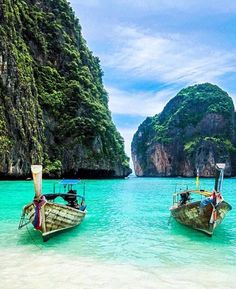
People – Humans are social creatures. how important other people are to our careers — as role models who show us who we might become, and as peers who help us progress by sharing our path. Loneliness might hit the independent workers and they can certainly be at even greater risk.Some freelancers are keenly aware of the dangers of social isolation and strive to avoid it. All reported having people whom they turn to for reassurance and encouragement. In other cases they’re family members, friends, or contacts in similar fields, who can’t always offer specific work advice but nevertheless help them to push through challenging times and make them to take the risks their work requires.

Summary

In the digital age, the workforce is becoming more mobile and work can increasingly be done from anywhere. Hence, Gig economy comes into picture offering mutual benefits to the worker and consumer. In Gig economy, more specifically new technology-enabled kinds of work are involved. They offer flexibility, freedom and personal fulfillment to the freelancers or independent workers.The four connections that an independent worker or freelancers have are People, Routines,Purpose and Place. Purpose creates a bridge between their personal interests and a need in the world.

Fitness Myths

The explosion of wellness as a mainstream trend has affected some positive change: healthier options at major restaurants, an influx of boutique fitness studios, and a renewed interest in self- care among them. But the invigorated interest in our health has also opened the floodgates for information – particularly around diet and fitness – that isn’t always the foremost reliable. There is so much information floating around about exercise, that it’s sometimes hard to discern fact from myth. And unfortunately for several folks, hearing is believing. Here are some common myths regarding fitness which are commonly believed and followed.

Photo by Jonathan Borba on Pexels.com

1. Stretch before you workout- We all must have heard this one and believed it without even questioning it. The importance of a pre-workout stretch is that the favorite most-believed myth, with nearly 3 in 5 believers. Studies have shown that the main advantage of stretching is maintaining or increasing range of motion through a joint. What about injury prevention and improved performance? Stretching has historically been prescribed for tight muscles as a way to get the body to relax but recently the fitness industry has discovered that stretching a ‘cold’ body could have negative impacts. But that doesn’t mean jumping right into your workout is the better option; instead, keep the pre-workout warm-up but change what it consists of. A proper workout schedule should be a cardiovascular exercise to warm the body up and get the blood flowing for about 5 to 15 minutes, followed by a sequence of dynamic exercises.

Photo by Victor Freitas on Pexels.com

2. Lifting weights will pump up your body- For a long time weight lifting was put in the spotlight by bodybuilders, strongmen, and professional athletes determined to be the biggest and worst on the block. It bred the longstanding misnomer that you lift heavy weights minimal times for size and strength and you lift little weight a lot of times to lose weight/lean out … not true. At all. It’s important to dispel this myth because strength training is a vital component of any fitness routine. Lifting weights regularly (and appropriately) will: improve your heart health, keep your tendons/joints/ligaments lubricated and feeling good, boost your metabolism, correct your posture, regulate your hormones and make you stronger. t does all this because lifting weights taps into all of your body’s energy/movement systems while challenging it in a way that forces the response of all that was previously mentioned. What lifting weights won’t do is give you unwanted bulkiness unless you are specifically training for that.

Photo by Kat Jayne on Pexels.com

3. Muscles turn into fat if you stop working out- This is a popular myth in part because of an optical illusion. If I transition from a lively lifestyle of building mass to whatever an alternate lifestyle seems like, there’s a chance. The muscles get smaller and therefore the body fat will probably rise counting on the diet. This leads most people to believe that their muscle is turning into fat. The real story is that muscle and fat are two different tissue systems with different functions. Muscle tissue is what gives you mass and what is constantly burning calories. The fat tissue is what gives you the ‘gut’ and is where excess energy is stored. Although energy is shared between the 2 systems, muscle and fat don’t convert to at least one another. They simply move up and down on a spectrum independently and in most cases simultaneously. The confusion for people probably come therein once they are inactive, their muscle size and productivity decreases. This results in less of a demand for ‘fuel’ or energy from food consumption. When your body has excess fuel from unused food its default is to convert it into long term storage, aka ‘fat.’ When you have an increased demand for storage your fat cells expand or grow larger and in some instances, new ones are created.

Are we raising a generation of burnt-out children?

Basic things needed by a child in the childhood are the time to play and to look and explore the world through his own eyes. This is a natural thing and of course, right from a child’s mindset. But, in this busy world, Parents show greater interest in developing the talent of the children for their better future. They see the competitive world in front of them. They realize that only “The most eligible can survive” by competing with his capabilities among the sea of humans.Hence, they unknowingly put constant pressure by comparing the children with their peer groups.

Growing up with the Internet and technology meant constant stimulation for the current generation. As we know, constant stimulation affects our nervous system, and some of this stimulation can trigger our stress response without us being aware. This era of technology only became more complicated when cellphones were added to the mix. At this point, the stimulation became portable, and people could carry around devices that connected them 24/7.When they have to be away from the gadgets for a while, they become impatient and exhibit the symptoms of burnout, anxiety or depression.

The constant pressure to optimize their futures

The way teachers and parents force the students to think about their careers at increasingly young ages is quite alarming. It puts a lot of pressure on the children. In order to escape from this, they seek an outlet and get addicted to the social media or online games in mobile gadgets. In this e-learning age, children are even disturbed there by the reminders they received from their school about their assignments or projects meanwhile.

Signs of Burnt-out children

The children having a negative attitude or indifferent view is a sign of burnout. They just struggle to cope with the dynamic changes happening around them and the need to adapt to it for their survival. All the
hard work and stress can turn into overload and lead to burnout in school. And when it does, it can destroy the very motivation that keeps them working to improve. Knowing the signs of burnout in kids can help you protect your child from becoming exhausted and shutting down.
Here are seven common signs of burnout in kids:

  1. Procrastination: Your child used to be motivated to start schoolwork right away. Now, you have to give several reminders. And your child still complains and stalls.
  2. Fatigue: Their energy levels are depleted and fully exhausted by the burnt-out condition. These generation children are too sensitive and get burnt-out easily. They need to be kept engaged or busy, else they become restless.
  3. Negativity: Your child’s positive attitude and curiosity has disappeared. You often hear your child say, “What’s the point?” Activities your child used to like are now viewed as unfun or boring.
  4. Trouble concentrating: Your child seems to be restless, keeps pestering you with questions or sharing irrelevant information and can only focus for about 10 minutes before becoming distracted. It used to be for twice or more as long. They might be attention deficit and difficulty in focusing.
  5. Irritability: Your child seems to be easily annoyed or upset by little things that weren’t a big deal in the past. They could not remain patient and wait.
  6. Not confident: They are unable to do their work on their own and depend on others. For namesake, they involve themselves in school activities.
  7. Avoiding situations: Their innocence is screwed up by these pressures. They do not want to mingle with others or explore new things. They just want to be like a snail within its shell.
    Recognizing the signs can help you make changes at home to prevent burnout. Start by asking what kinds of emotions your child has been feeling. Explain what burnout is, and then brainstorm with your child about what might help. If it is left unnoticed, it may lead to severe anxiety and stress-related psychological disorders.
    Summing up ….
    Kids who learn and think differently often face more hurdles and stress than their peers. Talking about what your child is feeling is a good first step toward reducing burnout. Understandably, not every stress can be eliminated and the children should be taught to manage it with stress management techniques. You need to support them with the proper nutrition, supplementation, lifestyle and mindset. These four elements will help your children feel better , physically and psychologically.

International Friendship Day

“True freinds are never apart, may be in distance but never in heart.”

International Friendship Day is a day in several countries for celebrating friendship. It is celebrated on July 30 every year across the globe. The day is celebrated to mark the importance of friendships and friends in promoting peace in various cultures across the globe, to cherish friendship and value the people in our lives.

Friendship-Day-2020-Wishes-Images-in-English

The idea of World Friendship Day was first proposed by Dr. Ramon Artemio Bracho in 1958 in Paraguay. He coined this term when he was having dinner with his friends in Puerto Pinasco. The dinner hosted by Dr. Ramon Artemio Bracho gave rise to the World Friendship Crusade, which is a foundation that encourages friendships across the world irrespective of race, color, religion, and ethnicity.  In 2011, the Friendship Crusade, on April 27, 2011, the General Assembly of the United Nations declared July 30 as official International Friendship Day. It was initially promoted by the greeting cards’ industry, evidence from social networking sites shows a revival of interest in the holiday that may have grown with the spread of the Internet, particularly in India, Bangladesh, and Malaysia. Mobile phones, digital communication, and social media have contributed to popularize the custom. It is also celebrated by exchanging gifts and planning outings with friends. In India, people celebrate this day by giving colorful friendship bands and flowers to each other.

Those who promote the holiday in South Asia attribute the tradition of dedicating a day in the honor of friends to have originated in the United States in 1935 but it actually dates back to 1919. The exchange of Friendship Day gifts like flowers, cards, and wrist bands is a popular tradition on this occasion.

Friendship Day celebrations occur on different dates in different countries. The first World Friendship Day was proposed for 30 July in 1958, by the World Friendship Crusade. On 27 April 2011, the General Assembly of the United Nations declared 30 July as official International Friendship Day with the idea that friendship between peoples, countries, cultures, and individuals can inspire peace efforts and build bridges between communities. However, several countries celebrate friendship day in before and after the UN-designated date. In India, Friendship Day is celebrated on the first Sunday of every August. In Nepal, Friendship day is celebrated on 30 July each year. In Oberlin, Ohio, Friendship Day is celebrated on 9 April each year.

“Friendship is the base of every relation. It is the golden thread that ties the heart of all the world.” 

According to the United Nations’ website, “Through friendship — by accumulating bonds of camaraderie and developing strong ties of trust — we can contribute to the fundamental shifts that are urgently needed to achieve lasting stability, weave a safety net that will protect us all, and generate passion for a better world where all are united for the greater good.” The UN resolution places emphasis on involving young people, as future leaders, in community activities that include different cultures and promote international understanding and respect for diversity. To mark the International Day of Friendship the UN encourages governments, international organizations, and civil society groups to hold events, activities, and initiatives that contribute to the efforts of the international community towards promoting a dialogue among civilizations, solidarity, mutual understanding, and reconciliation.

download (1)

“Freindship is the only cement that will ever hold the world together.”


CRITICISM is a good thing for creativity

Realistically, criticisms are hard to deal with; after all, nobody likes to be told they’re wrong. But it’s not all bad news because sometimes you can use criticism to prove yourself strongly and give you a competitive edge.

A form of communication

If someone has a criticism it means they want to give you feedback on what you’re doing for them – that means an opportunity to learn more about the person who you’re working for and how to convert them into a satisfied customer or audience member. Take a moment to think before you respond to what they’re saying and act on criticism, in the sense, both parties can work towards a better outcome. It gives a chance to get to know what your audience actually want. Using that information, we can give a better service, though it makes us uncomfortable to listen to it sometimes.

It forces you to think about how you work

Constructive criticism can guide you away from bad practices and towards good ones. It positions you in the right track. You can just feel it by trying to be objective and looking at how you’re performing as though it’s not yours. This can be particularly difficult when you’re deeply involved in a project but, if you can take a step back, you might see how to improve your way of working and avoid any undesirable or negative consequences down the road. In order to make the situation smoother, try to use positive language and turn your words into action to show that you can listen to feedback, respond in the correct way and still get the job done for them.

It’ll give you new perspective

When you’re working on the same project for long periods of time, chances are you’ll lose sight of things that aren’t performing well and there might be scope for betterment. Inviting feedback into your project will help you gain a new way of looking at those things and improve the way forward.

It’s a negative motivation or drive for your growth

Remember, giving someone negative feedback is almost as hard as being on the receiving end. You know what you’re saying is going to hurt the person but you do it anyway. You can take it in a positive stride and challenge them. Hear what they have to say – they could be the difference between success or failure.

It teaches you a lot about yourself and other people

How do you react when someone starts with negative feedback? Receiving criticism helps you learn about areas of your work that could be improved but it also helps you manage your own emotional reactions, helping you improve your leadership qualities.On top of this, you’re also gifted insight into the other person. You can observe how do they approach difficult situations. This will improve your relationship with them as you find effective ways of communicating with them and work towards shared goals.

The final thoughts….

A good professional is able to take criticism on board and not respond immediately as though it’s a personal attack. They look at the problematic situation in different points of view and outweigh the pros and cons of it. They are also able to make it work to their advantage or, if all else fails, politely conclude and leave with their reputation intact.