What you eat and drink each day effects your health and wellbeing, both physically and mentally. Good nutrition, along with regular exercise will help you maintain a healthy weight, while reducing your risk of chronic diseases such as heart disease. However, consuming regular amounts of fast and junk food will impact your quality of health, and will have negative effects on your body.
The Negative Side Of Junk And Fast Food:
Junk foods are food and drinks with low nutritional value (e.g. vitamins, minerals and fibre) and high in kilojoules, fat, sugars and/or salt. On the other hand, fast foods are a type of food you get from a restaurant designed to be delivered to you in the quickest way possible. Some fast foods can be healthy, but typically most fast foods are junk food. For example, salad, sushi and sandwiches are healthy forms of fast food. However, most fast food restaurants, such as McDonalds or KFC serve unhealthy junk food. In Australia, 35% of an average adult’s daily energy intake and 41% of children’s daily energy intake comes from junk food.While the occasional night of junk food won’t hurt much, eating Junk foods regular has been shown to lead to increased risks of obesity and chronic diseases. Cardiovascular disease, type 2 diabetes, non-alcoholic fatty liver disease and some cancers all have causes in excessive junk food consumption. Further, the specific content of many fast foods can have negative side effects for your body;Junk food high in sodium can lead to increased headaches and migraineJunk food high in carbs can trigger outbreaks of acneEating excessive amounts of junk food may increase your risk of depressionThe carbs and sugar in fast foods can lead to dental cavitiesFried foods are filled with trans fats which raise LDL cholesterol levelsFast food is filled with empty carbohydrates, which can lead to increased blood sugar and insulin resistanceIncreased sodium levels can lead to your body retaining excessive water, leading to bloating.
The Key To A Healthy Diet | The Bad Effects Of Eating Junk Food:
To avoid the negative health risks to your, your diet needs to be nutritional and diverse. Small changes to your diet can make an immense difference to your health. It’s easier than you think, especially if you follow at least six of the eight goals outlined below.
Make half your plate fruits and vegetables: The more colourful you plate, the more likely you are to get the vitamins, minerals and fibre your body needs, so be sure to choose a variety of red, orange and green vegetables (such as tomatoes, sweet potatoes and broccoli).
Make half the grains you eat whole grains: eating whole grain foods such as whole-wheat bread will help you avoid processed grains high in empty carbohydrates. Look for whole wheat, brown rice, bulgur, buckwheat, oatmeal, rolled oats, quinoa or wild rice.
Switch to fat-free or low-fat (1%) milk: Fat free and low fat milk contains the same amount of calcium and other nutrients as whole milk, but contains fewer calories and less saturated fat.
Choose a variety of lean protein foods: Lean meats (meat with lower fat content) are far better than meat with large amounts of fat content. Select leaner cuts of beef, turkey breast of chicken breast.
Compare sodium in foods: Use the nutritional facts included in the labels on food packaging to select foods containing low levels of sodium. Choose canned foods with labels stating low sodium, reduced sodium or no salt added.
Drink water instead of sugary drinks: By drinking water or unsweetened, you can cut your calories substantially. Sodas and energy drinks are high in added sugar and calories, so be sure to avoid these. If you seek added flavor, try adding a slice of lemon, lime or watermelon to your glass of water.
Eat some seafood: Seafood such as fish and shellfish are high in protein, minerals and omega-3 fatty acids (healthy fat). Try eating at least eight ounces of seafood a week if you are an adult.
Cut back on solid fats: Major sources of solid fats are cakes, cookies, ice cream and processed meat. Try to avoid these to cut back on your solid fat intake. By following the above eight goals, you will help your body get the nutrients it needs, while cutting back on unhealthy content. If you combine a healthy diet with regular physical exercise, your physical and mental health with begin to improve immensely.
Once there was a small boy named Shankar. He belonged to a poor family. One day, he was crossing through the forest carrying some woods. He saw an old man who was very hungry. Shankar wanted to give him some food, but he did not have food for his own. So he continued on his way. On his way, he saw a deer who was very thirsty. He wanted to give him some water, but he did not have water for himself. So he went on his way ahead.
Then he saw a man who wanted to make a camp but he did not have woods. Shankar asked his problem and gave some woods to him. In return, he gave him some food and water. Now he went back to the old man and gave him some food and gave some water to the deer. The old man and the deer were very happy. Shankar then happily went on his way.
However, one day Shankar fell down the hill. He was in pain but he couldn’t move and no one was there to help him. But, the old man who he had helped before saw him, he quickly came and pulled him up the hill. He had many wounds on his legs. The deer whom shankar had given water saw his wounds and quickly went to the forest and brought some herbs. After some time his wounds were covered. All were very happy that they were able to help each other.
Whenever you get a chance to help others, help others. Whatever you give, you will get in return.
A satellite is a moon, planet or machine that orbits a planet or star. For example, Earth is a satellite because it orbits the sun. Likewise, the moon is a satellite because it orbits Earth. Usually, the word “satellite” refers to a machine that is launched into space and moves around Earth or another body in space.Earth and the moon are examples of natural satellites. Thousands of artificial, or man-made, satellites orbit Earth. Some take pictures of the planet that help meteorologists predict weather and track hurricanes. Some take pictures of other planets, the sun, black holes, dark matter or faraway galaxies. These pictures help scientists better understand the solar system and universe.Still other satellites are used mainly for communications, such as beaming TV signals and phone calls around the world. A group of more than 20 satellites make up the Global Positioning System, or GPS. If you have a GPS receiver, these satellites can help figure out your exact location.
Why Are Satellites Important?
The bird’s-eye view that satellites have allows them to see large areas of Earth at one time. This ability means satellites can collect more data, more quickly, than instruments on the ground.Satellites also can see into space better than telescopes at Earth’s surface. That’s because satellites fly above the clouds, dust and molecules in the atmosphere that can block the view from ground level.Before satellites, TV signals didn’t go very far. TV signals only travel in straight lines. So they would quickly trail off into space instead of following Earth’s curve. Sometimes mountains or tall buildings would block them. Phone calls to faraway places were also a problem. Setting up telephone wires over long distances or underwater is difficult and costs a lot.With satellites, TV signals and phone calls are sent upward to a satellite. Then, almost instantly, the satellite can send them back down to different locations on Earth.
What Are the Parts of a Satellite?
Satellites come in many shapes and sizes. But most have at least two parts in common – an antenna and a power source. The antenna sends and receives information, often to and from Earth. The power source can be a solar panel or battery. Solar panels make power by turning sunlight into electricity.Many NASA satellites carry cameras and scientific sensors. Sometimes these instruments point toward Earth to gather information about its land, air and water. Other times they face toward space to collect data from the solar system and universe.
How Do Satellites Orbit Earth?
Most satellites are launched into space on rockets. A satellite orbits Earth when its speed is balanced by the pull of Earth’s gravity. Without this balance, the satellite would fly in a straight line off into space or fall back to Earth. Satellites orbit Earth at different heights, different speeds and along different paths. The two most common types of orbit are “geostationary” (jee-oh-STAY-shun-air-ee) and “polar.”A geostationary satellite travels from west to east over the equator. It moves in the same direction and at the same rate Earth is spinning. From Earth, a geostationary satellite looks like it is standing still since it is always above the same location.Polar-orbiting satellites travel in a north-south direction from pole to pole. As Earth spins underneath, these satellites can scan the entire globe, one strip at a time.
Why Don’t Satellites Crash Into Each Other?
Actually, they can. NASA and other U.S. and international organizations keep track of satellites in space. Collisions are rare because when a satellite is launched, it is placed into an orbit designed to avoid other satellites. But orbits can change over time. And the chances of a crash increase as more and more satellites are launched into space.In February 2009, two communications satellites – one American and one Russian – collided in space. This, however, is believed to be the first time two man-made satellites have collided accidentally.
What Was the First Satellite in Space?
Sputnik 1 was the first satellite in space. The Soviet Union launched it in 1957.
What Is the History of NASA Satellites?
NASA has launched dozens of satellites into space, starting with the Explorer 1 satellite in 1958. Explorer 1 was America’s first man-made satellite. The main instrument aboard was a sensor that measured high-energy particles in space called cosmic rays.The first satellite picture of Earth came from NASA’s Explorer 6 in 1959. TIROS-1 followed in 1960 with the first TV picture of Earth from space. These pictures did not show much detail. But they did show the potential satellites had to change how people view Earth and space.
How Does NASA Use Satellites Today?
NASA satellites help scientists study Earth and space.Satellites looking toward Earth provide information about clouds, oceans, land and ice. They also measure gases in the atmosphere, such as ozone and carbon dioxide, and the amount of energy that Earth absorbs and emits. And satellites monitor wildfires, volcanoes and their smoke.All this information helps scientists predict weather and climate. The information also helps public health officials track disease and famine; it helps farmers know what crops to plant; and it helps emergency workers respond to natural disasters.Satellites that face toward space have a variety of jobs. Some watch for dangerous rays coming from the sun. Others explore asteroids and comets, the history of stars, and the origin of planets. Some satellites fly near or orbit other planets. These spacecraft may look for evidence of water on Mars or capture close-up pictures of Saturn’s rings.
There is so much about space, our solar system, and the galaxy that we still don’t know! Space is vast. With billions of galaxies and stars, and planets in our own solar system yet to be fully explored or understood, scientists’ knowledge of space is always evolving. There are, however, some really cool things we know about space right now! We’ve compiled a list of what we think are ten stellar facts that we hope you’ll think are out of this world!
1. SPACE IS COMPLETELY SILENT:
There is no atmosphere in space, which means that sound has no medium or way to travel to be heard.
2. THE HOTTEST PLANET IN OUR SOLAR SYSTEM IS 450° C:
Venus is the hottest planet in the solar system and has an average surface temperature of around 450° C. Did you know that Venus isn’t the closest planet to the sun? That is Mercury. You would think that Mercury would then be the hottest, but Mercury has no atmosphere (which regulates temperature), resulting in big fluctuations.
3. A FULL NASA SPACE SUIT COSTS $12,000,000:
While the entire suit costs a cool $12m, 70% of that cost is for the backpack and control module. However, the space suits that NASA uses were built in 1974. If these were priced by today’s pricing, they would cost an estimated 150 million dollars!
4. THE SUN’S MASS TAKES UP 99.86% OF THE SOLAR SYSTEM:
The Sun accounts for 99.86% of the mass in our solar system with a mass of around 330,000 times that of Earth. Did you know that the Sun is made up of mostly hydrogen (three quarters worth) with the rest of its mass attributed to helium. If the Sun had a voice would it be high and squeaky from all that helium?
5. ONE MILLION EARTHS CAN FIT INSIDE THE SUN:
The Sun is large enough that approximately 1.3 million Earths could fit inside (if squashed in) or if the Earths retained their spherical shape then 960,000 would fit. But can you visualise that number of Earths?
6. THERE ARE MORE TREES ON EARTH THAN STARS IN THE MILKY WAY:
There are about three trillion trees on Planet Earth, and between 100-400 billion stars, approximately, in the galaxy.
7. THE SUNSET ON MARS APPEARS BLUE:
Just as colors are made more dramatic in sunsets on Earth, sunsets on Mars, according to NASA, would appear bluish to human observers watching from the red planet. Fine dust makes the blue near the Sun’s part of the sky much more visibilke, while normal daylight makes the Red Planet’s familiar rusty dust color the most perceptible to the human eye.
8. THERE ARE MORE STARS IN THE UNIVERSE THAN GRAINS OF SANDS ON EARTH:
The universe extends far beyond our own galaxy, The Milky Way, which is why scientists can only estimate how many stars are in space. However, scientists estimate the universe contains approximately 1,000,000,000,000,000,000,000,000 stars, or a septillion. While no one can actually count every single grain of sand on the earth, the estimated total from researchers at the University of Hawaii, is somewhere around seven quintillion, five hundred quadrillion grains. That is an awfully big sand castle!
9. ONE DAY ON VENUS IS LONGER THAN ONE YEAR:
Venus has a slow axis rotation which takes 243 Earth days to complete its day. The orbit of Venus around the Sun is 225 Earth days, making a year on Venus 18 days less than a day on Venus.
10. THERE IS A PLANET MADE OF DIAMONDS:
There’s a planet made of diamonds twice the size of earth The “super earth,” aka 55 Cancri e, is most likely covered in graphite and diamond. Paying a visit to that planet would probably pay for the $12 million dollar space suit needed to get there!
The term ‘globalisation’ means integration of economies and societies through cross country flow of information, ideas, technologies, goods, services, capital, finance and the people. The essence of globalisation in a broad sense is connectivity in all aspects of human life. Although economic forces are an integral part of globalisation, it would be wrong to suggest that they alone produced it. It has been driven forward above all by the development of information and communication technologies that have intensified the scope and speed of interaction between the people all over the world.
India became independent as one of the poorest countries of the world. The British colonial rule had destroyed the self-sufficient agrarian economy. The then Prime Minister of India Jawaharlal Nehru preferred mixed economy for planned economic development of the country. As a result of this, public sectors were set up along with a number of private enterprises, but like the socialistic model of economy, the mixed economy of India has not produced profitable results. A number of public sectors became sick and the growth rates of production began to fall. While the poverty of the people continued to grow at an alarming rate, there was an acute balance of payment crisis and due to low domestic savings, there was no adequate capital for investment. There was also the shortage of resources to provide educational and health facilities to a large growing population. Moreover, there was high rate of inflation and the balance of payment deficit was around $10 bn. In such a situation, PV Narsimha Rao government was compelled to introduce the policy of liberalisation, privatisation and Dr Manmohan Singh, the then Finance Minister played an instrumental role in the adoption of new economic policy (1991).
In the midst of all these developments, globalisation was adopted by Indian Government during 1990-91 when Indian economy was in a very bad shape. It was, however, adopted not as a solution to deteriorating Indian economy but to enable itself to get further foreign exchange loans from World Bank as its foreign exchange reserves were reduced to mere 3 weeks outflow. To rectify its ailing financial health, government simultaneously decided to amend its economic policies and go for privatisation and liberalisation of its economy. These decisions had immediate positive effect However, globalisation has proven to be double edged weapon. It did help government temporarily meet its emergent need of foreign exchange but it has, as a byproduct, caused some permanent damage to Indian economic system and Indian social structure.
For thousands of years, different countries have been doing trade with one another. But the process has got a tremendous boost in about last two decades due to high handed policies of International Monetary Fund, World Bank and World Trade Organisation who have been working on the agenda of developed countries like USA. They practically forced under developed countries to adopt full throttle globalisation by opening up their local markets to world trade by reducing artificial barriers to such trade. Development of advanced means of communication and transport, internationalisation of financial market and unprecedented mobility of goods, capital, data and manpower have further given boost to the recent process of globalisation.
As the process of interconnecting the diverse world order, globalisation has touched almost all spheres of human life: social, economic, political, cultural, environmental etc. On the economic front, the trade with other countries has tremendously increased; inflow of men, money, material, labour, technology etc from foreign countries to India has also increased; it has given nations access to global markets, technology, financial resources, quality services and skilled human resources; increased the purchasing capacity of nations through the creation of sizable middle class; high quality and low cost products flooded Indian markets, thus increasing consumers choice. In the agricultural sector, new varieties of farm equipment, new agricultural practices, application of biotechnology like drought resistant, pest resistant crops etc are emerging due to globalisation. Apart from these positive aspects, there are some negative developments also which are attributed to globalisation process only. Due to the interdependence of Indian economy and world economy, it has become very difficult for the government of India to insulate its economy from the economy. Indian people now prefer global brands over Indian brands because they are cheap, more fashionable and easily available. Steep and fast reductions in custom duties have snatched large part of Indian market from Indian industry and passed it on to imports from established global players. For its survival in the face of global competition, Indian industry has transformed itself from labour intensive to capital intensive by adopting global technologies and automatic machinery, which has resulted in the high rate of unemployment in India.
Improved economic conditions, increased recognition of human rights, unprecedented mobility and interaction of people from different countries have dented local cultures of people the world over. India is not an exception in this case. Indian family system is shifting towards nuclear family system instead of the joint family system. These nuclear families are getting further divided due to strained relations of partner. Old and handicapped persons in the families are being forced to support themselves without any support from their children.
Globalisation has undermined the traditional role of women in homemaking, farming, handicrafts, handlooms etc., and resulted in a relatively better environment for women. Today, women are working in all spheres of Indian economy and are enjoying the fruits of “empowerment process” brought in by globalisation. At the same time, their security has become a major issue in this changing scenario and they are bearing the double burden of family as well as that of the job because the role of men in India have not changed much. People today, especially the young, developed an identity that gives them a sense of belonging to a worldwide culture, which includes an awareness of events, practices, styles and information that are a part of the global culture. There is the development of a bicultural identity or a hybrid identity, which means that part of one’s identity is rooted in the local culture while another part stems from an awareness of one’s relation to the global world.
We cannot say that the impact of globalisation has been totally positive or negative. It has been both. However, it becomes a point of concern when, an overwhelming impact of globalisation can be observed on the Indian culture. Every educated Indian seems to believe that nothing Indian is to be approved unless recognised and recommended by an appropriate authority in the West. This should be checked in order to preserve the rich cultural diversity of India and to ensure the fulfillment of the principle of self-sufficiency.
Technological and Cultural impact of globalization in India
With the process of globalization, there is an access to television grew from 20% of the urban population (1991) to 90% of the urban population (2009). Even in the rural areas satellite television has a grown up market. In the cities, Internet facility is everywhere and extension of internet facilities even to rural areas. There is an increase of global food chain /restaurants in the urban areas of India. Excessive Multiplex movie halls, big shopping malls and high rise residential are seen in every cities. Entertainment sector in India has a global market. After economic liberalization, Bollywood expanded its area and showed a major presence in the global scale. The industry began to explore new ways to become more global and modern. In India, modernity is observed with the West. Therefore, Western philosophy began to be incorporated into Bollywood films. As these new cultural messages began to reach the Indian population, Indian moviegoers were pushed to re-evaluate their traditional Indian cultural ideology. Bollywood movies are also distributed and accepted at international level. Big international companies (Walt Disney, 20th Century Fox, and Columbia Pictures) are investing on this sector. Famous International brands such as Armani, Gucci, Nike, and Omega are also making investment in the Indian market with the changing of fashion statement of Indians.
Impact of globalization on education in India
There is immense effects observed in educational sector due to globalization such as literacy rate become high and Foreign Universities are collaborating with different Indian Universities. The Indian educational system faces challenges of globalization through Information technology and it offers opportunities to evolve new paradigms shifts in developmental education. The distinction between formal, non-formal and informal education will vanish when move from industrial society to information society takes place. Globalization promotes new tools and techniques such as E-learning, Flexible learning, Distance Education Programs and Overseas training.
It is observed in current Indian society that through globalization, women have gained certain opportunities for job options and to recognize women’s rights as a part of the human rights. Their empowerment has given considerable opportunities and possibilities of improving employment conditions through global solidarity and co-ordination. It is found that the growth of computer and other technologies enabled women with better waged, flex timings, and capacity to negotiate their role and status in home and at corporate level.
A few words may be said here about the concept of Rule of Law as other ideas and concepts relating to Constitutionalism will be discussed in due course in the following pages. The doctrine of Rule of Law is ascribed to DICEY whose writing in 1885 on the British Constitution included the following three distinct though kindered ideas in Rule of Law:
(i) Absence of Arbitrary Power : No man is above law. No man is punishable except for a distinct breach of law established in an ordinary legal manner before ordinary courts. The government cannot punish any one merely by its own fiat. Persons in authority in Britain do not enjoy wide, arbitrary or discretionary powers. Dicey asserted that wherever there is discretion there is room for arbitrariness.
(ii) Equality before Law : Every man, whatever his rank or condition, is subject to the ordinary law and jurisdiction of the ordinary courts. No man is above law.
(iii) Individual Liberties : The general principles of the British Constitution, and especially the liberties of the individual, are judge-made, i.e., these are the result of judicial decisions determining the rights of private persons in particular cases brought before the courts from time to time.
DICEY asserted that the above-mentioned features existed in the British Constitution. The British Constitution is judge-made and the rights of the individual form part of, and pervade, the Constitution. The rights of the individuals are part of the Constitution because these are secured by the courts. The British Constitutional Law is not the source, but the consequence, of the rights of the individuals as defined by the courts. DICEY was thinking of the common law freedoms, such as, personal liberty, freedom of speech, public meeting, etc. What DICEY was saying was that certain Constitutions proclaim rights but do not provide adequate means to enforce those rights. In the British Constitution, on the other hand, there is inseparable connection between the means of enforcing a right and the right to be enforced. Referring in particular to the Habeas Corpus Act, DICEY said that it was “worth a hundred Constitutional articles guaranteeing individual liberty.” DICEY however accepted that there was rule of law in the U.S.A., because there the rights declared in the Constitution could be enforced, and the Constitution gave legal security to the rights declared. The third principle is peculiar to Britain. In many modern written Constitutions, the basic rights of the people are guaranteed in the Constitution itself. This is regarded as a better guarantee for these rights and even in Britain there exists at present strong opinion that basic rights should be guaranteed. DICEY’S thesis has been criticized by many from various angles but, the basic tenet expressed by him is that power is derived from, and is to be exercised according to law.
In substance, DICEY’S emphasis, on the whole, in his enunciation of Rule of Law is on the absence of arbitrary power, and discretionary power, equality before Law, and legal protection to certain basic human rights, and these ideas remain relevant and significant in every democratic country even to-day. It is also true that dictated by the needs of practical government, a number of exceptions have been engrafted on these ideas in modern democratic countries, e.g., there is a universal growth of broad discretionary powers of the administration; administrative tribunals have grown; the institution of preventive detention has become the normal feature in many democratic countries. Nevertheless, the basic ideas are worth preserving and promoting. The concept of Rule of Law has been discussed in several international forums. The effort being made is to give it a socio-legal-economic content and a supranational complexion. Rule of Law has no fixed or articulate connotation though the Indian courts refer to this phrase time and again. The broad emphasis of Rule of Law is on absence of any center of unlimited or arbitrary power in the country, on proper structuration and control of power, absence of arbitrariness in the government. Government intervention in many daily activities of the citizens is on the increase creating a possibility of arbitrariness in State action. Rule of Law is useful as a counter to this situation, because the basic emphasis of Rule of Law is on exclusion of arbitrariness, lawlessness and unreasonableness on the part of the government.
The art and science of cultivating plants and raising livestock are known as Agriculture. It helps to provide food and fabrics. Over centuries, agriculture remarks the growth of civilization. Before knowing agriculture people spent most of their time for searching food. Agriculture enabled the surplus production of foods to the people. We all know that agriculture is the backbone of the economy of a country. In addition to providing food and raw materials, agriculture also helps in providing several job opportunities. Let’s see why agriculture is important
IMPORTANCE OF AGRICULTURE
SOURCE OF FOOD: About 70% of people rely on agriculture for their livelihood. It’s the source of food supply. No matter what we eat and where we eat. All ingredients in the foods must be from somewhere. All road leads to agriculture. If a country is suffering from food insecurity and malnourishment, then it means that the agricultural sector is suffering in that country. Not only food, but it also provides fodder for domestic animals.
MAIN SOURCE OF RAW MATERIALS: Agriculture is the major source of raw materials to the industries. Many raw materials like cotton, sugar, spices, wood, oil come from agriculture. These materials are essential in the industries to create a product. Agro-based industries contribute about 50% of income to the manufacturing sectors of the country.
BOOSTS THE INTERNATIONAL TRADE: Both the raw materials and the products produced by using the raw materials are exported in each country. Countries with surplus growth of certain products export to the other countries. If a country’s agriculture sector suffers, the prices will go up and the trade will be affected. So, the effect on agriculture will directly affect the country’s trade.
INCREASES NATIONAL REVENUE: Most of the developing countries depend on agriculture to increase their income. However, developed countries do not depend on agriculture for trade.
EMPLOYMENT OPPORTUNITIES: The agricultural sector still provides large employment opportunities for the people. Whether you can work as a farmer or harvester or technician for farm equipment or scientist or researcher there are several jobs available in this sector. The unemployment rate in developing countries can be reduced by agriculture. To eradicate poverty, focusing on agriculture is the most efficient way.
FOR COUNTRY’S ECONOMIC DEVELOPMENT: The country’s agriculture sector is tied with the economic development of the country. When there is an increase in export and national revenue, the country enjoys reduced poverty and boosted economic growth. Focusing on agriculture is one of the best ways to speed up the development and standard of a country.
INCREASES THE TECHNOLOGICAL INNOVATION: For the growing population, the country must possess enough food to reduce hunger. To fasten the growing of crops, several innovations have been made in the growth of crops. Through Blockchain software, artificial intelligence, and gene manipulation, scientists are working to increase production by using less water and avoiding leaving negative impacts on the environment. Agribusiness is the more fascinating field to work on.
REFLECTS OUR FUTURE: When it comes to pollution and climatic changes, the agriculture sector will face the quickest consequences. If effective changes are not made, then the impact on agriculture will directly impact the country’s economy and vanish the food supply. The state of agriculture in a country is a good litmus paper to look at how the future will be.
A rainbow is a multicolored arc in the sky which appears when sunlight hits water droplets. How does it get its colors? Why is it curved? And what is at the end of the rainbow?
Low Sun and Water Droplets
A rainbow can only form under the following conditions:
1. The Sun must be above the horizon and not be obscured by clouds, mountains, or other obstacles. 2.The Sun has to be quite low in the sky. If you are at the same elevation as your horizon, the Sun’s altitude must be below 42° to create a rainbow that can be seen from your perspective. Solar altitude table 3.The air opposite the Sun, as seen from your position, must be filled with a large number of water droplets.
Rainbows always appear in the sky opposite to the Sun. So, if you have your back to the Sun, the rainbow will arch across the sky in front of you.
How Do Rainbows Form?
A rainbow is an optical phenomenon which involves three processes: reflection, dispersion, and refraction.
REFLECTION
Water droplets can act like little mirrors. When a ray of sunlight strikes one of these tiny spheres of water, most of the light bounces off its rear wall and is reflected back. During a rain shower, the air is full of water droplets acting together like a reflective curtain made of millions of minuscule mirrors casting the sunlight back at you.
DISPERSION
But sunlight is white—so, if the water droplets reflect the sunlight, how does the rainbow gets its colors? This is where the second process comes into play: dispersion of light.
Pure sunlight may appear white to us, but it consists of all visible colors. As soon as a ray of sunlight enters a water droplet, it is split up into its components, causing its colors to fan out and become visible as a spectrum of colors. This happens both when the ray enters the droplet and when it leaves the droplet again.
REFRACTION
As the ray of light enters and leaves the water droplet, its direction is also changed slightly in a process called refraction. Each color is refracted in a marginally different direction, creating the impression of a fan of colors. For example, in relation to the direction of the incoming ray of light, the red light component leaves the droplet at a slightly larger angle than the orange component.
The Colors of the Rainbow
This means each water droplet reflects all of the colors of the sunlight back to you. However, because it reflects and refracts each color at a slightly different angle, only one color from each droplet reaches your eyes. For example, you can only see the red light from droplets that are higher in the sky, and only the orange light from the droplets that are a little lower.
This is how the top two stripes of the rainbow—red and orange—form. Further below, the droplets form an even sharper angle between you and the Sun, so they throw the yellow, green, blue, indigo, and violet components of the sunlight back at you, creating the remaining stripes of the rainbow.
Memorize the Color Sequence
If you are having trouble remembering the order of the rainbow colors, simply memorize the name Roy G. Biv. This imaginary first, middle, and last name is an acronym made up of the initial letter of each color, in the order they appear in a rainbow. From top to bottom, they are: red, orange, yellow, green, blue, indigo, and violet.
Why Is a Rainbow Curved?
Technically, a rainbow is the upper half of a circle of light, which centers on the antisolar point, the point directly opposite the Sun, as seen from your perspective. The lower half of the circle, however, is usually not visible since the water droplets hit the ground before it can form. You may be able to see a circular rainbow if you have a high vantage point and the terrain sharply drops off in the direction of the rainbow, allowing the rain to fall down farther and reflect the sunlight from a lower angle. It is also possible to see a circular rainbow from an airplane.
The shape of a rainbow is a result of the refractive index of water. This causes the sunlight to be reflected off rain droplets within a limited range of angles that lie between 0° and 42°. Most of the light is cast back at you in an angular range from 40° for violet light to 42° for red light. This is why the circle of light always has an angular distance of 40-42° from the antisolar point, meaning a rainbow always appears 40-42° away from the point opposite the Sun, as seen from your perspective.
What Is a Double Rainbow?
Sometimes you can see a fainter, second rainbow appear above a rainbow. This happens when sunlight is reflected twice inside each water droplet and directed back to you.
The second rainbow is not as bright as the primary rainbow, because some of the sunlight passes through the droplet, while most of it is reflected. This means more light goes astray when a ray of sunlight is reflected twice, leaving less light to be reflected back to you. The double reflection process also results in an inversion of the colors of the secondary rainbow. Here, the violet stripe is at the top while the red stripe appears at the bottom (click on the image to see this detail).
The angular distance between the second rainbow and the antisolar point is 50-53°, so the two rainbows are always about 10° apart.
Why Is the Area Below the Rainbow Brighter?
While most of the sunlight is concentrated at an angle of 40-42°, some of it is also reflected in the range of 0-39°. Crucially, the angle also determines the extent to which the sunlight is dispersed and refracted. For example, a ray of light that is reflected at 0°—right back where it came from—is not dispersed or refracted at all.
For this reason, we experience it as white light. The same is the case for light that is reflected at higher angles, although to a slightly lesser extent. This is why the area below the main rainbow looks comparatively bright, as shown in the images.
Alexander’s Band
The physical properties of the water droplet prevent the sunlight from being reflected at angles above 42°. For example, it is impossible for a horizontal beam of light to be reflected at an angle of 90° and sent straight down toward the ground. While this maximum reflective angle is a little different for each wavelength (color), ranging from 40° for violet light to 42° for red light, none of the sunlight can be redirected at angles exceeding 42°.
Because of this, water droplets that are more than 42° away from the antisolar point, as seen from your perspective, will not reflect any sunlight back at you. This is why the sky above the primary rainbow looks a great deal darker than the sky below it (see image).
About 10° above the main rainbow, the doubly reflected sunlight of the second rainbow reaches your eyes, so the sky above that is a little brighter again, creating the impression of a dark band of sky sandwiched between the two rainbows. This phenomenon is called Alexander’s band
Is There a Pot of Gold at the End of the Rainbow?
According to an Irish legend, a pot of gold can be found at a rainbow’s end. We probably all agree this is highly unlikely, but did you know it is possible to actually disprove that claim? In fact, you have probably been at the end of the rainbow many times without noticing!
To check the veracity of the pot-of-gold-legend, you need to go to the location where a rainbow touches the ground. This may seem like an impossible feat, given that a rainbow is, in a way, an optical illusion. As tangible and real a bright rainbow may appear, it is formed by countless small reflections of sunlight that are only visible from a certain perspective. This makes it impossible to actually approach a rainbow. If you move toward it, the rainbow will recede at an equal pace; a person who stands at the end of the rainbow you see will see a different, equally unapproachable rainbow farther back, if the weather conditions permit.
But in this realization also lies a chance to empirically disprove the Irish legend. If you can see another person at the end of your rainbow, you can stand at the end of another person’s rainbow, or at least of a rainbow that is visible from a different perspective. So, you have probably been there, at the end of the rainbow, even if that particular rainbow was invisible to you at the time.
Google on Thursday celebrated the 138th birth anniversary of Polish inventor, doctor, and immunologist Rudolf Weigl with a doodle. Weigl had produced the first effective vaccine against epidemic typhus—one of humanity’s oldest and most infectious diseases.
Thursday’s doodle shows Weigl holding a test tube in his gloved hands. There are drawings of lice on the wall on the right side and a human body and some more lice on the left. The illustrator has spelled out Google with all that is used in a lab for testing purpose.
Rudolf Stefan Jan Weigl was born in the modern-day Czech Republic in the year 1883. He completed his graduation in biological sciences from the Lwow University in Poland in 1907. Not only that, he earned doctorate degrees in subjects such as zoology, comparative anatomy, and histology.
During World War I, typhus was wreaking havoc in Europe and had killed millions in no time. Weigl decided to take matters into his own hands and do research on the disease. He found that the root cause of it was lice that carried the infection. He grew it in his laboratory and squashed their stomachs to create the vaccine.
By 1933, large-scale testing of the vaccine took place after several years of modification.
While this work is exemplary, his role in saving around 5000 jews in the Nazi ghettos makes him a prominent figure in history. When Nazi Germany heard about him, they asked Weigl to create a Typhus vaccine manufacturing plant. For that, he hired many of his Jewish colleagues and friends so that they do not get deported to the concentration camps.
Weigl went on to study biological sciences at Poland’s Lwów University and was appointed as a parasitologist in the Polish Army in 1914. As millions across Eastern Europe were plagued by typhus, Weigl became determined to stop its spread.
Body lice were known to carry the typhus-infecting bacteria Rickettsia prowazekii, so Weigl adapted the tiny insect into a laboratory specimen. His innovative research revealed how to use lice to propagate the deadly bacteria which he studied for decades with the hope of developing a vaccine. In 1936, Weigl’s vaccine successfully inoculated its first beneficiary. When Germany occupied Poland during the outbreak of the Second World War, Weigl was forced to open a vaccine production plant. He used the facility to hire friends and colleagues at risk of persecution under the new regime.
An estimated 5,000 people were saved due to Weigl’s work during this period–both due to his direct efforts to protect his neighbors and to the thousands of vaccine doses distributed nationwide. Today, Weigl is widely lauded as a remarkable scientist and hero. His work has been honored by not one but two Nobel Prize nominations.
For creating the vaccine and humanitarian work, Weigl was nominated for the Nobel Prize twice. However, due to interference both times, he did not become the recipient. He breathed his last in 1957. However, in 2003, Israel honored him with the title called ‘Righteous Among the Nations’ for his contribution.
Zydus Cadila’s ZyCoV-D Covid-19 vaccine is the world’s first plasmid DNA vaccine against the coronavirus.
Indian drug regulator DCGI approved Zydus Cadila’s three-dose COVID-19 DNA vaccine for emergency use in adults and children aged 12 years and above, bringing in the sixth vaccine authorized for use in the country.
India has now approved its first vaccine for children, a timely move amid warnings of an upcoming third wave in the country, which some experts have warned could be deadlier towards children. While the Union Health Ministry has refuted that the next wave of the pandemic would prove more serious to the ‘vulnerable and unvaccinated’ population comprising children, it has, at the same time, augmented pediatric services across the nation as a preventive measure.
The company said it plans to manufacture 100 million to 120 million doses of ZyCoV-D annually and has started to stockpile the vaccine.
The generic drug maker, listed as Cadila Healthcare Ltd, applied for the authorization of ZyCoV-D on July 1, based on an efficacy rate of 66.6% in a late-stage trial of over 28,000 volunteers nationwide.
“Interim results from Phase-III Clinical Trials, in over 28,000 volunteers, showed primary efficacy of 66.6 per cent for symptomatic RT-PCR positive cases,” said a government release, adding that this has been the largest vaccine trial so far in India for COVID-19.
“This vaccine had already exhibited robust immunogenicity and tolerability and safety profile in the adaptive Phase I/II clinical trials carried out earlier. Both the Phase I/II and Phase III clinical trials have been monitored by an independent Data Safety Monitoring Board (DSMB),” it said.
ZyCoV-D is the world’s first plasmid DNA vaccine against the coronavirus. It uses a section of genetic material from the virus that gives instructions as either DNA or RNA to make the specific protein that the immune system recognizes and responds to.
Zydus Cadila’s vaccine, developed in partnership with the Department of Biotechnology, is the second home-grown shot to get emergency authorization in India after Bharat Biotech’s Covaxin.
The drug maker said in July its COVID-19 vaccine was effective against the new coronavirus mutants, especially the Delta variant, and that the shot is administered using a needle-free applicator as opposed to traditional syringes.
Earlier today, the Indian drug regulator’s subject expert committee had recommended emergency use approval for the vaccine. The committee had added that Zydus needs to submit additional data for the 2-dose regimen of its vaccine.
Covishield, Covaxin and Sputnik V vaccines are being given to only those above 18 years and unlike ZyCoV-D, which is three-dose, these are administered in two doses.
The Department of Biotechnology (DBT) has said that ZyCoV-D is the world’s first DNA-based vaccine against the coronavirus and when injected produces the spike protein of the SARS-CoV-2 virus and elicits an immune response, which plays a vital role in protection from the disease as well as viral clearance.
The vaccine had already exhibited robust immunogenicity and tolerability and safety profile in the adaptive phase one and two clinical trials. Both Phase one/two and Phase three clinical trials have been monitored by an independent data safety monitoring board, it added.
The Union government is expecting Zydus Cadila’s needle-free COVID-19 vaccine ZyCoV-D to be available from the first week of October in India.
The atmosphere is a mixture of gases that surrounds the planet. On Earth, the atmosphere helps make life possible. Besides providing us with something to breathe, it shields us from most of the harmful ultraviolet (UV) radiation coming from the Sun, warms the surface of our planet by about 33° C (59° F) via the greenhouse effect, and largely prevents extreme differences between daytime and nighttime temperatures. The other planets in our solar system also have an atmosphere, but none of them have the same ratio of gases and layered structure as Earth’s atmosphere.
Gases in Earth’s Atmosphere
Nitrogen and oxygen are by far the most common; dry air is composed of about 78% nitrogen (N2) and about 21% oxygen (O2). Argon, carbon dioxide (CO2), and many other gases are also present in much lower amounts; each makes up less than 1% of the atmosphere’s mixture of gases. The atmosphere also includes water vapor. The amount of water vapor present varies a lot, but on average is around 1%. There are also many small particles – solids and liquids – “floating” in the atmosphere. These particles, which scientists call “aerosols”, include dust, spores and pollen, salt from sea spray, volcanic ash, smoke, and more.
Layers of Earth’s Atmosphere
The atmosphere grows thinner (less dense and lower in pressure) as one moves upward from Earth’s surface. It gradually gives way to the vacuum of outer space. There is no precise “top” of the atmosphere. Air becomes so thin at altitudes between 100 and 120 km (62-75 miles) up that for many purposes that range of heights can be considered the boundary between the atmosphere and space. However, there are very thin but measurable traces of atmospheric gases hundreds of kilometers/miles above Earth’s surface.
There are several different regions or layers in Earth’s atmosphere. Each has characteristic temperatures, pressures, and phenomena. We live in the troposphere, the lowest layer, where most clouds are found and almost all weather occurs. Some jet aircraft fly in the next higher layer, the stratosphere, which contains the jet streams and the ozone layer. Temperatures reacj their lowest in the mesosphere, because the there are almost no air molecules there to absorb heat energy. The sky also changes from blue to black in the mesosphere, because there are so few molecules for light to refract off of there. And fartherst from the surface we have the thermosphere, which is the widest layer of the atmosphere and absorbs much of the harmful radiation that reaches Earth from th Sun. The exosphere represents the transition from Earth’s atmosphere to space.
Troposphere
The troposphere is the lowest layer of our atmosphere. Starting at ground level, it extends upward to about 10 km (6.2 miles or about 33,000 feet) above sea level. We humans live in the troposphere, and nearly all weather occurs in this lowest layer. Most clouds appear here, mainly because 99% of the water vapor in the atmosphere is found in the troposphere. Air pressure drops, and temperatures get colder, as you climb higher in the troposphere.
Stratosphere
The next layer up is called the stratosphere. The stratosphere extends from the top of the troposphere to about 50 km (31 miles) above the ground. The infamous ozone layer is found within the stratosphere. Ozone molecules in this layer absorb high-energy ultraviolet (UV) light from the Sun, converting the UV energy into heat. Unlike the troposphere, the stratosphere actually gets warmer the higher you go! That trend of rising temperatures with altitude means that air in the stratosphere lacks the turbulence and updrafts of the troposphere beneath. Commercial passenger jets fly in the lower stratosphere, partly because this less-turbulent layer provides a smoother ride. The jet stream flows near the border between the troposphere and the stratosphere.
Mesosphere
Above the stratosphere is the mesosphere. It extends upward to a height of about 85 km (53 miles) above our planet. Most meteors burn up in the mesosphere. Unlike the stratosphere, temperatures once again grow colder as you rise up through the mesosphere. The coldest temperatures in Earth’s atmosphere, about -90° C (-130° F), are found near the top of this layer. The air in the mesosphere is far too thin to breathe; air pressure at the bottom of the layer is well below 1% of the pressure at sea level, and continues dropping as you go higher.
Thermosphere
The layer of very rare air above the mesosphere is called the thermosphere. High-energy X-rays and UV radiation from the Sun are absorbed in the thermosphere, raising its temperature to hundreds or at times thousands of degrees. However, the air in this layer is so thin that it would feel freezing cold to us! In many ways, the thermosphere is more like outer space than a part of the atmosphere. Many satellites actually orbit Earth within the thermosphere! Variations in the amount of energy coming from the Sun exert a powerful influence on both the height of the top of this layer and the temperature within it. Because of this, the top of the thermosphere can be found anywhere between 500 and 1,000 km (311 to 621 miles) above the ground. Temperatures in the upper thermosphere can range from about 500° C (932° F) to 2,000° C (3,632° F) or higher. The aurora, the Northern Lights and Southern Lights, occur in the thermosphere.
Exosphere
Although some experts consider the thermosphere to be the uppermost layer of our atmosphere, others consider the exosphere to be the actual “final frontier” of Earth’s gaseous envelope. As you might imagine, the “air” in the exosphere is very, very, very thin, making this layer even more space-like than the thermosphere. In fact, the air in the exosphere is constantly – though very gradually – “leaking” out of Earth’s atmosphere into outer space. There is no clear-cut upper boundary where the exosphere finally fades away into space. Different definitions place the top of the exosphere somewhere between 100,000 km (62,000 miles) and 190,000 km (120,000 miles) above the surface of Earth. The latter value is about halfway to the Moon!
Ionosphere
The ionosphere is not a distinct layer like the others mentioned above. Instead, the ionosphere is a series of regions in parts of the mesosphere and thermosphere where high-energy radiation from the Sun has knocked electrons loose from their parent atoms and molecules. The electrically charged atoms and molecules that are formed in this way are called ions, giving the ionosphere its name and endowing this region with some special properties.
Planetary Atmospheres
Earth is not the only world with an atmosphere. All of the planets – and even a few moons – in our solar system have atmospheres. Some have clouds, wind, rain and powerful storms. Recently scientists have also begun to get glimpses of atmospheres of planets in other solar systems.
Each of the planets in our solar system has an uniquely structured atmosphere. The atmosphere of Mercury is extremely thin and is not very different from the vacuum of space. All four giant planets in our solar system – Jupiter, Saturn, Uranus and Neptune – have very thick, deep atmospheres. The smaller, rocky planets – Earth, Venus and Mars – have much thinner atmospheres hovering above their solid surfaces. The atmospheres on moons in our solar sytem are typically quite thin. Saturn’s moon Titan is an exception – air pressure at the surface of Titan is higher than on Earth! Of the five officially recognized dwarf planets, Pluto has a thin, seasonal atmosphere containing nitrogen, methane and carbon monoxide, and Ceres may have an extremely thin atmosphere of water vapor. But only Earth’s atmosphere has the layered structure that allows enough light energy to enter and be trapped for warmth, but also shields us from too much harmful radiation. This important balance is necessary to maintain life on Earth.
An industry expects their employees to have Non-technical skills and personal attributes such as team work, communication skills, integrity, reliability and self-motivation are considered more important than purely technical skills to get industry ready.
Importance
A study shows that 50% of the curriculum that are been taught in college/universities, by the time students will graduate, it will get auxiliated with new technologies in the market.
Let’s say for example, a product manager of a company who advertises the product, collects data and analysis the data to improve the marketing strategies of company. He can do it manually, but with time if an app is developed for this work, the company won’t be requiring any product manager.
Although degrees are important for future but it is also important to have a knowledge about what all techniques and skills that will be there in future and also to start developing those skills.
How can students be industry ready?
Here are some ways of getting industry ready:-
Practical Knowledge of Doing Things:- If you can demonstrate how to implement the theoretical knowledge you have then your chances of getting hired will improve significantly.
Sharpen Your Communication Skills:- If you are not able to communicate properly, your knowledge will be of little use to you.
Inculcate the Habit of Innovation:- Form a habit to think out of the box, if you can provide a company with a method to save on expenditure or increase their profit, you have better chances of getting hired.
Read Books and Newspapers Regularly:- Form a habit to read a newspaper or book at least half an hour daily, as this will improve your thinking process as well.
Build Your Profile to Show Your Accomplishments:- One needs to be presentable and be able to exhibit his or her qualifications and capabilities convincingly.
Pursue Online Courses to Hone Your Skills:- To make yourself industry ready, it is better to learn some new skills online.
Work on Your Weak Areas:- The trick here is to present your weaknesses in a way that it looks profitable to the company for whom you want to work for.
Learn to Organize and Manage Your Time:- It is about getting the maximum output in a given amount of time. Productivity matters a lot when you are working for a company.
So start investing more on prolonged and sustainable skills because knowledge and degrees are not going to be most required in future. This is the time to decide what is to be done and how should the steps be taken forward.
Imagination is our creation, we have always followed this streak of points of view that being creative is drawing characters and theories in the world of imagination where they live as long as we keep believing in them right?
In every field either its arts and relation or its commerce and markets strategy, everywhere we go we are asked to imagine the next step or the reaction or the situation or the condition which could happen and we can be prepared for everything that is going to happen and hence adding in the constant growth.
But most of the time they ask us to think out of the box and come up with different things, reactions, and situations but does it ever occurred to anyone that what kind of box we are required to think beyond and what if there is any box to even start with I mean if we are telling ourselves we have to think out of the box that does mean that we are saying there was a range and limit beyond which we couldn’t think but there isn’t any limit to even start with.
Keep thinking and you might come up with something that actually is out of every range and limits we drew even in our imagination, though imagination is our own free will and just our own.
But there are many interesting facts about the power of imagination and why creating one takes a lot more than just thinking out of the box. Horsing the mind in the limitless area of our brain and aimless thoughts and even the traumatic events though it all might seem bad and it is but it does have some of the positive impacts on the creative side of our brain.
Solitary Activity
Morning hot showers or walking alone where there is no one to disturb and just in all the standing beneath the hot shower head relaxing your mind does the number on our creative mind as well which can be confirmed by 72% of our population.
A survey showed that taking a bath in the morning confirms that people do get some insightful thoughts and ideas while they are really relaxed and calm there, bathing away the dirt as well as any blockage which could stop the horse of their thoughts.
Hunching Thrives
Hunch, whenever our intuitions tell us something most of us feels the need to ignore it or just consider it as the feeling that arrives when we are in a certain situation and that is just our reaction though most of the time it could be right but doing with the hunch has been proved the right thing to let your imagination thrive So hunch the way out of the box.
Trying New Things
Thinking out the box is common but knowing first where your box lies and what kind of restraint you have imposed could help you get a better outcome and to do so always be ready to try out the new things as whenever we learn something our brain gets one more topic or thing to continuously wander about without any restraint.
Made in China, accept it or not but for many of us this label has become synonymous with low cost and low quality. So how true is the stereotype and what has Chinese done to deserve such a bad reputation? Well the list goes long, the latest item is vaccine.
China has sold vaccines to the World which may not be working. It is currently exporting vaccine to 43 countries with:-
a total of 742 million doses that have been sold,
22 million doses have been donated,
262 million doses have been delivered.
China is exporting 3 major vaccines:-
Sinovac
CanSino BIO
Sinopharm
But do these vaccines even work? Let’s look at some of the countries those have received Chinese vaccines.
Mongolia
In Mongolia, more than half of the population is fully vaccinated but daily infection has risen by more than 70% in the last 2 weeks, and they’re using the Chinese vaccine Sinopharm. No doubt Mongolians are questioning the effectiveness of the Chinese vaccine.
Bahrain
Bahrain an Asian country is witnessing a surge. There’s a sharp rise in the number of infections and this dispite of high levels of inoculation. How will China explain this? China’s Sinopharm vaccine, accounts for 60% of the inoculation. Bahrain is now administering a Pfizer booster shot for those who have received both doses of vaccine.
Seychelles
Seychelles of East Africa, 61% of the population have been vaccinated with just 100,000 of people. This island nation has the highest vaccination cover globally. It’s daily average cases rose up to 400 with 37% of the fresh infections reported in fully vaccinated people. This is the result of the Chinese vaccine they’re using which is Sinopharm.
UAE
The United Arab Emirates has vaccinated more than 38% of the population with more than 51% have received first dose and yet daily new cases exceeded to 1700. And they are also using the vaccine Sinopharm that was received from China and UAE is also questioning the efficacy of the Chinese vaccine and also giving a Pfizer booster shot to Sinopharm recipient.
Countries who have refused
Philippines
In the month of May, the Philippines President apologized and asked China to take away Sinopharm vaccine back. He sent back the doses because Chinese cure is unproven.
Saudi Arabia
Saudi Arabia has also refused to recognise certificates of Sinovac and Sinopharm. It is recommending Pfizer and AstraZeneca instead.
Do Chinese vaccines works in China
There’s a fresh out break of new infections that are been reported in the Guangdong province of China. Guangdong with its capital Guangzhou, accounting of 90% of the confirmed cases. Health authorities of the capital blames the delete variant which was first identified in India. A strict lockdown has been composed there overseas arrivals are being quarantined, million have forced to indoors.
Hence its proven that the rumours of China had conquered the pandemic was false. The virus is unpredictable, it keeps spreading. Vaccines are not full proof in preventing infections but if one vaccine has repeatedly proven ineffective then it’s time for some reflection.
To remain fit and healthy, one has to ensure to eat protein enriched diet. They have to make to eat the right thing to avoid health issues and deficiencies. National Nutrition Week is celebrated every year to remind the masses about the importance of healthy and nutritious food. During this week, various activities are conducted to remind people of the importance of nutrition in the body.
You should choose a diet made of nutrient-rich foods. Nutrient-rich (or nutrient-dense) foods are low in sugar, sodium, starches, and bad fats. They contain a lot of vitamins and minerals and few calories. Your body needs vitamins and minerals, known as micronutrients. They nourish your body and help keep you healthy. They can reduce your risk for chronic diseases. Getting them through food ensures your body can absorb them properly.
Try to eat a variety of foods to get different vitamins and minerals. Foods that naturally are nutrient-rich include fruits and vegetables. Lean meats, fish, whole grains, dairy, legumes, nuts, and seeds also are high in nutrients.
National Nutrition Week 2021 Date:
This year, National Nutrition Week is celebrated from 1st September to 7th September.
History:
This was started in March 1973 by a member of the American Dietetic Association. Their goal was to enlighten the profession of dietetics by delivering a nutritional education message. This initiative garnered a lot of support in the 1980s and later, it got expanded as a month-long observation.
In the year 1982, the Government of India started National Nutrition Week in India. This was done to educate the masses about the importance of being healthy and fit and at the same time the importance of nutrition and a healthy lifestyle.
National Nutrition Theme:
Every year, national nutrition week is based on a theme. This year, it is based on “feeding smart right from the start.” This will focus on consuming the right kind of food to stay healthy and fit.
Significance:
This week is observed to educate people about the science of consuming the right food and food choices through nutrition. A body requires energy, protein, essential fats, vitamins and minerals to live, grow and function properly. A balanced diet that includes all the essential parts of a healthy being is important. An unhealthy diet opens the gate to diseases.
The Food and Nutrition Board of the Government of India’s Ministry of Women and Child Development celebrates every year to educate the people about the importance of consuming the right and healthy food.
Digestion is a term that portrays every one of the synthetic responses that occur in the body. These substance responses are significant for the working of your body.
The term is frequently utilized reciprocally with metabolic rate, which is the quantity of calories you consume. The higher the metabolic rate, the more calories you consume. The more calories you consume, the more weight you lose.
Having an elevated capacity to burn calories keeps you lively and helps you to have an improved outlook the entire day. Here are 5 simple approaches to support your digestion.
START YOUR DAY EARLY
To begin the day on a solid note, get a decent night’s rest the prior night. Great quality rest is related with more noteworthy possibilities of getting thinner effectively. It will furnish you with energy for your bustling timetable.
Prior to having your morning meal in the first part of the day, do a decent morning stretch to your wellbeing and prosperity.
BE ACTIVE DURING OFFICE HOURS TOO
For a great many people, office takes up most of their days’ time. When they are home, they are worn out to the point that they have no energy to go out to the rec centre.
In such cases, one such take a stab at remaining dynamic at work to keep their digestion up. In the event that you have a stationary work, take small action breaks for the duration of the day. Standard development isn’t only useful for weight reduction yet additionally in boosting your efficiency and capacity to focus on the current work.
Have a nutritious dinner at lunch, which incorporates protein and other digestion boosting fixings. Try not to nibble thoughtlessly. Skirt the chips, chocolates, cakes and confections.
EAT SMARTLY
There are sure food varieties that can assist you with consuming more calories. The most common way of biting, processing and putting away the food requires your body to consume calories. This is known as the thermic impact of food (TEF). It just compensates for around 5 – 10 percent of your day-by-day calorie consumption.
High protein food varieties are harder to process and support the development of bulk in case you are strength preparing. Fiber likewise should be bitten more earnestly and brings energy to separate. Adding flavors to your food is one more approach to somewhat support the internal heat level to consume more calories.
Consolidating protein and fiber-rich food varieties can control hunger longings for quite a long time in the wake of eating, which decreases the general inclination to gorge. Pay attention to your inner yearning prompts to separate between evident craving and passionate appetite.
EXERCISE
Undoubtedly, practice is the best method to help your digestion. An exceptional exercise can fire up your metabolic motor for quite a long time even after a meeting. Regardless of whether you are new to actual work, there are bunches of advantages to acquire by working out even as a fledgling.
Obstruction preparing that aide in building muscles is useful in long haul digestion boosting impacts. Indeed, even essential exercises assist with developing fortitude, consume calories and work on your wellbeing.
EAT PROTEIN IN EVERY MEAL
Eating food can build your digestion for quite a while. This is known as the thermic impact of food (TEF). It is the additional calories needed to process, retain and measure the supplements in your dinner.
Protein causes the biggest ascent in TEF. It builds your metabolic rate by 15 – 30 percent when contrasted with 5.10 percent for carbs and 0 – 3 percent for fat. Protein likewise saves you fuller for more and keeps you from indulging. An investigation discovered that individuals were probably going to eat 441 calories less each day when protein made up 30% of their eating routine.
The polymerase chain reaction (PCR) is an in-vitro (laboratory) technique used to produce huge amounts of DNA.
• PCR is a cell-free amplification method that produces billions of identical copies of any DNA of interest. PCR, which was invented by Karry Mullis in 1984, is today regarded as a fundamental technique for molecular methods. It is the most widely used approach for multiplication of target nucleic acids.
• The method usually combines complementary nucleic acid hybridization and nucleic acid replication principles, which are applied repeatedly over many cycles to amplify a single and original copy of a nucleic acid target, which is often undetectable by standard hybridization methods, and multiply to 107 or more copies in a short amount of time. In result, it gives a large number of targets which may be identified using a variety of ways.
ADVANTAGES:
• Despite being simple it is a very powerful technique.
• It enables for massive amplification of any particular sequence of DNA given that short sequences on each side of it are known.
• Improves sensitivity and specificity while allowing for speedier diagnosis and recognition.
PRINCIPLE OF PCR:
Double-stranded DNA in question is denatured, resulting in two independent strands and each strand is allowed to hybridise using a primer (renaturation). The enzyme DNA polymerase is used to synthesise DNA from the primer-template duplex. To create various forms of target DNA, the three processes of denaturation, renaturation, and synthesis are performed numerous times.
ESSENTIAL REQUIREMENTS FOR PCR:
• A target DNA which is around 100-35,000 bp in length.
• Two primers (synthetic oligonucleotides of 17-25 nucleotides length ) that are complementary to regions flanking the target DNA.
• Four deoxyriobonucleotides are used(d ATP, d CTP, d GTP, d TTP)
• MgCl2 (Magnesium Chloride)
• Nuclease free water
• Taq DNA polymerase buffer
• A thermo-stable DNA polymerase is one that can tolerate temperatures up to 95 degrees Celsius.
The target DNA, two primers (in excess), a thermo-stable DNA polymerase (Taq DNA polymerase), and four deoxyribonucleotides are all included in the reaction mixture. It is a method that includes a series of cycles for DNA amplification.
KEY FACTORS OPTIMAL FOR PCR:
• PRIMERS:
When it comes to determining PCR, these are crucial. Primers with no secondary structure and no complementarity amongst themselves (17-30 nucleotides) are excellent. In PCR, complementary primers can combine to produce a primer dimer, which can be amplified. The replication of target DNA is prevented as a result of this action.
• DNA POLYMERASE:
Because it can resist high temperatures, Taq DNA polymerase is chosen. After the heat denaturation stage of the first cycle, DNA polymerase is introduced in the hot start procedure. This prevents the misaligned primers from extending, which is common at low temperatures.
Verification or proof reading of exonuclease (3′-5′) activity is absent in Taq polymerase, which might lead to mistakes in PCR products. Tma DNA polymerase from Thermotogamaritama and Pfu DNA polymerase from Pyrococcusfuriosus are examples of thermostable DNA polymerases with proof reading activity.
• TARGET DNA:
In general, the smaller the target DNA sequence, the greater the PCR efficiency. A mplification of DNA fragments up to 10 kb has been documented in recent years. In PCR, the sequence of the target DNA is also crucial. As a result, CC-rich strand sections obstruct PCR.
• PROMOTERS AND INHIBITORS:
Addition of Bovine serum albumin (BSA) improve PCR by shielding DNA polymerase, humic acids which are commonly present in ancient samples of target DNA, hinder PCR.
EACH CYCLE HAS THREE STAGES:
1. DENATURATION:
The DNA is denatured and the two strands split when the temperature is raised to around 95 degree celsius for about one minute.
2. RENATURATION OR ANNEALING:
The primers base pair with the complementary regions flanking target DNA strands as the temperature of the mixture is gradually lowered to around 55 degree celsius. Annealing seems to be the term for this procedure. Due to the high concentration of primer, annealing occurs between each DNA strand and the primer rather than between the two strands.
3. EXTENSION OR SYNTHESIS:
The 3′-hydroxyl end of each primer is where DNA synthesis begins. By connecting the nucleotides that are complementary to DNA strands, the primers are expanded. The PCR synthesis process is quite similar to the leading strand DNA replication process. The optimal temperature for Taq DNA polymerase is about 75 degree celsius. (For E.Coli DNA Polymerase is used). By increasing the temperature, the process can be halted (about 95 degree celsius).
Each cycle lasts around 3-5 minutes and in most cases, it is performed on computerised equipment. The corresponding sequence of the second primer lies beyond the new DNA strand linked to each primer. Long templates allude to these additional strands, which will be utilised in the second cycle.
The strands are denatured, annealed with primers, and exposed to DNA synthesis in the second cycle of PCR. Long and short templates are produced at the end of the second round.
The original DNA strands, as well as the short and long templates, are the starting materials for the third cycle of PCR. For each cycle, the procedures are used again and again. About a million-fold target DNA is produced by the conclusion of the 32nd cycle of PCR, according to estimates. As double-stranded molecules build, the small templates containing precisely the target DNA increase.
TYPES OF PCR:
1. Real-time PCR
2. Quantitative real time PCR (Q-RT PCR)
3. Reverse Transcriptase PCR (RT-PCR)
4. Multiplex PCR
5. Nested PCR
6. Long-range PCR
7. Single-cell PCR
8. Fast-cycling PCR
9. Methylation-specific PCR (MSP)
10. Hot start PCR
11. High-fidelity PCR
12. In situ PCR
13. Variable Number of Tandem Repeats (VNTR) PCR
14. Asymmetric PCR
15. Repetitive sequence-based PCR
16. Overlap extension PCR
17. Assemble PCR
18. Intersequence-specific PCR(ISSR)
19. Ligation-mediated PCR
20. Methylation –specifin PCR
21. Miniprimer PCR
22. Solid phase PCR
23. Touch down PCR, etc
APPLICATIONS OF PCR:
1. PCR IN CLINICAL DIAGNOSIS:
PCR’s specificity and sensitivity make it ideal for diagnosing a variety of human illnesses. RFLP is not involved in the development of many genetic diseases (restriction fragment length poly-morphism). For all of these problems, PCR is a godsend since it delivers straight DNA information it is accomplished by amplifying DNA from the appropriate area and then analysing the PCR results directly.
o PRENATAL DIAGNOSIS OF INHERITED DISEASES:
It is used to diagnose hereditary disorders in the womb utilising chorionic villus samples or amniocentesis cells various c onditions such as sickle cell anaemia, p-thalassemia, and phenylketonuria can thus be identified in these specimens using PCR.
o DIAGNOSIS OF RETROVIRAL INFECTIONS:
PCR from cDNA is a useful technique for detecting and maintaining retroviral infections, such as HIV.
o DIAGNOSIS OF BACTERIAL INFECTIONS:
o PCR is used for the detection of bacterial infections such as tuberculosis which is caused by Mycobacterium tuberculosis.
o DIAGNOSIS OF CANCERS:
PCR can identify some virally-induced malignancies, such as cervical cancer caused by the human papillomavirus it can also identify malignancies caused by chromosomal translocations (chromosome 14 and 18 in follicular lymphoma) containing known genes.
o PCR IN SEX DETERMINATION OF EMBROYS:
The sex of human and animal eggs fertilised in vitro may be identified using PCR using sex chromosome-specific primers and DNA probes. This method can also be used to identify sex-related abnormalities in fertilised eggs.
2. PCR IN DNA SEQUENCING:
The process is useful for sequencing since it is considerably easier and faster to amplify DNA. Single strands of DNA are required for this function. Asymmetric PCR involves preferred amplification of a single strand. Strand removal can also be accomplished by digesting one strand.
3. PCR IN FORENSIC MEDICINE:
For amplification, a single molecule from any source (blood strains, hair, semen, etc.) of a person is sufficient. As a result, PCR is critical for crime detection.
4. PCR IN COMPARISON WITH GENE CLONING:
In comparison to traditional gene cloning procedures, PCR offers a variety of benefits. Improved efficiency, small amounts of beginning material (DNA), cost-effectiveness, low technical expertise, and the time frame are only a few of them. In the long run, PCR may be able to replace most gene cloning applications.
5. PCR IN GENE MANIPULATION AND EXPRESSION STUDIES:
The benefit of PCR is that the primers do not need to be complementary to the target DNA. As a result, it may alter and amplify the nucleotide sequence in a portion of the gene (target DNA). The coding sequence of a protein of interest can be changed using this approach. Gene manipulations are also crucial for studying the impact of factors on gene expression.
The study of mRNAs, which are the results of gene expression, requires the use of PCR. Reverse transcription-PCR is used to accomplish this.
6. PCR IN COMPARITIVE STUDIES OF GENOMES:
PCR using random primers can be used to assess the differences in the genomes of two species. Electrophoresis is used for separation of products for their comparative identification and it is predicted that two genomes from closely related species will produce more comparable bands.
The study of evolutionary biology, more especially phylogenetic biology, relies heavily on PCR. It has transformed palaeontology and archaeological research since it can amplify even minute amounts of DNA from any source (hair, mummified tissues, bone, or any fossilised material).
India is blessed with a vast and rich heritage. One has only to see the various architectural marvels and cultural institutions that dot the geographical expanse of India to glimpse the richness of our heritage.
The science and technology of ancient India was quite advanced. Many historians believe that most of the scientific advances believed to have been made in Europe had been achieved centuries ago in India. Such advances covered major fields of human knowledge and activities like mathematics, astronomy, physics, medicine, metallurgy, surgery, fine arts, civil engineering and architecture, shipbuilding, navigation, etc.
Indian mathematicians have made important contributions to the study of the decimal number system, zero, negative numbers, arithmetic and algebra. The study of linguistics was initiated by Indian grammarians who began the trend by first attempting to catalogue and codify the rules of Sanskrit. Even today, the main terms for compound analysis are taken from Sanskrit.
India is the birthplace of Ayurveda and Yoga; these systems are now finding many followers in the West. India’s rich spiritual tradition has attracted many troubled Westerners, fleeing the materialistic and spiritually empty worlds they inhabit, to her shores, seeking solace and salvation. India’s urban civilization traces its roots to Mahenjodaro and Harappa, now in Pakistan.
Their planned urban townships were very advanced for their time. Metallurgy is central to most civilizations. The science of smelting was highly refined and precise in ancient India. As early as the 5th century BC, Herodotus, the eminent Greek historian, noted that iron was used in the arrows used by Indian and Persian soldiers.
The idea of the atom is derived from the classification of the material world into five basic elements by Indian philosophers. This classification has been in existence since the Vedic age (c.1500 BC). Indian monuments testify to the different influences in her history – Buddhist, Indo-Saracenic, Victorian, Mughal, etc.
Classical Indian music and dance have a wide fan following all over the world. Each state has its own art forms which are well documented. Imposing and architecturally splendid temples, mosques and churches embody the diverse religious and cultural influences that have made India unique. Cuisine too is an important part of our heritage.
As Indians, we ought to be proud of our rich heritage and strive to preserve it for our descendants by respecting it and ensuring its survival.
Indian Customs and Traditions
Indian customs and traditions encourage us to stay humble, respect others and live harmoniously in the society. We value our customs and traditions immensely. These are embedded in our lifestyle and many of the decisions we take are based on our cultural and traditional values. These are passed on from generation to generation.
The Indian festivals are a reflection of the country’s culture and tradition. There is a set traditional pattern in which these are celebrated. This pattern is being followed since the ancient times. These celebrations offer a great way to meet and greet our loved ones and bring in positive energy. These are a part of our rich heritage.
Indian Art Forms:A part of Its Heritage
The various art forms such as different kinds of classical dances, music and paintings are also a part of our heritage. Bharatanatyam, Kathak, Kuchipudi and Odissi are some of the famous Indian dance forms. Carnatic music, Thumri, Rabindra Sangeet, Odissi and folk music are India’s contribution in the field of music. The Madhubani painting, Mughal painting, Tanjore painting, Mysore painting and Pahari Painting are some of the beautiful forms of paintings originated in India.
Indian Monument.
Indian monuments add to the galore of its heritage. Each of our monuments is known for its marvellous architectural design. Taj Mahal, Qutub Minar, Red Fort, Ajanta and Ellora Caves, Sun Konark temple, Khajuraho Group of Monuments, Buddhist Monuments at Sanchi, Brihadishwara Temple, Hawa Mahal and Mysore Palace are some of the heritage monuments of our country.
Conclusion
Our culture, tradition, monuments, literature and various art forms form a part of our heritage. These have been appreciated worldwide. We are proud to be a part of a country with such a vivacious culture.
Indian Heritage: A Gift from the Older Generations to the Younger Generation
Indian heritage is vast and vivid. It is vast because of the large number of religious groups residing in our country. Each religious group has its own set of customs and traditions which it passes on to its younger generation. However, some of our customs and traditions remain the same throughout India. For instance, our tradition includes respecting our elders, helping the needy, speaking the truth and welcoming guests and treating them nicely. Our traditions teach us to inculcate good habits and make us a good human being.
Our cultural heritage is thus a precious gift from our older generation to help us become a better human being and build a harmonious society.
Value of Indian Heritage for New Generation
Our cultural heritage has remained intact since centuries however its charm seems to be declining in the current times. It seems like the new generation does not seem to value our cultural heritage as much.
Our society has seen tremendous changes in the last few decades. The colonization of our country by the British brought western culture to our country. The age old traditions began to change. Today, Indian attire is highly influenced by the Western culture. Our ancient education system of gurukul was replaced by new kind of schools and many other changes were brought about in that era. Since then, there has been no looking back.
Our society has seen numerous changes. For instance, our joint family system faded away giving way to the new nuclear family system. The growth in technology and the advent of internet and smart phones have further distanced us from our cultural heritage. The western culture allures the youths of the country and most of them look down upon our culture and traditions
The young generation is so engrossed in its own world and has become so self centric that it does not pay much heed to the cultural values given by the elders
Invoking Love and Respect for Indian Heritage
It is the duty of the elders to invoke love for the Indian heritage in the younger generations. This must be done from the very beginning only then we can preserve our rich heritage.
One way of invoking love for our heritage is by acquainting the young generation with our glorious past. This would help in invoking a feeling of pride in them and they would be inspired to continue the tradition and also pass it on to the new generation. This needs a collective effort by the teachers as well as parents.
Schools must teach students about the Indian heritage and how it has survived for centuries. They must also share the importance of preserving it.
Conclusion
Young generation must not only preserve the cultural heritage of India but should also be progressive towards preserving the monumental and natural heritage of our country.
The Indian national movement was undoubtedly one of the biggest mass movements modern society has ever seen. It was a movement which galvanized millions of people of all classes and ideologies into political action and brought to its knees a mighty colonial empire. Consequently, along with the British, French, Russian, Chinese, Cuban and Vietnamese revolutions, it is of great relevance to those wishing to alter the existing political and social structure.
Various aspects of the Indian national movement, especially Gandhian political strategy, are particularly relevant to these movements in societies that broadly function within the confines of the rule of law, and are characterized by a democratic and basically civil libertarian polity. But it is also relevant to other societies. We know for a fact that even Lech Walesa consciously tried to incorporate elements of Gandhian strategy in the Solidarity Movement in Poland.
The Indian national movement, in fact, provides the only actual historical example of a semi-democratic or democratic type of political structure being successfully replaced or transformed. It is the only movement where the broadly Gramscian theoretical perspective of a war of position was successfully practiced; where state power was not seized in a single historical moment of revolution, but through prolonged popular struggle on a moral, political and ideological level; where reserves of counter-hegemony were built up over the years through progressive, stages; where the phases of struggle alternated with ‘passive’ phases.
The Indian national movement is also an example of how the constitutional space offered by the existing structure could be used without getting co-opted by it. It did not completely reject this space, as such rejection in democratic societies entails heavy costs in terms of hegemonic influence and often leads to isolation – but entered it and used it effectively in combination with non-constitutional struggle to overthrow the existing structure.
The Indian national movement is perhaps one of the best examples of the creation of an extremely wide movement with a common aim in which diverse political and ideological currents could co-exist and work – and simultaneously continue to contend for overall ideological and political hegemony over it. While intense debate on all basic issues was allowed, the diversity and tension did not weaken the cohesion and striking power of the movement; on the contrary, this diversity and atmosphere of freedom and debate became a major source of its strength.
Today, over sixty years after independence, we are still close enough to the freedom struggle to feel its warmth and yet far enough to be able to analyze it coolly, and with the advantage of hindsight. Analyze it as we must, for our past, present and future are inextricably linked to it. Men and women in every age and society make their own history, but they do not make it in a historical vacuum, de novo. Their efforts, however innovative, at finding solutions to their problems in the present and charting out their future, are guided and circumscribed, moulded and conditioned, by their respective histories, their inherited economic, political and ideological structures. To make myself clearer, the path that India has followed since 1947 has deep roots in the struggle for independence. The political and, ideological features, which have had a decisive impact on post-independence development, are largely a legacy of the freedom struggle. It is a legacy that belongs to all the Indian people, regardless of which party or group they belong to now, for the ‘party’ which led this struggle from 1885 to 1947 was not then a party but a movement – all political trends from the Right to the Left were incorporated in it.
What are the outstanding features of the freedom struggle? A major aspect is the values and mean ideals on which the movement itself was based and the broad socio-economic-and political vision of its leadership (this vision was that of a democratic , civil libertarian and secular India, based on self-reliant, egalitarian social order and an independent foreign policy).
The movement popularized democratic ideas and instructions in India. The nationalists fought for the introduction of a representative government on the basis of popular election and demanded that elections be based on adult franchise. The Indian National Congress was organized on a democratic basis and in the form of a parliament. It not only permitted but encouraged free expression of opinion within the party and the movement. Some of the most important decisions in its history were taken after heated debates and on the basis of open voting.
From the beginning, the nationalists fought against attacks by the State on the freedom of the press, expression and association, and made the struggle for these freedoms an integral part of the national movement. During their brief spell in power, from 1937-39, the Congress ministries greatly extended the scope of civil liberties. The defence of civil liberties was not narrowly conceived in terms of one political group, but was extended to include the defence of other groups whose views were politically and ideologically different. The Moderates defended Tilak, the Extremist, and non-violent Congressmen passionately defended revolutionary terrorists and communists alike during their trails. In 1928, the Public Safety Bill and Trade Disputes Bill were opposed not only by Motilal Nehru but also by conservatives like Madan Mohan Malaviya and M.R. Jayakar. It was this strong civil libertarian and democratic tradition of the national movement which was reflected in the constitution of independent India.
The freedom struggle was also a struggle for economic development. In time an economic ideology developed which was to dominate the views of independent India. The national movement accepted, with near unanimity, the need to develop India on the basis of industrialization which in turn was to be independent of foreign capital and was to rely on the indigenous capital goods sector. A crucial role was assigned to the public sector and, in the 1930’s there was a commitment to economic planning.
From the initial stages, the movement adopted a pro-poor ordination which was strengthened with the advent of Gandhi and the rise of the leftists who struggled to make the movement adopt a social outlook. The movement also increasingly moved towards a programme of radical agrarian reform. However, socialism did not, at any stage, become the official goal of the Indian National Congress through there was a great deal of debate around it within the National Movement and the Indian National Congress urging in the 1930s and 1940s. For various reasons, despite the existence of powerful leftist trend within the nationalist mainstream, the dominant vision within the Congress did not transcend the parameters of a capitalist conception of society.
The national movement was, from its early days, fully committed to secularism. Its leadership fought hard to inculcate secular values among the people and opposed the growth of communalism. And despite the partition of India and the accompanying communal holocaust, it did succeed in enshrining secularism in the constitution of free India.
It was never inward looking. Since the days of Raja Rammohan Roy, Indian leaders had developed a broad international outlook. Over the years, they evolved a policy of opposition to imperialism on a world-wide scale and solidarity with anti-colonial movements in other parts of the world. They established the principle that Indians should hate British imperialism but not the British people. Consequently, they were supported by a large number of Englishmen, women and political groups. They maintained close links with the progressive, anti-colonial and anti-capitalist forces of the world. A non-racist, anti-imperialist outlook, which continues to characterize Indian foreign policy, was thus part of the legacy of the anti-imperialist struggle.
In my view, India’s freedom struggle was basically the result of a fundamental contradiction between the interests of the Indian people and that of British colonialism. From the beginning itself, India’s national leaders grasped this contradiction. They were able to see that India was regressing economically and undergoing a process of underdevelopment. In time they were able to evolve a scientific analysis of colonialism. In fact, they were the first in the 19th century to develop an economic critique of colonialism and lay bare its complex structure. They were also able to see the distinction between colonial policy and the imperatives of the colonial structure. Taking the social experience of the Indian people as colonize subjects and recognizing the common interests of the Indian people vis-à-vis colonials, the national leaders gradually evolved a clear-cut anti-colonial ideology and critique of colonialism were disseminated during the mass phase of the movement.
The national movement also played a pivotal role in the historical process through which the Indian people got formed into a nation or a group of people. National leaders like Dadabhai Naoroji, Surendranath Banerjee, Tilak, Gandhiji and Nehru accepted that India was not yet a fully structured nation but a nation-in-the-making, and that one of the major objectives and functions of the movement was to promote the growing unity of the Indian people through a common struggle against colonialism. In other words, the national movement was seen both as a product of the process of the nation-in-the-making that was never counter-posed to the diverse regional, linguistic and ethnic identities in India. On the contrary, the emergence of a national identity and the flowering of the narrower identities were seen as processes deriving strength from each other.
The pre-nationalist resistance to colonial rule failed to understand the twin phenomena of colonialism and the nation-in-the-making. In fact, these phenomena were not visible, or available to be grasped, on the surface. They had to be grasped through hard analysis. This analysis and political consciousness based on it were then taken to the people by intellectuals who played a significant role in arousing the inherent, instinctive, nascent, anti-colonial consciousness of the masses.
The Role of Mahatma Gandhi in Indian National
Mahatma Gandhi was born on October 2.1869 A.D. in a trading family of porbander, a small town in Kathiawara. His full name was Mohan Das Karam Chand Gandhi and his father was the Diwan of Rajkot. He went off to South Africa after marriage and worked as barrister there for twenty years. In South Africa, he had his first brush with apartheid. Once while he was traveling in a train, he was thrown out of the first class compartment despite having a ticket. This made him swear that he would do his best to erase apartheid from the face of his world. He went back to India only to find that his own country was being ruled by the British and his fellow citizens were being treated harshly by the British. Role of Mahatma Gandhi in Freedom Struggle Like other great men in history, Gandhi took his time to grow and develop his techniques to ensure that his actions made an impact. His faith in different religions was commendable. His listened to the teachings of Christianity with the same belief and faith he read the Hindu scriptures with. Gandhi arrived in India on 9 January, 1915. Initially, he spent a year visiting various places in India to have an understanding of the situation. His political engagement started in the 1917-18 period when he took up the issues of Champaran indigo farmers, the Ahmedabad textile workers and the Kheda peasants. These struggles witnessed his specific method of agitation, known as Satyagraha, which had earlier developed in the South African context and through which he was partially successful in achieving his goals.
Another article is management related. One of the basic and core part is organizational behavior in an organization. Organizational behavior (known as OB) is the” study of human behavior ” in organizational settings, the interface between human behavior and the organization itself.
OB research can be categorized in at least three ways. The following three ways are mentioned as under :-
Individual in organization (MICRO LEVEL)
Work groups (MESO LEVEL)
How organizations behave (MACRO LEVEL)
Organizational Behavior is the academic study of how people act within groups. It’s principles are applied primarily in attempts to make businesses operate more effectively. The study of organizational behavior includes areas of research dedicated to improving job performance, increasing job satisfaction, promoting innovation and encouraging leadership.
The new frontiers of organization behaviour are the cultural components of organization, such as how race, class and gender roles affect group building and productivity. Organizational Behavior is the study of how people behave within groups. Early studies determined the importance of group dynamics in business productivity.
The study of organizational behavior gives insight on how employees behave and perform in the workplace. It helps us develop an understanding of the aspects that can motivate employees, increase their performance and help organization’s establish a strong and trusting relationship with their employees.
The perfect season to fall into reading is finally here! Fall is all about warm and cozy stuff. Nothing can beat a hot beverage, crackling fire, your favourite blanket, falling leaves and an amazing book. Fall is a manifestation of endings and beginnings, this is probably the best time to curl with a book and just enjoy.
Curated below is a list of 3 books that you have to checkout this fall.
1. The Chocolate Thief
Laura Florand’s, ‘ The Chocolate Thief ‘, tells the sweet tale Cade Corey and Sylvain Marquis’s escapades with chocolate.
Cade Corey belongs to an American family which is famous for their Corey Chocolate Bar, making millions through their chocolate business. Infatuated with chocolates and determined, Cade wants to launch an exclusive line of chocolates rather than her family’s mass made bar. Her dream and determination land her in Paris, in quest of the number one chocolatier in Paris, Sylvain Marquis, who can help her materialise her long envisioned premium chocolate.
Cade was already smitten with Marquis’s exceptional skills long before meeting him, what Cade did not expect was for him to be extremely handsome and basically a jerk. Sylvain is rude, arrogant, bitter and horrified at Cade’s idea of putting out a mass produced chocolate on his name. Their first meeting is an absolute disaster which is followed by equally disastrous thinking on Cade’s part when she decides to break into Sylvain’s laboratroire and steal his chocolate. What follows is an interesting tale of a drama and a blooming romance, sweeter than chocolate.
2. I Have Never
Camilla Isley’s, ‘ I Have Never ‘, revolves around Twenty nine year old Blair Walker, whose life revolves around a list of dos and don’ts, that would according to her help her lead the perfect life and put everything right in terms of her career aspirations and love life.
Never did Blair ever imagine to be thrown out of running for the dream job she wanted to land because someone bought their way to the top, get fired from her current job and get dumped her boyfriend of all in one day. Dealing with the happenings of her life at a local bar, Blair reads the list of things she vowed never to do and decides to just do them. What follows is something entirely unlike her, waking up in a stranger’s bed, who assures that they didn’t sleep together and offers her a job, working as the ‘Beauty and Fashion editor’ of an online magazine and dealing with her hunk of a boss who though quite taken with her has a complicated dating history. Blair does all that she thought she’d never do.
3. Dark Skye
Kresley Cole’s’ ‘ Dark Skye ‘, is a story of scarred warrior prince and a bewitching sorceress who has the power to heal his scarred body and perhaps heart.
Thronos,the prince of Skye Hall, was in love with his childhood best friend, Melanthe, a Sorceress. They are torn apart by a family feud and several misunderstandings only to reconcile centuries later as each other’s mortal enemy, yet the fierce pull between continues to make them yearn for each other. As the story builds, Lanthe and Thronos come together to fight certain wars while subsequently at each other’s throat. Time spent together, helps with the bittersweet memories of the past and helps them discover the actual happenings of the fateful day, they were separated and helps them rediscover their love and yearning for each other.
Due to the pandemic, online education is encouraged. It is learning via online classes as per the convenience of the students and teachers. Whereas, offline education is the traditional way of teaching in institutions and schools. It is face-to-face learning.
The Covid-19 impact was everywhere, which resulted in the closure of Schools and other educational institutions. … Though schools are closed, students are attending their classes through various education initiatives like online classrooms, radio programs.
WHICH IS BETTER?
Studying online gives you flexibility. The place is your own space, which is comfortable. We learn in our comfort zone. Online teaching has interactive sessions yet students find it tiring. Students may do other activities while or instead of attending online classes.
Studying online means that you pay the tuition fee, apparently book supplies, an online application fee. The transportation charge is deducted. Online classes teach children to be self-disciplined. That is not the case for most children, some people can’t afford online class essentials. Some children forget what they have learned so far.
Staying motivated and keeping up with assignments may show more difficult for online pupils than for those attending traditional classes. It is important for students attending online classes to be on top of their time management skills.
The interaction in online classes is comparatively less. Online teaching is not for all the topics. Online learning is oftentimes based on theory and lacks in practice-based study.
We are depending on technology, what happens when the device shuts down? What will happen to the assignments stored? Children get eye problems due to the duration of screen time.
Whereas, through the offline study, the teacher will be able to understand if each student is getting the point correctly by asking them to do activities related to the work. Offline classes are the best option for people who don’t have proper internet connection.
NEW NORMAL
Now that things are starting to light up. The schools, colleges and offices are being reopened. In that case, I would say offline learning is better. We get to learn more from offline classes. I believe that the experience we get in offline learning is nothing equal to online learning.
However, we must consider the safety of the students. Especially their mental health. After being in their comfort zone for year’s, getting back to school can be hard on them. Even though the exams were conducted online, the students still worked hard to secure marks. There are talks about not employing covid batch freshers for few jobs.
We were not alone, together we faced a lot. It is high time to consider getting to new normal. There should be changes in thd schedule for students but offline learning should be encouraged. We can’t compel the students, we can give them an option to pursue studies online.
IMAGINE COVID-19 WITHOUT ONLINE TEACHING
Online teaching was a saviour. Without which the students would have lost more than a year of studies. It is scary to imagine a world without technology during tough times it helps us get in contactless touch.
A classic is a book accepted as being exemplary or noteworthy it can be applied to works of literature from all traditions. Classic literature is important because it opens up a perspective to different worlds and historical perspectives. It helps in social development.
WHY CLASSICS?
The classics gives us moral messages.
Increase in vocabulary.
Historical and cultural knowledge.
It challenges critical thinking.
Teaches more about the past.
It cultivates wisdom.
Understand every walk of life.
Different world and historical perspectives.
Here are few books for you to start with;
Classic’s cover would be old and dull is a myth. There are lots of pretty editions for classics. I started classics with Pride and Prejudice by Jane Austen.
PRIDE AND PREJUDICE by Jane Austen
Pride and Prejudice by Jane Austen follows the relationship between Mr. Darcy and Ms. Elizabeth Bennet. They face Pride and Prejudice, in order for their relationship to work, they should overcome it. The family is relatable even today. The book depicts women’s reputation is important in society. I’m sure you would enjoy this book.
Why is this book a classic? It has universal theme which is tyrannical government. It is a satirical novella by Orwell. If you are interested in politics, this is a must read for you.
The story is set against the conditions that led up to the French Revolution and the Reign of Terror. It deals with the possibility of resurrection and transformation. The moral is remarkable. It has the element of history and love. It was an incredible read for me.
The book deals with love, rage, betrayal and envy. The love between Heathcliff and Catherine would destroy them and the people around them. Such a pretty cover for an affordable rate.
A classic for not just children but adults too. Lord of the flies follows the story of a group of boys who got landed up on an island. They don’t have adult supervision. How will they follow the order? It is a book about innocence and the loss of it. A gripping tale about social disintegration.
Absolutely not. Classics are another option for you to appreciate literature. However, if you are a literature student classics are part of your syllabus. Hence, might be mandatory. Reading a book is your choice if you don’t like a book you can DNF without feeling guilty.
Authors take inspiration from classics. The style, language can be difficult to understand. Sometimes lack of knowledge about the particular era might end up confusing us. People think classics are old and predictable, they wish to read something fresh.
You should not read classic if you are not having fun.
“Outside of a dog, a book is a man’s best friend.”
ARE CLASSICS RELEVANT?
It is relevant as it gives insight and is highly relatable even today. Classics are classic for a reason, they are universal and timeless.
A college assists a student in building their career. Colleges are necessary for converting the thoughts into action. The institution acts as a bridge for their career pathways. In college we are taught how to make into the society and working industry and progress in life, the institution boost our overall development. A college provide with many activities, fest, placement, etc so that an individual growth is secured. It’s on us to work hard and achieve our dream; here are few of the best colleges in Mumbai.
1) IIT BOMBAY – INDIAN INSTITUTE OF TECHNOLOGY
It is a public technical and research university, located in Powai. It was established in 1958, the Chairmanis Dr Pawan Goenka and the Director is Subhasis Chaudhari. The institute has physically expanded to include more than 584 major building. The institute grant’s admission through JEE and Advance. It offers many courses such as bachelor of technology, bachelor of science. It offer courses for post graduate, doctoral and postdoctoral level. The centre has five primary research areas. It offers a great campus area and an awesome student life.
2) ST. XAVIER’S COLLEGE
It is a private Catholic autonomous higher education institution run by The Society of Jesus in Mumbai, located in the Fort area of South Bombay. It was established in 1869, the Chairman is Fr. Arun de Souza, SJ and the Principal is Dr. Rajendra Shinde. The college was greatly expanded in 1930s and is built in Indo-Gothic style. The college is equipped with modern amenities and has a large common library. It also has a leisure space area known as ‘The Woods’. The college is affiliated with the University of Mumbai, offering undergraduate and postgraduate courses in Arts, Science, Commerce and Management. One can opt for this college for a better career development.
3) MITHIBAI COLLEGE OF ARTS, CHAUHAN INSTITUTE OF SCIENCE AND AMRUTHBEN JIVANLAL COLLEGE OF COMMERCE AND ECONOMICS
Mithibai college is affiliated by the University of Mumbai and was granted the status of autonomous in 2018. The college was established in 1961 by Shri Vile Parle Kelavani Mandal as a part of the trust’s Silver Jubilee Celebration, located in Vile Parle. The principal was Dr. Rajpal Hande. It has 50% reservation for gujrati speaking community. It has been consistently featured on the top 5 ranks in India Today College rankings. It offers an undergraduate and postgraduate courses in commerce. Other courses include bachelor of management studies, bachelor of science and master of science courses in biochemistry, biotechnology and computer science.
4) JAI HIND COLLEGE
Jai Hind College is an autonomous college affiliated by the University of Mumbai, located in Churchgate Mumbai. It was established in 1948, the Principal of the college is Ashok Wadia. The college offers both junior college and regular degree college. The college provides bachelor degree in science, commerce and arts and also offers MSc in Big Data Analytic. It offers great students life and hosts big college fests every year. Once can consider this college if they have to enjoy their college life along with their studies.
Hi all, Today my topic is about “ENTHUSIASM”. Enthusiasm is an important essence of life.
What do enthusiasm means? A feeling of energetic interest in a particular subject or activity and an eagerness to be involved in it.
Now story time; There was a highly skilled carpenter who was just about to retire. He was retiring after a long and dedicated career in building houses. He was master in his work and was extremely famous for his extra ordinary work.
At the very beginning of his career, when he joined a prominent contractor, he had been required to make a very special promise. The carpenter had to promise the contractor that every house he built, would be built as if it was the most important project he had ever been given. He also had to promise that every house would be built with full of creativity, dedication, love and care.
Getting ready to retire, the carpenter went into his boss’s office to inform him about his plans. The carpenter said, “The house I have just completed would be my last. I would like to retire from the services now.”
The boss said, “I am sorry to see you are leaving our organisation. May I request you to be kind enough to do a final favor for me?”
The carpenter replied, “Please sir, tell me what can I do for you?”
The boss said, “Just build me one more house, then you’re free to go.” The carpenter, who respected his boss to a great extent, agreed and immediately started to work on the new house. But unlike every other house he had built over the past few years, he did not use the full extent of his expertise with this final one. He took every shortcut he knew, to finish the project in record time. The only reason behind it was, he wanted to begin his second innings after retirement at the earliest. He cut corners, used inferior material and hurried to get the task over with.
Within weeks, the carpenter completed the house. And finally, the carpenter called his employer and showed him the house.
The employer was very happy and grateful to him. He said to the carpenter in a gentle tone, “Thanks for doing this personal favor for me”.
Then the employer handed over the carpenter some papers and keys to the front door and said, “These are for you. The house you just built is my parting gift for all your years of hard work and dedication.”
The carpenter was astounded. He could not believe that the home he had just built was his own. If he had known this, he would have put his very best into it.
From this story we learned that whatever we do, enthusiasm is must
By Being enthusiasm, what you will gain; * Boosts your confidence level. * Helps you to see the positive side in all. * More Peace of mind at the end of each day. * Improves your focus. * You can easily achieve your goal. * Helps you to enjoy each & every minute of your life. * Broadens your thinking. * Can absorb/learn more.
So now on, whatever you do, do it with enthusiasm.
“Nothing great was ever achieved without enthusiasm.”
The topic for today’s article is scrap policy in India. Now the question is what is meant by scrap? The answer to this is – to remove an unwanted covering or a top layer from something. Scrap consists of recyclable materials left over from product manufacturing and consumption, such as parts of vehicles, building supplies, and surplus materials.
Unlike waste, scrap has monetary value, especially recovered metals and non-metallic ,especially are also recovered for recycling. And the much -awaited draft policy on vehicle scrapping is finally out.
The policy outlines the criteria for defining end -of-life vehicles and scrapping them. It also makes provision for scrapping facilities for safe disposal of waste and material recovery. This policy has only “advised” the state governments and the automobile industry to provide voluntary incentives to the owners of the vehicles.
This proposed policy seeks to phase out unit vehicles to reduce vehicular pollution, meet the climate commitments, improve road safety and fuel efficiency, formalise informal vehicle scrapping industry and recover low cost material for automotive, steel and electronics industry. The vehicle scrapping scheme is likely to usher in significant change and is expected to generate demands for new vehicles.
The policy says, commercial vehicles of more than 15 years and passenger vehicles of more than 20 years will have to be mandatorily scrapped if they don’t pass the fitness and emission tests. Vehicle owners who would voluntarily scrap their vehicles will get a rebate on road tax in the range of 15% to 25% and complete waiver of registration fees on the next vehicle purchase.
The government has envisaged investments worth Rs 10000 core for establishing vehicle fitness centers. Most likely scrapyards are to be established in the four zones and they will also supply scrap steel to automobile manufactures and other industries. The milestones set in the draft policy require the rules for fitness tests and scrapping to be in place by October 1, 2021. All government and PSU -owned vehicles older than 15 years will be scrapped by October 1, 2022. The same will be done for other vehicles by 2023 and 2024.
Starfish (or sea stars) are beautiful marine animals found in a variety of colors, shapes, and sizes. All starfish resemble stars, and though the most common have only five arms, some of these animals can grow up to 40 arms. The amazing sea creatures—part of a group of animals known as echinoderms—travel using their tube feet. They can regenerate lost limbs and swallow large prey using their unusual stomachs.
Sea Stars Are Not Fish
Although sea stars live underwater and are commonly called “starfish,” they are not true fish. They do not have gills, scales, or fins like fish do.
Sea stars also move quite differently from fish. While fish propel themselves with their tails, sea stars have tiny tube feet to help them move along.
Because they are not classified as fish, scientists prefer to call starfish “sea stars.”
Sea Stars Are Echinoderms
Sea stars belong to the phylum Echinodermata. That means they are related to sand dollars, sea urchins, sea cucumbers, and sea lilies. Overall, this phylum contains approximately 7,000 species.
Many echinoderms exhibit radial symmetry, meaning their body parts are arranged around a central axis. Many sea stars have five-point radial symmetry because their body has five sections. This means that they do not have an obvious left and right half, only a top side and a bottom side. Echinoderms also usually have spines, which are less pronounced in sea stars than they are in other organisms such as sea urchins.
There Are Thousands of Sea Star Species
There are about 2,000 species of sea stars. Some live in the intertidal zone, while others live in the deep water of the ocean. While many species live in tropical areas, sea stars can also be found in cold areas—even the polar regions.
Not All Sea Stars Have Five Arms
While many people are most familiar with the five-armed species of sea stars, not all sea stars have just five arms. Some species have many more, such as the sun star, which can have up to 40 arms.
Sea Stars Can Regenerate Arms
Amazingly, sea stars can regenerate lost arms, which is useful if a sea star is injured by a predator. It can lose an arm, escape, and grow a new arm later.
Sea stars house most of their vital organs in their arms. This means that some species can even regenerate an entirely new sea star from just one arm and a portion of the star’s central disc. This won’t happen too quickly, though; it takes about a year for an arm to grow back.
Sea Stars Are Protected by Armor
Depending on the species, a sea star’s skin may feel leathery or slightly prickly. Sea stars have a tough covering on their upper side, which is made up of plates of calcium carbonate with tiny spines on their surface.
A sea star’s spines are used for protection from predators, which include birds, fish, and sea otters. One very spiny sea star is the aptly named crown-of-thorns starfish.
Sea Stars Do Not Have Blood
Instead of blood, sea stars have a circulatory system made up primarily of seawater.
Seawater is pumped into the animal’s water vascular system through its sieve plate. This is a sort of trap door called a madreporite, often visible as a light-colored spot on the top of the starfish.
From the madreporite, seawater moves into the sea star’s tube feet, causing the arm to extend. Muscles within the tube feet are used to retract the limb.
Sea Stars Move Using Their Tube Feet
Sea stars move using hundreds of tube feet located on their underside. The tube feet are filled with seawater, which the sea star brings in through the madreporite on its top side.
Sea stars can move quicker than you might expect. If you get a chance, visit a tide pool or aquarium and take a moment to watch a sea star moving around. It is one of the most amazing sights in the ocean.
Tube feet also help the sea star hold its prey, including clams and mussels.
Sea Stars Eat With Their Stomachs Inside-Out
Sea stars prey on bivalves like mussels and clams as well as small fish, snails, and barnacles. If you’ve ever tried to pry the shell of a clam or mussel open, you know how difficult it is. However, sea stars have a unique way of eating these creatures.
A sea star’s mouth is on its underside. When it catches its food, the sea star will wrap its arms around the animal’s shell and pull it open just slightly. Then it does something amazing: the sea star pushes its stomach through its mouth and into the bivalve’s shell. It then digests the animal and slides its stomach back into its own body.
This unique feeding mechanism allows the sea star to eat larger prey than it would otherwise be able to fit into its tiny mouth.
Sea Stars Have Eyes
Many people are surprised to learn that starfish have eyes. It’s true. The eyes are there—just not in the place you would expect.
Sea stars have an eye spot at the end of each arm. This means that a five-armed sea star has five eyes, while the 40-armed sun star has 40 eyes.
Each sea star eye is very simple and looks like a red spot. It doesn’t see much detail but it can sense light and dark, which is just enough for the environments the animals live in.
All True Starfish Are in the Class Asteroidea
Starfish belong to the animal class Asteroidea. These echinoderms all have several arms arranged around a central disk.
Asteroidea is the classification for “true stars.” These animals are in a separate class from brittle stars and basket stars, which have a more defined separation between their arms and their central disk.
Sea Stars Have Two Ways to Reproduce
Male and female sea stars are hard to tell apart because they look identical. While many animal species reproduce using only one method, sea stars are a little different.
Sea stars can reproduce sexually. They do this by releasing sperm and eggs (called gametes) into the water. The sperm fertilizes the gametes and produces swimming larvae, which eventually settle on the ocean floor, growing into adult sea stars.
Sea stars can also reproduce asexually through regeneration, which is what happens when the animals lose an arm.
One of the four main families of reptiles, turtles and tortoises have been objects of human fascination for thousands of years. But how much do you really know about these vaguely comical reptiles? Here are 10 facts about turtles and tortoises, ranging from how these vertebrates evolved to why it’s unwise to keep them as pets.
1.Turtle vs Tortoise Linguistics
* Few things in the animal kingdom are more confusing than the difference between turtles and tortoises, for linguistic (rather than anatomical) reasons.
Terrestrial (non-swimming) species should technically be referred to as tortoises, but residents of North America are just as likely to use the word “turtle” across the board.
* Further complicating matters, in Great Britain “turtle” refers exclusively to marine species, and never to land-based tortoises.
* To avoid misunderstandings, most scientists and conservationists refer to turtles, tortoises, and terrapins under the blanket name “chelonians” or “Testudines.” Naturalists and biologists specializing in the study of these reptiles are known as “Testudinologists.”
2.They Are Divided Into Two Major Families
* The vast majority of the 350 or so species of turtles and tortoises are “cryptodires,” meaning these reptiles retract their heads straight back into their shells when threatened.
* The rest are “pleurodires,” or side-necked turtles, which fold their necks to one side when retracting their heads. There are other, more subtle anatomical differences between these two Testudine suborders. For example, the shells of cryptodires are composed of 12 bony plates, while pleurodires have 13, and also have narrower vertebrae in their necks.
* Pleurodire turtles are restricted to the southern hemisphere, including Africa, South America, and Australia. Cryptodires have a worldwide distribution and account for most familiar turtle and tortoise species.
3.The Shells Are Securely Attached to Their Bodies
* You can forget all those cartoons you saw as a kid where a turtle jumps naked out of its shell, then dives back in when threatened.
* The fact is that the shell, or carapace, is securely attached to its body. The inner layer of the shell is connected to the rest of the turtle’s skeleton by various ribs and vertebrae.
* The shells of most turtles and tortoises are composed of “scutes,” or hard layers of keratin. The same protein as in human fingernails.
* The exceptions are soft-shelled turtles and leatherbacks, the carapaces of which are covered with thick skin. Why did turtles and tortoises evolve shells in the first place? Clearly, shells developed as a means of defense against predators.
* Even a starving shark would think twice about breaking its teeth on the carapace of a Galapagos tortoise!
4.They Have Bird-Like Beaks, No Teeth
* You might think turtles and birds are as different as any two animals can be, but in fact, these two vertebrate families share an important common trait: they’re equipped with beaks, and they completely lack teeth.
* The beaks of meat-eating turtles are sharp and ridged. They can do serious damage to the hand of an unwary human, while the beaks of herbivorous turtles and tortoises have serrated edges ideal for cutting fibrous plants.
* Compared to other reptiles, the bites of turtles and tortoises are relatively weak. Still, the alligator snapping turtle can chomp down on its prey with a force of over 300 pounds per square inch, about the same as an adult human male.
* Let’s keep things in perspective, however: the bite force of a saltwater crocodile measures over 4,000 pounds per square inch!
5.Some Live for Over 100 Years
* As a rule, slow-moving reptiles with cold-blooded metabolisms have longer life spans than comparably-sized mammals or birds.
* Even a relatively small box turtle can live for 30 or 40 years, and a Galapagos tortoise can easily hit the 200-year mark.
* If it manages to survive into adulthood (and most turtle babies never get the chance, since they’re gobbled up by predators immediately after hatching), a turtle will be invulnerable to most predators thanks to its shell.
* There are hints that the DNA of these reptiles undergoes more frequent repair and that their stem cells are more easily regenerated.
* It should come as no surprise that turtles and tortoises are avidly studied by gerontologists, who hope to isolate “miracle proteins” that can help extend the human life span.
6.Most Don’t Have Very Good Hearing
* Because their shells provide such a high degree of protection, turtles and tortoises haven’t evolved the advanced auditory capabilities of, for example, herd animals like wildebeest and antelopes.
* Most Testudines, while on land, can only hear sounds above 60 decibels. For perspective, a human whisper registers at 20 decibels.
* This figure is much better in the water, where sound conducts differently. The vision of turtles isn’t much to brag about, either, but it gets the job done, allowing carnivorous Testudines to track prey.
* Also, some turtles are especially well-adapted to seeing at night. Overall, the general intelligence level of Testudines is low, though some species can be taught to navigate simple mazes and others have been shown to possess long-term memories.
7.They Lay Their Eggs in the Sand
* Depending on species, turtles and tortoises lay anywhere from 20 to 200 eggs at a time. One outlier is the eastern box tortoise, which lays only three to eight eggs at once.
* The female digs a hole in a patch of sand and soil deposits her clutch of soft, leathery eggs, and then promptly ambles away.
* What happens next is the kind of thing producers tend to leave out of TV nature documentaries: nearby carnivores raid the turtle nests and devour most of the eggs before they’ve had a chance to hatch.
* For example, crows and raccoons eat about 90 percent of the eggs laid by snapping turtles. Once the eggs have hatched, the odds aren’t much better, as immature turtles unprotected by hard shells are gobbled up like scaly hors-d’oeuvres.
* It only takes one or two hatchlings per clutch to survive in order to propagate the species; the others wind up being part of the food chain.
8.Their Ultimate Ancestor Lived During the Permian Period
* Turtles have a deep evolutionary history that extends to a few million years before the Mesozoic Era, better known as the Age of Dinosaurs.
* The earliest identified Testudine ancestor is a foot-long lizard called Eunotosaurus, which lived in the swamps of Africa 260 million years ago. It had wide, elongated ribs curving along its back, an early version of the shells of later turtles and tortoises.
* Other important links in Testudine evolution include the late Triassic Pappochelys and the early Jurassic Odontochelys, a soft-shelled marine turtle that sported a full set of teeth.
* Over the ensuing tens of millions of years, Earth was home to a series of truly monstrous prehistoric turtles, including Archelon and Protostega, each of which weighed almost two tons.
9.They Don’t Make Ideal Pets
* Turtles and tortoises may seem like the ideal “training pets” for kids (or for adults who don’t have a lot of energy), but there are some very strong arguments against their adoption. First, given their unusually long lifespans, Testudines can be a long-term commitment.
* Second, turtles need very specialized (and sometimes very expensive) care, especially in regard to their cages and food and water supplies.
* Third, turtles are carriers of salmonella, serious cases of which can land you in the hospital and even endanger your life. You don’t necessarily have to handle a turtle to contract salmonella, as these bacteria can thrive on the surfaces of your home.
* The general view of conservation organizations is that turtles and tortoises belong in the wild, not in your kid’s bedroom.
10.The Soviet Union Once Shot Two Tortoises Into Space
* It sounds like a science-fiction TV series, but Zond 5 was actually a spacecraft launched by the Soviet Union in 1968. It was carrying a payload of flies, worms, plants, and two presumably very disoriented tortoises.
* Zond 5 circled the moon once and returned to Earth, where it was discovered that the tortoises had lost 10 percent of their body weight, but were otherwise healthy and active.
* What happened to the tortoises after their triumphant return isn’t known and given the long life spans of their breed, it’s possible that they’re still alive today.
* One likes to imagine them mutated by gamma rays, blown up to monster sizes, and spending their dotage in a post-Soviet research facility on the fringes of Vladivostok.
Anyone can get stress from any situation. Dealing with stress does not have to be a boring routine. Stress-reducing activities are simple, relaxing, and you can do them anywhere.Find out why Stress, Anxiety, and Depression in students increased since COVID-19, and ways to stop them!!
Stress is your body’s response to the physical, mental, and emotional pressure beyond your coping ability. Stress is a silent killer which is responsible for 60% of health issues in your body. Students are more prone to stress since the pandemic.
Let’s see the severity of mental health issues on students.
Onset of Covid-19 Pandemic: Surge in Mental Health Issues
Covid-19 has brought stern changes in our lives. People avoid areas of heavy public congestion to stay safe from any contagious virus.
If you are a student you will know the effects pandemic has brought in your life. You are expected to change your mode of education and take online classes to continue your semester. Many students have seen the demise of their loved ones in the pandemic.
Because of these sudden changes, students have faced extreme mental and emotional pressure.
Lee, Jeong, and Kimshows in their research show that in the US alone, the early stage of Covid-19 pandemic has marked increased stress in undergraduate students.
The research concluded that about two-third of students never used any mental health services. Moreover,
88% students had moderate to severe stress
44% students had moderate to severe anxiety
36% students had moderate to severe depression
The students that were most vulnerable to these mental health issues were female, rural, low-income(below 22K), and academically underperforming students(cgpa<2.0).
The infographic shows the the need for mental health education in students and 10 Stress-management strategies for students to relax.
<a href="https://edupub.org/2021/09/01/10-stress-reducing-activities-for-students-to-chill-out/"><img style="width:100%;" src="https://track2training.com/wp-content/uploads/2024/03/9cd81-10-stress-reducing-activities-infographic-joysi-1.png"></a><br>Made by : Joysi7 from <a href="https://edupub.org/">EDUPUB</a>
Infographic:10 Stress-Reducing Activities For Students To Chill Out!
Coping with Stress
Stress is called a silent killer. Why??
Because stress affects your hormones, blood pressure, memory, sleep pattern, appetite, immune system, and cholesterol. That’s a lot of damage to your health.
But you don’t have to worry about it. Managing stress at the initial level is FREE, EASY, and you can do it ANYWHERE. Stress management at the initial level is done by altering your physical, mental, and emotional status, even without taking any medications. Yay!!
Managing stress in the initial level is your best health investment.
Reduce Your Stress with 10 Easy Activities
1. Take a deep breath
This is a simple breathing exercise. Sit still, relax your body, and try to forget your anxieties. Now, take a deep breath count till 5. Exhale and repeat.
This exercise relaxes you in minutes. When you breathe slowly your heart slows down, signaling your nervous system – it’s time to calm down man.
2. Write yourself a motivational letter
You think no one understands you? Why not write a letter to yourself?
Make an inspiring note. You may add affirmations of your choice, and end the letter with motivation you want.
Just add your name here if you don’t have any clue:
Dear (Your/Name)
I know you are going through a lot. But I know you will be great(insert what you want to be) some day. Keep it up and never give up.
Keep a bunch of self motivating notes somewhere. Whenever you are stressed out, pop one out and read it. You will feel calm and composed.
This is a self motivation technique to calm you. It is your words pushing you to get up on your feet and face that day!
3. Brush up dance moves
If you feel no interest in doing any paperwork then this step is for you. Gen Zs are blessed with all the viral(and cringey) dance moves.
Take 5 minutes to practice a crazy step. Take up a viral challenge(safe, ofcourse). This might sound goofy, but it works brilliantly.
Dancing helps your body release endorphins and finishing a challenge motivates you. The result is positive energy and good vibes!
4. Snacks to help
Certain foods are mood boosters. Your empty stomach makes stress worse. So grab a healthy snack, sip your tea and see magic happen.
Try out variations in your snack including dark chocolate, bananas, oats, and berries. These foods release stress-reducing hormones that will elevate your mood. Stress managing activity sounds delicious.
5. IMAGINATION
Find out which visuals make you happy. Feeling calm starts with your mind. Here check the following steps to reach your calm space:
Plug in your favorite soundtrack
Get into a comfortable position
Close your eyes
Visualize your happy place
Enjoy
This step will manage your stress in an hour, and you’ll end up sleeping like a baby. Visualizing is a guided imagery technique that helps to shift your focus from stress to something peaceful.
6. Keep a Happy Face
You have been told to keep a stiff upper lip to compose your emotions. Many, like me, feel an outburst of emotions that are difficult to control. What is needed is a big laugh. Do you need to force it? Yes you do.
Force smiling releases a stress-reducing hormone that boosts your happiness level, and it’s also free.
7. Clean rooms
Your room mirrors your personality. A cluttered room shows a cluttered personality.
Start by arranging your desk, flipping bits of paper in bins, and re-ordering your books from frequently read to least. Then move to the other areas of your room.
This stress-reducing technique releases endorphins, burns your calories, cleans your room and leaves you with a calm mind.
8. Nature’s touch
A study on the impact of plant’s touch on our body shows:
that active interaction with indoor plants can reduce physiological and psychological stress compared with mental work. This is accomplished through suppression of sympathetic nervous system activity and diastolic blood pressure and promotion of comfortable, soothed, and natural feelings.
doi: 10.1186/s40101-015-0060-8
So bring in the greens in your house, keep a small sapling on your desk. Touching leaves is a great stress buster to gently reduce your blood pressure. Go green thumb.
9. Coloring
People find a variety of activities calming. There are many adult coloring resources available in the market. Coloring is a stress-reducing technique that is a fun and fantastic pre-bed time ritual.
Creativity makes you happier and relaxed.
10. Nap time
Your health is related to your sleep pattern. Sleeping makes your mind to rejuneivate all the lost strength. Loss of sleep can cause altered blood pressure, fatigue, low concentration, and dull skin.
And we haven’t even started talking about chaos when you are sleep deprived.
But taking midday sleep, even for 15 minutes, will change your mood game. Mid-day sleep or power naps is a stress reducing activity you can do at your station. You will feel fresh and stress free.
Final thoughts
Your health is the outcome of all the positive efforts you make.
Pro Tip: Tired doing all the activities?
If you have done all you can to feel better, and still find no change in your mood. Do seek help from your Psychologist. You can also take help from your friends, family or Minister. Frequent mood changes signal an underlying problem. Stress can be more deadly if hidden for a long time.
Stay safe. Eliminate stress for a better life!!
References:
Jungmin . Hyun Ju . Sujin Kim, “Stress, Anxiety, and Depression Among Undergraduate Students during the COVID-19 Pandemic and their Use of Mental Health Services“, Innovative Higher Education, Springer, 2021. doi: 10.1007/s10755-021-09552-y
Min-sun . Juyoung . Bum-Jin . Miyazaki, “Interaction with indoor plants may reduce psychological and physiological stress by suppressing autonomic nervous system activity in young adults: a randomized crossover study” J Physiol Anthropol. 2015; 34(1): 21.doi: 10.1186/s40101-015-0060-8
The drive of willpower can let us achieve many heights which we just think is impossible from afar and to prove that everything is just the sheer force of our will we can’t take more suitable study than National Sports Day to celebrate the power of one’s will regardless of any hurdle and stepping stones.
Many legends have been born in India and have overcome many of the basic issues that every one of us has to go through if we are not born with silver spoons.
The power that drives their will to fight the same fight every day despite the situation and condition that is never constant tells us that it indeed is one of the fields, where there is will there, is the way.
So, to know more about the importance of will and significance of the Sports day altogether let’s get with our history journey.
The Hetrick of Gold Medals
The importance and significance of the National Sports Day can be measured when it is celebrated exactly on the birth anniversary of the hockey legend Late Major Dhyan Chand on the 29th of August every year.
Major Dhyan Chand was one of the finest examples of the saying that if you want to do something then it’s never about the shortage of time to do your duty as well as achieve your dreams as well.
Major Dhyan Chand used to practice Hockey at night after doing and serving his whole day duty and that is how he got his name as Chand.
Not just Major Dhyan Chand but this day is also celebrated to recognize all the efforts and sacrifice of every sportsman out there when they win over the forces that keep us locked in the dilemma that we can’t do things.
Sir Dhyan Chand’s contribution to winning a steak of gold medals, was one of the main reasons we tribute this day to him, even being under the rule of Britishers he achieved some moments of pride for us for his own family.
Many awards are being given this day like the Rajiv Gandhi Khel Ratna, Arjuna Award, Dhyan Chand Award, and the Dronacharya Award are conferred to sporting heroes to honor their contribution to sports.
As a tribute to him, the National Stadium of Delhi has been renamed Major Dhyan Chand Stadium, Delhi.
Some Famous Quotations
Mary Kom- “People used to say that boxing is for men and not for women and I thought I will show them someday. I promised myself and I proved myself.”
Harmeet Desai- “Sports teaches you to overcome failure, make you humble, keeps you fit and so many more things in life. It is very important for every human being to make sports an integral part of his/her life.”
Sania Mirza- “I don’t play to prove a point to anyone. I play for my country and myself. If I feel I have the ability to achieve something, I’ll keep trying to succeed.”
Although the cause of dandruff is not completely understood, it is currently theorized that one of the main causes is a breakdown of the scalps natural lipid barrier, leaving it more exposed to infection by the microscopic yeast that is commonly found in the scalp. When the yeast overgrows, it leads to an inflammatory response that kills off scalp cells at a high rate, which in turn slough off in sticky patches and flakes.
The condition is identified by:
– White or clear flakes on the scalp, through the hair, and on clothing.
– Itchy scalp which may be red and inflamed.
Some young teens find they develop dandruff when they hit puberty because their hygiene habits haven’t changed to meet the challenges of newly accelerated sebum production.
Stress, poor hygiene and poor diet can make the scalp more susceptible to dandruff. High sugar foods in particular are known to exacerbate yeast infections.
The hair should be brushed regularly to loosen flakes and stimulate blood supply to the scalp, which will accelerate the natural immune response to infection.
TREATING DANDRUFF
There are few habits you can develop and natural treatments you can use to treat dandruff.
Nutrition: An excess of sugar in the diet can exacerbate any yeast infection. Try reducing your intake of all sugars and refined starches while treating for dandruff.
Cleansing: Massage your scalp thoroughly with your fingertips when shampooing. This will help loosen and remove any dead skin flakes and help prevent the infection from continuing. Wash your hair daily until the infection is cleared up.
Conditioning: Use a protective hair condition on the ends of hair only. Avoid getting conditioner on your scalp where it can clog pores and interfere with healing of the skin.
Other Treatments:
– Massage: Massaging your scalp several times a day with the pads of the fingers only will stimulate blood supply to the hair follicles and help loosen the dead skin flakes.
– Brushing: Brushing your hair thoroughly on a daily basis will help loosen and remove dead skin flakes, increase the smooth flow of sebum along the hair shaft, and increase blood supply to the hair follicles.
– Wash Hands After Brushing and Grooming Hair: Fungal infections of the skin are highly contagious, and it is easy to reinfect and spread to other areas of the body. This is why it’s important to wash your hair daily and to brush out any loose dandruff flakes – so that healthy areas of the scalp will not be infected. Washing your hands after brushing, massaging and grooming your hair will also help prevent reinfection or cross infection.
The following herbs and nutrients have been shown to reduce dandruff infections:
Natural Internal Treatments for Dandruff
Alpha-Lipoic Acid, Vanadyl Sulfate, Gynema Sylvestre and Chromium are all natural regulators of blood sugar levels. The can help prevent feeding the infection by keeping blood sugar levels normalized.
Olive Leaf and Oregano Leaf are both natural systemic antifungal agents.
Natural External Treatments for Dandruff
The following herbs can be used as a tonic for reducing fungal infections on a topical basis. Extracts of these herbs or a several drops of their essential oils dissolved in aloe vera gel or witch hazel can greatly relieve the symptoms of itching and flaking in dandruff. Tea tree oil is particularly effective against fungal and bacterial infections.
The colonial influence in Indian architecture can be seen in office buildings. The British people from the 16th century have constructed several churches and other buildings. Basilica Bom Jesus and the church of Saint Francis are the most famous churches built by the Portuguese in Goa. Many administrative and residential buildings are built by the British in India. We can also see the influence of Greek and Roman in the colonnades and pillared buildings. Rashtrapati Bhavan, formerly the Viceroy’s residence was designed by the architect Lutyens. Writers’ Building in Calcutta, where several governmental officers worked in the British period is still the administrative center of Bengal after independence. The church buildings like St. Paul’s Cathedral in Calcutta are another design in the British period. They also left their impressions by building the railway terminals like Victoria Terminus in Mumbai. The French architect Corbusier had designed several buildings that are built on Chandigarh. The India International Centre in Delhi where conferences are held by leading intellectuals from all over the world is designed by the Austrian architect, Stein. In the past few decades, several Indian architects have emerged. Charles Correa and Raj Rewal are the architects of this generation.
CHENNAI:
Chennai, formerly known as Madras is one of the four metropolitan cities of India. The city has become the seat of Madras Presidency, the southern division of British Imperial India by the 19th century. The city had become the capital of Madras state in 1947. Later, the madras state was replaced by Tamil Nadu in 1968. Various cathedrals, buildings, and wide tree-lined avenues at Chennai influence the colonial period. The High Court Building, built in 1892, during the British period was said to be the largest judicial building in the world after the Courts of London. To store enormous blocks of ice cut from the Great Lakes in the northern USA in India, Icehouse was built during the colonial period. The Church of St. John that had wide Gothic arches and beautiful stained-glass windows is the beautiful structure of that period. The General post office in Chennai is built-in 1872. The General Post Office has a vast central hall with a high dome. The first English fortress in India, Fort St George is found in the coastal city of madras.
MUMBAI:
Mumbai, the capital of Maharashtra is located on the west coast of India. The city of Mumbai has come to light by the arrival of the British in the 17th century. It was known as Bombay. It is the first city in India to have railways. Also, it was the city where the newspaper came into existence. During the end of the 19th century, many buildings were constructed in Bombay in Victorian Gothic Style. The Secretariat, the Council Hall, and Elphinstone College were built in the above-mentioned style. The most impressive style was the massive railway construction in 1887, Victoria Terminus (modern Chhatrapati Shivaji Terminus). It looks more like a cathedral than a railway station. To honor the visit of King George V and Queen Mary to India, the famous Gateway of India was built. Since independence, Mumbai has continued to be India’s leading commercial and industrial city. The stock exchange, business centers, film industry named Bollywood, and anything that comes under modernization and westernization is all started in Bombay.
DELHI:
Delhi was founded by Raju Dhilu and Ptolemy, the geographer who marked Delhi in his map as Daidala. Today, Delhi is one of the largest cities not only in India but in the whole world. After the period of Tomars, Chauhans built the city named Qila Rai Pithora in Lal Kot, Mehrauli. The famous Qutub Minar is finished by Iltutmish which was started by Qutb-ud-din. The Siri fort exists in Delhi and currently, this area in Delhi is known as Shahpur Jat. After some years, Sultan Ghiyasuddin Tughlaq constructed the city called Tughlaqabad. After the death of Ghiyasuddin, the earlier cities of Delhi into a single unit and were named Jahanpanah by Mohammed Bin Tughlaq. Firoz Shah constructed Firozabad, located near Firoz Shah Kotla. The Mughal ruler Humayun built the Dinpanah on the mound of ancient Indraprastha. Shah Jehan, the grandson of Humayun started building the Red Fort in 1639 and finished it in 1648. Nearly for 24 Sufis, Delhi is the hometown. After the Mughal rule in Delhi, the British occupied Delhi after defeating the Marathas in 1803. The Parliament House and the North and South Blocks, the India Gate, and the Viceroy house were all made to impress the Indian subjects of the British rule. Delhi has become an important commercial, cultural, and political center of India. Museums, beautiful parks, flyovers, the Metro, a beautiful airport, educational centers, massive buildings, big wholesale markets, large malls, major industries, etc. all contribute to male Delhi as an outstanding city.
This Tuesday (31 st September 2021) was a noteworthy day for the Supreme Court as a record nine new Supreme Court judges made vow, the nation moved towards getting its first lady Chief justice of India, and among those sworn in were three future chief justice of India and three ladies’ judges.
In an eye-ball snatching occasion held in the 900-seater hall with severe consistence of Covid convention, the emphasis was on 58-year-old Justice Bangalore Venkataramiah Nagarathna. On making vow, she not just continued in her dad E S Vankataramiah’s strides to the Supreme court , however like him will proceed to turn into the Chief justice of India in September 2027. She would be India’s first lady Chief Justice since the SC appeared 77 years prior. It is one sort of a glad second for us as this drive will energize ladies strengthening, set a model for different ladies to try sincerely and accomplish achievements which none idea you might at any point accomplish. Aside from this it involves motivation for ladies in the country.
Credit for making such countless records on a solitary day goes to CJI N V Ramana and other collegium individuals Justices U Lalit, A M Khanwilkar, D Y Chandrachud and L N Rao. They chose the nine consistently on August 17 and the Union government endorsed the suggestions inside a record 10 days.
Justice Nagarathna talked a couple of impactful words to TOI. “I, as an appointed authority, should practice limitation and assimilate integrity”. She comprehends that she will be under the consistent examining look of residents up and down her six-year long excursion coming full circle with the top post in legal executive.
First among the ladies judges to make vow was Justice Hima Kohli, who started her vocation as a promoter rehearsing in the Delhi HC and in 2006 turned into an appointed authority there. This year, she was designated boss equity of Telangana High court.
The third lady judge to make vow was Justice Bela Madhyurya Trivedi. She was designated Gujarat HC judge in 2011 and was moved that very year to Rajasthan High court. She was moved back to Gujarat HC in 2016 and had as of late berated the Gujarat government for laxity in controlling the pandemic.
With these three, the SC would have a record four ladies decided simultaneously, including Justice Indira Banerjee, who was selected as Supreme court judge in 2018. The primary lady judge in Supreme court was Justice Fathima Beevi. She too had navigated the long twisting way of beginning her profession as a preliminary adjudicator and getting designated as SC judge in 1989. The nation so far has delegated just 11 ladies’ judges, including the three who made vow on Tuesday.
From among the nine new Supreme court judges, three — Justices Vikram Nath, Nagarathna and Pamidighantam Sri Narasimha — would proceed to become Chief justice of India in a specific order. Other new adjudicators are Justices Jitendra Kumar Maheshwari, Chudalayil Thevan Ravikumar and M Sundresh.
India is a huge country with the second largest population on earth. It is a hub of various religious and the very nature of culture is diversified and composite. We gained independence in 1947 and keeping the diverse nature of our country, our fore fathers prepared our constitution and dreamed of a secular country where every religion will be respected and given equal weightage. They realised very early that unless we had ’unity in diversity’ there will be no development for the Indian society. India is a emerging economy where the small businesses and agriculture are the two main providers to the job industry. Unfortunately during communal violence the shopkeepers and various other small scale industry entrepreneurs and daily wagers are the ones who are the most hit and are prone to loss and damages. Violence usually resulting in loss of income and property are not recovered in any sorts of insurances and people are left to face the economic burdens afterwards.
In most of the typical Indian homes where the male is the sole earner for the family and females are designated to the household chores are amongst the worst sufferers which leads to disintegration of homes as well as community as a whole. Many children as a result of these broken homes usually end up missing a good education and a hope of good growth in life which in turn nullifies their future contribution to the society and economic growth of the country.
Communal violence leads to generations of suffering and spoiling the economic prospect of a country
The very famous Godhra riots which is also known as 2002 Gujarat riots was a three-day period of inter-communal violence in the western Indian state of Gujarat. Following the initial incident, there were further outbreaks of violence in Ahmedabad for three months; statewide, there were further outbreaks of violence against the minority Muslim population for the next year. The burning of a train in Godhra on 27 February 2002, which caused the deaths of 58 Hindu pilgrims karsevaks returning from Ayodhya, is cited as having instigated the violence.
According to official figures, the riots ended with 1,044 dead, 223 missing, and 2,500 injured. Of the dead, 790 were Muslim and 254 Hindu. The Concerned Citizens Tribunal Report, estimated that as many as 1,926 may have been killed. Other sources estimated death tolls in excess of 2,000. Many brutal killings and rapes were reported on as well as widespread looting and destruction of property. There was widespread destruction of property. 273 dargahs, 241 mosques, 19 temples, and 3 churches were either destroyed or damaged. It is estimated that Muslim property losses were “100,000 houses, 1,100 hotels, 15,000 businesses, 3,000 handcarts and 5,000 vehicles.” Overall, 27,780 people were arrested. Of them, 11,167 were arrested for criminal behavior (3,269 Muslim, 7,896 Hindu) and 16,615 were arrested as a preventive measure (2,811 Muslim, 13,804 Hindu). Thus destroying many lives and causing fear amongst people from one another On 23 May 2008, the Union Government announced a 3.2 billion rupee (US$80 million) relief package for the victims of the riots. In contrast, Amnesty International’s annual report on India in 2003 claimed the “Gujarat government did not actively fulfill its duty to provide appropriate relief and rehabilitation to the survivors”. The Gujarat government initially offered compensation payments of 200,000 rupees to the families of those who died in the Godhra train fire and 100,000 rupees to the families of those who died in the subsequent riots, which local Muslims took to be discriminatory.Thus creating more hate between the two community
The recent riots in Delhi’s Chand Bagh Bhajanpiura and surrounding areas were one such example the violence led to huge losses both emotional as well economic . Around 42 people lost their lives. About 92 houses, 57 shops, 500 vehicles, 6 godowns , 2 schools,4factories and 4 religious places were burnt and taken down . The riots led to property and business losses of over 1000 cr. However long term economic loss, production loss, employment losses as well emotional losses cannot be quantified. These riots led to large scale migration of people to other states thus uprooting people who have been flourishing there for decades successful businesses were destroyed and demolished overnight dreams were shattered and the already stressed farm and agriculture was further stressed to support and feed the additional mouths.
The Delhi government was forced to announce compensation and financial support to the people who were affected running into crores of rupees. The precious funds which could have been used for development of schools, hospitals, betterment of the NCT and upliftment of the poor and needy were exhausted to support the riot victims. The immeasurable loss to the image of country and subsequent losses in share markets due to foreign funds pulling out their funds were a huge blow to India’s economic progress leaving it behind others. India is now being looked upon as an unsafe destination for Investments and travel. The travel tourism industry of India which provides employment to over 42 million people in India suffered huge losses in cancelled bookings. The Industry which was projected to grow at the rate of 4 per cent in 2020 is now looking at a bleak future.
India is a developing country and the vision of our leaders to make India a developed nation and an economic powerhouse cannot materialize unless the internal security of the nation, particularly communal harmony is intact. Maintenance of communal peace and tranquillity occupies a lot of government energy and valuable resources which could be used in nation building.
In case peace prevails, an ambience of trust will develop between various communities, leading the nation on the path of development and economic advancements.
Penicillin, which is now an essential element of our antibacterial arsenal had a huge influence on the twentieth century’s second half. Deep-fermentation techniques, which were established largely for the synthesis of Penicillin during WWII, paved the way for the creation of medications and aided the emergence of the young biotechnology sector in the 1970s. In the presence of blood, pus, and bodily fluids, it is effective against some gram-positive bacteria. It is soluble in water, acetone, ethyl alcohol, and ether, but less so in benzene, chloroform, and other organic solvents.
It is a secondary metabolite, like other antimicrobials, and is only generated in the stationary phase. The industrial manufacturing may be divided into two processes: upstream and downstream.
When the development of the fungus is hindered by stress, it produces certain species of Penicillium. Penicillin production is likewise restricted by feedback in the synthesis process.
Because the by-product L-lysine hinders homocitrate synthesis, exogenous lysine should be avoided in its manufacture.
The cells are cultivated using a process known as fed-batch culture, in which the cells are continually exposed to strain, which is necessary for inducing its synthesis. It’s also crucial to consider the carbon sources available: glucose inhibits its synthesis, but lactose does not. The pH of the phases, as well as the amounts of nitrogen, lysine, phosphate, and oxygen, must all be monitored closely.
THE FERMENTATION PROCESS
INOCULUM: The source of inoculum is master stock (spores). They are cultivated working samples are immersed in water and mixed with wheat bran and nutrition solution in a flask. A four-day-old shaking flask culture is inoculated into a seed tank for three days.
THE MEDIUM: In 1958, Jackson created a medium for the manufacture of penicillin. Fermentable carbohydrate (corn steep liquor (3.5%), organic nitrogen source, lactose (3.5%), glucose (1%), potassium di-hydrogen phosphate (0.4%), calcium carbonate (as a buffer) (1%), phenyl acetic acid precursor, edible oil (0.25%), pH near 6.
As temperature is very important aspect during its production it should be around 280 degree Celsius and the supply of oxygen in the bioreactor acts as a limiting factor in its production the aeration speed should be between 3.0-1.5.
Fermentation is the method through which Penicillin is commercially produced. It’s a fed-batch technique performed in aseptic conditions in stainless steel tank reactors with capacities ranging from 30 to 100 thousand gallons. The fermentation process consists of two to three seed development phases, followed by a fermentation production phase that lasts 120 to 200 hours. For this procedure, a variety of carbon sources have been used. During the active Penicillin synthesis phase, sugar is also utilised to regulate the pH value.
During fermentation, mini-harvest techniques are commonly used. They entail removing 20-40 percent of the overall of the fermenter’s contents and replacing it with new sterile medium. This method can be done multiple times during the process without lowering the overall Penicillin yield per fermenter; in fact, it can increase it.
Penicillin is discharged into the fermentation medium and collected at the end. With a 2-5 percent increase in total extraction efficiency, whole broth extraction is best conducted at an acidic pH. Amyl, butyl, or isobutyl acetate is used to extract cooled acidified broth from a solvent.
These fermentations are extremely mechanised and computerised in today’s world. For optimum antibiotic synthesis, all essential precursors, such as ammonia, sugar, carbon dioxide, and oxygen, are carefully monitored, along with temperature and pH. During the active manufacturing phase, the pH should be between 6.4-6.8.
PURSUIT FOR A BETTER YIELD
Penicillin was first produced using the fungus Penicillium notatum toward the conclusion of World War II, yielding one milligramme per cubic decimeter. Today’s yield is 50 grammes per cubic decimeter, thanks to the use of a new species (Penicillium chrysogenum) and better extraction techniques.
These yields can be increased further by improving the medium’s composition, isolating the above- mentioned Penicillium chrysogenum, which grows better in large deep fermentation tanks, and developing a submerged culture technique for mould cultivation in large volumes of liquid medium through which sterile air is forced.
Its manufacturing has remained mostly reliant on traditional strain improvement. The most important occurrences in high-yielding Penicillium chrysogenum strains are the expansion of the Penicillin biosynthetic gene cluster between tandem repeats. There have also been created molecular methods that are not based on increasing biosynthetic gene dosages.
THE EARLY PRODUCTION OF PENICILLIN
The consortium of British and American experts came together to enhance manufacturing processes and their initial objective was to find the strains of Penicillium chrysogenum that generated the most penicillin. They quickly discovered that a Penicillium chrysogenum strain acquired from a mouldy cantaloupe at a Peoria local farmers market produced greater amounts of Penicillin than those recently tested. Scientists utilised x-rays and ultraviolet light to produce even more mutants from the farmer’s market strain.
Following those experiments, it was discovered that growing Penicillium in immersed culture media rather than on a plate surface enhanced growing efficiency, and that changing the nutrient base from sucrose to lactose or corn-steep liquor (a nutrient-rich by-product of corn processing) also increased yield.
MODERN PRODUCTION METHODS
Major advances in contemporary manufacturing processes have improved output while lowering costs. Nowadays, commercial generating strains of Penicillium chrysogenum are produced utilising submerged culture in 50,000-gallon stainless steel tanks that are continually agitated and aerated. With a 90 percent recovery rate, these commercial strains can now produce 40-50 gram of Penicillin per litre of culture. This is a huge leap forward over the first Peoria farmer’s market strain, which only produced 0.15 grams per litre and had extremely low recovery rates.
Amplification of the biosynthesis gene cluster, an increasing amount of peroxisomes, and increased levels of transporter proteins that secrete newly production out of the peroxisomes and the cell are among the genetic and cellular modifications that result in increased production in modern Penicillium strains.
Penicillin related antibiotics now generate more than $15 billion in annual sales worldwide. Despite the fact that costs are at an all-time minimum, these sales figures exist. Penicillin currently costs $10 per kilogramme, compared to $300 in 1953. Though Europe is the world’s largest manufacturer of beta-lactam antibiotics, newer production facilities are moving to China and other Asian countries with reduced labour and energy prices.
There is so much more to a glow up than just physical transformations and alterations. While physical changes do play a significant role in bringing about that sublime transformation, a positive change in one’s personality and thought process can play a vital role in adding incredible results and it absolutely shows.
An overall change for overall development is better than just striving to change your body. An overall effort on one’s part can help one become the best possible version of themselves.
Glow up is a process that one should luxuriate in order to feel amazing and be amazing.
As mentioned, a glow up entails so much more than just dressing pretty, it is a kind of recuperation process that helps one improve their wellness and become the absolute best for themselves.
Here are certain things that you should start doing, if you are thinking of an epic glow up!
1. Drink lots of water
This might just be the game changer in your quest for a heathy glow up. Drinking the right amount of water every day is absolutely imperative. Drinking water has so many positive effects on the body, that it is a therapy on its own. Water detoxes the body, helps with sunken eyes and dark circles, gives the skin a fresh, soft and plump finish. Since water helps flush out major toxins from the body, it makes you feel energized and well in general.
You can use other detoxes such as cucumber, lemon , mint with water to reap all those benefits and more.
If you are thinking of a glow up proper intake of water is an absolute must. Period.
2. Eat Healthy
Your body is what you eat. Eating healthy is vitally important to bring about any positive transformation in your life. Healthy eating is a habit that is a must for every person, more so for people looking to go further in terms of their health and wellness. Healthy eating has innumerable benefits; it can help you lose weight, increase productivity, help handle stress better, help you get beautiful and healthy skin, help get better rest and sleep, it enhances the overall fitness.
Inculcating a healthy eating regime in your life doesn’t have to be complicated, you do not go on to fancy or extreme diets, cutting off all the harmful sugar and soda would be the perfect first step towards a dazzling glow up.
3. Work out and Meditate
Exercise and meditation always go in tandem for the body and soul. Exercising leads to great results in terms of health and meditating is an amazing time out for one’s mental health, daily. Exercising has so many health benefits that include; stress and anxiety relief, improved mobility, better sleep and energy levels, good health and higher self-esteem. Meditation helps physically, mentally and even spiritually. It helps feel a sense of tranquillity, peace and balance and sort through thoughts and emotions.
Working out and meditating is a leap towards overall fitness and that imminent glow up.
4. Set up a skin and hair care routine
Skin care and hair care are important aspects of pampering oneself. Skin care modified according to your skin type will help enhance your beauty and reflect upon your self-care and wellness. Our skin needs nourishment which often times we have to provide via external sources, skin care therefore becomes a necessary step in a healthy glow up.
Hair care is important, as hair contributes to your personality greatly. A proper routine will not only ensure proper hair growth and give you luscious and beautiful hair, it may help you get more comfortable and confident and help you strive towards your glow up goal.
Again, you do not need to set in an extremely complicated routine for your hair and skin, cleansing, toning, moisturising would do for the skin and proper conditioning for hair along with hydrating masks for both face and hair would be perfect.
So my another article is about a well known evil practice of society, dowry system. It the most common problem in every family whether it’s the poor, middle or rich class of the society. The marriage is considered as business and terms and conditions are mentioned. It sounds like a contract, the better the boy and family is, the higher is the price.
The history of dowry system is old. At the time of marriage of a daughter, the presents are given as dowry to her husband and family so that she can live happily there with all the luxuries and comforts. But unfortunately it has turned into an ugly and unfair practice.
One of the worst part of this practice is that if a girl brings less dowry she is harassed by her husband and in laws of the family. No one supports her at that time and the girl takes major steps which can risk her life. Most of the girls try to hide this from their parents so that they don’t get tense about the situation and handle everything alone. Parents are even pressurised to fulfill the demands from time to time.
The custom of dowry has crossed every barrier and has got it’s roots in the society. Although there are strict laws which have been made and imposed on the culprits too but people are not taking it as a lesson in their lives. Many ngo and women organization are also working for the enforcement of these laws strictly and encouraging the women to speak up.
We as the citizens, marching towards the new millennium, should also strive for the discontinuation of this evil practice. The boys should try to change the mindset of the families that marriage can’t be done as business and girls should try to make understand their parents that dowry is an unfair practice, not a tradition.
Geography as a university discipline got recognition in the early decades of the 19th century in the German universities and subsequently in the French and British universities.
During the period of evolution, geography, like all other sister social science disciplines, faced many philosophical and methodological problems. Geography did not develop as a well-regulated
It followed a process of varying tensions in which tranquil periods, characterized by steady accretion of knowledge, are followed by crisis which can lead to upheaval within subject discipline and breaks in continuity. In each phase of tranquillity and crisis, geographical literature was and has been written with changing philosophies and methodologies; the philosophy and methodology being largely governed by the individual beliefs of the author, the political system, the social requirements of the people of the region and its economic institutions.
The last twenty-five years can be regarded as a period in which enormous geographical literature has been produced. This literature in the shape of books, research papers and monographs pertains to teaching, research, professional employment and pragmatic plans for the public and private bodies. Geography up to the Second World War, however, was regarded as a discipline providing general information about topography, relief features, weather, climate, mountains, rivers, routes, towns, cities and seaports.
Geography for most of the people was nothing but general knowledge. In the recent past, geographers have, however, adopted a new strategy in the restructuring of their courses and designed the syllabi around the theme of social welfare, making the subject the principal source of awareness of local surroundings, regional milieu, environmental pollution and world environment.
Geographers are venturing into the areas of environmental management and problems of pollution to make the social environment conducive for the proper development of individuals and societies. In order to achieve the welfare target, geographers are attacking social problems and exploring the causes of socio-economic backwardness, environmental pollution, and uneven levels of development in a given physical setting. Now, the main objective of geographical teaching and research is to train students in the analysis of phenomena, so that they can take up subsequently the problems of society as the fields of their research and investigation, thereby helping the local, state and national administration to overcome the regional and intra-regional problems.
The social problems are being tackled with approaches ranging from positive to normative, from radicalism to humanism, and from idealism to realism. In brief, geographers are increasingly concerning themselves with the problems of society, conditions of mankind, economic inequalities, social justice, and environmental pollution.
For the reduction of regional inequalities and for the improvement of the quality of life, the main concern of geographers is with what should be the spatial distribution of phenomena instead of with what it is. It is in this context that the spatial inequality in social amenities and living standards is investigated by geographers to trace the origin of disparity rather than to condemn injustice.
Historically, in the initial phases of its development, the main area of employment of geography students in the developed countries was teaching. In the Third World countries, geographers even today are not much actively involved in the process of planning and development. Regrettably, research had less important place in the geographical profession than in many of the social and physical sciences.
Moreover, the research done by individuals mainly remained confined to the libraries and has hardly been utilized for the purpose of planning. Unfortunately, the policy-makers in developing countries like India do not seem to be aware of the spatial dimensions of their problems of policies. Another reason is widespread ignorance of and even prejudice against geography particularly among the present generation of decision-makers whose opinions have been shaped by the experience of the previous generation school geography—when geography occupied a low place and was, as a subject, considered to be nothing more than general knowledge.
In fact, in most of the social fields, very little contribution had been made by geographers, and in the past they could not significantly suggest alternative strategies for the spatial organization of space. The last three decades have, however, seen some particularly important changes in the subject-matter, philosophy and methodology of geography. The major issues on which the geographers are concentrating include poverty, hunger, pollution, racial discrimination, social inequality or injustice, environmental pollution, and use and misuse of resources.
Some of the leading works which have been useful in the public policy making are: Geography of Crimes, Black-Ghetto, and Geography of Social Well-being. The quantitative revolution of the 1960s in geography gave to it some kind of intellectual vigour so essential for the rigorous analysis required in any public context and in the formulation of proposals for public policy.
It is an encouraging fact that now geographers all over the world are envisaging research on social problems with a welfare theme. They are working with a pragmatic approach to overcome the problems of inequalities. In fact, the objective of welfare geography is the evolution of the social desirability of alternative geographical state.
Scientific revolution entered in geography in the early 1970s. The pragmatists advocated the use of scientific methods (positivism) for finding solutions to human problems. It is with this intention that scholars like David M. Smith has adopted the welfare approach while discussing the problems and prospects of human geography.
The welfare geography has been defined differently by different scholars of geography. In the words of Mishan, “theoretical welfare geography is that branch of study which endeavours to formulate positions by which we may rank, on the scale of better or worse, alternative geographical situation open to society”. While Nath expressed ‘welfare geography’ is that part of geography where we study the possible effects of various geographical policies on the welfare of society. In the spatial context, Smith defined welfare geography as the study of “who gets what, where and how”.
The geographical ‘state’ or situation, in the sense used above, may refer to any aspect of the spatial arrangement of human existence. It may relate to the spatial allocation of resources, income, or any other source of human well-being. It may concern with the spatial incidence of poverty or any other social problem. The expression may also be used in desirable industrial location pattern, the distribution and concentration of population, the location of social services facilities
transportation network, patterns of movement of people or goods and any other spatial arrangement which has a bearing on the quality of life as a geographically variable condition. And beneath them all, in the type of society—the economic, social, political structures that generate the pattern.
The welfare approach, nevertheless, has had different meanings in the different periods of human history. The humanist endeavours in various periods of different nations and societies like Jewish, Christians, Muslims, Confucians, Hellenistic, Scientific, Realists, Marxist and Existentialists, and many other forms of humanism appeared on the map of intellectual history.
The geographers who are mainly concerned with the problems of society and trying to formulate pragmatic proposals for public policy clarify the description and explanation of the phenomena. On the basis of such analysis they evaluate their plans and prescribe suitable strategies for balanced development.
Description involves the empirical identification of territorial levels of human well-being—the human condition. This is a major and immediate research area in which surprisingly little work has been done in India and in other developing countries. Explanation covers the how…It involves identifying the cause and effect links among the various activities undertaken in society, as they contribute to determining who gets what and where. This is where the analysis of the kind of economic, demographic and social patterns mentioned above logically fits into the welfare structure.
Evaluation involves making judgement on the desirability of alternative geographical states and the societal structure from which they arise. To say that one spatial pattern of human well-being is preferable to another is to say that a higher level of welfare is attached to it. Such judgements must be made with reference to equity as well as the efficiency criteria with which the geographer is more familiar. Geographical patterns of all kinds can be judged with respect to their profit maximizing and cost minimizing criteria.
Prescription requires the specifications of alternative geographical state, and alternative societal structures designed to produce them. Prescription involves answering the ethical question: who should get what, where? Implementations is the final process replacing as a state deemed undesirable by something superior. It covers the question of how, once it has been decided who should get what, where. Just what role should be adopted by geographer qua geographer in a changing world.
In the contemporary world, there is a growing awareness among geographers that all physical development has a potential income redistributive impact. Any development proposed at any time in space has the capacity to benefit some people in some places more than others. It would be very difficult to construct anything anywhere which would be of equal benefit to every citizen. This is because of this situation that the benefits of government developmental policies in developing societies do not percolate down to the lowest strata of these societies.
Geographical distance and accessibility mean that some people will be better placed to enjoy the advantages or disadvantages, whether the structure is hospital, school, road, railway, community hall, cinema, theatre, park, recreational place or sewage works. Therefore, location decisions and plans for spatial allocation of resources must be made with utmost care, if the benefits and penalties are to be proportional among the population in a predictable and equitable manner. In such public policy decisions, geographers’ role becomes imperative as they have the basic training in the spatial and temporal analysis of phenomena.
Spatial allocation problems are associated with identification of priority areas, planning routes, location of factories or other sources of employment, spatial arrangement of facilities providing medical care, housing complexes, shopping centres and allocation of land for different urban and recreational uses. Each of these decisions can be made in a number of ways, and each decision can have a different impact. Geographers by their training can build up more sophisticated knowledge of the process of development. This involves disentangling complex networks of economic, social and cultural relationships and also the ecological relationships in a balance, so easily disturbed by ill-conceived ‘development’ projects. Geographers by allocation, analysis and synthesis of space can contribute, successfully, meaningfully and effectively to the formation of public policy.
In developing countries like India there is a high degree of internal inequality. In the Third World nations wealth and power are still largely in the hands of a small urban elite or big landlords. The most obvious example is South Africa. In India also, more than 50 per cent of the population is below the poverty line while over 50 per cent of the total national assets are in the hands of only two dozen families. Moreover, in India, most of the economic activity is concentrated in metropolitan cores, though still over 70 per cent of the total population is residing in the rural areas. The urban biased industrial and social infrastructural policy adopted by planners is widening the gap between the rich and the poor on the one hand and rural and urban population on the other.
The highly advanced countries like U.S.A., Canada and Australia also have spatial variations in levels of human well-being. In the United States, the general material standard of living is higher than anywhere else in the world. Yet, millions of Americans, especially Negroes, live in poverty and social deprivation in ghettos—city slums. In parts of the rural south of U.S.A. (Texas, Georgia, etc.) people can be found living in conditions as bad as anywhere in South Africa. In these urban slums, the rate of crimes and drug addiction is fairly high.
The persistence of widespread poverty in American slums—the most affluent society in the world—is a contradiction which underlines the failure of economic growth under a capitalist system to uplift the lives of all people to current standard of decency. In 1976, according to the U.S. Census Bureau, about 12 per cent (26 million) Americans have income below the officially recognized poverty line.
One of the arguments put forward by the capitalist for the existing regional and intra-regional inequalities is that peoples are not born equal and they cannot be equal in their societies owing to the unequal distribution of the means of production. In fact, the chance of birth into a particular family or group in a particular locality, immediately constrains a child’s opportunity.
This situation gets further aggravated if the socio-political and economic organization is planned with an urban-biased or rich people-oriented policy. The planners in consultation with geographers can construct general social amenities which can benefit all sections of the society. Geographers, however, cannot be a panacea to all the ills, inequalities and socio-economic imbalances.
They know it much better than any other experts that they cannot make all deserts fertile, eliminate drought and create mineral resources where none exist in nature. There are physical limitations in the development of societies living in harsh environment. Such people, however, can have better chances of development if their resource base and needs of society will help to highlight fundamental issues of choice, efficiency and equity. Moreover, it would be useful in the provision of public services and other aspects of local life quality.
Geographers have the ability to analyze the spatial dimension of environmental problems and more particularly, to handle, analyze and interpret spatially distributed data. This awareness of and facility of handling the spatial dimension, which is a major ingredient of all problems of environmental and resource management, is something not generally provided by those in other disciplines and tends to be overlooked if a geographer does not provide it.
A welfare society needs better allocation of commodities, better distribution of commodities and better allocation of means of production among individuals (groups or classes) and among places. All these things are more easily achievable if geographers who deal with the man-environment interaction and examine the spatial distribution of phenomena are actively involved in the process of planning and formulation of public policies at the local, regional, national and international levels.
In countries like Sweden, Norway, the Netherlands, Israel, Denmark, U.S.S.R., France, New Zealand and Australia where geographers in collaboration with other scientists design public policies the use and beneficial effects of resources are reaching all sections of the societies. Geographers in India can provide pragmatic proposals for solving the various socio-economic and employment problems facing the rapidly increasing population.
By their efforts geographers can consider the causal relationships between inequity, the spatial organization of society and social structure. Public policies about reorganization and redistribution can be designed through planning by the experts who have expertise in man-environment interaction and spatial analysis of phenomena. For this purpose, geographers have to assert themselves through their applied and utilitarian researches.
This article is about green revolution and the use of HYV seeds. The green revolution in India began in the mid 1960’s marking a transition from traditional agriculture in India and the introduction of high yielding varieties of seeds and the associated agricultural techniques . The need for introducing the Green Revolution in India arose due to a shortage of food-grains in India in part due to the legacy of colonial regime.
Need of green revolution – The government of India post – Independence wanted to make India self dependent on terms of food grain production and these efforts coincided with the development of high yielding varieties of seeds of wheat developed by Norman Borlaug and his associates in Mexico.
Food shortage – The situation in terms of fulfilling nutritional needs of Indians was worse before the green revolution in India. In the British colonial period the grain supply was dependent on British trade and high trade price led to affordability issues for Indian people in accessing food.
Impact of green revolution – The green revolution did effectively solve India’s problem of food grain shortage after it was introduced, it was a boon to India’s agricultural production. The green revolution in India started with great promise and made immense contributions in boosting agricultural productivity with HYV seeds, and the introduction of new methods of agriculture.
Endnote – There can be no guaranteed assurance that using high yielding seeds will increase yields exponentially, which also can be dependent on agricultural practices and environmental elements. A balance must also be found between traditional techniques and modern farming science as also with natural growth. Hope you will like it.
The first step to start saving money is to figure out how much you spend. Keep track of all your expenses—that means every coffee, household item and cash tip.Once you have your data, organize the numbers by categories, such as gas, groceries and mortgage, and total each amount. Use your credit card and bank statements to make sure you’re accurate—and don’t forget any.
The first step to start saving money is to figure out how much you spend.
Once you have an idea of what you spend in a month, you can begin to organize your recorded expenses into a workable budget. Your budget should outline how your expenses measure up to your income—so you can plan your spending and limit overspending. Be sure to factor in expenses that occur regularly but not every month, such as car maintenance.
Budget for savings.
as much as you’d like, it might be time to cut back. Identify non essentials that you can spend less on, such as entertainment and dining out. Look for ways to save on your fixed monthly expenses like television and your cell phone, too.Here are some ideas for trimming everyday expenses:Use resources such as community event listings to find free or low-cost events to reduce entertainment spending.Cancel subscriptions and memberships you don’t use—especially if they renew automatically.
Find ways you can cut your spending.
Commit to eating out only once a month and trying places that fall into the “cheap eats” category.Give yourself a “cooling off period”: When tempted by a nonessential purchase, wait a few days. You may be glad you passed—or ready to save up for it.
Decide on your priorities.
One of the best ways to save money is to set a goal. Start by thinking of what you might want to save for—perhaps you’re getting married, planning a vacation or saving for retirement. Then figure out how much money you’ll need and how long it might take you to save it.
Pick the right tools.
After your expenses and income, your goals are likely to have the biggest impact on how you allocate your savings. Be sure to remember long-term goals—it’s important that planning for retirement doesn’t take a back seat to shorter-term needs.
Politics in any country involves the ruling party and the opposition. Usually and ideally, political parties are formed based on the same line of thinking and ideology. The left and the right are the two terms usually used by media and political commentators to define the group of people with the same ideological bend of mind. The lefts are usually considered liberal, secular and pro-government ideologies while the right is considered majoritarian, pro-poor and rebellious in nature.
These definitions are not defined anywhere in the constitutions. of any governmental organisations, but are the terms coined by journalists, authors and commentators. For example, in the USA, the democrats are known to be left-leaning while the republicans are known to be right-leaning, in UK Labour party is seen to be right-leaning ideology and the conservative party having a left-leaning ideology. The case is similar in India as well, with Congress having left-leaning ideologies while BJP having right-leaning ideologies.
And for a perfect democracy to work, both the ideologies are necessary. A mature democracy is one where there is a fine demarcation between the two ideologies, but in countries like India, these demarcations are blurry and the left and right ideologies superimpose on each other often number of times.
The political system is built in such a way that, irrespective of what ideologies, policies, processes, institutions, strategy, behaviours, classes or diplomacy that a political party follows, the core vision and objective lie in the development of the country.
But, like always, not everything that glitters is gold, is it not?
Politics is called a dirty game and rightly so, especially in a country like India. Greed, corruption, injustice, bigotry and hatred are some of the very few terms that are usually associated with Indian politics. In this essay on Indian politics, we will not be able to talk about it all, but we will try to touch upon each of the issues.
Politicians usually choose their parties, not because they believe in the ideologies of the party, but because of the winnability quotient in the elections. Elections, unfortunately, is all about money power and muscle power. The ideologies and promises are just the sugar coating that politician do to get votes from people. But even if they follow the ideology of a party, the ideologies itself is flawed and broken from its core. Divide and rule policy followed by the British to rule India is followed by today’s politicians to get votes. Political parties, across the spectrum, try to divide people of India on the basis of religions and class. This is usually called by the term communal polarisation. The gullible voters play into the hands of these political parties and belive the fancy promises they show in the name of development. In a good democratic system, a common man should also be well aware of their rights and responsibilities as a law-abiding citizen.
A good politics consists of the government and its opposition, with both of them working for the development of the country, in their capacities. The opposition parties questions criticise and demands accountability from the ruling party so that the ruling regime is kept in check. The system works fine in its idealistic form. But political parties, with their greed for power, forget their true responsibilities and indulge in dirty games to grab power at any cost. That cost is borne by the common man of the country.
According to our Constitution, India is a “sovereign secular socialist democratic republic.” It has 28 states and seven Union Territories. With a population of approximately 112 crore, India happens to be the largest democracy in the world. Indian polity is a multi-party democracy, based on the adult franchise system of voting. That is any Indian citizen of 18 and above, who is not debarred by law, can vote in the Indian elections, at national, state and local levels.
India is a parliamentary democracy and a federal parliamentary representative democratic republic, where the Prime Minister is the head of government. He or she should be chosen by the MPs (Member of Parliaments) of the ruling party or the coalition that comes to power. The Vice President has to temporarily assume the role of President in the event of the death, resignation, or removal of the President, until a new President is chosen by the electoral college. The Vice President of India may also act temporarily as President, during the absence or illness of the President. The Vice President of India is also the Ex-officio Chairman of the Rajya Sabha. Mohammad Hamid Ansari is the present Vice President of India.
Executive, Legislature and Judiciary
With the Union Government and State Governments wrest the executive power, while the legislative power is vested on the Union Government and the two houses of Indian Parliament- the Lok Sabha and Rajya Sabha- and also the State Government and two state legislatures-Vidhan Sabha and Vidhan Parishad. However, here it deserves a mention that only five of India’s 28 states have Vidhan Parishad or Legislative Council, which is also known as the upper house of state legislatures, along with the Vidhan Sabha. The rest of the states don’t have bicameral legislatures, and only have Vidhan Sabha or Legislative Assembly. Each state also has a Governor, who is formally appointed by the President of India. The role of the Governor is somewhat similar to that of President in the national level; he is a titular head of the state in normal circumstances, but can exercise some powers when directed by the Union Government.
Besides the concept of the Constitution, there is also the all-important concept of ‘Constitutionalism’. Modern political thought draws a distinction between ‘Constitutionalism’ and ‘Constitution’. A country may have the ‘Constitution’ but not necessarily ‘Constitutionalism’. For example, a country with a dictatorship, where the dictator’s word is law, can be said to have a ‘Constitution’ but not ‘Constitutionalism’. The underlying difference between the two concepts is that a Constitution ought not merely to confer powers on the various organs of the government, but also seek to restrain those powers. Constitutionalism recognizes the need for the government but insists upon limitations being placed upon governmental powers. Constitutionalism envisages checks and balances and putting the powers of the legislature and the executive under some restraints and not making them uncontrolled and arbitrary.
Unlimited powers jeopardize the freedom of the people. As has been well said: power corrupts and absolute power corrupts absolutely. If the Constitution confers unrestrained power on either the legislature or the executive, it might lead to an authoritarian, oppressive government. Therefore, to preserve the basic freedoms of the individual, and to maintain his dignity and personality, the Constitution should be permeated with ‘Constitutionalism’; it should have some in-built restrictions on the powers conferred by it on governmental organs. ‘Constitutionalism’ connotes in essence limited government or a limitation on government. Constitutionalism is the antithesis of arbitrary powers. ‘Constitutionalism’ recognizes the need for a government with powers but at the same time insists that limitations be placed on those powers. The antithesis of Constitutionalism is despotism. Unlimited power may lead to an authoritarian, oppressive, government that jeopardizes the freedoms of the people. Only when the Constitution of a country seeks to decentralize power instead of concentrating it at one point, and also imposes other restraints and limitations thereon, does a country have not only ‘constitution’ but also ‘constitutionalism’. ‘Constitutions spring from a belief in limited government. According to SCHWARTZ, in the U.S.A., the word Constitution means “a written organic instrument, under which governmental powers are both conferred and circumscribed”. He emphasizes that “this stress upon grant and limitation of authority is fundamental”. As PROFESSOR VILE has remarked: “Western institutional theorists have concerned themselves with the problems of ensuring that the exercise of governmental power, which is essential to the realization of the values of their societies should be controlled in order that it should not itself be destructive of the values it was intended to promote.” The idea of Constitutionalism is not new. It is embedded deeply in human thought. Many natural law philosophers have promoted this idea through their writings.
Some of these philosophers are: ACQUINAS, PAINE, LOCKE, GROTIUS AND ROUSSEAU. The Magna Carta (1215) strengthened the traditional view that law is supreme. As observed by ARTHUR SUTHERLAND, “The Great Charter was obviously a cherished standard, a welcome assurance that people could set some limitation on the arbitrary power of the king.” A written Constitution, an independent judiciary with powers of judicial review, the doctrine of rule of law and separation of powers, free elections to legislature, accountable and transparent democratic government, Fundamental Rights of the people, federalism, decentralization of power are some of the principles and norms which promote Constitutionalism in a country.
Today psychology has evolved to much higher level, it’s an important science in modern day. Now a days more than 50 branches of psychology are existing to study human behaviour from various points. Let’s know few of them;
1) CHILD PSYCHOLOGY
Child psychology is the study of subconscious and conscious childhood development. It deals with the biological, psychological and emotional changes that occur during childhood. A child psychologist uses standardized psychological test to measure intelligence, etc. They perform researches on effective child practice, etc.
2) COGNITIVE PSYCHOLOGY
Cognitive psychology is the scientific study of the mind as an information processor. It focuses on higher mental processes like thinking, reasoning and decision making. It concern about the study of attention, perception, language development, thinking, memory and problem solving.
3) CLINICAL PSYCHOLOGY
Clinical psychology looks into the area of diagnosis and treatment of emotional and behavioural problems like mental illness, alcoholism, etc. To do the diagnosisa psychologist takes the detailed information of the patient by different test and interview. They use proper psychotherapy to help the patient to deal with the problem.
4) CRIMINAL PSYCHOLOGY
Criminal psychology deals with the study of criminal mind and their personality and the causes of this behaviour and suggesting effective methods to prevent this criminal behaviour and implementing it. A criminal psychiatrist plays an important role in forensic department to understand and detect the scene of crime place and interpreting clues for investigation. They generally work with law enforcement department or in a criminal rehabilitation centre or other departments of this field.
Hi! For quite sometime, I wanted to discuss about homeschooling as one of my relative asked me whether homeschooling and online schooling are the same. No, they are not same, here’s how.
WHAT IS HOMESCHOOLING?
Homeschooling is Elective home education (EHE) is the education of school-aged children at their homes. It is teaching school subjects to one’s children at their own home instead of sending them to public and private schools. It is legal in a lot of countries.
Traditional school is the custom that our society follows. A student would be enrolled in a public or private school. The teachers allocated are the ones who take responsibility for teaching the syllabus.
REASON BEHIND HOMESCHOOLING
There are various reasons for the parents to consider homeschooling. It can be because they are not satisfied with the educational options available, children are not progressing in the traditional schooling, their belief, and they also might want their children to include religious texts.
It would be effective to teach them lessons that are not being taught in traditional schools. Not just that, homeschooling can strengthen the family, it would mean more family time. Homeschoolers have the advantage of blending lessons and values. It is a lot to consider and plan but at the end of the day, it is about education for your child. The efforts from you can take them a long way.
HOMESCHOOLING REQUIREMENTS
In most states, it is required that a child’s parent oversee homeschooling, which includes providing an equivalent education for their child. Check with your state law to know the requirements.
The parent should be taking full responsibility when it comes to homeschooling. Make sure your schedule and priorities are sorted. An understanding of your child’s learning pace, style and interest is vital for effective homeschooling.
Parents must decide on the homeschooling curriculum. Homeschooling space is a must! Create a space for your child to study. Get the space organized with a study table, lamp, calendar, clock and stationery items. The goals have to be set. A goal to accomplish can help us have a clear vision.
Don’t start without a plan, it need not be perfect buy it should be achievable and organized. A schedule is a must for homeschooling. The timetable has to be organized and neat. Engage your child with field trips, museum visits, take them to the library and such engaging activities. Try not to forget about sports and extracurricular activities.
PROS OF HOMESCHOOLING
Lack of peer pressure.
Emotional freedom.
Flexible schedule.
Learn at their own pace.
Special needs are taken care.
Happier at their own space.
Independent.
Educational freedom.
Parent’s satisfaction.
CONS OF HOMESCHOOLING
Huge responsibility as a teacher and a parent.
Dedicating time means loss of income and reduce in your work.
In few states, it is not allowed.
Smaller circle of friends for the children.
Spend time reviewing the curriculum.
Spending lot for home school supplies.
Homeschooling will not ruin your child. If done right, it won’t affect the social life of them.
There’s an app for everything nowadays, from tracking steps to tracking calories. A good app offers some level of added utility to your day-to-day life without intruding in on your real-world responsibilities. When looking to get the most use out of your smartphone, look for apps that can enhance your work, hobbies, and relaxation. Apps can help you to take charge of three of the most important aspects of your day-to-day life: your family, your health, and your time.
Technology is a godsend. From the idea of communicating a thought to another person within seconds to freezing a moment in time—technology has made life more memorable, productive, and helpful. One search can result in a multitude of pasta recipes and life advice. One swipe could you find you a potential partner. A few movements and you’ve reminded your sister to feed the dog.
As easy as technology is, my life experiences have driven me to always be in the pursuit of more and more life altering apps to step up my act in being spiritual, healthy, productive, and social. Below are just a few.
1.Inshorts:
Free
iOS and Android
The Inshorts app, developed by Ada News InShorts Pvt. Ltd, is designed to summarize every news piece in 60 words—yes, exact 60 words. The idea is to deliver the news at speed, complete with facts and what you really need to know. Laborious analysis is kept aside, so as to not slow you down while in the process of catching up with the happenings of the day. The app covers a wide range of genres. All stories are condensed manually by the in-house editorial team, and each news article also includes links to the larger story on the source website. This app was previously known as News In Shorts.
2.UrbanClap:
Free
iOS and Android
The UrbanClap app is perhaps the biggest indicator of a new trend of hiring professionals for executing various tasks and services. This includes repairs and maintenance tasks, including AC repairs, managing home care, plan events such as weddings and birthday parties as well as signing up for services such as tutors and for hobbies, among other things. Once a user puts in a specific request in the app, UrbanClap matches it with the registered professionals and assigns accordingly. UrbanClap says that they have more than 50,000 professionals registered to work on the platform and have more than 1 million users.
3.Swiggy:
Free
iOS and Android
The idea of opening an app on the smartphone, and depending on what catches your fancy that day, ordering food has caught on quite quickly. Indian app Swiggy is currently available in eight cities—Delhi, Gurgaon, Bengaluru, Hyderabad, Mumbai, Pune, Kolkata and Chennai. Users, depending on the city and the precise location, can order from restaurants in the vicinity. Swiggy currently does not have any minimum order criteria for delivery of the order.
4.Hike Messenger:
Free
iOS, Android, Windows Phone
Instant messenger apps are by far the most popular smartphone apps, simply because they have made communication with friends a lot faster and a lot less cluttered. The made-in-India Hike Messenger has 100 million users and the platform is used for exchanging as many as 40 billion messages every month. Over time, Hike Messenger has become more polished to use, and has added some rather cool features as well. The latest version of the app includes optimization for better connectivity when the 2G/3G/4G connection falters as well as a Hidden Mode for keeping chats private. Hike Messenger includes a Direct feature which lets you share files with friends, who are in close physical proximity at that time, without using the mobile data or Wi-Fi connection.
5.Fitso:
Free (in-app purchases)
iOS and Android
Once you are done with the food that you ordered using a food delivery app on your smartphone, it may be time to count the calories and pull out the fitness app on your phone. And the Fitso app for Apple iPhone and Android smartphones does just what is expected from it. Users can track their activities, set goals, manage workouts and also chat with a coach to get tips on how to improve your fitness routine.
6.Sleep cycle:
Free (in-app purchases)
iOS and Android
Sleep is one of the most often-overlooked aspects of a person’s health. The Sleep Cycle app helps users achieve optimal sleeping habits by waking them up at the best possible time each morning. Intelligent graphs and insights help the user to understand their sleeping habits and how to achieve a more restful sleep cycle.
7. Wattpad:
Free (in-app purchases)
iOS and Android
Make the most out of your free time. Wattpad is a popular app for reading enthusiasts as it provides a diverse library of materials that don’t require downloading huge PDFs or connecting to the internet. Liven up your commute or make better use of your downtime with a book, article, or short story.
8. Insight timer:
Free (in-app purchases)
iOS and Android
Mental health is every bit as important as physical health, and Insight Timer helps to improve your mental health through mindfulness and meditation. Give your mind a chance to relax from the stresses of a busy day at work.
As a student it is important to have a balanced lifestyle, for the better physical and mental well being. It’s important to find things that your enjoy and it’s possible only when we keep our body, mind and ot⁸her factors in control. We go through several changes at this age, socially and personally so, to be able to sustain a good life we need to check our overall lifestyle. We don’t have to go overboard for it simple habits can make a huge difference.
I have listed a few reasons as to why we should…
1 Wake up early
Photo by Acharaporn Kamornboonyarush on Pexels.com
Every parent has told their child to wake up early in the morning and we all have ignored it like we ignore assignments on holidays. There are ‘n’ no. of reasons to turn into an early bird. It gives us a lot of time for our work, helps in getting a good sleep, decreases stress and respiratory issues. It motivates us to get fresh air and meditate. Gives us enough time to eat our breakfast, most important meal of the day. Girls got a bonus reason for it as it gives a healthy, good skin to flaunt.
Although water is tasteless but only real drinkers know the taste of water. Water carries oxygen and nutrients to the cells of our body. Drink at least 3 L water daily to get the toxins out of our body, to get a healthy skin and a glow on the face. Helps in flushing bacteria from our bladder and helps indigestion. Water level affects energy and brain function of our body so, drinking a good amount of water is beneficial and it’s the best thing to prevent kidney stones. There are so many health benefits of water that the list can go on and on.
One of the most important habit in a person’s life is reading, from a very young age we are taught it’s importance as it helps in developing the mind. It reduces stres and helps us in escaping the stressful world for a moment. It gives power to our imagination, improves vocabulary and helps us learn new things. We should read everyday even if it’s for few mintues. Every night before sleeping ditch your phone and television with books. It will help you to develop reading habit.
After a busy day of studying and scrolling memes on your phone it’s important to give your mind and body a break and what’s better than going out for a walk. A brisk walk for half an hour can be effective in burning a hell lot of calories. It will boost your mood and for your next session of studying you will be as fresh as a new rose bud. You can discover new things as you walk in your neighborhood. It also helps in lowering blood sugar level and will keep the weight in check.
Eating healthy food is important for students to keep their health as well as mind in proper state. Our mind will work properly only if our body is working properly and to get all the valuable nutrients one should eat vegetables, fruits and lentils in good quantity. Follow a balanced diet and eliminate the unhealthy food. Eating junk once in a while is okay but it should be avoided on a regular basis.
With the onset of digital world we have almost forgotten how to write. The only time we take up a pen is while writing our exams otherwise everything including notes are available on mobile phone. Writing has been included as one of the must to have skills. It helps you improve vocabulary and clarifies your thinking. Writing is a powerful skills that can help you get a wider perspective on thing and to influence other people. It gives you the power to frame your creativity and imagination on a piece of paper.
Internships play an important role whenever you apply for a job after all you need to have some experience and also it helps you learn new things related to the respective field. Big companies prefer students with a good number of internships over students with less or no experience in internships. So, take a Internship whenever you can.
Apart from school and college, there are so many online course available online, you can find and enroll yourself in any of them as per your interests. They will not only enhance your skills but they will provide you with a certificate as well that you can add in your resume. You can easily complete these courses while sitting in your home, you can turn your free time into a productive one.
Maintaining social relationships is equally vital as scoring good marks. You can’t excel in your life without relations. You need people to grow at times and being active socially helps you in a lot of ways like enhancing your communication skills, being up to date. If you are isolated from the outer world there are chances of you to feel depressed. So, for your mental, physical and social well being going out of the house once in a while is crucial.
Hobbies are always our best friends. They bring out the best in us, they give us way to express our creativity. They de-stress us and boost our mental health. Hobbies encourage us to have some ‘me-time’ and are like a mental escape from our daily routine. We don’t have to be perfect in something, we can always enjoy our hobbies as we like.
Series or movies are not just for entertainment, many series are educational, motivational and good for mental health. They are a great stress relievers, and you can choose any genre from the heap of series like FRIENDS when you want to feel good, THE OFFICE when you want to laugh.They are also helpful in refining language skills. You can also connect with the characters and also you can write a review of the series it will upgrade your writing skills.
Music has proven to be mood uplifter. When we listen to our favorite music, our brain releases dopamine which promotes positive effects on mood. It reduces stress, anxiety and produces a positive effect on mind. You can even do you homework while listening to music on a low volume. Music is one the best way to kill boredom.
13 Take proper sleep
Photo by u0410u043bu0435u043au0441u0430u043du0434u0430u0440 u0426u0432u0435u0442u0430u043du043eu0432u0438u045b on Pexels.com
A full 8 hour sleep is as important as eating healthy and doing exercise. If the body doesn’t get proper rest all the above mentioned things will be in vain because improper sleeping schedule will affect your body and ultimately your studies. It will affect the brain function as well which will lower your concentration level. So, Keep all your electronics away at night and also eat light food to get a peaceful sleep.
Narcissistic personality disorder or NDP is a personality disorder characterized by grandiosity. You may see it in people who have an inflated ego, with little regards to others. It is important to note that NDP is a psychiatric condition, and it is more complex than simply being arrogant. It’s distressing for those who have it and for those who’re around them. Hoping to shed some light on the condition, and sign that a person should seek help. While much of T.V and movies portray narcissism as people who feel like they’re better than everyone else, it’s usually not just the case.
What is narcissism?
Narcissism is a set of traits classified and studied by psychologists. The psychological definition of narcissism is an inflated, grandiose self-image. To varying degrees, narcissists think they’re better looking, smart and more important than other people and that they deserve special treatment.
Psychologists recognize two form of narcissism as personality traits:
Grandiose
Vulnerable
What is NDP?
NPD is a personality disorder in which the person feels self-important and craves constant validation.
Their feelings of superiority often hint at a deeper problem.
As their need of validation often comes from a place of insecurity and instability rather than genuine self love which they may not be aware of.
What causes NPD?
While the cause of NPD is unknown, researchers believe that it has to do with a combination of genetic and environmental factors.
It’s believed that 6% of people have this disorder. Men have a higher chance of this disorder than women.
Some believe that NPD is developed to cope with trauma and feelings of inadequacy. Others believe it may be learned in early childhood from dealing with anything, from abuse to excessive pampering.
There is even a debate as to how much of the disorder is passed down from parents to children acquiring the disorder.
What are the signs and Symptoms?
The feeling of grandiosity where they feel that they’re superior to others and low empathy are often seen in those with NPD; they don’t care much for others expecting to receive constant validation.
People with NPD feel as though they’re entitled to whatever they want which can be dangerous as it can manifest into toxic relationships.
They may manipulate others to get what they want.
They brag and exaggerate their achievements or feel envious of anyone that outperforms them, but deep down the person with NPD may be really dealing with their own feeling of inadequacy.
How to get help?
People with NPD may not seek help for the disorder itself as they may not know that there’s an issue.
Usually, people are diagnosed because they seek treatment for other issues such as depression or addiction.
However people who feel that they may have the condition and urged to reach out for help. NPD and the underlying feelings of inadequacy can be treated. It not only benefits the individual, but also to people around them.
What treatment options are available?
People diagnosed with narcissistic personality disorder will most likely work with a therapist using psychotherapy methods.
Other self-improving activities such as:-
Doing exercises and,
Hobbies may be used in conjunction with therapy.
Coming to a conclusion, we do live in a very materialistic and Consumersious society and as long as that’s the case, narcissism is going to win because it’s about putting yourself first and not caring as much about others. Not to mention people with NPD can be very generous when it’s going to get them what they need. They may buy everyone big dinners and take everyone on a big vacation so it creates this illusion that there’s lots of people all around them, because it’s all the stuff that they’re making possible for them. It’s important to know that treatment is available and that life can be made more manageable.
Bees have been producing honey for at least 150 million years
A cave painting depicting an androgynous figure robbing honey out of the hive was found in the Cave of the Spider in Valencia, Spain. It is estimated to be 15,000 years old.
Honey stored in air tight containers never spoils. Sealed honey vats found in King Tut’s tomb still contained edible honey, despite over 2,000 years beneath the sands.
80% of the pollination of the fruits, vegetables and seed crops in the U.S. is accomplished by honeybees.
A queen is the largest bee in the hive. She can lay up to 2,000 eggs per day, twice her own body weight per day.
Bees have to fly over 55,000 miles to make 1 lb. of honey.
Worker honey bees are all females. Males do not know how to even feed themselves and their only reason for being in the hive is for reproducing with the queen. The males do not have a stinger and they are kicked out of the hive in the autumn, because there are no uses for them.
Honey bees are very clean .They want their hive (which they made themselves, hexagon by hexagon) to be immaculately clean. If something dirties their hive, they will immediately get the offense out. The only honey bee in the hive that uses the bathroom inside the hive is the queen. She never leaves the hive, so her faithful workers get her mess right out. Bees will also make sure that when their time comes, they will die outside of the hive.
There is only one queen per hive. The queen lives 2-3 years. The queen is made, rather than born. Worker bees will feed larvae royal jelly for a certain period of time. The royal jelly is secreted through the heads of the worker bees and is fed through their antennas to the larvae. The royal jelly has so many vitamins and nutrients it will allow for the larvae to become queens. Since there can only be one queen per hive, the potential queen bees will fight to the death until there is one queen remaining.
Honey bees, like their name implies, are the only insects to make honey. Bumblebees make a honey like substance, but it tastes nothing like the sweet honey we know and love. They also make this in very small quantities. Honey bees though make honey in surplus so bee keepers are able to take a certain amount without hurting the bees or depriving them of food.
Honey bees never sleep! No wonder worker bees have such a short lifespan!
Honey bees are the only insects that produce something that humans eat. It is also the only food that never goes bad! Its sugar content is too high and because it is naturally anti microbial, (Anti fungal, anti bacterial, anti everything nasty) which is why it’s also such an incredible healer.
The honey bee colonies each have a distinct odor which allows for them to identify the members. Often times bee keepers will need to assimilate colonies. A way to do that would be to place bees from each colony into a paper bag together. The paper bag should have a divider so each colony stays in its own side. Being in the container together the smells will mix and they will not be able to recognize the other bees as enemies due to their familiar odor.
The Queen bee lays up to 2,000 eggs per day! She can also select the gender of the larvae. Most larvae that will be produced will be female..
To make one pound of honey it would take 556 workers and 2 million flowers. 50-100 flowers are pollinated during one collection trip. About one ounce of honey is all it takes to give the honey bee enough energy to fly around the world (although the farthest they usually fly away from their hive is six miles).
Honey never spoils. No need to refrigerate it. It can be stored unopened, indefinitely, at room temperature in a dry cupboard.
Due to the high level of fructose, honey is 25% sweeter than table sugar . .
Honey is created when bees mix plant nectar, a sweet substance secreted by flowers, with their own bee enzymes.
To make honey, bees drop the collected nectar into the honeycomb and then evaporate it by fanning their wings.
Honey has different flavors and colors, depending on the location and kinds of flowers the bees visit. Climatic conditions of the area also influence its flavor and color. NZ’s Rata honey is nearly white, Manuka honey is rich ginger-brown and Black Beech honeydew honey is dark brown.
To keep their hives strong, beekeepers must place them in locations that will provide abundant nectar sources as well as water.
In the days before biology and botany were understood, people thought it was a special kind of magic that turned flower nectar into honey.
Honeybees are one of science’s great mysteries because they have remained unchanged for 20 million years, even though the world changed around them.
The true honey bee was not known in New Zealand until 1839, when an English woman Miss Bunby, introduced the European honey bee species we have today, Apis mellifera. The Americas didn’t have honey bees until they were introduced by Spanish, Dutch, and English settlers near the end of the 17th century.
Did you know that bees have 4 wings?
The honeybee’s wings stroke 11,400 times per minute, thus making their distinctive buzz.
The queen bee is the busiest in the summer months, when the hive needs to be at its maximum strength. She will lay about 1,000 to 1,500 eggs per day, without sleeping.
In the cold winter months, bees will leave the hive only to take a short cleansing flight. They are fastidious about the cleanliness of their hive.
Honeybees do not die out over the winter, but reduce numbers by throwing out the old, the weak and drones. They feed on the honey they collected during the warmer months and patiently wait for spring by forming a tight cluster in their hive to keep the queen and themselves warm. They may forage on sunny days and collect nectar and some queens will lay, but less.
It takes 35 pounds of honey to provide enough energy for a small colony of bees to survive the winter.
Nurse bees work inside the hive. Their job is to make royal jelly, feed and clean the larvae, queen and drones.
House bees clean away the dead, make wax and comb, heat/cool the hive, receive nectar and make honey, put it into the comb, sealing it with wax.
A honeybee visits between 50 and 100 flowers during one collection flight from the hive.
In order to produce 1 kg of honey, about 4 million flowers must be visited.
A honey bee flies at about 24 km/h (15 mph).
One bee colony can produce up to 150kg of honey per year.
An average worker bee makes only about ½ to 1 teaspoon of honey in its lifetime.
At the peak of the honey-gathering season, a strong, healthy hive will have a population of approximately 50,000 bees.
It would take approximately 1 ounce of honey to fuel a bee’s flight around the world.
Honey is the primary food source for the bee. The reason honeybees are so busy collecting nectar from flowers and blossoms is to make sufficient food stores for their colony over the winter months. The nectar is converted to honey by the honeybee and stored in the wax honeycomb.
In New Zealand, we have almost 5000 beekeepers, most are hobbyists with less than 5 hives.
Honey contains vitamins and antioxidants, but is fat free, cholesterol free and sodium free!
Not a spinach lover? Eat honey – it has similar levels of heart-healthy antioxidants!
One powerful antioxidant called “pinocembrin” is only found in honey and propolis.
For years, opera singers have used honey to boost their energy and soothe their throats before performances.
Honey has the ability to attract and absorb moisture, which makes it remarkably soothing for minor burns and helps to prevent scarring.
Honey speeds the healing of open wounds and also combats infection.
As recently as the First World War, honey was being mixed with cod liver oil to dress wounds on the battlefield.
Modern science now acknowledges honey as an anti-microbial agent, which means it deters the growth of certain types of bacteria, yeast and moulds.
Honey and beeswax form the basics of many skin creams, lipsticks, and hand lotions.
Queen Anne of England, in the early 1700’s, invented a honey and olive oil preparation to keep her hair healthy and lustrous.
According to Dr. Paul Gold, a Professor of Psychology at the University of Virginia, “people remember things much better after they’ve consumed glucose, a form of sugar found in honey.”
Beeswax is made from tiny glands on the worker bee’s abdomen and melts at 62 -65 degrees C.
Honey is nature’s energy booster! It provides a concentrated energy source that helps prevent fatigue and can boost athletic performance.
Recent studies have proven that athletes who took some honey before and after competing recovered more quickly than those who did not.
Honey supplies 2 stages of energy. The glucose in honey is absorbed by the body quickly and gives an immediate energy boost. The fructose is absorbed more slowly providing sustained energy.
Honey is the only food that includes all the substances necessary to sustain life, including enzymes, vitamins, minerals, and water; and it’s the only food that contains “pinocembrin”, an antioxidant associated with improved brain functioning.
Malware is malicious software that is designed to affect computer operations or gaining access to the computer system without the user’s knowledge or permission. Computer viruses, worms, Trojan horses, ransomware, spyware, adware, scareware are some of the malware. Malware is simple to identify. Most cybercriminals target the user’s end devices through the installation of malware.
VIRUSES:
A malicious executable code attached to another executable file is known as a virus. Most of the viruses need the end user’s initiation and can activate at a specific time or date. Computer viruses are spread through removable media, downloads from the internet, and email attachments. The virus can be simple or destructive. They may delete or modify the user’s data. Opening a file may trigger a virus. The USB flash drives are infected by the virus and then spread to the system’s hard disk. A virus will also be activated by executing a specific program. Once the programs get infected by a virus, it will affect the other programs on the computer network. The Melissa virus was an example of a virus that has spread through email and affected thousands of end-users.
WORMS:
Worms are malicious code that exploiting vulnerabilities in networks. Unlike a virus, they replicate independently. Viruses require a host program to run whereas worms can run by themselves. Worms are used to slow down the networks. Other than the initial infection, worms no longer need the user’s participation. Worms share similar patterns and once they affect the host they can spread fast through the network. Worms propagate themselves by carrying a payload. The code red worm in 2001 has affected nearly 658 servers.
TROJAN HORSES:
A Trojan horse is a malware that carries out malicious operations. It is disguised under the desired operation such as playing an online game. Once the user runs the files with Trojan horse, the malicious code exploits the privileges of the user. The Trojan horse binds to the non-executable files. Some of such files are image files, audio files, or games.
LOGIC BOMBS:
A logic bomb is a malicious program. It requires a trigger to work. It remains inactive until it is triggered by an external event. Once the bomb gets activated, it harms the user’s computer. A logic bomb can modify data records, or remove files or attack the operating system. The logic bomb overdrives the devices like cooling fans, CPU memory, hard drives until these devices get overheated or corrupts.
RANSOMWARE:
Ransomware holds the files and devices until the target makes the payment. It works by encrypting the data with a key unknown to the user. To remove the restriction, the user may pay a ransom to the criminals. Some other versions of ransomware can take advantage of specific vulnerabilities to lock down the system. It may enter through the downloaded files or sometimes it may propagate as Trojan horses. Once the victims pay the ransom, the criminals will issue the key to unlock the code or the programs that decrypt the files. They receive the payment through the untraceable payment system.
BACKDOORS:
A backdoor refers to the criminal introduces the malicious program or code by compromising the system. Netbus and Back office are some of the backdoors that allow remote access to unauthorized access. Even though the organization fixes the original vulnerability, the backdoor grants the cybercriminals future access to the system. Usually, criminals run a Trojan horse program to install the backdoor to the user’s system.
ROOTKITS:
To introduce a backdoor in the system, the rootkits help to modify the operating system. The attackers use the backdoor to access the system. Most rootkits take advantage of software vulnerabilities to modify or delete the system files. Rootkits modify the system forensics and monitoring tools.
DEFENDING AGAINST MALWARE
Some steps to follow that defends against all types of malware:
· ANTIVIRUS SOFTWARE: Most of the malware is caught by the antivirus suites. On the daily basis, cybercriminals develop and deploy new threats. Therefore the key to an effective antivirus solution is that keep the systems updated. A signature is like a fingerprint to identify malicious codes.
· UP-TO-DATE SOFTWARE: Through the software vulnerabilities in software both in the OS and applications, malware can achieve its objectives. The application-level vulnerabilities also cause severe risks to the system. So always use the up-to-date software.
You might have heard about the deadliest punishment that one could never wonder in their dreams. It is also known by the name Kala paani ki saza or by the name The black water punishment. So why is this jail different from other jails?
Emergence
During the colonial rule, Britishers got short of places where they could keep and punish the freedom fighters and political activists who were emerging against them. So they made single cellular jail punishment there they can punish the freedom fighters. In the year 1896, Britishers decided to build this jail on Andaman & Nicobar islands and in the year 1906 it was completed.
It was named as “cellular jail” because every jailer was kept in a single cell, so that the one jailer could not talk to others. As the jailers were freedom fighters so if they communicate somehow they will be able to find a way out. The cellular jail is also on an island which is surrounded by water so that the jailer won’t ran way.
The Punishment
The cellular jail wasn’t any normal jail it was like an experimental jail for the Britishers which involved torture, medical tests, forced labor and also some of these punishment which are unimaginable. The Britishers used to send freedom fighters to 1300 km across the water to the Andaman & Nicobar islands. It was so far away from India that people would die even on the boat voyage. So if the prisoners made it that far, they were kept in the cells which were designed for solitary confinement.
The cells of the jail is made up of brick and concrete where there is no toilet, the jailers were allowed to go to the toilet in the morning and at night and the rest of the time they were just locked in the cell. They prisoners were also forced to do labor like to extract 30 pounds of coconut oil and 10 pounds of mustard oil in a day. And if they don’t, then they have to face the consequences by beating up with iron rods while they are chained in iron chains.
Britishers in their own jail
In the year 1944, Japanese came to India and invaded the Islands and took over. The Japanese prisoned the Britishers in their own prison. As per Mahatma gandhi and Rabindranath Tagore’s demand the Indian prisoners were set free.
After the Japanese lost in World War II, they had to retreat, and the Andaman & Nicobar Islands became India’s part when it got independent in the year 1947.
After independence the cellular jail was declared as a National Memorial which is now a tourist place for all. There is also a Museum where you can get to know about all the freedom fighters along with their stories.
Living in today’s metropolitan world of cellular phones, mobile computers and other high-tech gadgets is not just hectic but very impersonal. We make money and then invest our time and effort in making more money. Does it end? Not usually because we are never satisfied. How many times have we convinced ourselves that if only we had some more money, life would be so sweet? But then, after receiving a substantial raise, we realize that it wasn’t enough and that we need more?
What Should You Do?
I have read many books on life such as Robin Sharma’s Monk says this and the monk says that, and they all seem to say that money is not necessary. But it is. Can you do without cash and a lot of it? I know I can’t.
So, I went to the neighbourhood Rabbi and asked for advice that will help me find my true way in life.
The rabbi nodded and took me to the window. “What do you see?” he asked me.
Promptly, I answered, “I can see people walking to and fro and a blind man is begging for alms at the left corner.”
The Rabbi nodded and guided me to a big mirror. “Now look and tell me what you see?”
“I can see myself,” I man answered.
The Rabbi smiled. “Now you can’t see anyone else. The mirror and the window are both created from the same raw material: glass, but because on one of them they have applied a thin layer of silver, when you look at it all you can see is your own reflection.”
The Rabbi placed his arm on my shoulders. “Compare yourself to those two pieces of glass. Without the silver layer, you saw the other people and felt compassion for them. When you are covered with silver, you see only yourself.”
I looked at the Rabbi and stared. “I don’t understand.”
The Rabbi continued. “You will become someone only if have the courage to remove the silver covering over your eyes in order to again see and love others.” He patted me on my back and sent me on my way.
I have thought of what he said and come to the conclusion that he had a point. Yes. We need money and we should not aim to lead a moneyless existence; its pointless and will only cause us and our families many heartbreaks in the future.
Instead, I suggest that we should follow the advice the Rabbi gave me. When we approach life through a silver covering, all we are able to see is ourselves. But discard that covering, and you will be able to see and feel everyone else.
In life, we are allowed to and should be able to look at both kinds of mirrors, but we should remember that a mirror reflects only us; a window is the door to compassion, health and true wealth. In other words, seek wealth by all means, but don’t let it dissuade you from life, people, children and the poor and needy.
Brain Drain in a nation happens when the country’s intense residents who have imagination and virtuoso withdraw for other better nations abroad to improve working freedoms. This relocation and take off of talented people are known as Brain Drain. Cerebrum Drain can be a crucial misfortune to a country since it loses a lot of proficient individuals, who might have in any case contributed altogether to the country’s monetary and logical accomplishments.
Brain Drain can reach out over different degrees dependent on their inclination. The normal sorts of cerebrum channel incorporate – Organizational Brain Drain, geological mind channel, and mechanical mind channel. Topographical cerebrum channel alludes to the definition given above; it is the displacement of splendid and gifted individuals starting with one geological zone then onto the next.
Authoritative cerebrum channel is the development of splendid brained and capable individuals starting with one association then onto the next. Because of such a mind channel, the mother association is set for a misfortune. The authoritative cerebrum channel happens because of better compensations and working conditions in different associations. Modern Brain Drain, then again, alludes to the moving of skilled and blessed individuals starting with one industry then onto the next; this happens because of possibilities of better work and better compensation in different areas. Whatever be the sort of cerebrum channel, it unavoidably brings about a financial and social misfortune.
the measure of cerebrum channel in India is gigantic. There can be a few factors that add to such a situation. First and foremost, India needs giving open positions. The pace of joblessness in the nation is extremely high. Accordingly, splendid understudies, in the wake of having finished their higher investigations, plan to move to another country to benefit better positions and profession openings.
Moreover, innovative progression in India is hopeless; the nation needs current logical gear. A particularly hopeless condition doesn’t give an ideal workplace. Individuals will in general move to other progressed nations.
Moving abroad to first world nations not just permits one to have better profession possibilities, yet they can likewise benefit of a superior way of life, a superior way of life, and better living offices. They feel that their ability is being perceived and recognized deservedly abroad. India can’t offer such steadiness to its residents. Thus, they move out.
In the event that the cerebrum channel is passed on open to occur with no limitations, India would be wrecked. In the event that every one of the brains in the nation go for different nations to benefit of better working conditions, there would be no ability left. Without mastery, talented individuals, and clever people, the areas like law, designing, clinical, the organization would set until the end of time. They would not progress.
The best way to confine mind channel is to better compared to expectations for everyday comforts in the actual nation. The work rate ought to be mitigated – a more noteworthy number of occupations ought to be given. More number of positions should open available. Every one of the areas in the nation ought to be modernized; logical and mechanical headway ought to be in help. Thusly, the possible gifted individuals in the nation will feel approved and needed.
Instagram (commonly abbreviated to IG, Insta or the gram)[9] is an American photo and video sharing social networking service created by Kevin Systrom and Mike Krieger. In April 2012, Facebook acquired the service for approximately US$1 billion in cash and stock. The app allows users to upload media that can be edited with filters and organized by hashtags and geographical tagging. Posts can be shared publicly or with pre-approved followers. Users can browse other users’ content by tags and locations and view trending content. Users can like photos and follow other users to add their content to a personal feed.
List of languages Chinese (Simplified and Traditional),Croatian,Czech,Danish,Dutch,English,Finnish,French,German,Greek,Hindi,Hungarian,Indonesian,Italian,Japanese,Korean,Malay,Norwegian,Polish,Portuguese,Romanian,Russian,Slovak,Spanish,Swedish,Tagalog,Thai,Turkish,Ukrainian,Vietnamese,Persian.
Instagram was originally distinguished by only allowing content to be framed in a square (1:1) aspect ratio with 640 pixels to match the display width of the iPhone at the time. In 2015, these restrictions were eased with an increase to 1080 pixels. The service also added messaging features, the ability to include multiple images or videos in a single post, and a ‘stories’ feature—similar to its main opposition Snapchat—which allows users to post photos and videos to a sequential feed, with each post accessible by others for 24 hours each. As of January 2019, the Stories feature is used by 500 million users daily.
Originally launched for iOS in October 2010, Instagram rapidly gained popularity, with one million registered users in two months, 10 million in a year, and 1 billion as of June 2018.The Android version was released in April 2012, followed by a feature-limited desktop interface in November 2012, a Fire OS app in June 2014, and an app for Windows 10 in October 2016. As of October 2015, over 40 billion photos had been uploaded. Although praised for its influence, Instagram has been the subject of criticism, most notably for policy and interface changes, allegations of censorship, and illegal or improper content uploaded by users.
As of June 2021, the most followed person is Portuguese professional footballer Cristiano Ronaldo with over 300 million followers.The most followed woman is American singer Ariana Grande. As of January 14, 2019, the most-liked photo on Instagram is a picture of an egg, posted by the account @world_record_egg, created with the sole purpose of surpassing the previous record of 18 million likes on a Kylie Jenner post. The picture currently has over 55 million likes.The second most-liked photo is a wedding photo of Ariana Grande and her husband Dalton Gomez.Instagram became the 4th most downloaded mobile app of the 2010s.
RECEPTION
In 2021, Washington Post reported that it has made an international black market for migrant workers, women in Africa and Asia, sold into servitude as maids in Persian Gulf countries.
Awards
Instagram was the runner-up for “Best Mobile App” at the 2010 TechCrunch Crunchies in January 2011. In May 2011, Fast Company listed CEO Kevin Systrom at number 66 in “The 100 Most Creative People in Business in 2011”. In June 2011, Inc. included co-founders Systrom and Krieger in its 2011 “30 Under 30” list.
Instagram won “Best Locally Made App” in the SF Weekly Web Awards in September 2011. 7x7Magazine’s September 2011 issue featured Systrom and Krieger on the cover of their “The Hot 20 2011” issue.In December 2011, Apple Inc. named Instagram the “App of the Year” for 2011.[326] In 2015, Instagram was named No. 1 by Mashable on its list of “The 100 best iPhone apps of all time,” noting Instagram as “one of the most influential social networks in the world.” Instagram was listed among Time’s “50 Best Android Applications for 2013” list
Mental health
In May 2017, a survey conducted by the United Kingdom’s Royal Society for Public Health, featuring 1,479 people aged 14–24, asking them to rate social media platforms depending on anxiety, depression, loneliness, bullying and body image, concluded that Instagram was the “worst for young mental health”. Some have suggested it may contribute to digital dependence, whist this same survey noticed its positive effects, including self-expression, self-identity, and community building. In response to the survey, Instagram stated that “Keeping Instagram a safe and supportive place for young people was a top priority”. The company filters out the reviews and accounts. If some of the accounts violate Instagram’s community guidelines, it will take action, which could include banning them.
In 2017, researchers from Harvard University and University of Vermont demonstrated a machine learning tool that successfully outperformed general practitioners’ diagnostic success rate for depression. The tool used color analysis, metadata components, and face detection of users’ feeds.
Throughout 2019, Instagram began to test the hiding of like counts for posts made by its users.
Correlations have been made between Instagram content and poor body dissatisfaction, as a result of body comparisons. In a recent survey half of the applicants admitted to photo editing behavior which has been linked with concerns over body image.
Negative comments
In response to abusive and negative comments on users’ photos, Instagram has made efforts to give users more control over their posts and accompanying comments field. In July 2016, it announced that users would be able to turn off comments for their posts, as well as control the language used in comments by inputting words they consider offensive, which will ban applicable comments from showing up.[334][335] After the July 2016 announcement, the ability to ban specific words began rolling out early August to celebrities, followed by regular users in September.In December, the company began rolling out the abilities for users to turn off the comments and, for private accounts, remove followers.
In September 2017, the company announced that public users would be able to limit who can comment on their content, such as only their followers or people they follow. At the same time, it updated its automated comment filter to support additional languages.
In June 2017, Instagram announced that it would automatically attempt to filter offensive, harassing, and “spammy” comments by default. The system is built using a Facebook-developed deep learning algorithm known as DeepText (first implemented on the social network to detect spam comments), which utilizes natural-language processing techniques, and can also filter by user-specified keywords.
In July 2019, the service announced that it would introduce a system to proactively detect problematic comments and encourage the user to reconsider their comment, as well as allowing users the ability to “restrict” others’ abilities to communicate with them, citing that younger users felt the existing block system was too much of an escalation.
Culture
On August 9, 2012, English musician Ellie Goulding released a new music video for her song “Anything Could Happen.” The video only contained fan-submitted Instagram photographs that used various filters to represent words or lyrics from the song, and over 1,200 different photographs were submitted.
Security
In August 2017, reports surfaced that a bug in Instagram’s developer tools had allowed “one or more individuals” to gain access to the contact information, specifically email addresses and phone numbers, of several high-profile verified accounts, including its most followed user, Selena Gomez. The company said in a statement that it had “fixed the bug swiftly” and was running an investigation.However, the following month, more details emerged, with a group of hackers selling contact information online, with the affected number of accounts in the “millions” rather than the previously-assumed limitation on verified accounts. Hours after the hack, a searchable database was posted online, charging $10 per search.The Daily Beast was provided with a sample of the affected accounts, and could confirm that, while many of the email addresses could be found with a Google search in public sources, some did not return relevant Google search results and thus were from private sources.The Verge wrote that cybersecurity firm RepKnight had found contact information for multiple actors, musicians, and athletes, and singer Selena Gomez’s account was used by the hackers to post naked photos of her ex-boyfriend Justin Bieber. The company admitted that “we cannot determine which specific accounts may have been impacted”, but believed that “it was a low percentage of Instagram accounts”, though TechCrunch stated in its report that six million accounts were affected by the hack, and that “Instagram services more than 700 million accounts; six million is not a small number”.
In 2019, Apple pulled an app that let users stalk people on Instagram by scraping accounts and collecting data.
Iran has DPI blocking for Instagram.
Content ownership
On December 17, 2012, Instagram announced a change to its Terms of Service policy, adding the following sentence:
To help us deliver interesting paid or sponsored content or promotions, you agree that a business or other entity may pay us to display your username, likeness, photos (along with any associated metadata), and/or actions you take, in connection with paid or sponsored content or promotions, without any compensation to you.
There was no option for users to opt out of the changed Terms of Service without deleting their accounts before the new policy went into effect on January 16, 2013.The move garnered severe criticism from users,prompting Instagram CEO Kevin Systrom to write a blog post one day later, announcing that they would “remove” the offending language from the policy. Citing misinterpretations about its intention to “communicate that we’d like to experiment with innovative advertising that feels appropriate on Instagram”, Systrom also stated that it was “our mistake that this language is confusing” and that “it is not our intention to sell your photos”. Furthermore, he wrote that they would work on “updated language in the terms to make sure this is clear”.
The policy change and its backlash caused competing photo services to use the opportunity to “try to lure users away” by promoting their privacy-friendly services,and some services experienced substantial gains in momentum and user growth following the news.On December 20, Instagram announced that the advertising section of the policy would be reverted to its original October 2010 version.The Verge wrote about that policy as well, however, noting that the original policy gives the company right to “place such advertising and promotions on the Instagram Services or on, about, or in conjunction with your Content”, meaning that “Instagram has always had the right to use your photos in ads, almost any way it wants. We could have had the exact same freakout last week, or a year ago, or the day Instagram launched”
The policy update also introduced an arbitration clause, which remained even after the language pertaining to advertising and user content had been modified.
Environmental pollution is an internationally viewed concern and its effects on ecosystems and human health are very evident. Sources and occurrences of pollutants that are clearly defined and measured in environmental compartments, food and food-related items, and human bodies. Activities urbanization, industrialization, mining, and exploration are at the forefront of global environmental pollution. Both developed and developing nations share this burden together, though awareness and stricter laws in developed countries have contributed to a larger extent in protecting their environment. Despite the global attention towards pollution, the impact is still being felt due to its severe long-term consequences. The decline in environmental quality as a consequence of pollution is evidenced by loss of vegetation, biological diversity, excessive amounts of harmful chemicals in the ambient atmosphere and in food grains, and growing risks of environmental accidents and threats to life support systems. A pollutant can be any chemical or geochemical substance, biological organism or product, or physical substance that is released intentionally or inadvertently by man into the environment with actual or potential adverse, harmful, unpleasant, or inconvenient effects. Pollution can be characterised Air Pollution Water Pollution, Soil/Land Pollution, Noise Pollution, Radioactive Pollution, Thermal Pollution. Which is threatening the environment, humans, plants, animals, and all living organisms.
Environmental pollution caused by the dumping of a wide range of industrial waste is now serious. Hazardous waste sites occur worldwide resulting in the deposition of xenobiotics in soil and water .Like all living creatures, microorganisms need carbon, nutrients, and energy to survive and replicate. Such organisms obtain nutrients and energy from the chemical degradation of contaminants into simple compounds, that is, water, carbon dioxide, salts, and other nontoxic substances. Major sources include the emission of pollutants from power stations, refineries, and petrochemicals, the chemical and fertilizer industries, metallurgical and other industrial plants, and, finally, municipal incineration. Climate is the other side of the same coin that reduces the quality of our Earth. Pollutants such as black carbon, methane, tropospheric ozone, and aerosols affect the amount of incoming sunlight. As a result, the temperature of the Earth is increasing, resulting in the melting of ice, icebergs, and glaciers, ir pollution can have a disastrous effect on allcomponents of the environment, including groundwater, soil, and air. Additionally, it poses a serious threat to living organisms. In this vein, our interest is mainly to focus on these pollutants, as they are related to more extensive and severe problems in human health and environmental impact. Acid rain, global warming, the greenhouse effect, and climate changes have an important ecological impact on air pollution. Ozone is a gas formed from oxygen under high voltage electric discharge It is a strong oxidant, 52% stronger than chlorine. It arises in the stratosphere, but it could also arise following chain reactions of photochemical smog in the troposphere. Ozone can travel to distant areas from its initial source, moving with air masses It is surprising that ozone levels over cities are low in contrast to the increased amounts occuring in urban areas, which could become harmful for cultures, forests, and vegetation as it is reducing carbon assimilation. Ozone reduces growth and yield and affects the plant microflora due to its antimicrobial capacity In this regard, ozone acts upon other natural ecosystems, with microflora and animal species changing their species composition. Ozone increases DNA damage in epidermal keratinocytes and leads to impaired cellular function. Ground-level ozone is generated through a chemical reaction between oxides of nitrogen and VOCs emitted from natural sources and/or following anthropogenic activities. Ozone uptake usually occurs by inhalation. Ozone affects the upper layers of the skin and the tear ducts. A study of short-term exposure of mice to high levels of ozone showed malondialdehyde formation in the upper skin (epidermis) but also depletion in vitamins C and E. It is likely that ozone levels are not interfering with the skin barrier function and integrity to predispose to skin disease. Due to the low water-solubility of ozone, inhaled ozone has the capacity to penetrate deeply into the lungs. Toxic effects induced by ozone are registered in urban areas all over the world, causing biochemical, morphologic, functional, and immunological disorders Daily ozone concentrations compared to the daily number of deaths were reported from different European cities for a 3-year period. During the warm period of the year, an observed increase in ozone concentration was associated with an increase in the daily number of deaths. Environmental pollution is a concern in which all the countries have to come together at the global level and take initiatives.
Mass communication can be defined as the process of creating, sending, receiving, and analysing messages to large audiences via verbal and written media. These mediums are wide-ranging, and include print, digital media and the Internet, social media, radio, and television. Mass communication is a strategic process which includes integrated marketing communications, journalism, and more. Mass communication professionals use their knowledge of rhetorical principles and strategic media practices to develop, share, and evaluate effective messages targeting large audiences. Public relations specialists, journalists, broadcast professionals, advertisers and marketers, content writers, graphic designers and illustrators, public health educators, corporate media managers, and other media professionals use mass communication strategies on a daily basis to craft and launch strategic communication plans from broadcast news to online marketing campaigns and public health announcements across nearly every industry. The diversity of mass media and communication practices allows for creativity and flexibility in career selection. Individuals with an education in the field can pursue employment in a great number of areas, including marketing and advertising, entertainment, healthcare, journalism, public relations, non-profit and government, communications consulting, broadcast media, financial services, and foreign services etc.In media and mass communication is also a research area within academia.
Types of communication
1.
Advertising
Advertising, in relation to mass communication, is marketing a product or service in a persuasive manner that encourages the audience to buy the product or use the service. Because advertising generally takes place through some form of mass media, such as television, studying the effects and methods of advertising is relevant to the study of mass communication.
2.
Journalism
Journalism is the production and distribution of reports on events for presentation through the media. The study of journalism involves analyzing the dissemination of information to the public through media outlets such as newspapers, news channels, radio stations, television stations, and, more recently, e-readers and smartphones.
3 Public relations
Public relations is the process of providing information to the public in order to present a specific view of a product or organization. Public relations differs fromadvertising in that it is less obtrusive, and aimed at providing a more comprehensive opinion to a large audience in order to shape public opinion. Unlike advertising, public relations professionals only have control until the message is related to media gatekeepers who decide where to pass the information on to the audience
3. Social media
Social media, in its modern use, refers to platforms used on both mobile devices. and home computers that allow users to interact through the use of words, images, sounds, and video. Social media includes popular sites such as Facebook and Instagram, as well as sites that can aid in business networking such as LinkedIn. The use and importance of social media in communications and public relations has grown drastically throughout the years and is now a staple in advertisements to mass audiences. For many newer companies and businesses geared towards young people social media is a tool for advertising purposes and growing the brand. Social Media provides additional ways to connect and reach out to ones targeted audience.
4.Radio
Radio is considered the most widely accessible form of mass communication in the world and the medium used to the greatest degree in the United States Internet radio has now become increasingly more popular, as radio stations are streaming content through their websites and other applications. Music streaming services such as Apple Music and Spotify, have also integrated radio features onto the platform. Spotify Radio is a feature that allows Spotify to continuously create a playlist for its users with tracks and podcast segments based on any artist or playlist they wish.
5. Film and television.
The film industry began with the invention of the Kinetoscope by Thomas Edison. His failure to patent it resulted in two brothers, Louis and Auguste Lumiere creating a portable camera that could process film and project images. In the 1970s, television began to change to include more complicated and three dimensional characters and plots. PBS launched in 1970, and was the home for programming that would not be suitable for network television. It operates on donations and little government funding, rather than having commercials.
6.photography
Photography plays a role in the field of technology and mass communication by demonstrating facts or reinforcing ideas. Although the photos are altered digitally, it is still considered Photography plays a role in the field of technology and mass
Stress is something that every 3 people out of 4 are affected with Stress can be very harmful and or helpful Stress is the experience of a perceived threat to one’s mental, physical or spiritual well-being, resulting from a series of physiological responses and adaptations. It could help motivate you to meet a deadline and perform a task under pressure. Stress can also be very harmful, such as memory problems. moodiness, aches and pains, and eating more or less. There are two types of stress eustress and distress. Eustress is good stress that keeps us efficient and makes are performance better where as distress is bad stress which ultimately leads to the wear and tear of our body. Stress is a normal physical response that happens when one feels threatened or upset. When our feel that you are in danger whether it is real or imaged. Your body has a response when stress occurs and it is a way of actually protecting us. Stress can affect the mind, body, and behaviour. These affects could cause our relationships to hamper. Stress has many different symptoms the most often and most common is having a headache. On your body the effects of stress are muscle tension or pain, chest pain, and fatigue. The effects of stress on your mood is anxiety, restlessness, and lack of motivation or focus. Stress also shows symptoms like overeating or under eating, drug or alcohol abuse, and social withdraw. Adults and teenagers get stressed easily due to school, spots and or jobs. At times it may seem like stress is taking over your body leaving you physically, emotionally and mentally hurt but what you can do is learn how to manage your stress to have a healthier and happy lifestyle Stress management is learning to deal with your
stress and take charge. Stress management can be defined as a wide spectrum of techniques and psychotherapies to control a person’s stress level: especially chronic stress Effective methods and techniques of stress management help an individual break the hold that stress has on their lives. This, in turn, helps. people in leading a productive lifestyle. Stress management includes preventing stress by practicing self-care and relaxation; also managing one’s response to stressful situations when they occur. Stress is a survival instinct or response when the body thinks that it is in danger. This is why one’s sympathetic nervous systemkicks in, increasing the heart rate with which there is a burst of the energy hormone adrenaline, which helps in dealing with any situation. This is also known as a flight or fight response. The problem starts when a person deals with constant stress and worry or unaware of ways to manage stressful situations. There are various stress management models, with each having distinctive explanations of mechanisms for dealing with or controlling stress. The first step of stress management is to identify the sources of stress in one’s life. Stress management serves as beneficial as it reduces heart diseases, digestive problems, blood pressure, and many more physical ailments. Stress management also helps in dealing with mental health issues such as anxiety or panic disorder. There are various techniques in reducing stress in one’s life, from meditation to exercising and even journaling. Yoga is a popular physical form of stress management technique. A morning or evening jog and other forms of cardiovascular exercises help release the happy hormones – endorphins-into the system that helps prevent stress throughout the day. Apart from these, making changes in everyday habits such as maintain a proper sleep schedule, avoiding cigarettes, alcohol, and drugs, making sure that one’s diet consists of proper nutrition; spending time doing things that bring them joy goes a long way in letting go of the stress that one comes across every day.
The history of Egypt has been long and wealthy, due to the flow of the Nile River with its fertile banks and delta, as well as the accomplishments of Egypt’s native inhabitants and outside influence. Much of Egypt’s ancient history was a mystery until Egyptian hieroglyphs were deciphered with the discovery and help of the Rosetta Stone. Among the Seven Wonders of the Ancient World is the Great Pyramid of Giza. There was seen political unification of Upper and Lower Egypt under the first king of the First Dynasty, Narmer. Predominantly native Egyptian rule lasted until the conquest by the Achaemenid Empire in the sixth century BC. In 332 BC, Macedonian ruler Alexander the Great conquered Egypt as he toppled the Achaemenids and established the Hellenistic Ptolemaic Kingdom, whose first ruler was one of Alexander’s former generals, Ptolemy I Soter The Ptolemies had to fight native rebellions and were involved in foreign and civil wars that led to the decline of the kingdom and its final annexation by Rome. The death of Cleopatra ended the nominal independence of Egypt resulting in Egypt’s becoming one of the provinces of the Roman Empire. Egypt remained entirely Ottoman until 1867, except during French occupation from 1798 to 1801. Starting in 1867, Egypt became a nominally autonomous tributary state called the Khedivate of Egypt. However, Khedivate Egypt fell under British control in 1882 following the Anglo Egyptian War. After the end of World War I and following the Egyptian revolution of 1919, the Kingdom of Egypt was established. While a de jure independent state, the United Kingdom retained control over foreign affairs, defense, and other matters. British occupation lasted until 1954, with the Anglo-Egyptian agreement of 1954. The modern Republic of Egypt was founded in 1953, and with the complete withdrawal of British forces from the Suez Canal in 1956, it marked the first time in 2500 years that Egypt was both fully independent and ruled by native Egyptians.
President Gamal Abdel Nasser introduced many reforms and created the short lived United Arab Republic (with Syria). His terms also saw the Six-Day War and the creation of the international Non-Aligned Movement. His successor, Anwar Sadat changed Egypt’s trajectory, departing from many of the political, and economic tenets of Nasserism, re-instituting a multi-party system and launching the Infitah economic policy. He led Egypt in the Yom Kippur War of 1973 to regainEgypt’s Sinai Peninsula, which Israel had occupied since the Six-Day War of 1967. This later led to the Egypt-Israel Peace Treaty. The pharaoh’s role in Egypt was both political and religious pharaohs were generally thought to be imbued with divinity and were effectively regarded as intermediaries between the gods and people, the pharaohs were also responsible for the more earthly concerns of leadership, and each pharaoh had a unique legacy; some were architectural innovators or revered military leaders while others were brilliant diplomats. Djoser is perhaps the most famous Third Dynasty pharaoh he oversaw the construction of the famous step pyramid at Saqqara, a hugely significant milestone in ancient Egyptian architecture. This pyramid, in which Djoser was buried, was the first structure to realise the iconic step design. A Fourth Dynasty pharaoh, Khufu’s greatest legacy is undoubtedly the Great Pyramid of Giza, one of the Seven Wonders of the World. The monumental structure is a testament to the bewildering sophistication of Egyptian architecture and, remarkably, remained the tallest man-made structure in the world for the best part of 4,000 years. Only the second woman to assume the role of pharaoh, Hatshepsut was the wife of Thutmose II and reigned in the Eighteenth Dynasty. Her step-son Thutmose III was just two years old when his father died in 1479 and so Hatshepsut soon took on the role of pharaoh. The son of Amenhotep III, Akhenaten was named Amenhotep IV at birth but changed his name in accordance with his radical monotheistic beliefs. Akhenaten’s wife, Nefertiti, was a strong presence during his reign and played a significant part in his religious revolution After Akhenaten’s death, Egypt rapidly returned to polytheism and the traditional gods he had disowned. The youngest pharaoh in Egyptian history when he ascended to the throne at just nine or 10 years old, Tutankhamun became the most famous pharaoh of all. The cause of his death remains a mystery to Egyptologists. Ramses II’s reign was undoubtedly the greatest of the 19th Dynasty Ramses II went on to declare himself a god, while earning a reputation as a great warrior, fathering 96 children and ruling for 67 years. The last active ruler of the Ptolemaic Kingdom of Egypt, Cleopatra presided over the dying days of the Egyptian empire, yet her fame has lived on through folklore, Shakespeare and Hollywood. It’s hard to disentangle the real Cleopatrafrom the legend but scholars suggest that her portrayal as a stunningly beautiful seductress undersells her brilliance as a leader. Egypt specially grabs attention of people because of its mysteries and Pharos.
Stress is a human emotion that is natural and affects everyone at some point in their lives. The human body is built to recognise and respond to stress. An individual’s body creates physical and mental reactions in response to changes or difficulties (stressors). It is any sort of change that produces physical, emotional, or psychological pressure. It may be caused by a variety of conditions or life events. When we encounter anything new, unanticipated which challenges our sense of self, or when we believe we have little control over a situation, it is frequently activated.
Your body’s stress reactions assist it in adapting to new conditions. A stress reaction, for example, may help your body work harder and remain awake longer if you have an important test coming up. When stresses persist without release or times of relaxation, it becomes a problem.
To some extent, everyone is stressed. We all handle stress in various ways which also has a significant impact on your wellbeing .Genetics, early life events, personality, and social and economic conditions can all influence our capacity to cope.
TYPES OF STRESS
Not all types of stress are harmful or even negative. Some of the different types of stress that you might experience include:
Acute stress: We face this type of stress in daily life it is short term and can be either positive or distressing.
Chronic stress: Chronic stress is a type of stress that appears to be never-ending and unavoidable, such as the stress of a physically demanding profession; chronic stress can also result from catastrophic events and psychological trauma.
Episodic acute stress: Acute stress that appears to be rampant and becomes a way of life, resulting in a life of constant distress, is known as episodic acute stress.
Eustress: Eustress is a thrilling and enjoyable experience. It’s a type of positive stress that can help you stay energised. It’s linked to adrenaline rushes, as when you’re skiing or rushing to reach a target.
CAUSES OF STRESS
There are numerous factors that might generate stress in one’s life. Work, economics, partnerships, parenthood, and day-to-day hassles are all common causes of stress. Workplace stress may also be detrimental to your psychological health. Workplace stress causes people to miss an average of 24 days of work each year due to illness.
Even life changes that are positive in nature such as moving to a larger house, getting a work promotion, or going on vacation can lead to stress. If you’re anxious in certain situations, you could have a hard time understanding why, or you might be hesitant to express your thoughts with others.
The fight-or-flight response, which is usually triggered by stress, is the body’s reaction to a perceived threat or danger. The fight-or-flight response, which was called for its capacity to enable us to physically fight or flee when faced with danger when is triggered in situations where both the responses are not appropriate, such as in traffic or during a stressful day at work. The relaxation reaction does not occur frequently enough in instances of chronic stress, and being in a near-constant state of fight-or-flight might harm the body.
HOW CHRONIC STRESS AFFECTS YOUR HEALTH
When you consider the influence stress has on your life, you can see the link between your mind and body. Physical health problems might arise when you are worried out about a relationship, money, or your living circumstances. It’s also true in reverse. Wellness issues, whether you have high blood pressure or diabetes, will have an impact on your stress level and mental health.
Heart attacks, arrhythmias, and even sudden death can be triggered by severe acute stress, such as being involved in a natural disaster or getting into a verbal altercation. Stress has an emotional impact as well. While mild anxiety or frustration may result from some stress, prolonged stress can lead to burnout, anxiety disorders, and depression. When under a lot of stress, your autonomic nervous system becomes overactive, which can harm your body.
SIGNS AND SYMPTOMS
Continuous activation of the stress response creates wear and tear on the body. When a person is under stress for a long term symptoms manifest themselves in the form of physical, emotional, and behavioural manifestations.
Physical symptoms of stress include:
Aches and pains such as chest pain or a feeling like your heart is racing.
Feeling exhausted all the time or having trouble while sleeping.
Having Headaches, High blood pressure, dizziness or shaking.
Muscle tension or jaw clenching (Grinding teeth)
Having various digestive problems.
It also results in a weak immune system.
Clammy or sweaty palms
Stress can lead to emotional and mental symptoms such as:
Anxiety or irritability.
Depression.
Panic attacks.
Sadness.
Changes in mood
Identifying Stress
Having stress for long-terms has also been related to various gastrointestinal diseases including Irritable Bowel Syndrome (IBS) or stomach ulcers, as well as cardiovascular illness, according to certain studies.
Stress may originate from a variety of places, but even little everyday pressures from job, school, family, and friends can have a negative impact on your mind and body.
If you think it might be bothering you, there are a few things you can look for:
Difficulty concentrating, worrying, anxiety, and difficulties remembering are all psychological symptoms.
Anger, irritability, moodiness, and frustration are examples of emotional indicators.
High blood pressure, weight fluctuations, frequent colds or infections, and changes in the menstrual cycle and libido are among physical symptoms.
Poor self-care, not having time for the activities you like, or depending on drugs and alcohol to cope are all behavioural markers to look out for.
TREATMENT
There is no one particular therapy for stress because it is not a separate medical diagnosis. Change the environment, improve stress coping abilities, apply various relaxation techniques and treating conditions that may have been created by chronic stress are all part of stress treatment.
Psychotherapy, medication, and complementary and alternative medicine are some of the therapies that may be beneficial.
HOW TO COPE WITH STRESS
Stress is unavoidable, but can be managed. One can take control of their health and decrease the influence stress has on life once they understand the toll it takes and how to battle it. You can’t escape stress, but you can keep it from becoming overwhelming by using the following methods on a regular basis:
Exercise
Regular exercise is one of the most effective methods to calm your body and mind. Plus it will also lift your spirits. Work up to 2 hours and 30 minutes of moderately intensive activity, such as brisk walks, or 75 minutes of rigorous exercise, such as swimming laps, running, or participating in other sports. Focus on creating realistic fitness goals so you don’t give up.
Relax Your Muscles
Your muscles stiffen up when you’re anxious. Stretching, getting a massage and other self-care activities can help loosen them up and rejuvenate your body. Taking a hot bath or shower is a great way to relax. Having a restful night’s sleep is also very important.
Deep Breathing
Stopping and taking a few deep breaths can immediately relieve stress. Once you get the hang of it, you’ll be amazed at how much better you feel. Simply take these five steps:
Sit with your hands in your lap and your feet on the floor in a comfortable posture.
Close your eyes for a moment.
Consider yourself in a soothing environment. It may be on the beach, in a lovely field of grass, anyplace else that helps you feel calm.
Slowly inhale and exhale deeply.
At a moment, do it for 5 to 10 minutes.
Eat Well
Eating a good well-balanced, regular diet will make you feel better overall. It may also aid with mood regulation. For energy, your meals should include plenty of vegetables, fruit, healthy grains, and lean protein and make sure you don’t forget any.
Slow Down
5 to 10 minutes ahead of time, set your watch. You’ll be able to arrive a bit earlier and avoid the worry of being late.
Switch to the slow lane if you’re travelling on the highway to prevent road rage.
Break down projects into manageable chunks. If you don’t have to, don’t try to respond to all 100 emails; instead, respond to a handful of them.
Take a Break
To give your mind a break from stress, schedule some genuine leisure. It may be difficult for you at first if you are someone who enjoys setting objectives for the day. But if you stay with it, you’ll come to like these times. Meditation, Yoga, Tai chi, Prayer, Listening to music, and spending time in nature are all relaxing activities.
Make Time for Hobbies
You must schedule time for activities that you like. Every day, try to do something that makes you happy, it helps you to relax. It doesn’t have to take a long time; 15 to 20 minutes would suffice. Reading, knitting, doing an art project, playing golf, watching a movie, doing puzzles, and playing cards and board games are all relaxing activities.
Talk About Your Problems
If anything is troubling you, talking about it might help you relax. Family members, friends, a trustworthy priest, a doctor, or a therapist are all good places to start.
So, when you’re worried, pay attention to what you’re thinking or saying. Change the negative message you’re sending yourself to a positive one. Don’t tell yourself, “I can’t do this,” for example. Instead, tell yourself, “I can do this,” or “I’m doing the best I can.”
Go Easy On Yourself
Accept that no matter how hard you strive, you will never be able to achieve everything with perfection. So, do yourself a favour and quit being hard over yourself and stop overestimating your abilities. Also, remember to retain your sense of humour. Laughter is one of the most effective ways to relax.
Eliminate Your Triggers
Determine the main sources of stress in your life. Is it your job, your commute, or your schooling that’s the problem? If you can figure out what they are you may get rid of them or at least decrease them in your life.
It’s the year 1939 Germany during the Nazi era. The country is gasping for air. Death has never been busier, and it will continue to be so.
Marcus Zusak’s gripping debut novel tells the storey of Liesel, who sees her younger brother’s death while travelling through Germany on a locomotive. Liesel clutches a volume she finds concealed in the snow while standing at her brother’s grave, regardless of the fact that she has yet to learn to read. When Liesel is placed with a foster family on Himmel Street, she quickly settles into a happy but impoverished life. The risks, however, are raised tremendously when news of the inevitable war and Hitler’s impact on Germany and the Jewish race reaches Liesel and her foster family, posing a significant threat to the family because they take on a Jewish soldier and hide them in their home as an act of honour for an old friend. Soon, Liesel, her family, and her friends on Himmel Street are pushed into the adversities that only war can bring, experiencing devastation and misery but ultimately making memories that will help them survive Nazi Germany’s challenges.
The importance of the plot was one of the reasons why this work was able to accomplish all of the aforementioned goals. I discovered that allowing readers to explore Liesel’s romance through words provides a significant reprieve from the war-focused storey, giving us glimpses of the carnage while deflecting skillfully with other crucial plot points, such as the relationships between the children on Himmel Street, Liesel’s tense relationship with her foster mother, or Liesel’s infatuation with stories and words. Zusak achieves a nice medium in between dark, tortured horror thriller and the study of youth and Liesel’s coming-of-age storyline by doing so. Thereby, Zusack guarantees that ‘The Book Thief’ transcends a single genre, offering readers who enjoy a variety of reading styles a sample of a novel from every perspective.
I was taken aback when I first opened this book and saw that Liesel was not the narrator. I wasn’t sure how attached I would feel to the protagonist’s rise and fall in Nazi Germany without hearing it directly from her. I realized how important it was having Death as the narrator which only enhanced my love for the work tenfold. Death provided a genuine insight into the impact of war on society, giving readers a look into the tragedies that may rip men, women, and children apart. One of the hallmarks of a great novel is how it makes the reader think about a particular topic, and I can confidently say that not only did Zusak give an opinion on the insufficient disparity between social classes and demographics, but he also managed to give voice to something that–in our lives–will never be given a chance to speak, much like the oppressed people who were suppressed during Adolf Hitler’s reign.
This book was quite eye-opening for me. It is among the first novels about the war that I have read that is written from the perspective of someone who lives in Germany. It makes you realise that so many people in Germany suffered as a result of the war, and that they weren’t all as bad as they are frequently depicted. The grief surrounding Liesel’s narrative sneaks up on you until you realise how common it was and continues to be for so many others.
Overall, I found this to be one of the most pleasant and powerful novels I have ever read. All authors aim to strike all of the correct notes in their novels, but it’s uncommon for an author to nail every single stride on the first try. The narrative gives the storey an unusual viewpoint. Death says a lot of things that are intellectual and even beautiful.
In some respects, The Book Thief leaves you with a feeling of guilt when you think about it. Because it is British bombs that fall on Germany, and it is British bombs that murder so many people in the narrative, leaving the reader’s cheeks wet in tears.
The challenge of non-fiction is to marry art and truth.
phyllis rose
Introduction
The biblical definition of non-fiction is prose writing that is based on facts, real events, and real people. Non fiction encompasses the factual and literal aspect of the literary canyon, which includes everything from biography, history, self-help, health and fitness, politics, religion, spirituality, business and money, parenting, relationships etc.
According to recent findings by several sources including Forbes, non-fiction literature is rising in ranks compared to its other fictional counterparts. “Revenues for adult non-fiction have rapidly risen every year since: $4.97 billion in 2014, $5.59 billion in 2015, $5.87 billion in 2016, and finally $6.18 billion last year.“
Non- fiction helps its readers get in tandem with the real world and connect to the everyday happenings as fiction sweeps them through different realms. Reading non-fiction can help one acquire knowledge about subjects crucial to the capitalist world today.
Curated below is a list of 4 non-fiction books that you must check out!
1. The Secret
Rhonda Byrne’s, ‘The Secret’, is among one of the most celebrated and widely endorsed self help books ever. This book sets out to piece together a secret by sifting through age old oral traditions, religions, literature philosophy blending it with the acumen of modern day experts, ultimately giving rise to a secret like no other. This secret based on several simple factors, has perhaps what it might take to transform lives.
This book in a methodical manner unravels the secret and teaches its application in our everyday lives. This secret has the means to explore all that energy within you that you think is redundant and possibly channel it in a positive manner.
2.Blink: The Power of Thinking Without Thinking
Malcolm Gladwell’s ‘Blink’, is best described by its title itself. Based on psychological aspects of decisions made in the blink of an eye, this book might after all, give answers to some of questions that everyone has had at some point about intuitions, good decisions and bad decisions.
Blink gives us insight into the makings of quality decisions and the minds of quality decision-makers. It explores a vast world of thinking or perhaps not thinking sometimes and explains how those decisions come to play.
3. Tuesdays with Morrie
Mitch Albom’s, ‘Tuesdays with Morrie’, is an inspirational story of Mitch Albom’s reconciliation with Morrie Schwartz, his college professor from nearly twenty years ago who gave Mitch advice and understanding when he was lost and needed it the most. After Mitch meandered through life, after losing touch with his mentor, with several haunting questions of his.
As he meets his mentor, suffering from a fatal disease, almost two decades later, they get into a routine from the college days with Mitch visiting Morrie every Tuesday. Tuesdays with Morrie morph into insightful last lessons on life and living.
4. How to Win Friends and Influence People
Dale Carnegie’s masterpiece, ‘How to Win Friends and Influence People’, has influenced millions of people since getting published in 1936. This book contains solid and practical principles that can help one attain a steady footing on the ladder of success. This book focuses upon maximum discovery and use of one’s potential in the best ways possible.
One of the must reads in self help, this book preaches the principles to make people like you, to win people over by your way of thinking, to change people without arousing resentment.




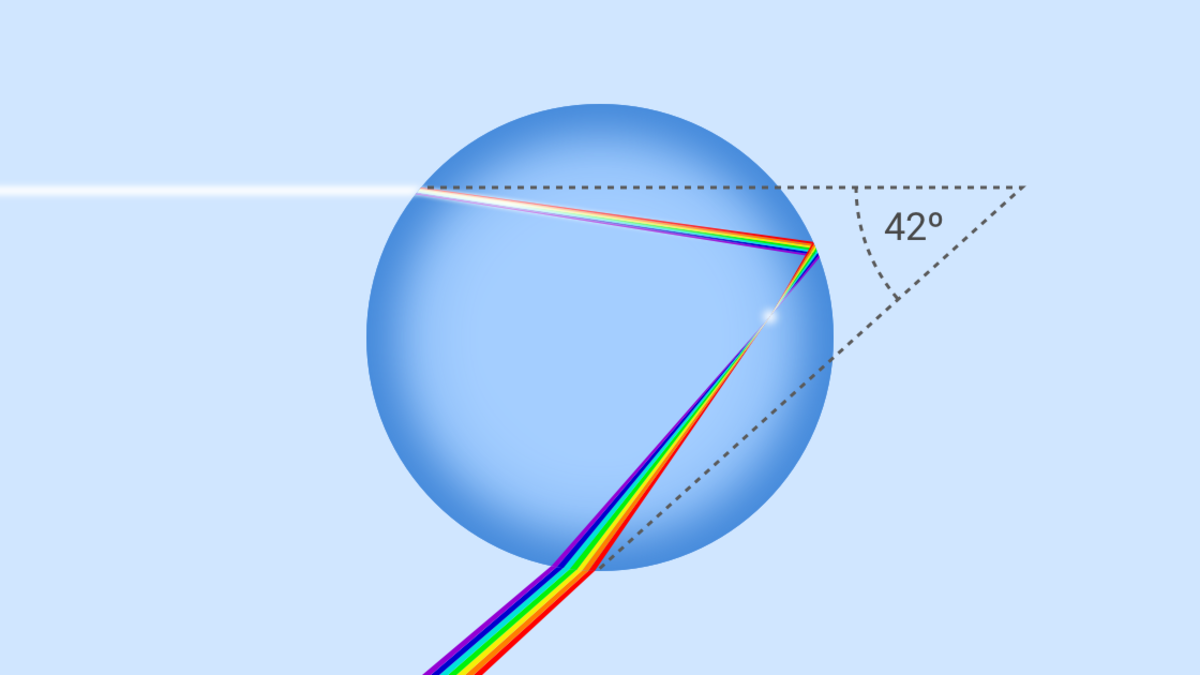

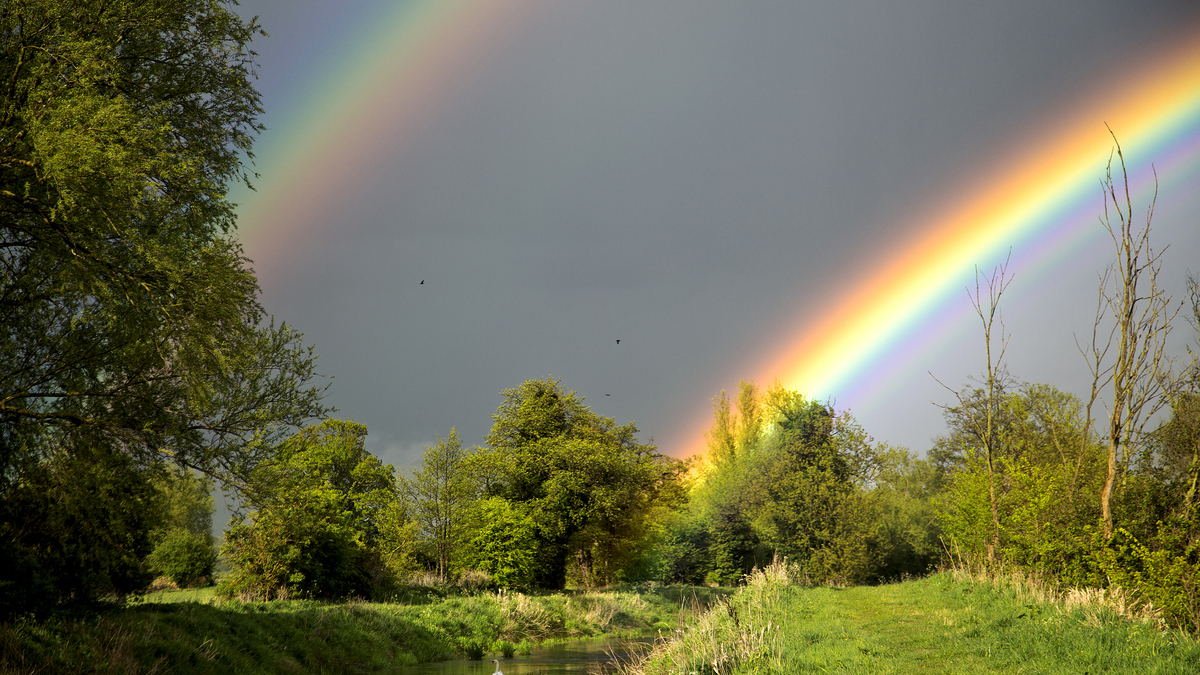

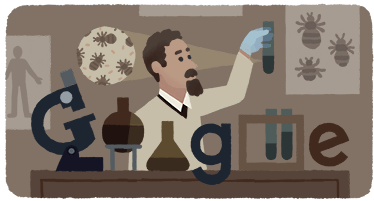


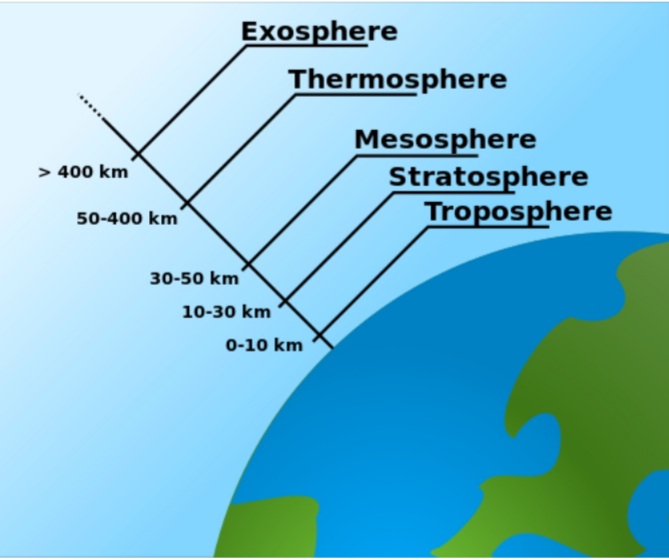









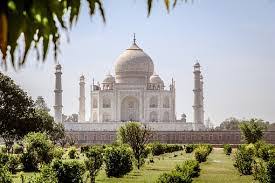
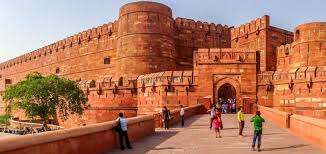
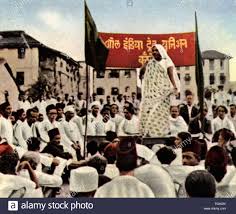
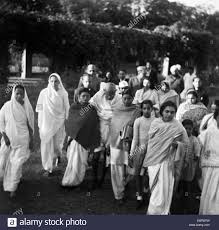
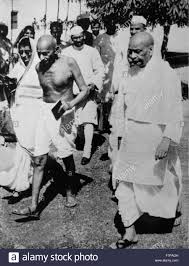










:max_bytes(150000):strip_icc():format(webp)/close-up-of-orange-starfish-on-sand-489010151-59847f7f22fa3a0010518acc.jpg)
:max_bytes(150000):strip_icc():format(webp)/starfish-and-purple-sea-urchin-510809471-571e3f555f9b58857dfcf727.jpg)
:max_bytes(150000):strip_icc():format(webp)/galapagos--closeup-of-seastar-on-colorful-sand--177721012-571e5a5d3df78c56405914a8.jpg)
:max_bytes(150000):strip_icc():format(webp)/diver-and-sun-star--crossaster-sp---monterey-bay--california--usa-128929538-571e5aa25f9b58857d068b38.jpg)
:max_bytes(150000):strip_icc():format(webp)/comet-starfish-regenerating-595539277-571e59965f9b58857d04f6b0.jpg)
:max_bytes(150000):strip_icc():format(webp)/crown-of-thorns-starfish-Borut-Furlan-waterframe-getty-56a5f7763df78cf7728abec4.jpg)
:max_bytes(150000):strip_icc():format(webp)/starfish-589dd8cd3df78c47588a85c3.jpg)
:max_bytes(150000):strip_icc():format(webp)/Tube-feet-of-spiny-starfish-Borut-Furlan-Getty-56a5f7713df78cf7728abebb.jpg)
:max_bytes(150000):strip_icc():format(webp)/rough-seastar-129288589-571e5b9a5f9b58857d07f079.jpg)
:max_bytes(150000):strip_icc():format(webp)/Common-sea-star-Paul-Kay-Getty2-56a5f7723df78cf7728abebe.jpg)
:max_bytes(150000):strip_icc():format(webp)/a-child-s-hand-touching-a-starfish-464708901-5984800f6f53ba0011b2a2ad.jpg)
:max_bytes(150000):strip_icc():format(webp)/mating-starfish-amongst-mussels--148847489-59848051845b340011b3be3a.jpg)




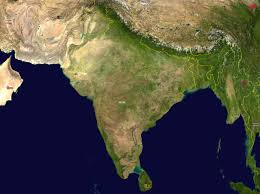






























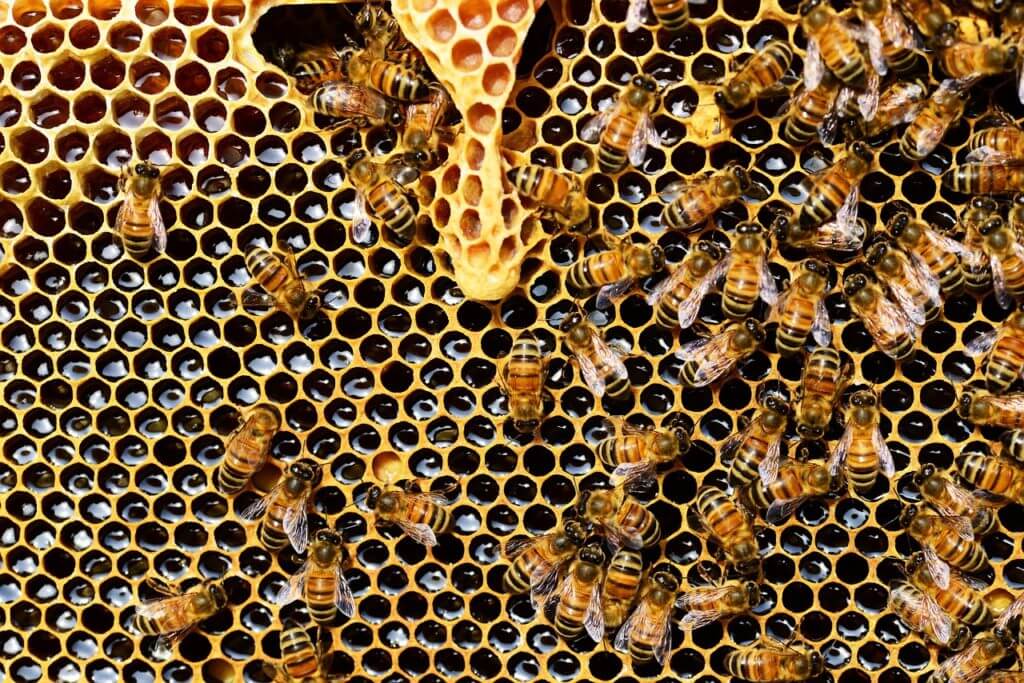
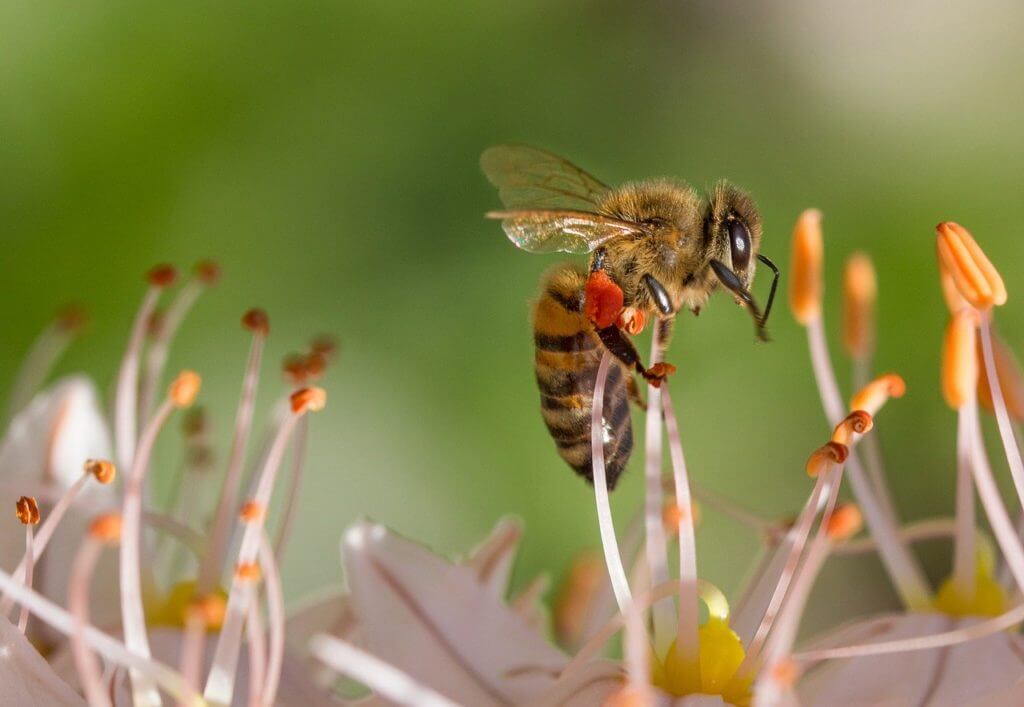

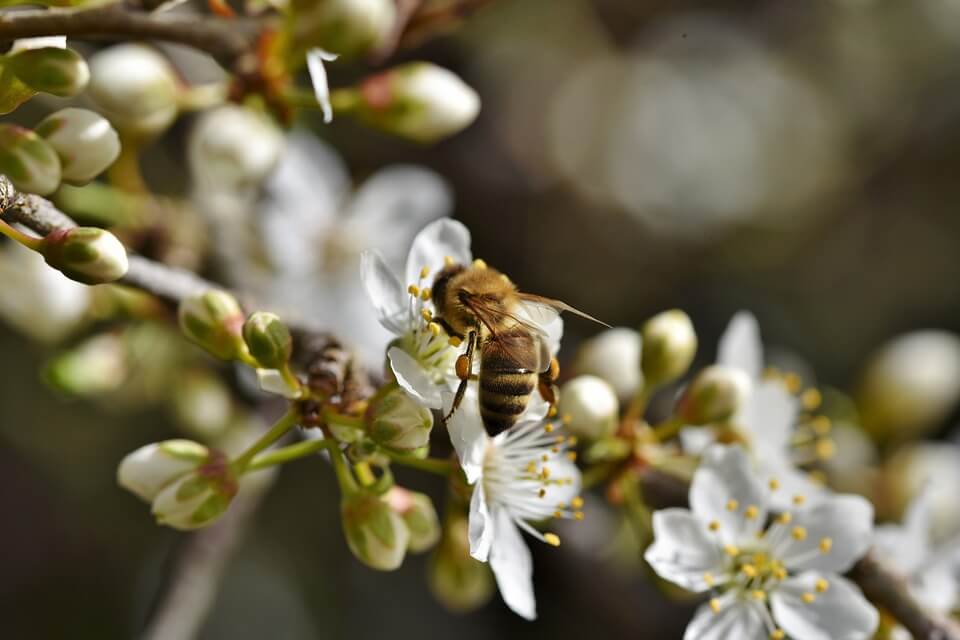
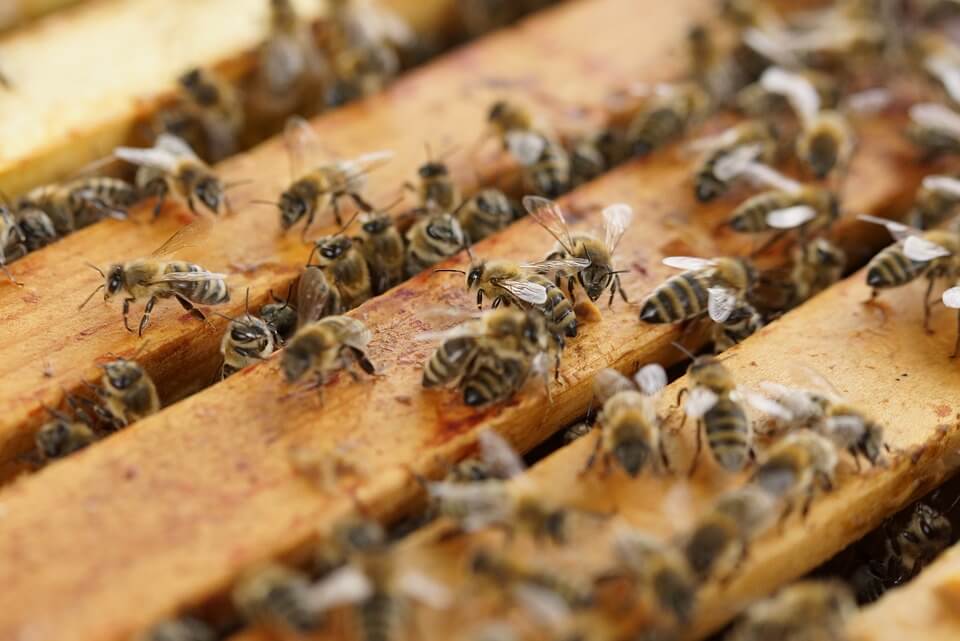














 Track2Training
You must be logged in to post a comment.