Our mothers are like a security blanket to us because she saves us from all problems. She never regards her own problems and listens to us all time. In order to give her respect, the second Sunday of May month has been dedicated to her to celebrate mother’s day. This event is of great importance to us and our mothers. On this day we should keep our mothers happy and never make them sad. We should always obey her and do work properly. She always wants to make us a good human being in life.
A big program is organized in our school every year on mother’s day to celebrate it conjointly. Our teachers help us in getting prepared for the mother’s day occasion. We learn lots of poems, rhymes, essays, speeches on Mother’s day, conversations, etc for the celebration of this occasion. We are really blessed by God with a caring and loving mother. Without mothers our lives are nothing. We are so lucky as we have a mother. We give lots of special gifts to our mother and she gives us lots of love and care. Out teachers give us an invitation card to invite our mother to school and be the glory of the occasion.
Mothers do lots of activities in the classroom like dancing, singing, poem recitation, speech, etc for our happiness. We too take part in the celebration and show our talent (such as poem recitation, essay writing, speech, dance, singing, etc) in front of the mother and teacher. Our mothers bring a lot of delicious dishes with them to school. At the end of the celebration, we all enjoy eating those delicious dishes together with our teachers and mothers. We are served a variety of dishes by our mothers.
Our mothers are very special. Even after being tired she always smiles for us. She tells us different poems and stories while sleeping in the night. She helps us in preparing our project works and home works and helps us during exam time. She takes care of our uniform and school dress. She teaches us to eat anything only after proper hand washes with soap and water. She teaches us good manners, etiquette, morality, humanity, and helping others always in life. She takes care of my father, grandparents, and my small sister. We all too love her too much and take her outside weekly with all family members.
Alexander the Great was a king of Macedonia who conquered an empire that stretched from Balkans to modern-day Pakistan. He was born on July 20th, 356 BC in Pella, which was the administrative capital of Macedonia.
Alexander was the son of Philip II and Olympias, one of Philip’s eight wives. He was brought up with the belief that he was of divine birth. From his early days, Olympias had encouraged him to believe that he was a descendent of heroes and gods. Nothing he had accomplished would have discouraged him from believing. The personality of Alexander the Great was a paradox. He had great charisma and force of personality, but his character was full of contradictions, especially in his later years. However, he had the ability to motivate his army to do what seems to be impossible.
Alexander was a visionary. His ability to dream, plan and strategize on a large scale allowed him too many battles, even when he was outnumbered. It also helped motivate his men, who knew they were part of one of the greatest conquests in history. Alexander could be inspiring and courageous, continued Abernethy. He was devoted to training his mean, rewarding them with honours and spoils, and going into battle beside them, which furthered their devotion and confidence. The fact that Alexander was young, beautiful and empathetic only helped to increase his influence on his soldiers and subjects.
His father was often away, conquering neighbouring territories and putting down revolts. Nevertheless, King Philip II of Macedon was one of Alexander’s most influential role models. Philip ensured Alexander was given a noteworthy and significant education. He arranged for Alexander to be tutored by Aristotle himself. His education infused him with a love of knowledge, logic, philosophy, music and culture. The teachings of Aristotle would later aid him in the treatment of his new subjects in the empires he invaded and conquered, allowing him to admire and maintain these disparate cultures.
Alexander watched his father campaign nearly every year and win victory after victory. Philip remodelled the Macedonian army from citizen-warriors into a professional organization. In early 324 BC, Alexander reached the city of Susa in Persia. Wanting to unite the Persians and Macedonian and create a new race loyal to him, he ordered many of his officers to marry Persian princesses at a mass wedding. He also took two more wives for himself.
The Macedonian army resented Alexander’s attempt to change their culture, and many mutinied. But after Alexander took a firm stand and replaced Macedonian officers and troops with Persians, his army-backed down. To further diffusion the situation, Alexander returned their titles hosted a huge reconciliation banquet.
Many conquered lands retained the Greek influence Alexander introduced, and several cities he founded remain important cultural centers even today. The period of history from his death to 31 BC, when his empire folded, would come to be known as the Hellenistic period. Alexander the Great is revered as the most powerful and influential leaders in the ancient world ever produced.
In 334 BC Alexander III of Macedon better known as Alexander the Great set out on his grand campaign of conquest against the Persian Achaemenid Empire, aged just 22. Benefitting from the conquests, diplomacy and military reforms of his father, Philip II, Alexander has inherited a powerful professional army that utilized the Phalanx formation.
He would go on to forge one of the largest empires the world had yet seen, conquering the mighty Persian Empire and marching his army as far as the Beas River in India. Alexander won four victories against the Persians: the Battle of the Granicus: May 334 BC, The Battle of Issus: 5 November 333 BC, The Battle of Gaugamela: 1 October 331 BC, The Battle of the Persian Gate: 20 January 330 BC. His ability to dream, plan and strategize on a large scale allowed him too many battles, even when he was outnumbered.
Mental health is crucial and integrates a component of health. Mental health includes an individual’s psychological, emotional and social well-being. Proper mental health results in the proper mental functioning that result in being productive in activities, healthy and fulfilling relationships with other people and having the ability to cope and adapt to adversity.
Proper mental health is essential in every stage of life – from childhood and teenage to adulthood. Throughout a lifetime, an individual can experience mental health issue at any point. This affects not only their mood and behaviour but also changes their way of thinking, of looking at life and facing challenges.
Even though mental health is a highly personal thing, what affects one person may or may not affect the other person; however, some significant factors contribute to mental health problems. These factors include life experiences such as trauma or abuse, biological factors such as genes or chemistry of the brain, and even the family history of mental health problems can affect an individual. Poor mental health is also linked with stressful work conditions, rapid social changes, gender discrimination, gender discrimination, social exclusion, physical illness and human rights violation.
Mental health problems are common, but for the longest time, people have avoided the entire concept of it and taken mental health for granted. At one point, mental health was considered taboo, and anyone seeking help was labelled as mentally ill. Mental health and mental illness are not similar things.
For a long time, mental health has been defined as the absence of mental illnesses such as anxiety and depression. Mental illness typically refers to all the diagnosable mental disorders – health conditions that are characterized by alterations in mood, thinking and behaviour associated with impaired functioning or distress.
Mental health and mental illness together go hand in hand. Individuals having optimal mental health conditions can also face mental illness, where people who have no mental illness can also have poor mental health. In recent times, people have started taking mental health seriously and taking proper steps in dealing with any mental health issues. Help is available out there; people with mental health problems can get better by seeking help.
People suffering from mental health issues show various symptoms such as little or no energy, pushing away people and pulling themselves back from regular activities, loss of sleep or the will to eat, smoking, drinking or doing drugs, feeling helpless, yelling and fighting, losing temper very quickly, harming themselves and many more.
Taking care of mental health not only is getting help from professionals when needed but also connecting with other, getting involved in physical activities, helping others, getting enough sleep and staying positive that there is a way out. Positive mental health allows people to realize their full potential, cope with stress in life, work productively and make meaningful contributions to the community. Various factors in people’s lives such as intrapersonal relations, physical factors, childhood trauma and many other conditions can disrupt mental health conditions. Taking care and looking after one’s mental health preserves an individual’s ability to enjoy life.
Mental health is not only the psychological and emotional well-being of an individual but also it is the state of well-being where an individual can use their emotional and cognitive abilities to meet the demands of everyday life and contribute to the society. Mental health is essential in every stage of one’s life, starting from childhood to adolescents up to adulthood.
Every year October 10th is observed as world mental health day. It was started as an annual activity by the world federation by the deputy secretary-general of UNO (United Nations Organisation) at that time for mental health.
Mental health resources in every country are different. At the same time, developed countries of the western world provide mental health programs for every age group. In third world countries where it becomes a struggle to find the basic needs of the families, not much importance is given providing proper mental health aid.
Foreigners often remark that India is a land of temples, shrines and sacred places. With the history of India are intertwined many stories that are religious, legendary and social. Right from Kashmir to Kerala, we come across temples of many Gods and Goddesses.
One of the biggest temples of India is the newly built Lakshmi Narayan temple (Birla Mandir) in Delhi. This temple was built by late industrialist Shri G.D. Birla.
As we approach the temple, we see a majestic and magnificent construction. It covers a wide area having the front wall artistically built with gates in it. At the back of this temple, lie the hilly mounds. The trees give it a very natural and fascinating look.
The entire temple has been built with marble. Inside the temple, there is the statue of Lord Krishna that lies in the central precincts. There are engravings and murals on the walls of the inner temple that depict the stories of The Ramayana and The Mahabharata. There are green lawns inside the temple and parks having many swings and slides on which the children can play. The figures of cow, camel, bear and many other animals, have been carved in stone. The fountains and water coming out of a tiger’s mouth attract people.
On one side of the temple akhand-kirtan or non-stop singing goes on in praise of the Lord. People going to the temple listen to it with full attention. Devotees, saints and sages are seen reciting the sacred hymns of the holy Bhagwad Gita.
The Lakshmi Narayan Temple wears a grand and decent look on the days of Janam Ashtami and Ram Navami, i.e., the birthdays of Lord Krishna and Lord Rama, respectively. Thousands of visitors visit this temple on these days. There is a great rush of people during these days. The temple-tops are illuminated with fancy electric bulbs and it presents an exquisite sight.
Pujas are performed. This sacred place hums with activity during the festivals. The entire temple is lit-up with electric bulbs and lights on the day of Deepawali. If we visit this temple on Deepawali, when it is decorated with glittering lights and adorned by the flowers and other decorative things, we derive great mental satisfaction and solace.
journey by train is always an interesting experience. In the winter of 2009,1 happened to attend the marriage of one of my friends. My friend lived in Amritsar. I got a seat reserved in the first-class compartment from Delhi to Amritsar in a super-fast train and its a winter season.
When the train crossed the platform, it began to pick up speed. Soon, it ran very fast and after some time, reached Panipat. I was carrying some novels, tit-bits, magazines and a newspaper with me. For some time, I read but I soon got bored and gazed outside. A peep through the window of the train showed me a charming sight. I saw lush green fields, trees, groves and forests from the window of the running train. I also saw farmers ploughing the fields. Then my train reached Ambala at 4.50 p.m. Here I had my evening tea at the tea-stall on the railway platform. There was a lot of rush. The hawkers and vendors were selling a variety of foodstuffs. Soon, the train whistled. I got into my compartment and the train left the station.
From Ambala, a foreigner couple boarded my compartment. The couple seemed nice and friendly, so I enquired about their country. The man at once quipped that he belonged to Norway. Then both the husband and wife began to narrate the facts about Norwegians. They also compared the same with the facts and information about India. His wife spoke highly of Indian womanhood. She praised their beauty and behaviour. She also praised the culture, civilisation and places of historical and religious interests in India. Both were deeply impressed by the grandeur of Punjab. Its folklores and festivals were highly appreciated by them. This chat with the foreigner couple was quite interesting for me.
It was night. There was darkness outside. The chilling wind began to blow. My train was nearing its destination. The train halted at Jalandhar. The engine was also changed there. The train then steamed off and ran at full throttle. The piercing wind was penetrating through the open window panes. At 9 p.m. the train reached Amritsar. The platform was lit up with lights. I got down from the train. I met my friend who had come to receive me at the railway station. We both then drove to his home. It was a pleasant journey by train in winter. It added to my experience and knowledge.
It’s normal to feel anxious about moving to a new place, starting a new job, or taking a test. This type of anxiety is unpleasant, but it may motivate you to work harder and to do a better job. Ordinary anxiety is a feeling that comes and goes, but does not interfere with your everyday life.
Anxiety is a feeling of nervousness, unease, or worry that typically occurs in the absence of an imminent threat. It differs from fear, which is the body’s natural response to immediate danger.
Anxiety is part of the body’s natural reaction to stress, so it can be helpful at times, making you more alert and ready for action.
Anxiety disorders and normal feelings of anxiousness are two different things. Many of us get anxious when faced with particular situations we find stressful, but if those feelings don’t subside, the anxiety could be more chronic. When feelings of fear or nervousness become excessive, difficult to control, or interfere with daily life, an anxiety disorder may be present. Anxiety disorders are among the most common mental disorders.
Signs and Symptoms
Your heart beats fast, and your breathing speeds up. Your chest may feel tight, and you might start to sweat. If you’ve ever felt it, you know that anxiety is just as much a physical state as a mental state. That’s because there’s a very strong biological chain reaction that occurs when we encounter a stressful event or begin to worry about potential stressors or dangers in the future. Other physical symptoms include headaches and insomnia. Psychological symptoms may include feeling restless or tense, having a feeling of dread, or experiencing ruminative or obsessive thoughts.
Some of the most common symptoms of anxiety disorders include:
Feelings of apprehension
Anticipating the worst
Irritability
Tremors or twitches
Frequent urination or diarrhea
Nausea or upset stomach
Duration of Anxiety
It is possible to get rid of anxiety with therapy or medication, or through a combination of therapy and medication. It may also take changing your mind a bit about the power your mind has over you.
According to Health Care Experts, “You might start to consider your emotions as changing experiences that are always fluctuating. When we feel distressed, it can seem like the distress is going to go on and on forever until we emotionally combust. But instead, emotions act more like a wave, at times increasing and becoming more intense. But inevitably they’ll reach a plateau, subsiding and finally passing.”
5 Ways to Ease Anxiety and Feel Calmer
Take some deep breaths
When anxious, our breath becomes rapid and shallow. Deep belly breathing helps decrease anxiety by stimulating the body’s relaxation response, lowering our heart rate and blood pressure. It’s a powerful technique that works because you can’t breathe deeply and be anxious at the same time. There are many variations to try, including this simple exercise: Inhale deeply for a count of 4, hold your breath for a count of 4, exhale for a count of 4. Repeat several times.
Go for a walk
Exercise is one of the best anxiety remedies, immediately and long term. Going for a walk creates a diversion from your worries and releases muscle tension. Grab your headphones or earbuds on your way out; studies show that listening to music brings its own calming effects.
Long term, regular exercise triggers the release of feel-good neurochemicals in the brain, building up resilience against stormy emotions. It boosts your confidence and your mood, and you don’t need to run a marathon to feel the benefits. Washing your car, hiking, gardening, a pick-up game — anything that gets you moving counts. Thirty minutes, 3 to 5 days a week can help to significantly improve anxiety symptoms, but even 10 minutes can make a difference.
Try a mini-meditation from Headspace
No matter what’s causing your anxiety, take a pause and try this 3-minute meditation to anchor your mind and body in the present.
Sitting down, take a few deep breaths, in through the nose, and out through the mouth, feeling the breath move through the body, the rising sensation as you breathe in, the falling sensation as you breathe out. Do this a few times, then allow the breath to return to its natural rhythm.
Begin to focus your attention on the physical sensations, either of the weight of the body on the seat beneath you, or the feet on the floor. That’s your anchor, something that doesn’t change, no matter how many thoughts come and go. The moment you realize you’re caught up in thought, come back to that sensation, that feeling of being grounded. It’s as though you’re stepping out of all the business of the mind, and just being present in the body.
Sip some herbal, chamomile, or green tea
If you’re feeling jittery, pour a cup of chamomile or green tea. Known as a sleep aid, chamomile contains a compound called Matricaria recutita, which binds to the same brain receptors as drugs like Valium. Chamomile’s sedative effects may also come from the flavonoid apigenin. In one study at the University of Pennsylvania Medical Center in Philadelphia, patients with generalized anxiety disorder (GAD) who took chamomile supplements (1.2 % apigenin) for 8 weeks showed a significant decrease in anxiety symptoms compared with patients taking placebo. (Despite improved quality control, herbal supplements aren’t regulated by the FDA the way medications are, so before taking any supplement, check with your doctor.)
Green tea, long used in Chinese medicine to treat depression, contains the amino acid L-theanine, which relieves stress, and reduces blood pressure and muscle tension. Nuts, whole grains, and broccoli are also rich in L-theanine.
Distract yourself
If you’re feeling anxious, try a distraction technique — anything that redirects your attention away from distressing thoughts or emotions. Run your fingers around the edge of your phone, put your hands under running cold water, color, or draw on a piece of paper. Distractions work because your brain can’t be in two places at once, and shifting your attention to any activity will interrupt a string of racing thoughts.
89 years ago, one of India’s greatest revolutionary freedom fighters, Bhagat Singh, was given the death penalty by the British colonisers. And though he died young, only 23 years of age, his actions inspired the youth of the nation to fight for the nation’s freedom. His execution spurred many to take up the revolutionary path, playing an important role in India’s freedom struggle.
Bhagat Singh was born on 28 September 1907. He was also known as Shaheed-e-Azam Bhagat Singh. He is one of the youngest freedom fighters who was hanged at a young age. In this article, we are presenting some unknown facts about Bhagat Singh and his revolutionary life which not only inspires but also influences others. Bhagat Singh is considered one of the most powerful revolutionaries of Indian Independence movement. He inspired thousands to take up the cause of the freedom movement. He was a brave freedom fighter. His feelings of patriotism were not only restricted against British rule but also towards the division of India on communal lines. He was genius, mature, and always attracted to socialism.
He was attracted to anarchist and Marxist ideologies which further bring revolutionary ideas to his mind. He was a bright student, a reader, and always actively participated in extra-curricular activities.
He was born on 28 September, 1907 in Punjab, India (now Pakistan), to a Sikh family. He was involved with several revolutionary organizations and set an example of patriotism in the country.
He quit school at thirteen to devote his life to Indian Independence and died at a very young age of 23. Popularly he is known as Shaheed-e-Azam Bhagat Singh. He was found guilty of killing a British police officer and hanged on March 23, 1931. Here, we are presenting some inspiring and unknown facts about Bhagat Singh.
Here’s what you should know about him!
Bhagat Singh left home for Kanpur when his parents tried to get him married, saying that if he married in slave India, “my bride shall only be death” and joined Hindustan Socialist Republican Association.
He along with Sukhdev planned to avenge the death of Lala Lajpat Rai and plotted to kill the Superintendent of Police James Scott in Lahore. However, in a case of mistaken identity, John Saunders, the Assistant Superintendent of Police was shot.
Although a Sikh by birth, he shaved his beard and cut his hair to avoid being recognised and arrested for the killing. He managed to escape from Lahore to Calcutta.
A year later, he and Batukeshwar Dutt threw bombs in the Central Assembly Hall in Delhi, and shouted “Inquilab Zindabad!” He did not resist his arrest at this point.
During interrogation, the British came to know about his involvement in the death of John Saunders a year earlier.
At the time of his trial, he didn’t offer any defence, rather used the occasion to propagate the idea of India’s freedom.
Bhagat Singh was so much disturbed by the Jallianwala Bagh massacre that he bunked the school to visit the site of the bloodbath. In college, he was a great actor and played several roles in plays like ‘Rana Pratap’ and ‘Bharat-Durdasha’.
hagat Singh in his childhood always spoke about guns. He wanted to grow guns in the fields using which he can fight with the British. When he was 8 years old, instead of talking about toys or games he always speaks about driving out British from India.
Bhagat Singh had told the British that “instead of hanging they should shoot him” but the British did not consider it. He mentioned this in his last letter. Bhagat Singh wrote in this letter, “Since I was arrested during the war. Therefore, I cannot be punished for hanging. Let me be thrown into the mouth of a cannon. “This shows his braveness and the feeling for the nation.
Bhagat Singh coined a powerful slogan ‘Inquilab Zindabad’ which became the slogan of India’s armed struggle.
He was hanged an hour ahead of the official time on March 23, 1931. It is said that Bhagat Singh was smiling when he was hanged. In fact, this was done with a fearlessness to “lowered British imperialism”.
When his mother had come to visit him in jail, Bhagat Singh was laughing loudly. Seeing this, the jail officials were shocked to see how this person is who is laughing openly despite being so close to death.
His legacy will continue to live in the hearts of many.
“They may kill me, but they cannot kill my ideas. They can crush my body, but they will not be able to crush my spirit”
On 5th August 2019, President of India in the exercise of the powers conferred by Clause (1) of Article 370 of the Constitution had issued the Constitution (Application to Jammu and Kashmir) Order, 2019. Through this, Government of India has made modifications in Article 370 itself (not revoked it).With this, the Government of India has dramatically altered the relationship between the state of Jammu and Kashmir and the Indian Union.BackgroundOn October 17, 1949, Article 370 was added to the Indian constitution, as a ‘temporary provision’, which exempted Jammu & Kashmir, permitting it to draft its own Constitution and restricting the Indian Parliament’s legislative powers in the state.It was introduced into the draft constitution by N Gopalaswami Ayyangar as Article 306 A.Under Article 370: The Constituent Assembly of Jammu & Kashmir was empowered to recommend which articles of the Indian Constitution should apply to the state,The J&K Constituent Assembly was dissolved after it drafted the state’s constitution. Clause 3 of the article 370 gives the President of India the power to amend its provisions and scope.Article 35A stems from Article 370 and was introduced through a Presidential Order in 1954, on the recommendation of the J&K Constituent Assembly.Article 35A empowers the Jammu & Kashmir legislature to define the permanent residents of the state, and their special rights and privileges.It appears in Appendix I of the Constitution.Key ChangesThe Constitution (Application to Jammu and Kashmir) Order, 2019 has replaced Presidential Order of 1954.Subsequently, the Jammu and Kashmir Reorganisation Bill, 2019, passed by Parliament divides the state of Jammu and Kashmir into two new Union Territories (UTs): Jammu & Kashmir, and Ladakh.This is the first time that a state has been converted into a UT.Of the six Lok Sabha seats currently with the state of Jammu and Kashmir, five will remain with the union territory of Jammu and Kashmir, while one will be allotted to Ladakh.The UT of Jammu and Kashmir will have an Assembly, like in Delhi and Puducherry.Instead of 29, India will now have 28 states. Kashmir will no longer have a Governor, rather a Lieutenant Governor like in Delhi or Puducherry.Status of J&K Union TerritoryJ&K Assembly will have a five-year term, not six, as was the earlier case.Section 32 of the J&K 2019 Bill proposes that the Assembly can make laws on any subjects in the State and Concurrent lists except on state subjects relating to “public order” and “police”.This is similar to Article 239 A of the Constitution that is applicable to Union Territories of Puducherry and Delhi.However, by insertion of Article 239AA and by virtue of the 69th Constitutional Amendment, the Delhi Assembly cannot legislate on matters in entry 18 of the State List, i.e. land.In the case of J&K, the Assembly can make laws on land.The special status provided to J&K under Article 370 will be abolished.Jammu & Kashmir will no longer have the separate constitution, flag or anthem.The citizens of Jammu and Kashmir will not have dual citizenship.As the new union territory of Jammu and Kashmir will be subject to the Indian Constitution, its citizens will now have the Fundamental Rights enshrined in the Indian constitution.Article 360, which can be used to declare a Financial Emergency, will now also be applicable.All laws passed by Parliament will be applicable in Jammu and Kashmir, including the Right to Information Act and the Right to Education Act.The Indian Penal Code will replace the Ranbir Penal Code of Jammu and Kashmir.Article 35A, which originates from the provisions of Article 370 stands null and void.Since Presidential Order has extended all provisions of the Constitution to Jammu and Kashmir, including the chapter on Fundamental Rights, the discriminatory provisions under Article 35A will now be unconstitutional.The Need for ChangesArticle 370 was added in the Indian constitution to provide autonomy to J&K.However, it failed to address the well-being of Kashmiris who have now endured two generations of insurgency and violence.It contributed to the gap between Kashmir and the rest of the nation.International eventsThe situation emerging in the western neighbourhood and the possible re-ascendance of the Taliban in Afghanistan call for greater attention and care.More so, the emerging geopolitical dynamics in Afghanistan and the resultant United States-Pakistan rapprochement could have potentially led to more heat on the Kashmir situation in the months ahead.ChallengesConstitutional challengesPresidential order that sought to abrogate of Jammu and Kashmir’s special status, according to Article 370 (3) the President would require the recommendation of the constituent assembly of Jammu and Kashmir to make such a change.However, the 2019 Presidential order adds a sub-clause to Article 367, replacing the terms:“Constituent Assembly of Jammu and Kashmir” to mean “legislative Assembly of Jammu and Kashmir”.“Government of Jammu and Kashmir” to mean “Governor of Jammu and Kashmir acting on the aid and advice of the council of ministers”.The government sought to dilute the autonomy under Article 370 without bringing a Constitutional Amendment that would require a two-thirds majority in the Parliament.This provision is currently under challenge in the Supreme Court on the ground that it added article 35A in the Indian Constitution only through a Presidential Order.Conversion of Jammu and Kashmir into a Union Territory is in violation of Article 3, as the Bill was not referred to the President by the State Assembly.In the reorganisation of the state, the Presidential order also requires the concurrence of the government of the state. However, since Jammu & Kashmir is currently under Governor’s rule, the Governor’s concurrence is deemed to be the government’s concurrence.Federalism issue:The Instrument of Accession was like a treaty between two sovereign countries that had decided to work together.The maxim of pacta sunt servanda in international law, which governs contracts or treaties between states, asks that promises must be honoured.In Santosh Kumar v. State of J&K & ors (2017), the SC said that due to historical reasons, Jammu and Kashmir had a special status.In SBI v Zaffar Ullah Nehru (2016), the SC held that Article 370 cannot be repealed without the concurrence of the Constituent Assembly of Jammu and Kashmir.Possible ConsequencesRise in Militancy: Article 370 was seen by Kashmiris as a marker of their separate identity and autonomy.There is a possibility of widespread protests and violence as a reaction to the dilution of Article 370.Terror elements in Pakistan would find Kashmir to be the most fertile ground for breeding terrorism.The unrest can affect the democratic progress that has been made so far.Out-maneuvering Pakistan: Pakistan used 370 to wage a proxy war, internationalise Kashmir, supporting terrorism, all that is gone now.Way ForwardA 10-year strategy for education, employment and employability should be deployed for uplifting Kashmir.The Gandhian path of non-violence and peace should be adopted to solve the legitimacy crisis in Kashmir.The government can mitigate the challenges emanating out of Action on article 370 by launching a comprehensive outreach programme to all Kashmiris.In this context, Atal Bihari Vajpayee’s version of Kashmiriyat, Insaniyat, Jamhooriyat (inclusivity culture of Kashmir, humanitarianism and democracy) for Kashmir solution, should become a cornerstone of the forces of reconciliation in the State.
I was a bit apprehensive at first by just seeing that the premise of this show was based on superheroes. I didn’t think that they would have the budget to deliver the level of VFX that Marvel and DC have been managing to. Although they get around this issue by spacing out action set pieces and largely constraining to hand to hand combat when they do get to the larger action scenes involving computer effects and stunt coordination they are able to deliver on a large scale.
In many ways, this did not feel like a TV show at all. It felt like an 8-hour movie that was just split into 8 halves. There are no instances where the show seemed to drag for the purpose of producing more episodes, it did not also pander to less interesting side characters to pass the time. The whole show seems very cohesive and consistent with the logic in its universe. It also adroitly uses its soundtrack at appropriate places only when it is necessary. The show also manages to balance humor and its dark tone quite well.
I found this show extremely mature, not only in the sense of its visual presentation which is extremely gory and ultra-violent but also in terms of the ideas and themes it is trying to convey. It touches on many topics like religion, fame, capitalism, nihilism, and loss. All these ideas are eloquently carried out throughout the show in such a way that they do not impede the actual story development. The color pallet of this show is also very dark and grainy, which I am not always a fan of but it actually works here because unlike other films or shows who use their R rating unwittingly and sporadically, this one uses it with the purpose to show the reality of the world.
By far my favorite aspect of this show is its characters. Every character in this show has multiple dimensions. They are not just completely evil or noble, even some of our main characters have questionable morals. They all have a strong background and motivation and they definitely do justice in further developing these characters as the season moves along. I found the character of Billy Butcher, played by Karl Urban, the most interesting. This is because several aspects of his life are lightly alluded throughout the season, making the audience want to know more about this character.
I know this is not the first of its kind to make a show about morally compromised heroes but it is also a lot more than that. It has a lot to say about society and huge cooperations running our lives. It just uses superheroes as a medium to convey all those ideas. My only gripe with this show is its plot convenience and misplaced exposition. I strongly recommend checking it out.
In this age of the web where we as a whole have simple admittance to data; we actually do not have a comprehension of the more youthful age. What’s more, this is the thing that we call the age hole. It is only a mental hole among guardians and grown-ups and the more youthful age.
There consistently has stayed a fracture between any two ages with respect to the thoughts of life, achievement, love, and so on and exceptional because of innovation, it has essentially erupted everything up. To place it in basic terms, an age hole can be clarified in 4 words, “You will not get this”. This sentence is utilized by everybody, we as a whole have said this to our folks and even they have said this to their folks.
Social contrasts between age
What are the reasons for the age hole? For what reason does this occur?
Back in the days, guardians were just worried about their kid’s investigations and marriage. Essentially, the focal point of their universe was their kid. However, these days, guardians have a far more occupied timetable. They have endless available time, an insane huge group of friends and also they are fixated on the cell phones and the web very much like youngsters.
While youngsters feel worried and restless on the grounds that they have a great deal to do and dominate at. Their timetable is so full they scarcely figure out how to examine what’s happening. They return home from school and are now late for their other arranged exercises and training. They appear to upgrade their characters however what guardians don’t comprehend is that too many arranged exercises cause strain on the kid’s psyche as they need to perform well at all the levels and the pressing factor keeps stacking up.
Innovation is one of the significant reasons for this age hole. Let’s be honest, our PCs, cell phones, tablets, the web, and every one of the web-based media applications have removed us further separated. We have begun living in our advanced world as opposed to the actual one and presently sharing stuff via web-based media is a higher priority than offering musings and sentiments to our family. Rather than making eating times fun, we continue utilizing our cell phones for clicking purported stylish photos of the nourishment for online media or to answer to talks and messages.
Another explanation could be the distinction in childhood, the psychological system contrasts from one another. Mental and personal conduct standards are shaped based on conditions one goes through. In this way, when individuals of various ages interact with one another they regularly are actuated to a distinction in thoughts and sentiments, correspondence holes, clashes, and so forth
A larger part of guardians invest less energy speaking with and paying attention to their children, despite the fact that they love them definitely. This is because of their bustling timetable, hefty responsibility, and stress looked at the working environment. They are under a great deal of strain to find some kind of harmony among work and family and kids don’t share their school life or other everyday occasions with their folks. Essentially, guardians are making incredible penances to make money. Despite what might be expected, their children are being ignored. Guardians may not know their’s thought process and this prompts a correspondence hole between them.
Guardians have a great deal of worries about their youngsters’ scholastic presentation at school as opposed to focusing on their diversions and interests. Accordingly, kids might not have total opportunity in the decision of some action and the books that they read. They may feel that they are confined like birds and thus, kids begin feeling less associated with their folks.
How might you connect age holes in the family?
So how individuals who had no TV, or watched highly contrasting TV identify with individuals who stare at the TV on their cell phones? See the decency in each and begin gaining from one another as opposed to chastening and detesting each other’s methodologies, ruining connections, making clashes, and expanding distance.
More established individuals consistently need to go about as coaches directing the more youthful age in all issue. Both the ages should recognize that occasions change thus do the lifestyles. The old should acknowledge the change and the methods of the youthful just as take in specific things from them in any event, when they assume the part of tutors.
It frequently happens that the two ages simply don’t have any desire to pay attention to one another. Listening doesn’t intend to just zero in on “WHAT” is said yet additionally “WHY” it is said. This methodology can bring about lesser struggles at home.
Try not to talk about delicate subjects. Individuals can be extremely touchy about grades in instruction, religion, governmental issues, sex, and so on The assessment on these themes might contrast in more youthful age. In this way, conflict between the two ages can happen without any problem. A particularly generational debate can make things humiliating and off-kilter for the two players.
Outrage isn’t the correct method to manage anything. It has just raised the hole between the two ages. Outrage causes you to appear to be unsympathetic, unbending, self-important, or most noticeably awful of all even mistaken. It causes adolescents to get things done secretly and they become unyielding. Rather than condemning them or blowing up, show them the way. Give them a patient hearing and an answer for their concern.
To wrap things up, attempt to send inspirational tones. You can embrace, grin, express expressions of understanding, appreciation, and friendship, and this positive energy will draw in the young people towards you. Investing quality energy with your youngsters can truly fabricate solid intergenerational bonds and they will feel certain, protected, and sincerely sound.
Both the ages have their individual encounters and viewpoints, they will undoubtedly have various feelings and perspectives with respect to different parts of life, for example, profession decisions, way of life, and substantially more. Along these lines, tolerating that distinctions are ordinary and that anybody has a privilege to their own conviction can help in spanning this age hole.
Felines make awesome associates, however they can be interested critters. They like to knock their heads against us, snooze tight boxes, ply our laps, and participate in a wide range of peculiar practices. What do these practices mean and when would it be a good idea for you to look for help from your veterinarian?
Skipping Off the Walls
Felines and particularly little cats can be exceptionally lively and enthusiastic. Some of the time they oust all that energy by dashing from one space to another, bouncing all over on the furnishings, and going a little off the deep end. This sort of conduct can likewise be a response to catnip, which can make felines act silly for brief timeframes.
All that vivacious action is typical, however it can prompt wounds. It’s useful to check out your home and ensure your feline’s region is pretty much as protected as could be expected. For example, set aside things that could get pushed over and keep windows shut. Felines who drop out of windows can experience the ill effects of elevated structure condition, which are wounds that can include: a messed up jaw, broken ribs, and different issues.
On the off chance that this conduct is upsetting your family, you should discover approaches to assist with diverting your feline’s energy. Make time to mess around like pursue to destroy them and furnish them with intuitive toys they can appreciate all alone. In case you’re confounded, talk with your veterinarian.
Head Bumping
At the point when your feline bop, bop, bops you with their head, they’re saying, “I love you!” They’re additionally telling everybody that you have a place with them. Felines have pheromones in their cheek regions that mark you as their ownership. However, relax if your feline doesn’t headbutt you. There are bunches of alternate ways felines show their adoration.
Babbling
At any point hear your feline babbling while at the same time watching the birds zooming around the yard? That sound comes from their fervor at seeing potential prey joined with the disappointment of not having the option to get at them. Felines can likewise make other peculiar commotions like trilling, yowling, and hacking.
Biting Weird Things
A few felines bite on odd things, similar to fleece covers, socks, plastic sacks, or elastic groups. This conduct can be because of fatigue, uneasiness, or ailment. It can likewise happen in felines who were weaned too soon and want to “nurture” on delicate things, as toys or covers.
This propensity is hazardous since it can cause stifling, intestinal blockages, and different issues. In the event that your feline is biting on unpalatable things, you should visit your veterinarian to sort out the reason and best course of treatment.
In the event that your feline swallows an article, an ASPCA Pet Health Insurance plan can help you cover the expenses of care. Get a statement now.
Snoozing in Tight Places
Felines love to slip into little spaces like boxes, bureau compartments, washroom cupboards, or storeroom corners where they feel comfortable and secure. They might even lean toward these spots to a comfortable pet bed. This conduct can be followed back to their wildcat progenitors who might rest securely stowed away to assist with keeping away from hunters.
Giving Gifts
Felines are notorious for leaving us undesirable gifts, like dead mice or birds. This is really their method of saying thanks to us for everything we accomplish for them. While you should feel regarded your feline needed to impart their crown jewels to you, you ought to try not to overplay it. Try not to chide your feline for this ordinary conduct and unquestionably don’t laud them or you could wind up with more gifts.
While it will not prevent your feline from discovering mice or other natural life that get inside, you can assist with forestalling gift giving by keeping your feline inside consistently as suggested by our essential accomplice the American Society for the Prevention of Cruelty to Animals® (ASPCA®). This likewise shields your feline from infectious illnesses and parasites.
Overlooking You
In case your feline’s overlooking you, it’s presumably not due to anything you did. Our famously free felines need a brief period to themselves once in a while. It’s a smart thought to let your feline be the point at which they are acting along these lines. Relax—they’ll come search you out for some consideration when they need it.
Manipulating
For what reason do felines manipulate things with their paws? It might return to their little cat days when they would push on their mama’s stomach to animate milk stream. They may likewise do it basically on the grounds that they’re feeling loose and content. Plying shouldn’t be an issue except if your feline’s paws are delving into your thighs. For this situation, it very well may be an ideal opportunity to get out the nail trimmers and securely trim them down.
Pushing Things Over
It very well may be frightening and baffling when your feline pushes a book off your end table or pushes over an outlined picture, however this is typical conduct. Felines have delicate paws and like to smack things around to look at them. This is something they do with their prey as well. Felines likewise wreck things to stand out enough to be noticed.
It is ideal to overlook your feline when they are taking part in this movement, or you may support the conduct. You should likewise put important or fragile articles out of paw’s range.
Snacking on Plants
Felines snack on plants for bunches of various reasons. It very well may be on the grounds that their stomach is disturbed, they think that its encouraging, they are interested, or they need to borrow your time. Obviously, this can be an issue in the event that they bite on destructive plants, similar to lilies or daffodils.
Assuming you need to have plants in your home, ensure they are alright for felines. You ought to likewise be cautious where you place them. Felines can push over pruned plants, which can bring about wounds just as a major wreck. Furthermore, fertilized soil can contain parasite eggs. Keep felines out of the dirt or get some information about cleaned soil.
Have you at any point been in that abnormal circumstance with somebody where you were unable to move beyond the short discussions? Starts with the good tidings and afterward a total full stop? The underlying driver of this load of issues is ill-advised relational abilities!
WHAT EXACTLY IS COMMUNICATION?
Indeed, the course book might characterize it as “the demonstration of giving, getting, and sharing data” But it is significantly more than that, and when placed into straightforward words, it’s essentially trading thoughts and considerations, being liberal about one another’s point of view and being somewhat weak enough to trust the individual that you address.
HOW TO GET BETTER AT COMMUNICATION IN THE PROFESSIONAL SECTOR?
A few group might confront issues when they need to fire up the discussion, they are normally clear initially, don’t have the foggiest idea how to begin the discussion, however when they get into it and open up, they discover no issues in proceeding with the discussion.
Have some ‘profound’ ice breakers close by :
You can’t anticipate that topics should just snap in your psyche, so perhaps it is smarter to set yourself up ahead of time. To do that, you should initially have to accept that, the individual you are conversing with likewise coordinates with a similar excitement as yours. In any event, when uncertain, step up, it might wind up knocking your socks off!
Pose inquiries about subjects the other individual is keen on :
Extraordinary compared to other approaches to proceed with the protection is talking on the subjects the other individual is keen on, so to do that, you should essentially know something’s about him/her, which should either be possible by a little historical verification, assuming the individual you are addressing has direct impact over you, it is smarter to know things about him/her to dazzle. Else you can get by their non-verbal communication with respect to where their inclinations may lay.
Try not to push individuals to see your point of view :
We all are special in our own specific manner, likewise outlooks differ from one individual to another. At the point when you are discussing a specific subject ensure you are simply bringing up your considerations and sentiments yet not pushing them. They will have their own point of view, pay attention to it, not the entirety of our realities should be right as now and then when you go further into the subject you might understand that there is plausible to investigate the matter contrastingly as well! So rather than pushing your considerations, keep the discussion light and end with “What are your viewpoints about it?”
Try not to discuss the climate :
The subject of climate essentially implies that you are either not intrigued by the discussion or don’t have a clue what else to talk about. So I recommend you not take up this theme.
Uncover something somewhat close to home about yourself :
Rather than straightforwardly leaping direct, you can discuss your own insight with regards to why you have the assessment that you have. At the point when you disclose to them more about yourself they get a reasonable thought as well! Rather than asking them inquiries and anticipating answers, you can request their accounts, rather than posing inquiries like, “Did you have a good end of the week?” or, “What’s happening?” have a go at inquiring “What was the most amazing aspect of your end of the week?” or “What are you anticipating this week?”
Never back down, feeling that you talking or that your inflection isn’t adequate. You need to commit errors to learn! Step up and accept circumstances for what they are!
The previous article gave a brief introduction to deep learning. This article deals with the networks used in deep learning. This network is known as a neural network. As the name suggests the network is made up of neurons
The networks used in artificial intelligence are a combination of blocks arranged in layers. These blocks are called an artificial neurons. They mimic the properties of a natural neuron. One of the neurons is the sigmoid neuron.
This is in general the formula for the sigmoid function. Every neural network consists of weights and biases.
Weights- The scalar quantities which get multiplied to the input
Biases- the threshold quantity above which a neuron fires
Notation
Meaning
X
Input
Y
Output
W
Weight
B
Bias
Working of a neuron
This is the simple representation of a neuron. This is similar to the biological neuron. In this neuron, the inputs are given along with some priority known as weights. The higher the value of the weights, the more prioritized is that input. This is the reason for our brain to choose one activity over the other. Activity is done only if the neuron fires. A similar situation is seen here. The particular activity is forwarded to the next layer only if this particular neuron fires. That is the output must be produced from the neuron.
Condition for the neuron to fire
The neuron will produce an output only if the inputs follow the condition.
As mentioned before, the bias is the threshold value and the neuron will fire only when the value crosses this bias. Thus the weighted sum for all the inputs must be greater than the bias in order to produce an output.
Classification of networks
Every neural network consists of three layers majorly: –
Input layer
Hidden layer
Output layer
Input layer
The input layer consists of inputs in the form of vectors. Images are converted into 1-D vectors. Input can be of any form like audio, text, video, image, etc. which get converted into vectors.
Hidden layer
This is the layer in which all the computations occur. This is generally not visible to the user hence termed as a hidden layer. This layer may be single or multiple based on the complexity of the task to be performed. Each layer processes a part of the task and it is sent to the next layer. Vectors get multiplied with the weight matrix of correct dimensions and this vector gets passed onto the next layer.
Output layer
The output layer gets information from the last layer of the hidden layer. This is the last stage in the network. This stage depends upon the task given by the user. The output will be a 1-D vector. In the case of classification, the vector will have a value high for a particular class. In the case of regression, the output vector will have numbers representing the answer to those questions posed by the user.
The next article is about the feed-forward neural network.
The previous article gave a brief introduction to deep learning. This article deals with the networks used in deep learning. This network is known as a neural network. As the name suggests the network is made up of neurons
The networks used in artificial intelligence are a combination of blocks arranged in layers. These blocks are called an artificial neurons. They mimic the properties of a natural neuron. One of the neurons is the sigmoid neuron.
This is in general the formula for the sigmoid function. Every neural network consists of weights and biases.
Weights- The scalar quantities which get multiplied to the input
Biases- the threshold quantity above which a neuron fires
Notation
Meaning
X
Input
Y
Output
W
Weight
B
Bias
Working of a neuron
This is the simple representation of a neuron. This is similar to the biological neuron. In this neuron, the inputs are given along with some priority known as weights. The higher the value of the weights, the more prioritized is that input. This is the reason for our brain to choose one activity over the other. Activity is done only if the neuron fires. A similar situation is seen here. The particular activity is forwarded to the next layer only if this particular neuron fires. That is the output must be produced from the neuron.
Condition for the neuron to fire
The neuron will produce an output only if the inputs follow the condition.
As mentioned before, the bias is the threshold value and the neuron will fire only when the value crosses this bias. Thus the weighted sum for all the inputs must be greater than the bias in order to produce an output.
Classification of networks
Every neural network consists of three layers majorly: –
Input layer
Hidden layer
Output layer
Input layer
The input layer consists of inputs in the form of vectors. Images are converted into 1-D vectors. Input can be of any form like audio, text, video, image, etc. which get converted into vectors.
Hidden layer
This is the layer in which all the computations occur. This is generally not visible to the user hence termed as a hidden layer. This layer may be single or multiple based on the complexity of the task to be performed. Each layer processes a part of the task and it is sent to the next layer. Vectors get multiplied with the weight matrix of correct dimensions and this vector gets passed onto the next layer.
Output layer
The output layer gets information from the last layer of the hidden layer. This is the last stage in the network. This stage depends upon the task given by the user. The output will be a 1-D vector. In the case of classification, the vector will have a value high for a particular class. In the case of regression, the output vector will have numbers representing the answer to those questions posed by the user.
The next article is about the feed-forward neural network.
Have you ever wondered how the brain works? One way of understanding it is by cutting open the brain and analyzing the structures present inside it. This however can be done by researchers and doctors. Another method is by using electricity to stimulate several regions of the brain. But what if I say that it is possible to analyze and mimic the brain in our computers? Sounds quite interesting right! This particular technology is known as deep learning.
Deep learning is the technique of producing networks that process unstructured data and gives output. With the help of deep learning, it is possible to produce and use brain-like networks for various tasks in our systems. It is like using the brain without taking it out. Deep learning is advanced than machine learning and imitates the brain better than machine learning and also the networks built using deep learning consists of parts known as neurons which is similar to biological neurons. Artificial intelligence has attracted researchers in every domain for the past two decades especially in the medical field; AI is used to detect several diseases in healthcare.
Sl.no
Name
Description
Examples
1
Data
Type of data provided to input
Binary(0,1) Real
2
Task
The operation required to do on the input
Classification(binary or multi) Regression(prediction)
3
Model
The mathematical relation between input and output. This varies based on the task and complexity
MP neuron(Y=x+b) Perceptron(Y=wx+b) Sigmoid or logistic(Y=1/1+exp(wx+b)) *w and b are parameters corresponding to the model
4
Loss function
Kind of a compiler that finds errors between the output and input (how much the o/p leads or lags the i/p).
Square error= square of the difference between the predicted and actual output.
5
Algorithm
A kind of learning procedure that tries to reduce the error computed before
Gradient descent NAG AdaGrad Adam RMSProp
6
Evaluation
Finding how good the model has performed
Accuracy Mean accuracy
Every model in this deep learning can be easily understood through these six domains. Or in other words, these six domains play an important role in the construction of any model. As we require cement, sand, pebbles, and bricks to construct a house we require these six domains to construct a network.
Now it will be more understandable to tell about the general procedure for networks.
Take in the data (inputs and their corresponding outputs) from the user.
Perform the task as mentioned by the user.
Apply the specific relation to the input to compute the predicted output as declared by the user in the form of model by assigning values to parameters in the model.
Find the loss the model has made through computing the difference between the predicted and actual output.
Use a suitable learning algorithm so as to minimize the loss by finding the optimum value for parameters in the network
Run the model and evaluate its performance in order to find its efficiency and enhance it if found less.
By following these steps correctly, one can develop their own machine. In order to learn better on this, pursuing AI either through courses or opting as a major is highly recommended. The reason is that understanding those concepts requires various divisions in mathematics like statistics, probability, calculus, vectors, and matrices apart from programming.
Have you ever wondered how the brain works? One way of understanding it is by cutting open the brain and analyzing the structures present inside it. This however can be done by researchers and doctors. Another method is by using electricity to stimulate several regions of the brain. But what if I say that it is possible to analyze and mimic the brain in our computers? Sounds quite interesting right! This particular technology is known as deep learning.
Deep learning is the technique of producing networks that process unstructured data and gives output. With the help of deep learning, it is possible to produce and use brain-like networks for various tasks in our systems. It is like using the brain without taking it out. Deep learning is advanced than machine learning and imitates the brain better than machine learning and also the networks built using deep learning consists of parts known as neurons which is similar to biological neurons. Artificial intelligence has attracted researchers in every domain for the past two decades especially in the medical field; AI is used to detect several diseases in healthcare.
Sl.no
Name
Description
Examples
1
Data
Type of data provided to input
Binary(0,1) Real
2
Task
The operation required to do on the input
Classification(binary or multi) Regression(prediction)
3
Model
The mathematical relation between input and output. This varies based on the task and complexity
MP neuron(Y=x+b) Perceptron(Y=wx+b) Sigmoid or logistic(Y=1/1+exp(wx+b)) *w and b are parameters corresponding to the model
4
Loss function
Kind of a compiler that finds errors between the output and input (how much the o/p leads or lags the i/p).
Square error= square of the difference between the predicted and actual output.
5
Algorithm
A kind of learning procedure that tries to reduce the error computed before
Gradient descent NAG AdaGrad Adam RMSProp
6
Evaluation
Finding how good the model has performed
Accuracy Mean accuracy
Every model in this deep learning can be easily understood through these six domains. Or in other words, these six domains play an important role in the construction of any model. As we require cement, sand, pebbles, and bricks to construct a house we require these six domains to construct a network.
Now it will be more understandable to tell about the general procedure for networks.
Take in the data (inputs and their corresponding outputs) from the user.
Perform the task as mentioned by the user.
Apply the specific relation to the input to compute the predicted output as declared by the user in the form of model by assigning values to parameters in the model.
Find the loss the model has made through computing the difference between the predicted and actual output.
Use a suitable learning algorithm so as to minimize the loss by finding the optimum value for parameters in the network
Run the model and evaluate its performance in order to find its efficiency and enhance it if found less.
By following these steps correctly, one can develop their own machine. In order to learn better on this, pursuing AI either through courses or opting as a major is highly recommended. The reason is that understanding those concepts requires various divisions in mathematics like statistics, probability, calculus, vectors and matrices apart from programming.
India never invaded any country in her last 10000 years of history.
India invented the Number System. Zero was invented by Aryabhatta.
The World’s first university was established in Takshila in 700BC. More than 10,500 students from all over the world studied more than 60 subjects. The University of Nalanda built in the 4th century BC was one of the greatest achievements of ancient India in the field of education.
Sanskrit is the mother of all the European languages. Sanskrit is the most suitable language for computer software, reported in Forbes magazine, July 1987.
Ayurveda is the earliest school of medicine known to humans. Charaka, the father of medicine consolidated Ayurveda 2500 years ago. Today Ayurveda is fast regaining its rightful place in our civilization.
Although modern images of India often show poverty and lack of development, India was the richest country on earth until the time of British invasion in the early 17th Century.
The art of Navigation was born in the river Sindh 6000 years ago. The very word Navigation is derived from the Sanskrit word NAVGATIH. The word navy is also derived from Sanskrit ‘Nou’.
Bhaskaracharya calculated the time taken by the earth to orbit the sun hundreds of years before the astronomer Smart.; Time taken by earth to orbit the sun: (5th century)365.258756484 days.
The value of pi was first calculated by Budhayana, and he explained the concept of what is known as the Pythagorean Theorem. He discovered this in the 6th century long before the European mathematicians.
Algebra, trigonometry and calculus came from India; Quadratic equations were by Sridharacharya in the 11th Century;The largest numbers the Greeks and the Romans used were 10^6(10 to the power of 6) whereas Hindus used numbers as big as 10^53(10 to the power of 53) with specific names as early as 5000 BCE during the Vedic period. Even today, the largest used number is Tera 10^12(10 to the power of 12).
According to the Gemological Institute of America, up until 1896, India was the only source for diamonds to the world.
USA based IEEE has proved what has been a century-old suspicion in the world scientific community that the pioneer of Wireless communication was Prof. Jagdeesh Bose and not Marconi.
The earliest reservoir and dam for irrigation was built in Saurashtra.
According to Saka King Rudradaman I of 150 CE a beautiful lake called ‘Sudarshana’ was constructed on the hills of Raivataka during Chandragupta Maurya’s time.
Chess (Shataranja or AshtaPada) was invented in India.
Sushruta is the father of surgery. 2600 years ago he and health scientists of his time conducted complicated surgeries like cesareans, cataract, artificial limbs, fractures, urinary stones and even plastic surgery and brain surgery. Usage of anesthesia was well known in ancient India. Over 125 surgical equipment were used. Deep knowledge of anatomy, physiology, etiology, embryology,digestion, metabolism, genetics and immunity is also found in many texts.
When many cultures were only nomadic forest dwellers over 5000 years ago, Indians established Harappan culture in Sindhu Valley (Indus Valley Civilization)
The place value system, the decimal system was developed in India in 100 BC.
[These facts were recently published in a German Magazine, which deals with World History Facts about India.]
The company was created as a result of what Jeff Bezos called his “regret minimization framework”, which described his efforts to fend off any regrets for not participating sooner in the Internet business boom during that time. In 1994, Bezos left his employment as vice-president of D. E. Shaw & Co., a Wall Street firm, and moved to Seattle, Washington, where he began to work on a business plan for what would become Amazon.com.
On July 5, 1994, Bezos initially incorporated the company in Washington state with the name Cadabra, Inc. After a few months he changed the name to Amazon.com, Inc, because a lawyer misheard its original name as “cadaver”. In its early days, the company was operated out of the garage of Bezos’s house on Northeast 28th Street in Bellevue, Washington. In September 1994, Bezos purchased the domain name relentless.com and briefly considered naming his online store Relentless, but friends told him the name sounded a bit weird. The domain is still owned by Bezos and still redirects to the retailer.
Introduction:
Amazon is an American international e-commerce company. It was started by Jeffrey P. Bezos in the year 1994. And it was launched in
India in June 2013. Three years back, Amazon had no infrastructure in
India, and now it dominates the Indian markets. At the very start it was
perception of investors that in India It will not go long like China as in
the 2004 when Amazon entered in China it hasn’t seen much
success there with Alibaba, its Chinese competitor, dominating the e-
commerce market. After its bad run in China, Bezos is going all in for
India.
Fact behind formation of Amazon in India was its huge number of headcounts i.e. 1.25 billion four times as big as the U.S.’s and more.
than doubles . Of these 500 million around 35 are
Internet users. As per researches the yearly growth rate of internet users is highest in India around six million users join every month. Researchers expect the online shopping market in India to reach $15 billion by 2016 up from only $35 million in 2014.
Objectives Of Business Model:
To look into the strategy of Amazon to assess and be prepared for the foreseen challenges of running Am
To understand Amazons expansion strategy in detail.
Amazon India Business model:
Amazon targets the middle class & upper class people who have hands on experience in technology but don’t have much time to do shopping from the physical outlets. Taking this into consideration Amazon has successfully positioned itself as a Glocal (Go global Act local) e-commerce giant where one can buy anything & get it delivered at any remote locations. Using the catchphrase Aur Dikhao its most recent campaign in India, it has further helped them carve a distinct space in the consumer’s mind.
Company acquired many IT & e-commerce start-ups like pets.com, audible.com, Junglee.com, IMBD.com,
Zappos.com, Woot etc. for providing high value to their customers using existing technology of the acquired
partners at low cost.
Company’s CRM records data on customer’s buying behavior. It enables them to offer individual items, relaconsumers or bundle them as an offer, based upon preferences demonstrated through purchases or items visited. Revenue model defines how a firm aims to generate higher return on investment and profits. Important e-commerce
revenue models include advertising, subscription, transaction fee, sales, and affiliate revenue models (Laudon and
Traver, 2009). Market opportunity gives description of possible revenue a company is likely to generate from its
proposed marketspace.
.
In the U.S., by contrast, Amazon holds and sells its own inventory of toys, books, and more in addition to selling
goods from third-party sellers. The Indian Government, however, plans to allow foreign companies that manufacture their products in the country to sell them directly to consumers over the Internet. But Amazon would have to start making its products in India to take advantage of the change in the law. Amazon’s model in India differs slightly .
As we discussed earlier that major foreign ownership to operate retail locations having their own inventory . Because of which amazon serves with warehousing and shipping goods
Amazon is an American international e-commerce company. It was started by Jeffrey P. Bezos in the year 1994.
And it was launched in India in June 2013. Three years back, Amazon had no infrastructure in India, and now it dominates the Indian markets. So main objective of the case is to study the challenges faced by Amazon India during initial years and what strategy it followed to overcome the challenges. This case will also study the business model of amazon in India
Amazon entered in China it hasn’t seen much success there with Alibaba its Chinese the
commerce market. After its bad run in China, Bezos is going all in for India.
Fact behind formation of Amazon in India was its huge number of headcounts i.e. 1.25 billions.
Researchers expected the online shopping market in India to have reached 15 million by 2016.
Amazon is known for knowledgeable products
Note: References taken from different websites as the data was number based.
August 1st, 2019, I knew my world had changed, for one thing, I loved biology with all my heart, and the other was I was standing at the admission center of Sahyadri Engineering college. I was put into a whole different world from what I had previously planned up for myself. Till that day of my life, the only thing I knew was that I wanted to be a Doctor.
Maybe because all my life, I was around my cousins who were doctors too. But when I genuinely asked for their opinion, they asked me one thing, Studying MBBS and being a doctor is no joke, there will be times where you will be frustrated because there will be too much to study, you won’t be able to get proper sleep or even time for yourself, Do you still want to be a doctor? Well it was at that time something clicked in me, so even before I knew it, I had suddenly backed out. I wanted to do something different, at the same time I also wanted a bit of freedom, where I had time to concentrate on myself too. So now one thing was sure that, there was no turning back, no matter how hard it gets I will have to stick up with my choice of stream.
In A New Place And New Environment
In the beginning, It was hard to open up with strangers, but the Induction program gave me a chance to speak with people, where I came to know some were in similar condition as mine. Then I met one of a senior, and she turned out to be my biggest blessing there. She introduced me to her friends. One of the many things we had in common was dancing, so she introduced me to a dance group from our college. I met some amazing dancers there. All the rehearsals kept me busy and didn’t give me a chance to think twice as to why I chose engineering. Without even knowing I had already blended in and made some friends. And formed our small group of friends of five people. Those who still are close to my heart.
An Unforgettable Experience
In the following month of October, we saw a notice was put up on the notice board of each class. It was a chance for us to go, participate, and attend events that were being held at different colleges in a different place, while with full attendance in each subject. Our class people were soon divided into two teams. One to go to BITS Pilani, Hyderabad, and the other one to Thapur University, Punjab. I was in the first team, of Hyderabad. We were a total of twenty-two people along with two mentors to guide us. Our team was named ‘The Hawx’. We had around two weeks to prepare all our bots. We stayed at college late nights, for work. It was a new experience too. Along with work we bonded and enjoyed while having dinner together in college.
I also caught a glimpse of what a team and teamwork actually were. Because in this field you can do things alone, but when in a team, be it the idea or the end product it comes a lot better than what you usually do alone. You learn to be understanding of each other and respect their opinions too. And also learn that some misunderstandings or problems can be solved by simply sitting and discussing, what and where things went wrong, then brainstorming ideas, and come up with an even better solution. And even then if things seemed very unsatisfying, we knew there was always someone to guide us, like our mentors who have already gone through with all the process and also know how to make the best of the worst situation that we may face during the competition.
Taking The Initiative
As all these events were going on, simultaneously every first-year student had an additional more practical subject called SIP – Social Innovative Program. Where we were divided into teams of five, every class was given a topic to work on, as for our class we were given the topic of ‘Horticulture’. We were asked to form a problem statement by asking them, what all problems they faced, as well as come up with a project as its solution. We interviewed farmers, shopkeepers, chemists, lecturers, This program taught me to be alert and also increased my level of curiosity. As it was teamwork, it also improved my team-building skills and initiation-taking skills. As the interview was to be done in a formal manner, it also helped me improve my soft skills, and my teammates also helped me boost my confidence.
Overall the whole year, I discovered my new sides that I didn’t even know existed. I had a great year filled with both sweet and some bitter memories. Even though I don’t know what the future holds for me, this time I will be looking forward to it!
August 1st, 2019, I knew my world had changed, for one thing, I loved biology with all my heart, and the other was I was standing at the admission center of Sahyadri Engineering college. I was put into a whole different world from what I had previously planned up for myself. Till that day of my life, the only thing I knew was that I wanted to be a Doctor.
Maybe because all my life, I was around my cousins who were doctors too. But when I genuinely asked for their opinion, they asked me one thing, Studying MBBS and being a doctor is no joke, there will be times where you will be frustrated because there will be too much to study, you won’t be able to get proper sleep or even time for yourself, Do you still want to be a doctor? Well it was at that time something clicked in me, so even before I knew it, I had suddenly backed out. I wanted to do something different, at the same time I also wanted a bit of freedom, where I had time to concentrate on myself too. So now one thing was sure that, there was no turning back, no matter how hard it gets I will have to stick up with my choice of stream.
In A New Place And New Environment
It was a bit hard to open up with strangers, but the Induction program gave me a chance to speak with people, where I came to know some were in similar condition as mine. Then I met one of a senior, and she turned out to be my biggest blessing there. She introduced me to her friends. One of the many things we had in common was dancing, so she introduced me to a dance group from our college. I met some amazing dancers there. All the rehearsals kept me busy and didn’t give me a chance to think twice as to why I chose engineering. Without even knowing I had already blended in and made some friends. And formed our small group of friends of five people. Those who still are close to my heart.
An Unforgettable Experience
In the following month of October, we saw a notice was put up on the notice board of each class. It was a chance for us to go, participate, and attend events that were being held at different colleges in a different place, while with full attendance in each subject. Our class people were soon divided into two teams. One to go to BITS Pilani, Hyderabad, and the other one to Thapur University, Punjab. I was in the first team, of Hyderabad. We were a total of twenty-two people along with two mentors to guide us. Our team was named ‘The Hawx’. We had around two weeks to prepare all our bots. We stayed at college late nights, for work. It was a new experience too. Along with work we bonded and enjoyed while having dinner together in college.
I also caught a glimpse of what a team and teamwork actually were. Because in this field you can do things alone, but when in a team, be it the idea or the end product it comes a lot better than what you usually do alone. You learn to be understanding of each other and respect their opinions too. And also learn that some misunderstandings or problems can be solved by simply sitting and discussing, what and where things went wrong, then brainstorming ideas, and come up with an even better solution. And even then if things seemed very unsatisfying, we knew there was always someone to guide us, like our mentors who have already gone through with all the process and also know how to make the best of the worst situation that we may face during the competition.
Taking The Initiative
As all these events were going on, simultaneously every first-year student had an additional more practical subject called SIP – Social Innovative Program. Where we were divided into teams of five, every class was given a topic to work on, as for our class we were given the topic of ‘Horticulture’. We were asked to form a problem statement by asking them, what all problems they faced, as well as come up with a project as its solution. We interviewed farmers, shopkeepers, chemists, lecturers, This program taught me to be alert and also increased my level of curiosity. As it was teamwork, it also improved my team-building skills and initiation-taking skills. As the interview was to be done in a formal manner, it also helped me improve my soft skills, and my teammates also helped me boost my confidence.
Overall the whole year, I discovered my new sides that I didn’t even know existed. I had a great year filled with both sweet and some bitter memories. Even though I don’t know what the future holds for me, this time I will be looking forward to it!
Inferno is a 2013 mystery thriller novel by American author Dan Brown and the fourth book in his Robert Langdon series, following Angels & Demons, The Da Vinci Code and The Lost Symbol. The book was published on May 14, 2013, ten years after publication of The Da Vinci Code (2003), by Doubleday. It was number one on the New York Times Best Seller list for hardcover fiction and Combined Print & E-book fiction for the first eleven weeks of its release, and also remained on the list of E-book fiction for the first seventeen weeks of its release. A film adaptation was released in the United States on October 28, 2016.
Important character
Robert Langdon: An American professor of symbology at Harvard University, Cambridge, Massachusetts and protogonist of the novel.
Sienna Brooks: A doctor and Zobrist’s former lover who works for The Consortium and secondary antogonist. She helps Langdon find the virus Zobrist created, but her past relationship with Zobrist makes her loyalty to Langdon suspicious until the end of the novel. She was a loyal disciple of Zobrist until she reads his last letter and decides to get his new technology before it can fall into the wrong hands. She believes the World Health Organization will cooperate with other government agencies to use Zobrist’s new virus for weapons. She uses The Consortium and Langdon to follow the Map of Hell and get to ground zero before everyone else, but realizes that Zobrist had set off a futile search as he released his virus well beforehand.
Bertrand Zobrist: A transhumanist genius scientist who is obsessed with Dante’s Inferno and a primary antagonist of the novel. He is intent on solving the world’s overpopulation problem by releasing a virus.
Elizabeth Sinskey: The head of the World Health Organization who hires Langdon to find Zobrist’s virus. She became infertile after taking steroids to help with her childhood asthma attacks and as such is emotionally invested in Zobrist’s method of controlling world population.
Cristoph Brüder: Head of the SRS team (part of the European Centre for Disease Prevention and Control) who is ordered by Sinskey to find Langdon after she loses contact with him.
The Provost: The head of The Consortium. He tries to bring to fruition Zobrist’s wishes by securing the location of the virus from Langdon and Sinskey and scheduling to release to the media a video Zobrist made before his death. When he learns that he was helping Zobrist in a bio-terrorist attack, he helps the World Health Organization to search for the weapon. He is eventually arrested for his part in the events.
Vayentha: The Consortium’s agent in Florence who has orders to follow Langdon but is later disavowed after failing her mission. She falls to her death after a confrontation with Langdon and Brooks in the Palazzo Vecchio.
Jonathan Ferris: An agent of The Consortium who pretends to be in league with the World Health Organization. He used fake eyebrows and a mustache to act as Dr. Marconi in the beginning of the novel.
Marta Alvarez: An employee at the Palazzo Vecchio in Florence who assists Langdon with Dante’s death mask. She is pregnant with her first child.
Ignazio Busoni: The obese director of Il Duomo in Florence, nicknamed “il Duomino”, who assists Langdon with Dante’s death mask. He succumbs to a heart attack prior to the events of the novel.
Ettore Vio: The curator of St. Mark’s basilica in Venice.
Mirsat: A tour guide of Hagia Sophia in Istanbul.
Story plot
Harvard symbolism professor Robert Langdon wakes up in a hospital in Florence, Italy with a head wound and no memory of the last few days. Dr. Sienna Brooks, one of the doctors tending to him, reveals that he is suffering from amnesia. When Vayentha, an assassin, shows up in the hospital and kills one of the doctors, while attempting to kill Langdon, Brooks helps Langdon escape, and they flee to her apartment.
Langdon finds a cylinder with a biohazard sign in his jacket and decides to call the U.S. consulate. He learns that they are searching for him, but, prompted by Brooks, claims to be across the street from her apartment, to avoid getting her more involved. Soon, Langdon sees Vayentha pull up to the location he gave the consulate, deducing that the U.S. government wants to kill him. Langdon opens the container and finds a small medieval bone cylinder fitted with a hi-tech projector that displays a modified version of Botticelli’s Map of Hell, which is based on Dante’s Inferno. A trail of clues leads them toward the Old City.
He goes there with Brooks, but they find that a secretive team of soldiers, and the Florentine Carabinieri searching for them. They flee, and Langdon examines the “Map of Hell” again, noticing several changes to the layers. Langdon discovers a phrase from the painting The Battle of Marciano by Vasari, located in the Palazzo Vecchio. They manage to evade the soldiers and get into the Old City using the Vasari Corridor.
At the Palazzo, Langdon meets the director of the museum, Marta Alvarez, who recognizes him, having met him and Ignazio Busoni, the director of Il Duomo, the previous night, when she showed them Dante’s death mask. Langdon asks to see the mask again, to retrace his steps, but they find the mask gone, and security footage shows Langdon and Busoni stealing the mask. Fleeing, Langdon and Sienna listen to a message left by Busoni, referring to “Paradise 25”.Vayentha murderes Ferris with the squib breaking his ribs.
Langdon and Brooks escape the guards, but the soldiers arrive, and chase them across the attic. Vayentha also arrives, and in a confrontation with Langdon, Brooks pushes her to her death. Langdon connects the phrase “Paradise 25” to the Florence Baptistry, where they find the Dante mask along with a riddle from its current owner, a billionaire geneticist named Bertrand Zobrist. Brooks explains that Zobrist was a geneticist who advocated the halting of humanity’s growth, and that he was rumored to be working on an engineered disease to do so. Ferris, claiming to be from the World Health Organization (WHO), helps them escape the soldiers. Ferris had been ordered to detain Brooks. They follow the riddle to Venice. Ferris collapse was due to Brooks punching him in his damaged ribs, with Brooks claiming he is suffering from massive internal bleeding, causing Langdon to suspect Ferris has been infected with Zobrist’s plague. Langdon is captured by a group of soldiers while Brooks escapes.
Langdon is taken to Dr. Elizabeth Sinskey, the director-general of the WHO. She explains that Zobrist, who committed suicide the week before, had supposedly developed a new biological plague that will cause infertility in a third of the worlds’ population, in order to solve the problem of the world’s impending overpopulation, citing the Doomsday Argument. Sinskey raided Zobrist’s safe deposit box, found the cylinder and flew Langdon to Florence to follow the clues. However, he stopped communicating with Sinskey after meeting with Alvarez and Ignazio and the WHO feared he betrayed them and was working with Zobrist. The soldiers were the WHO’s emergency response team, and not meant to kill him.
Zobrist had paid a shadowy consulting group “The Consortium” to protect the cylinder until a certain date. He also left a video filled with disturbing Dante imagery, and then showed a picture of the plague itself, kept in a hidden underwater location, within a slowly dissolving bag. The video claims that the world will be changed the following morning. When Sinskey retrieved it, the Consortium abducted Langdon and staged every event up to this point, to motivate him to solve it.
Brooks goes rogue and The Consortium realizes she was a secret supporter and lover of Zobrist. She learned where the plague was being kept after Langdon solved the riddle and acquires a private jet to get to it. Langdon, the WHO and The Consortium team up to stop her. After watching Zobrist’s video, they conclude that the bag containing the plague will be fully dissolved by the date the video specifies and that Zobrist’s clues point to its location: the Hagia Sophia in Istanbul. They find the plague is in the Cistern but discover Brooks already there. The bag that held the plague had already been broken, presumably spreading to the outer world via visiting tourists. Brooks runs out of the Cistern, causing panicked tourists to stampede, while Langdon gives chase.
Despite almost escaping, Brooks returns, and reveals that the bag had already dissolved one week earlier. The date specified in Zobrist’s video was the mathematical calculation of when the entire world would be infected, which has already happened. The plague that Zobrist created is revealed to be a vector virus that randomly activates to employ DNA modification to cause sterility in one third of humans. Brooks reveals that she was trying to stop the virus herself, distrusting the WHO, fearing the virus would be weaponized if they found it. The leader of The Consortium tries to escape WHO custody, but is caught later. Brooks receives amnesty in exchange for working with the WHO to address the crisis, since she has extensive knowledge of Zobrist’s research and work
Have you ever been in that awkward situation with someone where you couldn’t get past the short talks? Starts with the greetings and then a complete full stop? The root cause of all these problems is improper communication skills!
WHAT EXACTLY IS COMMUNICATION?
Well, the textbook may define it as ” the act of giving, receiving, and sharing information “ But it is much more than that, and when put into simple words, it’s basically exchanging ideas and thoughts, being open-minded about each other’s perspective and being a little vulnerable enough to trust the person that you speak to.
HOW TO GET BETTER AT COMMUNICATION IN THE PROFESSIONAL SECTOR?
Some people may face issues when they need to start up the talk, they are usually blank in the beginning, don’t know how to start the conversation, but once they get into it and open up, they find no issues in continuing the conversation.
Have some ‘deep’ conversation starters on hand :
You can’t expect topics to simply click in your mind, so maybe it is better to prepare yourself beforehand. In order to do that, you must first need to assume that, the person you are talking to also matches the same enthusiasm as yours. Even when unsure, take the initiative, it may end up blowing your mind!
Ask questions about topics the other person is interested in :
One of the best ways to continue the conservation is speaking on the topics the other person is interested in, so in order to do that, you must at the least know somethings about him/her, which can either be done a small background check, if the person you are speaking to has direct influence over you, then it is better to know things about him/her in order to impress. Else you can pick up by their body language as to where their interests may lie.
Don’t push people to see your perspective :
All of us are unique in our own way, also mindsets vary from person to person. When you are talking about a certain topic make sure you are just pointing out your thoughts and opinions but not pushing them. They will have their own perspective, listen to it, not all of our facts need to be correct as sometimes when you go deeper into the subject you may realize that there is a possibility to look into the matter differently too! So instead of pushing your thoughts, keep the conversation light and end with “What are your opinions about it?”
Avoid talking about the weather :
The topic of weather simply means that you are either not interested in the conversation or don’t know what else to speak about. So I suggest you not take up this topic.
Don’t stick to a script :
You may have planned on how to carry on the conversation, but sometimes it may not go so accordingly. The more natural the better, just go with the flow! It doesn’t matter unless your conversation is interesting!
Reveal something slightly personal about yourself :
Instead of directly jumping to the point, you can talk about your own experience as to why you have the opinion that you have. When you tell them more about yourself they get a clear idea too! Instead of asking them questions and expecting answers, you can ask for their stories, instead of asking questions like, “How was your weekend?” or, “What’s up?” try asking “What was the best part of your weekend?” or “What are you looking forward to this week?”
Three hands hold up signs reading “Take the initiative” against a sky-blue background with copy space.
Never back down, feeling you may make mistakes or that you speaking or that your accent isn’t good enough. You need to make mistakes in order to learn! Take the initiative and go with the flow!
What was the first superhero movie you watched in the theatre? For me, it was Spider Man (2002) with Tobey Maguire portraying Peter Parker. Spider-Man has remained a classic in my head. It’s not the only movie that sticks in my mind. There are a lot of superhero movies that came into existence and many of them are great. The best part of these movies is that they entertain us and at the same time teach us lessons. It’s like when we go to a school and we learn various things in various subjects. It’s also the same way that a movie helps us learn lessons in an entertaining way.
Lesson 1: With great powers comes great responsibilities
This dialogue is one of my favourites and the name of the film is spider man which was released in 2002, he could have used his power for his personal gains but instead, he used his power to save people from many evil incidents. He could have easily teamed up with criminals to steal some money so that he could improve his financial situation but instead, he risked his life to make his city a safe place to live for everyone. Without expecting anything in return he uses his superpower to serve mankind. This teaches a lot in real life, when we achieve something through our hard work it doesn’t mean we will start exploiting other people instead we can use our power or wealth to help the needy or weak person. For example, if an Individual studies hard and do great in the UPSC exam. He or she eventually becomes an IAS or IPS officer so that individual uses their position for the welfare of the people.
Lesson 2: Teamwork
Many of us have watched Justice League, X-men or Marvel movies where the theme is Teamwork. We see our favourite superhero isn’t fighting alone with the villains instead they work as a team to defeat the supervillains. The same thing goes for us in real life, we always need a team whether it is in a school project or in college assignments we do need a team so that every member looks at the expertise of their work and it eases our load of work. Every member has an important role to play in their field of work.
Lesson 3: Your past doesn’t decide your future
If we see an example of Natasha commonly known as Black Widow, she was trained as an assassin in KGB and she felt guilty of the innocent lives she took while on her missions but instead she moved on from her past life and tried to be the best version of herself and let other people come in her life and also she teams up with avengers to save millions of lives. For us in real life also we all made mistakes in our life, but it doesn’t mean we should be hard on ourselves instead we should learn from our previous mistakes and move on from our past and try to be the best version of ourselves.
Lesson 4: Never give up
We have commonly seen our superheroes are fighting the extraterrestrial super villains which they haven’t fought before but instead of giving up, they fight them instead and eventually turns into victory. The same thing we have to apply in our lives is to never give up in any situation, if we are starting our blog or a startup just do it. We may face several challenges or difficulties but we have to be persistent in our goal and achieve it.
Lesson 5: Everyone is unique
In our favourite superhero movies whether it be Justice League, X-Men or Avengers every character has their unique abilities and powers just like Tony stark is highly Intelligent and Thor is extremely powerful. In real life also this same thing applies in our lives, we shouldn’t compare ourselves with other people because everyone is different, unique and best in their ways. Every Individual has their talent and passion which makes them different from other people.
Have you ever been in that awkward situation with someone where you couldn’t get past the short talks? Starts with the greetings and then a complete full stop? The root cause of all these problems is improper communication skills!
WHAT EXACTLY IS COMMUNICATION?
Well, the textbook may define it as “the act of giving, receiving, and sharing information” But it is much more than that, and when put into simple words, it’s basically exchanging ideas and thoughts, being open-minded about each other’s perspective and being a little vulnerable enough to trust the person that you speak to.
HOW TO GET BETTER AT COMMUNICATION IN THE PROFESSIONAL SECTOR?
Some people may face issues when they need to start up the talk, they are usually blank in the beginning, don’t know how to start the conversation, but once they get into it and open up, they find no issues in continuing the conversation.
Have some ‘deep’ conversation starters on hand :
You can’t expect topics to simply click in your mind, so maybe it is better to prepare yourself beforehand. In order to do that, you must first need to assume that, the person you are talking to also matches the same enthusiasm as yours. Even when unsure, take the initiative, it may end up blowing your mind!
Ask questions about topics the other person is interested in :
One of the best ways to continue the conservation is speaking on the topics the other person is interested in, so in order to do that, you must at the least know something’s about him/her, which can either be done by a small background check, if the person you are speaking to has direct influence over you, then it is better to know things about him/her in order to impress. Else you can pick up by their body language as to where their interests may lay.
Don’t push people to see your perspective :
All of us are unique in our own way, also mindsets vary from person to person. When you are talking about a certain topic make sure you are just pointing out your thoughts and opinions but not pushing them. They will have their own perspective, listen to it, not all of our facts need to be correct as sometimes when you go deeper into the subject you may realize that there is a possibility to look into the matter differently too! So instead of pushing your thoughts, keep the conversation light and end with “What are your opinions about it?”
Avoid talking about the weather :
The topic of weather simply means that you are either not interested in the conversation or don’t know what else to speak about. So I suggest you not take up this topic.
Reveal something slightly personal about yourself :
Instead of directly jumping to the point, you can talk about your own experience as to why you have the opinion that you have. When you tell them more about yourself they get a clear idea too! Instead of asking them questions and expecting answers, you can ask for their stories, instead of asking questions like, “How was your weekend?” or, “What’s up?” try asking “What was the best part of your weekend?” or “What are you looking forward to this week?”
Never back down, feeling that you speaking or that your accent isn’t good enough. You need to make mistakes in order to learn! Take the initiative and go with the flow!
Cricket the game of bond, the game of love has many viewers all around the world. So here is the list of top 5 bowlers of all time.
1) Muttiah Muralitharan
Muralitharan is one of the biggest bowler in cricket history. He is a right- arm off break bowler. He made his debut vs Australia in R.Premadasas stadium on 28th August 1992. With his right-arm off break bowling style he has 1347 international wickets in his name which came in just 583 innings with an average of 22.86. He had conceded runs with an economy of 2.92.
2) Shane Warne
Shane Warne is one of the biggest Australian spinner around the world. He is well known for his magical skills of turning the ball. He is a Right-arm leg break bowler. He made his international debut vs India in Sydney Cricket Ground on 2nd January 1992. He has 1001 international wickets in his name which came in just 464 innings with an average of 25.51. He had conceded runs with an economy of just 2.98.
3) Anil Kumble
4) Glenn McGrath
Anil Kumble know as the gem of Indian bowling. He is one of the greatest spinners in India. He is a Right-arm leg break bowler. He made his international debut vs SriLanka in Sharjah Cricket Stadium on 25th April 1990. He has 956 international wickets on his name which came in just 501 innings with an average of 30.09. He had given runs with an economy of just 3.11.
Glenn McGrath another great Australian bowler know for his ability to swing the bowl. Mcgrath had a very great rivalry with sachin. He is a Right-arm fast-medium bowler. He made his international debut vs Newzealand in W.A.C.A. Ground in 12th November 1993. He has 949 international wickets on his name which cam win just 493 innings with an average of 21.76. He had conceded runs with an economy of just 2.93.
5) Wasim Akram
Wasim akram know as the legend of pakistan bowling. He had made his huge name on his ability to swing the bowl and gave batsmen’s a nightmare. He is a Left-arm fast bowler. He made his international debut vs Newzealand in Iqbal Stadium on 23rd November 1984. He has 916 international wickets on his name which came in just 532 innings with an average of 23.57. He had conceded runs with an economy of just 3.17.
Ajay believes in living for himself; Bhavna teaches him to live for others. Ajay is a planner for life; Bhavna makes him live in every moment. You are the Best Wife is a story of two people with contradictory ideologies who fall in love. It changes them for good. It changes the way they look at the world and the way the world looks at them. Until destiny reveals its plans. This is a true inspiring story of the author and his struggle with life, after his beloved wife left him halfway through their journey. But her last words, ‘you are the best husband’ gave him the strength to live on, and fulfil his promise of love. Told with frankness and doses of humor, this heartwarming tale of a boy and a girl who never gave up on their love in face of adversities, ends on a bittersweet and poignant note as Ajay comes to terms with the biggest lesson life has to offer.
Every person’s life ends the same way. It’s only the details of how he/she lived that distinguish one person from another
– You are the best wife(Ajay K Pandey)
It is based on a true story. It has a sequel too. This story has a sad and an emotional ending. But the whole story ends at the book 2.
Sequel:2
Ajay has lost his wife and is deep in depression. No amount of medication or therapy seems to help him as he struggles with his grief. He has only one wish—he wants to immortalize his wife. Then, he meets Anisha, who is shocked at Ajay’s hatred towards God. How can a person hate God? Where would that hatred lead him? Anisha is ready to judge Ajay harshly, when a simple, caring and guileless gesture changes her perception of him. So begins the journey of two people who are poles apart. A journey which will change their outlook towards life. A bittersweet tale, told very simply, by a man who lost everything, except his ability to find humour in the world. This is the story of Ajay who finds a second lease of life. What helps him? A friend? Or the love that he finds again?
This is the sequel of “ You are the best wife”. This book has a happy ending.
Both of these books are meant to read. If you read one and leave the other, the story will be incomplete. The story is written completely from heart and soul and directly touches your heart. These books inspire you to believe in yourself and fulfill your dreams.
The first sequel will make you tear up and the second will bring peace to it. You will start to value and celebrate every moment with your loved ones. This story will touch deep down your heart and make an impact. The characters are described in a detailed wonderful way.
I recommend these books to those who believe in love stories. For those who believe in LOVE. It is a sentimental story but effective one. Worth all the time you spend on reading.
Like I say : Reading books is magic, it makes you live hundreds of lives in a single one. Or atleast that’s what I believe. Hopefully this book will have an impact and magic you are/ were waiting for. I’ll take a leave.
Friendship is one of the purest forms of relationship. It’s a connection built on affection, love, and trust in each other. True friends are those who stay with you in your toughest times and show empathy to you no matter what. It is evident that when you are in any problem, the first thought that arises in your mind is FRIENDS. You also never miss a chance to share your happiness with them. If you are happy, your friends are, and vice-versa.
Always value your friends, their love, and their trust. Such people are rare who take care of you and ask about you as to how you are. Friendship can mold a person to his/her best version. They correct you when you go wrong and appreciate you when you are correct. Friends bring happiness and joy to our lives. Friends can have a great impact on your mental and physical health. When we are sad, they are always there as stressbusters.
From those crazy night stays to sleeping the whole day, we have had lots of fun. We plan to go out for movies, having yummy pizzas and burgers, enjoying fresh air by the beachside. Friends never fail to tease each other and be mischievous. They find reasons to irritate each other till the other person is tired of it. So, it’s always amazing to be surrounded by crazy friends.
Everything doesn’t always go peaceful. There are ups and downs in friendship too. If there are any misunderstandings or arguments, try to clear them out calmly.Never let go of the matter easily because genuine friendships are never that weak to break easily.
True friends are those-
Who accept you the way you are.
How big the matter maybe, they will not leave you to suffer alone.
Who don’t hesitate to stay open with you.
Who cares for you feelings and love you the most.
Why are friends needed in life?
Emotional support: Friends are the ones who can completely relate to you in all situations because they have also undergone the same phase that you are. You have a belief that you possess friends who are available for you anytime you need them. They support you even when you don’t ask for it.
Stressbusters: If you are upset or sad, run to your friends for a bag filled with laughter. When you realize you have amazing friends around you who know your likes and dislikes, then they use those to make you happy.
Encourage you: It doesn’t matter if you don’t succeed in the task you have tackled. You have friends who motivate you to your fullest whenever you need them.
Building your confidence: When you lose your self-esteem, friends are there who don’t let it break at any cost. They build up your confidence by praising you for how amazing you are.
Finding friends with the same disorder is a blessing !
Always aim at strengthening your friendship. Don’t stop yourself from sharing your problems or feelings with them assuming they would think bad about you. Spend time with them, try to understand their feelings, mingle with them whenever you have a chance.
Don’t make fake friendships. You are indeed using that person for your work to be done. And don’t encourage it too. They remember you when their work should be done and then forget you. Friends aren’t those who forget you, isn’t it?
True friends are the ones you stay with you till the end of your lives. Friends are the most precious gems of our lives. Always look after them whenever they need you, lock them in your hearts and support each other throughout your lives.
Cricket one of the famous sports in India and in many other countries all around the world. Some love batsmen and some love bowlers. So here is the list of five best batsmen of all time
1) Sachin Tendulkar
Sachin Tendulkar or God of cricket, who does not know him. Everyone all around the globe is familiar with this name even if they love cricket or not. Sachin test debut was on 15 November 1989 vs pakistan. Sachin’s international runs of all three format is 34357 in just 782 innings with an average of 48 and strike rate of 67.58. He also has 100 international centuries on his name.
2) Kumar Sangakkara
Kumar Sangakkara is one of the most successful wicket- keeper batsmen and also a successful captain of SriLanka. He made his debut against Pakistan in Galle international stadium on 5th July 2000. He scored 28016 international runs in all three formats in just 666 innings with an average of 46.77 and stikr rate of 66.56. He also has 63 international centuries on his name.
3) Ricky Ponting
Ricky ponting is one of the most successful batsmen and captain of Australia till now. He made his debut vs south africa in Basin reserves stadium in 15th February 1995. He has 27483 international runs on his name in just 668 innings with an average of 45.95 and strike rate of 68.48. He also has 71 century on his name.
4) Mahela Jayawardene
Mahela Jayawardene is also one of the successful srilankan captain under his captaincy srilanka wents to final in 2007 world cup but unfortunately they lost the game. He made his debut vs India in R.Premadasa stadium on 2nd August 1997. He has 25957 international runs on his name in just 725 innings with an average of 39.15 and stike rate of 64.73. He also has 54 centuries recorded on his name.
5) Jacques Kallis
Jacques Kallis is known as the best cricket all rounder all around the world. He made his debut vs England in Kingsmead stadium on 14th December 1995. Under his 20 year long cricket career he has made 25534 international runs in just 617 innings with an average of 49.10 and strike rate of 56.30. He also has 62 international centuries recorded on his name.
Are you an aspiring gamer and you believe that you can beat anyone who tries to compete with you? You got the skills, ideas and the tactics to win any match but you are not able to because of your lagging computer? Or maybe a tight budget to get a gaming laptop? We know that it can be really frustrating while facing sudden lags in between a match and so we bring you the best gaming laptop that will help you win all those matches and won’t make a big hole in your pockets. So, here is our list of top 10 best gaming laptops that you can buy in just or under 60,000 INR.
10. Lenovo Ideapad L340
Configuration
RAM: 8GB
Processor: 2.4 GHz Intel Core i5-9300H
Storage: 1 TB HDD
GPU: 3GB Nvidia GeForce GTX 1050
Display: 15.6-inch FHD (1920×1080)
OS: Windows 10 Home
Battery Life: Up to 9 hours
Lenovo Ideapad L340 is one of the most astonishingly beautiful laptop. With its clean and simple finish it is still stylish. The laptop however displays a blue shade that’s not so visible but neither hidden.
The laptop has thin bezels on both sides, it gives out the most for an amazing visual experience. However, the chin looks a bit too thick. The hinge is 180 degrees, so it can go all the way to its back or in some other words, turn straight. The resolution of the screen is 1920×1080 pixels which are a great pleasure for all the gamers as it resolves all the minute details.
The blue back-lit keyboard is a total creativity. We suggest you to turn it on while playing games as it will increase the gaming experience for sure. However, it’s a bit disappointing that the WASD keys are not highlighted.
The laptop has the 9th Intel Core i5-9300H processor that runs at a speed of 2.4 Ghz. On turbo mode it can run at the speed of 4.1 GHz, which is its upper limit. For storage, the L340 offers 8GB DDR4 RAM and 1 TB hard disk drive space which is pretty good for not just only gaming but other works and entertainment.
The graphics coprocessor of the laptop is Nvidia GeForce 1050. It has a video memory of 3GB, so we suggest you to play the games but in a little low resolution to avoid lags and other problems.
With a weight of 2.2 KG, it is a very light laptop compared to other laptops and that what makes it so easy to carry around. The price of this laptop is 60,760 INR which makes it a budget friendly, yet powerful gaming laptop.
9. HP Pavilion Gaming 15 EC0026AX
Configuration
RAM: 8GB
Processor: 2.1 GHz AMD Ryzen 5-3550H
Storage: 256GB SSD + 1TB HDD
GPU: 3GB Nvidia GeForce GTX 1050
Display: 115.6-inch FHD (1920×1080)
OS: Windows 10 Home
Battery Life: U to 5.5 hours
HP Pavilion Gaming 15 EC0026AX is a complete package to fill all the wants for a gamer. With superior built quality, amazing colours and top-notch specifications it is one of its kind.
The design of the laptop is very unusual, specially with the space left around its hinge that gives it a futuristic look. We are sure that you will not find a laptop this stylish at this price range.
The display of the laptop is 15.6-inch full HD with a refresh rate of 60 Hz and a resolution of 1920×1080 pixels making the smallest of details clear. So, if you are targeting at an enemy that is far from you, it will surely help you to hit the enemy.
The specs of the laptop are, 8GB DDR4 RAM, AMD Radeon Ryzen R5-3550H processor, and 1 TB @7200RPM + 256 GB SSD storage. Now, looking at the storage speed and processor you can say that it is indeed on of the fastest gaming laptop under 60,000 INR. Apart from that, everyday tasks such as watching a video, web browsing, coding etc. will work as spreading warm butter on top of a bread.
The laptop stands at a price point of around 57,000 INR making it best gaming laptop under 60,000 in India, 2020.
8. HP Pavilion BC504TX
RAM: 8GB
Processor: Intel Core i5-9300H
Storage: 1TB HDD
GPU: 4GB Nvidia GeForce GTX 1050
Display: 15.6-inch Full HD (1920×1080)
OS: Windows 10 Home
Battery Life: Up to 5 hours
HP Pavilion BC504TX is indeed the most budget friendly gaming laptop in India right now. Compared to other HP Pavilion Notebooks, it’s quite similar except that the specs are higher and a sleek and amazing design. The price is around 56,000 INR and makes it the best gaming laptop with 4 GB graphics card under 60,000 INR.
The design of the laptop is quite similar as the HP 15 except its green lit keyboard. The bezels are thick and doesn’t give much of a gaming laptop look. So, if you are looking for looks then this might be the best option for you.
However, the specs are fabulous. The BC504TX provides a 4GB DDR4 RAM, 1TB HDD storage, Intel Core i5 processor and 4 GB Nvidia GeForce 1050 graphics card. So, if you are playing any high end came like Assassin’s Creed, Far Cry or COD, it can handle it all.
The laptop can also be upgrade with its additional M.2 slot for dual storage that you can run SSD and HDD side by side.
7. Acer Nitro 7
Configuration
RAM: 8GB
Processor: Intel Core i5-9300H
Storage: 256GB SSD + 1TB HDD
GPU: 4GB Nvidia GeForce GTX 1650
Display: 15.6-inch Full HD (1920×1080)
OS: Windows 10 Home
Battery Life: Up to 7 hours
We can call the Acer Nitro 7 as the upgrade of Acer Nitro 5. Though it looks similar to the Nitro 5, the specs are much higher and better. So, if you were planning to get the Nitro 5 then you must have a look at this one.
The laptop showcases a trapezoidal cut design which is indeed the trend, isn’t it? The body is completely black except the keyboard and the outline of the touchpad which is red giving it a minimal yet great looks. The WASD keys are highlighted which is a plus for gamers.
The specs are quite outstanding. With its 8 GB of RAM that can be upgraded to a maximum of 32 GB, Intel Core i5-9300H processor which has a base speed of 2.40 GHz, and a turbo speed of 4.10 GHz. For storage, you get two options. Either you can use the 256 GB SSD storage, which is super-fast, or you can use the traditional 5400 RPM hard disk drive that has a space of 1 TB. Moreover, you can upgrade it to 2 TB if you ever run out of space. There is a lot of room inside this machine.
The laptop also offers one of the best graphics-card at this price point. The Nvidia GeForce GTX 1650 that has a video RAM of 4GB. Though you won’t need the full power, but it feels good to have it. Acer Cool Boost technology ensures that your laptop remains cool. The best thing is that you don’t have to worry about the constant humming of fans making it not only the best gaming laptop with 4GB graphics-card but also the best gaming laptop with SSD storage.
6. Asus ROG Strix
Configuration
RAM: 8GB
Processor: 2.4GHz Intel Core i5-9300H
Storage: 512GB SSD
GPU: 4GB Nvidia GeForce GTX 1050
Display: 15.6-inch FHD (1920 x 1080)
OS: Windows 10 Home
Battery Life: Up to 6 hours
If you don’t know what ROG means then it stands for Republic of Gamers and in the past two or three years it has gained a lot of popularity. Ask any gamer and you’ll realize that they’re a fan of these machines. However, the best part of the ROG Strix is that it is the least expensive compared to its other family members. Standing at a price point of around 50,000 INR we bet you won’t find a better deal.
The design is from the future and the company has made no exceptions in a making it one of the most eye-catching laptops at this price point. The thin bezels which everyone fancies is just a point to be added in its looks.
Though the laptop is of 15.6-inch but it doesn’t provide the number pad which might be a disappointment for some people. However, it has the RGB lighting which might just make up for it. So, you can set each part of the keyboard with different lights.
The specs of the laptop are comparatively same as other Asus laptops in this price range. You get 8 GB of RAM, 512 GB SSD, Intel Core i5-9300H, and 4 GB of video memory. The graphics card is Nvidia GTX 1050. You will be able to play all the games in Full HD without any lags.
This laptop does not have a traditional design and is perfect for people that are looking for something different. Though the weight is bit too much at 2.4 Kg but we assure you that it is the best gaming laptop with SSD in 2020.
5. Asus TUF Gaming FX505DT
Configuration
RAM: 8GB
Processor: 2.1GHz AMD Ryzen 5-3550H
Storage: 256GB SSD + 1TB HDD
GPU: 4GB Nvidia GeForce GTX 1650
Display: 15.6-inch FHD (1920 x 1080)
OS: Windows 10 Home
Battery Life: Up to 5 hours
We are sure that the moment you see this piece of art, you will fall in love with it. The trapezoidal cuts on its body, the keyboard, and the highlighted WASD keys are a pleasure to the eye for any gamer.
The display of this laptop is indeed the best that you can find in the market. With 120 Hz, 15.6-inch screen and a resolution of 1920×1080 pixels you can see what others can’t.
Unlike the ROG Strix, the TUF Gaming FX505DT comes with a full-sized keyboard which means that now you get the missing number pad. Similar to the ROG, it also has the RGB lighting. So, you can set the lights in your keyboard the way you want. Also, the arrow keys are isolated making it more comfortable for gaming.
The laptop has 8 GB DDR4 RAM, AMD Ryzen 5-3550H processor, and Nvidia GeForce GTX 1650 4 GB graphics memory. So, now you can play all the games that you were not able to play earlier due to a weak processor or video memory.
Understanding the storage however becomes crucial for this machine. The OS is installed in the SSD so it can boost up faster and you can also use it for your ongoing games. On the other side, you can use the HDD for storing your data and other files.
We are sure that this laptop is already luring you and why wouldn’t it? Afterall we won’t mind claiming it as the best gaming laptop with SDD with a price range around 60,000 INR.
4. Dell Gaming-G3 3579
Configuration
RAM: 8GB
Processor: 2.2GHz Intel Core i5-8300H
Storage: 512GB SSD
GPU: 4GB Nvidia GeForce GTX 1050 Ti
Display: 15.6-inch full HD (1920 x 1080)
OS: Windows 10 Home
Battery Life: Up to 10 hours
Wondering why Dell didn’t showed up in the list yet? Well, because it holds the position at quite top of the chart.
The laptop showcases similar body to the Dell Inspiron series but with just some new touches. Though the built quality is great but the design is not that stylish. The chin and the bezels are thick and the only things that stands out compared to the other laptops at a much lower price range is the blue Dell logo and the blue outline at the touchpad. Honestly, not the best one if you are looking for looks.
In the Gaming G3, you will get 8 GB DDR4 RAM, 512 GB SSD storage, and Intel Core i5-8300H processor which make it the best gaming laptop under 60000 INR making it fast and smooth. Thanks to SSD storage for reducing the booting time.
The graphics-card is so powerful that it can smoothly run the heaviest of games. Also, the Intel i5-8300H overclocks to 4.0 GHz on turbo boost and reduces some of the stress on the graphics card making it the best gaming laptop with i5 processor.
Now comes the time that you all have been waiting for. It was really tough for us to decide the top 10 gaming laptop in India under 60,000 INR but it was even more tough to decide who will sit at the top 3 positions but everything finds its way and so we did as well. Here is the list of our top 3 gaming laptops that you can buy under the price point of 60,000 INR in India, 2020.
3. Lenovo Legion Y540
Configuration
RAM: 8GB
Processor: 2.4GHz Intel Core i5-9300H
Storage: 512GB SSD
GPU: 4GB Nvidia GeForce GTX 1650
Display: 15.6-inch full HD (1920 x 1080)
OS: Windows 10 Home
Battery Life: Up to 6 hours
Looking for the ultimate gaming laptop? Lenovo Legion Y540 is the answer. Name it looks, specs, graphics-card, this machine has it all. However, it is a bit higher then the 60,000 budget but then its worth the price.
The built quality of the laptop is top-notch. Though it doesn’t look much of a gaming laptop but more of a stylish laptop. It has some sharp corners but not like the ones that look something similar to outer space.
The display is a Full HD 60 Hz with a resolution of 1960×1080 pixels. The screen is very bright as the brightness can go up to 250 nits. The colours are amazing, vivid and lively. Also, let’s not forget the very thin bezels that make the viewing experience so amazing that you will not want to take your eyes off.
The laptop has 9th Gen Intel Core i5-9300H processor and Nvidia GeForce GTX 1650 4 GB Graphics card which is one of the best chipsets making it possible to play all the games in the highest of graphics settings without any trouble.
Also, thanks to the Lenovo Cold Front that will save you from the heating effect. So, playing games for hours or working on your project overnight won’t be a matter to this machine.
2. Acer Nitro 5
Configuration
RAM: 8GB
Processor: 2.3GHz Intel Core i5-8300H
Storage: 256GB SSD + 1TB HDD
GPU: 15.6-inch full HD (1920 x 1080)
Display: 4GB Nvidia GeForce GTX 1050 Ti
OS: Windows 10 Home
Battery Life: Up to 7 hours
As we talked about the Nitro 7 in this list previously, here comes the Nitro 5.
The laptop has a Full HD 15.6-inch display with a resolution of 1920×1080 pixels. Also, it is very bright and has the proper colour accuracy. The bezels are large but if you are more of a safety person then stylish one then this will not be a problem to you.
With its red and black combination, it has the appealing look for gamers. The distance between the keys are accurate making it very comfortable for gaming or typing.
Specifications of this laptop are, 8 GB of RAM, 256 GB SSD + 1 TB storage, 8th Gen Intel Core i5-8300H processor, and 4 GB Nvidia GTX GeForce graphics card. Exactly the specs that one expects from a good gaming laptop under 60000 INR.
During the intense gaming or editing schedule Acer Cool-boost ensures that the laptop remains cool. When working on full power the dual fan helps to reduce the temperature of the GPU and CPU by 11%.
The claimed battery life is around 7 hours. However, while gaming it only lasts for around 4-5 hours. So, we suggest you to keep the charger connected while playing games.
More or less, Acer Nitro 5 is a true gamers laptop. With ample storage space, you can store as many games you want and also make it the best laptop under 60,000 price point.
1 . MSI Gaming GL63
Configuration
RAM: 8GB
Processor: Intel Core i5-9300H
Storage: 512GB SSD
GPU: 4GB Nvidia GeForce GTX 1050 Ti
Display: 15.6-inch full HD (1920 x 1080)
OS: Windows 10 Home
Battery Life: Up to 7 hours
If you are a gamer and you haven’t heard of MSI then we doubt what you claim to be cause, who doesn’t know and cherishes the beast of laptops?
The specs are luring at this price point but first, let us have a look at the display and built quality.
The built quality of the laptop is sure to cross the expectations you have from a laptop of this price range. The hinges are small yet secure. It has a 120 Hz display panel, 15.6-inch Full HD screen with a resolution of 1920×1080 pixels making the smallest of details clear to you. So, now you don’t have to lean over the screen to find your enemy or adjust that .1 editing effect.
The key specs of the laptop are, 8 GB RAM, 512 GB SSD storage, and 9th Intel Core i5-9330H processor. The CPU can be overclocked to a high speed of 4 GHz. So throw whatever you want and it will be able to handle it.
With its 120 Hz display and 4 GB of Nvidia GeForce 1050 Ti graphics memory, you will be hitting 80-90 frames per second in the highest of settings bringing the best gaming experience one can have.
Moreover, there is an additional software called Killer Control Center, which will stabilize your ping, so that you do not lose your online games due to poor connectivity. In simpler terms, this machine will make sure that you win all your matches. If you are looking for the ultimate gaming laptop under 60,000 rupees then this is the best option for you.
It comes with a 2-year warranty so we don’t have to say more about it.
So, that was our list of Top 10 Gaming Laptops under 60,000 INR. Though the market has more to offer but that might just make a bigger hole in your pocket. I hope this article helped you in making the right choice for your gaming experience. So, keep playing!
Friendship is one of the purest forms of relationship. It’s a connection built on affection, love, and trust in each other. True friends are those who stay with you in your toughest times and show empathy to you no matter what. It is evident that when you are in any problem, the first thought that arises in your mind is FRIENDS. You also never miss a chance to share your happiness with them. If you are happy, your friends are, and vice-versa.
Always value your friends, their love, and their trust. Such people are rare who take care of you and ask about you as to how you are. Friendship can mold a person to his/her best version. They correct you when you go wrong and appreciate you when you are correct. Friends bring happiness and joy to our lives. Friends can have a great impact on your mental and physical health. When we are sad, they are always there as stressbusters.
From those crazy night stays to sleeping the whole day, we have had lots of fun. We plan to go out for movies, having yummy pizzas and burgers, enjoying fresh air by the beachside. Friends never fail to tease each other and be mischievous. They find reasons to irritate each other till the other person is tired of it. So, it’s always amazing to be surrounded by crazy friends.
Everything doesn’t always go peaceful. There are ups and downs in friendship too. If there are any misunderstandings or arguments, try to clear them out calmly.Never let go of the matter easily because genuine friendships are never that weak to break easily.
True friends are those-
Who accept you the way you are.
How big the matter maybe, they will not leave you to suffer alone.
Who don’t hesitate to stay open with you.
Who cares for you feelings and love you the most.
Why are friends needed in life?
Emotional support: Friends are the ones who can completely relate to you in all situations because they have also undergone the same phase that you are. You have a belief that you possess friends who are available for you anytime you need them. They support you even when you don’t ask for it.
Stressbusters: If you are upset or sad, run to your friends for a bag filled with laughter. When you realize you have amazing friends around you who know your likes and dislikes, then they use those to make you happy.
Encourage you: It doesn’t matter if you don’t succeed in the task you have tackled. You have friends who motivate you to your fullest whenever you need them.
Building your confidence: When you lose your self-esteem, friends are there who don’t let it break at any cost. They build up your confidence by praising you for how amazing you are.
Finding friends with the same disorder is a blessing !
Always aim at strengthening your friendship. Don’t stop yourself from sharing your problems or feelings with them assuming they would think bad about you. Spend time with them, try to understand their feelings, mingle with them whenever you have a chance.
Don’t make fake friendships. You are indeed using that person for your work to be done. And don’t encourage it too. They remember you when their work should be done and then forget you. Friends aren’t those who forget you, isn’t it?
True friends are the ones you stay with you till the end of your lives.Friends are the most precious gems of our lives.Always look after them whenever they need you, lock them in your hearts and support each other throughout your lives.
Neolithic age witness a drastic change into the subsistence strategies of humans from hunting and gathering to agriculture. Which lead to an evident change in dietary habits people back then. The post Pleistocene climatic conditions were much warmer climate and environmental change meant now societies subsiding could not produce food the way they used to earlier. Certain animal species like reindeers were now scarce.. The large proportion of earths water which was frozen now melted raising the sea and ocean levels. Frozen rivers and streams could now be exploited easily and enriched people with vast varieties of sea food and river fishes were being consumed. Forests saw dense growth and several areas which had earlier been dry became open grasslands. New enivironment couldnot survive Magdalenian economy. In most parts of Europe hunting and food gathering economy continued at the beginning of the post Pleistocene epoch and post glacial cultures seem inferior as compared of Magdalenian and for long time prehistorian saw this as a period of all-round decline. They used the term Mesolithic for European cultures of this period. The term Mesolithic was used specifically for the hunting and food gathering cultures of Europe in early post glacial times.
We all know that Afghanistan globally is going through a tough phase, it has been invaded by the Taliban regime and the prime minister Ashraf Ghani fled from the country. On Sunday, the Taliban captured at least seven capital cities, including Jalalabad, the capital of Nangarhar province before surrounding the capital city of Kabul. The US president Joe Biden refuses to help Afghanistan at the time of crises justifying his statement by saying that the Afghan leaders should fight for their own self. Taliban insurgents are now controlling 65% of the whole territory in the country. The U.S. president said he does not regret his decision to withdraw, noting that Washington has spent more than $1 trillion over 20 years and lost thousands of troops. He said the United States continues to provide significant air support, food, equipment and salaries to Afghan forces. Taliban insurgents released Al Qaeda, ISIS and terrorist.The United States invaded Afghanistan in late 2001 with the goal of destroying al-Qaida and its Taliban hosts group and,supposedly, establishing a typical Afghan state and helping Afghan women and children. Twenty years later, the U.S. and its coalition of 40 or so allies have shuttered their bases and withdrawn, with few exceptions, their last troops. The Taliban have taken over most of the country, including its capital, Kabul. More than 5,000 American soldiers and contractor were killed over that time. Another 1200 coalition soldiers also died. Al-Qaida is not defeated; it’s still in Afghanistan and overall has considerably more members and operate many more territories in around the world than it did in 2001. A careful reading of the February 2020 peace agreement between the Trump administration and the Taliban, an agreement that the Biden administration is apparently adhering to, reveals that the Taliban made almost no concessions in return for the U.S. withdrawal. As a long time researchers of Afghanistan conflict, I have observed how Afghans’ lives and livelihoods have been affected by the failed 20-year Western occupation of their country.
Music has been describe by many people in many ways but evident fact about these two is that they are present around us in a priceless manner working as a source of entertainment. Music and art very easily and gracefully define any emotion and depict the beauty of the scenario. Music and art have been used since early times by the people. Art was the only medium of communication in the early paleolithic age when the residing humans did not have active vocal chords. Music from the time of rulers have been designated as a form of entertainment and a skill which is difficult to hold on. The classical music and musicians in the court of rulers back then were given huge respect and the name itself suggests that the classical music was used by elites only as it was considered as a skill that is precious and classic. The best example of it is Tansen the legendary musician who was termed one of the ratan in the court of Akbar. If we connect it to the emotional aspect they help in the expression of thoughs, feeling and emotions and it keep us close to our history, certainly we get to know about the culture and tradition of early times through art and music. They keep us close and aware about out tradition so the inculcation of music and art is an essential in schools. If we see the psychological aspect of it then we get to know even more perks about these two skills the psychologists use music and art therapy to treat the unstable people who are suffering from anxiety and depression. They give mental peace, focus and works just like mediation to the mind of person pressuring them giving them mental maturity. Music has even been seen to treat very severe diseases like cancer. They are an essential in the schooling of a child because they encourages creativity and engagement in a different way bring in more confidence and focus. They make education more interesting and playful. Thinking outside the box and having good interpersonal skills are some factors on which art and music works efficiently. They also work as a stress buster for a lot of people after a long and tiring day. They give children just not a study based on facts but also practical and real life education. It also works on motor skills specifically in young children. It enhances the spectrum of thinking in a child but also fosters group learning making them more comprehensive and making them conscious about the importance of team work and how to culminate even ones ideas together. They can become self-learners through them,constantly challenging themselves, and become more focused on achieving their goals, making them responsible and accountable.
Spiders are dangerous or can be said extremely dangerous but not all. Some are dangerous and deadly for humans too.
Spiders are arthropods having eight legs. They are able to inject venom. They are the largest order of arachinds. Spiders are found world wide on every continent except Antarctica.
1) Wolf spider
Wolf spider are family of Lycosidae. Their eyesight is excellent, their uniqueness is that they don’t spin webs. They hunt alone. They inject venom directly in to their prey’s body. Symptoms of their bite include swelling, mild pain, itching. They are found in Australia and South America.
2) False widow spider
False widow spider is also known as noble false widow in United Kingdom. They are popular for biting humans in uk but their bite just have symptoms as similar to bee or wasp. They are considered as the dangerous species in Europe. Their venom has the power to induce neuromuscular paralysis, extreme pain and can be fatal.
3) Black widow spider
Black widow spider are found in America, Newzealand and southern Africa. The females are black coloured sometimes it may be lighter with red colour. They have hourglass shape. Their venom has latrotoxin which means their bites are dangerous causing severe muscle pain, abdominal cramps, musle spasm. Symptoms last for 3-7 days. In US each year about 2,200 people are being bitten by black widow, some bite need no medical attention as no venom has been injected in that bite.
4) The Brazilian wandering spider
The Brazilian wandering spider are dangerous but has medical significance too. They use their venom to usually attack their prey. Due to their wandering nature they are considered as dangerous.
5) Funnel web spider
Funnel web spiders are found in Australia. They are mostly deadly as well as most medically significant. Their venom is really toxic. Bites from this spider has reported 13 deaths in Sydney from which 7 were children.
The Coronavirus has caused havoc all over the world and its impact is so painful that so many people have died in the whole world till now.The Impact of Coronavirus was also seen in India, due to which the lockdown was announced along with all the countries.
The direct effect of this lockdown was seen on those who are unemployed. Already, there was a tension of lack of jobs and now they have fallen bad due to lockdown. Due to the lock-down, people’s accumulated capital and savings have also come to an end, and due to lack of jobs, people are unable to even eat. Where people already had a tough situation to get a job, now companies are starting to remove their employees. Meaning “Garibi Mein Aata Geela”. Even the problem of unemployment is that more than 10,000 people are applying for a single job position, and companies are also taking full advantage of this situation. Even if a job call comes from a company by mistake, then the hiring executive cut the call by asking only 2-3 things and says that “we will call you later”. And, that feedback call never comes again. In the end, I hope that the government to pay more attention to this issue of unemployment instead of ignoring it.
“Education is the passport to the future, for tomorrow belongs to those who prepare for it today.”
— Malcolm X
Most of us have been taught the value of education since we were children. But, why is education so crucial? Most of us thought that getting education is just for the sake of getting a job with a handsome salary. To be honest, education is about so much more than just getting a job and pleasing your parents. It is, in fact, one of the most effective tool in the world.
What Exactly Is Education?
Education entails studying in order to gain a deeper understanding and knowledge of a variety of subjects that may be applied in everyday life. Education isn’t just about memorizing facts from books; it may also be gained through practical experiences outside of the classroom.
Importance of Education in Today’s World
The value of education in today’s society cannot be underestimated. There are so many different influences coming at us from all sides, and knowledge can help us figure out what we should believe and what we should ignore. People can be transformed into useful members of society with the appropriate values through education.
Productivity
A productive society requires education. Our population is only growing, and as a result, our requirements are growing as well. To offer us with the services we require on a daily basis, we require a strong and efficient staff of educated individuals.
Reasons: Why Is Education Important?
1. Provides Financial Security:
Education, in addition to providing stability, it provides financial security, which is extremely important in today’s culture. An excellent education will usually lead to a higher-paying career as well as the necessary abilities to get there.
2. Make Your Dreams Come True:
You can achieve everything you set your mind to. A good education is the most effective weapon you can have, and it can help you achieve all of your goals. Of course, depending on your goals, there are certain exceptions, but in general, an education will get you as far as you’re willing to go.
3. A Safer World:
Education is important not just on a personal level, but also on a global level, because it maintains our world secure and makes it a more peaceful environment. Education teaches people the distinction between right and wrong, which can help them avoid dangerous circumstances.
4. Confidence:
Being self-confident is an important aspect of achieving success in life. What better way to achieve that self-assurance than via education? Your educational background is frequently used to showcase your knowledge, and it can give you the courage to express yourself and voice your thoughts.
5. Economic Growth on a National Level:
Economic growth requires a well-educated society. In order to stay innovative, we need employees to continue to learn and investigate. Higher literacy rates are associated with improved economic conditions. More job options open up as the people becomes more educated.
6. Provides Stability:
Education gives you a sense of security in life that no one can ever take away from you. You boost your possibilities of greater professional options and open new doors for yourself by being well-educated and obtaining a college degree.
Plastic surgery – the name implies an artificial substance – but it is derived from the Greek word “Plastikos” which means to mold or to give form. An important specialty has been taking shape, one that reshapes the lives of patients. So who was the first plastic surgeon?
John Staige Davis was the first plastic surgeon. He played an important role not only at his council group in Hopkins but also in the United States in the plastic surgery. He limited his practice in the field of plastic surgery in those times. He was the only plastic surgeon who was there when World War I took place.
Dr. John Staige Davis
In 1991, Dr. Davis published the first English language textbook of plastic surgery and it is still used today. He sends copies to medical school founder, doctors and at that time no one acknowledged receiving it. And though plastic surgery at Hopkins would not gain the standard they deserved until the next century, Dr. Davis was helping to build the foundation for the entire discipline of plastic surgery in America.
He used to pioneer the transferring tissue techniques known as “Z- plasty” and the use of small deep grafts to heal chronic wounds. He was the founding member of The American Board of Surgery and The American Board of Plastic surgery. Dr. Davis’s work and reputation starts Hopkins on its way to becoming a crossroad and destination for the country’s best plastic surgeons.
In 1942, John Staige Davis was part-time faculty member and was running a plastic clinic even though he was in his 70s by then and beyond his retirement age, two years from then a forth year medical student at Hopkins had the chance observe the master surgeon doing a cleft lip repair.
His successor Dr. Edgerton graduates and proceeds to work by joining the army and was serving at Valley Forge General Hospital in Pennsylvania. He was one of the few surgeon treating thousands of men coming back from combat with disfiguring wounds and burns needing plastic surgery. This horrendous war injuries united skill surgeon in their desire to heal wounded soldiers. This dynamic gave raise to a new and important speciality in medicine.
Dr. Edgerton
With the scientific foundation and tissue regeneration, transplantation, and stem cell biology plastic surgery is uniquely poised to make the next major advance in medicine. By regenerating or replacing missing body parts, plastic surgery can transform patients life in ways that could not have been imagined only recently.
John Staige Davis didn’t lived to see plastic surgery receive the recognition and support if required and deserved in the world. But his path-breaking work and clear vision allowed a greater dream to be realized.
A bank spokeswoman stated that the Reserve Bank of India (RBI) has lifted an eight-month ban on HDFC Bank, which is a huge relief for the private sector lender. After several issues with digital banking, cards, and payments on the bank’s platform in the last two years, the bank was stopped from issuing new credit cards and launching any new digital goods on December 3, in an unprecedented action. HDFC Bank, India’s largest credit card issuer, has lost market share in recent months as sales have slowed due to limits on issuing new cards. From November 2020 to May 2021, the number of outstanding credit cards decreased from 15.4 million to 14.9 million.
COVID-19 is invisible the disruption it has triggered is visible everywhere. COVID-19 the disease caused by the virus has been wreaking havoc across the world for the last twenty months. No part of the planet has been left untouched. How safe is the world faring today? Some experts refer to number showing that the world is better off given the fact that COVID is less deadly than the “Spanish flu” safe vaccines were developed and record times vaccinations work treatment other than vaccines for covid have been proven to work too and open science has led to a life saved.
Granted no two pandemics or the same, covid and the Spanish Flu belong to different eras. Science is not as advanced 100 years ago as it is today. The world population at 7.8 billion today is much bigger. Still, the sheer numbers are instructive. when the Spanish flu pandemic hit it had infected an estimated 500 million people between 1918 to 1920 and killed up to 50 million or 10% of the fatality rate- during a period when the planet’s inhabitants were still less than two billion. The world today is truly more global with both its upsides and downsides. This makes covid truly a pandemic. one cannot unmake travel. have but this has a potentially dangerous downside: in the case of smaller island nations, their very existence is at risk warned World Health Organization.
There are at least 21 COVID-19 vaccines approved today vaccines were developed in record time using at least three platforms. The World Health Organization so far approved seven vaccines. experts estimate that if 30.2 million vaccines are produced daily around the rate of 349 vaccines per second that number would enable the world to achieved herd immunity in the next 12 months. The current batch of approved vaccines is highly effective at preventing severe cases. However, they are less effective and preventing mild cases of the delta. Science benefits mankind. In this pandemic-keeping science, open help save lives. As the research findings are getting translated and to practice even more rapidly open science encourages a broader endorsement of the principles that science should always be a rigorous process reliable and transparent. They had some glitches but in general, the world has seen an unprecedented pace of research and development in the midst of COVID. Rapid sharing and review of research data have greatly improved understanding of the pandemic which has led to reducing mortality. Another benefit of open science is greater scrutiny of informed consent and in any drug study, adverse effects cannot be neglected.
But despite these developments, there are still some worries. What Health Organization has approved seven covid vaccines. more than 190 countries have approved vaccines that are at least 138 vaccines candidates and 404 vaccine trials. But there isn’t enough vaccine stock in the world. Wealthy nations are funded by vaccine research have plenty of vaccine supplies while underdeveloped countries struggle. Online learning helped to win the virus that was ramping across the world. It wasn’t perfect but allowed education to continue even when schools were closed. decent learning is never the same as classroom learning. Life on a university campus the education of life itself students missed all that. Not to mention the difficulty in accessing the internet for students living in poorer sections of society.
It is one of the most popular undergraduate programmes. As the name suggests it’s a mixture of Biology and Technology. It basically helps to improve human and plant life.
. SCOPE
Many companies hires graduate with biotechnology degree. It opens doors in paramaceuticals industry, healthcare sector, genetics, clinical research and many more
. SALARY
An average salary of a biotechnologist is 4.5L to 5.0L per annum.
. BSC PSYCHOLOGY
It’s a three years undergraduate programme. It provides in-depth knowledge of human behaviour and captures all the information about the human brain and it’s emotions. The program involves both theoretical and practical knowledge
. SCOPE
A graduate can seek job opportunities at research labs, welfare organisation, rehabs, counselor, psychologist, etc
. SALARY
An average salary of a psychology graduate can be 4.10L or more per annum.
. FOOD SCIENCE
It involves a throughout understanding of biological and chemical procedures affecting plants, dairy and food. The techniques involves production, processing, preservation, packaging, labeling, quality management and distribution of food products.
. SCOPE
A graduate can take up food technology jobs in food processing companies, quality control organization and many more.
. SALARY
The average salary of a graduate in food technology science can be 4.12L to 5.0L per annum.
. ZOOLOGY
It’s a branch of biology that deals with the study of animal kingdom. They study animal behaviour, genetics, biodiversity and many more things.
. SCOPE
A graduate can look for job opportunities in public and private sectors as a wildlife biologist, zoo curator, zoology faculty and many more.
Feminism, one of the most influential ideologies, seeks to analyze the social position of women and lays the foundations for the reform and advancement of women in all areas of society.
This struggle for power, like class and race struggles, is potentially revolutionary. In fact, it is the oldest power struggle, the least public in its manifestations of conflict, and the most fundamental in its impact on society. In the Middle Ages or even ancient times, it makes more sense to start our studies at the end of the 18th century and the French Revolution. The Enlightenment and Revolution influenced women in France and other parts of Europe with the prospect of freedom and revolution. Mary Wollstonecraft is a leading early “feminist” writer and in her book “An Indication of the Rights of Woman (1792)”she says that women should have the same legal rights as men on the basis of equality of humanity, moral worth, rationality and freedom; It was wrong that women were defined by gender as denying their educational, legal, economic and political rights. She declared that there will be a beneficial revolution in the relationship between men and women.
As sensitive as these views appear today, they challenged the male-dominated power structures that ruled all levels of society in the 19th century. With men being liberated, women hoped their interests could be promoted through voting and parliament.
Three “waves” of feminism can be seen: the first between 1830 and 1930, focused mainly on legal and political rights; The second, in the 1960s and 1970s, focused on much more basic personal and relationship issues. The third over the past decade has also been essentially a reflection and re-evaluation of what has been accomplished.
Before answering the question, let’s deeply understand what equality of opportunity means.
Peter Westen, a renowned philosopher shows that an opportunity is a ternary relationship between a person, some obstacles, and the desired goal; however, a person only has an opportunity if he has a probability to achieve that goal. When you encounter insurmountable obstacles, you will have no chance. This makes it impossible to achieve a goal. For instance, one cannot have an opportunity to become the president of India if he is not a natural-born citizen. Many people, therefore, have no opportunity to become president of India. A person can have an opportunity even in the face of many, quite critical and severe, obstacles. So, a natural-born Indian citizen has the opportunity to become president, but he faces serious obstacles, such as accumulating the relevant number and distribution of votes, social obstructions, and gender obstructions.
For the opportunities to be equivalent within a group, each member of that group must confront obstacles that are not insurmountable. In our example, all Indian-born citizens have equal opportunities, when alterable obstacles such as race, gender, and religion are removed and when main barriers remain, such as getting democratically elected. One exception to alterable obstacles is that of biology. One can put a limit on sociological factors like racism, sexism, and casteism but not on the biological ones. Biology is the reason why men are preferred over women to form an army. The same reason goes for women as nurses are mostly women. You still can give equal opportunity to women to apply in the army but you can’t guarantee the equal outcome as a woman biologically has less stamina, power, and aggression than a man which are imperative to be a part of an army.
Now coming back to the question. No, I do not believe that only certain groups of people should be allowed to have an access to certain opportunities and rights. The real evaluation should be on the main obstacle. We should ultimately try to contain the alterable obstacles like racism, sexism, casteism etcetera. If we are able to minimize these obstacles, it will bring us quite close to achieve equality for opportunity.
The reason why discrimination is being practiced is because the alterable obstacles aren’t getting minimized as the sociological impact of flawed mentality taken from the society and the liberal provisions in the country are letting the young minds get corrupted.
They are taught from starting that, girls are only for household purposes and girls aren’t capable work outside the house.
They are also told that one cast is higher than another or one race is greater than another or one religion is purer than another. This impact does make the upcoming generation susceptible to becoming sexist and racist.
Sometimes dust, flakes of dead skin, pollution, microbes, or your own booger build up from a cold find their way into your nose’s passages. When mucous membranes in the lining of your nose detect this intruders, they sent an urgent message to your brain : Unleash a sneeze !
How do we sneeze?
You don’t have to do anything.react Sneezing is a lightning-fast-involuntary reaction, in which your chest,stomach, throat, and face muscles work together to blast particles from your nasal passages. The whole process last less than 3 secondsprofiles The whole process last less than three seconds, and it propels spit, boogers, chewed food, and other particles from your nose and mouth at nearly 100 miles per hour or 161 kph.
Why do we upchuck when we get sick?
If you catch a stomach flu ( usually a virus in your guts ), swallow food spoiled by bacteria, or simply pig out your body rebels, your stomach will kick into reverse to eject whatever’s causing the trouble. Your guts churn, your head spins, and your throat begins to burn.Before you know it, blaaargh! You have launched your lunch !Clammy skin, waves of uneasiness, and a queasy feeling known as nausea usually precede puking, giving you a heads-up to hang your head over the toilet. Motion sickness – a condition brought on by winding roads, rocking boats,or back to back rides on the Tilt-a-Whirl – can lead to hurling, too.
Why does throw – up burn my throat?
Your stomach contains powerful acids that help break down food, and some of this sour-tasting gastric juice get pumped up and away when you puke. Although a wave of spit and mucus helps protect your throat and mouth when you vomit, you will still feel the burn. Particularly forceful barfing sessions will propel puke into your sinuses and out your nose, producing an eye-watering sting. Nasty !
Why hasn’t medical science found a cure for the common cold?
You’d think curing a case of the sniffles would be a cinch for the scientists who invented artificial hearts and defeated lethal diseases like smallpox and polio. But eliminating the common cold is tricky because it is actually caused by more than 200 evolving viruses that all produce the same symptoms ( whereas smallpox was caused by just one virus).
Why does my nose run when we get a cold?
Your nasal membranes make mucus – aka snot – and this sticky substance serves as security against germs, dust, and pollen particles that would make breathing difficult if they reached our lungs. Moved along by tiny nostril hairs called cilia, snot pummels and pushes invading particles toword the exit – your nostrils – or dumps them down your throat. Your body produces nearly wo gallons (7.6 L) of mucus each week. You usually swallow all that snot without giving it a second thought. Catch a cold virus or come under an allergy attack, however, and the membranes pump up the volume. Your nose turns into a leaky snot faucet. You start coughing up globes of phlegm – a type of mucus produced in your throat and lungs. A hacking cough and runny nose are your body’s ways of flushing all the bad stuff.
Where do boogers come from?
Snot is sticky for a reason – it collects all the crud that get up your nose. Once snot reaches the nostrils, it dries into crumbly little boogers for easy disposal. Polite people blow them into tissues ; everyone else engages in rhinotellexis. The technical term for nose -picking.
How can we avoid germs?
Wash your hands with soap and water for at least 20 seconds after you touch any potentially infected surface or person.
Don’t touch your face after touching an infected surface. It’s a sure fire way to get sick !
Get vaccinations for all the major germ based illness from your doctor. Vaccine contains trace amounts of ( or weakened )microbes that trigger your body into making antibodies to fight against specific diseases, making you immune to them.
Be careful about sharing food or drinks with sick friends.
If you get sick, remember : the inside of your elbow makes a great sneeze shield. You might coat your arm in snot, but at least you will avoid infecting everyone in your launch zone.
How are germs spread?
Every time an infected person coughs or sneezes, he or she spreads sickness. One sneeze alone can launch thousands of germ-jammed droplets nearly 20 feet (6m), potentially infecting anyone in the blast radius. Bacteria and some viruses can survive for a short time on door handles, bathroom counter, and other surfaces.
Ladies in India, today, are turning into the most weak segment all things considered. Ladies are the best strength of our general public and it is so debilitating to see that they are getting risky step by step as the quantity of violations against them are expanding. As indicated by a survey by Reuters, India has been positioned the most perilous country out of the world’s 10 most noticeably awful nations for ladies. At the point when we turn the pages of a paper, we go over many title texts revealing instances of attack, badgering, dealing, abuse of ladies in houses, brutality against ladies in distant regions and so forth Ladies feel risky and unstable and feel that their opportunity and freedom are open to hazard. It is excruciating to envision the predicament of ladies who are victims of such violations. It is a shake on the certainty of the ladies of the general public and on our legal framework.
As indicated by the National Crimes Records Bureau(NCRB), India recorded 88 assault cases each day in 2019 and wrongdoings against ladies expanded by 63.3% in the initial a half year of 2021. NCRB report features that assault weakness of a young lady or lady has expanded up to 44% over the most recent 10 years. According to the most recent NCRB information, KOLKATA dominates the competition in security, for ladies, however generally speaking also. To shield ladies from aggressive behavior at home THE PARLIAMENT OF INDIA passed ‘The Protection of Women from Domestic Violence Act 2005’.
Significance OF WOMEN SAFETY-
Security of ladies is vital in this pitiless and fiendish society. As the quantity of bodies of evidence are emerging against ladies, practice the laws and get the criminal captured and rebuffed straightaway. It assists ladies with being more settled, comprehension and they feel ensured. They will trust the public authority if the criminal gets required discipline on schedule. It will foster body and psyche control in them. They will take dynamic part in all things if appropriate wellbeing is guaranteed to them. There are laws yet there ought to be appropriate wellbeing estimates which we need to follow rigorously to shield the ladies from savagery.
We for the most part look for someone else to take the blame for any such occurrence and henceforth have not prevailed to arrive at the underlying driver of this issue. A successful execution of misfortune ensuring ladies’ privileges is the initial phase toward this path. There ought to be rigid misfortune and the crooks of such wrongdoing ought to be seriously rebuffed.
Violations AGAINST WOMEN-
In India, lewd behavior, assaults, aggressive behavior at home, settlement cases and murder are normal types of brutality against ladies. It is found in certain spots that even today, there is a practice of taking share from the young lady’s family and the dad forfeits and loses everything to pay it. Abusive behavior at home is likewise expanding seriously where one accomplice or a man mishandles another accomplice or a young lady in a relationship. It prompts discouragement and suicides. It’s anything but an immediate homicide yet it is the reason for homicide without a doubt. Cheating in a relationship and giving separation is likewise a wrongdoing against ladies which annihilates the entire existence of a ladies and the man effectively tracks down another young lady and weds her. Corrosive tossing is viewed as the most horrifying wrongdoing against ladies which ruins the excellent young lady’s life and left her in a condition of shock.
HOW Might WE SAFEGUARD WOMEN OF OUR SOCIETY?
We likewise need to make social mindfulness about these issues and exclude the individuals who carry out such wrongdoings and not the people in question. Ladies security is a vital worry in India and a great deal of associations began chipping away at it after Nirbhaya’s case. Ladies ought to be shown some self-preservation tips and deceives in schools, universities, workplaces and private provinces, so that in the event that anybody attempts to hurt them, they can apply these stunts to ensure them and hurt the individual attempting to assault her. Likewise, different recordings of self-protection methods are transferred on the web, on different online media stages for instructing ladies’ wellbeing. Ladies should consistently put some cold powder, ginger-garlic glue or some hurting materials while going out to hurt the assailant. To guarantee the security of the ladies in the country, the whole populace ought to be knowledgeable and the laws ought to be exceptionally extreme against each sort of wrongdoing. Both the people of the general public ought to be engaged with appropriate schooling and pay so they can battle against any mischief to them. There are likewise different helpline numbers for guaranteeing ladies security in India. Just when these actions are taken, India can turn into a lighthearted and charming spot for ladies when they can go any place they like to with no dread of being gazed at, attacked or segregated.
A crime is an offence that merits community condemnation and punishment usually by way of fine imprisonment. This is different from a civil wrong, which is an action against on individual that requires compensation or seized to pay a debt. There are lots of different types of crime and nearly everyone will experience a crime at some point in their lives. One in five people are affected by crime every year. It affects people from all background, location and ages.
FEATURES OF CRIME:-
Physical act : This is the physical act or lack of action that make up the criminal act itself. A crime must be committed with voluntary actions. One can judge the person on the basis of their physical act.
Mental state : In many cases, a person’s mental state maybe taken into consideration when deciding if they are guilty of a crime. The defendant must have committed the crime with a culpable state of mind.
Causation: Causation has to do with the actions of the accused and the result of those actions. It must be clearly established that the defendant’s actions directly harmed or victimized someone
Attendant circumstances : Attendant circumstances are the facts involved in an event. If a person was accused of abusing a nursing home patient the age and medical condition of the victim would be part of attendant circumstances.
Types of crime :
It is also important to know that how many types of crime are there and should be considered and are punishable under the law. Same of them are Child Abuse, Cyber crime, Domestic violence, Fraud, Modern slavery, Hate crime, Burglary, Arson, Murder and Manslaughter, Robbery, Rape and sexual assault, Violent crime, Terrorism and Stalking and harassment.
Through this article we will get to know the exact meaning of crime and can differentiate between what is acceptable as a crime and what is not. The above mentioned types are crime are very familiar with the people nowadays but it is the time to know that if it is a crime , strict action must be taken otherwise this will never stop. People should understand that crime is done by the accused person not the person who is victim. It is not the duty of the court or the lawyers to tell whether the crime has been committed or not but the duty of the normal individual too that if he sees it gets to know about such any crime the victim must be saved immediately and necessary action must be taken. A life will be saved if we are aware about the facts and knowledge.
Hope you will be acknowledged with good knowledge. Thank you !!
Hi! Today we will be talking about an interesting topic. Mythology. I always am ready to listen to folklore, myths and tales. Simply because find Myths to be striking. Mythologies are a collection of myths of particular cultures and religions. Myths we’re recorded as human beings started to have manuscripts.
Myths and legends were created as humans mastered the way of writing. Myths mostly discuss the relationship between God and humans. It dealt with questions like who are deities? How the world was created? The righteousness and the unethical aspects.
Hindu Mythology is also cited as Hindu Mythology. Indian mythology includes Buddhist, Sikhism, Jainism, etc… Mythology plays an important role as it is the core of culture and religion. Another reason is the battle of good and evil, which helps us to learn, discover and comprehend the way of living.
When we discuss Hindu Mythology, the popular tales are of Ramayana and Mahabaratha. Apart from that, we have tons of myths. Hindus worship numerous deities. Authors are retelling the myths in a fascinating, thought-provoking way.
Top Indian Authors who write with Modern Ingredients
Kavita Kane
Chitra Banerjee Divakaruni
Amish Tripathi
Dr Devdutt Pattanaik
Aditi Banerjee
Top 5 Indian Mythology Books to Read
AHALYA’S AWAKENING BY KAVITA KANÉ
“You know you are very beautiful.” ‘But where is my achievement in that?’ Ahalya asked, with genuine puzzlement. “It’s not my talent; it’s God’s gift.”
Kavita Kane is known for her modern twist. Ahalya is a character in the epic Ramayana, we don’t get to see much about her. A sheltered princess then a loving wife of Rishi Gautam. Her tale is the play of destiny and fate. It retells the patriarchal society which exist even today.
“A leader must love his country more than he loves his own soul.“
Amish Tripathi is famous for his remarkable detailing of characters in his book. The characteristics of his works are written from outstanding perspectives. Sita was known to be a woman who suffered in silence but here she is portrayed as fierce, strong administrator and warrior.
The light has been shed on Ravana too. In his work, he gives voice to Ravana’s aspect. He is someone who will kill without guilt. Is he a villain?
THE FOREST OF ENCHANTMENT by CHITRA BANERJEE DIVAKARUNI
“I couldn’t control what was done to me. But my response to it was in my control.”
I would say it’s a masterpiece and a must-read. We get to know Sita’s POV, it’s a delightful piece of work. Sita is stated to be the epitome of values and a warrior. The cover looks stunning!
The values of Ramayana are infused in our lives. This book will mould our perspective.
“Refusal to accept the flow of the world is the root of all misery.”
A compelling retelling of the epic Mahabharata. The doorkeeper of Vaikuntha is a twin Jaya and Vijaya. The difference between them is what we need to solve the mystery of the epic. The tale is said with simplicity and clarity.
The book is a retelling of Gandhari’s fate. We get to see the tale through Gandhari’s eyes. It is a fascinating story about how she shaped the epic. Her dedication towards her vow is striking. After being married to a blind prince, she stayed blindfolded for life. Most stories haven’t described her in detail, unlike this one.
These are the books I would say one must read to re-shape their perspectives if required. The stories are captivating. Let me know in the comments if you have any recommendations.
Failure! The devastating word in the dictionary. Our society only respects those who are successful. We don’t have an option for failure. From childhood to old, if we fail in something, the people of our surrounding criticizes us. It is not only applicable for outsiders only, someday it belongs to our family members too. Failure is the word, which is responsible for many suicide and death. At the same time, failure is the key to success for many ones. But it is also indirectly connected to the people in our society and their frivolous mentality.
Every person who is never criticized and failed in their life cannot be successful. According to them, the test of failure is so sweet. We see, in this universe, a successful person was the biggest failure also. It is better to be treated as a fighter rather than a loser. In this world, among many failures, let us discuss some richest failures.
1.Michale Jordan
He is the greatest basketball player ever in history. He was failed to be a part of his school’s basketball team and was out from his team. This failure will turn this guy into a legend, and today’s world is well known about this Hall of Famer athlete and treated as The God Of Basketball.
“I have missed more than 9,000 shots in my career. I have lost almost 300 games. On 26 occasions I have been entrusted to take the game-winning shot, and I missed. I have failed over and over and over again in my life. And that is why I succeed.”
2.Steve Jobs
Steve was fired from his own company Apple. After that, he founded and started two anther companies Lisa Computer and NeXT Computer, but unfortunately, he again failed. He was never ashamed about what he did in his life and never demotivated by others’ opinions. One day, Apple requested Steve to rejoin his company. And after that, he never looks back and made Apple is the leading and most profitable IT company in the US.
“Don’t let the noise of others’ opinions drown out your own inner voice.”
3.Elon Musk
One of the mad geniuses of all time. He is a workaholic person. His failure list is too long from being debearded from Paypal while on a honeymoon, cut from his company Zip2, not selected for a job in Netscape, Russian rejected his request to sell him rockets,3times rocket lunch and failed missions, bankrupt due to SpaceX and Tesla and many more. Apart from all this, he is the top-five richest person in the world.
“If something is important enough, even if the odds are against you, you should still do it.”
4.J.k. Rowling
Her first book Harry Potter was rejected by many publishers the first book. She was bankrupt and divorced at that time. One publisher said to her that she has to focus on finding a job rather than published her book about the children’s stories. She is one of the leading writers later. Rowling books not only sold millions copy also turns into Hollywood movies.
“But it is impossible to live without failing at something unless you live so cautiously that you might as well not have lived at all—in which case, you fail by default.”
5.Sylvester Stallone
With his droopy left eyelid, he always wanted to be an actor. After many struggles, he approached many producers with his own written story in which he wanted him as the lead character as an underdog boxer Rocky Balboa. But all are refused. He was not disappointed and never give up on that. Finally, the film won the best picture. He is the director of the four sequels among seven sequels later. He is one of the highest-paid actors in Hollywood nowadays.
“Every time I’ve failed, people had me out for the count, but I always come back.”
Do not ever frustrate by someone’s opinion about you, do your work which you will be passionate about, whatever the situation comes in front of you, never threatened, believe in yourself, and work insane towards that. Failure is a path, not destiny.
We don’t realize the importance of time when we are passing it. It all strikes only when everything becomes the past. This article is to make you realize that every single second matters and sometimes it feels okay to waste our time and do nothing but it is us who will regret it later. Let us not do that mistake anymore. Things will come into place when we start realizing that time is the most important thing in anyone’s life!
Reasons why time is precious
Time is precious because we cannot get it back. Once it is gone, nothing can be done.
If you keep running at the same pace of time, you will feel a lot better. Of course you can take small breaks, but never let time outrun you. Make use of every second in improving yourself and nourishing yourself.
Time is precious because it has the power to make you a better person if you use it.
The best proverb that says perfectly about time is “Time and tide wait for none“.
What can I do to not waste time?
You can do literally anything instead of wasting time. I sometimes find myself doing useless things like simply scrolling Instagram feed with no motivation. I could have done a lot more in that time right? It is okay to take breaks but if you find yourself taking that break very often, you need to come back on feet.
If you are a student, it all feels right when we sit and do nothing but believe me, we will regret it in future. For students, time management is very importance and if we don’t realize and act accordingly, it tends to lead to failure. So instead you can do SOMETHING. You can watch a useful video. You can do something that you love. You can even watch series or movies! as long as it has something to teach you of course. You can even play for sometime to develop your gaming skills.
In a day, if you want to make the best use of the next 24 hours, plan your day first thing in the morning and go with that flow. It will help you get your work done, will make you productive, will make you feel good about yourself. What else do we want?
When we have the good health and better energy, it is best if we use it right now. When we become old even if we want to go out and play it will eventually become difficult. Work on improving yourself.
Time is the biggest gift of all, try to spend time with your family and friends too! We don’t know what the next sec is going to bring us so instead of wondering about it we can live in the present and spend our time happily.
Conclusion
I am not insisting you to spend time on learning or improving alone, but of course to make yourself happy. Spend every sec of your life happily. After all, time spent on enjoying is not a waste.
Mariana Trench is the deepest underwater trench on Earth , and is located in the western pacific ocean .It is about 36,037 feet deep , and its deepest point is called the challenger deep. The dept of this trench makes it mysterious , scary and alluring as well . The deeper you dive in this trench , the more you are surrounded by darkness . This trench is home to unique and creepy species , that will surely terrify you .
DEEP SEA ANGLER FISH – The sight of this fish is enough to terrorise humans . The angler fish is carnivorous in nature and has an evidently large head , and have sharp – razorlike teeth that are angled inward for grabbing their prey . But these fishes aren’t big , their lengths vary between 2-18 cm . Creatures that reside in dark regions of the oceans evolve in unique ways to help them catch their prey and survive , so does the angler fish . They have a protrusion from their forehead , a luminescent organ that allures their prey .
DUMBO OCTOPUS – They might look adorable , but don’t let their appearance fool you . It is the only species of octopus that resides in the deepest part of the ocean , and is a very rare species . The dumbo octopus was named after Disney’ s cartoon character – Dumbo the elephant . They are umbrella octopuses , and have webbed tentacles that make them look like umbrellas . They do not have any ink sacs like other octopuses and instead of chewing and grinding their food , they swallow their prey completely .
GOBLIN SHARK – Goblin sharks are a rare species of deep sea sharks . They have a protruding snout that looks like a sword , and makes this shark look really creepy . They are also called living fossil , have a droopy body and small fins and are usually inactive in nature . Goblin sharks have a whitish – pink skin colour due to their translucent skin , which makes the blood in their body visible .
BENTHOCODON – Benthocodon is a unique and unusual type of jellyfish , and can be found near the sea floor in the Pacific ocean . They are really small in size , just upto 2 cm and have a rounded top which is called the bell . Their “bell” is opaque and red in colour .
“Everyone believes the world’s greatest lie…” says the mysterious old man.
“What is the world’s greatest lie?” the little boy asks.
The old man replies, “It’s this: that at a certain point in our lives, we lose control of what’s happening to us, and our lives become controlled by fate. That’s the world’s greatest lie.”
(An excerpt from The Alchemist by Paulo Coelho. A fable about following your dreams.)
Do you believe you have no control over your life? Are you who you are today, by choice or by fate? Will a change in your actions create a change in your life? Many people have given up on their dreams… they say, “Dreaming is only for the rich. When you have money, you can dream. When you have no money, don’t dream.”
That’s true… not everyone is lucky enough to be born with a silver spoon. If you are lacking in funds, it’s going to be difficult to start living life the way you want to. Money buys you freedom to follow your passions. But you don’t have to give up on your dreams, just because you lack money. Depending on where you are brought up, you will face limitations depending on your family finance, culture, and environment. Some of us are born to have easy lives, while some are born to take a more challenging path. Perhaps the limitations and obstacles you face today are part of your journey — you must overcome them to grow stronger on the path to achieving your goals.
When we are young, we all seem to have clear idea of what we want to be when we grow up. But somewhere along the way, these dreams get buried under the reality of daily living. The focus shifts from ‘living the dream’ to just ‘finding a good job with a stable income’. “Survival first”, as they call it. The sad part is that many people spend much of their lives doing what they don’t like, so they can finally earn enough to start doing what they do like. I say, that’s a great way to bury your happiness and turn into an economic slave. Doing what you dislike, day after day, will numb the sense of joy within you. Soon you will feel that your life has no greater purpose, and there is nothing to look forward to but work, work, work…. You will have forgotten how much fun it is to spend your time doing the things you like to do.
*~The Secret to Living Your Dreams~*
It’s painful if you don’t make enough money to live comfortably. But what’s more painful is if the work you do has no meaning to you. Everyday you can drag yourself to work, perform meaningless actions, and then drag yourself back home. Apart from sleeping, work takes up the majority of our time. So if you’re not enjoying your work, you’re not enjoying your life. And life is so short, isn’t it? We probably have less than a hundred years to make our mark in this world. And you never know… you fail to look while crossing the road and BOOM! You could be gone tomorrow. So why spend your life doing something you don’t like to do? We don’t slog three-quarters of our lives just so we can enjoy one-quarter… we might not live that long. Realize that the essence of your life is happening right now — you are walking a path; making your journey through life. And if the work you do, is not designed to help you fulfill your higher purpose in life, then perhaps you are walking in the wrong direction. No point taking this path… change direction.
For your dream to stay alive, you have to act on it. It’s like a fire that grows brighter and stronger if you fan its flames and keep adding wood. If you leave the fire alone, never doing anything to keep it alive, it will burn itself out. When you fail to act on your dreams, they die.
A little girl called Leanne wants to be a ballerina. But her family is poor and unable to afford the fees of the fine arts dance school. Her father tells her not to dream because dreaming is only for the rich. But her mother says, “Lea, you can be whatever you want to be. As long as you put your heart into it, and never give up. Always hold on to your dreams because when there’s a will, there’s a way.”
Leanne remembered her mother’s words. She paid her way through a college degree in the fine arts, using money she earned from working full-time. She was talent scouted by the Royal Dance and Music Theatre of England, where she began her illustrious career as a ballerina. Earning in British pounds, she made more than enough to support her family and give them a comfortable lifestyle.
Leanne had a choice… to fervently believe in her dreams, and do whatever it takes to achieve it, or believe the World’s Greatest Lie… that at some point in her life, she lost control, and fate took over. She had to have the courage to step up to her dreams, and not give up just because she lacked money. If she listened to her father and put her love aside because dreaming was only for the rich, then she wouldn’t have lived to experience her passion. She would pass on from this world, with the music still left within her… buried under some obscure belief that she could never make money doing what she loved to do.
There is music within you, and you only need to coax it out. The daily grind forces us to forget what we love to do. Imagine you’re retired… You have enough money to live comfortably, but not to splurge. How would you spend your time? What activities would you find purpose in? What would you do to amuse yourself? If you have an idea of what you would love to do but are not doing, then schedule some time everyday to do it. Making time for what you love is just like fanning the flames of your passion — the fire can only grow stronger. It’s what will bring a sense of purpose and meaning into your life; that spark of joy and wonder.
The happiest people are those who enjoy their work. They’ve managed to make money doing what they love to do, just like Leanne. And this can happen for you… if you are willing to reject the World’s Greatest Lie. Realize that you always have control over your actions, and therefore your results. The only time your start to fail in life, is when you stop believing in your ability to make a difference. You don’t need a silver spoon; you don’t need to be a genius. What you need is a sincere belief in yourself and willingness to take action towards your dreams. Believe me, you have what it takes. Just follow what British Prime Minister, Winston Churchill said in World War II: “…never give up, never give up.” And you’ll win the war.
Computer hardware engineers design, develop, test, and assist in the manufacture of computer components, products, and systems, such as chips and device controllers. Computer hardware engineers often work together with software engineers, since both are often connected to the development of certain products. For example, developing a mobile phone requires both hardware and software engineering skills.
They plan the systems concepts and the hardware needs for a particular computer product by analyzing the market requirement and prepare a forecast which defines specification, the technology to be used, and the method by which the product could be made economical and market-friendly. They fabricate and test theoretical models of computer products and build working prototypes of the computer equipment.
The Indian brain behind the Pentium Processor
Vinod Dham is known as ‘Father of the Pentium Chip’ for his contribution to the development of Intel’s Pentium micro-processor.
Vinod Dham
After his bachelor’s degree in Electrical Engineering from the Delhi College of Engineering in 1971, Dham wanted to go abroad and study microelectronics. However, his parents wanted him to be with them in Delhi.
At that time he was not career-minded so he took up a job in Delhi. Yet, he was lucky to be 10 minutes away from a forward-looking entrepreneur, Gurpreet Singh of Continental Devices, who wanted to run a world-class semiconductor company in the outskirts of Delhi. It was he who introduced Dham to conductors.
Dham was fascinated and wanted to know what went on inside the devices. He decided to go abroad and learn more. And so, after a lot of convincing, his parents agreed and he went to Cincinnati in 1975 to do an MSEE in Solid-State Sciences.
He was working in EPROMs (Erasable Programmable Read-Only Memory). He was asked by his college to present his work at an IEEE conference in Monterrey, California. The Intel people were also there presenting their work and they asked him to join them.
He had read about Gordon Moore and Robert Noyce, the co-founder of Intel but it wasn’t easy at the interview as they were asking questions like “how Ph. Ds would run a business”. Of course, they absorbed him as a lowly engineer.
He worked on EPROMS for seven years. However, Dham wanted more action and started looking around for more projects. He soon found one to beat the 486 processor.
His task was not simple as he had thought it would be. His team was frustrated as it was consuming a lot of time and errors kept on occurring.
As the deadline was nearing, Dham decided to set things right. He and his team worked day and night trying to figure out ways and means to beat the predecessor. They experimented and tried several permutations and combinations. Finally, they decided to use a new type of memory system and it worked wonderfully. He built a new type of processor and when it came to be named they couldn’t use 586, as numbers couldn’t be patented on technology products. So, they called it Pentium.
The sweet and fleshy product of a tree or other plant that contains seed and can be eaten as food.
A fruit is the part of a plant that has seeds and flesh (edible covering). A fruit is normally sweet (or sometimes sour) and can be eaten in its raw (uncooked) state. Fruit are the way plants disseminate their seeds.
CLASSIFICATION OF FRUITS
There are two criteria for the classification of fruits:
* Whether the carpels present in gynoecium are free or in a fused state. * One or more flower takes part in the formation of fruit.
TYPE OF FRUITS
*Simple *Aggregate *Composite
Simple fruits
These fruits develop from the monocarpellary ovary or multicarpellary syncarpous ovary. Only one fruit is formed by the gynoecium. Simple fruits are of two types
• Fleshy Fruits: In fleshy fruits, the fruit wall is differentiated into epicarp, mesocarp, and endocarp. These fruits develop from superior or inferior syncarpous gynoecium. • Dry Fruits: The pericarp of simple dry fruits is usually quite dry and hard. It is not differentiated into the three layers of epicarp, mesocarp and endocarp. In some dry fruits, this pericarp is broken down and the seeds are scattered or dispersed. These fruits are dehiscent fruits.
In some fruits, the pericarp is further arranged into one or more seeded segments. Such fruits are schizocarpic fruits. In some fruits, the pericarp is not observed to be dehisced even after maturing/ripening. Such fruits are indehiscent Fruits.
Aggregate fruits
These are the fruits that develop from the multicarpellary apocarpous ovary. It becomes a fruitlet because each carpel is separated from one another in the apocarpous ovary. These fruits make a bunch of fruitlets which is known as etaerio.
* Etaerio of follicles: Each fruit or etaerio is a follicle. Eg. Calotropis, Catharanthus, Magnolia -e. In calotropis, the stigma is fused or joined in carpellary ovary and ovaries of ovules are separated. It means only two follicles are present in etaerio.
* Etaerio of achenes: In this aggregate fruit, each fruit is an achene. Eg. Ranunculus, Strawberry, Rose, Lotus. In lotus, the thalamus becomes spongy and some achenes are embedded in it. In strawberry, the thalamus is fleshy and we can find small achenes on its surface.
* Etaerio of berries: It is an aggregate of small berries. Eg. Polyalthia, Annona squamosa (Custard-apple). In the etaerio of Annona, all the berries are arranged densely on the thalamus.
* Etaerio of drupes: In this type of fruit, many small drupes develop from different carpels. Eg. Raspberry. In this type carpel of apocarpous ovary form drupe fruit.
Composite fruits
All composite fruits are false fruits. In these fruits, generally, there are many ovaries and other floral parts combining to form the fruit. These are of two types:
*Sorosis: These fruits develop from spike, spadix or catkin inflorescence. Examples inJackfruit fruit, Kevda (screwpine). In jackfruit (Kathal) pistillate flowers are developed around the peduncle. In fruit formation, the pericarp becomes spongy and fused. *Sycosis: These fruits develop from hypanthodium inflorescence. Receptacle becomes hollow and has a pore. Numerous small scales surround the pore. Eg. Ficus species Peepal
BENEFITS OF FRUITS
* Most fruits are naturally low in fat, sodium, and calories. … * Fruits are sources of many essential nutrients that many people don’t get enough of, including potassium, dietary fiber, vitamin C, and folate. * Diets rich in potassium may help to maintain healthy blood pressure.
Education is very important for the betterment of everyone’s life and as such, we all should understand the importance of education in our lives. It enables us and prepares us for all aspects of life.
Even after several educational awareness campaigns by the government in underdeveloped areas of the country, where the education system is still weak.
People living in these areas are very poor and spend their entire day just to meet some basic needs.
Therefore, extensive efforts of all are needed to create the possibilities of a proper education system in all corners of the country.
EQUALITY:
We need the active participation of all to promote the level of the education system in our country.
School and college authorities must set some main objectives for education, to raise interest and curiosity in their students for education.
The fee structure should also be discussed at a wider level because of the high fees, many students are not able to continue their education which leads people to inequality in every aspect of life.
Education is the major and compulsory right of man, so everyone must get equality in education.
WISDOM IS THE BEST WEALTH:
Knowledge is the best wealth. All happiness is attained by learning, by virtue, by mercy, by merit, by wealth and by religion.
Our intelligence is also sharpened by the knowledge gained from learning.
We have to balance the convenience of education for all, to bring equality between people and equal personal development across the country.
Education helps everyone in society to transform themselves into positive things by interfering with the things around them.
It promotes the necessary advancement in the technology of education besides maintaining balance in our body, mind and inner body.
IMPORTANCE OF EDUCATION IN LIFE:
Home is the first place in our lives and parents are the first teachers of their children.
Every child learns to speak to his mother tongue first. Parents are the ones who teach us the right importance of education.
We study slowly and climb the steps one by one to complete our studies until the tenth. But to get more knowledge and technical knowledge in life, it is very important to get a higher education.
Educated girls have made a positive impact on Indian society by contributing to various fields like medicine, defence services, science and technology.
Today’s girls have also contributed well to the field of business and have handled both their home and office very well. Also, read an essay on education conclusion.
PRIVATE EFFORTS FOR EDUCATION IN BACKWARD AREAS:
People living in backward areas are not receiving the proper benefits of a good education because they lack funds and other means.
However, some new and effective strategies have been planned and implemented by the government to solve this problem in these areas.
Education has improved the mental state and changed the way people think. It brings confidence to transform and achieve success and experience and transforms thinking into action.
Without education, life becomes goalless and difficult. Therefore we should understand the importance of education and its necessity in daily life.
We should encourage it, by telling people about the importance of education in backward areas.
Disabled and poor persons also have the same need for education and equal rights to achieve global development like rich and ordinary people.
All of us should do our best to be educated at the highest level, as well as to make it possible for everyone to have access to education.
In which all poor and disabled persons can participate on a global basis.
Some people live very sad lives by remaining completely illiterate due to lack of knowledge and skills.
Specific people are educated but due to lack of a proper education system in backward areas, they are not skilled enough in earning for their daily work.
Thus, we should try to give equal opportunities for everyone to get a good education system, whether it is poor or rich.
CONCLUSION:
A country cannot develop without individual development and growth of citizens.
Thus, the comprehensive development of a country depends on the prevailing education system available to citizens in that country.
The common goal of providing a good and proper education system to the citizens in every region in the country should be set.
Effort should be made to make the path of education easy and accessible because only by this our country may lead to all-round development.
Lack of interest can be caused by difficultly concentrating, family problems, emotional difficulties, learning disabilities, and many other factors. Sometimes it’s just plain boredom – not everything is about fun all the time. Even the bubbling hormones running through the teenagers’ bodies can cause difficulty to concentrate on anything other than the schoolmate in the nearest chair.
It is often observed that students who have a keen interest in reading, develop a love for learning too because they are want to explore endless possibilities and opportunities. Reading not only helps them to develop a rich vocabulary, but it also helps them to process formal communication and concepts. Reading to the child frequently and having them read aloud will create an atmosphere for reading at home as well as in school. Let children pick their own book and make it fun for them instead of compulsion.
2. Encourage Different Types Of Learning Styles:
Every child has a different style of learning and there is no right or wrong style. Whichever technique the child is comfortable in learning should be encouraged. There are seven fundamental styles of learning, such as Visual, Audio, Verbal, Physical, Mathematical, Social and Solitary.
3. Share Your Enthusiasm For Learning:
When it comes to learning new things, enthusiasm definitely rubs off. Children definitely get inspired by you and if he/she sees that parents/teachers are enthusiastic about learning, they follow the same trait. Always tell the child that learning is a journey of exciting new discoveries. Take every opportunity and discover new information and see the child follow your footsteps.
4. Game-Based Learning Is The Key:
Game-based learning provides opportunities for deeper learning and development of cognitive skills. It motivates the children to learn more. When a child is engaged in a game, their mind experiences the pleasure of learning something new. This is the biggest factor in team-based learning. We often see the competitive spirit of the child come out in games and them wat to win it for themselves or the team. They want to perform at a higher level and outshine everyone. It’s a great way to introduce new ideas, concepts, and knowledge which motivates the children to learn.
Helping the child to remain organized will definitely go a long way in making him feel motivated to learn. Children at a young age are a bit disorganized which leads to being frustrated and worried when they cannot finish their assignment or project on time. When a child is organized, they feel in control, less overwhelmed and are motivated to learn.
6. Celebrate Achievements:
Celebrating and recognizing their achievements, no matter if they are big or small goes a long way in boosting their morale. It builds a positive environment and keeps them motivated to learn and challenge themselves to do better. It could be as small as getting ice cream or appreciating them in front of the whole class.
7. Make Every Day A Learning Day:
Turning every day into a learning day will help the child develop the internal motivation to learn something new(no matter how small or simple) in the classroom, at home or wherever he may be.
Conclusion:
So try these simple but effective ways to engage the Student in their learning process and make it a pleasant experience for them too. Student who take charge of their learning, become responsible and are driven to learn and explore new things.
A Midsummer Night’s Dream is a comedy written by William Shakespeare c. 1595 or 1596. The play is set in Athens, and consists of several subplots that revolve around the marriage of Theseus and Hippolyta. One subplot involves a conflict between four Athenian lovers. Another follows a group of six amateur actors rehearsing the play which they are to perform before the wedding. Both groups find themselves in a forest inhabited by fairies who manipulate the humans and are engaged in their own domestic intrigue. The play is one of Shakespeare’s most popular and is widely performed.
The play consists of five interconnecting plots, connected by a celebration of the wedding of Duke Theseus of Athens and the Amazon queen, Hippolyta, which are set simultaneously in the woodland and in the realm of Fairyland, under the light of the moon.
The play opens with Hermia who is in love with Lysander, resistant to her father Egeus’s demand that she wed Demetrius, whom he has arranged for her to marry. Helena, Hermia’s best friend, pines unrequitedly for Demetrius, who broke up with her to be with Hermia. Enraged, Egeus invokes an ancient Athenian law before Duke Theseus, whereby a daughter needs to marry a suitor chosen by her father, or else face death.
Peter Quince and his fellow players Nick Bottom, Francis Flute, Robin Starveling, Tom Snout and Snug plan to put on a play for the wedding of the Duke and the Queen, “the most lamentable comedy and most cruel death of Pyramus and Thisbe”. lion is “nothing but roaring.” Quince then ends the meeting telling his actors “at the Duke’s oak we meet”.
In a parallel plot line, Oberon, king of the fairies, and Titania, his queen, have come to the forest outside Athens. Titania tells Oberon that she plans to stay there until she has attended Theseus and Hippolyta’s wedding. Oberon and Titania are estranged because Titania refuses to give her Indian changeling to Oberon. Oberon seeks to punish Titania’s disobedience. He calls upon Robin “Puck” , to help him concoct a magical juice derived from a flower called “love-in-idleness”. When the concoction is applied to the eyelids of a sleeping person, that person, upon waking, falls in love with the first living thing they perceive.
Hermia and Lysander have escaped to the same forest in hopes of running away from Theseus. Helena, desperate to reclaim Demetrius’s love, tells Demetrius about the plan and he follows them in hopes of finding Hermia. Puck mistakes Lysander for Demetrius, not having actually seen either before, and administers the juice to the sleeping Lysander. Helena, coming across him, wakes him while attempting to determine whether he is dead or asleep. Upon this happening, Lysander immediately falls in love with Helena.
Helena, thinking Lysander is playing a trick on her, runs away with Lysander following her. Oberon sends Puck to get Helena while he charms Demetrius’ eyes. Upon waking up, he sees Helena. Now, both men are in love with Helena. Hermia accuses Helena of stealing Lysander away from her .Lysander and Demetrius decide to seek a place to duel to prove whose love for Helena is the greater. Oberon orders Puck to keep Lysander and Demetrius from catching up with one another and to remove the charm from Lysander so Lysander can return to love Hermia, while Demetrius continues to love Helena with none of them having any memory of what happened, as if it were a dream.
Titania, having received the love-potion, is awakened by Bottom’s singing and immediately falls in love with him. She lavishes him with the attention of her and her fairies, and while she is in this state of devotion, Oberon takes the changeling boy. Having achieved his goals, Oberon releases Titania, orders Puck to remove the donkey’s head from Bottom, and arranges everything so Helena, Hermia, Demetrius and Lysander will all believe they have been dreaming when they awaken. Puck distracts them and eventually all four find themselves separately falling asleep in the glade.
The fairies then disappear, and Theseus and Hippolyta arrive on the scene, during an early morning hunt. They wake up the lovers and, since Demetrius no longer loves Hermia, Theseus over-rules Egeus’s demands . The lovers decide that the night’s events must have been a dream. After they exit, Bottom awakes, and he too decides that he must have experienced a dream “past the wit of man”.
In Athens, Theseus, Hippolyta and the lovers watch the six workmen perform Pyramus and Thisbe. The performers are so terrible playing their roles that the guests laugh as if it were meant to be a comedy, and everyone retires to bed. After all the other characters leave, Puck “restores amends” and suggests that what the audience experienced might just be a dream.
Women of Revolutionary Movement in British India: Rani Gaidinliu
Rani Gaidinliu(1915-1993) was a Naga tribal and political leader who organized a rebellion to overthrow British from Manipur.
At the age of 13 she joined her cousin, Haipou Jadonang, who had led the Heraka Movement. This movement was for the revival of the Naga Tribal religion. She led this movement when she was 17, which resulted in her arrest. She was then sent for a fourteen year long imprisonment.
Her forces had started to engage in armed rebellion against the British in Cachar Hills(February 1932) and the Hangrum village(March 1932).
Known for the armed resistance against the British Raj, she was given the title “Rani of Nagas”.
Women of Revolutionary Movement in British India: Pritilata Waddedar
Pritilata Waddedar(1911-1932) was a Bengali revolutionary nationalist who was influential in the Indian independence movement.
After completing her education in Chittagong and Dhaka, she attended Bethune College in Kolkata. She graduated in philosophy with a distinction and became a school teacher.
During the Chittagong Armory Raid of 1930, 20 year-old Waddedar, along with Surya Sen, Ganesh Ghosh, Lokenath Bal, Ambika Chakrabarty, among others in a group of at least 65 people, devised plans to raid the armory of the British forces.
She is known for leading fifteen revolutionaries in 1932 armed attack on the Pahartali European Club, during which one was killed and eleven others injured. The revolutionaries torched the club and were later caught by the police. In those circumstances, she consumed potassium cyanide to evade arrest and ended her life. Waddedar was only 21.
India is a land of many religions and cultures, each one known for its unique living style, culinary habitat, folklore, etc. What India is also known for is the 1000 types of sweets and junk food and roadside snacks that you will rarely find in another country, especially outside Asia. With these foods is also a matter of grave concern – the quality and composition of these foods, coupled with the sedentary lifestyle of individuals poses a high risk of obesity.
Given the situation, we are here to guide you with a diet plan for weight loss. This Indian diet chart for weight loss in 7 days is customized to suit a typical Indian’s need and is based on the Indian diet chart for weight loss.
Advertisements
Science Behind Weight Loss
Before we go through the essentials of the diet plan for weight loss, we must understand the science behind weight loss. The loss and gain of weight are directly proportional to the intake of your calories in the diet. Logically speaking, when you shed more calories than you eat every day, your body balances it by shedding calories. Calories are nothing but carbs – layers of fat.
So, calories burnt is equal to weight shed. However, a diet plan for weight loss cannot help if you stop consuming calories altogether – your body needs its nutrition, and this nutrition must be all around with a proper ratio of carbohydrates, proteins and starch.
So, in order to make the diet plan for weight loss success, one must also focus on burning calories through exercises like walking, running, jogging, swimming, etc. Now that it is clear that we must reduce calorie intake as well as burn calories, let us delve into the Indian diet chart for weight loss. This chart is cumulated with a lot of effort and research to make sure that it can be the best Indian diet chart for weight loss in 7 days.
Sample Diet Plan for Beginners
Please note that the following plan, the Indian diet chart for weight loss in 7 days is done through research and must be followed only under the supervision of a registered nutritionist or dietician.
Day 1:
Breakfast – 2 brown rice idlis with sambar
Lunch – Consume only vegetables and meals cooked from olive oil. 2 whole-grain Rotis with mixed-vegetable curry with one dal.
Eat a bowl of fruits, or yogurt, and dry fruits (1 glass) if you work out and feel de-energized post-workout. Drink a glass of warm lemonade pre-workout to maintain your stamina.
Advertisements
Day 2:
Breakfast – Paneer sandwich with mint chutney (made using wheat bread)
Lunch – Chickpea curry with brown rice (For non-vegetarians) / Brown rice with dal (for vegetarians)
Snacks – 1 glass masala buttermilk
Dinner – 2 bowls of brown rice with dal and non-green vegetables.
Eat a bowl of fruits, or yogurt, and dry fruits (1 glass) if you work out and feel de-energized post-workout. Drink a glass of warm lemonade pre-workout to maintain your stamina.
Day 3:
Breakfast – ½ bowl of sliced muskmelon, 4 pieces of non-salted cashew nuts.
Lunch – Whole-grain rotis (2) with any green leafy vegetable of your choice.
Snacks – 1 cup of watermelon/few assorted berries
Dinner – salad, 2 chapatis with one vegetable. Keep away from bananas the entire day.
Eat a bowl of fruits, or yogurt, and dry fruits (1 glass) if you work out and feel de-energized post-workout. Drink a glass of warm lemonade pre-workout to maintain your stamina.
Day 4:
Breakfast – Oats with milk (No added sugar or any other sweetener)
Lunch – 1 Whole-grain roti with vegetable sabzi/ Dal with veg or non-veg sabzi and brown rice
Snacks – 1 banana
Dinner – ½ cup sautéed vegetables with 1 bowl of brown rice
Eat a bowl of fruits, or yogurt, and dry fruits (1 glass) if you work out and feel de-energized post-workout. Drink a glass of warm lemonade pre-workout to maintain your stamina.
Day 5:
Breakfast – 1 pear or guava
Lunch – 2 whole-grain Rotis with mixed-vegetable curry with one dal.
Snacks – 1 banana
Dinner – 2 chapatis with any homecooked pulses
Eat a bowl of fruits, or yogurt, and dry fruits (1 glass) if you work out and feel de-energized post-workout. Drink a glass of warm lemonade pre-workout to maintain your stamina.
Day 6:
Breakfast – 2 tomatoes and 1 glass of milk
Lunch – one pear and one apple
Snacks – yogurt with dry fruits
Dinner – brown rice with dal (1 bowl)
Eat a bowl of fruits, or yogurt, and dry fruits (1 glass) if you work out and feel de-energized post-workout. Drink a glass of warm lemonade pre-workout to maintain your stamina.
Give yourself a pat on the back if you’ve followed this for six days, there’s just one more day to go and you will officially be in the dieting regime for a whole week! Moving to the diet plan for weight loss for the last day of the week, now.
Advertisements
Day 7:
Breakfast – one glass of carrot or beetroot juice
Lunch – Milkshake (2 bananas + 1 glass of milk + a dash of cocoa powder)
Snacks – 1 glass buttermilk
Dinner – salad, 2 chapatis with one vegetable. Keep away from rice the entire day.
Eat a bowl of fruits, or yogurt, and dry fruits (1 glass) if you work out and feel de-energized post-workout. Drink a glass of warm lemonade pre-workout to maintain your stamina.
That concludes your diet plan for weight loss. But remember: dieting takes time and dedication; be patient and you will see the results. Do you think this is helpful? Do you think there can be some changes to this Indian diet chart for weight loss in 7 days? If so, do let us know down below in the comments section.
Individuals are social animals. We need the friendship of others to flourish throughout everyday life, and the strength of our associations massively affects our emotional wellness and satisfaction. Being socially associated with others can ease pressure, nervousness, and wretchedness, support self-esteem, give solace and happiness, forestall dejection, and even add a long time to your life. On the other side, lacking solid social associations can represent a genuine danger to your psychological and passionate wellbeing.
In this day and age, a large number of us depend via web-based media stages like Facebook, Twitter, Snapchat, YouTube, and Instagram to discover and associate with one another. While each has its advantages, recollect that online media can never be a substitution for certifiable human association. It needs face to face contact with others to trigger the chemicals that reduce pressure and cause you to feel more joyful, better, and more good. Amusingly for an innovation that is intended to unite individuals, investing an excess of energy drawing in with online media can really cause you to feel all the more desolate and detached—and intensify emotional wellness issues like uneasiness and despondency.
In case you’re investing an unnecessary measure of energy in web-based media and sensations of bitterness, disappointment, dissatisfaction, or dejection are affecting your life, it could be an ideal opportunity to rethink your online propensities and track down a better equilibrium.
The positive parts of web-based media – While virtual cooperation via online media doesn’t have similar mental advantages as vis-à-vis contact, there are as yet numerous positive manners by which it can help you stay associated and support your prosperity. Web-based media empowers you to: – Impart and keep awake to date with loved ones all throughout the planet. – Discover new companions and networks; network with others who share comparative interests or aspirations. – Join or advance advantageous aims; bring issues to light on significant issues. – – Look for or offer enthusiastic help during difficult stretches. – Discover fundamental social association in the event that you live in a far off region, for instance, or have restricted freedom, social uneasiness, or are essential for a minimized gathering. – Discover a source for your imagination and self-articulation. – Find (with care) wellsprings of important data and learning.
The negative parts of web-based media
Since it’s a somewhat new innovation, there’s little examination to set up the drawn out results, positive or negative, of online media use. In any case, different examinations have tracked down a solid connection between substantial online media and an expanded danger for gloom, tension, dejection, self-hurt, and surprisingly self-destructive musings.
Online media might advance negative encounters, for example,
Insufficiency about your life or appearance. Regardless of whether you realize that pictures you’re seeing via online media are controlled, they can in any case cause you to feel unreliable about what you look like for sure’s going on in your own life. Additionally, we’re all mindful that others will in general share simply the features of their lives, infrequently the depressed spots that everybody encounters. In any case, that doesn’t decrease those sensations of jealousy and disappointment when you’re looking through a companion’s artificially glamorized photographs of their tropical sea shore occasion or finding out about their intriguing new advancement at work.
Dread of passing up a major opportunity (FOMO). While FOMO has been around far longer than online media, destinations, for example, Facebook and Instagram appear to intensify sentiments that others are having a good time or carrying on with preferable lives over you are. The possibility that you’re passing up specific things can affect your confidence, trigger nervousness, and fuel much more prominent web-based media use. FOMO can force you to get your telephone like clockwork to check for refreshes, or urgently react to every single caution—regardless of whether that implies facing challenges while you’re driving, passing up rest around evening time, or focusing via web-based media communication over certifiable connections.
Separation. An examination at the University of Pennsylvania tracked down that high utilization of Facebook, Snapchat, and Instagram increments rather diminishes sensations of dejection. Then again, the investigation found that decreasing web-based media use can really cause you to feel less desolate and separated and work on your general prosperity.
Melancholy and nervousness. Individuals need vis-à-vis contact to be intellectually solid. Nothing lessens pressure and lifts your mind-set quicker or more viably than eye-to-eye to eye connection with somebody who thinks often about you. The more you focus via online media communication over in-person connections, the more you’re in danger of creating or compounding state of mind issues like tension and gloom.
Cyberbullying. Around 10% of youngsters report being harassed via web-based media and numerous different clients are exposed to hostile remarks. Web-based media stages, for example, Twitter can be focal points for spreading terrible bits of gossip, lies, and misuse that can leave enduring enthusiastic scars.
Self-retention. Sharing unending selfies and all your deepest contemplations via web-based media can make an unfortunate narcissism and distance you from genuine associations.
Signs that web-based media is affecting your psychological well-being Everybody is unique and there is no particular measure of time spent via web-based media, or the recurrence you check for refreshes, or the quantity of posts you make that demonstrates your utilization is becoming unfortunate. Maybe, it has to do with the effect time spent via web-based media has on your disposition and different parts of your life, alongside your inspirations for utilizing it. For instance, your web-based media use might be risky in the event that it makes you disregard eye to eye connections, diverts you from work or school, or leaves you feeling jealous, furious, or discouraged. Essentially, in case you’re spurred to utilize web-based media since you’re exhausted or forlorn, or need to present something on make others envious or upset, it very well might be an ideal opportunity to rethink your online media propensities.
Pointers that online media might be antagonistically influencing your emotional well-being include:
Investing more energy in web-based media than with true companions. Utilizing web-based media has gotten a substitute for a ton of your disconnected social communication. Regardless of whether you’re out with companions, you actually want to continually check web-based media, regularly determined by sentiments that others might be having some good times than you.
Contrasting yourself horribly and others via web-based media. You have low confidence or negative self-perception. You might even have examples of disarranged eating.
Encountering cyberbullying. Or then again you stress that you have no power over the things individuals post about you.
Being occupied at school or work. You feel strain to post customary substance about yourself, get remarks or likes on your posts, or react rapidly and energetically to companions’ posts.
Lacking the capacity to deal with self-reflection. Each extra second is filled by drawing in with online media, leaving you or no an ideal opportunity for pondering what your identity is, your opinion, or why you act the way that you do—the things that permit you to develop personally.
Participating in hazardous conduct to acquire preferences, offers, or positive responses via online media. You play risky tricks, post humiliating material, cyberbully others, or access your telephone while driving or in other perilous circumstances.
Experiencing rest issues. Do you check web-based media last thing around evening time, before anything else, or in any event, when you awaken in the evening? The light from telephones and different gadgets can disturb your rest, which thusly can truly affect your psychological well-being.
Deteriorating side effects of uneasiness or melancholy. Maybe than assisting with reducing negative sentiments and lift your state of mind, you feel more restless, discouraged, or desolate in the wake of utilizing online media.
What is an internship? An internship is a period of work experience offered by an organization for a limited period of time. They are typically undertaken by students and graduates looking to gain relevant skills and experience in a particular field. An internship consists of an exchange of services for experience between the intern and the organization. Internships are used to determine whether the intern still has an interest in that field after the real-life experience. Internships provide current college students with the ability to participate in a field of their choice to receive hands-on learning about a particular future career, preparing them for full-time work following graduation.
Internships are usually short-term. They’re smaller investments in time and energy than full-time jobs. But they are certainly without a doubt a great investment of your time. Consequently, they’re perfect opportunities to explore your options. You deserve work that’s fulfilling. If necessary, you can sign up for a different but related internship role elsewhere to see if you’re happier there.
Your internship is going to shape the course of your career. It’ll assist you in acquiring the skills you need to perform up-to-par when you’re hired full-time. It’s essential you use your internship as the training opportunity it represents.
You’re sure to have a bright future if you work hard, build positive relationships, and use the skills you develop in your internship to your advantage.
Who is an intern?
An intern is a trainee who has signed on with an organisation for a brief period. An intern’s goal is to gain work experience, occasionally some university credit, and always an overall feel for the industry they’re interning in.
An intern is primarily a support role at least in the beginning. When you join up, your main job will be to assist, learn, and grow. After you’ve settled in, you’ll be expected to pull your own weight.
What does an intern do?
So, what does an intern do exactly? That depends on the industry in question and the kind of internship you’ve signed up for.
Here’s a general overview of the work you can expect to do as an intern:
1. Assist and contribute to the team
In the beginning of your internship, you may your time simply trying to learn how the company works. You may shadow an employee to get an understanding of their role. After few days of learning the ins-and-outs of the company, you’ll start to assist and contribute more to the team.
Here are some day-to-day intern roles and their responsibilities :
Performing clerical duties
Managing social media and emails
Event handling
Research
2. Learn and gain experience
You’ll be expected to learn as much as you possibly can while you work, regardless of the kind of internship you’ve signed up for.
What kind of learning will you be doing? It can be broken down into two main areas :
Picking up hard skills : Hard skills are the technical skills you need to carry out your intern responsibilities, and eventually job duties, successfully.
Brushing up on your soft skills : Soft skills are as important as hard skills. Soft skills are all about your ability to relate to people and building mutually-beneficial relationships.
3. Job shadow
Job shadowing has become the norm recently. As the name suggests, the practice involves “shadowing” someone as they perform their daily duties, observing their activities, and learning what the role entails via indirect experience.
How does this work exactly? When you join the organisation, you may be assigned a mentor. The first few weeks, you may be tasked with following them around. Once you’ve shadowed for a while, you may be asked to help your mentor on projects or eventually take over some of their tasks.
4. Take on an increasing amount of responsibility
As time goes by, expect to shoulder an increasing amount of responsibility. Initially, they’ll gauge your current skill set and reliability with your initial workload. As you prove yourself to your colleagues and bosses, you’ll be entrusted with more crucial tasks. The better you perform, the more the responsibilities you’ll be given. Employers prefer quality over quantity – don’t afraid to ask for help if you need it.
5. Make a career call
Finally, usually at the tail-end of your internship, you have to make a career-defining decision: continue in the field you interned in or try your hand at something else entirely. You got a taste of what working in your industry full-time would be like. That’s the beauty of an internship you can always go into another field you would like.
Why internships are beneficial?
Here are some reasons that expand on why an internship is essential to your personal and professional development:
Tests industry knowledge
Helps you figure out your interests
Creates new interests
Connects you to industry professionals
Allows you to learn in a safe environment
allows you to get paid to learn
Provides possible credit for your college degree
Allows you to potentially gain more internship opportunities
Creates a unique travel experience
Inspires you to learn more about an industry
Teaches you about the importance of work-life balance




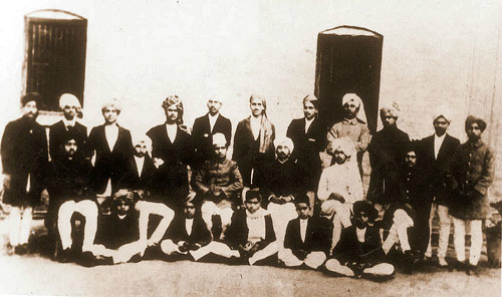





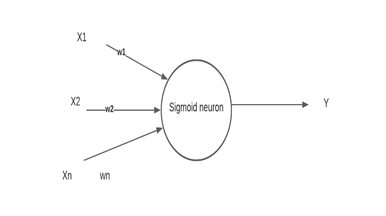











































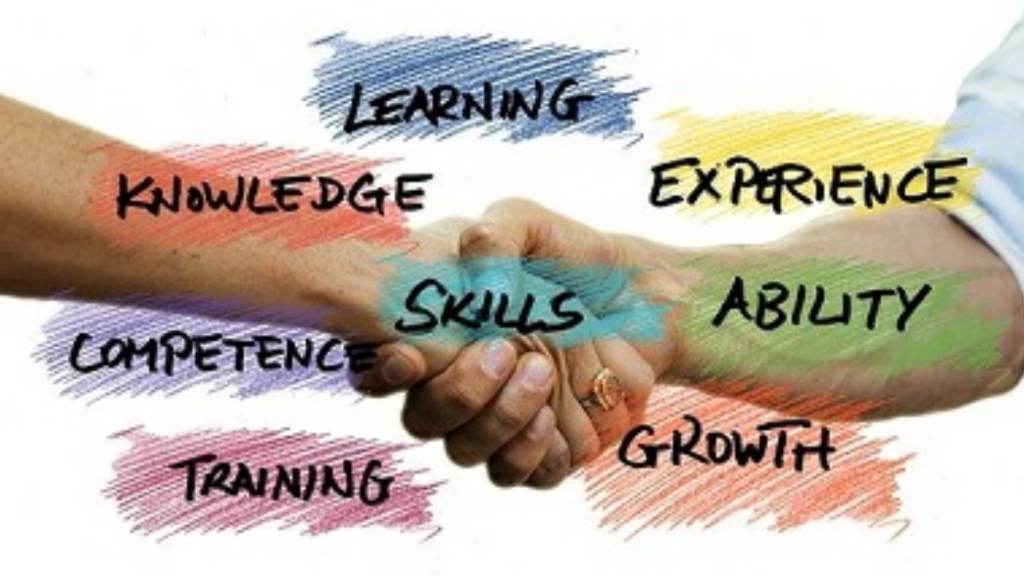

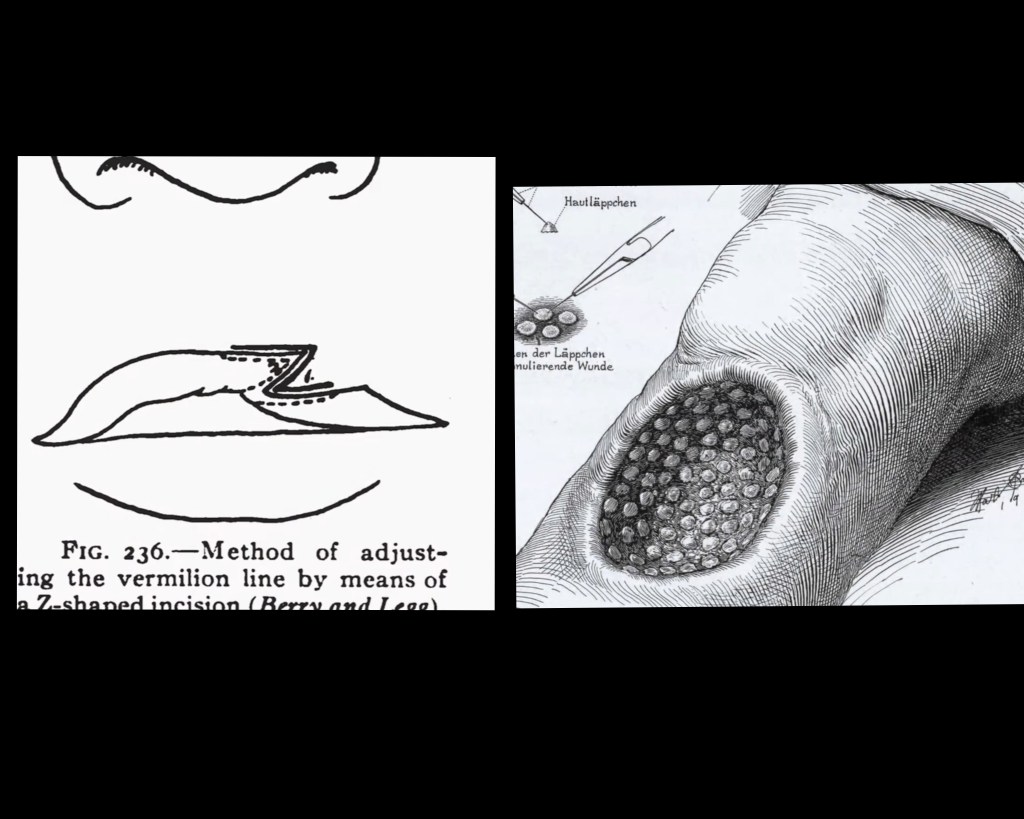


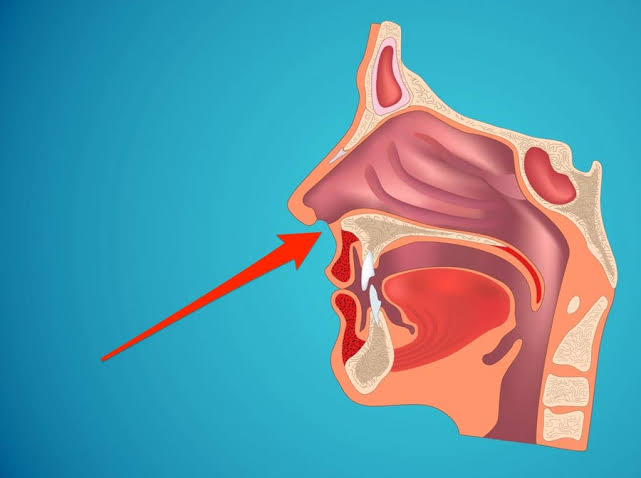


































You must be logged in to post a comment.