Importance of Learning and Exploring the Architectural Heritage of City

Daily writing prompt
If you were forced to wear one outfit over and over again, what would it be?

By Kavita Dehalwar

Introduction

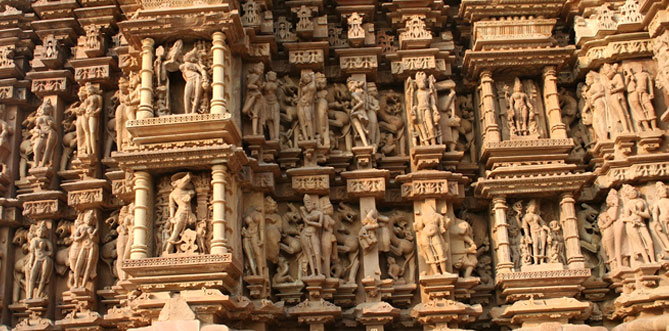
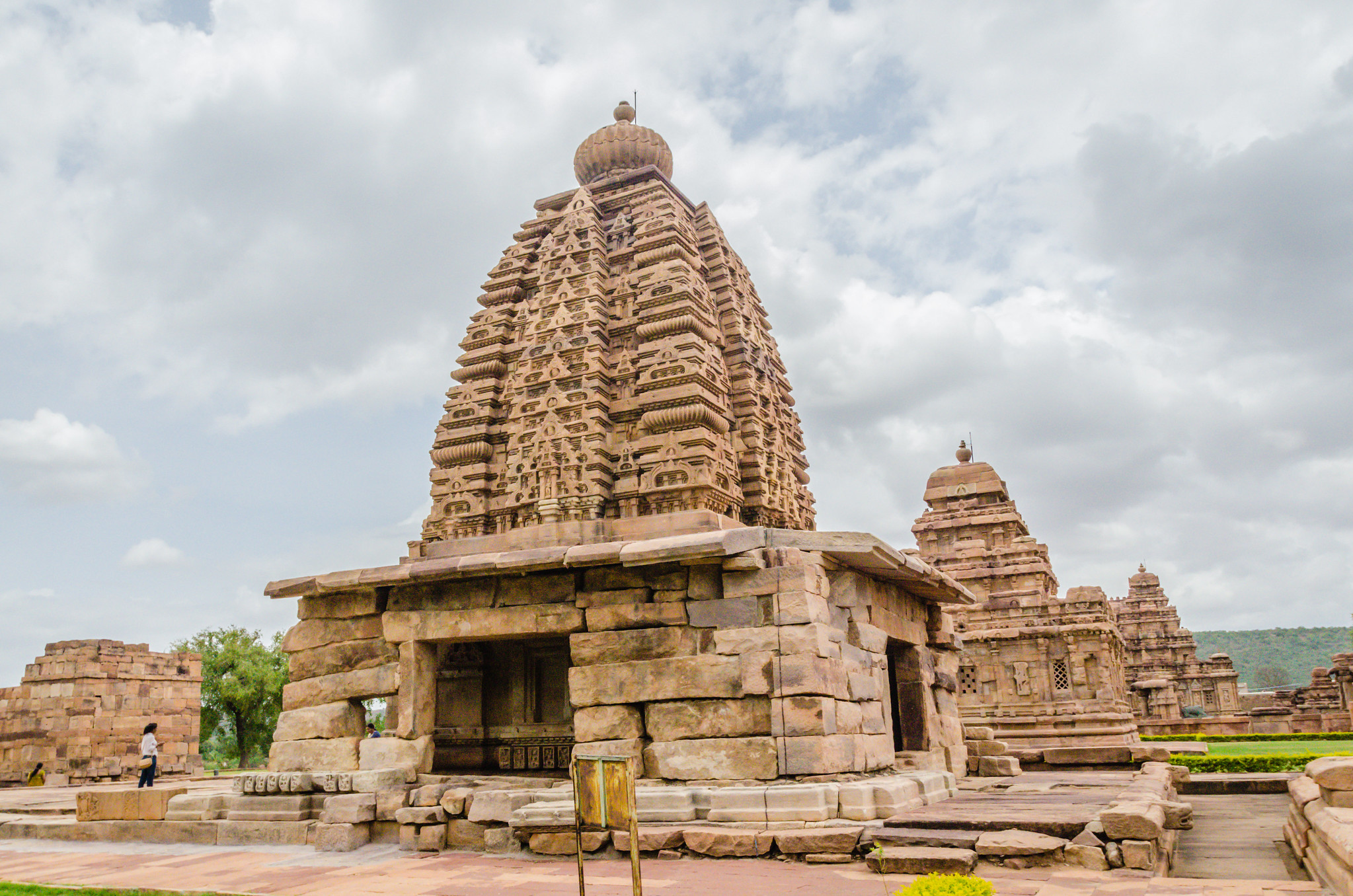
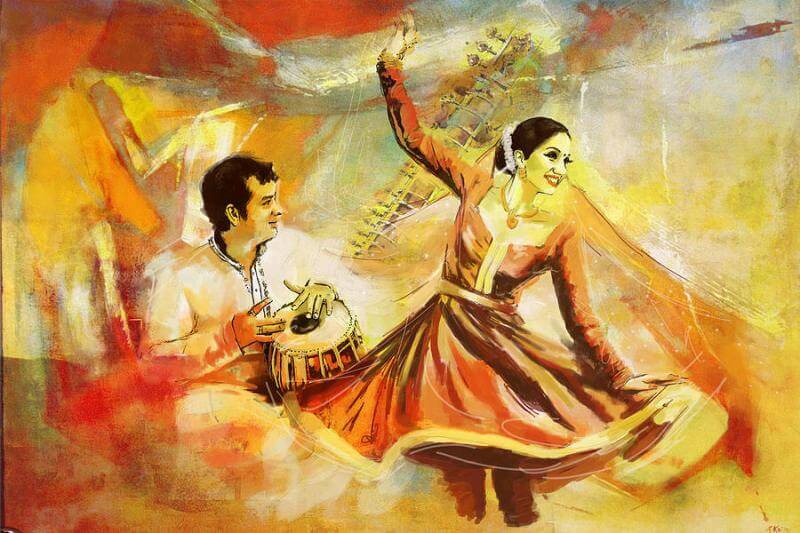
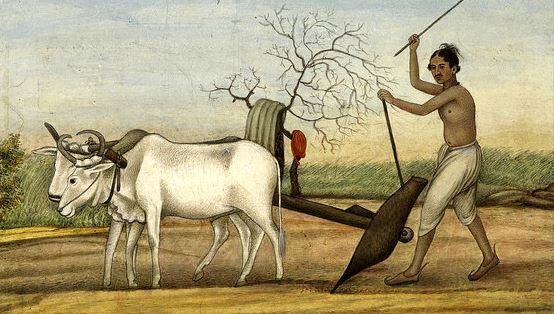
Architectural heritage embodies the historical, cultural, and social narratives of a city. It offers a tangible connection to the past, reflecting the artistic, technological, and societal advancements of different eras. Learning and exploring a city’s architectural heritage is not only crucial for preserving historical identity but also for fostering a sense of community, inspiring contemporary design, and promoting sustainable development. This chapter delves into the multifaceted importance of understanding and engaging with the architectural heritage of a city.

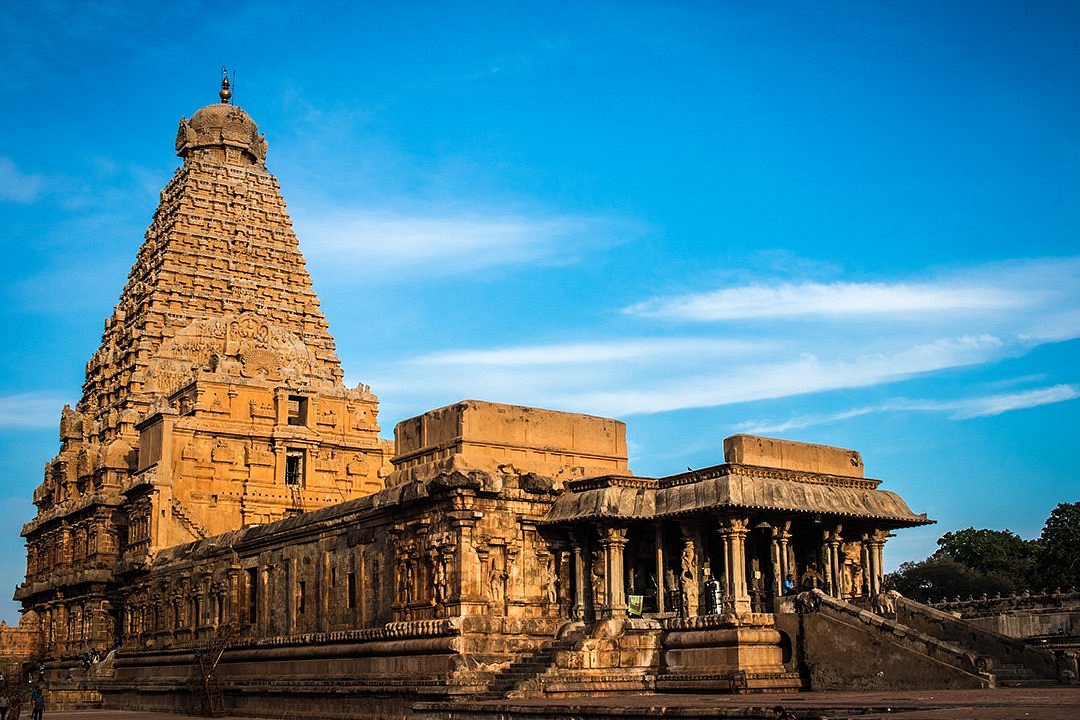
Photo by Azhar Muhammedu on Pexels.com

Historical Significance

  1. Preservation of History: Architectural heritage serves as a living record of a city’s history. Structures like monuments, historic buildings, and public spaces provide insights into the events, people, and cultures that shaped the city over time.
  2. Cultural Continuity: By maintaining and studying architectural heritage, communities can preserve their cultural identity and traditions. This continuity helps future generations understand and appreciate their heritage, fostering a sense of pride and belonging.
  3. Educational Resource: Historic buildings and sites offer educational opportunities for students, researchers, and the public. They serve as real-world examples to study architectural styles, construction techniques, and historical contexts.

Cultural and Social Impact

  1. Cultural Identity and Diversity: Architectural heritage reflects the diversity of cultural influences and traditions within a city. Exploring these structures helps appreciate the multicultural aspects of urban development and the contributions of various communities.
  2. Community Engagement: Heritage sites often become focal points for community activities and cultural events. Engaging with these sites fosters social cohesion, encourages local participation, and strengthens community bonds.
  3. Tourism and Cultural Exchange: Architectural heritage attracts tourists, promoting cultural exchange and mutual understanding. Tourism based on heritage sites contributes to the local economy and raises awareness about the city’s cultural assets.

Economic Benefits

  1. Economic Development: Restoring and maintaining heritage buildings can stimulate economic growth. Heritage tourism, in particular, generates revenue, creates jobs, and supports local businesses.
  2. Real Estate Value: Well-preserved historic neighborhoods and buildings can enhance property values. Unique architectural features and historical significance make these areas desirable for residents and investors.
  3. Sustainable Development: Adaptive reuse of historic buildings promotes sustainable development by reducing the need for new construction and minimizing waste. It also conserves resources by preserving existing structures.

Architectural and Design Inspiration

  1. Architectural Innovation: Studying historic buildings inspires contemporary architects and designers. Elements of traditional styles, construction techniques, and materials can be adapted and integrated into modern designs, creating innovative and contextually sensitive architecture.
  2. Urban Planning and Development: Understanding the historical context of a city’s development aids in informed urban planning. Planners can design new developments that harmonize with the existing urban fabric, preserving the city’s character while accommodating growth.
  3. Aesthetic Appreciation: Historic buildings often feature intricate craftsmanship and artistic details. Learning about these aspects fosters an appreciation for architectural beauty and encourages the incorporation of aesthetic considerations in new constructions.

Challenges and Opportunities

  1. Conservation Challenges: Preserving architectural heritage involves challenges such as funding, legal protections, and balancing development pressures. Effective conservation requires collaboration between government, private sector, and community stakeholders.
  2. Technological Advancements: Modern technology offers innovative solutions for documenting, preserving, and restoring heritage sites. Techniques like 3D scanning, digital archiving, and advanced materials can enhance conservation efforts.
  3. Inclusive Narratives: Ensuring that architectural heritage reflects diverse narratives and experiences is crucial. Inclusive heritage practices recognize the contributions of marginalized groups and provide a more comprehensive understanding of history.

Conclusion

Exploring and learning about a city’s architectural heritage is integral to preserving its historical, cultural, and social fabric. It offers numerous benefits, from educational and economic opportunities to fostering community engagement and inspiring contemporary design. As cities continue to evolve, the importance of architectural heritage will only grow, serving as a bridge between the past and future, and enriching the lives of present and future generations. By valuing and preserving our architectural heritage, we ensure that the stories, skills, and beauty of our built environment endure, contributing to a richer, more diverse, and sustainable urban landscape.

References

Borri, A., & Corradi, M. (2019). Architectural heritage: A discussion on conservation and safety. Heritage2(1), 631-647.

Croci, G. (1998). The conservation and structural restoration of architectural heritage (Vol. 1). WIT Press.

Dehalwar, K., & Sharma, S. N. (2023). Fate of Slums of Bhopal-A Tale of Struggle and Resilience. Think India Journal26(4), 12-18.

Dehalwar, K. Defining Neighbourhood, Clusters, and Society: Analyzing Neighborhood Development Patterns.

Menezes, M., & Tavares, M. L. (2008, September). Social and sustainable development of the architectural heritage. In Historical Mortars Conference, Lisbon, Portugual (pp. 24-26).

Moneta, A. N. D. R. E. A. (2020). Architecture, heritage, and the metaverse. Traditional Dwellings and Settlements Review32(1), 37-49.

Prakash, P. (2015). Critical learning and reflective practice through studio-based learning in planning and architecture education. Creative Space3(1), 41-54.

Sharma, S. N. (2020). A Review of Swarna Jayanti Shahari Rozgar Yojana. Think India Journal23(1), 26-32.

Sharma, S. N., & Adeoye, M. A. (2024). New Perspectives on Transformative Leadership in Education. EduPedia Publications Pvt Ltd.

Zhao, C., Zhang, Y., Wang, C. C., Hou, M., & Li, A. (2019). Recent progress in instrumental techniques for architectural heritage materials. Heritage Science7, 1-50.

The Great Banyan Tree of Howrah: An Ancient Giant Witnessing Time

By-Aditi Chhetri

In the bustling city of Howrah, West Bengal, India, amidst the cacophony of urban life, there stands a silent sentinel of nature’s grandeur. The Great Banyan Tree, or simply the “Great Banyan,” has captivated the imagination of all who have had the privilege of setting eyes upon it. This magnificent tree is not just a biological marvel but a symbol of endurance, resilience, and the enduring power of life. In this blog, we embark on a journey to explore the awe-inspiring story of the Great Banyan Tree of Howrah.

I. A Botanical Marvel:
The Great Banyan Tree, scientifically known as Ficus Bengalese’s, is an exceptional specimen of its kind. While many banyan trees are known for their expansive canopies, the Great Banyan has taken this to a whole new level. With its vast labyrinthine network of roots, it covers an astonishing area, making it the largest known banyan tree in the world.

(a) Dimensions Beyond Belief:
Spanning a colossal 4.68 acres, this giant tree has earned its place in the Guinness Book of World Records. It’s hard to fathom the sheer scale of this living organism – an entire forest encapsulated in a single tree.

(b) Historical Significance:
The Great Banyan Tree is believed to have been planted in the early 19th century, making it over two centuries old. Its existence predates the construction of the iconic Howrah Bridge, which now stands as a testament to modern engineering right nearby.

II. The Life Story of a Giant:
To understand the Great Banyan’s journey, we need to delve into its life story, which is nothing short of remarkable.

(a) Multiple Trunk Formation:
One of the most intriguing aspects of this tree is its peculiar growth pattern. The main trunk of the original tree was affected by a disease in the late 19th century and had to be removed. However, the tree did not wither away; instead, it continued to grow horizontally. Multiple trunks emerged from the remaining branches, and the Great Banyan tree lives on through them.

(b) Immortal through Aerial Propagation:
The Great Banyan employs a unique survival strategy called “aerial prop roots.” These roots grow from the branches and reach down to the ground, taking root and eventually becoming part of the tree’s complex structure. This phenomenon allows the tree to perpetuate itself, effectively making it immortal.

III. A Home for Countless Lives:

Beyond its botanical significance, the Great Banyan is a bustling ecosystem in its own right, supporting an incredible diversity of flora and fauna.

(a) Bird Paradise:
The sprawling canopy of the Great Banyan provides an ideal habitat for a wide variety of birds. Ornithologists and bird enthusiasts flock to the tree to witness species such as parakeets, mynas, and pigeons in their natural habitat.

(b) Miniature Ecosystems:
Within the network of its roots and branches, the Great Banyan houses numerous miniature ecosystems. Insects, fungi, and other organisms thrive in this microcosm, making it a subject of fascination for ecologists.

IV. Cultural Significance:

The Great Banyan Tree of Howrah is not only a biological wonder but also a cultural icon with deep-rooted significance.

(a) Sacred Ground:
For generations, the tree has been a site for religious and spiritual gatherings. It’s often considered sacred and serves as a backdrop for various rituals and ceremonies.

(b) Artistic Inspiration:
The tree has been a muse for many artists, poets, and writers. Its majestic form and historical significance have been captured in countless works of literature and art.

V. Challenges and Preservation:

Despite its enduring presence, the Great Banyan Tree faces several challenges, primarily due to urbanization and environmental factors.

(a) Environmental Stress:
Increased pollution, reduced groundwater levels, and changes in climate patterns have taken a toll on the tree’s health. Conservation efforts are crucial to mitigate these threats.

(b) Conservation Initiatives:
To protect this natural wonder, various conservation initiatives have been undertaken. Measures such as regular health checks, controlled irrigation, and restricting human interference are helping safeguard the Great Banyan’s future.

The Great Banyan Tree of Howrah stands as a testament to the resilience and majesty of the natural world. Its story is not just that of a tree but a living chronicle of time, witnessing the evolution of a city and the changing landscapes of human existence. As we marvel at this colossal botanical marvel, let us also reflect on our responsibility to preserve and protect such precious treasures of nature for generations to come. In the heart of Howrah, the Great Banyan Tree remains a symbol of life’s enduring spirit and a living connection to our planet’s rich history.

REFERENCES:

Ugc. (2023b, October 3). Great Banyan Tree. Atlas Obscura. https://www.atlasobscura.com/places/great-banyan-tree

• Rongmei, P. (n.d.). Story of the Great Banyan, world’s largest banyan tree. Times of India Travel. https://timesofindia.indiatimes.com/travel/destinations/story-of-the-great-banyan-worlds-largest-banyan-tree/articleshow/92971166.cms

Pearce, S. (2023, August 21). The Great Banyan Tree & 8 Important Tips For Visiting Kolkata Botanical Gardens. Third Eye Traveller. https://thirdeyetraveller.com/the-great-banyan-tree-kolkata-botanical-gardens/

Roche, E. (2022, April 21). The largest banyan tree in the world is located in India. Condé Nast Traveller India. https://www.cntraveller.in/story/kolkata-west-bengallargest-banyan-tree-in-the-world/

Wikipedia contributors. (2023a). The Great Banyan. Wikipedia. https://en.m.wikipedia.org/wiki/The_Great_Banyan

The Curse of the Delhi Purple Sapphire

By-Aditi Chhetri

Hidden within the heart of India’s bustling capital lies a gem that has captured the imaginations of many for centuries—the Delhi Purple Sapphire. This mesmerizing gemstone is known not only for its exquisite beauty but also for the dark and mysterious legends that surround it. Often associated with misfortune, tragedy, and a series of unfortunate events, the Delhi Purple Sapphire has earned a reputation as a cursed jewel that has brought calamity to those who possessed it.

Purple sapphire

The Origin:

The story of the Delhi Purple Sapphire begins in the early 19th century when it was reportedly discovered in the Golconda mines of India. This enchanting gemstone is not a sapphire at all but rather an amethyst, which is a type of quartz known for its stunning purple color. It quickly garnered attention due to its remarkable hue and exceptional clarity. The Delhi Purple Sapphire is a legendary gemstone that is said to be cursed. It is said to bring misfortune and bad luck to anyone who possesses it. The stone is said to have been stolen from the Temple of Indra in Kanpur, India, during the Indian Mutiny of 1857. It is believed that the curse was placed on the stone by the priests of the temple as punishment for the theft. The stone Is a deep purple color and is said to be incredibly beautiful. However, its beauty is said to be deceiving, as it is said to be a harbinger of doom. The curse of the Delhi Purple Sapphire is said to affect anyone who comes into contact with the stone, including its owners, their loved ones, and even those who simply touch it. There are many stories of the misfortune that has befallen those who have possessed the Delhi Purple Sapphire

Theories on the Curse:

There are many theories about why the Delhi Purple Sapphire is cursed. Some people believe that the curse is real and that it is a form of divine punishment for those who steal from sacred places. Others believe that the curse is a myth and that the stories of misfortune are simply coincidences.
One theory is that the curse is caused by the stone itself. Some people believe that the stone is imbued with negative energy and that it has a harmful effect on those who come into contact with it. Others believe that the stone is simply a physical representation of the evil that exists in the world and that it can attract misfortune to those who possess it.
Another theory is that the curse is caused by the karma of those who steal from sacred places. According to Hindu belief, karma is the law of cause and effect. It states that every action has an equal and opposite reaction. This means that those who do bad deeds will eventually be punished for their actions. Some people believe that the curse of the Delhi Purple Sapphire is a form of karmic punishment for those who stole the stone from the Temple of Indra.

The British Connection :

The Delhi Purple Sapphire’s journey took a dark turn when it came into the possession of Colonel W. Ferris, a British officer stationed in Delhi during the colonial era. Legend has it that Ferris took the gem from the eye of a Hindu idol in a temple in the city, sparking an alleged curse that would haunt him and all subsequent owners of the gem.

The Curse Unleashed:

Shortly after acquiring the Delhi Purple Sapphire, Colonel Ferris faced a series of personal and professional misfortunes. He was transferred to a remote outpost, and his health rapidly deteriorated. Some reports suggest that he lost his fortune and social standing. As the story goes, he died under mysterious circumstances, with the gem still in his possession.

The Curse Continues:

The Delhi Purple Sapphire passed through several hands after Colonel Ferris, and each new owner seemed to suffer a similar fate. Stories of accidents, financial ruin, and even untimely deaths followed the gem like a shadow. Some owners attempted to rid themselves of the cursed jewel, only to find it returning to them mysteriously. Sir John Gardner Wilkinson, a prominent Egyptologist and one of the gem’s later owners, purportedly experienced a string of calamities, including the tragic loss of his wife and child, all while the Delhi Purple Sapphire was in his possession.


The Hidden Gem:

As the curse continued to weave its dark web, the Delhi Purple Sapphire was eventually hidden away, concealed from the world. Some believe that it was buried, while others claim it was locked in a secret vault to prevent further harm.

Modern-Day Speculation:

Today, the Delhi Purple Sapphire remains shrouded in mystery. While some dismiss the curse as mere superstition, others are convinced of its malevolent power. The whereabouts of the gem are unknown, adding to the intrigue and speculation surrounding it.

Scientific Skepticism:

From a scientific standpoint, there is no concrete evidence to support the existence of curses or supernatural powers associated with gemstones. Many attribute the misfortunes experienced by those who possessed the Delhi Purple Sapphire to coincidence, bad luck, or the power of suggestion.

Statue Of Indra.Indra Temple Kanpur

Cultural and Historical Context:

The legend of the cursed Delhi Purple Sapphire is deeply rooted in the colonial history of India and the cultural misunderstandings that often occurred during that time. The alleged curse may have been a way for local communities to resist the looting of their sacred treasures.

The Current Location of the Stone:

The Delhi Purple Sapphire is currently on display at the Natural History Museum in London. It was donated to the museum by the daughter of Edward Heron-Allen in 1972. The stone is kept in a secure safe and is only accessible to museum staff. There are many people who believe that the Delhi Purple Sapphire should be returned to India. They argue that the stone is sacred and that it should be kept in the temple where it belongs. However, there is no indication that the Natural History Museum intends to return the stone.


The tale of the Delhi Purple Sapphire is a captivating blend of history, superstition, and intrigue. Whether one believes in the curse or not, there is no denying the allure of this enigmatic gemstone and the stories that surround it. While it may remain hidden from view, the legend of the Delhi Purple Sapphire continues to capture the imagination, reminding us that the line between fact and folklore is often a thin one in the world of precious gems and their mysterious histories. There are many stories of the misfortune that has befallen those who have come into contact with the stone. However, it is unclear whether the curse is real. The Delhi Purple Sapphire Is currently on display at the Natural History Museum in London. There are many people who believe that the stone should be returned to India, but there is no indication that the museum intends to do so. Whether or not the Delhi Purple Sapphire is cursed, it is a fascinating and mysterious gemstone. Its story is a reminder of the power of superstition and the importance of respecting sacred places.

REFERENCES

Cursed Gemstones – The Delhi Purple Sapphire. (n.d.). https://www.vulcans-forge.com/blog-post/cursed-gemstones-the-delhi-purple-sapphire

Buzz, D. (2023). The Delhi Purple Sapphire – The Cursed Amethyst | Diamond Buzz. Diamond Buzz. https://diamondbuzz.blog/delhi-purple-sapphire-cursed-amethyst/

Ashley, & Ashley. (2013, October 28). Is the Delhi Purple Sapphire Really Cursed? Part 4 Haunted Diamonds Series. Adiamor Blog. https://www.adiamor.com/blog/celebrity-engagement/is-the-delhi-purple-sapphire-really-cursed-part-4-haunted-diamonds-series

Robb Report. (2017, September 7). The Delhi Purple Sapphire. https://robbreport.com/style/jewelry/slideshow/spine-tingling-stories-behind-four-historys-most-famous-cursed-gems/the-delhi-purple-sapphire/

Pti. (2007, November 26). “Cursed” Delhi Purple Sapphire to go on display Wednesday. The Economic Times. https://m.economictimes.com/cursed-delhi-purple-sapphire-to-go-on-display-wednesday/articleshow/2570900.cms


The Pashupati Seal: Ancient Evidence of Yoga and Meditation in India

By-Aditi Chhetri

India, often referred to as the cradle of civilization, boasts a rich heritage that spans thousands of years. Among its most profound contributions to the world are the practices of yoga and meditation. These ancient disciplines have transcended time and geography to become global phenomena, transforming the lives of millions. While their origins are deeply rooted in India’s history, one piece of archaeological evidence stands out as a testament to their antiquity – the Pashupati Seal. The Pashupati Seal is one of the earliest known depictions of yoga and meditation in the world. It is also one of the most important pieces of evidence for the Indus Valley Civilization’s religious beliefs and practices

Pashupati Seal, c. 2000 BCE

• Unveiling the Pashupati Seal :

The Pashupati Seal is a small but significant artifact that was unearthed in the early 20th century at the Mohenjo-Daro archaeological site in present-day Pakistan. Mohenjo-Daro, one of the major cities of the ancient Indus Valley Civilization, thrived around 2500 BCE, making it one of the world’s oldest urban centers. The seal, discovered in the ruins of this ancient city, offers valuable insights into the practices of yoga and meditation that were prevalent over 4,000 years ago.

• Deciphering the Seal :

The Pashupati Seal features a prominent figure seated in a yogic posture. This figure, often referred to as the “Proto-Shiva,” sits cross-legged with a horned headdress and an array of animals surrounding him. While interpretations may vary, many scholars believe this figure to be an early representation of Lord Shiva, a central deity in the yogic and meditative traditions of India. The seal’s name, “Pashupati,” is significant. It is a reference to Lord Shiva’s role as the “Lord of Beasts” or “Lord of Animals.” This association with animals suggests a deep connection between nature and meditation, a theme that resonates in many yoga practices today.

Mohenjo-daro


• The Yogic Asana:

One of the most striking aspects of the Pashupati Seal is the seated posture of the central figure. The figure’s legs are crossed in a manner reminiscent of modern-day yoga asanas like Padmasana (Lotus Pose) or Siddhasana (Perfect Pose). This posture is a fundamental element of yogic practice, symbolizing stability, concentration, and inner harmony. Yoga, in its essence, is the union of mind, body, and spirit. The yogic asanas, including the one depicted on the Pashupati Seal, are integral to achieving this union. They provide a physical foundation for meditation and self-realization, echoing the timeless wisdom of the ancient yogis.

• The Meditative Connection:

Beyond the yogic posture, the seal also suggests a connection between yoga and meditation. The figure’s serene and contemplative expression reflects the meditative state. Meditation is a core component of yoga, serving as a means to quiet the mind, delve into one’s inner self, and attain a heightened state of awareness.
The animals surrounding the figure on the seal are worth noting as well. These animals include a bull, an elephant, and two antelopes. In yogic and meditative symbolism, these animals often represent the various aspects of the mind and the challenges one must overcome on the spiritual path. The presence of these animals reinforces the idea that the seal is not merely a representation of physical yoga postures but a profound metaphor for the inner journey of self – discovery and transformation.

• The Age of the Seal:

Dating the Pashupati Seal is a subject of scholarly debate, but it is generally believed to be from the mature phase of the Indus Valley Civilization, around 2500 BCE. This dating places the seal’s creation over 4,000 years ago, making it one of the earliest depictions of yoga and meditation in human history. The antiquity of the Pashupati Seal challenges the common misconception that yoga and meditation are recent trends. Instead, it underscores the enduring nature of these practices, which have been passed down through generations in India for millennia.

• Other evidence of yoga and meditation in the Indus Valley Civilization:

In addition to the Pashupati Seal, there is other evidence to suggest that yoga and meditation were practiced in the Indus Valley Civilization. For example, archaeologists have discovered a number of other seals and figurines that depict people in yogic postures.

One particularly notable example is a seal from Harappa that depicts a figure seated in a lotus position, which is a common yogic posture. The figure’s hands are resting on the knees, and the figure’s eyes are closed. This suggests that the figure is meditating. Another example is a figurine from Mohenjo-daro that depicts a figure seated in a cross-legged posture, with the hands resting on the knees. The figure’s eyes are also closed. This suggests that this figure is also meditating.

The evidence from the Indus Valley Civilization suggests that yoga and meditation were an important part of the religious and spiritual beliefs of the people of the IVC. Yoga and meditation were likely used to improve physical and mental health, to achieve spiritual enlightenment, and to connect with the divine.


• Yoga and Meditation:

A Living Tradition while the Pashupati Seal provides compelling evidence of the ancient roots of yoga and meditation in India, these practices are far from relics of the past. They continue to thrive and evolve in the modern world, transcending cultural and geographic boundaries. Yoga studios and meditation centers have sprouted up worldwide, offering people from all walks of life the opportunity to experience the physical, mental, and spiritual benefits of these age-old disciplines.

• The Universal Appeal:

The universal appeal of yoga and meditation lies in their adaptability and inclusivity. They can be tailored to suit individual needs and beliefs, making them accessible to people of all backgrounds and faiths. Whether one seeks physical fitness, stress relief, inner peace, or spiritual enlightenment, yoga and meditation offer a path towards these goals.


• Yoga: A Path to Physical and Mental Well-being

In today’s fast-paced world, where stress and sedentary lifestyles take a toll on physical and mental health, yoga emerges as a powerful antidote. The physical postures, or asanas, strengthen the body, increase flexibility, and improve posture. Yoga also enhances mental well-being by promoting relaxation, reducing anxiety, and enhancing focus.

• Meditation: Cultivating Inner Peace

Meditation, on the other hand, is a gateway to inner peace and self-awareness. It encourages mindfulness and helps individuals gain control over their thoughts and emotions. Regular meditation practice has been linked to reduced stress, improved emotional well-being, and increased resilience.

• The Spiritual Quest:

For those on a spiritual quest, yoga and meditation offer a deeper connection with the self and the universe. They provide a framework for exploring profound questions about the nature of existence, consciousness, and the interconnectedness of all life. In this sense, they serve as a timeless path for seekers of truth and enlightenment.

• The Pashupati Seal and the modern world : The Pashupati Seal remains an important symbol of yoga and meditation today. It is often used in yoga studios and meditation centers, and it is also featured on many yoga and meditation products.
The Pashupati Seal is a reminder of the ancient roots of yoga and meditation. It also serves as a reminder of the importance of these practices for physical, mental, and spiritual well-being.

The Pashupati Seal stands as a silent yet profound testament to the ancient origins of yoga and meditation in India. It reminds us that these practices have withstood the test of time, evolving and adapting while retaining their core essence. From the banks of the Indus River to yoga studios around the world, the pursuit of physical and spiritual well-being remains a timeless and universal endeavor.
As we delve into the depths of yoga and meditation, we find that their true essence transcends the boundaries of time and place. They are not merely exercises or techniques but pathways to self-discovery, inner peace, and a deeper understanding of the universe. The Pashupati Seal, with its ancient yogic figure, continues to inspire and guide us on this transformative journey, echoing the wisdom of the sages who walked this path millennia ago.

REFERENCES

Kuzmint, O. (2017, October 11). The History of Yoga from Pashupati to Patanjali – Bahiranga.com. Bahiranga.com. https://bahiranga.com/the-history-of-yoga-from-pashupati-to-patanjali/

Pattanaik, D. (2022, February 25). The real Pashupati. The Hindu. https://www.thehindu.com/society/history-and-culture/pashupati-and-the-harappan-seal/article65070760.ece

MAP Academy. (2023, July 26). Pashupati Seal – MAP Academy. https://mapacademy.io/article/pashupati-seal/

Wikipedia contributors. (2023). Pashupati seal. Wikipedia. https://en.m.wikipedia.org/wiki/Pashupati_seal

Amar Chitra Katha. (2022, July 12). The Pashupati Seal of Mohenjo-Daro | Amar Chitra Katha. Amar Chitra Katha |. https://www.amarchitrakatha.com/history_details/the-pashupati-seal-of-mohenjo-daro/

The Temples of Khajuraho: Unraveling the Erotic Mysteries

By-Aditi Chhetri


Nestled amidst the lush green forests of Madhya Pradesh, India, lies the enigmatic Khajuraho temple complex, a UNESCO World Heritage Site renowned for its erotic sculptures. Built between the 9th and 12th centuries by the Chandela dynasty, this architectural masterpiece comprises a group of 85 Hindu and Jain temples, of which 22 are still well-preserved. Khajuraho, is home to a group of stunning temples that have captured the imagination of travelers, historians, and art enthusiasts for centuries. These temples, known collectively as the Khajuraho Group of Monuments, are renowned not only for their architectural brilliance but also for their intricate and explicit erotic sculptures. In this blog post, we will delve into the fascinating world of the Temples of Khajuraho, exploring their history, architecture, and the enigmatic erotic art that adorns them.

Historical Context:

The Temples of Khajuraho were built by the Chandela dynasty, which ruled over the region from the 9th to the 13th century. The exact reason for the construction of these temples remains a subject of debate among scholars, but it is widely believed that they served as places of worship for the Hindu gods.
During the Chandela rule, Khajuraho flourished as a center of art, culture, and religion. The temples were constructed over a span of several centuries, with the most prolific period of building activity occurring between the 10th and 12th centuries. At its zenith, Khajuraho boasted over 85 temples, but today, only about 20 of them have survived the ravages of time.

Architectural Marvels:
One of the most striking features of the Khajuraho temples is their architectural style, which showcases a fusion of various influences, including Nagara and Dravidian architectural elements. These temples are primarily made of sandstone, which was readily available in the region, and they exhibit exquisite craftsmanship.
The temples are divided into three geographical groups: the Western Group, the Eastern Group, and the Southern Group. The Western Group, which is the most famous and well-preserved, includes some of the most iconic temples such as the Kandariya Mahadeva Temple, the Lakshmana Temple, and the Vishvanatha Temple.
The Kandariya Mahadeva Temple, dedicated to Lord Shiva, is the largest and most ornate among them. Its spire soars to a height of 116 feet, adorned with intricately carved sculptures and delicate ornamentation. The temples of Khajuraho are known for their shikharas (spires), which are layered and taper gracefully towards the sky, creating a mesmerizing visual effect.

The Enigmatic Erotic Sculptures:
What truly sets the Temples of Khajuraho apart from other religious structures of their time is the presence of explicit erotic sculptures that adorn their outer walls. These sculptures are a testament to the remarkable artistry and boldness of the Chandela craftsmen. It is estimated that around 10% of the temple sculptures depict various aspects of human sexuality and eroticism.
These erotic sculptures are not meant to be vulgar or obscene; rather, they are a celebration of human sensuality and the union of opposites, a common theme in Hindu philosophy. Many of the depictions are highly symbolic, portraying gods and goddesses engaged in amorous acts, often with an underlying spiritual significance.
The presence of erotic art in the temples has sparked numerous theories and speculations. Some believe that these sculptures served as a form of sex education, while others argue that they were intended to test the devotion and purity of the temple visitors. Regardless of their purpose, these sculptures have fascinated and intrigued visitors for centuries.

Interpreting the Erotic Art:
To truly appreciate the erotic art of Khajuraho, one must delve into the symbolism and meaning behind these intricate sculptures. Many of them depict scenes from the Kama Sutra, an ancient Indian text on human sexuality, and the sculptures often incorporate elements of yoga, meditation, and spirituality.
One common interpretation is that these erotic carvings represent the idea of “tantra,” a spiritual practice that seeks to transcend the physical realm through the union of opposites. In this context, the sexual acts portrayed symbolize the merging of male and female energies to achieve spiritual enlightenment.

Another interpretation suggests that the explicit art served as a reminder of the transitory nature of physical pleasure and the importance of moving beyond attachment to the material world. In Hindu philosophy, the pursuit of spiritual growth often involves overcoming worldly desires.
It’s important to note that the erotic sculptures are just one aspect of the temple complex, coexisting with a vast array of other carvings that depict scenes from mythology, daily life, and religious rituals. These sculptures, collectively, provide a comprehensive visual narrative of the culture and beliefs of the Chandela dynasty.

Preservation and UNESCO World Heritage Status:
The Temples of Khajuraho faced significant challenges over the centuries, including invasions, neglect, and natural decay. However, their remarkably well-preserved state owes much to the relative isolation of Khajuraho and its remote location within the dense forests of Madhya Pradesh.
In recognition of their historical and cultural significance, the Temples of Khajuraho were designated as a UNESCO World Heritage Site in 1986. This status has helped ensure their preservation for future generations to appreciate and study.

Unraveling the Mysteries of Khajuraho:The erotic sculptures of Khajuraho are not limited to the temples themselves. They can also be found on the walls of palace complexes, water tanks, and other structures throughout the site. This suggests that the erotic art of Khajuraho was an integral part of the Chandela culture and was not restricted to the religious domain.
Scholars have also noted the presence of a variety of other symbols and motifs in the erotic sculptures of Khajuraho. These include animals, plants, and geometric designs. It is believed that these symbols had a deeper meaning and motifs in the erotic sculptures of Khajuraho. These include animals, plants, and geometric designs. It is believed that these symbols had a deeper meaning and were intended to convey a specific message.
For example, the lotus flower is a common motif in Indian art and is often associated with purity and spirituality. In the context of the erotic sculptures of Khajuraho, it is believed to represent the divine union of Shiva and Shakti.
Similarly, the elephant is a symbol of strength and fertility. In the erotic sculptures, it is often depicted as a vehicle for Shiva and is associated with his role as the creator and preserver of the universe.
By studying the symbolism and motifs in the erotic sculptures of Khajuraho, scholars have been able to gain a deeper understanding of their meaning and purpose. It is now clear that these sculptures were not simply meant to be titillating or provocative. Rather, they were intended to convey a complex and nuanced message about the nature of human sexuality and its relationship to the divine.

The erotic sculptures of Khajuraho are not limited to the temples themselves. They can also be found on the walls of palace complexes, water tanks, and other structures throughout the site. This suggests that the erotic art of Khajuraho was an integral part of the Chandela culture and was not restricted to the religious domain.
Scholars have also noted the presence of a variety of other symbols and motifs in the erotic sculptures of Khajuraho. These include animals, plants, and geometric designs. It is believed that these symbols had a deeper meaning and motifs in the erotic sculptures of Khajuraho. These include animals, plants, and geometric designs. It is believed that these symbols had a deeper meaning and were intended to convey a specific message.
For example, the lotus flower is a common motif in Indian art and is often associated with purity and spirituality. In the context of the erotic sculptures of Khajuraho, it is believed to represent the divine union of Shiva and Shakti.
Similarly, the elephant is a symbol of strength and fertility. In the erotic sculptures, it is often depicted as a vehicle for Shiva and is associated with his role as the creator and preserver of the universe.
By studying the symbolism and motifs in the erotic sculptures of Khajuraho, scholars have been able to gain a deeper understanding of their meaning and purpose. It is now clear that these sculptures were not simply meant to be titillating or provocative. Rather, they were intended to convey a complex and nuanced message about the nature of human sexuality and its relationship to the divine.

Visiting Khajuraho Today:
Today, Khajuraho is a thriving tourist destination, drawing visitors from around the world to witness its architectural wonders and enigmatic sculptures. The site offers a fascinating glimpse into India’s rich history and artistic heritage.
As you explore the temples, you’ll be struck not only by the explicit art but also by the sheer beauty and intricacy of the entire complex. The sculptures come to life when the sunlight bathes them in a warm, golden glow, creating a magical atmosphere that is difficult to describe.
In addition to the temples, Khajuraho offers a serene and picturesque setting with lush gardens, reflecting pools, and serene pathways. The nearby Khajuraho Dance Festival, held annually, celebrates classical Indian dance forms and adds to the cultural richness of the region.

The Temples of Khajuraho stand as a testament to the artistry, spirituality, and openness of ancient Indian culture. While their erotic sculptures continue to intrigue and mystify visitors, they are just one facet of a complex and deeply spiritual architectural marvel.
These temples remind us that art, in all its forms, has the power to transcend time and boundaries, sparking conversations and inviting us to explore the depths of human creativity and expression. Khajuraho, with its temples, is a place where history, spirituality, and sensuality converge, offering a unique and unforgettable journey for those who venture to unravel its mysteries.

REFERENCES

V, P. (n.d.). Mystery behind the erotic sculptures of Khajuraho. Tripoto. https://www.tripoto.com/khajuraho/trips/mystery-behind-the-erotic-sculptures-of-khajuraho-60ab8061813c5

Dey, P. (n.d.). Khajuraho Temples are more than just erotic; here are some interesting facts. Times of India Travel. https://timesofindia.indiatimes.com/travel/destinations/khajuraho-temples-are-more-than-just-erotic-here-are-some-interesting-facts/articleshow/70192795.cms

Wakhloo, N. (2021, December 12). KHAJURAHO — Labour of Love! – Namrata Wakhloo – Medium. Medium. https://namratawakhloo.medium.com/khajuraho-bc9a00f82a6e

Delhifundos, & Delhi.Fun.Dos. (2022). Khajuraho Temples – A Complete Travel Guide and Pro Tips | Delhi-Fun-Dos.com. Delhi-Fun-Dos.com. https://delhi-fun-dos.com/khajuraho-temples-a-complete-travel-guide-and-pro-tips/

Lisa. (2023, January 9). Khajuraho Temple Madhya Pradesh India. Aartiyan in Hindi | Shiv Stuti | Durga Stuti | Mantra in Hindi. https://bhaktikishakti.com/khajuraho-temple-india/

The Dancing Plague of 1518: A Mass Hysteria Event for the Ages

By-Aditi Chhetri

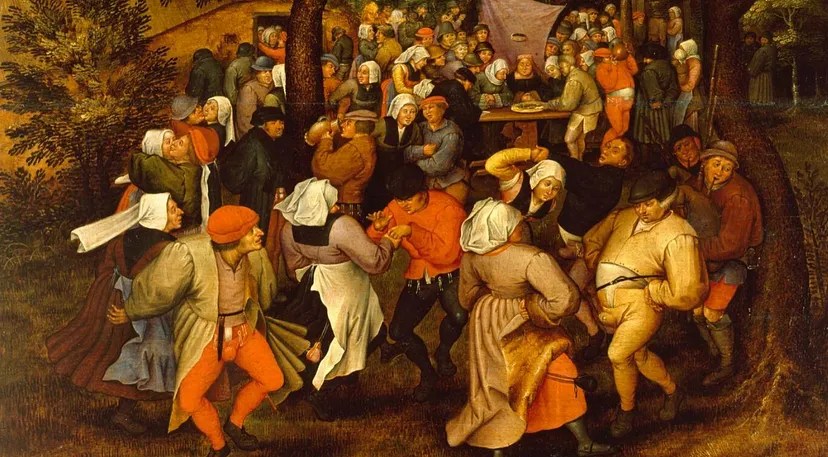
There have been events throughout history that contradict explanations, challenges our understanding of the human mind and body. One such mystery was the Dancing Fever in 1518, a strange and mysterious phenomenon which occurred in Strasbourg during that period when it is nowadays France’s Modern Day. This unprovoked outbreak of mad dancing lasted for several months, leaving a mark on history that continues to be defied today by scientists, historians and scholars. In this blog, we will delve into the details of this strange episode, exploring its causes, consequences, and the various theories that have been proposed to explain it.


• The Outbreak Begins:
The summer of 1518 was a time of uncertainty in Strasbourg. The town was grappling with social and economic challenges, and the people were living in a state of perpetual anxiety. Against this backdrop of stress and turmoil, a peculiar incident occurred that would soon capture the attention of the entire town.
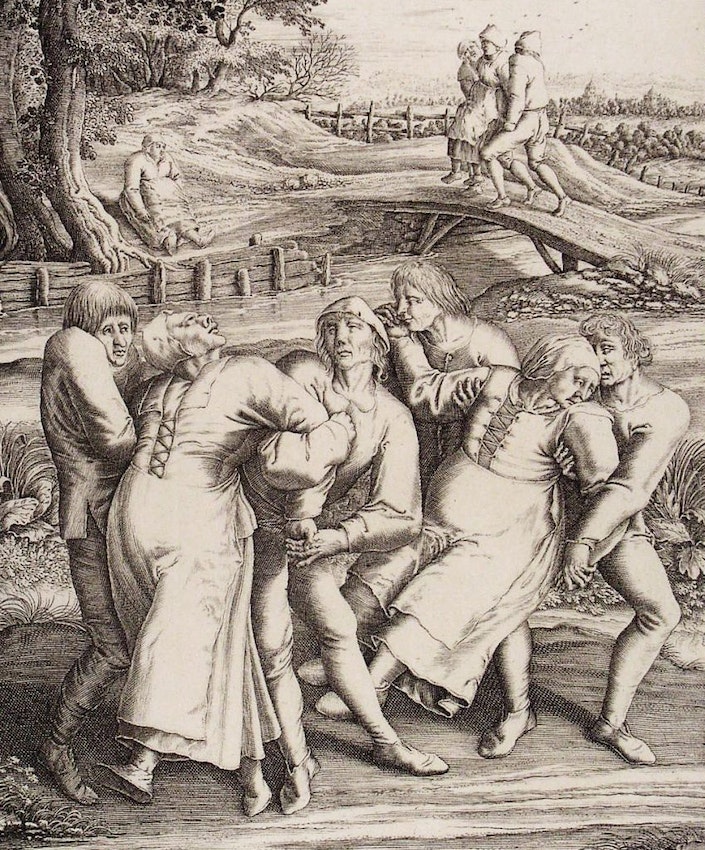
It all started with one woman, Frau Troffea. On a hot July day, she stepped into the streets of Strasbourg and began to dance. This, in itself, may not have been particularly unusual, as dancing was a common form of entertainment in the 16th century. However, Frau Troffea’s dancing was far from ordinary. She danced with a fervor and intensity that bordered on the frenzied, and she showed no signs of stopping. She danced for hours, and when she finally collapsed from exhaustion, it was only a temporary respite. The next day, she was back on her feet, dancing once more. The dancing plague of 1518 is one of the most bizarre and fascinating mass hysteria events in history. It is also one of the most mysterious. To this day, no one knows for sure what caused it.


• Contagious Hysteria:
What made Frau Troffea’s dancing even more peculiar was that she was not alone for long. Within days, more and more people joined her in this strange dance, and the numbers grew rapidly. By the end of the week, there were around 34 people dancing uncontrollably in the streets of Strasbourg. And as the days turned into weeks, the numbers swelled to nearly 400.
This bizarre spectacle attracted the attention of local authorities, who initially believed that the afflicted individuals were suffering from some form of demonic possession or divine punishment. In an attempt to exorcise the supposed demons, they organized mass exorcisms and encouraged even more dancing. Unsurprisingly, this only exacerbated the situation, and more people joined in the frenetic dance.


• The Consequences:
The consequences of the Dancing Plague were both bizarre and tragic. Many of those afflicted suffered from exhaustion, dehydration, and physical injuries as a result of their unrelenting dance. Some even danced themselves to death. It is estimated that as many as 15 people perished during the outbreak, their bodies were simply unable to endure the relentless physical strain.
As the epidemic raged on, it began to take a toll on the town’s economy and social fabric. With hundreds of people incapacitated by dancing, the workforce was severely depleted, leading to a decline in productivity. Families were torn apart as members were caught up in the mania, and the fabric of society began to unravel.


• Theories and Explanations:
To this day, the Dancing Plague of 1518 remains one of the most perplexing events in history, and numerous theories have been proposed to explain it. While none can provide a definitive answer, they shed light on the complexity of human behavior and the mysterious workings of the human mind.

• Possible causes of the dancing plague:
There are many theories about what caused the dancing plague of 1518. Some of the most popular theories include:

(a) Mass Hysteria:
One of the prevailing theories suggests that dancing was a manifestation of mass hysteria. Mass hysteria is a phenomenon in which a group of people, often under stress, experiences collective symptoms without any organic cause. The stress and anxiety prevalent in Strasbourg at the time may have triggered this mass psychogenic illness, causing people to dance uncontrollably.


(b) Ergot Poisoning:
Another hypothesis points to ergot poisoning as a possible cause. Ergot is a fungus that can grow on rye and other cereal crops, and it produces alkaloids similar to LSD. Consumption of ergot-contaminated grain can lead to hallucinations, muscle spasms, and other symptoms. Some researchers believe that the townspeople unknowingly ingested ergot-contaminated bread, leading to their bizarre behavior.


(c) Social and Cultural Factors:
The 16th century was a time of social and cultural upheaval. Strasbourg was plagued by economic hardship, famine, and political instability. Some historians argue that the dancing may have been a form of protest or a reaction to the prevailing conditions, with individuals engaging in this extreme behavior as a means of expressing their frustration and discontent.


(d) Religious and Superstitious Beliefs:
The religious and superstitious beliefs of the time may have played a role in amplifying the outbreak. Some individuals may have genuinely believed that they were possessed by demons or that dancing was a form of penance, leading them to continue dancing despite the physical toll it took on their bodies.

• Symptoms of the dancing plague:
The people who were affected by the dancing plague of 1518 experienced a variety of symptoms, including:
Uncontrollable dancing
Trance-like states
Hallucinations
Convulsions
Muscle spasms
Exhaustion
Death
Some people danced for days or even weeks without stopping. Others collapsed from exhaustion or died from heart attacks or strokes.

• Treatment for the dancing plague:

At the time, there was no known cure for the dancing plague. People who were affected by it were often treated with religious rituals, such as exorcisms and pilgrimages. Some people were also taken to the mountains, where they were forced to dance until they collapsed.

• The end of the dancing plague:

The dancing plague of 1518 ended as mysteriously as it began. In September 1518, the dancers suddenly stopped dancing. Some historians believe that the dancers may have been cured by a local priest, who led them on a pilgrimage to a mountain shrine.


The Dancing Plague of 1518 is a historical enigma that continues to captivate our imagination and challenge our understanding of human behavior. While we may never have a definitive explanation for why hundreds of people danced uncontrollably in the streets of Strasbourg, it serves as a reminder of the complexity of the human mind and the profound impact of social and environmental factors on our behavior.
This strange episode from the past reminds us that history is replete with mysteries that defy easy categorization or explanation. The Dancing Plague of 1518 stands as a testament to the enduring capacity of human beings to surprise, bewilder, and mystify, even in the most trying of circumstances. It remains a historical puzzle that invites further exploration and contemplation, offering a window into the depths of the human psyche and the boundless possibilities of the human experience.


REFERENCES
• Bauer, P. (2023, September 7). Dancing plague of 1518 | Facts & Theories. Encyclopedia Britannica. https://www.britannica.com/event/dancing-plague-of-1518

• Davis, M. (2023). The bizarre story of the deadly “dancing plague” of 1518. Big Think. https://bigthink.com/the-past/dancing-plague-middle-ages/#:~:text=In%201518%2C%20hundreds%20of%20men,throughout%20history%2C%20some%20very%20recently.

• Andrews, E. (2023). What was the dancing Plague of 1518? HISTORY. https://www.history.com/news/what-was-the-dancing-plague-of-1518

• The Dancing Plague of 1518. (n.d.). The Public Domain Review. https://publicdomainreview.org/essay/the-dancing-plague-of-1518/

• Atwal, S. (2022, December 5). The unsolved mystery of the medieval dancing plague. Guinness World Records. https://www.guinnessworldrecords.com/news/2022/12/the-unsolved-mystery-of-the-medieval-dancing-plague-728701

• Jana, R. (2022, May 13). The people who ‘danced themselves.todeath’.BBC. https://www.bbc.com/culture/article/20220512-the-people-who-danced-themselves-to-death

The Hanging Pillar of Lepakshi: A Marvel of Indian Architecture

By-Aditi Chhetri

India, a land of diverse cultures, traditions, and architectural wonders, is home to some of the most extraordinary monuments in the world. Among these treasures is the famous Hanging Pillar of Lepakshi, a remarkable architectural marvel that has baffled engineers, archaeologists, and tourists alike for centuries. Located in the southern state of Andhra Pradesh, the Lepakshi temple complex is not only a testament to India’s rich heritage but also a testament to the ingenuity of ancient Indian architects and craftsmen.

1. Historical Significance:
The historical significance of the Lepakshi temple lies in its association with the Vijayanagara Empire, which was one of the most prominent and influential empires in South India’s history. This empire, ruled by the Sangama and Saluva dynasties, flourished in the 14th to 17th centuries. The construction of the Lepakshi temple during this period is a testament to the empire’s patronage of art, culture, and religion.
The Vijayanagara Empire was known for its grandeur, and the Lepakshi temple exemplifies the empire’s devotion to Lord Veerabhadra. The temple complex, with its intricate architecture and exquisite sculptures, showcases the artistic and architectural achievements of this era.
2. The Architectural Marvel: The Hanging Pillar
The Hanging Pillar of Lepakshi is a single stone pillar that defies gravity by appearing to hang from the ceiling without touching the ground. This is a remarkable feat of ancient Indian architecture and engineering. The pillar stands approximately 15 feet tall and is adorned with intricate carvings.

(a) Theories Surrounding the Hanging Pillar Interlocking Stones: The theory of interlocking stones suggests that the pillar might be composed of multiple stones that are cleverly balanced to create the illusion of suspension. However, no visible seams or joints have been discovered, making this theory difficult to prove definitively.
(b) Hollow Pillar: Some speculate that the pillar could be partially hollow, reducing its weight and allowing it to appear as if it’s hanging. This theory remains unconfirmed due to the sacred nature of the monument. (c) Ancient Engineering Feat: This theory proposes that the builders of the Lepakshi temple possessed advanced knowledge of engineering and construction techniques, which enabled them to create such extraordinary architectural elements. It hints at the possibility that ancient civilizations had engineering secrets that are lost to modern times.
(d) Earthquake Resistance: Considering the region’s seismic activity, some suggest that the unique design of the pillar may have been intentional, making it more resistant to earthquakes. Its flexible construction could have been a response to the need for structural stability in a seismically active area.

3. Artistic and Architectural Splendor:
Apart from the Hanging Pillar, the entire Lepakshi temple complex is a testament to the artistic and architectural excellence of its builders. The walls and pillars of the temple are adorned with intricately carved sculptures and reliefs that depict scenes from Hindu mythology. These carvings bring to life the stories of gods, goddesses, and epic legends, serving both as a place of worship and a visual narrative of India’s rich cultural heritage. The colossal monolithic Nandi sculpture, carved from a single rock, showcases the mastery of the temple’s craftsmen. Its size and intricate detailing make it a prime example of the artistic prowess of the Vijayanagara Empire.

4. Preservation Efforts and Tourism:
Recognizing the historical and cultural significance of the Lepakshi temple, the Indian government and heritage preservation organizations have taken measures to safeguard the monument. These efforts include regular maintenance, restoration work, and strict rules to protect the temple from damage due to tourism.
Tourism has also played a significant role in the temple’s preservation. The temple complex attracts visitors from around the world who contribute to its upkeep through entrance fees. This income is often reinvested into the maintenance and restoration of the temple.
5. The Mystique Lives On:
Despite the numerous theories and research attempts, the Hanging Pillar of Lepakshi continues to be shrouded in mystery. Its existence challenges our understanding of ancient architecture and engineering. While modern technology has made significant strides in unraveling the secrets behind the pillar’s suspension, the element of wonder and mystique remains intact, making it a symbol of India’s rich cultural heritage and the enduring allure of history.

6. The Hanging Pillar Of Veerabhadra temple aka Aakaasa Sthambha.

The Lepakshi Temple is also known as the bodyguard of a unique pillar. The unique pillar of Lepakshi is a great achievement of a historical period. It displays wide-ranging diversity and the highest design of architecture. Its only malicious secret is that despite being a pillar, it is not connected to the ground. Out of the 70 stone pillars in the temple, this pillar stands out as a true wonder. This distinctive pillar hangs from the ceiling without the base of the pillar touching the ground. It has been standing still for centuries. This pillar of Lepakshi is a unique example of the uniqueness of Indian architecture which gives it a unique and mysterious form. It has an important role which increases its importance as Indian cultural heritage. This site reveals the specialty of Indian architecture and makes a unique contribution to its development. This hanging pillar of Lepakshi is an important part of the history of architecture of different periods which gives one a unique experience of traveling back in time to those eras.
During the British colonial period, a British engineer tried to unravel the mystery behind the hanging pillar of the Lepakshi Temple. He tried to move it, due to which the pillar moved from its place and got displaced. This incident caused the collapse of a portion of the roof of the temple. This incident was unique and mysterious, which makes the mystery behind this pillar even more mysterious. Compared to different structures and sites, this pillar of Lepakshi Temple is a unique and singular feature which highlights the diversity of Indian architecture. This incident makes the mystery behind this pillar even more mysterious and inspires people to visit and study it.

The Hanging Pillar of Lepakshi stands as an iconic example of India’s architectural and artistic excellence, a testament to the historical significance of the Vijayanagara Empire, and a source of fascination and intrigue for people worldwide. It serves as a reminder that the past holds untold wonders, waiting to be explored and appreciated by generations to come. Lepakshi Temple is not only important as a religious site, but it is a centre of historical, cultural and spiritual experience which inspires the individual to move one step further towards his inner knowledge and soul realization. This attraction of Lepakshi temple still attracts people towards itself. The uniqueness and historical importance of this place shows the glory of Indian culture and embodies its millions of years of heritage.

References

Trendingadda. (2023, June 5). The Hanging Pillar of Lepakshi Temple is Unraveling the Mystery. Medium. https://medium.com/@trendingadda77/the-hanging-pillar-of-lepakshi-temple-is-unraveling-the-mystery-eaeeb603f21e


Ugc. (2023, September 26). Hanging pillar of Lepakshi. Atlas Obscura. https://www.atlasobscura.com/places/hanging-pillar-of-lepakshi-veerabhadra-temple

India, M. (2016). The hanging pillar and other wonders of Lepakshi. Mystery of India. https://www.mysteryofindia.com/2015/01/hanging-pillar-wonders-lepakshi.html

Abhishek. (2020b, July 12). 7 wonders of Lepakshi Temple – the land of legends – The Revolving Compass. The Revolving Compass. https://revolvingcompass.com/lepakshi-temple/

Thadhagathan. (2020, July 18). The hanging pillar of Lepakshi Temple | Atma Nirvana. Hinduism | Spiritual Blogs India | Expanded Consciousness| Awakening People| Subconscious Mind Power | Mindfulness Meditation |. https://atmanirvana.com/hanging-pillar-lepakshi-temple/


41 UNESCO World Heritage Sites in India

Shashikant Nishant Sharma

India, with its rich tapestry of culture and history, boasts a multitude of UNESCO World Heritage Sites that have been recognized for their outstanding universal value to humanity. Each of these sites tells a unique story, reflecting India’s diverse heritage and its profound contributions to human civilization. In the latest addition to this esteemed list, Santiniketan, an educational haven in West Bengal, earned its well-deserved place among these architectural and historical treasures.

Santiniketan’s recent UNESCO recognition is a testament to the legacy of Rabindranath Tagore, who founded this institution in 1901. Beyond its educational role, Santiniketan embodies a vision of human unity, transcending religious and cultural boundaries. In 1921, it evolved into a ‘world university’ known as “Visva Bharati,” symbolizing the unity of humanity. Santiniketan’s distinctive architectural and cultural character sets it apart from its contemporaries.

Some of India’s other remarkable World Heritage Sites:

  • Agra Fort (1983): Agra Fort, a marvel of Mughal architecture, stands as a testament to the grandeur of the Mughal Empire
  • Ajanta Caves (1983): These rock-cut caves in Maharashtra are adorned with exquisite paintings and sculptures, showcasing India’s ancient artistic prowess.
  • Archaeological Site of Nalanda Mahavihara (2016): Nalanda, Bihar, was an ancient center of learning, making it a site of historical and educational significance.
  • Ahmedabad (2017): This walled city in Gujarat reflects centuries of cultural and historical influences.
  • Buddhist Monuments at Sanchi (1989): The Great Stupa at Sanchi is a symbol of Buddhism’s architectural and artistic excellence.
  • Champaner-Pavagadh Archaeological Park (2004): This park in Gujarat boasts historical, architectural, and archaeological treasures dating back to the 8th century.
  • Chhatrapati Shivaji Terminus (formerly Victoria Terminus) (2004): This iconic railway station in Mumbai is a masterpiece of Victorian Gothic architecture.
  • Churches and Convents of Goa (1986): These structures bear witness to the unique blend of Indian and European cultures during the colonial era.
  • Dholavira: a Harappan City (2021): Dholavira in Gujarat is one of the five largest Harappan cities in the Indian subcontinent.
  • Elephanta Caves (1987): These caves house rock-cut temples dedicated to Lord Shiva, adorned with intricate sculptures.
  • Ellora Caves (1983): The Ellora Caves are a mesmerizing fusion of Hindu, Jain, and Buddhist temples, showcasing India’s religious diversity.
  • Fatehpur Sikri (1986): This Mughal city is a fine example of architectural splendor.
  • Great Himalayan National Park Conservation Area (2014): The park in Himachal Pradesh is a sanctuary for diverse flora and fauna.
  • Great Living Chola Temples (1987): These temples in Tamil Nadu are exquisite examples of Chola dynasty architecture.
  • Group of Monuments at Hampi (1986): Hampi’s ruins take you on a journey through the glorious Vijayanagara Empire.
  • Group of Monuments at Mahabalipuram (1984): These coastal temples in Tamil Nadu are renowned for their stunning rock carvings.
  • Group of Monuments at Pattadakal (1987): These Karnataka temples showcase a harmonious blend of architectural styles.
  • Hill Forts of Rajasthan (2013): This cluster of forts includes Chittorgarh, Kumbhalgarh, and others, portraying Rajasthan’s rich history.
  • Humayun’s Tomb, Delhi (1993): This garden tomb in Delhi is an architectural marvel and precursor to the Taj Mahal.
  • Jaipur City, Rajasthan (2019): The “Pink City” of Jaipur is known for its magnificent palaces and forts.
  • Kakatiya Rudreshwara (Ramappa) Temple, Telangana (2021): This stunning temple is celebrated for its intricate carvings and remarkable engineering.
  • Kaziranga National Park (1985): Known for its one-horned rhinoceros, this park in Assam is a biodiversity hotspot.
  • Keoladeo National Park (1985): This Rajasthan bird sanctuary is a paradise for birdwatchers.
  • Khajuraho Group of Monuments (1986): These temples in Madhya Pradesh are famous for their intricate erotic sculptures.
  • Khangchendzonga National Park (2016): This Sikkim park boasts India’s highest peak and rich biodiversity.
  • Mahabodhi Temple Complex at Bodh Gaya (2002): This Bihar temple marks the spot where Buddha attained enlightenment.
  • Manas Wildlife Sanctuary (1985): Located in Assam, this sanctuary is home to diverse wildlife species.
  • Mountain Railways of India (1999): These railway lines offer scenic journeys through the Himalayas, Nilgiris, and Darjeeling.
  • Nanda Devi and Valley of Flowers National Parks (1988): These Uttarakhand parks are a haven for nature enthusiasts.
  • Qutub Minar and its Monuments, Delhi (1993): The Qutb Complex in Delhi is renowned for its Indo-Islamic architecture.
  • Rani-ki-Vav (the Queen’s Stepwell) at Patan, Gujarat (2014): This intricately designed stepwell is a testament to ancient water management and artistry.
  • Red Fort Complex (2007): A symbol of India’s struggle for freedom, the Red Fort in Delhi is a masterpiece of Mughal architecture. 
  • Rock Shelters of Bhimbetka (2003): These rock shelters in Madhya Pradesh house prehistoric paintings and rock art.
  • Sun Temple, Konârak (1984): The Konârak Sun Temple in Odisha is a marvel of intricate stone carvings.
  • Sundarbans National Park (1987): The Sundarbans in West Bengal are the largest mangrove forest and a vital tiger habitat.
  • Santinikentan (2023): Founded in 1901 by the iconic poet and philosopher Rabindranath Tagore, Santinikentan is a unique institution with deep roots in India’s rich cultural heritage.
  • Taj Mahal (1983): Perhaps India’s most iconic monument, the Taj Mahal in Agra is a masterpiece of Mughal architecture and a symbol of eternal love.
  • The Architectural Work of Le Corbusier, an Outstanding Contribution to the Modern Movement (2016): This UNESCO recognition includes buildings by Le Corbusier in Chandigarh, Gujarat, and other locations.
  • The Jantar Mantar, Jaipur (2010): These astronomical observatories in Jaipur are remarkable for their architectural and scientific significance.
  • Victorian Gothic and Art Deco Ensembles of Mumbai (2018): These ensembles in Mumbai represent a fusion of Victorian and Art Deco architectural styles.
  • Western Ghats (2012): These lush mountain ranges are a hotspot of biodiversity, home to countless species of flora and fauna.

These UNESCO World Heritage Sites in India are not just landmarks, they are windows to India’s rich cultural and natural heritage. They offer a glimpse into the country’s diverse history, art, architecture, and ecosystems. Santiniketan’s recent addition to this prestigious list only strengthens India’s position as a custodian of some of the world’s most remarkable treasures, each narrating a unique story of India’s past and its enduring contributions to the world’s heritage. 

References

Bloch, N. (2016). Evicting heritage: spatial cleansing and cultural legacy at the Hampi UNESCO site in India. Critical Asian Studies48(4), 556-578.

Deb, M., & Lomo-David, E. (2021). Determinants of word of mouth intention for a World Heritage Site: The case of the Sun Temple in India. Journal of Destination Marketing & Management19, 100533.

Geary, D. (2017). The rebirth of Bodh Gaya: Buddhism and the making of a World Heritage site. University of Washington Press.

Joshi, A. U., Gorania, P., Limaye, M. A., Chauhan, G. D., & Thakkar, M. G. (2022). Geoheritage Values of the Champaner-Pavagadh Archaeological Park, UNESCO World Heritage Site, Gujarat, Western India. Geoheritage14(3), 88.

Singh, R. P., Dar, V., & Rana, P. S. (2001). Rationales for including Varanasi as heritage city in the UNESCO World Heritage List. National Geographical Journal of India47(1-4), 177-200.

Family time – The most important of all

Do you ever wonder why family time is important?

Yes, time is so important – in fact, time is money, as we’re often reminded when we set out to seek our livelihood as parents.

But family time? Is this meaningful or serve any purpose? Isn’t it just a waste of time because you could probably earn a few grand more putting that time to work!

I know you do not actually think like that and I’ve exaggerated it a bit.

May be you do plan to spend time with your family but things do not always go as per the plans. But you do it all for the family – to earn and provide for the family.

You give money and things to your family. But what does your family need the most?

Your time.

For your kids, your time spent with them is life precious jewels that embed in their memories forever.

The concept of “family” has changed a great deal in recent times, and there are now various forms of families and different styles of parenting. However, one thing remains certain; whatever the term “family” may mean to you, it is of utmost importance in your child’s life.

The family where your child grows up has a big influence on how he or she deals with relationships, copes with situations, and learns about living life. It’s only possible if you proactively be a part of the family.

And for that to happen, you need to block out family time in your schedule.

Family time is also important because if children don’t get the required attention, they might do something that could get them in trouble.

Some stay-at-home parents or moms may think that they are somehow “better” than other parents or moms, who stay away from home for most of the time. This is a misconception.

We often think that it’s all about quantity when it comes to the time we spend with our kids, whereas it is the quality time that we need to give our family and children. Your kids care less about the hours you spend with them, than how you spend your time with them.

As your children get older and become teenagers, it becomes tougher to spend family time with them. It’s mainly because life keeps you busy and your children reach a stage where their friends are the main priority.

As a parent, you have to be willing to go down to their level and enter their world. Sometimes you have to be creative or let them decide what they want to do as a family. But never give up on spending family time with your teens, and they may appreciate it more than what they express.

According to studies, healthy families make family time for talking and listening, accepting differences, showing affection and encouragement, sharing chores and decision making, keeping in touch, and making time for each other.

Why family time is important??

1. To build a stronger bond with your family!

The main reason why family time is important is because you need to develop ties and bond with your family. Often kids decide to join gangs or groups because they welcome them in, to become a part of their family.

Your kids need a sense of belonging and security, as they need to feel they have someone they can turn and look up to, for anything. Spending family time together ensures that a deep, strong, family bond develops.

2. To make time to talk and listen!


Another good reason of spending time with family directly relates to the need to share, talk, and listen to each other as a family.

Parents often think that it would be tough to talk to their children, who think differently from grown-ups. However, parents tend to forget their own time, as how it was for them when they were young! The people you liked were mostly those who listened to what you had to say, similarly, you need to listen to what your children have to say. Listening doesn’t mean only hearing the words your child is saying, but also feeling what your child is trying to convey.

You need to listen without jumping in with answers, criticizing, or giving your own view points. You need to show that you are involved in the conversation, by stopping all other work you are doing, and just listen to them. Talk directly to your kids, especially teenagers, about alcohol and drugs, and set a good example yourself.

3. To teach your children important lessons of life!


If you do not teach children at home, they will learn it elsewhere. As a parent, would you want your children to learn life’s important lessons by undergoing pain, or going the wrong way?

Although children have to learn a few things on their own, it’s important to have family time for discussions, where you can put forth problems or situations in front of them, and then talk about them with your children, seek their opinion, and discuss on the matter. This would help them understand the situations of life in a better way.

4. To show affection, appreciation, and encouragement!


Family time is important so that everyone in the family has a way of showing affection to each other, maybe by giving hugs, holding hands, being thoughtful and kind. According to studies, teenagers who remember being praised, hugged, or kissed are likely to do better at school than those who don’t have this experience.

You need to take out that quality family time to ask what each family member has done in the day, and show interest in each other’s lives. People find it very easy to criticize than praise. So make an effort to think about the positive in each person and tell your child what goodness you have noticed, besides teaching them these values.

5. To instill family values in your children!


Instilling family values in children is of great significance nowadays, so that they are not misled by the number of divorces on the rise.

Children mostly imitate the behavior you show towards them. If you are an absent parent, they will be the same to their children in the future. Instead, they often portray worse behaviors than they see.

Thus, spending family time together will build a sense of worth and instill positive family values in your children.

6. To inculcate family rituals and traditions!


Daily rituals or the little things that you do daily and on special occasions, helps to build a sense of belonging, contentedness, and inner security within the family. Daily rituals like the way you greet each other, or say goodbye, what you do at mealtimes or bedtimes, can all be something to share within your family time.

Families benefit from coming together to celebrate occasions like birthdays, anniversaries, or festivals like Christmas, etc., where they learn the traditions about what happens at these times.

7. To accept the differences in each person!


Family time is essential to appreciate, encourage, and value the differences in each family member, knowing that everyone is special in their own way. Allow each family member to be excited about their personal interests, and show respect and tolerance towards them.

Don’t pressurize your family members to be like you, or hide their feelings and differences. Instead, let them feel proud to be themselves.

8. To keep in touch with friends and relatives!


As we live in a society, we do need to spend time among our family as well as interact with friends and relatives. Knowing that there are people outside the family to turn to in a crisis can make a difference to your child’s happiness. It also increases the chances of them making good friends later in life.

9. To share the chores!


Family time is important to teach younger children, by giving them chance to do things for themselves, under your supervision. Use adult power wisely, and keep control through humor and encouragement, not with punishments or threats.

By spending time with family together, a very special relationship of trust and intimacy develops that helps build a healthy family. Especially when children have a real say in what happens and where everyone feels their views are heard.

10. To help and connect better with your children!


One of the most overlooked aspects of education today is parental involvement. Many parents don’t realize the importance of family time and how important it is to involve themselves in their children’s learning.

All parents and family members need to find time and make the effort. Research shows that when parents involve themselves in the family, their children:

-Get superior grades and test scores.
-Graduate from high school at higher rates.
-Are most likely to go on to higher education.
-Have more positive attitudes and behave better.

Show loyalty to your family, stick up for each other so that each person feels confident in the family’s support and pull together to form a united front to find solutions.
Children grow up and are gone before you realize it, so don’t waste the time you have now, and spend it with your family. Remember, that strong families are able to withstand setbacks and crisis with a positive attitude, shared values, and beliefs that help them cope with challenges.

What Is The Best Reel For Bass Jigging?

Whether you are an experienced professional or just starting out with bass jigging, having the right reel is essential. With so many options available, it can be difficult to know which one will best suit your needs. In this blog post, we will examine the different types of bass reels, the features to consider when selecting one, and the best reels for bass jigging. So, if you are searching for the best reel for bass jigging, make sure to read this blog post!

Photo by vitalina on Pexels.com

Types Of Bass Reels

There are many types of bass reels on the market, and it can be hard to know which one is right for you. Each reel has its own unique benefits and drawbacks, so it’s important to choose the right one for your specific needs. Here are four of the most common types of bass reels and their respective features: spinning reel, baitcasting reel, trolling reel, and spincast reel.

Spinning Reel

A spinning reel is a great choice for anglers who want to catch large fish quickly. These reels use a system of gears to spin the drum quickly, which gives the angler more speed when casting. They also have larger line capacities than other types of reels, making them ideal for catching big fish on long lines.

Baitcasting Reel

 A baitcasting reel is perfect for anglers who want to catch small fish with light gear. These reels use a set of weights at the bottom of the rod to keep the bait off the ground while casting. They also have a wide range in line capacity – from very small lines that can handle only tiny baits up to heavy lines that can handle big baits.

Trolling Reel

A trolling reel is best suited for fisherman who want to catch largemouth or spotted bass in calm water near shoreline or in riverside areas where there are lots of obstructions between them and the water surface. Trolling reels use large amounts of line capacity – up to 500 yards – which allows fishermen to cover a lot of territory with their lure before having to replace their line.

Fly Fishing Reel

Fly fishing reels are designed specifically for fly fishing purposes and are not typically used with other types of lures or hooks. Instead, they employ a system called “cast control” where you hold down a button on top of the reel while casting (similar to how you would hold down your camera shutter button when taking pictures). This system allows you adjust your cast distances easily without having to stop and reset your gear every time you make a change in direction.

Casting And Spinning Reels For Jigging Bass

When it comes to jigging for bass, there are a few things to keep in mind. For one, you’ll want to decide whether you want to use a spinning or casting reel. Spinning reels tend to offer a bit more accuracy and smoother retrieves, while casting reels offer a bit more power and are better suited for fishing in saltwater. Additionally, you’ll need to consider the gear ratio – this is the number of gears that the reel has compared to the number of lines it can handle. The higher the gear ratio, the faster the reel will spin and hence give you more control when jigging.

When selecting a reel for jigging Bass, make sure to consider material and handle comfort as well as line capacity. Many spinning reels come with multiple bearing systems that make them very durable when used outdoors in saltwater conditions. However, be aware that casting reels can also be very durable if cared for properly – just make sure not to over-wrench or damage it when adjusting or tightening components.

Finally, pay attention to design features that provide smooth retrieves and accurate casts – these factors are crucial for getting consistent results when fishing with Jigs. It’s also important to balance your rod and reel together so that both components are working in harmony for optimal performance. Different types of jigs will affect your action differently when using either type of reel – so be sure to test out different jigs on each type of reel before making your purchase. With these tips in mind, you’re ready start landing some big Bass!

Reel Features To Consider

When you’re looking to buy a new jigging reel, there are a few features that you should be aware of. The first is the casting reel or spinning reel. This will determine how well the reel casts and retrieves your line. You’ll want a quality drag system so that your line doesn’t get caught on the reel’s teeth and damaged. You’ll also want to make sure that the gear ratio matches the jigging technique that you’re using so that your line isn’t pulled too tightly or too loosely.

Next, consider the type of braking system that you need. Some reels come with magnetic braking systems, while others use anti-reverse technology. Finally, think about how many line capacity options you need and what size line you’d like to use. There are also right/left hand retrieve options available on some reels, as well as ease of retrieval features for those who prefer this style over traditional hand retrieval.

Best Reels For Bass Jigging-Check Here!

If you’re looking to get into bass fishing, then you need to know about bass jigs. Bass jigs are a type of lure that is used to catch big fish in salt and freshwater environments. There are a variety of different types of reels available for bass jigging, each with its own unique features and capabilities. In this section, we will outline the different types of reels and discuss their respective advantages and disadvantages. We’ll also provide tips on how spool speed affects your bass jigging performance, as well as advice on factors to consider when selecting the right reel for your needs. Finally, we’ll give you some maintenance tips for your reel so that it will last long and perform at its best. So don’t wait any longer – check out our list of the best reels for bass jigging today!

In Short

In conclusion, selecting the right reel for your bass jigging needs is essential to get the most out of your fishing experience. Different types of reels have their own unique features, so it is important to consider factors such as line capacity, gear ratio, and drag system when making your decision. Additionally, make sure to select a reel that is comfortable and easy to use. With these tips in mind and our list of the best reels for bass jigging, you are ready to start catching some big fish! Check here our selection at Jigs Unlimited today!

INDIAN HERITAGE

Indian culture is a multifaceted, colorful tapestry that has evolved over many centuries. It is a culture that has been shaped by philosophy, art, architecture, and religion. India’s culture is renowned for its dynamism, mysticism, and unwavering adherence to tradition. The art forms of Indian culture are among its most remarkable aspects. The variety of Indian art includes everything from beautiful paintings to passionate dances. Hindustani and Carnatic music are two classical styles of Indian music that are renowned for their philosophical and spiritual undertones. In India, people also enjoy doing crafts like pottery, weaving, embroidery, and metallurgy.

Indian literature is another aspect of Indian culture that is deeply ingrained in its history. The Vedas, Ramayana, Mahabharata, and the Bhagavad Gita are some of the famous works that have shaped the cultural heritage of India. These works are not just literary masterpieces, but they also hold great religious and philosophical significance.

The architecture of India is equally impressive. From the Taj Mahal to the Red Fort, the Lotus Temple to the Konark Sun Temple, Indian architecture is known for its intricate designs, vibrant colors, and spiritual themes. These structures reflect the deep respect that Indian culture has for tradition, as well as the innovative spirit that drives the country forward.

ART FORMS

Indian art forms are as diverse as its people. They are inspired by religion, mythology, nature, and everyday life. Indian art forms are known for their vibrant colors, intricate details, and spirituality. Some of the popular art forms in India include:

Paintings: Indian paintings date back to the prehistoric era, and they are known for their intricate designs, bold colors, and detailed work. Some of the famous painting styles in India include Mughal paintings, Rajasthani paintings, Madhubani paintings, and Warli paintings.

Dance: Dance is an essential part of Indian culture, and it is performed on various occasions, such as weddings, festivals, and religious ceremonies. Some of the popular dance forms in India include Bharatanatyam, Kathak, Kuchipudi, Odissi, and Manipuri.

Music: Indian music is as diverse as its culture, and it is known for its spiritual and philosophical themes. Indian music has two main genres: Hindustani classical music and Carnatic classical music.

Handicrafts: Indian handicrafts are renowned for their intricate designs, colorful patterns, and traditional motifs. Some of the popular handicrafts in India include pottery, weaving, embroidery, and metalwork.

LITERATURE

Indian literature dates to ancient times, and it is characterized by its rich oral tradition. Indian literature is known for its philosophical, spiritual, and mythological themes. Some of the famous literary works in India include:

  1. The Vedas: The Vedas are a collection of hymns, prayers, and rituals that were composed in Sanskrit. They are considered to be the oldest written texts in the world.

  2. The Ramayana: The Ramayana is an epic poem that tells the story of Lord Rama, a Hindu deity. It is considered to be one of the greatest works of Indian literature.
  3. The Mahabharata: The Mahabharata is another epic poem that tells the story of a great war between two families. It is considered to be the longest epic poem in the world.
  4. The Bhagavad Gita: The Bhagavad Gita is a philosophical text that is part of the Mahabharata. It is considered to be one of the most important texts in Hinduism.

ARCHITECTURE

Indian architecture is a reflection of its rich cultural heritage, and it is known for its intricate designs, vibrant colors, and spiritual themes. Indian architecture can be divided into two main categories: religious architecture and secular architecture. Some of the famous architectural works in India include:

  1. The Taj Mahal: The Taj Mahal is a mausoleum that was built by Mughal emperor Shah Jahan in memory of his wife Mumtaz Mahal. It is considered to be one of the greatest works of Mughal architecture.
  2. The Red Fort: The Red Fort is a fortress that was built by Mughal emperor Shah Jahan. It is known for its intricate designs, vibrant colors, and historical significance.
  3. The Lotus Temple: The Lotus Temple is a Bahá’í House of Worship that was built in the shape of a lotus flower. It is known for its unique architecture and spiritual significance.
  4. The Konark Sun Temple: The Konark Sun Temple is a 13th-century temple that is dedicated to the Hindu deity Surya. It is known for its intricate designs and unique architecture.

Thus, it may be said that Indian culture is a vast and varied fabric that has been stitched over many centuries. It is a culture that values innovation and originality while being firmly steeped in tradition. Indian culture is a monument to the resilient spirit of its people and includes literary works, architectural styles, and festivals.

THE NATURE OF ART

The definition of Art:

something that is attractive or reflects important ideas or sentiments, and was made with imagination and talent that is called “Art”.

The study of the nature of art, including ideas like interpretation, representation, expression, and form, is known as philosophy of art. Aesthetics, the philosophical study of beauty and taste, and it are intimately related.

Types of Art:

There are number of types in art. when it comes to visual arts. but. finally there are three types in art.

they are:

1.Decorative art.

2.Commercial art.

3.Fine art.

1.Decorative art:

Any form of art that focuses on designing and embellishing items that are valued more for their functionality than their merely aesthetic features is referred to as decorative art.

Examples of Decorative art:

1.Furniture.

2.Glass ware.

3.Ceramic

4.Wood work.

5.Textiles

Importance of Decorative art:

The programmed lifestyle of the upper classes of society, which was followed by others, was heavily influenced by ornamental arts. Records of an object’s location and careful descriptions highlight their variety of uses.

2.Commercial Art:

Art produced for business objectives, typically advertising, is referred to as commercial art or the art of creative services. To encourage the sale and interest in goods, services, and ideas, commercial art use a range of venues for spectators.

Examples of commercial art:

1.Posters.

2.magazines and news papers.

3.Bill boards and sign boards.

4.telivision commercials.

5.Internet ads

6.Package and labeling goods

Importance of commercial art:

It is their duty to produce visual materials, such as presentations, photographs, and designs, to engage customers with the company’s offerings. For the creation of billboards, book jackets, presentations, Windows displays, and technical catalogues, businesses hire art directors.

3.fine art:

The fine arts—commonly referred to as the performing and visual arts—are distinctive and significant in the academic programme.

examples of fine art:

1.Drawing.

2.painting.

3.Architecture.

4.sculpture.

Importance of fine art:

Students have a creative outlet through arts education, which can help them become better problem solvers. They gain the ability to think creatively and investigate ideas in novel ways. Several of these subjects, including feelings, time, and space, are frequently challenging to teach in a classroom.

The most common elements in art:

1.Line

2.shape.

2.Texture

3.Form.

4.Space.

5.color

principles of Art:

The nine design principles—contrast, emphasis, movement, repetition, proportion, metre, rhythm, balance, unity, and variety—are the cornerstones of artistic creation and the guidelines by which artists must arrange the components of an artwork.

The significance of the lion and bull figures in Indian mythology, art, and architecture.

India is a land of diverse cultures, traditions, and mythology. Its ancient texts, such as the Vedas, Puranas, and the epics Ramayana and Mahabharata, are replete with tales of gods, goddesses, and mythical creatures. Among these creatures, two of the most significant are the lion and the bull, which have been depicted in Indian mythology, art, and architecture for centuries.

Popular Indian Epics

The Lion in Indian Mythology:

In Indian mythology, the lion is a symbol of power, strength, and courage. It is associated with various deities, such as Lord Vishnu, who is often depicted with a lion as his mount. Similarly, goddess Durga, the embodiment of feminine power, is depicted riding a lion or tiger. It is believed that the lion’s roar is so powerful that it can shake the foundations of the earth, and its strength can overpower any foe.

Lord Vishnu

One of the most famous stories involving a lion in Indian mythology is the tale of Narasimha, an incarnation of Lord Vishnu. The story goes that the demon king Hiranyakashipu had received a boon from Lord Brahma that made him invincible. He became arrogant and began to torment the gods and humans. However, his son, Prahlada, was a devotee of Lord Vishnu and refused to worship his father. This enraged Hiranyakashipu, and he tried to kill Prahlada several times.

Lord Narasimha

Finally, he challenged Prahlada to show him where his God was, and when Prahlada pointed to a pillar, Hiranyakashipu smashed it open. To his surprise, a half-man, half-lion creature emerged from the pillar and killed him. This creature was Narasimha, who had been created to defeat Hiranyakashipu and restore peace to the world.

Lord Narasimha killing Hiranyakashipu

The Bull in Indian Mythology:

The bull, or Nandi, is another significant creature in Indian mythology. It is considered to be the vehicle of Lord Shiva and is often depicted kneeling in front of him. The bull symbolizes strength, fertility, and prosperity and is worshipped in many parts of India.

Nandi, Lord Shiva’s vehicle

According to Hindu mythology, the bull is said to have been created by Lord Shiva himself. The story goes that once when Lord Shiva was meditating, a demon named Jalandhara appeared before him and began to attack him. To defeat the demon, Lord Shiva created a bull from his own body and sent it to fight Jalandhara. The bull was successful in defeating the demon, and Lord Shiva was able to continue his meditation in peace.

The Significance of Lion and Bull in Indian Art and Architecture:

The lion and the bull are not only significant in Indian mythology but also in Indian art and architecture. They can be found in various forms, from sculptures to paintings and even on currency notes. These figures are often depicted in temples, palaces, and other important buildings, symbolizing the power and strength of the gods and kings.

One of the most famous examples of the lion’s significance in Indian architecture is the Ashoka Pillar, which was erected by Emperor Ashoka in the third century BCE. The pillar features a sculpture of four lions standing back to back, with the wheel of dharma between them. This sculpture has become an iconic symbol of India and can be found on the Indian national emblem.

Ashok Pillar: Sarnath

Similarly, the bull is also a common feature in Indian architecture, particularly in temples dedicated to Lord Shiva. One of the most famous examples of this is the Nandi Bull sculpture at the Brihadeeswarar Temple in Thanjavur, Tamil Nadu. This sculpture is one of the largest in India, measuring over five meters in height and seven meters in length.

Brihadeeshwara temple: Thanjavur

Conclusion:

In Indian mythology, the lion and the bull hold great significance as symbols of power, strength, and courage. These creatures have been depicted in Indian art and architecture for centuries, serving as reminders of the gods and kings who embody their qualities. From the Ashoka Pillar to the Brihadeeswarar Temple, the lion, and the bull continue to inspire and awe people with their majestic presence. They remain an integral part of India’s rich cultural heritage, reminding us of the enduring legacy of the country’s mythology and artistic traditions.

The Sharabha Avatar

Sharabha is an avatar of Lord Shiva which is not commonly known. This is considered as the most powerful appearance taken by Shiva to protect the universe. His manifestation as Sharabeshwara was to dominate over the fierce embodiment of Lord Vishnu as Narasimha which was the combination of half human and half lion. The objective of Vishnu’s incarnation was to save his favorite devotee prince Prahalada from the demon king Hiranyakashipu who was his father too. After killing him, Narasimha seemed to be very furious in nature. He created an awful situation in the Universe by roaring dreadfully and continuously. By foreseeing the negative outcome of this, other Gods and sub-gods sought help from Mahadeva who then decided to take the Sharaba form to pacify the angry Narasimha and convert him to normal Vishnu.

The Sharaba form of Shiva was the structural blend of human, animal and bird with gigantic as well as blistering look. It had so many hands, claws and legs, and almost resembled a huge dragon. The entangled tresses in the body highlighted the ferocity of the structure to a greater extend. In the head there was a massive crest which looked like a dome. There were well spread wings on the back side of the body with a long tail. The extremely sharp incisors in the mouth and inflexible claws were its main weapons. Its thunder like voice created echo in the environments and was horrible to hear. It had three eyes which were glowing like fire balls. Its teeth and lips were well formed and can be seen properly. It produced awful hissing sounds throughout.

Narasimha is often visualized as having a human torso and lower body, with a lion face and claws. This image is widely worshiped in deity form by a significant number of Vaishnava groups. Vishnu assumed this form on top of Himvat Mountain (Harivamsa). He is known primarily as the ‘Great Protector’ who specifically defends and protects his devotees in times of need. Vishnu is believed to have taken the avatar to destroy the demon king Hiranyakashipu. The Puranas describe Lord Narasimha deva’s pastime of killing the demon, saying that the Lord consumed every drop of Hiranyakasipu’s blood, then wore the demon’s mangled body as a garland to make sure that none of the demon’s physical remains made contact with the universe.

So how did lord Narasimha died?

After the destruction, Prahlada, Laksmi and various demigods attempted to soothe the Lord’s anger, but without success. At first Lord Shiva took the form of Veerabhadra and asked Narasimha to cool down. But Narasimha ignored this appeal. So he himself transformed to colossal Sharabha which outclassed Narasimha both in structure and power. Then Sharabha lifted Narasimha with its long tail and was about to throw him. Narasimha realized this and prayed Sharabha to forgive him with beautiful epithets, which later became the Ashtothra (108 Names) of the victorious Lord.

Lord Shiva then revealed to all the Devas that: “To annihilate the Asura, Lord Narasimha came, and to appease Lord Narasimha, I have come as Sarabeswara. Be aware that we are both one and the same like water and water, milk and milk, ghee and ghee, both inseparable and to be worshipped as one”.

Lord Shiva ensured the recovery of Lord Vishnu from his ferocious nature and hence did not hurt him. As a mark of respect to Lord Shiva, Narasimha removed the skin of lion from his body and presented to Sharabeshwaramurti. Thus the incarnation as Sharabha by Lord Shiva pacified the Narasimha manifestation of Lord Vishnu. This embodiment of Shiva is referred as Sarabeswara. In Shiva temples idols of two Sharabheswara are found at the entrance of sanctum sanctorum. He embraced Sri Narasimha, cooled Him down and made Him accessible to all beings. This Sri Sharabhesvara is Lord Shiva’s universal Omkara form.

While numerous temple deities, painted images and sastric references are found to Lord Shiva’s Sharabha form, the major Puranas like Srimad Bhagavatam do not mention the Sharabha form of Lord Shiva. Likewise, no mention appears to have been made in the Upa Puranas like the Narasimha Purana, or other Upanishads associated with Sri Narasimha dev. Rather, they stop at the point in the lila pastime with the destruction of Hiranyakasipu and the pacification of the Lord’s anger by Bhakta Prahlad and the demigods and goddesses.

Although the post-destruction pastimes are not mentioned in the primary shastra, there are many references found to Shiva Sharabha and to Lord Narasimha deva’s own Sharabha Form – Gandaberunda. Included amongst them are references to Sri Narasimha’s Form as Gandaberunda, a rare two-headed bird incarnation worshipped in South India, as well as to versions of a pastime wherein Shiva Sharabha actually fought with and killed Lord Narasimha dev. Some have concluded that this incarnation of Shiva was simply created by a group of South Indian Shaivites as a means to position Shiva as being greater than Vishnu, and that question seems left to the discussions of academics and pandits.

In the Atharva Veda, the tenth of thirty-one Upanishads is the Sharabha Upanishad, which glorifies Lord Shiva in his fierce Sharabha manifestation. Verse 3 of this Upanishad states that Maheswarah took the form of Sharabha and killed Narasimha.

The main contributions of the Gupta period and Chola period to Indian heritage and culture

Introduction:

The Gupta and Chola periods are considered to be two of the most significant eras in Indian history, spanning over centuries and leaving an indelible mark on Indian heritage and culture. These periods were marked by numerous achievements and innovations, including art, architecture, literature, religion, and science. In this article, we will explore the main contributions of the Gupta and Chola periods to Indian heritage and culture.

Coins minted in both Gupta and Chola periods

The Gupta Period (320 CE-550 CE):

The Gupta period is known as the Golden Age of India. The period saw the rise of a centralized state, with strong rulers like Chandragupta I, Samudragupta, and Chandragupta II. The period was marked by numerous achievements in various fields, including art, literature, science, and religion.

1. Art and Architecture:

The Gupta period is known for its significant contributions to art and architecture. The period saw the development of the Gupta style of architecture, which is characterized by its elegant and intricate designs. The most notable examples of Gupta architecture are the caves at Ajanta and Ellora. These caves are adorned with exquisite paintings and sculptures that depict various scenes from Hindu mythology.

Varaha, Udaigiri

2. Literature:

The Gupta period is also known for its contributions to literature. The period saw the development of several literary works in various languages, including Sanskrit, Prakrit, and Pali. The most notable literary works of the period include the plays of Kalidasa, the poetry of Bhartrihari, and the Buddhist texts of Ashvaghosha.

A story from the Mahabharata in Prakrit

3. Science and Mathematics:

The Gupta period saw significant advancements in science and mathematics. The most notable contribution of the period was the development of the decimal system, which is still used in modern mathematics. The period also saw the development of the concept of zero and the invention of the decimal place value system. The Gupta period was also marked by significant progress in medicine and astronomy.

Aryabhatta, was a famous mathematician and astronomer of the Gupta era.

The Chola Period (850 CE-1250 CE):

The Chola period is considered to be one of the most significant periods in South Indian history. The period saw the rise of the Chola dynasty, which ruled over a vast territory in South India. The Chola period was marked by numerous achievements in various fields, including art, architecture, literature, and religion.

1. Art and Architecture:

The Chola period is known for its significant contributions to art and architecture. The period saw the development of the Dravidian style of architecture, which is characterized by its intricate designs and richly ornamented sculptures. The most notable examples of Chola architecture are the Brihadeshwara Temple and the Gangaikonda Cholapuram Temple, both of which are UNESCO World Heritage Sites.

Brihadeeshwara Temple: Cultural UNESCO World Heritage Site

2. Literature:

The Chola period is also known for its contributions to literature. The period saw the development of several literary works in the Tamil language, including the works of the Tamil poets Thiruvalluvar and Kambar. The most notable literary work of the period is the Thirukkural, a collection of 1,330 couplets that deal with various aspects of human life.

Inscription in Tamil

3. Religion:

The Chola period saw significant developments in religion, particularly in the Shaivism tradition. The period saw the construction of several temples dedicated to Lord Shiva, including the Brihadeshwara Temple and the Chidambaram Temple. The period also saw the rise of the Bhakti movement, which emphasized the importance of devotion to God over rituals and ceremonies.

Shaivism in Chola Empire

Conclusion:

In conclusion, the Gupta and Chola periods were marked by numerous achievements and innovations, including art, architecture, literature, religion, and science. The Gupta period saw the development of the Gupta style of architecture, significant advancements in science and mathematics, and the production of several literary works.

LEARNING OF ARCHITECTURE DESIGN

What is Architecture?

In contrast to the skills required for construction, architecture is the art and technique of designing and building. Sketching, conceiving, planning, designing, and building buildings or other structures constitutes both the process and the end result.

Photo by Karolina Grabowska on Pexels.com

Theory of Architecture:

The architectural theory tradition includes arguments for novel approaches to the architectural discipline and practise as well as critical commentary on or interpretations of architectural works, styles, or movements. It also includes instructions or directions for architectural design.

Importance of Theory of Architecture:

Architectural theory is the key to dispelling any ambiguity since it enables students to have a crystal-clear understanding of the facts’ constituent parts, classify them, and decipher their relationships, systematising their thinking and producing mature architectural solutions.

Types of Theory of Architecture:

This is a brief rundown of the several types of modern architectural design:

1.Productivism (technically based)
2.Rationalism (formal composition)
3.Structuralism (anthropological)
4.Populism (contextual)
5.Regionalism (locality based)
6.Deconstructivism (abstract)
7.Post-Modernism (similar to Populism)

Principles of Theory of Architecture:

A work of architecture can be identified by two qualities that set it apart from other built structures:

(1) Its fitness for human use in general and its adaptability to specific human activities
 (2) The stability and permanence of the work’s construction.
(3) The sharing of experience

Types of Architecture:

1.Residential Architecture

2.Commercial Architecture

3.Landscape Architecture

4.Interior design Architecture

5.Urban design Architecture

6.Green design Architecture

7.Indusrial Architecture

1.Residential Architecture:

Any structures intended for private occupancy, whether temporary or permanent, are considered residential buildings. Single-family, mobile, cottage, semi-detached, row home, and apartment building are the different forms of housing.

Importance of Residential architecture:

Living in a residential building has a number of benefits, including the fact that it is safer than commercial buildings and gives you more privacy. By paying a little charge, you can access a number of amenities, including swimming pools, gardens, elevators, sports facilities, and more.

2.Commercial Architecture:

A long history may be found in the practise of commercial architecture. This industry primarily focuses on the planning and construction of structures used to generate income or conduct business.

Importance of Commercial Architecture:

A significant component of the built environment is made up of commercial properties. They act as a base for the majority of the nation’s key sectors and offer public spaces where people may work, shop, socialise, and unwind.

3.Landscape Architecture:

Planning, designing, managing, and maintaining both the constructed and natural surroundings are all part of landscape architecture. With their special set of abilities, landscape architects seek to enhance the wellbeing of both people and the environment in all communities.

Importance of Landscape Architecture:

The goal of landscape architecture is to create communities and settings that are safe, secure, and beneficial to people’s health. Environments that include the natural and social worlds, urban areas and untamed areas, and land, water, and air are designed by landscape architects.

4.Interior design Architecture:

The process of delicately and creatively remodelling an existing interior space while honouring its historical significance is known as interior architecture. Interior architecture emphasises the practicality and material construction of interior spaces in addition to aesthetic design.

Importance of Interior design Architecture:

Fundamentally, a good interior design makes a space better by better suiting it for its intended use. For instance, if you’re designing a bedroom, you’ll include features that make it more calming. A well-designed office will be more productive and focused.

5.Urban design Architecture:

Urban design establishes the built and natural forms within which specific structures and infrastructure are sited, as well as the physical scale, space, and atmosphere of a location. As a result, it has an impact on the sustainability results and the equilibrium between natural ecosystems and developed settings.

Importance of Urban design Architecture:

It aids in enriching a variety of public areas, including homes, businesses, and community centres. A space’s prestige and value can be raised through urban design, which could boost the local economy, draw tourists, and improve the standard of living for residents.

6.Green design Architecture:

Green architecture is an architectural concept that supports renewable energy sources, energy efficiency, the safe reuse of building materials, and the location of structures while taking the environment into account.

Importance of Green design Architecture:

Green buildings are reducing carbon emissions, energy use, and waste. They are also preserving water, giving priority to safer materials, and limiting our exposure to toxins. The physical benefits may not be obvious to renters or visitors

7.Industrial Architecture:

Buildings in the industrial sector often use industrial architecture as its architectural design. Industrial buildings are created so that raw materials can be processed effectively and safely to create new products.

Importance of Industrial Architecture:

Industrial design must deal with complex services, offer effective strategies to handle the increasing importance of moving people and products, and encourage productive user interaction.

How to become an Architecture:

  1. After tenth grade, choose the science stream.
  2. Complete your Bachelor’s degree
  3. Submit a job application for an architect.
  4. Use training programmes to hone your skills
  5. Become a licenced or registered architect.
  6. Get Professional Certificates
  7. Complete a Master’s programme.

Is Architecture is a good career :

Certainly, there are many career options available for graduates of the decent education in architecture. The true designers of incredible structures and buildings are architects. Buildings are designed by architects, who also offer them a physical facelift as well as functional utility, safety, and economy.

INTERIOR DESIGN

Interior designing:

The art and science of upgrading a building’s interior to provide a healthier and more aesthetically pleasant atmosphere for those using the area is known as interior design. A person who designs, investigates, coordinates, and supervises such improvement projects is known as an interior designer. In addition to conceptual creation, space planning, site inspections, programming, research, interacting with project stakeholders, construction management, and design execution, interior design is a diverse career.

Photo by Vecislavas Popa on Pexels.com

Who was founded by Interior designing?

Elsie de Wolfe is credited as having invented interior design as a profession, according to The New Yorker. Although the phrase “interior designer” hadn’t yet been coined, Wolfe was the first artist to be paid for designing a house in the early 1900s, technically making her the first interior designer.

History of interior design in India:

Interior design in India has elevated from being merely a decorative and functional component of architecture to a comprehensive amalgamation of holistic, design, social, and cultural foundations that forms the basis and essential framework for a person to live happily. Understanding people, how they act in social situations, and their many attributes is the foundation of design. This entire study is translated into areas that are practical for the specific person.

Photo by Josh Hild on Pexels.com

The homemaker or craftsman who would share their knowledge on the space and the design to be curated was concerned with the history of interior design in India throughout the 17th and 18th centuries. Beginning around 2700 B.C.E., cities in the Indus Valley Civilization were constructed using precise geometric grid patterns.

Types of Interior design:

There are four types of interior design.

They are;

1.Traditional interior design style

2.Modern interior design style

3.Indusrial interior design

4.Minimalist interior design style

1.Traditional interior design style:

Traditional Indian interior design features like sculptures, bells, idols, hangings, embroidered rugs, etc. are prominently present. Additional items for home décor include oil lamps, mirrors, copper, brass, and bronze artefacts. Handwoven textiles. India is renowned for its intricate fabric

2.Modern interior design style:

A sleek and uncomplicated design style that first appeared in the late 19th century is referred to as modern interior design. Modernism, in its most basic form, is a carefree way of living. Designers kept the décor simple and focused on industrial elements as a result. Nevertheless, patterns are quite scarce.

Features of Modern interior design:

*Environmentally-Friendly.
*Natural Materials and Elements.
*Open and Natural Lighting.
*Neutral Walls and Textures.
*Simple, Clean Lines and Simplistic Furniture.
*Practicality and Functionality.

3.Industrial interior design style:

Industrial interior design is a type of interior decoration that combines contemporary elements with unfinished and unpolished materials. Designers can use organic, recycled, and repurposed materials while yet retaining a sleek and contemporary appearance because to this fusion of old and new.

4.Minimalist interior design style:

It has simple, uncluttered lines and a monochrome colour scheme with accents of colour. It typically blends an open floor plan with abundance of natural light, practical furniture, and a narrow concentration on the shape, colour, and texture of a select number of key components.

Scope of interior designing:

Everything from domestic spaces to commercial spaces, health and safety concerns to educational institutions are included in the scope of interior design. Interior designers are experts that collaborate with clients to design environments that are practical, aesthetically pleasing, and appealing to the wider population.

Advantages of interior design:

  1. Use interior design to maximise your space. Interior design may maximise the amount of space that is available, which is one of its key advantages.
  2. Improving the quality of life.
  3. .Use of functionality in interior design.
  4. Enhancing Your Home’s Worth.

Future of interior design :

Over the next ten years, there are expected to be, on average, 8,200 openings for interior designers, notwithstanding the modest expansion in employment. The majority of those positions are anticipated to be caused by the need to replace people who change careers or leave the workforce, such as through retirement.

Future of interior design in India:

The need for commercial space is expected to drive significant expansion in this business in the coming years. India’s fast altering workplace culture, which is also driving the nation’s commercial interior design business, is having an impact on the country’s workplace design and furnishings.

The Medieval Indian Temple Sculptures Representing The Social Life Of Those Days

Medieval Indian temple sculptures are some of the most important historical and artistic treasures of India. They are not just beautiful works of art, but also powerful representations of the social life of the people who lived during that time. Through these sculptures, we can learn about the beliefs, customs, and lifestyles of the people who lived in India during the medieval period.

Medieval India was a time of great artistic and cultural ferment, with a rich tradition of religious and secular sculpture. The temples of this era were not just places of worship, but also centers of community life. They were the hub of social and cultural activity, and the sculptures that adorned their walls and pillars provided a visual representation of the daily life of the people who frequented these temples.

One of the most striking features of these sculptures is the rich diversity they depict. The people depicted in these sculptures come from all walks of life, from noblemen and warriors to merchants and artisans. This rich diversity is a testament to the vibrant and inclusive society that existed in medieval India.

Another important aspect of these sculptures is the representation of women. In many cases, women are shown as equal partners in social and economic life. For example, there are sculptures depicting women working as artisans, merchants, or even warriors. This representation of women as active participants in society is a powerful statement about the status of women during this time.

The temple sculptures also provide a glimpse into the daily life of the people who lived during this time. They depict scenes of people cooking, eating, and working. These depictions give us a sense of what life was like for ordinary people and help to bring the past to life. For example, there are sculptures depicting people cooking and serving food, which gives us a sense of the importance of food and hospitality in medieval India.

In addition to depicting everyday life, these sculptures also provide a glimpse into the cultural and religious beliefs of the people of medieval India. Many of these sculptures depict Hindu gods and goddesses, and they often show the gods in various forms and poses. This representation of the gods is a powerful expression of the religious beliefs of the people who lived during this time.

Another important aspect of these sculptures is the representation of animals. In many cases, animals are depicted as symbols of strength, power, and fertility. For example, lions are often depicted as symbols of power and courage, while elephants are depicted as symbols of wealth and prosperity. These representations help us to understand the cultural significance of animals in medieval India.

In conclusion, the medieval Indian temple sculptures provide a rich and complex picture of the social life of the people who lived during this time. They offer a window into the beliefs, customs, and lifestyles of the people of this era, and they provide a powerful representation of the diversity and vitality of this period in Indian history. Through these sculptures, we can gain a deeper understanding of the past, and appreciate the art and culture of medieval India.

How can you fix a crack in a wooden cane?

Apparently, if you have a wooden cane that’s cracked, the best way is to use the right type of glue. And while this might seem like a simple task, if you don’t know what kind of glue to use, or how much to apply, it can end up being difficult. Luckily, there are lots of different types of adhesives that work well for this purpose and depending on what type of wood your cane is made out of, one or more will be recommended.

Photo by Emir Kaan Okutan on Pexels.com

How To Fix A Crack In A Wooden Cane

If your wooden cane has a crack in it, there’s no need to throw it away. With a little bit of know-how, you can easily fix the crack and extend the life of your cane.

Here’s what you’ll need:

  • A piece of sandpaper
  • A wood glue
  • A clamps

First, use the sandpaper to smooth out the edges of the crack. This will help the glue adhere better. Next, apply a generous amount of wood glue to the crack, and use the clamps to hold everything in place while the glue dries.  Once the glue is dry, your cane should be as good as new!

1. Drill a small hole into the crack

If your wooden cane has cracked, you can easily fix it with a few simple supplies. All you need is a drill, some sandpaper, and some wood glue.

Start by drilling a small hole into the crack. This will give you something to work with when it comes to gluing the crack together. Next, take some sandpaper and smooth out the edges of the hole. This will help the glue adhere better.Finally, apply some wood glue to the hole and clamp it shut. Let it dry for 24 hours before using your cane again.

2. Cut a small piece of wire that’s approximately 50% longer than the cane is deep

If your wooden cane is cracked, you can fix it by cutting a small piece of wire that’s approximately 50% longer than the cane is deep. First, use a sharp knife to remove any splinters from the crack. Next, insert the wire into the crack and twist it until it’s tight. Finally, use a hammer to lightly tap the wire into place.

3. Bend one of the two wires on each end over to form a hook shape

If your wooden cane is cracked, you can easily fix it with some wire and a little bit of effort. First, find two pieces of wire that are the same length as the cane. Then, bend one of the wires on each end over to form a hook shape. Next, thread the other wire through the hooks and tighten it until the crack is no longer visible. Finally, trim any excess wire and enjoy your newly repaired cane!

4. Wrap one end of the wire, about an inch from the bend, around one side of the cane

If your wooden cane has a crack, there is an easy way to fix it. All you need is some wire and a few tools. First, wrap one end of the wire around one side of the cane, about an inch from the bend. Then, use a pair of pliers to twist the wire until it is tight. Next, cut off any excess wire with a pair of scissors. Now your cane is ready to use again!

5. Wrap the other end over to meet up with the first hook 

If the cane is too long, you can cut it down to size with a hacksaw. Just be sure to measure twice and cut once! Once you have the cane the right size, it’s time to start wrapping. Take the end of the wraps and thread it through the first hook. Then, wrap the material around the cane until you reach the second hook. From there, simply continue wrapping until you reach the end of the cane. When you’re finished, tie off the end of the wraps and trim any excess material.Your cane is now ready to use! Enjoy your newfound mobility and support!

The Aghoris And The Idea Of Cannibalism

“Humans eating humans” is a unique form of ideology, Isn’t it? But this is surprisingly a real fact and this is what cannibalism means in layman’s terms. Those who knew about this belief through history books, movies and etc might assume that it is all in the past but confoundingly it’s a no. Cannibalism is still followed by Aghoris in India. But who are they?

The Aghori Babas of Varanasi, India, are renowned for their ghastly and terrifying quest for heavenly salvation and their practice of devouring corpses. They contend that the dread of death, which is the most intense fear experienced by people, prevents them from attaining enlightenment. One can achieve liberty by overcoming this fear. They are one of the hermits who turn to cannibalism to get through the obstacle of spiritual freedom.

The central tenet of Aghori religion is that everything in the world, even corpses, is equally sacred. There is no such thing as good or bad according to them. The Aghoris strive to transcend all divisions, recognise the false essence of all divisions already in existence, and find eternal happiness by uniting with ultimate presence. However, traditional Hinduism disapproves of this rite. Aghoris are outspoken critics of inequality and the caste system’s enduring effects, which historically segregated Indians into rigid social groups.Also, they don’t harm any other human around them.

While some techniques are as easy as mindfulness, others could be quite strenuous and combative. There is no acceptable or thorough reason for cannibalism. It has been used by several societies and civilizations for a variety of reasons. It makes no sense in general. Instead, it is designed to fit the religious framework of the culture in which it is practiced.

Desserts Of India

India is one of the countries rich in its culture, variety of food, and diversity in all its perspectives. There is a different culture, and lifestyle in each 100 km of state. Be it spice or sweet India has got everything !!

Gulab Jamun, arguably India’s most well-liked dessert, is deliciously sweet, sticky, and impossible to resist! These fried and syrup-soaked soft, spongy balls are created with a dough comprising flour, milk powder, or condensed milk. Their name, which translates to “rose berry” in Hindi, comes from the fact that they are frequently flavored with cardamon and rose. Unni appam, a treat from Kerala in southern India, is a sweet treat comparable to gulab jamun. It is prepared with rice flour, coconut, banana, and jaggery (raw sugar).

Like Italy has gelato, India has got an Indian version of ice cream which is kulfi. it is significantly creamier and thicker than typical ice cream because it isn’t whipped before freezing. Simply boiling the milk will thicken and diminish its volume. Cardamon is the typical flavoring for kulfi. Mango, pistachio, saffron, vanilla, and rose are among the more tastes. With the inclusion of thin noodles and dried fruits, it is occasionally served as falooda kulfi.

The most popular version of this traditional Indian dessert is gajar ka halwa (carrot halwa). It originated in the imperial Mughal kitchens and is especially well-liked in the north of India during the winter. Grated carrots are the major component. It is prepared with milk, sugar, and a substantial amount of ghee.Similar to how gajar ka halwa is created and adored in the north of India, Rava Kesari (also known as Kesari halwa) is made in the south. Ghee is used to roast the Rava (semolina), which is then boiled with sugar and water. Additionally, saffron is added to give it color. And this is the most significant dessert and can be seen in prepared in next house. 

Jalebi is the most loved dessert in India .In essence, it consists of deep-fried loops of dough prepared with refined flour and sweetened with saffron. Jalebi isn’t only an Indian delicacy. Its origins can be found in the Middle East, and it is thought that Persian conquerors brought it to India. But there’s no denying that India has enthusiastically embraced the jalebi. It is available at local cuisine stands all around the country, deliciously breathtaking.

This ubiquitous celebratory treat in the shape of a ball is a staple at any special event in India and has a wide variety of variations. Yes,you would have guessed it right!! Its laddoo.However, each location has a unique specialization. It is frequently prepared with semolina, crushed coconut, or gram/chickpea flour. Other components include milk, sugar, ghee, and dried fruits. Since more than three centuries, worshipers at the Tirupati temple in Andhra Pradesh have received the most renowned laddoo in all of India. With an estimate of 3 million pieces sold each day, production is a huge endeavor!

Visiting Karnataka? Never miss out on Mysore Pak. This buttery, fluffy confection, frequently given during festivals, is thought to have been created in the royal Mysore Palace kitchen. It is produced with a lot of clarified butter, sugar syrup (pak), and chickpea flour (ghee). There is also a less popular hard, brittle kind of it. Definitely opt for the soft one!

According to popular mythology, Nobin Chandra Das, a confectioner from Kolkata, invented the rasgulla in 1868 after extensive testing Although it was originally served at the Jagannath temple in Puri, the Odisha government claims to have proof that the rasgulla (known as rasagola there) existed in the state before 1500. In July, Odisha has a celebration called Rasagola Dibasa to honor the confection.Cottage cheese, semolina, and sugar syrup are used to make the white, spongy rasgulla balls. In West Bengal and Odisha, where the dessert is revered, its provenance has been the subject of a heated discussion in recent years.

Furthermore, the list doesn’t stop here. There is a huge variety of different cuisines with desserts ahead from different states. 

Idea of Pop culture

Based on who is defining it but the context in which it is used, the phrase “popular culture” has several connotations. It is commonly accepted that a society’s dominant culture at a given moment is the colloquial or people’s culture. In Persuasive Aspects of Popular Culture, it refers to the facets of social life that the general public participates in most actively. As the “cultural heritage,” popular culture is shaped by how people interact with each other in daily life. Examples of popular culture include clothing trends, slang usage, salutation customs, and cuisine preferences. The mass media also influences popular culture.

Popular culture is composed of a number of commonly acknowledged components. For instance, popular culture includes the components of our life that are most present-day and current. Particularly in today’s highly technology society where media is everywhere, these features are frequently vulnerable to quick change. Pop culture reflects certain norms and widely held opinions. Pop culture is prevalent, and as a result, it both reflects and has an impact on people’s daily lives . Additionally, businesses can become well-known cultural icons. Iconic brands may flourish and fall, much like other facets of pop culture.

Thus, pop culture might well be described as the creations and modes of identification and expression that are typical of a certain civilization at a particular moment, often experienced, or popularly accepted.

Large varied groups of individuals can connect socially due to popular culture. As it unites the majority behind principles of proper behavior, it plays an inclusive function in society. Consuming pop culture products frequently raises a person’s status among their peers in addition to helping them feel a sense of belonging that ties them to larger society. Furthermore, popular culture offers people the possibility to challenge the dominant beliefs and behavioral standards, in contrast to folk or high culture. People are drawn to popular culture because it offers opportunity for both personal fulfillment and social connection.

Origin of Bonsai Plant: Ancient Japan

Most of us at least once in a while have come across a bonsai plant during a visit to friends’ houses or close ones. It is treated as the best gift for the occasion. Many believe it helps in purifying air, helps to release stress, and makes one physically active. But what could be the story behind this plant?

In the Japanese art form of bonsai, tiny trees that resemble the size and shape of real trees are grown in pots using cultivation methods. The traditional Bonsai art represents wisdom and elegance. Japanese bonsai trees often reached heights of one to two feet and required years of specialized maintenance. The twisted look of the branches, trunks, and roots was achieved by retaining the proper form while the tree developed using bamboo and wire.

Additionally, painters frequently grafted new branches onto old ones to obtain a specific form. While some plants sprouted leaves and flowers, others even produced fruit. Bonsai trees were recognized as a highly revered form of art by the 14th century.

The coveted plants quickly found their way from the monks to the palaces. The trees developed into prestige and honor symbols, just like in China. Early in the 1600s, Japanese bonsai underwent another evolution. The adept artisans started trimming the plants, removing everything save what was absolutely necessary. Because of this, a minimalist appearance was produced, which symbolizes Japanese philosophy and the idea that “less is more.” All socioeconomic groups were able to purchase bonsai plants throughout the Middle Ages (1185 to 1603). More individuals had to learn the technique of bonsai due to the rising demand, and soon small trees could be found in practically every Japanese home.

Love and Gelato: Critique

Most binge watchers would have guessed it right. Yes, it is the latest movie released on Netflix all about Lina a socially awkward and a control freak who travels to Italy all alone to fulfill her mother’s last wish as she wished her daughter to retrace her roman holiday.

Lina (Susanna Skaggs), the main character of the romantic drama “Love & Gelato,” recently lost her mother to cancer. She is required to carry out her mother’s final desire before enrolling in her first year of university at the Massachusetts Institute of Technology. Her mother’s journey to Italy in her childhood had a profound impact on her, and she asks Lina to do the same. Although conservative Lina is capable of worrying about everything. She graciously accepts to devote her summer in Rome.

Unavoidably, Lina is captivated by the city’s beauty—its cuisine, its landscapes, and—most importantly—its attractively enticing boys. Alessandro (Saul Nanni), a blue-eyed rich boy headed for a Boston fall, captures her attention. A kind and hospitable chef named Lorenzo (Tobia De Angelis) shows interest in her square peg in round hole and Alessandro turns out to be too worth a try. Lina discovers motivation in Italy with the help of her mother’s old friends and Lorenzo, even daring to look for her Italian father, the man her mother left behind.

The film is filmed in an unremarkable manner to match the story’s depiction of the actors’ uncreative naiveté courtship. Brandon Camp, the film’s writer and director, chooses brightly oversaturated colors, a humorous approach. It’s the type of movie that is more concerned with the allure of an excellent Italian dialect than it is with coming up with creative—or even very beautiful—ways to capture Rome on screen.

The Era Of Meme

Internet memes are viewed as a component of online culture. Social media platforms, blogs, personal emails, and news sources may all be used to transmit them from one person to another. Online instant messaging makes it easier for people to spread rumors, which causes trends and experiences to spread quickly.

Memes were formerly only considered to be the bizarre images that some internet users created for their own amusement. They are utilized, shared, and consumed every minute in modern social media interactions. Memes, an idea created from an unusual source, have become one of the most popular ways to communicate on the internet. Memes have entered the contemporary society in a somewhat meta way, if they’re being posted by your favorite artist, relative, or politician. Even humans can become memes, and if you’re extremely fortunate, being a meme may make you famous.

Did you know? The first ever meme was released in 1996 the release of the Swaying Baby, the first digital meme, set the bar high. It was a little unsettling and took hours to process.

Memes have a remarkable ability: they may affect how you see and react to the environment. However, occasionally the “facts” they present are untrue or deceptive. And it may be quite difficult to pinpoint the precise creator of a meme, let alone their motivation. It influences people’s opinion and their could be reg flags being observed so. Thus, consume and enjoy the content conscientiously.

The scientific significance of Indian Jewelry.

Every piece of jewelry tells a story.

Gem Hunt

India has a rich culture with a variety of food, costumes, and not to miss the jewelry. For decades in most of the country, it symbolizes power, wealth, and status. Jewelry has such a prominent role especially on big occasions like weddings though it is seen just as an art as well. Yet the majority of the population just looks at it as something which is supposed to be shown off. But there is more into this beautiful carved gold. Let’s dive in.

Starting with toe rings often composed of silver metal, they are worn in pairs in the second toes of both feet. According to Ayurveda, the woman’s uterus is clearly linked to the nerve on her second toe. Therefore, it is known that a little pressure can control the menstrual cycle. According to Ayurveda, the woman’s uterus is directly related to the nerve on her second toe. Therefore, it is known that a little pressure can control the menstrual cycle.

The old phrases Bangri or Bangali, which in Sanskrit indicate “the jewelry that adorns the arm,” have given rise to the word bangle. There is historical proof that Indian ladies have been bangle-accessorizing their wrists since antiquity. As a result of regular friction between the wrists and the bracelets, the blood circulation level increases.Our energy levels are also maintained and recharged by bangles. The ring-shaped bangles cause the energy that escapes through the skin to return to our own body. Because bangles are round in design, there are no ends where the energy may be sent outside, causing it to be returned to the body.According to a study done on women wearing glass bracelets vs those made of other synthetic materials, glass bracelets vibrate, function as pacifiers, and moderate powerful emotions.

Ring is the accessory that both men and women wear the most frequently. Our bodies’ nerves are interconnected, and metal is thought to be healthy. A nerve in the ring finger runs from the brain to the heart. The nerves that link to the brain and then travel to the learning capacitor neurons are represented by the index finger. The nerves cross over the brain’s divider line when you wear the ring on your middle finger. Ring finger causes metallic fiction that was produced here is beneficial to health. The nerves and the heart are allegedly linked directly. Smallest finger’s ring regulates the brain, and if there is any fiction present, it can affect how one thinks.

Earring enables the nerves to connect to your eyes and reproductive systems are located in your ears, which also enhance the beauty of your face. The friction created by wearing gold earrings helps to enhance vision. Additionally, the body is affected by acupuncture when wearing earrings. Because of this, it is advised that both ladies and girls wear earrings. Menstrual issues can also be helped by pierced ears. The “Hunger Point” is also claimed to exist in the ears. By addressing these hunger areas, wearing earrings makes sure that both your weight and your food desires are under control.

Most of us have experienced wearing silver tinkle anklets in our childhood.One can re-vibrate their own body’s energy by wearing anklets. Anklets made of silver can help with leg discomfort and numbness. This explains why many grandmas who upheld Indian custom are still active today. It has been learned from several sources that wearing silver anklets would ease pain from painful cracked heels and swollen heels. They also assist in regulating blood circulation in the body.

Since ancient times, nose jewelry has played a crucial role in Indian women’s fashion. From place to region, nose rings have different meanings. Hindu traditions dictate that the bride wears the nose stud, or “nath,” on the day of her wedding. In the Hindu practice of nose piercing, nose rings are worn on either the left or right or both, sides of the nostril.Nose pins are associated with emotionally stable women. It has been proven that women wearing nose pins are challenging to mesmerize or cast spells on. Women who wear Hindu jewelry do so primarily to absorb positive energy and lessen the suffering caused by bad energies.

The History Behind Laughing Buddha.

Many believe that keeping a statue of Buddha at work or home will radiate positive energy and bring out good luck. Yet has anyone wondered why it is given so much significance in individual life and what is the reason behind all of this? Let’s get into this.

Laughing Buddha was one of the many disciples of Gautam Buddha. The name of this supreme disciple of Gautam Buddha living in Japan was Hotei. Hotei started laughing as soon as he attained enlightenment. He laughed like this for the rest of his life.

Hotei used to go from village to village and keep making people laugh. The villagers enjoyed being with him. Although sometimes, they were also surprised to see his laughter which made people wonder if he was always laughing. What would be the reason behind this?

The biggest feature of Hotei was that he would start laughing anywhere. He used to laugh out loud even while standing in the middle of the market. People named him ‘Laughing Buddha’. Hotei never gave any sermons or discourses, but there was such a magnetic attraction in his personality that wherever he went, everyone surrounded him. Seeing Laughing Buddha, people also used to laugh and everyone laughed openly without any hesitation. Seeing the curiosity of the people behind his laughter, Hotei once said that, he has nothing to say now. He told the people “that you often cry unnecessarily. To make people laugh to the fullest, one needs a fool that everyone can laugh at.”

His only message is that a person’s crying or making noise is his personal problem. The world that God has created is laughing. Moon, stars, flowers, plants, and birds are all laughing and we are sitting and crying. Hotei just wanted to tell the world that, people wake up from this illusion and be a happy smile.

Hotei spent his life as a hermit. There was a time when he made everyone laugh by roaming around different regions of Japan. People started feeling peace in his company. So this was the real history of Laughing Buddha. Because of this, people keep their idols or pictures in their homes even today to attract positivity.

The Association Between Hinduism and Space.

There are suns in all directions, the night sky being full of them.

Rig Veda

Hindu Cosmology is simply a suggestion that Hindus have of the universe and how it operates. There is a formed opinion that the mystic and material world are distinguished from each other.

The text called “Rig Veda” consists of all those assumptions that Hindus have about the Universe. There is a mindset that there are innumerable universes moving around the space yet there are several opinions about how the world was established. However, the ideology they hold is especially about the time that it goes around in a cycle which is repetitively vanished and recreated and every cycle is named as yuga. It comprises of four yugas which sustains with a specific time period such as gold, silver, copper and iron, with its length of years . Presently, Hindus are in iron age and soon gold age would start. Another important belief that Hindus hold is that the world is formed with spirits and matter. Spirits are held at priority as matters get destroyed but spirits can’t. Tri-guna comprises of the ideology that matter will go through discrete stages with the opinion that each thing is created, has existence, and then vanishes.

This brings out the existence of the Lord in nature and the term Trimurti where Lords like Bramha is considered the creator, Vishnu is the preserver and Shiva is the destroyer. Hinduism developed as a result of the findings made by those who believed they had discovered the nature of reality via ascetic practices and prolonged meditation. Methodology science involves objective validation of quantitative hypotheses. However, both have put forth analogous hypotheses for the universe’s origin;Hindu cosmology as well as a look at Creation, Maya, the churning of the milky ocean, Shiva’s Cosmic Dance, and the Serpent of Infinity.

Furthermore, Hindu cosmology aligns with our current knowledge of the universe as one of the main justifications offered for that claim. The principal evidence used to support that claim is the Vishnu Purana’s figure of the age of the Earth as 4.32 billion years, which is quite close to the current estimate of 4.5 billion years. To mention the only way to fully assess if it is a more effective method to the nature of the cosmological explanation fundamentals than that of current science is by engaging in those activities on the basis of which the evidenced who push it and believe it to be so.

LONELINESS

Loneliness is a social miracle that has been the subject of important exploration for a time old. Still, there isn’t any solid explanation as to why some people are more prone to loneliness than others. This article will seek to dissect this potentially enervating condition from different perspectives. It’ll cover the relationship between loneliness and incarceration or loss of liberty; also it’ll do into agitating how feelings play a part in making us feel lonely; eventually, it’ll look at how these passions can affect our internal stability and overall well-being.

LONELINESS
Source: Wallpaperup.com

WHAT IS THIS LONELINESS MEAN?

“Loneliness is a consequence of being burgled of one’s freedom”. It can be due to imprisonment, loss of liberty, or being discerned against. Loneliness is to be easily distinguished from solitariness as unlike the ultimate, it’s always an unwelcomed feeling to which one is subject to some external or inner forces. It’s beyond one’s control whereas numerous persons would sometimes prefer enjoying solitariness, far from the madding crowds.

Loneliness is a universal feeling which has the capability to produce its own culture within different societies. In detention installations, there’s a unique kind of loneliness that prevails among captures who are frequently divided into colorful orders and population groups. This has been described by Mandela as a consequence of being burgled of one’s freedom. The fact that it can be due to imprisonment, loss of liberty, or being discerned against makes it indeed clearer why this insulation from other people occurs so constantly among detainees. In addition, when one spends time confined in solitary confinement, they may come more educated at managing passions of loneliness and despondency; still, these passions don’t tend to dissipate fully because living in an artificial world can not be compared with living out in the open.

DIFFERENCE BETWEEN FEELING LONELY AND BEING ALONE

There’s also a difference between feeling lonely and actually being alone; numerous individuals who don’t feel social pressure, meaning that they’re further than happy spending time on their own without any external stimulation, may still find themselves girdled by people every day. Yet, indeed this doesn’t guarantee that one will escape passions of insulation or rejection. Loneliness becomes an issue when it’s habitual and educated constantly, if only fleetingly. It can affect our cerebral balance as well as our physical health because it generally initiates stress responses within the body which beget high blood pressure and prompt dependence on medicines or alcohol consumption. All these reasons may lead to dropped productivity and eventually affect one’s capability to develop or maintain social connections.

INTROVERTED PEOPLE

Circumstances apart, there are certain individuals who, because of their withdrawn nature, can not come out of their shells and interact with their associates, neighbors, or classmates. They don’t take action to make substantiation to them.

Source: introvertdear.com

They make up a character of being cold and indifferent to others. They are often called introverts. So, by this means they can make others stop approaching them. Indeed in their time of need, similar withdrawn people can not request others to help them and therefore remain alone.

PSYCHOLOGICAL FACT

Loneliness may frequently grow out of some cerebral forces. A person may suffer from an inferiority complex that he’s unwanted or unloved. He’ll naturally avoid routine contact with others for fear of being repulsed or rebuffed. He’ll feel secure only when he’s alone. He who can not enjoy a company, can not enjoy real happiness which consists substantially of commerce with others or in getting appreciation or blessing from others.

Loneliness is a condition that we can’t always avoid, but it’s the commodity we should be apprehensive of and try to limit. Therefore, while the goods of loneliness on the existent may not be suitable to stimulate any significant changes in society, at least there will always remain one person more who understands what you’re going through. Eventually, it all comes down to empathy and participating in our own stories so that further people learn how to manage this potentially dangerous emotional response.

Read More at:

https://www.ontaheen.com/essay-on-loneliness/

https://www.studentsassignmenthelp.com/blogs/loneliness-essay/

Clothing you wear and its affect on your self-perception and performance

Did you know that not only the way you think about yourself but also your performance in your studies, work etc. somehow depends on the clothing you wear? Yes, this might seem a little vague and you might say that the interdependence is very trivial.

But, research shows that the clothes you wear can actually change the way you perform.

Photo by mentatdgt on Pexels.com

This can be elucidated by the example of a play. The stage actors of the play rehearse on random clothes that they are comfortable wearing. But, when they rehearse with their costumes on, you get to see a stark difference in their performance. In comparison to all their previous rehearsals, this time you will see a slight confidence boost throughout the duration of their performance. This is because they experience the character or better yet they get into character more deeper than ever before for the role.

Apparel and presentation communicates volumes about you as a person. The question is not whether you care about fashion, it’s more about what you’re communicating intentionally or unconsciously through your fashion choices. You should be conscious about what you wear and don’t just like you are conscious about what you eat and what you don’t. This includes ignoring the fashion trends that do not fit you or does not make you comfortable just like the way you say no to the food that you are allergic or just intolerant to.

When you’re dressing or grooming, consider what it says about you and whether it’s in line with the message you want to communicate. There’s no right or wrong. It’s all about context. A tie can make you look reliable and rooted in tradition. This might be important at an investment firm, where clients want to know that you’re serious about stewarding their capital. But it can also come off as stuffy and resistant to change, which may be inappropriate for a tech startup.

Photo by Liza Summer on Pexels.com

Of course, dressing smart is also important for your confidence and sense of self-empowerment. But your style does more than just send messages, to your mind or to others. New research study shows it actually impacts how you think.

“The formality of clothing might not only influence the way others perceive a person, and how people perceive themselves, but could influence decision making in important ways through its influence on processing style” the study says.

The psychology behind is totally subconscious. A gut feeling, commonly called intuition or a first impression, is really part of the very fast-paced mental process of thin-slicing, which is when our brain process visual details instantaneously.

It’s how we continually judge books by their covers, all day, every day.

So choose your personal presentation with care. Presentation includes not only your clothes, but your accessories, hairstyle, fragrance, posture, body language, tone of voice, and the level of energy with which you move and speak. Think of the person that you need to be in any particular situation. Then dress, groom, and accessorize in a way that helps you mentally step into that personality.

Tourism in India

“Only one who wanders finds new paths” is a beautifully written proverb.Travelling helps people to get exposed to new places,meet new people, come across their stories, gain experience and sometimes to move out of a hectic boring lifestyle and doing something new and adventurous.

Its well said that India has its ‘Unity in Diversity’ but its not only about religion, culture, art forms and languages.India has diverse geography, numerous historical monuments and a wide variety of trades.From trekking in mountains of Ladakh to boating in the backwaters of Alleppey ,from experiencing nature with a closer view at Kaziranga National Park to sandy beaches and crazy nights in Goa, India truly is a nature’s gift.The variety of linguistic and ethnic groups forms its racial diversity.There is diversity in religion, political beliefs and even the climate of the country from north to south. All these factors attract tourists from all over the world.

Tourism is a flourishing industry in India. People from all over the world are attracted to different tourist destinations of the country.  Some of the major tourist attractions are Taj Mahal in Agra, The holi city of Varanasi, The Golden Temple of Amritsar ,The Gateway Of India, Amer Fort, Konark Sun Temple , Qutub Minar , Fatehpur Sikri , Char Minar etc.

The Ministry of Tourism established 25th January as National Tourism day in order to educate people about the benefits of traveling and to spread awareness about the importance of tourism for raising the country’s economy. Travel and tourism sector is one of the key contributors to the Indian economy,Tourism in India contributes around 4.7% in the total GDP of the country according to statistics of 2020. However, the Covid-19 pandemic has negatively affected India’s growth in tourism as the flight services were barred due to the spread of covid-19 virus.

Tourism has benefited the country in several ways like increasing the job opportunities , improved quality of life for locals, assistance to locals with their daily income since they can open small businesses and petty shops, restaurants, transport business and other commercial businesses like shopping malls and hotels. It also contributes to national integration and international friendships and is also a source of earning foreign exchange.

Despite offering so many perks, India’s tourism is still lagging behind.The reasons are over priced taxis and delayed trains making traveling unaffordable and uncomfortable.The absence of decent and hygienic accommodations are adding to the problems.Bad roads,filthy environment make tourists suffer a lot.Besides these problems tourists are often exploited by guides,tour and tourist operators.Usually foreign tourist become victims of theft,kidnapping and other crimes.

Not to forget about the pandemic, which has affected the economy to a great extent.Despite all these difficulties India is recovering over the losses of trades and damage to the economy.

As the 7th largest country in the world, India stands apart from the rest of Asia as India’s potential for tourism is vast.Tourism has promoted national integration and is a highly labour intensive industry. Therefore measures should be taken to strengthen it. Ancient monuments should be protected, traveling should be  made safer, accommodation facilities should be readily available. More infrastructure needs to be developed to attract tourists. ‘Incredible India’ campaign should be strongly promoted. It has become a matter of paramount importance if tourism needs to keep flourishing in the country.

Yoga for Everyone

Yoga : Its Origin, History and Development

Yoga is a collection of physical, mental, and spiritual activities that originated in ancient India that aim to control and still the mind the mind by recognizing a detached witness-consciousness that is unaffected by the mind or ordinary sorrow.

The name ‘Yoga’ comes from the Sanskrit root ‘Yuj,’ which means ‘to join, yoke, or unify.’ Yoga, according to Yogic texts, leads to the union of individual consciousness with that of the Universal Consciousness, implying complete harmony between the mind and body, as well as between Man and Nature. Everything in the universe, according to modern scientists, is just a manifestation of the same quantum firmament. A yogi is someone who has experienced this oneness of existence and has attained the state of freedom known as mukti, nirvana, or moksha. As a result, the goal of Yoga is to achieve Self-realization, which leads to ‘the state of liberation’ (Moksha) or ‘freedom’ (Kaivalya).

Yoga’s beginnings may be traced back over 5,000 years to northern India. The Rig Veda, an old sacred scripture, is where the word yoga first appeared. Yoga is one of Hinduism’s six schools of philosophy, and it’s also a big part of Buddhism’s meditation practices.

Terminology of Yoga

Here are a few words you could hear during a yoga practice and what they mean:
Āsana
An Āsana is a body posture that includes reclining, standing, inverted, twisting, and balancing poses. It was originally and still is a general term for a sitting meditation pose, but it was later extended in hatha yoga and modern yoga as exercise to any type of position, including balancing, twisting, and balancing poses.

Prānāyāma
In Sanskrit, Prānāyāma refers to the life energy that pervades all living things. The term Prānāyāma is used in modern-day yoga sessions to describe breathing exercises that erase physical and mental blockages in our bodies to release the breath.

Yoga Postures

When you first begin practising yoga, there will be specific postures that will form the foundation of your practice. You may receive the benefits of yoga by anchoring your practice with these postures: flexibility, greater muscle strength, spine protection, increased blood flow, and even improved happiness.

It is believed that there are 19 different types of yoga and 66 basic yoga postures. Some of the basic postures are:

  1. ŚĪRṢĀSANA – HEADSTAND
    You balance on your elbows, arms, and head in this asana. The Headstand is the first in the sequence and is known as the “King of āsanas” due to its numerous benefits. “Head-stand is a panacea, a cure-all, a sovereign specific for all diseases,” Swami Sivananda said.
  2. SARVĀṄGĀSANA – SHOULDERSTAND
    With the body resting on the shoulders, this is an inverted stance. Sarvangāsana denotes totality. Sarvangāsana, also known as the “Queen of āsanas,” strengthens the entire body. Because the chin is forced on the throat in this position, the thyroid gland is regulated, which in turn balances all other glands in the body, ensuring that all bodily systems and organs function properly.
  3. HALĀSANA – PLOUGH
    A plough-like stance with hands and feet on the floor. Its name comes from the Sanskrit word hala, which means plough. Halasana strengthens and tones the spine, as well as correcting a pronounced lower back curvature (lordosis). As the abdominal organs are massaged, it reduces problems like indigestion and constipation.
  4. MATSYĀSANA – FISH
    Matsyāsana posture is resting on the arms, arching the back and expanding the chest. The name Matsyāsana comes from the fact that it allows one to float in water like a fish. This posture promotes improved lung capacity and better breathing, which aids in the treatment of respiratory illnesses such as chronic bronchitis and asthma.
  5. PAŚCIMOTTĀNĀSANA – SITTING FORWARD BEND
    Paścimottānāsana Posture is stretching the spine forward. This seemingly simple pose is one of the most powerful and significant of all postures. It relieves the pressure on the spine generated by standing erect. Continuous practice helps to keep the back supple, the joints mobile, the nervous system energized, and the internal organs toned. It also helps to prevent diabetes by massaging the pancreas naturally.
  6. BHUJAṄGĀSANA – COBRA
    This posture is arching the upper body and expanding the chest. This position enhances flexibility, rejuvenates spinal nerves, and provides a rich blood supply to the spine by arching the spine. It helps to support the neck and upper back.
  7. ŚALABHĀSANA – LOCUST
    Śalabhāsana Posture is lying on the front with lifted legs. Śalabhāsana improves the operation of the intestines, strengthens the abdominal walls, and improves digestion. This posture enhances cervical flexibility and helps lower back pain and sciatica by bending the spine backwards. This posture aids in the development of willpower.
  8. DHANURĀSANA – BOW
    Dhanurāsana Posture is balancing on the abdomen in the shape of a bow. The benefits of Cobra and Locust positions are combined and enhanced in Dhanurāsana. This posture increases flexibility in the cervical, thoracic, lumbar, and sacral regions by working on the entire spine. It massages and energizes the digestive organs, which aids in the treatment of a variety of diseases. Another good āsana for women because it helps with menstrual difficulties.
  9.  ARDHA MATSYENDRĀSANA – HALF SPINAL TWIST
    Ardha Matsyendrāsana Posture is a twist for the entire spine. This asana is named after Matsyendranath, a renowned yogi. The Half Spinal Twist increases the mobility of the spine by twisting the vertebrae in both directions. In this position, the abdominal organs receive a deep massage, which helps to relieve digestive disorders.
  10. KAKĀSANA – CROW
    Kakāsana Posture is balancing in a squatting position. Kakāsana helps to strengthen the arm, wrists, and shoulders while also stretching the hips. It improves concentration and fosters mental and physical balance, as do all balancing poses.
  11. PĀDAHASTĀSANA – STANDING FORWARD BEND
    Pādahastāsana is a bending forward in a standing position. Pādahastāsana stretches the spine and mobilizes the joints, making it more elastic. It improves the neurological system by increasing blood flow to the brain. Standing Forward Bend is an exercise that promotes eternal youth.
  12. TRIKOṆĀSANA – TRIANGLE
    Posture is a lateral bend resembling a triangle. Trikonansa’s lateral stretch elongates the spine and improves hip and leg flexibility. The circulatory system is stimulated, the liver and spleen are massaged, and the digestive tract’s peristalsis is boosted. Other asanas improve as the body becomes lighter.

Role of media in modern world

The importance and also the impact of the media, written or electronic can not be marginalized within the world of today. within the modern times of quick communication and data, media plays a hugely crucial role.

Photo by picjumbo.com on Pexels.com

The original role of the media was and still is to relinquish the general public all relevant information about occurrences within the country and therefore the world. Now the written media includes a bunch of publications, dailies, fortnightly, weeklies, monthly all giving information about events with the supplement of suggestions and comments by learned people. Today, the medium has acquired such proportions that, there’s absolutely no avenue of data or information that’s not noted. Multifarious avenues are being touched upon, whether it local, national, or international. All avenues of stories, business, health, sports, films, and entertainment are being dwelt upon at great length. the nice advantage of this media is spreading news, knowledge, and knowledge through the length and breadth of the globe. In nowadays of awareness, even the remotest of villages of India get a minimum of one newspaper daily in their local language. This keeps them informed of the newest news and happenings of the globe. Moreover, written media is that the cheapest medium of collecting all important information of the district, city, country, and everyone on the planet. We can see how Huhle Media is playing its role in modern world.

Next in importance come the electronic media, ie. the radio and therefore the television. I call it second to the medium because it’s dearer and then, less common in far-flung areas of the country. With ever many channels on the radio and also the television, there’s no information that’s left untouched. This media specially caters more to urban areas because it is costlier to shop for and than to take care of.

Thus, the media, whatever or not it’s print or electronic media, its importance a minimum of within the present can’t be denigrated. While we are sitting in our drawing room reception, we will get all the knowledge of all happenings around the world. We get a sea of data and every one the data, relaxing reception.

So much so good, but, what we notice today, with the liberty of the press taking new proportions, the media is becoming slightly out of control and also partial. the newest trend within the media is that it’s tainted with the signs of utmost partiality.  To some extent, media is occasionally overstepping its limits and missing its freedom. the duty of the media is simply to administer the information of what happens and to not add its won partial views to the data. the work of the media should remain restricted only to reporting facts on when and the way they occur and leave the readers to create their own opinions. However, this is often no more true of the trendy trends of the media. They get news and print them as per their own personal learnings and beliefs. This I’d say isn’t correct reporting because it is probably going to paint the views of the readers or viewers. The task of the media is simply to report and not color the views of the people.

It would be good if the media restricts itself only to passing on correct and exact information, with no comments for and against any organization it’d be doing its job correctly and sincerely.  and also during this corona period, creating awareness furthermore as spreading more positivity is far needed in today’s world.

The Princess who Chased the Butterflies

A princess in a castle,

A castle, as beautiful as paradise,

But it’s beauty clutched by the shadows of the forest.

Darkness smiled inside the castle,

The princess fought bravely in the battle.

On one side were the ugly butterflies,

On the other were her two beautiful guardian angels.

The butterflies scanned the princess’ body from top to bottom,

The angels, whom she loved the most,

Lectured her the lessons from the book- “How to be a Princess?”

The angels breathed in the young princess’ heart,

So she took the notes of the lecture with her beautiful pen,

Whose red ink was supplied from her own veins.

She was shrinking and all her blood became letters on the paper,

But her love blindfolded her eyes and she still took the notes.

As she filled two notebooks with the important quotes,

She realized that she could not write ’cause the twilight no more touched the castle,

But the darkness now failed to conceal the evil

Inside the butterflies fluttering around the mansion.

The princess opened her eyes,

And with her sword, she tore the butterflies into two halves.

She was proud of herself and returned to her lessons,

But she saw the butterflies of the same colour and size inside her guardian angels’ soul.

She didn’t knew how to kill the evil inside her beloved angels,

But she tried and managed to flew them away from the castle.

Now the path of the sunlight was clear and the shadows disappeared,

But the two butterflies, were still alive and watching the princess from far away.

The princess was happy because her lovely angels tore the book of lessons into two halves,

And started a new chapter, whose notes she took with love and smiles and laughter.

Even the trees in the forest were proud of the little princess,

And cherished her victory by holding the waters from the heavens in the petals.

The princess of the beautiful castle,

Indeed fought bravely in the battle!

Women characters in Harry Potter


Have you watched Return to Hogwarts new year special? What a great way to begin a year! Harry Potter is the part of our childhood and it holds a lot of memories within it. Well, let’s dive into the memory lane a little. In this article, we are going to look upon the important women characters of Harry Potter. As you all know, J. K. Rowling is the creator of Harry Potter and she is a women writer who aced the representation of women in her work. Let lumos maxima the witches of Harry Potter.

Hermione Granger, the girl of golden trio, is one of the greatest and notable characters of Harry Potter. She is witty, kind and smart. Whenever Harry or Ron is in danger, she was there to help. She is the tenacious student, best friend, great witch, kind hearted and what else, she is the definition of perfect. Her knowledge is unbeatable. She is undoubtedly “The greatest witch of her age”. Her character represent how women are knowledgeable and capable.

Mothers in Harry Potter, for example Lily Potter sacrificed herself in order to save Harry from Voldemort, whereas Molly Weasley killed Bellatrix in order to save Ginny Weasley. Mother’s love for their children is the purest and highest level of love which is shown in Harry Potter. Molly cared for Harry throughout the end, eventhough Harry lost his mother, he get motherly love from Molly. At the end Harry was saved by a mother’s love as Narcissa lied to Voldemort that Harry died after knowing Draco is alive.

Ginny Weasley is another important character of Harry Potter. She is the sister of Ron Weasley and the only girl in Weasley family. She had a crush on Harry and at last married Harry. She is tough and brave. Unless other Weasleys, she is famous in Hogwarts and fast to learn spells. She performs hard spells like a pro and fought dark powers courageously. Her character shows that women are strong and powerful.

Luna Lovegood, what to say about her, she is unique and peculiar. She is the one that reminds us that being different is nothing wrong and we should be the one who we really are. She may be called as lunatic but she never bothered about other’s comment. She is soft and honest with everything that what makes her unique and she never afraid of anything. She helped Harry when he is doubtful of himself. One should learn from her that being yourself is never wrong.

Next one is Professor Mcgonagall. She is the best professor of Hogwarts ever. She is the teacher who supports children as well as punish them if they do any wrong. She rightfully take decision and aids everyone in need. She found out Harry’s interest in Quidditch, she stood against Umbridge and Moody, when they punished students wrongly. Students are her priority. She is the epitome of a teacher. What’s your favourite women character of Harry Potter, let me know in the comments section.

The Concept of Ikigai

Ikigai is a Japanese concept which add meaning to life or finds purpose of this life. The book Ikigai was written by Hector Garcia and Francesc Miralles. They both bring out the secret of Japan’s centenarians to you and gives you a tool to find your own ikigai. People those who wants to find their Ikigai and if they discover, have everything they need for a long and joyful journey throughout their life.

Japanese believing that everyone has their own Ikigai. Our Ikigai is hidden deep inside each of us to find out we need patience in us. In Okinawa (island) people with the most centenarians in the world hopes that Ikigai is their only reason for wake up in morning. People who knows their Ikigai will brings them satisfaction, happiness, and meaning to oru lives. People living Japan will remain active after they retire. In fact, many Japanese people never really retire they keep doing what they love for as long as their health allows.

The Blue Zones:

Okinawa (Japan) holds first place among the world’s Blue Zones. A research clearly says that the Okinawan’s focus on ikigai gives a sense of purpose to each and everyday and plays an important role in their health and longevity. Sardinia (Italy) this island as in Okinawa, the cohesive nature of this community is another factor directly related to longevity. Sardinia (Italy) this island consume plenty of vegetables and a glass of wine. Loma Linda (California) a group of seventh day Adventist who are among the longest – living people in the United States. Among these Blue Zones, paying special attention to Okinawa and its so-called Village of Longevity.

Key features of their longevity is their ikigai. Members of these communities manage their time well in order to reduce stress, consume little meat and they take alcohol in moderation. People always involves them in low-intensity movement, they all practice in common. Ikigai thought us life has some purpose do. It always awoke a question why are we doing this? what’s the reason? Answer is when you get to know your Ikigai. This book will get you to your purpose (Ikigai).

Korean food from kdrams

When you watch a movie or series, what interest you the most? Yeah it depends on each person, some may like the plot or music, some may like the characters or actors, some may like the locations or setting, some may like the fashion or outfit, but for the foodies like me, what matters or interest the most is the food shown in that movie or series. If you are a foodie, then this article interest you a lot. Korean dramas are famous for their OST, plot, fashionable actresses, good looking actors but it also famous for the korean food. You guessed it right, let’s look into some of the korean food that I found amusing while watching Korean dramas.

Kimchi is the popular side dish of Korea which is made of fermented cabbage, radish and other vegetables. You might have noticed this dish a lot in Korean dramas. Boys over Flowers, in which we could see Gu Jun Pyo (Lee Min Ho) make this with Geum Jandi’s family and in large number of dramas. It could make a great side dish for ramen and some soju.

Kimchi


Gimbap (seaweed wrap), which looks like sushi roll but differs from it. As gimbap is made of rice mixture consists of sesame oil whereas sushi is made of rice mixture consists of vinegar. Gimbap is on the go food, we get it even in the conventional stores of korea and it is the picnic food. It is showed in lot of dramas like She was pretty and Pinocchio etc..

Ramen, you might have heard this word a lot. There is this slang in Korean dramas that goes like, “want to eat some ramen in my house?”, it has a different context than a literal meaning. Our concern is on food, so let’s look into it alone. Ramen means noodles, there are different kinds of noodles in Korean cuisine like cold noodles, meat broth based noodles etc., It shown in every other dramas. You might have noticed it in Boys Over Flowers and What’s wrong with Secretary Kim.

Korean fish cake (Odeng or Eomuk) are mostly seen in the streets of Korea. Skewered fish cakes are popular Korean street food. This is made of fish and vegetables deep fried in oil and then put in skewers with broth. In Weight Lifting Fairy Kim Book Joo, our Kim Book Joo eats this fish cake skewers a lot which really tempts us to taste it.

Fish cake


Tteok-bokki (spicy rice cakes) is also the most popular street food of Korea. This dish basically made of boiled rice cakes added in spicy sauce. In Vincenzo, there is one lady who have this Tteok-bokki shop, when Vincenzo tries to eat it got splattered all over him. It is seen in other dramas like Sweet Revenge 1 and even in Squid game. Sometimes it is too spicy, so people finds it hard to eat.

Korean BBQ and Korean fried chicken, have this distinct flavour than the normal BBQ and fried chicken. Korean BBQ contains meat, marinated meat, vegetables and noodles. Kim Book Joo gives us the rule to follow while eating Korean BBQ, and her father owned Korean fried chicken shop in Weightlifting Fairy Kim Book Joo. In addition to that, we could find Korean fried chicken in other dramas like Crash Landing On You and School 2017.

There other foods like Mandu (dumplings), Jajangmyeon (black bean noodles), Miyeok-guk (seaweed soup), Korean bread toast, rolled eggs, soju and Makgeolli (rice wine) which grabbed our attention. Okay, I’ll stop making your mouth watery by all these food. Comment below your favourite Korean food that facinated you while watching Korean dramas.

Guide to Korean Dramas


Dalgona candy, red light blue light, glass bridge, marbles have become the talk of the town, no not just town, but the whole world recently, after the epic success of Squid game. If you are a movie buff or someone who is interested in good movies and series, you should invest some time in Korean dramas. As it has lot of content in it which was unknown before but now it is on limelight, thanks to squid game. You may be a diehard fan of kdramas or you may be a rookie, don’t worry this article is for you.

What is korean dramas without Rom-Coms about school life. Let me recommend you some of the best school based kdramas of all time. First, School 2013, School 2015, School 2017 and School 2021. No they are not anthologies, each drama has different story line which will amuse you. There are other notable school dramas like Boys Over Flowers, The Heirs, True Beauty, Reply 1988, Sweet Revenge 1, Sweet Revenge 2, Love so Beautiful and Sky Castle which have covered real problems like bullying, high school pressure, class differences etc…

Then comes the fantasy, Korean dramas consists of a wide range of fantasy stories and they all make a great hit as well. For example, Goblin, Hotel Del Luna and My love from the star are the proclaimed fantasy dramas. If you love fantasy mixed with reality, then kdrams will entertain you a lot. Other dramas like Strong Woman Do Bong Soon, Tale of the nine tailed, my roomate is a Gomiho, Korean Oddessy, King Eternal Monarch, Between the Worlds or W, Doom at your service, Bride of the water god and Angel’s last mission love etc…


There is a stereo type prevailed that korean dramas are just Rom-com but there are violent and action dramas are there in it too. For example, Vincenzo, the story of a mafia which contains a lot of action in it. There are Psychopath dramas like Stranger from hell, Mouse trap, Blood, Penthouse 1 and 2 and It’s okay to be not okay which are disturbing to watch. Squid game is the best one which broke that stereo type.

Historical dramas are fun to watch too. It helps us to know the history, tradition and culture of Korea. If you like history genre, you can try watching, Hwarang (people watch this just because of V from BTS is starred in it), Moon Lovers: Scarlet Heart Ryeo, Tale of Nokdu and River where the moon rises etc..

There are some professional based kdramas like Pinocchio which depicts the politics in media and journalism. Sports based drama like Weightlifting Fairy Kim Book Joo and Fight for my way. Army based dramas like Crash Landing on You and Descendents of the Sun are fabulous to watch. Doctor playlist 1&2, doctor which is based on medical field. Itewon Class and Start-up depicts entrepreneurship. Secret life of my Secretary, What’s wrong with Secretary Kim, Her Secret life shows about corporate company. And some extreme comedy dramas like Laughter in Waikiki 1 & 2 and Mr.Queen are there too.


Hometown Cha Cha, Yumi Cells, Happiness, Beloved Summer and Silent Sea are some of the recently released and ongoing kdrams. These are the list of Korean dramas of different genres. What is your stand on Korean dramas? Do you like them? If so, what’s your favourite kdrama?

Video Editing as a Career in India

What is Video Editing?

The whole process of making art aesthetically appealing lies in the technique of editing visualsVideo editing covers the whole process of re-arrangement and modification of the video.

What is the job of a Video Editor ?

A video & film editor’s job is to take videotapes to produce a single refined piece of video. Today, video editors are considered to be the backbone of any post-production process. The key responsibility of a video editor is to edit any visual media form, like soundtracks, film, and videos for the cable and broadcast visual media industries. Gone are the days of Linear Editing (Tape to tape), today new technology is used to edit the media.

Non-linear editing or Digital Video Editing is the buzzword in today’s digital world. Digital video editing makes use of computer technology to facilitate the whole editing process onscreen. With the Indian cinema and entertainment industry crossing all geographical boundaries, a video editing career has surely emerged as a lucrative option to many Indian youngsters.

Film editing courses will help you understand the nuances of cutting and editing videos. This is done through hands-on, practical training.

Video Editing Eligibility Criteria

There is no formal educational qualification required to enter into this profession. All one needs is training in the computer systems and programs used in digital video/film editing and interest in editing visual media.

For doing specialized courses from reputed institutes like Film and Television Institute of India, Pune, candidates must possess the qualification prescribed by the respective institutes/ colleges. In general, Digital video editors often have a bachelor’s or a master’s degree in animation or media arts.

Video Editing Personal Skills

Being Imaginative and techno-savvy are essential for this profession. You simply cannot become a good video editor if you do not have a flair for the creative. You also need to have a sharp eye for detail, an analytical mind, and the ability to work in a team.

A video editing career requires being abreast with the latest technological developments happening in his/her profession as newer technologies are being introduced quite regularly.

Video Editing Job Prospects 

Besides media houses, large film studios, electronic news channel groups, one can also find wide-ranging opportunities in various production houses scattered all across the country.

The increased popularity of online video clips has also resulted in a large number of job opportunities for competent video editors.

Video Editing Salary 

Initially, one can earn a salary between Rs. 5,000 to Rs. 10,000 per month. With some years of experience and expertise gained in video editing, a video editor‘s career is on the smooth track with a high pay package and other benefits.

A creative and experienced video editor working for a large studio can earn a salary of anywhere between Rs. 25, 000 to Rs. 75,000 per month. One can also have the liberty to work as a freelance in a firm where he could be paid on an hourly basis.

Book review of The Monk Who Sold His Ferrari by Robin Sharma

Overview

The Monk Who Sold His Ferrari: A Fable About Fulfilling Your Dreams & Reaching Your Destiny, by Robin Sharma, is an interesting book — as the subtitle suggests, it’s a fable, and it will certainly make you give some thought to your life, your goals, your dreams and how your daily habits help you reach those dreams. In other words, right up the Zen Habits alley.

I can’t give this book my highest rating (see Conclusion for the rating) for several reasons I discuss below, but I did highly enjoy its discussion of several concepts. The author is a leadership expert and author, and he fills the book with a combination of life strategies. Many of these are useful, but whether they work in combination is the real question.

The Fable

The book takes the form of a fable about Julian Mantle, a high-profile attorney with a crazy schedule and a set of priorities that center around money, power, and prestige. As such, Mantle represents the values of our society. The story is told from the perspective of one of his associates, who admires Mantle’s great success and aspires to be like him.

But when Mantle has a heart attack, he drops out of the game and disappears. He sells all his possessions and goes to India to seek a more meaningful existence. When he comes back, he’s a changed man. It’s as if he’s a completely different person. He’s learned from some mythical Himalayan gurus who give him mystical and yet practical advice, which he shares with his former associate (and the reader).

The Concepts

The core of the book is the Seven Virtues of Enlightened Learning, which Mantle reveals one by one. Now, although the book presents them as actual Virtues learned from Himalayan gurus, it’s important to remember as you read that these are made up by the author — actually, he pulled them from other sources and put them together:

  1. master your mind
  2. follow your purpose
  3. practice kaizen
  4. live with discipline
  5. respect your time
  6. selflessly serve others
  7. embrace the present

Each of these Virtues is discussed in some detail in separate chapters, each of them with several concepts and habits to develop. Most of them are very inspiring and potentially very useful. After reading the book, I incorporated several of them into my life, including the ones that involve positive thinking, visualizing goals, and more. Again, these are not new concepts and have been discussed in many other books, but the book presents a great collection of useful concepts that you might want to try out.

The Problem

After reading the book, I began to outline each of the Seven Virtues, because I was confused about all the action steps the book recommends taking. The truth is, each of the Seven Virtues encompasses a bunch of daily habits, and incorporating all of them into your life would be cumbersome. And some of them seem to me to be conflicting.

As an example of a large number of habits in every virtue, here are the ones I have listed for the first virtue, Master your mind:

  • Habit: Find positive in every circumstance; don’t judge events as “good” or “bad”, but experience them, celebrate them, and learn from them.
  • Habit: The heart of the rose: find a silent place and a fresh rose. Stare at the heart of the rose, the inner petals, concentrating on the folds of the flower, the texture, etc … push away other thoughts that come to you. Start with 5 minutes a day, stretch it to 20. It will be your oasis of peace.
  • Habit: 10 minutes of reflection on your day, and how to improve your next day.
  • Habit: Opposition thinking – take every negative thought that comes into your mind and turn it into a positive one. First, be aware of your thoughts. Second, appreciate that as easily as negative thoughts enter, they can be replaced with positive ones. So think of the opposite of the negative ones. Instead of being gloomy, concentrate on being happy and energetic.
  • Habit: Secret of the lake. Take a few deep breaths and relax. Then envision your dreams becoming a reality. Picture vivid images of what you want to become. Then they will become reality.

And that’s just with the first virtue. Each one has several habits to develop, and they’re not listed out as I’ve done here. If you tried to incorporate all of the habits in the book, your day would be very busy indeed. Also, I would recommend only trying to adopt one at a time — more than that, and your habit change will be hard to sustain.

Conclusion

Although I can’t give The Monk Who Sold His Ferrari my highest rating, because of the problem listed above, I still enjoyed it a lot and was highly inspired by it.

I give this book a buy recommendation for anyone interested in incorporating routines and habits that can transform their lives, help them achieve their dreams, calm them and make them happier. Yes, it’s a jumble of too many ideas, but you can pick and choose, and the ideas contained within are potentially very powerful. Plus, it’s a fun and easy read.

Can we choose Youtube as a career?

It lets you follow your passion

Unless you are working for National Geographic or Discovery, desk jobs are mundane. Not every graduate or educated professional ends up working for fun lifestyle channels. Not every show producers get the chance of producing interesting shows like Buffy the vampire slayer or Pushing daisies. Some projects never even find success, some scripts go straight to the dustbin.

Whether you are a writer, producer, entertainer, or director, Youtube gives you the choice of following your passion, unleashing your creativity. Got an idea? Just write a script, self-produced, and broadcast.

Youtube career is not just about a steady paycheck. It’s about finding your audience, getting them to resonate with you while you follow your passion. It lets you connect with strangers with shared passions and drives from all over the world.

No degrees needed, no minimum age

Want to make videos for Youtube? Just get your phone out and start shooting. Want them to look a bit more professional? Get a DSLR and some other YouTube Equipment. You don’t need a lifetime of debt and a snobbish college degree to get a Youtube career. Talent alone is enough. If you know what resonates with your audience, you can start creating video content for your Youtube channel, strategize your posts and start connecting with your audience.

The idea is that if you are starting a Youtube Channel, you are your boss.

No need for a physical office

 You can start it anywhere, anytime without any specific capital or partners. You can start it from your bedroom or your kitchen with just some decent video shooting stuff and interesting scripts.

You don’t have to invite your crew to an office every Monday-Friday and work from your home or even when you are on vacation. You may expand later and set up a physical office but if you want to take a slow, no need to go for the big decision. Just work from home!

No Pressure

Youtube is sure competitive and it’s hard to make your mark but all you need is conviction and understanding. You need to understand your audience, learn what they search and what topics are most revered. And, there is no pressure. You don’t have to worry about medical leaves or too much paperwork. You don’t need to write case studies on weekends or study top business blogs every Monday morning. Just get started with your scripts and work them whenever you like. As long as you have powerful content that moves your audience, you won’t face any pressure.

The cost of producing fine content

It’s good to have a million-dollar idea but you need funding to propel it forward. Producing Video content on iPhone or Android phones is great and DIY but if you are aiming for the stars, you need decent gear. Gear alone could cost you a fortune. A studio setup is usually owned by big channels who invest once, upgrade frequently and reap ROI with regular results through consistent series and shows. If you are keen on producing top-quality content, you need costly gear. Hiring talent for your videos may cost you money too.

Consistency

Youtube has millions of makeup tutorials, all of which use high-end, luxury makeup products. Not many video channels have the capital to invest in the materials needed like makeup or phone for phone review channels. Establishing yourself to qualify for free samples initially may give channels a tough time.

It takes time

Viral videos are otherworldly. It’s hard to tell if the viral factor is wholly organic in cases of viral videos. Perhaps forces of SEO and other tactics are at work there. But the idea is that it’s hard to get your Youtube channel some takes with organic content.

Even if your content is focused on trends, it’s hard to find an audience altogether. 300 hours of videos are uploaded to Youtube every minute. Just imagine the choice YouTubers have! So, it’s really hard to be among the 5 billion videos that are watched every day on YouTube. Cultivating an organic audience of hundreds of thousands of viewers may take time.

Ideas get copied

Starting a Youtube Channel is easy. What if your idea gets copied and the copied video finds the momentum that you couldn’t? A lot of brands pursue plagiarism cases aggressively but small-time channel owners aren’t able to keep track of the new content so there’s no way of finding out if the idea got copied unless it blew up.

Conclusion

Youtube is another coin with two sides and the choice depends on you if you are prepared for the hard work or would like a steady paycheck.

It sure takes money to make impressive videos with high quality and there is no shortage of haters and trolls. But you do need conviction and vision. Are you sure you possess the talent that will make viewers stop and stare? How much faith do you have in your content? Will it set a bar, up the standards, and challenge the mainstream and traditional video content? Do you enjoy working late nights, not having a regular paycheck, shooting and editing videos frequently, developing scripts, coordinating with entertainers, broadcasting cutting-edge content? If yes, Youtube is for you.

Rivers of India

The rivers of India play an important role in the lives of the Indian people. The river systems provide irrigation, potable water, cheap transportation, electricity, as well as provide livelihoods for a large number of people all over the country.

Seven major rivers (Indus, Brahmaputra, Narmada, Tapi, Godavari, Krishna and Mahanadi) along with their numerous tributaries make up the river system of India.

All major rivers of India originate from one of the three main watersheds;

  • The Himalaya and the Karakoram ranges
  • Vindhya and Satpura ranges and Chotanagpur plateau in central India
  • Sahyadri or Western Ghats in western India

Based on the topography, the river systems of India can be classified into four groups.

  • Himalayan Rivers
  • Deccan Rivers
  • Coastal Rivers
  • Rivers of the Inland Drainage Basin

The Himalayan Rivers – The Himalayan Rivers receive input from rain as well as snowmelt and glacier melt and, therefore, have continuous flow throughout the year. The main river systems in Himalayas are those of the Indus and the Ganga-Brahmaputra-Meghna. The Indus rises near Mansarovar in Tibet. Flowing through Kashmir, it enters Pakistan and finally falls in the Arabian Sea near Karachi. Bhagirathi and Alakhnanda are two important rivers that originate in Garhwal Himalayas. . These join at Devprayag to form Ganga which is the most sacred river of India. This river traverses through Uttaranchal, Uttar Pradesh, Bihar, and West Bengal and thereafter enters Bangladesh. Yamuna River is an important tributary of Ganga and its own important tributaries are Chambal and Betwa. The Brahmaputra rises in Tibet where it is known by the name Tsangpo. It enters India in Arunachal Pradesh and after traversing through Assam, enters Bangladesh. The combined Ganga-Brahmaputra River meets Meghna in Bangladesh and their huge volume of water flows into the Bay of Bengal.

The Deccan Rivers – The Rivers of Deccan can be further classified in two groups: west flowing rivers and east flowing rivers. The Narmada and the Tapi rivers flow westwards into Arabian Sea. The important east flowing rivers are the Brahmani, the Mahanadi, the Godavari, the Krishna, the Pennar, and the Cauvery. These rivers fall into the Bay of Bengal. The Mahanadi, rising in the state of Madhya Pradesh, is an important river in the state of Orissa. The Krishna rises in the Western Ghats and flows east into the Bay of Bengal. The Krishna is the third longest river in India. The source of the Cauvery is in the state of Karnataka and the river flows south eastward. The Narmada and the Tapi are the only major rivers that flow eastward into the Arabian Sea.

The Narmada rises in Madhya Pradesh and crosses the state, passing swiftly through a narrow valley between the Vindhya Range and spurs of the Satpura Range. It flows into the Gulf of Khambhat (or Cambay).

The Coastal RiversThere are numerous coastal rivers which are comparatively small. While only handful of such rivers drains into the sea near the deltas of east coast, there are as many as 600 such rivers on the west coast. The West Coast Rivers are important as they contain as much as 14% of the country’s water resources while draining only 3% of the land.

Rivers of the Inland Drainage Basin – The Rivers of the inland system, centred in western Rajasthan state, are few and frequently disappear in years of scant rainfall. A few rivers in Rajasthan do not drain into the sea. They drain into salt lakes or get lost in sands with no outlet to sea.

The rivers of India can be classified on the basis of origin and on the type of basin that they form.

On the basis of Origin: Himalayan Rivers and Peninsular Rivers.

Himalayan Rivers -The main Himalayan river systems are the Ganga, the Indus and the Brahmaputra river systems. The Himalayan Rivers form large basins. Many rivers pass through the Himalayas. These deep valleys with steep rock sides were formed by the down – cutting of the river during the period of the Himalayan uplift. They perform intense erosional activity up the streams and carry huge load of sand and silt. In the plains, they form large meanders and a variety of depositional features like flood plains, river cliffs and levees. These rivers are perennial as they get water from the rainfall as well as the melting of ice. Nearly all of them create huge plains and are navigable over long distances of their course. These rivers are also harnessed in their upstream catchment area to generate hydroelectricity.

Peninsular Rivers – The main peninsular river systems include the Narmada, the Tapi, the Godavari, the Krishna, the Kaveri and the Mahanadi river systems. The Peninsular Rivers flow through shallow valleys. A large number of them are seasonal as their flow is dependent on rainfall. The intensity of erosional activities is also comparatively low because of the gentler slope. The hard rock bed and lack of silt and sand does not allow any significant meandering. Many rivers therefore have straight and linear courses. These rivers provide huge opportunities for hydro-electric power.

The Indus River System – The Indus originates in the northern slopes of the Kailas range in Tibet near Lake Mansarovar. It follows a north-westerly course through Tibet. It enters Indian Territory in Jammu and Kashmir.

The main tributaries of the Indus in India are Jhelum, Chenab, Ravi, Beas and Sutlej

  • Jhelum – The Jhelum originates in the south-eastern part of Kashmir, in a spring at Verinag.. It follows the Indo-Pakistan border flowing into the plains of Punjab, finally joining the Chenab at Trimmu.
  • Chenab – The Chenab originates from the confluence of two rivers, the Chandra and the Bhaga, which themselves originate from either side of the Bara Lacha Pass in Lahul. It is also known as the Chandrabhaga in Himachal Pradesh. It is further joined by the Ravi and the Sutlej in Pakistan.
  • Ravi – The Ravi originates near the Rohtang pass in the Kangra Himalayas and follows a north-westerly course. It flows as a part of the Indo-Pakistan border for some distance before entering Pakistan and joining the Chenab River. The total length of the river is about 720 km.
  • Beas – The Beas originates in Beas Kund, lying near the Rohtang pass. It runs past Manali and Kulu, where its beautiful valley is known as the Kulu valley. It joins the Sutlej river near Harika, after being joined by a few tributaries. The total length of the river is 615 km.
  • Sutlej – The Sutlej originates from the Rakas Lake, which is connected to the Mansarovar Lake by a stream, in Tibet. Its flows in a north-westerly direction and enters Himachal Pradesh at the Shipki Pass, where it is joined by the Spiti river.  It turns west below Rupar and is later joined by the Beas. It enters Pakistan near Sulemanki, and is later joined by the Chenab. It has a total length of almost 1500 km.

The Narmada River SystemThe Narmada or Nerbudda is a river in central India. It forms the traditional boundary between North India and South India, and is a total of 1,289 km long. Its total length through the states of Madhya Pradesh, Maharashtra, and Gujarat amounts to 1312 kilometres (815 miles), and it empties into the Arabian Sea in the Bharuch district of Gujarat.

The Tapi River System – The Tapi is a river of central India. It is one of the major rivers of peninsular India with the length of around 724 km, and only the Tapi River along with the Narmada River, and the Mahi River run from east to west. It rises in the eastern Satpura Range of southern Madhya Pradesh state emptying into the Gulf of Cambay of the Arabian Sea, in the State of Gujarat.

The Godavari River System – The river with second longest course within India, Godavari is often referred to as the Vriddh (Old) Ganga or the Dakshin (South) Ganga. The river is about 1,450 km (900 miles) long. It rises at Trimbakeshwar, near Nasik and Mumbai (formerly Bombay) in Maharashtra around 380 km distance from the Arabian Sea and empties into the Bay of Bengal. It is a seasonal river, widened during the monsoons and dried during the summers

The Krishna River System – The Krishna is one of the longest rivers of India (about 1300 km in length). It originates at Mahabaleswar in Maharashtra, passes through Sangli and meets the sea in the Bay of Bengal at Hamasaladeevi in Andhra Pradesh. The Krishna River flows through the states of Maharashtra, Karnataka and Andhra Pradesh. Its most important tributary is the Tungabhadra River, which itself is formed by the Tunga and Bhadra rivers that originate in the Western Ghats.

The Kaveri River System – The Kaveri (also spelled Cauvery or Kaveri) is one of the great rivers of India and is considered sacred by the Hindus. This river is also called Dakshin Ganga. It flows generally south and east for around 765 km, emptying into the Bay of Bengal through two principal mouths. Its basin is estimated to be 27,700 square miles (71,700 km²), and it has many tributaries including Shimsha, Hemavati, Arkavathy, Kapila, Honnuhole, Lakshmana Tirtha, Kabini, Lokapavani, Bhavani, Noyyal and famous Amaravati.

The Mahanadi River System – The Mahanadi is a river of eastern India. The Mahanadi rises in the Satpura Range of central India, and flows east to the Bay of Bengal. The Mahanadi drains most of the state of Chhattisgarh and much of Orissa and also Jharkhand and Maharashtra. It has a length of about 860 km. Near the city of Sambalpur; a large dam – the Hirakud Dam – is built on the river.

RIVERS OF INDIA

The Bloody Tower – A Brief Account

History

The Bloody Tower was one of the many towers that together constituted the Tower of London Complex. It was built in the early 1220s as part of the first wave of modifications of the Tower of London under the watchful gaze of King Henry III. The Tower was originally named Garden Tower because the upper storey opened on the parade ground which was formerly the Constable’s Garden. Notable people who suffered imprisonment and death include the Tudor Archbishop Cranmer, Bishops Ridley and Latimer, Protestant martyrs, a Lord Chancellor and Sir Walter Raleigh. Later on, the tower became synonymous with a gruesome murder that stained its legacy forever.

The Murder and noteworthy suspects 

The then thirteen-year-old Edward V and his brother, Richard Duke of York, were confined to the tower on the orders of their uncle, who was later crowned King Richard III. The mystery surrounding the tower continues to fascinate as well as baffle historians to this day. On one such fateful day in 1483, the Yorkist princes completely disappeared off the face of the earth, never to be heard of again. It is believed that the princes were killed in cold blood by their uncle. Since they were next in line to the throne, others vying for the royal seat viewed them as inconvenient roadblocks that needed to be obliterated. Richard was away from court on a progression through the Yorkist heartlands at the time the princes disappeared. If they had truly died at that time, he would have been unable to murder them in person. Instead, he must have dispatched one of his men to do the deed.

However, revisionists argue that Richard was portrayed as the villain owing to Tudor propaganda and that his successor, Henry VII, had the same reason for removing the two boys.

Some, regard Buckingham as a very plausible suspect since he had a number of potential motives. After his rebellion against Richard in October 1483 and his subsequent execution, it could be surmised that he and the king had fallen out, possibly due to Richard’s decision to murder the princes without Buckingham’s knowledge.

Many years hence, in 1674, bones presumed to belong to the young brothers were found when a staircase leading to the White Tower was demolished. The bones were later removed at the command of Charles II.

In popular culture 

According to local legends, the tower is haunted by the young boys’ spirits. Guards in the late fifteenth century had reported that when they passed the Bloody Tower, they caught sight of the shadows of two small figures, gliding down the stairs, still wearing the white nightshirts they had on the night they disappeared. The mystery of the Princes in the Tower has spawned best-selling novels such as Josephine Tey’s The Daughter of Time and four novels in Philippa Gregory’s Cousins’ War series, which has attracted the attention of historians and novelists alive. 

Presently, the tower is a popular tourist destination. The stories surrounding it piques the curiosity of many individuals, luring them to the enigma that the tower poses.

The Movies

 A film also called a moviemotion picture, or moving picture is a work of visual art used to simulate experiences that communicate ideas, stories, perceptions, feelings, beauty, or atmosphere through the use of moving images. These images are generally accompanied by sound, and more rarely, other sensory stimulations.  The word “cinema“, short for cinematography is often used to refer to filmmaking and the film industry, and to the art form that is the result of it.

The worlds first three movies were 

  • The Horse In Motion (1878)
  • Roundhay Garden Scene (1888)
  • Arrival of a Train (1895)

Modern Cinema 

With years of the release of the first movie, the Cinema is constantly evolving all around the world with new technology being added up all the time. 

Back in the 1960’s to 1990’s watching movies in theaters was a huge trend and it was most popular among teens and college students. Students were so interested in watching the latest release on Fridays that they will bunk classes for it. 

Then came the era of VCR, DVD players. It gained a lot of market attraction. Their main motive was comfort and portability. People could buy a DVD player and then go to any movie library, pick any disc and watch it at home as many times as they want. and it also gave out a decent quality. The top companies in this field were Philips, Sony, and Toshiba.

Soon the era of internet had begun, people had soon begun shifting from DVD players and started to watch movies online on the internet. The acronym OTT stands for Over-the-Top. This means streaming across different devices whenever we want is possible because of “over-the-top,” a convenient little term that explains the new delivery method of film and TV content over the internet without the need for traditional broadcast, cable, or satellite pay-TV providers. In the best quality possible. In simple terms, we’re talking about people paying an internet provider, like jio, for internet access to watch Netflix, without paying for cable TV. In many ways, OTT platforms were considered much convenient since we didn’t need to Keep buying disks as we did for the DVD players. The top competitors in the market are Netflix, Amazon, and Disney. 

Is watching movies in theaters still a trend?

Nobel Prize For Literature – 2021

The Nobel prize ceremony is literature’s greatest show of the year and the jury ensures that only the best make it to the podium. Each year, the literature community is abuzz with speculations regarding the potential winner. The wait came to an end on Thursday when this year’s victor was declared.

About the Prize

The Nobel Prizes, which have been awarded since 1901, recognise achievement in literature, science and peace. As stated by Alfred Nobel in his will, the Nobel Prize in Literature is given to “the person who shall have produced in the field of literature the most outstanding work in an ideal direction.” The 18-member Swedish Academy selects the Nobel Laureates in Literature. Nominations come from members of the Academy, members of literature academies and societies, professors of literature and language, former Nobel literature laureates, and the presidents of writers’ organisations. However, it is against the rules to nominate oneself.

Winner of 2021

Abdulrazak Gurnah was preparing a cup of tea in the kitchen of his Canterbury home on Thursday when he received the auspicious call, telling him that he had won the most esteemed prize in the field of Literature. He admitted, that he didn’t have the slightest idea that he was being considered for the award.

A novelist and academic based in the United Kingdom, Gurnah was bestowed with the Nobel Prize for his eminent contributions to literature. In the words of the academy, the prize motivation was “for his uncompromising and compassionate penetration of the effects of colonialism and the fate of the refugee in the gulf between cultures and continents.”            

About the winner

Born in Zanzibar in 1948, Gurnah was displaced from his country and was forced to take refuge in Britain as a young teenager. His books pronouncedly detail the struggles of refugees who sought asylum in other countries. In the 1960s, the Arab Muslims fled Zanzibar to shield themselves from the oppressive regimes that persecuted their community. After reaching England, Gurnah found solace in writing which helped him cope with the loss of his home. He soon became a member of the faculty, at the University of Kent, following the completion of his studies in Canterbury. Gurnah proceeded to have an illustrious career in both academics and writing. The settings in his stories are diverse, ranging from East Africa under German colonialism to modern-day England. Many of Gurnah’s characters deal with the dilemma of leaving their old lives behind and prepare for the life to come, finding themselves in a gulf between cultures while confronting racism and prejudice. He has authored ten novels, throughout his life with three of them featuring in the Man Booker shortlists — “Memory of Departure,” “Pilgrims Way,” “Paradise”. The novels have left a profound impact all across the world, by highlighting the issues of migration, focusing mainly on uprooted people and the places they make their new homes. His work’s relevance has increased even more now, as the world witnesses the large-scale displacement of the Afghan natives.

Past Winners

Past winners have included novelists such as Ernest Hemingway, Gabriel Garcia Marquez and Toni Morrison, poets such as Pablo Neruda, Joseph Brodsky and Rabindranath Tagore, and playwrights including Harold Pinter and Eugene O’Neill.

Oscar Wilde – A Short Biography

Oscar Fingal O’Flahertie Wills Wilde was an Irish poet and playwright. After experimenting with different forms, he became one of the most accomplished playwrights in London in the early 1890s. It is quite difficult to encapsulate Wilde’s brilliance in a few short sentences as there is no dearth of literary accomplishments when it comes to him. In his lifetime, he carved a niche for himself churning out several, critically acclaimed masterpieces, the relevance of which are even profound to this day. He went on to make eminent contributions during the aesthetic and decadent movement, making him one of the most prolific writers of his era.

Early life 

Oscar Wilde was born to an Anglo – Irish couple in Dublin, Ireland on October 16, 1856. He had two siblings, an older brother named Willie, and a sister, Isola, who unfortunately died at the age of 10. Wilde’s mother, identified as an Irish nationalist and wrote under the alias, Speranza. She attracted many other intellectuals and artists who frequented her place. The seeds of art, culture and literature were sown in the Wilde kids’ lives quite early on. They learnt to appreciate scholarly conversations by mingling with the guests. Wilde’s childhood left a lasting impression on his life.

Till the age of nine, Wilde was homeschooled. He joined his brother later on at the Portora Royal School. His peers were awed by his disposition, while many considered him a prodigy for his speed reading abilities. 

Contributions to Literature

Wilde is most fondly remembered for the iconic novel, The Picture of Dorian Gray. He found great fame and fortune after releasing three very successful comedies-  Lady Windermere’s Fan, An Ideal Husband and The Importance of Being Ernest. Also, he authored critical essays like Intentions (1891), and his long letter to Lord Alfred Douglas, De Profundis, several fairy tales and various proses. Later on, he diversified into shorter tales, publishing works like The Happy Prince and Other Tales. In 1891 he published two more collections, Lord Arthur Savile’s Crime and Other Stories, and A House of Pomegranates. Wilde poured his unmatched wit and dazzling flamboyance into his stories which made his work incredibly engaging for the readers. His illustrious career made him a Victorian celebrity. 

Trial and Conviction 

Wilde’s life was riddled with problems as well as scandals. Although he was married and had two children, he led a double life by being a frequent visitor of male brothels. Homosexuality was a crime in the United Kingdom until the 1960s and the punishment meted out, if convicted, was severe. Lord Alfred Douglas and Oscar Wilde began an affair in secret. Douglas was a British poet and aristocrat, and also 16 years his junior. The romantic tryst was eventually uncovered and Douglas’ father put forth a public accusation by calling Wilde a ‘sodomite’. Wilde sued him for libel, subsequently lost and was found guilty of gross indecency arising from indulgence in homosexuality. Soon he was rounded up and sent to prison, where he spent two very difficult years. He first arrived at Newgate Prison in London and was later shifted to Pentonville Prison. The court had sentenced him to hard labour, which comprised of picking oakum and several hours of walking on the treadmill. After a few months, he was again moved to a different prison where the grueling conditions started taking a toll on his fragile health. On one such day, he collapsed from illness and hunger. The fall ruptured his ear drum, which played a major role in his eventual death.

Later Years 

Following his imprisonment, Wilde was shunned by society and left bankrupt. His immaculate public image was tarnished after the invasive court trials. He spent his last years in Europe, strolling in boulevards and drowning in his miseries. The little money he had was spent on alcohol. Wilde soon died of cerebral meningitis which stemmed majorly from his prison injury, leaving behind a rich legacy. He is a celebrated figure even today.

The Stranger by Albert Camus – A critical commentary

“My mother died today. Or maybe yesterday, I don’t know.”

The Stranger , Albert Camus

Albert Camus lures his readers in like a moth to a flame with his powerful diction, giving the reader a fair idea of the whirlwind of emotions they will be descending into. In this masterpiece, Camus puts forth the absurdity of life through the eyes of Meursault, a peculiar shipping clerk residing in French Algiers. It doesn’t shy away from exploring difficult themes of death, dissociation, and sociopathy 

Part 1 

L’Étranger introduces us to Meursault, a man bearing an astonishingly apathetic worldview that is completely detached from society. We witness this when the protagonist doesn’t display any signs of mourning throughout his mother’s funeral instead, maintaining a stolidly indifferent demeanour while smoking a cigarette. This outlandish attitude is met with contempt and hatred from others.

Meursault is merely a spectator of the events around him, leading a life devoid of meaning and emotions. Through this narrative we examine his perceived alienation, relating it with how he is a stranger to the norms of society. 

Throughout this narrative, Meursault conducts himself absurdly and often immorally, not putting much effort to assimilate into the world around him. His indifference is mainly pointed towards women which are affirmed through many instances. He comfortably turns a blind eye to his friend’s ex-girlfriend who was brutally beaten, his loveless relationship with his girlfriend which he pursued mainly for physical gratification and finally his refusal to mourn over his mother. 

The scorching Algerian sun is revealed to have some form of unusual hold over the protagonist that brings to the surface his irrationality.

Often calling the sun ‘oppressive’ and ‘inhuman’, it can be seen how the heat disorients him. The force of the sun eventually makes him commit murder. 

Part 2 

As the murder trial proceeded, the jury was aghast seeing Meursault’s utter lack of remorse for his actions and his disregard for human life. He talked about death in a frigid manner with his jailer, emphasising that death is an inevitable phenomenon. In his words, “I wasn’t unaware of the fact that it doesn’t matter very much whether you die at thirty or at seventy since, in case, other men and women will naturally go on living, for thousands of years even. Nothing was plainer, in fact. It was still only me who was dying, whether it was now or in twenty years’ time. “

Although after he is sentenced to death we see a paradigm shift in this attitude. The readers witness his cold exterior shattering when he realises that his time had come to an end. He is angry at the unfairness of the world, reproaching how he, a simplistic man with such little needs, is unfairly condemned to death. This rage-filled outburst is followed by passivity. While being isolated in a jail cell he is made aware of how he had isolated himself from the world. Upon a priest’s visit before his execution, Meursault’s aversion to religion is disclosed. He found no sense in religion but didn’t outrightly reject it either, believing that the world would descend into chaos without the principles of religion. After letting the priest know that he would rather not waste his last moments praying, he spent his time reflecting on his actions instead and contemplating the worthlessness of life. A newer, more intellectual Meursault was born, quite ironically, only mere moments before his death. He wished to break free from the alienation and hoped that his execution would attract a huge crowd.

Eventually coming to terms with his impending death, he concluded that he doesn’t regret anything and is ready to live his life all over again. 

Conclusion 

Leading a life sans personal values, morals kept Meursault satisfied. He went through his life without truly living. He questioned the purpose of life, declined the societal conventions and still managed to emerge happy, proving himself to the readers as an existentialist anti-hero.

Blood type

Do you know your blood type? If you haven’t been in any medical situations where blood type is important, you might not.

We know that there are 8 main blood groups that make up most of the world’s population.

But it turns out that scientists still don’t know why we evolved different blood types. And that may remain a mystery for a long time. But from now, science can at least tell you about your own blood.

Knowing your Blood type

In develops parts of the world, it’s not crucial to know your blood type off the top of your head. Doctors will typically run tests before any major procedure and if there’s any doubt in a medical emergency, you’ll most likely receive O negative blood, because that’s the universal donor blood that’s save to give to any A, B, AB or O recipient.

Blood type experiments

For thousands of years nobody really understood blood. A Greek doctor Claudius Galenus from 200 CE believed that it was created food and liver, and this school of thought lived on for nearly 1500 years.

It wasn’t until in the 17th century A british doctor named William Harvey, discovered that blood actually circulated through the body. This spawned A new age of experimentation with blood.

In 1665, an English physician successfully kept one dog alive by transfusing it with a blood of another dog. Just two years later, doctors began experimenting with Xenotransfusions. That is transfusing humans with animal blood, such a sheep. And those human patients died.

It wasn’t until 1900 that we finally realised people and animals actually have different types of blood that determine whose blood can mix with whose. That’s where different letters came into play.

If you’re type A, your immune system will perceive type B blood as an intruder and trigger auto immune response that can cause

  • kidney failure,
  • extensive blood clotting, and
  • even shock.

The reverse is true of type B blood. The immune system will attack type A.

AB blood however, accept both A and B blood without triggering the auto immune response. These things get little bit complicated when introduced there negative and positive part of your blood type. Positive can’t accept negative, but the opposite is extremely dangerous.

Other than 8 Blood types

To further complicate things scientists have discovered dozens of more blood type, such as the Duffy blood group, which can determine your susceptibility to malaria. Or the Hh blood type, which 1 in 10,000 people in India have. But the vast majority of the humans fall into this A, B, O system.

As per why humans evolved this complicated system of blood types and compatibility, we really don’t know. The original mutations are thought to date back nearly 20 million years. But whatever the biology is behind blood typing, it’s a real practical thing that matters.

It’s just not a bad idea to know your blood type. If you’re traveling somewhere that’s rural, or doesn’t have access to advance medicine, it’s good for you and your travelling companion to know your types, just in case of an accident along the way. In big emergency closer to home, blood banks often put in calls for donors of a specific type. And remember if you’re type O Negative, you’re an extremely useful universal donor. So, knowing your type can give you a peace of mind.

Your body when you Swim

Harvard medical school published a study which looked at over 40,000 men, aged 20-90 who were either runners, walkers, swimmers, and physically in active people. With an average length of 13 years of observation and in that time

  • 2% of swimmers passed away
  • 8% of runners passed away
  • 9% of walkers passed away
  • 11% of physically inactive people passed away

This study showed that swimmers are much healthier later on in life than the rest of the population and for women swimming just 30 mins a day can decrease coronary heart disease by 30 to 40 percent.

It also helps to increase HDL aka good Colestrol. Some studies have also shown that aerobic excercise can keep the cells in the lining of your arteries more flexible and healthier. Hence there is no question that swimming is an awesome form of fitness.

Body during swimming

What do you actually feel when you go into the water? Here are some main elements of the human body that gets impacted during swimming.

1. Blood

According to the America Heart Association, swimming is considered as Aerobic activity. Aerobic excercise enlarges the heart and it increases the blood flow through the entire boby. Because swimming is an excercise, the blood has to pump all the molecules into the body.

2. Heart

Since so much of blood has to be pumped into the body, that ties into how it impacts your heart because we know that after 2 mins your body goes into aerobic respiratory because your heart has to pump all the oxygenated blood through the body. So as you swim, your heart is circulating the blood which help your body to perform and achieve the required goals.

3. Skin

You must have seen that the skin color changes of swimmers. For example, some swimmers face turns red when the swim, that happens because your blood vessels are dilating and the brings the heat to the surface into the skin then some people turn red, as a result your skin is showing the effort that you’re putting in the water.

4.Muscles

There’s a reason why swimmers are considered to have best body and physiques in the world compared to any athlete, because swimming engages every single muscles in the water when it comes to your core stability, your upper body, your biceps, your hamstrings, your calves, everything is engaged when you swim.

When you’re swimming, you are micro tearing your muscles while swinging it. And the muscles requires 24-48 hrs to recover those muscles. That’s when sometimes you might feel sore.

5. Lungs

Swimming can actually help increase your lungs volume because in swimming different than other sports, you can’t actually breath whenever you want. It’s not like running when you have full access to oxygen.

In swimming you’re engaging your muscles and you’re not allowed to breathe necessarily at the time when your body might want it. So because you have to get used to this, you actually increase your Vo to max (maximum amount of oxygen body is able to use). So basically you are making your lungs more efficient at functioning.

6. Brain

The Brain loves swimming, because of all the extra blood flow moving through these endorphins that makes you more awake, alert and focus.

But this could happen in any type of sport but swimming is something really special because you’re sort of in your own world where the medium is 800 times more dense than air, which makes you feel free and relaxed.

Hence, from physical health to mental health, swimming is an incredible benefit human body and after reading this you must be thinking of trying swimming.

Being Bilingual

People have very different opinions on what bilingualism really is. For some it means speaking two languages fluently and with little to no effort rather strongly consider a person bilingual, if it has perfect pronounciation in both languages and makes very few grammatical errors while talking.

The truth is that, even with a bad accent and making some mistake, being able to speak in two or more languages rather than one has practical benefits in an increasingly globalised world.

Multilingualism

Multilingualism has been shown to have many psychological and social advantages that can go something simply as

  • watching movies with no subtitles
  • to having less problems in traveling and
  • even getting a job or business opportunities specially in tourist areas.

Types of Bilingualism

It is considered to be two types of Bilingualism

1. Compound Bilingualism

Compound Bilingualism, also called addictive Bilingualism happens for example when a child is raised by bilingual parents and both languages are used in home, the child grows when both languages are used simultaneously in the same environment.

With this type of Bilingualism, the person does not see the two languages as separate it is common to hear such people speaking different languages in the same sentence or using a word of a different language from the one they’re talking to better express themselves.

2. Coordinate Bilingualism

This is the second type of Bilingualism also know as Subtractive Bilingualism. In this type, the person perceive two languages as separate because he learns them separately and in different environments in context.

I am an example of coordinate Bilingualism, most of the time i talk Hindi when I’m in my college environment or to people who talks only that language, I use the language specifically for those context but to my family members i usually talk in Bengali which is my native language, the language related to my home environment. I see these two language as separate since I learned and used them in completely different environments.

Officially Monolingual Countries

Only a few countries in the world including the U.S, England, and Australia are officially Monolingual but even in these countries only a considerable percent of people who speaking and understand more than one language.

Advantage

Researchers suggest that bilingualism can slow the advance of age-related mental issues such as Dementia and Alzheimer’s by up to 4 years.

Also in bilingual adult, brain tissue called grey matter is denser compared with Monolingual adults.

Although speaking more than one language does not necessarily make you more intelligent person, it helps stimulates and increase brain connections. Learning a new language is like an excercise to the brain that will improve your Cognitive skills and even if you grew up in a Monolingual environment, it is never too late to start learning a different language.

Traditional, Contemporary Outfits To Rock This Festive Season

India is a country with an  ancient clothing design tradition, yet an rising Fashion industry. 

The festival of Ganesh Chaturthi is around the corner, and all of us are looking forward to celebrating it with utmost pomp and show. The festival, which involves prayer, celebrations also includes wearing bright and beautiful dresses. To make your celebrations brighter, here is a look at traditional and contemporary attires to ramp up your festive look.

1 .Simple saree:

Either you can go for a simple plain saree with a Kalamkari blouse, or you flaunt a Kalamkari saree with a simple plain blouse.

2.Cape style Anarkali:

If you are bored with wearing the same old Anarkali suits, this can go a long way for you. It adds a modern look to your attire and gives you a fresh and ideal look for celebratory events.

3.Tye and Dye Saree:

You can go for something traditional yet cool this Ganesh Chaturthi, like this striking red tye and dye saree. This one is for blending it with the people whether its’ at home or social gathering.

4. Puff Sleeves:

If you are tired of wearing the traditional blouse at all festivals, Puff Sleeves are the solution to this! If you are always used to wear kurtas and salwars, and just want to surprise everyone with a nice saree, then do wear it with a puff sleeve blouse. You can also braid your hair and adorn them with flowers.

5. Cotton Saree with Silver Jewelleries:

A popular trend these days is a soft lightweight cotton saree paired with oxidized silver jewelry. It’s perfect for those who want to celebrate in style but don’t want a hole in their wallet.

6. Multicoloured Sharara set:

It is the perfect balance between comfort and glamour. This makes it a perfect fit for this season.

7. Printed Skirt with White Shirt:

This fusion of traditional and contemporary makes you a perfect delight to look at. It is easy to carry as well. Pairing the look with silver jewelry gives you the statement look and makes you stand out in the crowd.

8.Banarasi Silk Kurta and Skirt set:

This traditional and homely attire is the perfect blend of culture and elegance. Banarasi work never goes out of fashion and makes you look both pretty and graceful at the same time.

9. Printed floral sarees:

printed sarees with a simple sleeveless blouse is a perfect outfit for any occasion.

10. In a light printed saree:
Floral is one of the oldest prints in couture and this pastel orange saree with contrasting blue and violet flowers all over brings out the ‘70s charm that an Indian drape had.

11. Maharashtrian Nauvari Saree:

It’s a 9-yard saree drape and is one of the most popular drapes in the region. It helps you to walk quickly and lets you sit comfortably on the floor or handle any amount of work with ease.

12. saree with a belt:

Sarees buckled up with a belt have become quite trendy. With the ever-changing fashion, draping saree with a belt is a trend that is a rage currently. Belt not only keeps the traditional aspect intact but also adds an oomph factor to the look. And you are set to look stylish and fashionable. They work well as both an ethnic and formal wear with the utmost style and chicness.

History of Halloween

From communion with the dead to pumpkins and pranks, Halloween is a patchwork holiday, stitched together with cultural religions and occult tradition that spans centuries.

Before Halloween

It all began with the Celts; a people whose culture had spread across Europe more than 2,000 years ago. October 31st was the day they celebrated the end of the harvest season in a festival called Soin, that night also marked as Celtic New Year and was considered a time between years; a magical time when the ghost of the dead walked the earth as called as time when the veil between death and life was supposed to be at its thinnest.

At that time the villagers would gathered and lit huge bonfires to drive the dead back to the spirit world and keep them away from the living. But as the Catholic Church’s influence grew in Europe, it frowned on the pagan rituals like sawing.

The name Halloween

In the 7th century the Vatican began to merge it with a Church sanctioned holiday. So November 1st was designed All Saints day to honor martyrs and the deceased faithful. Both of these holidays had to do with the afterlife and about survival after death, it was a calculated move, on the part of the church, to bring more people into the fold.

All Saints day was known as then Hallowmas; hallow meaning holy or saintly, so the translation is roughly mass of the saints. The night before October 31st was All Hallows eve while gradually morphed into “Halloween“.

How the holiday spread

The holiday came to America with the wave of Irish immigrants during the Potato Famine of the 1840s. The brought several of their holiday customs with them including

  • Bobbing for apples and,
  • Playing tricks on neighbors like, removing gates from the front of the houses
Irish immigrants

Trick-o-treat

The young pranksters wore masks so they wouldn’t be recognised but over the years the traditional of harmless tricks grew into outright vandalism such as in 1930s, pranks during Halloween became really holiday, as there was such a hooliganism and vandalism.

Trick-o-treat was originally a extortion deal, give candies or get your house trashed. Storekeeper and neighbors began giving treats or bribes to stop the tricks and children were encouraged to travel door-to-door for treat as an alternative to trouble making. By the late 30s trick-o-treat became a holiday greeting.

BOOK REVIEW-THE KITE RUNNER BY KHALED HOSSEINI

BY DAKSHITA NAITHANI

The Kite Runner is a remarkable and compelling novel that has become a cherished, yet another classic. It is a sweeping narrative of family, love, and friendship set against the terrible background of Afghanistan’s history during the previous three decades.

The Kite Runner is a riveting and dramatic narrative of treachery and redemption that left the readers both excited and touched. It depicts the narrative of Amir and Hassan, two best friends who are also specialists in the art of kite flying and are as close as brothers. The two young boys reside in Kabul, the capital of Afghanistan and this year they’ll try harder than ever before to win the local kite-fighting championship, a traditional Afghan pastime—which is Amir’s last hope of regaining his father’s affection. But, like the kites fighting in the skies, conflict descends on Afghanistan, turning the nation into a deadly region.

In this work, the kite was utilised as a metaphor. Amir wants to please his father by winning the game, while Hassan demonstrates his naive allegiance by being a kite runner, in the early stages of the storey. Khaled Hosseini’s words are quite solemn, like as Hassan’s dialogue “For you, a thousand times over” when Amir replied “Hassan, come back with the kite.” It expresses Hassan’s earnest commitment to their friendship. Baba is a hero to his son, treating his servant’s son as if he were his own. Amir attempts to amaze him for the most part and becomes exhausted, but Hassan makes it look easy As a result, he despises Hassan for that reason alone. “There is just one sin, only one,” Baba said of lying. That is thievery. Theft is the root of all other sins. When you kill a guy, you take away a life… you take away his wife’s right to a husband, and you take away his children’s right to a father. When you tell a falsehood, you are robbing someone of their right to know the truth. Cheating robs you of your right to justice… there is no more heinous conduct than stealing.” In the second part of the storey, he develops into an irony.

People are frequently compelled to make enormous sacrifices in battle, and the young Amir himself commits a treachery, directed at his best mate Hassan, that will plague him for the rest of his life. When Amir and his father are forced to escape Afghanistan for America, The Kite Runner has become the narrative of Amir’s search for atonement, as he seeks to atone for the wrongs he did as a child in Kabul.

The tale is fast-paced and never dull, and it brings us to a weird, intriguing, yet oddly familiar world, the world of Afghan life. Not only is the storey itself brilliantly constructed, but the book also explores the very art of storytelling. Hosseini’s writing strikes a great balance between being clear and yet powerful, and not only is the story itself brilliantly constructed, but the book also explores the very art of storytelling. Amir becomes a writer himself, and he reflects on his experiences in the tale as if his lifetime were a work of fiction.

The kite runner’s finest feature is its feeling of fate and justice, of virtue triumphing over bad in the end, despite all obstacles. Without giving anything away about the plot, Amir returns to Afghanistan and undertakes a new series of sacrifices in order to put things right. The message underlying the finale might be taken differently by various readers, but it gives a glimmer of hope for the characters’ futures, as well as possibly for war-torn Afghanistan.

Khaled Hosseini writes with a heart that recalls, and remembers well, his motherland. Though most of us think of Afghanistan as war-torn and exhausted, obsessive and confining, even terrifying, Hosseini recalls what it was like before all of that. He provides the Afghan community a face, which has the potential to be quite strong.

He doesn’t offer us a narrator that is pleasant, admirable, or even excusable, but he does give us a narrator who is real, fragile, and suffers as a result of his flaws. There is no atonement for certain sins, just pardon.

Where did Necktie came from?

The neckties, also known as decorative noose are a narrow piece of fabric designed to be worn around the neck and tied at the throat. They can be made from many materials but commonly constructed from silk or cotton.

Varieties

Today there are many different kinds of neckties:-

  • Ascot tie
  • The zipper tie
  • Clip on tie
  • The tie dye tie

So when did wrapping a piece of fabric around your neck become a formal style necessity. The length of World War to blame can partially be placed on the French Military. While humans have been tying fabric around their neck since they could sew.

History

The neckties is been known as it didn’t start crowding collars until the 17th century. King Louis XIII of France had hired Croatian mercenaries to fight for him during the 30-year war and the king was impressed by the length of cloth the Croatian used to keep their jackets together.

Croatian

Louis liked it so much that he required his entire royal court to wear them a tradition that his son will continue in his court. The trend soon spread across the French aristocracy and it wasn’t long before all of the Europe had converted to the curve at.

Tying a Necktie

There are four main ways to tie a neckties;

  1. The Four-in-hand knot
  2. The Pratt knot aka The Shelby knot
  3. Half-windsor knot
  4. The Windsor knot

According to researchers from Cambridge Cavendish Laboratory, there are 85 ways to tie a tie. Thomas Fink and Yong Mao actually use Mathematical modeling to figure this out and publish a book on their finding.

Towards the end of tie fashion

The necktie is losing its grip around the throat of male fashion. Tech companies such as Google, Amazon, and eBay actually encourage their employees to dress casually with some going as far as banning traditional office wear entirely and other companies are following suits.

Its fast become a power move to dress drown to the office in the 21st century as a statement of fellow workers, you can wear what ever you want.

Californian companies have led the charge in disrupting many common business practices, by rejecting aspects of corporate life that once seemed to given such as

  • Traditional working hours
  • Corporate hierarchies
  • Paying employees a living wage

Now politicians and even royalty are leaving tie in their dresses so it many not be long before neckties joins the history books of pointless male neck fashion.

BOOK REVIEW – THE BLUE UMBRELLA BY RUSKIN BOND

BY DAKSHITA NAITHANI

The Blue Umbrella has received widespread acclaim from readers and reviewers alike, and is considered one of Ruskin Bond’s best works. The narrative is brief and straightforward, yet it eloquently hits on a fundamental quality of humanity: compassion. Binya Ruskin instils a spirit of kindness in youngsters via his work. It’s a fantastic book that everyone should read. The author’s writing style is admirable since it is basic yet effective, and his imagination is warm and inviting. This collection of lines captures the enthusiasm of people living in mountainous places, a location dear to the author’s heart as his birthplace.

Binya is a poor little girl who lives in a tiny mountainous village in Garhwal with her mother and older brother, Bijju. She comes upon some city folks enjoying a picnic in the valley one day while herding her two cows back home. She is captivated by their well-groomed appearance and wealth. She aspires to be like them, and amid their numerous possessions, a blue frilly umbrella strikes her eye. She has a strong desire for it. The city folks, on the other hand, are drawn to her naive beauty and the necklace around her neck. The pendant is made of a leopard’s claw, which is generally regarded as a mascot in the hills. Binya exchanges her necklace for a blue umbrella.

The blue umbrella is so lovely that it quickly becomes a topic of talk among the villagers, and the youngsters admire her umbrella so much that they want to touch or hold it at all times. Binya is in seventh heaven and only shuts it once in a while since she thinks it looks so lovely while it’s open.

Ram Bharosa owns a tiny shop without a refrigerator where he sells food, groceries, and soft beverages. He is so enamoured with the umbrella that he decides to acquire it under all circumstances. As a result, he makes Binya an offer to buy the umbrella. She, on the other hand, declines the offer. He is turned off by the refusal. He quickly recruits a youngster from a nearby hamlet to work in his business. Binya is out in the forest gathering porcupine quills when the boy, who is devoted to him, snatches the umbrella from her.

Bijju, ironically, catches the youngster. When the child discloses Ram Bharosa’s involvement in the theft, the locals shun him and refuse to visit his business. As a result, Ram Bharosa suffers a setback, and his livelihood is jeopardised. Binya is saddened by Ram Bharosa’s predicament and feels guilty for his suffering. She then gives Ram Bharosa her umbrella. In exchange, Ram gives her a pendant with a bear’s claw embedded in it, which is thought to be fortunate than a leopard’s.

When it comes to little children, various individuals with varied perspectives account for a sense of belonging when it comes to what is good and what is wrong.

In this narrative, it is a lovely trip of the umbrella, rather a risk worthy umbrella, from one hand to another, encapsulating a confusing attitude to how to cope with its beauty from the perspective of a youngster.

On the list, it is a highly recommended book. Adults may use it to educate themselves that power by empathy, rather than power via arrogance, is the only road to succeed. The author has flamboyantly inflated the setting and people, according to a mild critical viewpoint. Apart from that, everything is very gentle and enticing. The enthusiasm for the umbrella is a metaphor for our desire for small pleasures in life.

This book review was provided by a professional online writing service — WriteMyPaperHub. If you need to write your own book review and the deadline is scarily close, you can either compromise on quality and risk getting a bad grade, or delegate this task to a reliable writer online. Experts in writing book reports and other academic papers help thousands of students worldwide every day. They know the rules for these assignments and have read most of the syllabus for now, so they don’t need to spend extra time on it. Pay an expert writer to help you with this task, and focus on other assignments. 

INTERNATIONAL DAY OF CHARITY – 5 SEPTEMBER

Noble cause, similar to the ideas of volunteerism and generosity, gives genuine social holding and adds to the production of comprehensive and stronger social orders. Noble cause can ease the most noticeably terrible impacts of helpful emergencies, supplement public administrations in medical services, training, lodging and kid insurance. It helps the progression of culture, science, sports, and the assurance of social and normal legacy. It additionally advances the privileges of the underestimated and oppressed and spreads the message of mankind in struggle circumstances.

In the 2030 Agenda on Sustainable Development embraced in September 2015, the United Nations perceives that annihilating neediness in the entirety of its structures and measurements, including outrageous destitution, is the best worldwide test and an essential prerequisite for feasible turn of events. The Agenda additionally requires a feeling of reinforced worldwide fortitude, zeroed in specifically on the necessities of the least fortunate and generally powerless. It additionally recognizes the job of the assorted private area, going from miniature ventures to cooperatives to multinationals, and that of common society associations and magnanimous associations in the execution of the new Agenda.

The 17 Sustainable Development Goals (SDGs) set out in the agenda can be assembled into six basic regions: individuals, planet, thriving, harmony, and association. They can possibly change our lives and our planet by giving the system expected to charitable organizations to empower all individuals to add to the improvement of our reality.

The International Day of Charity was set up with the target of sharpening and assembling individuals, NGOs, and partners from one side of the planet to the other to help other people through volunteer and magnanimous exercises.

The date of 5 September was picked to celebrate the commemoration of the dying of Mother Teresa of Calcutta, who got the Nobel Peace Prize in 1979 “for work attempted in the battle to beat neediness and trouble, which additionally establish a danger to harmony.”

Mother Teresa, the famous religious woman and evangelist, was conceived Agnes Gonxha Bojaxhiu in 1910. In 1928 she went to India, where she committed herself to aiding the penniless. In 1948 she turned into an Indian resident and established the request for Missionaries of Charity in Kolkota (Calcutta) in 1950, which became noted for its work among poor people and the perishing around there.

For more than 45 years she helped poor people, debilitated, stranded and passing on, while directing the Missionaries of Charity’s development, first in Quite a while and afterward in different nations, including hospices and homes for the most unfortunate and destitute. Mother Teresa’s work has been perceived and acclaimed all through the world and she has gotten various honors and qualifications, including the Nobel Peace Prize. Mother Teresa passed on September fifth 1997, at 87 years old.

In acknowledgment of the job of good cause in easing helpful emergencies and human enduring inside and among countries, just as of the endeavours of magnanimous associations and people, including crafted by Mother Teresa, the General Assembly of the United Nations assigned the fifth of September, the commemoration of the passing of Mother Teresa, as the International Day of Charity.

Medals won by India in Tokyo Olympics 2020

Neeraj Chopra, Mirabai Chanu, Ravi Dahiya, PV Sindhu, Lovlina Borgohain, Bajrang Punia made India proud.

India completed 48th on the decoration count in Tokyo, its most elevated positioning in more than forty years (if one somehow managed to pass by the all out number of awards, India would have really completed 33rd. Be that as it may, positioning is done essentially dependent on gold awards won). The past best in this period was the 51st position finish at Beijing in 2008, when India won three awards, including Abhinav Bindra’s gold.

India has completed fundamentally higher in the time in which it used to win gold in hockey, yet that time isn’t actually tantamount both due to the many nations that have appeared from that point forward and the extension in the quantity of sports and henceforth decorations. In Moscow, for example, India completed at 23rd position however with simply a single decoration, the hockey gold. A rehash of that at Tokyo would have set India at joint 63rd, a proportion of how unique the two times are.

In London 2012, India had completed 57th notwithstanding winning a larger number of awards than in Beijing on the grounds that the decoration table positions nations by gold, silver and bronze in a specific order and India didn’t win a gold in London. In Rio in 2016, the award count collided with only two thus did the positioning to 67th. From that point, it’s currently gone up almost 20 spots.

SEVEN SAMURAI

1 gold, 2 silver, 4 bronze – India delivered it’s most extravagant ever award pull and the best exhibition ever at the 2020 Tokyo Olympics, which finished on Sunday. Here are the people of steel and thunder who made India glad and gave the country something to cheer about in these dull occasions of a lethal pandemic.

GOLD

NEERAJ CHOPRA | Athlete

There were greater names with better records in Tokyo. In any case, while most surrendered to the pressing factor of the large stage, the 23-year-old kid from Haryana’s Panipat area savored and delighted at the time. Following his brilliant toss, millions became enthusiastic on hearing the public hymn at the Olympics interestingly since Beijing 2008. A fitting peak to the narrative of Neeraj Chopra, who risked upon the game while attempting to get in shape and who defeated a grip of wounds to give Indian games its most prominent second on the world’s greatest donning stage

SILVER

SAIKHOM MIRABAI CHANU |Weightlifter

Much was normal from Mirabai Chanu at Rio 2016. She slumped, neglecting to make a solitary quick lift. The strain to convey was smashing at Tokyo 2020. In any case, trained by Vijay Sharma, the obliging 26-year-old from Manipur easily handled the significant burdens to secure a silver happily in the 49kg class. Reclamation had never been seriously fulfilling and better for the one who got logs to accumulate winter fuel for her family as a youngster

RAVI KUMAR DAHIYA |Wrestler

He was positioned world no. 4. In any case, in the approach the Olympics, the spotlight was barely ever on the 23-year-old Olympic debutant from Sonipat. Incognizant, Kumar created a presentation of dazzling dauntlessness and perseverance while following 2-9 against adversary Nurislam Sanayev in the semis. Frantic to escape his iron grasp, the Kazakh bit him severely in his lower arm yet Dahiya wouldn’t give up till the tide was changed. Dahiya contended energetically yet lost in the last to turn into India’s second silver decoration winning grappler after Sushil Kumar. Not really settled competitor, he could well enhance his award tone in 2024

Bronze

Men’s group Hockey

None of them was conceived when India last won an Olympic decoration in hockey. Be that as it may, nothing, not so much as a possibly spirit draining 7-1 misfortune to Australia, could stop skipper Manpreet Singh’s young men from their tryst with the platform. The loss prodded them to convey one standout execution after another, subsequent in a bronze season finisher. The match against Germany was for the ages. You can continue to watch India’s 5-4 victory for the remainder of your lives. However, this group holds the guarantee of a lot more successes to come

PV sindu badminton

the beginning phases in Tokyo, she looked underneath her best. Be that as it may, similar to a finely-tuned accuracy instrument, Pusarla Venkata Sindhu hit the ideal notes as the competition crested.

WHY IS S.RADHAKRISHNAN’S BIRTHDAY IS CELEBRATED ON SEPTEMBER 5 ?

Dr Radhakrishnan was knighted in 1931, and was granted the Bharat Ratna – the most noteworthy nonmilitary personnel grant in India in 1954. He was made a privileged individual from the British Royal Order of Merit in 1963.

In India, September 5 is commended as Teachers’ Day as an accolade for the commitment made by educators to society. Dr Sarvepalli Radhakrishnan — India’s previous President, researcher, savant and Bharat Ratna awardee — was brought into the world on this day in 1888. Brought into the world in a helpless Brahmin family in Andhra Pradesh’s Tiruttani, Dr Radhakrishnan was a brilliant understudy and he finished his examinations through grants.

The story behind Teachers’ Day is that when Dr Radhakrishan took the workplace of the second President of India in 1962, his understudies moved toward him to look for authorization to observe September 5 as an uncommon day. Dr Radhakrishnan rather made a solicitation to notice September 5 as Teachers’ Day, to perceive the commitment of educators to society.

Dr. S Radhakrishnan Achievements

An extraordinary researcher, and rationalist, Radhakrishnan was the primary Vice President and second President of autonomous India. Radhakrishnan graduated with a Master’s certificate in Philosophy and created the book ‘The Philosophy of Rabindranath Tagore’ in 1917 and put Indian way of thinking on the world guide. He then, at that point held the post of Vice-Chancellor of Andhra University from 1931 to 1936, trailed by Vice-Chancellor of Banaras Hindu University (BHU) in 1939, succeeding Madan Mohan Malviya.

Many caps wore by Dr Radhakrishnan:

During his lifetime, Dr Radhakrishnan was a praiseworthy understudy, a commended educator, famous creator and held various posts. He proceeded to instruct at Chennai’s Presidency College and Calcutta University. As a

teacher at the Presidency College in Madras and the University of Calcutta, he was well known among understudies.

He was knighted in 1931 and was granted the Bharat Ratna — the most elevated regular citizen grant in India in 1954. He was made a privileged individual from the British Royal Order of Merit in 1963.

Pandit Jawaharlal Nehru, who was probably his dearest companion, had numerous extraordinary comments about Dr Radhakrishnan. “He has served his country in numerous limits. However, most importantly, he is an extraordinary educator from whom we all have learnt much and will keep on learning. It is India’s particular advantage to have an extraordinary savant, an incredible educationist and an extraordinary humanist as its President. That in itself shows the sort of men we honor and regard,” said Nehru.

PINEAPPLE AS PART OF DIET

Fresh pineapple is the only known source of an enzyme called bromelain, which might play a role in a range of different health benefits.

Many examinations have proposed that expanding utilization of plant food varieties like pineapples diminishes the danger of heftiness, by and large mortality, diabetes, and coronary illness.

It likewise advances a solid colouring and hair, expanded energy, and a general lower weight.

Coming up next are potential advantages of eating pineapple :

Asthma counteraction

The dangers of creating asthma are lower in individuals who burn-through a high measure of specific supplements.

One of these supplements is beta-carotene. It is found in orange, yellow and dim green plant food varieties, like pineapple, mangoes, papaya, apricots, broccoli, melon, pumpkin, and carrots.

Some more modest studies Trusted Source have proposed bromelain can likewise add to reducing asthma side effects.

Assimilation / Digestion

Pineapples, in view of their fiber and water content, help to forestall stoppage and advance consistency and a sound gastrointestinal system.

Pineapples are likewise rich in bromelain, a compound that helps the body digest proteins. Bromelain additionally decreases provocative insusceptible cells, called cytokines, that harm the intestinal system lining.

The unappetizing stems are the most focused wellspring of bromelain, which can be removed and is promptly accessible in supplement structure.

Contains disease fighting antioxidants

Not only are pineapples rich in nutrients, they are also loaded with healthy antioxidants. Antioxidants are molecules that help your body combat oxidative stress.

Oxidative stress is a state in which there are too many free radicals in the body. These free radicals interact with the body’s cells and cause damage that is linked to chronic inflammation, a weakened immune system and many harmful diseases

Pineapples are especially rich in antioxidants known as flavonoids and phenolic acids

What’s more, many of the antioxidants in pineapple are bound. This allows the antioxidants to survive harsher conditions in the body and produce longer lasting effects.

May Help Reduce the Risk of Cancer

Malignancy is a persistent infection portrayed by uncontrolled cell development. Its movement is usually connected to oxidative pressure and constant aggravation.

A few examinations have shown that pineapple and its mixtures might decrease the danger of malignancies. This is on the grounds that they might limit oxidative pressure and decrease aggravation.

One of these mixtures is the gathering of stomach related compounds called bromelain. Test-tube studies have shown that bromelain may likewise assist with battling disease

For example, two test-tube studies showed that bromelain smothered the development of bosom disease cells and invigorated cell passing

Other test-tube studies show that bromelain smothers disease in the skin, bile pipe, gastric framework and colon, among different regions

Test-tube and animal studies have found that bromelain may stimulate the immune system to produce molecules that make white blood cells more effective at suppressing cancer cell growth and eliminating cancer cells.

DISADVANTAGES OF PINEAPPLE

SKIN IRRITATION

Bromelain is utilized as a meat tenderizer, so eating a lot of bromelain-rich pineapple might make your lips sore or enlarged. This response is typically gentle and brief, yet certain individuals are additional touchy to pineapple and may experience the ill effects of more extreme incidental effects, like enlarged tongue, rashes, hives or breathing issues, If you experience these manifestations, try not to eat pineapple, as you might be hypersensitive to it. Also, bromelain is a gentle blood slenderer and eating heaps of pineapple might cause draining issues in certain individuals.

Has High Sugar Content

Typically, when making pineapple juice there is no requirement for one to add any sugar since pineapple itself is now sweet. Pineapple having a high sugar content level and subsequently are not to be taken in overabundance as it can cause gum disease and pits. It ought to likewise be stayed away from by the individuals who are overweight or diabetic.

May demolish existing kidney issues

Notwithstanding bromelain, pineapple likewise contains oxalic corrosive and a lot of potassium. Oxalic corrosive is equipped for creating salts alongside different kinds of mineral mixtures like calcium, which is likewise found in our bodies.

Consequently, those with kidney disappointment or kidney stones can’t and ought not follow the pineapple diet. Doing as such would deteriorate their condition and create an aggregation of potassium in the body.

BODY DYSMORPHIC DISORDER(BDD)

Body Dysmorphic disorder is a mental disorder marked by an obsessive of perceived defects or flaws in once appearance. A flaw that to others is considered minor or not observable.

People suffering from BDD

  1. Can feel emotion such as shame and disgust concerning a part or parts of their body part and fixate on this.
  2. The obsession is so intense that the person repeatedly checks and compares the perceived flaw seeks reassurance sometimes for several hours each day.
  3. The person can also adopt unusual routines to avoid social contact that exposes the perceived flaw.
  4. This pervasive thoughts about their appearance and body image interfere with their daily life via
    • Educational
    • Occupational dysfunction and
    • Isolation

No matter how many times people assure them that there is no flaw, they cannot accept that the issue doesn’t exist.

The most common features about which people obsess includes:-

  • Nose
  • Wrinkles
  • Acne
  • Complexion
  • Blemishes
  • Hair
  • Skin
  • Vein appearance
  • Muscles size
  • Tone
  • Breast size
  • Buttocks
  • Genitalia

BDD is estimated to affect up to 2.4% of the population. The condition usually starts during adolescence affecting both men and women. BDD does not go away on its own if Untreated it may get worse with time leading to

  • severe depression
  • Anxiety
  • Substance abuse
  • Suicidal thoughts and behavior

Causes

The exact cause is unknown, but like every other disorder BDD may result from a combination of causes such as:-

  1. Brain differences
  2. Environmental factors; special if they involve negative social evaluations about the body or Self-image
  3. Childhood trauma
  4. Genetics; studies suggest that BDD is likely to run in family.

Certain factors that may increase the risk of developing the condition may include:-

  1. A family history
  2. Negative body image
  3. Perfectionism
  4. Negative life experiences such as bullying or teasing
  5. Introversion
  6. Media influence.

Symptoms

Extreme preoccupation with a perceived flaw in your physical appearance that appear minor to others for at least one hour a day. Attempting to hide perceived flaw with –

  • styling, makeup or clothes – to seeking plastic or cosmetic surgery,
  • avoiding social situations,
  • constantly comparing appearance with others,
  • always seeking assurance about appearance from others,
  • low self-esteem, compulsive behaviour such as skin picking and frequent clothes changing.

Extreme preoccupation with an appearance that interferes with social life work, school, or other functionality.

Diagnosis

A medical evaluation will be carried out other medical conditions after which further evaluation is carried out by a mental health professional.

Diagnosis is based on:-

  1. A psychological evaluation; which aims at assessing risk factors and thoughts feeling as well as behavior can be associated with a negative self-image.
  2. Personal, medical, family and social health history.

Treatment

Treatment option may include therapy and medication includes:-

  1. Cognitive behavioral therapy; that helps you learn how to cope and behave to improve your mental health
  2. Medications; such as SSRIs may help is control obsession and control repetitive behaviours

Psychiatric hospital may be suggested if the symptom is severe such as when you’re in immediate danger of harming yourself.

Famous personality with BDD

Here is a list of people with BDD;

  • Michael Jackson(singer, dancer)
  • Billie Elish (singer)
  • Robert Pattinson (from twilight)
  • Ileana D’Cruz (from Rustom)
  • Miguel Herrán (from money heist)