Modern Indian History at a Glance

A fascinating and intricate topic, modern Indian history from the middle of the eighteenth century to the present spans more than two centuries of India’s rich cultural, social, economic, and political history. As India progressively transitioned from a colonial past to an independent nation-state, this time period saw tremendous changes in the social, political, and economic environment of the country.

British Colonial Rule (1757-1947)

India was colonized by the British East India Company in 1757 after the Battle of Plassey. The British gradually expanded their control over India until the country was formally ruled by the British Crown from 1858 to 1947. This period was marked by the exploitation of Indian resources, the introduction of Western education, the Indian Rebellion of 1857, and the emergence of Indian nationalism.

Indian National Movement (1885-1947)

The Indian National Congress was founded in 1885 with the goal of achieving self-rule for India. Prominent leaders such as Mahatma Gandhi, Jawaharlal Nehru, and Subhas Chandra Bose played a significant role in the movement. The movement gained momentum with the Salt Satyagraha in 1930, and India finally gained independence from British rule in 1947.

Partition of India (1947)

India was partitioned into two separate countries, India and Pakistan, in 1947, following communal violence and political unrest. This event led to the displacement of millions of people and marked the beginning of a long-standing conflict between India and Pakistan.

Post-Independence India

It was marked by the leadership of Jawaharlal Nehru, the first Prime Minister of India. Nehru’s socialist policies focused on central planning and state-led development. Land reforms, which aimed to redistribute land from wealthy landlords to landless peasants, were implemented during his tenure. Nehru also established institutions of higher education, such as the Indian Institutes of Technology and the Indian Institutes of Management. Nehru’s foreign policy was based on the principle of non-alignment. India did not align with any major power bloc during the Cold War and played a significant role in the Non-Aligned Movement. Indira Gandhi, Nehru’s daughter, succeeded him as Prime Minister in 1966. Gandhi was a dynamic leader who pursued a socialist economic agenda and implemented policies such as nationalization of banks and industries. Her government was marked by authoritarian tendencies, and the period of Emergency from 1975-1977 was a significant event in Indian history. During the Emergency, civil liberties were suspended, political opposition was suppressed, and the press was censored. The period was marked by widespread human rights abuses, including forced sterilization programs. The post-Emergency period saw the rise of regional parties and the decline of the Congress party’s dominance in Indian politics. The 1990s saw the rise of The Bhartiya Janta Party. The BJP’s most significant electoral victory came in 2014 when Narendra Modi, a former chief minister of Gujarat, was elected as Prime Minister. Modi’s government has pursued a range of policies including the Citizenship Amendment Act, which grants citizenship to non-Muslim refugees from neighbouring countries.

India’s Wars and Conflicts

India has been involved in several wars and conflicts since independence. The Indo-Pakistani Wars of 1965 and 1971, the Sino-Indian War of 1962, and the Kargil War of 1999 are some of the major conflicts that have shaped India’s modern history.

Economic Liberalization (1991-present)

The Indian economy underwent significant changes in the early 1990s when the government of P.V. Narasimha Rao initiated a process of economic liberalization. The liberalization program aimed to reduce government control over the economy and promote private sector growth. The reforms included measures such as the reduction of import tariffs, deregulation of industries, and privatization of state-owned enterprises. The economic liberalization program had a significant impact on the Indian economy, leading to an increase in foreign investment, a rise in GDP growth, and the emergence of a new middle class. However, the liberalization program also led to increasing income inequality and the marginalization of certain sectionsย ofย society.

Contemporary Issues

India continues to face various contemporary issues such as corruption, communalism, casteism, terrorism, and environmental degradation. The country is also grappling with the COVID-19 pandemic and its economic impact.

In conclusion, a number of important incidents, people, and problems have shaped contemporary Indian history and will continue to have an effect on how the nation develops. Conflicts with its neighbours, the fight for independence, the division of the country, economic liberalization, and other factors have all had a significant impact on India’s modern history.

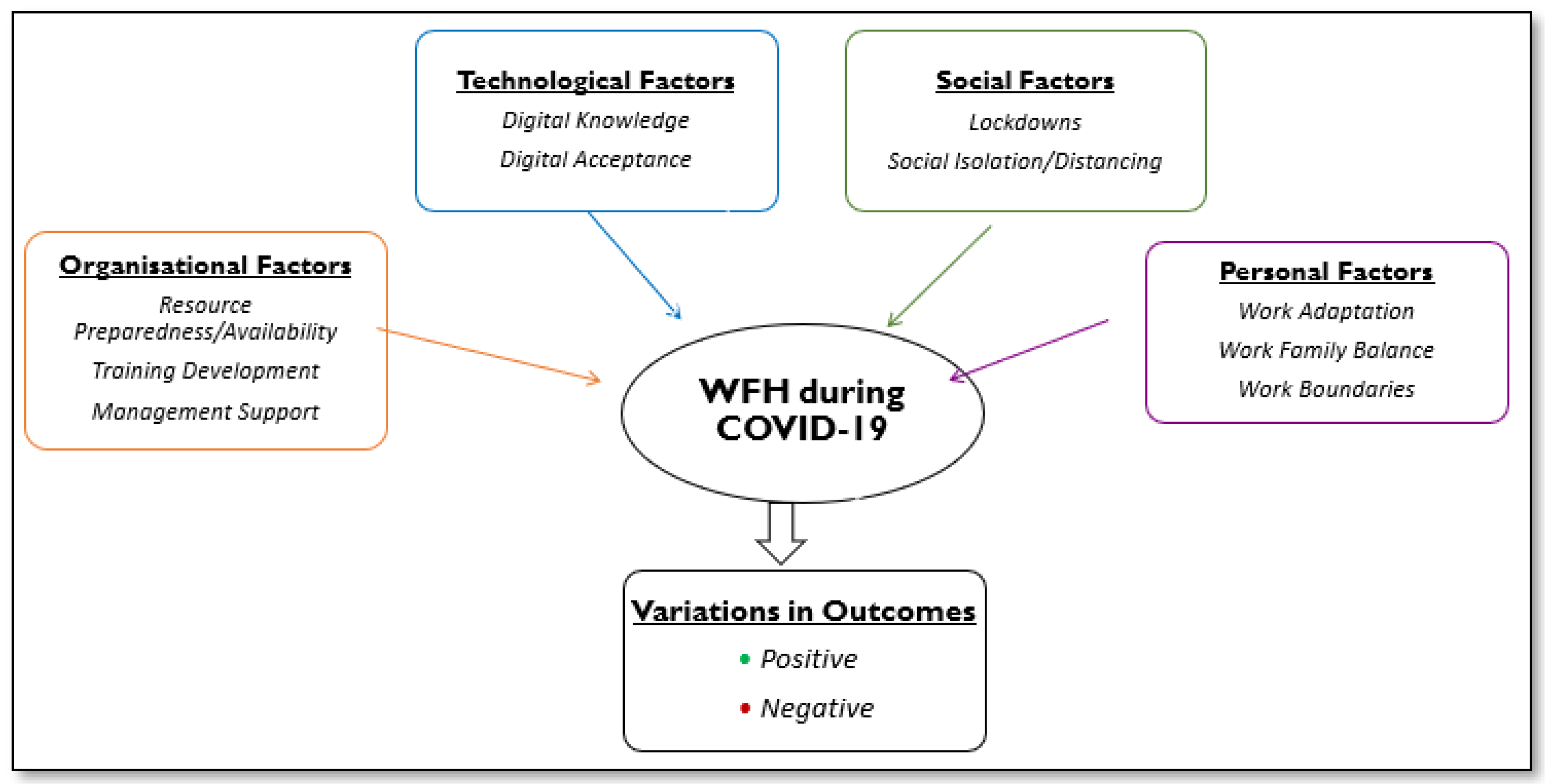
Exploration and Evaluation of the impact of “Work From Home” on Family Relationships

The COVID-19 pandemic has changed the way we work and live. We are now transitioning from traditional office hours to a new work-from-home culture. As companies grapple with the challenges of social distancing, theyโ€™re increasingly focusing on telecommuting and remote working. This is the new normal in the workplace, and itโ€™s bringing with it many benefits.

For one, remote working eliminates the need for costly office space and commuting for employees. This can help companies save a significant amount of money, especially in big cities with high rent costs. It also allows employees to work from any location, giving them the flexibility to work from home, a vacation spot, or even a coffee shop.

Remote working also allows employees to better manage their own work-life balance. This can decrease levels of stress and fatigue, thereby increasing job performance and productivity. Even though it may be hard for some people to focus without the structure of an office environment, many more individuals find that the flexibility of remote working is beneficial to them.

Companies are also finding that allowing employees to work from home can have positive effects on office morale. With fewer distractions and more focused work, teams are able to collaborate more quickly and easily. This can lead to higher employee satisfaction and improved customer service.

The transition to work from home is an opportunity to re-evaluate the way we work and live. With the right tools and strategies, companies and employees can take advantage of the many benefits remote working offers. As we continue to navigate the COVID-19 pandemic, this will likely be the new normal in the workplace.

Positive Impacts

  1. Increased Family Time: One of the most significant benefits of WFH is the increased amount of time that families can spend together. With the elimination of commutes, families can enjoy a more relaxed schedule and spend more quality time with each other.
  2. Improved Work-Life Balance: WFH allows individuals to balance their work and personal life more effectively. They can take care of household chores and attend to personal errands during the day, reducing stress and increasing overall satisfaction with their work-life balance.
  3. More Flexibility: WFH provides individuals with the flexibility to work from anywhere, at any time. This allows for a more relaxed and flexible schedule, leading to a reduced sense of stress and increased happiness.

Negative Impacts

  1. Increased Stress: While WFH has its benefits, it can also lead to increased stress. The boundaries between work and personal life can become blurred, leading to longer work hours and increased pressure to be available at all times.
  2. Decreased Quality of Family Time: While WFH allows for increased family time, it can also lead to decreased quality of that time. With work constantly in the background, it can be difficult for individuals to fully disconnect and enjoy quality time with their families.
  3. Isolation and Loneliness: WFH can lead to feelings of isolation and loneliness, especially for those who are used to working in a social environment. The lack of face-to-face interactions with colleagues and clients can be detrimental to mental health and overall well-being.

Conclusion

WFH has had a significant impact on family relationships, with both positive and negative consequences. While it has allowed for increased family time and improved work-life balance, it has also resulted in increased stress, decreased quality of family time, and feelings of isolation and loneliness. It is important for individuals to find a balance between work and personal life, setting clear boundaries and prioritizing their mental health and well-being. Overall, the impact of WFH on family relationships is complex and varied, and it is up to each individual to make the best of the situation and find a balance that works for them and their family.

IMPACT OF COVID-19 PANDEMIC ON CRIME RATE

By Moksha Grover

The Covid-19 outbreak in Wuhan, China was recognized as a pandemic by World Health Organization (WHO). Today, the world is in the fight towards covid wide-ranging consequences. Pandemics have always changed the way human beings interact and covid pandemic is no exception in this case. People are facing collective forms of trauma due to health concerns, negativity caused by the pandemic, loss due to unemployment, false information surfing around social media etc.  Isolation and quarantine increased depression and anxiety among the people. Because of the side effects of the pandemic faced by the people domestic violence, homicide crimes, fraud and trafficking of medicinal products have increased significantly. While, due to lockdown crimes like theft, and robbery has shown a decline.

Domestic physical violence, abuse. Scared little caucasian girl, victim sitting close to a white wall with the shadow of an angry threatening mother with alcohol addiction. Awareness of social problems.

DOMESTIC VIOLENCE AND HOMICIDES CRIME

While the covid pandemic has affected all types of crimes, some crimes have increased and some decreased. It has affected domestic violence and homicide crimes the most. Pandemic has added to the rise in domestic abuse and homicide crime. Due to economic reasons, the victim is forced to remain with the abuser. Some victims get quarantined with the abusers and are prone to sexual assault, partner violence, and child abuse. These people are also left without any access to services.

During the lockdown, many women were trapped in their houses and had to work all day and also become the victims of domestic violence by their husbands.  A study in New Delhi, India shows that by the second week of lockdown domestic violence cases rose from 116 in the first week to 257 in the final week in the month of March[1].  A study by researcher Priyanshi Chauhan found that โ€œapproximately 22.5% of married women, as compared to zero men and unmarried women, worked for more than 70 hours per weekโ€ during the lockdown[2]. The study also said unemployed women witnessed the highest increase of 30.5 percentage points for those who spent more than 70 hours per week on unpaid work[3].

COUNTERFEITING AND FRAUDS

Counterfeiting and fraud have increased a lot in this covid pandemic. High-demand products during the pandemic, mostly medical products are being counterfeited the most. Virus mitigating products such as face masks, virus test kits, PPT kits etc. worn by frontline workers and medical supplies used for treating COVID-19 patients were also counterfeited. In India, due to the shortage of remdisivir vaccines used for treating covid patients, criminals started selling fake remdisivir injections to people and in return took huge amounts of money from these people.

As the covid-19 pandemic led the way for online shopping, countering in online shopping also rose. Criminals began to exploit a greater use of social media as a medium for sales. The public trusts celebrities and influencers, promote a product and have faith in their recommendations. But this benefit was recognized by criminals and they recruited irresponsible influencers to engage in building interest in cheap and often dangerous fake goods. The covid pandemic is making a way for criminal counterfeiters and increasing the threat to businesses and consumers alike.

CYBERCRIMES

Owing to the shift of focus to a health crisis, cyber defence systems have been lowered. As a result, cybercriminals are attacking the computer networks and systems of individuals, businesses and even global organizations. Cybercriminals have created thousands of new websites for conducting spam campaigns or spreading malware. Various covid-19 maps and websites have been found embedded with malware, spyware and Trojans. Hospitals, medical centres and public institutions are being targeted by cybercriminals for ransomware attacks โ€“ since they are overwhelmed with the health crisis and cannot afford to be locked out of their systems, the criminals believe they are likely to pay the ransom[4].

TERRORIST ATTACKS

In comparison with the past, terrorist attacks have been reduced due to the global lockdown. In the past, when in 2013, the emergence of the Islamic state brought a new wave of attacks 2014 in cities around the world[5]. This wave of ISIS terror attacks seems to come to an end now. However, โ€œCoronavirus denier movementsโ€ could contribute to the potential of violence since they attracted extremists from various ideological backgrounds[6]. In 2021, may a series of attacks in Afghanistan resulted in the deaths of 56 people[7]. Today, Afghanistan has been conquered by Talibans and now Talibans in association with Al-Qaeda have attacked Panjshir valley, a fight ongoing for two days[8]. Switzerland has warned of terror attacks on Covid vaccine sites[9].

THEORETICAL REASONS FOR THE IMPACT OF COVID-19 ON CRIME

Overall covid-19 pandemic has resulted in the reduction of crime rates. More stringent restrictions over movement in public spaces due to lockdown have resulted in large declines in crimes like theft, burglary and other types of crimes.  There are mainly 4 causes that have led to a significant decrease in crime rates due to pandemics.

First, restrictions on mobility and reduction in economic and social activities outside of the household leave the criminals with fewer opportunities. These restrictions have also reduced the number of assaults with deadly weapons, robberies, residential burglaries, shoplifting, and thefts as a consequence of a reduced interaction of people in the urban environment. Furthermore, this pandemic has also led to a reduction in the opportunities for potential victims to encounter the potential offender

Second, due to the fear of infection, many criminals have become hesitant to engage in criminal activities. This cause has shown a consequence in the reduction of group crimes. Even if the lockdown is not imposed there are many criminals who do not engage in criminal activities due to the fear of infection.  Various studies propose that the lockdowns specifically lower crimes that are committed in groups. But more severe crimes like homicides fail to decline.

Third, due to the economic problems caused by the pandemic crimes can relatively increase. Individuals losing employment, income, lack of new public policies, weaker public support systems, and a larger informal sector can result in to increase in the willingness of criminals to commit crimes.

PREVENTING CRIME AND KEEPING SAFE DURING COVID-19

Covid-19 has affected the whole world in many ways including the type and number of crimes being committed. Along with focusing on the health crisis, it is the right time now to take steps that can help in the reduction of crime rates to ensure the safety of the people. Here are a few steps that can be taken to reduce crime rates.

  1. Talking about the risk factors associated with crime, our focus should be shifted towards socially vulnerable areas where there is often a combination of risk factors such as high levels of unemployment, mental ill-health and drug and alcohol abuse.
  • Alcohol consumption should be reduced as it can lead to domestic violence and child abuse when stress increases.
  • For reducing cybercrime, people should be taught about the precautions they should take to protect themselves from cybercrimes. These include setting a strong password, updating software, managing social media settings, using a full-service Internet security suite etc.
  • Appropriate policy measures can help a lot in overcoming fraud and counterfeiting of the products.
  • Having a proactive approach and spreading awareness can also help a lot. We should treat violence as a public health concern to ensure the protection of the people.

CONCLUSION

In conclusion, I would like to say that, although covid pandemic has decreased overall crime rates. However, Covid has not caused a reduction in all kinds of crime nor in all countries across the globe. There are some types of crimes that have increased due to covid pandemic and there are some countries that have seen an increase in crime rates. The focus should be given equally to crime around the world as to pandemics. People should be taught about the precautions they need to take. The world should stand together and fight against all the terrorist activities taking place in this covid pandemic


[1] Bismee Taskin, โ€˜Increased work, domestic abuse โ€” how Covid lockdown was especially hard on women in Indiaโ€™, The Print (9th February,2021) < https://theprint.in/india/increased-work-domestic-abuse-how-covid-lockdown-was-especially-hard-on-women-in-india/601328/> accessed 3rd September, 2021

[2] Ibid.

[3] ibid.

[4] โ€˜COVID-19 cyberthreatsโ€™, Interpol < https://www.interpol.int/en/Crimes/Cybercrime/COVID-19-cyberthreats> accessed 3rd September,2021.

[5] โ€˜Timeline: the Rise, Spread, and Fall of the Islamic Stateโ€™, Wilson centre (28th October,2019) < https://www.wilsoncenter.org/article/timeline-the-rise-spread-and-fall-the-islamic-state> accessed 3rd September,2021.

[6] Thomas Wahl, โ€˜Council Conclusions: COVID-19 Impact on Terrorism and Violent Extremismโ€™, Eucrim (6th July,2021)< https://eucrim.eu/news/council-conclusions-covid-19-impact-on-terrorism-and-violent-extremism/ > accessed 3rd September,2021

[7] Greg Barton, โ€˜n COVIDโ€™s shadow, global terrorism goes quiet. But we have seen this before, and should be waryโ€™, The Conversation (14th August,2020) < https://theconversation.com/in-covids-shadow-global-terrorism-goes-quiet-but-we-have-seen-this-before-and-should-be-wary-144286> accessed 3rd September,2021

[8] โ€˜Afghanistan Crisis Updates: Al-Qaeda reportedly joins Taliban in attack on Panjshir valley, fight ongoing for two daysโ€™, The Economic Times (05 September, 2021) <https://economictimes.indiatimes.com/news/newsblogs/latest-daily-news-and-updates-september-02/liveblog/85854590.cms > accessed 5th Septembter,2021

[9] โ€˜Switzerland warns of terror attacks on Covid vaccine sitesโ€™, Mint (29th August, 2021) < https://www.livemint.com/news/world/switzerland-warns-of-terror-attacks-on-covid-vaccine-sites-11630226544056.html> accessed 5th September,2021

INDIAN PHARMACEUTICAL INDUSTRIES IN THE TIMES OF COVID-19 PANDEMIC

By: Moksha Grover

As the whole world is suffering against the covid-19 pandemic, pharmaceutical industries all over the world are trying their level best to fight against these unprecedented times. The covid pandemic has actually benefitted the pharmaceutical industry and helped in the growth and development of this industry. The Indian pharmaceutical industry is the worldโ€™s third largest drug producer by volume and the countryโ€™s market manufactures 60 percent of vaccines globally[1]. This constitutes 40 to 70 percent of the supply to satisfy the World Health Organizationโ€™s (WHO) demand for Diphtheria, Tetanus, and Pertussis (DPT) and Bacillus Calmette Guerin (BCG) vaccines and 90 percent of the global demand for the measles vaccine[2]. In this covid pandemic, the Indian pharmaceutical industry has played a vital role in distributing affordable and low-cost generic drugs to millions of people around the globe.

GROWTH AND DEVELOPMENT OF INDIAN PHARMACEUTICAL INDUSTRIES

The covid-19 pandemic presented several opportunities for the pharmaceutical companies and helped them to think differently. It helped them to act in a sense of urgency for all the patients who were looking for cheap and affordable medicines. In this pandemic, Indian companies have risen and developed in the field of therapeutics by re-purposing the dugs.

This pandemic also gave the pharmaceutical companies opportunities to work in collaborations with some major global companies for the purpose of developing the covid vaccine in turn enhancing the global connections. Serum Institute of India partnered with Oxford University, Zydus Cadila partnered with Gamaleya Institute of Russia, Panacea Biotec collaborated with US-based Refana Inc and there are many other companies who collaborated for the purpose of producing good and effective vaccines against the deadly virus. These collaborations and partnerships helped the companies to make effective vaccines, develop a stand in therapeutics, and also reach the global market.

Indian pharma industry took a proactive approach during the pandemic and also became successful in proving its mettle in complex and specialty generics. These companies also ensured regular manufacturing by not hindering manufacturing even for a single day. With the development in the pharma industry, eCommerce platforms and industries also developed. In the current pandemic, a great deal of motivation was given to E-pharmacy which helped in ensuring that patients received their medication despite lockdown. The domestic pharma market turnover in India has reached Rs. 1.4 lakh crores (equivalent to $ 20.03 billion) in 2019 as per the government data[3]. This is actually an increase from Rs. 1.29 lakh crores in 2018[4].

CHALLENGES FACED BY INDIAN PHARMACY INDUSTRIES DUE TO PANDEMIC

The source of APIs plays a very crucial role in the strategic plan of the Indian pharmaceutical industry to combat covid-19. A major challenge faced by this industry is the supply of APIs. Active Pharmaceutical Ingredients (API) are defined as the active ingredients contained in a medicine. This pandemic has highlighted the dependence of the Indian pharma industry on imported APIs. Today, 60 percent of Indiaโ€™s API requirement is imported[5]. In commonly used APIs, such as cephalosporins, azithromycin, and penicillin, the dependence is as high as 90 percent [6]. ย Of the total imports of APIs and intermediates into India, China accounts for 65โ€“70 percent [7]. This is a problem faced by almost the whole west depends upon china for their API supplies. This pandemic has also highlighted low healthcare coverage in India. n terms of healthcare spending, India has one of the lowest healthcare budgets with just 1.26 percent of GDP being spent on healthcare[8]. India ranks 155th out of the 167 countries in terms of hospital bed availability (as per the Human Development Report 2020) with just five beds available for every 10,000 Indians[9]. ย Such a sudden rise in covid cases in India highlighted the shortage of hospital beds, medicines, and availability of laboratory tests. As pandemics have always shifted the way people react. A similar change has been seen in the consumption pattern of various consumers. There has been an increase in the case of online ordering and e-consultations, especially in the case of chronic diseases. These challenges can result in long-term impacts on this industry.

STRATEGIES FOR PROMOTING INDIAN PHARMA PRODUCTION

Initiatives like Production Linked Incentives (PLI) schemes for bulk drugs and medical devices introduced by the government for the industryโ€™s self-reliance have given a major boost to this industry. These incentives are to the tune of INR6,940 crore and INR3,420 crore, respectively, and encompass greenfield projects for bulk drugs and intermediates, and the establishment of three bulk drug parks[10]. In addition to this, the government should take some steps in removing the financial and technical barriers prevailing within this industry. This will in turn help in reducing the dependency of the Indian pharma industry on china for APIs.

The pharmaceutical companies have now identified the importance of backward integration which is expected to bring greater reliability, improve the quality of production, reduce dependence on external sources of supply, and help in increasing the efficacy of manufacturing. Several key representatives from the pharmaceutical industry and NITI Aayog have suggested fostering the approvals of pharmaceutical infrastructure developments, clearance from the environment ministry, and providing tax exemptions and subsidies for the development and promotion of the pharmaceutical industry hubs could benefit the market[11].

Over the last few years, many tourists have been visiting India for their medical treatment. The government has also relaxed rules for the tourists by issuing rapid airport clearances and fast-track medical visas, thus helping in the promotion of this industry.

CONCLUSION

This covid pandemic has been a boon to the Indian pharmaceutical industry. Medicine spending in India is expected to grow between 9-12 percent over the next five years, leading India to become one of the top 10 countries in terms of medical spending[12]. It is now important for all pharmaceutical companies to shift their product portfolio toward chronic diseases like covid drugs, antidepressants, anti-diabetes, cancers, etc. which are on the hike nowadays. Many initiatives have been taken up by the government to reduce healthcare expenses and make it affordable for the whole population of the country. The introduction of generic drugs has also paved the way for the benefit of pharma companies. It is now important to focus on the rural healthcare system and provide the rural areas with the necessary drugs and preventive vaccines. Doing so will help a lot in the development of pharma companies in India and will also lead to the development of the country as a whole.


[1] Dr Abhishek Dadhich, โ€˜The COVID-19 pandemic and the Indian pharmaceutical industryโ€™, EPR (22 April,2020) < https://www.europeanpharmaceuticalreview.com/article/117413/the-covid-19-pandemic-and-the-indian-pharmaceutical-industry/> accessed 19th September 2021.

[2] Ibid.

[3] Dr Sujith Varma K, โ€˜Covid-19 impact on Indian pharmaceutical industryโ€™, PHARMABIZ.COM (10th February, 2021) < http://www.pharmabiz.com/ArticleDetails.aspx?aid=135427&sid=9#:~:text=The%20domestic%20pharma%20market%20turnover,actually%20an%20increase%20from%20Rs.> accessed 19th September,2021.

[4] Ibid.

[5] Sanjay Singh, โ€˜Pharmaceuticals: emerging not just stronger, but better and smarterโ€™, KPMG https://home.kpmg/in/en/home/insights/2021/04/indian-pharma-industry-boom-mantra.html accessed 19th September,2021.

[6] Ibid.

[7] Ibid.

[8] Ibid.

[9] Ibid.

[10] Ibid.

[11] Dr Sujith Varma K (n 3)

[12] Ibid.

COVID-19 Update | the Government Claims That Over 166.59 Crore Vaccine Doses Have Been Provided in India So Far.

According to the Union Health Ministry, India’s COVID-19 immunisation coverage has reached 166.59 crore people, with over 53 lakh vaccine doses distributed on Monday. The daily vaccine number is expected to rise as the last reports for the day are compiled late at night, it added.

Since the commencement of phase three of the vaccination push, 54,11,58,635 first doses have been given to those aged 18 to 44, and 40,58,44,481 have received the second dose in the same age range, according to Health Ministry data. 4,65,47,420 first doses and 3,35,552 second doses have been delivered to people aged 15 to 18. So far, 1,24,29,876 precautionary doses have been given to the indicated categories of recipients.

The vaccination programme as a measure to protect the country’s most vulnerable populations from COVID-19 is still being assessed and monitored at the highest level, according to the ministry.

Havoc caused by Omicron variant of COVID-19 at Kempegowda International Airport in Bengaluru

After the fast-spreading of Omicron variant of COVID-19 in the various parts of the world, a new terror has been emerged in the people of the country. So far, two positive cases of Omicron* variant have been detected in Karnataka.

To reduce the spreading of this variant in different parts of the country, the Health Ministry of the country has been advising the states and union territories to strictly check upon the international passengers who have been coming from โ€˜at riskโ€™ countries.

International passengers coming from โ€˜at riskโ€™ countries are advised to go for RT-PCR* test. Only after the reports of their tests are available, they are allowed to step out from the airport. This situation created a lot of chaos in Kempegowda International Airport in Bengaluru on Wednesday, December 1. Long queues were witnessed at the airport due to the guidelines regarding the mandatory RT-PCR test of the international passengers at the airport passed down by Union Health Ministry.

Only four doctors and 25 staffers were deployed at the airport according to the reports. Moreover, there was only one testing counter located for screening the passengers. A lot of passengers showed their discomforts during the testing through various social media handles.

Among those passengers, Raja Andukondan was also the one who faced issues while testing. He raised his complaints through his Twitter handle.

He stated, โ€œ@BLRAirport As one of the passengers on the very first flight which landed after 00:00hrs, it was horrible. Clearly the lab Auriga Research was not at all prepared. Who can I contact for a refund of my cost for the Rapid PCR test? Results were promised in 1 hr but took 3+ hrsโ€.

According to the current guidelines, passengers coming from โ€˜at riskโ€™ countries have to go through post-arrival testing and will be isolated in case the reports turn out to be positive.

Due to the fast-spreading of Omicron variant of COVID-19, all the residents of India are advised to ensure their safety and not to take it lightly in any case. It is to be hoped that all the people will be able to overcome this crisis very soon with their own vigilance.

*Omicron variant โ€“

It is a new variant of COVID-19 that has been kicked-off in South Africa. A sudden surge of positive cases broke out among the university students. At first, scientists mistook this omicron variant in the students as delta variant. But after the research, the omicron variant was found out with a lot of mutations which stirred up a chaos among the scientists. On 24 November, this variant was reported to World Health Organisation. According to WHO, this variant poses a โ€˜very high riskโ€™. Following different reports, it is to be said that this variant could be the most contagious one to be ever known in the history.

*RT-PCR test-

Reverse Transcription Polymerase Chain Reaction (RT-PCR) is the test where an enzyme called reverse transcriptase used to change the piece of RNA into a same matching piece of DNA. This method is used to detect the specific genetic material in any pathogen. It is one of the widely used methods to detect the COVID-19 virus in a diseased body.

Covid Cases on the rise in post-Diwali week


NEW DELHI: The end of the Diwali week marked a steady increase in new Covid-19 infections. India recorded 80,614 new cases of the coronavirus this week. With 10,789 new cases in the last 24 hours.

While cases in the southern states, namely Kerela and Tamil Nadu continue to gradually drop, a number of states observed a significant spike in cases. Jammu & Kashmir recorded a 34% increase in new cases in the past week.


Other states where the count increased in the current week are Karnataka, with a 17% increase, Maharashtra, Punjab, Delhi, Uttar Pradesh, Bengal, Rajasthan. Experts claim the increase in cases is a result of increased contact among people in the festive period. A major credit for the over-all spike can also be credited to increase in population in the markets. As most people connect the festival with an incentive to shop.

-Ananya Kaushal

เคฆเฅเคจเคฟเคฏเคพ เค•เฅ‡ เคšเคพเคนเคจเฅ‡ เคชเคฐ เค–เคคเฅเคฎ เคนเฅ‹เค—เฅ€ เคฎเคนเคพเคฎเคพเคฐเฅ€: WHO


เคตเคฟเคถเฅเคต เคธเฅเคตเคพเคธเฅเคฅเฅเคฏ เคธเค‚เค—เค เคจ เค•เฅ‡ เคชเฅเคฐเคฎเฅเค– เคŸเฅเคฐเฅ‡เคกเฅ‹เคธ เคเคกเคจเฅ‹เคฎ เค˜เฅ‡เคฌเคฐเคฟเคฏเคธ เคจเฅ‡ เคฌเคฐเฅเคฒเคฟเคจ เคฎเฅ‡เค‚ เค†เคฏเฅ‹เคœเคฟเคค เค…เคชเคจเฅ‡ เคเค• เคตเคฐเฅเคฒเฅเคกเคนเฅ‡เคฒเฅเคฅ เคธเคฎเคฟเคŸ เค•เฅ‹ เคธเค‚เคฌเฅ‹เคงเคฟเคค เค•เคฐเคคเฅ‡ เคนเฅเค เค•เคนเคพ เค•เคฟ เคœเคฌ เคธเคญเฅ€ เคฆเฅ‡เคถ เค‰เคชเคฒเคฌเฅเคง เคธเฅเคตเคพเคธเฅเคฅเฅเคฏ เค‰เคชเค•เคฐเคฃเฅ‹เค‚ เค•เคพ เคชเฅเคฐเคญเคพเคตเฅ€ เคขเค‚เค— เคธเฅ‡ เค‰เคชเคฏเฅ‹เค— เค•เคฐเคจเคพ เคถเฅเคฐเฅ‚ เค•เคฐ เคฆเฅ‡เค‚เค—เฅ‡,เคคเคฌ เคœเคพเค•เคฐ เค•เฅ‹เคฐเฅ‹เคจเคพ เคฎเคนเคพเคฎเคพเคฐเฅ€ เค–เคคเฅเคฎ เคนเฅ‹ เคœเคพเคเค—เฅ€เฅค เค‰เคจเฅเคนเฅ‹เค‚เคจเฅ‡ เค•เคนเคพ เค•เคฟ เคœเคฌ เคฆเฅเคจเคฟเคฏเคพ เค‡เคธเฅ‡ เค–เคคเฅเคฎ เค•เคฐเคจเคพ เคšเคพเคนเฅ‡เค—เฅ€, เคคเคฌ เคฏเคน เคธเคฎเคพเคชเฅเคค เคนเฅ‹เค—เคพเฅค เคฏเคน เคนเคฎเคพเคฐเฅ‡ เคนเคพเคฅเฅ‹เค‚ เคฎเฅ‡เค‚ เคนเฅˆเฅค เคตเคน เคธเคญเฅ€ เค‰เคชเค•เคฐเคฃ เคนเคฎเคพเคฐเฅ‡ เคชเคพเคธ เคฎเฅŒเคœเฅ‚เคฆ เคนเฅˆ,เคšเคพเคนเฅ‡ เคชเฅเคฐเคญเคพเคตเฅ€ เคธเคพเคฐเฅเคตเคœเคจเคฟเค• เคธเฅเคตเคพเคธเฅเคฅเฅเคฏ เค‰เคชเค•เคฐเคฃ เคนเฅ‹ เคฏเคพ เคชเฅเคฐเคญเคพเคตเฅ€ เคšเคฟเค•เคฟเคคเฅเคธเคพ เค‰เคชเค•เคฐเคฃ,เคœเคฟเคจเค•เฅ€ เคนเคฎเฅ‡ เค…เคตเคถเฅเคฏเค•เคคเคพ เคนเฅˆเฅค เคชเคฐเค‚เคคเฅ เคฆเฅเคจเคฟเคฏเคพ เคจเฅ‡ เค‡เคธเค•เคพ เค…เคšเฅเค›เฅ€ เคคเคฐเฅ€เค•เฅ‡ เคธเฅ‡ เค‰เคชเคฏเฅ‹เค— เคจเคนเฅ€เค‚ เค•เคฟเคฏเคพเฅคเคเค• เคธเคชเฅเคคเคพเคน เคฎเฅ‡เค‚ เค•เคฐเฅ€เคฌ 50 เคนเคœเคผเคพเคฐ เคฎเฅŒเคคเฅ‡เค‚ เคนเฅเคˆเค‚ เคนเฅˆเค‚ เคคเฅ‹ เค…เคญเฅ€ เคฎเคนเคพเคฎเคพเคฐเฅ€ เค–เคคเฅเคฎ เคจเคนเฅ€เค‚ เคนเฅเคˆเฅค


เค‰เคจเฅเคนเฅ‹เค‚เคจเฅ‡ เคธเคฎเฅเคฎเฅ‡เคฒเคจ เคฎเฅ‡เค‚ เคฌเฅ‹เคฒเคคเฅ‡ เคนเฅเค เค•เคนเคพ เค•เคฟ เคตเคน เค•เฅ‹ เคญเฅ€ เคจเฅ‡ เคŸเฅ€เค•เคพเค•เคฐเคฃ เค•เฅ‡ เคฒเคฟเค เคเค• เคตเฅˆเคถเฅเคตเคฟเค• เคฐเคฃเคจเฅ€เคคเคฟ เคถเฅเคฐเฅ‚ เค•เคฐเคจเฅ‡ เค•เฅ‡ เคฒเคฟเค WHO เคชเฅเคฐเคฎเฅเค– เคฎเฅ‡เค‚ เคถเคพเคฎเคฟเคฒ เคนเฅเค,เคœเฅ‹ เคธเคญเฅ€ เคฆเฅ‡เคถเฅ‹เค‚ เคฎเฅ‡เค‚ เคฒเฅ‹เค—เฅ‹เค‚ เค•เฅ‹ เคŸเฅ€เค•เฅ‡ เคตเคฟเคคเคฐเคฟเคค เค•เคฐเคจเฅ‡ เค•เฅ‡ เคฒเคฟเค เคเค• เคฒเคพเค—เคค เค”เคฐ เคตเคฟเคถเฅเคตเคธเคจเฅ€เคฏ เคชเฅเคฐเคญเคพเคตเฅ€ เคฏเฅ‹เคœเคจเคพ เค•เคพ เคธเฅเคเคพเคต เคฆเฅ‡เคคเคพ เคนเฅˆเฅค

WHO เคชเฅเคฐเคฎเฅเค– เคจเฅ‡ เคœเฅ€ 20 เคฆเฅ‡เคถเฅ‹เค‚ เค•เคพ เคชเคนเคฒเฅ‡ เคธเฅ‡ เคนเฅ€ 40% เค…เคชเคจเฅ€ เค†เคฌเคพเคฆเฅ€ เค•เฅ‹ เค•เฅ‹เคตเฅˆเค•เฅเคธ เคคเค‚เคคเฅเคฐ เคฎเฅ‡เค‚ เคธเค•เฅเคฐเคฟเคฏ เคฐเฅ‚เคช เคธเฅ‡ เคธเค‚เคฒเค—เฅเคจ เค•เคฐ เคฆเฅ‡เคจเฅ‡ เค•เฅ‡ เคฒเคฟเค เคญเฅ€ เค†เคตเฅเคนเคพเคจ เค•เคฟเคฏเคพเฅค เคฐเคตเคฟเคตเคพเคฐ เค•เฅ‹ เคธเค‚เคฏเฅเค•เฅเคค เคฐเคพเคทเฅเคŸเฅเคฐ เคฎเคนเคพเคธเคšเคฟเคต เคเค‚เคŸเฅ‹เคจเคฟเคฏเฅ‹ เค—เฅเคŸเฅ‡เคฐเฅ‡เคธ เคจเฅ‡ เคœเฅ€-20 เคฆเฅ‡เคถเฅ‹เค‚ เคธเฅ‡ เคชเฅ‚เคฐเฅ€ เคฆเฅเคจเคฟเคฏเคพ เคฎเฅ‡เค‚ เค•เฅ‹เคตเคฟเคก-19 เค•เฅ‡ เคŸเฅ€เค•เคพ เค•เคพ เค‰เคšเคฟเคค เคตเคฟเคคเคฐเคฃ เคธเฅเคจเคฟเคถเฅเคšเคฟเคค เค•เคฐเคจเฅ‡ เค•เฅ‡ เคฒเคฟเค 8 เคฌเคฟเคฒเคฟเคฏเคจ เค…เคฎเฅ‡เคฐเคฟเค•เฅ€ เคกเฅ‰เคฒเคฐ เค‡เค•เคŸเฅเค เคพ เค•เคฐเคจเฅ‡ เคฎเฅ‡เค‚ เคฎเคฆเคฆ เค•เคพ เคเคฒเคพเคจ เค•เคฟเคฏเคพเฅค

เคฌเคคเคพ เคฆเฅ‡เค‚, WHO เคชเคนเคฒเฅ‡ เคธเฅ‡ เคญเฅ€ เค•เฅ‹เคฐเฅ‹เคจเคพ เค•เฅ‹ เคฒเฅ‡เค•เคฐ เคชเฅ‚เคฐเฅ€ เคฆเฅเคจเคฟเคฏเคพ เค•เฅ‹ เคšเฅ‡เคคเคพเคตเคจเฅ€ เคฆเฅ‡เคคเคพ เคฐเคนเคพ เคนเฅˆเฅค เคเค• เคฌเคพเคฐ เคซเคฟเคฐ เคธเฅ‡ เคญเคพเคฐเคค เคฎเฅ‡เค‚ เค•เฅ‹เคฐเฅ‹เคจเคพ เคธเฅ‡ เคฎเคฐเคจเฅ‡ เคตเคพเคฒเฅ‹เค‚ เค•เฅ€ เคธเค‚เค–เฅเคฏเคพ เคฎเฅ‡เค‚ เค‡เคœเคพเคซเคพ เคฆเฅ‡เค–เคพ เค—เคฏเคพ เคนเฅˆเฅค เคชเคฟเค›เคฒเฅ‡ 24 เค˜เค‚เคŸเฅ‹เค‚ เคฎเฅ‡เค‚ 443 เคฒเฅ‹เค—เฅ‹เค‚ เค•เฅ€ เคฎเฅŒเคคเฅ‡เค‚ เคนเฅเคˆ เคนเฅˆเฅค เคตเคนเฅ€เค‚ เคเค• เคฆเคฟเคจ เคฎเฅ‡เค‚ 14,306 เค•เฅ‹เคฐเฅ‹เคจเคพ เค•เฅ‡ เคจเค เคฎเคพเคฎเคฒเฅ‡ เคธเคพเคฎเคจเฅ‡ เค†เค เคนเฅˆเค‚เฅค

เค…เคจเคจเฅเคฏเคพ เค•เฅŒเคถเคฒ เคฆเฅเคตเคพเคฐเคพ เคธเค‚เคชเคพเคฆเคฟเคคเฅค

Are more women dying of Covid-19 in India?

New research by a group of scientists in India and US shows that although men make up the majority of infections, women face a higher risk of dying from the coronavirus than men.


The study, based on Covid-19 deaths in India until 20 May, shows early estimates that 3.3% of all women contracting the infection in India were dying compared to 2.9% of all men. (India had a caseload of more than 110,000 with 3,433 deaths and a fatality rate of 3.1% when the study was conducted.)In the 40-49 age group, 3.2% of the infected women have died, compared to 2.1% of men. Only females have died in the 5-19 age group.

Five key questions about India’s rising Covid-19 infections
I asked SV Subramanian, a professor of population health at Harvard University and one of the leader authors of the study, what this implied.


He told me that the narrative of calculating the Covid-19 fatality rate by groups has conflated two key metrics – mortality risk and mortality burden.

Mortality risk measures the probability of death in a specific group- in this case, total number of deaths of women divided by confirmed infections among women.

On the other hand, mortality burden gives you the number of deaths among women as a percentage share of the total deaths, both men and women.Prof Subramanian says for the large part, the statistics have looked at the latter – men having a greater share of total deaths (63% in India, hewing to international data) – but “inferred the former risk”.


“Our overall conclusion is that, when infected, women do not seem to have any specific survival advantage [in India],” says Prof Subramanian.

“How much of this can be attributable to biological factors and how much of this is associated with social factors is unclear. Gender can be a critical factor in Indian settings,” he says.

The ‘mystery’ of lndia’s low Covid-19 death rates
But the findings are certainly striking because they run counter to what has been observed elsewhere in the world.

For one, men are more likely to suffer from co-morbidities or underlying health conditions, like cardio-vascular disease and hypertension, says Kunihiro Matsushita, a professor of epidemiology at the Johns Hopkins Bloomberg School of Public Health.

Men also smoke more than women in many countries, and some studies have shown that men wash their hands less frequently than women.

Prof Matsushita says that studies he had participated in had shown that male patients have a higher risk of contracting severe Covid-19 infection.

Scientists also believe that women have a lower mortality risk because of sturdier immune defences. And have hormones like oestrogen which has “beneficial effects on upper and lower airways and is associated with stimulation of the immune response to upper airway infections”.

“In that regard, a higher case fatality rate in women than men in this report is certainly unique,” Prof Matsushita told me.

But he says the research data needs to be scrutinised in the context of how Covid-19 is diagnosed in India. “For example, is the opportunity to get a test same between men and women?” he wonders.There could be more to this puzzle than what meets the eye.

Women outlive men in India and there are more older women than men. Is this leading to more deaths among women, as elderly people are vulnerable to the infection?

Also, women in India are more likely to delay going to doctors, and often self-medicate at home. And a woman’s health is more likely to be ignored in a household. So are women arriving late for testing and treatment?

Homemaker caregivers are more prone to contracting the infection – during the 1918 Spanish flu more women in India – relatively undernourished, cooped up in unhygienic and ill-ventilated dwellings, and nursing the sick – died than men.


“We need to dissect the gender data to find out more about what’s going on,” says T Jacob John, a retired professor of virology at Christian Medical College, Vellore.

Researchers agree. “We will keep a close watch and keep updating the results,” Prof Subramanian says.

Written by: Ananya Kaushal

INDIA ACHIEVES A MILESTONE – News Update

The Indian Prime Minister, Mr.Narendra Modi has recently announced that the country remains a steadfast partner in global efforts to combat the Covid pandemic. The government’s results have resulted in a positive impact against the battle with the deadly Corona Virus. India made a 100 Crore Vaccine jabs milestone on 22nd October, 2021. Thousands of health care workers and people from the government sector joined hands to achieve this mark. There had been no such mass vaccination drive in the country prior to the pandemic. Indians were not made to wait endlessly for these jabs due to vaccine makers such as The Bharat Biotech and Serum Institute. Within a short duration of time amidst the Covid – 19 waves, these manufacturers came to the rescue and supplied indigenous doses.

After several episodes of complete and partial lockdowns in the nation, the authorities began permitting to open up different sectors, trains, educational institutes and shopping malls, with the mandatory restriction of complete vaccination of an individual. The date 16th of July, will be engraved in the history of India’s achievements, as this is the day when the very first vaccines were administered to the frontliners. The civilians were initially hesitant with administration of the jabs because of several inhibitions and rumours. Gradually, the public started pre-booking their slots in order to get vaccinated. In about only 9 months, India is basking in glory with the milestone that has been achieved.

The country not just secured itself from the virus, but also worked for humanitarian causes by supplying these vaccines to other nations such as Bangladesh, Myanmar, Nepal, Oman, South Africa, Afghanistan and many more. There were times when the government did receive backlash for supplying vaccines and this move was also being called as a risky diplomacy. Inspite of hardships, the country did supply approximately 361 lakh doses of the Covid-19 vaccine to other nations.

With the completion of this landmark, a gesture of gratitude towards the frontline warriors was displayed by lighting up of 100 monuments in India, ins colour of the Indian tri-colour. This initiative was lead by the Archaeological Survey Of India. Therefore, to offer a vote of thanks to all the doctors, nurses, sanitation staff, police officers, monuments including the Konark Temple, Agra Fort, Red Fort, Shanivar Wada, Khajurao, Fatehpur Sikri, Qutb Minar, Kumbalgarh, Nalanda, St. Francis Church, Dholavira, etc were illuminated. This expression of gratefulness towards the relentless efforts of the essential workers took place on the night of 21st October, 2021.

The National COVID-19 vaccination drive of India is the world’s largest vaccination drive and has been unprecedented in both scale and reach. India alertly imposed restrictions on the movement of people and quickly arranged for hospital like setups to provide timely health care. A series of sessions were conducted by the Prime Minister to advice the citizens regarding the ongoing crisis. India scored high on communications with health care workers during a public health emergency, trade and travel restrictions, laboratory systems, immunization, and socioeconomic resilience.

Myths about Covid19

Coronavirus disease (COVID-19) is an infectious disease caused by the SARS-CoV-2 virus.
Most people infected with the virus will experience mild to moderate respiratory illness and recover without requiring special treatment. However, some will become seriously ill and require medical attention. Older people and those with underlying medical conditions like cardiovascular disease, diabetes, chronic respiratory disease, or cancer are more likely to develop serious illnesses. Anyone can get sick with COVID-19 and become seriously ill or die at any age.

Myths about Covid19

  • Can Covid-19 be transmitted through goods produced in countries where there is ongoing transmission?

Although it can last on surfaces for many hours, the environment, transportation, and varying temperatures during shipment make it difficult for the virus to remain active. If you feel the surface may be contaminated, clean it with a disinfectant and wash your hands after touching it.

  • Can Covid-19 be transmitted through mosquitoes?

There is no evidence that the novel coronavirus can be transmitted through mosquitoes. The virus can be spread through droplets from coughing, sneezing or a patientโ€™s saliva.

  • How can we be sure that our clothes donโ€™t spread coronavirus 2019?

Besides showering every day, you should wash your clothes using detergent or soap in 60-90 เนC water or add bleach. Dry the clothes in a high-temperature dryer or the sun.

  • Can drinking alcohol help prevent Covid-19?

Drinking alcohol, such as beer, liquor, wine doesnโ€™t help prevent coronavirus. You should wash your hands often, wear masks, and avoid being close to those with a fever and cough.

  • Is it true that Covid-19 is transmitted in a cold climate and not in a hot and humid climate?

Coronavirus 2019 can be transmitted in any kind of climate. Wherever you are, no matter what kind of climate, you have to practice personal hygiene, i.e. wash your hands often, cover your mouth when you sneeze or cough, and wear masks.

  • Can digital thermometers be 100% effective in detecting Covid-19 patients?

It may take the virus 1-14 days to incubate and cause symptoms like fever, so it cannot be used to identify asymptomatic patients.

  • Can UV bulbs use for disinfecting be used to kill Covid-19 on our body?

Donโ€™t use UV bulbs on your hands or any part of the body because UV light can irritate your skin.

  • Can spraying alcohol or chlorine on your body kill the virus inside?

Besides not being able to kill the virus inside your body, it could damage clothes and other tissues like eyes and lips.

  • Can eating garlic prevent covid-19?

Though garlic has some anti-microbial properties, there is no evidence that it can prevent Covid-19.

  • Can Pneumonia vaccine prevent Covid-19?

This virus is new and different from other strains. We need a vaccine that is developed specifically. The research team is working on this through the support of the WHO.

  • Can rinsing your nose regularly with saline solution prevent Covid-19?

Evidence has indicated that rinsing your nose with saline solution can help us recover faster from the common cold, but cannot prevent infectious respiratory diseases or Covid-19.

  • Is there any drug that can prevent and treat Covid-19?

At present, no drug can prevent and treat the disease. Patients should receive proper and supportive care to alleviate the symptoms. WHO is accelerating research with all the partners to actively study the treatment for the disease.

References: WHO(World Health Organisation) 

Impact of Covid-19 on the Corporate Sector in India


The impact of coronavirus pandemic on India has been largely disruptive in terms of economic activity as well as a loss of human lives. Almost all the sectors have been adversely affected as domestic demand and exports sharply plummeted with some notable exceptions where high growth was observed. An attempt is made to analyze the impact and possible solutions for some key sectors.


Food & Agriculture

Since agriculture is the backbone of the country and a part of the government announced essential category, the impact is likely to be low on both primary agricultural production and usage of agro-inputs. Several state governments have already allowed free movement of fruits, vegetables, milk etc. Online food grocery platforms are heavily impacted due to unclear restrictions on movements and stoppage of logistics vehicles. RBI and Finance Minister announced measures will help the industry and the employees in the short term. Insulating the rural food production areas in the coming weeks will hold a great answer to the macro impact of COVID-19 on Indian food sector as well as larger economy.


Aviation & Tourism

The contribution of the Aviation Sector and Tourism to our GDP stands at about 2.4% and 9.2% respectively. The Tourism sector served approximately 43 million people in FY 18-19. Aviation and Tourism were the first industries that were hit significantly by the pandemic. The common consensus seems to be that COVID will hit these industries harder than 9/11 and the Financial Crisis of 2008. These two industries have been dealing with severe cash flow issues since the start of the pandemic and are staring at a potential 38 million lay-offs, which translates to 70 per cent of the total workforce. The impact is going to fall on both, White and Blue collar jobs. According to IATO estimates, these industries may incur losses of about 85 billion Rupees due to travel restrictions. The Pandemic has also brought about a wave of innovation in the fields of contactless boarding and travel technologies.


Telecom

There has been a significant amount of changes in the telecom sector of India even before the Covid-19 due to brief price wars between the service providers. Most essential services and sectors have continued to run during the pandemic thanks to the implementation of the โ€˜work from homeโ€™ due to restrictions. With over 1 billion connections as of 2019, the telecom sector contributes about 6.5 per cent of GDP and employs almost 4 million people. Increased broadband usage had a direct impact and resulted in pressure on the network. Demand has been increased by about 10%. However, the Telcoโ€™s are bracing for a sharp drop in adding new subscribers. As a policy recommendation, the government can aid the sector by relaxing the regulatory compliances and provide moratorium for spectrum dues, which can be used for network expansions by the companies.


Pharmaceuticals

The pharmaceutical industry has been on the rise since the start of the Covid-19 pandemic, especially in India, the largest producer of generic drugs globally. With a market size of $55 billion during the beginning of 2020, it has been surging in India, exporting Hydroxychloroquine to the world, esp. to the US, UK, Canada, and the Middle-East.

There has been a recent rise in the prices of raw materials imported from China due to the pandemic. Generic drugs are the most impacted due to heavy reliance on imports, disrupted supply-chain, and labour unavailability in the industry, caused by social distancing. Simultaneously, the pharmaceutical industry is struggling because of the government-imposed bans on the export of critical drugs, equipment, and PPE kits to ensure sufficient quantities for the country. The increasing demand for these drugs, coupled with hindered accessibility is making things harder. Easing the financial stress on the pharmaceutical companies, tax-relaxations, and addressing the labour force shortage could be the differentiating factors in such a desperate time.


Oil and Gas

The Indian Oil & Gas industry is quite significant in the global context โ€“ it is the third-largest energy consumer only behind USA and Chine and contributes to 5.2% of the global oil demand. The complete lockdown across the country slowed down the demand of transport fuels (accounting for 2/3rd demand in oil & gas sector) as auto & industrial manufacturing declined and goods & passenger movement (both bulk & personal) fell. Though the crude prices dipped in this period, the government increased the excise and special excise duty to make up for the revenue loss, additionally, road cess was raised too. As a policy recommendation, the government may think of passing on the benefits of decreased crude prices to end consumers at retail outlets to stimulate demand.


Beyond Covid: The new normal

In view of the scale of disruption caused by the pandemic, it is evident that the current downturn is fundamentally different from recessions. The sudden shrinkage in demand & increased unemployment is going to alter the business landscape. Adopting new principles like โ€˜shift towards localization, cash conservation, supply chain resilience and innovationโ€™ will help businesses in treading a new path in this uncertain environment.

Coronavirus (COVID-19), a virus that grew stealthily has become one of the deadliest viruses that are killing people worldwide. This virus took birth in Wuhan city of China and since then have traveled to more than 160 countries. The World Health Organization (WHO) has declared Coronavirus as a pandemic. It has become a mass scare and is leading to the deaths of thousands of people in numerous countries including China, Italy, Iran, Spain, the US, and many more. In India, this pandemic started on 30 January 2020 by affecting an individual who had a travel history from Wuhan, China.


The world economy is seeing its greatest fall ever. Coronavirus has largely impacted the growth of almost every country and is responsible for the slump in GDP worldwide. Like other countries, India is also impacted by this virus but not largely. Almost every industry sector has seen a fall in their sales and revenue. Indiaโ€™s GDP growth has fallen to 4.7% in the third quarter of 2020.


Inflation and Affected Industry:

China is one of the largest exporters of many raw materials to India. Shutting down of factories has damaged the supply chain resulting in a drastic surge in the prices of raw materials. Some of the other products that have seen a rise in their prices are gold, masks, sanitizers, smartphones, medicines, consumer durables, etc. The aviation sector and automobile companies are the hardest hit among the rest. With no airplane landings or take-offs globally and restricted travel has brought the aviation and travel industry to a halt.


Slump in Share market:
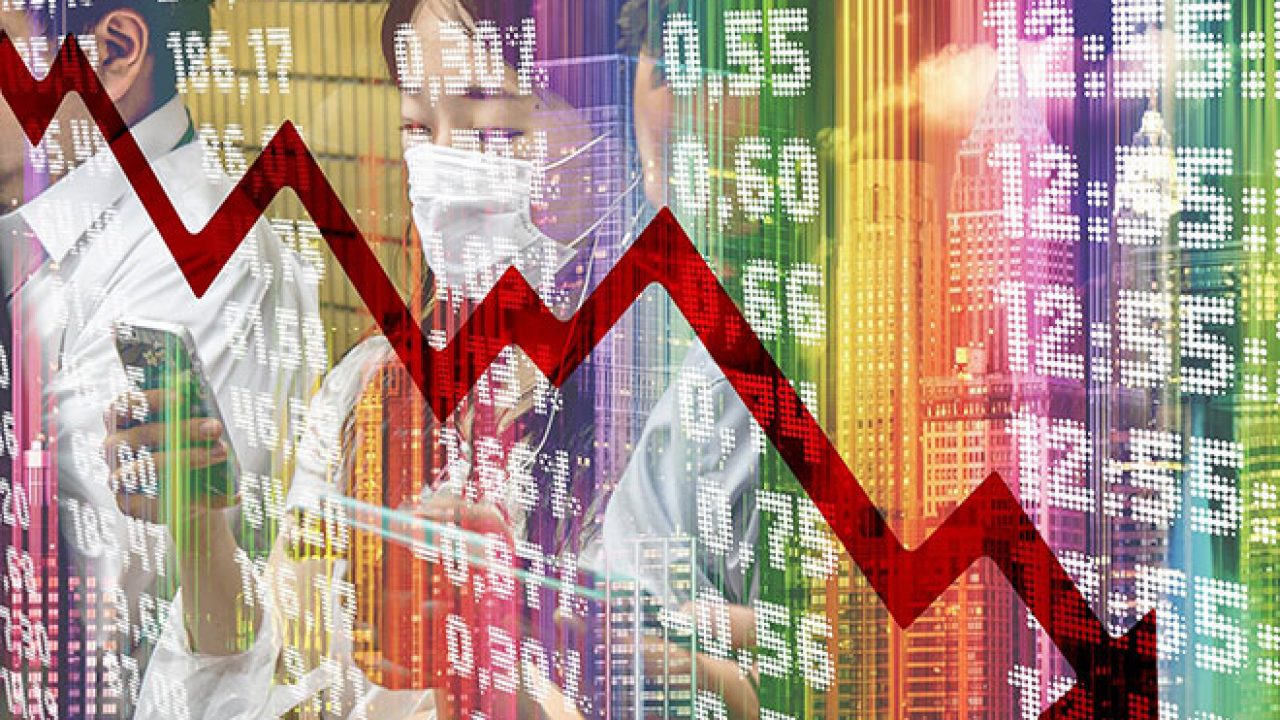
Share markets that include Sensex and Nifty are on nose dive since the occurrence of this pandemic (COVID-19). Sensex has declined close to 8000 points in a month. As of 12 March 2020, share market investors have lost approximately Rs. 33 lakh crore rupees in a month. This could be the beginning of a recession that the Indian market will never want to witness. Investors are advised to stay safe and invested in this virus-infected stock market. Few industries that can benefit from novel coronavirus during the time of the market crash are pharmaceuticals, healthcare, and Fast Moving Consumer Goods (FMCG).


Cash flow Issue:
Due to this outbreak, almost 80% of Indian companies have witnessed cash flow difficulty and over 50% of companies are facing operations issues. As per the Federation of Indian Chambers of Commerce and Industry (FICCI), 53% of companies are impacted by COVID-19. Slow economic activity is resulting in cash flow problems eventually impacting repayments, interest, taxes, etc.


Coronavirus (COVID-19), a virus that grew stealthily has become one of the deadliest viruses that are killing people worldwide. This virus took birth in Wuhan city of China and since then have traveled to more than 160 countries. The World Health Organization (WHO) has declared Coronavirus as a pandemic. It has become a mass scare and is leading to the deaths of thousands of people in numerous countries including China, Italy, Iran, Spain, the US, and many more. In India, this pandemic started on 30 January 2020 by affecting an individual who had a travel history from Wuhan, China.


The world economy is seeing its greatest fall ever. Coronavirus has largely impacted the growth of almost every country and is responsible for the slump in GDP worldwide. Like other countries, India is also impacted by this virus but not largely. Almost every industry sector has seen a fall in their sales and revenue. Indiaโ€™s GDP growth has fallen to 4.7% in the third quarter of 2020.


Efforts from CII and Govt. of India:
Confederation of Indian Industry (CII) has suggested the RBI reduce repo rate up to 50 basis points and also asked for a reduction of 50 basis points on the cash reserve ratio. The government is planning to set up an amount to support MSMEs to overcome the crisis during this phase of shut down, cash flow difficulty, and working capital issues.

Written by: Ananya Kaushal

Work From Home โ€“ An Effective Method

Photo by MART PRODUCTION on Pexels.com

When you have always conducted business in an office or other type of environment, working from home may take some getting used to. Being close to home comforts can be great, but it can also be easy to become distracted. The following tips will help you stay productive and focused while working from home.

  1. Create a routine

You may only commute for seconds rather than hours now, but keep your routine the same as before. Make sure you do all your washing and breakfast tasks and that you are at your workplace on time. Identify your desired break times and make sure you follow them. It is important to take regular breaks to maintain productivity and wellbeing. It is often easier to solve problems when you step away from them for a while.

  • Find a place to call your own

Do not work from a sofa, kitchen table, or similar space that may be shared by others. Establishing a work area promotes discipline. Be sure that everyone in your household understands that these are now your workspaces and set guidelines on how and when these will be used between you. 

  • Communicate with your colleagues

Use video conferencing apps or the telephone to communicate regularly with your colleagues and clients. Take advantage of the wide array of communications tools available to us – don’t just hibernate at home. Share ideas with others and get their feedback by calling them. Collaboration and staying in touch are key.  

  • Set deadlines for yourself

Create a list of things you need to do and when you will do them. When you plan your day hour by hour, you can check off your completed tasks as you finish them. You may have deadlines set by your company or clients, so it is then a matter of planning your day to achieve these deadlines.

  • Working from home should be comfortable

You will be working here all day, so make sure you have a decent chair and that your desk and PC are set up so that you can work with a straight back posture. Put effort into making your surroundings attractive. It can be relaxing to have some house plants around to help you feel connected to nature.  

  • Exercise, stretch, and eat well

Keep your eating habits disciplined and follow a healthy diet. By eating a healthy breakfast, you will be less tempted to snack later on. While working at your desk, you can perform many exercises and stretches. When you exercise, you release endorphins that increase happiness and boost productivity.

  • Take care of yourself

You should find what works for you in a workspace and a routine. Since each of us responds to environmental pressures differently, be honest with yourself and stick to what works for you if you work from home.

  • The benefits of flexible work 

Flexibility can mean a better work-life balance as well as a healthier and fulfilling lifestyle.ย However, these arrangements also impact positively on productivity.ย The benefits of flexible working are well established, from increased employee engagement to better performance.ย 

Migrant Crisis In Covid 19 Pandemic

Photo by Yogendra Singh on Pexels.com

In the context of immigration, the COVID-19 economic crisis could be long, deep, and pervasive. Across the globe, economic activities have been slowed by travel bans, lockdowns, and social strife. There are additional challenges for the host countries in many sectors such as health and agriculture that depend on the availability of migrant workers. In addition to the risk of contagion, migrants may lose their employment, wages, and health insurance coverage.

Despite all forms of transportation being suspended and interstate borders being sealed, migrant workers across India made their way back home during the Covid-19 lockdown announced in March. During the lockdown, migrant workers’ greatest suffering resulted from their inability to manage their finances. The critical role of wages is evident in the lives of migrants and their families during this period – without wages, they could not meet basic needs such as food, water, shelter, or healthcare, or send remittances to their rural households who depend on immigration income. It is important to note that wages played an important socioeconomic role during the crisis, determining the ability of workers and their households to survive. Over 139 million Indians are migrant workers, which constitutes nearly half of the nation’s 470 million workforce. Despite the extreme desperation facing the vast mobile workforce during the shutdown, the issue of migrant workers’ access to protected wages has remained unaddressed. A strict nationwide lockdown was rather viewed as an outcome of poor planning by governments, which failed to account for the large numbers of undocumented, rural-urban migrants.

Migrant workers’ plight was attributed solely to their mobility between states, without taking into account the nature of their employment in urban labor markets, including low wages and insecure jobs. India’s wage-dependent workforce is vexed by an ongoing debate about the state’s protection of living wages. Despite substantial evidence to the contrary, some have argued that raising wages will lead to the closure of businesses and the loss of jobs. Even government reports, such as the Economic Survey (2019), by the State Bank of India (2019), and by the Reserve Bank of India (2018), highlight the fact that stagnation in real wages has hurt the consumption capacity of the poor, causing the economy to slow down. However, the neo-liberal economic policy that encouraged economic growth by slashing the labor protection framework, especially that protecting workers’ wages, weakened labor regulations and grievance redress mechanisms, leaving them unable to handle the widespread wage violations experienced by workers.

Due to the economic crisis due to the Covid-19 pandemic, experts suggest that measures to create disposable income, including raising wages, are a top priority in order to create economic revival. The post-lockdown period in India, however, has been marked by the dilution of the labor protection regime through the labor reform process, in order to facilitate economic revival rather than ensuring wage security for its migrant workers. Due to their alienation from the state machinery where they work, migrant workers cannot demand wages from their employers, and due to their lack of integration into trade unions at their destinations, in addition to their fragmentation by caste and region, they lack any collective bargaining platforms. It is critical that economic revival is imagined alternatively, and executed through a strong institutional framework, in order to prevent that economic expansion post-pandemic deepens the exploitation of and inequality faced by the country’s poorest wage, dependent populations.

Under such a framework, the state plays a crucial role in keeping wages protected by setting minimum wages at the level of living wages, allowing workers and their households to eat adequately to live a dignified life.

Covid-19 Pandemic And Students

Photo by cottonbro on Pexels.com

This school year, there were Coronavirus outbreaks at several schools. however, the rate of transmission was generally the same or lower in communities that had measures in place to minimize disease spread. Today, however, many school districts are being pressed to remove practices such as masking or testing. Although cases of COVID-19 with the delta variant doubled nationwide, this is despite a surge in outbreaks. Testing in schools will become even more important with the delta variant. In an ideal world, all students would be tested daily with free tests. If someone was infected, that test would detect it instantly and with 100 percent accuracy. But there are no such tests. Plus, schools don’t have unlimited funds or the ability to create perfect protocols. Instead, districts will have to weigh the pros and cons of different Coronavirus tests. There will have to be a balance between how often they test and who they test. Below is a look at the type of tests that schools use, along with their benefits and challenges.

Pooling tests

A new test was introduced at a school in America. Each week, thousands of students (with parental consent) swabbed their noses at home. A plastic baggie was used to store the swab, which they then brought to school. A nearby lab received swabs, which were mixed into 16 groups and shipped there. In the lab, technicians combined the samples from these swabs and performed PCR tests.

A PCR reaction is a polymerase chain reaction (PUL-im-er-ace). Genetic material can be detected in samples by these tests. A coronavirus is being looked for here. These tests are the gold standard for diagnostic tests. A PCR test will almost never reveal the presence of the Coronavirus in an uninfected individual. That would be whatโ€™s known as a false positive. But PCR tests can miss real infections. Ten to twenty percent of the time, it misses them. Nevertheless, it’s the most accurate test currently available. Tests that are less accurate are less expensive than tests that use PCR. Additionally, it takes longer to run. A cost-saving measure is combining individual samples into pools. The pooled test doesn’t need to be repeated if it’s negative. This can save a lot of money.

To make pooled testing work, students must buy-in. The peak participation rate in these schools averaged about 60 percent. Whenever a student tested positive, school nurses would scramble to contact the child. The kids were told to isolate themselves and identify everyone they had recently interacted with. Those contacts would then be notified about the possible exposure by the nurses. Contact tracing is a method of identifying contacts.

It does, however, have some drawbacks. PCR-testing labs are not readily available in all schools. In addition, the results take a few days to appear. Then we have to trace the contacts, which is even more time-consuming. As a result, the virus can spread easily among infected students. In the case of the delta variant, this may prove particularly troubling. As soon as they become infected, they are much more likely to spread it.

Online Courses for Students

Photo by Startup Stock Photos on Pexels.com

Being stuck in a pandemic, students have been confined to the four walls of their home. Everyone, from preschoolers to college students pursuing degrees, has been forced to learn online. In such a time of despair, it is only wise to make the most of it.

In todayโ€™s times, we are privileged to have an access to the internet, and using it wisely can provide a wealth of information. Amongst the plethora of resources, there are a few platforms that offer great courses, curated for the youth of today, with aim to up their skills in their respective fields. These courses will help you to learn new things from the comfort of your home.

Here are a few such platforms and courses that you can do to update your skills.

  1. Swayam.Gov.In-

SWAYAM is a Sanskrit acronym that stands for “Study Webs of Active-Learning for Young Aspiring Minds” is an Indian Massive open online course platform.  It offers over 2,748 courses taught by close to 1,300 instructors from over 203 Indian universities. They are officially launched by the Ministry of Education, Government of India.  It was launched on 9th July 2017 by Honourable President of India. The aim of Swayam is to give a coordinated stage and free entry to web courses, covering all advanced education, High School and skill sector courses. All the courses offered by SWAYAM are recognized by the government of India. certificates are awarded to students only after successful completion of the course which is valid pan India even while applying for jobs.

  • Oxford Home Study-

Oxford home study is UK’s leading Home Study Centre offering highly affordable home study courses. They deliver fully accredited courses in a variety of different fields; from art & design and management, through to interior design and work health & safety. Every course is created by a team of noted academics and experienced industry experts. This maintains the highest possible quality standards and provide the ultimate online learning experience for every student. These courses arenโ€™t free; however, a student can take a loan or apply for scholarships. The certificates offered by these courses are valid and well recognised.

  • Udemy Courses-

Courses available on Udemy help you make the most of your time, from working at home to learn trending technical skills and self-improvement from wherever you are. They provide a wide range of courses, covering a variety of subject from writing, finance, commerce, e-commerce, lifestyle, fashion, designing and many more. Some of them are paid but many of them are free as well. Additionally, they provide a certificate too, however, only on paid courses.

  • Google Digital Garage-

The Digital Garage is a non-profit nationwide programme from Google delivering free digital skills training via an online learning platform. You can learn soft skills like personality development, building confidence or even practice our interview skills. The majority of courses are free, and are approved by industry experts, top entrepreneurs and some of the world’s leading employers. This ensures the student that they are learning from authentic sources. The speciality of these courses is that they are flexible i.e., can be learnt on ownโ€™s own pace, and extremely personalised. The most popular courses on this platform are Data and Tech, Digital marketing, online business. These are paid/free certificated courses. There are numerous reputed institutes providing courses on this platform; Monash University, university of Auckland, to name a few.

The beginning of covid culture

With the rise of coronavirus (COVID19), In the last few months, individuals, families, and communities in India have been negotiating a new social order. Indiaโ€™s roughly 1.3 billion people went under the first phase of lockdown in March 2020.ย ย 

The government had initiated these protocols concerning WHO :

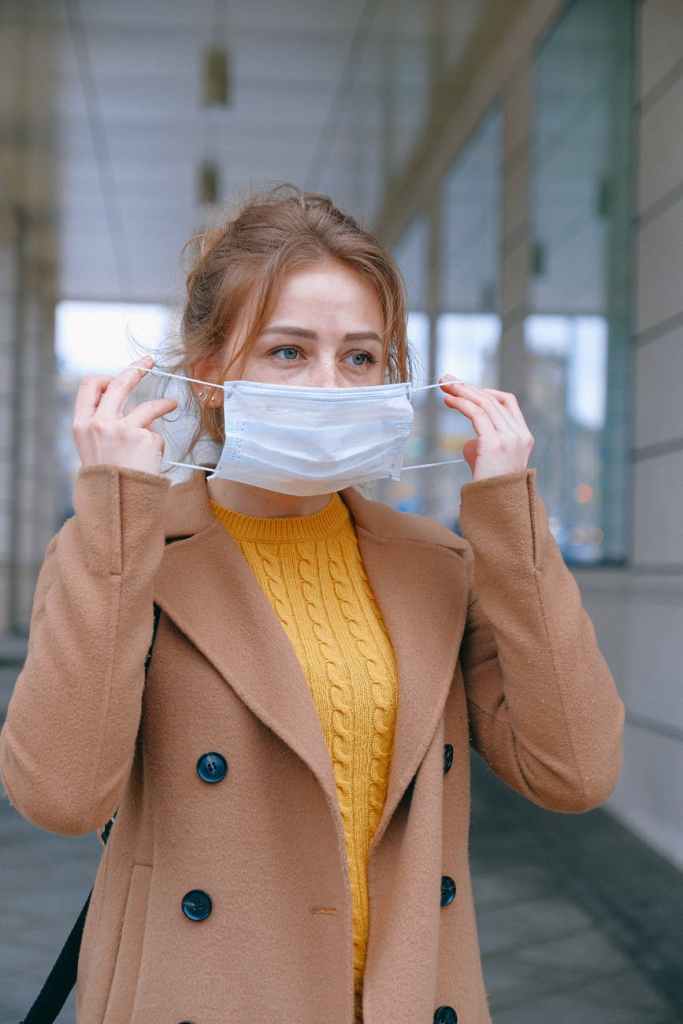
  1. Wearing a mask in public 
  • Make sure your mask covers your nose, mouth, and chin.
  • Clean your hands before you put your mask on, before and after you take it off, and after you touch it at any time.
  • When you take off your mask, store it in a clean plastic bag, and every day either wash it if itโ€™s a fabric mask or dispose of it in a trash bin if itโ€™s a medical mask.
  • Donโ€™t use masks with valves. 

2. Maintaining distance in public places

  • Avoid the 3Cs: spaces that are closed, crowded, or involve close contact.
  • Keeping 6 feet distance or a minimum of 3 feet in public
  • Meet people outside. Outdoor gatherings are safer than indoor ones, particularly if indoor spaces are small and without outdoor air coming in.
  •  Open a window to increase the amount of natural ventilation when indoors.

3. Keep good hygieneย 

  • Regularly and thoroughly clean your hands with either an alcohol-based hand rub or soap and water. This eliminates germs that may be on your hands, including viruses.
  • Cover your mouth and nose with your bent elbow or a tissue when you cough or sneeze. Dispose of the used tissue immediately into a closed bin and wash your hands.
  • Clean and disinfect surfaces frequently, especially those which are regularly touched, such as door handles, faucets, and phone screens.

4. Vaccinationย 

  • Get vaccinated as soon as itโ€™s your turn and follow local guidance on vaccination.
  • Do not believe in any false information about vaccination.
  • The vaccines approved in India are :

          1 Zydus Cadila. ZyCoV-D. 

          2 Moderna. mRNA-1273.

          3 Sputnik V.

          4 Janssen (Johnson & Johnson) 

          5 Oxford/AstraZeneca. AZD1222.

          6 Serum Institute of India. Covishield

          7 Bharat Biotech. Covaxin. 

What to do if we get sick?

  • If you have a fever, cough, and difficulty breathing, seek medical attention immediately.ย Call by telephone first and follow the directions of your local health authority.
  • Do not take any random medicines without the concern of a proper physician.ย 
  • Know the full range of symptoms of COVID-19. The most common symptoms of COVID-19 are fever, dry cough, tiredness, and loss of taste or smell. Less common symptoms include aches and pains, headache, sore throat, red or irritated eyes, diarrhea, a skin rash, or discoloration of fingers or toes.
  • Stay home and self-isolate for 10 days from symptom onset, plus three days after symptoms cease. Call your health care provider or hotline for advice. Have someone bring you supplies. If you need to leave your house or have someone near you, wear a properly fitted mask to avoid infecting others.
  • Keep up to date on the latest information from trusted sources, such as WHO or your local and national health authorities. Local and national authorities and public health units are best placed to advise on what people in your area should be doing to protect themselves.

Written with reference to WHO and MoHFW (Ministery of health and family welfare Government of India )ย 

Education a right of everyone but a gift for poor

Education the solution for every problem in this world. If you are educated you know how to manage difficult time in a better way then others. Education is not only provided in school but it also present all around you.

The context of education is very wide, you can’t say that education is only provided in schools and colleges. By education you’re mean that you learn from your surrounding not only bookcase knowledge. A person who never went to school doesn’t mean that he don’t have knowledge of anything.

At present to the covid-19 situation there are millions of children who had lost the access to education, because they are not having digital devices to have their online Classic in even their schools are shut off.

Today we are having so many excuses for online classes like we’re having strain in eyes, neck, headache etc. I don’t mean mad they are not genuine but, these are not as hard as you are not getting education. You are fortunate in now to continue your education even without going to school but many in this world a not so fortunate.

There are many example synthesis world who had sacrifice a lot just to get educated. One of them is Malala Yousafzai who was ready to get shot from gun just to get educated.

So whenever you feel like you don’t want to study just think about them and you automatically will get an inspiration and a sense of gratitude that you are having so many resources that your education is not getting any hindrance.

We and government together should take step that gift access of education to everyone in your country or in the world. We can donate our old book, pencils and other stationaries to them and that will be a small step from our side but will make a big difference for them.

Changes in Education

It all started on the ending days of march 2020 when lockdown began in India, everyone was at home and there were no signs of going out. At that time many problems came out among students like stress, anxiety, frustration, and boredom and we missed going to school/college and hanging out with friends. 

Soon schools and colleges started the medium of education through the internet. First, we all thought it would be easy to cope up but it didn’t work out to be like that. Various methods were used for classes like reading material, assignments, communication via email, live chats or messages, and delivering content by live sessions, presentations, recorded videos, or lectures.

Picture credits: https://thedmonline.com/how-students-are-adjusting-to-online-classes/

ย Both students and teachers faced a lot of problems in this medium.

Technical issues

Many students were not well equipped with devices and a high internet connection that is required for online learning. Due to this, they face problems in going live for virtual learning and other platforms that require an internet connection. And most of the teachers were not much familiar with technology as it was their first time teaching on this medium.

Distractions

Because online learners use their computers and the Internet to participate in online learning, they may be tempted by many distractions. Students working on an assignment may find themselves surfing the Web, checking social networking sites, or catching up with video games. 

Lack of In-Person Interaction

Despite of getting reading material, communication via email, live sessions, presentations, recorded videos, or lectures for the students. As compared to traditional ones, students find it difficult to communicate in person who struggles with understanding concepts. Many times these students do not even approach teachers to clear their doubts as they are shy to speak up in front of everyone.

 Evaluation

In online mode, the task of giving assignments is easier but it is difficult to evaluate the students on basis of their performance. There would be students who would be copying everything from the internet. In a recent survey, it was found that 73% of students cheat during online examinations via internet, and 27% were cheating through books. 

Time management

In many cases, both students and teachers find difficulty in managing their time with online learning and doing household work. Online learning is completely new for them and requires intensive work. Everyone needs a well-planned schedule to manage their time in an effective manner. Online learning provides flexible time unlike traditional classrooms, whereas in traditional classes the schedule is highly maintained.

Course

The course and its content is designed earlier with respect to traditional classrooms. But with the shift to online learning, it requires redesigning of course which can take a considerable amount of time. In most cases, these courses work well in traditional classrooms but go flat in online learning. It happens when there are no content-related activities, assignments, or projects that can be done online.

Covid 19 brought a very big change in Education. Well in the end from my own perspective I can say conclusively that both traditional and online methods are in need of much evolving in fulfilling the needs of both teachers and students.

Positive effects of Covid Lockdown

Covid 19 a name which has changed the life of every individual in this world. It has changed the way we live, the way we work the way we think.When we hear covid-19 we get anxious, sad and always look at the negative side of it. Which is right because we have lost so many lives, jobs, increase in the number of of depression cases, which has ultimately made everyone’s life a Topsy-turvy.

But as we know there is always two sides of a coin, so there is always two sides of any situation too. We have already looked at the negative side and we know about it but now let’s look at the positive sides too.

Reduction in air pollution : there was reduced in air pollution which improve the air quality of whole world, as all of the big factories where close up and there was no emission of carbon dioxide, Sulphur and other toxic gases in the atmosphere.

Clearance of water body : the water bodies have cleaned themselves during this time as the industries and factories when not releasing any toxic chemicals and materials in the water bodies which even increased the number of water organism.

Reduction in use of energy : again due to the close down of all the factories and industries the energy consumed earlier was reduced and which lead to saving a lot of energy.

Improve in health facilities : as this covid-19 broke out we actually realised that we need a better health facilities and to provide these facilities many new firms were established to provide this medical and health facilities leading to its improvement. India was one of the largest producer of mass and PPE kits.

Technological advancement : when the spender make broke out everything has switched to online platforms which lead to to its improvement. As we know necessity is the mother of invention and in these time when we were not able to meet each other physically technology help us a lot to overcome this hindrance

Removal of place hindrance : we were able to take online classes, meetings, webinars and other events online which actually remove the hindrance of place as we can attend it being in any part of this world.

Spend more time with family : we were able to give more time to our family members and loved ones which earlier was not possible due to a busy work schedule.

Getting a break from busy life : this actually gave us a break from our busy life and think about ourselves and enjoy quality time with her family which actually make us very happy.

Chances for learning new skills : this also provided as to improve our skills through online courses which was earlier difficult for us to focus upon because of our busy life.

Just look at the positive sides of it. There are many more which I may not be able to cover right now, but you know it. So in order to get inspiration in the difficult time we should look at the positive points of it. Because this is what life is about facing difficulties with a smile on your face and a positive attitude in your mind.

Covid impact on Children

‘The new normal’ a phrase you have offen listened to, and had became used to nowadays. Everything has changed the way we live, the way we interact, the way we meet, the way we chill. Our whole world has shrinking to just our electronic gadgets and our house. Even though everything is opening slowly but still, it is not the same as it was before covid.

Effect on children

One of the worst effected during this ‘new normal’ times are the children. They are not able to go out and play, not able to interact with their friends and teachers, not able to enjoy outdoor meals.As they used to before covid.

Now, their eyes are getting strained due to online class, they are becoming insocial, have become a night own. They have actually lost their whole routine. They have lost their speaking skills, have became addictive to social media. They have ultimately started losing the main essence of their childhood.

This is a really important issue, it should be treated with at most seriousness, as they number of children facing mental problems has increased drastically since, the out break of the covid.

It is the responsibility of the parents and teachers to observe their child’s behavior, if the are behavior has become rude or they are getting irritated or frustrated on small things or has stopped or reduced their interaction with you. Then it is certainly a matter of concern.

Ultimately this article is not to scare you, but to bring out the genuine problems of the children in this difficult time.

Blood type

Do you know your blood type? If you haven’t been in any medical situations where blood type is important, you might not.

We know that there are 8 main blood groups that make up most of the world’s population.

But it turns out that scientists still don’t know why we evolved different blood types. And that may remain a mystery for a long time. But from now, science can at least tell you about your own blood.

Knowing your Blood type

In develops parts of the world, it’s not crucial to know your blood type off the top of your head. Doctors will typically run tests before any major procedure and if there’s any doubt in a medical emergency, you’ll most likely receive O negative blood, because that’s the universal donor blood that’s save to give to any A, B, AB or O recipient.

Blood type experiments

For thousands of years nobody really understood blood. A Greek doctor Claudius Galenus from 200 CE believed that it was created food and liver, and this school of thought lived on for nearly 1500 years.

It wasn’t until in the 17th century A british doctor named William Harvey, discovered that blood actually circulated through the body. This spawned A new age of experimentation with blood.

In 1665, an English physician successfully kept one dog alive by transfusing it with a blood of another dog. Just two years later, doctors began experimenting with Xenotransfusions. That is transfusing humans with animal blood, such a sheep. And those human patients died.

It wasn’t until 1900 that we finally realised people and animals actually have different types of blood that determine whose blood can mix with whose. That’s where different letters came into play.

If you’re type A, your immune system will perceive type B blood as an intruder and trigger auto immune response that can cause

  • kidney failure,
  • extensive blood clotting, and
  • even shock.

The reverse is true of type B blood. The immune system will attack type A.

AB blood however, accept both A and B blood without triggering the auto immune response. These things get little bit complicated when introduced there negative and positive part of your blood type. Positive can’t accept negative, but the opposite is extremely dangerous.

Other than 8 Blood types

To further complicate things scientists have discovered dozens of more blood type, such as the Duffy blood group, which can determine your susceptibility to malaria. Or the Hh blood type, which 1 in 10,000 people in India have. But the vast majority of the humans fall into this A, B, O system.

As per why humans evolved this complicated system of blood types and compatibility, we really don’t know. The original mutations are thought to date back nearly 20 million years. But whatever the biology is behind blood typing, it’s a real practical thing that matters.

It’s just not a bad idea to know your blood type. If you’re traveling somewhere that’s rural, or doesn’t have access to advance medicine, it’s good for you and your travelling companion to know your types, just in case of an accident along the way. In big emergency closer to home, blood banks often put in calls for donors of a specific type. And remember if you’re type O Negative, you’re an extremely useful universal donor. So, knowing your type can give you a peace of mind.

Your body when you Swim

Harvard medical school published a study which looked at over 40,000 men, aged 20-90 who were either runners, walkers, swimmers, and physically in active people. With an average length of 13 years of observation and in that time

  • 2% of swimmers passed away
  • 8% of runners passed away
  • 9% of walkers passed away
  • 11% of physically inactive people passed away

This study showed that swimmers are much healthier later on in life than the rest of the population and for women swimming just 30 mins a day can decrease coronary heart disease by 30 to 40 percent.

It also helps to increase HDL aka good Colestrol. Some studies have also shown that aerobic excercise can keep the cells in the lining of your arteries more flexible and healthier. Hence there is no question that swimming is an awesome form of fitness.

Body during swimming

What do you actually feel when you go into the water? Here are some main elements of the human body that gets impacted during swimming.

1. Blood

According to the America Heart Association, swimming is considered as Aerobic activity. Aerobic excercise enlarges the heart and it increases the blood flow through the entire boby. Because swimming is an excercise, the blood has to pump all the molecules into the body.

2. Heart

Since so much of blood has to be pumped into the body, that ties into how it impacts your heart because we know that after 2 mins your body goes into aerobic respiratory because your heart has to pump all the oxygenated blood through the body. So as you swim, your heart is circulating the blood which help your body to perform and achieve the required goals.

3. Skin

You must have seen that the skin color changes of swimmers. For example, some swimmers face turns red when the swim, that happens because your blood vessels are dilating and the brings the heat to the surface into the skin then some people turn red, as a result your skin is showing the effort that you’re putting in the water.

4.Muscles

There’s a reason why swimmers are considered to have best body and physiques in the world compared to any athlete, because swimming engages every single muscles in the water when it comes to your core stability, your upper body, your biceps, your hamstrings, your calves, everything is engaged when you swim.

When you’re swimming, you are micro tearing your muscles while swinging it. And the muscles requires 24-48 hrs to recover those muscles. That’s when sometimes you might feel sore.

5. Lungs

Swimming can actually help increase your lungs volume because in swimming different than other sports, you can’t actually breath whenever you want. It’s not like running when you have full access to oxygen.

In swimming you’re engaging your muscles and you’re not allowed to breathe necessarily at the time when your body might want it. So because you have to get used to this, you actually increase your Vo to max (maximum amount of oxygen body is able to use). So basically you are making your lungs more efficient at functioning.

6. Brain

The Brain loves swimming, because of all the extra blood flow moving through these endorphins that makes you more awake, alert and focus.

But this could happen in any type of sport but swimming is something really special because you’re sort of in your own world where the medium is 800 times more dense than air, which makes you feel free and relaxed.

Hence, from physical health to mental health, swimming is an incredible benefit human body and after reading this you must be thinking of trying swimming.

Being Bilingual

People have very different opinions on what bilingualism really is. For some it means speaking two languages fluently and with little to no effort rather strongly consider a person bilingual, if it has perfect pronounciation in both languages and makes very few grammatical errors while talking.

The truth is that, even with a bad accent and making some mistake, being able to speak in two or more languages rather than one has practical benefits in an increasingly globalised world.

Multilingualism

Multilingualism has been shown to have many psychological and social advantages that can go something simply as

  • watching movies with no subtitles
  • to having less problems in traveling and
  • even getting a job or business opportunities specially in tourist areas.

Types of Bilingualism

It is considered to be two types of Bilingualism

1. Compound Bilingualism

Compound Bilingualism, also called addictive Bilingualism happens for example when a child is raised by bilingual parents and both languages are used in home, the child grows when both languages are used simultaneously in the same environment.

With this type of Bilingualism, the person does not see the two languages as separate it is common to hear such people speaking different languages in the same sentence or using a word of a different language from the one they’re talking to better express themselves.

2. Coordinate Bilingualism

This is the second type of Bilingualism also know as Subtractive Bilingualism. In this type, the person perceive two languages as separate because he learns them separately and in different environments in context.

I am an example of coordinate Bilingualism, most of the time i talk Hindi when I’m in my college environment or to people who talks only that language, I use the language specifically for those context but to my family members i usually talk in Bengali which is my native language, the language related to my home environment. I see these two language as separate since I learned and used them in completely different environments.

Officially Monolingual Countries

Only a few countries in the world including the U.S, England, and Australia are officially Monolingual but even in these countries only a considerable percent of people who speaking and understand more than one language.

Advantage

Researchers suggest that bilingualism can slow the advance of age-related mental issues such as Dementia and Alzheimer’s by up to 4 years.

Also in bilingual adult, brain tissue called grey matter is denser compared with Monolingual adults.

Although speaking more than one language does not necessarily make you more intelligent person, it helps stimulates and increase brain connections. Learning a new language is like an excercise to the brain that will improve your Cognitive skills and even if you grew up in a Monolingual environment, it is never too late to start learning a different language.

History of Halloween

From communion with the dead to pumpkins and pranks, Halloween is a patchwork holiday, stitched together with cultural religions and occult tradition that spans centuries.

Before Halloween

It all began with the Celts; a people whose culture had spread across Europe more than 2,000 years ago. October 31st was the day they celebrated the end of the harvest season in a festival called Soin, that night also marked as Celtic New Year and was considered a time between years; a magical time when the ghost of the dead walked the earth as called as time when the veil between death and life was supposed to be at its thinnest.

At that time the villagers would gathered and lit huge bonfires to drive the dead back to the spirit world and keep them away from the living. But as the Catholic Church’s influence grew in Europe, it frowned on the pagan rituals like sawing.

The name Halloween

In the 7th century the Vatican began to merge it with a Church sanctioned holiday. So November 1st was designed All Saints day to honor martyrs and the deceased faithful. Both of these holidays had to do with the afterlife and about survival after death, it was a calculated move, on the part of the church, to bring more people into the fold.

All Saints day was known as then Hallowmas; hallow meaning holy or saintly, so the translation is roughly mass of the saints. The night before October 31st was All Hallows eve while gradually morphed into “Halloween“.

How the holiday spread

The holiday came to America with the wave of Irish immigrants during the Potato Famine of the 1840s. The brought several of their holiday customs with them including

  • Bobbing for apples and,
  • Playing tricks on neighbors like, removing gates from the front of the houses
Irish immigrants

Trick-o-treat

The young pranksters wore masks so they wouldn’t be recognised but over the years the traditional of harmless tricks grew into outright vandalism such as in 1930s, pranks during Halloween became really holiday, as there was such a hooliganism and vandalism.

Trick-o-treat was originally a extortion deal, give candies or get your house trashed. Storekeeper and neighbors began giving treats or bribes to stop the tricks and children were encouraged to travel door-to-door for treat as an alternative to trouble making. By the late 30s trick-o-treat became a holiday greeting.

Where did Necktie came from?

The neckties, also known as decorative noose are a narrow piece of fabric designed to be worn around the neck and tied at the throat. They can be made from many materials but commonly constructed from silk or cotton.

Varieties

Today there are many different kinds of neckties:-

  • Ascot tie
  • The zipper tie
  • Clip on tie
  • The tie dye tie

So when did wrapping a piece of fabric around your neck become a formal style necessity. The length of World War to blame can partially be placed on the French Military. While humans have been tying fabric around their neck since they could sew.

History

The neckties is been known as it didn’t start crowding collars until the 17th century. King Louis XIII of France had hired Croatian mercenaries to fight for him during the 30-year war and the king was impressed by the length of cloth the Croatian used to keep their jackets together.

Croatian

Louis liked it so much that he required his entire royal court to wear them a tradition that his son will continue in his court. The trend soon spread across the French aristocracy and it wasn’t long before all of the Europe had converted to the curve at.

Tying a Necktie

There are four main ways to tie a neckties;

  1. The Four-in-hand knot
  2. The Pratt knot aka The Shelby knot
  3. Half-windsor knot
  4. The Windsor knot

According to researchers from Cambridge Cavendish Laboratory, there are 85 ways to tie a tie. Thomas Fink and Yong Mao actually use Mathematical modeling to figure this out and publish a book on their finding.

Towards the end of tie fashion

The necktie is losing its grip around the throat of male fashion. Tech companies such as Google, Amazon, and eBay actually encourage their employees to dress casually with some going as far as banning traditional office wear entirely and other companies are following suits.

Its fast become a power move to dress drown to the office in the 21st century as a statement of fellow workers, you can wear what ever you want.

Californian companies have led the charge in disrupting many common business practices, by rejecting aspects of corporate life that once seemed to given such as

  • Traditional working hours
  • Corporate hierarchies
  • Paying employees a living wage

Now politicians and even royalty are leaving tie in their dresses so it many not be long before neckties joins the history books of pointless male neck fashion.

ROLE OF QUAD IN SOUTH CHINA SEA

BY DAKSHITA NAITHANI

The Quadrilateral Dialogue was established in 2007 when four countriesโ€”the United States, India, Japan, and Australiaโ€”joined forces. However, it did not take off at first due to a variety of factors, and it was resurrected in 2017 after almost a decade due to factors such as growing country convergence, the expanding importance of the Indo-Pacific area, and rising threat sentiments toward China, amongst many others.

The origins of QUAD may be traced back to the Malabar Exercise. Malabar began as a modest Passage Exercise named PASSEX between the Indian and US Navies in 1992, but was halted after India’s nuclear testing in Pokhran in 1998. It was later restarted in 2002. Since its inception in 2002, QUAD has become an annual event. With the addition of Japan in 2015, it has become a trilateral practice.

The Quad’s goal remains intact: to promote the economic and security objectives of those nations with genuine and essential interests, to devise a new approach for keeping the Indo-key Pacific’s maritime lanes free of foreign influence. It has become necessary in view of the increased need for information exchange in the maritime sector. With the growing presence of the Chinese Navy in the Indian Ocean, awareness is a key subject for the Navy. After 2008, China increased its presence in the Region under the pretext of anti-piracy operations, even deploying submarines for the objective. In 2017, China formally established its first overseas facility near Djibouti, in the Horn of Africa.

What are the underlying challenges?

The environment in which QUAD has been resurrected, as well as subsequent engagements like as Malabar Exercise 2020, are regarded as governed by a counter-China narrative. There are several features that may not constitute sites of convergence, despite how they appear.

Chinaโ€™s influence: China has significant economic links with Quad partners, particularly Australia, which is what it may use to compel or sway nations to its side. This might prove to be an issue for India.

Maritime orientation: Quad is a marine rather than a land-based organisation because of its strong concentration on the Indo-Pacific. This raises some important concerns about the basis of collaboration with Asia-Pacific and Eurasian countries.

Differing perspectives. There are conflicting viewpoints on certain situations, such as the Myanmar crisis as seen through the eyes of the United States and India. India has remained silent in the face of Japan’s expressed worry that China is attempting to alter the status quo in the East and South China Seas.

Advantages in Space- When QUAD representatives join forces in space, they have significant benefits and are able to fight China. This includes (a) lowering the extremely high expenses of building a dock in order to promote the development of interplanetary vehicles (IPVs). (b) One member state has benefits that will compliment each other and will lead to a successful Mars exploration and the construction of support facilities that will be necessary for effective asteroid belt mining. (c) All member countries bring a high degree of convergence in space applications, for example, the United States has the advanced technological base required for advanced avionics, which will form the backbone for both the construction of a space dock and the construction of IPVs; India has a highly educated and inexpensive working population, which will lower the cost of space; and Australia has the natural resources required for exploration.

The Quad met in Tokyo on October 6, 2020, for the second time since the organisation revived in November 2017. It was the second such gathering, following the inaugural virtual meeting in June, and the first high-level Quad meeting since the 2019 foreign ministers’ meeting in New York on the margins of the UN General Assembly meeting. Furthermore, given mounting worries about Beijing’s hostile conduct and growing suspicions about China’s management of the COVID-19 outbreak in Wuhan, the meeting’s timing and circumstances added to its relevance.

China’s ‘incremental encroachment strategy’ in the South China Sea (SCS) is a source of worry not only for the countries currently affected by the loss of influence over the Exclusive Economic Zone (EEZ), but also for the rest of the world, as China may be able to exercise a monopoly over SCS Sea Lines of Communication (SLOC). Affected nations lack the necessary power to stand up to China, and so will be forced to accept a one-sided agreement such as the China-driven โ€œCode of Conductโ€ (COC).

As a result, Chinese adventurism must be restrained by other major maritime countries in the global interest. The fact that China could establish a military facility in the SCS despite the existence of the US Navy shows that worldwide criticism and more effort are required to prevent the SCS from becoming “China’s lake.”

Quad may not have the fangs it needs right now, but there is no other option than to establish a prospective structure like this involving likeminded maritime countries with shared strategic objectives in the Indo-Pacific. Various perspectives on the Quad’s role, viability, and prospects have been expressed on several occasions. Because Quad is a security conversation platform rather than a military alliance, aspirations from it must be suitably limited for the time being. 

In the Indo-Pacific, each Quad member sees a distinct threat. While three of the Quad’s warships (Australia, the United States, and Japan) operate under the NATO military alliance structure, India is not a member of any military alliance, while being a reliable ally of two of them. Without India, the trilateral conversation between the three NATO partners has been since 2002. Because India is the only Quad member with an unresolved land boundary with China, it will take a different strategy to dealing with China.

The Quad has emphasised the importance of ASEAN in the Indo-Pacific; nevertheless, their membership in it is a contentious topic owing to Chinese influence. In reaction to China’s claim to the nine-dash line in the SCS, there are divisions within the ASEAN grouping. Some of the ASEAN nations that have been harmed had previously raised a faint voice opposing Chinese aggressiveness, expecting international powers to rein in China’s antics.

Quad’s shared goal of putting its vision of a free and open Indo-Pacific on a “rules-based” legal framework to ensure freedom of passage in the global SLOC requires some reflection and strengthening. The United Nations Convention on the Law of the Sea (UNCLOS III) has been ratified by Australia, India, and Japan, but the United States has yet to do so. This ratification will be required in order to maintain a high moral ground when implementing the agreement.

China is relatively certain that the US and any other country would not employ military action against it, given the current world geopolitical situation. Beijing is also beefing up its naval capabilities. Quad aims to upgrade beyond its Malabar workouts in this situation.

In the Indo-Pacific, Quad members must maintain freedom of navigation exercises and military posture as China continues to do so. Chinese expansion must continue to be condemned by the international community. Quad may not be powerful enough to stop Chinese adventurism in its current form, but it has the potential to become one of the most effective instruments if the afflicted nations and the international community band together to address their mutual concerns.

The navies of Australia, India, Japan, and the United States conducted their largest naval drills this month, sending warships, submarines, and aircraft to the Indian Ocean, signalling the four countries’ seriousness in countering China’s military and political influence in the Indo-Pacific region, according to analysts. Officials in Beijing were silent, but Chinese state media denounced the Malabar naval manoeuvres, calling them a threat to regional stability, according to the Global Times newspaper.

Conclusion

The Quad is developing as one of the major multilateral which is committed to increased security collaboration in the postโ€“COVID-19 international order, given the rising pace and scope of the group’s work. Furthermore, having an active Quad dispels the long-held belief that the Indo-Pacific is mainly inert. With the stakes higher than ever, each of the Quad’s four members must play a larger role in balancing the Indo-threats Pacific’s and power moves. Every step made by the Quad will make it more difficult for Beijing to realise its great-power goals. As a result, China will be unnerved by the Quad’s emergence as a united front championing a free and open Indo-Pacific. Furthermore, if China continues to push the security boundaries and put the Quad members to the test, the organisation will morph into the anti-China squad Beijing fears.

BODY DYSMORPHIC DISORDER(BDD)

Body Dysmorphic disorder is a mental disorder marked by an obsessive of perceived defects or flaws in once appearance. A flaw that to others is considered minor or not observable.

People suffering from BDD

  1. Can feel emotion such as shame and disgust concerning a part or parts of their body part and fixate on this.
  2. The obsession is so intense that the person repeatedly checks and compares the perceived flaw seeks reassurance sometimes for several hours each day.
  3. The person can also adopt unusual routines to avoid social contact that exposes the perceived flaw.
  4. This pervasive thoughts about their appearance and body image interfere with their daily life via
    • Educational
    • Occupational dysfunction and
    • Isolation

No matter how many times people assure them that there is no flaw, they cannot accept that the issue doesn’t exist.

The most common features about which people obsess includes:-

  • Nose
  • Wrinkles
  • Acne
  • Complexion
  • Blemishes
  • Hair
  • Skin
  • Vein appearance
  • Muscles size
  • Tone
  • Breast size
  • Buttocks
  • Genitalia

BDD is estimated to affect up to 2.4% of the population. The condition usually starts during adolescence affecting both men and women. BDD does not go away on its own if Untreated it may get worse with time leading to

  • severe depression
  • Anxiety
  • Substance abuse
  • Suicidal thoughts and behavior

Causes

The exact cause is unknown, but like every other disorder BDD may result from a combination of causes such as:-

  1. Brain differences
  2. Environmental factors; special if they involve negative social evaluations about the body or Self-image
  3. Childhood trauma
  4. Genetics; studies suggest that BDD is likely to run in family.

Certain factors that may increase the risk of developing the condition may include:-

  1. A family history
  2. Negative body image
  3. Perfectionism
  4. Negative life experiences such as bullying or teasing
  5. Introversion
  6. Media influence.

Symptoms

Extreme preoccupation with a perceived flaw in your physical appearance that appear minor to others for at least one hour a day. Attempting to hide perceived flaw with –

  • styling, makeup or clothes – to seeking plastic or cosmetic surgery,
  • avoiding social situations,
  • constantly comparing appearance with others,
  • always seeking assurance about appearance from others,
  • low self-esteem, compulsive behaviour such as skin picking and frequent clothes changing.

Extreme preoccupation with an appearance that interferes with social life work, school, or other functionality.

Diagnosis

A medical evaluation will be carried out other medical conditions after which further evaluation is carried out by a mental health professional.

Diagnosis is based on:-

  1. A psychological evaluation; which aims at assessing risk factors and thoughts feeling as well as behavior can be associated with a negative self-image.
  2. Personal, medical, family and social health history.

Treatment

Treatment option may include therapy and medication includes:-

  1. Cognitive behavioral therapy; that helps you learn how to cope and behave to improve your mental health
  2. Medications; such as SSRIs may help is control obsession and control repetitive behaviours

Psychiatric hospital may be suggested if the symptom is severe such as when you’re in immediate danger of harming yourself.

Famous personality with BDD

Here is a list of people with BDD;

  • Michael Jackson(singer, dancer)
  • Billie Elish (singer)
  • Robert Pattinson (from twilight)
  • Ileana D’Cruz (from Rustom)
  • Miguel Herrรกn (from money heist)

BLESSING IN DISGUISE

BY DAKSHITA NAITHANI

The year 2020, as we all know, will be a major change in our life. It has also demonstrated the opposite side of existence. We continued to count things for the future, and when the pandemic struck, it reminded us of how unexpected life can be; different aspects of life were affected, and working conditions were significantly altered. There was a lot of misunderstanding in the education industry about how to teach pupils, how to start lessons, and so on. However, technology was the solution to all problems.

People have used mobile phones for social interactions and pleasure in the past, but they have now evolved into a source of information, and we can say that school has come within our grasp. This situation is very similar to one of the chapters in NCERT’s English course book for class 9 called “The fun they had,” in which two children from the future (2050) got their hands on a real hardcover book from their grandfather and were amused by the idea of a real school and school building where all the children of the same age group used to study together under one roof and thought that happiness was being together with their friends. Did the pupils in this circumstance realise that this narrative would become so relevant and genuine to them? Many parents used to refuse to let their children to use cell phones, but it has now become a necessity.

Although there are always two sides to a coin, sales of smart phones soared as a result of the epidemic, since every home needed one additional one for their children to attend courses. Technology has also played a significant role in education, and how we use it can have positive or negative consequences. Phones have evolved into more than simply a means of communication; they have also become a lifeline and an indispensible component of our lives in some manner. It was a struggle for teachers to not only teach their material but also to engage with their pupils throughout these testing periods. They’ve also learned to utilise technology in a variety of ways, including not just communicating but also using various digital classrooms, boards, and audio and visual teaching and learning methods. They were not only effective in speaking with pupils, but also with their guardians, and despite the challenges, they were able to establish an emotional bond with them.

Many parents lost their jobs as a result of industry losses and were obliged to shift their children from private to government schools, but many were pleased to do so because the curriculum is on par with top institutions. The government and teachers have made it a point to link each and every kid with them. Many teachers aided their students financially as well as academically. Many teachers have also attempted to offer phones or internet connections to their kids, demonstrating that humanity bears primary responsibility in any scenario.

The desire for change in school education emerges as a result of continual changes in society on psychological, social, and economic levels. As a result, we must constantly introduce and upgrade a framework. As you can see with the current pandemic, a lot of adjustments are required both during and after the crisis. With this in mind, the Delhi government began giving curriculum-based work sheets to children of all grades, as well as training their teachers.

Teachers’ ability and efficiency have been improved via the use of webinars and online seminars on a regular basis. Regular trainings were provided to demonstrate how to use Google products to make the teaching and learning process more engaging and beneficial. The government has also launched a number of applications, such as Chalklit and Diksha, to provide a platform for various trainings and to keep instructors informed about innovative ways of teaching and learning. It was remarkable that students continued to attend courses on a regular basis, whether they were in the same city or in their village; their desire to study grew day by day, and they began to respond positively.

History of Indian Stamps

India got independence on 15th August of 1947 assured in a new era in the history of the country but philatelist had to wait another 98 days for the release of India’s most commemorate stamp on 21st of November 1947.

First stamp

The Postal Telegraph Department however came out with a large Kashi postmarked with the slogan “Jai hind” for the occasion and letters mailed that the major post offices of the country were cancelled with this post mark.

The India’s first commemorative stamp features the Lion capital of Ashoka which had one set on the top of a column of Sarnath near Varanasi. The lion capital has since been around at the state emblem of India the denomination of the stamp was one and a half annas and an inspiration of “Jai hind” in Hindi was also depicted in the stamps.

Other stamps

Actually three stamps were planned to release at the time of Independence. The rest two stamps were released in the 15th of December 1947 with the three and a half annas stamp with portray of the national flag in tricolor Saffron on the top, white in the middle and green in the bottom.

The twelve annas stamp depicts an aircraft a symbol of the modern age. These stamps also have inscription “Jai hind” in hindi, they are also known are Jai Hind stamps.

The stamps were printed offset lithography. As the three and a half annas stamp was printed in three colors in three steps because difference in inking at different stages, because specimens having the top of the flag in deep orange or pale orange and the lower part in pale green and deep green were coming across.

Petroleum Jelly is harmful to skin

You probably have a jar of Vaseline somewhere in your house. Millions of people swear by it as a remedy for clapped lips, congestions, diaper rash and dry skin. Unfortunately the popular product is more harmful than many realise.

What is Petroleum Jelly?

Petroleum jelly, commonly known by the brand name Vaseline, is a byproduct of the oil refining process. It was originally found coating the bottom of oil rigs in the mid 1800s. As a byproduct of the oil industry, it’s an unsustainable resource and far from eco-friendly.

How does it work?

Used in everything from lotions to baby products, petroleum jelly works by creating a protective barrier on the skin to hold in moisture. The waterproof barrier it created on the skin blocks pores and can lock in residue and bacteria.

When used on a burn or a sunburn area, it locks in heat and can block the body’s ability to heal. You need to stop using Vaseline for these four reasons:

  1. It contains harmful Hydrocarbon. The skin is unable to metabolize petroleum jelly, so it sits as a barrier on the skin untill it wears off. This blocks the body from gaining any benefit from the substance. A 2011 study found strong evidence that the mineral oil hydrocarbon Vaseline contains are “the greatest contaminant of the human body”
  2. It Promotes Collagen Breakdown. Due to the barrier that petroleum jelly creates on skin, it blocks the skin ability to breathe and absorb nutrients. This can cause the skin to pull the moisture and nutrients it needs from within, leading to collagen breakdown.
  3. It can leads to Estrogen dominance. Estrogen dominance occurs when the body has high levels of estrogen and low levels of progesterone. It has linked to infertility, menstrual problems, allergies and autoimmune problems. Petroleum jelly contains chemicals called xenoestrogens which are believed to increase estrogen problems.
  4. It can cause pneumonia. Although rare, a condition known as lipid pneumonia can occur when small amounts of petroleum jelly is inhaled and build up in the lungs. Because the body can’t metabolize or breakdown the substance, a severe inflammation in the lungs can occur.

Natural Alternatives

There are several natural alternatives to petroleum jelly that you can use without worrying about health risks. If you’re looking for a simple alternative, try one of these options:-

  • Shea butter – High is vitamin A, E and F, shea butter works to nourish the skin through the beneficial fatty acids it contains. It can also help reduce inflammation and increase collagen productions.
  • Beeswax – a great alternative to petroleum jelly is Beeswax. It can be blended into homemade beauty products to protect the skin. Add it to a homemade lip balm and body cream.
  • Coconut oil – this oil loaded with health benefits. It works to nourish the skin through the fatty acids, lauric acids and anti-inflammatory compounds.
  • Coco butter – it contains antioxidants and benefits fatty acids. It may even reduce the signs of ageing.

ROLE OF INDIA IN QUAD

BY DAKSHITA NAITHANI

The Quadrilateral Dialogue was established in 2007 when four countriesโ€”the United States, India, Japan, and Australiaโ€”joined forces. However, it did not take off at first due to a variety of factors, and it was resurrected in 2017 after almost a decade due to factors such as growing country convergence, the expanding importance of the Indo-Pacific area, and rising threat sentiments toward China, among others.

Since then it has evolved into a platform for diplomatic discussion and coordination among participating countries, who meet on a regular basis at the working- and ministerial levels to discuss shared interests like ensuring a rules-based international order.

SIGNIFICANCE FOR INDIA

The Quad, ASEAN, and the Western Indian Ocean are the three groupings in which India participates as a partner in the Indo-Pacific area.

India as a Net Security provider

In the region of Indian Ocean India must be a Net Security Provider. Its supremacy in the IOR must be maintained and sustained if it is to claim this position as a Region. QUAD offers India with a platform to strengthen regional security through collaboration while also emphasising that the Indo-Pacific concept stands for a free, open, and inclusive area.( Inclusive here refers to a geographical notion that encompasses all countries inside it as well as those having a stake outside of it)

Countering China

The Quad offers India with a forum to seek collaboration with like-minded countries on a variety of problems, including maintaining territorial integrity and sovereignty, as well as peaceful dispute settlement. It also shows a united front against China’s unceremonious and aggressive actions towards the nation which is especially important now, since ties between India and China have deteriorated as a result of border intrusions along the Tibet-India boundary in many locations. The Chinese policy of encircling India with the String of Pearls poses a direct threat to India’s maritime sovereignty, which must be addressed.

Framing post-COVID-19 international order

QUAD can assist India in not just recovering from the pandemic’s impacts through a series of integrated measures, but also in securing a part in the modern international order. Enhancing such cooperation was one of the first actions made in 2021. The vaccination initiative will serve as a good litmus test for the QUAD administrations’ ability to work together.

Convergence on other issues

On a range of topics, India shares common interests with other Quad members, including connectivity and infrastructure development, security, especially counter-terrorism; cyber and maritime security; multilateral institutions reform, and so on. Assistance from members on these problems might help India achieve its strategic and economic objectives.

Supplementing Indiaโ€™s defence capabilities

Assistance in the sphere of defence among Quad countries, such as joint patrols, strategic information exchange, and so on, can help India overcome its disadvantages in terms of naval capabilities, military reconnaissance, technology, and surveillance systems.

Ensuring a free Indo Pacific

The Indo-Pacific region must be accessible and vibrant, regulated by international norms and bedrock values such as freedom of navigation and peaceful resolution of conflicts, and the nations involved must have the right to make decisions, free of coercion.

Counter-terrorism Table top Exercise for QUAD nations to improve collaboration and common capabilities in dealing with potential terrorist threats, as well as examine CT response systems.

INDIAโ€™S ROLE IN THE INDO-PACIFIC

In the Indo-Pacific, India’s geographic and geopolitical importance provides a counterbalance to China’s rising influence in the Indian Ocean. India’s security concerns, centred primarily on China’s encirclement policy through port facilities in India’s neighbourhood mainly Gwadar and Hambantota and the desire to maintain and protect open and free sea lanes of information exchange against concerns about China’s chokepoint in the South China Sea and increasing maritime presence in the ocean

India’s critical significance in the Indo-Pacific may be seen as a multiple framework. First, unlike the Asia-Pacific architecture, the Indo-Pacific architecture allows New Delhi to move above its long-held standing as a middle-power. This is bolstered by India’s admission to the League of big powers especially the United States and Japan and the development of tight strategic ties with Washington and its regional allies. This promotes India’s great-power ambitions and force projection capability inside the Indo-Pacific and beyond.

Second, India’s Act East Policy and Extended Neighbourhood Policy benefit from New Delhi’s strong participation in the Indo-Pacific. New Delhi’s stronger relations with ASEAN members have also bolstered this boost.

Third, the development of India-US strategic relations, particularly in military, works as a significant counterweight to India’s adversaries. Increased engagements between New Delhi and Washington are exemplified by the four foundational contracts signed between the two countries, which include the General Security of Military Information Agreement, Logistics Exchange Memorandum of Agreement, Communications Compatibility and Security Agreement, and Basic Exchange and Cooperation Agreementโ€”all of which promote in-depth partnership Most significantly, the improved partnership boosts India’s military capacity, particularly when it comes to striking targets with precise accuracy.

Fourth, under India-Australia ties, which were elevated to a Comprehensive Strategic Partnership in 2020, India’s strategic position is bolstered yet further. In fact, Canberra and New Delhi inked nine agreements, the most important of which are the Australia-India Mutual Logistics Support Arrangement and the Defence Science and Technology Implementing Arrangement, both of which provide a framework for the two nations’ security cooperation.

Fifth, and most significantly, during COVID-19, India demonstrated its ability to be a first responder to a regional disaster by giving medical assistance to its near neighbours, including the Maldives, Sri Lanka, and Seychelles. In addition, India sent medical quick response teams to Comoros and Kuwait to help them prepare for the epidemic. In addition, nine Maldivians were evacuated from Wuhan, China, the site of the pandemic.

In addition, India pushed for virtual summits like the South Asian Association for Regional Cooperation web conference on March 2020 and the โ€œExtraordinary Digital G20 Leaders’ Summitโ€ to help develop a worldwide reaction to the epidemic on 26 March 2020. In addition, New Delhi established a SAARC Emergency Response Fund for Coronavirus, with India contributing an initial 10 million USD.

In addition, as countries attempt to move manufacturing away from China, India is viewed as one of the world’s new “favoured” investment destinations. The enormous scale of India’s marketplace as well as the low labour costs, make it a desirable destination. Apple, for example, created a production facility in India in partnership with Foxconn, while Samsung, of South Korea, ceased operations in China and moved manufacturing units to India.

There is little dispute about India’s rising position in the Indo-Pacific, not just as a significant participant but also as a responsible actor.  As a result, India’s manoeuvring room in the post-COVID international order is anticipated to expand, as India is seen as one of the major movers in guiding policy and protecting allied interests in the Indo-Pacific. COVID-19 has, in fact, expanded the Quad framework, allowing important parties to play a more active role in addressing critical conventional and unconventional regional issues.

Why does a student need to be industry ready & how they can be?

What do you mean by industry ready?

An industry expects their employees to have Non-technical skills and personal attributes such as team work, communication skills, integrity, reliability and self-motivation are considered more important than purely technical skills to get industry ready.

Importance

A study shows that 50% of the curriculum that are been taught in college/universities, by the time students will graduate, it will get auxiliated with new technologies in the market.

Let’s say for example, a product manager of a company who advertises the product, collects data and analysis the data to improve the marketing strategies of company. He can do it manually, but with time if an app is developed for this work, the company won’t be requiring any product manager.

Although degrees are important for future but it is also important to have a knowledge about what all techniques and skills that will be there in future and also to start developing those skills.

How can students be industry ready?

Here are some ways of getting industry ready:-

  1. Practical Knowledge of Doing Things:- If you can demonstrate how to implement the theoretical knowledge you have then your chances of getting hired will improve significantly.
  2. Sharpen Your Communication Skills:- If you are not able to communicate properly, your knowledge will be of little use to you.
  3. Inculcate the Habit of Innovation:- Form a habit to think out of the box, if you can provide a company with a method to save on expenditure or increase their profit, you have better chances of getting hired.
  4. Read Books and Newspapers Regularly:- Form a habit to read a newspaper or book at least half an hour daily, as this will improve your thinking process as well.
  5. Build Your Profile to Show Your Accomplishments:- One needs to be presentable and be able to exhibit his or her qualifications and capabilities convincingly.
  6. Pursue Online Courses to Hone Your Skills:- To make yourself industry ready, it is better to learn some new skills online.
  7. Work on Your Weak Areas:- The trick here is to present your weaknesses in a way that it looks profitable to the company for whom you want to work for.
  8. Learn to Organize and Manage Your Time:- It is about getting the maximum output in a given amount of time. Productivity matters a lot when you are working for a company.

So start investing more on prolonged and sustainable skills because knowledge and degrees are not going to be most required in future. This is the time to decide what is to be done and how should the steps be taken forward.

Will you take Chinese vaccine?

Made in China, accept it or not but for many of us this label has become synonymous with low cost and low quality. So how true is the stereotype and what has Chinese done to deserve such a bad reputation? Well the list goes long, the latest item is vaccine.

China has sold vaccines to the World which may not be working. It is currently exporting vaccine to 43 countries with:-

  • a total of 742 million doses that have been sold,
  • 22 million doses have been donated,
  • 262 million doses have been delivered.

China is exporting 3 major vaccines:-

  1. Sinovac
  2. CanSino BIO
  3. Sinopharm

But do these vaccines even work? Let’s look at some of the countries those have received Chinese vaccines.

Mongolia

In Mongolia, more than half of the population is fully vaccinated but daily infection has risen by more than 70% in the last 2 weeks, and they’re using the Chinese vaccine Sinopharm. No doubt Mongolians are questioning the effectiveness of the Chinese vaccine.

Bahrain

Bahrain an Asian country is witnessing a surge. There’s a sharp rise in the number of infections and this dispite of high levels of inoculation. How will China explain this? China’s Sinopharm vaccine, accounts for 60% of the inoculation. Bahrain is now administering a Pfizer booster shot for those who have received both doses of vaccine.

Seychelles

Seychelles of East Africa, 61% of the population have been vaccinated with just 100,000 of people. This island nation has the highest vaccination cover globally. It’s daily average cases rose up to 400 with 37% of the fresh infections reported in fully vaccinated people. This is the result of the Chinese vaccine they’re using which is Sinopharm.

UAE

The United Arab Emirates has vaccinated more than 38% of the population with more than 51% have received first dose and yet daily new cases exceeded to 1700. And they are also using the vaccine Sinopharm that was received from China and UAE is also questioning the efficacy of the Chinese vaccine and also giving a Pfizer booster shot to Sinopharm recipient.

Countries who have refused

Philippines

In the month of May, the Philippines President apologized and asked China to take away Sinopharm vaccine back. He sent back the doses because Chinese cure is unproven.

Saudi Arabia

Saudi Arabia has also refused to recognise certificates of Sinovac and Sinopharm. It is recommending Pfizer and AstraZeneca instead.

Do Chinese vaccines works in China

There’s a fresh out break of new infections that are been reported in the Guangdong province of China. Guangdong with its capital Guangzhou, accounting of 90% of the confirmed cases. Health authorities of the capital blames the delete variant which was first identified in India. A strict lockdown has been composed there overseas arrivals are being quarantined, million have forced to indoors.

Hence its proven that the rumours of China had conquered the pandemic was false. The virus is unpredictable, it keeps spreading. Vaccines are not full proof in preventing infections but if one vaccine has repeatedly proven ineffective then it’s time for some reflection.

Narcissistic Personality Disorder

Narcissistic personality disorder or NDP is a personality disorder characterized by grandiosity. You may see it in people who have an inflated ego, with little regards to others. It is important to note that NDP is a psychiatric condition, and it is more complex than simply being arrogant. It’s distressing for those who have it and for those who’re around them. Hoping to shed some light on the condition, and sign that a person should seek help. While much of T.V and movies portray narcissism as people who feel like they’re better than everyone else, it’s usually not just the case.

What is narcissism?

Narcissism is a set of traits classified and studied by psychologists. The psychological definition of narcissism is an inflated, grandiose self-image. To varying degrees, narcissists think they’re better looking, smart and more important than other people and that they deserve special treatment.

Psychologists recognize two form of narcissism as personality traits:

  • Grandiose
  • Vulnerable

What is NDP?

  • NPD is a personality disorder in which the person feels self-important and craves constant validation.
  • Their feelings of superiority often hint at a deeper problem.
  • As their need of validation often comes from a place of insecurity and instability rather than genuine self love which they may not be aware of.

What causes NPD?

  1. While the cause of NPD is unknown, researchers believe that it has to do with a combination of genetic and environmental factors.
  2. It’s believed that 6% of people have this disorder. Men have a higher chance of this disorder than women.
  3. Some believe that NPD is developed to cope with trauma and feelings of inadequacy. Others believe it may be learned in early childhood from dealing with anything, from abuse to excessive pampering.
  4. There is even a debate as to how much of the disorder is passed down from parents to children acquiring the disorder.

What are the signs and Symptoms?

The feeling of grandiosity where they feel that they’re superior to others and low empathy are often seen in those with NPD; they don’t care much for others expecting to receive constant validation.

  • People with NPD feel as though they’re entitled to whatever they want which can be dangerous as it can manifest into toxic relationships.
  • They may manipulate others to get what they want.
  • They brag and exaggerate their achievements or feel envious of anyone that outperforms them, but deep down the person with NPD may be really dealing with their own feeling of inadequacy.

How to get help?

  • People with NPD may not seek help for the disorder itself as they may not know that there’s an issue.
  • Usually, people are diagnosed because they seek treatment for other issues such as depression or addiction.

However people who feel that they may have the condition and urged to reach out for help. NPD and the underlying feelings of inadequacy can be treated. It not only benefits the individual, but also to people around them.

What treatment options are available?

People diagnosed with narcissistic personality disorder will most likely work with a therapist using psychotherapy methods.

Other self-improving activities such as:-

  • Doing exercises and,
  • Hobbies may be used in conjunction with therapy.

Coming to a conclusion, we do live in a very materialistic and Consumersious society and as long as that’s the case, narcissism is going to win because it’s about putting yourself first and not caring as much about others. Not to mention people with NPD can be very generous when it’s going to get them what they need. They may buy everyone big dinners and take everyone on a big vacation so it creates this illusion that there’s lots of people all around them, because it’s all the stuff that they’re making possible for them. It’s important to know that treatment is available and that life can be made more manageable.

Story of Cellular Jail of India

You might have heard about the deadliest punishment that one could never wonder in their dreams. It is also known by the name Kala paani ki saza or by the name The black water punishment. So why is this jail different from other jails?

Emergence

During the colonial rule, Britishers got short of places where they could keep and punish the freedom fighters and political activists who were emerging against them. So they made single cellular jail punishment there they can punish the freedom fighters. In the year 1896, Britishers decided to build this jail on Andaman & Nicobar islands and in the year 1906 it was completed.

It was named as “cellular jail” because every jailer was kept in a single cell, so that the one jailer could not talk to others. As the jailers were freedom fighters so if they communicate somehow they will be able to find a way out. The cellular jail is also on an island which is surrounded by water so that the jailer won’t ran way.

The Punishment

The cellular jail wasn’t any normal jail it was like an experimental jail for the Britishers which involved torture, medical tests, forced labor and also some of these punishment which are unimaginable. The Britishers used to send freedom fighters to 1300 km across the water to the Andaman & Nicobar islands. It was so far away from India that people would die even on the boat voyage. So if the prisoners made it that far, they were kept in the cells which were designed for solitary confinement.

The cells of the jail is made up of brick and concrete where there is no toilet, the jailers were allowed to go to the toilet in the morning and at night and the rest of the time they were just locked in the cell. They prisoners were also forced to do labor like to extract 30 pounds of coconut oil and 10 pounds of mustard oil in a day. And if they don’t, then they have to face the consequences by beating up with iron rods while they are chained in iron chains.

Britishers in their own jail

In the year 1944, Japanese came to India and invaded the Islands and took over. The Japanese prisoned the Britishers in their own prison. As per Mahatma gandhi and Rabindranath Tagore’s demand the Indian prisoners were set free.

After the Japanese lost in World War II, they had to retreat, and the Andaman & Nicobar Islands became India’s part when it got independent in the year 1947.

After independence the cellular jail was declared as a National Memorial which is now a tourist place for all. There is also a Museum where you can get to know about all the freedom fighters along with their stories.

Pollution causes blindness

Air pollution is a global malice. It destabilzes the climate, punishes our lungs and now according to a new study could possibly affect our eye sight or might make you blind.

The research was published in the British Journal of Ophthalmology, it analysed 115,000 participants over 14 years. At the start of the study in 2006, these people have no eye problems but in the latest medical examination , 1,286 of them reported A.M.D (Age related Macular Degeneration). It is the leading cause of blindness among the people aged 50+ in rich nations. There are 200 million people living with this condition.

There appears to be a link between A.M.D and air pollution. People exposed to fine particulate matter are more vulnerable to A.M.D, nearly 8% vulnerable and this isn’t from industry level exposure. Even relatively low level of air pollution could be triggering A.M.D.

Effect on eye sight

The eyes have particularly high flow of blood. This leaves them vulnerable fine particles that flow through the body. It’s important to note that this study is observational. It cannot categorically establish a link between air pollution and A.M.D. However there has been similar study elsewhere with the same results. And the link between smoking and A.M.D has always been known.

The threat from air pollution has always been clear, but new studies are revealing more dimensions of this threat.

The World Health Organization (WHO) estimates that air pollution contributes to 7 Million deaths annually. This leaves us with another cause of concern, toxic air could leave you blind.

History of Dentistry

From brushing and flossing to straightening and whitening, people today put a lot of work into maintaining a health and appearance to their smile. The current trend is for straight, pearly white teeth. But history of dental care stretches all the way back to the beginning of human society.

Ancient ways of cleaning teeth

Prehistoric humans who lived before the advert of oral care actually had very few dental problems. Scientists believe this is on account of their diet, which consisted of unprocessed fibrous foods that help clean their teeth while they ate. However as human evolved, so did the food on menu. Overtime, people found if they didn’t take care of their teeth, they developed dental problems.

Archaeology found evidence that early humans cleaned their teeth by picking at them with things like porcupine quills, animal bones, and tree twigs.

In earlier 3,500 BCE, Mesopotamians were using chew sticks to clean their teeth. Egyptian and Chinese have known to use them as well.

Tooth Decay

Ancient people were always aware of the tooth decay. But the first known scientific theory about its causes dates back at least 5,000 years, to Ancient Sumeria. The theory was that cavities were caused by a creature known as the tooth worm, which they believed would wore holes in teeth.

Cavities can actually resemble the kinds of holes that the worms bore through other materials, like wood. The Sumerians, Greeks, Egyptian, Chinese, Japanese, and Indian people all believed in the tooth worm. Some European doctors were still warning people that worms were the cause of their tooth decay as late as the 14th century.

First Toothbrush

Though no one knows exactly when people started brushing their teeth, archeologists believed the practice originated somewhere in the neighborhood of 3,000 BCE. The Babylonians and the Egyptians were the first cultures we know of to fashion rudimentary toothbrushes, which were made mostly from twigs.

The first used bristle toothbrush was created in China sometime during the Tang dynasty, between the 7tg and 10th centuries. It was made from hog bristles which would have been attached to a handle carved from bone or bamboo.

Explorers eventually brought these to the West. And in the 17th century, they began to be adopted in Europe.

New trend

In modern times, the dental ideal is considered to be a bright smile with straight white teeth. People will wear braces, use whiteners, to achieve the look. But most didn’t realise, its a relatively new fashion.

The popularity of look really only goes back to the 20th century and was greatly created by Hollywood movies. The trend, arguably, began their veneers, created by cosmetic dentist named Marcus Pincus in the 1940s. It was spotted by movie stars, like Shirley Temple and Judy Garland, who became famous for perfect smiles.

Judy Garland

While mass market teeth whitening products didn’t became a thing until the 1980s, teeth whitening itself is nothing new.

ASPERGILLOSIS

BY DAKSHITA NAITHANI

INTRODUCTION

Pier Antonio Micheli, a priest and scientist, named Aspergillus while documenting moulds in 1729. The mould looked like an aspergillum, which is a type of holy water sprinkler. Physician Georg W. Fresenius described the species fumigatus for the first time in 1863.

 Apergillus spp., found in abundance of nature, can be found in soil, decomposing materials, water sources, and air particle. Aspergillus-related disease is uncommon, although it has a significant death rate. The majority of people are exposed to spores (conidia) during their lives, although illness development occurs mostly in people with compromised immune systems, as well as during construction and yard activities. In patients with leukaemia, asthma, cystic fibrosis, and hematopoietic stem cell transplant recipients, A.fumigatus is the most frequent invasive mould infection, with death rates exceeding 50 percent in these high-risk populations.

Around the apex, the stipes are grey in colour. They feature a slick finish. Their globule is tiny and columnar. The conidia’s texture is either smooth or spinose.

WHERE IT CAN BE FOUND?

Aspergillus is commonly found in rotting plant matter. After considerable environmental exposure to Aspergillus spores, such as when handling tree-bark chipping, Aspergillosis can develop in healthy hosts.

Aspergillus can be found in soil, compost piles, and damp grain in outdoor settings. Aspergillus may be found within buildings in wet insulation, fireproofing material, beds , behind couches, in damp rooms’ corners, dust, and air conditioning systems. In the Northern Hemisphere, most research studying seasonal changes in fungal exposure show an increase in airborne Aspergillus throughout the cold season.

TYPES OF ASPERGILLOSIS

Allergic bronchopulmonary aspergillosis (ABPA) is a multifaceted hypersensitivity reaction to inhaled Aspergillus fumigatus. Although it produces lung irritation and allergy symptoms, it does not cause infection. Aspergillus sinusitis is caused by an allergic reaction to the fungus Aspergillus, which produces inflammation in the sinuses and the symptoms of a sinus infection but does not cause an infection. A fungus ball is also known as an Aspergilloma. It forms in the lungs or sinuses but seldom spreads to other regions of the body, as the name implies.

Aspergillosis of the lungs (chronic pulmonary aspergillosis) Aspergilloma, chronic cavitary pulmonary aspergillosis (CCPA), chronic fibrosing pulmonary aspergillosis (CFPA), and Aspergillus nodules are all illnesses classified as chronic pulmonary aspergillosis (CPA). CPA is a lung infection that develops over time.

INVASIVE PULMONARY ASPERGILLOSIS

Inhaled conidia are removed by epithelial cells and alveolar macrophages in normal host lungs. Aspergillus becomes invasive when conidia escape these host defences and develop into branching filaments called hyphae. Alveolar macrophages generate inflammatory mediators, which attract neutrophils, which can destroy the hyphae.

CUTANEOUS SKIN ASPERGILLOS

Aspergillus comes in contact through a breach in the skin (for example, after surgery or a burn wound) and infects persons with weaker immune systems. Cutaneous Aspergillosis can also develop if invasive Aspergillosis moves from another part of the body, such as the lungs, to the skin.

LIFE CYCLE

Aspergillus begins its infectious life cycle by producing conidia (asexual spores) that are easily transported into the atmosphere, ensuring its ubiquity in both habitats. Inhalation of these conidia is the most common way to become infected, followed by conidial deposition in the bronchiole spaces. The phagocytosis and destruction of Aspergillus conidia is largely carried out by macrophages. The danger of infection stems largely from a breakdown in these host defences, as well as fungal characteristics that allow A. fumigatus to survive and flourish in this pulmonary habitat.

SYMPTOMS

The symptoms of Aspergillosis are:

  • Wheezing, chest pain
  • Shortness of breath, stuffiness, runny nose and reduced ability to smell
  • Cough (sometimes blood)
  • Fever (in rare cases), headache, fatigue
  •        Weight loss

โ€ข             The length of time that an illness lasts depends on the underlying health concerns, the intensity or location of infection, and the kind of sickness.

โ€ข             Allergic forms, may require steroid and antifungal treatment for a few months, possibly longer sometimes.       

โ€ข             Invasive pulmonary Aspergillosis may need at least 6 to 12 weeks of antifungal therapy. Severe cases may need therapy for lifetime and monitoring to keep the illness under control. 

โ€ข             If the infection spreads from the lungs to other areas of the body, additional symptoms may appear.

โ€ข             Red to purple plaques or papules are common symptoms of cutaneous Aspergillosis.

DIAGONOSIS    

Because the symptoms of Aspergillosis might be confused with those of other lung diseases, diagnosing it can be challenging. In order to make a diagnosis, your healthcare practitioner will look at your medical history, risk factors, symptoms, physical examinations, and lab testing.

An Aspergilloma, a fungal tumour, or the symptoms of invasive Aspergillosis and ABPA can be found on a chest X-Ray or a chest CT scan.

โ€ข             A sample of your sputum is stained with a dye and examined for the presence of Aspergillus filaments in a respiratory secretion (sputum) test.

โ€ข             Tissue and blood testing may be used to confirm the presence of ABPA.

โ€ข             To confirm invasive aspergillosis, a biopsy of tissues from your lungs or sinuses is performed, as well as blood testing.

TREATMENT

In addition to early diagnosis, early treatment is critical in managing aspergillosis. Depending on the type of disease, one may have the following treatments:

โ€ข             Observation- If you have a single aspergilloma, you may not need treatment; instead, you may be monitored with regular chest X-rays or CT scans. The doctor may prescribe antifungal medication if your disease worsens.

โ€ข             Antifungal medicines may be used in combination with corticosteroids to reduce the need of steroids, improve lung function, and prevent existing asthma or cystic fibrosis from deteriorating. Some examples are prednisone (Deltasone), prednisolone (Orapred), and methylprednisolone (Medrol).

โ€ข               Invasive pulmonary aspergillosis is treated with antifungal medications. Voriconazole (VFEND) and amphotericin B are two of these drugs (Amphocin, Fungizone).

โ€ข             Surgery- as antifungal medicines have a hard time penetrating an aspergilloma, surgery may be required to remove the fungal mass if the aspergilloma causes pulmonary haemorrhage.

Embolization of the Arteries -This technique can be used to temporarily halt aspergilloma-related bleeding.  A radiologist uses a catheter to inject a substance into an artery supplying a lung cavity where an aspergilloma is causing blood loss. The injected substance solidifies, cutting off the area’s blood supply and halting the bleeding. This therapy works for a while, but the bleeding will most likely return.

Introducing Skateboarding in Olympics

In recent history, skateboarding has become a pop culture phenomenon. We see it in everything, from T.V advertisements to fashion shows. And for the first time ever, skateboarding will be introduced in the 2020 summer Olympics. But, skateboarding hasn’t always had the mass appeal we see today.

Brief history

Sometime in the late 1940s or early 1950s, skateboarding was born out of the boredom of surfers when the waves were no good. They would remove the wheels from the roller skates and attach them to a piece of wood to create a skateboard.

By the 1960s, skateboarding’s popularity has grown with rise of surf culture. Contest were held all over and the first sponsored skateboarders were beginning to emerge. However, the popularity of skating in the 60’s dropped just as fast as it rose.

The 1970’s brought along one with the most important changes to the skateboarding world, the advent of the Urethane wheel, which allows skaters to ride faster are over rougher types of ground than ever before.

In 1976, a horrible drought in southern California forced most homeowners with backyard swimming pools to drain them, giving way to birthplace of pool skating. This was the first major shift in how people rode there skateboards. No longer were they limited to the abysmal, flat grounds of parking lots and sidewalks.

The 1980s were a time of Renaissance in skateboarding. People were constantly inventing new tricks, pros were earning unheard of amounts if money, and skateboarder-own companies were thriving.

The vert

The favourable terrain for most of this era was vert. And even though there was a high level of progression occurring, to the untrained eye, skateboarding had gone stale and the popularity once again fell flat.

This lull in skateboarding led to the introduction of street skating which brings us into the 1990s. Skating during the era was at its most raw. Skaters took to the streets, to find new terrain, abandoning traditional skaters parks for something that felt more natural and could be done anywhere, by anyone.

Popularity

Skating things that occur almost anywhere, like sets of stairs, handrails, benches, curbs, and just about anywhere four wheels can roll. From there, skateboarding has been a nonstop, uphill climb to what it is today.

At its core, skateboarding has traditionally been for the underdogs, the outcasts, the misfits, and in result has been thought of negatively by a large major of its existence. But now, with generation of young adults who grew up with skateboarding and the exposure at an all-time high, the future of skateboarding is looking bright.

Mountain of light: Kohinoor

Kohinoor, which means mountain of light, is a colourless Diamond which was discovered in the mines of Guntur in Andhra Pradesh somewhere in the 13th century. It was the biggest Diamond ever known to mankind during that time.

Currently, this Diamond is embedded in the Queen’s Mother’s crown. Governments of India, Pakistan, Iran and Afghanistan have all claimed the ownership of this Diamond, but the UK governments has denied it stating that it was obtained legally.

Journey

Kohinoor has rich history behind it, though it is generally believed that this Diamond was discovered in 13th century during the kakatiya dynasty rule. There are scholars who dispute saying that the Diamond was discovered in the 16th century in Golconda. Kohinoor was taken by Alauddin Khilji who’s army defeated the Kakatiya dynasty.

It was with the Mughals most of the time after it’s discovery. However, Mughal lost the battle against Nadirshah in 17th century. It was Nadirshah who took the diamond from the Mughals and named it Kohinoor. After Nadirshah’s death, the diamond was passed on to Ahmad Shah Durrani who was his General.

After that Kohinoor was later gifted to Ranjit Singh by the Durrani dynasty during early 18th century. However, British East India Company defeated Ranjit Singh’s army in mid 18th century and took possession of this Diamond. Kohinoor was later shipped to Britain and the diamond was gifted to Queen Victoria in 1850 and Kohinoor has been in possession of the Royal Family since then.

Cursed?

An ancient Hindu text describe this diamond as

He who owns the diamond will own The World, but will also know all its misfortunes. Only God and women can wear it with impunity.

Well by the consequences that we have seen so far it is quite evident that whoever has owned this diamond we’re either defeated or died.

  • Kakatiya dynasty (original owner) defeated by Alauddin Khilji
  • Alauddin Khilji died shortly after that and the diamond was passed on to Mughals.
  • Mughals lost the war to Nadirshah weakening their army.
  • Nadirshah died while Kohinoor was in his possession.
  • Ahmad Shah Durrani died while Kohinoor was in possession.
  • Ranjit Singh had Kohinoor with him when he lost the war with British.
  • British Empire started losing hold on its colonies including India when they had Kohinoor

This supposedly curse of Kohinoor in Britain. Only the Queen is allowed to wear the Kohinoor diamond. Men are prohibited in using it. With such a history of blood and violence behind it, no wonder this diamond has generated more curiosity in people over a period of time. We might not know if this diamond will come back to India, but the bigger question is will this be a blessing of disguised for India.

Why India can’t have an Official Language

Our Home Minister Amit Shah mentioned about promoting one nation, one language in one of his tweets in 2019. He also added that it should not be done at the cost of other languages. Some of us might know that 14th September is celebrated as Hindi Diwas in our country. So why can’t we have Hindi as an official language?

Critics

After Amit Shah statement, critics said that if Hindi becomes the official language, then other languages like malayalam, tamil, telugu and more, will lost their importance. South Congress leader Jairam Ramesh also said “this one nation, one language will never be a reality” because it will never be easy to have a common language in India.

Also in the New Education Policy (NEP) draft in the year 2019, Hindi was asked to make mandatory in every state. This was also criticized by the South Indian governments and they refused to dilute the state’s two language formula. This resulted in changing the draft and not to have Hindi as an official language.

Steps taken

India is a big nation, so there should be a language that will represent India on world stage. Talking about Hindi, it is spoken in India, Fiji, Suriname, Mauritius, Trinidad, Tabogo and Guyana. So India is working actively to have Hindi recognised as an official language of the UN.

Advantage of having an official language

A Chinese research concluded that

  1. When we have an official language, it can even help to eliminating poverty. As China have experience in fight poverty so we can also learn the power of having an official language.
  2. China also mentioned that an official language also helps in having communicate without any language barrier.
  3. Official language also help to built unity among the citizens
  4. Also helps when people migrate from one city to another, as they can communicate in the same language.

Disadvantage of having an official language

According to the 2001 Census, 41% of India population are native speaker of Hindi dialect. But what about 59% of the population who are non – Hindi speakers? Politician Shashi Tharur said

India should not even try to add Hindi to the list of official language of UN because what if in future our PM is from South part of India and does not speak Hindi, then how will he give speech in Hindi on behalf of India.

But apart from all these we still agree that there should be an official language for a country to function.

As per as official language is concerned,

  1. English is also been promoted in India. Promoting English can result in heavy school fees, as we’ll have to teach the whole population to speak English.
  2. Enough English teacher will also be required and if not then it won’t be successfully become the official language.
  3. This will also result in neglecting the weaker section of the society who won’t be able to speak English and their career opportunity will get affected.

Eventually we need to figure out to take a right decision about official language and keeping in mind of the consequences that could possibly be in long terms situations.

Banned cartoons and their reasons

You may have came across the word “ban” Or “censored’ used in movies, but do you know these terms are also used for some cartoons in some countries which are liked by other countries. Let’s have a look at some popular cartoons which are banned in some countries and their reasons.

1. SpongeBob SquarePants

This is the longest running Nickelodeon show ever. It got banned because of violence and foul language which are used in this show. Countries like Russia, America and 120 others have banned this show from watching.

2. The Simpsons

This is America’s most popular cartoon show till now. This show had scenes where public figures like Donald Trump, were insulted. This show also promoted disorderly behavior which were totally misleading for kids. After sometime, the show is now available to watch, but there has been argument going on this show as countries like US have censored this cartoon show.

3. Mickey Mouse

This is world’s first cartoon show which had voice, and the first word that Mickey Mouse said was “Hot Dogs”. This cartoon show got banned in 1930s in the Romanian region because Romania government stated that big Mouse in this cartoon will scare the kids rather than making them laugh.

4. Doremon

This is a Japanese cartoon show which is ban in more than 50 countries because of the character Nobita. The Nobita character is a lazy character who always depends upon the character Doremon for helping gadgets. An argument concluded that the Nobita character was promoting laziness, procrastinating, etc, which resulted in banning.

Cartoon shows should be developed keeping kids as their main audience. It should have the simplicity and cleanness that attract audience and also focusing on the impact and effect that it’ll leave mainly on audience. That’s why shows that promotes foul language can always make a big effect on kids. This makes banning a healthy and better option.

how covid effected student ‘s life

Education and student life at Semmelweis University during the coronavirus pandemic

Reactions to the novel coronavirus/COVID-19 have caused a great many changes to daily life in recent days.  One group particularly affected by these changes is high school students.  They are facing challenges this year that have never happened before on this scale.

HOW HIGH SCHOOL STUDENTS ARE AFFECTED BY SCHOOL CLOSURES

School provides structure and routine to the lives of students. Following the routine of getting up at a certain time, going to classes at specific times and coming home at a certain time provides a sense of normalcy in their lives. The predictability of knowing that third period math class follows second period history class allows studentsโ€™ brains to focus on academic content. Expectations for behavior and academic performance are known and familiar. When schools closed earlier this month students lost this structure and routine. Many were sent home with packets of assignments to complete but it is up to them to decide when and in what order they will do the assignments. At first, this greater amount of freedom and choice feels good โ€“ โ€œFinally I get to decide what I want to do!โ€ In short time though, it is easy to fall behind, to be distracted by other more desirable options (Netflix, video games, social media), or to become bored.For most students school isnโ€™t just about academics, it is also about social interactions. Many friendships started by sitting next to each other in class. The highlight of a studentโ€™s day might be walking down a certain hallway between fifth and sixth period because thatโ€™s when she can reliably expect to see the person she has a crush on. Groups of friends eat lunch together every day. Through their interactions with teachers and other school personnel young people learn to interact with non-family authority figures. In the hallways and classrooms of their school, young people are exposed to a variety of different cultures, perspectives and ways of living that may be different than their own.Extracurricular activities were also affected by school closures. Many students enjoy participating in sports, music, school plays, robotics and a variety of other activities. Participation in these activities helps students to be more attractive applicants to colleges, universities and future employers. More importantly though, participation in these activities is an important part of studentsโ€™ identities. They provide a โ€œtribeโ€ of others with whom a common interest and skill set is shared.

Coronavirus Impacts on Students and Online Learning

College students continue to grapple with the educational fallout of the pandemic.School closures exacerbate issues of digital access and other inequities.More and more students report feeling stressed and anxious due to COVID-19.Students on and off campus will navigate colleges’ shifting plans well into 2021.

College students continue to grapple with the educational fallout of the pandemic.

School closures exacerbate issues of digital access and other inequities.

More and more students report feeling stressed and anxious due to COVID-19.

Students on and off campus will navigate colleges’ shifting plans well into 2021.

With the pandemic, schools rushed to fill gaps in their online infrastructures. Finding the money and experts to make those upgrades presented a hurdle, though. According to Melissa Venable, an online education advisor for BestColleges, “There aren’t enough instructional designers and other learning support specialists to go around right now. These offices have not been a priority at all colleges and universities.”

If ad hoc digital solutions don’t work for students and teachers, the experience could stymie online education’s future growth. “This quick and mandatory shift may reinforce the most challenging aspects, leading some instructors to be less likely to adopt online education in the future,” Venable said.

Ramping up online education under present circumstances may not be ideal, but as Venable notes, “The focus is not about experimenting with technology, but an emergency response.” The digital systems that colleges build to support students now will outlast the coronavirus and inform the digital approach to higher education going forward. Successes could even galvanize colleges to expand online offerings.

Dozens of colleges have already announced a marked change for spring 2021: no spring break.

Ways to Relieve Stress in these Unprecedented TimesI

mprove Your Diet:

  • Eat low carb diets.
  • Consume vegetables regularly (broccoli & spinach are good options to build resilience against infections).
  • Intake fruits rich in beta carotene, ascorbic acid & other essential vitamins.
  • Consume herbs like garlic, Basel leaves and black cumin as it helps in boosting immunity.
  • Munch on nuts and seeds like flaxseed, pumpkin seeds and melon seeds as they are excellent sources of protein and vitamin E.
  • Intake probiotics like Yoghurt, Butter Milk, Yakult and other fermented food.

Exercise Regularly

  • A good diet should be followed by a good exercise of 30 to 45 minutes. The best way to make exercising fun is to pair it with music
    .

Take a Good Sleep

  • Research by the National Sleep Foundation says that teenagers need 8-10 hours of sleep a night to stay fresh and healthy.

Stay Positive

  • One can stay positive by identifying something that he/she enjoyed or found to be beautiful. Listen to stories about people being kind and helpful. Donโ€™t spread or listen to the news that came to you through unauthentic resources.

COVID-19’s impact on education in India: It’s not all bad news

The current year presented some new challenges to each industry; it not just forced people to change business cycle, lifestyle but had a deep impact on daily activities which people do to live their life and are considered as basic necessities.Education, especially the task of going to a school is one such activity which used to be done on a regular basis in the pre-Covid era, and it is one activity which was an integral part of the daily routine of each parent who has school-going children.Now, as we are approaching the end (hopefully) of Covid-19, it is the right time to take a pause and reflect on what impact Covid left on the studentโ€™s achievements and what it may mean for educators

COVID-19 in India: Education disrupted and lessons learned

India, 320 million students have been affected by COVID-19 school closures, and though the government quickly recommended shifting to โ€œonline teaching,โ€ this ignores Indiaโ€™s immense digital divideโ€”with embedded gender and class divides. The 2017-18 National Sample Survey reported only 23.8 percent of Indian households had internet access. In rural households (66 percent of the population), only 14.9 percent had access, and in urban households only 42 percent had access. And males are the primary users: 16 percent of women had access to mobile internet, compared to 36 percent of men. Young peopleโ€™s access is even less: A recent news report stated only 12.5 percent of students had access to smartphones. Furthermore, most teachers are ill-equipped for online teaching.

Using digital volunteers to teach in a limited environment

Once these basic needs were taken care of, teachers then used whatever digital means were available to teach their students. Teachers galvanized an army of digital volunteers in the communities tasked with sharing the information on their devices to students without access to technology. To reach those low-tech students, teachers used voice messages, text messages, and phone calls. For high-tech students (i.e. with smartphones), teachers sent longer videos and used WhatsApp groups for discussions. To reach girls, most of whom had no access to phones, teachers even called fathers to ask how they were doing and to enlist their support for their daughtersโ€™ education. So far, the majority of fathers have responded positively, demonstrating how this crisis might be a great opportunity to develop positive relationships with fathers that improve their daughtersโ€™ education and well-being.

Attraction

Ever thought why do we get attract to someone? Well everyone has different answer to it. For some it can be the way one look, smiled, walk or may be their was an unusual aura around that one.

What is attraction?

Attraction, especially in a romantic way, is a complex process that take place in our brains, and has had it’s roots since it’s beginning of the humankind. It’s our minds way of telling us who has the potential to be our partner, our friend, or even our soulmate, and is based on a complex blend of our interest, values, experience, and desire. Physical and romantic attraction, which are often focused on, are only small facets of a much larger equation.

Psychologist look at the ingredients of attraction is in a form of pyramid, split into 4 different sections.

The base of the pyramid is made up of health and status:-

  • Status – 1. internal (confidence, self set, beliefs) 2. External (person’s job, possession and appearance.
  • Health – Physical attributes, smell, basic level of intelligence.

If the potential partners passes these initial requirements then we move to the center of the pyramid, which are the emotional factors:- includes

  • trust comfort someone wants,
  • their emotions intelligence, and
  • unique characteristics.

The final portion of the pyramid is “Logic”.This is the part that differentiate us from other animals, and is the part where our brains seriously

  • considers whether we are totally compatible for that person.
  • It ensure that the other person is aligned with us in term of what they want – things such as marriage, children, even the city they want to live.

According to this model, the more alignment there is, the more attraction there is, but it doesn’t always have to follow from bottom to top – like online dating.

What makes someone Attractive?

The answer to this questions make come to our mind is physical traits. Due to the influence of media, we tend to favor women who is younger, and more feminine features, in men on the other side, qualities such as broad shoulders, a deep voice, and strong jawline are highly upon.

Scientists suggest that, these also have an evolutionary origin because these traits are associated with a higher chance of producing health offspring and passing of good genes. Also, values, culture, and the environment, that we grow in also plays an important role.

Hence, attractiveness is complex, there’s a number of different perspective to consider, and at the end of the day, there’s very little we can choosing who we are attracted to. As each person looks for unique set of traits and, while physical traits are often focused there are far more factors that come into play. A person’s upbringing, behavior and even lifestyle have major influence. The most important thing to remember is to be happy and make the most of it.

Forms of Economic Analysis: Micro vs. Macro

Micro and Macro-economics

The subject matter of economics has been divided into two parts Microeconomics and Macroeconomics. These terms were first coined and used by Ragnar Frisch and have now been adopted by the economists all over the world. Nowadays one can hardly come across a text book on modern economic analysis which does not divide its analysis into two parts, one dealing with microeconomics and the other with macroeconomics.

The term microeconomics is derived from the Greek word mikros meaning “small” and the term macroeconomics is derived from the Greek word makros meaning “largo.” Thus, microeconomies deals with the analysis of small individual units of the economy such as individual firms and small aggregates or groups of individual units such as various industries and markets.

On the other hand, macroeconomics concerns itself with the analysis of the economy as a whole and its large aggregates such as total national output and income, total employment, total consumption, aggregate investment. Thus, according to K E Boulding, “Microeconomics is the study of particular fums, particular households, individual prices, wages, Incomes, individual industries, particular commodities.”

About macroeconomics he remarles, “Macroeconomics deals not with individual quantities as such but with aggregates of these quantities, not with individual incomes but with the national Income; not with individual prices but with the price level; not with individual outputs but with the national output “.

  • MICROECONOMICS

As stated above, microeconomics studies the economic actions and behaviour of individual units and small groups of individual units. In microeconomic theory we discuss how the various cells of economic organism, that is, the various units of the economy such as thousands of consumers, thousands of producers or firms, thousands of workers and resource suppliers in the economy do their economic activities and reach their equilibrium states. In other words, in microeconomics we make a microscope study of the economy.

But it should be remembered that microeconomics does not study the economy in Its totality. Instead, in microeconomics we discuss equilibrium of innumerable units of the economy piecemeal and their interrelationship to each other.

” For instance, in microeconomic analysis we study the demand of an individual consumer for a good and from there go on to derive the market demand for the good (that is, demand of a group of individuals consuming a particular group).

Examples of Microeconomic variables: Demand of a commodity, Supply of a commodity, Income of a consumer, Price of the commodity etc.

Examples of Microeconomic theories/study: Law of demand, Law of supply, Determination of consumer equilibrium, Determination of producer equilibrium etc.

-> Importance of Micro Economics

I. Price Determination:

Micro economics helps in elucidation how the prices of diverse commodities are determined.  It also explicates how the prices of various aspects of production such as rent for land, wages for labour, interest for capital and profits for entrepreneur are decided in the commodity and factor market.

II. Working of a Free Market Economy:

Free market economy is the economy where the economic pronouncements regarding production of goods such as โ€˜What to produce, How much to produce, How to produce etc.โ€™ are taken by private individuals. These verdicts are based on the inclination of the consumer or demand for the product. Micro economics theory helps in grasping the working of the free market economy.

III. International Trade & Public Finance:

Micro economics helps to elucidate many international trade facets like impacts of tariff, determination of exchange rates, advantages from international trade etc. It is also beneficial in public finance to analyse both, the occurrences as well as effect of a specific tax.

IV. Utilization of Resources:

Micro economics helps in elucidating how the scarce resources can be effectually and efficiently utilized by the producers in order to achieve highest output.

V. Model Building:

Micro economics helps in grasping various complex economic situations with its modest models. It has made an imperative contribution to the science of economics by the development of numerous terms, concepts, terminologies, tools of economic evaluation etc.

VI. Helps in Taking Business Decisions:

Micro economic theories are beneficial to businessmen for taking decisive business decisions. These decisions comprise the cost of production, values, maximum output, consumerโ€™s preferences, demand and supply of the product etc.

VII. Useful to Government:

Micro economics is that subdivision of economics which is related with the study of economic behaviour of individual economic units. It is beneficial in building economic policies such as taxation policy, public expenditure policy, price policy etc.  These policies aid the government to reach its goal of efficient distribution of resources and promoting economic wellbeing of the society.

VIII. Basis of Welfare Economics:

Micro economics endorses economic and social welfare by making finest utilization of the resources, thereby evading wastage.

  • MACROECONOMICS

Macroeconomics is a Study of Aggregates. We now turn to explain the approach and content of macroeconomics. ‘As said above, word macro is derived from the Greek word ‘makros’ meaning large and therefore macroeconomics is concerned with the economic activity in the large.

Macroeconomic analyses the behaviour of the whole economic system in totality or entirety. In other words, macroeconomic studies the behaviour of the large aggregates such as total employment, the national product or income, the general price level of the economy. Therefore, macroeconomics is also known as aggregative economics. Macroeconomics analyses and establishes the functional relationship between these large aggregates. Thus Professor Boulding says, “Macroeconomics deals not with individual quantities as such but with the aggregates of these quantities; not with individual incomes but with the national income, not with individual prices but with the price level; not with individual output but with the national output.

Macroeconomics, then, is that part of the subject which deals with large aggregates and averages of the system rather than with particular items in it and attempts to define these aggregates in a useful manner and to examine their relationships. ” Professor Gardner Ackley makes the distinction between the two types more clear and specific when he writes, macroeconomics concerns itself with such variables as the aggregate volume of output in an economy, with the extent to which its resources are employed, with the size of the national income, with the general price level”. Microeconomics, on the other hand, deals with the division of total output among industries, products and firms and the allocation of resources among competing uses. It considers problems of income distribution. Its interest is in relative prices of particular goods and services.

Examples of Macroeconomic variables : Aggregate supply, Aggregate demand, National income, Total output etc.

Examples of Macroeconomic studies/theories : Determination of equilibrium level of income, Determination of foreign exchange rate, Determination of govt. budget etc.

-> Importance of macroeconomics

Macroeconomics is a vibrant concept that studies the whole nation and works for the welfare of the economy. It is beneficial for the timing of economic variations to prevent or be prepared for any financial crisis or any long โ€“ term adverse situations. The system of fiscal and monetary policies rest on entirely on the examination of the widely held macroeconomic situations in the nation. Macroeconomics mainly purposes to help the Government and the financial bodies to fix economic stability in the country. This course of economics gives a broader viewpoint of social or national issues. The ones who want to provide to the welfare of society need to study macroeconomics. It guarantees or keeps a check over the appropriate functioning of the countryโ€™s economy and real position. The analysis of macroeconomics concepts and issues helps the economists to understand the causes and possible explanations of such macro-level problems.  Dealing with numerous economic situations through the use of macro-economic data unlocks the door for development in the country.

Zero Waste During Lockdown.

The Corona virus pandemic has swept over the planet and with it has brought about concepts like quarantine and social distancing which were earlier seen only in films. The lockdown that is widely being followed all over the world has not been the easiest time for people. With no provision to step out of the house, markets arenโ€™t functioning and economies are crashing. A common man would wonder, โ€˜How am I supposed to help out, when I am locked inside my own house?โ€™

Your miniscule contributions to the society, can massively assist the authorities and the paramedical staff in this time of need. A major step you can take during this quarantine period is to ensure that the waste produced in your home is minimized. In India alone, 21 million tonnes of food is wasted every year. This wasted food is often treated with plastic waste leading to emission of methane gas in a large quantity. While a life-threatening disease is upon the earth, one must not forget another crisis that is underway, that of global warming. Dealing with the COVID-19 gives us no excuse to forget caring for nature. The small roles we play at our house can make a huge impact outside.

How has Pandemic increased Waste Production?

The Corona Virus has forced the government to take some drastic measures. The shutting up of all non-essential shops across the country was the first of many shocks. People were advised to reduce their trips to the market in order to encourage social-distancing. Lots of families misunderstood this message and hoarded up on supplies to minimize their trips to the market. This uncalculated decision made by the people has led to the wastage of food on a large scale. The pandemic has led to the limitation of a few commodities and we cannot afford to waste even the slightest of food.

1.ย Buying Smart

The first step in moving towards a zero-waste lifestyle is to by only the amount of food you will require. Hoarding should be thoroughly discouraged as it is the main cause of waste production. The limited number of supplies means that the food you waste could have actually filled the stomach of a person in need.

2.ย Proper Storage

Advertisements

In these testing times, you never know, when even a single loaf of bread could be useful. Hopefully, the situation wonโ€™t get to such an extremity but storing items should still be a priority. Keep food items in cool and covered places to ensure that they are not spoiled. This could immensely reduce the amount of waste being produced at your place.

3. Use Items before they Expire

About 40% of the food produced in the country is thrown into the trash, uneaten. During the lockdown period, try and have a basic idea of the expiry dates all food items in your home. It is essential to make sure that no sort of canned or packaged food is kept win your house past its expiry date. Make sure that you have completely finished an item before going out to buy more. An interesting fact about packaged food is that some of it is safe to consume even after its โ€˜best beforeโ€™ date. Check on the internet to find out if the can in your store room is still safe to consume. If not make sure it is disposed off correctly. Separate the food item from its packaging before throwing it away in two separate bins.

4. Utilize the Leftovers

The most important aspect of living a zero-waste life is to ensure that your leftovers are put to good use. Segregation into two different bins is an ideal way to dispose off leftover food. The only problem lying with this situation is that many garbage trucks and cleaners just pile all the garbage into one huge bag regardless of its recycling and ecological properties. The perfect way to deal with this problem would be to use the leftover food as compost.

People often avoid using compost as it is a long and slightly difficult process. The quarantine makes it a perfect time to finally do something good for the environment. Before creating compost make sure that you are doing it right. There are a lot of factors that need to be considered before generating a manure in your kitchen. Use proper tips and techniques from professionals for optimal results.

5.ย Mini Farming

Now that you have composed manure just from your wasted food, it is time to put that compost to good use. Indoor farming is not easy and it requires care and time but it is not necessary for you to own a huge balcony or a garden. You can grow vegetables even in the small terrace of your house. There are families around India who have become completely self-sufficient. Shilpa and Nitin, a couple based in the traffic heavy Bengaluru, grow more than 50 vegetables in their small balcony. Just one small pot for each type of vegetable is enough to sustain a family of four. The food they consume is from their own balcony and the waste produced in their home is used as manure to grow more vegetables. This ecological cycle can have a huge positive impact on the environment.

6. Eat Healthy

Perhaps the most underestimated way to reduce food wastage is to eat healthy. Junk food, has a much faster rate of decay when compared to fresh vegetables and fruits. Having a balanced and planned diet can help you minimize the amount of waste you generate. If you do not have the provision to create compost and farm in your balcony, you can start by eating healthy.

The COVID-19 pandemic has not been an easy time of us. Para medical staff and nurses are working overtime to ensure that we are safe the least we can do is reduce the burden on the planet. Correct utilization of leftovers and controlled generation of waste will make sure that the country has ample supply of food for the poor and needy. Play your part in the quarantine by changing to a zero-waste lifestyle.

Advertisements

Countries that haven’t reported a Single case of Covid-19.

Most of the world has been struggling to contain COVID-19. The disease which was first reported in China, has become a global pandemic that many countries are still trying to get under control. But a hand full of nation have not reported a single case of COVID-19 to the World Health Organization (WHO).

Most are in southern and central area of Pacific ocean.

  1. Federated States of Micronesia
  2. The Marshall Islands
  3. Naru
  4. The Solomon Islands
  5. Vanuatu
  6. Tuvalu
  7. Kiribati
  8. Samoa
  9. Niue
  10. Tonga
  11. The Cook Islands
  12. Palau

These small islands are all technically Covid-19 free. Health experts these 12 countries escaped the pandemic because of a combination of remoteness, small number of people as their combined population adds up to just 1.6 million and because they closed borders when the Corona virus that causes Covid-19 began to spread widely. But just because they haven’t reported any Corona virus cases, does not mean these nations have entirely dodged the effect of the pandemic.

Tourism plays a major role in the economics of most of these countries. And as in many around the world, a lack of visitors has left hotels and restaurants struggling. The owner of the hotel says since March 2020 they have lost their whole business and have zero income.

Palau is one of the island nation feeling the economic pain of Covid-19. Streets that are normally bustling with visitors from abroad have been all but empty for months. With no guests, hotel in the country have also had to make serious cuts. A hotel owner says

No one in our hotel is making their full salary. Most people are 50% or below. Everybody is feeling the pain as thers is no economic opportunity left.

The Palau government recognized early on the economic toll of shutting it’s borders to foreigners. He says

Our capacity, our reality a situation here its that you’re better of with prevention than trying to do something about it later on. So, it became a question of economics or people’s lives, and the right thing to do for anybody in this world is to consider people’s lives.

The Government provided generous subsidies of up to US $10,000 for local people and a few hundred dollars for foreign workers affected by the halt in tourism. Not all Pacific countries rely on tourism as a main driver for their economies.

Countries like Marshall Islands and Federated States of Micronesia rely on fishing and farming and financial aid from the US. But with limited health care facilities and population spread across many islands, the nation’s priority has been keeping COVID-19 from their shores and educating citizens about thorough handwashing, social distancing and other precautionary measures.

Other than Island Nations

In addition to these tiny island nations, there are other countries that haven’t reported a single case of COVID-19 to the WHO: North Korea and Turkmenistan.

North Korea closed its borders in January 2020 and it’s leader Kim Jung-un has repeatedly said the disease is a “potential” threat. He even put the town of Kaesong, which borders South Korea, under lockdown in July 2020. But many observers are are sceptical about the country’s official statistics. They say North Korea’s weak healthcare system may not be able to confirm Corona virus infections, or that the ruling party may simply not be very transparent about whether there are any cases.

Health experts are also wary of Turkmenistan’s claim to be COVID-19 free. It is among the hardest countries in the world for foreigners to enter, and it also closes its borders early on in the pandemic. The authorities government in Turkmenistan also says there are no people in the country living with HIV or Aids, a claim most scientists say is just not plausible.

Back in Paula, where people are doing their best to ride out the economic toll of the pandemic, hotel owner have a bleak prediction about the future. They’re predicting how long will they continue to lose money before suspending more operations or total operations and just wait for the whole world to settle down? Because it’s a financial question arises, we’re willing to lose money, but how much money are we willing to lose?

So while border control, good hygiene and social distancing seem to have effectively kept the disease away from these places, there is no defence against the economic devastation caused by the global pandemic.

Why schools should not be reopened?

SHOULD SCHOOLS BE REOPENED?

Some says they shouldn’t others says they should. Some states have already reopened in India this includes Punjab, Uttrakhand, Haryana, Madhya pradesh, Himachal pradesh, Chhattisgarh, and Gujarat, and most of these states schools have been reopened for selective classes mostly senior classes grade 9 and above. In Himachal pradesh for example, schools have reopened for classes 10 to 12. But in most Indian states schools are still closed and they have been closed for more than 500 days now.

The Wuhan virus was declared a pandemic 17 months ago in March 2020. In March 2020 over 250 million primary school and middle school children have not stepped into their classrooms. This is a situation in India and all of these numbers are true. By these numbers they do not necessarily translate into a safety certificate for schools. They do not mean reopening schools are now safe.

Those arguing of reopening site instances of bars and shopping malls, even marriage halls, they’re all open. They’ve all opened why not schools they say. Well for one, schools are for children and children are not been vaccinated most of them are below 18 years of age. In India children are not qualified for Wuhan virus vaccination. So sending them to school unvaccinated which mean their lives exposing them to the virus. Will parents be ok with that? Won’t it be better to wait it out and make sure that their kids will be safe at school and right now they won’t be.

The pandemic has not gone away. There are cases arising in many countries and in India third wave is on the horizon.

One may say this from a privileged position as some children have access to digital learning i.e., they can afford to attend classes from home but many others can’t. Many students and teacher in India can’t afford a smartphone, a laptop or a computer. Many schools lack basic infrastructure required for conducting online classes. For example computers, the following is showing the statistical data of computer facilities present in different states of India:-

The above data shows Assam and Madhya pradesh with 13%, Bihar and West Bengal with 14 %, Tripura with 15% and Uttarpradesh with 18% of schools with computer facilities.

How are schools Managing to conduct classes in the middle of the pandemic?

Oxfam India carried out a survey in 2020 interviewing nearly 1200 parents and 500 teachers. They were all from the Indian states of Odisha, Bihar, jharkhand, Chhattisgarh and U.P.

–> 80% parents said that children have not received any education during the pandemic.

–> 4 out 5 students had not received new textbooks for the academic year.

–> Teachers fears that 30% of students might not return to schools when reopens

Therefore, there is not doubt that school closure is taking a toll on education, it is also threatening to undo the gains made in the education sector in general. The facilities deficit in government-funded schools does not help.

According to the educational Ministry,

–> At least a 113 Million students attends government schools in India.

–> 65% from 20 states are enrolled in them.

–> Only 30% of these schools have functional computers.

The Education Ministry data also says that in the run-up to the pandemic less than 12% of India’s government have internet facilities. Also only three states of India have internet facilities in majority of their school which are Kerala, Delhi, Gujarat.

It is not wrong to believe that schools should reopen that every child should be able to access learning. After all education is every child’s right and the pandemic should not be allowed to snatch away that right, so yes they should go back to school but there is a problem our children would not be safe not yet. We may convince ourselves that worth the risk but our trust with that pandemic shows us that nothing is worth risking the Wuhan virus.

The last one year has been a grand experiment, we have tried alternate day work from home, we have tried alternate seatings at restaurants, movie halls, alternate flight of escalated. We have tried all kinds of things but, we should leave children out of these grand experiment.

Understanding the Fine Line between Seasonal Influenza and COVID-19.

Starting off as a simple virus emerging from Wuhan, China, COVID-19, or the Novel Coronavirus, has brought the entire world to a halt. Be it economic, judicial or educational prospects, there is no clear picture as to what the future holds for us. With the virus currently holding an overall tally of 40,636 deaths and 8,23, 479 positive cases worldwide (as of 31st March, 2020), the pandemic has now become a life-threatening global phenomenon forcing numerous countries to impose lockdowns.

However, in this time when social distancing and hand hygiene play key roles, one more important aspect must be considered- correct information. While we are getting to know about numerous cases, another problem prevalent in most countries is the high number of people flocking to hospitals for testing even when they show flu-like symptoms, like a cold or mild fever. While it is certainly true that there is only a stark contrast between seasonal influenza (flu) and COVID-19, it manages to pose a major problem: it has not only increased traffic in the hospitals but also diverted the attention of hospital staff from cases that require immediate attention.

Thus, here are a few indicators which might be helpful in differentiating between the common flu and the Novel Coronavirus.

1. Difference in Major Symptoms

A COVID-19 patient will typically suffer from a fever; however, it is not necessary that every individual with flu will have a fever, particularly older adults or those with a weak immune system. While nausea and diarrhea are symptoms for both diseases, they are more prevalent in kids suffering from flu.

If the patient shows signs of dry coughing and shortness of breath, thatโ€™s more of an inclination towards a case of COVID-19.

2. Difference in Incubation Period

While a COVID-19 patient takes an average of four days between the initiation of the infection and the onset of symptoms, the incubation period ranges between 2 and 14 days. On the other hand, a flu patientโ€™s incubation period ranges between 1 and 4 days, averaging at 2 days.

3. Difference in Period of Contagion

One of the major threats related to COVID-19 is that it can be contagious even if the patient doesnโ€™t show symptoms. On the other hand, flu can be contagious a day before the symptoms appear, and for nearly 5-7 consequent days thereafter.

4. Difference in Severity and Course

The seasonal influenza or common flu usually takes nearly 3-7 days to resolve, with just 1% of the patients ending up in the hospital. The deathly COVID-19, on the other hand, lands nearly 20% of the confirmed cases in the hospital in a critical condition.

5. Effect on the Immune System

Believed to have an animal origin, the COVID-19 is caused by a newly discovered coronavirus called SARS-CoV-2, a novel virus. This signifies that the population doesnโ€™t have pre-existing immunity to it, which makes it more difficult to prevent the disease from becoming fatal.

Seasonal flu, on the other side, is a disease which can recur, with the body developing antibodies each time. This reduces the extent to which the disease can affect the human body. However, for COVID-19, there is no current evidence to prove whether an individual can get it again post-recovery.

6. Difference in Mortality Rate

Based on information collected from different locations and using various population sizes, it has been gathered that 0.25-3% of the total population testing positive for COVID-19 succumbs to it. In the case of seasonal flu, the esteemed mortality rates are a mere 0.1% in comparison.

7. Difference in Rate of Transmission

With COVID-19 cases multiplying rapidly each day, the reproductive number (R0) for the disease appears to be higher than that of the seasonal flu, with the former being 2.2 and the latter, 1.28.

Advertisements

This is a clear indicator that a patient of COVID-19 is more likely to infect more people as compared to an individual suffering from flu.

8. Difference in Developed Vaccines and Medication

As a result of a novel coronavirus, COVID-19 is yet to have a valid vaccine or effective medication available for the general public. In the case of seasonal flu, however, the seasonal flu vaccine proves to be most effective. Antiviral medications also help to an enormous extent.

9. Difference in Target Population at Risk

While both flu and COVID-19 affect similar ranges of the population, especially those already suffering from asthma, chronic lung diseases, diabetes etc., the latter is found to have a more severe effect on the older population. Flu, however, is found to be more dangerous in the case of pregnant women and children under the age of 2 years.

10. Difference in Prevention Methods

Due to the nature of both diseases as well as their high rates of contagiousness, remaining in isolation is recommended, though more in the case of COVID-19. Also, COVID-19 highlights the need to maintain good hand hygiene (regular washing of hands with soap or alcohol-based sanitizer) and social distancing i.e. remaining at home if not in case of emergencies, maintaining a distance of 6 feet from another individual at all times and avoiding crowded places like malls and restaurants with heavy footfall.

In the case of flu, proper medication, rest and good nutrition are recommended to heal. Regular flu shots also play a key role in the prevention and faster cure of the disease.

Although remarkably similar in nature, both COVID-19 and Seasonal Influenza, on the deeper end, vary to a great extent. While COVID-19 has proved to be comparatively fatal and easily transmittable, flu is seen as a recurring phenomenon, largely treatable.

In these trying times, when most of the world is living under self-quarantine and isolation, we must remember that the first and foremost requirement is to bring the COVID-19 outbreak under control. Thus, upon showing any symptoms, we must consult a family doctor before crowding hospitals to get a seasonal flu treatment, which can be done from home!

Advertisements

Coronavirus: Top 10 Popular Coronavirus Myths

Coronavirus has been causing a deadly disease which has taken upon the world within a very short period. This disease caused by Coronavirus has created not only a lot of panic among the public but has also resulted in several rising rumours and myths. At this stage, to curb the disease, it is very important to know everything about it. Here are ten myths which common people have mistaken as facts.

1. โ€œCoronavirus can also be called Chinese disease.โ€

Itโ€™s called COVID 19 and not a Chinese virus. The name of the virus has been divided simply into, CO from corona because the shape of the virus appears to be crown-like, VI stands for the virus, D is for disease and โ€™19โ€™ symbolizes that it started spreading in the year 2019. Many people are calling it a Chinese virus. Even President Donald Trump recently addressed it as โ€˜Chinese virusโ€™. Itโ€™s not spreading from Chinese, not every Chinese person has it. A girl from Manipur, in India, was called โ€˜Coronaโ€™ by an old man, and he spat โ€˜paanโ€™ on her face to show his disgrace towards her. North-eastern Indians are facing many racial remarks because of this outbreak. Many Chinese people living abroad have faced similar situations. Itโ€™s not just racist but also inhumane. People should address the virus with the correct name and should think twice before making any such insensitive remarks.

2. โ€œDrinking alcohol can kill the virus.โ€

 False! Alcohol is a disinfectant was thought to be a killing substance of the virus, but itโ€™s not as easy as it sounds. The virus, once inside the human body, cannot be killed by alcohol. Any surface might be disinfected with alcohol, but using alcohol on the skin can cause harmful reactions and consuming excessive alcohol can definitely take a toll on your liver.

3. โ€œOnly Old people can die of the virus.โ€ 

Anyone, including a child of one day, or even inside the womb, can catch the virus. Younger people might have higher immunity and may have higher chances of surviving the virus, but it is still deadly for them. The virus is indeed more deadly for old people or people having an underlying health issue such as diabetes, heart problems or asthma, but that does not mean that the younger are safe. Everyone should take precautions.

4. โ€œStay away from people who are wearing a mask.โ€ 

The virus has infected not everyone who is wearing a mask. They might just be wearing it to protect themselves. Incidents have been reported where people wearing masks in public were harassed. People can wear the mask as a precaution, but it should be noted that even though one is wearing a mask, the chances are that the virus enters through your eyes. Hence, the only solution is to suggest anyone who is coughing, should wear a mask or cough in their shoulder so that no droplets fall around and infect nearby people.

5. โ€œEating ginger, garlic or lemon will increase your immunity

 People started with their own home-based remedies. Eating healthy may increase immunity but will not create complete protection from the virus. Even drinking cow urine was said to be one of the ways to kill the virus. There was a lot of fake WhatsApp news which were circulated. It was also said that smoking weed could kill the virus. People also said that sitting in the sun or warm climate can kill the virus. People around the globe considered taking a hot bath can kill the virus within their body. The only way to cross-check any such news is to visit the โ€˜WHOโ€™ site and check if they have published any such news or not. Any news related to the research of coronavirus, be it positive or negative, will be posted on the WHO site.

6.โ€ Only people coming from abroad should get tested and be scared of having it.โ€ 

 Itโ€™s highly wrong to think that only those people should be scared who have travelled recently abroad. Anyone who has symptoms of the virus should immediately get checked. Anyone who has a recent travel history should try self-quarantine. One should understand that if the person who recently travelled abroad failed to take any precautions and refused to self-quarantine, he/she might end up spreading it to others. So, you could be infected by a complete stranger in public. Staying at home and getting checked if showed any symptoms, is the only way to fight the spread of the virus.

 7.โ€It is a city disease.โ€ 

ย Most of the labourers are going back to their village or hometown, considering that the virus is only spreading in โ€œcities.โ€ However, they are not taking into account how there is a chance that they might transmit the virus with them to their respective hometown. Going back to your hometown, even with current zero cases of the virus, does not mean that one stops taking precautions to be safe. Under all circumstances, social distancing should be practised.

 8. โ€œChicken, dogs, and cats are spreading the virus.โ€ 

No! The disease can be transmitted only through human contact. There has been no study which proves that animals can transmit the disease. Animals should not be treated with cruelty on any basis. One should consider the well-being of the street dogs and cats, and should at least feed them during the lockdown. In India, the rate of chicken had seen a drastic fall, especially in the state of Maharashtra, because of the rumour that the disease can be spread via eating chickens. In fact, the truth is that consumption of chicken may help in increasing your immunity and save you from the seasonal flu.

 9.โ€ Coronavirus has a 97% Survival rate; the government is making us panic for nothing.โ€

To put this in a simple analogy, itโ€™s like if you are given ten apples, and one of them is infected, you probably shouldnโ€™t take the chance to infect yourself by eating any of them. There is a limited supply of healthcare services, and in a country like India, which is highly populated, should not risk the spread of it. If the number of cases keeps going higher, we might fall short on several doctors and nurses present to help the patients. 

10.โ€ Stock as much food as possible.โ€ 

The pandemic created such a panic among the public that on the announcement of the lockdown, people rushed to the stores to buy as much food as possible. In this rush, they forgot how close they were standing to strangers and how the deadly disease could be passed on unintentionally as many failed to wear a mask. Stocking of excess food will also create a shortage for others who are in need. People were found stocking up on basic medicine as well, such as fever and cold. This might have created a deficit for someone who is currently in need of it. The government is taking as many measures as possible to make ends meet. In Maharashtra, grocery shops will be open all day and night to provide essential items to the customers.

Advertisements

By Megha Sharma

Posted in Internship

Rating: 1 out of 5.

โ€œInternships : A Door To Opportunityโ€

Internships- really being a door to opportunity for so many of us, being the only source for the growing students to learn something new & to explore different work fields in this leisure. Internships are the proven way to gain some knowledge, interest & maintaining a healthy connection with the work fields. This lockdown has taught us the meaning of internship, and to work as an intern in a firm. Since online studies are going on, doing an internship in this leisure is a perfect & productive way to utilise your free time! Internships not only enhance our skills, but also makes us confident, independent and self reliable. Since, adults has nothing to do in this lockdown, internships are way better to do something productive and to invest our time in learning something new. Internship is basically a platform where students puts up their education into practice, and develop relevant personality development and skills as well. For the college going students, internships plays a very important role in their lives. Being indulged in internships not only helps you to know more about the work fields, but also unleashes different side of your personality that you didnโ€™t even know that it existed.

IMPORTANCE OF INTERNSHIPS

Internships plays a very prominent role in a students life, it provides a real life experience of working for the firms & companies for the fresher students! Freshers, who are new to this world, internships provides a platform for them to learn something new apart from their studies, and to enhance relevant interest in different fields. It is an ideal approach to gain understanding of your chosen Industry and field. Providing a platform to maintain a healthy yet professional connection with the work staff, and to learn & explore that how a firm works. It gives you a significant practical experience of working with the firm and also an opportunity to showcase your knowledge of degree program in real- life situations. Internships, based on hard work & stipend gives an opportunity to the students to showcase their hard work and skills on the respective fields and earn a minimal amount based on their skills and performance. It provides students the value of earning money on the basis of their hard work, and to work as an intern for a company.

ADVANTAGES OF INTERNSHIPS

  1. Get Industry Experience

The first and foremost factor of doing an internship is that it provides a platform for the students to explore the working of an industry or a company, and gives relevant workshops to learn that how exactly a company works. Fresher students learns how to work in a company by working as an intern so that they can gain experience of various fields they have chosen to work in. It further helps them to work in different fields , and hence built a significant connection with the workspace and the staff. It provides a practical way of learning and working for a company, and to gain an experience of how a company works and gives an opportunity to the students to put up the knowledge theyโ€™ve gained till now in real life situations.

2. Boost the value of your CV

There no task harder for a fresher to build a CV when they have literally no experience. No experience mentioned in the CV is a big turn off for most of the companies, why would a company hire you when you donโ€™t have any work experience? The importance of doing an internship not only gives you opportunity to showcase your knowledge in real life situations, but also enhances your personality development and skills that are vested in your personality. You can easily know about the importance of internships when you will list down the accomplishments on a piece of paper, and that piece of paper literally decides your future. Thus, after completing an internship, you must sit down to contemplate over all the things you got to learn and how they can help you professionally as well as personally. As an intern, you will have to chance to take up new tasks and get an edge over your competitors, thus ensuring that your CV gets more than a casual glance from your potential employer.

3. Facilitates Self Growth

Internships not only help you in developing professionalism but also enhance self-growth. You certainly develop various characteristics like integrity, commitment, and self-motivation. Pursuing an internship, you will get to work on a wide range of tasks that will boost your managerial skills, and working in a team, you can polish your interpersonal and communication skills while learning about the importance of teamwork. Furthermore, you additionally get a chance to investigate the different choices that you have without the obligation of a full-time job. You can do different internships in different enterprises and profiles before you make sense of the best field for yourself. 

4. Learn new Abilities and Aptitude

While an undergraduate program gives you the perfect foundation for your professional journey,  internships add to it by giving you a chance to learn new aptitudes. These new abilities include a mix of both complicated and easy aptitudes. With a temporary position, you get the chance to learn new things, be it a software application or any other skill you wanted to explore. Many companies provide interns with the scope to explore working in different departments and find the best one they like working in. Correspondingly, you get the opportunity to improve your abilities by learning interpersonal and communication skills and how to behave in a workspace. 

In short, Internships plays a very prominent role in a students life it polishes our interpersonal and communication skills at its best! and helps us to explore more about the working sector in a very interesting manner. Apart from this, student also got a performance based stipend, solely based on their hard work and the performance theyโ€™ve showed while working as an intern.ย 

-SUKHMANI PANESAR

Alone and Happy

Feeling alone at parties or having nothing to do on weekends. Having no one to hang out with on your worst days or no close friends to remember your birthdays. Having none to talk about lifeโ€ฆ we all would have faced these kinds of situations at least once in our lifetime. Some people have these feelings as a routine, but they do not cry else express their loneliness on social media. They are productive and happy. Why is that so? What do those people have which we do not? Why are they at peace even in loneliness when we are depressed about being alone?
Well, the reason is, to them being happy is a choice. Those people just realized that being alone is different from loneliness. It might not be possible at first but, it becomes a habit. This pandemic might have curbed our limitations where we can’t breathe. Still, we have been used to it and, we do try to stay happy.

Being alone is not always being lonely. It means that you have fewer people to argue with, you have more “me-time” and a lot more time for self-realization. Take time to think about the boundaries of the universe and the creations of life. Try to understand the stories behind every face and the hidden mysteries about every object. Travel into the pages of your favorite book or sink into your favorite cup of tea. On average, nine out of ten people see loneliness as a monster. This pandemic might have taken lives but, it has also given people chances to think about themselves. Partying at the weekends or being the center of attention at school, workplaces do not work anymore. We have been forced to give a hand to ourselves. Giving this a thought being in a bubble is far better than being with a bunch of people with whom you have to wear a mask all time. Somehow we all have been accustomed to this new normal. Loneliness seems less lonely if you keep your mind healthy.


To all those who still see loneliness as a monster, let me help you make up with loneliness:

  • Start your day by making your bed. When you make your bed, you take care of yourself. The self-satisfaction you gain in the first hour of your day will last till dusk.
  • Cook your favorite food or cup of coffee.
  • Grab a book. Let your mind explore the world between the pages. Romanticize every word. Smile at the little moments and memories through those words of the author.
  • Create a to-do list.
  • Go for a walk or exercise. Keeping your body healthy is as much important as keeping your mind healthy.
  • Take a nap. According to a study, nap time increases your psychological health.
  • Keep track of your journal. Writing helps one to self realize one’s actions. Write things that you feel grateful for, even if you have nothing to thank, thank yourself for surviving the day.
  • Listen to music. Music is the best companion.

These new beginnings might seem difficult at first. Eventually, you get used to them. We all grow up and develop ourselves. That is how things work in this world. You will have to find peace in your loneliness. Go find and embrace yourself!

DELHI UNIVERSITY REOPENS COLLEGES

Image Source : Wikipedia

DELHI UNIVERSITY

DU was established in 1922 and has the motto of “Nishtha Dhriti Satyam” that means “dedication, steadfastness and truth“. Since then it has been home to many students. Starting from 750 students at its foundation to above 2 Lakhs in the current enrollment of the Undergraduate and Postgraduate courses.

The university gave orders in the first quarter of the year 2019 to close its colleges due to the rise of Covid-19 pandemic. Since the closure of colleges it had been following an online procedure to conduct the lectures, assignments and exams for the students who were enrolled in every stream i.e Science, Commerce and Arts for both undergraduation and postgraduation level courses through ABE (Assignment Based Evaluation) and OBE (Open Book Examination).

But in the month of December, 2020 when Delhi saw the lowest record of cases, students started to demand the Re-opening of colleges. As the students believed that they were not able to learn well through online classes, they urged the Delhi Government to reopen colleges.

In an unexpected manner the covid cases regained the pace. And the 2nd wave came out as more dangerous and fatal to the people. And the DU students had to leave the hope of colleges reopening.

05 – August, 2021 – Office Order : Reopening of Colleges of Delhi University (http://www.du.ac.in/uploads/new-web/05082021-Office%20Order%20-%20Re-opening%20of%20the%20University%20of%20Delhi.pdf)

Source : Delhi University

On 05/08/2021 Delhi University issued an order to conduct physical mode classes and practical/ project work of Undergraduate and Postgraduate programmes of Science Stream with effect from 16th August, 2021 observing the decline in Covid cases in Delhi.

06 – August, 2021 – Office Order : Deferment of classes for UG & PG to be conducted from 16.08.2021 as per Office Order No. No. Estab.II(i)/330/COVID-19/M/2020/1654 dated 05.08.2021 (http://www.du.ac.in/uploads/new-web/06082021_Office-Order.pdf)

Source : Delhi University

On 06/08/2021 Delhi University issued another order to defer (i.e postpone) the continuation of classes in physical mode of any stream. And further stated that the other guidelines remain the same.

For further notice and updates the students are advised to be in contact with the Delhi University website. As for now, the colleges are still closed and online classes are continued.

Public Relations in the Pandemic.

The world has always been changing since its formation but at a very slow pace until last year, that is 2020 with the breakout of Covid 19. When all these years we have learnt about man being a social being and that man cannot live without company, now all we hear are words like ‘isolation’, ‘distancing’ etc. We are advised not to come into contact with people unless it is extremely necessary. With the unexpected breakout of Covid 19, the world has changed tremendously. When everything in the world is on the verge of rapid change, so is Public Relations.

What is Public Relation?

Public Relation is the practice of maintaining a healthy relationship between organization and public/ employees, investors, partners and the like. It refers to a convincing communication process where the organization adopts instruments, ideas and strategies to bring about cooperation and understanding between an organization and public.

Impact of Covid 19 on Public Relations

With the Covid 19 situation across the globe, the flow of information has taken a different turn where the strategies and communication policies of Public Relations has taken a faster pace of mobility than pre – covid times.

The two extremely popular applications like Facebook and WhatsApp has become the best friends of the public through which they could connect with the outside world despite of being confined to the four walls of their house. Although these applications are informal source of communication yet business, education related information and even news are disseminated through it. Even government officials, political parties, several brands made use of these apps to maintain relations with the public.

With the horrifying outcome of the pandemic, the PR professionals ought to make sure that the public is served with verified and authentic facts and news rather than taking advantage of the fragility of the pandemic situation and circulating ‘sold’ stories. The PR professionals are endowed with national responsibility to serve the public with relevant information.

The PR professionals need to understand and figure out the wants of the public to maintain their bond. In the recent times, India has witnessed a sudden rise in the trend of binge watching when many popular shows and daily soaps were telecasted. Also, news channels has become the evening tea partners for many. To understand what the public wants has become the need of the hour.

Conclusion

It cannot be denied that Covid 19 has lead to digital acceleration in India and everywhere across the world . Even after the pandemic gets under control, this tendency to digitalisation would stay and leave behind an important legacy.

When the country has faced the cruel waves of the pandemic, the PR agencies are expected to feed the public with what times and public demands. The PR practitioners are expected to adapt to the changing trends in order to maintain healthy bonds with the public.

Impact of corona virus on global economy

COVID19 impact on India to be more than $40.9 billion in first ...

The first ever coronavirus case was traced in the month of november in china. Nobody then knew that this virus would cause so much havoc in the world and it will force the countries with largest economy to impose lockdown . The virus has affected almost 200 countries and territories and almost 16 million people got infected with this virus among which 644k people died . The virus has not only affected the life of people directly but has also caused indirect effects on the life of people.

countries like India, Uk , China , France , Italy, New Zealand and Poland have imposed world’s largest and most strictest mass lockdown for the safety of their people. Lockdown no doubt has played a great role in saving the lives of people but it is not considered as an ideal solution as it has also indirectly affected the lives of people by worsening the economic condition of their countries.

Countries are now facing the worst economic slowdown ever which has resulted in job loss. The service sector and the business sector has been badly affected due to the lockdown as the companies are unable to perform their business activities due to which they fail to reach their target. Companies are now forced to drop employees and workers to manage their financial position. This pandemic has forced some major companies as well to downsize their work forces. Companies such marriott international, Air Canada, Scandinavian airlines, Ola , Zomato and many more are forced to layoff their staffs. This situation has boosted the unemployment rate.

Ross Community Action and Chillicothe-Ross Community Foundation ...

Tourism industry of many countries were also affected. Some countries depended upon their tourism revenues but due to the lockdown tourists are unable to visit which has declined the revenues generated from this particular sector. Also due to consumption slowdown many sectors such exports and import business are also affected. But unfortunately this a common stuff which keeps most of the countries connected and helps them in improving their economy and many people who are involved in this type of business are badly affected.

Coronavirus has hit various business sectors badly but this deadly virus has proved to be beneficial for certain industries and sectors such as pharmaceutical industries and hygiene product manufacturers. Though countries are trying hard to revive their economies but some researchers claim that it will take few years to get back the economy to the right track.

How COVID-19 has changed the world economy

The COVID-19 pandemic has reached almost every country in the world.

Enormous changes in financial exchanges, where partakes in organizations are purchased and sold, can influence the worth of benefits or individual investment accounts.

The major Asian and US stock markets have recovered following the announcement of the first vaccine in November, but the FTSE is still in negative territory.

If the economy is developing, that by and large means more abundance and all the more new positions. It’s deliberate by taking a gander at the rate change in GDP, or the worth of labor and products created, normally more than 90 days or a year. The IMF appraises that the worldwide economy contracted by 4.4% in 2020. The association portrayed the decay as the most exceedingly terrible since the Great Depression of the 1930s.

The movement business has been gravely harmed, with aircrafts cutting flights and clients dropping work excursions and occasions. New variations of the infection – found distinctly lately – have constrained numerous nations to present more tight travel limitations. Information from the flight following assistance Flight Radar 24 shows that the quantity of flights worldwide endured a gigantic shot in 2020 and it is as yet far from recuperation.

Retail footfall has seen unprecedented falls as shoppers stayed at home. New variants and surges in cases have made problems worse.

Covid 19 and Mass Media

The year 2019 was a normal year until December when this normalcy was disturbed by the outburst of Corona Virus in Wuhan city of China. The villainous corona virus or Covid 19 has shattered humankind into pieces by killing people all around the globe. Within no time, the virus took a toll on social, cultural, mental, economical and every possible spheres of life. Despite the tragedy, people all over the world has been fighting hard against this unseen enemy with solidarity.

Role of Mass Media in Covid 19 pandemic

With the outbreak of the Covid 19 pandemic, mass media has been a crucial tool for information generation. Because people were confined to their houses, mass media was the only source to get information about the ongoing situation. People began to watch the news like never before to update themselves with facts. Not just the latest news updates but with an easy access to social media, people are making use of platforms like Facebook, Twitter, Instagram etc for personal and business updates. Even the government agencies interacted with the common people through social media to share information regarding the pandemic.

Negative effects of Media during the pandemic

At the beginning of the Covid 19 pandemic, people were searching for all sorts of Covid 19 related articles and news and unfortunately a lot of misinformation has been circulated creating panic. Such misinformation and rumours manipulated the minds of the people leading to mental breakdown which further took a toll on the immune system. There has been cases where mentally weak people lost their lives after falling prey to rumours. However, many people were arrested for circulating fake news regarding Covid 19.

Positive effects of Media during the pandemic.

Keeping aside the negative aspect, the role of Mass Media is worthy of appreciation as it has been a constant source of making people aware about the DO’s and DON’T’s. News portals, social media users be it friends, family, health workers, politicians or celebrities encouraged people to stay in their homes, safe and healthy. People were encouraged to exercise and do yoga on everyday basis to boost their immune system. The Quarantine culture started to come in trend and people started embracing lockdown. The effect of Media on culture came to be more profound during the pandemic. We have seen people reviving their long lost hobbies, spending quality time with family which infact inspired many people to look back into their lives, taking a break from their hectic schedule.

But sadly, not everybody could embrace lockdown. This pandemic has been the worst nightmare for the wage workers, the migrant labourers and even the middle class section of the society to an extent. Fortunately, media came as a rescue for these people. When their plight was shown in the media, many influential people, NGOs came forward to help them with food, money, shelter, medical facilities and the like. Covid 19 has been extremely harsh for the elderly people especially with disabilities, people with serious ailments, people who lost their livelihood but people made use of Media platforms to raise funds and distribute money and essential items to the needy. Also in this pandemic, the term ‘Webinar’ has become quite popular. Many notable health workers, scholars and teachers kept in touch with people by conducting webinars to keep a check on each others’ mental health.

It can be seen that the role and impact of Mass Media in this pandemic is never ending. Like the two sides of a coin, mass media also have two sides – positive and negative. We, the people, must always approach the positive side and fight to overcome the virus. Also let us keep in mind what Malcolm said, “When I is replaced by We, illness becomes wellness.”

COVID-19 pandemic for Pediatric Health Care: disadvantages and opportunities

The recent Coronavirus disease 2019 (COVID-19) pandemic outbreak has forced many countries to adopt specific austere โ€œlockdown politics,โ€ which had reduced the spreading of the infection in China, South Korea, Japan, Hong Kong, and Singapore, and have more recently started to slow down the infection rates in many European countries, severely hit by the epidemic (e.g., Italy and Spain).ย Considering the lack of vaccination, it is reasonable to think that, especially for children and older people, most of these lockdown measures will be prolonged for the next months, even if it is still too soon to precisely predict for how long.

In this context, many nations are experiencing an unprecedented distortion of social habits and medical assistance for people and patients of all ages, including children. Interruption of school, sport, and other social activities is forcing children to stay home for most of their time, in close contact with (often idle) parents. Moreover, lockdown has a direct effect in the reduction of activities in non-COVID emergency rooms and hospital wards caused by the shift of personnel towards COVID-units and by a diffuse โ€œgermaphobiaโ€ (fear of germs and infections, and as a consequence of hospitals). In most of the hospitals many โ€œCOVID-unitsโ€ (as well as COVID-pediatric units) have been quickly created, and, at the same time, in the other units, activities have been focused more on patients affected by severe and acute conditions, reducing the care and assistance for patients affected by chronic or rare diseases.

This โ€œmotionless revolutionโ€ is taking to Health Care personnel and patients many disadvantages, with inestimable consequences, but also some opportunities that will be unique and reproducible with difficulty when the emergency will cease.

Disadvantages

Even if COVID-19 does not seem to affect children severely, many pediatrics wards have been focused more on the emergency of COVID-19-related issues. For this reason, attention on many other acute and chronic diseases, especially those rarer, may be lacking. This scarcity of interest may cause, particularly in childhood, severe problems or even death. Politicians and physicians may be distracted by COVID-19-related issues, but also parents or even the same young patients, as these lastโ€™s attention may be focused only on news and information related to COVID-19, misunderstanding some symptoms or paying less attention to their (chronic) diseases.

Neuropsychiatric and psychological issues related to lockdown are another significant issue. The house confinement for children can be easily practiced in the first weeks, as they can be particularly fascinated by unexpected and new habits, but a prolonged lack of routine school programs and housework, as well as sport and leisure activities, could increase the occurrence of psychological consequences and distress. ย More than other primates,ย Homo sapiensย is a highly social species, and children develop in the first years of their life specific social abilities exclusively out of their houses. It is reasonable to think that we will face an underestimation of children needing school assistance for (missed) learning difficulties if schools will be closed until September 2020. Adolescents and older children are at high risk of cell phone, computer, and other internet devices overuse, which has been linked to obesity and its related issues. Moreover, spending more time in non-filtered social networks, they could be also invested by fake news and anti-scientific theories related to COVID-19, increasing their fears and phobias.

Lastly, the economic breakdown, expected in most of the countries, will probably involve the national health systems, especially pediatric departments and units not involved in emergency and infectious diseases, limiting the experience, progresses, and even the simple management of many genetic, congenital, and chronic disorders, with severe social effects, especially for children.

Opportunities

From the first reports from Eastern countries, we know that, in children, COVID-19 manifests with a milder course and a more favorable outcome, with only a minority of patients presenting with complications. Mortality under 18 years of age is exceptionally low, differently from other well-known โ€œhistorical pandemicsโ€ (e.g., influenza, measles, polio, smallpox). Such favorable outcome in children is matter of debate, and many โ€œcausesโ€ have been proposed, including the role of active immunization schedules for other viruses performed in the first years of life, the simultaneous presence of other viruses in the mucosa of lungs and airways, common in young children, which could limit the growth of severe acute respiratory syndrome coronavirus 2 (SARS-Cov2) by direct virus-to-virus interactions and competition; important factors seem to be the under-expression of angiotensin-converting enzyme 2 receptor necessary for SARS-Cov2 binding and infection, and a milder inflammatory cascade, as children usually do not manifest, in respiratory infections, the final hyperinflammatory phase that leads to severe acute respiratory distress syndrome, impaired cardiac function, and death. Studying pediatric patients will give the chance to investigate all these factorsย directly: key results could come evaluating the immune response of asymptomatic children compared to symptomatic, or comparing children and adults within the same families or ethnic groups.

Another opportunity will comeโ€”paradoxicallyโ€”from the lockdown politics. In no other period of the recent history, children have been forcedly restricted to their houses, with closure of schools, and strong limitations of social and sport activities. A significant decrease of many (other than-COVID-19) infectious diseases has been observed in March in Italian children. In this setting, a reconsideration of many (common) problems of pediatric practice, from chronic cough to unexplained fever will be possible, withdrawing the bias of common infections (typically spreading in schools): many pediatricians could have the possibility to re-diagnose chronic cough as caused by gastro-esophageal reflux, in-house allergens, respiratory tract malformations, and other non-infective causes; others could have a higher chance of investigating recurrent febrile episodes as caused by genetic, autoimmune, or oncologic disorders.

Unemployment-hindrance to development

Unemployment became a never ending war problem in front of our country .But the outbreak of covid19 make this problem more dense. Now along with the problem of unemployment the problem of disguised employment is in front of us. Unemployment means the numbers of individuals in the state are finding jobs for which they are fit, and they are willing to, but not getting that. Or simply a person is willing for a paid job or searching for one. It is a curse to society and decreases the economic growth of the country. The particular age group of unemployment is adults. The main reason for unemployment is the rapidly increasing population is one of the most affecting factors of unemployment. Slow economic growth, industrial growth is also the main reason for unemployment.
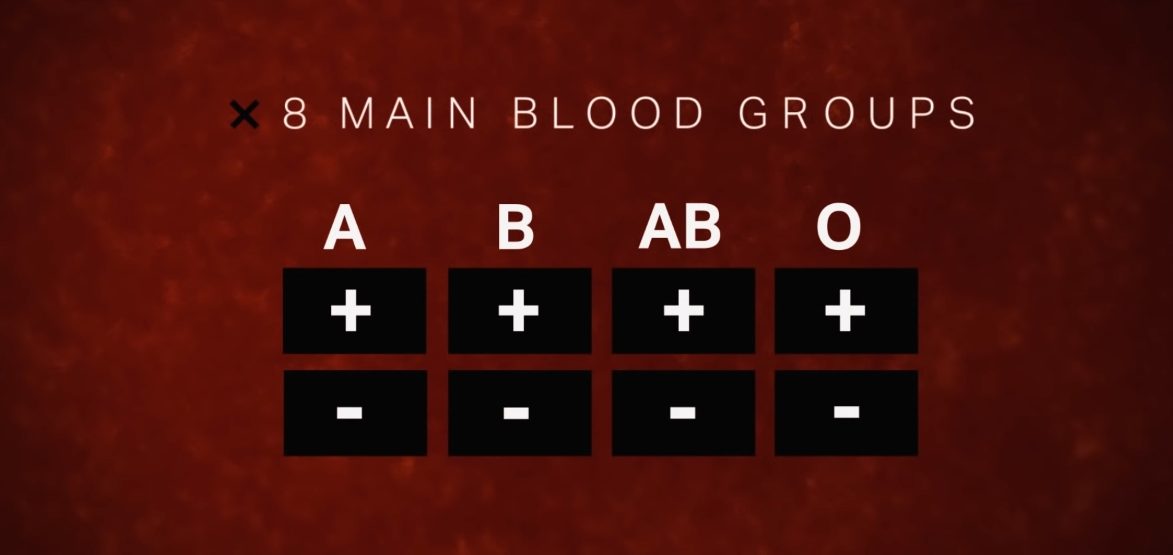
Unemployment leads to an increase in poverty and sets back the economic growth of the country. The womenโ€™s unemployment rate is higher in rural areas than in urban sectors of the country. Unemployment also misguides or makes our youth helpless to do criminal activities. The migration of people from rural to urban areas for the search of the job also affects it. As the demand for jobs is high and the number of posts is less. Unemployment is also a reason for our youth is getting addicted to drugs. Due to lack of a job, they get addicted to drugs, alcohol, and may even get into criminal activities. The government, as well as the society or we, should focus on population control and make people aware of its ill effects, long-time advantages, and ways to control which help the government to provide jobs to needy ones if there are some limited members.
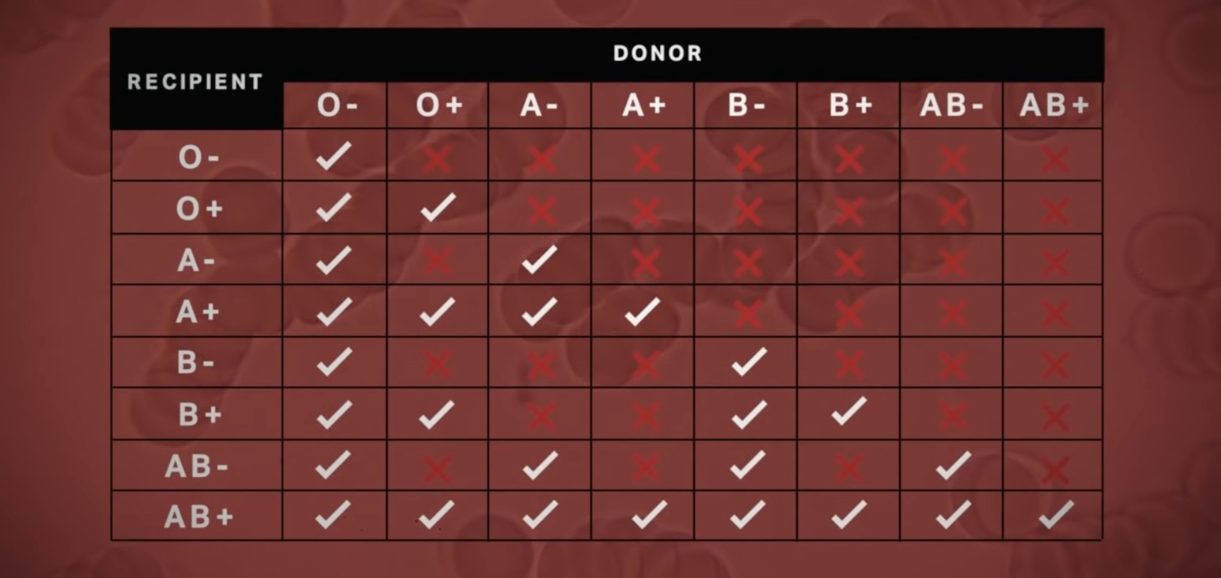

Agriculture is the backbone of our economy. Agriculture in India is not developed enough to accommodate all the unemployed youth. Our agriculture is still dependent on old and traditional ways of farming. And our education should also be upgraded as it mainly focuses on practical aspects of learning, should offer the vocational course and with that indirectly it will give the job to teachers.