When there are some imbalances within the knee then it can lead to disorders which can be indicated by deviation of the knee in terms of function. Most of these disorders occur due to some conditions imposed onto the structures present inside the knee.
BURSITIS: – inflammation (burning sensation) of the bursa causes pain.
(TIP- a word ending with itis refers to inflammation)
FAT PAD IMPINGEMENT: – the fat pad gets swollen heavily and can burst due to over-expansion.
TENDINITIS: – inflammation of a tendon
TORN MENISCUS: – a sudden twist of the knee can tear the rubbery cartilage leading to serious issues.
FRACTURE: – the bones surrounding the joint may get broken especially the patella is viable to damage in the case of accidents.
DISLOCATION: – the knee bone slips and comes out from its original location leading to excruciating pain.
ACL AND PCL INJURY: – the anterior and posterior cruciate ligament gets torn which may occur when there are a lot of instantaneous turns. However, this occurs rarely since these are very strong ligaments naturally.
OSGOOD-SCHLATTER DISEASE: – this is the swelling of the tendon between the tibia and patellar muscles.
STRAIN AND SPRAIN: – both are injuries but strain occurs in ligaments whereas sprain occurs in tendons.
These are some of the common disorders occurring to the knee. All of these disorders have something in common….PAIN but the intensity can vary based on time and severity of the disorder
ARTHRITIS
Arthritis is a commonly used word referring to the inflammation of joints. In fact, many people have an intuition that severe pain in the knee corresponds to arthritis mainly in old age groups. This is potentially a dreadful disease and can mainly affect the old aged. Most arthritis occurs over time but some can occur suddenly. Old-aged persons are more prone to this disease. This disease is likely to affect all age groups. This disease is more prevalent in women rather than men since their joints are weaker and more susceptible to motion when compared to men.
differences between normal and arthritic knee joint
In the case of arthritis, the bones start to wear down, the ligaments can tear, inflammation and swelling can occur, and also lead to internal bleeding (hematoma). There are about 100+ types of arthritis with different causes and symptoms.
comparisons between some of the arthritis
The different types of arthritis have symptoms different from each other. But arthritis, in general, shows some symptoms irrespective of the type.
Joint pain, stiffness in joints, red swollen mass, deranged and irregular motion is some of the common symptoms exhibited during arthritis. These symptoms are easy to identify by a common man and hence one can consult a medical practitioner known as a rheumatologist. The study of joints is known as arthrology and it is recommended to consult such a person.
As mentioned earlier cartilage is the one that protects the bones and also acts as a shock absorber. In the case of Osteoarthritis, this cartilage starts to vanish slowly. In the case of rheumatoid arthritis, the synovial fluid gets attacked by its own antibodies!!! This phenomenon in medicine is known as autoimmune disease and occurs due to error in the programming of these cells leading to the attack on their own cells.
In the case of gouty arthritis, there is a deposition of sodium urate crystals in the joints. It can lead to redness, pain, and heat around the joint. Uric acid which is generated in our body gets converted to purines (an essential component in DNA). Increased uric acid levels can lead to its deposition in the form of crystals. The best way is to remove the synovial fluid.
So these are the different types of disorders that can be seen in the knee. Proper diet and exercise and a healthy lifestyle can prevent most of them. So it is essential to be healthy to prevent the occurrence of these diseases.
Our human body can be compared to a machine in terms of its functioning, but the magnanimous human can perform extremely better than a machine. As there are many nuts and bolts to connect many parts in a machine, there are too some bolts and nuts in our body which join several parts of the body like arms and legs. The so-called nuts and bolts of the human body are known as JOINTS. A joint in general is the articulation that is present in between two bones. This sounds a bit complex. So joint in the English language refers to the association. So the joints in the human body associate something. The something defined previously is bones. In order to understand this, we have to know about the structure of bone in detail.
Fig 1.1- structure of a bone
The above image depicts the structure of a bone in general. Important information to be known is that the unit of a bone is called an osteon. Many osteons combine together to form a bone. Bone-destroying cells are known as osteoclasts and bone-forming cells are known as osteoblasts. The external structure of a bone has two parts namely epiphysis and diaphysis. Physis refers to the growing plate. An increase in the bone’s height corresponding to bone growth. Epi means above and dia means through. Hence diaphysis is found in between two epiphysis which acts as the head and tail to the bone. The point of attachment of muscle in this bone is known as the trochanter. Everything present in the human body has some kind of protection. In the case of bone, that protection is offered by the periosteum. The inner layers can be visualized by peeling off those previous layers hindering them. Next, we have the cartilage which is a rubbery kind of protection to the bone. Hyaline cartilage present in bone is rather glassy in nature. The bone also has nerves and blood vessels since the bone requires nourishment and a proper message for its functioning. Bone marrow is the spongy tissue inside the bones. It contains stem cells. The stem cells can develop into the red blood cells that carry oxygen through your body, the white blood cells that fight infections, and the platelets that help with blood clotting. Bone marrow can be considered the mother of blood cells. This table provides insights on the types.
Type name
Prevalence
Content
Red
Children
Blood
Yellow
Adults
Fat
So now we move onto how a joint connects two bones. Consider this situation where there are two pipes and we want to connect them. The best way to connect so as to minimize their loss is by using a junction. There may be other options also, but there is no need to make a fuss about it.
Fig 1.2- the structure of a healthy joint
Hence from all these, we can come to an understanding of the importance of joints in the human body. To be short, the human body is meaningless and fragmented as the face, trunk, hands, and legs are separated without the joints.
Some says they shouldn’t others says they should. Some states have already reopened in India this includes Punjab, Uttrakhand, Haryana, Madhya pradesh, Himachal pradesh, Chhattisgarh, and Gujarat, and most of these states schools have been reopened for selective classes mostly senior classes grade 9 and above. In Himachal pradesh for example, schools have reopened for classes 10 to 12. But in most Indian states schools are still closed and they have been closed for more than 500 days now.
The Wuhan virus was declared a pandemic 17 months ago in March 2020. In March 2020 over 250 million primary school and middle school children have not stepped into their classrooms. This is a situation in India and all of these numbers are true. By these numbers they do not necessarily translate into a safety certificate for schools. They do not mean reopening schools are now safe.
Those arguing of reopening site instances of bars and shopping malls, even marriage halls, they’re all open. They’ve all opened why not schools they say. Well for one, schools are for children and children are not been vaccinated most of them are below 18 years of age. In India children are not qualified for Wuhan virus vaccination. So sending them to school unvaccinated which mean their lives exposing them to the virus. Will parents be ok with that? Won’t it be better to wait it out and make sure that their kids will be safe at school and right now they won’t be.
The pandemic has not gone away. There are cases arising in many countries and in India third wave is on the horizon.
One may say this from a privileged position as some children have access to digital learning i.e., they can afford to attend classes from home but many others can’t. Many students and teacher in India can’t afford a smartphone, a laptop or a computer. Many schools lack basic infrastructure required for conducting online classes. For example computers, the following is showing the statistical data of computer facilities present in different states of India:-
The above data shows Assam and Madhya pradesh with 13%, Bihar and West Bengal with 14 %, Tripura with 15% and Uttarpradesh with 18% of schools with computer facilities.
How are schools Managing to conduct classes in the middle of the pandemic?
Oxfam India carried out a survey in 2020 interviewing nearly 1200 parents and 500 teachers. They were all from the Indian states of Odisha, Bihar, jharkhand, Chhattisgarh and U.P.
–> 80% parents said that children have not received any education during the pandemic.
–> 4 out 5 students had not received new textbooks for the academic year.
–> Teachers fears that 30% of students might not return to schools when reopens
Therefore, there is not doubt that school closure is taking a toll on education, it is also threatening to undo the gains made in the education sector in general. The facilities deficit in government-funded schools does not help.
According to the educational Ministry,
–> At least a 113 Million students attends government schools in India.
–> 65% from 20 states are enrolled in them.
–> Only 30% of these schools have functional computers.
The Education Ministry data also says that in the run-up to the pandemic less than 12% of India’s government have internet facilities. Also only three states of India have internet facilities in majority of their school which are Kerala, Delhi, Gujarat.
It is not wrong to believe that schools should reopen that every child should be able to access learning. After all education is every child’s right and the pandemic should not be allowed to snatch away that right, so yes they should go back to school but there is a problem our children would not be safe not yet. We may convince ourselves that worth the risk but our trust with that pandemic shows us that nothing is worth risking the Wuhan virus.
The last one year has been a grand experiment, we have tried alternate day work from home, we have tried alternate seatings at restaurants, movie halls, alternate flight of escalated. We have tried all kinds of things but, we should leave children out of these grand experiment.
We have always been cramming the dates, years of the major events that have happened in the past or the main points of the revolution that happened. Those sure were the pain in the brain, the main reason of this beautiful subject being boring. What would have happened if we did put more emphasis on pondering over the ideas that triggered all those wars and revolutions?
It would have been better in my opinion that rather than making students cram the date of the attack on Bastille, the idea behind the attack was targeted, making students think whether it was the right way to do it? It would have better if the philosophy of Jean-Jacques Rousseau and Maximilian Robespierre was earmarked, and the opinion was taken of each student on that, training their brain on HOW TO THINK rather than WHAT TO THINK.
How does it affect the future? You know the basic problem in India is we feed students; we do not make them search for the food. There must be a reason why we are a hub of cheap labour in the world but not of high skilled labour and leaders. The root cause of this is the blocked vision and the one-dimensional brain that is the result of constant feeding without thinking. A labourer won’t question your ideas, but a thinker would dare to question the thinking and could even change it and that’s where the creative thinking comes from, expanding your horizons, increasing your dimensions. You can see the world with the eyes of Albert Einstein or Max Weber by not merely reading their ideas but to think over it.
We all have read about Hitler, and we have crammed what he did. If we had been more possessive about his thinking itself, we must have known how one man can control the peoples’ mind. He was one of the powerful orator the world has ever seen, flowing peoples’ mind with hatred against one race and then controlling the stuff that their mind should feed through media, newspaper and other magazines, eliminating the THINKERS and the people he felt weren’t suitable by his standards or were opposing his draconian actions. In the end, the majority of the people left were his followers and the next thing we know was the start of WW2.
Now see your country’s leader, are there any similarities? If there are and there isn’t a big opposition against him, people must have learnt History from a wrong way, now tell me how cramming the date of Hitler’s birth would have helped us?
Let’s take another example, we all are aware of the India-China standoff that occurred recently. It wasn’t the first time China has done that. China’s shenanigans commenced from blunders that Pt Jawaharlal Nehru made in the 1950s which also were the great catalysts in India losing the 1962 war.
India happily ignored Chinese claims until the early 1950s. Maps released by Beijing in 1954 showed the north-eastern edge of Jammu and Kashmir (Aksai Chin region) as the territory of the Chinese, which triggered the alarm. Instead of vigorously addressing the issue with China and trusting the country, the Jawaharlal Nehru government decided to remain silent. The obvious way out was to sit across the table and solve the problem. A diplomatic solution was possible, this was the moment. The controversial borders were not delimited, only delimited. (Singh, 2019)
The sheer cowardice of Nehru has been haunting us ever since. One can’t change the historical mistakes but we sure can learn from them.
History should be treated as a subject that imparts important modern competencies like writing, critical thinking, reasoning and decision making. This makes the matter more relatable, beneficial, engaging and in the long term, helpful for the country.
Starting off as a simple virus emerging from Wuhan, China, COVID-19, or the Novel Coronavirus, has brought the entire world to a halt. Be it economic, judicial or educational prospects, there is no clear picture as to what the future holds for us. With the virus currently holding an overall tally of 40,636 deaths and 8,23, 479 positive cases worldwide (as of 31st March, 2020), the pandemic has now become a life-threatening global phenomenon forcing numerous countries to impose lockdowns.
However, in this time when social distancing and hand hygiene play key roles, one more important aspect must be considered- correct information. While we are getting to know about numerous cases, another problem prevalent in most countries is the high number of people flocking to hospitals for testing even when they show flu-like symptoms, like a cold or mild fever. While it is certainly true that there is only a stark contrast between seasonal influenza (flu) and COVID-19, it manages to pose a major problem: it has not only increased traffic in the hospitals but also diverted the attention of hospital staff from cases that require immediate attention.
Thus, here are a few indicators which might be helpful in differentiating between the common flu and the Novel Coronavirus.
1. Difference in Major Symptoms
A COVID-19 patient will typically suffer from a fever; however, it is not necessary that every individual with flu will have a fever, particularly older adults or those with a weak immune system. While nausea and diarrhea are symptoms for both diseases, they are more prevalent in kids suffering from flu.
If the patient shows signs of dry coughing and shortness of breath, that’s more of an inclination towards a case of COVID-19.
2. Difference in Incubation Period
While a COVID-19 patient takes an average of four days between the initiation of the infection and the onset of symptoms, the incubation period ranges between 2 and 14 days. On the other hand, a flu patient’s incubation period ranges between 1 and 4 days, averaging at 2 days.
3. Difference in Period of Contagion
One of the major threats related to COVID-19 is that it can be contagious even if the patient doesn’t show symptoms. On the other hand, flu can be contagious a day before the symptoms appear, and for nearly 5-7 consequent days thereafter.
4. Difference in Severity and Course
The seasonal influenza or common flu usually takes nearly 3-7 days to resolve, with just 1% of the patients ending up in the hospital. The deathly COVID-19, on the other hand, lands nearly 20% of the confirmed cases in the hospital in a critical condition.
5. Effect on the Immune System
Believed to have an animal origin, the COVID-19 is caused by a newly discovered coronavirus called SARS-CoV-2, a novel virus. This signifies that the population doesn’t have pre-existing immunity to it, which makes it more difficult to prevent the disease from becoming fatal.
Seasonal flu, on the other side, is a disease which can recur, with the body developing antibodies each time. This reduces the extent to which the disease can affect the human body. However, for COVID-19, there is no current evidence to prove whether an individual can get it again post-recovery.
6. Difference in Mortality Rate
Based on information collected from different locations and using various population sizes, it has been gathered that 0.25-3% of the total population testing positive for COVID-19 succumbs to it. In the case of seasonal flu, the esteemed mortality rates are a mere 0.1% in comparison.
7. Difference in Rate of Transmission
With COVID-19 cases multiplying rapidly each day, the reproductive number (R0) for the disease appears to be higher than that of the seasonal flu, with the former being 2.2 and the latter, 1.28.
Advertisements
This is a clear indicator that a patient of COVID-19 is more likely to infect more people as compared to an individual suffering from flu.
8. Difference in Developed Vaccines and Medication
As a result of a novel coronavirus, COVID-19 is yet to have a valid vaccine or effective medication available for the general public. In the case of seasonal flu, however, the seasonal flu vaccine proves to be most effective. Antiviral medications also help to an enormous extent.
9. Difference in Target Population at Risk
While both flu and COVID-19 affect similar ranges of the population, especially those already suffering from asthma, chronic lung diseases, diabetes etc., the latter is found to have a more severe effect on the older population. Flu, however, is found to be more dangerous in the case of pregnant women and children under the age of 2 years.
10. Difference in Prevention Methods
Due to the nature of both diseases as well as their high rates of contagiousness, remaining in isolation is recommended, though more in the case of COVID-19. Also, COVID-19 highlights the need to maintain good hand hygiene (regular washing of hands with soap or alcohol-based sanitizer) and social distancing i.e. remaining at home if not in case of emergencies, maintaining a distance of 6 feet from another individual at all times and avoiding crowded places like malls and restaurants with heavy footfall.
In the case of flu, proper medication, rest and good nutrition are recommended to heal. Regular flu shots also play a key role in the prevention and faster cure of the disease.
Although remarkably similar in nature, both COVID-19 and Seasonal Influenza, on the deeper end, vary to a great extent. While COVID-19 has proved to be comparatively fatal and easily transmittable, flu is seen as a recurring phenomenon, largely treatable.
In these trying times, when most of the world is living under self-quarantine and isolation, we must remember that the first and foremost requirement is to bring the COVID-19 outbreak under control. Thus, upon showing any symptoms, we must consult a family doctor before crowding hospitals to get a seasonal flu treatment, which can be done from home!
Literature has never failed to amaze us and to top it Hindi literature goes way beyond our imagination and there are many Hindi novels you must read. If you are bored of watching digital content in this lockdown and are planning to read books, and if you haven’t read Hindi literature, this is the time you should totally give it a try. Hindi language has all kinds of stories and has a very rich literary heritage. From the classic literature by Munshi Premchand to the heart-touching poems of Dr. Harivansh Rai Bachchan, many amazing Hindi novels touched the core of Indian culture and development. Here is a list of such amazing Hindi novels that will not fail to touch your hearts.
It is a difficult task to put together the best Hindi novels of all times, but somehow I manage to provide you the list of Best Hindi Novels by Indian Authors that everyone should read with our best of knowledge.
Godaan (Munshi Premchand)
Godaan is a beautifully described novel by Munshi Premchand that touches the subject of rural communities of India. It was published in 1936. It has been revered as one of the greatest Hindi novels of the Indian literature. The main theme of the novel was based on Indian peasantry. The theme includes: Socio-economic deprivation, Exploitation of rural people, Caste segregation, varied concept of dharma as held by different people. Impact of industrialization on the various sections of Indian community.vi condition of women in society child marriage and dowry. Godan is an epic of Indian peasant Hari and his wife Dhania who were cheated by the landlords money lenders priests and colonial bureaucrats. They formed a network of oppression robbed their land and converted them to landless Labourers. In the end the couple died with dignity.
Madhushala (Harivansh Rai Bachchan)
Madhushala is a beautifully written novel by Dr Harivansh Rai Bachchan. It is a series of poems that describe the complexity of life with comparisons to four Instruments which come almost in every verse: Madhu (wine), saaki (server), pyaala (cup) and madhushala (bar). It is applicable even in today’s life as we are experiencing religious discord. This book inspires brotherhood and harmony and gives hope to people who are trapped in religious disputes. A very famous and one other to the list of Hindi novels you must read.
Gunaho Ka Devta (Dharamvir Bharati)
Gunaho Ka Devta is a love story that revolves around a student, Chander, who falls in love with Sudha, the daughter of his college professor Dr. Shukla. This story also talks about caste discrimination in our society. The beautiful description of love, angst and confusion makes the book amazing.There is a television adaptation of the novel titled Ek Tha Chander Ek Thi Sudha which aired on Life OK.
Chandrakanta (Devki Nandan Khatri)
This book written by Devaki Nandan Khatri is a romantic fantasy that tells the story of two lovers from rival kingdoms. There is a TV serial based on this novel as well. The princess Chandrakanta of Vijaygarh and the prince Virendra Singh of Naugarh go through a series of obstacles to be together and fulfil their love lives. The writing style of the book takes you in the world of “aiyars” and “tilism”. This is one of the best Hindi novels you must read if you like love stories with various challenges.
Rashmirathi (Ramdhari Singh Dinkar)
This book is written by the well known Hindi Novelist, Ramdhari Singh ‘Dinkar’.
It lies in the top 10 in the list of best Hindi novels that one must-read. This book is about Kunti’s firstborn child, Karna and his life as he grows up to become a violent soldier although being raised in a very humble family. This book has various emotions including pride, courage, power, and honour. It is a beautifully written poem that explores various parts of Karna’s life.
Gaban (Mushi Premchand)
Gaban is also one of Munshi Premchand’s best Hindi novels. It is a typical middle-class love story with big desires and dreams. It is about a charming guy named Ramanath. He is not financially sound but he loves his wife too much and gifts her precious things which he cannot afford. Things hit the rock when he is bound with debts and the story gets interesting. Let’s see if he will make it through this crisis morally or will he commit any crime to cover his debts.
Maila Aanchal (Phanishwar Nath Renu)
This book by Phanishwar Renu lies next in line with Munshi Premchand’s Godan. It is a very well-appreciated and touching story. It is set in the 90s during the Quit India Movement as the states experience a series of trails and rituals in the villages of North-East Bihar. It was the first novel by Phanishwar Nath Renu after which he gained popularity which gave rise to a series of other such books. It is quite often found in the Hindi curriculum of schools.
Volga Se Ganga (Rahul Sankrityayan)
This book by Rahul Sankrityayan is a historical fiction that marks the entry of Aryans into the Volga from the steppes of Eurasia. A journey from the Volga to the Ganges contains 20 different short stories that are part fiction and explains the migration of Aryans to River Volga. The author’s influence from Marxist ideas is visible in his last three stories. If you like reading about history then you must add this book to your library.
Kamayani (Jaishankar Prasad)
Kamayani is considered to be one of the greatest written Hindi literature by Jaishankar Prasad. It is an epic poem that perceives the effects of human emotions, thoughts, and actions with the help of relevant metaphors. It was quite popular in the eighteenth century. It takes reference from mythology to try and explain human behaviour concerning human emotions. Another gem to the list of hindi novels you must read.
Need Ka Nirman Phir (Harivansh Rai Bachchan)
Need Ka Nirman Phir is a beautifully written poem by Harivansh Rai Bachchan. It is about his life and how he overcomes the challenges in his life. The book is full of examples that depict hope. No one should give up because, after every night, the sun comes and brings light into lives. It also has a part where his wife died but he still hoping for a better tomorrow.
“If you don’t like to read, you haven’t found the right book.“
The knee joint is one of the biggest and most important joints in the lower part of the body. The knee plays an important role in distributing the body weight throughout the body. It is worth studying about this joint.
The knee joint is the tibiofemoral synovial hinge joint. This seems a bit complex. This can be easily understood by splitting each term.
Tibio- tibia bone
Femoral- femur bone
Synovial- freely movable joint
Hinge- swinging motion
We can consider the knee joint as a castle with the patellar bone as a castle wall protecting it from the front, the femur from top, tibia and fibula from bottom and muscles aiding these bones. In general, the massive structures protect the joint from mechanical damage like banging the knee onto a hard surface etc…
the detailed structure of knee joint. Credit:- OpenStax College Anatomy & Physiology, Connexions Web site. http://cnx.org/content/col11496/1.6/, Jun 19, 2013
The above diagram shows the complete parts of the knee joint. There are some terms that were not explained earlier. Bursa can be compared to a tin of oil or any other lubricant and structurally is like a sac containing fluid to reduce friction. Friction is
A physical quantity develops when two things come in contact and the lubricant is the one that provides a medium between the two objects thus reducing friction.
Here are the anatomical terms and their meaning:-
Anterior-front
Posterior-back
Supra-upper
Infra-lower
Cruciate-cross shape
Pre-before
The fat pad is the one present beneath the knee bone and acts as a cushion for the joint. Ligaments are the primary elements of the knee joint which connect bone to bone.
There are two types of ligaments namely ACL and PCL. They connect the tibia to the femur as mentioned earlier through the term tibiofemoral. ACL is medial (present more close to centre) than PCL and PCL are lateral (present far from the centre).
NOTE:-Understanding these structures are very important as an imbalance in each structure can lead to a disorder.
The knee is the largest known joint in the human body which performs very complex functions. The various functions are:-
It bears the weight load and prevents the lower legs to take in all the weight.
Acts as a supportive agent to the body.
Provides motion but is limited.
Coordination of the movement of upper and lower legs
Fat present in knee acts as thermal insulator
Bursa reduces friction between the bones
Synovial fluid acts as medium for bones to articulate with.
As mentioned earlier motion is a key aspect amongst the functions of the knee. The following table shows the various movements exhibited directly or indirectly using the knee.
Knee movements are of two types- primary and secondary.
Name
Meaning
Flexion
Decreasing the angle
Extension
Increasing the angle
Medial rotation
Rotating towards centre
Lateral rotation
Rotating away from centre
Adduction
Moving towards middle
Abduction
Moving away from the middle
Anterio-posterior displacement
Front and back movement
Flexion, extension, medial and lateral rotations constitute the primary movements. Adduction, abduction and anterio-posterior displacement constitute secondary movements. Hence all these movements can be offered by the knee. In addition to that knee joint also has sensory receptors and produce proprioreceptic information about the position of knee.
The ligaments contribute more towards the stability of the joint as compared to other elements. The several structures inside the knee must perform perfectly so that the knee functions properly as a whole. The knee joint is hinge type and hence it is more vulnerable to injury (stretching beyond the limit leads to injury). In case of injury, the damaged cells start to heal when the stress is removed but there is a chance of losing their functions as there is a chance of them getting replaced with scars.
It is absolutely worth knowing about the structure and function of the knee joint and how they help to carry ourselves on.
One of the hottest debates in the digital world is blogging vs vlogging, both blogging and vlogging can help businesses and individuals grow their brand and make money online. The good thing about the digital space is that anyone can start blogging or vlogging. The startup costs, so to speak, are minimal. However, you have to have a strategy in place to succeed, as there’s tons of competition.
As there is a rapid rise in online video content, vlogging is also becoming a good option to generate income. But is it better than blogging? Let’s learn in this detailed blogging vs vlogging comparison.
What is a Blog?
Originally called a weblog, Blogs can be standalone websites or part of another website. Blogs can feature other media, too, like pictures, videos, audio clips, in addition to text. Just how you read op-eds in the newspaper, blogs are spaces for people to express their opinion or share their knowledge. Blogs are often created and managed by individuals but are also popular on business websites. People who write blog posts are called bloggers. Blogs typically contain dynamic links to other online content and may also include interactive or community engagement components such as a comments section. Blogs started out primarily as text documents, but today’s far more sophisticated blogs often feature dynamic visuals and videos.
What is a Vlog?
A vlog, or video log, is the video equivalent of a blog. Like blogs, most vlogs target a niche audience that shares common interests and needs. While vlogs can and should be supported by text or metadata, the star of a vlog is the person or people talking on the video, everything that’s written in a blog presented in video format with vocals and visuals.
Interestingly, the term vlog came about the same time YouTube became popular, which is the early 2000s. It’s not surprising as YouTube basically gave rise to vlogging. Just like blogs, vlogs can be related to a business or an individual.
As for the video content, it can be anything. From scientific data to personal stories to tutorials, vlog encompasses anything and everything you could think of finding on the internet.
Key Differences between Blog and Vlog
The key differences between blogging and vlogging are the degree to which the content creator uses video as well as where the content is hosted. If you love talking to people and feel comfortable on camera—and don’t necessarily want to build a website—vlogging may be best for you. If you’re a person who excels at the written word and wants to create your own website, blogging may be right for you.
Many people are choosing to blog and vlog as they find that using both text-based and video-based content helps them reach the widest audience possible.
Popularity
The most important thing in blogging vs vlogging comparison is which niche is more popular? Where is the traffic?
Video content is now certainly more popular than textual format. Video is slated to comprise a whopping 82% of the entire internet traffic. This is why video has become an extremely important marketing medium for all digital platforms.
In terms of popularity, vlogs may have a bigger potential audience just because of the nature of the media. For instance, YouTube has two billion users who watch one billion hours of videos every day.
With all those stats, video content has more outreach than a blog. That said, in certain scenarios, a blog may perform better than a vlog. Again, it depends on the niche and the audience as to what media they prefer.
Also, blogs now also feature videos regularly for this very reason. The richer the media, the more audience you can cater to. Many bloggers also make vlogs and use them in their blog posts. Others use videos from other creators to optimize their blogs and give it a visual feel.
Monetization
Monetization isn’t that different for a blog or a vlog, but the level of monetization may vary. Most blogs and vlogs make money through advertisements. However, vlogs rely more on advertisements than blogs and perhaps make good money from it. You can also make money blogging by using affiliate links. You work with affiliate marketing programs, such as Amazon Associates Program, and earn commission every time someone purchases something with your affiliate link.
Vlogs can also employ affiliate links in their text descriptions, but it remains more popular for blogs.
Another method of monetization is sponsorship, which is more common for vlogs. You basically get a sponsor who pays you to mention their brand or product in the video to promote it.
A lot of vloggers make money through sponsorships, but that doesn’t kick in until you have a lot of subscribers or followers.
Audience
The audience for both pretty much depends on the niche you’re pursuing. However, some demographics might be more inclined toward reading. Similarly, some people respond to visual data better.
For instance, if your audience is young, perhaps people under 20, vlogging may be a much more viable solution than blogging. Younger demographics usually prefer watching videos over reading articles.
Conclusion
There are pros and cons to both as we’ve covered in the differences. If there’s one thing that’s common for both blogs and vlogs is that both require a lot of hard work and give you some tough competition. However, you can easily stand out with original content that gives people what they are looking for.
Teacher’s day is celebrated on 5th September every year, because of the Sarvapalli Radhakrishnan, who was the former president of India and he was born on this day.So to honour the memory of India’s first President and to commemorate the importance of teachers in our lives this day is celebrated every year.
About Sarvapalli Radhakrishnan
He was born on 5th September 1888. He was a great person, having many qualities in him ,he was a philosopher, educationalist, humanist as well as a religious thinker. He also wrote some of the books and out of them many were written on religion and philosophy topics .He is remarked as one of the greatest thinkers of the 20th century ,and he is also remembered for introducing western philosophies into the Indian society,he was also appointed as a Spalding professor of Eastern Religions and Ethics at the University of Oxford which is a great achievement,not only this he was nominated 16 times for the Nobel Prize in Literature, and another 11 times for the Nobel Peace Prize.
Importance of teachers
“If a country is to be corruption free and become a nation of beautiful minds, I strongly feel there are three key societal members who can make a difference. They are the father, the mother and the teacher.” – Dr APJ Abdul Kalam.With this wonderfully written quote we can see that teachers hold the same position as our parents have. We learn many a things from teachers not only about studies but also moral values, social etiquettes and what not , they are the most important building block of our personality .In success of every person’s life teacher play a very important role.
How do children celebrate this day?
Children in schools organise numerous of activities on this day ,to thank their teacher for playing such an important role in their life effortlessly. They thank them by giving Thankyou cards, by organising music and dance competitions,also giving speeches in order to make teacher’s feel special .
Conclusion
Therefore ,the teachers day is celebrated to convey a message that every teacher is important, and without them we cannot attain anything in our life.So this day work as a realisation day for every student or person who neglect their teacher’s opinion or efforts to make them feel how relentlessly a teacher do his or her job.
Are you able to say quickly what you choose after your graduation, MBA or PGDM?
I share some knowledge about these courses that I know from various research or Webinars.
So, let’s talk about the exams in more detail.
What is MBA?
We know that full form MBA is, “Master of Business Administration”. It is a post-graduate degree in management, offered by various institutes across India or abroad, also.
I am doing pharmacy so, let’s talk about what is the opportunities given by MBA if I choose this field.
After doing MBA there will be various openings in different sectors like,” Marketing, HR, International business, finance, Pharma marketing, healthcare management, supply chain management etc.”
From there, you can achieve various career options that help you a lot.
MBA is a 2 years course in which 1 year is plane MBA and in the next year, the training will be given to the learners.
What is PGDM?
PGDM means” Post Graduate Diploma in Management” , is a diploma course and not a degree. PGDM program is offered by the autonomous institute also i.e.they is not affiliated with any university and by another institute also.
After doing the PGDM program the fence of various sectors are open for us it may be in, ” Marketing, HR, International Business, Supply Chain Management etc.”
Now, let’s look at the top college in India which offer MBA and PGDM programs.
Top colleges of MBA:-
College
location
Course offered
Symbiosis Institute of business management
Pune
MBA
NMIMS School of Business Management
Mumbai
MBA
IIHMR University
Jaipur
MBA
Jamia Hamdard university
Delhi
MBA
PUMBA
Pune
MBA
Ramchandra institute of management
Pune
MBA
Top Colleges For PGDM:-
College
Location
Course offered
Xavier School of Management
Jamshedpur
PGDM
Management development institute
Gurgaon
PGDM
S.P.Jain Institute of Management & Research
Mumbai
PGDM
T.A.Pai management institute (TAPMI)
Manipal
PGDM
IES Management College & Research Centre
Mumbai
PGDM
MITCOIN Institute of Management
Pune
PGDM
SIES College of Management Studies
Mumbai
PGDM
D.Y. Patil College
Pune
PGDM
Admission Process:-
1)Graduation Score
2)Entrance test
3)Group discussion or personal interview.
Now, let’s look at the various entrance exam for admission.
Entrance Test For Admission:-
CAT – Common Admission Test
MAT – Management Aptitude Test
SNAP – Symbiosis National Aptitude Test
MAH CET – Maharashtra Common Entrance Test
and various other tests are also present which taken by them individually, by various other institutes like XAT – Xavier Aptitude Test etc.
From above we know that what is MBA or PGDM is, various institutes, but the main thing is to understand is,” How to prepare for an entrance test?”,” what is the syllabus for those entrance tests?”
Now we simply look at how to prepare for an entrance test .
Preparation For Entrance Test:-
Common subjects In these exams
Quantitative Ability
Data Interpretation
Logical Resoning
Verbal Ability
These 4 subjects are common in these entrance examinations.
Data interpretation – It includes data is given in the form of tables, charts or graphs. In this section, it is tested that how candidates can interpret the given data and answer the question based on it.
Logical Reasoning –Logical or deductive reasoning involves using a given set of facts or data to deduce other facts by resoning logically. It involves drawing specific conclusions based on-premises.
Verbal Ability – verbal ability can be defined as making use of the essential components of the English language in order to effectively communicate in both spoken and written forms.
Quantitative Ability – Quantitative Ability tests the ability of a candidate to handle numerical data and solve numerical problems. It is one of those sections in CAT Exam which can be scoring, if the aspirant possesses good mathematical skills and has a way with numbers.
We have talked about much more circumstances about the MBA and PGDM courses. Now let’s move towards the next topic.
I know some of the best books, for preparing for the entrance exam, let’s have a look at those books:-
For Quantitative Aptitude:– Arun Sharma’s How to prepare for Quantitative Aptitude for CAT, Sarvesh Verma’s Quantum CAT etc.
For Verbal Ability& Reading Comprehension:– Arihant publication book, R.S.Aggarwal’s Modern approach to verbal & Non – Verbal Reasoning etc.
For Data Interpretation & Logical Reasoning:- Arun Sharma’s How to prepare for Data Interpretation & Logical Reasoning for CAT, NCERT Books etc.
Now, we will talk about the most interesting topic for everyone. i.e. the top colleges for management abroad. We all have a dream to do our higher studies abroad.
So, if you have to go abroad for your higher studies, first have looked at the top International colleges for management.
Top International Colleges For Management
Sr.No.
Colleges
Location
1
IMD Business School
Lausanne, Switzerland
2
College Of William & Mary – Mason School of Business
Williamsburg, Virginia
3
Vlerick Business School
Gent, Belgium
4
CEIBS China Europe International Business School
Shanghai, China
From above all the information, you all understand the basic knowledge about these courses.
There are various other Institute also which provides these course but I shared some popular institutes name that I know.
I am also fresher, so I tried my best to explain basic knowledge about this course, which will be very useful for beginners.👍
Now, we can say quickly what we choose after our graduation.
If you have to gain more details about these courses, so you can do the research orread other content also.
Coronavirus has been causing a deadly disease which has taken upon the world within a very short period. This disease caused by Coronavirus has created not only a lot of panic among the public but has also resulted in several rising rumours and myths. At this stage, to curb the disease, it is very important to know everything about it. Here are ten myths which common people have mistaken as facts.
1.“Coronavirus can also be called Chinese disease.”
It’s called COVID 19 and not a Chinese virus. The name of the virus has been divided simply into, CO from corona because the shape of the virus appears to be crown-like, VI stands for the virus, D is for disease and ’19’ symbolizes that it started spreading in the year 2019. Many people are calling it a Chinese virus. Even President Donald Trump recently addressed it as ‘Chinese virus’. It’s not spreading from Chinese, not every Chinese person has it. A girl from Manipur, in India, was called ‘Corona’ by an old man, and he spat ‘paan’ on her face to show his disgrace towards her. North-eastern Indians are facing many racial remarks because of this outbreak. Many Chinese people living abroad have faced similar situations. It’s not just racist but also inhumane. People should address the virus with the correct name and should think twice before making any such insensitive remarks.
2. “Drinking alcohol can kill the virus.”
False! Alcohol is a disinfectant was thought to be a killing substance of the virus, but it’s not as easy as it sounds. The virus, once inside the human body, cannot be killed by alcohol. Any surface might be disinfected with alcohol, but using alcohol on the skin can cause harmful reactions and consuming excessive alcohol can definitely take a toll on your liver.
3. “Only Old people can die of the virus.”
Anyone, including a child of one day, or even inside the womb, can catch the virus. Younger people might have higher immunity and may have higher chances of surviving the virus, but it is still deadly for them. The virus is indeed more deadly for old people or people having an underlying health issue such as diabetes, heart problems or asthma, but that does not mean that the younger are safe. Everyone should take precautions.
4. “Stay away from people who are wearing a mask.”
The virus has infected not everyone who is wearing a mask. They might just be wearing it to protect themselves. Incidents have been reported where people wearing masks in public were harassed. People can wear the mask as a precaution, but it should be noted that even though one is wearing a mask, the chances are that the virus enters through your eyes. Hence, the only solution is to suggest anyone who is coughing, should wear a mask or cough in their shoulder so that no droplets fall around and infect nearby people.
5. “Eating ginger, garlic or lemon will increase your immunity
People started with their own home-based remedies. Eating healthy may increase immunity but will not create complete protection from the virus. Even drinking cow urine was said to be one of the ways to kill the virus. There was a lot of fake WhatsApp news which were circulated. It was also said that smoking weed could kill the virus. People also said that sitting in the sun or warm climate can kill the virus. People around the globe considered taking a hot bath can kill the virus within their body. The only way to cross-check any such news is to visit the ‘WHO’ site and check if they have published any such news or not. Any news related to the research of coronavirus, be it positive or negative, will be posted on the WHO site.
6.” Only people coming from abroad should get tested and be scared of having it.”
It’s highly wrong to think that only those people should be scared who have travelled recently abroad. Anyone who has symptoms of the virus should immediately get checked. Anyone who has a recent travel history should try self-quarantine. One should understand that if the person who recently travelled abroad failed to take any precautions and refused to self-quarantine, he/she might end up spreading it to others. So, you could be infected by a complete stranger in public. Staying at home and getting checked if showed any symptoms, is the only way to fight the spread of the virus.
7.”It is a city disease.”
Most of the labourers are going back to their village or hometown, considering that the virus is only spreading in “cities.” However, they are not taking into account how there is a chance that they might transmit the virus with them to their respective hometown. Going back to your hometown, even with current zero cases of the virus, does not mean that one stops taking precautions to be safe. Under all circumstances, social distancing should be practised.
8. “Chicken, dogs, and cats are spreading the virus.”
No! The disease can be transmitted only through human contact. There has been no study which proves that animals can transmit the disease. Animals should not be treated with cruelty on any basis. One should consider the well-being of the street dogs and cats, and should at least feed them during the lockdown. In India, the rate of chicken had seen a drastic fall, especially in the state of Maharashtra, because of the rumour that the disease can be spread via eating chickens. In fact, the truth is that consumption of chicken may help in increasing your immunity and save you from the seasonal flu.
9.” Coronavirus has a 97% Survival rate; the government is making us panic for nothing.”
To put this in a simple analogy, it’s like if you are given ten apples, and one of them is infected, you probably shouldn’t take the chance to infect yourself by eating any of them. There is a limited supply of healthcare services, and in a country like India, which is highly populated, should not risk the spread of it. If the number of cases keeps going higher, we might fall short on several doctors and nurses present to help the patients.
10.” Stock as much food as possible.”
The pandemic created such a panic among the public that on the announcement of the lockdown, people rushed to the stores to buy as much food as possible. In this rush, they forgot how close they were standing to strangers and how the deadly disease could be passed on unintentionally as many failed to wear a mask. Stocking of excess food will also create a shortage for others who are in need. People were found stocking up on basic medicine as well, such as fever and cold. This might have created a deficit for someone who is currently in need of it. The government is taking as many measures as possible to make ends meet. In Maharashtra, grocery shops will be open all day and night to provide essential items to the customers.
Internships- really being a door to opportunity for so many of us, being the only source for the growing students to learn something new & to explore different work fields in this leisure. Internships are the proven way to gain some knowledge, interest & maintaining a healthy connection with the work fields. This lockdown has taught us the meaning of internship, and to work as an intern in a firm. Since online studies are going on, doing an internship in this leisure is a perfect & productive way to utilise your free time! Internships not only enhance our skills, but also makes us confident, independent and self reliable. Since, adults has nothing to do in this lockdown, internships are way better to do something productive and to invest our time in learning something new. Internship is basically a platform where students puts up their education into practice, and develop relevant personality development and skills as well. For the college going students, internships plays a very important role in their lives. Being indulged in internships not only helps you to know more about the work fields, but also unleashes different side of your personality that you didn’t even know that it existed.
IMPORTANCE OF INTERNSHIPS
Internships plays a very prominent role in a students life, it provides a real life experience of working for the firms & companies for the fresher students! Freshers, who are new to this world, internships provides a platform for them to learn something new apart from their studies, and to enhance relevant interest in different fields. It is an ideal approach to gain understanding of your chosen Industry and field. Providing a platform to maintain a healthy yet professional connection with the work staff, and to learn & explore that how a firm works. It gives you a significant practical experience of working with the firm and also an opportunity to showcase your knowledge of degree program in real- life situations. Internships, based on hard work & stipend gives an opportunity to the students to showcase their hard work and skills on the respective fields and earn a minimal amount based on their skills and performance. It provides students the value of earning money on the basis of their hard work, and to work as an intern for a company.
ADVANTAGES OF INTERNSHIPS
Get Industry Experience
The first and foremost factor of doing an internship is that it provides a platform for the students to explore the working of an industry or a company, and gives relevant workshops to learn that how exactly a company works. Fresher students learns how to work in a company by working as an intern so that they can gain experience of various fields they have chosen to work in. It further helps them to work in different fields , and hence built a significant connection with the workspace and the staff. It provides a practical way of learning and working for a company, and to gain an experience of how a company works and gives an opportunity to the students to put up the knowledge they’ve gained till now in real life situations.
2. Boost the value of your CV
There no task harder for a fresher to build a CV when they have literally no experience. No experience mentioned in the CV is a big turn off for most of the companies, why would a company hire you when you don’t have any work experience? The importance of doing an internship not only gives you opportunity to showcase your knowledge in real life situations, but also enhances your personality development and skills that are vested in your personality. You can easily know about the importance of internships when you will list down the accomplishments on a piece of paper, and that piece of paper literally decides your future. Thus, after completing an internship, you must sit down to contemplate over all the things you got to learn and how they can help you professionally as well as personally. As an intern, you will have to chance to take up new tasks and get an edge over your competitors, thus ensuring that your CV gets more than a casual glance from your potential employer.
3. Facilitates Self Growth
Internships not only help you in developing professionalism but also enhance self-growth. You certainly develop various characteristics like integrity, commitment, and self-motivation. Pursuing an internship, you will get to work on a wide range of tasks that will boost your managerial skills, and working in a team, you can polish your interpersonal and communication skills while learning about the importance of teamwork. Furthermore, you additionally get a chance to investigate the different choices that you have without the obligation of a full-time job. You can do different internships in different enterprises and profiles before you make sense of the best field for yourself.
4. Learn new Abilities and Aptitude
While an undergraduate program gives you the perfect foundation for your professional journey, internships add to it by giving you a chance to learn new aptitudes. These new abilities include a mix of both complicated and easy aptitudes. With a temporary position, you get the chance to learn new things, be it a software application or any other skill you wanted to explore. Many companies provide interns with the scope to explore working in different departments and find the best one they like working in. Correspondingly, you get the opportunity to improve your abilities by learning interpersonal and communication skills and how to behave in a workspace.
In short, Internships plays a very prominent role in a students life it polishes our interpersonal and communication skills at its best! and helps us to explore more about the working sector in a very interesting manner. Apart from this, student also got a performance based stipend, solely based on their hard work and the performance they’ve showed while working as an intern.
Often confused between electrical ,electronics study and their devices? then this post is for you.
These two studies are actually different and seems to overlap each other. Both devices works with electricity .
ELECTRICAL :
Electric energy is produced by the flow of electrons. Electrical device converts electrical energy to another form of energy as heat, light etc. It is concerned with the large-scale production and distribution of electrical power.
Examples :
1)electrical energy-> ->light energy
2)electrical energy->-> mechanical energy
Circuit mostly consist of connecting wires,switches,fuse,transformer…
ELECTRONICS:
Electronic devices has the capability of controlling the flow of electrons to do certain task, like water heater with auto cut off features etc. As they controls the flow of electricity to process information and to control systems.
COMPARISON:
Here are few differences described,
ELECTRICAL DEVICES
ELECTRONICS DEVICES
here current conducted threw metals like copper,aluminium.
they use semiconductor material to conduct.
They use Alternating current. eg : generator
use direct current
works on high voltage,consume more power
works on low voltage,less power consumption
do not manipulate data
electronic devices are used to manipulate data
large require more space
small compact,require less space .so used in Integrated chips.
Examples : fan,transformer,generator,motor.
Examples: transistors, microcontrollers
Circuits -Basic components:
RESISTORS
CAPACITORS
DIODES
TRANSISTOR
INDUCTORS
SWITCH
TRANSFORMER etc….
In digital world ,we all want things to happen automatically,wish to control everything from our place within seconds. These wishes’ fulfilled by combining electrical device with electronic circuits, due to electronic circuit’s small size,control,processing capability . So it is used in most of the electrical devices,home applicants. electronics circuits used for display,remote control,auto open,close,level checker such many features in lot of home applicants,industry,etc..
Consider these cases:
An electric chair
An electronic chair
The first is a chair which predominantly features electricity. The second is a chair which has some feature made of a complex circuit (for example, the seats in cars which are automatically-adjusting).
An electric toaster
An electronic toaster
The first is a run of the mill toaster. The second is a toaster that lets you program in an image to burn into the toast, and which sends you an email when the toast is done
Electrical and electronic engineering careers and opportunities:
Cybersecurity consultant
Design engineer
Electrical engineer
Electronics field engineer
Energy engineering consultant
Nuclear controls engineer
Software engineer
System engineer
Technology analyst
core subjects for electrical & electronics engineering:
Communication Electronics
Digital System Engineering
Electrical Circuits and Networks
Electronic Devices and Circuits
Electronics is a sub field of electrical engineering, so it’s safe to say something is electric when we don’t know if electronics is actually used in the design. When we say a device is electronic, this is because we know or we assume the circuit contains electronic components.
The distinction electric / electronic is not based on the purpose or the function of the circuit, e.g. dealing with power vs dealing with signal, as stated in other answers.
From all we can come to an end in one line that
ALL ELECTRONICS DEVICES ARE ELECTRICAL DEVICES BUT NOT VICE VERSA!!!
Ever thought that science and technology would have become so important to us in 21st century that the people could become habitual of virtual world than the physical one? The answer to this question maybe yes or maybe no.
The ongoing pandemic has itself made science and technology as a ‘war without smoke’ .It has united people to overcome difficulties together and choose an online mode as a new normal therefore a way to neither get stuck at home being jobless but move ahead and earn by sitting in front of electronic devices and earn their living.
What is difference between science and technology?
Science focuses upon knowledge through experimentation and observation while technology is an applied science and all about processes. In simple words ,it means that science is a study of natural world in terms of observation while technology is all about applying it in a practical manner.
Developmentof science and technology in everyday life
EDUCATION SECTOR
If we discuss about the education sector the old techniques of studying through blackboard, chalk and duster have been replaced by smart class system and within the ongoing pandemic it has been replaced to mobile phones and laptops. Students can attend online classes in remote areas as well.
MEDICAL SECTOR
The essence of science and technology that is contributed to society is the foundation of new knowledge further when this knowledge is utilised successfully and deals with great issues in society. Earlier the disease which were incurable have now been cured using various instruments an medicines. For example, Cancer which caused many deaths in the past years are now cured through various medicines.
COMMUNICATION
Communication too has evolved over the years. Earlier the source of communication was only through simple text messages or calls but now internet is playing a crucial role in the field of communication which has enabled whats app calls and video calls.Many such sectors too have evolved over the years which has enhanced productivity as well as suitability for the coming generation.
Application of science and technology
The following points address how science and technology is applies in our daily lives:-
Technology facilitates communication between co-workers and consumers
There are many software programs that help to achieve accuracy in financial transactions.
If we talk about the soaps which are used for various purposes at home are nothing but the creation of science!
The house in which we live in is too a product of science!
Technology has become almost a part of life.In the times of pandemic people have Almost tried to prefer online mode in all the aspects which has affected many lives it has become a new normal and one of the alternative for the a large scale businesses as well as for various sectors of economy.
TECHNOLOGY IS A USEFUL SERVANT BUT A DANGEROUS MASTER
A detailed description of innate immunity has been provided in the previous article. This article explains in detail the action of innate immunity. As mentioned earlier, innate immunity is a non-specific immunity that acts as the first line of defence. There are six mechanisms backing innate immunity. They are:-
Epithelial surfaces
Antimicrobial products
Microbial antagonism
Cellular factors
Inflammation
Acute phase proteins
These are the six different mechanisms of innate immunity.
Epithelial surfaces
The epithelial surfaces are those which form the outermost layer of the body. It is pretty obvious that the pathogens gain access into the body through the body openings. Hence it is trivial that the immunity is strong at these places. The following are the body openings where the immunity is present:-
Eyes
Ears
Nose
Mouth
Skin
Genital tracts
Eyes– there is a special fluid called the ‘tear’ generated by the lacrimal apparatus. This tear can flush out the microbes by its mechanical action. Also, the enzyme called lysozyme is present in it which is antibacterial in nature. This particular enzyme splits certain polysaccharide molecules from the cell wall of the bacteria without which it cannot sustain. Hence these are processes that confer immunity to the eyes.
Ears– there is a constant production of wax that entraps the foreign microbes. The cells lining the outer surface of the ear membranes secrete the wax for cleaning and protective purposes. The inner ear is filled with phagocytic cells.
Nose– the nose and the respiratory pathway are very important to be protected since they involve the exchange of air and microbes can easily enter. So there is tightened defence provided by several mechanisms:-
The anatomy of the nose itself prevents the entry of some microorganisms
There is mucus lining the entire respiratory pathway which have hairs that can sweep the microbes back to the air
There are mucopolysaccharides which are sticky in nature and hence the microbes get stuck to them
The alveoli of the lungs are filled with phagocytic cells
Mouth– the mouth and the digestive system are also as important as the nose. The following defence mechanisms can be seen
Saliva which is basic in nature kills some of the pathogens
The peristalsis movement can kick away some of the microbes
The stomach acid which is low in Ph can destroy most of the microbes
The digestive juices and secretions like the bile also provide immunity
Skin- the skin is present all over the body and there are 4 mechanisms
Long chain fatty acid
Salty nature of the sweat
Soaps contribution
Oils and sebaceous glands
Genital tract- this is also an important opening to be concerned about as there is a large concentration of microbes found here. The urine itself flushes out any incoming pathogens. In males, the sperm protein spermine and zinc are antibacterial. In females, high acidity can kill the microbes.
Antimicrobial products
There are some anti-microbial products present naturally in the bloodstream and other body fluids.
Beta lysine- effective against thermostable bacteris
Polypeptides- leukin and plakin
Lactic acid- muscles
Lactoperoxidase- present in breast milk
Interferons- effective against virus
Microbial antagonism
Remember the fact in the first article that the foreign microbe has to find a suitable ‘target site’. The reason is that there are already some microbes present inside us. Don’t worry they won’t hurt us. These microbes constitute the normal flora and are resident. They follow symbiotic relationships with us. A suitable example is an e.coli present in the intestine helping indigestion for food.
So the presence of one species of organisms do not allow the presence of similar or different species. So these microbes indirectly furnish immunity to the body. So nice of them!
Cellular factors
These are some cells that are specialised in the function of protecting the body by destroying pathogens. It is done by the process of phagocytosis which is the engulfing of substances. The phagocytising cells engulf the foreign particles in response to the chemical mediators (mediators are certain chemicals released by a special type of immune cell known as mast cell).
There is a special defence for viral infections. In this case, the interferons activate the NK cells (Natural Killer) to undergo phagocytosis. This cell can be called the assassin of the immune system.
Inflammation
Inflammation is one of the body’s responses to the invasion of foreign particles. This is an important process in the human body that occurs to drive away from the pathogen. Inflammation is one of the stages seen in healing. This inflammation can be either acute or chronic. Acute stay for a shorter time but produces more vigorous pain whereas chronic stays for a longer time with less vigorous pain. If the causative agent has been driven away then healing occurs either by complete restoration or scar formation. There are chances that the acute inflammation can become chronic which can be worse. It can lead to several diseases and complications.
Acute-phase proteins
These are certain indicator proteins present in the blood whose increase in the level indicates infections. A group of these proteins constitute the acute phase proteins. They are:-
C-reactive protein
Mannose binding factor
Serum P amyloid component
Alpha -1-acid antitrypsin
These proteins enhance the defence and host resistance, prevent tissue injury and aid in damage repairs.
The next article deals in detail with another type of immunity, the acquired immunity.
“I think having land and not ruining it is the most beautiful art that anybody could ever want to own.”
— Andy Warhol
Agriculture is all about getting in touch with mother earth around us after all it is a source of food for us. However, the agriculture is degrading day by day and the requirement of the population is increasing.
Why agriculture is important?
The agriculture plays a crucial role in providing food , shelter as well as employment to various sectors of economy.
It is merely the most important economic activity in world and main source of raw material for us. Today, processing, marketing, and distribution of crops and livestock products etc. are all acknowledged as part of current agriculture.
Types of Agriculture
Subsistence Farming
It is an ancient method of farming.It is performed in a specific area where the crops are usually produced for their personal needs and are not grown for the purpose of sale in market.
Commercial Agriculture
The commercial farming is basically down on a larger area. It’s main aim is to sell the produce and livestock in commercial market.This type of farming is done in urban areas
Shifting Agriculture
It is also known by the name of shifting cultivation.The farming is done for a temporary period of time and later abandoned.This type of farming is mostly done in hilly regions such as, Arunachal pradesh, Manipur etc.
Plantation Agriculture
It is also known by commercial farming.The crops are produced for at least one year and this type of farming usually increases soil erosion.
Mixed Cropping
In this type of farming, the farmers are growing different types of crops but more than once in the same land together.
Intensive Agriculture
Intensive farming is also known as Intensive agriculture in this high quantity of fertilisers, labour, pesticides are used on the land for farming.
If we look upon the present condition,the farmers are suffering the most in the pandemic.So health of the farmers must be a prior concern for the well being and for greater productivity of crops as well as development of agriculture.Therefore,the methods used for farming must be made more effective as stated above to enhance the productivity of agriculture.
“Agriculture is the most healthful, most useful and most noble employment of man.”
Worry is something that each and every person does but what happens when someone worries to much due to a trivial matter and why does that happen? Well, you tend to worry too much when you are over thinking or in simpler terms just thinking too much about a silly matter.
For example, if you are an overthinker, your friend not picking up your call could give rise to theories as vast as the seas and your mind may trigger you to remember any conflicts between the two of you in the past. An immediate action of an overthinker could be calling up multiple times and then texting the person asking if he/she is okay.
This seems too complicated, right? You worry too much about something that might not even be an issue. Overthinking destructs your sleep pattern making you toss and turn at night until it is already early hours in the morning when sleeping in isn’t an option you can choose. This leads to bad mood and low energy which dampens the entire day. And what is even worse is when you meet the person or face the situation you were overthinking about and understand that you lost a good sleep and a happy day because of absolutely nothing!
Why should you stop overthinking?
Overthinking increases the pain felt by the individual due to the stimuli (situation or person). Pondering over the issue makes you feel helpless and destructs your emotional stability making your hurt again and again. It is a poison that can traumatize you.
It does not help the individual to identify solutions for the issue rather it blocks out all the possible solutions and instead one is made to feel incapable.
The positivity within the person is replaced by negative energy due to anxiety, fear, anger, sorrow etc felt due to overthinking.
Overthinking successfully hides the goodness in the situation and highlights all the problems and conflicts due to the stimuli.
It successfully nurtures the insecurities and makes the person accustomed to the feeling of worthlessness.
It fills the person with thoughts about how the individual is not under control of the situation and this feeling stops the person from being prepared for the situation.
How to stop overthinking?
A distraction by doing something you enjoy is the most simple yet best way to stop overthinking. Grab some paint brushes and paint or get to cooking something tasty. Put on a music and vibe or water your plants. Talk to your friends or read a book. Do anything that can make you feel at ease.
Turn to yoga and practice meditation. This can help you be calm and keep your mind peaceful at stressful situation. A few yoga poses helps release certain hormones which triggers your mind to be cool.
Just think about your future as you envision and imagine how trivial this matter would be then. Laugh a bit on how your future self would find your current actions silly.
Take a book and write somethings you did the past week and try to find your happy moments. Reimagine the moments and rejoice in them.
Stop thinking about the problem and instead start channeling your thoughts to find the solutions for the issue.
Confront the issue! Don’t sit back and think about it. If you feel something is wrong, go to the person and apologize or else get the situation to be better.
Now, you might think that you are an overthinker after realizing that you have been in a similar situation but what you need to know is that everyone overthinks at some point of time and that is completely different from someone who cannot stop their thoughts. So overthinking should be stopped because it is self destructing but on the other hand, it is not too fatal and can be stopped with determination.
The previous article gave a brief introduction to immunity, the internal force protecting us from several hazards. This article will be on the classification of immunity.
This is the classification chart for immunity. Immunity can be briefly classified as two, innate immunity and the acquired immunity. Innate immunity also known as natural immunity and native immunity is the one that has been bestowed to us. This type of immunity is present from birth till death. The following are the other names of innate immunity:-
Natural immunity
Native immunity
Non-specific immunity
Innate immunity is the resistance to infections which an individual possesses due to their genetics. Also, there are other factors that can decide native immunity.
Species- the native immunity which is present within everyone is species-specific. The meaning is that humans have resistance to a specific set of infections and the plants have resistance to another specific set of infections. This is the reason for which humans do not get affected by plant diseases and vice versa.
Race- race refers to the group of people from several parts of the world. People in one part of the world may be resistant to a particular disease when compared to others. This can also depend on the environmental conditions and other factors in which people reside. A suitable example for this is a study that shows that the Negroid species (of African origin) in the US are more resistant to tuberculosis when compared to the Caucasian species (European origin).
Individual- people having a similar genetic constitution may have the same resistance/non-resistance to infections. A study shows that twins have the same level of resistance and non-resistance to several diseases.
The innate immunity is long-lasting, non-specific, and has a good memory. The term memory will be explained while introducing the immune cells. Innate immunity forms the first line of defence in our body. This immunity primarily focuses on providing a barrier to the body and destroying the microbes and pathogens, irrespective of their type. Hence the innate immunity is known as non-specific immunity. There are specified cells that perform this activity and the process is known as phagocytosis. More details will be provided in the next article.
The innate immunity can be comprised of four namely. These can be known as the barriers of innate immunity:-
Physical
Physiological
Cellular
Cytokine
The physical type includes the mechanical barriers mostly present in the openings of the body (eye, nose, mouth, ears, genitals, and skin) which prevent the entry of microbes through several mechanisms.
The physiologic type includes the secretions of which help in kicking out the pathogens. These include sweat, highly acidic stomach acid, saliva, sebaceous glands, earwax, and mucus, and so on. These secretions mostly trap the pathogens and prevent them from reaching inside.
The cellular type includes some arrangements made to prevent microbe entry. For example, the wall of the blood vessels is tightly attached with each other ensuring that there is no gap hence preventing the entry of microbes.
The last type includes cytokines. The cytokines are a broad group of signaling proteins that take an important part in immunity. These molecules help in regulating the immune response.
The next article deals with the 6 mechanisms of innate immunity. Till that
There are about 1 trillion microbial species which constitutes about only 0.0001% of the entire species. One trillion itself is a huge number and they constitute the number of identified species only. Most of the microbes are packed inside the glaciers and is said that global warming which melts the glaciers can release them! The microbes can be broadly classified into 6:-
Bacteria
Archaea
Fungi
Protozoa
Virus
Algae
some shapes and forms of the microbes
An important thing is that even though there are these many species of microbes, we do not get infected by them so often. To understand this it is trivial to know about the infection. Infection is defined as the invasion of the host’s body tissues by disease-causing microorganisms followed by their multiplication, colonization, reaction with the host, and release of toxic product metabolites. Infection is a complex process in which the harmful organisms enter into the host, finds a suitable and weak target place, establishes themselves well, multiples themselves, react with body cells, and release bad substances. The series of these events constitutes the prevalence of several diseases. The word ‘target site’ is very important since the microbe cannot establish themselves in any place in the human body. A clear-cut idea of this concept will be given in the next article.
Infection by a microbe can be best understood through relationships. A relationship is always exhibited between two organisms. There are three different kinds of relationships namely parasitism, commensalism, and symbiosis.
Commensalism– the relationship in which one of the organisms is benefitted and the other is neutral (neither harmed nor benefitted)
Symbiosis/mutualism– the relationship in which both the organisms help out with each other so that both are benefited
Parasitism– the relationship in which one organism is benefitted and the other is harmed. In this scenario, the harmed one is known as the host and the one causing the harm is the parasite.
Credit- differencebetween.net
The reason for which that all microbes don’t cause disease might be that some of them are cannot cause infection meaning that they are not parasitic. Under those circumstances, there are about 1500+ kinds of microorganisms that particularly target and infect human beings. If so, then we would have got around 1500+ diseases and that is not the case. So there is some inner force that protects/guards us against these microbes. This protective force present in our body is known as immunity.
Immunity is defined as the response generated by the local mammalian in response to the infection caused by the pathogenic microbes and their products (toxins).
As mentioned earlier, the microbe has to enter into the body in order to establish itself. In fact, this is the hardest part for the microorganisms and most of them fail to cross this stage. It is this immunity that prevents most of the microbes to enter the body and cause infections. The immunity identifies and destroys these microbes and prevents their infections.
The first step is known as recognition which is an important characteristic of the immune system. It is the ability that the immune system destroys the objects which are foreign or not present in the body (non-self) and do not affect the body cells (self). An error occurs in this and as a result, the immune system is unable to differentiate both and starts to destroy their own body cells. This condition is known as autoimmunity.
A brief introduction to immunity has been provided, the next article discusses the classification of immunity.
British ruled over India for almost 200 years. India witnessed an array of events before attaining independence in the year 1947. The freedom struggle not only liberated us but also proved to be a significant step in the making of the nation. The Indian freedom struggle was beautified by the sweat and blood of various freedom fighters.
East India Company started dominating India in the 18th and 19th centuries. East India Company entered into India as a trading company but gradually it started influencing the political affairs of India as the East India Company got itself involved in the politics. It marked the beginning of the British Raj in India.
First War of Independence
The First War of Independence is also known as the Revolt of 1857 or Sepoy Mutiny. It all started in Barrackpore when sepoys were asked to bite the cover of the cartridges from their rifles to remove it. They realized that the cover was greased with beef and pork. One person who stood out of the crowd during the revolt of 1857 was Mangal Pandey who shot his sergeant. Later on, when he was arrested and hanged, the soldiers boycotted the new rifles and marched towards Delhi. They declared the then Mughal emperor, Bahadur Shah Zafar II, the true emperor of India.
The Domino Effect of the Movement
Rani Lakshmibai of Jhansi, fought against the British because they didn’t allow her to proclaim her adopted son, Damodar Rao as the heir of the kingdom and wanted to seize the state of Jhansi. The Britishers refused to accept him as the heir under the Doctrine of Lapse which stated that an adopted son could not be declared as the heir to the throne.
Tantia Tope helped Rani Lakshmi Bai to run away to Gwalior where she died while fighting and Tantia Tope was also hanged eventually.
Kuwar Singh led the revolt in Bihar and died eventually.
Begum Hazrat Mahal also led the revolt but ran away to Nepal later on.
Effects of Revolt of 1857
The rule of the East India Company ended in India and India was put under the direct rule of the British crown.
Indian National Congress was formed by A.O. Hume in and Womesh Chandra Banerjee was declared the first president of INC.
The biggest province of British India, Bengal, was portioned by Lord Curzon in 1905. It was done to apply the formula of divide and rule and create a rift between Hindus and Muslims.
A lot of other freedom fighters started participating in the freedom struggle – Swami Dayanand Saraswati, Ajit Singh, Bal Gangadhar Tilak, to name a few. All of them played a vital role in the freedom struggle. Swami Dayanand Saraswasti formed the Arya Samaj.
Moderates and Extremists – There were moderates and extremists. Moderates wanted nominal British rule. They wanted the British people to understand the plight of the Indian mass and consider Indian people and work in favor of the local people. The Extremists on the other hand wanted complete independence. They demanded ‘Purna Swaraj’ and opted for methods such as the boycott of foreign goods. Their approach was more radical.
Moderates comprised of people like Dadabai Naorojia and Gopal Krishna Gokhale. Lala Lajpat Rai, Bal Gangadhar Tilak, and Bipin Chandra were together known as ‘Lal-Bal-Pal’ and they were the extremists.
Formation of the Muslim League – Muslims demanded a separate platform and hence, Muslim League was formed in 1906 at Dacca.
The Lucknow Pact – Congress and the Muslim League signed the Lucknow Pact in December 1916 to work together for Indian Independence.
Jallianwala Bagh Massacre
British introduced the Rowlatt Act that curbed the basic fundamental rights of the Indian people and allowed the police to use their strengths devilishly. On April 13, 1919, thousands of people gathered in the Jalliawalan Bagh at Amritsar. It was a peaceful gathering to oppose this law.
British troops and General Dyer marched to the park. General Dyer commanded the troops to open fire on thousands of innocent people gathered at the park that included women and children too. There was no way for them to escape and many of them jumped into the well.
This whole incident made the Indian citizens furious and gave birth to the Non-cooperation movement, also called the Civil Disobedience Movement.
Non-Cooperation Movement, 1920
Non-Cooperation Movement was introduced in 1920. During this movement, the foreign cloth was burnt and honorary titles given by the British were surrendered. Several students left government colleges and schools and lawyers also stopped their practices. People boycotted elections.
In February 1922, at Chauri Chaura, Uttar Pradesh, twenty-two policemen were killed when the enraged peasants burned off a police station. The non-cooperation movement was called off after the Chauri Chaura Incident.
Simon Commission
In 1927, a commission was sent to India by the British Government in England to bring about some political reforms. It was headed by John Simon and all the members of the commission were British. It had no Indian representative. This enraged the Indian Citizens and created a widespread revolt. The commission was met with the slogans like “Simon, Go back” on their arrival.
HSRA
Hindustan Socialist Republican Association was founded in 1928 at Ferozshah Kotla in Delhi. It was founded by Bhagat Singh, Chandra Shekar Azad, Sukhdev, and other people who wanted to end British rule.
On 17 December 1928, Bhagat Singh, Azad, and Rajguru killed the police officer who was responsible for the lathi charge that resulted in the death of Lala Lajpat Rai.
On 8 April 1929, Bhagat Singh and Batukeshwar Dutt threw a bomb in the Central Legislative Assembly. The bomb was harmless because they did not intend to hurt anyone but “to make the deaf hear”.
Their slogan ‘Inquilab Zindabad’ became very famous. Unfortunately, Bhagat Singh, Sukhdev, and Rajguru were hanged to death on 23rd March 1931.
Dandi March
To break the Salt Law, Gandhiji started a salt march of 375 Km from Sabarmati Ashram to Dandi.
It was utterly wrong to tax salt since it is the most basic and essential ingredient of our food. This march took 26 days and Gandhiji broke the salt law at the end of this march by collecting and boiling the salt found on the seashore of Dandi.
Gandhi Irwin Pact of March 1931
An agreement was made between Mahatma Gandhi and Lord Irwin. The terms of the agreement included the release of political prisoners except for those who were involved in violent acts, permission to collect and manufacture salt and return the confiscated lands and properties.
Government of India Act, 1935
In August 1935, The Government of India Act was passed for the establishment of an all-Indian federation where it was allowed to make relatively independent decisions while remaining within a federation.
The government was allowed to conduct elections for the provisional legislatures and these elections were held in 11 provinces. Congress won the elections of 7 out of 11 provinces.
Bose and INA – Subas Chandra Bose, played a major in the Indian freedom struggle. He raised the Azad Hind Fauj, also popular by the name of the Indian National Army. This army aimed to free India from colonial rule. He also tried to get the support of Adolf Hitler but died under mysterious circumstances.
The Quit India Movement
In 1942, The Quit India Movement was launched at the Bombay session of the All India National Congress. Gandhiji asked people to ‘Do or Die’ to end the British Raj in India. He said, “We shall either free India or die in the attempt. We shall not live to see the perpetuation f our slavery”.
The British responded repressively and all the prominent leaders were arrested. But the rebellion brought the British rule to an end.
Muslim League was adamant about wanting a separate nation from the Hindus as they feared that Muslims might go unrepresented. Hence, they announced 16th August 1947 as ‘Direct Action Day’. This resulted in riots. Thousands of people were killed in these riots. The partition caused violence and many people were forced to leave their homes and run for their lives.
Partition took place and a new nation was born – Pakistan. We got independence. Our nation was finally free and the British rule had ended.
This historic event will always remain bittersweet for us. Yes, we got freedom and that is why this struggle was important. A lot of sacrifices were made. People suffered, people left their homes and some even watched their close ones leaving them behind. We celebrate Independence Day on 15th August every year. We fly kites and celebrate the freedom we are entitled to today. We also remember those sacrifices and feel proud.
Overthinking is thinking about something continuously until you get a proper reason. A person ponders over a particular event wishing that he/she had acted differently until they find a solution and at times they may even think about it after solving it.
You can’t stop worrying.
Worry is a very normal emotion bet it is not too normal when a person exhibits it on a very frequent basis. You may find your self continuously being worried about trivial things one after the other. This is a very basic sign that you are overthinking about an issue.
You constantly think about your mistakes.
Constantly thinking about the mistakes you have committed in the near of far past is another sign. You may tend to keep on thinking about the mistake and wish that you could correct it.
On recalling conversation, you wish that you shouldn’t have said somethings.
A very common thing we all do is regret a few words or conversations we had. Well, that’s quite normal but when you regret something you said which isn’t really a sensitive topic or if you feel bad for a small joke, they you are overthinking.
You dwell on the way someone spoke or acted.
Not all people can act and speak according to our perceptions and likings and thus, these are things to either confront in a polite manner or just ignore. Without doing either of them, if you keep on thinking about what happened and feeling that the person dislikes you, then you have spotted an over thinker.
You face difficulty in falling asleep.
Your mind may be rethinking over actions or encounters you had on the day and it may give you confused or conflicted feelings making you ponder on them. Your brain becomes active and prevents you from being relaxed.
You think about hidden meanings behind people’s actions and words.
Spending your free time thinking about the assumed hidden meanings behind the way a person acted towards you or rather the words a person spoke to you is definitely a sign that you are an over thinker.
You feel worried about your future.
Being constantly sorrowful or fearful about something you cannot control is another sign.
You feel trapped in problems.
You are constantly moving from one issue to another. You continuously keep on tackling issues and once an issue is solved, you seem to find another issue lined up for you to tackle again.
You dread a vague or one word reply.
You may write in a big essay about something and get a ‘kay’, ‘k’ or ‘okay’ as reply, this would make your head go in turns and find theories after theories figuring out a possibly non existent issue.
You are too self conscious.
You are always conscious about what you speak, the way you act, the replies you give etc. You feel that everyone would judge you for what you say and making a mistake probably isn’t even in your dictionary.
You expect the worst out of situations.
You overthink about situations and feel that the possible outcome of it will be against you. You get filled up with negative emotions like fear and anxiety.
You love to ask ‘why’.
Your favorite question is often ‘why’ because you tend to keep on thinking about reasons for certain actions or situations. You feel much more relaxed and calm once you know the reason.
Jessica Barry is a pseudonym for an American author who grew up in a small town in Massachusetts was raised on a steady diet of library books and PBS.
She attended Boston University , where she majored in English and Art History , before moving to London in 2004 to pursue an MA from University College London.
Preface of the Novel ” Freefall” :
Freefall by Jessica Barry is published by HarperCollins on 8 January in U.S and wii be released by Penguin on 7 March in the U.K.
This book is a thriller about a plane that crashes amidst the Rocky Mountains and the woman who is the sole survivor and has a reason much bigger than herself to stay alive.
Summary of Freefall :
Maggie Carpenter’s world is shattered when she learns that her 31-year old daughter, Allison , has been in a plane crash over the Colorado Rockies and is presumed dead. Maggie and Ally haven’t spoken since Maggie’s husband , Charlie , died of cancer two years ago , and Maggie blames herself for that.
The reason for the disconnect is heartbreaking , but Maggie didn’t realize that her heart could be broken even more. It turns out that Ally was in a private plane with fiancé , pharma CEO Ben Gardner, and although Ben’s body has been recovered, Ally’s has not, which kindles a small flame of hope in Maggie’s heart. However, that hope dies when an explosion consumes the plane, leaving no doubt, at least in the minds of authorities, that both passengers of that plane didn’t survive. However, in her wildest dreams, Maggie could never have imagined what really happened when that plane crashed. Ally survived, and getting out of the unforgiving woods is her first order of business. Once Ally gets free of the wreckage after realizing she’s the sole survivor, she assesses her physical state.
Things could be better, but Ally is, as readers will discover, a survivor, and she has a reason much bigger than herself to get out of those woods.
As the neighbors start sending casseroles to Maggie’s front door (Owl’s Creek, Maine is nothing if not insular), Maggie is climbing the walls. Her Allison was strong. Her Allison is a survivor. But one thing is blindingly true: Maggie didn’t really know Allison anymore, not since she moved to San Diego after her dad’s death. To cope, Maggie sets out to find out who Allison was. By all appearances, Allison was living a glittering life with the handsome, ridiculously wealthy Ben Gardner, but all that glitters is certainly not gold. As Allison reveals, her life before meeting Ben was grim: waitressing at a club that catered to rich and powerful men yielded plenty of cash, but self-respect was collateral damage, and it becomes obvious in her telling that Ben saw Allison as a beautiful doll meant to be on his arm, charm his friends, and fulfill his every fantasy. It’s an empty existence that the formerly vibrant Ally chafes against, even as she tries to convince herself that she truly loves Ben. However, that love is called into question when a man approaches her with explosive information on Ben’s company. He claims that a drug meant to help women with postpartum depression is causing alarming (to say the least) side effects and that Ben and his cronies are covering it up. It’s unconscionable, and the old Ally never would have stood for it, but can she break free from the life she’s fallen into? As thriller readers know, large sums of money tend to attract really bad people, and they are determined to keep their dirty secrets under wraps. Ally certainly isn’t safe, and neither are the people she loves, especially Maggie. Luckily, Maggie, a retired librarian, has some skills of her own up her sleeve, and she’s determined to find out what really happened to Ally, at any cost. Readers that are looking for a lightning-paced read, with a mother/daughter relationship at the core, will find a lot to like. Maggie and Ally’s alternating chapters create urgency, and Barry does a particularly great job with Maggie, a woman who is suffering debilitating grief, but finds strength and purpose in finding the truth. This one will keep readers turning the pages, and there’s even a nifty twist in the final act.
Long gone are the days when you had to venture through 7-8 shops before buying a desirable mobile or shoes. It didn’t take long to get all of those suitable things you crave to be present on your few clicks which was quite unimaginable back in a decade or so.
The growth of E-Commerce escalated with double or even triple digit annually around mid-1990s and this escalation was a result of the launch of the first web browser, aptly named “World Wide Web”. Also, the sheer development of internet and its usage was a major catalyst in the E-Commerce boom. By the end of 2020, 60-70% of the world has connected to internet. Amazon, eBay emerged as the major dominators in the world of E-Commerce with Amazon still keeping up its level till date.
The development and evolution of e-commerce has made our life easier and less hectic. One can give countless advantages of it like convenience, security etc. but what about the benefits which get cloak under the blanket of the obviously known advantages?
Advantages
1) Economy – The Indian E-commerce market is likely to grow to US$ 200 billion by 2026 from US$ 38.5 billion as of 2017. Much of the progress for the industry has been prompted by an upsurge in internet and smartphone penetration
On October 23, 2020, Flipkart acquired a 7.8% stake in Aditya Birla Fashion and Retail, a subsidiary of the Aditya Birla Group, for Rs. 1,500 crore (US$ 203.8 million). (IBEF, 2021)
In October 2020, Amazon India collaborated with the Indian Railway Catering and Tourism Corporation (IRCTC) to enable users to book and reserve train tickets on Amazon. (IBEF, 2021)
In October 2020, Flipkart acquired a 140-acre land at Rs. 432 crore (US$ 58.87 million) to establish their largest fulfilling center in Asia, in Manesar, Gurgaon, in a bid to scale their fulfilment infrastructure to cater to increased demand post COVID-19. (IBEF, 2021)
In October 2020, Amazon India invested over Rs. 700 crore (US$ 95.40 million) into its payment unit, Amazon Pay. (IBEF, 2021)
2) Cost reduction – E-commerce is affordable and requires less investment when compared with a physical store. This is also a good opportunity for an individual and a new seller who wants to earn an income but doesn’t have the required capital to run his business. Sellers also don’t have to spend a lot of money to promote their product. The world of e-commerce has several affordable and quick ways to advertise a product. E-commerce is a virtual channel and sellers can easily show off their products. In e-commerce sellers can compare the products on their own by using different tools. This gives them a good idea of product alternatives available, the standard rates, if a product need is fulfilled. This one is more benefit for the customers too so the people are more confident about the product they are buying. (Amazon, 2020)
3) Boon in the current COVID situation – World wouldn’t have asked a better boon than getting your essentials and suitable needs at home without going out in this deadly pandemic which has been haunting the world now for more than a year. This doesn’t only keep you safe but also keeps the fatal infection from contracting.
By now, we all have at least got an idea that internet has become an amazingly powerful tool to conduct business electronically. Many companies have jumped into e-commerce realm after seeing its potential and profit margin. Now here kicks in the concerns related to e-commerce business. Increasing relevance of this field also increases privacy concerns. The dearth of consumer protection legislations also starts lurking around. Indeed, the dark side of e-commerce is not short listed.
Disadvantages
1) Security – One of the biggest drawbacks to ecommerce can be the lack of reliability and security due to poor implementation. Online transactions are mainly processed via debit card, credit card and internet banking and in very few cases via the “cash on delivery” option. Website owners try to take all available precautions to protect card details. However, what if the website is hacked by cyber criminals? This is a harsh reality with ecommerce websites. It is important to remain vigilant and proactive in protecting the website and, primarily, customer-related information. Security has been an issue from the start and is considered to be one of the main disadvantages of e-commerce.
2) Lack of Privacy – The privacy invasion problem is a serious drawback of e-commerce. A customer must provide their personal information before purchasing. Some websites do not have advanced encryption technology that can protect their personal information from hackers, and this is very important. The leakage of this confidential information can create many problems for a consumer.
3) Huge technological cost – E-commerce requires advanced platforms to improve performance. If you run into issues in the form of software, network, or domain issues, you will not be able to offer smooth transactions. The right technical infrastructure is expensive and requires large investments. It also needs to be updated regularly to accommodate changing times. The cost of running a successful business is a disadvantage of the e-commerce portal.
Conclusion
E-commerce is generally defined as the automation of routine business processes and operations and their transfer into virtual space. This process significantly increases business efficiency and simplifies daily routine work. Recent research has shown that businesses are moving quickly between local businesses. Many companies are using the internet and e-commerce in more convenient ways to market their products in the local market. Most of the online retailers are cheaper than the same products they sell, which is the main reason why today’s online stores are gaining market share. Some online stores have exceptional terms where you don’t have to pay for a certain amount for home delivery. For e-commerce sales as the reports are automated. It is convenient for small businesses to go online as they can easily compete with the larger ones. In addition, online sales save costs, there is no need to rent an in-store point of sale, and storage is not always required. It is much easier to access overseas markets through the internet. The biggest shortcoming of online stores is that they cannot display a product before buying it.
We all want to learn something in our life. It can be a language or a skill or a technology, it can be anything. There are some steps that we need to follow in order to learn it because we can’t simply sit and wait for a miracle to happen. So, I am going to help you all with what I know on how to learn something.
First of all, keep the habit of writing down things, I don’t know who needs to hear this but writing things down will really helps us to organize our thoughts and helps us figure out what we are going to do with it.
Next step is to write down what you already know about it or what you can do in order to learn it. If you don’t know that you might want to do some research and put things down on a paper or a document. Writing things down simply helps us to collect our thoughts and remember them in a text format, so that you don’t miss out on anything. For example, If you want to learn French, you can write things like “I want to learn the French language. I have learnt the basics of it. I can recall them from ABC website. I will register a language course on ABC website and start learning it.“
The next step is the most important while learning something. Make sure you schedule your timing for learning the particular skill. Start off at a slower pace like an hour a day and then slowly increase it as you get used to the study time. Put the timing down on a piece of paper and stick it to your study table so that you don’t forget.
Be serious about it. Even if it is a very small thing, it is you who wanted to learn it. It will give you happiness when you achieve it. So don’t skip it thinking that it is not required, unless you have some other important work to do.
Set a daily goal for yourself. Setting goals will push you to learn more. You will tend to see yourself actively learning without getting bored. I would say keep a check list for every day. Wake up early and write down a to-do list and make sure you check all of them by the end of the day.
Setting bigger goals sometimes can be overwhelming and suffocating so keep your goals smaller and achievable. You will see yourself progressing in learning the particular thing.
Practical knowledge is very important when you learn something. You can see yourself making very little progress when you just attend courses and take notes. you need to apply it somewhere and practice. That is why they say “Practice makes a man perfect“. Best example for this is learning a new language, only if you practice it by speaking in that language with someone you will get good at it. Otherwise by time, you will forget the things that you have learnt.
E-commerce (electronic commerce) is the buying and selling of goods and services, or the transmitting of funds or data, over an electronic network, primarily the internet. These business transactions occur either as business-to-business (B2B), business-to-consumer (B2C), consumer-to-consumer or consumer-to-business. The terms e-commerce and e-business are often used interchangeably. The term e-tail is also sometimes used in reference to the transactional processes that make up online retail shopping.
Types of e-commerce
Business-to-business (B2B) e-commerce refers to the electronic exchange of products, services or information between businesses rather than between businesses and consumers. Examples include online directories and product and supply exchange websites that allow businesses to search for products, services and information and to initiate transactions through e-procurement interfaces.
Business-to-consumer (B2C) is the retail part of e-commerce on the internet. It is when businesses sell products, services or information directly to consumers. The term was popular during the dot-com boom of the late 1990s, when online retailers and sellers of goods were a novelty.
Consumer-to-consumer (C2C) is a type of e-commerce in which consumers trade products, services and information with each other online. These transactions are generally conducted through a third party that provides an online platform on which the transactions are carried out.
Online auctions and classified advertisements are two examples of C2C platforms, with eBay and Craigslist being two of the most popular of these platforms. Because eBay is a business, this form of e-commerce could also be called C2B2C — consumer-to-business-to-consumer.
Consumer-to-business (C2B) is a type of e-commerce in which consumers make their products and services available online for companies to bid on and purchase. This is the opposite of the traditional commerce model of B2C.
Business-to-administration (B2A) refers to transactions conducted online between companies and public administration or government bodies. Many branches of government are dependent on e-services or products in one way or another, especially when it comes to legal documents, registers, social security, fiscals and employment. Businesses can supply these electronically. B2A services have grown considerably in recent years as investments have been made in e-government capabilities.
Consumer-to-administration (C2A) refers to transactions conducted online between individual consumers and public administration or government bodies. The government rarely buys products or services from citizens, but individuals frequently use electronic means in the following areas:
Education. Disseminating information, distance learning/online lectures, etc.
Social security. Distributing information, making payments, etc.
Mobile e-commerce (M-commerce) is a type of e-commerce on the rise that features online sales transactions made using mobile devices, such as smartphones and tablets. M-commerce includes mobile shopping, mobile banking and mobile payments. Mobile chatbots also provide e-commerce opportunities to businesses, allowing consumers to complete transactions with companies via voice or text conversations.
Advantages and disadvantages of e-commerce
Benefits of e-commerce include its around-the-clock availability, the speed of access, the wide availability of goods and services for the consumer, easy accessibility and international reach.
Availability. Aside from outages or scheduled maintenance, allowing visitors to browse and shop at any time. Brick-and-mortar businesses tend to open for a fixed number of hours and may even close entirely on certain days.
Speed of access. While shoppers in a physical store can be slowed by crowds, e-commerce sites run quickly, which is determined by compute and bandwidth considerations on both consumer device and e-commerce site. Product pages and shopping cart pages load in a few seconds or less. An e-commerce transaction can comprise a few clicks and take less than five minutes.
The perceived disadvantages of e-commerce include sometimes limited customer service, consumers not being able to see or touch a product prior to purchase and the wait time for product shipping.
*Limited customer service: If a customer has a question or issue in a physical store, he or she can see a clerk, cashier or store manager for help. In an e-commerce store, customer service may be limited: The site may only provide support during certain hours of the day, or a call to a customer service phone number may keep the customer on hold.
*Not being able to touch or see:While images on a webpage can provide a good sense about a product, it’s different from experiencing it “directly,” such as playing music on speakers, assessing the picture quality of a television or trying on a shirt or dress. E-commerce can lead consumers to receive products that differ from their expectations, which leads to returns. In some scenarios, the customer bears the burden for the cost of shipping the returned item to the retailer.
E-commerce still represents one of the business methods that take advantage if done the right way, even if the stock market and commodities fell, but E-Commerce still able to survive and receive high transaction. E-commerce has a tremendous opportunity in the course of or business in Malaysia. In addition, it is also to introducing new techniques and styles in a transaction. Use the extensive E-Commerce in the Internet world is actually much better to bring the goodness of the individual or the state.
E-Commerce has undeniably become an important part of our society. The successful companies of the future will be those that take E-Commerce seriously, dedicating sufficient resources to its development. E-Commerce is not an IT issue but a whole business undertaking. Companies that use it as a reason for completely re-designing their business processes are likely to reap the greatest benefits. Moreover, E-Commerce is a helpful technology that gives the consumer access to business and companies all over the world.
It is around summer, and you have come home from an intense gym session/casual cricket match with your friends. You take a bottle of ice-cold water or any chilled beverage from the refrigerator and chug it at once. You can feel the immense amount of pleasure you get from this just by reading this. But what if I say that your body hates this even though you like it? This article brings upon the ill-effects of drinking ice water and a sustainable solution/alternative to that.
Ice water has some of its own benefits like ice water stimulates thirst enabling further consumption of water. Hence ice water can keep you hydrated. Also, ice water can keep one mentally active and awake. Research says that athletes who consume cold water are able to exercise or perform longer.
However, the benefits of ice water are countable and limited. On the other hand, there are many ill-effects of consuming ice water. Consumption of ice water and any chilled products can lead to “brain freeze”- an intense headache that is seen within few seconds of consumption of a chilled product. It is a principle that cold produces vasoconstriction (contraction of blood vessels) and this sudden experience of cold can make the blood vessels in the brain contract.
cartoonic representation of brain freeze
Hence there is limited blood and oxygen supply to the brain. This in medical conditions is known as shock. So in order to balance this more blood is supplied to the brain and hence the vessels swell. This can be considered as a mechanism of the brain in order to avoid consuming the cold substance. Hence this can be the reason for children not eating the ice cream after getting brain freeze. It is a natural defensive process and is not dangerous when it goes away within seconds but can be detrimental if prolonged. Repeated consumption can lead to migraines (heavy headache accompanied by nausea).
Also, ice water can disrupt the process of digestion. According to Ayurveda, there is a fire (jatharagni) inside us that helps in the process of digestion. This can be compared to the digestive enzymes and juices which aid in digestion. There must be an appropriate temperature for the digestive organs to work. This has also been proven scientifically which says that a minimum of 38’C of core body temperature is required. The ice water can disrupt the internal heat environment and can prolong digestion. This is not advisable in the long run.
a pictorial representation of inner fire- jatharagni
The entire process of digestion is prolonged especially in the regions of the stomach and intestine. Ice water can affect the absorption of nutrients in the small intestine. The intestine contract as a result and there can be chances that the stool becomes too hard. So it can lead to constipation. The worst time to drink ice water is after a meal. The reason is that the body raises the core temperature so as to start the process of digestion and ice can disrupt it. There are even more ill effects like a decrease in heart rate, improper fat metabolism, and throat irritation, and so on.
So a solution to all these problems is to avoid drinking ice cold water. But if we do so, we cannot rejoice in the pleasure we get from it. So we have to find an alternative method/source of ice water which is healthy for us. The answer lies with our ancestors. Years ago, there were no refrigerators then how was it possible for them to have cold water? They used earthen pots to get chilled water.
Earthen pots or Matka have been used for many years. They produce chilled water by the process of evaporative cooling. The pores present in the pot release the heat out by capillary action hence making the water ‘cool’. It is important to understand that the water is cool and is not cold.
This water provides the benefits of refrigerated ice water and rules out all its ill effects. The pot water does not only affects digestion problems but also enhances digestion. The minerals that are present in the water help in digestion and create a balance in the Ph. The minerals in pot water make it alkaline which balances the acidic Ph of the stomach. This can prevent a lot of digestive problems which can be caused due to excess acidic Ph.
Pot water does not irritate the throat and does not cause sore throat. Also, it refreshes the body with mineral-rich water and prevents dehydration and sunstroke in summer. The pot water also boosts metabolism. The earthen pots act as natural filters and remove the toxins. Apart from that, earthen pots are sustainable, eco-friendly, and also cheap to use. The fridges release chlorofluorocarbons (CFC) which is an important cause of ozone depletion. No such problems are seen in earthen pots.
earthen pots with water kept during summer to quench the thirst of several passerby’s source- twitter
On the whole, the earthen pots have produced the benefits of refrigerated water and on the contrary, they have no ill effects as compared to refrigerated water. And the important point is that we can get these benefits at minimal cost and do not harm Mother Nature. So from here afterward, chug upon a pot full of Matka water after an intense gym session or long and tiring sports match. This time, your body also enjoys the water along with you.
DU was established in 1922 and has the motto of “Nishtha Dhriti Satyam” that means “dedication, steadfastness and truth“. Since then it has been home to many students. Starting from 750 students at its foundation to above 2 Lakhs in the current enrollment of the Undergraduate and Postgraduate courses.
The university gave orders in the first quarter of the year 2019 to close its colleges due to the rise of Covid-19 pandemic. Since the closure of colleges it had been following an online procedure to conduct the lectures, assignments and exams for the students who were enrolled in every stream i.e Science, Commerce and Arts for both undergraduation and postgraduation level courses through ABE (Assignment Based Evaluation) and OBE (Open Book Examination).
But in the month of December, 2020 when Delhi saw the lowest record of cases, students started to demand the Re-opening of colleges. As the students believed that they were not able to learn well through online classes, they urged the Delhi Government to reopen colleges.
In an unexpected manner the covid cases regained the pace. And the 2nd wave came out as more dangerous and fatal to the people. And the DU students had to leave the hope of colleges reopening.
On 05/08/2021 Delhi University issued an order to conduct physical mode classes and practical/ project work of Undergraduate and Postgraduate programmes of Science Stream with effect from 16th August, 2021 observing the decline in Covid cases in Delhi.
06 – August, 2021 – Office Order : Deferment of classes for UG & PG to be conducted from 16.08.2021 as per Office Order No. No. Estab.II(i)/330/COVID-19/M/2020/1654 dated 05.08.2021(http://www.du.ac.in/uploads/new-web/06082021_Office-Order.pdf)
Source : Delhi University
On 06/08/2021 Delhi University issued another order to defer (i.e postpone) the continuation of classes in physical mode of any stream. And further stated that the other guidelines remain the same.
For further notice and updates the students are advised to be in contact with the Delhi University website. As for now, the colleges are still closed and online classes are continued.
Stars are something we all know and see, glittering in the night sky above. Most people, however are content to just admire their beauty. These stars have their own fascinating physics and chemistry behind them. There are a lot of fascinating information which not many people are aware of. This article will attempt to give some basic information about stars to facilitate a greater interest in them.
What exactly are stars and how are they ‘born’
Stars are luminous spheroidal celestial objects made up of plasma. They are held together by their own gravity. They may be found singularly or in groups known as constellations. Stars are born in star nurseries called nebula. Nebula are nothings but clouds of gas and dust. Star formation begins due to instability in the gravity within molecular clouds. This gravitational instability soon causes the nebula cloud / clouds to collapse under its own gravitational force. The density of the region also increases. The gravitational energy gets converted into heat which causes a rise in temperature. After a certain period, the collapsed nebula cloud reaches the hydrostatic equilibrium condition. Hydrostatic equilibrium is the condition where and external force (like gravity) of an object either fluid or plastic in nature gets balanced by a pressure-gradient force. This gives rise to a protostar, which then evolves into a star.
Stars are comprised of gases, mainly hydrogen and helium. The structure of a star comprises of its core where various nuclear reactions take place, a conduction zone which carries energy outwards from the core, a convection zone which transfers gases of extremely high temperatures to the surface, and the surface of the star. The heat generated by these nuclear reactions is what makes the stars shine.
The types of stars
Red Giants
Red giants are stars which have run out of hydrogen from their core. As an alternative way, they start to use hydrogen present outside the core, which causes it to swell and puff up. After the hydrogen totally gets over, it starts burning up other gases which may cause it to grow into yellow or blue supergiants and hypergiants.
Betelguese, a red giant seen from a telescope
White Dwarfs
White Dwarfs are dying stars. They are formed from stars which has used up all of its available gas. It then collapses to form a small planet-sized star with only a white-hot and extremely dense core.
Sirius B, a white dwarf seen from a telescope
Neutron Stars
If a star roughly 5 times or more the size of our sun dies, it does not become a white dwarf. Instead, it undergoes a supernova explosion. Supernova explosions are very bright and powerful enough that it could be seen with the naked eye even on Earth despite the star being 168, 000 light years away (SN 1987A). The intense force of the gravity produced in the collapse causes the protons and electrons to merge forming a star made purely of neutrons, giving these stars the name ‘neutron stars’. However more massively sized stars, roughly 8 times the sun, instead collapse to form not neutron stars, but black holes, a region of space with gravity so extremely powerful that even light cannot escape it.
Yeah, you heard it right I am talking about the book that is used by most of the”PHARMACY” novices and other fields students also referred to this book.
The authors of this, book are “U. Satyanarayan and U.Chakrapani”.
Let’s talk in detail about this novel.
Why should we use this book, it’s a major question that arises in our mind, so the simplest key is that it includes clinical concepts along with its case studies, which will be helpful in the coming academic year.
we are pharmacy students, we should know about various clinical concepts alog with its case studies . So this book should be our perfect choice.
The silent features of this book are the –
-It encompasses basic knowledge about biochemistry.
– It includes seven domains in the hierarchical order of biochemistry, which will be useful for us to study smoother.
– Each chapter in this book is a carefully colour portrayal along with headings and subheadings to facilitate quick understanding.
– This book also incorporated knowledge about the various applications of biochemistry in our daily life.
“Why should we read this book?”
There are myriad boons of this book, for everyone it may be a student or it can be a teacher also.
This book amasses a variety of different things related to our syllabus, that fascinate everyone for reading.
This book elucidates the important application of biochemistry to human health and disease are put together as biochemical or clinical beliefs, that are useful in the next year of our educational openings.
The icons are used at appropriate places to serve as a ” landmark.”
The origin of the biochemical words, practical biochemistry, biochemistry in the laboratory and case studies with biochemical correlation, given in this book very properly, makes its book appropriate for various types of references studies.
We never thought that the advances in biochemistry have a tremendous effect on human welfare and they have largely benefited mankind & their lives, that known to us after reading this book.
Now, we simply have to look at the organisation of the book:-
Section 1:- It deals with the chemical constituent of esprit that includes carbohydrates, lipids, proteins etc.
Section 2:- It includes the physiological chemistry.
Section 3:- It embodies all the metabolism (carbohydrates, lipids, proteins, amino acids, nucleotides& minerals )
Section 4:- It shrouds hormones, organ function tests, water, electrolytes etc.
Section 5:- Is solely devoted to molecular biology and biotechnology.
Section 6:- Gives relevant information on the current theme such as the human genome project, gene therapy, bioinformatics etc.
Section 7:- It deals with the basic aspects of learning and understanding biochemistry.
Through looking the various sections of the book, you have came roughly idea about what is included in this book and its organisation.
I am also a pharmacy student, so according to me, it is the best reference tale for learning and understanding biochemistry.
Not only me but the professors have also suggested this book as a reference for students.
Finally, we can say that:-
“The book is so organized as to equip bibliomaniac with a meticulous knowledge of biochemistry”.
The contribution of Dr B.R. Ambedkar in Indian Democracy is not to be forgotten. As a Chairman of the Constitutional Committee, he gave a shape to our country of a complete Sovereign, Democratic, Republic based on an adult franchise. In the Constitution of free India all the citizens have been guaranteed social, political and economic equalities.
Baba Saheb BR Ambedkar’s name is written in gold letters throughout Indian history as the creator of social justice. Not only was he the creator of the constitution, but also the creator of social justice and the messiah of the oppressed. If Mahatma Gandhi gave us the direction and lesson of morality, then Baba Saheb shaped the social aspect without exploitation. It had, in the truest sense of the word, a democratic and antiquated goal. He spent his whole life promoting the poor, exploited untouchables. and classes with problems. It has been a gloomy historic fact of Indian society that lower castes have been exploited and subjugated upon by the upper castes and for that reason the lower castes have mostly also been the lower classes economically and vice versa.
During the freedom movement there were many leaders and movements throughout India. The most protruding voice of and for the lower castes bad emerged in the person of B.R. Ambedkar who came from the untouchable Mahar caste in what is today Maharashtra. Even today Ambedkar is a hugely influential symbol who is followed by many political forces throughout the length and breadth of India. Ambedkar’s aim in his own words was to get justice for the ‘last, the lost and the least and he emerged as a sort of revolutionary leader of India’s Hindu untouchable and other castes. His intention was to fight for their equality and seek better-quality living conditions for them and reach education among them and get suitable representation for them in elected bodies and in government services.
During the freedom struggle. Ambedkar’s emphasis on issues related to social justice forced the leaders of the national movement to take these up as part of the agenda associated with the main demand for unshackling the country from the chains of colonialism. Ambedkar was a highly educated person with great academic accomplishments and a lawyer by training. His views on social justice are to be found in his books and speeches. His most important works are Annihilation of Caste (1936). Who were the Shudras (1946) and The Untouchables (1948). Also, his writings like What Congress and Gandhi have done to the Untouchables. He put forward vivid well researched attacks on the exploitative Hindu caste system chiefly with respect to how untouchables were treated and struggled all his life to secure legal and constitutional safeguards for their rights. It is stimulating in spite of the fact that he had attacked Gandhi’s Congress Party’s views and attitudes on the caste system quite harshly and in a scathing manner in his writings, despite of that Gandhiji suggested Ambedkar’s name to head the committee to draft the Constitution.
Ambedkar in his work “Who Were the Shudras?” questioned the whole Hindu social order and tried to create a theory that the Shudras were not a separate varna or caste but were originally Kshatriyas who in a struggle with Brahmins were manipulated out of the kshatriya caste by the Brahmins and were deprived of the sacred thread. He proposed a hypothesis that the untouchables were originally disciples of Buddha and were Buddhists but the Hindus led by the Brahmins to try to undermine Buddhist influence and stop its spread put the untouchables in a corner and started branding them untouchables. He believed the root of all lack of social justice in India was the caste system that created the environment for exploitation of man by man- of the Shudras and untouchables by the brahmins and other higher castes. He believed that democracy cannot be achieved in India without first establishing social justice through the annihilation of the caste. Hence, he took a position that contradicted both the position of Congress and Gandhiji, who first wanted political reform and independence from the British colonial government, and the socialists and Marxists who wanted economic equality also established themselves first.
The term pollution refers to any change in the natural quality of the environment brought about by chemical,physical or biological factors. Thus, environmental pollution refers to any unfavourable alteration of our surroundings,wholly or largely as a byproduct of man’s actions.
TYPES OF POLLUTION
Pollution can be classified as follows: On the basis of the part of the environment where it takes place- atmosphere, hydrosphere and lithosphere , it is known as air pollution ,water pollution and soil pollution, respectively.
AIR POLLUTION
Air pollution is the excessive concentration of foreign matter in the air which adversely affects the well beings, animals, plants and their environment. Air pollution takes place through the pollutants of gas, solid and liquid particles of both organic and inorganic chemicals .Gases such as sulphur dioxide, carbon monoxide, hydrogen sulphide , pollens from plants etc. are continuously added to the air thereby, lowering its quality. Thus, the natural composition of the air is disturbed by natural or by man made sources.
WATER POLLUTION
Water pollution can be defined as alteration in physical, chemical or biological characteristics of water,making it unsuitable for designated use in its natural state. WHO has defined water pollution as any foreign material either from natural or other sources that may contaminate the water supply and make it harmful to life. Pollution of water leads to reduction of normal oxygen level of water, causes aesthetically unpalatable effects and spread of epidemic diseases.Water pollution impacts the entire food chain and affects human health as toxins from contaminated fishes,prawns etc, get deposited in human tissues. This leads to cancer,birth defects or long term health problems.
SOIL POLLUTION
Soil is the upper layer of earth’s crust which is formed by weathering of rocks.Organic matter in the soil makes it suitable for living organisms. Soil pollution is defined as the change in physical, chemical and biological conditions of the soil throghs man intervention resulting in degradation in quality and productivity of the soil. The pollutants enter the food chain at the plant level and get magnified as we move up the food chain. Also soil pollution differs air and water pollution as the pollutants remain in soil for longer period.
NOISE POLLUTION
Noise pollution is defined as an unwanted sound that is an irritant and a source of stress. Sound is the means of communication and entertainment. A low sound is pleasant but a loud sound is unpleasant and is often referred to as a noise. Noise is a physical form of pollution which is not directly harmful to the life supporting systems namely air, water and soil. Its effects are more directly felt by the receiver .Most of the noise originates from modern industrialised urban life. The main sources of noise pollution are industrial sector ,transport sector ,household sector defence sector ,loud speakers etc.
On the 6th of August 2021, the Prime Minister of India, Narendra Modi tweeted that the Government of India would be renaming India’s highest sporting honour from the Rajiv Gandhi Khel Ratna to the Major Dhyan Chand Khel Ratna. This announcement came on the heels on the Men’s Indian Hockey team winning the bronze medal at the 2020 Tokyo Olympics. This is significant due to the greatness and impact Major Dhyan Chand left on the sport especially in India. Nicknamed The Wizard and The Magician of Hockey, he was renowned worldwide for his superior skills and extraordinary ball control skills.
Earlylife
Major Dhyan Chand was born on the 29th of August 1905 in Allahabad in what was then known as the United Provinces of Agra and Oudh in British-India. His father was a member of the British Indian Army. Major Dhyan Chand grew up with hockey right from his birth; his father used to play hockey for the Army. However, apart from playing casual games of hockey with his friends, according to Major Dhyan Chand, he did not have any serious interest in hockey. He joined the British Indian Army on his 17th birthday.
Major Career Achievements
Major Dhyan Chand started playing hockey competitively after joining the British Indian Army. Initially he played only tournaments within the army. His first international competition was in a tour against New Zealand. He was selected to be a part of the Indian hockey team for the 1928 Amsterdam Olympic Games. Despite it being the debut Games for the hockey team, they dominated it and ended up winning the gold medal. Major Dhyan Chand was the top-scorer in the whole tournament. This was the Games which lead to his nickname The Magician of Hockey. In the 1932 Los Angeles Olympics, he was once again a part of the hockey team as they once again won the gold. In 1934, he was appointed as the captain of the national team. In the 1936 Berlin Olympics, Major Dhyan Chand captained the team into winning its third consecutive gold medal.
Post-Retirement
Major Dhyan Chand continued playing hockey even after retiring from the competitive field. He used to regularly teach hockey in coaching camps at Mount Abu in Rajasthan. He was appointed to the position of Chief Hockey Coach at the Patiala branch of the National Institute of Sports and had a tenure of many years there. He passed away on the 3rd of December 1979.
Legacy
The Government of India declared his birthday, the 29th of August as National Sports Day. It is also the day when sports-related awards are conferred. India’s highest award for a lifetime achievement in sports was named the Dhyan Chand Award. The National Stadium in Delhi, a field hockey stadium, was renamed as the Dhyan Chand National Stadium. On the 6th of August 2021, India’s highest sporting award, the Rajiv Gandhi Khel Ratna was renamed to the Major Dhyan Chand Khel Ratna in highlight of the contribution and impact Major Dhyan Chand left on hockey both nationally as well as internationally.
Fifty-seven-year-old London Carter takes us back to his teenage life in North Carolina, where he still lives. He is a son of a Congressman and a complete stranger to his father. Jamie Sullivan, daughter of Hegbert Sullivan, is misunderstood by all the kids of her age. Fate brings them together through unexpected turns and events. The religious fanatic falls for the young naughty Landon and changes him. Eventually, they promise to accompany each other in life’s walk. Nicholas Sparks does not fail to make the readers cry. Jamie Sullivan is found to be ill. Did death steal her else did a miracle save her? Either way, their walk is to be remembered forever…
“First you will smile, and then you will cry — don’t say you haven’t been warned.”
– Nicholas Sparks, A Walk to Remember
Youth is never fun without mistakes, but there comes a time when incidents strike your heart so hard and make you feel regret. Nicholas Sparks does magic through his words and takes the readers forty years back through Landon’s voice. By this, the readers get to see the development of Landon over the years and his eventful seventeenth year in North Carolina, “one of the beautiful places in the world.” A Walk to Remember is not just a book about love. It is a story about growth and forgiveness in which the protagonist undergoes a massive change after a turbulent youth. Jamie Sullivan is boring and seem to have an uneventful life. As the plot progresses, her real character is revealed, her interests make the readers develop respect for her.
When the universe decides to make hearts collide, there is not a single thing that could stop it. In such a way, Landon and Jamie are thrown together and made to take chances. Even the smallest of the incidents in one’s life make way for a change and how one reacts to the changes is all about growth. Decision-making plays a role in shaping the future. The author reminds the readers that one must listen to his heart while making decisions. Life’s surprises make the heart suffer and heal, but importantly it makes you believe. Love makes one grow a belief in his soulmate, his friends, his family, and himself. The themes, logic, and love must not be missed out while analyzing the text. Landon always tells himself that Jamie is just a religious fanatic. Yet he finds her strangely attractive and, it is all the heart takes to fall in love defying logic. A walk to remember makes the readers smile, love, and weep at the same time.
“I’m sorry she never got her miracle. She did get her miracle, Landon, her miracle, was you.”
– Nicholas Sparks, A Walk to Remember.
A Walk to Remember revolves around love and friendship. This book will strangely attract anyone irrespective of age and specific genre reader. Readers will want to finish the book in a single sitting and get lost in the pages to find themselves. It might be a bittersweet love story, but you will definitely fall in love with the book. I would strongly recommend anyone to read Nicholas Sparks, A Walk to Remember and never forget. Happy remembering!
AFGHANISTAN: BACKGROUND AND U.S. POLICY ( in brief )
Afghanistan emerged as a significant U.S. foreign policy concern in 2001, when the United States, in response to the terrorist attacks of September 11, 2001, led a military campaign against Al Qaeda and the Afghan Taliban government that harbored and supported it. in the intervening 19 years, the United States has suffered over 22,000 military casualties in Afghanistan and congress has appropriated approximately $144 billion for reconstruction and security forces there. In that time, an elected Afghan government has replaced the Taliban; improvement in most measures of human development is limited; and future prospects of gains remain mixed.
The United States and its international partners are removing their military forces from Afghanistan as part of a withdrawal announced by President Biden on April 14, 2021, heralding a possible end to the nearly two-decade U.S. military presence in the country. In a February 2020 agreement with the Taliban, the Trump Administration preventing other groups, including Al Qaeda, from using Afghan soil to recruit, train, or fundraise toward activities that threaten the United States or its allies.
INTRODUCTION :-
This report provides background information and analysis on U.S. policy in Afghanistan, with a focus on the ongoing U.S. military withdrawal and its implications for a number of factors, including :
security dynamics and the ongoing conflict between the Afghan government and the Taliban.
the social and political gains made in Afghanistan since 2001; and
intra- Afghan negotiations, which began in Doha, Qatar, in September 2020, but appear tp have since stalled.
The report also provides information on question about the future of U.S. development and security aid to Afghanistan.
BACKGROUND : U.S.- TALIBAN AGREEMENT
After more than a year of negotiations, U.S. and Taliban representatives signed a bilateral agreement on February 29, 2020, agreeing to two “interconnected” guarantees : the withdrawal of all U.S. and international forces by May 2021, and unspecific Taliban action to prevent other groups from using Afghan soil to threaten the United States and its allies.
In the months after the agreement, several U.S. officials asserted that the Taliban were not fulfilling their commitments under the accord, especially with the regard to Al Qaeda. U.S. officials also described increased Taliban violence as “not consistent” with agreement. Although no provisions in the publicly available agreement address Taliban attacks on U.S. forces in non- public annexes accompanying the accord. Some lawmakers have raised questions about the executive branch’s decision to classify these annexes.
Unlawful Activities Prevention Act, 1967 is a law that aims at preventing any unlawful activities by any association that might jeopardise India’s sovereigntyand integrity. Parliament has recently passed the UAPA Bill in 2019 which have made some changes in the existing law.
Amendments:
In the existing law, only the associations/groups are termed “terrorist organisations”. However, in the new bill, individuals can be designated as ” terrorists “.
The new existing law states that the power to conduct investigations on cases related to UAPA rest with officers of the rank of Deputy Superintendent or ACP and above whereas the new bill provides this power to officers of the rank of inspectors and above. The changes are not made on aspects related to arrest and bails.
In the existing law, the NIA must have prior permission from the Director General of Police before seizure or attachment of properties. However, the bill gives the power to NIA to approve of the seizure or attachment of the property without any permission from the DGPs.
International Convention for Suppression of Acts of Nuclear Terrorism(2005) has been added in the amendment.
Conclusion
Human Rights groups are openly opposing the proposed changes in the laws. According to them, notifying an individual as a terrorist without giving him an opportunity of being heard violates the individual’s right to dignity and reputation, which is a facey of right to life and personal liberty under Article 21.
Further, the ambiguous nature of the act affects federal structure of the nation as it gives more power to the central government. Branding anyone a terrorist without any judicial process, legal consequences and defence and limited justice for the accused and curtailing the powers of the State Police Forces are among the concerns with regard to the bill.
The idea behind passing of such amendments was to strengthen the security of a nation from external state and non-state actors. However, an integrated approach should be followed while making such amendments to create a balance between human rights, fundamental rights and national security.
For quite some time, social media has had an impact on our lives, and the trend of utilizing it is growing by the day. People use it as a platform to communicate with one another, post personal images, videos, opinions, and reviews on a variety of themes such as everyday life, politics, sports, markets, and much more over the internet using devices such as computers, tablets, and cell phones, among other things.
Nowadays, social media usage is on the rise. Whether it’s social networking and networking sites like Facebook, blogs and information sites like Twitter and Tumblr, video sharing sites like YouTube and Daily-motion, or other platforms, they’ve made life easier by allowing people to quickly share nearly anything they want to know about. Humans’ reliance on these sources of socialization is undeniable, which is why every organization employs them to increase productivity and profits.
The use of social media in education is no exception. We all know that education has been heavily reliant on print and electronic media for a long time, but both media are costly owing to their limited availability, but social media is both inexpensive and readily available. Most instructors and professors now use YouTube to present students various types of videos relating to their studies, and as a result, their productivity has increased significantly.
Teachers have come up with the idea of creating a shared page for all students to communicate updates about any changes in class schedule, due dates for assignment submission and tests, and so on, because students increasingly use Facebook. It allows students to communicate with their lecturers and inquire about course challenges while at home. This does not end there; it also encourages collaboration: when students are working on a group assignment, they can better communicate with one another and share files and comments on the same page.
Students no longer need to lug around hefty books: they may learn about anything by browsing collaborative media sources like Wikipedia at any time. Not just for students, but also for instructors, it functions as a dictionary. The most essential feature of these social media platforms is that they encourage open debate. When students and teachers communicate through these channels, they engage in a dialogue that leads to a useful conclusion, for example, when a teacher from Asia meets a teacher from Europe, both can share their perspectives on the educational system and learn about useful teaching methods they had never tried before.
Diigo is another social bookmaking tool. Because it can pool intellectual information, this social media technology is simply user friendly for educators and learners. It provides tailored materials on any area of interest to its users. Wikis are also used as participatory platforms by educational systems all throughout the world, with site visitors contributing to their upkeep. Another social technology that is used in interactions is Twitter (Dixon, 2012). This program allows students to engage with their classmates as well as their professors. Teachers can utilize Twitter effectively to boost post-class discussions.
Social media also exposes students to a variety of instruments that aid in the rapid advancement of the educational process. Students should be taught the benefits and drawbacks of such instructional tools and given the opportunity to utilize them whenever they want. Students can use social media to hold group discussions in the form of chats. Such technologies are critical for the advancement of education. Teachers’ teaching techniques have also benefited from the use of social media. Teachers can now offer online lessons that are transmitted over social media platforms like Skype, thanks to the advancement of social media.
Computers have provided students and teachers with a plethora of new opportunities in recent years. Technology has progressed beyond books and chalkboards. Every day, more computers are being introduced into schools. With the world becoming more computerized, it is more important than ever to teach people how to use technology. Learning for kids is not only more fascinating, but also more enjoyable, thanks to the modern technologies that teachers employ. The Internet has made a huge difference in schooling. We can now take lessons online from hundreds of miles away while yet feeling like we are in the classroom thanks to the Internet.
Learning can be a difficult task for anyone who wishes to broaden their horizons. Learning has entered a new era with the help of online schools, which is quickly expanding. Secondary education is now available online for individuals who wish to earn their degree. For some pupils, this may not be the best schooling, but for others, it is ideal. To maximize the benefits of online college, a student in an online school must learn to apply his or her educational abilities and tools.
Goal-Setting and Goal-Achievement
Creating an action plan is the first step in doing anything significant. This action plan will assist any student in achieving his or her objectives. This strategy is just a set of objectives. Short-term and long-term attainable goals should be established in order to demonstrate the student’s progress. The long-term goal would be considered the action plan’s final result. Although a student may have numerous long-term goals, it is critical that each long-term goal has its own plan. Short-term goals should serve as stepping stones toward the achievement of the major long-term goal. Short-term goals should also be attainable in order to help the student gain confidence and demonstrate progress. Setting and achieving goals will be extremely vital throughout one’s online learning journey.
Retrieval technique
Retrieval technique entails bringing knowledge from memory to mind. Students do this when they take practice tests or quizzes, but it can also happen in other ways. Students can, for example, jot down what they remember on a blank sheet of paper or even sketch ideas. The important thing is that they should recall the knowledge from memory. So, while duplicating one’s notes would be ineffective, attempting to summarize one’s notes from memory would be extremely valuable. Students do not need to recall everything and can use their notes or course materials to fill up any gaps following retrieval.
Using Time Efficiently
Time is a valuable commodity. Each kid has an own learning style. It is critical to understand each student’s personality and learning style in order to maximize each student’s abilities. Participating in Discussion Questions and speaking with one another allows each student to evaluate who is the greatest at learning in each type. People with the personality styles of organizer, adventurer, giver, and thinker fall into this category.
Elaboration
Elaboration entails posing “how” and “why” questions regarding a certain issue and then attempting to find answers. Students understand and learn more when they try to describe and explain how and why things work. Students can also apply the themes to their own life, or compare and contrast two topics to see how they are similar and different. This method can be assigned to a single student or a group of pupils. Students can use elaboration in online discussion boards or virtual groups via video chat in a distance environment.
Avul Pakir Jainulabdeen Abdul Kalam (A.P.J. Abdul Kalam), an Indian aerospace scientist who also served as the 11th President of India, came to be known as the Missile Man of India for his work on the development of ballistic missile and launch vehicle technology. He was a great source of learning and the most humble person of that stature.
His life teaches many lessons as to what an individual should possess and practice in order to lead a successful and happy life. Following are the life lessons we can learn from him:
Being Optimistic
Dr A.P.J. Abdul Kalam, in his journey from being son of a boat owner to becoming the President of India faced lots of challenges posed by life, yet by staying positive and working hard with dedication and sincerity, he achieved great heights. He believes that an individual should have a positive outlook towards life. No doubt that life brings challenges, troubles and hardships, but by being positive during difficulties one can overcome it and enjoy the fruits of their labour.
Never Give Up
“We should not give up and we should not allow the problem to defeat us” – A.P.J. Abdul Kalam
When one encounters failures in life, Kalam advises not to give up, but to work even harder to transform this failure into a success. He believes that failure and success go hand in hand. And without facing failures, one cannot gain success. He was of the view that if we learn to treat our failures in the same way we treat success then we will never lose hope after a defeat, but moving forward to overcome the defeat.
Being Visionary
“You have to dream before your dreams can come true”- A.P.J. Abdul Kalam
Kalam strongly believed that one should have a clear vision or idea in order to prosper and flourish in life. One with clear vision in mind will eventually adopt the right strategy to accomplish it. But for a person without a vision any strategy will fail to work. Kalam inspired millions of young hearts to dream and to believe in their dreams. He wanted people to dream and to convert their dreams into thoughts that can result into actions. He said, after defining a dream it should be nurtured, worked upon and then patiently wait to reap its fruits.
Being Courageous
“…have courage to think differently, to invent, and to travel the unexplored path, to discover the impossible and to conquer the problems and succeed”. – A.P.J. Abdul Kalam
Kalam encouraged individuals to think creatively and identify techniques that may be different from the rest. He motivated all to be daring enough to choose a path which is unknown to many and to solve problems with innovative ideas. He believed that one should be courageous enough to take risks and achieve the impossible. Thus, anyone with courage and confidence can attain great height and complete any difficult task.
Being Devoted towards Goals
“To succeed in your mission, you must have single-minded devotion to your goal”. – A.P.J. Abdul Kalam
Kalam advocated the mantra of single-minded devotion towards the goal in order to be successful in every mission. He believed that complete dedication towards the targets helps to complete the task effectively as it gathers all the energy onto one single point. Hence, devotion is necessary in every field of work in order to make it a success.
Being Hardworking
“If you want to shine like a sun, first burn like a sun”. – A.P.J. Abdul Kalam
Kalam advocated the idea that, ‘God helps those who help themselves’, laying emphasis on hard work and dedication in every tasks. He advised to overcome laziness and work towards achieving goals. He proposed that if one wants to be prosperous in life, they must give their hundred percent by working with complete dedication and sacrificing their other worldly desires in order to achieve the desired goal and gain success.
Being Humble
Abdul Kalam was noted for his integrity and simple lifestyle. Even after gaining power and position he never glorified his superiority, rather, he stayed humble at every point of time. He always made sure that the people he met do not feel inferior, but equally important. Kalam always emphasized that we should never lose our humble self even if we are at the peak of success. It is essential to remain grounded and maintain humility at all times.
Sharing with Transparency
Kalam was an intellectual leader who did not keep the knowledge to himself alone, but shared it with transparency and sincerity to each and every one through his writings, speeches, and lectures and through dialogues with all those he encountered throughout his life. Similarly, we should also practice this idea of sharing with transparency by being self-less, hence contributing towards the development of other individuals, and at a long run, towards the development of the nation.
Conclusion
Dr. Kalam did not only preach these principles, but also practiced them in his day to day life. He always made statements based on his life experiences because a person with experience can teach many significant things about life and one can really rely on his teachings. Anyone who understand these lessons and put it into practice, will see and discover good and great things throughout the journey of life. Also, as Dr. Kalam, they will be able to share their knowledge and experiences to others, leading towards building a powerful nation.
I would like to end this article by quoting Dr. Kalam, “learning gives creativity, creativity leads to thinking. Thinking provides knowledge and knowledge makes you great”.
Education is important and should be obtained by everyone in order to gain information and abilities. It is the only way to raise a generation of responsible human beings capable of absorbing good teachings and passing them on to others. It teaches us many topics and opens up a wide range of professional alternatives for us that we would not be able to pursue if we were ignorant. Education can be delivered in two ways: theoretically or practically. However, which of these two is more beneficial to the learner, and which should we value more?
It does not necessitate the use of a cup.Some people have the uncanny ability to recall everything they read, even if they have only read it once. Others, on the other hand, must cram it in order to remember it. And theoretical knowledge can necessitate a lot of memorization. If you don’t want your child to become a bookworm who is always immersed in a stack of books, you must balance practical education with theoretical instruction. We don’t need to cram information from a book when we’re looking at things and experiencing them in the real world.
When we cram a lesson for a test, our brain tends to retain it for a short period of time, which may be smaller than the duration of the test, and so does not serve that goal because our brain forgets it quickly. You make an effort to memorize a theorem or explanation word for word, yet you constantly forget something. While putting it into practice, whether through experiments, real-life projects, or educational excursions, the knowledge and the whole learning experience stay with us for a long time.
Could you have ever grasped the concept of light reflection if you hadn’t seen a mirror? Even if you read about a phenomenon or a lesson in the greatest possible way, it will not be able to penetrate your mind. You had to watch it happen in front of your eyes rather than hear it through someone else’s words. Because everything is available, practical knowledge can be quite beneficial. Whether it’s comprehending scientific phenomena or immersing oneself in literature.
Reading a lesson over and again isn’t always helpful. However, carrying out exercises or investigations based on it necessitates practice, and as the saying goes, “practice makes perfect.” You will make no progress if you continue to read a guide book for a new language without speaking it. But if you start utilizing that language and conversing with other people, you’ll notice a difference. You’ll notice a difference. So, until the theoretical training is turned into practical activity, simply sitting in a corner with a book or listening to a lecture does not constitute practice.
Learning facts and ideas is useless unless you are aware of how they are used in real-life situations. I spent the most of my middle school years wondering why knowing Sine theta square plus cosine theta square equals one is useful. However, after learning about its applications, I realized how important trigonometry is in architecture and related professions. So, until you apply your theoretical knowledge to real-life situations through practical experiments, theory won’t help you much, and you’ll keep asking why you’re studying that particular topic in the first place.
Don’t you prefer field excursions, projects, and experiments than books, assignments, and lectures? I’m sure they do because they’re far more intriguing and engrossing than reading your typical book.
While most activities involve team projects or programs where students are required to work in a group or as a team while imparting practical knowledge to students, the majority of activities involve team projects or programs where students are required to work in a group or as a team while imparting practical knowledge to students. For one thing, it increases a student’s capacity to engage with his or her peers and encourages everyone to work together. Furthermore, learning in a group makes the process more enjoyable because pupils are able to grasp more information. They enjoy each other’s company, and the entire teaching process becomes less tedious and more enjoyable. You also learn more while having a good time.
Theoretical education is far less engaging than practical education. It entails more than just lecturing and educating, regardless of whether the student understands the principles or not. Teachers who teach in a straightforward manner or publications that may or may not include interactive tasks are commonly used in theoretical education. In contrast, student contributions are not only welcomed but often required in practical projects. Interactive sessions, experiments, and interactive exercises are all vital aspects of practical education that assure student engagement and help them learn and understand more. And since learning is the primary goal of school, it is necessary to raise one’s degree of learning.
It is an often overlooked and uncommonly known fact that infrastructure like buildings also contribute to the environment strain. Both the construction of buildings as well as their maintenance require the consumption of a lot of electricity, water, energy, as well as raw materials and the like. They also contribute to emissions released into the environment. According to data from the year 2018, buildings and their related activities had a contribution of around 28 % of the world’s total CO2 emissions. Apart from the environmental aspect, there is the human aspect as well. Often construction workers develop respiratory diseases due to the inhalation of toxic fumes as well as particles let out by the materials used in construction. This situation can be improved by designing sustainable, green buildings.
The Concept of Green Buildings
Green buildings are sustainable infrastructure. They are planned in such a way that right from their design, to other steps such as construction and operation in order to minimize consumption of various resources like energy, water, materials, etc. and make them more efficient. It maintains and improves the quality of the environment in the surrounding area. The important factors to be considered during the planning of a green building are:
To maintain a natural habitat in the surrounding areas. Often green buildings have greenery grown in them too
To not build in any area which might be even slightly environmentally sensitive
To reduce the consumption of natural resources
To reduce the amount of water used during building construction
To try and reduce the water footprint of the building
To reduce energy consumption
To use renewable energy
To increase the energy efficiency of the building
To use sustainable and non-toxic materials in the construction phase
To implement and promote recycling technologies in the buildings
To design the building in such a way, that it remains durable for as long as possible
To create buildings which are adaptable and resilient to various climatic changes and conditions
Evaluation of Green Buildings
With an increase in interest and infrastructure in green buildings, there arose a need to have some sort of regulatory body to oversee the making of standards for the evaluation of green buildings. Both worldwide as well as domestically, regulatory bodies were created to evaluate activities related to green buildings and confer certificates. The granting of these certificates depends on the specific criteria declared by each respective authority.
In India, the Green Rating for Integrated Habitat Assessment (GRIHA) is the regulatory authority overseeing green buildings. It is a joint set-up by The Energy and Resources Institute (TERI) and the Government of India’s Ministry of New and Renewable Energy (MNRE). GRIHA has multiple types of rating standards for different conditions and building types and infrastructure. They can be viewed here: https://www.grihaindia.org/
Examples of Green Infrastructure
In India:
Suzlon One Earth, Pune
Rajiv Gandhi International Airport, Hyderabad
CII- Sohrabji Godrej Green Business Centre, Hyderabad
Internationally:
Olympic House (IOC Headquarters), Lausanne, Switzerland
One Central Park, Sydney, Australia
Amherst College Science Centre, Amherst, Massachusetts
Presentation of a selection of items of knowledge about a specific subject and on a specific theme, taking into account that knowledge acquisition should be progressive and sequenced according to succeeding years of scholarity and curricula must not be overloaded.
The textbook provides information and knowledge, but it does so from an ideological standpoint: the relative value of science and technology, a historical viewpoint, and established linguistic conventions, to name a few.
To assist the student in perceiving and comprehending the world around him, in putting knowledge acquired from sources other than the curriculum together, and in mastering what he has learned.
The textbook proposes a learning path that is arranged into successive blocks of teaching modules. It provides a number of options for learning organization.
A textbook can be viewed as a working instrument for both the teacher and the student. The nature of the textbook as a communication tool will be determined by the language employed, the quantity and level of information, the text, and the relationships between the latter two aspects. In general, textbooks for students are prioritized in the least developed countries. A teacher’s handbook, which differs from school textbooks in nature, is an option for teachers.
Furthermore, the option of collective usage of certain parts in the textbook, such as drawings, maps, and diagrams, for example in a class, can be explored; this lowers production costs.
Learning does not happen in a vacuum. We must steer our students toward specified learning objectives and ensure that these objectives are met. In this way, textbooks assist both teachers and students. They are extremely important in the teaching-learning process. They provide the basic framework within which much of the classroom activity takes place, as well as providing each child with the best available learning opportunity.
I am sure most of us have been to coaching centers during our school days and also some of us joined such centers during our college days as well and such educational institutions became a mere part of our life. People blindly believe in this so called concept of coaching centers. They believe that coaching centers provide way more better education than schools and parents also want their children to focus more on their coaching centers than their schools.
But you must be thinking that when did coaching centers became this important ? Well only then when they started advertising their centers by making various promises regarding the student’s development. Parents also for the sake of their child’s improvement believed in such publicity. In order to make their child an ideal student parents invest a lot of money in coaching institutions. I don’t blame every coaching center for implementing such strategies to gather more students, there are certain well reputed coaching centers as well who actually focus on the child’s development but i also accept the fact that most of the coaching centers are in the motive of profit making and do not bother about the student’s education.
I agree some schools do not provide quality education due to which the students have to go to the coaching centers and it is absolutely okay to do so, but my question is, is it right for a 4 year child to invest his childhood in coaching centers ? as in today’s date going to coaching centers has become a trend , parents now have started forcing their little kids to go to a coaching center in order to stay ahead in school. Don’t you think schools are just enough for children with tender age ?
Coaching centers have forced students to depend on someone else to learn something new, students have now lost the capability to study or learn on their own. They fail to understand new subjects without the help of their coaching centers,they are now completely depend on their coaching centers for their education. Students now don’t believe in self study, and that’s the problem because self study is something which makes a student understand a topic but not just learn or by heart it.
When parents repeatedly use hostile strategies with each other, a few kids can become troubled, stressed, restless, and sad. Others may respond obviously with outrage, becoming forceful and creating conduct issues at home and at school. Kids can foster rest aggravations and medical conditions like cerebral pains and stomachaches, or they may become ill as often as possible. Their pressure can meddle with their capacity to focus, which makes learning and scholarly issues at school.
Some parents, knowing how destructive conflict can be, may think that they can avoid affecting their children by giving in, or capitulating, in order to end an argument. But that’s not an effective tactic. “We did a study on that,” Cummings said. According to parents’ records of their fights at home and their children’s reactions, kids’ emotional responses to capitulation are “not positive.”
At the point when guardians have gentle to direct clash that includes backing and compromise and positive feelings, youngsters foster better friendly abilities and confidence, appreciate expanded passionate security, foster better associations with guardians, improve in school and have less mental issues.
High-struggle circumstances are upsetting for guardians as well. What’s more, a worried parent probably won’t invest a great deal of energy with kids. What’s more, the nature of the relationship might be influenced as it very well might be hard for guardians to show warmth and fondness when they’re irate and angry with the other parent.
Being presented to guardians battling builds the odds that children will treat others with aggression. It’s entirely expected for youngsters to start addressing kin quarrels with similar strategies they’ve seen you utilizing. Kids may likewise battle to keep up with solid connections when they’re more seasoned on the off chance that they’ve become used to family disunity or they may battle to distinguish who they can truly confide throughout everyday life.
A few investigations have connected dietary problems, like anorexia and bulimia, to high parental strife. A youngster may likewise have actual impacts from the battling, for example, rest issues, stomachaches, or migraines.
Parental clash has been connected to expanded hostility, wrongdoing, and direct issues in kids. Also, kids are bound to have social issues and expanded trouble in acclimating to class.
How technology can play a role with respect to the environment:
The development of various types of technology in today’s time has given rise to more convenience and efficiency. Technology can be used to properly understand and address important challenges like climate change, degradation of the environment, scarcity of food, management of waste, along with other important global issues and challenges. Data can be consolidated and stored in various information systems online in the form of comprehensive portals. These portals can then be accessed by academicians, scientists, students, environmentalists, and anyone else as they need it. These expansive databases can cover a variety of areas such as wildlife conservation databases, marine flora databases, forest cover databases and the like.
A few technology systems which can be used for the betterment of the environment are:
Remote Sensing
Google Earth
Geographical Information System (GIS)
The World Wide Web
The database ENVIS: Environmental Information System
Remote Sensing
Remote Sensing refers to obtaining information of a place from a distance. In this process, the physical characteristics of an area are detected and further monitored through the measurement of its reflected and emitted radiation. This is carried out with the help of remote sensors on satellites. A few applications of remote sensing are:
Finding out temperature changes in the ocean and air
Tracking changes in forested land
Making weather predictions
Google Earth
Google Earth is a map which gives three-dimensional views of the earth with the assistance of satellite imaging and other types of aerially conducted photography. Presently, Google Earth covers around 98% of the earth’s surface. Google earth doesn’t just cover land but also water. Through the use of Google Earth, it is possible to view below the surface of marine bodies and view the ocean floor by the method of bathymetry (study of the underwater depth of an ocean or lake floor).
GeographicalInformation System(GIS)
The Geographical Information System is a spatial system which creates, manages, analyzes, organizes and maps different types of geographic data. Using the GIS software, it is possible to visually analyze a large volume of data. Through the usage of GIS, it is possible to bring together and integrate information from varying sources of information and have efficient data distribution and management. It can be used efficiently for Environmental Impact Assessment.
The World WideWeb(WWW)
The WWW is a collection of many electronic documents of varying types. It provides various types of resources about the environment, from journal reports and articles to animations and is available to a wide variety of people, right from students, to scientists to government officials. It provides, free, convenient, accessible, evolving and the latest information.
Database: ENVIS
ENVIS is a database known as the Environmental Information System. It was created by the Indian Ministry of Environment & Forests in 1983. Its goal is to collect environmental information, along with its subsequent organization, storage, recovery and distribution. The role of ENVIS is to provide people like policy makers, researchers and the like with environmental information.
The term ‘Sustainable Development’ was created in 1987 by the World Commission on Environment and Development (WCED). The creation Sustainable Development is a concept in which human society lives in such a way it meets its own present needs without compromising the ability of future generations to come to meet their own needs. Sustainable development is achieved when there is a healthy balance between environment sustainability, social sustainability and economic sustainability. Environment sustainability focuses on continued environmental quality. Social sustainability focuses on human rights, equality, cultural identity, cultural diversity, and rights and equality of people belonging to different races and religions. Economic sustainability focuses on the maintenance of human, natural and social capital which is needed for proper standards of living and income. A balance between all three, ensuring that no other factor is imbalanced or ignored, is what brings about true sustainable development. According to the concept of sustainable development, the regeneration or creation of a resource must be greater than its degeneration or usage. Sustainable development ensures that biodiversity is maintained and preserved.
A few examples of methods and activities which can contribute to sustainable development are:
Crop rotation
Using wind energy
Using solar energy
Creating green spaces
Components of Sustainable Development:
As mentioned previously, sustainable development has three components: Environmental sustainability, Social sustainability and Economical sustainability. A few ways they can be achieved are:
Environmental Sustainability:
Practice the 3Rs- Reduce, Reuse and Recycle
Reduction of emissions released into the environment
Reduction or elimination of substances toxic to the environment
Social Sustainability:
Ensuring health and safety of local populace
Helping out disadvantaged or sidelined communities to progress
Improving the basic quality of life everyone should have
Ensuring that there is no negative effect or impact on small communities, tribal groups and the like
Economical Sustainability:
Creating new markets
Creating new sale growth opportunities
Improving efficiency
Reducing the quantity of raw materials required
Implementing cost reduction techniques of various kinds
Goals for Sustainable Development:
In 2015, the United Nations adopted the 2030 Agenda for Sustainable Development. This agenda consists of seventeen sustainable development goals to be met by the year 2030. They are:
No poverty– Extreme poverty for everyone will be eradicated
Zero hunger– End hunger, end malnutrition and make food available to everyone
Good health and well-being– Ensuring healthy lives and well-being of people across all age groups
Quality education– Ensure that all children have access to free and quality primary and secondary education
Gender equality– Empower women and girls and ensure they have fair and equal rights
Clean water and sanitization– Ensuring clean and accessible drinking water to everyone
Affordable and clean energy– Ensure universal access to affordable, modern energy and increase amount of renewable energy in use
Decent work and economic growth– Creating job opportunities and decent jobs, along with achieving higher levels of economic productivity
Industry, innovation and infrastructure– Developing reliable and sustainable infrastructure for all
Reduced inequalities– Empower and promote inclusion of everyone
Sustainable cities and communities– Ensure access of everyone to decent and affordable transport along with improving living conditions of the poor
Responsible production and consumption– Implement sustainable management of resources and promoting the 3Rs
Climate action– Ensure that climate change measures are brought to the forefront
Life below water– Ensure the conservation of marine life and resources and ensure their sustainability
Life on land– Ensure restoration and conservation of biodiversity, ecosystems and degraded land
Peace and justice– Reduce all sorts of violence, end all sorts of violence and injustice towards children and ensure equal access to justice for everyone
Partnerships for the goal– Strengthen support and co-operation among all countries at the international, national or regional level
The conventional and widely used energy sources of today comprise of various types of fossil fuels. The quantity of fossil fuels available is limited in number. Various harmful chemicals like Carbon monoxide (CO), Nitrogen oxides (NOx), Sulfur dioxide (SO2) and various other hydrocarbons are emitted by their usage. This makes them harmful to the environment and human health in the long run. The usage of such conventional energy sources has been a primary cause of global warming around the world.
This can be combated with the use of renewable energy sources. Renewable energy sources are energy sources obtained from natural sources which are not limited in availability and replenish themselves quickly and regularly. This renewable energy is also known as green energy.
The different types of renewable energy are: Solar energy, Wind energy, Hydro energy, Geothermal energy and Marine energy.
Solar Energy
Solar energy is energy obtained from radiant heat and light obtained from the sun. This is done by the help of techniques such as photovoltaic systems, solar heating, artificial photosynthesis, concentrated solar power plants and the like. Obtained solar energy can then be converted to either thermal energy or electrical energy. It can also be used for the environment-friendly production of hydrogen.
Advantages of using solar energy are:
It is a renewable and green source of energy
Sunlight is not limited, therefore, there is no risk of running out of the source
Disadvantages of using solar energy are:
The process is weather dependent as it relies of the availability of sunlight. Thus, it also cannot be done at night
Solar energy systems take up a lot of space and are expensive
Wind Energy
Wind energy is energy which is obtained from mechanical action of the wind. This action is carried out with the help of wind turbines. Through the action of wind turbines, the kinetic energy of the wind gets converted into mechanical energy. This mechanical energy then gets converted into electricity.
Advantages of using wind energy are:
The whole process does not release any products harmful to either the environment or human health
It is a sustainable energy source
Disadvantages of using wind energy are:
Wind turbines can only be built in remote areas where large, unobstructed areas of land are available
The wind turbines may pose a risk to birdlife
Hydro Energy
Hydro energy is also known as hydroelectric energy. It is obtained from the construction of hydroelectric power plants in dams over flowing bodies of water like rivers. Similar to the functioning of wind turbines, hydraulic turbines transform the kinetic energy of flowing water into mechanical energy which is further used to create electricity.
Advantages of using hydro energy are:
Creation of hydro power plants helps in the creation of water reservoirs
It is not limited by time or the sun, i.e., it can be produced continuously
Disadvantages of using hydro energy are:
Creation of dams disrupts the water ecosystems
Hydro energy power plants can only be constructed over flowing water bodies and therefore are constrained by location
Geothermal Energy
Geothermal energy is obtained from the heat generated from rocks in the Earth’s crust. This energy is harnessed by digging into the crust and using the heat to drive the movement of turbines which generate energy.
Advantages of using geothermal energy are:
It does not require any fuel
It does not require much maintenance
Disadvantages of using geothermal energy are:
It may cause earthquakes
The process of digging may cause the release of greenhouse gases from beneath the surface
Efforts should be made to research and explore renewable energies more for the creation of a healthier planet and lifestyle.
Education is our birth right. Education is essential for every human being as it makes our lives better and worth living. Therefore schooling has become a norm and children at the age of 4 starts attending school. But in many areas of the country, still, if the child is a girl, then there are many hindrances to her access to education. The common perception is that the girls of the family will get married one day and would not contribute to the financial needs of the family. This is a disheartening picture and it is very essential to make people understand that education of women is a fundamental right just like men.
No society can progress without the contribution of women. Therefore women needs to be educated. Education is the first step to provide a woman the power to choose a life she wants to lead. An educated woman becomes aware of her rights and raise her voice against exploitation, discrimination or any form of injustice. The struggle to promote women education has begun long time back and even in the 21st century it is still continuing. When talking about women education in India, the mention of Savitribai Phule and her husband Jyotirao Phule has to be made who established India’s first school for girls in Pune in the year 1848.
Importance of Women Education
Self Reliance : An educated woman need not depend on a third person for her survival.
Elimination of crime against women : Education is a vital weapon in eliminating crimes and evils against women. Social customs such as dowry, female infanticides and other harmful practices can be eradicated through women education when the women of the country stand up together against such practices.
Woman empowerment : Education makes a woman aware of her rights and duties and enables them to respond to the challenges in a bold way.
Improvised standards of living : When a woman earns, she can utilize her money on her own and no other males would have a say on that. Women Education elevates the standard of living of the family.
Prevents social exclusion : Uneducated women or a girl child is likely to work as a domestic help or in extreme cases become a victim of flesh trade over the opposite gender and these women often get secluded in society.
Contribution to the welfare of society : Educated women gets themselves involved in developmental activities and work for the progress of the country. Women like Kalpana Chawla, Kiran Bedi, Mother Teresa, Mary Kom set a classic example.
Sadly, there are many barriers of Women Education in India.
Barriers of Women Education
1. Lack of consciousness among some women to be educated : Some women are not aware that education is important for them. This maybe because of the environment where they were born and brought up with the so called notion that she is supposed to be in the kitchen and not in school and women happens to believe that it is her fate.
2. Lack of safe transportation for school going girls : Due to lack of safe transportation to go to school, parents hesitate to send their daughters to school. Now this barrier is common for everyone whether it is a rural or urban area.
3. Financial constraints of the family : If the family of a woman cannot afford the education expense, they would pull her out of school. The education of the son is always given preference than the daughter.
4. Unwillingness of parents to send girl child to school : Some parents don’t want their daughters to attend schools and colleges. Some families still think that daughters are a burden and believe that the sooner they are married off, the better. Education never comes into the scenario in such cases.
5. Early marriage : Education of women is stopped when she gets married. Some families allow their daughter-in-law to continue their study after marriage but it is very rare. 10 out of 100 families do that. In most cases, when girls gets married early, their education stops then and there.
6. Conservative mentality : It is very sad to see people having low mentality towards women education. Some believe that if a girl is too educated, it would be difficult to search a groom for her. Also it is a well known fact that Indian families spend more money on a girl’s marriage than on her education. The married life of a woman is always given more importance than her career.
Women Education in India can be improved when
. We do not consider a girl to be a burden.
. People should stop thinking that cooking, laundry and other household activities are woman’s job.
. People should stop categorizing women as inferior.
. Encourage people to send their daughters to school without discrimination.
. Encourage people to not stop the education of a girl just because she got a great match and needs to get married.
Popular quotes on Women Education
“When women are educated, their country become stronger and more prosperous.” – Michelle Obama
” Young women who want education will not be stopped.” – Frieda Pinto
” To educate girls is to reduce poverty.” – Kofi Annan
Women Education contributes to the overall development and progress of our country. A society lacks behind if the women are not happy. Education is the master key to open the doors of development and it is high time for the society to acknowledge it.
Biofuel is a renewable fuel, which can be used as an alternative to fossil fuels. They are produced from biomass- plant or algae material or animal waste. These sources of biofuel are also known as feedstock. A few examples of feedstock used to produce biofuels are: Vegetable/ Edible Oils (like Canola oil, Safflower oil), Non-Edible Oils (like Almond oil, Salmon oil), Animal fat (Lard, Tallow) and other sources such as Algae, Fungi and Bacteria.
There are four categories in which Biofuels are classified. They are: First Generation, Second Generation, Third Generation and Fourth Generation.
First Generation Biofuels: They are made from starch, sugar or animal fats using conventional methods such as fermentation, distillation and transesterification. Hence, they are also called conventional biofuels.
Second Generation Biofuels: They are made from woody biomasses as well as agricultural residues and wastes like corn stalk and bagasse.
Third Generation Biofuels: They are made from oil extracted from algae.
Fourth Generation Biofuels: They are made from electro fuels and solar fuels. Electro fuels are obtained by storing electricity produced from renewable sources in the chemical bonds of liquid or gaseous fuels. Solar fuels are obtained from common materials (example: Carbon dioxide) by the action of solar energy.
There are four common types of Biofuel. They are Bioethanol, Biodiesel, Biogas and Biobutanol
Bioethanol
It is a type of biofuel used as an alternative automobile fuel source. It is produced from feedstocks like sugarcane, algae, corn or various other biomass. The feedstocks are treated with enzymes and undergo the process of fermentation. Bioethanol, along with carbon dioxide, is a by-product released during the whole process. It is majorly used as an alternative fuel to gasoline in internal combustion vehicles.
Advantages of Bioethanol:
Ethanol undergoes complete combustion and hence bioethanol burns more clearly in air than petroleum fuels
It is a renewable energy resource
Any fuel spills are more easily biodegradable
Disadvantages of Bioethanol:
Typical automobile engines may need to be modified to use biofuel
The production process is slightly expensive
Some amount of carbon dioxide gets released along with bioethanol in the production process
Biodiesel
Biodiesel is obtained from natural sources such as triglyceride containing vegetable oils and animal fats. It is produced by transesterification. It is used in vehicles, aircrafts, railways, as a heating oil and for cleaning oil spills. The structure of biodiesel is similar to that of petroleum diesel fuel. Apart from that, in engines, it operates similarly to petroleum diesel fuel. Thus, it can be used easily in engines requiring little modifications to the engines.
Advantages of Biodiesel:
It helps to lubricate the engine which in turn decreases engine wear
It does not have sulfur content hence it doesn’t contribute to acid rain
Disadvantages of Biodiesel:
Biodiesel can release nitrogen oxide which can lead to the formation of smog
Its cost varies according to feedstock used and market conditions
Biogas
Biogas is a renewable energy source; a natural fuel. It is produced from raw materials such as agricultural waste, manure, municipal waste, plant material, sewage, green waste or food waste. It is produced by the aerobic digestion of organic matter. Biogas comprises of primarily methane (CH4), carbon dioxide (CO2) and may have small amounts of hydrogen sulfide (H2S), moisture and siloxanes.
Advantages of Biogas:
The slurry produced after the production of biogas can be used as manure
There is less emission of greenhouse gases
It is a renewable energy source as it is produced from waste which gets generated everyday in enormous quantities
It is a healthier alternative to the use of firewood for cooking in rural areas
Disadvantages of Biogas:
The production process is temperature dependent, as the bacteria need a temperature of around 37°C for digestion. As a result, in areas with a cold climate, there is an extra requirement of heat supply
Biogas contains methane, a highly flammable material. If proper care is not taken while handling, it may come into contact with oxygen and violently produce carbon dioxide
Despite purification, biogas still contains impurities which may lead to metal corrosion
It is unable to be used on a large scale as there is no efficient production system
Biobutanol
Biobutanol is an alcoholic biofuel gaining traction. It is produced by the fermentation of sugar in biomass through the action of microbes. Clostridium acetobutylicum is a commonly used microorganism species. The sugars then get broken down into various alcohols, including butanol. Since it is obtained from biomass it is called Biobutanol. Its major use is as a fuel in internal combustion engines. It also shows potential as an industrial solvent.
Advantages of Biobutanol:
Biobutanol has a low vapor pressure, which means that it has a low volatility and a lower risk of evaporation
It has fewer emissions than other petroleum fuels. Compared to gasoline, it reduces carbon emissions by 85%
Disadvantages of Biobutanol:
The yield obtained and the speed of production are partially dependent on the microorganism used
The separation of butanol from the fermentation broth is slightly costly
In the age of global warming, it is necessary for governments and scientists to carry out more research into different biofuels and ways to harness them efficiently. This will not only reduce global warming to an extent, but also helps conserve fossil fuel and build towards a healthy and green future for our planet.
Two years ago from now, no one had thought about that the entire learning system will go online. No one was prepared for this change completely but now it is the only option left for the people to choose.
Basically, online learning provide students to learn in a complete virtual environment. Rather than going out to school or coaching centers students can access to their classes easily sitting at their home comfortably. Some will find this method a good one and some will not. Actually it all happened sudden and no one was prepared for it. Before we discuss further, let’s discuss about a little bit of history of this kind of education system or method.
Although the concept is not new for everyone. In the form of distance learning it was there. Online learning is about 170 years old concept. Great Britain’s instructors used to send the lessons via e-mails and received assingnments from the students through the same. So, this technique gave birth to distance learning. Students sitting geographically anywhere around the world can access to courses available on distance mode. Yes, not all courses were available for distance learning but now the condition is different.
Why expanding accidently
COVID-19 pandemic had forced everyone to adapt online learning techniques. Not only universities, schools and other educational institutions are also now bound to provide education through virtual mode. Pandemic had led to develop the whole education system accidently. Although, the same was the future but we are now compelled by the situation to adopt all this early.
Many higher education courses were made available on this platform to promote this kind of method which is followed by many advantages like anyone, anytime and from anywhere to access their lectures ,if lectures are provided in recorded form and if not then the students need to manage their time as instructed by their teacher. For many educational institutes it is a complete new way of providing education that they have had to adopt and some were a little of habitual of it as we were planning to adopt the method in coming future. Along with several advantages, online learning have some disadvantages also. Let us now discuss them briefly.
ADVANTAGES
Accessibility : This is the major advantage of e-learning. As stated above, anyone, anytime and from anywhere can easily access to their lectures. Educational institutions are also expanding their network of teaching breaking all geographical boundaries and connecting on virtual platform.
Improved students attendance : In the recent scenario it came to notice that the percentage of students attending lectures or classes have increased in online classes. In physical mode classes, a normal attendance was used to be 70-80% in schools which has now increased to 90-95% and it is only because of accessibility.
Affordability : Online education is far more affordable than physical classes for both students and institutions as well. It’s because e-learning eliminates the cost of infrastructure, maintenance, travelling, etc.
Better time management : Rather than moving from here and there, people can manage their work from where they are. Like, students and teachers both don’t need to travel to meet at institution to deliver or receive a lecture. This travelling tine is saved in e-learning.
DISADVANTAGES
Technology issues : No one have control over these issues. Biggest example that you can relate to this situation is network connectivity. Disturbance on either student or teacher side eliminates the smooth conduct of classes.
Inability to focus on screens : Many students cannot focus on screens for a long duration. Despite of online classes, other social platforms are also there where students use to spend there time.
Require strong self motivation : S student can only learn through online mode when (s)he is strongly self motivated. there are numerous factors to distract students from their studies. In this kind of situation, only self motivation can help one to stay away from those hurdles.
Lack of practical knowledge : This factor can be identifies as a biggest drawback of e-learning. Students are not able to do practicals and due to this they may become inconfident. Rather than practical , it focuses more on theory.
So, in order to gain complete benefits of e-leaning it is important to make everyone use of the gadgets used in e-learning and a proper training of staff members id also necessary as many people don’t know how to operate.
For this rundown, the topic of what considers a “creator” becomes the overwhelming focus. Both Stephen King and J.K. Rowling have composed under pen names (Bachman and Robert Galbraith, individually) and both were outed. While it appears to be sensible to check books composed under those aliases their particular writer’s aggregates, a few circumstances are not all that straightforward. The eighteenth-century work A General History of the Pyrates (a critical hotspot for data about the Golden Age of robbery), for instance, is credited to one Captain Charles Johnson. Nonetheless, antiquarians have always been unable to discover proof of a Captain Charles Johnson, so in 1932 one researcher concluded that it was composed by Daniel Defoe—and thus the book is currently much of the time recorded as one of his works. In the previous few decades, however, that attribution has been questioned for a writer named Nathaniel Mist. All in all, should this blockbuster’s numbers be credited to Defoe, Mist, or left off the rundown altogether?
Antiquarians are likewise progressively guessing that Shakespeare wasn’t the sole writer of large numbers of his plays—as per The New Oxford Shakespeare, “His last three plays were all co-composed with [John] Fletcher—who, in every one of the three, appears to have composed a greater amount of the enduring content than Shakespeare.” How at that point to manage Shakespeare? Should his works be divvied up? Or on the other hand, should an indicator be set on the record? These inquiries can get into a shockingly profound philosophical area.
With those admonitions far removed—and the further proviso that this rundown does exclude strict works, and is, with a couple of special cases, directing away from writers who showed up on the top-rated books show; it’s likewise not complete, thorough, or a “main ten” list—here are a few contenders for the top of the line writers ever.
DR. SEUSS // SOMEWHERE BETWEEN 100 AND 650 MILLION
In 2001, Publishers Weekly did an overview to decide the smash hit kids’ books. Theodor “Dr. Seuss” Geisel wouldn’t enter the rundown until number 4 with Green Eggs and Ham at 8 million, yet he had six of the best 20. These days, The Washington Post says that Dr. Seuss has sold 650 million duplicates in 95 nations, with Green Eggs Ham actually driving the path at 17.5 million duplicates sold.
CORÍN TELLADO // POSSIBLY AROUND 400 MILLION
As per her tribute in The Guardian, some mistakenly accept that Corín Tellado was a distributing house as opposed to an individual. Similar to Barbara Cartland, Tellado composed heartfelt books, yet much more—gauges put her all outnumber of books at somewhere in the range of 4000 to 5000 over a 63-year vocation; she is supposed to be the smash-hit writer throughout the entire existence of the Spanish language, and comparable to Miguel de Cervantes for readership. To act as an illustration of the number of books she could create, she worked a portion of her vocation during the fascism of Francisco Franco, when specialists would vigorously blue pencil her books and send them back; The Times of London reports, “In certain months upwards of four of her novellas may be dismissed by the system’s edits.”
BARBARA CARTLAND // POSSIBLY OVER 600 MILLION
Romance writer Barbara Cartland delineates the inborn contrast between smash hit writers and top-rated books. Sources vary, yet it’s, for the most part, concurred she composed around 723 books (more than 600 of which were books) with gauges for her all-out deals going from 600 million to a billion books. Doing some division shows that each book may have sold just a touch over 1,000,000 duplicates, however, her sheer yield—she’s said to have, on occasion, composed 20 books per year—makes her a smash hit writer.
AGATHA CHRISTIE // ESTIMATED 2 BILLION BOOKS SOLD
As per Guinness World Records, Agatha Christie has the title of “world’s best-selling fiction writer,” with assessed deals of more than 2 billion. UNESCO additionally records Christie as the most deciphered creator ever.
MAO ZEDONG // UNTOLD BILLIONS
Mao Zedong shows up on our smash hit books list for Quotations from Chairman Mao Zedong, yet he’d probably still be on the rundown even without Quotations. As indicated by social scientist Zhengyuan Fu, “The size of the creation and utilization of Mao’s symbols and images is extraordinary in mankind’s set of experiences. During the long time from March 1966 to August 1976, there were 1,820 … state-possessed printing industrial facilities that printed 6.5 billion volumes of Quotations from Chairman Mao (the little red book), 840 million arrangements of Selections of Mao Zedong’s Works (3.36 billion volumes), 400 million volumes of Chairman Mao’s Poems, and 2.2 billion sheets of Mao’s standard photograph representations, which came in five standard sizes.” As consistently when managing these sort of numbers, a few sources go more modest, yet the complete is unquestionably colossal.
The Indian education system has made significant progress in recent years to ensure that educational opportunities are available to all segments of society. According to the 2009 Right to Education Act, schooling is free and compulsory for all children from the ages of 6 to 14. However, improvements are slow being implemented and disadvantaged groups may still not have adequate access to education. A high value is placed on education, as it ensures a stable future. All parents want their children to attend the best private English schools, but places are limited. The admission process is therefore highly competitive. Most Indian schools have a strong focus on academic subjects, with little scope for creativity and few or no extra-curricular activities. Traditional schooling methods tend to emphasize rote learning and memorization, rather than encouraging independent or creative thinking. There is a strong focus on examinations from an early age. This makes the atmosphere at Indian schools competitive. Many expats prefer to send their children to international schools. Others choose a more progressive Indian school that is less traditional in its teaching style.
The Education System
The Indian education system is structured as follows:
Pre-school: Education at this level is not compulsory. The Montessori system is especially popular at the pre-school level
Private playschools: Catering for children between the ages of 18 months and three
Kindergarten: This is divided into lower kindergarten (for three- to four-year-olds) and upper kindergarten (for four- to five-year-olds)
Primary school: First to fifth standard/class/grade (for six- to ten-year-olds)
Middle school: Fifth to eighth standard/class/grade (for 11- to 14-year-olds)
Secondary school: Ninth and tenth standard/class/grade (for 14- to 16-year-olds)
Higher secondary or pre-university: 11th and 12th standard/class/grade (for 16- to 17-year-olds). This is when students choose an academic area on which to focus
Undergraduate: A BA is a three-year degree. Specialised courses such as medicine and engineering can be longer
Postgraduate: A one-year course
Types of Schools
Public/government schools: Most schools in India are funded and run by the government. However, the public education system faces serious challenges including a lack of adequate infrastructure, insufficient funding, a shortage of staff and scarce facilities
Private schools: Since many government schools do not provide adequate education, Indian parents aspire to send their children to a private school. Some expats choose to send their children to private Indian schools
International schools: There are international schools in all major cities. They are attended by expat and Indian children
National open schools: Provide education up to the higher secondary level for children whose schooling has been interrupted and have been unable to complete formal education
Special-needs schools: Provide non-formal education and vocational training to children with disabilities
Curricula Systems
There are different systems depending on which level of government or academic organization sets the curriculum and standards for examinations. Schools are affiliated to one of these “boards”.
State government boards: Each state government has a board that sets the syllabus and key examinations
Central Board of Secondary Education (CBSE): This is the most common curriculum in secondary schools. Standards are set by the national government for the syllabus and examinations for classes 9 to 12. There is a strong emphasis on math’s and science under this system
Council of Indian School Certificate Examination (CISCE): This is more commonly known as the Indian Certificate of Secondary Education (ICSE). The syllabus and exams are set by the CISCE, which is a private body. The subjects are more diverse and equal importance is given to arts, languages and sciences.
International Baccalaureate (IB): The curriculum is set by this non-profit educational foundation, which is recognized all over the world. It features a more innovative syllabus that focuses on all-round development rather than just academic subjects. Many international schools follow this curriculum. To find schools offering the International Baccalaureate curriculum.
Cambridge IGCSE: Many international schools also offer the international Cambridge curriculum for 14- to 16-year-olds. The focus is on developing students’ skills in creative thinking and problem solving. For a list of schools in India following the Cambridge curriculum
For more background information, The British Council have published a detailed overview of the Indian School Education System
Fees and Enrolling at a School
As competition for places in good schools is high, parents must start the admission process at least six months prior to the start of the school year in June. An admission interview and/or exam is often required, even at the pre-school level. In addition, some schools admit students based on a list of preferential criteria such as place of residence, a sibling who is already enrolled at the school or a parent who is an alumnus. The documents required for admission include:
Application form and fee
The child’s birth certificate
Proof of residence (utility bill)
Report cards of previous school years (if applicable)
Annual fees can vary from Rs25,000 to Rs200,000 at the elite private schools. In addition to fees, a donation to the school is also usually expected, which can range from Rs50,000 to Rs100,000.
The first thing that caught my eye about The Mindful World is just how beautiful their site design is. This is one good looking mindfulness blog.
It takes more than just good looks to be included in this list of the best spiritual blogs, though. And, indeed, The Mindful World has a lot of depth behind that pretty exterior.
The Mindful World is a group of individuals who are passionate about spreading mindfulness around the world. Their articles are very in-depth and some of the most professionally written pieces on any spiritual website.
Excerpt from CONFRONTING REALITY: The lie of Evidence-Based Treatment and how it affects psychological therapy for abused children
“The scientific process is supposed to be the golden standard for the pursuit of knowledge and truth. When asked to think of a scientist, many people will imagine a somewhat “nerdish” individual who’s often more comfortable with numbers than people.
We imagine these scientists as being wholly dedicated to their research and unwavering in their pursuit of the truth. The idea that many published scientists are heavily influenced by politics, that scientific journals often compromise their standards for publications, and that many universities look the other way to secure federal funding, often comes as a shock to most people.”
Change Your Energy
Change Your Energy is a spiritual healing blog. It reads like a self improvement blog, packed full of excellent advice on articles on all manner of self development topics. Every article is full of spiritual guidance and offers inspiration for developing your spiritual life. Change Your Energy is is also one of the most professionally presented spiritual blogs.
My favourite excerpt : From the article “Sing As If Speaking, Dance As If Walking”
“Do you pick up your smartphone, look for people to chat with, or go to the TV or Internet because time alone is lonely, strange, or difficult? You can be a wonderful friend to yourself, incomparably better than any person or any machine.
Here is a suggestion for enjoying spending time with yourself: Sing and dance for 30 minutes every day. Try to sing as if speaking and to dance as if walking.
Enjoy being immersed in yourself, regardless of what other people think. The time you enjoy spending with yourself is time for changing your energy and for accumulating energy. You can encounter your soul as you sing and dance.”
Mom On A Spiritual Journey: Mom on a Spiritual Journey is the blog of Sarah Lawrence Hinson. Sarah gives spiritual coaching sessions and writes articles about both her personal life and about spiritual energy. My favourite excerpt: From “6 tips for driving your car as a spiritual practice” “MAKE YOUR CAR A NO PHONE ZONE LIKE OPRAH SAYS. I’ll be the first to admit that I am useless at using a phone and driving, in fact I’m a downright danger so don’t do it at all. Just because you might be better than me doesn’t mean you should do it too though. If the phone rings and I am alone, I pull over if I know I’m waiting for an important call. If you work a lot on your phone, get hands free…it’s not the greatest idea but it could save your life. If I have the girls in the car then they answer the phone for me. When it’s their turn to learn to drive, texting and driving will not be acceptable because I DON’T DO IT
Spiritual Awakening Process:
Spiritual Awakening Process discusses many aspects of spirituality and offers practical advice to improve your spiritual life. The best part of Spiritual Awakening Process is the one hour sessions that can be booked and which offer help for you on your spiritual journey. Definitely a great spiritual blog.
“Life inside the awakening is a whole other beast. Many people focus on the singular point of awakening, that amazing “Ah-ha!” moment. However, while that is a critical piece of the awakening process, so is the transition from sleep-mode to every moment awakeness. The awakening ushers in a time of transition that is unsettled, unstable, and unique. It is a time of embracing new and amazing parts of you and then trying to crawl right back into bed. It is a time of expansion and contraction as you grow and then shrink back to the core issues that are still unresolved and holding you back.”
Spiritual Awakening Process:
Spiritual Awakening Process discusses many aspects of spirituality and offers practical advice to improve your spiritual life. The best part of Spiritual Awakening Process is the one hour sessions that can be booked and which offer help for you on your spiritual journey. Definitely a great spiritual blog.
“Life inside the awakening is a whole other beast. Many people focus on the singular point of awakening, that amazing “Ah-ha!” moment. However, while that is a critical piece of the awakening process, so is the transition from sleep-mode to every moment awakeness. The awakening ushers in a time of transition that is unsettled, unstable, and unique. It is a time of embracing new and amazing parts of you and then trying to crawl right back into bed. It is a time of expansion and contraction as you grow and then shrink back to the core issues that are still unresolved and holding you back.”
Tiny Buddha
Tiny Buddha is an absolutely wonderful spiritual blog that is mostly a mindfulness blog. It matches cuteness and fun with insight and wisdom. It’s also got more Facebook followers than anyone else on this list, partly because it was a pioneer of the whole spiritual blogging movement.
“Do you ever feel as though you would be happy if only things were a little different?
You know that happiness is important, but you keep putting it on the backburner because there simply isn’t enough time to prioritize your own inner joy.
And at the same time, you know that meditation would help, but you can’t even imagine where you’re going to get the spare time you need to sit still and meditate.
In an ideal world, we would schedule moments every day in which to cater to our health needs, because health and well-being are paramount. Yet despite our best efforts we will inevitably face those times when we’re busy every minute of the day. I know I’ve been there.”
Discipline refers to the act of making people obey laws. In addition, it means adhering to certain accepted standards of conduct. Discipline is certainly a vital part of everyone’s life. An unruly life is a life full of chaos and confusion. Most importantly, discipline makes a person a better person. Discipline is a vital factor.
Why Is Discipline Important? First, discipline helps a person to become more focused. In addition, the instructor tends to focus too much on his job, his activities, or his goals. Discipline, in turn, helps a person to avoid various distractions. A sense of sincerity and seriousness comes from discipline. As a result, high-quality focus is the result of discipline.
Discipline brings great honor to a person who is from others. A person who is disciplined by nature can take the respect of others. Bringing discipline into one’s life is a daunting task. As a result, people are drawn to such a person who is able to fill his life with discipline.
Another significant effect of discipline is good health. A qualified person has the right routine. Therefore, a trained person has a set time to eat, sleep, get up, exercise, work, etc. Moreover, such a person is very strict about his diet. As a result, all of these steps ensure the health and physical well-being of the person.
Self-control is a wonderful benefit of discipline. The disciplined person controls and controls his actions better. A person who has quit is careful not to use his words when talking to others. Moreover, such a person makes sure that his conduct is always honorable and appropriate.
Having more time is a valuable benefit of staying in education. A trained person will certainly have more time than an uncontrolled person. This is because a disciplinarian will not waste time on trivial or useless activities. In addition, a qualified person will not spend too much time on any one job. By following this method, people will have more free time with them. This free time certainly would not have happened if it had not been purified.
Time management is the most popular form of discipline. Time management uses time as a controller. In addition, time management uses a watchdog as a ruler. Most importantly, time management ensures that time management takes place in the right way. In addition, time management marks each task within the time limit. As a result, each task and task must begin and end at a specified time.
Load-based instruction is one way. In addition, this approach enables members of the organization to understand solutions to the problem. Load-based instruction includes placing instructions for changing performance in the future. Again, this happens by following good examples of respect.
Another important way to discipline is to punish someone. This method involves reprimanding, hitting, or hitting people. Most notably, this approach is helpful for schoolchildren. This is because; many students are rude and naughty. Therefore, small talk or instructions may not work with them.
In conclusion, discipline is a very important quality that we should have in all areas of life. Discipline is a stepping-stone to success. Moreover, discipline is beneficial for us. Most important, discipline keeps our bodies, mind, and soul in control.
Yoga is an art of ancient times which helps us to keep our mind at peace and our body fit. Yoga helps us to maintain control of our bodies and our minds. It is a good way to get rid of stress and anxiety. Yoga gained little popularity and is now spreading to all regions of the world.
The Origin of Yoga Yoga is actually derived from the Indian subcontinent. It has been around since ancient times and is made from yogis. The word yoga comes from a Sanskrit word that translates primarily as association and guidance.
In the early days, the followers of Hinduism, Buddhism, and Jainism practiced it. Gradually, it found its way to the West. From then on people from all over the world practice yoga to relax their minds and keep their bodies balanced.
Moreover, in the aftermath of this yoga revolution, India is known for its yoga worldwide. People around the world are beginning to see the benefits of yoga. There are several workshops and now there are even professional yogi who teach this ancient practice to people to learn about it.
Surya Namaskar in Yoga Surya Namaskar is a series of tweleve exercises in yoga. In addition to strenuous physical activity, Surya Namaskar is also known to have excellent physical and mental effects.
There are tweleve different exercised in Surya Namaskar. You need to do these fixed twelve exercises everytime you do Surya Namaskar. In addition to good health, Surya Namaskar also offers the opportunity to express gratitude for the sun for sustaining life on this planet.
Benefits of Yoga Yoga has many benefits if we look at it carefully. You will find relief from constant practice. As it keeps diseases in our mind and body. In addition, when we practice a number of asanas, it strengthens our bodies and gives us a sense of well-being and health.
In addition, yoga helps to shape our mind and our mental faculties. We can achieve the highest level of torture through yoga and learn to strengthen our emotions. It connects us with an unprecedented environment and improves our well-being.
In addition, you can improve your self-discipline and self-awareness from yoga if you do it regularly. You will gain strength if you do it consistently and help you live a healthy life without problems. Anyone can practice yoga no matter how old you are or whatever religion you follow.
June 21 is celebrated as World Yoga Day where people are informed about the benefits of yoga. Yoga is a wonderful gift for humanity that helps us stay healthy and maintain our health. You also have a higher level of patience when doing yoga which helps keep negative thoughts away. You get greater mental clarity and better understanding.
In short, yoga has several benefits. Everyone has to do it to keep his life safe and to benefit from it. It is the secret to a healthy and long life without the use of any artificial methods such as drugs or other shortcuts of any kind.
SEO, shortened form of Search Engine Optimization, is an aspect of Online Marketing or Digital Marketing. To understand SEO, you should first know what is digital marketing. It is the component of marketing (the action to promote goods or services) that utilizes internet and online based digital technologies such as desktop computers, mobile phones and other online media components and platforms to promote products and services. Its development during the 1990s and 2000s, has changed the way how brands and businesses uses technology for marketing. So, the main motive for existence of SEO is promotion of website or selling product or services.
As more organizations now are moving their businesses online, search-engine rankings are becoming essential to marketing and sales. The main concern of any online organisation is to get noticed by as more people/customers as possible, to get that they have to bring their website to SERPs. Each search-engine results page (SERP), which are presented in response to a user’s request contains a series of snippets. Snippets are the clickable links that include preview text to establish the webpage’s relevance to the search. The snippet’s SERP ranking, which is based on a complex algorithm that considers more than 200 factors, can determine whether a user visits that page or not. A snippet is organic, if the organization has not paid a fee for the position instead has worked hard and provide the real and authenticate information to the user; it is inorganic, or sponsored, if the organization has paid a fee to gain that placement. Obviously, a high ranking in the first SERP can greatly boost an organization’s visibility.
A search engine is a software system that is designed to carry out web searches (Internet searches), which means to search the World Wide Web in a systematic way for a particular information specified in a query. The search results are generally presented in a line of results, often referred to as Search Engine Result Pages (SERPs). The information may be a mix of links to web pages, images, videos, infographics, articles, research papers, and other types of files. Search engines are used to find out any information across internet. Search Engine act as an interface between the user/searcher and the website. Some of the most popular search engines in the world are- Google, Microsoft Bing, YouTube, Pinterest, Amazon, Yahoo, Baidu, DuckDuckGo, Yandex, Ask.com. Google is the most popular search engine with the highest market share. What made google the most popular and trusted search engine is the quality of its search results. Google is using sophisticated algorithms to present the most accurate results to the users.
Working of Search Engines:
You might think of a search engine as a website you visit to type (or speak) a question into a box and Google, Yahoo!, Bing, or whatever search engine you’re using magically replies with a long list of links to webpages that could potentially answer your question.
That’s true. But have you ever stopped to consider what’s behind those magical lists of links?
Here’s how it works, Google (or any search engine you’re using) has a crawler that goes out and gathers information about all the content they can find on the Internet.
Crawling– Process of fetching all the web pages linked to a website. This task is performed by software, called a crawler or a spider or bot or Googlebot, in case of Google.
Indexing – Process of creating index for all the fetched web pages and keeping them into a giant database from where it can later be retrieved. Processing – When a search request comes, the search engine processes it, i.e., it compares the search string in the search request with the indexed pages in the database.
Calculating Relevancy – It is likely that more than one page contains the search string, so the search engine starts calculating the relevancy of each of the pages in its index to the search string.
Retrieving Results – The last step in search engine activities is retrieving the best matched results. Basically, it is nothing more than simply displaying them in the browser.
What is SEO?
“Search Engine Optimization is the art of improving a website’s visibility in the main body of search engine results. This art of improving website’s visibility in the body of search engine result is possible using the techniques and tools available in the market.”
“Search Engine Optimization is the practice of increasing the quantity and quality of traffic to your website through organic search engine results.”. Organic search traffic is specifically any “unpaid” traffic that comes from SERPs.
“Search engine optimization (SEO) is the process of affecting the visibility of a website or a web page in a search engine’s unpaid results – often referred to as “natural,” “organic,” or “earned” results”.
It is the way of increasing the visibility of a website by natural means i.e., unpaid search results. Generally, people visit a website to find out information according to their need. But if they did not find right content, they became frustrated and immediately click away from site. So, in order to draw their attention and bring them back maximum number of times, website is built up with proper target and quality content. It fulfils user need as well as improves rank position in search engines result list. Search engine optimization (SEO) is the process of improving the number and quality of traffic to a web site from search engines via natural listing for targeted keywords. Search engine optimizers help in building a website such that it can be found easily to search engine crawler with relevant keywords. SEO help the web site’s designer to get top ranking position in search result list, attract more online visitors and finally improve the marketing capability of site.
Electricity is an important source of prosperity. It permeates our daily lives. Life without electricity would be impossible to imagine now. We generate electricity using coal or natural gas. However, people do not see the natural resources to act as limited and non-renewable. We need to save electricity so that we can save these resources.
In other words, electricity serves humanity very much. We must stop wasting energy. The earth will lose its light if there is no electricity. In addition, careless human behavior should be examined. We must understand the importance of electricity in order to save ourselves from the darkness.
The need for electricity Electricity is needed in almost every area of life now. We need it to live a comfortable life full of all the resources and services. The earth will sleep without electricity. For example, all of our health and education facilities are electrified. If there is no electricity, the surgeon will not be able to perform the operation. In addition, students will not be able to access practical information.
Similarly, car mechanics in garages and factory engineers rely on electricity. In addition, passengers at the train station and at the airport can only travel safely through electricity.
In addition, the various modes of transportation depend on electricity only. Trams and metrics carry thousands of people every day. All of this is happening only because of electricity. Electricity enriches our modern life and helps to make it better.
How to Save Electricity First of all, we must all understand that even a small step will be very helpful in saving electricity. For example, if everyone in each household turns on a fan when not in use, thousands of watts of electricity can be saved.
Similarly, if we use our air conditioners, heaters, ovens, refrigerators and so on properly, we can save a lot of electricity effectively.
In addition, try to use more natural light. Do not store unnecessary lights in the morning and in the afternoon. Do what is done with natural light as it is enough. We have to replace all our old equipment because it consumes a lot of electricity. In other words, we should strive to make our homes work harder.
In addition, always remember to turn off your electrical gadgets when not in use. These devices use at least 10% of electricity even when not in use. Therefore, take them out to save energy.
In addition, try to reduce the amount of time you spend watching TV. Encourage children to read and play outside instead. Similarly, try using laptops instead of desktops. Desktops use more power than a laptop. You should also turn off the fans when using your air conditioner, thus avoiding unnecessary waste.
Most importantly, installing solar panels can be extremely helpful. They are very economical and help save a lot of energy. Solar panels will help to consume less energy and economically. Similarly, industries that use megawatts should install generators. This can help to get cheap electricity by natural means.
In today’s world where strife is rampant and everyone tries to get his way, very few people see the value of the proverb ‘Unity is power’. Again, this proverb is now complete in encouraging books and uplifting speeches. Therefore, very few people understand the importance and that is why it applies to their lives. But these people are really satisfied with the content in their lives that they actually use. Therefore, unity is an energy essay to understand the growing importance of unity in the lives of the world today.
This proverb also applies when it comes to relationships. People these days are so blinded by success and power that they want to be ahead of their colleagues, their relatives, and their friends.
So, they get into professional conflicts with themselves most of the time and therefore, they don’t realize that they can’t move forward and improve their skills, their knowledge, and help each other. So, when we argue with our colleagues and start competing with them in an office environment, then people from another group will benefit from this position.
Also, one reason here is that people often split up because of mistrust. This is especially true when it comes to the relationship between husband and wife. Also, here we often see couples always doubting. So they start asking small questions and then doubt them about lying or cheating.
Therefore, outsiders use these types of situations. Also, it breeds doubts and thus creates tension between the two in order to achieve their goals. Also, this will have a negative impact not only on the couple but also on the children. Therefore, if a husband and wife remain united and protect each other unless both of them can make a difference in the relationship.
Application of the Proverb – Unity is Power
The proverb has been used in various places since centuries. It derives its origins from the Dutch Republic where it was first used. Currently, the national military uniform in Haiti and Bulgaria has documented this.
Belgium adopted this as its motto after the 1830 Revolution. Other countries that have used this proverb as their motto in the past include Greece, the Netherlands, Canada, Georgia, the South African Republic, Malaysia and the United States.
In Communities and Nations This proverb is also true when it comes to society and the nation as a whole. Communities and places where people stay united are loved by everyone.
Therefore, the people who live here meet and greet their neighbors with a smile, guard their neighbor’s house, help each other through difficult times, and so on. Also, they celebrate each activity together and run other social gatherings regularly. In today’s world, it is common for people to suffer from loneliness and depression, and this kind of neighbor can be a blessing.
Similarly, nations around the world are engaged in a vicious war to prove that they are the best. Thus, the entire nation is armed with nuclear weapons and many terrorist organizations have been formed. So, if we stop all these kinds of bad habits than the world becomes a better place to live.
It is important to remember that hyperthyroidism can occur at any age. While most may present with a rather typical constellation of symptoms, many may present with exacerbation of pre-existing conditions which may make the diagnosis initially elusive. Worsening anxiety, insomnia, fatigue, panic attacks, palpitations, hypertension or diarrhea may not initially signal that the thyroid is involved. Clinicians must have a low threshold to check thyroid function early to rule out a component of hyperthyroidism.
Once a suppressed thyrotropin (TSH) has been detected, further investigation with serum triiodothyronine (T3) and free thyroxine (free T4) can help delineate overt from subclinical disease. A thorough history of past thyroid disease, as well as current medications and supplements, can help detect any pre-existing diagnoses or exogenous sources of thyroid hormone or over supplementation with iodine. More commonly, hyperthyroidism is due to either Graves disease, toxic multinodular goiter or toxic adenoma. Distinction between these can usually be made with the assistance of a thyroid uptake scan, TSH receptor antibody measurement, and thyroid ultrasound. An additional physical exam finding of exophthalmos can further support the diagnosis of Graves’ disease. Understanding the etiology can help guide patient expectations. A small percentage of patients with Graves’ Disease may undergo spontaneous remission after 1 to 2 years, which may prompt patients to wait before considering a definitive treatment option.
With confirmation of the diagnosis of hyperthyroidism, focus is on hormonal control with an antithyroid medication (ATM, most commonly Methimazole in the United States). This may be augmented with beta-blockade, steroids, cholestyramine or SSKI for those who are difficult to control.
Many patients may need further consideration for definitive management with either radioactive iodine ablation (RAI) or thyroidectomy. Your local resources may also influence these options, but it is critical to understand that all three treatments (ATM, RAI and thyroidectomy) are possible options. Certain patient factors and priorities may alter the preferred definitive treatment. Smaller gland size, easy to control hormones, and lack of eye symptoms are factors that may favor continued ATM management. A large goiter with compressive symptoms, difficult to control hormones requiring high dose medications/ multiple modalities, pregnancy, severe eye disease, multiple nodules within the thyroid with or without thyroid cancer, or desire for rapid and reliable hormone control may favor thyroidectomy. RAI is a good option for patients with a smaller gland size, and a desire to pursue definitive management but avoid surgery.
There are also relative contraindications for treatment options. ATMs may have serious side effects, like agranulocytosis or liver failure, which prevent further use, or may cause skin eruptions making long term use intolerable. Additionally, high dose requirements or fluctuating doses may make long term use of ATMs not reliable. Women who are pregnant, wanting to become pregnant in the next 6 months to 1 year, breast feeding or have small children in the home will want to avoid RAI. Patients with severe eye involvement, have a large goiter with compressive symptoms, or are smokers should also avoid RAI. Thyroidectomy will be a poor option for patients with multiple previous neck operations on or around the thyroid due to internal scarring, or who are high risk for general anesthesia. Additionally, if they have a history of previous gastric bypass surgery, they are higher risk for major complications from hypocalcemia/hypoparathyroidism after thyroidectomy.
To help the patient navigate these decisions, it is important to allow them the opportunity to discuss each treatment option with respective physician experts – medical management with endocrinology, RAI with endocrinology and potentially nuclear medicine as well, and thyroidectomy with the thyroid surgeon.
In summary, patients with hyperthyroidism require medical control, as well as a clear understanding of the etiology of their hyperthyroidism. Patients with Graves disease, toxic multinodular goiter and toxic adenoma have more than one treatment option, and it is important for patients to be educated and engaged in treatment decisions.
Where there is a will there is a way in one of the most widely used proverbs to date. This proverb means a lot when we think about it. Its important meaning is that if you set your mind to do something, you can easily do it. In other words, it shows us the importance of the power of the will and how it can bring about change in one’s life. The power of will is the desire to achieve something. If you have the will to do something, then nothing can stop you from doing it. This proverb is applicable in almost every aspect of life. Similarly, it is very important in a variety of ways.
The Importance of the Proverbs – Where There Is a Will, There Is a Way This proverb is very important in helping people to push their boundaries and achieve their goals more easily. It makes them more determined and focused on achieving their goal. Moreover, this proverb emphasizes the value of hard work and energy.
In other words, people who are willing to take risks, no matter how much they cost, will achieve their goals. If you dream and dream about something and do nothing to achieve it, you may fail and be incompetent. On the other hand, if you work hard to achieve your goals, you can find a way.
So, where there is a book there is a way we teach that we are more focused and work harder. Moreover, it shows us how people who follow this proverb have reached the heights of their lives.
Real-life examples History proves that humans who had great power would accomplish much good. It stands as proof that no matter how difficult things may have been, these people have not stopped finding their way.
First, we take the example of the father of the nation, Mahatma Gandhi. This famous figure is a good example of this proverb. Gandhiji was determined to free India from the shackles of British rule, and he did. What made this possible? His will is always strong and diligent. He was very weak physically but his power of will was not there. He chose the path of nonviolence and was able to contribute to the liberation of India. Like him there were many freedom fighters ftom whom you can take inspiration and are a true examplw of this proverb.
Next, we see the same will for iron in Martin Luther King. This man was responsible for bringing civil rights to the black American people. His will and determination to eradicate prejudice have paid off. It taught us that even in prison, he never gave up. He continually fought to achieve his dream.
In short, where there is a will there is a way to teach us a lot about hard work and resilience. If we all follow this saying in our lives and make it our motto, nothing can stop it. It will make us better people and more successful in life.
Climate change refers to the changing global environment. Climate change has become a global concern in the last few decades. Besides, these climate changes are affecting life on earth in a variety of ways. These climate changes have various impacts on the ecosystem and the environment. As a result of this change, many species of plants and animals have become extinct.
When Did It Start? The climate began to change long ago due to human activities but we finally learned about it a century ago. During the last century, we began to see climate change and its effect on human life. We started researching climate change and finally realized that global temperatures are rising due to the so-called greenhouse effect. Global warming is causing more ozone depletion, affecting agriculture, water supply, transportation, and a host of other problems.
The Reason for Climate Change Although there are hundreds of reasons for climate change we will discuss natural and man-made (human) causes.
Natural Causes These include volcanic eruptions, sunlight, tectonic plate movements, orbital diversity. As a result of these activities, the environment becomes very dangerous to life for survival. Also, these activities increase global warming to a great extent causing inequality in the environment.
Personal Reasons Man because of his need and selfishness has done many works that harm not only the environment but also himself. Many species of plants and animals are disappearing as a result of human activity. Harmful human activities include deforestation, the use of fuel, industrial waste, various forms of pollution, and more. All of these factors adversely affect the climate and the environment. And many species of animals and birds became extinct or almost extinct as a result of hunting.
The Effects of Climate Change These climate changes are having a devastating effect on the environment. Sea level rises, glaciers melt, CO2 emissions increase, forest and wildlife declines, and water quality is also disrupted by climate change. Besides, it is calculated that if these changes continue, many species of plants and animals will die out. And there will be significant environmental losses.
What will the future hold? If we do nothing and things continue to go on right now then the day will come when people will be wiped off the face of the earth. But instead of ignoring these problems we start working so we can save the world and our future.
Although human error has caused much damage to the climate and the environment. However, it is not too late to start over and try to fix what we have done so far to harm the environment. And if everyone begins to contribute to the environment then we can be confident of our future existence.
Conclusion
Climate change poses a major and growing challenge in the Arctic and around the world. While these emerging concerns are important now, their effects are particularly significant for future generations who will inherit current actions or inefficiencies. Strong immediate action is needed to reduce pollution in order to change the future of human temperature. Action is needed to begin to adapt to the already warming and ongoing warmth. The findings of this preliminary study of the impact of climate on the Arctic provide a scientific basis on which decision makers can look at, make, and apply appropriate measures to respond to this important and broader challenge.







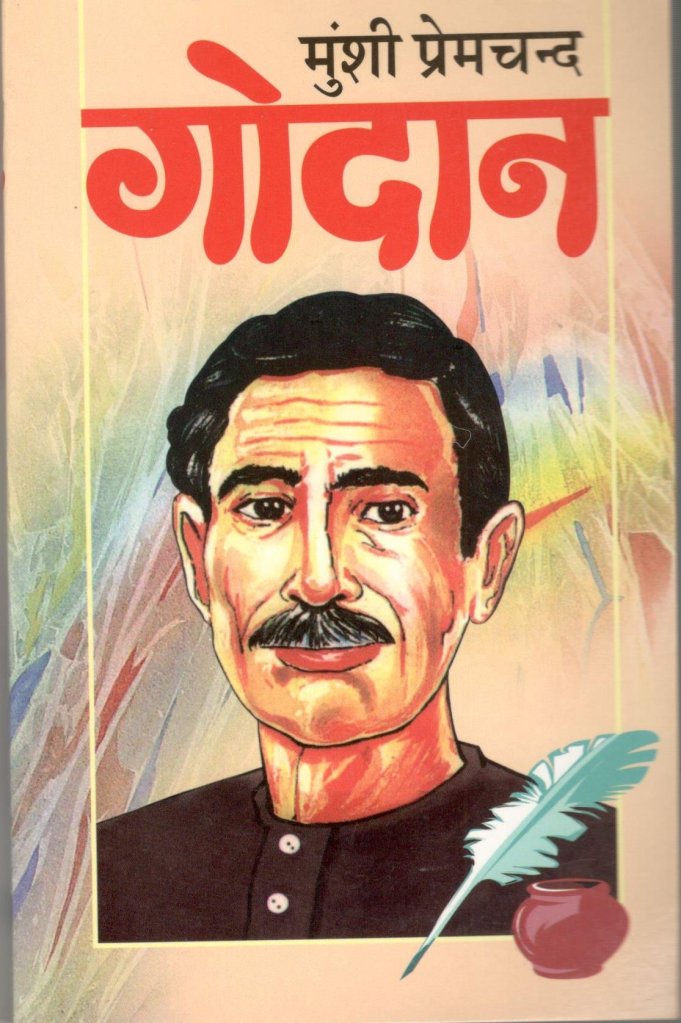




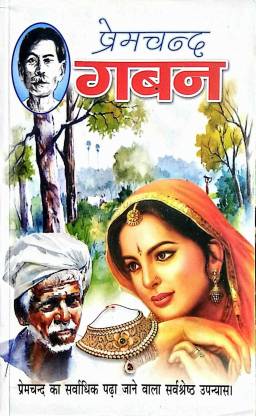

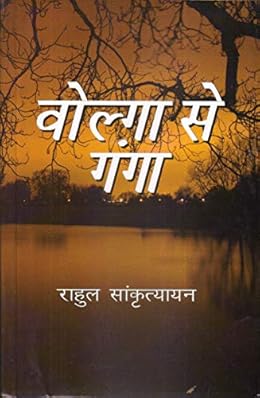

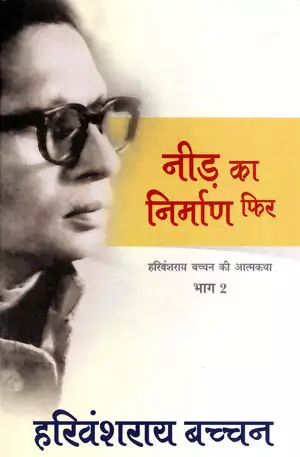

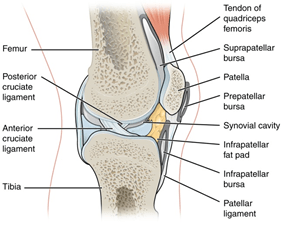




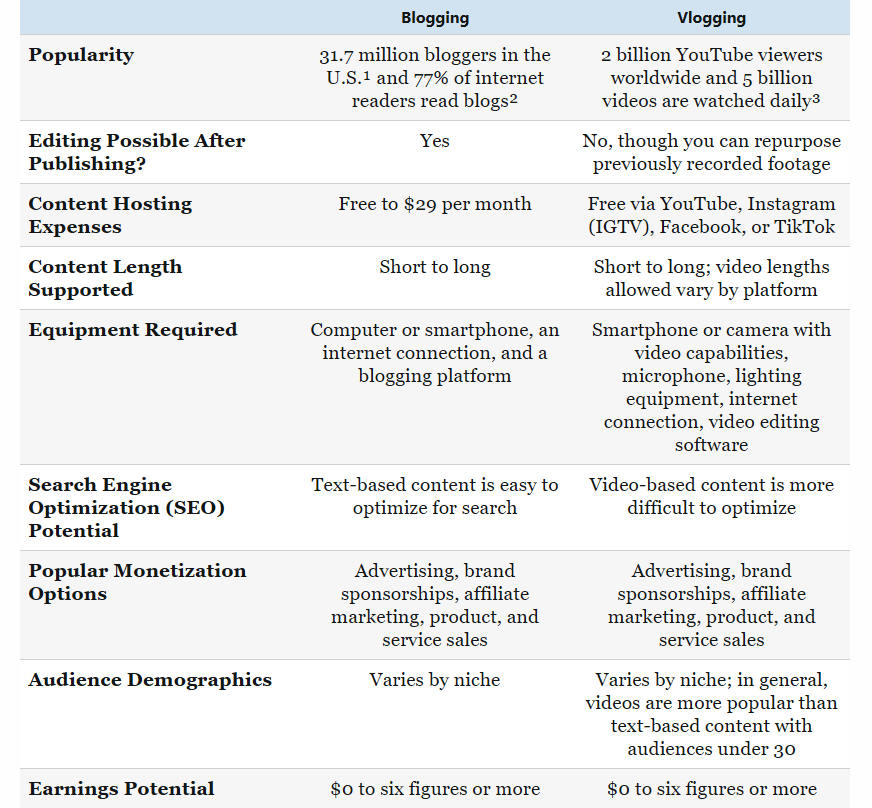




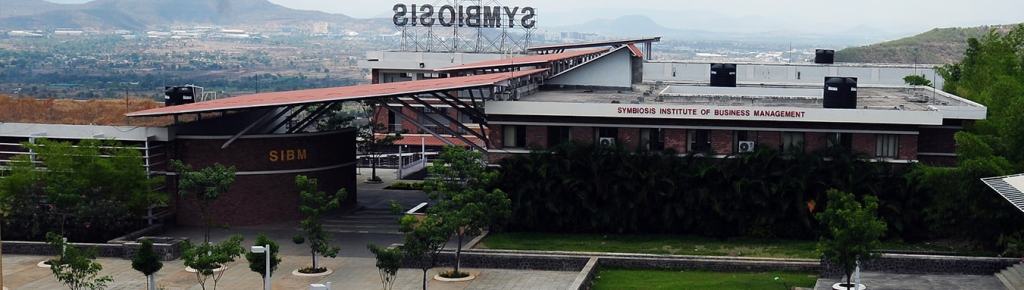










 ->light energy
 -> mechanical energy

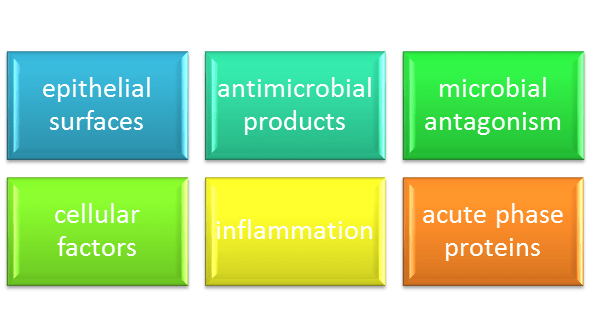




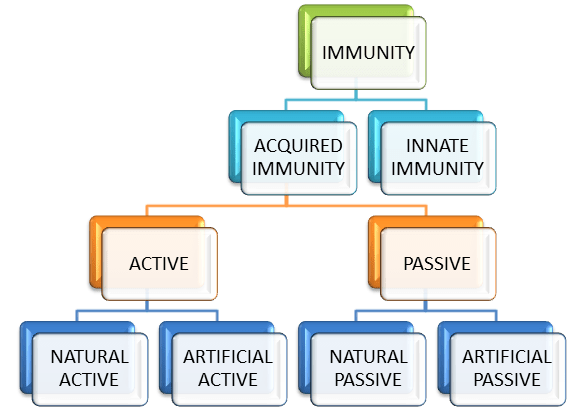


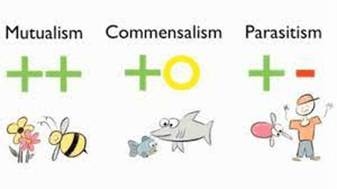





















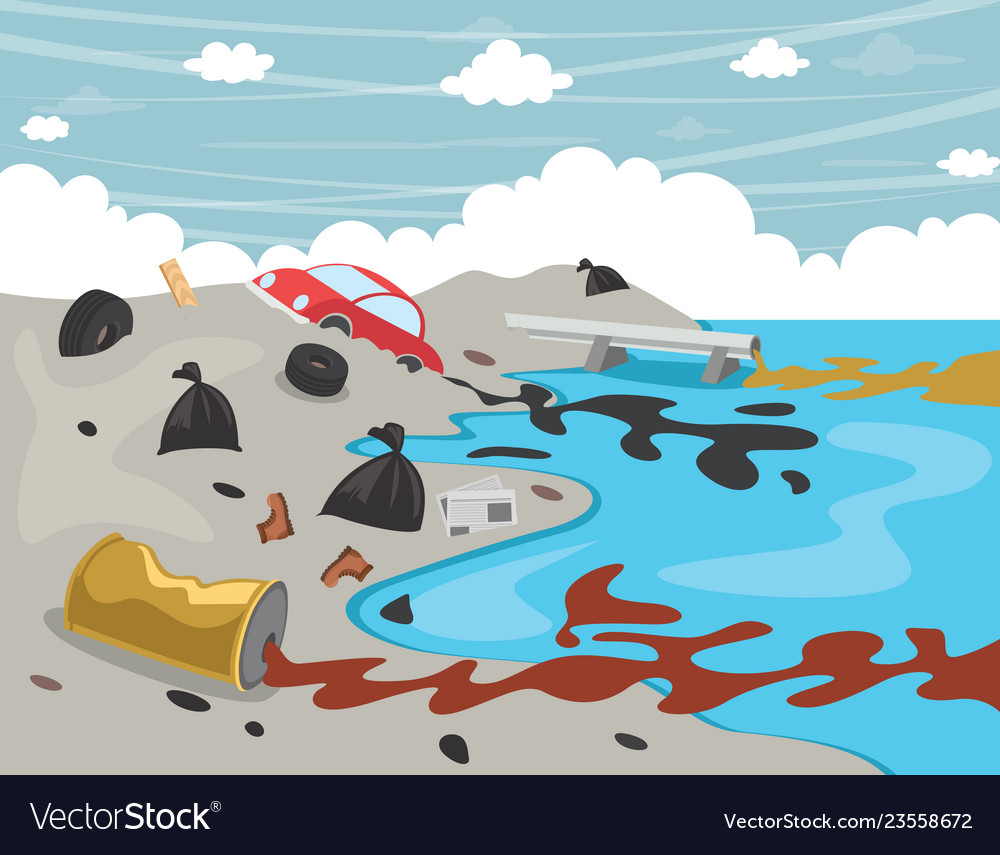








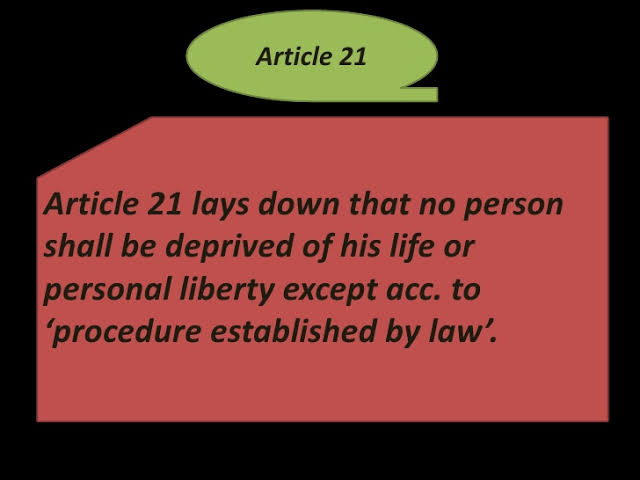



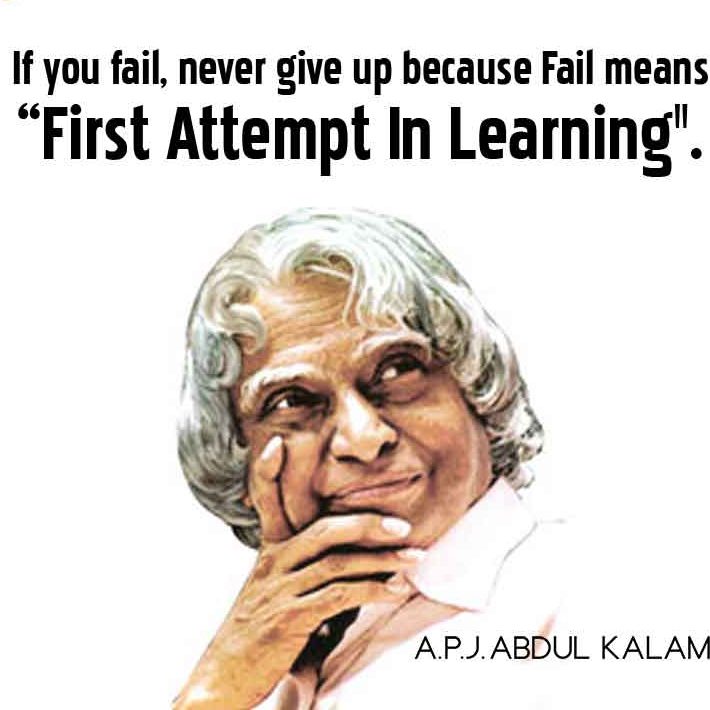


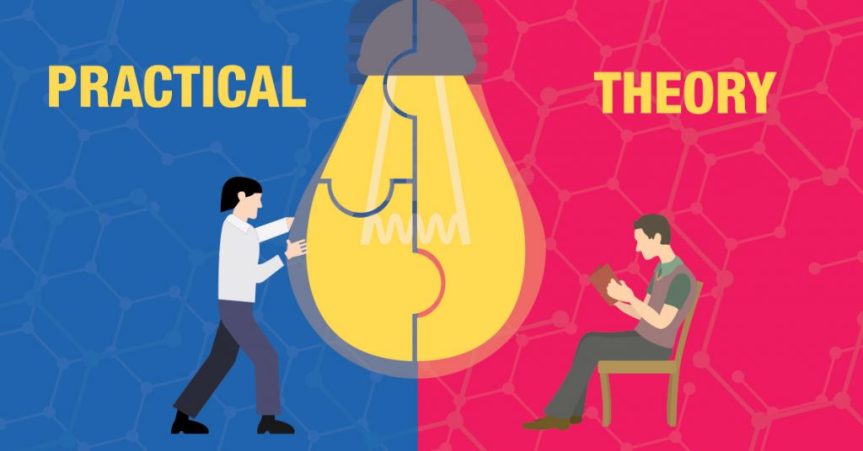



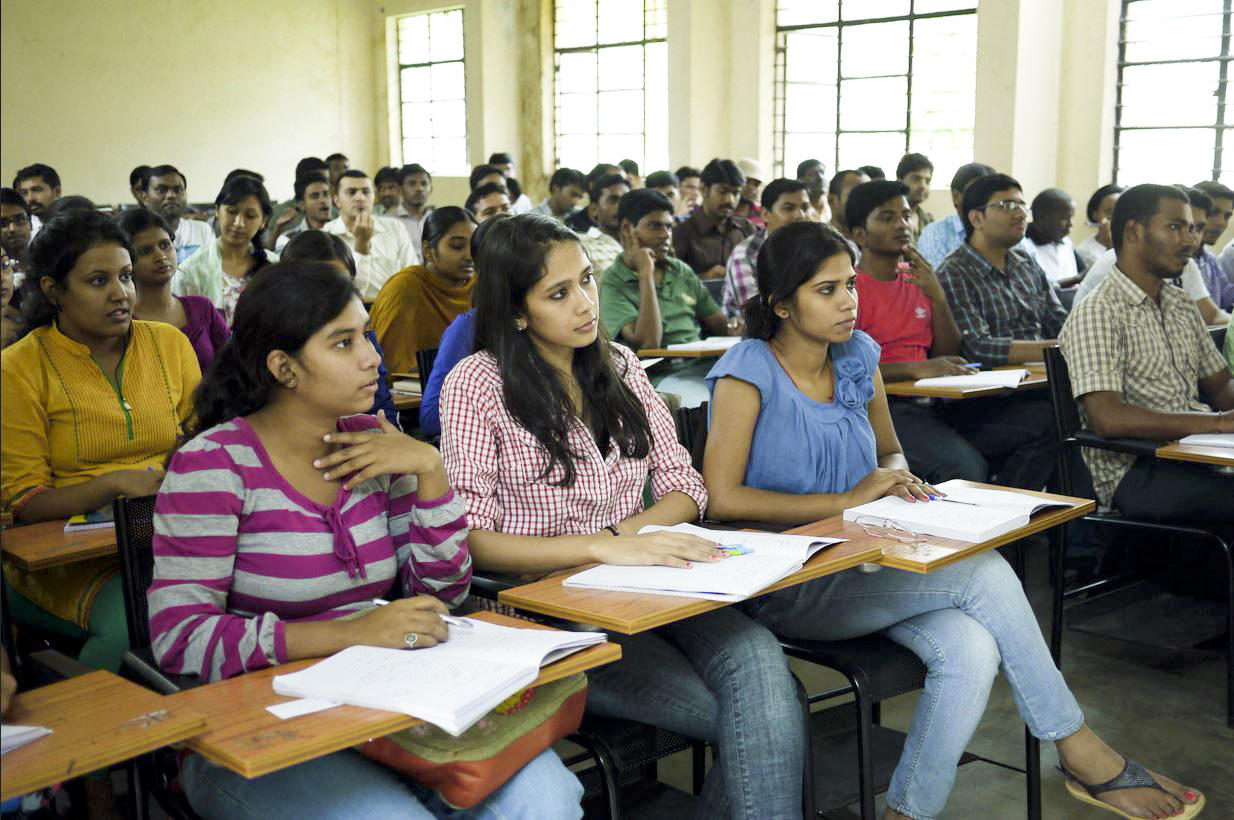



 em will go online. No one was prepared for this change completely but now it is the only option left for the people to choose.







 Track2Training
You must be logged in to post a comment.