Eating Disorders

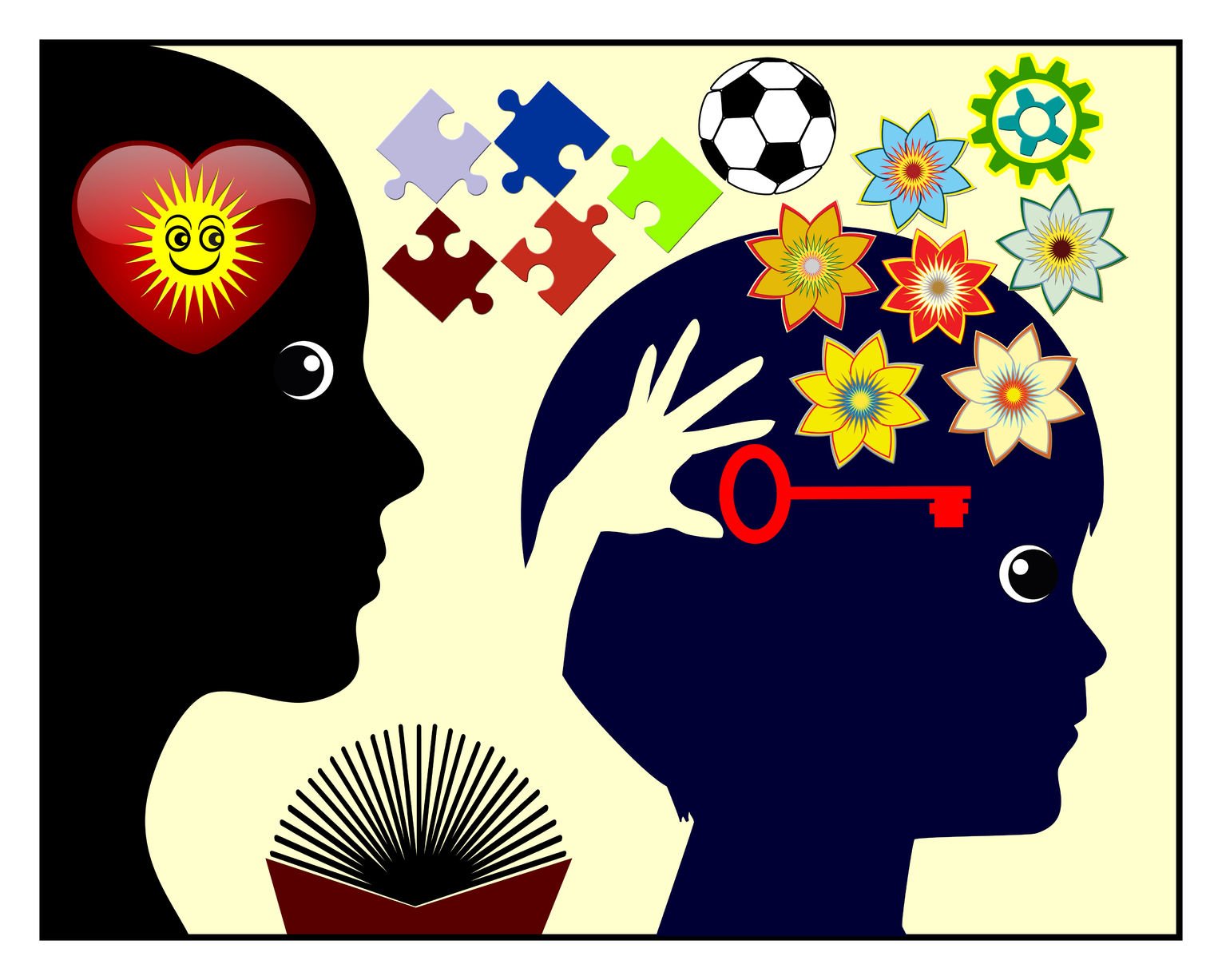
Eating disorder are severe mental illness, not lifestyle choices.

DEmi lovato
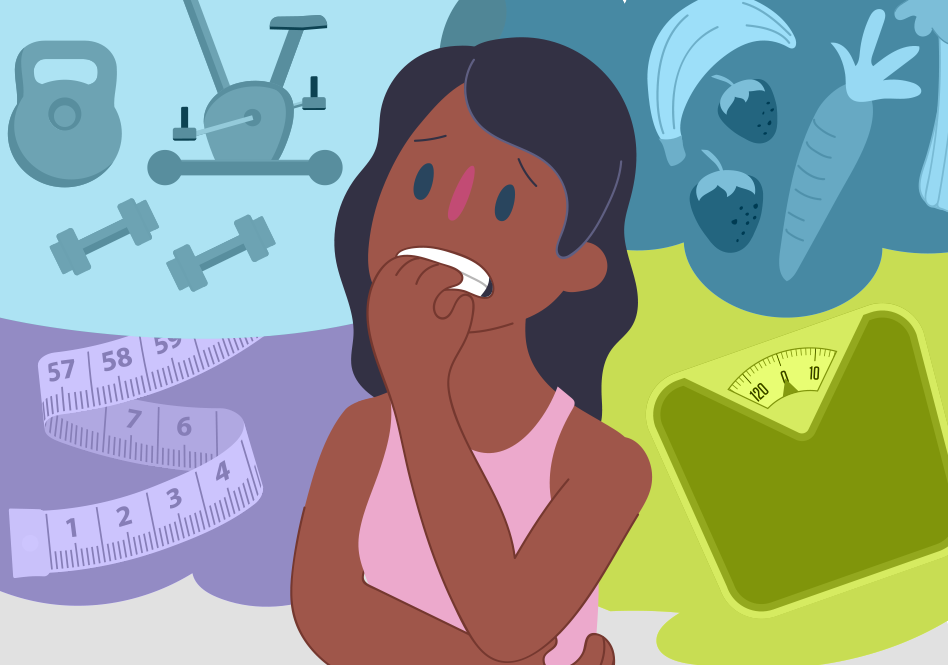
See the source image

Introduction

Eating disorder is a product of mental turbulence that manifests itself in the eating habits of people, affecting them negatively. It is a serious condition that can have a lasting impact in various spheres of a person’s life. Eating disorders usually sprout from body insecurities and an untameable urge to lose weight quickly.

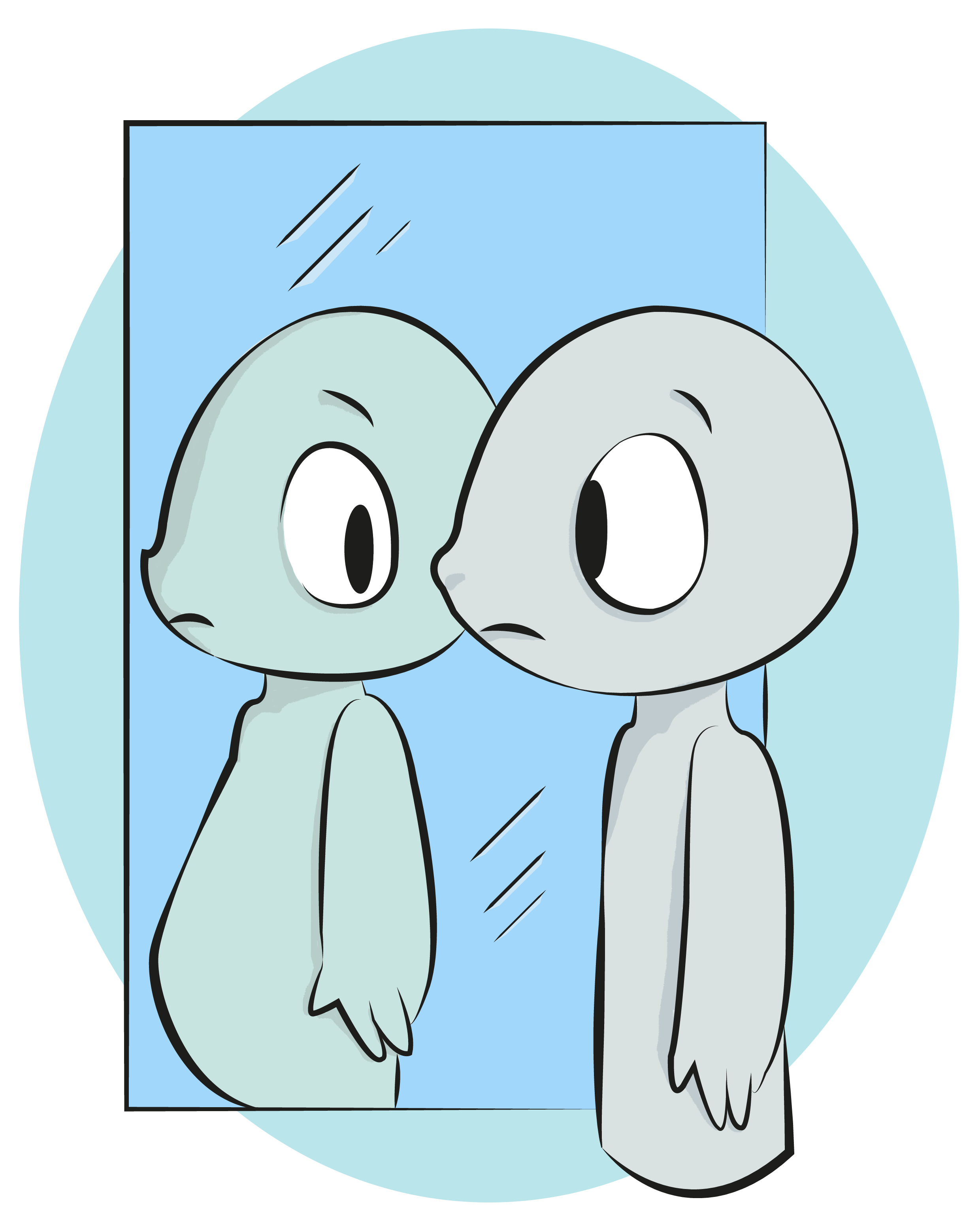
According to Mayo Clinic, Most eating disorders involve focusing too much on your weight, body shape and food, leading to dangerous eating behaviours. These behaviours can significantly impact your body’s ability to get appropriate nutrition. Eating disorders can harm the heart, digestive system, bones, and teeth and mouth, and lead to other diseases.
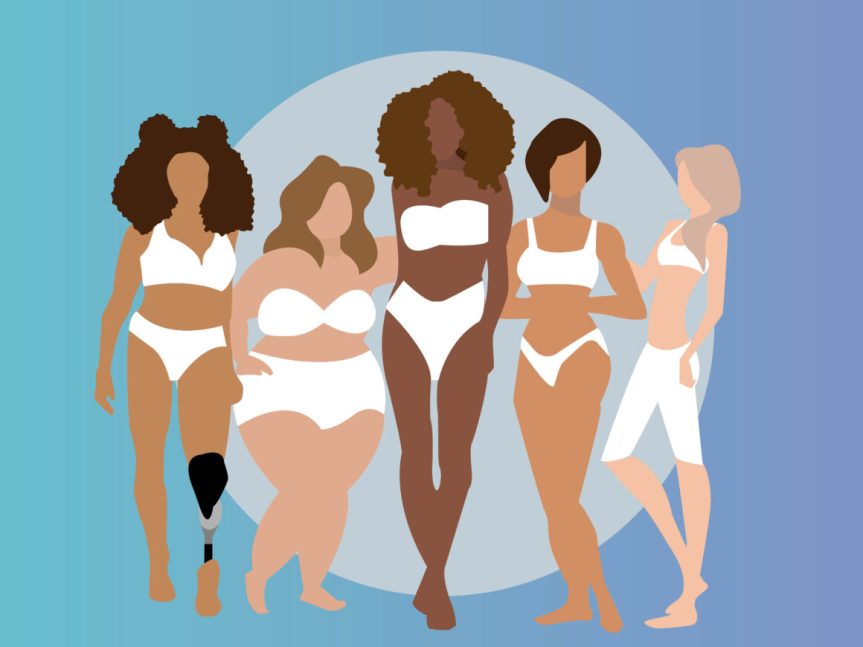
See the source image

Although these disorders can take root at any age teenagers and adolescents might be more prone to such disorders.

Eating disorders can impact the body in a detrimental manner. Eating disorders, often obviously lead to lack of nutrition that becomes the underlying cause of a number of diseases, that eventually end up affecting all the functioning systems of the body.

Symptoms

Image result for eating disorder symptoms cartoon
  1. Drastic weight change
  2. Obsessive preoccupation with food
  3. Excessive exercise
  4. Binge eating or purging
  5. Vomiting
  6. Avoiding meals
  7. Binge eating
  8. Fear of fat
  9. Tooth decay
  10. Swollen glands, dry calluses on fingers
  11. Dry, yellowish skin
  12. Thinning bones
  13. Feeling tired
  14. Mild anaemia
  15. Depression
  16. Constipation
  17. Irregular menstrual cycles
  18. Low blood pressure
  19. Growth of hair on body
  20. Excessive mood swings
  21. Using laxatives etc

Types of Eating Disorders

Eating disorders are not just limited to less eating or not eating at all, several other type of disorders include binge eating as well. Listed below are three of the most common eating disorders.

Anorexia Nervosa:
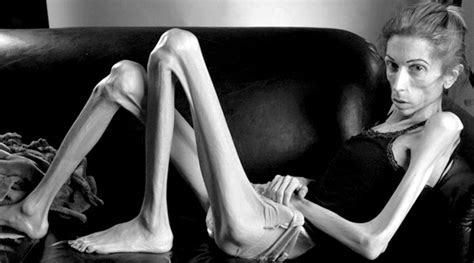
One of the most commonly known disorder, anorexia is often characterised by low weight and a distorted body image. According to statistics;

  • Anorexia is the 3rd most common chronic illness among adolescents
  • 95% of those who have eating disorders are between the ages of 12 and 25
  • 50% of girls between the ages of 11 and 13 see themselves as overweight
  • 80% of 13-year-olds have attempted to lose weight

Patients with this disorder, often underweight limit their food intake to a dangerous extent. It involves a characteristic fear of eating, unhealthy desire for weight loss and often includes excessive exercise.

People with this disorder are severely malnourished and often never satisfied with their weight loss aiming for a ‘perfect’ size zero.

Bulimia Nervosa:

See the source image

This eating disorder is characterised by eating in large amounts (binge eating) and then purging or forcing vomit to rid of the excess calories and guilt of food. It is a potentially life threatening disorder.

To get rid of calories and prevent weight gain, people with bulimia may use different methods. For example, you may regularly self-induce vomiting or misuse laxatives, weight-loss supplements, diuretics or enemas after bingeing. Or you may use other ways to rid yourself of calories and prevent weight gain, such as fasting, strict dieting or excessive exercise.

Binge-eating Disorder:

Image result for binge eating disorder cartoon

Patients with this disorder eat unusually large amounts of food almost everyday compulsively. Patients may be embarrassed of their eating regimen and may decide to work on some change but the urge to eat overpowers all.

This binging is different from festive binging or one in a blue moon movie night binge eating.

People with this disorder may be obese or overweight.

Citation(s): https://www.mayoclinic.org/

Why India can’t have an Official Language

Our Home Minister Amit Shah mentioned about promoting one nation, one language in one of his tweets in 2019. He also added that it should not be done at the cost of other languages. Some of us might know that 14th September is celebrated as Hindi Diwas in our country. So why can’t we have Hindi as an official language?

Critics

After Amit Shah statement, critics said that if Hindi becomes the official language, then other languages like malayalam, tamil, telugu and more, will lost their importance. South Congress leader Jairam Ramesh also said “this one nation, one language will never be a reality” because it will never be easy to have a common language in India.

Also in the New Education Policy (NEP) draft in the year 2019, Hindi was asked to make mandatory in every state. This was also criticized by the South Indian governments and they refused to dilute the state’s two language formula. This resulted in changing the draft and not to have Hindi as an official language.

Steps taken

India is a big nation, so there should be a language that will represent India on world stage. Talking about Hindi, it is spoken in India, Fiji, Suriname, Mauritius, Trinidad, Tabogo and Guyana. So India is working actively to have Hindi recognised as an official language of the UN.

Advantage of having an official language

A Chinese research concluded that

  1. When we have an official language, it can even help to eliminating poverty. As China have experience in fight poverty so we can also learn the power of having an official language.
  2. China also mentioned that an official language also helps in having communicate without any language barrier.
  3. Official language also help to built unity among the citizens
  4. Also helps when people migrate from one city to another, as they can communicate in the same language.

Disadvantage of having an official language

According to the 2001 Census, 41% of India population are native speaker of Hindi dialect. But what about 59% of the population who are non – Hindi speakers? Politician Shashi Tharur said

India should not even try to add Hindi to the list of official language of UN because what if in future our PM is from South part of India and does not speak Hindi, then how will he give speech in Hindi on behalf of India.

But apart from all these we still agree that there should be an official language for a country to function.

As per as official language is concerned,

  1. English is also been promoted in India. Promoting English can result in heavy school fees, as we’ll have to teach the whole population to speak English.
  2. Enough English teacher will also be required and if not then it won’t be successfully become the official language.
  3. This will also result in neglecting the weaker section of the society who won’t be able to speak English and their career opportunity will get affected.

Eventually we need to figure out to take a right decision about official language and keeping in mind of the consequences that could possibly be in long terms situations.

Dreams : Types & Facts

Dreams are stories and images that our minds create while we sleep. They can be entertaining, fun, romantic, disturbing, frightening, and sometimes bizarre.

Although it is hard to define what a dream is, for the purpose of this article, we will define dreams as our thoughts during sleep that we recall when we wake up. So, sleeping dreams are not the same as “daydreaming.” Dreams are mostly visual (made up of scenes and faces; sound, taste, and smell are rare in dreams). Dreams can range from truly strange to rather boring, snapshots from a recent event.

Facts on Dreams

  • We may not remember dreaming, but everyone is thought to dream between 3 and 6 times per night.
  • Dreams improve creativity and problem solving.
  • It is thought that each dream lasts between 5 to 20 minutes.
  • Dreams regulate our moods and emotions.
  • Around 95 percent of dreams are forgotten by the time a person gets out of bed.
  • Dreaming can help you learn and develop long-term memories.
  • Blind people dream more with other sensory components compared with sighted people.
  • Dreams support memories.

Types of Dreams

There are 5 main types of dreams : 

1. Normal Dreams

Common dreams about people and experiences that we can sometimes forget.

2. Day Dreams

When we escape from reality and visualise the past, present & future throughout the day.

3. Lucid Dreams

Being completely aware and in control of dream the dream you are having while you sleep.

4. False Awakening Dreams

A vivid type of dream that feels like you have woken up but you are actually still asleep.

5. Nightmares

The least favourite type of dream. Nightmares are disturbing and scary dreams that can feel realistic.

Whether you remember your dreams or not, most people dream every night during REM sleep. REM stands for rapid eye movements, which happen during this stage of sleep. During REM sleep, muscle and brain activity also differ from other sleep stages. Characteristics of dreams tend to be different for each of these sleep stages.

Conclusion

There are different ways scientists measure dreams from asking questions to using MRI. These studies show us that activity in the brain while we sleep gives us the interesting dreams we recall when we wake up. These dreams help us remember things, be more creative, and process our emotions.

We know most kids do not get enough sleep. Some diseases (like Alzheimer’s disease) also make people sleep less, while others (like REM sleep behaviour disorder and mood disorders) affect dreams directly. It is important to study sleep and dreams to understand what happens when we do not get enough sleep and how we can treat people with these diseases.

The best solace food varieties you can eat, as indicated by specialists

There’s nothing more alleviating than your #1 solace allowing suppers when you feel somewhat low or simply sick. As the name proposes, solace food sources are intended to offer you that solace and warmth and you can simply go to them when you feel blue! For a few, it can likewise offer a little nostalgic benefit and cause you to feel at ease. Notwithstanding, as ameliorating as it appears, we as a whole realize that they aren’t actually the best contribution there. Be it a pack of chips, rice luxuries, desserts, moment noodles, a sandwich or pizzas, considered a mainstream decision around the world, solace food sources can be of any sort yet tragically, weighed down with a great deal of carbs, fat and sugar content, which isn’t actually a solid decision to be had.

Why are solace food varieties terrible?

Solace food sources are frequently connected with a nostalgic, alleviating esteem which regularly leaves us genuinely satisfied (otherwise known as, feeling full) whenever we are finished having them. Studies propose that solace food varieties really work to hoist mind-set levels by animating the cerebrum’s prize and joy focuses and can feel like a habit. Notwithstanding, as fulfilling and soothing as the food sources may feel in the midst of emergency, most solace food varieties are healthfully not unreasonably thick, and all things being equal, loaded up with calories. The issue deteriorates, in the event that you wind up having a lot of your solace food sources, and burden up on the abundance carbs and fats, or the undesirable additives in them, and end up in an awful pressure pigging out cycle.

Having said that, not all solace food is really downright terrible. While they do get a feeling of sentimentality and help you in general, for certain augmentations and careful trades, you can have your solace food varieties without an ounce of blame or stressing over exaggerating your calories! Here’s introducing the absolute most nutritious solace dinners to make you glad and sound simultaneously:

Cereal arrangements: Oatmeal is a morning meal staple for some, a confided in weight reduction helper, and, in the event that you ask us, an embrace in-a-bowl sort of planning! Not exclusively would oatmeal be able to be ready in an assortment of ways, it is wealthy in acceptable carbs, fiber and cell reinforcements which don’t digress you away from nourishment esteems. Oats are likewise bounty plentiful in B-Vitamins, which advance cerebrum wellbeing. Finish it off with nectar, nuts and seeds, foods grown from the ground have a feeding dinner worth partaking in any time.

Vegetable sandwiches and pasta: Pasta and sandwiches are appreciated by many are considered the go-to supper when abrupt food cravings and yearnings strike. While adding sauces and a lot of cheddar can positively make your supper a bit unfortunate, make a point to include a ton of brilliant veggies and a few flavors into your sandwiches, pastas to stack up on the wellbeing remainder! Cheddar as well, whenever added cautiously can be beneficial for you! Thus, ensure you make this careful trade to make your solace rich feast significantly more solid.

Heated potatoes: Potatoes are a favoured vegetable cherished by all. Nonetheless, it’s additionally something that is calorie-thick, and may not be really beneficial to be had in its singed, fresh structure that we like. Choosing heated potato dishes, finishing off with more veggies can be one trade that can cause you to have your potato, and eat it righteous!

Khichdi: When we discuss solace food varieties, how might we disregard our own special khichdi? The blended rice and lentil readiness is quite sustaining and thought about a mending feast in many pieces of the country. While certain increases to the dish (like the utilization of asafoetida, ghee or the humble tadka) make the dinner very nutritious, on the off chance that you truly depend on khichdi as your solace food, ensure you use protein-pressed lentils, (for example, moong daal), throw in veggies (any you like) and make it a satisfying supper without help from anyone else!

Curd rice: Just like khichdi, curd rice is an adored delicacy in many pieces of India. Indeed, it’s really a very solid planning. Specialists have since quite a while ago focused on that curd rice is gut-accommodating food since it can re-establish the microbial equilibrium in the body, help absorption. Curd, in the meantime, is a decent wellspring of dairy-rich calcium, which reinforces your bones and has heaps of cancer prevention agents.

Foxnuts and margarine less popcorn: Popcorn (made without spread) and foxnuts, otherwise called makhanas can likewise make for sound tidbits and solace food alternatives. While popcorn portions are supposed to be wealthy in cancer prevention agents and heart-solid polyphenols, wealthy in satiety and useful for assimilation, makhanas, as well, can be made contrastingly and gloat of a great deal of promising medical advantages from being wealthy in calcium, great carbs, iron, magnesium and phosphorus.

Yogurt finished off with organic products: The best (and the best) substitution to frozen yogurts are low-fat yogurt-based treats and yogurt bowls. While yogurt is an incredibly decent wellspring of good gut microbes, calcium, benefits weight reduction and insusceptibility, adding bright nuts and seeds to your yogurt planning serve in extra cancer prevention agents, nutrients and minerals and is beneficial to be had routinely.

Banned cartoons and their reasons

You may have came across the word “ban” Or “censored’ used in movies, but do you know these terms are also used for some cartoons in some countries which are liked by other countries. Let’s have a look at some popular cartoons which are banned in some countries and their reasons.

1. SpongeBob SquarePants

This is the longest running Nickelodeon show ever. It got banned because of violence and foul language which are used in this show. Countries like Russia, America and 120 others have banned this show from watching.

2. The Simpsons

This is America’s most popular cartoon show till now. This show had scenes where public figures like Donald Trump, were insulted. This show also promoted disorderly behavior which were totally misleading for kids. After sometime, the show is now available to watch, but there has been argument going on this show as countries like US have censored this cartoon show.

3. Mickey Mouse

This is world’s first cartoon show which had voice, and the first word that Mickey Mouse said was “Hot Dogs”. This cartoon show got banned in 1930s in the Romanian region because Romania government stated that big Mouse in this cartoon will scare the kids rather than making them laugh.

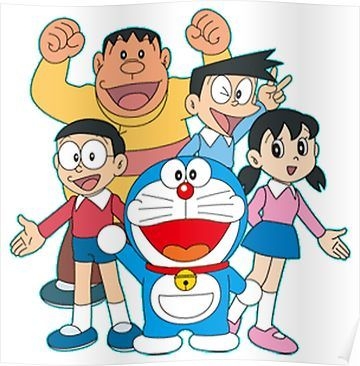
4. Doremon

This is a Japanese cartoon show which is ban in more than 50 countries because of the character Nobita. The Nobita character is a lazy character who always depends upon the character Doremon for helping gadgets. An argument concluded that the Nobita character was promoting laziness, procrastinating, etc, which resulted in banning.

Cartoon shows should be developed keeping kids as their main audience. It should have the simplicity and cleanness that attract audience and also focusing on the impact and effect that it’ll leave mainly on audience. That’s why shows that promotes foul language can always make a big effect on kids. This makes banning a healthy and better option.

MUSIC : THE WONDER OF THE BEATS

Woman Wearing Black Sleeveless Dress Holding White Headphone at Daytime

In the world that we live in today, we are always surrounded by music everywhere. From slow to fast, calm to upbeat, from rock to hip-hop to metal and country, people all over the world appreciate the music in all its different forms, style and distinctiveness. Music connects people all over the world, whatever language or genre that it may have. It carries a universal message of love and togetherness that unites people from different parts of the globe, as they find a common hobby to bond over amidst all the differences and diversity they may have among themselves. We do not overexaggerate when people claim that “Music has saved them”. It is like a boat in the middle of the storm of life that helps them sail through the difficult time with ease and offers them a place to relax and unwind, allowing them time to reflect and introspect to understand themselves a little better. Music is a remedy for all of us and it accepts us with open arms wherever we go.

Some of the ways in which music is beneficial are mentioned below. They are as follows:-

#1 IT HELPS YOU CALM DOWN

Amidst the race and chaos we call life, we may not always get the time to relax and take out time for ourselves. In such situations, music can be our savior. A number of studies have suggested that listening to slow music for a minimum of 15 minutes a day can really help us ease down a bit, allowing our bodies to relax and live in the moment.

So, whenever you feel stressed, make sure to put your favorite tunes on and just relax!

#2 MUSIC MAY HELP YOU IMPROVE YOUR PERFORMANCE WHILE EXERCISING

Often, people prefer listening to upbeat and groovy music while trying to get in a workout. This is highly beneficial as it can truly help us stay motivated to give our best while doing exercise and may help us improve our daily performance. Many researches have shown that listening to happy and motivational music may help us get motivated to run even faster while running as well as help build our strength and stamina.

#3 MUSIC CAN HELP ELEVATE YOUR MOOD

Scientific studies have shown that music can actually help release dopamine, a feel good hormone, in our body and improve our mood a lot. Henceforth, listening to music about 30 minutes a day can make us significantly happier and elevate our mood!

#4 MUSIC IS GOOD FOR YOUR HEART

A number of scholars and professionals have stated that while music does make US happy, it also makes our heart happy too. This evident through the fact that listening to music helps the blood in our body to flow more easily and efficiently, while at the same time, it lowers our blood pressure as well. Not only this, listening to music can also help in lowering the cortisol levels in our body as well as increase the production of serotonin in our lood stream, making us less stressed and happier.

So, listen to music everyday while enjoying the journey of life!

Organ Donation: Myths and facts

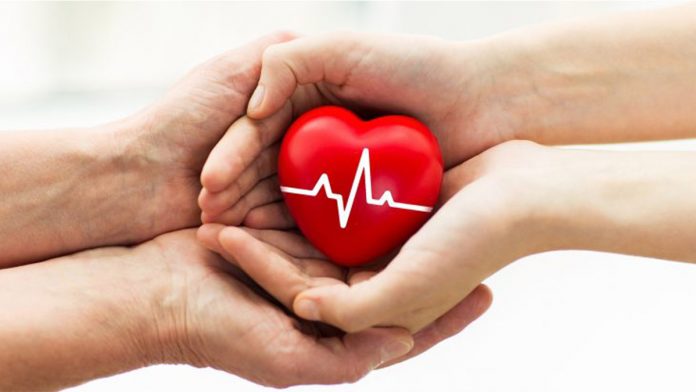
Every years, many thousands receives the gift of life, a life saving transplant of Heart, Kidney, Liver, Lungs, Pancreas and Interesting. And thousands more people receive Corneas and other tissues that restore sight and health. Organ transplantation is one of the medicals advances of our time.

How does it work?

It all starts when someone’s organ begins to fail and that person will need a transplant to survive. The steps are as folllow:-

  1. A through evaluation is conducted at a transplant centre and the person is a good candidate for transplant, he or she will be put into the National Transplant Waiting List.
  2. Once a person is on the waiting list, the wait for organ begins.
  3. A national system matches people on the waiting list with donors. That factors matching donors to recipient includes
    • Blood type
    • Body size
    • How sick the patient is
    • Distance from donor
    • Tissue type
    • Time on list

What isn’t taken into account, organs are never matched based on

  • Race
  • Gender
  • Income
  • Celebrity
  • Social status

There is no telling how long the wait will take. Infact, some people don’t receive an organ in time, because the Waiting List is really long and there aren’t enough donors available. That’s why an average of 20 people on the Waiting List died each day. Imagine how many could we save if we all were donors.

Becoming a donors

Most of organs transplant comes a deceived donors. For example, a person comes to the hospital with a life threatening brain injury, such as from an accident, stroke, our lack of oxygen. The doctors work hard to save them patients life but sometimes nothing can be done. There’s a complete, irreversible loss of brain function. The patient is clinically and legally dead.

Thats when being a donor can turn a time of loss into a time of hope. Because machines have blood containing and oxygen flowing into the organs, they can be passed along. One person can give life to as many as eight people through organ donation, and enhance the lives of fifty people or more with eye and tissue donation. But now minutes matter, matches must be found and transplants must happen quickly.

Organ Procurement organization

The hospital contracts an Organ Procurement Organization (OPO), it manages the recovery process. The OPO checks the state of organ donor registry, if the person is already registered as a donor they inform the family, if not they’ll ask the family to authorise donation.

A medical examination is taken place. They check the medical and social history and the person is eligible to be an organ donor, the computer begins to search on the National Waiting List for well matched patients The best matched patients are contracted by the transplant team. This is the call that every person on the Waiting List was waiting for.

The Transplant

A surgical team recovers the organs, then Corneas and other tissues. The organs are sent to the transplant hospital where patients and transplant teams are waiting and the life saving transplant takes place. It will take health living and medication to keep the organ working well in its new home.

You too could make the decision today, sign up on your state registry as an organ, eye and tissues donor, any age is the right age, Young or old, any day is the right day to sign up as a donor. You can register through your drivers license or you can register online. Remember to tell your family so that they can support your wishes. More than 1r5 million people have already registered, and we all need to save kore lives. So let’s share the gift of life.

Why do Insectivorous plants exist?

If you find insectivorous plants strange and fascinating then this blog is for you.

What are insectivorous plants?

Insectivorous plants are those plants that derive some nutrients by trapping and consuming animals, mainly insects.

Categories of being insectivorous

There are essential two things that a plant has to do to be considered insectivorous:-

  1. Ability to take nutrients from dead prey:- a plant should have the ability to trap the prey and absorb nutrients from it. Those prey is usually insects or small vertebrates like, salamanders. It is not enough for the plant just to have defenses that can kill an animal that’s trying to snack on it. It also has to get it’s animal’s nutrients.
  2. At least have one adaption:- the plant need to have one adaption that actively lures in, catches, or digests it’s prey.

Doing at least one of these things and absorbing the nutrients for it’s benefit make it a insectivorous plant.

Plant traps

Over millions of years and across hundreds of species, plants have developed five different types of traps, most of them are from different times. And traps can be passive, if prey just fall into them and can’t escape, or active, if plant actually moves to catch its prey.

  1. Pitcher plant:- pitfall traps are the standard and passive trap used by plants like pitcher plants. Prey lands on the plants slippery surface and slides down into a pool of digestive juices.
  2. Sundews:- these are flypaper traps in which the prey become stuck in a sticky substance that is produced by the plant leaves. These traps can be passive as well as active. Sundews have sticky moving tentacles that react to contract with prey.
  3. Venus fly trap:- these are snap traps which are active, using rapid modified leave
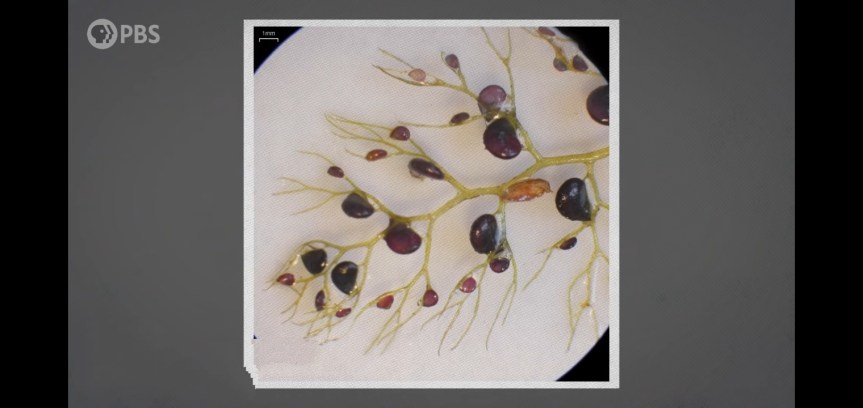
  4. Bladderworts: they have bladder-suction. This creates little negative pressure vacuum inside their traps, which, when triggered by prey, pop open and suck the victim inside before snapping close.
  5. Lobster-pot trap:- they passive traps that force prey to move towards the plant’s digestive organ by having little inward pointing hairs that keep prey from moving backward out of the trap.
Venus fly trap
Lobster-pot trap
Bladderworts
Sundew
Pitcher plant

All of these unrelated plants have not only developed the same kinds of traps but it looks like they have also developed that same molecular mechanism for digesting their prey.

Reason of existence

It goes back to idea of convergent evolution. All these different insectivorous plants are responding to similar environmental pressure:-

  1. Found in open sunny places that have moist but nutrients – poor – acidic soil. Many of them live in bogs and fens.
  2. In these kind of habitat where nitrogen and phosphorus is not present in the soil, the plant tend to developed two kinds of leaves one for normal photosynthesis and one that are modified onto their particular type of trap.
  3. This results them to invest more in modified leaves than normal photosynthesis leaves as they have to live in a place with enough sunlight as well as to trap preys

Insectivorous plants can stop paying carnivorous temporally once they’re put in nutrients rich soil and if they don’t get enough sunlight and water.

Insectivorous plants are pretty rare and they are only found in certain kinds of habitats, they are just less likely to fossilize than other kinds of plants that are more widespread.

Lifestyle mistakes that are damaging our health

Living in a world where we are continuously striving to achieve materialistic things. Working late at night, eating junk food, binge-watching, and being lazy are only deteriorating your healthy lifestyle. You won’t notice this in the early stage but sooner or later symptoms will start showing up and then it will be too late.

As the saying goes “A healthy mind lives in a healthy body”. Researchers from the University of Gothenburg in Sweden have revealed that regular exercise boosts the brainpower of young adults. It improves blood flow to the brain that could help build new brain cells.

Here are some mistakes that one should be avoiding for living a healthy lifestyle –

  • Unhealthy Eating Habits

In this new era of fast food, people are ordering junk food like pizza and burgers. From a convenience point of view, it is okay although it isn’t a healthy option. Consuming high calories foods but lacking essential healthy nutrients causes severe digestive problems in the long run. It leads to unhealthy weight gain and an increased risk of many chronic diseases.

  • Drinking less water

For proper functioning of the body, you have to keep your body dehydrated. Drinking 3-4 liters a day will keep much illness away and gives you clear and healthy skin. 

  • Stressful life

Nowadays people feel overwhelmed because of the pressure that they face. There are many reasons for stressful life such as trying to do too much, not prioritizing your needs, and constantly being connected (social media). So to improve your lifestyle, unplug from being constantly connected, prioritize your needs and eat healthily and work out regularly.

  • Not making to-do list

Make your to-do list before going to bed. This will help you to manage your day without wasting your morning time figuring out what to do. Sometimes you take much time and you end up doing nothing. 

  • Being lazy

Laziness is one of the biggest modern-day problems. Not only will it affect your physical health, but it will also have a great impact on your mental health. Laziness in itself has enough potential to weaken your cognitive abilities and discourage you from eating and drinking healthy.

  • Avoiding deep and meaningful conversations

Human experience is about connecting with other people. Connection is what provides value and meaning to our lives. For example, people with strong social ties were found to be healthier and have a lower risk of death. Additionally, it was found that as age increases, the people with stronger social ties tend to live longer. And it seems that friendships can even help you find cancer.

  • Spending all day indoors

Explore the world around you whether that means traveling to faraway lands or hiking. This will freshen your mind and provides a wide range of mental and physical benefits.

  • Binge-watching for long hours

It’s good to binge watch for entertainment but it also has its side effects. It may increase anxiety, depression, and loneliness. Binge-watching for long hours may lead to insomnia and will make you less physically active.   

Sleepwalking

Did you ever Sleep walked? Here’s what I came to know that every 1 out of 3 kids aged between 4 to 8, sleep walk. And that’s a lot by the way.

Sleep walking formally known as Somnambulish is a strange phenomena where people get up and do things in their sleep, sometimes more than just walking and when they wake up they don’t have any recollection of what they were doing. Moreover, if they find way back to their bed they may not ever know that they were sleep walking.

Sleep walking is nothing about embarrassed about though or terrified for that matter, it’s relatively common. In a recent study Stanford found that 1 out of 3 people sleep walk at some point of their lives. It is specially common among children, between the age of 4 and 8. So what happened when we sleep walk.

Reasons

A leading theory about why we sleep walk is:-

  • In normal sleep cycle, your brains motor system continues to issue physical commands to the body.
  • Whereas those who sleep walks are suppressed by sleep chemical called GABA.
  • GABA access act as a break in your brain, it brings your mind and body down to rest by neutralizing Glutamate a chemical that causes excitement.
  • In sleep walkers there’s a glitch in the process that suppresses your boby from moving around namely that you don’t produce GABA.

So that’s why you are moving around when you’re still asleep. There are few causes of GABA deficient in the body:-

  1. Genetic sleepwalking :- when sleepwalking runs in the family
  2. Underdeveloped system:- when the boby simply hasn’t matured enough to produce the proper amount. That’s why it is more common amongst kids.
  3. Depression:- Those who suffer from depression are three times as likely to sleep walk.

Myths

You would have probably heard about the myth that you shouldn’t wake a sleepwalker because they’re going through a psychotic rage that could even kill you. But these are myths, if you see anyone sleepwalking, you are asked to wake them up gently, especially if they are in the kitchen or holding a knife.

Recently there was a story about a lady who drove 190 miles in her sleep without hurting or killing herself or anyone. She should be definitely called lucky.

Health and fitness

Health is an important aspect in anyone’s life. Fitness is a proof for a healthy person. By achieving a healthy body, we can achieve a healthy mind. Small habit changes in our day-day life will change our life completely in a healthier way. Food is the first thing to take into considering when we talk about health. There are lots of aspects to having a healthy life. I will share with you the small steps that you need to take to start your healthy journey.

Proper diet

The first thing that comes to our mind when we think about being healthy is being on a proper diet. It is not just about what we eat, it is also about when we eat. Healthy food aside, having your food at the right time every day will cut off lots of health issues. Many of us skip breakfast and eat straight at lunch time. You haven’t had anything for the past 12 hours so your stomach is literally empty with stomach acid in it. There are many risk factors when high stomach acid is secreted. The main function of this acid is to digest the food that you intake so better give it some food in the morning otherwise it will cause some serious health issues.

Keep specific timings for your breakfast, lunch and dinner. If you take food at proper timings, it will solve many health issues. Breakfasts should be taken around 7 to 9 AM. Lunch should be taken around 12 to 2 PM. Dinner should be taken around 7 to 9 AM. So make sure you stick to the timings and have a healthy diet!

Next comes the healthy food. Make sure you take vegetables thrice a week and fish twice a week (if you are a non vegetarian) and one cheat day to eat your favorite junk food. Intake of all kinds of food is important. Junk food and outside food from time to time would be fine but making it as a part of your diet would cause major health issues.

Sleep schedule

Another important factor that ruins your health is lack of sleep. I know most of us have issues with falling asleep at night time and that becomes a routine. The first step to do is to not make it a routine and not normalizing the sleep schedule. If you can only sleep at 1 then consider it a serious issue and work towards changing it.

Ways to stabilize your sleep schedule

  • Push in all your work within 11 PM and make yourself completely free at night. If you are a work from home dude then plan it accordingly, you require 6 to 8 hours of sleep, that’s all matters.
  • Avoid using mobile phone or laptop after 11 PM. Make sure you have at least 30 mins gap without screen time before sleeping.

Exercise!

Fitness is achieved by exercising your body regularly. It can be anything that you do. A simple 1 hour walk in the morning will keep you active throughout the day. There are many forms of exercises that you can do. You can workout everyday with simple moves. The ultimate goal is to exercise your muscles and not make them lazy. Some forms of exercise are,

  • home workouts
  • Going to gym
  • Morning/evening walk
  • Cycling
  • Dance workout
  • yoga

Meditation helps you exercise your mind. It calms and clears your mind. If you start doing it you will definitely see the results in your day to day life.

Conclusion

These are some factors that affects our health and if we bring more concentration into all of this, we can be healthy mentally and physically. Make time to focus on your mind and body.

Are you a Smartphone Zombie?

Few days back i saw a question on a site asking “I want to put my phone aside and study, but i’m not able to do it? Is there any I can get rid of it?”

Well we can say that we all faced this phase where we get too much addicted to Mobile phone and couldn’t keep it aside and focus on other works. A research recently released the details of a study which told us where in the world was the biggest Smartphone penetration:-

  1. South Korea
  2. Australia
  3. Israel
  4. U.S
  5. Spain
  6. U.K

But this doesn’t mean that people in this countries are using mobile phones all the time. Based on a 2016 study led by Statistica, it does look like people in those countries might fall into the category of smartphone zombies. The study also said that

  • Brazilian spend the most hours on average connected to a smartphone as 4 hr 48 mins per day.
  • Chinese spend the most hours on average 3 hours 3 mins
  • Followed by U.S 2 hours 37 mins
  • Italy 2 hours 34 mins
  • Spain 2 hours 11 mins
  • South Korea 2 hours 10 mins

One thing range true for all countries in the study, and that was the fact time spent on a smartphone for the average person was up quite a lot from 2012 to 2016.

It’s not totally people’s fault that we are addicted to the smartphones. We have this exciting thing in our pocket that flashes, beeps and invites us to use it. NPR in 2018 talked about this manipulative object we carry around with us, that is just so irresistible. The story mentions Russian psychologist Ivan Pavlov, and what we know as Pavlov’s dog. The psychologist one day realised that when his dog heard a bell or a buzzer, he knew it was feeding time, thereby associate with a sound to eating, which led to the dog drooling and looking excited.

Modern psychologist tells us this is what is happening to us when we hear a beep or a ding inside our pocket; we become excitable, like Pavlov’s dog. Our reward is coming, and we get a hit of dopamine and we want more. We check our phone on average every 15 mins and that make the tech use psychological tricks to keep us checking in.

All the time spent checking in may affect our sleep, our relationship, our work, or even all the creative things we might do to have a flourishing existence. Psychologist tend to agree we should be checking in less, and tech producers need to start thinking about creating less powerful digital drugs. But that isn’t easy because as most people now need those beeps and likes, and need to feel that they are not missing out on something.

Experts even states that putting your phone down, you may experience withdrawal symptoms, such as craving, restlessness, irritability or difficulty in concentrating. So from now on you might turn off notifications, have a plan for the day and stick to it, take off the apps you really don’t need as that might lead to a kind of app surfing. In general, not many people are against these technologies, but we should be focusing on what we might call device quality time, educating ourselves and being productive and creative.

SWEATING : ITS SIGNIFICANCE AND IMPACTS

Through a variety of reasons, every person sweats on daily basis. Ranging from a hot summer day to a highly productive workout session involving cardio or muscle training, to sweating when you are sick or in sauna, sweating is a natural reaction of our body to suit with existing environments conditions. While the masses hold the perception that sweating only happens in order to regulate our body’s temperature, they might be surprised that it is quite otherwise. Certainly sweating helps in cooling down our body temperature, there are a host of other things that occur in our body along with this phenomenon. One of the major consequences is: body odour, which people find extremely awkward and is considered highly unacceptable within our society. However, it is to be acknowledged that a myriad of other things happen along with mere body temperature regulation and body odour.

Full body powerful concentrated ethnic sportsman in activewear performing pushing ups with heavy dumbbells during intense workout in contemporary fitness club

These are some of the positive ways in which our body reacts due to sweating. They are discussed below:-

#1 SWEATING IS A DETOXIFIER

Back view anonymous tired female jogger in activewear resting and leaning on tree in autumn park

Apart from the excretory processes of our body to get rid of useless substances from our body, sweating is another way through which our body cleans up. Sweating is highly beneficial in the way that it helps in detoxifying our body. It helps in getting rid of toxins and metals from our body. A study has shown that sweating plays a significant role in getting rid of metals like cadmium, mercury and arsenic as well.

So, make sure to get a good sweat to get rid of any extra gunk from your body!

#2 GET A CLEARER SKIN

Woman in Red Long Sleeve Shirt

Sweating may help us get a clearer skin that we have always wanted and desired. This os evident through the fact that sweating aids in opening up our pores, that may have trapped up any dirt or pollutants that may cause bacteria to grow on our skin and cause a range of issues, such as acne or even allergies. Sweating, hence, helps in flushing out any potential skin-irritants that may be harmful for our skin.

So, get that clear and smooth skin you have always dreamed of by breaking a sweat!

#3 HEART HEALTH

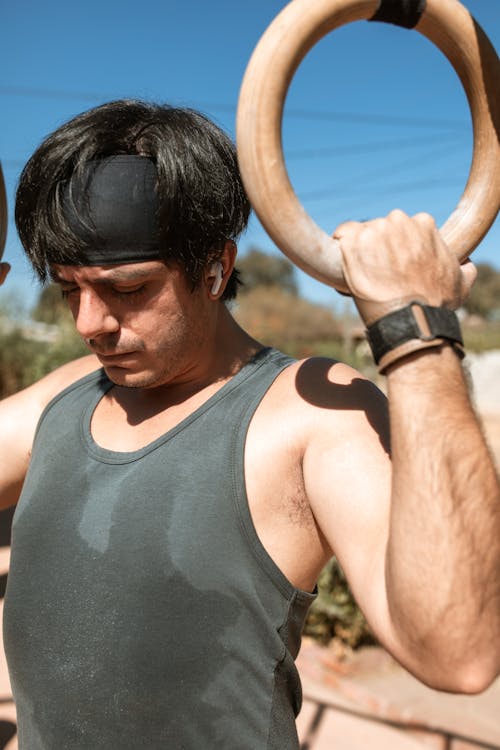
Man in Gray Tank Top Holding Brown Wooden Rings

Surprisingly, sweating plays an important role in maintaining our heart health. This is credited to the fact that as our body heats up, sweating helps our body to cool down and our heart is made to pump blood to the different organs within our body, making our heart break a sweat and aiding it to stay active and keep working.

As a result, sweating ensures our heart’s health and happiness and ours too!

#4 HEALTHY HAIR

Women's Brown Top

Sweating has been proven in improving our hair quality similar to the way it helps our skin. It opens up pores on our scalp, allowing our hair to breath and get the circulation it so needs. However it needs to pointed out that while sweating is good for your hair health, it also leads to excessive build up and dryness on the scalp surface. Hence, it is necessary for us to wash our hair frequently after sweating so as to maintain the hair’s health and wellness!

In conclusion, sweating is an essential function of our body and can provide us innumerable effects that are highly beneficial to us in a variety of ways!

The Role of Social Media in Raising Health Awareness

More and more people are dependent on social media for healthcare news and resources in this new era. Today, the idea of following doctors on Facebook is typical. Social media and healthcare go hand-in-hand. When Social media matters across all the industries, then why should healthcare be avoided right? 

Since more people are engaged on social media, the medical field has now understood the importance of social media in healthcare and has started incorporating such practices. Healthcare organizations have seriously started examining the role of social media in the patient-physician relationship. Leaders in public health have begun realizing that a comprehensive healthcare brand can be built with the help of social media marketing. 

Social Media Engagement in Healthcare | Digital Marketing for Hospitals

Raises Awareness

Social media has always been a key to increase public awareness about emerging, new, and annual health issues. It facilitates raising awareness in a way that is as simple as reminding followers about the basic sense of health practices. 

When the world around is changing fast, social media is the key that ensures that the public is aware of the latest medical guidelines, issues, and advisories. One of the ways of sharing information is to share them directly through your social posts. Another way is to use social media to direct followers to credible sources of the latest news. 

Combat Misleading Information

Social media, due to its very nature, helps spread information quickly to distinct groups of people. That’s great when the information shared is helpful, clear, and fact-based. But unfortunately, there is also a lot of misinformation on social platforms. At times, this misinformation comes in the form of false statements and they are easily ridiculed. 

You can cite published research from a credible health resource like the CDC or WHO. But sometimes, the creators of misinformation may use a reputable institution to give credibility to their statements. Then, the institution needs to clarify that they are not the source.

Social media offers institutions a platform to generate statements to stop the masses from believing false facts. So, make your healthcare brand a platform where you share useful information with your followers and stay away from spreading misinformation. More detailed research can help you identify the true facts. 

The more the research, the better!

Answer Common Questions

Health organizations and authorities working in the healthcare sector are valuable for all kinds of health concerns. Social media tools offer a creative way for healthcare professionals to address common issues. 

For example, the government of India has developed a Facebook Messenger Chatbot. It allows answering questions, directing citizens to the right source, and countering misinformation. 

Everything is shrouded in the media’s shadow. If we claim that the media is counting the feathers of the flying sparrow, we are not exaggerating. The role of media has created a stir and sensation in the world , rich or poor, fair or dark, wise or unwise, are enjoying lucretian pleasures and are in the air. Media could play a leading role in creating awareness on the various health issue and this role can’t be disputed. Hillary Clinton Secretary of State of the US has recently commented on AIDS and while speaking that the disease is incurable, she said efforts are to be made. Many efforts are made on health-related issues and role of media have to be included also. There are many health-related problems confronting our country and these include both communicable and chronic diseases. Health department at the center and state play a leading role in the eradication of diseases, including international agencies and governments of other countries. Media has been promoting health-related causes in a big way in helping government departments spreading awareness on various issues relating health and family welfare programs. The MOHFW has various schemes and these are promoted in many private and government-owned media outlets.

Who was the First Plastic Surgeon?

Plastic surgery – the name implies an artificial substance – but it is derived from the Greek word “Plastikos” which means to mold or to give form. An important specialty has been taking shape, one that reshapes the lives of patients. So who was the first plastic surgeon?

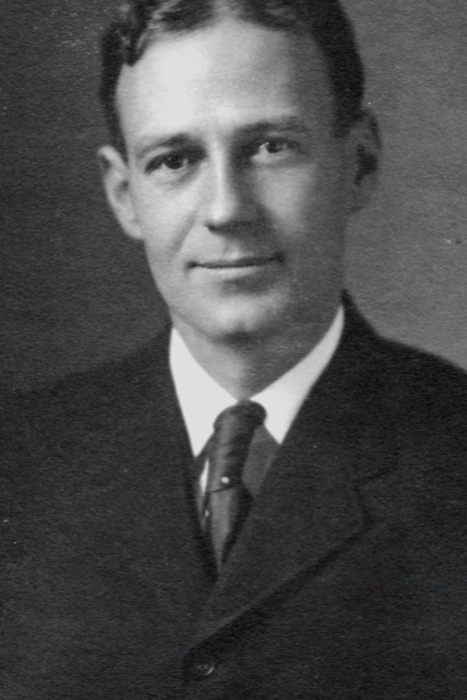
John Staige Davis was the first plastic surgeon. He played an important role not only at his council group in Hopkins but also in the United States in the plastic surgery. He limited his practice in the field of plastic surgery in those times. He was the only plastic surgeon who was there when World War I took place.

Dr. John Staige Davis

In 1991, Dr. Davis published the first English language textbook of plastic surgery and it is still used today. He sends copies to medical school founder, doctors and at that time no one acknowledged receiving it. And though plastic surgery at Hopkins would not gain the standard they deserved until the next century, Dr. Davis was helping to build the foundation for the entire discipline of plastic surgery in America.

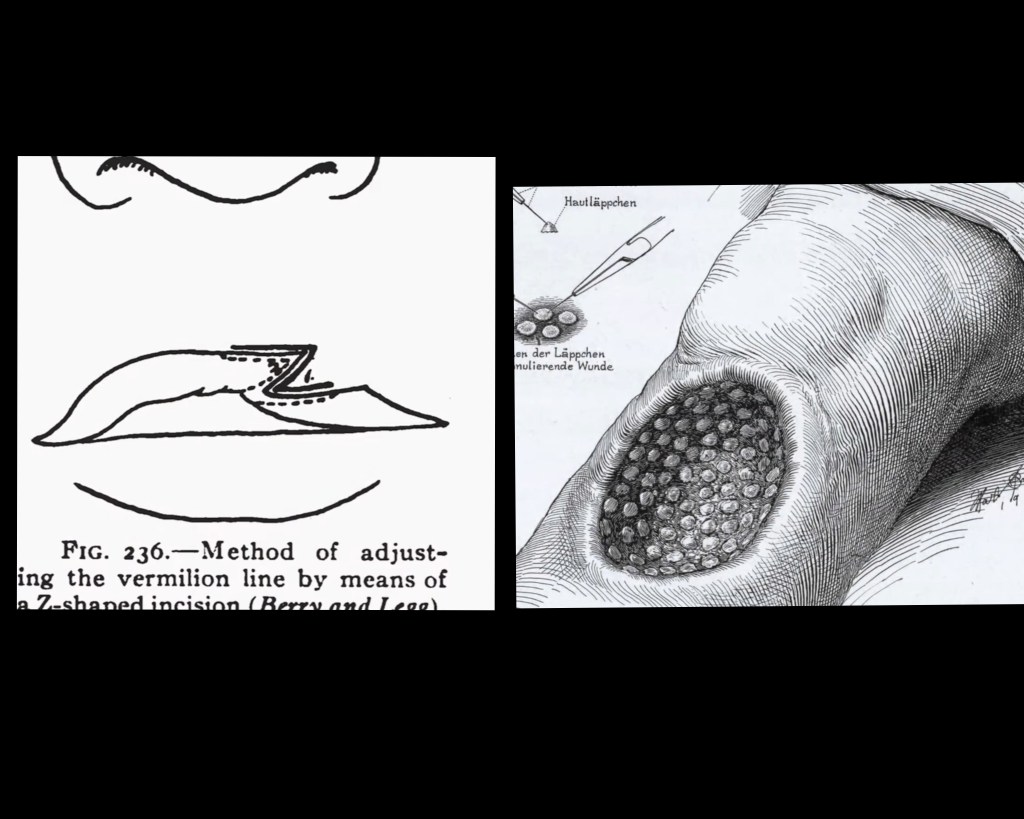
He used to pioneer the transferring tissue techniques known as “Z- plasty” and the use of small deep grafts to heal chronic wounds. He was the founding member of The American Board of Surgery and The American Board of Plastic surgery. Dr. Davis’s work and reputation starts Hopkins on its way to becoming a crossroad and destination for the country’s best plastic surgeons.

In 1942, John Staige Davis was part-time faculty member and was running a plastic clinic even though he was in his 70s by then and beyond his retirement age, two years from then a forth year medical student at Hopkins had the chance observe the master surgeon doing a cleft lip repair.

His successor Dr. Edgerton graduates and proceeds to work by joining the army and was serving at Valley Forge General Hospital in Pennsylvania. He was one of the few surgeon treating thousands of men coming back from combat with disfiguring wounds and burns needing plastic surgery. This horrendous war injuries united skill surgeon in their desire to heal wounded soldiers. This dynamic gave raise to a new and important speciality in medicine.

Dr. Edgerton

With the scientific foundation and tissue regeneration, transplantation, and stem cell biology plastic surgery is uniquely poised to make the next major advance in medicine. By regenerating or replacing missing body parts, plastic surgery can transform patients life in ways that could not have been imagined only recently.

John Staige Davis didn’t lived to see plastic surgery receive the recognition and support if required and deserved in the world. But his path-breaking work and clear vision allowed a greater dream to be realized.

Indian Diet Chart for 7 days to Loss Weight.

India is a land of many religions and cultures, each one known for its unique living style, culinary habitat, folklore, etc. What India is also known for is the 1000 types of sweets and junk food and roadside snacks that you will rarely find in another country, especially outside Asia. With these foods is also a matter of grave concern – the quality and composition of these foods, coupled with the sedentary lifestyle of individuals poses a high risk of obesity.

Given the situation, we are here to guide you with a diet plan for weight loss. This Indian diet chart for weight loss in 7 days is customized to suit a typical Indian’s need and is based on the Indian diet chart for weight loss.

Advertisements

Science Behind Weight Loss

Before we go through the essentials of the diet plan for weight loss, we must understand the science behind weight loss. The loss and gain of weight are directly proportional to the intake of your calories in the diet. Logically speaking, when you shed more calories than you eat every day, your body balances it by shedding calories. Calories are nothing but carbs – layers of fat.

So, calories burnt is equal to weight shed. However, a diet plan for weight loss cannot help if you stop consuming calories altogether – your body needs its nutrition, and this nutrition must be all around with a proper ratio of carbohydrates, proteins and starch.

So, in order to make the diet plan for weight loss success, one must also focus on burning calories through exercises like walking, running, jogging, swimming, etc. Now that it is clear that we must reduce calorie intake as well as burn calories, let us delve into the Indian diet chart for weight loss. This chart is cumulated with a lot of effort and research to make sure that it can be the best Indian diet chart for weight loss in 7 days.

Sample Diet Plan for Beginners

Please note that the following plan, the Indian diet chart for weight loss in 7 days is done through research and must be followed only under the supervision of a registered nutritionist or dietician.

Day 1:

Breakfast – 2 brown rice idlis with sambar

Lunch – Consume only vegetables and meals cooked from olive oil. 2 whole-grain Rotis with mixed-vegetable curry with one dal.

Snacks – 1/2 bowl of berries

Dinner – Jowar roti with low-fat paneer sabzi (max 2 Rotis)

Eat a bowl of fruits, or yogurt, and dry fruits (1 glass) if you work out and feel de-energized post-workout. Drink a glass of warm lemonade pre-workout to maintain your stamina.

Advertisements

Day 2:

Breakfast – Paneer sandwich with mint chutney (made using wheat bread)

Lunch – Chickpea curry with brown rice (For non-vegetarians) / Brown rice with dal (for vegetarians)
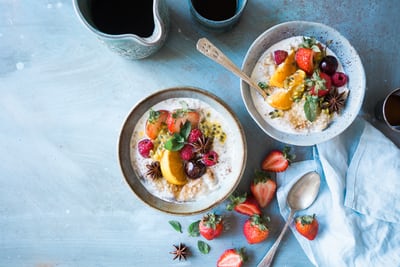
Snacks – 1 glass masala buttermilk

Dinner – 2 bowls of brown rice with dal and non-green vegetables.

Eat a bowl of fruits, or yogurt, and dry fruits (1 glass) if you work out and feel de-energized post-workout. Drink a glass of warm lemonade pre-workout to maintain your stamina.

Day 3:

Breakfast – ½ bowl of sliced muskmelon, 4 pieces of non-salted cashew nuts.

Lunch – Whole-grain rotis (2) with any green leafy vegetable of your choice.

Snacks – 1 cup of watermelon/few assorted berries

Dinner – salad, 2 chapatis with one vegetable. Keep away from bananas the entire day.

Eat a bowl of fruits, or yogurt, and dry fruits (1 glass) if you work out and feel de-energized post-workout. Drink a glass of warm lemonade pre-workout to maintain your stamina.

Day 4:

Breakfast – Oats with milk (No added sugar or any other sweetener)

Lunch – 1 Whole-grain roti with vegetable sabzi/ Dal with veg or non-veg sabzi and brown rice
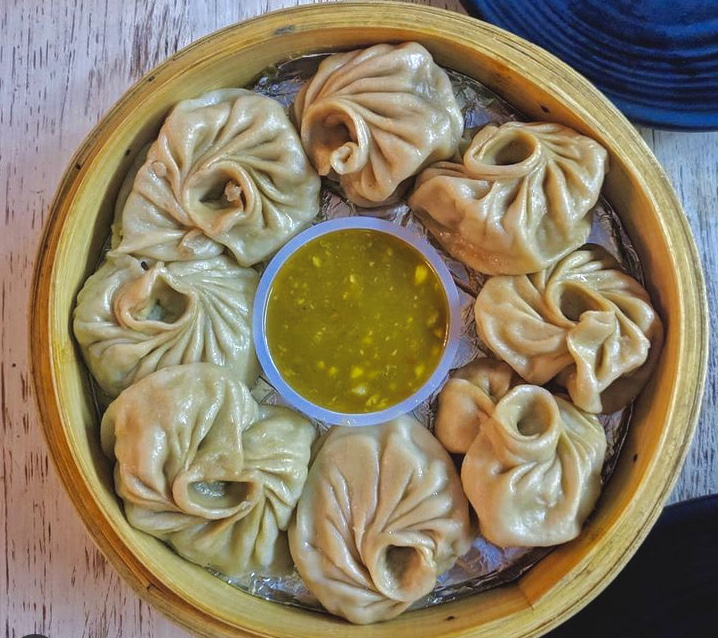
Snacks – 1 banana

Dinner – ½ cup sautéed vegetables with 1 bowl of brown rice

Eat a bowl of fruits, or yogurt, and dry fruits (1 glass) if you work out and feel de-energized post-workout. Drink a glass of warm lemonade pre-workout to maintain your stamina.

Day 5:

Breakfast – 1 pear or guava

Lunch – 2 whole-grain Rotis with mixed-vegetable curry with one dal.

Snacks – 1 banana

Dinner – 2 chapatis with any homecooked pulses

Eat a bowl of fruits, or yogurt, and dry fruits (1 glass) if you work out and feel de-energized post-workout. Drink a glass of warm lemonade pre-workout to maintain your stamina.

Day 6:

Breakfast – 2 tomatoes and 1 glass of milk

Lunch – one pear and one apple

Snacks – yogurt with dry fruits

Dinner – brown rice with dal (1 bowl)

Eat a bowl of fruits, or yogurt, and dry fruits (1 glass) if you work out and feel de-energized post-workout. Drink a glass of warm lemonade pre-workout to maintain your stamina.

Give yourself a pat on the back if you’ve followed this for six days, there’s just one more day to go and you will officially be in the dieting regime for a whole week! Moving to the diet plan for weight loss for the last day of the week, now.

Advertisements

Day 7:

Breakfast – one glass of carrot or beetroot juice

Lunch – Milkshake (2 bananas + 1 glass of milk + a dash of cocoa powder)

Snacks – 1 glass buttermilk

Dinner – salad, 2 chapatis with one vegetable. Keep away from rice the entire day.

Eat a bowl of fruits, or yogurt, and dry fruits (1 glass) if you work out and feel de-energized post-workout. Drink a glass of warm lemonade pre-workout to maintain your stamina.

That concludes your diet plan for weight loss. But remember: dieting takes time and dedication; be patient and you will see the results. Do you think this is helpful? Do you think there can be some changes to this Indian diet chart for weight loss in 7 days? If so, do let us know down below in the comments section.

Advertisements

VEGETARIAN PROTEIN ALTERNATIVES IN INDIAN DIETS

Ranging from a variety of reasons like muscle and bone building, to healthier skin, nails and even hair, protein is in very high demand among the people of the world today, as they become more and more health conscious and start taking care of their mind and body by feeding and maintaining it well. Most of the times, protein is majorly incorporated in diets of people who want to build muscles. However, as vegetarianism is expanding a rapid pace in today’s world, one of the first concerns of the people as they switch to vegetarian diets is the apparent lack of protein in the regular, western, vegetarian diets. But, a point that needs to be acknowledged that is not a problem in indian diets at all. Protein forms a very important part of indian diets and so, people can consume regulated amounts of protein that they require in a day.

Some of the protein rich foods in indian diets are as follows:-

#1 PANEER, ALSO KNOWN AS COTTAGE CHEESE

Cottage cheese, or popularly known as paneer in indian subcontinent is largely used in dishes and cuisines, especially in North India. Paneer is cooked in a variety of manners, supplemented with other vegetables like capsicum to make kadhi paneer, or even used to make the famous paneer parathas. They are also added in sweets, making it an all-round ingredient. While paneer is a major source of protein, it is also quite rich in fats. It is highly nutritious as well; consisting of vitamin B12, calcium and iron as well. Around 100gm of paneer consists of 20gm protein. Hencforth, try having paneer infused dishes to get your daily dose of protein

#2 LENTILS

LENTILS ARE POPULARLY CONSUMED IN LUNCH TIME IN INDIAN DIETS. However, we can also add it in salads and soups. Lentils are highly enriched with fiber, foliate, iron as well protein. Around 240gms of a cup of lentils consist of 18 gms of protein, making it a healthy vegetarian protein ingredient.

#3 NUTS

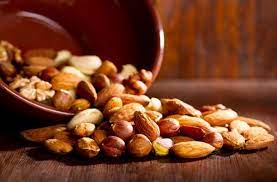
Nuts are considered ‘super-foods’. One of the major reasons behind this claim is that nuts offer a variety of benefits on consumption. They are packed with vitamins like vitamin E and A, that are extremely good for hair and nail growth and keep your eyes healthy as well. Not only this, they are really good for your skin and eyes. Furthermore, they are widely prevalent and even recommended by doctors as they help in keeping cholesterol levels in check in people that suffer from this grave issue. They are also enriched in protein, making it a good source of protein in indian diets.

#4 KIDNEY BEANS AND CHICKPEAS

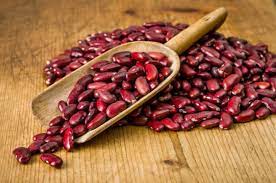
Kidney beans and chickpeas are quite popular in north indian cuisines, not only for their superb taste, but also their nutrients. This is evident through the fact that they are rich in iron, magnesium, complex carbs and fiber, along with protein. So, make sure to not skip out that plate of rajma chawal on sunday!

To sum it all up, there are various vegetarian protein rich foods in diets around India, you just have to look hard enough!

IMMUNOLOGY SERIES- PART 9- VACCINES

The previous article was all about the process of inflammation. This article is about vaccines.

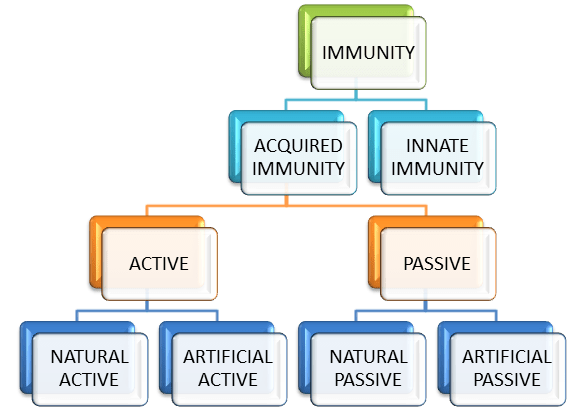
The vaccines fall under the type of artificial active acquired immunity. This is artificial because we are giving the vaccine externally and this is active because the body is generating the antibodies/response and it is acquired because we are getting the immunity and it is not present by birth. You must have known what immunity is at least by now.

A vaccine is a biological preparation that provides active acquired immunity to a particular infectious disease. A vaccine typically contains an agent that resembles a disease-causing microorganism and is often made from weakened or killed forms of the microbe, its toxins, or one of its surface proteins (antigens). So these vaccines are nothing but the pathogen itself but it cannot cause any disease, instead, it triggers the immune system.

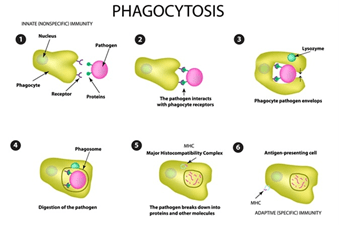
This is a quick recap of the principle of working on vaccines. The vaccine contains the pathogens as a whole or the surface antigens only. These antigens stimulate the immune system. If the immune system had a memory about this antigen, then it would immediately produce an antibody, and phagocytosis of the antigen occurs by the macrophage aided by the antibody. In this scenario, the antigen is new and there is no memory, therefore the immune system struggles and takes time to produce the antibody.

So the antigen reign over the body and this can lead to inflammation. As a result, some of the symptoms of inflammation like fever, heat, pain in the area of application, and swelling may appear. The chances of them are rare and also severity is less (last for a few hours/days) since the pathogen is attenuated.

Once the immune system produces the correct antibody, phagocytosis of the antigen occurs and hence the causative agent is eliminated from the body (primary response). So if the same or similar pathogen which has disease-causing ability enters into the body, the memory triggers the immune system to produce the correct antibody. So a heightened and rapid response is generated in order to kick away the pathogen quickly (secondary response).

There are three types of vaccines:-

Live- infection is caused without any harm – measles & polio

Dead- doesn’t last long, requires booster dose- cholera

Microbial products- involves non-infectious pathogen, capsule and toxoid- anthrax, diptheria

Hence using the vaccine as a stimulus, the body is able to generate a response that is stored and can be useful for preventing the disease caused by the pathogen.

There might be an idea to generate vaccines for all diseases so that all humans are protected. But there are some difficulties in this which are listed below:-

There are new microbes being discovered every day and no one knows which microbe can cause disease. There can be multiple microbes causing the same or similar disease. So being immune to one microbe doesn’t mean being immune to the disease

The disease-causing microbe can undergo mutation meaning that there can be changes in the genetic material and hence the antigen can change. In this case, the antibody which was stimulated by the vaccine won’t work. A suitable example is a common cold, it is impossible to produce a vaccine that covers all mutants of viruses

The pathogen has to be genetically modified so as to remove its disease-causing ability which is easy to say but difficult to implement

Also, it is important that the antigen chose for the vaccine must be close to that of the original causative agent of the disease. If the original pathogen is not so close to that of the vaccine, then it will not work

Hence all these above points explain the difficulties in producing a vaccine. Despite these many research organizations in many countries have produced vaccines especially for the pandemic and dreadful diseases like the COVID-19, hepatitis, polio, etc. in which some vaccines provide lifetime immunity to some of the diseases. We must take a minute to appreciate those who have done immense work and their contribution is stopping some of the dreadful diseases.

With this, we come to the end of the series. I hope that all the concepts explained in this were simple and clear and also would have inculcated an interest in immunology. By now, it would be clear how the immune system protects us from several microbes and diseases.

HAPPY LEARNING!!

IMMUNOLOGY SERIES- PART 8- INFLAMMATION

The previous article dealt with the types and functions of immunoglobulin. This article provides a complete explanation of the process of inflammation.

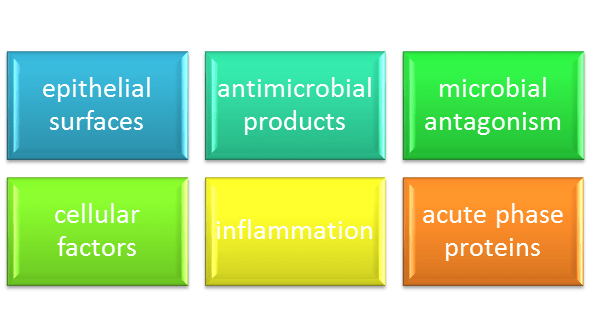
Inflammation is the process of protection which was seen as one of the six mechanisms of innate immunity.

Inflammation is one of the body’s responses to the invasion of foreign particles. This is an important process in the human body that occurs to drive away from the pathogen. Inflammation is one of the stages seen in healing. Some of the changes that can be seen in the target site are:-

  • Changes in blood flow (mostly blood loss)
  • Increase in platelets (to plug the damaged vessel)
  • Increase in immune cells
  • Supply of nutrients

The word inflammation refers to a burning sensation. Hence there are five cardinal signs in inflammation namely:-

  • Rubor (redness)
  • Tumor (swelling)
  • Calor (heat)
  • Dolor (pain)
  • Functioleasia (loss of function)

These cardinal signs as well as the changes occur due to some mediators which are basically chemicals and also due to the action of various immune cells.

Mediator nameIt’s effect
Bradykinin, histamine, serotoninIncrease permeability
ProstaglandinDecreases blood pressure
CytokinesProduce fever
Toxic metabolitesDamage tissue

This inflammation can be either acute or chronic. As seen earlier, acute stays for a shorter time but produces more vigorous pain whereas chronic stays for a longer time with less vigorous pain. If the causative agent has been driven away then healing occurs either by complete restoration or scar formation. There are chances that the acute inflammation can become chronic which can be worse. It can lead to several diseases and complications.

The pathogen in order to establish its supremacy in the human body, it has to pass through the epidermis which is the outermost layer of the human body. This is known as SALT skin-associated lymphoid tissues. Hence T and B lymphocytes are prominent in the skin. Most of the pathogens get destroyed in this stage. Let us assume that our pathogen is strong and it had passed through it. The next layer it encounters is the dermis. As we go deep inside the skin, more and more immune cells get involved. In the dermis the following immune cells are seen:-

immunity in the skin
  • Macrophage
  • NK cells
  • Mast cell – produce histamine and serotonin
  • T helper cells – it provides help to other immune cells

The next stage is the hypodermis which has a large number of macrophages and neutrophils that phagocytosis the pathogen. Hence these following processes help in defending against the pathogens.

When a particular pathogen say a virus enters the cell, the immune system will get alerted through signals and they immediately send the correct immune cell to the target site. This occurs since either the immune system gets information naturally or artificially through previous infection or vaccine. This leads to the classification of immunity in humans.

So now we will consider a new and strong pathogen that has not been recognized by the immune system and has dodged those barriers and has entered inside the skin. Now it multiplies at a rapid rate and colonizes that particular area. Hence the cells in that area start to die and they release several signals like TNF, cytokines, interleukins. This gets combined with other signals like histamine, serotonin released from immune cells. Some of these signals produce direct effects on the target site as seen in the table.

An array of these signals triggers the immune system and it, in turn, starts the inflammation process and the cardinal signs are observed. This process lasts for some time and as it occurs; the pathogens decrease in number through phagocytosis and subsequently vanishes from the body. This can be observed by a decrease in the signs. After this process, the targeted site starts to heal and the immune system learns how to defend the pathogen when it enters the next time.

Now the damage caused by the pathogen has to be repaired by the process of healing.

  1. Haemostasis
  2. Inflammation
  3. Proliferation
  4. Maturation/Remodelling

The pathogen will rupture and damage the outer layer of blood vessels known as endothelium resulting in blood loss. Hence the blood vessels start to contract to prevent further loss. Also, a plug is formed at the site of leakage by the platelets. Then the process of inflammation occurs; clearing out the dead cells and the pathogen. In the proliferative stage, new blood cells are formed by a process known as neovascularisation and the new epithelium is formed. In the last phase, the newly formed cells become stronger and flexible. Hence the combination of these steps brings the affected area back to normal.

Hence the inflammation is an essential process in the immune system and it has to occur to prevent the conspiracy of the microbes. The next article is about vaccines and their principle of working.

HAPPY READING!!!

Attraction

Ever thought why do we get attract to someone? Well everyone has different answer to it. For some it can be the way one look, smiled, walk or may be their was an unusual aura around that one.

What is attraction?

Attraction, especially in a romantic way, is a complex process that take place in our brains, and has had it’s roots since it’s beginning of the humankind. It’s our minds way of telling us who has the potential to be our partner, our friend, or even our soulmate, and is based on a complex blend of our interest, values, experience, and desire. Physical and romantic attraction, which are often focused on, are only small facets of a much larger equation.

Psychologist look at the ingredients of attraction is in a form of pyramid, split into 4 different sections.

The base of the pyramid is made up of health and status:-

  • Status – 1. internal (confidence, self set, beliefs) 2. External (person’s job, possession and appearance.
  • Health – Physical attributes, smell, basic level of intelligence.

If the potential partners passes these initial requirements then we move to the center of the pyramid, which are the emotional factors:- includes

  • trust comfort someone wants,
  • their emotions intelligence, and
  • unique characteristics.

The final portion of the pyramid is “Logic”.This is the part that differentiate us from other animals, and is the part where our brains seriously

  • considers whether we are totally compatible for that person.
  • It ensure that the other person is aligned with us in term of what they want – things such as marriage, children, even the city they want to live.

According to this model, the more alignment there is, the more attraction there is, but it doesn’t always have to follow from bottom to top – like online dating.

What makes someone Attractive?

The answer to this questions make come to our mind is physical traits. Due to the influence of media, we tend to favor women who is younger, and more feminine features, in men on the other side, qualities such as broad shoulders, a deep voice, and strong jawline are highly upon.

Scientists suggest that, these also have an evolutionary origin because these traits are associated with a higher chance of producing health offspring and passing of good genes. Also, values, culture, and the environment, that we grow in also plays an important role.

Hence, attractiveness is complex, there’s a number of different perspective to consider, and at the end of the day, there’s very little we can choosing who we are attracted to. As each person looks for unique set of traits and, while physical traits are often focused there are far more factors that come into play. A person’s upbringing, behavior and even lifestyle have major influence. The most important thing to remember is to be happy and make the most of it.

IMMUNOLOGY SERIES- PART 7- TYPES OF IMMUNOGLOBULIN

The previous article dealt in detail with immunoglobulin and how they help in phagocytosis. This article is about the types of immunoglobulins, their functions.

The types of immunoglobulins are based on the types of light and heavy chains. There are two types of light chains namely the kappa and the lambda. An immunoglobulin contains either kappa (K-K) or lambda (L-L) but does not have a mixture of both (K-L not possible). About 60% of the immunoglobulins in humans have kappa chains.

So, the classes of immunoglobulins are based on the heavy chain. So based on this condition, there are five classes of immunoglobulins namely:-

  • Immunoglobulin G (IgG) – gamma
  • Immunoglobulin M (IgM) – mu
  • Immunoglobulin A (IgA) – alpha
  • Immunoglobulin D (IgD) – delta
  • Immunoglobulin E (IgE) – epsilon

These immunoglobulins have certain configurations and play different roles in the human body. The immunoglobulin G is present the most. It constitutes about 80% of the total immunoglobulin. These are mostly present in the blood, plasma, and other body fluids. This immunoglobulin has the lowest carbohydrate content when compared to the rest. This immunoglobulin has a half-life of 23 days which is the longest of all. Some of the unique features and functions of this immunoglobulin:-

  • This is the only immunoglobulin which can cross the placenta (this is a unique feature because this immunoglobulin provides immunity to the foetus inside the womb and also after birth for some months. Presence of others may indicate infection)
  • This helps in killing bacteria and viruses by opsonisation (the process of covering the pathogen with a protein coat such that the pathogens become more presentable to the immune cells)
  • Neutralize toxins
  • Activate complement by classical pathway (The complement system, also known as complement cascade, is a part of the immune system that enhances the ability of antibodies and phagocytic cells to clear microbes and damaged cells from an organism, promote inflammation, and attack the pathogen’s cell membrane)
  • Unique catabolism (breaking down of molecules) based on concentration
  • There are four sub classes (G1, G2, G3 and G4) out of which 1,3 and 4 cross the placenta and offer immunity
  • Also involves in the Rh immunization (there are two types’ Rh+ve and Rh-ve based on the presence of Rh factor in blood). The mother being Rh+ve and child the opposite is not a problem in the first pregnancy but can be fatal in second, killing the foetus.

The immunoglobulin M constitutes about 5-10% of total proteins. This is a pentamer structure with a J chain. This weighs about 900000-1000000 and is the heaviest of all. They have 5 days of half-life. Some of its features-

  • Presence in newborn indicate congenital infection as they don’t cross placenta
  • Short lived, so their presence indicates recent infection
  • First Ig to participate in primary response
  • Opsonisation
  • classical pathway
  • bacteria agglutination
  • Play an important role in ABO blood grouping (discovered by Landsteiner). There are 8 types of blood groups based on antigen, antibody and Rh factor

Immunoglobulin A is also known as the secretory immunoglobulin and is mostly present in body secretions (tear, saliva, sebum, mucous, and milk) in which they are dimer and are monomer in blood. They constitute 10-15% of the proteins. They also have a J chain and secretory piece. Their half-life is 6-8 days.

  • The secretory piece protects the Ig from enzymes and juices
  • Complement activation by alternate pathway
  • Promote phagocytosis
  • Intracellular microorganism killing
  • First line of defense against some microbes

Immunoglobulin E is a dimer similar to IgG. This is present in low concentrations (about 0.3) and has the weight of about 1,90,000. These have a half-life of about 2 days and can become inactivated at 56 C.

  • Present extra-cellularly
  • Associated with allergic reactions like asthma, hay fever and anaphylactic shock
  • Bind with the Fc of mast cells and basophils resulting in degranulation and release histamine which causes allergy
  • Mediate the some immunity reactions
  • No complement activation
  • Provide immunity against helminthes

The last is immunoglobulin D.  It is present in low concentrations and on the surface of B lymphocytes. They constitute 0.2% of proteins. They have a half-life of 3 days. The IgM and IgD bind on the B lymphocyte to help in antigen identification.

Hence these were the different types of immunoglobulins and the mechanisms by which they help with immunity. The next article is about the process of inflammation.

HAPPY READING!!

IMMUNOLOGY SERIES- PART 6- IMMUNOGLOBULIN

The previous article was about the different types of immune cells. This article is about a special molecule in immunity known as immunoglobulin.

There might be a question that what is so special about this immunoglobulin. There is a reason for this. These molecules play an important and inevitable role in the phagocytosis of pathogens. To understand this, it is essential to know about immunoglobulins.

The immunoglobulin is a gamma globulin, a specialized group of proteins (glycoprotein) produced in response to pathogens. It is produced by the plasma cells (a globulin protein present in the plasma). These constitute 25-30% of the blood proteins.

There are two important terms that are more commonly known by the most, they are the antigen and the antibody. The antigen is the molecule present on the surface of the pathogen and can stimulate an immune response. There is a small part of the antigen called the epitope which interacts with the antibody.  The epitope is known as the antigen determinant site. An antigen can have unlimited epitopes.

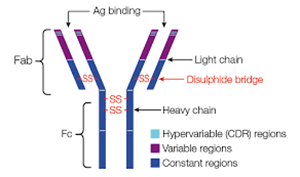
On the contrary, the antibody is the molecule produced in response to the antigen in order to kick it away. The part of the antibody which interacts with the antigen is called a paratope. An antibody must have at least 2 paratopes. These antibodies belong to the immunoglobulins. All antibodies are immunoglobulins but not immunoglobulins are antibodies. To understand how the antibody helps in immunity, it is essential to understand the structure of an antibody/immunoglobulin. The image below shows the general structure of an immunoglobulin:-

There are two chains in an immunoglobulin namely the light chain and heavy chain. The light chain has 212 amino acids (the building block of protein) and the heavy chain has 450 amino acids. Each chain has two types namely the constant and variable. These regions are based on the amino acid sequences. Half of the light chain (1 out of 2) is constant and the rest is variable. A quarter of the heavy chain (1 out of 4) is variable and the rest is constant. These are linked by two types of sulfide bonds namely the intra (H-H AND L-L) and inter (H-L). These molecules contain carbohydrates (CHO) hence these are called as glycoproteins.

The tip of the variable regions of the heavy and light chain is hypervariable in nature and these constitute the antigen-binding site (Fab). These are hyper-variable because they have to produce amino acid sequences complementary to that of the antigen so that they can interact together. The other site is called a crystallizable region (Fc).

Having known all this, now it will be convenient to explain the process by which the antibody plays in the prevention of infections.

There are millions of substances that pass through the blood every day. So there must be a criterion/substance to identify them whether they are pathogenic. This is where antigen comes to play. These antigens present on the surface of the pathogens alert the immune system which then identifies this as a pathogen. So in response to the antigen, a suitable antibody is secreted and deployed to the target site. On reaching the antigen, the Fab region binds with the antigen.

The ultimate aim of the immune system is to abolish the pathogen and one way is by phagocytosing them. This is done by the macrophages. But it is essential for them to identify the substance before engulfing it. This is where the antibody comes to play. The Fc region of the antibody combines with the receptor of the macrophage. This facilitates the process of phagocytosis.

Hence the antibody acts like a bridge between the source (antigen) and the destination (macrophage) aiding in phagocytosis. This is essential because in most of the cases the macrophages, it is difficult to identify the non-self-objects and this is where antibody helps.

In the case of the new pathogen, the antigen is new, and therefore their might not be a suitable antibody. In that case, the macrophage cannot phagocytocise the pathogen and it reigns in the body causing infection and disease.

The next article is about the types of immunoglobulins.

HAPPY LEARNING!!

Music can change you

These days we hear music all the time, it wakes us up, motivates our workouts, keeps us company on our commutes. It doesn’t matter what kind of music it is, it itself has the ability to affect our moods and our bodies in all sorts of ways. It can give us chills even can make us cry.

Effects on Brain

Music activates every area of the brain that scientists have mapped so far. In fact, there is no area of the brain that music doesn’t touching some ways.

25 years ago there was an idea which said that language is in left side of the brain and music is in right side of the brain but now with better quality tools, higher resolution, neuroimaging and better experimental methods, it is discovered that thats not at all right so how does it effects our brain?

When music enters and then gets shuttled off to different parts of the brain:-

  1. It stops at specialise processing units in auditory cortex, they track loudness, pitch, rhythm, etc.
  2. The visual cortex activates when you’re reading notes as a musician or watching music.
  3. Motor cortex activates when you move or dance or tap your feet, snap fingers, clapping your hands.
  4. The Cerebellum activates and immediate the emotional responses.
  5. The memory system in the Hippocampus will activate and will help you to recognise any familiar music or lines that you listen

Hence, music is going on in both halves of the brain, left and right, the front, back, the inside, and the outside.

How playing Instruments helps?

We can start learning to play instrument at any age. Picking up an instrument can provide some huge benefits for Intelligence, Physical well-being, Brain.

Playing an instrument requires:-

  • Auditory motor
  • Sensory
  • Visual system to work together

This inner system cooperation has some incredible outcomes that can affect many areas of life.

Different intensities of training produce different outcomes, even the most minimal practice can make a difference. Starting to play an instrument just one hour a week for few months can cause growth and increased activity in the parts of the brain responsible for memory, hearing, and motor. Researchers have found that this kind of activities can even increase IQ by 7 point or more.

Its also known that people who play musical instrument are better at other practical things too such as:-

  • Practical emotions
  • Learning new things/tasks
  • Creative problem solving

Musicians brain have better communication between left and right hemisphere which allows for more cooperation and out of the box thinking. Playing an instrument can also has benefits for brain and body.

  • boosting immune system function
  • Increase in resilience to hearing lose
  • Helps stroke patients regain motor skills

It’s been found that just listening to music can prompt the repair and regeneration of damage nerves in the brain.

Music is so much more than notes on a page, it can change the way we think, speak and feel. Music making and listen is really complex it’s not demystified till now it’s more mysterious than ever.

IMMUNOLOGY SERIES-PART 5- INTRODUCTION TO THE IMMUNE CELLS

The previous article was about the acquired immunity. This article is all about the immune cells, the warriors of the human body.

These cells play a major role in protecting the body from infections. Some of them contribute directly and some contribute indirectly. Despite the methods, all of them are required in optimum amounts so as to live a healthy life.

All of these cells are derived from a specific type of cell found in the blood. The blood is a freely flowing interstitial fluid that transports oxygen, nutrients, etc. to the cells of the body. There are two components in the blood in which the first one is called plasma. The plasma is the liquid carrying water, salts, enzymes, and proteins. There are three specialized proteins in the plasma-

Albumin- to maintain water balance

Globulin- for immunity (it is a part of immunoglobulin)

Fibrinogen- for clotting

Hence the plasma also contributes to immunity. This plasma constitutes about 55% of the blood. The rest 45% of the blood is constituted by the formed elements or corpuscles. There are three elements in it namely-

Erythrocyte or Red Blood Corpuscle- transport of oxygen

Leucocyte or White Blood Corpuscle- fight infections

Thrombocyte or platelets- for clotting

Out of these, the WBC is the one primarily contributing to immunity. A healthy person must have a WBC count from 4000-11000. Count less than 4000 means leukopenia meaning that the immune system is weak. If the count is more than 11000 then it means the condition of autoimmunity known as leucocytosis. There are some further classifications in the WBC which are displayed through the flowchart below.

There are two types of cells in the WBC namely the granulocytes and agranulocytes.

The granulocytes, as the name specifies have granules in their cytoplasm. There are three different cells in this.

The neutrophil constitutes to about 55-70% of the total WBC and they are ones involved in most of the fights against the infections. These defend against bacterial and fungal infections. These cells are mostly found in the epidermal regions and are in the first line of defense.  These cells engulf the pathogens by the process of phagocytosis. These cells have multiple nuclei hence these are also known as PMN (Poly Morpho Neutrophils). Neutrophils help prevent infections by blocking, disabling, and digesting off invading particles and microorganisms. They also communicate with other cells to help them repair cells and mount a proper immune response. The death of these cells often results in the formation of pus (suppuration).

neutrophil

The eosinophil constitutes about 2-4% of the total WBC. These cells are very little in the body but can increase in the case of allergic reactions, parasite infection, and so on. The functions of the eosinophil include movement to inflamed areas, trapping substances, killing cells, anti-parasitic and bactericidal activity, participating in immediate allergic reactions, and modulating inflammatory responses.

eosinophil

The basophil is present in the least concentration of all (0.2%) in total WBC. These cells play an important role in allergic reactions in which their count can increase. The basophil contains inflammatory mediators like histamine and heparin. The release of the compounds results in dilation of the blood vessels. Hence these cells regulate the inflammation process.

The agranulocytes are those which lack granules in their cytoplasm. There are two types in this. The lymphocyte can be called as the memory of the immune system. There are two types of lymphocytes namely T and B lymphocytes. These lymphocytes recognize the incoming pathogens and based on their memory it produces a suitable response in a short amount of time. These cells are involved in the secondary response in the acquired immunity.

B cells make antibodies that can bind to pathogens, block pathogen invasion, activate the complement system, and enhance pathogen destruction. The T cells mostly known as CD4+ T helper cells produce the cytokines (proteins in cell signaling) and coordinate with the immune system. There is another form called CD8+ cytotoxic T cells which is opposite to the previous type, they help in the destruction of tumors and pathogens.

The monocyte is the largest of all the cells in WBC. They function similarly to that of the neutrophils (phagocytosis of the pathogens). These cells present the pathogen to the memory cells upon which a response is generated. Once they leave the blood, they turn into macrophages which help in clearing cell debris and killing pathogens. These are known as the vacuum cleaners of immunity.

Hence all these cells work in different mechanisms and they coordinate together to make sure that we do not fall prey to the disease-causing microorganisms.

HAPPY LEARNING!!

Green Tea- Key to Increase the Immunity

As we are looking forward to a healthy future after the present health calamity of COVID-19 subsides, now is when is the best time to drink green tea with many options such as Lipton and Patanjali green tea price well available in the Indian market.

In these days of modernization, humans have maligned the environment and our resources with chemicals and dirt. These substances have found their way into the food chain and, now, are acting as poisons to the overall well being of all the components of nature’s complex food network. Health refers to the physical, mental and emotional well being of an individual that leads to a well-formed bodily structured and this is endangered in present times.

With overall levels of exercise reduced in the body due to the rapid involvement and fascination of the youth with office desk jobs, this has only been proven to lead to lethal results in the near future. We have also started consuming processed food full of preservatives and sugars which is debasing the health condition in general.  This has led to an increased number of lifestyle diseases such as diabetes, hyper cholesterol and obesity in today’s community.

Nutrition and Health

Nutrition plays a key role in maintaining a healthy lifestyle for an individual along with exercise. Hence it is important that we indulge ourselves into healthy eating habits and adopt the ergonomic pieces of advice by the professionals who suggest to cut down on sugars, unhealthy fats, and to drink plenty of water and eat fibre.

Green Tea – the modern-day ‘Amrut’

Today, on social media we see that people are giving up the consumption of back tea and replacing it with green tea. Green tea is sometimes referred to as “amrut” or ‘the drink of longevity’ by some nutritionist.

Green tea is made from the leaves of plant Camelia senesis. The same plant is used to make oolong tea and black tea when it is harvested in a different season that causes it to undergo  (or not) a different level of oxidation. Green tea’s origin dates back to 618-907 A.D. in China. It was popularized during the rule of the Emperor Shennong.

How to make Green Tea?

If not brewed to perfection, green tea can taste too bitter to drink when is the best time to drink green tea is. Therefore, it is important that you make the perfect cup using Green Tea Bags, Loose-leaf Green Tea or Matcha Green Tea.

Green Tea Bags

Boil around 250 ml of water and let it cool down to around 79˚C  as using boiling water can burn the tea bag and make green tea bitter. Place the teabag in the cup. Use 1 teabag per cup and pour hot water over it.  Let the tea brew for 2 to 3 minutes and then remove the teabag. Don’t squeeze the teabag.

Advertisements

Loose Leaf Green Tea

Heat the water to around 77˚C to 80˚C. Put 1 teaspoon of loose-leaf green tea leaves in a teapot and add around a three-fourth cup or 180ml water to it. Leave it covered for 1 to 2 minutes and then serve using a strainer.

Matcha or powdered Green Tea

Bring one cup of water to boil around 82˚ to 88˚C. Place a strainer over the cup and add one teaspoon of green tea powder to it and push the powder into the cup using the back of a spoon. Add the boiled water to the cup and stir it well.

Green tea Caffeine content

 Even though it is difficult to measure the exact green tea caffeine content, it depends upon the type of green tea used, its brand and serving size. On average green tea caffeine content can range from 12mg to 75mg of caffeine. Matcha or other types of powdered Green tea caffeine content is even higher.

Benefits of Green Tea

Green tea has high antioxidant content which makes it extremely beneficial for our health.  Some of the green tea benefits are listed below.

Improves brain function

Since it is a caffeinated beverage, it acts as a stimulant to the brain and makes us active mentally.  This improves various brain functions thus keeping our mood lifted and memory improved.

Improved immunity

Due to the presence of potent plant antioxidants or polyphenols, green tea benefits us by improving our immune system. It is found to kill influenza virus if consumed without milk.

Increased fat burning

Green tea is known to improve the metabolism rate of our system, thus, aiding in the fat-burning process.

Lowered Cancer Risk

Oxidative damage to the cells has been linked to cancer. Due to the high antioxidant content, green tea benefits us with cancer prevention.

Gives you fresh breath

New studies show that green tea benefits our oral hygiene by suppressing the growth of bacteria in our oral cavity and prevents bad breath.

Lower risk of Cardiovascular Diseases

Due to its high antioxidant content, green tea prevents the oxidation of bad cholesterol in our body, which is one of the reasons for various heart conditions.

When to Have Green Tea?

The best answer to when is the best time to drink green tea lies in your schedule and activities throughout the day. Following are some of the best times of the day to have green tea to give you its full green tea benefits.

Not too early in the morning

Having green tea on an empty stomach can have ill effects on the liver due to its high catechin content.

In between meals

Having green tea two hours prior to or after the meal can help in better digestion and iron absorption.

Before Bedtime

Having green tea two hours before bedtime can increase the metabolism post-dinner.

Before exercise

This aids in burning fat better and faster.

Best Green Tea options in Indian Market

Organic India   

Price INR 400

LaPlant Green Tea

Price INR 130

Himalaya Green Tea

Price INR 110

Lipton (available in multiple flavours)

Price INR120

Patanjali Green tea Price

INR 50

India is one of the nations at the top of the list of lifestyle diseases. So let’s do our best and take care of our health.

Advertisements
Advertisements

Decoding Indian ways of Eating

Food is a very complex subject to understand. The world is experimenting new types of food, new recipes, new combination and new styles of consuming it to make it more aesthetically beautiful. But they are breaking the age-old science of healthy eating.

How we eat is equally important to what we eat. Our ancestors have passed on to us the right recipes, the right way to eat, and the right way to make it. We should start acknowledging the science and it’s significance. Food depends many variables:-

  • Season
  • Geography
  • Local availability
  • Attitude
  • Body type

Right Medium of Food Consumption

1. Eating with hands

People are getting used to eating with spoons and they consider eating with hands as unhygienic and unpleasant. According to Ayurveda, eating food should involve all senses. The touch of food to your fingers and feeling the texture can really trigger the nerve endings of your fingers which are connected to your digestion. These nerves stimulations are know to activate and stimulate your digestive juices. Also according to Ayurveda the five fingers represent the five elements:-

  • Thumb represents Fire (agni)
  • Index finger represents Air (wayu)
  • Middle finger represents Sky (Akash)
  • Ring finger represents Earth (Prithvi)
  • Little finger represents Water (jal)

Holding food with all five finger symbolises the union of all elements, which are essential for the normal functioning of our body.

2. Sitting on the floor

In India, sitting on the floor and eating is a family activity. It involves many muscles, the sitting position presses our lower spine and relaxes the whole body. The back and forth movement while eating gives a nice compression to your abdomen. Compression is maximum in sitting position and this also stimulates the digestive juices. It also has an effect on your mind. When the individual sits on the floor, the nervous systems performances better and transmission of signals happens very effectively. As a result sitting on the floor and eating has a huge weight reduction advantage.

Sitting on chair brings more pressure on your heart. When you’re sitting on chair your heart has to pump blood from toe to upwards against gravity and that is a strain. If you sit on a chair with folded legs that will reduce the gravity force that would help your heart and general health conditions so that more blood will be facilitated for digestion.

3. Food containing vessels

Vessels have an important effect on food, it can be positive as well as negative. In Indian tradition, every vessel has its own advantage in cooking or storing food.

For example, copper as has a strong intoxication property over water. That’s why copper vessels was used to store water in India. Another example, Ghee, if stored in a bronze vessel can become toxic. That is why ghee is stored in a metal vessel like steel.

In old times, food used to be kept in the leaves covered with leaves and it always remains healthy. Stones which were used for crushing, grinding is said to be more superior than done in mixers. So make sure to put right food in the right container.

Even the healthiest of food can become toxic if not consumed in right way. The ways of eating food is always been highlighted in all the cultures because it is the cultural identity of every community. Indian have always tried to introduce every healthy aspects into the food. So let’s follow these food habits and acknowledge deep science in the ancestral way of eating. We should not forget the valuable lessons which are passed down to us and understand that food once consumed can become medicine or junk. Your way of consuming it will decide what it will turn to – healthy or junk. So eat food in a right way, the Indian way.

India Of My Dreams.

The India of my dream would be a country where women are safe and walk freely on road. Also, it will be a place where there is freedom of equality to all and everyone can enjoy it in their true sense. Furthermore, it would be a place where there is no discrimination of caste, color, gender, creed, social or economic status, and race. In addition, I see it as a place that sees an abundance of development and growth.

Women Empowerment

There is a lot of discrimination against women. But, still, the women are stepping out of their houses and making a mark on different fields and on society. In addition, there are a lot of areas that need to be worked upon whether it is female feticide or restricting them to the household task. Besides, many NGO and social groups have come forward to promote women empowerment.

However, we have to work hard to change the mindset of society. I dream India as a country that sees women as its assets, not as liabilities. Also, I want to place women on an equal level as men.

Education.

Though there are many initiatives by the government to promote education. But there are many people who do not realize its true importance. The India of my dream will be a place where education will be mandatory for all.

Employment Opportunities.

Although there are many educated people in India. But, due to corruption and many other reasons they are unable to get a decent job. Besides, there are many employment opportunities in the country but they are either limited or don’t pay well enough. One of the reasons for this is weak industrial growth in the country.

In addition, reservation is a hindrance in this path as most of the deserving candidates lose their good opportunity because of it. Many of these deserving candidates go abroad and work for the economic growth of other countries. The Indian of My dream will be a place where the deserving candidate will get the job first rather than reserved candidates.

Caste Discrimination

Though India got independence in 1947, still we are not able to get complete independence from the caste, religion, and creed discrimination. It is shameful to see how in certain parts of the country the people of the lower section of the society are denied the basic rights.

However, there are various social groups that speak for their rights and help them to oppose this oppression. Besides, I dream of an India where there is no discrimination of any kind.

Corruption.

Corruption is one of the major reasons that are hindering the growth of the nation. Instead of making an effort to serve the growth of the country the officials and politicians are busy filling their own pockets. So, I dream of an India where the minister and official are dedicated to their work and wholly for the development of the country.

In conclusion, the India of my dream will be an ideal country where every citizen will be equal. Also, there is no discrimination of any type. In addition, it will be a place where women are seen as equals to men and respected equally.

India of my dreams……… Where the bell of happiness rings,where the birds in harmony sings.

. —“Shumayla Mallick”………

Zero Waste During Lockdown.

The Corona virus pandemic has swept over the planet and with it has brought about concepts like quarantine and social distancing which were earlier seen only in films. The lockdown that is widely being followed all over the world has not been the easiest time for people. With no provision to step out of the house, markets aren’t functioning and economies are crashing. A common man would wonder, ‘How am I supposed to help out, when I am locked inside my own house?’

Your miniscule contributions to the society, can massively assist the authorities and the paramedical staff in this time of need. A major step you can take during this quarantine period is to ensure that the waste produced in your home is minimized. In India alone, 21 million tonnes of food is wasted every year. This wasted food is often treated with plastic waste leading to emission of methane gas in a large quantity. While a life-threatening disease is upon the earth, one must not forget another crisis that is underway, that of global warming. Dealing with the COVID-19 gives us no excuse to forget caring for nature. The small roles we play at our house can make a huge impact outside.

How has Pandemic increased Waste Production?

The Corona Virus has forced the government to take some drastic measures. The shutting up of all non-essential shops across the country was the first of many shocks. People were advised to reduce their trips to the market in order to encourage social-distancing. Lots of families misunderstood this message and hoarded up on supplies to minimize their trips to the market. This uncalculated decision made by the people has led to the wastage of food on a large scale. The pandemic has led to the limitation of a few commodities and we cannot afford to waste even the slightest of food.

1. Buying Smart

The first step in moving towards a zero-waste lifestyle is to by only the amount of food you will require. Hoarding should be thoroughly discouraged as it is the main cause of waste production. The limited number of supplies means that the food you waste could have actually filled the stomach of a person in need.

2. Proper Storage

Advertisements

In these testing times, you never know, when even a single loaf of bread could be useful. Hopefully, the situation won’t get to such an extremity but storing items should still be a priority. Keep food items in cool and covered places to ensure that they are not spoiled. This could immensely reduce the amount of waste being produced at your place.

3. Use Items before they Expire

About 40% of the food produced in the country is thrown into the trash, uneaten. During the lockdown period, try and have a basic idea of the expiry dates all food items in your home. It is essential to make sure that no sort of canned or packaged food is kept win your house past its expiry date. Make sure that you have completely finished an item before going out to buy more. An interesting fact about packaged food is that some of it is safe to consume even after its ‘best before’ date. Check on the internet to find out if the can in your store room is still safe to consume. If not make sure it is disposed off correctly. Separate the food item from its packaging before throwing it away in two separate bins.

4. Utilize the Leftovers

The most important aspect of living a zero-waste life is to ensure that your leftovers are put to good use. Segregation into two different bins is an ideal way to dispose off leftover food. The only problem lying with this situation is that many garbage trucks and cleaners just pile all the garbage into one huge bag regardless of its recycling and ecological properties. The perfect way to deal with this problem would be to use the leftover food as compost.

People often avoid using compost as it is a long and slightly difficult process. The quarantine makes it a perfect time to finally do something good for the environment. Before creating compost make sure that you are doing it right. There are a lot of factors that need to be considered before generating a manure in your kitchen. Use proper tips and techniques from professionals for optimal results.

5Mini Farming

Now that you have composed manure just from your wasted food, it is time to put that compost to good use. Indoor farming is not easy and it requires care and time but it is not necessary for you to own a huge balcony or a garden. You can grow vegetables even in the small terrace of your house. There are families around India who have become completely self-sufficient. Shilpa and Nitin, a couple based in the traffic heavy Bengaluru, grow more than 50 vegetables in their small balcony. Just one small pot for each type of vegetable is enough to sustain a family of four. The food they consume is from their own balcony and the waste produced in their home is used as manure to grow more vegetables. This ecological cycle can have a huge positive impact on the environment.

6. Eat Healthy

Perhaps the most underestimated way to reduce food wastage is to eat healthy. Junk food, has a much faster rate of decay when compared to fresh vegetables and fruits. Having a balanced and planned diet can help you minimize the amount of waste you generate. If you do not have the provision to create compost and farm in your balcony, you can start by eating healthy.

The COVID-19 pandemic has not been an easy time of us. Para medical staff and nurses are working overtime to ensure that we are safe the least we can do is reduce the burden on the planet. Correct utilization of leftovers and controlled generation of waste will make sure that the country has ample supply of food for the poor and needy. Play your part in the quarantine by changing to a zero-waste lifestyle.

Advertisements

Countries that haven’t reported a Single case of Covid-19.

Most of the world has been struggling to contain COVID-19. The disease which was first reported in China, has become a global pandemic that many countries are still trying to get under control. But a hand full of nation have not reported a single case of COVID-19 to the World Health Organization (WHO).

Most are in southern and central area of Pacific ocean.

  1. Federated States of Micronesia
  2. The Marshall Islands
  3. Naru
  4. The Solomon Islands
  5. Vanuatu
  6. Tuvalu
  7. Kiribati
  8. Samoa
  9. Niue
  10. Tonga
  11. The Cook Islands
  12. Palau

These small islands are all technically Covid-19 free. Health experts these 12 countries escaped the pandemic because of a combination of remoteness, small number of people as their combined population adds up to just 1.6 million and because they closed borders when the Corona virus that causes Covid-19 began to spread widely. But just because they haven’t reported any Corona virus cases, does not mean these nations have entirely dodged the effect of the pandemic.

Tourism plays a major role in the economics of most of these countries. And as in many around the world, a lack of visitors has left hotels and restaurants struggling. The owner of the hotel says since March 2020 they have lost their whole business and have zero income.

Palau is one of the island nation feeling the economic pain of Covid-19. Streets that are normally bustling with visitors from abroad have been all but empty for months. With no guests, hotel in the country have also had to make serious cuts. A hotel owner says

No one in our hotel is making their full salary. Most people are 50% or below. Everybody is feeling the pain as thers is no economic opportunity left.

The Palau government recognized early on the economic toll of shutting it’s borders to foreigners. He says

Our capacity, our reality a situation here its that you’re better of with prevention than trying to do something about it later on. So, it became a question of economics or people’s lives, and the right thing to do for anybody in this world is to consider people’s lives.

The Government provided generous subsidies of up to US $10,000 for local people and a few hundred dollars for foreign workers affected by the halt in tourism. Not all Pacific countries rely on tourism as a main driver for their economies.

Countries like Marshall Islands and Federated States of Micronesia rely on fishing and farming and financial aid from the US. But with limited health care facilities and population spread across many islands, the nation’s priority has been keeping COVID-19 from their shores and educating citizens about thorough handwashing, social distancing and other precautionary measures.

Other than Island Nations

In addition to these tiny island nations, there are other countries that haven’t reported a single case of COVID-19 to the WHO: North Korea and Turkmenistan.

North Korea closed its borders in January 2020 and it’s leader Kim Jung-un has repeatedly said the disease is a “potential” threat. He even put the town of Kaesong, which borders South Korea, under lockdown in July 2020. But many observers are are sceptical about the country’s official statistics. They say North Korea’s weak healthcare system may not be able to confirm Corona virus infections, or that the ruling party may simply not be very transparent about whether there are any cases.

Health experts are also wary of Turkmenistan’s claim to be COVID-19 free. It is among the hardest countries in the world for foreigners to enter, and it also closes its borders early on in the pandemic. The authorities government in Turkmenistan also says there are no people in the country living with HIV or Aids, a claim most scientists say is just not plausible.

Back in Paula, where people are doing their best to ride out the economic toll of the pandemic, hotel owner have a bleak prediction about the future. They’re predicting how long will they continue to lose money before suspending more operations or total operations and just wait for the whole world to settle down? Because it’s a financial question arises, we’re willing to lose money, but how much money are we willing to lose?

So while border control, good hygiene and social distancing seem to have effectively kept the disease away from these places, there is no defence against the economic devastation caused by the global pandemic.

“MOMOS” – The Capital’s Obsession!


Delhi being the National Capital always wins the race, even for the obsession of momos- Delhi is on Number 1! Delhi has a forever- kind of love for momos! Street- food is the Highlight of our culture, and momos are always the go to street food for most of the citizens out there. The love and insanity for momos has been increasing, as momos always gives us it’s different character on different seasons – be it summer, winter or rainy season, eating momos always gives us different feelings in every season! Delhites has unconditional love for momos. When it comes to food, every state has its own specialty of street food or cuisine and it holds a special place in our hearts. Be it Mumbai’s Vada Pav or Kolkata’s Kathi Roll, we always have a fond memory with each of these dishes. But then some dishes are not only our comfort food, but they are also famous for being tasty, delicious, crispy , soft and what not! And one such dish is momo. We cannot eat enough of momos, be it steamed momos or fried momos, our love for momo is completely different. Evening is always the time for 1 plate momos be it the chicken one or the veg one, momos holds a precious place in our hearts when it comes to evening snacks! Trust me, the mouth watering taste of momos served with spicy chutney is all you need on a bad day! Momos are dumplings native to Tibet and Nepal. Traditionally, momo is prepared with minced meat filling, but now, one can find number of variations. If you enjoy momos and are thinking about going to the nearest momo joint to hog on some, you should certainly visit these places in Delhi to eat some unforgettable momos!

BEST PLACES TO EAT MOMOS IN DELHI!!

  1. DILLI HAAT
Place: Dilli haat, Sri Aurobindo marg, Kidwai nagar.

Dilli haat is the place where you can get each and every type of dishes and cuisines from different states. Every state has its own Cafe with its own food specialty of the state! Dilli haat is the place where you can get the feeling of eating typical Darjeeling chicken momos with the soup while literally sitting in New Delhi, you’ll literally feel that you are enjoying the chilly evenings in Darjeeling and are eating hot and spicy chicken Darjeeling momos in order to warm yourself and to enjoy the thin yet soft outer layering of the momos, with the juicy filling of chicken inside, and of course with the spicy yet sweet chutney that will surely make you cry!
There are several momo joints such as ‘Nagaland Old’, ‘Sikkim Tourism Tashi Delek Food Stall’, ‘Manipur Food Stall’ and others that sell mouth-watering momos.  

2. DOLMA AUNTY MOMOS

How can someone lives in Delhi and haven’t ate momos from Dolma aunty?? Haha, it’s surely not possible at all! Dolma aunty Momos, The first ever momos stall in Delhi, dolma aunty momos is mainly known for its Chicken & Veg momos which are worth the taste! These are the cheapest yet the tastiest momos you’ll ever get in Delhi. The ambience here isn’t so well, but as dolma aunty momos is located in Lajpat Nagar 2, the famous south Delhi market of Delhi, you can shop here! Dolma aunty still has maintained its taste since the day she started selling the momos for the first time. The taste has become more prominent and delicious. Since so many years of working, dolma aunty has opened 2 stalls- one in the most famous -Kamla Nagar market in north Delhi, and the second is in Janpath, CP.

3. DEPAULS, JANPATH

Place: Chinky momos, Depauls, Janpath

Janpath, the most famous market known for cheap yet bomb clothes for girls located in the centre of Connaught Place. Depauls in Janpath is the most crowded place, people even stand in a queue to order for their momos. It’s is also known for the cheap yet tastiest momos ever. People here literally come, not to buy clothes from Janpath but to eat momos from depauls!Along with momos you can also buy the most famous cold coffee of delhi from depauls which serves in various flavours!

4. BROWN SUGAR, GK

India’s first ever healthiest momos, you all will wonder that momos? And healthy?! Ofcourse, Brown sugar sells momos made up of wheat! Yes, you’ve heard it right , it’s WHEAT. And don’t you dare to think that momos made up of wheat will be in a very thick structure, no not at all! Wheat momos here are served with thin outer layer made up of wheat, which is healthy and the spicy serving is not like the common red- spicy one, brown sugar provides the spiciest chutney made with sesame seeds and green chillies! These wheat momos are worth to taste , different from others yet the best momos ever! The range of brown sugar momos lies from Rs 120 – Rs 340.

5. QDs

Place: QDs , Any outlet in Delhi.

If you visit QDs then you’ll notice that a hot and famous selling item here, that you will spot on every table is their signature Tandoori Momo. This is why they always place a bottle of mint chutney along with the red chilly garlic chutney on every table that serve as the best accompaniments to Tandoori Momos. Their momos are quite big in size and loaded with a spicy masala. Their chutney will bring tears from your eyes for sure!!

I’m sure you’ve loved reading this, now make a plan to visit all these places and eat different types of momos!! All the momos freak, go grab your plates, and don’t forget to take a water bottle to calm yourself after eating the juicy momos with the spiciest chutney!!!


-SUKHMANI PANESAR

Understanding the Fine Line between Seasonal Influenza and COVID-19.

Starting off as a simple virus emerging from Wuhan, China, COVID-19, or the Novel Coronavirus, has brought the entire world to a halt. Be it economic, judicial or educational prospects, there is no clear picture as to what the future holds for us. With the virus currently holding an overall tally of 40,636 deaths and 8,23, 479 positive cases worldwide (as of 31st March, 2020), the pandemic has now become a life-threatening global phenomenon forcing numerous countries to impose lockdowns.

However, in this time when social distancing and hand hygiene play key roles, one more important aspect must be considered- correct information. While we are getting to know about numerous cases, another problem prevalent in most countries is the high number of people flocking to hospitals for testing even when they show flu-like symptoms, like a cold or mild fever. While it is certainly true that there is only a stark contrast between seasonal influenza (flu) and COVID-19, it manages to pose a major problem: it has not only increased traffic in the hospitals but also diverted the attention of hospital staff from cases that require immediate attention.

Thus, here are a few indicators which might be helpful in differentiating between the common flu and the Novel Coronavirus.

1. Difference in Major Symptoms

A COVID-19 patient will typically suffer from a fever; however, it is not necessary that every individual with flu will have a fever, particularly older adults or those with a weak immune system. While nausea and diarrhea are symptoms for both diseases, they are more prevalent in kids suffering from flu.

If the patient shows signs of dry coughing and shortness of breath, that’s more of an inclination towards a case of COVID-19.

2. Difference in Incubation Period

While a COVID-19 patient takes an average of four days between the initiation of the infection and the onset of symptoms, the incubation period ranges between 2 and 14 days. On the other hand, a flu patient’s incubation period ranges between 1 and 4 days, averaging at 2 days.

3. Difference in Period of Contagion

One of the major threats related to COVID-19 is that it can be contagious even if the patient doesn’t show symptoms. On the other hand, flu can be contagious a day before the symptoms appear, and for nearly 5-7 consequent days thereafter.

4. Difference in Severity and Course

The seasonal influenza or common flu usually takes nearly 3-7 days to resolve, with just 1% of the patients ending up in the hospital. The deathly COVID-19, on the other hand, lands nearly 20% of the confirmed cases in the hospital in a critical condition.

5. Effect on the Immune System

Believed to have an animal origin, the COVID-19 is caused by a newly discovered coronavirus called SARS-CoV-2, a novel virus. This signifies that the population doesn’t have pre-existing immunity to it, which makes it more difficult to prevent the disease from becoming fatal.

Seasonal flu, on the other side, is a disease which can recur, with the body developing antibodies each time. This reduces the extent to which the disease can affect the human body. However, for COVID-19, there is no current evidence to prove whether an individual can get it again post-recovery.

6. Difference in Mortality Rate

Based on information collected from different locations and using various population sizes, it has been gathered that 0.25-3% of the total population testing positive for COVID-19 succumbs to it. In the case of seasonal flu, the esteemed mortality rates are a mere 0.1% in comparison.

7. Difference in Rate of Transmission

With COVID-19 cases multiplying rapidly each day, the reproductive number (R0) for the disease appears to be higher than that of the seasonal flu, with the former being 2.2 and the latter, 1.28.

Advertisements

This is a clear indicator that a patient of COVID-19 is more likely to infect more people as compared to an individual suffering from flu.

8. Difference in Developed Vaccines and Medication

As a result of a novel coronavirus, COVID-19 is yet to have a valid vaccine or effective medication available for the general public. In the case of seasonal flu, however, the seasonal flu vaccine proves to be most effective. Antiviral medications also help to an enormous extent.

9. Difference in Target Population at Risk

While both flu and COVID-19 affect similar ranges of the population, especially those already suffering from asthma, chronic lung diseases, diabetes etc., the latter is found to have a more severe effect on the older population. Flu, however, is found to be more dangerous in the case of pregnant women and children under the age of 2 years.

10. Difference in Prevention Methods

Due to the nature of both diseases as well as their high rates of contagiousness, remaining in isolation is recommended, though more in the case of COVID-19. Also, COVID-19 highlights the need to maintain good hand hygiene (regular washing of hands with soap or alcohol-based sanitizer) and social distancing i.e. remaining at home if not in case of emergencies, maintaining a distance of 6 feet from another individual at all times and avoiding crowded places like malls and restaurants with heavy footfall.

In the case of flu, proper medication, rest and good nutrition are recommended to heal. Regular flu shots also play a key role in the prevention and faster cure of the disease.

Although remarkably similar in nature, both COVID-19 and Seasonal Influenza, on the deeper end, vary to a great extent. While COVID-19 has proved to be comparatively fatal and easily transmittable, flu is seen as a recurring phenomenon, largely treatable.

In these trying times, when most of the world is living under self-quarantine and isolation, we must remember that the first and foremost requirement is to bring the COVID-19 outbreak under control. Thus, upon showing any symptoms, we must consult a family doctor before crowding hospitals to get a seasonal flu treatment, which can be done from home!

Advertisements

Coronavirus: Top 10 Popular Coronavirus Myths

Coronavirus has been causing a deadly disease which has taken upon the world within a very short period. This disease caused by Coronavirus has created not only a lot of panic among the public but has also resulted in several rising rumours and myths. At this stage, to curb the disease, it is very important to know everything about it. Here are ten myths which common people have mistaken as facts.

1. “Coronavirus can also be called Chinese disease.”

It’s called COVID 19 and not a Chinese virus. The name of the virus has been divided simply into, CO from corona because the shape of the virus appears to be crown-like, VI stands for the virus, D is for disease and ’19’ symbolizes that it started spreading in the year 2019. Many people are calling it a Chinese virus. Even President Donald Trump recently addressed it as ‘Chinese virus’. It’s not spreading from Chinese, not every Chinese person has it. A girl from Manipur, in India, was called ‘Corona’ by an old man, and he spat ‘paan’ on her face to show his disgrace towards her. North-eastern Indians are facing many racial remarks because of this outbreak. Many Chinese people living abroad have faced similar situations. It’s not just racist but also inhumane. People should address the virus with the correct name and should think twice before making any such insensitive remarks.

2. “Drinking alcohol can kill the virus.”

 False! Alcohol is a disinfectant was thought to be a killing substance of the virus, but it’s not as easy as it sounds. The virus, once inside the human body, cannot be killed by alcohol. Any surface might be disinfected with alcohol, but using alcohol on the skin can cause harmful reactions and consuming excessive alcohol can definitely take a toll on your liver.

3. “Only Old people can die of the virus.” 

Anyone, including a child of one day, or even inside the womb, can catch the virus. Younger people might have higher immunity and may have higher chances of surviving the virus, but it is still deadly for them. The virus is indeed more deadly for old people or people having an underlying health issue such as diabetes, heart problems or asthma, but that does not mean that the younger are safe. Everyone should take precautions.

4. “Stay away from people who are wearing a mask.” 

The virus has infected not everyone who is wearing a mask. They might just be wearing it to protect themselves. Incidents have been reported where people wearing masks in public were harassed. People can wear the mask as a precaution, but it should be noted that even though one is wearing a mask, the chances are that the virus enters through your eyes. Hence, the only solution is to suggest anyone who is coughing, should wear a mask or cough in their shoulder so that no droplets fall around and infect nearby people.

5. “Eating ginger, garlic or lemon will increase your immunity

 People started with their own home-based remedies. Eating healthy may increase immunity but will not create complete protection from the virus. Even drinking cow urine was said to be one of the ways to kill the virus. There was a lot of fake WhatsApp news which were circulated. It was also said that smoking weed could kill the virus. People also said that sitting in the sun or warm climate can kill the virus. People around the globe considered taking a hot bath can kill the virus within their body. The only way to cross-check any such news is to visit the ‘WHO’ site and check if they have published any such news or not. Any news related to the research of coronavirus, be it positive or negative, will be posted on the WHO site.

6.” Only people coming from abroad should get tested and be scared of having it.” 

 It’s highly wrong to think that only those people should be scared who have travelled recently abroad. Anyone who has symptoms of the virus should immediately get checked. Anyone who has a recent travel history should try self-quarantine. One should understand that if the person who recently travelled abroad failed to take any precautions and refused to self-quarantine, he/she might end up spreading it to others. So, you could be infected by a complete stranger in public. Staying at home and getting checked if showed any symptoms, is the only way to fight the spread of the virus.

 7.”It is a city disease.” 

 Most of the labourers are going back to their village or hometown, considering that the virus is only spreading in “cities.” However, they are not taking into account how there is a chance that they might transmit the virus with them to their respective hometown. Going back to your hometown, even with current zero cases of the virus, does not mean that one stops taking precautions to be safe. Under all circumstances, social distancing should be practised.

 8. “Chicken, dogs, and cats are spreading the virus.” 

No! The disease can be transmitted only through human contact. There has been no study which proves that animals can transmit the disease. Animals should not be treated with cruelty on any basis. One should consider the well-being of the street dogs and cats, and should at least feed them during the lockdown. In India, the rate of chicken had seen a drastic fall, especially in the state of Maharashtra, because of the rumour that the disease can be spread via eating chickens. In fact, the truth is that consumption of chicken may help in increasing your immunity and save you from the seasonal flu.

 9.” Coronavirus has a 97% Survival rate; the government is making us panic for nothing.”

To put this in a simple analogy, it’s like if you are given ten apples, and one of them is infected, you probably shouldn’t take the chance to infect yourself by eating any of them. There is a limited supply of healthcare services, and in a country like India, which is highly populated, should not risk the spread of it. If the number of cases keeps going higher, we might fall short on several doctors and nurses present to help the patients. 

10.” Stock as much food as possible.” 

The pandemic created such a panic among the public that on the announcement of the lockdown, people rushed to the stores to buy as much food as possible. In this rush, they forgot how close they were standing to strangers and how the deadly disease could be passed on unintentionally as many failed to wear a mask. Stocking of excess food will also create a shortage for others who are in need. People were found stocking up on basic medicine as well, such as fever and cold. This might have created a deficit for someone who is currently in need of it. The government is taking as many measures as possible to make ends meet. In Maharashtra, grocery shops will be open all day and night to provide essential items to the customers.

Advertisements

By Megha Sharma

Posted in Internship

Rating: 1 out of 5.

IMMUNOLOGY SERIES- PART 3- MECHANISMS OF INNATE IMMUNITY

A detailed description of innate immunity has been provided in the previous article. This article explains in detail the action of innate immunity. As mentioned earlier, innate immunity is a non-specific immunity that acts as the first line of defence. There are six mechanisms backing innate immunity. They are:-

  1. Epithelial surfaces
  2. Antimicrobial products
  3. Microbial antagonism
  4. Cellular factors
  5. Inflammation
  6. Acute phase proteins

These are the six different mechanisms of innate immunity.

Epithelial surfaces

The epithelial surfaces are those which form the outermost layer of the body. It is pretty obvious that the pathogens gain access into the body through the body openings. Hence it is trivial that the immunity is strong at these places. The following are the body openings where the immunity is present:-

  • Eyes
  • Ears
  • Nose
  • Mouth
  • Skin
  • Genital tracts

Eyes– there is a special fluid called the ‘tear’ generated by the lacrimal apparatus. This tear can flush out the microbes by its mechanical action. Also, the enzyme called lysozyme is present in it which is antibacterial in nature. This particular enzyme splits certain polysaccharide molecules from the cell wall of the bacteria without which it cannot sustain. Hence these are processes that confer immunity to the eyes.

Ears– there is a constant production of wax that entraps the foreign microbes. The cells lining the outer surface of the ear membranes secrete the wax for cleaning and protective purposes. The inner ear is filled with phagocytic cells.

Nose– the nose and the respiratory pathway are very important to be protected since they involve the exchange of air and microbes can easily enter. So there is tightened defence provided by several mechanisms:-

  • The anatomy of the nose itself prevents the entry of some microorganisms
  • There is mucus lining the entire respiratory pathway which have hairs that can sweep the microbes back to the air
  • There are mucopolysaccharides which are sticky in nature and hence the microbes get stuck to them
  • The alveoli of the lungs are filled with phagocytic cells

Mouth– the mouth and the digestive system are also as important as the nose. The following defence mechanisms can be seen

  • Saliva which is basic in nature kills some of the pathogens
  • The peristalsis movement can kick away some of the microbes
  • The stomach acid which is low in Ph can destroy most of the microbes
  • The digestive juices and secretions like the bile also provide immunity

Skin- the skin is present all over the body and there are 4 mechanisms

  • Long chain fatty acid
  • Salty nature of the sweat
  • Soaps contribution
  • Oils and sebaceous glands

Genital tract- this is also an important opening to be concerned about as there is a large concentration of microbes found here. The urine itself flushes out any incoming pathogens. In males, the sperm protein spermine and zinc are antibacterial. In females, high acidity can kill the microbes.

Antimicrobial products

There are some anti-microbial products present naturally in the bloodstream and other body fluids.

  • Beta lysine- effective against thermostable bacteris
  • Polypeptides- leukin and plakin
  • Lactic acid- muscles
  • Lactoperoxidase- present in breast milk
  • Interferons- effective against virus

Microbial antagonism

Remember the fact in the first article that the foreign microbe has to find a suitable ‘target site’. The reason is that there are already some microbes present inside us. Don’t worry they won’t hurt us. These microbes constitute the normal flora and are resident. They follow symbiotic relationships with us. A suitable example is an e.coli present in the intestine helping indigestion for food.

So the presence of one species of organisms do not allow the presence of similar or different species. So these microbes indirectly furnish immunity to the body. So nice of them!

Cellular factors

These are some cells that are specialised in the function of protecting the body by destroying pathogens. It is done by the process of phagocytosis which is the engulfing of substances. The phagocytising cells engulf the foreign particles in response to the chemical mediators (mediators are certain chemicals released by a special type of immune cell known as mast cell).

There is a special defence for viral infections. In this case, the interferons activate the NK cells (Natural Killer) to undergo phagocytosis. This cell can be called the assassin of the immune system.

Inflammation

Inflammation is one of the body’s responses to the invasion of foreign particles. This is an important process in the human body that occurs to drive away from the pathogen. Inflammation is one of the stages seen in healing. This inflammation can be either acute or chronic. Acute stay for a shorter time but produces more vigorous pain whereas chronic stays for a longer time with less vigorous pain. If the causative agent has been driven away then healing occurs either by complete restoration or scar formation. There are chances that the acute inflammation can become chronic which can be worse. It can lead to several diseases and complications.

Acute-phase proteins

These are certain indicator proteins present in the blood whose increase in the level indicates infections. A group of these proteins constitute the acute phase proteins. They are:-

  • C-reactive protein
  • Mannose binding factor
  • Serum P amyloid component
  • Alpha -1-acid antitrypsin

These proteins enhance the defence and host resistance, prevent tissue injury and aid in damage repairs.  

The next article deals in detail with another type of immunity, the acquired immunity.

HAPPY READING!!!

THE MULTIPURPOSE TREE- A GOD’S GIFT

Bananas, Banana Trees, Banana Plantation

All of us have some purpose in our lives. This can apply to all the living species in this universe. The bees are present to produce honey, the flowers are present to produce nectar and pollen, and the cows are present to produce milk and plants to produce food. It is generally seen in plants that more than one part of them has a purpose. But there is a specific tree in which all its parts are useful and none of them is wasted. This is a tree with several purposes and indeed it is a gift from god. Already some of you would have found it out! It is the banana tree.

Mostly the fruits, vegetables and flowers of a plant are useful. But all the parts in the banana tree have more than one specific purpose. Also, these do not serve a purpose for humankind, but also to a lot of animals. This article mainly highlights the medicinal benefits of each part of the banana tree.

Speciality of banana tree

As we know the portion which is above the ground and which houses the leaves, flowers, fruits etc. is known as the stem. However, in the case of the banana tree, the true stem is found underground and the green part which we see is a ‘pseudo stem’ meaning false stem; the true stem is a rhizome. Even this part is also consumable. If one has decided to cut a banana tree, he can cut it till the pseudostem and a new tree start to grow from the original stem. This depends upon the condition and strength of the root to regenerate one.

Banana fruit

The fruit is the tastiest and delicious part of the tree. An interesting fact which some might know is that the banana tree can produce fruit only once in its lifetime. They say that the banana tree is dead after fruiting because it starts to degrade after fruiting. So the tree is cut down up to the false stem after fruiting.

There are different sizes and colours of bananas which are based on the fruit obtained from the banana tree. Some of the banana varieties known are:-

  • Red banana
  • Nendran
  • Mountain
  • Rasthali
  • Robusta

There is a banana known as the blue java banana which looks blue in colour and tastes like ice cream!!

  • Bananas are a good source of potassium, an ion which takes part in most of the body’s metabolic processes
  • Bananas can aid in weight loss
  • Bananas can make us full (healthy food)
  • Bananas are rich in antioxidants
  • Bananas are rich in fibre essential for proper stool

And there are even more health benefits. It is recommended to eat at least one banana a day.

Banana vegetable

Shrub, Banana, Banana Plant, Fruit

The vegetable cannot be consumed raw as compared to its fruit. This is a bit hard in nature when compared to the fruit. This is mainly used in cooking to make curries, chips etc.

  • The raw bananas are rich in magnesium, a micronutrient essential for the body
  • They can help in regulation of blood sugar levels
  • They are a healthy source of starch
  • They aid in digestion due to high content of fibre
  • They can prevent constipation and other digestive problems

Banana flower

Banana, Banana Tree, Bunch Of Bananas

The flower is said to have an umami profile of taste. Hence this is least preferred by children. Also at the same, this part has the highest medicinal benefits.

  • They are immunity boosters; they prevent infections and add resistance to the body
  • Promote the kidney function in the filtration of the blood
  • They help in regulating diabetes
  • They can reduce anxiety and relax the mind
  • They help in reducing the blood cholesterol and blood pressure levels

Banana leaf

Banana, Leaf, Green, Tropical, Plant

This is the point that separates the banana tree from the rest. The leaves of these trees are also used, apart from the fact that animals eat them. This part of the tree is non-edible for humans. The leaves of the tree have been traditionally used as plates. the following are the reasons for this purpose:-

  • There is a thin coating of wax in the leaves which get melted when hot food is placed, this process results in a release of good aroma and also enhances the flavour
  • These waxes are totally consumable and they contain polyphenols which is required for the immunity to fight off diseases
  • The antimicrobial property of the leaf is exposed when hot food is served, so these properties infuse into the food
  • The leaves are easy to use and are cheap

There is one dish called ‘kizhi parotta’ where the parotta is wrapped in a banana leaf and is steamed. All the flavours of the leaf enter into the food, enhancing its taste.

Banana pseudostem

The false stem is also edible and has a lot of medicinal benefits. It can be cooked to make a lot of dishes or can be consumed raw as juice.

  • Rich in fibre and helps in digestion
  • ‘Kidney-friendly’, in fact it is recommended for kidney stone patients to drink the juice. It aids the kidney in the filtration process
  • Helps in weight loss
  • Rich in potassium and vitamin B, boosts the production of haemoglobin
  • Boosts the production of insulin hence helping in controlling diabetes

Banana root

Even the root of the tree is useful. It can be used to make ropes and sacks. The following are its medicinal purposes.

  • The root can cure tooth pain
  • They are rich in dopamine and can assist the mind in taking decisions
  • They can cure stomach problems

On the whole, the entire banana tree is useful and none of them gets wasted. from the medical point of view, this tree is equivalent to medicine. There is no doubt in calling this tree the ‘GIFT OF GOD’

VEGANISM AND IT’S IMPORTANCE

What is Veganism?

Veganism is perhaps the best manners by which you can uphold basic entitlements, secure the planet, work on your wellbeing, and live without moral tradeoffs. An ever-increasing number of individuals are going veggie lover consistently, and on the off chance that you do focus on this way of life, you likely will not discover it as hard to follow as you might suspect.

While a few groups accept that veganism is unfortunate, unnatural, or outlandish, these thoughts are essentially bogus. Indeed, going veggie lover can really make you better and work on your relationship with the normal world and your body’s requirements. Besides, in the event that you believe it’s outlandish, perhaps you should give yourself more credit.

“Veganism is a philosophy that is against the mercilessness, abuse, and enduring of creatures. As a way of life, it is rejecting the utilization of creatures, regardless of whether in food, dress, amusement, or items tried on creatures.”

Why Veganism is important?

Mankind is draining the planet’s limited assets at a quick rate, the climate is going through uncommon, pointless and capricious changes, and individuals experience the ill effects of heap sicknesses connected to their eating regimens. You can’t fix all that by accepting veganism, yet you can be one piece of the arrangement.

Individuals will in general follow those they appreciate. In the event that you conclude that veganism is for you, your companions, relatives, and partners may follow after accordingly because of your model. In addition, when you quit eating meat, dairy, and eggs you are utilizing your wallet to take up arms. Organizations that sell meat and creature results just do as such in light of the fact that it makes them cash. At the point when their benefits begin to evaporate, they will think about alternate methods of working together.

Why go vegan?

  • Put Your Health First

It’s not difficult to snatch a supper at a drive-thru eatery — a hamburger and French fries or a meat taco — or to toss a couple of chicken bosoms in the stove when you return home from work. In any case, how are those propensities doing your wellbeing?

Vegetables and Fruit Heart Shaped

The facts really confirm that creature tissue and side-effects feed our bodies, yet they can likewise add to illness and different issues, which are talked about beneath. In the event that you ask any nutritionist what individuals should zero in on in their eating regimens, the person will say “foods grown from the ground.” That’s in every case highest in the brain of any expert who makes dietary suggestions. No nutritionist would say “steak and seared chicken,” for a valid justification — those are considerably more prone to shape part of an unfortunate eating regimen. In case you’re battling to get thinner or drag out your life expectancy, veganism might be the best initial step on your way.

  • Save the Environment

Processing plant cultivating contributes vigorously to natural issues from one side of the planet to the other. Contemplate the quantity of creatures that are butchered each day to fill grocery stores with stock. Those creatures must be taken care of, watered, and housed before they are annihilated. Deforestation across the world is driven by the avarices for more pastureland and creature feed, though taking care of the world with plant-based food sources would require just a negligible portion of that land.

Creatures in the horticulture business add to the pollution of the water table through fecal spillover. They devour huge loads of water and grain, which should be cultivated utilizing yet more water. Pesticides are added to creature feed crops, and the actual creatures are infused with unfortunate chemicals. It’s an endless loop that debases our environment.

We’re not simply discussing salmonella and E. coli here, however those are unquestionably hazardous. Foodborne disease can likewise result from the defilement of meat: dung, bug eggs, and different things you presumably don’t need in your mouth — not to mention your gut.

  •  Conserve Natural Resources

We also have to think about the natural resources that factory farming and crop raising deplete. Factory farms have to be powered, so they consume fossil fuels, and in general the more finite resources we use, the less will be left over for our children.

The crucial point here is the long production chain of factory farming — you need to put resources into growing the food for the animals, then growing the animals themselves, and then “processing” (just a pretty word for slaughtering) the animals. By contrast, the plant-based food chain is much shorter and requires fewer natural resources.

  • Creatures Die in Efforts to Prevent Predation

What many individuals don’t understand is that veganism adds to saving lives other than those of cows or chickens. These animals have regular hunters, and ranchers utilize savage techniques to trap and kill those hunters. As could be, it’s tied in with safeguarding the wellspring of their pay. Coyotes, wolves, and different hunters stall out in traps constantly. So do animals who don’t go after cultivated creatures, for example, birds who accidentally fly into these snares.

  • Diminish the Risk of Foodborne Illness

Identified with this are ailments that are not actually foodborne, however result from the escalated processing plant cultivating rehearses that are expected to transform creatures into human food. You might have known about bird influenza and pig influenza — they are called that since they in all likelihood began in chicken industrial facilities and hoard ranches. Microbes circling in industrial facility cultivating are one of the best and most squeezing dangers that humankind faces.

  • Further develop Digestion and Build More Lean Muscle

Processing is a confounded theme. It’s additionally tricky for some individuals. An ever-increasing number of purchasers are standing up against ulcerative colitis and IBS, two stomach related problems that have their underlying foundations in irritation of the stomach related parcel.

Plant-based eating regimens are wealthy in fiber, which helps processing. Furthermore, all that rich sustenance will help you assemble slender muscle and break up fat. Many individuals expect that they’ll battle to acquire muscle subsequent to going to veganism, however the inverse is frequently obvious. However long you keep on working out and devour adequate calories, you can prepare just as — or far better than — you could before veganism.

–        Improve Your Concentration

Similarly, you might discover that you can concentrate for longer periods of time after you take up veganism. You might also find that you get better performance reviews from your boss as a result. It’s amazing what eliminating meat and animal by-products from your diet can do for you.

  • You Might Live Longer

Specialists haven’t yet concurred about whether veganism prompts life span, yet there are a couple of new wellsprings of data to recommend that veggie lovers live more. One investigation recommends that, paying little heed to carb admission, individuals who eat plant-based eating regimens have diminished death rates. Curiously, the investigation likewise proposes that plant-based food turns out to be much more significant when lessening utilization of carbs — so in case you are doing keto or paleo diets and eating creatures, you might be all the more altogether shortening your future.

What next?

Veganism is an extraordinary method to save aware animals from hurt as well as to work on your life. Try not to sit around idly. Begin to make the change now.

Indeed, you may battle to discover great cafés right away, and discover a few difficulties in your shopping for food, however you’ll improve at it the more you’re vegetarian. It resembles any way of life change. It may not feel like it fits from the outset, however you steadily warm to it. Or then again perhaps like many, you rapidly understand that you’ve at long last settled on the most ideal decision and it feels totally right and regular all along.

IMMUNOLOGY SERIES-PART 2- CLASSIFICATION OF IMMUNITY & INNATE IMMUNITY

The previous article gave a brief introduction to immunity, the internal force protecting us from several hazards. This article will be on the classification of immunity.

This is the classification chart for immunity. Immunity can be briefly classified as two, innate immunity and the acquired immunity. Innate immunity also known as natural immunity and native immunity is the one that has been bestowed to us. This type of immunity is present from birth till death. The following are the other names of innate immunity:-

  • Natural immunity
  • Native immunity
  • Non-specific immunity

Innate immunity is the resistance to infections which an individual possesses due to their genetics. Also, there are other factors that can decide native immunity.

Species- the native immunity which is present within everyone is species-specific. The meaning is that humans have resistance to a specific set of infections and the plants have resistance to another specific set of infections. This is the reason for which humans do not get affected by plant diseases and vice versa.

Race- race refers to the group of people from several parts of the world. People in one part of the world may be resistant to a particular disease when compared to others. This can also depend on the environmental conditions and other factors in which people reside. A suitable example for this is a study that shows that the Negroid species (of African origin) in the US are more resistant to tuberculosis when compared to the Caucasian species (European origin).

Individual- people having a similar genetic constitution may have the same resistance/non-resistance to infections. A study shows that twins have the same level of resistance and non-resistance to several diseases.

The innate immunity is long-lasting, non-specific, and has a good memory. The term memory will be explained while introducing the immune cells. Innate immunity forms the first line of defence in our body. This immunity primarily focuses on providing a barrier to the body and destroying the microbes and pathogens, irrespective of their type. Hence the innate immunity is known as non-specific immunity. There are specified cells that perform this activity and the process is known as phagocytosis. More details will be provided in the next article.

The innate immunity can be comprised of four namely. These can be known as the barriers of innate immunity:-

  • Physical
  • Physiological
  • Cellular
  • Cytokine

The physical type includes the mechanical barriers mostly present in the openings of the body (eye, nose, mouth, ears, genitals, and skin) which prevent the entry of microbes through several mechanisms.

The physiologic type includes the secretions of which help in kicking out the pathogens. These include sweat, highly acidic stomach acid, saliva, sebaceous glands, earwax, and mucus, and so on. These secretions mostly trap the pathogens and prevent them from reaching inside.

The cellular type includes some arrangements made to prevent microbe entry. For example, the wall of the blood vessels is tightly attached with each other ensuring that there is no gap hence preventing the entry of microbes.

The last type includes cytokines. The cytokines are a broad group of signaling proteins that take an important part in immunity. These molecules help in regulating the immune response.

The next article deals with the 6 mechanisms of innate immunity. Till that

HAPPY READING!!

IMMUNOLOGY SERIES- PART 1- INTRODUCTION TO IMMUNITY

There are about 1 trillion microbial species which constitutes about only 0.0001% of the entire species. One trillion itself is a huge number and they constitute the number of identified species only. Most of the microbes are packed inside the glaciers and is said that global warming which melts the glaciers can release them! The microbes can be broadly classified into 6:-

  • Bacteria
  • Archaea
  • Fungi
  • Protozoa
  • Virus
  • Algae
some shapes and forms of the microbes

An important thing is that even though there are these many species of microbes, we do not get infected by them so often. To understand this it is trivial to know about the infection. Infection is defined as the invasion of the host’s body tissues by disease-causing microorganisms followed by their multiplication, colonization, reaction with the host, and release of toxic product metabolites. Infection is a complex process in which the harmful organisms enter into the host, finds a suitable and weak target place, establishes themselves well, multiples themselves, react with body cells, and release bad substances. The series of these events constitutes the prevalence of several diseases. The word ‘target site’ is very important since the microbe cannot establish themselves in any place in the human body. A clear-cut idea of this concept will be given in the next article.

Infection by a microbe can be best understood through relationships. A relationship is always exhibited between two organisms. There are three different kinds of relationships namely parasitism, commensalism, and symbiosis.

Commensalism– the relationship in which one of the organisms is benefitted and the other is neutral (neither harmed nor benefitted)

Symbiosis/mutualism– the relationship in which both the organisms help out with each other so that both are benefited

Parasitism– the relationship in which one organism is benefitted and the other is harmed. In this scenario, the harmed one is known as the host and the one causing the harm is the parasite.


Credit- differencebetween.net

The reason for which that all microbes don’t cause disease might be that some of them are cannot cause infection meaning that they are not parasitic. Under those circumstances, there are about 1500+ kinds of microorganisms that particularly target and infect human beings. If so, then we would have got around 1500+ diseases and that is not the case. So there is some inner force that protects/guards us against these microbes. This protective force present in our body is known as immunity.

Immunity is defined as the response generated by the local mammalian in response to the infection caused by the pathogenic microbes and their products (toxins).

As mentioned earlier, the microbe has to enter into the body in order to establish itself. In fact, this is the hardest part for the microorganisms and most of them fail to cross this stage. It is this immunity that prevents most of the microbes to enter the body and cause infections. The immunity identifies and destroys these microbes and prevents their infections.

The first step is known as recognition which is an important characteristic of the immune system. It is the ability that the immune system destroys the objects which are foreign or not present in the body (non-self) and do not affect the body cells (self). An error occurs in this and as a result, the immune system is unable to differentiate both and starts to destroy their own body cells. This condition is known as autoimmunity.

A brief introduction to immunity has been provided, the next article discusses the classification of immunity.

HAPPY LEARNING!!

Alone and Happy

Feeling alone at parties or having nothing to do on weekends. Having no one to hang out with on your worst days or no close friends to remember your birthdays. Having none to talk about life… we all would have faced these kinds of situations at least once in our lifetime. Some people have these feelings as a routine, but they do not cry else express their loneliness on social media. They are productive and happy. Why is that so? What do those people have which we do not? Why are they at peace even in loneliness when we are depressed about being alone?
Well, the reason is, to them being happy is a choice. Those people just realized that being alone is different from loneliness. It might not be possible at first but, it becomes a habit. This pandemic might have curbed our limitations where we can’t breathe. Still, we have been used to it and, we do try to stay happy.

Being alone is not always being lonely. It means that you have fewer people to argue with, you have more “me-time” and a lot more time for self-realization. Take time to think about the boundaries of the universe and the creations of life. Try to understand the stories behind every face and the hidden mysteries about every object. Travel into the pages of your favorite book or sink into your favorite cup of tea. On average, nine out of ten people see loneliness as a monster. This pandemic might have taken lives but, it has also given people chances to think about themselves. Partying at the weekends or being the center of attention at school, workplaces do not work anymore. We have been forced to give a hand to ourselves. Giving this a thought being in a bubble is far better than being with a bunch of people with whom you have to wear a mask all time. Somehow we all have been accustomed to this new normal. Loneliness seems less lonely if you keep your mind healthy.


To all those who still see loneliness as a monster, let me help you make up with loneliness:

  • Start your day by making your bed. When you make your bed, you take care of yourself. The self-satisfaction you gain in the first hour of your day will last till dusk.
  • Cook your favorite food or cup of coffee.
  • Grab a book. Let your mind explore the world between the pages. Romanticize every word. Smile at the little moments and memories through those words of the author.
  • Create a to-do list.
  • Go for a walk or exercise. Keeping your body healthy is as much important as keeping your mind healthy.
  • Take a nap. According to a study, nap time increases your psychological health.
  • Keep track of your journal. Writing helps one to self realize one’s actions. Write things that you feel grateful for, even if you have nothing to thank, thank yourself for surviving the day.
  • Listen to music. Music is the best companion.

These new beginnings might seem difficult at first. Eventually, you get used to them. We all grow up and develop ourselves. That is how things work in this world. You will have to find peace in your loneliness. Go find and embrace yourself!

FIBRE AS A COMPONENT OF BALANCED DIET

Fibre, which can seemingly be perhaps the most missed fixings in our eating regimen, has benefits galore. While it keeps up with typical assimilation, it additionally assists us with remaining fuller for more by affecting the retention of supplements in the body. To know more, we need to see how fibre functions.

Dietary fibre is a kind of starch, clarifies master nutritionist Sparkly Surendran, and in authoritative terms it tends to be known as the consumable parts of plant food varieties that are not processed in people which is vital for assimilation of supplements. It adds mass to the eating regimen, impacts satiety, adds mass to stool and advances routineness. It is for the most part named dissolvable and insoluble dietary fibre premise their water solvency.

Dissolvable filaments are found in food sources like apples, beans, oats, citrus organic products, psyllium and so on Insoluble filaments are found in grains like entire wheat, wheat grain, vegetables like cauliflower, green beans, and so on

Multigrain atta is another acceptable wellspring of fibre. It is made of an assortment of grains that are normal wellsprings of fibre like wheat, oats, psyllium husk, chana, maize, soya and so forth It gives the upside of giving supplements and fibre advantage of various grains. These aides help assimilation and can altogether add to the fibre necessity of one’s every day diet.

Drink satisfactory measure of water and remember fibre for your eating regimen progressively to keep up with great assimilation.

Dietary fibre is the palatable part of plant food varieties that are impervious to absorption in small digestive tract. It is arranged into dissolvable and insoluble dietary fibre. It is a significant segment of our fair eating regimen and has numerous helpful properties. Utilization of dietary fibre keeps up with stomach related framework.

Our Indian eating regimen for the most part comprises of numerous normal wellsprings of dietary fibre, similar to oats like entire wheat, grain and ragi. Stringy vegetables like carrots, beets, cabbage, peas, broccoli and beans, just as natural products like apples, oranges, guava, are different wellsprings of fibre. Nuts and seeds including almonds, raisins, figs, pecans, groundnuts, flax seeds and so forth additionally contain fibre. Multi grains are additionally a decent wellspring of dietary fibre as they are a blend of assortment of entire grains.

The Indian Chamber of Clinical Exploration suggests that 40g of dietary fibre (in light of 2000 Kcal diet) is viewed as safe for every day admission Utilization of entire grains or multigrain items alongside at least 5 servings of vegetables and one serving of organic product is useful and altogether contribute towards the day-by-day necessity of dietary fibre.

As per prominent nutritionist Glossy Surendran, adding fibre to your eating routine, with careful dinner arranging helps absorption. There are numerous approaches to increase fibre admission. Adding 2 chapatis produced using atta with multigrain to a dinner with a little bit of rice and a mixture of vegetables is a decent beginning. Chapatis themselves can be made with ground carrot or beets, or even whitened spinach, and eaten with curd. Different changes to mainstream arrangements incorporate making kootu with chayote, plantain stem, spinach or keerai.

Multigrain Atta is one of the great wellsprings of dietary fibre. It is a blend of fluctuated entire grains like entire wheat, psyllium, soy bean, oats, corn, Bengal gram and so forth as each grain has its own wholesome profile, devouring multigrain helps to the upside of acquiring the nourishing profit with a combination of grains as various oats source various kinds of dietary fibre.

The dietary fibre in 3 chapatis made out of multigrain flour is comparable to the dietary fibre in 4 beetroots or 6 carrots and help add to ~1/fourth of day-by-day dietary fibre prerequisite. Adding 2 chapatis produced using atta with multigrain to a feast with a little part of rice and a mixture of vegetables is a decent beginning. A straightforward green serving of mixed greens can be given surface and fibre by throwing in some hacked apples, nuts or seeds.

So, you must have got It how important role does fibre plays in our diet. So, we should start including it in our daily diet which will definitely help us to build a healthy and fit physique both from inside and outside.

COOL AND HEALTHY

It is around summer, and you have come home from an intense gym session/casual cricket match with your friends. You take a bottle of ice-cold water or any chilled beverage from the refrigerator and chug it at once. You can feel the immense amount of pleasure you get from this just by reading this. But what if I say that your body hates this even though you like it? This article brings upon the ill-effects of drinking ice water and a sustainable solution/alternative to that.  

Ice water has some of its own benefits like ice water stimulates thirst enabling further consumption of water. Hence ice water can keep you hydrated. Also, ice water can keep one mentally active and awake. Research says that athletes who consume cold water are able to exercise or perform longer.

However, the benefits of ice water are countable and limited. On the other hand, there are many ill-effects of consuming ice water. Consumption of ice water and any chilled products can lead to “brain freeze”- an intense headache that is seen within few seconds of consumption of a chilled product. It is a principle that cold produces vasoconstriction (contraction of blood vessels) and this sudden experience of cold can make the blood vessels in the brain contract.

cartoonic representation of brain freeze

Hence there is limited blood and oxygen supply to the brain. This in medical conditions is known as shock. So in order to balance this more blood is supplied to the brain and hence the vessels swell. This can be considered as a mechanism of the brain in order to avoid consuming the cold substance. Hence this can be the reason for children not eating the ice cream after getting brain freeze. It is a natural defensive process and is not dangerous when it goes away within seconds but can be detrimental if prolonged. Repeated consumption can lead to migraines (heavy headache accompanied by nausea).

Also, ice water can disrupt the process of digestion. According to Ayurveda, there is a fire (jatharagni) inside us that helps in the process of digestion. This can be compared to the digestive enzymes and juices which aid in digestion. There must be an appropriate temperature for the digestive organs to work. This has also been proven scientifically which says that a minimum of 38’C of core body temperature is required. The ice water can disrupt the internal heat environment and can prolong digestion. This is not advisable in the long run.

a pictorial representation of inner fire- jatharagni

The entire process of digestion is prolonged especially in the regions of the stomach and intestine. Ice water can affect the absorption of nutrients in the small intestine. The intestine contract as a result and there can be chances that the stool becomes too hard. So it can lead to constipation. The worst time to drink ice water is after a meal. The reason is that the body raises the core temperature so as to start the process of digestion and ice can disrupt it. There are even more ill effects like a decrease in heart rate, improper fat metabolism, and throat irritation, and so on.

So a solution to all these problems is to avoid drinking ice cold water. But if we do so, we cannot rejoice in the pleasure we get from it. So we have to find an alternative method/source of ice water which is healthy for us. The answer lies with our ancestors. Years ago, there were no refrigerators then how was it possible for them to have cold water? They used earthen pots to get chilled water.

Earthen pots or Matka have been used for many years. They produce chilled water by the process of evaporative cooling. The pores present in the pot release the heat out by capillary action hence making the water ‘cool’. It is important to understand that the water is cool and is not cold.

This water provides the benefits of refrigerated ice water and rules out all its ill effects. The pot water does not only affects digestion problems but also enhances digestion. The minerals that are present in the water help in digestion and create a balance in the Ph. The minerals in pot water make it alkaline which balances the acidic Ph of the stomach. This can prevent a lot of digestive problems which can be caused due to excess acidic Ph.

Pot water does not irritate the throat and does not cause sore throat. Also, it refreshes the body with mineral-rich water and prevents dehydration and sunstroke in summer. The pot water also boosts metabolism. The earthen pots act as natural filters and remove the toxins. Apart from that, earthen pots are sustainable, eco-friendly, and also cheap to use. The fridges release chlorofluorocarbons (CFC) which is an important cause of ozone depletion. No such problems are seen in earthen pots.

earthen pots with water kept during summer to quench the thirst of several passerby’s
source- twitter

On the whole, the earthen pots have produced the benefits of refrigerated water and on the contrary, they have no ill effects as compared to refrigerated water. And the important point is that we can get these benefits at minimal cost and do not harm Mother Nature. So from here afterward, chug upon a pot full of Matka water after an intense gym session or long and tiring sports match. This time, your body also enjoys the water along with you.

HAPPY READING !!!

Superfoods

Superfoods

Superfoods are foods that have a dozen or more unique properties. Superfoods comprise a specific set of edible, incredibly nutritious plants that are not entirely classifiable as foods or medicines. Some common superfoods are:

  • Algae
  • Berries- Acai berries, Blueberries, Goji berries
  • Leafy greens
  • Green tea
  • Legumes
  • Nuts and seeds
  • Olive oil
  • Dark chocolate

In this article, we will be looking at algae, specifically, microalgae.

Microalgae are microscopic aquatic organisms which use the solar energy and carbon dioxide for photosynthesis and produce a wide variety of complex substances and biologically active compounds. The aquatic microalgae are one of the oldest terrestrial organisms and can adapt to survive in adverse environmental conditions. They are characterized by the ability to grow and multiply rapidly within a short life cycle and are also easy to manipulate. Efficiency of microalgae in fixing carbon dioxide in the atmosphere is 10 to 50 times higher than that of terrestrial plants. The cultivation of microalgae reduces the level of pollutants in the air and in the aquatic environment. Microalgae is “20 times more productive than conventional crops,” with little needed in the way of input to keep them alive.

Microalgae
Microalgae

The edible types of algae are: Blue-green algae, Brown algae, Red algae and Green algae. Chlorella (a green algae) and Spirulina (a blue-green algae) are two extremely popular algae used as superfood. Spirulina is a potent source of phycocyanobilin. Nutrient-dense, like chlorella, and contains 10 percent more protein than chlorella, as well as more copper and thiamine, or vitamin B1. Chlorella is higher than spirulina in zinc, iron, magnesium, vitamin B2, calories, fat, and omega-3 fatty acids.

Production:

The large-scale microalgae cultivation started in the 1960s in Japan, in which Chlorella microalgae were used as a food additive. In the 1970s and 1980s, the industrial production of microalgae expanded to USA, China, Taiwan, Australia, India, Israel and Germany. In the last few years, the production of Spirulina and Chlorella microalgae has increased, and currently it is practiced by most countries. The annual production is about 7,500 tons of dry biomass (5,000 and 2,500 tons of Spirulina and Chlorella microalgae, respectively).

Microalgae production

Health Benefits of Algae:

  • Algae contain Omega-3 Fatty Acids
  • Algae deliver essential amino acids
  • Algae help in the prevention of diseases
  • Algae help in the development and maintenance of healthy kin

Dietary Supplements

 dietary supplement is a manufactured product intended to supplement one’s diet by taking a pill, capsule, tablet, powder or liquid. Eating a variety of healthy foods is the best way to get the nutrients you need. However, some people do not get enough vitamins and minerals from their daily diet, and their doctors may recommend a supplement. Dietary supplements may provide nutrients that might be missing from your daily diet.

Supplement can provide nutrients either extracted from food sources or that are synthetic in order to increase the quantity of their consumption. The various compounds for which dietary supplements are available are- vitamins, minerals, proteins, fibers, fatty acids, and amino acids. Dietary supplements are also available to enhance and support fertility, prenatal care, and for body-building.

Dietary supplements
Dietary supplements

Microgreens

An Introduction to Microgreens

Microgreens are edible seedlings including vegetables and herbs, which have been used, primarily in the restaurant industry. They are used as a nutrition supplement, a visual enhancement, and a flavor and texture enhancement. They are harvested after the sprout stage of harvestation; just after the cotyledon leaves have developed with one set of true leaves when the plant is 1-3 inches in height and 7-21 days old (immature stage). Microgreens are composed of three parts: a central stem, cotyledon leaf or leaves, and a pair of young true leaves. Microgreens vary in taste, which can range from neutral to spicy, slightly sour or even bitter, depending on the variety. They have a flavor which is generally considered strong and concentrated.

M1

Difference between Sprouts and Microgreens

In the case of sprouts, the harvest time is earlier than microgreens

Microgreens are grown in soil or soil-like materials such as peat moss. Sprout seeds are soaked in water, usually for eight hours and then drained. The sprouting process occurs in dark or very low light conditions. Microgreens are planted with very low seed density compared to sprout processing.

A sprout consists of seed, root, and stem. On the other hand, microgreens are harvested without the roots.

How Microgreens are grown

At home

Fill container with soil and water lightly. Sprinkle the seed of choice on top of the soil as evenly as possible. Lightly mist seeds with water and cover container with a plastic lid. Check tray daily and mist water as needed to keep the seeds moist. A couple of days after the seeds have germinated, remove the plastic lid to expose them to light. After 10–14 days, the microgreens should be ready to harvest.

growing microgreens at home

In the industry commercially

Seeds are grown on large trays lined with absorbent growing mats. Seeds are sprinkled over the tray and grown covered for the first few days. Once the sprouts have reached the desired length the cover is removed. Sprouts are allowed to green under the fluorescent light and grown until the true leaves appear.

industrial production of microgreen

Types of Microgreens

Microgreens can be grown from different types of seeds. The most popular varieties are produced using seeds from the following plant families:

  • Brassicaceae family: Cauliflower, broccoli, cabbage, watercress, radish and arugula
  • Asteraceae family: Lettuce, endive, chicory and radicchio
  • Apiaceae family: Dill, carrot, fennel and celery
  • Amaryllidaceae family: Garlic, onion, leek
  • Amaranthaceae family: Amaranth, quinoa swiss chard, beet and spinach
  • Cucurbitaceae family: Melon, cucumber and squash

Health Benefits of Microgreens

  • Eating vegetables is linked to a lower risk of many diseases
  • Microgreens contain phytonutrients
  • Microgreens are juvenile seedlings that contain large concentration of vitamins, minerals and other higher health-giving phytonutrients compared to mature leaves
  • Young lettuce seedling after 7 days of germination contains highest total phenolic concentration and antioxidant capacity
  • Red cabbage, garnet amaranth, green Daikon and radish microgreens contain highest concentration of Vitamin E, C and K
  • All the nutrients that are packed in microgreens are essential for skin
  • Microgreen contain crystalline compounds having a wide range of health benefits such as an estrogen stabilizer DIM (diindolylmethane) which is necessary for both men and women

ICMR says, Covishield, Covaxin blend can give better outcomes

The examination was led on 18 individuals who have gotten two portions of two distinct vaccines and it has not yet been peer-assessed, reports said.

The Research:

The Indian Council of Medical Research has uncovered that a blend of Covishield and Covaxin, the two fundamental antibodies of India’s Covid inoculation program, can really yield better outcomes, news organization ANI detailed. The investigation was just led on 18 individuals of Uttar Pradesh’s Siddharth Nagar, who accidentally got two dosages of two separate immunizations / Vaccines. As indicated by the finding of the examination which is yet to be peer-checked on vaccination with a blend of an adenovirus vector stage-based antibody, trailed by inactivated entire infection immunization was protected as well as inspired better immunogenicity. Covishield, fabricated by Pune’s Serum Institute of India, is the adenovirus vector stage-based antibody and Covaxin, created and made by Bharat Biotech and the ICMR, is the entire infection immunization. Covishield and Covaxin have a place with two distinct sorts.

The investigation named ‘Fortunate Covid-19 Vaccine-Mix in Uttar Pradesh, India: Safety and Immunogenicity Assessment of a Heterologous Regime’ has been transferred on medRxiv. Under this investigation, 18 individuals got two dosages of two unique immunizations, the response of which was contrasted with 40 recipients of two portions of Covishield and 40 beneficiaries of two portions of Covaxin, news organization PTI announced. The examination length was from May to June 2021, it said.

Blending of immunizations is being talked about universally, all investigations are supportive of blending two antibodies to build the insurance against future contamination. The subject master panel of the Central Drugs Standard Control Organization has in July suggested a preliminary of blending Covishield and Covaxin, which will be led by the Christian Medical College in Vellore on 300 sound volunteers.

While that will be an appropriate clinical preliminary to examine the adequacy of the mixed drink of Covishield and Covaxin, the ICMR’s investigation depended on the goof-up that occurred in May. There was no prompt antagonistic effect of the misunderstanding of the recipients. Presently, further investigation has uncovered that the misunderstanding has really worked for insurance as these individuals have more security than the individuals who have gotten two shots of a similar antibody.

What WHO has to say:

The issue of blending antibodies is touchy as World Health Organization has cautioned that people ought not settle on blending immunizations. Niti Aayog part (wellbeing) Dr VK Paul had before said that hypothetically there is no issue in blending two antibodies as the second portion in such a case will function as a promoter shot. Yet, as the public authority began its immunization drive on January 16, it requested that wellbeing laborers practice outrageous alert to ensure that the recipients get the second shot of the very antibody that they got as their first shots.

What to Understand?

  • We don’t have to take two different doses of vaccine; second shot should be of the same vaccine which we got as first dose.
  • We should adhere to advice of WHO, it will benefit our health only.

STOP Body Shaming

Have you ever hated yourself for being called thin, fat, tan, or textured? Have you ever wanted to become the celebrity who hides behind those makeup products? Have you ever tried to tear yourself apart for being you? According to the statistics, 91% of n are unhappy about their body image. Cases of teens having suicidal thoughts are increasing as body-shaming is becoming quite common among peers. So is this thought real else is it just an illusion that threatens us? No matter what it is you and your body, it is your responsibility to show utmost affection and positivity. 

Reasons for body-shaming:

  • Setting the imaginary bar high. (For example, Textured skin is normal. Being obese is normal. Acne and breakouts are just a part of your body. Social media and filters blinds people.) 
  • Ignorance (You are not beautiful if you are obese, you will not get a date being this tall, you will get rejected just because you are tan) 
  • Low self-esteem (Feeling inferior about their body, in turn, they end up criticizing and judging others.)

We might even body shame others without our knowledge, but those words hurt them to an extent they want to kill themselves. People start to feel unworthy of themselves when they hate their body and affect their psychological well-being. The Mental Health Foundation, which commissioned the survey, said the issue could affect anyone at any age. Words have the power to kill and heal, so we must choose them wisely. If you ever come across a person who feels inferior for being overweight or underweight, listen to them. Assure them positivity. Stand by them whenever they need you. 

Thin or fat, dark or white, clear or textured – you are beautiful; you are adored.

Tips for loving yourself: 

  • Have a positive attitude. Life is beyond people’s criticism. Don’t bound yourself in their words. 
  • Have a supportive circle. Being with positive people lifts your daily mood. 
  • Distract yourself towards life goals. When you are successful, literally no one would ever talk about your body image but about your success story. 
  • Have a healthy lifestyle. Exercise, meditate, journal. These habits will make you develop yourself. 
  • Be worthy of yourself. Appearances are not everything. A beautiful heart is more important than a perfect figure. 

Confronting negative comments is the only way to stop body shaming. Let us normalize our tone, skin, and textures. We all are beautiful and blessed, and having a healthy mind and heart are more important. Love others irrespective of their figures and numbers but never forget to love yourself first.

Misconceptions About Physical Education

Padhoge likhoge banoge nawab, jo kehloge, kudoge banoge kharab” is a proverb that has become a permanent wound for physical education. 

In present-day society, there are many misconceptions about physical education. Even many people do not know the meaning of physical education. Some people treat it like physical training, whereas others treat it like physical culture. Some people have the assumption that physical education is nothing except games and sports. Some people think that it is only bodybuilding which is done with the help of weight training exercises. 

It means different people have different thoughts or misconceptions about the meaning of physical education.

  • Physical Education is nothing but to Play

It is usually presumed that physical education is nothing but playing games and sports. Games and sports are a part of physical education. In physical education, various subjects are taught such as Psychology, Sports Sociology, Human Anatomy, and Physiology, etc. 

  • Creates Indiscipline

It is also a wrong notion about physical education that it creates indiscipline behavior in children. Sportspersons always behave in a disciplined way and follow the rules and regulations not only in playfield but in real life also. Moreover, many programs of physical education decrease the possibility of undesired behaviors.

  • Waste of Time

Most parents think that participation in games and sports is a waste of time which is why they don’t send their children to play. It is such a competitive age that parents lay too much stress on the study of their children and rebuke them if they go to play. But they have to understand that playing sports helps in the proper growth and development of the child.

  • Physical Education is Body-Building

Participating in physical activity, such as weight training increases muscular strength and power which are beneficial in improving performance. So, it is wrong to think that physical education is just bodybuilding.

  • Fewer Career Opportunities 

A large number of people hold the notion that physical education has fewer job opportunities. In past, there were fewer career opportunities in this field, but now there are increasing rapidly. Some career opportunities are sports media, sports management, sports physiologists, and many more.

  • Waste of Money

Nowadays, sports and games are considered a big business. Good sportspersons get a lot of money by participating in games and sports and by advertisements. Along these, facilities in the form of sports equipment, uniforms, free education, and free meals are provided to a good sportsperson. So, it is not a waste of money, rather it is a way of making money.

  • Physical Education Helps in Physical Development and Not in Mental Development

Most people have the misconception that physical education helps in physical development and not in the mental development of children. No doubt that physical education helps in the physical development of an individual but it also helps in mental development. We should not forget the views of Montague. He avers, “Physical education does neither train up the soul nor body but the whole man.” Studies found that students who participate in programs of physical education are more intelligent in comparison to non-participant students. Hence, it is also a misconception that it does not help in mental development.  

BENEFITS OF WAKING UP EARLY

Healthy lifestyle habits starts with a healthy change in our sleep schedules . Getting a solid amount of proper sleep is indispensable for our body to function properly and be productive . Going to bed early and getting up early have positive affects on your body and soul . Here are a few reasons why you should start getting up early ,


Photo by cottonbro on Pexels.com

BOOSTS PRODUCTIVITY – Waking up early can seriously boost your productivity levels as you get more hours to work and don’t have to rush . Getting up early gives you more energy , and hence has a positive affect on your productivity levels . Try doing your college work or office work early in the morning and notice the change yourself.

Photo by Ketut Subiyanto on Pexels.com

BETTER SLEEP – It is research proven that people who wake up early get better quality sleep . Quality sleep implies less dark circles , healthier skin , it also improves your mood and helps you concentrate properly. So , if you go to bed early and wake up early it can be miraculous for your not only your work , but also your skin.


Photo by Julia Avamotive on Pexels.com

POSITIVITY – It is a proven fact that people who wake up early are happier and more positive that the people who do not wake up early . Positivity is magnetic and people are drawn towards positive people .

Photo by Nathan Cowley on Pexels.com

MORE TIME TO EXERCISE – Waking up early gives you plenty of time to work out , especially if you have college or work in the morning. This reduces the chances of you skipping your work outs . Since waking up early has you more energised , exercising at this hour can be very beneficial . Exercising reduces your chances of getting a heart disease or obesity .

How to stay fit and healthy

In our daily life, this is a biggest problem of everyone to stay fit and healthy. Staying fit and healthy plays an important role in our life…

Photo by MART PRODUCTION on Pexels.com

5 ways to stay fit and healthy :

  1. Cleanse your body

The first step to restoring your health is to purify your body.

your body needs detoxification to throw out the harmful toxins. To do this one has to follow a clean diet of fresh fruits and juices, which helps to purify the blood streams and cut down on toxins making the body lighter, healthier and healed.

2. Exercise daily

Move your body constantly to improve your health. With the help of daily exercise we can balance our body hormones, manage our stress and manage weight to the best.

A healthy exercise routine brings positive energy, healing, detoxification, and freshness in to your life.

3. Maintain healthy diet

For maintain our diet, we should eat right and healthy food to giving your body requires nutrition.

we should avoid junk foods, fizzy drinks, caffeine and sugary drink in our daily diet to save from the unhealthy additions to the body..

4. Follow healthy sleeping patterns

After having spent an entire day juggling between the meetings, stressful situations, food habits and running errands, it is important to unplug and recharge your own energy.

The more number of deep sleep hours brings health and happiness into life. it restores body health..

5. Drink more and more water

water is detoxifying and there is no alternative to water.

For optimum functioning of the body, our body needs proper hydration. and the single most productive aid to this is water.

Keep drinking throughout the day and catch up on hydration for your body to heal naturally and flush out the toxin. Its a natural healer….

Music Therapy

“Music is an outburst of the soul” – Frederick Delius

Music is a universal language, a form of expression that knows no boundaries. Music is the most beautiful part of our lives and we cannot imagine our lives without it. Music is nothing but a combination of words, melody and rhythm. Music is everywhere, right from the sound of raindrops to the frightening thunderstorm, voice of a babbling baby to the chirping of birds. Music is like a medicine that heals wounded souls, lifts up melancholy mood, brightens up our days and light up our nights.

What is Music Therapy

Music for treating people was used in ancient days but its use as a therapy has been popularised since the last century. Music is so powerful and therapeutic that it can be used as a tool to help reduce the severity of dieseases. Every age group responds to music in a positive way that makes them feel happy and when someone is happy, his body releases Dopamine and Endorphin hormones that keeps a person in a jolly mood even though he is suffering from physical pain and illness. Music Therapy is a clinical profession that meets with the goals of individuals through musical interventions. Music Therapy treats an ailing person by reducing his stress, anxiety, fear thus helping him to recover physically, psychologically and socially.

How Music Therapy helps

In the current scenario, stress and anxiety has become the toxic friends of people. Stress and anxiety when reach a higher level might also be fatal and therefore it is extremely important to get rid of these mental toxins. Research has shown that Music Therapy works well in treating a stressful and anxious mind. Music Therapy works the best for Alzheimer and Dementia patients. These dieseases have no permanent cure yet Music Therapy has become a ray of hope for them. These dieseases disconnect the patients from everyone but music connects them to the world. Researchers found that music stimulates the brain and upon hearing music, the patients revive their connection with their surrounding.

Music provides creativity, self discovering capability, self expression to a person who eventually let go of his stress and anxiety. Through music a person can connect himself to the world that helps in overall development of his character and well being. Even in general, if we have a bad day, just listening to music makes us feel good. Music Therapy not just encourage listening to music for healing purpose but also encourage people to participate in music making, practicing music that enhances memory, develop comprehension skills, learn and value qualities like patience and will power. When participating in music making, a person also gets the opportunity to express his suppressed emotions in a creative way which would bring him utmost satisfaction. Through the lyrics of a song or rhythm and melody of music, a person can relate it to his own life experiences and process it. Also, when a person goes through Music Therapy, he is exposed to multiple genres that introduce him to different cultures through which he can learn many new things necessary for his growth as a person.

However, Music Therapy is not a dominant treatment in curing physical ailments of the body yet it is a great therapy that helps in the process of recovery. Music Therapy helps people forget pain and anxiety and in that case medicine works better and faster leading to quick recovery. A person who does not feel physically healthy often feels isolated and keeps worrying about his health which makes his health even worse. Music Therapy comes as a rescue in such cases where the person feels motivated and positive after the music sessions. Music lowers the blood pressure of the body and control heart rates that makes a person feel stable when he is not keeping in good health. Music Therapy works like magic on children who face problems while speaking. Through regular Music Therapy sessions the therapist takes care of all the requirements of the child and work on its verbal developments.

Pre – requisites of Music Therapy

Before starting with music therapy, the therapist needs to know his patients well. Without understanding the needs of his patients, the therapist won’t be able to treat them up to the desired expectation. For a therapist, it is essential to know his patients’

Emotional state

Mental strength and abilities

Physical well being

Communication skills

Music preferences

History of past trauma

Social relationships

Only after having an in depth knowledge of these factors, the therapist can accordingly plan the sessions so that the patients can receive the needful treatment. During the session, the therapist can assess if the designed session has any effectiveness on the patient. If the therapist observe that the patient is not not responding, he can make changes and re – design the sessions.

Benefits of Music Therapy

Reduction of stress and anxiety

Reduction of pain

Strong social relationships

Cultural awareness

Reduction of feeling of isolation

Creative expression of self

Strong memory

Light and happy mood

Positive approach to problem solving

Proper speaking skills

Control over emotions

Therefore music has the capacity to heal even the unseen and unknown wounds of life. Music helps us lead a stress-free life and live with a determined and positive approach. It gives us strength to face every situation that life throws on us. Music is not just a part of life but it is life itself.

Attention Deficit Hyperactivity Disorder

Attention Deficit Hyperactivity Disorder is one of the most common neurological development disorder. This problem is usually common in childhood but it may last till adulthood as well. Children with ADHD find difficulty in concentrating, might make impulsive decisions, and even be overly active. This neurological disorder can be seen between as early as 3 to 6 years of age. This can continue till adulthood. Adults when are left undiagnosed may have a history of poor academic performance, problems at work, or failed relationships. Though it is a quite common problem still not many people give importance to ADHD. To avoid future problems for your child it is important to treat this issue. But for the treatment, one should be aware of the signs and symptoms. 

Signs and Symptoms of Attention Deficit Hyperactivity Disorder

ADHD Symptoms | Kids World Fun Blog

Majorly ADHD has 3 key symptoms. Some people might possess only one of the symptoms while some may have more. Generally, children have combined types of ADHD. Preschool children with ADHD are usually hyperactive. Inattention, unfocused motor activity, or impulsivity is normal but ADHD people find it quite often and more severe. 

Now let’s understand the 3 key symptoms distinctly.

Inattention

  1. easily distracted
  2. unable to follow directions or complete the tasks assigned
  3. don’t pay attention, don’t listen, and make careless mistakes 
  4. easily forget about daily activities, and are unorganized
  5. don’t like sitting still and tend to lose things quite often

Hyperactive-Impulsive

  1. can’t sit quietly
  2. don’t play calmly
  3. always running, climbing, or doing things that demand hyper activeness
  4. excessive talking
  5. always ready to do work
  6. lack patience 
  7. causes interruption

Adulthood symptoms

  1. are often late and easily forget things
  2. anxiety, mood swings, and depression
  3. unorganized, trouble at work, unable to control anger and easy frustration
  4. make impulsive decisions and easily gets boredom
  5. addictions, depression, and relationship problems
  6. Unable to concentrate while reading

Causes of Attention Deficit Hyperactivity Disorder

Generally, ADHD tends to run in family bloodline. As a result, it is present in the genes of a child as well. Unbalanced release of brain chemicals is another cause of ADHD. Areas of the brain that are responsible for controlling brain actions are less active in these children. Lack of nutrition, infections, smoking, drinking and substance abuse during pregnancy can affect the baby. Toxins such as lead can affect a child’s brain development. Problem with the frontal lobe of the brain results in uncontrollable impulses and emotions. 

How to treat Attention Deficit Hyperactivity Disorder?

Naturopathic Treatment Options for ADHD – Naturopathic Doctor News and  Review

According to the research, the multimodal approach is considered the best way to treat ADHD. This method includes multiple approaches for treatment. It is very important to keep close contact with doctors, teachers, parents, and therapists. Medications are available to treat hyper activeness, impulsive behavior, and improve attention span as well. Though there are some controversies regarding the overuse of these medications. This is because mostly stimulants are commonly prescribed medicines for this purpose.

Final words

To conclude, Attention Deficit Hyperactivity Disorder is an important issue. We must not ignore this problem and give proper treatments at an early stage of life so as to avoid future problems in your child. With proper treatment and medical care, a child can easily and entirely overcome this issue. Without treatment, it is difficult for children to develop social skills. Adults find troubles in relationships and can even get addict to substances. 

Covid 19 and Mass Media

The year 2019 was a normal year until December when this normalcy was disturbed by the outburst of Corona Virus in Wuhan city of China. The villainous corona virus or Covid 19 has shattered humankind into pieces by killing people all around the globe. Within no time, the virus took a toll on social, cultural, mental, economical and every possible spheres of life. Despite the tragedy, people all over the world has been fighting hard against this unseen enemy with solidarity.

Role of Mass Media in Covid 19 pandemic

With the outbreak of the Covid 19 pandemic, mass media has been a crucial tool for information generation. Because people were confined to their houses, mass media was the only source to get information about the ongoing situation. People began to watch the news like never before to update themselves with facts. Not just the latest news updates but with an easy access to social media, people are making use of platforms like Facebook, Twitter, Instagram etc for personal and business updates. Even the government agencies interacted with the common people through social media to share information regarding the pandemic.

Negative effects of Media during the pandemic

At the beginning of the Covid 19 pandemic, people were searching for all sorts of Covid 19 related articles and news and unfortunately a lot of misinformation has been circulated creating panic. Such misinformation and rumours manipulated the minds of the people leading to mental breakdown which further took a toll on the immune system. There has been cases where mentally weak people lost their lives after falling prey to rumours. However, many people were arrested for circulating fake news regarding Covid 19.

Positive effects of Media during the pandemic.

Keeping aside the negative aspect, the role of Mass Media is worthy of appreciation as it has been a constant source of making people aware about the DO’s and DON’T’s. News portals, social media users be it friends, family, health workers, politicians or celebrities encouraged people to stay in their homes, safe and healthy. People were encouraged to exercise and do yoga on everyday basis to boost their immune system. The Quarantine culture started to come in trend and people started embracing lockdown. The effect of Media on culture came to be more profound during the pandemic. We have seen people reviving their long lost hobbies, spending quality time with family which infact inspired many people to look back into their lives, taking a break from their hectic schedule.

But sadly, not everybody could embrace lockdown. This pandemic has been the worst nightmare for the wage workers, the migrant labourers and even the middle class section of the society to an extent. Fortunately, media came as a rescue for these people. When their plight was shown in the media, many influential people, NGOs came forward to help them with food, money, shelter, medical facilities and the like. Covid 19 has been extremely harsh for the elderly people especially with disabilities, people with serious ailments, people who lost their livelihood but people made use of Media platforms to raise funds and distribute money and essential items to the needy. Also in this pandemic, the term ‘Webinar’ has become quite popular. Many notable health workers, scholars and teachers kept in touch with people by conducting webinars to keep a check on each others’ mental health.

It can be seen that the role and impact of Mass Media in this pandemic is never ending. Like the two sides of a coin, mass media also have two sides – positive and negative. We, the people, must always approach the positive side and fight to overcome the virus. Also let us keep in mind what Malcolm said, “When I is replaced by We, illness becomes wellness.”

Autism Spectrum Disorder (ASD)

Autism is a developmental disability that can lead to significant social, communication, and behavioral challenges. People with ASD are no different than other people. But these people might find difficulties in communication, learning, and interaction. ASD people might or might not need any special help during their developmental phases. Before we learn ways to overcome this problem, let us first understand the signs and symptoms of ASD.

What are the signs and symptoms of people with autism?

People with autism usually find difficulty in socialization, communication, and emotional skills. Signs of ASD begin at the early stages and even last for the rest of their life as well. People with ASD show the following symptoms.

  1. They might face difficulty pointing at certain objects and show interest.
  2. They might not look at objects when someone points to them. 
  3. ASD people might not be interested in other people at all.
  4. They mostly avoid eye contact and prefer being alone.
  5. Sometimes, they are unable to understand other people’s feelings or express themselves.
  6. They sometimes seem to be unaware when people talk to them and respond to other sounds.
  7. At times, they might be really interested in people, but they find difficulty in interaction. 
  8. These people tend to stammer while they talk or even repeat things said to them as well. 
  9. They are unable to adapt to routine changes.
  10. They even lose skills they had before.
  11. Sometimes, they may give unusual reactions to some smell, taste, look, feel, or sound.

ASD is usually detectable from 18 months or even younger. When the child reaches age 2, a diagnosis from an experienced professional is very reliable. Diagnosis for ASD children is quite difficult. There are not any sorts of blood tests or other medical tests to identify autism. Doctors concentrate on the behavior of children. 

Free Vector | Kid with puzzles to autism awareness day

Treatment for autism

At present, there are no official or standard treatments for ASD. But there are different ways with which we can minimize this condition. If they get proper treatment, then people with ASD can use all their abilities and skills thoroughly. 

Therapies that can be taken by an ASD person are,

  1. Behavioral therapy: This type of therapy usually focuses on identifying and changing self-destructive or unhealthy behavior. 
  2. Play therapy: This type of therapy is used to treat children. Here, therapists use playtime to observe children’s behavior, identify problems, and help them cope up with those. 
  3. Operational Therapy: This type of therapy helps people of all ages to overcome their physical, sensory and cognitive problems. Therapists help people with the use of regular activities, exercises, and other therapies. 
  4. Physical Therapy: Physical therapists work with very young children on their basic motor skills such as sitting, rolling, standing, and running. 
  5. Speech Therapy: Speech therapists helps people use their voice properly. They help to use muscles properly to make the right sound.

All these are some of the treatments that are useful to treat autism. It is better to detect this problem at the child’s early age. If treated early the child can surely overcome this disability. If it is left untreated, this problem will last for a lifetime. 

ASD is just a disability of certain people to do certain things. These people are not any different from others. With proper care and treatment, ASD people can live their life like any other normal person would do. Also, people should understand that there is nothing to feel ashamed of. A person needs to express themselves to get help. Treating this disability at the right time will totally cure autism and help people live a life as they want. 

Mental Health and Lockdown

Lockdown has affected a lot of lives in various different ways. The situation has worsened than before. During this pandemic period, everyone irrespective of their financial standards is facing a crisis in their daily life. People are majorly focusing on the financial problems that people are facing nowadays. But who’ll stand for the people who are suffering from mental illness? Society must understand that along with physical health and personal economy, mental health is also a vital part of life. Lockdown was for the people to stay healthy. But is it really working? Because even if people seems to be physically fine they are not necessarily present at a good emotional state. 

Mental Wellness and How to Improve It - Domus Retreat®

How did lockdown affected people’s emotional well being?

The country faced huge economic decrement in this pandemic. Due to lockdown, most of the local businesses were kept close. Many companies were shut down due to less financial support. As a result of this, huge population of was unemployed. Even the newbies faced difficulties in finding jobs. We cannot deny that unemployment is a primary reason for the rise of mental illness during the lockdown.

As people had to stay home for a very long time, they could not get fresh air. Because people stayed home for a very long time it affected people’s mind. People started having mood swings. Domestic fights have increased and as a result, environment at home gets polluted. As a result of all this, people went into depression. Number of suicide attempts have increased than before. People who were under depts chose the option to end their lives so as to get rid of problems. Lack of physical activity resulted in other health problems.

Why is mental health important?

Before we understand the importance of emotional well being let us have a sneek peek at its importance. To stay emotionally fit, it is of high importance that society should know its significance. Here are a few reasons that shows how vital it is to be mentally healthy.

Mental health in association with physical health

Physical and emotional health goes hand in hand. If you are not happy, if you are in a lot of stress you’ll might face some physical health issues. For instance, if you take a lot of tension, your BP might shoot. You will have headache and many other physical problems. 

Life risks

Mental sickness leads to some life threatening acts. If left untreated, the person will go into depression and might take some dangerous decisions. An emotionally unhealthy person is not only a threat for himself but also for the people he is in regular touch.

Social problems

People who suffer from emotional trauma might isolate themselves sometimes. They can start drugs consumption. Violence, verbal abuse all these results in weak social relationship of those people.

Exercises to improve mental stability

Promote Mental Health by Communicating Benefits, Leading by Example

One can increase their mental stability with the help of extremely basic activities. No need of external help. Say no to medicines, psychiatrist, or any external counsellor. Follow these basic steps that are mentioned below and have a healthy mind.

  1. Discuss issues with loved ones. It is very important to open yourself in front of people. The more you keep things in your heart the more they affect you.
  2. Do meditation regularly. Meditation reduces anxiety and stress. 
  3. Maintain a diary. You should write your daily activities in your diary. This will help you understand how productive your day was. 
  4. Instead of thinking about the negativity in your life, focus on all positive things that occurs. 
  5. Spend time with your loved ones. Play games and other indoor physical activities that will reduce stress.
  6. Go for walks in your building complex and communicate more and more with people.

Lockdown has been a difficult phase in everyone’s life. Whether it be rich or poor, young or kids, employed or unemployed, everyone faced difficulties. As a part of the society it is our duty to help people in every possible way. We need to understand that our physical health is of no use if we do not have a good mental health. Countries throughout the world are facing these issues. We should understand that all this is temporarily and things will be good.

For more blogs related to health visit: https://eduindexnews.com/category/health/

One Health Concept: Why is it in news now?

One Health concept is being recognized as an effective way to fight health issues at the human-animal environment interface, including zoonotic diseases.

‘One Health’ was proposed as a concept to foster such interdisciplinary collaboration. It is adopted by the international agencies charged with control of zoonoses (diseases that can spread between animals and humans, such as flu, rabies etc).

This concept is used by the Food and Agriculture Organization (FAO), the World Health Organization (WHO), and the World Organisation for Animal Health (OIE). In India, it is a component under the National Mission on Biodiversity and Human Well Being.

What is One Health Concept?

One Health concept is a worldwide strategy for expanding interdisciplinary collaborations and communications in all aspects of health care for people,animal and the environment

One Health approach identifies that zoonotic diseases, environmental pressures, food security, anti-microbial resistance, and health threats of animals and humans are all inter related.

It recognizes that a stand-alone approach will not work and that the health of people is closely connected to the health of animals and our shared environment.

Pandemics like Covid19 and One Health Approach

The need for greater interdisciplinary collaboration was identified with the emergence of zoonotic viruses with pandemic disease-causing potential in the early years of the 21st century.

Changes in land-use patterns, climate changes, etc. disrupt habitats and cause new diseases to pass to animals. Rapidly growing human population result in more people living in close contact with wild and domestic animals, which provide more opportunities for diseases to pass between animals and people.

Due to the explosion of international travel and trade, such diseases can spread quickly across borders and around the globe. Thus, existing or emerging zoonotic diseases can transform into a pandemic.

Potential Outcomes from the One Health Approach

. More interdisciplinary programs in education, training, research, and policy development.

• More information sharing related to disease detection, diagnosis, education, and research.

• More prevention of diseases, both infectious and chronic.

●Development of new therapies and approaches to treatments.

National Mission on Biodiversity and Human Well-being

Launched recently by the Government of India, the mission aims to explore the neglected links between biodiversity and human well-being.

It spans across the sectors of health, economic development, agricultural production, and livelihood generation.

It addresses health and livelihood concerns along with efforts to mitigate climate change and related disasters.

One of the components of the mission explicitly links biodiversity to human health through the One Health framework.

As part of the programme, institutions are encouraged to set up surveillance systems at potential emerging infectious disease hotspots across India.

What Kind of Introvert Are You?

Are you an introvert? It depends on which book you read. Here’s a sampling of the various conceptualizations of introversion in pop culture [1]: Preference for quiet, minimally stimulating environments: Quiet by Susan Cain Preference for concentration and solitude: The Introvert’s Way by Sophia Dembling Rechargeable battery: The Introvert Advantage by Marti Olsen Laney Thoughtful-introspective

Are you an introvert? It depends on which book you read.

Here’s a sampling of the various conceptualizations of introversion in pop culture [1]:

Historically, there has been just as much confusion in the psychological literature. Carl Jung originally defined introversion as a focus on one’s “inwardly directed psychic energy”. However, in the 30s, the psychologist J.P. Guilford showed that various attempts to measure Jung’s conceptualization of introversion resulted in multiple, distinct factors. In other words, there didn’t appear to be a single dimension of personality that captured all of introversion.

In the 60s Patricia Carrigan echoed this point, arguing that introversion was not effectively captured by a single scale. She cautioned that if the phrase introversion is to continue to be used, “care must be taken to specify its conceptual and operational referent. What appear to be minor distinctions between the various conceptions may in fact be crucial ones.” In the 70s, the heated debate continued, with a much older Guilford arguing with H.J. Eysenck over whether introversion can possibly, or even should, be captured by a single scale.

All seemed to be settled in the 90s with the emergence of the “Big Five” framework of personality. The five main factors of personality– extraversion, neuroticism, agreeableness, conscientiousness, and intellect/imagination– were empirically derived based on what patterns of behavior tend to go together within individuals. Under this framework, introversion is merely defined as the opposite of extraversion.

In the Big Five framework, extraversion comprises two main aspectsenthusiasm (reflecting sociability, positive emotions, and warmth) and assertiveness (reflecting the tendency to take charge, become a leader, and captivate attention). The common factor seems to be high sensitivity to rewards in the environment— which due to the highly social nature of humans throughout the course of human evolution, most prominently consists of rewards associated with social attention.

Therefore, under the dominant personality framework in modern psychology, if you score low in enthusiasm and assertiveness, you’re an introvert

Here’s the problem: the Big Five framework forces a definition of introversion onto people, many of whom do not conceptualize introversion in the same way. For instance, one study did a comparison of common-sense/everyday notions of introversion and ‘scientific’ conceptions of introversion. They found that the most prototypical characteristic of introversion, as identified by the general public, was the following item:

Clearly, many people equate introversion with introspection. In the Big Five framework, however, this item is classified as part of the intellect/imagination domain of personality, not the introversion domain. So there’s a serious mismatch between folk definitions of introversion and scientific definitions. People who view themselves as introverted because they are highly introspective are being told by scientists: “You aren’t really introverted based on patterns of covariation among the general population.” To which everyday people rightfully respond: “WTF?” [3]

As noted personality psychologist Jonathan Cheek told me, “by invalidating the ordinary language meaning of introversion by defining it solely as the opposite of Big Five Extraversion, the Big Five researchers are guilty of Psychological Imperialism [4].” Influenced by the seminal work of Jung, Guilford, and Carrigan, Cheek and his colleagues have decided to take a different approach, by focusing on the phenomenon of introversion on its own, free from having to be force-fit into one scheme or another.

As Carl Jung said, each individual is ultimately a unique crystal, but type theories can be helpful for navigating social life. Embracing this Jungian philosophy, Cheek and his colleagues argue that when people use the term “introversion”, they should never just use it by itself. Instead, they argue that researchers should put a specific modifier in front of the term. What modifiers could be used?

In her masters thesis (written under the advisement of Cheek), Jennifer Odessa Grimes defined four meanings of introversion: social, thinking, anxious, and restrained (which happens to form the positive acronym STAR). It’s possible to score high or low on either of these flavors of introversion. For instance, you could be low in social introversion by preference but not be particularly anxious in the presence of people. Or you could suffer from crippling social anxiety, but still have the desire to be highly social. Or any other combination of these four meanings of introversion.

By this point you’re probably wondering what kind of introvert you are. Well, you’re in luck. There’s a new test for that.

7 important tips to manage aggression in children

Manage child aggression: To develop a sound value system, tell them stories. For very small children, stories should be pleasant, free of fighting and violence, about animals and nature, sharing and caring. When they are five or six, it is okay to introduce stories with good people and ‘bad’ people.

child, who wanted to be perceived as the strongest of all, would speak loudly, look angry and hit everyone to prove his strength. When his grandfather came to visit, he behaved in the same way with him. However, his grandpa was never agitated and just smiled at his actions. The child was bewildered as he was only used to getting yelled at for what he did. The more he was yelled at, the stronger he would become, is what he thought!

Grandpa shares the Buddha story

The grandfather asked him if he would like to hear a story and the boy agreed. “Once upon a time, there was an enlightened master called Buddha. He travelled across the country teaching people how to be peaceful. Once while he was going through a forest, a tribesman called Angulimala came to him. He was a frightening man. He wore a garland of fingers of people whom he had sacrificed so he would be the strongest and feared the most. He wanted to have Buddha’s finger as the hundredth and complete his sacrificing ritual. Buddha smiled at him and said, “I am happy to be of use to you”. There was no trace of fear in him. Nobody had ever smiled at Angulimala. No one had ever spoken to him so kindly. The very presence of Buddha did something to him. Angulimala felt very weak for the first time in his life. He felt like a feather in front of a mountain. He realised that real strength is in having unshakable calmness, peace, and in compassion. He fell at Buddha’s feet. He was changed completely.” The child listened to every word from his grandpa with rapt attention.

Look out for the media children are exposed to

When you feel helpless or weak, the need to assert your strength comes out as violence. Where do children get the idea of violence? They see their parents, neighbours, friends, so many programmes on TV or videos on the mobile phone — all this exposure leaves impressions and has a strong impact on the minds of children, more than we know. They are sensitive even to suppressed violence. If you are angry inside but still act as if everything is okay, children will know it.

Handling aggression

Children get angry or show aggression for seemingly very silly reasons. But the real reason is something else, a sense of insecurity that has crept in somehow. That is why in olden days, parents would never show anger in front of a child. They would not even argue or use harsh words. Public display of anger was considered a weakness. Today, anger and aggression comes up at the drop of a hat. Any minor difference of opinion is enough to prompt the arrows to fly. We don’t know how to draw a line between expressing a difference of opinion and displaying aggression. If your child is aggressive, look into your own lifestyle. What are you doing? Are you yelling at your housekeeper or at your pet? Are you yelling at your own spouse? Or any one for that matter in front of the child? Are you sad? What is your reaction? And it does not matter that out of the 365 days, you have acted in aggression may be only a couple of times. Those few days are equally important for the child. This is why we need to meditate and practice pranayama or deep breathing techniques. Heyum Dukham Anagatam — stopping the misery before it comes — that is the benefit of yoga, because in life prevention is better than cure.

Engaging children in meaningful activities

The other important thing is to engage them in meaningful activities, and sports that allow them to channel their energy constructively. Just playing video games or watching TV with no physical activity only increases restlessness and makes them prone to aggression. You will notice that the day your child has more screen time, the more difficult he or she becomes to handle. Encourage them to go out and play, engage with real people, run and fill their lungs with some fresh air. In the olden days, movies were classified as suitable for watching only under parental guidance. Parents would control what a child can see. Today, it is a common occurrence that the elders are all engrossed in watching soaps on TV and are oblivious to the child who is also watching and taking in all the exaggerated emotions that are projected. It is very important to be sensitive about what their tender senses are exposed to. They should not be bombarded with heavy impressions.

What kind of stories are we telling our children?

To develop a sound value system, tell them stories. For very small children, perhaps around three or four, stories should be pleasant, free of fighting and violence, about animals and nature, sharing and caring. When they are five or six it is okay to introduce stories with good people and ‘bad’ people. Every culture has its stories of heroes who protected the innocent and fought villains who were up to no good. Through these stories they understand that the purpose of strength is to protect and not to hurt. They learn that the hero, the stronger one, is calm and collected.

While it is important to reprimand anger, it is equally important to recognise when they are gentle and appreciate them. When I was a child and would sometimes get angry, my grandmother would ask me to go to a certain corner of the house and leave my anger there. She would say that the angel in that corner would take the anger from me and go far, far away. I would believe her, go stand there and in a minute, come back smiling! Schools today don’t teach children how to deal with negative emotions. This is an important aspect of moulding the character of the child. Teachers should be strict about encouraging the right attitude in children. They should recognise the strength of a child who is able to walk away from a fight and not just react and hit back. They should reward and give attention to calmness in a child. Many times, an aggressive attitude in a child comes out from simply wanting attention. So, you can teach them by ignoring their sulking or shouting, and praising them and giving extra attention when they are well-mannered. And parents should give teachers the space to discipline the child if necessary. It is okay if your child has been naughty and the teacher has disciplined him or her. Parents must encourage reverence towards the teacher. If they say, “Who is he or she to tell my child what to do!” the child will not listen or respect the teacher anymore. When this happens, learning stops.

Food is important

The food that we give to our children also has a role to play. Too many sweets, fried food (like chips) and oily food increase restlessness in a child. Also, their food must be freshly cooked as far as possible and not packaged items kept in cold storage. Encourage them to enjoy fruits as much as chips; perhaps one chip-one fruit can be the deal! Where possible, it is advisable to avoid food products made from genetically modified grains and vegetables. The food has a direct impact on the mind and when consumed over a period of time, has a definite impact on the nature or attitude of the child.

Above all this, as parents, it is important to spend quality time doing ‘nothing’ with your child. Just sitting with them without looking at our mobile phones, giving complete attention to what they have to say, just being with them 100 per cent gives a great sense of security to the child. An insecure child is more likely to succumb to aggression than one who feels secure and attended to.

Teach children that the one who smiles come-what-may is stronger.

Show them when to stand up for what is right, and when to walk away from a fight.

As much as you can, protect their innocence.

As much as you can, give them pride in non-violence.

REASONS TO GO ON A DIET

In a world full of foodies, some people also spread awareness about the importance of going on a diet. Diet, though in modern days is used as a tool for weight loss, is not a new thing ancient India. In ancient days or even now, many people go on a fasting. Many state that to be on religious grounds. Many also state it the other way. Fasting was a little different from diet. Fasting was either no consumption for a day or two or just consumption of liquids. Many say there is a scientific reason behind fasting because many say that being on a fast on a regular basis is healthy as it gives some rest to the digestive organs in the body that are continuously indulged in the process of breaking down food. As people are more emotionally attached to food, they over indulge in the process of eating which is not good for a healthy state of the body. Though it might be nutritious, there would be no pattern of eating. Thus, diet brings a pattern and regularisation in quantity and quality of eating. Most of the people believe that the only reason for people to go on a diet is for weight loss which is actually a myth. Though it is one of the reasons but there are many other reasons too!!

REASONS TO GO ON A DIET:

  • WEIGHT LOSS-This is the reason mostly people undergo a diet regime. Due to the accumulation of toxins by eating a lot of processed foods and increase body mass index. Thus, people to reduce to their former size, go through diet. But the diet they follow may not be always right or suitable for their body. A healthy diet includes consumption of fruits, vegetables and protein rich pulses.
  • WEIGHT GAIN– There are also very skinny people, though eat a normal diet do not fit into the normal Body Mass Index (BMI). There are also people who lost huge weight due to some illness. Diet helps these people to gain weight.
  • REDUCES RISK OF CANCER– Excessive consumption of alcohol, eating packed and processed food are associated with risk of some forms of cancer. Following a healthy diet refreshes your body and maintains it healthy.
  • DECREASES GLUCOSE LEVEL IN BLOOD STREAM– This is related to weight loss. By way of diet for weight loss, one can also lower their blood glucose levels according to the “Diabetes care” 2011.
  • HEALTHIER SKIN AND HAIR– A healthy diet keeps your skin soft and supple. It keeps aging at bay. It also improves your hair condition and keeps it soft and shiny.
  • BETTER DIGESTION– While on a diet, you can control the quantity of each nutrient going to your body. An increase in consumption of fibres in diet can improve your digestion.
  • IMPROVES MOOD– Diet not only make you look better, you also feel better. Your body feels light and healthy which has a direct impact on the mind. A healthy body promotes a healthy mind.

STAY HEALTHY! STAY HAPPY!!

Relevant links: https://www.idodeclaire.com/2021/06/why-you-should-focus-on-your-diet.html

https://www.health.harvard.edu/blog/what-is-a-plant-based-diet-and-why-should-you-try-it-2018092614760

Is exercise necessary for weight loss?

See the source image

Exercising is a great way to be healthy and maintain your weight. It makes our body flexible, improves our metabolism and also helps with stress and depression. Many people suggests exercising for weight loss, but the question is if it is really an essential to loose weight?

We have been conditioned to believe that exercise is an essential ingredient to loose weight but according to science, it might not be that important of a factor to loose some pounds. A very uncommon fact about exercising is that it amounts to a very small calorie expenditure of your daily life. Obesity researcher Alexxai Kravitz suggests that there are three main components of calorie expenditure : 1) basal metabolic rate, or the energy used for basic functioning when the body is at rest; 2) the energy used to break down food; and 3) the energy used in physical activity.

According to Kravitz, basal metabolic rate amounts to about 70% of energy expenditure and we have no control over the same. Energy spent in digesting food amounts to about 10%. All of this included, it leaves only about 20% room for physical exercise along with daily activities like walking, carrying weight,etc. What I am trying to imply is that food we consume actually amounts to 100% of calories/energy that goes inside our body while exercising only amount to about 10-30% of expenditure. This basically shows that erasing all the fat on your tummy is not as dependable on exercise as your gym membership shows.

It is difficult to create a calorie-deficit only through exercising. To explain it in easier words, “If a hypothetical 90-kg man added 60 minutes of medium-intensity running four days per week while keeping his calorie intake the same, and he did this for 30 days, he’d lose 3 kgs.” And to compensate the exercise, if the man adds food and rest in his daily routine his weight loss will be even less significant. So for an overweight person to loose weight solely by exercise, it will take him a lot of time to reach his goal.

Studies say that generally people who exercise may consume more than on a daily basis believing they lost a lot of calories or simply because they were hungrier. “You work hard on that machine for an hour, and that work can be erased with five minutes of eating afterward,” Hall explained. It is suggested that reducing calorie intake and replacing high calorie food with low calorie ones are more helpful on your way to effective weight loss. Exercising boosts weight loss in other subtle ways but depending wholly on it may not be the best idea. We need to change the way we look at exercising, it is immensely helpful for preventing diseases and living a healthier life but it may not be the best way to lose weight. Also, it has been said many times that exercise helps in building muscles, more than losing weight. In order to lose weight there should be a balance of physical activity and calorie intake.

The Power of Social Media

Social Media plays an important role in the lives of each and everyone  of us . The role and power which the social media possess is immense and cannot be undermined . Just one tweet can change the world . Example : It took Cristiano Ronaldo just thirty seconds to cause a massive damage of crores of amount to the Coca Cola company . Another Example : When one of the greats Naomi Osaka said that she did not wanted to face the press after the game it brought into picture the concern of mental health that the athletes face regularly .

Illitracy in India

Illiteracy in India is a massive problem in India especially when it comes to facing crisis like the Covid 19 . This crisis has nearly disturbed the lives of a majority of the world population . A group of seen applying cow dung on their body and when they were asked they told the news reporter that cow dung will help them face the crisis . And what happened the next day  is not very happening as one of them died due to Covid 19 . So education plays an important role in facing such crisis . But the problem is levels of education can not be increased over night . Science play an important role in this case .

NATIONAL FAMILY HEALTH SURVEY

• Survey carried out on a massive scale to collect information on many parameters.

• Data helps the Ministry of Health and Family Welfare (MOHFW) to frame policies and programs to help in the upliftment of the vulnerable groups in India.

• First round conducted in 1992-92.

• NFHS 5 – started in 2018-19.
• International Institute for Population Sciences (IIPS) Mumbai – nodal agency for providing coordination and technical guidance for the
survey.

Funding:
 United States Agency for International Development (USAID)
 the Bill and Melinda Gates Foundation, United Nations Children’s Fund (UNICEF)
 United Nations Population Fund (UNFPA)
 MoHFW (Government of India).

NFHS-5

• Only 29% of girl students attended higher secondary school in rural Gujarat.

• 93.6% of girl students attended higher secondary
school in rural Kerala.

• Only 45% of male students attended higher secondary school in rural Gujarat.

• 90.8% of male students attended higher secondary
school in rural Kerala.

• In all States – school attendance dropped as the
education level increased.
 Fall was more pronounced when students reached the higher secondary level.
 Drop in attendance was much lower in rural Kerala, it was the highest in rural Gujarat.

• Bihar – attendance levels were relatively poor right from primary level of education.
 Poor in Meghalaya and Nagaland for the same level. • In 10 States, less than 70% of rural girl students attended higher secondary school.

Report

• Poor levels were observed among rural boys in 9 States.

• Rural Gujarat recorded the highest fall in attendance levels as students progressed from lower to higher education.

• The attendance levels did not drop much in rural Kerala with increase in education levels.