Health is Wealth

Growing up, you may not have heard of the concept of “Health is Wealth”, but in the core it is still not clear to most people. Generally, people get confused in a good health and free from any kind of diseases and illnesses. Even if it is a part of the event, and it is not at all a good health, it’s all about. In other words, it’s hard to live a healthy life, a person needs to be healthy and beautiful, both physically and mentally. For example, if you’re constantly eating junk food, but you don’t have a disease, it does not make you healthy and fit. You do not have the consumption of healthy food, which is, of course, means that you are going to stay fit and to stay alive. Therefore, in order to really live, not just survive, you will need the basic necessities of a healthy lifestyle.

It Is The Most Important Component Of A Healthy Lifestyle:
If you would like to obtain a healthy life style, you’re sure to be a few changes in your life. How to maintain a healthy lifestyle requires a consistent practices and a disciplined approach to life. There are lots of habits you might want to take, such as a regular exercise program to maintain your fitness level. It also affects your mental health, and if you are looking to improve your self-confidence, it will automatically be updated.

In addition, it helps in the prevention of obesity, and in order to help you to burn extra fat from your body. After that, it’s a well-balanced diet is of the utmost importance. If you are taking the right amount of food, vitamins, proteins, calories, and much more, your immune system will be strengthened. This, in turn, will help you to fight against the disease, and the strong, resulting in a disease-free life.

In particular, the health and safety standards, which play an important role in the maintenance of a healthy lifestyle. Your well-balanced diet and regular exercise, it will be completely useless if you’re living in an unhealthy environment. You need to always maintain the cleanliness of their surroundings, in order to avoid the risk of contracting an infectious disease.

The Benefits Of Having A Healthy Lifestyle:
So it’s clear, now, in good health is a luxury that everyone wants to be, but some of them are not going to be able to afford it. This is the point in and of itself, the member states of the importance of living a healthy lifestyle. If a person leads a healthy lifestyle, he or she will be relieved of the stress of seeking medical attention, and from time to time.

On the contrary, if you are in poor health, most of the time, you are able to spend your time spent in the hospital, and the bills are going to take away your peace of mind. Therefore, having a healthy lifestyle means that you will be able to enjoy your life. Likewise, if you have a relaxed mind all the time, you will be able to keep your loved one happy.

In addition, a healthy lifestyle that will push you to do better in life, and motivate you to achieve higher goals. What usually happens is that people who are very wealthy in terms of money, is in good health. This just proves that all the riches in the world will do you no good, when there is a lack of a healthy lifestyle.

In short, a healthy lifestyle, which is the highest blessing that should not be taken for granted. It is indeed the source of all happiness. Money can buy you all of the luxuries in the world, but it cann

INSOMNIA

Insomnia or sleeplessness in layman terms is a sleep disorder. It is characterized by poor quality of sleep and leads to daytime impairment which also has an effect on the health as well as the work performance of an individual. One could not fall asleep soon or wake in the morning or go back to bed soon. Insomnia occurs due to various physical and psychological factors. It can independently occur or maybe caused due to any other issues like depression, hyperthyroid, menopause etc. There are risk issues relating to losing of focus and learning and causes irritability as one would have very less energy. Insomnia makes you sickly and you do not feel refreshing at all. Insomnia can last for many days, weeks and even longer than a month. It is suffered by all irrespective of age though it is mainly predominant among adults.

There are two types of Insomnia on the basis of cause:

  1. Primary Insomnia which is caused not by any other health issue.
  2. Secondary Insomnia which is caused by some other health problem.

On the basis of duration, Insomnia can be classified as-

  1. Acute Insomnia.
  2. Chronic Insomnia.

On the basis of severity:

  1. Mild Insomnia- lack of sleep.
  2. Moderate Insomnia- affects daily routine.
  3. Severe Insomnia- affects everyday and every action in life.

CAUSES OF INSOMNIA:

  • Mental health problems like anxiety and depression
  • Excessive consumption of caffeine, tobacco products
  • Unfavourable sleeping environment
  • Uncomfortable with sleeping positions
  • Improper sleeping habits
  • Improper eating habits
  • Lack of bodily activity
  • Sleep apnea
  • Regular naps
  • Chronic pain
  • Asthma
  • Heart diseases
  • Hormonal changes
  • Medications for some other issues

SYMPTOMS FOR INSOMNIA:

  • Fatigue or tiredness
  • Increase in committing errors or mistakes
  • Gastrointestinal problems
  • Depression
  • Anxiety
  • Problems with memory and retention
  • Lack of concentration
  • Tension headaches
  • Low energy
  • Anger
  • Mood changes
  • Daytime sleepiness
  • Difficulty in socializing
  • Prone to accidents
  • Waking up too early
  • Waking up many times at night

PREVENTING INSOMNIA:

Below are some tips one can easily follow in order to beat sleeplessness:

  • Limiting naps to increase sleepiness at night
  • Maintaining a proper sleep schedule
  • Exercises that mainly concentrate on stretching the body
  • Relaxing before going to bed
  • Never carry your stress and negative thought to bed
  • Avoiding use of phones or any other electronic devices before bed
  • Avoiding heavy meals before bed
  • Avoiding late night shifts
  • Avoiding consumption of caffeine and alcohol before bed
  • Practicing breathing exercises before going to bed at night for better sleep

INSOMNIA IN COVID 19:

During this coronavirus pandemic, one of the invisible enemies to human being is Insomnia. People all over the world suffer from sleeplessness. They either get Insomnia as a result of depression and stress. People also suffer sleeplessness due to the fact that they stay at their homes which restrict a lot of body activity. They never become tired and they thus suffer. Many of those who work from home are before their gadgets all the time. They do not have a time bar as to when to stop working. They have to forget the difference between day and night. It is not good for health because of the rays from gadgets can also lead to sleeplessness and staying in the same position day and night can also cause other ailments in the body.

It is the responsibility of every individual to take care of their body and mind and maintain it healthy so as to lead a healthy lifestyle.

RELEVANT LINKS:https://www.mayoclinic.org/diseases-conditions/insomnia/symptoms-causes/syc-20355167 https://in.news.yahoo.com/delhi-sees-rise-cases-depression-115800635.html https://in.news.yahoo.com/explained-coronasomnia-sleep-disorder-spiked-133447914.html

“What is the difference between Blogging and Journalism?”

Before we continue we must first of all find out what the two really are and then we will be able to identify the difference between them.

So then, what is blogging?  Blogging was actually created by Justin Hall. It all started in 1994 when many witness the   birth of the first blog. According to creative blog,  It was  called  Links.net  – a place where  creator  Justin Hall could share his musings and  his favorite  links  with the world .  It was a page where he could express himself, share his ideas and content on the web (Creative blog).

As years went by and technology progressed   in 1997 ,  many people started using their own personal websites as a place  to spotlight their ideas, the term “ weblog” was coined and  shortened to “ blog”   in 1999( Creative blog) .

People needed a place to share ideas, thoughts, express their feelings, and experiences. They found that having a place where you could share ideas and express yourself was an ideal way to share intimate information with people who are very close to you, friends and family.

According to creative blog,   when people first started blogging   they did not have to share it on Facebook or join a content network   or outwardly promote it. It was actually private   and people shared it with people they knew and they knew where to find them.

Before, blogging grew to what we know it today,   early blogger’s hosted contents on sites like Xanga. It was founded in 1998, and live journal in 1999.  Both were simple to use,  but  were  mostly  only able  to swap  out colors schemes  and minor  layout pieces, but very  effective  at allowing users to publish  quickly  and easily( Creative blog).

Many people became very interested in this new thing that they started looking beyond their intimate circle for more information to read. They started exploring, looking for the best blog and content on the web.    Blogging actually gained it roots when Charlotte Observer set up its blog and used it to share information in mainstream news something that had not been done before.  They used it and kept people informed. The Bonnie Blog set   records for page views on the observer’s site. They also set the stage along with Drudge reports breaking of the Clinton –Lewinsky scandal, for a major shift in the way blogging platform were used (Creative Blog).

Soon people started showing interest in blogging and online news.  They needed to find new ways on how to manage the content and share these ideas with the public.  According to creative blog, I n 2003 Google launch AdSense, this allowed bloggers to earn income for their work.  Soon many people were blogging. This gave them the opportunity to earn an income for the work that they do. Now it has become a profession for some people whereby they learn how to blog and make money. As we have seen what was once consider to be expression of people’s feelings , passion, ideas , thoughts and what was  going on around the world, like current events has evolve to a whole new phenomenon. Blog is abbreviated of “Weblog,”   it is used to describe websites that maintain an ongoing chronicle of information.  A blog is like a personal diary type commentary and links to articles on other websites.   It ranges from personal to political and can focus on concerns of the people. It is a place where most people feel very free to write and share their concerns.

Add context to a story by linking and commenting on other material found online.  Basically  when journalist blogs , they express their view about the issues surrounding whatever they are reporting on and even does it better because there are no restrictions  like when they are actually doing journalistic work.  To be a journalist one needs an academic training or formal training from a reputable school of journalism.  To be a blogger one needs a website and need to know how to express him or herself by writing.

Simply, blogging is viewed by many as unreliable because it’s someone’s opinion and the other one is viewed as reliable because one has to verify the source of the information before it can be broadcast the world. However, I think it is a perception issue of what the public view as reliable or unreliable and I say this because when we look at the evolvement of blogging over the years we can infer that blogging has become a huge deal that even major companies are using blogs to promote their businesses on their websites  and different forums. It has become one of the reliable sources that most people rely on to read and make decisions about whether they want to do business with the firm, purchase from them or inquire about what they do and what it entails.  As mentioned before, even journalist  and others have taken to blogs in order  to share information with others.

MENSTRUAL HYGIENE: A MATTER OF CONCERN

INTRODUCTION
Menstrual hygiene: A challenging development issue
The major reasons behind menstruation still being a taboo in the Indian society are illiteracy, poverty and lack of awareness.

WHAT IS MENSTRUATIONS?
The blood coming out from vagina normally occurs as part of a woman’s monthly cycle called menstruation or periods. Every month, our body prepares for pregnancy. The uterus, or womb, sheds its lining in case of no pregnancy . The menstrual blood is partly blood and partly tissue from inside the uterus. We can say that periods are the onset of puberty in girls. During this time a girl goes through several physical and psychological changes in her body. It is associated with bleeding along with stomach ache , nausea as well as mood swings.
After the onset of puberty , it brings various rules, restrictions, isolation and changed expectations in the girls life by the society. These changes in attitude towards girls such as restrictions on their self expressions, schooling, mobility and freedom has far reaching consequences on the mindset of women.
MENSTRUATION- A TABOO
In the Indian society menstruation is still considered as a taboo. Till now, adolescent girls are not given proper information about menstruation. People create major hurdles in educating girls about menstrual hygiene.

Mothers also don’t talk with their daughters about this topic because they feel shy while expressing the terms. Another reason they don’t discuss this topic is because most of them lack scientific knowledge on puberty and menstruation.
Most of the people in India, especially the girls are illiterate. This is one of the reasons for which menstruation is still a relevant taboo in our Indian society. The other important reasons are poverty and lack of awareness about menstrual health and hygiene.
Very less number (less than 18 percent) of Indian women use sanitary pads.

According to the latest National Family and Health Survey 58 per cent of young Indian women (15-24 years) use a hygienic method of protection (mostly sanitary pads) which is a significant increase from the 12 percent using pads in 2010. This is a consequence of greater attention to menstrual hygiene management over the past few years in India. This not only prevails in the Indian society but is a global issue.


On a global level, at least 500 million women and girls lack adequate facilities for menstrual hygiene management. The lack in appropriate information on sanitation and hygiene facilities, especially in public places like schools, workplaces or health centres can pose a major obstacle to women and girls.

In many families women’s freedom is still in the hands of patriarchal discourse. With the evolution of these cultures, there has not been any significant change in people’s attitudes and mentality towards menstruation.

In some families menstruation is still denoted as an unclean or embarrassing thing. For them even mentioning menstruation in public or private places is embarrassing. Most girls feel embarrassed to go to a medical store to buy sanitary pads for them. There are also many girls who cannot afford to buy the Sanitary Napkins.

Most of the girls in financially unprivileged families drop out of school when they begin to menstruate. More than 77 percent of girls and women in India use an old cloth, which is often reused, ashes, newspapers, dried leaves and husk sand during periods.

During these periods women are not allowed to participate in day-to-day activities. They are not allowed to enter the house or carry in with their household chores. They are even restricted from entering the kitchens. They are restricted from entering the temple. They are not even allowed to any sacred places and also not allowed to perform any rituals. They are restricted from doing all these works because they think that a menstruating woman is impure and everything she touches turns impure or bad. They think after menstruation a woman must be purified before entering the house or other places.
While menstruating, a woman goes through several psychological trauma and mood swings . During this time they should be given proper care but instead they are treated poorly by the society.

CONCLUSION
To prevent the troubles faced by the menstruating women in our society, we must give them proper education about menstrual health and hygiene, provide financial support or distribute sanitary napkins to the unprivileged women so that they don’t have to suffer the ill fate.

@track2trainings @track2trainingseminar @track2trainingngo @track2trainingworkshop @socialperceptive @track2trainingworkshop

EFFECTS OF POVERTY IN INDIA

INRODUCTION:-
The situation in which a person remains underprivileged from the basic necessities of life is called poverty. The person does not have an adequate supply of food to eat, shelter to stay, and clothes to wear. Most of the people in India are suffering from poverty. They cannot afford to pay even for a single meal a day. They sleep on the roadside and wear dirty clothes. They do not get healthy and nutritious food. They don’t get any medicine and other necessary things either.

POVERTY IN INDIA:-
CAUSES OF POVERTY
The rate of poverty in India is increasing because urbanisation is increasing everyday. The people from rural areas are migrating to cities to find better employment. To provide the necessary needs of the family these people end up getting an underpaid job or an activity that pays only for their food. Most importantly, around crores of urban people are below the poverty line and many of the people are on the borderline of poverty.

Maximum people who are suffering in these poverty live in low-lying areas or slums. Most of the people are illiterate and for this reason in spite of efforts their condition remains the same and there is no satisfactory result.

There are many more reasons which can be said as the major causes of poverty in India. These causes include corruption, growing population, poor agriculture, the wide gap between rich and poor, old customs, illiteracy, unemployment and many more. Many people are engaged in an agricultural activity but in comparison to the earnings of other employees they get paid very less.

The more the population is, the more need of food ,houses and money. The deficiency in these needs results in the high growth of poverty. Thus as a result the difference and gaps between the extra rich and extra poor keeps on increasing.

The rich are growing richer and the poor are getting poorer resulting in the formation of an economic gap that is difficult to fill up.
EFFECTS Of POVERTY:-
Poverty affects the lives of people in many ways. It has various effects like illiteracy, reduced nutrition and diet, poor housing, child labor, unemployment, poor hygiene and lifestyle, and feminization of poverty, etc. These poor people are unable to afford a healthy and balanced diet, nice clothes, proper education, a stable and clean house, etc. because all these facilities require money and they don’t even have money to feed two meals a day.

EFFECTS OF POVERTY ON CHILDREN:-
Poverty in India impacts children, families and individuals in a variety of different ways through:

High infant mortality
Malnutrition
Child labour
Lack of education
High infant mortality
Every year at least 1.4 million children die in India before their fifth birthday. In addition to Nigeria, Pakistan, the Democratic Republic of the Congo and China, India is one of the countries with the highest child mortality rates. Most frequent causes of death of children are Pneumonia, malaria and diarrheal diseases as well as chronic malnutrition.

Malnutrition
India is one of the world’s top countries when it comes to malnutrition. In India most of the people cannot afford to pay for even one meal. More than 200 million people don’t get adequate quantities of food among which 61million are children. 7.8 million infants were found to have a birth weight of less than 2.5 kilograms.

Child labour – no time to play and learn
As we all know, in India child labour for children under the age of 14 is prohibited by law, 12.5 million children between the ages of 5 and 14 are working. In reality, there are more than 65 million children between 6 and 14 years old who do not go to school. Instead, for the sake of their family and to secure survival it is believed that Indian children contribute to the livelihood of their families; they work in the field, in factories, in quarries, in private households and in prostitution.


Lack of education – no opportunities without education
According to UNICEF, about 25% of children in India cannot afford education. The number of children excluded from school is higher among girls than boys. Under Indian law, women and men are treated equally but in the lower social caste girls and women are considered inferior. They are dominated by their fathers, brothers and husbands. The chances of finding a living wage from employment in India is virtually hopeless without education.

Due to poverty, many parents encourage early marriages for their daughters in hopes of better lives for them.

THE SOLUTIONS FOR ENDING POVERTY:-
For solving the problem of poverty it is necessary for us to act quickly and correctly. Some of the ways of solving these problems are to provide proper facilities to farmers. So that they can make profit from agriculture and do not have to migrate to urban cities in search of employment.

Illiterate people can live a better life if they are provided with required training. Everyone should follow family planning to check the rise in population.
We should take measures to end corruption, so that we can deal with the gap between rich and poor.

CONCLUSION:-
Poverty is not the problem of a single person but also of the whole nation.. We should deal with it on an urgent basis by taking effective measures. Eradication of poverty has become necessary for the sustainable and inclusive growth of people, society, country, and economy.

@track2trainings @track2trainingseminar @track2trainingngo @eduindexnewseditor @track2trainingservice

Hugging helps lower our stress throughout the day.

As you know how drinking too much coffee can kind of put us on edge for the next dew hours? Wll hugging can actually have the opposite effect like so many other unseen benefits this all goes back to good hormones some research believe that hugging and other Interpersonal touch can boot a hormones called oxytocin and also effects our endogenous opioid system

Big words right but basically it’s boils down to this simply through the act of hugging our brains can produce soothing chemicals that helps us feel more safe and less threatening throughout the day so when something stressful does come up we don’t have such an aggressive fight or flights response to it .

Starvation in North Korea

The north koreans are starving but they have no choice but to face such starvation . They cannot fight , shout or do anything . They are brutalized every second by the cruel emperor of North Korea . No one is allowed to raise his or her voice against the cruel emperor . They can only suffer under his regime . The problem with this country is that their are so many trade restrictions imposed on this country that no external trade happens in North Korea . Now since China is not allowing any trade with this country so it has resulted in starvation of the people of North Korea . Now they have no choice but to suffer indefinitely .

Importance of Health and Fitness

One must constantly prioritize his or her health. The word health implies the state of being loose from contamination and offers the concept of being properly. Fitness and health each move hand in hand. Being healthful has a number of blessings, and there are ways of being healthy and healthy in simple terms being wholesome and healthy approach taking desirable care of the frame. A healthful mind endures best in a in shape and healthy frame. A glad thoughts and a healthy body assist you preserve the electricity to obtain success in lifestyles. All people ought to purpose excessive to obtain healthful fitness.


We stay in a global in which our life is stressful. We ought to visit faculties, prepare for checks, tuitions, and so forth. And for maintaining this each day ordinary, we want a healthy mind and focused mind. As time is going on, we’ve got modified, our lifestyle has changed, and we are greater prone to eating junk in place of ingesting healthy domestic food.

Dangerous ingesting may be harmful and can lead to special illnesses. We should eat excellent nutritious meals that’s rich in proteins and nutrients. It’ll help in frame boom, give electricity, and enhance our immune system. Healthy food behavior assist in preventing diverse illnesses. Having natural or food containing fiber enables in cleansing the inner body. Pulses, culmination. Veggies need to be a daily food regimen for a healthy frame. Daily sports are also critical. Gambling diverse outdoor games allows the frame to hold health. Normal morning stroll to maintain you fresh as well as suit. Consuming water is likewise an essential a part of having a suit and healthful body.

The general public often make mistakes with the aid of skipping food or by way of doing immoderate exercise if you want to shed pounds. Eating drug treatments, a cup of soup, or just one meal in a day will not help keep a healthy body. It’ll sluggish down your metabolism and lead to gaining more weight, with a view to make you feel tired and pressured. An dangerous and unfit life-style also outcomes in untimely demise. Obesity and absence of physical health set the stage for diabetes, heart disease, and different serious health troubles.


It is very critical to eat right meals at the suitable time. We will even get help from a dietitian or a nutritionist who can help us with the good enough amount of food we need to consumption in our regular routine. They can investigate, diagnose, suggest, and treat various scientific diagnoses and dietary problems by and large on one-on-one. This can assist us to keep our body suit and wholesome.

Green leafy vegetables have to be eaten. A balanced weight loss plan is important. A right amount of fiber, protein, and diet ought to be taken, and we must do normal fitness workout. Everyday sporting activities are critical as it enables to reinforce up your energy to keep running. Suitable wholesome meals and day by day sports will assist you to live healthy and healthful.

We have to maintain being suit as well as having wholesome food. In some unspecified time in the future in time, our schedule or the disturbing lifestyle hampers our food plan and physique. Therefore we ought to locate change ways to hold ourselves healthy. We are able to stroll using stairs rather than lifts or walk to nearby places in place of taking a automobile. Preserving a proper slumbering hour is likewise very vital in forming a wholesome way of life. Faculty-age kids or teenagers must sleep for at the least nine.Five hours, and adults ought to get 7-9 hours of sleep.


But, staying healthy also helps in the usage of our most strength ability. No longer a unmarried day have to be skipped for making efforts to hold bodily and mental fitness. Staying healthy does assist no longer best physically however additionally emotionally. Proper intellectual fitness paperwork while there may be no pressure and right airing of emotion. Folks that are not mentally suit or have issues letting out feelings frequently have an effect on their health, which leads to panic assaults or every other health issues.

Consequently health results in accurate health. A healthy man or woman can triumph over diseases and can result in an energetic and strain-unfastened lifestyle. Therefore we ought to concentrate on our fitness, have accurate nutritious food, sleep well, and workout often.

On Eating – The Ayurvedic Perspective

“When one’s food is pure, one’s being becomes pure” – Chandogya Upanishad

Our eating habits of today have largely been effected by the modern way of life. Eating in the right way has a great effect on one’s feelings, energy, mood and overall health. In this article, let us look at what ayurveda has to say about eating.

Great ideas that have changed the world were born out of observation. People who were great observers of the external world have contributed significantly in all the fields. In a similar manner, Ayurveda is the knowledge given to us by sages who observed the internal world. The perspective of Ayurveda on eating is an interesting one and is based on the observations of the internal body.

According to ayurveda, more than 90% of the diseases arise from the stomach and it suggests certain practices for proper digestion. Ayurveda classifies food into three types based on its qualities – Goodness(fruits and vegetables), passion(foods that are bitter, sour, salty, dry and pungent)and ignorance(meat, processed food). These foods also impact the state of mind. It advises to prefer foods of the quality of goodness. According to ayurveda, the digestive fire called agni is responsible for the process of digestion. The digestive fire is strong when the sun is at its peak. For this reason, it advises to eat like a prince in the morning, like a king in the noon and like a pauper in the evening. It strictly advises to not eat post sunset so that body can focus on healing rather than digesting food. Ayurveda also advises to eat at fixed times so that it becomes a habit and digestion is optimal. It advises a gap of 4 hours between meals and advises against snacking.

Ayurveda also advises against certain food combinations. Milk with other oily foods, fruits and other food items, uncooked and cooked food, milk and vegetables and acidic fruits with alkaline fruits. It advises strictly against consuming fruits, curd, radish and banana post sunset.

As ayurveda believes in the connection between the mind and the gut, it prescribes mindful eating and eating in a pleasant atmosphere. It also advises against overeating as it burdens the digestive system and leads to the build up of toxins. Ayurveda advises to drink warm water. It is beneficial if warm water is consumed upon waking up and quantity of water depends on thirst. It advises not to drink water after meals as water extinguishes the digestive fire(water can be consumed after 1hr of having meals).

Other eating habits prescribed by ayurved include – avoiding eating while standing, avoiding eating while doing other works, to wait for 5 minutes after eating and get up immediately , standing and drinking water, eating slowly and chewing properly. It advises to stop eating after a burp(is seen as a signal from body) and this can be used as a measurement of how much to eat. It advises the inclusion of all 6 tastes for eliminating unwanted cravings and better digestion. Eating processed foods affect the digestion and should be avoided. Ayurveda believes fasting as a highly beneficial habit and can be done occasionally. During fasting the body is detoxified. Following these habits will ensure longevity and quality of life.

Mumbai is in Trouble

Mumbai is in a huge trouble . The reason is that the governance of the financial capital of the country is in wrong hands . It is a great matter of sorrow and a matter which needs our attention . We have to choose our leader properly and be unbiased which choosing the leader . This is the need of the hour . The video of a car drowning in a hole was seen and went viral . The authority lies in our hands .

EXERCISE

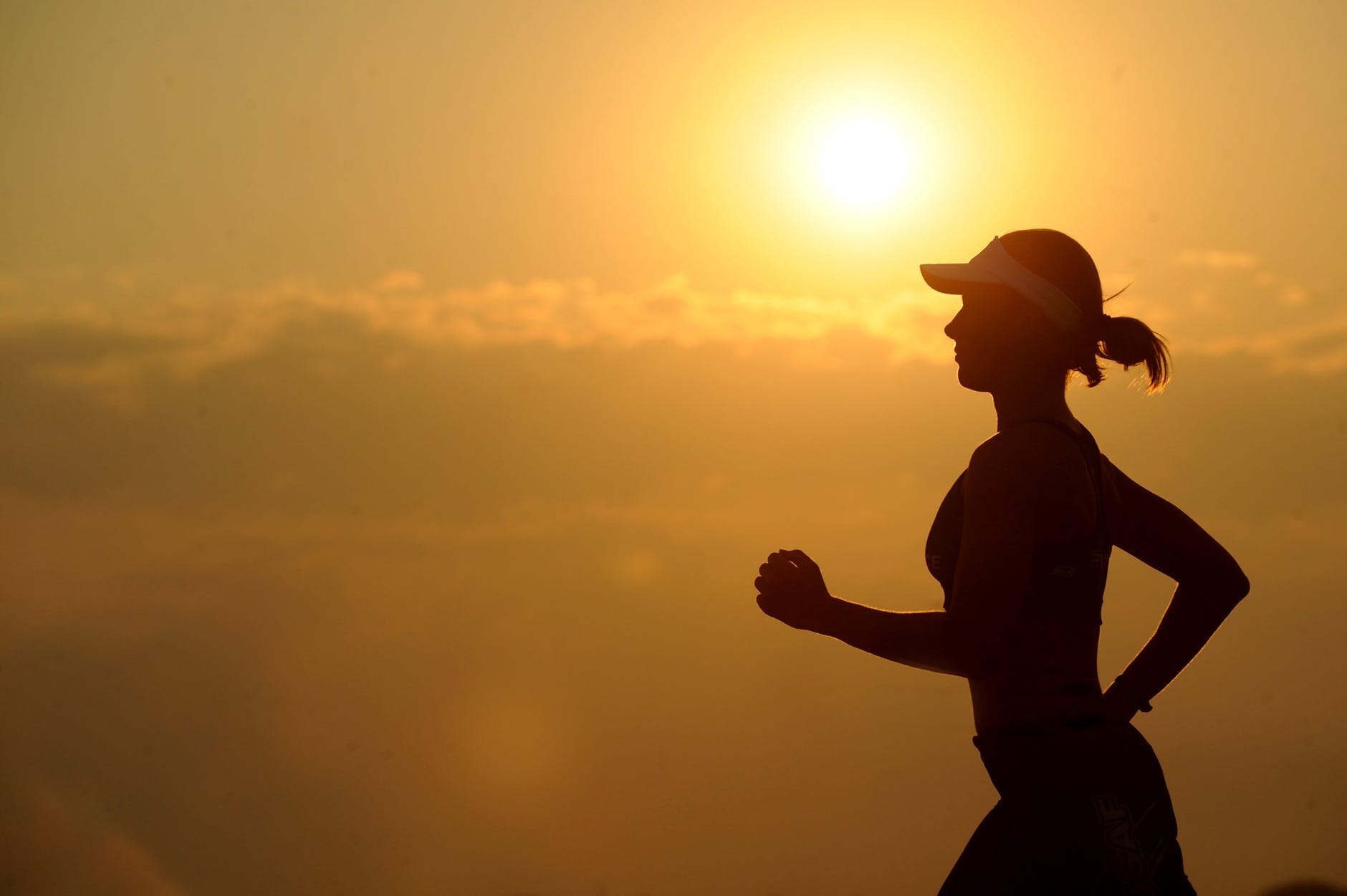
Exercise refers to physical activity or performing some physical work on a repetitive basis to relax your body and take away out all the mental stress. Doing regular exercise is essential in one’s life.

The advantages of regular exercise are often seen very quickly during a person if he does training regularly. An individual needs to be mentally and physically fit as we all have heard, “Healthy Mind lives in a healthy body” So to remain fit and healthy one must do exercises regularly.

One must be both physically and mentally fit. Exercising plays an essential role in our lives. It helps us in staying physically meet. Out physical body is meant to maneuver. If we don’t exercise or walk daily, then we’d quickly get susceptible to different diseases overtime.

A bit like eating food, getting to work every day is a number of the essential aspects of lifestyle exercise is additionally crucial in daily lives, and one should make it a habit to a minimum of exercise 4 out of seven days during a week.

Exercise will assist you in maintaining your weight. If you’re overweight, you’ll quickly reduce by exercising as your calories will burn during your workout period.

Your muscles will develop, and therefore the rate of your body is going to be increased, which can help you in burning more calories than usual, albeit you’re not exercising. Exercise also will help in the improvement of both oxygen level and blood flow in your body.

The recondition and reviving of our full-body is helped by doing exercise. It helps us to form our muscles strong. Exercise also prevents obesity or helps in losing the load. It maintains youthfulness and delays the method of aging.

Exercise improves the functioning of the circulatory system and prevents cardiac diseases. It strengthens our network and prevents infections. Exercise improves our mental fitness and prevents insomnia and depression.


Life secrets of being productive

We all are kind of stressed during this pandemic lockdown, so guess we all are struggling a lot to being productive in our work, business, or whatever it is. 

Firstly, to be productive you should stop procrastinating all your work. Procrastination is your biggest enemy ever to achieve all your accomplishments.

Is there any difference between ordinary people and extraordinary people?

The thing is extraordinary people do all the work, same as ordinary people but with consistency and discipline.  You have to decide whether procrastination is more significant than all your dreams and goals and works. Aim it high. Stop squandering all your time and scrounge towards being productive.

Instead of hard work, do the right work. Writing is not an art, but the way you present and allures your audience to read with emotions is an art. In this world of copycats, exposing all your own style with uniqueness may be hilarious for one and ridiculous for another. Live your life with purpose. Live and achieve all your everyday goals, that this might be the last day of your life so that you will not regret your dreams.

Once you started working, do your work stress-free by being passionate and also satisfied. Because at the end of the day, it doesn’t matter you are an early bird or night owl. But ample peace while waking up to the day as well as relaxation and satisfaction while going to sleep.

When you have a pocket full of money, but not ample peace in your mind, it doesn’t worth it of being productive in your life. Real freedom is enjoying in your real-time. If you are procrastinating all your works it leads to stress, at the time, a lazy man cannot enjoy his money but a productive man can enjoy all his necessities. Enjoy the work you do. Align all your tasks and make them correlated to do for a long time. It is also better to take a break once a week and enjoy it because you work all the rest of the days.

God puts humans in this world with lots of hurdles to know well and behave in certain circumstances and we believe different people behave in different ways according to their attitude towards it. Be consistent in your work, have faith, and celebrate all your accomplishments. No one is going to congratulate you. People can join and you don’t need to satisfy the crowd, but with what actually makes you feel good with gratitude and satisfaction.

Once you are productive, you will start to stop all the scrounge useless things.  So always turn all your inspiring stories or person in life into motivation and convert them to practice and reality in your life to achieve your destination.  You get more advice and lessons when you read failure stories, to get success in your life. Don’t expect the results, it might be either winning or losing, both happen. Experience and explore it more, without procrastinating. Go through and grow through your atmosphere to become productive, with every result of the work you do in your life.

Hockey vs. Cricket

Hockey is the national sport of our country India . Still people love to watch Cricket  far more than cricket . Hence the cricketers are paid 10 times more than even the highest paid  hockey players . Even the highest paid sports are cricketers . So Cricket should be declared the National Sport of our country India . The importance that the game Hockey deserves is not given to it . So we should not only watch Cricket but also watch Hockey and other sports . That is all we can do on our part . We can not do more than this .

Sports

Sports are an integral part of ones life . It is rightly said that ” All work and no play makes Jack a dull boy “. These cannot be excluded from our lives . But during the Covid 19 pandemic we are not able to play outdoor games .  We all are scared to go outside our homes . So what we do is that during our free time we play online games like PUBG , Free fire , FIFA , Call Of Duty  etc . So that is what we can do before every thing becomes normal .

Workouts that are apt for beginners

Sometimes in your life,you have come through a phase that you need to take care of your body.Your vision is always to compete or attain the beauty of people in instagram and other celebrities.You work so hard to look like them but you fail.Your workouts exhaust you rather giving you a joy and mental peace.Thats why I am here with a few beginner workout tips to get to the place where you want.Read on to know what are they

1.Start slow:

Don’t go like I am going to do 1 hour of cardio or run 10 miles a day,seven days a week.Look this won’t work or never work.Even people who are experts in working out ,never exhaust their body with workouts like this.If you are somebody new to workout or someone who is restarting their workout schedule.Banish all those social media and go to your nearby gym trainer or online websites and apps that gives you a workout plan for only few pennies.If your goal is strong and long term.It is okay to spend some pennies on it,because I am sure it will worth it.

2.Good workout plan:

Your workout plan should be able to blend with your regular routines.It should not be something you should work on more rather it should be a part of your life like brushing,eating and much more.Dont put so much stress on creating a workout plan that doesnt even suit you.Listen to your body,analyse what it wants and give it .If we eat so much without listening to our body cues,we will end up puking somewhere same goes to workout dont go overboard.

3.Take enough rest:

Many as beginners,including myself what we do is we workout everyday thinking in that way we will gain more results actually it is not .Workout should be planned with a number of off days that is suitable for your body and lifestyle.Without proper rest we wont gain or lose the proper body mass instead our muscles will be sore and cry for help.Having good rest is important and vital for not only beginners but for even advance trainers.

These are few tips for people who are starting their workout schedule for the first time.Keep these three points on mind and start working on yourself.It is better late than never.All the best buddies ,kick start to some amazing fitness sessions.

SAFFRON-THE MOST EXPENSIVE SPICE IN THE WORLD

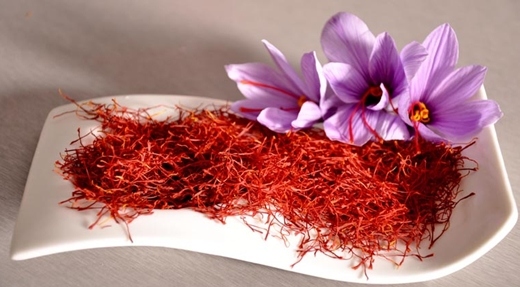
Saffron as everyone knows, is an amazing spice used in various cuisines just for its certain flavour, fragrance or natural food colouring. But have you ever wondered why is it so costly? It is a luxury to just buy a few quantities of saffron because just a few strands are quite costly and not all are able to afford to buy it. During various periods, saffron was considered equivalent to commodities like gold. Iran is the major producer of this spice manufacturing about 90% of world saffron. Countries like India, Italy, Spain, United Arab Emirates and China etc. are also producers contributing about 10% of total saffron produced in the world. I’ve mostly seen saffron being used in sweets giving it a beautiful golden colour which leaves us mouth watering. It is also being used in very little quantities. Is it due to its cost or does it have an impact on health when used in large quantities?

The reason behind is exorbitant price is due the difficult growing process. Saffron is a spice derived from the flower of Crocus sativus. The stigmas of the flowers ( called threads ) are dried and are used to make saffron. But this step is not quite easy. Farmers must harvest the delicate threads by hand. Thus this needs a lot of labour work and is hence quite expensive. Also another factor contributing to its cost is the huge land area needed to cultivate the flowers and it takes 75,000 flowers just to make a pound of saffron. Under specific conditions, like well-drained and rich soil, it blossoms just a week in an year. One side being used in cooking, on the other side, it also has some medicinal properties. Saffron is filled with antioxidants.

USES OR BENEFITS

Saffron has many uses such as

  • Providing antioxidants such as crocin, picrocrocin and safranal which helps to guard a person’s health.
  • Saffron is a good medicine to boost the mood of a person who is especially in depression. Saffron extract along with antidepressants have shown good results in improving the symptoms of depression patients.
  • Saffron is also used to treat Alzheimer disease. Taking a specific saffron extract for 22 weeks can improve the symptoms of the disease.
  • Saffron is also used to treat anxiety. However saffron is not useful to treat say, anxiety and depression at the same time.
  • There is also some evidence that it helps promote weight loss.
  • Also heals complexities

RISKS OR SIDE EFFECTS OF SAFFRON

Anything that is taken in more quantities than what is prescribed can lead to ruin. Saffron also contains some risks. High doses of about 5 grams or more can cause poisoning. Doses of about12-20 grams can cause death. Allergic reactions can occur in some individuals when consumed.

FAKE SAFFRONS

Since it is well known that saffron is very expensive, some people indulge in frauds by selling fake saffron because it is easy to make huge money. Corn husk is one of the items that is used to make fake threads. The original and fake look exactly same so how can we ensure we buy the original one? One way is to buy it from a trustworthy or known seller. The other way is to test its purity. Add some saffron threads into water and wait for sometime. The original threads will colour the water and still look the same. If it fake, the threads would either look faded or totally lose its colour.

RELEVANT LINKS:https://www.homehealthyrecipes.com/kashmiri-saffron-most-expensive-spice/ https://www.sciencedaily.com/releases/2016/01/160120113714.htm

GAMING – good or bad?

“You know what’s really exciting about video games is you don’t just interact with the game physically—you’re not just moving your hand on a joystick, but you’re asked to interact with the game psychologically and emotionally as well. You’re not just watching the characters on screen; you’re becoming those characters.” – Nina Huntemann, Game Over

When most people think of video games they see little use for them besides being a source of entertainment or as a waste of time.

But most young kids see video games as a social activity, rather than an isolating one, and they believe video games are a great way to spend time with their peers or even make new friends.

Although it is true that there are negative effects associated with playing video games, with proper guidance there is so much that can be gained from the positive effects of playing video games.

Some psychologists suggest that video games can actually have many benefits, especially bearing in mind that the nature of these games has changed dramatically and now they are more complex and realistic .

So, in order to understand the impact video games have on children’s development, we need to look at both the positive and the negative effects of these games.

Some pros are- problem solving and logic , Hand-eye coordination, fine motor and spatial skills, Planning, resource management and logistics, Multitasking, simultaneous tracking of many shifting variables and managing multiple objectives, Strategy and anticipation and memory..

Some negative effects are- Aggression in Children, Gaming Addiction and Poor academic performance..

So as we can see gaming can be both good and bad ..all it really depends on is how children use it and the guidance they get.

How do you maintain a cheerful and upbeat mood when on lockdown?

Even if we’re closed, we believe it’s as vital as ever to stay connected, motivatad, and supportive of one another. We enter an area where we  can really reflect as everyone of us is  influenced by the present health issue. We all had our aspirations and  ambitions, as well as plans for the  remainder of the year, not long before  the coronavirus outbreak. Nonetheless, it appears that life has been put on wait indefinitely. Some of us have  acclimated to our peculiar circumstances, while others may feel lonely or  demotivated.

Some of us may have assumed the  pandemic would be over by  mid-summer, but Covid-19 cases are  still being reported over the world, particularly in India, and many  businesses have been forced to file for  bankruptcy.

After months and months of trying to  be positive, it may sound clichéd at this time, but honestly, what other option do we have? Should we fold, stop, or give up?

To assist you get through these trying  times, we’ve put together some mental health and well-being advice that we  hope will help you continue to look  after yourself:

1. The importance of routine cannot be overstated.

Set short-term goals that aren’t too demanding but will get you going, such as a 14-day challenge to run 30 minutes every day.

If you want to stay happy and motivated, you need a routine.Making a thorough schedule is a good habit to get into. This way, even if you fail to complete a task on your to-do list, you can always keep track of what needs to be completed and delegate it to the next day.

Revisiting your milestones so you may assess your progress at regular intervals and appreciate any successes you achieve This is an excellent moment to fine-tune, get everything running smoothly, and enhance aspects that you may have neglected when at full sail.

When the horizon seems too far off, shorten the distance by setting achievable goals.Set attainable goals to shorten the gap between you and the horizon when it feels too far away.

2. Health is wealth.

Always remember, like the ancients did, to treat our bodies with the highest respect.

Fitness, in my opinion, is essential for being positive and optimistic. Regular exercise can help you enhance your mental health and mood, which I’ve discovered can make you feel more optimistic and happy about things.

Taking care of yourself physically and mentally also allows you to develop and realise personal goals. Consider doing some backyard push-ups and sit-ups, as well as purchasing some at-home gym equipment. Set weekly goals, break them down, and gradually increase them as your skills improve.

Good diet is essential for good health, especially when the immune system is under attack. Sugar, salt, and fat should all be consumed in moderation. Consume an adequate amount of fibre. Make fresh food a priority. Take advantage of meal delivery choices if you want to eat out.

3. Pay close attention to your emotions.

It’s important to remind ourselves that it’s okay to feel bad every now and then. We’ve all had them because they’re an unavoidable part of life. After all, we wouldn’t know joy if we didn’t have pain. Make contact with your loved ones.

Limit your exposure to media coverage, as it might cause worry and panic. Choose precise times of the day when you’ll receive updates, and make sure they’re from reputable sources.

If necessary, get additional assistance: You can call some support lines to get answers to your questions or to request assistance. You don’t have to be afraid or embarrassed to contact one of these organisations. Keep in mind that the most important thing is to keep healthy!

4. Keep yourself occupied.

Because we are always so busy, time has become a valuable commodity. Now that we have more time on our hands, we should make the most of it.

Painting, drawing, attempting a new dish, or writing may all be very calming ways to express yourself creatively.” There are a plethora of methods to be present – after all, painting is a type of meditation.

Keep your cool by reading a book or listening to a podcast. Because it allows you to multitask, a podcast is a wonderful alternative to reading.

5. Be optimistic and spread positivity.

Negativity, I feel, depletes energy, whereas positive generates it. And right now, you, as well as your family and friends, need all the positive you can muster.

This, too, will come to an end. We shall overcome these adversities and emerge stronger and better than we are now. Let’s make this our objective. Let’s hope for the best. When you’re positive, I believe you have something to give. Positive thinking can help you stay motivated while also motivating those around you. Is there any land on the horizon? No, not just now. However, I am confident that it exists, and I am more motivated than ever to achieve it.

“It always seems impossible until it’s done.” ―Nelson Mandela

VACCINE PHOBIA

When we were born, we were vaccinated for many diseases. Have you wondered why babies are vaccinated and how it works? Babies are very fragile and have a very weak or immature immune system and are thus at the risk of becoming sick. A vaccine is a substance that stimulates the production of antibodies and provides immunity to one or more diseases. A vaccine contains an agent that resembles the disease-causing microbe which is either weakened or killed and is being injected to the living beings. When the living body identifies a similar or related microbes in future it destroys the microorganism. The vaccines have been proven to be useful in shielding us from various hazardous health issues. Every year they prevent more than 3 million childhood deaths worldwide from diphtheria, tetanus, pertussis and measles, to name a few. Though vaccines have caused some level of worry due to its side effects there was also some and trust attached along with it.

In the current situation in India, the nation is fighting bravely together against the second wave of coronavirus. After much of struggle, many vaccines are invented such as Covishield, Covaxin, Sputnik V etc. These are considered as a torch in abstract darkness. However it didn’t last long because of the fear of its side effects, the unpleasant happenings, events and news. People are like cat on the wall unable to choose between extremes-one is to stay without guard and increase the risk of exposure to coronavirus and the other, to vaccinate themselves and tremble due to the fear of its side effects which might even be fatal. Of course! Every human body has its own defects and is never identical to the other. The suitability of vaccine also depends on the body conditions. Many people fear that they might fall sick after taking the vaccine. Mostly in remote areas with less awareness and more fear have expressed that they are healthy and strongly believe that they would not get sick even if they are affected by coronavirus and are confident about the immune system.

Even we ourselves must have heard people in our neighbouring areas dying immediately after taking either one shot or both shots of vaccine. Some of us must have also heard people getting really sick after the first shot of vaccine. This creates a lot of chaos because people started losing confidence in the vaccine because they believe that getting infected or getting vaccinated, both can be baleful. I’ve heard many people talking about the vaccine that it is not suitable for all age groups and administering it to the old people triggers new health problems which weren’t visible before. I have also heard many saying that the vaccine is also not suitable for the children as it causes serious health issues when they become adults. But apart from whatever we hear or see, the vaccines are lifesavers and consists of a lot of positives and benefits though it may have some drawbacks too. The vaccines have gone through a lot of processes and tests before being given to the public. The vaccine might not be a perfect solution but still let us hope it paves way for a better and healthier future.

Relevant links: https://www.psycom.net/covid19-vaccine-hesitancy-mental-health https://womensenews.org/2021/04/the-covid-19-vaccine-to-fear-or-not-to-fear/

The Art of Self Acceptance

How often do you look at yourself and think that you’re not good enough? That you should have performed better at that test, or maybe should have been slimmer, taller, had a clear skin? In general people blame themselves most of the time for not being good enough. Most of us have become adapt to self-criticism in this high pressured society. And it is not bad at all, to know your weakness and criticize yourself and learn from your mistakes seems like the best way possible to achieve your goals. Self-criticism motivates you but often we become so good at self-criticism and finding our mistakes that we forget to accept our downfalls. Falling prey to excessive criticism often make you depressed, doubt your potential and makes you give up even before trying. Then comes the phase of self-flagellation, where you beat yourself mentally for not being good enough. In easier words it can be called self-blaming, when you blame yourself too much for things that are not even in your control. This might actually affect your performance, making you perform worse than you usually do. You might even lose the will to get up and start, and simply procrastinate.

Depression and self-hatred are serious enemies of life

You need to appreciate the role of self-care, because it’s not only criticism that makes you work. We are so obsessed with success that we fail to acknowledge the scale of challenges and that everyone has some weaknesses. What is easy for your friend might not be that easy for you and vice-versa. The path to your decided goal does not have to be that spotless. You can fall and start all over again anytime. The society might have made you believe that you have to write the entire poem alone but in reality, we all are here to add our own small verses. Daily we routine ourselves to achieve that goal that often you forgot who you are. You are so much more than the degree you completed, maybe the race you won or the test you aced. These materialistic achievements only make up about 20% of the person you genuinely are.

Stop comparing yourself with others

Social media has made you believe that everyone except you in this world is rich and beautiful. And thus you are running after that artificial lifestyle some influencer pretends to have. You are depressed because you weren’t able to pass that exam that someone else did. You want to get that flat stomach, and a sharp jaw line that he has because that might make you look cooler than before and everyone around you will love you more. The more you know about diets, exercise and perfect bodies, the more you become dissatisfied with your body. The more you look at luxurious lives of people on media, the more you become disappointed about what you have been doing all your life. Comparison will take you nowhere because it never ends, there is always a person with something bigger than you. Instead self acceptance is the key to an actual satisfaction. When will it be that we stop justifying, people pleasing, looking outside ourselves for validation about our worth that we know comes from within?

Get rid of that hypothetical mask you are carrying with yourself

Have you ever recorded your voice and felt uncomfortable with the way you sound? Might have, many times but have you ever realized that everyone around you has listened to that voice and they are okay with that. When you look at a random recording of yourself you are unpleased by the way you look, or talk. There’s no way I look/sound like that. But everyone else has looked at you the same way. Everybody is already okay with you and it is you who need to accept yourself. The standards on which you judge yourself are often based on the ones you see on social media or television. But the final product they post/show us is actually a product of photo shop and hundreds of retakes. Reality has no retakes and it is okay to be what you are.

Self-acceptance and Self-compassion

People take responsibility of everything that happens in their life, or will blame their luck for most of the part. Luck is a genuine feature of existence but by blaming yourself or your luck, you also rob yourself the opportunity of fair conciliation. No one is entirely in control of the things that happen around them, sometimes it is okay to fall or maybe crash. You need to reduce expectations to zero for a time. Take each new hour as it comes, and without being banal, what you need most of all, is some rest. Self-compassion is not equal to self pity; you need to give yourself a break even if you feel like you haven’t done something big. Humans were not created to achieve, they were created to live and that is what you have been doing. Don’t be too hard on yourself, life is not a race, it is a puzzle take your time.

The people who love you will still love you for who you are and not for what you have achieved. It is okay to not being able to achieve what you wanted, it is okay to learn from your mistakes but it is not okay to fall prey to the never ending cycle of needs. Success doesn’t necessarily have to be something big, it can be small things. Completing that assignment you have been procrastinating is also a success. There is no set time to achieve it or a scale to decide how much success is enough to be successful.

Journey of mental health during this covid.

Amid this covid, let’s try to take care of our mental health in this toxic environment by being more sanguine in those circumstances.

what mental health actually looks like?  So, it’s all about the state of well-being,  focuses on your thoughts, feelings, and emotions. Cope up with everyday stresses with healthy practices. So with each step you take, you grow stronger.

Like all the people out there, I have also struggled with mental health issues throughout my life. It’s a daily battle, but one I choose to continue to fight every day with slight hope in my heart. Some days are better than others, but I am proud to say that these days I win more battles than I lose.

The thing which puts my mind at ease, like take a moment and smell the flowers, do the things that make your soul so refreshing, whether it’s smelling the flowers or taking 15 mins of quiet time or going for a walk or leisure time with your pets or call your friends. Mental health was given more importance in our society. Remember to give importance to what makes you smile and happy for real.

mental health

Whether you want to change your lifestyle, maintain fitness, or get rid of things that affect your mental health. Perhaps,  the thing is knowing what you want and putting it out into the universe is a good step into the world of manifesting. You have also had to be proactive with what you want. you can’t wish for something to happen and expect it to happen. You have to put into the work and do whatever it takes to receive your goals for what you want. Change can be so scary and nerve-wracking but when you focus on what’s best for you and your mental health at end of the day it will be worth it.

Get past any negativity towards yourself and combat it with love. You have the power to cultivate an ideal relationship, there’s no reason why you can’t have what you desire and deserve. you get one life, make it count, and do whatever it takes to get what you want. Fall in love, take the risk, live every moment to the fullest, and thrive.

The journey of our life is meant to be fun with lots of explorations and experiences. No matter how you travel your path but carry over the bunch of happiness that holds serene within you and let down all baggage that holds distress, negativities. Just dumb and throw all sort of baggage that affects you. It’s okay. The path ahead is full of miracles. Go ahead with your tranquilness of curiosity and courage on your paving.

 Do you know a secret about, how to grow in life?

Yes, the safest place to grow is to welcome criticism and grow from there.  just power up your limits and thrive for something new and it gives you a light-hearted pleasure, once you reach out.

So huge strength and love to all the people who are going through all such lows in life.  It’s okay to be who you want to be in this world full of preconceived notions and unrealistic beauty standards. We tend to cross over all of those resentful circumstances in our lives. Take easy on yourself.  Balance all your emotions with heart and mind.

Healthcare System of India

India’s Ministry of Health was established in 1947, after independence. In 1983, the National Health Policy was introduced, which aimed at universal healthcare by 2000. Universal healthcare means that all the people have access to health services, when and where they need it, without facing any hardships or financial obstacles.

Healthcare is mainly administered by the states. The Constitution of India tasks the respective states to provide healthcare to all the people residing in the state. However, there was disparity of medical coverage between rural areas and urban ones. Hence, the National Rural Health Mission was established in 2005 to improve the healthcare situation in the poorest of regions.

Fast forward to 2021, and there are still many loopholes in the healthcare industry, that need to be tackled effectively. There is great discrepancy between qualities of medical treatment in several regions ranging from urban to semi-urban to rural areas.

Accessibility or rather, the lack of it is a huge problem, deterring people from accessing healthcare. Physical reach is one of the major factors. Physical reach is defined as, “the ability to enter a healthcare facility within 5kms from the place of residence or work.” A study in rural areas found that only 37% of people were able to access IP facilities within a 5km distance, and 68% were able to access out-patient facilities.

Even if a healthcare facility is physically accessible, what is the quality of care that it offers? Many PHCs i.e. Primary health centers lack basic infrastructural facilities such as beds, wards, toilets, drinking water facilities, clean labor rooms for delivery and regular electricity.

Any discussion about healthcare systems, should take into account the central workforce, all the healthcare workers in this field.  However, the workforce is not distributed optimally, with most preferring to work in areas where infrastructure and facilities for family life and growth are higher.

Most of the health expenditures are accounted by the private sector. The private sector gives medical treatment in an efficient way, but also at a higher price. State run public sector is still the only option for rural areas of the country. It is common knowledge that private sector is a very powerful player in the healthcare sector. Huge amounts of healthcare costs lead to impoverishment and financial loss. Although, medical insurances are available, not many people have these and most of the treatment cost comes from the pockets of the households. The public sector offers healthcare at low or no cost, but is perceived as unreliable.

The solution to the problems of affordability of healthcare is to launch local and national campaigns. The percentage of GDP (Gross Domestic Product) that is diverted towards healthcare should be increased. This in turn, will help boost the infrastructure of the public healthcare sector and attract more of the workforce towards these areas. This will motivate people to go to government hospitals to seek treatment.

Medical and health insurance programs should be rolled out, and awareness campaigns should be organized so that the target audience understands the directives of the government schemes. They say that the youth is the future of tomorrow. Keeping this saying in mind, healthcare students should be educated about the ground reality and economic and social issues in various parts of the country and the world. This will help them make conscious decisions in the future and hopefully bring in a realization of the enormity of the situation and the need to confront it as soon as possible.

To receive treatment and medical care is every person’s basic right, and as a nation, we need to take a stand against the problems in the healthcare sector and fight against all that is harmful to humanity.

SPUTNIK V COVID-19 VACCINE- MANUFACTURING IN KARNATAKA SOON

In the face of a vaccination shortage, Karnataka will house manufacturing plants for Covaxin and Sputnik V COVID-19 vaccines.

While Bharat Biotech’s Covaxin manufacturing facility in Malur, Kolar district, is under construction, Shilpa Medicare has signed a three-year definitive agreement with Dr. Reddy’s Laboratories (DRL) through its wholly-owned subsidiary Shilpa Biologicals Pvt. Ltd. (SBPL), for the production and supply of the Russia-made Sputnik V vaccine from its integrated biologics R&D-cum-manufacturing centre in Dharwad.

By the end of August, the Kolar vaccine manufacturing facility, according to state Health Minister Dr K Sudhakar, will be able to produce four to five crore doses each month.

Sudhakar claimed he attended a video conference with Bharat Biotech founder Dr Krishna Ella, his daughter Dr Jala Ella, and the rest of the team on May 17 in Bengaluru. Sudhakar said, “Dr Ella has assured me that their facility at Malur in Kolar will be able to produce one crore vaccines by June-end. By July-end it will be two to three crores, and their target by August-end is four crore to five crore vaccine doses.”

Dr. Krishna Ella and the directors of Bharat Biotech have also informed him that vaccination doses will be delivered to Karnataka as soon as possible, according to the minister. Sudhakar stated that he had requested a rollout timeline from them.

Meanwhile, SBPL said in a regulatory filing that it expects to produce 50 million doses of the dual vector Sputnik V in the first 12 months of commercial production.

On May 14, DRL soft-launched the imported COVID-19 vaccine Sputnik V. The vaccination is priced at Rs 948 per dosage, plus a 5% GST (retail price of Rs 995.40).

DRL, according to Shilpa Medicare, will help SBPL transfer technologies. SBPL will be in charge of manufacturing, while DRL will be in charge of distributing and promoting the vaccine doses throughout its marketing regions, according to the agreement.

In the near future, Shilpa Medicare stated, the businesses are looking into manufacturing Sputnik Light, a single-dose version of the Sputnik V vaccine.

Inoculations of the new coronavirus vaccines have been administered to nearly 1.13 crore people in Karnataka thus far. Both the first and second doses are included in this figure. However, due to a scarcity of dosages, the immunisation campaign for adults aged 18 to 44 has been halted.

India is experiencing a second wave of COVID-19 infection, and quick mass vaccination is being viewed as a viable approach to stop the pandemic from spreading further.

DR REDDY’S SPUTNIK V VACCINE; TIE-UP WITH APOLLO HOSPITALS

On May 17, Dr. Reddy’s said that 8-9 states have contacted the company about purchasing the Sputnik V COVID-19 vaccine. Andhra Pradesh and Telangana are among the states that have reached out to them, according to the company.

The imported doses of Russia’s Sputnik V COVID-19 vaccine were priced at Rs 948 plus 5% GST, or Rs 995.40 per dose, according to Dr Reddy’s. It stated that the price for both government and private channels will remain the same.

The company plans to partner with hospitals in the metro area that can store vaccines at 18 degrees Celsius.

Last week, Dr Reddy’s received 1.5 lakh Sputnik first dose doses, and the company said it received a second consignment of 60,000 second dose doses over the weekend.

“We have a supply commitment of 36 million doses from RDIF in the next two months,” said M V Ramana, CEO of Branded Formulations at Dr Reddy’s.

Dr. Reddy’s is attempting to obtain further doses from RDIF, according to Raman. RDIF has agreed to supply 250 million Sputnik V first and second doses to the company. Russia will have between 15-20% of the initial supplies.

The vaccine prices will come down once local manufacturers start supplying, which is expected in the next two to three months, according to Dr. Reddy’s.

“They have to absorb the technology from RDIF, have to get approvals from the regulators and then scale up manufacturing,” said Sauri Gudlavalleti- Head of Research and Development. “We are working with the regulator to bring appropriate guidance, on whether the other Indian suppliers with whom RDIF signed supply agreement will have to do clinical trials or not,: Gudlavalleti added.

DCGI has given Hetero, which has a partnership with RDIF, permission to conduct Phase-3 trials of the Sputnik V vaccine.

Gudlavalleti stated that the company plans to approach the Indian drug regulator in the coming weeks to request emergency use authorization for the Sputnik Light single-dose vaccine.

Tie-up with Apollo Hospitals

Dr. Reddy’s Laboratories and Apollo Hospitals declared a collaboration on Monday to conduct a trial launch of the Sputnik V COVID-19 vaccine in India.

Dr. Reddy’s will rely on the Apollo Hospitals network around the country for vaccine storage, transportation, administration, and monitoring.

The Sputnik V vaccine would cost between Rs 1,200 and Rs 1,250 per dose, according to Apollo Hospitals.

According to Dr. Reddy’s, the initial rollout will begin on May 17 in Hyderabad and will be expanded to Visakhapatnam and other metro cities on May 18.

In addition to Apollo, Dr. Reddy’s has a partnership with IHH Healthcare’s Contitental Hospitals.

Know the 5 Health Benefits of Coffee

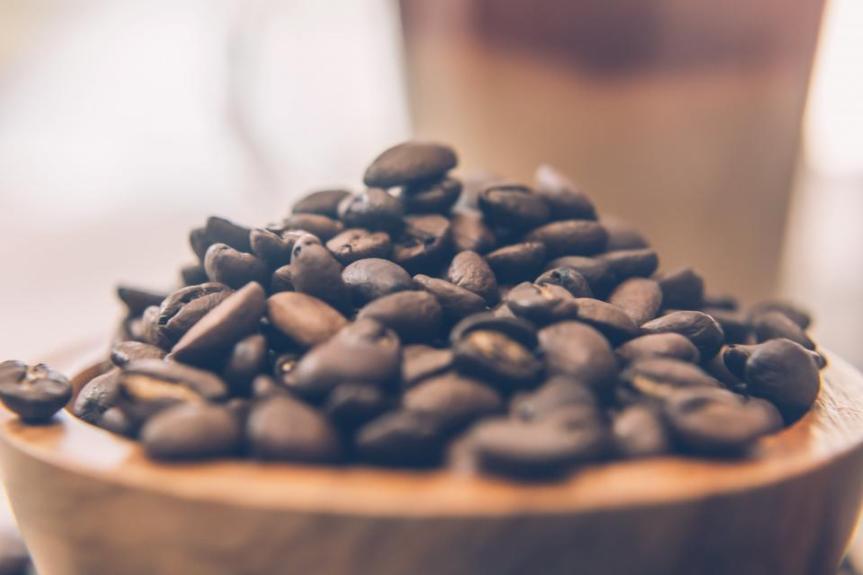
We all are accustomed to having one or the other beverages in a day at least once or twice. While as children we were the fans of bournvita, horlicks, boost etc., as an adult we get habituated to coffee or tea. Both the beverages are good with their own benefits. But youth these days seem to be more of a coffee fan than tea. And this is one of the ways to lead a healthy lifestyle because coffee does have a lot of health benefits. Some of them are as follows:

  1. Reduces Stress, Promotes Happiness: Harvard study of over 50,000 women found that depression risk decreased as caffeinated coffee consumption increased. Coffee reduces the stress hormones which further relaxes the person. Researchers found that drinking coffee is linked to positive emotions, including pleasure, kindness, affection, satisfaction, friendship, calm, and yes, happiness. The findings also noted that no negative emotions were tied to coffee consumption. No doubt why coffee is called the HAPPY JUICE.
  2. Reduces the risk of type 2 diabetes: A 2018 meta-analysis of 30 previously published studies concluded that coffee consumption is inversely associated with the risk of type 2 diabetes. For each cup per day increase in coffee consumption, Researchers found that chance of developing the disease decreased by 6%. The possible reasons for the link include coffee’s antioxidative and anti-inflammatory effects, ability to boost calorie burning, impact on the content and diversity of health-protective gut microbes.
  3. Provides more energy for doing heavy exercises: Several studies have shown that in moderation, caffeine enhances athletic performance. The effects include improved circulation, increases in muscular strength, endurance, and power, plus reduced pain. That may help you push just a little bit harder during workouts, resulting in better improvements in muscle strength and/or endurance. A study found that muscle carbohydrate stores are replenished more rapidly when athletes consume both carbs and caffeine following exhaustive exercise. Compared to carbohydrates alone, the combo resulted in a 66% increase in muscle glycogen (the storage form of carbs) four hours after intense exercise. This surge in energy reserves ups your ability to exercise harder and/or longer the next time you’re ready to get your heart rate up.
  4. Keeps you body Hydrated: Coffee has always been blamed as a great dehydrating agent. However, newer research indicates that after about four days of consistent caffeine intake, your body adjusts, which negates the dehydrating effect. The trick is, you have to be consistent. In other words, if you sometimes have one cup of coffee in the morning, sometimes three, or if you occasionally reach for it in the afternoon, you may feel the diuretic side effects, such as headache and low energy.
  5. Has antioxidants: As we all know that coffee seeds are the seeds found inside red or yellow fruit. Both the fruit and the seed have high antioxidant power. In fact, one study found coffee to be the single greatest contributor to total antioxidant intake. This is likely because 65% of American adults say they drink coffee, while only one in 10 eat the minimum recommended five daily servings of fruits and veggies. In other words, coffee becomes the top source of antioxidants by default. Nonetheless, the antioxidants in coffee have been linked to health protection. Chlorogenic acid, a polyphenol abundant in coffee, has been shown to reduce inflammation, and it may play a key role in protection against chronic diseases, including obesity. And just in case you’re wondering about the coffee fruit, it can be turned into compost, or dried and brewed as tea. It’s also being used in products like energy drinks, since the fruit also contains caffeine.

If only drinking coffee can provide us such good health benefits then let’s promise a cup of coffee to our body everyday.

World Laughter Day!

A day without laughter is a day wasted…!!!

Charlie Chaplin

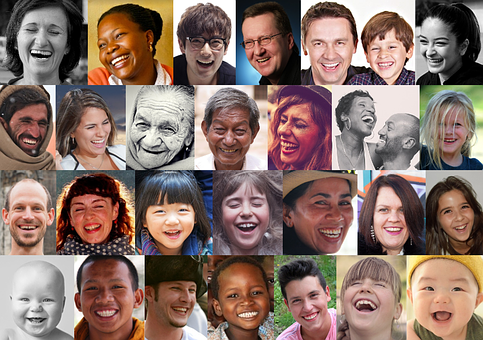
We all know that laughter is one of the best therapy to heal a person. There are many laughter clubs and stand-up comedians who are trying to make people laugh through various antics and therapies. Today is the day to celebrate this best therapy; WORLD LAUGHTER DAY!

Let’s understand how this day came into existence,

It was established in the year of 1998 by Dr. Madan Kataria in Mumbai, India. Dr. Kataria was the founder of the worldwide Laughter Yoga movement. He was very much impressed with the Facial Feedback hypothesis. This hypothesis suggests the connection of someone’s facial expression to their emotions. This was the basis of the foundation of World Laughter Day by Dr. Kataria and his main aim was to promote health and positivity through laughter.

Every Year, World Laughter Day is celebrated on first Sunday of May. It is marked on 2 May this year. In the middle of the pandemic this day is acting as a ray of hope and brings out a little positivity amidst all these crises. Laughter day is celebrated for the positive manifestation of World peace and to promote global brotherhood and friendship. On this day people come together for some moments of time and laugh their hearts out. It was first celebrated in Mumbai in 2008.

We all know how beneficial laughter is to us. Let’s take a look at some of those benefits:

  • ABS through laughter?: Yes, you read that right. Studies have shown that laughter works just like those ab-workouts. So this means you can also have toned abs without having to do those crunches or HIIT Ab workouts. Thank God!
  • Improves Cardiac Health: If a person is unable to do a cardio workout, he can just laugh because laughter is considered as one of the best Cardio workouts one can do. When a person laughs, there is an increase in the pumping of heart which gradually improves the cardiac health of the person. It is like those sale which says Buy 1, Get 1 free! Laughter not only gives you better physical health but also enables you to have a mental peace providing a good mental health.
  • Reduces Stress: One of the main problem experienced by today’s generation is the stress. Every other person is stressed in one way or the other. When a person laughs the anxiety and stress hormones are cut off hence enabling the person to feel better. It is thus used by many doctors as a therapy against several mental disorders.
  • Releases Endorphins: Endorphins are the natural pain killers produced by our body. When a person laughs, it enables our pituitary gland to release endorphins which gradually allows a person to feel better and more pleasant overall.
  • Lowers Blood pleasure: Laughter impacts our blood pressure levels lowering the risks of stroke or a heart attack.

If we can simply have so many benefits just be laughing then why not let’s just laugh for sometime. Kindly spare 5 minutes of your time to see the following video:

Video By: Rituals Cosmetics Global

As you can see how a simple laughter can bring a smile on so many faces. You can watch some comedy shows, movies or even some stand-up comedies on this laughter day. Let us promise to celebrate every day as a laughter day. Keep laughing your hearts out! Stay Happy, Stay Healthy.

Essential Medical Check-ups

We’ve always been told that health is wealth. Even then we forget to take care of bodies the way it deserves. We delay doctor’s appointments and eat whatever pleases not only our taste buds but also our eyes. We ignore the harmful effects it can have on our body. This ignorance does not pay off well as we grow old. 

When we reach a certain age, doctors advice everyone to undergo some health check-ups according to different age groups at regular intervals. 

They help in the early detection and treatment of diseases if any. Some of these tests are given below for your convenience and awareness. They may depend on the age group you fall in.

  1. Weigh yourself:

Knowing your body weight is very important. You should not be more than the required body weight nor less. You might hate getting on the scale but it is a must. You don’t need to visit a doctor for this and it can be done at home.

  1. Blood Test:

A blood test will reveal several things about your body. You may fear a needle but a blood test will only benefit you. It is not very expensive and very quick. It will help you keep a track of your haemoglobin levels, RBCs, WBCs and will also tell you if you have any blood-related issues. 

  1. Cholesterol profile:

Now you will need to go through the painful process of withdrawing blood but keeping a cholesterol check is very important. According to physicians, screening once for the age group of 9-11 years, once between the age of 17-21 years and every 4-6 years after that. If you have a family history of cholesterol or suffer from obesity, cholesterol tests become even more essential.

  1. Pap and Pelvic Exam for women:

Pap smears, pelvic exam and breast examination are very important for women after the age of 21 years. They might cause discomfort but help in detecting cancer cells and diseases that may result in infertility. Pap tests should begin at the age of 21 years and should be done every 3 years till the age of 65 years. Women who have normal results of the pap test can get the test done every five years after the age of 30. Women who are sexually active and are under 24 years and below should also get gonorrhoea, chlamydia and HIV screening. Women at average risk of breast cancer should get a clinical test every 1-3 years if they fall under the age group of 25-39 years. If they are 40 and above they should get it done every year. 

  1. Eye test:

You might not have expected this test on the list and think that you only need to get an eye test when your vision becomes blurry. But no, eye test not only involves tests for eyesight but other eye-related problems as well. So it is recommended that before turning 40 you visit an eye doctor and get a detailed eye test once. If you have vision problems, you should go more often. 

  1. Blood Sugar Test:

Usually, this test is recommended for people who are in their 30s. This test is done after 12 hours of fasting and helps in detecting diabetes. If your test results are <90, your sugar levels are normal. If the results say 100-110, it is pre-diabetes. But if the test is more than 110, the person is suffering from diabetes. If your reading is normal you can get the test done once in a year.

  1. ECG test: 

This test is recommended for people who are 35 years and above. It is done to check if there are any heart diseases. It is advisable to get it done annually if the results are normal.

  1. Immunizations: 

Make sure to visit your doctor and see if you need any immunizations. This can be done annually. Ask your doctor to update you regularly about the same. 

All the above-mentioned tests are to give you a general idea about the tests that are essential to keep your health in check. This article is research-based and for more accurate information you should always visit a doctor.

Where does Ayurveda come from?

All of us are pretty familiar with the term Ayurveda. It is a part of an Indian household and is used almost every day. Not only is it an essential part of our household, but is also an important part of our culture. But have we ever sat back and wondered how and when did Ayurveda origin?

The term Ayurveda is derived from two Sanskrit words, ayur meaning life and veda meaning science of knowledge. Thus, the word Ayurveda as a whole means the science of life. 

Its origin dates back to some 5000 years ago. It is an old art of treating various diseases and conditions that originated in India. It is not only the art of healing but it also teaches us that our health is in balance with the environment, body, spirit and mind. The entire concept of Ayurveda is drawn and based on these 4 factors. 

Ayurveda was first put to practice by Dhanvantari, a physician to the gods in Hindu mythology. It is said that he received the art of Ayurveda from Lord Brahma himself. The first mentions of the Ayurveda are in the Vedas (manuscripts of Hindus), especially in Artharveda. The Vedas are filled with a thousand magical ancient practices of treatment.  It also mentions the ways to expel the demons out of one’s body which were traditionally thought to be the reason behind diseases. The primary conditions mentioned are cough, fever, diarrhea,  seizures, tumours, skin diseases and dropsy. 

Ayurveda is a very wide subject and not only revolves around medication and treatments. It also includes subjects like astrology, government, politics, art and human behaviour.
The recent knowledge of the Ayurveda can be studied through “the great triad” of texts called the Brhattrayi. It consists of three books: Charak Samhita, Sushurta Samhita and Ashtanga Hridaya. They describe the basic principles and theories through which the modern Ayurveda has evolved.
Ayurveda has a deep impact on your body and can give you long term relief. It not only focuses on the symptoms of a disease but focuses on the root of the problems. Thus, an Ayurvedic treatment may show slow progress and maybe long but it shows good results and keeps you healthy for a long time. One of the key reasons why Ayurvedic treatment is considered healthy and safe is because all the medicines and herbs used are organic. They come from the same 5 elements our body is said to be composed of. That is, earth, fire, air, water and space. 

There are several other benefits of Ayurveda.

Benefits of Ayurveda:

  • Aids in weight loss
  • Acts as a stress buster 
  • Balances hormones 
  • Reduces inflammation
  • Removes toxins from the body
  • Reduces risks of diseases
  • Makes skin healthy 
  • Cures insomnia 
  • Reduces bloating 

Some of the important Ayurvedic herbs are Ashwagandha, Brahmi, Turmeric, Cumin and Cardamom. There are hundreds of other herbs that are used in Ayurvedic medicines.
Ayurveda is now begin recognised all around the world. Even WHO has recognised it as a traditional system of medicines. India has also signed an agreement with the WHO for promoting this traditional art. This agreement also includes the practices of  Unani and Yoga. 

Earlier, Ayurveda lost its importance after the country was taken over by the British because they promoted the use of modern medications. This bruised this art form cruelly. 

But now it has slowly begun to be recognised again. Modern medical practitioners have also begun to realise the value of this art form. They are now trying to find a link that will connect Ayurveda to modern science. It is not long that Ayurveda will also see further developments and help in treating people just like ancient times. 

Organic Food’s Growing Popularity

Organic food is the food produced by methods that cycle resources, promote ecological balance and conserve biodiversity. It is either entirely free of synthetic fertilizers or processed food made from organically produced raw materials.

Organic food is slowly becoming a part of the daily diet of hundreds of people around the world. This surge in the use of organic food became somewhere in the early 2000s because of the uncontrolled use of synthetic fertilizers. Synthetic fertilizers started affecting the health of people negatively. Thus, people started shifting to organic food. 

Initially, buying organic food was limited to fruits and vegetables. But today, people prefer almost all food products organic. Like tea, pulses, spices and even oilseeds.

With the introduction of organic foods in the market, people started realising the connection between diet, health and environment. If we consider the environmental perspective, the overuse of pesticides, fertilizers and overproduction have only had negative effects on the environment. It has affected biodiversity, drinking supplies and groundwater. 

India is well known for its organic heritage. Therefore, in India, the organic food market is rapidly growing every year. It has shown an upward trend of 20-22 per cent annually and some data show that about 1.5 million hectares of land area under organic farming. 

Organic food market continuously shows growth and is not expected to decline anytime soon. 

BENEFITS OF ORGANIC FOOD:

Organic foods come with a number of benefits which is why people are shifting to it. Organic food is chemical-free and grown with the help of manure or compost. The consumers of organic products have reported that organic food tastes much better than conventional food. 

Many animals are often fed with growth hormones and antibiotics which passes on to animal food products and further to human consumers of these products. Organic farming prohibits this practice. Animals feed outside in natural surroundings which makes the antibiotic-containing food ineffective in human beings.
Not only organic food but organic farming itself has many advantages. It has acted as a saviour of biodiversity. When humans were continuously exploiting the land to produce more products and the land and soil quality was degrading day by day, organic farming was the only last resort. It promotes the growth of natural varieties and prevents loss of species. It helps preserve the environment which leads to the protection of the wildlife as well. 

Organic farming despite having many benefits has one disadvantage which makes it inaccessible to many. The cost at which organic products are sold tends to be pretty high. Along with high costs, the output is very low because it takes a lot of time and effort to grow or make them.

Globally, the United States holds 40 per-cent of the global market revenue and dominates the organic food market. Europe stands on the second position and accounts for 33 per-cent of the total global revenue share globally.
In the Asia Pacific, Australia, New Zealand, Hong Kong, Japan and Korea are major markets for organic foods. 

All around the world, organic food is gaining popularity rapidly. It is mainly because people are becoming more health-conscious because of increasing health issues like heart attacks, obesity and strokes. In a few years, organic products will easily take over conventional food products. And the reasons are very simple and clear. Organic food is GMO-free, nutrient-rich, environment-friendly, negligible pesticides and fertilizers and no growth hormones.
The organic sector is continuously changing, thanks to the new certifications, policies and products which make them safe for the consumers.
But one should be well aware of which product to buy because many companies sell conventional products with the label of organic products. Consumers should stay informed thoroughly and buy only from certified and authentic suppliers.

HEALTH

HEALTH:

Health is a state of complete physical, mental, and social well-being and not merely the absence of disease or infirmity. In simple words, Health is the state of being well and free from illness. Health can be improved also through individual behavior and lifestyle choices such as eating more nutritious foods and getting more exercise. Combining good nutrition with physical activity can lead to a healthier lifestyle.

IMPORTANCE OF HEALTH:

Living a healthy lifestyle can help prevent chronic diseases and long-term illnesses. The importance of good health in a person’s life is undoubtedly great. Your health is at the center of your life. Every part of your life relies on you having good health. Living a healthy lifestyle can prevent long-term illnesses like such as Asthma, Diabetes, heart diseases, and many more. It provides us freedom from almost all diseases. It is necessary for all of us must maintain a healthy lifestyle to be fit and fearless of diseases. Good health is a secret of every happy man. Thus maintaining health is an important one.

TYPES OF HEALTH:

There are five main aspects of personal health: physical, emotional, social, spiritual, and intellectual.

  • PHYSICAL HEALTH:

Physical health represents one dimension of total well-being. The term refers to the state of your physical body and how well it’s operating.

  • EMOTIONAL HEALTH:

Emotional health is a person’s ability to accept and manage feelings through challenge and change.

  • SOCIAL HEALTH:

Social health can be defined as our ability to interact and form meaningful relationships with others. It also relates to how comfortably we can adapt to social situations.

  • SPIRITUAL HEALTH:

Spiritual health is achieved when you feel at peace with life. Spiritual health is that aspect of our well-being that organizes the values, the relationships, and the meaning and purpose of our lives.

  • INTELLECTUAL HEALTH:

The intellectual dimension of wellness encourages creative, stimulating mental activities. Intellectual wellness encourages learning.

HOW TO MAINTAIN GOOD HEALTH:

It is very important to maintain good health because with good health one will enjoy life without any disease or disorder. Good health is a matter of great concern, to maintain it, healthy living and a disciplined life is a must. The most important tip for a healthy body is to have healthy food and eat them at a proper time. eating a balanced diet, exercising, and getting plenty of rest are key to maintaining good health. Some of the tips for maintaining good health are to Eat a variety of nutrient rich foods, Eat moderate portions, Do not skip meals ,Walk more, Get enough sleep, Activities such as playing an instrument, games, or reading give the brain necessary exercise to improve health.

FACTS ABOUT HEALTH:

  • Your feet have 500,000 sweat glands.
  • Your nose can recognize 50,000 different odors.
  • Laughing can increase blood flow by 20%
  • Skin is the largest organ in the body and it defends against diseases and infections.
  • Being an optimist may help you live longer.
  • Learning a new language or playing a musical instrument gives your brain a boost.
  • Drinking coffee can reduce the risk of depression.
  • Writing things by hand will help you remember them.

Eating less is better than Eating more

Do you overeat? Well if you do, then you are inviting the houses of diseases into your body. You overeat when you are tempted to eat delicious food surrounding around you. Some people overeat due to stress. Food is a necessity in our life. We should eat only when it is enough for our body.

Overeating cause laziness and obesity. Today many students overeat without doing exercise which cause health problems at a young age. They just eat and get busy with their laptop and phones without doing any exercise. People eating in depression results to weight gaining. Binge-eating disorder people consume large amount of foods. Disease like heart disease, strokes and diabetes can occur in our body. Younger people like to eat sweets and chocolates more. This can increase their calories.

Eating less with healthy food can maintain your health and boost your energy. A proper diet plan is good for human being and can make your brain active. You feel better and can avoid laziness. You are free to eat snacks or junk food , but in small portions. This will give you satisfaction as well no extra fat that wil harm your body. Eating too less can also be bad for our body which results in malnutrition. That’s why you should take proper meal. This can increase your goal to live longer. You will feel less aged. Eat the right amount of calories for you. Drink water and sugar free drinks to quench your thirst. Eat your meal satisfied rather than eating full.

Eat less, Eat healthy. Stay fit

I’m different

I have heard people talking about me being different from other children, since my childhood. My neighbor Aunties, my class teacher discussing with other teachers she is too shy, cannot mix-up well with her classmates, always lost in her own world. That time I was in 3rd standard. And I used to wonder why? What makes me different from other children, why my elders find me different or something abnormal in me… but my classmates never made me feel any different, I had 4-5 good friends and 1 best friend with them I was fully comfortable. From class 1st to 8th, I was in same school and well settled, there was no issue because my classmates have seen me from 7 years and they accepted me as I am, at that time nobody could point out me to be different. Everything was going well and I forgot what people said about me earlier, that time I didn’t feel I’m different from others and I was always excited to go to school.

Then I got promoted to 9th class and my father Got transfer to another City. It took me 2-3 months to adjust there it was hard for me as that was a big change after so many years but I still managed because there also I got a good batch they were very friendly helpful. But after a year, I was in 10th my Father again got transfer and this time it really made a dent in my self confidence. Ya, I am an introvert and I take time to get comfortable with others and I need time to make friends, but others should also try to make me feel comfortable, friendship does not go one way. as I was new in the class that too 10th class lot of pressure of studies, the teachers were also so rude and they didn’t help me to cop up with studies as I have came in the middle of the session nobody helped me. rather my maths teacher started saying I’m abnormal, then I failed in maths half-yearly exam for the first time I had failed in any subject, I got depressed and teachers said I won’t pass 10th, they suggested my parents for drop out that year. I suffered a lot of health problems due to maladjustment, but somehow I managed to score 76% in 10th board exams. Class 10th was the worst year of my school life. I did my 12th also from that school and those 3 years were like prison for me, I had no friends there some students used to bully me because I don’t talk much, but that’s their point of view, I’m talkative around right people:-)

Now I’m in 2nd year in college, I have many friends but not any best friend but that’s okay…I have learned to walk alone. I need to overcome my shyness but being an introvert is my nature..I can’t change it and there is no harm in being a bit different:-)

Diabetes

Diabetes is the most common word spoken across the globe. Fatal and contagious than any of the disease ever to be seen by humanity. It doesn’t affect directly but surely undermines the body such that various other diseases get a free pass. It is a major public health problem that is approaching epidemic proportions globally. Worldwide, the prevalence of chronic, non-communicable diseases is increasing at an alarming rate. About 18 million people die every year from cardiovascular disease, for which diabetes and hypertension are major predisposing factors. Diabetes is a number of diseases that involve problems with the hormone insulin, which occurs when your blood glucose, also called blood sugar, is too high. Blood glucose is your main source of energy and comes from the food you eat. Normally, the pancreas (an organ behind the stomach) releases insulin to help your body store and use the sugar and fat from the food you eat. Diabetes can occur when the pancreas produces very little or no insulin, or when the body does not respond appropriately to insulin. Glucose then stays in your blood and doesn’t reach your cells. Therefore weakness, dizziness are prevalent among the diabetic. As of yet, there is no cure. People with diabetes need to manage their disease to stay healthy. Different kinds of diabetes can occur, and managing the condition depends on the type. Not all forms of diabetes stem from a person being overweight or leading an inactive lifestyle. In fact, some are present from childhood.
Three major diabetes types can develop, Type 1, type 2, and gestational diabetes.

  • Type I diabetes: Also known as juvenile diabetes, this type occurs when the body fails to produce insulin. People with type I diabetes are insulin-dependent, which means they must take artificial insulin daily to stay alive.
  • Type 2 diabetes: Type 2 diabetes affects the way the body uses insulin. While the body still makes insulin, unlike in type I, the cells in the body do not respond to it as effectively as they once did. This is the most common type of diabetes, according to the National Institute of Diabetes and Digestive and Kidney Diseases, and it has strong links with obesity.
  • Gestational diabetes: This type occurs in women during pregnancy when the body can become less sensitive to insulin. Gestational diabetes does not occur in all women and usually resolves after giving birth.

Less common types of diabetes include monogenic diabetes and cystic fibrosis-related diabetes.
Since there is no cure, it doesn’t mean that you can’t live your life up to the fullest. Just a tight schedule can prove propitious. Some snacks to include in your diet to keep a close watch on the glucometer are-

  • Fresh fruit and cheese- There’s a reason why the French are known for their fantastic fruit and cheese boards! Cheese is an excellent source of protein and pairs well with carbohydrate-rich fruit to provide energy without spiking blood sugars. Good pairings include apples with cheddar, Gouda and pears, or fresh mozzarella with peaches.
  • Crunchy chickpeas- Gone are the days when chickpeas were only useful for making hummus! Chickpeas (also known as garbanzo beans) are an excellent source of fiber and protein and make for a nutrient-rich, mid-day snack. When roasted long enough, chickpeas become light and crunchy and make for a great replacement for potato chips.
  • Hardboiled eggs- Eggs are a low-calorie snack packed with valuable nutrients, such as B vitamins, zinc, calcium, and protein. Hardboiled eggs make for a healthy, portable snack that will keep you full between meals. Pair with a small piece of fresh fruit if blood sugars are dipping low.
  • Popcorn- Most popular for movie nights, popcorn is full of fiber and an excellent snack that won’t send blood sugars surge. However, not all popcorn is made with the same ingredients. Traditionally, microwaved popcorn can contain a ton of added sugars or partially-hydrogenated oils that take a toll on heart health. Look for brands that air pop their popcorn or use avocado oil, which is a source of heart-healthy unsaturated fat. Save the buttery topping or kettle corn varieties for special occasions.

There are several tips to fight diabetes. You can’t overcome this disease but surely could make peace with it. Diabetes is like an arduous trainer. He makes you do things that you should do to stay healthy and have a prolonged life.

  • Get moving – Exercise helps build muscle and lower blood sugars. If going to a gym seems infeasible then you can consider purchasing a few weights since the best way to control your sugars and your scale is to do both aerobic and anaerobic exercise. Besides, adding a 15- to 20-minute post-meal stroll can help fight sugar spikes.  
  • Embrace your blood sugars, good and bad – No one likes to have high blood sugar. But even if you’ve had a few highs, don’t act crestfallen and abandon tracking your glucose readings. Along with helping your doctor determine if your diet plan and medications are working, a record of blood sugar readings will help you to assess how food, activities, and stress impact your body. Do you need to add five minutes to your walk after eating pepperoni pizza? Are your bedtime snacks keeping you from morning lows? Only your blood glucose knows.
  • Take a break – Consider yoga or meditation. Stress heavily affects blood sugars. Take time to read a book, take a nap, or talk to friends.  
  • Maintain cholesterol-  You have two kinds of cholesterol in your blood: LDL and HDL. LDL or “bad” cholesterol can build up and clog your blood vessels. Too much bad cholesterol can cause a heart attack or stroke. HDL or “good” cholesterol helps remove the “bad” cholesterol from your blood vessels.
  • Refrain from smoking-  No smoking is especially important for people with diabetes because of both smoking and diabetes narrow blood vessels. Blood vessel narrowing makes your heart work harder. E-cigarettes aren’t a safe option either.

Economic turmoil : corona courtesy

The corona effect on the economy in a nutshell.

As the country went into lockdown mode by the end of march, there were hopes that the country would beat the virus in a matter of few weeks. Almost 6 months down the line, we’re yet awaiting the silver lining; with the ever limbing economy, crippled.

Indefinitely blurring, the promise of a better tomorrow. Like a picture by an amateur photographer.

It is difficult times we’re living through, our tales would be recited someday, on how the world lived through a pandemic in the first quarter of the twenty first century.

As always, US leading from the front, with the highest toll of covid casualties. A testament that no superpower is indeed that ‘super’ a power. Uncle Sam bowing to a virus with Communist roots.

India on the third spot on the chart, showing little hope on cutting down the numbers whilst reviving from a stringent lockdown.

Following the trend of lockdowns to curb the novel coronavirus by the end of march, slowed down the pandemic by a few months rather than preventing.

Prevention would have been ideal.

As the end of the day, millions hope that the the worst has passed, with reviving the economy being a priority and curbing the pandemic being the top priority.

The lack of health infrastructure ever apparent. ‘Events being the greatest teachers of fools,’ hoping the future game-plan would be proficient in this aspect.

The sudden surge of covid clusters in certain localities, pushes the authorities to impose further lockdowns, affecting such local economies evidently. Throwing the business owners into a frenzy.

I believe it goes without saying that the worse hit by the lockdown was the daily wage earners and the poorer households. About 50,00,000 people have lost their jobs till date.

The loss of jobs would constrain the purchasing power and consumption for good. Further derailing the economy.

Basic economics I learned in grade 11th taught me that, ‘Production’, ‘Consumption’ and ‘Investment’ constitutes the major economic activities in an economy.

With the former two limited, economy revival any time soon seems like a far fetched dream. Investment fell to the lowest in the last two decades during the past year. With the new highly criticised policy reforms promised by the Union with regards to Investments and education; makes one wonder whether covid is really at the heart of all our problems. Strange.

Don’t get me wrong, ‘Recovery does require reforms.’ Provided it addresses all the socioeconomic factors. Equality and freedom requested by popular demand.

The relief package of ₹20,00,000 crores promised by the Central Government fed the hopeless hope. But closer introspection made clear that such a generous financial aid can do nothing to crank up the economy. The relief sought after, delayed for the time being.

The current trends have shown us that the union does redress grievances; Mostly of industrialists and the people of a certain religion.

As the country is heading into the worst recession post independence, with the ones in power tolerating zero accountability and on the verge of striking down ‘the freedom of expression’. A ‘happily ever after’ seems like a far fetched dream than the reality

5 Easy Lifestyle Changes That Can Improve Your Health at Any Age

5 Easy Lifestyle Changes That Can Improve Your Health at Any Age

As you get older, it can feel more difficult to adopt new habits or break longstanding old ones—especially when it comes to your health. You tell yourself that you’re too old to take up jogging or that you missed the boat on yoga. There’s often a tendency to stick to what you know, doing the things you’re used to whether they are good for your health or not. But while age can play a factor in your ability to engage in some activities, making healthy lifestyle choices isn’t one of them. In fact, there may not be a better time than right now to start changing your ways. It could even mean adding years to your life.

For example, the researchers at the Johns Hopkins Multi-Ethnic Study of Atherosclerosis observed the behaviors of more than 6,000 men and women between the ages of 44 and 84 over a period of seven years. In less than a decade, the team found overwhelming evidence that making healthy choices later in life had enormous benefits. Doing things like quitting smoking, following a Mediterranean diet, and getting regular exercise actually decreased an individual’s risk of death during the course of the study by 80 percent, the researchers said. With that motivation in mind, it’s time to cut out the excuses and get to work on these five healthy lifestyle choices you can make at any age. And for more things you can do to improve your health, check out 50 Important Habits Linked to a Longer Life.

1. Get some sleep.

Getting a healthy amount of sleep is essential at every age. That’s because, according to a 2020 research article from the National Sleep Foundation (NSF), sleeping restores and “fortifies virtually every system in the body.” And failure to get consistent and sufficient sleep has been proven to weaken the body’s immune system—and can even make some vaccines less effective, the NSF says. In other words, not exactly a risk you want to take during a pandemic. So, make sure you are getting the recommend seven to nine hours of sleep a night and talk to your doctor if you are having trouble. And for how your ability to rest changes as you age, check out 20 Ways Your Sleep Changes After 40.

2. Be more active.

While physical activity may feel like more of an uphill climb than it used to be in your younger years, it’s highly important that you don’t let your age prevent you from keeping active.

3. Keep your mind sharp.

It’s not only your body you have to keep in good shape, but your brain as well. And just like your body, your mind needs regular workouts. According to Harvard Medical School: “Challenging your brain with mental exercise is believed to activate processes that help maintain individual brain cells and stimulate communication among them.”

4. Quit smoking.

When it comes to the dangers of smoking—and the life-saving benefits of quitting—the stats speak for themselves. As soon as 24 hours after you stop smoking, Johns Hopkins doctors say you start to decrease your risk of having a heart attack. What’s more, quitting decreased middle-aged smokers’ risk of dying early by almost 50 percent. And for more helpful heart habits, check out 20 Ways to Reduce Your Risk of Heart Disease This Summer.

5. Eat better.

According to Hillis, one of the best things you can do to help prevent dementia and lower several other health risks is to eat a Mediterranean diet. What does that mean exactly? Load up on fruits, vegetables, whole grains, olive oil, and fish, while keeping red meat, sugar, and processed foods to an absolute minimum. And for more helpful information, sign up for our daily newsletter.

HEALTHY MIND IN A HEALTHY BODY

Look to our past to find clues for healthy living today, and tomorrow. Civilisations understood there is a definitive link between our physical health and psychological well-being. In order to survive the 21st century we should look to seven simple daily habits in lifestyle choices. Here is a timeline of major inventions that have changed our lives since the 1800s:The steam engine and locomotive were invented in 1804,the telephone in 1876,the first electrical power plant in 1882,the production line automobile in 1902,the television in 1927,the jet airplane 1943,the ATM in 1967,the cell phone in 1973,the internet in 1983.Isn’t it amazing to realize how these changes have occurred considering the first primate fossils date back some 20 million years?

Personal computers and smart phones together with high – speed internet and social media have changed the way we live, work and communicate in ways that would have seemed unimaginable a decade ago. We are all scrambling to keep our bearings in this digital whirlwind.

We have to be proactive inorder combat the potential of digital technology to zap our minds and bodies of their vitality. Obviously digital advances have improved our lives in so many ways but there are so many uncertains. For example If a learning tool help raise a generation that is being spoonfed too much over processed everything or do they enhance learning and creativity. I think it is a dual edged sword.

Technology has the ability to grately enhance our lives. But it also has the ability to greatly enhance our lives but it also has the power to cause our bodies and brains to atrophy.What are the consequences to our biology of living in a virtual reality, where we don’t have to work physically to stay alive? Will the children be able to adapt to these changes better than we did or will it only get worse? The advice here in is a prophylaxis to help insulate your biology. So, you can continue to climb ever higher and maximize the potential of your body and mind. Humans are built to run. Utility, creativity and adventure are in our DNA. Now industrialization plus energy gluttony is causing global warming.

Habits for a healthy mind and body.

  1. Daily physicality:Exercise for at least 20 mins most days of the week. Brisk walking is the best medicine.
  2. Intellectual curiosity. Spend some time in focused thought exploring new ideas everyday.
  3. Foster creativity. Challenge your mind to connect unrelated ideas in new and useful ways.
  4. Human unity. Create and maintain close knit human bonds and a social support network.
  5. Energy balance. Balance calories in and calories out and reduce your carbon.
  6. Spiritual connectedness : Identify a source of inspiration that is bigger than you. God loves and cares about every area of our life. So we need to find the gifts god gave us body, mind and spirit. It is undoubting faith in God that instills inner peace and joy.

Coronavirus Family vs Humans

Corona virus or Covid 19 has conferred all of us at homes. Words such as ‘Lockdown’, Shutdown’, ‘Isolation’ we have cam across in History Books, is a harsh reality for the world today indeed. Corona Virus has created a havoc worldwide, Especially for the old aged community of people. It is not allowed to shake hands or give a warm hug when you meet or greet someone. Covid 19 has made our lives much more difficult and less happening. A situation of Pandemic has been created by this disease named as Covid 19, as declared by World Health Organization. The symptoms for this disease are cough, sore throat, feeling lethargic, fever just common symptoms for a normal flu, but the strangest part is that it can cause even a loss of life. While it has been strictly declared by the Government that going out and making an crowd isn’t safe but some reckless and desperate people won’t care to follow them. They should know that many rules has been made not just for their own safety, but also to ensure the safety of their loved ones. It should be realized that these steps are taken for our awareness on safety. We are human being, superior to all other creatures so we don’t easily until something really dangerous happens to us. We shall abide by the rules and regulations of the Government and make stuffs like marks, hand gloves, sanitizers the most crucial part of our lives. We shall maintain proper hygiene while travelling by public transport till reaching to a public place and should ensure social distancing. Social distancing means maintaining at least 6feet distance from on other to avoid physical contact. We should also use masks to protect ourselves from the dust and be less prone to viruses outside our homes. Sanitizers are a must have before touching any stuffs also, sprays are also available. Wearing a mask won’t harm anyone but not wearing a mask would surely do. Hands should be sanitized well before eating or drinking anything. Sanitization in all the public places are mandatory. Maintaining personal stuff and washing them properly after every uses shall keep us away from any viruses. Self Quarantining is absolutely essential for a Covid positive Patient for lowering the chance of spreading. We should take proper vitamins and minerals to create that hard immunity which is deliberately needed and must have to fight with the corona family to keep the human race intact. A person having progressive mindset should understand the urgency of the situation and hence act accordingly. He should not go out without having any important reason. It is our duty to give mental support to corona positive patients and treat them with utmost care sot they get the motivation to fight back this deadly disease. If possible, more companies shall take up the initiative to make the employees work from home, to avoid gatherings or official meetings shall be conducted on video calls. Technology should be used more often in this condition and manual works shall be excluded. We should be careful enough not to sneeze or cough openly. We should also refrain ourselves from talking to others or touching anyone without a mask or proper sanitization. Spending a lot more time at home with the family will normalize the situation lot more and would relieve stress and cut down the negative feelings. We all need the constant support of family in this crucial times. The best part we all can do is to educate or acknowledge others about the seriousness of this matter and so they will stop taking human lives as a practical joke. Carelessness is the main drawback of struggling with a pandemic situation as thousands of people are dying everyday because of being not aware enough. Corona virus family will surely leave us someday, if we follow the principles prescribed by the doctors. We should not gather together like we used to do, just to combat the disease. If each and every people starts having this self consciousness we can get rid of Corona virus very soon.

MALNUTRITION IN INDIA

Nutrition plays an important role in determining a person’s health. Foundation of a good life is laid down in childhood where the food we eat plays an important role. Proper nutrition sets us up a good immune system and proper growth in us. This is the ideal condition but not the reality in most parts in India More than half of the deaths of children under the age of 5 in India are due to malnutrition. India has more than 46.6 million stunted children according to the Global Nutrition Report 2018. More than one-third of the world’s malnourished children live in India. Malnutrition is a poor condition of health of a person caused due to lack of food or a restrictive diet, it includes deficiencies, excess and imbalance intake of a person’s diet.
Malnutrition is divided into two broad classifications, undernutrition and over nutrition. Undernutrition is the lack or deficiency of nutrients or calories. Undernutrition comprises of stunting, wasting, underweight and deficiencies. Overnutrition is a condition where there is higher than needed uptake of nutrition. It includes overweight, obesity and chronic non-communicable diseases. Malnutrition affects people of all age group but malnourished children are at higher risk because these children do not have the adequate nutrition to build a strong immune system which exposes them to a wide array of diseases such as diarrhoea, measles. Chronic malnutrition can damage a child’s mental and physical development it also could affect the child’s growth and development. Malnutrition may result in decreased productivity and poor performance. Malnutrition puts pregnant women as the risk of pregnancy-related complications. Overnutrition causes obesity which leads to heart problems at the very least. India’s main reason for malnutrition is economic inequality. There is food production but people can’t afford them. Most of India’s population still lives below the national poverty line. 25 per cent of the world’s hungry call India their home. According to the data provided by UNICEF, one in three malnourished children in the world is Indian. Globally over 146 million children are malnourished and 46.6 million children reside in India.
Most of India’s population depends upon rains to grow their crops and with climate change and irregularities in rains force the family into poverty where there is no solid way of providing children with a healthy diet. Undernutrition is more prevalent in rural areas where much of the population depends on agriculture as its main force of income. Providing accessible healthy food to a population of a country is always a big problem. India has taken steps to overtake the problem. India has introduced the Mid Day meal scheme where free food is provided to government schools aided by government funds and donations given by individuals and corporations. India also launched the Intergraded Child Development Scheme where children and mothers are provided with through health and nutrition education, free or subsidized health services and supplementary food by the government, the program has reached over 70 million young children and 16 million pregnant women. Considering all factors India does have a high rate of malnutrition in the country but it has taken steps towards solving the problem.

YOGA

One of the most crude approaches to save the body sound, generous and salubrious is yoga. The articulation “Yoga” has consistently involved a particular locus in antiquated length and even in the blessing situation. It’s far estimated to be one of the greatest revived strategies to keep up the casing invigorated and keep up immaculateness in the spirit. These days the entire world commends “World Yoga Day” on 21st June 2018. With the expanding fever of “Yoga” one of the most extreme respected famous persona “Dr. Subhash Chandra” thought of starting a “YO1 extravagance Nature cure”.

Dr. Subhash Chandra

Dr. Subhash Chandra one of the pioneer character in making the world a higher area to remain on. The New York nation meeting has respected him for this awesome advance toward humanity at the propitious “Yoga Day 21st June 2018”. YO1 rich Nature Care is one of the fantasy tasks of Dr. Subhash Chandra.

YO1 Luxury Nature Cure

The strict implication of YO1 is “Youvan” that signifies “adolescents” in traditional Sanskrit language. One of the most noteworthy strides toward wellness issues, improve versatility, increment solidness, advance weight decrease, and pass on back the energy. Alongside the above creativity, this association will get different achievements including work, healthy condition, etc. It is spread over a position of 1400 section of land all through which health revolve is around 200 section of land. It’s far foreseen to give a work to 1500 individuals.

World record in “yoga” at a glance

Two world records have been accomplished just before the First International Yoga Day. The greatest number of individuals 35,985 people had partaken in biggest yoga exhibition at a solitary setting for example Rajpath yoga occasion. The most scopes of nationalities at a solitary occasion , people of 84 nationalities achieved yoga at one area. The honors were acquired by Union AYUSH Ministry. Minister Shripad Yesso Naik from delegates of Guinness world statistics.

AstraZeneca COVID-19 vaccine

The initial trial data for the COVID-19 vaccine that has been developed in a joint collaboration between Oxford University and AstraZeneca. The data has been widely awaited as the world looks forward to some good news on the front of a vaccine that could shield people from the deadly coronavirus outbreak that has already infected over 14 million people worldwide and killed over 6 lakh.

The potential vaccine is already in large-scale Phase III human trials to assess whether it can protect against COVID-19, but its developers have yet to report Phase I results which would show whether it is safe and whether or not it induces an immune response. The developers of the vaccine said this month they were encouraged by the immune response they had seen in trials so far and were expecting to publish Phase 1 data by the end of July.

vaccine2-reuters-1

How does the Oxford-AstraZeneca vaccine candidate work?

When someone is infected with the Covid-19 virus (SARS-CoV-2), the reason it spreads in the body easily is because of the spikes on its surface. These spikes, known as the ‘spike protein’, allow the virus to penetrate cells and, thereafter, multiply. The vaccine developed by Oxford and AstraZeneca, which belongs to a category called non-replicating viral vector vaccines, tries to build the body’s immunity against this spike protein. The idea is to create antibodies to fight this spiked surface so that the virus does not even have the chance to penetrate the cells. The vaccine uses a different virus — in this case, a weakened version of a common cold virus (adenovirus) that infects chimpanzees — to carry just the code to make the spike protein, like a Trojan horse. The adenovirus, genetically modified so that it cannot replicate in humans, will enter the cell and release the code to make only the spike protein. The body’s immune system is expected to recognize the spike protein as a potentially harmful foreign substance and starts building antibodies against it. Once immunity is built, the antibodies will attack the real virus if it tries to infect the body.

ap20200570773300-1595213568

Since the Covid-19 vaccine has been developed by a United Kingdom-funded university, UK will have intellectual property rights. Other countries such as India will need to enter into commercial deals or understanding via foundations such as Coalition for Epidemic Preparedness Innovations (CEPI) and Global Alliance for Vaccines and Immunization (GAVI). AstraZeneca also entered a deal with the Pune-based Serum Institute of India to supply one billion doses for low-and-middle-Income countries, with the first 400 million nicely before the end of 2020. It is not yet clear how many doses India will be able to land at first since the rollout of the vaccine will be subject to considerations that are commercial as well as that of equity. The World Health Organization’s chief scientist has described the Oxford vaccine as the leading candidate in a global race to halt the coronavirus pandemic that has killed more than 600,000 people. More than 100 vaccines are being developed and tested around the world to try to stop the coronavirus pandemic, which has killed more than 600,000 people and ravaged the global economy.

Life – changing Tricks

“The purpose of our lives is to be happy” – Dalai Lama. So, implementing certain good habits in our daily life won’t certainly do any harm. The key for betterment of living lies entirely in your hands. Leading a normal and simple life along with a few tricks here and there helps you to achieve your goal. Enhancing your lifestyle in every aspects of life is a answer for proper subsistence. Lets start following these tips from today onwards –

1) Drinking enough water – This is the first and foremost point to start the whole theory with. At least 8 glasses of water is mandatory for a day. You just cannot ever compromise on this part. Drinking less water is a serious issue for sure. A person who often drinks a lot of water everyday stays more healthy and fit rather than the rest. According to doctors, around 60 per cent of human body consists of water. This basically hydrates your body and helps in getting rid of all harmful toxins. Hydration for your body is a must. Water is such a fluid which helps in proper digestion and also helps in assists you in the weight loss game. Do not harm your body consuming alcohol, cold-drinks e t c , replace those with Water from today onwards.

2) Exercising everyday – This is such an essential step to be followed daily. You need not join a gym or workout like a beast no you need not do that. Just take a few minutes out from your schedule and just perform some free hand. Also, try to stretch in the morning before leaving the bed. This is going to make a lot of genuine difference in your life. This is not only makes you physically fit but also boosts up your confidence, improves your focus towards the target. Exercising motivates you to get better everyday. When your body says you No, your mind says you to push yourself further. Exercising is the most crucial steps for the aged group of people too and this helps to remove pain or stress.

3) Cleansing, toning, moisturizing – Let me tell you this step is Not just for the girls out there, very much for the guys too. As they seem to do absolutely nothing for the skin, just know that skin is the largest organ of your body. You are liable to do this much for your skin. This process is simplified as follows… 1stly, apply a Face wash, any one of your choice to remove the dirt and debris. After that apply to tone down your skin a bit. Now apply the hydration, a Moisturizer to your skin to lock in all the goodness. I promise you this is life – changing.

4) Applying sunscreen – Another step for treating your skin, applying a sunscreen. Won’t take even a minute but this has a hundreds of benefits. Protect your skin from the harsh sunlight and keep it safe. Whether you go off to your workplace or playground. Apply some sunscreen before leaving and make sure it is of a good brand. Keep reapplying your sunscreen after every 2-3 hours if you can manage to do so. Skipping a sunscreen will make you pay a lot as it will worsen your skin condition. Sunscreens with UVA and SPF protections is the best.

5) To-Do-List – Yes, maintaining a To Do List and pre-planning everything beforehand makes your life way more easier. Suppose you have got a meeting the next day, sort everything out, the timings, the work and jot it down in a paper or in a diary. Now make a list of all necessary things to be done and check the list after you have finished tasks of the day. The more you will write the more you finish. You can never go wrong with a To Do List. This routine will give you to explore more scopes of life. Also, write down all your dreams, aspirations, your needs so that you have the urge to finish each one of them within a given span of time. Being unpredictable and having no ambitions won’t certainly help anyone in the long run.

6) Enhancing your skills – if you really want to achieve bigger and better in your life, you have to have some skills. Not stressing on the part of scoring good marks, but having any particular skill is a MUST for the youngsters. The skill can be anything, knowing more than 1 languages, mending parts of a car, knowing computer well, making new paintings or whatsoever. the point here is… brush up your skills, your passion and never leave it in the midways. if you can excel in this part, you surely will make a huge difference. Your skill is what makes you recognizable in a field of work. This will also cut down your laziness and make you happy.

7) Believe in yourself – If you cannot practice this, the above mentioned points won’t come handy for you. ‘Believing in your self is the 1st secret to success’ . You have to keep faith and keep believing that you can be better, you can do better. Make your mindset so determined from the very beginning that life is going to thank you for the same. Start working hard from today onwards and make no more excuses. If you fail to believe in yourself today, you are being answerable to your life after 30s for sure.

8) Read a lot – Nowadays, the kids do not practice proper reading. Going through the School text books or Course books before exams does not justifies the term “reading” . This concept is vast and cannot be achieved only by reading subtitles of Netflix or surfing google. You have to slow down a bit and go through some world Class- literatures or Novels. Reading new journals or news everyday will become your best friend someday only if you get addicted to this. This is going to help you so much by increasing your command on the language, enhancing vocabulary. Reading is like doing something productive to yourself.

9) Organizing your closet – This is a grooming tip for our generations as we certainly get no time for this and keep everything way too dirty especially if someone stays in a hostel or a mess. Cleaning your shirt, Ironing them properly adds so much more dignity to your overall personality. We often hear the term , 1st impression is your last impression, hence this is evident that whatever you wear, it should be fitted and taken care of. You won’t have to wear a high end gown for the same, the trick here is to be clean and real. Appearance is the game changer and never ever mess this up in your life.

10) Help them out – Helping never signifies doing something for someone expecting anything in return, or to show yourself superior in any ways. Helping out means genuinely coming to someone’s rescue and being empathetic. Just help out of your own willingness, help your family, your friends, show love to the plants, feed the animals. Doing all this is in turn serving God indirectly. Having a golden heart is rare- make sure you are one of the few.

PERIOD POVERTY


According to UNICEF records, 26% of the world’s female population is in the reproductive age yet menstruation or any other topic related to it is shamed and ostracized in many parts of the world. In India, only 12% of menstruators have any access to proper menstruation products and 88 % have zero to little access to any proper menstruation products. This is the most practical explanation of the term period of poverty. Period poverty is the lack of access to menstrual products and menstrual hygiene education due to financial constraints or cultural misconceptions about menstruation. Period poverty doesn’t stop at menstruation products but it also includes the safe waste disposal of menstrual products and clean washing facilities. In India, there is clear discrimination on menstruating women due to religious myths and taboos about periods. While talking about period poverty it is also important to acknowledge that all women do not menstruate and not all menstruators are women. Many women suffer from medical conditions which renders them unable to menstruate.
Menstruation continues to be one of the main reasons why girls drop out of school in India. Lack of proper toilet facilities, lack of menstrual products, and the absence of education or awareness of menstruation and its hygiene practices are stated as the reasons as to why girls drop out of schools. India has exempted menstrual products is a good move but seeing that only 12% of the menstruating population has access to them.

LACK OF AWARENESS
The absence of logical awareness of periods is a major problem in India. A study by NGO Dasra in 2014 stated that 70 percent of mothers consider that menstruation as dirty and 71 of the girls had no awareness about menstruation before they experience it themselves. With no knowledge about periods or proper products to use, women and young girls resort to using rag clothes and old clothes which are unhygienic and have many physical health risks and UTIs. Schools were also not very helpful in raising awareness about periods because it is still considered as a taboo to speak about it. Schools usually refrain from talking about menstrual hygiene to their students. An average of 40 percent of girls misses out on school on account of menstruation due to no proper period products or washing facilities. Because talks about menstruation are shunned by society due to religious myths and taboos many girls refrain from talking about it or educating themselves about it.


LACK OF SANITARY PRODUCTS –
Out of 355 million female populations in India, only 12 percent have access to menstrual products. Since in rural areas the concept of menstruation is hardly talked about, sanitary pads or tampons are not found easily. Because menstruation products are not considered essential products and the social stigma which causes the lack of demand shops in rural India do not have period products. Due to the lack of sanitary pads or napkins women use old cloths or rags or old socks and other methods to absorb period blood which is unhygienic and could put a women’s health at risk. Many problems related to unhygienic menstruation include cervical cancer, UTIs and anemia could be avoided with the use of proper period products.


GOVERNMENT SCHEMES FOR MENSTRUAL
The first such measure taken by the government of India was-Freeday Pad Scheme in 2010 to provide sanitary pads at low rates (RS.6 per pack) for rural girls, it was launched in 20 states. In 2011 the government launched the SABLA scheme which along with pads at subsidized rates it also provided girls education of menstrual health. In 2014, Rashtriya Kishor Swasthya Karyakram was launched as a sanitation program for 243 million students and menstrual hygiene was a main part of the program. The Swachh Bharat Abhiyan allocated funds to improve menstrual hygiene and raising awareness in rural India.


Conditions for menstruating women can only increase when menstruation is commonly conversed about and its social stigma is banished. India’s first option is to spread awareness about menstrual hygiene and its importance. Many of the problems that women face during menstruation can be avoided by using period products. Simultaneously with awareness, sanitary napkins must be made available to women in rural areas that encompass over 300 million women. By normalizing menstruation and by educating women and men about it will bring down the stigma about periods and will help reducing period poverty

PUBLIC HEALTHCARE IN INDIA

Health care must be recognized as a right not as a privilege. Every man ,women and child in our country should be able to access  the health care they need regardless of their income. – Bernie sanders

The novel corona-virus outbreak in India has shepherded all attention to the neglected Public healthcare system of our country. The public healthcare in India is a joint effort by both public and private individuals to prolong life and provide safe healthcare to the public at a subsidized rate. Whilst the country has ratified many international agreements on global healthcare, India has no reference to healthcare as a fundamental right in its constitution. However, Article 21 of the Indian constitution recognizes the right to life and personal liberty. The expression ‘life in this article means a life with human dignity & not mere survival or animal existence. Existing public health initiatives in India include the National Health Mission, Ayushman Bharat, and National Mental Health Mission introduced by the government. The public healthcare in the country is ranked at 150th in position according to the World Economic Forum, which indicates snags in the system. India has a maternal mortality rate of 145 deaths for every 100,000 births and only 72,012 of the births were assisted by a skilled health professional in the year 2017.

 Paschim Bangal Khet Mazdoor Samity & Others V State of West Bengal & Others held that in a welfare state, the primary duty of the government is to secure the welfare of the people, and the government must provide adequate medical facilities for its people. The public healthcare in India according to the National Healthcare Plan of 2017 covers all services of primary care, diagnostic services, outpatient and inpatient services at free of cost however to access these services is limited as the family must have a health card that links to the primary care facility to be qualified for the mentioned package of services anywhere in the country.

Stages of public healthcare  facilities–  

The public hospitals would have to provide universal access to a comprehensive range of free drugs and diagnostics to the patients. The reproductive, maternal, child, and adolescent health and prevalent communicable and non-communicable diseases are included in free primary healthcare at a primary health center. Secondary care is usually provided at the district medical college hospital. Basic secondary services such as caesarian and neonatal care are free or available at subsidized rates. Secondary health care also promises easy and safe access to blood banks. The tertiary care is usually done at a referral hospital or the apex hospital. .

Primary healthcare is given at a sub-center which is established in an area of a population of 5000. It is the first earliest contact between the patient and the public health care system; primary healthcare is also given at the primary health care center which is established at a place with a population of 30,000. The PHC is also equipped to handle local epidemic which may occur in villages. They also dispense birth control measures and sterilization surgeries at a subsidized rate. The primary health care center has basic pregnancy and neonatal care available at all times. The next center for the public health system is the Community Health Center which is maintained by the state government established in an area of 120,000 – 80,000. These health facilities are established and constructed under the National Rural Health Mission. The healthcare centers offer a Universal immunization program that was implemented in the National Vaccine Policy of 2014.

They are equipped with one surgeon, one physician, one pediatrician, and one gynecologist assisted by various paramedical staff. It also acts as a referral center for patients from the primary health care center. The next center in the public healthcare system is the first referral center. It is usually a district hospital or a sub-divisional hospital that has all the time facilities of obstetric surgery, availability of blood transfusion 24/7, operation theater, specialist pediatric care, and all the required equipment.

Healthcare programs offered by the government of India

The National Rural Health Mission which was integrated into the National Health Mission is aimed towards maternal health, reproductive health, children welfare, and adolescent health. The programs offered the free vaccine to newborns, proper medical help to new mothers, and especially the introduction of the sexual health of adolescents which leads to them making informed choices further in their life. This program’s main objective was to reduce the maternal mortality rate, infant mortality rates, and make healthcare accessible to the rural public at a subsidized rate.

The Janani Shishu Suraksha karyakaram states that all pregnant women who are giving birth in a public health care facility are entitled to free delivery including caesarian. The India Newborn Action Plan is aimed at reducing neonatal mortality rates. The village health and nutrition days are programs that impart knowledge to mothers about proper nutrition and infant care practices. The Rashtriya Kishor Swasthya Karyakram is India’s first comprehensive health program that is aimed at adolescents to inform them about sexual health. Rashtriya Bal Swasthya Karyakram is a program that included all comprehensive and basic healthcare to all children in the age group of 0-18-year-olds in the community.

 Conclusion –

Healthcare in India is slowly inching towards a more accessible and free health facility to the public. Nevertheless, India has come far with its accomplishments with public healthcare programs and it has now become an essential part of the country’s infrastructure. But it still has a long way to go considering that many obstacles prevent people from accessing public healthcare in society. One such barrier is healthcare facilities cost more money than that public can afford. Another such obstacle can be that the process of accessing such facilities might be complex and frustrating to the public that they choose not to approach public healthcare centers.

Why We Need the Arts

Art has been central to human expression since time immemorial. We have come a long way from the cave paintings of our earliest ancestors to stop motion animation. But connecting all modes of artistic expression is the representation of the human, his thoughts, feelings, and aspirations. The power of art has only become stronger with time and remains as spectacular as ever. Even when we have progressed far ahead in science and technology, art has never been and never will be something that is non-essential. While everything else is poised towards our pursuit of knowledge, the arts itself is a way of knowing and representing the seeker himself.

In this time of the COVID-19 pandemic, with almost the entire global having to shut-down and face an unprecedented crisis, humanity is desperate for hope. This pandemic has not only led to a health crisis but a global economic and political crisis as well. While we battle against the odds as best as we can with all the knowledge and expertise that we have accumulated over the years, we have also come to see the importance of things that make us hopeful and optimistic.

couple love sitting evening
Photo by cottonbro on Pexels.com

The arts have proved their value yet again in this situation by offering us the respite we need from the daily inflow of depressing news and uncertainty of the future. In the months of lockdown, music and cinema have been constant companions to many. With the cinema closed and live music becoming temporarily non-existent, it is a blessing that we can still access the arts through technology. Art often allows us to distract ourselves for a little while and thus maintain a balance, not getting fully sucked into any kind of despair. From stand-up comedians to big-screen movies, from mural art to simple tunes, the arts have helped us get through many a day and have reminded us who we are. It lets us remember better days and also leaves space for hope. It allows us to imagine and expands our perspectives on life. Art has been proven to concretely influence our physical health and well-being. Art also provides a platform from which we can interact with other cultures and other styles of expression. It is also a tool for political awareness and self-assertion as well as the creation of identities. It adds meaning, curates safe spaces, and tells our story.

While we praise the arts often in public, one has to wonder whether we had placed it as being lesser useful than the sciences. In many households in India, children are actively told to pursue science or professional courses which will land them a steady income and security in life. This is because an industrially-driven culture that focuses only on profit places a lesser value on endeavors that might not seem to have any specific tangible profit. This has led to artists struggling to make a living and many being forced to leave their passions to pursue other ‘safer’ options to survive. Artists are regularly underpaid and underappreciated. This has also led to many small-town and emerging artists struggling to make a living during this lockdown. This pandemic ought to make us see this practice that has been so ingrained in our society and move us to re-instate the arts as equal, if not more valuable, than all other pursuits. This needs to be a systemic change and has to be prioritized, keeping in mind how much art has enriched our lives. We need to understand how it is intrinsic to our humanity and that at the end of the day, we need more than just medicine for the body but also healing for the soul, a way to process our emotions, and a reminder of our shared humanity.

ABORTION LAWS IN INDIA

Abortion is defined as the deliberate termination of a human pregnancy, most often performed during the first 28 weeks of pregnancy in the English dictionary. India has gone on a long journey to stay true to this definition. India on its policy and laws on abortion have always been towards to shield and preserve women’s rights. Its laws have reflected the international principles of the women committees that the country is a part of. The abortion laws have invariably been revised now and again understanding the transitional and fluid ways of the changing times. The MTP Act has been in place in India for almost four decades. From the MTP Act of 1971, MTP Amendments of 2002, MTP Rules 2003, MTP Amendments of 2014, and MTP Amendments of 2020 show a clear step towards making women’s rights to safe abortion care and services. In the recent amendment of the Medical Termination of Pregnancy Act, the cabinet ministers of the union government have decided to amend the abortion laws to suit the changing times and have modified the 1971 Medical Termination of Pregnancy Act to increase the time for the termination of pregnancy from 12 to 24 weeks. This amendment also has altered the usage of the term “only married women and her husband “to “any women and their partners“.

MTP Act in India was passed in 1971  that was amended in 2020 allows women to seek an abortion under certain conditions. The conditions being (a) if there is an injury to the mother’s physical health or mental health should she continuing the pregnancy, (b) or if there is a risk of mental or physical abnormalities to the fetus which would leave the fetus with abnormalities  (c) if the pregnancy is the result of rape in which termination of pregnancy is allowed as the mental trauma to the women is considered as a grave injury to her mental health(d) if the resultant pregnancy is due to the failure of a contraceptive used by the couple to limit the number of children they have.  The MTP Act also mentions the place where an abortion should be done. Abortion must be done in a hospital sanctioned by the government or a place, for the time being, is approved by the government to do the act. The MTP must also be done by a registered medical professional. When the length of pregnancy exceeds more than 12 weeks, the abortion must be done with the consultation and approval of two registered medical professionals. The act also provides legal security to the medical professional performing the procedure. Anyone who violates the of the article is punishable by law. A person who is not a medical professional is found to be performing or has performed termination of pregnancy is punishable with rigorous imprisonment of a term of 2 years which may be extended to 7 years as it violates Act 19 of the Pre- Conception, and Pre – Diagnostic Techniques Act,1994. If the procedure of termination of pregnancy is done at a place that is not legally approved by the government then the person owing the place is punishable by rigorous imprisonment for 2 years as it is a clear infringement of the provisions of act 19 of the  Pre- Conception, and Pre – Diagnostic Techniques Act,1994.  The place which is legally sanctioned should display its certificate in a manner that is easily seen by the persons visiting the place. If the place has failed to do this action, It is fined with an amount of one thousand rupees as it is in breach of rule 5(7) of the Pre- Conception, and Pre – Diagnostic Techniques Act,1994.

The women undergoing an abortion should fill a Consent form. The Consent form is a requirement to show that abortion was voluntary and informed abortion 18 hours before the process of abortion to the patient. The place where the procedure is done has to fill out the RMP Opinion form, Monthly  Reporting Form, and the Admission Register of case records. The RMP Opinion Form is for the registered medical practitioner to state their credentials, certification, and their good faith towards the procedure done to the patient. The Monthly Reporting Form and the Admission Register of case records are for the hospital/place to track the number of abortion cases in the hospital/place over a month. Thus it is seen that there are many rules and regulations to follow when a woman wants to undergo an abortion. The new abortion laws in India are more progressive and pioneering a new path for the public healthcare system in India. All these laws regarding abortion in India are based to protect women who have been raped or sexually violated and as a measure of population control.

The Skill of Listening Well

From our childhood, we are taught to conduct ourselves in a manner that is pleasing to the society in which we live. We are told to respect others, be helpful, maintain decorum and be kind. One of the skills that is most needed for such thoughtful engagement is the skill of listening. And this does not mean just listening as routine but listening well, actively. In a world which has seen a sonic explosion in the past couple of decades, and with opinions and voices on everything from what to eat to what to stand for, we find ourselves surrounded by a plethora of voices. This often makes us unable to distinguish between the necessary and the unnecessary voices, and can even make us complacent when we shouldn’t be, in the long run. The skill of listening is probably one of the most important skills that we need to have in this time, for the benefit of the community that surrounds us and for ourselves.

We are continuously processing the sounds that we are hearing all the time when we are awake. We assign meaning to them as well. We listen in classrooms, during discussions, on the metro, and in innumerable other settings. Our academic and career performances can be greatly influenced by how good we are at listening to what is being said and how efficient we are at gleaning the important points from it. It is an essential quality especially when we engage with social issues or mental health issues, or when we are trying to help someone with a problem they are facing. We need to also keep in mind that listening should not be equated with hearing since hearing can happen passively as well, even when you do not put in any effort.

Listening well is a skill developed over time. Here are some pointers to being a better listener:

  1. Exercise self-control: This is one of the most crucial aspects of listening well. Exercising self-control might look like not interrupting when a person is speaking, waiting till the end to ask questions, putting away presumptions and prejudices, and waiting till you have all the information before you make a judgment. Listen to understand and not just to respond.
  2. Be fully attentive: Let the person speaking know that they are your focus and that you are listening fully. Keep distractions like your phone, away. Your posture also matters; nod, use facial expressions and be encouraging.
  3. Respond well: Ask if you have understood them well by paraphrasing, ask thoughtful and intelligent questions, and clarify doubts.
  4. Be honest: Treat the speaker with dignity and give honest feedback. Point out things they might have to reconsider and give good reasons for your responses.

Conversations that include such attentiveness and engagement will be more meaningful and impactful. It will also lead to better understanding, better relationships, and more informed perspectives. Being an active listener will also make you more empathetic and sensitive to the experiences of others, and even lets you pick up on the things that they are not saying. It increases the quality of the exchange and lessens the chances of being misunderstood. Listening well can be the single antidote to many of the problems that we face in personal verbal communications right now.

Mental Health: during Covid-19

As we all are aware about the current situation, dealing with this pandemic is the biggest challenge for all the Nations. Corona virus causing death to thousands of people. So many people are suffering from this decease and large number of infected persons are increasing day by day. Due to Nation-wide Lockdown people are locked in thier houses only can go out for essential services, watching News channel, reading articles about Covid-19 causing anxiety, fear and stress among the people, India and other countries facing economic instability and many losing their jobs increasing unemployment and daily wage workers are facing difficulties for living and worried about getting work and how to feed thier families. Doctors are working overtime to provide treatment to more and more patients, people are running hospitals to hospital to admit patients.

Number of Corona infected patients increasing day by day
Daily wage workers worried about thier future

The environment around us is very stressful and negative, but people should try to fill themselves with positivity and hope for better future. Take breaks from news and information related to Covid-19 excercise and meditate. Let’s foucus on building our immunity stronger and eat healthy. listening music or pursue some hobbies all should try to be happy and stress-free.

The UN has urged the governments around the world to take the mental health consequences very seriously, and ensure widespread availability of mental health support. WHO has published guidelines for the communities regarding this issue, because mental health matters. In this difficult time do not lose hope,We will fight, we will win.

IS PROCRASTINATION POISONOUS TO HUMANS?

Did you ever involve yourself in something very trivial , when you had an important assignment submission or work? Did you ever regret not doing the job right?. If yes , then that’s what we call procrastination. Procrastination is the act of delaying or postponing something that needs to be accomplished within a given period […]

IS PROCRASTINATION POISONOUS TO HUMANS?

Benefits of Apple Cider Vinegar

What is apple cider vinegar?  

Apple cider vinegar, also known as ACV is produced during fermentation of apple cider. The sugar present in the apple is fermented by yeast/bacteria which first turns it into alcohol. Further the alcohol is fermented to turn into acetic acid. Apple cider vinegar contains 4-5% of acetic acid, to which many health benefits can be attributed to. Not all apple cider vinegar is created the same, the key is to look for organic, unfiltered, raw apple cider vinegar with “mother” which indicates that it contains probiotics. 

What are the health benefits of apple cider vinegar?

It is almost magical what apple cider vinegar can do for your health.  Let’s start with a list of benefits first and then get into details. 

  1. It can improve digestion
  2. It lowers blood sugar levels
  3. It improves insulin sensitivity
  4. It reduces belly fat
  5. It helps lowers cholesterol
  6. It helps sooth sore throat
  7. It lowers blood pressure and improves heart health
  8. It prevents and decreases the risk of getting cancer and slows down the growth of cancer cells
  9. It helps people to lose weight and increases satiety

Apple cider vinegar is also packed with nutrition. Let’s take a look at its nutritional composition to see what makes apple cider vinegar so special. Apple cider vinegar contains:

  • Magnesium
  • amino acids
  • antioxidants
  • iron
  • manganese
  • phosphorus
  • only three (3) calories per tablespoon

1. Improves Digestion– Drinking apple cider vinegar everyday can help regulate the amount of acid present in your stomach, which will lead to easier digestion. Like any other fermented food, unfiltered apple cider vinegar contains healthy bacteria that helps to keep your digestive system functioning properly. 

2. Lowers blood sugar levels and helps fight Diabetes– Apple cider vinegar has the ability to improve insulin sensitivity and it also helps lower the blood sugar levels. According to a research published by American Diabetes Association, taking two tablespoons of apple cider vinegar before going to bed can reduce fasting blood sugars. 

3. Detoxifies the Liver– Apple cider vinegar increasing energy levels and improves its natural blood filtration processes by flushing the liver.                                                                                                                                                                                                    

4. Helps You Lose Weight– Apple cider vinegar also helps with weight loss as it increases satiety, feeling of being full, which can help prevent cravings.

5. Inhibits the growth of Cancer Cells.  Many studies show that apple cider vinegar has some anti-cancer benefits to it as it is an alkalizing food that restores the acid balance of the body which is important because cancer cells thrive in an acidic environment.

6.) Strengthens the bones – Apple cider vinegar aids in the process of  absorption of calcium, which is essential to building strong bones.

8.) Lowers Cholesterol– Studies show that apple cider vinegar reduces the bad cholesterol- LDL and in turn increases the good cholesterol- HDL due to the natural antioxidants present in it.

How to incorporate apple cider vinegar into your diet?  

The best way to incorporate apple cider vinegar into your diet is to use it for salad dressings or dilute it in water and drink it as a beverage. 1–2 tablespoons (15–30 ml) mixed in a large glass of water and consumed daily.

Refer to this article for detailed consumption patterns for different uses- Apple Cider Vinegar Dosage: How Much Should You Drink per Day?

It’s best to start with small doses of apple cider, avoid taking large amounts because too much of vinegar can cause harmful side effects.

Should PTSD get more attention from the healthcare department?

PTSD or Post Traumatic Stress Disorder is a traumatic disorder that occurs in people who have experienced something horrifying in life or witnessed one. The reasons can be a road accident, natural calamity, personal assault, or death or disappearance of loved ones.

These days PTSD is affecting many lives. Other than emotional distress, it brings many other health problems like anxiety, depression, mood swings, etc. It affects a person’s day to activities and may stop them from participating in it that they enjoyed once. The stress can sometimes hamper a person so much that they slowly start distancing themselves from their loved ones. It may eventually begin amassing suicidal thoughts. Hence, it is necessary to support people affected by PTSD.

One needs to be extra cautious with these people as sometimes symptoms of PTSD start showing within a few weeks of the tragic incident while at times it may take years too. Initially, it is very difficult to find the reason behind its cause, therefore it is always recommended to see a specialist in case one experiences any signs

Why PTSD must receive more attention in Healthcare?

In our society, mental issues are neglected most of the time. Most of the families do not bring the matter into the limelight as they consider it some kind of taboo or equate them to being possessed by evil spirits.

The National Mental Health(NMH) survey states that nearly 150 million people in our country need Mental Health care, but hardly 50% receive the treatment. We rush to hospitals even at the slightest bit of uneasiness, whether it is abdominal pain or severe sickness. But when it comes to mental health, why nobody talks about it? Why nobody is rushed to the doctor in this situation the same way? We limp!

It is high time that we let go of our conservative mindset and discuss mental health issues under broad daylight. To bring mental health issues under attention, this should not be neglected:

-Survivors should discuss their stories so that others learn from it

-Doctors should share their clinical knowledge and aware people about these issues

-Society must change the negative mind and take health care seriously


Self-love Culture: Is it Healthy?

Importance to the individual and the self is a phenomenon that came by as a product of modernity. With more emphasis on self-accomplishment and success becoming often defined as what you are able to make of yourself, talks about what is important to the self and how to understand our own personalities have increased. Nowadays we see a large number of people who propagate what is known as the ‘self-love’ culture. The self-love essentially prioritizes the well-being of the self and calls for the acceptance by each person of their own individuality.

woman in black shirt holding white flowers
Photo by Masha Raymers on Pexels.com

This movement which is increasingly seen in online spaces and urban settings have its benefits as well as adverse effects. We can say that it is extremely necessary, especially when we have a society that is constantly finding fault with us and setting standards that very few are able to stick to. Everyone who does not meet those standards, whether it be about success or beauty or relationships, are considered as failures. Many companies are designed in such a way that they prey on insecure individuals and make a profit by offering them products that supposedly will make them ‘enough’. However, this is a false hope. in this situation, it is absolutely crucial that we have counter-narratives that dispel these myths of success and encourage people to understand their own uniqueness. We should not buy into the ideas that are marketed for the sake of money nor give into traditions that place unwarranted emphasis on appearances and performances. This idea can even cause serious mental health issues when one is constantly seeking the approval of others to be worthy of love.

The problem with this self-love culture, however, is when it goes out of hand and becomes almost narcissistic. People tend to get obsessed with their own selves and will do anything they have to in order to secure what they think will bring them fulfillment. This is dangerous because such an individualistic outlook might lead them to take advantage of others and even cause them harm. It also makes them egoistical and unwilling to accept any criticism. They forget that loving oneself does not mean loving everything about one’s own self and being against all kinds of change or betterment. In fact, if one is loving, one should be willing to change or work towards bettering aspects of their personality which might be potentially hurting themselves or others. Anger issues is an example of an aspect like this.

Self-love is healthy as long as it doesn’t lapse into the other extreme of being obsessed and infatuated with everything about ourselves. Man being a social animal has to live in relationship with others and anything that hinders that will potentially hurt him as well. It is a tightrope walk of loving oneself and accepting our personalities, flaws and all, and being cocksure of our supremacy and infallibility as an individual. We should love ourselves enough to identify things that could potentially be hindering our growth as a person while also keeping in mind that it is not our performance in the world out there that defines our worth. If we are able to be secure in our identity thus, evolving and changing, and embracing it, then we will also be willing to take constructive criticism as well as discern between what should be taken seriously and what should not be.

COVID-19 and Brain Damage

The novel Coronavirus, better known as Covid-19, has proved itself to be the biggest health crisis that mankind has seen in nearly a century. While the H1N1 influenza outbreak of 2009 was also a pandemic, it wasn’t as all-pervasive and life-disrupting as Covid-19 is, atleast to many parts of the world. Covid-19 is a disease caused by the novel coronavirus (SARS CoV-2 virus) which primarily attacks the lungs. It is largely spread from infected persons and leads to situations of community transmissions which can cause uncontrolled spreading of the infection and cause a huge number of deaths. This is currently a global health crisis and may change every aspect of the world as we know it.

The symptoms of the infection include fever, dry cough, and breathing difficulties. The infection is not usually fatal, although extra care should be taken by those with underlying health conditions, and it can be treated using medications since we do not have a vaccine yet. Much vigilance and care are taken regarding this and recovery rates are encouraging. However, new studies are starting to show that the virus does more than just affect the lungs. Even when the patient has recovered and tests negative for the COVID-19 test, the disease seems to affect the individual’s brain. It is not just the respiratory system that is attacked by the virus. The researchers at University College London (UCL) report that many COVID patients show conditions of a rare brain inflammatory condition usually only seen in children. Increase dizziness, weakness, and headaches among others are also now considered symptoms of the infection and they are all neurological. It can even cause delirium and long-lasting brain damage, studies say. The Hindu reports that UCL studies show “43 cases of patients with COVID-19 who suffered either temporary brain dysfunction, strokes, nerve damage or other serious brain effects”.

This is a cause of great concern for neurologists, medical professionals, and the governments of the world since it indicates that there can be a whole wave of neurological disorders and problems arising from this damage. It can even lead to an unprecedented medical crisis wherein newer ways of treatment have to be devised. The increasing number of studies that show such concomitant complications caused by the novel coronavirus is a warning that this disease has far-reaching effects, the extent, and scale of which we might not have yet understood. This is to be taken seriously by the world governments seeing how this can escalate demands on healthcare as well at a time when it is already under high pressure. It should also serve as a warning to the citizens of the world to not take this disease lightly and to follow government regulations. While one can always say that it is easy to recover from the disease and thereby it is okay to risk it, we should keep in mind that such findings only serve to prove that this infection can cause complications in our body that will not be cured when the infection is. Utmost caution and care should be taken in this situation to ensure that we keep our own selves and those around us safe. It is our duty and responsibility to be wise, alert and cautious at this time.

Why should we care about light pollution?

Among the various kinds of pollutions that we discuss about and find measures to deal with in the contemporary world , light pollution is probably the one least known and consequently least discussed. This is particularly a problem in developed countries and the metropolitan cities of the world owing to the increased commercial activity. Lights are always on and roads are always illuminated. People work longer into the night and many go to sleep late as a routine. This phenomenon is increasingly seen in different parts of the world as we move towards greater urbanization and longer days of work.

aerial photo of cityscape at night

Light pollution is also known as luminous pollution. It refers to the excessive use of artificial light to such an extent that it is obtrusive and starts harming the environment. This is a direct result of our modern and industrial lifestyle. Light pollution is important because it is also a way through which humans leave their carbon imprint on the planet. It is seen that increased light pollution can create health issues as well as be harmful to wildlife and the natural environment. It affects nocturnal animals more and can even have an effect on the physiology of plants. It can disrupt normal migration patterns and the biochemical rhythmic cycles of nature which rely on the variations of light and dark during the day. In humans, it can cause stress, headaches, fatigue, sleeplessness, and many lifestyle disorders. It can even cause depression or cardiovascular diseases. Light pollution makes it extremely difficult to see the night sky as it is without the extraneous lights that tend to get in our eyes thereby dimming our view of the sky. The peace of the night sky and the view it offers has become difficult to find. Increased light pollution also interferes with research related to astronomy and can lead to calculation errors as well. This interference is the reason even astro-photographers search for places where there are no extra lights to click pictures of the night sky. These dark spaces where only natural illumination is present are decreasing at a rapid rate. Many researchers opine that the darkness of the night is essential for us and have to be reclaimed. The excessive light used causes a massive waste of energy also which directly increased the carbon footprint that humans leave on the planet.

We can do much to reduce light pollution if we are thoughtful and take some simple measures. Making sure that we do not use an unnecessary amount of illumination in our homes and streets is an effective method that can help. Turn off lights that are unnecessary. Wastage of light energy has to be reduced as well. So, we can use light bulbs that are energy efficient and use light shields to reduce glares. LED lights if used well can be an answer here. We can also work towards policies that seek better strategies of utilizing light energy and is eco-friendly. Spread awareness about this issue and help others to use their lights efficiently. All these will aid us in protecting our planet better and being responsible guardians of it.

Things I Wish Someone Told Me Before Graduating School

It’s again the time to apply for colleges while you’re just out of school. This stage in life always involves uncertainty and stress, and in addition COVID-19 has made it even more challenging for students. Here are some things I wish I knew before I got out of school-

It’s okay to not have everything figured out just yet

I’m sure you have heard all types of questions about your future- ranging from which college would you like to get into to what do you want to major in, from what type of career do you want after college to what’s your plan-B. If you know the answer to such questions then, congratulations you’re the lucky one. But It’s okay if you don’t know the answers to these right now. Most people don’t have their entire life figured out at age of 17/18. You’ll get there eventually. Try exploring one question at a time instead of stressing about all of these at once. Small steps, remember?

Don’t be afraid to get out of your comfort zone

This is probably one of the biggest things I had to learn after getting out of school. It’s so important that you learn to step out of your comfort zone while you’re in school. School offers you a very sheltered environment, but college doesn’t. You’ll have to make ways to achieve things you want and even go and extra mile for them. Inculcating this habit will benefit you in the long run. You surely don’t want to miss out on opportunities in college simply because you were afraid to take a risk.

You and your friends might grow apart

I was fortunate enough to experience my school friendships grow even stronger after leaving school. But this wan’t the case with most of the friend groups in my school batch. It is something that happens when you all jet off to different cities, when you meet new people who you connect with better or when you see that people who you were close to in school aren’t making as much effort to communicate as you are, which happens a lot. It’s highly unlikely for your entire friend group to end up in the same university or college after graduation or for them to make the same efforts they were making when you all were meeting each day. Either way, don’t be discouraged if you realise you’re not as close as you were in school.

ask for help

Don’t be afraid to ask for help. Whether it’s your pride or your fear holding you back, try and get over it. You don’t have to force yourself to struggle when you can ask the ones you trust for help. Whether it’s related to academics or your personal struggle adjusting to a new environment, reach out for help. Looking back you will wish you had asked for help when you had the chance to. This will make your life a lot more easier.

PRIORITIzE your health, physical and mental

Learn to prioritize your health and pay attention to what your body needs from you. Pulling all nighters day after day after day will destroy you and your focus. And No, you can’t survive the whole day at college on a diet of lays and coke forever. Don’t skip your meals. Your health is very important.

You don’t have to be the same person you were in high school

College is the perfect time to reinvent yourself. It’s the perfect time to unlearn concepts and opinions that you no longer agree with. It’s the perfect time to to better yourself educating yourself with issues that are revenant around you. University offers you an environment suitable to reinvent yourself, it offers you the space to give educated opinions and to find like minded people who you willingly want to interact with online school where you had to interact with your classmates only. If you were the brainiac that always had a secret passion for art, then join your college’s art club. If in school you were into sports but always appreciated and enjoyed debating, then join the debate club while participate in the sports activities of your choice. You don’t have to stay the same and that’s the beauty of it.

Benefits of Learning Music

Music is one of the greatest gifts ever given to mankind. It has played an important role in the development of civilization and is an intrinsic part of all cultures. With a greater emphasis on overall personality development, we see many people opting to learn skills that are not academic in order to develop their talents. Co-curricular activities are necessary for the wholesome growth of a child as well as for the well-being of the individual at all stages of life. Learning music is one such activity that is fun and invigorating for people of all ages. This could mean being trained to sing, to play instruments or even to learn music theory like a subject in school. The number of music schools are on the rise in most of our urban cities. Many of them teach Western Music like an academic discipline with syllabus textbooks and exams. Indian classical and Carnatic music centres as well as other forms of traditional music are also taught, and one just needs to decide what to learn based on interest and talent.

piano

Learning music has multiple benefits, particularly for students. Let us look at some.

  1. It helps with cognition and brain development

Learning music involves utilizing multiple senses and processing information in particular ways that enhance brain functions and improves cognition. Faculties of perception and understanding are bettered through regular music lessons and practice. Researchers also say that the left side of the brain which accommodates the facilities of reasoning and understanding language also develops better if one is trained in music. They will also be better at coordination and listening.

  1. It helps with academics

Owing to the heightened cognitive abilities that learning music provides, students of music will also be able to perform better in academics. This is because their senses are trained and their ability to understand concepts, retain them in memory and even to use language well can be positively influenced by this. This is not to say that music training makes you a genius in every way but that it improves your individual capacities and helps you become more aware of who you are and how you perform.

  1. It nurtures discipline

Excelling at any skill requires a lot of attention, practice and discipline. This is especially true of music. It is in regular and thoughtful sessions of focused practice that one develops the skill over time. This also influences the other aspects of our life and will help with managing time and being disciplined with various other activities.

  1. It increases self-esteem and health

Musical training lets the individual explore his own individuality and interests. In a highly competitive world, it also increases his self confidence since he knows he is capable of using his talents and skills. It creates a healthy mindset where he recognizes that he is trained well and able to use what he has learnt in real life. It is also proved to be beneficial to physical health as a healthy frame of mind will also positively affect the body.

  1. It opens up new possibilities

Music lets us explore our own talents but also opens up new worlds which we can explore. We can become acquainted with multiple cultures and their practices, which will instill respect and appreciation in us. We will learn to appreciate diversity and the rich heritages of our own and others’ histories. One can become invested in learning instruments or musical styles of a different culture and grow in our understanding of humanity. Music itself can becomee a career for those especially talented in that arena and challenges the idea that only those who are academically strong can be successful in life.

How to Sleep Better

Tired of tossing and turning at night? These simple tips will help you sleep better and be more energetic and productive during the day.

Basset hound asleep on masters' bed, its head supported by a billowy comforter, an ear flopped outward in each direction

How can I get a better night’s sleep?

Sleeping well directly affects your mental and physical health. Fall short and it can take a serious toll on your daytime energy, productivity, emotional balance, and even your weight. Yet many of us regularly toss and turn at night, struggling to get the sleep we need. Getting a good night’s sleep may seem like an impossible goal when you’re wide awake at 3 a.m., but you have much more control over the quality of your sleep than you probably realize. Just as the way you feel during your waking hours often hinges on how well you sleep at night, so the cure for sleep difficulties can often be found in your daily routine.

Unhealthy daytime habits and lifestyle choices can leave you tossing and turning at night and adversely affect your mood, brain and heart health, immune system, creativity, vitality, and weight. But by experimenting with the following tips, you can enjoy better sleep at night, boost your health, and improve how you think and feel during the day.

Tip 1: Keep in sync with your body’s natural sleep-wake cycle

Getting in sync with your body’s natural sleep-wake cycle, or circadian rhythm, is one of the most important strategies for sleeping better. If you keep a regular sleep-wake schedule, you’ll feel much more refreshed and energized than if you sleep the same number of hours at different times, even if you only alter your sleep schedule by an hour or two.

Try to go to sleep and get up at the same time every day. This helps set your body’s internal clock and optimize the quality of your sleep. Choose a bed time when you normally feel tired, so that you don’t toss and turn. If you’re getting enough sleep, you should wake up naturally without an alarm. If you need an alarm clock, you may need an earlier bedtime.

Avoid sleeping in—even on weekends. The more your weekend/weekday sleep schedules differ, the worse the jetlag-like symptoms you’ll experience. If you need to make up for a late night, opt for a daytime nap rather than sleeping in. This allows you to pay off your sleep debt without disturbing your natural sleep-wake rhythm.

Be smart about napping. While napping is a good way to make up for lost sleep, if you have trouble falling asleep or staying asleep at night, napping can make things worse. Limit naps to 15 to 20 minutes in the early afternoon.

Fight after-dinner drowsiness. If you get sleepy way before your bedtime, get off the couch and do something mildly stimulating, such as washing the dishes, calling a friend, or getting clothes ready for the next day. If you give in to the drowsiness, you may wake up later in the night and have trouble getting back to sleep.

Tip 2: Control your exposure to light

Melatonin is a naturally occurring hormone controlled by light exposure that helps regulate your sleep-wake cycle. Your brain secretes more melatonin when it’s dark—making you sleepy—and less when it’s light—making you more alert. However, many aspects of modern life can alter your body’s production of melatonin and shift your circadian rhythm.

How to influence your exposure to light

During the day:

Expose yourself to bright sunlight in the morning. The closer to the time you get up, the better. Have your coffee outside, for example, or eat breakfast by a sunny window. The light on your face will help you wake up

Spend more time outside during daylight. Take your work breaks outside in sunlight, exercise outside, or walk your dog during the day instead of at night.

Let as much natural light into your home or workspace as possible. Keep curtains and blinds open during the day, and try to move your desk closer to the window.

If necessary, use a light therapy box. This simulates sunshine and can be especially useful during short winter days.

At night:

Avoid bright screens within 1-2 hours of your bedtime. The blue light emitted by your phone, tablet, computer, or TV is especially disruptive. You can minimize the impact by using devices with smaller screens, turning the brightness down, or using light-altering software such as f.lux.

Say no to late-night television. Not only does the light from a TV suppress melatonin, but many programs are stimulating rather than relaxing. Try listening to music or audio books instead.

Don’t read with backlit devices. Tablets that are backlit are more disruptive than e-readers that don’t have their own light source.

When it’s time to sleep, make sure the room is dark. Use heavy curtains or shades to block light from windows, or try a sleep mask. Also consider covering up electronics that emit light.

Keep the lights down if you get up during the night. If you need some light to move around safely, try installing a dim nightlight in the hall or bathroom or using a small flashlight. This will make it easier for you to fall back to sleep.

Tip 3: Exercise during the day

People who exercise regularly sleep better at night and feel less sleepy during the day. Regular exercise also improves the symptoms of insomnia and sleep apnea and increases the amount of time you spend in the deep, restorative stages of sleep.

  • The more vigorously you exercise, the more powerful the sleep benefits. But even light exercise—such as walking for just 10 minutes a day—improves sleep quality.
  • It can take several months of regular activity before you experience the full sleep-promoting effects. So be patient and focus on building an exercise habit that sticks.

For better sleep, time your exercise right

Exercise speeds up your metabolism, elevates body temperature, and stimulates hormones such as cortisol. This isn’t a problem if you’re exercising in the morning or afternoon, but too close to bed and it can interfere with sleep.

Try to finish moderate to vigorous workouts at least three hours before bedtime. If you’re still experiencing sleep difficulties, move your workouts even earlier. Relaxing, low-impact exercises such as yoga or gentle stretching in the evening can help promote sleep.

Tip 4: Be smart about what you eat and drink

Your daytime eating habits play a role in how well you sleep, especially in the hours before bedtime.

Limit caffeine and nicotine. You might be surprised to know that caffeine can cause sleep problems up to ten to twelve hours after drinking it! Similarly, smoking is another stimulant that can disrupt your sleep, especially if you smoke close to bedtime.

Avoid big meals at night. Try to make dinnertime earlier in the evening, and avoid heavy, rich foods within two hours of bed. Spicy or acidic foods can cause stomach trouble and heartburn.

Avoid alcohol before bed. While a nightcap may help you relax, it interferes with your sleep cycle once you’re out.

Avoid drinking too many liquids in the evening. Drinking lots of fluids may result in frequent bathroom trips throughout the night.

Cut back on sugary foods and refined carbs. Eating lots of sugar and refined carbs such as white bread, white rice, and pasta during the day can trigger wakefulness at night and pull you out of the deep, restorative stages of sleep.

Tip 5: Wind down and clear your head

Do you often find yourself unable to get to sleep or regularly waking up night after night? Residual stress, worry, and anger from your day can make it very difficult to sleep well. Taking steps to manage your overall stress levels and learning how to curb the worry habit can make it easier to unwind at night. You can also try developing a relaxing bedtime ritual to help you prepare your mind for sleep, such as practicing a relaxation technique, taking a warm bath, or dimming the lights and listening to soft music or an audiobook.

Problems clearing you head at night can also stem from your daytime habits. The more overstimulated your brain becomes during the day, the harder it can be slow down and unwind at night. Maybe, like many of us, you’re constantly interrupting tasks during the day to check your phone, email, or social media. Then when it comes to getting to sleep at night, your brain is so accustomed to seeking fresh stimulation, it becomes difficult to unwind. Help yourself by setting aside specific times during the day for checking your phone and social media and, as much as possible, try to focus on one task at a time. You’ll be better able to calm your mind at bedtime.Closeup of young bearded man lying on sheets of bed, hands folded behind bed, looking relaxed

A deep breathing exercise to help you sleep

Breathing from your belly rather than your chest can activate the relaxation response and lower your heart rate, blood pressure, and stress levels to help you drift off to sleep.

  • Lay down in bed and close your eyes.
  • Put one hand on your chest and the other on your stomach.
  • Breathe in through your nose. The hand on your stomach should rise. The hand on your chest should move very little.
  • Exhale through your mouth, pushing out as much air as you can while contracting your abdominal muscles. The hand on your stomach should move in as you exhale, but your other hand should move very little.
  • Continue to breathe in through your nose and out through your mouth. Try to inhale enough so that your lower abdomen rises and falls. Count slowly as you exhale.

To follow along with a guided deep breathing exercise, click here.

A body scan exercise to help you sleep

By focusing your attention on different parts of your body, you can identify where you’re holding any stress or tension, and release it.

  • Lie on your back, legs uncrossed, arms relaxed at your sides, eyes closed. Focus on your breathing for about two minutes until you start to feel relaxed.
  • Turn your focus to the toes of your right foot. Notice any tension while continuing to also focus on your breathing. Imagine each deep breath flowing to your toes. Remain focused on this area for at least three to five seconds.
  • Move your focus to the sole of your right foot. Tune in to any sensations you feel in that part of your body and imagine each breath flowing from the sole of your foot. Then move your focus to your right ankle and repeat. Move to your calf, knee, thigh, hip, and then repeat the sequence for your left leg. From there, move up your torso, through your lower back and abdomen, your upper back and chest, and your shoulders. Pay close attention to any area of the body that feels tense.
  • After completing the body scan, relax, noting how your body feels. You should feel so relaxed you can easily fall asleep.

For a guided body scan meditation to help you wind down and clear your head at bedtime, click here.

Tip 6: Improve your sleep environment

A peaceful bedtime routine sends a powerful signal to your brain that it’s time to wind down and let go of the day’s stresses. Sometimes even small changes to your environment can make a big difference to your quality of sleep.

Keep your room dark, cool, and quiet

Keep noise down. If you can’t avoid or eliminate noise from neighbors, traffic, or other people in your household, try masking it with a fan or sound machine. Earplugs may also help.

Keep your room cool. Most people sleep best in a slightly cool room (around 65° F or 18° C) with adequate ventilation. A bedroom that is too hot or too cold can interfere with quality sleep.

Make sure your bed is comfortable. Your bed covers should leave you enough room to stretch and turn comfortably without becoming tangled. If you often wake up with a sore back or an aching neck, you may need to experiment with different levels of mattress firmness, foam toppers, and pillows that provide more or less support.

Reserve your bed for sleeping and sex. By not working, watching TV, or using your phone, tablet, or computer in bed, your brain will associate the bedroom with just sleep and sex, which makes it easier to wind down at night.

Tip 7: Learn ways to get back to sleep

It’s normal to wake briefly during the night but if you’re having trouble falling back asleep, these tips may help:

Stay out of your head. Hard as it may be, try not to stress over your inability to fall asleep again, because that stress only encourages your body to stay awake. To stay out of your head, focus on the feelings in your body or practice breathing exercises. Take a breath in, then breathe out slowly while saying or thinking the word, “Ahhh.” Take another breath and repeat.

Make relaxation your goal, not sleep. If you find it hard to fall back asleep, try a relaxation technique such as visualization, progressive muscle relaxation, or meditation, which can be done without even getting out of bed. Even though it’s not a replacement for sleep, relaxation can still help rejuvenate your body.

Do a quiet, non-stimulating activity. If you’ve been awake for more than 15 minutes, get out of bed and do a quiet, non-stimulating activity, such as reading a book. Keep the lights dim and avoid screens so as not to cue your body that it’s time to wake up.

Postpone worrying and brainstorming. If you wake during the night feeling anxious about something, make a brief note of it on paper and postpone worrying about it until the next day when it will be easier to resolve. Similarly, if a great idea is keeping you awake, make a note of it on paper and fall back to sleep knowing you’ll be much more productive after a good night’s rest.

Taking Care Of Your Mental Health In The Times Of COVID-19

Breathe In. Breathe Out.

Hey, It’s normal to feel stressed, nervous, anxious, drained or worried right now.

COVID-19 has most likely changed every aspect of your life- your family dynamics, your eqaution with your friends, your social life, your schooling, your career, your interests, your habits and even you. As you deal with uncertainity and all the emotions that tag along, it’s crucial that along with your physical health, you take care of your mental health as well. Here are some things that I religiously follow and have worked for me. I hope they work for you as well!

You deserve patience, so be patient with yourself

  • Allow others to help you when you’re struggling. Don’t be shy to ask for help from those you trust and the ones who care about you. Asking for help is not a sign of weakness, it’s a sign of strength, strength in acknowledging that you need help and that you’re willing to work towards a better self.
  • Remind yourself that “It will pass”. Like any other moment, any other journey, any other hurdle in life, this too shall pass, for better. We can’t control what’s happening around us, and with the lack of control and constant bugging of how uncertain the times are, it’s important to remind ourselves we are doing what we can and that’s enough for today.
  • Self-reflect and see what you feel is important to you right now.

Reach out

  • Call your close friends and share your feelings with each other. As simple as it sounds, it is therapeutic, and will leave you in a better state than before. This will help lift off the weight from your chest.
  • Arrange a video call with friends, seeing their faces is as close to physical proximity as you can get right now.
  • Text a friend you haven’t spoken to in a long time, rekindle with them. Maybe reminiscence the times you spent together, memorable moments that you shared, tell them something that remind you of them, go where the conversation takes you.

Take care of your body

  • Since there is very less to no physical activity. Make an active effort to do any form of exercise that you like: walking, jogging, skipping rope, dancing, Zumba, weights, yoga.
  • Get your quota of fresh air during the day. Inhale as much oxygen as you can.
  • Stick to a sleeping routine. In times that are so uncertain and unstable, having a routine can make you feel in control and calm about your surroundings. If you’re having trouble with sleeping, check my article- What should you do if you’re struggling to sleep in quarantine?
  • Practice deep breathing. Try 4-7-8 breathing if you feel anxious or stressed.

Eat your meals

  • Since most of us have erratic sleep schedules it’s no secret that we’re skipping out on meals. Try and eat three small meals each day.
  • Don’t starve yourself. It’s normal to not want to have full meals sometimes. Choose a trusted snack and rely on it whenever you feel hungry but not enough to have a meal.
  • Stay hydrated. Drink 4-6 cups of water daily to avoid dehydration. Warning signs of dehydration can include dizziness, weakness, low blood pressure, or urine that’s dark in color. (source: Harvard Medical School)

Importance of Mental Health during Pandemic Times

Mental Health is a topic much discussed in the current times owing to its increasing importance in the world. Since it was not considered as important as our physical health, mental health disorders, illnesses and issues had been ignored and pushed under the rug for many years. However, with depression and suicide becoming the greatest threat to human life in this modern world, addressing mental health with understanding and seeking solutions are extremely important. Emotional and mental well-being is necessary for an individual to function as he ought in society, complete his tasks and maintain his space in the world.

Modernity has brought with it a number of problems all of which have contributed in their own way to a crisis of mental health. Long hours at the office, increased stress levels, financial crisis, managing work life and home life are all significant factors that affect our mental health. Among students, demanding coursework, fear of the future, a crashing job market, worry about not performing well and peer pressure can all lead to a situation where one is not able to think and behave as one ought.

Right now, the COVID-19 pandemic has caused a spike in the number of mental health issues coming up. There is fear of the virus, worry about what happens next, and many don’t see how they can survive. 1 in 5 college students say that they are experiencing heightened mental health issues during this pandemic. This will become a pandemic by itself and the countries of the world are already realizing this.

A major issue that we in India is what the World Health Organization considers the mental health gap. It refers to the gap between number of those with the need and the number of providers available. There are not enough responders who can adequately deal with the issues and the number of people who are in need of help.

Another major issue with addressing mental health concerns in India is the stigma associated with it. Many are told to ‘just get over it’ or asked to ‘forget about it’. The honour-shame culture in India lends itself to this.  It is considered shameful to approach someone for help or to say that I am struggling mentally. It is not a choice to go into depression. There is rejection and discrimination against people who suffer from severe anxiety or other issues and they are not given the care they need. We need to understand that mental health is as important as physical health and that it needs to be dealt with as seriously.

If you or anyone you know seem to be struggling mentally, never hesitate to reach out for help. It is important that we ourselves do not try to treat anyone or counsel them if we are not qualified. Never wait for your mental health to deteriorate immensely before you start seeking help. Self medication and deluding oneself into thinking that they can conquer this on their own should also not be encouraged. If we see someone struggling with mental health, learn how to move towards them and assure them they are not alone. Don’t moralize them but listen to them and walk with them in their journey. You can do much by taking people seriously when they talk to you about their struggles and by being there for them.


Indian spices have amazing healing powers

The spices we use everyday in our kitchen while cooking are the same spices which had impressed the Britishers with their flavour and unique aroma they gave to the food as well as the amazing healing properties they had. It is not an exaggeration to say that spices were one of the reasons that Britishers started to colonize parts of India.

Even today, spices contribute a very essential part of a healthy Indian meal. But spices do not just add flavour to your food. They have health benefits too capable of healing the body in and out. Sometimes it’s better to turn to natural remedies to cure minor ailments. Ayurveda has solely been using plants and herbs since ages to cure all kinds of ailments. But our generation isn’t as patient as our ancestors were and we prefer pills that give instant relief over natural remedies. It’s time to go back to our roots and make use of some magical spices that have amazing healing properties and that provide relief in a healthier way. 

Here, some of the spices that have amazing health benefits:

1. Cloves

Cloves are one of the most widely used whole spices in our day to day cooking. But we tend to underestimate them in terms of their medicinal properties.  Apart from adding a distinct aroma and flavor to our food, cloves are a rich source of manganese and also have strong anti-inflammatory and anti-bacterial properties. Clove oil is rich in Eugenol, a component that fights infections and also helps in suppressing pain. Simply dab some clove oil over an infected tooth and gums to help ease the pain and also cure infection. Including cloves in our daily diet can also boost immunity, improve digestion and help fight cold and cough.

2. Turmeric

The spice that is used in every Indian household- turmeric is not only renowned for its pungent flavor but also for its extremely useful medicinal properties. It has been used in Indian and Chinese medicine for many years. Turmeric is rich in curcumin – a compound that is a powerful anti-inflammatory and a very strong antioxidant. Turmeric may help relieve arthritis-related symptoms as curcumin present in turmeric blocks all the enzymes causing pain and inflammation in the body. Curcumin also plays a vital role in fighting against auto-immune induced diseases and helps delay the ageing of cells. 

3. Black Pepper

Black pepper or kali mirch is also known as the “king of spices”.  But little do we know that our favorite seasoning black pepper also performs many other beneficial tasks in our body than just pleasing our taste buds. Black pepper is rich in micro-nutrients such as magnesium, vitamin K, iron and vitamin C. Due to its high vitamin C content, black pepper is a very effective antibiotic. Its antibiotic properties work wonders against tonsillitis.  Mix some lemon juice, salt and black pepper powder in a glass of warm water and drink it to get instant relief from throat pain. Black pepper is also high in piperine. Piperine helps in better bowel movements and also helps prevent digestive and excretory system infections.


5. Cinnamon

The distinct sweetness and warm taste aren’t the only things that cinnamon offers. The true magic lies in bark of the cinnamon tree which provides innumerable health benefits. According to various scientific studies, cinnamon has the highest antioxidant content amongst all other spices. Antioxidants help protect body against radical damage and prevents ageing. Cinnamon also helps lower blood sugar levels and bad cholesterol levels in the body. Cinnamaldehyde – the main ingredient in cinnamon has strong anti-bacterial and anti-fungal properties. Cinnamon oil has anti microbial properties also helps prevent tooth decay and reduces bad breath.

6. Ajwain
The bitter and pungent ajwain seeds used in every Indian household are a miraculous remedy for several common ailments. Ajwain seeds are an excellent source of vitamins, minerals and antioxidants Take a little ajwain mixed with some salt and swallow it with some warm water to get instant relief from a stomach ache. Ajwain is very effective in treating gas, flatulence and acidity when taken after meals with warm water and salt. One of the other amazing health benefits that this spice offers is treating common cold. Thymol, an ingredient present in Ajwain, gives it antimicrobial properties hence, making it effective against cold and congestion. To reap maximum benefits, inhale the steam of ajwain infused in hot water, it will ease congestion and provide relief.

7. Asafoetida

The pungent spice asafoetida, also known as hing in India, is actually native to Afghanistan. Hing is one of the chief ingredients used in tadka or tempering to flavor the Indian dishes, especially like dal. 
This strong spice provides numerous health benefits from improving digestion to preventing and treating acne and making your skin glow. Not only this, asafoetida has also proven to restrict the growth of harmful viruses in the body. Hing is also a very effective remedy for dry or whooping cough or even for bronchitis. Prepare a paste by grinding asafoetida in water. Apply this on your chest to get relief from any kind of cough.

What Is Yoga?

Yoga is a mind and body practice with a 5,000-year history in ancient Indian philosophy. Various styles of yoga combine physical postures, breathing techniques, and meditation or relaxation.

In more recent years, it has become popular as a form of physical exercise based upon poses that promote improved control of the mind and body and enhance well-being.

There are several different types of yoga and many disciplines within the practice. This article explores the history, philosophy, and various branches of yoga.

What is yoga?

In the modern world, the South Asian art of yoga has expanded to all corners of the globe. While it is now a popular form of exercise and meditation, this has not always been the case.

History

yoga history
Yoga has a long history of helping people achieve mental and physical balance.

There is no written record of the inventor of yoga.

Male yoga practitioners are known as yogis, and female yoga practitioners are called yoginis. Both practiced and taught yoga long before any written account of yoga came into existence.

Over the next five millennia, yogis passed the discipline down to their students, and many different schools of yoga developed as the practice expanded its global reach and popularity.

The “Yoga Sutra,” a 2,000-year-old treatise on yogic philosophy by the Indian sage Patanjali, is a guidebook on how to master the mind, control the emotions, and grow spiritually. The Yoga Sutra is the earliest written record of yoga and one of the oldest texts in existence and provides the framework for all modern yoga.

Yoga is well known for its postures and poses, but they were not a key part of original yoga traditions in India. Fitness was not a primary goal. Practitioners and followers of yogic tradition focused instead on other practices, such as expanding spiritual energy using breathing methods and mental focus.

The tradition began to gain popularity in the West at the end of the 19th century. An explosion of interest in postural yoga occurred in the 1920s and 1930s, first in India and later in the West.

A Tool to Reveal the Self

The Sanskrit root yuj means to “yoke,” “bind,” or “join together.” It also indicates “union” or “Oneness.” At the deepest spiritual level, yoga allows us to reveal the Self, the True Essence of our Being. Ultimately, it is the means by which we realize that there is no separation between anyone or anything. Everything is One. According to the Yoga Shikha Upanishad: “Verily, there is no virtue greater than Yoga, no good greater than Yoga, and no subtlety greater than Yoga. There is nothing that is greater than Yoga.”

Defining yoga in an all-encompassing way can be challenging. There are so many distinct and overlapping aspects, layers, branches, and nuances within the vastness of yoga that a single definition inherently creates a limitation.

And yet, the real essence of yoga is about transcending all limitations. Yoga is an empirical science and philosophy aimed at understanding life’s most important questions.

An Art, Science, and Philosophy

The modern yogi B.K.S. Iyengar describes yoga in this way:

Yoga is an art, a science and a philosophy. It touches the life of man at every level, physical, mental, and spiritual. It is a practical method for making one’s life purposeful, useful and noble.

As honey is sweet from any part of the honeycomb, so is yoga.

It enables every part of the human system to become attuned to its essence, the conscious seer within.

Yoga alone enables the practitioner to perceive and experi­ence the world within and around himself, to touch the divine joy of all creation, and then to share that nectar of divine wealth and happiness with his fellow beings.”

Four Categories of Yoga

Stephen Cope, the author of Yoga and the Quest for the True Self, divides yoga into four categories:

  1. Yoga as mystical union. From this perspective, yoga applies broadly to any tradition or person seeking to go beyond personal consciousness in order to unite with the Absolute. Thus, it is not limited to saints or yogis in India, but applies just as aptly to other contemplative traditions—be they Buddhist, Jain, Taoist, Sufi, Christian, or Jewish mystics—and anyone seeking to merge with the Divine. From this perspective, St. John of the Cross would be just as much a yogi as Swami Sivananda. Here, yoga is about the realization of mystical union, the Consciousness of Oneness.
  2. Yoga as a broad term for an Indian spiritual discipline. Here, yoga refers to a particular spiritual technology, with its origins in India as early as 1800 B.C. Recent archaeological excavations in the Indus River Valley have uncovered depictions of people in positions that can be recognized as yoga asanas (postures) even today. These practitioners approached yoga in a highly experiential and experimental way, often involving renunciation and strict discipline.
  3. Particular branches of yoga.
  4. Classical Yoga. When many practitioners talk about yoga, they are specifically referring to the comprehensive system of yoga laid out in Patanjali’s Yoga Sutras.