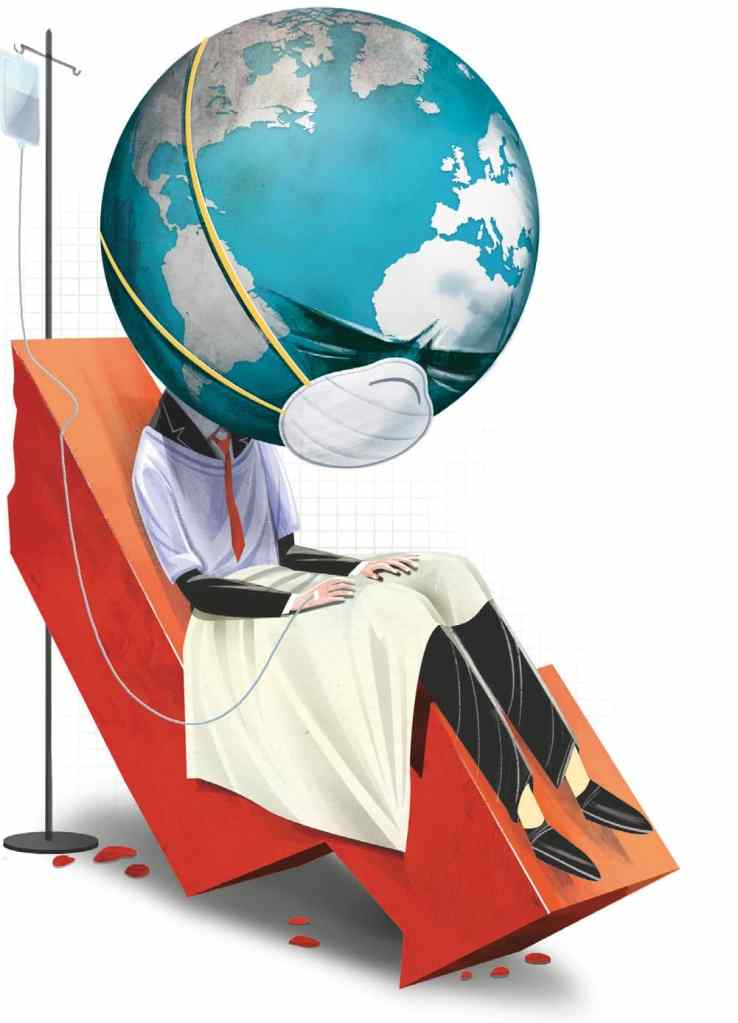
The Bittersweetness of Nostalgia 

Nostalgia is one strong feeling. Perhaps, one of the strongest. 

It can make you travel back in time, take you back to the bitter and sweet memories where you can almost hear your mother calling for you in the distance so that you don’t miss the school bus. You can almost feel the dejection you felt when your best friend doesn’t come to school, the fear when you forget your notebook at home. You can almost feel your mother’s arms wrapped around you, shielding you from any harm that comes your way. 

You can almost feel all these emotions but still can’t reach them. There is a wall that impedes you to truly and wholly be in those memories and that wall is reality. 

Nostalgia is always asserted with a miniscule of woe that constantly reminds you that you can never truly travel back in time. If only we could be a part of those foggy memories, we would feel complete. If only we could go back to the times when you fought with your sibling over the T.V. remote, we would be satisfied, our thirst for absolute satisfaction would be quenched.

But isn’t it this yearning, this longing that makes memories what they are, makes us value and treasure those moments as much as we do. If we could, in reality go back in time we wouldn’t value them enough, we would start to treat them the way we treat a myriad of things.

That pain, that longing is an evergoing epiphany, whispering into your ear, reminding you of the distance that exists between you and the past. That reminder makes you want to grip harder onto those memories, making you want to stay there.

That reminder also stops you from taking things for granted. That doesn’t mean that you have to be extremely conscious of every moment you experience or every step you take, it just means that you have to cherish them at the time of their occurrence. Maybe you can remind yourself of all these things when you are in a foul mood or maybe even value the people more, take care of them and appreciate them. Tell them how you feel about them because they too, will go away someday and never come back.

It is not necessary that we all would be able to appreciate and cherish anything in our lives after reading an article, in fact these realisations will occur out of the blue, at times you don’t expect. It could be a time of grief for you, or visiting your old house, a breakup or just a conversation with an old friend which can ultimately driving you down a road of deep thought, maybe even leaving you confused.

Nothing can remedy this woe, no one should even try to remedy it, let yourself feel this woe, dive into those memories, dwell into those moments but don’t let them consume you for you still have a multitude of memories to make and reminisce over in future.

Test your ‘MYTHS VS FACTS’ knowledge

Isn’t it amazing when your friends are talking about something that is a myth but you know the real fact about it and you can actually brag about it. Everyone thinks you are a genius but you know that it is something you read somewhere. It’s hard sometimes to think about thousands of myth and facts which we just don’t know and continue to believe what we know about it. When I was small my mother once told me that if you see your face in the mirror at night your face will get wrinkles. Yeah… like that doesn’t even make sense but she told me anyway because she was getting ready and I was In the way. And I know you too have come across some bizarre myths that I believe are made up. But there are myths that people actually believe and are common to everyone like black cats are unlucky. They are not!! I have a black cat and I love her the most.

Photo by Helena Lopes on Pexels.com

It’s modern time and people want facts if you want them to believe something. Science has progressed and has answer to almost everything but there are things which even science is unable to answer for e.g., why are women always right? And how moms are able to find anything when we ask them and we can’t. How?? Okay, I will pull my hair out and still won’t get any answer so let’s move on to our myths vs facts quiz. I will give you some common beliefs and you will have to identify it as a myth or a fact and at the end I will answer them.

READY, SET, GO…

  1. You have to drink at least 8 glasses of water a day.
  2. Bulls get angry when they see red color
  3. Only animals that blush are humans
  4. Dogs only see black and white. Poor doggos. (Simple huh?? Real questions start now.)
  5. If you swallow gum it will sit for 7 years in your stomach.
  6. Pineapple is a natural meat tenderizer.
  7. To boil water faster add salt to it.

Answers

(Myth) No you don’t have to. There are many factors involved as of how much water you should consume. Drink when you feel like drinking. Not too less not too much. 3 to 4 litres work perfectly fine. According to The U.S. National Academies of Sciences, Engineering, and Medicine, the adequate intake of fluids for men is 3.7 L and for women it is 2.7L. about 50 to 70 % of our body is made up of water and it is important for:

  • Keeping temperature normal.
  • Getting rid of body waste

(Myth) I’ve spent my life getting scared and hiding my red clothes whenever I saw bulls. Whoever made this myth hated red color. Everyone believed this because of that red cloth used by matadors in bull fights but American science guide says that bulls are red green colorblind. The actual reason for bulls’ anger was the movement of the cape. Feeling stupid? Yeah me too. We are in this together.

(Fact) Isn’t it amazing how our cheeks turn red when someone compliments us or when we are embarrassed of saying something stupid. humans are the only animals who are capable of blushing, and as Darwin states “the most peculiar and the most human of all expressions.” It’s still unknown how it happens voluntarily but in terms of science it is caused by the dilation of blood vessels in the facial skin.

(Myth) Here is a good fact dogs don’t see in black and white. Our friend is actually capable of seeing colors not many but can distinguish between them. The can see blue, yellow and some shades of grey. They may not see the true color of an object but they definitely see the color of love. Dogs are pure souls.

Photo by Andrea Piacquadio on Pexels.com

(Myth) “Oh my god! I just swallowed a gum, it will get stuck to my intestines now. (screaming in fear).” You can understand this, right? From fruit seeds to chewing gums we have avoided gulping them. But you will laugh after knowing that neither plants were going to grow from your stomach nor the gum will hijack your guts because your gut can’t digest it. If you anyhow swallow it, it will pass through you in a couple of days. Although a large amount of gum can result in intestinal blockage.

(Fact) Bromelain enzyme in pineapple is digests protein and softens the tissues in meat, hence, goes well with beef, pork and some types of fish. This is the reason why it stings our tongue, it breaks down the surface tissues thankfully our body regenerates cells and repairs the tongue. If you want to soften it you can bake it or soak it in salty water.

(Myth) Adding salt to water will increase the temperature of water fast but it’s boiling point will remain same. Even if you add a spoonful of salt the boiling point will change from 100° to hardly 100.4°.

I hope you enjoyed the quiz, if you know some more myths and facts do tell in the comments below also tell me how much you scored today.

Say ‘YES’ to these habits

Internet has made our lives easy, everything is available there from assignments to math problems but can internet do Everything for us? No, ultimately it’s us, students, who have to study, write for exams and get through this phase of our life. It’s very easy for all of us to get distracted with just one notification on our phone, or thought of our crush😉.
Not everyone can study with all that is going around and concentrate, so many students opt for night time as their study time. But you won’t disagree with fhe fact that it affects our daily routine, makes us feel exhausted for the rest of the day. Night time is for dreaming!! It’s important to rest for our body and our mind. If you are not satisfied with your daily routine, change it. Start with small changes like waking up early, eating healthy and being productive etc,. You don’t have to have a very strict routine, chill you are just a student few ‘habits’ are enough for you.

Photo by cottonbro on Pexels.com

START FRESH🐓

You must have heard your parents saying that you never forget whatever you learn in the morning, can’t bet on it’s authenticity but it’s true that mornings are good to start learning. From my experience it is because there is no or very less disturbance with your family sleeping peacefully it’s easy to concentrate. And you know when you start early most of your work is done by the time others wake up. Your reasons for not exercising are eliminated. It also helps in protecting you against:

  • Stress
  • Respiratory issues
  • Obesity
  • Bad mood

DISTRACT THE DISTRACTION 🥷

Do you find it hard to concentrate while studying? Everytime you open your book your phone calls you and asks to scroll for 5 more mintues? Or your mind starts wandering to some wonderland? Well, it’s normal but it makes the study time difficult. Thankfully you can actually eliminate these small distractions. Let’s start with phone. Keep you phone one silent or block the apps for the time being, download website and app blockers from playstore. Keep your away from the place you’re studying so that you don’t pick up your phone everytime you have the urge to check msgs.
Start with the topic that you find most interesting and make a time period for every subject. Don’t include the boring ones together and study when you feel it.

Make good habits and they will make you

Parks Cousins

TAKE A BREAK

It’s so important to just forget about everything and enjoy for a moment. You can plan a family trip to some nearby hill station or a dinner or you can ask your friends for a weekend reunion. It will help you in keeping your study tension side for a day or two. You will stay up to date with your loved ones and you will have people to share your story. You can explore new things like, a dish, a new restro or a new friend you met online. Just get out of the house feel free, dump everything from your head make it ready for the next week. You don’t wanna start your week burdened with stress of the last one.

SLEEP ON TIME😴

As students we often ignore the importance of sleep and how much it affects us. Lack of sleep can cause many serious issues affecting our brain function and body. It will cause you to feel exhausted all day long and lower your productivity. It can lead to stress and a greater risk of heart attack. A good 7 hour sleep is a must as our brain and body rest at that time. In simple words you have all the reasons in the world to get a good sleep. To keep you healthy, working, efficient, happy. What else reason do you need?? It is the ultimate solution to all your problems. Start sleeping on time and you will discover the ultimate change in your lifestyle. You will have all the time to do you daily chores and still have time in your sleeves to relax.

Reference : https://www.helathline.com

Your body when you Swim

Harvard medical school published a study which looked at over 40,000 men, aged 20-90 who were either runners, walkers, swimmers, and physically in active people. With an average length of 13 years of observation and in that time

  • 2% of swimmers passed away
  • 8% of runners passed away
  • 9% of walkers passed away
  • 11% of physically inactive people passed away

This study showed that swimmers are much healthier later on in life than the rest of the population and for women swimming just 30 mins a day can decrease coronary heart disease by 30 to 40 percent.

It also helps to increase HDL aka good Colestrol. Some studies have also shown that aerobic excercise can keep the cells in the lining of your arteries more flexible and healthier. Hence there is no question that swimming is an awesome form of fitness.

Body during swimming

What do you actually feel when you go into the water? Here are some main elements of the human body that gets impacted during swimming.

1. Blood

According to the America Heart Association, swimming is considered as Aerobic activity. Aerobic excercise enlarges the heart and it increases the blood flow through the entire boby. Because swimming is an excercise, the blood has to pump all the molecules into the body.

2. Heart

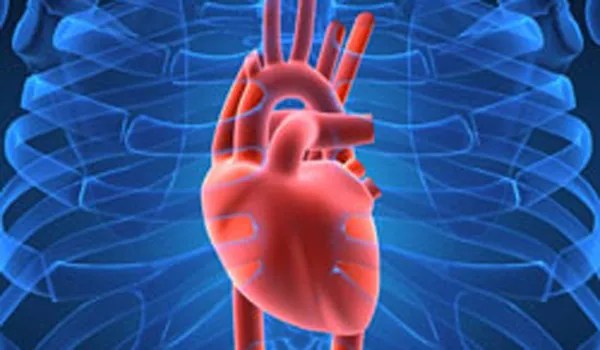
Since so much of blood has to be pumped into the body, that ties into how it impacts your heart because we know that after 2 mins your body goes into aerobic respiratory because your heart has to pump all the oxygenated blood through the body. So as you swim, your heart is circulating the blood which help your body to perform and achieve the required goals.

3. Skin

You must have seen that the skin color changes of swimmers. For example, some swimmers face turns red when the swim, that happens because your blood vessels are dilating and the brings the heat to the surface into the skin then some people turn red, as a result your skin is showing the effort that you’re putting in the water.

4.Muscles

There’s a reason why swimmers are considered to have best body and physiques in the world compared to any athlete, because swimming engages every single muscles in the water when it comes to your core stability, your upper body, your biceps, your hamstrings, your calves, everything is engaged when you swim.

When you’re swimming, you are micro tearing your muscles while swinging it. And the muscles requires 24-48 hrs to recover those muscles. That’s when sometimes you might feel sore.

5. Lungs

Swimming can actually help increase your lungs volume because in swimming different than other sports, you can’t actually breath whenever you want. It’s not like running when you have full access to oxygen.

In swimming you’re engaging your muscles and you’re not allowed to breathe necessarily at the time when your body might want it. So because you have to get used to this, you actually increase your Vo to max (maximum amount of oxygen body is able to use). So basically you are making your lungs more efficient at functioning.

6. Brain

The Brain loves swimming, because of all the extra blood flow moving through these endorphins that makes you more awake, alert and focus.

But this could happen in any type of sport but swimming is something really special because you’re sort of in your own world where the medium is 800 times more dense than air, which makes you feel free and relaxed.

Hence, from physical health to mental health, swimming is an incredible benefit human body and after reading this you must be thinking of trying swimming.

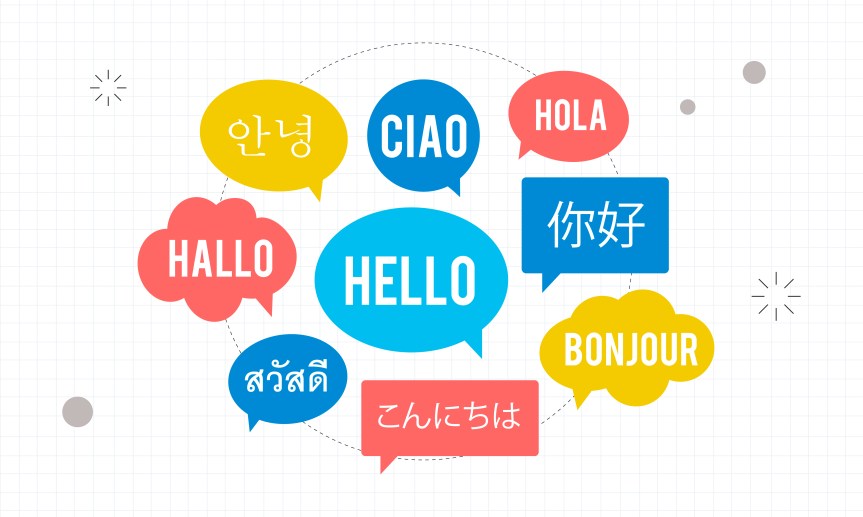
Being Bilingual

People have very different opinions on what bilingualism really is. For some it means speaking two languages fluently and with little to no effort rather strongly consider a person bilingual, if it has perfect pronounciation in both languages and makes very few grammatical errors while talking.

The truth is that, even with a bad accent and making some mistake, being able to speak in two or more languages rather than one has practical benefits in an increasingly globalised world.

Multilingualism

Multilingualism has been shown to have many psychological and social advantages that can go something simply as

  • watching movies with no subtitles
  • to having less problems in traveling and
  • even getting a job or business opportunities specially in tourist areas.

Types of Bilingualism

It is considered to be two types of Bilingualism

1. Compound Bilingualism

Compound Bilingualism, also called addictive Bilingualism happens for example when a child is raised by bilingual parents and both languages are used in home, the child grows when both languages are used simultaneously in the same environment.

With this type of Bilingualism, the person does not see the two languages as separate it is common to hear such people speaking different languages in the same sentence or using a word of a different language from the one they’re talking to better express themselves.

2. Coordinate Bilingualism

This is the second type of Bilingualism also know as Subtractive Bilingualism. In this type, the person perceive two languages as separate because he learns them separately and in different environments in context.

I am an example of coordinate Bilingualism, most of the time i talk Hindi when I’m in my college environment or to people who talks only that language, I use the language specifically for those context but to my family members i usually talk in Bengali which is my native language, the language related to my home environment. I see these two language as separate since I learned and used them in completely different environments.

Officially Monolingual Countries

Only a few countries in the world including the U.S, England, and Australia are officially Monolingual but even in these countries only a considerable percent of people who speaking and understand more than one language.

Advantage

Researchers suggest that bilingualism can slow the advance of age-related mental issues such as Dementia and Alzheimer’s by up to 4 years.

Also in bilingual adult, brain tissue called grey matter is denser compared with Monolingual adults.

Although speaking more than one language does not necessarily make you more intelligent person, it helps stimulates and increase brain connections. Learning a new language is like an excercise to the brain that will improve your Cognitive skills and even if you grew up in a Monolingual environment, it is never too late to start learning a different language.

Where did Necktie came from?

The neckties, also known as decorative noose are a narrow piece of fabric designed to be worn around the neck and tied at the throat. They can be made from many materials but commonly constructed from silk or cotton.

Varieties

Today there are many different kinds of neckties:-

  • Ascot tie
  • The zipper tie
  • Clip on tie
  • The tie dye tie

So when did wrapping a piece of fabric around your neck become a formal style necessity. The length of World War to blame can partially be placed on the French Military. While humans have been tying fabric around their neck since they could sew.

History

The neckties is been known as it didn’t start crowding collars until the 17th century. King Louis XIII of France had hired Croatian mercenaries to fight for him during the 30-year war and the king was impressed by the length of cloth the Croatian used to keep their jackets together.

Croatian

Louis liked it so much that he required his entire royal court to wear them a tradition that his son will continue in his court. The trend soon spread across the French aristocracy and it wasn’t long before all of the Europe had converted to the curve at.

Tying a Necktie

There are four main ways to tie a neckties;

  1. The Four-in-hand knot
  2. The Pratt knot aka The Shelby knot
  3. Half-windsor knot
  4. The Windsor knot

According to researchers from Cambridge Cavendish Laboratory, there are 85 ways to tie a tie. Thomas Fink and Yong Mao actually use Mathematical modeling to figure this out and publish a book on their finding.

Towards the end of tie fashion

The necktie is losing its grip around the throat of male fashion. Tech companies such as Google, Amazon, and eBay actually encourage their employees to dress casually with some going as far as banning traditional office wear entirely and other companies are following suits.

Its fast become a power move to dress drown to the office in the 21st century as a statement of fellow workers, you can wear what ever you want.

Californian companies have led the charge in disrupting many common business practices, by rejecting aspects of corporate life that once seemed to given such as

  • Traditional working hours
  • Corporate hierarchies
  • Paying employees a living wage

Now politicians and even royalty are leaving tie in their dresses so it many not be long before neckties joins the history books of pointless male neck fashion.

BODY DYSMORPHIC DISORDER(BDD)

Body Dysmorphic disorder is a mental disorder marked by an obsessive of perceived defects or flaws in once appearance. A flaw that to others is considered minor or not observable.

People suffering from BDD

  1. Can feel emotion such as shame and disgust concerning a part or parts of their body part and fixate on this.
  2. The obsession is so intense that the person repeatedly checks and compares the perceived flaw seeks reassurance sometimes for several hours each day.
  3. The person can also adopt unusual routines to avoid social contact that exposes the perceived flaw.
  4. This pervasive thoughts about their appearance and body image interfere with their daily life via
    • Educational
    • Occupational dysfunction and
    • Isolation

No matter how many times people assure them that there is no flaw, they cannot accept that the issue doesn’t exist.

The most common features about which people obsess includes:-

  • Nose
  • Wrinkles
  • Acne
  • Complexion
  • Blemishes
  • Hair
  • Skin
  • Vein appearance
  • Muscles size
  • Tone
  • Breast size
  • Buttocks
  • Genitalia

BDD is estimated to affect up to 2.4% of the population. The condition usually starts during adolescence affecting both men and women. BDD does not go away on its own if Untreated it may get worse with time leading to

  • severe depression
  • Anxiety
  • Substance abuse
  • Suicidal thoughts and behavior

Causes

The exact cause is unknown, but like every other disorder BDD may result from a combination of causes such as:-

  1. Brain differences
  2. Environmental factors; special if they involve negative social evaluations about the body or Self-image
  3. Childhood trauma
  4. Genetics; studies suggest that BDD is likely to run in family.

Certain factors that may increase the risk of developing the condition may include:-

  1. A family history
  2. Negative body image
  3. Perfectionism
  4. Negative life experiences such as bullying or teasing
  5. Introversion
  6. Media influence.

Symptoms

Extreme preoccupation with a perceived flaw in your physical appearance that appear minor to others for at least one hour a day. Attempting to hide perceived flaw with –

  • styling, makeup or clothes – to seeking plastic or cosmetic surgery,
  • avoiding social situations,
  • constantly comparing appearance with others,
  • always seeking assurance about appearance from others,
  • low self-esteem, compulsive behaviour such as skin picking and frequent clothes changing.

Extreme preoccupation with an appearance that interferes with social life work, school, or other functionality.

Diagnosis

A medical evaluation will be carried out other medical conditions after which further evaluation is carried out by a mental health professional.

Diagnosis is based on:-

  1. A psychological evaluation; which aims at assessing risk factors and thoughts feeling as well as behavior can be associated with a negative self-image.
  2. Personal, medical, family and social health history.

Treatment

Treatment option may include therapy and medication includes:-

  1. Cognitive behavioral therapy; that helps you learn how to cope and behave to improve your mental health
  2. Medications; such as SSRIs may help is control obsession and control repetitive behaviours

Psychiatric hospital may be suggested if the symptom is severe such as when you’re in immediate danger of harming yourself.

Famous personality with BDD

Here is a list of people with BDD;

  • Michael Jackson(singer, dancer)
  • Billie Elish (singer)
  • Robert Pattinson (from twilight)
  • Ileana D’Cruz (from Rustom)
  • Miguel Herrán (from money heist)

History of Indian Stamps

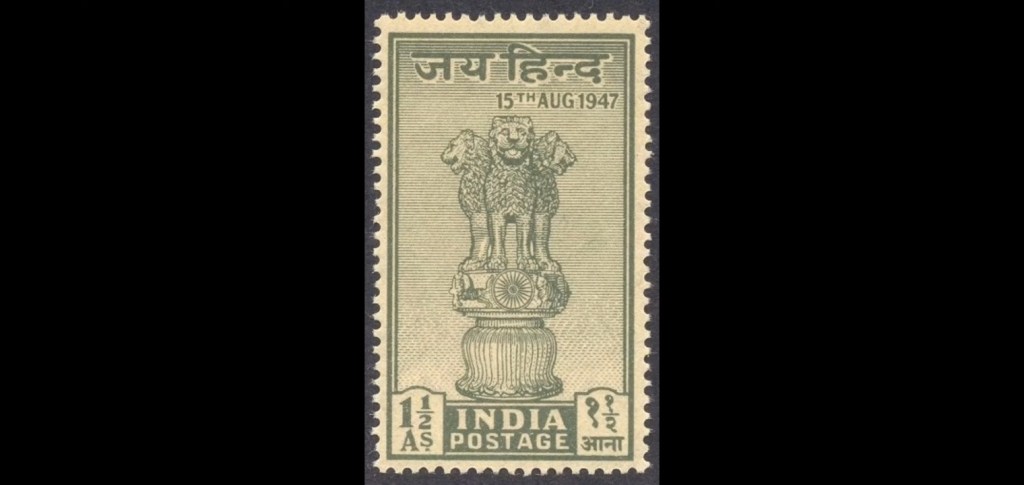
India got independence on 15th August of 1947 assured in a new era in the history of the country but philatelist had to wait another 98 days for the release of India’s most commemorate stamp on 21st of November 1947.

First stamp

The Postal Telegraph Department however came out with a large Kashi postmarked with the slogan “Jai hind” for the occasion and letters mailed that the major post offices of the country were cancelled with this post mark.

The India’s first commemorative stamp features the Lion capital of Ashoka which had one set on the top of a column of Sarnath near Varanasi. The lion capital has since been around at the state emblem of India the denomination of the stamp was one and a half annas and an inspiration of “Jai hind” in Hindi was also depicted in the stamps.

Other stamps

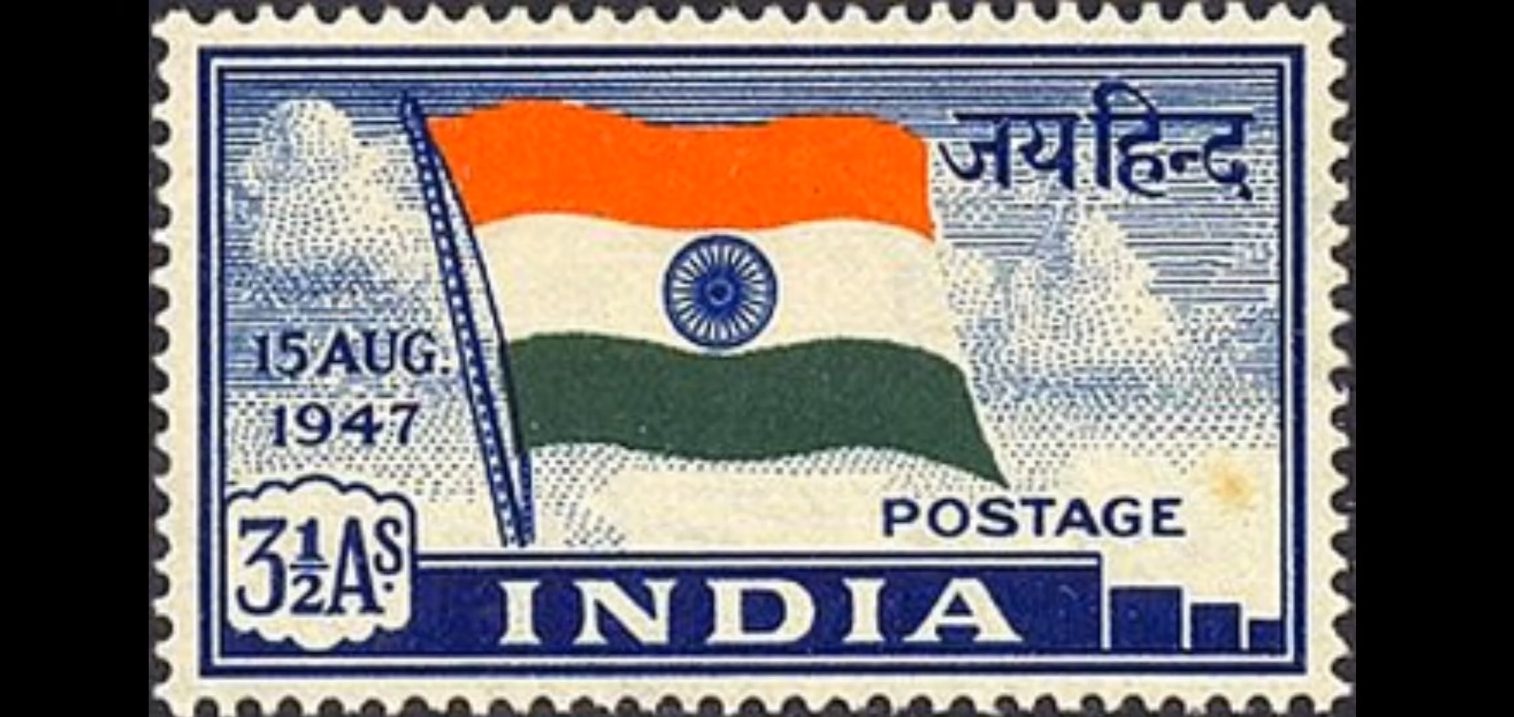
Actually three stamps were planned to release at the time of Independence. The rest two stamps were released in the 15th of December 1947 with the three and a half annas stamp with portray of the national flag in tricolor Saffron on the top, white in the middle and green in the bottom.

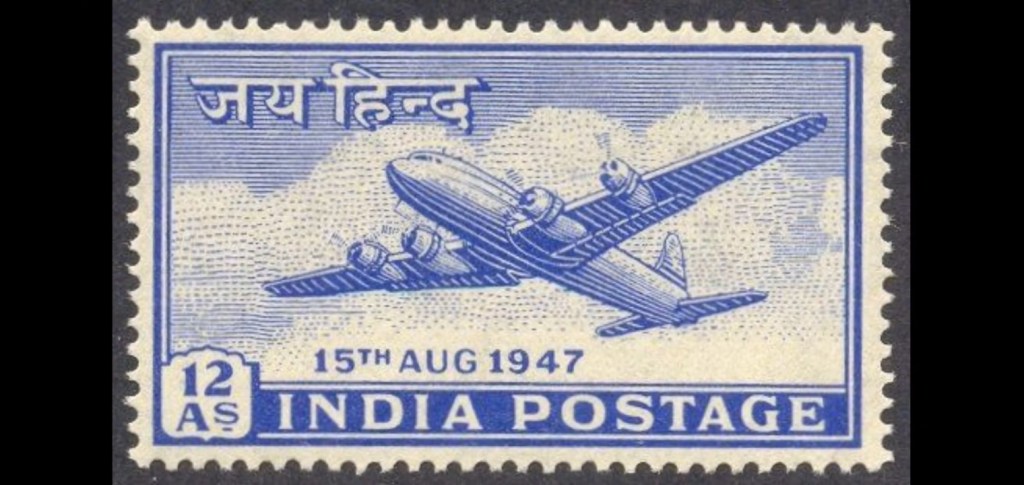
The twelve annas stamp depicts an aircraft a symbol of the modern age. These stamps also have inscription “Jai hind” in hindi, they are also known are Jai Hind stamps.

The stamps were printed offset lithography. As the three and a half annas stamp was printed in three colors in three steps because difference in inking at different stages, because specimens having the top of the flag in deep orange or pale orange and the lower part in pale green and deep green were coming across.

Petroleum Jelly is harmful to skin

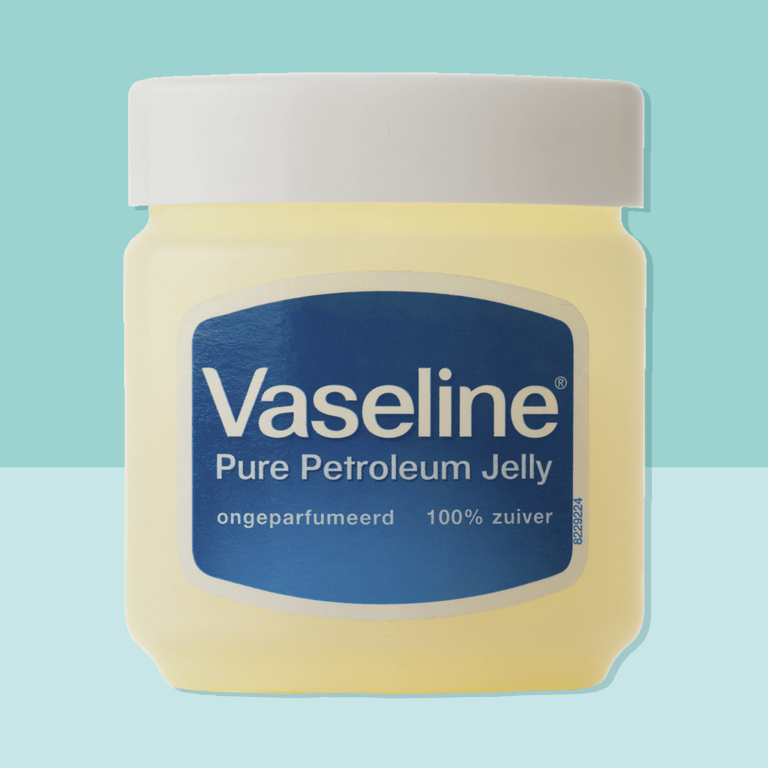
You probably have a jar of Vaseline somewhere in your house. Millions of people swear by it as a remedy for clapped lips, congestions, diaper rash and dry skin. Unfortunately the popular product is more harmful than many realise.

What is Petroleum Jelly?

Petroleum jelly, commonly known by the brand name Vaseline, is a byproduct of the oil refining process. It was originally found coating the bottom of oil rigs in the mid 1800s. As a byproduct of the oil industry, it’s an unsustainable resource and far from eco-friendly.

How does it work?

Used in everything from lotions to baby products, petroleum jelly works by creating a protective barrier on the skin to hold in moisture. The waterproof barrier it created on the skin blocks pores and can lock in residue and bacteria.

When used on a burn or a sunburn area, it locks in heat and can block the body’s ability to heal. You need to stop using Vaseline for these four reasons:

  1. It contains harmful Hydrocarbon. The skin is unable to metabolize petroleum jelly, so it sits as a barrier on the skin untill it wears off. This blocks the body from gaining any benefit from the substance. A 2011 study found strong evidence that the mineral oil hydrocarbon Vaseline contains are “the greatest contaminant of the human body”
  2. It Promotes Collagen Breakdown. Due to the barrier that petroleum jelly creates on skin, it blocks the skin ability to breathe and absorb nutrients. This can cause the skin to pull the moisture and nutrients it needs from within, leading to collagen breakdown.
  3. It can leads to Estrogen dominance. Estrogen dominance occurs when the body has high levels of estrogen and low levels of progesterone. It has linked to infertility, menstrual problems, allergies and autoimmune problems. Petroleum jelly contains chemicals called xenoestrogens which are believed to increase estrogen problems.
  4. It can cause pneumonia. Although rare, a condition known as lipid pneumonia can occur when small amounts of petroleum jelly is inhaled and build up in the lungs. Because the body can’t metabolize or breakdown the substance, a severe inflammation in the lungs can occur.

Natural Alternatives

There are several natural alternatives to petroleum jelly that you can use without worrying about health risks. If you’re looking for a simple alternative, try one of these options:-

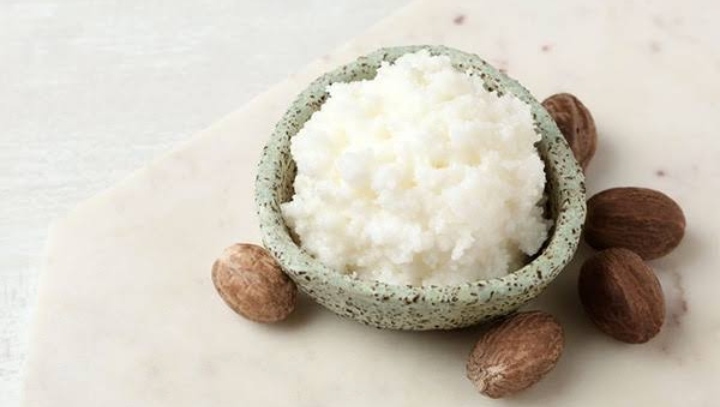
  • Shea butter – High is vitamin A, E and F, shea butter works to nourish the skin through the beneficial fatty acids it contains. It can also help reduce inflammation and increase collagen productions.
  • Beeswax – a great alternative to petroleum jelly is Beeswax. It can be blended into homemade beauty products to protect the skin. Add it to a homemade lip balm and body cream.
  • Coconut oil – this oil loaded with health benefits. It works to nourish the skin through the fatty acids, lauric acids and anti-inflammatory compounds.
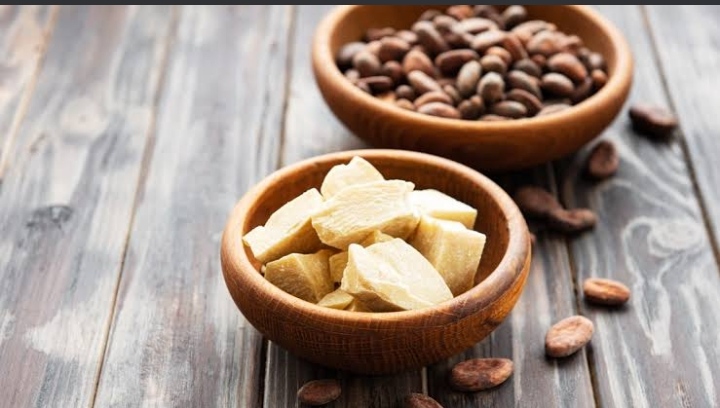
  • Coco butter – it contains antioxidants and benefits fatty acids. It may even reduce the signs of ageing.

Why does a student need to be industry ready & how they can be?

What do you mean by industry ready?

An industry expects their employees to have Non-technical skills and personal attributes such as team work, communication skills, integrity, reliability and self-motivation are considered more important than purely technical skills to get industry ready.

Importance

A study shows that 50% of the curriculum that are been taught in college/universities, by the time students will graduate, it will get auxiliated with new technologies in the market.

Let’s say for example, a product manager of a company who advertises the product, collects data and analysis the data to improve the marketing strategies of company. He can do it manually, but with time if an app is developed for this work, the company won’t be requiring any product manager.

Although degrees are important for future but it is also important to have a knowledge about what all techniques and skills that will be there in future and also to start developing those skills.

How can students be industry ready?

Here are some ways of getting industry ready:-

  1. Practical Knowledge of Doing Things:- If you can demonstrate how to implement the theoretical knowledge you have then your chances of getting hired will improve significantly.
  2. Sharpen Your Communication Skills:- If you are not able to communicate properly, your knowledge will be of little use to you.
  3. Inculcate the Habit of Innovation:- Form a habit to think out of the box, if you can provide a company with a method to save on expenditure or increase their profit, you have better chances of getting hired.
  4. Read Books and Newspapers Regularly:- Form a habit to read a newspaper or book at least half an hour daily, as this will improve your thinking process as well.
  5. Build Your Profile to Show Your Accomplishments:- One needs to be presentable and be able to exhibit his or her qualifications and capabilities convincingly.
  6. Pursue Online Courses to Hone Your Skills:- To make yourself industry ready, it is better to learn some new skills online.
  7. Work on Your Weak Areas:- The trick here is to present your weaknesses in a way that it looks profitable to the company for whom you want to work for.
  8. Learn to Organize and Manage Your Time:- It is about getting the maximum output in a given amount of time. Productivity matters a lot when you are working for a company.

So start investing more on prolonged and sustainable skills because knowledge and degrees are not going to be most required in future. This is the time to decide what is to be done and how should the steps be taken forward.

Will you take Chinese vaccine?

Made in China, accept it or not but for many of us this label has become synonymous with low cost and low quality. So how true is the stereotype and what has Chinese done to deserve such a bad reputation? Well the list goes long, the latest item is vaccine.

China has sold vaccines to the World which may not be working. It is currently exporting vaccine to 43 countries with:-

  • a total of 742 million doses that have been sold,
  • 22 million doses have been donated,
  • 262 million doses have been delivered.

China is exporting 3 major vaccines:-

  1. Sinovac
  2. CanSino BIO
  3. Sinopharm

But do these vaccines even work? Let’s look at some of the countries those have received Chinese vaccines.

Mongolia

In Mongolia, more than half of the population is fully vaccinated but daily infection has risen by more than 70% in the last 2 weeks, and they’re using the Chinese vaccine Sinopharm. No doubt Mongolians are questioning the effectiveness of the Chinese vaccine.

Bahrain

Bahrain an Asian country is witnessing a surge. There’s a sharp rise in the number of infections and this dispite of high levels of inoculation. How will China explain this? China’s Sinopharm vaccine, accounts for 60% of the inoculation. Bahrain is now administering a Pfizer booster shot for those who have received both doses of vaccine.

Seychelles

Seychelles of East Africa, 61% of the population have been vaccinated with just 100,000 of people. This island nation has the highest vaccination cover globally. It’s daily average cases rose up to 400 with 37% of the fresh infections reported in fully vaccinated people. This is the result of the Chinese vaccine they’re using which is Sinopharm.

UAE

The United Arab Emirates has vaccinated more than 38% of the population with more than 51% have received first dose and yet daily new cases exceeded to 1700. And they are also using the vaccine Sinopharm that was received from China and UAE is also questioning the efficacy of the Chinese vaccine and also giving a Pfizer booster shot to Sinopharm recipient.

Countries who have refused

Philippines

In the month of May, the Philippines President apologized and asked China to take away Sinopharm vaccine back. He sent back the doses because Chinese cure is unproven.

Saudi Arabia

Saudi Arabia has also refused to recognise certificates of Sinovac and Sinopharm. It is recommending Pfizer and AstraZeneca instead.

Do Chinese vaccines works in China

There’s a fresh out break of new infections that are been reported in the Guangdong province of China. Guangdong with its capital Guangzhou, accounting of 90% of the confirmed cases. Health authorities of the capital blames the delete variant which was first identified in India. A strict lockdown has been composed there overseas arrivals are being quarantined, million have forced to indoors.

Hence its proven that the rumours of China had conquered the pandemic was false. The virus is unpredictable, it keeps spreading. Vaccines are not full proof in preventing infections but if one vaccine has repeatedly proven ineffective then it’s time for some reflection.

13 REASONS WHY?

As a student it is important to have a balanced lifestyle, for the better physical and mental well being. It’s important to find things that your enjoy and it’s possible only when we keep our body, mind and ot⁸her factors in control. We go through several changes at this age, socially and personally so, to be able to sustain a good life we need to check our overall lifestyle. We don’t have to go overboard for it simple habits can make a huge difference.


I have listed a few reasons as to why we should…

1 Wake up early

Photo by Acharaporn Kamornboonyarush on Pexels.com

Every parent has told their child to wake up early in the morning and we all have ignored it like we ignore assignments on holidays. There are ‘n’ no. of reasons to turn into an early bird. It gives us a lot of time for our work, helps in getting a good sleep, decreases stress and respiratory issues. It motivates us to get fresh air and meditate. Gives us enough time to eat our breakfast, most important meal of the day. Girls got a bonus reason for it as it gives a healthy, good skin to flaunt.

2 Drink water

Photo by Pixabay on Pexels.com

Although water is tasteless but only real drinkers know the taste of water. Water carries oxygen and nutrients to the cells of our body. Drink at least 3 L water daily to get the toxins out of our body, to get a healthy skin and a glow on the face. Helps in flushing bacteria from our bladder and helps indigestion. Water level affects energy and brain function of our body so, drinking a good amount of water is beneficial and it’s the best thing to prevent kidney stones. There are so many health benefits of water that the list can go on and on.

3 Read books

Photo by Mau00ebl BALLAND on Pexels.com

One of the most important habit in a person’s life is reading, from a very young age we are taught it’s importance as it helps in developing the mind. It reduces stres and helps us in escaping the stressful world for a moment. It gives power to our imagination, improves vocabulary and helps us learn new things. We should read everyday even if it’s for few mintues. Every night before sleeping ditch your phone and television with books. It will help you to develop reading habit.

4 Take a walk

Photo by Sebastian Voortman on Pexels.com

After a busy day of studying and scrolling memes on your phone it’s important to give your mind and body a break and what’s better than going out for a walk. A brisk walk for half an hour can be effective in burning a hell lot of calories. It will boost your mood and for your next session of studying you will be as fresh as a new rose bud. You can discover new things as you walk in your neighborhood. It also helps in lowering blood sugar level and will keep the weight in check.

5 Eat healthy

Photo by Jill Wellington on Pexels.com

Eating healthy food is important for students to keep their health as well as mind in proper state. Our mind will work properly only if our body is working properly and to get all the valuable nutrients one should eat vegetables, fruits and lentils in good quantity. Follow a balanced diet and eliminate the unhealthy food. Eating junk once in a while is okay but it should be avoided on a regular basis.

6 Write a journal

Photo by Bich Tran on Pexels.com

With the onset of digital world we have almost forgotten how to write. The only time we take up a pen is while writing our exams otherwise everything including notes are available on mobile phone. Writing has been included as one of the must to have skills. It helps you improve vocabulary and clarifies your thinking. Writing is a powerful skills that can help you get a wider perspective on thing and to influence other people. It gives you the power to frame your creativity and imagination on a piece of paper.

7 Do internships

Photo by Magnetme on Pexels.com

Internships play an important role whenever you apply for a job after all you need to have some experience and also it helps you learn new things related to the respective field. Big companies prefer students with a good number of internships over students with less or no experience in internships. So, take a Internship whenever you can.

8 Take a online course

Photo by Katerina Holmes on Pexels.com

Apart from school and college, there are so many online course available online, you can find and enroll yourself in any of them as per your interests. They will not only enhance your skills but they will provide you with a certificate as well that you can add in your resume. You can easily complete these courses while sitting in your home, you can turn your free time into a productive one.

9 Be socially active

Photo by Lisa on Pexels.com

Maintaining social relationships is equally vital as scoring good marks. You can’t excel in your life without relations. You need people to grow at times and being active socially helps you in a lot of ways like enhancing your communication skills, being up to date. If you are isolated from the outer world there are chances of you to feel depressed. So, for your mental, physical and social well being going out of the house once in a while is crucial.

10 Take up a hobby

Photo by Porapak Apichodilok on Pexels.com

Hobbies are always our best friends. They bring out the best in us, they give us way to express our creativity. They de-stress us and boost our mental health. Hobbies encourage us to have some ‘me-time’ and are like a mental escape from our daily routine. We don’t have to be perfect in something, we can always enjoy our hobbies as we like.

11 Watch series

Photo by John-Mark Smith on Pexels.com

Series or movies are not just for entertainment, many series are educational, motivational and good for mental health. They are a great stress relievers, and you can choose any genre from the heap of series like FRIENDS when you want to feel good, THE OFFICE when you want to laugh.They are also helpful in refining language skills. You can also connect with the characters and also you can write a review of the series it will upgrade your writing skills.

12 Listen music

Photo by Pixabay on Pexels.com

Music has proven to be mood uplifter. When we listen to our favorite music, our brain releases dopamine which promotes positive effects on mood. It reduces stress, anxiety and produces a positive effect on mind. You can even do you homework while listening to music on a low volume. Music is one the best way to kill boredom.

13 Take proper sleep

Photo by u0410u043bu0435u043au0441u0430u043du0434u0430u0440 u0426u0432u0435u0442u0430u043du043eu0432u0438u045b on Pexels.com

A full 8 hour sleep is as important as eating healthy and doing exercise. If the body doesn’t get proper rest all the above mentioned things will be in vain because improper sleeping schedule will affect your body and ultimately your studies. It will affect the brain function as well which will lower your concentration level. So, Keep all your electronics away at night and also eat light food to get a peaceful sleep.

Narcissistic Personality Disorder

Narcissistic personality disorder or NDP is a personality disorder characterized by grandiosity. You may see it in people who have an inflated ego, with little regards to others. It is important to note that NDP is a psychiatric condition, and it is more complex than simply being arrogant. It’s distressing for those who have it and for those who’re around them. Hoping to shed some light on the condition, and sign that a person should seek help. While much of T.V and movies portray narcissism as people who feel like they’re better than everyone else, it’s usually not just the case.

What is narcissism?

Narcissism is a set of traits classified and studied by psychologists. The psychological definition of narcissism is an inflated, grandiose self-image. To varying degrees, narcissists think they’re better looking, smart and more important than other people and that they deserve special treatment.

Psychologists recognize two form of narcissism as personality traits:

  • Grandiose
  • Vulnerable

What is NDP?

  • NPD is a personality disorder in which the person feels self-important and craves constant validation.
  • Their feelings of superiority often hint at a deeper problem.
  • As their need of validation often comes from a place of insecurity and instability rather than genuine self love which they may not be aware of.

What causes NPD?

  1. While the cause of NPD is unknown, researchers believe that it has to do with a combination of genetic and environmental factors.
  2. It’s believed that 6% of people have this disorder. Men have a higher chance of this disorder than women.
  3. Some believe that NPD is developed to cope with trauma and feelings of inadequacy. Others believe it may be learned in early childhood from dealing with anything, from abuse to excessive pampering.
  4. There is even a debate as to how much of the disorder is passed down from parents to children acquiring the disorder.

What are the signs and Symptoms?

The feeling of grandiosity where they feel that they’re superior to others and low empathy are often seen in those with NPD; they don’t care much for others expecting to receive constant validation.

  • People with NPD feel as though they’re entitled to whatever they want which can be dangerous as it can manifest into toxic relationships.
  • They may manipulate others to get what they want.
  • They brag and exaggerate their achievements or feel envious of anyone that outperforms them, but deep down the person with NPD may be really dealing with their own feeling of inadequacy.

How to get help?

  • People with NPD may not seek help for the disorder itself as they may not know that there’s an issue.
  • Usually, people are diagnosed because they seek treatment for other issues such as depression or addiction.

However people who feel that they may have the condition and urged to reach out for help. NPD and the underlying feelings of inadequacy can be treated. It not only benefits the individual, but also to people around them.

What treatment options are available?

People diagnosed with narcissistic personality disorder will most likely work with a therapist using psychotherapy methods.

Other self-improving activities such as:-

  • Doing exercises and,
  • Hobbies may be used in conjunction with therapy.

Coming to a conclusion, we do live in a very materialistic and Consumersious society and as long as that’s the case, narcissism is going to win because it’s about putting yourself first and not caring as much about others. Not to mention people with NPD can be very generous when it’s going to get them what they need. They may buy everyone big dinners and take everyone on a big vacation so it creates this illusion that there’s lots of people all around them, because it’s all the stuff that they’re making possible for them. It’s important to know that treatment is available and that life can be made more manageable.

Story of Cellular Jail of India

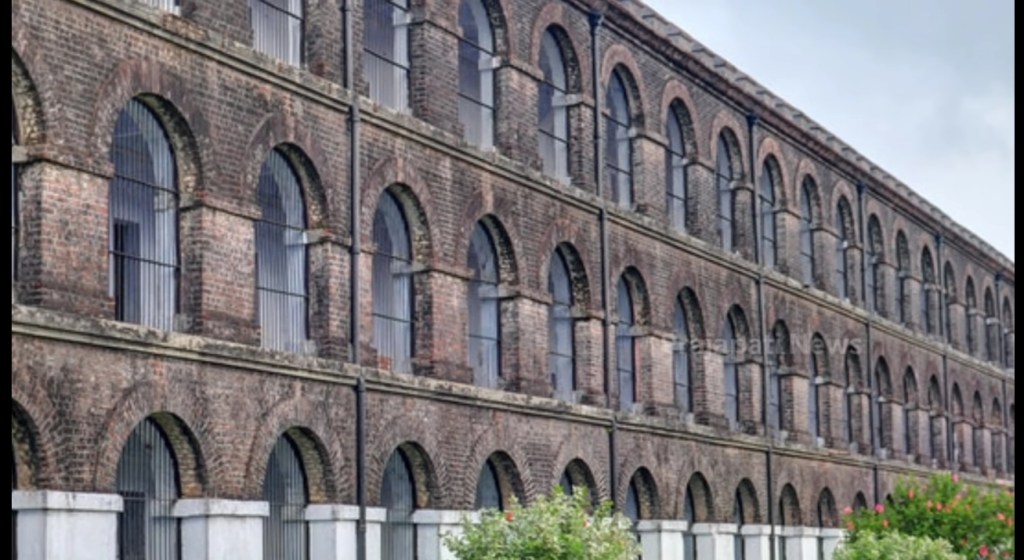
You might have heard about the deadliest punishment that one could never wonder in their dreams. It is also known by the name Kala paani ki saza or by the name The black water punishment. So why is this jail different from other jails?

Emergence

During the colonial rule, Britishers got short of places where they could keep and punish the freedom fighters and political activists who were emerging against them. So they made single cellular jail punishment there they can punish the freedom fighters. In the year 1896, Britishers decided to build this jail on Andaman & Nicobar islands and in the year 1906 it was completed.

It was named as “cellular jail” because every jailer was kept in a single cell, so that the one jailer could not talk to others. As the jailers were freedom fighters so if they communicate somehow they will be able to find a way out. The cellular jail is also on an island which is surrounded by water so that the jailer won’t ran way.

The Punishment

The cellular jail wasn’t any normal jail it was like an experimental jail for the Britishers which involved torture, medical tests, forced labor and also some of these punishment which are unimaginable. The Britishers used to send freedom fighters to 1300 km across the water to the Andaman & Nicobar islands. It was so far away from India that people would die even on the boat voyage. So if the prisoners made it that far, they were kept in the cells which were designed for solitary confinement.

The cells of the jail is made up of brick and concrete where there is no toilet, the jailers were allowed to go to the toilet in the morning and at night and the rest of the time they were just locked in the cell. They prisoners were also forced to do labor like to extract 30 pounds of coconut oil and 10 pounds of mustard oil in a day. And if they don’t, then they have to face the consequences by beating up with iron rods while they are chained in iron chains.

Britishers in their own jail

In the year 1944, Japanese came to India and invaded the Islands and took over. The Japanese prisoned the Britishers in their own prison. As per Mahatma gandhi and Rabindranath Tagore’s demand the Indian prisoners were set free.

After the Japanese lost in World War II, they had to retreat, and the Andaman & Nicobar Islands became India’s part when it got independent in the year 1947.

After independence the cellular jail was declared as a National Memorial which is now a tourist place for all. There is also a Museum where you can get to know about all the freedom fighters along with their stories.

Pollution causes blindness

Air pollution is a global malice. It destabilzes the climate, punishes our lungs and now according to a new study could possibly affect our eye sight or might make you blind.

The research was published in the British Journal of Ophthalmology, it analysed 115,000 participants over 14 years. At the start of the study in 2006, these people have no eye problems but in the latest medical examination , 1,286 of them reported A.M.D (Age related Macular Degeneration). It is the leading cause of blindness among the people aged 50+ in rich nations. There are 200 million people living with this condition.

There appears to be a link between A.M.D and air pollution. People exposed to fine particulate matter are more vulnerable to A.M.D, nearly 8% vulnerable and this isn’t from industry level exposure. Even relatively low level of air pollution could be triggering A.M.D.

Effect on eye sight

The eyes have particularly high flow of blood. This leaves them vulnerable fine particles that flow through the body. It’s important to note that this study is observational. It cannot categorically establish a link between air pollution and A.M.D. However there has been similar study elsewhere with the same results. And the link between smoking and A.M.D has always been known.

The threat from air pollution has always been clear, but new studies are revealing more dimensions of this threat.

The World Health Organization (WHO) estimates that air pollution contributes to 7 Million deaths annually. This leaves us with another cause of concern, toxic air could leave you blind.

Reservation of seats – a threat to the population

India is one of the most populous countries among the rest. There is a change of cycle from past to present. People’s lifestyles and living patterns have changed and along with that the leap of authorization. The term reservation is nothing new, it is running for a long period. History speaks that people in past have faced discrimination in name of caste, crude, and sex. Although the terms have been given by humans themselves still some communities faced bias. Before independence, there was a hierarchy of class where different people were put into a different class box. According to a person is brahmin or Dalit they were given task and place to live. No doubt backward class people had to suffer a dark past. An individual was not allowed to touch the bowl of brahmin because it was a symbol of impurity. People behaved and formed a mentality among themselves that, if one belongs to the lower caste they should behave like a slave and if one is from an upper class, they should lead a glamorous life. The long injustice within a certain community was not justified. And due to this, after independence, the new government introduced a reservation system. Needless to say, the reservation policy was a much-needed gift to the people who mostly suffered from the unfairness. A scheme for ST, SC, OBC, and the backward class was initiated to empower them and ensure their participation in the decision-making process. Reservation was applied in the job sectors, education field, and economic field as well.The issue that arises at present time is that “whether there is a need for reservation in 2021?”. With a lot of discussions and eye-witnessed scenarios, it can be said that there is a demand for change in the system. No doubt we can’t repay the injustices that happened in the past but looking at the present picture it is becoming very hard for the common people to survive in this race. The change in a generation has led to great progress in all communities irrespective of caste or class. A Dalit man like Raja Nayak has turned his business to 60 crores. He currently serves as President of the Karnataka chapter of Dalit Indian Chamber of Commerce and Industries (DICCI) and runs schools and a college under the banner of Kalani Ketan Educational Society for the underprivileged and disadvantaged sections of society. So, it is in itself is the sign of change.Thus, it’s a request and a demand from the commoners to revise the scheme and at least serve all people equally. We see a student committing suicide just because she could not reach the cutoff and some others with less number book the seat because he/she is from a reserved category. A qualified employee has to lose his chance because that seat is for some other category person. If this is not partiality then what is? The revival of a year-long plan could change the whole picture and could provide justice. After all, people want democracy and not quotacracy.

History of Dentistry

From brushing and flossing to straightening and whitening, people today put a lot of work into maintaining a health and appearance to their smile. The current trend is for straight, pearly white teeth. But history of dental care stretches all the way back to the beginning of human society.

Ancient ways of cleaning teeth

Prehistoric humans who lived before the advert of oral care actually had very few dental problems. Scientists believe this is on account of their diet, which consisted of unprocessed fibrous foods that help clean their teeth while they ate. However as human evolved, so did the food on menu. Overtime, people found if they didn’t take care of their teeth, they developed dental problems.

Archaeology found evidence that early humans cleaned their teeth by picking at them with things like porcupine quills, animal bones, and tree twigs.

In earlier 3,500 BCE, Mesopotamians were using chew sticks to clean their teeth. Egyptian and Chinese have known to use them as well.

Tooth Decay

Ancient people were always aware of the tooth decay. But the first known scientific theory about its causes dates back at least 5,000 years, to Ancient Sumeria. The theory was that cavities were caused by a creature known as the tooth worm, which they believed would wore holes in teeth.

Cavities can actually resemble the kinds of holes that the worms bore through other materials, like wood. The Sumerians, Greeks, Egyptian, Chinese, Japanese, and Indian people all believed in the tooth worm. Some European doctors were still warning people that worms were the cause of their tooth decay as late as the 14th century.

First Toothbrush

Though no one knows exactly when people started brushing their teeth, archeologists believed the practice originated somewhere in the neighborhood of 3,000 BCE. The Babylonians and the Egyptians were the first cultures we know of to fashion rudimentary toothbrushes, which were made mostly from twigs.

The first used bristle toothbrush was created in China sometime during the Tang dynasty, between the 7tg and 10th centuries. It was made from hog bristles which would have been attached to a handle carved from bone or bamboo.

Explorers eventually brought these to the West. And in the 17th century, they began to be adopted in Europe.

New trend

In modern times, the dental ideal is considered to be a bright smile with straight white teeth. People will wear braces, use whiteners, to achieve the look. But most didn’t realise, its a relatively new fashion.

The popularity of look really only goes back to the 20th century and was greatly created by Hollywood movies. The trend, arguably, began their veneers, created by cosmetic dentist named Marcus Pincus in the 1940s. It was spotted by movie stars, like Shirley Temple and Judy Garland, who became famous for perfect smiles.

Judy Garland

While mass market teeth whitening products didn’t became a thing until the 1980s, teeth whitening itself is nothing new.

Introducing Skateboarding in Olympics

In recent history, skateboarding has become a pop culture phenomenon. We see it in everything, from T.V advertisements to fashion shows. And for the first time ever, skateboarding will be introduced in the 2020 summer Olympics. But, skateboarding hasn’t always had the mass appeal we see today.

Brief history

Sometime in the late 1940s or early 1950s, skateboarding was born out of the boredom of surfers when the waves were no good. They would remove the wheels from the roller skates and attach them to a piece of wood to create a skateboard.

By the 1960s, skateboarding’s popularity has grown with rise of surf culture. Contest were held all over and the first sponsored skateboarders were beginning to emerge. However, the popularity of skating in the 60’s dropped just as fast as it rose.

The 1970’s brought along one with the most important changes to the skateboarding world, the advent of the Urethane wheel, which allows skaters to ride faster are over rougher types of ground than ever before.

In 1976, a horrible drought in southern California forced most homeowners with backyard swimming pools to drain them, giving way to birthplace of pool skating. This was the first major shift in how people rode there skateboards. No longer were they limited to the abysmal, flat grounds of parking lots and sidewalks.

The 1980s were a time of Renaissance in skateboarding. People were constantly inventing new tricks, pros were earning unheard of amounts if money, and skateboarder-own companies were thriving.

The vert

The favourable terrain for most of this era was vert. And even though there was a high level of progression occurring, to the untrained eye, skateboarding had gone stale and the popularity once again fell flat.

This lull in skateboarding led to the introduction of street skating which brings us into the 1990s. Skating during the era was at its most raw. Skaters took to the streets, to find new terrain, abandoning traditional skaters parks for something that felt more natural and could be done anywhere, by anyone.

Popularity

Skating things that occur almost anywhere, like sets of stairs, handrails, benches, curbs, and just about anywhere four wheels can roll. From there, skateboarding has been a nonstop, uphill climb to what it is today.

At its core, skateboarding has traditionally been for the underdogs, the outcasts, the misfits, and in result has been thought of negatively by a large major of its existence. But now, with generation of young adults who grew up with skateboarding and the exposure at an all-time high, the future of skateboarding is looking bright.

“How Does it feels to be a Single Child”

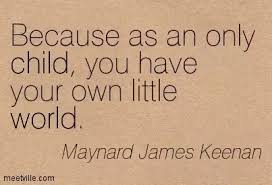
Childhood is the phase of life where our heart & soul truly resides. The time span of childhood is always precious, indescribable, tension- free and THE BEST. The time we spent in our childhood can never be compared to any phase of our life. Childhood is something which we will cherish for the rest of our life, it is probably the best time we all had in our whole life span. For some children, it might be a scary one also, but the things we learned and did in our childhood are absolutely unforgettable and always has a special place in our heart. Everyone has a different childhood, so I can only relay what it was like for me growing up as a single child. Being a single child consists of mixed emotions,at one point of time you enjoy being a single child, but when you become an adult , when you have so many things going on in your mind, when you literally want your person to listen to your feelings and the things that are going on, it hits you when you realise that you are all alone in this and there’s no one to listen and it literally breaks your heart. It is the only time where every single child might have felt the need of a sibling. Being a single child is never ever easy, spending the childhood all alone has mad a habit of being alone, and to be in your own little world. Having no siblings definitely affects the childhood and the adulthood of the person.

The phase of a childhood – where a small kid needs someone to play with, to share things with, to fight with, to make lifetime memories with, to get clicked doing some stupid stuff and later cherishing them, to care, to fight for the chocolate and what not.. but having no siblings means no one to play with or to do any of these things with, which completely affects the childhood of the person, it made the person to live alone, to entertain himself or herself, to play alone, to eat alone without any fight, to do every thing which developed a habit of being alone. Being alone is something very terrible, but for all the single child out there it has become a part of life for us, where for some children being alone is something very terrible for them, but for us, being lonely, soothes us and has become our comfort zone now. At some point we might have cried for being alone or having no siblings, but later when we learned to live alone, to play alone it become a part of our daily life, a part of our personality. In the adulthood phase, the need of having atleast one sibling hits the most, specially when you have no one to discuss your personal issues, trauma and fears. Though we cannot share everything with our parents. We literally need our person who has the same genes, same thought process. Adulthood is the phase where we face a lot of rejections , heartbreaks, we lose friends, denials and it is the age where we might lose one of our parent, the need of a sibling can be truly felt here only, when there’s no one to discuss your inner feelings or someone to guide you for the future, to atleast gives you a surety that, “everything will be alright”, that ,“I’m here” but then it hits you that you are all alone in this, that only you’ve got some serious responsibilities of your parents of their future and that you are all alone in this, you become hopeless and helpless when there’s no one to share about what’s going inside, what’s eating you. No one who knows you completely, who knows your innermost fear and insecurities. It is the time where you feel the need of having a sibling the most, but all you can do is nothing, you have to be strong in this, you have to feel comfortable in being alone, you have to do all the things alone. This is the time where a person’s heart breaks inside. Being a single child is never too easy, it is something we have to adjust in, to get comfortable in. Afterall, it’s not at all easy to spend your childhood all alone while seeing your friends having fun with their siblings, it something that hits you from inside. Being a single child means being all alone since the day you born without any sibling, being alone is something that made the child a bit mature than when the child is assumed to be.

I learned very early on how to entertain myself.I’m often asked if I was lonely growing up without siblings. I really wasn’t. Without siblings around to play with, I was forced to figure out ways to entertain myself. As a young child I enjoyed building things, usually with LEGOs and many other things like that. I also liked to draw, even though I was never particularly good at it. As I got older, I became very interested in computers, which became something that could infinitely satiate my desire to build and learn.

I was very curious about why I didn’t have a brother or sister. Growing up, all of the kids in my neighborhood had siblings and that confused me. I remember asking my parents why I didn’t have a brother or sister and them more or less saying that the reason I didn’t have a sibling is simply because I just didn’t have a sibling. One time after seeing a TV show about long-lost siblings reunited, I became obsessed with the idea and questioned my mom for a while about the possibility of me having a long-lost twin. At the time, I was confused how she could be so sure that I didn’t.

I never had to fight for my parents’ attention. I never felt like I was competing with anyone or anything for my parents’ attention. Whenever I needed to or wanted to talk about something, I had an attentive parent. As a result, I was always fully supported in my major interests. My mother and father has done their best to make me comfortable of doing everything alone. Instead of a sibling, my father used to eat the food made up of the paper from my kitchen set, he never complained and he literally enjoyed eating paper just for me. Both of them made my childhood easier and funnier, they both has also played the role of a sibling that I always needed.

My parents were often over-protective. From what I’ve observed, later siblings usually get more leeway than older siblings do. Parents, after the first few times around, figure out what children can actually handle at what ages and aren’t as scared to let them make mistakes. My parents weren’t terribly strict, but they often worried about me making mistakes, not because I was irresponsible or untrustworthy, but simply because I was the only child.

I like attention and want my accomplishments to be recognized. Growing up, every little thing I accomplished was celebrated, no matter how trivial. Moreover, I often listened to my parents bragging about how I accomplished this or that or the other thing to anyone who would listen. Now, like a stereotypical only child, I feel a need for my accomplishments to be called out and recognized for their importance.

I grew up always in my head. I had a lot of alone time, which meant I had a lot of time to think about everything, with no one around to distract me from it. I was (and still am) always in my head. I analyzed and over-thought everything. I was often in a state of worry. I had a lot of trouble sleeping as a teenager, because I was unable to turn off my thoughts and get into a restful place.

Feminism in India

A feminist is anyone who recognizes the equality and full humanity of women and men.”-Gloria SteinemSo, what is feminism? Feminism is an action of the society to bring rights to women and treat them equally regardless of their gender. Feminism is not something that should be endorsed by a woman only ,it can be carried forward by a man too. As said by G.D Anderson,” Feminism isn’t about making women strong, women are already strong, it’s about changing the way the world perceive that strength.” The fact itself is so confusing to understand the imbalance between two genders despite of any human being who is born with the same type of skin and color of blood. A woman deserves the same respect a man has without facing the question about their gender. Needless to say , patriarchy runs deep in our Indian society . A woman is forced to feel weak and small in front of a man and enforced to stay within a certain boundary. The long injustice in the name of gender has led to the topic of  feminism.
The importance of feminism in India is utmost. History has been an evident of feminism culture and its significance. The first and the foremost reason to bring this revolution is to change the mentality and to achieve a society free from male dominance. It has been a long battle for women to fight for their rights even if it’s about their decision. It is sad that till today a girl has to accept a man as her husband without her consent. A married woman is forced to do the household work and do not have the right to have a job hand in hand. Feminism plays an important part in the society because it demands equality among genders. Every year lakhs of female fetus get buried due to the burden of carrying a responsibility and the fear of giving dowry in marriage. Do you know Indian culture also discriminate working profession in regard of gender? Yes, in the past women could only do a job if that is approved by the male society and not judged by her talent. Feminism helps to remove such inequality. Today because people are giving importance to it, women like Mirabai Chanu and Lovlina Borgohain could outshine in their own field. No doubt with different kind of body framework and organs women have to undergo certain changes to meet the reproductive life. Menstruation is a big taboo, where women are considered impure during period cycle. Also there needs to have a stoppage of peoples hindering nature. Needless to say, women sometimes give rise to the inequality they once suffer from. Her mother-in-law force her to behave in a certain way, to cover her face whole life, to dress decently and ultimately it turns to be a social practice in a community.With change in generation and people advancing mindset things are changing and women are getting their rights. Topics like women empowerment, Beti bachao Beti padhao making people aware of the crucial role of a woman in balancing the atmosphere. Now a days, highly restricted states like Haryana is producing Miss world, wrestler like Geeta Phogat and Nirmala Devi. With the hope that one day the country would be free of gender inequality. Thus, people need to carry this journey forward and bring a change where both men and women could walk in the street without having the fear of getting killed or molested as a girl rather with the feeling safety to chase their dreams.

ReplyForward

Why India can’t have an Official Language

Our Home Minister Amit Shah mentioned about promoting one nation, one language in one of his tweets in 2019. He also added that it should not be done at the cost of other languages. Some of us might know that 14th September is celebrated as Hindi Diwas in our country. So why can’t we have Hindi as an official language?

Critics

After Amit Shah statement, critics said that if Hindi becomes the official language, then other languages like malayalam, tamil, telugu and more, will lost their importance. South Congress leader Jairam Ramesh also said “this one nation, one language will never be a reality” because it will never be easy to have a common language in India.

Also in the New Education Policy (NEP) draft in the year 2019, Hindi was asked to make mandatory in every state. This was also criticized by the South Indian governments and they refused to dilute the state’s two language formula. This resulted in changing the draft and not to have Hindi as an official language.

Steps taken

India is a big nation, so there should be a language that will represent India on world stage. Talking about Hindi, it is spoken in India, Fiji, Suriname, Mauritius, Trinidad, Tabogo and Guyana. So India is working actively to have Hindi recognised as an official language of the UN.

Advantage of having an official language

A Chinese research concluded that

  1. When we have an official language, it can even help to eliminating poverty. As China have experience in fight poverty so we can also learn the power of having an official language.
  2. China also mentioned that an official language also helps in having communicate without any language barrier.
  3. Official language also help to built unity among the citizens
  4. Also helps when people migrate from one city to another, as they can communicate in the same language.

Disadvantage of having an official language

According to the 2001 Census, 41% of India population are native speaker of Hindi dialect. But what about 59% of the population who are non – Hindi speakers? Politician Shashi Tharur said

India should not even try to add Hindi to the list of official language of UN because what if in future our PM is from South part of India and does not speak Hindi, then how will he give speech in Hindi on behalf of India.

But apart from all these we still agree that there should be an official language for a country to function.

As per as official language is concerned,

  1. English is also been promoted in India. Promoting English can result in heavy school fees, as we’ll have to teach the whole population to speak English.
  2. Enough English teacher will also be required and if not then it won’t be successfully become the official language.
  3. This will also result in neglecting the weaker section of the society who won’t be able to speak English and their career opportunity will get affected.

Eventually we need to figure out to take a right decision about official language and keeping in mind of the consequences that could possibly be in long terms situations.

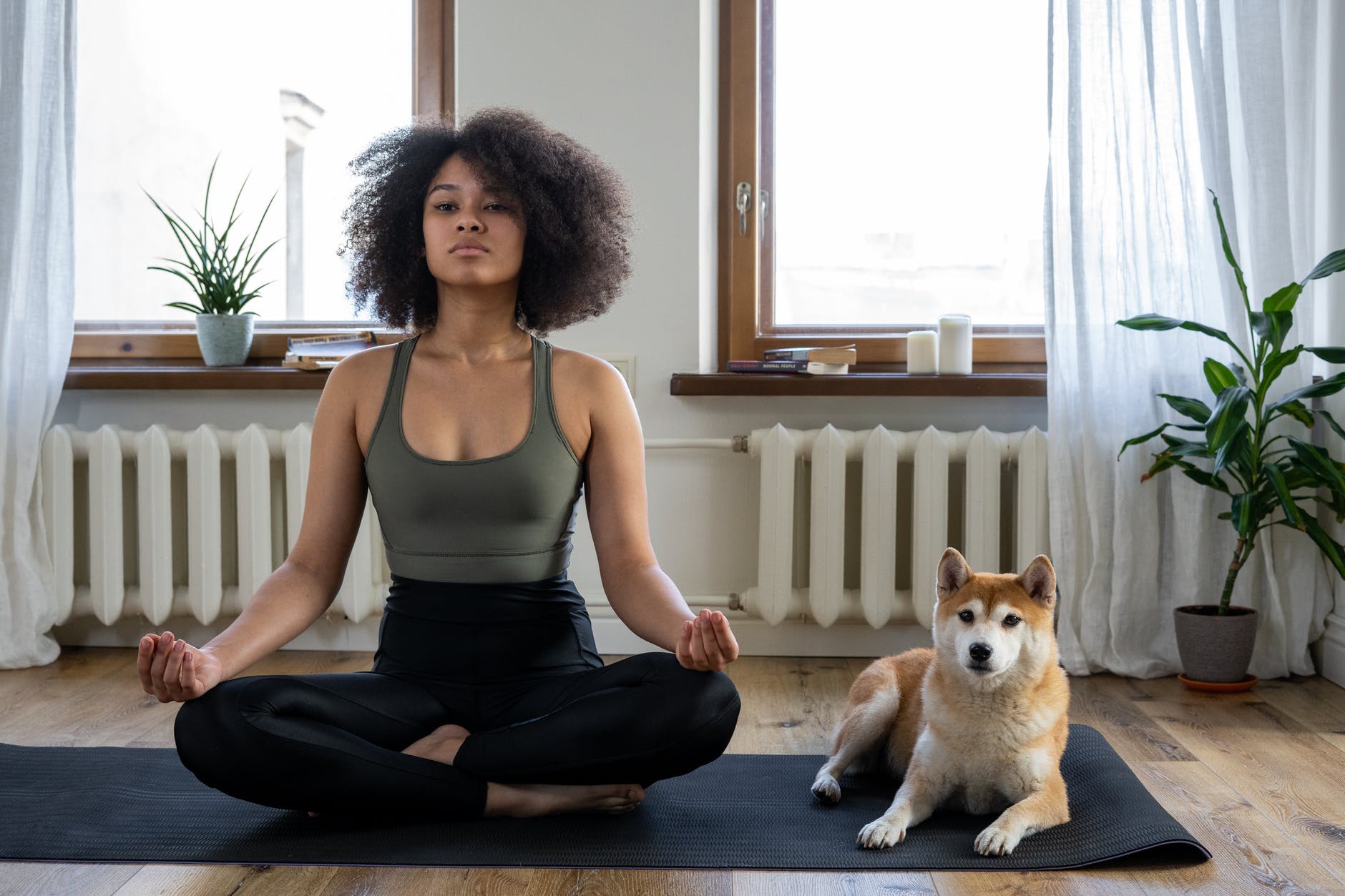
Importance of Meditation

When we hear the word meditation, we feel like we have to get immersed in a deep concentration. We feel like we have some magical powers for the same. But today I am here to brief you about what meditation is. It is a calm and lovable state of mind. It is a journey of slowing your thinking process and also a path towards positive thinking. So, meditation is a state of mind which should incorporated in your life. In times of crisis, where the pandemic has significantly affected our mental health ,we should spare at least 5 mins wherein we could sit in peace, let the thoughts and emotions flow. 

Photo by Prasanth Inturi on Pexels.com

So yes , it is rightly said that we thrive every moment to turn our lives into a positive direction. 
But only a calm, relaxed and blissful mind can pave the way for a successful and well lived experience on this planet. To do so , we have to acknowledge and adopt meditation in our culture.

Now let’s take a look at some benefits of meditation 1- regular meditation helps in coping with anxiety attacks- practicing meditation decreases grey matter in the areas of the brain associated with fear and anxiety, and increases grey matters in areas where compassion and love exist. 

2- helps in getting rid of unwanted/ negative thoughts- As an idol is created after removing unwanted stones, in the same way, meditation helps you to remove unwanted thoughts and a beautiful personality comes before everyone. 

3-Meditation improves concentration and memory- the calmer the mind is , the more you can focus on things and see them clearly ; which also makes it easier to remember. 

4- increases your productivity- when you’re in a peaceful state of mind , you would be able to determine which tasks are most important and which aren’t urgent.

To conclude, when we start meditating we start seeing significant changes in our life. Therefore, start meditating today to live a stress free , productive life.

Dreams : Types & Facts

Dreams are stories and images that our minds create while we sleep. They can be entertaining, fun, romantic, disturbing, frightening, and sometimes bizarre.

Although it is hard to define what a dream is, for the purpose of this article, we will define dreams as our thoughts during sleep that we recall when we wake up. So, sleeping dreams are not the same as “daydreaming.” Dreams are mostly visual (made up of scenes and faces; sound, taste, and smell are rare in dreams). Dreams can range from truly strange to rather boring, snapshots from a recent event.

Facts on Dreams

  • We may not remember dreaming, but everyone is thought to dream between 3 and 6 times per night.
  • Dreams improve creativity and problem solving.
  • It is thought that each dream lasts between 5 to 20 minutes.
  • Dreams regulate our moods and emotions.
  • Around 95 percent of dreams are forgotten by the time a person gets out of bed.
  • Dreaming can help you learn and develop long-term memories.
  • Blind people dream more with other sensory components compared with sighted people.
  • Dreams support memories.

Types of Dreams

There are 5 main types of dreams : 

1. Normal Dreams

Common dreams about people and experiences that we can sometimes forget.

2. Day Dreams

When we escape from reality and visualise the past, present & future throughout the day.

3. Lucid Dreams

Being completely aware and in control of dream the dream you are having while you sleep.

4. False Awakening Dreams

A vivid type of dream that feels like you have woken up but you are actually still asleep.

5. Nightmares

The least favourite type of dream. Nightmares are disturbing and scary dreams that can feel realistic.

Whether you remember your dreams or not, most people dream every night during REM sleep. REM stands for rapid eye movements, which happen during this stage of sleep. During REM sleep, muscle and brain activity also differ from other sleep stages. Characteristics of dreams tend to be different for each of these sleep stages.

Conclusion

There are different ways scientists measure dreams from asking questions to using MRI. These studies show us that activity in the brain while we sleep gives us the interesting dreams we recall when we wake up. These dreams help us remember things, be more creative, and process our emotions.

We know most kids do not get enough sleep. Some diseases (like Alzheimer’s disease) also make people sleep less, while others (like REM sleep behaviour disorder and mood disorders) affect dreams directly. It is important to study sleep and dreams to understand what happens when we do not get enough sleep and how we can treat people with these diseases.

Why do Insectivorous plants exist?

If you find insectivorous plants strange and fascinating then this blog is for you.

What are insectivorous plants?

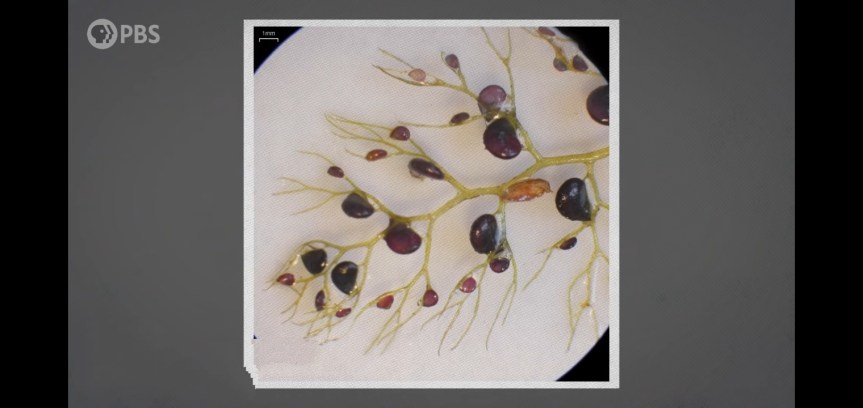
Insectivorous plants are those plants that derive some nutrients by trapping and consuming animals, mainly insects.

Categories of being insectivorous

There are essential two things that a plant has to do to be considered insectivorous:-

  1. Ability to take nutrients from dead prey:- a plant should have the ability to trap the prey and absorb nutrients from it. Those prey is usually insects or small vertebrates like, salamanders. It is not enough for the plant just to have defenses that can kill an animal that’s trying to snack on it. It also has to get it’s animal’s nutrients.
  2. At least have one adaption:- the plant need to have one adaption that actively lures in, catches, or digests it’s prey.

Doing at least one of these things and absorbing the nutrients for it’s benefit make it a insectivorous plant.

Plant traps

Over millions of years and across hundreds of species, plants have developed five different types of traps, most of them are from different times. And traps can be passive, if prey just fall into them and can’t escape, or active, if plant actually moves to catch its prey.

  1. Pitcher plant:- pitfall traps are the standard and passive trap used by plants like pitcher plants. Prey lands on the plants slippery surface and slides down into a pool of digestive juices.
  2. Sundews:- these are flypaper traps in which the prey become stuck in a sticky substance that is produced by the plant leaves. These traps can be passive as well as active. Sundews have sticky moving tentacles that react to contract with prey.
  3. Venus fly trap:- these are snap traps which are active, using rapid modified leave
  4. Bladderworts: they have bladder-suction. This creates little negative pressure vacuum inside their traps, which, when triggered by prey, pop open and suck the victim inside before snapping close.
  5. Lobster-pot trap:- they passive traps that force prey to move towards the plant’s digestive organ by having little inward pointing hairs that keep prey from moving backward out of the trap.
Venus fly trap
Lobster-pot trap
Bladderworts
Sundew
Pitcher plant

All of these unrelated plants have not only developed the same kinds of traps but it looks like they have also developed that same molecular mechanism for digesting their prey.

Reason of existence

It goes back to idea of convergent evolution. All these different insectivorous plants are responding to similar environmental pressure:-

  1. Found in open sunny places that have moist but nutrients – poor – acidic soil. Many of them live in bogs and fens.
  2. In these kind of habitat where nitrogen and phosphorus is not present in the soil, the plant tend to developed two kinds of leaves one for normal photosynthesis and one that are modified onto their particular type of trap.
  3. This results them to invest more in modified leaves than normal photosynthesis leaves as they have to live in a place with enough sunlight as well as to trap preys

Insectivorous plants can stop paying carnivorous temporally once they’re put in nutrients rich soil and if they don’t get enough sunlight and water.

Insectivorous plants are pretty rare and they are only found in certain kinds of habitats, they are just less likely to fossilize than other kinds of plants that are more widespread.

Butterflies🦋

Have you ever seen a baby butterfly? Me neither because they don’t exist🤭. Butterfly is the adult form of caterpillar. But who gave butterflies the right to be this beautiful🥺, they are a treat to eyes. All the colors they display with so much variety in shapes and patterns is just breathtaking. They indicate biodiversity but sadly the change in climate and the shift in weather is slowly making these creatures to go extinct. Since, they are known to react quickly on climate change and to see them struggling to survive is a serious indication and warning of global warming.

Photo by Madison Inouye on Pexels.com

let’s look at some amazing facts about butterflies.

Butterflies can fly with a speed of 12 miles per hour.Their size can differ from as tiny as 1/8 inch to a huge 12 inches.

Their wings are made up a substance called chitin and are transparent in real. All the colors we see are a reflection of various colors through the thousands of scales present in them.

Photo by Suzy Hazelwood on Pexels.com

There are about 24,000 butterfly species on this earth. Antarctica is the only place to be devoid of their presence.

The Monarch Butterfly Biosphere Reserve is located in Mexico. Millions of butterflies travel from Texas. The trees are filled with butterflies and appear orange in color. The goal of reserve is to protect the butterfly species and their habitat.

They have their taste receptors on their feet. Their legs help them in locating the best plants and are evn used by them to choose plants for laying eggs.

Photo by Quang Nguyen Vinh on Pexels.com

Their average lifespan is of a 3-4 weeks. One species of butterfly lives only upto 24 hours and some migratory butterflies can live for about 8 months.

Butterflies are cold blooded hence, require ideal settings. They can’t fly if their temperature is less than 85 degrees. Some species migrate to warm places when the temperature begins to drop.

Photo by Pixabay on Pexels.com

Butterflies are health conscious and so they follow liquid diet. Lol. Actually they don’t have the necessary apparatus that helps in chewing instead they have a straw like structure that helps them in sucking nectar from flowers.

Their wings are a great defense against enemies. All the color and patterns are actually to scare predators away. And also they have 4 wings not 2. Forewings, that are close to the head and hindwings, at the back.

Photo by Aenic Visuals on Pexels.com

Tips to learn a new language faster

Learning a new language often considered as really tough task, but is it true? Maybe for some, but the real truth is if followed right resources and direction is definitely an task to do so. So for this here are some tips that might help you.

1) Know about the language that you are going to learn

By writing this I mean one should know what language is he or she going to learn. If you have clear idea of what actually you are going to learn will help you to set almost perfect goals which will ultimately help you to do what you want.

2) Set goals

Setting goals to learn a new language will help you to go far and keep yourself ahead. Goal setting should be done after being familiar by the subject.

3) Set small goals

Setting small goals will help you to complete your work on given time. Setting small goals will also help you to analyse yourself and keep your records on track.

4) Analyse yourself

Analysing is an art if done properly will take you way to far. Whenever do things do them on time and analyse what mistakes you make or what are the problem that you have encountered.

5) Challenge yourself

This part will help you to grow. grow beyond your limits. But one thing to keep in mind while doing so is do not challenge yourself more than what will harm you. Doing this in moderation will definitely help but if done excessive will also harm.

6) Use the language as frequently as you can

If you do so it will help you to retain things faster. It will also help you to clear your vocabulary and pronunciation and also will help you to keep everything you learn stored in your brain for a long time.

7) Test yourself

At the end complete your learning and test your self this will help you to know how much you have learn about the language.

Hope you will like my blog follow the steps and go ahead. Happy learning!

Top 5 venomous snake species

Snake are deadliest animal. Whenever one encounters it many get hurt or you can easily say they are dangerous to humans. They have aggressive nature. They are very dangerous especially for rural area people’s. There are estimated 3,500 snake species out of which 600 are venomous. Their estimated yearly attacks ranges from 53 lakhs to 54 lakhs, out of which more than 1 lakh people die due to their attack.

1) Inland Taipan

They are also known as fierce snake. They has the most toxic venom in the world. The average quantity venom give by this snake is 44mg while the most given is 110mg, which is enough to kill 100 people. Its venom consists of neurotoxins, Hemotoxins (procoagulants) affecting the blood, myotoxin affecting the muscles, nephrotoxins affecting the kidneys and hemorrhaggins causing hemorrhage. Its venom paralysis the body and cause hemorrhage. It is found in Australia.

2) Dubois sea snake

Dubois sea snake is also known as reef shallow sea snake. It is a species of venomous sea snake. Adult sea snake grows upto 4.86ft but usually grow upto 2.6ft. It is most venomous sea snake and one of the top three most venomous snakes in the world. The venom is lethal and contains neurotoxin that act on the nerve cell, myotoxins acting on muscles. The venom of this snake paralysis the respiratory system which ultimately cause death of the person. They feed on fish and swallow the whole fish. True incident of sea snake bite has not been recorded but they might have caused bite in rural area where taking record might not be possible. They are not aggressive but can bite if feel threatened or surprised. Fisherman’s are more likely to get trapped in their bites often when they try to remove them from fishing net. They are found in Australia, and some parts of Indian Ocean and Timor sea.

3) Eastern brown snake

Eastern brown snake or also known as common brown snake. This snake is highly venomous snake in the family Elapidae. Adult eastern brown snake goes upto 2m or 7ft. The venom of the snake mainly affects the circulatory system, coagulopathy, hemorrhage, cardiovascular collapse and cardiac arrest mainly the death occurs due to cardiac arrest. And one of the main components of venom is prothombinase which breaks down prothrombin. It is responsible for about 60% of snake bite death in Australia. They are native to eastern and central Australia and southern New Guinea.

4) Black mamba

Black mamba also belongs to highly venomous species of family Elapidae. It is second longest venomous snake after king cobra. It grows upto 2m (6ft 7in) and commonly grow to 3m (9ft 10in). Its colour varies from grey to dark brown and it’s species is both terrestrial and arboreal (found on trees). It is native to parts of Sub Sahara Africa. Its venom is composed of neurotoxins and it’s induce symptoms within ten minutes and is frequently fatal. This species of snake is aggressive but only attack when threatened or cornered. It constantly bites more than once and it’s bite derive 100mg-120mg of venom, the highest venom recorded is 400mg. It is considered as snake of medical importance by World Health Organization. Its venom if not treated on time will result in respiratory failure, cardiovascular collapse and ultimately death.

5) Boomslang

Boomslang snake is one of the venomous snake of family Colubridae Average adult Boomslang is 100-160 cm in total length and exceeds to 183cm. Colouration is very different like males are light green with black or blue scale edge while females may be brown. Their weight varies from 175 to 510 g. The Boomslang snake is able to open its jaws up to 170 degree when butting. It is found in sub Saharan Africa, south africa, Botswana and Namibia. Its venom is hemotoxin and disables coagulation process and the victim die as a result of internal or external bleeding. Its venom cause hemorrhaging in to tissue such as muscles and the brain tissue. Its venom is slow acting. This snake is timid and only bite if attempted to handle, catch or kill.

Music can change you

These days we hear music all the time, it wakes us up, motivates our workouts, keeps us company on our commutes. It doesn’t matter what kind of music it is, it itself has the ability to affect our moods and our bodies in all sorts of ways. It can give us chills even can make us cry.

Effects on Brain

Music activates every area of the brain that scientists have mapped so far. In fact, there is no area of the brain that music doesn’t touching some ways.

25 years ago there was an idea which said that language is in left side of the brain and music is in right side of the brain but now with better quality tools, higher resolution, neuroimaging and better experimental methods, it is discovered that thats not at all right so how does it effects our brain?

When music enters and then gets shuttled off to different parts of the brain:-

  1. It stops at specialise processing units in auditory cortex, they track loudness, pitch, rhythm, etc.
  2. The visual cortex activates when you’re reading notes as a musician or watching music.
  3. Motor cortex activates when you move or dance or tap your feet, snap fingers, clapping your hands.
  4. The Cerebellum activates and immediate the emotional responses.
  5. The memory system in the Hippocampus will activate and will help you to recognise any familiar music or lines that you listen

Hence, music is going on in both halves of the brain, left and right, the front, back, the inside, and the outside.

How playing Instruments helps?

We can start learning to play instrument at any age. Picking up an instrument can provide some huge benefits for Intelligence, Physical well-being, Brain.

Playing an instrument requires:-

  • Auditory motor
  • Sensory
  • Visual system to work together

This inner system cooperation has some incredible outcomes that can affect many areas of life.

Different intensities of training produce different outcomes, even the most minimal practice can make a difference. Starting to play an instrument just one hour a week for few months can cause growth and increased activity in the parts of the brain responsible for memory, hearing, and motor. Researchers have found that this kind of activities can even increase IQ by 7 point or more.

Its also known that people who play musical instrument are better at other practical things too such as:-

  • Practical emotions
  • Learning new things/tasks
  • Creative problem solving

Musicians brain have better communication between left and right hemisphere which allows for more cooperation and out of the box thinking. Playing an instrument can also has benefits for brain and body.

  • boosting immune system function
  • Increase in resilience to hearing lose
  • Helps stroke patients regain motor skills

It’s been found that just listening to music can prompt the repair and regeneration of damage nerves in the brain.

Music is so much more than notes on a page, it can change the way we think, speak and feel. Music making and listen is really complex it’s not demystified till now it’s more mysterious than ever.

Important Landmarks of Indian Freedom Struggle

A freedom movement is any organized effort within a society to promote, or attain, liberation or independence, based on social, political, economic, religious, or other ideological grounds. The Indian independence movement was a series of historic events with the ultimate aim of ending the British rule in India. The movement spanned from 1857 to 1947. The first nationalistic revolutionary movement for Indian Independence emerged from Bengal.

In ancient times, people from all over the world were keen to come to India. The Persians followed by the Iranians and Parsis immigrated to India. Lastly, the Britishers came and ruled over India for nearly 200 years. After the battle of Plassey in 1757, the British achieved political power in India.

Revolt of 1857

The Revolt of 1857 is also known as The Great Revolt of 1857 or the Sepoy mutiny of 1857. The sepoys of India who were oppressed by the British for a long time revolted. The 1st initiative was taken by sepoy Mangal Pandey . He had shot a British general. The British had ordered to arrest Mangal Pandey but the Indian sepoys did not follow his instructions. Under the leadership of Mangal Pandey on 29 March 1857 the Indian sepoys marched to Delhi and made the nawab of Delhi the emperor of India. After that many revolts broke out in India. But the British had been successful In suppressing all of them. The Bengali middle class people were however apathetic to the revolt of 1857. Even they did not want the revolt to be successful. This was because they feared that if the British would go back then India would return to Its age of darkness again .the little money and status that they had acquired during the British rule would be lost. Although the Revolt of 1857 was unsuccessful It is in some cases identified as the First War of Independence.

Indian National Congress Formed 1885

The Indian National Congress is a broadly based political party in India . Founded in 1885, it was the first modern nationalist movement to emerge in the British Empire in Asia and Africa . From the late 19th century, and especially after 1920, under the leadership of Mahatma Gandhi, Congress became the principal leader of the Indian independence movement. After India’s independence in 1947, Congress formed the central government of India, and many regional state governments. Congress became India’s dominant political party; as of 2015, in the 15 general elections since Independence, it has won an outright majority on six occasions and has led the ruling coalition a further four times, heading the central government for 49 years. There have been seven Congress Prime Ministers, the first being Jawaharlal Nehru (1947–1964), and the most recent Manmohan Singh (2004–2014). Although It did not fare well in the last general elections in India in 2014, it remains one of two major, nationwide, political parties In India, along with the right-wing, Hindu nationalist, Bhartiya Janata Party (BJP).

Partition Of Bengal 1905

Bengal was partitioned in 1905 by Lord Curzon, based on the Riley Report of 1904 which stayed that ‘ Bengal United is a power : Bengal divided will pull in several different ways.’ East Bengal was given to the Muslims and West Bengal to the Hindus. The reason given to the people was that the partition was necessary for administrative convenience. But the real reason was because Bengal was the center of all Revolutionary activity. The Partition of Bengal created widespread education among the people of Bengal. Hindus and Muslims came out Into the street singing Vande Mataram. The movement soon spread to other parts of India. People decided to Boycott foreign goods and Institutions and use Indian goods. Thus the movement came to be called the Swadeshi Movement. The success of the movement led some National leads to advocate ‘revolutionary terrorism’ as a means to end British rule. Bengal was reunited In 1911.

Formation Of Muslim League 1906

After the Revolt of 1857, the British government followed a policy of ‘divide and rule’. In the beginning, Muslims were discriminated against. They were kept out of the army and the services. However, when the nationalist movement started, the policy of the government underwent a change. The government branded the Congress as a Hindu dominated Party and encouraged the upper class Muslims to start their own organization against the Congress. The partition of Bengal led to a united protest movement. At the Calcutta session of the congress in 1906, a large number of Muslim delegates participated. Mohammad Ali Jinnah moved an amendment opposing reservation of seats, which was accepted. Any-how the Influence of the communal elements among Muslims became strong. The Muslim leadership feared that, by opposing the British government, the Muslim middle and upper class’s economic interests would suffer. The encouragement given to upper class’s Muslims led to the formation of the Muslim League. On 30th December 1906, the Muslim League was formed.


The main objects of the Muslim League were :
(I) To create feeling of loyalty to the British government.
(ii) To protect and advance the political rights and interests of the Muslims of India.
(Iii) To prevent the rise among Muslims of India of any feelings of hostility towards other communities.

Split of Congress 1907

The Indian National Congress (INC), which was established in 1885 by A.O Hume, was divided into two groups(in the year 1907) mainly by extremists and moderates at the Surat Session of the Congress. The period of 1885-1905 was known as the period of the moderates as moderates dominated the Indian National Congress. These Moderates used petition, prayers, meetings, leaflets and pamphlets memorandum and delegations to present their demands in front of the British government. Moderates were not able to achieve notable goals other than the expansion of the legislative council by the Indian Council Act of 1892. This created dis-satisfaction among the people. In 1907 the INC meeting was to be held In Nagpur and the extremists wanted Lala Lajpat Rai and Bal Gangadhar Tilak as president. But moderates wanted Rash Bihari Ghosh to be president. Gopal Krishna Gokhale changed the meeting place from Nagpur to Surat fearing that If Nagpur was to be held as meeting place then Bal Gangadhar Tilak would become President. The partition of Bengal became the rise of extremism In INC.

India’s Capital shifted From Kolkata to Delhi  1911

Calcutta (now Kolkata) was the capital of India during the British Raj until December 1911. Calcutta had become the epicenter of the nationalist movements since the late nineteenth century led to the Partition of Bengal by then Viceroy of British India Lord Curzon. This created massive political and religious upsurge Including political assassinations of British officials in Calcutta. The anti-colonial sentiments amongst public leading to complete boycott of British goods forced the colonial government to reunite the Bengal partition and Immediate shift of the capital to New Delhi. 

Delhi-Lahore Conspiracy 1912

The Delhi Conspiracy case, also known as the Delhi-Lahore Conspiracy, refers to a conspiracy in 1912 to assassinate the then Viceroy of India, Lord Hardinge, on the occasion of transferring the capital of British India from Calcutta to New Delhi. Hatched by the Indian revolutionary underground in Bengal and Punjab and headed by Rash Behari Bose, the conspiracy culminated on the attempted assassination on 23 December 1912 when a homemade bomb was thrown into the Viceroy’s Howdah when the ceremonial procession moved through the Chandni Chowk suburb of Delhi. Although injured in the attempt, the Viceroy escaped with flesh wounds, but his Mahout was killed In the attack. Lady Harding was unscathed. Lord Harding himself was injured all over the back, legs, and head by fragments of the bomb, the flesh on his shoulders being torn in strips. In the aftermath of the event, efforts were made to destroy the Bengali and Punjabi revolutionary underground, which came under Intense pressure for some time. Rash Behari successfully evaded capture for nearly three years, becoming Involved in the Ghadir conspiracy before it was uncovered, and fleeing to Japan In 1916.

Formation of Ghadir Party 1913

The Ghadir Movement was an important episode in India’s freedom struggle. A ship named Komagata Maru, filled with Indian immigrants was turned back from Canada. As the ship returned to India several of its passengers were killed or arrested in a clash with the British police. This incident made the Ghadir Party proclaim war and inspired thousands of Indian immigrants to come back and organize an armed rebellion against British Imperialism. However, this movement was crushed. This article deals with the important events of Ghadir Movement. Original name of Ghadir Party was Pacific Coast Hindustan Association. The founding president of Ghadir Party was Sohan Singh Bhakna and Lala Hardayal was the co-founder of this party. Headquarters of the movement were set up at Yugantar Ashram In San Francisco.

Hindu-German Conspiracy 1914-1917

The Hindu–German Conspiracy was a series of plans between 1914 and 1917 by Indian nationalist groups to attempt Pan-Indian rebellion against the British Raj during World War I, formulated between the Indian revolutionary underground and exiled or self-exiled nationalists who formed, in the United States, the Ghadir Party, and in Germany, the Indian independence committee, in the decade preceding the Great War. The conspiracy was drawn up at the beginning of the war, with extensive support from the German Foreign Office, the German consulate in San Francisco, as well as some support from Ottoman Turkey and the Irish republican movement. The most prominent plan attempted to foment unrest and trigger a Pan-Indian mutiny In the British Indian Army from Punjab to Singapore. This plot was planned to be executed in February 1915 with the aim of overthrowing British rule over the Indian subcontinent. The February mutiny was ultimately thwarted when British Intelligence infiltrated the Ghadarite movement and arrested key figures. Mutinies In smaller units and garrisons within India were also crushed.

Rowlett Satyagraha  1919

Rowlett Acts, (February 1919), legislation passed by the Imperial Legislative Council, the legislature of British India. The acts allowed certain political cases to be tried without juries and permitted internment of suspects without trial.
Sedition Act 1870. The Sedition Act, allowed the government to arrest or detain any person without a fair trial In the court who was seen protesting or criticizing the British authority. In 1919 Gandhiji gave a call for a Satyagraha against the Rowlett Act, passed by the British. The Act restricted the freedom of expression and strengthened police powers. Mahatma Gandhi, Mohammad Ali Jinnah and others strongly opposed this Act.

Jallianwala Bagh Massacre 1919

The Jallianwalah Bagh Massacre, also known as the Amritsar Massacre was a massacre that happened in Amritsar, in 1919. It is named after the Jallianwala Bagh [Temple] in the northern Indian city of Amritsar. On April 13, 1919, British Indian Army soldiers started shooting at an unarmed gathering of men, women and children. The person in charge was Brigadier-General Reginald Dyer, the military commander of Amritsar. The shooting lasted about ten minutes. According to official British Raj sources, 379 people were killed. According to other sources, there were over 1,000 deaths, with more than 2,000 wounded, and Civil Surgeon Dr. Smith said that there were 1,526 casualties.

The Khilafat Movement 1919-1924

The Khilafat Movement was organized by the Ali brothers – Mohammed Ali and Shaukat Ali in protest against the injustices done to Turkey (which had fought against Britain) after the First World War. Turkey was important to the Indian Muslims as the Sultan of Turkey was also the ‘Caliph’ (or Khalifa) and was the head of the Muslims throughout the world. The Khilafat leaders put pressure upon the British government to give better treatment to Turkey. Through this demand, Muslims were drawn Into the national movement in large numbers. The movement become a part of the national movement. The Congress leaders joined In the agitation and helped in organizing It throughout the country.

Non-cooperation Movement 1920-1922

In the year 1921 M.K. Gandhi launched the non-cooperation Movement in India. He made an appeal to the Indian people that since the rule of Britishers in India came with the cooperation of Indians, thus, the only way to end the British rule in India is non-cooperation. This movement was launched in different phases. In the first phase, the Indian people who were awarded by the British government In their field began surrendering their titles of honors. The second stage included the boycott of civil services,  congressional assemblies, courts, foreign goods and schools. In the third stage, It was believed that if the administration practiced suppression, a complete civil disobedience drive would be launched by the nationalist leaders.

Chauri Chauri Killing 1922

The Chauri Chauri incident occurred at Chauri Chauri in the Gorakhpur district of the United Province, British India on 4 February 1922, when a large group of protesters, participating in the Non-cooperation movement, clashed with police, who opened fire. In retaliation the demonstrators attacked and set fire to a police station, killing all of Its occupants. The incident led to the deaths of three civilians and 22 or 23 policemen. the Indian National Congress halted the Non-cooperation Movement on the national level as a direct result of this Incident.

Rastriya Swayamsevak Sangh (RSS) was founded 1925

Rastriya Swayamsevak Sangh, abbreviated as RSS “National Volunteer Organisation” or “National Patriotic Organisation”, is an Indian right-wing, Hindu nationalist, paramilitary volunteer organisation that is widely regarded as the parent organisation of the ruling party of India, the Bhartiya Janata Party. The RSS is one of the principal organizations of the Sangh Parivar group. Founded on 27 September 1925, and claiming a commitment to selfless service to India. The organisation Is the world’s largest voluntary missionary organization. The initial impetus was to provide character training through Hindu discipline and to unite the Hindu community to form a Hindu Rashtra (Hindu nation). The organisation promotes the Ideals of upholding Indian culture and the values of a civil society and propagates the ideology of Hindutva, to “strengthen” the majority Hindu community.

Simon Commission 1927

Simon commission is one of the factors leading to the civil disobedience movement. This commission was appointed in November, 1927. It is named after Sir John Simon, who was the chairman of the commission. It was appointed by the British Government to investigate the need for further constitutional reforms. The commission had seven British members but no Indian members. This was seen as a deliberate move to insult the self-respect of Indians ◦In 1927, the Congress decides to boycott the commission ‘at every stage and In every form’. Even the Muslim League agreed to boycott the commission. Next year, an ‘All India Hartal’ was organized by the people. When the commission reached Mumbai, people greeted the commission with slogan “Simon Go Back”. During these protests and hartals. Lala Lajpat Rai was arrested and beaten up. Finally, the commission was sent back with some suggestions and recommendations. 

Declaration of Poorna Swaraj 1929

The Purna Swaraj declaration ( or Declaration of the Independence of India, was promulgated by the Indian National Congress on 19 December 1929, resolving the Congress and Indian nationalists to fight for Purna Swaraj, or complete self-rule independent of the British Empire. ◦The flag of India was hoisted by Jawaharlal Nehru on 31 December 1929 on the banks of Ravi river, In Lahore, modern-day Pakistan. The Congress asked the people of India to observe 26th of January as Independence Day(see Legacy). The flag of India was hoisted publicly across India by Congress volunteers, nationalists and the public. But Bhagat Singh was the first person who gave call to purna swaraj (total Independence).

Beginning of Civil Disobedience Movement 1930

Launched on April 6, 1930, the Civil Disobedience Movement was the most significant movement in the freedom struggle of India. The formation of the Simon Commission, Demand for Dominion Status and Protests against the arrest of social revolutionaries was the three most important causes of this movement. Moreover, the newly introduced salt laws played an important role in launching the Civil Disobedience Movement. According to the new laws the Indian people were required to buy the vital mineral salt, on which the British government was practicing a monopoly. As salt was the basic need for all the sections of the society people under the leadership of M.K. Gandhi launched a March known as the “Dandi March” against the unjust laws of the British government.
This march was joined by thousands of Indians. Therefore, on April 6, 1930, Gandhi formally launched the Civil Disobedience Movement. The main objective of the Civil Disobedience movement Is that the people wanted to break the unjust laws such as the salt tax law. In support of this movement, Indian people continued the production of salt and boycotted foreign clothes and goods. Farmers of India denied paying revenue and Chowkidari taxes. Indian administrators quit their jobs and In many states, tribal people violated forest laws.

The First Round Table Conference was held in London 1930

First Round Table Conference was first among the three such conferences organized between 1930 and 1932 by British government towards constitutional reforms in India. These conferences were conducted as per 1930 report of Simon Commission. First Round Table Conference was held between November 1930and January 1931. It was officially inaugurated on November 12, 1930 at House of Lords at London by the British King (George V) and was chaired by then British Prime Minister, Ramsay MacDonald.

Participants The participants of the First Round Table conference Included :

  1. Total 16 delegates from three British Political Parties
  2. Total 74 delegate from India comprising 3.58 delegates from political parties In India 4.16 delegates from princely states

Second Round Table Conference was held 1931

The second round table conference was held in London (September 1931 – December 1931). Gandhiji represented the Indian National Congress. Gandhiji said that congress alone represented the political India. The untouchable of India are Hindus and does not need label of minorities and there is no need for spate electorate or special safeguard for Muslims or other minorities. This was rejected by other Indian participants. Gandhiji returned back empty handed, disappointed from the proceedings. However, the discussions lead to the passing of Government of India Act, 1935.

The Gandhi-Irwin Pact 1931

After the failure of First Round Table Conference efforts were made by the Government to make an agreement that  the congress  would attend the next Round Table Conference. The Viceroy, Lord Irwin, was authorised to hold talks with Mahatma Gandhi. Finally, Gandhi and Irwin made an agreement on 5 March 1931. The agreement is called Gandhi-Irwin pact. By this pact Government agreed to release most of the civil disobedience volunteers, against whom there was no allegation of violence. The Congress suspended the Civil Disobedience Movement and agreed to participate In the second Round Table Conference.

Poona Pact 1932

The Poona Pact refers to an agreement between B. R. Ambedkar and Mahatma Gandhi on behalf of depressed classes and caste Hindu leaders on the reservation of electoral seats for the depressed classes in the legislature of British India government. Contrary to popular belief, Mahatma Gandhi was not involved in signing the pact. It was made on 24 September 1932 at Yerwada Central Jail in Pune, India. It was signed by B.R Ambedkar on behalf of the depressed classes and Madan Mohan Malviya on behalf of the Caste Hindus as a means to end the fast that Gandhi was undertaking In jail as a protest against the decision by British prime minister Ramsay MacDonald to give separate electorates to depressed classes for the election of members of provincial legislative assemblies In British India. They finally agreed upon 148 electoral seats.

Government of India Act was passed 1935

In August 1935, the British gove3rnment announced the Government of India Act.

The main provisions of this act were :

  1. India was to become a federation if more than 50 per cent of the Princely States decide to join it.
  2. Provincial autonomy was granted. The ministers of provincial government s were to be responsible to the legislature. The power of the legislature was also increased. But the right to vote remained limited (only 14 per cent people had voting rights).
  3. Diarchy was abolished at the provincial level but Introduced at the Centre. The Viceroy became more powerful and was not to be responsible to the legislature.

The Act was rejected by the Congress. It, however, decided to contest the elections of the provincial legislative assemblies In AD 1937. The Muslim League also contested these elections.

Quit India Movement 1942

In August 1942, Gandhiji launched the Quit India Movement (“Bharat Chhodo Andolan”).
A resolution was passed on 8 August 1942 in Bombay by the All India Congress Committee, declaring its demand for an immediate end of British rule. The Congress decided to organize a mass struggle on non-violent lines on the widest possible scale. Gandhiji’s slogan of ‘Do or Die’ (‘Karo ya Maro’) inspired the nation. Every man, women and child began dreaming of a free India. The government’s response to the movement was quick. The Congress was banned and most of its leaders were arrested before they could start mobilizing the people. The people, however, were unstoppable. There were hartals and demonstrations all over the country. The people attacked all symbols of the British government such as railway stations, law courts and police stations. Railway lines were damaged and telegraph lines were cut. In some places, people even set up their Independent government. The movement was most widespread in Uttar Pradesh, Bihar, Bengal, Bombay, Odisha and Andhra Pradesh. Places such as Ballia, Tamluk, Satara, Dharwar, Balasore and Talcher were freed from British rule and the people there formed their own governments. The British responded with terrible brutality. The army was called out to assist the police. There were lathi-charges and firing at the unarmed demonstrators.

Cripps Mission 1942

The Cripps Mission was a failed attempt in late March 1942 by the British government to secure full Indian cooperation and support for their efforts in World War II. The mission was headed by a senior minister Sir Stafford Cripps, Lord Privy Seal and leader of the House of Commons. Cripps belonged to the left-wing Labour Party, traditionally sympathetic to Indian self-rule, but was also a member of the coalition War Cabinet led by the Prime Minister Winston Churchill, who had long been the leader of the movement to block Indian independence. Cripps was sent to negotiate an agreement with the nationalist Congress leaders, who spoke for the majority Indians, and Muhammad Ali Jinnah and the Muslim League, who spoke for the minority Muslim population comprising 35% of the total population. Cripps worked to keep India loyal to the British war effort In exchange for a promise of elections and full self-government (Dominion status) once the war was over. Cripps discussed the proposals, which he had drafted himself, with the Indian leaders and published them. Both the major parties rejected his proposals, and they were also unacceptable to Churchill; no middle way was found and the mission failed. Congress moved towards the Quit India movement whereby it refused to cooperate In the war effort; in response, the British imprisoned practically the entire Congress leadership for the duration of the war. Jinnah and the Muslims, to whom Cripps had offered the right to opt out of a future Union, supported the war effort and gained In status in British eyes. He was surprised to see that the right to opt out of a future Union was Included.

The great Bengal Famine 1943

The Bengal famine of 1943 was a major famine in the Bengal province in British India during World War II. An estimated 2.1–3 million, out of a population of 60.3 million, died of starvation, malaria and other diseases aggravated by malnutrition, population displacement, unsanitary conditions and lack of health care. Millions were Impoverished as the crisis overwhelmed large segments of the economy and social fabric. Historians have frequently characterised the famine as “man-made”, asserting that wartime colonial policies created and then exacerbated the crisis. A minority view holds that the famine arose from natural causes.

India gained its freedom from British rule  1947

India got its freedom from the British Rule on 15th August, 1947. Hence, we celebrate our Independence Day on 15th of August every year. There is national holiday on Independence Day. We all know that Freedom is not free. It took years of efforts, non-violence and other movement by our national freedom fighter to attain Freedom. On 15th of August, 1947, Pandit Jawaharlal Nehru raised the tri-color national flag of India at Red Fort, Delhi. There the National Flag Is hoisted and the National anthem is sung in chorus. Everybody takes a new oath to serve the country and to do everything to uplift her glory. The elders remember the martyrs who sacrificed their lives in the struggle for independence. They pay homage to the great leaders who suffered a lot to win our freedom. This day also Inspires us to follow the teaching of peace and non-violence that was preached by Mahatma Gandhi, the father of our nation.


Disaster & Disaster Management

A disaster is a sudden, calamitous event that seriously disrupts the functioning of a community or society and causes human, material, and economic or environmental losses that exceed the community’s or society’s ability to cope using its own resources. Though often caused by nature, disasters can have human origins.

The word disaster implies a sudden overwhelming and unforeseen event. At the household level, a disaster could result in a major illness, death, a substantial economic or social misfortune. At the community level, it could be a flood, a fire, a collapse of buildings in an earthquake, the destruction of livelihoods, an epidemic or displacement through conflict. When occurring at district or provincial level, a large number of people can be affected. Most disasters result in the inability of those affected to cope with outside assistance. At the household level, this could mean dealing with the help from neighbours. At the national level, it could mean assistance from organizations, various non-governmental organizations (NGOs) and government agencies themselves. As the limiting factor in disaster response is often the coping capacity of those affected, improving their resilience when responding to disasters is a key approach to lessening the consequence of a disaster.

There is no single measure of a disaster that can capture the full scope of a disaster. A common measure is the number of people killed or affected. The individual will consider the impact on his or her family and livelihood. Disaster managers will assess the speed and success of the disaster response. Economists will measure physical loss to houses and buildings and loss of production. Politicians will assess political damage from a poor response by state agencies. Health workers will consider the resources required to contain an outbreak of Ebola or Coronavirus. Others may focus on the nature of the hazard, the social consequences and the impact to specific elements of the infrastructure. To think seriously about a disaster means we must consider all affected and their losses both in the immediate and the longer term.

A disaster may occur with or without a warning phase. A response is made following a disaster. The response may be helped substantially by any preparedness actions which were made before the disaster occurred. Relief activities occur during the emergency phase, which follows the impact of the disaster.

General Effects of Disasters

 The typical effects of disasters may be one or more of the following :

  • Loss of life
  • Injury
  • Destruction of property, plantations and crops
  • Disruption of production, lifestyle & transport
  • Loss of livelihood and occupation to people
  • Disruption to essential services like electricity, water supply and gas supply
  • Damage to national infrastructure
  • Disruption of communication and other networks
  • Disruption to government systems and schemes
  • Shortage of food resources
  • Spreading of diseases
  • National economic loss
  • Sociological effects
  • Psychological after effects.

Types of Disasters

There are 2 major types of disasters :

1. Natural Disasters

A natural disaster can be defined as a major event brought about by the natural processes of the Earth that causes widespread destruction to the environment and loss of life. The list of natural disasters include weather phenomena such as tropical storms, extreme heat or extreme cold, winds, floods, earthquakes, landslides and volcanic eruptions.

Management of Natural Disasters

  • Early warning systems can alert costal populations of approaching tsunamis and they can give populations time to be evacuated from danger areas.
  • Responsible land use can reduce the risk of landslips caused by unchecked felling of trees. For other events classified as natural disasters, risks can be dramatically reduced through careful planning.
  • Construction codes when enforced can reduce loss from earthquakes. Governments can institute measures to assist in extreme cold and extreme heat.
  • Food security programmes can protect a population against food crisis arising from pests and failed crops.
  • Surveillance systems and high coverage by routine immunization programmes can help prevent outbreaks of disease.
  • Social programmes can reduce vulnerability to disasters which otherwise could not be controlled.

Types of natural disaster

Natural disasters may be broadly grouped into major and minor types depending upon their potential to cause damage to human life and property. The disasters like earthquakes, volcanic eruptions, droughts, floods and cyclones could be regarded as major types. The disasters like hailstorms, avalanches, landslides, fire accidents, etc. whose impact is localised and the intensity of the damage is much less than the others may be categorized as minor disasters.

Natural disasters can be categorised into 4 parts :

  • Geophysical (e.g., Earthquakes, Landslides, Tsunamis and Volcanic Activity)
  • Hydrological (e.g., Avalanches and Floods)
  • Climatological (e.g., Extreme Temperatures, Drought and Wildfires)
  • Meteorological (e.g., Cyclones and Storms/Wave Surges)

2. Man-Made Disasters

Man-made disasters are extreme hazardous events that are caused by human beings. Some examples of man-made disaster emergencies include chemical spills, hazardous material spills, explosions, chemical or biological attacks, nuclear blast, train accidents, plane crashes, or groundwater contamination.

Man-made disasters have an element of human intent, negligence, or error involving a failure of a man-made system, as opposed to natural disasters resulting from natural hazards. Such man-made disasters are crime, arson, civil disorder, terrorism, war, biological/chemical threat, cyber-attacks, etc.

Man-made disasters can be caused by :

  • Environmental Degradation
  • Pollution
  • Accidents (e.g., Industrial, Technological and Transport usually involving the production, use or transport of hazardous materials)

Though weather and geologically related disasters are considered to have generated the greatest number of deaths and economic loss, disasters generated by humans are increasing in importance. As society has become more complex, it is evident that people are increasingly responsible, directly or indirectly, for the consequences of events previously ascribed to forces beyond their control. Globalization is now carrying industrial production to previously agrarian societies. The risk from the unintended release of hazardous materials is becoming ever more widespread. Potentially hazardous products are now available in communities and populations which do not have adequate regulations governing their use and, in fact, may not even be aware of their presence or health risks. Rapidly increasing transport of people and commodities across continents means that transportation disasters pose increasing threats to millions.

Disaster Management

Disaster Management can be defined as the organization and management of resources and responsibilities for dealing with all humanitarian aspects of emergencies, in particular preparedness, response and recovery in order to lessen the impact of disasters.

Disaster management conveys the important idea that protecting populations and property also involves the estimation of risks, preparation, activities which will mitigate the consequences of predictable hazards and post-disaster reconstruction in a way that will decrease vulnerabilities. An important goal is building a culture of awareness that preparation is not only possible, but also will greatly reduce the consequences from disasters in terms of human and economic loss.

An effective response to disaster begins with effective planning, but must include many other steps. Each of these steps depends on the strength of other links in the disaster management chain. While no one organization or group ‘owns’ a disaster, the ultimate responsibility rests with governments to protect its people against disaster. No government can carry out these responsibilities without cooperating with many other groups in a country. Disaster management planning is often seen as a separate activity from the main functions of governments and organizations.

Conclusion :

Disaster management is the only way to mitigate the effects of all these hazards. Advance planning is always needed to keep the items of emergency for any disaster. Guidelines are also to be prepared in the form of booklets and circulated to the educated individuals. Awareness camps are to be organised for public. Training is yet another initiative. Training involves the duties and responsibilities, efforts to sustain, role of employees/NGOs, risks, errors, behavioural patterns, recovery techniques, communication channels, safety rules, priorities and security measures. Knowledge of water quality, sanitation, first aid, emergency medicines, electricity controls and gas usage are needed. Evacuation, reporting and alert procedures, are the other major initiatives. Proper insurance policies, alterations to existing buildings, changes in business locations and other resources are to be planned, for future disaster mitigation.
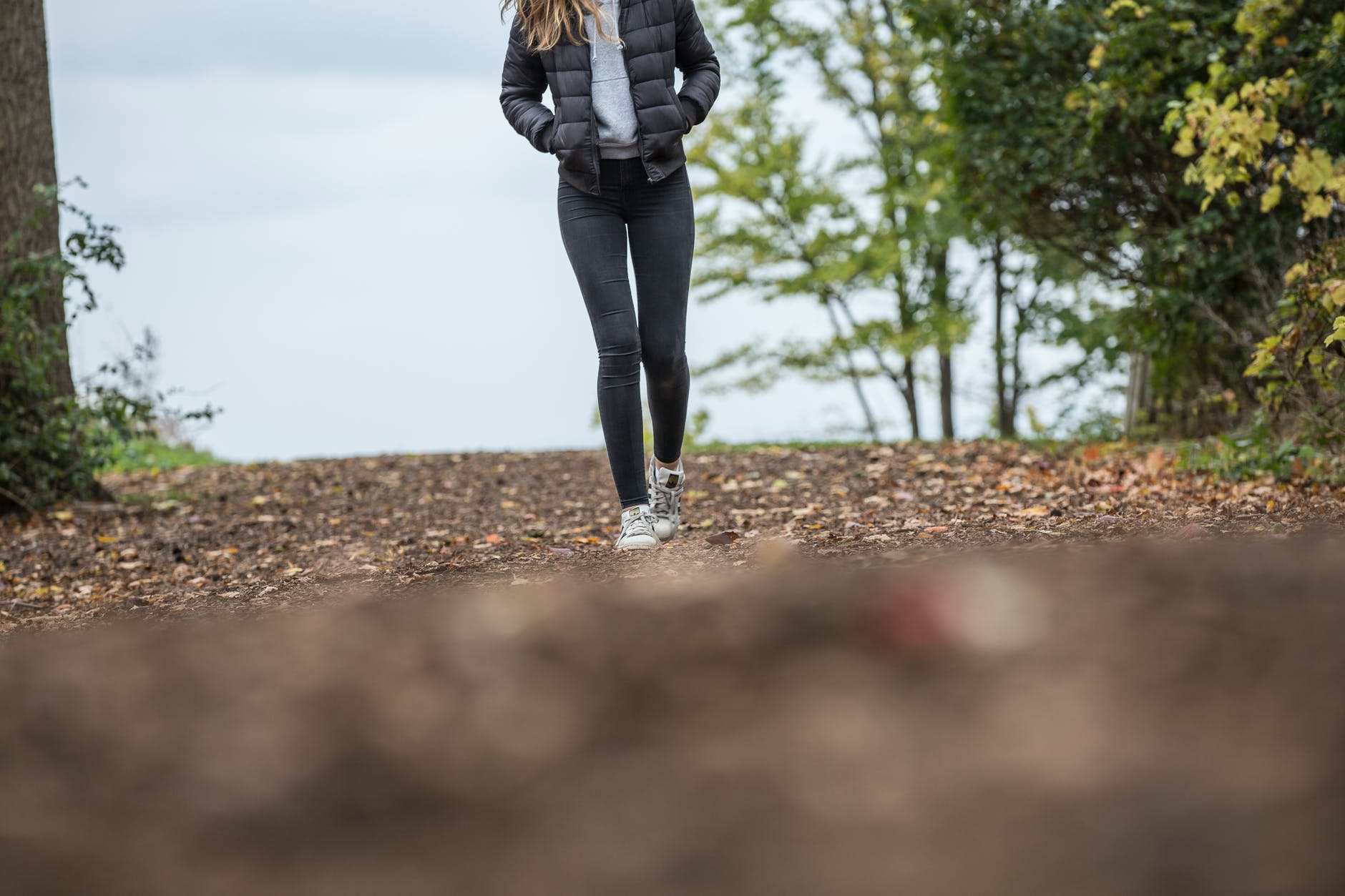
Book review: A novel: It ends with us

BOOK:- It ends with us

AUTHOR:- Colleen Hoover

GENRES:- It is a standalone contemporary romance novel, fiction.

RELEASE DATE:- 2nd August, 2016.

ADAPTATIONS:- It ends with us (play) and It ends with us (movie).

MAIN CHARACTERS:- Lily Bloom ( female protagonist), Ryle Kincaid ( Lily’s husband, a surgeon) & Atlas Corrigan ( Lily’s teenage love interest, a homeless boy later owner of a restraunt). And many supporting characters like Lily’s father, her mother, ryle’s sister, his sister’s husband, ryle’s mother.

Fifteen seconds, That’s all it takes to completely change everything about a person. Fifteen seconds that we’ll never get back.”

– Line said by the protagonist Lily in the book.

SUMMARY:-

The book starts with introducing the female protagonist Lily Bloom. Lily is a twenty-three year old business graduate. She has grown up in an abusive family where her father was usually abusive towards her mother. At the age of fifteen she fell in love with Atlas, a eighteen year old homeless boy from her neighbourhood. She cares for Atlas. She loved him so much. But he left her promising to come to her when he will join military. She was all alone at this time but she didn’t loose hope. She left her past life and started her own flower business in Boston.

In Boston, she met Ryle, a neurosurgeon and soon fall in love with him. But he was not ready to be in a relationship and they parted their ways. After six months, Lily hired an employee named Allysa, who was Ryle’s sister. After many encounters Ryle finally realised that he can’t live without Lily so decided to marry her. Everything was perfect, the romance between Ryle and Lily was increasing day by day. One day Ryle decided to meet Lily and her mother, there she encounters Atlas, and was not able to control her feelings, which was not loves by Ryle for sure. Slowly he started to abuse her,Whenever he can. Lily always told herself that she was not like her mother and Ryle was not like her father.

She started to live with Ryle and she found a deep dark past of Ryle and was shocked. His behaviour towards Lily was being more and more abusive day by day until one day when he can’t control himself and almost raped her. She asked Atlas help in that situation and found that she was pregnant. She doesn’t know whether to love Ryle or hate him for his behaviour. After two months she witnessed a knock on her door and she was sacred to find that he was none other than Ryle. He told her that he just came to talk to her and he did so, but she wasn’t happy with it. She missed him. But also she cannot forget what he did to her. And the story continues how ryle’s sister and Lily’s mother help her, how she allowed Ryle to be with her in her pregnancy dates, how she told Ryle what she felt about him.

BOOK REVIEW:-

Overall the book is just beyond fabulous The characters, the narration and everything seems to be perfect. I personally loved the character of Lily and Atlas. Lily’s strong decision and ability to do justice to herself and her daughter was remarkable. The narration was so strong that you will personally think of yourself in the characters place.

Firstly while reading the book I thought it will be just an average but as soon the book started every single page hooked me to read more and more. Especially I loved the narration it was just awesome. The character of Lily was so very incredible. Atlas has great chemistry with Lily like after so long they had the same feelings for each other.

This is the must read book though sometimes the story didn’t bother me but it was such a great piece of writing that can’t be expressed in words. I hadn’t given the spoiler because it would be far better to read and enjoy it at the same time.

How to become A Leader

Photo by Rebrand Cities on Pexels.com

Transformational leaders are positive, empowering, and inspiring. They value followers and inspire them to perform better. So what can you do to embrace these valued leadership qualities and become a stronger and more effective leader?

Understand Your Leadership Style: Understanding your current leadership style is essential. What are your strengths? Which areas need some improvement? One way to start assessing your skills is to take this leadership style quiz to get a general idea of how you lead.

Once you have completed the quiz, read about the major characteristics of your dominant style. Are these qualities helping or hindering your leadership? Once you’ve determined which areas need some work, you can begin looking for ways to improve your leadership abilities.

Encourage Creativity: One way to foster creativity is to offer challenges to group members, making sure that the goals are within the grasp of their abilities. The purpose of this type of exercise is to get people to stretch their limits but not become discouraged by barriers to success.

Show Passion: You can develop this leadership quality by thinking of different ways that you can express your zeal. Let people know that you care about their progress. When one person shares something with the rest of the group, be sure to tell them how much you appreciate such contributions.

Communicate Effectively: Another important quality of transformational leadership involves a focus on providing one-on-one communication with group members. Transformational leadership is effective when leaders are able to communicate their vision to followers, who then feel inspired and motivated by this vision.
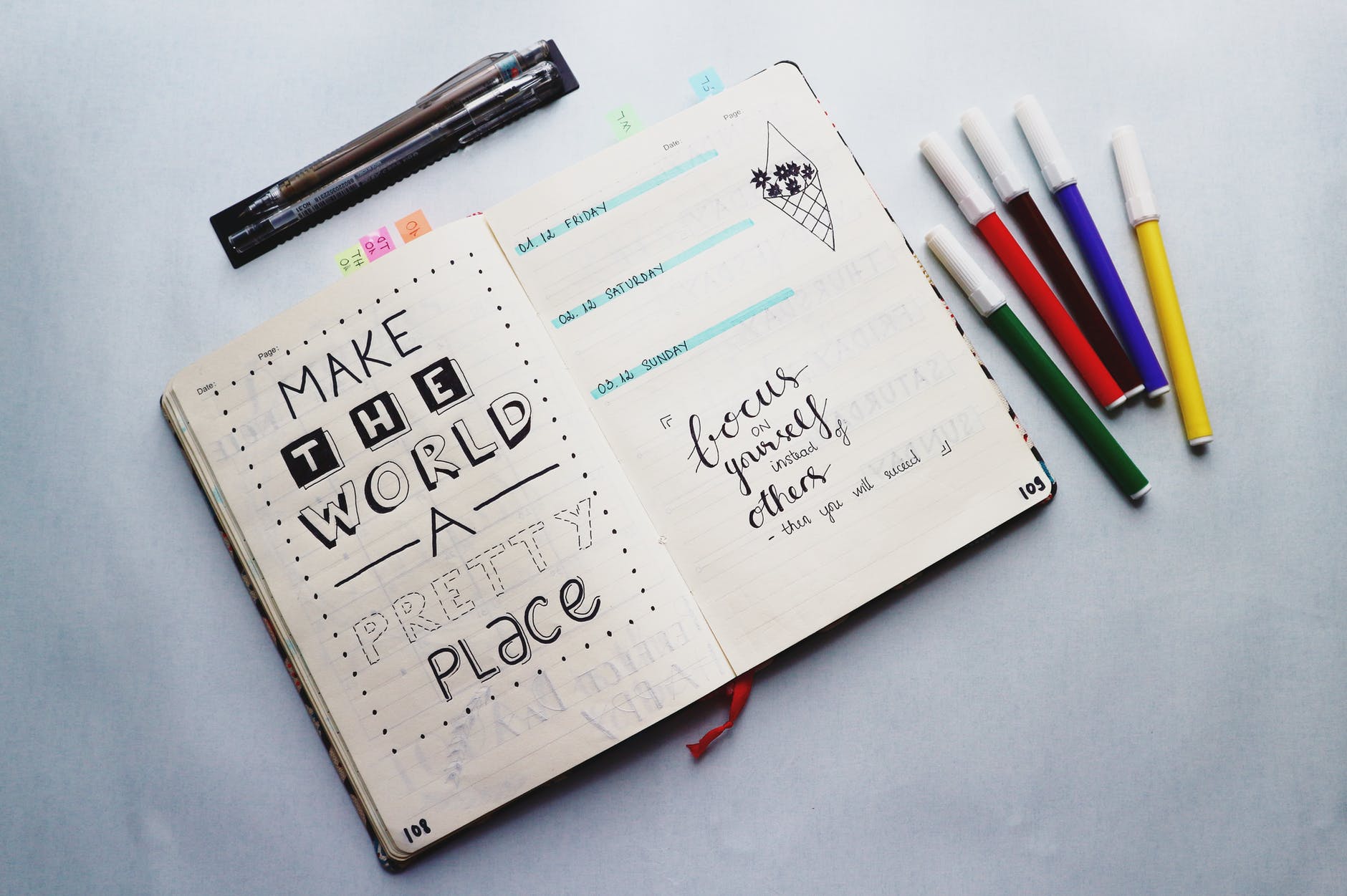
Part of the trust-building process is creating an environment where it’s safe to take risks and allows you and your employees to comfortably exchange candid, honest and direct feedback without the fear of being punished.

It’s important you provide ample channels for two-way communication between employees and managers, and also solicit and reward them for their ideas and contributions. This facilitates progress toward reaching organizational goals. As a leader, you should foster trust and cooperation. Leaders can paint a vision of the future that inspires the team to do whatever it takes to get there.

And as a coach, you have to inspire action that will help execute that goal. Reinforce an honest and candid environment without taking information personally. Equally treat everyone like you would want to be treated.

Give credit where credit is due. Say “thank you,” be encouraging, and try to put yourself in their shoes to better understand their everyday challenges.

You have to support and assist your team. Give them the confidence to take risks and speak up without being punished.

When the mistake is yours, take ownership. Don’t try to blame someone else, the situation or a circumstance.

Be credible – people want to follow an honest leader. Be candid about why things didn’t work out, learn from the mistake and move on. People will trust someone who actively displays honesty. As you work toward developing some of these leadership qualities, don’t forget to look to your followers for feedback and inspiration. Pay attention to the things that have been effective in the past and always be on the lookout for new ways to inspire, motivate, and reward group members.
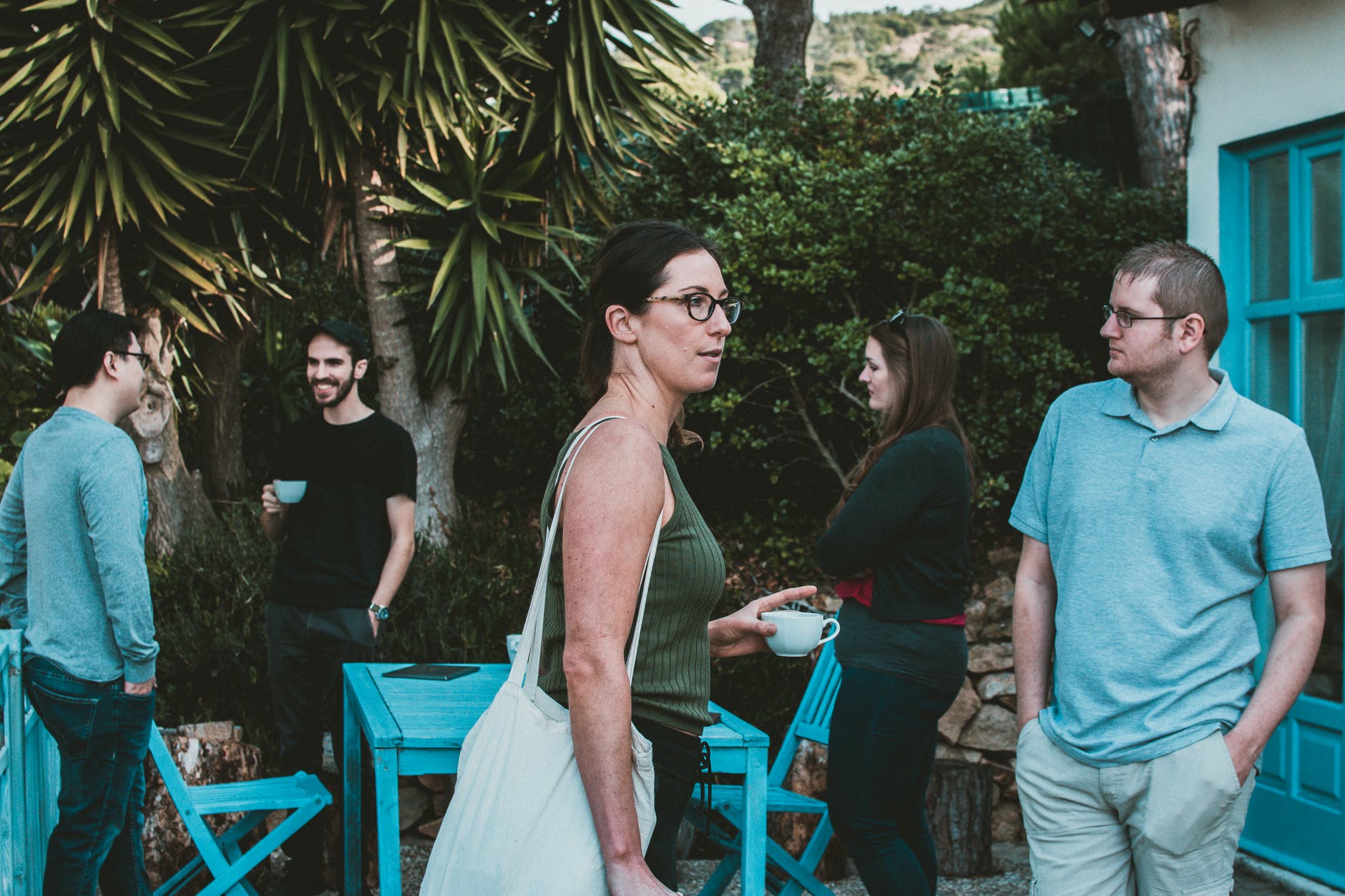
“MOMOS” – The Capital’s Obsession!


Delhi being the National Capital always wins the race, even for the obsession of momos- Delhi is on Number 1! Delhi has a forever- kind of love for momos! Street- food is the Highlight of our culture, and momos are always the go to street food for most of the citizens out there. The love and insanity for momos has been increasing, as momos always gives us it’s different character on different seasons – be it summer, winter or rainy season, eating momos always gives us different feelings in every season! Delhites has unconditional love for momos. When it comes to food, every state has its own specialty of street food or cuisine and it holds a special place in our hearts. Be it Mumbai’s Vada Pav or Kolkata’s Kathi Roll, we always have a fond memory with each of these dishes. But then some dishes are not only our comfort food, but they are also famous for being tasty, delicious, crispy , soft and what not! And one such dish is momo. We cannot eat enough of momos, be it steamed momos or fried momos, our love for momo is completely different. Evening is always the time for 1 plate momos be it the chicken one or the veg one, momos holds a precious place in our hearts when it comes to evening snacks! Trust me, the mouth watering taste of momos served with spicy chutney is all you need on a bad day! Momos are dumplings native to Tibet and Nepal. Traditionally, momo is prepared with minced meat filling, but now, one can find number of variations. If you enjoy momos and are thinking about going to the nearest momo joint to hog on some, you should certainly visit these places in Delhi to eat some unforgettable momos!

BEST PLACES TO EAT MOMOS IN DELHI!!

  1. DILLI HAAT
Place: Dilli haat, Sri Aurobindo marg, Kidwai nagar.

Dilli haat is the place where you can get each and every type of dishes and cuisines from different states. Every state has its own Cafe with its own food specialty of the state! Dilli haat is the place where you can get the feeling of eating typical Darjeeling chicken momos with the soup while literally sitting in New Delhi, you’ll literally feel that you are enjoying the chilly evenings in Darjeeling and are eating hot and spicy chicken Darjeeling momos in order to warm yourself and to enjoy the thin yet soft outer layering of the momos, with the juicy filling of chicken inside, and of course with the spicy yet sweet chutney that will surely make you cry!
There are several momo joints such as ‘Nagaland Old’, ‘Sikkim Tourism Tashi Delek Food Stall’, ‘Manipur Food Stall’ and others that sell mouth-watering momos.  

2. DOLMA AUNTY MOMOS

How can someone lives in Delhi and haven’t ate momos from Dolma aunty?? Haha, it’s surely not possible at all! Dolma aunty Momos, The first ever momos stall in Delhi, dolma aunty momos is mainly known for its Chicken & Veg momos which are worth the taste! These are the cheapest yet the tastiest momos you’ll ever get in Delhi. The ambience here isn’t so well, but as dolma aunty momos is located in Lajpat Nagar 2, the famous south Delhi market of Delhi, you can shop here! Dolma aunty still has maintained its taste since the day she started selling the momos for the first time. The taste has become more prominent and delicious. Since so many years of working, dolma aunty has opened 2 stalls- one in the most famous -Kamla Nagar market in north Delhi, and the second is in Janpath, CP.

3. DEPAULS, JANPATH

Place: Chinky momos, Depauls, Janpath

Janpath, the most famous market known for cheap yet bomb clothes for girls located in the centre of Connaught Place. Depauls in Janpath is the most crowded place, people even stand in a queue to order for their momos. It’s is also known for the cheap yet tastiest momos ever. People here literally come, not to buy clothes from Janpath but to eat momos from depauls!Along with momos you can also buy the most famous cold coffee of delhi from depauls which serves in various flavours!

4. BROWN SUGAR, GK

India’s first ever healthiest momos, you all will wonder that momos? And healthy?! Ofcourse, Brown sugar sells momos made up of wheat! Yes, you’ve heard it right , it’s WHEAT. And don’t you dare to think that momos made up of wheat will be in a very thick structure, no not at all! Wheat momos here are served with thin outer layer made up of wheat, which is healthy and the spicy serving is not like the common red- spicy one, brown sugar provides the spiciest chutney made with sesame seeds and green chillies! These wheat momos are worth to taste , different from others yet the best momos ever! The range of brown sugar momos lies from Rs 120 – Rs 340.

5. QDs

Place: QDs , Any outlet in Delhi.

If you visit QDs then you’ll notice that a hot and famous selling item here, that you will spot on every table is their signature Tandoori Momo. This is why they always place a bottle of mint chutney along with the red chilly garlic chutney on every table that serve as the best accompaniments to Tandoori Momos. Their momos are quite big in size and loaded with a spicy masala. Their chutney will bring tears from your eyes for sure!!

I’m sure you’ve loved reading this, now make a plan to visit all these places and eat different types of momos!! All the momos freak, go grab your plates, and don’t forget to take a water bottle to calm yourself after eating the juicy momos with the spiciest chutney!!!


-SUKHMANI PANESAR

Online Classes : Boon or Bane?

Coronavirus is changing the world in unprecedented ways. COVID-19 has its impact on all segments of life. It has also strongly affected whole education system. The sudden impact of corona pandemic in our country not only affects the global economy but harshly damaged our physical, social and mental well-being. The whole education system has been suddenly shifted digitally which is a huge challenge for both the students and teachers. The education system has been turned upside down. Students tend to lose their interest in online learning and it’s very challenging for the engagement of students.  

Online education has also proven to be a boon for people who were craving for some ‘me time’ amidst this hustle of life. This could be a great time to work on getting regular sleep, regular exercise, healthy nutrition, and getting regular work hours. We can finally enjoy that hobby that we never got around to. Online classes can often be more cost-effective than traditional classes and can be done at a pace the student is comfortable with.

Advantages of Online Classes

  1.  Online classes are convenient.

The biggest advantage of an online classes is that your classroom and instructor (theoretically) are available 24 hours a day, seven days a week. Your only excuse for missing class is not getting online. Otherwise, everything is available to you. You can get announcements, access notes, review assignments, take practice quizzes, discuss questions, chat with fellow students and study any time you want. Other than certain due dates, you make your own schedule for completing the requirements of the course.

2. Online classes offer flexibility.

You can study any time you want. You can study with whomever you want. You can study wearing anything you want. Online courses give you the flexibility to spend time with work, family, friends, significant others or any other activity you like.

3. Online classes offer flexibility.

You can study any time you want. You can study with whomever you want. You can study wearing anything you want. Online courses give you the flexibility to spend time with work, family, friends, significant others or any other activity you like.

4. Online classes have financial benefits.

Although you may think that buying a computer and paying for Internet access is pretty expensive, consider what it would cost you to reach to the campus. Consider the costs of eating out versus eating at home. These are very tangible benefits of having access to education at home.

5. Online courses teach you to be self-disciplined.

Most of us put off the things we need to do until the very last moment. When it comes to education, the last moment is the worst possible moment to learn. Sometimes that lesson is learned the hard way in the form of poor performance on an exam or assignment. But ultimately, you succeed because you realize the importance of doing things on time or even ahead of time. That self-realization propels your success in an online course. No one is there looking over your shoulder to tell you to go online and study. No one is there to make you ask questions or post responses. The motivation to study in an online course comes from you. It’s something we call student-centered or active learning. The online student takes responsibility for their course of studies and matures into an individual for whom learning and accomplishment are highly valued. In short, your success depends on you.

Disadvantages of Online Classes

  1. Online classes make it easier to procrastinate.

Procrastination will chop you to bits in an online course. There is no one to tell you to get to class on time. There is no one reminding you that assignments are due or that exams are coming. It’s easy to put off reading and assignments in the online environment. Before you know it, weeks have gone by, you haven’t done any homework and its exam time.

2. Online classes require you to be responsible for your own learning.

Only you are responsible for your learning. No one can force it on you. No one can make you study. Teachers can share a little knowledge and experience, show you a few tools and hope you get it. The spark and desire to pursue your dreams must be yours. So, the real disadvantage is that you might not own up to it. You might not take responsibility for your studies and your goals. You might get way behind and never catch up.

3. Online classes require more time than on-campus classes.

Believe it or not, you will spend more time studying and completing assignments in the online environment than you will in an on-campus course. If you are sitting in a classroom, it’s likely that you’ll miss a good percentage of what the teacher says, no matter how focused you are. It’s human nature to zone out for brief periods of time. When you are reading, you will have a tendency to go back over the notes if you miss something and that takes more time. The point is that you will likely learn more in an online environment, but you will have to make a greater effort to accomplish that learning.

4. Online classes may create a sense of isolation.

In an online class, no one can hear you scream. And that causes discomfort for some online students. Studying alone with only the computer as your companion can be terrifying. There’s no whispering in the back of the room, no commanding presence at the front of the classroom pleading for everyone to listen. The online environment is a much different atmosphere that takes some getting used to.

5. Lack of communicational skill development in online students

E-Learning methods are proven to be highly effective at improving the academic knowledge of the students. However, developing the communicational skills of the students is an area often neglected during online lessons. Due to the lack of face-to-face communication between peers, students and teachers in an online setting, the students might find that they are unable to work effectively in a team setting. Neglecting the communicational skills of the students will inevitably lead to many graduates who excel in theoretical knowledge, but who fail to pass their knowledge on to others.

BLOGGING vs VLOGGING – Major Differences!

One of the hottest debates in the digital world is blogging vs vlogging, both blogging and vlogging can help businesses and individuals grow their brand and make money online. The good thing about the digital space is that anyone can start blogging or vlogging. The startup costs, so to speak, are minimal. However, you have to have a strategy in place to succeed, as there’s tons of competition.

As there is a rapid rise in online video content, vlogging is also becoming a good option to generate income. But is it better than blogging? Let’s learn in this detailed blogging vs vlogging comparison.

What is a Blog?

Originally called a weblog, Blogs can be standalone websites or part of another website. Blogs can feature other media, too, like pictures, videos, audio clips, in addition to text. Just how you read op-eds in the newspaper, blogs are spaces for people to express their opinion or share their knowledge. Blogs are often created and managed by individuals but are also popular on business websites. People who write blog posts are called bloggers. Blogs typically contain dynamic links to other online content and may also include interactive or community engagement components such as a comments section. Blogs started out primarily as text documents, but today’s far more sophisticated blogs often feature dynamic visuals and videos.


What is a Vlog?

A vlog, or video log, is the video equivalent of a blog. Like blogs, most vlogs target a niche audience that shares common interests and needs. While vlogs can and should be supported by text or metadata, the star of a vlog is the person or people talking on the video, everything that’s written in a blog presented in video format with vocals and visuals.

Interestingly, the term vlog came about the same time YouTube became popular, which is the early 2000s. It’s not surprising as YouTube basically gave rise to vlogging. Just like blogs, vlogs can be related to a business or an individual.

As for the video content, it can be anything. From scientific data to personal stories to tutorials, vlog encompasses anything and everything you could think of finding on the internet.

Key Differences between Blog and Vlog

The key differences between blogging and vlogging are the degree to which the content creator uses video as well as where the content is hosted. If you love talking to people and feel comfortable on camera—and don’t necessarily want to build a website—vlogging may be best for you. If you’re a person who excels at the written word and wants to create your own website, blogging may be right for you.

Many people are choosing to blog and vlog as they find that using both text-based and video-based content helps them reach the widest audience possible.

Popularity

The most important thing in blogging vs vlogging comparison is which niche is more popular? Where is the traffic?

Video content is now certainly more popular than textual format. Video is slated to comprise a whopping 82% of the entire internet traffic. This is why video has become an extremely important marketing medium for all digital platforms.

In terms of popularity, vlogs may have a bigger potential audience just because of the nature of the media. For instance, YouTube has two billion users who watch one billion hours of videos every day.

With all those stats, video content has more outreach than a blog. That said, in certain scenarios, a blog may perform better than a vlog. Again, it depends on the niche and the audience as to what media they prefer.

Also, blogs now also feature videos regularly for this very reason. The richer the media, the more audience you can cater to. Many bloggers also make vlogs and use them in their blog posts. Others use videos from other creators to optimize their blogs and give it a visual feel.

Monetization

Dollars stack close-up Stock Photo by ©svl861 21072415

Monetization isn’t that different for a blog or a vlog, but the level of monetization may vary. Most blogs and vlogs make money through advertisements. However, vlogs rely more on advertisements than blogs and perhaps make good money from it. You can also make money blogging by using affiliate links. You work with affiliate marketing programs, such as Amazon Associates Program, and earn commission every time someone purchases something with your affiliate link.

Vlogs can also employ affiliate links in their text descriptions, but it remains more popular for blogs.

Another method of monetization is sponsorship, which is more common for vlogs. You basically get a sponsor who pays you to mention their brand or product in the video to promote it.

A lot of vloggers make money through sponsorships, but that doesn’t kick in until you have a lot of subscribers or followers.

Audience

The evolution of Internet traffic - Maurizio NaldiMaurizio Naldi

The audience for both pretty much depends on the niche you’re pursuing. However, some demographics might be more inclined toward reading. Similarly, some people respond to visual data better.

For instance, if your audience is young, perhaps people under 20, vlogging may be a much more viable solution than blogging. Younger demographics usually prefer watching videos over reading articles.

Conclusion

There are pros and cons to both as we’ve covered in the differences. If there’s one thing that’s common for both blogs and vlogs is that both require a lot of hard work and give you some tough competition. However, you can easily stand out with original content that gives people what they are looking for.

Advantages of Speaking English – Reason Why?

There are more than 6,500 languages around the world spoken by billions of people. Why close yourself off from the rest of the world by only sticking with your native language? If you don’t know which language to start with, you can’t go wrong with English. Spoken in many countries across the globe, English allows you to communicate with a large number of people.

One of the most useful languages to learn is English. 1.5 billion people are speaking English today. Across the world, English is the default choice of countries and major industries. You might even be surprised some of the countries that become more accessible to you just for learning the language. The benefits of learning English are immense and vast.

Today, we’ll explore some of the fantastic benefits you could acquire from learning English. Some might even surprise you!

English makes travel easier

English is the most generally communicated in language from one side of the planet to the other. That’s a big advantage unless your goal in life is to remain within 40 kilometers of where you were born throughout your life.

English skills get more respect

It is weird but true. We in India give more respect to those who speak in English. I don’t know the reason and I don’t like this but that’s not important. Judge people on their inner worth, not the language they speak. But, till the time everyone begins doing it, learn English so that you are not judged unfairly.

Biggest movies and books are in English

Hollywood is the biggest movie industry. Almost all prominent books in the world are either written or translated into English. English language music is huge.

Why would you want to miss out on such a huge body of fun and mind expanding stuff?

English helps the world know our culture

This is important. The world today is not about forcing people, it’s about convincing them. It’s called soft power. With our 5,000 year old culture, why should we be defensive and behave like frogs in a well? Why not study the culture and present it in front of the world in the best possible way? Didn’t Vivekanand do that? Didn’t he do it in English? Isn’t he one of the brightest torch bearers of our glorious culture?

English skills are our national advantage

Yes, and that’s no exaggeration. One of the very few areas where India beats China is the number of English speaking people. Major advantage and we don’t want to surrender it to our friends from Shaolin.

English communication gives power & influence

Knowledge is in English, knowledge is power and you need power to fight for yourself. Most of the modern day knowledge and communication tools work in English:

  • Courts, law books, websites – most of them work in English.
  • Social media works in English.
  • Mainstream media has a majorly influential English segment.

If you don’t know the language, you are denying yourself more than half the weapons.

I was trying to learn English and I was very worried about my accent. I’m sure I’ll always have it but I remember Tom Hanks said to me, “Don’t lose the accent. If you do, you’re lost.”

Antonio Banderas

Being able to speak English as a second language is a very positive addition to a person’s skill set as many careers are opened up to people who know another language, in particular, English.

Brand communities

Brand communities

The Jurni

  • This is a London based newsletter.
  • I came across this amazing newsletter about travel, culture and inspiration from my best friend who was working as a campus ambassador for this brand.
  • It served exactly what I was interested into and that made me become a regular reader of the newsletter. And they had an impressive Instagram page as well (https://www.instagram.com/thejurnimedia/) which got me into the brand’s responsive community.
  • Soon I went ahead to become a campus ambassador myself and promoted the brand using my social media handles.
  • Now that I think I realize that it’s one of the best kind of brand promotion to reach out to people who are interested into the content of your brand, offer them a role in the community and then make them promote the brand by themselves using their personal social media handles. The Campus Ambassador program of The Jurni is an excellent way of creating community leaders and expanding the community to wider stretches.
  • I believe that the community could be even better if the acknowledge the efforts of all campus ambassadors and other employees of the company on a larger scale maybe by featuring the best few over the brand’s social media handles. That would surely pump up everyone to give their best.

How to Make Money Blogging

. Online Courses and Workshops

Here at Smart Blogger, we make most of our income from online courses and workshops — over $1 million per year — but we are far from the only successful blog doing this. Most of the people making a lot of money from their blogs are doing it online

Books and Ebooks

Quite a few writers have parlayed their blogging success into a major publishing deal. Mark Manson, for instance, published a in 2015. Millions of readers later, he got a book deal with Harper Collins and went on to sell over 3,000,000 copies in the US alone.

Affiliate Marketing

If you’d like to create some passive income streams from your blog, one of the best choices is affiliate marketing — recommending the services, digital products, and physical products of other companies in exchange for a commission.

Advertising

Normally, we’re not big fans of selling ads on your site. You need roughly a million visitors per year for the large ad networks to take you seriously, and affiliate marketing is almost always more profitable and just as passive.

That being said, some niches like recipes, fashion, and news are hard to monetize through many of the other methods mentioned here, and they get LOTS of page views. In that case, putting a few ads on your site can make sense as a supplementary income source.

Speaking

There are many reasons to start a blog for personal use and only a handful of strong ones for business blogging. Blogging for business, projects, or anything else that might bring you money has a very straightforward purpose – to rank your website higher in Google SERPs, a.k.a. increase your visibility.

As a business, you rely on consumers to keep buying your products and services. As a new business, you rely on blogging to help you get to potential consumers and grab their attention. Without blogging, your website would remain invisible, whereas running a blog makes you searchable and competitive.

There are many reasons to start a blog for personal use and only a handful of strong ones for business blogging. Blogging for business, projects, or anything else that might bring you money has a very straightforward purpose – to rank your website higher in Google SERPs, a.k.a. increase your visibility.

As a business, you rely on consumers to keep buying your products and services. As a new business, you rely on blogging to help you get to potential consumers and grab their attention. Without blogging, your website would remain invisible, whereas running a blog makes you searchable and competitive.

Blogs and websites

Many people still wonder if there is any difference between a blog and a website. What is a blog and what is a website? It’s even more challenging to differentiate between the two today. Many companies are integrating blogs into their websites as well, which further confuses the two.

Landing Your Dream Job

Photo by fauxels on Pexels.com

Did you recognize that an individual referred for employment is 15 times more likely to urge a job? Job boards have just a 0.4 percent effectiveness rate, consistent with a recent Jobvite study, while the speed for somebody who comes within the door via an employee referral is over 5 percent. the simplest job search is that the job search that you simply don’t get to do. while some job seekers seem clued into that fact — almost 35 percent applied to their most up-to-date position through a referral — the bulk haven’t. So, how does one get that referral then sell yourself on the following application? Allow us to see how-

  1. Be prepared before diving into the work search- Although leaving your current job hasn’t crossed your mind, you ought to always have two things ready and up so far — your resume and LinkedIn profile. That’s where employers are getting to search for you. And if the thought of a replacement opportunity has crossed your mind? Before you start applying, know this: In cover letters, most of the people tend to speak about what they need rather than how they will help a corporation reach its goals. Many think the latter is implied, but it’s not — and you’ve needed to draw that very specific line. It’s your responsibility to match those description keywords and show how you line up with the role. There’s a difference between ‘I can contribute to your success in XYZ ways’ versus ‘I’m an excellent candidate, check out me’. The key here is to seem at the success marker for the work then be very specific about how what you’ve done can help replicate that sort of success. Use concrete numbers wherever possible.
  2. Start connecting- As you begin brooding about making a move, prepare a shortlist of companies (maybe three to five) you’d wish to work for and do extensive research on them. you would like to be as certain as possible that the corporate you would possibly jump to will cause you to happier than the one you’re leaving, and it’s hard to understand that until you hear from people that currently work there. Try reaching bent people that work on your shortlisted companies that you simply have something in common with — an equivalent school, major, interests, hometown, or LinkedIn group. Invite a number of them to coffee — your treat if possible — to ask them about what it wishes to work there. People generally will want to assist if it doesn’t cost them much.
  3. Think “relationship” or “networking”- If you’re making a habit to nurture your network along the way, then you won’t be seen as checking out employment. You’ll just be within the right place when an opportunity opens its door. The thought of networking can indeed make some people feel drained or maybe fake. But if that’s the case, you would possibly be doing it wrong. Networking isn’t about you. It’s about the person you’re lecture. Take an interest within the other person by asking about their interests, goals, challenges, and where they’d wish to enter their career. See if you’ll help them. Another key: Do more listening than talking. The irony is that opportunities tend to return faster when people specialize in fostering a real connection. Another pro tip: attempt to avoid getting impatient and feeling the urge to maneuver on if someone isn’t directly tied to the career path you see for yourself. Usually, the one that can assist you is 2 to 3 degrees of separation away, for instance, that person won’t be in your chosen field, but their relative, sister or friend might be. Something else to stay in mind when you’re relationship-building? It’s an ongoing effort. It could assist you to unearth hidden jobs or create custom opportunities for yourself.

Fitness Myths

The explosion of wellness as a mainstream trend has affected some positive change: healthier options at major restaurants, an influx of boutique fitness studios, and a renewed interest in self- care among them. But the invigorated interest in our health has also opened the floodgates for information – particularly around diet and fitness – that isn’t always the foremost reliable. There is so much information floating around about exercise, that it’s sometimes hard to discern fact from myth. And unfortunately for several folks, hearing is believing. Here are some common myths regarding fitness which are commonly believed and followed.

Photo by Jonathan Borba on Pexels.com

1. Stretch before you workout- We all must have heard this one and believed it without even questioning it. The importance of a pre-workout stretch is that the favorite most-believed myth, with nearly 3 in 5 believers. Studies have shown that the main advantage of stretching is maintaining or increasing range of motion through a joint. What about injury prevention and improved performance? Stretching has historically been prescribed for tight muscles as a way to get the body to relax but recently the fitness industry has discovered that stretching a ‘cold’ body could have negative impacts. But that doesn’t mean jumping right into your workout is the better option; instead, keep the pre-workout warm-up but change what it consists of. A proper workout schedule should be a cardiovascular exercise to warm the body up and get the blood flowing for about 5 to 15 minutes, followed by a sequence of dynamic exercises.

Photo by Victor Freitas on Pexels.com

2. Lifting weights will pump up your body- For a long time weight lifting was put in the spotlight by bodybuilders, strongmen, and professional athletes determined to be the biggest and worst on the block. It bred the longstanding misnomer that you lift heavy weights minimal times for size and strength and you lift little weight a lot of times to lose weight/lean out … not true. At all. It’s important to dispel this myth because strength training is a vital component of any fitness routine. Lifting weights regularly (and appropriately) will: improve your heart health, keep your tendons/joints/ligaments lubricated and feeling good, boost your metabolism, correct your posture, regulate your hormones and make you stronger. t does all this because lifting weights taps into all of your body’s energy/movement systems while challenging it in a way that forces the response of all that was previously mentioned. What lifting weights won’t do is give you unwanted bulkiness unless you are specifically training for that.

Photo by Kat Jayne on Pexels.com

3. Muscles turn into fat if you stop working out- This is a popular myth in part because of an optical illusion. If I transition from a lively lifestyle of building mass to whatever an alternate lifestyle seems like, there’s a chance. The muscles get smaller and therefore the body fat will probably rise counting on the diet. This leads most people to believe that their muscle is turning into fat. The real story is that muscle and fat are two different tissue systems with different functions. Muscle tissue is what gives you mass and what is constantly burning calories. The fat tissue is what gives you the ‘gut’ and is where excess energy is stored. Although energy is shared between the 2 systems, muscle and fat don’t convert to at least one another. They simply move up and down on a spectrum independently and in most cases simultaneously. The confusion for people probably come therein once they are inactive, their muscle size and productivity decreases. This results in less of a demand for ‘fuel’ or energy from food consumption. When your body has excess fuel from unused food its default is to convert it into long term storage, aka ‘fat.’ When you have an increased demand for storage your fat cells expand or grow larger and in some instances, new ones are created.

Addressing Mental Health

Photo by Madison Inouye on Pexels.com

Mental health refers to cognitive, behavioral, and emotional well-being. It is all about how people think, feel, and behave. Trying to tell the difference between expected behavior and signs of mental illness isn’t always easy, there is not a simple standard test to diagnose someone with a mental health issue. Having a gene with links to a mental health disorder, such as depression or schizophrenia, does not guarantee that a condition will develop. Likewise, people without related genes or a family history of mental illness can still have mental health issues.

Mental health conditions such as stress, depression, and anxiety may develop due to underlying, life-changing physical health problems, such as cancer, diabetes, and chronic pain. Each issue related to mental health has different symptoms but the common signs of disturbed mental health in adults and teenagers can be excessive worrying or fear, confused thought or problems concentrating and learning, extreme mood changes, avoiding friends and social activities, strong feelings of irritability and anger, difficulty in relating to people, change in sleep schedules or feeling tired all the time, change in eating habits, delusions or hallucinations, overuse of alcohol or drugs, suicidal tendencies, inability to carry out daily activities, and changes in personality.

Photo by Zachary DeBottis on Pexels.com

Everyone has some risk of developing a mental health disorder, no matter their age, sex, income, or ethnicity. Young children can develop mental health conditions but their behavior and symptoms are mostly ignored. The most important thing is not to be afraid of reaching out to someone for help, acceptance is the first and most important step towards your mental health. Talk to people you trust.

Acknowledging the warning signs can help, getting an accurate diagnosis helps and for that seeking professional help is a good plan, to begin with. After a proper diagnosis, a psychiatrist can help develop a treatment plan which could be medication or therapy. Getting a proper diagnosis is just a first step, working on your goals is very important. Treatment varies from diagnosis and by the person, there is no fixed treatment of the same diagnosis, for some medication can help while for some counseling or therapy or social support can work.

Easy Ways To Live More Sustainably

Photo by Markus Spiske on Pexels.com

How beautiful is our planet earth, refreshing and clear lakes, gorgeous sunsets, glorious mountains, and that’s the reason why we love it so much but what if this beautiful nature starts asking for something in return, something as simple as using less water, would we still claim to love it? It is not news that factors like climate change and pollution are a threat to our planet, it been decades that scientists and activists are begging people to be considerate towards our unsustainable lifestyles which are hurting the planet. But our habits and convenience are not letting us change and we chose to ignore the dire warnings, continuing our usage of plastic and burning fuel like there is no tomorrow, which at this rate might be true. While the changes are not just needed for an individual but a policy and behavior changes of companies is also essential in saving the planet and being more sustainable. There was a study conducted in 2017, which stated that 71% of the global emissions were generated by just 100 companies. But as charity begins at home, change also begins from an individual, so here are some extremely simple ways in which we can move to a sustainable lifestyle, help the planet and be the change we want to see in this world.

1. Turn off the tap when you brush your teeth – It is a habit of most people that they leave the tap running while brushing their teeth, leaving a tap open can waste eight gallons of water per day which is a ridiculous amount considering that the precious water is going to waste. It can be hard breaking a habit which you have been carrying all your life but there is no reason in continuing such a habit knowing the amount of clean water going to waste like that. Water may be a renewable resource but we just have a limited amount of clean, fresh, and unpolluted water, which is not available everywhere, and hence saving even a drop is important. With groundwater being polluted and lack of clean water, we rely on water from rainfall which is also decreased due to climate change. If the situation continues like this by 2030 half of the world population would face a major water crisis. And if you need a monetary motivation, saving water can reduce your water bill too.

2. Use Public Transportation- We always complain and crib about public transports and avoid them at any chance we get. But the truth being told embracing buses, metros, and trains is one of the best things we can do to save our planet since transport is the second-largest emitter of greenhouse gases around the world. Using public transport and avoiding your car is the most beneficial way to curb climate change. An average car emits around 4.6 metric tons of carbon dioxide every year, so living car-free has the highest potential of mitigating a person’s carbon emissions. If you don’t have a choice but to drive, try using carpooling if the travel is unavoidable, it not only decreases the carbon but also saves you money.

3. Stop Buying Packaged Water- People prefer buying single-use plastic bottles of water every time they go out and then throw that plastic away which may never decompose, instead make it a habit of filling up a water bottle from home and carry it whenever you go out, it may take a tiny effort but it can delay the inevitable end of the planet. Almost all the plastic produced to date still exist in the environment and is likely to stay forever as it takes over 500 years for plastic to decompose into smaller particles.

There is no doubt that these suggestions cannot be feasible for everyone, like one won’t take pubic transport if the time of travel becomes three-times but this does not mean we should not try changing and embrace it, trying is the least we can do. If we wish to make the biggest impact on the climate for the least amount of effort, the best place to start is by making small changes individually and then taking it up to our communities, schools, colleges, and workplaces.

Lockdowns And Decreased Seismic Noise

Scientists from the Royal Observatory of Belgium in Brussels recently shared an observation that after lockdowns were imposed by governments all over the world due to the COVID-19 pandemic, there has been a remarkable decline in human-linked vibrations within the crust of the Earth. And the scientists in Brussels, with the help of other scientists around the world, have published a new study in the journal “SCIENCE“, which shows how the ‘Seismic Noise’ has reduced, allowing them to observe and record previously concealed earthquakes better.

Courtesy- Stephen Hicks @seismo_steve

Measured using seismometers, seismic waves are the vibrations traveling within the Earth that could be set off by earthquakes or volcanoes. The waves could be subject to the disturbance caused due to human activities or naturally. In the study, it is found that the reduced human activity led to an average drop of around 50% human-caused seismic noise, which was recorded between March 2020 to May 2020. The drops in the seismic noise, especially in the urban areas, are unprecedented and are observed to be more than what is considered usual quiet periods like weekends, holidays, or during the night.

The scientists have termed this time of global anthropogenic or human-based seismic noise deduction as ‘Anthropause’. This anthropause can help the scientists get a more accurate measure of the seismic waves and to differentiate between human and natural seismic noise clearly.

Lead author of the study, Dr. Thomas Lecocq from the Royal Observatory of Belgium explains, “With increasing urbanization and growing global populations, more people will be living in geologically hazardous areas. It will, therefore, become more important than ever to differentiate between natural and human-caused noise so that we can ‘listen in’ and better monitor the ground movements beneath our feet.”

The scientists and researchers are hoping to move forward with their study of seismic lockdown and the previously hidden indications of earthquakes and volcanoes would be easier to be recognized and there will be a better understanding of the natural seismic waves.

Hate Binge And Chill

Over the last weekend, all I can notice on social media was Netflix’s latest docu-reality series, which was trending on number “Indian Matchmaking”. People on Instagram, Twitter, and Facebook were criticizing the show and the memes were being circulated, I am no fan reality shows but I was just curious to know what the fuzz is all about.

The show begins with a woman (Akshay’s mom) listing all the qualities, to a Mumbai based matchmaker- Sima Taparia, that she is looking for in her future daughter-in-law, and trust me when I say this that 10 minutes into the show and I am already hating it but I still watched 2 episodes in the same sitting. “I shouldn’t be watching this shit,” I say to myself but somehow, I finished all eight episodes of the show in a matter of hours within a day. The show is downright cringe-worthy. Sima Taparia, the narrator makes pretty nasty and mean comments, especially about girls who are ambitious, independent, and looking for a partner that would treat her as an equal. Such girls for Sima Aunty are stubborn, not-flexible, demanding, and difficult to find a match for; while on the other hand if a boy demands those qualities then it is normal. So much for the double standards. The show without doubts contains all the elements of a binge-worthy reality show- A man-child, who wants a wife like his mother, nosy mother, who blackmails by pointing to her high blood pressure the boy into marrying, a most probably closeted guy, an ambitious, career-oriented woman, a face reader, astrologers, life-coach, and US-based scenes. It is worth all the hate and I too watched it under the hate spell.

It happens to a lot of us that we get glued to television for such shows that we hate, those shows don’t make any sense, we make fun of them, get offended by them but we still binge them. But why does that happen? Why can’t we stop watching something that we do not like? According to psychology and communications experts, love and hate are 2 strong emotions and once our emotions are unleashed, whether it’s because we’re very attracted to something or very repelled by something if we feel strongly enough about it, we want to know more, we grow curious about it.

The same happened with Indian Matchmaking, I was annoyed by Sima Taparia and other problematic characters and it unleashed my emotions. I was furious when Sima Taparia said, “Indians don’t like lawyers as a daughter-in-law”, words like “flexible”, “compromise”, “tall”, “well-settled” were thrown around and I was screaming, “Why even bother getting married then?” at my TV screen when Sima Taparia said, “In India, marriages are breaking like biscuits” and thus her job is getting tougher. But with every episode I felt that I do want to know what is going to happen next in their lives, I might miss something and everyone is already talking about it. When there are no good options about what to do, we tend to do this like binge-watching a show that you dislike because you have developed an interest as it is more interesting than doing nothing.

When we start a show that we begin to hate, we think that we have wasted our time by start watching it in the first place and to compensate the lost time and effort we keep going on in a hope that we will get at least something out of it in the end. And eventually what happens is you dislike it more and more, you waste more and more money, and things generally just get worse.

But how do we stop this hate-binge? Well, psychologists suggest that turning off the auto-play is a good start, if you don’t like something in the first two episodes stop watching it then and there and if you feel peer pressure by the Social Media into watching the entire series because everyone else has, try to start a new series and then go back to the one you hated. I honestly would love to try this technique out because hate-binge just makes you feel guilty and nothing good comes out of that.

10,000 Digits Of Pi

More often people complain about having a terrible memory, things like birthdays, anniversaries, grocery lists, etc. tend to slip off their minds. One might imagine memory like something set in stone but it is not the case, with the right technique you can train your brain to remember almost anything you want. A four-time USA Memory Champion, Nelson Dellis, who has memorized 10,000 digits of pi, the lists of hundreds of names after only one hearing, and the order of more than nine shuffled cards, says that anyone can improve their memory with a little dedication. Here are five steps that can help in training your brain to remember things.

Photo by meo on Pexels.com
  1. Start With Strong Images- Dellis suggests that to memorize anything, start turning it into an image. Let u take seven wonders of the world, for example, for the Great Wall of China you might just want to imagine a wall or for Petra of Jordan, you can just go for an image of your pet. Images that are weird or gross or emotional tend to stay in the brain for a longer time. When looking at the brain, researchers found that the amygdala—a part of the brain that is important for processing emotion—encourages other parts of the brain to store memories. That’s why strong emotions make it more likely that memories will stay.
  2. Put Those Images in a Location- Next, you have to locate those mental images in a setting that is familiar with you. Using Dellis’ example, he locates the seven wonders of the world on a route through his house, starting with a wall in his entryway, then Christ—representing Christ the Redeemer— lounging around on his sofa. He also mentions that the weirder the location, the better are the chances of staying in the memory. Linking images to a place are called the memory palace, which capitalizes on your existing memory of a real place. It is usually a place you are familiar with, which can be your house or workplace which you know very well. Neuro-imaging research has shown increased activity in the occipito-parietal area of the brain when learning memories using a memory palace. This technique helps the brain to bring in parts that are dedicated to other sense-the parietal lobe is responsible for navigation, and the occipital lobe is related to seeing images.
  3. Pay Attention- Memorizing seven wonders of the World is not as hard as memorizing 10,000 digits of pi or 100 names in one hearing, and doing that needs more motivation and more attention. According to Dellis, he motivates himself with the mantra “I want to memorize this”, it may be simple but this mantra helps him focus on the task by concentrating his attention on the task in hand and it helps him remember better.
  4. Break Things Up- For a long sequence of cards or a large number, it is a good technique to break things up into smaller sequences. Dellis says that it is easy to remember words as you can associate words easily with images but numbers or names or cards can be tricky, and for that, he has a technique that whenever we see a name or a number or a card, we already have an image preset for it.
  5. Finish Up by Reviewing– After getting the images and their location sorted in the memory, all we have to do is make sure that it stays in the brain. Most of the memories don’t even get to the long-term memory part of the brain and that is why it is important to repeat the information, again and again, to turn short-term memory into the long term. There is no shortcut for that, all you have to do is practice and persistence.

Training the brain is not as easy as it sounds or seems, it takes a lot of efforts, repetiton, hard work and training on a daily basis. Train hard, work hard, practice hard, then it can become instinctive, says the memory champion.

Work From Home Effect

Photo by bongkarn thanyakij on Pexels.com

“Work from home” is a phrase that has always been in our lives but it hit unprecedented levels of popularity in 2020. With the start of the spread of the COVID pandemic in March, thousands of employees across India begin working from home and everyone thought it would be a short-term thing and things will go back to normal soon. But it is almost the end of July and “WFH” has become the new normal. IT companies have been directed by the government now to extend work from home until December. The apex court in Switzerland ruled that the employees’ house rent should also be contributed by the company.


There are a lot of start-ups that are planning a permanent WFH set up for their employees. With the pandemic showing no signs of stopping anytime soon, WFH may well be the only hopes of saving our economy. Research conducted revealed that people working from home were working on sofas, dining tables, and beds which are not suitable for long working hours on laptops. The demand for office furniture has been on a rise since the lock-down and after the deliveries were opened there was a jump in sales of office furniture. The employees are thus demanding a work-from-home allowance from their companies.


Responding to the demands, companies are offering allowances to their employees to help them buy things necessary for a WFH setup, such as furniture and Internet connection. The employees are also demanding food allowance, a fixed amount per day so that the employees can order food as working from home adds the responsibility of the home, especially for those who live by themselves and have to prepare their meals which would otherwise be made available at the office cafeteria. The companies are even planning to offer allowances for increased Internet and electricity bills. While OYO, Zomato are few companies planning on permanent work from home, Google has already set aside $1000 (75,000 Rs for India) for each employee as WFH allowance as it has declared working from home until the end of this year. Companies have been sending office furniture and laptops to help out their employees and also ensuring proper Internet connections for them.


Companies believe that a comfortable work environment at home is the primary need and it should be ensured for better work results. Everyone might not have a good Internet connection at home or a comfortable work desk, so it is the responsibility of the company to make sure the employees are provided with every possible equipment they need to get better results. They are thus being provided with a “No-questions-asked” allowance to set up a home office to make the lives of the employees much easier and provide them better work conditions.


The fantasy gaming company, Dream11 has even planned on delivering goodies to their employees to cheer them up while they work from home. Bengaluru based, Razorpay has partnered with Rentlite, to help provide office furniture to their employees on corporate discounts and are encouraging their employees to work digitally. Start-up company Spring Works shipped Office furniture, electronic accessories like keyboard, monitor, to employees who are in Bengaluru, and a one-time Rs. 10,000 per person reimbursement.

5 Books To Read Before You Die

Losing yourself in a great book, is one of the most endearing and satisfying joys. Every book has a different style, different attitude, different perspective but every book teaches and leaves you with a different feeling. It is hard to choose a favorite but let’s talk about 5 books that you must read.

  1. To Kill A Mocking Bird, by Harper Lee- A novel before its time, Harper Lee’s Pulitzer-prize winner addresses issues of race, inequality and segregation with both levity and compassion. While To Kill a Mockingbird could be a favorite book of just about everyone who has read it, it is important to recollect that it continues to be subversive and challenging to the establishment. The story revolves around the cute, lovable kids, Scout and Jem, and undoubtedly one of the most loved character in literature, Atticus Finch. Most of the characters within the book are marginalized by the facility structure of their town — a structure that also exists nearly everywhere — where wealthy white men control the lives of everyone else, and even the members of that group who want to use their status for something honorable, cannot win against the flattening wave of power.

2. The Book Thief, by Markus Zusak– Set in Germany during 1939, The Book Thief follows a young girl, Liesel, growing up in Germany amidst World War II. Liesel is living with foster parents, Hans and Rosa. Throughout the story, Liesel steals many books. At first, she doesn’t even know how to read, but she knows that the book is important. Hans notices and teaches her how to make sense of the letters, as she rescues books from the tyranny of Nazi rule. Meanwhile, her family has hidden a Jewish fighter in their basement and death looks down on the family, narrating our tale. Experience bravery that is rarely found in the world, and friendship that is formed in the most unlikely of situations.

3. The Catcher in the Rye by J.D. Salinger- It only takes one sentence, written in the first person, for Salinger’s Holden Caulfield to announce himself in all his teenage nihilism, sneering at you for wanting to know his biographical details “and all that David Copperfield kind of crap”. The Catcher in the Rye is the quintessential novel of the adolescent experience, captured in deathless prose. 

4. The God of Small Things, by Arundhati Roy-Roy won the 1997 Booker Prize with her debut novel, a powerful inter-generational tale of love that crosses caste lines in southern India, and the appalling consequences for those who break the taboos dictating “who should be loved, and how. And how much.” Sex, death, religion, the ambivalent pull of motherhood: it’s all there in this beautiful and haunting book. 

5. The Handmaid’s Tale by Margaret Atwood– Atwood’s classic dystopian novel of a terrifying (and terrifyingly plausible) future America has rewarded rereading like no other book; I’ve probably read it 30 times by now. the globe of the narrator, Offred (from “Of Fred” — women not have their names), is chilling, but she could be a magnificent survivor and chronicler, and also the details of everything from a mundane way of life to ritualized sex and violence to her reminiscences of the time before (our contemporary reality, as seen within the ’80s) are realistic. The novel is as relevant today as ever; feminist backlashes still wax and wane, but women’s rights remain within the spotlight. And despite its scenarios of great despair, The Handmaid’s Tale is ultimately a hopeful book — Offred, and others, simply can’t be human without the chance of hope, and therein lies the strength of the resistance. All of Atwood is worth reading, but this book best exemplifies the cultural and psychological impact that a piece of fiction can create.

Indian Education System

Photo by Pragyan Bezbaruah on Pexels.com

India produces more engineers than the total population of Switzerland, even after that Switzerland is number one when it comes to research and innovation. Since our independence, India has not produced a Nobel laureate in science, whereas the USA has produced a hundred plus. According to the National Employability Report of 2019, 80% of the engineers in India are unemployable. And if we want to look for the root cause of this problem then we have to go back to the time Britishers were ruling us and The East India Company was facing 2 major challenges- 1. Communication with Indians. 2. They needed more workers; then Thomas Babington Macaulay gave us the “English Education Act of 1835”. It fulfilled both their purposes- of finding people who would sit behind desks and work for them without asking questions, and the other was communication in English. English is not a widely spoken language, even then it has become an attribute that defines your education. Russia, China, France, and many other countries are not as obsessed with English as we are. In India, a person is said to have “Poor Communication Skills” if his/her English is not good.
Even a 2-3 years old iOS is considered outdated but a system which is as important as our education system is almost 185 years old, with just minor changes here and there. Our education system is a rat race, churning out robots who are proficient only in mugging up. A simple example of the incompetence of the system is that even after scoring 95 out of 100 in a Sanskrit exam a person is unable to speak the language. Instead of having a precise basic history syllabus, the students are made to learn a wide syllabus which is mostly just mugging up date(that could easily be looked up on the Internet now). Every class has English as a compulsory subject, but even after being taught English for 12 years most of the people are not able to speak the language properly, even a 5-year-old kid learns his/her mother tongue without cramming books. The techniques used in kindergarten to teach kids is better than the “fill out the sheets” technique to score marks taught in colleges. Everyone is taught the same subjects, the same syllabus regardless of the person’s capabilities, caliber, or creativity. Even Dronacharya taught his pupils according to their capabilities and specialties he did not force everyone to learn the same thing.
We do not have many options, to begin with. We have Science stream on top, then comes Commerce and then comes the least dignified stream Humanities or Arts. Every parent wants their child to be either a doctor or an engineer. Your training begins early, you are taught from an early age that marks matter the most if you don’t get good marks you won’t get a good job and you’ll end up being a failure. Just think about the person whom you admire and who’s success story inspires you, be it anyone I am sure that they succeeded because they didn’t get trapped into this education system. If you ask the CEO of any company to appear for an interview in all the departments of his firm, there is no chance that he would succeed in all of them and there is a high chance that he won’t be qualified educationally enough to even appear for half of the posts.
We spend 25% of our lives getting educated to work for someone who is most probably less educationally qualified than them. If the education system of India is so good then why do the kids of elites, politicians, actors, etc. go abroad to complete their education? Graduates and post-graduates are preparing for 5-6 years just to get a government job, just because a government job provides security. We look for a job with security because we don’t have confidence in our skills that we are capable of landing a job where we will stay purely based on our skills and creativity.

With the rapid growth in technology, I believe that we will reach a point, within not more than 5 years, where technology will make what we teach in schools irrelevant. Jobs in Digital Marketing, SEO, Cloud Computing, etc. didn’t even exist a few years back. We need to be open towards change, towards learning new things, towards being creative.

Be Civilized

Anthropologist Margaret Mead was asked by a student what she considered to be the first sign of civilization in a culture. The student expected Mead to talk about clay pots, tools for hunting, grinding-stones, or religious artifacts, but Mead said that the first sign of civilization in an ancient culture was a 15,000 years old fractured femur found in an archaeological site. Femur (thighbone) that had been broken and then healed.  In societies without the benefits of modern medicine, it takes about six weeks of rest for a fractured femur to heal. This particular bone had been broken and had healed. Mead explained that in the animal kingdom, you break your leg, you die. You cannot run from danger, get to the river for a drink or hunt for food. You are meat for prowling beasts. No animal survives a broken leg long enough for the bone to heal. Broken femur that has healed is evidence that someone has taken time to stay with the one who fell, has bound up the wound, has carried the person to safety and has tended the person through recovery. Helping someone else through difficulty is where civilization starts. We are at our best when we serve others. Be civilized.

Sometimes I’m wondering if we’ve lost the primary sign of true civilization. When I hear the angry rhetoric and therefore the arrogant talk about a number of our chat show pundits and political candidates, I’m wondering what has become of compassion. When I happen to catch a flash of a vicious voice like Ann Coulter (I can only take a few minutes) I’m wondering what has become of civilization. When I hear even Christians talk in such bitter tones about immigrants and minorities, anybody who is “different”, I’m wondering if they need ever read the Gospels and if they care about the values of the Kingdom of God. I know it is an extreme voice, but I even heard a web preacher say he thought we should always take the Bible literally and stone homosexuals. God have mercy! If Margaret Meade is correct that the primary sign of true civilization is compassion, I’m wondering just how civilized we are.
Of course, there was an enormous outpouring of well-deserved compassion and bonafide outrage over the death of Cecil the Lion, but what about the death of innocent children caught amid war, or homeless families in our uncivilized urban centers? The Old Testament all for welcoming the alien and therefore the stranger and the first ministry of the first church was to worry for the widows and orphans. Compassion isn’t just the primary sign of civilization, it’s central to what it means to be a lover of Christ. St. Paul draws a sharp contrast between the “works of the flesh” which include strife, anger, quarrels, factions, envy” (…sounds like our current political climate) and the “fruits of the spirit” which are love, joy, peace, patience, kindness, generosity, faithfulness, gentleness and self-control.” (Gal. 5:19-23).


And so…I check my own heart and spirit. Even when handling people I afflict, am I able to commit to measuring by the primary sign of civilization, to measure with compassion?

Credit Where It Is Due

Who invented the telephone? Alexander Graham Bell. Who invented the computer? Charles Babbage. Who invented the automobile? Karl Benz. Who invented the airplane? The Wright Brothers. We all were taught in school about the great inventors and scientists who created history by creating something extraordinary, but as history has appreciated some of the remarkable people it has not been so kind to the women inventors and there were times when the credit of something remarkable was passed on to a man, stealing away not only the credit but also a chance to be recognized and be remembered always. Let us take a look at such incredible women who’s inventions were credited to their male counterparts.

Rosalind Franklin- In 1958, James D. Watson and Francis H.C Crick received a Nobel prize for their groundbreaking discovery o the double Helix, which changed our point of view of the human DNA, but little do we know that it was Rosalind Franklin who actually discovered the double Helix but died 4 years prior of cancer with no recognition whatsoever.

Lise Meitner- In 1944, Otto Hann won a prize in Chemistry from the Royal Swedish Academy for his discovery of nuclear fission. This discovery would later contribute to the making of the atomic bombs. The woman that he worked in this dangerous research was Lise Meitner, who never received credit for her work.

Hedy Lamarr- Hedy Lamarr was an American-Australian actress and a fashion icon, but she was also the brilliant mind who took part in the invention of the radio guidance system- the system that enables the WiFi and Bluetooth that we use every day. What’s tragic is that while she was presenting her invention to the Navy with her partner, George Antheil, the Navy just pretended to not be interested in it and then stole it later on. Unfortunately, she received her due to recognition in her 80s.

Margaret Knight- In 1868, a woman who was working at a paper bag factory, invented the machine that sealed and folded the paper bag on its own, saving millions of dollars in the workplace. It may sound nothing but back in 1868, it was a revolutionary idea. But there was a machinist who asked to see her machine and he went and tried to patent it in his name behind her back. Fortunately, she fought him and because there were several eyewitnesses, she managed to win the case and received her credit.

How To Survive 2020

COVID-19 has infected millions of people. The economy is in the worst shape it has been in over a decade. Forest fires, job losses, murder hornet, locusts, 2020 has been difficult, strange and a traumatic year. And as the cherry on top, many of us have to stay at our homes or practice social distancing. If you’ve been witnessing or suffering through any of these events, you may be looking for answers on how to get through them.

With 2020 being such an abnormal year, there is a good chance it is taking a toll on your physical, financial and mental health. Here, what could be practiced to stay informed and survive 2020-

  1. Address Your Health- During 2020, you’re probably not going going outside often and spending time with your family and friend is more rare than ever. It is natural for these conditions to take a toll on your mental health. To help with all this, find ways to cope with how you are feeling. It is always important to talk to people you love through voice or video calls or texts, do your best to workout at home, and take your time out of the day to do things you love. And also, stay away from social media if all the negative news becomes too much for you.
  2. Organize Your Finances- If you have lost, or at risk of losing your job, it is good idea to minimize your spending. You can do this by breaking up your spending into essential and non-essential purchases. This will help you figure out your survival number, which is the lowest amount of money you need to survive. Look at other types of spending you can cut out, like your gym membership as your gym may not be open during the pandemic.
  3. Learning a New Skill- There is a good chance that you have a lot of time in your hands now and what better way to use it than utilizing it in learning something new? You can take an online coding course or even learn to knit. Learning something new and staying productive is hugely helpful to your mental health. You can also create a side hustle from it, allowing you to earn money, and if can not earn money from it, you can learn a new skill that saves you money like growing your own food or being able to fix appliances.
  4. Pay Attention- Even though what’s going o in the world can be extremely negative, it is important to stay informed. Use multiple, reliable news sources to educate yourself about what is going on. It can help relive some anxiety when you are more informed. That being said, don’t get overwhelmed by the news. Looking at COVID-19 stats or civil unrest all day can become exhausting, limit yourself to checking news just once in a day, and leave it to that.
  5. Reach Out- Remember that this year has been hard on all of us, and everyone is struggling in some way or another. Don’t be afraid to reach out if you are having a hard time, and remember to check-in on your loved ones to see how they are coping with this crazy year. We are all in this together, stand up for what is right. Support local businesses and donate to charity or your favorite causes if you can. Once, this is all over we’ll finally come back to normal. And hopefully, the new normal will be a better world than ever.

Conspiracy Theories & Chill

Let’s get illuminaughty

False Flag Theorists

False flag theorists see darker forces behind whatever sinister world events are taking place. They believe events such as gun massacres and terror attacks are staged to make it appear as if some other group designed and carried out the event – in effect planting a false flag at the scene. The “false flag” concept can be virtually applied to just about any world event – the 9/11 attacks, so some believe, weren’t carried out by al-Qaeda but the Bush administration as an excuse for war in the Middle East.

Bilderberg Group

The Bilderberg group is an annual meeting of ‘elite intellectuals’ from across the world to discuss — well, no-one really knows. No minutes are published of the meetings, which take place behind closed doors amid tight security. The group has been accused of everything from plotting the rise and fall of world leaders to trying to form a New World Order, made up of the top figures in banks, corporations and countries.

The Mandela Effect

It is a phenomenon where a group of people collectively misremember a fact or an event. The term was coined by the paranormal enthusiast Fiona Broome. She along with many other people, remember Nelson Mandela dying in prison in the 1980s rather than from illness in 2013. Some of them even claim they remember his funeral being broadcasted on TV, like do you remember the Monopoly Man wearing a monocle? You’re not the only one. However, if you look at him carefully, you’ll realize he’s not wearing a monocle. He never has. While the famous Snow White quote you’ve probably heard others say and repeated yourself is “Mirror, mirror on the wall,” it turns out the correct line is “Magic mirror on the wall” Some people also remember the second part of that quote being “Who is the fairest of them all?” but apparently it’s “Who is the fairest one of all?

Britney Spears Was an Instrument of the Bush Administration

What if Britney Spears’s public meltdown, a series of bizarre events and public outburst— the head shaving incident which ultimately resulted in her receiving a conservatorship and losing custody of her children to ex-hubby Kevin Federline— wasn’t the result of her own personal issues? There are theories that say Britney was being paid by the Bush administration to grab headlines away from the corrupt and incompetent White House. 

BONUS

 The Illuminati is real, lizard people are also real, and the Earth is hollow with a colony of people living inside the middle, just kidding (maybe). But there are way crazier, way more coherent truths out there waiting to be seen.

So for all you conspiracy theory lovers, here are some shows and documentaries you would want to watch-  

  • WORMWOOD
  • THE TRAFFICERS
  • UNDERWORLD, INC.
  • DIRTY MONEY.

Email Etiquettes For Students

Simple rules to send a respectful email that won’t get you on your professor’s bad side. 

Rule 1 – Answer swiftly

 Anyone who sends you an email they’ll want quick responses. The golden rule for email is to reply within 24 hours, and preferably within the same day itself. If your response email is complicated, just send an email confirming receipt and letting them know that you will get back to them. This will ease the senders mind! 

Rule 2 – Use a meaningful subject line

 When filling the subject line, make sure that you mention what the email is for or in regards to. You don’t want it to seem like a randomly generated subject and end up in your professor’s spam folder. It also makes it easier to search for old emails when the subject line is relevant and specific to the content of the email. 

Rule 3 – Read your email before you send it 

Prior to sending your email, be sure that you proofread your message. You shouldn’t write your email as though you are texting your friend. Make sure it’s got full sentences, proper grammar, and real spelling. Look out for potential misunderstandings, the tone, and inappropriate comments. 

Rule 4 – Abbreviations & emoticons 

Be careful using email abbreviations such as BTW (by the way) and LOL (laugh out loud) in formal emails. Even today, some people still don’t know what they mean, so it’s better to drop them. 

Rule 5 – Be concise

 Be succinct and keep your message short and to the point. Your professor is going to have probably hundreds of email messages to wade through each day. Just get to the point and politely, respectfully, ask your request.  If it has to be long, consider including a synopsis at the top of the email. Make sure you are as clear as possible about what it is you need to ask of your professor without writing a novel. 

Rule 6 – Do not write in CAPITALS 

IF YOU WRITE IN CAPITALS IT SEEMS AS IF YOU ARE SHOUTING!! Therefore, try not to send email text in capitals. 

Rule 7 – Use a professional email address

 This marks the message as legitimate and not spam. You should always have an email address that conveys your name so that the professor an idea of who’s sending the message. Never use email addresses, perhaps remnants of your grade-school days, that are not appropriate for use in a formal setting, such as “supergirlrocks@…” or “pizzalover@…”.

Rule 8 – Use professional salutations 

Don’t use laid-back, colloquial expressions like, ‘Hi’ or ‘Yo’. Address your professor directly; don’t just launch straight into a request. Examples: ‘Respected Dr. Kapoor’, ‘Dear, Ms. Gupta’, ‘Dr. Sharma, I hope this email finds you well…’. 

Rule 9 – Be polite

Don’t make demands, don’t accuse, remember to write please and thank you. Close your email with something polite like ‘Thanks’, ‘Thanks for your time’, ‘See you in class Wednesday’, ‘regards’, etc. Then re-type your first name 

Little Things To Help The Planet

It is extremely important that we look after our planet but often as teenagers it can be hard to donate money to support the cause or spend time volunteering, so here are a few things you can do instead.

1. Say no to the straw!

According to Indian pollution control board15,342 tonnes of plastic waste is produced in India every year. A big chunk of it is single use plastic straws, which can’t be recycled! These tiny straws can do a lot of harm to the ocean- it can kill all sorts of wildlife including sea turtles. So why not stop using plastic straws altogether? Some love using straws, but that doesn’t mean there isn’t anything you can do. Instead, switch to glass straws, paper straws or metal straws, here are some affordable options:

1. Reusable Stainless Steel Metal Straws Set (2 Bend & 2 Straight Straws, 1 Cleaning Brush) from Amazon

2. Reusable Stainless Steel Metal Straws (Copper Colour) – Pack of 4 (Straight & Bent) with Brush and Jute Pouch Cutlery from Amazon

3. Premium Biodegradable Paper straws from Amazon

4. Bent Glass Straws, Pack of 6 from Amazon

2. Invest in a tote

Whenever you’re out for grocery shopping, carry a reusable tote with you. Personally, I love a good tote bag, especially the ones you can fold up and tuck away in your shoulder bag. 

Here are some affordable options:

  1. Foldable Shopping Bags for Grocery from Amazon

2. Ikea Compact Size Foldable Reusable Bag from Amazon

3. Reusable mugs!

Every time you go out to the coffee shop and order your cappuccino to go you’re wasting a cup. To avoid this you might want to buy yourself a nice reusable cup. Not only do they reduce waste, but cups with lids are also a better alternative if you drink tea or coffee while you’re on the go. 

Here are some affordable options:

  1. Glass mug with a with Steel Steiner from Amazon

2. Biodegradable Bamboo Fibre Eco Travel Mug from Amazon

3. Silicone Travel Collapsible Coffee Cup By The June Shop

4. Bottle it up 

There is nothing better than a cute reusable water bottle in my opinion. There are so many to choose from and reduce the waste created by using plastic water bottles. 

Here are some affordable options:

1. Stainless Steel Water Bottle from Amazon

2. Glass Transparent Bottles, Set of 2 from Amazon,

3. Copper Water Bottle from Amazon

5. Wrap your gift up in paper

Avoid using things that are packaged  or wrapped in single use plastic. Try to use paper or paper bags instead. And if you can’t do that, look for recyclable packaging. 

Here are some affordable options:

  1. Paper wrappers from Amazon

2. Brown Paper Bags from Amazon

6. Walk more 

Using a car is one of the worst things for the environment. If the distance to be covered can be covered on foot then why not walk to where you want to be? It’s an easy way to exercise and you’re helping our planet too by reducing greenhouse gasses. If you can’t walk there, why not take the public transport? It’s cheaper and saves the planet. 

Unexpected Lessons I Learnt from The Bold Type

I discovered “The Bold Type” after a draining day at school. I had just screwed up an exam and I was in desperate need for an escape. Now, a couple years and four seasons later, “The Bold Type” is still a source of constant comfort. 

Whether it is professional or personal, there are plenty of life lessons that I picked up while watching the show. 

  1. DON’T BE AFRAID TO STAND UP FOR WHAT YOU BELIEVE IN– Kat is one of the most outspoken characters on the web, she like the title is the embodiment of bold. Kat does not shy away from confrontation and believes in taking a firm stand. She is comfortable expressing herself, her opinions and her beliefs no matter what. Her strong stands even cost Kat her dream job , nevertheless she did not shy away from doing the right thing and curved a new path for herself to continue doing what she loves to do even when the conditions aren’t favourable enough.
  2. FAILURE HAPPENS. THINGS DON’T WORK OUT SOMETIMES. MOVE ON– As someone who wants to prefect everything they do, this hits home. Failure is a part of life. Just because you failed at one thing doesn’t mean you’re bad at everything or that you can’t try again. 
  3. HAVING A SUPPORT GROUP IS IMPORTANT – Jane, Kat and Sutton support each other through thick and thin- Every bump in the road, every achievement, every rock bottom, every celebration. Get yourself a friends group that is there for you without any strings attached. Everything is a gazillion times better when you have a support group. Take it from me, 2020 would have been hell if it wasn’t for my girl gang.
  4. IT’S OKAY TO NOT BE SURE ABOUT YOUR CAREER CHOICES– In the course of 4 seasons, Sutton went from a personal assistant to a fashion assistant to an aspiring designer to a stylist. She admits that she is undecided about her career choices but is willing to experiment what she desires to see what suits her best. 
  5. YOU HAVE TO START FROM SQUARE 1– Since the first episode of season 1, the girls knew where they wanted to be, personally and professionally, and they were on the way to achieve it. However in the latter seasons we discover that the they all started from the bottom: Sutton was a temp, Jane started as an intern and Kat worked for someone who was clueless about how to make hits on any social media platform. It was a great reminder that everyone has to start at the bottom.
  6. BE INSPIRED BY STRONG WOMEN– Connecting with such strong female-empowering character leads in The Bold Type is so important for any viewer because it gives an insight into loving what you do, being more understanding, and realising that you don’t have to go through the tough times in life alone. Early on in the show, Kat starts explore her sexuality and discovers what it means to find yourself before giving it all to someone else. Jane is driven by what her heart tells her and she goes through numerous personal ups and downs and still finds a way to keep going. Having strong women around them as helped them overcome the obstacles they faced and to come to terms with what is going on in their lives. 

Being bold can be terrifying but it’s great to have shows like ‘The Bold Type’ inspire us and help us put into perspective how we can be bolder and live our life on our terms.

Upcycling Household Items

Hacks everyone should know

When it comes to upcycling household goods and items, it can involve creative and innovative thinking. Instead of letting item you no longer use pile up, gather dust, occupy unnecessary space or throwing them out in the garbage, which is definitely not recommend, give them new life.

To get your DIY routine warmed up, I’m sharing some ways to upcycle household items that are present in every home which aren’t in use anymore. Use these green hacks and shift your home to a more sustainable and waste free home. 

Hacks to Upcycle Household Items:

Before you toss your over used rubber gloves, that have seen better days, in the bin, cut the fingers off and then cut them further into small rings and use them as elastic rubber bands to keep miscellaneous items in place. 

Only a single sock left? Take the solo sock and turn it into a reusable and washable face mask by cutting the top section off, and then cut two slits in the heel portion for your ears. 

Turn your broken belt or any belt that you no longer style into a rustic shelf in a few easy steps. First, remove the buckle part, then cut your belt in half. Form a loop out of each half of the belt and then nail them into the wall. Then gently slide a piece of sleek board or an old piece of wood between the loops.

Upcycle your household and beauty products like candles in glass containers, glass bottles, old jewellery boxes, containers that you no longer use. First, properly cleaning them out, then use them as decorative storage- story your pins, makeup brushes, pens, use these to store spices in the kitchen or use them to store flowers in the bathroom. 

Do you have too many mason jars laying around? Create your own homemade scented candles- fill the jar with oil, lemon, and add a wick. Or just YouTube the procedure. 

A run in your favourite tights and you can’t wear them anymore? Get yourself nice beachy waves, watch this viral no-heat curls hack using a pair of tights.

Want to go grocery shopping in your shoes but fear them contacting any corona surface? Use on old shower cap to cover the sole. Throw them out before entering back. 

Want to read more such hacks? Check my favourites ones out: 

  1. 22 genius ways to upcycle everyday objects

2. How to Repurpose or Upcycle 38 Common Household Items

3. Reuse Everyday Objects! 10 DIY Home Decor Ideas and More Upcycling Hacks

4. Upcycling Household Items Quick Make

5. 11 Genius Ways To Upcycle Loads Of Household Items!

Benefits of Apple Cider Vinegar

What is apple cider vinegar?  

Apple cider vinegar, also known as ACV is produced during fermentation of apple cider. The sugar present in the apple is fermented by yeast/bacteria which first turns it into alcohol. Further the alcohol is fermented to turn into acetic acid. Apple cider vinegar contains 4-5% of acetic acid, to which many health benefits can be attributed to. Not all apple cider vinegar is created the same, the key is to look for organic, unfiltered, raw apple cider vinegar with “mother” which indicates that it contains probiotics. 

What are the health benefits of apple cider vinegar?

It is almost magical what apple cider vinegar can do for your health.  Let’s start with a list of benefits first and then get into details. 

  1. It can improve digestion
  2. It lowers blood sugar levels
  3. It improves insulin sensitivity
  4. It reduces belly fat
  5. It helps lowers cholesterol
  6. It helps sooth sore throat
  7. It lowers blood pressure and improves heart health
  8. It prevents and decreases the risk of getting cancer and slows down the growth of cancer cells
  9. It helps people to lose weight and increases satiety

Apple cider vinegar is also packed with nutrition. Let’s take a look at its nutritional composition to see what makes apple cider vinegar so special. Apple cider vinegar contains:

  • Magnesium
  • amino acids
  • antioxidants
  • iron
  • manganese
  • phosphorus
  • only three (3) calories per tablespoon

1. Improves Digestion– Drinking apple cider vinegar everyday can help regulate the amount of acid present in your stomach, which will lead to easier digestion. Like any other fermented food, unfiltered apple cider vinegar contains healthy bacteria that helps to keep your digestive system functioning properly. 

2. Lowers blood sugar levels and helps fight Diabetes– Apple cider vinegar has the ability to improve insulin sensitivity and it also helps lower the blood sugar levels. According to a research published by American Diabetes Association, taking two tablespoons of apple cider vinegar before going to bed can reduce fasting blood sugars. 

3. Detoxifies the Liver– Apple cider vinegar increasing energy levels and improves its natural blood filtration processes by flushing the liver.                                                                                                                                                                                                    

4. Helps You Lose Weight– Apple cider vinegar also helps with weight loss as it increases satiety, feeling of being full, which can help prevent cravings.

5. Inhibits the growth of Cancer Cells.  Many studies show that apple cider vinegar has some anti-cancer benefits to it as it is an alkalizing food that restores the acid balance of the body which is important because cancer cells thrive in an acidic environment.

6.) Strengthens the bones – Apple cider vinegar aids in the process of  absorption of calcium, which is essential to building strong bones.

8.) Lowers Cholesterol– Studies show that apple cider vinegar reduces the bad cholesterol- LDL and in turn increases the good cholesterol- HDL due to the natural antioxidants present in it.

How to incorporate apple cider vinegar into your diet?  

The best way to incorporate apple cider vinegar into your diet is to use it for salad dressings or dilute it in water and drink it as a beverage. 1–2 tablespoons (15–30 ml) mixed in a large glass of water and consumed daily.

Refer to this article for detailed consumption patterns for different uses- Apple Cider Vinegar Dosage: How Much Should You Drink per Day?

It’s best to start with small doses of apple cider, avoid taking large amounts because too much of vinegar can cause harmful side effects.

Consulting Doctor Google

According to Wiktionary, Dr. Google is a term when the Internet is used to seek out medical advice. Most of the time when we are feeling under the weather, how often do we land up going through the Internet, trying to Google our symptoms rather than going to an actual doctor?

More often this self-diagnosis through the Internet turns out to be scarier than it should be. For instance, your search for a simple headache you’ve been having, and Dr. Google will point you towards several scary diagnoses like a tumor, aneurysm, or a brain bleed. Simple fatigue can be self-diagnosed as underlying cancer. Self-diagnosing your symptoms using Google can sometimes mask a potentially dangerous disease. So, apart from the inaccurate diagnosis given by several medical websites on the internet, what is worse is the risk of mistreating a potentially dangerous disease.

There is an actual term “Cyberchondria” which refers to a person’s anxiety about their health that is created or exacerbated by using the internet to search for medical information. You just look for any symptom online and it is definitely linked with some form of tumor or cancer, and then psychology comes in play and it can make you feel sicker than you are, which feeds your anxiety.

One thing that we should realize is that Internet is a free space where anyone can post anything, there is no credibility of most of the content being posted so even if you think that it’s just a simple rash and you can get medication through Dr. Google think twice because a real doctor goes through rigorous years of study and only then they are qualified enough to examine you.

The bottom line is that you can not replace a professional medical help with Google search, by doing so you are just putting yourself at risk.

New Media And Reporting Gender Based Violence

Trigger Warning: Mention of Rape and Sexual Assault

New Media has also changed the style of journalism, such as the rise of online journalism, where facts, information, and reports are produced and distributed through the internet. News in the New Media era is enabled to spread more widely and rapidly. News content is now enriched by lots of digital elements such as images, embed videos, comment box. These elements make the information presented becomes more attractive. One of the salient characters of online journalism is its dependency on speed in delivering information. When we talk about the emerging trends in media, we cannot afford to overlook the role of online media in changing the scenario in the context of women’s issues. The content that the online media produces reflects the pattern of value the society. The prevailing attitude of society gets revealed through the way subjects dealing with women are treated by the media (Arpita Sharma, 2012). 

Media has the choice of acting as both, a protagonist and as a perpetrator-it can either reinforce the gender-based discrimination by portraying sensational and stereotypical images of women or it can provide balanced reportage that empowers women and not degrades them while exposing acts of gender-based violence. Rape cases and sexual assault cases are not a recent trend in the society but sensitive reportage and wide coverage by media while also bringing these issues forefront are relatively very new. 

Gender-based violence or GBV is violence that is directed against a person because of their gender. Both women and men experience GBV but the majority of victims are women and girls. GBV and violence against women are terms that are synonymous as it is widely acknowledged that most gender-based violence is inflicted on women and girls, by men. The issue of GBV reaches every corner of the world. The numbers of women and girls affected by this problem are shocking. According to the World Health Organization’s data from 2013, one in every three women has been beaten, compelled into sex or are abused. One in five women is sexually abused as a child, according to a 2014 report.

In coverage of GVB, several stereotypes are often perpetuated by the new media. These include that rape is similar to sex, that the assailant is motivated by female lust, that the assailant is perverted, crazy or a monster, that the woman provokes rape or assault, and that only women are only victims. Scholars have found that these stereotypes and myths are pervasive in media coverage of rape and assault cases. Not only the language and the framing of the headlines but also the visuals used in the articles regarding GVB play an important role in the general perception of these issues.

In Gender-Sensitive Indicators for Media (UNESCO, 2012), under Category B- Gender Portrayal In Media Content, B1.5- Strategic Objective 5 states the indicators for the coverage of gender-based violence. Three of them are-

  1. Use of non-judgmental language, distinguishing between consensual sexual activity and criminal acts, and taking care not to blame the victim/survivor for the crime 

2. Use of the term ‘survivor’ rather than ‘victim’ unless the violence-affected person uses the latter term or has not survived 

3. Use of background information and statistics to present gender-based violence as a societal problem rather than as an individual, personal tragedy 

Terms such as ‘victim’ or ‘survivor’ are often used to describe individuals who undergo these experiences. The term ‘victim’ reiterates feelings of helplessness and lack of female agency, while the term survivor connotes a sense of strength and resilience. However, the affected person should have a say in what to refer them as. The ‘victim’ terminology limits individual self-agency and identity. It is important to note that experiences of violence do not define the individual, but rather are a piece of a larger self-identity. Such labels focus on experiences of violence and presuppose an individual’s inability to change or undergo any personal development to transform their identity into a peaceful, empowered personality. 

Images of sexual violence in the media often depicts women as covering their face, being silenced by looming hands, teary faces, large shadows near the woman, are some of the visual examples. These images not only fuel the stereotypes of women as helpless and weak, but also these images are also extremely triggering for the survivors of sexual assault and rape. 

When media reports women who have been assaulted or raped as nothing but victims, society can disengage and fail to take the issue as a broader societal issue and fail to take responsibility for any individual or group action to change it. It is crucial then for journalists to report on GBV in an informed way and to have a good theoretical understanding of the roots of these gender based violence’s and what needs to change in society. Otherwise, they can do harm by perpetuating patriarchal stereotypes and falsehoods. 

How Is COVID-19 Impacting The Environment?

A BRIEF ON COVID-19:

The coronavirus disease- COVID-19 is a highly transmittable and pathogenic viral infection caused by severe acute respiratory syndrome coronavirus 2 or SARS-CoV-2, which emerged in Wuhan, China and spread around the world. Analysis revealed that SARS-CoV-2 is phylogenetically related to severe acute respiratory syndrome-like bat viruses, therefore bats could be the possible primary reservoir. The intermediate source of origin and transfer to humans is not known, however, the rapid human to human transfer has been confirmed widely. There is no clinically approved antiviral drug or vaccine available to be used against COVID-19. However, few broad-spectrum antiviral drugs have been evaluated against COVID-19 in clinical trials, resulted in clinical recovery.

ORIGIN:

The first human infections were reported at the end of December 2019 in Wuhan, Hubei province in China when a cluster of 41 pneumonia cases was identified. Deeper analysis showed that it was a novel coronavirus. A third – 66% of the cases – had direct exposure to the Huanan Seafood market. Fish, shellfish, wildlife, snakes, birds and several different types of meat and carcasses were sold at this market. The market was closed immediately, and it has not reopened since. (source: ScienceDirect.com, https://www.sciencedirect.com/science/article/pii/S0140673620301835?via%3Dihub)

The strongest speculation of the origin has been that the virus is somehow linked to the market given two thirds of the first batch of people infected had had ties with it. But even this hasn’t been proved yet. Nevertheless, Bats, in particular, have been studied closely because they are considered to be the natural host of coronaviruses.

this is not my image, credit to the artist

EFFECT of covid-19 on the environment:

The objective of this article is to analyse the positive and the negative environmental impact of this abhorrent pandemic, Covid-19.

The Positives-

  • Improved Air Quality: 

The coronavirus has temporarily slashed air pollution levels around the world (source: European Space Agency). Readings from ESA’s Sentinel-5P satellite also show that over the past six weeks, the levels of nitrogen dioxide (NO2) over cities and industrial clusters in Asia and Europe were markedly lower than in the same period last year. Nitrogen dioxide is produced from car engines, power plants and other industrial processes and is thought to exacerbate respiratory illnesses such as asthma. While not a greenhouse gas itself, the pollutant originates from the same activities and industrial sectors that are responsible for a large share of the world’s carbon emissions and that drive global heating. Take transport, for example, which makes up 23% of global carbon emissions. Driving and aviation are key contributors to emissions from transport, contributing 72% and 11% of the transport sector’s greenhouse gas emissions respectively. (Source: http://www.ipcc.ch)

If we consider the case of Delhi, on 6th April, for the third week Delhi continued to breathe clean. The weekend before this saw the best air quality in the national capital region (NCR) in 2020, with an average AQI of 46. The weekend before that, it was at 159.  There was a remarked improvement in air quality in the NCR, as the harmful PM10 and PM2.5 levels were down by 35-40% in Delhi (source: The Economic Times).

The visible positive impacts whether through improved air quality or reduced greenhouse gas emissions – are but temporary. This is because they come on the back of an economic slowdown and human distress. During the pandemic, these emissions will stay lowered. But what will happen when the safety measures are eventually lifted?  The people will be back to regular.

  • Some Cut Downs on Wastage:

During the coronavirus outbreak, the habits that are coincidentally good for the climate might be travelling less, like cutting down on food waste as we experience shortages due to stockpiling.

  • Rethinking how we use energy:

A benefit of no travel and a lockdown is we will spend some time rethinking how we use energy.

The Negatives-

  • Increase In Use Of Single-Use Plastics:

With as many as 12,82,931 cases recorded in 211 countries ( as of 8 April 2020, 05:30 GMT, Source: WHO), the United Nations’ World Health Organization has recently declared the fast-spreading COVID-19 outbreak as a pandemic. It is natural then that citizens around the globe are hastening to take every possible measure to safeguard their health against the virus. The most widespread of these precautions is the extensive use of surgical face masks.

These masks are mainly made of non-woven fabric such as polypropylene, polystyrene, polycarbonate, polyethylene or polyester. While they keep out bacteria effectively, the masks are plastic-based, liquid-resistant products that have a long afterlife after they are discarded, ending up in landfill or oceans.  

Given that surgical masks are supposed to be worn for no longer than one day, their disposal- along with that of empty hand sanitizer bottles and soiled tissue papers- is leading to a massive trail of clinical waste in the environment.

Take the case of Wuhan, for example. The Chinese city which has been at the epicentre of the pandemic and which is home to over 11 million people, is reported to have generated 200 tons of clinical trash on a single day (24 February 2020), four times the amount the city’s only dedicated facility can incinerate per day. (source: scmp.com)

  • Mountain Of Waste:

With consumers stuck at home, there’s been a surge in the amount of household garbage as people increasingly shop online and order meals to be delivered, which come with a lot of packaging. (source: time.com)

Meanwhile, China is drowning under medical waste produced by hospitals including face masks and single-use tissues. If the waste is not handled properly, the garbage collectors are likely to catch and spread the infection

  • More Hand Wash, More Use Of Water:

Today, the only defence against the pandemic is that we wash our hands frequently — 20 seconds each time. The fact is, clean water remains the most important preventive health measure in the world.

A proper hand wash involves lathering soap and scrubbing hands on both sides for at least 20 seconds, according to WHO guidelines. A 30 to 40 second hand wash would use up around four litres of water if the tap is on, or two litres with the tap closed, while scrubbing with soap. Around 20 to 40 litres of water is used up every day, with the assumption that every person cleans her hands at least 10 times a day, instead of a usual average of five times a day.

A family of five members would thus need 100 to 200 litres of water per day only to wash hands. This would result in the generation of around 200 litres of wastewater per day, a 20 to 25 per cent increase in water demand and generation of wastewater from human settlements. (source: downtoearth.org.in)

It is also important to note that a large numbers of people in India and vast parts of the still emerging world do not have access to water, forget its portability. 

  • Climate Issues Take a Backseat:

Before the coronavirus, momentum seemed to be building behind governments and businesses taking steps to address climate change. As 2020 began, wildfires were destroying vast swaths of Australia; and the climate activist Greta Thunberg had become a household name. But the spread of the coronavirus has thrown an even more urgent crisis at governments and business: how to save the lives of millions of people, prevent health care systems from collapsing, and shore up economies that must now enter something comparable to an induced coma. 

CONCLUSION:

In conclusion, the coronavirus crisis has been having short term positive environmental effects but long term negative effects on the environment. Production has decreased, there’s less pressure on energy resources, less fuel burnt in transportation, fewer carbon emissions, and less air pollution. However, all of this is temporary and in the long term, the environmental impacts of the coronavirus such as water shortage, increase in plastic production and waste and issues relating to correct waste disposable, to name a few, will pose as a greater problem.