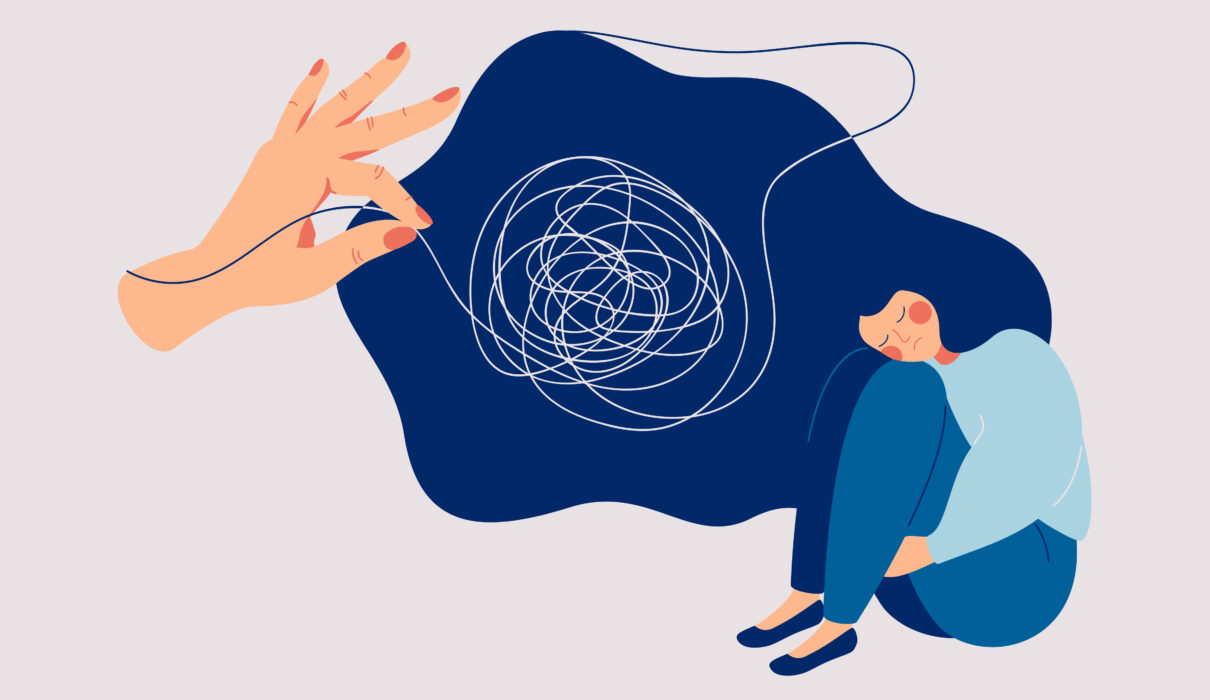
Don’t kill it

When you least expect it, Nature has cunning ways of findings our weakest spot. Just remember: I’m here. Right now you may not want to feel anything; may you never want to feel anything. And maybe it’s not me that you will want to speak about these things but, Feel something you did.
Look… You had a beautiful friendship, maybe more than a friendship, and envy you. In my place, most guardians would hope the…..

http://myblogbriefcase.blogspot.com/2023/01/dont-kill-it.html

You can read the whole blog on given link.

Insurance and it’s Types

N kavya

Insurance is a means of protection from financial loss. It is a form of risk management, primarily used to hedge against the risk of a contingent or uncertain loss. An entity that provides insurance is known as an insurer, an insurance company, an insurance carrier, or an underwriter. an arrangement with a company in which you pay them regular amounts of money and they agree to pay the costs if, for example, you die or are ill, or if you lose or damage something.

Insurance is a contract in which an insurer indemnifies another against losses from specific contingencies or perils. It helps to protect the insured person or their family against financial loss. There are many types of insurance policies. Life, health, homeowners, and auto are the most common forms of insurance. insurance is a contract, represented by a policy, in which a policyholder receives financial protection or reimbursement against losses from an insurance company. The company pools clients’ risks to make payments more affordable for the insured.

Insurance policies are used to hedge against the risk of financial losses, both big and small, that may result from damage to the insured or their property or liability for damage or injury caused to a third party.

Key Takeways :

1. Insurance is a contract (policy) in which an insurer indemnifies another against losses from specific contingencies or perils.

2. There are many types of insurance policies. Life, health, homeowners, and auto are the most common forms of insurance.

3. The core components that make up most insurance policies are the deductible, policy limit, and premium.

How Insurance Works :

A multitude of different types of insurance policies is available, and virtually any individual or business can find an insurance company willing to insure them—for a price. The most common types of personal insurance policies are auto, health, homeowners, and life. Most individuals in the United States have at least one of these types of insurance, and car insurance is required by law. Businesses require special types of insurance policies that insure against specific types of risks faced by a particular business. For example, a fast-food restaurant needs a policy that covers damage or injury that occurs as a result of cooking with a deep fryer. An auto dealer is not subject to this type of risk but does require coverage for damage or injury that could occur during test drives. There are also insurance policies available for very specific needs, such as kidnap and ransom (K&R), medical malpractice, and professional liability insurance, also known as errors and omissions insurance.

Insurance Policy Components:

A firm understanding of these concepts goes a long way in helping you choose the policy that best suits your needs. For instance, whole life insurance may or may not be the right type of life insurance for you. Three components of any type of insurance are crucial: premium, policy limit, and deductible.

1. Premium -:
A policy’s premium is its price, typically expressed as a monthly cost. The premium is determined by the insurer based on your or your business’s risk profile, which may include creditworthiness.

2. Policy Limit -:
The policy limit is the maximum amount that an insurer will pay under a policy for a covered loss. Maximums may be set per period (e.g., annual or policy term), per loss or injury, or over the life of the policy, also known as the lifetime maximum.

3. Deductible -:
The deductible is a specific amount that the policyholder must pay out of pocket before the insurer pays a claim. Deductibles serve as deterrents to large volumes of small and insignificant claims.

Types of Insurance :

There are many different types of insurance. Let’s look at the most important.

1.Health Insurance -:
Regarding health insurance, people who have chronic health issues or need regular medical attention should look for policies with lower deductibles. Though the annual premium is higher than a comparable policy with a higher deductible, less expensive access to medical care throughout the year may be worth the tradeoff.

2. Home Insurance -:
Homeowners insurance (also known as home insurance) protects your home and possessions against damage or theft. Virtually all mortgage companies require borrowers to have insurance coverage for the full or fair value of a property (usually the purchase price) and won’t make a loan or finance a residential real estate transaction without proof of it.

3. Auto Insurance -:
When you buy or lease a car, it’s important to protect that investment. Getting auto insurance can offer reassurance in case you’re involved in an accident or the vehicle is stolen, vandalized, or damaged by a natural disaster. Instead of paying out of pocket for auto accidents, people pay annual premiums to an auto insurance company; the company then pays all or most of the costs associated with an auto accident or other vehicle damage.


4. Life Insurance -:
Life insurance is a contract between an insurer and a policy owner. A life insurance policy guarantees that the insurer pays a sum of money to named beneficiaries when the insured dies in exchange for the premiums paid by the policyholder during their lifetime. Life insurance. life insurance provides for your family if you unexpectedly die. This is especially important if your family is dependent on your salary. Industry experts suggest a policy that pays out 10 times your yearly income. But not everyone can afford the cost. When estimating the amount of life insurance you need, factor in funeral expenses. Then calculate your family’s daily living expenses. These may include mortgage payments, outstanding loans, credit card debt, taxes, child care, and future college costs.


5. Travel Insurance -:
Travel insurance is a type of insurance that covers the costs and losses associated with traveling. It is useful protection for those traveling domestically or abroad.

6. Long-Term Disability Coverage -: Long-term disability insurance is the type of insurance most of us think we will never need. Yet, according to statistics from the Social Security Administration, one in four workers entering the workforce will become disabled and will be unable to work before they reach the age of retirement. Often, even workers who have great health insurance, a nice nest egg, and a good life insurance policy don’t prepare for the day when they might not be able to work for weeks, months, or ever again. While health insurance pays for hospitalization and medical bills, you’re still left with all of the expenses that your paycheck had covered.

Is insurance an asset?

Depending on the type of life insurance policy and how it is used, permanent life insurance can be considered a financial asset because of its ability to build cash value or be converted into cash. Simply put, most permanent life insurance policies can build cash value over time.

Conclusion:

Insurance plans will help you pay for medical emergencies, hospitalization, contraction of any illnesses and treatment, and medical care required in the future. The financial loss to the family due to the unfortunate death of the sole earner can be covered by insurance plans.


Eating Disorder

N kavya

Eating disorders are behavioral conditions characterized by severe and persistent disturbance in eating behaviors and associated distressing thoughts and emotions. They can be very serious conditions affecting physical, psychological, and social function.

The most common type of Eating disorders are -:

1. Anorexia Nervosa -: Anorexia is characterized by a distorted body image, with an unwarranted fear of being overweight.


2. Bulimia Nervosa -: A serious eating disorder marked by bingeing, followed by methods to avoid weight gain.


3. Binge Eating – People with the binge-eating disorder frequently consume unusually large amounts of food and feel unable to stop eating.

Additional eating disorders include:
1. Avoidant/resistant food intake disorder (ARFID)
2. Diabulimia
3. Other specified feeding and eating disorders (OSFED)

Physical Warning Signs of Eating Disorders -:

1. Dramatic or rapid weight loss
2. Compulsive or excessive exercise
3. Visiting the bathroom immediately after each meal
4. Loss of menses
5. Frequent stomach cramps or stomach pain

Emotional Warning Signs of Eating Disorders -:

1. Behavior changes (acting differently)
2. Isolation and withdrawing from others
3. Being less interested in daily activities
4. An increase in mood swings, irritability, or high anxiety

Warning Signs of Anorexia Nervosa -:

Anorexia is a potentially life-threatening illness characterized by the following eating disorder symptoms and signs: an abnormally low body weight, an intense fear of gaining weight, and a distorted perception of weight or shape. People with anorexia use extreme measures to control their weight, such as excessively restricting calories, over-exercising, and laxative or diet aid abuse.

Warning Signs of Bulimia Nervosa -:

Bulimia is a serious, potentially life-threatening eating disorder. It is typically characterized by episodes of bingeing on large portions of food and then voiding the food through purging, excessive exercise, or the use of diet pills or laxatives. Many people with bulimia also restrict their eating during the day, which often leads to more binge eating and purging.

Warning Signs of Binge Eating Disorder -:

People with binge eating disorder (BED) regularly eat too much food (binge) and feel a lack of control over their eating. Typically, they eat quickly or eat more food than intended, even when not hungry, or they may continue eating even long after they’re uncomfortably full. They may feel guilty, disgusted, or ashamed of their behavior and the amount of food eaten. Many times, they overeat in private. New bouts of bingeing usually occur at least once a week. Sufferers can be normal weight, overweight or obese.

Causes of Eating Disorder -:

1. Having a trauma history
2. Being pressured to look or act a certain way
3. Dealing with stringent sports performance requirements
4. Having high expectations for grades
5. Life transitions and developmental changes
6. Other challenging family dynamics
7. Perfectionism
8. Highly reactive to stress
9. High sensitivity
10. Low distress tolerance
11. Anxiety

Treatment for Eating Disorder -:

Nutritional Healing :

1. Develop a healthy relationship with food
2. Eat a variety of foods in a balanced way
3. Enjoy food in moderation

Therapy :

1. Acceptance and Commitment Therapy (ACT)
2. Radically Open Dialectical Behavior Therapy (RO DBT)
3. Dialectical Behavior Therapy (DBT)
4. Cognitive Behavioral Therapy (CBT)
5. Exposure Therapy

Family-Based Therapy :

Family-based therapy is shown to improve eating disorder treatment outcomes  increasing one’s chance of a full recovery. Family and caregiver support is especially critical for younger patients, but family involvement and family therapy are encouraged for all patients seeking help for eating disorders, including adults.

Medication :

In eating disorder treatment, medications may be prescribed to address physical health concerns and complications related to the eating disorder.

Cyber Crime

N kavya

Cybercrime is any criminal activity that involves a computer, networked device, or network. cybercrimes are carried out to generate profit for the cybercriminals, some cybercrimes are carried out against computers or devices directly to damage or disable them. Others use computers or networks to spread malware, illegal information, images, or other materials. Some cybercrimes do both — i.e., target computers to infect them with a computer virus, which is then spread to other machines and, sometimes, entire networks. A primary effect of cybercrime is financial. Cybercrime can include many types of profit-driven criminal activity, including ransomware attacks, email and internet fraud, identity fraud, and attempts to steal financial accounts, credit cards, or other payment card information. Cybercriminals may target an individual’s private information or corporate data for theft and resale. As many workers settle into remote work routines due to the pandemic, cybercrimes are expected to grow in frequency in 2021, making it especially important to back up the data.

The U.S. Department of Justice (DDJ) divides cybercrime into three categories :
1. Crimes in which the computing device is the target
2. Crimes in which the computer is used as a weapon
3. Crimes in which the computer is used as an accessory to a crime

Cybercriminal activity may be carried out by individuals or groups with relatively little technical skill, or by highly organized global criminal groups that may include skilled developers and others with relevant expertise. Cybercriminals often choose to operate in countries with weak or non-existent cybercrime laws to further reduce the chances of detection and prosecution.

Types of Cybercrime -:

1. Cyberextortion: A crime involving an attack or threat of an attack coupled with a demand for money to stop the attack.
2. Crypto-jacking: An attack that uses scripts to mine cryptocurrencies within browsers without the user’s consent.
3. Identity Theft: An attack that occurs when an individual accesses a computer to glean a user’s personal information, which they then use to steal that person’s identity or access their valuable accounts, such as banking and credit cards.
4. Credit card Fraud: An attack occurs when hackers infiltrate retailers’ systems to get their customers’ credit card and/or banking information.
5. Cyber espionage: A crime involving a cyber-criminal who hacks into systems or networks to gain access to confidential information held by a government or other organization.
6. Software-Piracy: An attack that involves the unlawful copying, distribution, and use of software programs with the intention of commercial or personal use.
7. Ransomware attacks are similar, but the malware acts by encrypting or shutting down victim systems until a ransom is paid.
8. Phishing: The most common type of cybercrime as reported to the U.S. Internet Crime Complaint Centre was phishing and similar fraud.
9. Website Spoofing & IOT Hacking.

Cybercrime & Its Impact on Society – : On an individual level, a cyber-attack can lead to a variety of consequences, ranging from theft of personal information to extortion of money or loss of valuable data, such as family photos. Society and systems depend on critical infrastructures, such as power plants, hospitals, and financial services companies. The protection of these and other organizations is essential for the maintenance of our society and support of the relations between countries and international organizations.

How to prevent Cyber Crime –:

Backup all data, system, and considerations: This enables data stored earlier to assist businesses in recovering from an unplanned event.


• Enforce concrete security and keep it up to date: Choose a firewall with features that protect against malicious hackers, malware, and viruses. This enables businesses to identify and respond to threats more quickly.


• Never give out personal information to a stranger: They can use the information to commit fraud.


• Check security settings to prevent cybercrime: A cyber firewall checks your network settings to see if anyone has logged into your computer.


• Using antivirus software: Using antivirus software helps to recognize any threat or malware before it infects the computer system. Never use cracked software as it may impose the serious risk of data loss or malware attack.


• When visiting unauthorized websites, keep your information secure: Using phishing websites, information can easily bypass the data.


• Use virtual private networks (VPNs): VPNs enable us to hide our IP addresses.


• Restriction on access to your most valuable data: Make a folder, if possible, so that no one can see confidential documents.

DEPRESSION

N kavya

Depression is a mood disorder that causes a persistent feeling of sadness and loss of interest, also called major depressive disorder or clinical depression. It affects how you feel, think, and behave and can lead to a variety of emotional and physical problems. Depression is not a weakness; you cannot simply “snap out “of it. Depression may require long-term treatment. But we should not feel discouraged because most people with depression feel better with medication, psychotherapy, or both.

Let us see know about the symptoms of depression –:

• Feelings of sadness, tearfulness, emptiness, or hopelessness
• Angry outbursts, irritability or frustration, even over small matters
• Loss of interest or pleasure in most or all normal activities, in their hobbies or sports
• Sleep disturbances, including insomnia or sleeping too much
• Tiredness and lack of energy, so even small tasks take extra effort
• Reduced appetite and weight loss or increased cravings for food and weight gain
• Anxiety, agitation, or restlessness
• Slowed thinking, speaking, or body movements
• Feelings of worthlessness or guilt fixating on past failures or self-blame
• Trouble thinking, concentrating, making decisions, and remembering things
• Frequent or recurrent thoughts of death, suicidal thoughts, suicide attempts, or suicide
• Unexplained physical problems, such as back pain or headaches.

People dealing with depression may occur only once during their life, people typically have multiple episodes, and during these episodes, symptoms occur most of the day, nearly every day which also affects their day-to-day activities, such as work, school, social activities, or relationships with others. Some people might even feel generally miserable without really knowing the exact reason.

• Depression in children and teens may include sadness, irritability, clinginess, worry, aches, pains, being extremely sensitive, feeling misunderstood, anger, and poor performance.
• Depression in symptoms in older adults may include memory, difficulties or personality changes, fatigue, and often wanting to stay at home, rather than go out to socialize or do new things.

Causes of depression –:

• Biological differences – People with depression appear to have physical changes in their brains. The significance of these changes is still uncertain.
• Brain chemistry – Neurotransmitters are naturally occurring brain chemicals that likely play a role in depression.
• Hormones – Changes in the body’s balance of hormones may be involved in causing or triggering depression.
• Inherited traits – Depression is more common in people whose blood relatives also have this condition. Research shows genes may be involved in causing depression.

Risk factors of depression –:

• Certain personality traits, such as low self-esteem and being too dependent, self-critical, or pessimistic
• Traumatic or stressful events, such as physical or sexual abuse, the death or loss of a loved one, a difficult relationship, or financial problems.
• History of other mental health disorders, such as anxiety disorder, eating disorders, or post-traumatic stress disorder. Abuse of alcohol or recreational drugs.
• Serious or chronic illness, including cancer, stroke, chronic pain, or heart disease. Certain medications may also trigger depression such as some high blood pressure medications or sleeping pills.

Complications in depression – :

• Excess weight or obesity, which can lead to heart disease and diabetes
• Pain or physical illness
• Alcohol or drug misuse
• Anxiety, panic disorder, or social phobia
• Family conflicts, relationship difficulties, and work or school problems
• Social isolation
• Suicidal feelings, suicide attempts, or suicide
• Self-mutation, such as cutting
• Premature death from medical conditions

Prevention of depression -:

There is no fixed way to prevent depression but these strategies may play a major role –
• Take steps to control stress
• Reach out to family and friends
• Get treatment at the earliest sign of a problem
• Consider getting long–term treatment because it helps to prevent a relapse of symptoms.

Types of depressive disorders -:

• Major depressive disorder
• Anxious distress, Melancholy, Agitated (Major depression looks different in different people. So they are characterized into three types.)
• Persistent depressive disorder
• Bipolar disorder
• Seasonal affective disorder (SAD)
• Psychotic disorder
• Peripartum (Postpartum) Depression
• Premenstrual Dysphoric Disorder
• ‘Situational ’Depression
• Atypical depression
• Clinical depression

HOW TO WIN AN ARGUMENT

Arguments, whether they are interpersonal or professional, are essential. Be it a constructive or non-beneficial disagreement, we engage in it more frequently than we plan to in our regular lifestyle.

Nobody can win an argument against you unless you give the opportunity to.

Even if this isn’t your strongest suit, there are a few straightforward strategies you may use to quickly and easily win. To assist you, here are a few of them:

Image credit : pixaby.com https://images.app.goo.gl/dv31TkrJaxJ7cZRm9

1. Do your research – In a professional setting when you know you’re likely to have to get into an argument, prepare yourself beforehand with all the information and facts so that you have an upper hand in the discussion

2. When it’s unlikely – Sometimes you could encounter yourself in a heated argument in an unusual situation, caught off guard and unsure of what to say. It’s typically best to try to reason with the other person so that you can depart the argument quickly.

3. Calm down – The most important thing to remember when in an argument is to keep your composure and maintain decorum, especially if your parents are on the other side. However, this is true for practically all contentious discussions.

4. Don’t raise your voice – Being ear-splittingly loud won’t help you win, instead strengthen your case. Maintaining your mental fortitude will help you make your point to the opposing side as effectively as you can.

5. Decapitate them delicately – Be gentle and kind! Talk calm and pleasant until your generosity and encouraging words cause the opposition’s rage to subside. In between disputes, you must remind the other person of the good in you in case they have forgotten. This works!

6. Be reasonable Avoid making assumptions just to justify your assertions. Provide evidence to back up your claims so the opposite side won’t have a chance to refute the information.

7. Choose your next word carefully- Remember in an argument the point is not just winning but also successfully winning at it. So communicating the issue that you’re debating about is also vital because that is the reason it happened in the first place. In doing so,  be careful how you choose your words.

8. Don’t rush— Time may not always be to your advantage, so consider whether it is the appropriate time to protest before you start the conversation. Better to steer clear of it for a while if not. Additionally, it will offer both parties a chance to think things through.

9. Listen!- If you aren’t willing to listen and consider the opposing viewpoint, how can you expect others to? It’s crucial to hear what the opposing side has to say because a one-sided discussion is not an argument.

10. Make believe – when you really want to win and your case isn’t solid enough, make the opposition believe that your perspective is stronger and their claim needs to be reevaluated. Even if you’re wrong, trick them into thinking otherwise.

You’ll master the art of argumentation in no time, just follow these simple methods and the win is yours.

Education – passionate studies |5 simple ways

Education is an essential thing in our daily life. According to the growth of society, education must be provided to every citizen. The new world is mysterious, all things that exist had to be known to every people education ensures that. So whatever we want to be we should know about that.

Findings of great peoples, Technological know-how, awareness of the environment, History, etc are the main components of education. An educated person must show good character they were intelligent and efficient. They can build up our economy in a good manner

Nowadays students are struggling with exam results. They were worried about the marks they got. Parents also wanted marks from children. However, studying with understanding makes a perfect education. There are a few tips for good studies.

1. Awareness Of The Chapters

The student must have a correct idea of the chapters including the basic needs. It will increase our energy to study new things.

2. Making The Day For Studies

Mornings are a good time for making good decisions they may whisper through our ears for an entire day. Put a goal for the day in the mornings and we will begin to work toward that.

3. Visualization

When we were teaching or studying, try to imagine the concepts as well it will lead to an incredible memory of the topics.

4. Setting Our Mind

Setting our minds before studies is the best way to attain knowledge. When we think that we are free from anything, nothing can disturb us from our goals. Set our minds to study and make differences

5. Concluding Sentences

When we are willing to study a paragraph, make the important keywords from that. It will help you to study shortly and easily .

Sustainable Development Goals

Times are not just difficult but also alarming for every sphere of our existence. At first glance, it might appear that the raging pandemic has temporarily paused climate action and initiatives related to other environmental issues. Sustainability, it appears, may have taken a back-seat too. However, with a decade left for the end of ‘Agenda 2030’, achieving sustainable development has become even more important.


A significant feature of the raging pandemic is that it has disrupted the hyper-interconnected world characterized by globalization. Supply chains are badly affected and global markets are under severe stress. Evidently, the virus has laid bare the vulnerabilities and risks of a globalized world order. In fact, it has put under scanner not just globalization but also the Sustainable Development Goals. Nevertheless, this could be a turning point for the international community to unlearn and revamp its basic conduct on global governance and make it more inclusive in nature. Besides, the pandemic has also thrown open an opportunity to give impetus to a glocalized framework of global governance to protect the ‘global commons’ in the light of the broader debate on sustainability.

This is where glocalization can fill the gap. Simply put, glocalization refers to the interpretation, representation and replication of the global elements at the local level.

The term, glocalization, is used quite frequently in business parlance but it has begun to gain momentum in cultural, social and political arenas too. Utilizing it appropriately in the environmental domain is the need of the hour.

The term, glocalization, is used quite frequently in business parlance but it has begun to gain momentum in cultural, social and political arenas too. Utilizing it appropriately in the environmental domain is the need of the hour.


Covid-19 has brought about the necessity of refining and revising globalization. This can be done by integrating glocal elements to achieve global good, be it sustainable development or climate action, by roping in local actors, such as subnational agencies, grassroots bodies, non-governmental organizations and other relevant non-State actors in the discussion on sustainability. Localizing economies would provide leverage to the development targets of those like India. This can help attain the much-needed balance between ecological equity and economic growth. Additionally, it is hard to overlook the expertise and knowledge offered by local populations that are located at ground zero and are in tune with ground realities. This kind of resource efficiency could prove to be useful in operationalizing the potential glocal elements of global governance. Factors like accountability, transparency and trust-building among the State and non-State actors are also vital in this context.


Considering the changes in modern living, starting from working remotely to radically cutting down on carbon footprints, glocalization could turn out to be a viable alternative to globalization, thereby creating innovative pathways for sustainable development in the near future.

Written by : Ananya Kaushal

What it means when you find yourself detaching from society?

Do you constantly find yourself cutting off from people without any reason? The feeling that you don’t belong? A major reason for such thoughts is that you find it difficult to blend in with your friends and family. While such mindset is not something permanent, it can develop from a constant state of neglect and lack of affection.

It is not necessary that such state of mind arises in only those who are generally closed off by nature. There is a larger percentage of so-called ‘extroverts’ who also suffer with the same complexion.

While this situation generally arises from a change in friend circle, or after losing a loved one, breakup, or a change in surroundings. Some other reasons like depression, heavy medicines, illness or other social factors can also be an imminent variable.

Some people can also call it a ‘Retreat’, a means to detach from society in order to better focus on their upcoming projects, a major people comprising this class will consist of authors, artists, and such other people in need of peace and tranquility.

The case is not always same for teenagers and young adults. Retreating from society in an abrupt manner is major teller of mental illness, depression, as it is generally termed. While it is not uncurable, a major support is required from family and loved ones in most cases. Emotional support goes a long way in providing support and a feeling of togetherness.


This does not mean that a person who appears to be detached from the general colorful society is weak. That would be a gross understatement. Such people are generally in need of a closure with whatever is it that they have suffering with. No other person can help solve this condition other than the person who suffers from it. All others can-do is provide an understanding gesture and emotional support.

The best ways to deal with such a swing of emotion could be to try to talk to someone and share your thoughts. Other than that, going out for a walk or eating your favorite dish will help make you feel better! The one thing that is imperative through the whole process is that you will emerge Stronger. A better version of your own self. With a better view of your dreams and desires. The only quality required is to have faith and be kind to yourself.

Think of your future self 5 or 10 years from now and how thankful they would be to you that in spite of all the hardships thrown your way, you held on, that is all that is required.

Just hold on!

Written by: Ananya Kaushal

COPING STRATEGIES ADOPTED DURING LOCKDOWN

GOOD SAY OR BAD ADOPTING COPING STRATEGIES OR HOBBIES ARE THE THING ON WHICH NOBODY HAS A CONTROL OVER DURING THE LOCKDOWN.

The COVID-19 pandemic and ensuing lockdown measures have created unprecedented circumstances that increase stress and anxiety, thus leading individuals experiencing home confinement to adopt various coping strategies that contribute to building resilience. Given the novelty and recency of the COVID-19 lockdown, factors of coping and resilience in this specific context of home confinement remain undefined. Some put this time in effective routine to get good result but there were some who waste their time with some bad coping strategies.

SOME COPING STRATEGIES WERE-

  • COOKING– people have learnt to cook for them-self. People who live alone and deprived from the food delivery option have taken up the ladle, some who have no choice and some who see this as a opportunity to learn or put their confined time to some effective work or activity.
  • DUSTING AND CLEANING- people have to take this activity without any choice as with this lockdown and without any house help their hands were tied or say only their hands were the one left to do the job. Some saw this as an opportunity to cover their missed fitness routine and some did because they didn’t have any choice but to keep their house clean.
  • READING- This is one of the good coping strategies people have taken up in this lockdown. Prior to this covid-19 lockdown, people with their busy and anxious schedule and working hours with no time left to give to literature or reading has taken this opportunity for an mind relaxing time with reading .
  • SCREEN TIME – This is the most adopted and with too much used time, it’s seen as and become a bad coping strategy and habit especially during this lockdown. Most people coped this confined and with too much time on digital screen with movies, shows and net etc, under these most people are kids and students with no school and colleges.
  • YOGA – Yoga during this lockdown has replaced the gym for fitness routine and mental health also. Some has adopted it to replace the gym but some ha adopted it to relax their mind from this anxious and confined situation. And surprisingly during lockdown it has become a big hit among all age of people from kids to adult and old people also.

Differential Equations

DIFFERENTIAL EQUATIONS

 Introduction:
Differential equations are meant to state relationship between a variable (to be specific, a function) and the rate of change of another associated with it. If we write,- Y = f(x) , then we are saying that Y is a function of X. Here x is an independent variable and y is dependent variable. In short, an equation with a derivative of an independent variable along with the dependent variable (or not) and a constant is named after “Differential Equation.”

 Key concepts:

 Order and Degree Of a Differential Equation:
The highest order derivative present in the differential equation is the “order” of the equation. Similarly, the power associated with the highest order of derivative is the “degree” of that equation.
In the given figure- 1,

(I) Order : 2
Degree: 1
(II) Order : 2
Degree: 1
(III) Order : 3
Degree: 1
(IV) Order : 1
Degree: 1
Always remember – “order and degree of a differential equation are positive integers.

 Solution of differential equation:
Here solution means the relationship between the independent and the dependent variable without having derivative inside. It has two specific ways which are going to be explained:

  1. General Solution:
    It contains the same number of the arbitrary constants as the order of the differential equation.

In figure- 2, we can see all of the three solutions have excluded the derivatives and established a relation between variables only.

  1. Particular Solution:
    After getting the general one, just assign the values of the constants and you will get particular solution.
    From figure- 2, if we find the value of C1, C2, then it will become a particular solution.
    Figure-3, gives us a clear idea of particular solution
     Formation of Differential Equation:
    There are some steps which are needed to follow while forming a differential equation.

(i) You need to differentiate the equations as many times as the number of arbitrary constants are present in the equation.
(ii) Eliminate all constants.
(iii) Say, there are n constants. Then, the equation will be of nth order and you will get n equations.

 Method of Solving 1st Order 1st Degree Differential Equation:
In this article, we shall deal with only three methods which are as followed.

(a) Variable Separable Method:
In this method, variables are separable i.e. coefficient of dx is only a function of x and coefficient of dy is only a function of y.
From figure- 4, we can see the procedure.

(b) Homogeneous Differential Equation:
The general form of this equation is,- dy/dx = v + x. dv/dx

Ratio of two homogeneous functions of same degree is to be taken as a single variable (say:”v”) here. Then integration goes on.

(c) Linear Differential Equation:
The general form of this equation is,- dy/dx + Py = Q

Here the coefficient of independent variable takes major part to solve this equation.

In figure – 6, the steps are to be followed and then the equation is prepared.

 Conclusion:
There are more methods but the syllabus comprises to the above only. The article has all the points which are detailed in NCERT like order and degree of differential equations, formation and methods to solve those. It will help you for last minute revision and to summarize your learnings will give you a new and better approach.

Life Advice Looking Through A Window

Things to expect from your first counselling or therapy session

A counselling session is meant to help a person with certain mental or emotional problems and giving them advice and suggestions on how to cope up with them. Counselling is done primarily for the purpose of solving issues related to mental health . Major issues that have become common today are depression , anxiety , bipolar disorder and trauma which can even lead to an outcome as drastic as suicide.
Therapy can prove to be a very effective solution for such mental issues . There are many types of therapy such as cognitive behavioral therapy , psychoanalytic therapy , exposure therapy etc. Talking to a psychologist or doing some activities as directed by them can make changes in your overall mental and emotional health. You should choose your therapist according to your needs and convenience , for example if a girl feels more comfortable in sharing her experience with a woman then she can choose a female therapist .

When you sit for your first counselling session , there are some things which you can expect to happen . First of all , you may feel overwhelmed while sharing your experience with the therapist and it is totally normal . If you feel like crying , then you should cry . There is no need to hold back as you are sitting in the therapy to solve your problems . Giving an honest and true account of your feelings and emotions is important.

Your first session is not the only session you are going to sit for , there will be many in the coming future. So dont expect big results from your first experience . A mental issue that has developed over years or months needs time . Change will happen slowly and it will take some time to again start feeling better.

You should try sharing maximum with your therapist . Dont try to hide anything unless and until it is really something that you dont want anyone to know. There is no need to feel ashamed or judged as everyone makes mistakes . Make full use of your space and be comfortable before your start interaction . The therapist is not sitting there to judge you or punish you.

At some stage you may feel that sitting for the session was probably a mistake or you should not have done this . Remember you must have come for counselling only after feeling that there is no other option. If you feel that your therapist is not able to understand you appropriately or you dont feel that you struck a vibe or rythm with them , then you can very well change your therapist. You are not supposed to proceed if you dont feel so.

Your first session may be a little overbearing and can leave you feel light headed at the same time. You may feel guilt , remorse , anger or irritation while interacting and calm , relaxed and peaceful after the session.

Overall , your first counselling session is supposed to set you on a path to recovery from a mental issue. Dont be nervous or afraid as it is not an examination or a test . One thing that you can do to avoid being a little spontaneous during the session is to plan what you want to say and how you to say that. Planning will aid you in sharing your experience in a systematic manner . Take your time to plan and try to stick to your plan. So psych yourself up and All the very best to you for your first session !

Best Lifestyle Blogs to Follow in 2021

Lifestyle Blog niche is one of the most competitive blogging niches around. Lifestyle bloggers are competing against digital lifestyle magazines, in a niche that is already quite saturated. So lifestyle blogs that gain a large readership are of a high standard in both design and content.

Online mags often have huge budgets, a print edition as well as digital, and content that is varied and expertly written, with professional photos. But lifestyle blogs have an edge in that they can supply new content every day if they so wish. Lifestyle blogs are free to access whereas digital magazine editions can only be accessed through paid subscriptions.

For a lifestyle blog to thrive, the authors need to provide excellent, accurate content and photos that create interest and capture the readers’ imaginations. Lifestyle bloggers have raised their standards to compete with the best of both online mags and other lifestyle blogs.

But what exactly constitutes a lifestyle blog?

Let’s find out!

Defining Lifestyle Blogs

A lifestyle blog is defined as digital content representing the author’s everyday life and interests. The word “lifestyle” according to the dictionary means “habits, attitudes, moral standards, which together constitute the way of life of a given person or group”. (source: dictionary.com)

As a result, lifestyle blogs can fall into many micro-niches. This allows bloggers to provide content for a specific target audience. Lifestyle bloggers often promote products, brands, and services to monetize their blogs. So it’s almost essential that the person behind the blog is well-versed in whatever the specific topics are.

Here’s a shortlist of typical Lifestyle Blogging niches:

  • Luxury Lifestyle Blogs
  • Foodie Lifestyle Blogs
  • Home & Garden Lifestyle Blogs
  • Fashion Blogs & Beauty Lifestyle Blogs
  • Travel Blogs & Photography Lifestyle Blogs
  • Health & Fitness Lifestyle Blogs
  • Men’s Lifestyle Blogs
  • Natural Living Lifestyle Blogs
  • Outdoor Lifestyle Blogs
  • And Lifestyle Blogs for people with children (also called mom blogs or parenting blogs.)

Sometimes even these categories get split into various combinations, depending on the blogger. So you could end up with a Fashion and Travel Blog, A Natural Living Mom Blog, or even a Foodie and Photography Lifestyle blog.

Lifestyle blog vs. personal blog

Lifestyle blogs are not personal blogs because they focus more on users (readers). The content is created here for the reader and his expectations. What’s more, lifestyle blogs focus on the author’s benefits, not just on telling stories.

In personal blogs, the most important are the author’s emotions and thoughts, who expresses his opinions, writes about his experiences, feelings, reflections. In the personal blog, the author himself is the most important, not the reader.

I can’t write about lifestyle blogs without mentioning a few from each niche. I’ve tried to give you a selection of the most captivating from each subgenre (or micro-niche). These Lifestyle blogs check all the boxes. They are fun, relevant, trendy, polished, and loaded with content that appeals to a specific target audience.

A Quick Note To Would-Be Lifestyle Bloggers

Before I launch into “Our Best Of” list, a word of caution to would-be lifestyle bloggers; even if you have many areas of interest yourself, try to whittle your content down to cover only one or two main topics. This helps when you are trying to grow a steady, loyal readership.

Male readers don’t want to read about fishing, fashion, and raising a brood of ankle snappers! A young professional will not be interested in “Ten Tips To Wean Your Child off Breast Milk”, and your Luxury Lifestyle blog will not impress our Tree Hugging friends who will recoil in horror at the decadence of luxury lifestyles! Readers who enjoy luxury will also not be impressed with Frugal Living!

On the other hand, the lifestyle blogging niche allows the most freedom for bloggers who genuinely do have a vast array of topics that pair well together. If you can create the content and maintain the variety, then you will create space for a wider readership.

Top blogs in lifestyle category

This collection of blogs showcases the variety and range of lifestyle blogs that get it right!

1. Goop.com

Goop was one of the first lifestyle blogs to hit the circuit, way back in 2008. The brainchild of actress and mother, Gwyneth Paltrow, Goop covers everything for the modern woman. She focuses on wellness and how to create a balance between parenting and work. Something all working moms know about! She has a strong team behind her and Goop is a mini-empire in its own right.

Goop covers:

  • Beauty
  • Food & Home
  • Style
  • Travel
  • Wellness

Target Audience: Women of all ages and enlightened men.

2. The Pioneer Woman (thepioneerwoman.com)

This is a lifestyle blog that stands out for me. Unlike so many lifestyle blogs, Ree Drummond blogs about a lifestyle that all Americans know and love. Pure salt of the earth, rustic ranch life. The blog packs a punch! Ree has combined recipes, style, beauty, home & life, food & cooking, news, and entertainment. And great giveaways. She started as a lone ranger but now has a team of editors assisting her in keeping the blog relevant, trendy, and homegrown.

Target Audience: People keen on ranch-style living.

*3. Brightbazaarblog.com

Bright Bazaar blog was founded in 2009 by Will Taylor. This is the place where Will blogs about his love for colorful design, travel, and fashion. This blog is recommended by esteemed publishing houses Elle Decor, Martha Stewart Living, and many others.

If you need more home inspiration, look at other famous bloggers in the article: The Best Interior Design Blogs.

Target Audience: People who love design.

4. Cup of Jo (cupofjo.com)

Joanna Goddard is a perfect example of what can be achieved through blogging. Joanna launched Cup of Jo in 2007, as a hobby. At that time her career was quite a high-powered one. She has loads of editorial experience and her resume brags the likes of Cosmo, Bene, Glamour, and New York.

Today Cup of Jo has a team of writers and is Joanna’s full-time gig. She lives in Brooklynn with her husband and two kids. The blog covers relationships, design, food, style, travel, culture, and motherhood. This is a great blog for women.

Target Audience: Women and mothers of all ages

. Say Yes (sayyes.com)

. Say Yes (sayyes.com)

Education is life

Today the World is becoming a superficial place. Our time appoints the absurd, making social networks as a real-world by a considerable part of the younger generations.

It is a virtual reality, more precise than high-definition video games, more addictive and harmful to the mind and the body.

This fake reality indeed kills the neurons converting people into zombies led by a leader of unknown appearance.

Ignorance acts as the lock, and manipulation working as the key entering every mind. Then, it hacks and promotes war even over the most absurd topic that any influencer shares in a post.

The social network profile becomes an epicentre of empty universes, universes that conflict with the real-life, where, as in the war, leads to the destruction of entire generations.

Using actualized tools, but the same indoctrination mechanisms used in the world wars. Again, the end justifies it, annulling individuals’ conscience and making them members of the social mass.

Even though each social profile is seemingly unique, there is no perspective on what life is in its essence. The network is a game that only favours some private interests.

We know the truth: countries born from interests, wars arise, passions move. Interests motivate greed. Greed sooner or later destroys life. Life, which, without a doubt, is the only thing we have.

Blood wars are no longer an option in our time across the rich countries. New wars are too expensive and risky.

Wars are now abstract. Wars involve factual powers whose shadow is unknown and whose attacks are directed to control the terrestrial and the extraterrestrial.

The end of empires has never come. In our time, empires are mainly commercial, managing everything that allowed us to be free.

Now empires dictate what to be and how to be.

Indeed, commercial or blood, all war implies the destruction of every trace that makes us human.

Every war, directly and indirectly, destroys our soul and breaks the only thing we take when we leave.

War destroys what we have lived and what we will no longer discover for ceasing to be ourselves.

There are not strong leaders to help us. Corruption and secrets are always leaked by someone who is behind the scenes.

We are the unique leaders of our time; we are the bosses of our destiny.

We must not perish. Responding to Hamlet, the worthiest thing for the soul is to fight for our fortune, live our lives, and rebel against this wild sea of misery.

The only thing that saves us from interest, the only thing that separates us from greed, the only thing that allows us to see reality is education.

However, all education is written by the victors and not by the vanquished. Our salvation involves investigating, delving into every little remorse and lack of meaning of our multiple thoughts.

The only thing that educates us is ourselves.

What do I mean when I say “Education for Life?” I can present the problem and the solution. The problem is that people in traditional forms of education usually approach it from the standpoint of just preparing a person for a job. But one’s job isn’t the definition of one’s life—it’s only that which enables you to have enough money to meet your needs. Our lives encompass a much broader arena than one’s capacity to earn money. Any educational system that teaches only job skills or offers only intellectual information is neglecting the essential needs of human beings. The solution is a form of education that trains us in that which is most relevant to us—how to find lasting happiness in life.

We deeply need proper training in “how-to-live” skills such as how to find the right mate, how to raise our children, how to be a good employee, how to get along with our neighbors, and how to concentrate our minds so that we can draw success into all our endeavors. There are many such skills that are essential to prepare a child for adulthood, and in traditional education many of them are completely ignored. Education for Life is a system that prepares the child to face the challenges of living as a human being, and helps him to achieve balance and harmony in all he does. What we’re really talking about is preparing everyone, not just children, for true maturity. This is a much bigger concept than just coming of age. As defined it in the book, Education for Life, maturity is the ability to relate appropriately to other realities than one’s own. You’ll find that even people of advanced years are often childish and immature with regard to this definition, yet this ability to relate to others’ realities is what education should accomplish.

What are different types of aggressions

Researchers identify two types of aggression related to sports: instrumental aggression and hostile aggression.What is instrumental aggression?By nature, certain sports (such as football, ice hockey, etc.) have higher levels of contact between players. Thus, they inevitably include more aggression. But such violence is often within the bounds of the game. You often need to play with a certain measure of physical aggressiveness in order to win. That’s instrumental aggression.Hostile aggression, on the other hand, is violence that goes beyond the scope of the sport. Being hostile refers to “impulsive, angry aggression intended to hurt someone who has in some way provoked an individual” (Russell, 2008). One famous example of hostile aggression in sport is a 2006 World Cup football (soccer here in the U.S.) match. After being insulted by Italian athlete Marco Materazzi in the middle of the game, French player Zinedine Zidane delivered a serious headbutt to his chest, which sent him flying to the ground. Such action was in no way necessary to the game itself; it was simply a way to retaliate against the athlete. Zidane wanted to hurt his provoker as badly as possible.Hostile Aggression Among Teen AthletesIn discussing the problem of aggression, most experts are talking about the concept of hostile – not instrumental – aggression.In surveying 800 adolescent athletes playing 10 different sports all across the U.S., Shields (2005) found that 13% of students have tried to deliberately hurt an opponent at least once during a game. Seventeen percent have said something mean to an opponent. And almost 40% have tried to “get back” at another player.

Heroes Modeling Bad Behavior

Increased media attention on pro-athletes has revealed shocking displays of violence both on and off the sports field. This has an influence on young fans, who often admire and glamorize such athletes. One researcher (Smith, 1983) asked adolescent hockey players who their favorite National Hockey League (NHL) player was. He found that there was a positive correlation between skaters whose NHL hero was aggressive and the young athlete’s own play.

Aggressive Parents

But aggressive behavior isn’t only seen on TV. Often, it’s closer to home. Certain parents could be violent and aggressive with their children at home, as well as on the sports field. (One Minnesota survey found that 17% of adolescent athletes said that an adult had hit, kicked, and slapped them while participating in sports.) Experiencing such violent behavior has a mimicking effect, says researchers. See the case of Thomas Junta and Michael Costin in 2000, and what happened to their kids thereafter.

Showing Loyalty or Seeking Revenge

Moral reasoning theory suggests that some teens think aggressive behavior is not just okay, but even the right thing to do in certain circumstances. “Aggressive behavior is often…justified by players to demonstrate loyalty to teammates, and especially injured teammates, by seeking revenge particularly in competitive, body-checking leagues,” says Cusimano (2016). Hurtful insults, mean taunts, and even stares can provoke certain players, who will then retaliate by become more aggressive (Gordon Russell, 2008). Sports psychologists note that not all athletes respond to the same provocation in the same way. Personality differences, temperament, and even regional hometown (!) change the way athletes will respond to a hurtful remark. For example, Type-A teens will be more likely to get angry when they’re insulted.

Getting Too Hot

Sounds crazy, but it really is true: environmental factors like heat leads to aggression. Science even proves it. Research on weather and crime shows that acts of violence happen most during the summer. In the same vein, getting hot during a sports game can make an athlete more physically aggressive. In analyzing more than 2,300 National Football League games and matching them up with the temperatures on each day, researchers found that the hotter it was, the more aggressively teams played. They determined this conclusion based on comparing temperatures to the number of aggressive penalties teams accrued. Even when the temperature is fairly mild, though (or even cold, as in ice hockey) your teen athlete could be getting warm by all the physical activity they’re doing—running, throwing a ball, tackling, etc.—not to mention all the layers they’re wearing and the gear they’re carrying.

Biological factors

Certain teens may simply be more aggressive, naturally. Studies have shown, for example, that the level of testosterone in male athletes impacts their aggressive level. (Simpson, 2001). In one experiment, male participants with both high and low testosterone levels were given escalating shocks. The males with high hormone levels responded with more aggression than the others.  Changes in hormone levels can likewise increase or reduce aggression. During puberty, for example, which is when testosterone levels generally increase, competitive aggression increases as well.

Crowd Incitement

Many times, parents, coaches and fans encourage aggression from the sidelines. After analyzing parents’ remarks at more than 40 adolescent sports games, Meân and Kassing (2008) found that many parents and sports officials encourage a “war-like” aggression on the sports field. This winning-at-all-costs mentality (as evidenced by statements like ‘kill him!’, ‘trip him,’ “Do what you gotta do,’ let ‘em have it,”) could be trickling down to their children. These adolescents are getting the message that because it’s so important to win, playing aggressively is okay. To them, the sport transforms from “play” to “war” – because that’s what they’re hearing from the crowd.

Living Up to Expectations

They’re nervous about performing well. About 13% of parents admit they’ve angrily criticized their child’s sport performance after a game. (Shields, 2005). Oftentimes, sports have become so important to the parent, and the parent has such high expectations for performance and the winning of the game, that many children are probably “playing much more aggressively than they would if their main objective was to hang out with their friends and have fun.” Research shows that parents underestimate the pressure they place on their young athletes to succeed.

Changing the Culture: Sportsmanship First

According to a Monitoring the Future survey, 71% of adolescent boys and 68% of adolescent girls participate in school sports. With so many teen athletes playing sports, it’s important to understand the factors that can lead to hostile aggression and take any steps one can to reduce it.

For parents, this could mean being mindful of their interactions with their children. Parents who are calm and try their best to reduce angry outbursts (not just at sports games, but also at home) are more likely to produce children who will act similarly. Likewise, parents can do their best in maintaining a low-stress approach to sports so as not to pressure their young athletes. In regards to media exposure, parents can also try to limit how much violence their teens are exposed to by monitoring their TV and media consumption.

Though some factors linking to aggression (such as personality or hormone levels) are out of one’s control, youth sports officials can try to create an atmosphere where hurtful taunts, songs and chants are discouraged, and positive sportsmanship is encouraged. This might limit the number of provocations in the game and thus the number of fights between athletes. In the same vein, angry spectator violence – which is shown to have a mimicking effect on adolescents – should have appropriate consequences.

Feeling alone

LONELINESS is packed with feelings and emotions. It can consume you at any time – day or night – and create havoc with your emotions. Feeling lonely can cause you to lose perspective and, sometimes, to lose all hope. Even before COVID, we lived in an isolated culture where people were starved for connection. And now with the fear of COVID, loneliness is even more intensified.

There are days when my life is filled with the sound of voices on the phone, or pictures of friends on Zoom and Facetime, and yet, I feel alone. There have been times in my life when I would walk in a church filled with people, or show up at a party where I knew everyone, and yet, I felt alone. At some point, we’ve all experienced feelings of being alone and the shadow of loneliness that follows close behind.

Being alone isn’t a bad thing. It’s a good, necessary, healthy thing. It’s a time to reflect, to appreciate, to think, to create, to process your life. Reflection and synthesis of ideas is crucial to learning and growing, and for many people this can only be done when they are alone. Kierkegaard nails this with one of my favorite quotes: “Life can only be understood backwards, but it must be lived forwards.” Damn, Kierkegaard, I bet you spent a ton of time alone.

So why are we so damned afraid of being alone?

Because we’re afraid others will think we’re lonely. There’s something wrong with lonely people, or else why wouldn’t they have people around them? There must be something broken about them! If you learn someone is lonely, you best stay away from them. Leave them to their cats. Loneliness results in more loneliness; it’s a beast that feeds itself. (Please know that I don’t believe any of this — or at least I don’t want to, but these are thoughts that I hear in my head, because Society)

I’m not lonely! I have 2200 facebook friends. Look at all the things I share. Look at all those likes! I have all the likes! And retweets. Don’t even get me started on retweets. I have to call them RTs because I get so many I don’t even have time for all those other letters. Look at me on Instagram! Follow me! #TeamFollowBack Connect with me! Please, please, connect with me. How am I so damned lonely?! Nobody else feels this lonely. Look at all the friends they have on Facebook. Look at all those likes they’re getting…

We are living in a time when it’s easy to feel uncomfortable being alone, because there are so many ways you can “be” with other people. So we’re never truly alone. And that makes it ever more uncomfortable when we feel lonely.

I saw someone post a photo on Facebook last Friday night of themselves with a glass of wine and the caption “Relaxing into a much-needed quiet Friday night date with myself. #DontHate”

The irony hurt. If you really want to be alone, WHY ARE YOU TELLING THE WHOLE WORLD, my brain yelled.

Then I realized I knew the answer: this person is uncomfortable being alone on a Friday night, and this is how they are trying to mitigate that discomfort.

They are seeing all of their friends posting photos of their fun nights out with dozens of people and having so much fun and internalizing all of this as something being wrong with them. Maybe they chose to be alone tonight, or maybe they got ditched by a friend, or maybe they wanted to go out and don’t really have any friends who wanted to go out with them, but, whatever the case, they were probably terrified they would slip from enjoying a night alone into being lonely on a Friday night. The first is good. The second is bad. And maybe a “like” or a reassuring comment would stave that off.

spend a lot of time on the road traveling alone. And during the day, when I’m performing, or visiting a campus, or flying, eating, writing — keeping my mind busy — I’m on the road traveling alone; I’m not lonely on the road. And I enjoy it. I enjoy the aloneness. I thrive in it. But at night, when I get back to my hotel room and plop down on the bed, I regularly toe the line between being alone and being lonely.

I am usually good at landing on the enjoying a night alone side of the line, but sometimes, usually after a particularly long stretch on the road, of if a show doesn’t go as well as I want it to, I’ll find myself stumbling onto the lonely side. It probably doesn’t help that I have this disgusting and self-body-destroying habit of having a huge pizza delivered to my hotel room and eating it by myself in my underwear. And, as I am typing that, I am reminded of this

Tips for safe internet banking

All through the year, banks and financial institution are taking up innovative measures to protect its customers from such banking frauds. But sometimes it’s our very own negligence that makes us fall prey to such thefts. Whilst, both the banks and financial institutions are doing their part, we should too adopt a cautious attitude to protect ourselves. So, to help you out in this process, we have a gathered a list of some tips for safe internet banking that you can consider doing.

Digital advancements have made our lives much easier, we can now order food or purchase things in the comfort of our homes. These rapidly evolving advancements are also transforming the banking and financial sector in India. Whether someone is transferring funds, paying a bill or applying for such loans such technologies are enabling customers to do it in a more efficient and effective way. The number of users opting for internet banking is expected to double by 2020, making India an important hub for financial innovation. However, internet banking, just like like any other medium if not done with utmost precaution can prove to be risky. There are scams like phishing( fraudulent means for attaining confidential information) associated with internet banking which enables a third-party to access and misuse your personal information.

Banking online has made managing money a lot more convenient than it used to be. We don’t have to visit the bank to transfer our funds, or wait for the next paper statement to know what the balance is. All that information is at our fingertips. But while online banking has made things easier for us, it’s also made things easier for thieves.

Criminals don’t need to plan a heist to rob someone’s bank account anymore. All they need to do is wait for you to let your guard down and expose your personal information, or send out a virus that will collect the information. The only way to avoid becoming a thief’s next victim is to carefully guard your personal information and always practice these online banking safety tips. 

1. Don’t access your bank accounts on public Wi-Fi

When you’re on public Wi-Fi, hackers can more easily access your computer and steal personal information from it. You should never access your bank’s website through a computer, tablet, or mobile phone unless you’re on a secure Wi-Fi network with a password, or using your own cell phone data connection. This is much more difficult for thieves to hack, so it keeps your information safer.

2. Avoid saving your login information

Some websites give you the option to save your login information for future use, but if someone uses your computer or mobile device after you, they could gain access to your bank accounts. To at least help prevent this from happening, many banking sites now time out after a certain number of minutes of inactivity, and do not save your information.

3. Use strong passwords and change them often

Strong passwords have a mix of upper- and lowercase letters, numbers, and symbols. Many banks now require your online accounts to carry a password meeting these requirements. You should also change your password every couple of months, and use different passwords for all of your online accounts so that hackers will have a more difficult time gaining access to your information.

4. Use two-factor authentication whenever possible

Two-factor authentication is the next level of security that many banks are now offering. Usually, you give your bank your phone number, and it texts a code when you log in online. Some banks also enable you to request a code via email or a phone call. You must enter this code in addition to your password to log in. This way, even if someone has stolen your password, they cannot access your accounts. It’s another hoop to jump through, but it could help keep your money safe, so set it up if your bank offers it.

Internet Banking

The innovations of information technology and internet have opened the new horizons to the Banking service delivery to the customers. Banking services are available on the finger tips of the customer via Internet Banking. Internet Banking, Net Banking or online banking allows you to perform various financial and non-financial transactions in your account with a click of button without visiting branch or ATM. It offers you a whole lot of features that earlier available only with the branch

In today’s fast-paced life, you need on-demand banking solutions for a better lifestyle. Internet Banking service gives you complete control over fund in your accounts online. Say bid-adieu to long queues and tired teller counter clerk. Now do banking from the comfort of your home or office, vacations ANYWHERE and ANYTIME!

Internet banking allows banking user to get connected to it’s bank’s internet banking portal to perform desire banking functions. If you are a Bank customer then you can avail Internet Banking facility after having received secure access of your net banking account from your bank. After secure login you will have direct access to your account. All the banking functions, financial and non-financials, that bank has made available on the internet banking mode will be displayed in menu of your online user account. You can select to perform any transaction and further result will be as per the policy for the nature of the service.

Your internet banking works on the concept of data centralization in the core banking system and allowing restricted access through net banking channel.

You must be apprehensive about the safety and security of online banking. Nelito’s Internet Banking product has following features to make your banking safe and secure:

  • Internet Banking product is developed on SSL protocol and 128-bit encryption technology to provide a secure channel for data exchange – which keeps your online banking data secure and safe.
  • Customer login is also verified at 2 levels by userid-password combination and PAN Number or Date of Birth authentications.
  • 2 Factor Authentication (2FA) requires you to input OTP (One Time Password) sent only on to your registered mobile number for all key transactions.
  • Your login session gets expired after a certain period in case there is no activity in your logged in session. This secures any unauthorized access to your logged in session.
  • Tracking of wrong OTP and passwork attempts.

Thus your Netbanking is safe, fast and secure, enabling you to perform your banking transaction with total peace of mind .

Range of services and features on internet banking includes:

  • Account Balance of all accounts linked to your customer ID
  • View and Download account statement.
  • Fund transfer through NEFT & RTGS
  • Avail Different Deposit Schemes and Banking Services like insurance, credit cards, demand draft etc.
  • Cheque Status and Stop Payment Request
  • Pay government taxes
  • Pay online your utility bills like Electricity, Telephone, Subscription payments along with Charity and Donation.
  • Recharge your mobile/DTH connection.
  • 24 x 7 Money Transfer through IMPS
  • Set up standing instructions for transfer of fixed amount to be executed at fixed intervals.
  • Various non-financial transactions like cheque book request, profile change, KYC, inquiries 

Suicide effects

Suicide affects all people. Within the past year, about 41,000 individuals died by suicide, 1.3 million adults have attempted suicide, 2.7 million adults have had a plan to attempt suicide and 9.3 million adults have had suicidal thoughts. 

Unfortunately, our society often paints suicide the way they would a prison sentence—a permanent situation that brands an individual. However, suicidal ideation is not a brand or a label, it is a sign that an individual is suffering deeply and must seek treatment. And it is falsehoods like these that can prevent people from getting the help they need to get better.

Debunking the common myths associated with suicide can help society realize the importance of helping others seek treatment and show individuals the importance of addressing their mental health challenges. 

Myth: Suicide only affects individuals with a mental health condition.

Fact: Many individuals with mental illness are not affected by suicidal thoughts and not all people who attempt or die by suicide have mental illness. Relationship problems and other life stressors such as criminal/legal matters, persecution, eviction/loss of home, death of a loved one, a devastating or debilitating illness, trauma, sexual abuse, rejection, and recent or impending crises are also associated with suicidal thoughts and attempts.

Myth: Once an individual is suicidal, he or she will always remain suicidal.

Fact: Active suicidal ideation is often short-term and situation-specific. Studies have shown that approximately 54% of individuals who have died by suicide did not have a diagnosable mental health disorder. And for those with mental illness, the proper treatment can help to reduce symptoms. 

The act of suicide is often an attempt to control deep, painful emotions and thoughts an individual is experiencing. Once these thoughts dissipate, so will the suicidal ideation. While suicidal thoughts can return, they are not permanent. An individual with suicidal thoughts and attempts can live a long, successful life. 

Myth: Most suicides happen suddenly without warning.

Fact: Warning signs—verbally or behaviorally—precede most suicides. Therefore, it’s important to learn and understand the warnings signs associated with suicide. Many individuals who are suicidal may only show warning signs to those closest to them. These loved ones may not recognize what’s going on, which is how it may seem like the suicide was sudden or without warning.

Myth: People who die by suicide are selfish and take the easy way out.

Fact: Typically, people do not die by suicide because they do not want to live—people die by suicide because they want to end their suffering. These individuals are suffering so deeply that they feel helpless and hopeless. Individuals who experience suicidal ideations do not do so by choice. They are not simply, “thinking of themselves,” but rather they are going through a very serious mental health symptom due to either mental illness or a difficult life situation.   

Myth: Talking about suicide will lead to and encourage suicide.

Fact: There is a widespread stigma associated with suicide and as a result, many people are afraid to speak about it. Talking about suicide not only reduces the stigma, but also allows individuals to seek help, rethink their opinions and share their story with others. We all need to talk more about suicide. 

Debunking these common myths about suicide can hopefully allow individuals to look at suicide from a different angle—one of understanding and compassion for an individual who is internally struggling. Maybe they are struggling with a mental illness or maybe they are under extreme pressure and do not have healthy coping skills or a strong support system. 

As a society, we should not be afraid to speak up about suicide, to speak up about mental illness or to seek out treatment for an individual who is in need. Eliminating the stigma starts by understanding why suicide occurs and advocating for mental health awareness within our communities. There are suicide hotlines, mental health support groups, online community resources and many mental health professionals who can help any individual who is struggling with unhealthy thoughts and emotions. 

True friends

“Good friends care for each other…close friends understand each other, but TRUE FRIENDS stay forever…beyond words, beyond distance, beyond time…!”

Many of us have friends in our lives over the years. Some friends we make as children and then lose contact as we grow older. Other friends we make as adults and stay in touch with as long as we are in close proximity to and it is convenient to keep in touch but then over time one moves away or busy schedules slowly pull us apart and we start to lose touch.  Those friendships fall into the “good friends” or “close friends” as the opening quote cites. But then there is that last group of friends – those we call true friends – they are those we have a mutual caring about, and we understand each other’s hearts, and where bonds are formed between us that span any distance in proximity and where the bonds run so deep that no amount of time apart or lack of words will change the way we feel about that friend. These are our true friends, and when one comes into your life cherish it!

As a child our family moved often and so I was constantly making new friends each place we moved. Often the contact was lost with friends in past locations, although my memories of them were treasured. As an adult it is often harder to find the time to form those deep friendships outside your immediate family members because we are all trying to juggle a million balls in the air with work and church and service and community all while trying to give our greatest attention to our own children and spouses  where it rightfully belongs. And as a single mother for many years of my life it was even more difficult to make time for friends because playing the role of two parents by yourself while also being the sole support of your family was overwhelming to say the least.

But even during those challenging years there were individuals during that time who came into my life that I consider my truest of friends. They are individuals who saw me through tough times and who always saw the best in me despite any of my shortcomings. They picked me up at times I was down. They stood by me when I felt alone. They taught me things about life and about myself with patience and understanding. They lifted my children’s spirits and made them laugh when they were going through tough times of their own. They forgave at times when I was grumpy or obstinate. They loved me without judgment and without expectations. They gave me hugs, even at times that I may not have deserved one.  These true friends were individuals who were there for me…maybe not always in person or in word every time, but always in heart…and knowing that helped me through incredible challenges throughout the years.

True friends just do that – they help us grow and change for the better.  They support us in good times and bad. They can make us laugh when all we want to do is cry. And no matter how far apart time and distance may cause us to grow from one another, and even if death takes one of them from this world to the next, we always have the comfort of knowing that these true friends are still there for us, even if only in spirit, cheering us on and wishing us the best, because that is what true friends do for each other.

“A strong friendship doesn’t need daily conversation, doesn’t always need togetherness as long as the relationship lives in the heart, true friends will never part…”

When someone is genuinely your true friend they leave an impression on your heart that will never go away…not with time and not with distance. True friends secure a place in your heart forever.  I am forever grateful for the true friends in my life, both those who are alive and those who have passed away, thank you so much for being my true friends!

The irrational things about trust

The obvious and rational equation is that being trustworthy plus being transparent will lead you to be trusted. Verification of trustworthiness should lead to trust.

This makes sense. Being trustworthy (acting in a way that’s worthy of trust) plus being transparent so that people can see your trustworthiness—this should be sufficient.

How then, do we explain that brands like Coke and Google are trusted? The recipe is secret, the algorithm is secret, and competitors like DuckDuckGo certainly act in a more trustworthy way.

In fact, trust often comes from something very different. It’s mostly about symbols, expectations and mystery.

Consider the relationship you might enter into if you need surgery. You trust this woman to cut you open, you’re putting your life in her hands… without the transparency of seeing all of her surgical statistics, interviewing all previous patients, evaluating her board scores.

Instead, we leap into surgery on the basis of the recommendation from one doctor, on how the office feels, on a few minutes of bedside manner. We walk away from surgery because of a surly receptionist, or a cold demeanor. 

The same is true for just about all the food we eat. Not only don’t we visit the slaughterhouse or the restaurant kitchen, we make an effort to avoid imagining that they even exist.

In most commercial and organizational engagements, trust is something we want and something we seek out, but we use the most basic semiotics and personal interactions to choose where to place our trust. And once the trust is broken, there’s almost no amount of transparency that will help us change our mind.

This is trust from ten thousand years ago, a hangover from a far less complex age when statistical data hadn’t been conceived of, when unearthing history was unheard of. But that’s now hard-wired into how we judge and are judged.

Quick test: Consider how much you trust Trump, or Clinton, Cruz or Sanders, Scalia or RBG. Is that trust based on transparency? On a rational analysis of public statements and private acts? Or is it more hunch-filled than that? What are the signals and tropes you rely on? Tone of voice? Posture? Appearance? Would more transparency change your mind about someone you trust? What about someone you don’t? (Here’s a fascinating story on that topic, reconstructed and revealed).

It turns out that we grab trust when we need it, and that rebuilding trust after it’s been torn is really quite difficult. Because our expectations (which weren’t based on actual data) were shown to be false.

Real trust (even in our modern culture) doesn’t always come from divulging, from providing more transparency, but from the actions that people take (or that we think they take) before our eyes. It comes from people who show up before they have to, who help us when they think no one is watching. It comes from people and organizations that play a role that we need them to play.

Coca Cola controversy

As Cristiano Ronaldo snubbed Coca-Cola at the press conference ahead of Portugal’s Euro 2020 opener, the move had a spiralling effect all across the football fraternity. The move also coincided with the share prices of Coca-Cola dropping down, wiping off about USD 4 billion from their brand value. However, industry experts don’t feel the two incidents were related.

Highlights

  • Cristiano Ronaldo’s Coca-Cola snub at a Euro 2020 news conference has been a huge topic of discussion
  • The move also coincided with the brand value of Coke sinking by USD 4 billion
  • A market expert, however, has brushed aside any connection between the two

Ronaldo wasn’t pleased seeing Coca-Cola bottles placed on the table as he arrived to attend the press conference with Portugal manager Fernando Santos on the eve of the Hungary match. He put the Coke bottles aside and picked up a water bottle saying ‘Agua’, asking people to drink water over soft drinks.

While the move was to promote a healthier lifestyle, the fact that Coca-Cola is an official sponsor of Euro 2020, is bound to leave both the beverage brand and UEFA a little disappointed.

“Coke and UEFA will both be fuming,” sports marketing expert Tim Crow, who worked as an advisor to the beverage-maker for 20 years, was quoted as saying by The Athletic. “The fact is there’s an agreement between them, which all the FAs and players sign up to, and one of the contractual agreements is going to press conferences where you’re surrounded by the sponsors’ branding.”

It’s certainly not ideal that one of the most famous and most followed athletes on the planet makes a gesture like that. The sports marketing community will have raised more than an eyebrow in Ronaldo doing that,” he added.

A day after the incident, reports of Ronaldo’s move hurting Coca-Cola’s stock prices and brand value surfaced but Crow has dismissed any co-relation between the two incidents. Branding it as ‘complete nonsense’, Crow said that the investors in the United States of America are not impacted by what happens in a European football match’s press conference.

American investors are not driven by what happens in a press conference ahead of a European football match. It doesn’t work like that. Tonnes of stocks went down for several reasons but the two things are not related. There are a billion servings of Coke every day. I think they’ll be OK,” he said.

How to Make Money Blogging

. Online Courses and Workshops

Here at Smart Blogger, we make most of our income from online courses and workshops — over $1 million per year — but we are far from the only successful blog doing this. Most of the people making a lot of money from their blogs are doing it online

Books and Ebooks

Quite a few writers have parlayed their blogging success into a major publishing deal. Mark Manson, for instance, published a in 2015. Millions of readers later, he got a book deal with Harper Collins and went on to sell over 3,000,000 copies in the US alone.

Affiliate Marketing

If you’d like to create some passive income streams from your blog, one of the best choices is affiliate marketing — recommending the services, digital products, and physical products of other companies in exchange for a commission.

Advertising

Normally, we’re not big fans of selling ads on your site. You need roughly a million visitors per year for the large ad networks to take you seriously, and affiliate marketing is almost always more profitable and just as passive.

That being said, some niches like recipes, fashion, and news are hard to monetize through many of the other methods mentioned here, and they get LOTS of page views. In that case, putting a few ads on your site can make sense as a supplementary income source.

Speaking

There are many reasons to start a blog for personal use and only a handful of strong ones for business blogging. Blogging for business, projects, or anything else that might bring you money has a very straightforward purpose – to rank your website higher in Google SERPs, a.k.a. increase your visibility.

As a business, you rely on consumers to keep buying your products and services. As a new business, you rely on blogging to help you get to potential consumers and grab their attention. Without blogging, your website would remain invisible, whereas running a blog makes you searchable and competitive.

There are many reasons to start a blog for personal use and only a handful of strong ones for business blogging. Blogging for business, projects, or anything else that might bring you money has a very straightforward purpose – to rank your website higher in Google SERPs, a.k.a. increase your visibility.

As a business, you rely on consumers to keep buying your products and services. As a new business, you rely on blogging to help you get to potential consumers and grab their attention. Without blogging, your website would remain invisible, whereas running a blog makes you searchable and competitive.

Blogs and websites

Many people still wonder if there is any difference between a blog and a website. What is a blog and what is a website? It’s even more challenging to differentiate between the two today. Many companies are integrating blogs into their websites as well, which further confuses the two.

Hugging might even lower heart rates and blood pressure

The university of North Carolina conducted a studies with 59 women and found some interesting results after a short series of questions and general chatting about their partner some women ended each session with a 20 second hug

The women who received a hug from their partner had lower blood pressure and heart rates during stressful section of testing the researchers think that oxytocin that we mention earlier might be the causes for their better heart health

Hugging can be good for your heart health. In one studyTrusted Source, scientists split a group of about 200 adults into two groups:

  • One group had romantic partners hold hands for 10 minutes followed by a 20-second hug with each other.
  • The other group had romantic partners who sat in silence for 10 minutes and 20 seconds.

People in the first group showed greater reductions in blood pressure levels and heart rate than the second group.

According to these findings, an affectionate relationship may be good for you heart health.

Oxytocin is a chemical in our bodies that scientists sometimes call the “cuddle hormone.” This is because its levels rise when we hug, touch, or sit close to someone else. Oxytocin is associated with happiness and less stress.

Scientists have found that this hormone has a strong effect in women. Oxytocin causes a reduction in blood pressure and of the stress hormone norepinephrine.

One study found that the positive benefits of oxytocin were strongest in women who had better relationships and more frequent hugs with their romantic partner. Women also saw positive effects of oxytocin when they held their infants closely.

Hugging helps lower our stress throughout the day.

As you know how drinking too much coffee can kind of put us on edge for the next dew hours? Wll hugging can actually have the opposite effect like so many other unseen benefits this all goes back to good hormones some research believe that hugging and other Interpersonal touch can boot a hormones called oxytocin and also effects our endogenous opioid system

Big words right but basically it’s boils down to this simply through the act of hugging our brains can produce soothing chemicals that helps us feel more safe and less threatening throughout the day so when something stressful does come up we don’t have such an aggressive fight or flights response to it .

Mobile Phone – Good or Bad?

Cellular telephone is often also called “mobile smartphone”. It is a tool especially used for a voice call. Currently technological advancements have made our existence clean. These days, with the assist of a cellular smartphone we can effortlessly talk or video chat with all and sundry throughout the globe by just transferring our fingers. Today cellular phones are available in various shapes and sizes, having extraordinary technical specifications and are used for some of functions like – voice calling, video chatting, textual content messaging or sms, multimedia messaging, internet surfing, e mail, video video games, and images. For this reason it’s miles called a ‘smart smartphone’. Like each device, the cellular cellphone additionally has its pros and cons which we will discuss now.

Benefits of mobile smartphone

1. Now we may be related to our buddies, loved ones at any time we want thru many apps. Now we can communicate video chat with whoever we want, through just working your mobile phone or smartphone. Apart from this cellular also keeps us up to date about the entire world.

2. These days mobiles cellphone has made our life so easy for every day life activities. Today, you can investigate the live site visitors scenario on mobile telephone and take appropriate decisions to reach on time. Together with it the weather updates, reserving a cab and many extra.

3. With the improvement of cellular era, the entire entertainment world is now beneath one roof. Each time we lose interest with habitual paintings or in the course of the breaks, we are able to concentrate to music, watch movies, our favourite indicates or just watch the video of 1’s preferred song.


4. In recent times mobiles are used for lots kinds of legitimate paintings from assembly schedules, sending and receiving documents, giving shows, alarms, job applications, and many others. Cell phones have become an vital device for every running human beings

5. In recent times mobiles are even used as a pockets for making bills. Money will be transferred nearly instantly to buddies, family or others by using cell baking in the phone. Also, you will effortlessly access his/her account details and recognize past transactions. So it saves quite a few time and also trouble-unfastened.

Hazards of cellular telephones

1. Now day’s human beings have come to be hooked on mobiles. Even if we don’t want to cell we surf the net, play games making a actual addict. As cellular phones have become smarter, humans became dumber.

2. Extensive utilization of mobiles has resulted in less meet and talk more. Now human beings don’t meet bodily as a substitute chat or touch upon social media.

3. It is a primary challenge now of losing one’s privacy because of an awful lot cell usage. Today anyone should without problems get entry to the statistics like in which you stay, your pals and own family, what’s your career, in which is your property, etc; by using simply easily browsing via your social media account.

4. Because the usefulness of mobiles has improved so their costing. Nowadays human beings are spending a lot amount of cash on buying smartphones, which can alternatively be spent on more beneficial such things as schooling, or other useful things in our lifestyles.

Conclusion

A cellular telephone ought to each be superb and poor; relying on how a person uses it. As mobiles have become part of our lifestyles so we ought to use it in a right manner, carefully for our better hassle-unfastened life as an alternative using it improperly and making it an endemic in life.

Dogs your friends forever

Dogs are the most loving, caring and loyal animals to be considered. They are so adorable that you can’t go away without petting them, they are always so playful and full of positivity, joy and naughtiness. They are the most reliable animals humans can keep a pet, there are many benefits of keeping a dog they can guard your house or property they will also save you when someone tries to attack you or harm you and there are many scientific benefits when you keep a dog, a dog can help you overcome any kind of mental trauma whether it is anxiety, depression or any other type of mental pressure. Dogs give so much love to their caretakers or parents that we can’t imagine they don’t even think twice before risking their lives for us. They spread love, joy and positivity wherever they go. Every dog will love you the same way but I don’t understand why people differentiate between dogs that are of a certain breed and have different looks and body size.

Every dog will be as good as other dogs but many people have different choices and interests. Many people have a busy lifestyle and can’t take too much care of their puppy and give them time. Usually, these type of people prefer an easy to maintain dogs and you also need to see what kind of weather you have around your living area because you can’t keep a breed like a Siberian husky in hot weather. After all, that breed is made for cold places and it would be torture for that dog to love in a hot temperature. Due to a lack of knowledge, people keep these dogs in a city that has a hot temperature and keep them indoors in the air conditioning. There are so many breeds of dogs but the most favourite dog of Indian people are Labradors and golden retrievers majority of people have them and also love them because they are some of the best dogs to keep in the family they are cool with kids and don’t have any kind of anger issues, don’t attack anyone unnecessarily, intelligent dogs they learn tricks very quickly and follow commands easily. You don’t have to worry about their grooming and care too much they are very easy to maintain dogs and they are so adorable and playful, labradors are always ready to play with you except when they are eating. Labradors love their food so much and they are always ready for eating. It doesn’t matter what’s the dish they just love eating and have food, there’s no fancy diet for Labrador they can eat usual dog food or homemade food.

American bullies have attracted many people nowadays they look so good and muscular that any dog lover will fall for this breed. It has the most spectacular body, face and muscles. They are an easily trainable and highly adaptive breed if trained well they will not do any kind of harm to anyone until you command them to do so. There are many confusions about this breed in India that they are not good with kids and they are high temperament, all these things can be changed and depends on how you train him and do his upbringing if your dog is socialized from the childhood then he will be nice with kids as well as other people.

Many breeders are playing with the lives of dogs and also destroying the breeds and also risking the lives of dogs. In these breeding centre, they treat female dogs as a breeding machine and when they are not fertile enough to make puppies they abandon them and also don’t perform proper medical tests before the breeding which results in puppies with poor genetics and some puppies are even born with some disabilities, disabled puppies will not sell in the market so they left them to die and don’t even give them food. The same thing is done with male dogs first they are used make puppies and when can’t make puppies for them and need care at their old age they abandon them and get rid of them. Breeders are doing these things because there is a lot of demand for puppies in the market right now and people are paying them money as much as they want. Everyone wants to make money, they are producing puppies in large numbers because they know they can easily sell them off. We can save dogs by adopting a dog from shelter homes and not buying them from a breeder by this we can save two lives and also these dogs will get a new home and family, next time when you want to have a dog,

PLEASE ADOPT DON’T SHOP

How physical activity can transform your life

Physical activity can do wonders for your body as well as your mental health. When you don’t perform any kind of physical activity your body becomes lethargic, cholesterol levels start to increases and your body loses all the stamina your physical health becomes bad. It also leads to many chronic diseases like diabetes and heart-related problems.

Benefits of physical activity.

There are so many health benefits If you perform any kind of physical activity and it applies to everyone people who have different body types and different body as well. It not only helps you in keeping your body fit as well as your mental health like it helps you sleep better, and boosts your overall mood also has a positive impact on depression and anxiety, it not just helps your body to be in a good shape but also allows you to perform basic Lifestyle actions.

Types of physical activity.

There are too many physical activities like running, cycling, skipping, playing sports, strength training, etc. But mainly there are four types of physical activity like aerobic, muscle-strengthening, bone-strengthening, and stretching

Aerobic Activity

Activities in which your bigger muscles are involved or many muscles performing a single activity at a time are called aerobic activity. Running, swimming, walking, bicycling and dancing all comes under the category of aerobic or endurance activities

Muscle-strengthening and bone-strengthening Activity.

Muscle-strengthening activities improve the strength, power, and endurance of your muscles. Doing pushups and situps, lifting weights, climbing stairs, and digging in the garden are examples of muscle-strengthening activities.

With bone-strengthening activities, your feet, legs, or arms support your body’s weight, and your muscles push against your bones. This helps make your bones strong. Running, walking, jumping rope, and lifting weights are examples of bone-strengthening activities.

Muscle-strengthening and bone-strengthening activities also can be aerobic, depending on whether they make your heart and lungs work harder than usual. For example, running is both an aerobic activity and a bone-strengthening activity.

Stretching

Stretching helps improve your flexibility and your ability to fully move your joints, stretching is really important to do before doing any kind of physical activity and after also for saving yourself from injuries. Various stretches can be done for opening up your joints and muscles and it’s also very time efficient a full-body stretch doesn’t takes longer than 10 minutes.

Mistakes done while doing these activities

There are some mistakes done by beginners and sometimes by intermediates which leads them to not getting the ideal results, getting too much injured while performing these activities and feeling too tired in between the activity. Have seen many people ignore warm-up or just don’t do it correctly. They might don’t know how crucial it is to do a good warm-up, it not only saves you from injury but also increases the blood flow in the muscles which leads to increased body temperature and improves muscle elasticity and increases range of motion which allows you to perform the exercise more freely and correctly that results in improved strength and endurance.

According to my the biggest mistake people do is not having a plan like what they have to do today, we should plan our exercises or activities a day before the actual day. When they don’t have things planned then they can’t focus on the activity fully cause they have their mind indulged in thinking about the next step and because of that they can’t focus on the present step which leads to waste their time and not doing the activity with a dedication that’s why most people cant attain results

swami vivekananda’s teachings and philosophies

Swami Vivekananda was a hindu monk from india. He played a significant role in the growing indian nationalism of 19th and 20th century, reinterpreting and harmonising certain aspects of Hinduism. His philosophy was instrumental in introducing Vedanta and yoga to the west, and is credited with raising awareness, bringing Hinduism to the status of a major world religion during the late 19th century.

According to Vivekananda a country’s future depends on its people, stating that “man making is my mission.” It’s totally correct and obvious if people doesn’t want there country to be wealthiest, educated, and developed their present as well as future will also not be good or happy.

Swami Vivekanand believed in “unity of all religions”. He thinks that all religions are equally important and valueable, but in today’s world debates, fights even wars are common over religions. Religion is the most sensitive issue and although every religion encourages the idea of peace and tolerance, almost no one remains in peace or tolerates anything when it comes to their religion. History is full of relegious wars and some of them have continued for years and killed many.

He also said that “whatever you think, you will be. If you thinks yourselves weak, weak you will be; if you think yourselves strong, strong you will be”. It’s true as it reminds us that we are the incharge of our lives. When you allow negative thoughts about yourself and your life to build up, you start to project these thoughts out into the world.

Vivekananda thaught us that “If you have faith in all the three hundred and thirty million of your mythological gods, and still have no faith in yourselves, there is no salvation for you”. Have faith in yourselves, and stand up on that faith and be strong; that is what we need. There are thousands of example which proves that you can do anything in life if you have faith in yourself and your ability to handle whatever situations are presented to you. You are blessed with freedom from doubt in yourself.

He emphasized that success was an outcome of focused thoughts and actions; in his lectures on Raja yoga he said, “Take up one idea. Make that one idea your life – think of it, dream of it, live on that idea. Let the brain, muscles, nerves, every part of your body, be full of that idea, and just leave every other idea alone. This is the way to success, that is the way great spiritual gaints are produced”.

His teachings mainly focused on human development. He wanted “to set in motion a machinery which will bring noblest ideas to the doorstep of even the poorest and the meanest”.

Vivekananda linked morality with control of the mind, seeing truth, purity and unselfishness as traits which strengthened it. He advised his followers to be holy, unselfish and to have faith. He supported brahmacharya, believing source of his physical and mental stamina and eloquence.

There are many more teaching and philosophy of swami vivekananda. Even the great and successfull businessman Jamsetji TATA follows the preachings of swami vivekananda, he also establish the Indian Institute of Science, one of the best known research universities inspired by Vivekanand.

Digital Detox

It all started a few months back, spending time on my phone was making me feel sick to my stomach. The strive to remain connected was making me feel annoyed, distracted and detached than ever.

Ever since data charges got cheaper and cheaper, using social media platforms one after the other became a part of our day. A routine to be exact.

It started off with taking over our lives when we felt bored at first, time does fly when you’re having fun. The transition to a time when we grew bored of it often. We’re certainly overdoing it.

However it never felt like an addiction to me, but on contemplation it became rather obvious that the struggle was inflicted by the content I consumed. The connectivity was paying a one hefty fee.

As faith would have it, one day it finally hit me. A solution to my problem lies in plain sight. Simple but genius. ‘Why do I have to do it, if it’s not healthy for me?’

A grave moment of epiphany.

The pandemic has fuelled people to spend long hours on their phones. The amount of content consumption should be a reason for concern.

We fancy all that our brothers from the West preach. We try to dress like them, eat like them and when they went onto to discovering social media platforms, we accepted it wholeheartedly.

Now as more and more such brothers preach the need for digital detoxes, this can’t be more true. They more or less do have an elder sibling effect on us.

The solution was ever apparent, for the taking to the ones that seek. We’re all stressed, tensed and severely pumped up than ever before. We all do find it hard to manage time too, and our attention span is just a little more than that of a goldfish.

Above all, the lack of sleep has also been found to have it’s toll on a few. The trends seemed to have circulated a few years back, around the time when the data charges were dragged to the ground.

The very essence of us passing time, being the very reason behind the matter of concern. They say, “the best days are the ones that doesn’t make you check your phone,” so why not do it? Make it a reality.

Social media has helped us out immensely, letting us to be connected to our loved ones around the world. Helping relationships to sustain itself over geographical and time barriers.

However we fell short to draw the boundaries. Boundaries are necessary. Knowing where to draw the line can absolutely do wonders.

The idea of a digital detox seemed a bit paradoxical to me at first. Cutting out the use of any device that is electric, seems far too barbaric, now. Our lives are so entangled that getting rid of it is not an option. However, Striking a balance seems apter by leaps and bounds.

I believe radical changes can cause more bane than boon. Whereas baby steps can take you places. Rather than completely throwing it out the window, imposing restrictions can be the first step.

Reducing the screen time to a smaller periods and then slowly stepping up a notch every now and then.

If it gets better and better, do more of it. After all life’s more about doing things that sets One’s soul on fire right.

Why should one bicker from doing more of what makes you feel better.

I believe in preaching what I believe in, A couple of months down the line, following the following has made me feel so much better lately. I’m connected but disconnected. Life got so much better.

Live and let live, right?

Thinking through Act

“Acting is behaving truthfully under imaginary circumstances.”

Acting is basically an art of imitation or reflection or representation. It is the quality of utilizing your own spirit body and mind in being someone else. Actors on the stage do not show themselves up there, but they show the character they get into to people.”  Acting is equivalent to forgetting the original self.

actor-on-stage

Acting is not about being someone different. It’s finding the similarity in what is apparently different, then finding myself in there.

Benefits of acting

There are many benefits of acting :

  1.  It is a self-cleansing art.
  2. It helps us to forget ourselves, our worries, or goals, our life pressure, etc for the same time.
  3. It helps us to “be present”. Through acting, we enjoy “the moment”. We are at “the moment”.
  4. It helps us to understand the small little worlds as well as the big worlds of various people around us.
  5. Every act gives us a different perception that adds to build our character.

Methods of acting

  1. Stanislavski/Strasberg/Method: It uses affective memory considering our past. We need to relate to our past events. It draws situations from real life and there is an “emotional recall” as we get in touch with your emotional self.
  2. Meisner Method: It is the method based on the usage of imagination only. We need to enforce us to ask questions to ourselves. We ask the questions “what if”. We need time to contemplate under what situation will I be like this and considers the hypothetical future.

Voice Acting

Our emotions come out of our voices. Talking to a person over a voice call, we can immediately interpret if he is happy, sad, angry, guilty, lonely, or anything else. The Voice of a person gives a strong sense of the feelings of a person. Therefore, in addition to bringing the character by our body movements, we also need to bring out the character through our voice. Indeed, the voice acting is so powerful that it has opened up a separate domain for artists. Voice acting by podcasts are becoming popular day by day. It is easy to access and very interesting helping listeners to create a world of their own by listening to the voice artists. In addition, in these difficult times of pandemic, where shooting is difficult due to the rules of social distancing, podcasts are the way for artists.

1_zyAUE9v6UjHAmF8XA5nKfg

Irrespective of the form of acting, the main trick is to make your character your best friend. We need to study up on character traits; read testimonials, interviews, or watch videos. Then, we need to try to bring the traits through voice. Traits, in general, depending on age, geographical location, any distinct characteristic, or disability. There is a need to develops a culture of responsive acting. It is also important to tackles self-consciousness. It is an effective way of creating the world around us. An actor is an energy bank, always excited about his character and his story.

“Acting is a sport. On stage you must be ready to move like a tennis player on his toes. Your concentration must be keen, your reflexes sharp; your body and mind are in top gear, the chase is on. Acting is energy. In the theatre people pay to see energy.”

Online Classes During Pandemic

COVID-19 began in the month of December in 2019 and soon it grew into a pandemic, leading to several losses of lives and locking down of many cities. Social distancing became the key to escape out of this problem. But, with this solution came other problems. We are able to follow social distancing by keeping us locked in our houses but this stopped students’ education too. But we can’t just stop everything due to this COVID thing. We need to find an effective solution to continue the education of students. We need to continue the functioning of schools and colleges.

Online Classes

In the times of the internet, the one and the only solution are online classes. The online way to share knowledge and information now is the internet. It has proved to be a real miracle these days, connecting millions and making information access fast and easy. Be it school, college, tuition, or coaching classes, knowledge is now being delivered to students who are sitting at their home and can learn things sitting there only. Students now need a mobile or desktop and fast internet connection to attend their online classes and learn things. It is not possible for a pandemic to stop students from learning.

download

How it is a different experience?

This way of learning is totally new to everyone, be it students, be it teachers or be it parents. We were already involved in some small ways of e-learning but a complete shift towards this type of mode is  something new and challenging to everyone. Teachers are continuously involved in finding new ways to make e-learning more interactive and interseting for students. They are continuously evolving their way of teaching and trying to give them a class-type of feeling. Teachers are also learning to adapt with new softwares and explore things. Students are learning how to deal with online homework submissions, doubt-sessions and examinations. But, the problem is that the medium of interaction is always an electronic device. Hence, students are subjected to fatigue and mental stress. They seem irritated and develop body pain sitting still at a particular position holding their phones or laptops. Students are also developing stress on eyes. It is quite difficult for them to adjust with all of these. It seems that this way of teaching costs their health, both mental and physical. Besides this, internet is not available to all the areas of the country and to all the students. Poor students can’t afford high speed data. This method of teaching, is thus, a barrier between poor students and education. It is a harsh truth that they are left behind. We need to work together towards this to make education available to underprivileged students also.

newslaundry_2020-06_aec18d7f-f6b0-4edd-bee2-a94995674237_onlineeducation__1_


The power of “Now”

Life, a very adventurous journey has three divisions, present past and future. We all have only one life and we want to live it to the fullest and make the best out of it. In our life, we have to deal with the present, past, and future. Thus, we are often confused about which moment of life is more important and should be given maximum attention. Let us try to figure this out.

Looking into the past and future

We all tend to be far-sighted, thinking of future plans, future goals, etc. We work for our future, we save for our future, and we plan for our good future. We work hard to achieve our future goals. But, we are uncertain of our future. Yup, are you sure your future will come? No one knows. Thinking of the future and making plans according to is also important, but getting lost in these plans is not the correct way. Working in a way that misses out today and seems promising of a good future is where we are getting ditched because we will be investing in something that does not exist.

Past, on the other hand, is what we already created. It is impossible to change now what we have done 10 years ago. We can only learn from the past to improve our present and future. So, there is no point in living in the past. If we live in the past, we are stuck.

Live in present. But, why?

“If you want to conquer the anxiety of life, live in the moment, live in the breath.”

Think deeply and question again. Are there three divisions of time or is it only one? Are there past, present, and future or is it only present? Confused? It will be clear.

Our present makes our past and our future. How? What we have today will become our past tomorrow. So, by living in the present, we create our past. By making our present beautiful, we create memories and by doing mistakes now, we create lessons to learn. Basically, it is possible to add what we want to add in our past. It is possible to create our past by designing our present in the way we want. We can also make our future in a similar manner. Whatever we do today will be reflected in our future. Whatever we want in the future, wherever we dream to stand in the future, it begins from the present. We have to work today only to reach where we want to be in the future. Our performance today decides what we will get in the future. If we want to get the best out of our life, we need to live in the present and give the best today, there is no other option.

“The present moment is the only moment available to us, and it is the door to all moments.”

“Now” is the happiness

The best and most important moment is now. It is not possible to grab it or hold it. What is possible is to enjoy it, make it the best by giving it the best and staying in that moment. Neither our past is bad, nor our future may be. It’s just certain instances of past that are bad or according to us and an imagined situation of future that may be overwhelming or fearful. But, the most precious moment is now. We enjoy it to the fullest. If we merge with the present we are truly living or we are dead. Living the present is happiness, it is the true pleasure. Make your each second beautiful. Embrace it.

present moment - large


The practice of gratitude

“Acknowledging the good that you already have in your life is the foundation for all abundance.” – Ekhart Tolle

Gratitude, thankfulness, or gratefulness, is a feeling of appreciation felt by or similar positive response shown by the recipient of kindness, gifts, help, favors, or other types of generosity, towards the giver of such gifts. Gratitude turns what we already have into enough. It gives us a feeling of satisfaction and eternal peace. Gratitude is the best medicine, it heals one’s mind, body, and spirit, and it attracts more things to be grateful for.

gratitudeisg

Why do we need to practice gratitude?

“The struggle ends where gratitude begins”.

We all are surrounded by beautiful nature, we have our favorite people around us and we have enough food, clothes, and facilities. But, it is quite common that we take these things for granted. When we take things for granted, we are not satisfied with what we have and we strive to get something else, if we get it, then again we want something else, and we are never satisfied. Consider the present situation where we all are sitting at our respective houses. Earlier we could freely roam around, walk-in streets and parks, visit beautiful places, enjoy the fresh air and beauty of nature. But, we used to take all these for granted. We were really not grateful for the places around us, the beauty around us. But, now we realize its importance. The reality is that we always have enough of the resources around us for our survival. But, sadness drives in when we don’t appreciate what we have and take that for granted. Each one of us is living a life that is actually a dream life for a second person. So, just embrace it.

Imagine your life without the people around you, who are always there with you and support you. If you remove them from your life and think deeply, you will realize that they have a big role to play in your life which you never really thought about. The people around you are precious, value them, and be grateful to them that they are with you. Imagine a day without food, clothes, shoes, or air. If you do this exercise, you realize that you have enough of these things. Your desire to eat in a restaurant and to wear stylish clothes was really not that important. You get your food every day, you have clothes and shoes to wear. So, be thankful for what you have. Each and everything we get in our life, each and everything happening to us is very valuable to build us, to build our personality. Everything happens for a good reason. Being thankful for everything we get and for every event we come across gives us a satisfactory feeling, it eliminates negativity and makes our life more pleasurable. Saying thank you to another person pleases them and us too.

What do we get out of it?

A grateful heart is a magnet for miracles. The day you start practicing gratitude, it never ends. The more you express your gratitude for what you have, the more things you will have to express gratitude for. It gives you immense peace, happiness, and satisfaction. It rewires our brain and reduces stress. It boosts our immunity, improves relationships, and makes each day more beautiful. It makes sense of our past, brings peace for today, and creates a vision for tomorrow. Gratitude is the most wonderful feeling. Once you start practicing it, there is no way back.

“Thank You ” is the best prayer anyone could say.

1_OgKHyU5VMu9tBE5uEbCi1g


Maybe we all were ‘the same’

We have often heard the saying, “Everyone is unique”. But let’s try to question this. Is this really true? Okay, very much debatable! But, let’s proceed with it slowly.

50268045._SY475_

We grow up in a society where we face comparison knowingly or unknowingly. No one can escape the trap of comparison. Comparison with a second person for grades, for projects, for skills, for the job, for salary, and whatnot. But, then we decide, or let’s say realize that this is not the correct way we are seeing things. We now understand that each of us is unique. Yes, it is true to some extent. We are unique in the way we think, in the way we perceive a situation, the talent we have, the skills we acquire, and the level of our creativity. But, this uniqueness is not out of birth, it is developed.

When we say each of us is different, we start imagining a situation, where we all have everything different. We think that the kind of situations we are in is less likely to be experienced by others or maybe, at least not at that point in time. Sometimes, we come across some difficult situations and we are stuck, we might feel low and might feel that we are the one who is stuck here, there are people out there with a very smooth and happy life with no difficult situation arising in their life. But, the thing is that life offers the same set of problems in each one’s life and the no. of problems with the same difficulty level is also the same. We all experience ‘the same‘. We all come across similar situations in our lives and then label them as “good” or “bad” according to our personal opinion. Now, we call them, good or bad experiences and then count the number of bad experiences we had, to classify our lives as a ‘happy life’ or ‘struggling life’.

To better understand, think of life as a game. We all are players of the same game. Initially, we don’t know whether we will find the game interesting or not but, we all need to start playing. Then, we proceed with playing the game. We all come across different levels of the game in order of increasing difficulty. Some are playing the game with great enthusiasm and interest, collecting a lot of gems, health/lives, and rewards, which will be helpful for them in coming levels. While some are going at the same pace with quite low enthusiasm, hardly collecting gems and lives, or they are stuck at a particular level. Those who have collected rewards and lives can now use these in the difficult levels of the game too, to easily clear that level. But, those who were not able to collect rewards are stuck there watching their fellow reaching higher levels. Some of those in the lower levels of the game can again try the previous levels and collect gems, learn the strategy, and move forward, while some of them are tired and can’t play the game more and they quit. This is how the game goes on.

GettyImages-employeeexperience700-700x450

So, we all are playing the same game. We all come across the same situations and the same difficulties. The thought that we are the one coming across the difficulties of life arises because we don’t have enough knowledge of others’ lives. We only see their lives from outside. We can say we know the points of each player in the game (it is there on the scoreboard), but what we actually don’t is the details, i.e. how much gems, lives, and rewards each of them have collected. We all started from the same point and proceeded along the same direction but eventually end up getting different results. The gems, lives, and rewards that we collected on our way and the attempt we made for it kept us making different from each other. So, if you look at those who reached the final level, they may have different skills and talents because of the way in which they proceeded but they have similar perceptions.

Financial Literacy for girls

We all are aware that education is a very important tool for all of us, to build our personality, to shape our future. It really does not matter whether we get this education from school, or from outside school, education has a key role to play behind the success of any person. But now, from school time, we are told about that education that will help us earn money by working for it. Hard-work, dedication, and skill in a particular field are told to be the requirements to be a good employee, focusing on which can help us earn money and grow. Schools and society hardly teach teenagers about the importance of financial literacy in one’s life. There is no school where students are made aware of financial literacy and its importance. But, indeed, it is a very important skill needed to get out of the ‘rat-race’.

financial-education

If we want to become financially literate, surely we won’t be spoonfed. We need to be alert, aware, curious, as well as creative enough to gather the knowledge. One needs to understand that hard work and dedication can’t get us to everything in life. Studying hard, getting a government job, with a secure future can sound peaceful, but once people get to it, people often complain about their work, problems like not getting promotions, lack of holidays, and a lot more. Employers are often blamed. But it is not employers’ fault, it is our fault that we lack financial education to get out of this “trap”. Yes, but, smart work and the desire to constantly learn and grow is what that can help us get out of the ‘rat-race’. The trick is to “stop working for money and make money work for us”.

A very major issue is financial literacy is lacking too much in girls. Yes, there are girls who are financially literate but the fraction is too low. The general mindset that society has is that there exist a father and husband in a girl’s life and they can very well take care of the finance part for them. It is common that things like fashion, cooking skills, etc are discussed with and among girls but it is quite uncommon to find them discuss stocks, investment, and finance. Apart from these, being financially literate comes with the power to overcome fear and take risks. But, it is quite difficult for a girl to take risks as a society often don’t recognize their potential. We need to overcome this mindset that keeps girls dependent on others. It is the need of the girl as well as the need of the society that they stand out strong and work for their own financial goals. Girls need to be aware and they need to become financially literate. It is also known that girls can better handle finance than boys. So, why one should not use this potential. Financial literacy for girls is also a very important and crucial step towards women empowerment. They also need to understand finance and work for their financial independence.

Happy Woman Holding Piggybank

Financial literacy is very important for the progress of any individual or society. It helps you get out of the trap where you start working for money and can never get out of the trap. It prevents us from becoming slaves to money and become master of it.